Goalkeepers occupy the most psychologically demanding position in soccer—the last line of defense where split-second decisions determine game outcomes and individual mistakes become immediately visible to everyone in the stadium. Unlike field players who can recover from errors or fade into team dynamics, goalkeepers perform in isolation where every save builds confidence and every goal allowed tests mental resilience.
The difference between average goalkeepers and exceptional ones rarely comes down to natural athleticism alone. Elite keepers develop their abilities through deliberate, progressive training that builds muscle memory for reflexes, spatial awareness for positioning, and mental frameworks for maintaining composure under pressure. These skills don’t emerge from simply facing shots during team practice—they require dedicated goalkeeper-specific drills addressing the unique physical and psychological demands of the position.
Most soccer programs focus training resources on field player development, leaving goalkeepers to practice independently or receive minimal specialized coaching. This training gap creates preventable performance limitations, where talented keepers with solid fundamentals never develop the advanced skills, confidence, and mental toughness that separate capable shot-stoppers from game-changing difference-makers.
This comprehensive guide provides coaches and goalkeepers with progressive drill progressions that systematically develop reflexes, positioning, decision-making, and the unshakeable confidence essential for peak performance when matches are on the line.

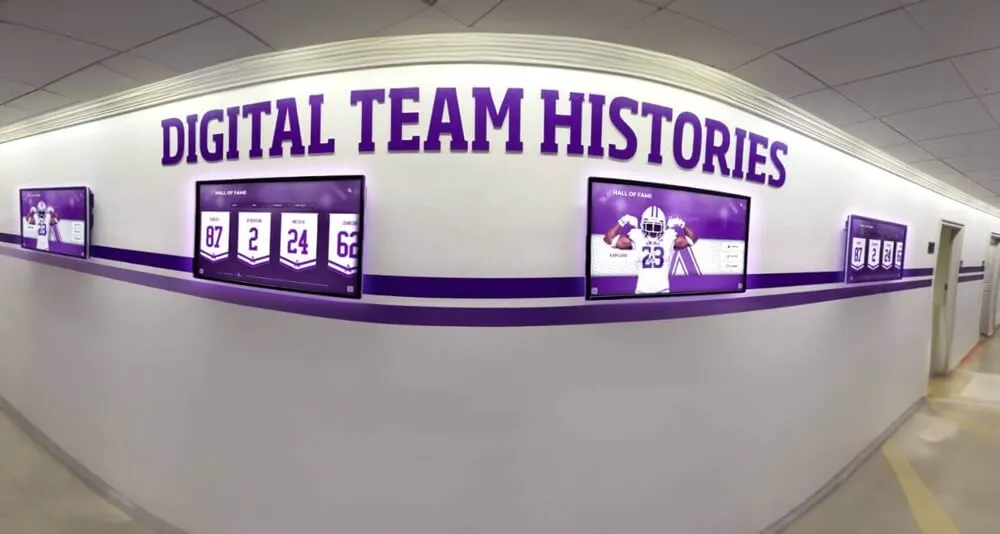
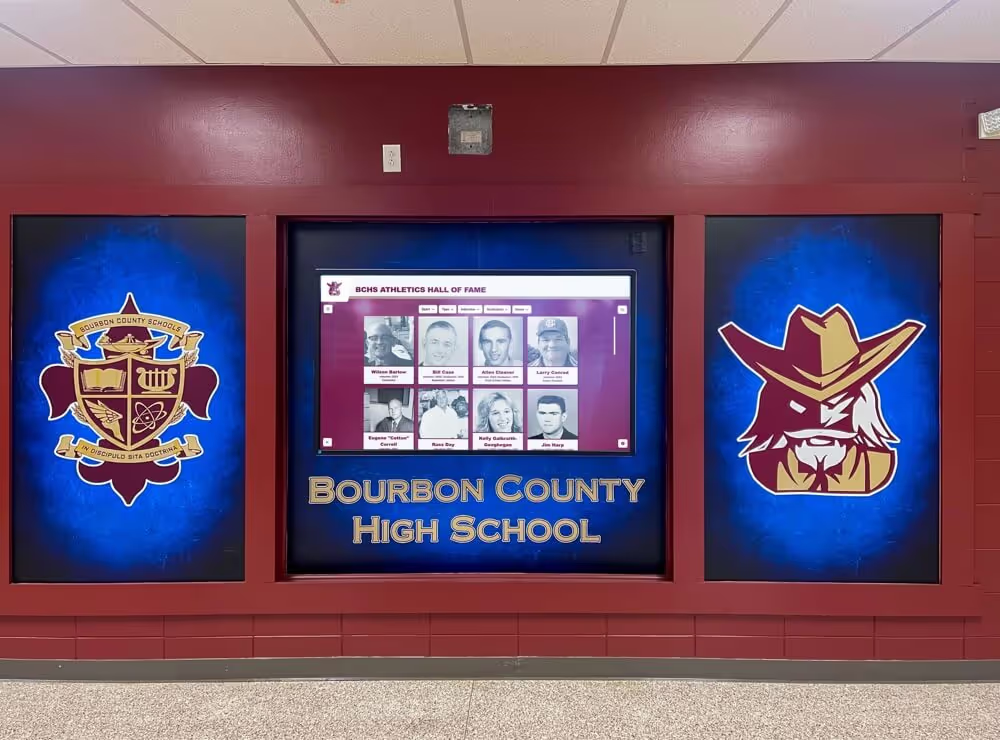
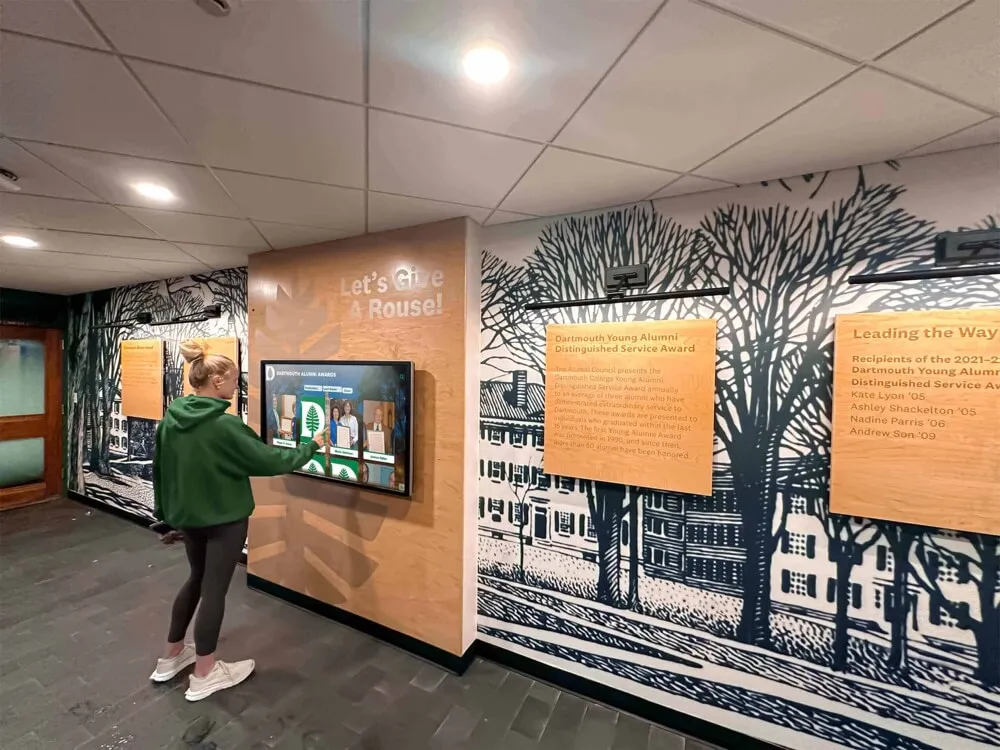
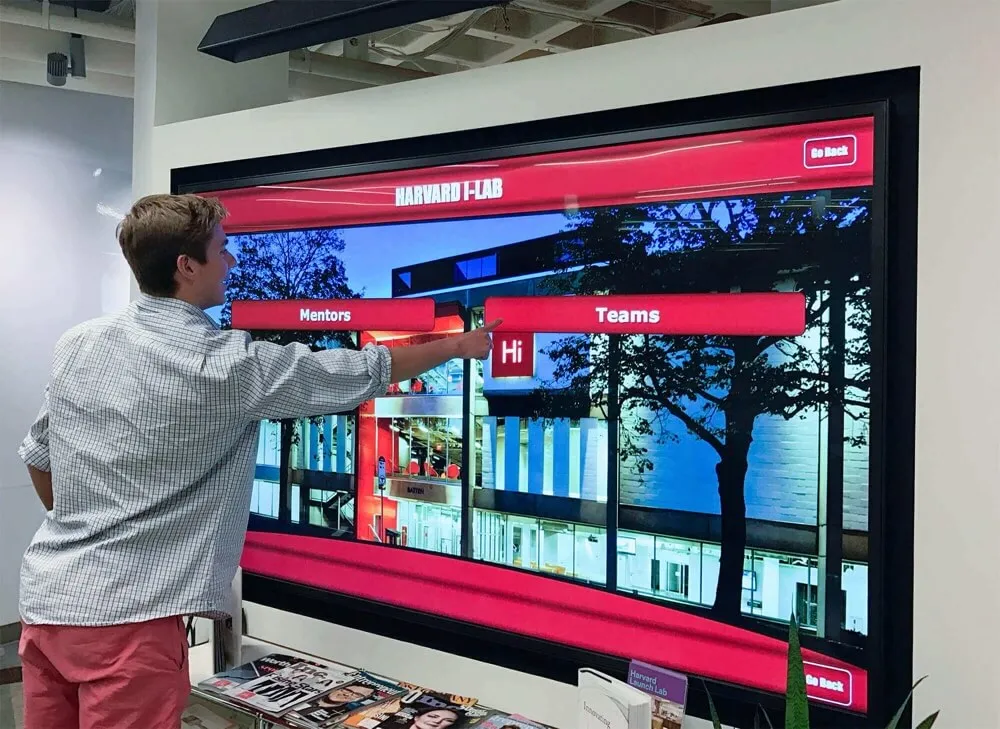
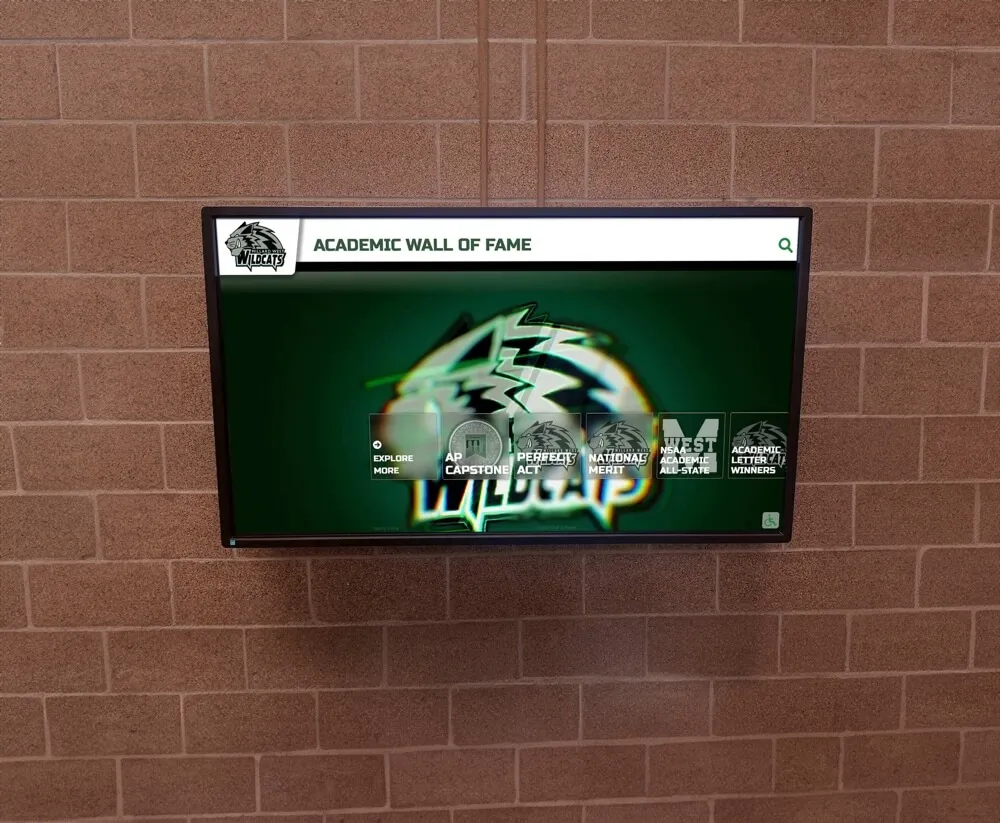
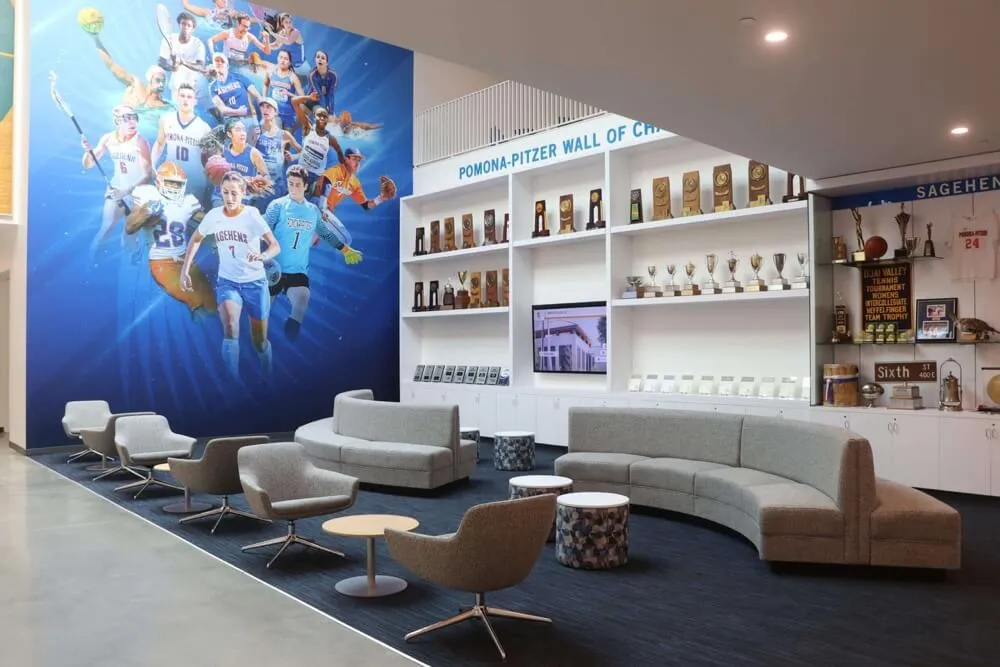
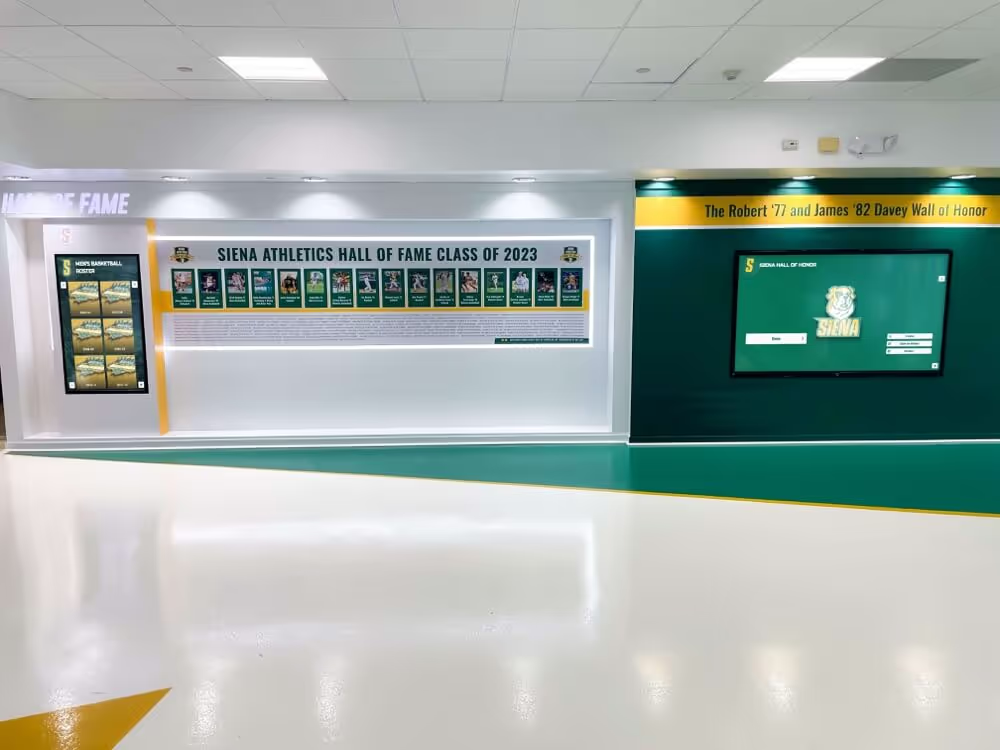
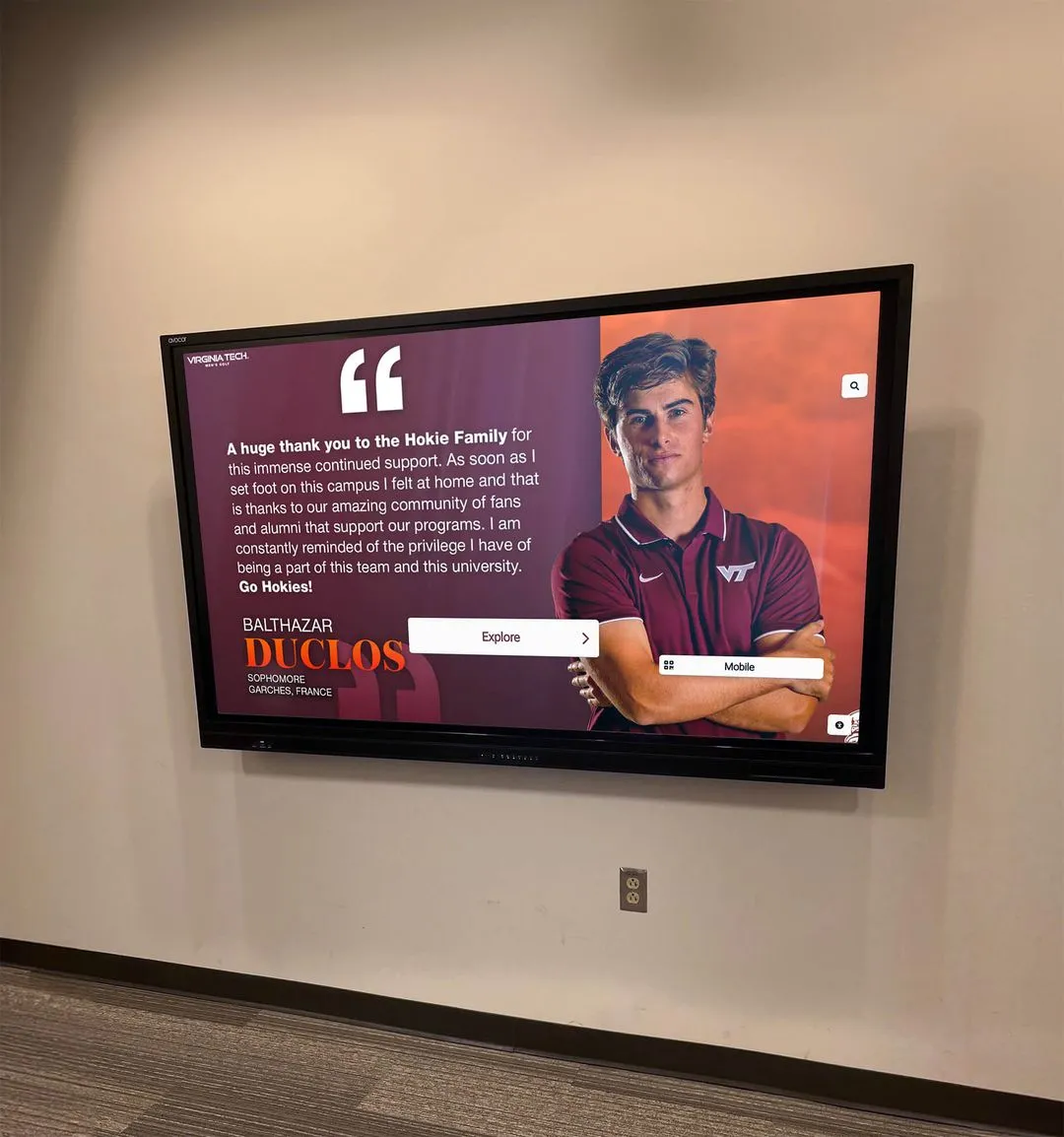
Outstanding goalkeeper development deserves recognition alongside field player achievements in comprehensive athletic programs
Understanding Goalkeeper Development and Psychology
Before diving into specific drills, understanding the unique developmental and psychological aspects of goalkeeper training ensures coaches implement exercises that build skills effectively while nurturing confidence.
The Goalkeeper’s Mental Challenge
Goalkeepers face psychological pressures distinctly different from field players:
Isolation and Visibility
The goalkeeper position creates unique mental demands:
- Individual accountability for every goal conceded
- Prolonged periods of inactivity followed by critical moments requiring instant action
- Spatial separation from teammates limiting real-time encouragement
- Heightened visibility making mistakes immediately obvious
- Performance evaluation based on preventing negative outcomes rather than creating positive ones
Research in sports psychology demonstrates that athletes in high-accountability, low-control positions (like goalkeepers) require specific confidence-building approaches different from those effective with field players. Drill design must account for this psychological reality.
Building Resilience Through Progressive Success
Effective goalkeeper training balances challenge with achievable success:
- Drills structured to ensure frequent positive outcomes while maintaining difficulty
- Progressive complexity allowing skill mastery before advancing
- Failure framed as learning opportunities within supportive environments
- Confidence built through demonstrated capability rather than empty reassurance
- Mental reset techniques integrated into physical skill development
Goalkeeper coaches must recognize that confidence emerges from competence—keepers who consistently succeed in training carry that self-assurance into matches.
Age-Appropriate Skill Development
Goalkeeper training should align with physical and cognitive development stages:
Youth Goalkeepers (Ages 8-12)
Focus areas for developing keepers:
- Basic handling technique and ball security
- Fundamental footwork and body positioning
- Simple angle play and positional awareness
- Shot-stopping from predictable trajectories
- Enjoyment and confidence-building emphasized over technical perfection
At this stage, repetition of basic skills in positive environments matters more than advanced tactical concepts. Young keepers who develop solid fundamentals and love the position create foundations for future growth.
Adolescent Goalkeepers (Ages 13-16)
Progressive skill development for maturing athletes:
- Advanced positioning and angle optimization
- Reflex development through varied shot patterns
- Distribution skills including throws, drop-kicks, and goal kicks
- Communication and defensive organization
- Beginning mental composure and pressure management
Physical growth during adolescence creates temporary coordination challenges. Drill progression should account for changing body dimensions while reinforcing previously learned fundamentals. Learn more about recognizing developing athletes in team awards ideas beyond traditional MVP categories that celebrate goalkeeper-specific achievements.
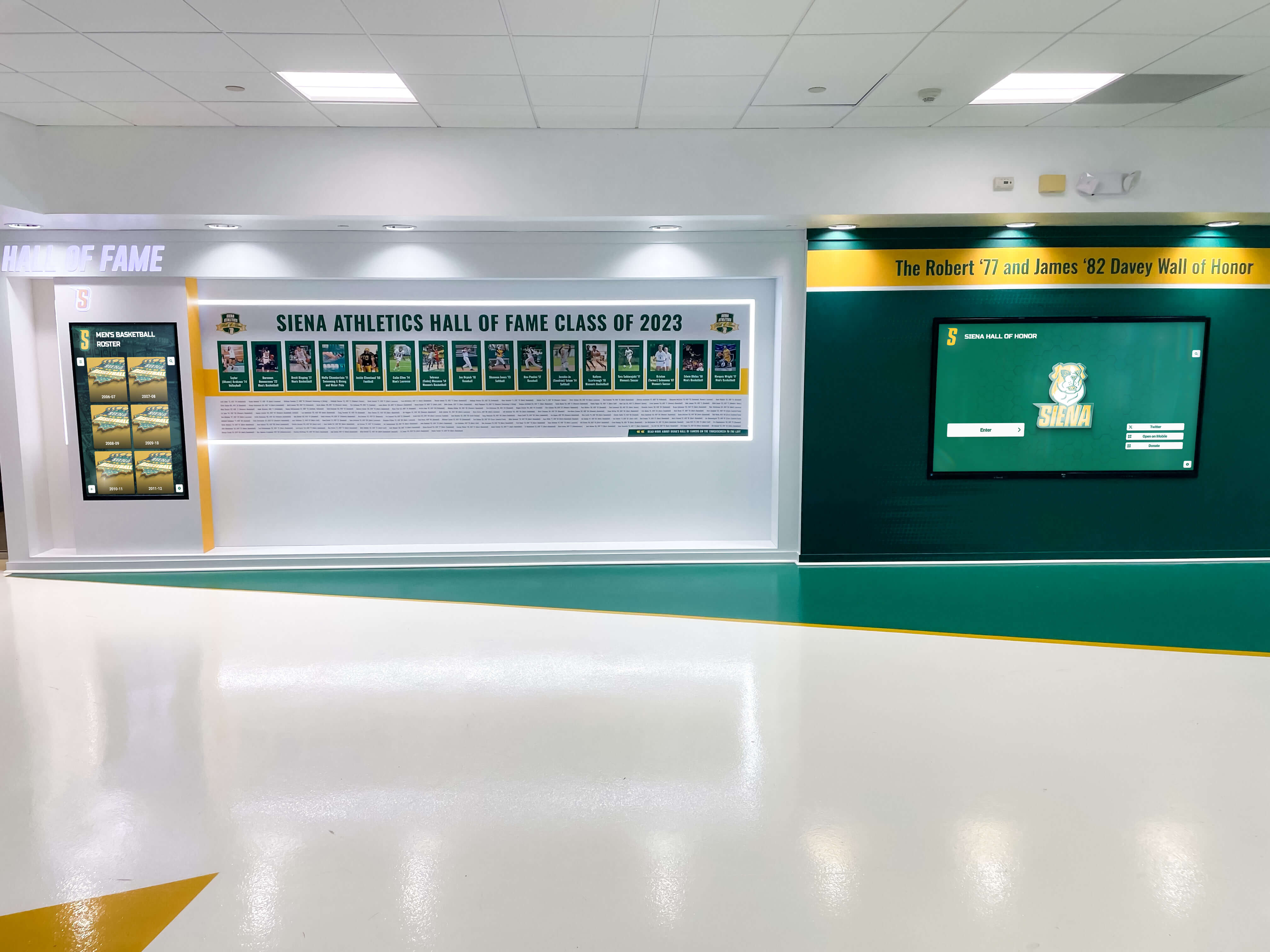
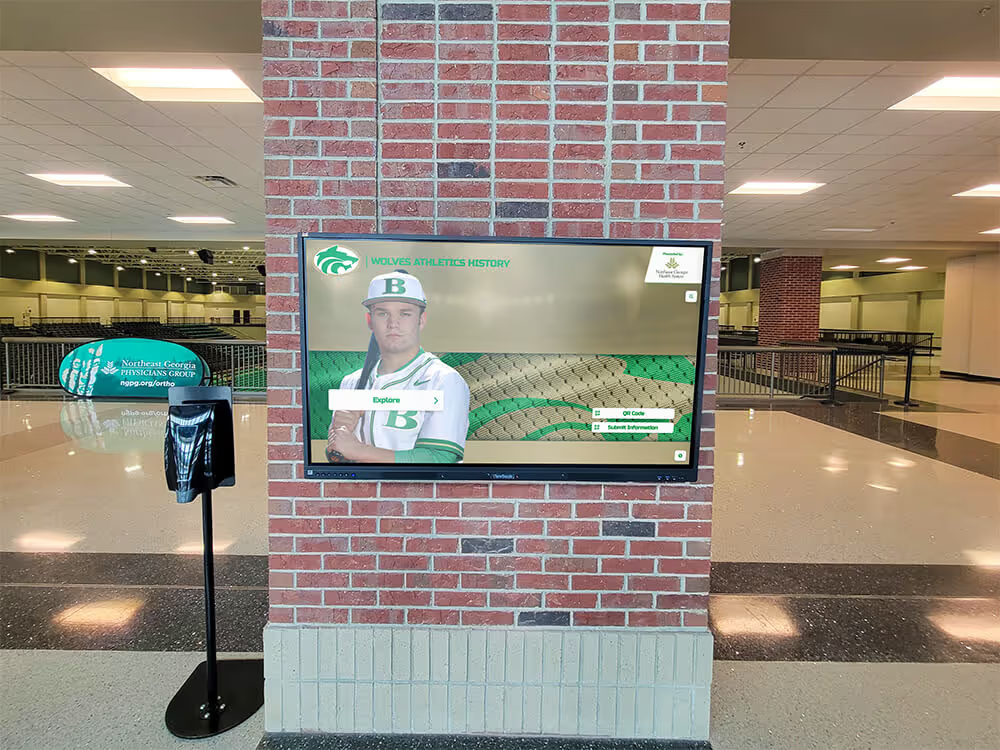
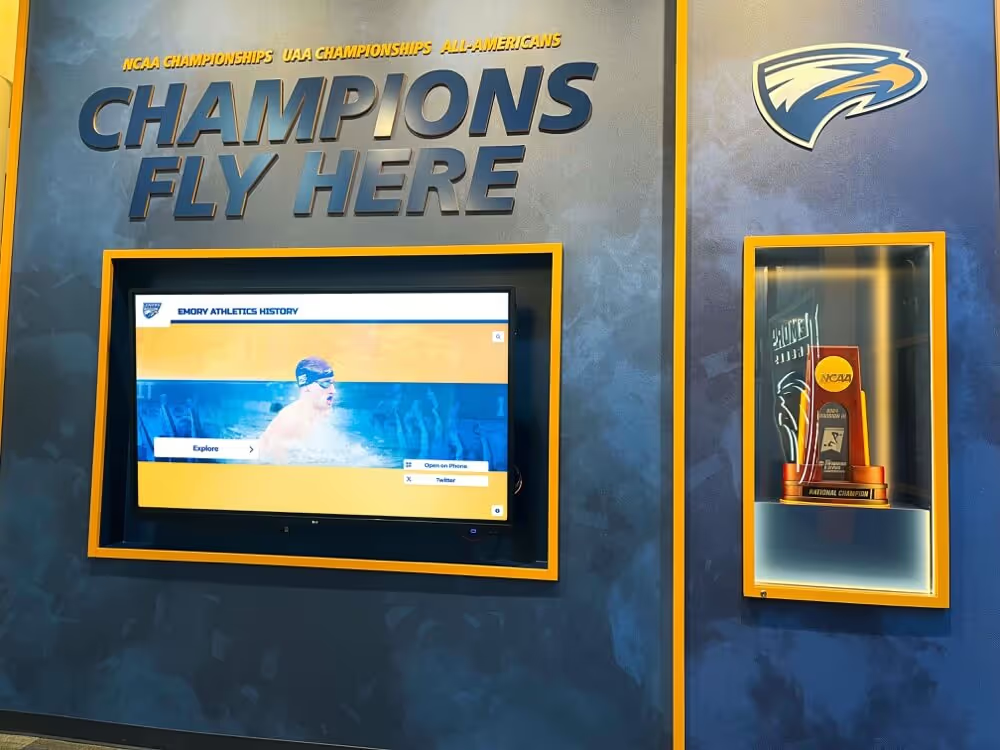
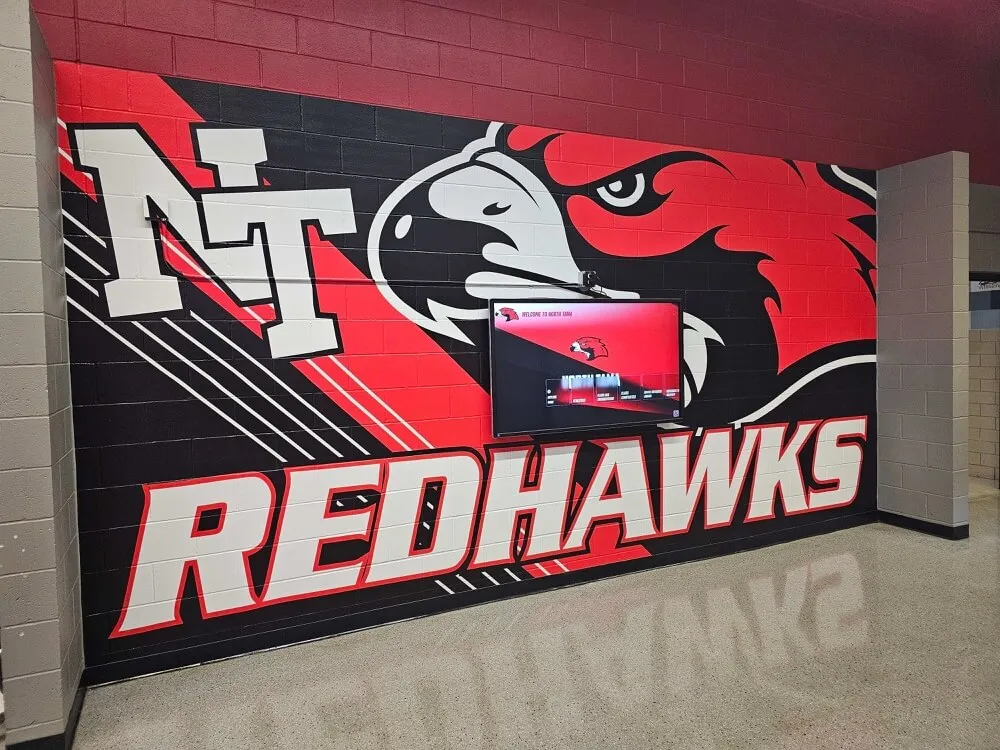
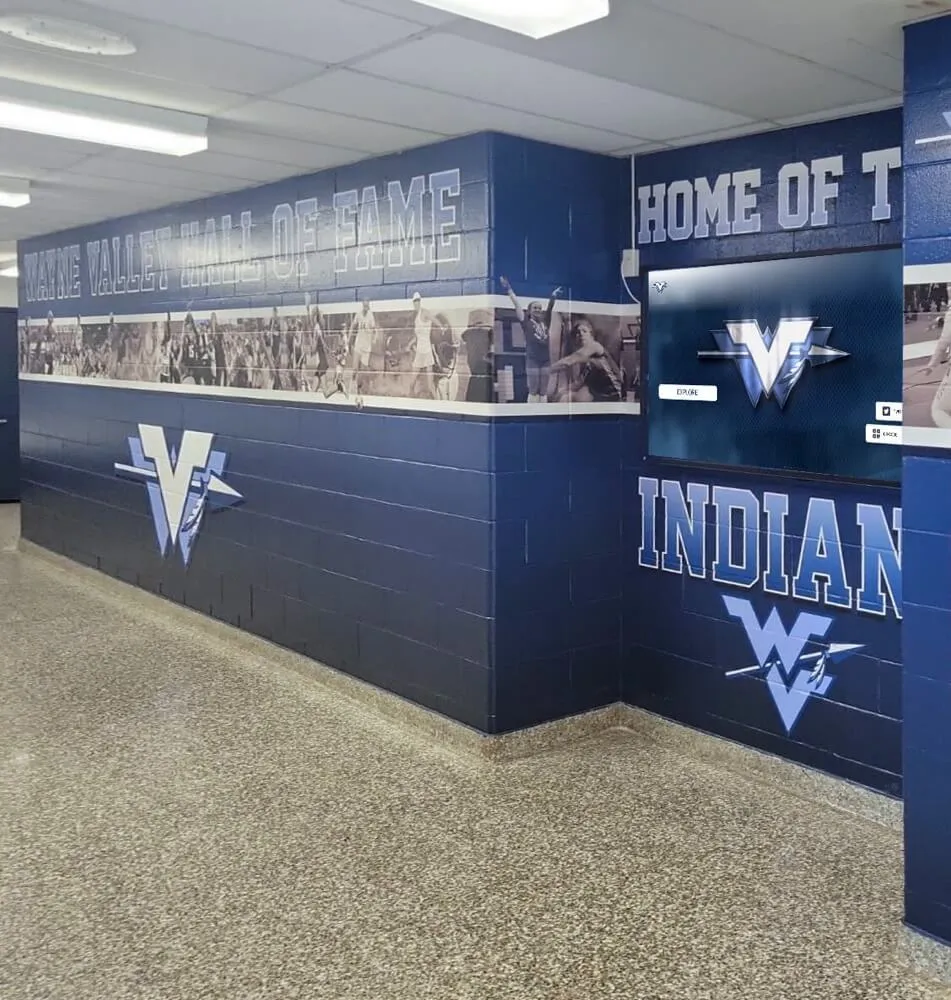
Permanent recognition of exceptional goalkeepers alongside field players demonstrates program appreciation for all positions
High School and Advanced Goalkeepers (Ages 16+)
Elite-level skill refinement:
- Reaction speed optimization through rapid-fire drills
- Complex game-situation decision-making
- Advanced distribution supporting attacking transitions
- Leadership development and defensive orchestration
- Mental preparation routines and game-day composure strategies
At advanced levels, small technical improvements and mental edge development separate college-prospect goalkeepers from solid high school performers.
Essential Reflex and Reaction Drills
Lightning-fast reflexes represent the most visually impressive goalkeeper skill—and fortunately, one of the most trainable through dedicated practice.
Close-Range Rapid Fire Drills
These drills develop the instant reactions necessary for deflecting shots from close range:
Two-Ball Rapid Reaction
Drill setup and execution:
- Goalkeeper positioned on goal line in athletic stance
- Coach positioned 6-8 yards from goal with two balls
- Coach rapidly strikes both balls in quick succession (1-2 seconds apart)
- Goalkeeper makes initial save, immediately resets, and makes second save
- Repeat for sets of 5-8 repetitions
Coaching points:
- Emphasize quick recovery to athletic stance between saves
- Goalkeeper should stay on feet whenever possible (diving only when necessary)
- Vary shot height and angles forcing different save techniques
- Maintain proper form even under rapid pressure
- Rest adequately between sets to maintain quality over quantity
Progression variations:
- Increase to three balls for advanced keepers
- Reduce distance to 5 yards for elite-level challenge
- Add lateral movement between shots
- Incorporate deflections requiring second reactions
- Use multiple feeders from different angles
Three-Cone Reaction Drill
Developing multi-directional reflexes:
- Place three cones in triangle formation 2 yards apart
- Goalkeeper starts at center cone
- Coach calls out cone number (or uses hand signals)
- Goalkeeper explosively touches called cone and immediately returns to center
- Coach strikes shot immediately as keeper returns to starting position
- Repeat for 6-10 repetitions per set
This drill trains keepers to make saves even when not optimally positioned—a critical game situation skill when reacting to deflections or rebounds.

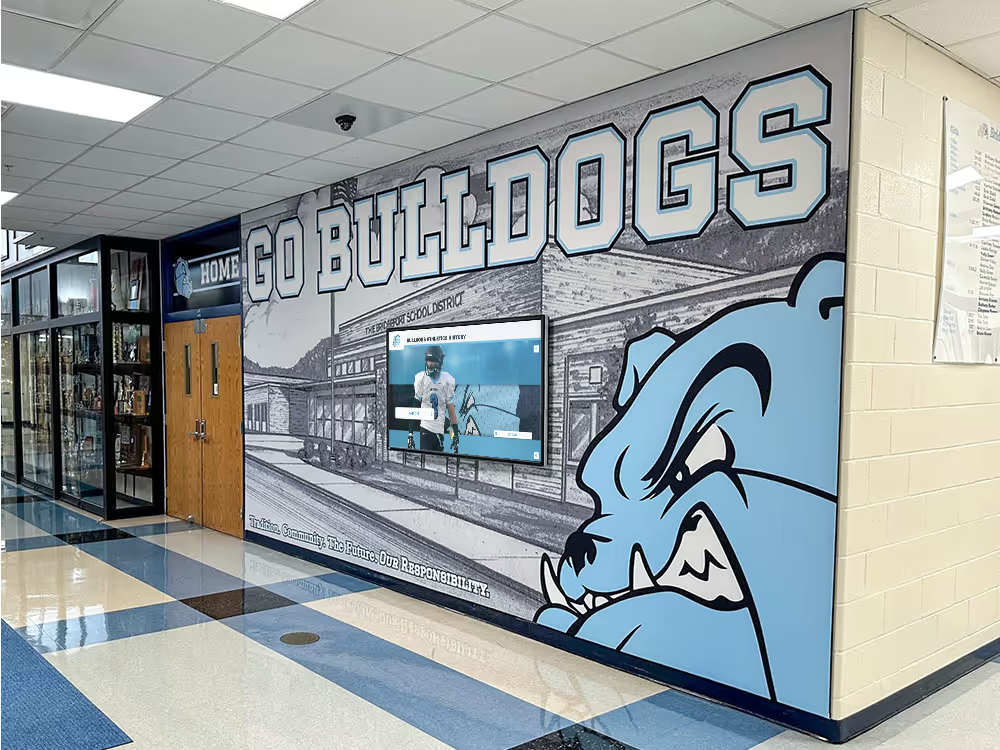
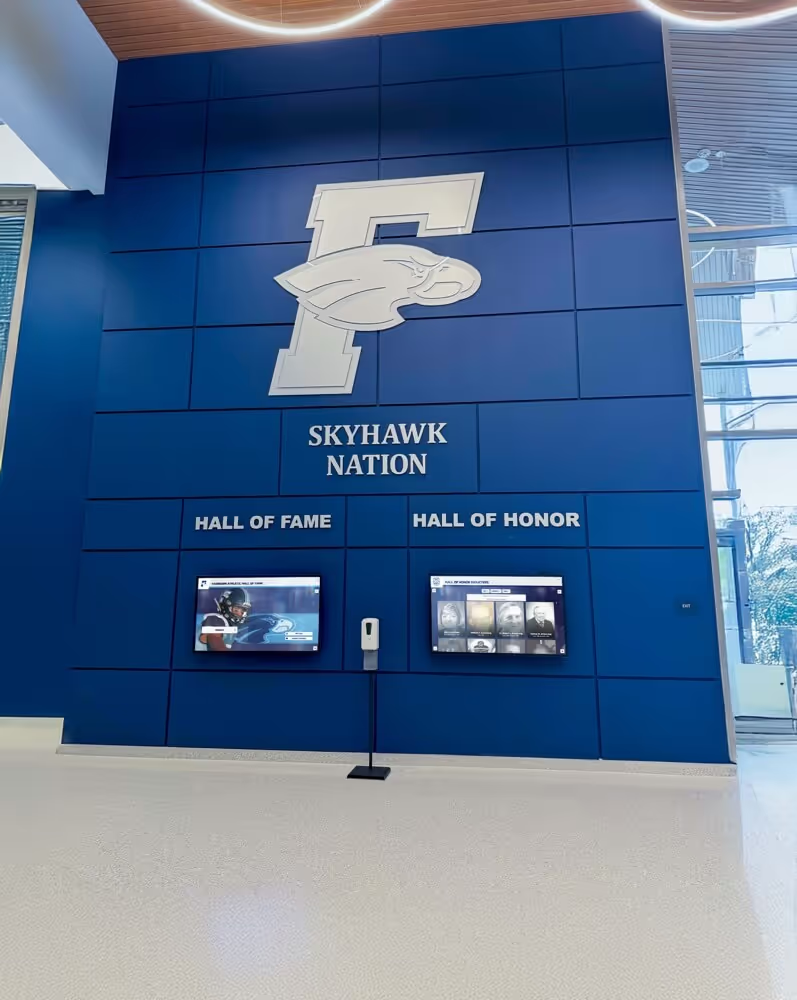
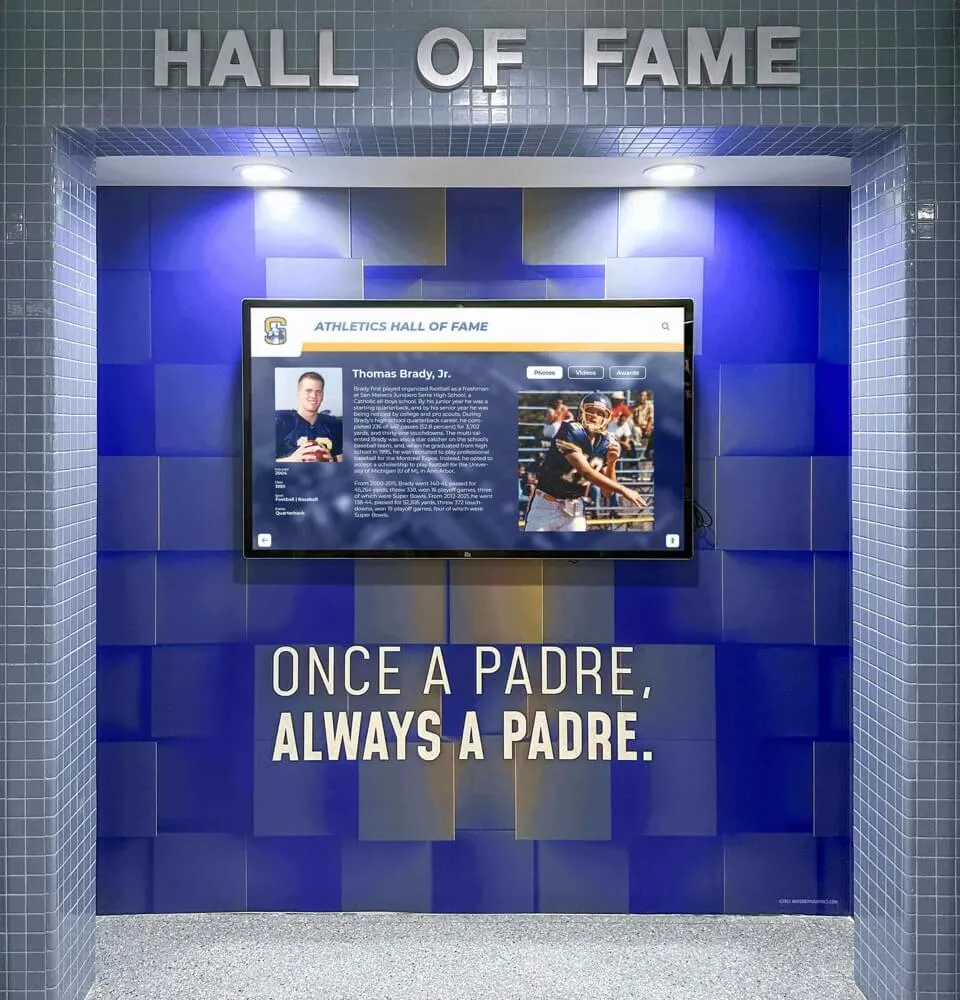
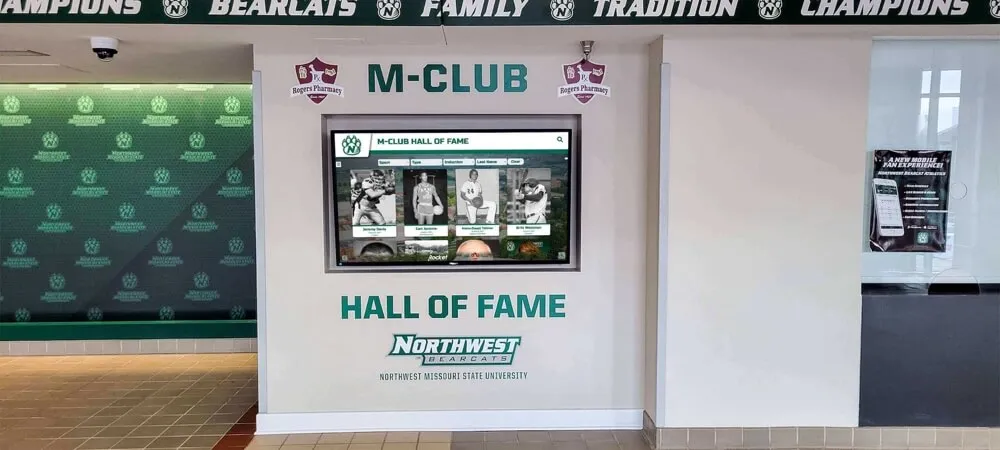
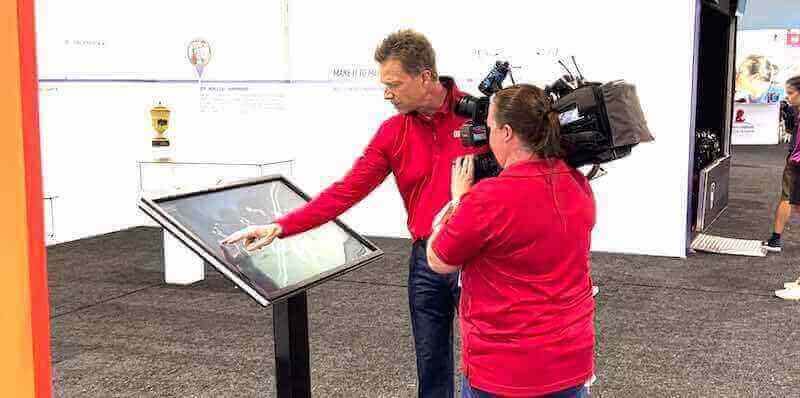
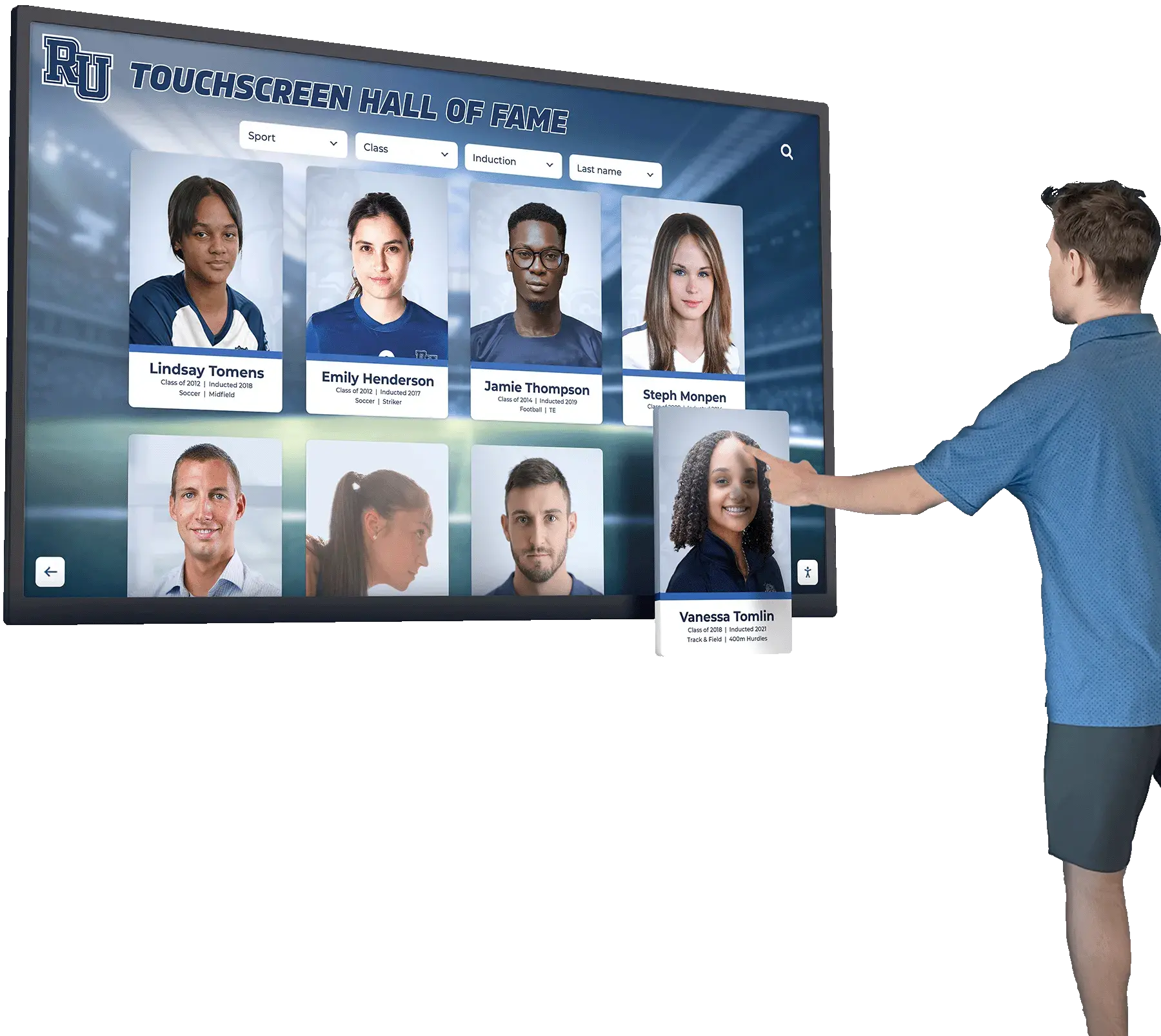
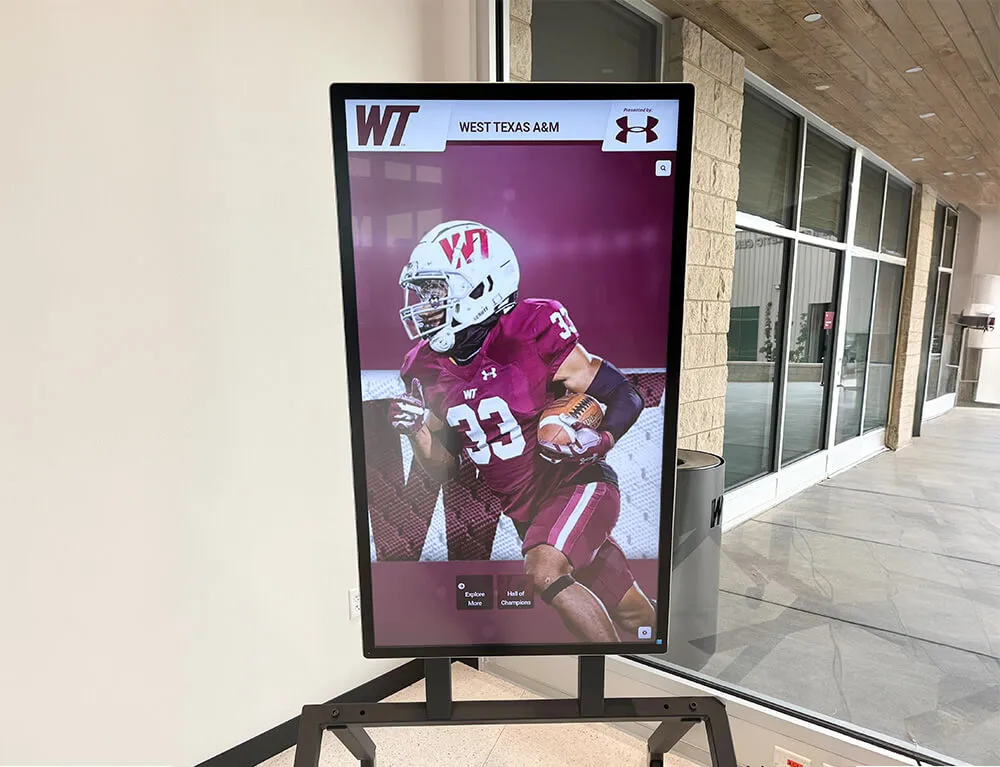
Interactive displays allow highlighting goalkeeper-specific statistics and memorable saves alongside traditional scoring achievements
Tennis Ball Reaction Training
Tennis balls create unpredictable bounces developing true reactive ability:
Wall Rebound Reactions
Simple but highly effective drill:
- Goalkeeper stands 3-4 yards from solid wall
- Coach throws tennis ball forcefully at wall from side angle
- Ball rebounds toward keeper at unpredictable angle
- Goalkeeper catches or deflects ball
- Repeat rapidly for 45-60 seconds, then rest
The unpredictability of tennis ball rebounds prevents anticipatory movement, forcing genuine reactive saves. This transfers directly to deflected shots and unexpected game situations.
Partner Toss Reactions
Two-person drill for goalkeeper pairs:
- Goalkeepers face each other 5-6 yards apart
- Partners rapidly toss tennis balls to each other at varying heights
- Focus on clean catches with proper hand positioning
- Gradually increase speed and unpredictability
- Continue for 60-90 seconds per set
This drill develops soft hands, visual tracking, and the hand-eye coordination essential for handling in traffic during corner kicks and crosses.
Positioning and Footwork Drills
Excellent positioning prevents shots that reflexes cannot save—making footwork and spatial awareness equally important as reaction speed.
Angle Play and Positioning
Understanding and executing proper angles transforms goalkeeper effectiveness:
Cone-Based Angle Training
Teaching spatial awareness through visual markers:
- Place cones defining proper goalkeeper positioning for shots from various field locations
- Striker takes shots from different angles (penalty spot, 18-yard line corners, wings)
- Goalkeeper practices moving to correct position before each shot
- Coach provides immediate feedback on positioning accuracy
- Remove cones as keeper internalizes proper angles
Coaching emphasis:
- Goalkeeper should bisect angle between ball and goal posts
- Position adjusts based on shooter angle and distance
- Small positioning errors create large gaps in goal coverage
- Footwork speed determines positioning effectiveness
- Proper position makes saves easier and prevents unsaveable shots
Footwork and Recovery Drills
Quick, controlled footwork enables rapid positioning adjustments:
Lateral Shuffle Pattern Drill
Building foundational movement mechanics:
- Place markers across goal mouth at 2-yard intervals
- Goalkeeper shuffles laterally between markers using proper footwork technique
- Focus on maintaining low athletic stance throughout movement
- Add ball handling at each marker (catching thrown balls)
- Progress to adding shots after movement sequences
Technical points:
- Feet should never cross during lateral movement
- Weight balanced on balls of feet enabling quick direction changes
- Hands ready position maintained during footwork
- Head stable despite lower body movement
- Small, quick steps more effective than large strides
Back Pedal Recovery Drill
Training for recovering position after advancing:
- Goalkeeper starts at optimal position for ball at top of penalty area
- Coach calls “breakaway” and keeper sprints forward 8-10 yards
- Coach immediately plays ball backward toward midfield
- Goalkeeper must back pedal rapidly to recover position for second attacker
- Coach strikes shot as keeper reestablishes position
This drill replicates the common game situation where keepers advance to cut down angles on initial attackers, then must rapidly recover when possession changes. Building programs that recognize goalkeeper intelligence and positioning skills alongside pure shot-stopping appears in women’s soccer all-star recognition approaches celebrating complete goalkeeper performance.
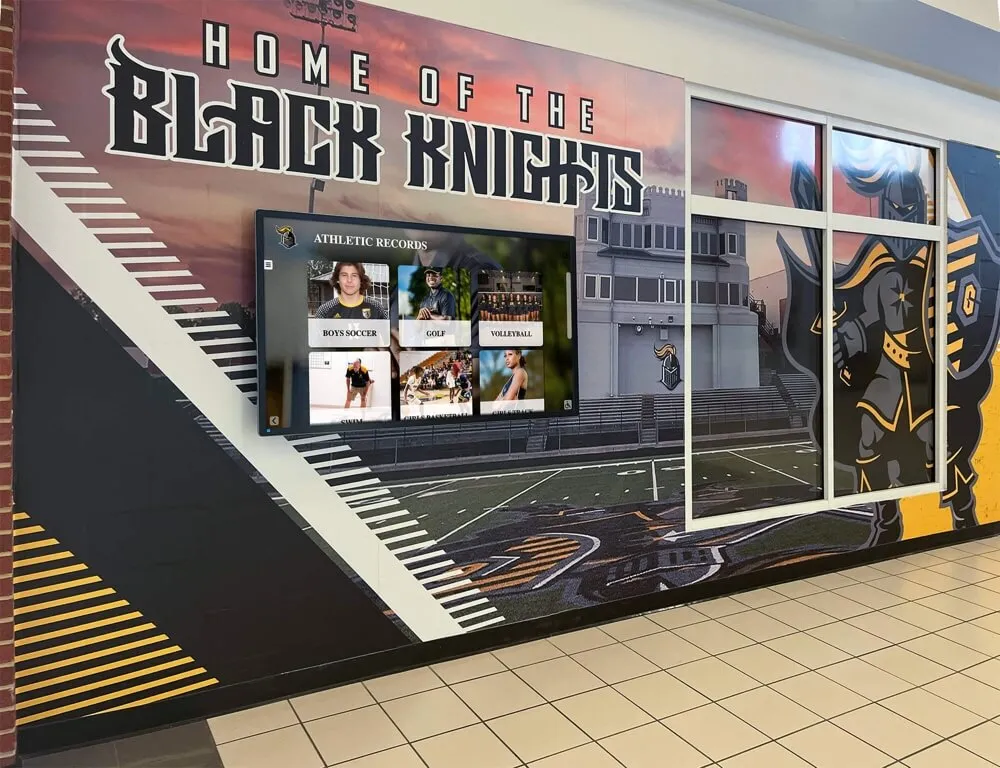
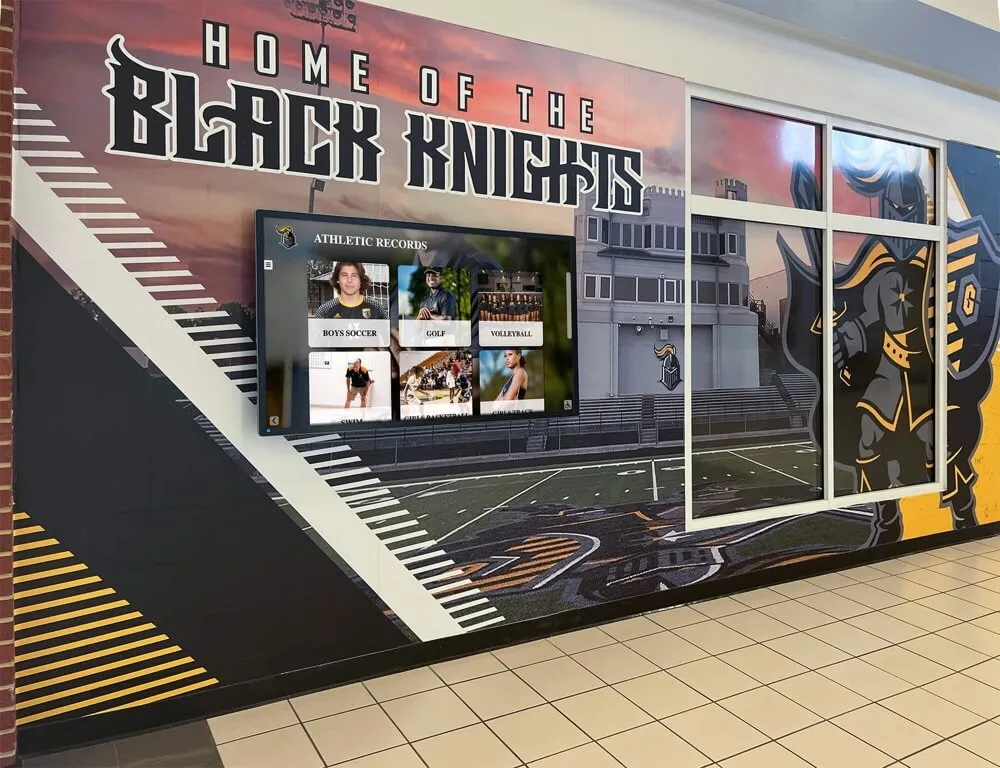
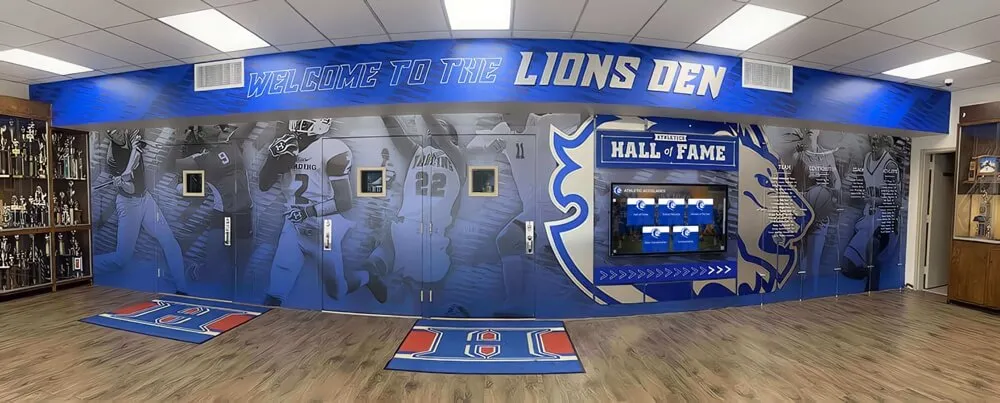
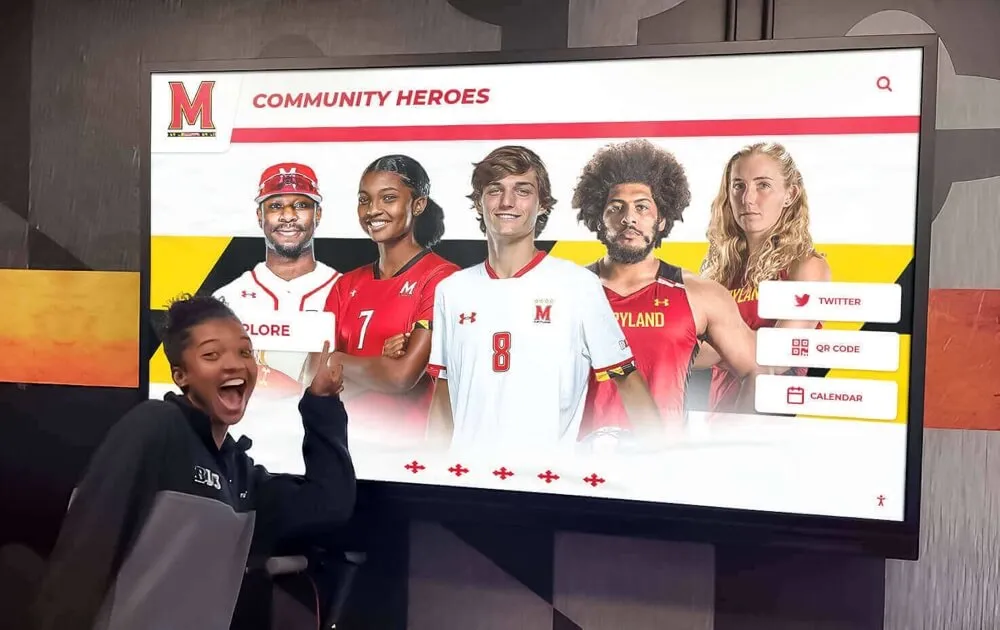
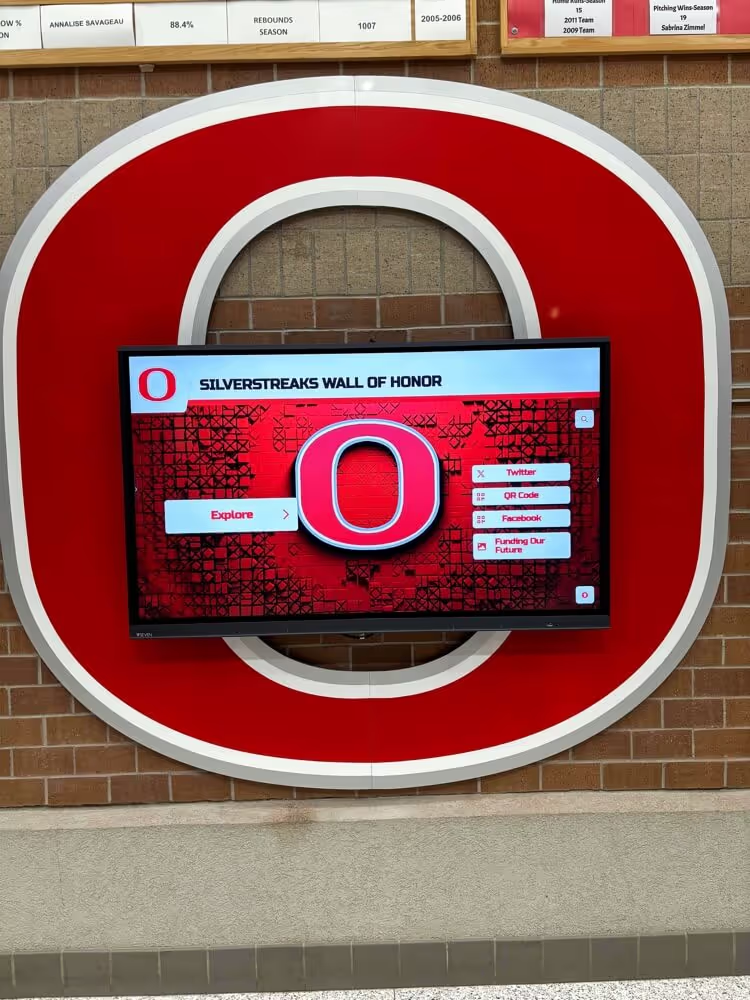
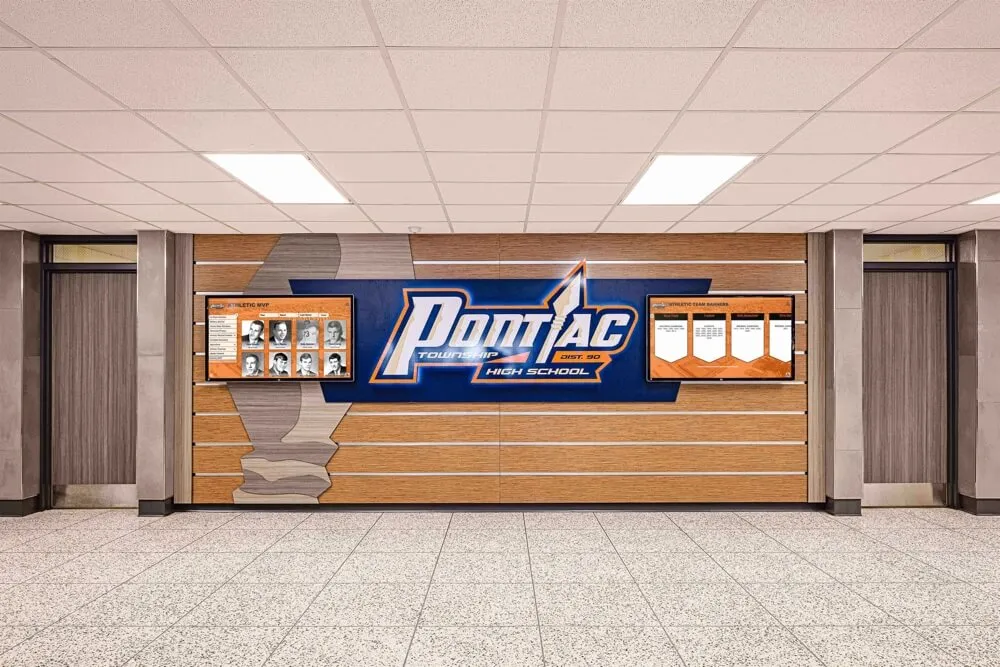
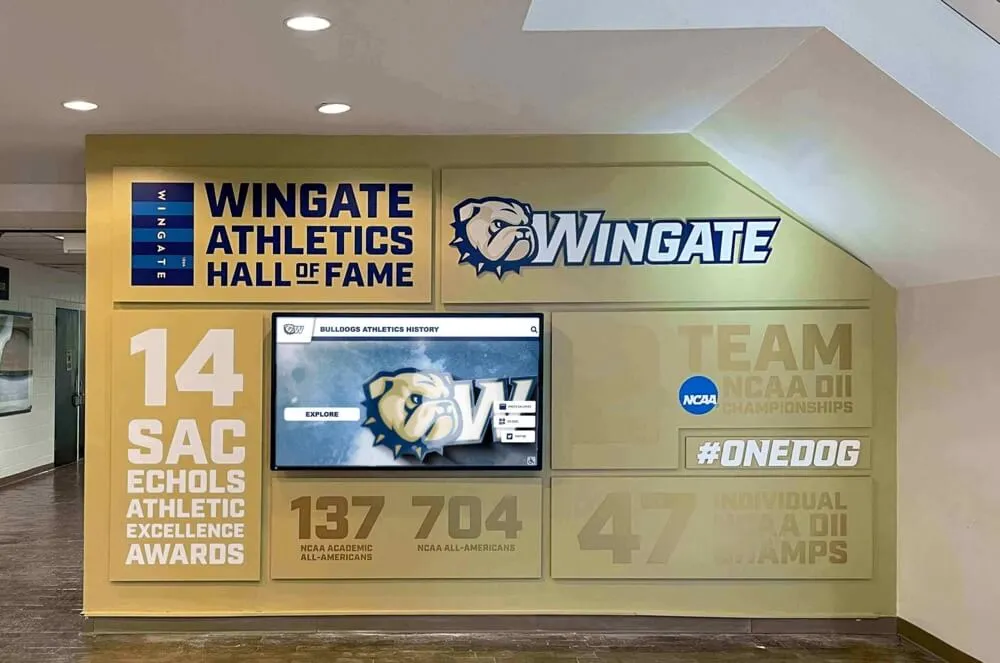
Modern recognition systems can showcase goalkeeper-specific records including saves, shutouts, and goals-against averages
Shot-Stopping Technique and Diving Drills
Proper technique ensures maximum save percentage while minimizing injury risk during diving and physical saves.
Progressive Diving Technique
Building diving skills safely from ground up:
Low Dive Progression
Teaching proper mechanics before adding height:
- Stage 1 (Kneeling): Goalkeeper kneels on ground, dives laterally catching low balls, focusing on proper hand position and body extension
- Stage 2 (Crouched): Same drill from low crouch position, adding small push-off with legs
- Stage 3 (Standing): Full diving motion from standing position, emphasizing collapse-step and proper landing technique
- Stage 4 (Game Speed): Diving saves at match intensity with varied shot placement
Technical emphasis throughout progression:
- Lead with hands toward ball, body follows
- Proper hand shape (strong hand behind ball, weak hand on top/side)
- Landing sequence: hands, forearms, side of body (never stomach or elbows)
- Ball secured to body after initial contact
- Explosive push-off from inside foot for maximum extension
High Dive Development
Adding vertical component after mastering low dives:
- Start with stationary high balls allowing keeper to time jump
- Progress to moving balls requiring coordination of lateral and vertical movement
- Add complexity with shots requiring full extension at bar height
- Finish with rapid sequences requiring consecutive high saves
Diving to Both Sides Equally
Most goalkeepers develop dominant-side preference requiring conscious correction:
Weak-Side Repetition Protocol
Deliberately overtraining non-dominant side:
- Identify keeper’s weaker diving direction through observation
- Dedicate 60% of diving drill repetitions to weak side
- Continue weak-side emphasis until performance equalizes
- Maintain balanced training once proficiency achieved on both sides
Attackers exploit goalkeeper weaknesses ruthlessly. A keeper strong to their right but vulnerable left will face disproportionate shots to that side.
Building Confidence Through Progressive Challenge
Confidence emerges from demonstrated competence—systematic success in progressively challenging situations.
Success-Based Progression Model
Structure training to ensure high save rates while maintaining appropriate difficulty:
The 70% Success Principle
Optimal challenge level for confidence-building:
- Design drills where goalkeepers successfully save approximately 70% of shots
- Too easy (90%+ saves): insufficient challenge, limited improvement
- Too difficult (50% saves): excessive failure, confidence erosion
- Sweet spot (65-75% saves): achievable challenge building both skill and confidence
Adjust drill difficulty by modifying:
- Shot distance (closer = easier saves)
- Shot speed (reduced pace = higher save rate)
- Shot predictability (telegraphed shots = easier reactions)
- Repetition quantity (fewer reps = maintained quality and confidence)
- Rest intervals (adequate recovery = better performance)
Performance Tracking and Visible Improvement
Goalkeepers need concrete evidence of developing abilities:
Session-to-Session Metrics
Trackable improvements demonstrating progress:
- Save percentage in specific drills
- Reaction time improvements in rapid-fire exercises
- Successful diving catches vs. deflections
- Positioning accuracy in angle drills
- Consecutive saves without errors
Keeping simple training logs showing improvement over weeks creates powerful confidence reinforcement. Goalkeepers who see documented progress trust their preparation when facing critical game moments.
Many programs recognize this developmental excellence through sports banquet awards celebrating improvement and dedication beyond just championship outcomes.
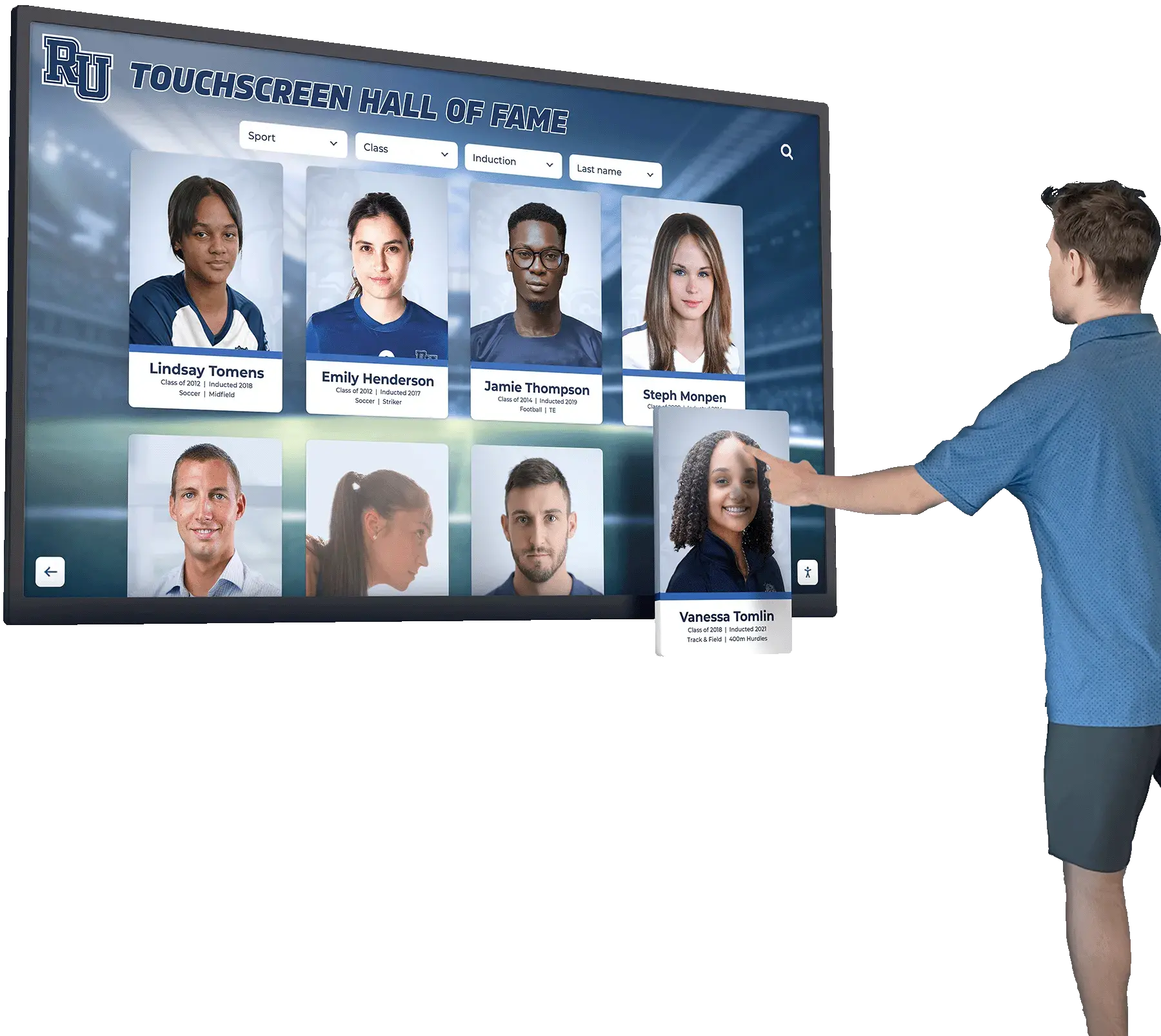
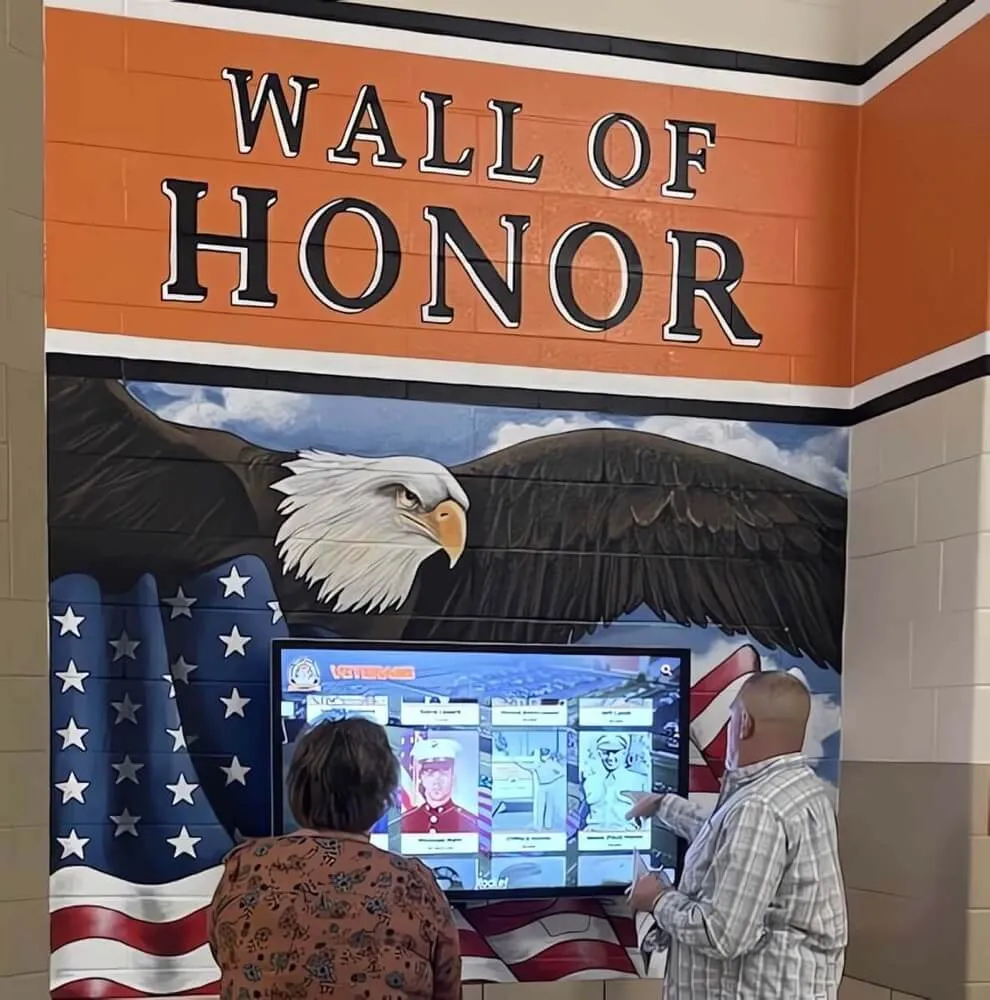
Digital recognition platforms enable showcasing goalkeeper career statistics and memorable performances accessible to current and future teams
Game-Situation Training and Decision-Making
Technical skills mean little without the decision-making ability to apply them appropriately during matches.
Breakaway and 1v1 Situations
Training for the highest-pressure goalkeeper moments:
Progressive Breakaway Drill
Building decision-making under pressure:
- Level 1: Stationary ball with approaching striker—keeper practices timing approach and narrowing angle
- Level 2: Rolling ball with approaching striker—adds speed judgment component
- Level 3: Through-ball service requiring keeper to judge whether to attack ball or hold position
- Level 4: Full game-speed breakaways with attackers having complete freedom
Key decision points keepers must master:
- When to stay on line vs. advance toward attacker
- Optimal distance to close down (typically 6-8 yards from attacker)
- When to dive at feet vs. stay upright forcing shot
- Reading attacker’s body language for shot timing
- Recovery positioning if attacker pushes ball wide
Cross and Corner Kick Training
Goalkeepers must dominate their penalty area on service:
Command the Box Drill
Developing aerial authority:
- Servers deliver crosses from various angles and distances
- Goalkeeper must decide whether to:
- Come and catch cleanly
- Punch clear when catch unavailable
- Stay on line and organize defenders when service unreachable
- Add passive defenders creating realistic traffic
- Progress to active defenders and attackers creating game pressure
Communication Requirements
Vocal leadership separates good from great goalkeepers:
- “Keeper!” call signaling goalkeeper is attacking ball
- “Away!” command for defenders to clear danger
- Organizational calls positioning defenders before service
- Loud, decisive communication creating defender confidence
Developing goalkeeper leadership and communication appears in comprehensive academic and athletic recognition programs acknowledging complete student-athlete development.
Mental Preparation and Game-Day Composure
Physical skills provide the foundation, but mental preparation determines performance when stakes are highest.
Pre-Game Routine Development
Consistent routines create psychological readiness:
Personalized Warm-Up Protocols
Every elite goalkeeper develops individualized preparation:
- Physical warm-up sequence activating muscle groups and movement patterns
- Technical progression from simple catches through full-speed diving
- Mental visualization of successful saves and key game situations
- Tactical review of opponent tendencies and game-plan specifics
- Rhythmic breathing or music creating optimal arousal state
The routine itself matters less than consistency—familiar preparation creates confidence and optimal readiness regardless of external pressures.
Handling Mistakes and Adversity
Every goalkeeper will concede goals—response determines career trajectory:
Immediate Reset Techniques
Mental tools for recovering from errors:
- Physical reset trigger (hand clap, deep breath, touching posts)
- Cognitive reframe (“next play” mentality vs. dwelling on past)
- Reviewing correct response to prevent error repetition
- Perspective maintenance (one goal doesn’t define match outcome)
- Support-seeking from teammates when needed
Practice Adversity in Training
Deliberately creating pressure situations:
- Penalty shootout drills where saves required for team success
- Game-simulation scenarios with score implications
- Practicing after making errors (building recovery capability)
- Training while fatigued (replicating late-game conditions)
- External observers creating realistic pressure
Goalkeepers who regularly succeed under practice pressure develop the composure to perform when matches matter most. Programs celebrating this mental toughness appear in senior night recognition honoring athlete resilience throughout their careers.
Creating a Goalkeeper Development Culture
Systematic improvement requires programmatic commitment beyond individual drills.
Dedicated Goalkeeper Training Time
Specialized development needs dedicated practice time:
Integrated Training Schedule
Balancing team and position-specific work:
- 20-30 minutes goalkeeper-specific work before full team training
- Dedicated goalkeeper sessions 1-2 times weekly (if program size allows)
- Modified participation in team drills emphasizing goalkeeper-relevant skills
- Individual technical work during field-player small-sided games
- Recovery time appropriate for goalkeeper physical demands (different from field players)
Recognition of Goalkeeper Excellence
Goalkeepers need acknowledgment of position-specific achievements:
Goalkeeper-Specific Awards and Recognition
Celebrating keeper contributions appropriately:
- Save percentage and goals-against average statistics tracked and celebrated
- Shutout recognition equivalent to scoring milestones
- Best save nominations and weekly/seasonal awards
- Leadership and communication excellence acknowledgment
- Permanent recognition alongside field player achievements
Athletic departments working within budget constraints can explore cost-effective athletic recognition solutions that celebrate goalkeeper achievements alongside other program milestones.
Programs committed to goalkeeper development showcase these achievements through permanent displays demonstrating position value. Schools can explore comprehensive athletic recognition approaches through digital record boards highlighting goalkeeper statistics and career milestones adapted for soccer programs.
Many programs also celebrate exceptional goalkeeper performances through retired jersey number honors for legendary athletes who transformed their programs through years of outstanding play.
Building Goalkeeper Community
Position-specific camaraderie accelerates development:
Goalkeeper Group Training Benefits
Multiple keepers training together creates advantages:
- Peer learning from watching teammates’ techniques
- Healthy competition raising performance standards
- Position-specific mentorship from experienced to developing keepers
- Shared understanding of unique position pressures
- Rotation allowing adequate rest during intensive drills
Programs with only one goalkeeper should seek opportunities for joint training with other schools or club programs, preventing the isolation that limits development. Many successful programs also benefit from volunteer coaching support from experienced goalkeeper specialists willing to contribute expertise even without formal coaching positions.
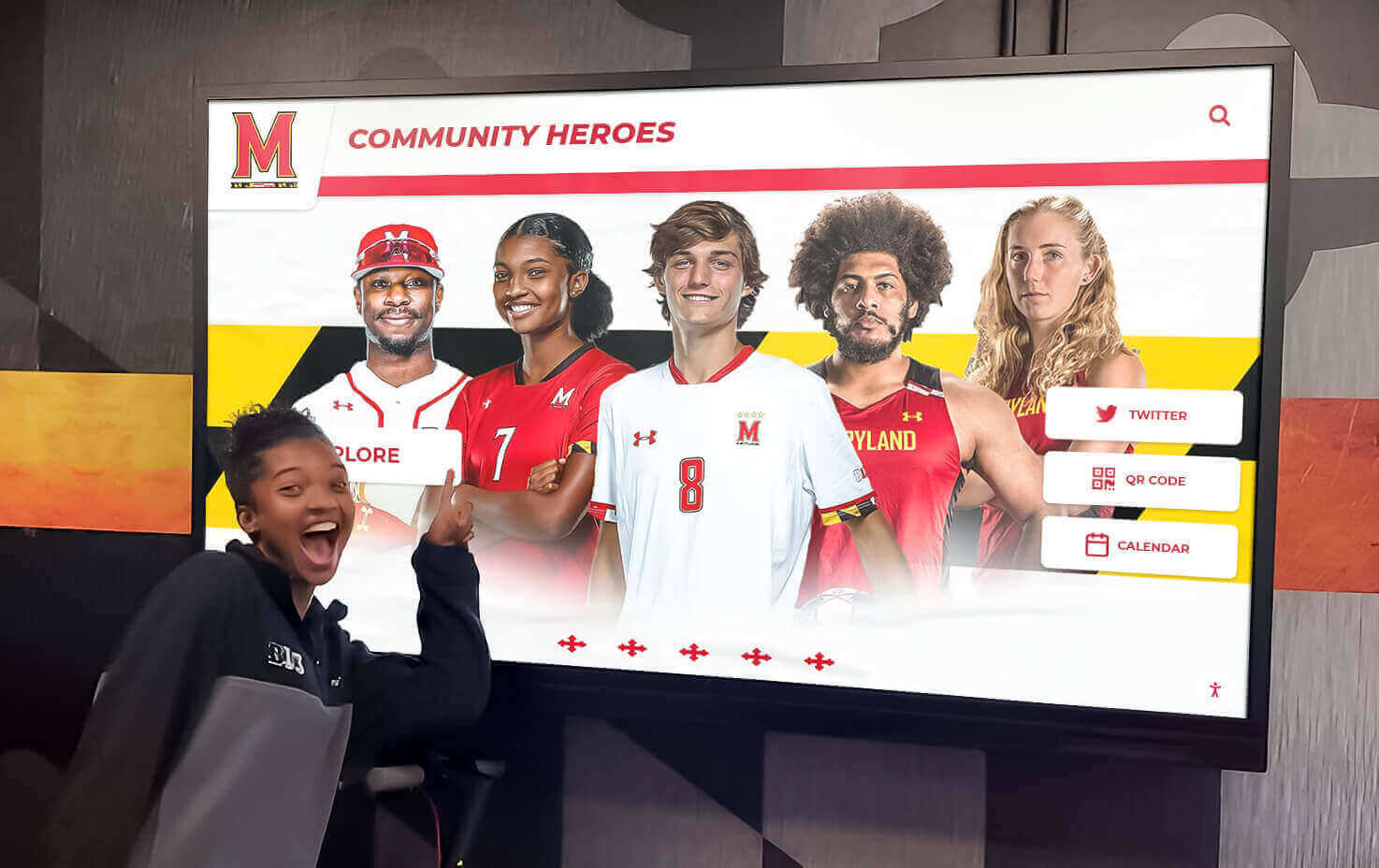
Next-generation athletes draw inspiration from highlighted goalkeeper achievements and career stories displayed prominently in athletic spaces
Implementing Your Goalkeeper Development Program
Transforming these drill concepts into systematic improvement requires thoughtful implementation.
Season-Long Progression Planning
Structure training to peak at appropriate times:
Pre-Season Foundation Phase (4-6 weeks)
Building technical base:
- Emphasis on fundamental technique refinement
- High repetition of basic skills ensuring proper mechanics
- Conditioning specific to goalkeeper movement patterns
- Lower-pressure drills building confidence through success
- Team integration and defensive communication development
In-Season Maintenance Phase
Sustaining skills throughout competitive season:
- Reduced volume maintaining freshness for matches
- Focused work on specific weaknesses identified in games
- Game-situation drills maintaining decision-making sharpness
- Mental preparation and routine reinforcement
- Individual attention to each goalkeeper’s developmental needs
Post-Season Development Phase
Aggressive skill development during off-season:
- Introduction of new techniques and advanced concepts
- Intensive work on identified weaknesses
- Experimentation with different approaches
- Strength and conditioning emphasis
- Video analysis and tactical education
Drill Session Structure
Effective training sessions follow logical progression:
Sample 45-Minute Goalkeeper Training Session
Optimized structure maximizing development:
- Warm-up (8 minutes): Dynamic stretching, footwork patterns, basic handling progressions
- Technical focus (15 minutes): Primary skill emphasis (diving technique, positioning, etc.) with high-quality repetitions
- Game-situation training (12 minutes): Applying skills in realistic scenarios (breakaways, crosses, etc.)
- Conditioning element (5 minutes): Position-specific fitness work
- Cool-down and review (5 minutes): Static stretching, session feedback, mental preparation emphasis
Quality matters more than quantity—fresh goalkeepers training with proper technique improve faster than fatigued keepers reinforcing poor mechanics through excessive repetitions.
Conclusion: Building Complete Goalkeepers
Elite goalkeepers combine technical excellence, tactical intelligence, physical capability, and unshakeable mental composure—attributes developed through deliberate, progressive training addressing the position’s unique demands. The drills and progressions outlined in this guide provide coaches with frameworks for systematic goalkeeper development from youth levels through high school varsity.
Consistent implementation of these training approaches transforms athletic talent into reliable shot-stopping, confident decision-making, and game-changing performance when matches are decided by single plays. Programs committed to goalkeeper development create not just better individual keepers, but stronger defensive units and more competitive teams.
As you develop your goalkeeper training program, remember that building confidence matters as much as building reflexes. Keepers who trust their preparation, understand their positioning, and maintain composure under pressure become the difference-makers who keep championship aspirations alive.
Celebrate goalkeeper excellence appropriately throughout their careers—from youth development through senior recognition. Athletic programs seeking comprehensive recognition solutions that showcase goalkeeper achievements alongside field player statistics can explore Rocket Alumni Solutions’ interactive displays designed specifically for complete athletic recognition. These systems enable highlighting position-specific statistics, memorable saves, and career milestones, ensuring goalkeepers receive the permanent recognition their contributions deserve while inspiring future generations to embrace this demanding and critical position.