Soccer Footwork Drills: 12 Ball-Mastery Exercises That Build Speed, Control, and Confidence
- Home /
- Blog Posts /
- Soccer Footwork Drills: 12 Ball-Mastery Exercises That Build Speed, Control, and Confidence
The Easiest Touchscreen Solution




Live Example: Rocket Alumni Solutions Touchscreen Display
Interact with a live example (16:9 scaled 1920x1080 display). All content is automatically responsive to all screen sizes and orientations.
Soccer footwork drills form the foundation of technical excellence that separates good players from great ones—the difference between athletes who simply chase the ball and those who command it with precision, creativity, and confidence under pressure. While strength, speed, and tactical awareness matter tremendously, none of these attributes translate into match-winning performance without the fundamental ability to manipulate the ball quickly and accurately with both feet.
Elite players make ball control look effortless. They receive passes cleanly under defensive pressure, change direction without breaking stride, execute skills in tight spaces, and maintain possession when opponents apply aggressive challenges. This mastery doesn’t emerge from natural talent alone—it develops through thousands of deliberate touches in progressive training environments that systematically build technique, muscle memory, and the neural pathways enabling unconscious competence during competitive situations.
Most youth soccer programs dedicate training time to tactical concepts, fitness development, and team formations while treating individual technical skill development as supplementary work players should complete independently. This approach creates preventable performance gaps where tactically intelligent athletes with solid work ethics struggle to execute what they understand because their feet can’t consistently execute what their minds envision.
This comprehensive guide provides coaches and players with 12 progressive footwork drills that systematically develop ball mastery, from fundamental touch exercises for beginners through advanced skill combinations for competitive athletes. These drills build the technical foundation enabling players to perform confidently when college recruiters are watching and championship recognition opportunities are on the line.

Outstanding footwork development deserves recognition alongside scoring achievements in comprehensive athletic programs
Understanding Footwork Development and Ball Mastery Principles
Before implementing specific drills, understanding foundational principles of skill acquisition ensures coaches structure training environments that accelerate learning while building player confidence.
The Science of Motor Learning in Soccer
Ball mastery develops through progressive exposure that builds neural pathways supporting unconscious competence:
Repetition With Variation
Effective footwork training balances consistency with progressive challenge:
- Sufficient repetition to establish muscle memory and motor patterns
- Gradual complexity increases preventing plateaus and maintaining engagement
- Bilateral development ensuring both feet develop equally
- Variable practice conditions preparing players for unpredictable match situations
- Success rates around 70-80% optimizing learning without excessive frustration
Research in motor learning demonstrates that blocked practice (repeating the same skill continuously) builds initial competence quickly but variable practice (mixing skills within training sessions) produces superior retention and transfer to competitive situations. The progression chart at the end of this guide incorporates both approaches for optimal development.
Progressive Overload for Technical Skills
Just as physical training requires progressive overload for strength gains, technical development demands graduated challenge:
- Master basic technique before increasing speed
- Add defensive pressure only after demonstrating clean execution
- Introduce decision-making elements after establishing technical consistency
- Combine multiple skills once individual movements become automatic
- Increase environmental complexity (space restrictions, fatigue, distractions) progressively
Players who rush through progression stages develop poor habits difficult to correct later. Patient, systematic development creates technically sound players capable of executing under any circumstance. Programs that recognize technical development milestones often use digital athletic displays to celebrate skill mastery alongside competitive achievements.
Age-Appropriate Skill Development
Footwork training should align with players’ physical, cognitive, and emotional development stages:
Youth Players (Ages 6-10)
Focus areas for developing players:
- Fun, game-based activities emphasizing ball touches
- Basic coordination and balance with the ball
- Simple dribbling patterns using both feet
- Fundamental surface awareness (inside, outside, sole)
- Short attention span accommodations with frequent activity changes
At this stage, maximizing total ball contacts in enjoyable environments matters far more than technical perfection. Young players who develop comfort with the ball and love skill work create foundations for future specialization.
Pre-Adolescent Players (Ages 11-13)
Progressive skill development for maturing athletes:
- Structured drill progressions with clear technical objectives
- Increased speed and precision expectations
- Introduction of light defensive pressure
- More complex movement patterns and skill combinations
- Beginning emphasis on weak foot development
Physical growth during this period creates temporary coordination challenges. Drill design should account for developing bodies while reinforcing fundamentals.
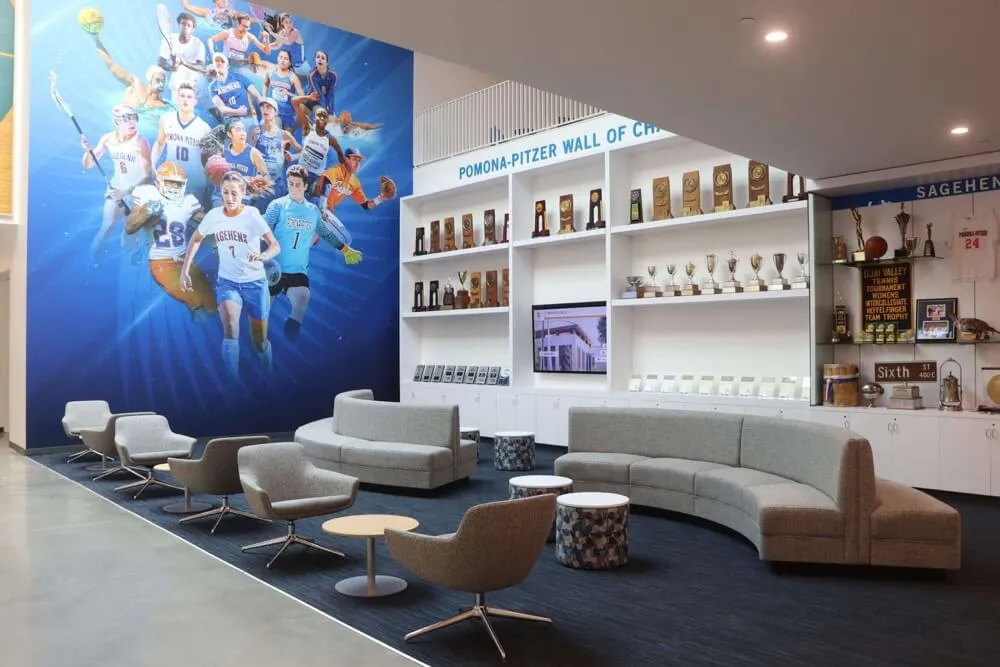
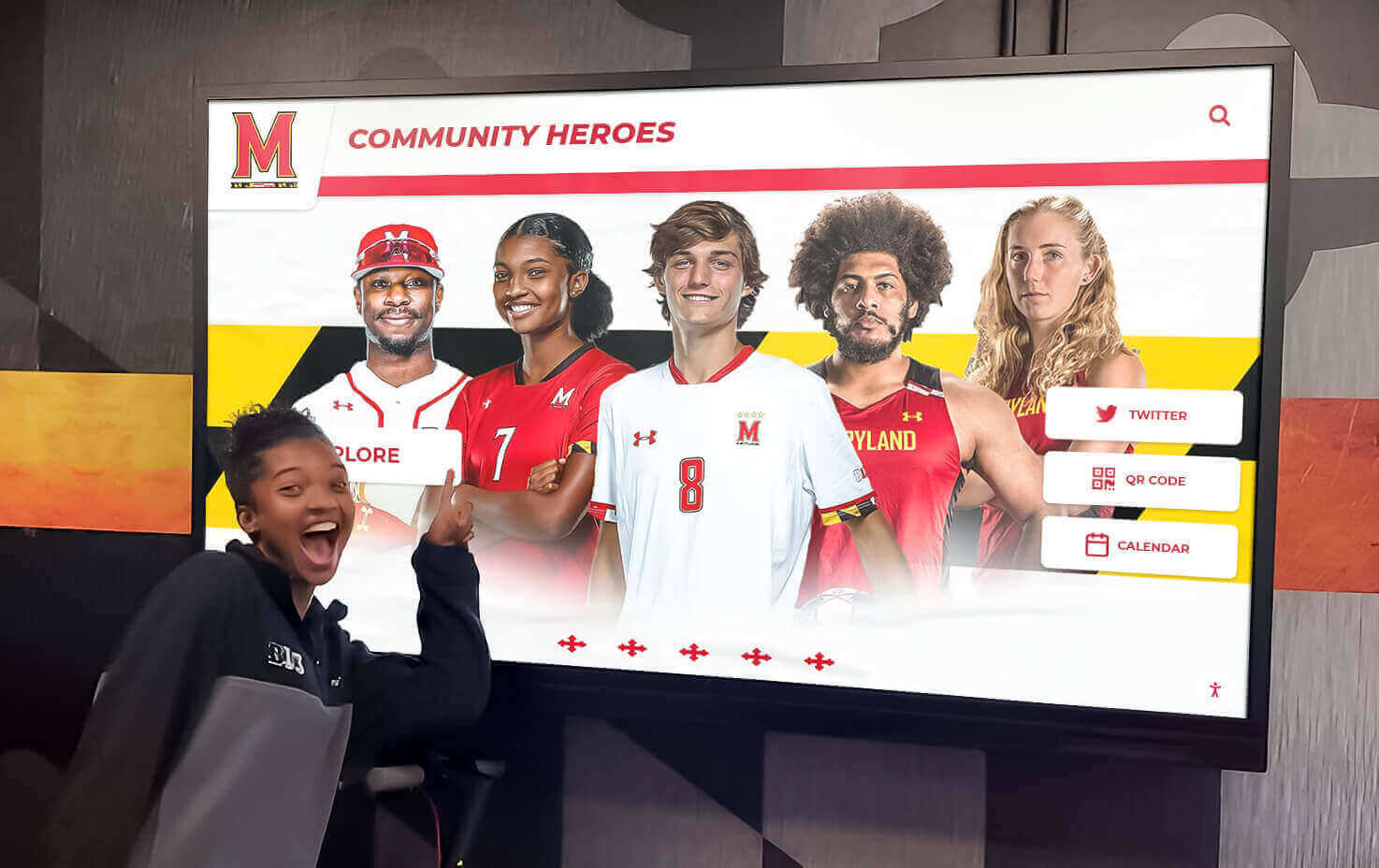
Premier training facilities integrate recognition displays celebrating technical skill development and competitive achievement
Adolescent and High School Players (Ages 14-18)
Elite-level skill refinement:
- High-intensity drill execution matching game speeds
- Complex skill sequences under realistic pressure
- Position-specific footwork applications
- Creativity development through constrained improvisation
- Mental preparation integrating technical work with competitive mindset
At this level, marginal technical improvements separate college prospects from solid high school players. Many top programs showcase their most technically gifted athletes in hall of fame displays that highlight both competitive success and skill mastery.
Key Principles for Effective Footwork Training
Every Session Integration
Footwork development should occur consistently rather than sporadically:
- Minimum 10-15 minutes per training session dedicated to technical work
- Warm-up integration making ball mastery part of preparation routines
- Cool-down skill work when fatigue creates additional challenge
- Individual homework assignments for motivated players seeking additional development
- Seasonal progression ensuring continuous challenge throughout the year
Coaches who make footwork training a non-negotiable program component produce teams with superior technical consistency across all positions.
Quality Over Quantity
Technical training effectiveness depends on execution quality:
- Perfect practice makes permanent—poor repetition reinforces bad habits
- Full concentration and deliberate execution required for every touch
- Rest periods allowing quality maintenance preventing fatigue-induced sloppiness
- Immediate correction of technical flaws before they become ingrained
- Video analysis helping players internalize proper technique
Ten minutes of focused, high-quality footwork training produces better results than thirty minutes of unfocused repetition with poor technique.
The 12 Essential Soccer Footwork Drills: Foundation to Advanced
These drills progress from basic ball familiarity through advanced skill combinations. Begin with foundational exercises and advance only after demonstrating consistent quality execution.
Foundation Level: Building Basic Ball Control
These introductory drills establish fundamental touch, coordination, and confidence essential for all advanced skills.
1. Foundation Sole Rolls
Purpose: Develop basic ball feel using the bottom of the foot while improving balance and coordination.
Setup and Execution:
- Place one foot on top of the ball
- Roll the ball forward and backward using the sole
- Switch to the other foot after 30 seconds
- Progress to alternating feet continuously
- Increase speed as control improves
Coaching Points:
- Maintain upright posture with head up
- Keep ball close under center of body
- Use small, controlled movements
- Light touch pressure—don’t pin ball to ground
- Smooth, rhythmic motion developing feel
Progression: Add lateral rolls, figure-eight patterns, or toe-taps between rolls.
Common Mistakes: Excessive pressure crushing the ball downward, looking down at ball constantly, losing balance when switching feet.
2. Inside-Outside Touch Progression
Purpose: Master ball control using the inside and outside surfaces of both feet—the foundation for dribbling and directional changes.
Setup and Execution:
- Start with ball at feet in stationary position
- Touch ball with inside of right foot, then outside of right foot
- Repeat pattern: inside-outside, inside-outside
- Perform 20 touches, then switch to left foot
- Progress to alternating feet each touch
Coaching Points:
- Small, controlled touches keeping ball within stepping distance
- Ankle flexibility allowing proper surface contact
- Rhythmic cadence developing coordination
- Gradual speed increases maintaining control
- Head position allowing peripheral vision of ball
Progression: Add forward movement while maintaining pattern, incorporate direction changes, introduce time or repetition goals.
Common Mistakes: Touches too large causing extended ball chase, rigid ankles limiting surface contact, rushing rhythm sacrificing control.
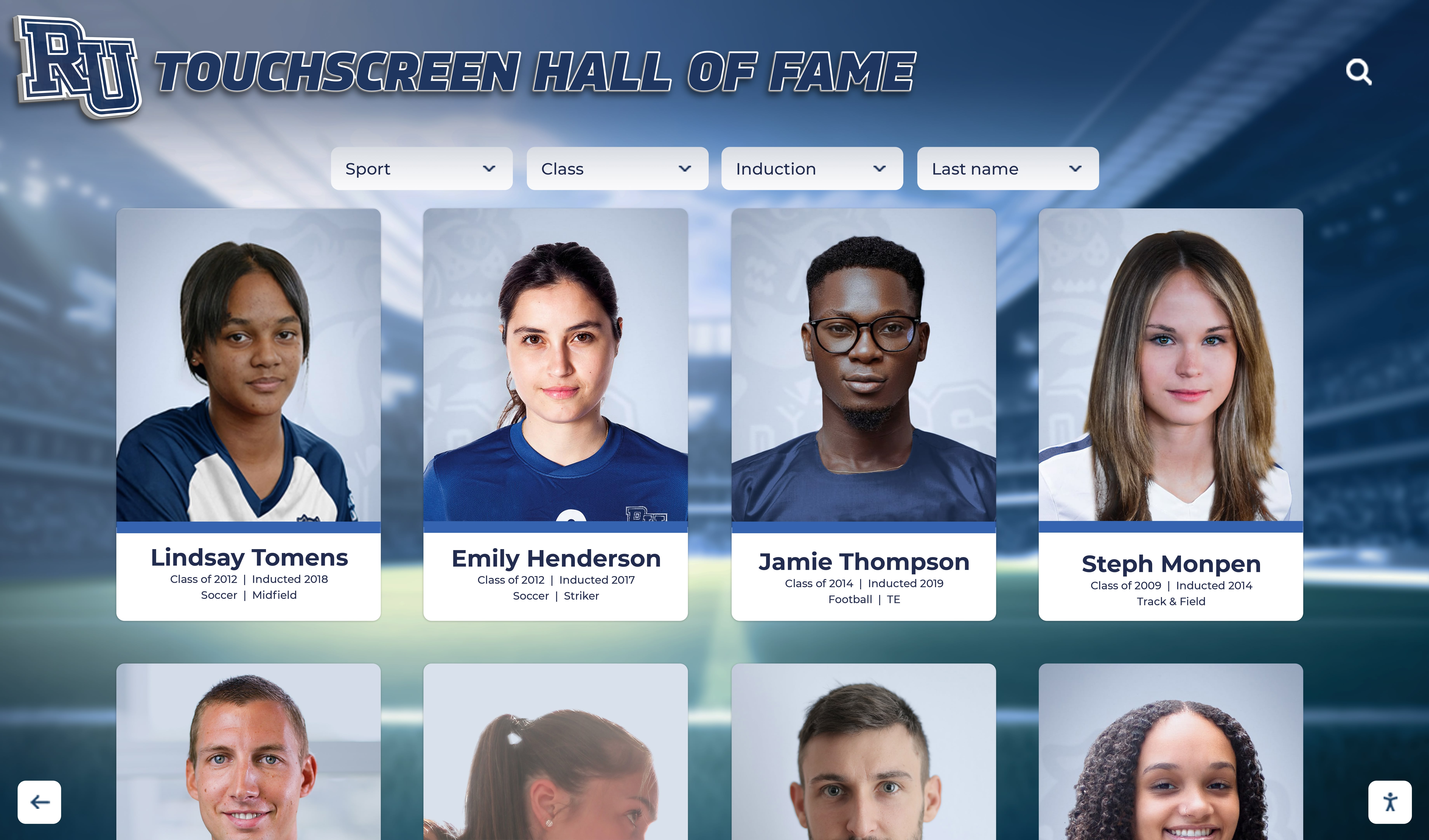
Technical skill milestones can be recognized in digital displays alongside traditional competitive achievements
3. Toe Taps and Speed Touches
Purpose: Build fast-twitch coordination, improve touch frequency, and develop comfort with rapid ball manipulation.
Setup and Execution:
- Place ball at feet
- Rapidly alternate tapping top of ball with sole of each foot
- Start slowly ensuring both feet contact ball
- Gradually increase speed maintaining control
- Perform 30-second intervals with brief rest
Coaching Points:
- Stay on balls of feet maintaining athletic stance
- Light, quick touches at top of ball
- Minimal ball movement—control not displacement
- Breathing rhythm preventing unnecessary tension
- Head up position once coordination develops
Progression: Add single-foot speed challenges, incorporate movement patterns between touch sets, combine with other skills in sequence.
Common Mistakes: Flat-footed stance reducing quickness, heavy touches moving ball excessively, holding breath creating tension.
4. Pull-Back V-Turn
Purpose: Master fundamental directional change skill while developing backward touch control and body coordination.
Setup and Execution:
- Stand with ball at feet
- Step on ball with sole of one foot
- Pull ball backward
- Plant pulling foot beside ball
- Push ball diagonally forward with inside of opposite foot (creating V pattern)
- Return to starting position and repeat other direction
Coaching Points:
- Firm sole contact during pull-back preventing roll-over
- Sharp, decisive direction change
- Low center of gravity during turn
- Quick recovery to athletic stance
- Vision forward after turn completion
Progression: Add forward dribble before turn, incorporate multiple consecutive turns, execute at game speed, add defensive pressure.
Common Mistakes: Insufficient pull-back distance, slow transition between movements, upright posture during turn, looking down throughout skill.
Intermediate Level: Developing Speed and Precision
These drills build upon foundational skills while introducing speed requirements and more complex coordination patterns.
5. L-Drills with Cone Navigation
Purpose: Combine direction changes with precise ball placement while navigating obstacles simulating defensive pressure.
Setup and Execution:
- Create L-shaped cone pattern (5 yards forward, 5 yards lateral)
- Dribble forward to first cone using preferred foot
- Execute sharp 90-degree turn
- Accelerate laterally to second cone
- Perform pull-back or cut returning to start
- Alternate direction each repetition
Coaching Points:
- Explosive acceleration out of turns
- Close ball control during directional changes
- Body position shielding ball through turns
- Vision forward identifying next target
- Both feet capable of executing pattern
Progression: Tighten cone spacing, add timing requirements, incorporate additional turns, introduce passive defender, randomize turn directions.
Many programs that emphasize technical development create digital record boards highlighting skill achievement alongside match statistics.
6. Inside-Outside Scissors Combo
Purpose: Develop deceptive skill moves combining fake directional changes with explosive acceleration.
Setup and Execution:
- Dribble forward at moderate pace
- Swing one foot around ball front (outside to inside) without touching
- Immediately push ball opposite direction with outside of same foot
- Accelerate away in new direction
- Reset and repeat alternating feet
Coaching Points:
- Exaggerated body lean selling false direction
- Quick explosive push following fake
- Low center of gravity throughout movement
- Accelerate aggressively after skill execution
- Head position selling deception
Progression: Execute at full speed, add second defender reading reaction, combine with additional skills in sequence, practice both feet equally.
Common Mistakes: Upright posture failing to sell fake, slow transition between fake and push, insufficient acceleration after move, predictable timing patterns.
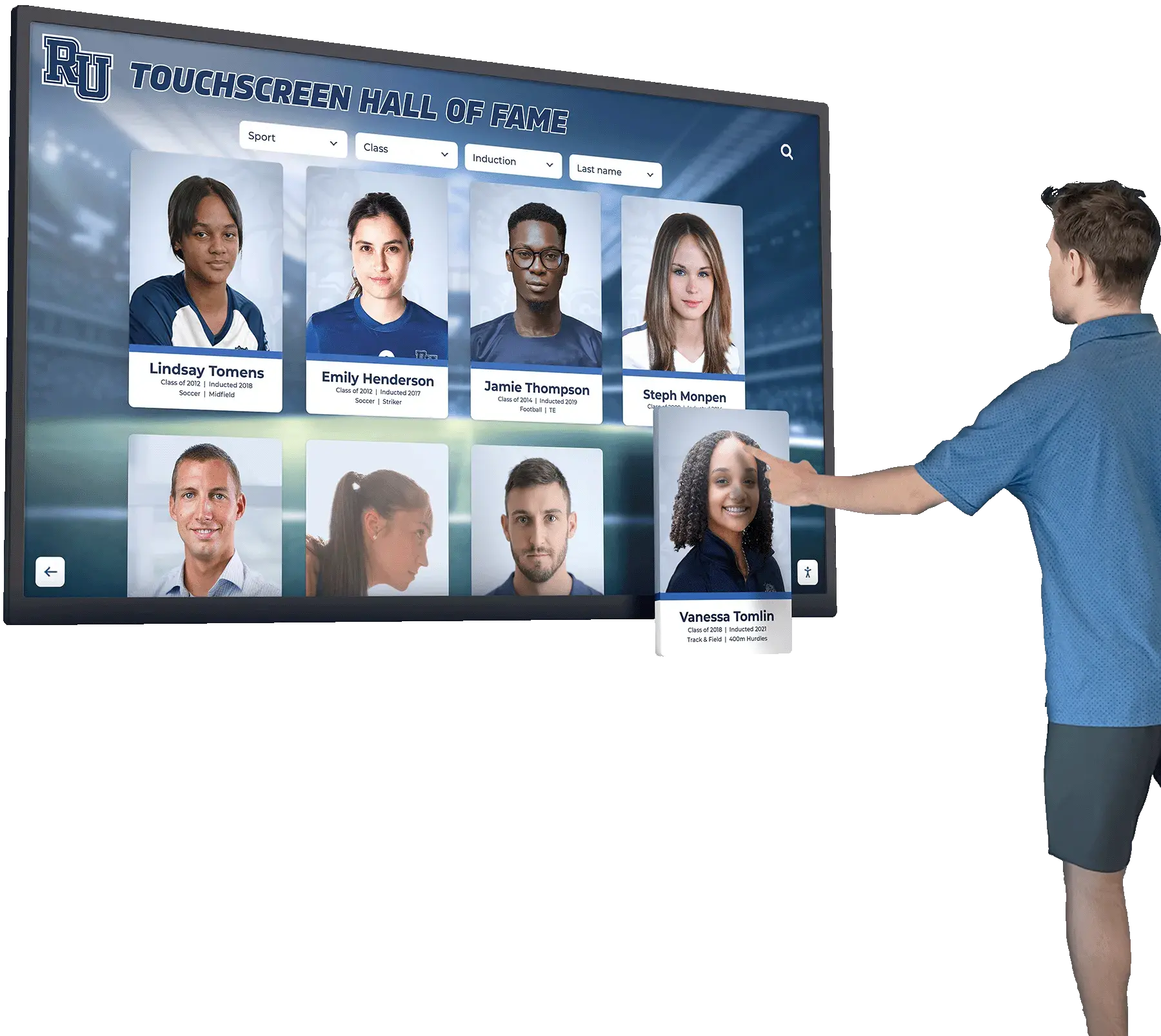
Interactive displays allow programs to showcase technical excellence and skill development achievements year-round
7. Plyometric Ball Control
Purpose: Integrate footwork skills with explosive movements developing game-realistic acceleration patterns.
Setup and Execution:
- Perform 5 quick toe-taps on ball
- Explode forward with ball into 10-yard sprint
- Execute sharp stop and direction change
- Return to start with controlled dribble
- Repeat with various touch patterns before sprint
Coaching Points:
- Smooth transition from control to explosion
- Ball security during acceleration
- Proper deceleration mechanics preventing injury
- Quick recovery to balanced stance
- Both feet capable of explosive push
Progression: Add reactive sprint triggers (coach’s signal), incorporate multiple direction changes, execute under fatigue, combine with finishing.
8. Figure-Eight Speed Dribbling
Purpose: Build continuous direction-change capabilities while maintaining speed and close control through curved patterns.
Setup and Execution:
- Place two cones 5 yards apart
- Dribble figure-eight pattern around cones
- Use inside and outside of both feet for turns
- Maintain continuous motion without stopping
- Perform timed repetitions tracking improvement
Coaching Points:
- Appropriate touch spacing maintaining momentum
- Body lean into turns maintaining balance
- Head up allowing visual field awareness
- Smooth acceleration between turns
- Efficiency of movement eliminating wasted touches
Progression: Reduce cone spacing, add timing goals, introduce passive defender, incorporate skill moves at turn points, execute with weak foot only.
Many competitive programs display technical achievement records in school athletic facilities alongside traditional scoring and defensive statistics.
Advanced Level: Match-Realistic Complexity and Pressure
These drills simulate competitive conditions requiring technical execution under physical and mental pressure.
9. 1v1 Pressure Attack and Escape
Purpose: Apply footwork skills against live defensive pressure developing decision-making and composure.
Setup and Execution:
- Create 10x10 yard grid
- Attacker starts with ball at one side
- Defender applies realistic pressure (50-75% intensity initially)
- Attacker must reach opposite side using footwork skills
- Switch roles after each repetition
Coaching Points:
- Reading defensive positioning determining skill selection
- Acceleration timing attacking defender’s off-balance moments
- Body positioning protecting ball from challenges
- Composure maintaining technical quality under pressure
- Progressive defensive intensity as technique improves
Progression: Increase grid constraints, add time limits, increase defensive intensity to full match speed, introduce consequences for turnovers.
Common Mistakes: Predetermined skill selection ignoring defender’s position, panic rush eliminating technical quality, passive offensive mentality, insufficient acceleration after beating defender.
10. Multi-Ball Transition Drill
Purpose: Develop ability to execute quality touches under physical fatigue and mental pressure simulating late-match conditions.
Setup and Execution:
- Set up 5 balls positioned 5 yards apart in line
- Sprint to first ball, execute skill move, sprint to second
- Perform different skill at each ball
- Complete sequence then immediately repeat
- 3-5 rounds with minimal rest between
Coaching Points:
- Maintaining technical quality despite fatigue
- Mental focus recalling proper technique for each skill
- Breathing control managing exertion
- Speed maintenance throughout drill
- Recovery efficiency between rounds
Progression: Add complexity to required skills, reduce rest periods, introduce reactive elements (coach calling skills), combine with finishing requirements.
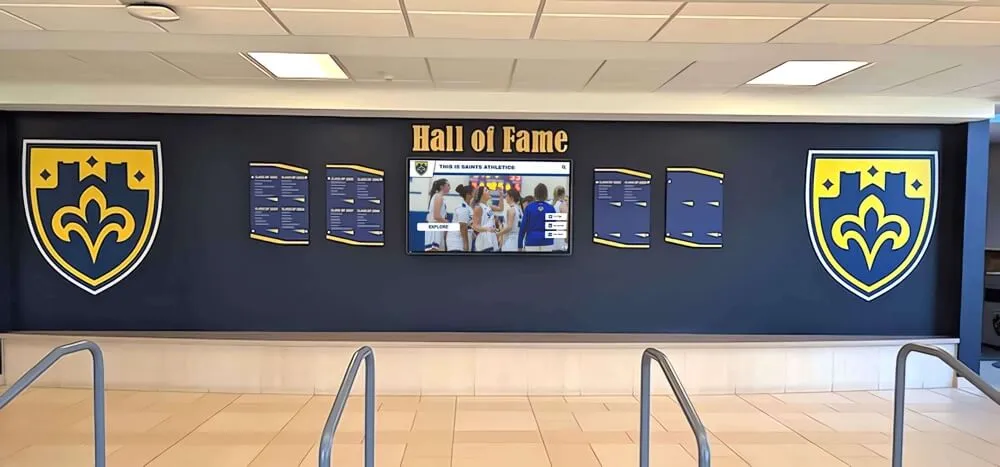
Premier programs recognize technical mastery alongside competitive achievements in comprehensive hall of fame displays
11. Possession Box With Defender Pressure
Purpose: Combine footwork skills with vision and decision-making in confined space under active defensive challenge.
Setup and Execution:
- Create 15x15 yard box
- 2-3 attackers maintain possession against 1-2 defenders
- Mandatory skill move before each pass
- Track consecutive passes before turnover
- Rotate positions regularly
Coaching Points:
- Appropriate skill selection based on pressure and space
- Quick decision-making between skill execution and distribution
- Communication supporting teammates under pressure
- Body position shielding ball during skills
- Recovery positioning after skill or pass
Progression: Reduce space constraints, add defenders, require weak-foot skills or passes, introduce point systems rewarding specific skills.
Many programs celebrating technical excellence alongside competitive success use interactive recognition displays that showcase skill development milestones.
12. Chaos Ball Control Challenge
Purpose: Test technical mastery in unpredictable environments requiring instant adaptation and unconscious skill execution.
Setup and Execution:
- Multiple players (4-6) in confined space (20x20 yard grid)
- Each player dribbles own ball
- Continuous movement avoiding collisions while maintaining control
- Coach calls out skills all players must execute immediately
- Add/remove balls periodically changing space pressure
Coaching Points:
- Peripheral vision awareness preventing collisions
- Head-up dribbling allowing environmental scanning
- Immediate skill execution responding to coach commands
- Calm composure despite environmental chaos
- Ball security protecting possession during near-collisions
Progression: Reduce space, increase player numbers, rapid-fire skill commands, add objectives like reaching targets while maintaining control.
Common Mistakes: Ball-watching eliminating collision awareness, rushing commands sacrificing technical quality, passive movement instead of aggressive space navigation, predictable movement patterns.
Implementing a Progressive Training System
Structured progression ensures players develop systematically while maintaining motivation through achievable challenges.
Weekly Training Framework
Sample Week Structure:
Monday (Technique Focus):
- 15 minutes foundation drills (drills 1-4)
- Emphasis on perfect technique over speed
- Individual skill assessment and feedback
- Technical homework assignments for motivated players
Wednesday (Speed and Precision):
- 15 minutes intermediate drills (drills 5-8)
- Progressive speed increases maintaining quality
- Partner work adding accountability
- Timed challenges tracking improvement
Friday (Match Application):
- 15 minutes advanced drills (drills 9-12)
- Game-realistic pressure and decision-making
- Small-sided games requiring skill application
- Competitive elements simulating match intensity
This framework provides three weekly exposures to progressive skill work while allowing recovery and preventing overtraining. Programs tracking this development often feature technical achievement in sports award displays that recognize diverse athletic excellence.
Skill Assessment and Progression Triggers
Advancement Criteria:
Players should demonstrate these competencies before advancing difficulty levels:
Foundation to Intermediate:
- Consistent clean execution of all foundation drills
- Ability to perform skills at moderate speed without concentration
- Both feet capable of basic skills
- Maintaining control during simple direction changes
- Sustained focus for 10+ minute training blocks
Intermediate to Advanced:
- Quality execution at near-game speed
- Skills performed automatically without conscious thought
- Both feet equally capable for most techniques
- Successful execution under light defensive pressure
- Self-correction of technical mistakes without coaching
Advanced Mastery Indicators:
- Flawless execution at full game speed
- Appropriate skill selection based on tactical situation
- Technical quality maintained under physical fatigue
- Creative skill combinations and improvisation
- Teaching/coaching peers developing these skills
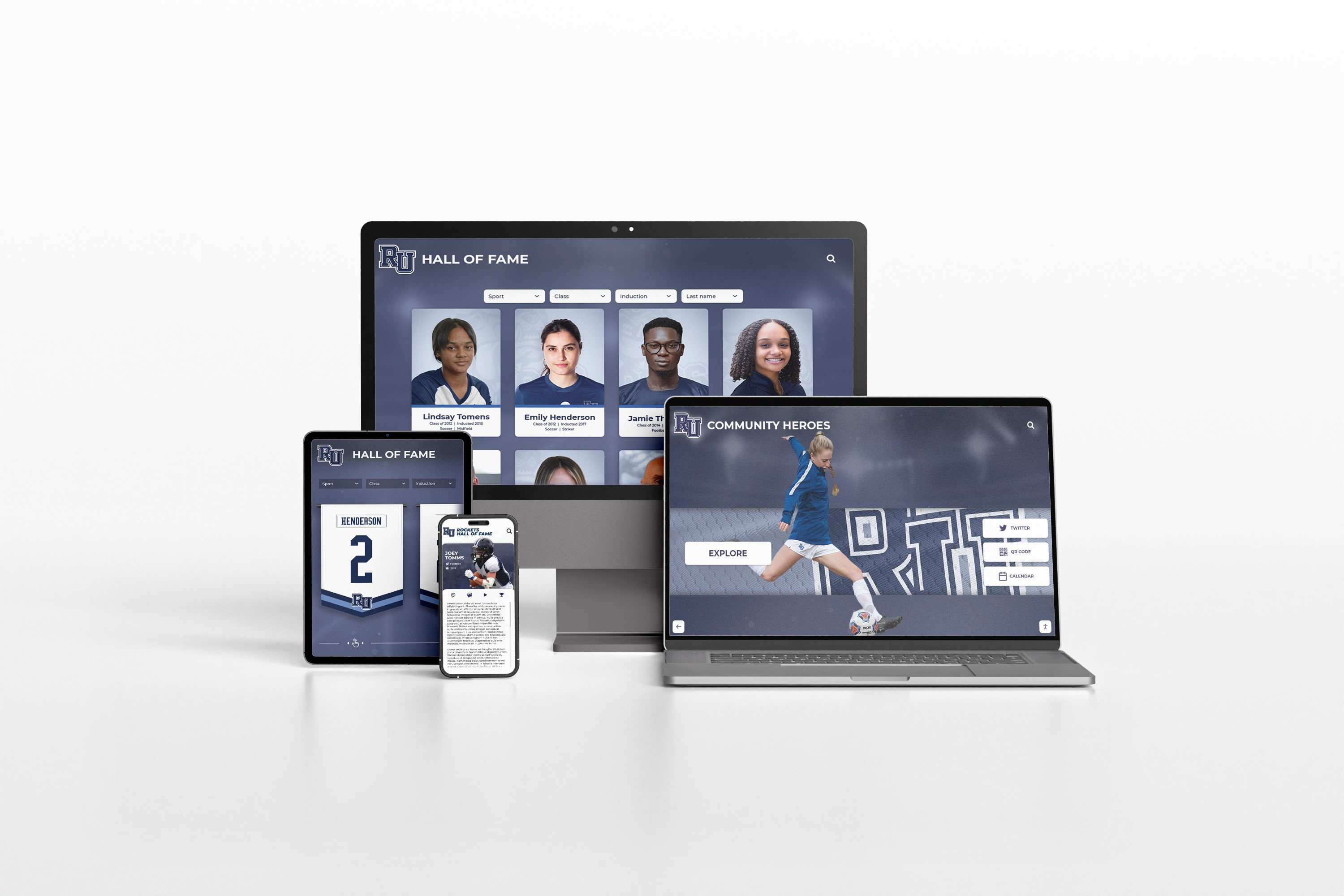
Digital platforms allow programs to showcase technical skill development and competitive achievements across all devices
Creating Individual Development Plans
Personalized Progression Tracking:
Not all players develop at identical rates. Effective programs track individual progress:
- Initial skill assessment establishing baseline capabilities
- Position-specific priorities (defenders prioritizing different skills than attackers)
- Weak foot development targets ensuring bilateral competence
- Realistic timeframe expectations based on current level
- Regular assessment updates adjusting training focus
Video analysis tools help players visualize improvement over time, reinforcing the connection between training investment and performance gains. Many programs share this development through digital athletic archives that document multi-year player development.
Common Training Mistakes to Avoid
Progression Errors That Limit Development:
Rushing Fundamentals: Players advancing to complex skills before mastering basics develop poor technique difficult to correct later. If execution quality drops, return to simpler drills until technique solidifies.
Neglecting Weak Foot: Many players practice predominantly with their dominant foot, creating predictability opponents exploit. Mandate weak foot emphasis in every training session—initial discomfort leads to eventual bilateral mastery creating tactical unpredictability.
Insufficient Repetition: Technical mastery requires thousands of touches across extended timeframes. Three-week drill cycles don’t develop unconscious competence. Maintain drill variations throughout entire seasons, allowing repeated exposure with progressive complexity.
Ignoring Game Transfer: Drills performed perfectly in isolated training must transfer to match conditions. Small-sided games and pressure scenarios ensure technical skills become tactical tools rather than impressive but irrelevant party tricks.
Unrealistic Speed Expectations: Attempting full-speed execution before mastering technique at slow speeds ingrains bad habits. Speed develops naturally as neural pathways strengthen—forced rushing prevents proper motor pattern development.
Drill Progression Chart and Practice Planning
Skill Development Timeline
Age 6-8 (Foundational Ball Familiarity):
- Drills 1-2 primary focus
- Drill 3 introduction
- Fun, game-based variations
- 5-10 minute blocks maximum
- Success and enjoyment prioritized
Age 9-11 (Technical Foundation Building):
- Drills 1-4 core training
- Drills 5-6 introduction
- 10-15 minute training blocks
- Basic bilateral development
- Quality expectations increase
Age 12-14 (Speed and Precision Development):
- Drills 3-8 primary emphasis
- Drills 9-10 introduction
- 15-20 minute training blocks
- Game-realistic speed expectations
- Weak foot mandatory development
Age 15-18 (Match Application Mastery):
- Drills 5-12 comprehensive training
- Full-speed execution standard
- 15-20 minute intensive blocks
- Live pressure requirements
- Position-specific applications
Many competitive high school programs celebrate technical development milestones in end-of-season athletic banquets alongside traditional team awards.
Sample 4-Week Training Block
Week 1 (Foundation Review and Assessment):
- Monday: Drills 1-3, technique emphasis
- Wednesday: Drills 2-4, increasing speed
- Friday: Small-sided games observing skill application
Week 2 (Intermediate Progression):
- Monday: Drills 4-6, combination sequences
- Wednesday: Drills 5-7, timed challenges
- Friday: 1v1 competitions applying skills
Week 3 (Advanced Application):
- Monday: Drills 7-9, pressure introduction
- Wednesday: Drills 8-10, fatigue conditions
- Friday: Possession games requiring skills
Week 4 (Mastery Assessment):
- Monday: Player choice from drills 1-12
- Wednesday: Competitive skill challenges
- Friday: Match-realistic pressure scenarios
This cycle ensures regular exposure to progressive challenges while allowing consolidation periods. Programs that systematically develop technical excellence often showcase achievements through comprehensive athletic recognition systems celebrating diverse accomplishment categories.
Building Team Culture Around Technical Excellence
Making Footwork Training Non-Negotiable
Program Integration Strategies:
Elite programs make technical development a cultural priority:
Visible Commitment: Coaches who prioritize footwork drills in every practice communicate their importance. When skill work becomes optional or easily eliminated by time constraints, players internalize that it doesn’t matter.
Leadership Modeling: When team captains and top players enthusiastically embrace technical training, younger players follow their example. Conversely, if leaders dismiss skill work, the entire program suffers regardless of drill quality.
Progress Celebration: Recognizing technical improvement milestones alongside scoring and defensive statistics demonstrates comprehensive player development values. Many programs now feature digital displays in athletic facilities that showcase diverse achievement categories beyond traditional statistics.
Accountability Systems: Regular skill assessments with documented progress tracking create accountability while showing players tangible improvement resulting from training investments.
Connecting Technical Work to Competitive Success
Bridging Practice and Performance:
Players must understand how isolated drill work translates to match-winning advantages:
- Video analysis showing successful match skills that originated from specific drills
- Statistical tracking correlating improved technical metrics with team performance
- College recruiting discussions emphasizing technical proficiency requirements
- Competitive drill challenges creating intensity matching match environments
- Small-sided games requiring specific skill applications for success
When players experience direct connections between drill work and competitive outcomes, training intensity and focus improve dramatically.
Recognition and Motivation Systems
Celebrating Technical Development:
Beyond traditional scoring and defensive recognition, acknowledge technical mastery:
- Skills challenge competitions with recognition for winners
- Weak foot development awards celebrating bilateral competence
- Most improved technical player awards
- Position-specific skill achievement recognition
- Peer-nominated awards for players demonstrating exceptional training commitment
Programs creating comprehensive recognition systems often use digital athletic displays that showcase multiple achievement categories year-round.
Taking Your Soccer Program’s Technical Development to the Next Level
Exceptional footwork separates players who merely participate from those who dominate, creating competitive advantages that persist from youth leagues through college competition and beyond. The 12 drills in this guide provide systematic progression from basic ball familiarity through advanced match-realistic application, but their effectiveness depends entirely on consistent implementation, patient progression, and cultural commitment to technical excellence.
Programs that produce technically exceptional players share common characteristics: non-negotiable daily skill work, systematic progression based on demonstrated mastery, bilateral development emphasis, regular assessment and individual feedback, and cultural celebration of technical achievement alongside competitive success.
The most successful soccer programs create environments where technical mastery becomes part of team identity—not supplementary work players complete reluctantly but core training embraced enthusiastically because athletes understand how ball mastery enables tactical expression and competitive dominance. When entire rosters execute advanced footwork skills automatically under pressure, tactical possibilities expand exponentially compared to programs where only occasional players possess technical proficiency.
Consider how your program celebrates technical development. Do recognition systems acknowledge the thousands of touches invested in skill mastery? Are footwork drills treated as valuable training or filler between “real” practice components? Does your program culture communicate that technical excellence matters as much as competitive results?
Ready to celebrate your program’s technical excellence alongside competitive achievements? Rocket Alumni Solutions specializes in digital recognition displays that showcase diverse athletic accomplishments—from skill development milestones to championship performances. Our interactive touchscreen walls allow programs to feature technical achievement categories, skill mastery progression, training dedication, and competitive success in engaging formats that inspire current athletes while preserving program history for future generations. Discover how modern recognition technology can help your soccer program build a culture that values comprehensive player development.
Live Example: Rocket Alumni Solutions Touchscreen Display
Interact with a live example (16:9 scaled 1920x1080 display). All content is automatically responsive to all screen sizes and orientations.