Youth soccer coaches face an ongoing challenge: creating recognition that honors the star striker scoring hat tricks while equally celebrating the dedicated defender who never misses practice, the goalkeeper who makes critical saves, and the bench player whose encouragement keeps team morale high. With over 3 million kids participating in organized youth soccer across the United States, effective recognition programs significantly impact player retention, skill development, and lifelong love of the game.
Research in youth sports psychology demonstrates that meaningful recognition directly influences continued participation rates. Studies indicate that 70% of children quit organized sports by age 13, with feeling undervalued cited as a primary factor. Conversely, programs implementing comprehensive, age-appropriate recognition systems report 20-30% higher retention rates and measurably improved player satisfaction across all skill levels.
This comprehensive guide provides creative soccer awards for kids that honor diverse contributions beyond goals and assists—celebrating hustle, improvement, teamwork, and the character development that makes youth soccer valuable beyond the field. From budget-friendly certificate ideas to innovative digital recognition displays, these proven strategies help coaches create award programs that motivate every player while building positive team culture that lasts for seasons to come.
Youth soccer recognition differs fundamentally from competitive adult leagues or elite academy programs—younger players need age-appropriate celebration emphasizing effort, enjoyment, and character development alongside athletic achievement. Thoughtful award programs create positive experiences keeping young athletes engaged during critical developmental years when dropout rates typically spike without strong motivational support.

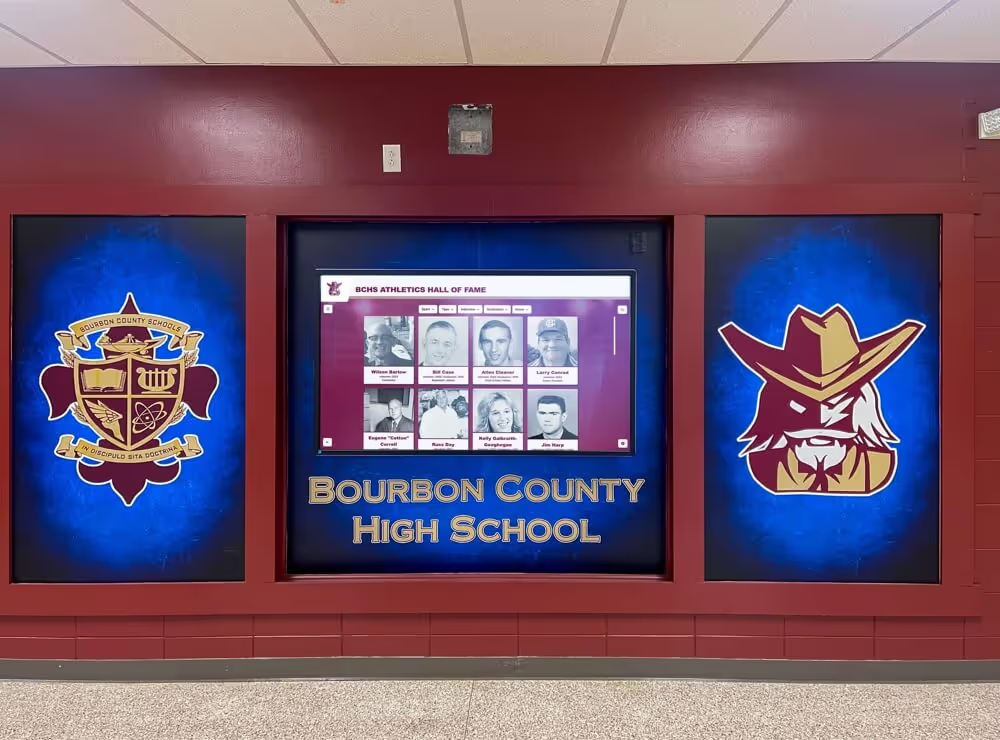
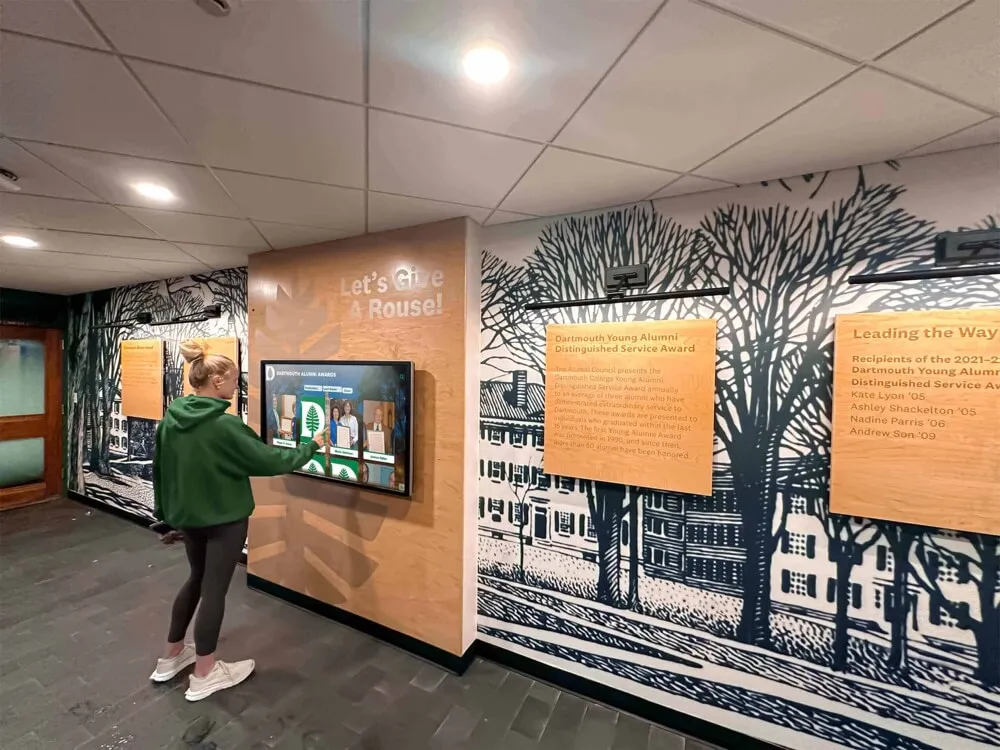
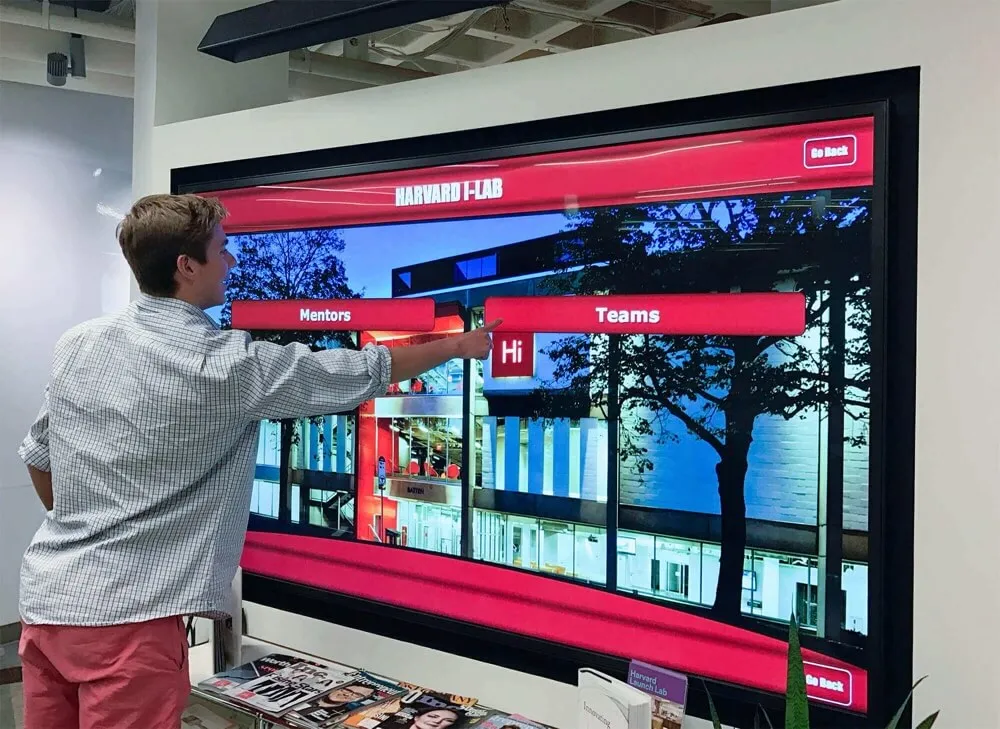
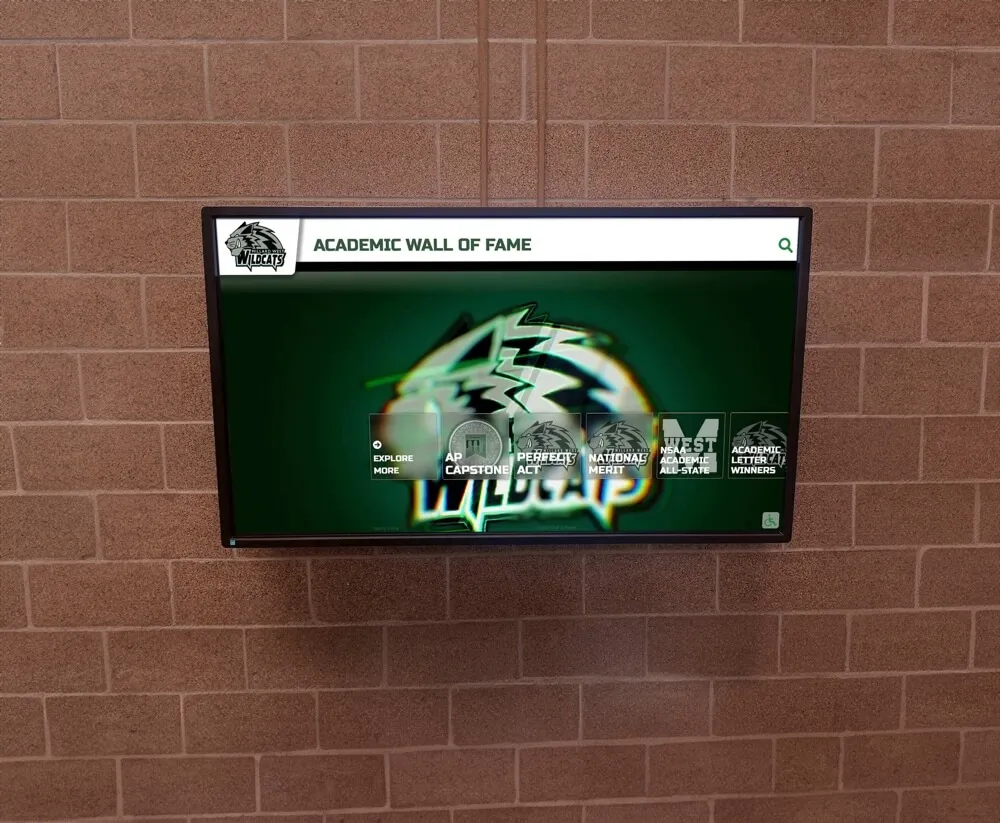
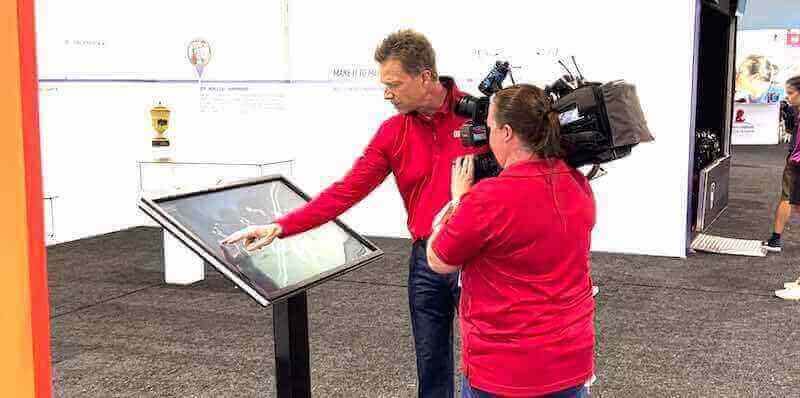
Youth soccer recognition celebrates not just goals scored, but the dedication and teamwork that define player development
Understanding Age-Appropriate Soccer Recognition
Before exploring specific award ideas, understanding developmental considerations ensures recognition approaches match young athletes’ cognitive and emotional maturity levels while maintaining motivation across diverse skill levels.
Recognition Principles by Age Group
Different age groups require fundamentally different recognition strategies reflecting their developmental stages, cognitive abilities, and motivational drivers.
Ages 4-7: Introduction to Soccer
Beginning soccer players in recreational leagues respond best to:
- Universal participation recognition ensuring every child feels valued equally
- Fun, creative award names appealing to young imaginations (“Super Striker,” “Goal Guardian”)
- Emphasis on effort and enjoyment over competitive outcomes
- Frequent recognition creating consistent positive reinforcement throughout seasons
- Team-oriented awards building social connections and sense of belonging
- Visual certificates, ribbons, and small trophies providing tangible accomplishment evidence
- Simple, celebratory ceremonies making everyone feel special together
At this foundational level, recognition programs should focus entirely on positive experiences, fundamental skill development enjoyment, and building soccer identity without competitive pressure or ability-based distinctions that could discourage continued participation during critical introduction years.
Ages 8-11: Skill Development Phase
Elementary through early middle school requires balanced approaches:
- Mix of participation and achievement-based recognition acknowledging emerging differences
- Emphasis on improvement and effort alongside developing technical skills
- Leadership and teamwork awards building social-emotional development
- Position-specific categories enabling every player to excel somewhere
- Creative recognition ensuring players with different strengths receive acknowledgment
- Clear criteria making awards feel genuinely earned rather than automatic
- Beginning competitive recognition for appropriate achievement levels
This transitional period benefits from recognition systems that acknowledge skill differences while maintaining inclusive approaches ensuring all participants receive meaningful celebration regardless of ability level, playing time, or competitive success.
Explore comprehensive recognition frameworks in youth sports awards programs applicable to soccer contexts.
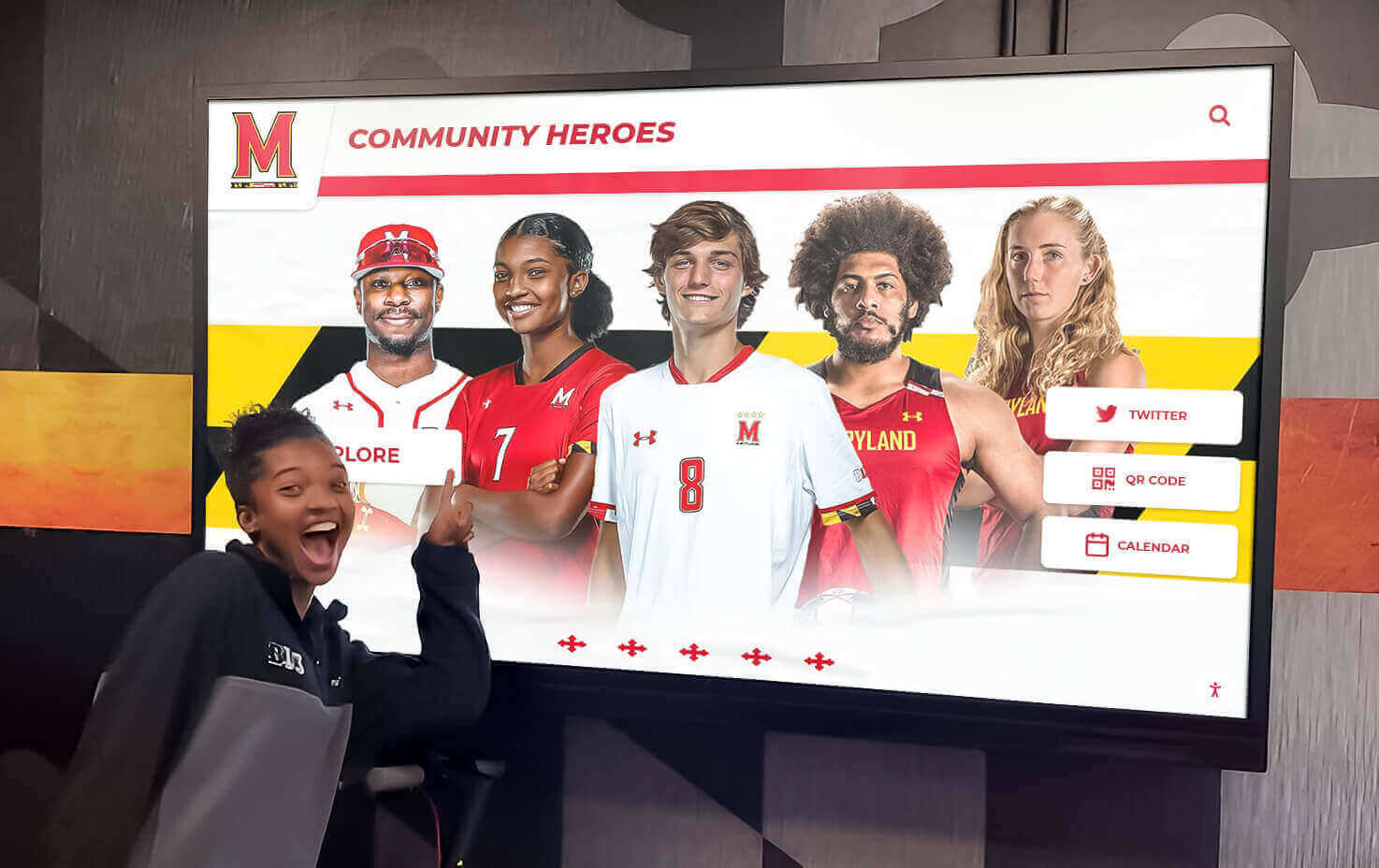
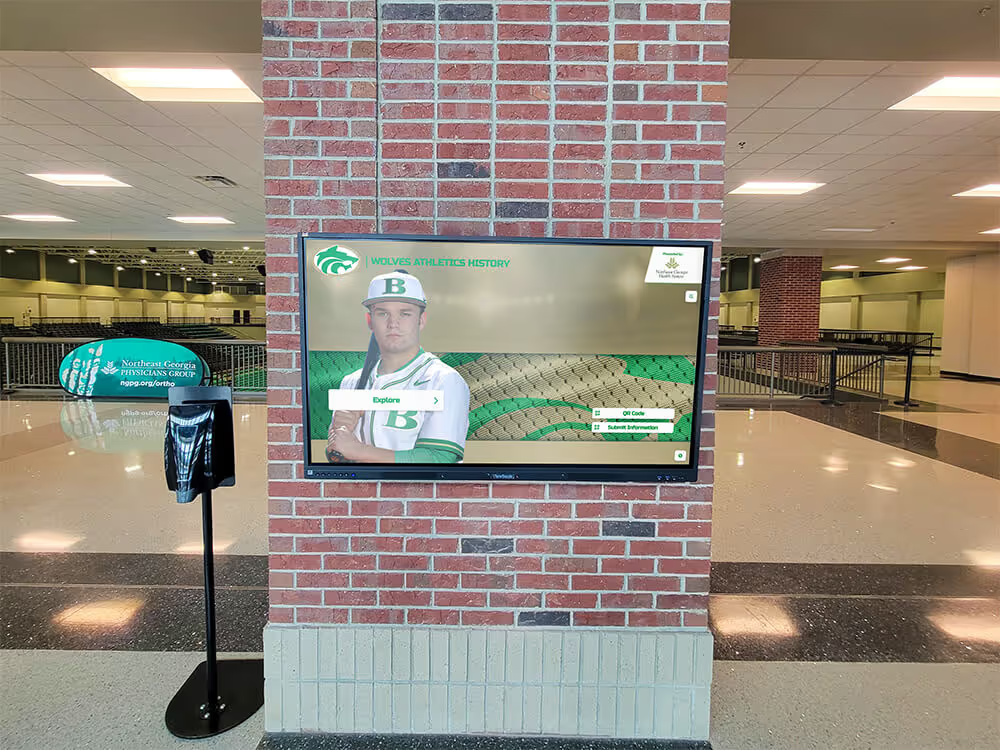
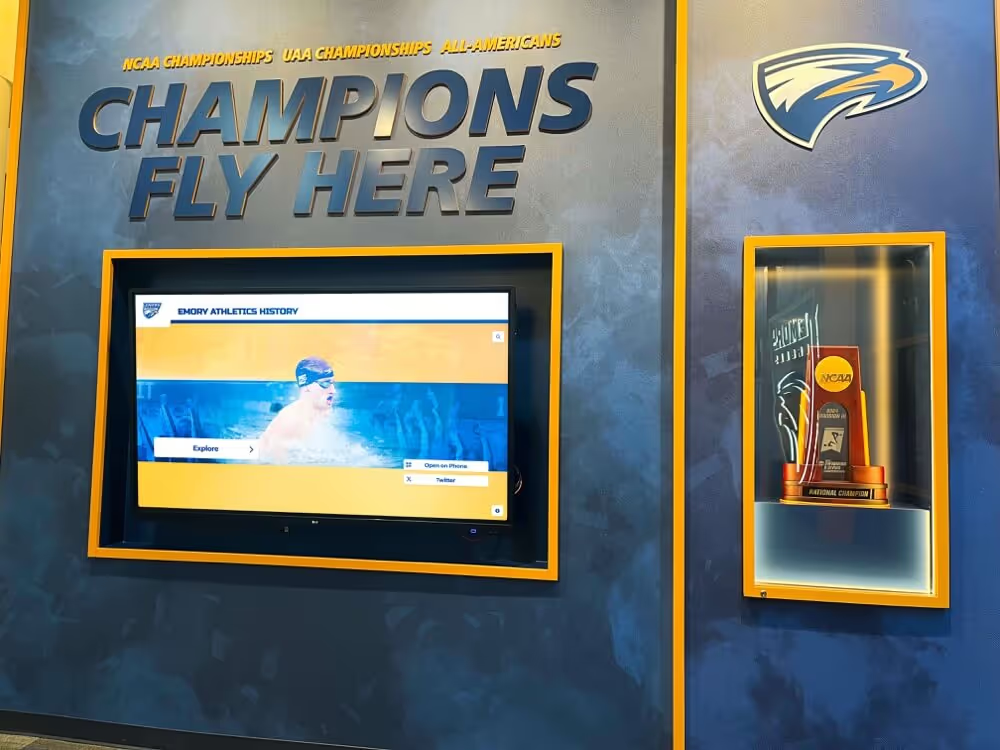
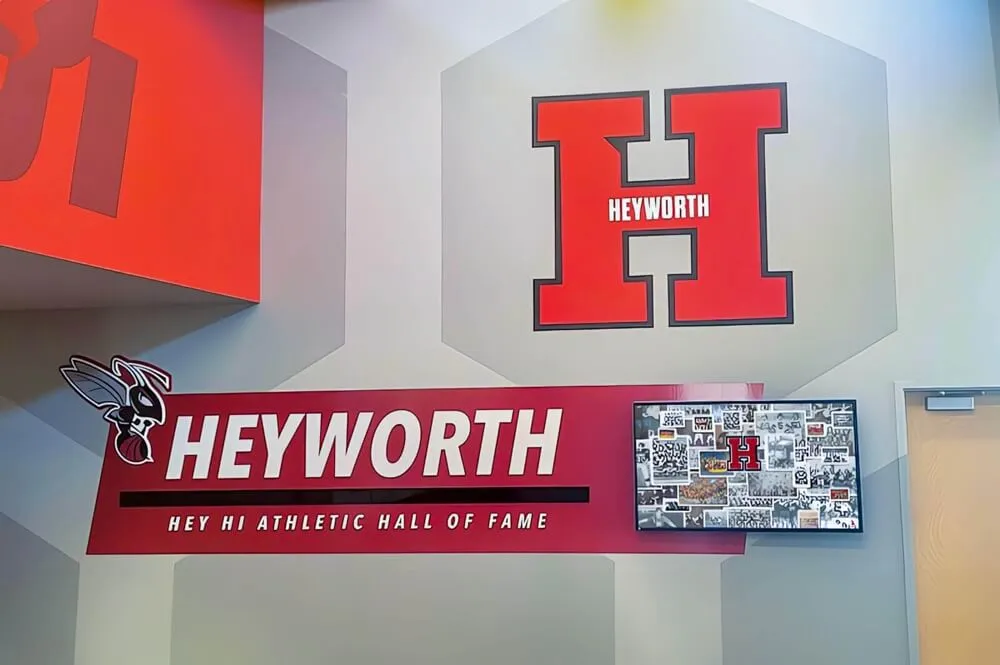
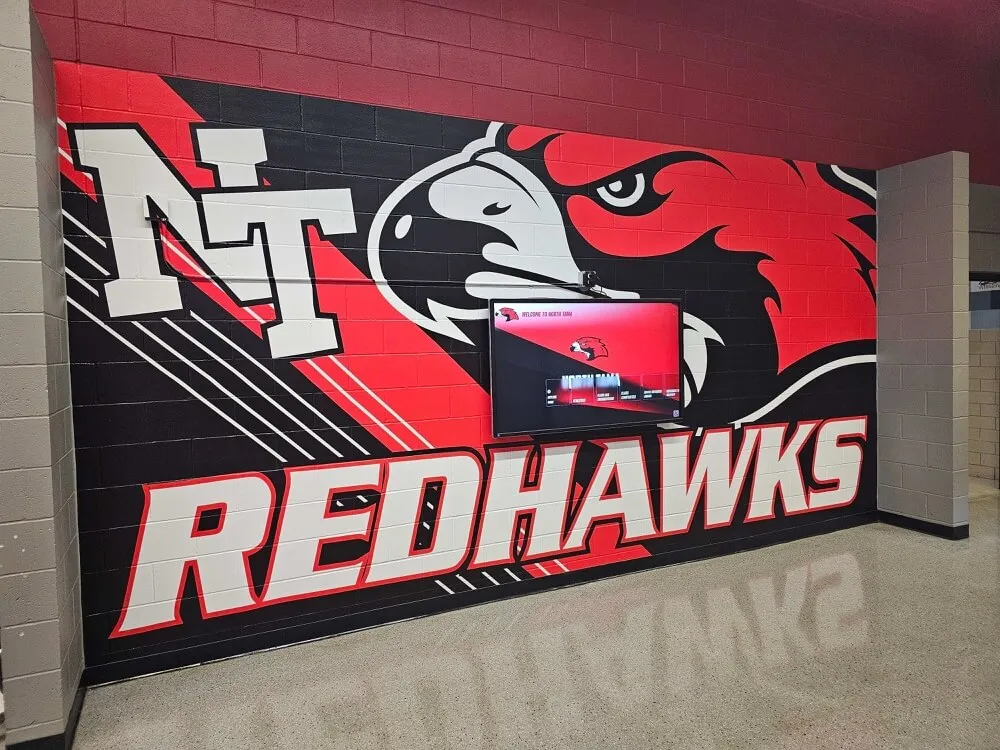
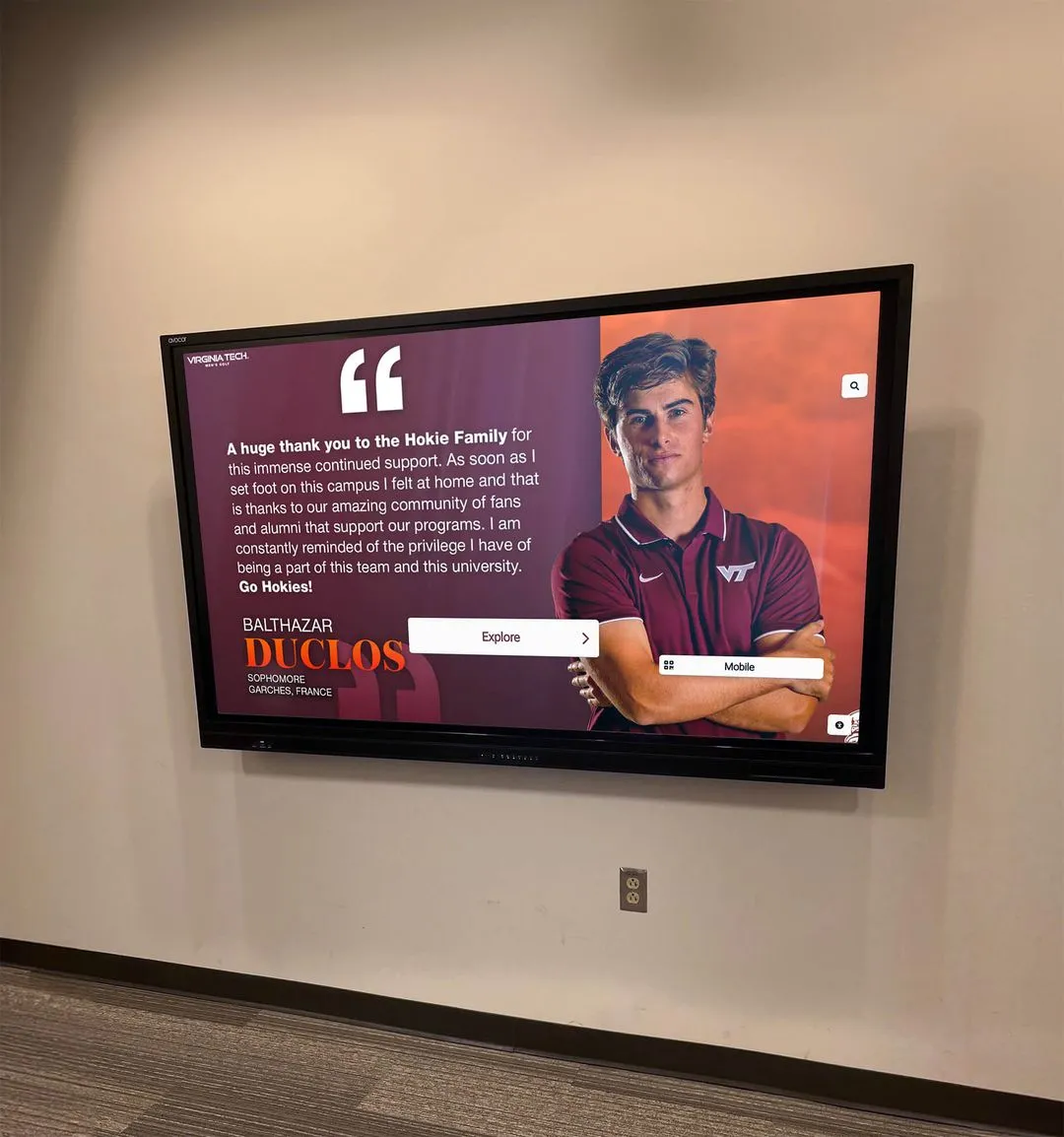
Modern recognition systems showcase youth soccer achievements while inspiring continued athletic development
Ages 12-15: Competitive Development
Middle school through early high school athletes respond to:
- Performance-based recognition reflecting competitive realities of travel and club soccer
- Statistical achievement awards celebrating measurable accomplishments (goals, assists, saves)
- Specialized position-specific categories acknowledging tactical excellence
- Tournament and championship recognition honoring team achievements
- All-star selections and external league honors
- Leadership roles and responsibility acknowledgment for veteran players
- Continued improvement categories maintaining motivation for developing athletes
Recognition at competitive levels should balance performance celebration with emphasis on character development, work ethic, and team contribution—preventing less naturally gifted players from feeling excluded despite maximum effort and commitment to team success.
Ages 16-18: Advanced Competition and Recruitment
High school-age competitive players benefit from:
- Sophisticated statistical and performance-based recognition systems
- College recruitment showcase opportunities and highlight recognition
- Advanced tactical awareness and position-specific technical awards
- All-conference, all-state, and regional recognition programs
- Championship achievement celebration with comprehensive documentation
- Academic achievement integration emphasizing well-rounded student-athlete excellence
- Post-season awards banquets with formal presentation and lasting commemorations
At this advanced level, recognition increasingly mirrors adult competitive structures while maintaining developmental focus appropriate for adolescent athletes still building confidence, identity, and preparation for potential collegiate opportunities.
The Balance Between Participation and Achievement
Youth soccer programs frequently debate the appropriate balance between universal participation awards and performance-based recognition—both approaches offering distinct benefits when implemented thoughtfully.
Benefits of Participation Recognition
Participation-focused awards serve important developmental purposes:
- Ensure every player experiences acknowledgment regardless of natural ability
- Prevent early specialization discouragement that drives dropout rates
- Recognize commitment, attendance, and effort independent of outcomes
- Build confidence in developing players who need more time reaching competitive levels
- Emphasize character development and enjoyment alongside skill acquisition
- Create inclusive team culture where every contribution receives validation
Value of Achievement-Based Recognition
Performance recognition also serves critical functions:
- Motivate skill development by celebrating measurable improvement
- Prepare players for increasingly competitive environments
- Acknowledge genuine excellence without diminishing award meaning
- Teach that effort combined with results receives special acknowledgment
- Build competitive mindset necessary for advanced levels
- Create aspirational goals that drive practice dedication
The optimal approach combines both philosophies—ensuring every player receives meaningful recognition while maintaining achievement categories that preserve motivational power by acknowledging genuine excellence and extraordinary contribution.
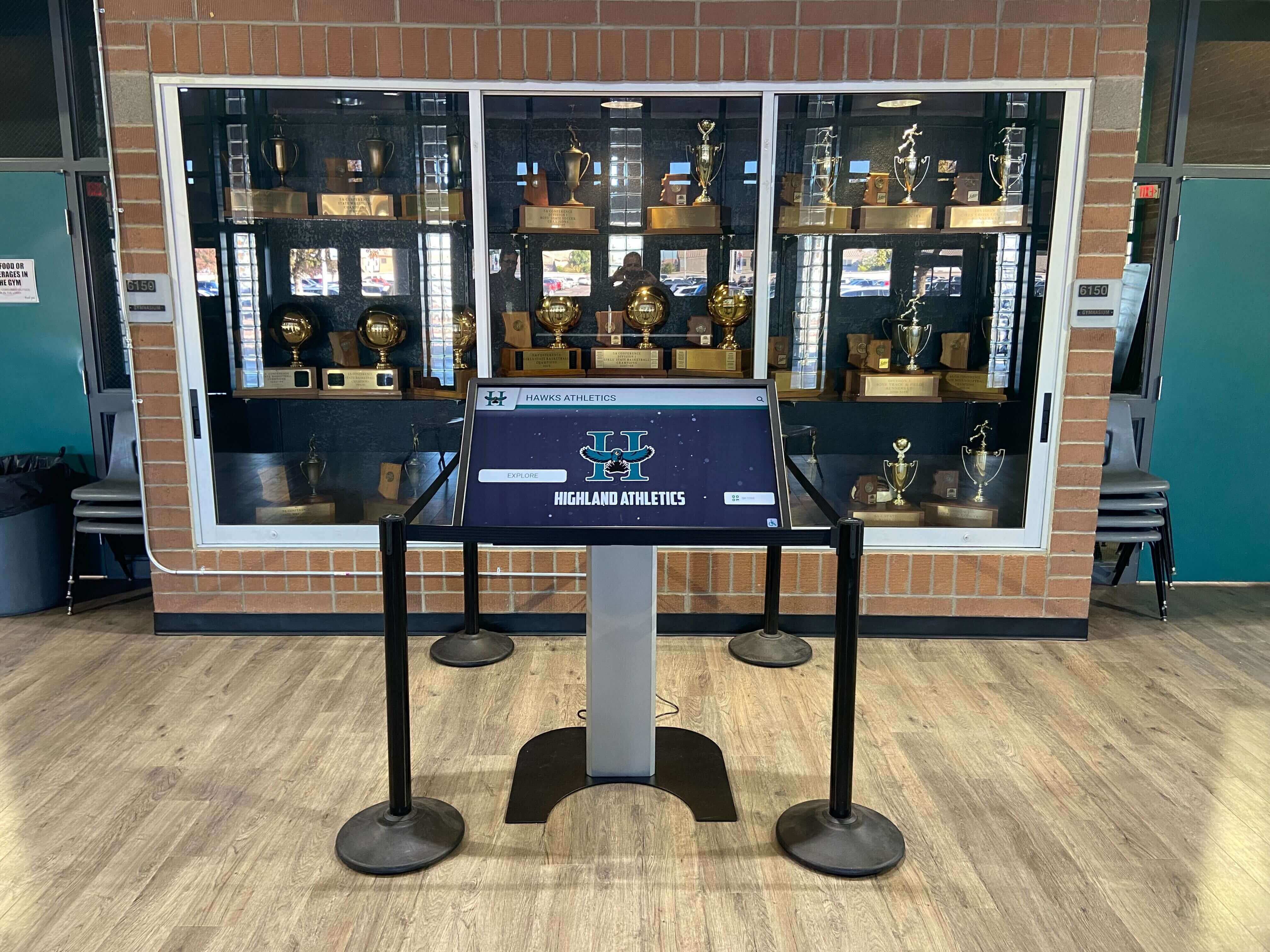
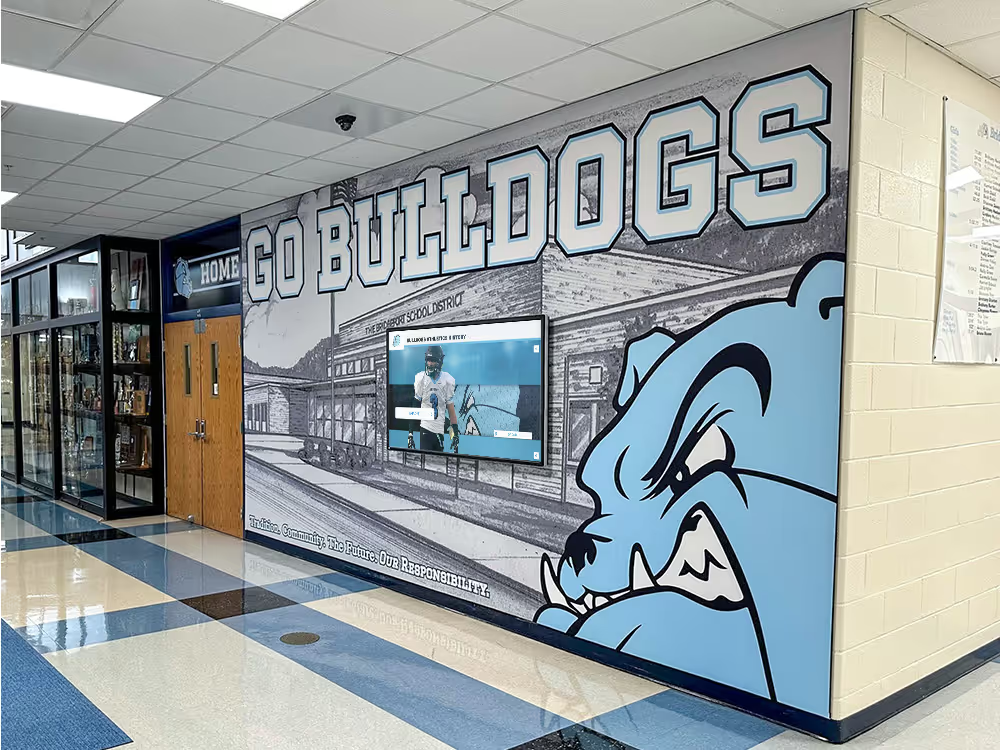
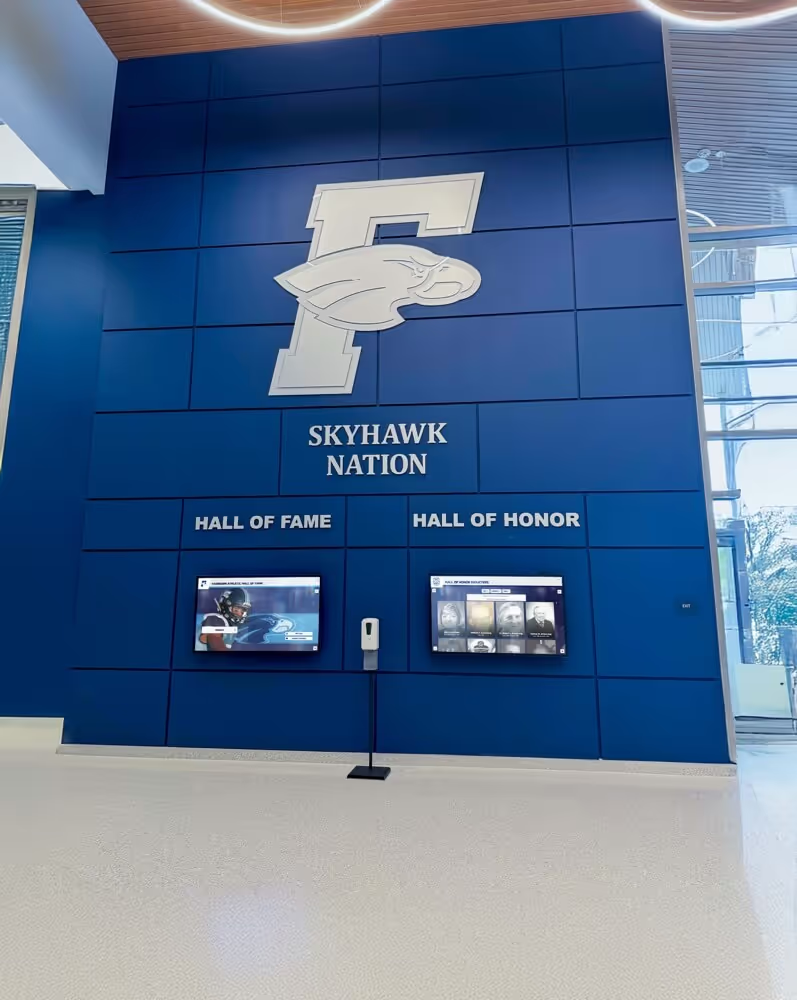
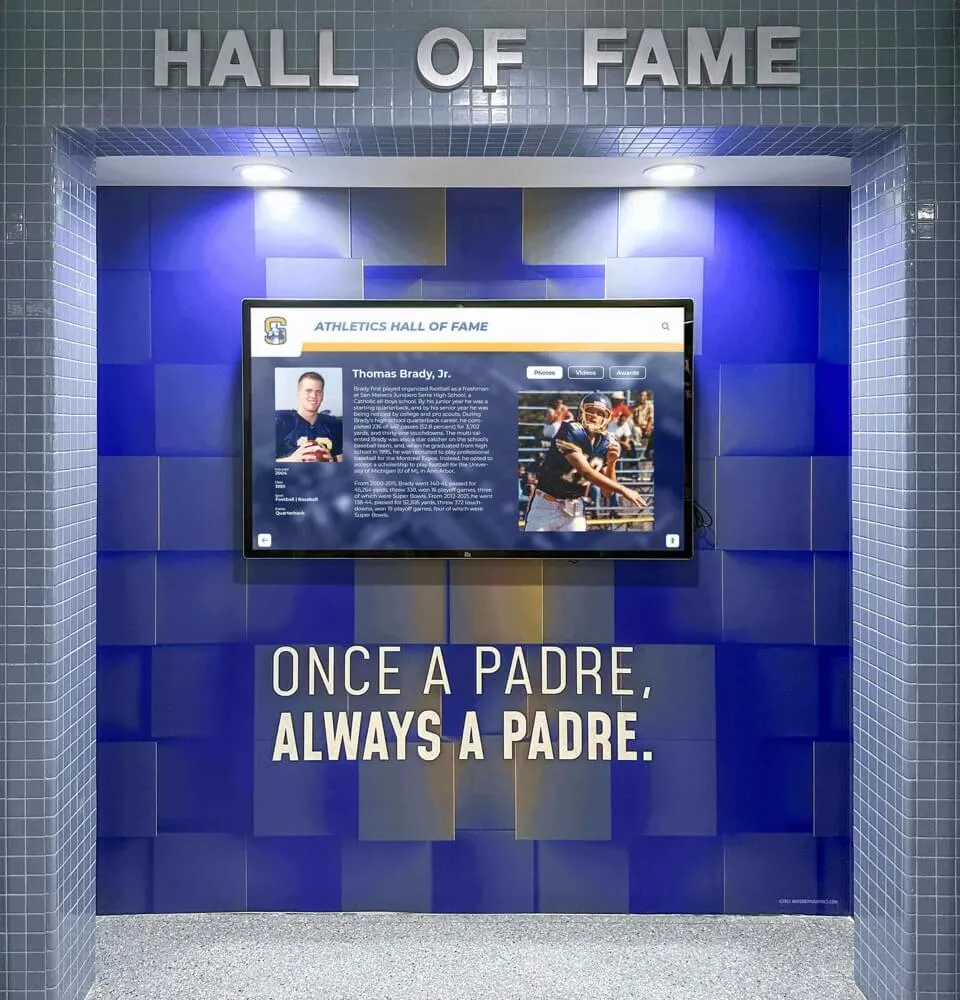
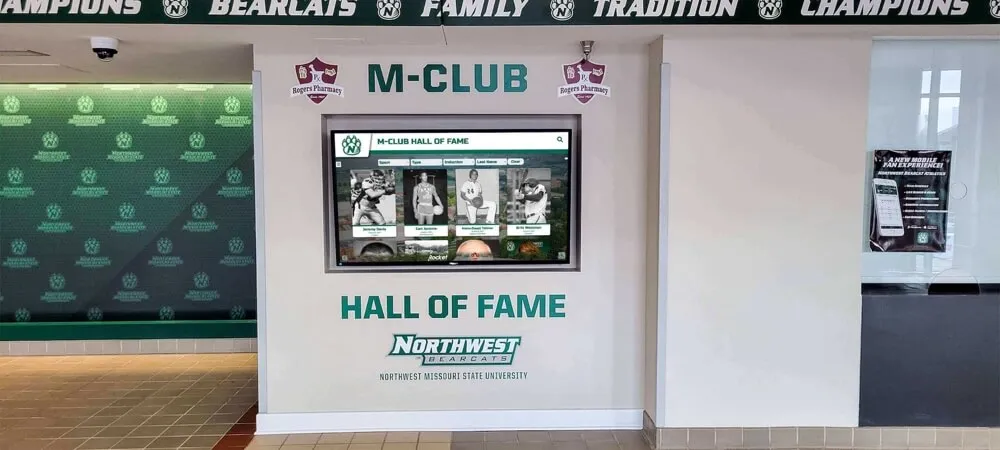
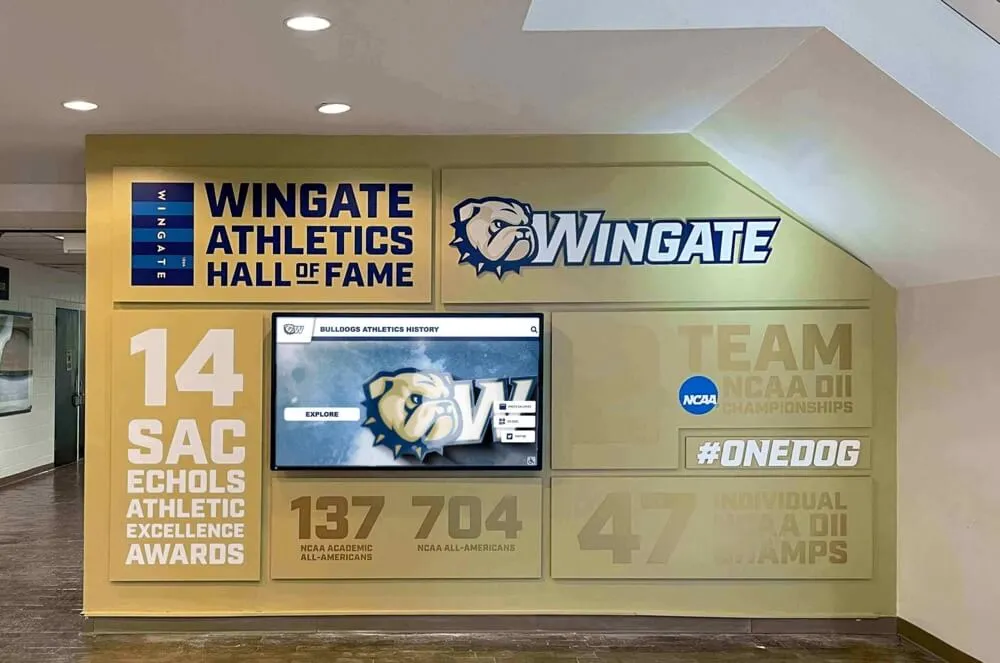
Digital recognition systems preserve soccer awards across seasons, creating visible program culture celebrating diverse achievements
Essential Soccer Awards Categories for Youth Teams
These foundational award categories work across age groups and competitive levels, with adjustments for developmental appropriateness based on player age and program philosophy.
Performance-Based Awards
Performance recognition celebrates measurable on-field excellence while acknowledging diverse ways players contribute to team success.
Golden Boot Award (Top Goal Scorer)
Classic recognition for offensive production:
- Clearly defined statistical measure making award objective
- Works well at all competitive levels where goals are tracked
- Consider “Golden Cleat” variation for younger age groups
- Present physical golden boot trophy or painted cleat for display
- Can create multiple levels (bronze, silver, gold) recognizing top three scorers
- Balance with assist recognition to honor complete offensive players
Playmaker Award (Most Assists)
Celebrates selfless play and field vision:
- Recognizes players who create scoring opportunities for teammates
- Teaches value of unselfish play and team-oriented decision making
- Particularly important at ages 10+ when tactical awareness develops
- Honors midfielders and creative players who don’t score frequently
- May require adult tracking for accurate assist counting
- Emphasizes that soccer success requires more than individual scoring
Defensive Player Award
Acknowledges critical but less glamorous contributions:
- Honors defenders, defensive midfielders who prevent opponent scoring
- Can include tackles, interceptions, clearances as measurable criteria
- Celebrates players accepting difficult defensive assignments
- Recognizes positions that receive less attention than goal scorers
- Builds defensive pride and tactical awareness
- Consider coach selection based on consistent defensive excellence
Explore additional defensive recognition approaches in athletic achievement displays across multiple sports.
Goalkeeper of the Year
Specialized recognition for unique position:
- Honors saves, clean sheets, and shot-stopping excellence
- Acknowledges goalkeeper’s isolated role requiring unique skills
- Can include save percentage, goals against average for competitive levels
- Celebrates bravery, reflexes, and command of defensive third
- Particularly motivating for position that receives limited recognition
- Consider separate recognition for offensive and defensive goalkeepers on same team
Most Improved Player
Celebrates growth and development:
- Honors dramatic skill improvement regardless of absolute ability level
- Particularly motivating for late-developing or initially struggling players
- Emphasizes that growth matters as much as current performance
- Encourages practice dedication and skill development focus
- Can be transformative recognition for players needing confidence boost
- Requires coach observation throughout season to identify genuine improvement
Learn about effective improvement recognition in most improved player award programs across athletic contexts.
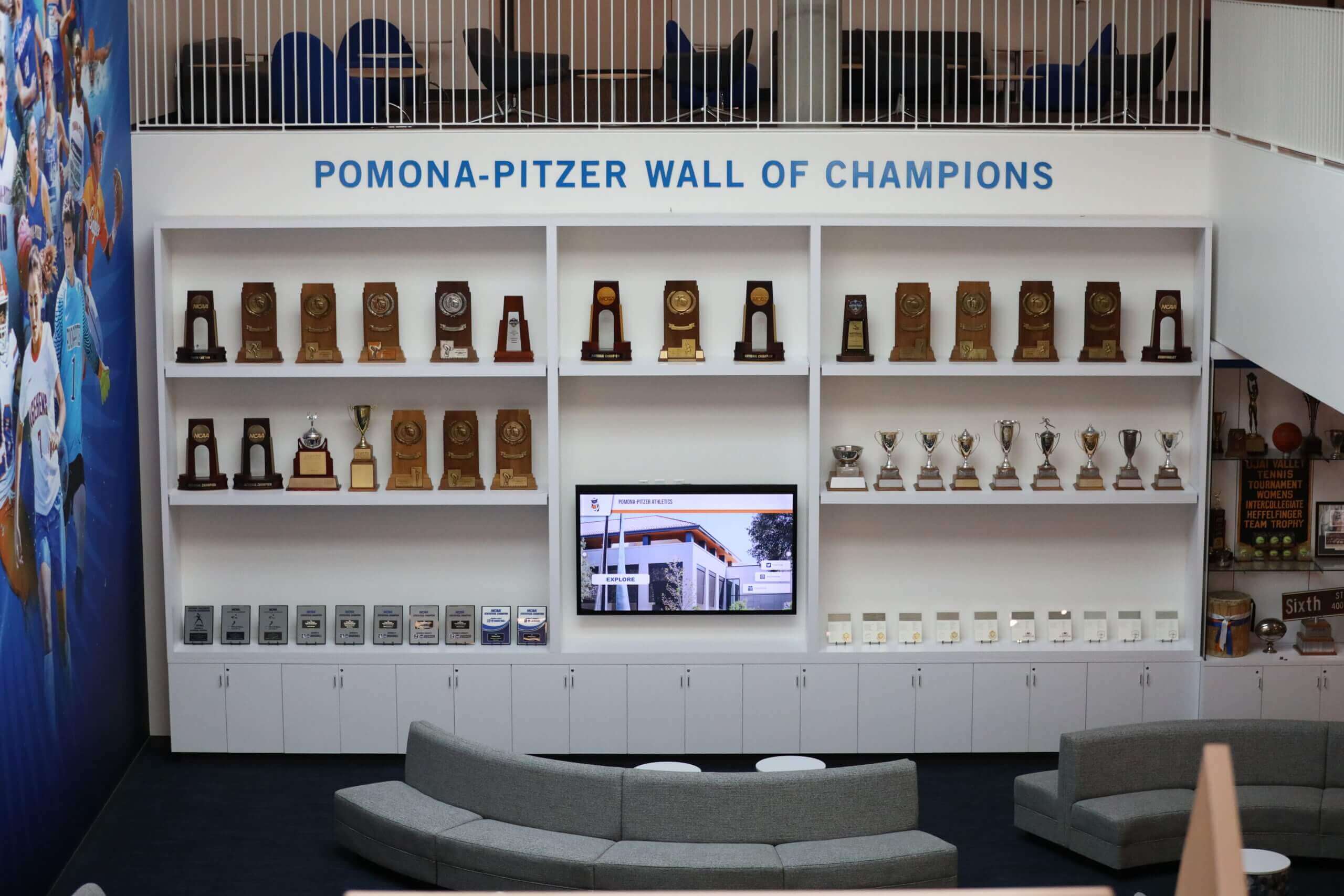
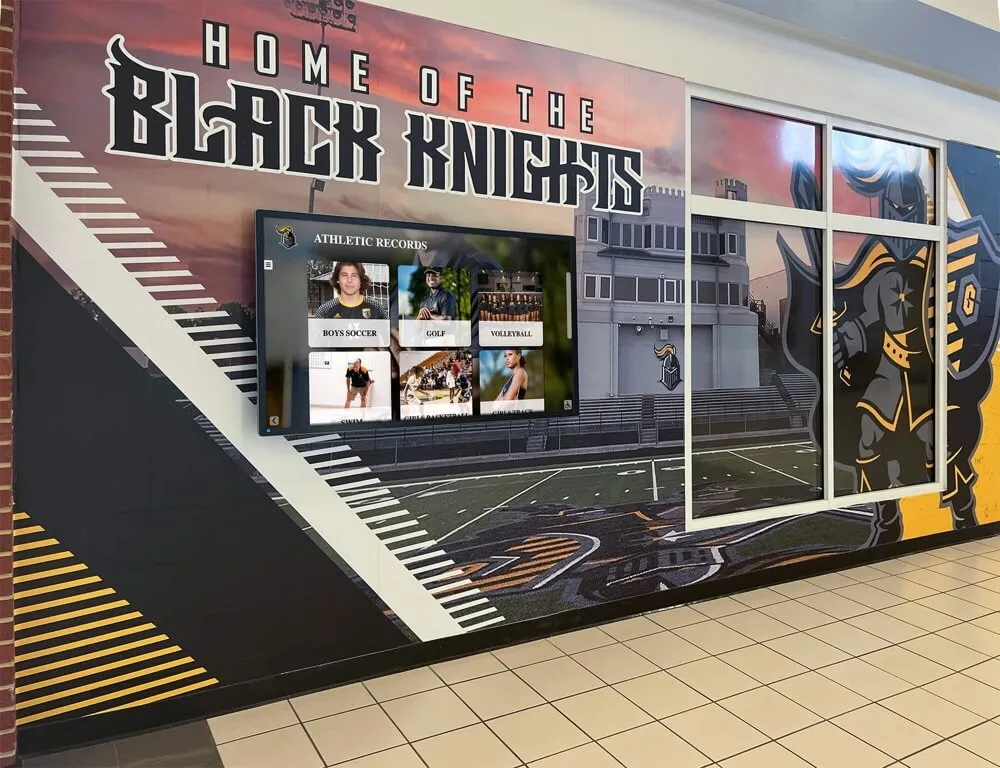
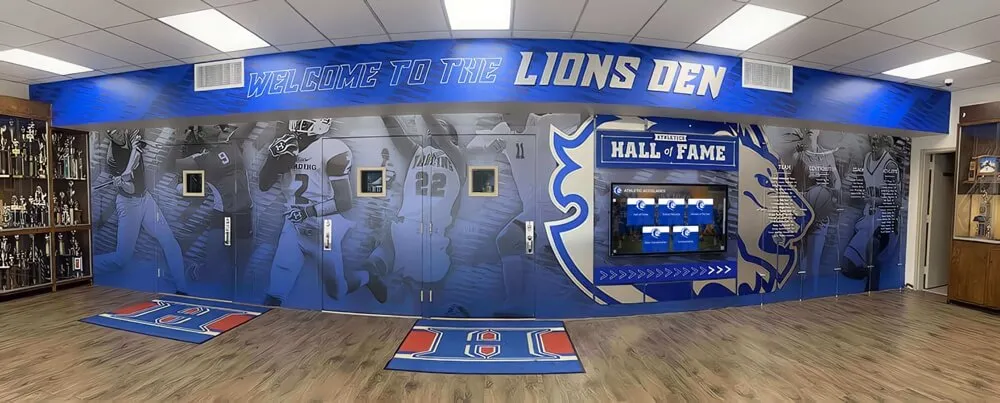
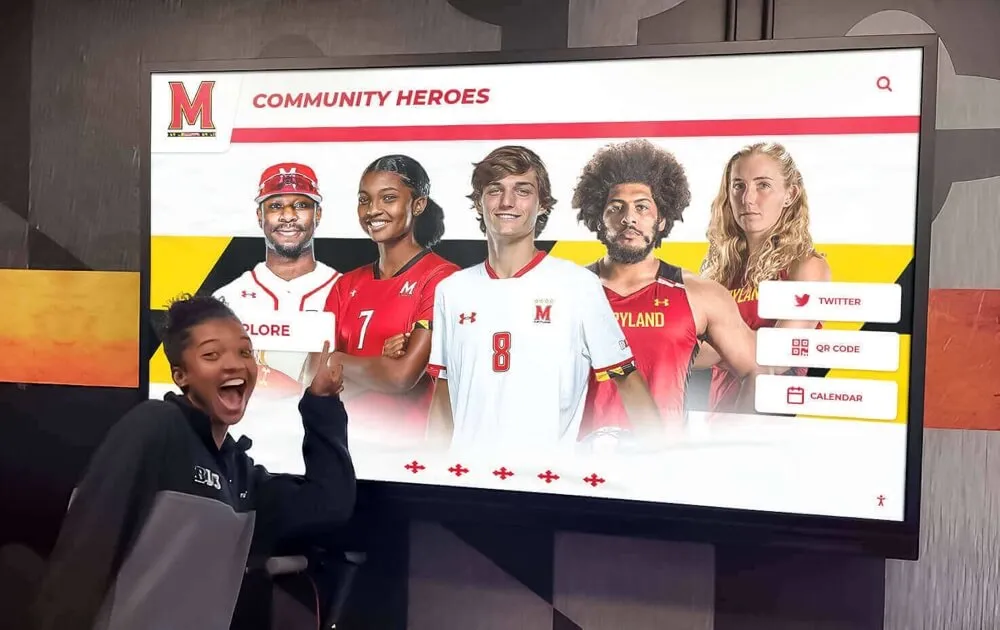
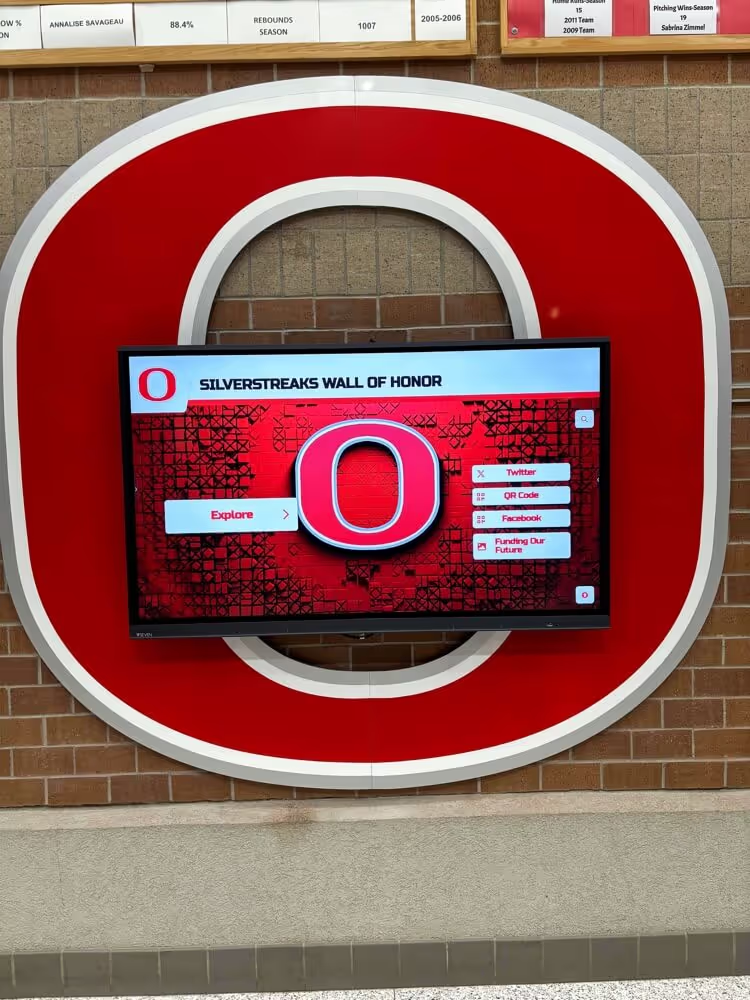
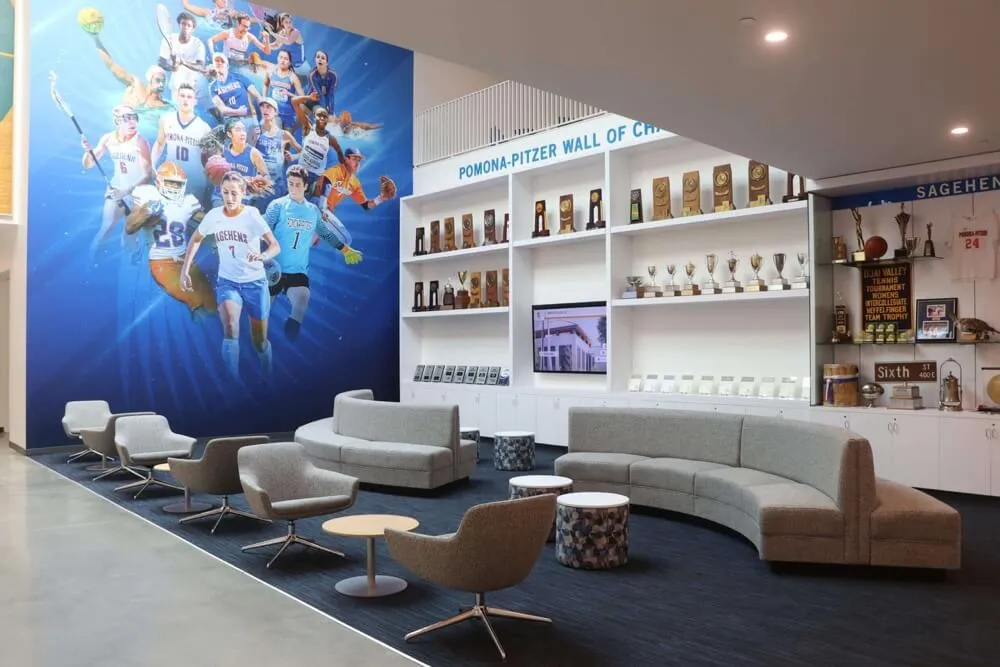
Recognition spaces showcase soccer awards alongside achievements from multiple sports, building comprehensive athletic culture
Character and Effort Awards
Character recognition emphasizes qualities that extend beyond athletic ability—teaching life lessons that matter long after youth soccer ends.
Hustle Award
Honors relentless effort and work ethic:
- Celebrates player who consistently demonstrates maximum effort
- Recognizes running, chasing, diving for balls regardless of circumstances
- Teaches that effort remains within every player’s control
- Particularly meaningful for less naturally talented players
- Visible award demonstrating what coaches value beyond skill
- Can inspire entire team to increase effort levels
Sportsmanship Award
Celebrates character and competitive integrity:
- Honors player demonstrating respect for opponents, referees, and game
- Recognizes positive reactions to adversity and disappointing outcomes
- Teaches that how you compete matters as much as results
- Particularly important for developing players’ long-term character
- Can include helping opponents up, congratulating good plays, accepting decisions
- Builds reputation and culture that reflects well on entire program
Most Dedicated Player
Acknowledges commitment and consistency:
- Honors perfect or near-perfect attendance at practices and games
- Celebrates players who prioritize soccer commitment despite competing demands
- Recognizes reliability and team-oriented responsibility
- Particularly meaningful for players who may not receive performance awards
- Teaches importance of showing up consistently
- Can include punctuality, preparation, and practice intensity
Team Player Award
Celebrates selfless contribution to collective success:
- Honors player who consistently puts team needs ahead of personal statistics
- Recognizes acceptance of role changes, position switches, or reduced playing time
- Acknowledges verbal encouragement, positive bench presence, mentoring younger players
- Particularly important for maintaining healthy team culture
- Can be transformative recognition for role players
- Demonstrates that contribution extends beyond field performance
Captain’s Award
Recognizes leadership regardless of formal captaincy:
- Honors player demonstrating vocal leadership and positive influence
- Can acknowledge players who lead by example rather than words
- Recognizes mentoring younger teammates and building team unity
- Particularly appropriate for ages 12+ when leadership roles emerge
- Can be peer-voted or coach-selected
- Builds leadership skills applicable beyond sports
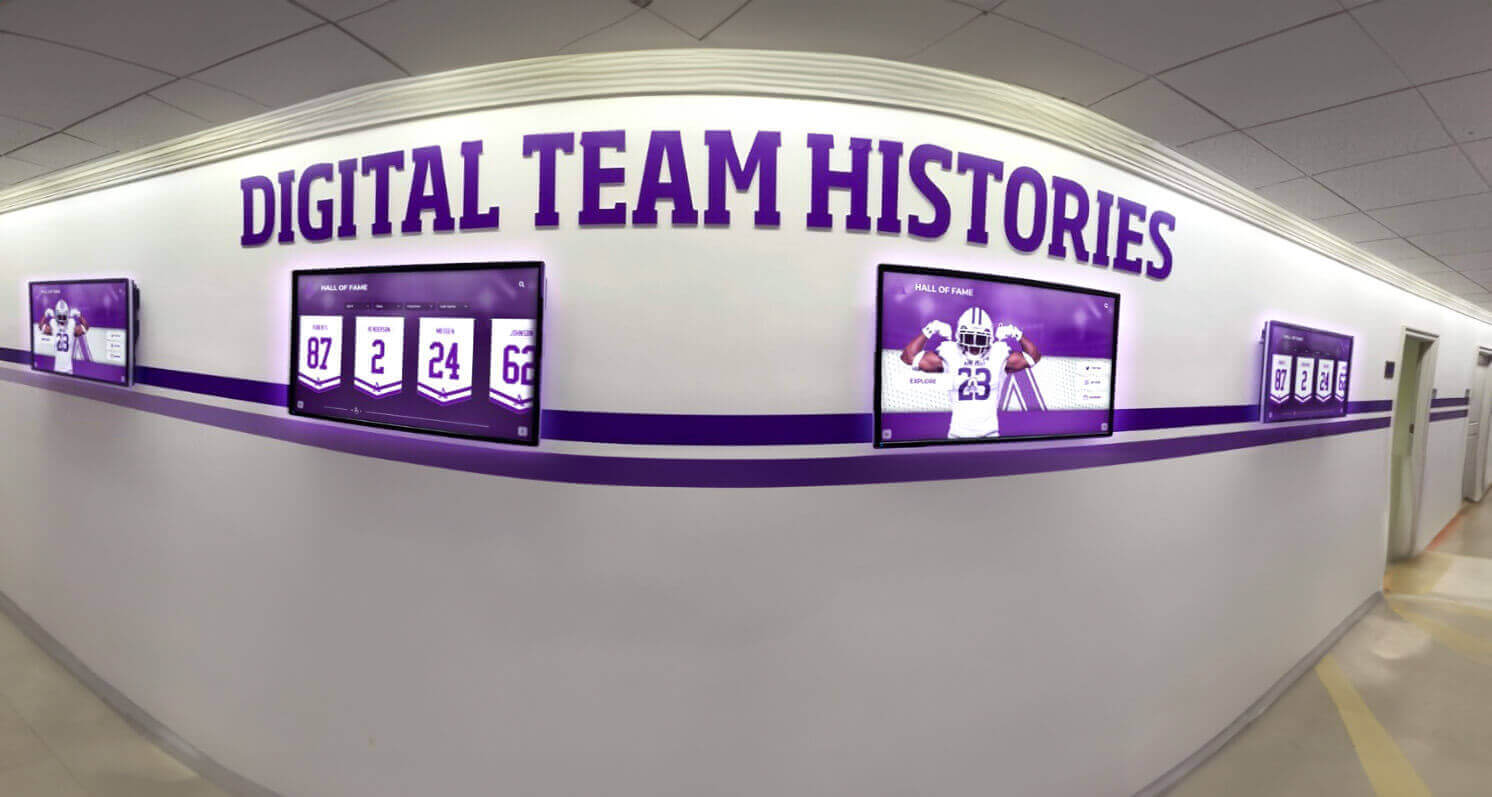
Digital displays preserve team histories and individual awards, creating lasting recognition visible to entire school community
Position-Specific Recognition
Position awards acknowledge specialized excellence in different tactical roles, helping players feel valued regardless of where they contribute.
Defensive Wall Award
For dominant central defenders:
- Honors center backs providing defensive foundation
- Can include headers won, tackles completed, blocks made
- Recognizes physical bravery and positioning excellence
- Celebrates players who accept defensive responsibility
- Particularly motivating for position receiving limited statistical recognition
Midfield Maestro
Celebrates complete central midfielder:
- Honors box-to-box play combining offense and defense
- Recognizes passing accuracy, ball recovery, transition play
- Acknowledges tactical intelligence and field vision
- Celebrates tireless running and complete contribution
- Particularly appropriate for ages 12+ when midfield roles become specialized
Wingman Award
For dynamic wide players:
- Honors outside midfielders and wing-backs
- Can include crosses completed, dribbles successful, defensive recovery runs
- Celebrates speed, stamina, and two-way play
- Recognizes players creating width and stretching defenses
- Particularly motivating for position requiring unique athletic attributes
Backbone Award
For holding/defensive midfielders:
- Honors players protecting defense and initiating attack
- Recognizes ball-winning, simple passing, and positional discipline
- Celebrates unselfish play in less glamorous role
- Acknowledges tactical intelligence and defensive awareness
- Particularly important for teaching value of defensive midfield positions
Fun and Creative Awards for Younger Ages
Creative award names appeal to younger players while maintaining meaningful recognition that motivates and celebrates diverse contributions.
Rocket Boot Award
For powerful shooter regardless of accuracy:
- Celebrates hardest shot even if goals aren’t frequent
- Appeals to young players’ love of shooting power
- Recognizes developing skill that may lead to future scoring
- Can be determined by coach observation or radar gun measurement
- Builds confidence for players still developing accuracy
Assist Ace
For generous passer:
- More playful version of traditional assist leader award
- Appeals to elementary-age players with alliterative naming
- Teaches value of sharing and teamwork
- Recognizes field awareness and unselfish decision making
- Can inspire young players to look for passing opportunities
Iron Player Award
For durability and availability:
- Celebrates player who rarely misses games or practices
- Recognizes toughness, health, and commitment
- Appeals to young players’ sense of superhero-like durability
- Teaches importance of reliability and showing up
- Can inspire better attendance across roster
Speed Demon Award
For fastest player:
- Celebrates pure speed regardless of other skills
- Appeals to young players’ competitive nature
- Can be determined through timed sprints or races
- Recognizes athletic attribute within every player’s control through training
- Builds confidence for players still developing technical skills
Soccer IQ Award
For tactical awareness and smart play:
- Honors player demonstrating best understanding of game concepts
- Recognizes positioning, decision making, and tactical discipline
- Particularly appropriate for ages 10+ when tactical understanding deepens
- Can inspire players to focus on mental aspects of game
- Celebrates intelligence alongside physical attributes
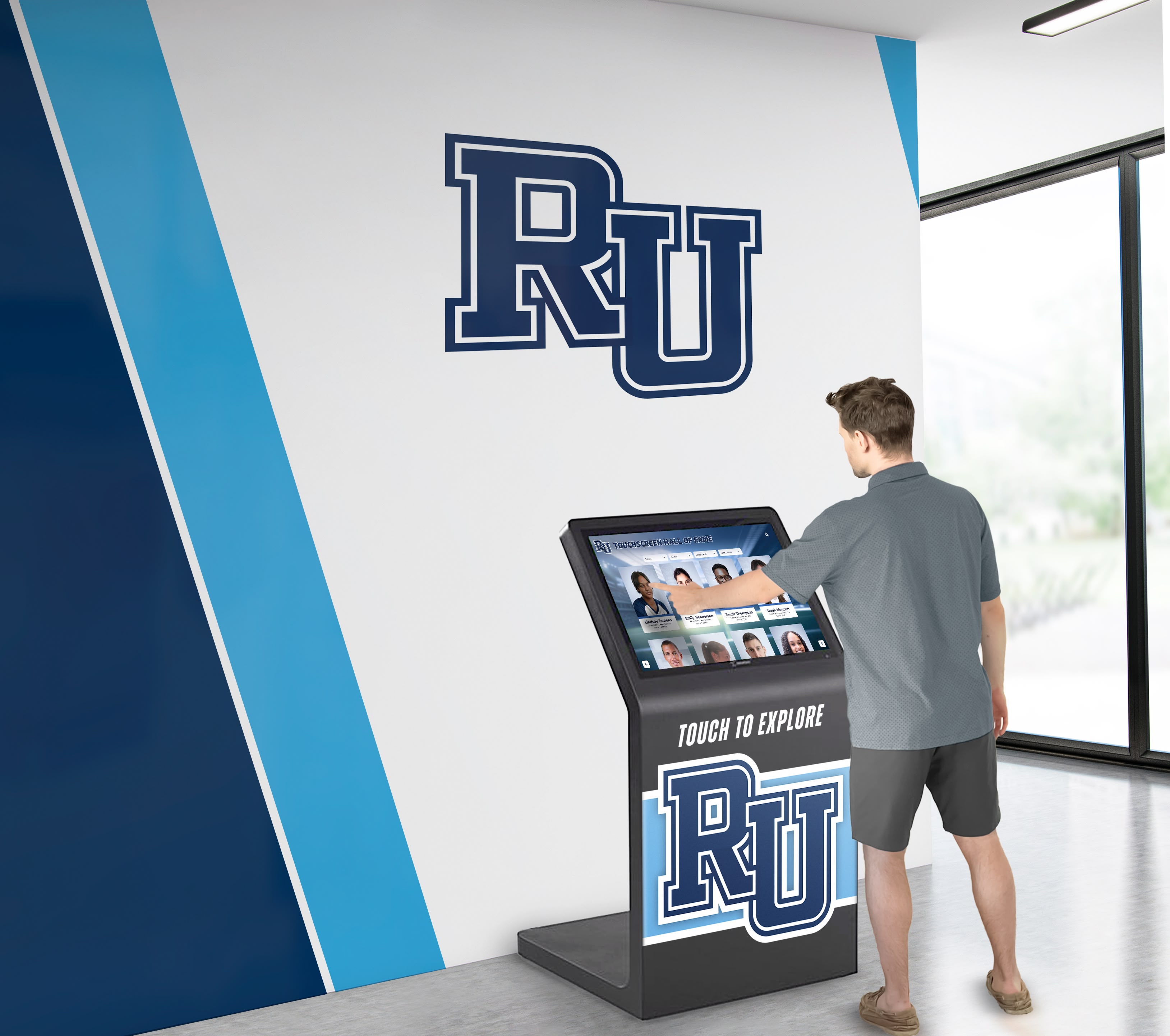
Interactive recognition displays allow players and families to explore achievements and team history long after season ends
Creative Recognition Formats and Presentation Ideas
How you present awards matters as much as the awards themselves—creative presentations create lasting memories and amplify motivational impact.
Traditional Physical Awards
Classic recognition formats remain effective when presented thoughtfully:
Trophies and Medals
Time-tested recognition with lasting value:
- Provide tangible keepsake players display at home
- Create sense of accomplishment and achievement
- Work well across all age groups and competitive levels
- Consider bulk purchasing for cost efficiency
- Can customize with engraving for special significance
- Maintain value when presented ceremonially rather than casually
Certificates and Plaques
Budget-friendly documentation of achievement:
- Allow extensive customization and personalization
- Work particularly well for multiple award categories
- Can include photos, statistics, or personal messages
- Easy to frame and display at home
- Allow unlimited categories without significant cost increases
- Consider professional printing for enhanced presentation value
Custom Gear and Apparel
Wearable recognition building program identity:
- Team warm-up jackets with award designation
- Custom t-shirts celebrating specific achievements
- Soccer balls or equipment with personalized engraving
- Headbands, wristbands, or accessories with award designation
- Creates visible pride and program culture
- Particularly motivating for youth athletes valuing peer recognition
Digital Recognition Solutions
Modern digital platforms create lasting, shareable recognition extending impact beyond single ceremonies:
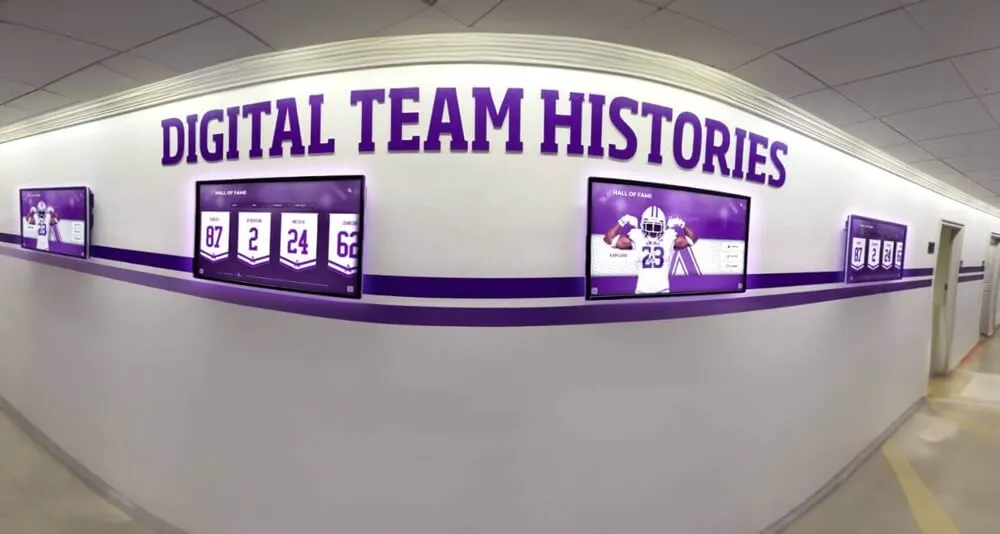
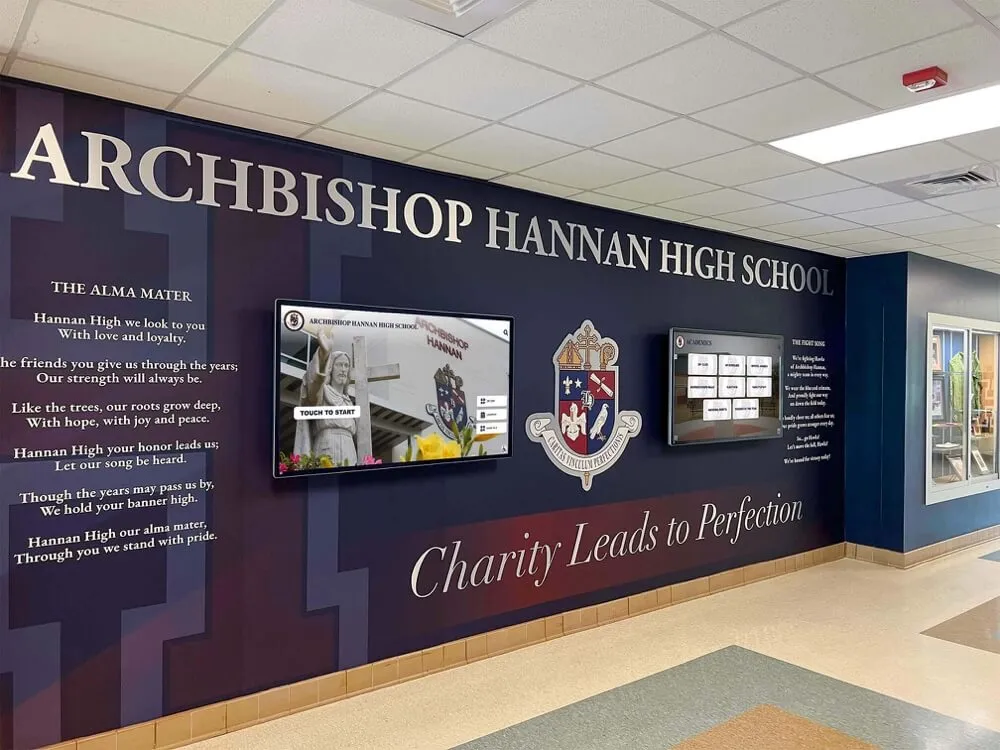
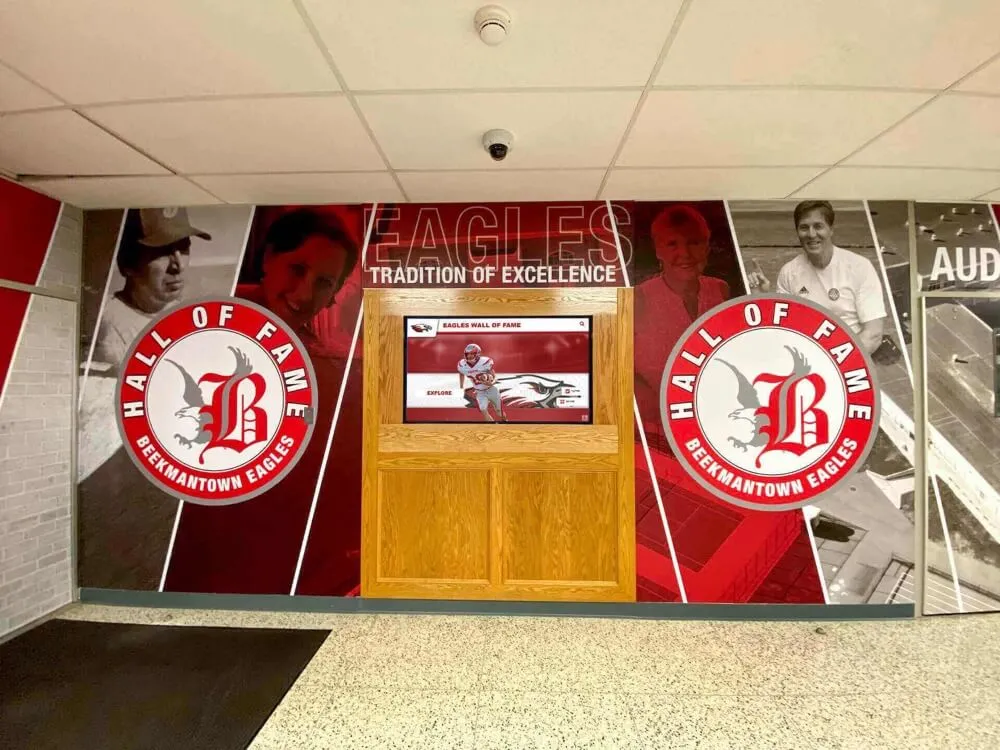
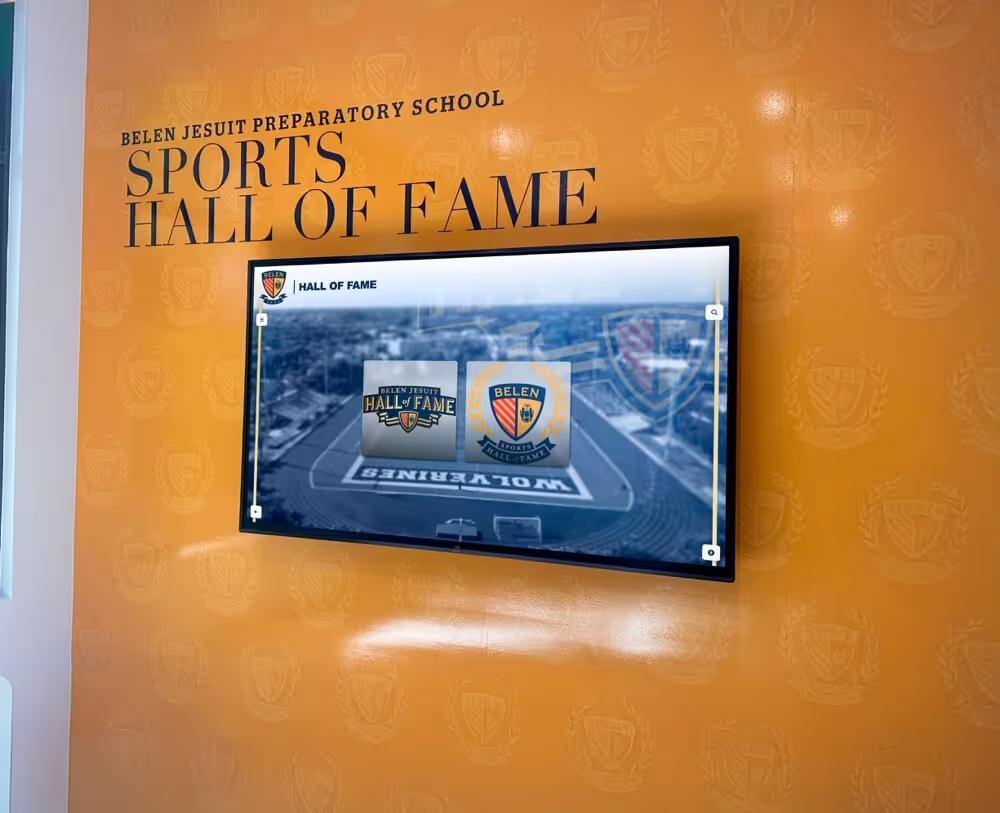
Digital Recognition Displays
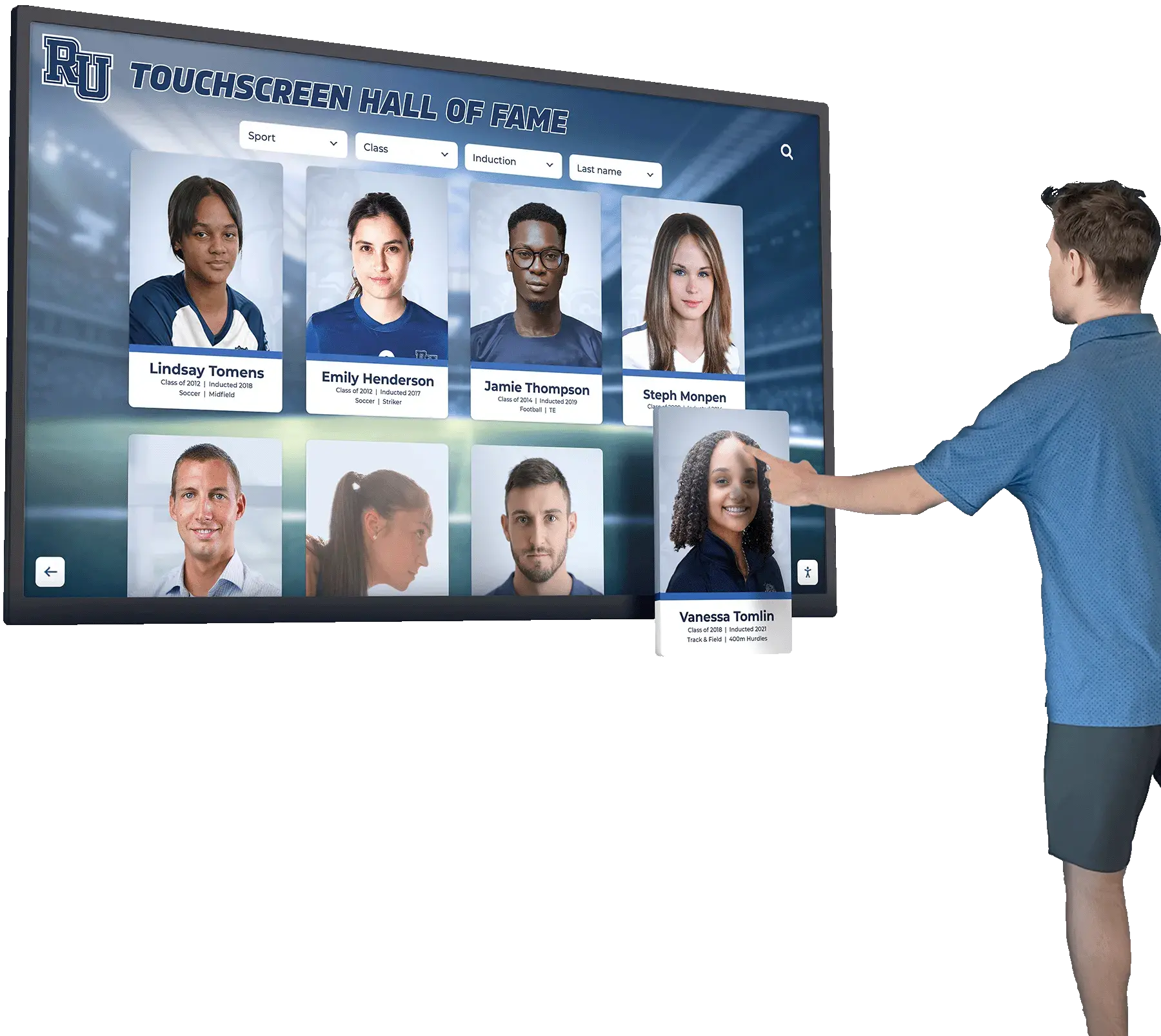
Interactive touchscreen systems showcasing achievements:
- Display player profiles with photos, statistics, and award history
- Create searchable databases preserving recognition across seasons
- Allow dynamic updates adding new awards throughout years
- Enable families to explore achievements during events and visits
- Build visible program culture celebrating diverse excellence
- Integrate with team websites and social media for broader reach
Solutions like Rocket Alumni Solutions provide touchscreen displays specifically designed for youth sports recognition—creating interactive experiences where players can explore their achievements, view team histories, and feel connected to broader program legacy across multiple seasons and age groups.
Social Media Recognition
Digital platforms amplifying award impact:
- Team Facebook groups celebrating individual awards with posts
- Instagram highlights featuring award recipients with photos
- Team websites with dedicated awards pages
- Email newsletters announcing award winners to families
- Creates shareable content players and families can preserve
- Extends recognition beyond single ceremony to ongoing celebration
Video Presentations
Multimedia recognition creating emotional impact:
- Season highlight videos featuring award recipients
- Individual player spotlight videos for major awards
- Awards ceremony recordings families can watch repeatedly
- Compilation videos showing all award winners together
- Creates lasting memories preserved digitally
- Particularly impactful when professionally produced
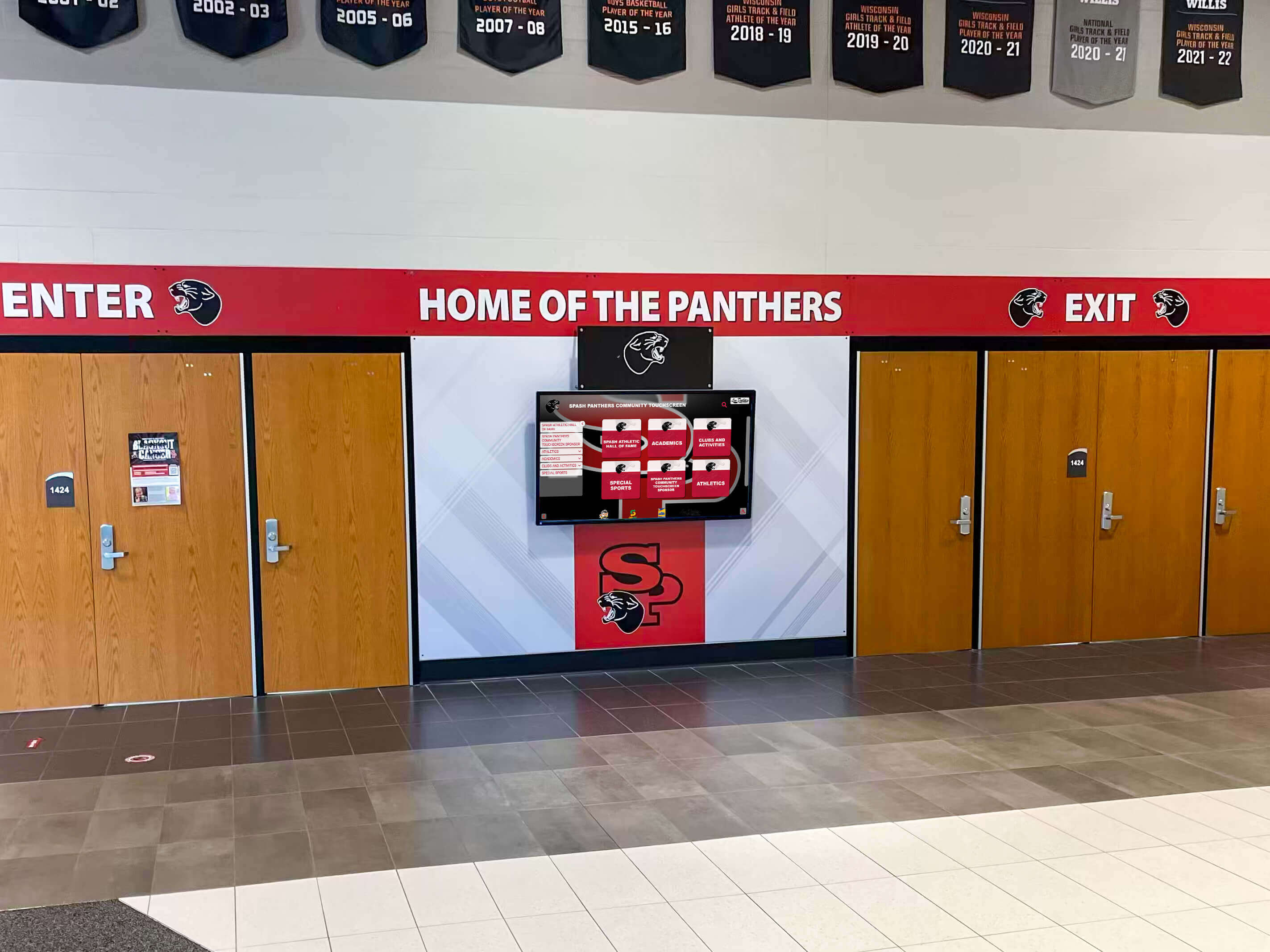
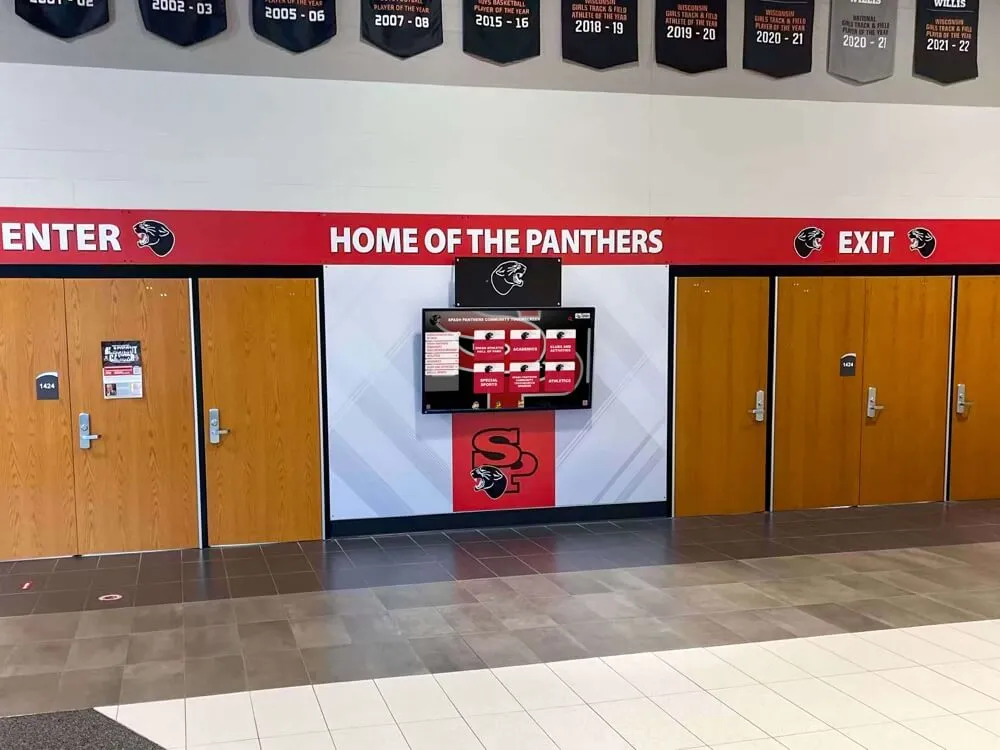
Entrance displays welcome players and families while showcasing program recognition and building visible athletic culture
Ceremony Best Practices
How you present awards dramatically affects their impact and meaning:
Timing Considerations
Strategic scheduling maximizes attendance and impact:
- End-of-season banquets allowing comprehensive recognition
- Final game day ceremonies ensuring player and family attendance
- Separate recognition events building anticipation and importance
- Mid-season acknowledgments maintaining motivation throughout campaigns
- Consider family schedules when planning evening or weekend events
- Allow sufficient time for each award without rushing presentations
Presentation Format
Thoughtful ceremony structure enhances recognition value:
- Open with team accomplishments before individual awards
- Provide context explaining award significance and selection criteria
- Share specific examples of award-worthy behavior or performance
- Allow coach to tell brief story about each recipient
- Include applause and celebration time for each award
- Close with message about collective team achievement
- Consider peer presentations where teammates present certain awards
Making Recognition Meaningful
Details that amplify award impact:
- Personalized certificates including specific accomplishments or statistics
- Framed photos accompanying physical awards
- Written coach notes to each recipient explaining award significance
- Spotlight on award recipient during presentation with team recognition
- Connection to program values explaining why award matters
- Recognition of family support contributing to player achievement
Inclusive Recognition
Ensuring every player receives acknowledgment:
- Create sufficient award categories covering entire roster
- Combine formal awards with participation certificates or recognition
- Include coach’s personal message for every player regardless of awards
- Team awards or group recognition for collective achievements
- Highlight individual moments from season for players not receiving formal awards
- End with emphasis on collective team success rather than individual achievement hierarchy
Budget-Friendly Recognition Strategies
Effective recognition doesn’t require significant spending—creativity and thoughtfulness matter more than expense.
Low-Cost Award Ideas
Meaningful recognition on minimal budgets:
Handmade Certificates
Personalized recognition requiring only printing:
- Free online templates or Microsoft Word designs
- Print on cardstock or certificate paper ($10-20 for pack)
- Handwritten personalization adding special touch
- Can include player photos from season
- Digital signatures from coaches and captains
- Professional appearance when printed on quality paper
Printed Award Ribbons
Colorful, wearable recognition:
- Purchase ribbon rolls in team colors ($5-10)
- Add printed labels with award names and years
- Safety pin to jersey during final game
- Costs under $2 per player for materials
- Players enjoy wearing during ceremony
- Can photograph players wearing ribbons for memories
Team Recognition Ball
Collective keepsake shared by entire team:
- Purchase single high-quality soccer ball
- Have each player sign with permanent marker
- Add season record, highlights, or memorable moments
- Coach keeps and displays in office or training facility
- Costs $25-40 for quality ball
- Creates shared memory rather than individual awards
Learn about comprehensive recognition approaches in end-of-year awards programs applicable to athletic contexts.
Photo Recognition Boards
Visual celebration of achievements:
- Print season photos for under $20
- Mount on posterboard with award categories as headings
- Display at final game or team gathering
- Players sign board creating keepsake
- Coach or team parent keeps as program history
- Nearly free using phone photos and basic supplies
Digital Awards
Virtual recognition with zero physical costs:
- Email certificates with custom designs
- Social media graphics celebrating each award
- Team website awards page with player profiles
- Digital photo albums capturing season memories
- Costs only time for creation and posting
- Creates shareable content for families
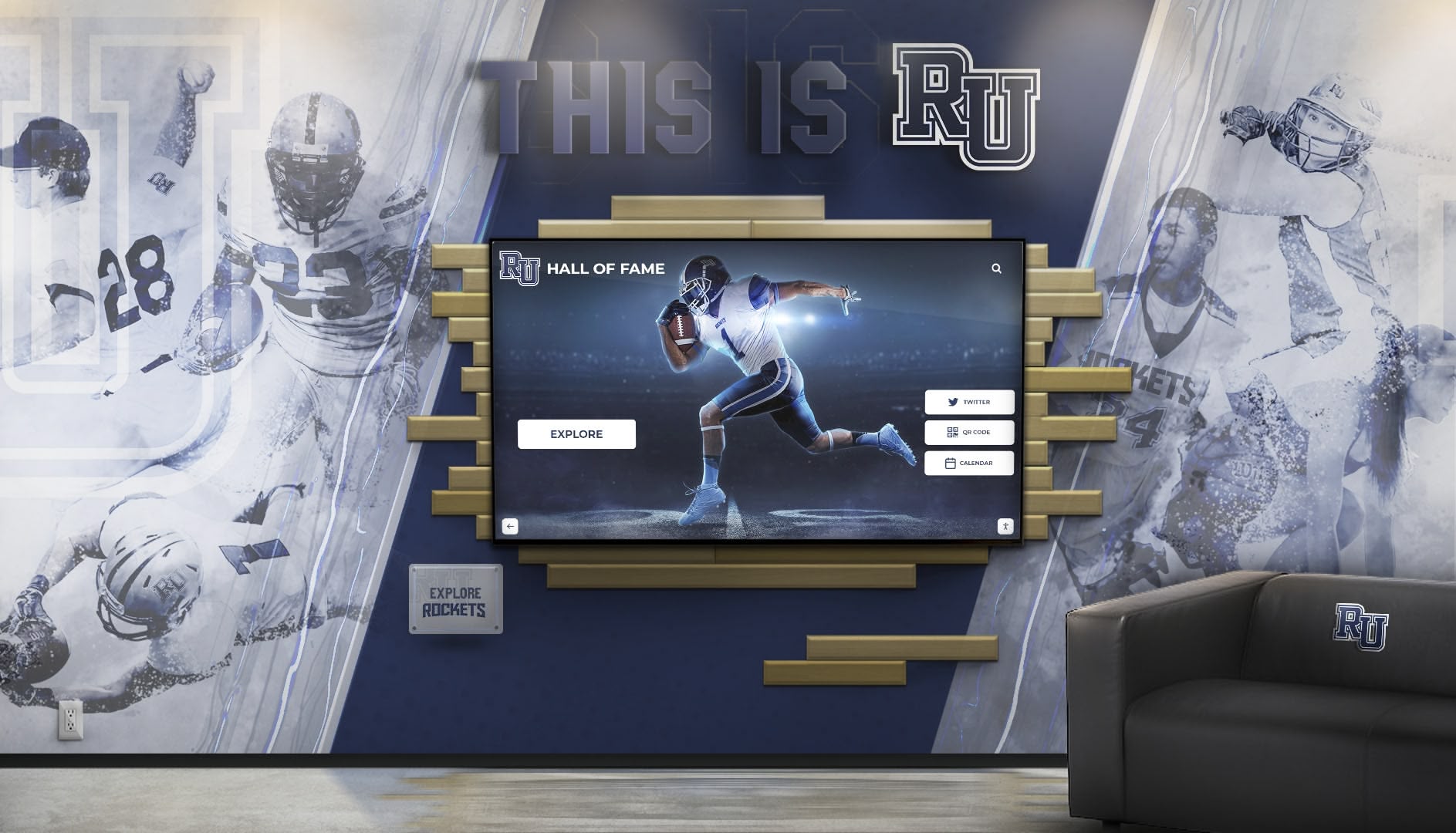
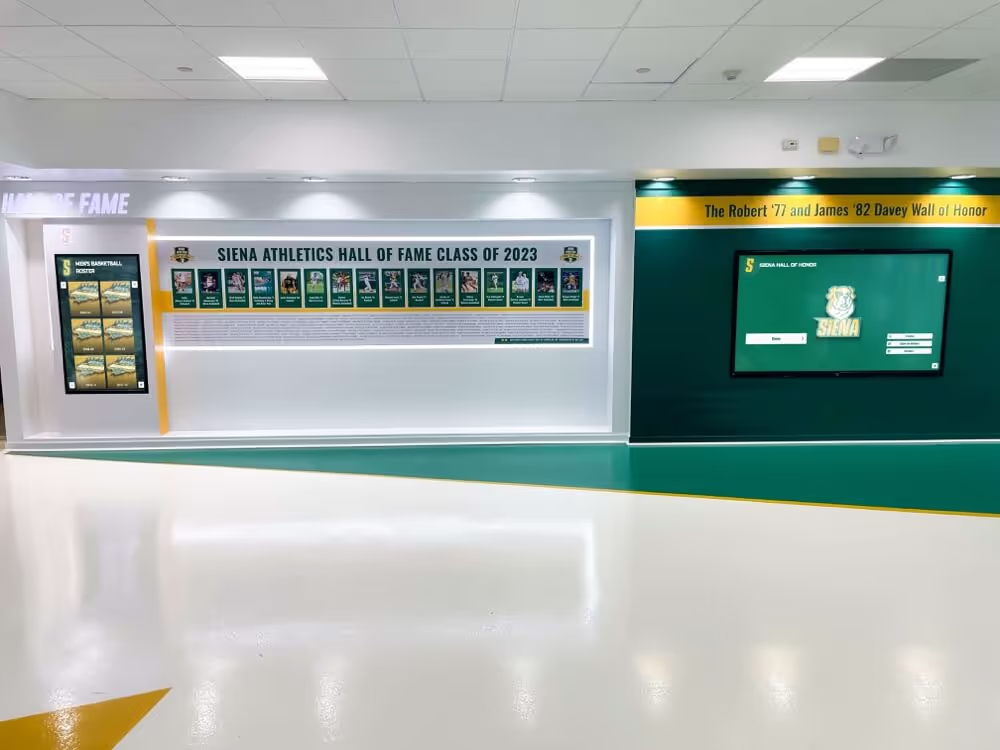
Recognition displays integrate with facility design, creating immersive experiences celebrating athletic achievement across programs
Fundraising for Awards Programs
Strategies for financing more substantial recognition:
Team Sponsorships
Local business support for awards programs:
- Approach local businesses for awards sponsorship ($100-500)
- Business logo on certificates or banquet materials
- Recognition during ceremony thanking sponsors
- Creates community connection supporting youth sports
- Can sponsor specific awards (MVP sponsored by local business)
- Tax-deductible for business sponsors
Parent Fundraising
Family contributions supporting recognition:
- Optional per-family contribution ($20-50) for awards
- Communicate clearly that contribution is voluntary
- Ensure all players receive recognition regardless of payment
- Consider fundraising events (car wash, concession sales) instead of direct asks
- Parent committees can reduce coach burden
- Creates family investment in program success
League Budget Allocation
Organizational support for recognition:
- Include awards budget in registration fees
- League-wide recognition standards ensuring equity across teams
- Bulk purchasing reducing per-award costs
- Centralized coordination reducing coach burden
- Ensures consistent quality across program
- Can create league-wide award ceremonies for advanced recognition
Implementing Effective Recognition Programs
Successful award programs require planning, consistency, and alignment with program values and developmental objectives.
Planning Your Awards Program
Strategic preparation ensures recognition achieves intended impact:
Define Program Values
Align awards with what your program prioritizes:
- Determine balance between performance and character recognition
- Identify 3-5 core values you want to emphasize
- Select award categories reinforcing those values
- Ensure awards communicate priorities beyond just scoring
- Consider age-appropriateness for your specific group
- Get parent and player input on award priorities
Establish Clear Criteria
Transparent standards preserve award meaning:
- Define objective measures for statistical awards (goals, assists, saves)
- Create specific criteria for subjective awards (hustle, sportsmanship)
- Communicate criteria early in season so players understand expectations
- Document selection process ensuring consistency
- Consider peer voting for certain character awards
- Allow input from assistant coaches who observe different aspects
Track Throughout Season
Ongoing documentation ensures accuracy:
- Keep running statistics for performance-based awards
- Note specific examples of character and effort throughout season
- Document improvement for most-improved consideration
- Photograph memorable moments supporting award selections
- Review regularly with coaching staff to ensure comprehensive observation
- Avoid last-minute decisions based only on recent games
Budget Appropriately
Financial planning preventing last-minute compromises:
- Determine total budget available for recognition
- Calculate per-player cost based on roster size
- Research award options within budget constraints
- Consider multi-year approach buying durable awards in advance
- Explore sponsorship or fundraising if budget insufficient
- Prioritize meaningful recognition over expensive trophies
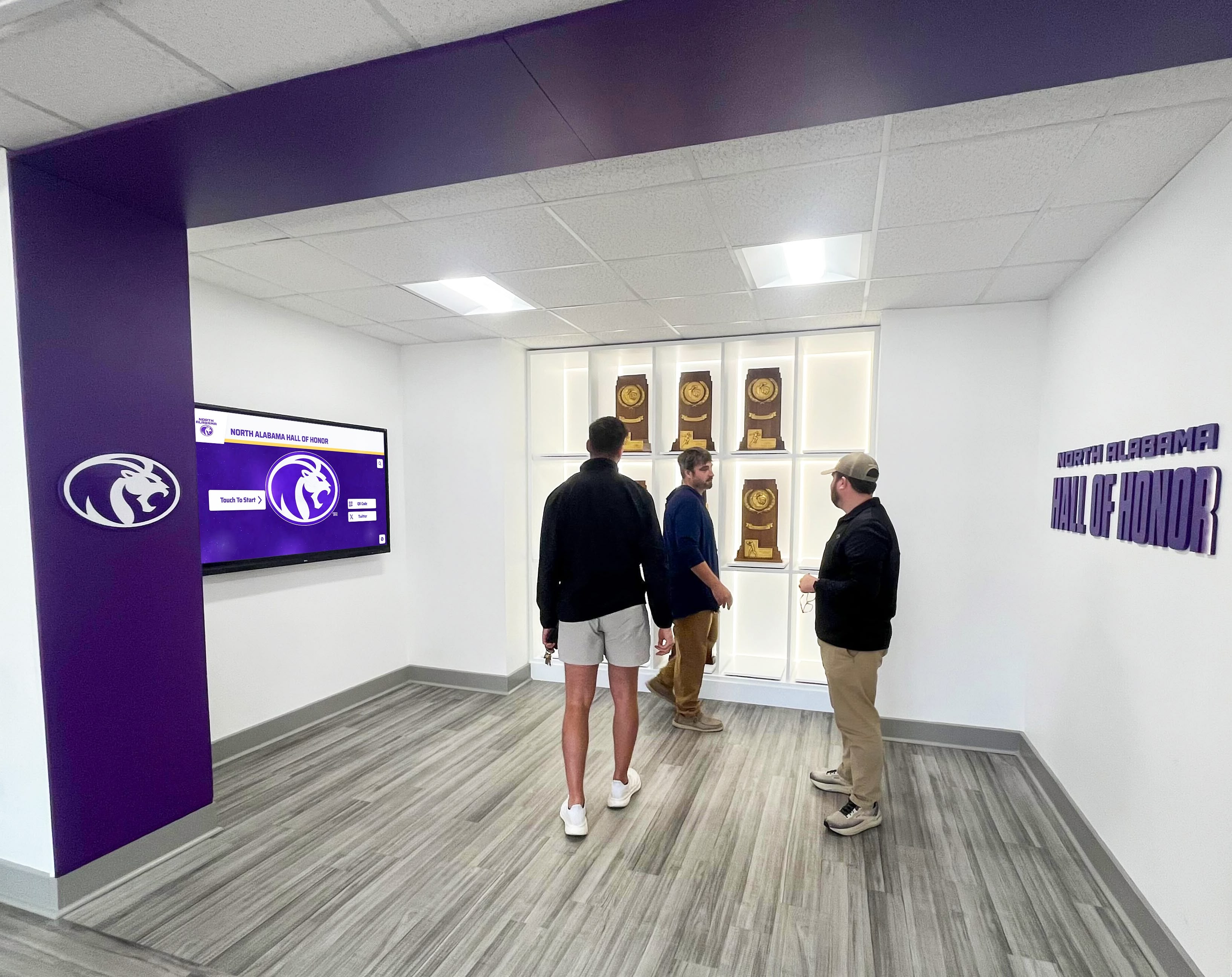
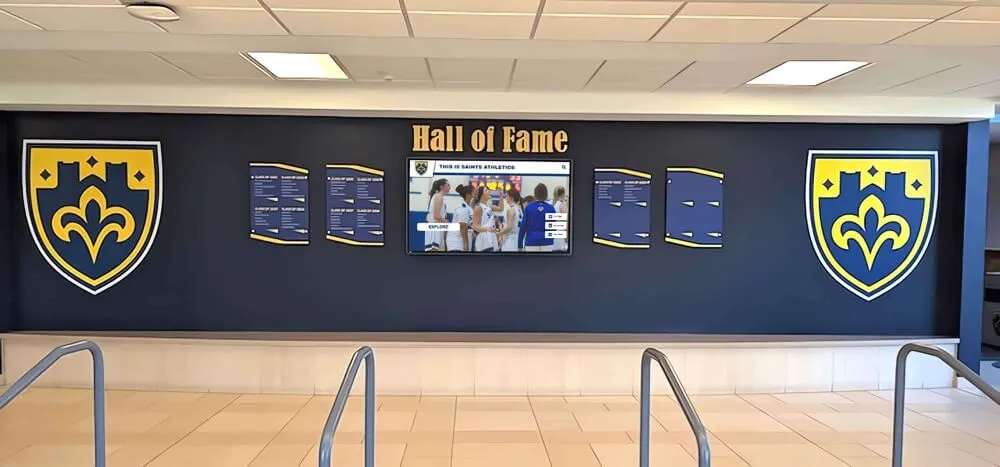
Recognition spaces create destinations where achievements are preserved and celebrated, building program tradition across generations
Common Recognition Pitfalls to Avoid
Awareness of frequent mistakes helps coaches create more effective programs:
Too Few Award Categories
Limited recognition leaving most players unacknowledged:
- Single MVP award excludes majority of roster
- Players receiving no recognition feel undervalued
- High dropout risk among players not receiving awards
- Solution: Create 8-12 categories ensuring broad recognition
- Balance major awards with position-specific and character categories
- Aim for every player receiving meaningful acknowledgment
Predetermined Recipients
Awards feeling automatic rather than earned:
- Rotating awards by roster position removes genuine meaning
- Guaranteed recognition for everyone diminishes award value
- Perception that awards are participation trophies
- Solution: Establish genuine criteria and honor actual achievement
- Make some awards competitive while ensuring broad recognition
- Communicate that awards recognize genuine accomplishment
Last-Minute Planning
Rushed recognition lacking impact:
- Coaches selecting winners during final game
- Generic certificates without personalization
- Insufficient awards for full roster
- Ceremony feeling disorganized or hurried
- Solution: Plan awards program at season start
- Track performance and character consistently throughout season
- Order physical awards or create certificates well before ceremony
Inconsistent Criteria
Changing standards undermining credibility:
- Different selection criteria year-to-year
- Awards based on coach favoritism rather than merit
- Unclear reasons why certain players receive recognition
- Solution: Document and communicate criteria clearly
- Apply standards consistently across entire roster
- Allow assistant coach input preventing bias
Overemphasis on Performance
Neglecting character and effort recognition:
- All awards going to statistically elite players
- Role players and developing athletes receiving no acknowledgment
- Message that only scoring and winning matter
- Solution: Balance statistical awards with character categories
- Create position-specific recognition acknowledging diverse contributions
- Emphasize improvement and effort alongside results
Explore comprehensive recognition best practices in recognition program guides applicable across athletic and academic contexts.
Maintaining Recognition Across Seasons
Long-term approaches building program culture:
Documentation and History
Preserving recognition creating program tradition:
- Maintain award winner lists year-by-year
- Display historical awards in team facilities or websites
- Reference past award winners during presentations
- Create connection between current and former players
- Build sense of program legacy and tradition
- Consider digital displays showcasing award history across seasons
Consistent Annual Programs
Reliability building anticipation and motivation:
- Maintain core award categories year-to-year
- Establish traditional timing (final game vs. banquet)
- Create recognizable format players anticipate
- Allow minor variations while maintaining fundamental structure
- Build reputation for recognition program across community
- Create aspiration for younger players watching older teams
Evolving with Program Growth
Adapting recognition as program develops:
- Add categories as teams become more competitive
- Adjust balance between participation and achievement recognition
- Incorporate new technology (digital displays, video presentations)
- Respond to player and parent feedback about award program
- Scale recognition as program grows or changes competitive level
- Maintain core values while allowing evolution

Modern recognition displays showcase current season awards while preserving program history, creating visible culture celebrating athletic excellence
Digital Solutions for Lasting Recognition
Technology enables recognition extending beyond single ceremonies to year-round visibility and engagement.
Interactive Recognition Displays
Touchscreen systems transforming how programs showcase achievements:
Benefits of Digital Recognition
Modern displays offer advantages over traditional formats:
- Unlimited categories without physical space constraints
- Dynamic updates adding new awards throughout years
- Searchable databases making any player’s achievements accessible
- Photo galleries preserving visual memories across seasons
- Video integration showing highlights and memorable moments
- Cost-effective long-term compared to replacing physical displays
- Creates interactive experiences engaging players and families
Implementation Considerations
Key factors when adopting digital recognition:
- One-time hardware investment provides years of recognition capacity
- Simple content management allowing coaches to update independently
- Customizable designs matching team colors and branding
- Integration with existing team websites and registration systems
- Display placement in facilities where families gather naturally
- Professional appearance elevating program perception
Digital recognition platforms like Rocket Alumni Solutions specifically serve youth sports programs—providing touchscreen displays showcasing player achievements, team histories, and award recipients in interactive formats that players and families can explore during games, practices, and special events, creating lasting engagement beyond traditional trophy cases or certificate walls.
Content Strategies
Maximizing digital recognition impact:
- Player profiles including photos, positions, and achievements
- Season highlight galleries with game photos
- Awards history showing recipients across multiple years
- Team statistics and records contextualized across seasons
- Coach messages and player testimonials
- Integration with social media feeds and team announcements
Combining Traditional and Digital Recognition
Hybrid approaches maximizing each format’s strengths:
Physical Awards for Immediate Impact
Tangible recognition at ceremony:
- Present trophies or certificates during end-of-season celebration
- Create immediate emotional impact and memorable moment
- Provide keepsake players can display at home
- Maintain tradition and ceremonial significance
- Allow for applause, photos, and family celebration
Digital Preservation for Long-Term Visibility
Technology extending recognition beyond ceremony:
- Upload award photos to digital display within week of ceremony
- Add player profiles including award descriptions and significance
- Create searchable history preserving recognition across seasons
- Share on social media and team communications
- Enable families to show grandparents and friends beyond event
- Build program history visible to future players and recruits
Creating Comprehensive Recognition Ecosystem
Integrated approach maximizing impact:
- Ceremony provides immediate emotional recognition
- Digital displays create year-round visibility
- Social media extends reach to broader community
- Physical awards become home keepsakes
- Program history builds tradition and culture
- Multiple touchpoints reinforce recognition value
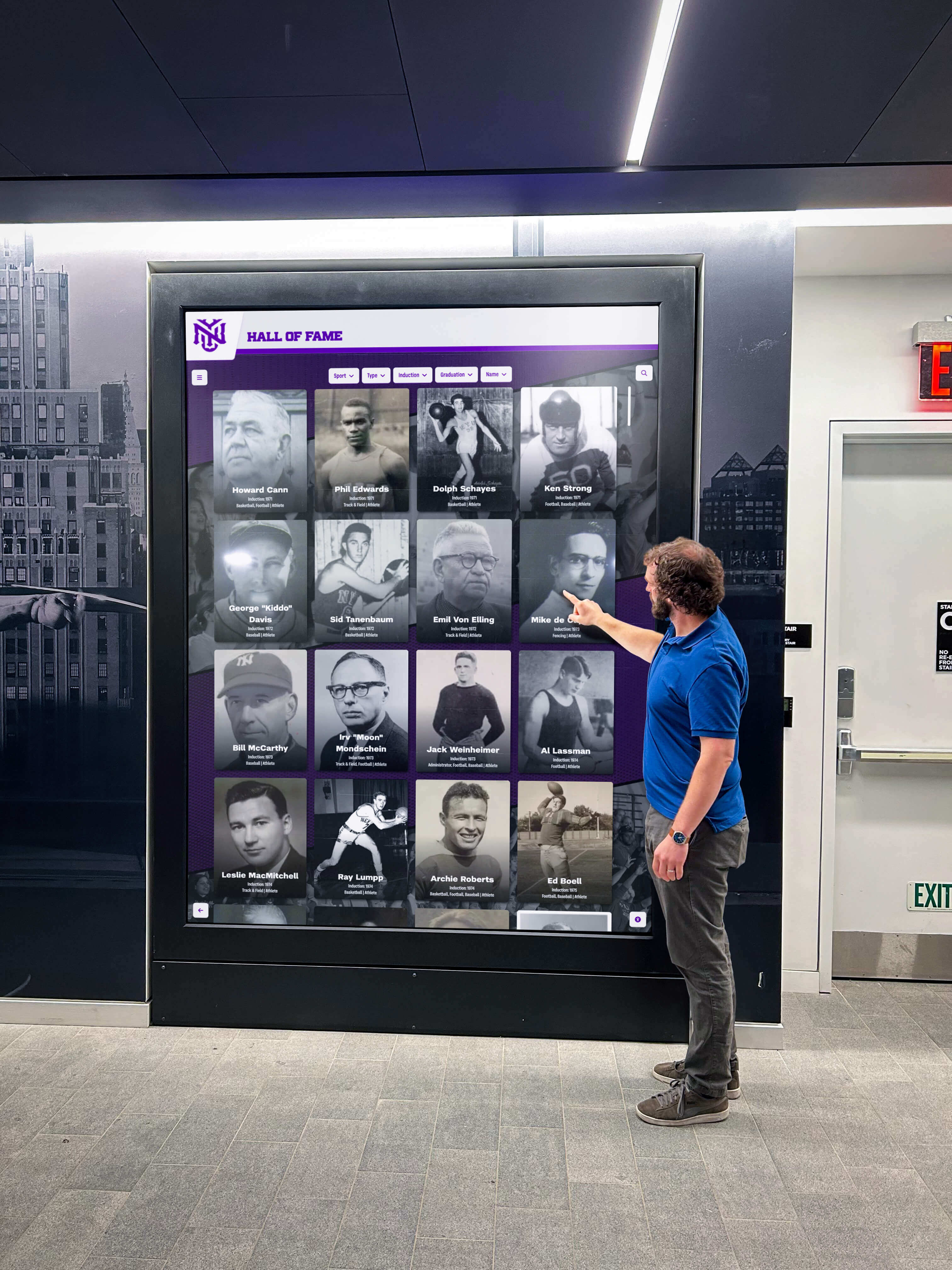
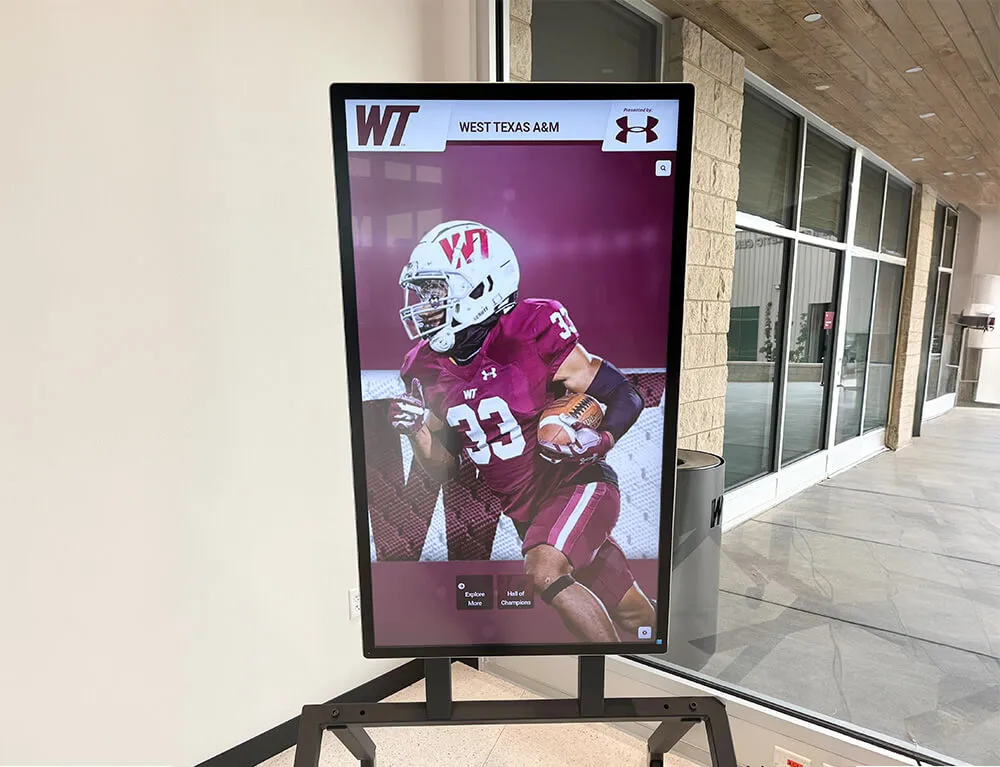
Interactive displays invite exploration, allowing players and visitors to discover achievements and connect with program history
Special Recognition Opportunities Beyond Season-End
Year-round recognition maintaining motivation and celebrating achievements beyond traditional timing:
In-Season Recognition
Ongoing acknowledgment throughout campaigns:
Game Day MVP
Recognition after each match:
- Coach selects player of the match based on performance
- Brief acknowledgment during post-game talk
- Rotation ensuring multiple players receive recognition throughout season
- Builds anticipation and motivation game-to-game
- Can include certificate or simple designation
- Creates interim goals beyond just season-end awards
Weekly Practice Player
Acknowledging training effort:
- Recognize player demonstrating best practice habits each week
- Honors effort when competitive outcomes aren’t involved
- Rotates across roster throughout season
- Emphasizes that practice matters as much as games
- Can include wearing special practice pennies or jersey
- Builds culture valuing daily work
Milestone Recognition
Celebrating individual achievements as they occur:
- First career goal or assist
- Shutouts for goalkeepers
- Birthday recognition during practice or game
- Attendance milestones (50th game, perfect attendance)
- Creates multiple celebration moments throughout season
- Personalizes recognition beyond general awards
Post-Season Recognition Extensions
Opportunities beyond traditional end-of-season ceremonies:
All-League and All-Star Selections
External recognition elevating program profile:
- League all-star team nominations
- All-conference or all-region selections
- Tournament all-tournament team selections
- Creates higher-tier recognition for elite performers
- Builds program reputation and player recruitment
- Particularly meaningful for competitive travel programs
Multi-Year Recognition
Acknowledging sustained excellence:
- Four-year contribution awards for high school programs
- Career achievement awards for club program veterans
- Recognition of siblings or family legacy in program
- Milestone participation (5 years in program, 100 games played)
- Creates special distinction for sustained commitment
- Builds program loyalty and multi-year engagement
Alumni Recognition
Connecting current and former players:
- Inviting past award winners to present current awards
- Displaying historical award winner lists alongside current recipients
- Alumni game or event bringing back former players
- Creates mentorship opportunities and program continuity
- Builds sense of tradition and lasting program connection
- Particularly impactful for established programs with long histories
Learn about comprehensive alumni engagement strategies in athletic hall of fame programs applicable to youth soccer contexts.
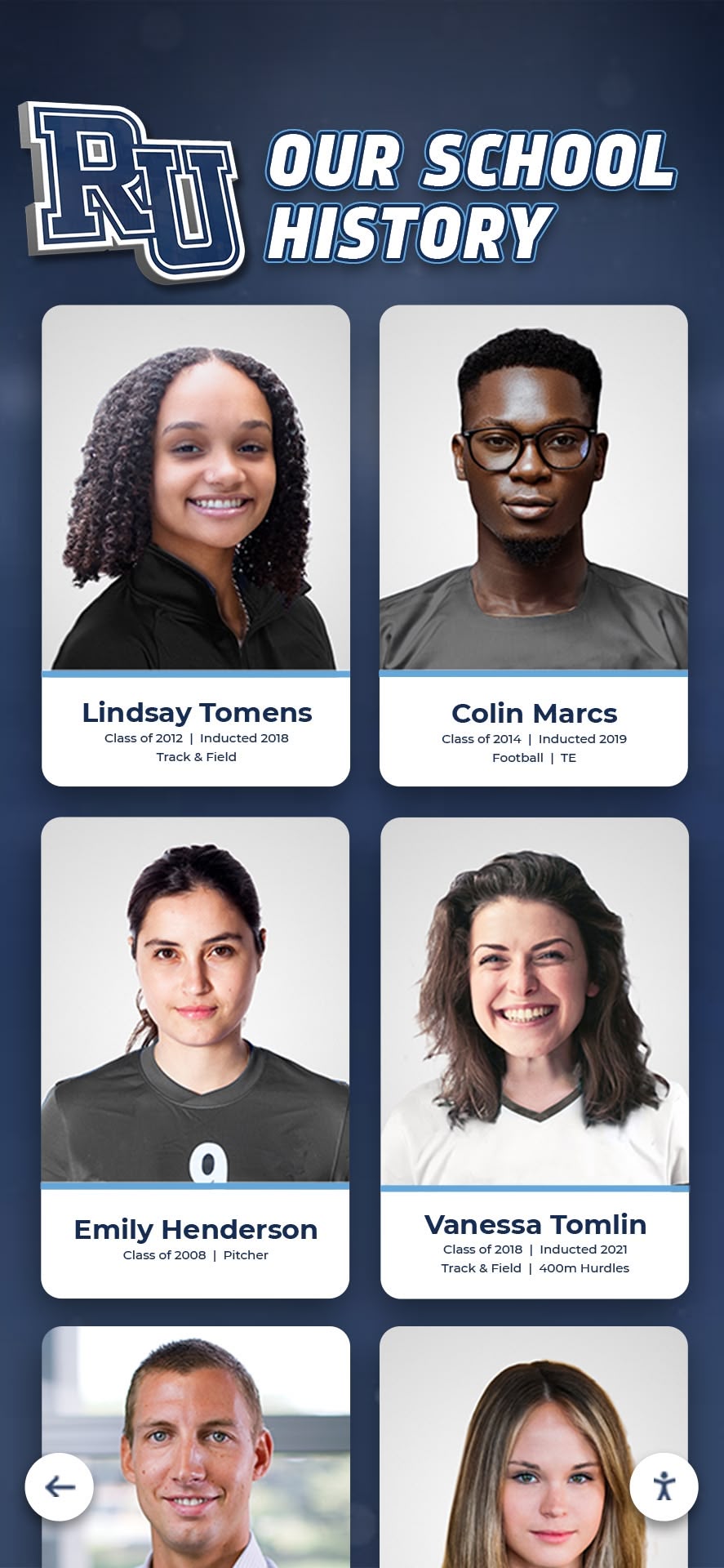
Portrait-style displays connect current players with program alumni, building sense of tradition and lasting legacy
Creating Memorable Awards Ceremonies
The presentation ceremony significantly affects recognition impact—thoughtful planning creates lasting memories amplifying award meaning.
Ceremony Planning Essentials
Elements ensuring successful recognition events:
Venue Selection
Choosing appropriate locations:
- Team facilities creating familiar, comfortable environment
- School gymnasiums or cafeterias for larger gatherings
- Local restaurants with private rooms for smaller teams
- Outdoor locations for casual, fun atmosphere
- Consider accessibility for all families and guests
- Ensure adequate seating and visibility for all attendees
Scheduling Considerations
Timing maximizing attendance and impact:
- Weeknight evenings (Tuesday-Thursday) typically better than Mondays or Fridays
- Weekend afternoons accommodating work schedules
- 2-3 weeks after season allowing planning but maintaining momentum
- 60-90 minute duration preventing restlessness
- Communicate date early ensuring families plan to attend
- Avoid conflicts with holidays, school events, other sports seasons
Program Flow
Ceremony structure maintaining engagement:
- Welcome and season overview (5 minutes)
- Team highlights and memorable moments (10 minutes)
- Individual award presentations (30-40 minutes)
- Coach messages to each player (10-15 minutes)
- Closing remarks and future season preview (5 minutes)
- Social time for photos and conversation (15-30 minutes)
- Consider video presentations breaking up spoken content
- Maintain pacing preventing boredom or restlessness
Engagement Elements
Features creating memorable experiences:
- Season highlight video showing memorable plays and moments
- Photo slideshow featuring every player multiple times
- Refreshments creating social atmosphere
- Team photo opportunities with awards
- Player speeches or reflections (for older age groups)
- Parent recognition thanking volunteers and supporters
- Music creating atmosphere during arrivals and social time
Award Presentation Best Practices
Techniques maximizing individual recognition impact:
Personalized Introduction
Making each award meaningful:
- Share specific story illustrating why player earned award
- Describe memorable moment, consistent behavior, or improvement
- Connect award to program values and significance
- Explain selection criteria and why this player exemplifies excellence
- Avoid generic descriptions applicable to anyone
- Speak directly to player recognizing their unique contribution
Photo Opportunities
Documenting recognition creating lasting memories:
- Professional photographer or designated parent capturing moments
- Individual photos of each award recipient
- Group photos with coaching staff
- Family photos with player and award
- Team photo with all award recipients together
- Share photos promptly after ceremony via email or social media
- Create digital album families can access and download
Creating Emotional Impact
Elements elevating recognition significance:
- Applause and team celebration after each award
- Standing ovation for major awards or special achievements
- Peer recognition where teammates congratulate award winners
- Coach handshake or hug creating personal connection
- Display of physical award (trophy, plaque, certificate)
- Allow moment to settle before moving to next award
- Consider music during award walk-up for added ceremony
Inclusive Ceremony Culture
Ensuring every player feels valued:
- Equal applause and celebration for all awards
- Avoid creating award hierarchy with different presentation styles
- Ensure non-award winners receive coach recognition and appreciation
- Emphasize team achievements alongside individual awards
- Close with message about collective success requiring everyone
- Consider participation certificates or team gifts for all players
- Thank families and supporters who enable player participation

Recognition displays integrate with facility aesthetics, creating immersive environments celebrating athletic culture and achievement
Measuring Recognition Program Success
Evaluating effectiveness ensures your awards program achieves intended motivational and cultural objectives:
Key Success Indicators
Metrics demonstrating program impact:
Player Retention
Participation continuing across seasons:
- Compare return rates year-over-year
- Track dropout patterns correlating with recognition (or lack thereof)
- Survey departing players about recognition experience
- Monitor particularly retention among less skilled players
- Benchmark against league or national averages
- Aim for 70%+ retention in recreational programs
Family Engagement
Parent involvement and satisfaction:
- Track ceremony attendance rates
- Monitor parent volunteer participation
- Assess social media engagement with recognition posts
- Survey family satisfaction with recognition program
- Observe parent conversations and feedback about awards
- Note registration retention within families
Player Motivation
Behavioral changes resulting from recognition:
- Observe practice effort and attendance patterns
- Note improvements in sportsmanship and character
- Track goal-setting conversations with players
- Monitor players referencing awards as motivators
- Assess team culture and mutual support
- Watch for increased pride in program participation
Program Reputation
Broader community perception:
- New player recruitment and registration trends
- Feedback from league administrators or other teams
- Social media engagement and community visibility
- Parent referrals and word-of-mouth recommendations
- Media coverage or community recognition
- Perception among local youth sports community
Gathering Feedback
Systematic approaches improving recognition programs:
Player Surveys
Direct input from athletes:
- End-of-season questionnaire about recognition experience
- Age-appropriate questions about favorite awards and suggestions
- Anonymous format encouraging honest feedback
- Ask about fairness, meaningfulness, and motivation
- Inquire about awards they wish existed
- Keep brief (5-10 questions) ensuring completion
Parent Feedback
Family perspective on program:
- Post-ceremony survey about recognition satisfaction
- Questions about communication, fairness, and impact
- Input on logistics (timing, venue, duration)
- Suggestions for improvement or new awards
- Assess whether recognition motivated continued participation
- Informal conversations during games and practices
Coaching Staff Review
Internal assessment of effectiveness:
- Post-season debrief about award program
- Discussion of what worked well and what needs improvement
- Assessment of whether awards reflected program values
- Evaluation of ceremony logistics and presentation
- Planning for next season improvements
- Documentation of lessons learned and best practices
Continuous Improvement
Evolving programs based on evidence and feedback:
- Review feedback identifying consistent themes
- Make incremental changes rather than complete overhauls
- Test new award categories or formats on trial basis
- Benchmark against other successful programs
- Stay current with youth sports recognition research
- Balance tradition with innovation and evolution
Learn about comprehensive recognition measurement in teacher recognition programs with transferable evaluation approaches.

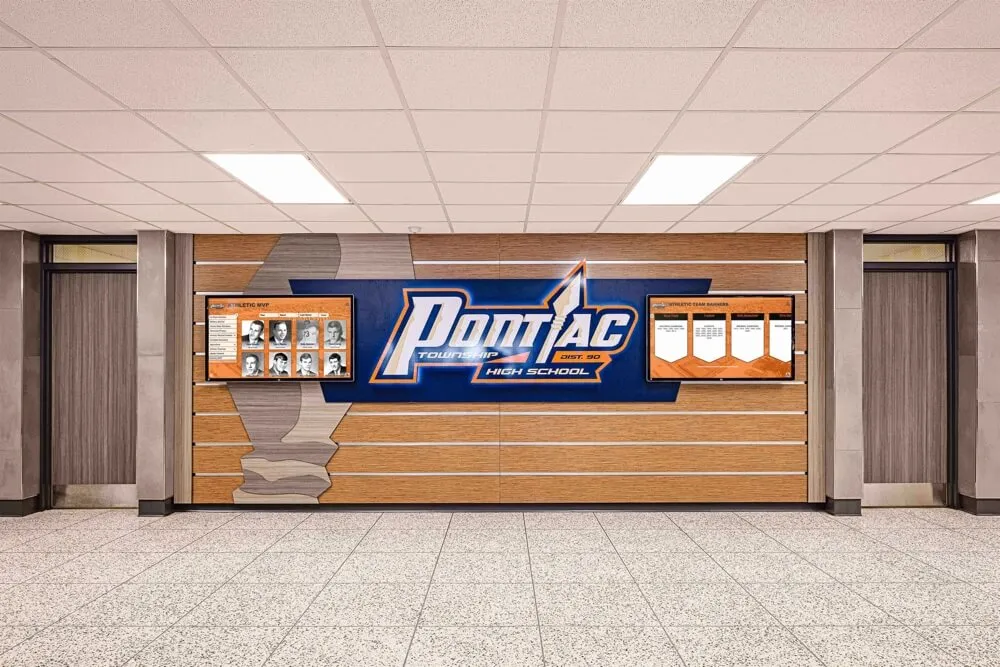
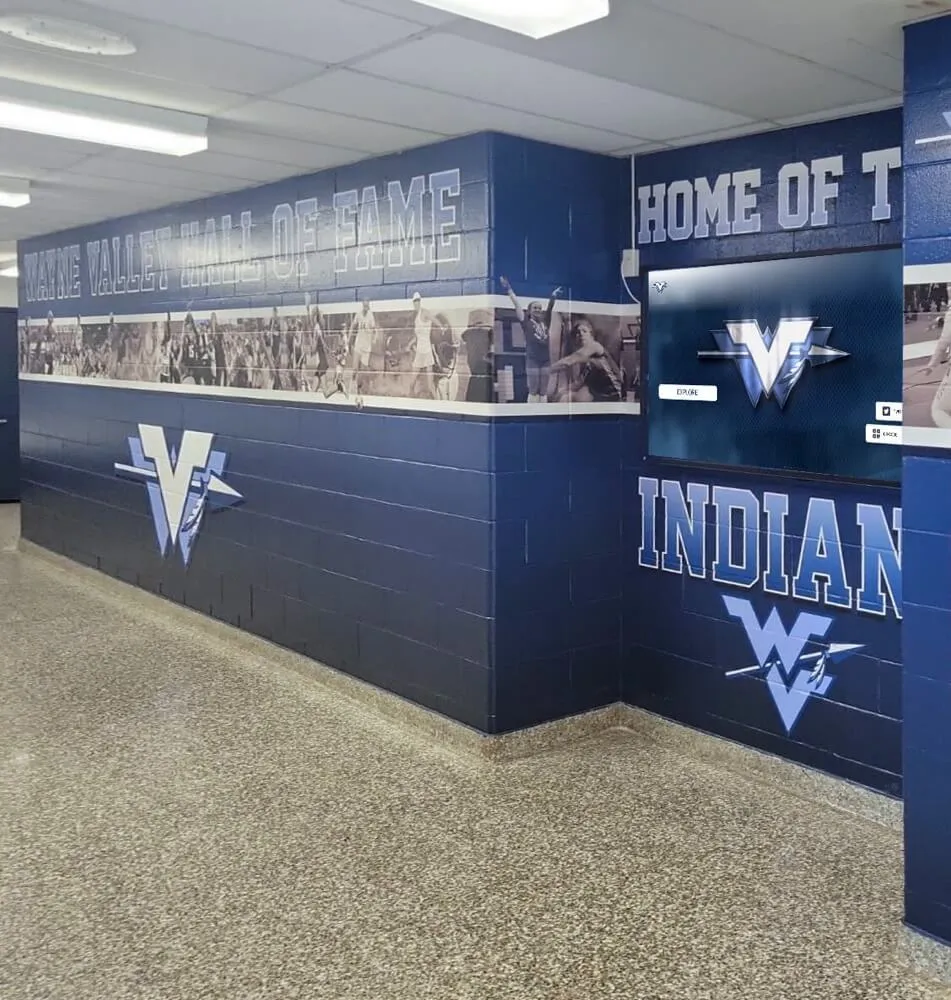
Hallway recognition displays create daily visibility for achievements, building program pride visible throughout facilities
Building Long-Term Recognition Culture
Sustainable programs integrate recognition into fundamental program identity rather than treating awards as isolated end-of-season events.
Establishing Recognition Traditions
Creating consistent programs building anticipation and meaning:
Annual Award Names
Consistent categories becoming program traditions:
- Maintain core awards year after year
- Name major awards after program founders or legends
- Create unique award names specific to your program
- Balance tradition with occasional new category additions
- Communicate award criteria early each season
- Build historical context by referencing past winners
Ceremony Traditions
Repeated elements creating familiar experiences:
- Consistent ceremony format players anticipate
- Traditional venue becoming expected location
- Opening or closing rituals unique to your program
- Coach speeches following similar structure and themes
- Team traditions (chant, song, ritual) incorporated into ceremony
- Photo opportunities in consistent format year-to-year
Visual Recognition
Permanent displays building visible culture:
- Trophy cases or display boards showcasing awards
- Digital screens featuring current and historical winners
- Team photos displayed in facilities
- Social media albums accessible year-round
- Website pages dedicated to recognition history
- Physical spaces celebrating program achievements
Connecting Recognition to Player Development
Integrating awards with skill building and growth:
Goal-Setting Integration
Using awards as development targets:
- Early season conversations about award opportunities
- Individual player goal-setting including award aspirations
- Mid-season check-ins on progress toward goals
- Coaching specifically toward award criteria
- Recognition as motivation for focused improvement
- Post-season reflection on goal achievement
Skill Development Focus
Awards encouraging technical growth:
- Position-specific awards motivating specialized skill work
- Improvement categories rewarding skill development
- Technical awards (1v1 skill, passing accuracy) emphasizing fundamentals
- Recognition criteria requiring practice dedication
- Awards as evidence of skill progression
- Connection between practice work and recognition opportunities
Character Development
Recognition teaching life skills:
- Sportsmanship awards defining expected behavior
- Leadership recognition building mentorship and responsibility
- Team-first awards emphasizing collective over individual success
- Academic integration honoring student-athlete balance
- Community service recognition extending impact beyond field
- Character awards as important as performance recognition
Leveraging Recognition for Program Growth
Strategic recognition building broader program success:
Recruitment Tool
Recognition attracting new players:
- Showcase awards program during registration events
- Display recognition photos and highlights in promotional materials
- Share ceremony videos and photos on social media
- Current player testimonials about recognition experience
- Parent referrals based on positive recognition culture
- Reputation for valuing all players attracting diverse participants
Fundraising Asset
Recognition supporting financial sustainability:
- Award sponsorships by local businesses
- Ceremony attendance donations supporting program
- Recognition displays as capital campaign features
- Historical award displays increasing facility value
- Parent engagement through recognition supporting broader involvement
- Community pride in program supporting financial backing
Community Connection
Recognition building broader relationships:
- Local media coverage of awards and achievements
- Community recognition extending program visibility
- Business partnerships through award sponsorships
- Alumni engagement through historical recognition
- Family connections across multiple seasons
- Program reputation attracting volunteers and supporters
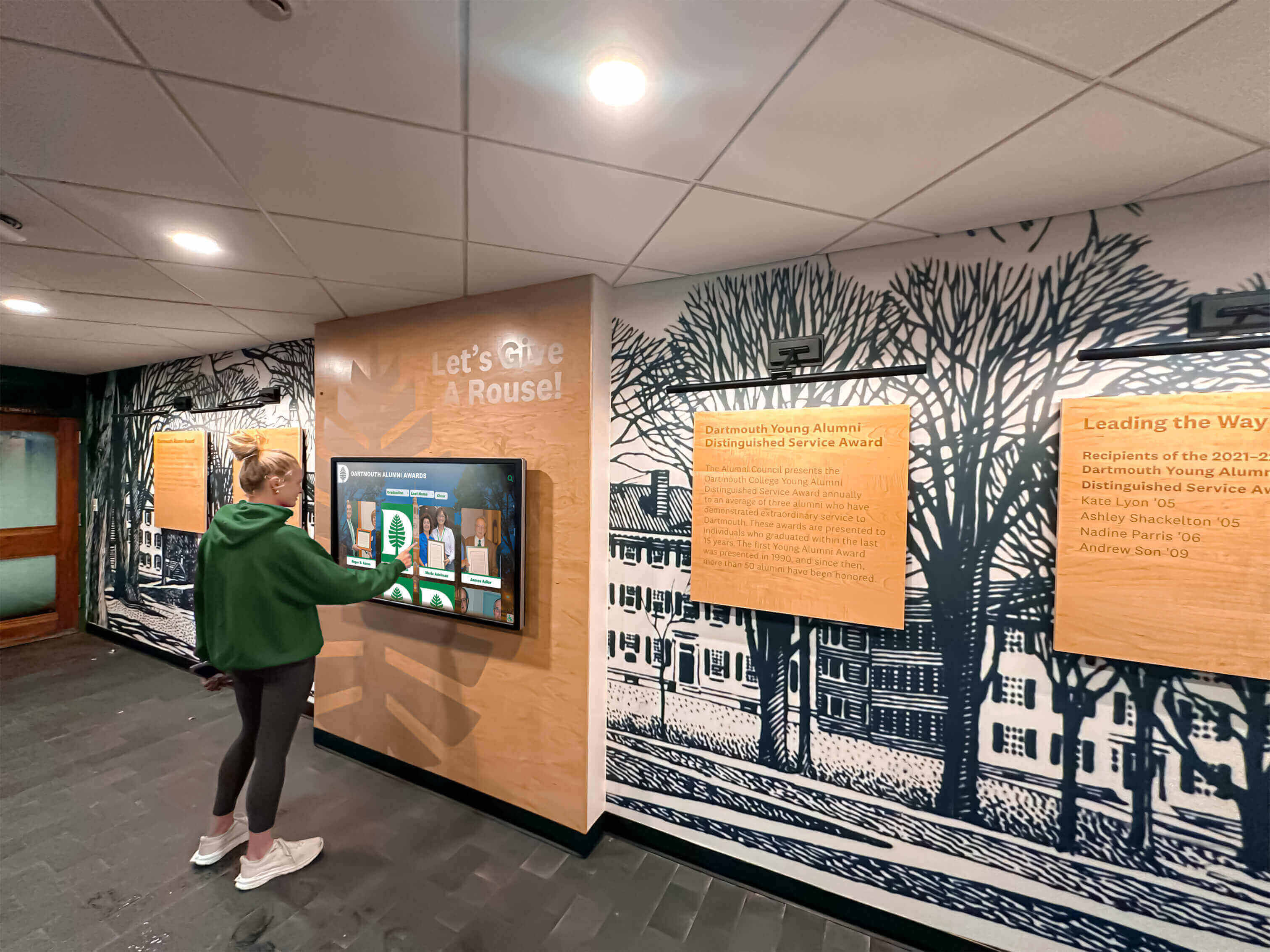
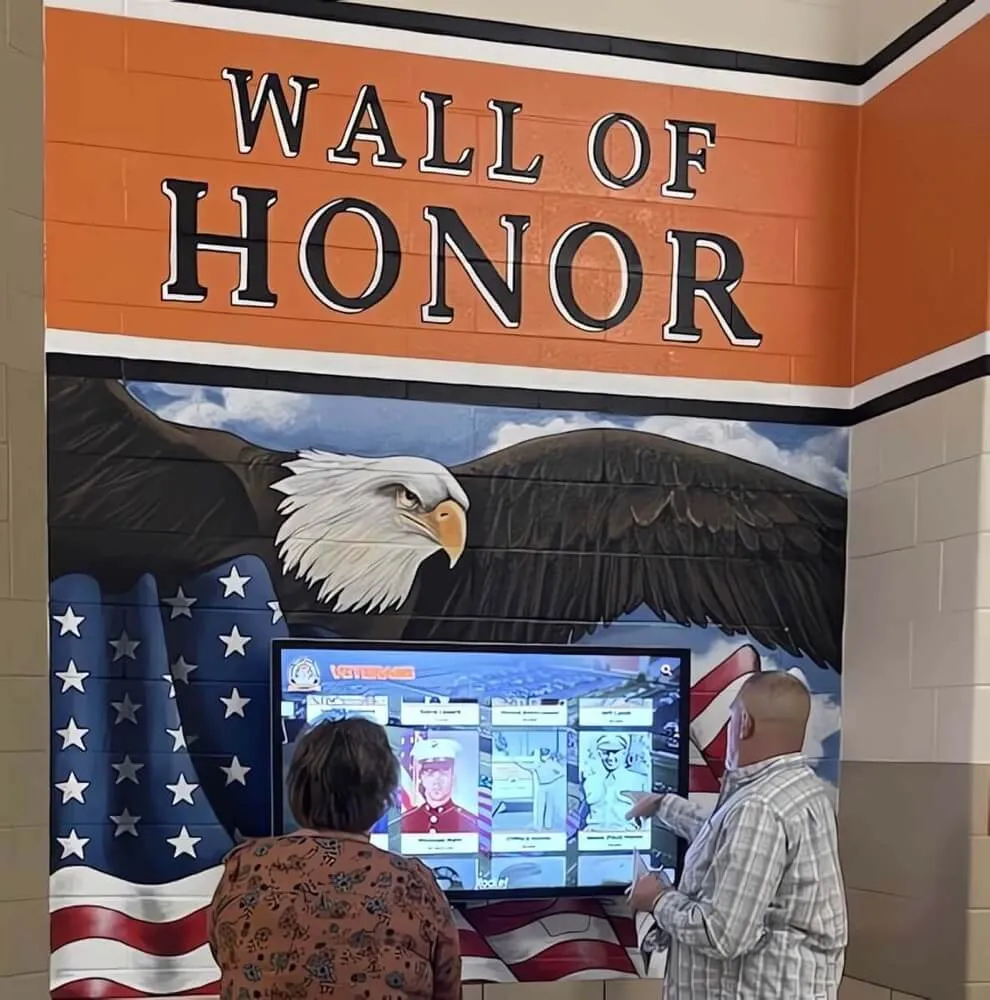
Interactive recognition displays create engaging experiences where achievements connect with broader program history and community
Conclusion: Recognition That Matters
Effective soccer awards for kids extend far beyond trophies handed out at season-end banquets—they represent strategic opportunities to motivate continued participation, teach character alongside soccer skills, build inclusive team culture, and create lasting memories that shape how young athletes view themselves and their capabilities long after youth soccer ends.
The most successful youth soccer recognition programs share common characteristics: they honor diverse contributions ensuring every player feels valued, they balance performance acknowledgment with character celebration, they maintain genuine standards preserving award meaning, and they create memorable presentations that families remember for years. Whether implementing simple certificate programs or sophisticated digital recognition displays, thoughtful coaches can create meaningful recognition with any budget when they prioritize what truly matters—helping every young athlete feel seen, appreciated, and motivated to continue their soccer journey.
As youth soccer continues growing across communities nationwide, recognition programs will increasingly differentiate exceptional programs from merely adequate ones. Programs investing in comprehensive, thoughtful recognition—celebrating goals scored and saves made alongside hustle, improvement, teamwork, and character—will retain players longer, develop more well-rounded athletes, build stronger team culture, and create lasting positive impact that extends far beyond the soccer field into every aspect of young athletes’ developing lives and identities.
Start planning your recognition program by identifying 8-12 award categories honoring diverse contributions, establishing clear selection criteria, and creating ceremony plans that make every player feel valued. Whether you present printed certificates or install interactive digital displays, the recognition you provide today shapes how your young athletes view themselves, their teammates, and the sport for seasons to come—making thoughtful recognition one of the most impactful coaching responsibilities you’ll undertake.
Transform Your Youth Soccer Recognition Today
Ready to create lasting recognition that motivates players and builds program culture across seasons? Rocket Alumni Solutions provides interactive touchscreen displays specifically designed for youth sports programs—showcasing player achievements, team histories, and award recipients in engaging digital formats that players and families can explore during games, events, and facility visits. Discover how modern recognition technology can transform your program’s culture while preserving achievements for years to come.