



Senior night speeches represent one of the most meaningful—and nerve-wracking—moments coaches, parents, and athletic directors face each season. Finding the right words to honor athletes who’ve dedicated years to their sport, balancing emotion with appropriate ceremony length, and celebrating individual journeys while maintaining team unity creates challenges even for experienced speakers.
The pressure intensifies knowing that these speeches become permanent memories. Players and families will remember senior night remarks for decades, quoting phrases that captured their athletic journey, recalling moments that made them feel truly seen and valued, or unfortunately, feeling disappointed by generic recognition failing to acknowledge their unique contributions and character development.
This comprehensive guide provides practical senior night speech ideas for every role—head coaches crafting addresses honoring entire senior classes, assistant coaches recognizing position groups, parents preparing tributes to their athletes, teammates delivering peer perspectives, and athletic directors framing program context. From opening lines that immediately engage audiences to closing statements creating lasting emotional impact, these proven frameworks help speakers deliver recognition worthy of the athletes they celebrate.
Whether you’re addressing two seniors or twenty, speaking about championship-winning athletes or rebuilding-season contributors, the right words honor commitment appropriately while creating shared moments strengthening team culture and demonstrating that four years of dedication deserves thoughtful, personalized recognition.

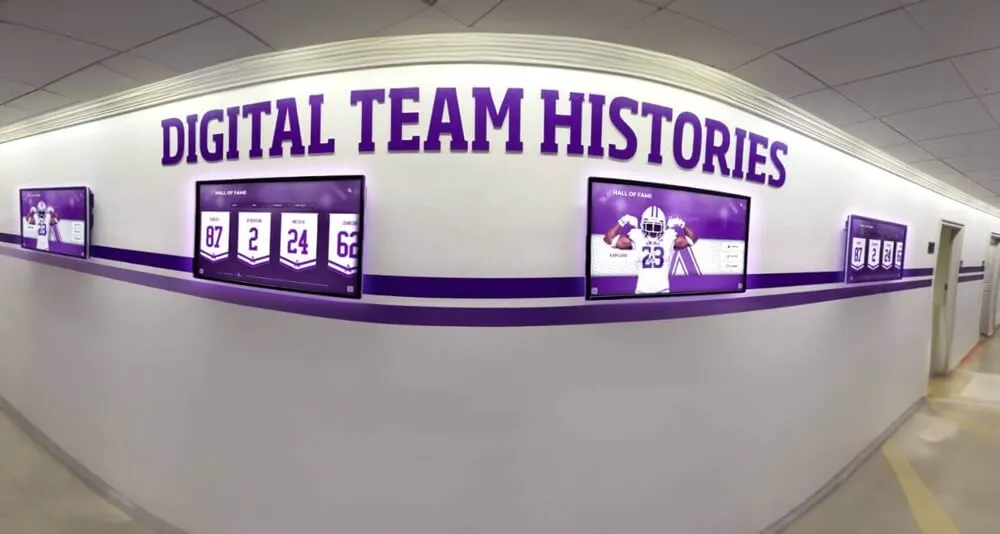
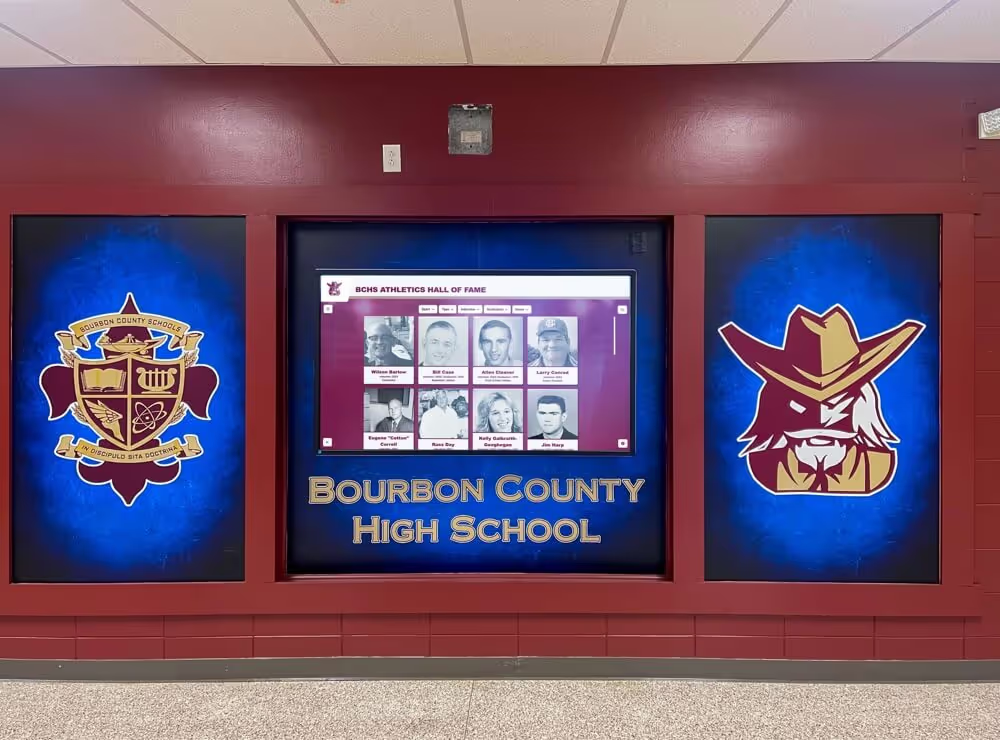
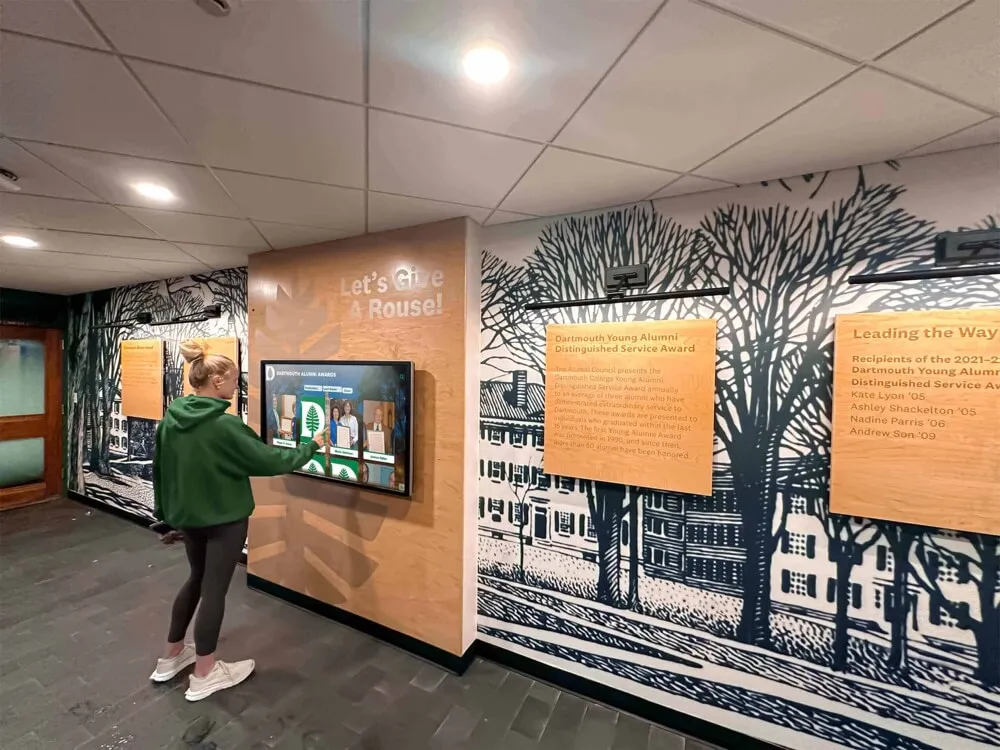
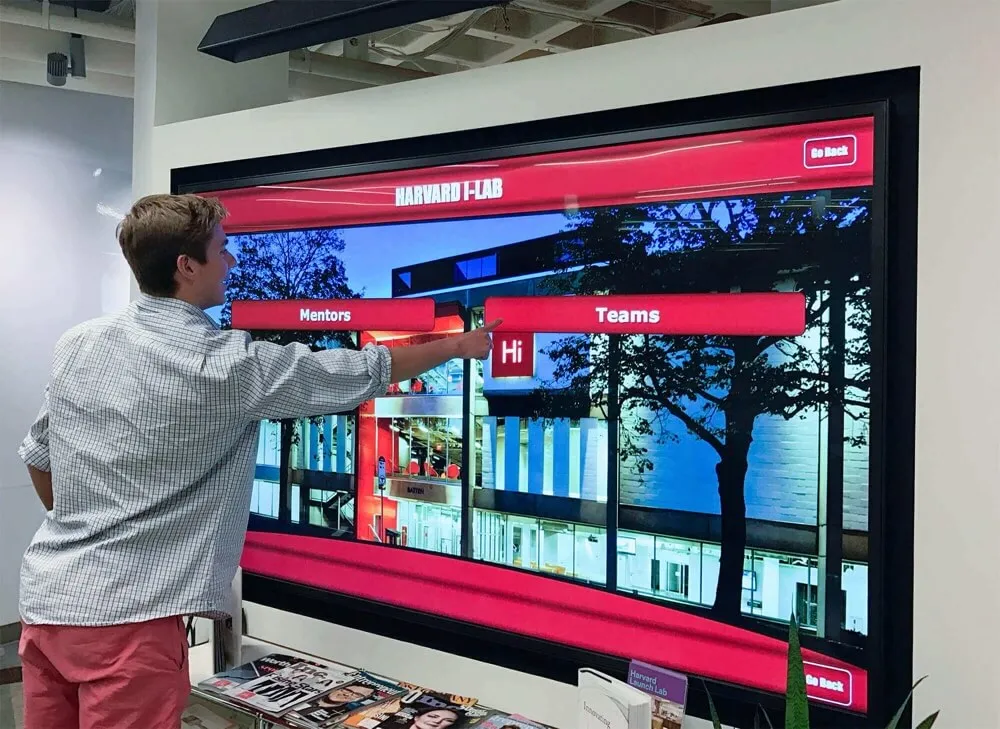
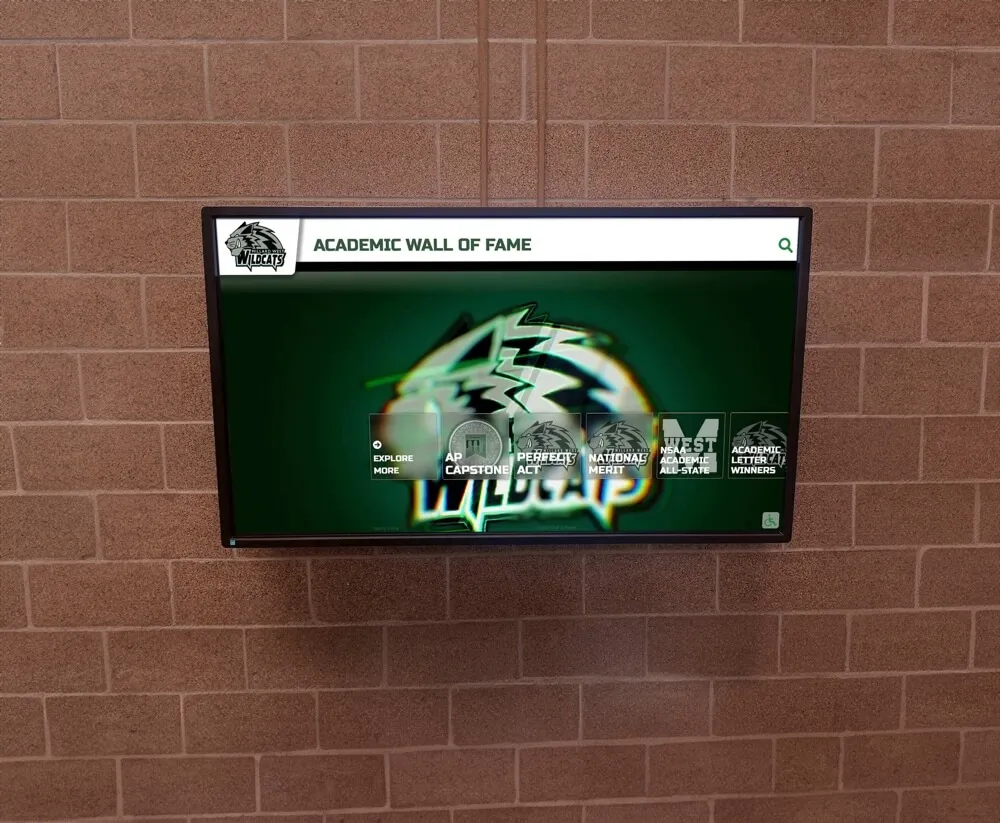
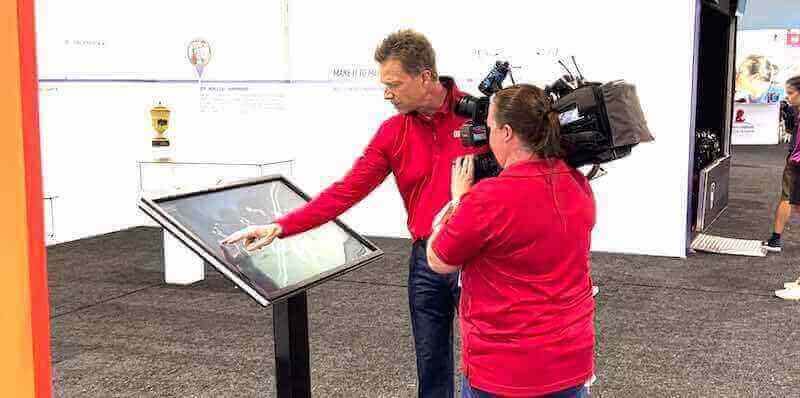
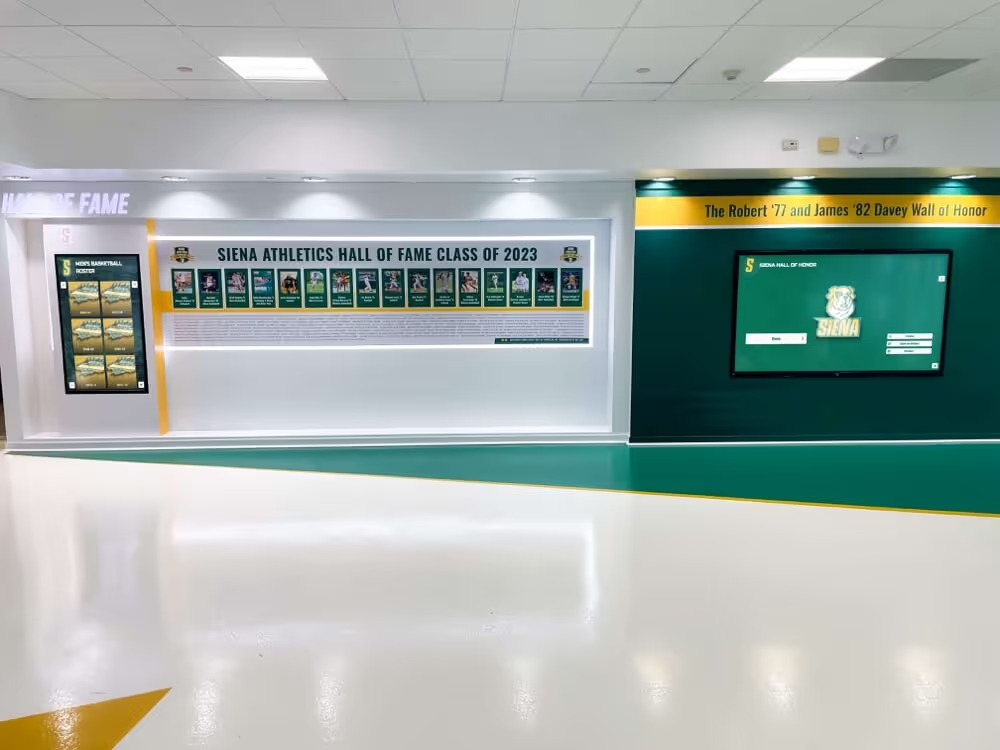
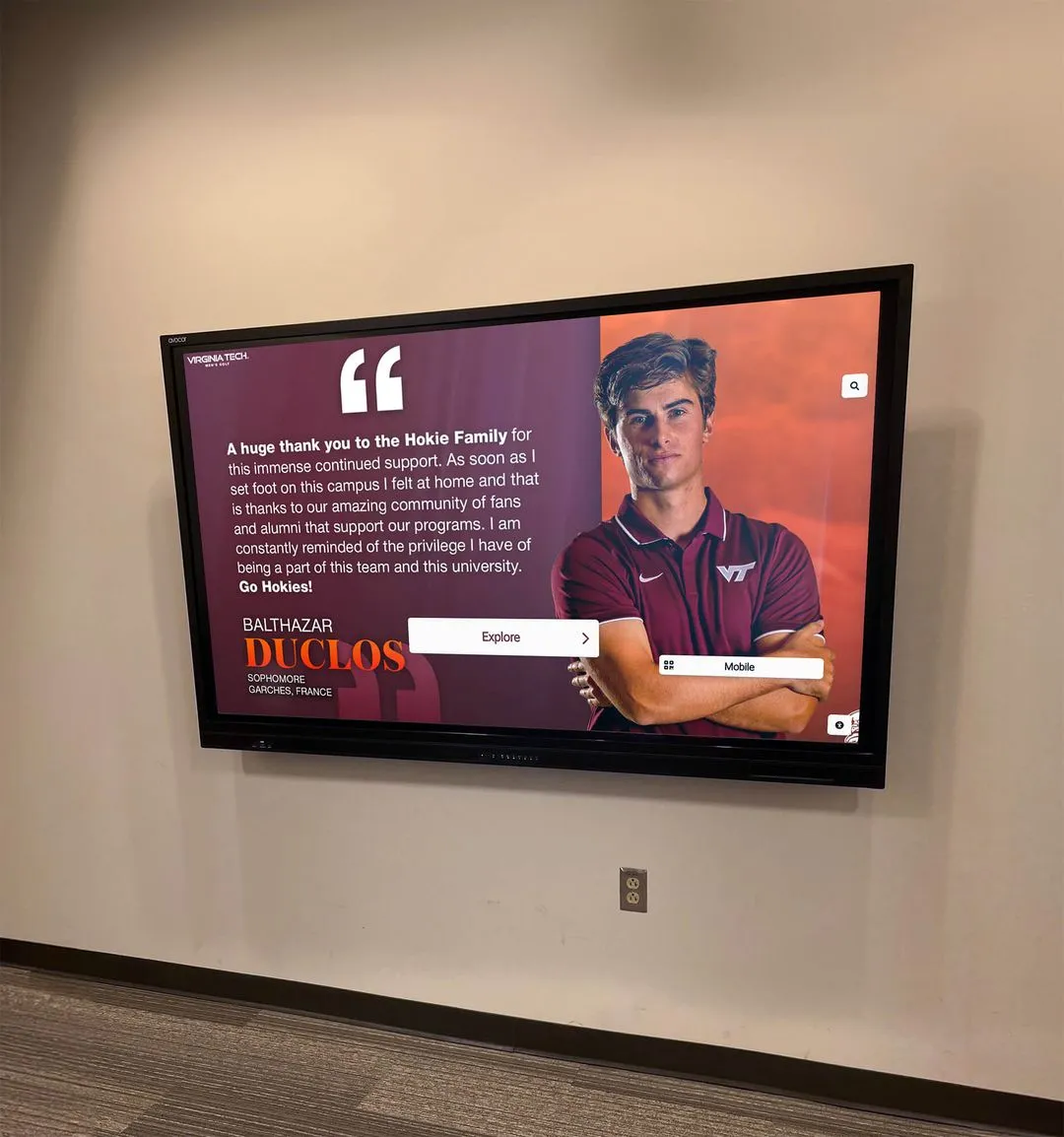
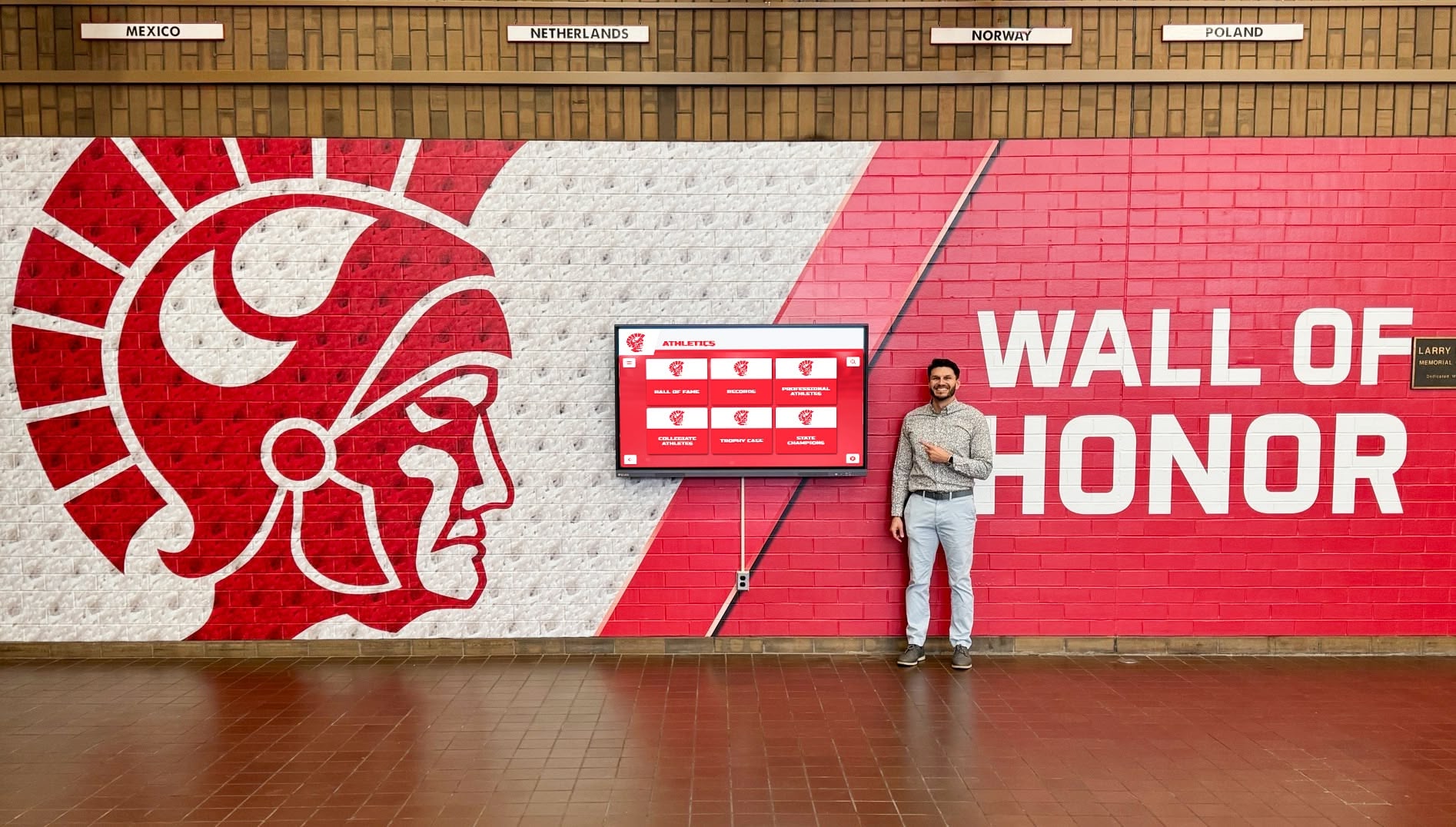
Senior night speeches create lasting memories when combined with permanent recognition displays
Understanding the Purpose and Impact of Senior Night Speeches
Before crafting specific remarks, understanding what senior night speeches accomplish helps speakers focus on elements creating genuine emotional impact rather than merely filling ceremonial time requirements.
What Makes Senior Night Speeches Matter
Senior night speeches serve multiple critical functions beyond simple ceremonial obligation:
Recognition and Validation
Speeches provide formal acknowledgment that athletic contributions mattered:
- Confirming that dedication and sacrifice were noticed and valued
- Validating that the journey itself held significance beyond statistics
- Acknowledging growth in character, leadership, and life skills
- Recognizing family support enabling four years of athletic commitment
- Demonstrating that program leadership genuinely knows and values each senior
Research on athletic motivation indicates that perceived recognition directly influences athletes’ long-term relationship with sport, with senior night speeches often cited decades later as formative moments affirming athletic identity and accomplishment.
Memory Creation
Well-crafted speeches create emotional touchstones families treasure:
- Specific stories making athletes feel truly seen as individuals
- Humorous anecdotes capturing personality and team chemistry
- References to defining moments throughout athletic careers
- Connections between current seniors and program history
- Phrases and statements quoted in graduation speeches and family gatherings
Parents consistently report that thoughtful senior night recognition rivals graduation ceremonies in emotional significance—the last formal recognition of athletic journeys representing thousands of hours and defining elements of adolescent identity.
Cultural Transmission
Speeches communicate program values to younger athletes:
- Modeling the type of commitment and character programs honor
- Demonstrating what successful senior journeys look like
- Establishing expectations for leadership and contribution
- Connecting current players to program traditions and legacy
- Inspiring underclassmen to pursue recognition through similar dedication
Schools implementing comprehensive senior recognition through digital athletic displays report that coupling speeches with permanent documentation dramatically strengthens this cultural transmission.

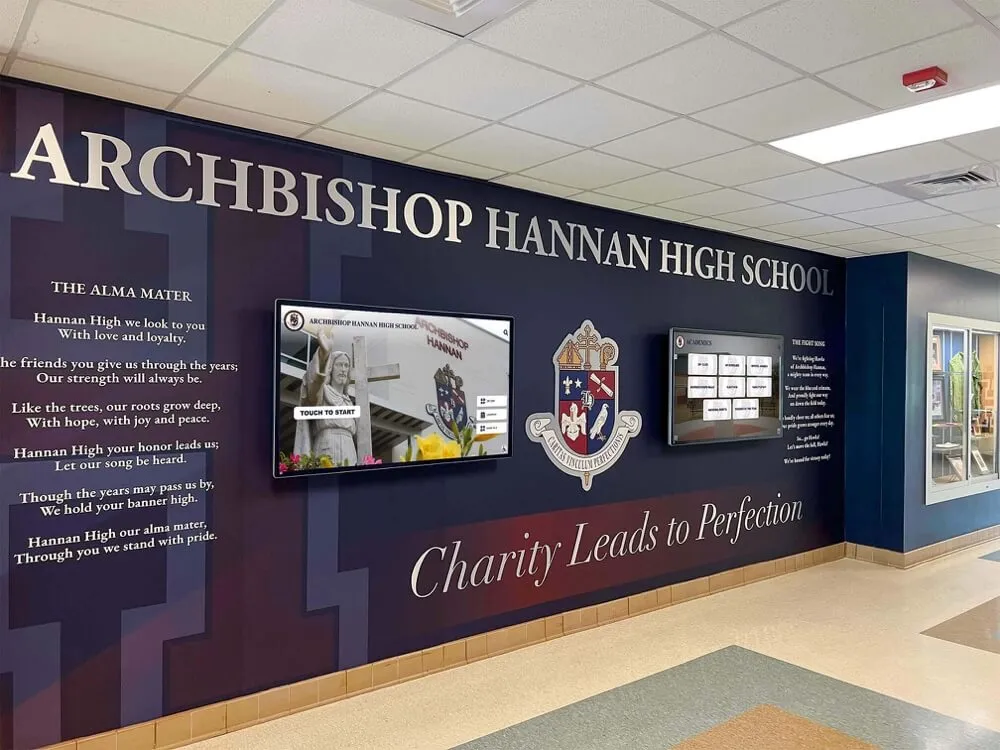
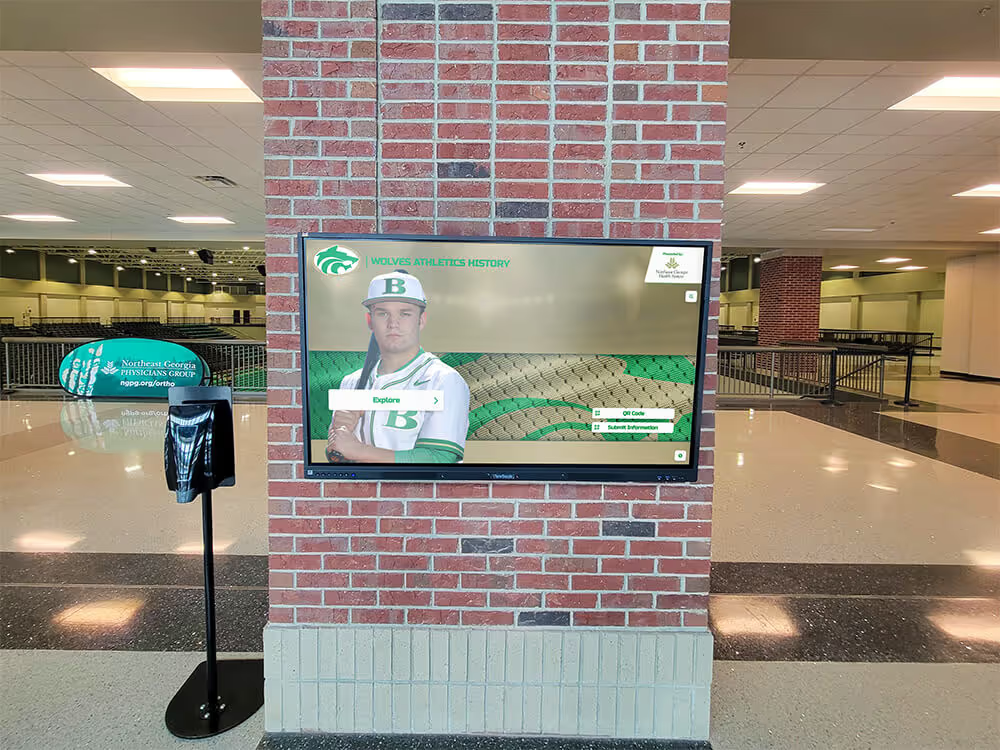
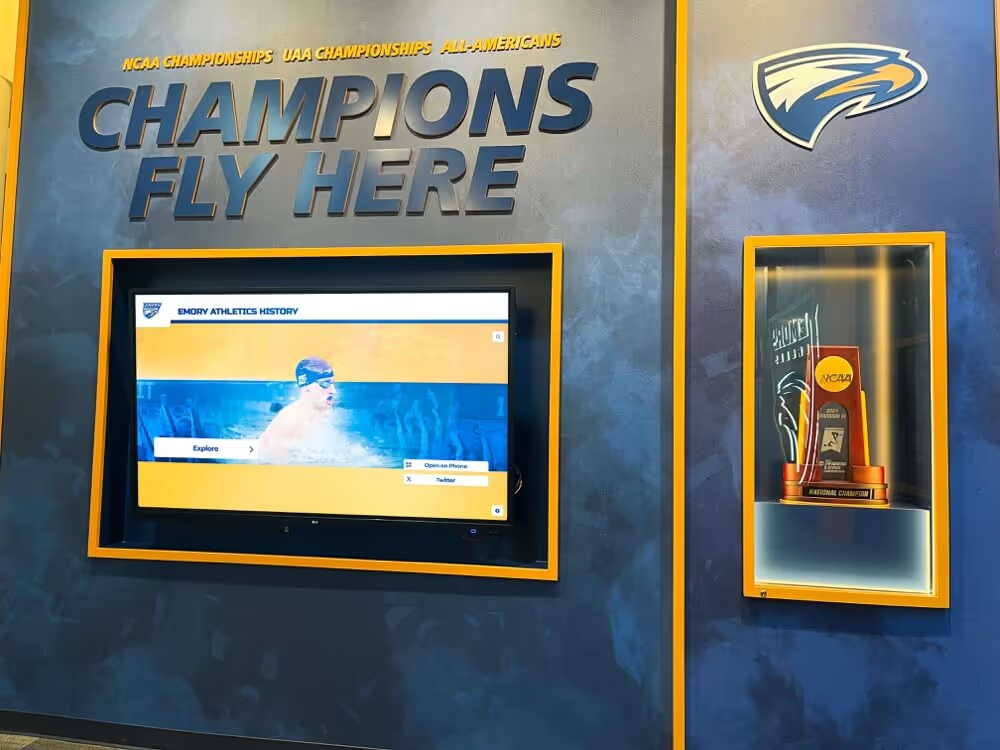
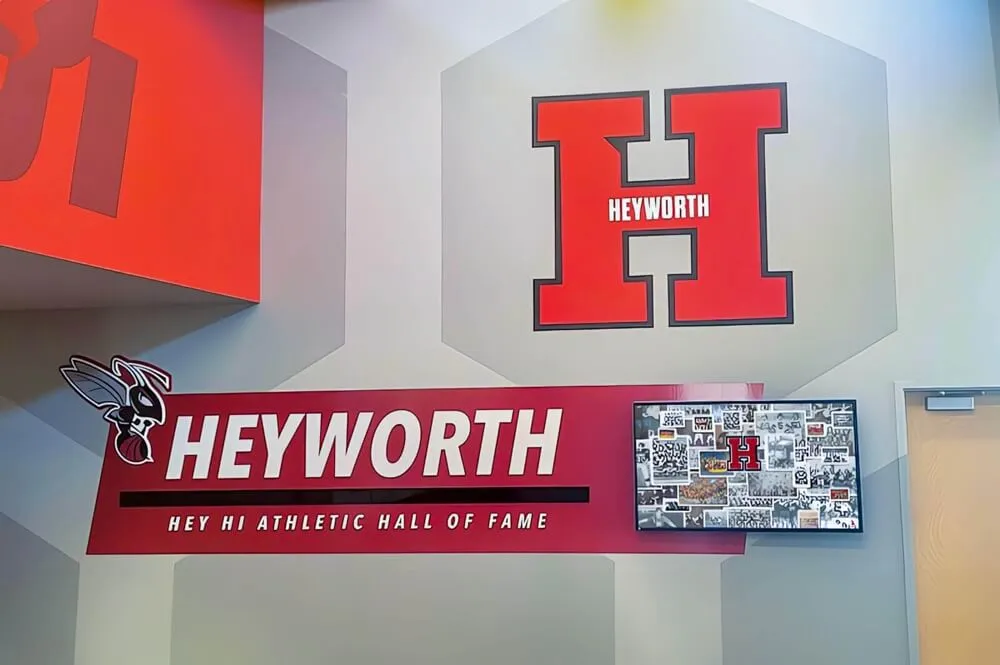
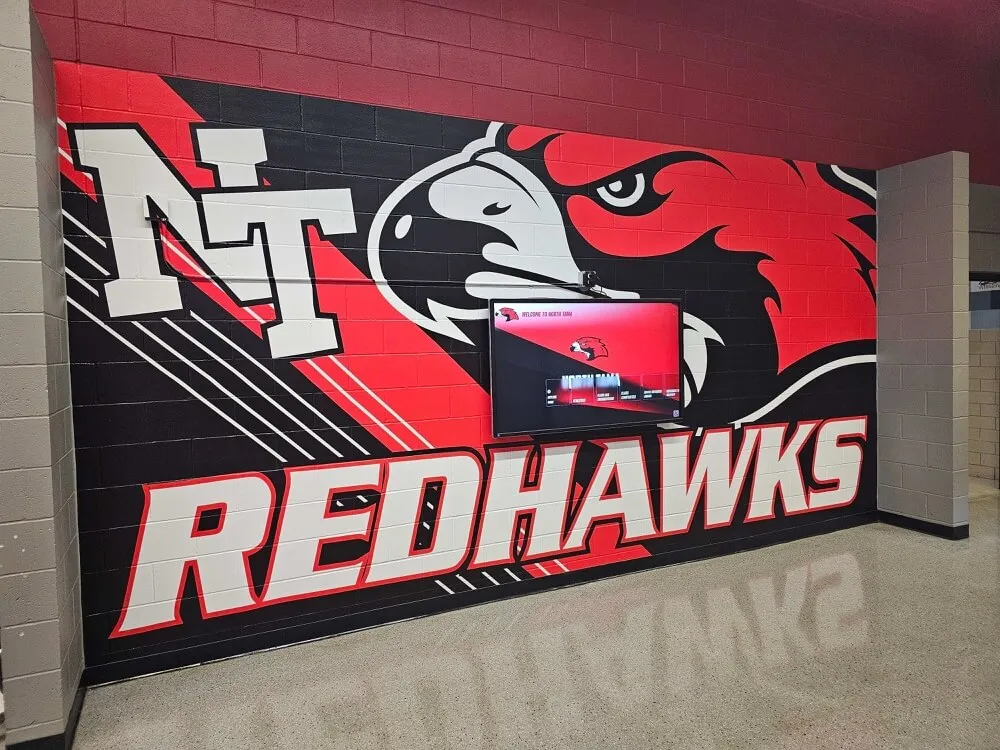
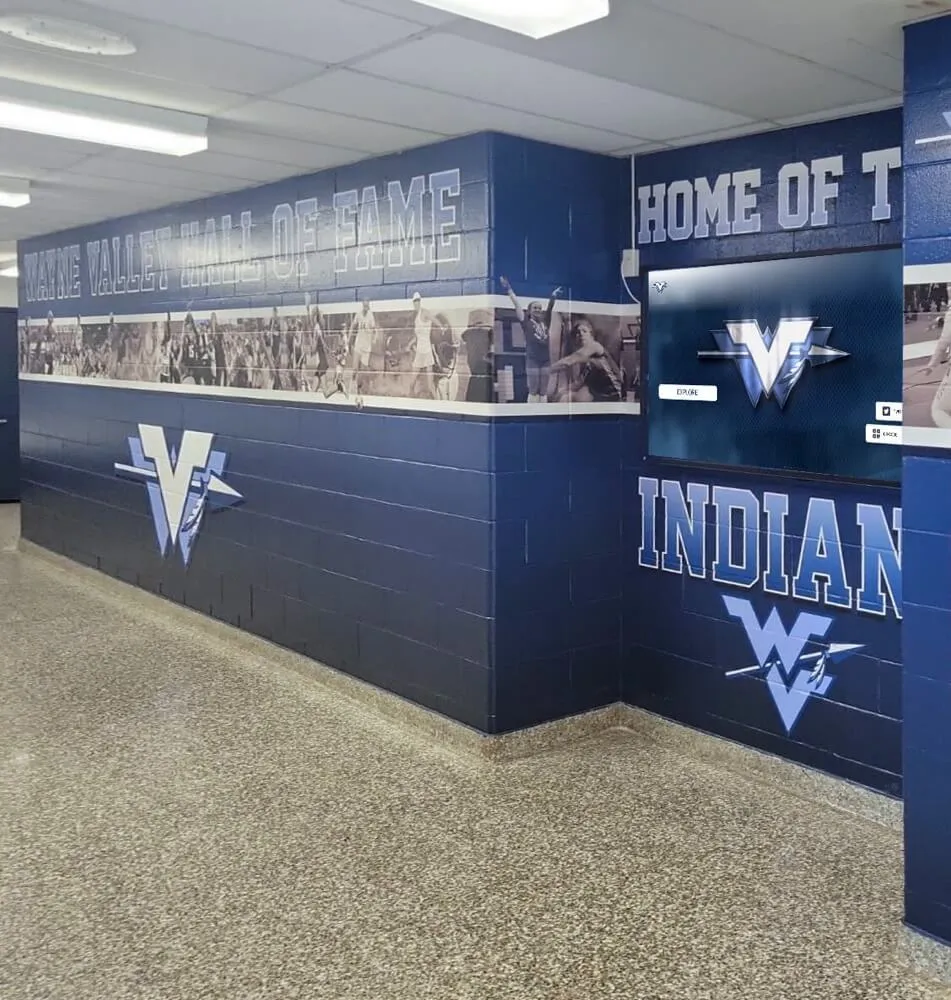
Digital displays preserve speech content and senior recognition permanently beyond single ceremony
Common Senior Night Speech Mistakes to Avoid
Understanding frequent pitfalls helps speakers sidestep errors that undermine otherwise well-intentioned recognition:
Generic, Interchangeable Content
The most damaging mistake involves speeches that could apply to any athlete:
- Using broad platitudes about “hard work” without specific examples
- Describing statistical achievements without personality or character context
- Delivering identical structural remarks for each senior with only names changed
- Failing to reference memorable moments unique to individual athletes
- Relying on clichés rather than authentic personal observations
Solution: Spend 15-30 minutes per senior gathering specific stories, moments, and characteristics making remarks genuinely personal and memorable.
Inappropriate Length
Ceremony timing failures create audience disengagement:
- Individual speeches running 5+ minutes each with large senior classes
- Total ceremonies exceeding 45-60 minutes causing younger siblings restlessness
- Rushing through final seniors after spending excessive time on early recognition
- Including tangential stories unrelated to athletic journey or senior recognition
Solution: Set strict time targets (2-3 minutes per senior individual remarks), practice delivery with timer, edit ruthlessly prioritizing most meaningful content.
Unbalanced Recognition
Treating star athletes differently than role players creates hurt feelings:
- Significantly longer or more detailed speeches for statistical leaders
- Elaborate anecdotes for captains while other seniors receive perfunctory remarks
- Public statistics comparisons highlighting achievement disparities
- Different emotional tones suggesting varied levels of program value
- Family recognition inconsistencies making some feel less appreciated
Solution: Establish and maintain consistent speech length, structure, and emotional tone across all seniors regardless of playing time or achievement level.
Poor Emotional Management
Speakers losing composure undermines ceremony effectiveness:
- Coaches becoming so emotional they can’t complete remarks coherently
- Extended crying or pausing creating awkward discomfort
- Projecting personal disappointment about season outcomes onto senior recognition
- Inappropriate humor or teasing that embarrasses rather than endears
- Failing to acknowledge obvious elephant-in-room issues like injuries
Solution: Practice speeches aloud beforehand, prepare for emotional moments with pauses rather than powering through, keep tissues accessible, and focus on celebration rather than loss.
Learn about comprehensive recognition approaches in academic recognition programs that balance individual honors with appropriate ceremony length.
Head Coach Senior Night Speech Framework
The head coach’s remarks typically frame entire senior night ceremonies—setting emotional tone, providing program context, and either addressing the class collectively or introducing individual senior recognition.
Option 1: Collective Senior Class Address
This approach addresses all seniors together before individual recognition or parents deliver specific tributes:
Opening (30-60 seconds) Establish ceremony significance and emotional tone:
- “Tonight represents one of the most important traditions we maintain as a program—the opportunity to formally thank our seniors for their commitment, leadership, and the legacy they leave behind.”
- “For four years, these athletes have represented [School Name] with pride, dedication, and character both on the field and throughout our community.”
- “What makes this moment so meaningful isn’t just what these seniors accomplished—it’s who they became through the journey.”
Class Characteristics (60-90 seconds) Highlight defining qualities of this particular senior class:
- “This senior class arrived during [specific context—rebuilding year, coaching change, pandemic disruption] and immediately demonstrated resilience that would define their entire careers.”
- “I’ve never coached a group more committed to [specific characteristic—team unity, work ethic, community service, academic excellence].”
- “When we faced [specific challenge—key injuries, tough stretch of games, adversity], these seniors responded with leadership that inspired everyone around them.”
Include 2-3 specific examples illustrating these characteristics:
- “I’ll never forget when [specific moment] happened, and [senior name/s] stepped up by [specific action].”
- “The way [name] handled [situation] showed everyone what [school mascot] football is really about.”
Accomplishments and Context (60-90 seconds) Frame achievements within program history and development:
- “This class helped us achieve [specific accomplishments—winning record, playoff appearance, program records].”
- “Beyond statistics, they established a culture that [specific cultural impact].”
- “Future players will benefit from the foundation these seniors built through [specific examples].”
Gratitude and Legacy (60 seconds) Express authentic appreciation and forward-looking impact:
- “To our seniors: thank you for trusting our program with four years of your lives.”
- “Thank you for the practices you dominated, the games you competed in, the weights you lifted, the film you watched, and the teammates you mentored.”
- “Your jerseys may hang in the closet after tonight, but your impact on this program will last for years.”
Transition (30 seconds) Move to individual recognition or parent presentations:
- “Now I’d like to recognize each senior individually, starting with [name].”
- “I’ll now invite parents forward to join their seniors for individual recognition.”
Total Time: 4-6 minutes for collective address

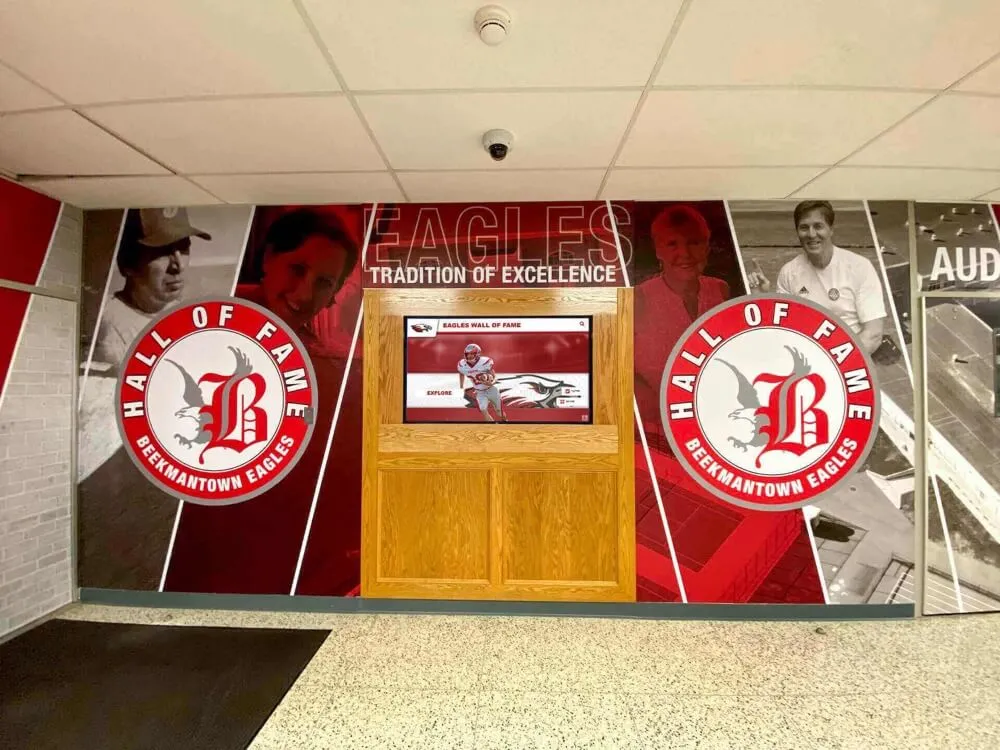
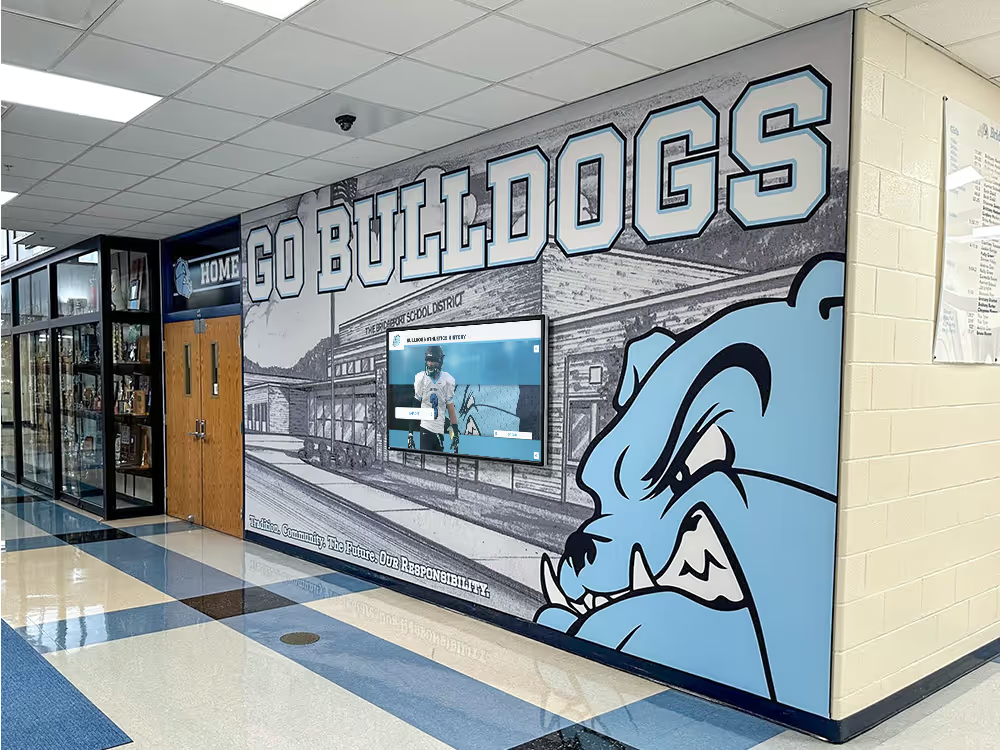
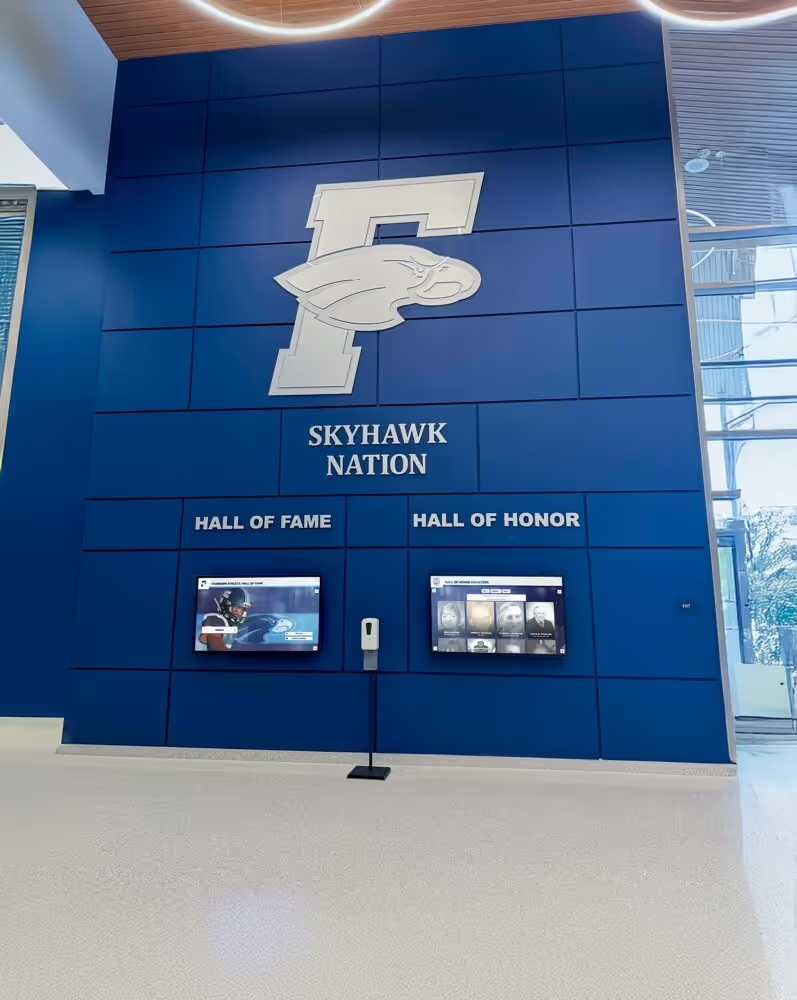
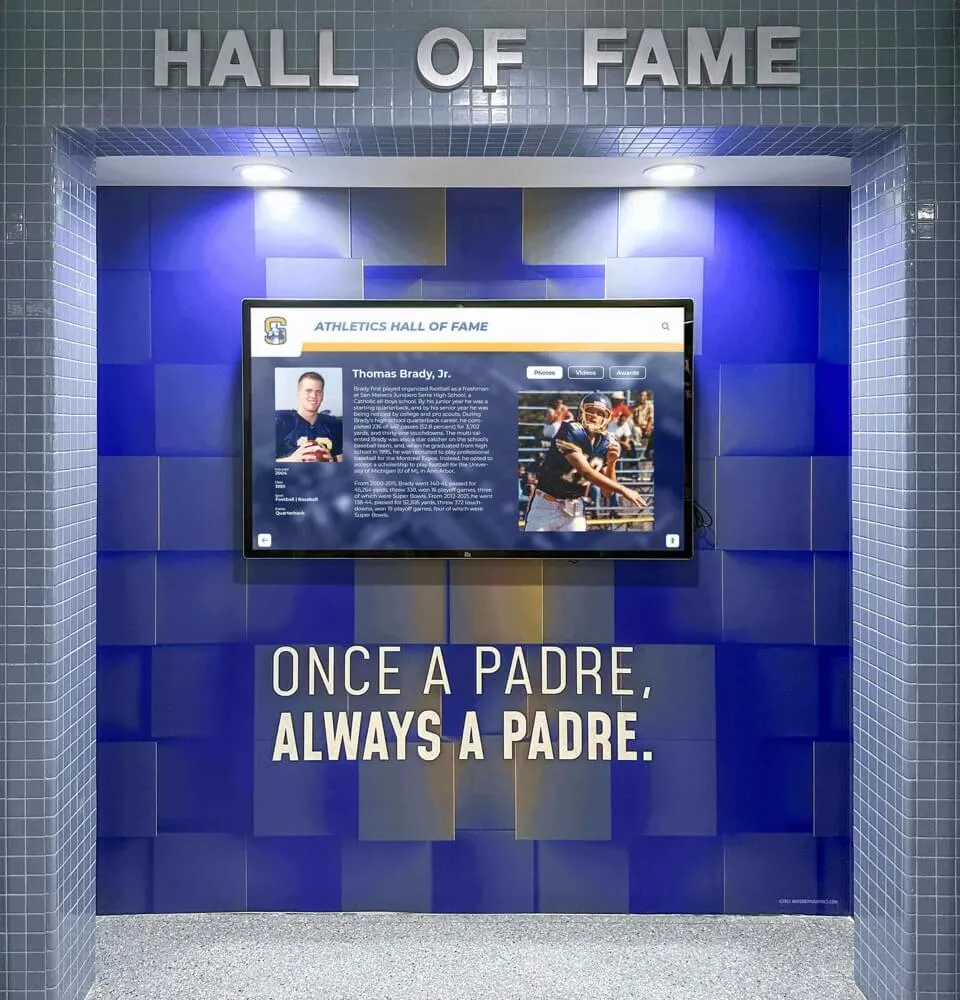
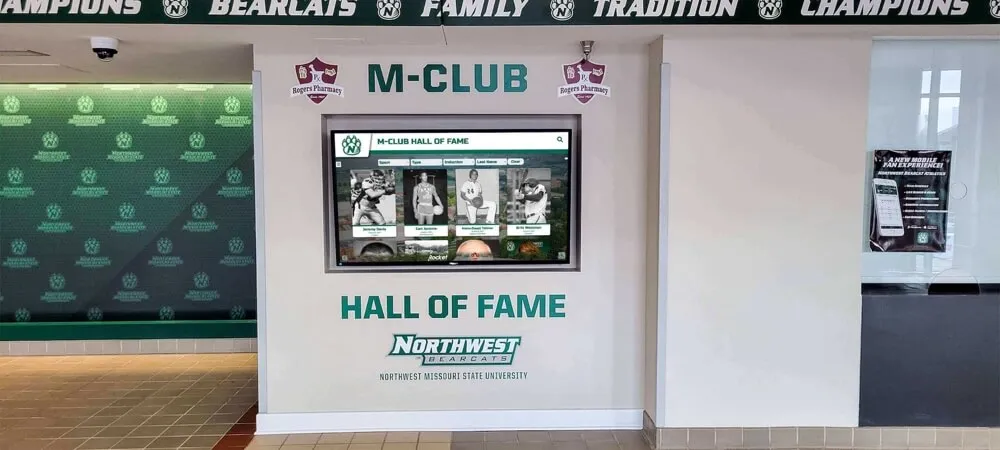
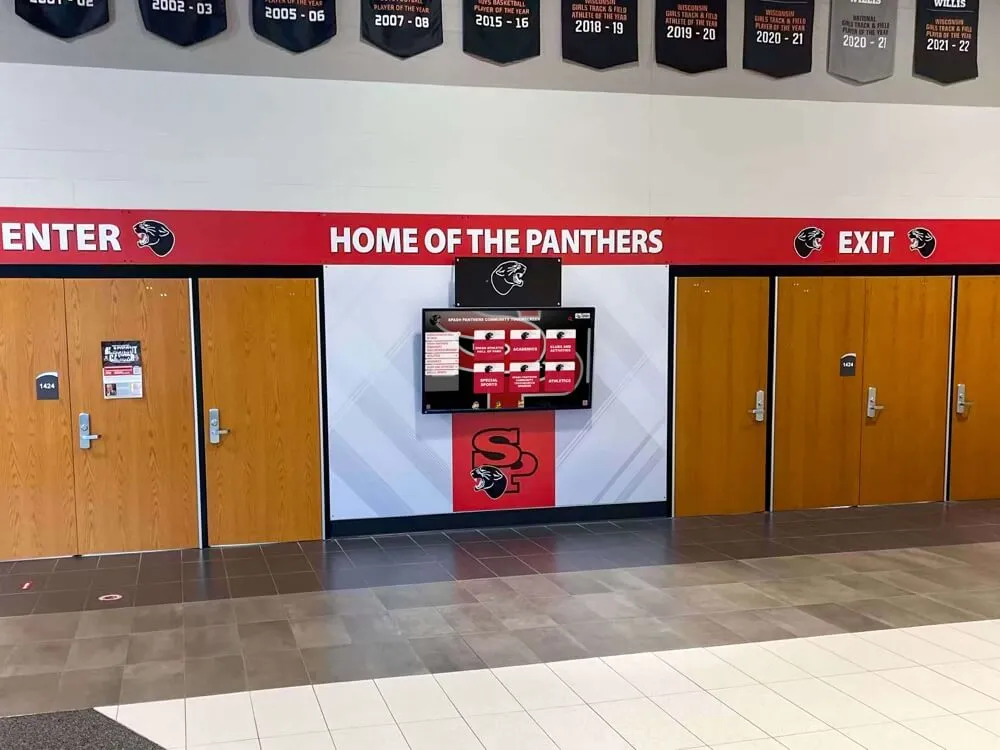
Program history displays provide visual context for senior speeches connecting current athletes to legacy
Option 2: Individual Senior Recognition Framework
When coaches provide personalized remarks for each senior (recommended for smaller senior classes of 10 or fewer):
Structure per Senior (2-3 minutes each):
Introduction (15-20 seconds)
- Name, position, years participated, any special roles (captain, awards)
- “Our first senior tonight is [Name], who has played [position] for [X] years and served as [role/captain].”
Defining Characteristic (30-40 seconds) Lead with one quality that captures this athlete:
- “What defines [Name] is [specific characteristic].”
- Share one detailed example illustrating this characteristic rather than multiple generic statements
Memorable Moment (40-60 seconds) Tell one specific story that captures who this athlete is:
- Game performance under pressure
- Practice dedication or funny incident
- Character demonstration off the field
- Growth moment showing development
- Leadership example influencing teammates
Make stories vivid with specific details:
- “In the fourth quarter against [opponent], down by [score], [Name] [specific action]…”
- “During [situation], I watched [Name] [specific action] that showed exactly who he/she is as a person.”
Growth and Impact (30-40 seconds) Acknowledge development throughout athletic career:
- “When [Name] arrived as a freshman, [initial characteristic/skill level].”
- “Over four years, I’ve watched [him/her] grow into [current state].”
- “The impact [Name] had on [teammates/program/community] will last long after tonight.”
Gratitude and Future (20-30 seconds) Express appreciation and acknowledge next chapter:
- “Thank you for your dedication, leadership, and for representing our program with class.”
- “We’re excited to watch you succeed at [college/next endeavor].”
- “Once a [mascot], always a [mascot].”
This individual framework works well for small senior classes where adequate ceremony time exists, creating deeply personal recognition parents and athletes treasure. For larger senior classes, consider the collective approach followed by brief 30-60 second individual remarks highlighting one unique quality per senior.
Programs using digital recognition displays can include more extensive written tributes accessible beyond ceremony time constraints.
Assistant Coach and Position Coach Speech Ideas
Assistant coaches often provide complementary remarks offering different perspectives on seniors they’ve worked with closely:
Position Group Recognition Approach
When assistant coaches oversee specific position groups, focused remarks provide meaningful perspective:
Framework (2-3 minutes for position group of 2-5 seniors):
Position Identity (30 seconds) Establish what this position means to team success:
- “The [position group] forms the foundation of everything we do offensively/defensively.”
- “These athletes do the work that doesn’t always show up in statistics but makes everyone else successful.”
- “I’ve had the privilege of coaching these [position] players daily for [X] years.”
Group Characteristics (45-60 seconds) Highlight what defined this position group collectively:
- “What I’ll remember most about this position group is [specific quality].”
- Share one story illustrating group dynamic, work ethic, or memorable practice moment
- Acknowledge position-specific achievements or contributions
Individual Highlights (30-45 seconds per senior) Brief specific remarks for each senior in position group:
- Lead with one defining characteristic unique to this athlete
- Reference one specific moment or quality only position coach would notice
- Acknowledge position-specific skill development or contribution
Closing Gratitude (30 seconds) Personal appreciation from position coach perspective:
- “Thank you for buying into what we taught, for competing every day, and for representing this position group with pride.”
- “Coaching you has been one of the highlights of my coaching career.”
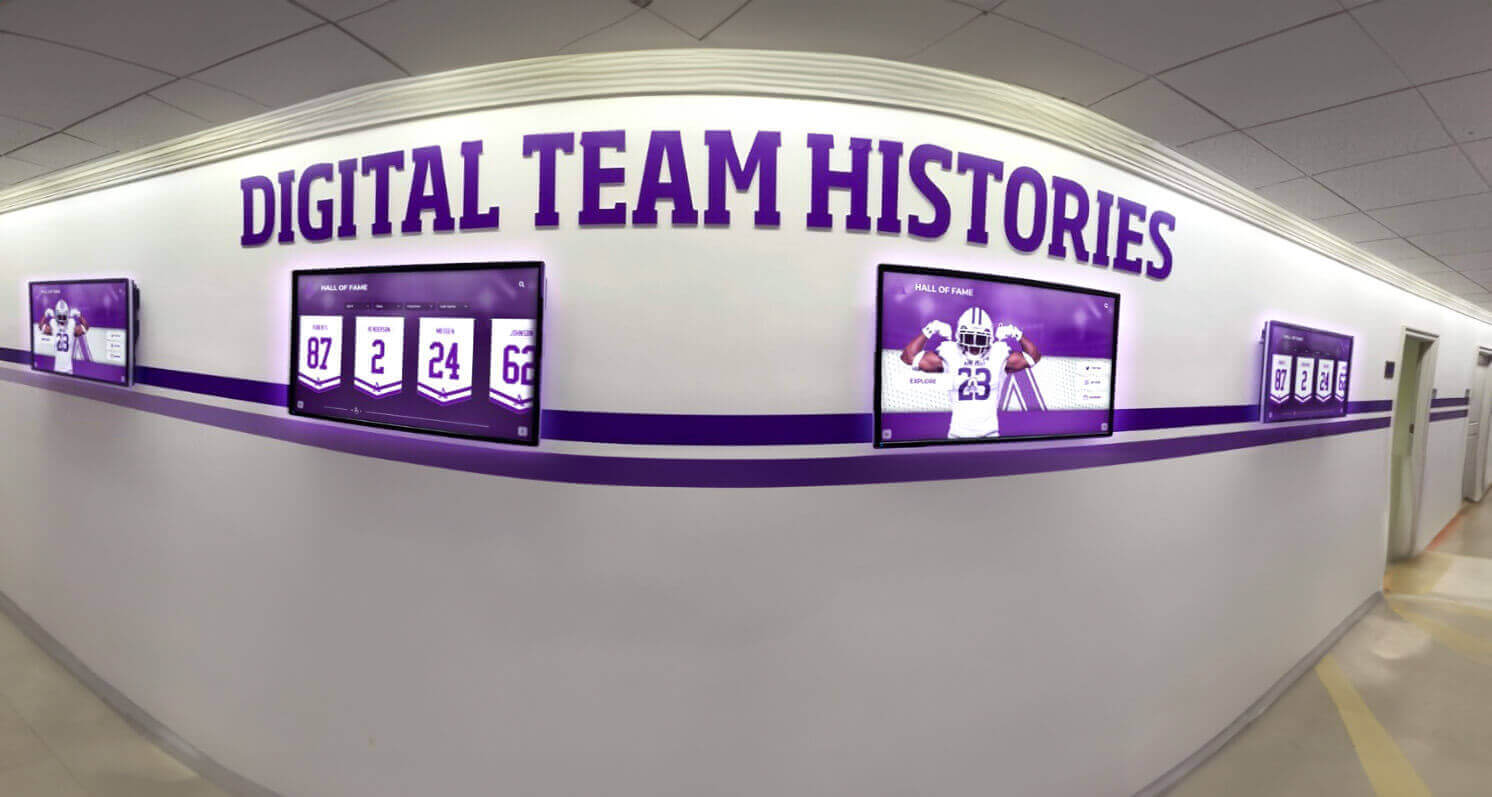
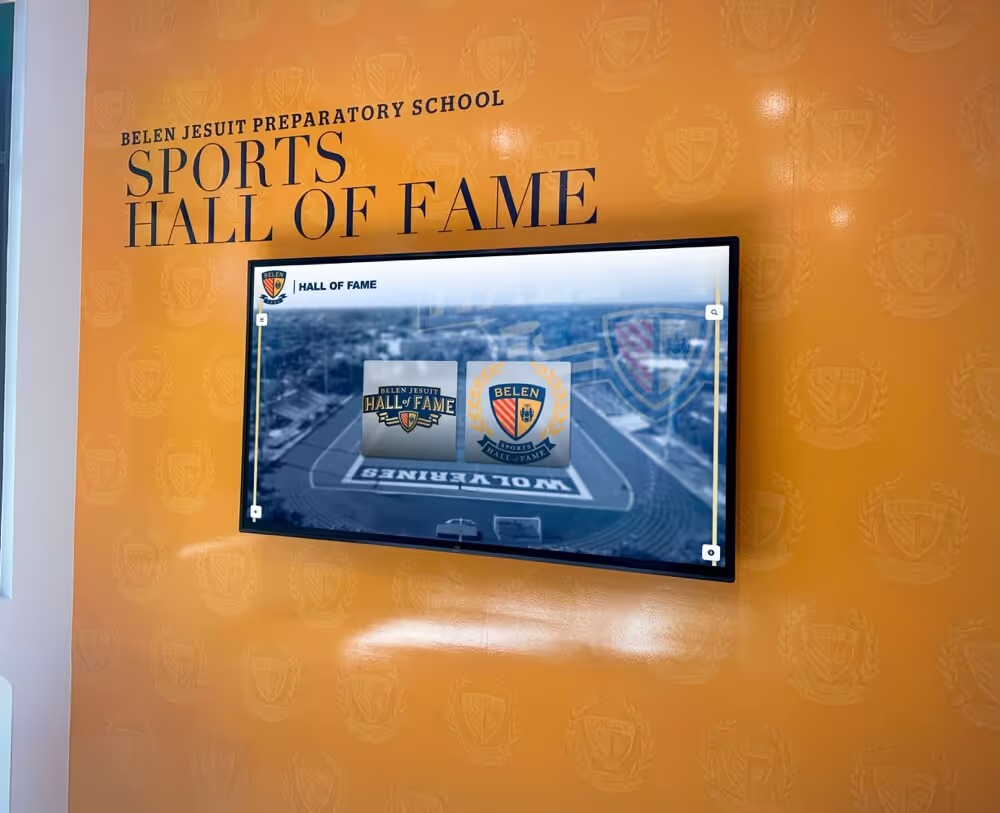
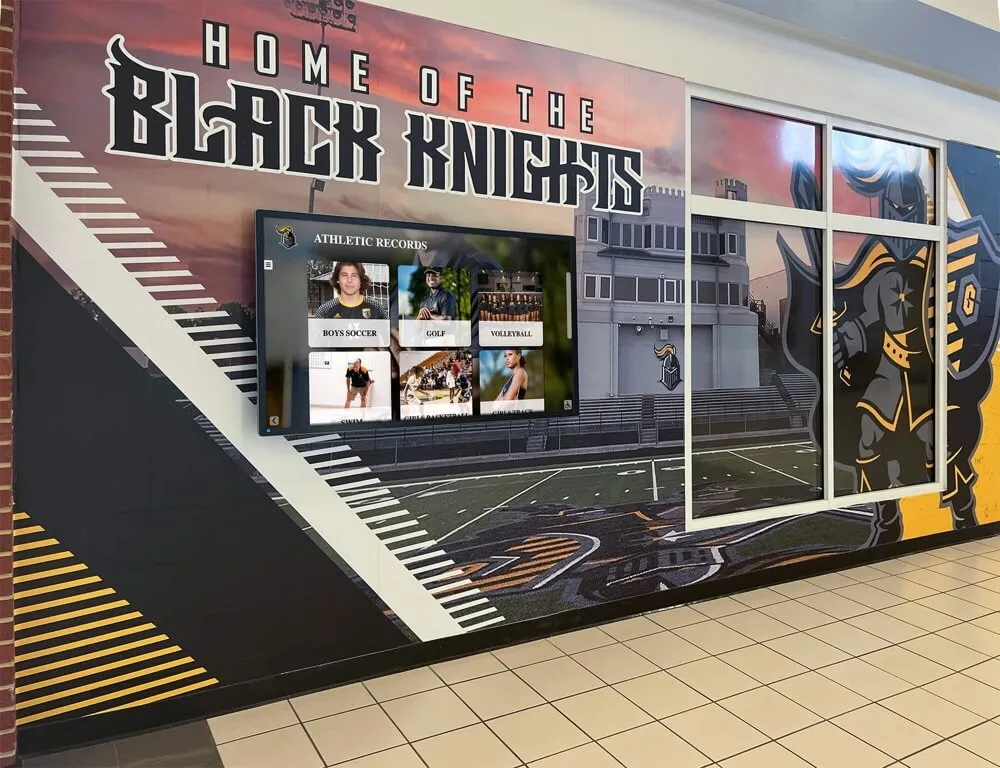
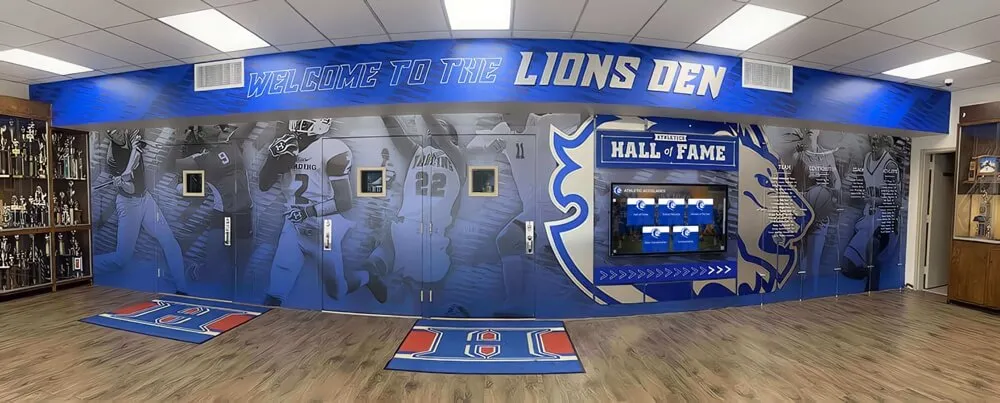
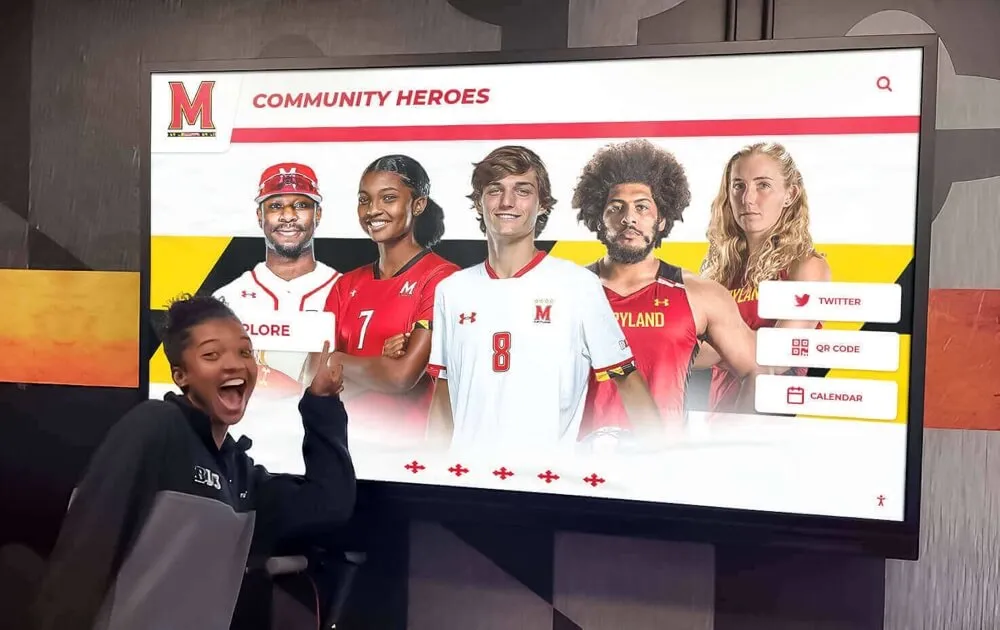
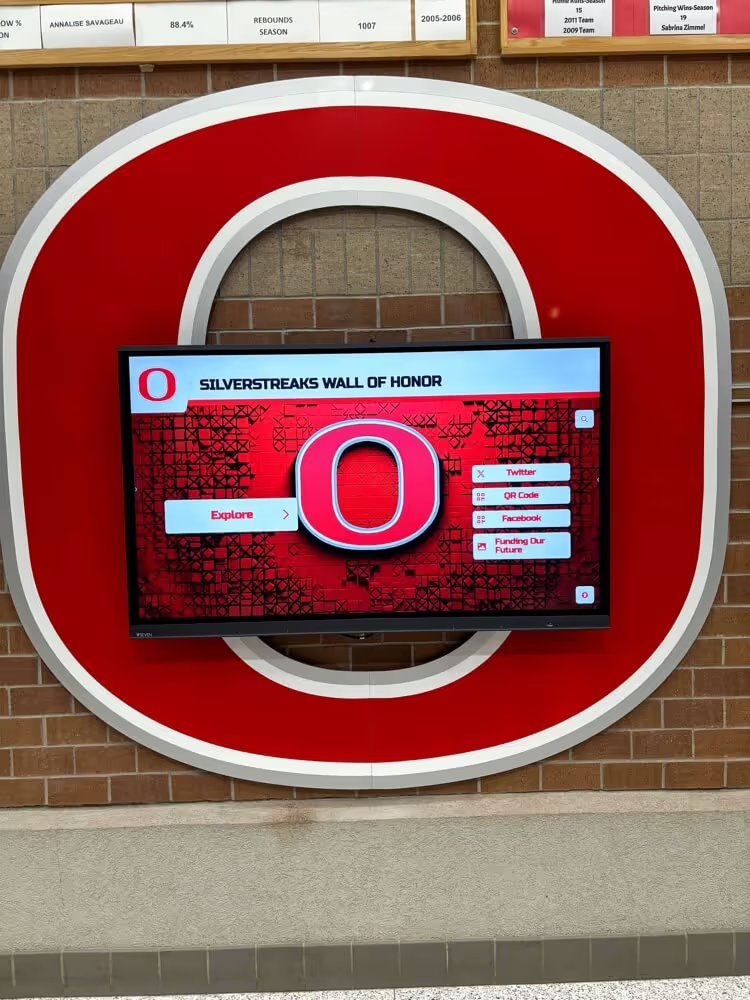
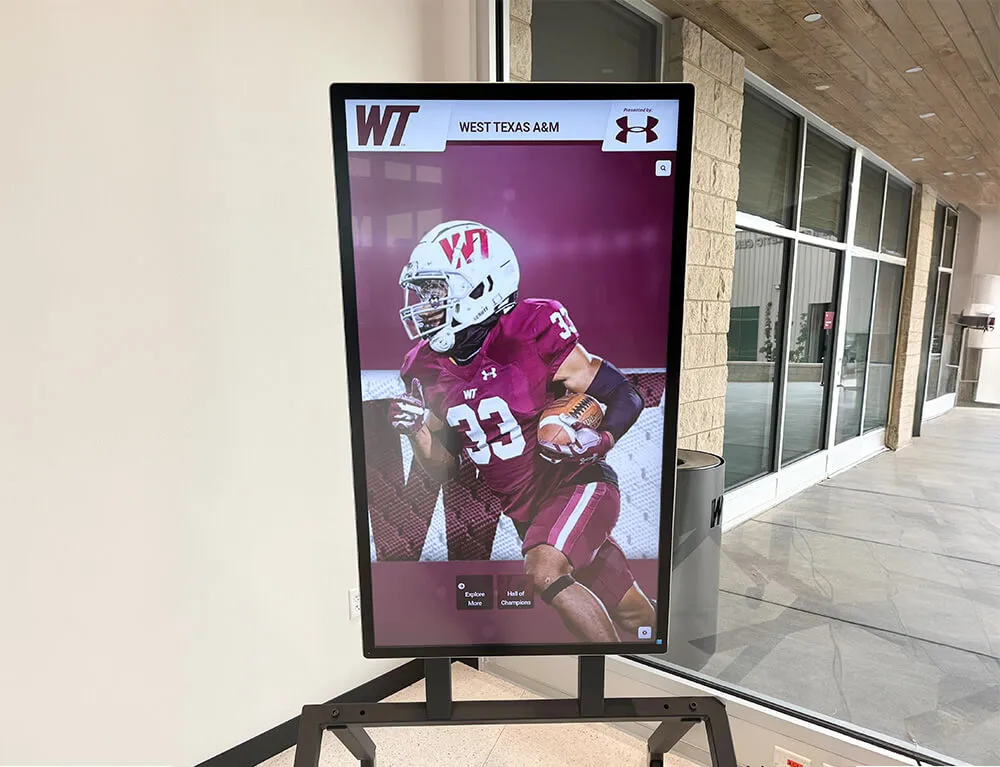
Position-specific achievements displayed permanently honor specialized contributions beyond ceremony
Defensive/Offensive Coordinator Remarks
Coordinators can provide tactical perspective highlighting intelligence and execution:
Game Intelligence Recognition (60-90 seconds)
- “As a coordinator, I see the game through preparation and execution.”
- Highlight specific seniors who demonstrated exceptional football IQ
- Reference specific plays, adjustments, or moments showing understanding
- Acknowledge seniors who helped younger players learn systems
Leadership Through Competition (60 seconds)
- Describe how seniors led position groups or unit through challenges
- Reference specific games or moments requiring coordinator-level leadership
- Acknowledge seniors who elevated teammates’ performance
Growth in Understanding (45 seconds)
- Acknowledge development from learning scheme as freshmen to teaching others as seniors
- Thank seniors for embracing coaching and buying into system
Total Time: 3-4 minutes providing complementary coordinator perspective
These assistant coach remarks work especially well when head coaches provide broader program perspective, allowing position coaches to offer intimate details only daily coaching relationships reveal.
Parent Speech and Tribute Guidelines
Many programs invite parents to prepare remarks about their senior athletes—creating deeply emotional moments when done well or awkward discomfort when poorly managed.
Parent Speech Framework (When Parents Speak)
Set Clear Expectations and Time Limits
Programs inviting parent remarks must provide:
- Written notification at least two weeks before senior night
- Specific time limit (2-3 minutes maximum per family)
- Structural guidance on appropriate content
- Option to decline speaking if parents prefer
Recommended Parent Speech Structure (2-3 minutes):
Opening (15-20 seconds)
- Brief introduction identifying parent/family relationship
- Express gratitude for opportunity to speak
Athletic Journey Reflection (60-75 seconds)
- Reference when athletic journey began (youth leagues, first practice)
- Highlight 2-3 moments throughout career showing growth or character
- Acknowledge coaches, teammates, and program impact
Character and Growth (45-60 seconds)
- Describe who their athlete became through sport participation
- Share specific qualities or lessons sport developed
- Express pride in character, not just athletic achievement
Gratitude (30-40 seconds)
- Thank coaches, athletic trainers, booster supporters
- Thank teammates and families who became extended family
- Thank community for embracing their athlete
Closing (15-20 seconds)
- Express love and pride in athlete
- Acknowledge bittersweet nature of moment
- Simple closing without extended emotional processing
What to Avoid in Parent Speeches:
- Extended family history or baby stories unrelated to athletics
- Criticism of coaches, playing time, or program decisions
- Excessive emotion making others uncomfortable
- Inside jokes only family members understand
- Speaking significantly longer than allotted time
- Comparing athletes or discussing other players
Discover comprehensive recognition alternatives in end-of-year sports awards guides that complement senior night ceremonies.
Alternative: Coach Reads Parent Letters
Many successful programs avoid live parent speeches by having coaches read edited parent letters:
Advantages:
- Ensures appropriate content and length consistency
- Prevents emotional overwhelm parents may experience speaking publicly
- Allows editing removing redundant content or inappropriate remarks
- Maintains ceremony pacing and professional tone
- Preserves parent sentiment without public speaking pressure
Implementation:
- Request written parent tributes (250-400 words) two weeks before ceremony
- Head coach or designated assistant reads condensed versions (60-90 seconds each)
- Provide full unedited letters to families as keepsakes
- Maintain consistent emotional tone across all seniors
This approach balances authentic parent perspective with ceremony management, creating meaningful recognition without risk of problematic live remarks.
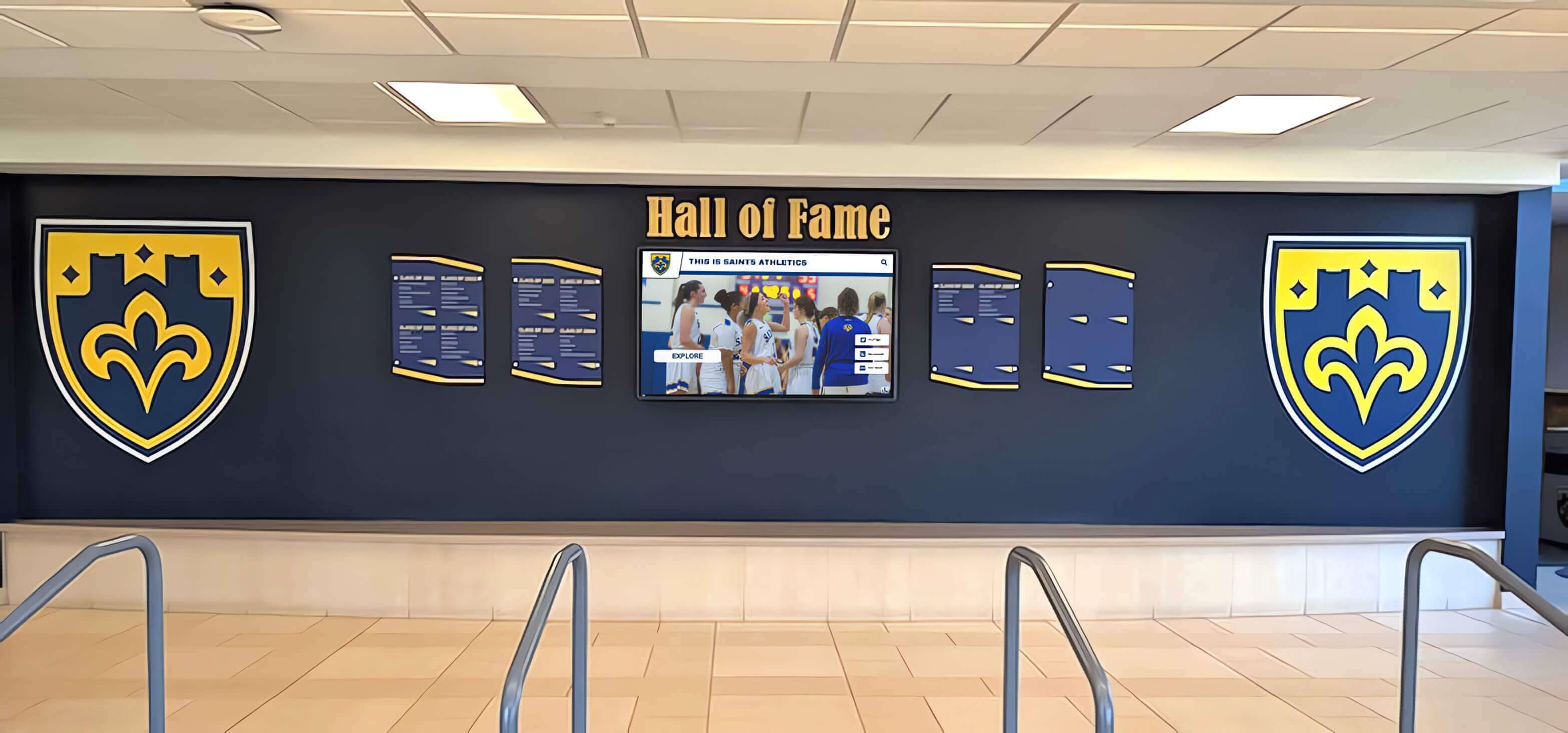
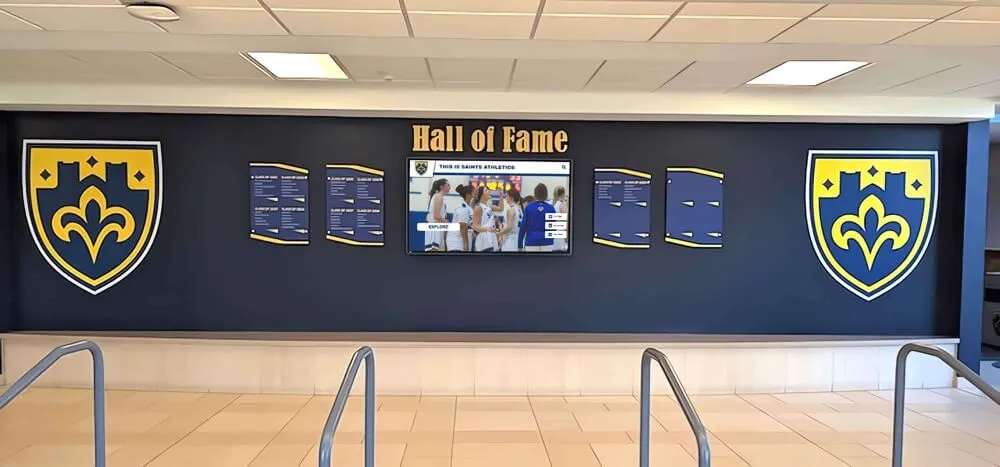
Recognition spaces displaying senior tributes extend ceremony impact throughout school year
Teammate and Peer Recognition Speech Ideas
Peer recognition from teammates adds authentic perspective highlighting relationships and moments coaches may not observe:
Senior Teammate Remarks
When fellow seniors speak about their class collectively:
Framework (2-3 minutes):
Shared Journey (45-60 seconds)
- Reference when journey together began (freshman year, youth leagues, summer camps)
- Highlight defining moments class experienced together
- Acknowledge challenges overcome as group
Brotherhood/Sisterhood (60 seconds)
- Describe bonds formed through shared commitment
- Share funny or meaningful locker room moment
- Thank seniors for support, friendship, and memories
Leadership Recognition (30-45 seconds)
- Acknowledge senior leaders specifically
- Thank captains for guidance and example
- Recognize quieter seniors whose contributions mattered
Gratitude and Future (30 seconds)
- Thank senior class for making program special
- Express confidence in future despite sadness about departure
- Simple closing affirming lasting friendships
Underclassman Tribute to Seniors
When younger players speak honoring departing leadership:
Framework (90-120 seconds):
Leadership Impact (40-50 seconds)
- Describe what seniors taught through example
- Reference specific moments when senior leadership mattered
- Thank seniors for patience mentoring younger players
Setting Standard (30-40 seconds)
- Acknowledge standard seniors set for program
- Commit to maintaining culture and values seniors established
- Express determination to honor senior legacy
Personal Gratitude (20-30 seconds)
- Brief thanks from underclassman perspective
- Commitment to making seniors proud going forward
Peer speeches work most effectively when speakers:
- Write remarks in advance rather than attempting improvisation
- Focus on specific stories rather than generic statements
- Maintain appropriate emotional control
- Keep remarks brief (2-3 minutes maximum)
- Represent broader team perspective rather than individual friendships exclusively
Athletic Director and Administrative Remarks
Athletic directors provide institutional perspective connecting individual senior journeys to broader school mission and values:
Athletic Director Framework (2-3 minutes)
Institutional Welcome (30 seconds)
- Welcome families, community members, and guests
- Establish significance of senior night within athletic department tradition
Program Context (60 seconds)
- Acknowledge head coach and coaching staff contributions
- Situate team within broader school athletic program
- Reference school values seniors exemplified
Senior Class Recognition (60-90 seconds)
- Highlight unique contributions this senior class made
- Reference academic achievement, community service, or leadership
- Connect athletic success to character development and life preparation
Future Outlook (30 seconds)
- Express confidence in seniors’ future success
- Thank families for partnership throughout athletic careers
- Acknowledge bittersweet nature of transitions
Practical Close (15 seconds)
- Transition to ceremony specifics (head coach, parent tributes, etc.)
- Acknowledge ceremony logistics or special elements
Athletic director remarks frame senior night within institutional mission, demonstrating that school leadership values athletic programs beyond wins and losses while recognizing character development and life preparation athletics facilitate.
Programs implementing digital athletic halls of fame enable athletic directors to reference permanent recognition connecting current seniors to program history.
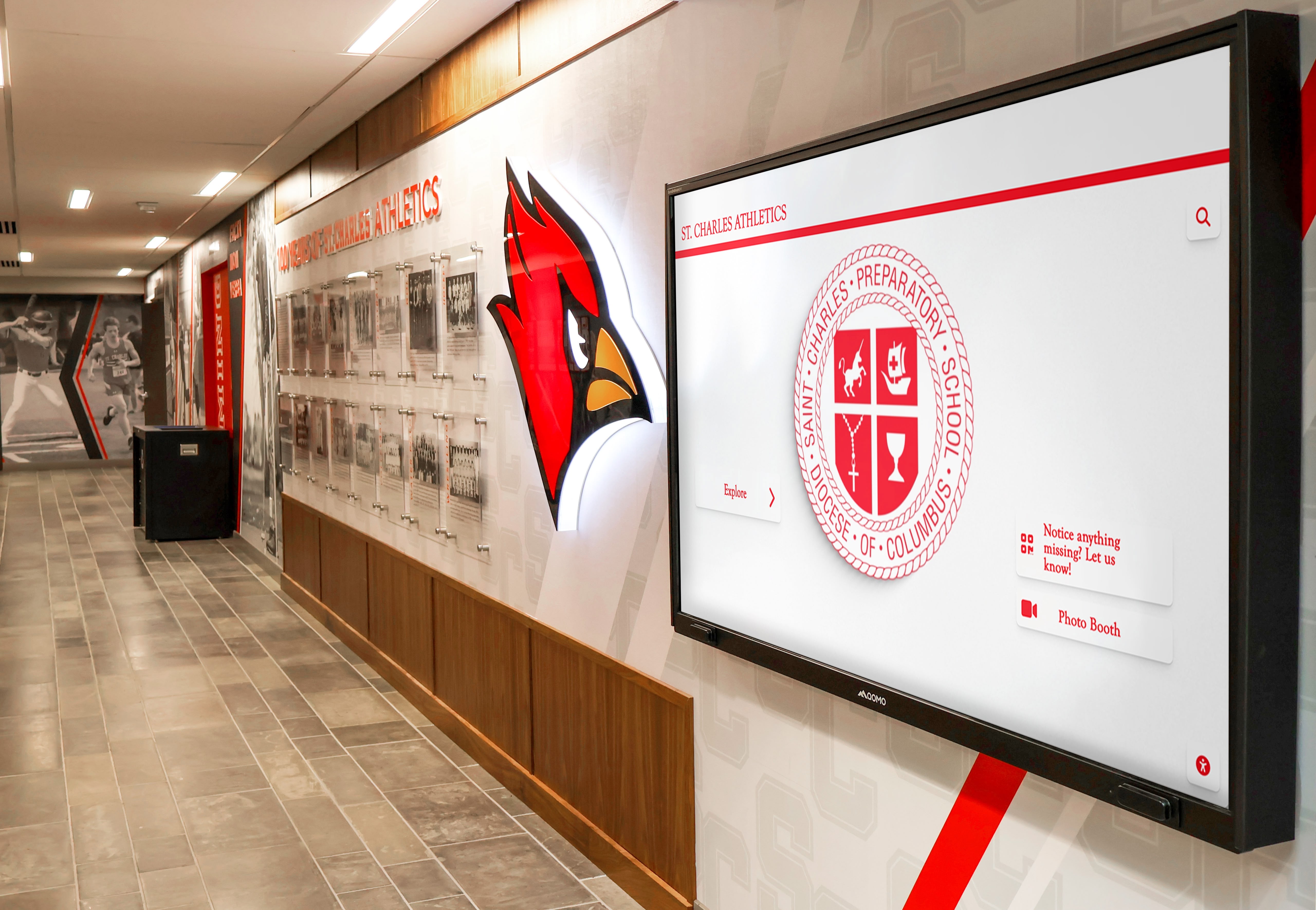
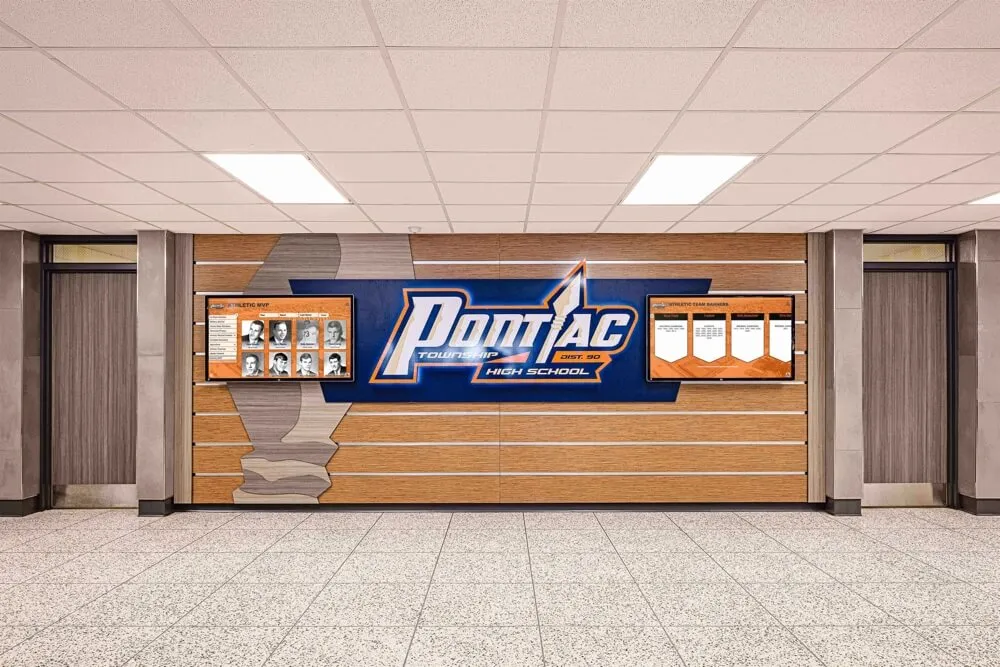
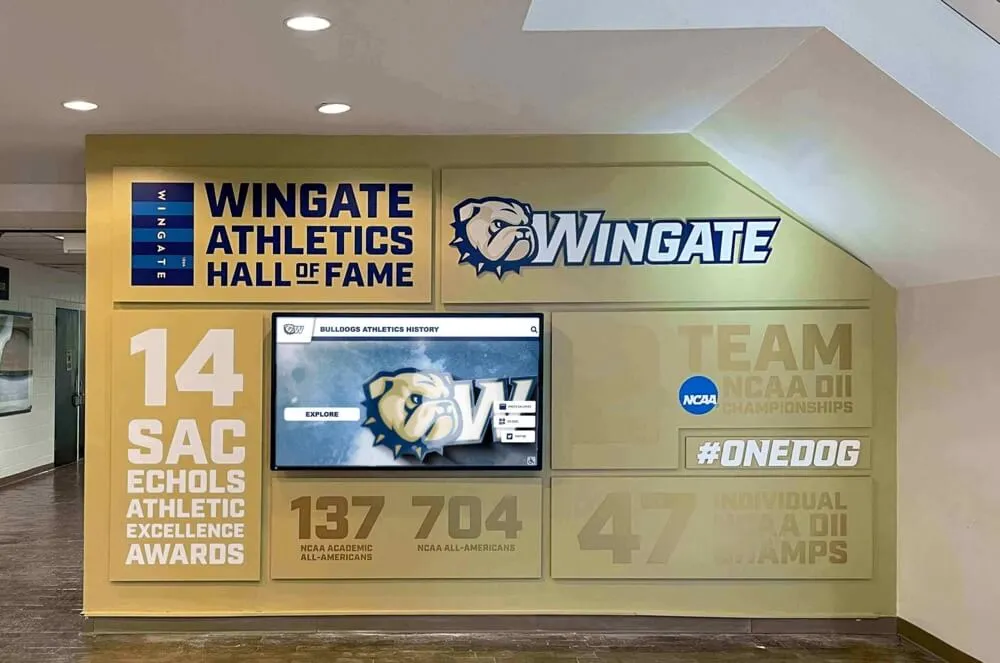
Institutional recognition displays validate senior accomplishments within broader school mission and values
Sport-Specific Speech Considerations and Examples
Different sports require adapted approaches reflecting unique team dynamics, competitive structures, and cultural norms:
Football Senior Night Speech Adaptations
Unique Considerations:
- Large senior classes (often 15-30+ seniors) require abbreviated individual remarks
- Position group diversity (offense, defense, special teams) suggests highlighting representative examples
- Physical nature and injury acknowledgment requires sensitivity
- Friday night lights tradition and community significance deserve recognition
- Brotherhood language resonates strongly in football culture
Sample Football-Specific Language:
- “These seniors wore pads through August heat, battled through Friday night lights, and represented [school] with toughness and pride.”
- “From two-a-days to playoff runs, this senior class showed the physical and mental toughness that defines [mascot] football.”
- “Whether starting varsity or grinding on scout team, every senior contributed to our success.”
Basketball Senior Night Speech Adaptations
Unique Considerations:
- Smaller rosters (often 5-12 seniors) allow more detailed individual recognition
- Game timing often requires brief ceremony between JV and varsity games
- Season-long journey from November through February/March deserves acknowledgment
- Playing time disparities more visible than football; requires careful balanced recognition
- Court presentation logistics require ceremony brevity
Sample Basketball-Specific Language:
- “From first practice to senior night, these athletes represented [school] through 4-month seasons demanding commitment and dedication.”
- “Whether leading us in scoring or bringing energy off the bench, each senior made this team better.”
- “Every basket, every rebound, every sprint down court represented the work ethic that defines our seniors.”
Soccer, Lacrosse, and Field Sports
Unique Considerations:
- Multiple senior nights (fall/spring) require coordinated recognition
- Weather unpredictability necessitates flexible ceremony planning
- Co-ed teams may benefit from joint recognition ceremonies
- Extended seasons create long arcs worthy of acknowledging
- Field size requires amplification for audience engagement
Sample Field Sport Language:
- “Through rain, cold, heat, and perfect conditions, these seniors competed with heart every single match.”
- “From opening kickoff to final whistle, these athletes demonstrated the endurance and determination that defines [mascot] soccer/lacrosse.”
Baseball/Softball Senior Night Speech Adaptations
Unique Considerations:
- Spring timing often coincides with senior activities, prom, AP testing
- Extended seasons (February-May/June) represent significant time commitment
- Position specialization enables specific skill recognition
- Weather delays and rescheduling complicates senior night planning
- Alumni and community deeply invested in baseball tradition
Sample Baseball/Softball-Specific Language:
- “From first pitch to final out, these seniors embodied the tradition and excellence of [school] baseball/softball.”
- “Through rain delays, extra innings, and championship pressure, our seniors competed with class and determination.”
- “Whether on the mound, behind the plate, or patrolling the outfield, each senior contributed to our success.”
Adapt all frameworks to sport-specific culture, competitive structures, and team dynamics while maintaining core principles of specific recognition, balanced attention, and authentic appreciation.
Learn about comprehensive sports recognition in high school end-of-year awards applicable across all athletic programs.
Closing and Transitional Remarks
Every senior night ceremony requires thoughtful transitions and closing remarks bringing recognition to appropriate emotional conclusion:
Transitioning to Game or Reception
After Recognition Concludes (60-90 seconds):
Acknowledge Emotions (20 seconds)
- “I know this is an emotional moment for seniors, families, and our entire program.”
- “Take a moment to embrace your families, teammates, and coaches.”
Transition to Competition (30-40 seconds)
- “Now, we have a game to play—and our seniors deserve our best effort tonight.”
- “Let’s honor our seniors by competing with the same heart and dedication they’ve shown for four years.”
- “Seniors, one last home game—let’s make it memorable.”
Practical Logistics (15-20 seconds)
- Announce post-game reception location if applicable
- Remind families about photo opportunities after game
- Acknowledge senior families and invite gathering
Complete Ceremony Closing
When Senior Night is Standalone Event (90-120 seconds):
Collective Thanks (30-40 seconds)
- Thank everyone who supported seniors (coaches, boosters, families, community)
- Acknowledge administrative staff, athletic trainers, facilities personnel
- Thank younger players for honoring seniors through attendance and support
Forward-Looking Message (30-40 seconds)
- Express confidence that senior legacy will continue
- Acknowledge that program traditions depend on each class contributing
- Invite younger players to aspire to similar recognition
Final Gratitude to Seniors (30-40 seconds)
- Reiterate impact seniors made on program
- Express pride in who they became as people, not just athletes
- Affirm that senior night represents beginning of alumni relationship, not ending
- Simple, powerful closing statement
Sample Complete Closing: “To our seniors: you arrived as freshmen discovering your place in this program, and you leave as leaders who defined what it means to be a [mascot]. Thank you for every practice rep, every film session, every weight lifted, and every moment you represented [school] with pride. Your jerseys may come off tonight, but you’ll always be [mascots]. Once a [mascot], always a [mascot]. Thank you.”
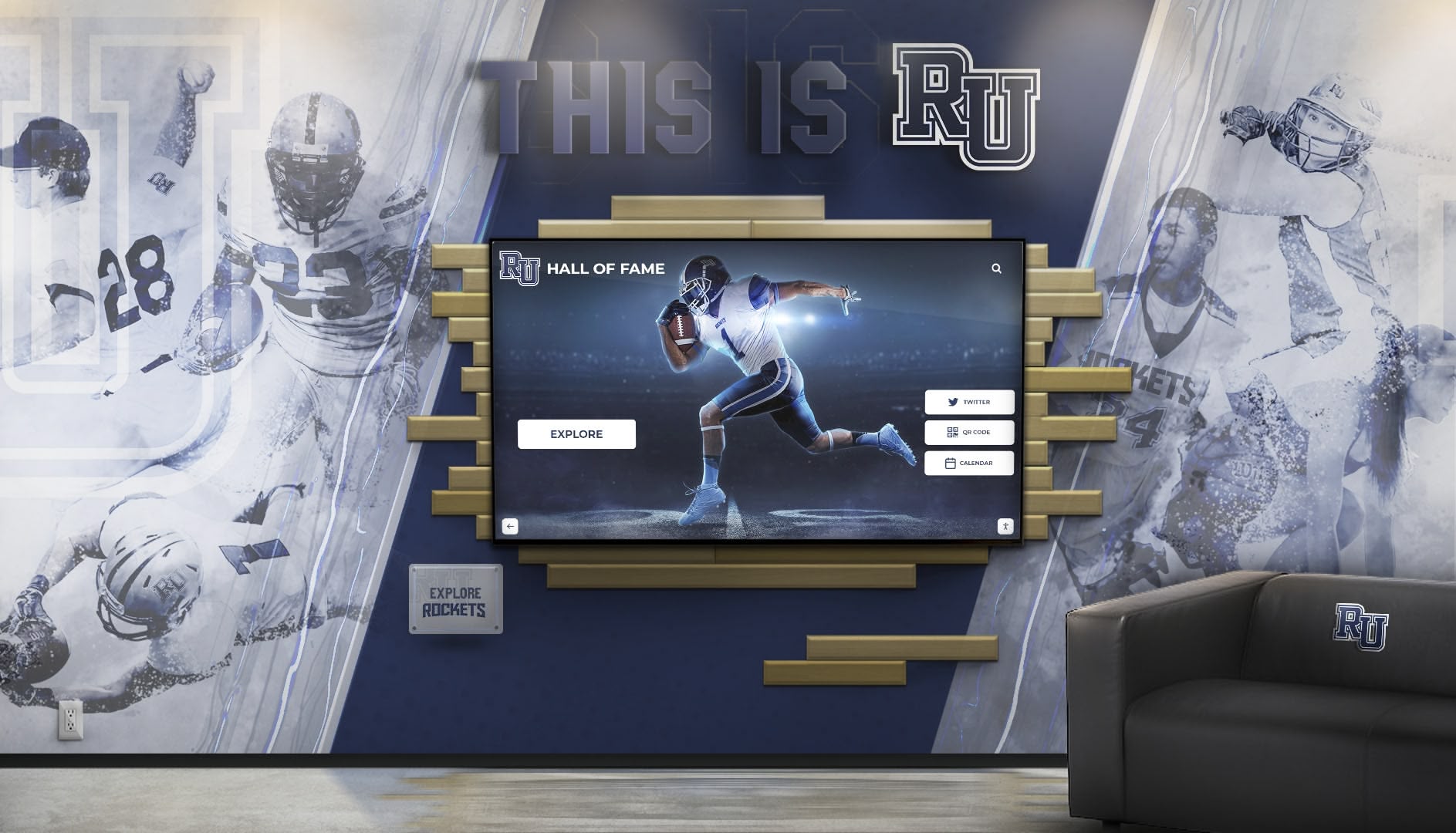
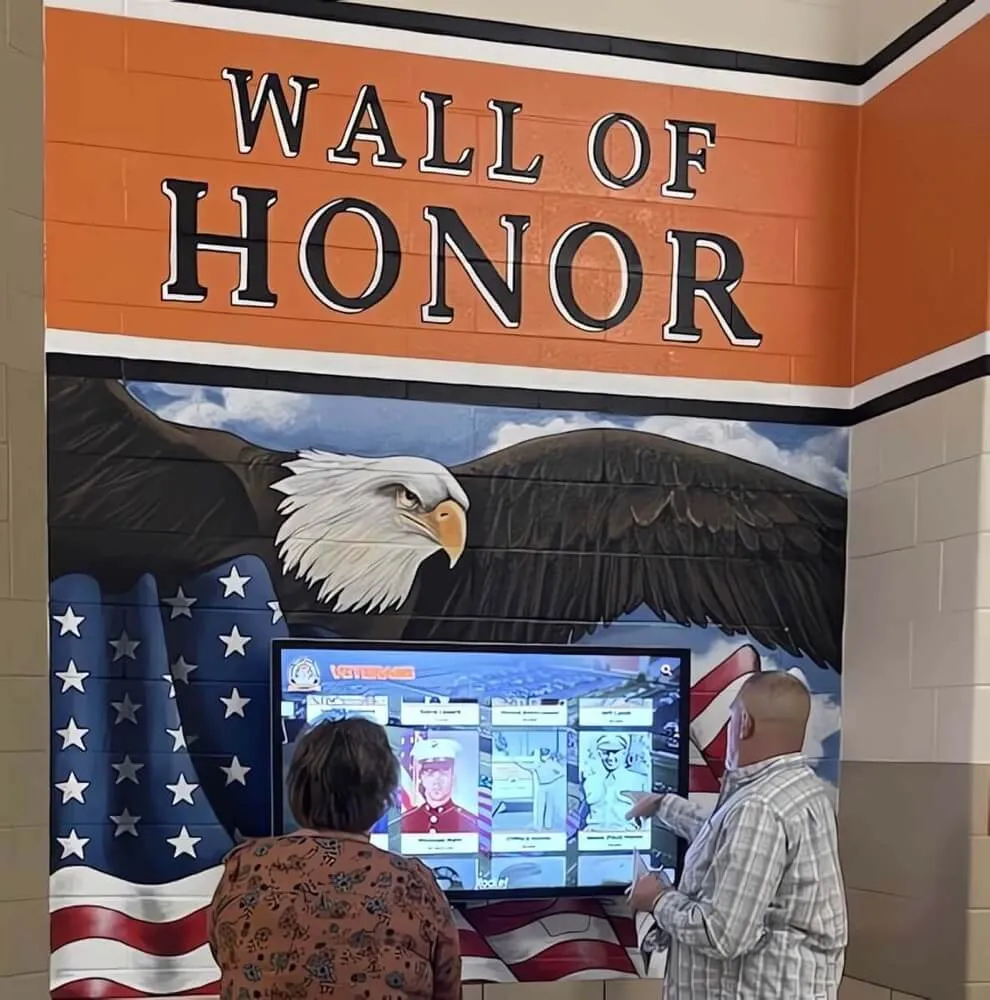
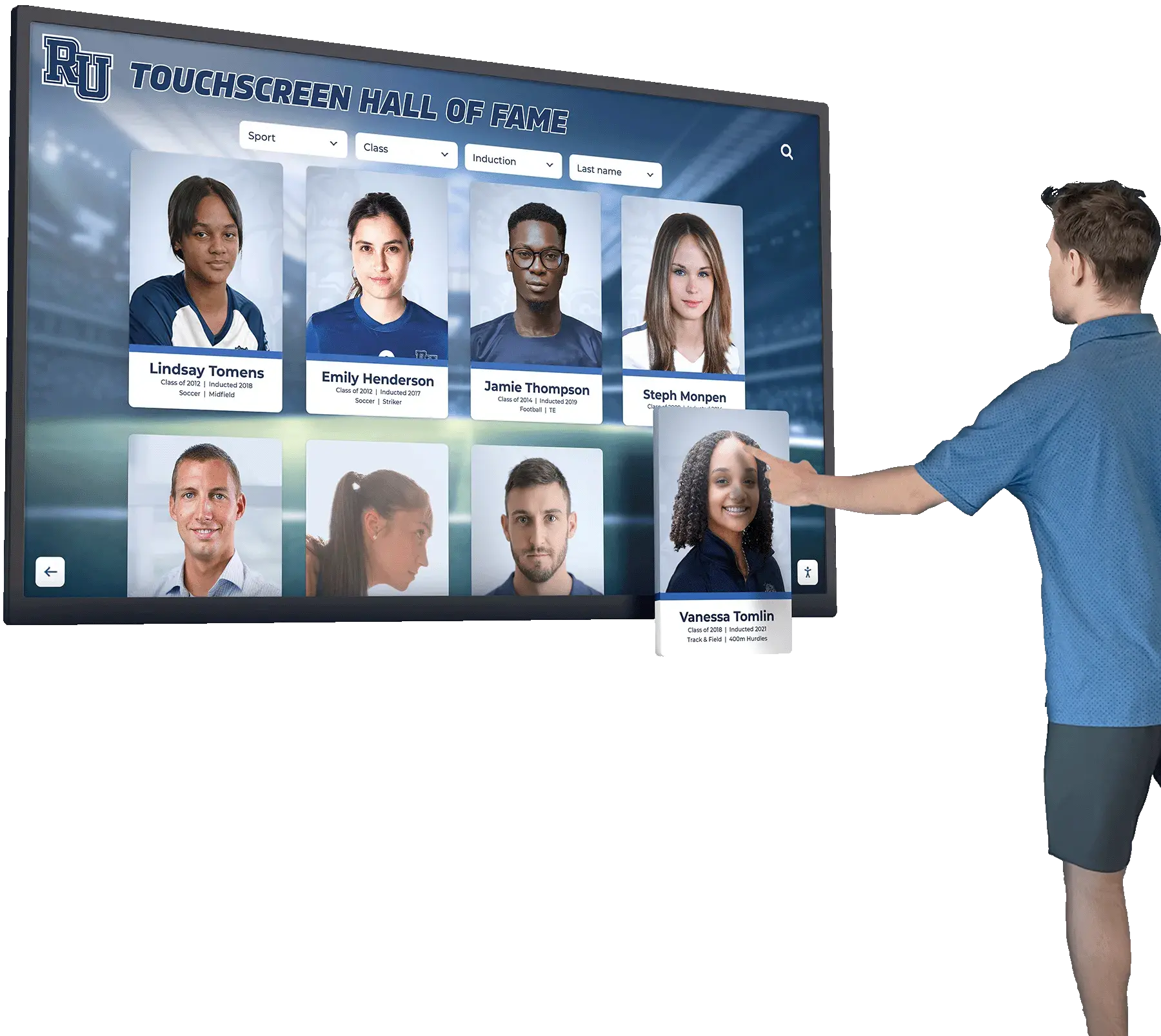
Permanent recognition installations ensure senior tributes remain accessible beyond ceremony night
Preserving Senior Night Speeches and Recognition
The most powerful senior night speeches deserve preservation extending impact beyond single ceremony:
Recording and Documentation Strategies
Video Recording Best Practices:
- Designate parent volunteer or hire videographer capturing entire ceremony
- Position microphone near speakers ensuring audio clarity
- Record from angle showing both speaker and senior reactions
- Edit ceremony into individual clips families can share and preserve
- Upload to YouTube or Vimeo with appropriate privacy settings
- Share links with families within one week of ceremony
Written Transcript Preservation:
- Request speakers provide advance written remarks for record-keeping
- Assign staff member to transcribe speeches if delivered without scripts
- Create ceremony program including abbreviated speech excerpts
- Compile senior profiles with speech highlights for yearbook or team website
- Provide families with printed copies of remarks about their athletes
Digital Recognition Display Integration
Modern technology enables extending senior night recognition permanently through interactive digital displays:
Permanent Display Capabilities: Solutions like Rocket Alumni Solutions provide:
- Individual senior profiles accessible year-round
- Embedded ceremony video clips and speech excerpts
- Statistical documentation and career highlights
- Photo galleries from senior night and throughout careers
- Historical context connecting seniors to program legacy
- Mobile-responsive access enabling families to share broadly
Implementation Integration:
- Photograph seniors during ceremony for display profiles
- Record individual speech portions for embedding in digital profiles
- Collect senior statistics, achievements, and biographical information
- Create comprehensive senior class documentation within one week post-ceremony
- Share digital profile links with families enabling broad distribution
- Update displays periodically with college and career accomplishments
Programs implementing digital recognition walls report dramatically increased engagement with senior recognition beyond ceremony night, with families accessing profiles repeatedly and sharing widely with extended networks.
Long-Term Value:
- Permanent accessibility ensures recognition survives physical storage limitations
- Alumni return to view profiles at reunions and homecoming events
- Current athletes explore previous senior classes for inspiration
- Recruiting families research program culture through senior recognition depth
- Community members engage with athletic program history year-round
This permanent preservation transforms senior night from fleeting moment into lasting recognition appropriately honoring years of athletic dedication.
Practical Ceremony Management and Timing
Even perfectly crafted speeches fail when ceremony logistics undermine delivery effectiveness:
Ceremony Timing Guidelines
Total Ceremony Length Recommendations:
- 2-5 seniors: 15-20 minutes total
- 6-10 seniors: 25-35 minutes total
- 11-15 seniors: 35-45 minutes total
- 16-20 seniors: 45-55 minutes total
- 20+ seniors: Consider abbreviated format with 60-second individual remarks maximum
Component Time Allocations:
- Athletic director welcome: 2-3 minutes
- Head coach collective remarks: 4-6 minutes (if not doing individual)
- Individual senior recognition: 2-3 minutes each (small classes) or 60-90 seconds (large classes)
- Parent remarks or letters: 2-3 minutes each or 60-90 seconds read
- Peer/teammate tribute: 2-3 minutes
- Closing remarks: 2-3 minutes
- Transition to game/reception: 60-90 seconds
Sound System and Logistics
Technical Requirements:
- Test microphone and amplification before ceremony starts
- Position speakers where audience can see and hear clearly
- Prepare backup microphone in case of failure
- Have written remarks available even if speakers plan to ad-lib
- Designate stage manager maintaining ceremony pacing
Weather Contingency:
- Prepare indoor backup location for outdoor sports
- Brief rain plan for field ceremonies
- Have umbrella available for speakers and seniors if light rain
- Communicate contingency plan to families in advance
Flow Management:
- Create ceremony script with time targets for each component
- Designate person maintaining pace and providing time warnings
- Build 5-10 minute buffer for emotional moments or technical issues
- Have tissues available for speakers and athletes
- Plan photo opportunities without disrupting ceremony flow
Effective logistics enable speakers to focus on content rather than worrying about execution, creating professional ceremonies honoring seniors appropriately.
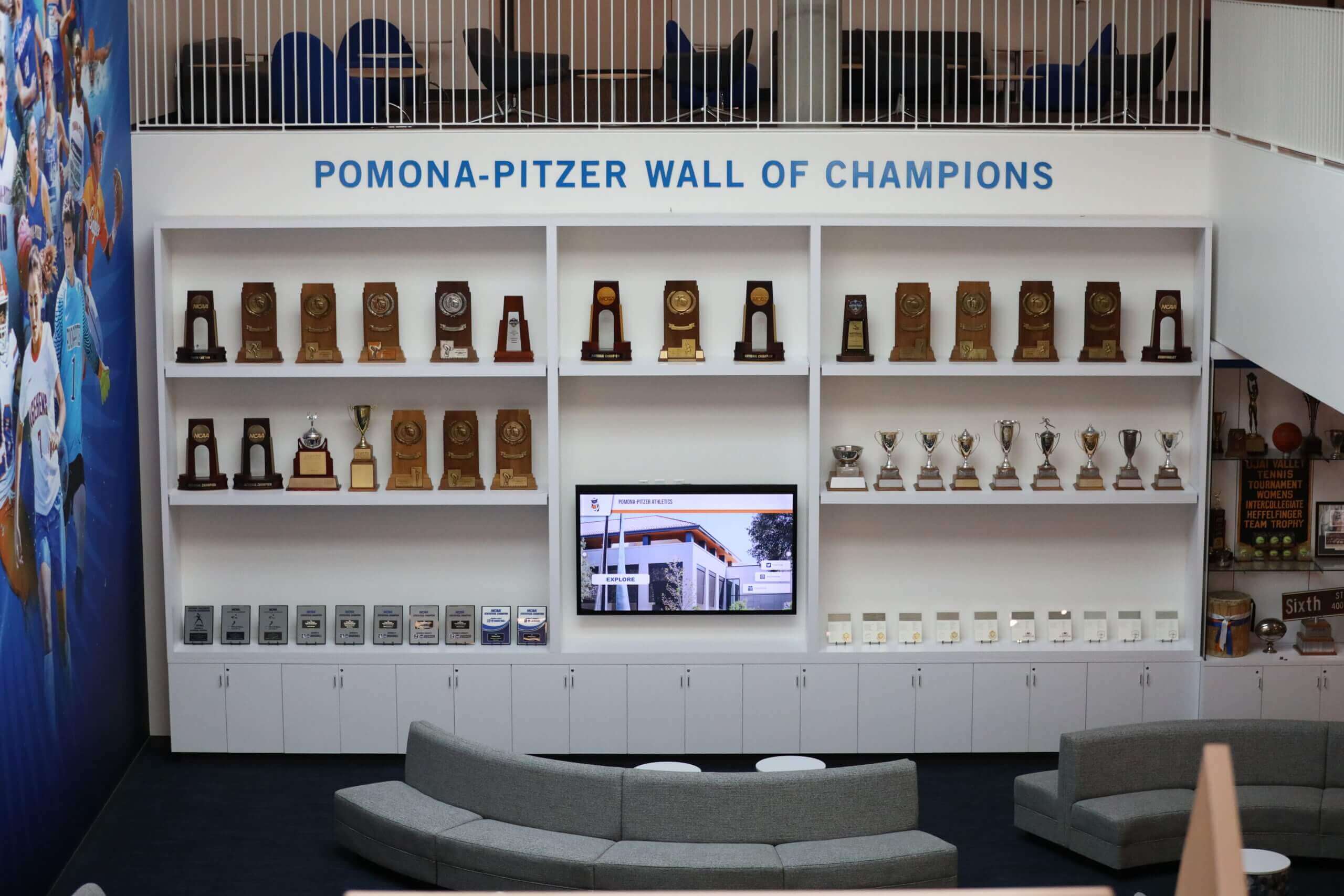
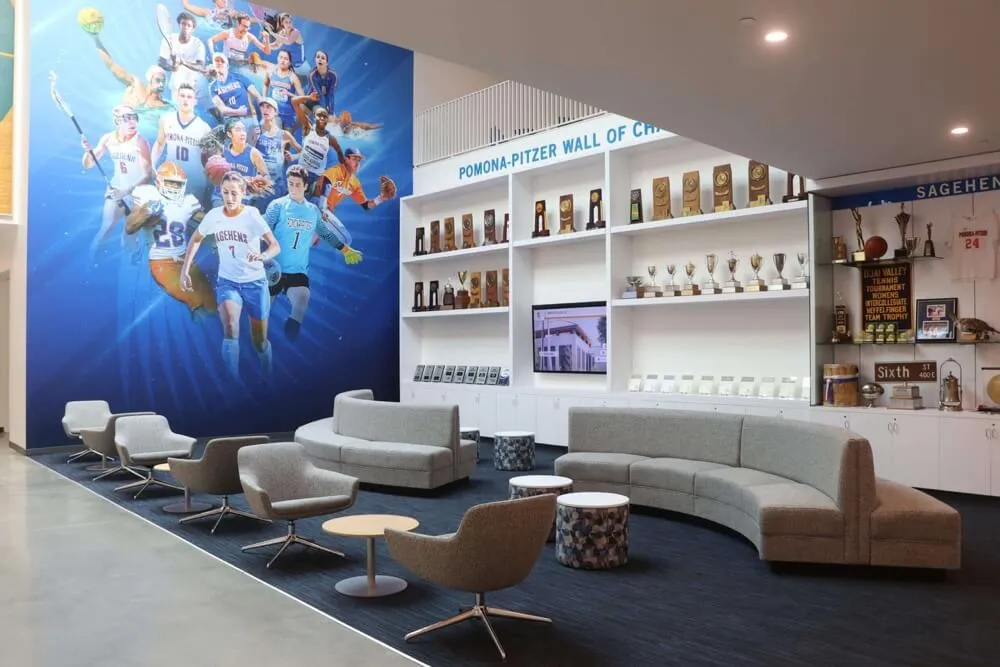
Professional recognition spaces provide appropriate settings for meaningful senior ceremonies
Writing Your Own Senior Night Speech: Step-by-Step Process
For coaches preparing first senior night addresses, systematic preparation ensures effective delivery:
Four Weeks Before: Initial Preparation
Gather Information:
- Create spreadsheet listing all seniors with basic information
- Compile statistics, achievements, and awards for each senior
- Request assistant coaches submit stories or observations about seniors
- Survey teammates about seniors (optional but valuable)
- Review previous season highlights and memorable moments
Determine Format:
- Decide collective address versus individual remarks based on senior class size
- Establish total ceremony time target
- Calculate per-senior time allocation
- Determine whether parents will speak or coach will read letters
- Identify any special recognitions (captains, awards, etc.)
Two Weeks Before: Content Development
Individual Senior Notes: For each senior, identify:
- One defining characteristic or quality that captures who they are
- One specific story or moment illustrating that characteristic
- Specific growth or development observed throughout career
- Position-specific contribution or skill development
- Off-field character example or leadership moment
- One sentence expressing gratitude and future wishes
Draft Speech Structure:
- Write collective opening remarks addressing full senior class
- Draft individual 2-3 minute remarks for each senior (or 60-second condensed versions)
- Create transitions between speakers if ceremony involves multiple presenters
- Write closing remarks bringing ceremony to conclusion
- Target 10-15% under time allocation allowing breathing room
One Week Before: Refinement and Practice
Edit Ruthlessly:
- Remove redundant content appearing in multiple senior remarks
- Cut generic platitudes lacking specific detail
- Ensure balanced emotional tone across all seniors
- Verify appropriate ceremony length
- Confirm no inappropriate content or potentially hurtful remarks
Practice Delivery:
- Read speech aloud with timer
- Identify emotional moments requiring pauses
- Mark difficult names or words
- Practice maintaining composure during emotional sections
- Adjust pacing ensuring adequate but not rushed delivery
- Prepare backup plan for emotional overwhelm
Day Before: Final Preparation
Logistics Confirmation:
- Print speech clearly formatted with large font
- Highlight senior names preventing mispronunciation or skipping
- Mark time checkpoints for pacing awareness
- Prepare backup copy in case original is misplaced
- Confirm microphone and sound system functionality
- Review ceremony script with all participants
Mental Preparation:
- Review why this moment matters to seniors and families
- Accept that emotion is appropriate and expected
- Prepare for unexpected moments (seniors crying, technical issues)
- Focus on honoring seniors rather than perfect performance
- Remember that authentic appreciation matters more than polished delivery
This systematic approach prevents last-minute stress while ensuring thoughtful recognition worthy of athletes who dedicated years to your program.
Conclusion: Creating Senior Night Moments That Last
Exceptional senior night speeches don’t happen accidentally—they result from thoughtful preparation, genuine understanding of individual athletes, and commitment to creating recognition worthy of years of dedication and sacrifice. The words spoken on senior night become permanent memories quoted at graduations, recalled at college sendoffs, and remembered decades later when former athletes reflect on athletic journeys that shaped their character and confidence.
Whether addressing two seniors or twenty, coaching championship winners or rebuilding program contributors, the right words honor commitment appropriately while creating shared moments that strengthen team culture and demonstrate that athletic participation matters beyond final scores. The frameworks, examples, and strategies explored throughout this guide provide speakers with tools crafting addresses that genuinely recognize individual journeys while maintaining appropriate ceremony length and emotional balance.
Preserve Senior Night Recognition Permanently
Discover how digital recognition solutions like Rocket Alumni Solutions preserve senior night speeches, ceremonies, and achievements in permanent interactive displays accessible to families, alumni, and communities year-round—extending single-evening recognition into lasting celebration.
Explore Digital Senior RecognitionRemember that perfect delivery matters less than authentic appreciation. Seniors recognize when recognition reflects genuine observation and gratitude versus generic obligation fulfillment. Take time to know each senior as an individual, identify specific moments and characteristics making them unique, and trust that heartfelt appreciation delivered with reasonable emotional control creates far greater impact than polished remarks lacking personal connection.
Start preparing early, gather specific stories and examples, practice delivery managing emotional moments appropriately, and trust that thoughtful recognition honors seniors worthy of celebration. Your remarks will become permanent memories treasured by athletes and families—make them count by focusing on what truly matters: acknowledging the human beings behind the jerseys and celebrating the character development and dedication that athletics revealed throughout their journeys.
Ready to extend your senior night recognition beyond ceremony night? Solutions like Rocket Alumni Solutions enable programs to preserve speech excerpts, ceremony videos, and comprehensive senior profiles in permanent digital displays accessible to families and communities indefinitely—transforming fleeting moments into lasting recognition honoring athletic dedication appropriately while inspiring future generations to pursue similar excellence worthy of celebration.