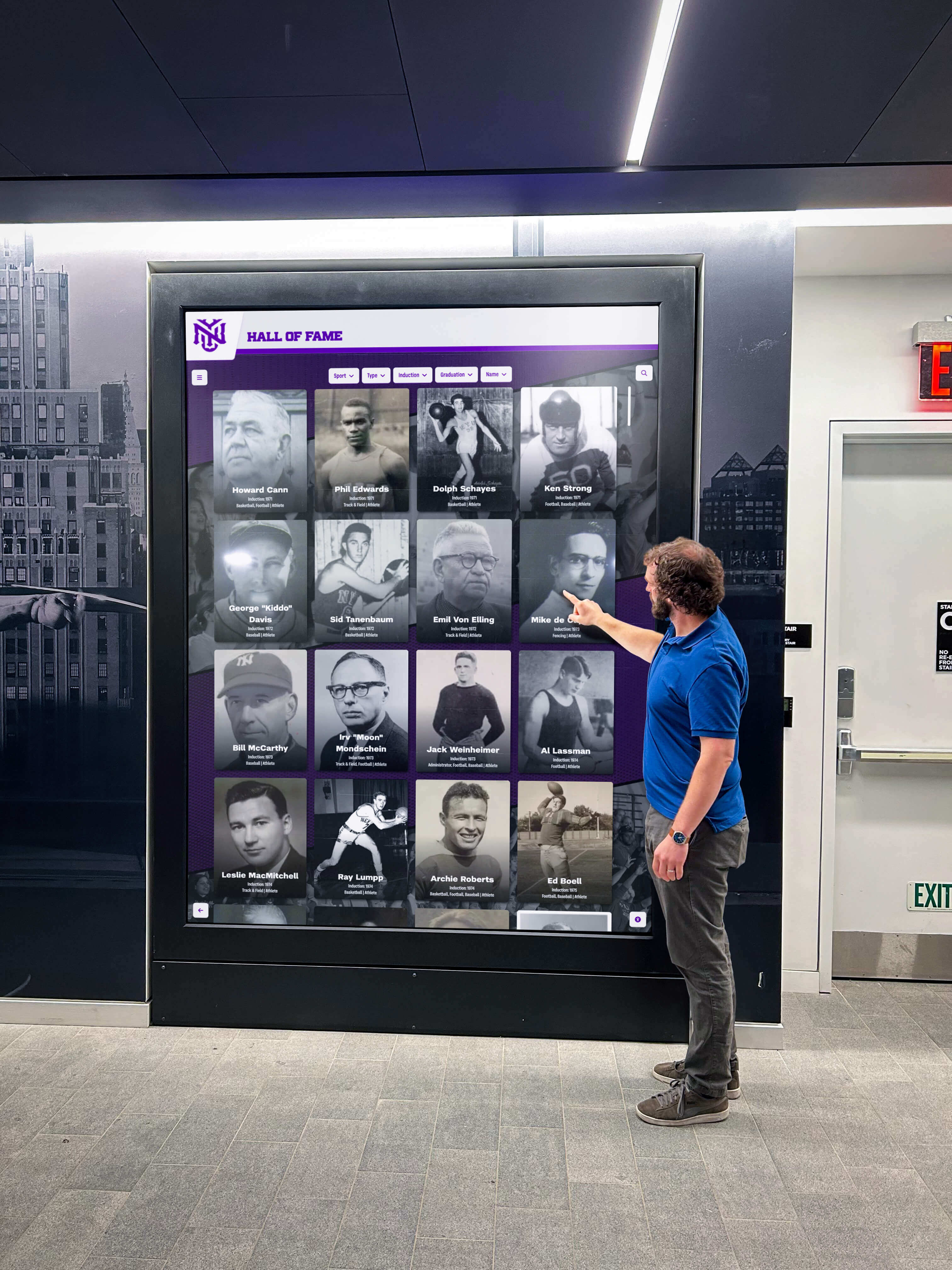




Senior living communities thrive when residents feel valued, connected, and celebrated as vital contributors to community life. Recognition programs acknowledge achievements, preserve dignity, and create meaningful connections among neighbors—yet many facilities struggle with outdated approaches that fail to engage modern seniors who expect contemporary recognition experiences matching the digital world they inhabit.
Walk through most senior living facilities and you’ll encounter familiar recognition limitations: dusty trophy cases displaying dated awards nobody sees, bulletin boards cluttered with unreadable printouts, paper directories outdated within weeks, and static plaques that fail to tell the rich stories behind resident contributions. Meanwhile, family members visiting from across the country have no visibility into how their loved ones participate in community governance, receive recognition for contributions, or connect with fellow residents.
This comprehensive guide explores how senior living touchscreen awards transform community recognition through interactive digital displays that celebrate resident achievements, showcase internal committees, honor volunteers, preserve memories, and build the vibrant, engaged communities that residents, families, and staff all desire.
Modern senior living facilities recognize that dignified, meaningful recognition directly impacts resident satisfaction, family confidence, and community vitality. Interactive touchscreen systems create engaging recognition experiences that honor individuals while building collective community pride.

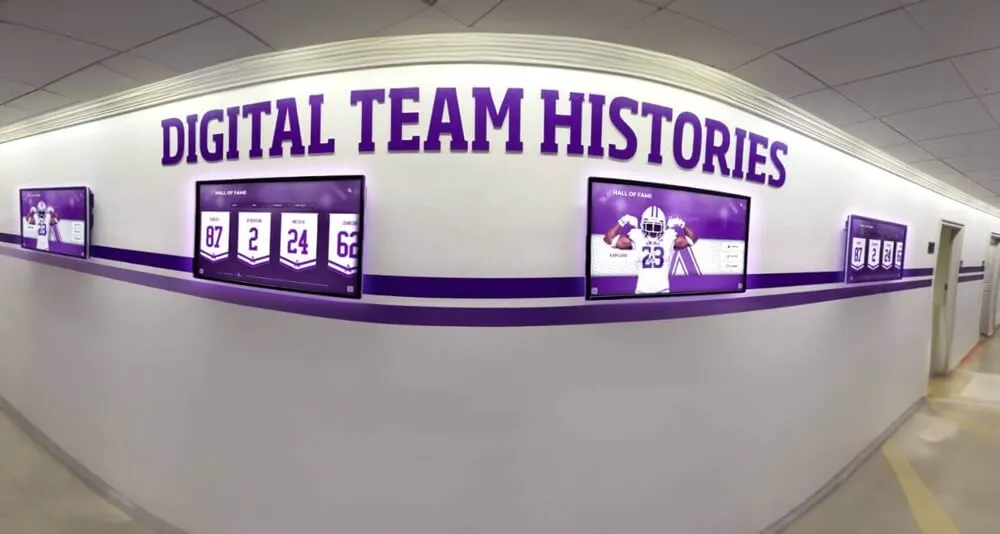
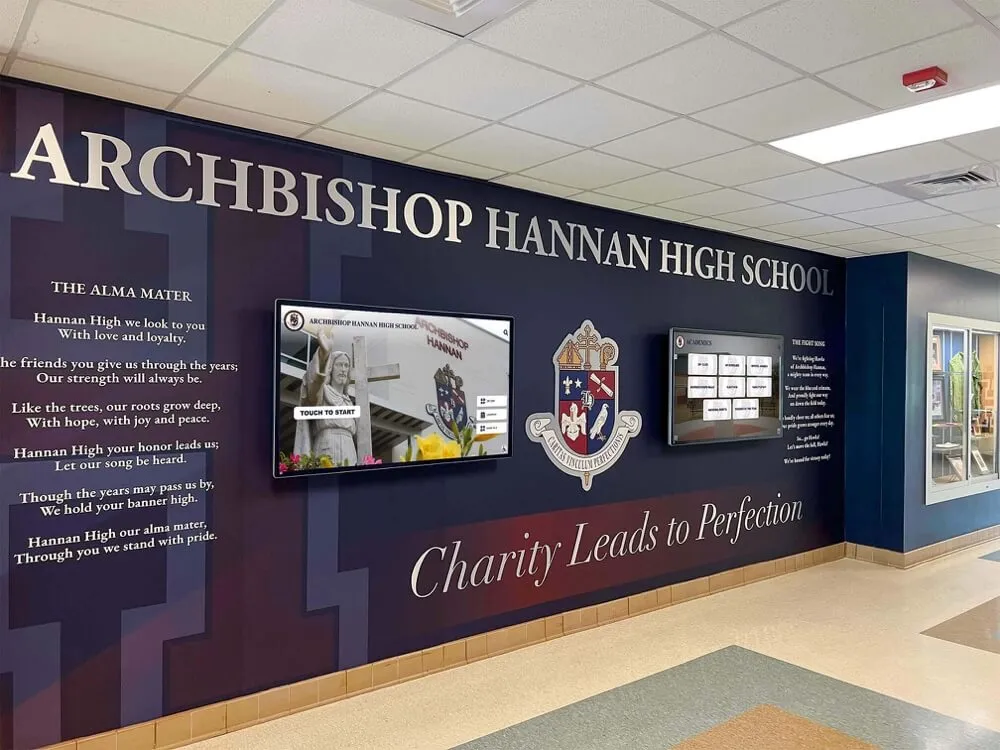
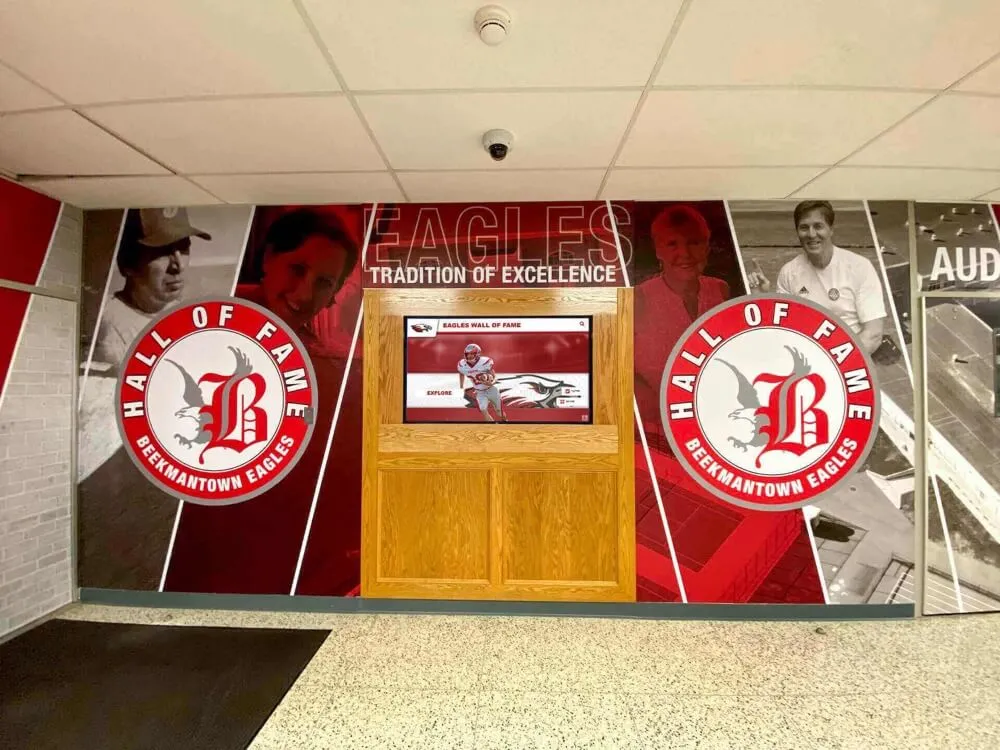
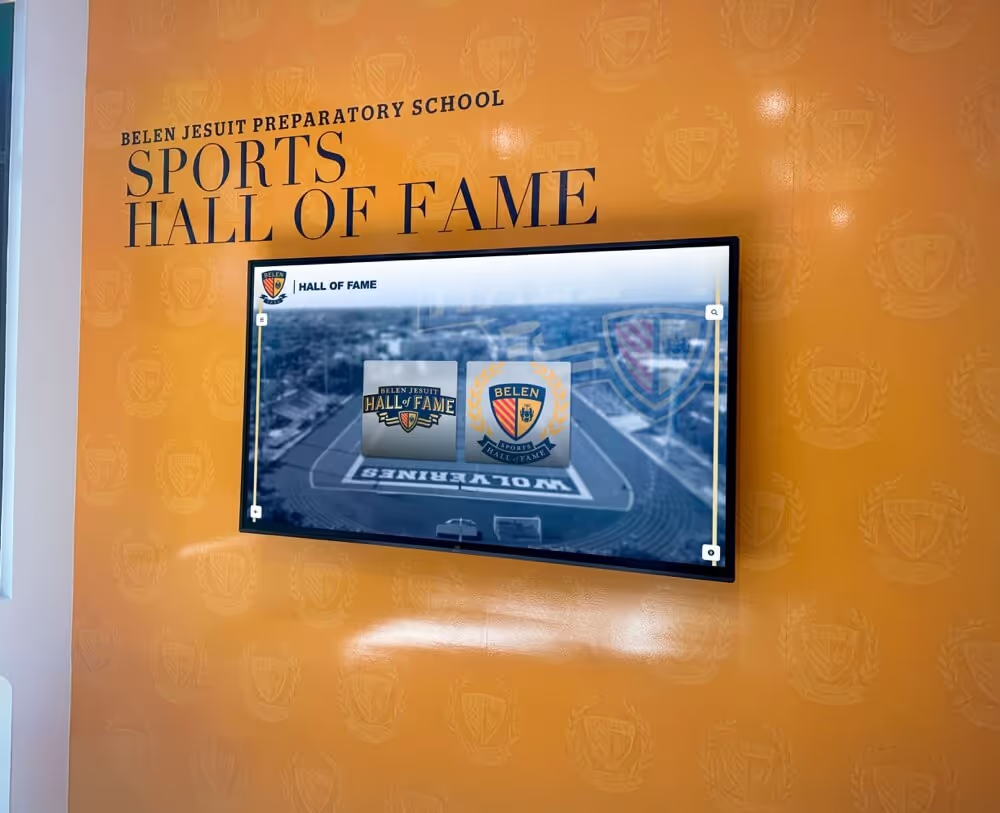
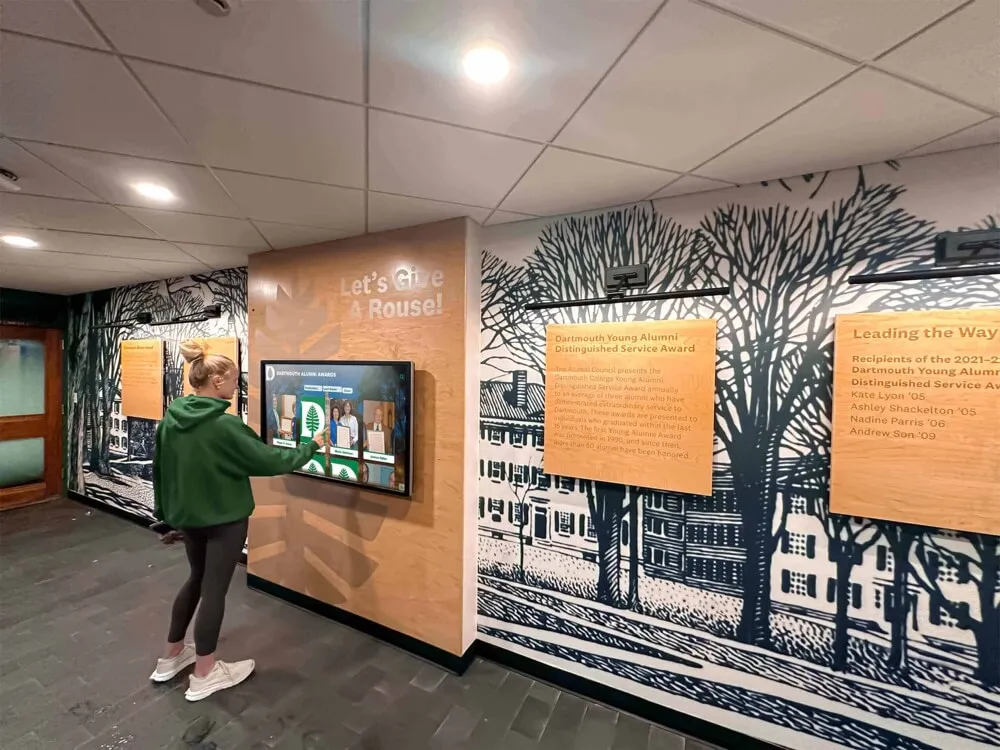
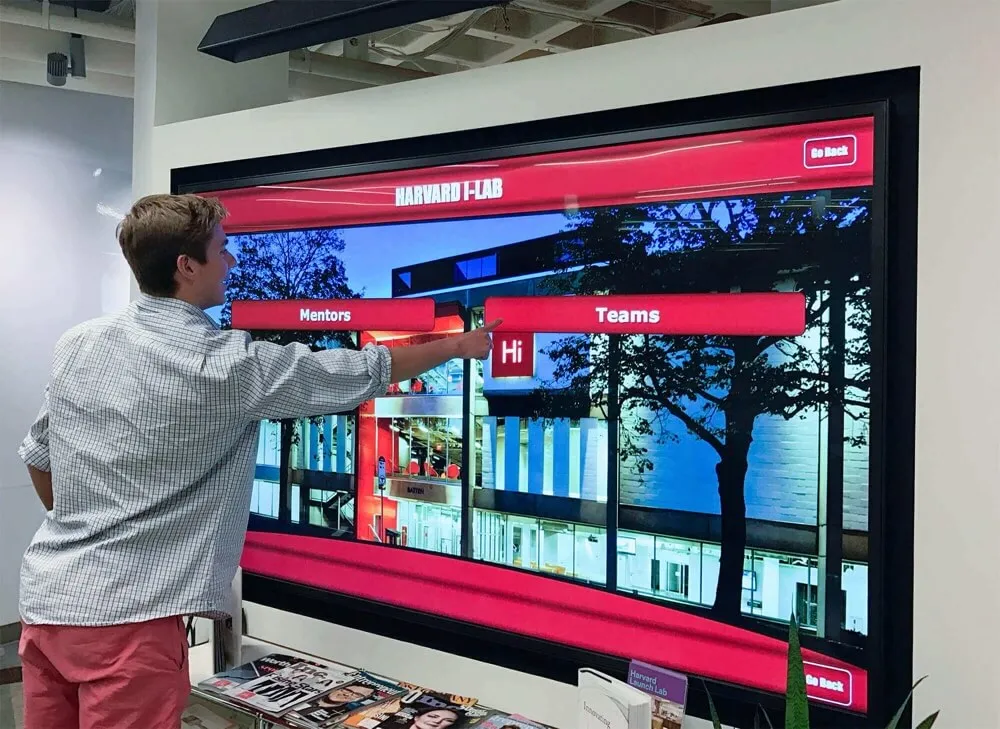
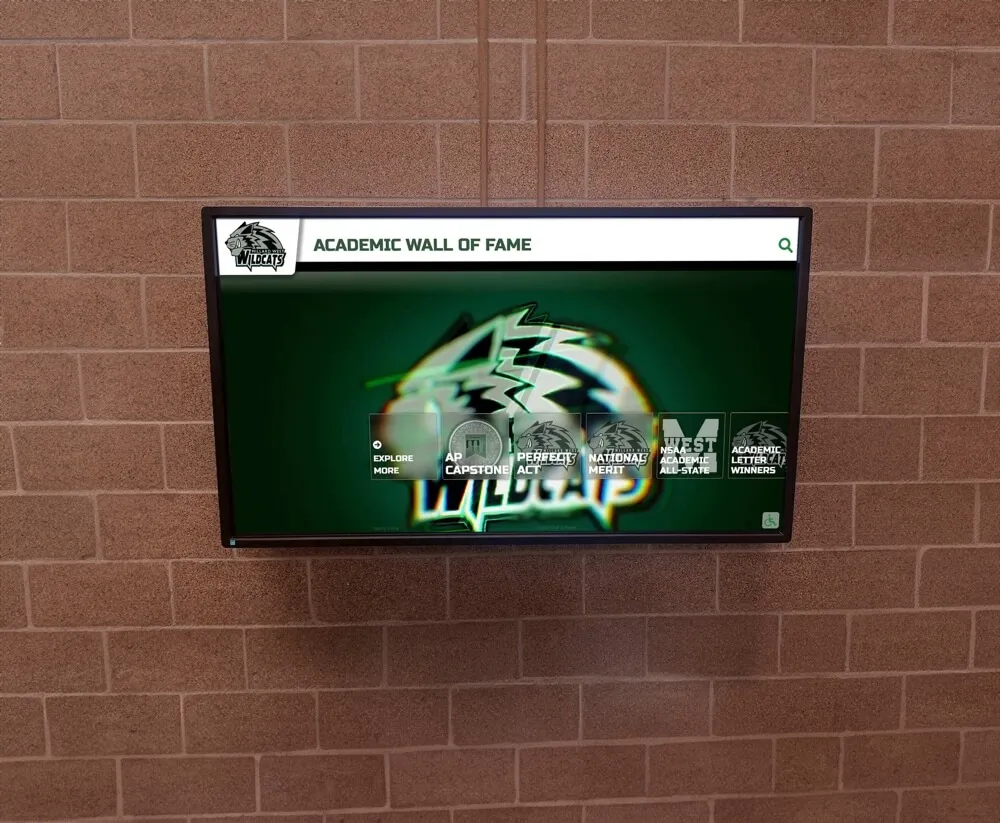
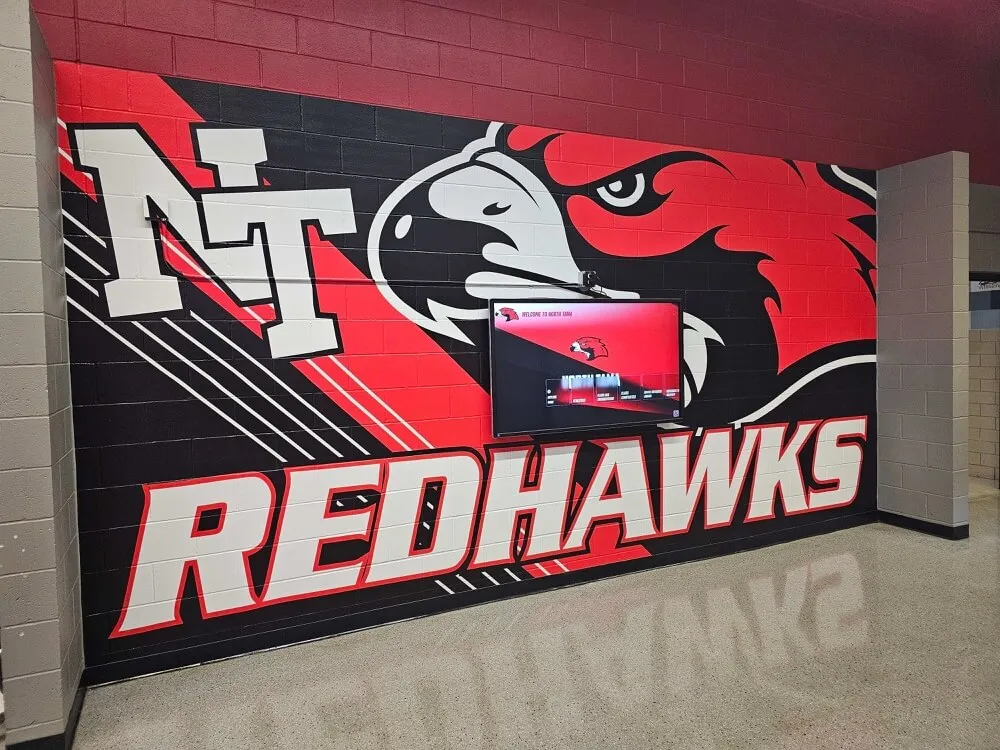
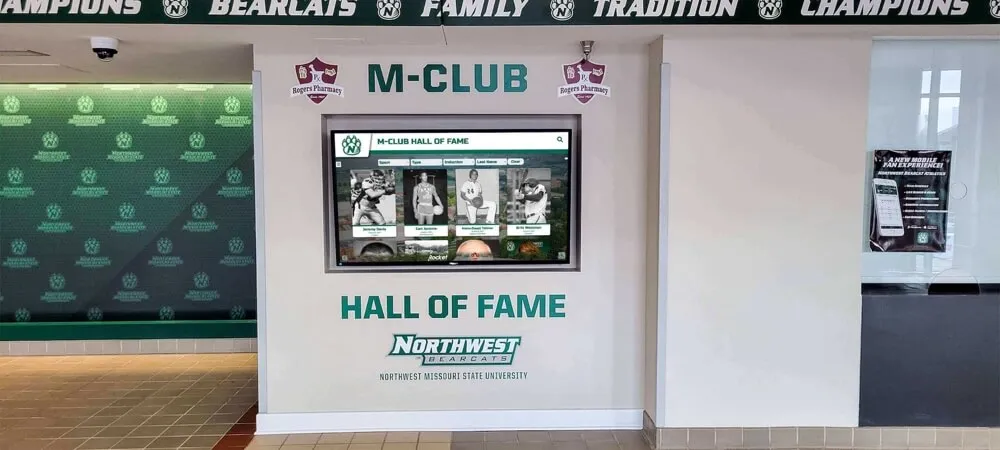
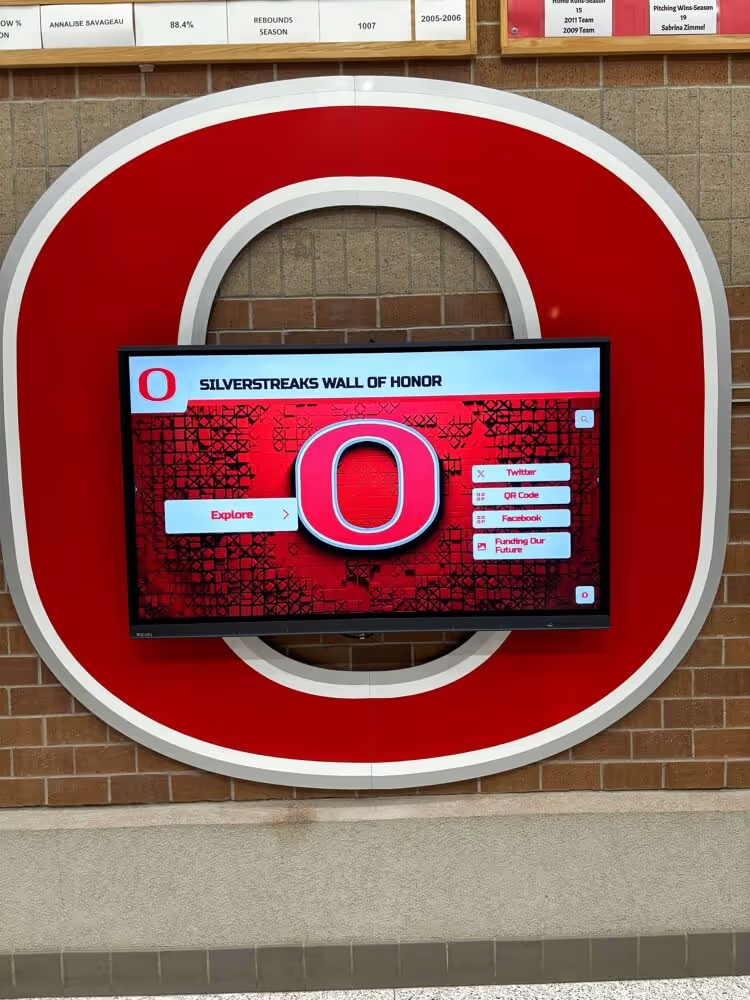
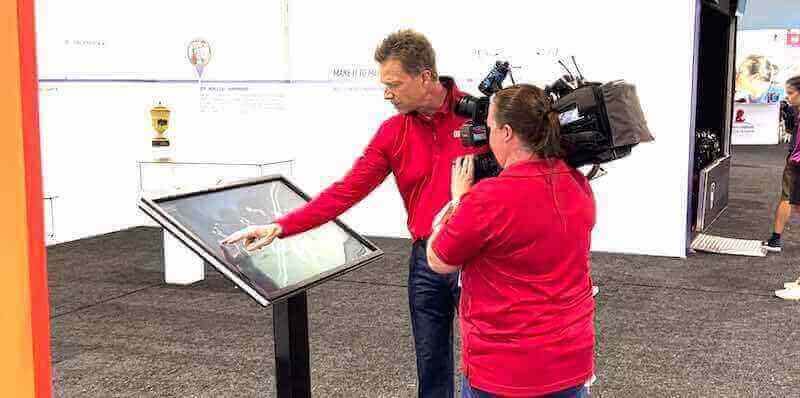
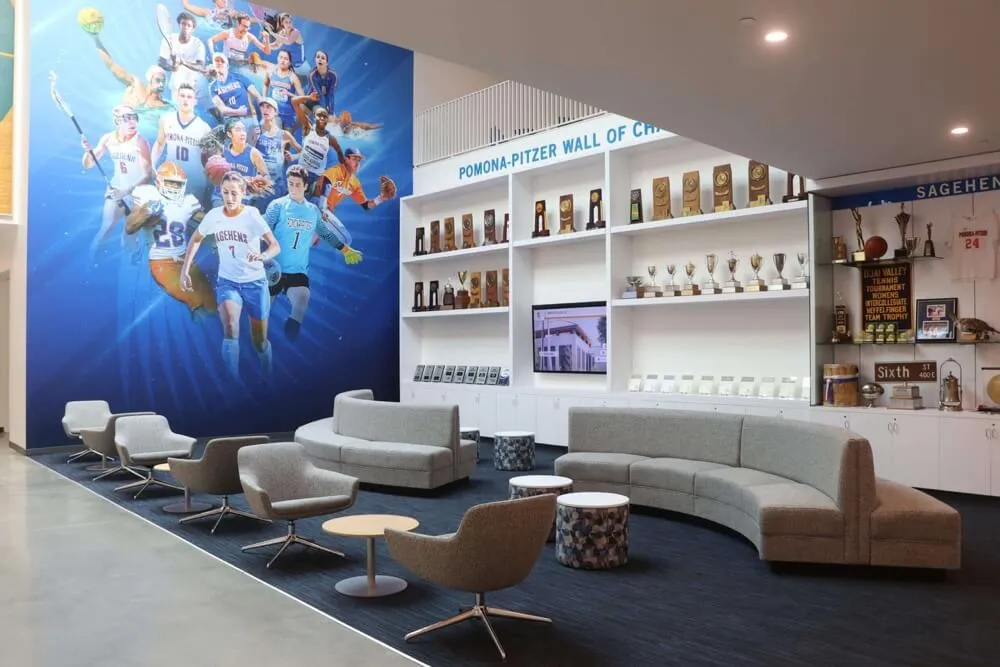
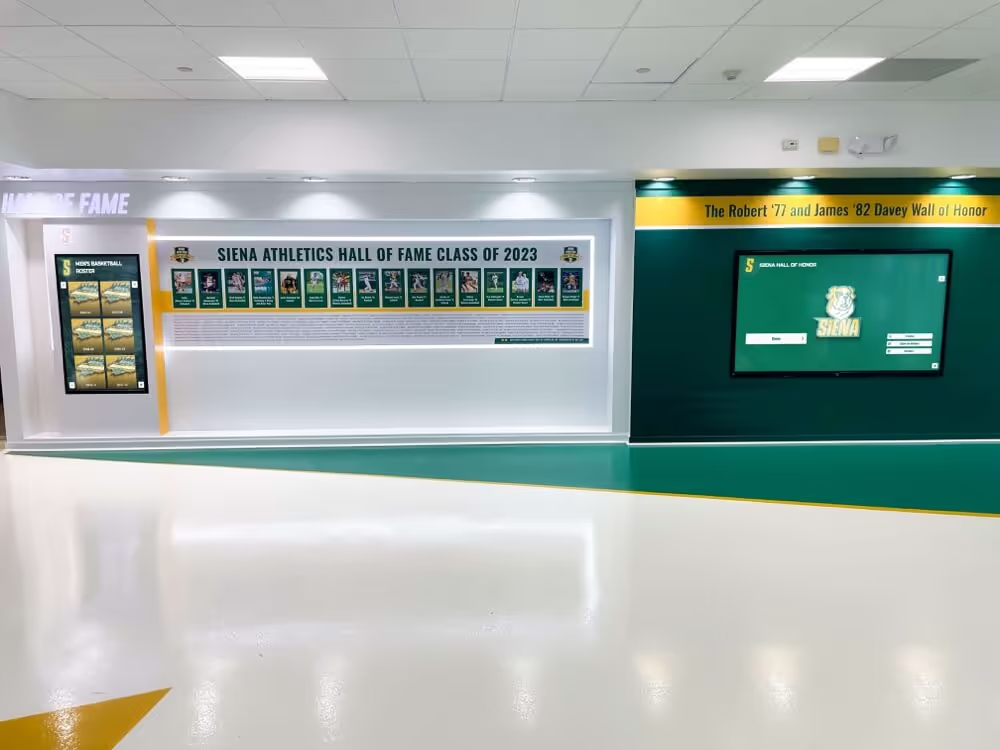
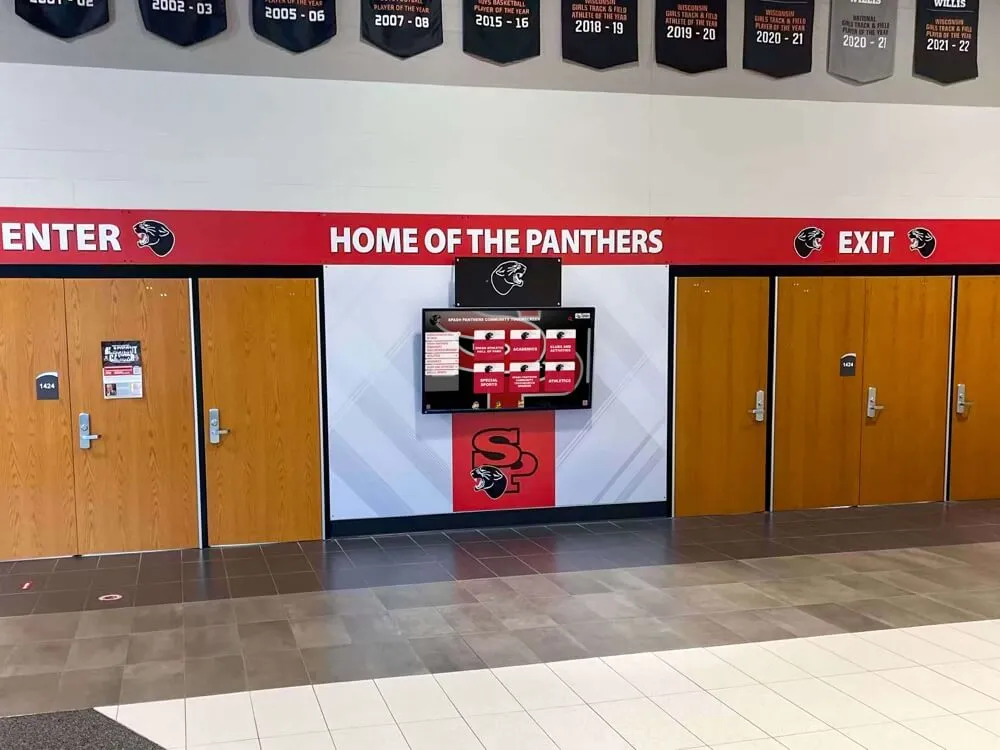
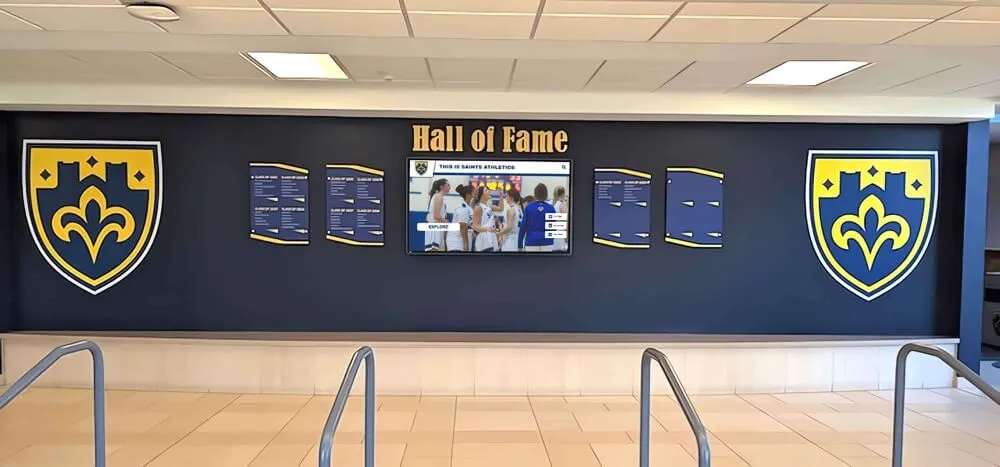
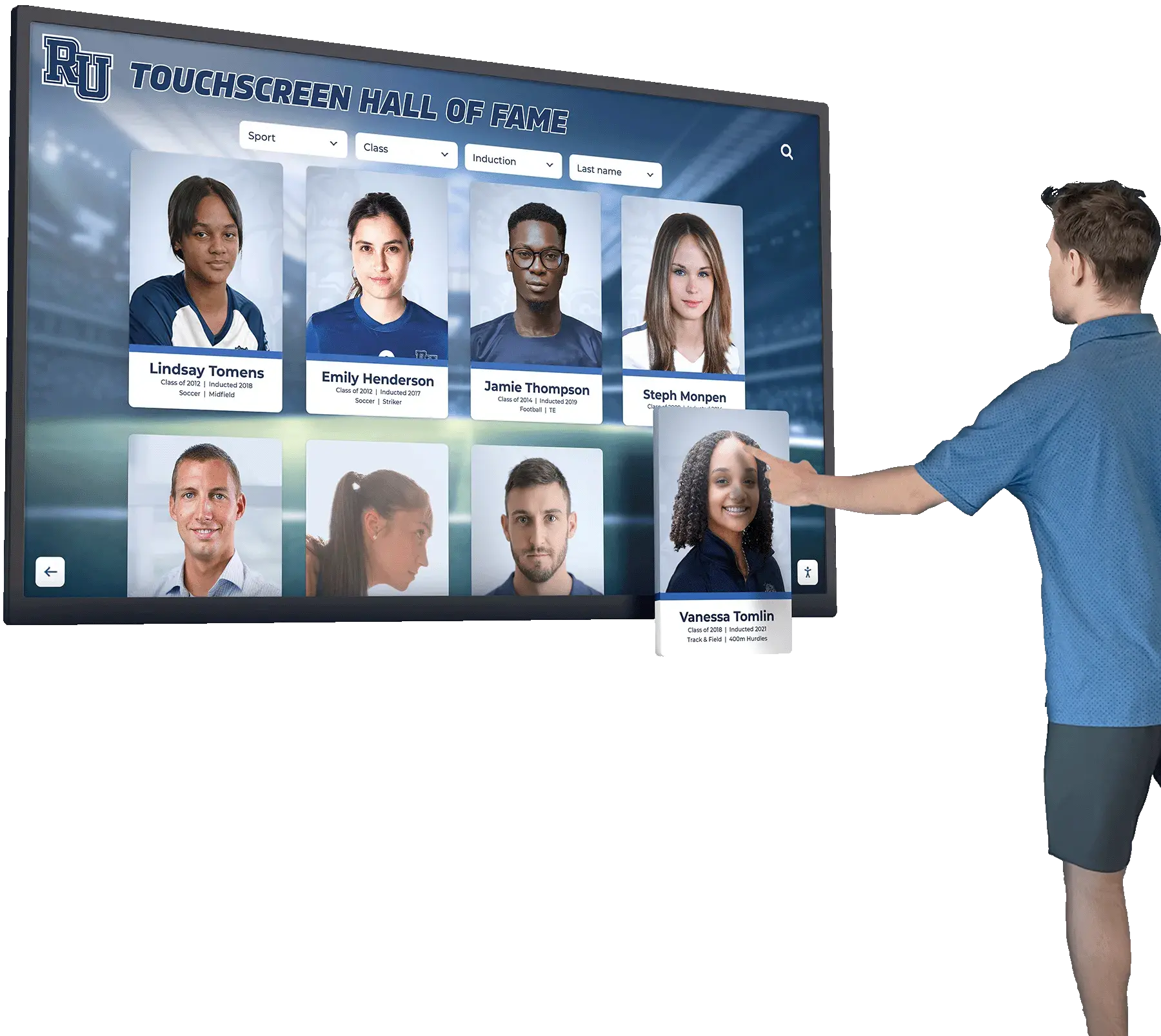
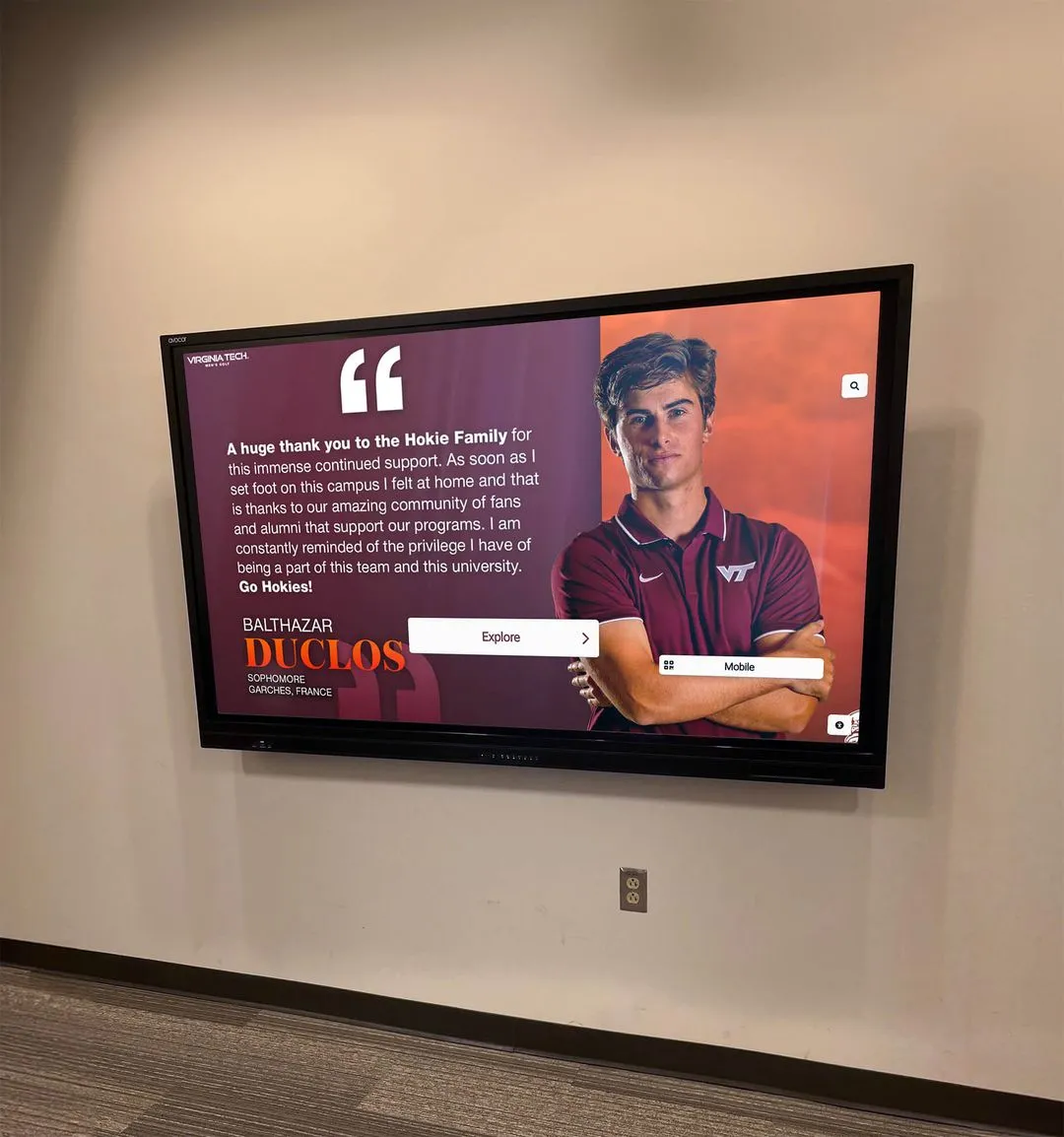
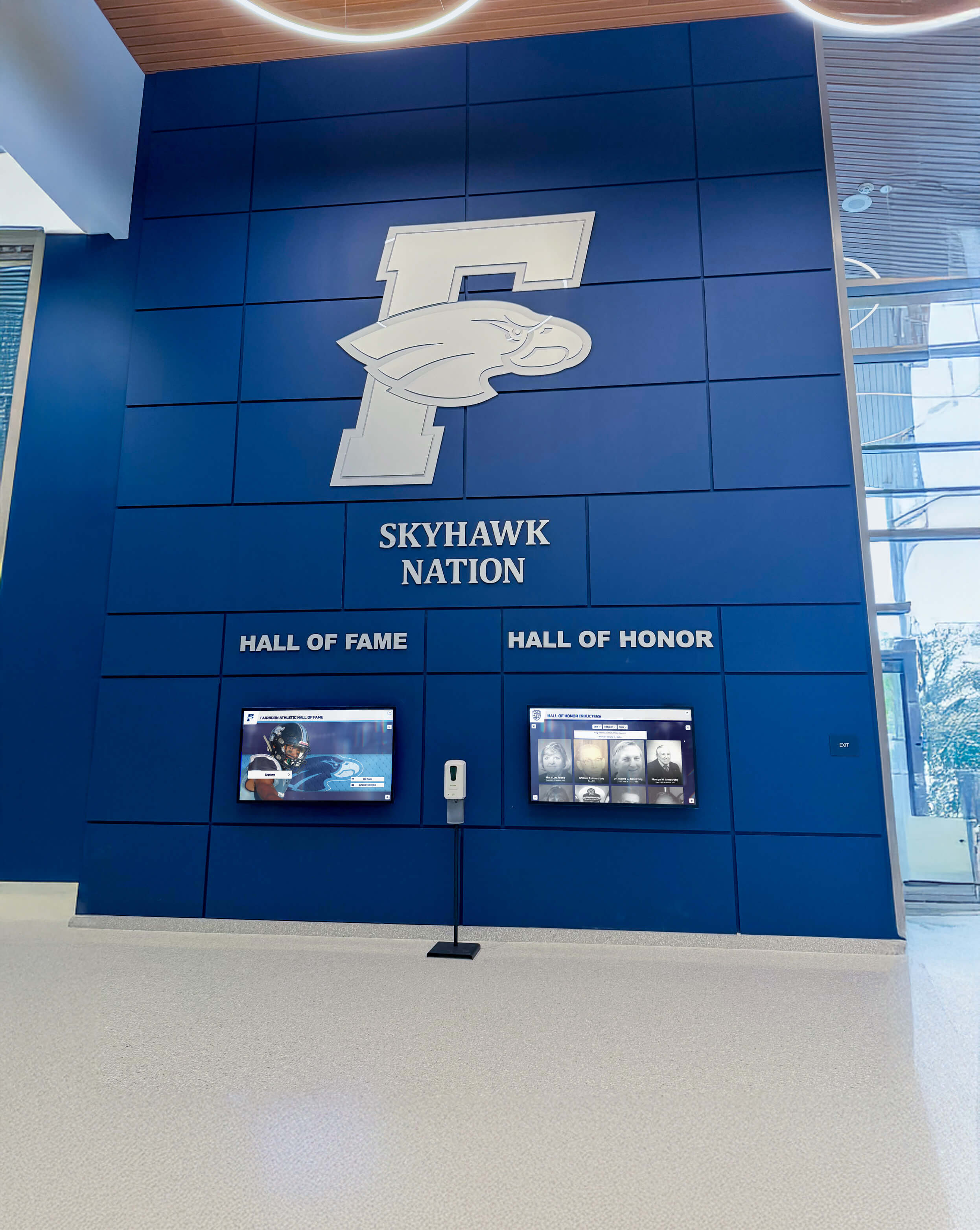
Interactive touchscreen displays in senior living lobbies create welcoming environments that celebrate residents and showcase vibrant community life
Understanding What Senior Living Facilities Care About Most
Before implementing touchscreen awards systems, it’s essential to understand the unique priorities and concerns that drive decision-making in senior living communities.
Resident Dignity and Individual Recognition
Honoring Life Stories and Ongoing Contributions
Senior living facilities prioritize recognition approaches that celebrate residents as complete individuals with rich life histories extending far beyond current care needs:
Residents bring decades of professional accomplishments, community service, family contributions, and personal achievements that deserve acknowledgment. Recognition systems should honor past careers and accomplishments while celebrating continuing contributions within the community. Many seniors remain active in community governance, volunteer roles, mentoring relationships, and creative pursuits that warrant recognition. And maintaining individual identity and dignity represents fundamental quality-of-care commitments distinguishing exceptional facilities from institutional environments.
Solutions like Rocket Alumni Solutions provide comprehensive recognition platforms that enable facilities to celebrate resident life stories, ongoing achievements, and community contributions through engaging multimedia displays accessible to residents, families, and visitors.
Combating Social Isolation Through Community Connection
Social isolation represents one of the most significant health risks facing seniors, making community engagement a critical operational priority:
Research from the National Institute on Aging demonstrates that social isolation significantly increases risks for depression, cognitive decline, cardiovascular disease, and premature mortality among older adults. Recognition programs that celebrate resident participation in committees, activities, and community governance encourage ongoing engagement. Visible acknowledgment of contributions motivates continued involvement while inspiring other residents to participate. And creating shared community identity through collective recognition builds connections among residents who might otherwise remain isolated.
Interactive touchscreen recognition displays combat isolation by showcasing the vibrant community participation opportunities available while celebrating those who actively engage.
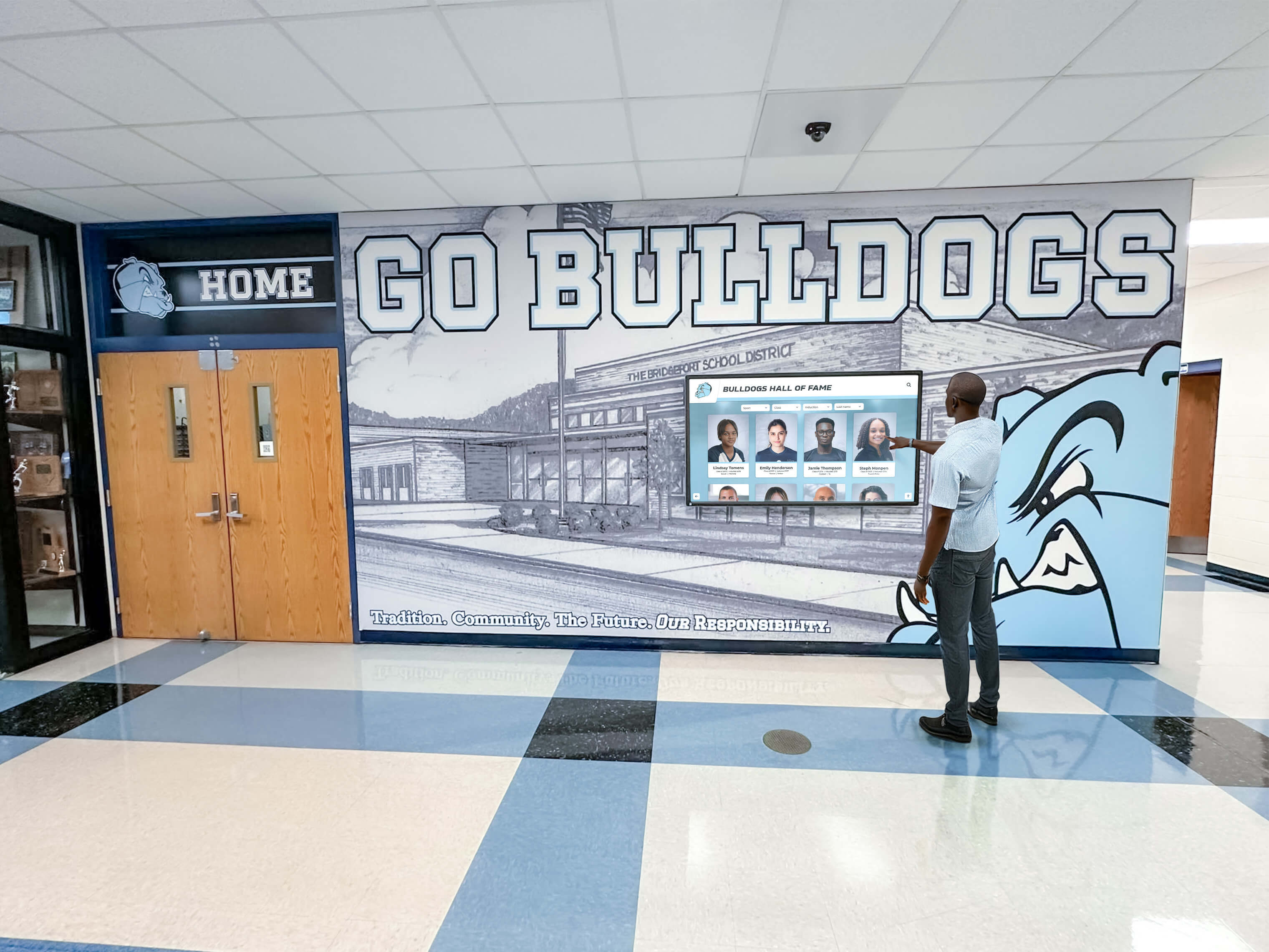
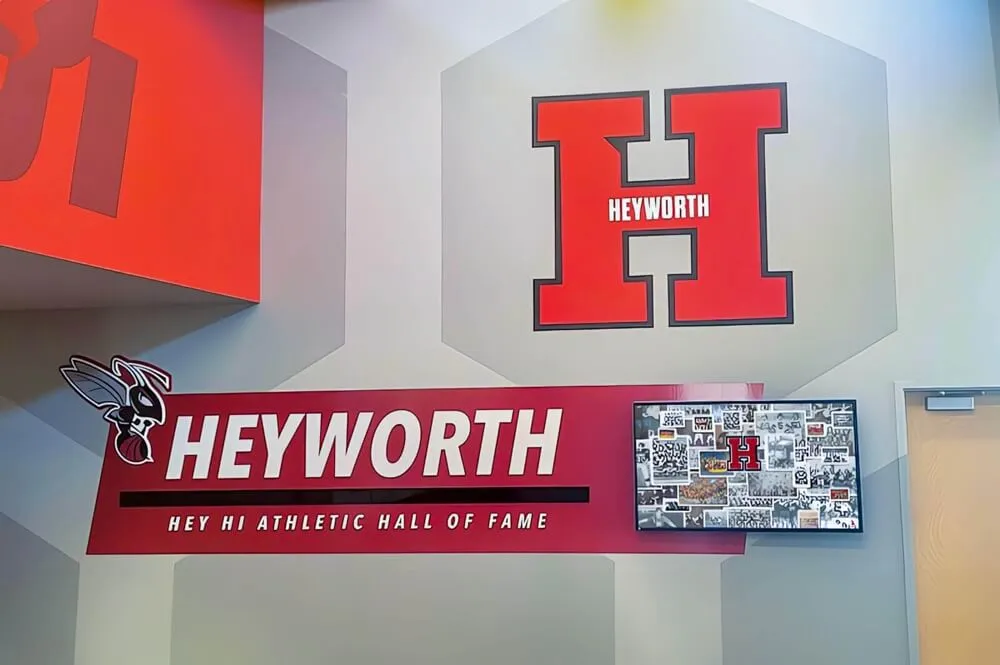
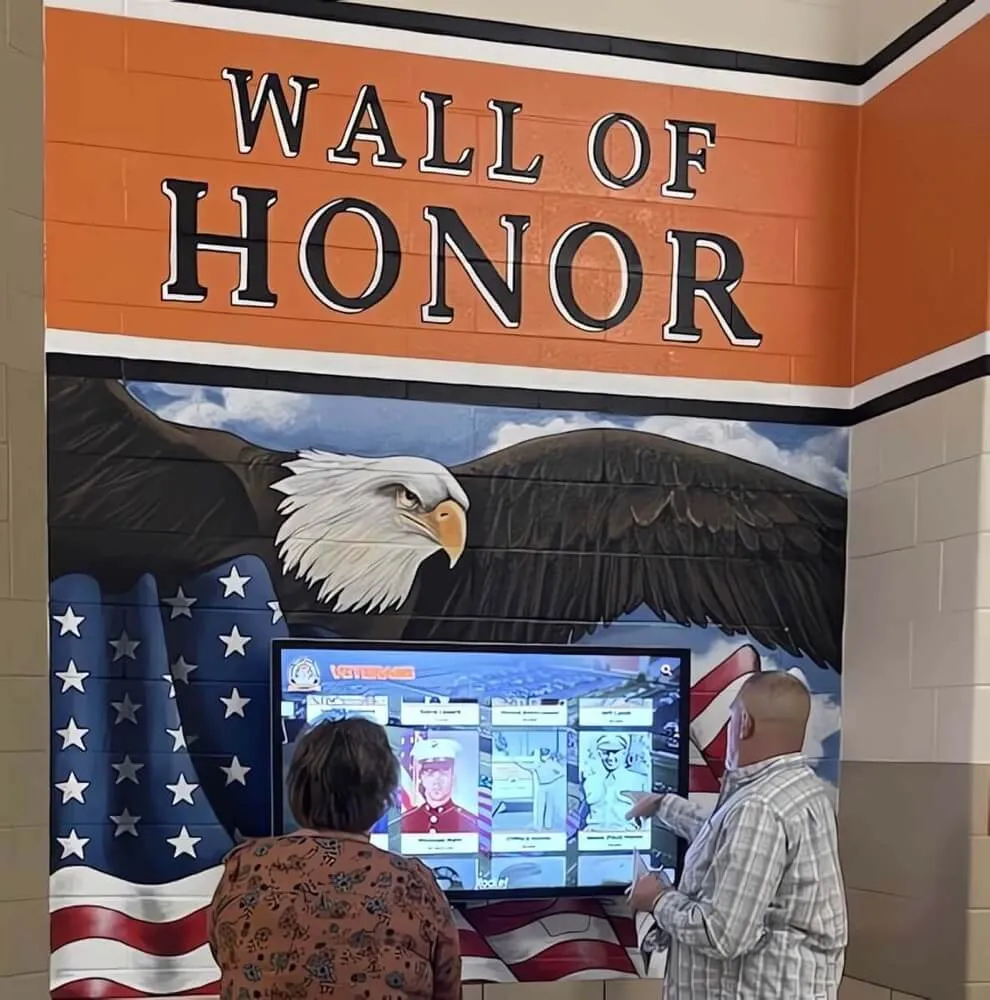
Interactive displays encourage exploration of community stories and connections among residents
Family Satisfaction and Transparent Communication
Providing Visibility Into Community Life
Family members—particularly those living at distance—want reassurance that loved ones thrive socially and emotionally beyond basic care provision:
Adult children making difficult placement decisions need concrete evidence that facilities genuinely celebrate individual residents rather than providing merely adequate institutional care. Families want to see that parents participate in meaningful community governance through committees and councils rather than passively existing in residential settings. Visible recognition of resident achievements, birthdays, and contributions provides conversation starters and connection points during visits. And transparent showcase of vibrant community life reduces family anxiety about isolation or limited engagement.
Digital recognition displays extend beyond facility walls through web-based access, enabling distant family members to view community recognition, committee participation, and resident celebrations remotely—significantly improving family confidence and satisfaction.
Supporting Marketing and Admission Decisions
Prospective residents and families evaluate multiple facilities during placement processes:
First impressions during facility tours significantly influence selection decisions, making lobby and common area environments critical competitive factors. Modern interactive displays convey professionalism, resident-centered culture, and attention to individual dignity that families prioritize. Recognition showcases demonstrating robust committee structures, active resident governance, and vibrant community engagement differentiate facilities from competitors offering similar care levels. And tangible evidence of resident celebration and individual acknowledgment supports premium pricing positions.
Facilities implementing comprehensive touchscreen recognition report competitive advantages during tours, with prospective residents and families frequently commenting on contemporary approaches to honoring community members.
Learn about community engagement strategies in interactive display solutions for community recognition that strengthen family connections.
Operational Efficiency and Staff Satisfaction
Reducing Administrative Burden
Senior living administrators appreciate solutions that enhance resident experience without creating unsustainable staff workload:
Traditional recognition approaches—creating bulletin boards, printing directories, updating committee rosters, maintaining memorial displays—consume substantial administrative time. Cloud-based touchscreen systems enable rapid updates from any device without physical display manipulation. Template-based content creation allows staff to add new recognitions quickly without design expertise. And centralized management platforms support multi-facility operations where corporate teams coordinate consistent approaches across entire portfolios.
These efficiency improvements enable facilities to provide more comprehensive recognition without proportional increases in staff time—a compelling value proposition for stretched administrative teams.
Supporting Staff Retention and Pride
Comprehensive resident recognition programs impact staff satisfaction:
Care teams take pride in facilities that genuinely honor residents as individuals rather than treating seniors as institutional populations. Recognition displays celebrating resident life stories provide conversation topics that strengthen caregiver-resident relationships. Staff appreciate working in environments that reflect their values about dignity, individual celebration, and person-centered care. And facilities with strong community cultures supported by recognition programs typically experience better staff retention.
These cultural benefits, while harder to quantify than operational efficiencies, significantly influence facility reputation and workforce stability in competitive labor markets.
Explore comprehensive recognition approaches in digital donor walls for nonprofits demonstrating engagement strategies applicable to senior living contexts.
Core Categories of Senior Living Touchscreen Recognition
Interactive displays in senior living communities should address multiple recognition categories honoring diverse contributions and building comprehensive community celebration.
Internal Committee Recognition and Governance
Resident Council and Leadership Boards
Most quality senior living facilities maintain resident councils providing input on policies, activities, and community operations:
Key Committee Recognition Elements
- Resident council officers including presidents, vice presidents, and secretaries
- Committee member rosters for standing committees addressing food service, activities, safety, and facilities
- Term histories showing leadership progression over time
- Committee meeting schedules and accomplishment highlights
- Photos of council members creating personal connection
- Council achievements and initiatives demonstrating resident agency
This recognition demonstrates resident empowerment and self-governance while honoring those who dedicate time to community leadership—conveying meaningful messages to prospective residents about community culture and resident autonomy.
Specialized Committees and Working Groups
Beyond formal governance, many facilities support specialized committees addressing specific community interests:
Common Senior Living Committees
- Parking and transportation committee managing vehicle access
- Welcome committee greeting new residents
- Activity and entertainment planning committee
- Garden and beautification committee
- Library and learning committee
- Technology and computer lab oversight
- Dining and menu advisory committee
- Safety and security committee
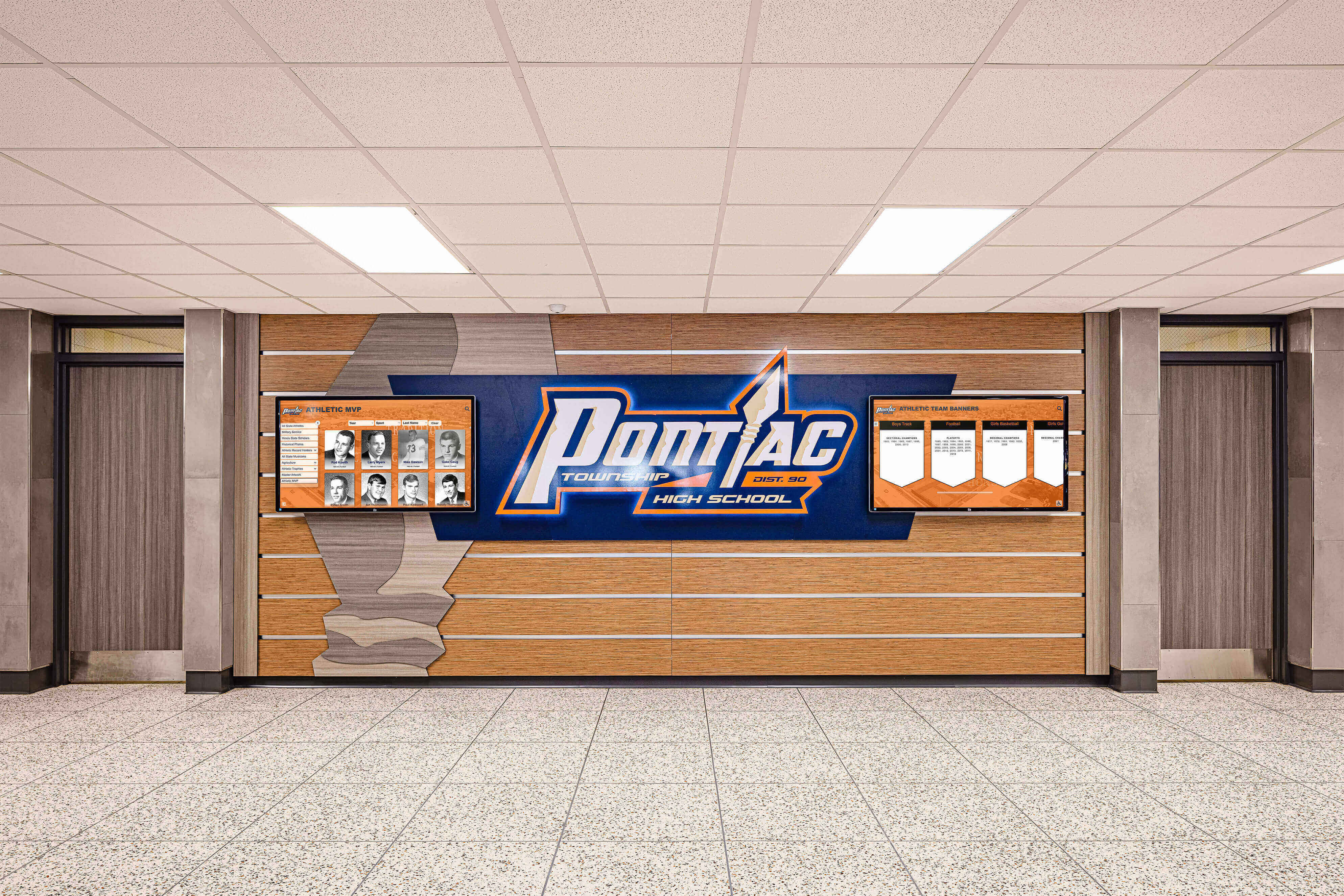
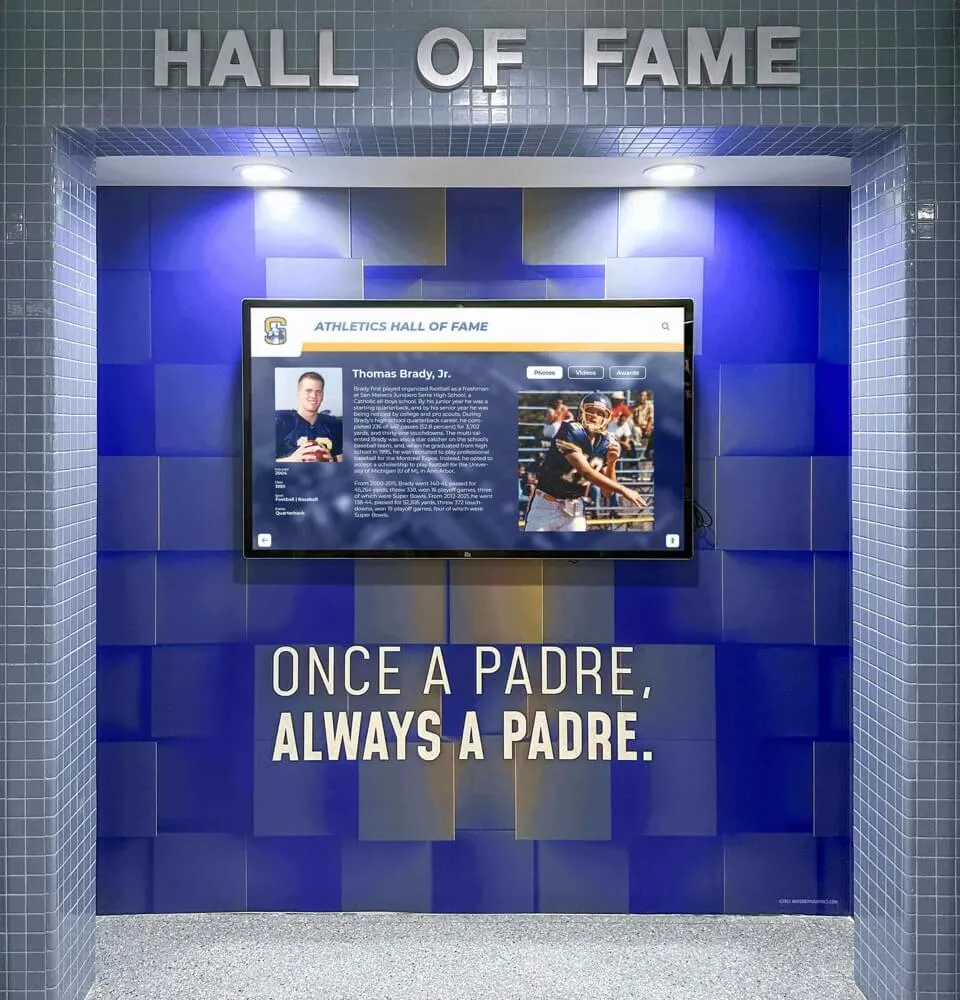
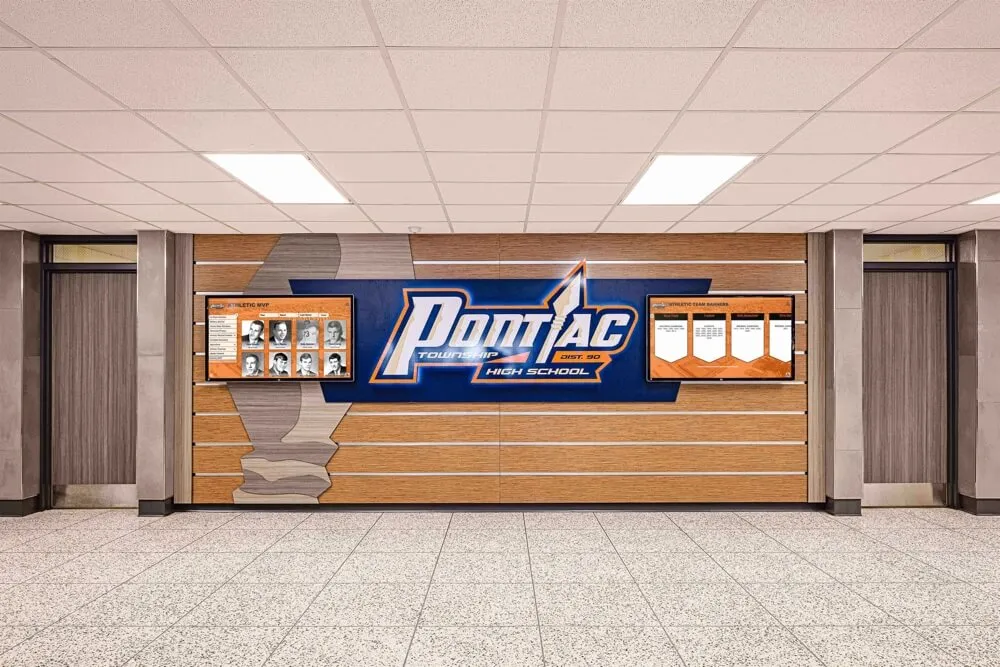
Committee rosters and leadership displays demonstrate active resident governance and community engagement
Celebrating committee participation encourages resident involvement while demonstrating the robust self-governance structures that attract engaged seniors seeking communities where their contributions matter.
Neighbor of the Week/Month Recognition
Celebrating Peer-Nominated Community Members
Neighbor recognition programs honor residents who embody community values through daily actions:
Recognition Program Elements
- Weekly or monthly featured neighbor profiles highlighting contributions
- Peer nomination processes enabling residents to recognize fellow community members
- Photo displays with biographical information and accomplishment stories
- Recognition criteria celebrating helpfulness, friendliness, participation, or mentorship
- Archive of past honorees creating ongoing celebration
- Special recognition events or receptions honoring awardees
These neighbor recognition programs build positive community culture by celebrating desired behaviors and contributions while providing residents regular opportunities to acknowledge peers who enhance community life.
According to research on recognition programs and employee engagement, frequent, peer-driven recognition significantly increases community satisfaction and cultural strength—findings applicable beyond workplace contexts to residential communities.
Volunteer and Service Recognition
Many residents contribute through formal volunteer roles supporting community operations:
Volunteer Recognition Categories
- Front desk greeters welcoming visitors and assisting with directions
- Library volunteers maintaining reading rooms and organizing book collections
- Activity assistants helping with programs and events
- Computer lab mentors assisting less tech-savvy residents
- Garden volunteers maintaining green spaces and flower beds
- Pet therapy volunteers bringing comfort animals for resident interaction
- Resident ambassadors participating in facility tours for prospective residents
Recognizing these volunteer contributions honors the time and expertise residents share while encouraging others to find meaningful ways to contribute to community vitality.
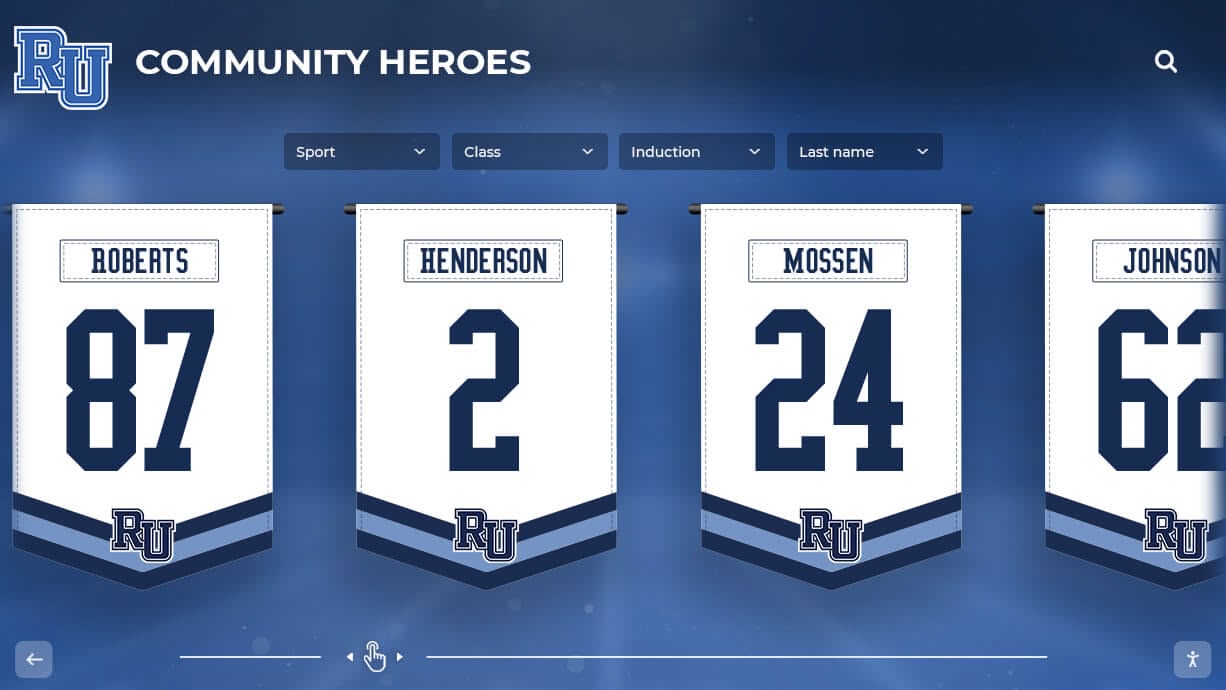
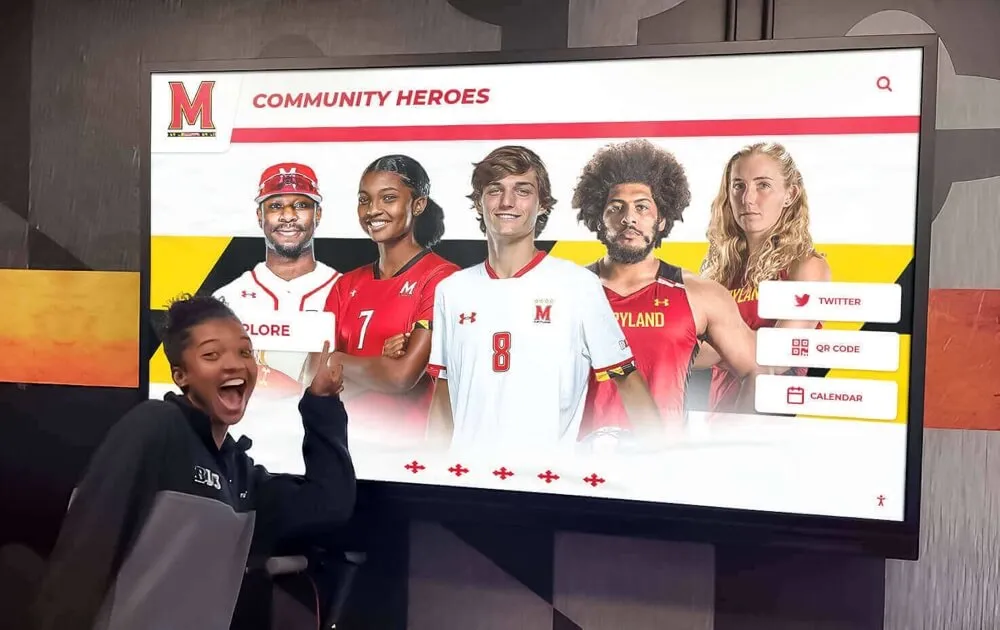
Celebrating volunteer contributions encourages ongoing resident engagement while honoring those who strengthen community life
Interactive Community Directory
Current Resident Directory
Comprehensive directories serve practical wayfinding functions while building community connection:
Directory Features for Senior Living
- Searchable resident directory organized by name, unit, or building section
- Privacy-controlled information displays respecting resident preferences
- Birthday listings celebrating resident milestones
- “New neighbor” designations welcoming recent arrivals
- Interest tags connecting residents with shared hobbies or backgrounds
- Photo directories helping residents recognize neighbors
- Family contact options for appropriate emergency or social connections
Interactive touchscreen directories prove particularly valuable in large facilities where residents struggle to remember hundreds of neighbors, enabling quick searches while maintaining privacy protections for those preferring anonymity.
Staff and Care Team Directory
Residents and families benefit from knowing care team members:
Staff Directory Elements
- Leadership team including executive directors, nursing directors, and activity coordinators
- Nursing and care staff with photos, roles, and shift schedules
- Dining services, housekeeping, and maintenance team members
- Activity and enrichment program staff
- Staff recognition highlighting tenure, achievements, and resident feedback
- Department descriptions explaining roles and contact information
This transparency builds trust and familiarity between residents and staff while demonstrating facility investment in quality personnel and person-centered care approaches.
Learn about comprehensive directory implementations in interactive kiosk solutions for schools demonstrating wayfinding strategies applicable to senior living environments.
In Memoriam and Legacy Preservation
Honoring Deceased Community Members
Thoughtful memorial recognition preserves dignity while acknowledging the grief community members experience:
Memorial Recognition Approaches
- In memoriam section honoring recently deceased residents with photos and life story highlights
- Searchable archive of all past residents preserving community history
- Memory book or condolence feature enabling residents to share remembrances
- Life celebration event documentation with photos from memorial services
- Legacy contribution recognition for residents who made lasting community impacts
- Annual remembrance ceremonies documented through photos and tributes
These memorial features demonstrate that facilities view residents as irreplaceable individuals whose lives deserve celebration and preservation rather than merely vacated units requiring turnover preparation.
According to experts on deceased alumni recognition, thoughtful memorial displays honor individuals while strengthening community bonds through shared remembrance and legacy preservation.
Milestone Celebration Archives
Preserving joyful memories builds positive community identity:
Celebration Archive Categories
- 100+ birthday celebrations honoring centenarians
- Anniversary recognitions celebrating residents’ years in community
- Wedding anniversaries and renewal ceremonies
- Military service recognition for veterans
- Career retrospectives honoring professional accomplishments
- Community service legacy recognition
These positive celebration archives balance memorial sections with joyful acknowledgment of life milestones and achievements.
Balanced memorial and celebration displays honor past community members while maintaining positive, life-affirming environment
20 Specific Senior Living Touchscreen Award Ideas
Comprehensive recognition systems incorporate diverse categories celebrating multiple dimensions of community participation and individual achievement.
Community Governance and Leadership Awards
1. Resident Council President Award Recognize the leadership and dedication of residents who serve as council presidents, highlighting their tenure, initiatives implemented, and community improvements championed during their service.
2. Committee Chair Recognition Honor residents chairing specialized committees—parking, activities, dining, safety—celebrating their organizational contributions and community problem-solving.
3. Board Member Service Awards Acknowledge residents serving multi-year terms on resident advisory boards, recognizing sustained commitment to community governance.
4. New Resident Ambassador Award Celebrate residents who volunteer as ambassadors during prospective resident tours or welcome new neighbors, making community transitions smoother.
Neighbor and Community Spirit Awards
5. Neighbor of the Month Feature monthly honorees nominated by peers for friendliness, helpfulness, or embodying community values, with rotating displays showcasing current and past recipients.
6. Community Spirit Award Recognize residents who consistently participate in events, support fellow neighbors, and contribute to positive community atmosphere.
7. Volunteer of the Year Honor the resident who contributed most significantly through volunteer service across the calendar year, with annual recognition and permanent archive.
8. Mentorship Award Celebrate residents who mentor newcomers, helping them navigate community life and build social connections during transition periods.
Explore comprehensive award program structures in sport end-of-year awards ideas demonstrating recognition frameworks adaptable to senior living contexts.
Activity and Enrichment Awards
9. Lifelong Learner Award Recognize residents who actively participate in educational programs, lectures, book clubs, or learning opportunities offered by the community.
10. Arts and Culture Ambassador Honor residents who contribute to cultural enrichment through art classes, music performances, theater productions, or creative programming.
11. Fitness Champion Award Celebrate residents demonstrating commitment to wellness through regular fitness class participation, walking programs, or health initiatives.
12. Technology Pioneer Award Acknowledge residents who embrace technology, assist peers with digital literacy, or advocate for technological improvements enhancing community life.
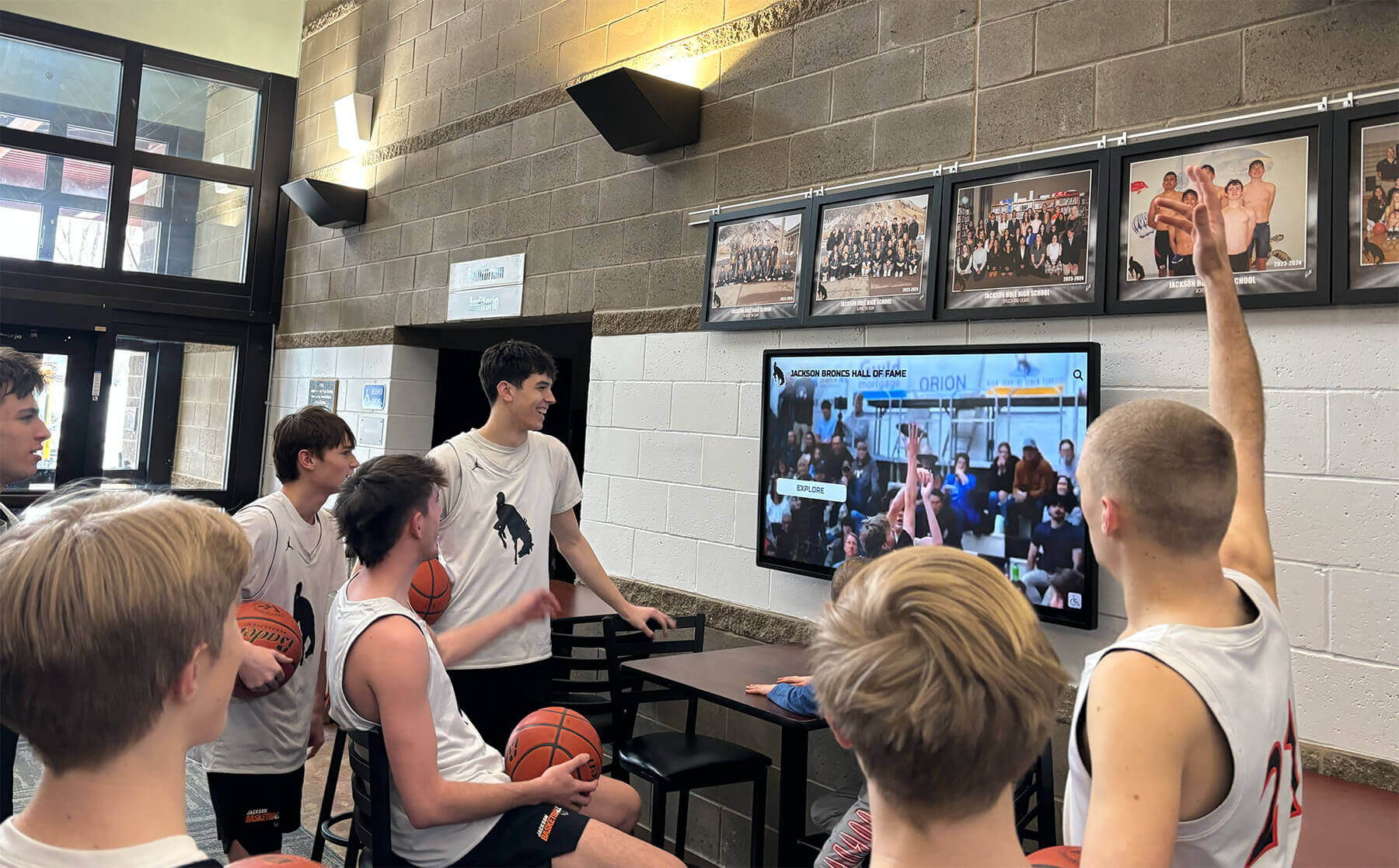
Activity highlights and recognition displays celebrate resident participation while encouraging broader community engagement
Specialized Interest and Contribution Awards
13. Green Thumb Award Recognize residents who maintain gardens, care for community plants, or lead beautification efforts improving facility aesthetics.
14. Library Guardian Award Honor residents who organize and maintain community libraries, curate collections, or lead book clubs and reading groups.
15. Culinary Committee Recognition Celebrate residents serving on dining committees who provide menu input, organize special meals, or lead cooking demonstrations.
16. Pet Therapy Volunteer Acknowledge residents who bring therapy animals for community interaction, supporting emotional wellbeing through animal companionship.
Legacy and Life Achievement Recognition
17. Career Hall of Fame Create digital exhibits celebrating residents’ professional accomplishments—doctors, teachers, military leaders, entrepreneurs—preserving valuable histories.
18. Military Service Honor Wall Recognize veterans with dedicated displays honoring branch, rank, service dates, and significant military contributions, particularly meaningful on Veterans Day.
Learn about military recognition approaches in veterans day military wall of honor demonstrating respectful service acknowledgment applicable to senior living communities.
19. Community Service Legacy Award Honor residents with exceptional civic contribution histories—nonprofit leadership, elected office, charitable work—before joining the community.
20. Centenarian Club Recognition Celebrate residents reaching 100+ years with special recognition displays featuring life story highlights, historical context from birth years, and celebration photos.
Technical Implementation Considerations for Senior Living
Successful touchscreen recognition systems require thoughtful planning addressing senior-specific accessibility, privacy, and usability needs.
Accessibility and Universal Design
Senior-Appropriate Interface Design
Senior living touchscreens must accommodate age-related physical and cognitive changes:
Critical Design Elements
- Large text sizes (minimum 24pt for body text, 36pt+ for headlines) ensuring readability despite vision changes
- High-contrast color schemes compensating for reduced color perception and contrast sensitivity
- Simplified navigation with clear, large touch targets (minimum 1 inch square) accommodating reduced dexterity
- Slower automatic advancement timing allowing adequate reading time
- Audio options for residents with vision impairments
- Wheelchair-accessible mounting heights (30-42 inches from floor to bottom of screen)
These accessibility considerations ensure displays serve all residents regardless of physical capabilities, avoiding systems that inadvertently exclude residents who could benefit most from community connection.
According to digital signage accessibility guidelines, proper contrast, text sizing, and interaction design dramatically improve usability for older adults and those with disabilities.
Cognitive Accessibility Considerations
Interface simplicity proves particularly important for residents with early cognitive changes:
Cognitive Design Principles
- Consistent navigation patterns across all displays reducing learning requirements
- Clear visual hierarchy directing attention to most important information
- Minimal text density avoiding cognitive overload
- Familiar iconography and metaphors connecting to existing mental models
- Search functionality enabling direct access without complex menu navigation
- “Home” buttons providing reliable reset to starting point
These cognitive accessibility features ensure displays remain usable even as some residents experience age-related cognitive changes, maximizing inclusive community participation.
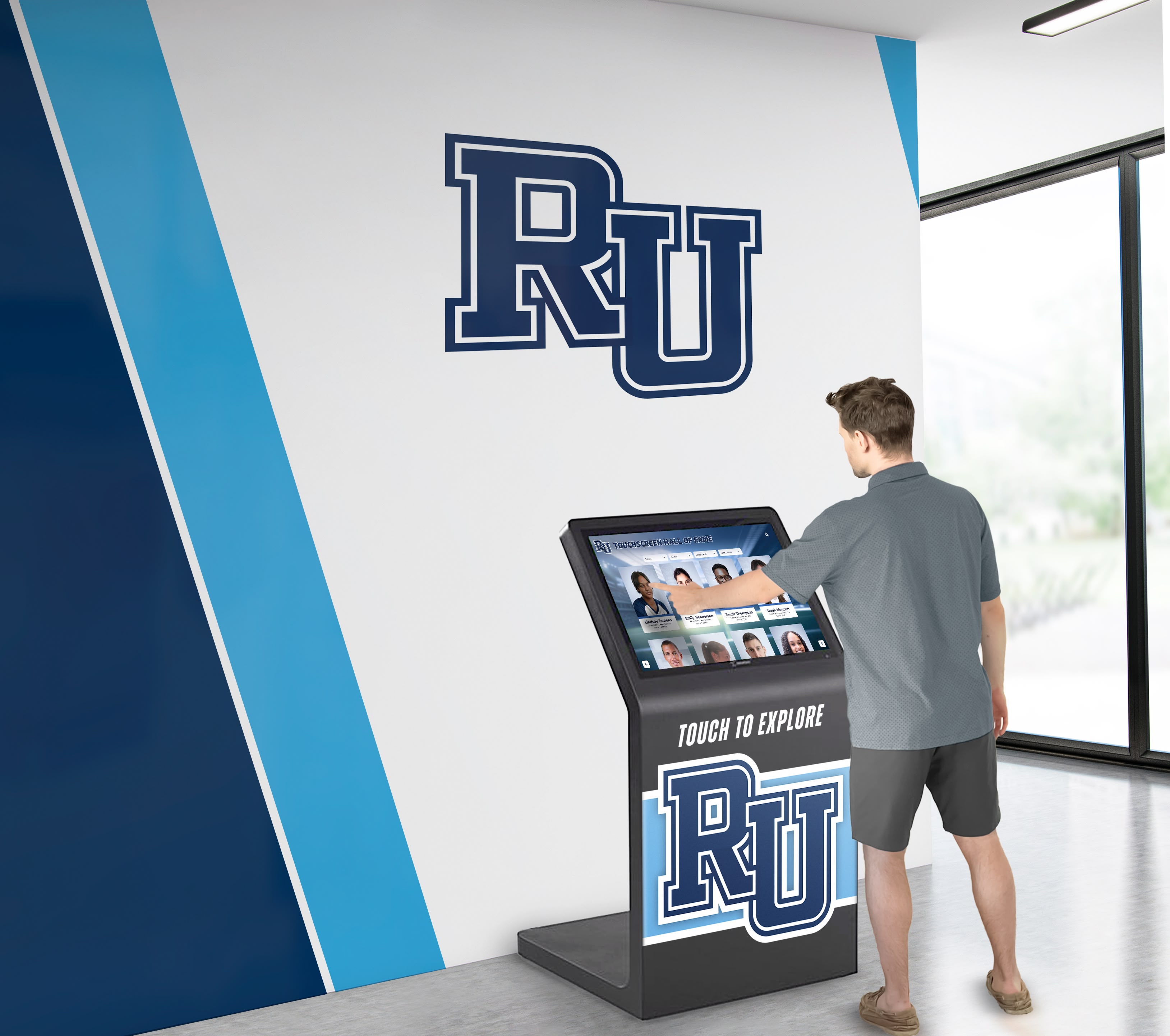
Senior-appropriate interface design with large text, high contrast, and simple navigation ensures accessibility for all residents
Privacy and Dignity Protections
HIPAA Compliance and Privacy Regulations
Senior living facilities must balance recognition with privacy protection:
Privacy Protection Strategies
- Explicit consent processes before featuring residents in public displays
- Opt-out mechanisms for residents preferring privacy
- Controlled information disclosure avoiding protected health information
- Secure systems preventing unauthorized access to resident data
- Regular compliance audits ensuring ongoing regulatory adherence
- Family involvement in consent decisions for residents with cognitive impairment
Consult with legal counsel and compliance specialists ensuring recognition programs comply with HIPAA, state privacy laws, and facility-specific policies protecting resident dignity and confidentiality.
Respectful Recognition Standards
Content guidelines maintain dignity and person-centered approaches:
Content Standards
- Adult-appropriate language and imagery avoiding infantilization
- Celebration of ongoing capabilities rather than focusing on limitations
- Balanced recognition across diverse residents preventing favoritism perception
- Culturally sensitive content respecting religious and ethnic diversity
- Truthful accomplishment recognition avoiding exaggeration or fabrication
- Professional photography and biography quality reflecting resident dignity
These content standards ensure recognition programs honor residents as complete adults with rich life experiences rather than unintentionally conveying condescension or institutional perspectives.
Strategic Placement and Multi-Location Networks
High-Traffic Location Selection
Optimal display placement maximizes visibility and engagement:
Recommended Placement Locations
- Main lobby entrance areas reaching all residents, families, and visitors
- Dining room approaches where residents gather multiple times daily
- Activity center entrances promoting participation in programs
- Elevator lobby areas capturing residents during natural wait times
- Common lounge spaces where residents socialize and gather
- Mail and package areas where residents regularly congregate
- Administrative office reception serving residents with questions
Multiple distributed displays prove more effective than single installations, ensuring comprehensive reach across resident routines and activity patterns.
Multi-Facility Management Considerations
Senior living organizations operating multiple communities benefit from centralized management:
Multi-Site Management Features
- Corporate content distribution pushing consistent templates across properties
- Individual facility customization enabling community-specific recognition
- Centralized reporting and analytics comparing engagement across locations
- Standardized privacy and compliance frameworks ensuring consistent protection
- Shared content libraries promoting efficiency and best practice sharing
- Remote monitoring identifying technical issues before resident impact
These multi-facility capabilities enable organizations to achieve economies of scale while preserving individual community identity and local recognition focus.
Learn about multi-location management approaches in school digital signage implementation guides demonstrating centralized management strategies applicable to senior living portfolios.
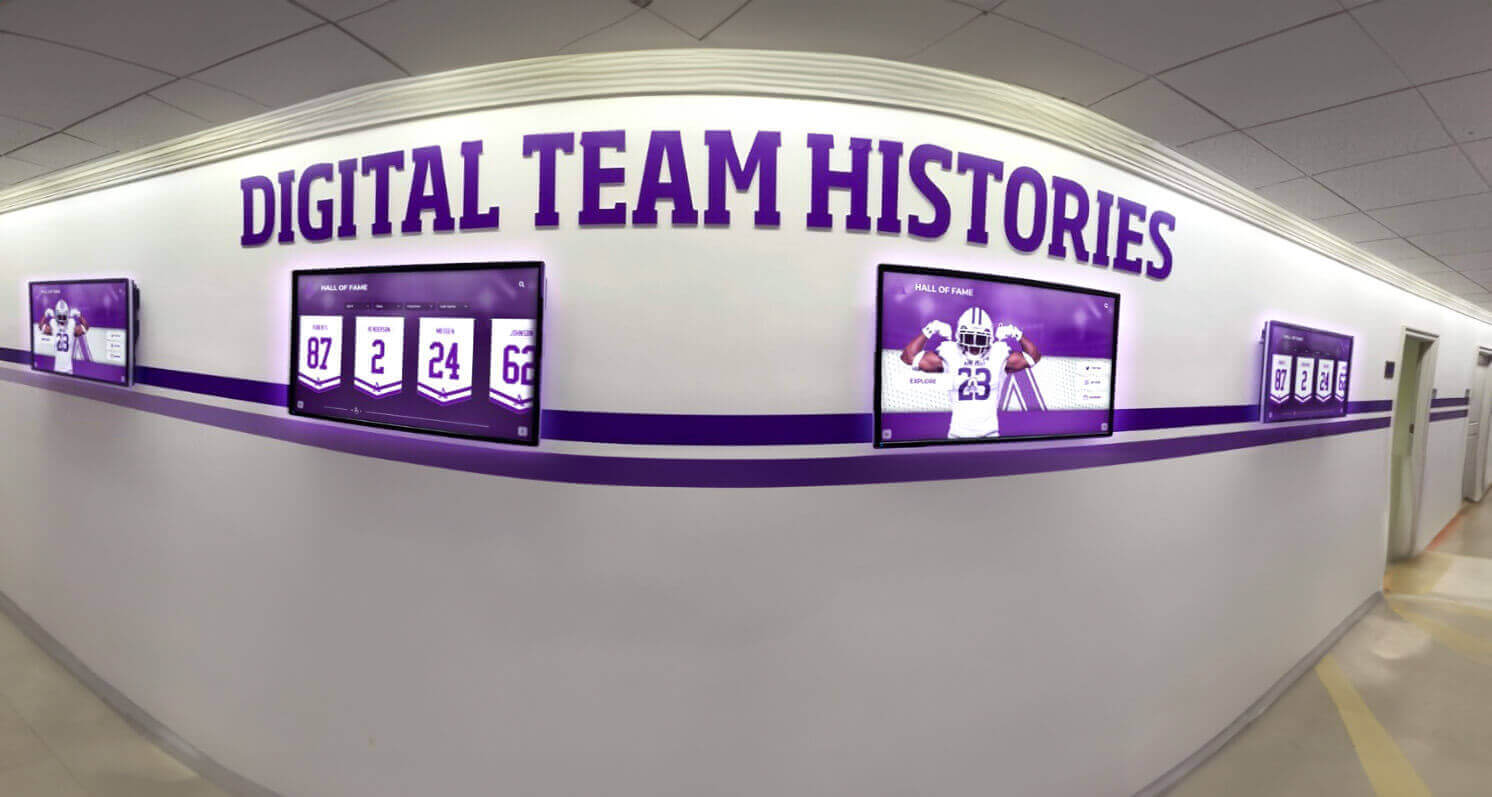
Distributed display networks ensure comprehensive community reach across dining, activity, and common areas
Content Management and Ongoing Operations
Sustainable recognition programs require systematic content development and management processes preventing displays from becoming stale or abandoned.
Content Development Workflows
Initial Content Population
Launch with substantial recognition content demonstrating immediate value:
Launch Content Priorities
- Current resident council and committee rosters establishing governance visibility
- Initial neighbor recognition features celebrating 3-5 community members
- Historical archive content honoring long-term residents and facility history
- Staff directory introducing care team members to residents and families
- Upcoming activity schedule demonstrating programming breadth
- Memorial section honoring recently deceased residents with appropriate sensitivity
This comprehensive launch content proves system value immediately rather than implementing empty frameworks requiring months to populate meaningfully.
Ongoing Update Schedules
Establish regular refresh cadences for different content types:
Update Frequency Guidelines
- Weekly: Neighbor of the Week recognition, activity schedules, special announcements
- Monthly: Neighbor of the Month features, committee meeting highlights, birthday celebrations
- Quarterly: Committee roster updates, staff directory refreshes, seasonal content themes
- Annually: Year-end recognition roundups, volunteer awards, historical retrospectives
- As needed: Memorial additions, emergency announcements, policy communications
These structured schedules ensure content remains current without requiring daily administrative attention—balancing freshness with operational sustainability.
Photo and Story Collection Processes
Quality recognition requires systematic content gathering:
Content Collection Methods
- Activity staff photographing residents during programs and events with proper consent
- Resident interviews capturing biography and accomplishment stories
- Family submissions contributing historical photos and career information
- Staff nominations identifying residents worthy of recognition
- Resident council input recommending committee achievements and member highlights
- Digital submission forms enabling easy photo and story contribution
Establishing simple, staff-friendly collection processes prevents content development bottlenecks that undermine long-term program sustainability.
Staff Training and Change Management
Training Requirements for Non-Technical Staff
User-friendly systems require minimal but essential training:
Staff Training Elements
- Content management system navigation and basic operations
- Photo uploading and biography entry workflows
- Privacy consent verification and documentation
- Troubleshooting common display or connectivity issues
- Content quality standards and style guide adherence
- Emergency content override for urgent announcements
Solutions like Rocket Alumni Solutions provide intuitive platforms requiring minimal technical expertise, enabling activity coordinators and administrative staff to manage recognition content without IT department dependence.
Building Institutional Commitment
Long-term success requires organizational culture supporting recognition:
Sustainability Factors
- Executive leadership endorsement reinforcing program importance
- Sufficient staff time allocation in job descriptions for content management
- Budget commitment for ongoing platform licensing and support
- Recognition of staff who maintain high-quality display content
- Resident and family feedback mechanisms informing continuous improvement
- Succession planning ensuring continuity through staff transitions
These organizational factors separate facilities where displays become valued community assets from those where systems eventually display outdated content because programs lacked sustainable operational support.
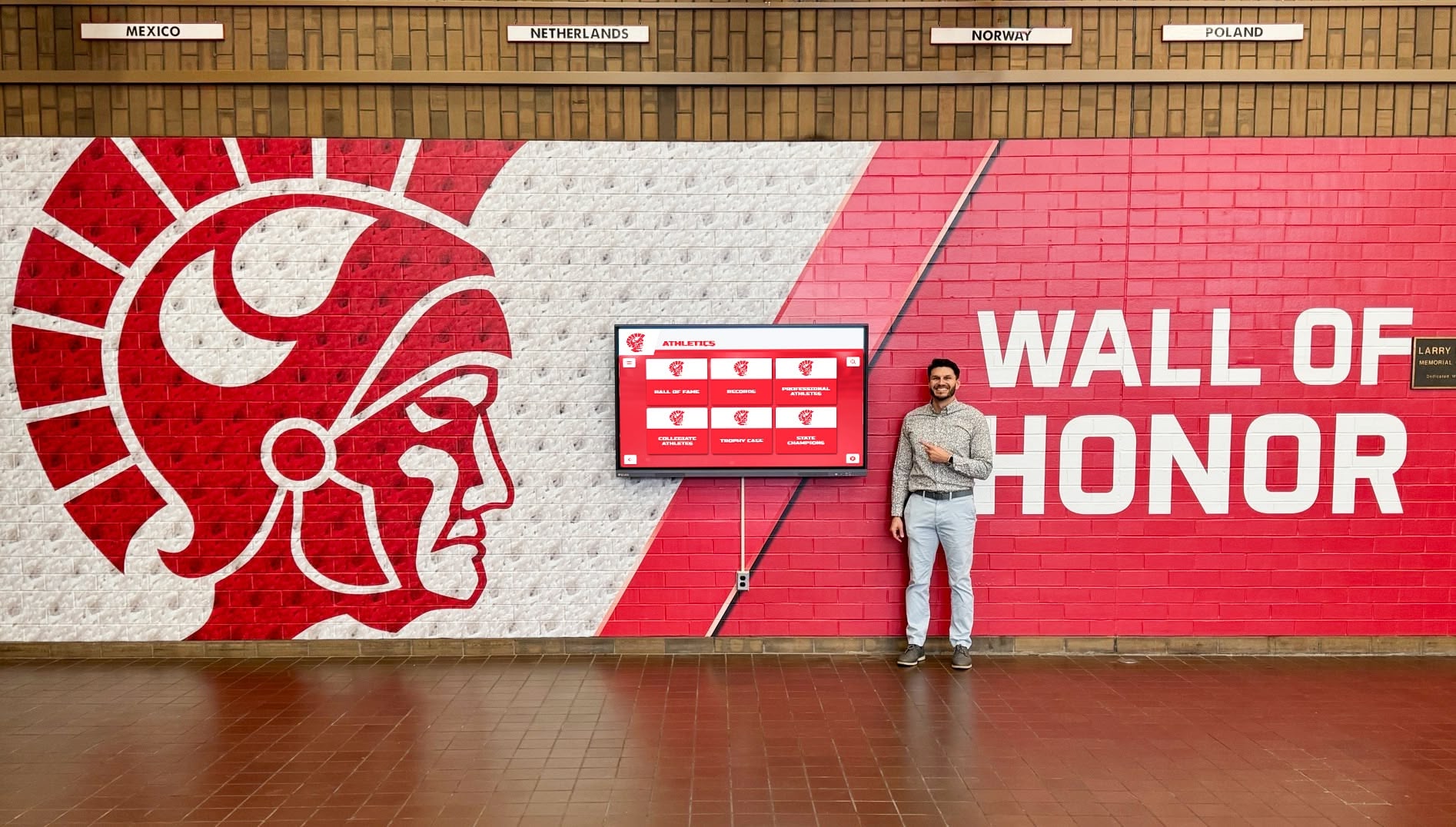
Intuitive content management enables non-technical staff to maintain fresh, engaging recognition displays
Measuring Impact and Demonstrating Value
Systematic assessment proves recognition program value while identifying improvement opportunities.
Resident Satisfaction and Engagement Metrics
Quantifiable Engagement Indicators
Digital systems enable concrete measurement:
Key Performance Indicators
- Display interaction frequency for touchscreen systems tracking engagement
- Resident council and committee participation rates before and after implementation
- Volunteer program participation showing increased community involvement
- Family satisfaction survey scores addressing communication and visibility
- Prospective resident feedback during tours mentioning recognition displays
- Staff turnover rates potentially improving due to enhanced cultural environment
These metrics demonstrate whether recognition investments achieve intended outcomes while providing data supporting budget justification for program expansion or renewal.
Qualitative Impact Assessment
Resident and Family Feedback
Qualitative assessment captures nuanced impacts:
Feedback Collection Methods
- Resident council discussions soliciting opinions about recognition programs
- Family satisfaction surveys including specific questions about display value
- New resident interviews asking about first impression factors
- Staff focus groups assessing cultural and operational impacts
- Prospective resident tour feedback addressing facility perception
- Social media sentiment analysis from family online reviews
These qualitative insights reveal emotional and cultural impacts that quantitative metrics cannot fully capture, demonstrating value dimensions beyond simple engagement statistics.
Return on Investment Analysis
Cost-Benefit Considerations
Recognition programs require financial justification:
Implementation Costs
- Display hardware: $3,000-$8,000 per touchscreen depending on size and features
- Software platform: $1,500-$4,000 annually for content management and support
- Installation: $800-$2,000 per location for professional mounting and setup
- Content development: $2,000-$5,000 for initial population and launch
- Training: $500-$1,000 for staff onboarding
Typical single-location implementation: $8,000-$20,000 initial plus $2,000-$5,000 annual
Value Delivery
Recognition programs provide multiple value dimensions:
Benefit Categories
- Resident retention improvements reducing turnover costs ($15,000+ per avoided move)
- Marketing differentiation supporting occupancy and premium pricing
- Family satisfaction reducing complaints and negative reviews
- Staff retention improvements in competitive labor markets
- Operational efficiency from digital vs. manual recognition approaches
- Community culture strengthening with hard-to-quantify quality-of-life impacts
Many facilities discover that even modest retention improvements—one or two fewer resident moves annually—justify recognition program investments through avoided marketing and turnover costs alone.
Learn about ROI frameworks in digital trophy display implementation guides demonstrating value calculation approaches applicable to senior living contexts.
Best Practices and Common Implementation Pitfalls
Learning from successful implementations and frequent mistakes accelerates effective program development.
Recognition Program Best Practices
Inclusive Recognition Approaches
Successful programs celebrate diverse resident contributions:
Inclusion Strategies
- Varied recognition categories ensuring opportunities for residents with different capabilities and interests
- Nomination processes enabling peer and staff recommendations rather than administrator-only selection
- Transparent criteria explaining recognition standards and selection processes
- Balanced representation across facility sections, arrival cohorts, and demographic groups
- Accommodation for residents with cognitive or physical limitations enabling participation
- Cultural sensitivity honoring diverse backgrounds, traditions, and values
These inclusive approaches prevent recognition programs from inadvertently creating insider/outsider dynamics or appearing to favor specific resident groups over others.
Privacy-Dignity Balance
Navigate the tension between recognition and privacy:
Balanced Approaches
- Default opt-in for general committee rosters and public volunteer roles
- Explicit consent for featured profiles with photos and personal stories
- Graduated privacy options enabling residents to choose visibility levels
- Family involvement in decisions for residents with cognitive impairment
- Regular consent review ensuring ongoing agreement rather than one-time approval
- Clear explanation of what will be displayed where and who can access
These nuanced privacy approaches enable comprehensive recognition while respecting resident autonomy and diverse comfort levels with public acknowledgment.
Common Implementation Mistakes
Avoiding Technology Abandonment
Digital recognition systems fail when operational support proves unsustainable:
Common Failure Patterns
- Implementing impressive launch content without sustainable update processes
- Assigning responsibility to staff lacking time, skills, or authority
- Selecting overly complex platforms requiring technical expertise unavailable
- Failing to establish clear content standards resulting in inconsistent quality
- Neglecting resident and family feedback about what recognition they value
- Under-budgeting ongoing costs leading to platform cancellation after initial period
Awareness of these common pitfalls enables proactive planning preventing recognition programs from becoming abandoned technology investments displaying outdated content or generic screensavers.
Content Quality Maintenance
Recognition value depends on content quality:
Quality Pitfalls to Avoid
- Using low-quality photos diminishing resident dignity
- Posting outdated rosters showing residents no longer in committees
- Featuring only the same residents repeatedly creating favoritism perception
- Neglecting memorial sections after initial implementation
- Writing generic biographies lacking personal detail and authentic stories
- Ignoring accessibility requirements excluding residents with disabilities
These quality issues undermine recognition value and can actually damage community culture if residents perceive recognition as careless, unfair, or merely performative.
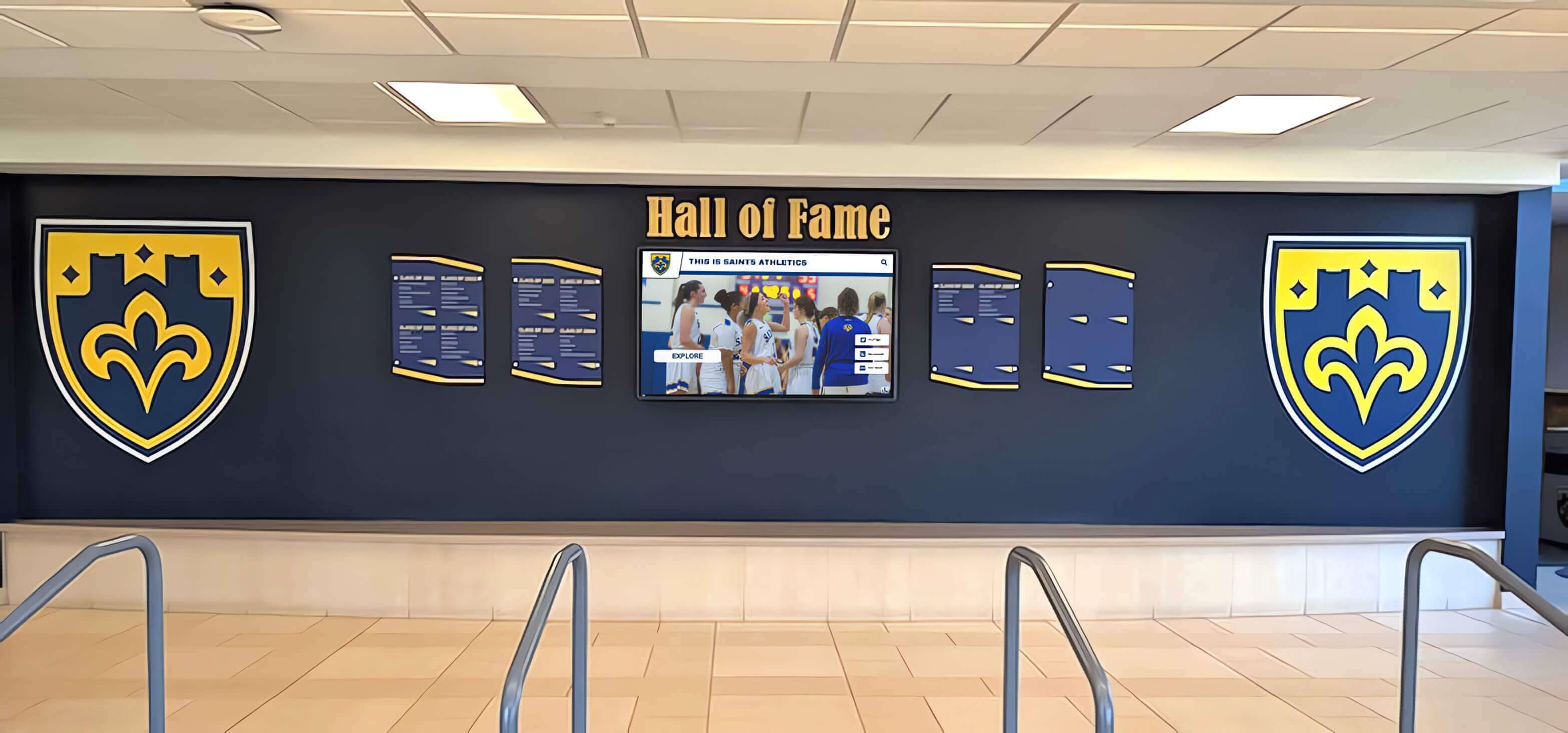
Professional quality displays with current content, excellent photography, and thoughtful design demonstrate genuine commitment to resident recognition
Conclusion: Building Vibrant Senior Living Communities Through Recognition
Senior living recognition programs transcend simple awards and acknowledgment—they create community identity, honor individual dignity, strengthen family connections, and demonstrate the person-centered culture that defines exceptional senior care. When residents see themselves celebrated as valuable community contributors through committee recognition, neighbor awards, and life story preservation, they experience the respect and individual acknowledgment that directly impacts satisfaction, engagement, and overall quality of life.
Interactive touchscreen awards systems eliminate the limitations of static plaques and paper directories while creating dynamic recognition experiences accessible to residents, families, and visitors throughout facilities and remotely via web access. Comprehensive recognition celebrating committee leadership, volunteer service, life achievements, and ongoing contributions demonstrates that facilities view residents as complete individuals with continuing value rather than passive care recipients.
Transform Your Senior Living Recognition Program
Discover how interactive touchscreen recognition displays can help your facility celebrate residents, showcase community governance, and build the vibrant, engaged community that residents, families, and staff all desire.
Book a demoThe strategies explored in this guide provide comprehensive frameworks for implementing touchscreen recognition programs that honor diverse resident contributions while building community cohesion and family confidence. From internal committee rosters and neighbor awards to memorial preservation and comprehensive directories, effective recognition systems celebrate residents as valued individuals while demonstrating the culture of respect and person-centered care that families prioritize when evaluating senior living options.
Solutions like Rocket Alumni Solutions specialize in creating purpose-built recognition platforms specifically designed for community organizations including senior living facilities, educational institutions, and membership communities. These specialized platforms provide intuitive content management, comprehensive recognition features, and accessibility capabilities that generic digital signage cannot match while requiring minimal technical expertise from facility staff.
Start wherever current circumstances allow—whether implementing comprehensive lobby recognition systems or beginning with priority committee and neighbor acknowledgments before expanding to additional categories and locations. Every resident deserves recognition for their unique contributions, every committee member merits acknowledgment for governance service, and every life story warrants preservation honoring the individuals who create vibrant senior living communities.
Ready to transform your recognition program? Explore how digital recognition displays strengthen community engagement, discover interactive display solutions for visitor experiences, or learn about building comprehensive digital community recognition systems that celebrate every member of your senior living community.