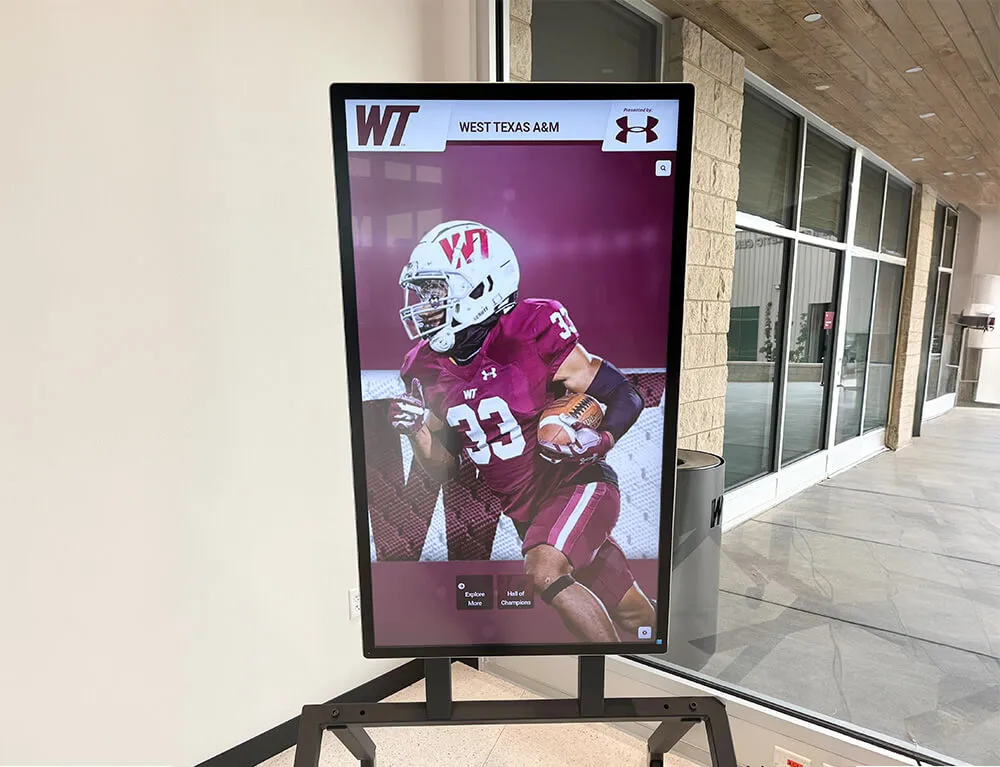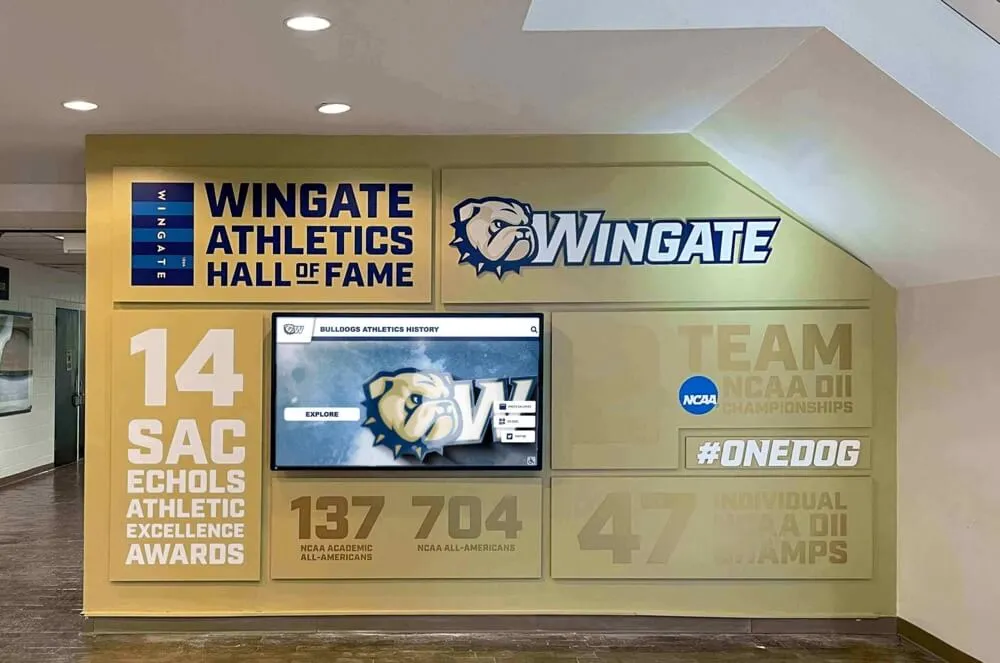




Senior class awards represent one of the most meaningful traditions in education—a final celebration of student achievement, character, and contribution before graduation. These recognition moments shape how students remember their school experience and how future classes perceive the value of excellence.
Yet many schools struggle with outdated display systems that fail to capture the full scope of senior accomplishments. Traditional trophy cases overflow with decades of awards while recent achievements go unrecognized. Physical space constraints force administrators to choose which awards deserve visibility, inadvertently creating hierarchies that diminish some accomplishments while elevating others.
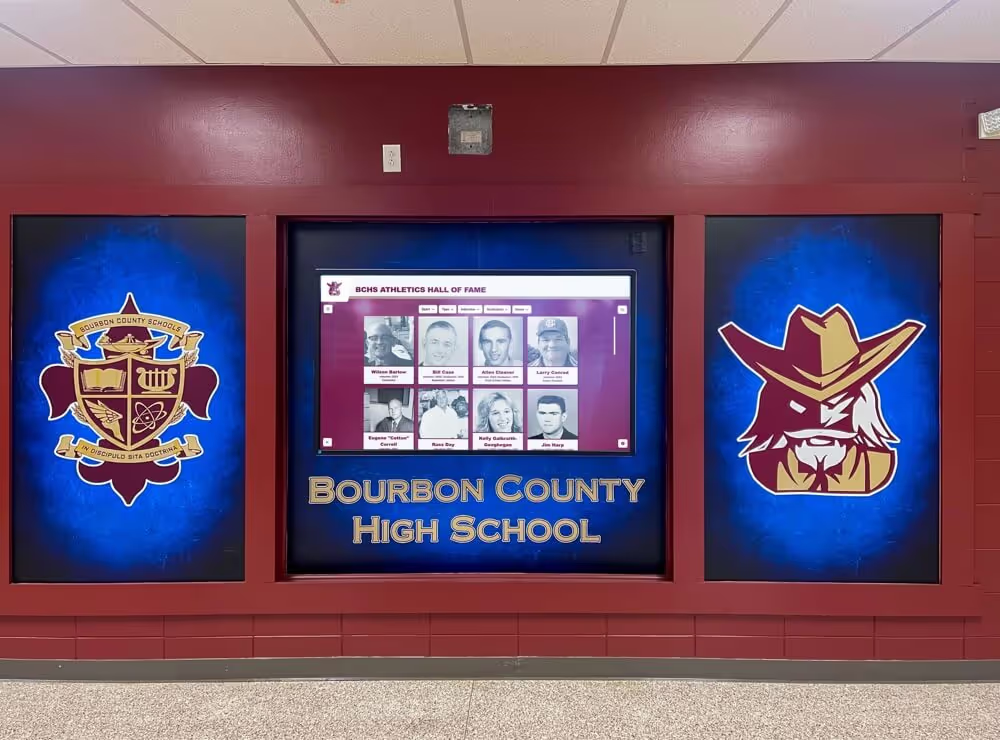
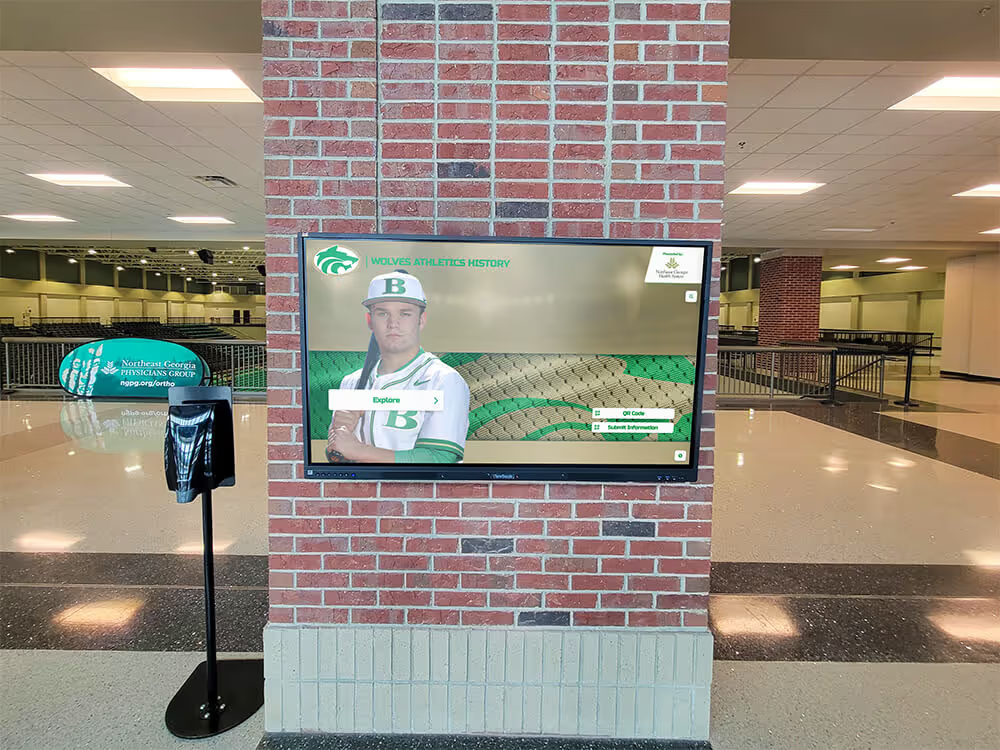
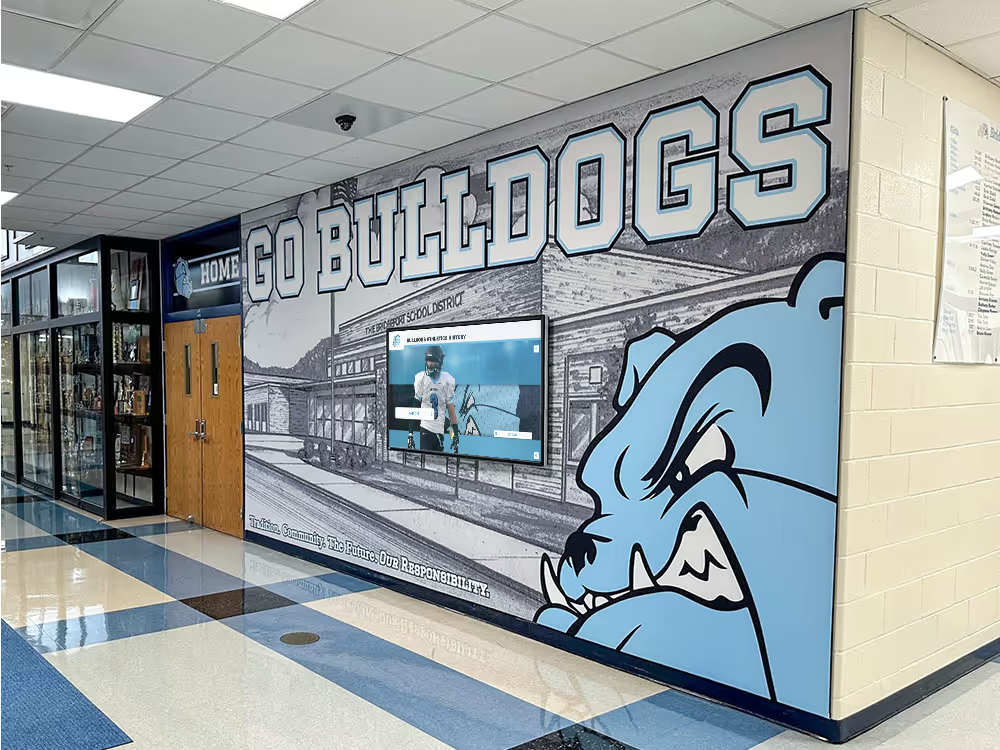
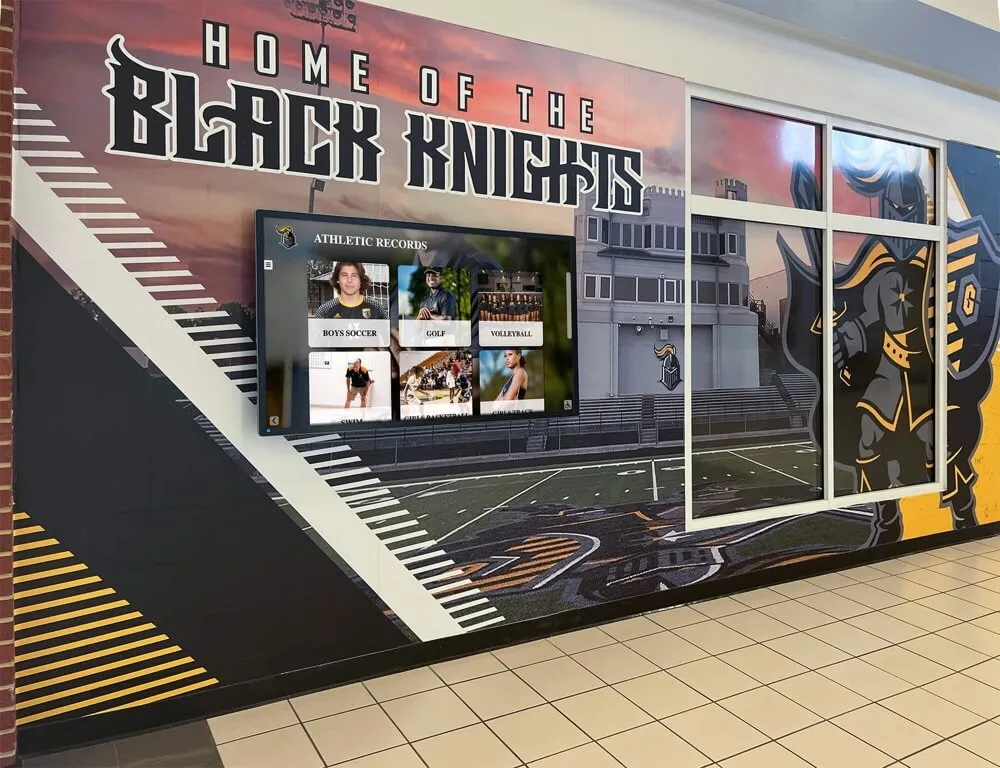
Modern schools are reimagining senior class awards displays through comprehensive recognition systems that honor every achievement—from traditional academic and athletic awards to character recognitions, leadership roles, and creative accomplishments. Solutions like Rocket Alumni Solutions provide platforms specifically designed to showcase unlimited achievements with rich multimedia content that brings each recognition to life.

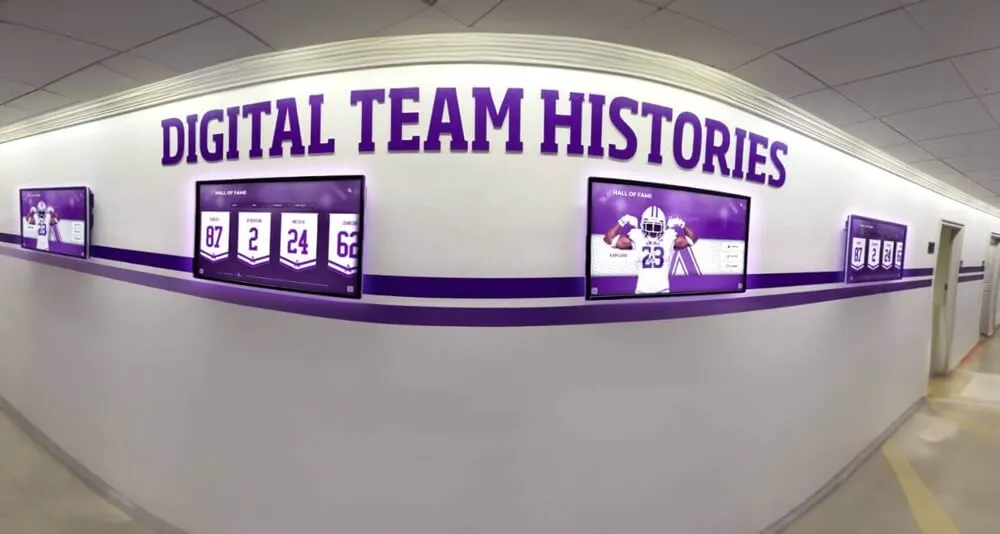
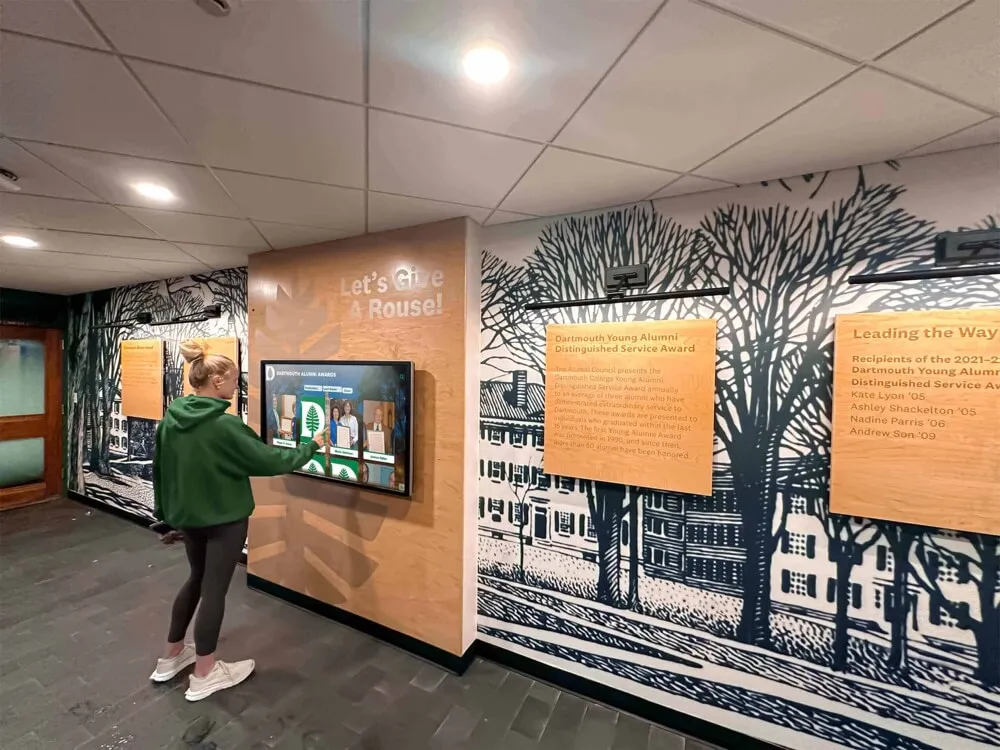
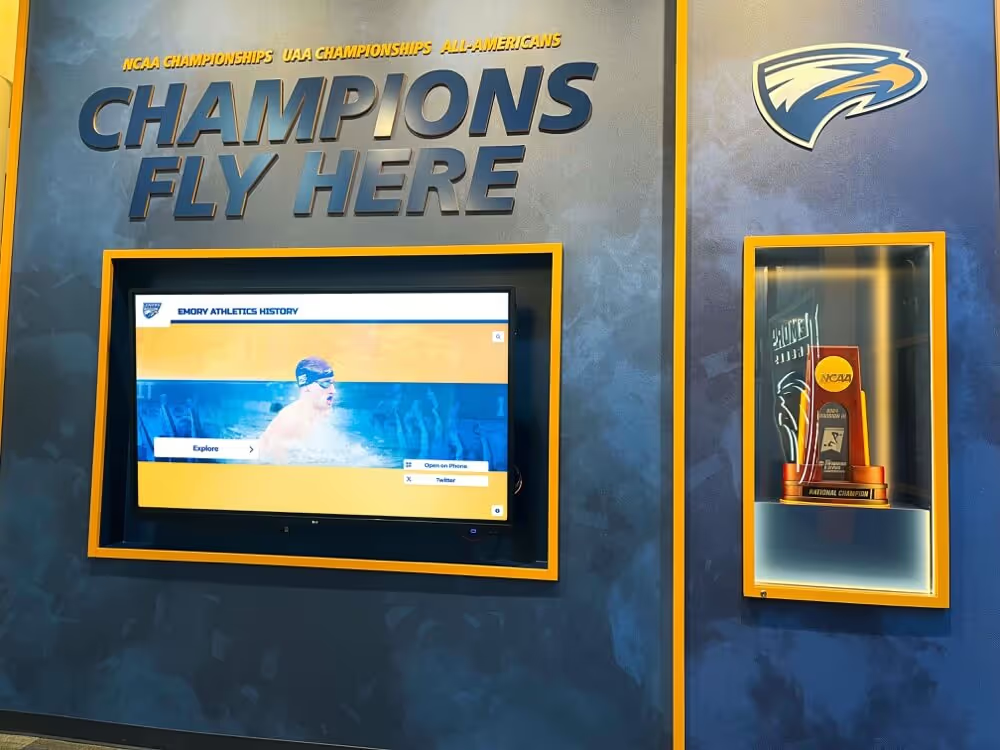
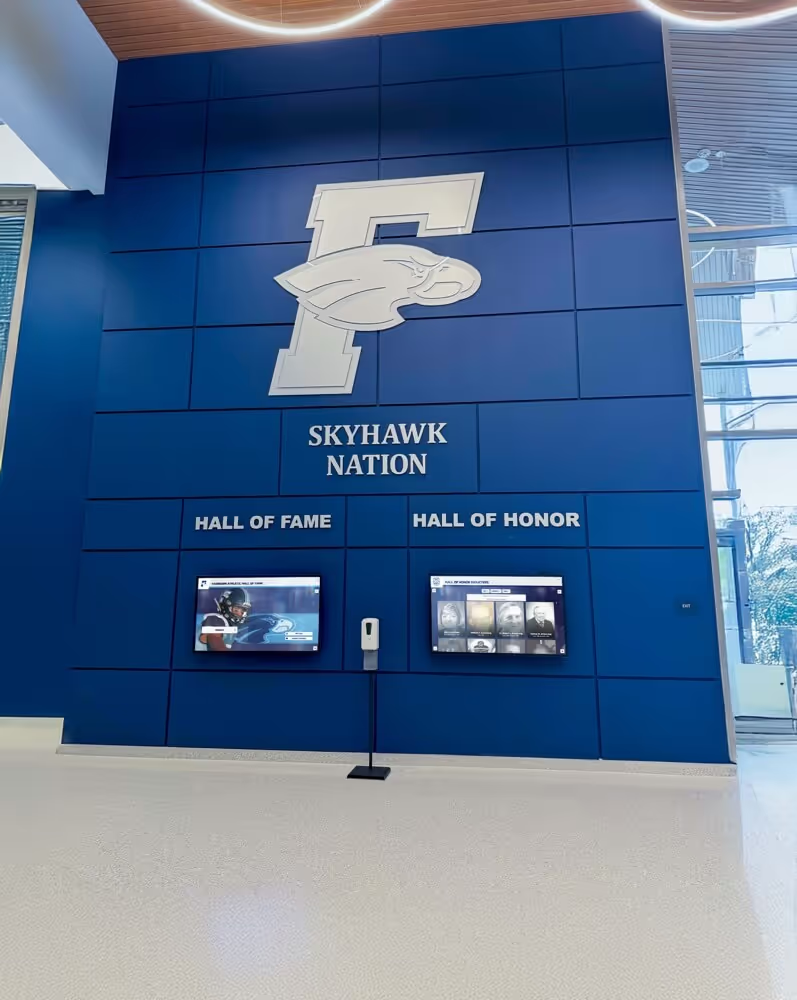
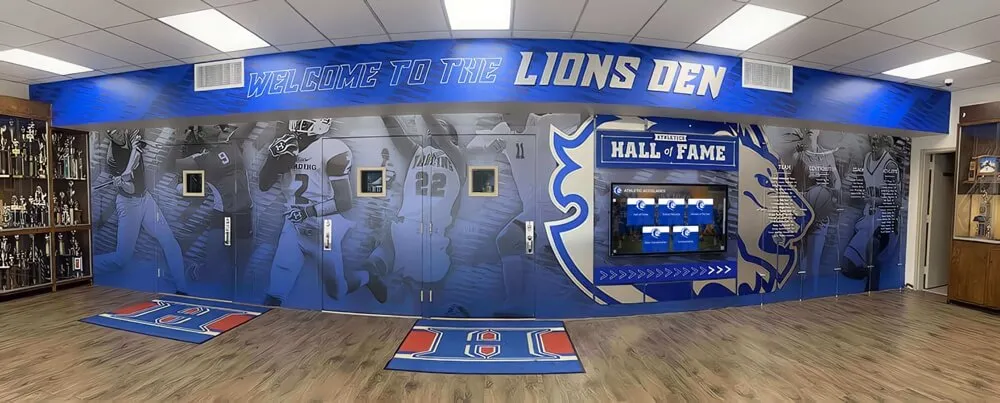
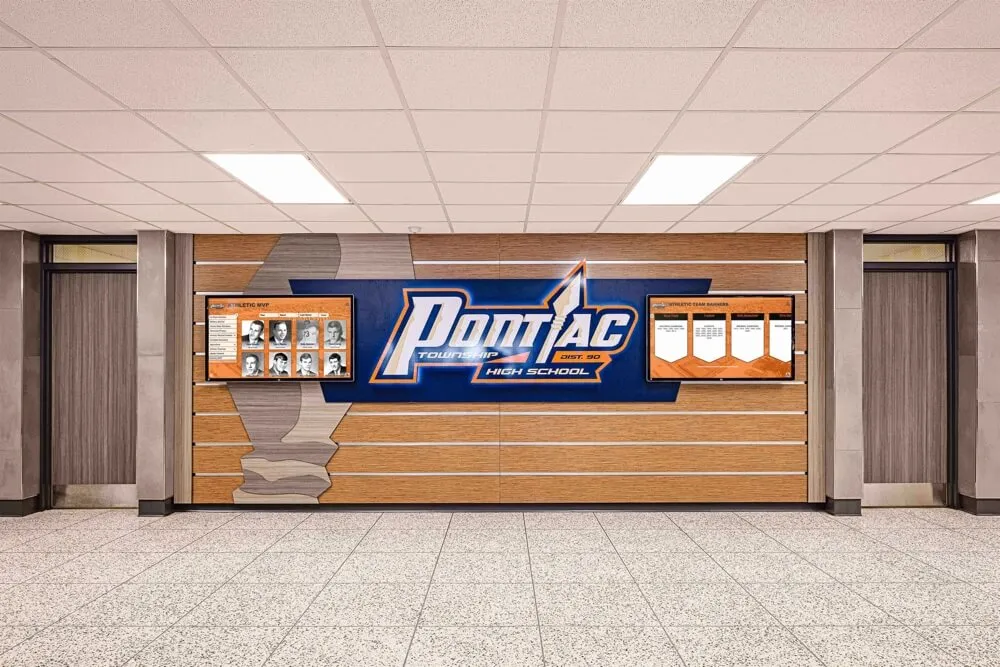
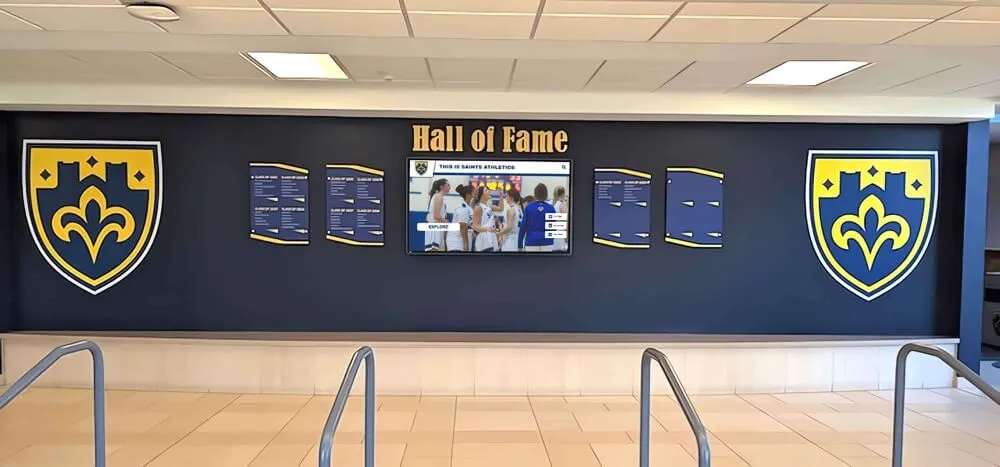
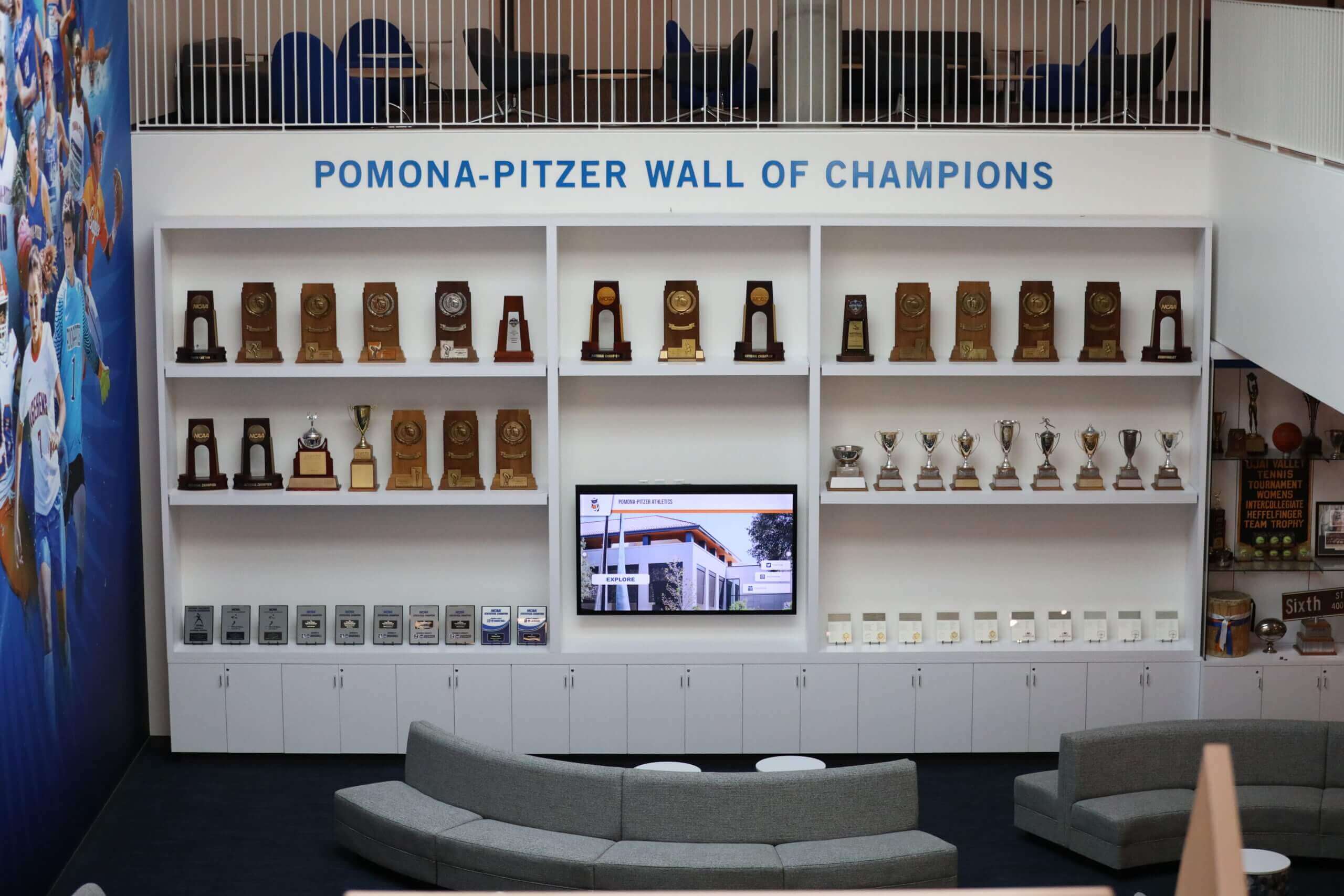
Wall of champions combining traditional trophy displays with comprehensive digital recognition
Understanding Senior Class Award Categories
Comprehensive senior recognition programs typically include multiple award categories, each serving distinct purposes in celebrating the graduating class. Understanding these categories helps schools design display systems that appropriately showcase each type of achievement.
Academic Excellence Awards
Academic awards remain the cornerstone of senior recognition programs, acknowledging intellectual achievement and scholarly dedication. These awards typically include valedictorian and salutatorian honors, subject-specific excellence awards in mathematics, science, English, social studies, and foreign languages, departmental achievement recognitions, and specialized academic distinctions.
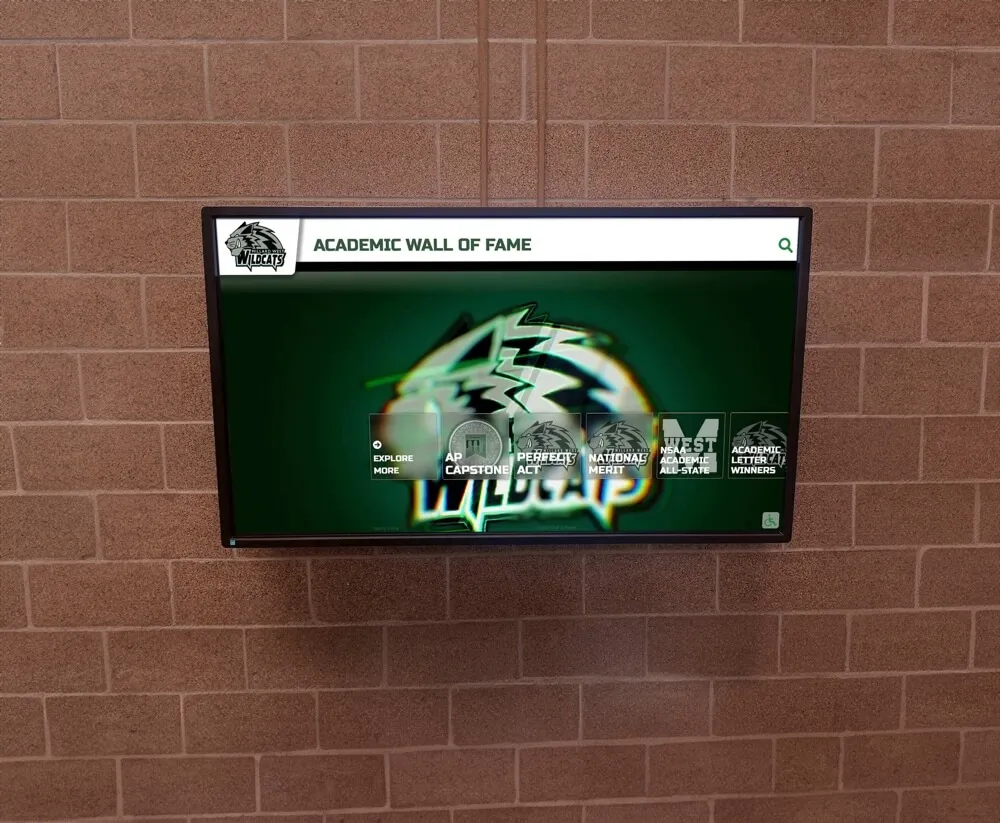
High-achieving students may receive recognition for perfect SAT scores or exceptional standardized test performance, while comprehensive academic recognition programs acknowledge consistent excellence across multiple disciplines. Advanced Placement awards honor students who excel in college-level coursework, and National Merit recognition celebrates exceptional PSAT performance.
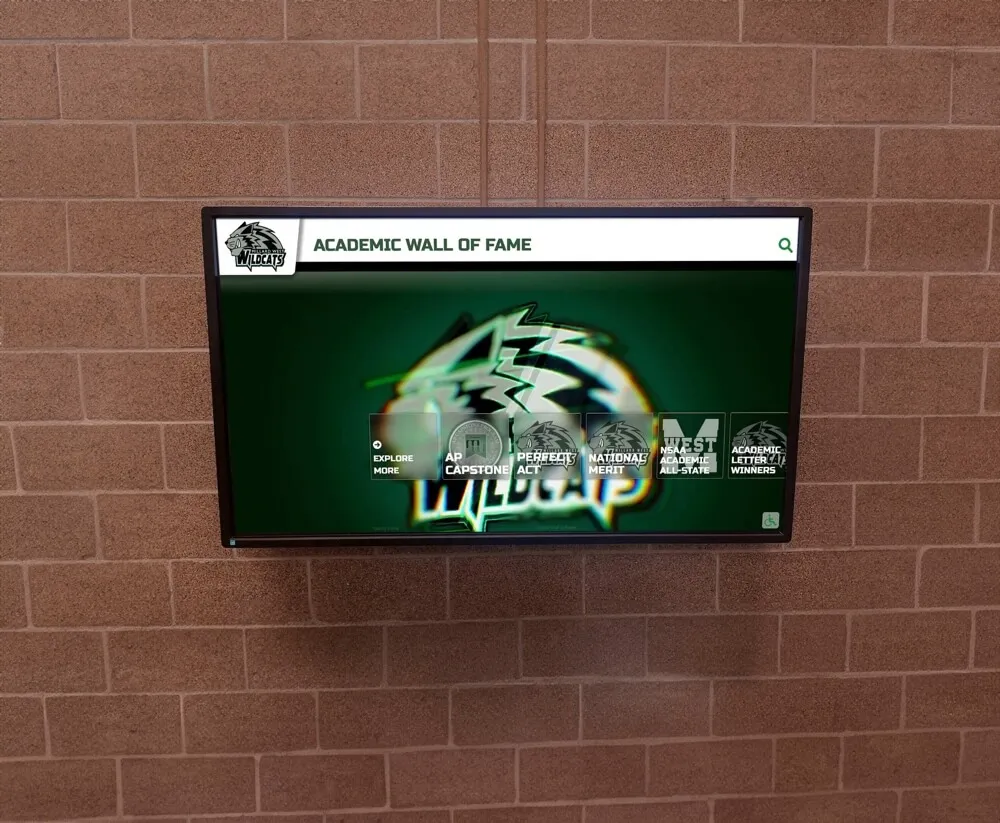
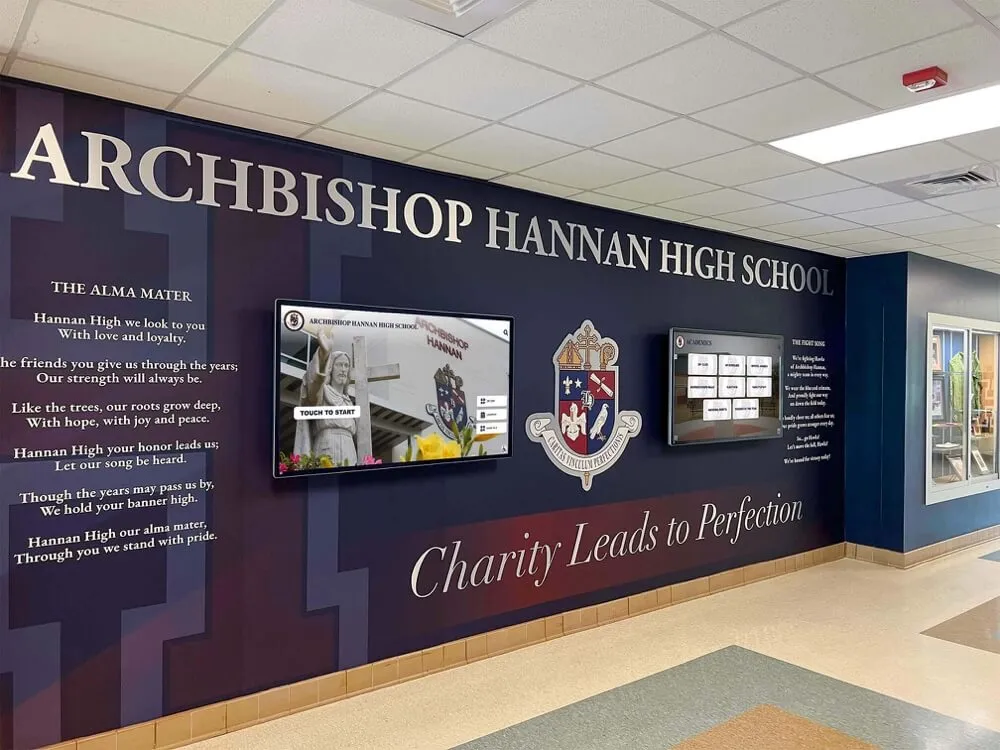
Academic excellence display integrating seamlessly with school architecture
Schools implementing student awards recognition programs find that comprehensive displays increase academic motivation across all grade levels. When underclassmen see seniors celebrated for intellectual achievements, they internalize that academic excellence receives meaningful recognition at their institution.
Athletic and Competitive Recognition
Athletic awards celebrate physical excellence, sportsmanship, and competitive achievement across team sports, individual competitions, and recreational athletics. Senior athletes may receive all-conference selections, all-state honors, team MVP awards, leadership recognitions, sportsmanship awards, and career achievement honors for multi-year excellence.
Individual sport recognitions might include record-breaking performances, state championship participation, and milestone achievements such as 1,000-point scorers in basketball or all-time leading scorers in soccer. Modern digital trophy wall systems enable schools to showcase these achievements with game footage, career statistics, and photo galleries impossible to include in physical trophy cases.
Traditional physical trophy cases face inevitable capacity challenges as programs accumulate decades of awards. According to research on trophy case capacity planning, most standard school trophy cases reach maximum capacity within 10-15 years, forcing difficult decisions about which awards remain on display and which get relegated to storage.
Digital systems eliminate these constraints entirely. A single digital display can showcase unlimited achievements with comprehensive information about each—detailed statistics, photos, videos, and narratives impossible to include with physical trophies.
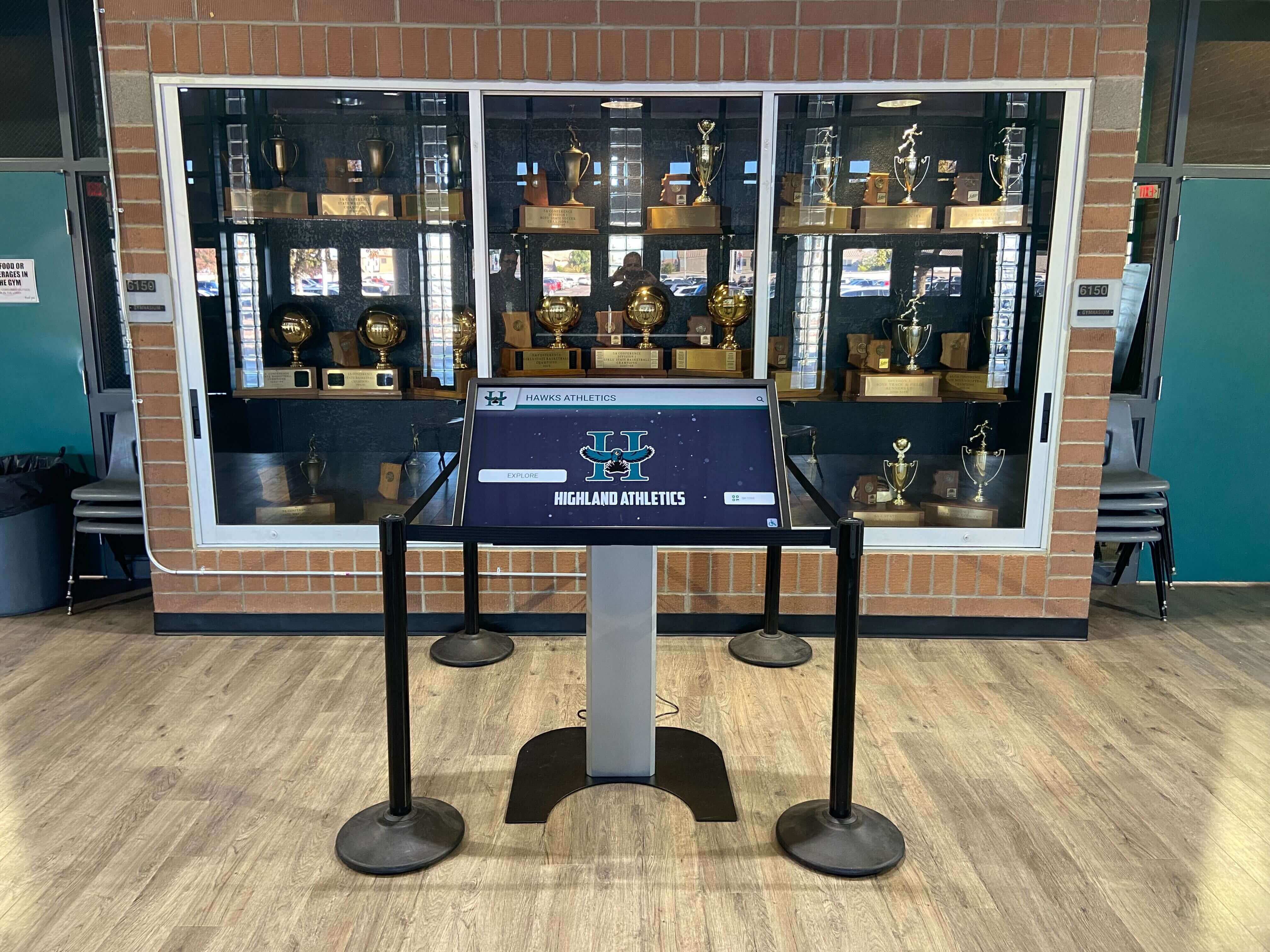
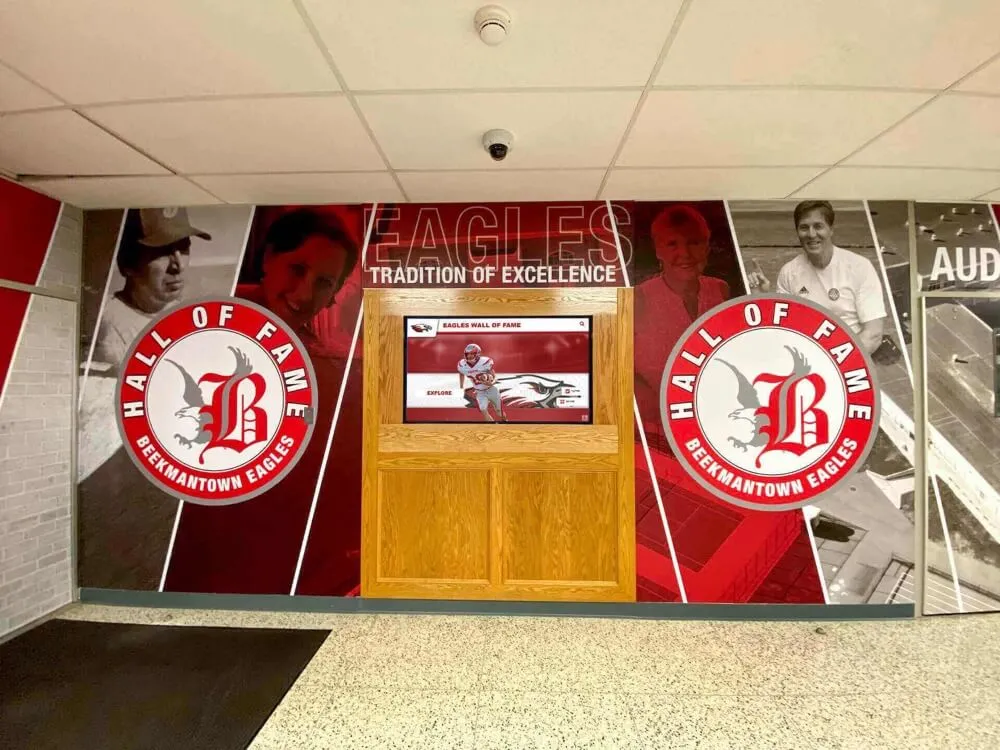
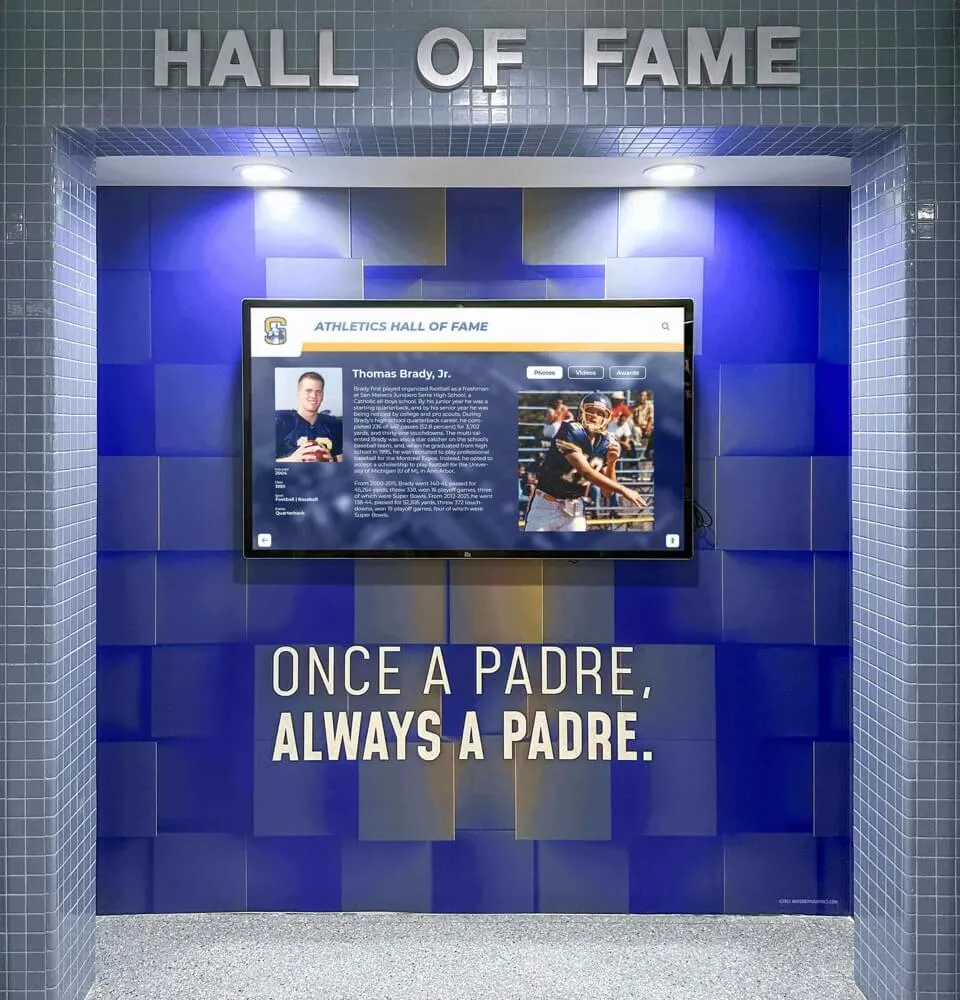
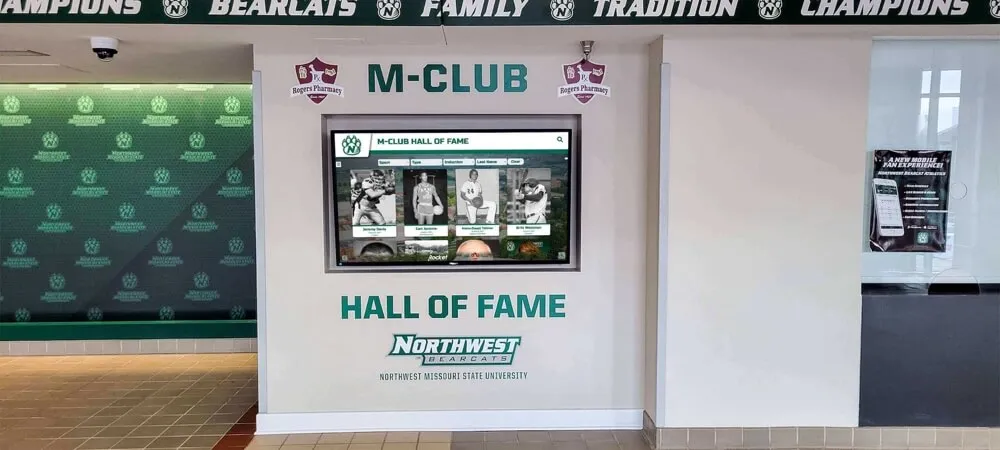
Hybrid approach combining physical trophies with interactive digital displays
Character and Leadership Awards
Character-based awards recognize qualities that extend beyond measurable achievement—integrity, service, leadership, and positive impact on school culture. These awards often carry particular significance because they acknowledge who students are, not just what they accomplish.
Common character recognitions include service leadership awards for students who dedicate significant time to community service, peer leadership recognitions for students who positively influence classmates, citizenship awards honoring those who exemplify school values, sportsmanship awards for athletes who compete with exceptional integrity, and performing arts leadership for students who elevate their programs through dedication and mentorship.
Schools implementing comprehensive student recognition discover that character awards resonate deeply with students who may not receive traditional academic or athletic honors. Displaying these awards prominently communicates that the institution values diverse forms of excellence and contribution.
Creative and Performing Arts Recognition
Arts awards celebrate creative excellence in visual arts, music, theater, creative writing, and other expressive disciplines. Senior artists may receive portfolio achievement awards, juried show selections, all-state music honors, theater performance awards, creative writing distinctions, and gallery exhibition recognitions.
These achievements often include rich visual or multimedia components that traditional trophy cases cannot adequately showcase. Digital displays enable schools to feature artwork galleries, musical performance clips, theatrical scene excerpts, and creative writing samples alongside artist profiles and achievement descriptions.
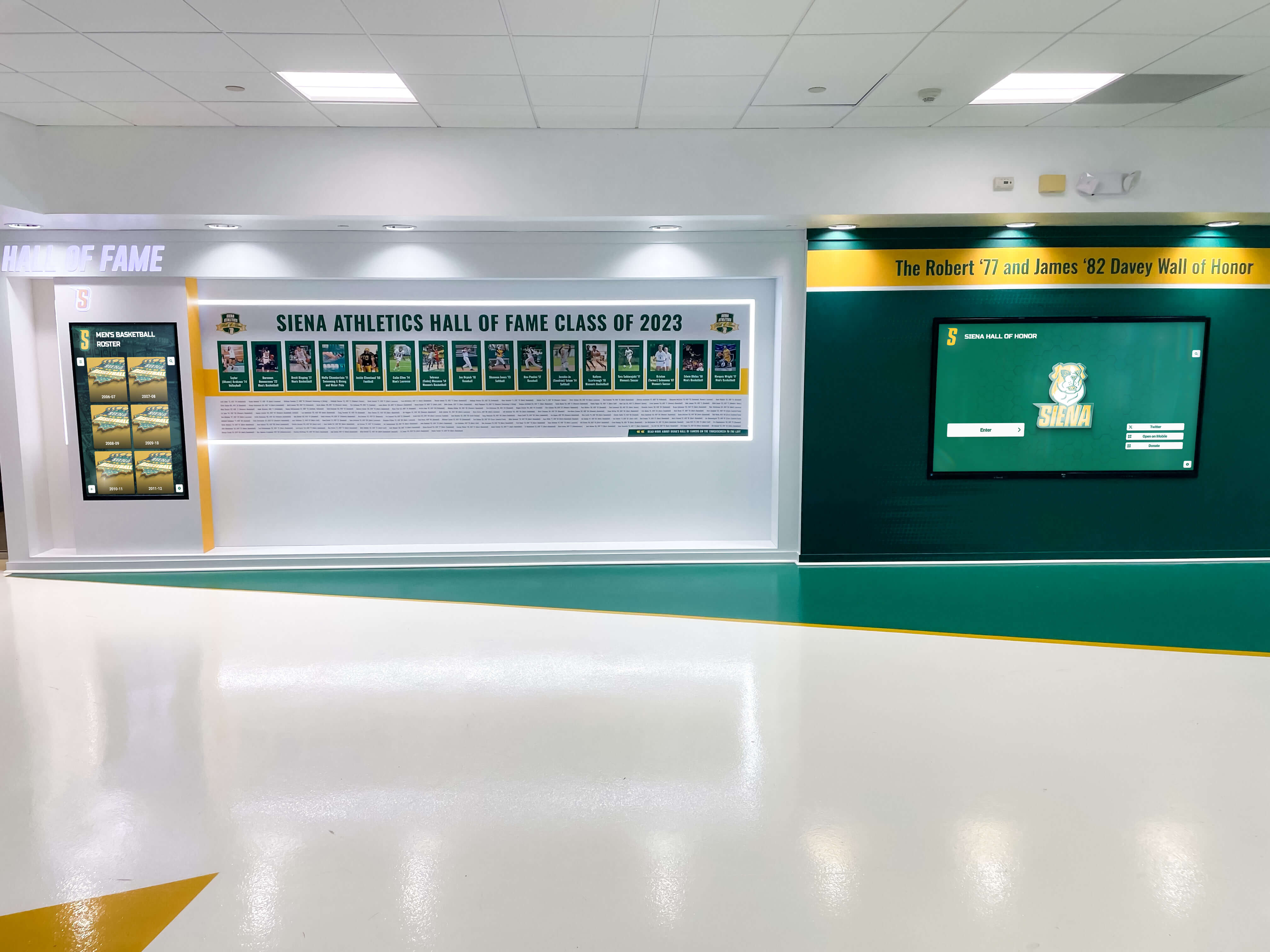
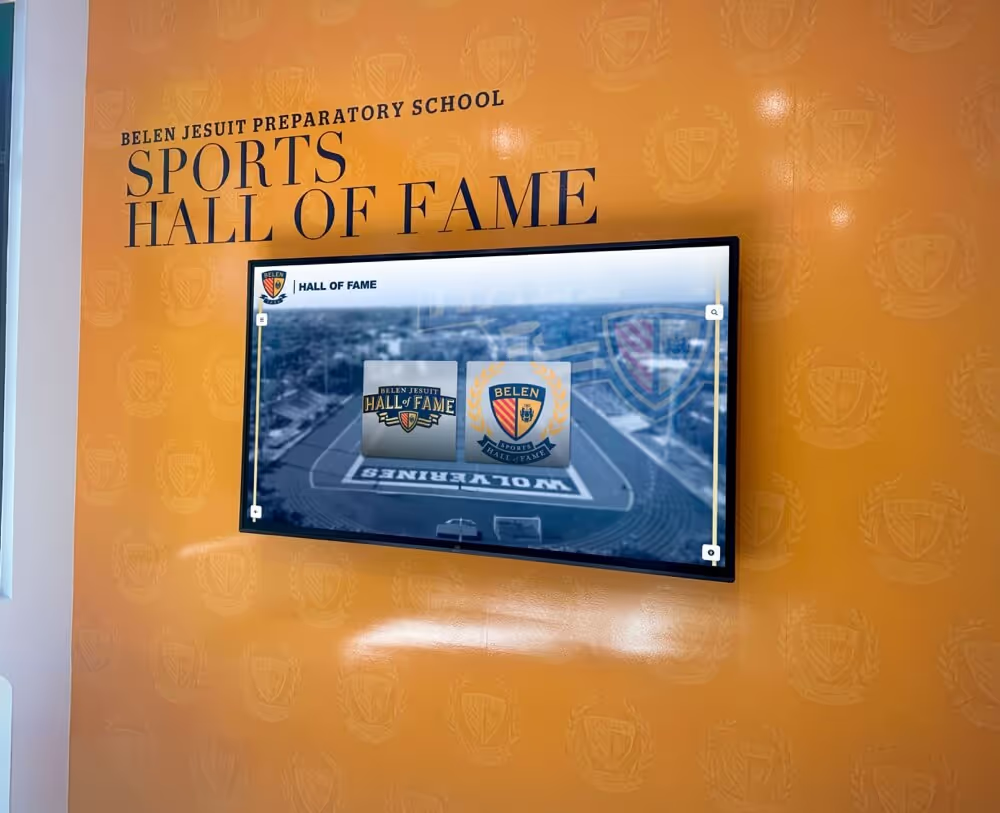
Comprehensive achievement wall showcasing diverse recognitions with rich multimedia content
Senior Superlatives: Balancing Tradition and Inclusivity
Senior superlatives represent a unique awards category—peer-nominated recognitions that blend humor, personality, and prediction. These awards, traditionally featured in yearbooks, increasingly appear in physical and digital display systems as schools recognize their role in capturing class culture and creating shared memories.
Popular Superlative Categories
Traditional superlatives include recognitions like “Most School Spirit,” “Best Dressed,” “Most Athletic,” “Most Likely to Succeed,” and “Class Clown.” Contemporary programs expand these categories to include “Most Likely to Be Famous,” “Best TikTok Content Creator,” “Most Likely to Change the World,” and other recognitions reflecting current student culture.
Schools designing superlative programs face important decisions about tone, inclusivity, and appropriateness. While humor has always been part of superlatives, modern programs carefully consider whether categories might embarrass recipients or reinforce negative stereotypes. Best practices suggest focusing on positive attributes, avoiding appearance-based categories that might be hurtful, including diverse achievement types beyond academics and athletics, and ensuring nomination processes prevent the same students from dominating multiple categories.
Displaying Superlatives Appropriately
When incorporating superlatives into senior awards displays, schools should consider context and presentation. Superlatives work well in informal spaces like senior lounges, common areas, or digital yearbook displays where lighthearted content feels appropriate. They’re generally less suitable for formal recognition walls in main lobbies or administrative areas where more serious achievement recognitions appear.
Digital platforms provide ideal formats for superlative displays because they enable separate sections for different award types, allow students to browse superlatives alongside other achievements, support photo galleries showing winners in character, and can include vote counts or nomination comments that add context.
Traditional Trophy Case Solutions for Senior Awards
Despite the rise of digital alternatives, physical trophy cases remain valuable components of senior recognition programs. Traditional displays provide tangible, permanent recognition that creates visual impact and preserves school history in physical form.
Optimizing Physical Display Space
Schools with limited trophy case capacity should strategically curate which awards receive physical display. Priority typically goes to major team championships, individual state-level achievements, prestigious academic honors like valedictorian and salutatorian, significant milestone achievements, and awards with particular historical significance to the institution.
Effective trophy case design incorporates clear labeling with achievement details, chronological organization helping viewers track program evolution, adequate lighting ensuring awards remain visible, and systematic rotation allowing recent achievements to receive prime placement while older awards cycle to archives or secondary locations.
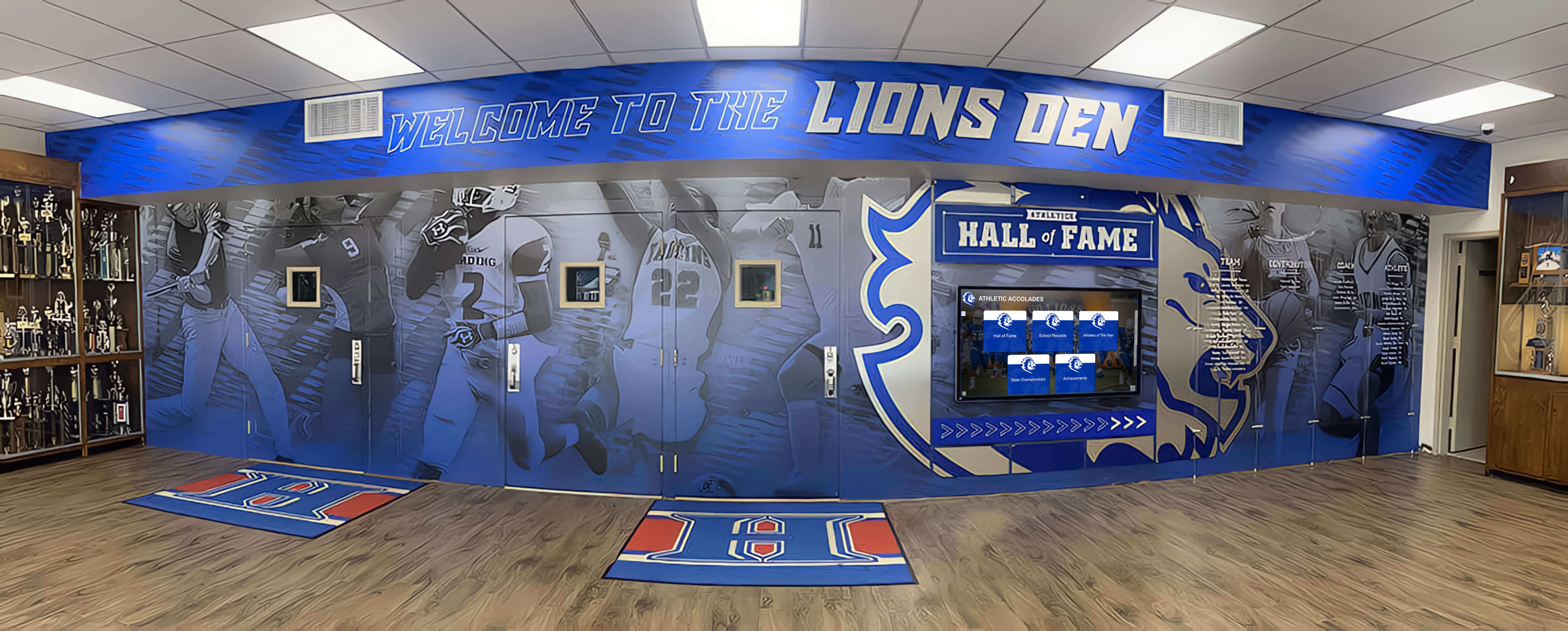
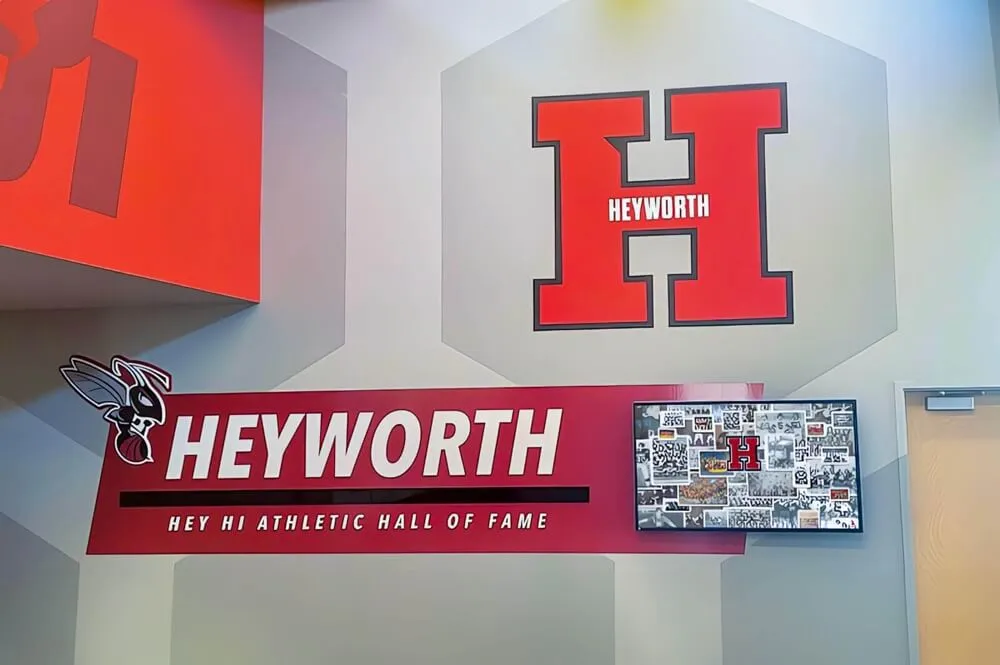
Traditional trophy cases integrated with custom school branding and wall graphics
Addressing Capacity Constraints
Eventually, every school reaches trophy case capacity. When this occurs, institutions face several options: adding additional cases if physical space and budget permit, implementing rotation systems where older awards move to storage, creating archive displays in secondary locations like athletic facilities or libraries, or transitioning to hybrid systems combining selective physical displays with comprehensive digital recognition.
Many schools discover that hybrid approaches provide optimal solutions, preserving the tangible impact of physical trophies for major achievements while using digital systems to ensure every accomplishment receives appropriate recognition.
Digital Recognition Systems for Senior Awards
Digital displays revolutionize senior recognition by eliminating physical space constraints while adding multimedia capabilities that bring achievements to life. Interactive touchscreen systems and digital signage platforms offer schools unprecedented flexibility in how they celebrate graduating students.
Unlimited Achievement Capacity
The most transformative advantage of digital recognition systems is unlimited capacity. A single touchscreen can showcase every senior award recipient with comprehensive profiles including photos, achievement descriptions, supporting statistics or portfolio work, video content showing performances or competitions, and narratives explaining achievement significance.
This comprehensive approach ensures no senior feels their accomplishment was deemed “not important enough” for recognition. Whether a student receives an all-state athletic honor or a departmental book award, their achievement appears alongside others with equal prominence in the digital system.
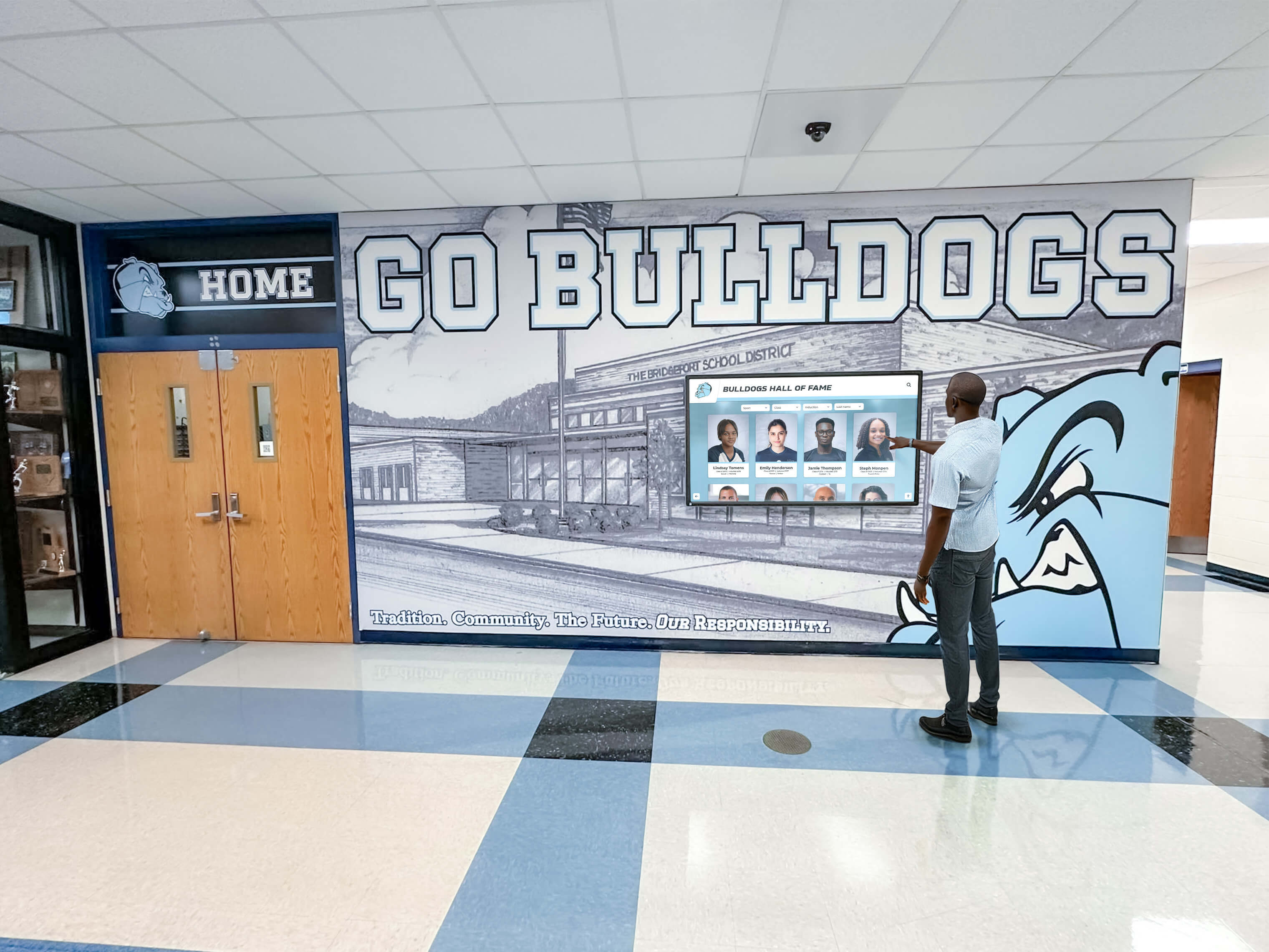
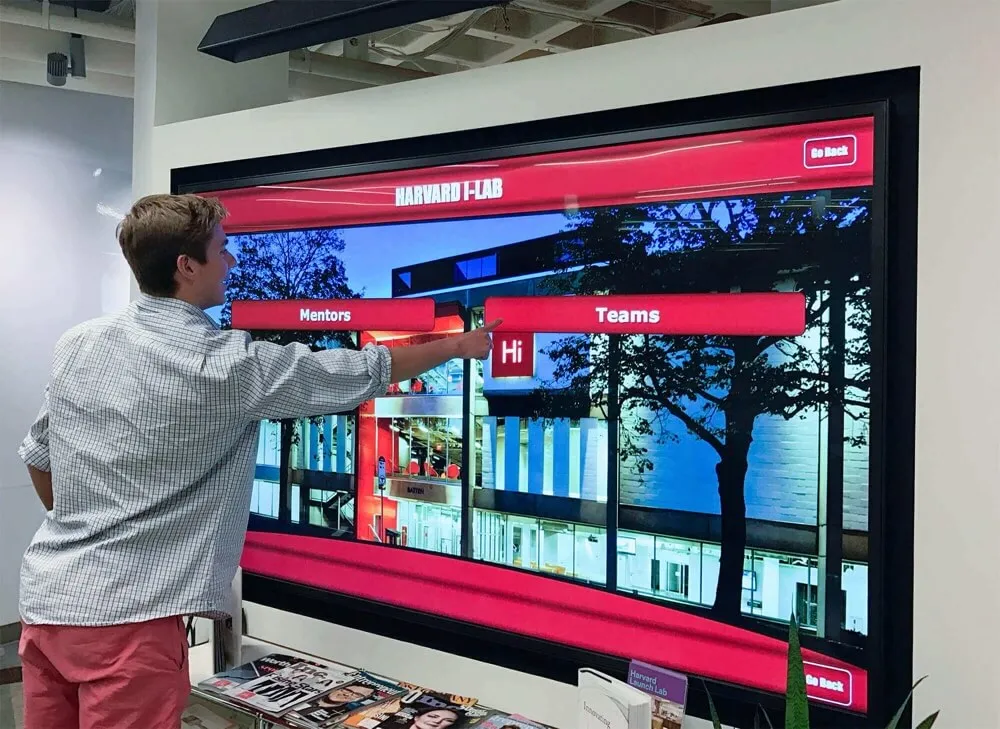
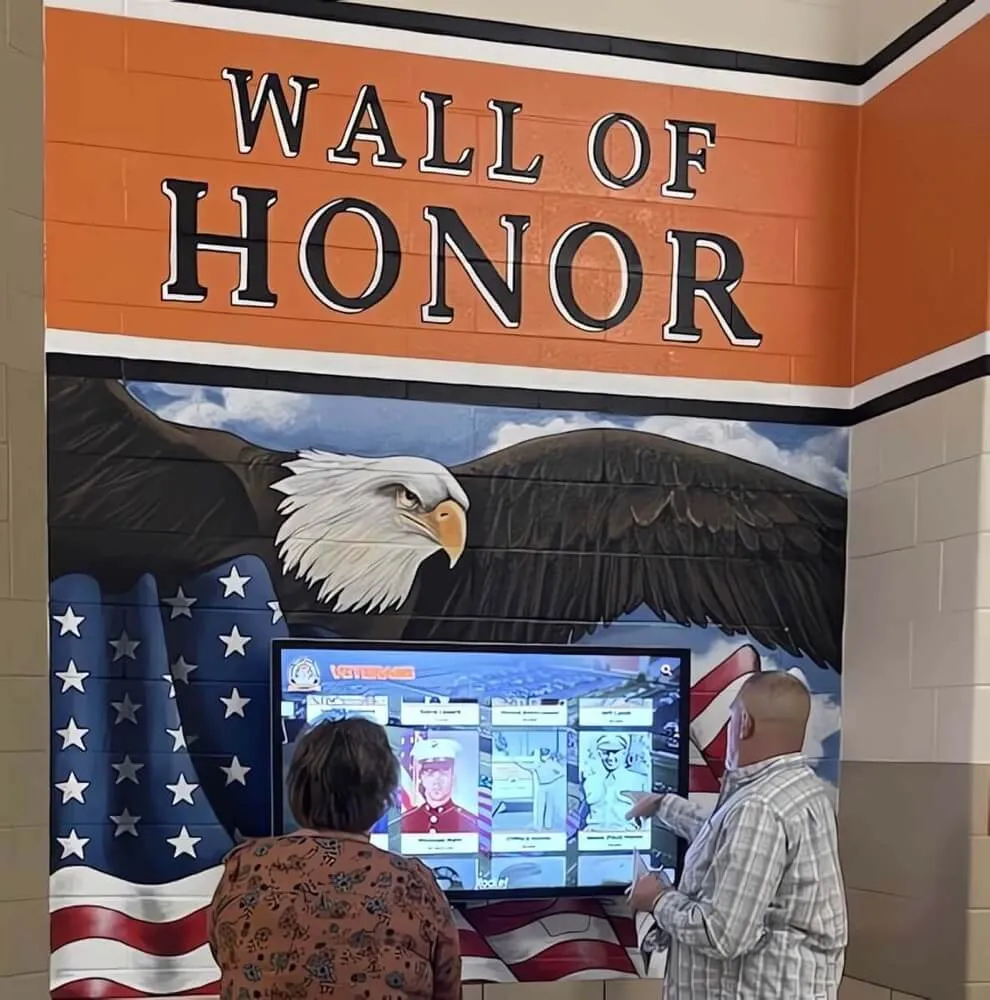
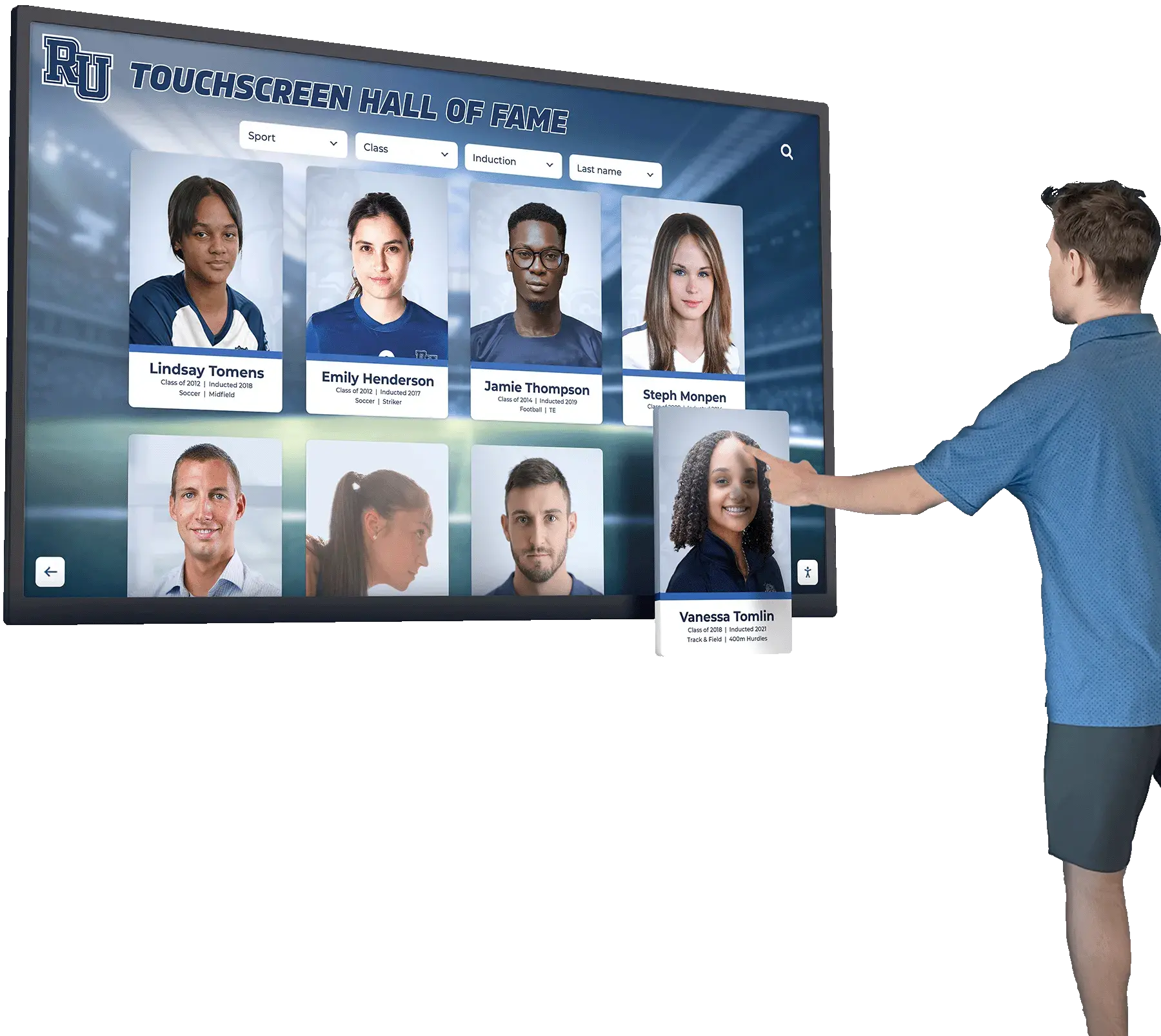
Interactive touchscreen enabling students to explore comprehensive achievement databases
Rich Multimedia Content Integration
Digital systems enable schools to tell complete achievement stories through multimedia integration. Academic award recipients can be showcased with research project highlights, competition footage, or academic portfolio samples. Athletic honorees appear with game highlights, season statistics, and career milestone videos. Arts award winners feature with performance clips, artwork galleries, or creative project documentation.
This rich content creates more meaningful recognition than static trophy displays can provide. Rather than a name on a plaque, students receive comprehensive profiles celebrating their contributions in detail. Family members, community members, and future students can engage with these achievements in ways that physical displays never enabled.
Content Management and Updates
Professional recognition platforms provide intuitive content management systems allowing staff to easily add new awards, update recipient information, organize achievements by category or year, schedule content to appear during relevant time periods, and maintain historical archives accessible through search functions.
Cloud-based systems ensure content remains accessible even if hardware requires replacement, protecting schools’ investment in achievement documentation. Regular content updates keep displays current and relevant, encouraging repeated engagement from students and visitors.
Hybrid Display Approaches: Combining Physical and Digital
Many schools find that hybrid systems combining selective physical displays with comprehensive digital recognition provide optimal solutions. This approach preserves the tangible impact of trophy cases while leveraging digital technology’s unlimited capacity and multimedia capabilities.
Strategic Physical Display Selection
In hybrid systems, physical trophy cases showcase the most prestigious achievements—state championships, major individual honors, historically significant awards, and milestone recognitions. These selective physical displays create visual impact and preserve traditional recognition formats that many communities value.
Meanwhile, digital systems ensure comprehensive recognition for every award, achievement descriptions and context that physical plaques cannot include, multimedia content bringing achievements to life, and historical archives maintaining permanent records of every graduating class.
Creating Cohesive Visual Integration
Successful hybrid systems integrate physical and digital components into cohesive recognition environments rather than treating them as separate elements. Effective approaches include positioning digital displays adjacent to trophy cases, creating visual design continuity between physical and digital elements, using digital displays to provide context for physical trophies, and implementing QR codes on physical plaques linking to comprehensive digital profiles.
This integration guides viewers seamlessly between physical and digital recognition, creating unified experiences that honor tradition while embracing technological advantages.
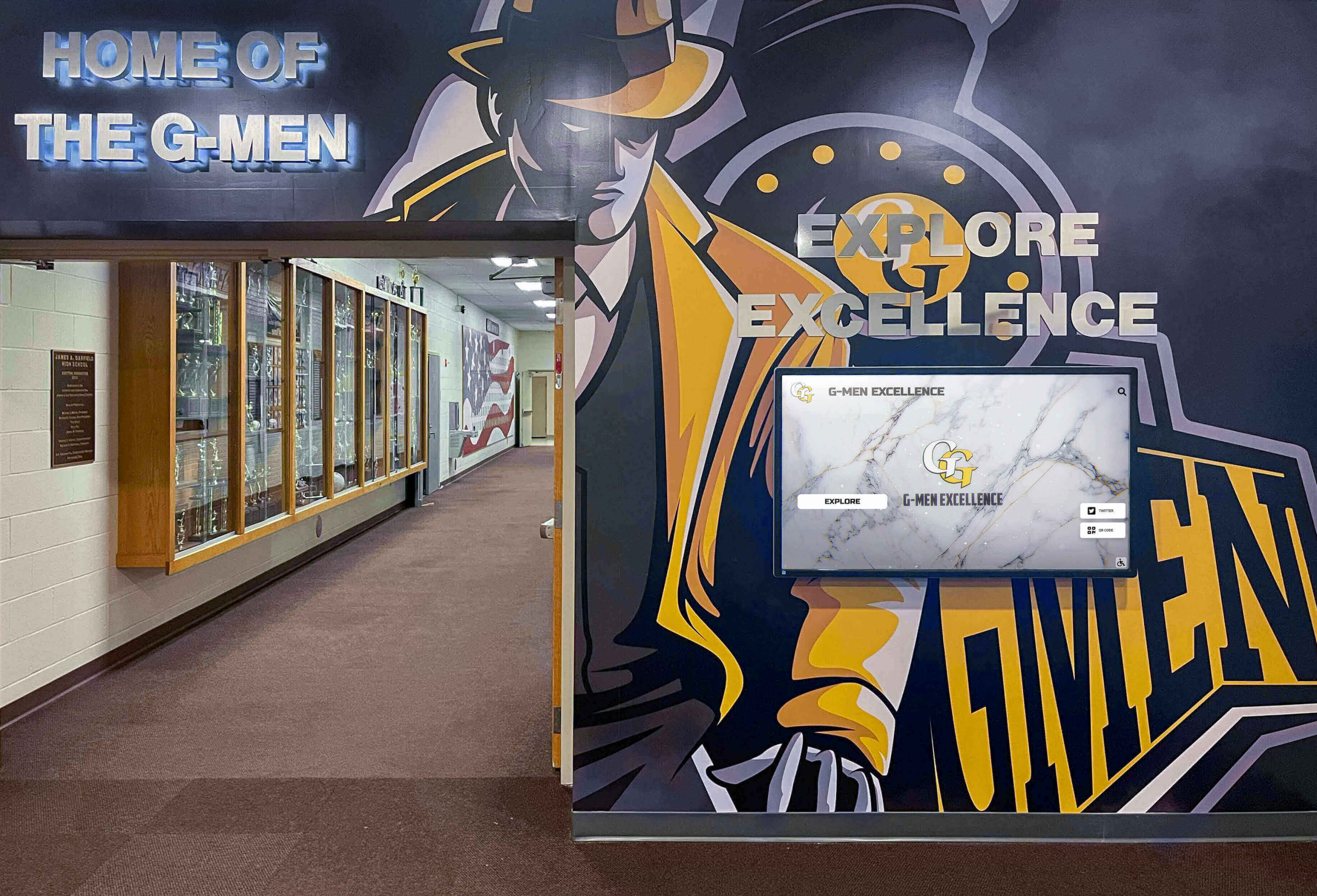
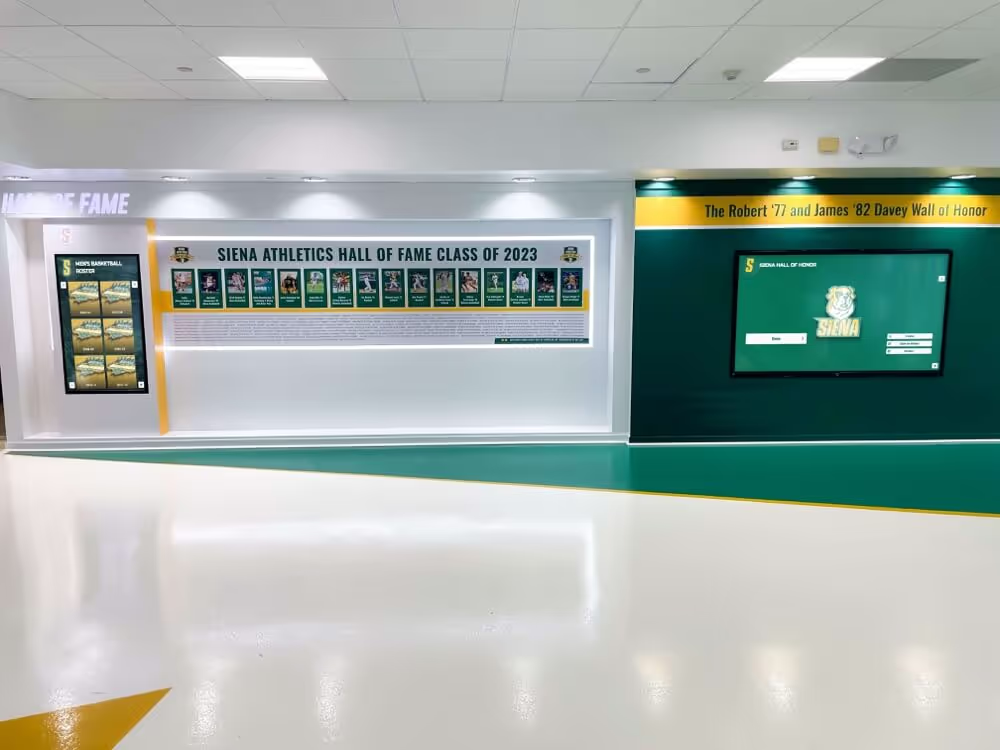
Hybrid recognition environment integrating custom murals, digital displays, and traditional trophy cases
Senior Awards Ceremony Best Practices
How schools present senior awards matters as much as which awards they give. Ceremonies that honor achievements meaningfully create lasting memories and reinforce the value of excellence, while poorly executed events diminish recognitions and frustrate attendees.
Ceremony Structure and Pacing
Effective awards ceremonies balance thoroughness with engagement, ensuring every recipient receives appropriate recognition without ceremonies becoming interminably long. Best practices suggest limiting ceremonies to approximately one hour, focusing on major senior-specific awards rather than routine recognitions like honor roll, grouping similar awards to create natural ceremony flow, and including brief remarks contextualizing achievement significance rather than simply reading recipient names.
Schools should avoid the trap of trying to recognize every possible achievement during the formal ceremony. Comprehensive recognition happens through display systems—ceremonies should focus on major achievements while ensuring students know that all accomplishments receive appropriate honor in permanent recognition displays.
Award Presentation Approaches
How awards are presented significantly impacts their perceived value and ceremony engagement. Effective presentation strategies include having faculty members or coaches introduce awards with context about achievement significance, briefly describing recipient accomplishments before revealing names to build anticipation, inviting recipients to the stage for personalized recognition rather than distributing awards from seats, and providing meaningful awards like books or custom certificates rather than generic plaques.
Some schools incorporate multimedia presentations showing award recipients in action—video clips of athletic performances, academic project presentations, arts showcase excerpts, or leadership moment highlights. These visual elements engage audiences and help attendees understand achievement significance.
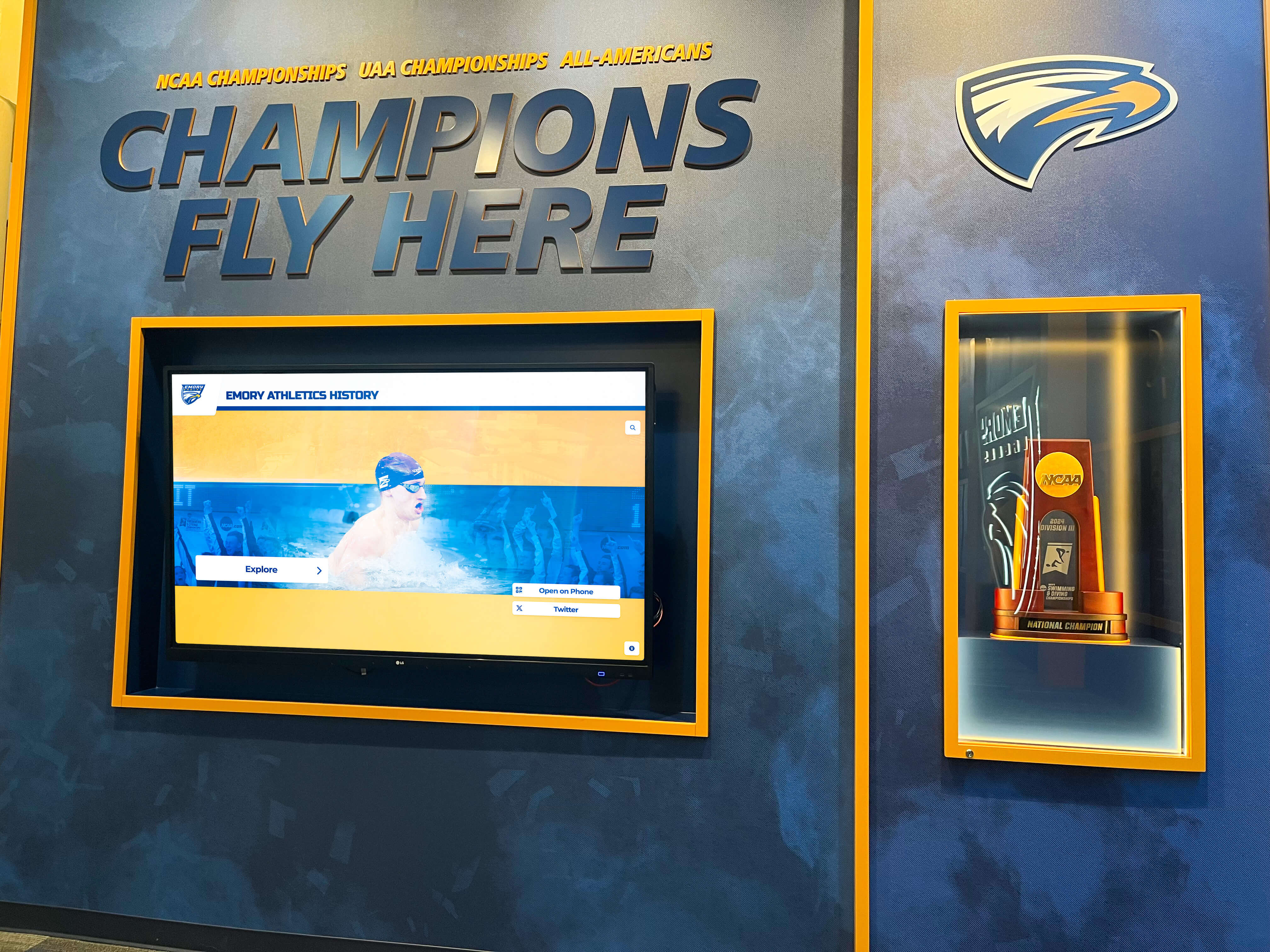
Champions wall commemorating significant achievements with prominent physical displays
Venue and Attendance Considerations
Ceremony location communicates achievement importance. Hosting senior awards in the main auditorium rather than the cafeteria, scheduling ceremonies during school hours to enable full senior class attendance, and welcoming families without requiring admission fees demonstrate that the institution values recognition programs.
Physical setup matters as well. Arrangements seating award recipients together enable group photos and build collective experience, designating photography areas allows families to capture memories without disrupting proceedings, and providing programs listing all awards and recipients creates keepsakes families treasure.
Engaging Underclassmen Through Senior Recognition Displays
Senior awards displays serve purposes beyond honoring graduates—they inspire underclassmen by illustrating achievement possibilities and communicating institutional values. Strategic recognition systems leverage this inspirational potential to motivate younger students toward excellence.
Creating Aspirational Models
When underclassmen regularly pass recognition displays featuring seniors they know personally, those achievements become tangible and attainable rather than abstract. Ninth graders who see familiar senior athletes celebrated for career achievements begin envisioning their own four-year trajectories. Sophomores observing academic award recipients in their advanced classes recognize that sustained effort yields recognition.
Digital displays enhance this inspirational effect by including achievement narratives explaining paths to recognition. Rather than simply seeing names on plaques, underclassmen read stories about how recipients developed skills, overcame challenges, and demonstrated consistent excellence over time. These narratives demystify achievement and provide roadmaps younger students can follow.
Highlighting Diverse Achievement Pathways
Comprehensive recognition systems showcasing academic, athletic, artistic, leadership, and character awards communicate that schools value multiple forms of excellence. This diversity matters particularly for students who may not excel in traditional academic or athletic domains.
When recognition displays feature arts awards alongside athletic honors, service leadership alongside academic achievements, and character recognitions alongside competitive successes, students with varied strengths see themselves reflected in institutional values. This inclusivity increases engagement across broader student populations than narrow recognition programs focused primarily on academics and athletics.
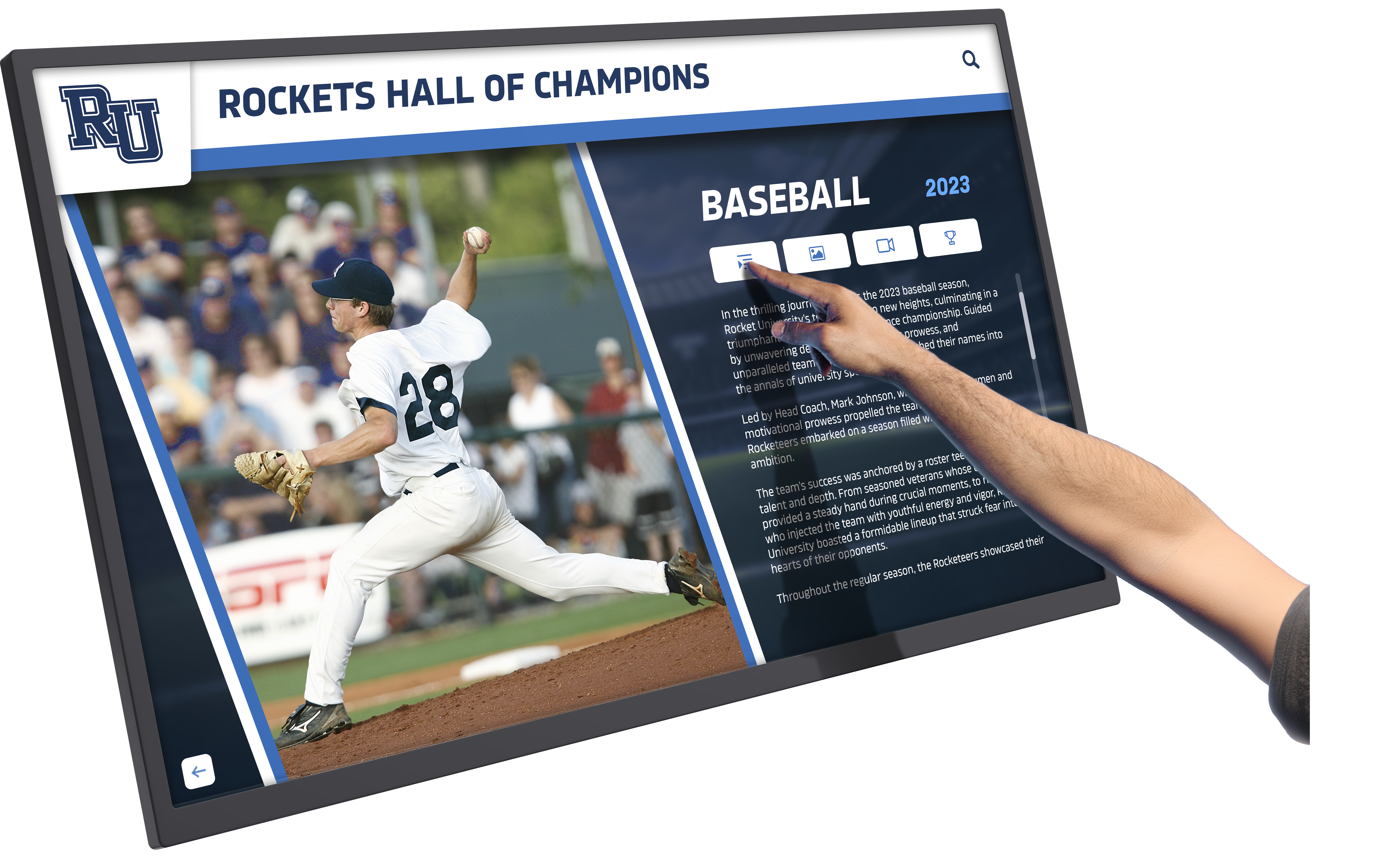
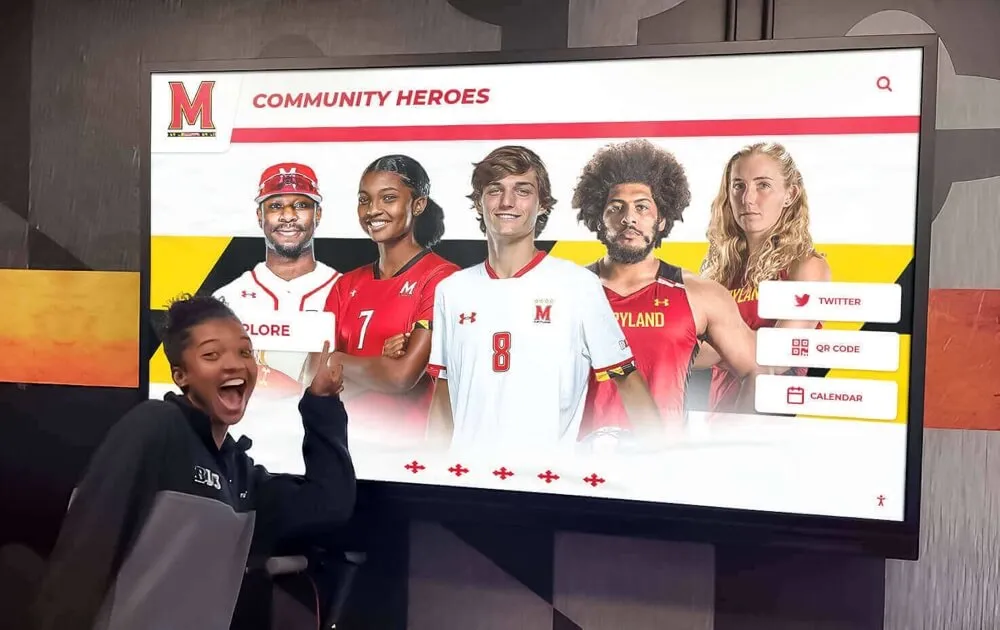
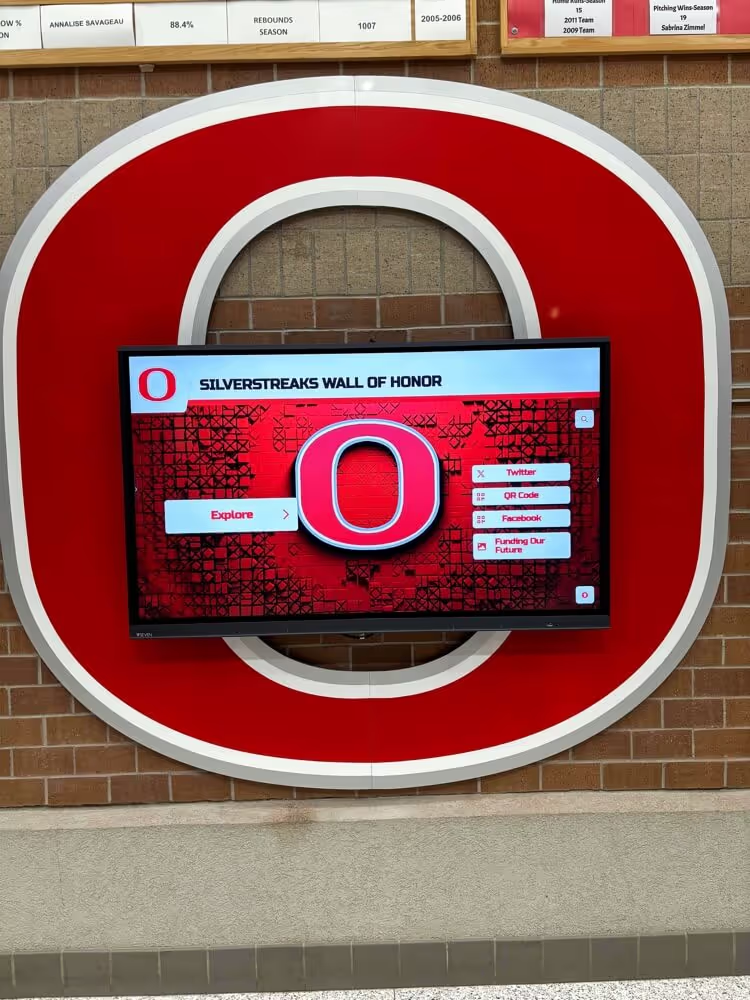
Interactive displays enabling students to explore detailed achievement profiles
Strategic Display Placement
Recognition display location significantly impacts underclassmen engagement. High-traffic areas like main lobbies, cafeteria entrances, or athletic facility corridors ensure regular student exposure to achievement content. Interactive displays in these locations encourage exploration as students browse profiles between classes or during lunch periods.
Some schools implement grade-level specific displays—senior recognition walls near senior lounges or senior hallways create dedicated spaces celebrating the graduating class while remaining accessible to underclassmen who pass through these areas.
Measuring Recognition Program Effectiveness
Schools investing resources in senior awards displays should assess whether these systems achieve intended outcomes—building school pride, motivating student achievement, engaging families and communities, and creating meaningful memories for graduating students.
Gathering Stakeholder Feedback
Effective assessment includes collecting feedback from multiple stakeholder groups. Senior exit surveys can ask graduating students about the significance of award recognitions and display systems, underclassmen surveys assess whether recognition programs inspire achievement motivation, family surveys evaluate whether parents feel their students’ accomplishments received appropriate honor, and faculty input determines whether teachers observe recognition programs influencing student behavior or motivation.
Digital recognition platforms often include built-in analytics tracking engagement metrics—how frequently students interact with displays, which achievement categories receive most viewing time, and which specific profiles generate greatest interest. This quantitative data supplements qualitative feedback from surveys and interviews.
Tracking Participation and Achievement Trends
Schools should monitor whether recognition programs correlate with increased achievement participation. Metrics might include changes in academic honor roll numbers, athletic program participation rates, arts program enrollment trends, service hour totals across student body, and leadership position application numbers.
While correlation doesn’t prove causation, positive trends following recognition program enhancements suggest these systems may contribute to broader achievement culture. Schools implementing comprehensive displays often report increased student interest in awards and recognitions that receive prominent public celebration.
Implementation Timeline for Senior Recognition Systems
Schools planning new senior awards displays should develop realistic implementation timelines accounting for planning, budgeting, installation, and content population phases.
Planning Phase (3-6 months before implementation)
Initial planning involves forming stakeholder committees including administrators, faculty, students, and alumni, defining recognition program goals and priorities, inventorying existing awards and determining which require continued recognition, researching physical trophy case and digital display options, and developing budget proposals for board approval.
This planning phase should include broad stakeholder input ensuring the recognition system reflects community values and priorities. Students particularly should have voices in planning since they represent both current recipients and future graduates whose achievements will be showcased.
Selection and Budgeting Phase (2-4 months before implementation)
Once planning establishes program parameters, schools move to vendor selection and budget finalization. This phase includes requesting proposals from trophy case suppliers and digital display providers, evaluating options based on capacity, features, and cost, confirming budget allocations and identifying funding sources, and finalizing contracts with selected vendors.
Schools should carefully evaluate digital display vendors, prioritizing platforms specifically designed for educational recognition rather than general digital signage systems. Purpose-built platforms provide templates, content structures, and support services tailored to school recognition needs.
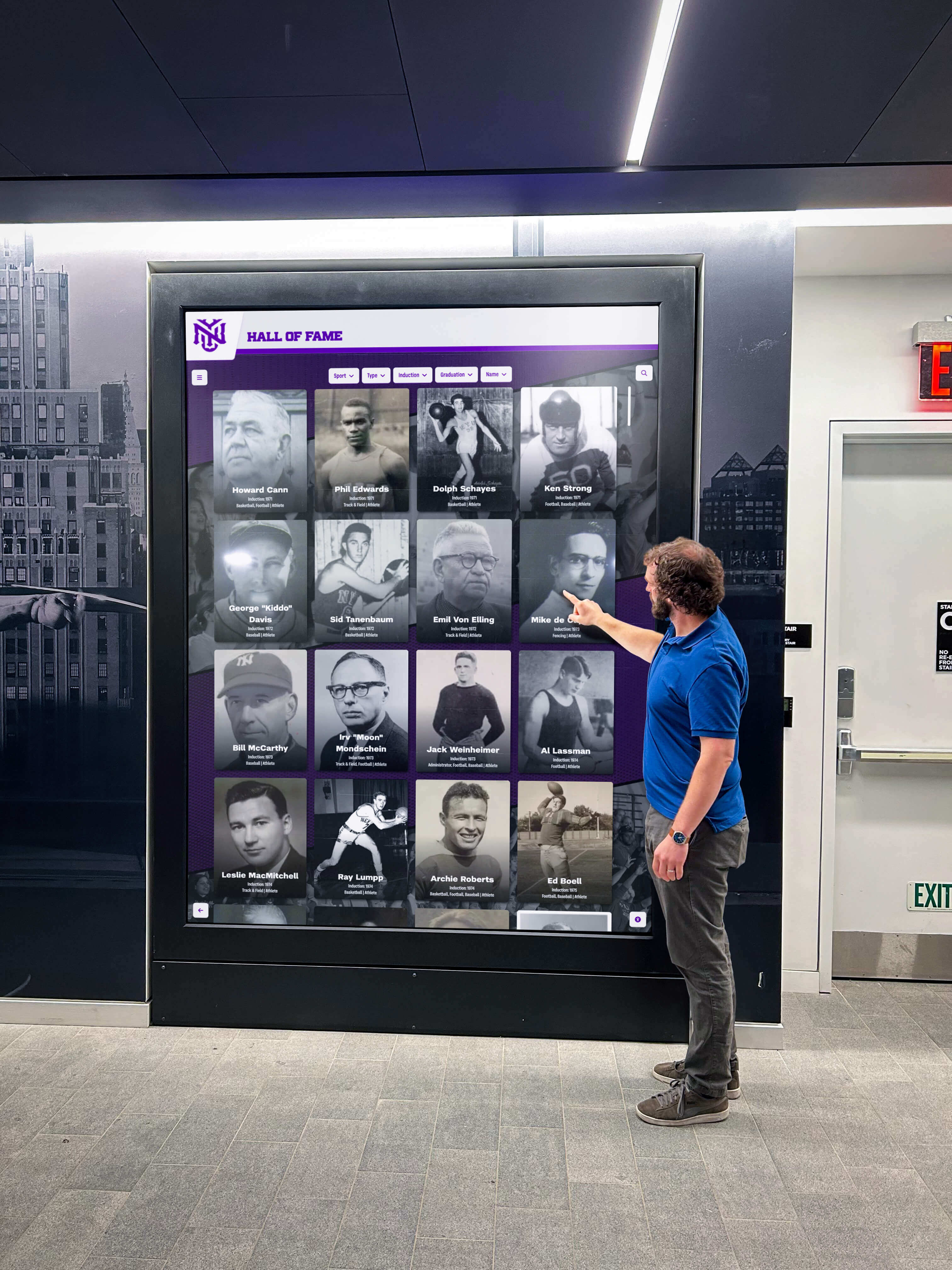
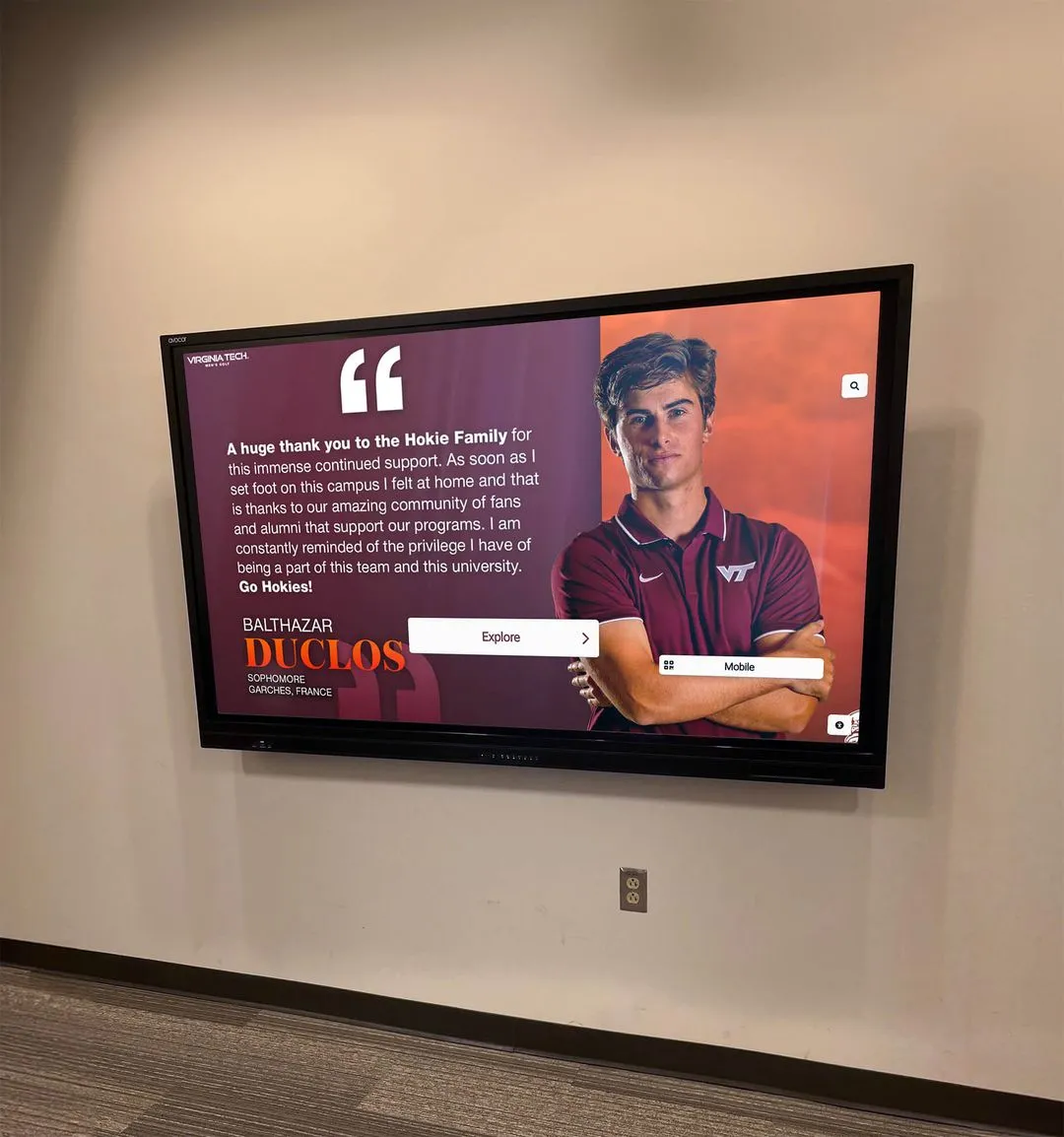
Interactive lobby displays enabling visitors to explore institutional achievement history
Installation Phase (1-2 months)
Physical installation includes trophy case delivery and installation if implementing new physical displays, digital display hardware mounting and configuration, network connectivity setup for internet-connected digital systems, electrical work ensuring adequate power supply, and initial system testing confirming proper operation.
Schools should coordinate installation timing to minimize disruption—summer installations avoid interfering with academic programming, while installations during school breaks reduce distraction even if they occur during the school year.
Content Population Phase (1-3 months)
Content creation often represents the most time-intensive implementation phase, particularly for digital systems requiring comprehensive achievement profiles. This phase involves compiling current year award recipient information, digitizing historical achievement records for archive sections, collecting photos and multimedia content for profile enrichment, writing achievement descriptions and narratives, and organizing content into logical categories and structures.
Schools implementing digital displays should consider whether student helpers, parent volunteers, or alumni can assist with historical research and content creation. This collaborative approach accelerates population while engaging community members in recognition program development.
Maintaining and Updating Recognition Displays
Recognition systems require ongoing maintenance ensuring displays remain current, accurate, and engaging. Schools should develop sustainable management processes rather than treating displays as “set and forget” installations.
Annual Update Cycles
Most schools update senior recognition displays annually as new graduates receive awards and new achievements warrant recognition. Annual update cycles should include adding current year award recipients, reviewing and updating achievement categories if needed, refreshing visual designs to maintain contemporary appearance, archiving graduated classes to appropriate historical sections, and conducting maintenance on physical and digital display hardware.
Digital platforms simplify these updates compared to physical trophy cases requiring engraving new plaques, physically arranging awards, and managing limited display space. Cloud-based systems enable authorized staff to update content remotely without requiring physical access to display hardware.
Assigning Management Responsibility
Clear management responsibility ensures recognition displays receive consistent attention rather than deteriorating over time. Schools typically assign recognition program oversight to specific roles—activities directors managing extracurricular awards, athletic directors overseeing sports recognitions, or technology coordinators maintaining digital display systems.
Best practices suggest designating a single recognition coordinator who orchestrates contributions from multiple departments rather than fragmenting responsibility across numerous individuals with competing priorities.

Professional recognition kiosk with intuitive interface enabling easy content browsing
Quality Control and Accuracy
Recognition displays reflect institutional professionalism and respect for honored individuals. Quality control processes should verify spelling accuracy of all names and achievements, confirm factual accuracy of statistics and descriptions, ensure photo quality meets professional standards, maintain consistent formatting across all achievement profiles, and regularly test digital systems confirming proper functionality.
Errors in recognition displays—misspelled names, incorrect statistics, or broken links in digital systems—disrespect honored individuals and undermine program credibility. Systematic review processes before finalizing updates prevent these issues.
Funding Senior Recognition Display Systems
Budget constraints represent common barriers to implementing comprehensive recognition systems. Schools should explore diverse funding approaches rather than relying exclusively on operating budgets.
Operating Budget Allocations
Some schools successfully argue that recognition displays represent core institutional functions deserving regular budget allocations comparable to other facility improvements. When administrators and boards view recognition systems as essential rather than optional, they prioritize funding accordingly.
Framing recognition programs as recruitment and retention tools strengthens budget justifications. Displays showcasing achievement opportunities influence prospective family perceptions during school tours, while current students experiencing meaningful recognition develop stronger institutional connections that may reduce transfer rates.
Fundraising Campaigns
Targeted fundraising campaigns for recognition systems often succeed because donors understand these projects’ tangible impact and lasting legacy. Campaign strategies might include connecting recognition displays to capital campaigns or major fundraising initiatives, offering naming opportunities for display spaces or recognition categories, engaging alumni who benefited from school recognition programs and want to give back, and seeking business sponsors interested in supporting educational excellence.
Recognition display projects provide attractive fundraising opportunities because donors can see exactly where contributions go and experience tangible results relatively quickly compared to long-term programmatic investments.
Phased Implementation Approaches
Schools lacking funds for comprehensive recognition system overhauls can implement improvements incrementally through phased approaches. Initial phases might address highest-priority needs—perhaps focusing on athletic recognition first, then adding academic awards, followed by arts and character recognitions.
Phased approaches demonstrate momentum and success that can attract additional funding for subsequent phases. Early implementation phases create proof-of-concept examples showing skeptical stakeholders how comprehensive systems benefit the institution.
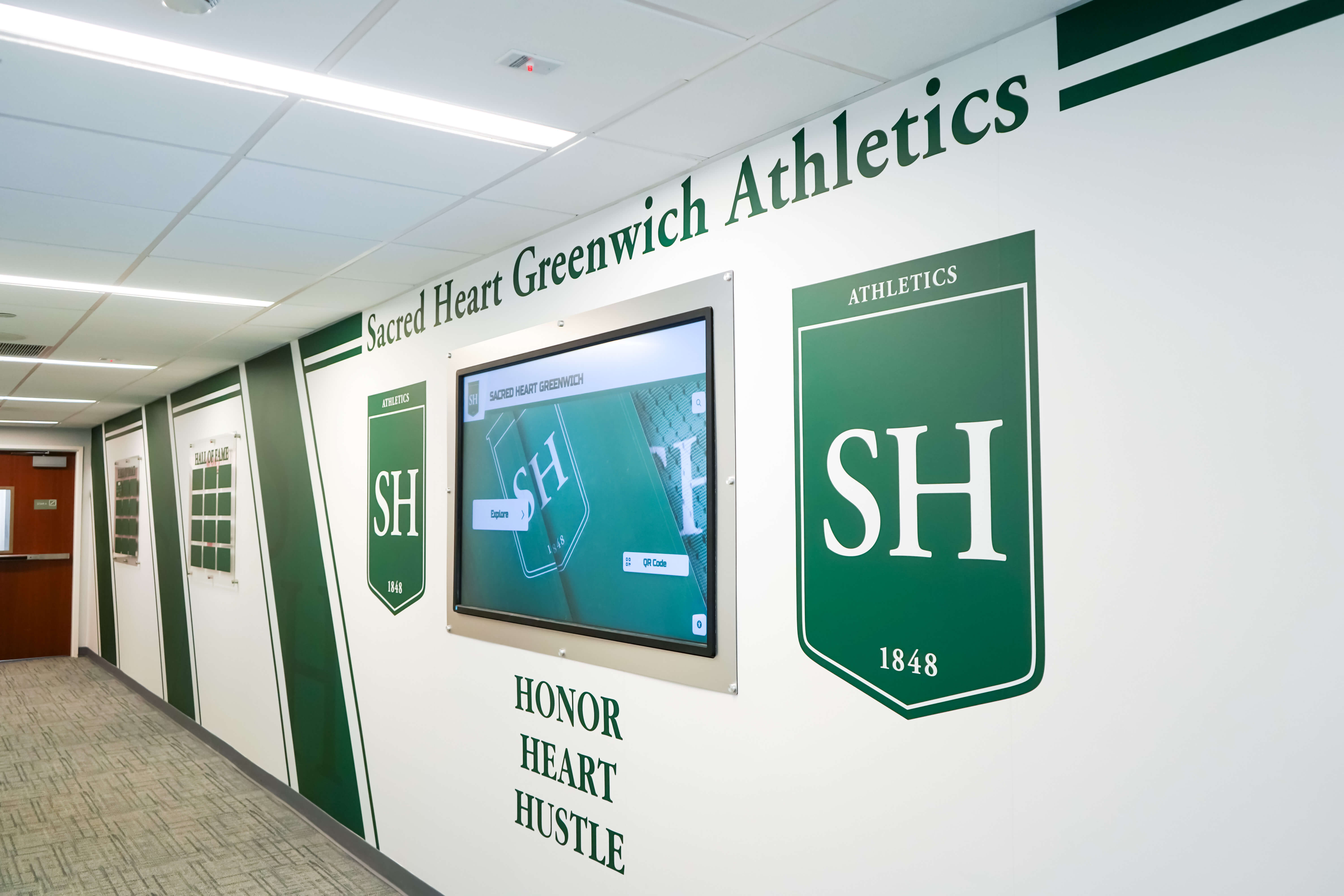
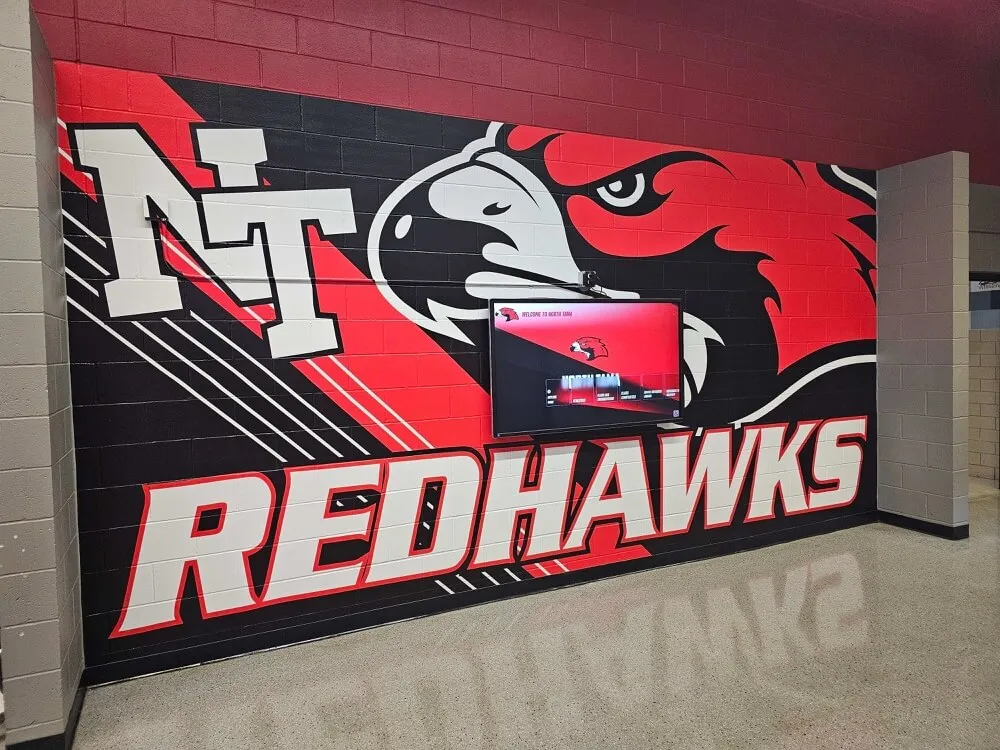
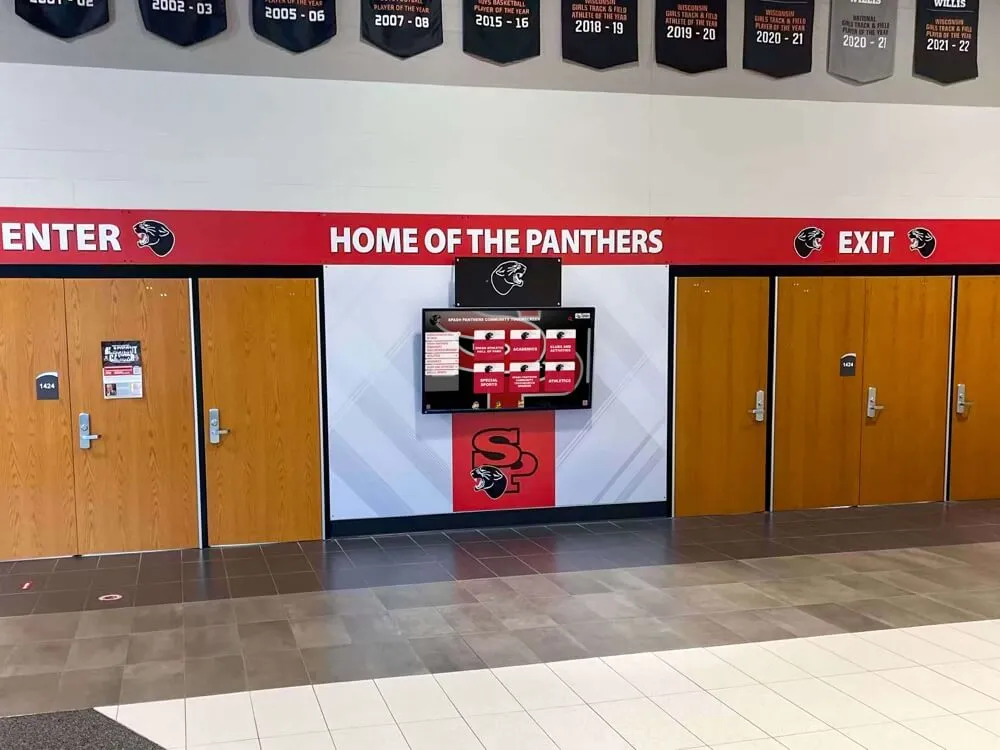
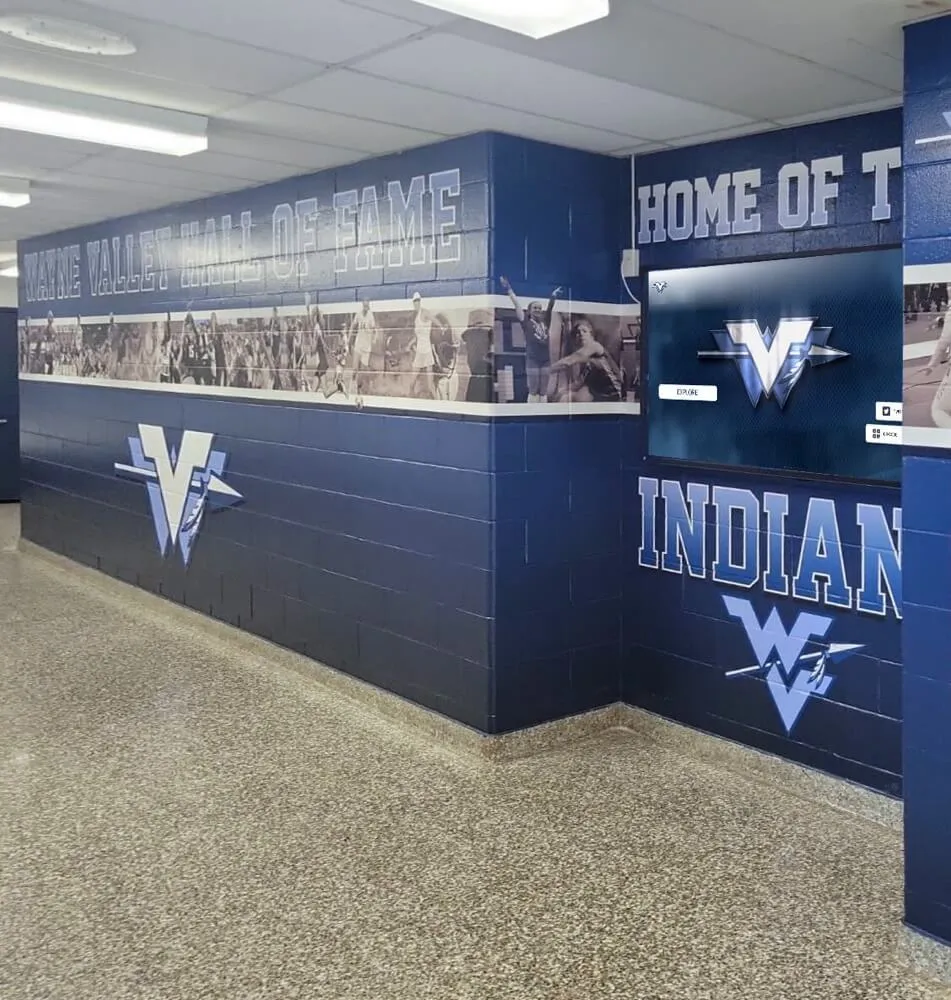
Custom-branded athletics hallway integrating institutional identity with recognition displays
Common Senior Recognition Display Challenges
Schools implementing or improving senior awards displays encounter predictable challenges. Understanding these obstacles and proven solutions helps institutions avoid common pitfalls.
Challenge: Balancing Multiple Achievement Types
Schools struggle to appropriately balance recognition across academic, athletic, artistic, leadership, and character achievements. Athletic awards often dominate because sports generate visible competition results and clear performance metrics, while arts achievements or character recognitions receive less emphasis despite their significance.
Addressing this imbalance requires intentional design ensuring equivalent prominence for diverse achievement types. Digital displays help by providing unlimited capacity—celebrating athletic excellence doesn’t require reducing recognition for other achievements. Physical displays should consciously reserve space for non-athletic awards rather than allowing sports to dominate available capacity.
Challenge: Maintaining Historical Continuity
As schools update recognition systems, they often face difficult decisions about historical awards. Physical trophy cases may contain decades of awards that cannot practically transfer to new display systems, creating tension between honoring history and creating contemporary recognition programs.
Solutions include maintaining selective historical displays showcasing particularly significant achievements from past eras, creating digital archives that comprehensively document historical awards even if physical trophies move to storage, and implementing graduated approaches where recent achievements receive prime display prominence while historical awards occupy secondary spaces.
Challenge: Managing Subjective Award Decisions
Many senior awards involve subjective selection processes that can generate controversy if students or families disagree with recipient choices. Character awards, leadership recognitions, and even academic subject awards may involve faculty judgments that some perceive as unfair.
Schools should establish clear selection criteria and processes for subjective awards, communicate these criteria transparently to students and families, involve multiple stakeholders in selection decisions rather than relying on single individuals, and maintain consistent processes year-to-year so expectations become predictable and understood.
Challenge: Updating Legacy Systems
Schools with outdated physical trophy cases face practical challenges when trying to improve recognition systems while respecting existing displays. Removing or replacing trophy cases can be politically sensitive if alumni or community members view existing displays as sacred traditions.
Successful approaches acknowledge tradition value while explaining capacity limitations and opportunities for enhancement. Framing improvements as additions rather than replacements, maintaining connections to historical displays, and involving alumni in planning new systems can reduce resistance to necessary changes.
Building School Pride Through Senior Recognition
Beyond honoring individual achievements, senior recognition displays significantly impact overall school culture and pride. Thoughtfully designed systems contribute to positive school climate by celebrating community values and connecting students to institutional traditions.
Creating Shared Identity
Recognition displays that celebrate diverse achievements help students see themselves as part of broader school communities. When students observe seniors recognized for academics, athletics, arts, service, and character—not just narrow achievement categories—they internalize that their institution values multiple forms of excellence.
This inclusive recognition builds stronger shared identity across diverse student populations than programs focused narrowly on traditional academic or athletic excellence. Students who might not personally receive awards still take pride in their school’s comprehensive celebration of achievement.
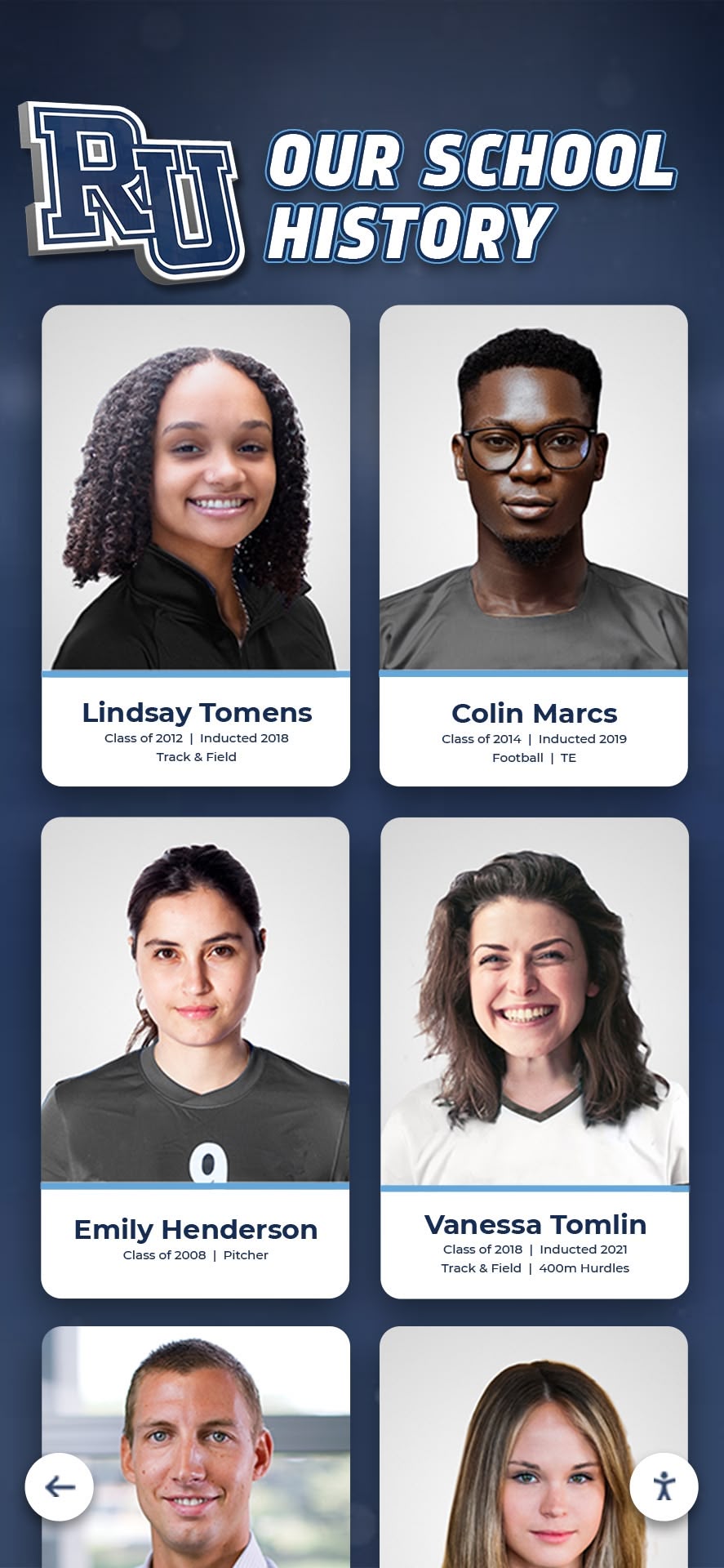
Historical portrait displays connecting current students to institutional legacy and tradition
Connecting Generations
Recognition displays create tangible connections between current students and alumni who came before them. When students see decades of graduates honored for similar achievements they’re pursuing, they understand themselves as part of ongoing traditions larger than their individual experiences.
Digital displays particularly enable these generational connections by making historical achievements easily accessible through search functions and browse features. Students can discover which alumni previously held records they’re chasing, find graduates who pursued similar interests, or explore how their programs evolved over decades.
Reinforcing Institutional Values
The achievements schools choose to recognize communicate institutional values more powerfully than mission statements or promotional materials. Students observe what behaviors and accomplishments receive celebration and adjust their priorities accordingly.
Schools committed to holistic student development should ensure recognition systems celebrate corresponding achievement types. Institutions emphasizing character development must prominently recognize character awards. Schools prioritizing academic excellence should showcase scholarly achievements with equal prominence to athletic honors.
Transform Your Senior Recognition Program
Discover how interactive digital displays can showcase every senior achievement with unlimited capacity and rich multimedia content. Create recognition experiences that honor your graduating class while inspiring underclassmen toward excellence.
Explore Recognition SolutionsFuture Trends in Senior Class Recognition
Senior recognition programs continue evolving as technology advances and educational priorities shift. Schools planning recognition systems should consider emerging trends that may shape future approaches.
Personalized Recognition Experiences
Emerging technologies enable increasingly personalized recognition experiences where students can create customized views of achievement content. Digital platforms might allow students to build personal portfolios connecting their awards to broader achievement narratives, share recognition profiles on social media or college applications, and subscribe to notifications when new achievements in areas they care about are added to displays.
This personalization increases recognition program relevance for individual students while maintaining comprehensive institutional archives documenting all achievements.
Integration With Digital Portfolios and Transcripts
Forward-thinking schools are beginning to integrate recognition displays with comprehensive digital portfolios and enhanced transcripts that provide richer documentation of student achievement than traditional grade reports. Awards showcased in public recognition displays automatically populate student portfolios, achievement descriptions and supporting materials become available for college applications, and comprehensive records document co-curricular and character achievements alongside academic performance.
This integration increases recognition program value by connecting public celebration to practical student benefits supporting college admissions and career opportunities.
Community-Generated Content
Some schools are experimenting with community-generated content in recognition systems, allowing peers to contribute comments or memories to award recipient profiles, enabling faculty to add contextual notes explaining achievement significance, or inviting families to submit photos or stories enriching recognition content.
This collaborative approach creates richer recognition experiences while engaging broader communities in celebrating graduating students. Moderation systems ensure appropriate content while encouraging meaningful contributions from multiple stakeholders.
Virtual and Remote Recognition
The COVID-19 pandemic accelerated virtual recognition approaches as schools unable to host traditional in-person ceremonies developed online alternatives. Even as in-person events return, virtual recognition components persist because they enable participation from geographically dispersed communities—alumni living far away can engage with recognition content, extended families unable to attend ceremonies can experience virtual celebrations, and remote learners participating from home remain connected to school recognition programs.
Hybrid recognition approaches combining in-person ceremonies with robust online displays ensure maximum accessibility and engagement across all community members regardless of physical location.
Conclusion
Senior class awards displays represent far more than decorative school installations—they embody institutional values, honor graduating student achievements, inspire underclassmen toward excellence, and create lasting memories connecting graduates to their schools throughout their lives. Schools that thoughtfully design comprehensive recognition systems—whether through traditional trophy cases, innovative digital displays, or strategic hybrid approaches—demonstrate genuine commitment to celebrating student accomplishment in all its diverse forms.
Effective recognition programs balance multiple achievement types, maintain accessibility for varied stakeholder groups, sustain quality through systematic management processes, and evolve with changing technologies and educational priorities. By implementing strategic approaches that combine physical displays’ tangible impact with digital systems’ unlimited capacity and rich multimedia capabilities, schools create recognition experiences that truly honor every graduating senior’s unique contributions.
For schools seeking to transform how they celebrate senior class achievements, solutions like Rocket Alumni Solutions provide purpose-built platforms specifically designed for comprehensive student recognition. These systems enable institutions to showcase unlimited awards with rich multimedia content, maintain permanent historical archives, and create engaging experiences that build school pride across generations—ensuring every senior receives the meaningful recognition their accomplishments deserve.