Every school day presents opportunities to recognize the extraordinary individuals who make educational communities thrive—dedicated teachers inspiring curiosity, supportive staff ensuring smooth operations, achieving students excelling academically and athletically, engaged parents volunteering countless hours, and community members strengthening connections between schools and neighborhoods. Yet many schools struggle to maintain consistent recognition throughout the year, focusing celebration into isolated events while missing dozens of meaningful moments deserving acknowledgment.
The most vibrant school communities approach recognition strategically, building comprehensive calendars that celebrate diverse achievements across all twelve months. These schools recognize that consistent, visible appreciation strengthens morale, reinforces positive behaviors, builds pride connecting stakeholders to institutional mission, and creates cultures where excellence becomes expected rather than exceptional.
A well-designed recognition calendar balances formal observances—national Teacher Appreciation Week, Principal Appreciation Day, established award ceremonies—with school-specific celebrations honoring local traditions, achievements unique to particular communities, and spontaneous moments warranting immediate acknowledgment. Strategic schools also leverage modern digital recognition technologies enabling permanent, interactive celebration that extends far beyond single-day events or temporary bulletin board displays.
This comprehensive guide presents a complete calendar of school recognition days spanning the entire academic year, explores strategies for celebrating each effectively, and examines how digital recognition displays transform isolated moments into continuous community celebration visible daily to students, families, and visitors.

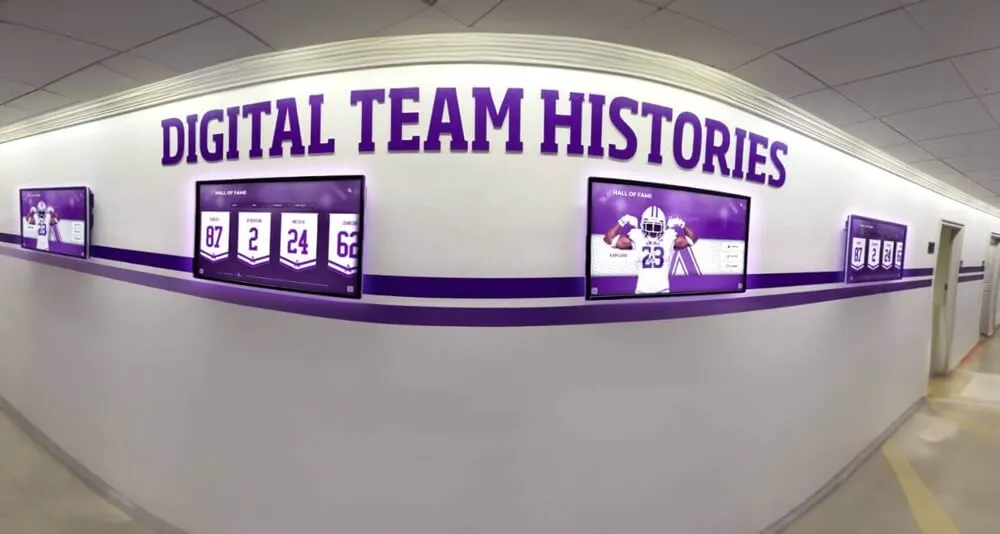
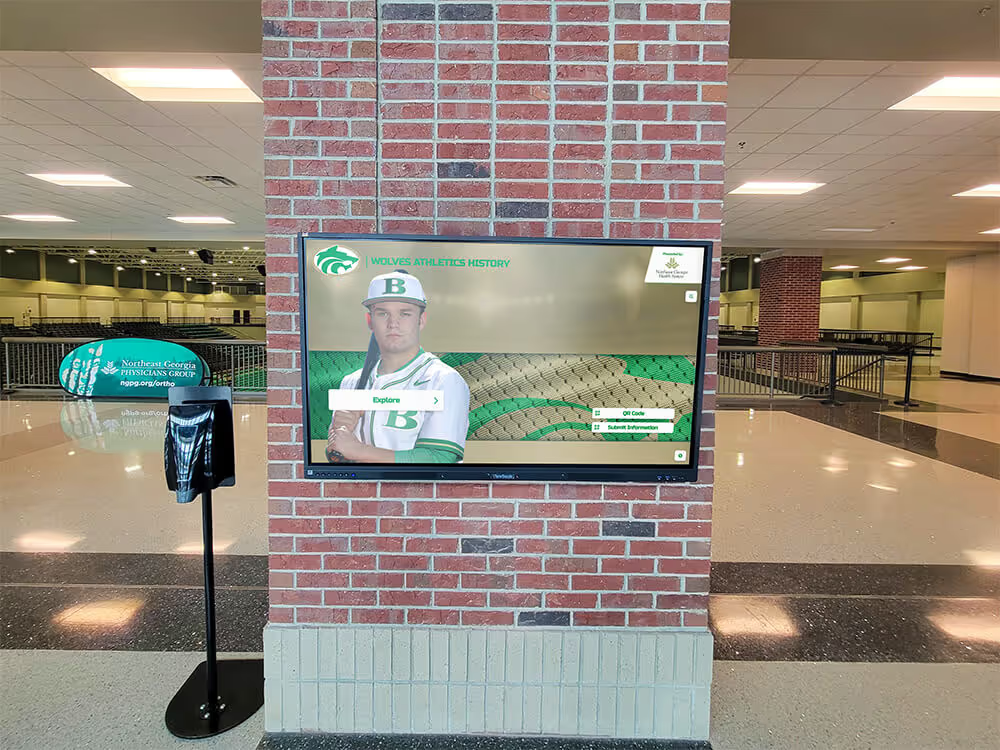
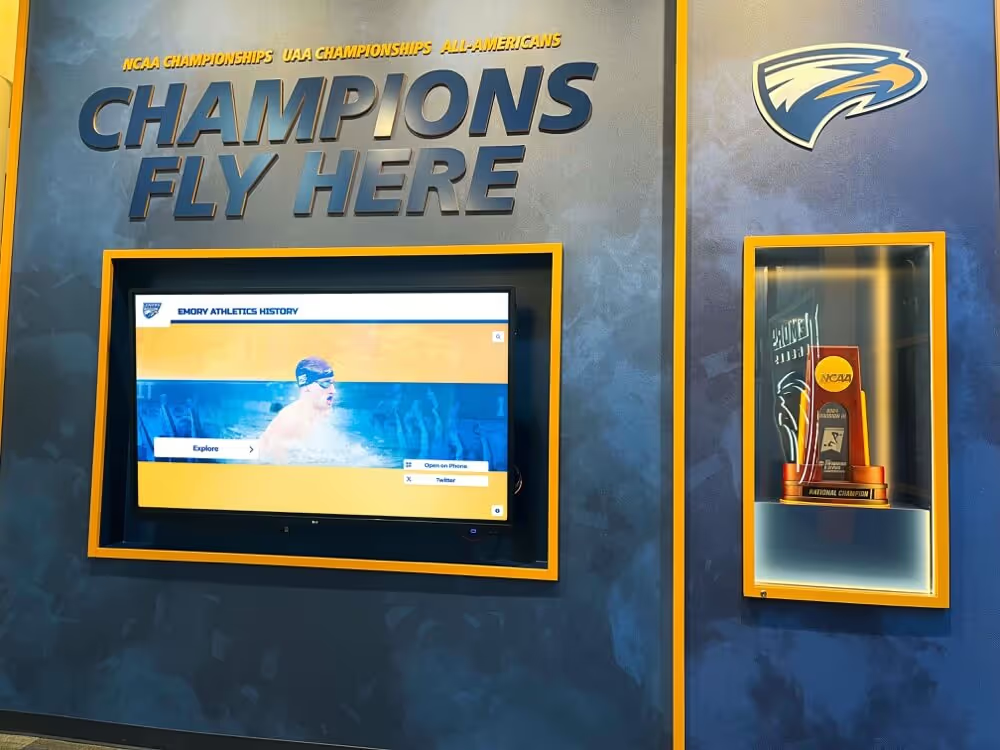
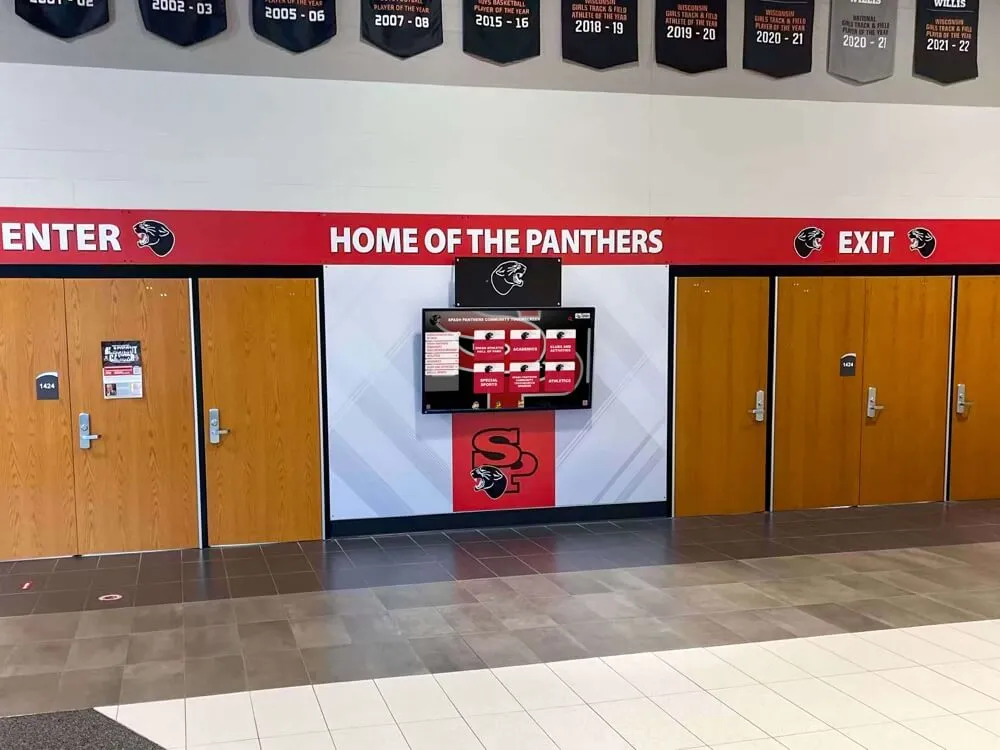
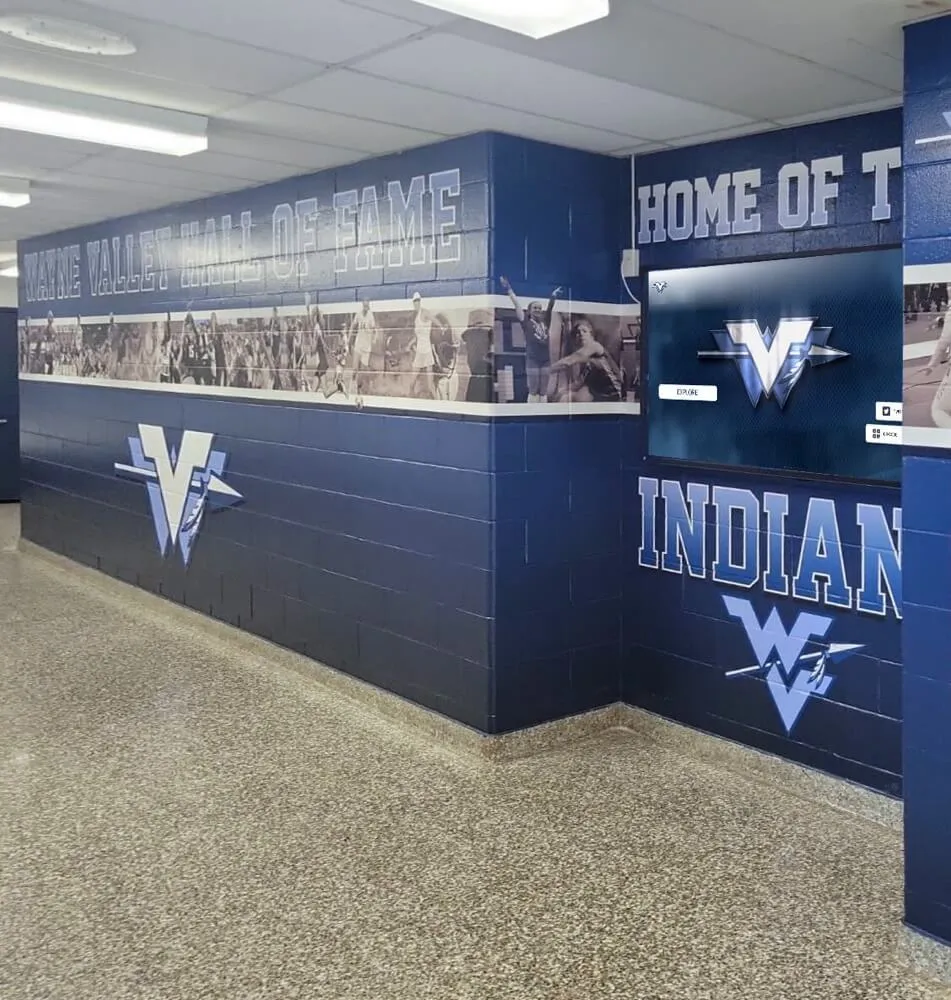
Strategic placement of recognition displays in high-traffic hallways ensures year-round visibility for celebrating diverse community achievements
Building a Comprehensive School Recognition Calendar
Before examining specific recognition days, understanding how to structure an effective year-round calendar ensures consistent celebration without overwhelming staff or creating recognition fatigue.
Planning Recognition Across the Academic Year
Balancing Recognition Categories
Effective calendars distribute recognition across multiple categories ensuring no group feels overlooked:
- Educator recognition: Teachers, administrators, support staff, substitutes, volunteers
- Student achievement: Academic excellence, athletic accomplishments, artistic achievements, character development
- Staff appreciation: Custodians, cafeteria workers, office personnel, transportation staff, security
- Community partnerships: Parent volunteers, business sponsors, alumni contributors, community supporters
- Milestone celebrations: School anniversaries, facility dedications, program inaugurations
By intentionally scheduling recognition across these categories throughout the year, schools demonstrate that every contributor matters to institutional success. Schools can enhance recognition visibility through thoughtful school lobby design featuring dedicated celebration spaces.
Creating Recognition Ownership
Sustainable recognition calendars assign clear responsibility for each observance:
Designate coordinator roles (department heads, student council advisors, parent organization leaders) who own planning and execution for specific recognition days. Provide budget allocations ensuring each observance receives appropriate resources. Build recognition responsibilities into job descriptions and volunteer expectations making celebration part of institutional culture rather than optional additions. Document successful approaches creating templates that simplify future planning and ensure consistency.
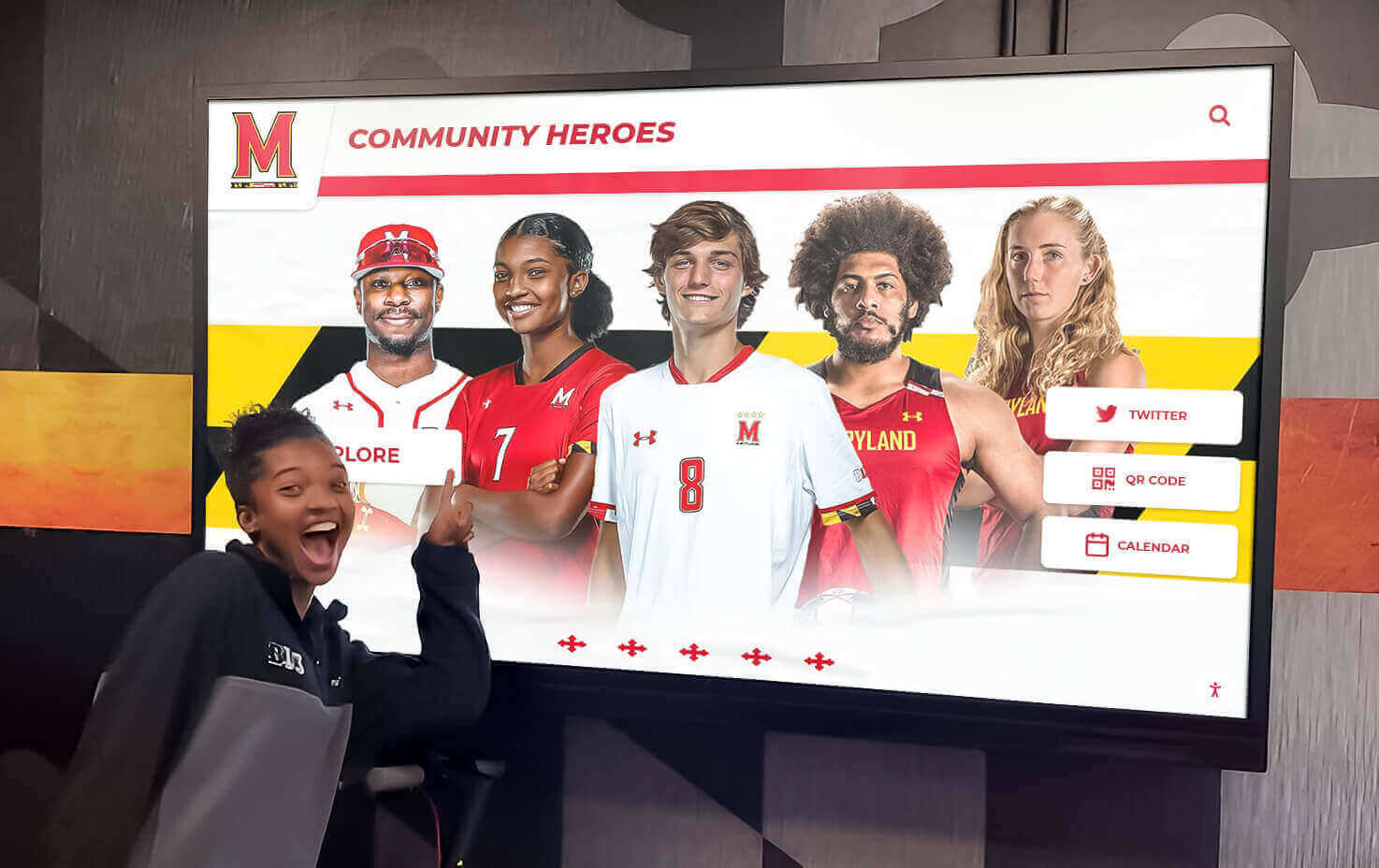
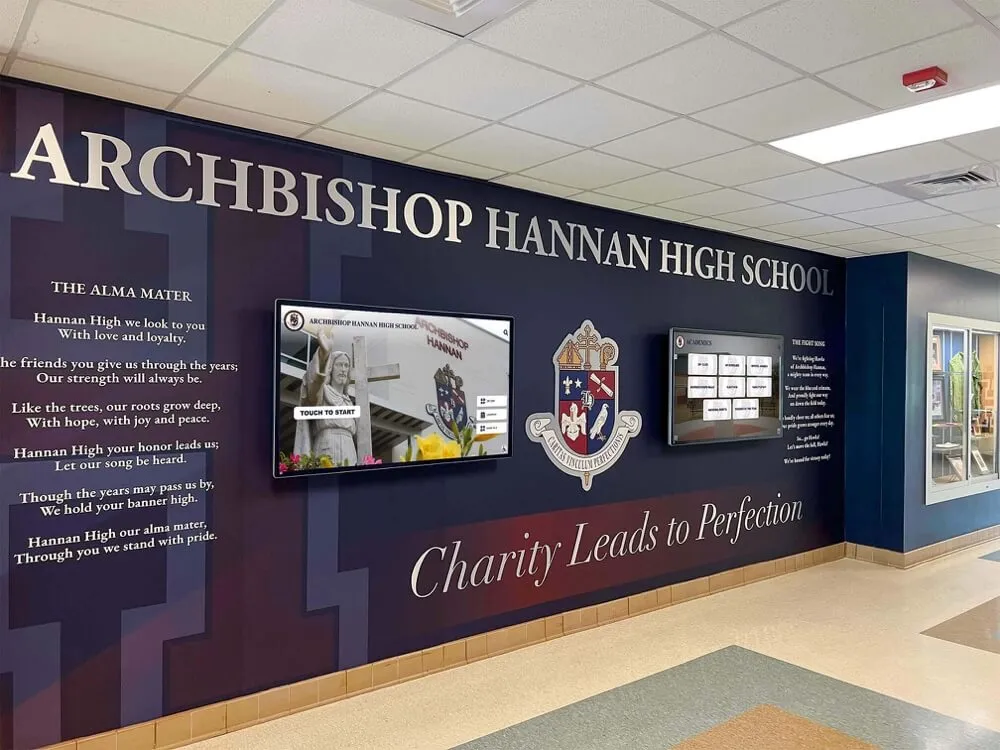
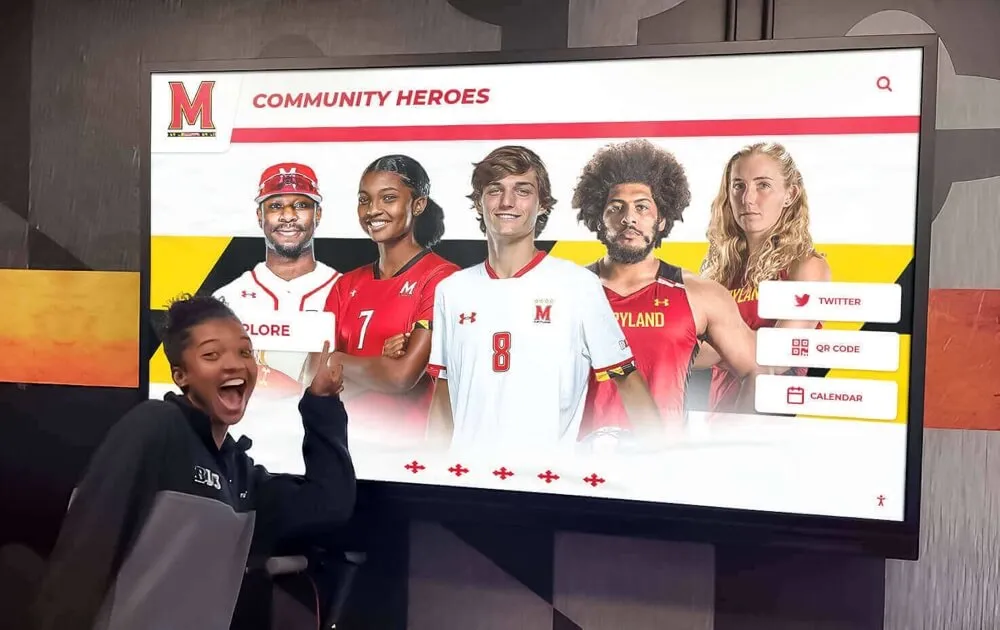
Interactive displays engage students in discovering community achievements and understanding recognition traditions spanning decades
August-September: Back-to-School Recognition
The school year’s opening weeks establish recognition culture for months ahead.
Staff Welcome Back Celebrations
Before students arrive, recognize returning educators and welcome new team members:
Host welcome breakfast or lunch celebrating faculty and staff returning for another year. Provide personalized welcome gifts acknowledging individual contributions and celebrating service milestones (5, 10, 15+ years). Create recognition moments for new hires introducing them to school culture and ensuring they feel valued from day one. Share summer accomplishments—professional development completed, advanced degrees earned, personal milestones achieved—demonstrating interest in whole person beyond professional roles.
Student Recognition: New School Year Kickoff
Launch the academic year celebrating student achievements from the previous spring:
Recognize prior year honor roll students, perfect attendance achievers, and graduating seniors who earned scholarships. Celebrate athletic accomplishments from spring sports seasons that concluded after previous school year ended. Acknowledge summer achievements—internships completed, service hours logged, leadership camps attended. For comprehensive approaches to celebrating academic milestones, explore academic recognition program strategies.
Labor Day Weekend (First Monday in September)
While schools typically close for Labor Day, the preceding week offers opportunities to recognize support staff whose labor makes education possible:
Highlight custodians, maintenance workers, cafeteria staff, transportation personnel, and other essential workers. Share “day in the life” features showing what these roles entail and demonstrating appreciation for often-invisible contributions. Provide small tokens of appreciation or organize staff appreciation breakfast specifically for support personnel.
October: Fall Recognition Opportunities
October brings multiple national observances plus seasonal celebration opportunities.
National Principals Month (October)
Entire month dedicated to recognizing school leadership:
Student councils can organize principal appreciation activities throughout October—decorating offices, coordinating surprise recognitions, creating appreciation videos featuring student testimonials. Parent organizations might sponsor special lunches, provide gift cards to favorite restaurants, or organize community campaigns highlighting principal impact. Staff can contribute through written appreciations, compiled scrapbooks, or coordinated presentation during faculty meeting.
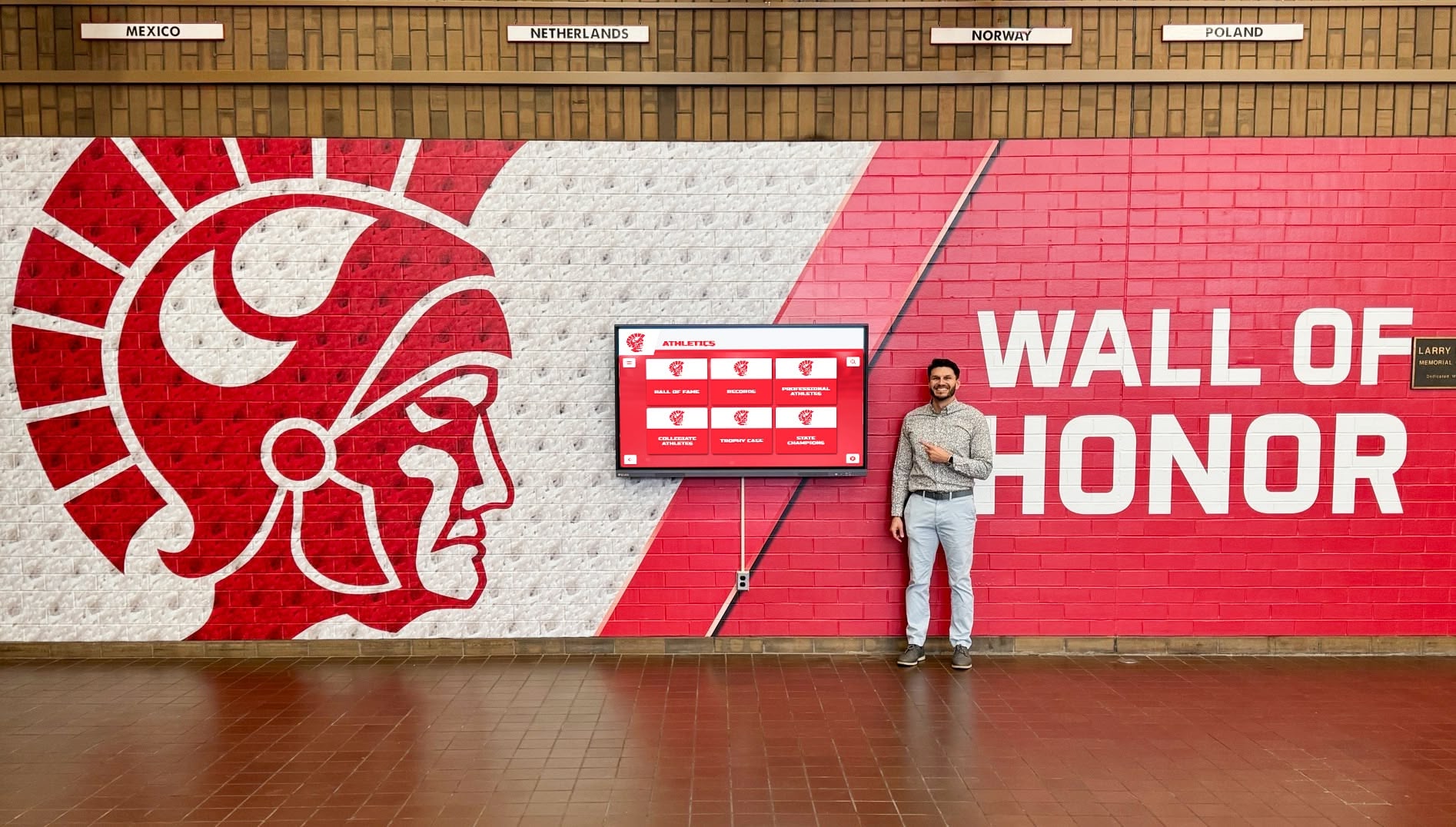
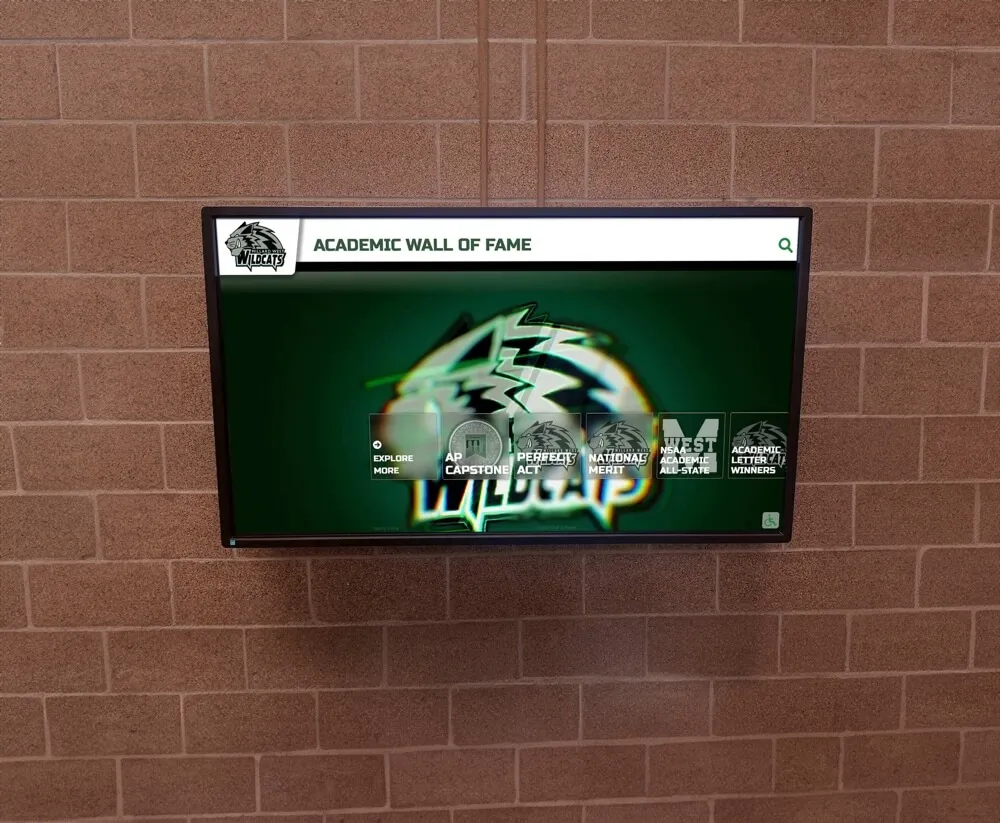
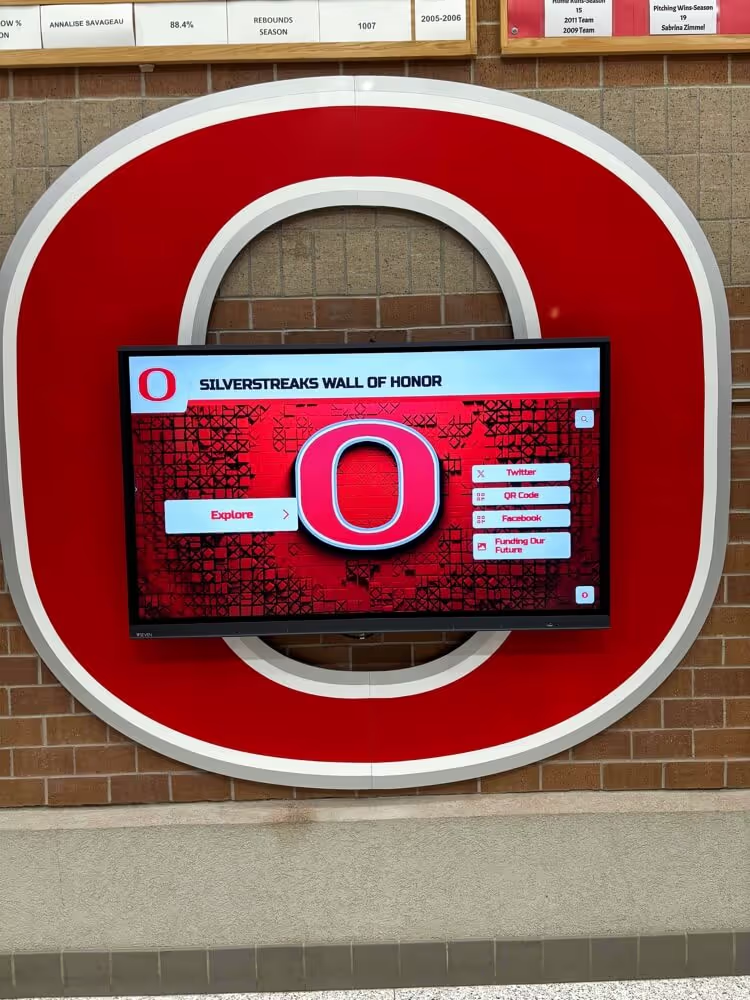
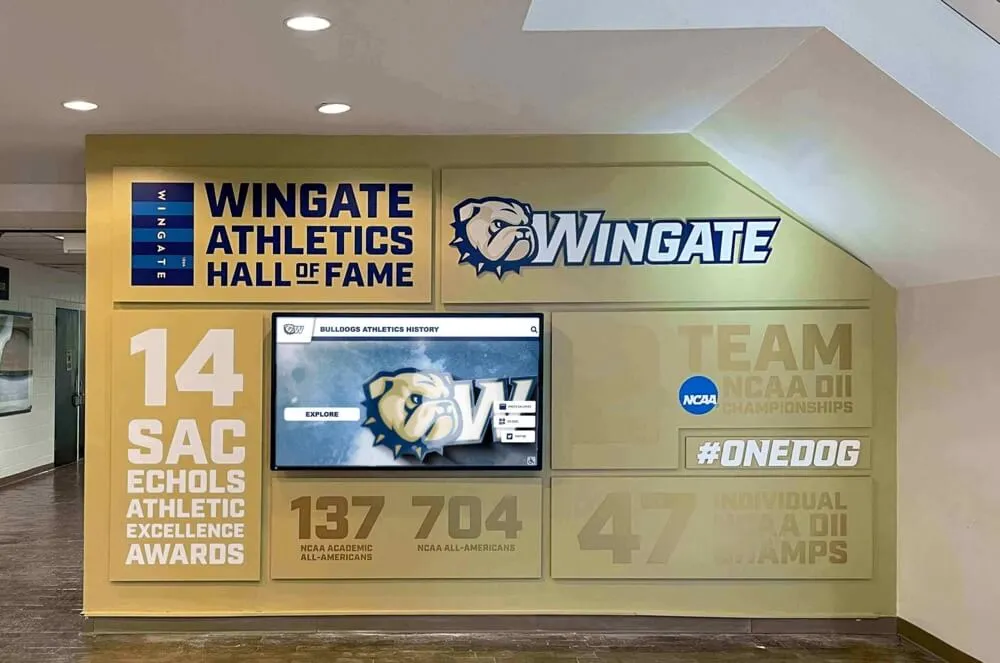
Permanent recognition displays enable year-round celebration of leadership, achievement, and community contribution
World Teachers’ Day (October 5)
International observance honoring teaching profession:
Coordinate student appreciation activities—thank you cards, classroom decorations, breakfast delivery. Share teacher spotlights on school social media and websites highlighting individual educators’ passions, teaching philosophies, and impact stories. Organize parent appreciation campaigns encouraging families to send messages expressing gratitude for specific teachers influencing their children. For ideas on educator recognition, see principal appreciation strategies.
Fall Athletic Recognition
Recognize fall sports athletes as seasons conclude:
Celebrate football, volleyball, cross country, soccer, and other fall sport achievements. Recognize all-conference selections, academic all-state honorees, team captains, and players reaching significant milestones. Highlight senior athletes completing final seasons with special recognition ceremonies and permanent displays documenting careers. Create highlight reels capturing season memorable moments that can be featured on recognition displays year-round.
Halloween/Costume Day Appreciation
While Halloween itself is celebratory, recognize staff making these events special:
Acknowledge teachers organizing costume contests, coordinating safe celebrations, and creating memorable experiences balancing fun with learning. Recognize parent volunteers supporting events, safety monitors ensuring security, and behind-scenes contributors whose work enables special activities.
November: Gratitude and Thanksgiving Recognition
November’s theme of gratitude aligns perfectly with comprehensive recognition efforts.
American Education Week (Week Before Thanksgiving)
National observance celebrating public education and all who contribute:
Each day during this week can focus on different stakeholder groups—Monday recognizing administrators, Tuesday celebrating teachers, Wednesday honoring support staff, Thursday appreciating parents and volunteers, Friday celebrating students. Coordinate building-wide activities including appreciation breakfasts, recognition assemblies, social media campaigns, and community partnerships. Document the week through photos and videos creating lasting records of celebration.
National Paraeducators Day (Wednesday of American Education Week)
Specific recognition for teaching assistants, classroom aides, and paraeducators:
These essential team members often receive less recognition than classroom teachers despite critical contributions supporting diverse learners, enabling small group instruction, and providing individualized assistance. Organize dedicated appreciation events, provide small gifts or appreciation certificates, and share specific stories highlighting paraeducator impact on student success.
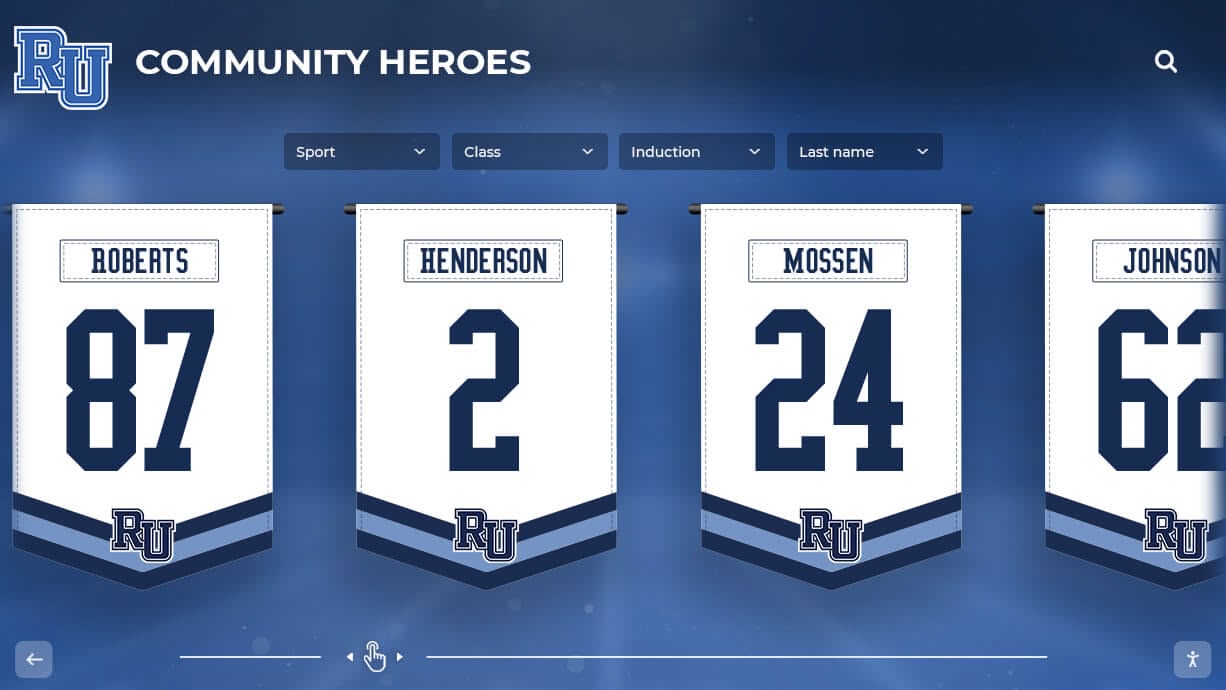
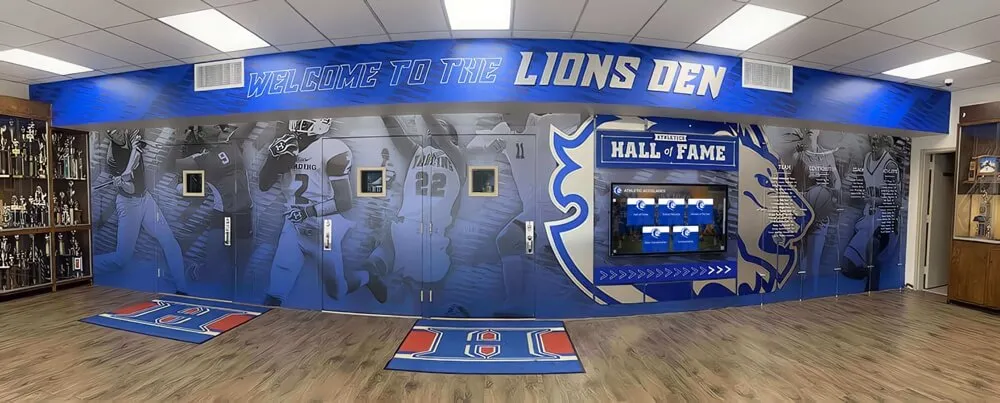
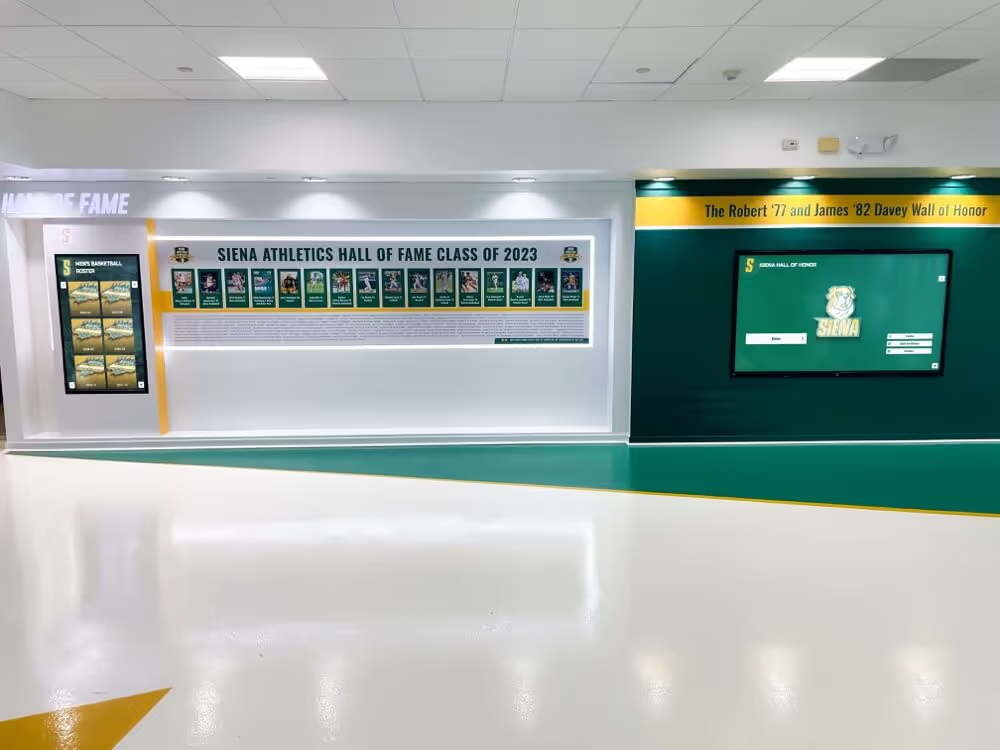
Modern recognition combines traditional elements like banners with digital displays creating layered celebration honoring multiple achievement categories
Thanksgiving Week Gratitude Focus
Short school week before Thanksgiving provides concentrated gratitude opportunities:
Organize gratitude walls where students, staff, and families post appreciation notes for community members. Create video compilations featuring thank-you messages from different stakeholder groups. Recognize volunteers who contributed since September in roles including classroom helpers, event coordinators, fundraising supporters, and facility improvement contributors. Share appreciation through newsletters, social media, and school websites ensuring recognition extends beyond building walls to broader community.
First Quarter Honor Roll Recognition
Recognize academic achievement from first marking period:
Publish honor roll lists celebrating students achieving academic distinction. Provide certificates or recognition letters sent home acknowledging accomplishment. Feature honor roll students on school recognition displays alongside athletic and activity achievements demonstrating equal value placed on intellectual excellence. Learn about year-round academic recognition through digital honor roll displays.
December: Year-End and Seasonal Celebrations
December balances holiday festivities with recognition for first semester contributions.
Winter Concert and Arts Recognition
Celebrate performing arts achievements during holiday concert season:
Recognize choir, band, orchestra, and theater students performing in winter concerts and holiday programs. Acknowledge directors coordinating performances, parent boosters supporting programs, and community members attending performances. Create permanent recognition for students achieving all-state honors, solo competition success, or leadership roles in performing arts. Digital displays can feature performance highlights and behind-scenes preparation showcasing artistic achievement alongside athletic and academic success.
Student Council and Leadership Recognition
Acknowledge student leaders coordinating events throughout fall semester:
Student council officers, class representatives, club leaders, and peer mentors deserve recognition for organizing spirit weeks, coordinating fundraisers, planning events, and providing student voice in school governance. Share specific impact stories showing how student leadership initiatives improved school culture, addressed community needs, or created new traditions. For broader student leadership recognition, explore student council recognition approaches.
First Semester Academic Excellence
Recognize semester-long achievement as winter break approaches:
Celebrate students maintaining high academic performance throughout fall semester. Recognize improvement stories—students who raised grades significantly through increased effort and effective intervention support. Acknowledge teachers providing extra help, tutoring programs supporting struggling learners, and families partnering in academic success. These recognition moments reinforce that consistent effort matters and improvement deserves celebration equally with sustained excellence.
Support Staff Holiday Appreciation
Many support staff work extra hours during December coordinating events:
Recognize office staff managing increased parent communication, custodians preparing for performances and events, cafeteria workers coordinating special meals, and technology staff supporting winter concert productions. Small gestures—appreciation cards, favorite treats, public acknowledgment—demonstrate that extra effort during busy seasons doesn’t go unnoticed.
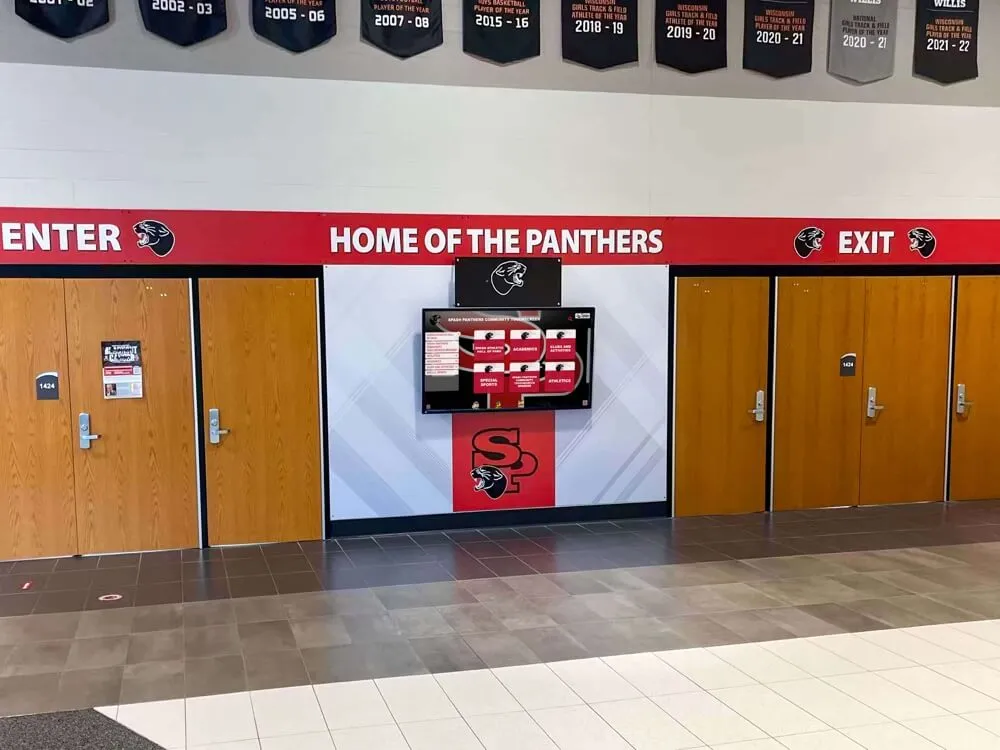
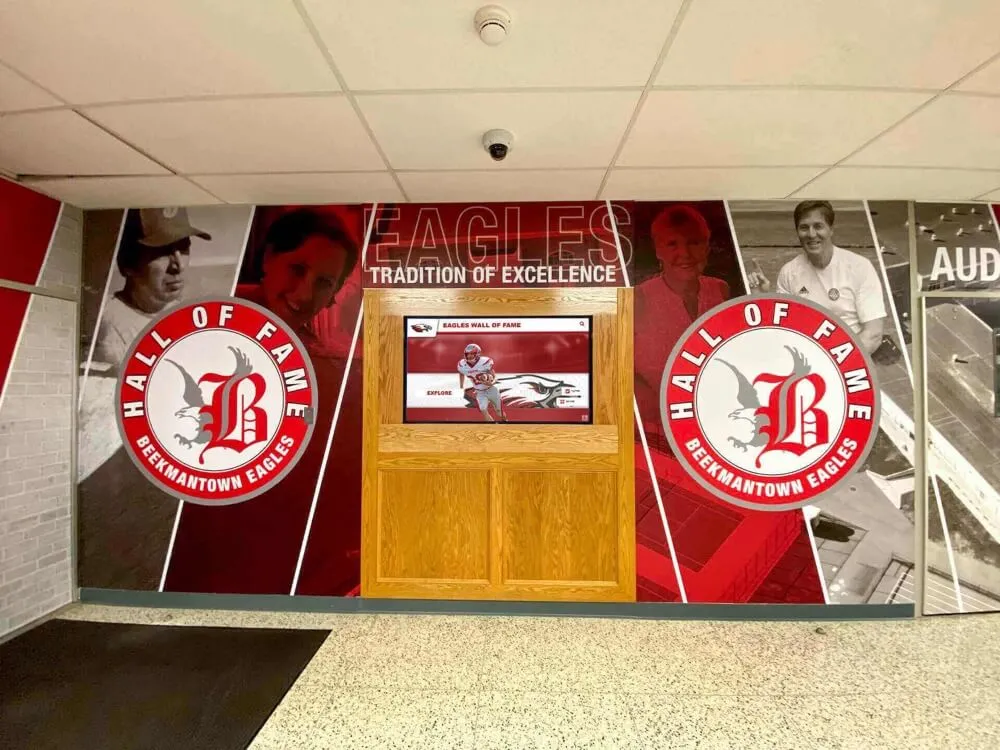
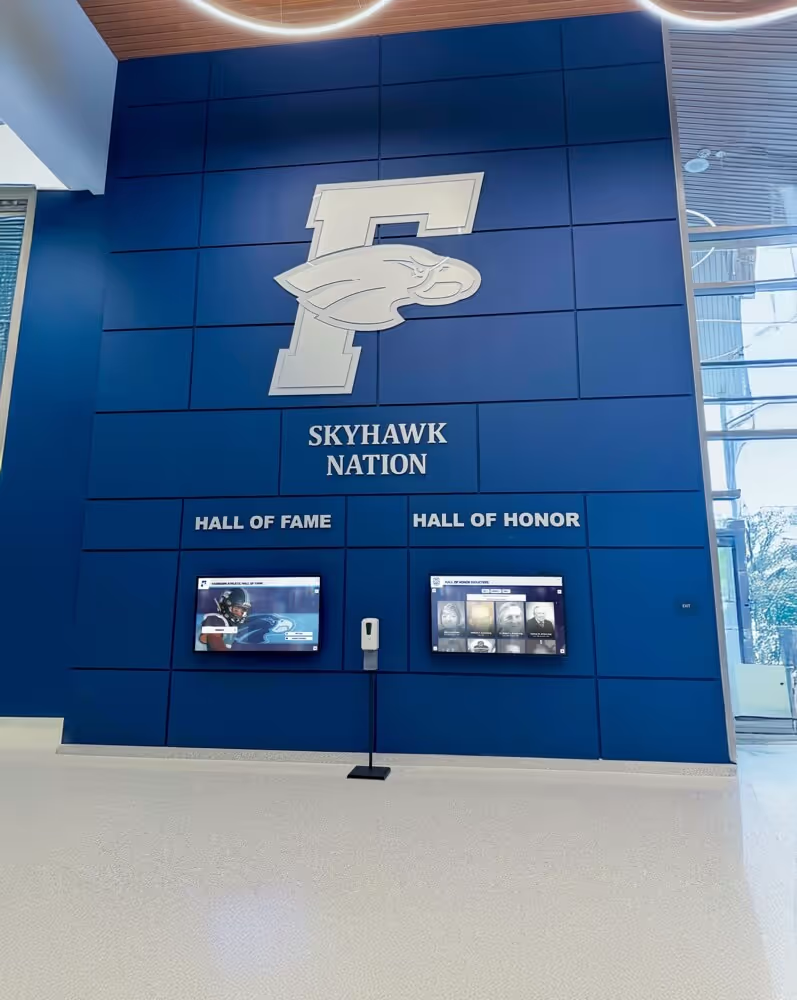
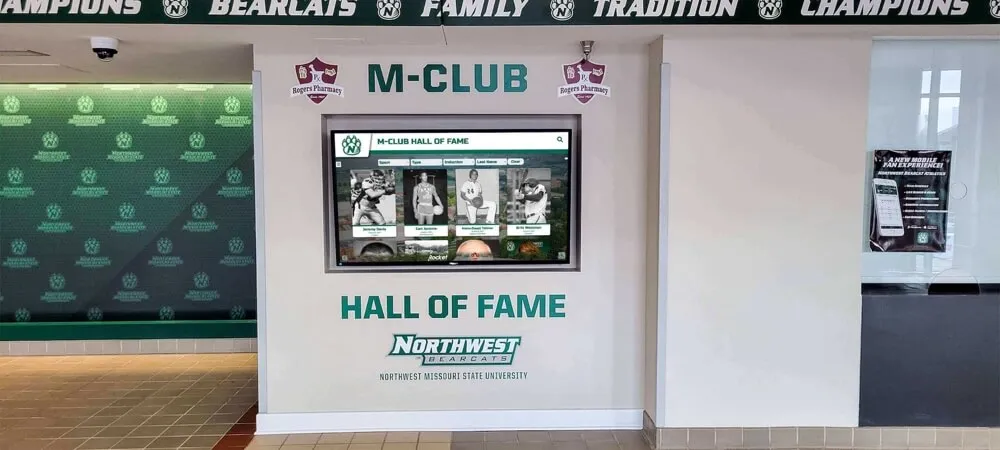
Prominent entrance displays ensure recognition visibility for all entering the building creating welcoming environment celebrating achievement
January: New Year and Winter Recognition
January provides fresh start energy ideal for launching recognition initiatives for second semester.
New Year Recognition: Fresh Starts and Goal Setting
Celebrate students making positive commitments for new calendar year:
Recognize students setting academic improvement goals, joining new activities, volunteering for leadership roles, or committing to positive behavior changes. Share staff professional development goals showing continuous improvement commitment. These forward-looking recognitions create optimism and demonstrate that growth mindset matters as much as current achievement.
National Mentoring Month (January)
Recognize mentorship programs and individuals providing guidance:
Celebrate peer tutors supporting struggling students, teacher mentors guiding new educators, alumni mentoring current students, and community professionals providing career guidance. Share specific mentoring success stories showing relationship impact. Organize mentoring appreciation events connecting mentors with mentees for celebration and reinforcing relationship importance.
Winter Sports Recognition
Acknowledge athletes competing in basketball, wrestling, swimming, hockey, and other winter sports:
Provide mid-season recognition for athletes demonstrating leadership, improvement, or outstanding performance. Celebrate team achievements including tournament victories, conference championships, or breakthrough wins. Recognize senior athletes during senior night ceremonies creating memorable final season moments. Document these celebrations through highlight video creation preserving memories permanently.
Second Quarter Honor Roll
Continue academic excellence recognition through second marking period:
Maintain consistency by recognizing academic achievement with same visibility and celebration as first quarter. Highlight students achieving honor roll status in consecutive quarters demonstrating sustained excellence. Recognize improvement stories—students newly appearing on honor roll through increased effort and effective support.
February: Love of Learning and Black History Celebration
February combines Valentine’s Day themes with important cultural recognition.
Black History Month (February)
Entire month dedicated to celebrating Black history, culture, and achievement:
Recognize Black students, staff, and alumni making significant contributions to school communities. Invite Black community leaders, alumni, and professionals as guest speakers sharing experiences and wisdom. Create displays featuring Black achievers in various fields connecting students to diverse role models. Coordinate student projects researching Black historical figures and contemporary leaders demonstrating impact across generations.
Random Acts of Kindness Week (February 14-20)
Week surrounding Valentine’s Day focusing on kindness and compassion:
Recognize students, staff, and community members demonstrating exceptional kindness, compassion, or service to others. Share kindness stories through school communications highlighting positive behaviors worth celebrating and emulating. Organize kindness challenges encouraging deliberate acts of compassion with recognition for creative or impactful initiatives.
School Counselors Week (First Full Week in February)
National recognition for school counselors providing critical student support:
Acknowledge counselors supporting students academically, emotionally, and socially. Share counselor impact stories showing how guidance changed student trajectories, enabled college access, or provided crisis intervention during difficult times. Organize student appreciation activities including thank-you cards, video tributes, and small appreciation gifts.
Winter Arts Exhibitions and Recognition
Celebrate visual arts achievements through February exhibitions:
Recognize student artists, photographers, and other creative contributors through gallery displays showcasing work. Acknowledge art teachers fostering creativity and technical skill development. Feature exceptional student artwork on school recognition displays alongside academic and athletic achievements demonstrating comprehensive excellence definition.
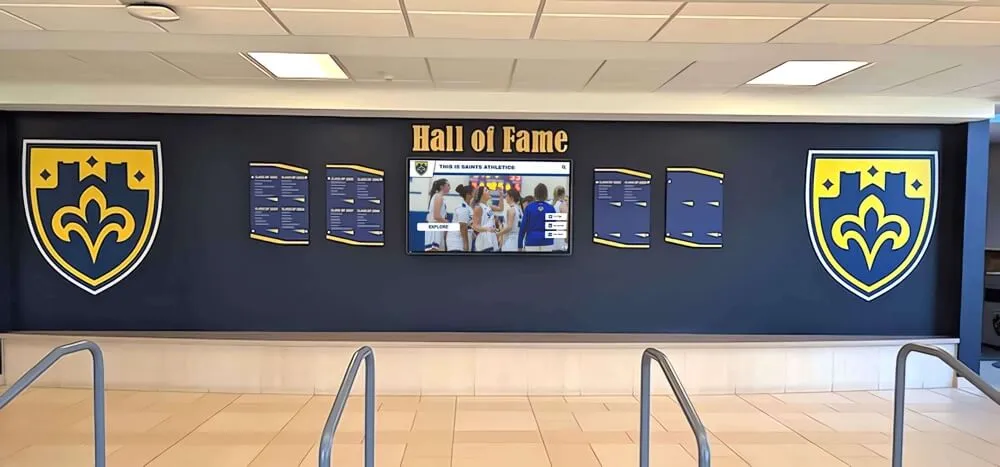
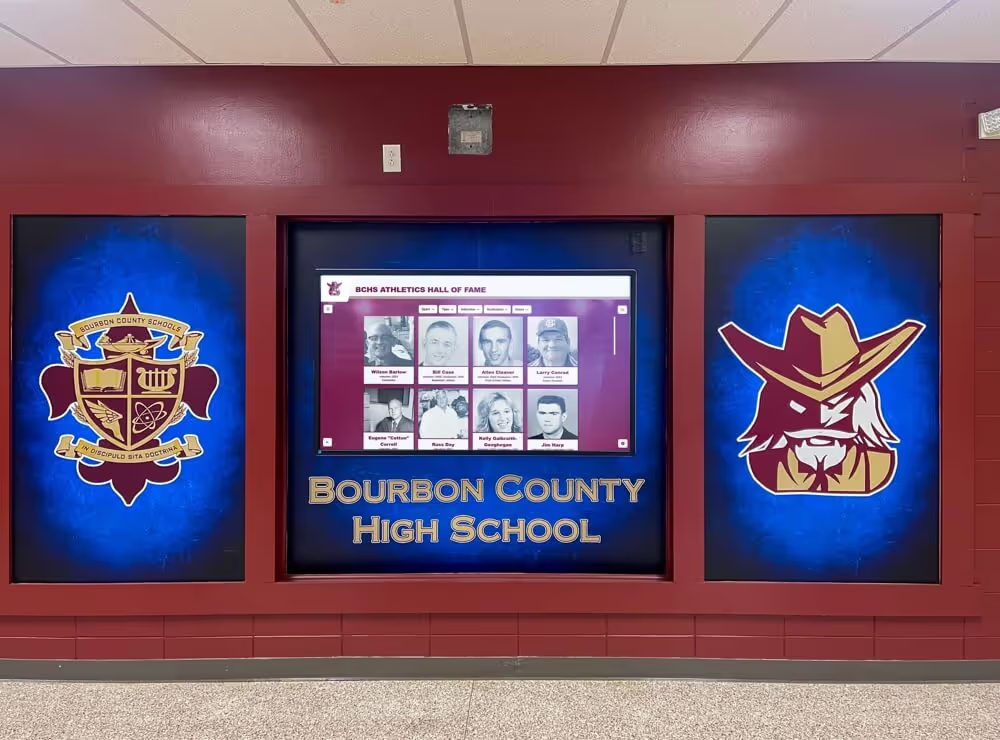
Traditional recognition elements like shields combine with modern displays creating timeless celebration honoring generations of achievement
March: Women’s History and Spring Recognition
March transitions from winter to spring with recognition opportunities aligned to seasonal change.
National Women’s History Month (March)
Month-long celebration of women’s achievements and contributions:
Recognize female students, staff, and alumni making significant community contributions. Invite accomplished women as speakers sharing career journeys, challenges overcome, and wisdom gained. Create displays featuring women achievers across diverse fields demonstrating breadth of opportunity and impact. Highlight female athletic achievements including all-state selections, championship participation, and leadership roles.
National School Breakfast Week (First Week in March)
Recognition for nutrition services staff providing essential meal programs:
Acknowledge cafeteria workers preparing nutritious breakfasts supporting student learning and wellness. Share statistics demonstrating breakfast program participation and student benefit. Organize appreciation events where administrators and teachers serve breakfast allowing nutrition staff to be served for once. Small gestures create significant morale impact for teams whose contributions directly enable student success.
Spring Sports Recognition Begins
As spring sports seasons launch, recognize athletes beginning competition:
Introduce spring sports teams including baseball, softball, track and field, tennis, lacrosse, and others. Recognize senior athletes beginning final seasons with special acknowledgment. Celebrate returning athletes who achieved success in prior seasons. Early-season recognition builds momentum and demonstrates that athletic achievement matters across all three seasons equally.
Third Quarter Honor Roll
Maintain academic recognition consistency through third marking period:
Continue celebrating academic excellence with same visibility given first and second quarter achievements. Recognize sustained achievement—students appearing on honor roll all three quarters demonstrating consistent excellence. Highlight dramatic improvement stories showing how support systems enable academic growth.
April: Administrative Professionals and Spring Achievements
April brings longer days, warmer weather, and numerous recognition opportunities.
National Assistant Principals Week (First Full Week in April)
Recognition for assistant principals managing complex operational and student discipline responsibilities:
These educational leaders handle day-to-day challenges enabling principals to focus on strategic initiatives. Recognize specific contributions including student discipline that teaches rather than punishes, schedule creation serving diverse student needs, and crisis management protecting school safety. Share assistant principal impact stories from staff, students, and parents highlighting relationship building and problem-solving that keeps schools functioning effectively.
National Volunteer Week (April 20-26)
Celebration of volunteers contributing time and talent:
Compile volunteer hour totals demonstrating community commitment magnitude. Recognize individual volunteers making exceptional contributions in categories including classroom assistance, event coordination, fundraising support, and facility improvement. Host volunteer appreciation events providing recognition and fellowship. Create permanent displays featuring volunteer impact stories and honoring significant multi-year contributors. Learn about volunteer recognition through digital donor wall approaches.
Administrative Professionals Day (Last Wednesday in April)
Specific recognition for office staff, administrative assistants, and support personnel:
These professionals serve as first point of contact for parents and visitors, manage complex scheduling and communications, coordinate operations enabling smooth school functioning, and handle countless details allowing educators to focus on teaching. Provide flowers or small gifts expressing appreciation. Organize appreciation breakfast or lunch celebrating their contributions. Share specific stories highlighting how administrative professionals went above and beyond solving problems or supporting community members.
Spring Concert and Arts Recognition
Celebrate performing arts achievements during spring concert season:
Recognize choir, band, orchestra, and theater students performing in spring concerts and productions. Acknowledge directors coordinating performances and parent boosters supporting programs. Celebrate students achieving all-state honors, competition success, or receiving music scholarships for college. Create permanent recognition documenting artistic achievement spanning student careers.
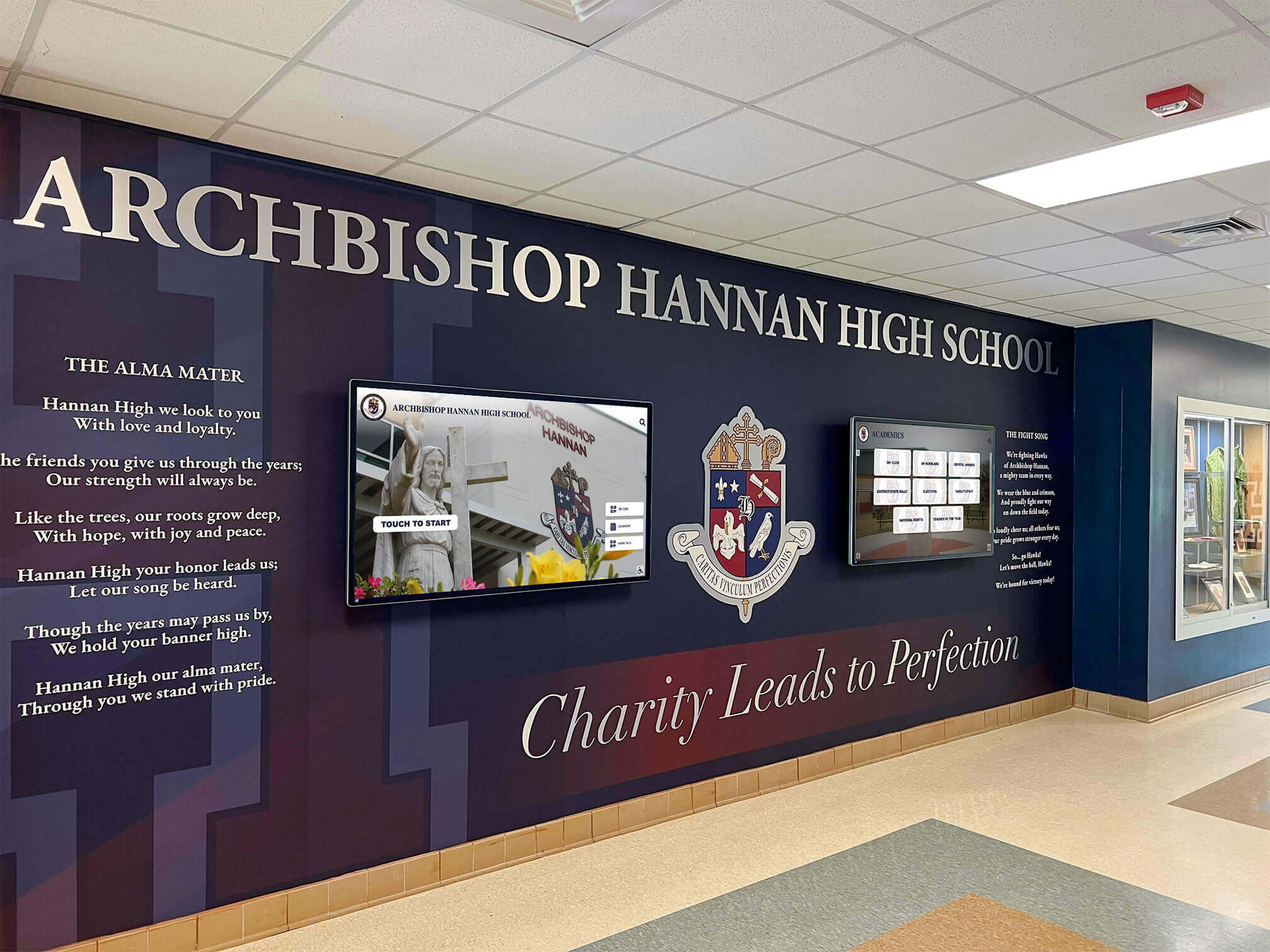
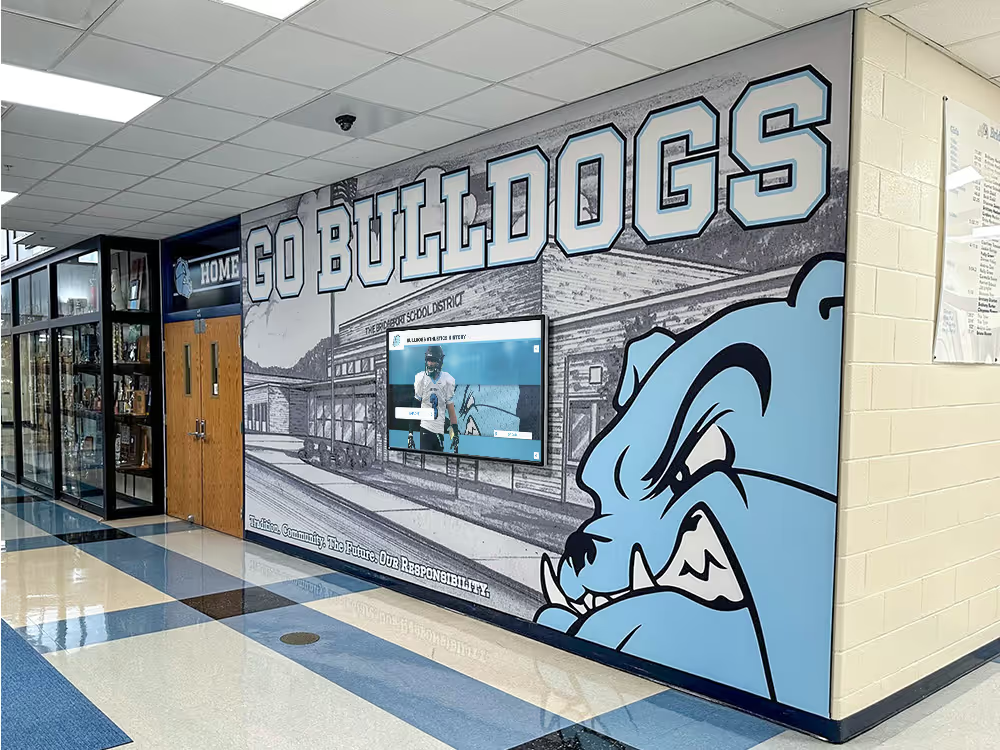
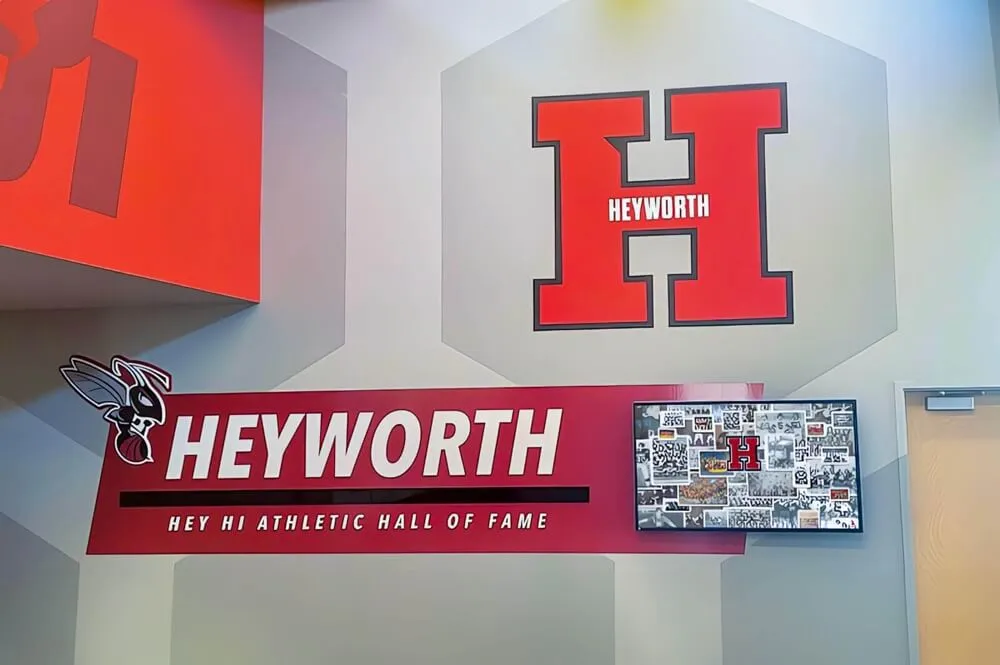
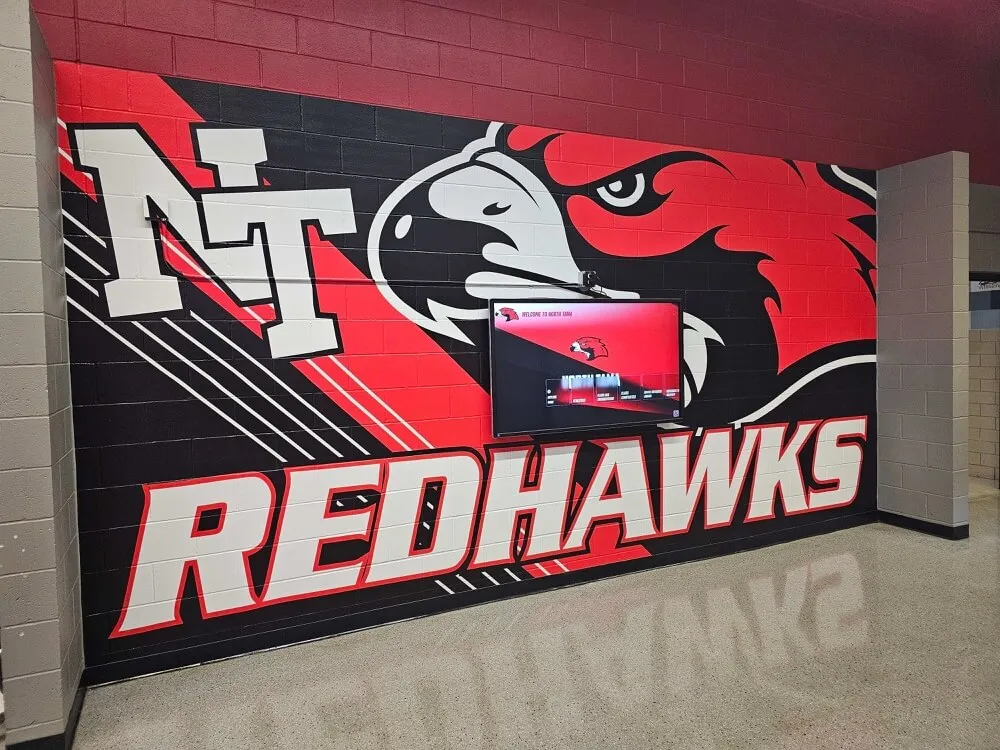
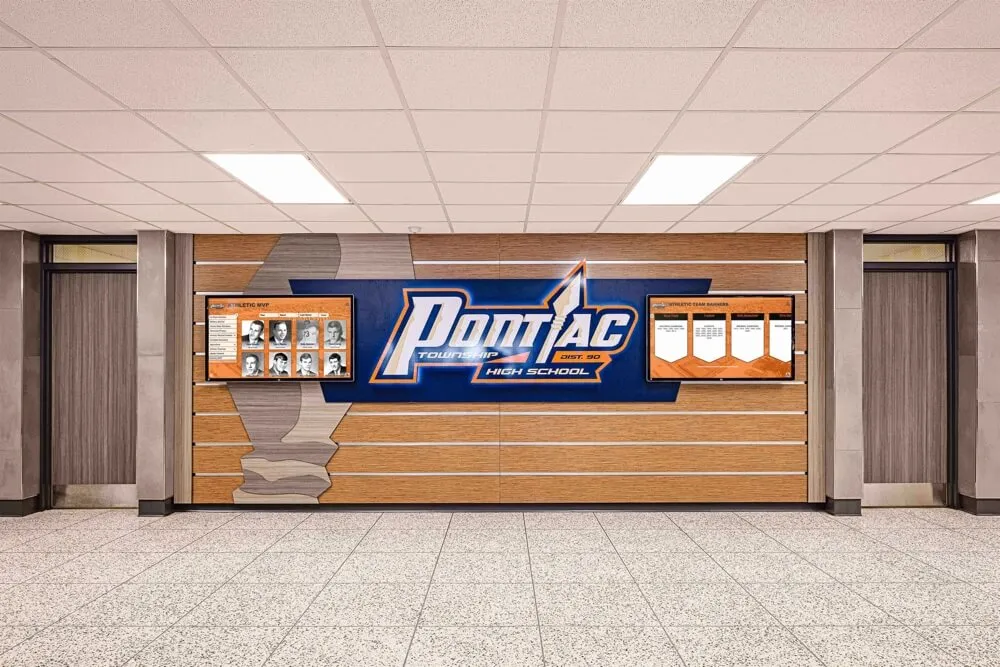
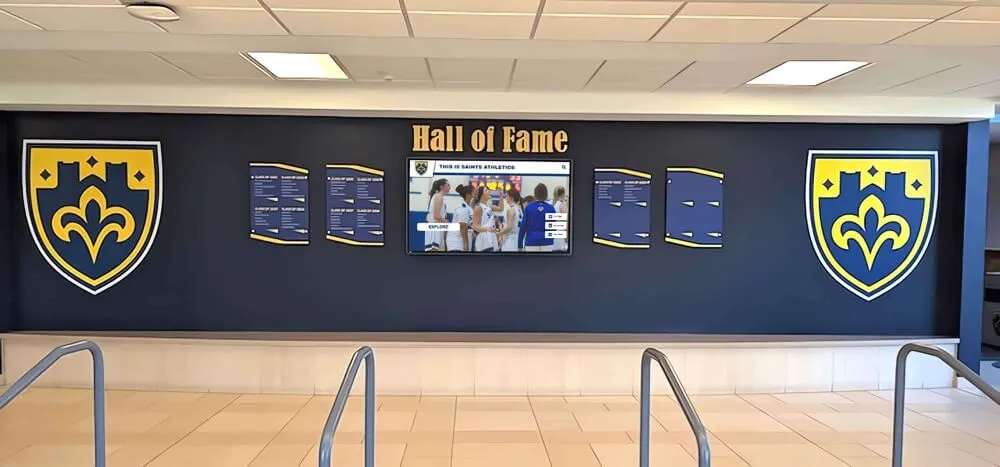
Integrated lobby designs combine traditional school symbols with modern recognition technology creating welcoming spaces celebrating institutional pride
May: Teacher Appreciation and End-of-Year Recognition
May represents recognition calendar peak with national Teacher Appreciation Week plus numerous year-end celebrations.
Teacher Appreciation Week (First Full Week in May)
Most significant educator recognition of entire year:
Organize daily themes throughout the week—Monday breakfast, Tuesday treats, Wednesday lunch, Thursday gifts, Friday casual dress and celebration. Coordinate parent campaigns encouraging families to send thank-you notes to teachers who impacted their children. Create student appreciation projects including thank-you videos, appreciation cards, and classroom decorations. Share teacher spotlight features on social media celebrating individual educators’ passions and contributions. Secure business sponsors providing gift cards, donated meals, or appreciation gifts. This week should feel genuinely special demonstrating that teaching matters and teachers are valued. For comprehensive teacher recognition ideas, explore teacher appreciation strategies.
National School Nurse Day (Wednesday of Teacher Appreciation Week)
Specific recognition for school nurses protecting student health and wellness:
Nurses address medical emergencies, manage chronic conditions, coordinate medication administration, provide health education, and serve as trusted confidants for students facing health challenges. Recognition should acknowledge both clinical skills and compassionate care that makes students feel safe. Small appreciation gestures combined with public acknowledgment demonstrate that health services receive appreciation equal to academic instruction.
Senior Recognition and Awards
May brings concentrated senior celebration before graduation:
Senior awards ceremonies recognizing academic achievement, athletic excellence, artistic accomplishment, character development, and service contributions. Senior athlete recognition including senior night ceremonies across spring sports. Senior scholar recognition celebrating college scholarships, academic honors, and post-graduation plans. Final recognition displays documenting senior class achievements and creating lasting memories. Schools can preserve these celebrations through digital photo gallery systems making moments accessible long after graduation.
Fourth Quarter and Final Honor Roll
Conclude academic year with final academic achievement recognition:
Celebrate fourth quarter honor roll students maintaining excellence through year’s end. Recognize sustained annual achievement—students appearing on honor roll all four quarters. Calculate cumulative year-end academic honors identifying top achieving students by grade level. These final recognitions reinforce that academic excellence matters consistently throughout entire year.
Staff Appreciation: Support Personnel
Beyond teachers, recognize all staff making year successful:
Custodians maintaining safe, clean learning environments. Cafeteria workers providing nutritious meals daily. Bus drivers transporting students safely. Office staff managing complex administrative operations. Technology staff keeping systems functioning. Security personnel protecting school safety. Each group deserves specific recognition acknowledging contributions enabling teaching and learning to occur effectively.
June: Graduation and Year-End Celebration
School year conclusion brings culminating recognition and celebration.
Graduation and Commencement Recognition
Ultimate celebration honoring graduating seniors:
Valedictorian and salutatorian recognition acknowledging top academic achievers. Special awards for students demonstrating excellence across academic, athletic, artistic, and service categories. Recognition of college scholarship totals demonstrating graduating class achievement. Permanent displays documenting graduating class including individual profiles, achievements, college destinations, and memorable moments. For comprehensive graduation recognition, see academic honor recognition strategies.
End-of-Year Staff Recognition
Acknowledge entire faculty and staff as school year concludes:
Service milestone recognition for staff completing 5, 10, 15, 20+ years. Retirement celebrations honoring careers and contributions. Special recognition for exceptional contributions during the year—teachers launching innovative programs, staff managing unexpected challenges, individuals going above and beyond normal responsibilities. Year-end celebration events providing fellowship and reflection on accomplishments.
Summer Transition Recognition
As students and staff depart for summer, recognize transition achievements:
Students advancing grade levels including elementary to middle, middle to high, and of course graduating seniors. Staff pursuing summer professional development demonstrating continuous improvement commitment. Facility improvements planned for summer acknowledging those who will work throughout break preparing buildings for next year.
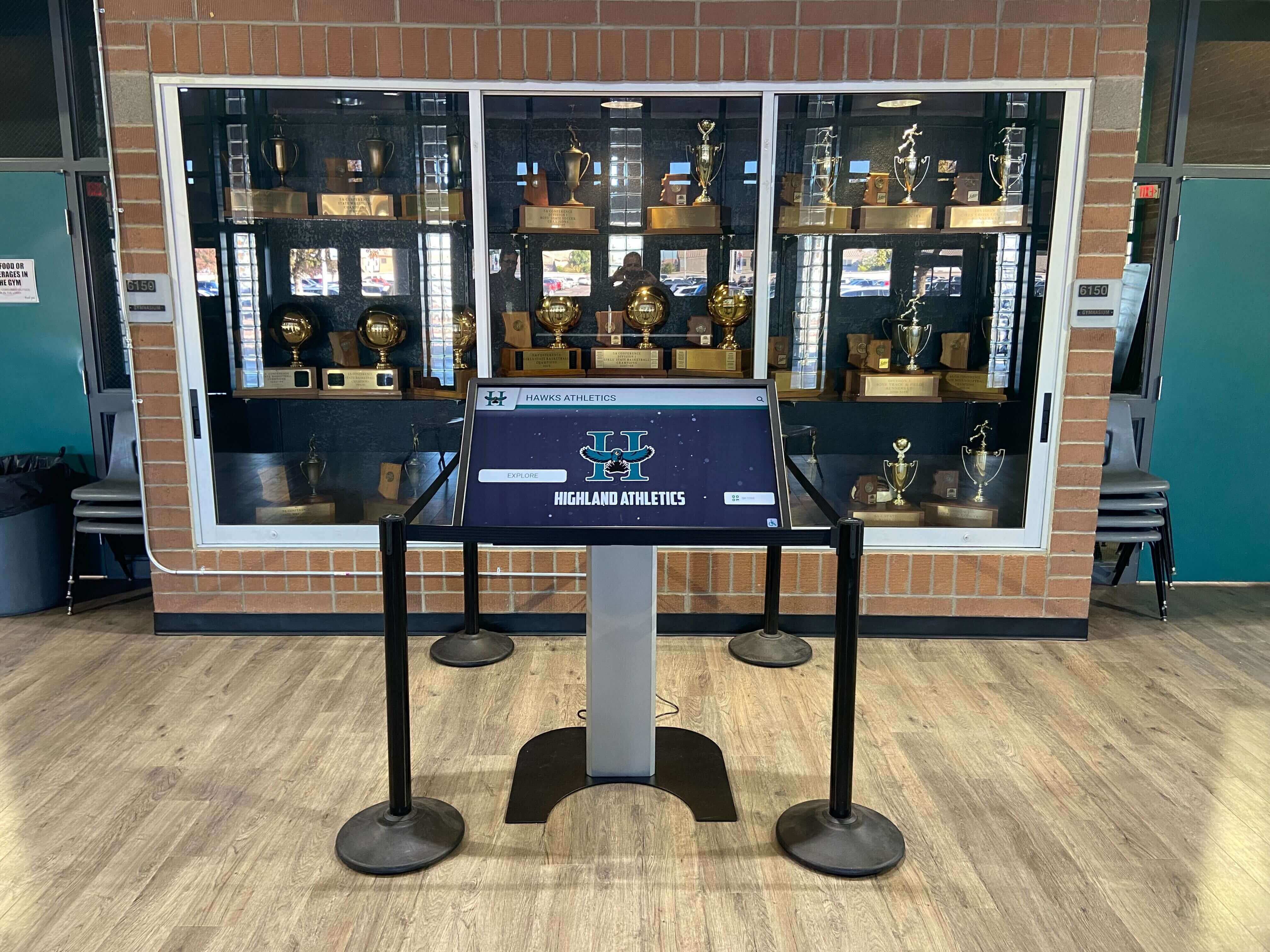
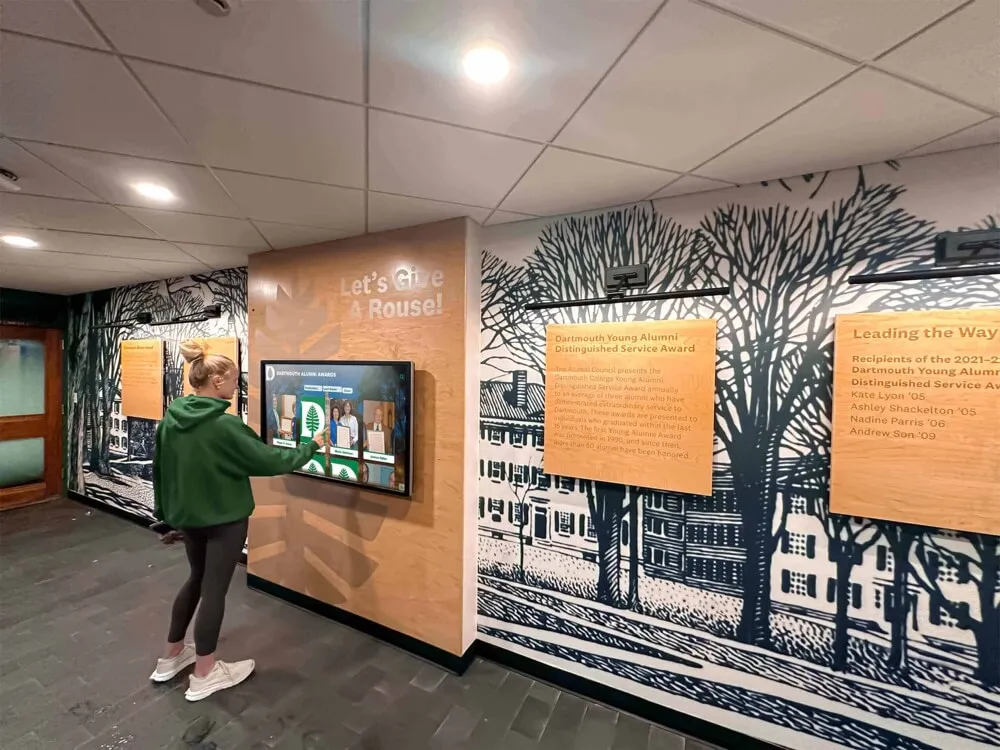
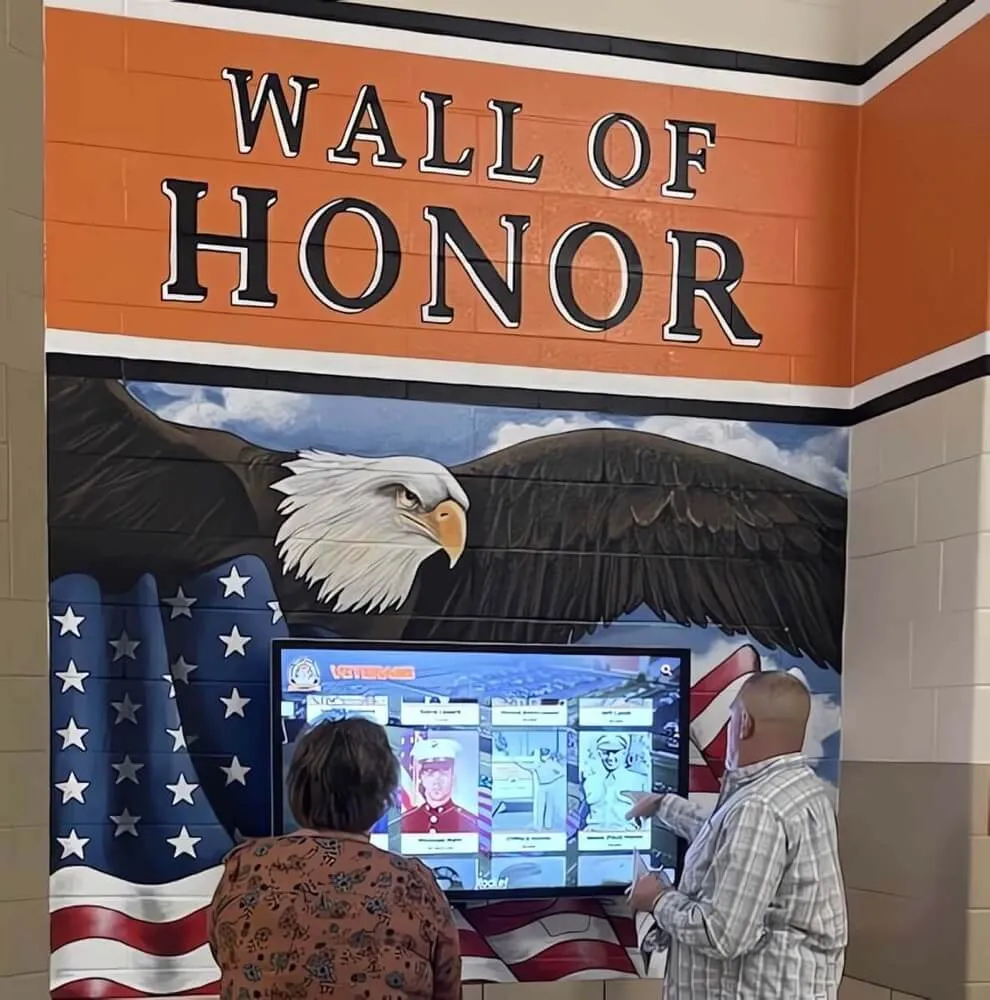
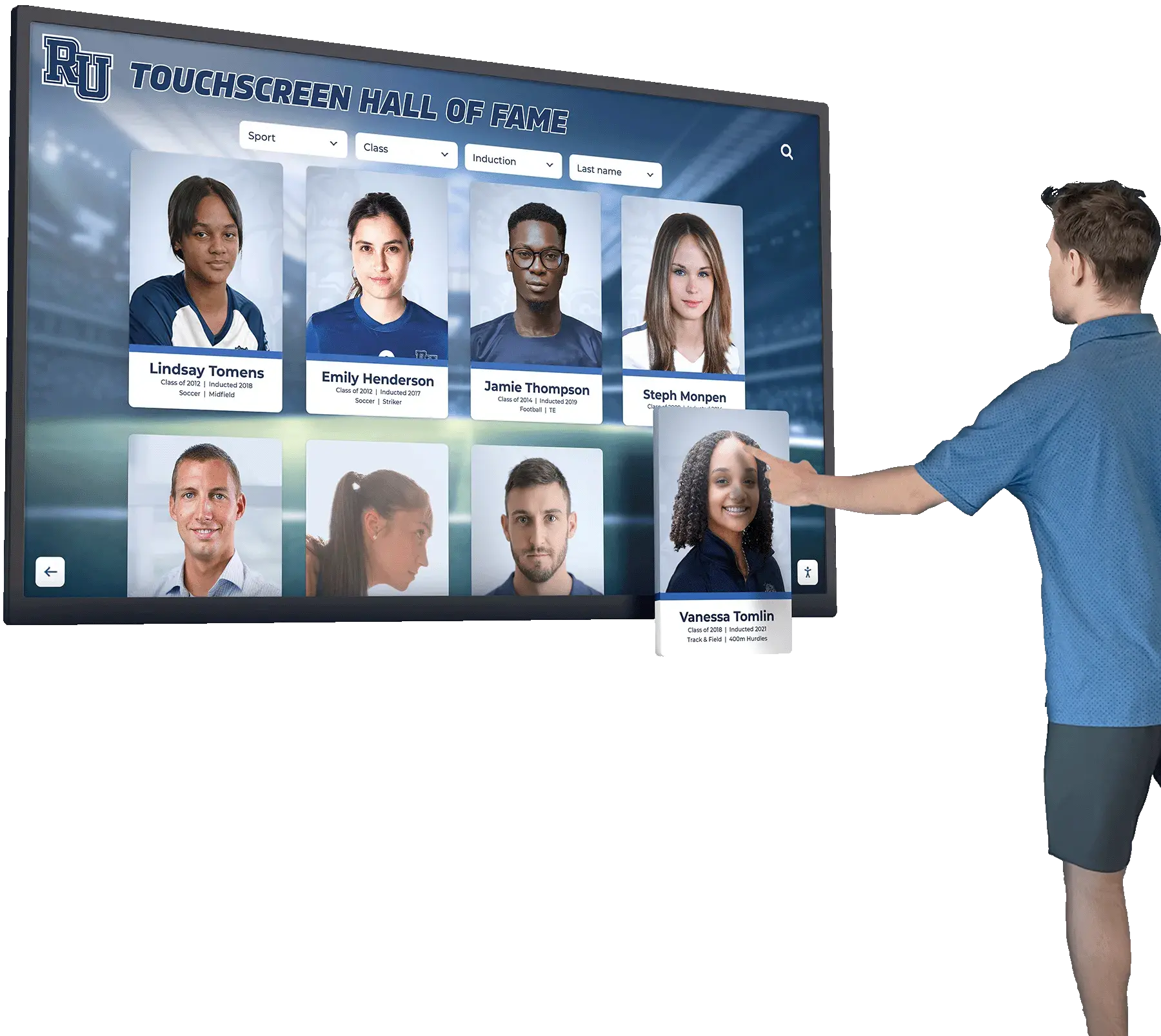
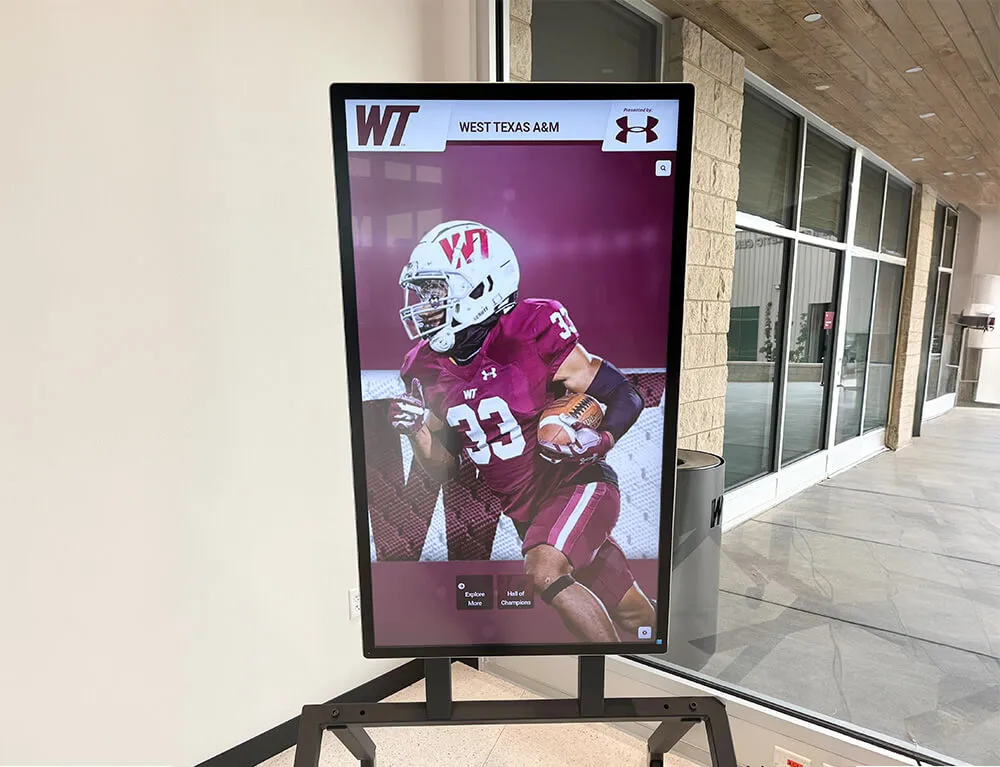
Touchscreen kiosks enable interactive exploration of achievements across all categories creating engaging recognition experiences beyond static displays
Leveraging Digital Recognition Technology for Year-Round Celebration
While individual recognition events create memorable moments, traditional approaches struggle to maintain visibility beyond single days or weeks. Modern digital recognition platforms transform isolated celebrations into continuous community-wide engagement.
Benefits of Digital Recognition Displays
Permanent, Cumulative Recognition
Unlike bulletin boards that get taken down or trophy cases with limited space, digital displays accommodate unlimited recognition:
Every recognition day celebration can be permanently documented with photos, descriptions, and acknowledgments accessible year-round. Recognition accumulates rather than replaces—celebrating Teacher Appreciation Week 2026 doesn’t erase 2025 recognition; both remain accessible. Students graduating decades ago appear alongside current achievers creating historical continuity impossible with physical displays. Alumni visiting schools can explore recognition from their era while seeing how traditions continue, strengthening institutional connection across generations.
Multi-Category Integration
Digital platforms enable comprehensive recognition across all categories in unified systems:
Academic achievements, athletic accomplishments, artistic excellence, staff milestones, volunteer contributions, and community partnerships all appear in single searchable system rather than fragmented displays in different locations. Visitors can explore by category, time period, individual name, or achievement type finding exactly what interests them. This integration demonstrates equal value for diverse excellence rather than hierarchical presentation suggesting some achievements matter more than others.
Interactive Engagement Beyond Passive Viewing
Touchscreen capabilities transform recognition from passive reading to active exploration:
Students can search for their own achievements, discover classmates’ accomplishments, explore historical traditions, and connect current achievements to institutional legacy. Parents visiting campus can find their children’s recognition across multiple categories. Alumni can discover how their achievements are preserved and explore what changed since their graduation. This interactivity increases engagement and time spent with recognition content compared to static displays that receive only passing glances.
Easy Updates Maintaining Current Content
Cloud-based management systems enable recognition updates from anywhere:
Recognition coordinators add new content remotely without physical access to displays. Bulk import tools enable efficient loading of large recognition lists like quarterly honor rolls. Scheduled publishing allows pre-planning recognition reveals coordinating with specific celebration days. Templates ensure consistent formatting across different recognition categories. These efficiencies reduce administrative burden making comprehensive recognition sustainable rather than overwhelming.
Implementing Digital Recognition Calendars
Strategic Display Placement
Maximize recognition visibility through thoughtful location selection:
Main entrances where all community members see recognition entering and exiting buildings. Commons areas where students gather before school, during lunch, and between classes. Athletic wings celebrating sports achievements where teams practice and compete. Administrative areas where parents visit for meetings and enrollment. Multiple displays in large schools ensure accessibility across different building areas and student populations.
Content Strategy Aligning with Recognition Calendar
Coordinate digital display content with annual recognition calendar:
Feature Teacher Appreciation Week content prominently during May scheduling automatic transitions through different teacher spotlights. Highlight current athletic seasons with rotating athlete profiles and team achievements. Showcase recent academic honors within days of announcement maintaining relevance and currency. Archive historical recognition accessible on-demand while promoting current celebrations ensuring displays feel dynamic rather than static.
Stakeholder Engagement Driving Content Creation
Involve community members in generating recognition content:
Student councils can coordinate peer recognition campaigns collecting appreciation messages and achievement nominations. Parent organizations can sponsor recognition features providing photos and achievement descriptions. Staff members can submit colleague appreciation enabling peer recognition alongside formal institutional acknowledgment. Alumni can contribute update information showing long-term impact of school experiences. This participatory approach ensures authentic recognition reflecting genuine community voice rather than top-down institutional messaging alone.
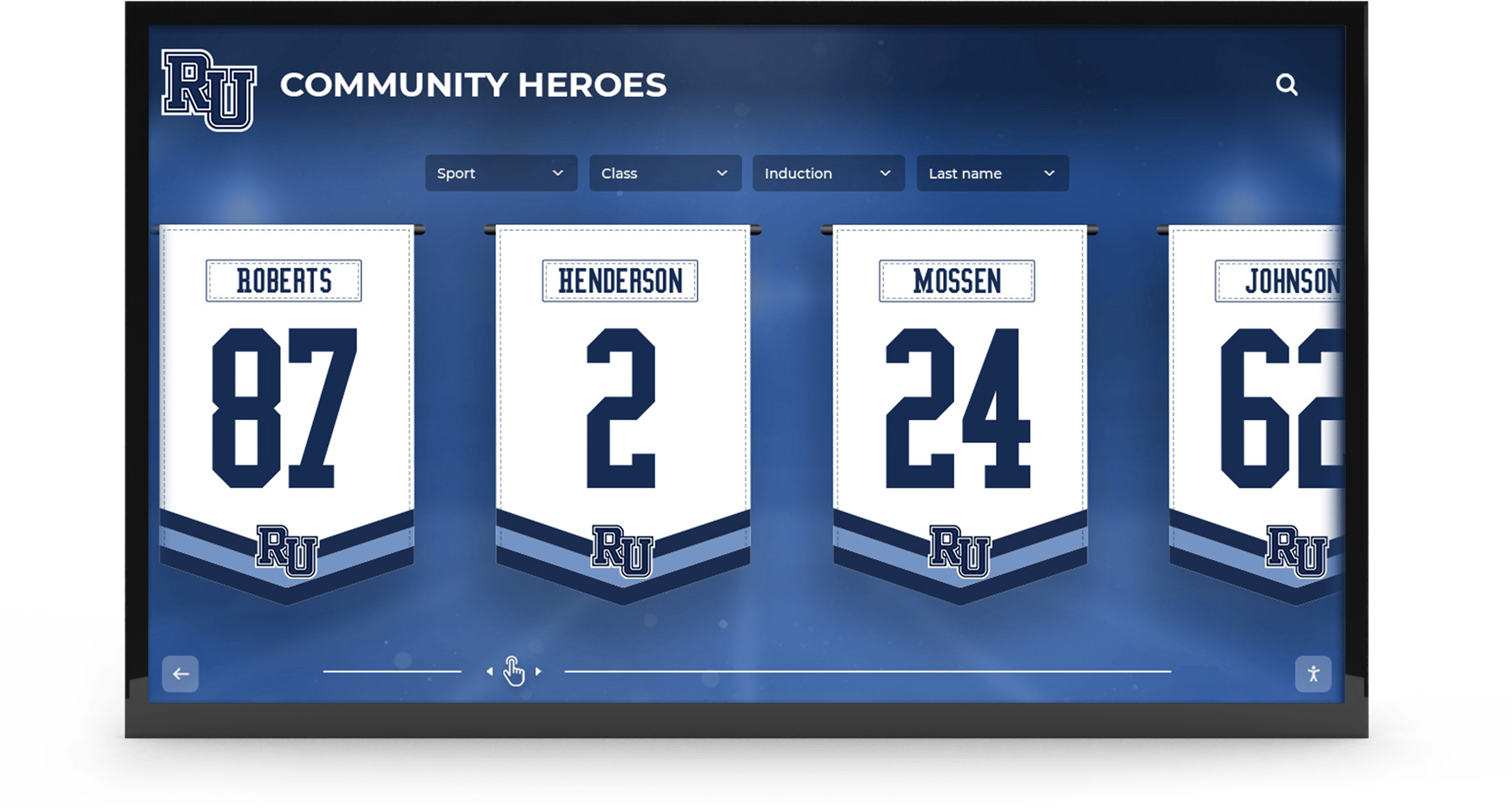
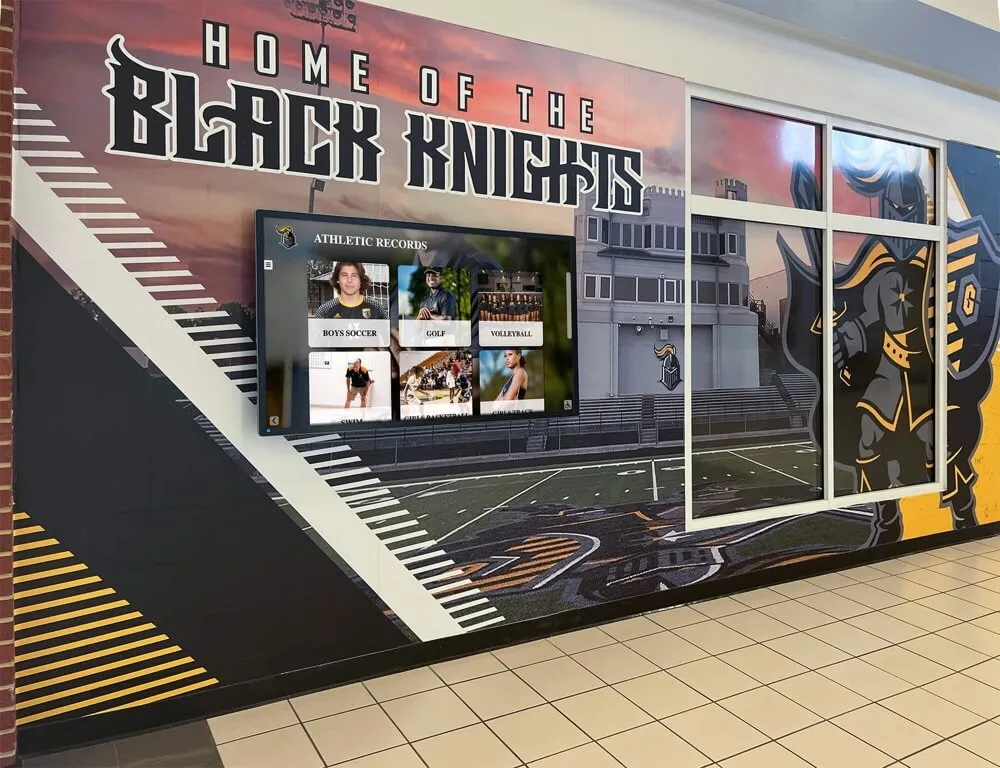
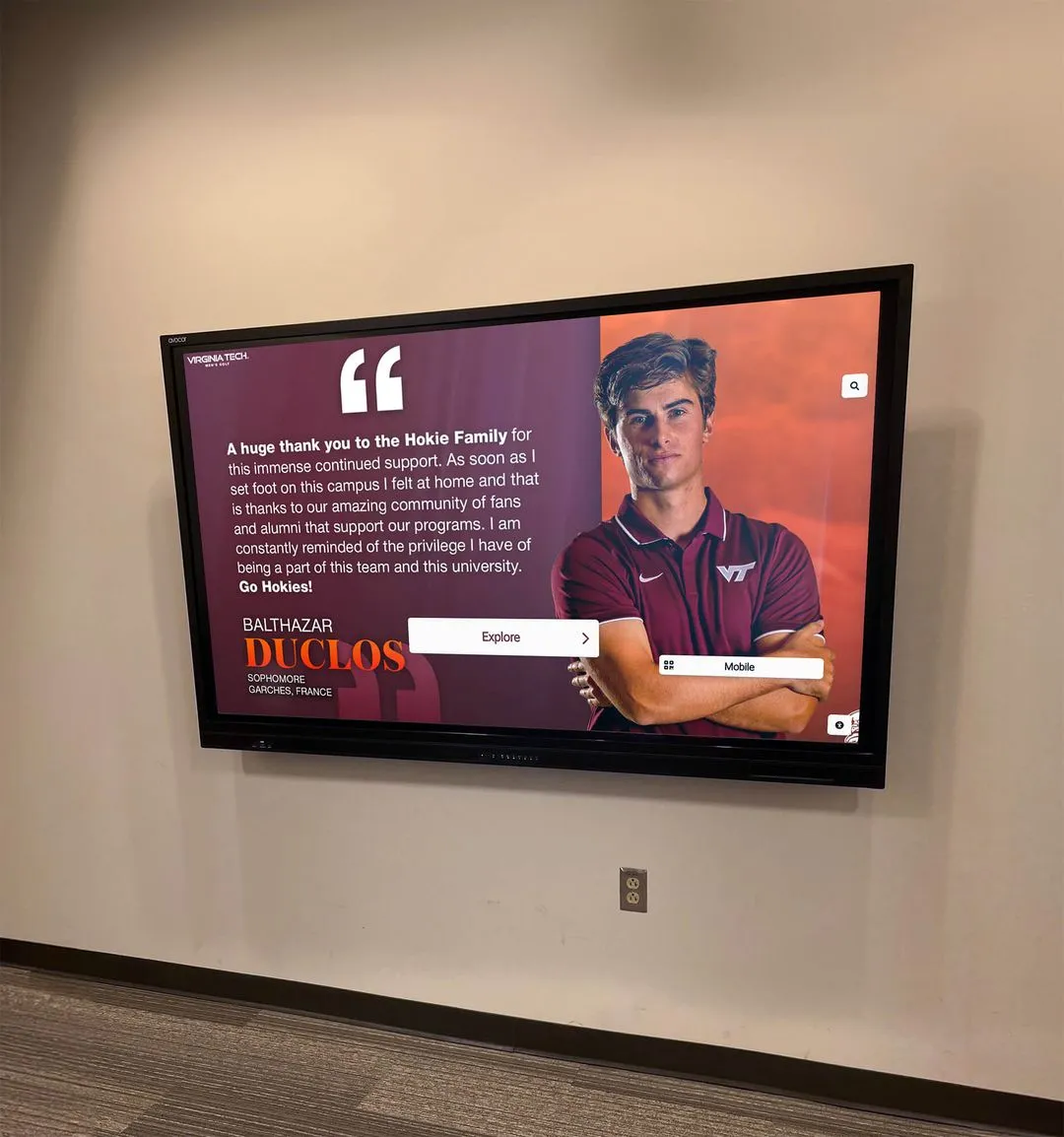
Digital recognition platforms can feature rotating content celebrating diverse achievements while maintaining consistent branding and professional presentation
Measuring Recognition Impact
Engagement Metrics
Modern digital systems provide analytics demonstrating recognition program effectiveness:
Touchscreen interaction frequency showing how often community members engage with recognition content. Time spent exploring specific categories revealing which recognition resonates most strongly. Search patterns indicating what information community members seek. Peak usage times identifying optimal moments for featuring priority content. These insights enable continuous improvement ensuring recognition efforts achieve intended impact.
Cultural Impact Indicators
Beyond analytics, qualitative measures demonstrate recognition culture strength:
Staff morale and retention rates comparing schools with robust recognition programs versus minimal celebration. Student pride and institutional connection evidenced through participation in school activities and events. Alumni engagement and giving patterns showing whether recognition strengthens long-term connection. Community perception reflected in enrollment interest, volunteer participation, and external partnerships. While harder to measure precisely, these cultural indicators ultimately matter most in determining whether recognition investments generate meaningful returns.
Continuous Improvement
Use feedback and metrics to refine recognition approaches annually:
Survey stakeholders about which recognition events felt most meaningful and what celebrations could be strengthened. Review participation in different recognition programs identifying underutilized opportunities or gaps needing attention. Analyze digital display engagement revealing which content resonates and what falls flat. Gather recognition stories demonstrating specific impact—students motivated by seeing achievement recognized, staff feeling valued through appreciation, parents strengthened in school connection through celebration. These insights enable recognition program evolution maintaining relevance and effectiveness across changing school contexts.
Best Practices for Effective School Recognition Programs
Beyond maintaining comprehensive calendars, implementing recognition effectively requires attention to quality, authenticity, and equity.
Authenticity and Specificity
Avoid Generic Recognition
Meaningful recognition includes specific details demonstrating genuine awareness:
Rather than “Thank you teachers for all you do,” recognition should name specific educators and describe particular contributions: “Ms. Johnson transformed our writing program through innovative workshop methods increasing student publication rates 300%.” Rather than generic “Great job athletes,” celebrate specific achievements: “Sarah Martinez broke school 1600-meter record standing since 1998, qualifying for state championship with 5:12 performance.”
This specificity demonstrates authentic appreciation based on actual knowledge rather than obligatory generic gestures. It also provides information educating broader community about what makes contributions valuable rather than assuming everyone already understands achievement significance.
Equitable Recognition Distribution
Ensure Diverse Representation
Monitor recognition patterns ensuring diverse students, staff, and community members receive celebration:
Track recognition by demographic categories including gender, race, grade level, program participation, and achievement type. Identify gaps where certain groups receive disproportionate recognition or neglect. Deliberately seek achievements across all student populations ensuring recognition represents community diversity. Create categories specifically celebrating achievements that might otherwise go unnoticed—improvement awards, behind-scenes contributions, supportive roles enabling others’ success. Explore comprehensive student recognition approaches celebrating diverse excellence.
Balance Individual and Team Recognition
Effective programs celebrate both individual excellence and collective achievement:
Individual recognition acknowledges personal accomplishment encouraging continued excellence and providing deserved spotlight for exceptional contribution. Team recognition celebrates collective effort, shared success, and collaboration demonstrating that many achievements require cooperation and mutual support. Balancing both approaches prevents excessive individualism while maintaining accountability and acknowledging that within teams, individual contributions vary and exceptional performers deserve specific recognition alongside team celebration.
Timeliness and Relevance
Recognize Achievements Promptly
Recognition impact diminishes when delayed significantly after achievements occur:
Celebrate accomplishments within days or weeks rather than waiting months for formal ceremonies. Use digital platforms enabling immediate recognition publication maintaining relevance and connection to achievement moment. While annual awards ceremonies remain valuable for culminating celebration, interim recognition throughout the year ensures sustained acknowledgment rather than concentrated burst followed by months of silence.
Connect Recognition to Broader Context
Help stakeholders understand achievement significance:
When recognizing academic honor roll, provide context about what GPA threshold qualifies and how many students achieved distinction compared to total enrollment. When celebrating athletic achievements, explain what all-conference selection means or how team playoff advancement compares to school history. When acknowledging staff milestones, share specific contributions during service years demonstrating cumulative impact. This context education ensures recognition feels meaningful rather than mystifying to those unfamiliar with achievement nuances.
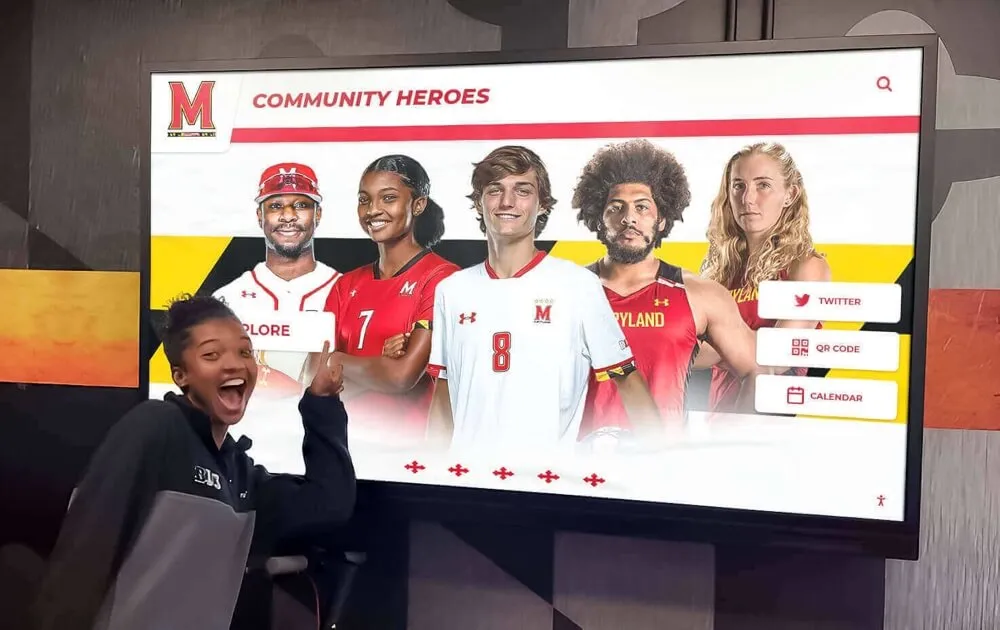
Student engagement with recognition displays reinforces that achievements matter and excellence deserves celebration across all categories
Conclusion: Building Recognition Culture Through Consistent Celebration
School recognition days represent far more than isolated events or obligatory observances of national awareness weeks. Thoughtfully implemented, comprehensive recognition calendars transform school culture by demonstrating that every contributor matters, diverse achievements deserve celebration, consistent excellence receives sustained acknowledgment, and institutional memory preserves accomplishments connecting current communities to historical legacy.
The most effective recognition programs balance structure with spontaneity—maintaining planned calendar ensuring consistent celebration across stakeholder groups while remaining flexible enough to acknowledge unexpected achievements and spontaneous moments warranting immediate recognition. They leverage both traditional approaches that communities value and modern technologies enabling unprecedented recognition reach, permanence, and engagement.
Digital recognition platforms like Rocket Alumni Solutions enable schools to implement year-round celebration that traditional bulletin boards and trophy cases simply cannot match. By documenting every recognition day celebration permanently in searchable, interactive systems, these platforms transform isolated moments into continuous community engagement visible daily to students, families, and visitors. Recognition accumulates rather than displaces, creating comprehensive institutional memory that strengthens pride, connection, and culture.
Transform Your School Recognition Program
Discover how digital recognition solutions can help your school celebrate every recognition day and achievement throughout the year with engaging displays that preserve institutional memory and inspire excellence.
Explore Recognition SolutionsWhether your school currently maintains minimal recognition or implements extensive celebration programs, opportunities exist to strengthen culture through more consistent, visible, and comprehensive acknowledgment of the extraordinary individuals making educational communities thrive. Every teacher inspiring students, every student achieving excellence, every staff member enabling smooth operations, every volunteer contributing time and talent, and every community member strengthening school connections deserves recognition preserving their contributions and inspiring others to pursue similar excellence.
The complete calendar of school recognition days presented here provides framework for year-round celebration. The digital recognition strategies explored offer tools for implementing sustainable programs that don’t overwhelm already-stretched staff. The best practices outlined ensure recognition feels authentic, equitable, and meaningful rather than obligatory or superficial.
Schools that commit to comprehensive recognition discover that celebration becomes self-reinforcing—recognized individuals often increase contributions, celebrated achievements inspire peers to pursue excellence, visible recognition attracts community support from those who value institutions honoring accomplishment, and strengthened culture creates environments where excellence becomes expected rather than exceptional. In education as in life, what gets recognized gets repeated. By strategically recognizing diverse achievements throughout entire academic years, schools shape the excellence they wish to see flourish.
Start building your school’s recognition calendar today, identify gaps where celebration could strengthen, explore digital recognition technologies enabling unprecedented reach and permanence, and commit to creating culture where every contributor knows their value and every achievement receives appropriate celebration. Your community—students, staff, families, and supporters—will notice, appreciate, and respond to sustained recognition in ways transforming institutional culture for generations ahead.