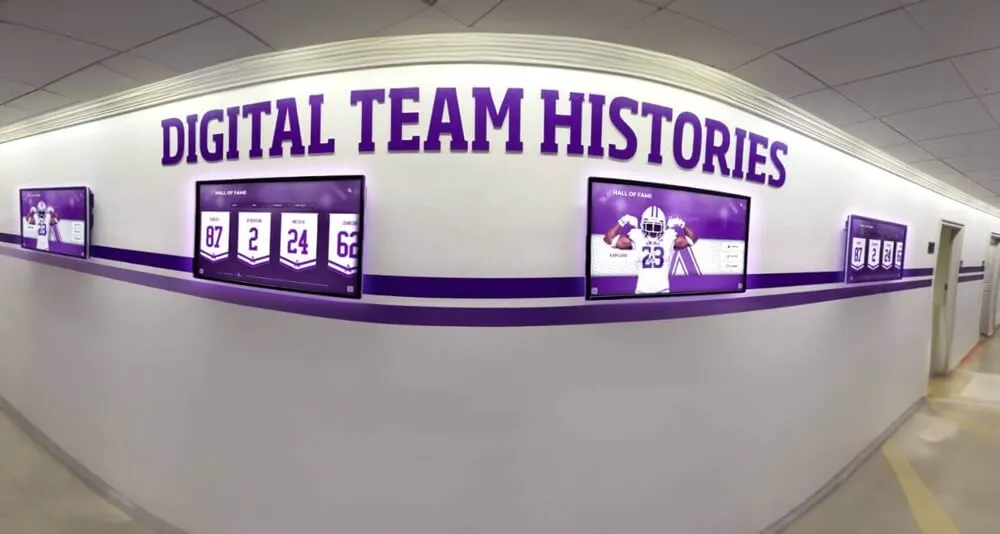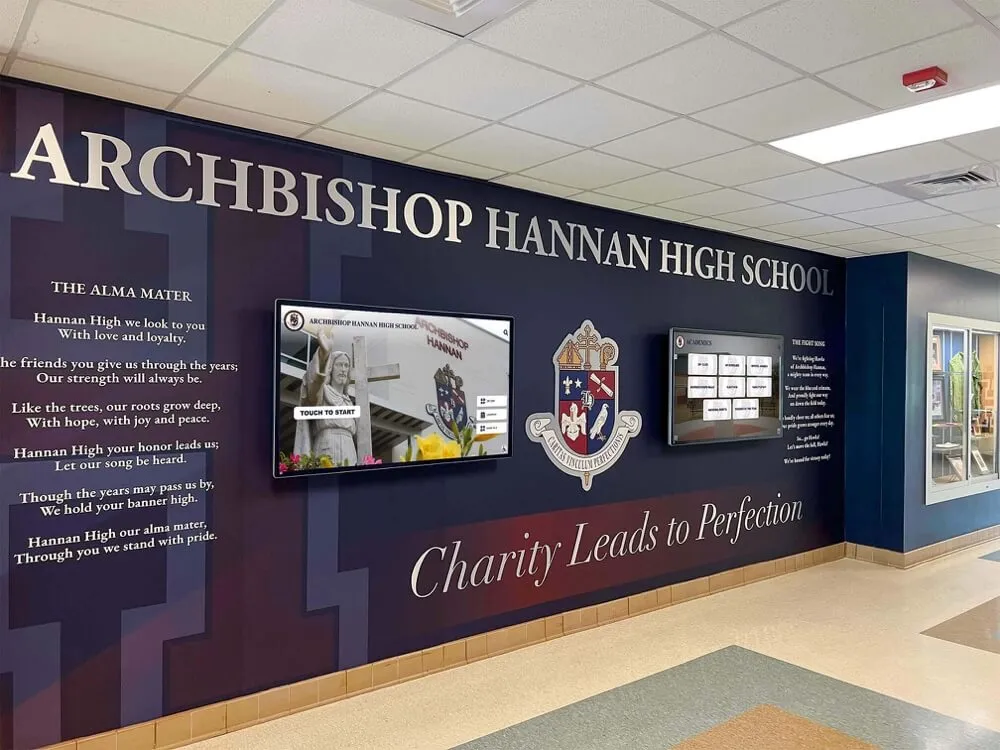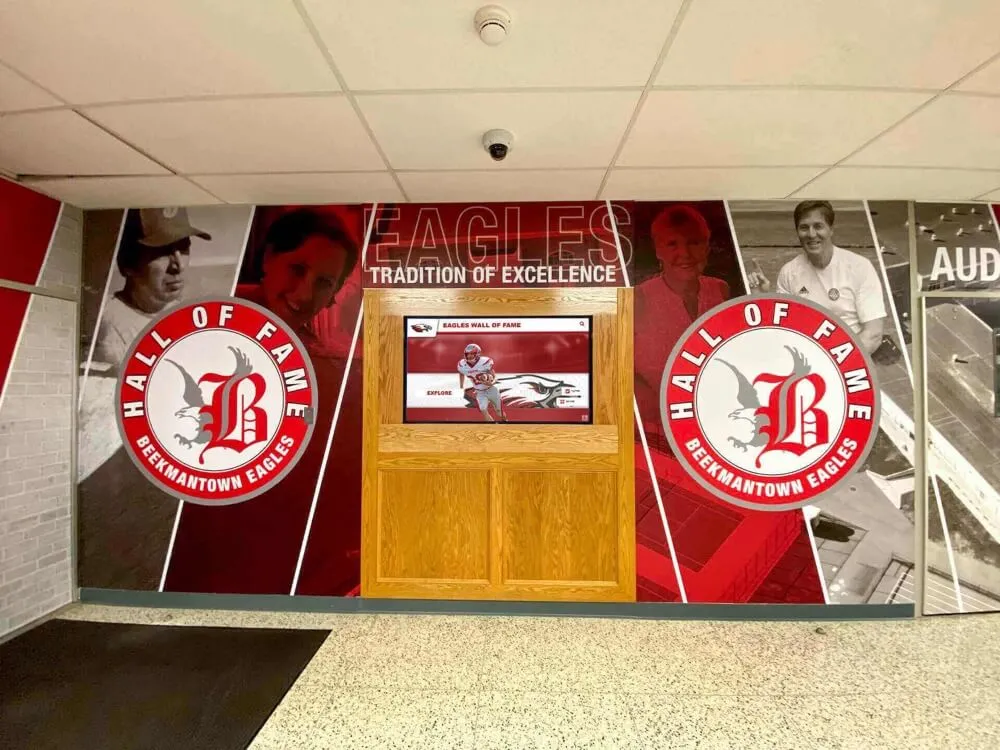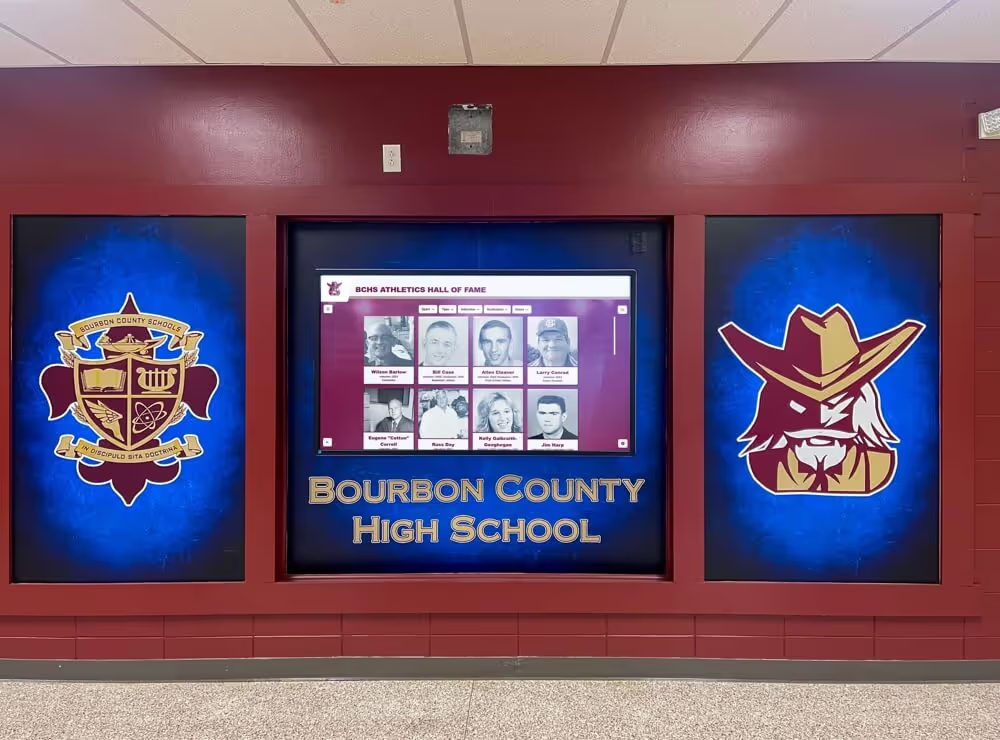




School murals create powerful visual statements that define institutional identity, celebrate achievement, and inspire students walking through hallways every day. Whether you’re redesigning a dated entrance lobby, transforming a forgotten corridor into a recognition space, or creating an athletic identity that energizes teams and visitors alike, thoughtful mural design paired with modern recognition technology creates environments where students feel genuinely proud to learn and grow.
Walk into most schools and you’ll immediately sense whether visual identity receives intentional attention or exists as an afterthought. Some schools feature cohesive, inspiring environments where every corridor communicates pride and purpose through coordinated murals, recognition displays, and thoughtful design—while others present blank walls, faded paint, and outdated displays suggesting institutional indifference to environmental impact on student experience and community perception.
This comprehensive guide explores creative school mural ideas across different spaces and purposes, demonstrating how strategic visual design transforms ordinary walls into inspiring recognition destinations that strengthen school culture while providing practical frameworks for implementation that work within real-world budget and timeline constraints.
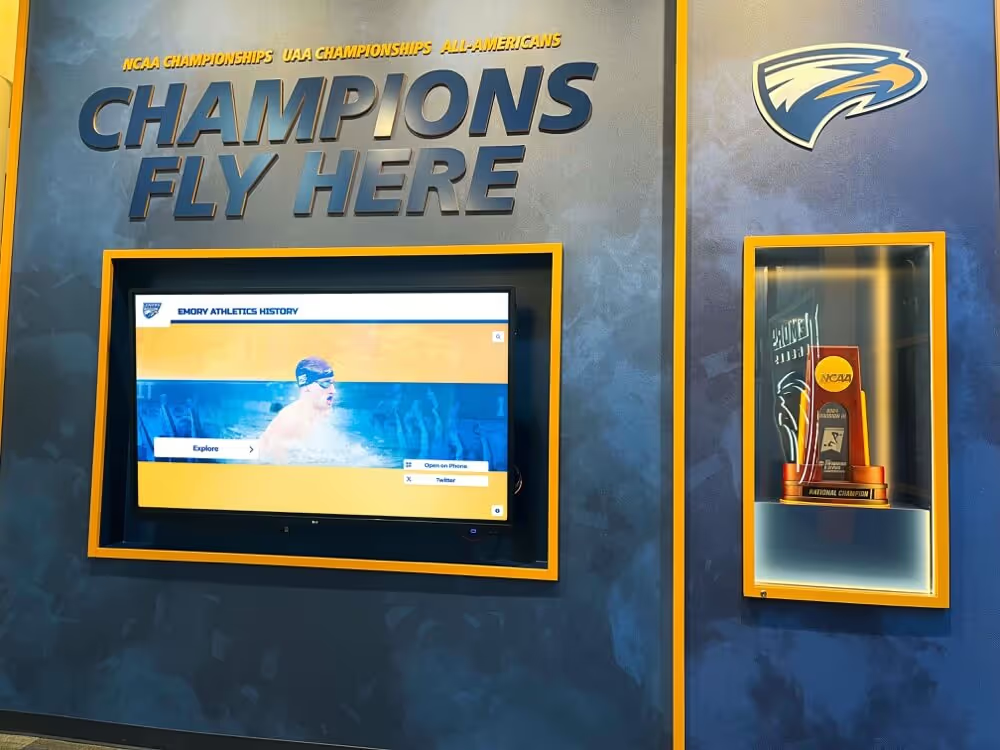
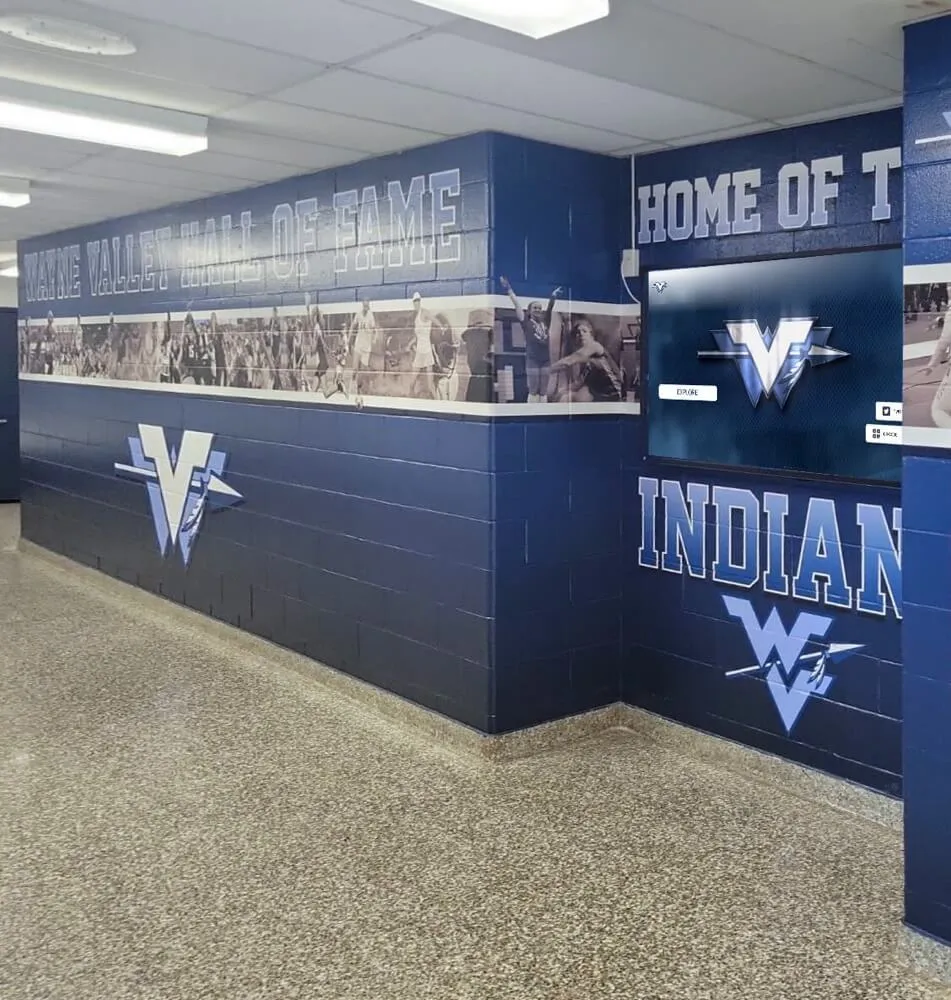
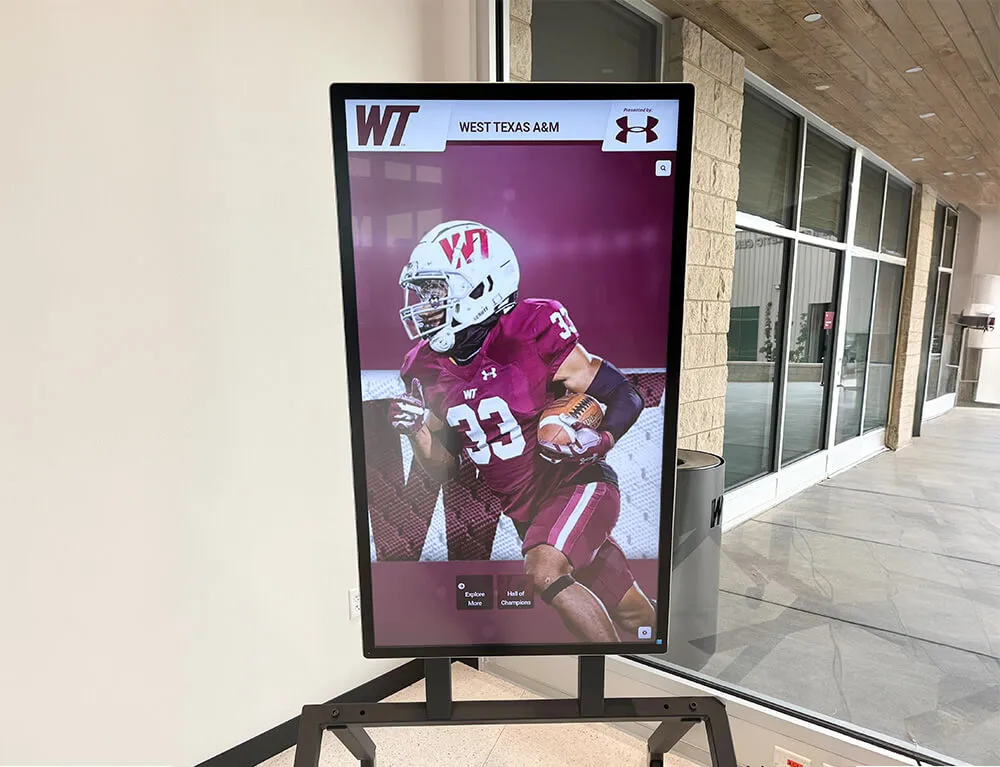
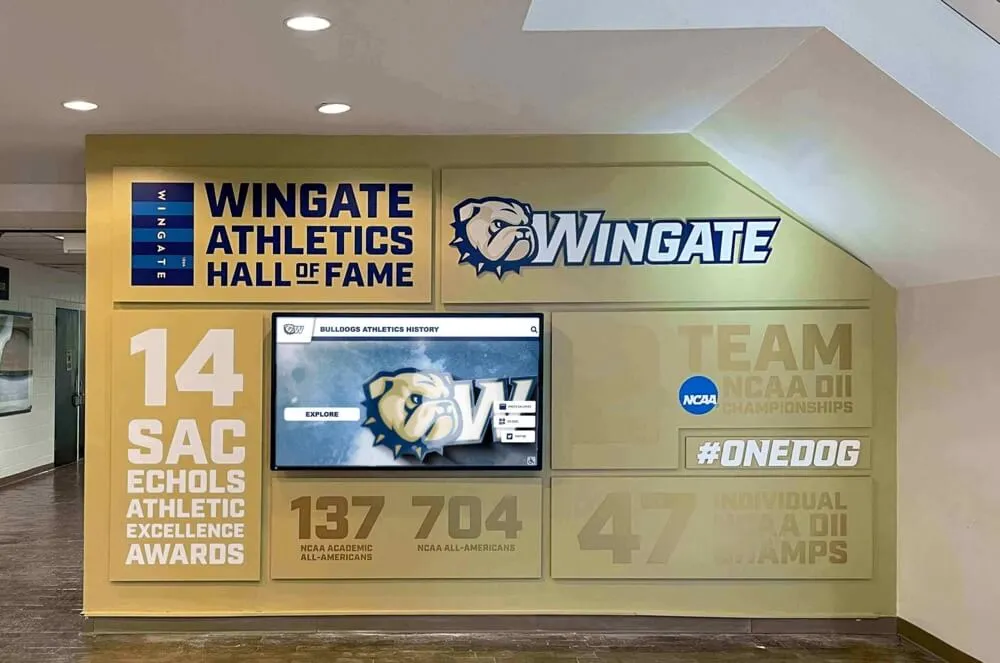
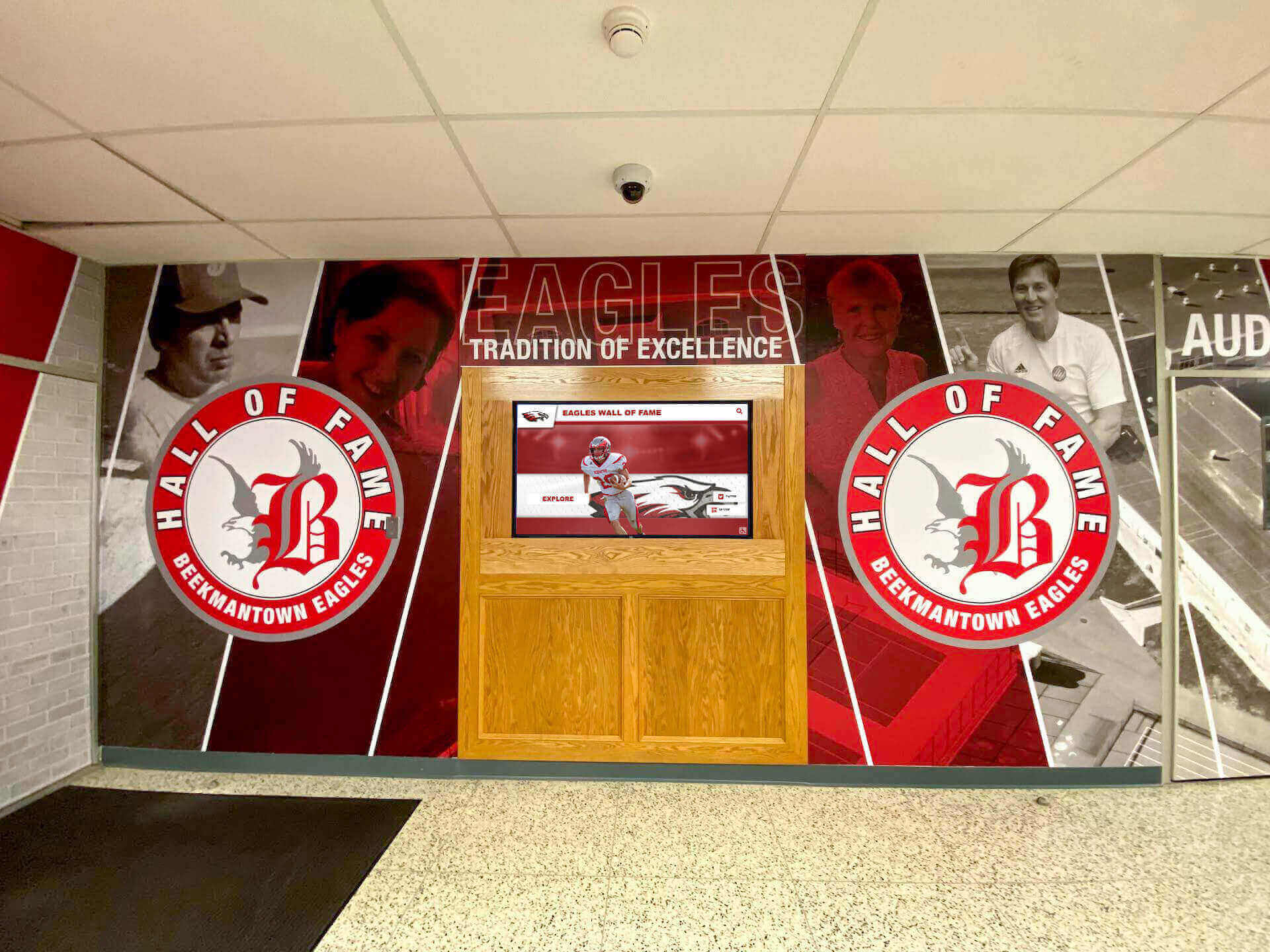
Modern school mural projects increasingly integrate traditional painted designs with digital recognition displays, creating dynamic environments that honor historical legacy while showcasing current achievements through updatable technology—an approach that maximizes recognition capacity and visual impact without requiring constant physical modification.

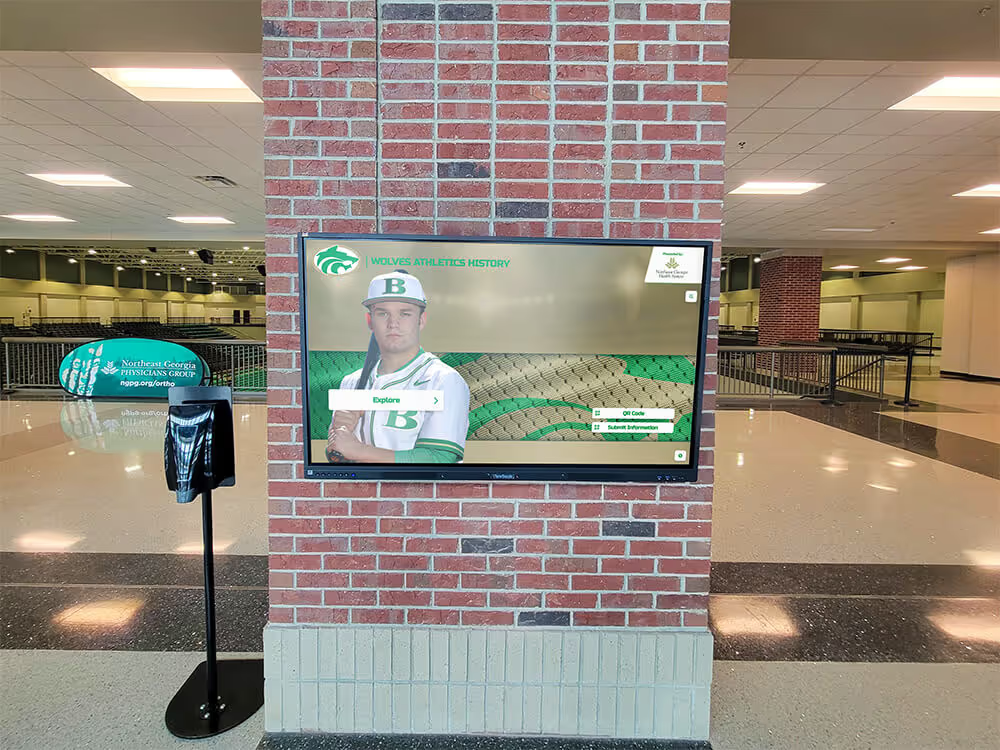
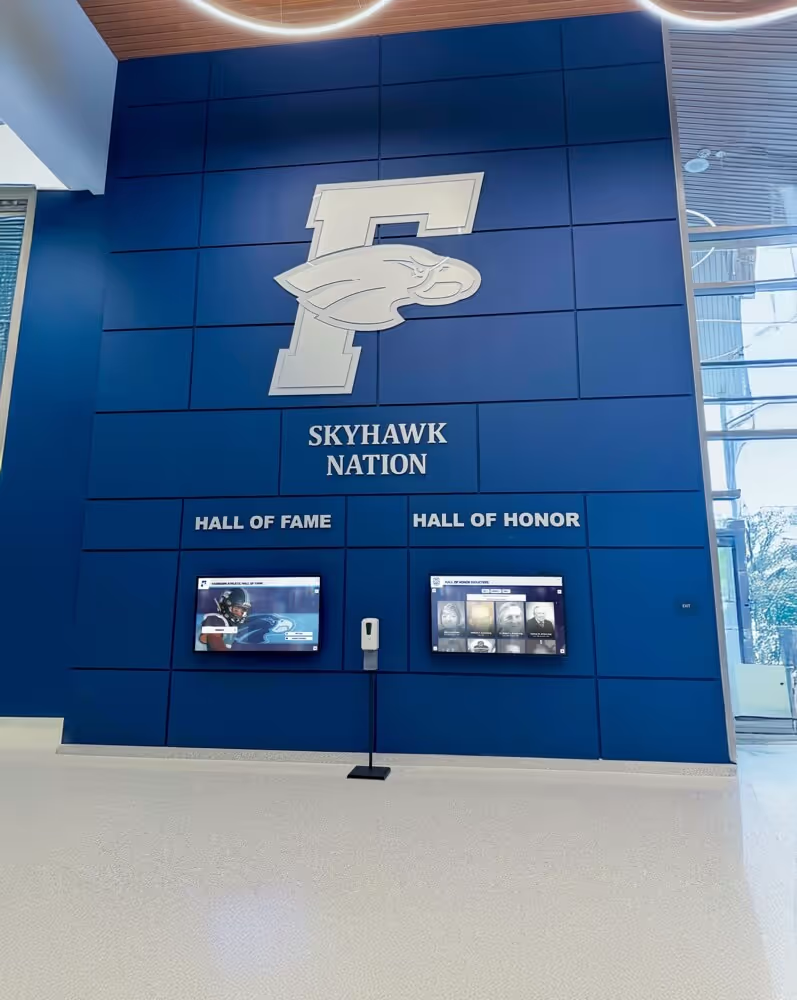
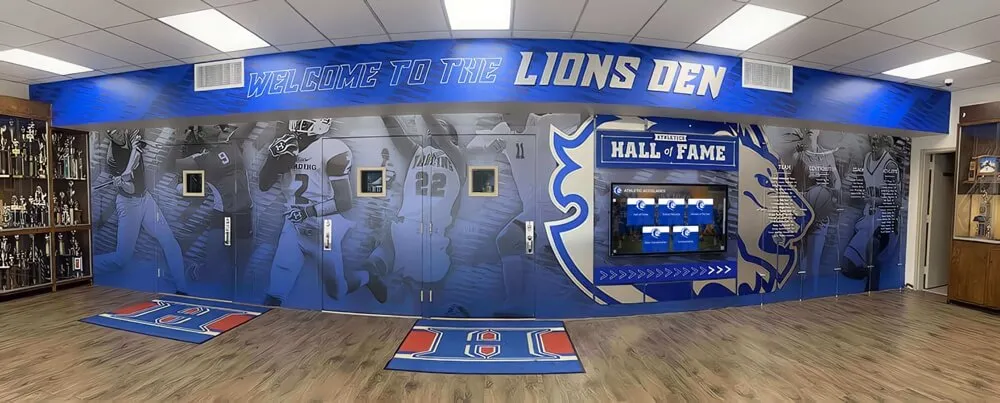
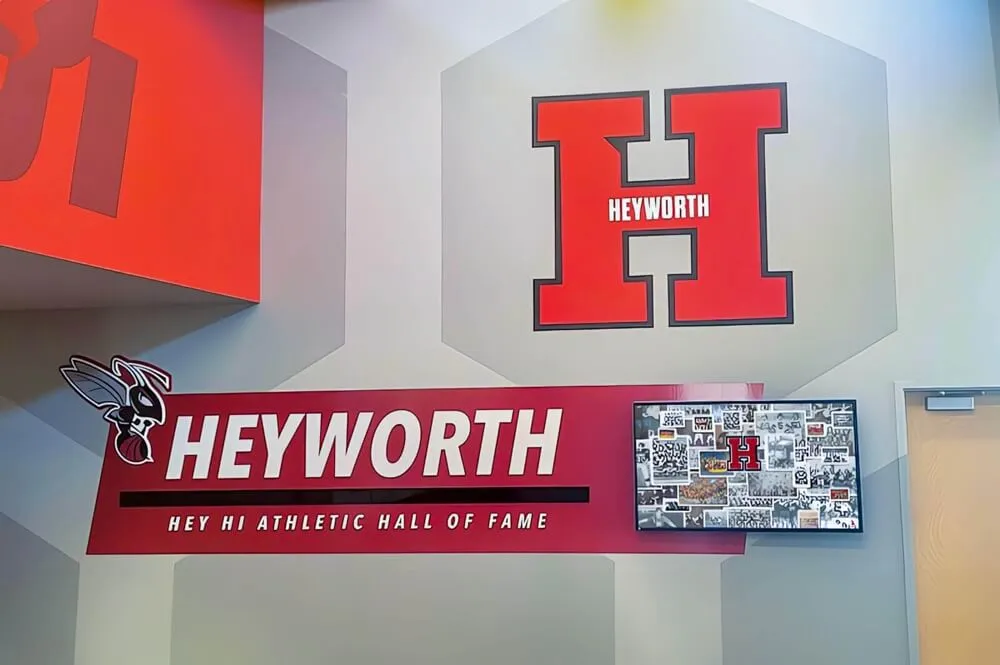
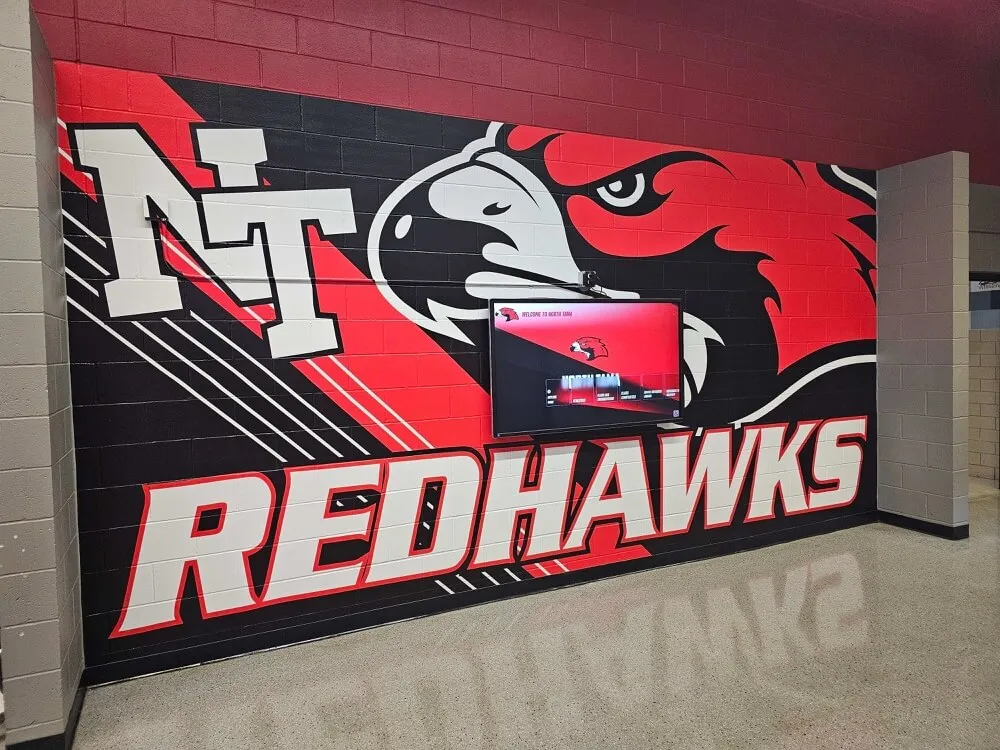
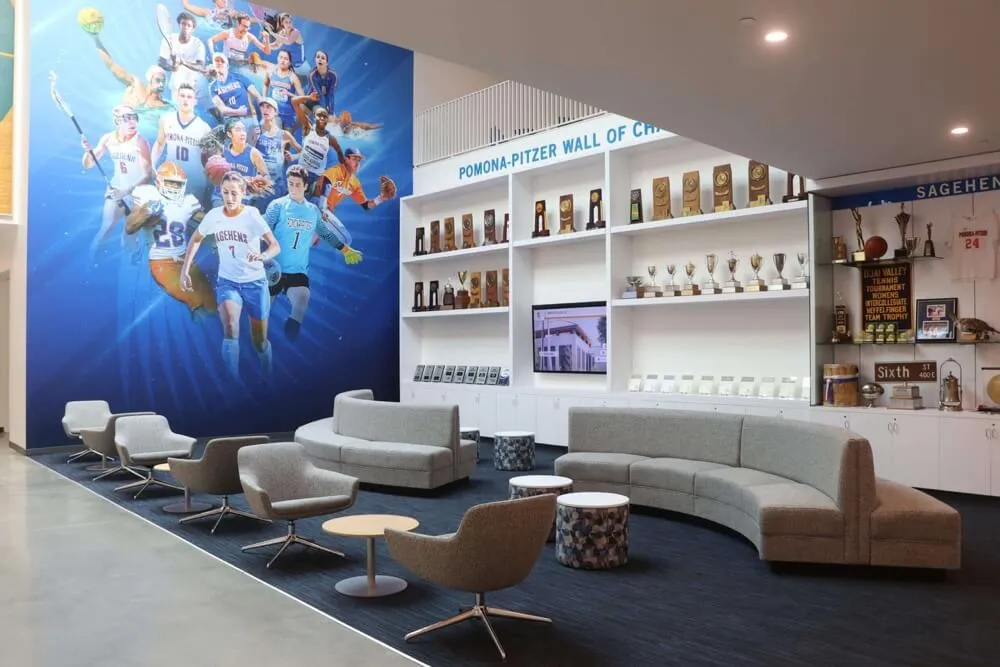
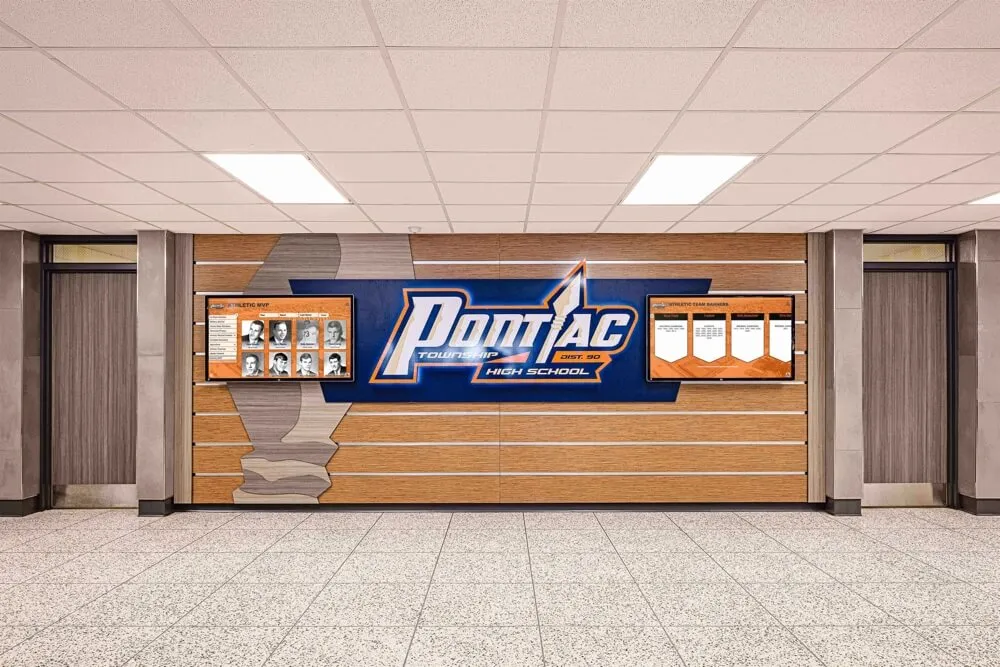
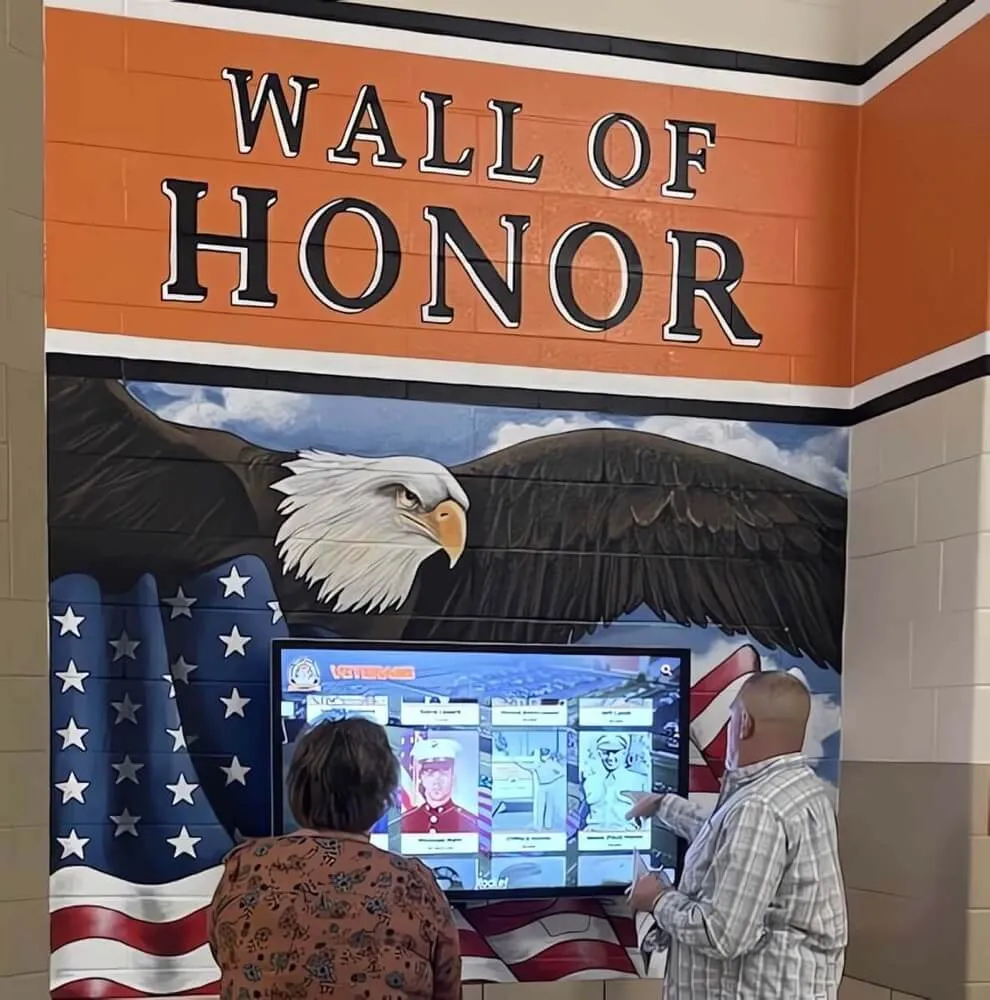
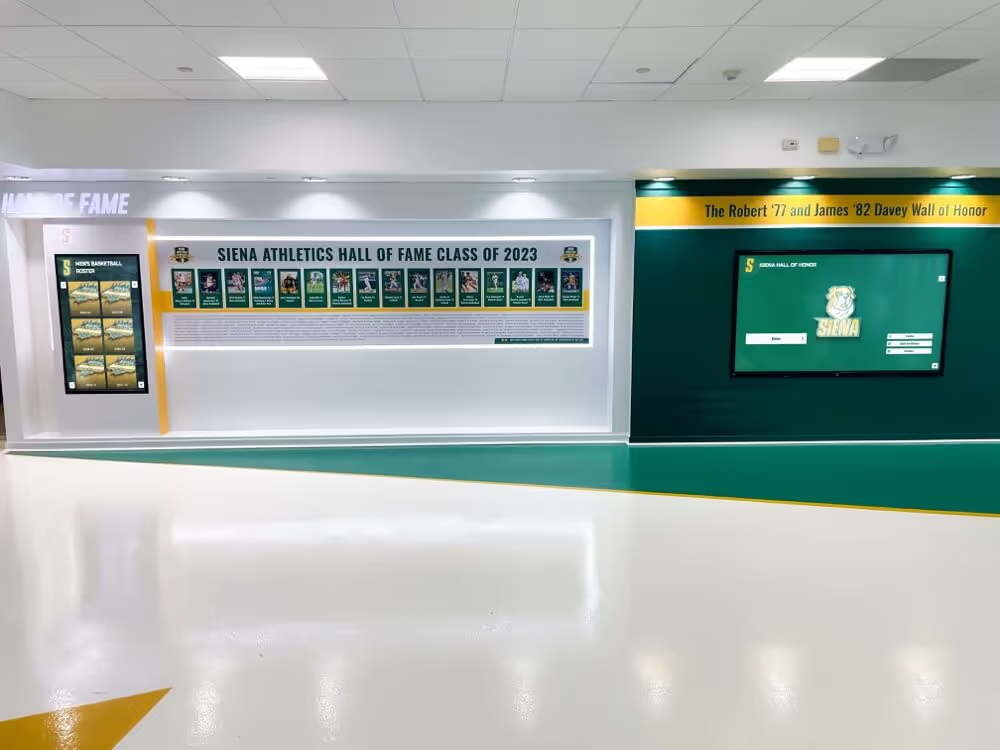
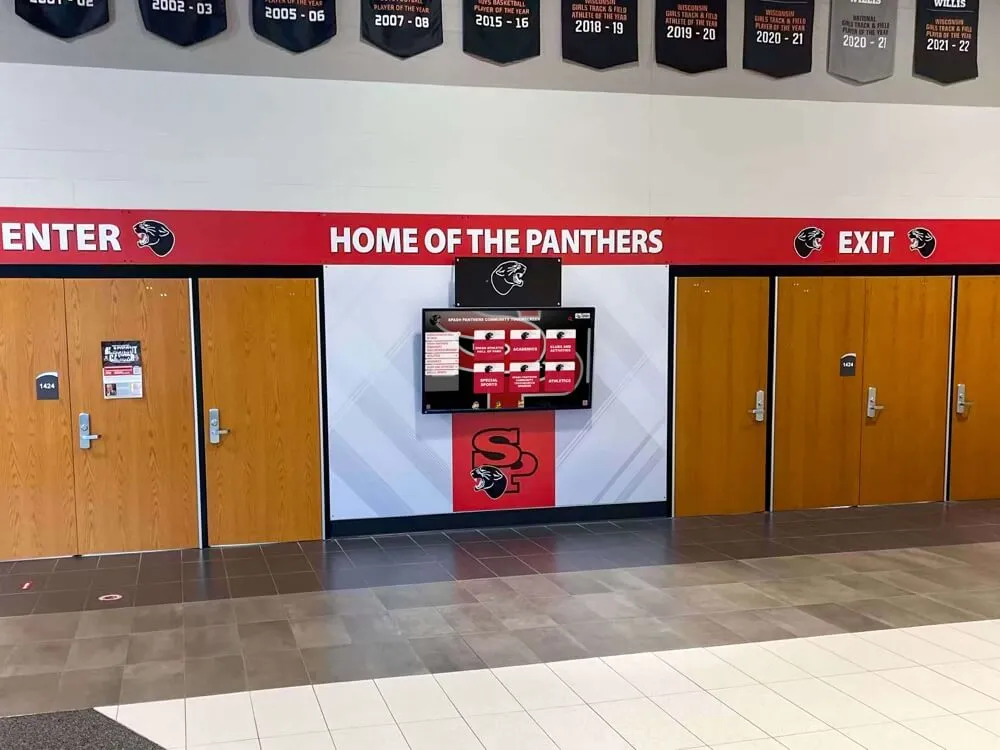
Professionally designed murals create cohesive recognition environments that integrate traditional painted elements with modern digital displays for maximum impact
Understanding School Mural Purpose and Impact
Before selecting specific designs or hiring artists, clarifying what you hope to accomplish through mural investment ensures decisions align with institutional priorities rather than simply filling blank walls with generic imagery.
Defining Primary Mural Objectives
Different schools pursue mural projects for different strategic reasons, and understanding your primary purpose shapes design direction and evaluation criteria.
Building School Identity and Pride
Murals establishing visual identity focus on:
- Reinforcing school colors, mascots, and branding consistently throughout facilities
- Creating memorable first impressions for prospective families and community visitors
- Establishing distinctive aesthetic that differentiates your school from competitors
- Communicating institutional values and culture through visual storytelling
- Building emotional connection between students and physical environment
- Creating “Instagram-worthy” spaces students naturally want to share
Schools pursuing identity objectives typically emphasize bold mascot imagery, prominent school logos, consistent color schemes, and locations with maximum visibility to visitors and community members.
Celebrating Achievement and Recognition
Achievement-focused murals prioritize:
- Honoring athletic championships, academic excellence, and other accomplishments
- Creating dedicated recognition destinations where achievements receive appropriate visibility
- Inspiring current students through visible examples of past excellence
- Preserving institutional history and legacy for future generations
- Motivating performance by demonstrating pathway to recognition
- Engaging alumni through visible celebration of their contributions
Recognition-oriented designs often incorporate championship years, record boards, hall of fame integration, and space for both historical legacy and current achievement celebration.
Explore comprehensive recognition approaches in athletic hall of fame planning addressing recognition program development.
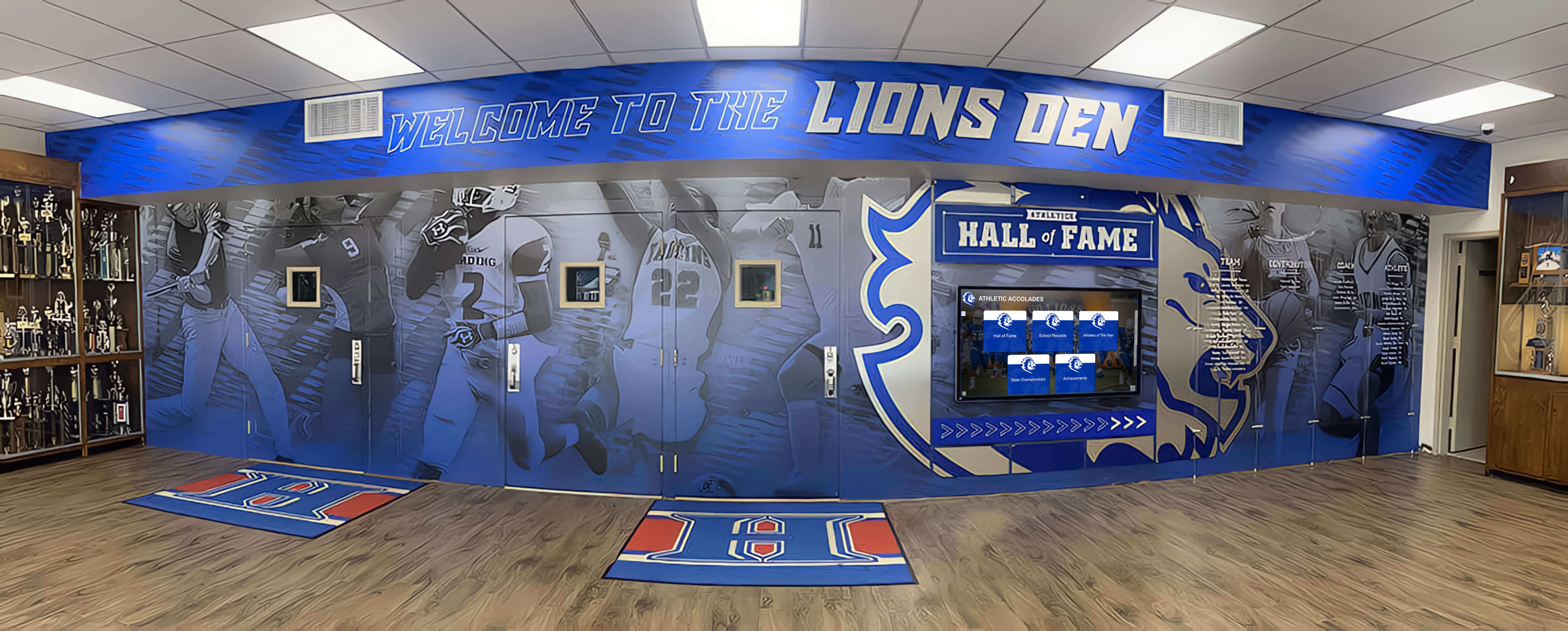
Recognition-focused murals integrate seamlessly with trophy displays and achievement documentation creating comprehensive celebration spaces
Creating Inspiring Learning Environments
Educational murals emphasize:
- Supporting curriculum and learning objectives through visual reinforcement
- Creating subject-specific themes in classrooms and departmental corridors
- Inspiring creativity, curiosity, and academic engagement
- Representing diversity and inclusion through imagery
- Providing visual interest that reduces institutional feel of educational spaces
- Supporting specific programs like STEM, arts, or career pathways
These murals typically feature educational content, inspirational quotes, diverse representation, and designs specifically supporting programmatic goals.
Transforming Problematic Spaces
Some mural projects address facility challenges:
- Covering damaged or difficult-to-maintain wall surfaces
- Reducing graffiti in areas experiencing vandalism problems
- Brightening dark corridors or uninviting spaces
- Defining purpose for underutilized areas
- Creating wayfinding and orientation assistance through visual landmarks
- Improving overall aesthetic of aging facilities cost-effectively
Functional murals balance practical problem-solving with visual impact, often becoming unexpected highlights despite originating from facility maintenance concerns.
Strategic Location Selection
Where you place murals significantly impacts their effectiveness and community engagement levels.
High-Impact Priority Locations
- Main entrance lobbies: Create immediate impressive first impressions for all visitors entering facilities
- Athletic facility entrances: Establish athletic identity and pride atmosphere for competitors and spectators
- Cafeteria and common areas: Leverage extended daily exposure ensuring all students encounter murals regularly
- Main corridor intersections: Create visual landmarks and orientation points in high-traffic navigation areas
- Gymnasium walls: Inspire athletes and entertain audiences during events with bold school spirit displays
- Library or media centers: Support academic culture with educational or inspirational themed designs
- Performing arts spaces: Celebrate creativity and artistic achievement in relevant programmatic areas
Creating Coordinated Visual Journeys
Rather than isolated individual murals, most effective approaches create connected visual experiences:
- Establishing consistent color schemes and design themes across multiple locations
- Creating progressive storytelling as students move through facilities
- Coordinating mural design with existing architectural features and materials
- Integrating murals with digital displays, trophy cases, and recognition elements
- Ensuring visual coherence between different spaces while allowing appropriate variation
This coordinated approach transforms entire facilities into cohesive branded environments rather than presenting disconnected design elements competing for attention.
Learn about comprehensive visual identity in school pride development strategies building institutional culture through environment.
Athletic and School Spirit Mural Concepts
Athletic identity murals represent the most popular school mural category, creating powerful visual expressions of competitive pride that energize athletes, engage communities, and establish intimidating home environments for visitors.
Mascot-Centered Designs
Bold mascot imagery creates immediate visual impact and emotional connection to school identity.
Large-Scale Mascot Portraits
Dramatic oversized mascot renderings establish dominant visual presence:
- Full-wall mascot faces creating intense, intimidating atmosphere
- Action-pose mascots demonstrating strength, speed, or characteristic traits
- Stylized graphic interpretations offering contemporary aesthetic
- Realistic detailed renderings providing traditional athletic look
- Geometric or abstract mascot representations for modern design sensibility
Most effective mascot murals position faces or action poses at 8-12 feet height, creating impressive scale while maintaining proportional balance with surrounding architectural elements.
Mascot Integration with Typography
Combining mascot imagery with bold text elements:
- School name or mascot name in dramatic typography integrated with mascot design
- Motivational phrases or team mottos incorporated into composition
- Championship years or achievement callouts positioned around mascot imagery
- “Home of the [Mascots]” statements establishing territorial pride
- Player names or numbers for specific sport recognition areas
Typography scale should complement rather than compete with mascot imagery, typically sizing at 18-30 inches for primary text elements visible from distance.

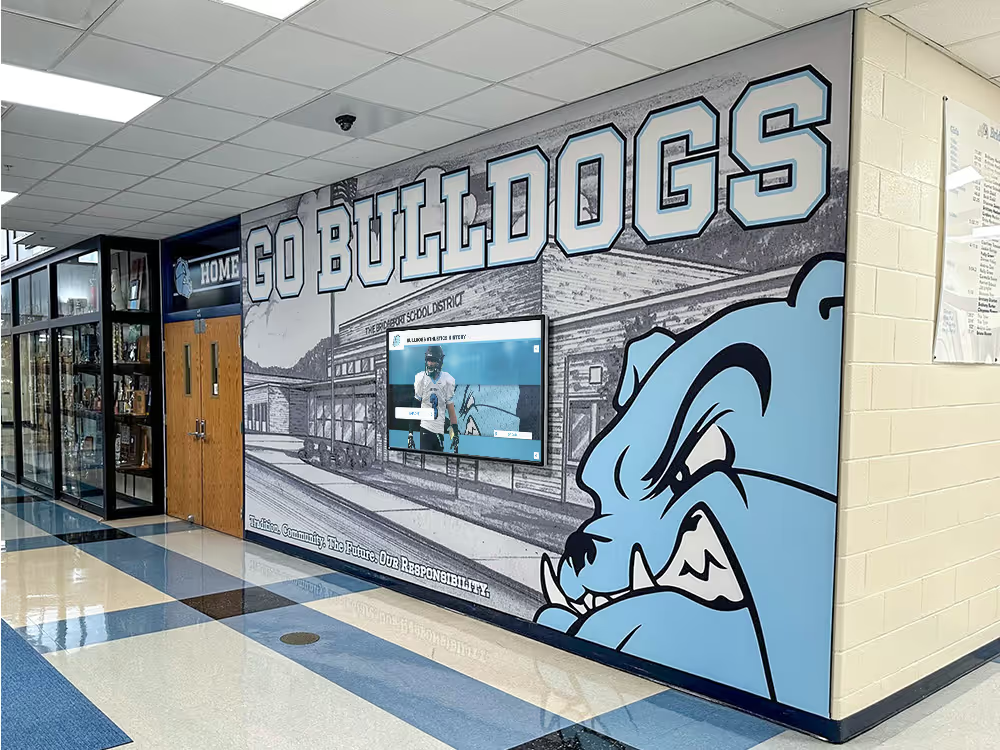
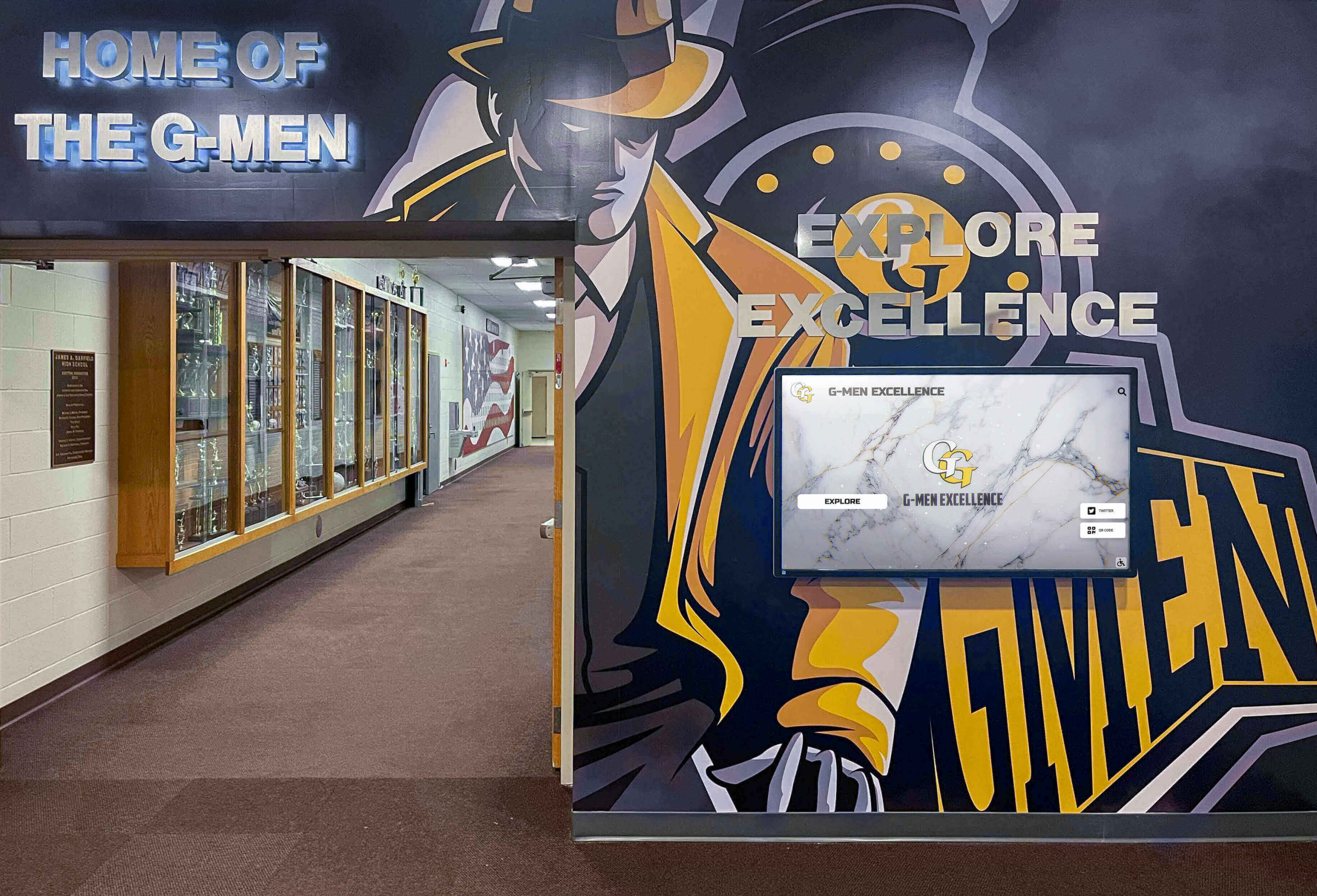
Modern athletic murals seamlessly integrate mascot imagery with digital displays creating comprehensive recognition environments
Championship and Achievement Celebration Murals
Recognition-focused designs celebrate specific accomplishments while inspiring future excellence.
Championship Timeline Murals
Historical achievement documentation creates legacy awareness:
- Chronological listing of state championships, conference titles, and major accomplishments
- Sport-specific achievement walls documenting program history comprehensively
- Decade-by-decade achievement organization showing program evolution over time
- Visual timeline designs connecting championships to historical eras
- Space allocation for adding future championships without redesign requirements
Consider whether to include all championship sports or focus on historically dominant programs, balancing comprehensive recognition with visual clarity and available space constraints.
Record Board Mural Integration
Athletic records receive prominent visibility through mural incorporation:
- School records by sport listing top performances in key statistical categories
- All-time great athlete recognition highlighting legendary performers
- Record progression visualization showing improvement over decades
- Comparison displays showing how current records compare to historical benchmarks
While traditional painted record boards require manual updating, integrating digital record displays within mural environments provides updateable recognition without physical modification.
Team Photo Gallery Walls
Championship team documentation preserves legacy while building pride:
- Framed team photos from championship seasons arranged within mural design
- Photo organization by sport, decade, or chronological timeline
- Custom frame designs coordinating with mural color scheme and aesthetic
- Caption information documenting team achievements and roster details
- Strategic lighting highlighting photo displays within overall mural composition
Budget $150-400 per framed photo for quality mounting, matting, and archival preservation appropriate for long-term display in high-traffic environments.
Hall of Fame and Legacy Recognition Murals
Dedicated recognition spaces honor individual excellence while creating aspirational destinations for current students.
Hall of Fame Backdrop Murals
Creating visual environments for hall of fame displays:
- Branded backgrounds establishing hall of fame identity and prestige
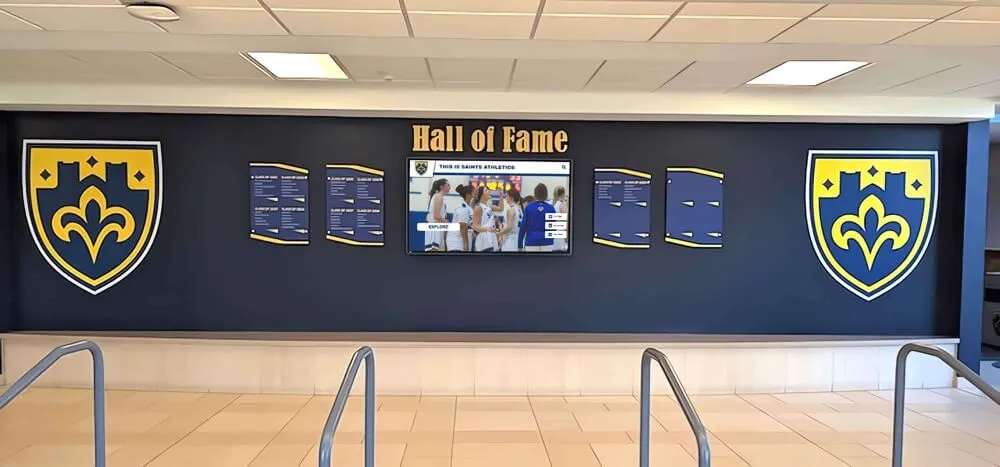
- Shield, crest, or emblem designs framing individual recognition plaques
- Architectural elements like columns or arches creating formal recognition atmosphere
- Abstract or geometric patterns providing sophisticated modern aesthetic
- Integration space for both traditional plaques and digital recognition displays
Effective hall of fame murals balance visual impact with appropriate gravitas, avoiding overly busy designs that compete with honoree information for attention.
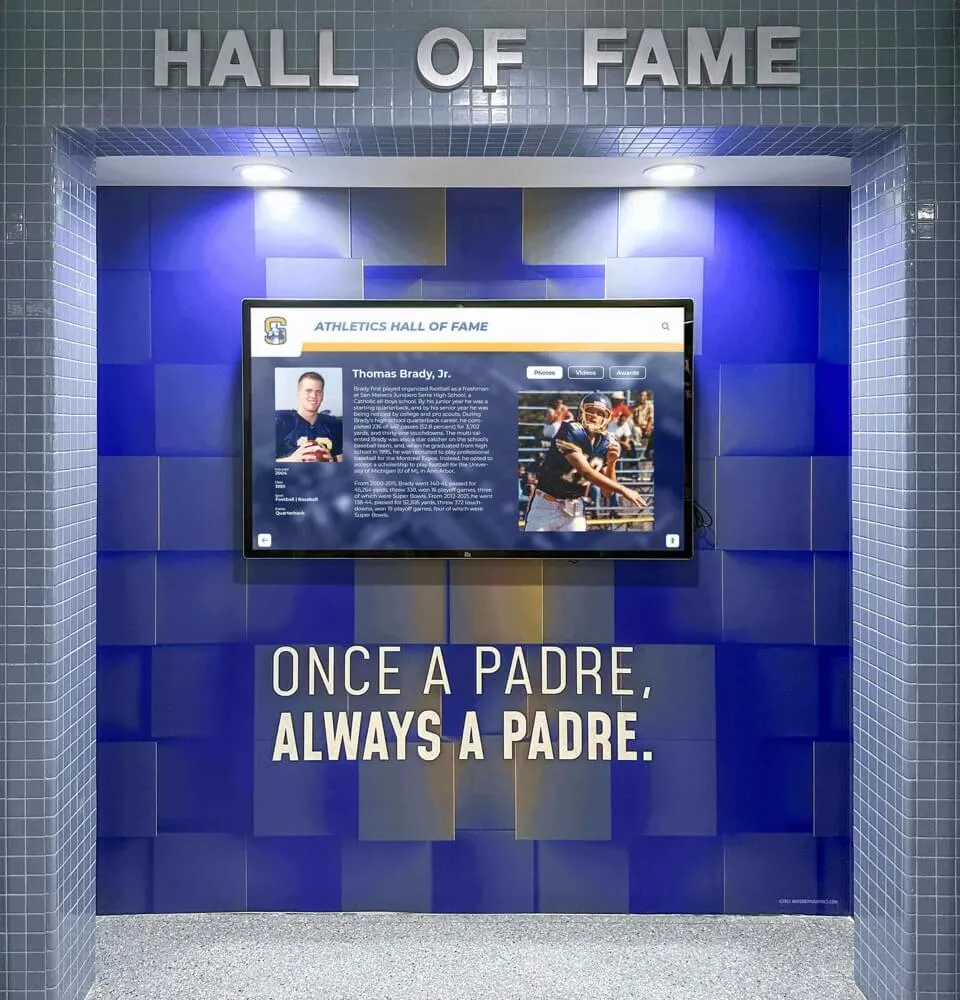
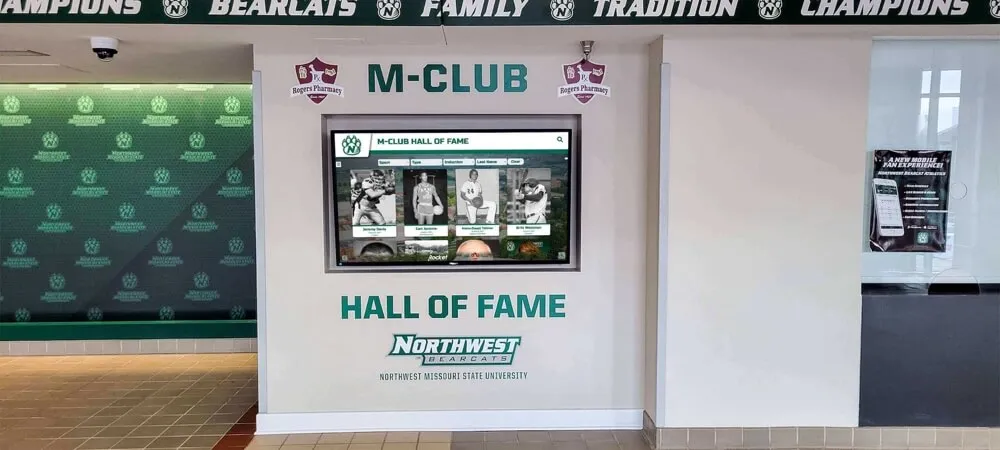
Solutions like Rocket Alumni Solutions provide comprehensive digital recognition systems that integrate seamlessly with mural environments, enabling unlimited honoree capacity within fixed physical space while maintaining visual coherence.
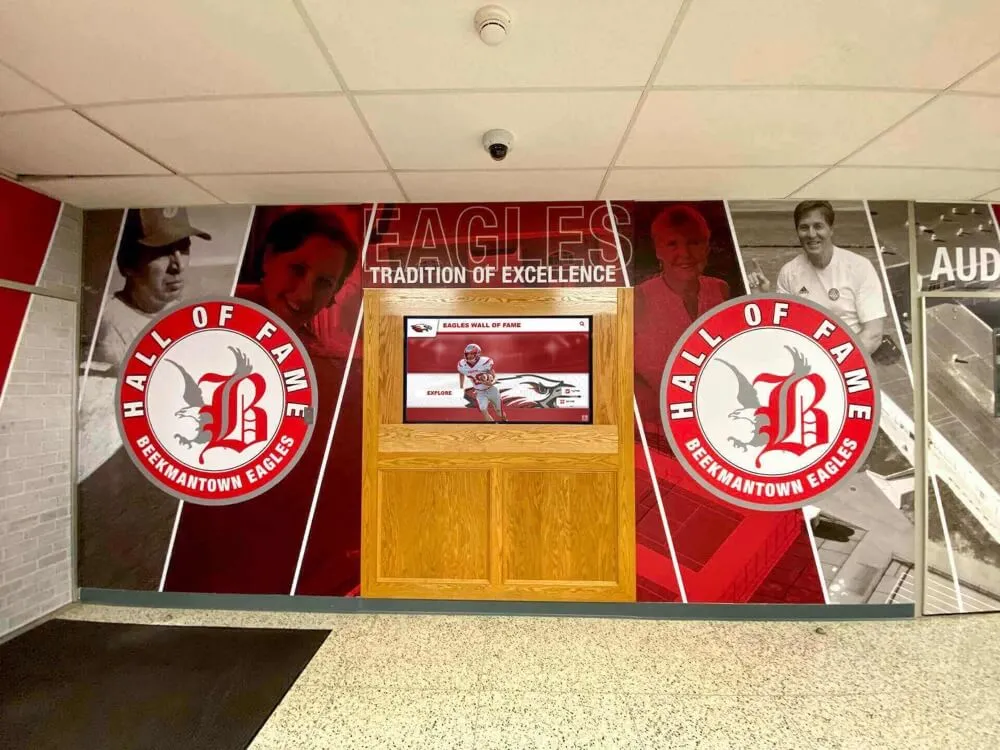
Hall of fame murals create impressive backdrop environments for both traditional and digital recognition displays
Retiring Jersey and Number Recognition
Permanent honor for exceptional athletes:
- Oversized jersey number displays in school colors
- Player name incorporation with jersey numbers
- Achievement callouts documenting why specific numbers received retirement
- Sport-specific imagery or silhouettes contextualizing recognition
- Arrangement allowing future additions without complete redesign
Retiring jersey murals create visible aspirational recognition that current athletes encounter daily during training and competition.
Distinguished Alumni Recognition
Celebrating notable graduates inspires current students:
- Portrait-style alumni recognition in formal mural composition
- Achievement documentation for alumni making significant contributions
- Career pathway representation showing diverse success routes
- Quote integration sharing alumni wisdom and perspective
- Silhouette or illustrated representations for privacy or aesthetic preferences
Alumni recognition murals strengthen community connection while demonstrating tangible outcomes of educational experience.
Academic Excellence and School Values Murals
Beyond athletic achievement, academic and cultural murals communicate institutional priorities while supporting educational mission.
Academic Achievement Recognition Designs
Celebrating intellectual excellence establishes cultural balance with athletic visibility.
Honor Roll and Academic Awards Murals
Recognizing student academic achievement prominently:
- Honor roll listing templates updated quarterly or annually
- Scholarship recipient recognition celebrating academic success
- Academic competition achievement documentation (debate, math team, science olympiad)
- GPA milestone recognition for high-achieving students
- National Honor Society and academic organization member recognition
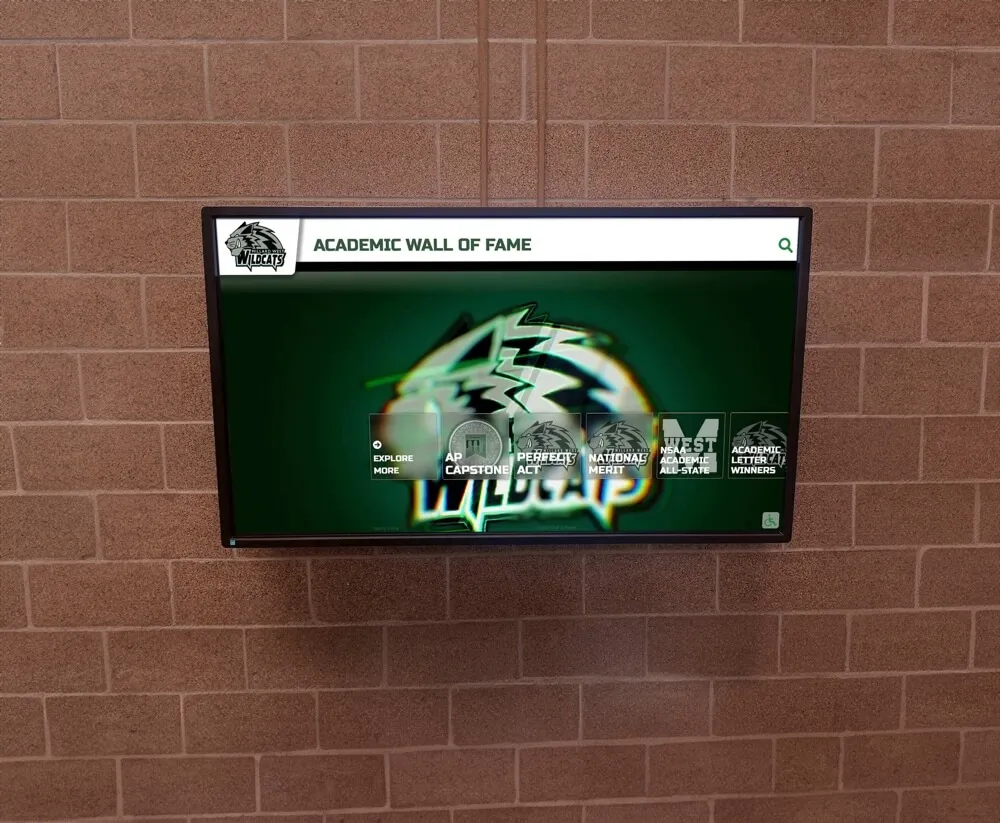
While painted academic recognition requires frequent updating, integrating digital honor roll displays within mural frameworks provides flexible recognition updating automatically from student information systems.
College Commitment and Success Murals
Showcasing post-graduation pathways inspires achievement:
- College commitment visualization showing university logos or names where graduates continue education
- Scholarship dollar totals demonstrating institutional commitment to making college accessible
- Notable graduate achievement highlights celebrating post-graduation success
- Career pathway representation showing diverse professional outcomes
- Military commitment recognition honoring service-bound graduates
These murals communicate that your institution prioritizes outcomes beyond graduation, strengthening value proposition for prospective families.
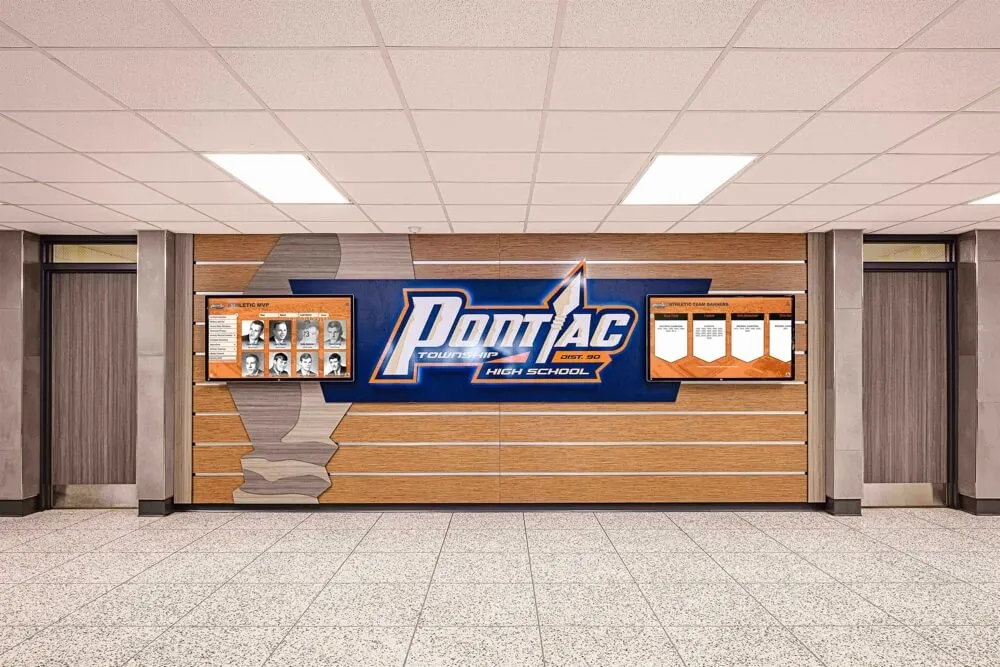
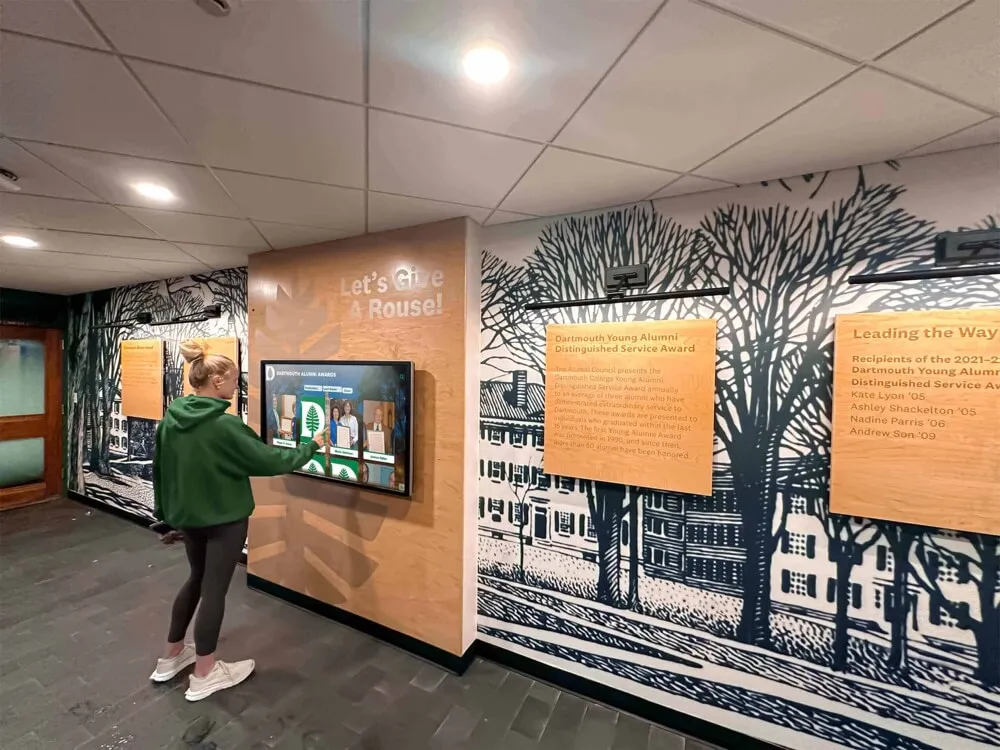
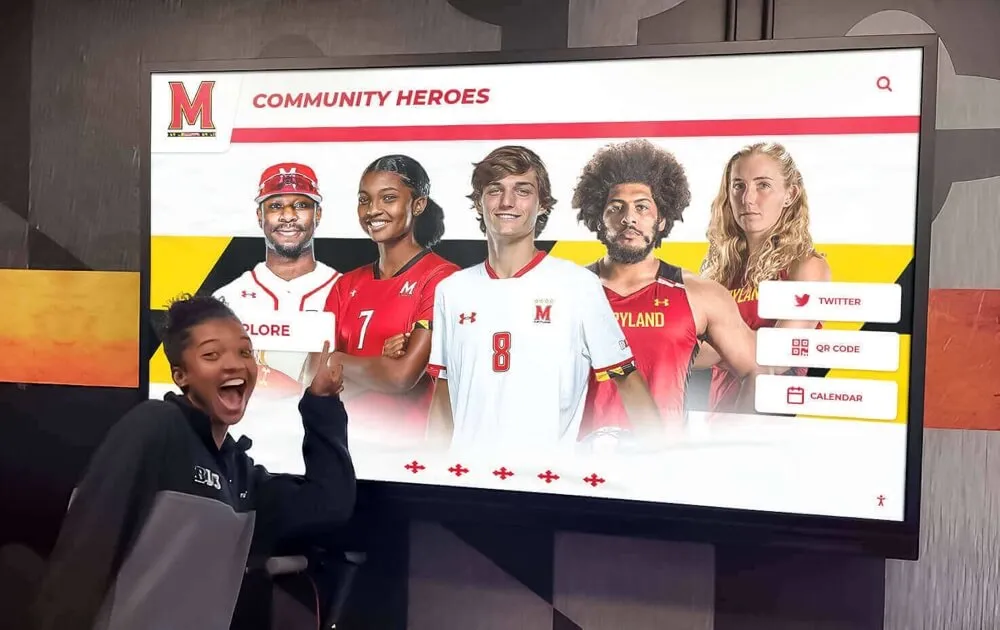
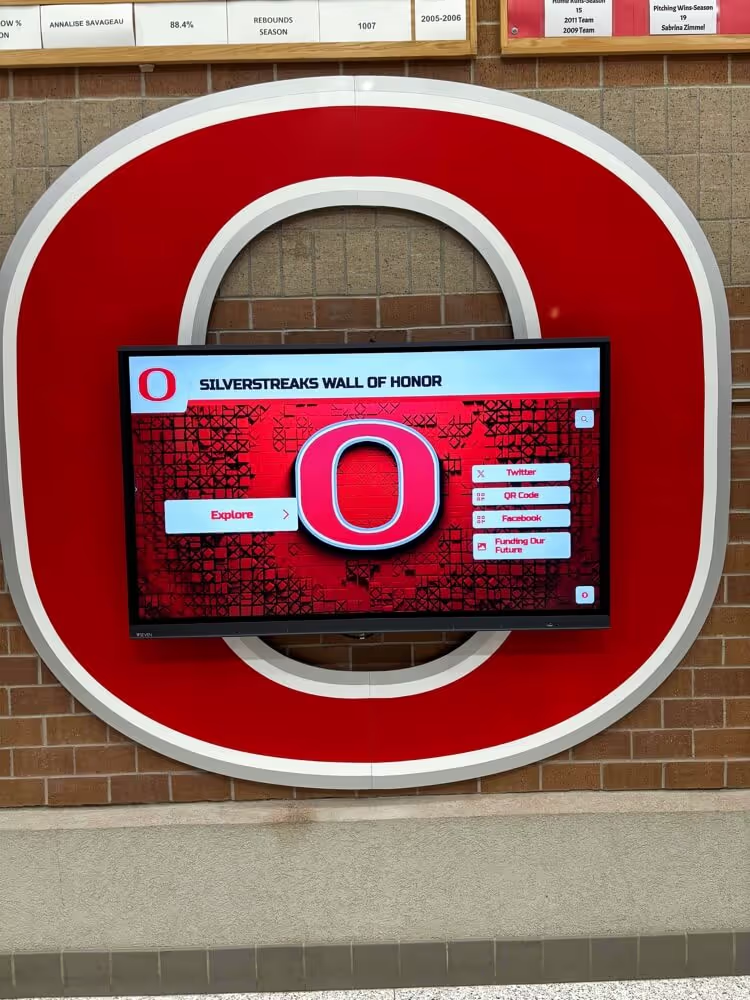
Comprehensive recognition environments celebrate both academic and athletic excellence demonstrating balanced institutional values
Inspirational and Motivational Mural Themes
Values-based murals support character development and cultural priorities.
Quote and Affirmation Murals
Inspirational messaging reinforces institutional values:
- Leadership quotes from notable figures aligned with school values
- Growth mindset affirmations supporting student development
- Character trait emphasis (integrity, perseverance, kindness, excellence)
- Student-generated inspirational messages creating ownership
- Multilingual affirmations celebrating diversity and inclusion
Typography design significantly impacts motivational mural effectiveness—bold, readable fonts with appropriate contrast ensure messages remain visible and impactful rather than merely decorative.
Diversity, Equity, and Inclusion Murals
Visual representation supporting inclusive community:
- Diverse figure representation showing students of all backgrounds succeeding
- Cultural celebration imagery honoring community diversity
- Historical figure recognition highlighting diverse role models and leaders
- Language and symbol integration representing community composition
- Anti-bullying and kindness messaging creating welcoming environment
DEI murals work most effectively when developed collaboratively with student input ensuring authenticity and genuine community representation rather than performative tokenism.
Career and Future-Focused Murals
Pathway visualization connecting education to opportunity:
- Career pathway representation showing diverse professional possibilities
- STEM education emphasis in science and technology corridor murals
- Arts pathway celebration in performing arts and creative spaces
- Trade and technical career representation in CTE program areas
- Entrepreneurship and innovation themes inspiring creative thinking
These murals help students envision themselves in various future roles, supporting career exploration and educational engagement by making abstract futures feel tangible and accessible.
Historical and Legacy Mural Concepts
Institutional history murals preserve legacy while building connection between current community members and those who came before.
Timeline and Historical Journey Murals
Chronological storytelling documents institutional evolution and significant moments.
Founding to Present Timeline Murals
Comprehensive historical documentation:
- Chronological timeline showing school founding, building additions, and major milestones
- Decade-by-decade organization highlighting defining moments in each era
- Architectural evolution imagery showing facility changes over time
- Community context integration connecting school history to broader historical events
- Future vision space allowing timeline extension as history continues
Timeline murals work particularly well in long corridors where linear progression feels natural, with each decade or era occupying dedicated wall sections creating visual progression as viewers walk the space.
Yearbook Collage and Photo Archive Murals
Visual documentation preserving institutional memory:
- Yearbook cover collection spanning decades of school history
- Historical photo collage showing students, events, and activities across eras
- Fashion and style evolution demonstration creating engaging historical perspective
- Facility transformation before-and-after comparisons showing campus development
- Event tradition documentation (homecoming, prom, graduation) across generations
Digitizing historical photos and documents requires significant time investment but creates invaluable archives preventing irreplaceable materials from being lost to deterioration or storage neglect.
Historical murals integrate traditional imagery with digital displays enabling continuous recognition expansion without physical modification
Notable Alumni and Distinguished Graduate Recognition
Celebrating successful graduates demonstrates educational value while inspiring current students.
Alumni Hall of Fame Murals
Formal recognition of exceptional graduates:
- Portrait-style recognition in traditional hall of fame aesthetic
- Achievement documentation explaining selection criteria and accomplishments
- Graduation year and relevant biographical information
- Professional accomplishment highlights demonstrating educational outcome value
- Category organization (athletics, academics, community service, professional achievement)
Alumni halls of fame benefit significantly from digital recognition platforms enabling unlimited honoree additions without physical space constraints, allowing programs to grow sustainably over decades.
Career Pathway Alumni Spotlights
Demonstrating diverse success routes:
- Alumni organized by career field showing graduate outcomes across industries
- “From Our Halls to…” themed presentations showing current roles of graduates
- Local community member recognition highlighting graduates serving locally
- National and international success stories demonstrating broad reach
- Entrepreneurship and business ownership recognition celebrating economic contribution
These displays communicate concrete value proposition to prospective families while motivating current students through visible examples of educational investment returns.
Integrating Digital Displays with Traditional Murals
The most effective contemporary school recognition environments combine traditional painted murals with digital display technology, creating flexible systems honoring legacy while showcasing current achievements through updatable platforms.
Strategic Integration Approaches
Digital Display as Mural Focal Point
Mural design frames and highlights digital recognition:
- Painted architectural elements (columns, archways, frames) surrounding digital displays
- Color scheme coordination ensuring digital content complements painted backgrounds
- Typography and branding integration creating visual continuity between static and dynamic elements
- Mascot or symbolic imagery positioned to direct attention toward digital content
- Dimensional depth creation through painted shadowing and perspective techniques
This approach positions digital displays as primary recognition vehicle while traditional mural provides context, branding, and visual interest creating comprehensive installation greater than either element alone.
Coordinated but Separate Elements
Digital and traditional recognition occupy distinct but visually connected spaces:
- Painted mural occupying primary wall space with digital displays positioned adjacently
- Thematic connection through consistent color palette and design motifs
- Spatial organization guiding viewer attention between different recognition elements
- Historical painted recognition with current achievement digital updates creating past-present dialogue
- Trophy case integration coordinating physical artifacts with digital and painted recognition
This separation allows each recognition method to function optimally without forcing compromise between competing requirements.
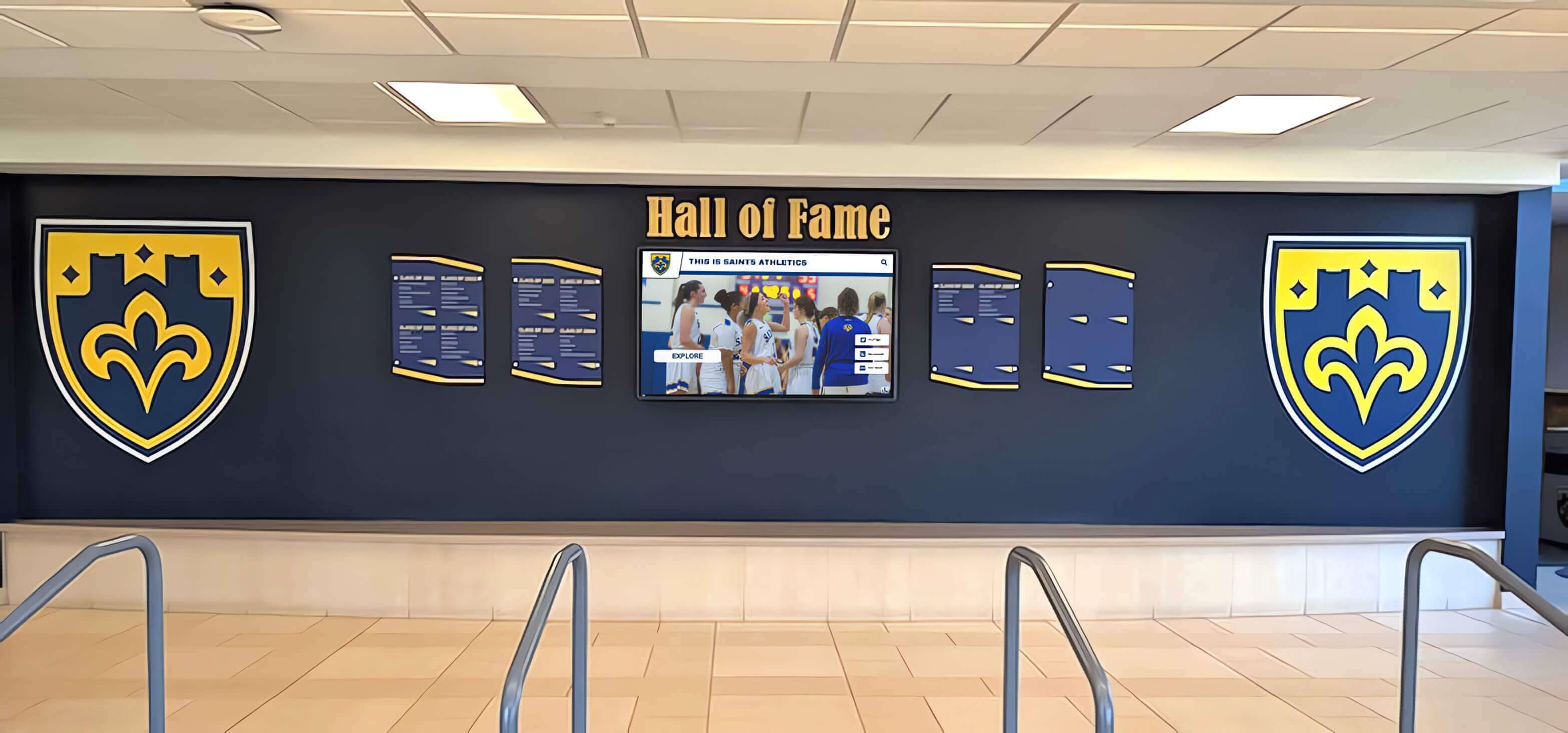
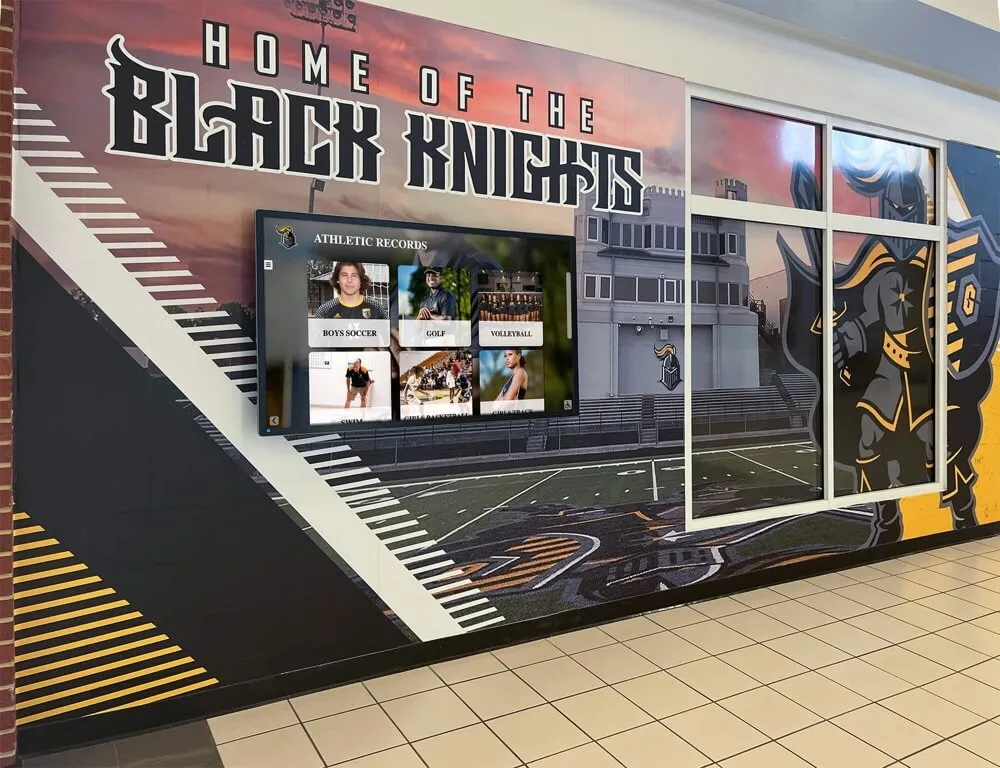
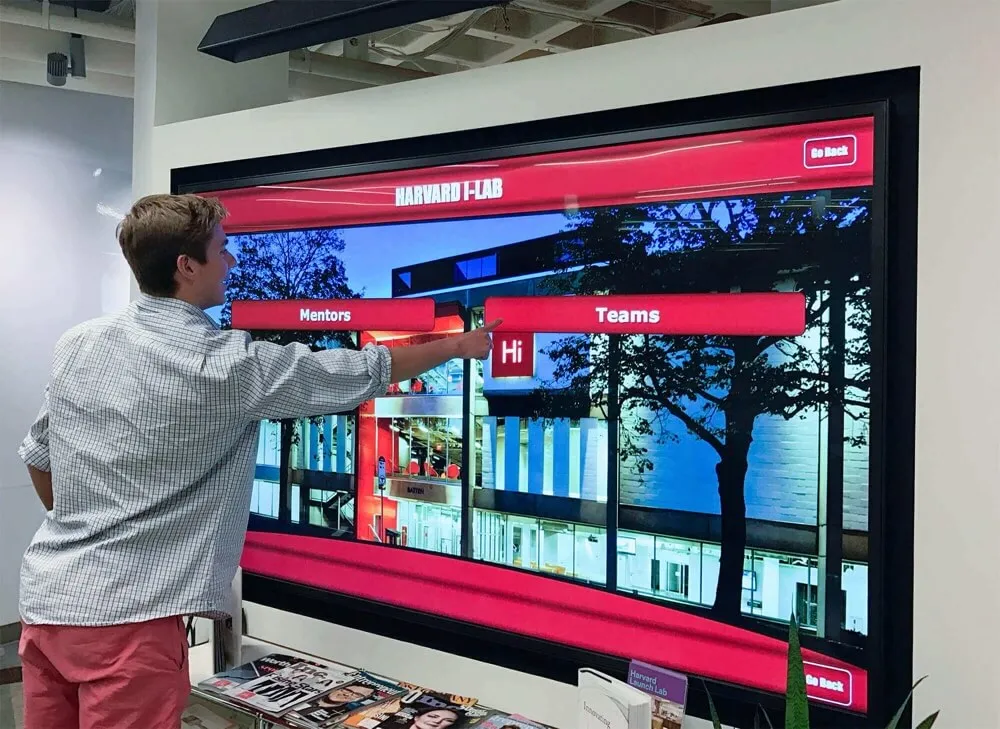
Successful integration creates cohesive recognition environments combining traditional painted elements with digital technology
Benefits of Hybrid Recognition Environments
Unlimited Recognition Capacity
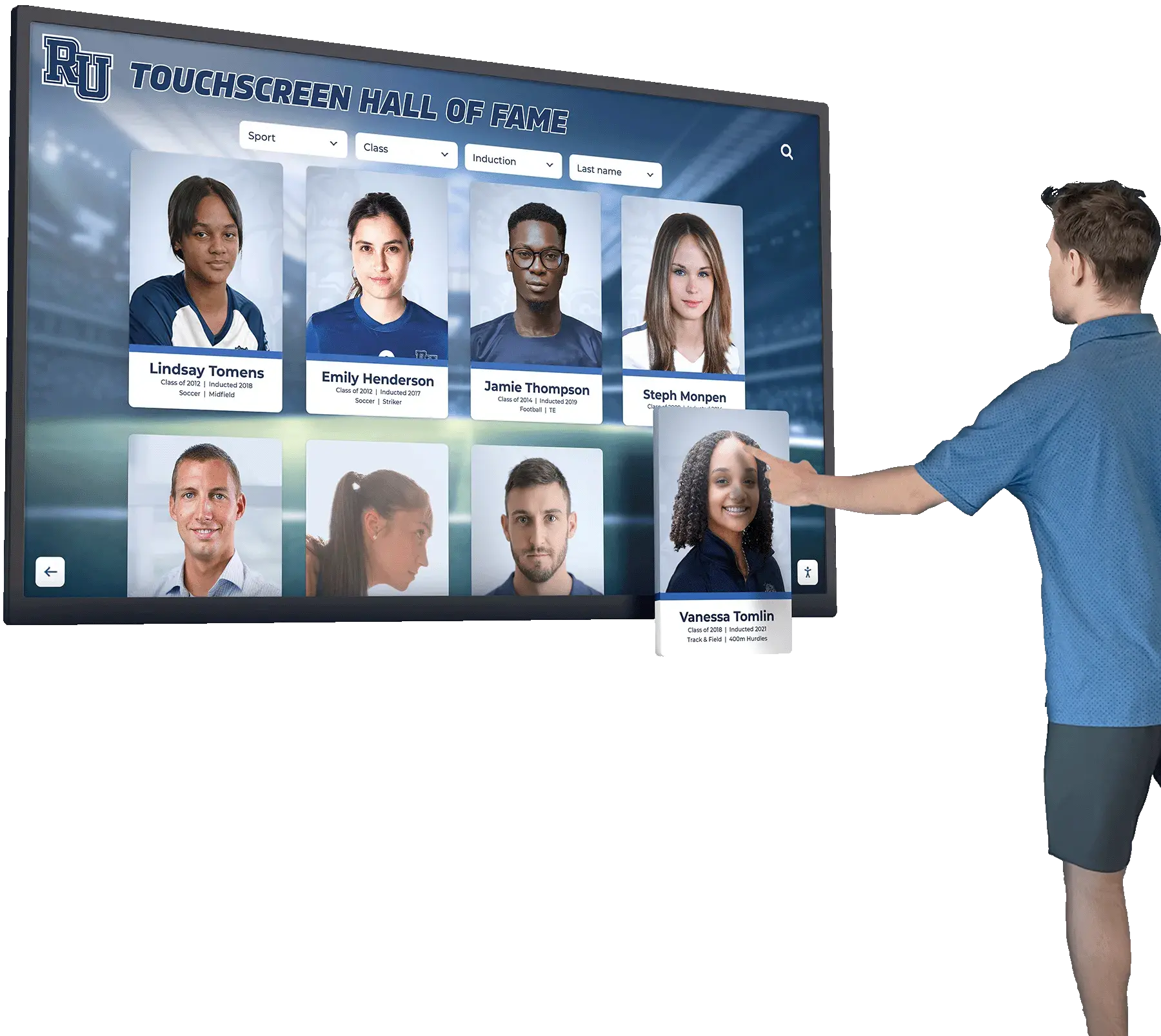
Physical space limitations constrain traditional painted or plaque-based recognition to finite honoree numbers, eventually requiring difficult decisions about removal or expensive facility expansion. Digital platforms like Rocket Alumni Solutions provide unlimited recognition capacity within existing space, enabling comprehensive recognition that grows indefinitely without physical modification.
Immediate Achievement Celebration
Traditional mural updates require artist scheduling, repainting, and facility access, creating frustrating delays between achievement and recognition. Digital displays update instantly from any internet-connected device, enabling immediate celebration that maintains motivation and demonstrates institutional responsiveness to student success.
Rich Multimedia Storytelling
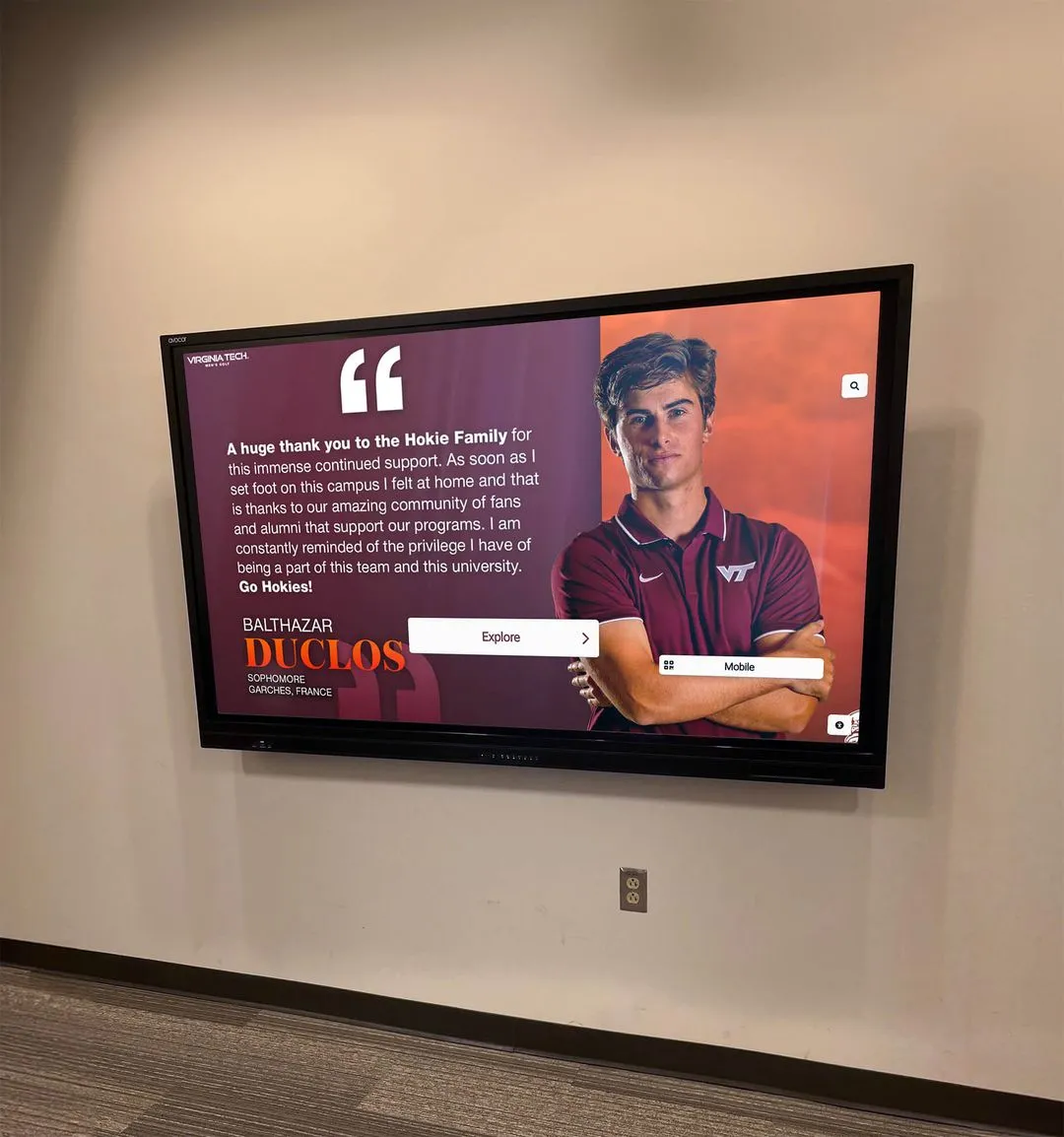
Painted murals communicate through static visual design while digital displays enable video highlights, photo galleries, complete statistics, and interactive exploration—honoring achievements with appropriate depth impossible through painted elements alone while creating engaging experiences that sustain attention.
Maintenance and Longevity Balance
Quality murals last 10-20+ years with minimal maintenance while digital content remains perpetually current through routine updates, creating recognition systems that honor permanence and legacy through traditional elements while embracing flexibility and currency through technology integration.
Explore digital recognition capabilities in interactive kiosk implementation for comprehensive recognition systems.
Practical Implementation: From Concept to Completion
Successful mural projects require systematic planning addressing budget, timeline, design process, and ongoing maintenance considerations.
Budgeting School Mural Projects
Understanding cost components enables realistic planning and prevents mid-project surprises.
Professional Mural Painting Costs
- Small murals (50-100 sq ft): $1,500-4,000 depending on design complexity and detail level
- Medium murals (100-300 sq ft): $4,000-12,000 for typical hallway or feature wall installations
- Large murals (300-500+ sq ft): $12,000-30,000+ for gymnasium walls or major lobby installations
- Highly detailed or photorealistic work: Premium pricing adding 50-100% to standard rates
Most professional muralists charge $15-50 per square foot depending on design complexity, with detailed mascots, portraits, and realistic scenes commanding higher rates than geometric or abstract designs.
Additional Project Costs
- Design consultation and mockups: $500-2,000 for professional design development before painting begins
- Wall preparation and repair: $300-1,500 depending on surface condition requiring smoothing, priming, or damage repair
- Protective clear coat sealing: $200-800 ensuring long-term durability and ease of maintenance
- Scaffolding or lift rental: $300-1,000 for high wall access during painting
- Project management and coordination: Staff time coordinating schedules, managing vendor relationships, and overseeing quality
Digital Display Integration Costs
When incorporating digital recognition within mural environments:
- Commercial touchscreen displays: $3,000-8,000 per unit depending on size and specifications
- Professional installation and mounting: $800-2,500 including electrical work and mounting hardware
- Digital recognition platform subscription: $1,500-5,000 annually for cloud-based content management
- Content development: $1,000-5,000 for initial profile creation and multimedia development
While digital components add initial investment, they provide unlimited recognition capacity eliminating recurring plaque costs while dramatically reducing long-term maintenance time compared to static recognition requiring physical updating.

Comprehensive recognition installations combine traditional mural artwork with digital displays creating impressive environments
Design Process and Timeline
Systematic approach ensures quality outcomes meeting stakeholder expectations.
Phase 1: Concept Development (2-4 weeks)
- Define mural objectives, location, and success criteria
- Establish budget parameters and timeline requirements
- Gather stakeholder input from students, staff, alumni, and community
- Research design options and develop preliminary concept direction
- Select artist or design team based on portfolio alignment with vision
Phase 2: Design Refinement (2-3 weeks)
- Review initial design concepts and mockups from selected artist
- Gather feedback from key stakeholders ensuring alignment with expectations
- Refine color palette coordinating with existing facility aesthetics
- Finalize design specifications and approve final mockup
- Confirm all logistical details including access, timing, and facility requirements
Phase 3: Execution (1-4 weeks)
- Complete wall preparation including cleaning, repair, and priming
- Begin mural painting according to approved design specifications
- Conduct periodic check-ins monitoring progress and addressing any concerns
- Complete protective sealing ensuring long-term durability
- Install any integrated elements like digital displays or trophy cases
Phase 4: Finalization (1 week)
- Final inspection ensuring quality meets expectations
- Touch-up any areas requiring refinement
- Clean work area and remove all equipment and materials
- Document completed installation with professional photography
- Plan unveiling or dedication ceremony if appropriate
Total project timelines typically range 6-12 weeks from initial concept through completed installation, with timing variability primarily driven by design complexity and artist availability during peak seasons.
Artist Selection and Vetting
Choosing appropriate artists significantly impacts satisfaction with final results.
Portfolio Evaluation
Review artist previous work assessing:
- Style alignment with your vision and institutional aesthetic preferences
- Experience with similar scale and complexity projects
- Quality consistency across multiple completed installations
- Ability to work in your preferred artistic style (realistic, stylized, abstract, etc.)
- Evidence of project completion reliability and timeline adherence
Most professional muralists maintain online portfolios showcasing completed work, enabling efficient comparison across multiple candidates before requesting proposals.
Proposal and Quote Comparison
Request detailed proposals including:
- Specific design approach and artistic vision for your project
- Itemized pricing breaking down labor, materials, and additional costs
- Realistic timeline from contract signing through project completion
- Insurance coverage including liability protection for facility work
- References from previous institutional clients with comparable projects
Avoid selecting solely based on lowest price—quality, reliability, and communication capability significantly impact satisfaction levels and should weigh heavily in selection decisions.
Contract Essentials
Formalize agreements documenting:
- Detailed design specifications or reference to approved mockups
- Payment schedule tied to completion milestones rather than upfront full payment
- Timeline commitments with completion dates and delay provisions
- Warranty or guarantee for workmanship quality and paint durability
- Change order process if design modifications become necessary during execution
Clear contracts prevent misunderstandings while providing recourse if disputes arise regarding quality, timeline, or compensation.
Explore facility recognition planning in teacher recognition programs addressing comprehensive acknowledgment systems.
Maintaining and Updating School Murals
Long-term satisfaction requires planning for maintenance and future modification needs.
Durability and Protection Strategies
Protective Coatings
Quality clear coat sealers extend mural lifespan:
- UV-resistant clear coats preventing fading from sunlight exposure
- Anti-graffiti coatings enabling easy removal of marker or spray paint
- Moisture barriers protecting murals in high-humidity environments
- Matte or satin finishes reducing glare while providing protection
Professional protective coating adds $2-5 per square foot but typically extends mural lifespan 5-10 years, making it highly cost-effective investment.
Strategic Location Considerations
Placement affects durability requirements:
- High-contact areas near doorways or heavy traffic require more durable finishes
- Direct sunlight exposure necessitates UV-resistant paints and coatings
- Areas accessible to unsupervised students may need anti-vandalism coatings
- Moisture-prone locations require appropriate paint selection and ventilation
Routine Maintenance
Simple care extends mural life significantly:
- Regular dusting or gentle cleaning removing accumulated dirt
- Prompt attention to any graffiti or damage preventing deterioration
- Periodic inspection identifying areas requiring touch-up before major damage occurs
- Professional cleaning every 3-5 years maintaining color vibrancy
Most murals require minimal maintenance attention beyond routine facility cleaning when properly sealed and in appropriate locations.
Planning for Future Updates
Flexible Design Elements
Anticipating future needs prevents complete redesign requirements:
- Dedicated spaces for adding championship years or achievement updates
- Modular design sections allowing partial updates without full repaint
- Digital display integration providing updateable recognition within fixed mural design
- Neutral background colors enabling easy addition of new elements
- Frame or border designs accommodating future photo or plaque additions
This forward-thinking approach extends mural relevance while controlling long-term maintenance costs.
Periodic Refresh Planning
Even quality murals eventually require updating:
- Budget for major refresh every 10-15 years addressing fading and design evolution
- Minor touch-up and updating every 3-5 years maintaining fresh appearance
- Technology integration enabling content currency without physical modification
- Alumni fundraising potential for legacy mural preservation and enhancement
Planning refresh cycles prevents facilities from looking dated while controlling major renovation costs through proactive rather than reactive maintenance.
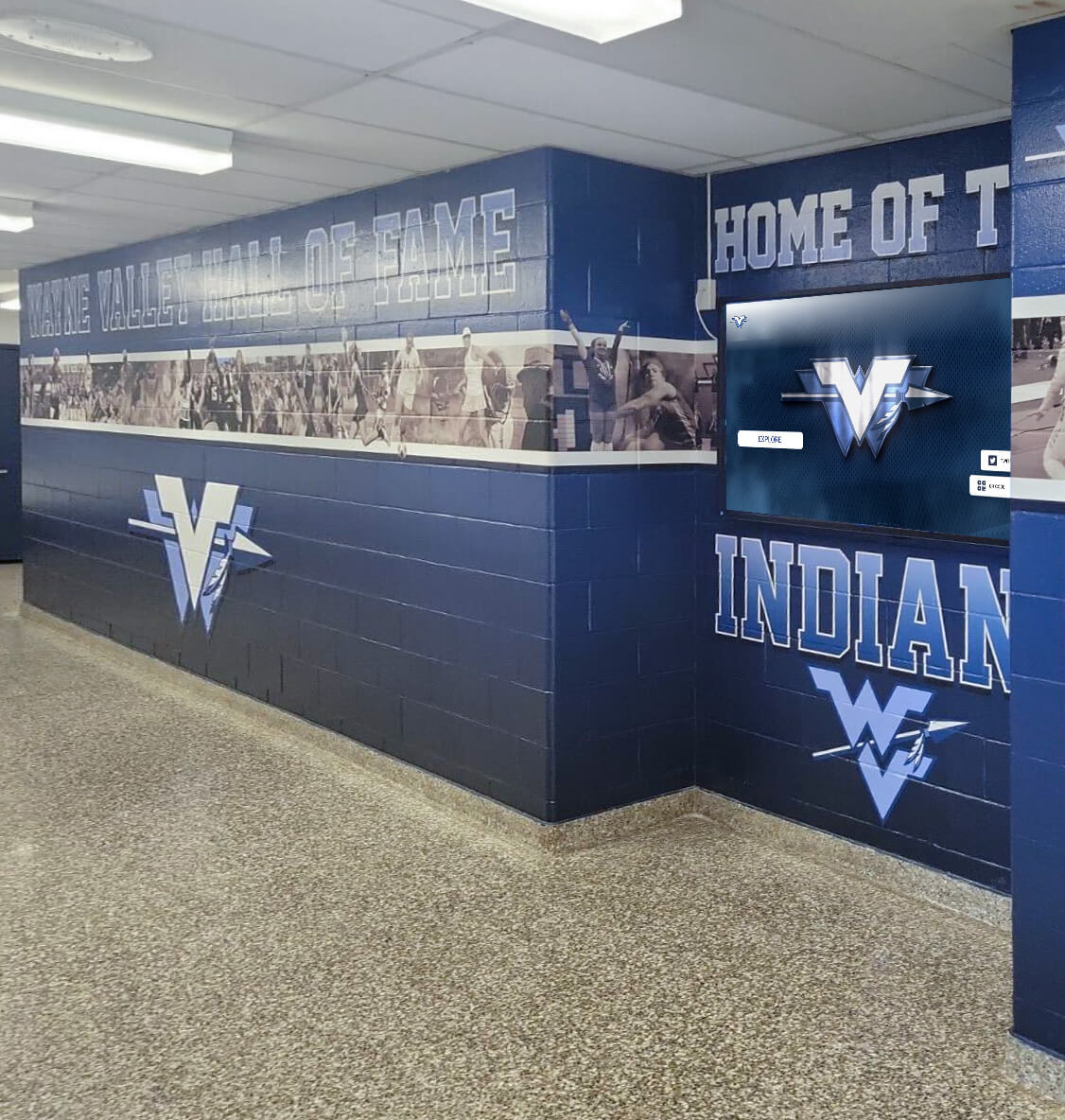
Well-maintained recognition murals remain impressive focal points inspiring pride for decades after initial installation
Student Involvement and Community Engagement
Participatory mural projects create ownership while building community connection.
Student-Led Design and Creation
Student Artist Participation
Involving students in mural creation:
- Art class projects creating designs selected through competition process
- Student artist employment assisting professional muralists during execution
- Collaborative murals where students contribute individual elements to larger design
- Photography and documentation roles giving students behind-scenes experience
- Dedication and unveiling planning led by student committees
Student involvement transforms murals from administrative projects into community celebrations while providing valuable experience and portfolio development for student artists.
Inclusive Design Input
Gathering broad community perspective:
- Student surveys collecting input on preferred themes, colors, and imagery
- Focus groups with diverse student populations ensuring representative input
- Faculty and staff feedback aligning murals with educational mission
- Alumni input particularly for legacy and historical recognition murals
- Community forums when murals visible to broader public beyond school community
This inclusive approach prevents tone-deaf designs while building stakeholder buy-in ensuring positive reception when murals are unveiled.
Fundraising and Community Support
Donor Recognition Opportunities
Mural projects create appealing sponsorship possibilities:
- Major donors funding entire mural projects receiving prominent recognition
- Memorial murals honoring deceased community members funded by families
- Booster club sponsorship for athletic recognition murals
- Alumni class reunion gifts funding legacy recognition projects
- Local business sponsorship particularly for murals visible to community
Recognition opportunities should be tasteful and proportionate, avoiding commercial appearance while appropriately honoring philanthropic support.
Learn about comprehensive recognition approaches in donor recognition strategies acknowledging supporter contributions.
Grant Funding Potential
Various grant programs support school mural initiatives:
- Arts education grants from state arts councils and foundations
- Facilities improvement grants from educational foundations
- Corporate community investment programs supporting local schools
- National service organization grants (Kiwanis, Rotary, Lions) supporting youth programs
- Specialty grants supporting diversity, equity, and inclusion initiatives through visual representation
Successful grant applications emphasize educational value, community engagement, and alignment with funder priorities rather than focusing solely on aesthetic improvement.
Addressing Common Mural Planning Challenges
Understanding typical obstacles enables proactive planning preventing implementation problems.
Gaining Administrative and Community Approval
Building Stakeholder Consensus
Mural projects require buy-in from multiple constituencies:
- Demonstrating alignment with institutional mission and strategic priorities
- Presenting professional mockups helping stakeholders visualize final result
- Addressing concerns about permanence and future flexibility
- Documenting precedent examples from comparable institutions
- Phased implementation approaches reducing initial commitment and risk
Most resistance stems from uncertainty and fear of making irreversible mistakes—professional design visualization and reference examples address these concerns effectively.
Navigating Approval Processes
Institutional decision-making requirements:
- School board approval for significant expenditures or permanent facility modifications
- Administration review ensuring consistency with institutional values and priorities
- Facilities and maintenance team input regarding practical implementation considerations
- Community input opportunities particularly for publicly visible exterior murals
- Historical commission approval if facilities have historical designation
Understanding and planning for required approval processes prevents frustrating delays after design work has progressed significantly.
Balancing Timeless Design with Current Trends
Creating Lasting Visual Appeal
Mural longevity requires thoughtful design:
- Classic design elements and color palettes avoiding overly trendy aesthetic choices
- Focus on timeless institutional identity rather than current pop culture references
- Quality execution using professional techniques and durable materials
- Flexibility for future updates without complete redesign requirements
- Alignment with architectural style and historical institutional aesthetic
Murals should feel fresh and contemporary while avoiding dated appearance within 3-5 years of installation—a challenging balance requiring design sophistication.
Managing Changing Recognition Needs
Achievement recognition evolves over time:
- Championship additions requiring space allocation in design planning
- Hall of fame growth necessitating expandable recognition capacity
- New programs and achievements emerging after initial design completion
- Historical correction or enhancement as new information discovered
- Equity considerations ensuring balanced recognition across all programs
Digital recognition integration provides optimal solution for evolving recognition needs, offering unlimited capacity and immediate updates within fixed physical space created by traditional mural framework.
Future Trends in School Mural Design
Understanding emerging developments helps institutions plan investments remaining relevant long-term.
Augmented Reality Integration
Technology enhancement of traditional murals:
- AR overlays providing additional information when viewing murals through mobile devices
- Interactive elements appearing through smartphone or tablet interfaces
- Video content and animations augmenting static painted elements
- Translation capabilities providing multilingual access to mural content
- Historical before-and-after comparisons showing facility evolution over time
AR integration creates dynamic experiences from static artwork while avoiding physical modification requirements, offering compelling middle ground between traditional and digital approaches.
Sustainable and Eco-Friendly Materials
Environmental considerations influencing mural creation:
- Low-VOC and zero-VOC paints improving indoor air quality
- Sustainable material sourcing and production processes
- Recycled and reclaimed materials incorporation in mixed-media murals
- Solar-powered digital display integration reducing energy consumption
- Green building certification consideration in material and process selection
Schools emphasizing sustainability find eco-friendly mural projects align with institutional values while providing educational opportunities demonstrating environmental stewardship commitment.
Inclusive Representation and Storytelling
Evolving cultural awareness shaping visual identity:
- Authentic diverse representation in figurative murals showing students of all backgrounds
- Indigenous land acknowledgment and historical representation
- LGBTQ+ inclusion and visibility in school community celebrations
- Disability representation demonstrating true inclusive community
- Multilingual elements reflecting linguistic diversity of school populations
Contemporary murals increasingly recognize that representation matters profoundly, with thoughtful inclusive imagery supporting belonging for all community members.
Explore comprehensive school culture development in student council engagement building community through participation.
Conclusion: Transforming Schools Through Intentional Visual Design
School murals represent powerful investments in institutional culture, student pride, and community connection when implemented thoughtfully with clear objectives, professional design, and appropriate integration of recognition technology. Whether creating athletic identity that energizes competitors, celebrating academic achievement inspiring excellence, or documenting institutional legacy preserving history for future generations, strategic mural design transforms ordinary hallways into inspiring spaces where students feel genuinely proud to learn and grow.
The concepts and implementation frameworks explored throughout this guide demonstrate that effective mural projects require more than simply hiring artists to fill blank walls—they demand strategic planning addressing purpose, location, design cohesion, stakeholder engagement, and long-term maintenance while anticipating future evolution of recognition needs and institutional identity.
Ready to Transform Your School's Visual Identity?
Discover how comprehensive recognition solutions like Rocket Alumni Solutions can complement your mural projects with digital displays that provide unlimited recognition capacity and flexible content management, creating inspiring environments celebrating achievement across all programs and eras.
Explore Digital Recognition SolutionsModern approaches increasingly recognize that the most effective recognition environments combine traditional painted murals with digital display technology, honoring permanence and legacy through artistic elements while embracing flexibility and currency through technology that updates instantly without physical modification. This hybrid approach maximizes impact while controlling long-term maintenance costs and ensuring recognition capacity grows indefinitely without expensive facility expansion.
Start where your current situation demands—whether transforming a problematic space requiring visual improvement, creating athletic recognition energizing programs, or celebrating academic excellence deserving greater visibility. Every student walking your hallways deserves environments communicating that their institution takes pride in excellence and believes achievement merits appropriate celebration through inspiring spaces demonstrating institutional commitment to recognizing success.
Your school’s visual identity shapes how students feel about their educational experience, how families perceive institutional quality and commitment, and how alumni remember their formative years long after graduation. With thoughtful mural design integrating traditional artistic elements with modern recognition technology, you can create environments becoming cherished institutional assets inspiring pride and celebrating achievement for decades to come.
Ready to begin planning your school mural project? Explore how digital signage enhances recognition or discover comprehensive trophy case solutions transforming traditional recognition into dynamic celebration spaces.