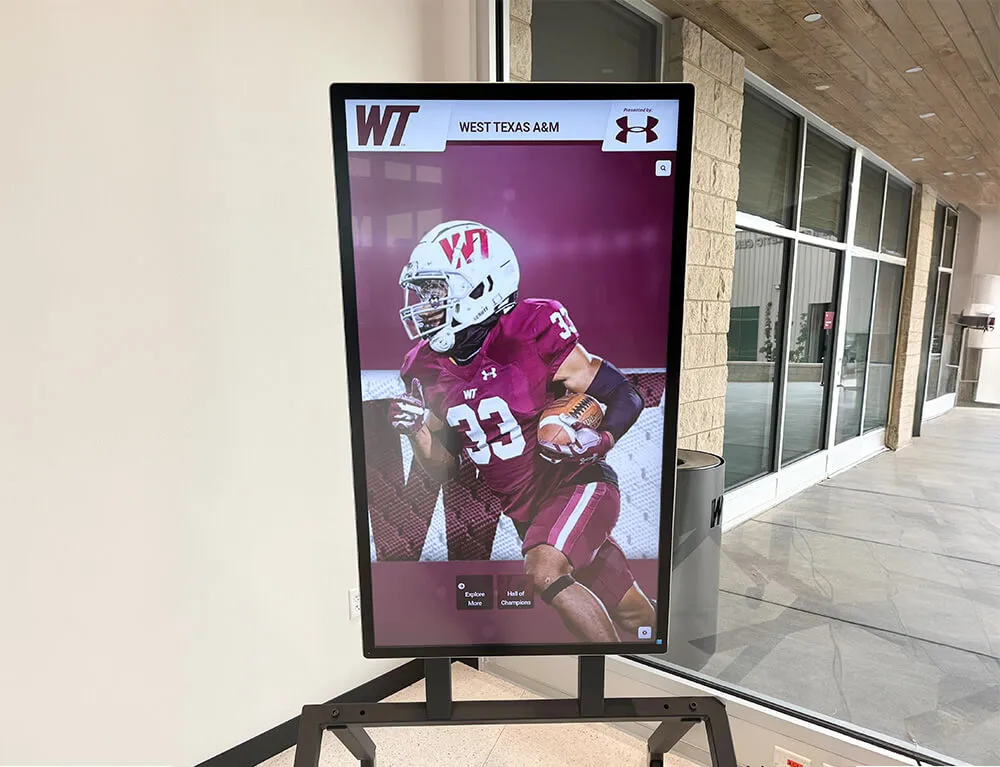
School hallways serve as far more than simple passageways between classrooms. These transitional spaces represent some of the most frequently traveled real estate in educational facilities—corridors where students spend cumulative hours each week moving between classes, gathering between periods, and absorbing the visual messages that surround them. Yet many schools underutilize these valuable spaces, treating hallways as afterthoughts rather than opportunities to inspire, celebrate, and build community.
The difference between uninspiring corridors and transformative school hallways comes down to intentional design. When schools thoughtfully approach hallway spaces—considering color, lighting, recognition displays, wayfinding, collaborative zones, and cultural storytelling—these transitional areas become powerful extensions of the educational mission. Well-designed hallways reduce behavioral issues, increase school pride, celebrate diverse achievements, welcome visitors, and create environments where students feel genuinely connected to their school community.
This comprehensive guide explores practical, impactful school hallway design ideas that transform underutilized corridors into inspiring spaces celebrating your students, showcasing your culture, and creating environments that elevate the daily experience of everyone who walks through your doors.
Effective school hallway design requires balancing aesthetics with functionality, creating spaces that serve practical traffic flow needs while simultaneously building school culture, celebrating achievements, and inspiring students throughout their daily journeys between classrooms.

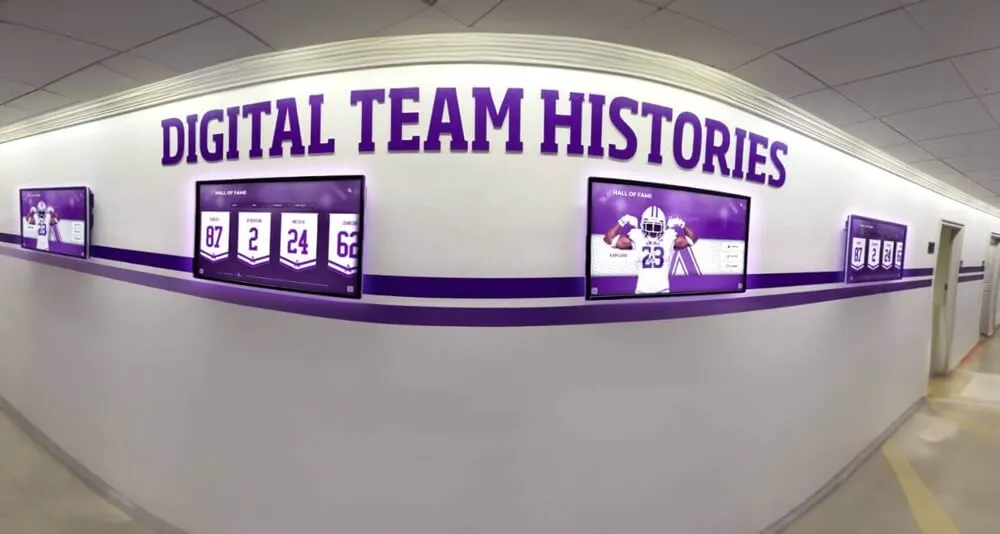
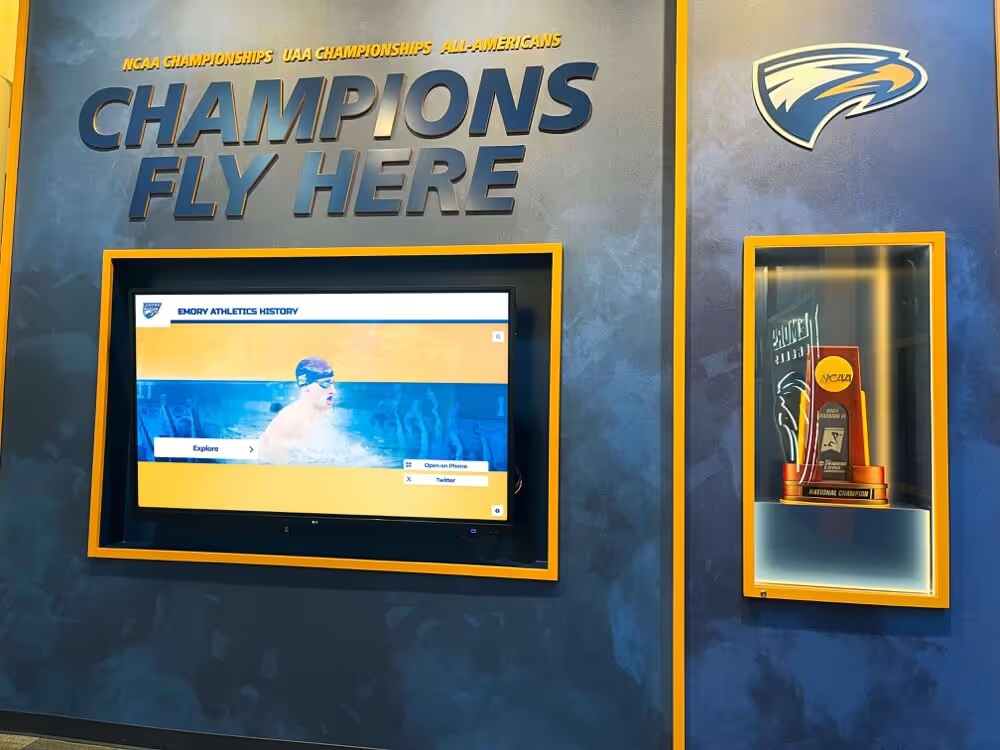
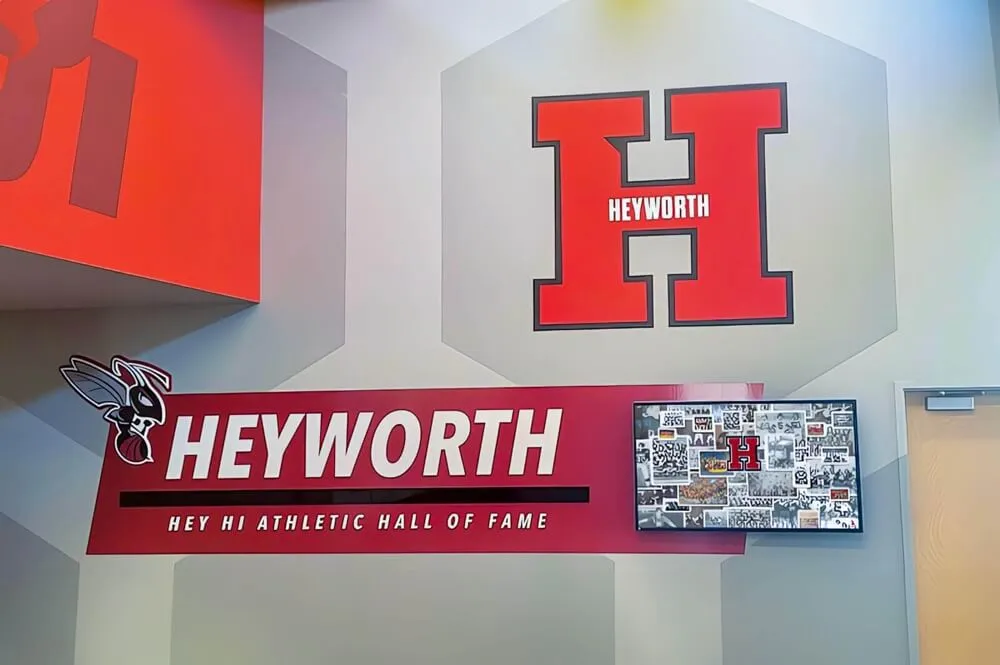
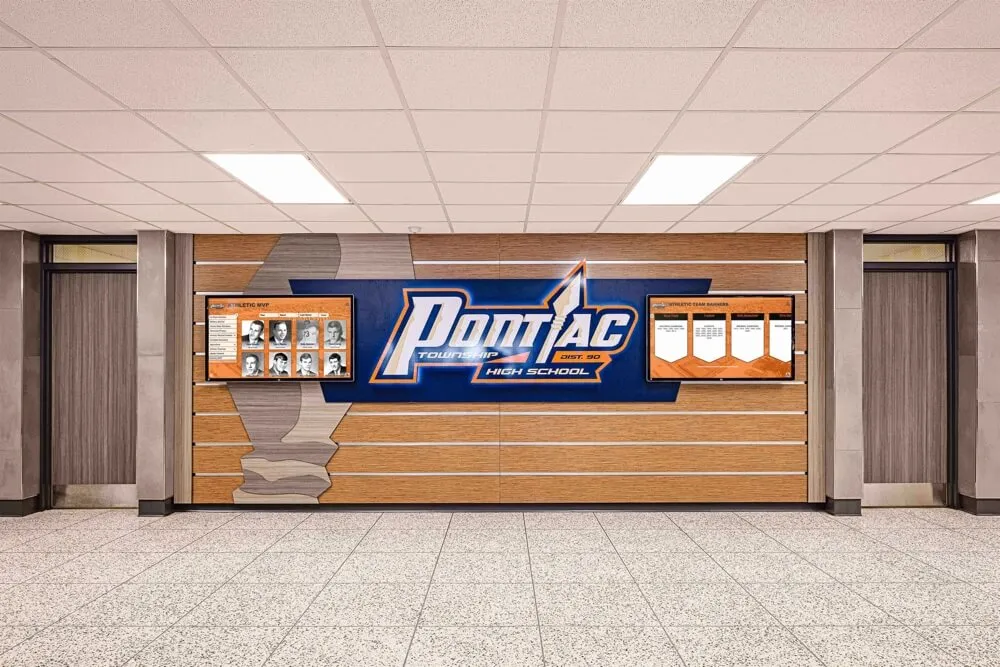
Thoughtfully designed hallways integrate school branding, recognition displays, and visual storytelling to create inspiring environments that celebrate community
The Strategic Importance of School Hallway Design
Before diving into specific design elements, understanding why hallway design matters helps schools prioritize investment and approach renovation projects strategically.
Psychological Impact of School Environments
Educational research consistently demonstrates how physical environments influence student behavior, engagement, and academic outcomes:
Environmental Psychology in Schools
- Visual environments directly affect student mood, motivation, and sense of belonging
- Recognition displays increase achievement motivation by making accomplishments visible
- Color psychology influences energy levels, focus, and emotional responses
- Natural light and strategic lighting improve attention and reduce behavioral issues
- Organized, well-maintained spaces communicate institutional care and expectations
According to research from the American Institute of Architects Committee on Architecture for Education, physical learning environments can impact academic achievement by 25% or more. While this research focuses primarily on classroom design, hallways represent significant components of overall school environments that students experience throughout every school day.
Cultural Communication Through Design
School hallways serve as primary cultural communication channels:
- Values Expression: Visual elements communicate what the school celebrates and prioritizes
- Belonging Creation: Recognition displays showing diverse students signal inclusivity and opportunity
- Tradition Preservation: Historical displays connect current students to institutional legacy
- Pride Building: High-quality design demonstrates institutional investment and excellence
- Community Connection: Displays featuring alumni, community partners, and local connections build broader relationships
When schools intentionally design hallways to communicate culture, these spaces become powerful tools for building the positive, achievement-oriented environments where students thrive.

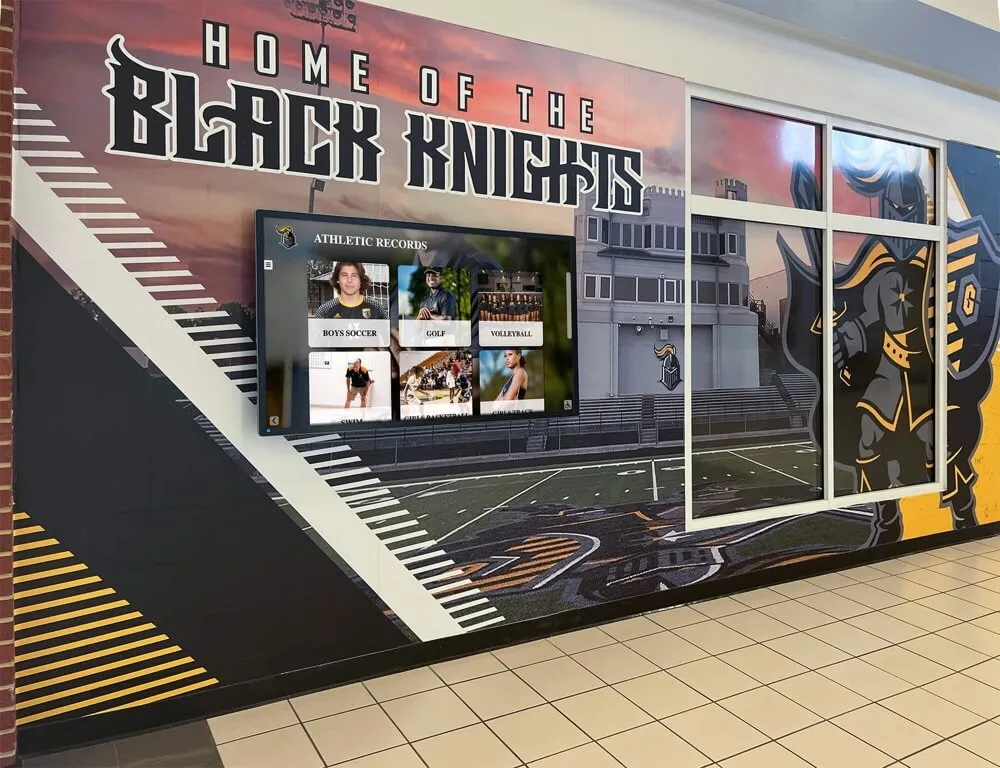
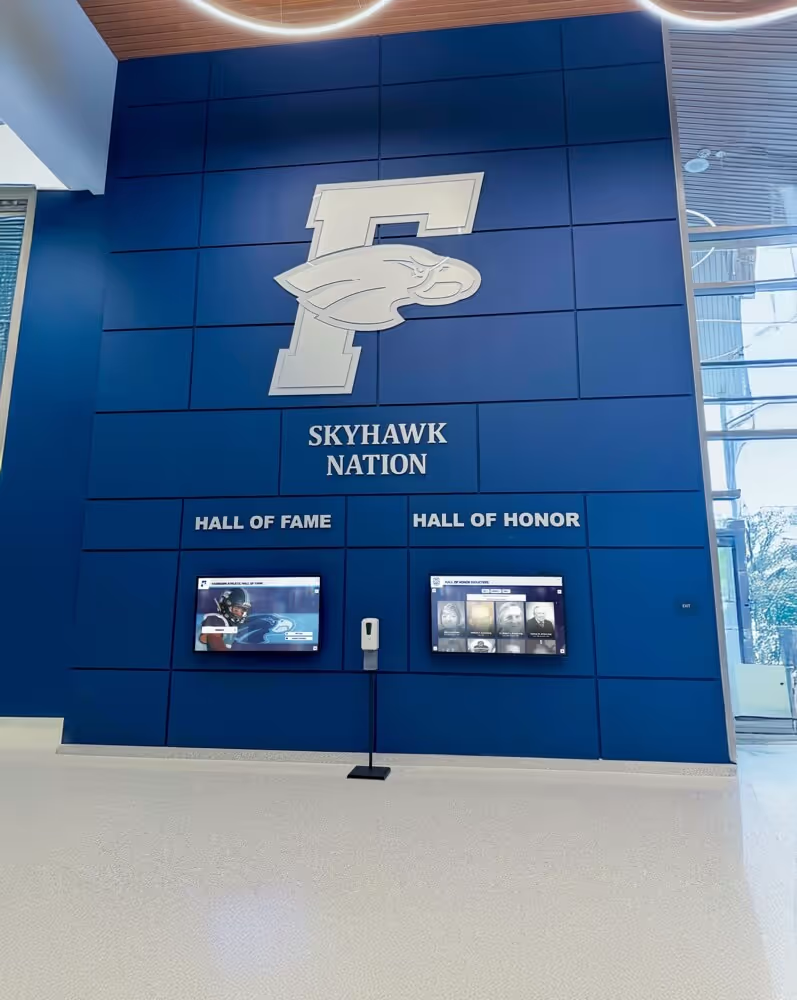
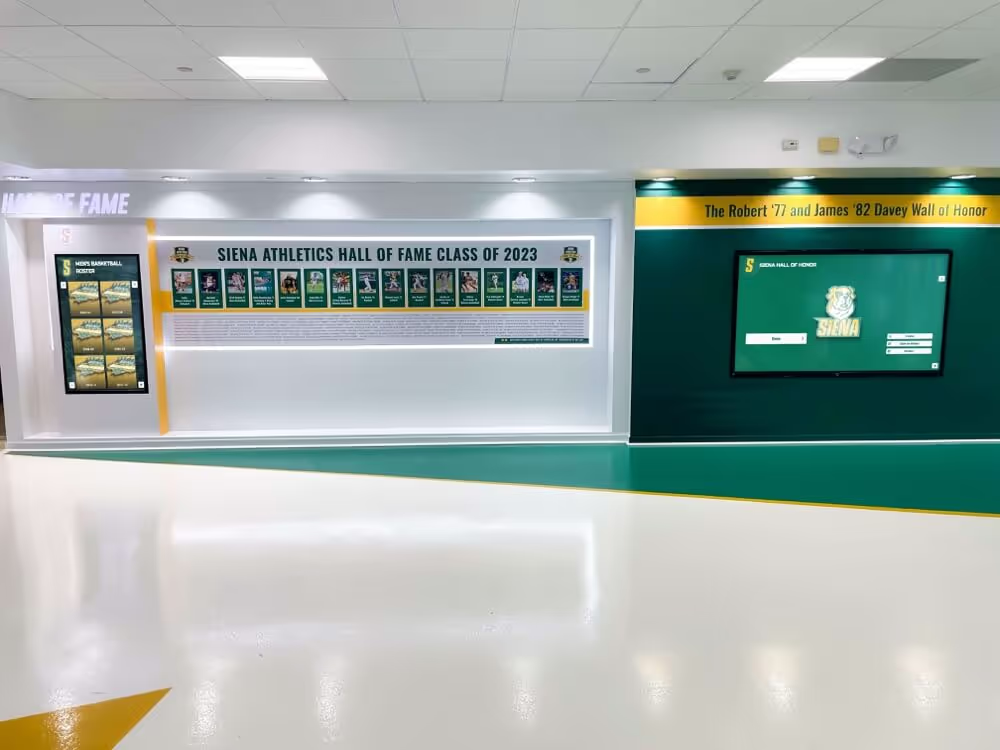
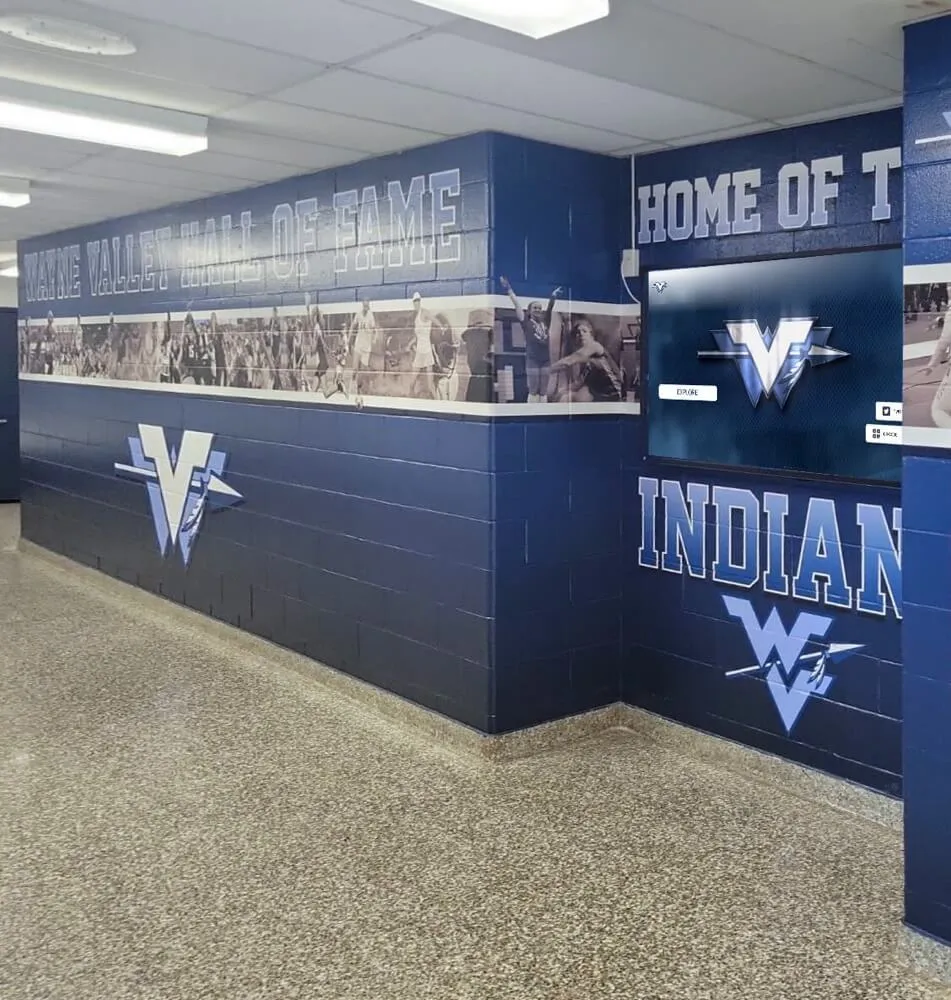
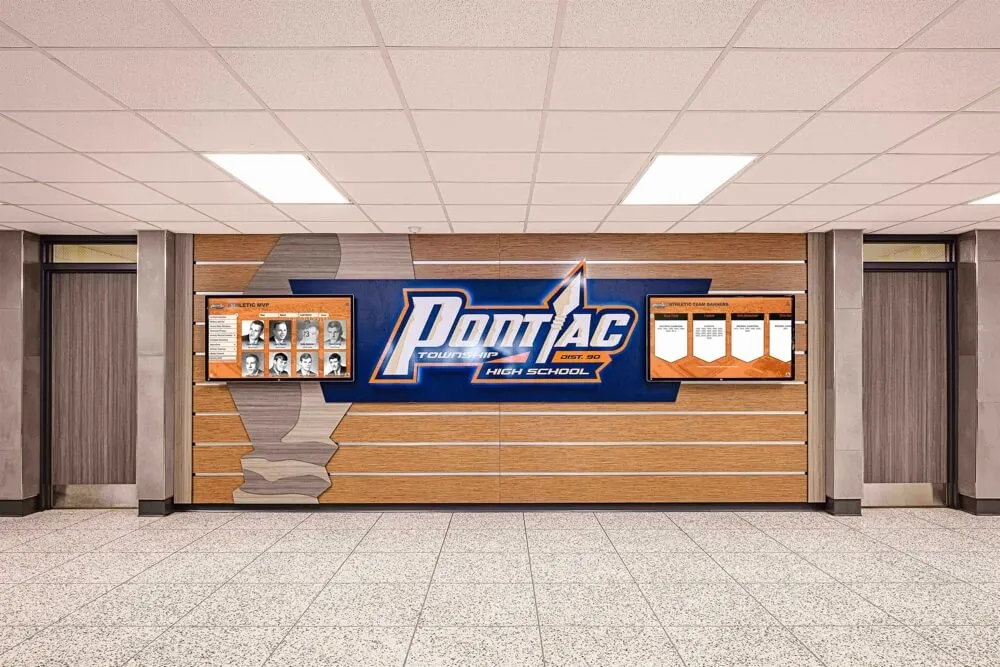
Coordinated color schemes and repeated display elements create visual cohesion throughout extended hallway spaces
Functional Considerations in Hallway Design
Beyond aesthetics, successful school hallway design addresses practical operational needs:
Traffic Flow Management
- Adequate width preventing congestion during passing periods
- Clear sightlines enabling supervision and safety monitoring
- Strategic placement of displays avoiding bottlenecks
- Defined pathways separating different traffic streams
- Emergency egress requirements and safety code compliance
Durability and Maintenance
- Material selections withstanding high-traffic wear patterns
- Finishes resistant to typical school damage and aging
- Design approaches minimizing ongoing maintenance requirements
- Budget-conscious solutions balancing quality with cost constraints
- Cleaning-friendly surfaces and installation methods
Accessibility Compliance
- ADA requirements for hallway width, turning radius, and clearances
- Accessible display mounting ensuring all students can engage with content
- Visual contrast requirements for wayfinding and safety
- Tactile elements supporting visually impaired navigation
- Lighting levels meeting accessibility standards
Successful hallway design integrates these functional requirements seamlessly into aesthetically compelling environments that serve both practical and inspirational purposes.
Core Design Elements for Inspiring School Hallways
Creating transformative hallway spaces involves thoughtful consideration of multiple design components working together cohesively.
Color Strategy and Paint Schemes
Strategic color choices dramatically impact hallway atmosphere and student experience:
School Colors Integration
Most schools naturally gravitate toward incorporating official school colors, but effective implementation requires nuance:
- Accent Walls: Bold school colors on strategic walls creating visual interest without overwhelming spaces
- Complementary Neutrals: Base colors in grays, whites, or beiges allowing accent colors to shine
- Coordinated Patterns: Repeating color blocks, stripes, or geometric patterns reinforcing brand identity
- Department Differentiation: Varying color schemes by building wing helping with wayfinding
- Seasonal Flexibility: Paint schemes working with changing temporary displays throughout the year
Color Psychology Principles
Beyond school branding, consider psychological effects of color choices:
- Blue Tones: Calming effects reducing anxiety and behavioral issues in high-traffic areas
- Yellow Accents: Energizing spaces while promoting positivity and creativity
- Green Elements: Nature-connection reducing stress and supporting concentration
- Red Usage: High-energy areas like athletic corridors, but limited use preventing overstimulation
- Neutral Foundations: Grays and off-whites providing professional, clean backgrounds highlighting other elements
Learn about comprehensive school recognition approaches in student achievement tracking systems that integrate with hallway design.
Lighting Design for Hallways
Proper lighting transforms hallway functionality and atmosphere:
Natural Light Maximization
- Clerestory windows bringing daylight into interior corridors
- Glass classroom doors allowing borrowed light from perimeter spaces
- Light tubes and skylights in single-story construction
- Reflective surfaces amplifying available natural light
- Window film balancing daylight while reducing glare
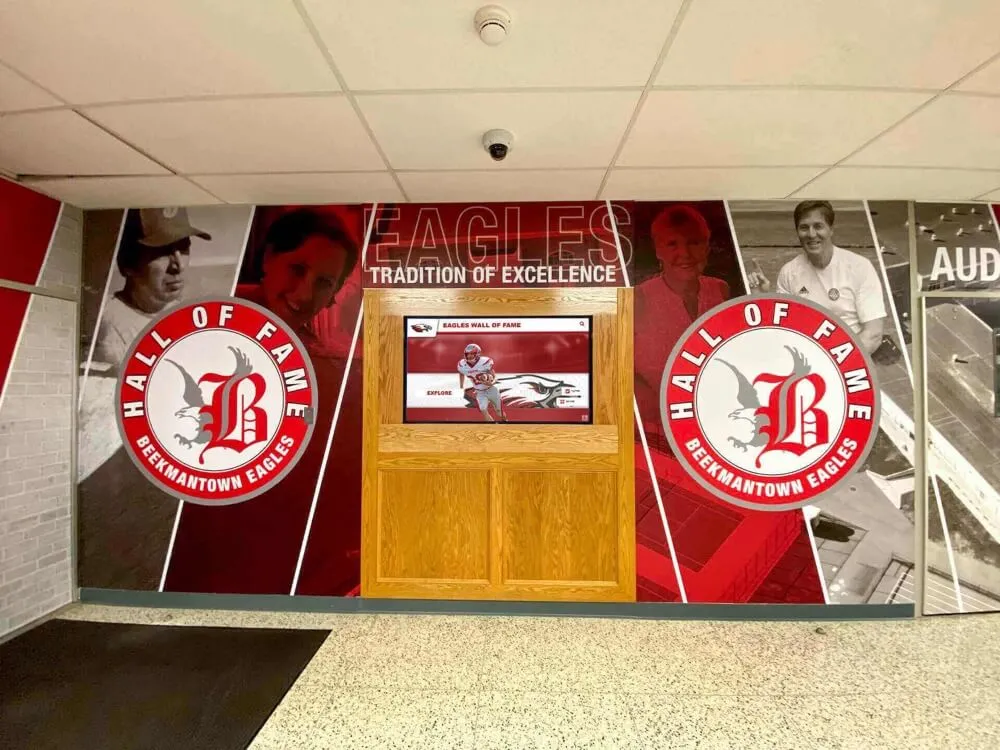
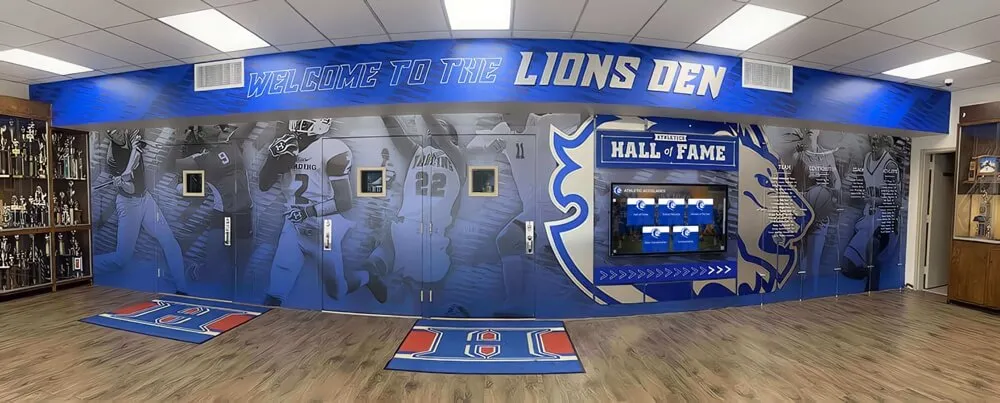
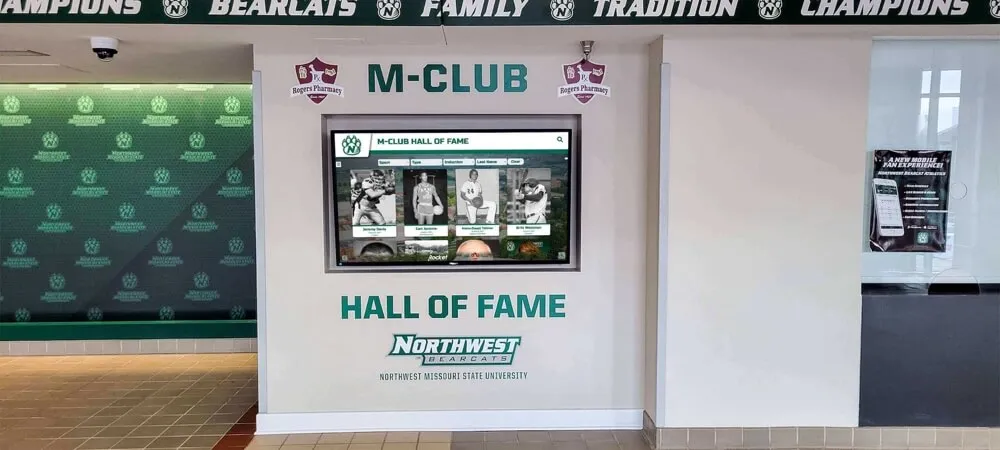
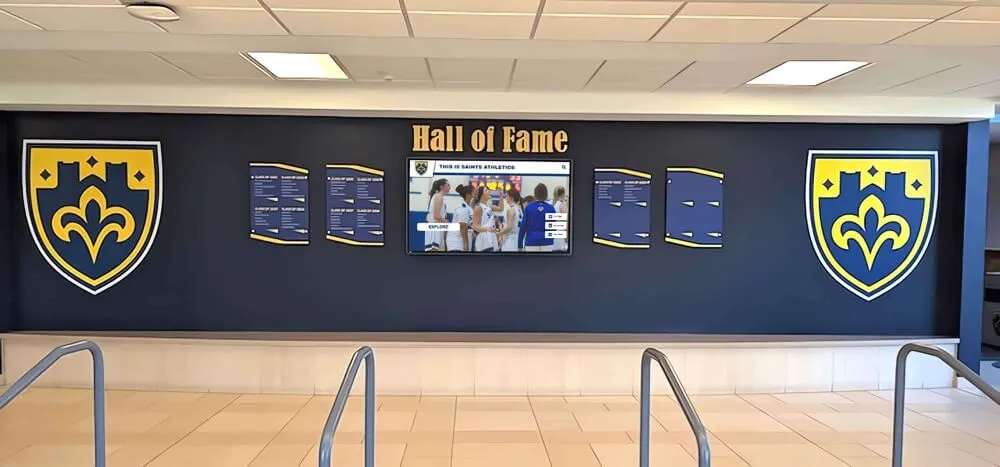
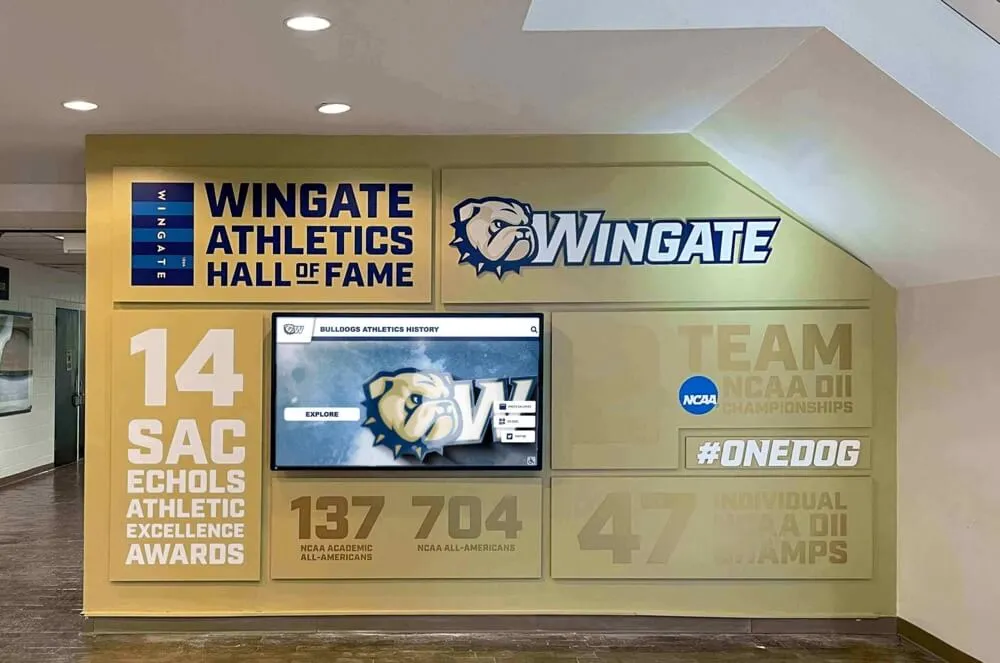
Traditional honor walls with branded logos create focal points celebrating athletic achievement
Artificial Lighting Strategies
- LED systems providing energy-efficient, consistent illumination
- Layered lighting combining ambient, accent, and task lighting
- Display lighting highlighting recognition walls and artistic elements
- Dimming capabilities adjusting to time of day and activity
- Emergency lighting integration maintaining safety compliance
Lighting Impact on Environment
- Adequate illumination improving safety, supervision, and comfort
- Color temperature choices affecting mood (warmer for welcoming areas, cooler for focus zones)
- Glare reduction through proper fixture selection and placement
- Energy efficiency aligning with sustainability goals
- Maintenance accessibility for long-term operational feasibility
Proper lighting makes even modest design elements significantly more impactful while addressing safety and operational requirements simultaneously.
Recognition Displays: Celebrating Achievement in Hallways
School hallways provide ideal locations for recognition displays celebrating student, staff, and community accomplishments across diverse achievement categories.
Traditional Recognition Display Options
Many schools start with conventional approaches to hallway recognition:
Physical Trophy Cases
Classic trophy case displays remain popular for celebrating championship achievements:
- Glass-fronted cases protecting awards while maintaining visibility
- Interior lighting showcasing trophies, plaques, and medals
- Strategic placement in high-traffic areas maximizing exposure
- Organized displays by sport, year, or achievement category
- Regular rotation keeping displays fresh and relevant
Challenges with Traditional Cases
- Limited capacity forcing difficult decisions about what to display
- Static nature making updates labor-intensive and infrequent
- Physical aging of awards creating dated appearances
- Difficulty telling complete achievement stories beyond trophies themselves
- Maintenance challenges including cleaning, lighting replacement, and repairs
Plaque Walls and Honor Boards
Wall-mounted plaque systems provide another traditional recognition approach:
- Individual name plates recognizing honor roll achievement and awards
- Dedicated boards for specific programs (National Honor Society, athletic letters, etc.)
- Engraved recognition maintaining permanent record
- Formal appearance communicating significance
- Systematic organization by year, category, or alphabet
Traditional Display Limitations
- Fixed capacity requiring removal of historical recognition
- Expensive and time-consuming to update annually
- No mechanism for sharing additional context or stories
- Difficulty accommodating changing program structures
- Limited accessibility for detailed information
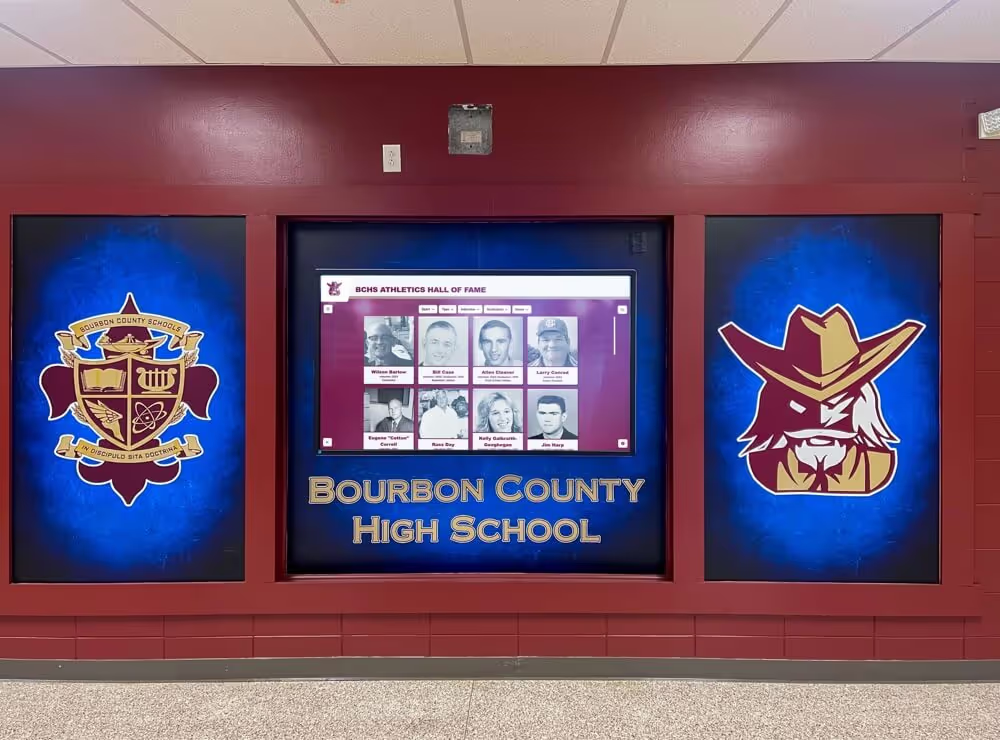
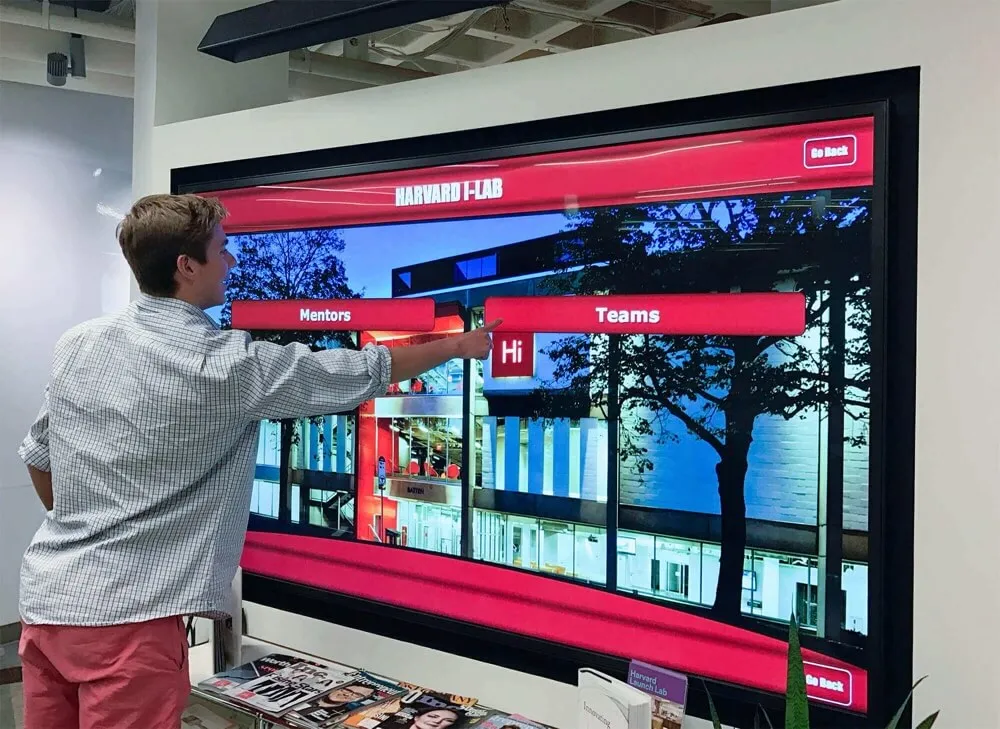
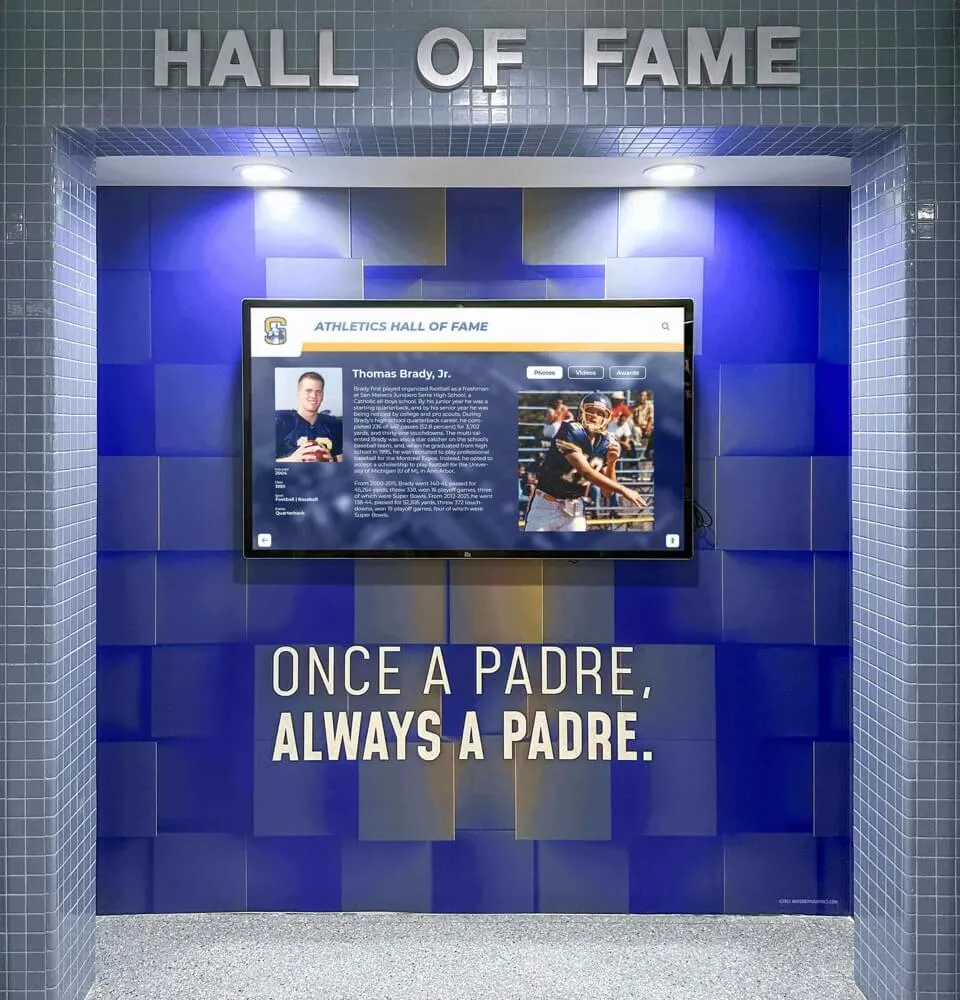
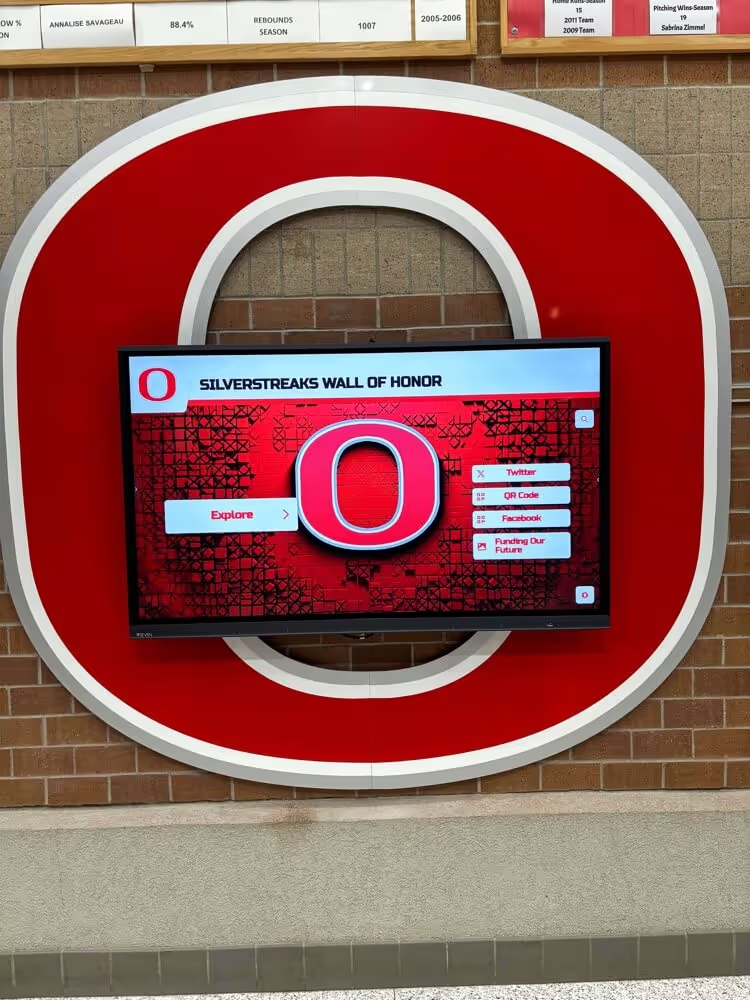
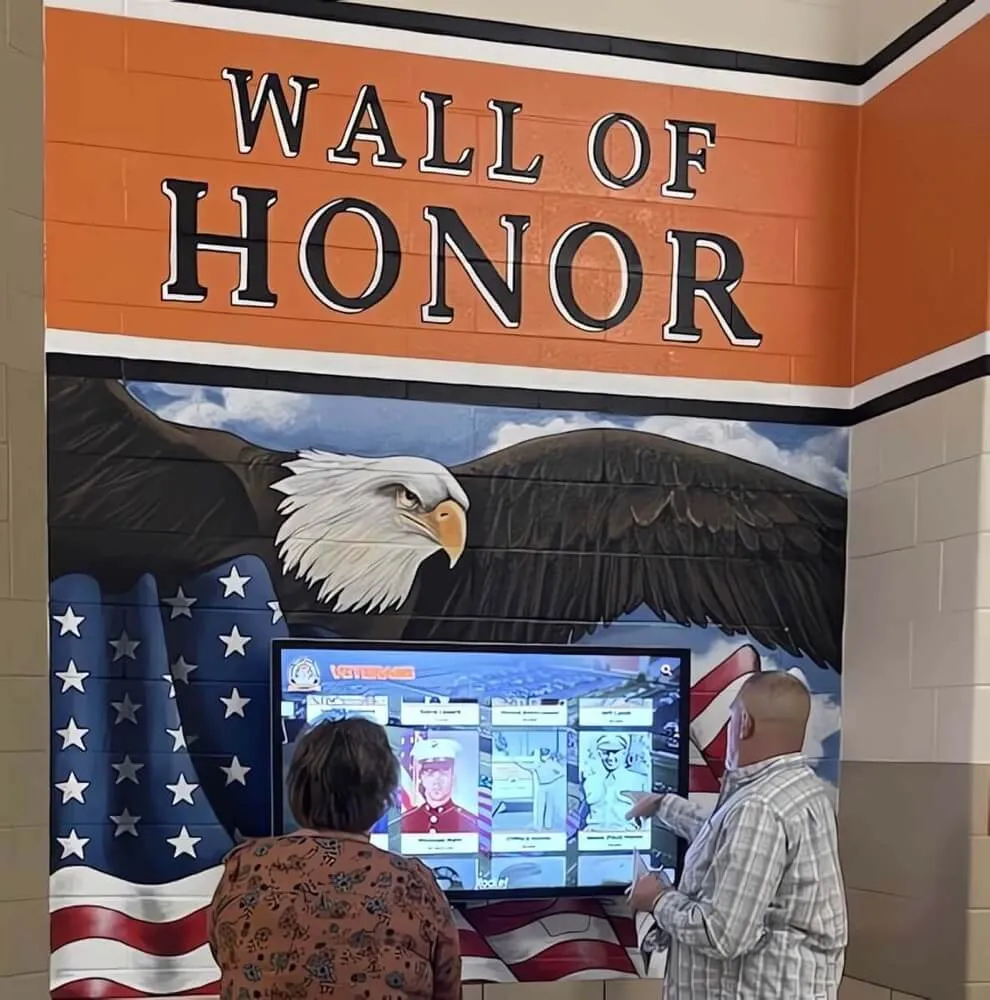
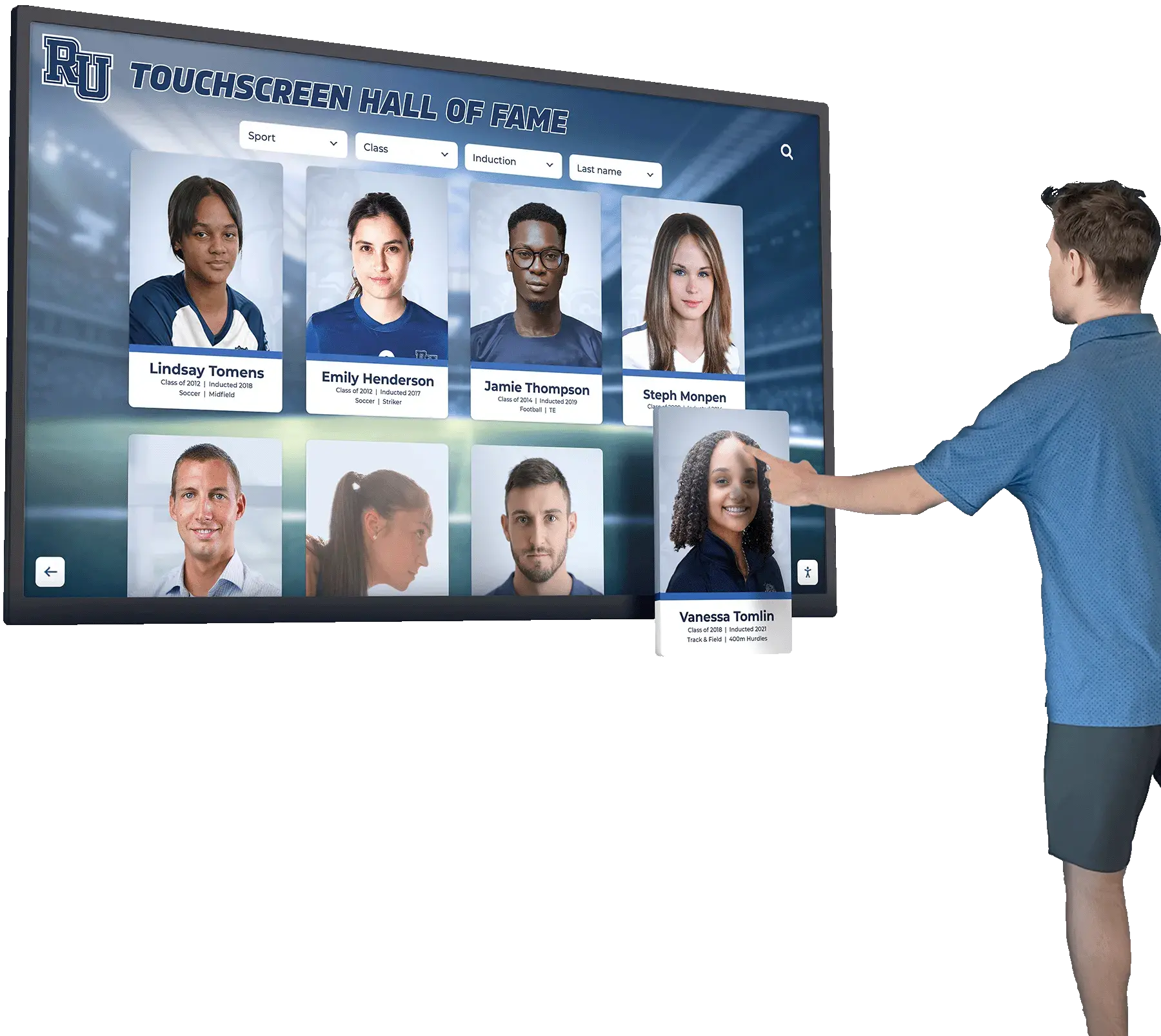
Interactive touchscreen displays engage students while providing unlimited capacity for achievement recognition
Modern Digital Recognition Solutions
Digital recognition displays address traditional limitations while adding capabilities impossible with physical awards alone.
Interactive Touchscreen Systems
Solutions like Rocket Alumni Solutions transform school hallway recognition through touchscreen displays that eliminate capacity constraints:
Unlimited Recognition Capacity
- Single display showcasing unlimited achievements across all categories
- Comprehensive historical archives preserving institutional traditions
- No need to remove past recognition to accommodate current achievements
- Equal display capacity for all achievement types and programs
- Searchable databases enabling exploration of thousands of recognized individuals
Interactive Engagement Features
- Search functionality helping students find themselves, friends, and family
- Filtering by achievement category, year, sport, or program
- Detailed profile pages telling complete achievement stories
- Photo galleries and biographical information
- Video integration sharing highlight moments and achievements
Simplified Management and Updates
- Cloud-based content management accessible from any internet-connected device
- Bulk import tools for historical data and annual recognition additions
- Scheduled publishing automating updates at semester or year end
- Template-driven design requiring no graphic design expertise
- Role-based permissions enabling appropriate staff access
Learn about comprehensive digital recognition in best hall of fame solutions for schools and organizations.
Strategic Placement Considerations
Digital displays work best when thoughtfully positioned:
- High-traffic corridors maximizing visibility and engagement
- Near entrances creating positive first impressions for visitors
- Adjacent to related spaces (athletics near gym, academics near main office)
- Accessible mounting heights enabling student interaction
- Protected locations reducing vandalism and damage risks
Cost and Implementation Factors
Schools considering digital recognition should evaluate subscription pricing models and implementation approaches:
- Hardware costs (displays, mounting systems, media players)
- Software subscription or licensing fees
- Installation expenses and potential construction needs
- Internet connectivity and network infrastructure requirements
- Training and ongoing support considerations
For many schools, turnkey solutions simplify procurement by bundling hardware, software, installation, and support into single packages with predictable pricing.
Visual Storytelling Through Murals and Graphics
Large-scale visual elements create dramatic impact while communicating school identity, history, and culture.
School Branding and Identity Murals
Strategic murals reinforce institutional identity throughout hallway spaces:
Mascot and Logo Integration
Prominent mascot imagery creates immediate identification and builds pride:
- Large-scale mascot murals at entry points and corridor intersections
- Logo repetition creating consistent brand presence
- Dimensional elements adding visual interest and depth
- Artistic interpretations providing unique character
- Strategic color blocking reinforcing school colors throughout hallways
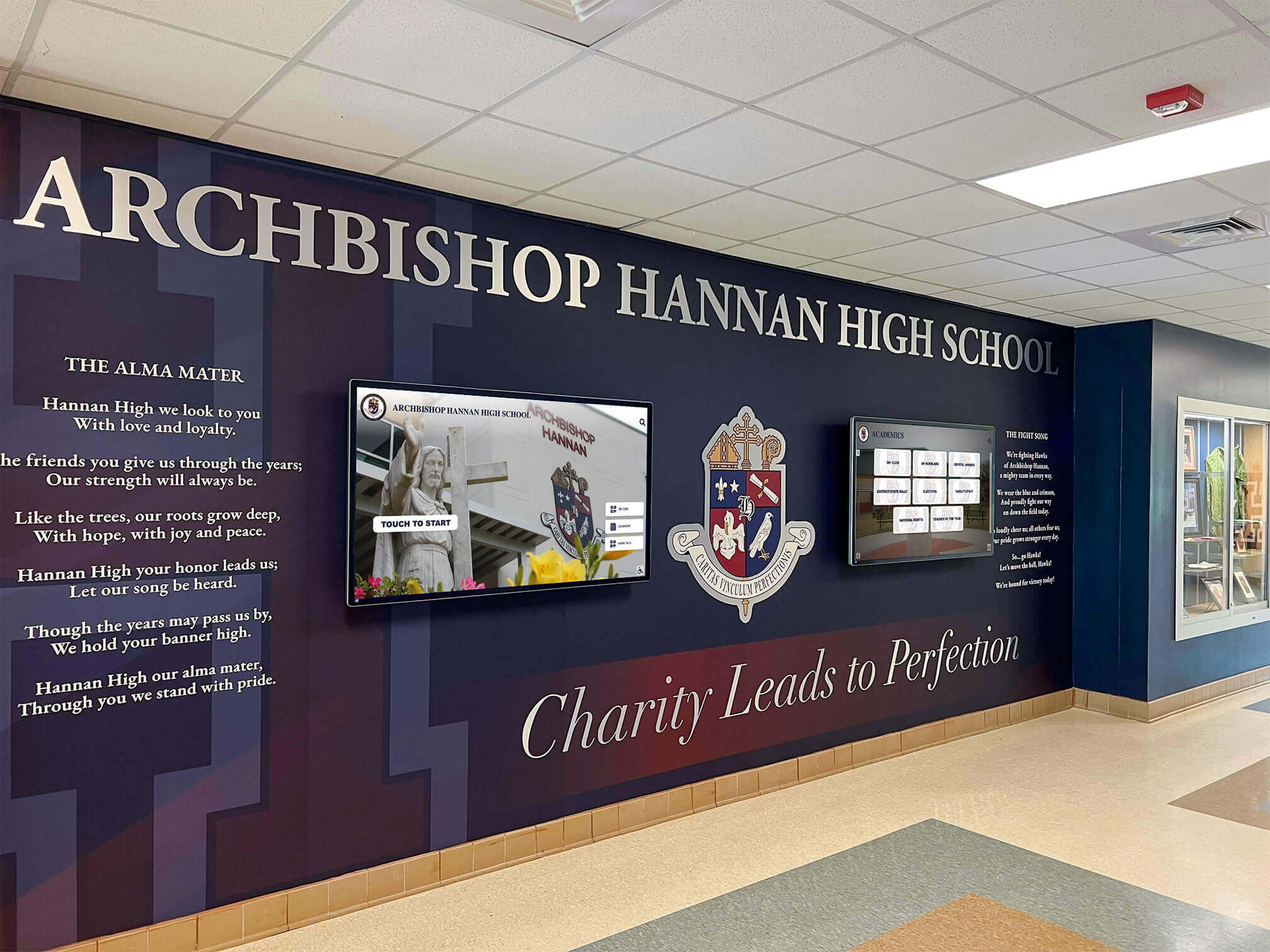
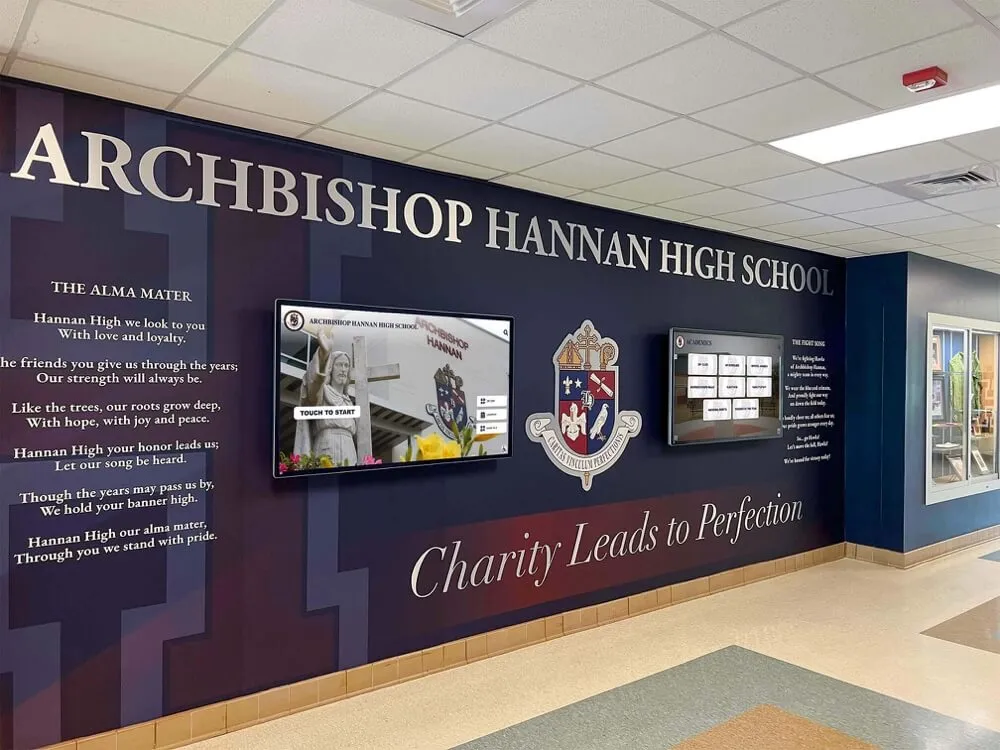
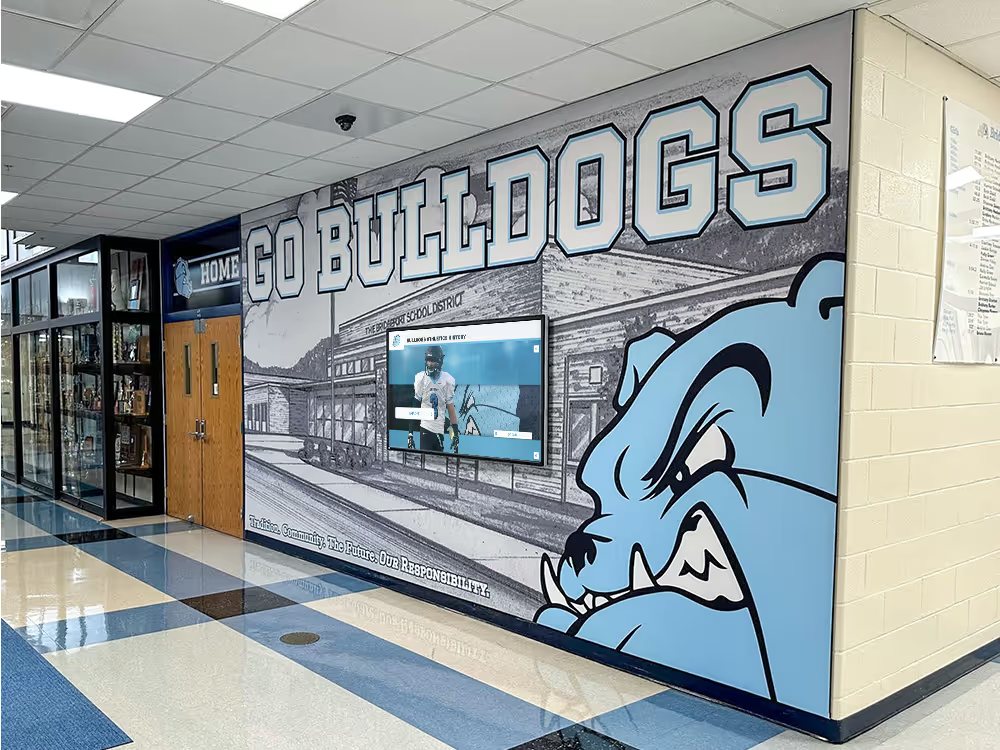
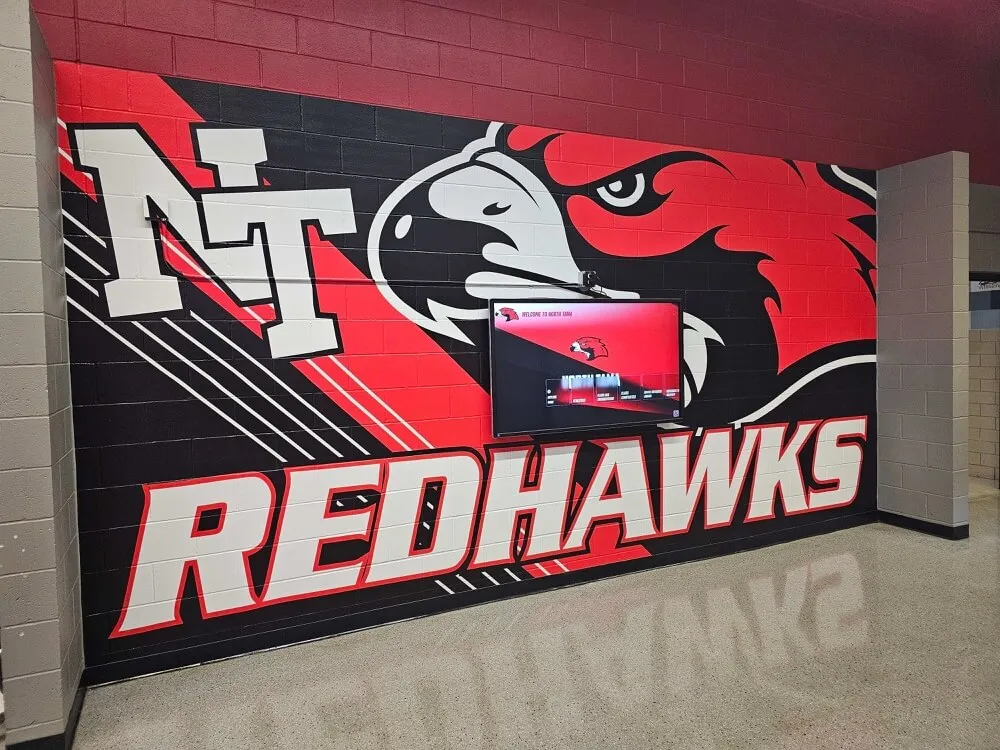
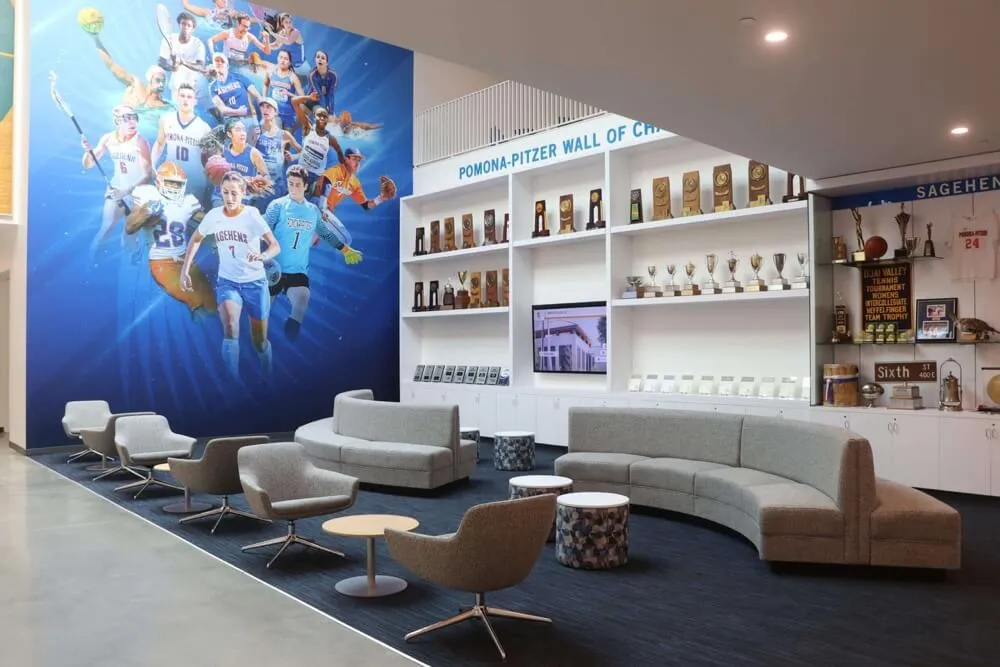
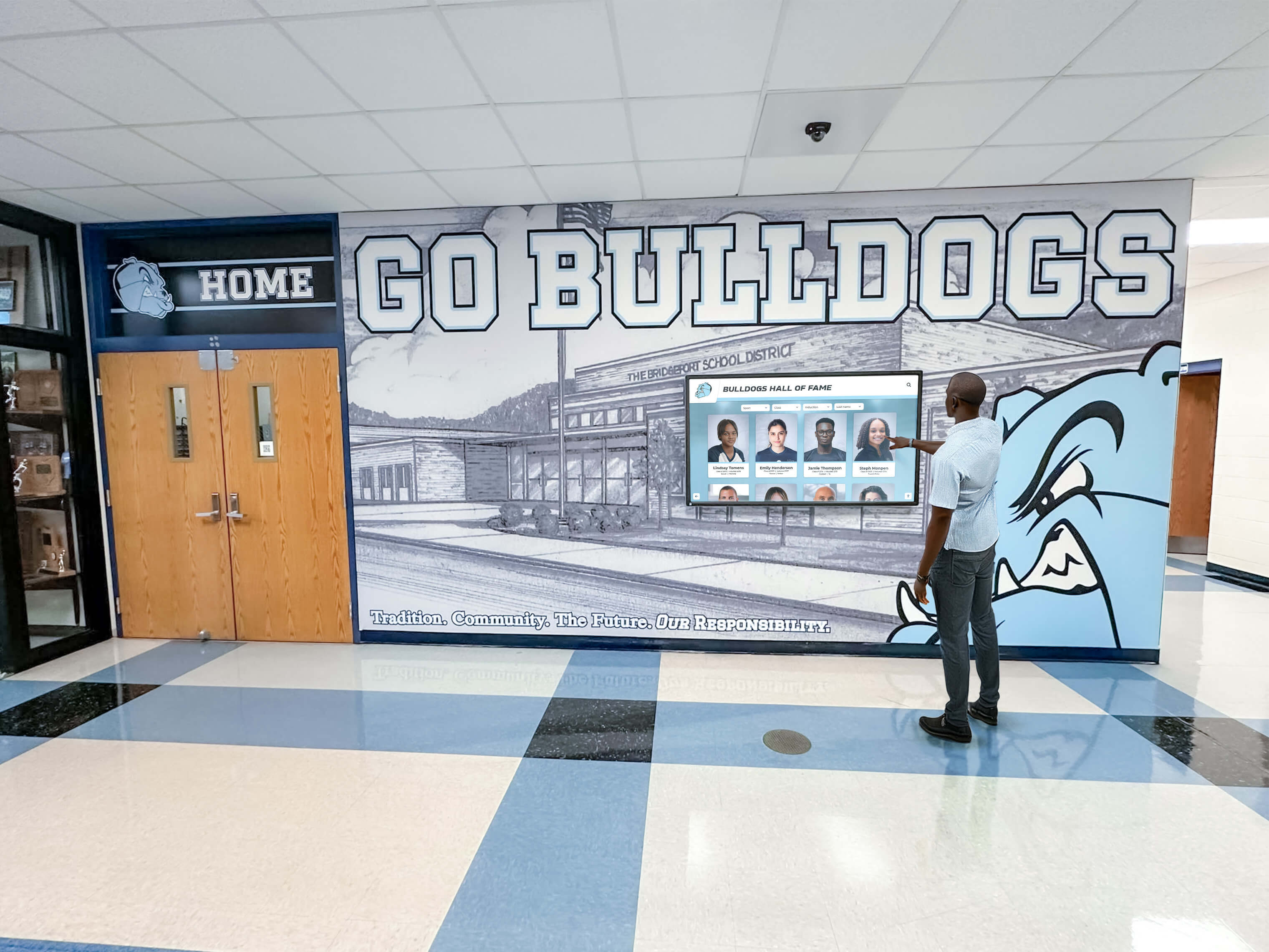
Integrated designs combining traditional murals with modern digital displays create comprehensive recognition environments
Tagline and Mission Integration
Incorporate institutional messaging into visual designs:
- School mottos and mission statements presented artistically
- Core values highlighted through typography and design
- Inspirational quotes aligned with educational philosophy
- Student-created content expressing school culture
- Multilingual elements reflecting community diversity
Athletic Recognition Graphics
For schools prioritizing athletic achievement, hallways provide ideal recognition space:
- Conference championship recognition and state competition achievements
- Team photographs displayed at scale creating visual impact
- Sports banner designs celebrating championships and milestones
- Individual athlete recognition showcasing exceptional achievement
- Historical timeline murals documenting program evolution
Historical and Cultural Storytelling
Hallways provide excellent space for sharing institutional history and cultural context:
Timeline Displays
Chronological presentations connect students to institutional legacy:
- Decade-by-decade institutional history from founding to present
- Significant milestones, achievements, and transformative moments
- Photographic archives showing campus and program evolution
- Notable alumni achievements connecting past students to current community
- Community context situating school within broader local history
Cultural Celebration Displays
Inclusive hallway design celebrates diverse cultures and perspectives:
- International flags representing student body diversity
- Cultural heritage months featured through rotating displays
- Student artwork celebrating diverse traditions and perspectives
- Multilingual signage and recognition honoring language diversity
- Global education initiatives and international program highlights
Alumni Recognition and Connection
Alumni engagement begins with visible connections to graduate success:
- “Where our graduates went to college” displays
- Distinguished alumni profiles showcasing diverse career paths
- Alumni achievement updates maintaining connection to current students
- Professional pathway presentations linking education to careers
- Alumni donor recognition acknowledging philanthropic support
Academic Excellence Displays
Athletic achievement receives significant hallway recognition in most schools, but academic accomplishments deserve equal prominence:
Honor Roll Recognition
- Semester and annual honor roll displays celebrating academic achievement
- Academic letter winners receiving visibility comparable to athletic letters
- Subject-specific excellence awards highlighting diverse academic strengths
- National Honor Society inductions and officer recognition
- Academic competition achievements and team successes
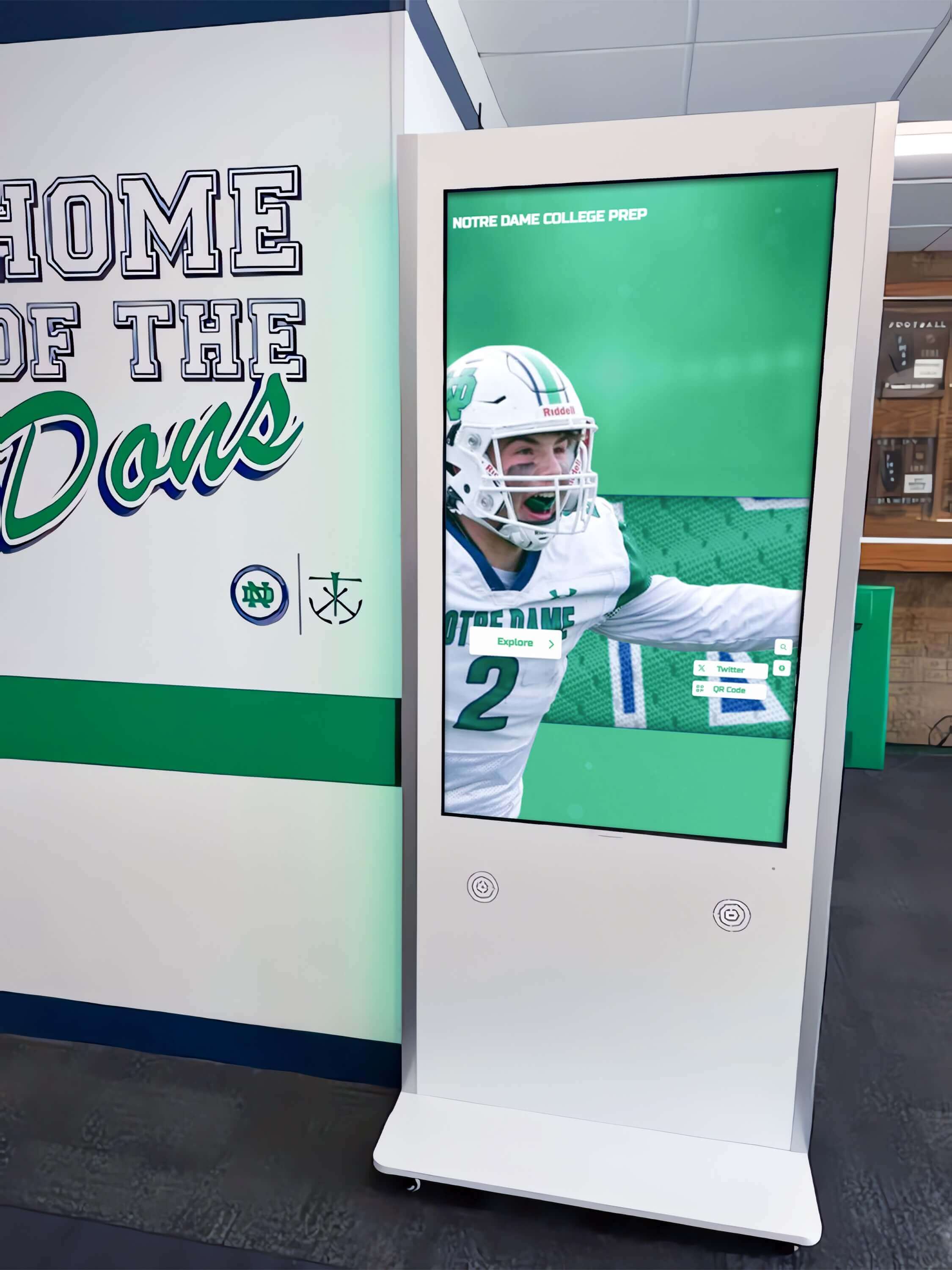
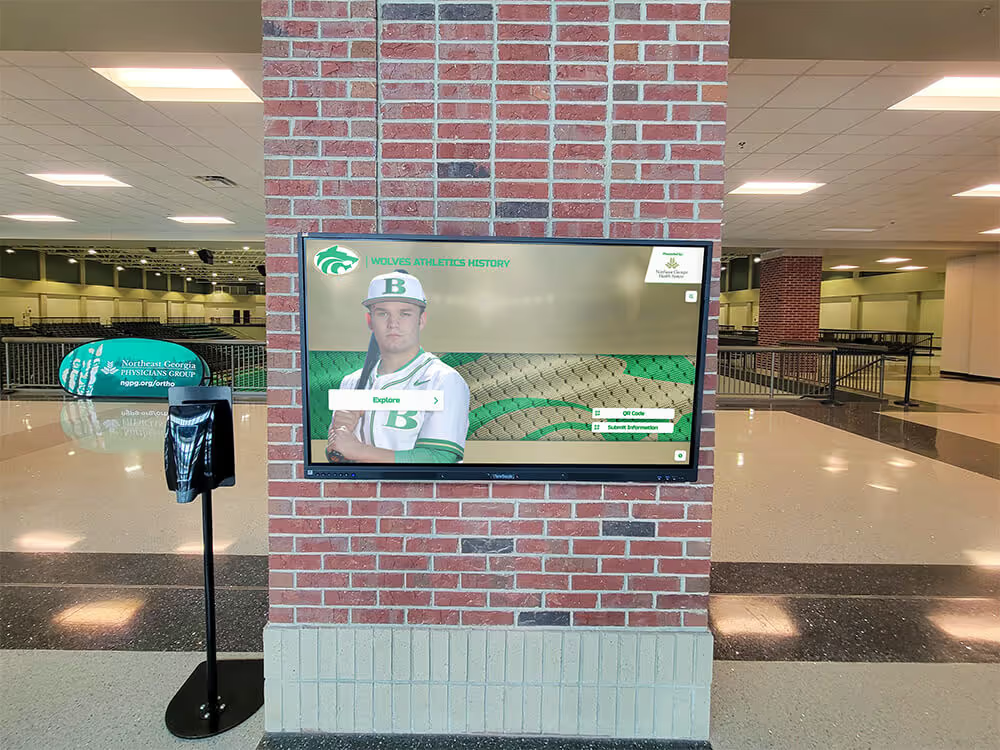
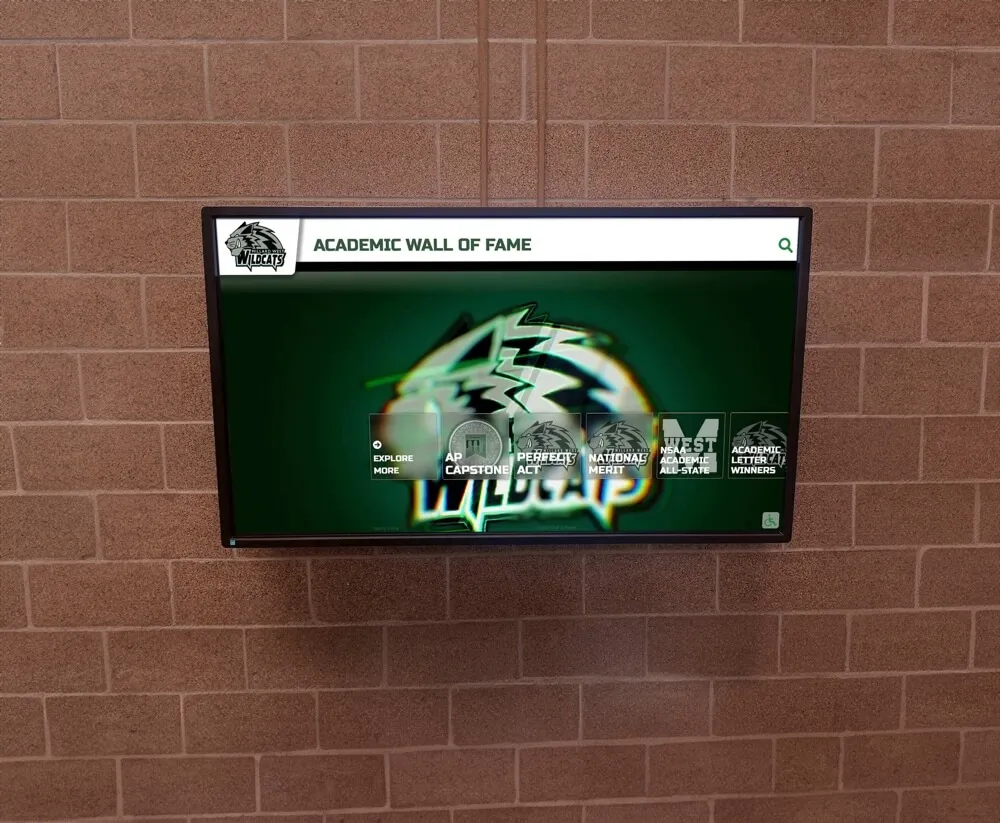
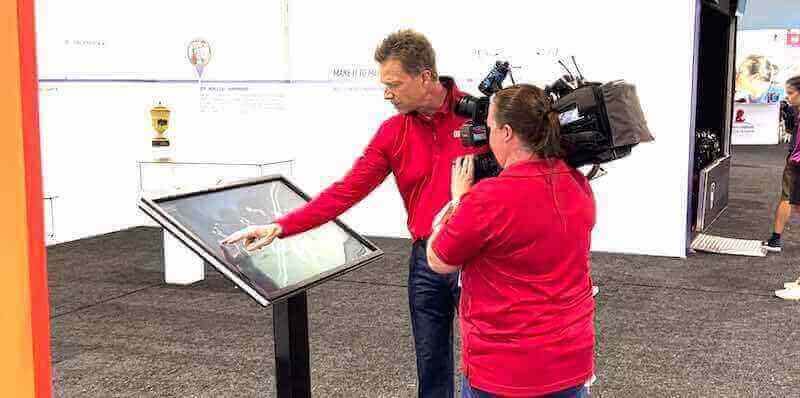
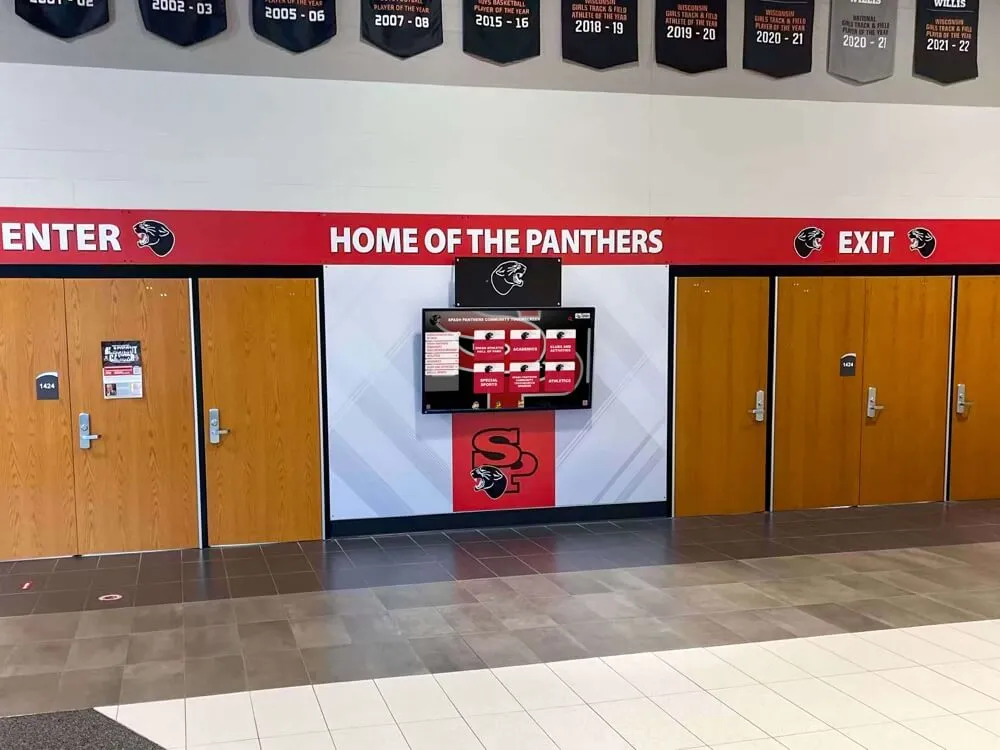
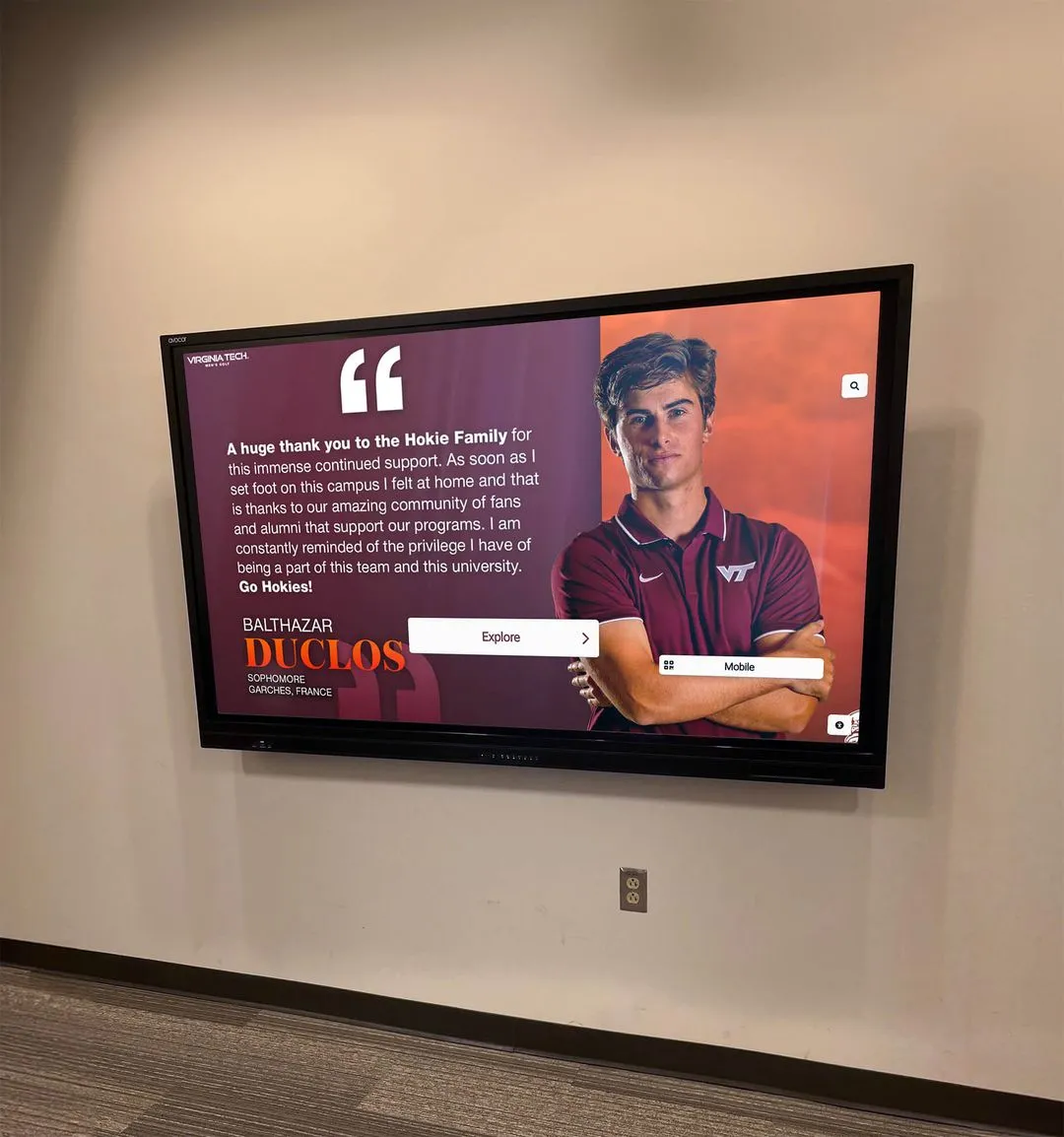
Free-standing kiosk installations provide flexible placement options without requiring wall mounting
Scholarship Recognition
- College acceptance displays showing where seniors will attend
- Scholarship award amounts demonstrating academic achievement value
- Academic full-ride recipients receiving special recognition
- Merit-based award recognition highlighting diverse academic programs
- College and career readiness milestone achievements
STEM and CTE Accomplishments
- Science fair achievements and research competition success
- Robotics team accomplishments and engineering challenge victories
- Career and technical education certification recognition
- Innovation and invention showcases featuring student projects
- Industry partnership recognition and internship placements
Creating Functional Spaces Within Hallways
Beyond aesthetics and recognition, thoughtful hallway design incorporates functional elements enhancing daily school operations.
Collaboration Zones and Learning Extensions
Modern educational philosophy recognizes learning happens beyond traditional classrooms:
Informal Gathering Spaces
- Widened corridor sections with seating accommodating small group work
- High-top tables supporting standing collaboration between classes
- Bench seating along hallway walls providing rest and conversation areas
- Charging stations enabling device-dependent learning outside classrooms
- Acoustic treatments managing sound in conversation-friendly zones
Display Areas for Student Work
Dedicated spaces for showcasing student creativity and achievement:
- Gallery-style hanging systems for rotating art displays
- Bulletin boards featuring exemplary academic work
- Three-dimensional display cases for student projects and maker space creations
- Digital screens showing student multimedia projects and presentations
- Interactive displays enabling student-created content sharing
Reading Nooks and Quiet Zones
Strategic spaces supporting independent learning and literacy:
- Small alcoves with comfortable seating and book access
- Little Free Library installations promoting reading culture
- Window seats utilizing natural light for reading spaces
- Acoustic separation from high-traffic flow areas
- Student-recommended book displays and reading challenges
Wayfinding and Navigation Systems
Effective hallway design helps students, staff, and visitors navigate campus efficiently:
Directional Signage Systems
- Clear, consistent signage identifying room numbers and department locations
- Color-coding systems differentiating building wings or grade level areas
- Floor graphics directing traffic flow during high-volume passing periods
- Digital directory systems providing searchable campus navigation
- Visitor-friendly wayfinding accommodating guests unfamiliar with campus
Room Identification Standards
- Consistent room number display formats and mounting locations
- Teacher name displays outside classrooms helping visitors locate staff
- Subject area identification assisting with campus navigation
- Department logos and branding reinforcing organizational structure
- ADA-compliant signage meeting accessibility requirements
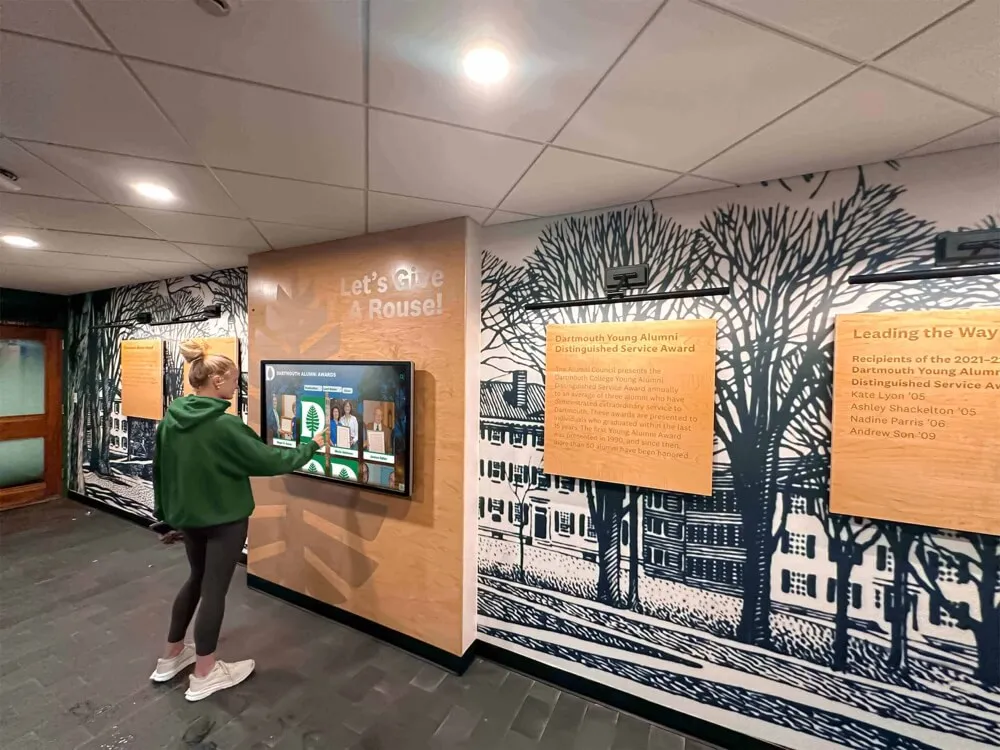
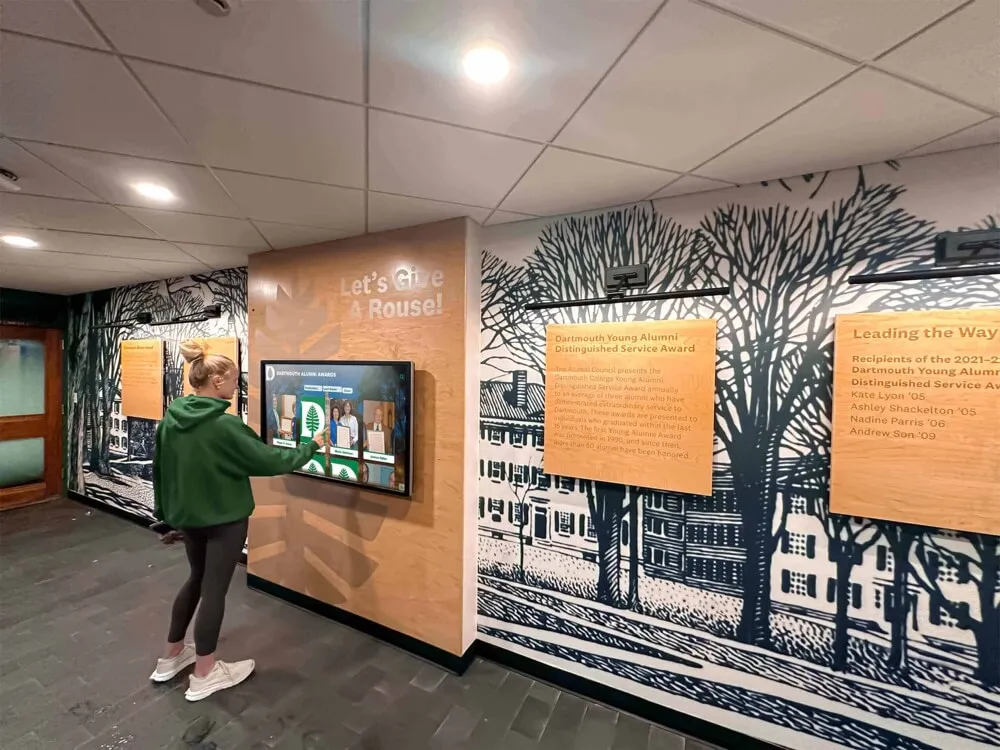
Interactive displays positioned at accessible heights enable comfortable student engagement with recognition content
Safety and Security Considerations
School hallway design must address safety and security requirements while maintaining welcoming environments.
Visibility and Supervision
Design choices significantly impact staff ability to supervise hallway spaces:
Sightline Optimization
- Clear sightlines throughout corridors enabling adult supervision
- Strategic mirror placement at blind corners improving visibility
- Display placement avoiding supervision obstructions
- Transparent or translucent elements in classroom doors enabling visual monitoring
- Lighting design eliminating dark areas and shadows
Camera Integration
- Security camera placement providing comprehensive coverage
- Discreet mounting maintaining positive environment aesthetics
- Integration with overall school security systems
- Strategic placement near high-value equipment like digital displays
- Visibility deterring vandalism while maintaining welcoming atmosphere
Emergency Preparedness Elements
Hallways must support emergency response and evacuation procedures:
Emergency Systems
- Clearly visible fire alarm pull stations and emergency lighting
- Evacuation route maps posted at strategic locations
- Emergency communication systems enabling lockdown procedures
- AED and first aid station placements with clear identification
- Accessibility features supporting all students during emergencies
Durability Against Damage
High-traffic hallways require durable materials and protective design:
- Impact-resistant wall finishes in high-traffic zones
- Protective barriers around expensive equipment and displays
- Vandalism-resistant materials for recognition displays
- Easy-to-clean surfaces addressing typical school wear patterns
- Repair-friendly design enabling efficient damage correction
Implementation: Planning Your Hallway Transformation
Moving from inspiration to implementation requires systematic planning and phased execution.
Assessment and Planning Phase
Current State Evaluation
- Photograph existing hallway conditions documenting current state
- Identify high-priority areas offering maximum impact
- Evaluate structural limitations and requirements
- Assess budget availability and funding sources
- Survey stakeholders about priorities and preferences
Goal Setting and Prioritization
- Define specific objectives for hallway improvements
- Identify achievement categories and programs requiring recognition
- Establish timeline and phased implementation approach
- Determine success metrics for evaluating effectiveness
- Align hallway design with overall facilities master planning
Stakeholder Engagement
Involve community in design process:
- Student input sessions gathering ideas and preferences
- Staff consultation ensuring design supports operational needs
- Parent and alumni perspectives on tradition and culture
- Professional designer consultation for technical expertise
- Administrative approval securing necessary support
Design Development
Professional Design Services
While schools can implement many hallway improvements independently, professional assistance often improves outcomes:
- Architectural consultation for structural and code compliance issues
- Graphic designers creating cohesive visual branding
- Mural artists executing large-scale artwork professionally
- Technology integrators installing digital recognition systems properly
- Project managers coordinating multiple vendors and timelines
Budget Development
Comprehensive cost estimation prevents mid-project surprises:
- Paint and basic finishes for walls, floors, and ceilings
- Lighting upgrades and electrical work
- Mural design and installation costs
- Digital display hardware, software, and installation
- Furniture, seating, and collaboration space elements
- Signage and wayfinding system costs
- Contingency budget for unexpected issues
Learn about comprehensive software solutions that support hallway recognition displays.
Phased Implementation Strategy
Phase 1: High-Impact Quick Wins
- Fresh paint in school colors creating immediate transformation
- Basic lighting improvements enhancing visibility and atmosphere
- Decluttering and organizing existing displays for cleaner appearance
- Simple vinyl graphics adding school branding economically
- Cleaning and refreshing existing trophy cases and displays
Phase 2: Recognition System Upgrades
- Digital display installation for achievement recognition
- Mural design and installation creating focal points
- Trophy case replacement or refurbishment
- Comprehensive honor wall development
- Historical display development documenting traditions
Phase 3: Functional Enhancements
- Collaboration space development with seating and tables
- Wayfinding system implementation improving navigation
- Student work display areas expanding beyond traditional bulletin boards
- Technology integration including charging stations and digital directories
- Landscaping and window treatments completing aesthetic improvements
Phased approaches allow schools to begin transformation immediately while spreading costs across multiple budget cycles.
Maintenance and Evolution of Hallway Spaces
Successful hallway design requires ongoing maintenance and periodic updates keeping spaces fresh and relevant.
Regular Maintenance Requirements
Physical Maintenance
- Scheduled cleaning maintaining appearance standards
- Paint touch-up addressing scuffs and wear
- Lighting maintenance replacing bulbs and addressing outages
- Display cleaning maintaining visibility and professional appearance
- Furniture maintenance ensuring safety and functionality
Content Updates
Recognition displays require regular refreshes:
- Seasonal rotation of achievement recognition ensuring currency
- Annual updates adding current graduates to historical archives
- Quarterly updates for honor roll and periodic recognition programs
- Display reorganization preventing static, stale appearance
- Content archiving preserving removed physical items
Technology Maintenance
Digital displays need ongoing technical support:
- Software updates maintaining security and functionality
- Hardware cleaning preventing screen damage and deterioration
- Network connectivity monitoring ensuring reliable operation
- Content backups protecting against data loss
- Technical support access addressing issues promptly
Evolution and Refresh Cycles
Even well-designed hallways eventually require refreshing:
5-Year Refresh Planning
- Paint and basic finishes showing wear requiring renewal
- Display technology becoming outdated requiring upgrades
- Design trends evolving creating dated appearances
- Program changes requiring recognition system modifications
- Accumulated clutter requiring reorganization
Major Renovation Cycles
- 10-15 year comprehensive renovations addressing structural wear
- Technology system replacements upgrading to current capabilities
- Complete design overhauls reflecting institutional evolution
- Expansion or reconfiguration addressing changing school needs
- Integration with building-wide renovation projects
Planning for ongoing evolution ensures hallway spaces remain inspiring rather than becoming dated environments requiring wholesale replacement.
Conclusion: Transforming Corridors into Inspiring Destinations
School hallways represent tremendous untapped potential in most educational facilities. These transitional spaces, where students spend cumulative hours each week, deserve the same thoughtful attention schools invest in classrooms, libraries, and athletic facilities. When schools approach hallway design strategically—balancing aesthetics with functionality, incorporating recognition displays celebrating diverse achievements, creating spaces for informal learning and collaboration, and maintaining welcoming environments that build culture—corridors transform from overlooked passageways into inspiring destinations that enhance daily educational experiences.
The design ideas explored in this guide provide frameworks for approaching hallway transformation regardless of budget constraints or facility limitations. From simple paint and graphic upgrades creating immediate impact to comprehensive recognition systems utilizing digital display technology, schools have numerous options for creating hallway environments reflecting their unique culture while serving practical operational needs.
Transform Your School Hallways with Modern Recognition Displays
Discover how digital recognition solutions can help you celebrate student achievements, build school pride, and create inspiring hallway environments that engage your entire community.
Explore Hallway Recognition SolutionsEffective hallway design requires moving beyond viewing corridors as necessary evils requiring minimal investment. These spaces shape student experience, communicate institutional priorities, and create environments supporting or undermining broader educational goals. Digital recognition systems like those offered by Rocket Alumni Solutions address traditional display limitations while adding capabilities impossible with physical trophies and plaques alone—unlimited capacity, interactive engagement, simplified management, and comprehensive storytelling bringing recognition to life.
Start where you are with improvements you can implement immediately, whether fresh paint, better lighting, or reorganized existing displays. Then systematically expand toward comprehensive transformations incorporating recognition technology, artistic elements, and functional spaces your students deserve. Every enhancement moves your hallways closer to inspiring destinations rather than overlooked passageways.
Your school hallways influence student experience during countless daily transitions between classes. With strategic planning, appropriate investment, and ongoing attention, you can create corridor environments that inspire achievement, celebrate success, build community, and transform overlooked spaces into some of your most impactful educational real estate.
Ready to begin your hallway transformation? Explore student recognition program approaches or learn more about building dedication and recognition that honors your community while creating inspiring environments.