Saratoga Race Course—affectionately known as “The Spa” and “The Graveyard of Champions”—has been the crown jewel of American thoroughbred racing since 1863, making it the oldest major sporting venue of any kind in the United States. For over 160 years, this historic track in Saratoga Springs, New York, has showcased the finest horses, jockeys, and trainers in the sport while creating moments of triumph and stunning upsets that have become legendary in racing history.
According to Discover Saratoga, the track opened on August 3, 1863, when gambler and future congressman John Morrissey organized Saratoga’s first thoroughbred meet just a month after the Battle of Gettysburg, with an estimated 3,000 spectators paying $1 admission to watch from their carriages. Since 1864, the track has hosted the Travers Stakes—the oldest major thoroughbred horse race in the United States. With such an extraordinary heritage spanning champions like Man o’ War, Secretariat, and countless other legends, historic racing venues face a compelling challenge: how to comprehensively celebrate extensive recognition needs when traditional static displays and physical plaques can showcase only a fraction of the rich history, memorable races, and championship moments that define thoroughbred racing excellence.
This comprehensive guide explores how prestigious racing venues like Saratoga Race Course can implement interactive touchscreen recognition displays powered by solutions like Rocket Alumni Solutions that enhance traditional programs, preserve complete racing heritage, and create engaging fan experiences honoring legendary horses, jockeys, trainers, and historic moments while meeting modern expectations for interactive, multimedia-rich content impossible with bronze plaques and printed materials alone.
Modern interactive recognition systems complement traditional elements like trophy displays and winner’s circle plaques by providing unlimited storytelling capacity, engaging multimedia experiences, and systematic preservation of racing legacy. Organizations that excel at racing venue recognition create environments where thoroughbred heritage becomes visible, celebrated, and inspirational throughout their facilities—strengthening connections between current fans and the sport’s extraordinary history.

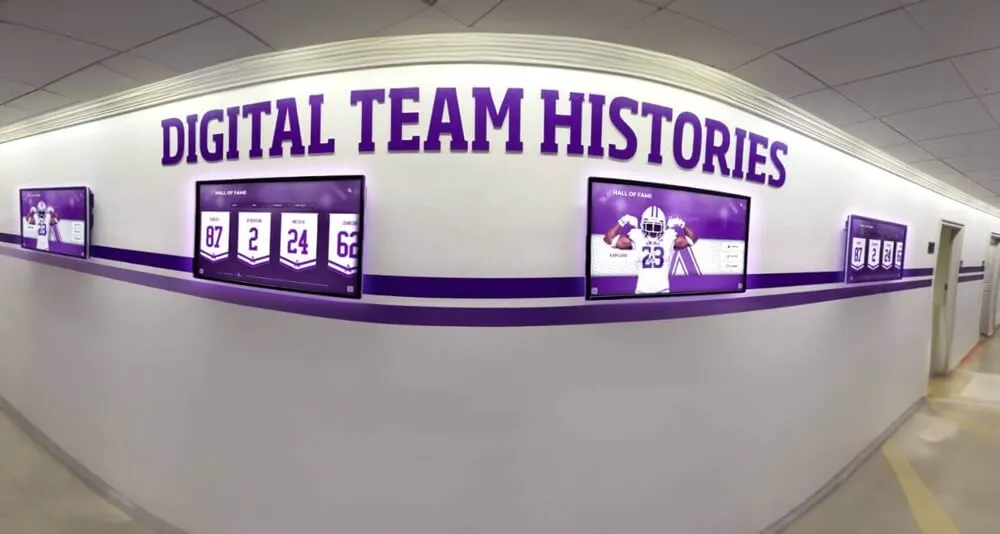
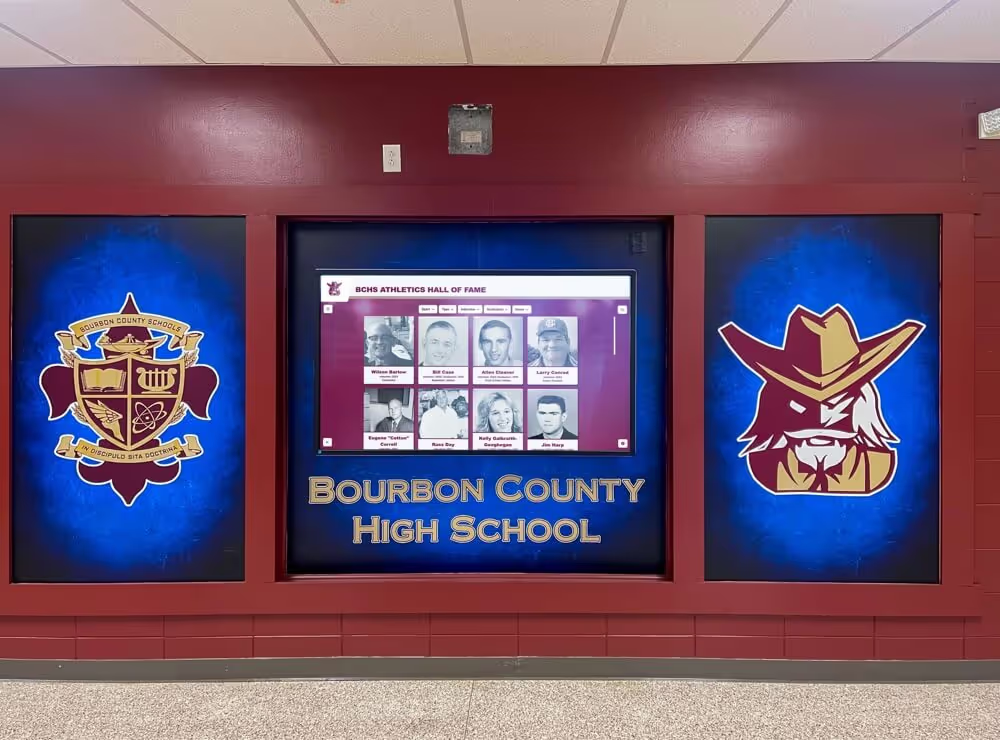
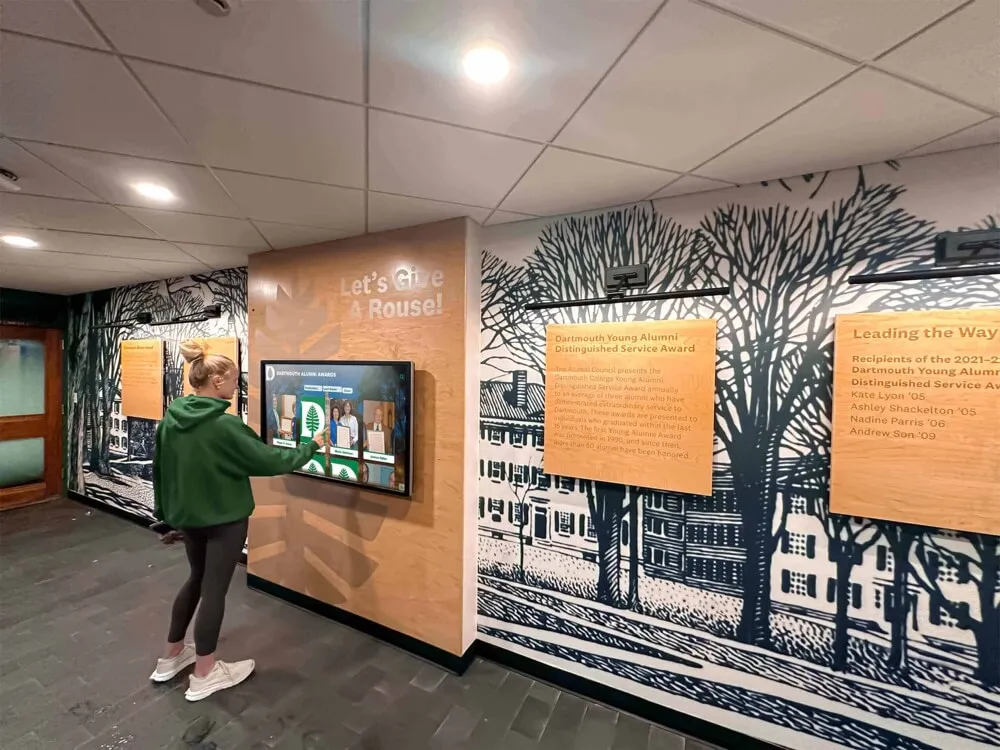
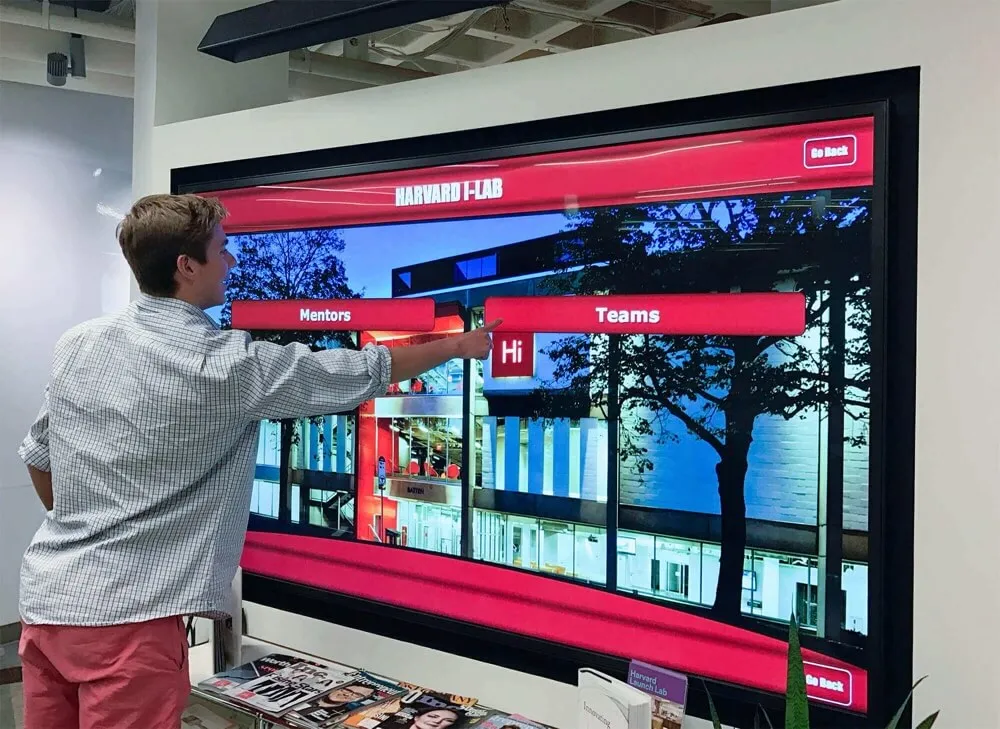
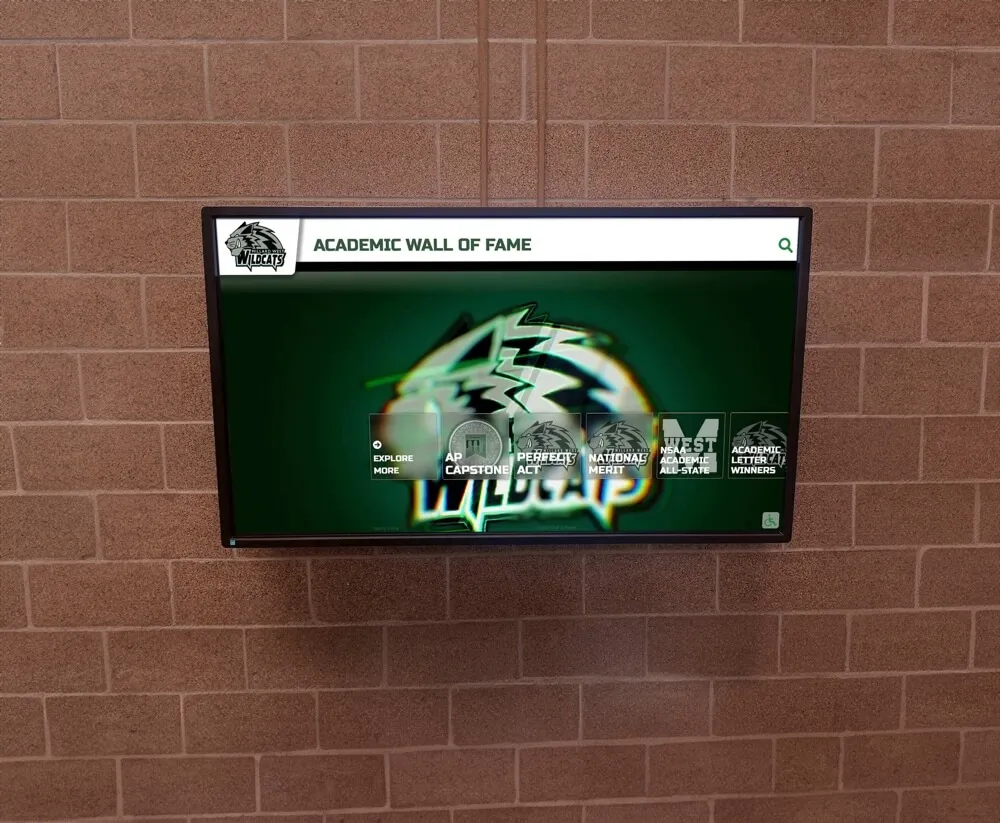
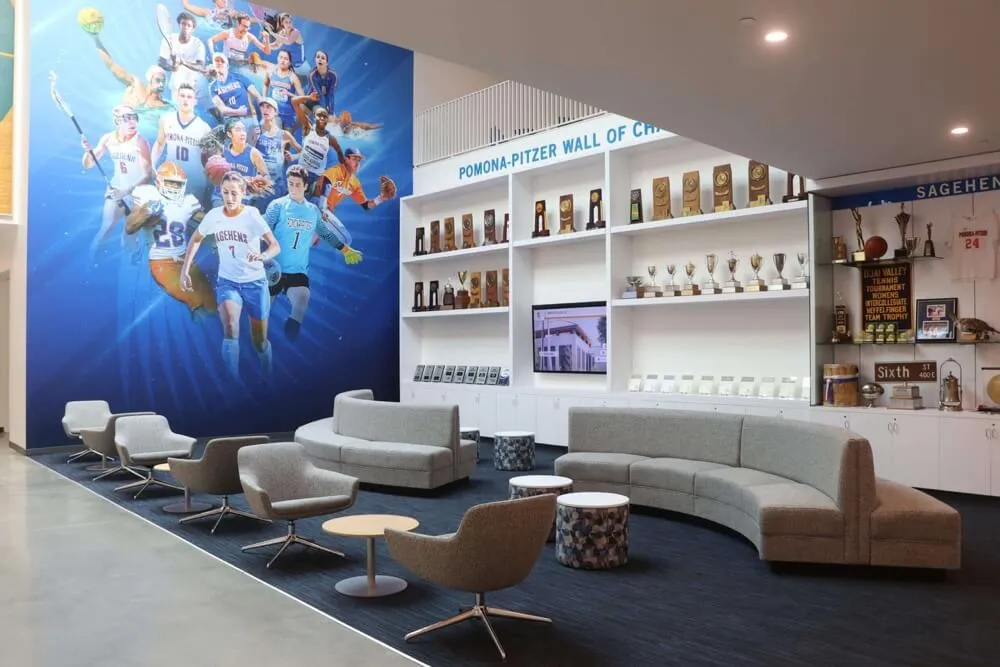
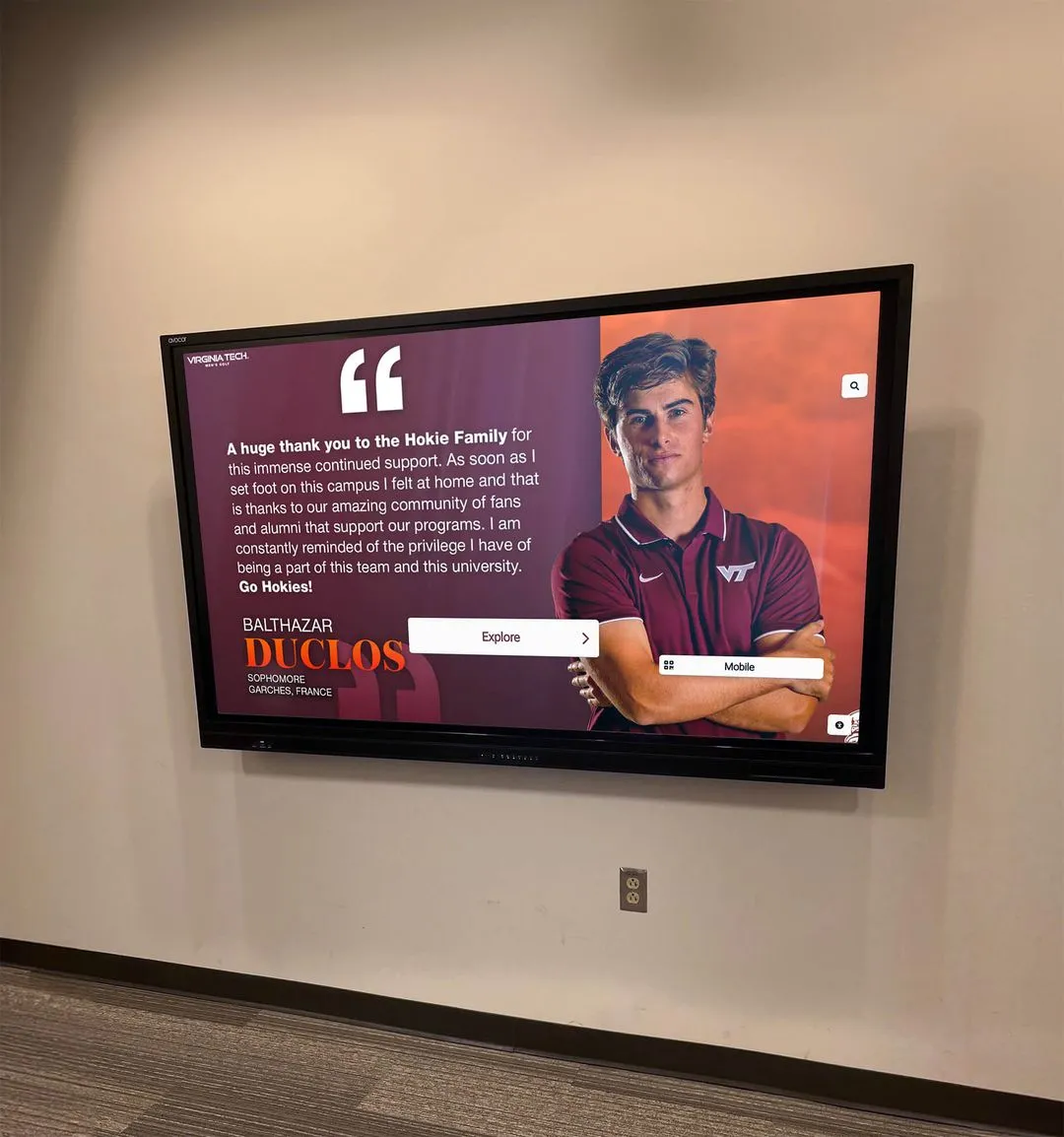
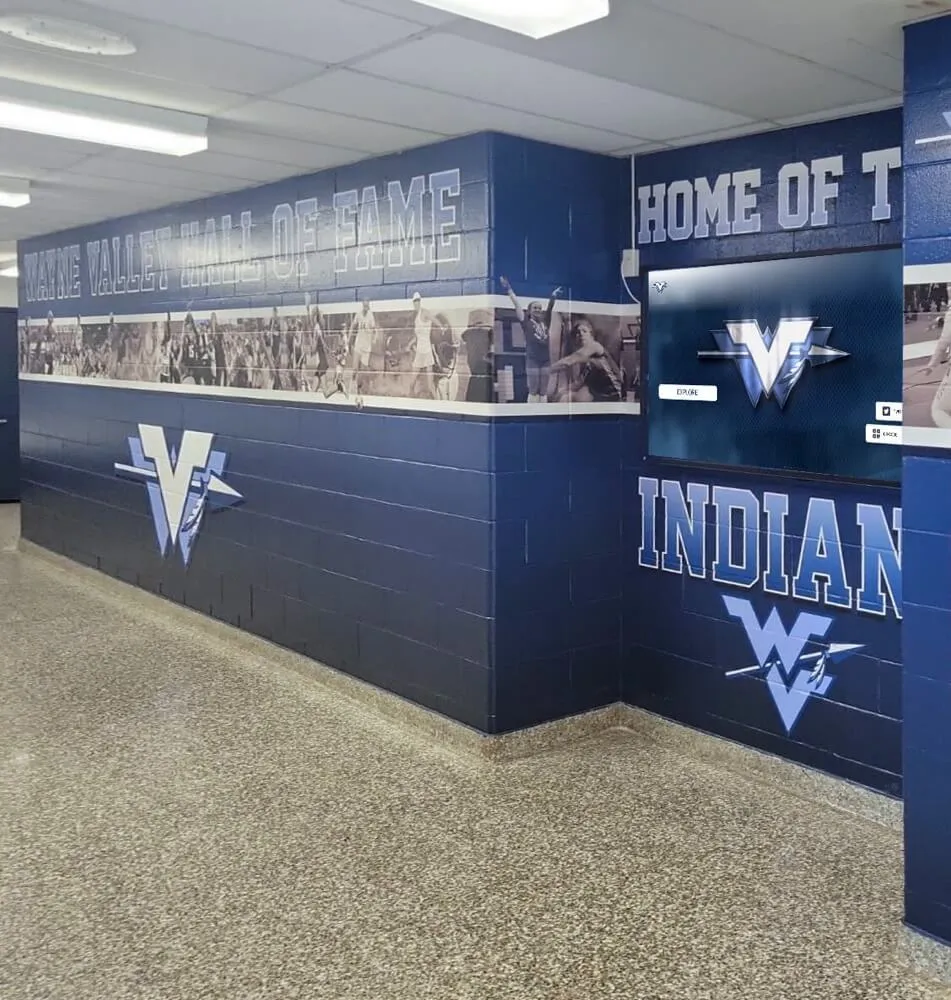
Modern interactive displays enable exploring comprehensive champion profiles and venue history in professional sports settings
Saratoga’s Extraordinary Racing Heritage and Recognition Traditions
Understanding Saratoga Race Course’s remarkable history provides context for modern recognition approaches that build on 160+ years of tradition while addressing inherent limitations in traditional display methods.
The Historic Legacy of America’s Oldest Track
Saratoga Race Course represents an unparalleled legacy in American sports history, having operated almost continuously since its founding during the Civil War era.
Founding and Early Development
According to historical records from Wikipedia, on August 3, 1863, John Morrissey organized Saratoga’s first thoroughbred meet, drawing approximately 3,000 spectators who watched races from carriages since no public viewing stand existed. With backing from prominent sportsmen including John Hunter (later the first chairman of The Jockey Club), William R. Travers, and Leonard Jerome, Morrissey opened Saratoga Race Course across from the trotting grounds on August 2, 1864.
The Travers Stakes Legacy
Since 1864, the track has hosted the Travers Stakes, the oldest major thoroughbred horse race in the United States specifically for 3-year-olds, named for William R. Travers, president of the old Saratoga Racing Association. The first Travers Stakes was won by a mighty colt named Kentucky, establishing a tradition that continues today as one of racing’s most prestigious events.
Saratoga Recognition Milestones
- 1863: Track founding during Civil War establishes thoroughbred racing tradition
- 1864: First Travers Stakes creates America’s oldest major race tradition
- 1919: Man o’ War suffers only defeat, losing to Upset in the Sanford Stakes
- 1973: Secretariat defeated by Onion in Whitney Handicap, cementing “Graveyard of Champions” nickname
- 1999: Rated by Sports Illustrated as #10 sports venue of the 20th century
- 2015: American Pharoah upset by Keen Ice, reinforcing legendary upset tradition

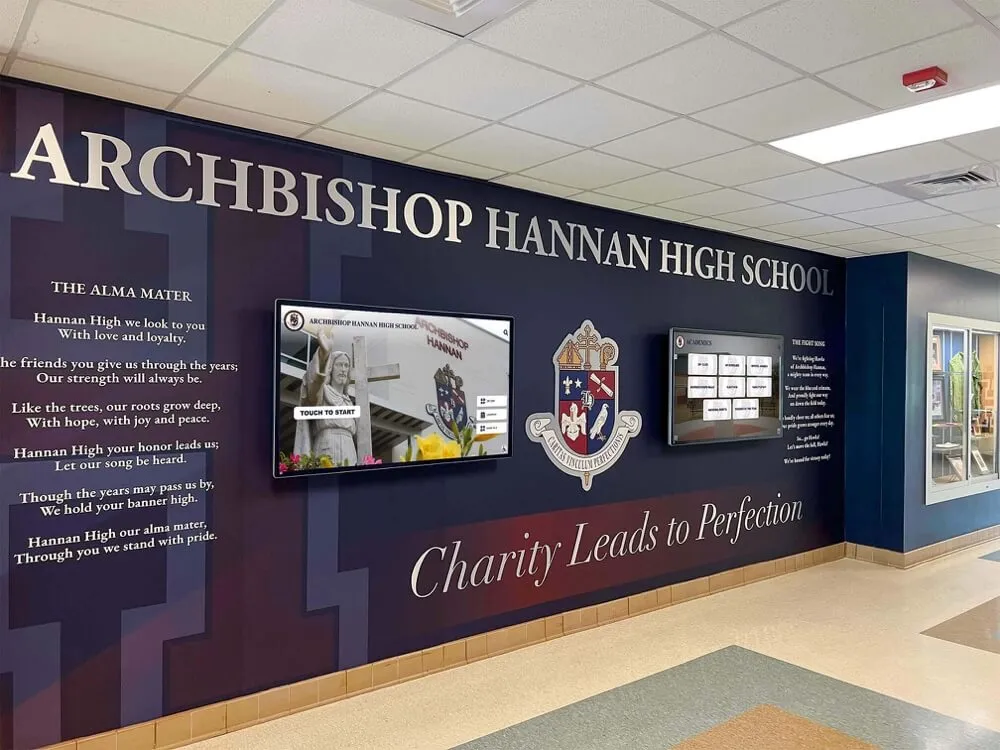
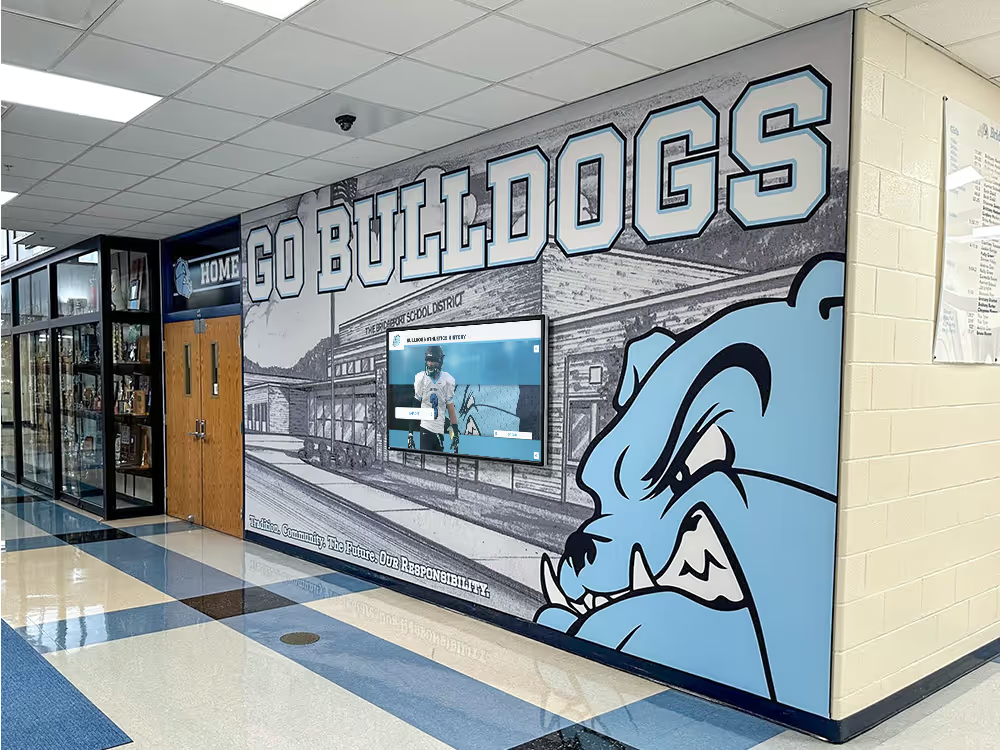
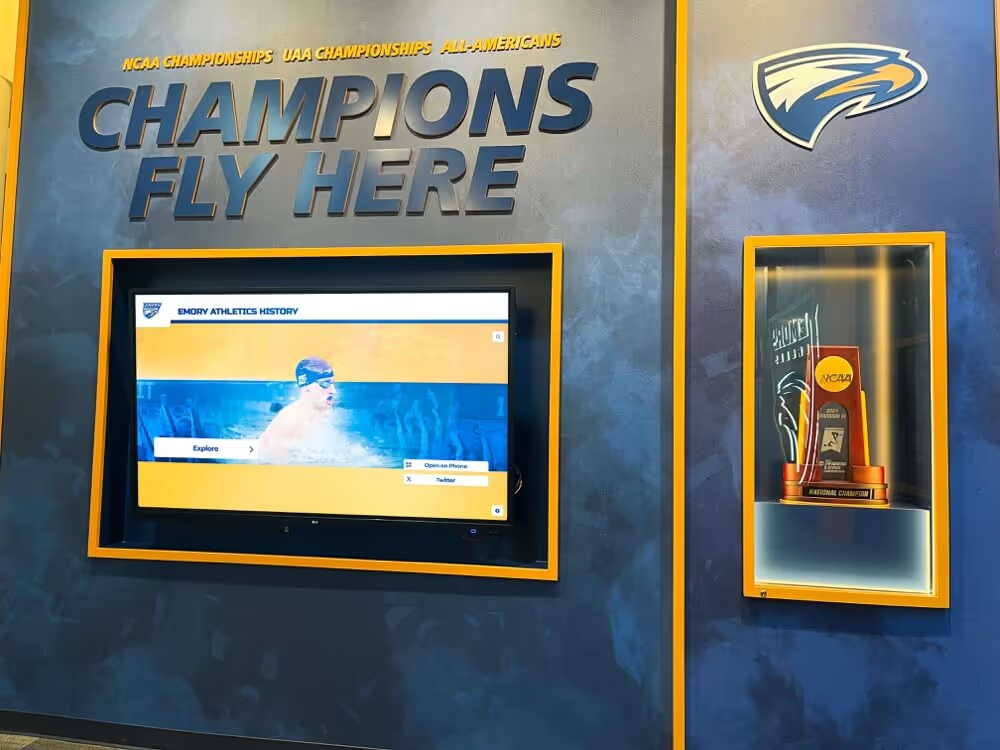
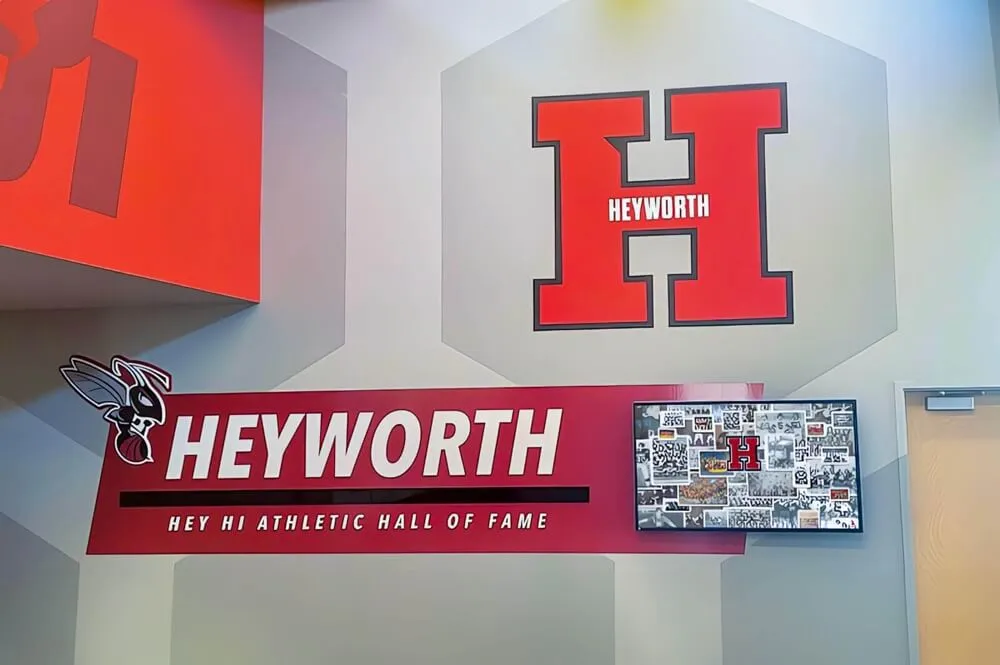
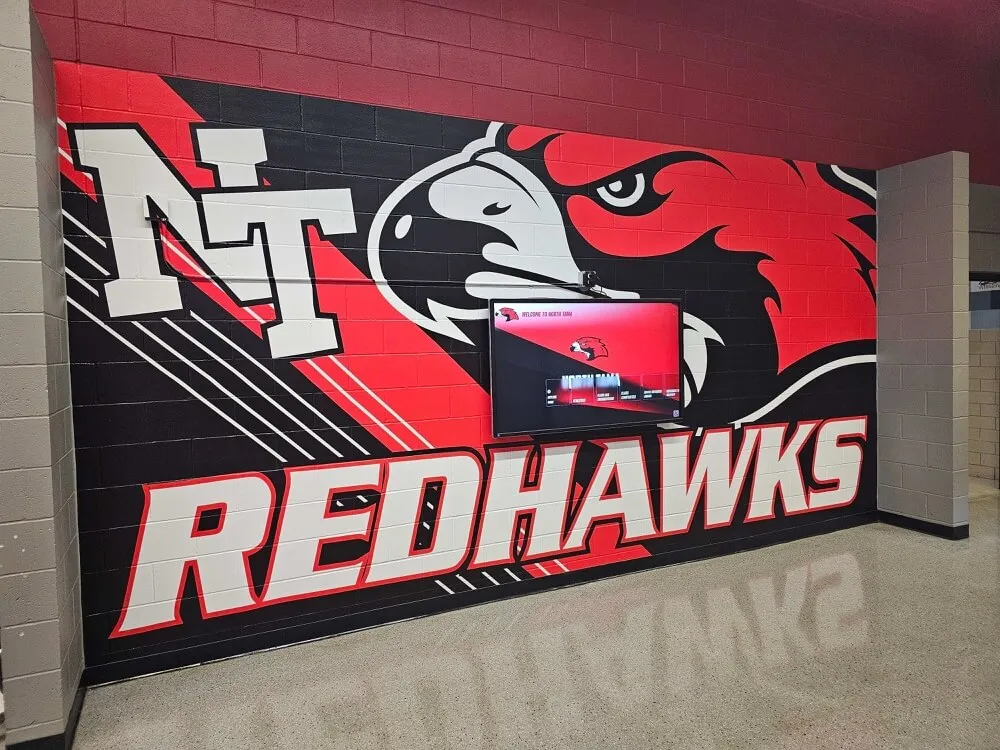
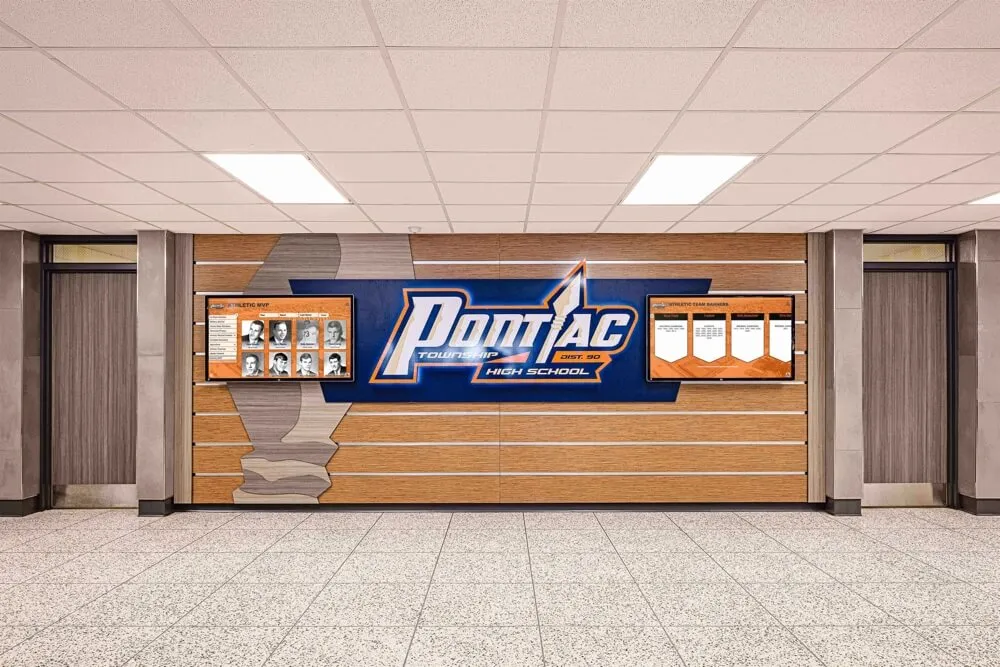
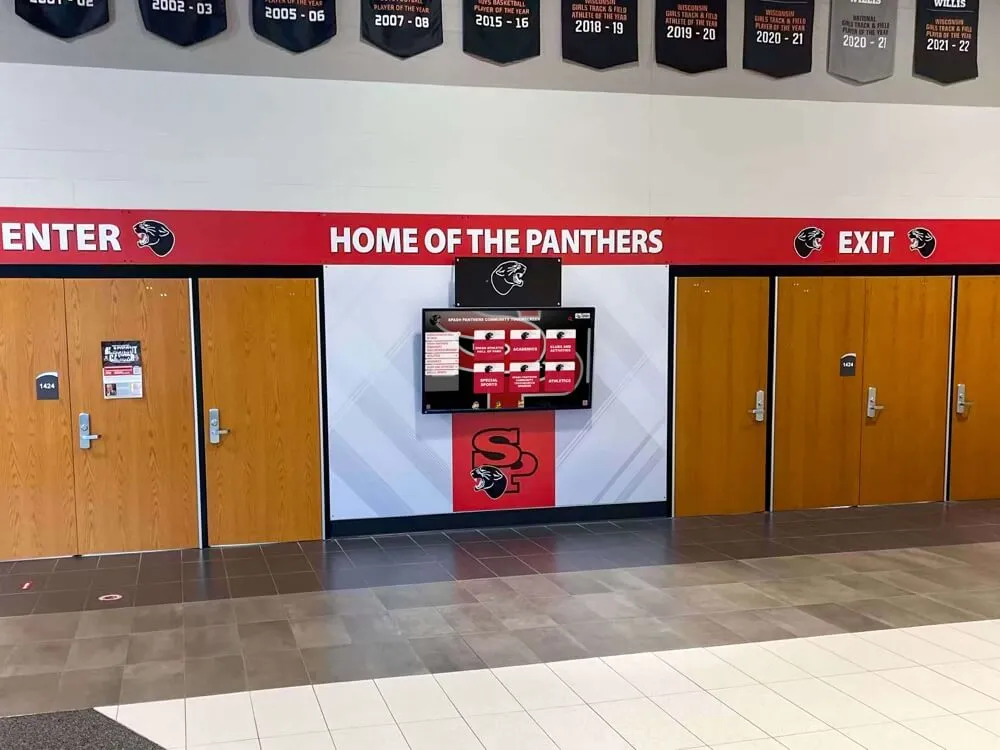
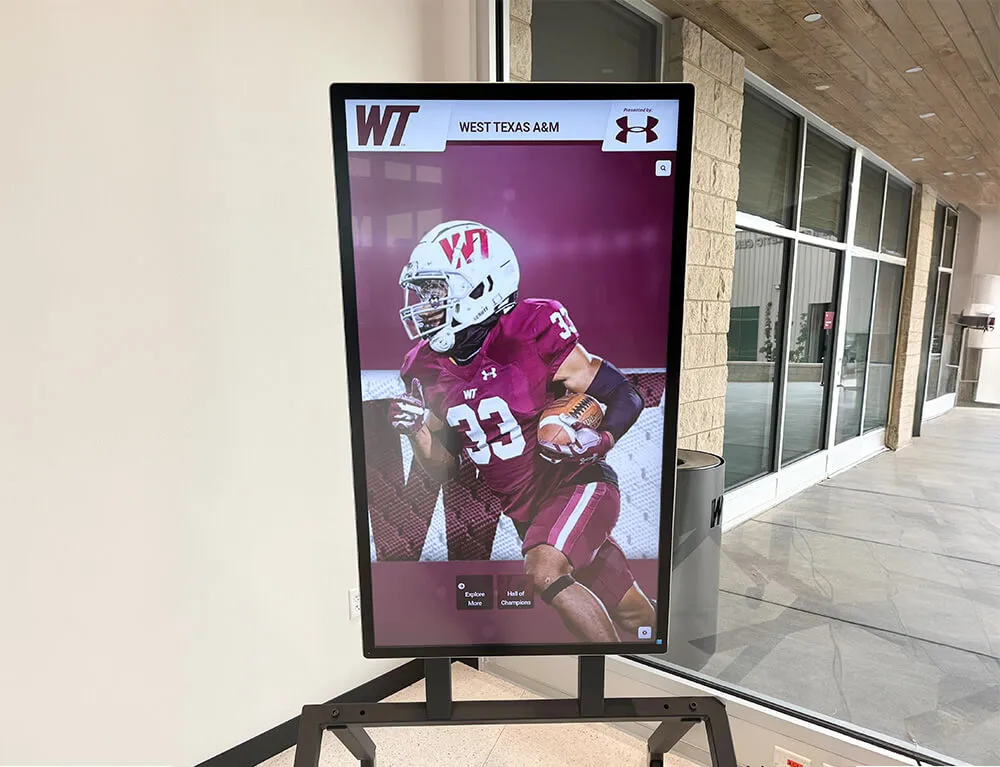
Professional venues integrate digital displays with architectural elements for impactful recognition
“The Graveyard of Champions” Tradition
Saratoga’s most distinctive characteristic is its reputation for stunning upsets where favorites fall to underdogs, creating unforgettable moments that define racing heritage.
Legendary Upset Moments
According to Saratoga Race Track, the track earned its “Graveyard of Champions” nickname through multiple historic upsets:
- Man o’ War (1919): Perhaps the greatest racehorse in history suffered his only defeat in twenty-one starts at Saratoga, losing to a horse aptly named Upset in the Sanford Stakes—giving the English language a new term for unexpected victories
- Secretariat (1973): The Triple Crown winner and racing legend was defeated by Onion in the Whitney Handicap, one of the most shocking upsets in thoroughbred history
- American Pharoah (2015): The 2015 Triple Crown winner lost to Keen Ice at Saratoga, reaffirming the track’s reputation for producing unexpected results
These defining moments deserve recognition extending beyond simple race results to comprehensive storytelling celebrating both champions and the underdogs who achieved immortality through stunning performances.
Explore comprehensive sports recognition in professional athletes recognition programs demonstrating systematic approaches applicable across sporting venues.
The Challenge of Recognition at Historic Racing Venues
Historic thoroughbred racing venues accumulate recognition needs far exceeding what traditional static displays can comprehensively accommodate, creating opportunities for enhanced digital approaches.
Recognition Volume at Established Racing Venues
Extensive Documentation Requirements
Major racing venues face extraordinary recognition challenges spanning multiple categories:
- Over 160 years of Travers Stakes winners and champions deserving detailed celebration
- Dozens of major stakes races annually, each producing memorable moments and worthy champions
- Legendary horses whose careers and bloodlines shaped thoroughbred breeding
- Hall of Fame jockeys whose riding excellence defined eras of competition
- Distinguished trainers whose methods and expertise developed champions
- Historic races and defining track moments that became racing legend
- Breeding and bloodline documentation connecting champion lineages across generations
- Track records and achievement milestones across different distances and surfaces
- Behind-the-scenes contributors including exercise riders, grooms, and track officials
Traditional bronze plaques and printed programs excel at commemorating specific winners but cannot capture complete narratives, race video footage, comprehensive statistics, breeding information, or rich multimedia content bringing racing heritage to life for modern audiences expecting engaging, interactive experiences similar to what they encounter across digital platforms daily.
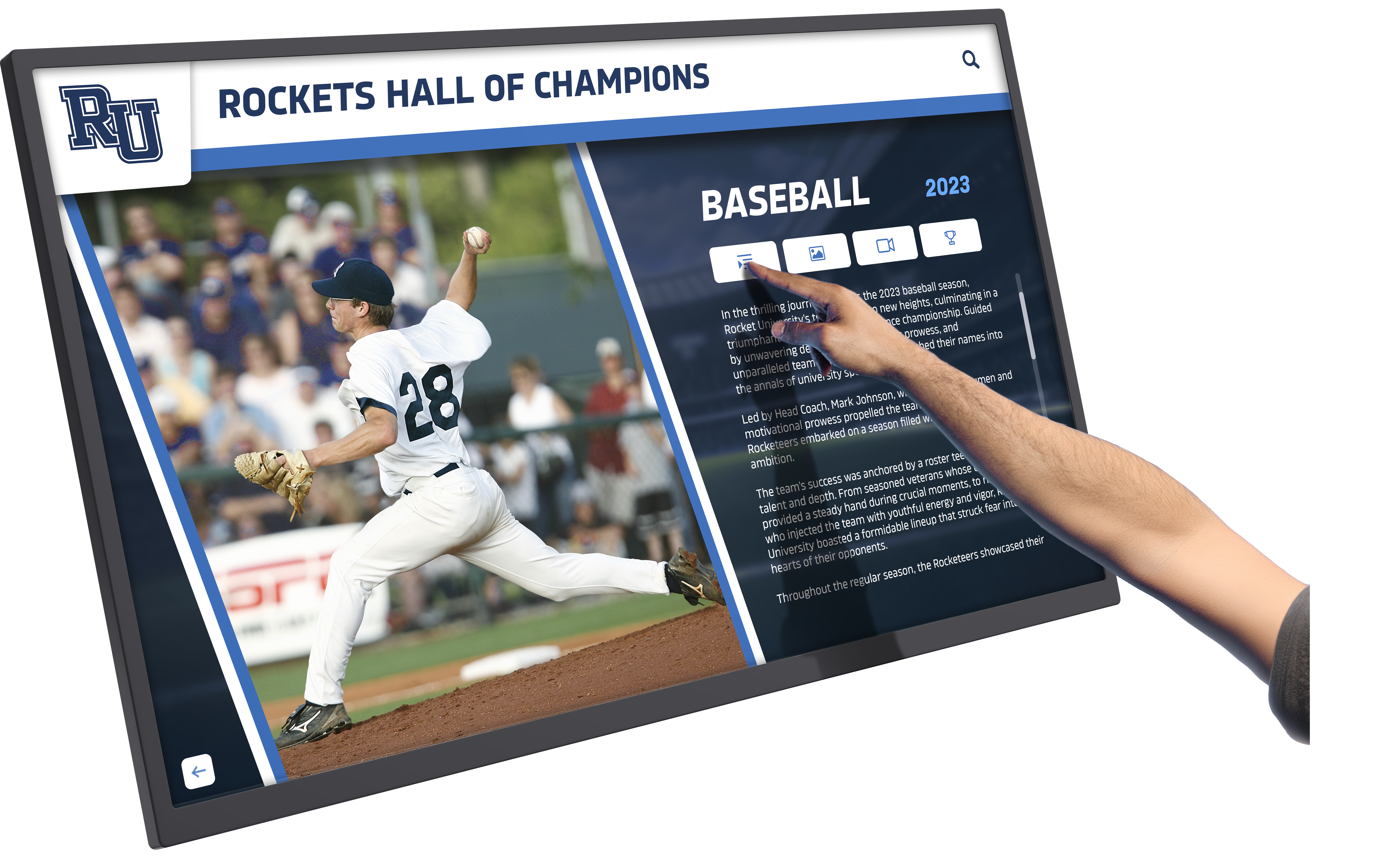
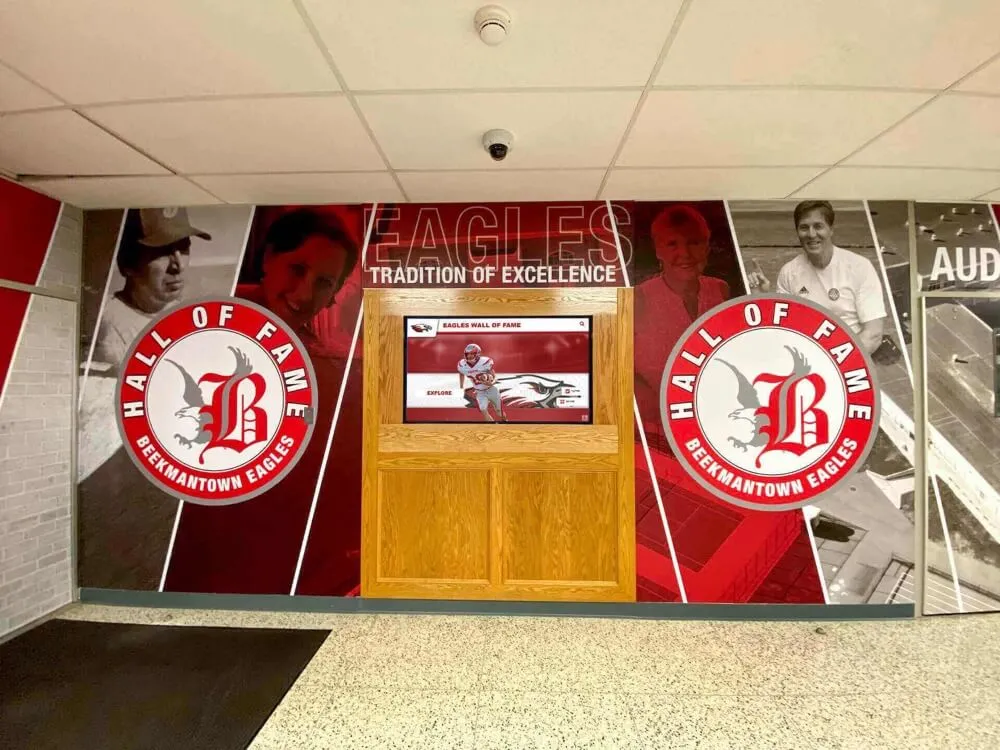
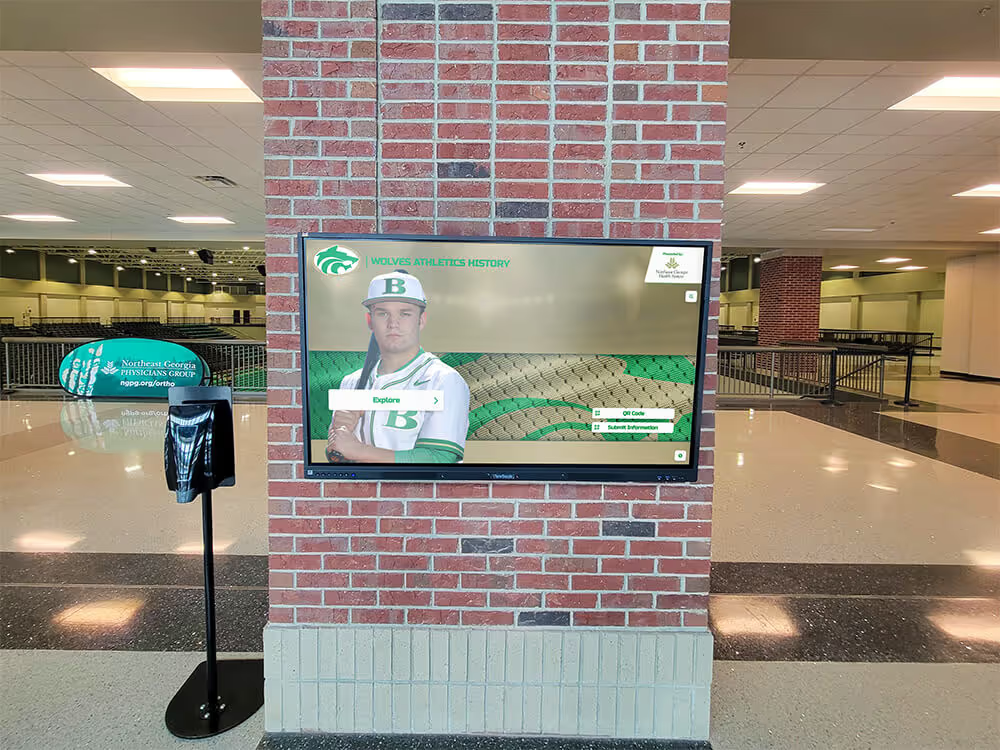
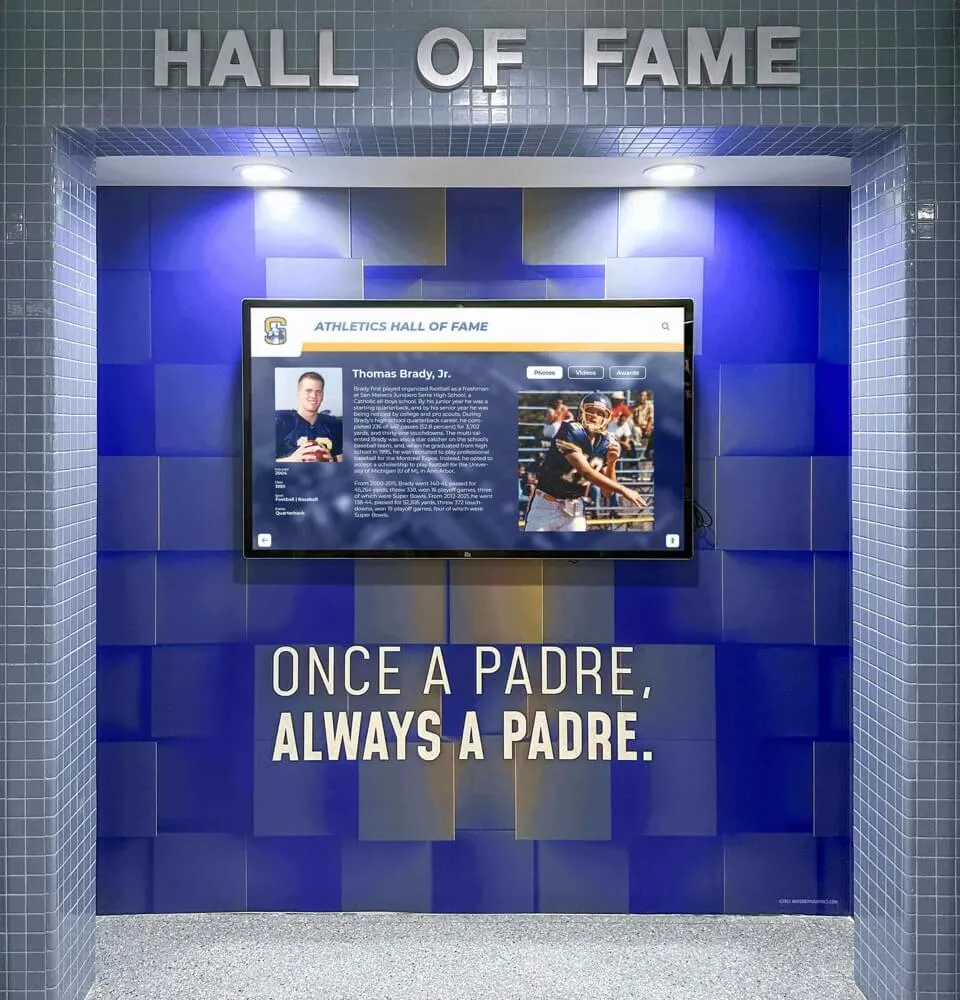
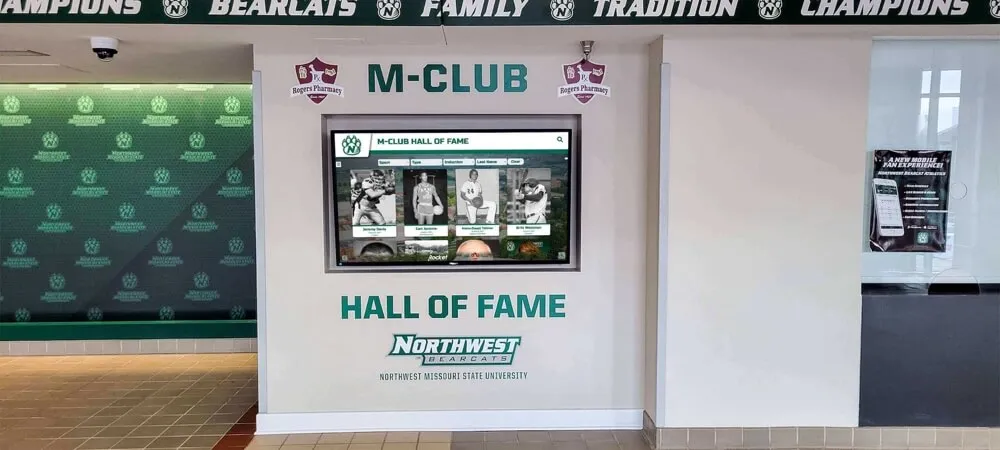
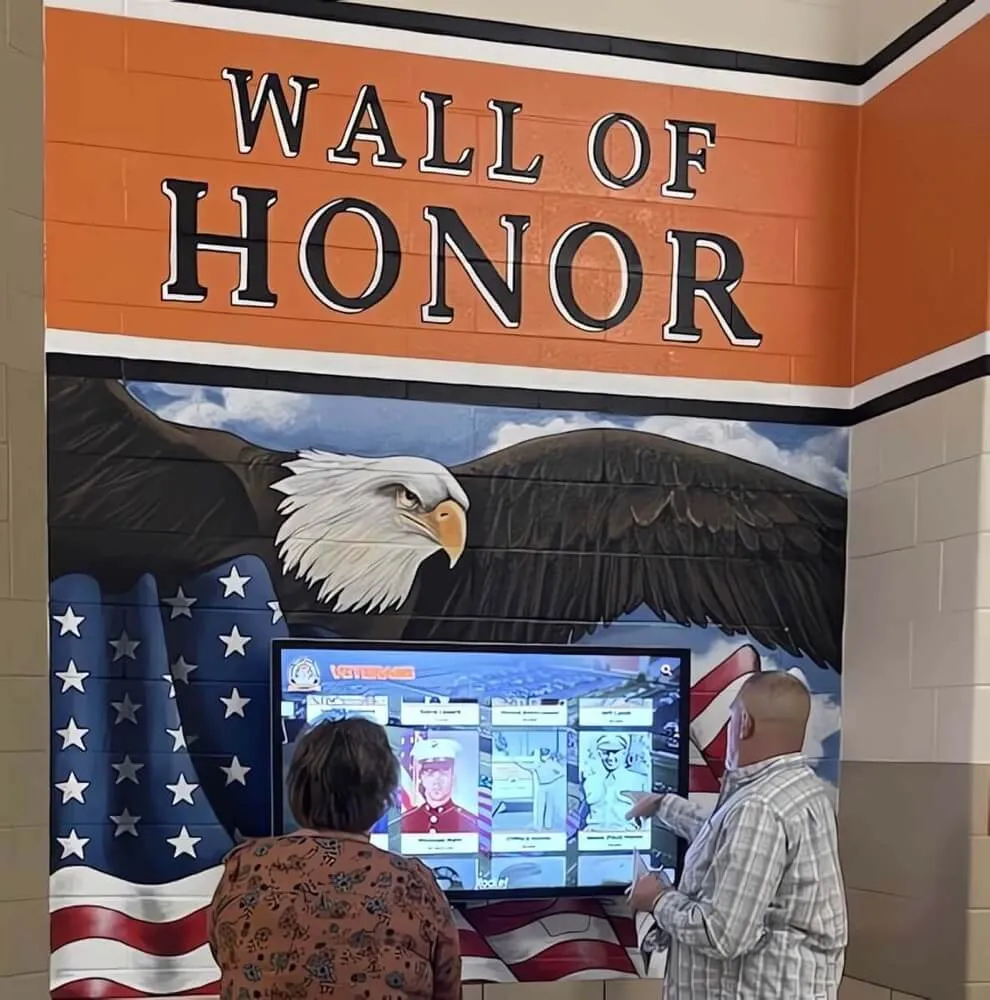
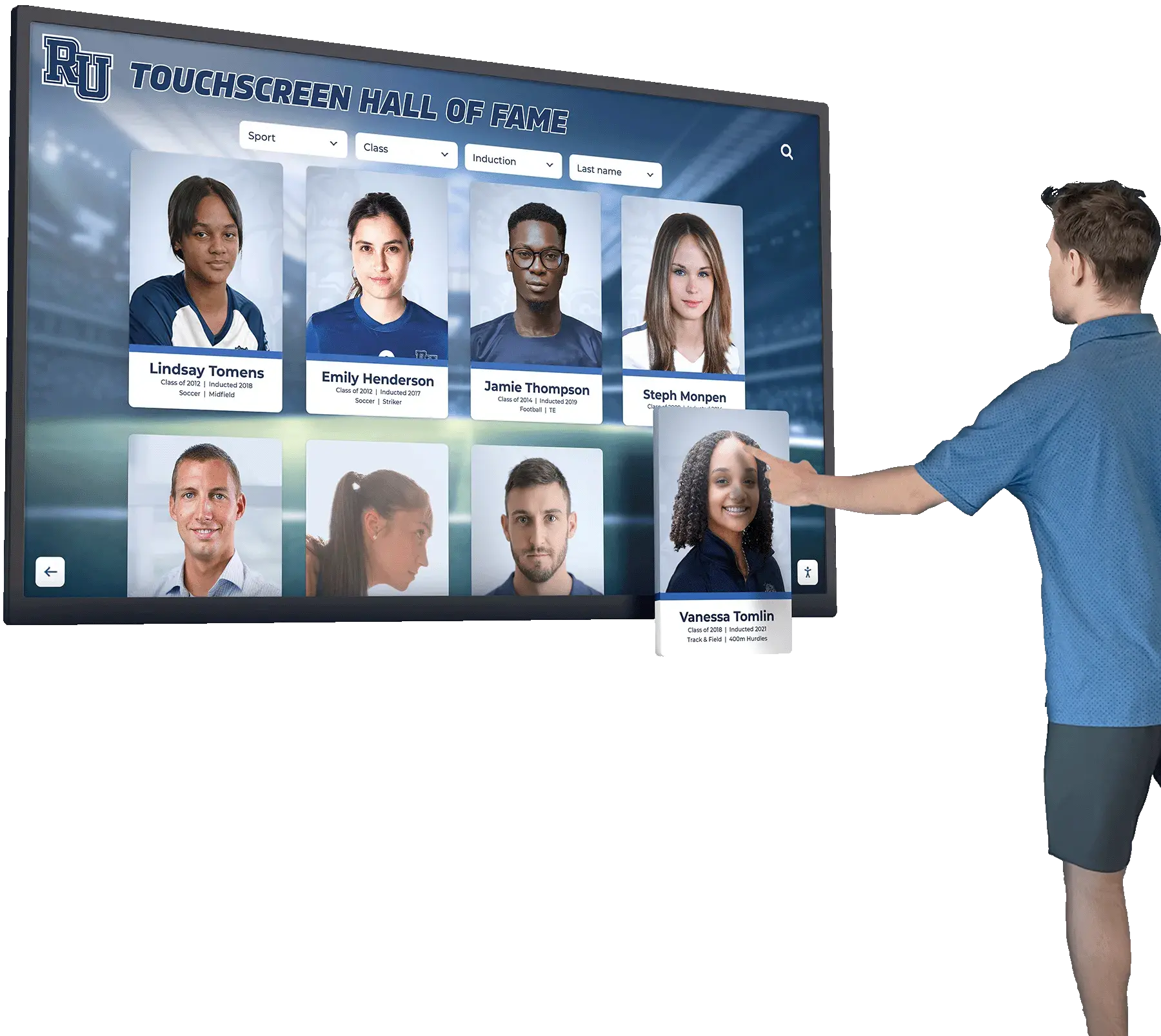
Intuitive touchscreen interfaces enable exploring unlimited champion profiles with complete career documentation
Traditional Display Limitations at Racing Facilities
Capacity and Engagement Constraints
Physical displays face multiple limitations in racing venue environments:
Space Limitations
- Limited wall space in clubhouses and grandstands restricts total recognition capacity
- Trophy display cases accommodate only select achievements rather than comprehensive documentation
- Winner’s circle plaques recognize champions but lack storytelling depth
- Printed programs become outdated immediately after each racing season
- Historical archives remain inaccessible to general racing fans visiting the facility
- Equal visibility challenges across different stakes races and achievement eras
Engagement Barriers
- Static displays provide minimal engagement beyond brief viewing during facility visits
- Printed materials offer limited storytelling compared to multimedia racing footage
- No personalization allowing fans to explore specific favorite horses, jockeys, or racing eras
- Impossible to update during racing seasons with real-time achievement documentation
- Limited accessibility for visitors unfamiliar with racing terminology and traditions
- Difficulty connecting current races to historical context and legendary performances
These combined limitations create significant opportunities for complementary digital recognition systems that enhance traditional programs by providing depth, interactivity, and comprehensive coverage impossible with physical displays alone—honoring tradition while meeting contemporary expectations for engaging, accessible racing content.
Learn about professional venue recognition in Madison Square Garden interactive touchscreen displays celebrating sports heritage systematically.
How Interactive Touchscreen Technology Transforms Racing Recognition
Modern digital recognition systems powered by platforms like Rocket Alumni Solutions solve traditional limitations while creating enhanced engagement impossible with static displays alone.
Unlimited Recognition and Storytelling Capacity
Digital recognition platforms eliminate fundamental constraints facing traditional racing venue displays:
Capacity Transformation
A single 55-inch or 75-inch touchscreen installation can showcase:
- Detailed profiles for all Travers Stakes winners across 160+ years of racing history
- Comprehensive stakes race documentation across dozens of major events annually
- Complete racing statistics, breeding information, and bloodline documentation
- Race footage and photo finishes capturing memorable moments and historic victories
- Equal recognition for legendary champions and upset victors across all eras
- Jockey and trainer documentation receiving visibility equivalent to horse recognition
- Behind-the-scenes contributor recognition celebrating complete racing ecosystem
- Track records and achievement milestones organized by distance, surface, and era
Solutions like Rocket Alumni Solutions provide cloud-based content management enabling systematic organization of extensive racing archives while maintaining intuitive navigation allowing fans to discover specific horses, jockeys, trainers, or historic races matching their interests—transforming overwhelming information volume into engaging, accessible experiences.

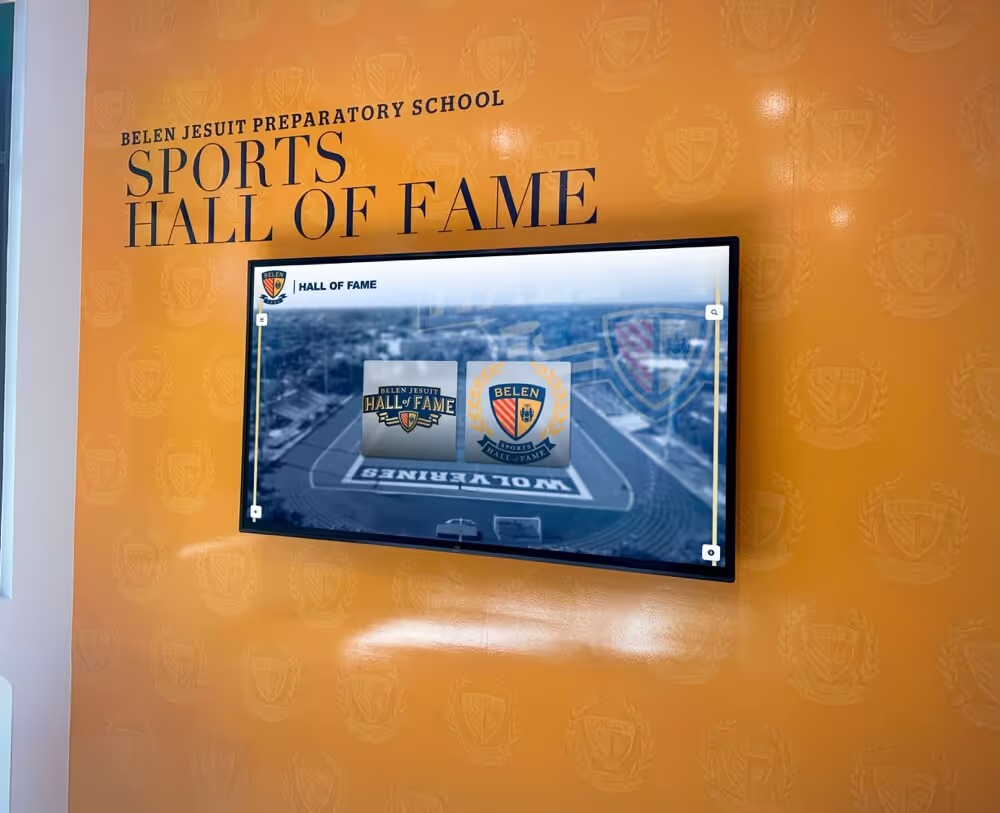
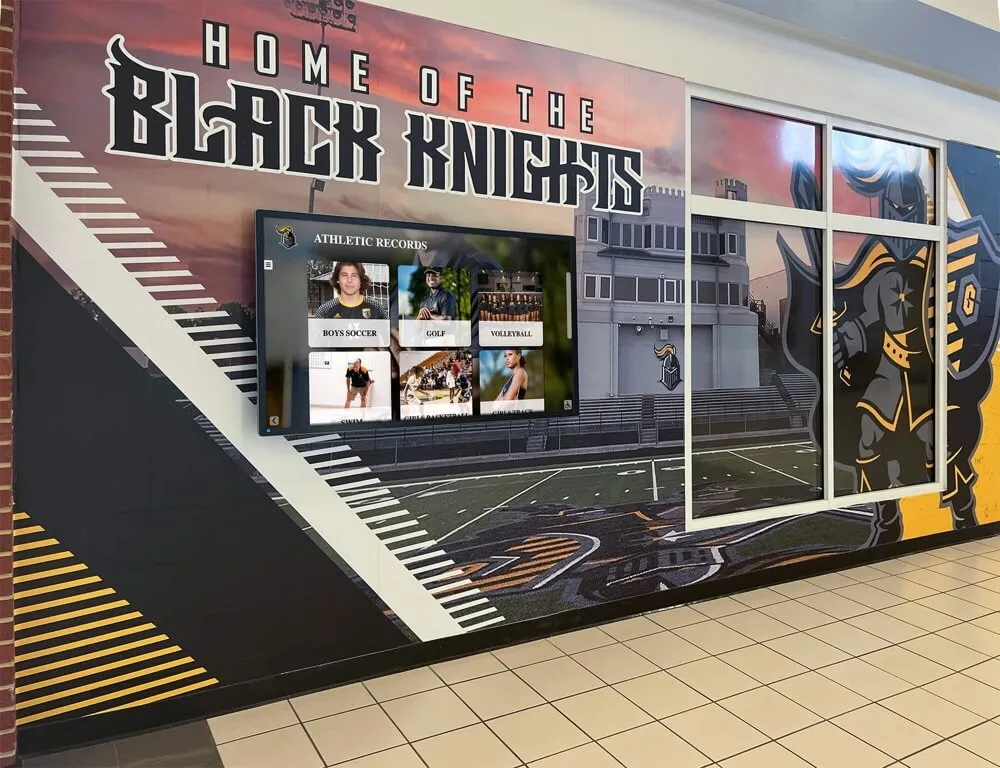
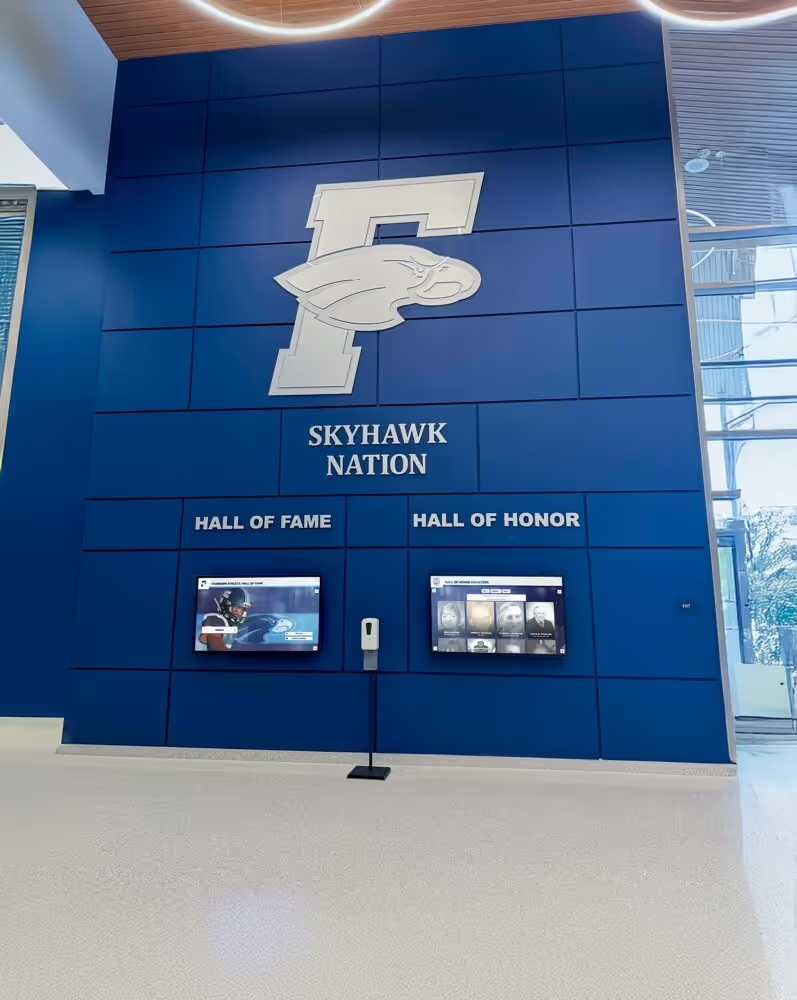
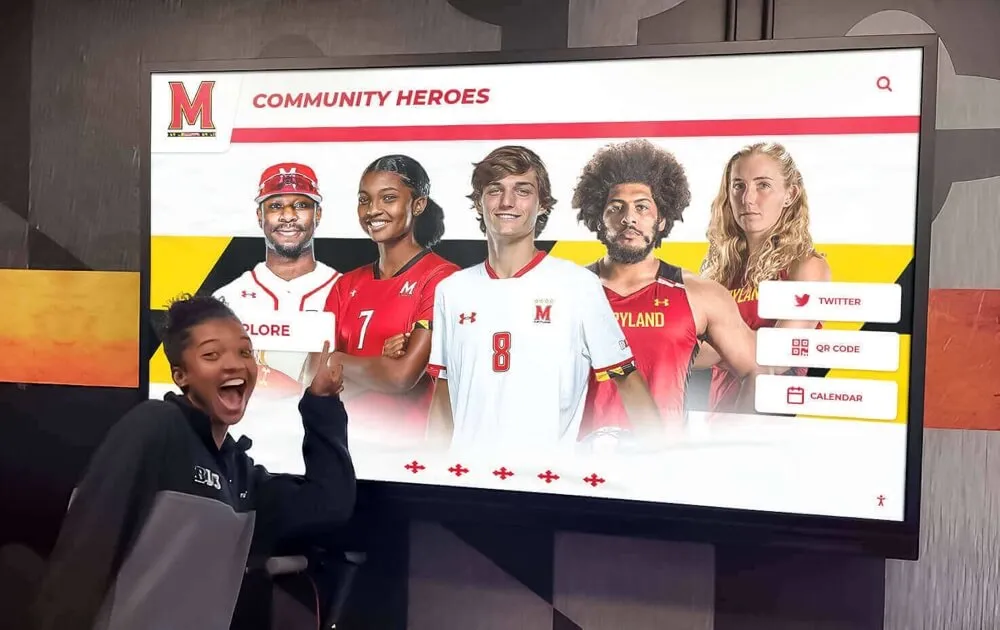
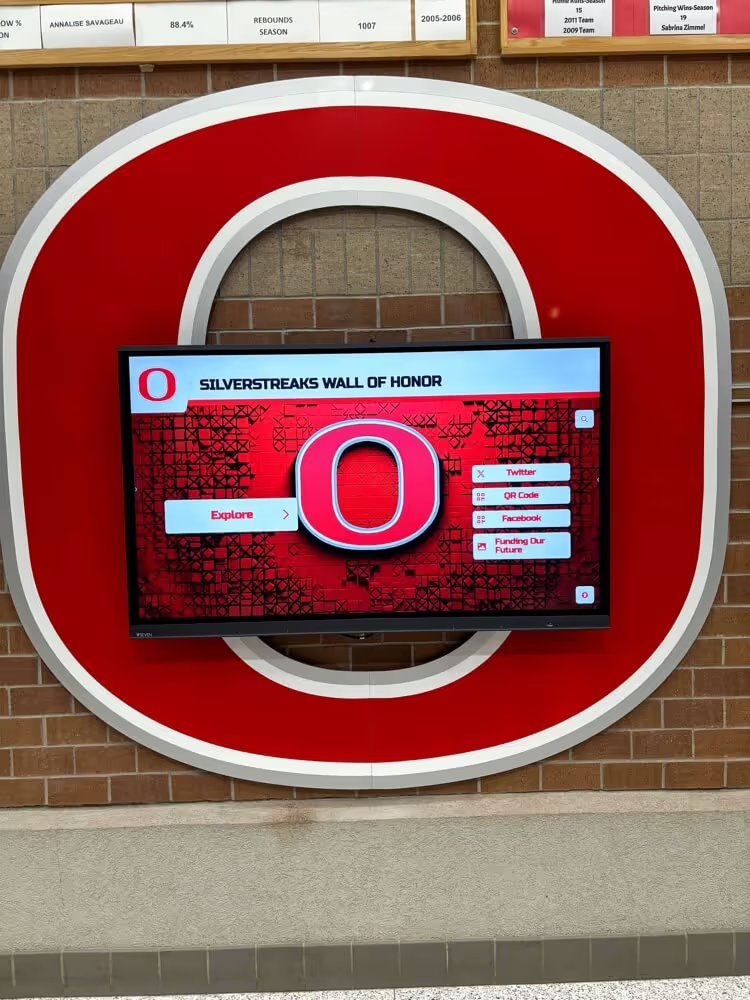
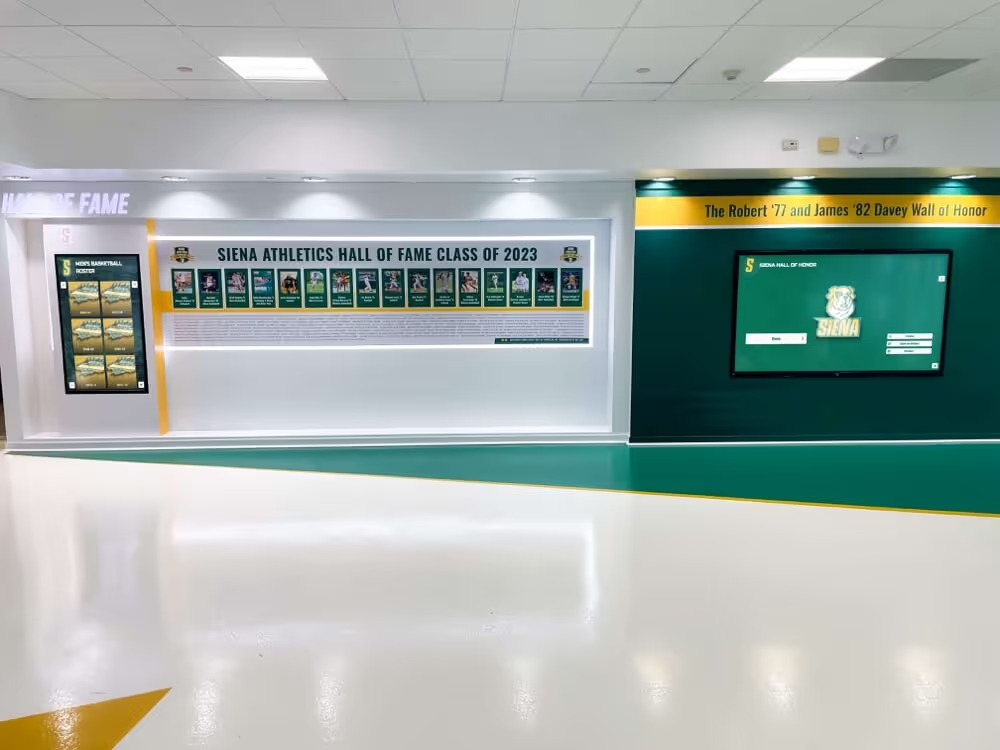
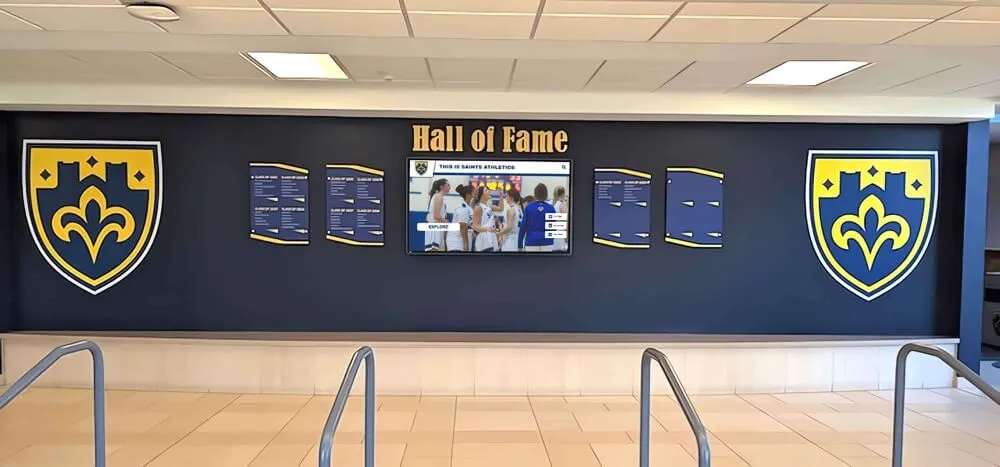
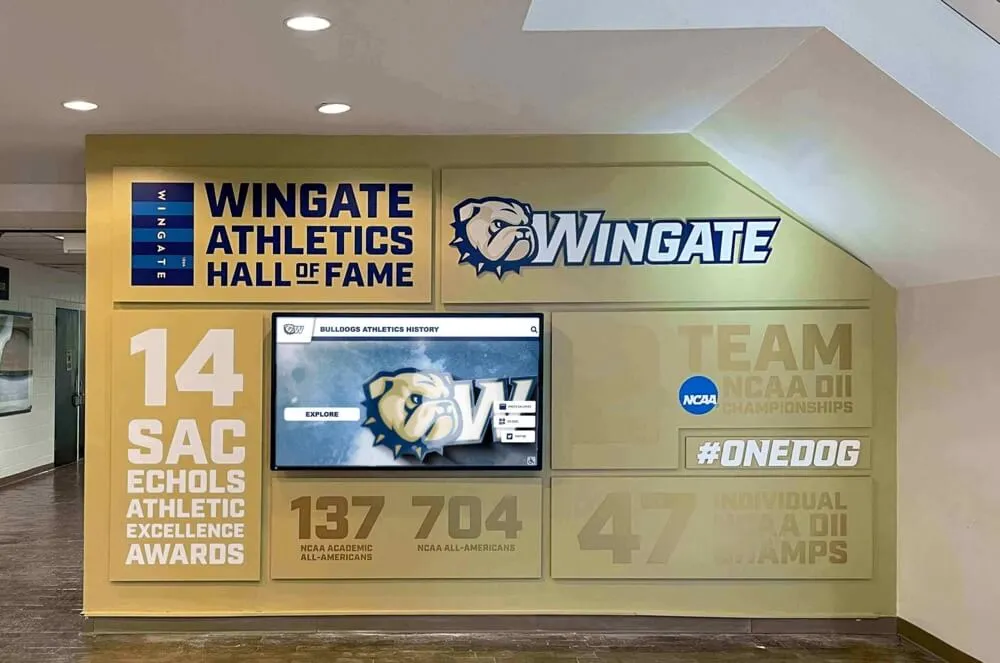
Professional installations create engaging recognition destinations throughout racing facilities and clubhouses
Enhanced Multimedia Racing Experiences
Beyond solving capacity constraints, digital platforms deliver capabilities traditional displays cannot match:
Multimedia Recognition Features
Modern racing recognition systems integrate:
- Race Footage: Historic race videos, photo finishes, and defining moments captured across racing eras
- Photo Galleries: Career progression documentation from maiden races through championship performances
- Complete Statistics: Race-by-race results, earnings records, speed figures, and comprehensive performance data
- Breeding Information: Bloodline documentation, pedigree analysis, and progeny achievements
- Historic Context: Newspaper coverage, magazine features, and racing form documentation from achievement timeframes
- Audio Content: Legendary race calls, winner’s circle interviews, and memorable broadcast commentary
- Interactive Timelines: Visualizing racing heritage and track evolution across 160+ years
- Searchable Interfaces: Instant discovery by horse name, jockey, trainer, year, or race category
- Social Sharing: Enabling fans to celebrate favorite racing moments across digital platforms
- Mobile Optimization: Extending recognition access worldwide beyond physical track visits
Research on ultra-responsive touchscreens demonstrates how engaging interfaces increase user satisfaction and interaction time, with responsive technology proving critical for venues seeking to create memorable fan experiences that honor racing excellence while educating audiences about thoroughbred heritage.
These enhanced capabilities transform simple winner listings into comprehensive celebration that engages visitors far longer than glancing at bronze plaques—creating recognition experiences honoring racing excellence more effectively while solving capacity and depth constraints simultaneously.
Discover multimedia storytelling approaches in digital storytelling for athletic programs with implementation strategies applicable to racing venues.
Implementing Interactive Recognition at Racing Venues
Whether managing historic racing facilities or developing regional tracks, systematic approaches ensure successful recognition implementation.
Planning Comprehensive Racing Recognition Systems
Content Strategy Development
Successful racing venue recognition begins with strategic content planning:
Recognition Scope Decisions
- Which categories deserve inclusion (stakes races, champions, jockeys, trainers, breeding programs)
- What timeframe should recognition cover (complete track history versus modern era only)
- How to balance recognition between champion horses and upset victors
- Whether to include qualifying races, claiming races, or focus on stakes competition
- How to recognize breeding programs, bloodlines, and thoroughbred development
- What multimedia content types to prioritize given available historical materials
- Integration with real-time racing information during meet seasons
- Connection to broader thoroughbred racing heritage beyond single venue
Clear scope definition prevents overwhelming implementation while ensuring systematic coverage of most important recognition categories that matter to diverse racing communities and stakeholders including owners, trainers, breeders, and fans.
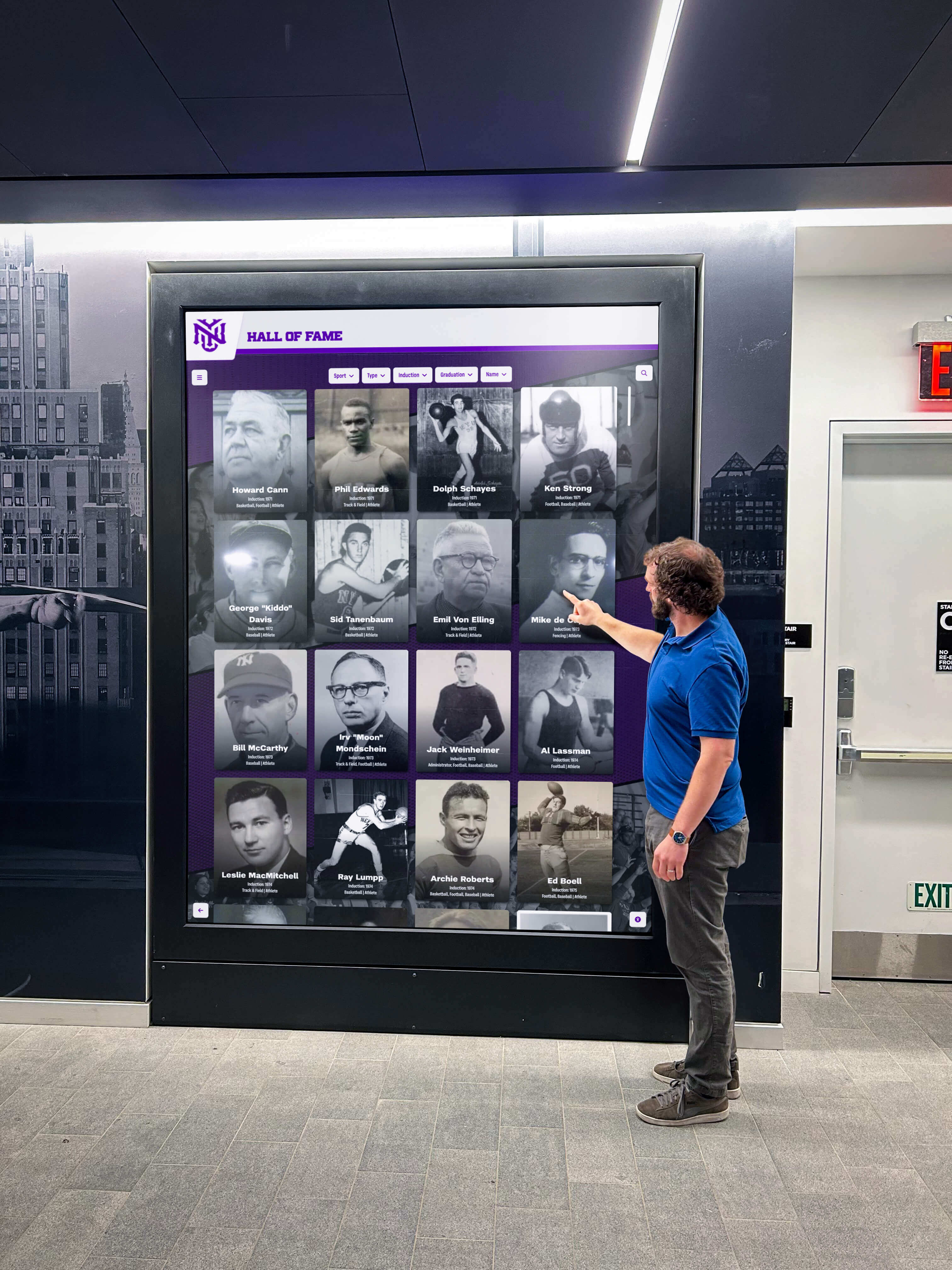
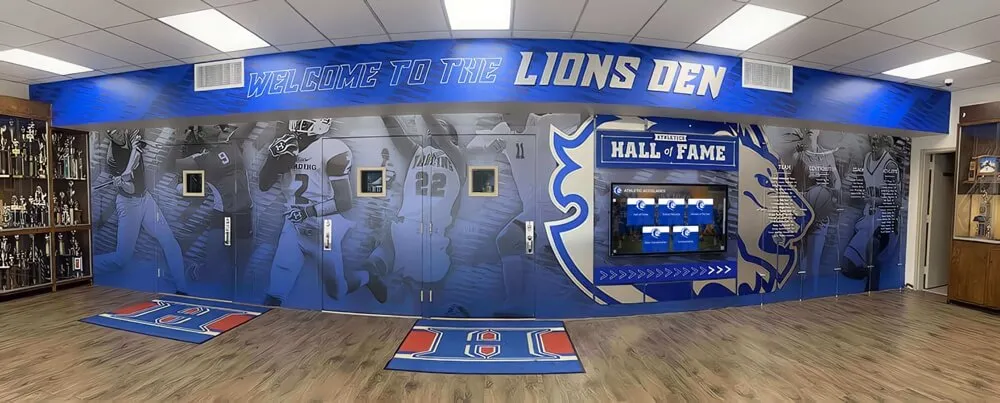
Strategic placement creates recognition destinations where visitors naturally gather and engage during racing seasons
Historical Research Methodology
Comprehensive racing recognition requires systematic historical documentation:
Research Sources
- Track archives preserving race results, programs, and historical documentation
- Jockey Club databases providing verified pedigrees and racing records
- Racing form archives containing race charts, speed figures, and performance analysis
- Newspaper and magazine archives with contemporary race coverage from all eras
- Broadcast archives preserving memorable race calls and historic footage
- Breeder associations and stud farm records documenting bloodline information
- Jockey and trainer interviews gathering personal narratives and racing insights
- Racing historians and handicappers ensuring accuracy and completeness
Organizations should allocate appropriate resources for comprehensive historical research—foundational investment ensuring recognition accuracy and completeness that honors racing excellence appropriately while creating engaging content for audiences ranging from casual fans to serious racing enthusiasts.
Technology Platform Selection for Racing Recognition
Evaluating Recognition Solutions
Purpose-built recognition platforms offer significant advantages over generic digital signage for racing venues:
Essential Platform Capabilities
- Cloud-based content management enabling remote updates without physical display access
- Racing-specific templates and taxonomies organizing stakes races, champions, and achievement categories
- Unlimited video and photo storage supporting extensive race footage archives
- Intuitive interfaces requiring no technical expertise for ongoing racing season updates
- Mobile-responsive design ensuring worldwide fan access beyond track visits
- Robust search and filtering enabling content discovery in century-spanning racing databases
- Real-time integration capabilities for live racing information during meet seasons
- Analytics revealing fan engagement patterns informing content strategy optimization
- Breeding and pedigree visualization tools presenting bloodline connections
Solutions like Rocket Alumni Solutions provide these specialized capabilities while delivering comprehensive implementation support ensuring successful launches—critical advantages over attempting to adapt generic digital signage systems for complex racing recognition purposes requiring sustained management across decades of thoroughbred history.
Learn about platform evaluation in touchscreen software complete guide comparing different technology approaches for recognition systems.
Hardware and Installation Considerations
Display Specifications for Racing Venues
Appropriate hardware significantly impacts visitor experience:
Technical Requirements
- Commercial-grade displays rated for continuous operation during racing meets
- 55"-75" screen sizes appropriate for clubhouse and grandstand viewing
- High-brightness touchscreen technology suitable for naturally-lit racing facilities
- Mounting options (wall-mounted, freestanding kiosks, or architectural integration)
- Network connectivity supporting cloud content delivery and real-time updates
- Extended warranty coverage appropriate for seasonal racing facility installations
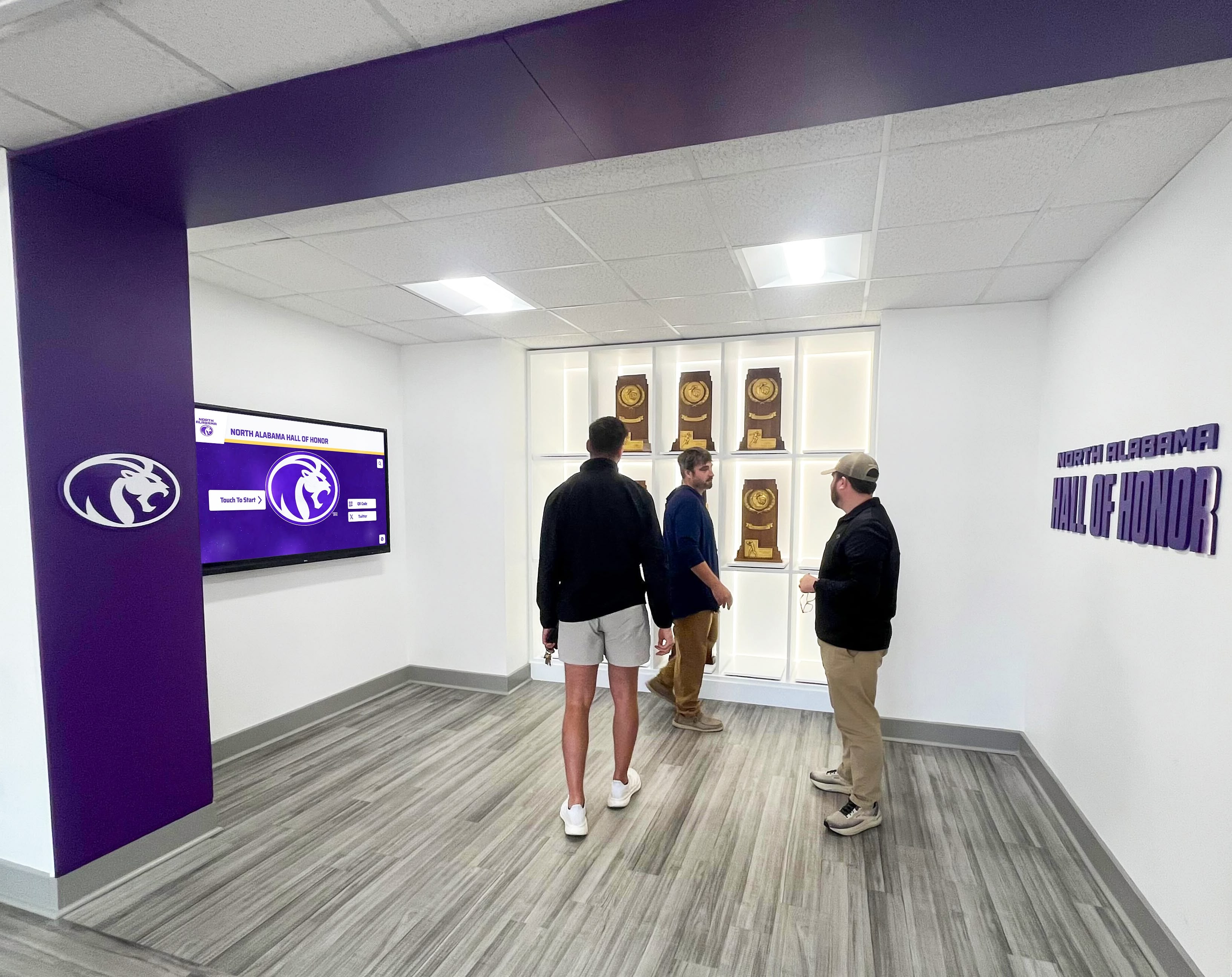
Successful implementations create gathering spaces where racing fans and community members connect around thoroughbred heritage
Strategic Placement for Maximum Fan Engagement
Display location dramatically affects recognition effectiveness:
Optimal Placement Locations
- Main entrance lobbies and admission areas ensuring all visitors encounter recognition immediately
- Clubhouse gathering spaces where patrons socialize between races
- Grandstand concourse areas with high pedestrian traffic during racing days
- Winner’s circle areas connecting current races to historical championship context
- Museum or hall of fame rooms for focused historical exploration
- Simulcast facilities extending recognition to year-round racing operations
- Multiple distributed locations reaching diverse audience segments throughout facilities
Professional installation ensuring secure mounting, clean cable management, and ADA-compliant viewing heights justifies investment preventing future problems from inadequate installations that compromise user experience, safety, or accessibility requirements for racing venue patrons.
Creating Compelling Racing Champion Profiles
Effective recognition moves beyond basic race results to capture complete stories honoring thoroughbred excellence appropriately.
Essential Champion Profile Components
Comprehensive Documentation Standards
Racing champion profiles should include multiple information layers:
Core Information
- Complete name, breeding information (sire, dam, breeder), and years of competition
- Major stakes race victories with detailed race information and finishing times
- Career statistics including starts, wins, places, shows, and total earnings
- Speed figures, track records, and performance analysis across racing surfaces
- Defining races and championship moments with race footage documentation
- Awards and honors received (Eclipse Awards, Hall of Fame induction, etc.)
- Breeding career and progeny achievements for retired champions
- Connections including owners, trainers, jockeys, and their backgrounds
- Racing style analysis and signature performances that defined their legacy
- Historical significance and impact on thoroughbred breeding and racing
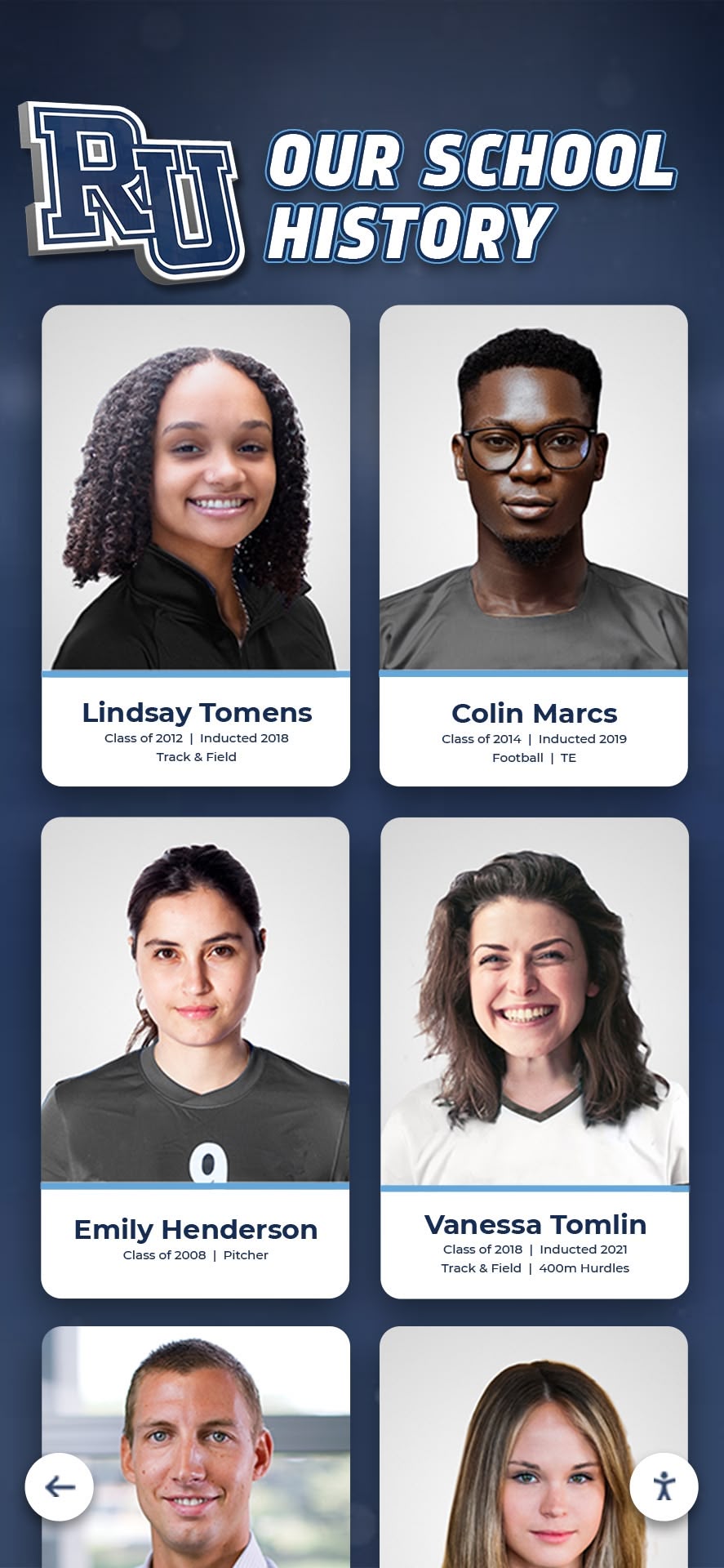
Systematic documentation preserves complete racing legacies across all eras and achievement categories
Multimedia Content Standards
Professional racing recognition requires quality standards:
Content Guidelines
- High-resolution photographs (minimum 1920x1080) showing champions at their peak
- Race footage (1080p HD minimum) capturing signature victories and defining moments
- Photo finish documentation for memorable close races and upsets
- Audio clips from legendary race calls and memorable broadcast commentary
- Magazine covers and newspaper clippings from championship eras providing historical context
- Winner’s circle ceremony footage when available
- Proper licensing and rights clearance for all race footage and broadcast content
- Accessible closed captioning for all video content serving diverse audiences
Organizations should develop content creation workflows ensuring consistent quality across all champion profiles—maintaining professional standards comparable to the recognition these extraordinary racing achievements deserve.
Storytelling Best Practices for Racing Recognition
Narrative Development
Effective champion profiles tell complete stories beyond racing statistics:
Story Elements for Racing Champions
- Journey from breeding and early development through racing career breakthrough
- Career-defining races and championship moments audiences remember
- Racing rivalries and memorable matchups that shaped their legacies
- Training methods and preparation that enabled championship performances
- Overcoming setbacks, injuries, or early-career disappointments
- Championship campaigns and sustained excellence across racing seasons
- Impact on thoroughbred breeding through successful stud or broodmare careers
- Track records and speed achievements that stood the test of time
- Cultural significance and influence extending beyond racing enthusiasts
- Legacy in developing next generation through successful progeny
This narrative approach transforms statistical race documentation into inspiring stories resonating with audiences while appropriately honoring excellence and contributions that make racing recognition meaningful for diverse fan communities across generations interested in thoroughbred heritage.
Explore comprehensive recognition storytelling in academic recognition programs guide demonstrating systematic narrative approaches applicable across achievement categories.
Connecting Racing Recognition to Fan Engagement
Interactive recognition displays serve functions beyond historical documentation—creating engagement opportunities strengthening relationships with racing heritage and venue traditions.
Fan Experience Enhancement Through Interactive Features
Engagement Opportunities
Modern racing recognition systems transform passive viewing into active engagement:
Interactive Fan Features
- Searchable champion databases enabling instant discovery by horse name, year, jockey, trainer, or race
- “Greatest Race” voting allowing fans to celebrate most memorable racing moments
- Statistical leaderboards comparing achievements across eras and racing surfaces
- Interactive timelines exploring track evolution from founding through present racing seasons
- “Build Your Dream Stable” features combining champions from different eras
- Racing knowledge quizzes testing understanding of thoroughbred history and legends
- Virtual trophy cases allowing fans to curate personal favorite champion collections
- Pedigree exploration tools showing bloodline connections across racing generations
- Social sharing celebrating racing heroes across platforms with track branding
- Mobile synchronization extending engagement beyond track visits to year-round connection
Research on stadium and venue technology demonstrates these interactive features significantly increase dwell time and satisfaction—creating memorable experiences strengthening emotional connections to racing venues while transforming recognition from documentation into active fan engagement and community building around thoroughbred heritage.
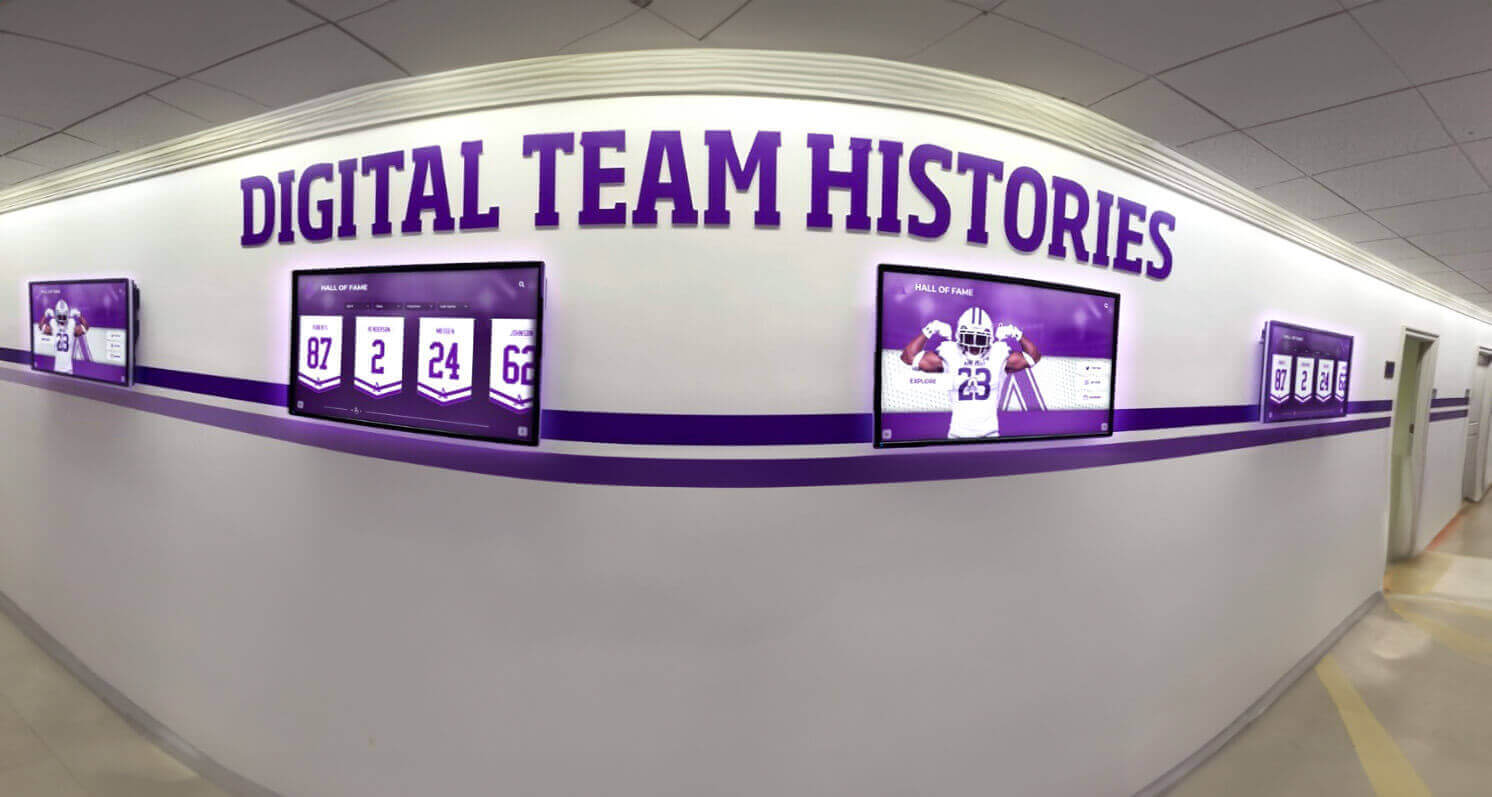
Coordinated display systems serve multiple functions throughout racing venues and seasonal operations
Educational Programming for Youth and New Racing Fans
Racing Education and Appreciation
Racing venue recognition creates powerful educational opportunities for new audiences:
Educational Development Applications
- Introduction to thoroughbred racing fundamentals, terminology, and traditions
- Horse care and training insights demonstrating athletic development and preparation
- Breeding and bloodline education connecting racing excellence to genetic heritage
- Jockey and trainer skill appreciation highlighting human expertise in championship success
- Racing handicapping basics using historical performance data
- Economic impact education about breeding industry and regional employment
- Career pathway exploration in thoroughbred industry beyond horse ownership
- Historical context connecting current racing to legendary performances and champions
These educational dimensions transform recognition from nostalgia targeting existing fans into active audience development—creating measurable engagement impact justifying recognition investment beyond aesthetic or traditional considerations alone, while introducing next generations to thoroughbred racing excellence and cultural significance.
Discover youth development and education connections in community showcase project ideas demonstrating systematic inspirational and educational approaches.
Complementing Traditional Racing Recognition Elements
Modern interactive displays work most effectively when integrated thoughtfully with traditional racing recognition traditions and ceremonial elements.
Hybrid Recognition Approaches
Integration Strategies for Racing Venues
Successful racing venues combine traditional and digital recognition:
Effective Integration Methods
- Traditional trophy displays maintaining ceremonial significance with physical racing hardware
- Bronze plaques or permanent inscriptions providing tangible recognition with racing gravitas
- QR codes linking physical displays to comprehensive digital champion profiles
- Interactive touchscreens positioned near trophy cases providing multimedia exploration
- Mobile apps extending recognition access to worldwide racing communities
- Web platforms making complete racing archives accessible year-round beyond meet seasons
- Coordinated design ensuring visual consistency between traditional and digital elements
- Unified branding reinforcing track identity across all recognition formats
- Winner’s circle photography integrated into digital profile documentation
This hybrid approach satisfies stakeholders valuing tangible trophy recognition and winner’s circle traditions while overcoming traditional limitations through digital enhancement providing depth, interactivity, and storytelling capacity racing fans increasingly expect from modern racing venues implementing solutions like Rocket Alumni Solutions.
Learn about integrated professional venue recognition in San Jose Sharks touchscreen hall of fame with strategies applicable across sports and racing venues.
Preserving Racing Traditions While Embracing Innovation
Most successful implementations honor established racing traditions while thoughtfully incorporating modern capabilities:
- Maintain existing trophy presentations and winner’s circle ceremonies
- Add interactive displays enhancing rather than replacing traditional recognition
- Design digital content respecting racing heritage and track aesthetics
- Create experiences deepening appreciation for ceremonial recognition traditions
- Ensure technology serves racing heritage purposes rather than becoming distracting
- Emphasize champion stories and racing achievements over technical display features
- Connect historical recognition to current racing seasons and contemporary champions
Organizations implementing these balanced approaches report highest satisfaction from diverse stakeholder groups including racing traditionalists, technology enthusiasts, general sports fans, and newcomers seeking engaging modern experiences introducing them to thoroughbred racing excellence.
Real-Time Racing Integration During Meet Seasons
One unique advantage digital recognition offers racing venues involves real-time integration during active racing seasons and major racing events.
Live Racing Information Integration
Current Meet Features
Interactive systems can dynamically integrate real-time information during racing seasons:
Live Content Updates
- Daily race cards and post time information helping fans navigate racing programs
- Current racing entries with jockey and trainer assignments for upcoming races
- Live odds and wagering information integrated with racing education content
- Scratches and track condition updates affecting race cards
- Results and race replays immediately following each race conclusion
- Historic context connecting current races to past performances and track records
- Weather updates and track surface condition changes
- Social media integration showcasing fan reactions and racing atmosphere
This real-time capability transforms recognition displays into comprehensive racing information systems serving multiple purposes simultaneously—justifying investment through versatile utility extending beyond historical recognition alone while creating more compelling fan experiences during racing seasons.
Immediate Champion Recognition Following Major Stakes Races
Rapid Recognition Updates
Cloud-based content management enables immediate recognition additions:
Post-Race Workflow
- Major stakes race concludes with championship performance
- Content team prepares champion profile with race statistics and footage
- Cloud system updated remotely within hours of race conclusion
- Recognition becomes accessible immediately during winner’s circle celebration period
- Social media integration drives engagement while excitement remains high
- Mobile access enables worldwide racing community to celebrate new champion instantly
- Historical context automatically updated connecting new achievement to racing legacy
This immediacy creates powerful connections between racing achievement and recognition visibility—demonstrating institutional commitment to honoring excellence promptly rather than waiting months or years for physical display updates that traditional approaches require at racing facilities.
Maintaining Racing Recognition Systems Long-Term
Sustained success requires management processes ensuring displays remain current, accurate, and engaging across racing seasons and decades of facility operation.
Ongoing Content Management
Regular Update Workflows
Establish systematic processes maintaining recognition currency:
Update Procedures
- Designate specific staff responsible for racing recognition content management
- Create standard documentation following each major stakes race and racing season
- Schedule annual reviews ensuring historical content accuracy and completeness
- Update champion profiles with breeding career accomplishments and progeny achievements
- Add newly discovered historical content as racing archives become digitized
- Refresh multimedia with improved race footage as restoration technology advances
- Monitor analytics identifying most popular content and racing fan navigation patterns
- Gather visitor feedback informing ongoing content strategy refinement
- Integrate newly inducted Hall of Fame horses and racing personalities
Cloud-based platforms like Rocket Alumni Solutions enable remote updates from any internet-connected device—dramatically reducing administrative burden compared to physical displays requiring on-site coordination and manufacturing for every racing season modification or championship addition.
Technical Maintenance and Support
System Reliability Requirements
Professional racing recognition requires ongoing technical maintenance:
Maintenance Considerations
- Display hardware monitoring ensuring operation during peak racing season days
- Software updates implementing new features and security enhancements
- Content backup protecting decades of racing historical documentation against data loss
- Network reliability verification supporting remote management and updates
- Technical support access resolving issues rapidly during high-visibility racing events
- Hardware warranty coverage and replacement planning for aging equipment
- Platform subscription management ensuring continued cloud access and features
- Integration maintenance with racing information systems and live data feeds
Organizations should budget appropriately for ongoing platform subscriptions and technical support—ensuring recognition systems remain reliable long-term rather than becoming abandoned technology investments that detract from rather than enhance racing venue reputation and fan experience.
Measuring Racing Recognition Program Success
Assessment demonstrates recognition value while identifying improvement opportunities ensuring displays achieve intended objectives for racing venues and fan communities.
Quantitative Engagement Metrics
Digital Platform Analytics
Modern recognition systems provide concrete engagement data:
Measurable Indicators
- Touchscreen interaction frequency during racing meet days versus off-season periods
- Average session duration revealing engagement depth and racing content interest
- Most-viewed champion profiles identifying fan favorites and engagement patterns
- Search terms and navigation patterns showing racing fan discovery behaviors
- Peak usage times informing content scheduling and display availability optimization
- Geographic access patterns revealing international engagement beyond regional track visitors
- Social sharing frequency demonstrating organic promotion and racing community celebration
- Mobile platform usage extending recognition access worldwide year-round
These metrics reveal whether recognition generates intended engagement or requires strategy adjustments improving effectiveness—providing concrete evidence justifying ongoing investment and informing continuous improvement initiatives for racing venue management.
Qualitative Impact Assessment
Stakeholder Feedback Collection
Regular feedback provides insights beyond quantitative metrics:
Feedback Sources
- Racing fan surveys assessing recognition experience satisfaction and completeness
- Champion connections and racing legend perspectives on appropriate honoring approaches
- Staff observations about visitor engagement patterns during racing meets
- Media commentary about venue recognition programs and racing heritage preservation
- Breeding and ownership community feedback reflecting on venue’s role honoring thoroughbred excellence
- Industry organization perspectives about racing history accessibility and education
- New fan testimonials about learning and appreciation facilitated through interactive recognition
This qualitative feedback reveals whether recognition achieves intended cultural and inspirational impact while identifying enhancement opportunities ensuring ongoing relevance for racing communities and fan engagement.
Budget and Funding Considerations for Racing Venue Recognition
Recognition investments deliver significant value but require careful financial planning appropriate to venue size, racing calendar, and organizational objectives.
Investment Components
Implementation Costs for Racing Venues
Initial Implementation
- Commercial-grade touchscreen hardware (55"-75"): $4,000-$10,000 per display
- Professional installation with secure mounting: $1,000-$3,000 per display
- Recognition platform software setup and configuration: $3,000-$7,000
- Initial historical racing content development (research, documentation, multimedia creation): $5,000-$15,000
- Custom design integration with track branding: $2,000-$5,000
Typical single-display implementation: $15,000-$40,000 Typical multi-display installation (3-5 displays): $50,000-$125,000
Ongoing Annual Costs
- Platform subscription and cloud hosting: $2,400-$6,000 per year
- Content management and annual updates: $3,000-$8,000 per year
- Technical support and maintenance: $1,500-$3,500 per year
- Content enhancements and multimedia additions: $2,000-$5,000 per year
Typical annual operating costs: $8,900-$22,500 per year
These investments serve multiple objectives simultaneously—champion recognition, fan engagement, racing education, meet season information, and heritage preservation—making per-objective costs quite reasonable when comprehensive benefits are assessed appropriately for racing venue operations.
Funding Strategies for Racing Facilities
Creative Funding Approaches
Racing venues successfully fund recognition implementations through:
Sponsorship and Partnership Funding
- Racing industry sponsors seeking association with thoroughbred heritage and championships
- Breeding farms and stallion syndicates celebrating their champion horses
- Equine service providers supporting racing tradition and venue development
- Financial institutions and professional services firms with racing community connections
- Dedicated recognition system title sponsorships with appropriate branding integration
Racing Community Fundraising
- Racing association investments in heritage preservation and fan engagement
- Breeder organization contributions supporting thoroughbred excellence celebration
- Jockey and trainer associations honoring their profession’s history
- Owner networks supporting venue enhancement and racing tradition
- Memorial funds honoring deceased racing legends and contributors
Operational Integration
- Facility improvement budgets incorporating recognition infrastructure
- Marketing budgets recognizing fan engagement and experience enhancement value
- Educational program budgets supporting racing appreciation and audience development
- Technology infrastructure budgets serving multiple venue information functions
The tangible nature and broad appeal of racing champion recognition makes these systems attractive to diverse funding sources—many venues report strong support when stakeholders understand comprehensive benefits extending beyond simple historical documentation to include fan engagement, education, and year-round racing promotion.
Conclusion: Honoring Racing Excellence Through Modern Recognition
Saratoga Race Course and America’s historic racing venues demonstrate both the enduring importance of honoring thoroughbred excellence and opportunities for enhancement through modern interactive recognition technology. Since 1863, Saratoga has accumulated over 160 years of racing heritage including legendary champions, stunning upsets, and moments that have shaped thoroughbred racing history—recognition needs far exceeding what traditional bronze plaques and printed programs can comprehensively celebrate.
While traditional approaches like trophy displays and winner’s circle plaques create meaningful permanent recognition, they face unavoidable constraints: limited capacity for comprehensive champion documentation across centuries of racing history, inability to incorporate race footage of championship moments and complete career narratives, and challenges updating recognition immediately following each racing season without expensive physical modifications and manufacturing delays.
Transform Your Racing Venue Recognition
Discover how modern interactive touchscreen solutions like Rocket Alumni Solutions can help you celebrate every champion, preserve complete racing history, and create engaging experiences that honor thoroughbred excellence while strengthening connections to racing heritage for fans worldwide.
Explore Racing Recognition SolutionsModern interactive touchscreen recognition systems complement traditional programs by providing unlimited storytelling capacity documenting complete championship histories across all stakes races and eras, multimedia integration bringing racing legends to life through engaging race footage and comprehensive career documentation, systematic organization making century-spanning racing archives navigable and discoverable for diverse audiences, real-time integration enabling immediate champion recognition following race conclusions, and continuous updates ensuring recognition remains current without physical modifications or manufacturing delays that disrupt racing operations.
The strategies explored in this guide provide comprehensive frameworks for implementing racing venue recognition that honors thoroughbred excellence while remaining engaging, accessible, and aligned with racing traditions and fan expectations. From digital platforms like Rocket Alumni Solutions eliminating space constraints to systematic documentation approaches preserving complete racing heritage, these strategies overcome traditional limitations while creating recognition experiences impossible with bronze plaques and trophy cases alone.
Racing venues deserve recognition systems celebrating the extraordinary breeding, training, jockeying, and competitive excellence that create legendary moments inspiring worldwide thoroughbred racing audiences. Whether managing historic tracks with century-spanning heritage, developing regional racing facilities, or overseeing fairground racing operations, thoughtful planning and appropriate technology investments create displays that honor racing legends appropriately while engaging modern audiences effectively and inspiring appreciation for thoroughbred racing excellence.
Your racing heritage deserves recognition doing justice to the extraordinary champions, historic races, and transformative moments that have shaped thoroughbred racing’s evolution and cultural significance. With strategic planning, purpose-built recognition technology, and systematic implementation, you can create interactive displays becoming treasured traditions preserving racing legacy while inspiring future generations of owners, breeders, trainers, jockeys, and racing fans.
Ready to explore recognition solutions for your racing venue? Discover how Rocket Alumni Solutions can help you create comprehensive digital recognition systems that honor racing champions, engage diverse audiences, and preserve complete track history while supporting the connections, education, and experiences essential to thoroughbred racing development and sustained excellence.