Professional sports arenas like SAP Center in San Jose—home of the NHL’s San Jose Sharks since 1993—represent significant community investments that serve as gathering places where sports legends create memorable moments for generations of fans. Since opening its doors over three decades ago, SAP Center has hosted over 35 million visitors and continues to be one of the most popular destinations for sports and entertainment in North America.
Modern professional sports venues face an evolving challenge: how to honor extensive athletic legacies, enhance fan engagement, and create immersive experiences that meet contemporary expectations while maintaining the traditions that make these arenas special. Traditional static displays, championship banners, and trophy cases provide important recognition but face inherent limitations in storytelling capacity, multimedia integration, and interactive fan engagement that today’s audiences increasingly expect.
This comprehensive guide explores how professional sports arenas can implement interactive touchscreen displays and digital recognition technology that celebrate athletic excellence, preserve complete venue history, create engaging fan experiences, and strengthen community connections to sports heritage while honoring the traditions that make venues like SAP Center cultural landmarks.
Interactive recognition systems don’t replace the historic character and traditional elements that make venues special—they enhance them by providing unlimited storytelling capacity, engaging multimedia experiences, and systematic preservation of athletic legacy while maintaining the ceremonial significance that makes sports recognition meaningful. Organizations that excel at arena recognition create environments where athletic heritage becomes visible, celebrated, and inspirational throughout their facilities.

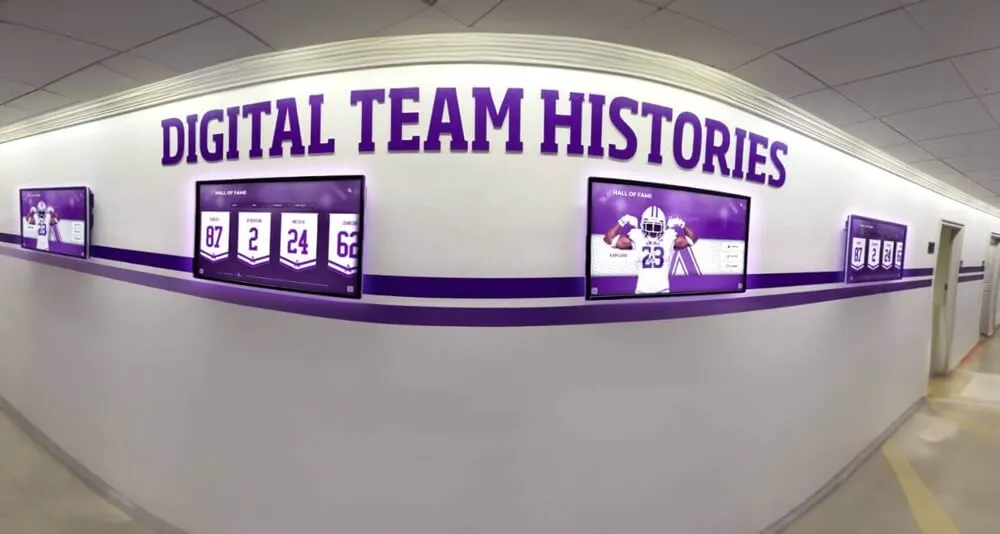
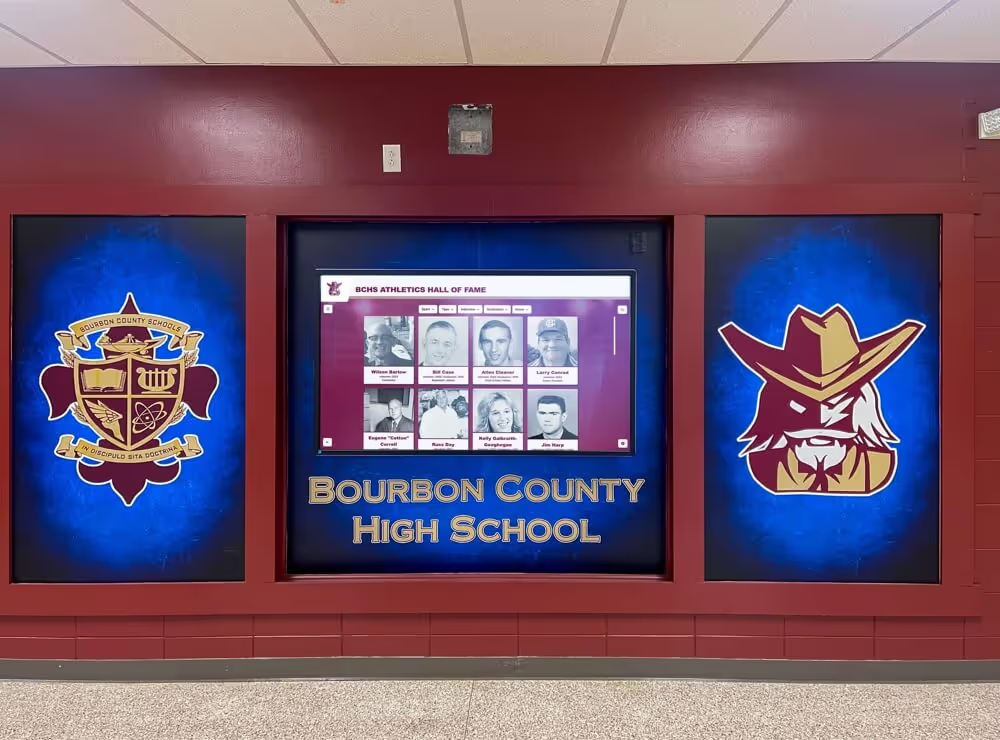
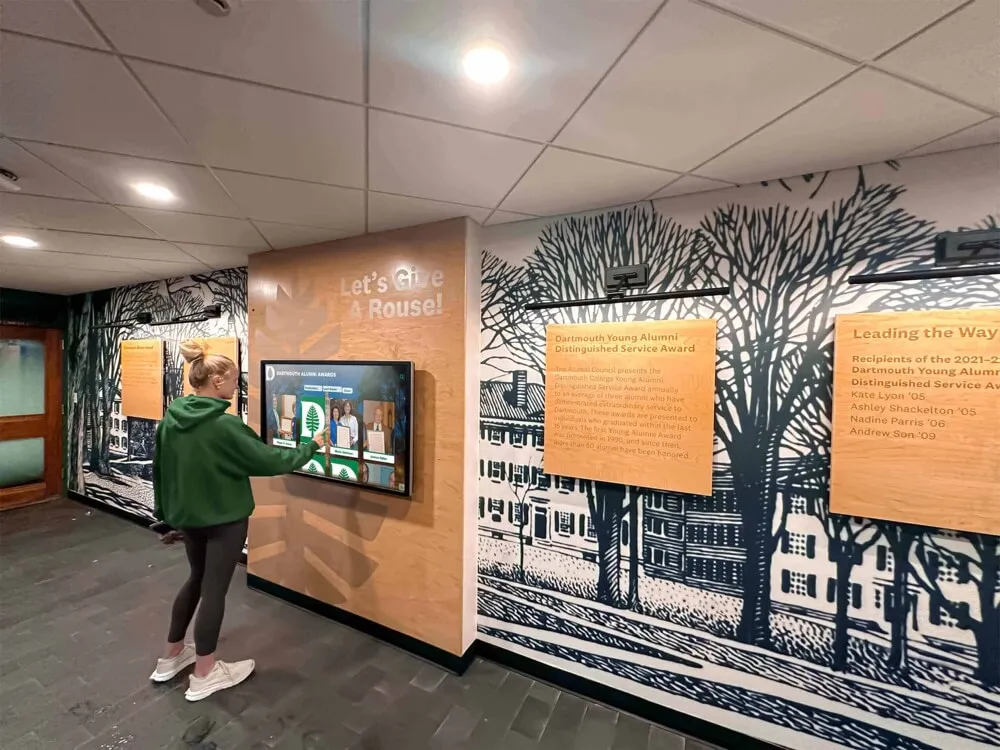
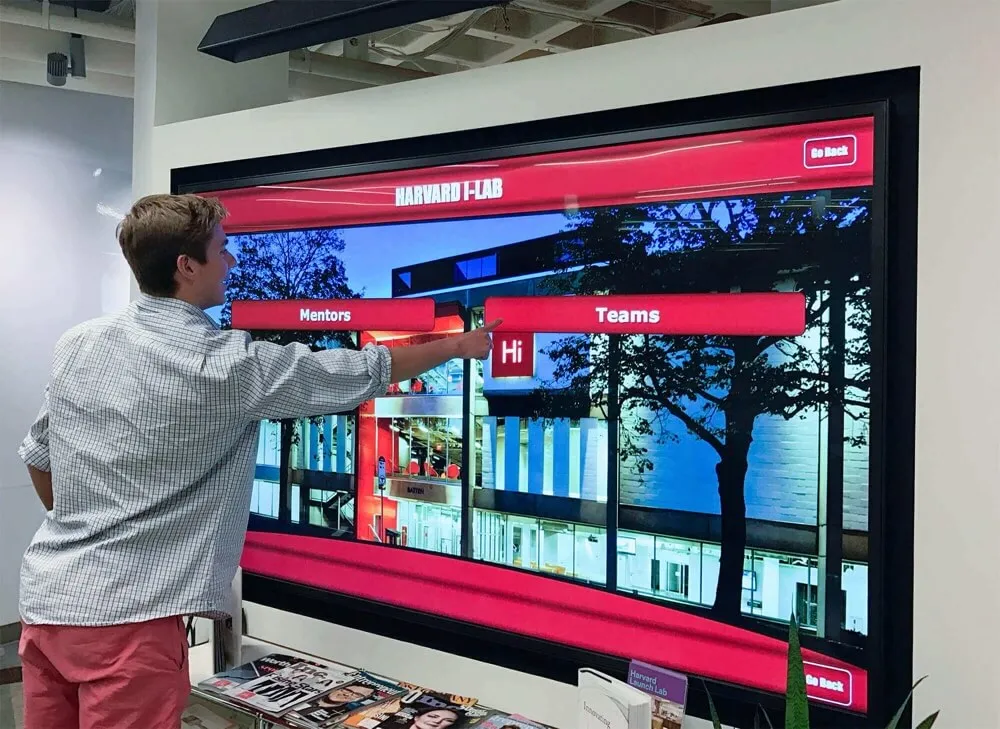
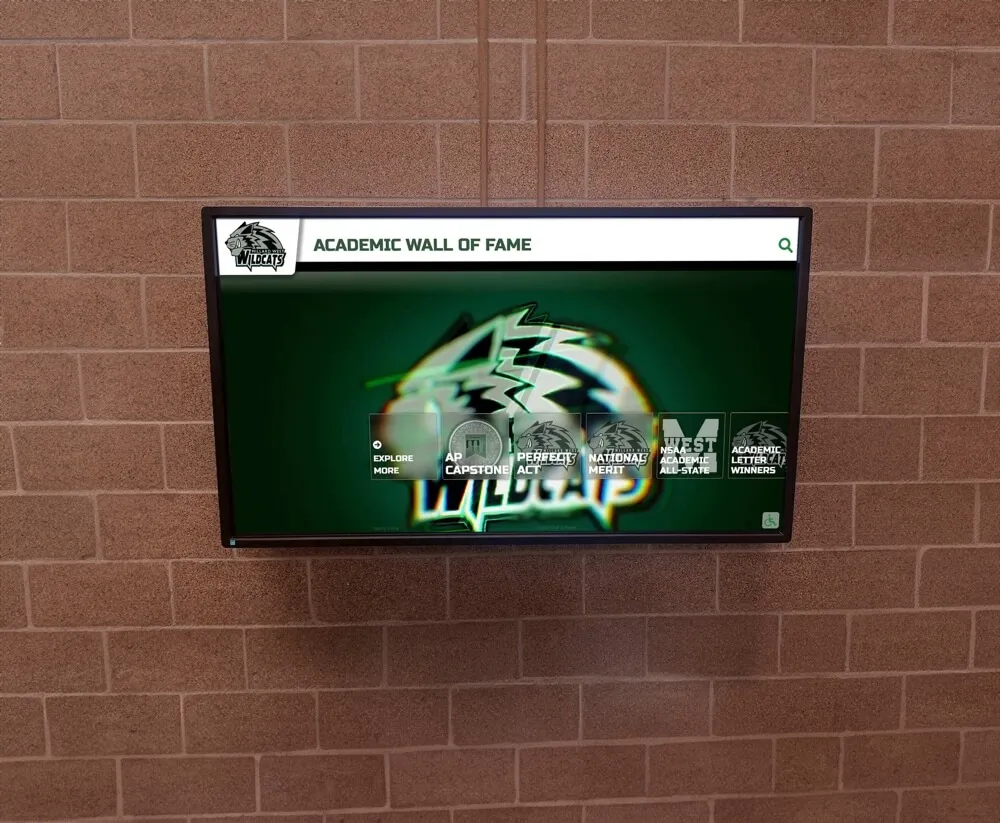
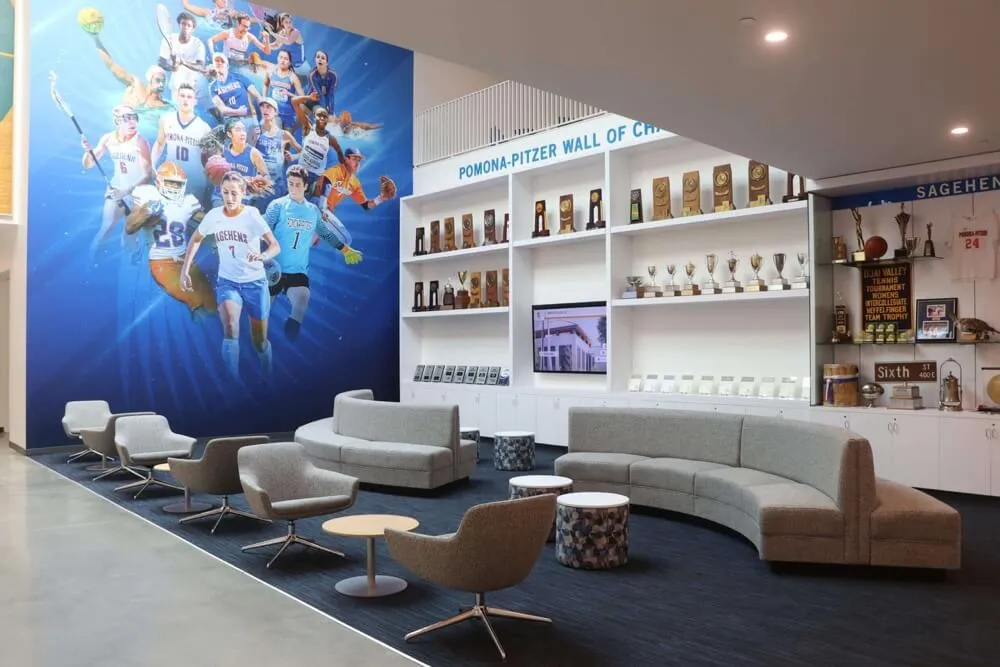
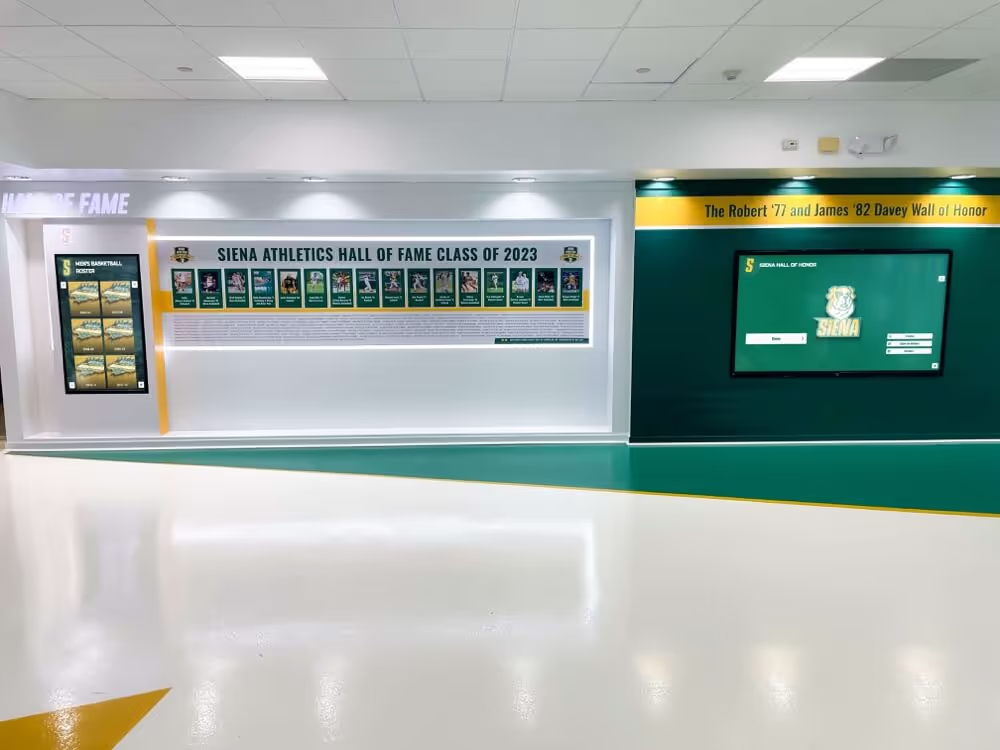
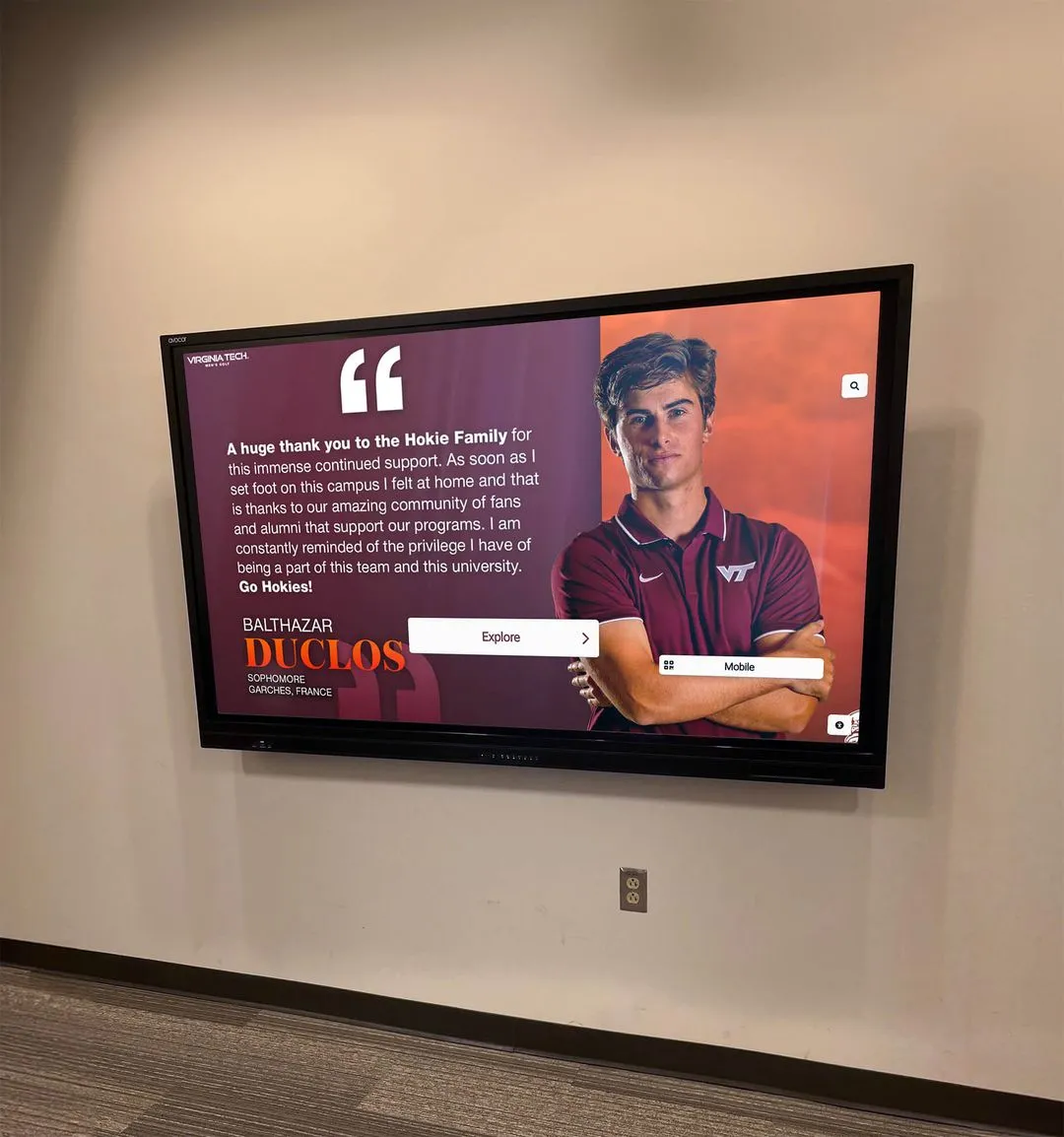
Modern arena displays bring sports legends and championship moments to life in high-traffic public spaces
Understanding Sports Recognition at Modern Professional Arenas
Understanding how professional sports facilities honor their history provides context for modern recognition approaches that build on tradition while addressing limitations inherent in traditional displays.
SAP Center: A Silicon Valley Sports Landmark
SAP Center at San Jose has served as a premier sports and entertainment venue since opening on September 7, 1993. According to Wikipedia, the arena was constructed at a cost of $162.5 million after San Jose voters approved a measure to allocate local taxes for arena construction in 1988. In 1991, soon after construction began, the NHL granted an expansion franchise to San Jose, establishing the venue as the home of the San Jose Sharks.
Evolution of SAP Center
The arena has undergone several name changes throughout its history, originally known as San Jose Arena from 1993 to 2001, then Compaq Center at San Jose from 2001 to 2002, and HP Pavilion at San Jose from 2002 to 2013. In June 2013, German software company SAP purchased the naming rights in a five-year deal worth $3.35 million per year, establishing the current SAP Center designation.
Modern Arena Technology at SAP Center
According to Mobile Sports Report, SAP Center has invested significantly in cutting-edge digital display technology:
- Center-Hung Display System: A reconfigured seven-display centerhung system with over 6,000 square feet of digital canvas, featuring four main video displays measuring approximately 23 feet high by 41 feet wide
- Ribbon Display: Installed along the seating fascia, measuring more than 3 feet high by 920 feet long
- Concourse Displays: Six “pendant” displays installed in the concourse with 2.5-millimeter pixel spacing
- LED Technology: Cutting-edge LED displays from Daktronics integrated with Cisco Vision IPTV display management system
This substantial investment in display technology demonstrates SAP Center’s commitment to modern fan experiences—establishing infrastructure that creates opportunities for comprehensive recognition programs complementing existing traditions.
The Fan Engagement Challenge
Professional venues accumulate recognition needs that extend far beyond what traditional displays can accommodate comprehensively:
Recognition Volume at Professional Arenas
- Decades of legendary players deserving detailed celebration
- Championship runs and playoff moments requiring documentation
- Record-breaking individual and team achievements
- Historic games and defining arena moments
- Franchise milestones and organizational evolution
- Community connections and cultural significance
- Corporate partnerships and donor recognition
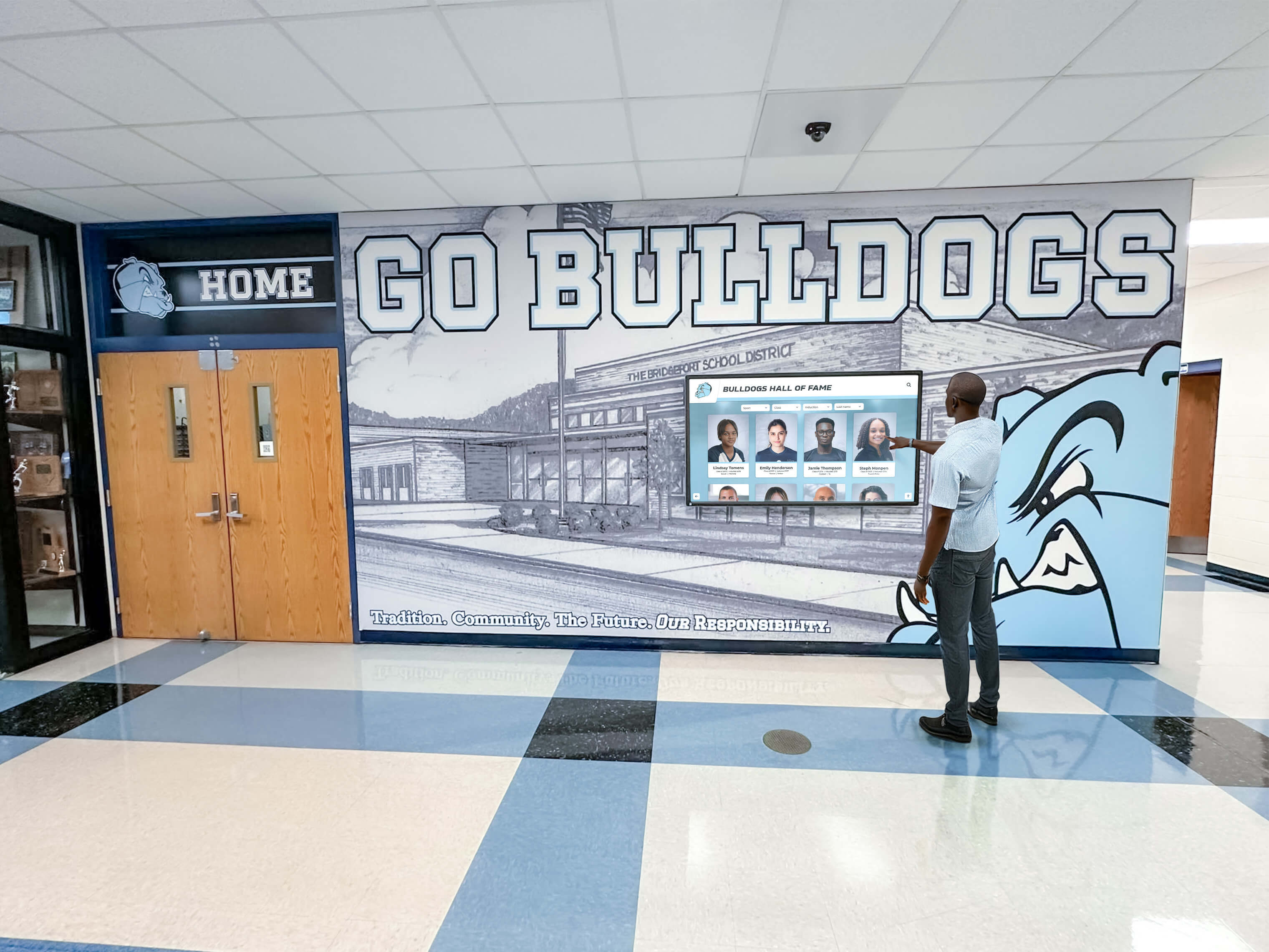
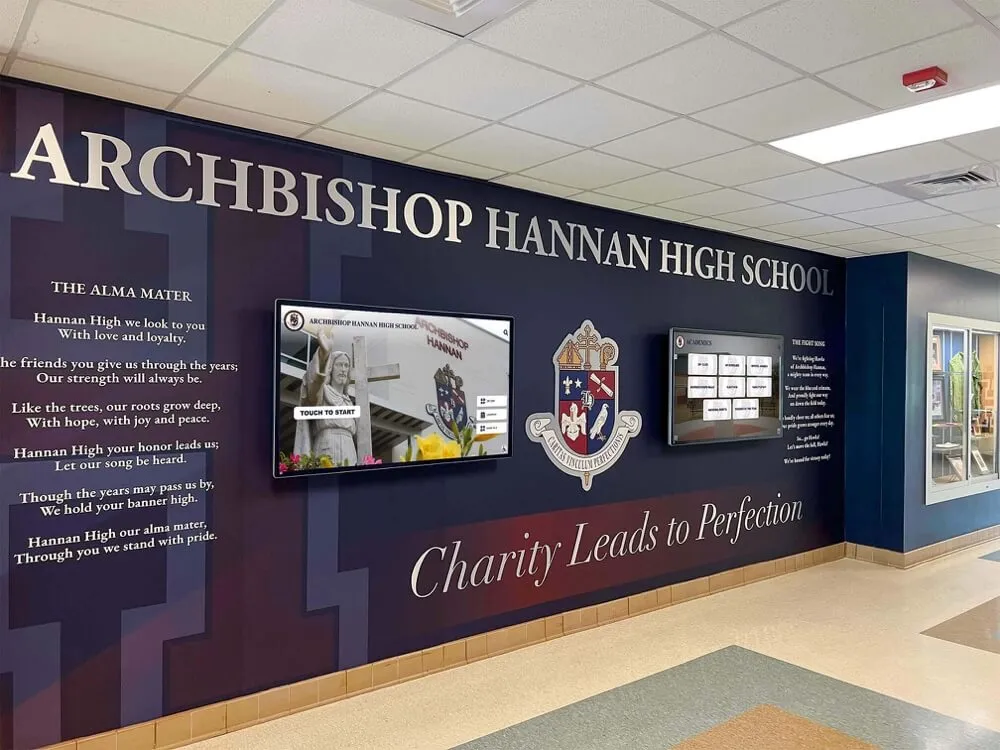
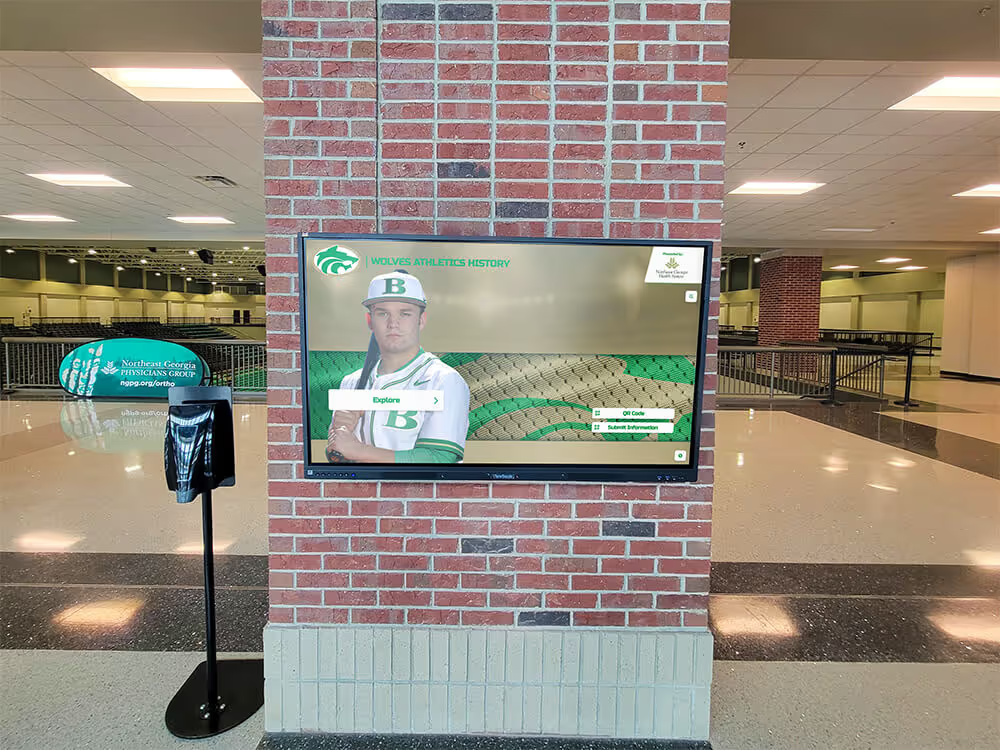
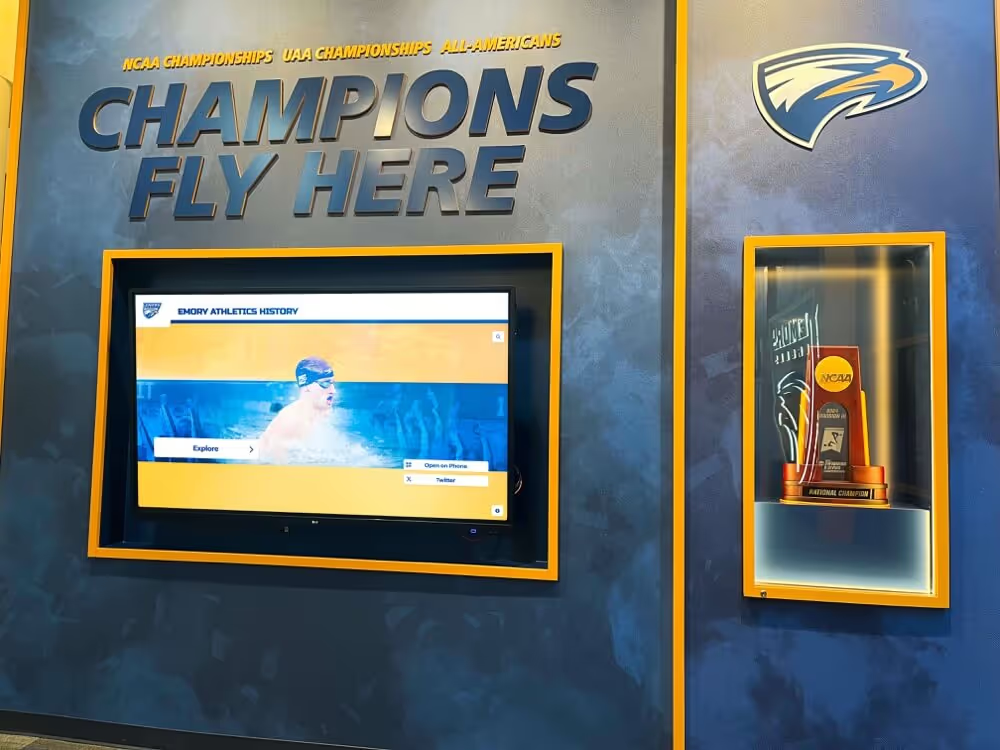
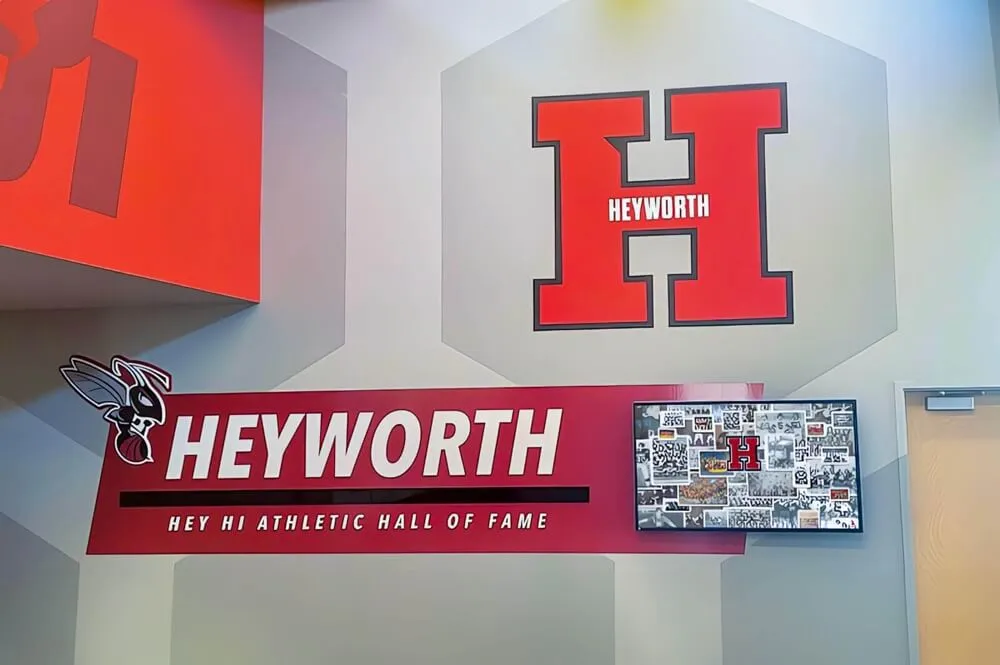
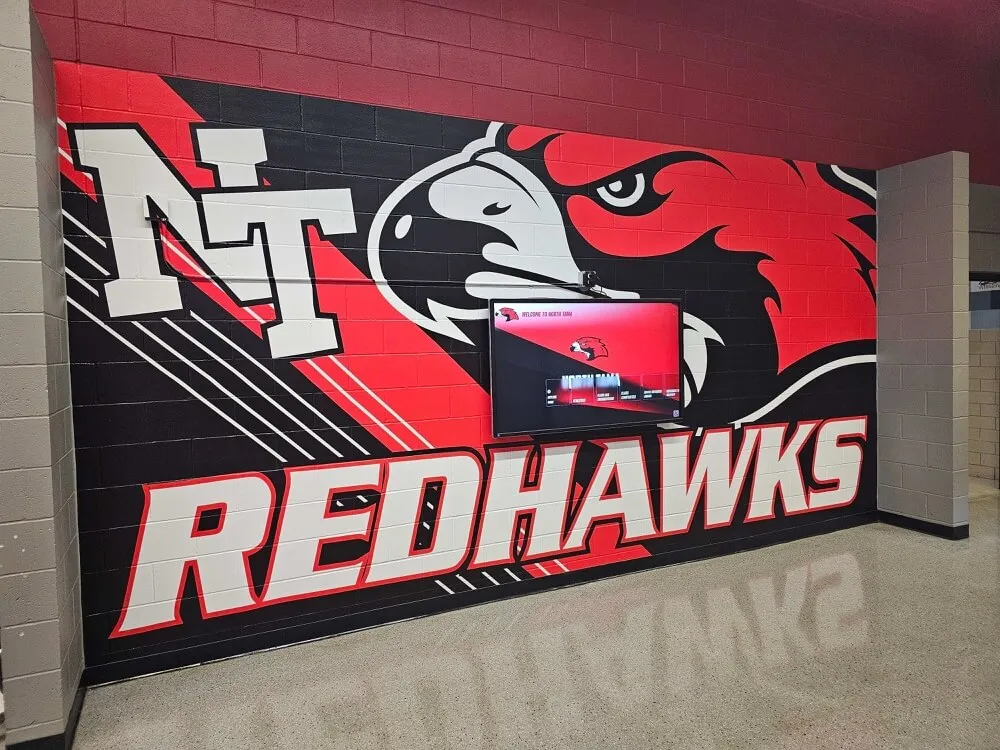
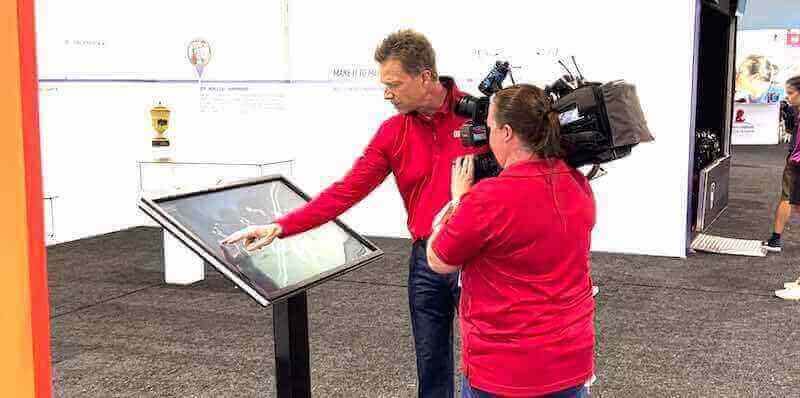
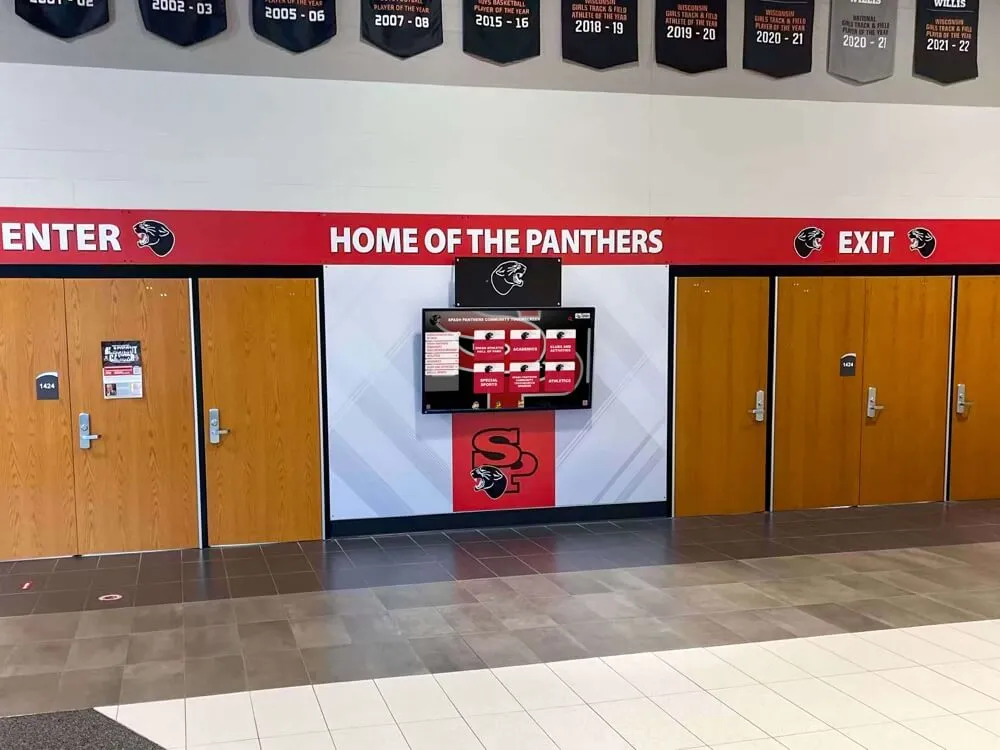
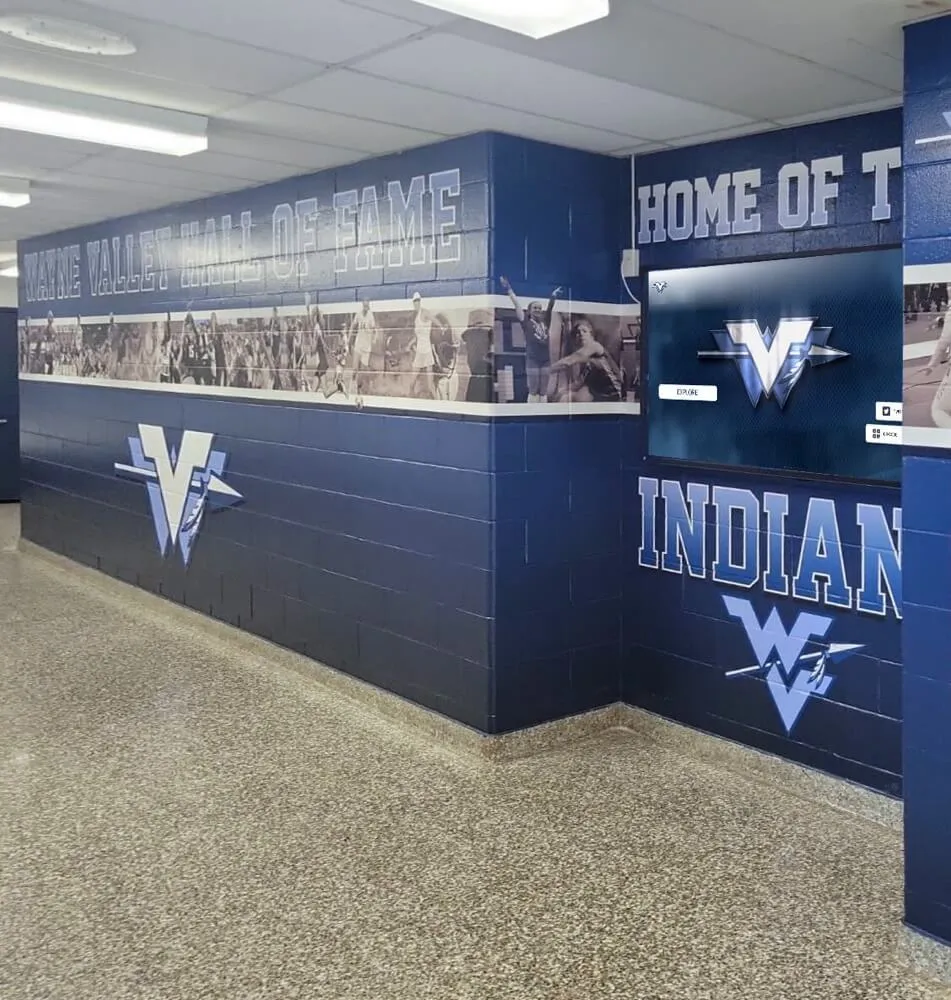
Interactive displays create engaging recognition experiences for fans throughout venue spaces
Evolving Fan Expectations
Modern sports fans expect immersive, interactive experiences that go beyond passive observation. According to stadium technology research, interactive displays and touchscreens in fan zones offer fans opportunities to engage with content, play games, and participate in polls or contests, keeping them engaged throughout events. Digital signage in sports venues has been found to enhance fan engagement by 55% and sponsor visibility by 40%.
These evolving expectations create opportunities for venues to implement comprehensive digital recognition that enhances traditional approaches while meeting contemporary fan demands for interactive, multimedia-rich experiences that celebrate sports heritage in engaging formats.
Learn about professional venue approaches in interactive touchscreen displays for courtrooms and public spaces that demonstrate systematic recognition implementation.
How Interactive Touchscreen Technology Transforms Arena Recognition
Modern digital recognition systems solve traditional limitations while creating enhanced fan engagement impossible with static displays alone.
Unlimited Recognition Capacity
Digital recognition systems like Rocket Alumni Solutions eliminate the fundamental space constraints facing traditional arena recognition:
Capacity Transformation
- Single touchscreen display can showcase detailed profiles for hundreds or thousands of athletes, teams, and historic moments
- Comprehensive multimedia content including photos, videos, statistics, and biographical narratives
- No need to sacrifice depth for breadth—every honoree receives complete celebration
- Equal display opportunity for legends from different eras regardless of when they competed
- Historical archives preserving complete venue and franchise history rather than edited highlights
- Ability to recognize diverse achievement categories from players to community contributors
This unlimited capacity ensures every deserving athlete, championship moment, and historic achievement receives appropriate recognition with the depth and detail modern fans expect from interactive experiences.

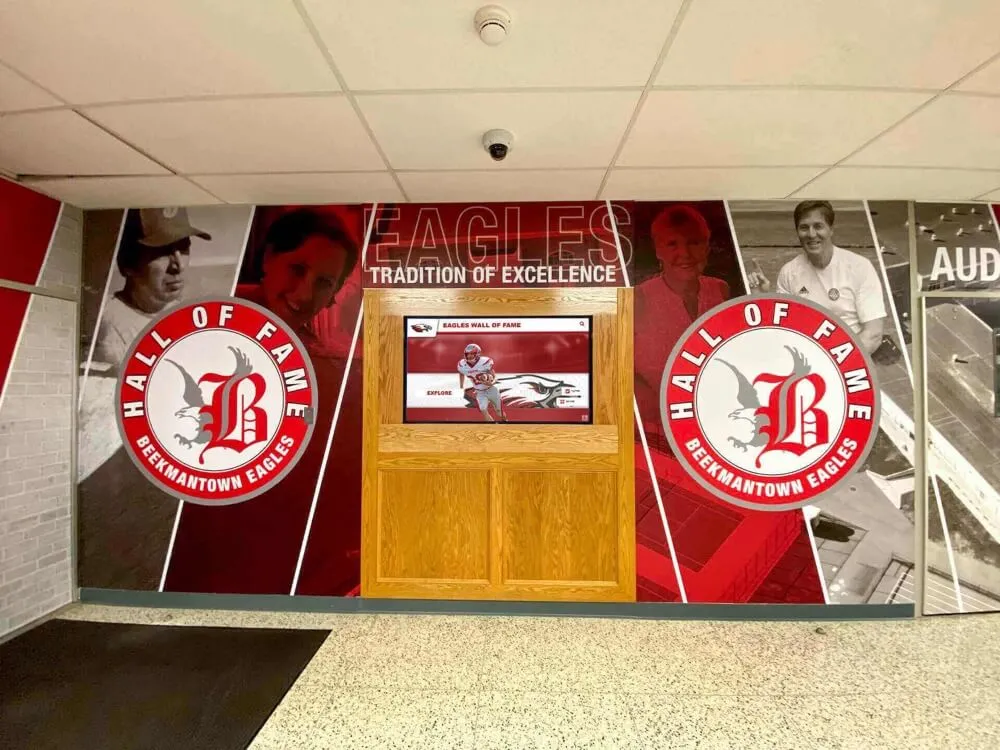
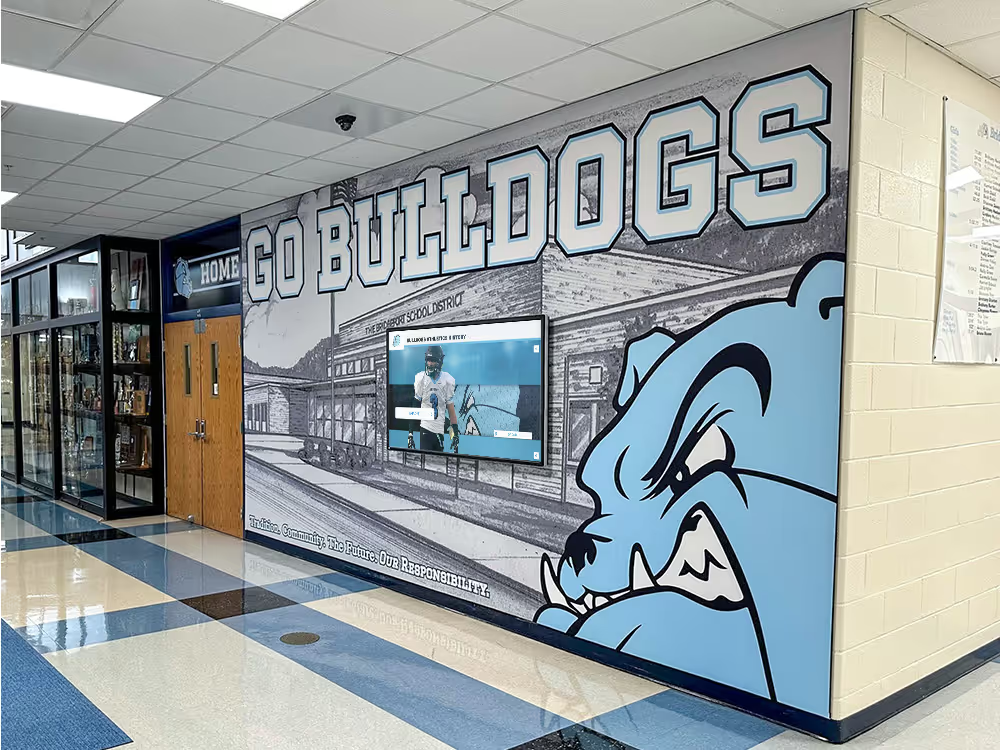
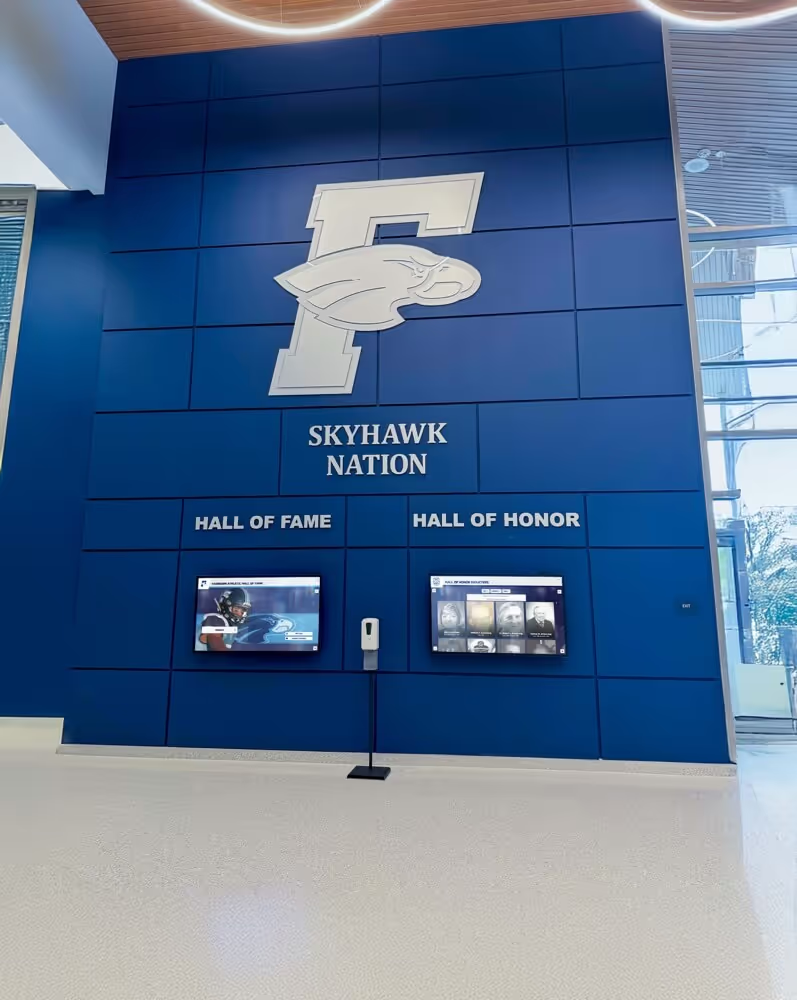
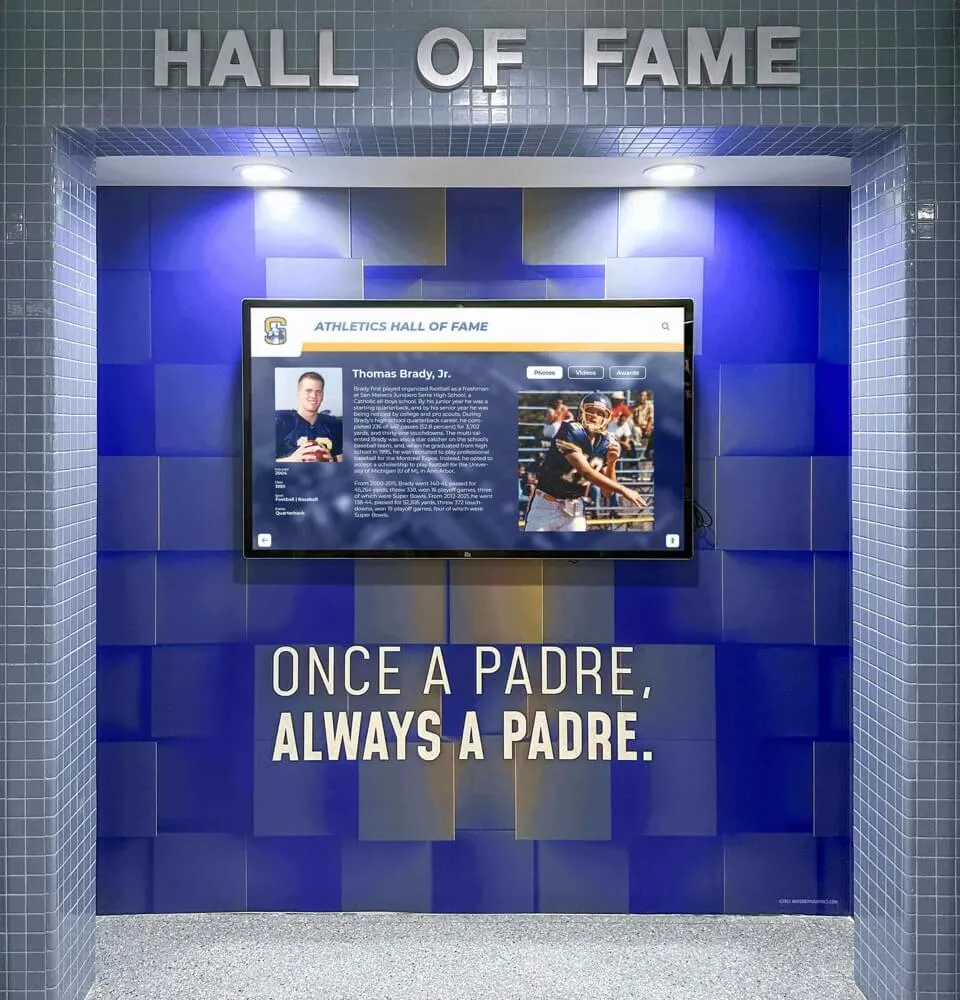
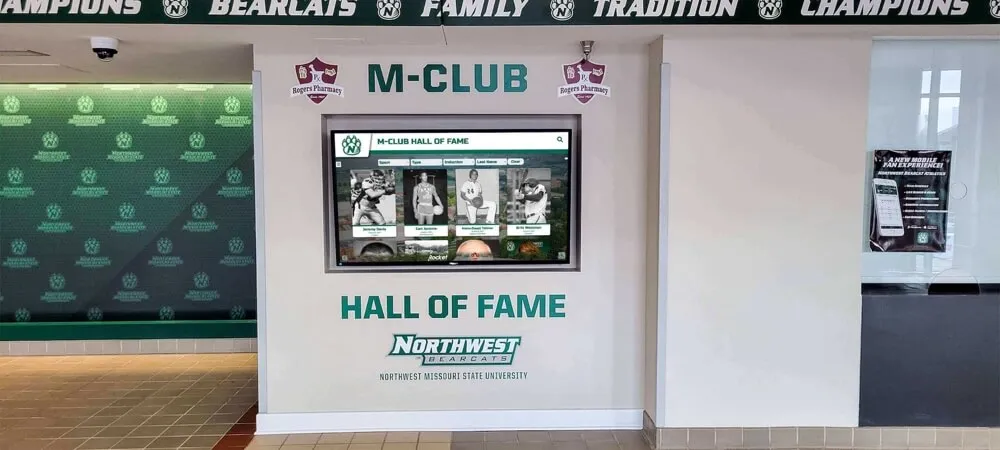
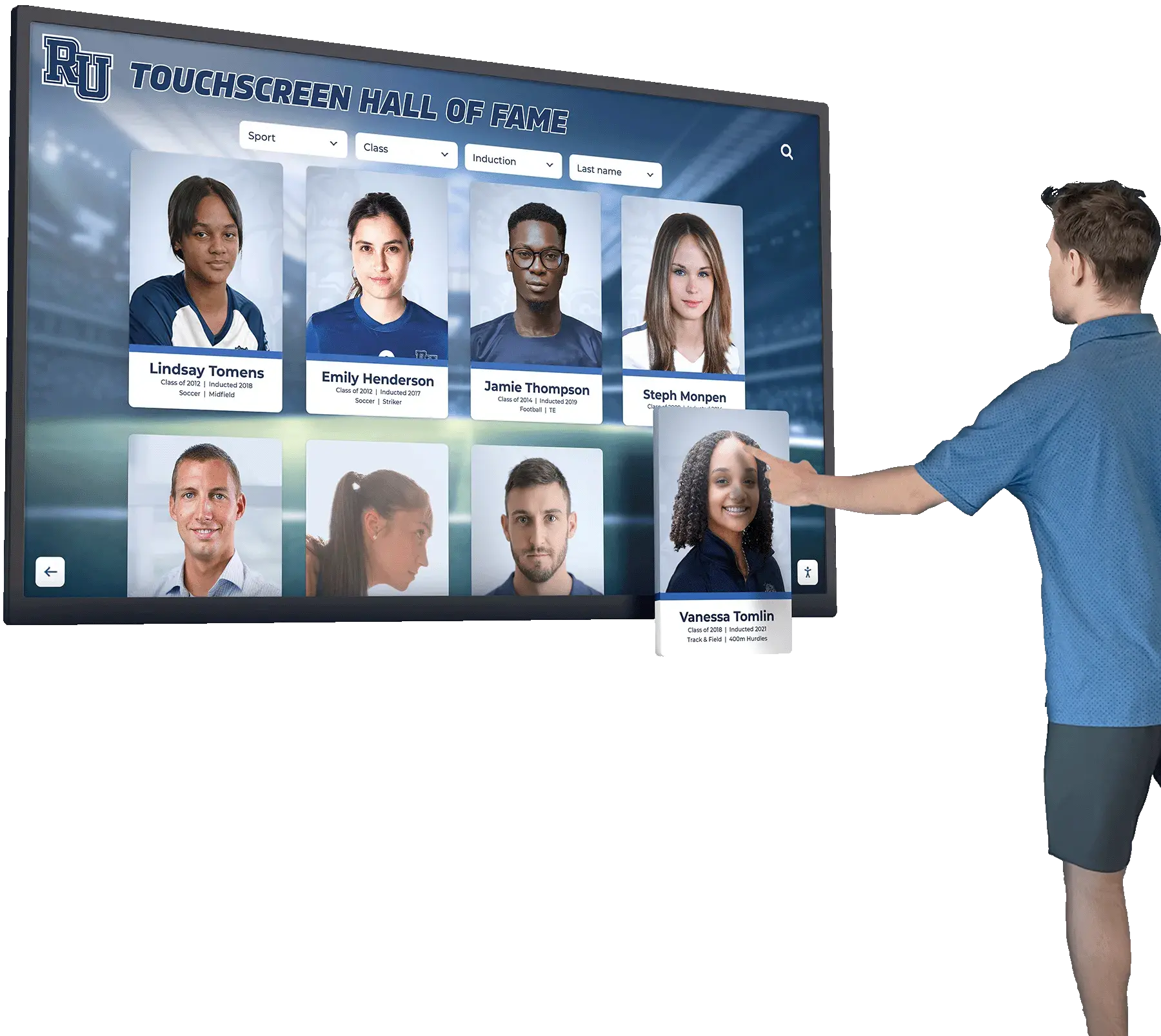
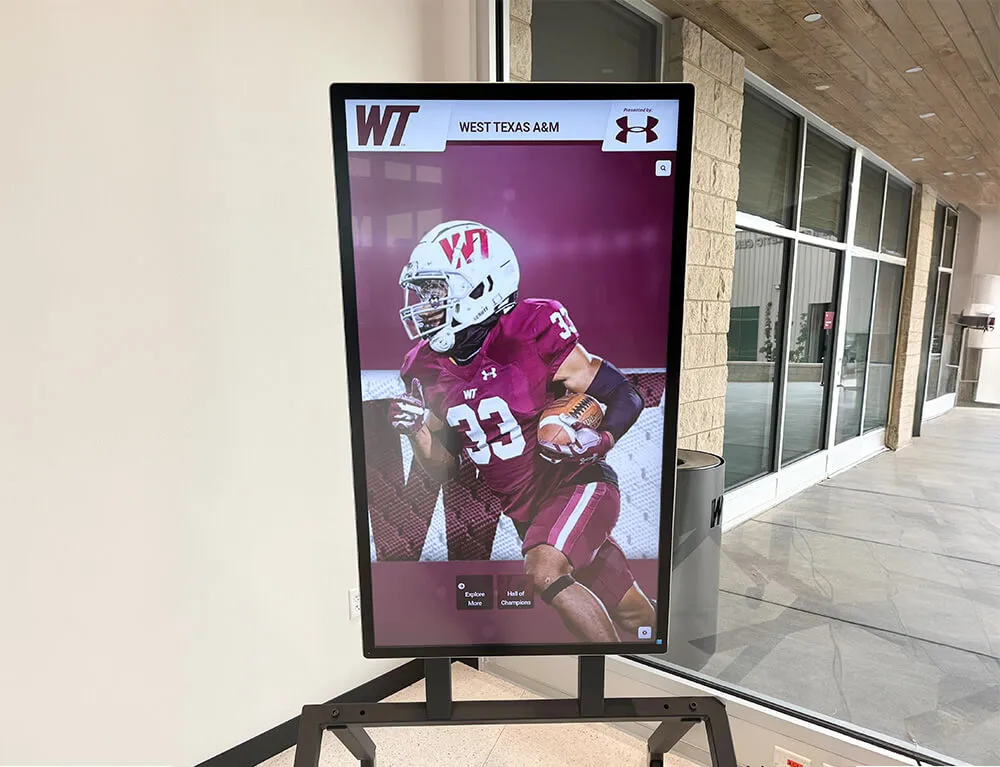
Touchscreen technology enables exploring unlimited athlete profiles and achievement details impossible with static displays
Enhanced Multimedia Fan Experiences
Beyond solving capacity constraints, digital platforms deliver recognition capabilities traditional displays cannot match:
Multimedia Recognition Features
- High-resolution photo galleries showing athletes throughout their careers
- Video highlights capturing championship moments, record-breaking performances, and memorable plays
- Complete career statistics and achievement documentation across all seasons
- Audio recordings of historic goal calls and memorable broadcast moments
- Newspaper clippings and media coverage from original achievement timeframes
- Interactive timelines showing career progression and franchise historical context
- Searchable interfaces enabling fans to find specific players, seasons, or achievements instantly
- Social sharing capabilities allowing fans to celebrate favorite legends and memorable moments
According to research from Intuiface on sports arena engagement, touch-enabled displays with real-time integrations turn fans from passive viewers into active participants, allowing them to vote on player of the game, explore personalized stats, or engage with augmented reality activations.
These enhanced capabilities transform simple name listing into comprehensive achievement celebration that engages visitors far longer than glancing at static plaques—creating recognition experiences that honor excellence more effectively while solving capacity and depth constraints simultaneously.
Professional Sports Arena Applications
Interactive touchscreen displays serve multiple functions within professional sports facilities beyond athlete recognition:
Comprehensive Arena Applications
- Player and Legend Recognition: Detailed profiles documenting careers, achievements, and franchise contributions
- Championship Documentation: Complete playoff run preservation with game-by-game details and defining moments
- Record Documentation: Systematic tracking of franchise records across all statistical categories
- Historic Moment Archives: Preserving and showcasing defining games, goals, and venue milestones
- Interactive Fan Experiences: Polls, trivia, and engagement features connecting fans to team history
- Wayfinding and Venue Navigation: Helping fans navigate facilities and access venue services
- Partner Recognition: Acknowledging corporate partners supporting venue and team operations
- Community Engagement: Highlighting local connections and cultural significance
This versatility makes interactive systems valuable across multiple organizational objectives—justifying investment through comprehensive utility rather than single-purpose recognition alone.
Explore integrated approaches in digital storytelling for athletic programs that transform sports recognition programs.
Implementing Interactive Recognition at Professional Sports Arenas
Whether operating major professional facilities or developing regional sports complexes, systematic approaches ensure successful recognition implementation.
Planning Comprehensive Recognition Systems
Content Strategy Development
Successful arena recognition begins with strategic content planning addressing scope and priorities:
Recognition Scope Decisions
- Which athlete categories deserve inclusion (Hall of Fame inductees, retired numbers, franchise leaders, All-Stars, etc.)
- What timeframe should recognition cover (complete franchise history versus recent eras)
- How to balance individual athlete recognition with team championships and organizational contributors
- Whether to include coaches, broadcasters, arena staff, and community contributors beyond players
- How to incorporate historic venue moments and memorable games
- What multimedia content types to prioritize (video highlights, statistics, biographical narratives)
- How to integrate with existing arena technology and display infrastructure
Clear scope definition prevents overwhelming implementation while ensuring systematic coverage of most important recognition categories that matter to fans and organizational stakeholders.

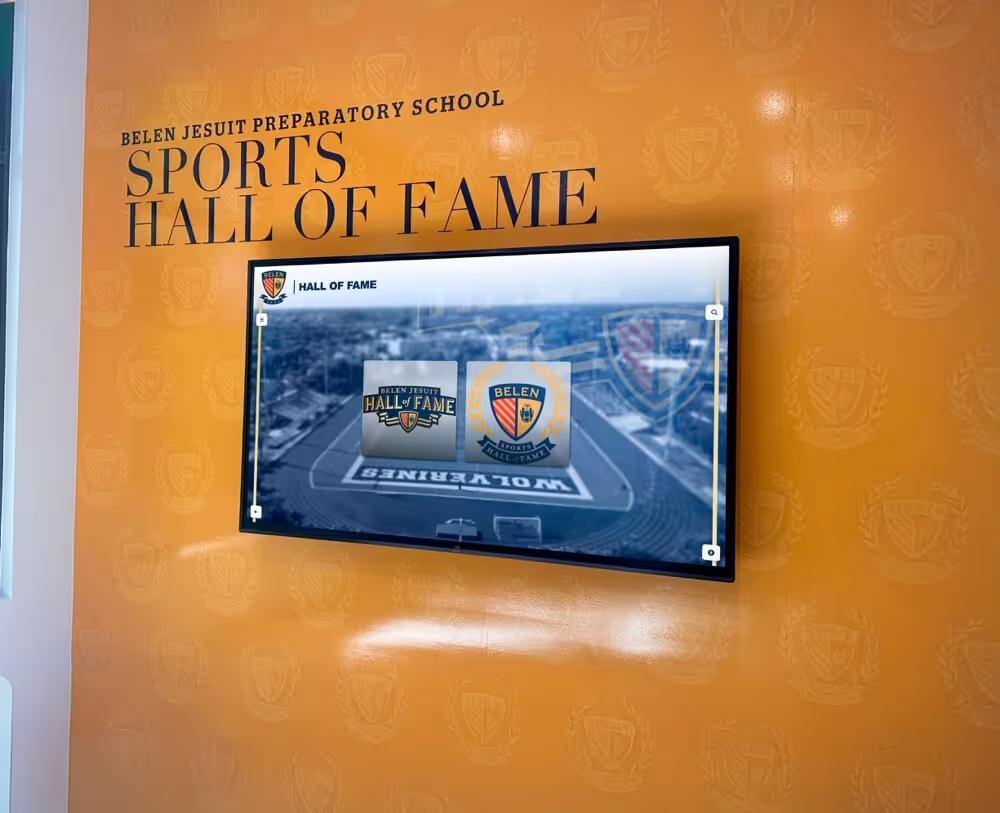
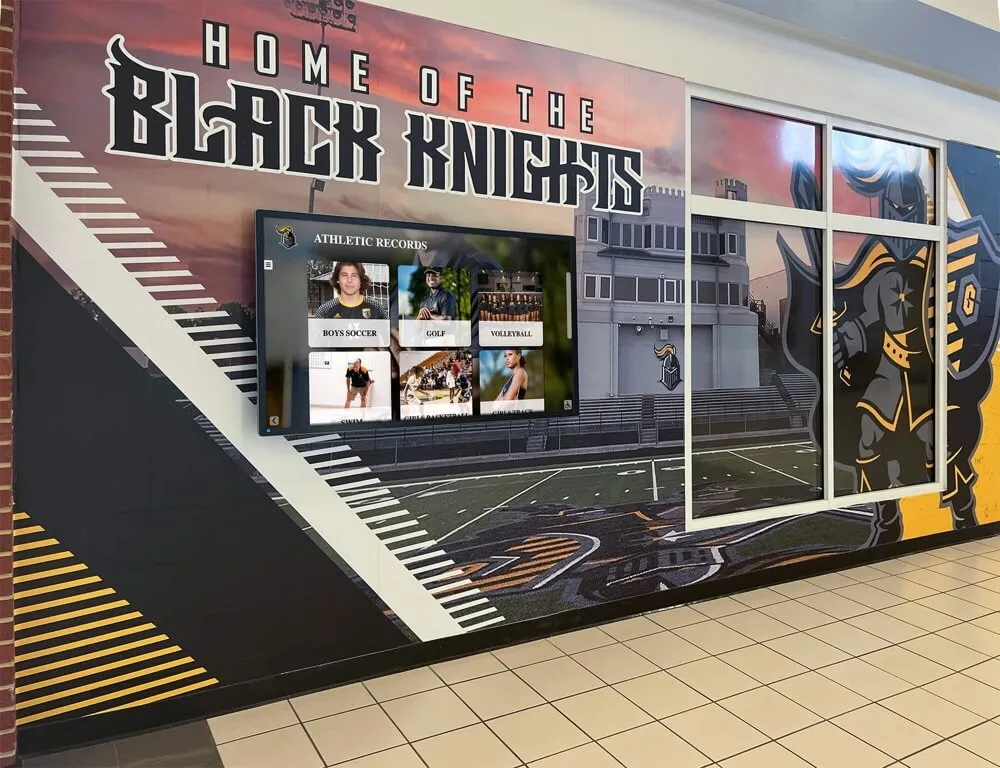
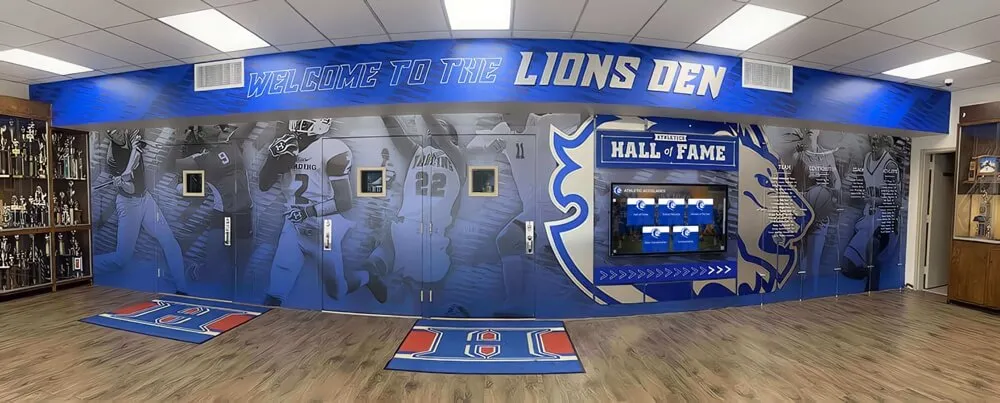
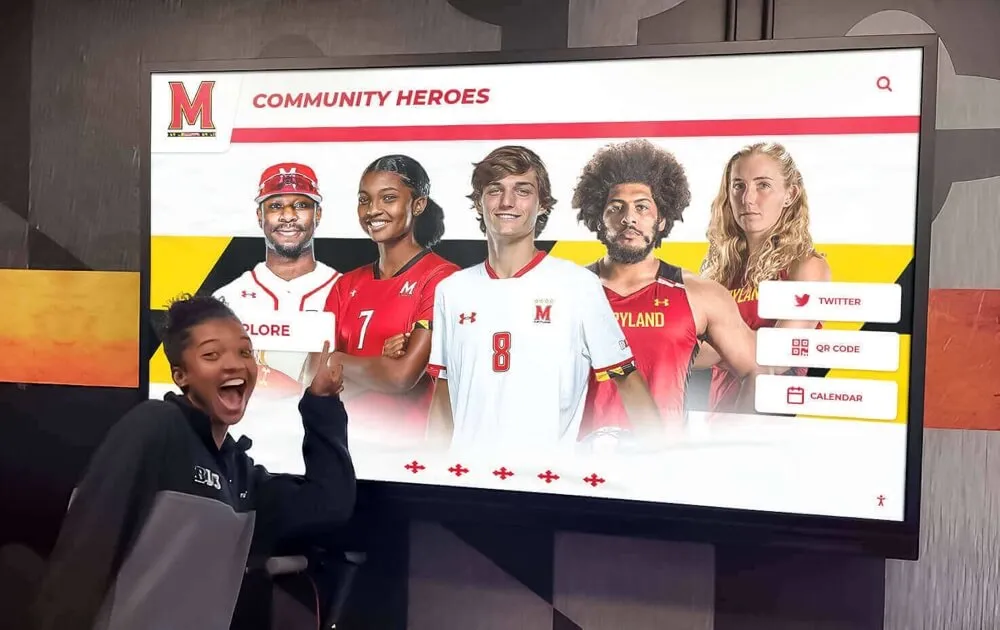
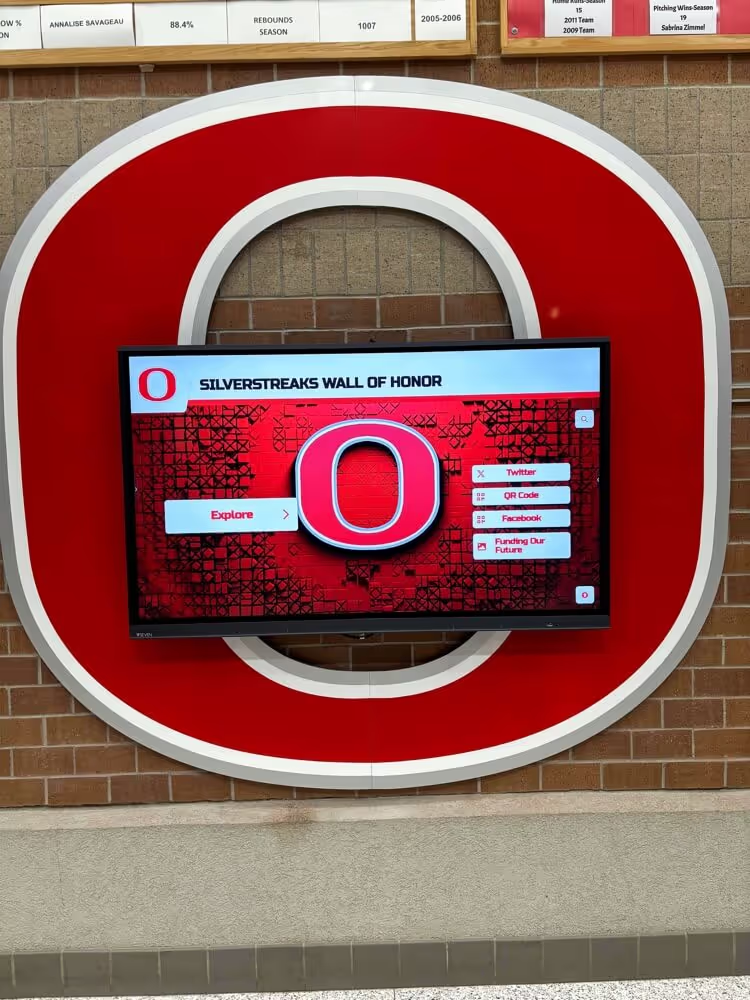
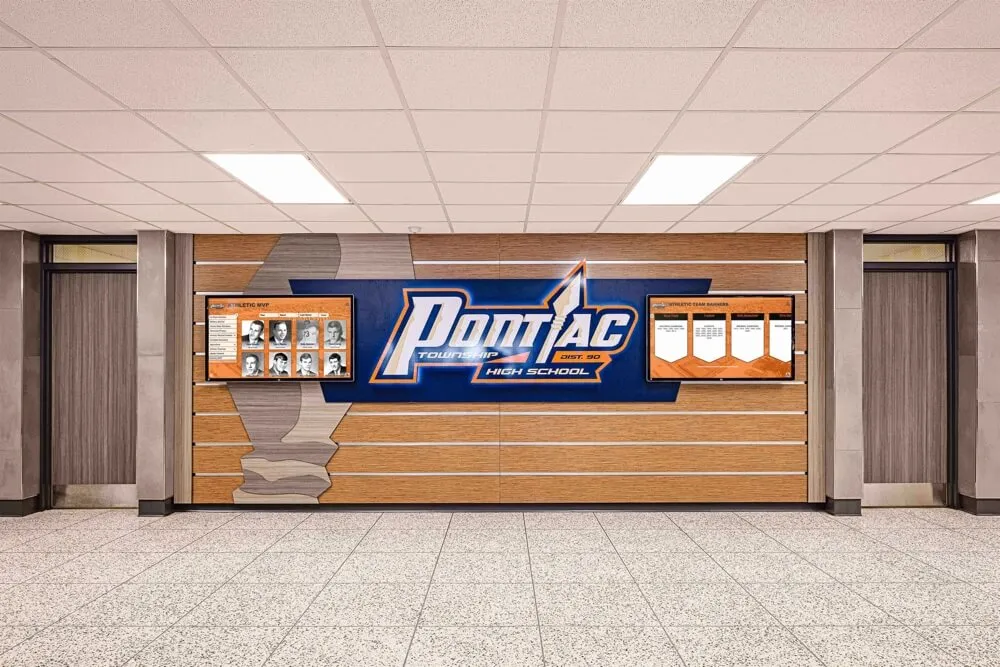
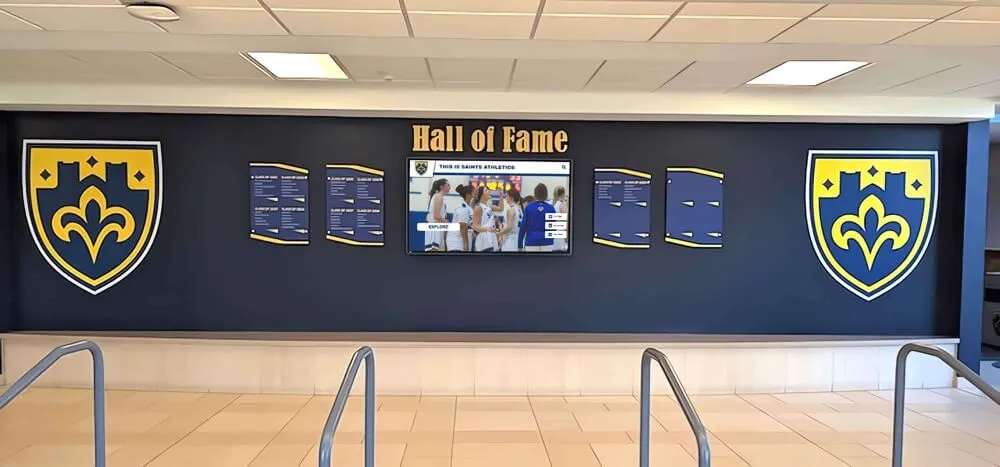
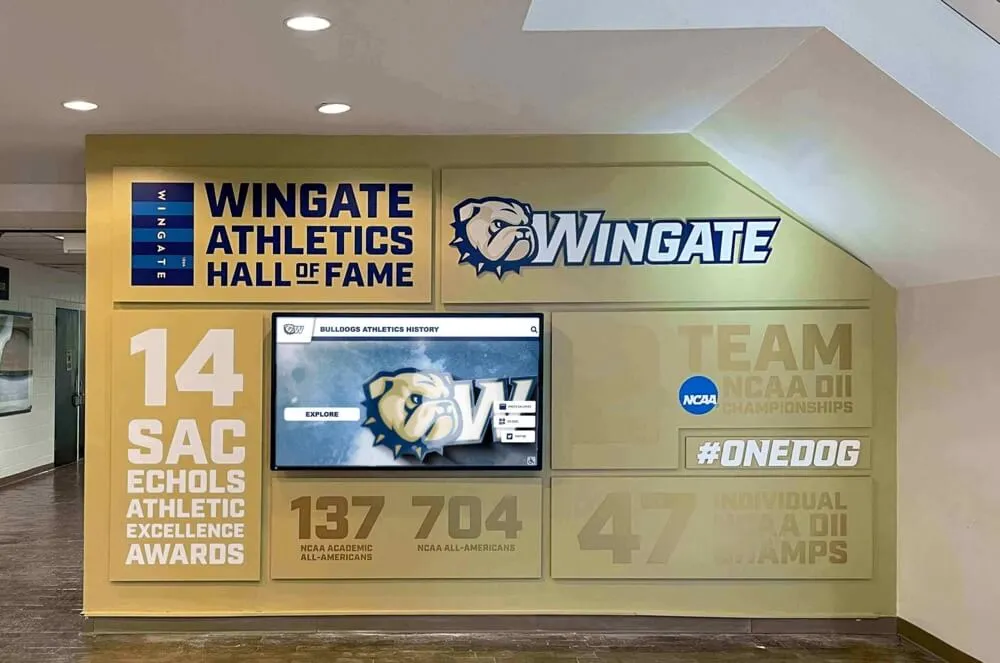
Professional installations create engaging recognition destinations throughout arena facilities
Historical Research Methodology
Comprehensive recognition requires systematic historical research:
Research Sources
- Official team media guides and statistical records documenting player careers
- League records and historical databases providing verified achievement information
- Newspaper archives containing contemporary game coverage and player features
- Broadcast archives preserving historic game footage and memorable moments
- Team archives including programs, yearbooks, and historical documentation
- Player and family outreach gathering personal stories, photos, and memorabilia
- Sports historian consultation ensuring accuracy and completeness
- Arena records documenting facility milestones and memorable events
- Community archives capturing cultural significance and local connections
Organizations should allocate appropriate time for comprehensive historical documentation depending on franchise age and available records—foundational investment ensuring recognition accuracy and completeness that honors athletes appropriately.
Technology Platform Selection
Evaluating Recognition Solutions
Purpose-built sports recognition platforms offer significant advantages over generic digital signage:
Essential Platform Capabilities
- Cloud-based content management enabling remote updates without physical display access
- Sports-specific templates and taxonomies organizing content by position, season, and achievement type
- Unlimited media storage supporting extensive video highlight and photo archives
- Intuitive interfaces requiring no technical expertise for ongoing management by arena staff
- Mobile-responsive design ensuring web access for fans worldwide
- Robust search and filtering enabling content discovery in large athlete databases
- Social sharing integration facilitating organic fan promotion and engagement
- Analytics revealing engagement patterns informing content strategy optimization
- Integration capabilities with existing arena technology and display systems
Solutions like Rocket Alumni Solutions provide these specialized capabilities while delivering comprehensive implementation support ensuring successful launches—critical advantages over attempting to adapt generic digital signage systems for complex sports recognition purposes requiring sustained management and updates.
Learn about platform selection in touchscreen kiosk software for recognition displays comparing different technology approaches and implementation considerations.
Hardware and Installation Considerations
Display Specifications
Appropriate hardware significantly impacts fan experience:
Technical Requirements
- Commercial-grade displays rated for continuous operation in high-traffic environments
- Touchscreen capabilities supporting intuitive interactive functionality
- Display sizes appropriate for viewing distances (55"-75" typical for high-traffic areas)
- High brightness levels suitable for arena lighting conditions and viewing angles
- Mounting options (wall-mounted, freestanding kiosks, or architectural integration)
- Connectivity supporting cloud content delivery and real-time updates
- Extended warranty coverage appropriate for professional arena installations
- Vandal-resistant design for public high-traffic areas
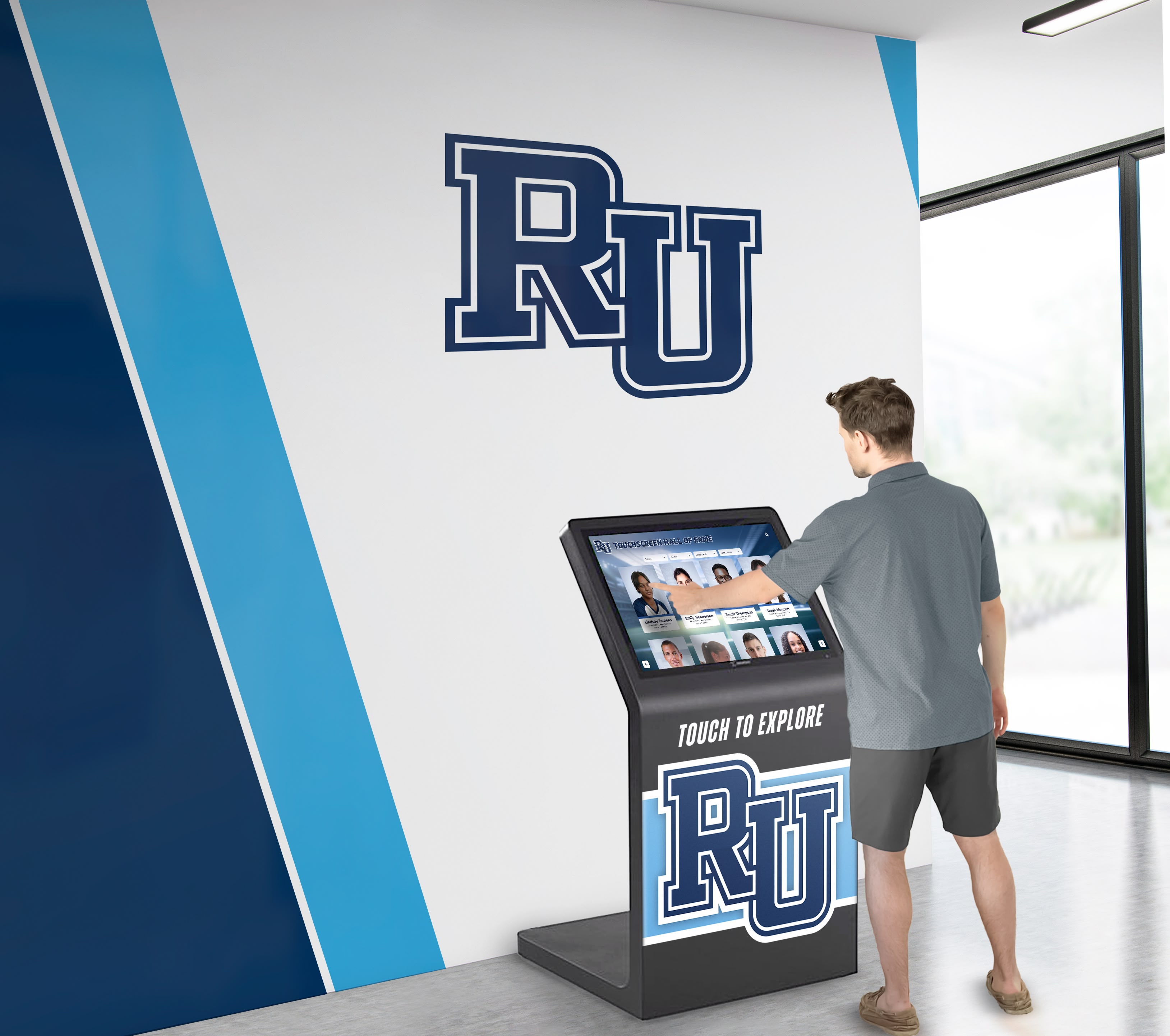
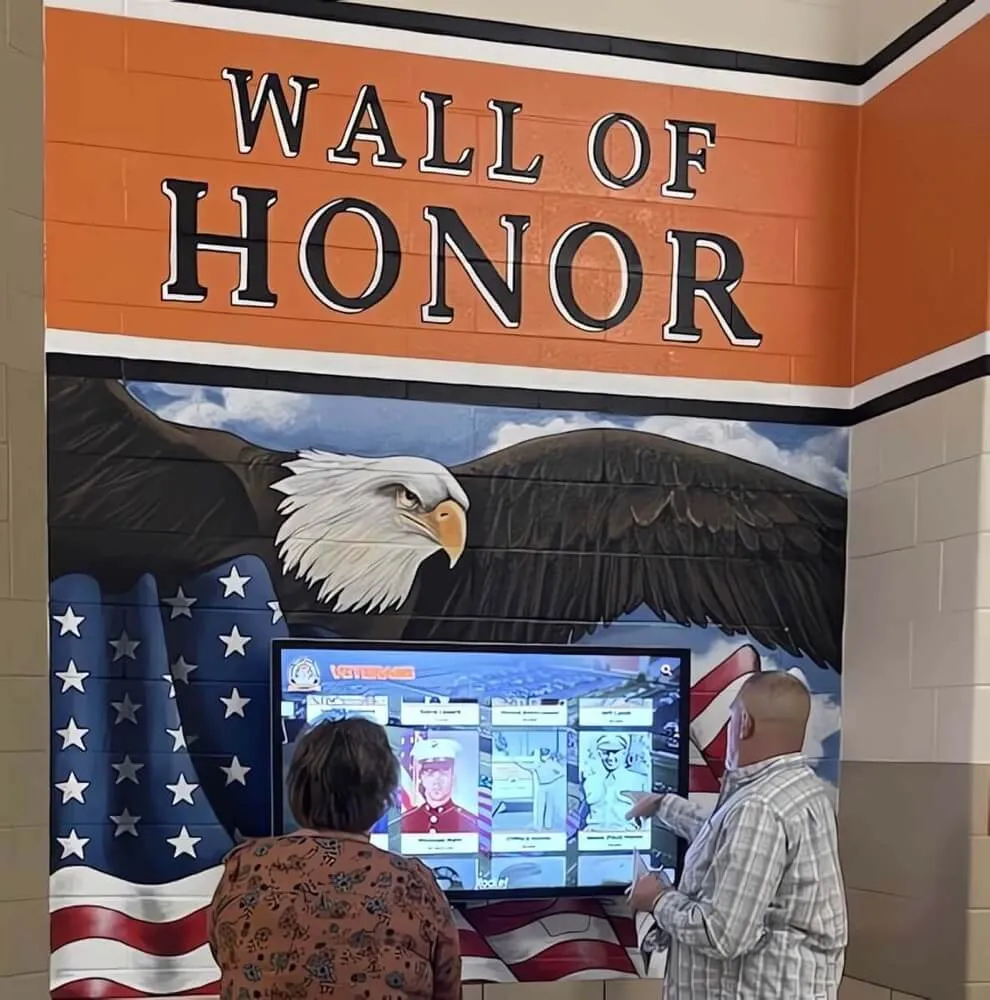
Strategic placement creates recognition destinations where fans naturally gather and engage
Strategic Placement
Display location dramatically affects engagement and recognition impact:
Optimal Placement Locations for Professional Arenas
- Main entrance lobbies ensuring all visitors encounter recognition immediately upon arrival
- Concourse areas with high pedestrian traffic and natural dwell time during events
- Hall of fame rooms or dedicated recognition spaces near trophy displays and memorabilia
- Premium suites and club areas for enhanced donor and VIP engagement experiences
- Team store areas where fans browse merchandise and celebrate team heritage
- Community spaces accessible during non-game events, facility tours, and public programs
- Multiple distributed locations reaching diverse fan segments throughout large arena facilities
- Integration with wayfinding systems providing comprehensive venue navigation
Professional installation ensuring secure mounting, clean cable management, and appropriate viewing heights justifies investment preventing future problems from inadequate installations that compromise user experience or safety in high-traffic environments.
Creating Comprehensive Player and Legend Profiles
Effective recognition moves beyond basic statistics to capture complete stories honoring athletic excellence appropriately.
Essential Profile Components
Biographical Documentation
Comprehensive player profiles should include:
Core Information
- Full name, jersey number, position, and years with franchise
- Complete career statistics including regular season and playoff achievements
- Franchise records held and statistical rankings in team history
- Individual honors (All-Star selections, awards, league recognition)
- Memorable games and defining moments in player’s career
- Draft information or signing details documenting path to team
- Post-playing career accomplishments and current activities
- Personal quotes and reflections when available from interviews
- Family background and community connections when appropriate
Multimedia Content Standards
Professional presentation requires quality standards:
Content Guidelines
- High-resolution action photographs from games (minimum 1920x1080 resolution)
- Portrait photos for profile displays showing players in team uniform
- Video highlights (1080p HD minimum) capturing signature plays and memorable moments
- Historical footage properly formatted and enhanced for modern display
- Newspaper clippings and media coverage documentation from achievement timeframes
- Audio clips from memorable goal calls, interviews, or player commentary
- Proper rights clearance for photos, video, and broadcast content
- Consistent formatting and quality standards across all player profiles
Organizations should develop content creation workflows ensuring consistent quality across all player profiles—maintaining professional standards comparable to the recognition these achievements deserve and fan expectations for modern interactive experiences.
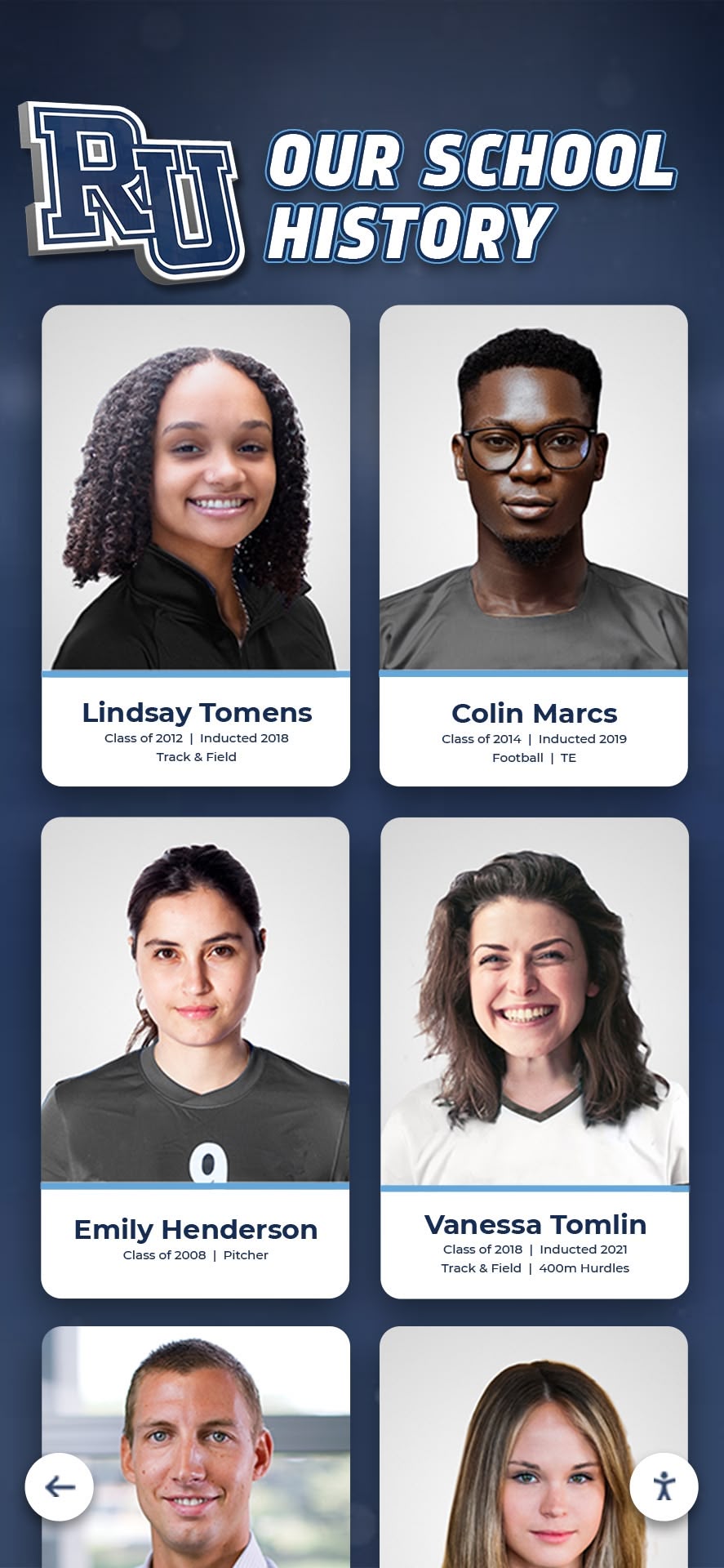
Systematic documentation preserves complete athletic legacies across all eras and achievement categories
Storytelling Best Practices
Narrative Development
Effective profiles tell complete stories beyond statistics alone:
Story Elements
- Journey to professional sports and path to the franchise
- Defining moments and career highlights that fans remember decades later
- Playoff performances and championship season contributions
- Relationships with teammates and impact on franchise culture
- Records achieved and statistical milestones reached during career
- Memorable goals, assists, saves, or signature plays defining their legacy
- Overcoming adversity, injuries, or challenges throughout career
- Legacy and influence on franchise history and younger players
- Post-career contributions to sport, franchise, or local community
- Personal anecdotes and human interest stories connecting with fans
This narrative approach transforms statistical documentation into inspiring stories that resonate with fans while appropriately honoring player excellence and franchise contributions that make sports recognition meaningful.
Learn about comprehensive player recognition in Olympic athlete digital hall of fame approaches with detailed approaches to honoring complete athletic journeys.
Connecting Arena Recognition to Fan Engagement
Interactive recognition displays serve functions beyond athlete celebration—creating fan connections and engagement opportunities that strengthen relationships with team and venue.
Fan Experience Enhancement
Interactive Engagement Features
Modern recognition systems transform passive viewing into active fan engagement:
Fan Interaction Opportunities
- Searchable player databases enabling fans to find favorite legends instantly by name, position, or era
- Statistical leaderboards comparing players across complete franchise history
- Interactive timelines exploring team history chronologically from inception to present
- Quiz games testing hockey knowledge about team history, players, and memorable moments
- Virtual voting for all-time greatest players, goals, saves, or defining franchise moments
- Social sharing celebrating favorite players and memorable achievements across fan networks
- Mobile integration extending engagement beyond physical arena displays to worldwide fan access
- Real-time content updates during game days connecting current action to historical context
- Photo opportunities and augmented reality experiences with legendary players
According to research on stadium digital signage and fan experience, interactive displays and touchscreens offer fans opportunities to engage with content throughout events, with touch screen technology enabling active participation that fosters community among attendees and strengthens emotional connections to teams and venues.
These interactive features significantly increase fan dwell time and satisfaction—creating memorable experiences that strengthen emotional connections to teams, players, and venues while transforming recognition from documentation to engagement.
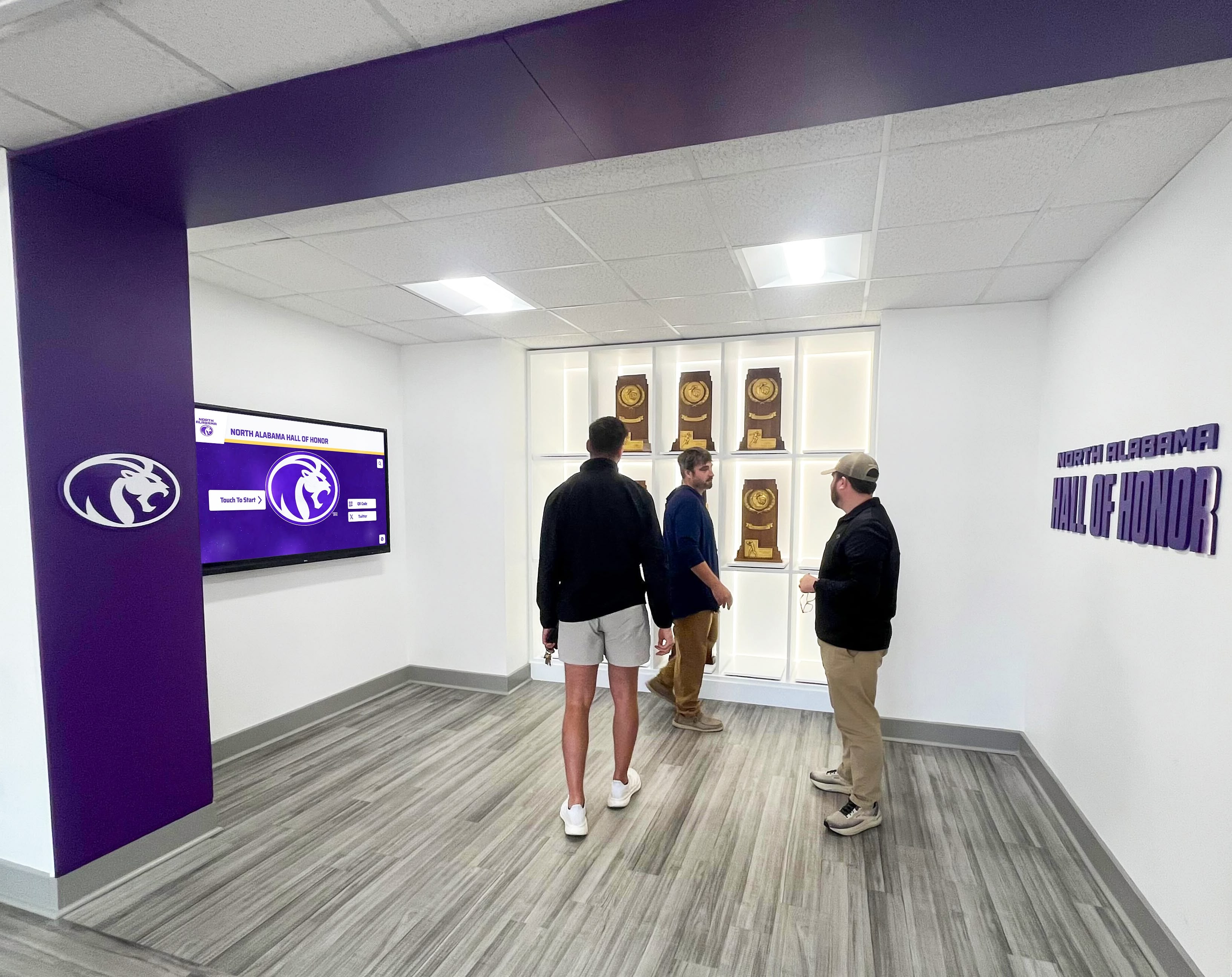
Recognition displays create gathering spaces where fans connect around shared sports tradition and excellence
Educational Programming and Youth Development
Youth Sports Inspiration
Sports recognition creates powerful youth development opportunities:
Educational Applications
- Character education using player stories demonstrating perseverance, teamwork, and dedication
- Goal-setting workshops based on legendary player journeys from youth hockey to professional leagues
- Behind-the-scenes content showing preparation, training commitment, and professional development
- Academic achievement emphasis highlighting education alongside athletic excellence
- Career exploration showing diverse pathways beyond playing professional sports
- Mentorship connections between current youth players and franchise alumni
- Community service examples from players giving back to local youth programs
- Leadership development lessons from team captains and franchise leaders
- Overcoming adversity stories demonstrating resilience and determination
These educational dimensions transform recognition from nostalgia to active youth development—creating measurable community impact justifying recognition investment beyond fan experience or historical preservation considerations alone.
Explore youth development connections in academic recognition programs demonstrating systematic approaches that inspire future generations.
Special Considerations for Professional Sports Arenas
Recognition approaches should adapt to specific facility types and organizational contexts unique to professional sports.
Professional Hockey Arena Recognition
NHL and Professional Arena Considerations
Large professional facilities face unique recognition challenges and opportunities:
Professional Arena Factors
- Extensive player rosters spanning decades of franchise history
- Multiple playoff runs, memorable games, and championship aspirations requiring documentation
- Diverse stakeholder interests including fans, players, sponsors, alumni, and community
- High production value expectations matching professional team brand standards
- Integration with existing arena technology and digital infrastructure
- Corporate partnership opportunities supporting recognition investment
- Multi-location distribution reaching fans throughout large arena facilities
- Game-day activation opportunities during pregame, intermissions, and special events
- Season ticket holder and VIP engagement through premium area installations
- Community access during non-game events, facility tours, and public programs
Professional arenas should consider appropriate investment for comprehensive recognition systems including multiple displays, professional content development, and ongoing platform management—justified by fan engagement enhancement, sponsorship opportunities, and franchise heritage preservation that strengthens community connections and team identity.
Integration with Existing Arena Technology
Technology Ecosystem Considerations
Modern arenas like SAP Center have substantial existing technology investments:
Integration Opportunities
- Connectivity with arena-wide WiFi and network infrastructure
- Coordination with existing Cisco Vision or similar display management systems
- Content synchronization with centerhung displays and ribbon boards
- Mobile app integration extending recognition to fan smartphones and tablets
- Social media platform connections for organic content sharing and promotion
- Ticketing system integration for personalized fan experiences based on attendance history
- Loyalty program connections rewarding fan engagement with recognition content
- Analytics integration providing comprehensive fan behavior insights
Successful recognition implementations consider these existing technology ecosystems—creating seamless experiences that leverage substantial arena technology investments while adding complementary interactive recognition capabilities.
Learn about comprehensive planning in digital hall of fame touchscreen solutions with approaches applicable across venue types.
Maintaining and Updating Arena Recognition Systems
Long-term success requires sustainable management processes ensuring displays remain current, accurate, and engaging for fans.
Ongoing Content Management
Regular Update Workflows
Establish systematic processes maintaining recognition currency:
Update Procedures
- Designate specific arena staff responsible for content management and platform administration
- Create standard documentation procedures following player milestones, retirements, and hall of fame inductions
- Schedule content reviews ensuring accuracy and completeness throughout season
- Update player profiles with post-career accomplishments, broadcasting roles, or organizational contributions
- Add new recognition categories as franchise evolves and creates new traditions
- Refresh multimedia content with improved footage, photos, and interviews as available
- Monitor analytics identifying popular content and fan engagement patterns informing strategy
- Coordinate with team communications and media relations for consistent messaging
- Leverage off-season periods for major content updates and system enhancements
Cloud-based management systems enable remote updates from any internet-connected device—dramatically reducing administrative burden compared to physical displays requiring on-site access, manufacturing coordination, and installation for every modification or addition.
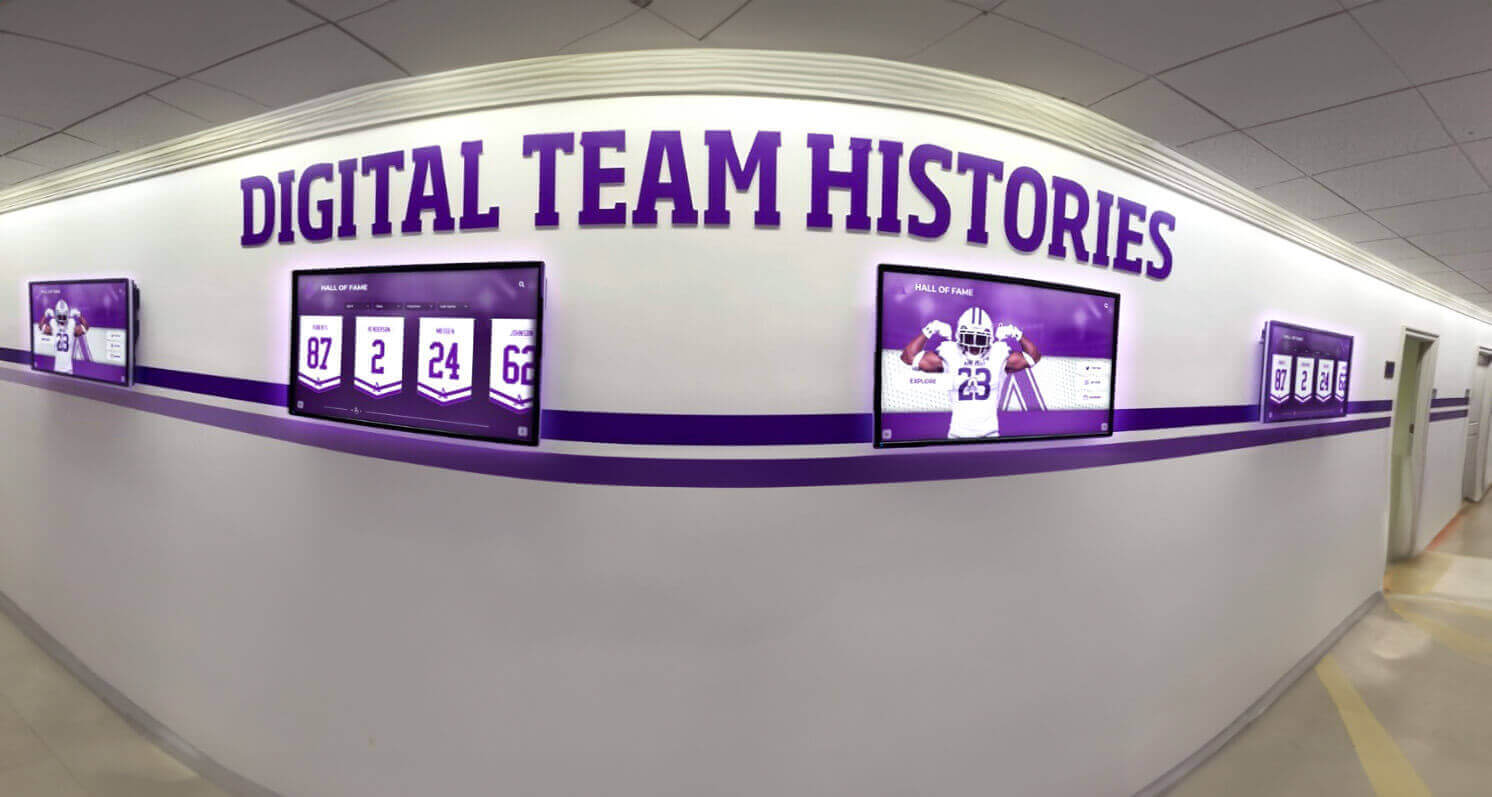
Systematic management ensures recognition remains current, accurate, and engaging across all display locations
Technical Maintenance and Support
System Reliability
Professional recognition requires ongoing technical maintenance:
Maintenance Requirements
- Display hardware monitoring ensuring continuous operation during games and events
- Software updates implementing new features, security patches, and performance improvements
- Content backup protecting against data loss and enabling disaster recovery
- Network connectivity verification supporting remote management and real-time updates
- Technical support access resolving issues promptly to minimize display downtime
- Hardware warranty and replacement planning for long-term system reliability
- Analytics review informing content and engagement strategies based on actual fan usage
- Integration testing ensuring compatibility with evolving arena technology systems
- Seasonal preparation ensuring displays perform reliably during high-traffic playoff periods
Organizations should budget appropriately for platform subscriptions and technical support—ensuring recognition systems remain reliable and effective long-term rather than becoming abandoned technology investments that fail to deliver ongoing value.
Measuring Recognition Program Success
Assessment demonstrates recognition value while identifying improvement opportunities ensuring displays achieve intended objectives.
Quantitative Engagement Metrics
Digital Platform Analytics
Modern recognition systems provide concrete engagement data:
Measurable Indicators
- Display interaction frequency and average session duration during game days and off-days
- Most-viewed players and content revealing fan interests and favorite legends
- Search patterns showing how fans navigate recognition archives and discover content
- Peak usage times informing content scheduling and promotional strategies
- Geographic web access patterns revealing fan engagement beyond local market
- Social sharing frequency demonstrating organic promotion and content virality
- Web platform visit counts and traffic sources understanding content discovery
- Feature utilization tracking revealing which interactive elements engage fans most effectively
- Return visitor patterns indicating sustained fan interest and engagement
These metrics reveal whether recognition generates intended fan engagement or requires strategy adjustments improving effectiveness and demonstrating clear value to organizational stakeholders.
Program Impact Indicators
Organizations can track broader metrics potentially influenced by recognition:
Impact Measures
- Fan survey responses about arena experience satisfaction and team connection
- Social media engagement, sentiment, and fan-generated content related to team history
- Media coverage of recognition programs and hall of fame ceremonies
- Community awareness of franchise history and legendary players
- Sponsorship value and corporate partnership interest in recognition opportunities
- Merchandise sales of throwback jerseys and historic player items
- Facility tour requests and community engagement with team heritage
- Season ticket holder retention and satisfaction with arena experience
- Youth program enrollment and participation in team-affiliated programs
Positive trends following recognition implementation suggest displays contribute to organizational objectives beyond simple player celebration—strengthening fan relationships, community connections, and franchise brand value.
Qualitative Assessment
Stakeholder Feedback
Regular feedback provides insights beyond quantitative metrics:
Feedback Sources
- Fan reactions and testimonials about recognition experiences and favorite discoveries
- Player and alumni perspectives on appropriate honoring and profile quality
- Arena staff observations about engagement patterns and fan behavior during events
- Corporate partner satisfaction with brand integration and recognition opportunities
- Media coverage themes, commentary, and messaging about franchise heritage
- Community members reflecting on arena’s role in preserving sports history
- Visiting team fans and neutral observers providing outside perspectives
- Youth program participants sharing inspiration from legendary player stories
This qualitative feedback reveals whether recognition achieves intended cultural and community impact while identifying enhancement opportunities that improve programs over time.
Learn about comprehensive assessment in fan engagement strategies for schools and athletics with evaluation frameworks applicable to professional sports contexts.
Future Trends in Arena Recognition Technology
Understanding emerging developments helps organizations plan recognition investments remaining relevant long-term.
Advanced Interactive Capabilities
Emerging Technology Integration
Next-generation recognition systems incorporate advanced capabilities:
Future Features
- Augmented reality experiences overlaying player statistics and highlights on physical arena environments
- Artificial intelligence personalizing content based on individual fan preferences and viewing history
- Voice interaction enabling hands-free navigation and accessibility for all fans
- Facial recognition connecting fans to personalized content and favorite player profiles
- Virtual reality immersive experiences recreating historic games and championship moments
- Real-time social media integration during live games connecting current action to historical context
- Advanced analytics revealing detailed fan engagement patterns and content performance
- Blockchain-based digital collectibles commemorating legendary players and historic moments
- 5G connectivity enabling enhanced multimedia experiences and instant content updates
These innovations will continue expanding what’s possible with sports recognition—widening advantages digital platforms provide over static displays while meeting evolving fan expectations for immersive, personalized experiences.
Sustainability and Accessibility
Responsible Recognition Design
Modern recognition programs increasingly emphasize:
Accessibility and Inclusion Considerations
- Energy-efficient display technology reducing operational costs and environmental impact
- Digital content reducing physical materials, manufacturing, and material waste
- Long-term platform reliability preventing premature obsolescence and technology waste
- Accessible design serving diverse audiences including fans with disabilities
- Multiple language support reaching broader international fan communities
- Mobile optimization ensuring universal access regardless of device or platform
- ADA-compliant installation heights and interface designs
- Closed captioning and audio descriptions for multimedia content
- High-contrast display modes supporting visual accessibility needs
These responsible approaches ensure recognition investments align with broader organizational values while serving maximum fan audiences regardless of background, ability, or location.
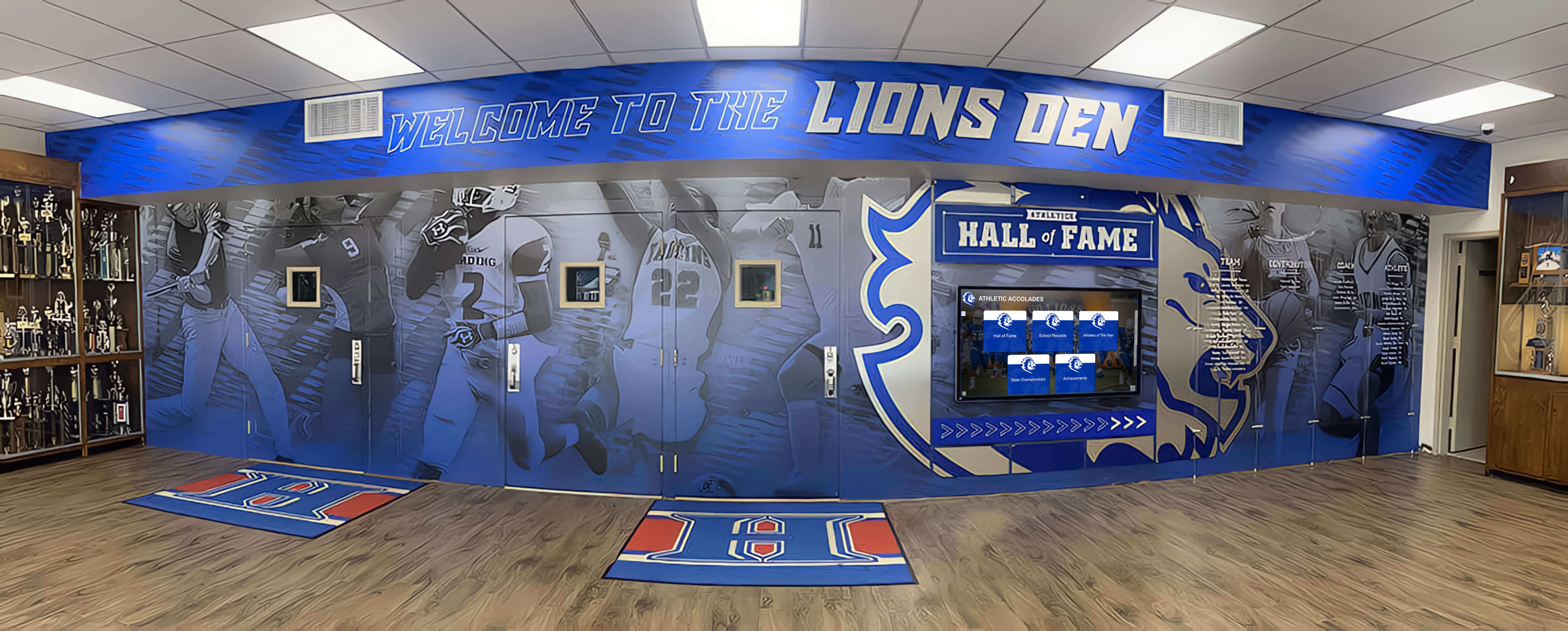
Comprehensive recognition systems integrate traditional and modern elements creating timeless celebration spaces
Case Studies: Successful Arena Recognition Implementations
While specific installations vary by venue, examining successful approaches provides valuable implementation insights.
Professional Sports Venue Successes
Common Success Factors
Successful arena recognition implementations share common characteristics:
Implementation Best Practices
- Executive championship from team leadership establishing recognition as organizational priority
- Comprehensive planning addressing content scope, technology selection, and placement strategy
- Professional content development ensuring quality comparable to team brand standards
- Integration with existing arena technology and fan experience programs
- Multi-phase rollout allowing learning and adjustment before full implementation
- Staff training ensuring sustainable long-term content management
- Community engagement involving fans, alumni, and stakeholders in recognition planning
- Marketing and promotion driving awareness and engagement with new recognition systems
Organizations can adapt these proven approaches to their specific contexts—learning from successful implementations while customizing to unique franchise needs, arena characteristics, and community cultures.
Regional and Amateur Venue Adaptations
Scalable Recognition Approaches
Professional venue strategies adapt effectively to smaller scales:
Amateur Arena Considerations
- Focused scope concentrating on most important recognition categories and achievements
- Phased implementation spreading costs and workload across multiple budget cycles
- Volunteer coordination leveraging community support for historical research and content development
- Fundraising campaigns through booster clubs, alumni associations, and memorial gifts
- Educational integration connecting recognition to youth development and community programs
- Appropriate technology scale matching venue size, traffic patterns, and budget constraints
These adaptations make comprehensive recognition accessible across venue types—delivering significant impact regardless of facility size or organizational budget.
Explore scalable approaches in state championships display solutions demonstrating recognition across different contexts.
Conclusion: Honoring Sports Legacy Through Modern Arena Recognition
Professional sports arenas like SAP Center in San Jose demonstrate the power of venues as community gathering places where athletic excellence creates lasting memories and cultural significance. Since opening in 1993, SAP Center has welcomed over 35 million visitors and invested substantially in modern display technology—establishing infrastructure supporting comprehensive fan engagement and recognition programs.
Traditional recognition approaches including championship banners, retired jerseys, and trophy displays create meaningful connections to sports heritage. However, they face unavoidable constraints: limited storytelling capacity beyond basic information, space limitations preventing comprehensive celebration of all deserving achievements, inability to incorporate video highlights and multimedia content fans expect, and challenges updating or enhancing recognition without facility modifications.
Modern interactive touchscreen recognition systems complement traditional approaches by providing unlimited storytelling capacity documenting complete player careers and franchise history, multimedia integration bringing sports legends to life through video highlights and comprehensive statistics, systematic organization making extensive archives navigable and discoverable for all fans, continuous updates ensuring recognition remains current without physical modifications, and enhanced fan engagement transforming passive observation into active interactive experiences.
Transform Your Arena Recognition
Discover how modern interactive display solutions can help you celebrate every athlete, preserve complete venue history, and create engaging fan experiences that honor sports legacy while strengthening community connections to team heritage.
Explore Recognition SolutionsThe strategies explored in this guide provide comprehensive frameworks for implementing arena recognition honoring athletic excellence while remaining engaging, accessible, and aligned with organizational goals. From digital platforms like Rocket Alumni Solutions that eliminate space constraints to systematic documentation approaches preserving complete venue history, these strategies overcome traditional limitations while creating recognition experiences impossible with static displays alone.
Professional sports arenas deserve recognition systems celebrating the dedication, excellence, and achievement that create legendary athletic moments and inspire lifelong fan connections. Whether enhancing existing recognition programs with complementary digital displays or exploring comprehensive interactive recognition systems, thoughtful planning and appropriate technology investments create displays that honor sports legends appropriately while engaging modern fans effectively.
Your arena serves as more than a venue—it’s a cultural landmark where sports heritage connects past excellence to future inspiration. With comprehensive recognition systems, you can ensure every deserving athlete receives appropriate celebration, every championship moment remains accessible to fans, and every aspect of your venue’s rich history becomes a source of community pride and connection.
Ready to explore recognition solutions for your professional sports arena? Discover how Rocket Alumni Solutions can help you create comprehensive digital recognition systems that honor athletic legends, engage fans, and preserve complete venue history while supporting the community connections and fan experiences essential to sustained sports success and franchise legacy.