



Russ Houks Wrestling Camp stands as one of the most influential institutions in American wrestling history—a pioneering summer camp that fundamentally transformed how young wrestlers trained, developed, and pursued competitive excellence. Established in 1962 at Maple Lake in Forksville, Pennsylvania, this legendary camp became the U.S. Olympic and Pan-American Games Training Camp from 1964 through 1973, hosting Olympic greats including Dan Gable, the Peterson brothers, and Chris Taylor while establishing the template that hundreds of wrestling camps would later follow.
Yet despite its monumental influence on American wrestling, the complete story of Russ Houks Wrestling Camp remains largely undocumented outside the memories of wrestlers who experienced its transformative impact firsthand. The camp represented far more than simple summer instruction—it pioneered intensive training methodologies, created unprecedented access to elite-level coaching and training partners, and demonstrated that concentrated summer instruction could dramatically accelerate wrestler development in ways that traditional season-only training could not achieve.
This comprehensive guide explores the complete history of Russ Houks Wrestling Camp, examining how Coach Russ Houk’s innovative vision created the first major wrestling camp in America, how the facility earned designation as the U.S. Olympic Training Center, what training methodologies made the camp so effective, which legendary wrestlers trained there, and what lasting legacy the camp created for wrestling camps nationwide. Understanding this history matters not just for wrestling historians but for anyone interested in how pioneering educational institutions transform sports, develop excellence, and create lasting traditions that inspire generations.
Russ Houks Wrestling Camp represents a defining chapter in American wrestling history when one coach’s innovative vision fundamentally transformed wrestler development, Olympic preparation, and competitive training across the entire sport. Schools and wrestling programs today that understand this pioneering history can better appreciate how modern training camps evolved while recognizing achievements from this era with the context these extraordinary accomplishments deserve.

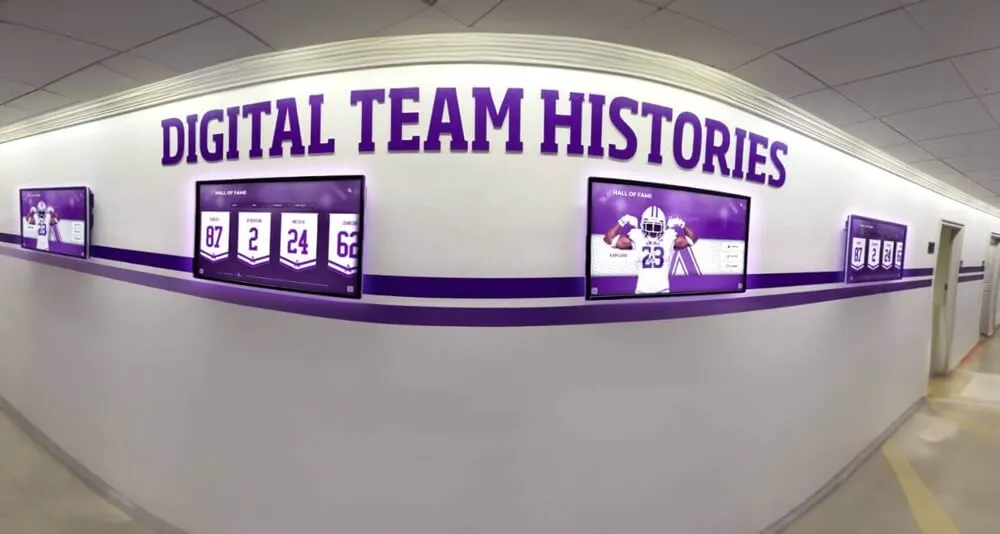
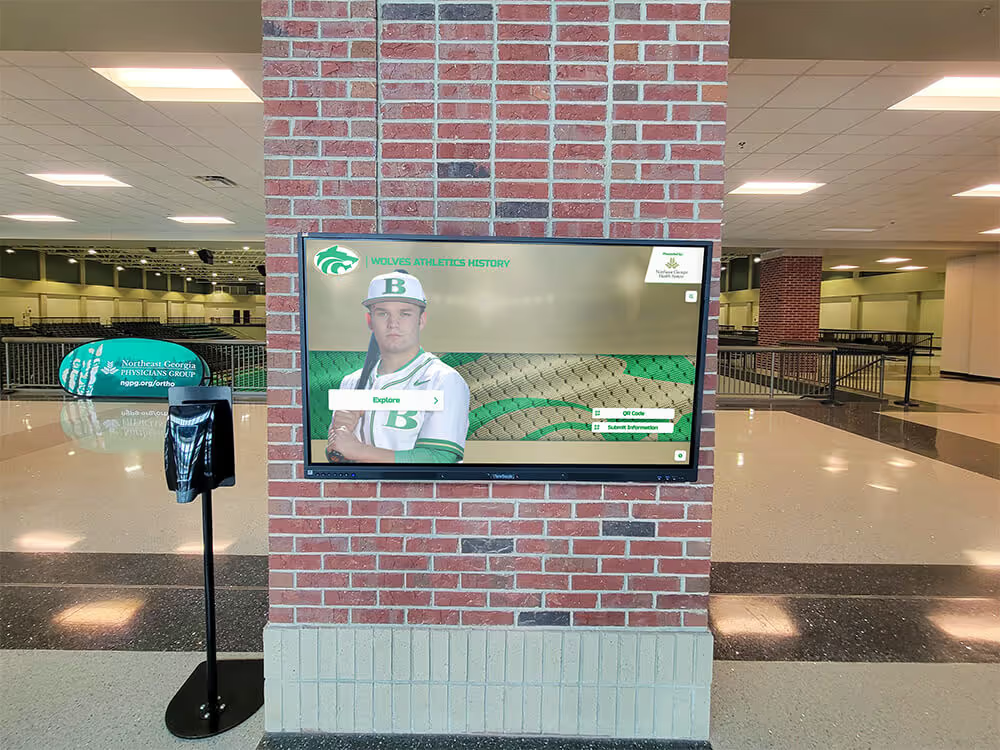
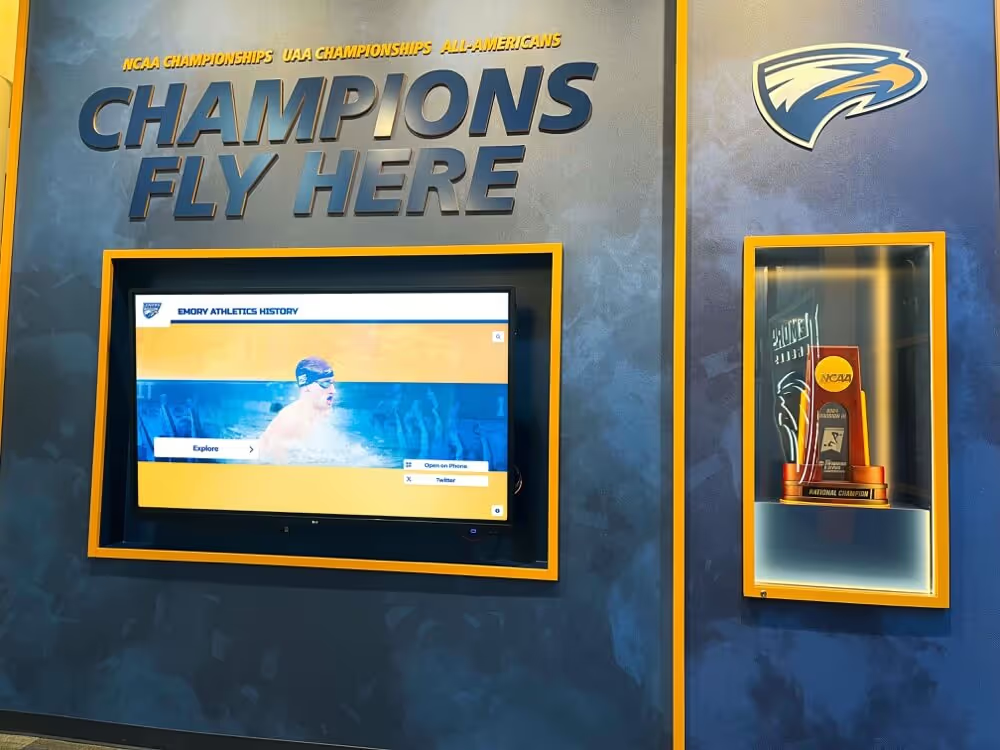
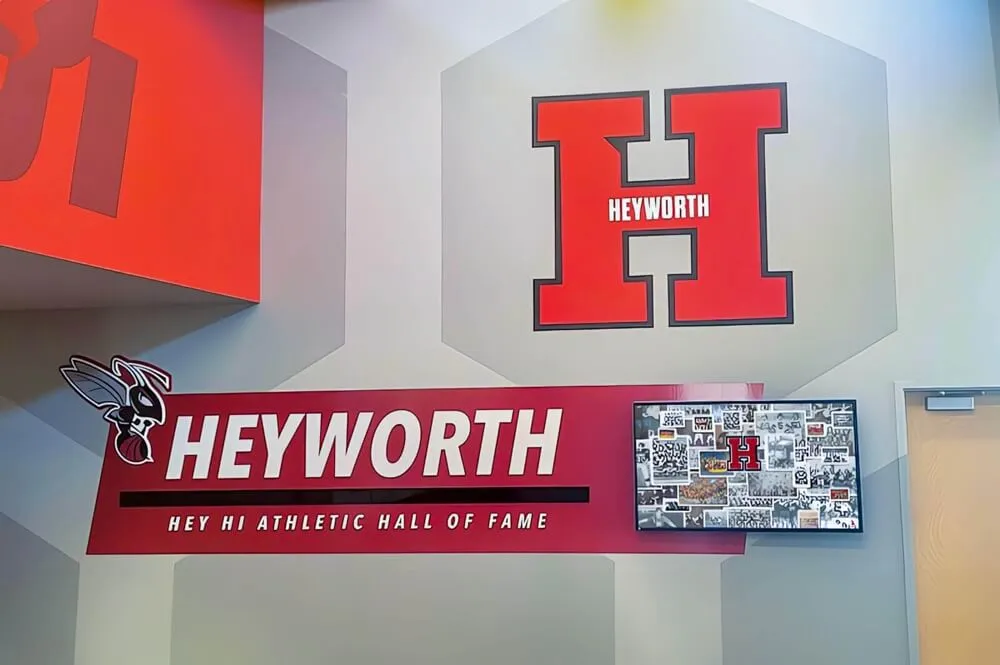
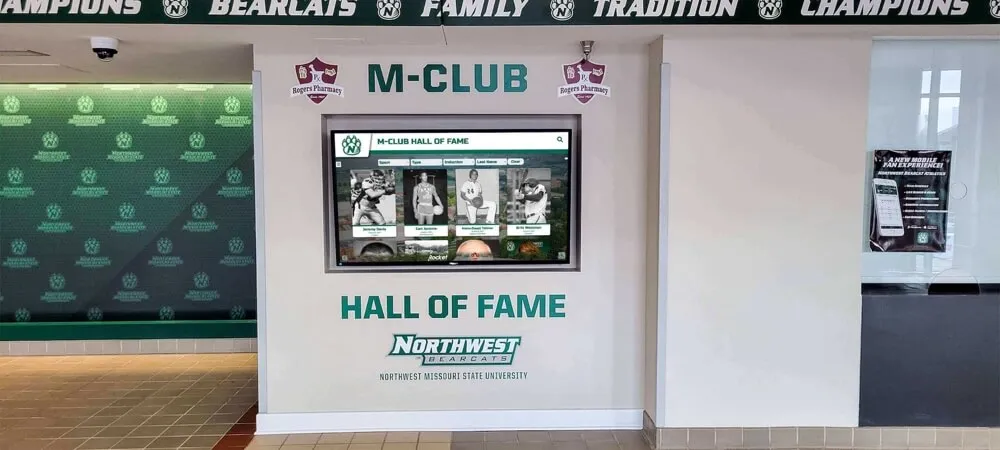
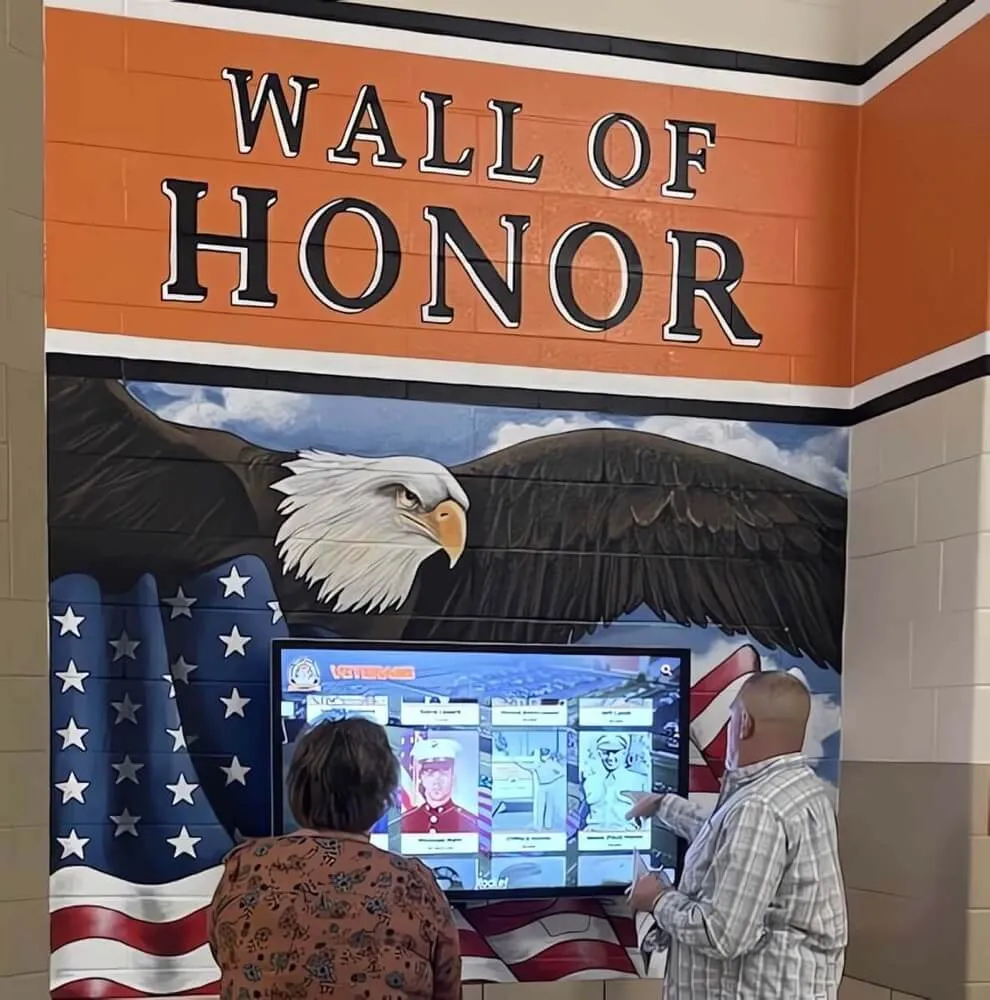
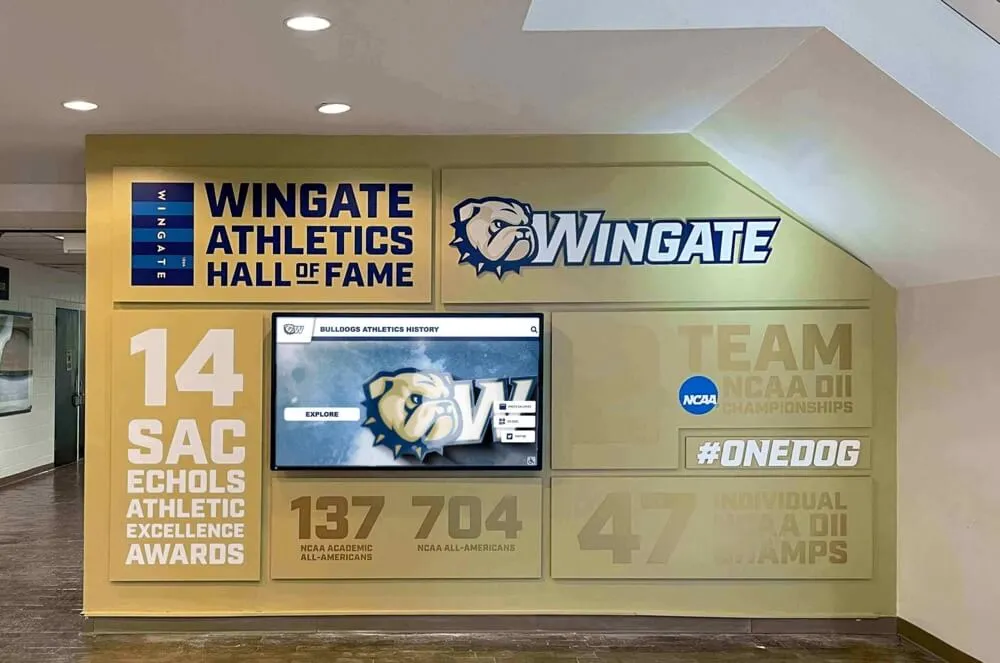
Wrestling programs with rich championship histories deserve comprehensive recognition systems that preserve legendary achievements and camp traditions
The Origins: Russ Houk’s Vision for Wrestling Excellence
Before understanding the camp that would become a national institution, examining Coach Russ Houk’s background and vision reveals how one individual’s innovative thinking created something unprecedented in American wrestling.
Russ Houk’s Coaching Career at Bloomsburg
Russell “Russ” Houk arrived at Bloomsburg State College (now Bloomsburg University) in 1957 to establish a wrestling program that would quickly become one of the most respected in collegiate wrestling. His coaching philosophy emphasized not just competitive success but comprehensive athlete development—technical mastery, physical conditioning, mental toughness, and character formation.
Within his first few years at Bloomsburg, Houk built a program that consistently competed at the highest levels of small college wrestling. His teams would eventually claim five PSCAC (Pennsylvania State College Athletic Conference) titles and three NAIA championships, compiling an exceptional career record of 142-34-4 that demonstrated sustained competitive excellence spanning nearly two decades.
Coaching Philosophy and Innovation
What distinguished Houk from many contemporaries was his willingness to innovate beyond traditional training methods. While most wrestling programs of the 1950s and early 1960s focused exclusively on in-season training from November through March, Houk recognized that year-round development could produce dramatically superior results. He observed that wrestlers who maintained training throughout summer months returned to season significantly ahead of peers who took extended breaks from the sport.
This observation led Houk to envision something that barely existed in American wrestling at the time—a dedicated summer wrestling camp where wrestlers could train intensively for extended periods, receive specialized instruction, compete against diverse opponents, and accelerate their development in ways impossible during compressed competitive seasons.
The Founding of Maple Lake Wrestling Camp in 1962
In 1962, Coach Houk transformed his vision into reality by establishing a wrestling camp at Maple Lake in Forksville, Pennsylvania. The location offered everything necessary for intensive wrestling training—relative isolation from distractions, natural beauty that created inspiring environment, facilities that could be adapted for wrestling instruction, and accommodations for extended residential stays.
Camp Structure and Philosophy
From its inception, Russ Houks Wrestling Camp differed fundamentally from the limited wrestling clinics that occasionally occurred elsewhere. Rather than brief weekend instruction, Houk’s camp operated for extended multi-week sessions allowing comprehensive skill development impossible in shorter formats.
The camp philosophy reflected Houk’s broader coaching approach with emphasis on technical fundamentals executed with precision, intensive drilling creating automatic responses, competitive situations preparing wrestlers for match pressure, physical conditioning beyond typical training standards, and mental preparation building confidence and competitive toughness.
Houk recruited outstanding coaches and wrestlers as camp instructors, ensuring that campers received instruction from multiple perspectives rather than single coaching philosophies. This exposure to diverse techniques and strategies gave camp attendees significant competitive advantages over opponents who trained exclusively within narrow systematic approaches.
Early Camp Success and Growing Reputation
The camp’s reputation grew rapidly through early years as wrestlers who attended returned to their home programs demonstrably improved. Parents, coaches, and wrestlers themselves recognized that the intensive summer training produced measurable results—technical refinements, improved conditioning, enhanced competitive confidence, and accelerated development that would have taken years to achieve through traditional seasonal training alone.
Word of mouth created growing demand, with wrestlers traveling from increasingly distant locations to attend. What began as primarily a regional camp serving Pennsylvania and surrounding states gradually attracted wrestlers from across the eastern United States and eventually nationwide as the camp’s reputation for excellence became firmly established.
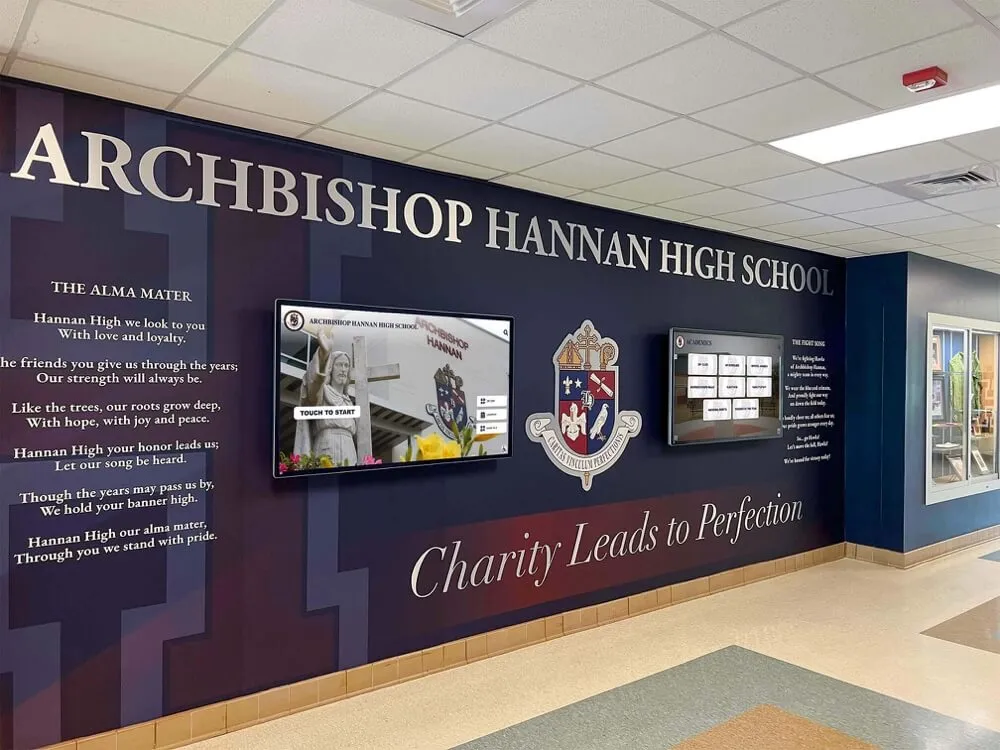
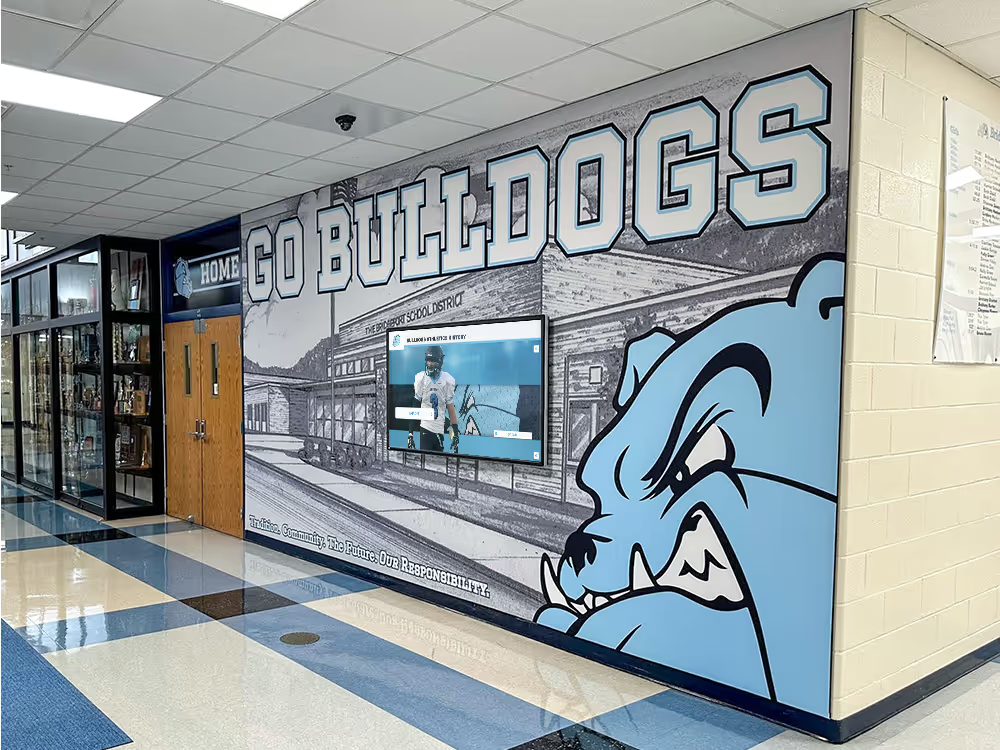
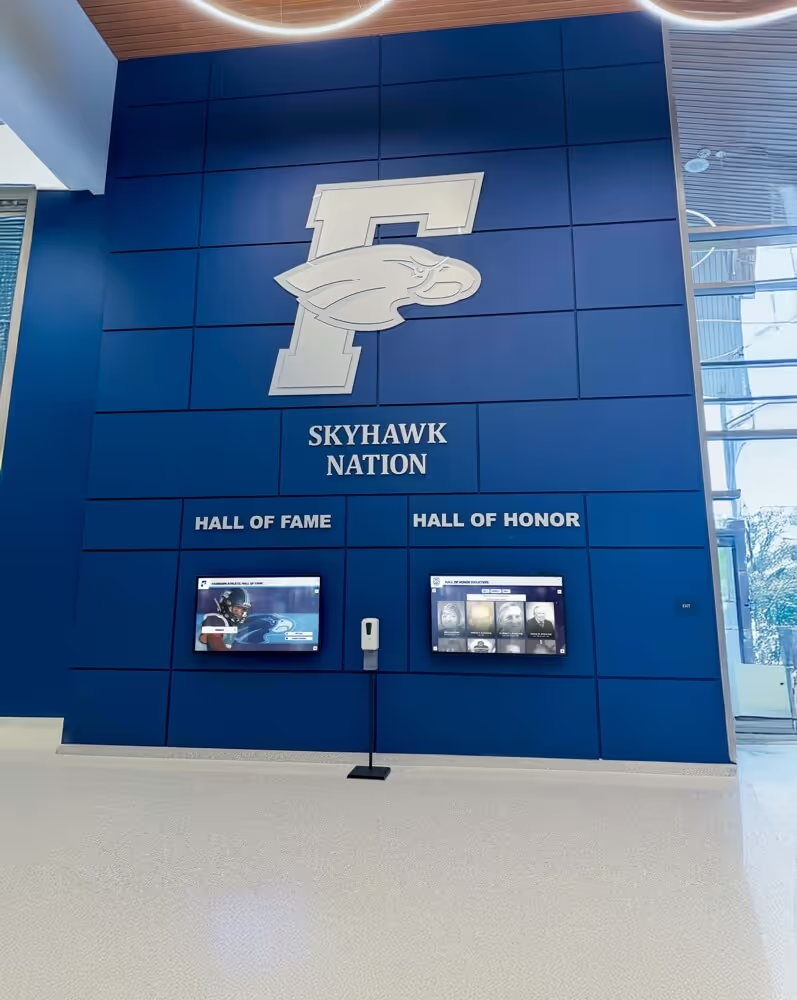
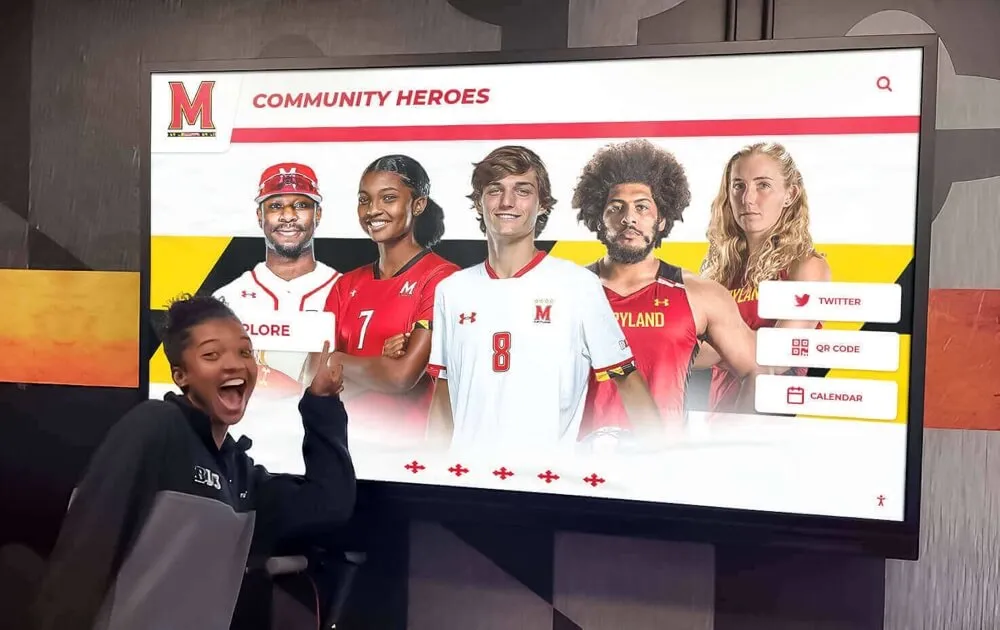
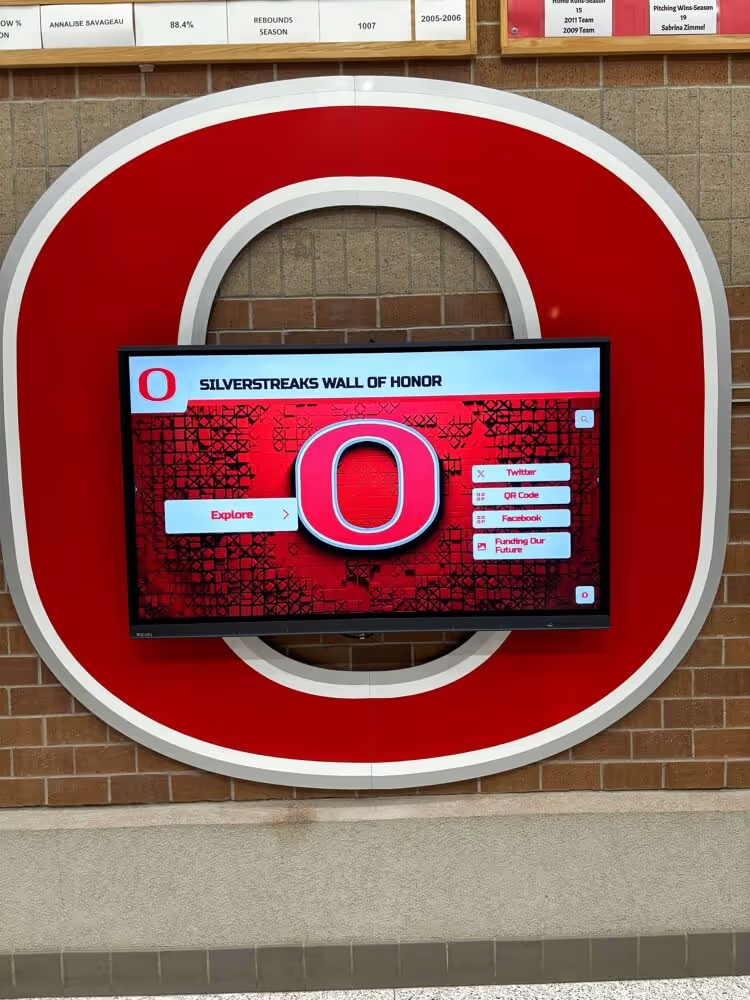
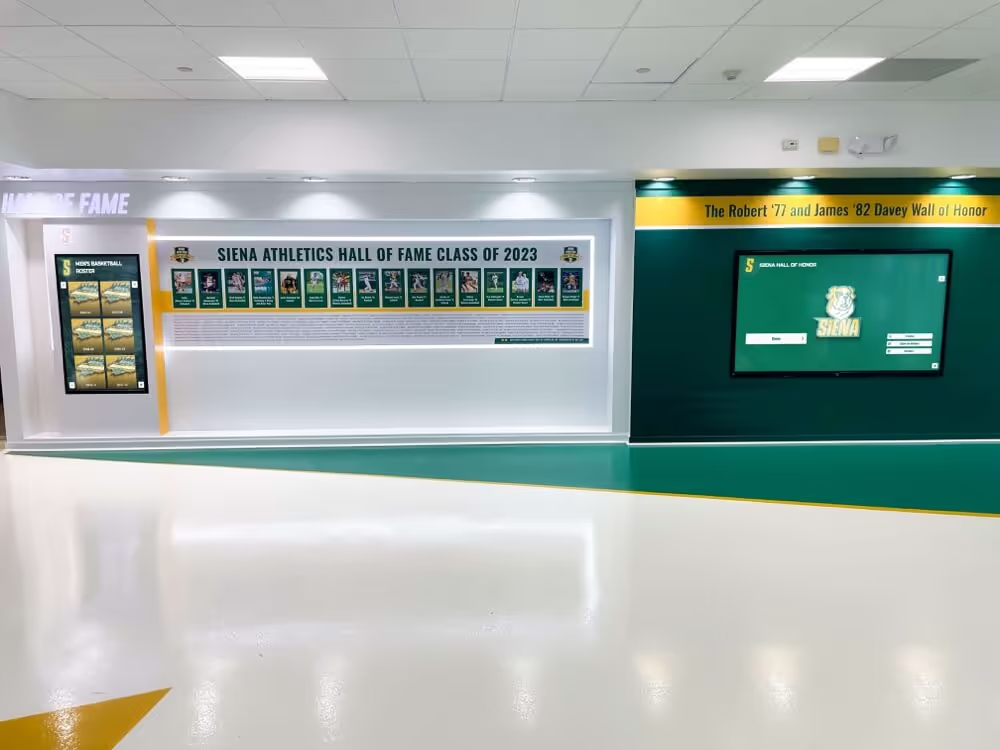
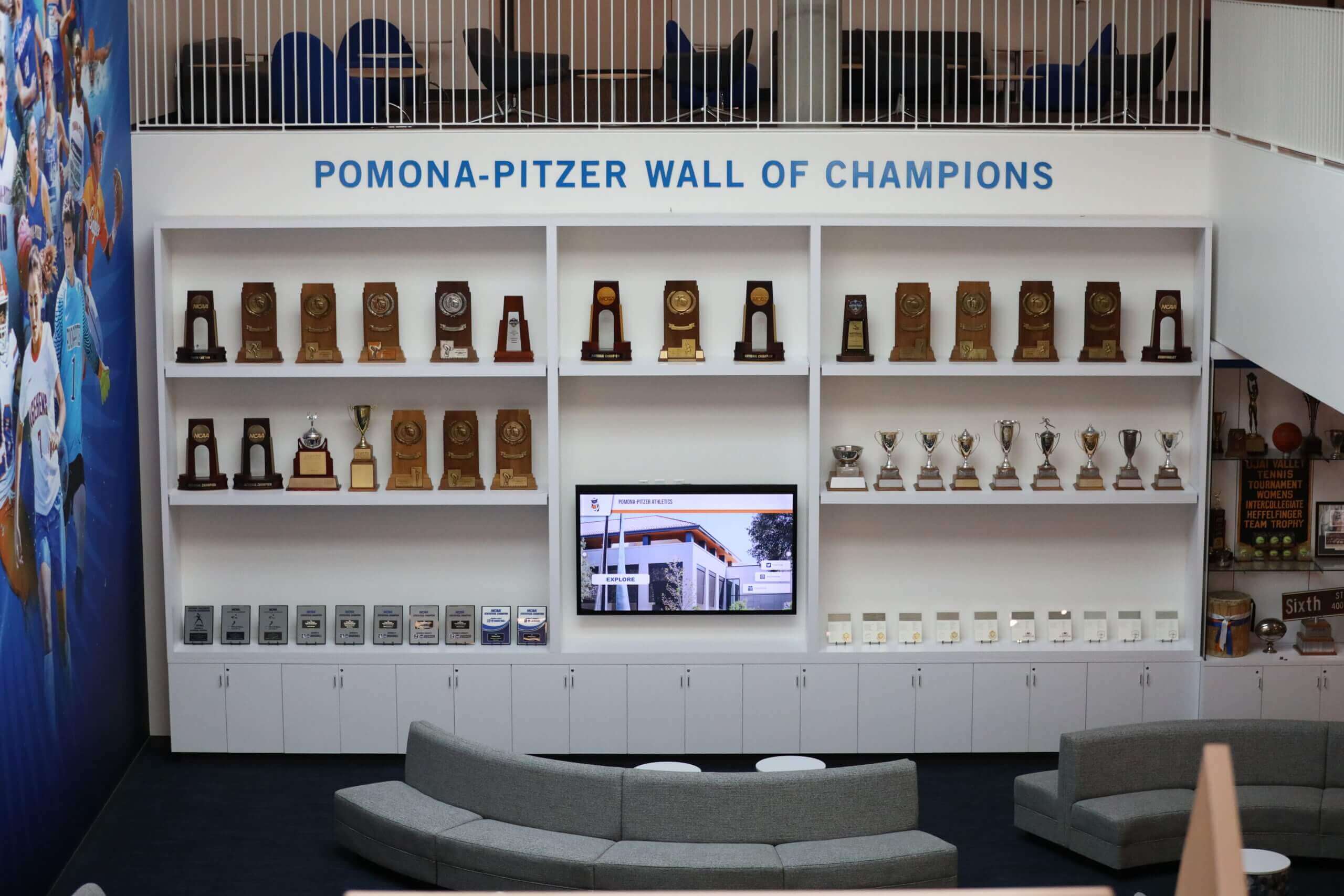
Wrestling programs with pioneering histories deserve recognition systems that document complete traditions including influential camps and training innovations
Becoming the U.S. Olympic Training Center (1964-1973)
The camp’s trajectory took a historic turn in 1964 when it earned designation as the official U.S. Olympic and Pan-American Games Training Camp, transforming it from an excellent youth camp into a national training center hosting America’s elite wrestlers.
How the Camp Earned Olympic Status
Several factors converged to position Russ Houks Wrestling Camp for Olympic designation at a critical moment in American wrestling history when the sport sought to elevate its international competitiveness.
Facility Quality and Training Environment
The camp’s facilities, training philosophy, and demonstrated results impressed USA Wrestling officials evaluating potential Olympic training sites. Unlike many alternatives that offered superior amenities but limited wrestling-specific focus, Maple Lake provided an environment specifically designed around intensive wrestling training without the distractions present at larger, multi-sport facilities.
The camp featured dedicated wrestling spaces configured for various training needs including technique instruction and drilling, live wrestling and sparring, strength and conditioning work, and video analysis and strategy sessions. The residential nature meant wrestlers remained immersed in competitive wrestling culture throughout their stays rather than training for a few hours then departing to unrelated environments.
Russ Houk’s Olympic Committee Involvement
Coach Houk’s growing influence within Olympic wrestling administration proved crucial to the designation. He served as a member of the United States Olympic Wrestling Committee from 1964 to 1976, bringing insider understanding of what Olympic-level wrestlers needed from training environments while demonstrating the commitment to excellence that Olympic officials sought in designated training centers.
His involvement in Olympic wrestling extended beyond committee membership—Houk served as team manager for the U.S. freestyle wrestling team at both the 1972 and 1976 Olympic Games. This hands-on Olympic experience at the highest competitive levels ensured that training at his camp reflected authentic Olympic standards rather than assumptions about what elite training required.
Timing and National Wrestling Priorities
The early to mid-1960s represented a period when American wrestling sought to establish more systematic Olympic preparation infrastructure. Unlike sports with year-round professional leagues providing elite training environments, wrestling lacked dedicated facilities where Olympic hopefuls could train consistently at world-class levels.
Establishing official Olympic Training Centers addressed this gap by creating recognized facilities where elite wrestlers could gather for intensive training camps, national team preparation, and international competition preparation. Russ Houks Wrestling Camp, with its proven track record, appropriate facilities, and leadership actively involved in Olympic wrestling, offered an ideal solution.
Learn about comprehensive recognition for athletic facilities in digital recognition displays buyer guide demonstrating systematic celebration approaches.
Training America’s Olympic Champions
The Olympic designation transformed the camp into a gathering place for American wrestling’s absolute elite, creating an unprecedented concentration of talent and expertise that elevated everyone who trained there.
Legendary Olympic Wrestlers Who Trained at the Camp
The roster of Olympic and world championship wrestlers who trained at Russ Houks Wrestling Camp during its Olympic training center years reads like a who’s who of American wrestling greatness in the 1960s and 1970s.
Dan Gable trained at the camp during his competitive career, before becoming arguably the greatest American wrestler of all time. Gable’s Olympic gold medal at the 1972 Munich Games without surrendering a single point represented the pinnacle of wrestling dominance, and his training at camps like Russ Houks contributed to the legendary preparation that made such performances possible.
The Peterson Brothers—John and Ben Peterson—both Olympic gold medalists, trained at Maple Lake. John won gold at the 1972 Munich Olympics, while Ben claimed gold at the 1972 Olympics and silver at 1976 Montreal, representing sustained excellence at the highest international levels. Their success validated the training methodologies employed at the camp.
Chris Taylor, the super heavyweight wrestler who competed at the 1972 Olympics and won numerous world championship medals, trained at the camp. Taylor’s size and athleticism made him one of the most dominant heavyweight wrestlers in American history, and the specialized training he received contributed to his international success.
Additional Olympic and World Champions who trained at Russ Houks Wrestling Camp included Wade Schalles (one of the most prolific pinners in wrestling history), Rich Sanders (Olympic silver medalist), Stan Dziedzic (Olympic gold medalist), Wayne Wells (Olympic gold medalist), Gray Simons (multiple-time world team member), and Don Behm (Olympic wrestler and coach).
This concentration of elite talent created unparalleled training environments where wrestlers pushed each other to levels impossible in typical training settings. Camp sessions during Olympic preparation periods resembled small international tournaments with competition intensity and technical excellence rarely seen outside actual Olympic competition.

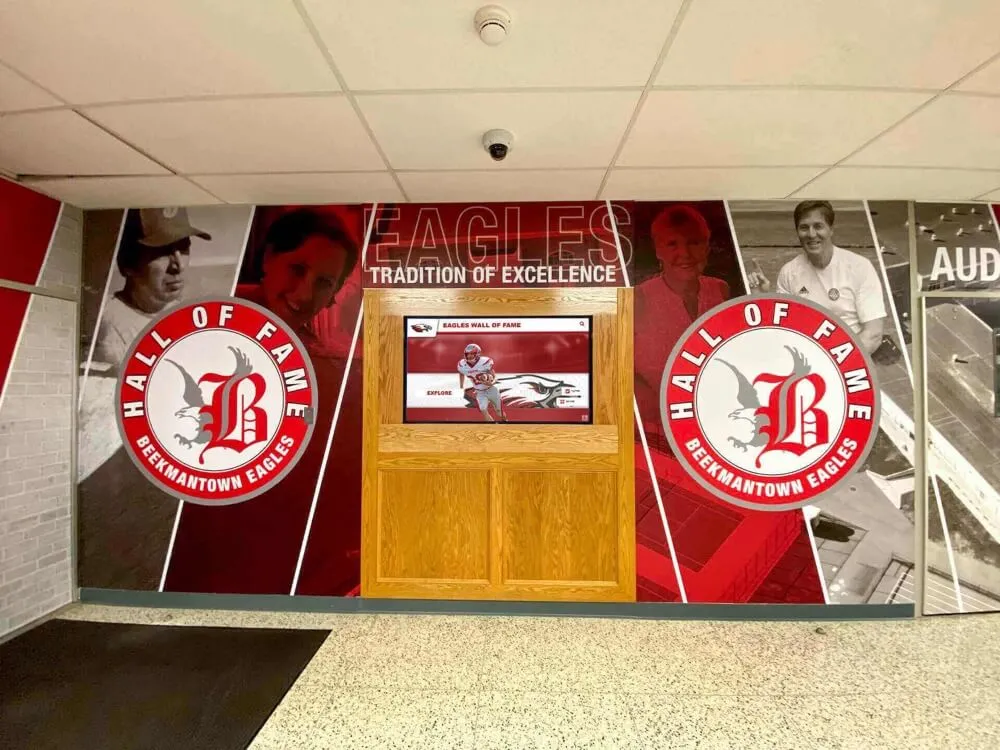
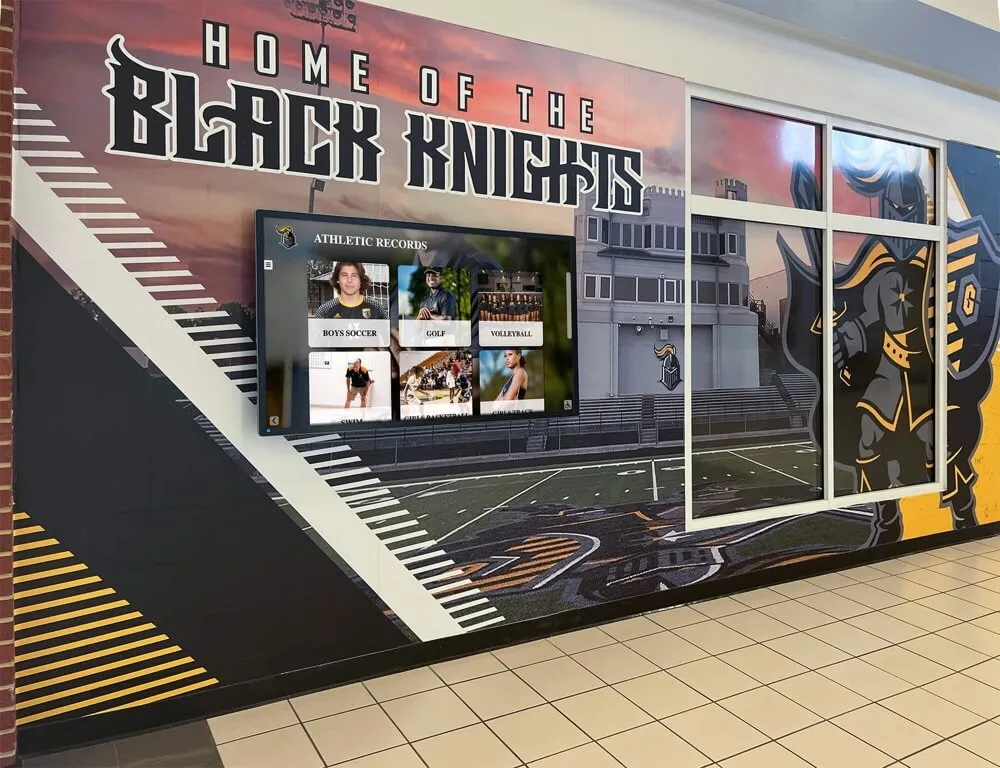
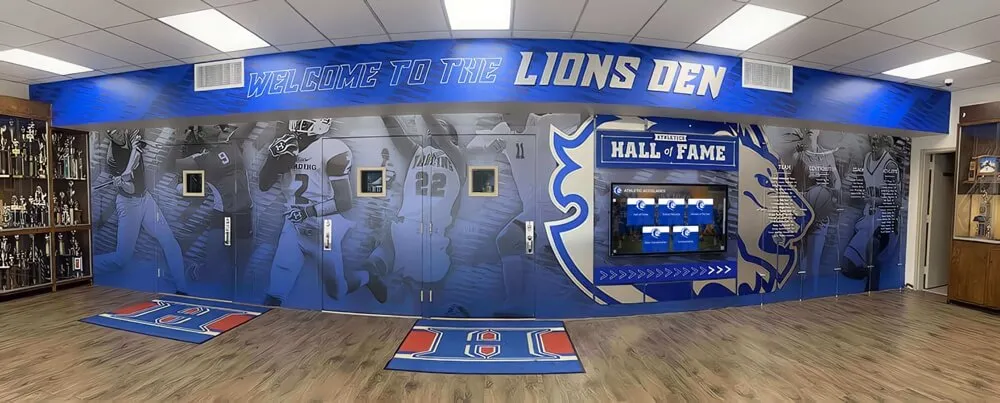
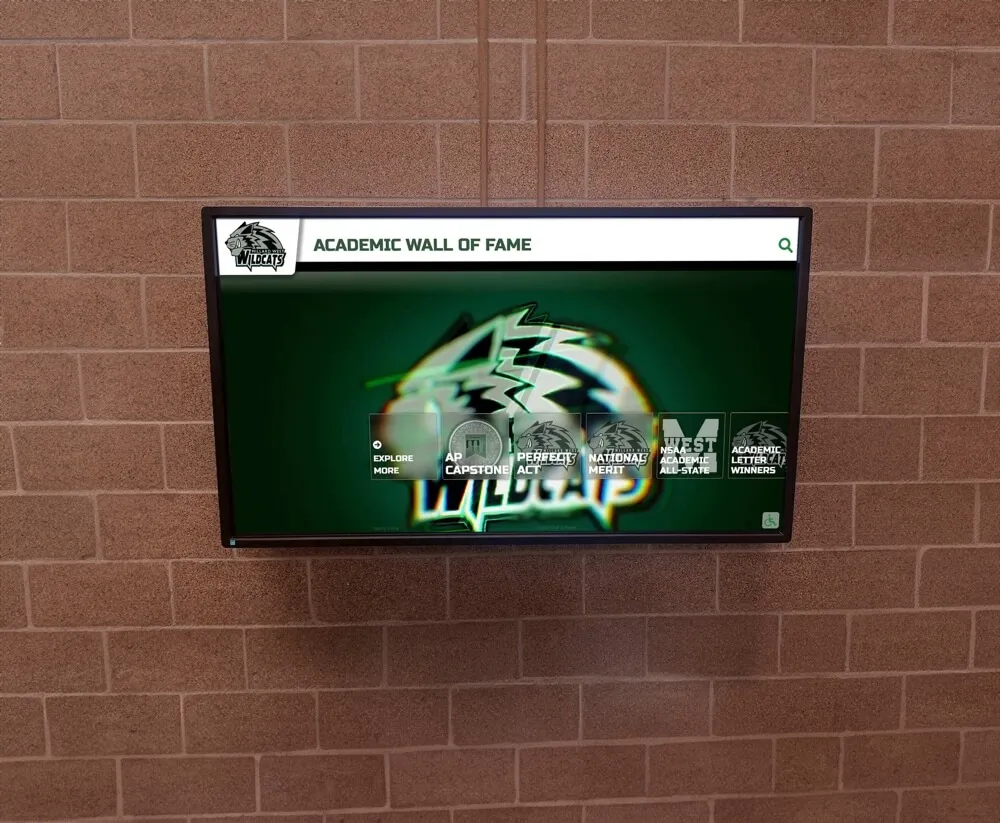
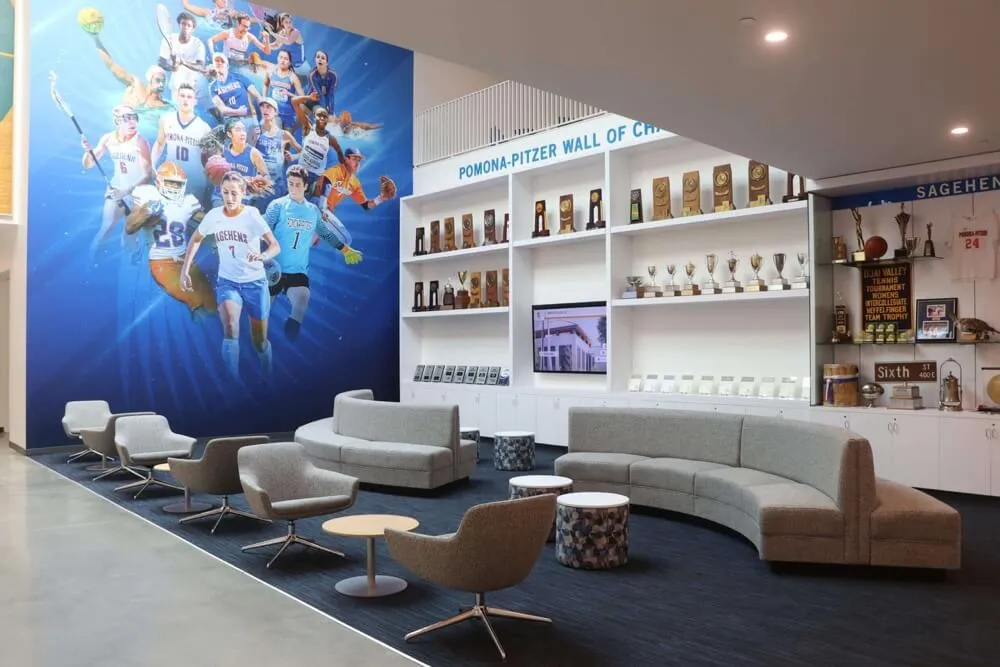
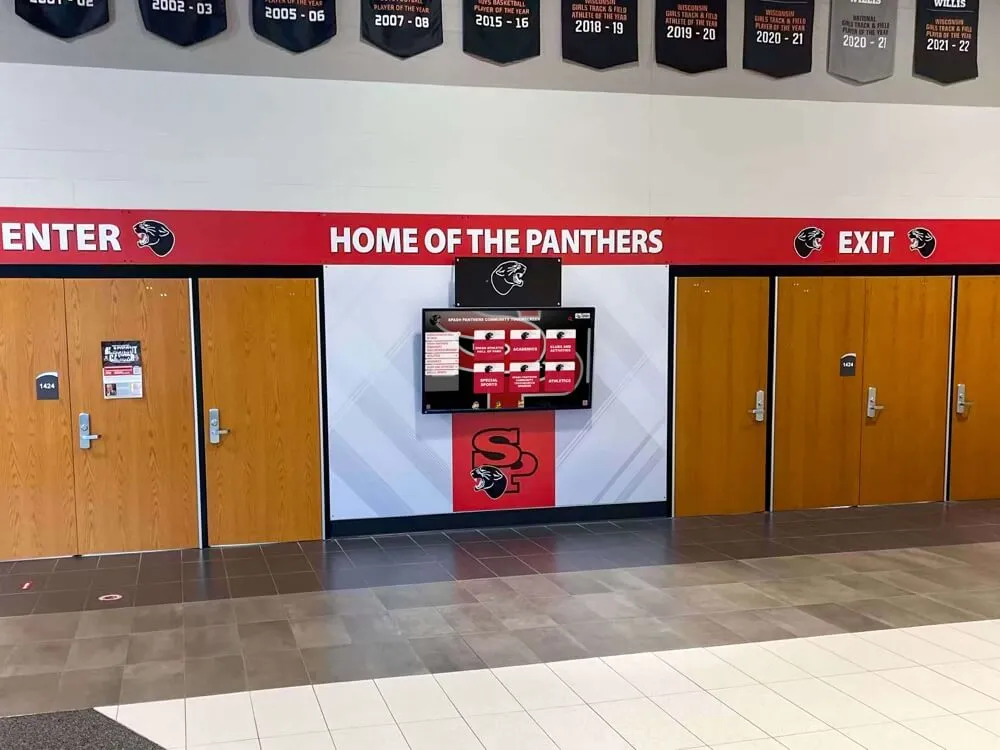
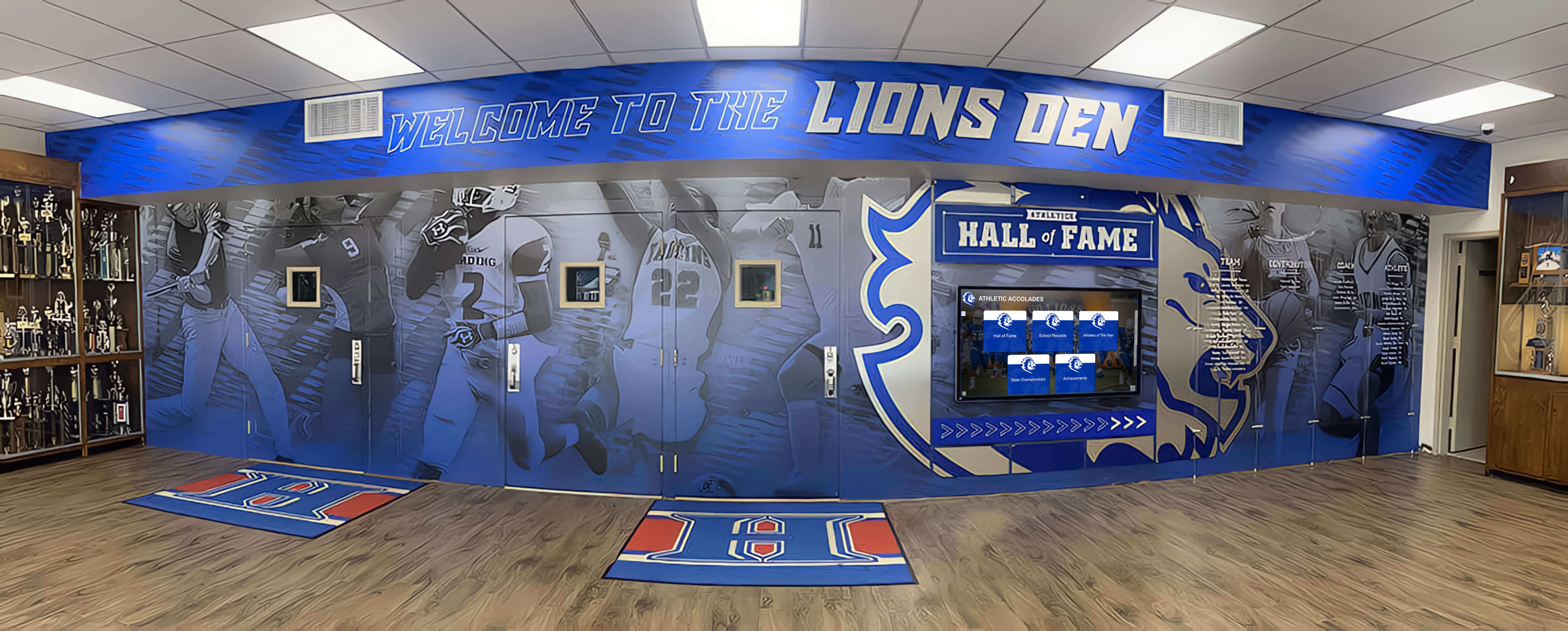
Modern recognition systems preserve complete wrestling program histories including connections to legendary training camps and Olympic achievements
International Impact: Canadian National Teams
The camp’s reputation extended beyond American wrestling, attracting international attention that led to Canadian national team training residencies that enhanced the camp’s prestige while demonstrating international recognition of its quality.
Canadian Olympic and World Team Training
From the late 1960s through early 1970s, Russ Houks Wrestling Camp served as a training center for Canadian Olympic and World Championship teams preparing for international competitions. Canadian wrestling officials recognized that the camp offered training opportunities unavailable in Canada at that time—concentrated access to high-level American training partners, exposure to American training methodologies, and facilities specifically designed for intensive wrestling preparation.
These Canadian training camps typically occurred during periods when American Olympic wrestlers were also training at the facility, creating international training environments that simulated Olympic competition conditions. Canadian wrestlers benefited from facing American opponents with different styles and techniques, while American wrestlers gained valuable experience against international competitors they would face in actual Olympic and world championship competition.
Cross-Border Wrestling Excellence
The Canadian presence at Maple Lake demonstrated how pioneering institutions transcend national boundaries when they offer genuinely exceptional opportunities. The camp became a hub for North American wrestling excellence where national affiliations mattered less than shared commitment to competitive greatness and technical mastery.
This international dimension added to the camp’s mystique and appeal. Wrestlers attending the camp didn’t just train with fellow Americans—they experienced genuinely international wrestling culture that prepared them for the global competitive environments they would encounter at Olympics, world championships, and international tournaments.
Explore systematic approaches to international athletic recognition in athletic hall of fame creation guide demonstrating comprehensive celebration strategies.
Training Philosophy and Methodology at Russ Houks Camp
The camp’s success stemmed not just from its Olympic designation or legendary attendees but from specific training methodologies and philosophical approaches that made it uniquely effective at developing wrestlers.
Intensive Multi-Week Training Structure
Unlike brief clinics offering snapshots of wrestling instruction, Russ Houks Wrestling Camp operated on extended multi-week schedules allowing comprehensive development impossible in shorter formats.
Daily Training Schedule and Intensity
Camp days followed carefully structured schedules balancing various training elements throughout extended sessions. Typical daily schedules included morning technique instruction and drilling, competitive live wrestling and sparring, specialized position training and situational wrestling, strength and conditioning work, video analysis and strategy sessions, and evening seminars on mental preparation and wrestling theory.
This comprehensive approach ensured wrestlers developed across all performance dimensions rather than focusing narrowly on limited skill sets. The extended nature meant wrestlers could gradually build capacity, allowing progression from foundational techniques to advanced applications impossible to achieve in weekend clinics.
Progressive Skill Development Across Camp Duration
Multi-week camp durations enabled carefully sequenced skill progressions. Early camp periods focused on technical fundamentals and conditioning base. Mid-camp periods emphasized competitive applications and intensity progression. Late-camp periods featured high-intensity competition and performance peaking.
This progressive structure mirrored effective season-long training periodization compressed into intensive camp formats. Wrestlers experienced complete development cycles within single summer camps, leaving with dramatically enhanced capabilities reflecting systematic progression rather than random instruction accumulation.
Technical Instruction and Drilling Emphasis
Russ Houk’s coaching philosophy emphasized technical precision and drilling intensity that distinguished his camp from alternatives focusing primarily on competitive wrestling volume without systematic technique refinement.
Position-Specific Technique Development
Rather than generic wrestling instruction, the camp provided specialized training addressing specific positional situations wrestlers encountered in competition. Categories included neutral position techniques, takedown setups and finishes, top position control and pinning combinations, bottom position escapes and reversals, and counter-wrestling and defensive techniques.
This systematic coverage ensured wrestlers left camp with enhanced capabilities across all competitive situations rather than simply improving strongest areas while neglecting weaknesses that opponents could exploit.
Drilling Volume and Repetition Standards
The camp became legendary for drilling volume exceeding what most wrestlers experienced in their home programs. Technique instruction sessions regularly featured hundreds of repetitions creating muscle memory and automatic responses critical for competitive success.
This emphasis on drilling reflected Houk’s philosophy that technical execution under competitive pressure required such extensive repetition that techniques became automatic responses rather than conscious decisions. Wrestlers learned to execute techniques faster than opponents could react because drilling had eliminated any hesitation or uncertainty from their movements.
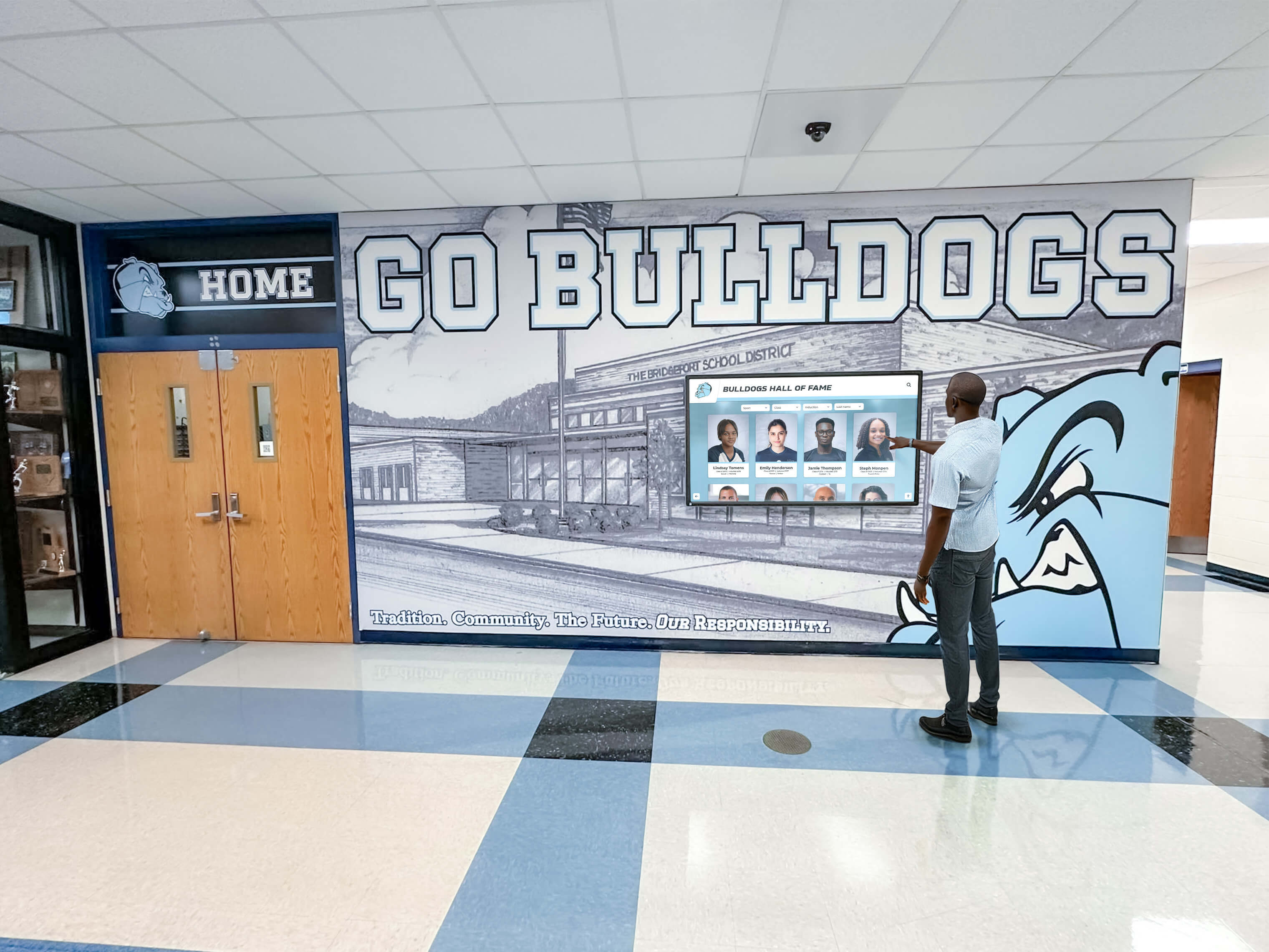
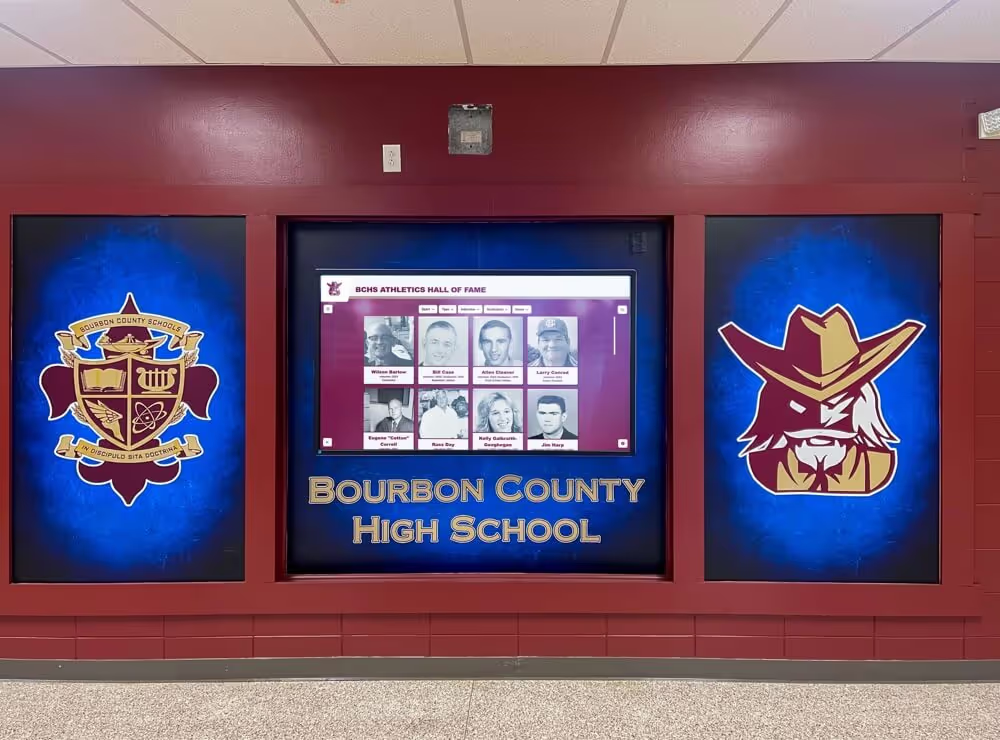
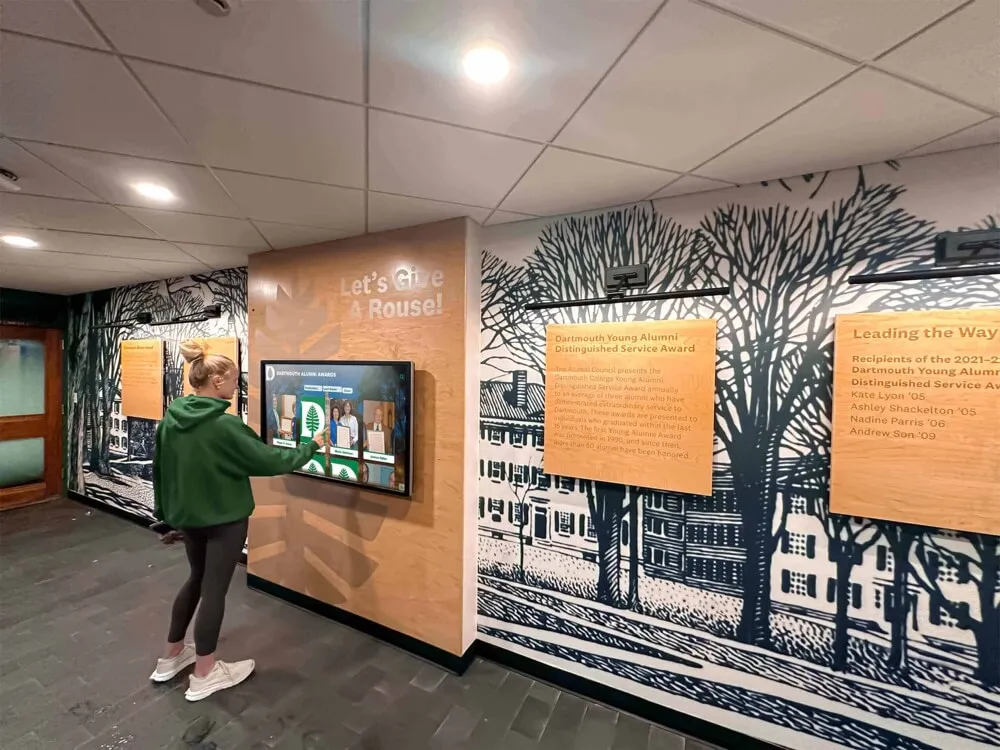
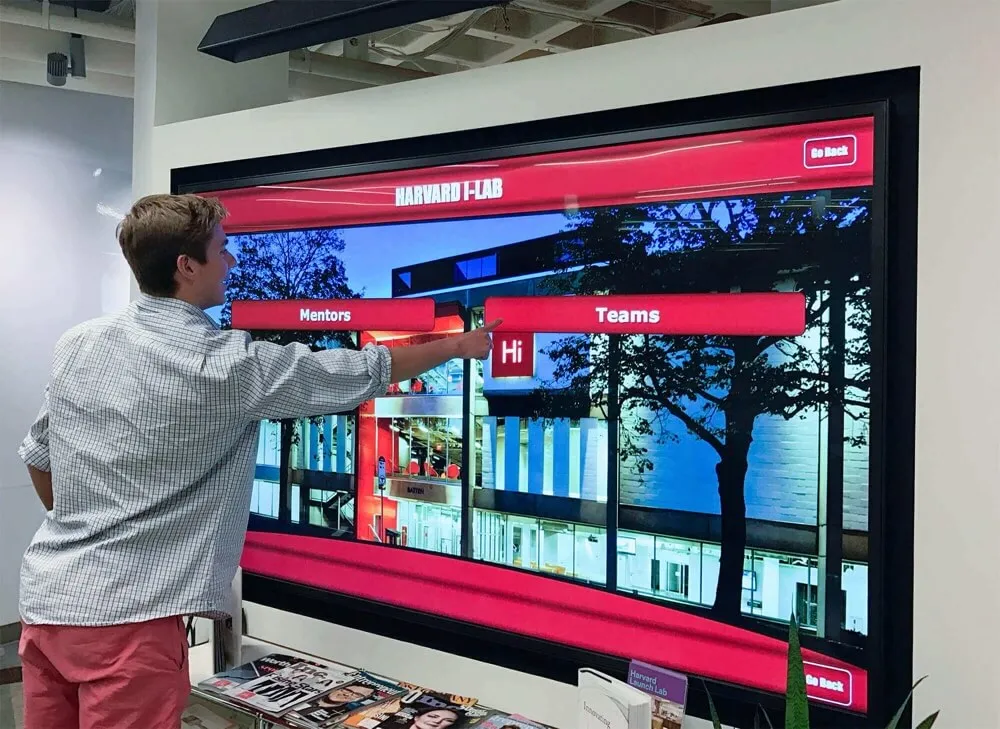
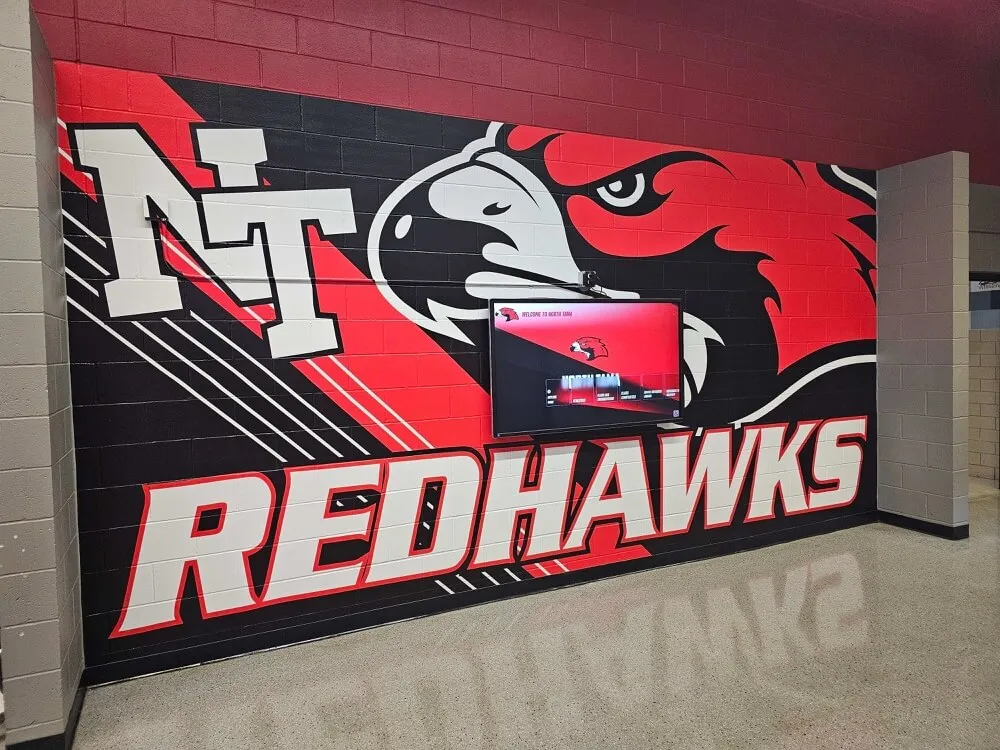
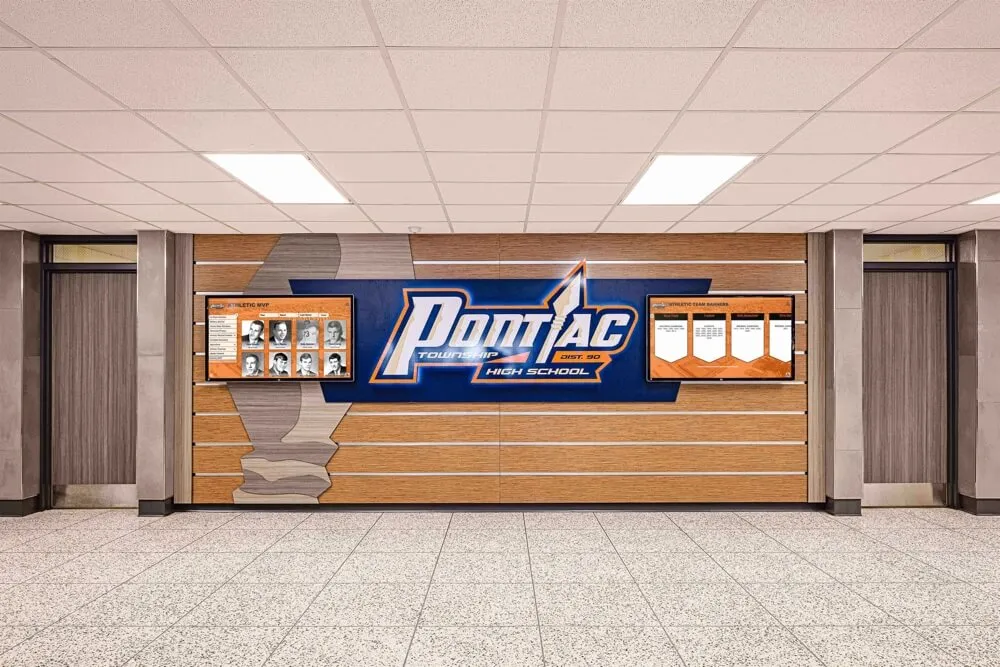
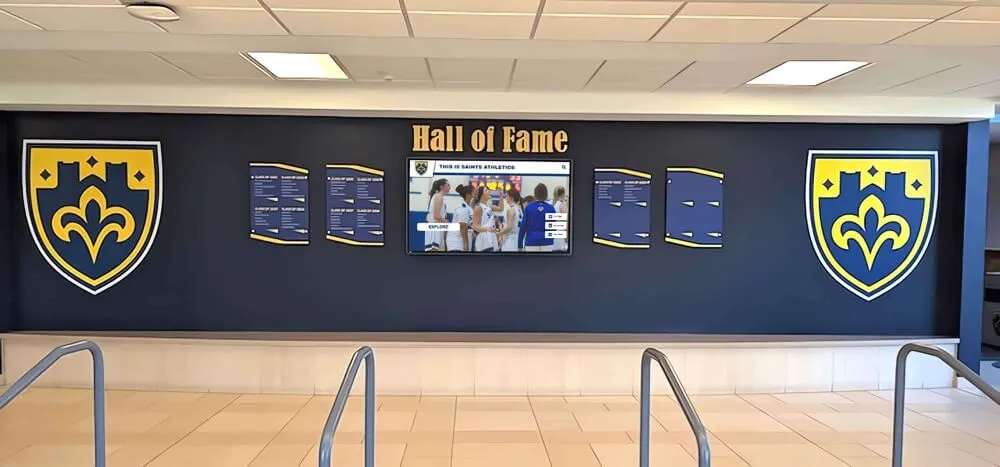
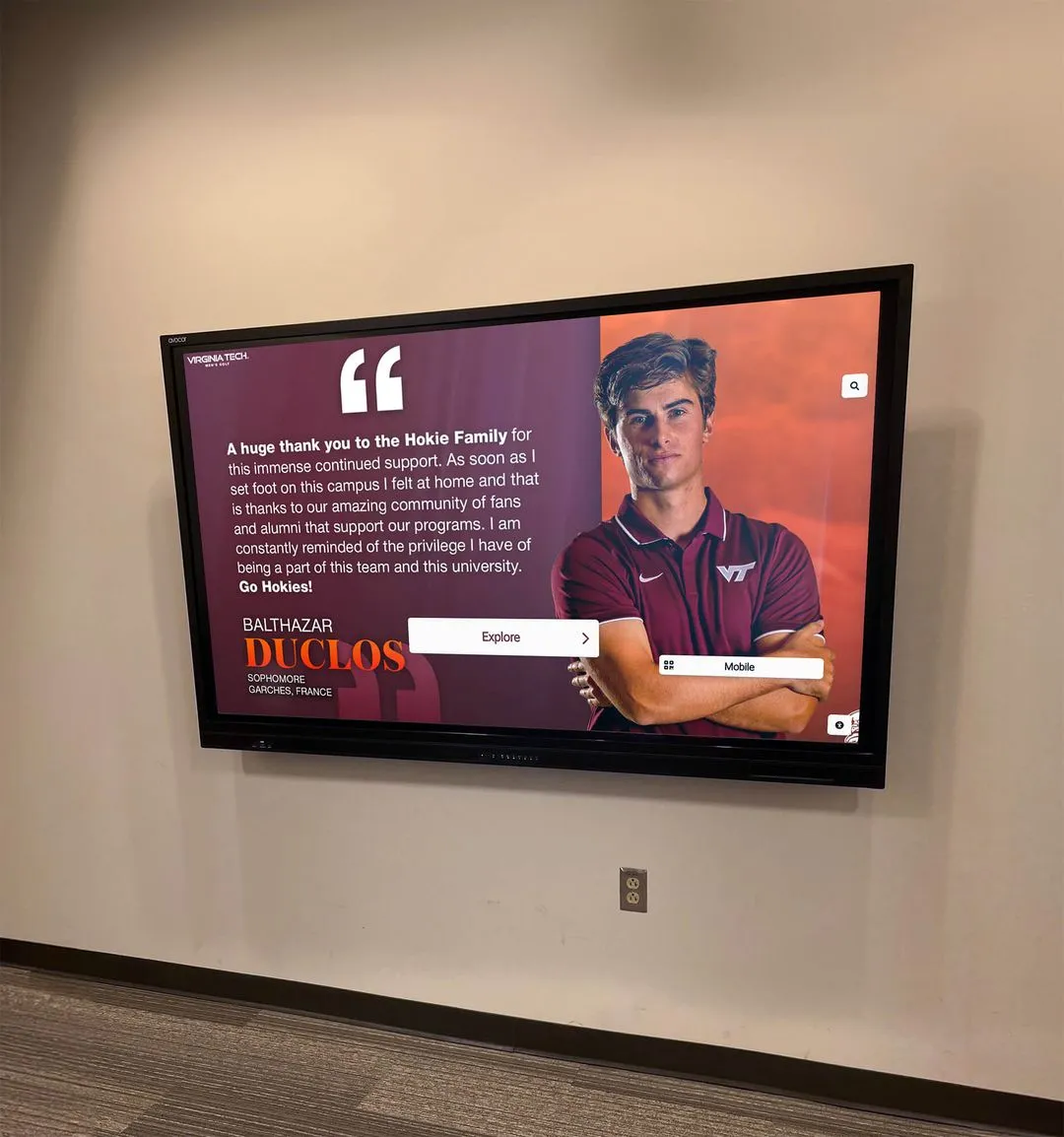
Interactive displays enable exploration of complete wrestling program histories including legendary training camps and Olympic achievements
Competitive Training and Live Wrestling
While technical drilling formed the camp’s foundation, intensive competitive wrestling developed the toughness, conditioning, and mental resilience required for championship performance.
Structured Live Wrestling Sessions
Daily live wrestling provided controlled competitive environments where wrestlers applied techniques learned in drilling against resisting opponents. Coaches carefully structured these sessions to balance intensity with appropriate recovery, ensuring wrestlers pushed limits without risking injury or excessive fatigue that would compromise training quality.
Live wrestling sessions typically progressed from controlled intensity early in camp to near-competition intensity in later weeks, preparing wrestlers for championship tournament environments while managing load progression appropriately.
Training Partner Diversity and Exposure
One of the camp’s most valuable features was the unprecedented diversity of training partners representing different regions, styles, coaching systems, and competitive levels. Wrestlers who might face limited opponent variety in home programs suddenly trained against dozens of different wrestlers with varying techniques, strategies, and physical attributes.
This exposure accelerated learning and adaptation, forcing wrestlers to develop versatile approaches effective against diverse opponents rather than narrow specialization optimized for limited local competition. When wrestlers returned to their home programs and competitive seasons, they possessed dramatically broader technical and strategic repertoires than competitors who trained exclusively against familiar local opponents.
Learn about documenting training excellence through digital storytelling athletic programs guide demonstrating comprehensive narrative approaches.
The Camp Experience: Life at Maple Lake
Beyond training methodologies, the total camp experience—residential immersion, natural setting, and wrestling-focused culture—contributed significantly to the camp’s transformative impact on attendees.
Facilities and Natural Setting
Maple Lake’s location in the mountains of north-central Pennsylvania provided an ideal setting for intensive wrestling training, offering natural beauty alongside functional facilities specifically configured for wrestling development.
Geographic Location and Accessibility
Forksville, Pennsylvania, sits in Sullivan County, a sparsely populated rural area known for natural beauty and outdoor recreation. This relative isolation proved advantageous for intensive training camps by minimizing external distractions while immersing wrestlers completely in wrestling culture and training focus.
The mountainous terrain provided opportunities for outdoor conditioning work including hill running and trail work that built endurance and mental toughness complementing wrestling-specific training. The natural setting created inspiring environment very different from typical gym-based training, helping wrestlers mentally refresh while maintaining physical development.
Camp Facilities and Wrestling Infrastructure
The camp featured dedicated wrestling facilities including multiple mat spaces for simultaneous instruction and training, weight training and conditioning areas, residential accommodations for extended stays, dining facilities supporting nutritional needs, and meeting spaces for video analysis and seminars.
While not featuring the modern amenities of contemporary training centers, the facilities proved entirely adequate for their purpose—intensive wrestling development. The somewhat Spartan nature actually reinforced the camp’s serious athletic focus, signaling to attendees that comfort was secondary to competitive excellence.
Residential Immersion and Wrestling Culture
The residential nature of the camp created total immersion experiences fundamentally different from commuter-style clinics where wrestlers trained for a few hours then departed to normal life.
Living and Training Together
Campers lived on-site throughout their camp stays, typically ranging from one to several weeks. This constant proximity to fellow wrestlers and coaches created environments where wrestling permeated all aspects of daily life rather than being compartmentalized into a few training hours.
Informal discussions about techniques, strategies, and competitive experiences occurred constantly during meals, evening downtime, and recreational periods. Wrestlers learned as much from these peer interactions as from formal instruction, absorbing knowledge through total cultural immersion impossible in non-residential formats.
Mentorship and Peer Learning
The camp structure facilitated mentorship relationships between younger wrestlers and more experienced or elite attendees. Younger wrestlers could observe Olympic-level performers up close, learning not just their techniques but their training approaches, mental preparation, and professionalism.
Many wrestlers who attended the camp as youth later credited these mentorship experiences as pivotal influences on their competitive careers. Seeing Olympic champions train, eat, rest, and prepare provided tangible examples of what championship-level commitment looked like in practice rather than theory.
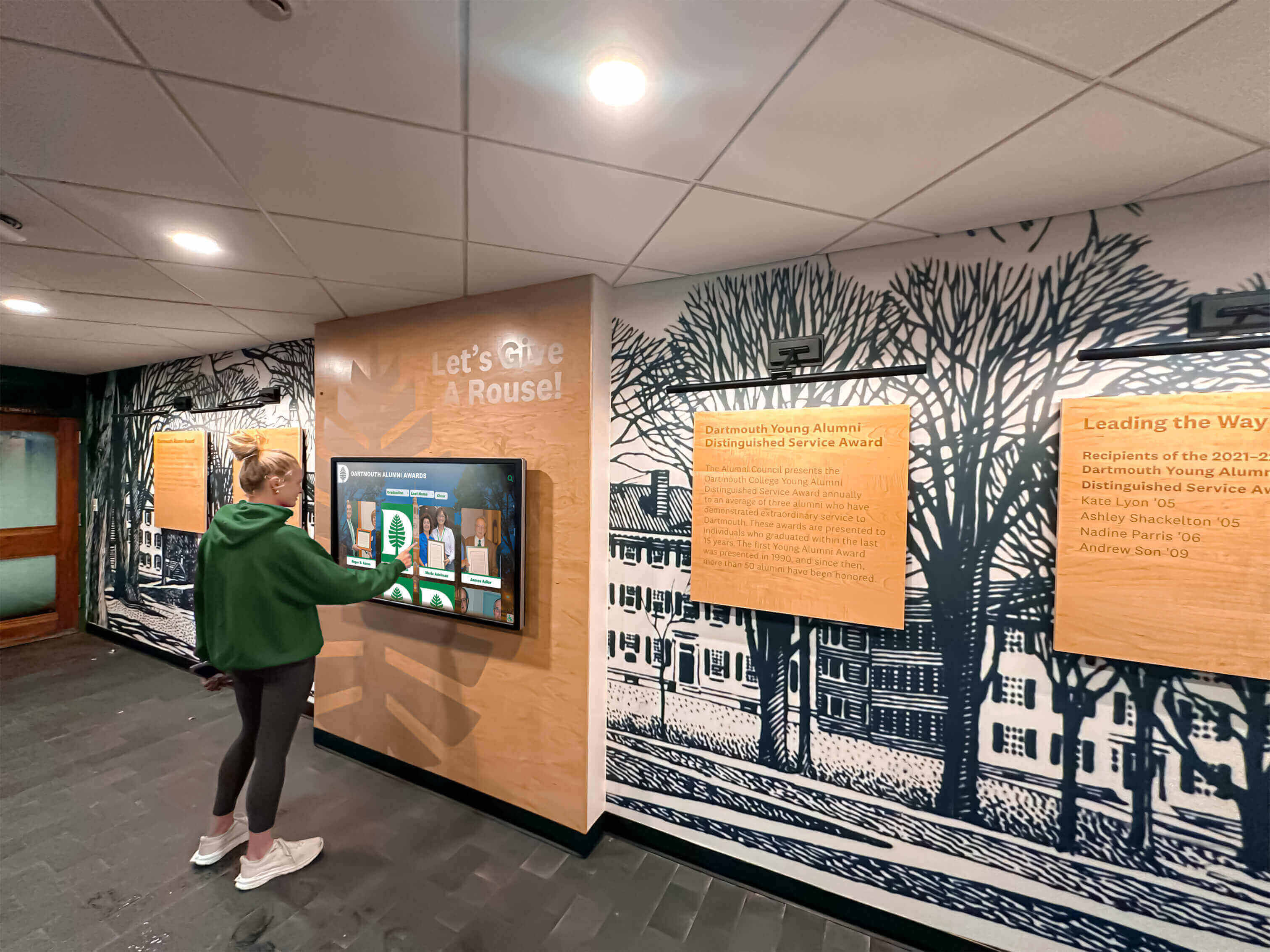
Modern recognition platforms enable students to explore program histories including legendary training camps and Olympic athlete connections
Typical Camp Schedule and Daily Routine
Understanding a typical camp day reveals how the program balanced intensive training with appropriate recovery while maximizing development across multiple performance dimensions.
Morning Training Sessions
Camp days typically began early with conditioning work or technique instruction. Morning sessions often emphasized learning new techniques or refining fundamental skills when wrestlers were mentally fresh and capable of absorbing detailed instruction.
The morning period might include stretching and mobility work, technical instruction on new positions or techniques, extensive drilling of techniques taught, situational wrestling applying techniques competitively, and cooldown and recovery protocols.
Afternoon and Evening Training
Later camp sessions typically featured higher-intensity work now that wrestlers were thoroughly warmed up and mentally prepared for demanding physical efforts. Afternoon sessions often included competitive live wrestling where wrestlers applied morning instruction against resisting opponents, strength and conditioning training building physical capacities, and specialized training addressing individual weaknesses identified by coaches.
Evening sessions frequently featured video analysis reviewing competition footage and identifying technical details, strategy seminars addressing competitive tactics and mental preparation, and wrestler presentations where attendees shared experiences and insights.
Rest and Recovery Integration
Effective camps balanced training stress with appropriate recovery ensuring wrestlers adapted positively rather than breaking down from excessive demands. The camp schedule integrated recovery through adequate sleep supported by reasonable training schedules, proper nutrition through planned meals meeting athletic needs, scheduled rest periods preventing overtraining, and lighter training days interspersed with intensive sessions.
This attention to recovery distinguished well-designed camps from poorly planned alternatives that simply maximized training volume without considering adaptation requirements.
The Legacy: Impact on American Wrestling
Russ Houks Wrestling Camp’s influence extended far beyond the wrestlers who trained there, fundamentally shaping how American wrestling approached athlete development and Olympic preparation.
Pioneering the American Wrestling Camp Model
The camp established templates that hundreds of subsequent wrestling camps followed, demonstrating how intensive summer training could complement seasonal competition while accelerating wrestler development.
Proving the Summer Camp Training Concept
Before Russ Houks Wrestling Camp demonstrated otherwise, many in American wrestling questioned whether extended summer camps justified the time and expense. The camp conclusively proved that intensive summer training produced measurable competitive advantages validating the investment.
Wrestlers who attended the camp consistently outperformed peers who hadn’t, returning to their home programs with technical improvements, enhanced conditioning, competitive confidence, and exposure to diverse opponents and styles that provided clear competitive edges throughout subsequent competitive seasons.
This demonstrated success inspired the proliferation of wrestling camps across America as coaches recognized they needed to offer similar opportunities or risk their wrestlers falling behind competitors who attended summer camps. By the 1970s and 1980s, summer wrestling camps had become standard elements of competitive wrestler development throughout American wrestling.
Establishing Best Practices and Standards
The methodologies employed at Russ Houks Wrestling Camp established standards for effective camp programming that subsequent camps adopted and adapted. Key elements that became standard camp features included multi-week formats allowing systematic progression, technical drilling emphasis building automatic responses, competitive live wrestling applying techniques under pressure, exposure to diverse training partners and coaching perspectives, and residential immersion creating total wrestling focus.
These elements—pioneered or popularized by Houk’s camp—remain central to effective wrestling camp design decades later, demonstrating how pioneering institutions establish lasting frameworks that shape entire fields.
Discover approaches to honoring pioneering achievements through coaches appreciation recognition programs demonstrating systematic celebration strategies.
Influencing Olympic Training Infrastructure
The camp’s success as an Olympic training center influenced how American wrestling approached elite athlete development and Olympic preparation more broadly.
Model for Regional Training Centers
The concept of designated training centers where elite wrestlers could gather regularly for intensive preparation directly influenced the development of Regional Training Center (RTC) programs that became central to American Olympic wrestling preparation from the 1980s forward.
RTCs, typically associated with major universities with strong wrestling programs, provide ongoing training opportunities for post-collegiate wrestlers pursuing Olympic ambitions. These centers offer coaching, training partners, facilities, and support systems enabling wrestlers to maintain elite training environments after collegiate eligibility expires.
This RTC concept reflects the same fundamental principle that Russ Houk pioneered—concentrated access to elite coaching, training partners, and facilities dramatically accelerates development and competitive preparation in ways impossible when elite wrestlers train in isolation from peers.
Demonstrating Systematic Preparation Value
The success of wrestlers who trained at Russ Houks Wrestling Camp during its Olympic training center years validated systematic preparation approaches over the hit-or-miss methods that previously characterized much Olympic wrestling preparation.
Before such training centers existed, Olympic wrestlers often prepared in isolation or through informal arrangements, without consistent access to world-class coaching, appropriate training partners, or facilities specifically configured for elite training. The camp demonstrated that systematic infrastructure produced superior results, influencing how USA Wrestling approached Olympic preparation across subsequent decades.
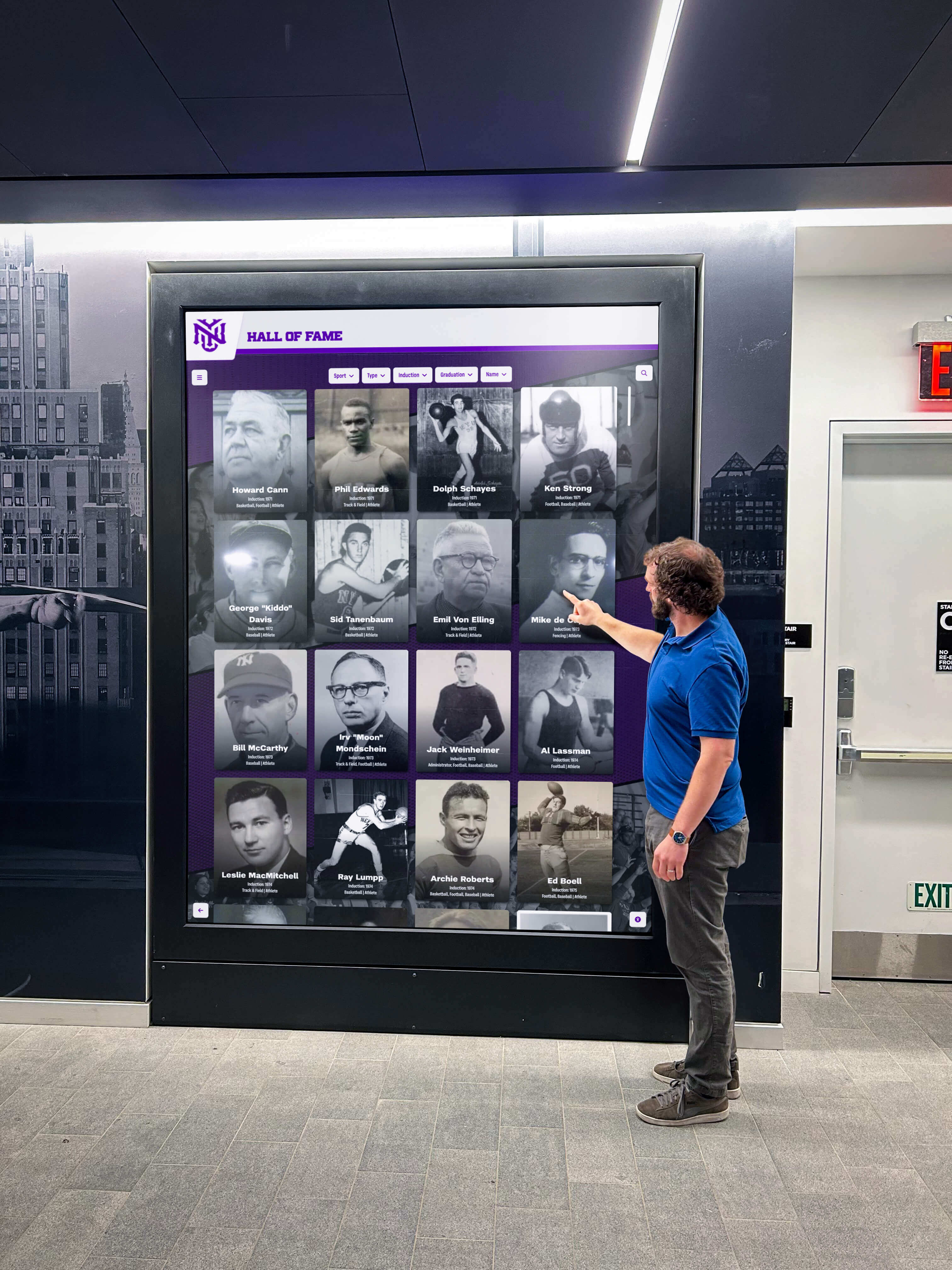
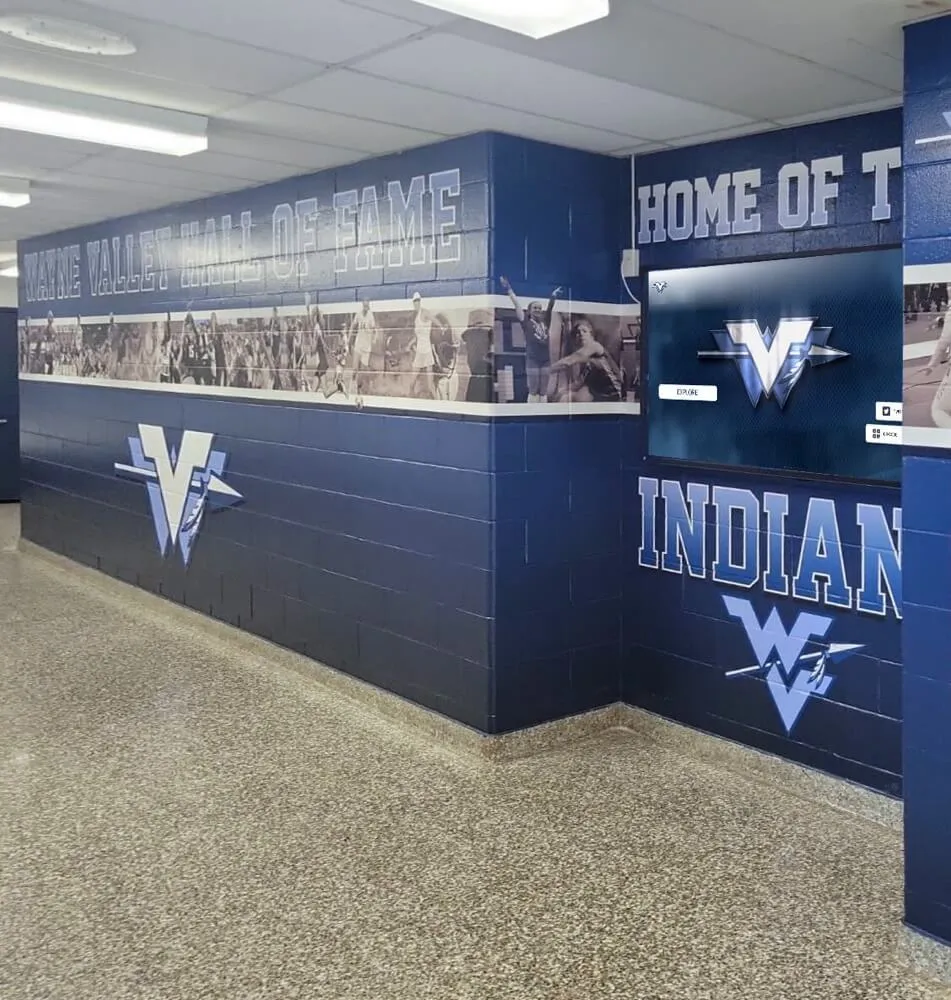
Strategic placement of recognition displays ensures visitors and students encounter complete wrestling program histories including legendary camp connections
Generations of Wrestlers Influenced
Perhaps the camp’s most enduring legacy lives through the generations of wrestlers whose careers were fundamentally shaped by their experiences at Maple Lake.
Direct Impact on Camper Careers
Countless wrestlers who attended Russ Houks Wrestling Camp credit the experience as pivotal to their competitive development and success. The camp provided many with their first exposure to Olympic-level training standards, elite coaching instruction, opponents from outside their local areas, and intensive training formats that revealed what genuine championship preparation required.
Many wrestlers who achieved state championships, college All-American status, or even international success trace their development directly to specific techniques, training approaches, or competitive insights gained during camp experiences. The camp accelerated development trajectories by years compared to what traditional seasonal training alone could have achieved.
Coaching Influence Extending the Legacy
Many wrestlers who trained at the camp later became coaches themselves, extending the camp’s influence through multiple generations by teaching methodologies they learned there. These second-generation coaches spread Houk’s training philosophies, technical approaches, and drilling emphases throughout American wrestling, influencing thousands of additional wrestlers who never attended the camp directly.
This ripple effect means the camp’s influence extends far beyond direct attendees to encompass entire coaching lineages and program traditions that trace philosophical roots to methodologies pioneered at Maple Lake decades earlier.
Alumni Networks and Ongoing Connections
Wrestlers who attended the camp often maintain connections decades later, forming alumni networks bound by shared experiences and mutual respect forged through intensive training together. These networks facilitate ongoing knowledge exchange, career opportunities, and continued community within American wrestling.
The camp created a shared cultural touchstone recognized across American wrestling—mentioning that one trained at Russ Houks Wrestling Camp during its Olympic training center years immediately conveys credibility, seriousness, and connection to wrestling’s golden era of Olympic dominance.
Russ Houk: The Man Behind the Camp
Understanding the camp’s impact requires examining the exceptional individual whose vision, dedication, and leadership created this pioneering institution.
Coaching Philosophy and Leadership Style
Russ Houk’s coaching approach reflected deeply held convictions about athletic development, character formation, and the coach’s role in shaping young people beyond simply teaching wrestling techniques.
Technical Excellence and Fundamental Emphasis
Houk believed that championship wrestling required absolute mastery of fundamental techniques executed with precision under competitive pressure. He rejected flashy moves or trick techniques in favor of fundamental skills performed so well that opponents could not defend them even when they knew what was coming.
This technical emphasis meant his camps featured extensive drilling creating automatic execution rather than conscious decision-making during matches. Wrestlers learned to perform techniques so thoroughly that execution became reflex, eliminating hesitation that created defensive opportunities for opponents.
Holistic Athlete Development
Beyond technical wrestling, Houk emphasized complete athlete development including physical conditioning exceeding typical standards, mental toughness and competitive resilience, strategic thinking and match awareness, sportsmanship and wrestling ethics, and character formation and personal responsibility.
This comprehensive approach produced not just successful wrestlers but well-rounded young men prepared for life beyond competition. Many camp alumni credit Houk with influencing their personal development as much as their wrestling success, teaching lessons about discipline, perseverance, and excellence that transferred far beyond athletic contexts.
Contributions Beyond the Camp
While the wrestling camp represents Houk’s most visible legacy, his broader contributions to American wrestling extended across multiple dimensions throughout his lengthy career.
Bloomsburg Wrestling Program Building
Houk’s primary professional responsibility remained building the Bloomsburg State College wrestling program, where his success was remarkable. His 142-34-4 career record, five conference championships, and three NAIA national championships established Bloomsburg as a small college wrestling power that consistently competed with much larger and more established programs.
He developed numerous individual champions and All-Americans who went on to successful coaching careers themselves, extending his influence throughout American wrestling. The program he built continues today as a Division I program (Bloomsburg transitioned from NAIA to NCAA Division II to Division I across Houk’s tenure and beyond), with current success tracing directly to foundations he established decades earlier.
USA Wrestling Leadership and Olympic Administration
Houk’s service on the United States Olympic Wrestling Committee from 1964 to 1976 influenced policy, training, and competitive decisions during a critical period of American wrestling’s Olympic history. His role as team manager for the 1972 and 1976 Olympic Games gave him firsthand involvement in America’s most successful Olympic wrestling performances.
These administrative contributions complemented his camp and coaching work, ensuring that insights from practical training and competition informed national policy rather than decisions being made by administrators disconnected from competitive realities.
Learn about comprehensive recognition for coaching excellence through athletic hall of fame creation approaches demonstrating systematic celebration frameworks.
Recognition and Honors
Houk’s extraordinary contributions to wrestling earned numerous honors recognizing his impact on the sport at local, regional, and national levels.
National Wrestling Hall of Fame Induction
Russ Houk was inducted into the National Wrestling Hall of Fame, wrestling’s highest individual honor, recognizing lifetime contributions to the sport. This induction placed him among wrestling’s most distinguished figures, validating the profound impact of his coaching, camp, and Olympic service on American wrestling.
The Hall of Fame honor ensures that future generations will recognize Houk’s pioneering role in wrestling development, preserving his legacy beyond the memories of those who experienced his influence directly.
Bloomsburg University Hall of Fame
Bloomsburg University inducted Houk into its Athletics Hall of Fame in 1982, honoring his transformative impact on the institution’s wrestling program. This recognition acknowledged not just his competitive success but his role in establishing wrestling as a signature sport at Bloomsburg and building program traditions that continue decades after his tenure.
Preserving Wrestling Camp History and Legacy
As decades pass since the camp’s Olympic training center era, preserving this important chapter of wrestling history becomes increasingly important while increasingly challenging.
The Challenge of Documenting Camp History
Unlike formal competitive results that official records preserve systematically, wrestling camp histories exist primarily in participant memories, making documentation difficult but critically important.
Limited Formal Historical Records
Few formal archives systematically document the camp’s operations, daily schedules, complete attendee rosters, or comprehensive records of who trained there across decades of operation. Unlike competitive results that wrestling associations preserve meticulously, training camp histories were rarely documented beyond basic administrative needs.
This limited documentation means that detailed camp history relies heavily on participant recollections, which become increasingly fragile as decades pass and witnesses age. Without systematic preservation efforts, invaluable historical details risk being lost entirely as participants pass away without recording their experiences and insights.
Dispersed Memories and Experiences
Thousands of wrestlers attended the camp across decades of operation, each with unique experiences and perspectives. These memories exist in dispersed form across the country and beyond, making comprehensive collection challenging without systematic outreach and documentation projects.
Some attendees maintained involvement with wrestling and can be contacted through wrestling networks, but others moved away from the sport after competitive careers ended, making them difficult to locate for historical documentation purposes.
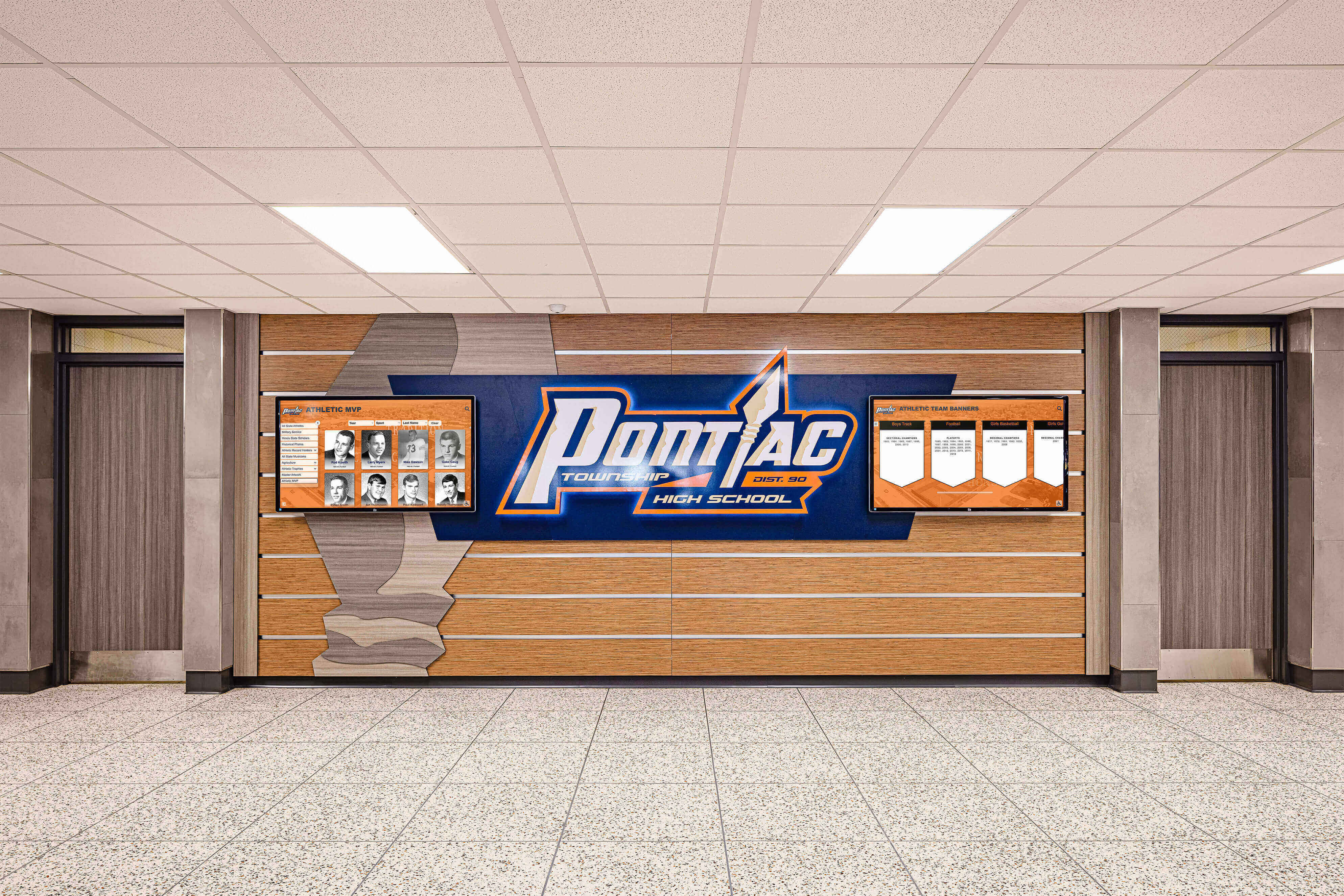
Wrestling programs with connections to legendary camps deserve recognition systems that document these historical relationships and their impact on program development
Modern Recognition of Camp Legacy
Wrestling programs and organizations can honor the camp’s legacy through various recognition approaches that educate current generations about this pioneering institution’s historical importance.
High School and College Wrestling Program Recognition
Wrestling programs whose coaches or athletes trained at Russ Houks Wrestling Camp can incorporate this history into program recognition systems, celebrating connections to this legendary institution. Recognition approaches might include dedicated recognition sections for wrestlers who attended the camp, timeline displays documenting program history including camp connections, coach profiles highlighting training experiences at Maple Lake, and narrative descriptions explaining the camp’s significance to program development.
This recognition educates current wrestlers about historical lineages connecting them to wrestling’s Olympic champions and pioneering institutions while building pride in program traditions extending beyond local competitive success.
Digital Recognition Systems for Wrestling History
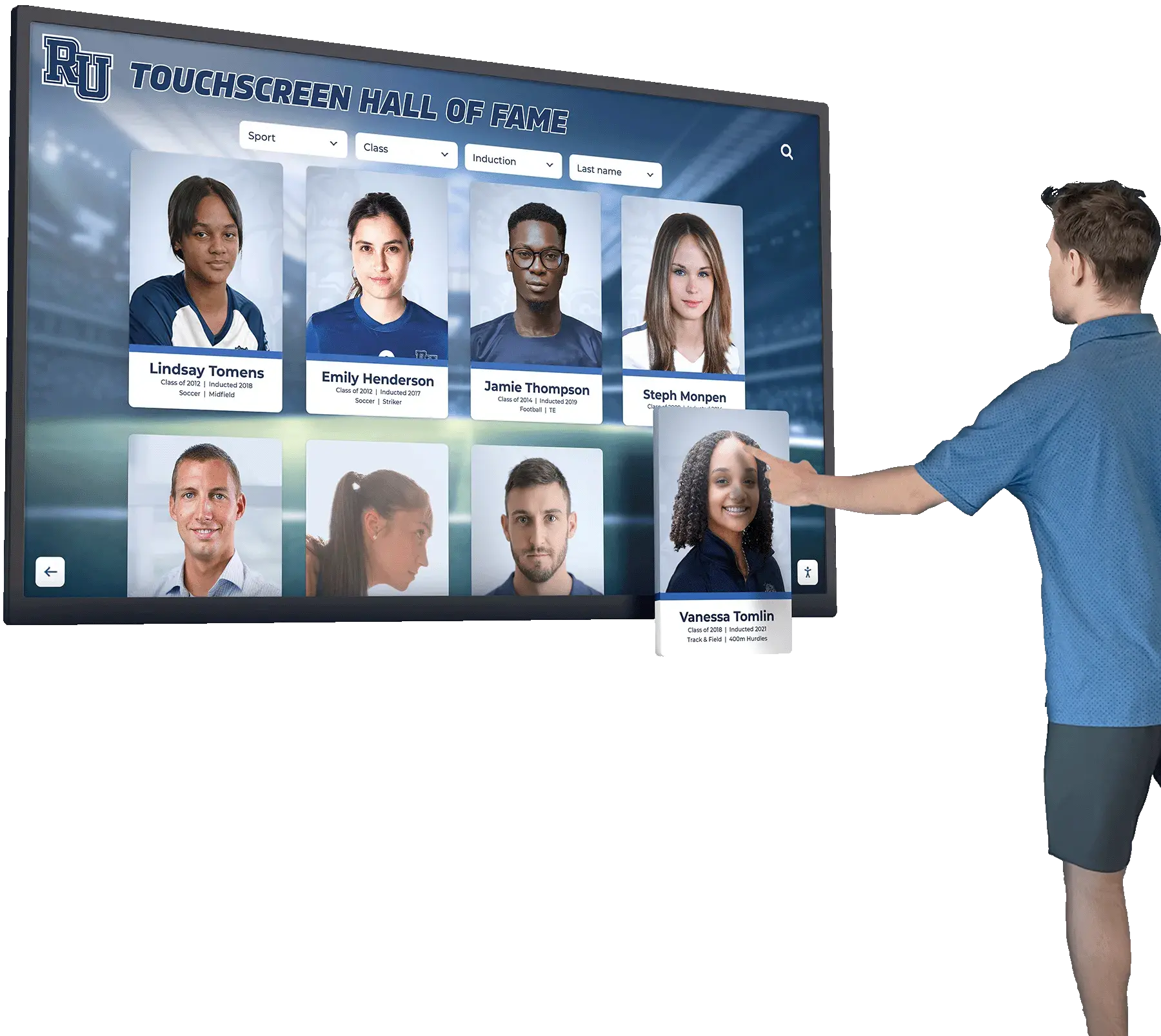
Modern digital recognition platforms like Rocket Alumni Solutions provide ideal infrastructure for preserving and presenting camp history through unlimited content capacity supporting extensive documentation, multimedia integration enabling photos, videos, and oral histories, searchable databases allowing users to discover connections between programs and camp history, and web accessibility ensuring global reach beyond physical display locations.
These platforms overcome limitations of traditional physical displays that cannot accommodate extensive historical content while enabling dynamic presentation impossible with static plaques or posters.
Explore comprehensive recognition platform capabilities through touchscreen software complete guide demonstrating modern celebration technologies.
Oral History and Documentation Projects
Systematic projects to collect and preserve participant memories represent critical work ensuring this history survives for future generations.
Participant Interview Collection
Wrestling historians, programs, and organizations should prioritize collecting detailed interviews with camp participants while memories remain accessible. Essential interview elements include personal camp experiences and memorable moments, specific training methodologies and daily schedules, descriptions of facilities and natural setting, interactions with Olympic wrestlers and elite training partners, impact of camp experience on subsequent careers, and broader context about American wrestling during relevant eras.
These interviews provide invaluable primary source material that secondary historical accounts cannot replicate, capturing authentic voices and perspectives from those who experienced the camp firsthand.
Photographic and Artifact Preservation
Locating and preserving photographs, camp materials, and other artifacts provides visual and physical documentation complementing oral histories. Preservation priorities include camp photographs showing facilities, training, and participants, camp brochures and promotional materials, personal correspondence and memorabilia, newspaper coverage from relevant eras, and competition results for wrestlers who trained at camp.
Digital scanning and archiving ensures these materials survive in accessible formats even if physical originals deteriorate or become lost, while online repositories make them discoverable by researchers and interested community members worldwide.
The Broader Evolution of Wrestling Camps in America
Examining how wrestling camps evolved from Russ Houks’ pioneering work through contemporary formats reveals both continuity and change in how American wrestling approaches summer training.
Proliferation of Wrestling Camps Following Russ Houks’ Model
The camp’s demonstrated success inspired widespread adoption of summer wrestling camp models throughout American wrestling across subsequent decades.
Geographic Expansion Across the Country
By the 1970s and 1980s, wrestling camps operated throughout the United States, with coaches recognizing that offering summer training opportunities had become competitive necessities rather than optional enhancements. Regions without established camps found themselves at disadvantages as their wrestlers fell behind competitors who attended summer programs.
This proliferation meant that innovations pioneered by Houk’s camp—intensive multi-week training, technical drilling emphasis, competitive live wrestling, and residential immersion—became standard features of American wrestler development accessible to far more athletes than when Maple Lake stood as one of few such programs nationally.
Specialization and Format Diversification
While early camps followed general excellence models serving broad wrestler populations, later camps increasingly specialized to serve specific niches including youth camps for elementary and middle school wrestlers, high school focused camps addressing that competitive level specifically, elite camps for top wrestlers pursuing college or international careers, technique specialist camps focusing on specific positions or systems, and day camps for local wrestlers unable to attend residential programs.
This diversification means modern wrestlers can select camps aligned with their specific needs and goals rather than one-size-fits-all approaches, though this specialization might come at the cost of the broader exposure that multi-level camps provided.
Contemporary Wrestling Camp Landscape
Modern wrestling camps operate in an environment dramatically different from the 1960s and 1970s when Russ Houks Wrestling Camp established the template, with both advantages and challenges compared to earlier eras.
Technological Enhancements
Contemporary camps leverage technologies unavailable during Russ Houks’ era including comprehensive video analysis systems for immediate technique review, online instruction and training programs supplementing in-person camps, sophisticated strength and conditioning monitoring, social media promotion and community building, and data analytics tracking performance and development.
These technologies enhance training effectiveness while creating new engagement mechanisms that extend camp impacts beyond immediate training periods into year-round athlete development.
Increased Competition and Commercialization
The wrestling camp market has become increasingly competitive and commercialized, with hundreds of camps competing for limited wrestler populations and dollars. This competition drives quality improvements as camps must deliver exceptional experiences to maintain enrollment, but it also creates pressure toward marketing and promotion sometimes emphasized over pure training quality.
The commercial nature means camps must balance business sustainability with athletic development goals—a tension less pronounced during earlier eras when camps operated more as extensions of coaches’ broader educational missions rather than significant business enterprises.
Ongoing Relevance of Foundational Principles
Despite technological and commercial evolution, core principles pioneered by Russ Houks Wrestling Camp remain central to effective summer training with emphasis on technical fundamentals and drilling, intensive live wrestling against diverse opponents, exposure to multiple coaching perspectives, and total immersion in wrestling culture.
These enduring elements validate Houk’s original vision, demonstrating that while execution methods evolve with technology and market conditions, fundamental principles for developing wrestling excellence remain remarkably consistent across decades.
Learn about modern athletic recognition through student awards recognition programs guide demonstrating contemporary celebration approaches.
Recognizing Wrestling Camp Alumni in Modern Programs
Wrestling programs today can strategically recognize alumni who attended legendary camps like Russ Houks, celebrating these connections while educating current wrestlers about historical traditions that shaped their programs.
Identifying Camp Alumni in Program History
The first step in recognition requires systematically identifying which program wrestlers attended historically significant camps, creating inventories of these important connections.
Research Approaches and Information Sources
Programs can identify camp alumni through alumni interviews and surveys asking about camp experiences, coach recollections and program records, yearbook and media archive reviews, camp registration records where available, and social media outreach to dispersed alumni networks.
This research often uncovers surprising connections revealing that program traditions trace directly to specific camps and training experiences that shaped multiple generations of wrestlers and coaches.
Documenting Impact on Individual Careers
Beyond simply noting camp attendance, effective recognition documents how camp experiences influenced individual wrestlers’ careers and development. Interview questions and documentation might explore what specific techniques or approaches learned at camp became signature moves, how camp exposure to elite wrestlers influenced competitive goals and aspirations, what training methodologies adopted from camp shaped later coaching if applicable, and how camp experiences influenced decisions to pursue wrestling at collegiate or international levels.
These impact narratives transform recognition from simple fact listing into compelling stories demonstrating how camp experiences created tangible differences in wrestlers’ competitive trajectories.
Digital Display Integration
Modern digital recognition platforms provide ideal infrastructure for celebrating camp connections and histories within broader program recognition.
Dedicated Camp History Sections
Recognition displays can include dedicated sections exploring program connections to legendary camps through historical timelines showing when program wrestlers attended camps, alumni profiles highlighting camp experiences in broader career narratives, coach profiles documenting training experiences at significant camps, and photo galleries preserving images from camp eras and experiences.
These dedicated sections educate current wrestlers about program histories extending beyond local competitive success to encompass connections with wrestling’s most significant developmental institutions.
Interactive Exploration and Discovery
Digital platforms enable interactive features that enhance engagement with camp histories including searchable databases allowing users to find all wrestlers who attended specific camps, map visualizations showing geographic connections between programs and camp locations, video testimonials from alumni describing camp experiences, and linked content connecting camps to subsequent achievements and careers.
This interactivity creates engaging experiences encouraging deeper exploration than static displays typically achieve while accommodating extensive content impossible to present effectively in traditional physical formats.
Discover platform capabilities through best digital hall of fame software schools 2026 comparing recognition system options.
Creating Camp Legacy Recognition Programs
Programs with significant connections to legendary camps might develop specific recognition initiatives celebrating these relationships and their ongoing influence.
Alumni Return and Storytelling Events
Programs can organize special events bringing together alumni who attended significant camps, creating opportunities for storytelling, reminiscence, and oral history documentation. Events might feature panel discussions with camp alumni sharing experiences, video recording sessions capturing oral histories, displays of camp memorabilia and photographs, and social gatherings facilitating informal storytelling and connection.
These events create community around shared camp experiences while producing documented content that can be incorporated into permanent recognition systems.
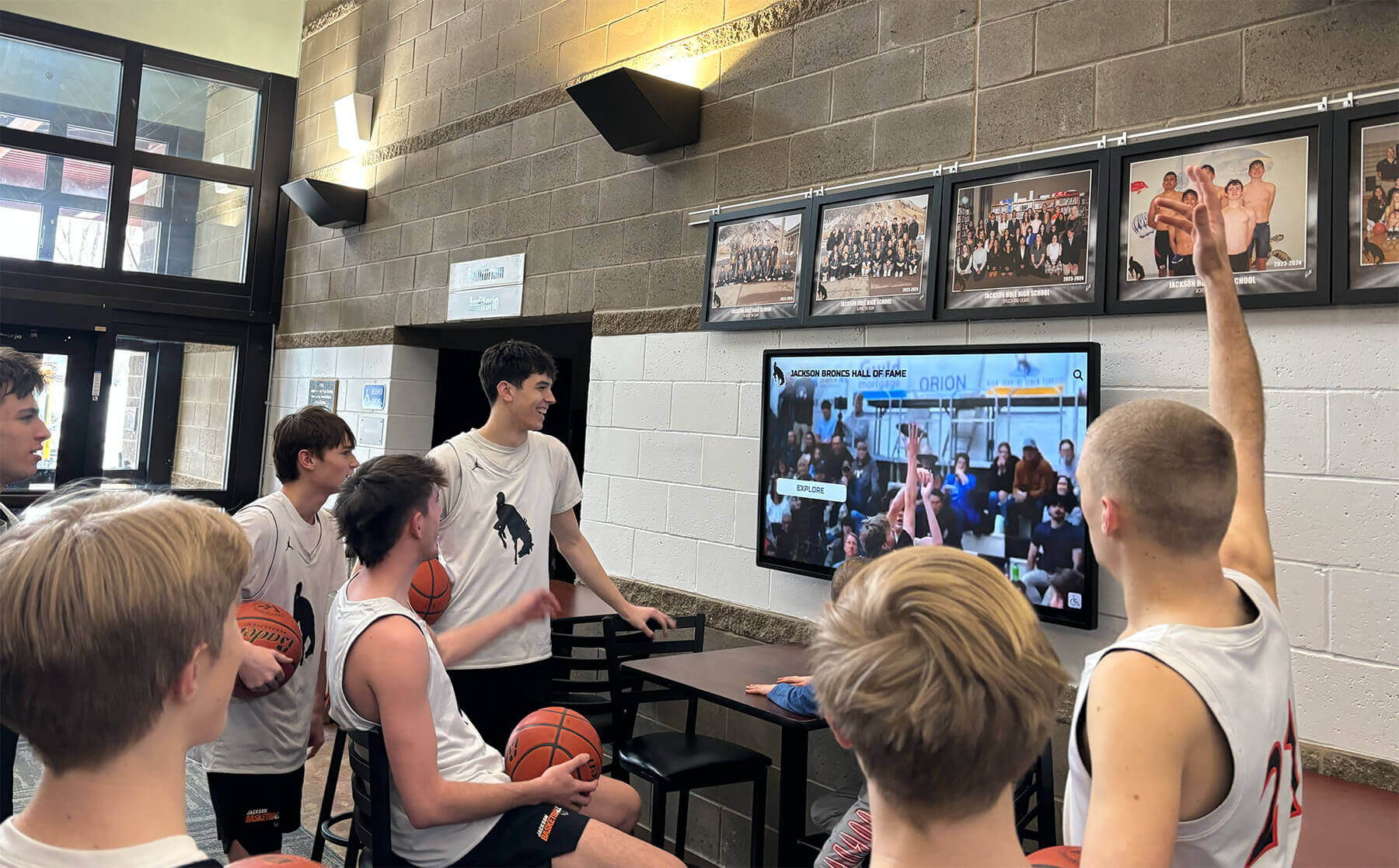
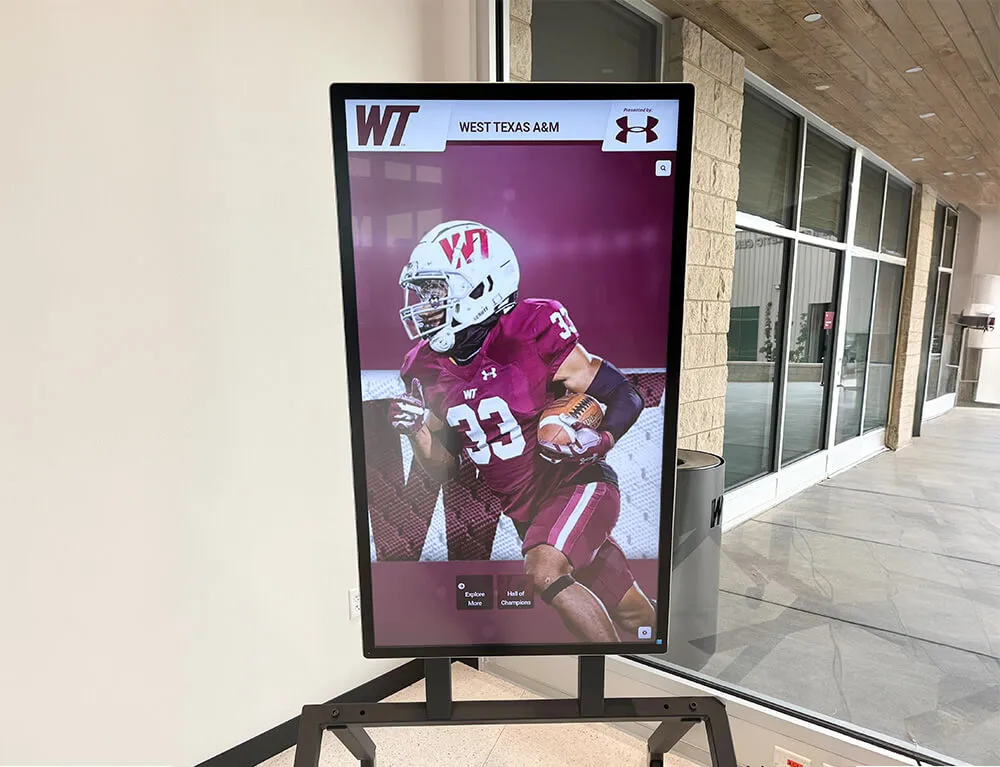
Interactive recognition engages current athletes by showcasing program traditions and connections to legendary training camps
Scholarship or Award Programs Honoring Camp Legacy
Programs might establish scholarships or awards named for significant camps or coaches who operated them, creating ongoing recognition while supporting current wrestlers. These programs could honor wrestlers demonstrating dedication to summer training and development, recognize coaches who prioritize wrestler development beyond competitive seasons, or support wrestlers pursuing advanced training at contemporary camps continuing historical traditions.
These living recognition forms ensure camp legacies influence current programs actively rather than becoming purely historical curiosities.
Conclusion: Honoring Wrestling’s Pioneering Institutions
Russ Houks Wrestling Camp stands as a defining institution in American wrestling history—a pioneering summer camp that fundamentally transformed how wrestlers trained, how Olympic athletes prepared, and how American wrestling approached athlete development across all competitive levels. From its founding in 1962 through its years as the U.S. Olympic and Pan-American Games Training Camp from 1964-1973, the camp trained Olympic champions including Dan Gable and the Peterson brothers while establishing templates that hundreds of subsequent camps would follow.
The camp’s legacy extends far beyond its direct participants through coaching lineages spreading its methodologies nationwide, influence on Olympic training infrastructure development, and demonstration that intensive summer training could dramatically accelerate wrestler development. Understanding this history matters not just for wrestling historians but for anyone interested in how pioneering educational institutions transform sports and develop excellence through innovative approaches to training and athlete development.
Preserve Your Wrestling Program's Legacy and Camp Connections
Discover how modern digital recognition solutions can help you celebrate wrestlers who trained at legendary camps, document complete program histories, and inspire current athletes through connections to wrestling's greatest traditions and training institutions.
Explore Wrestling Recognition SolutionsWrestling programs today with connections to Russ Houks Wrestling Camp or other legendary training institutions possess valuable historical assets deserving recognition alongside competitive achievements. When coaches, wrestlers, or entire programs trained at pioneering camps, these experiences often influenced program development, coaching philosophies, and competitive approaches in ways that shaped generations of subsequent wrestlers.
Modern digital recognition platforms like Rocket Alumni Solutions provide ideal infrastructure for preserving and presenting these camp histories through unlimited content capacity supporting extensive documentation, multimedia integration enabling photos, videos, and oral histories, searchable databases revealing connections across programs and generations, and web accessibility extending recognition throughout global wrestling communities.
The strategies explored in this guide provide frameworks for understanding, documenting, and celebrating wrestling camp histories while ensuring that pioneering institutions like Russ Houks Wrestling Camp receive appropriate recognition for their transformative impact on American wrestling. From systematic research identifying camp alumni to comprehensive digital recognition presenting complete histories, these approaches overcome traditional limitations while creating engaging experiences that educate current wrestlers about the remarkable traditions they inherit.
Wrestling programs should move beyond assumptions that competitive results alone adequately represent program histories. The camps where wrestlers trained, the coaches who shaped their development, and the training innovations that accelerated their improvement all represent essential historical elements deserving documentation and celebration alongside medals and championships.
Start where you are with improvements you can implement immediately—whether interviewing alumni about camp experiences or exploring comprehensive digital recognition systems that can accommodate complete program histories. Every wrestler who discovers that their coach trained alongside Olympic champions, or that their program connects directly to wrestling’s most legendary training institutions, develops deeper program connections while gaining inspiration from remarkable traditions that shaped modern wrestling.
Your wrestling program’s connections to legendary camps like Russ Houks Wrestling Camp deserve recognition systems that celebrate these relationships appropriately while preserving invaluable histories for future generations. With thoughtful research, appropriate technology investments, and systematic documentation, you can create recognition that becomes treasured tradition honoring your program’s place within wrestling’s broader historical narratives.
Ready to begin? Explore how Rocket Alumni Solutions can help you create comprehensive wrestling recognition that preserves camp histories, celebrates developmental traditions, and supports the program growth essential to continued competitive excellence.