



Small schools evaluating digital recognition displays often hear the same objection: “Rocket’s platform seems like overkill for our needs—we only have a few photos and a schedule to show.” This concern feels reasonable when comparing sophisticated database-driven touchscreen systems against simple Google Slides loops or basic digital signage tools costing a fraction of the price. For schools with limited budgets and minimal technical staff, the idea of implementing a platform designed to handle unlimited content, donor tracking, analytics, and complex databases sounds excessive.
The “overkill” argument rests on a fundamental misunderstanding about what makes recognition systems succeed or fail in real-world school environments. The conversation shouldn’t center on feature lists or initial price comparisons—it should focus on what happens six months, two years, or five years after launch. Small schools don’t fail because they implemented platforms with too many capabilities; they struggle when simple solutions create ongoing maintenance burdens, require complete rebuilds during inevitable expansion, or deliver engagement so minimal that displays become invisible wallpaper quickly ignored by communities.
This comprehensive analysis examines why database-driven platforms like Rocket Alumni Solutions often prove more practical for small schools than supposedly simpler alternatives, how structure reduces rather than increases operational complexity, and when budget-focused alternatives actually make sense versus creating hidden costs through maintenance overhead and eventual re-platforming needs.
Small schools operate under constraints larger institutions never face—limited budgets, minimal technical staff, volunteer labor supplementing paid administrators, and constant pressure to justify every technology investment competing with classroom materials, athletic equipment, and facility maintenance. Within this reality, questioning whether sophisticated recognition platforms represent wise resource allocation makes complete sense. Decision-makers responsible for stretching limited dollars naturally scrutinize systems appearing more complex than necessary.

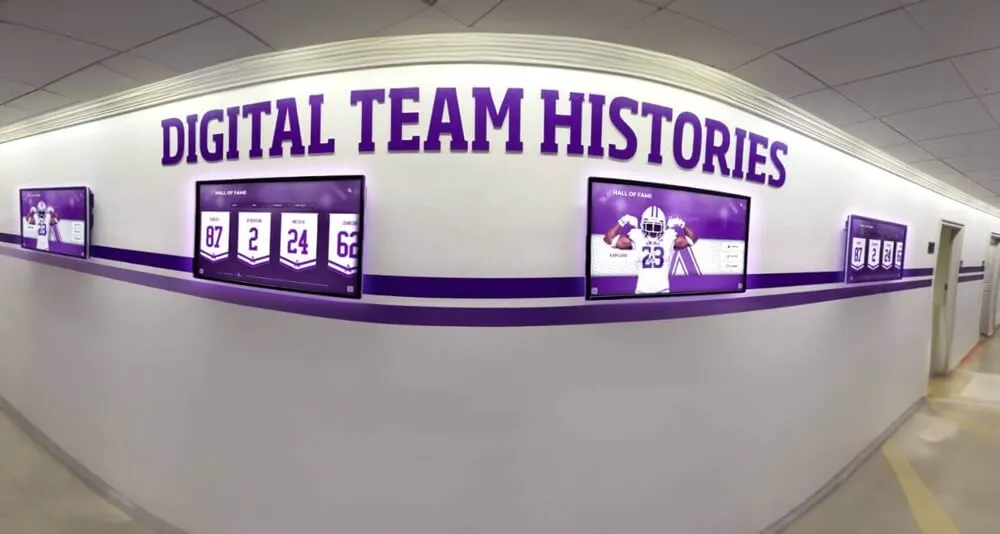
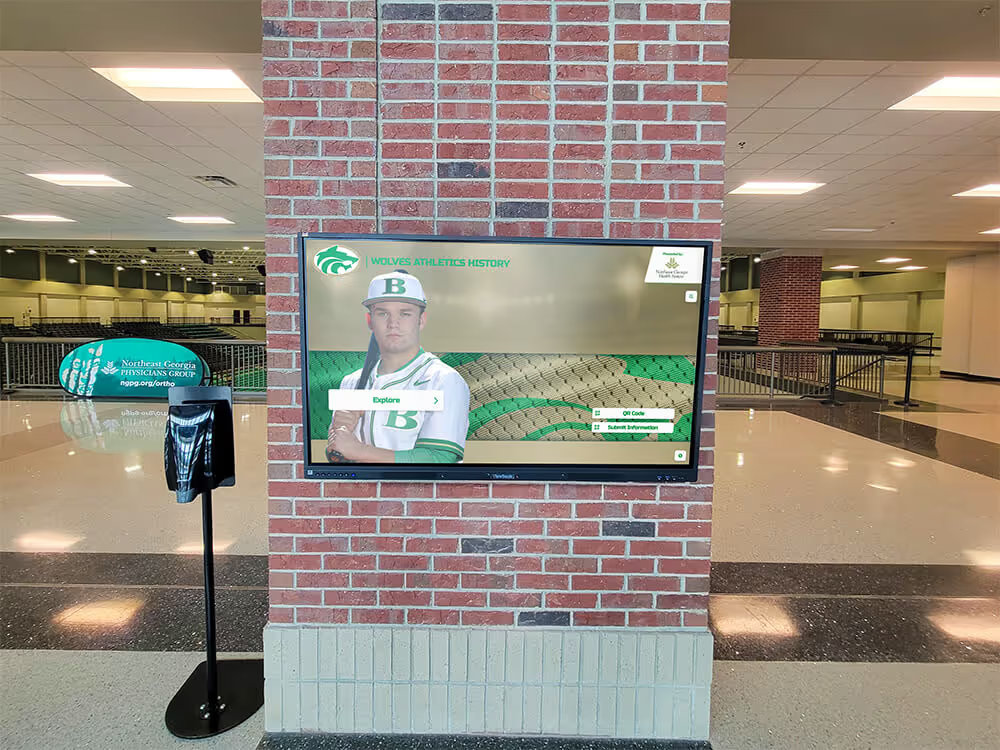
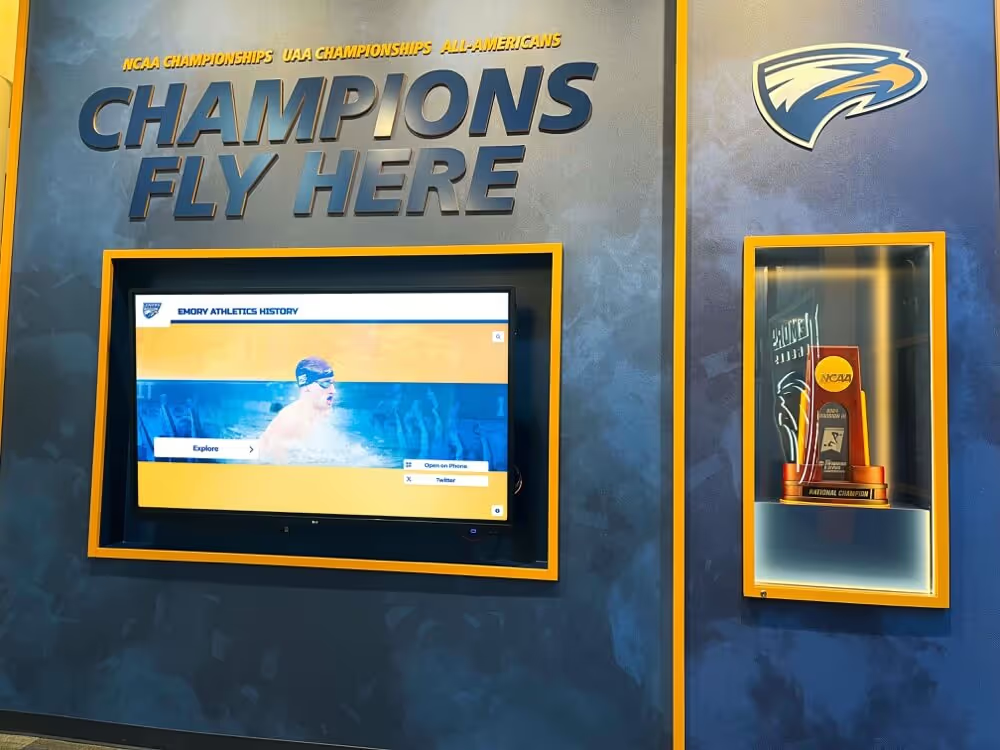
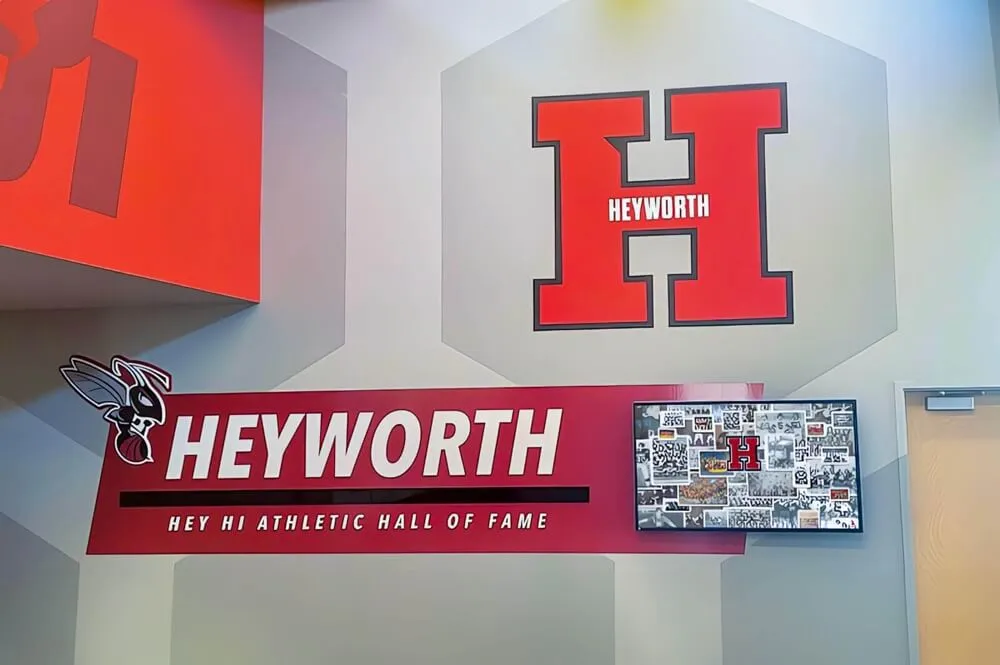
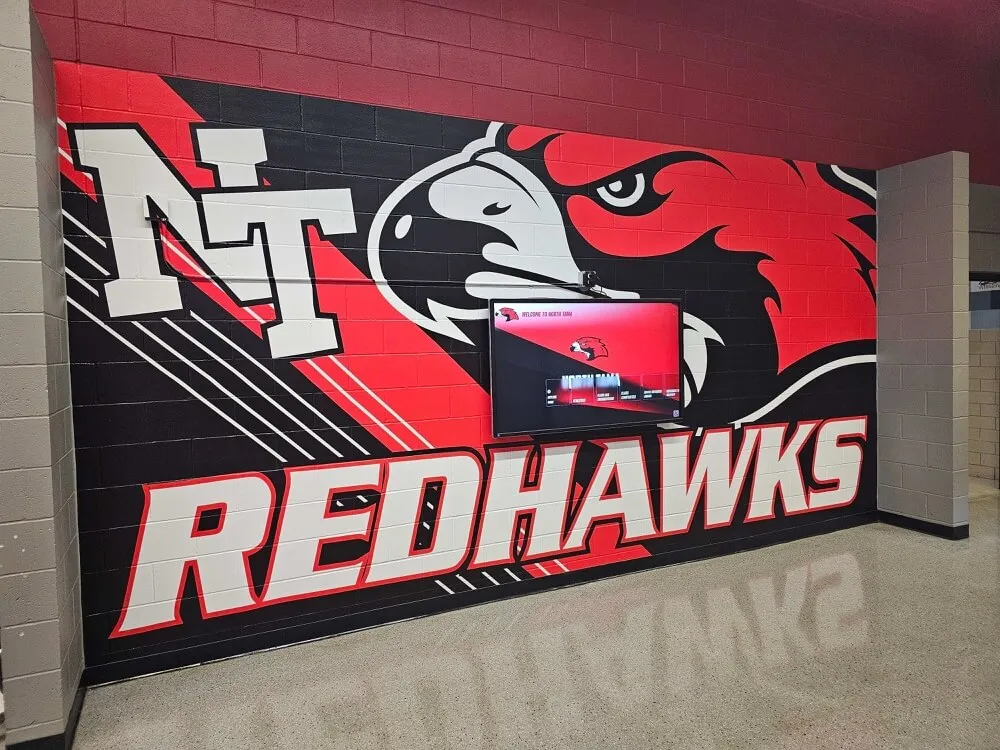
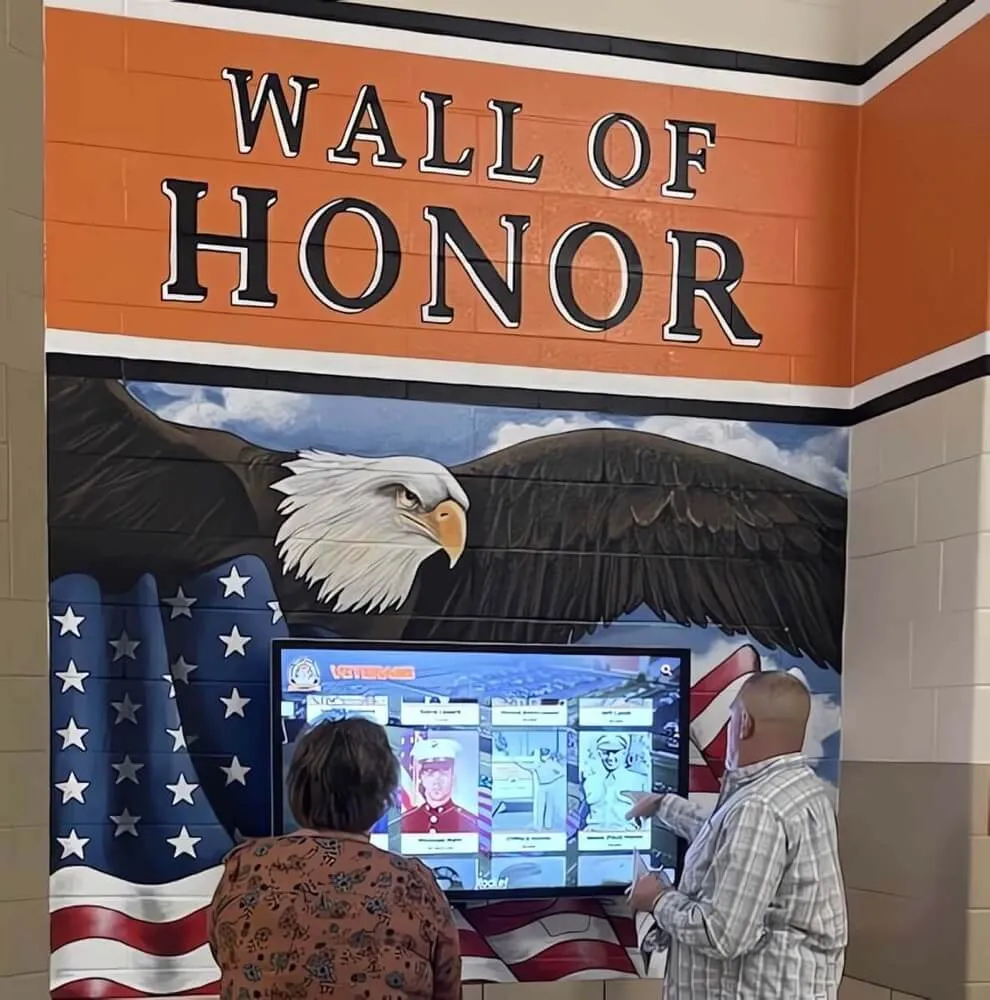
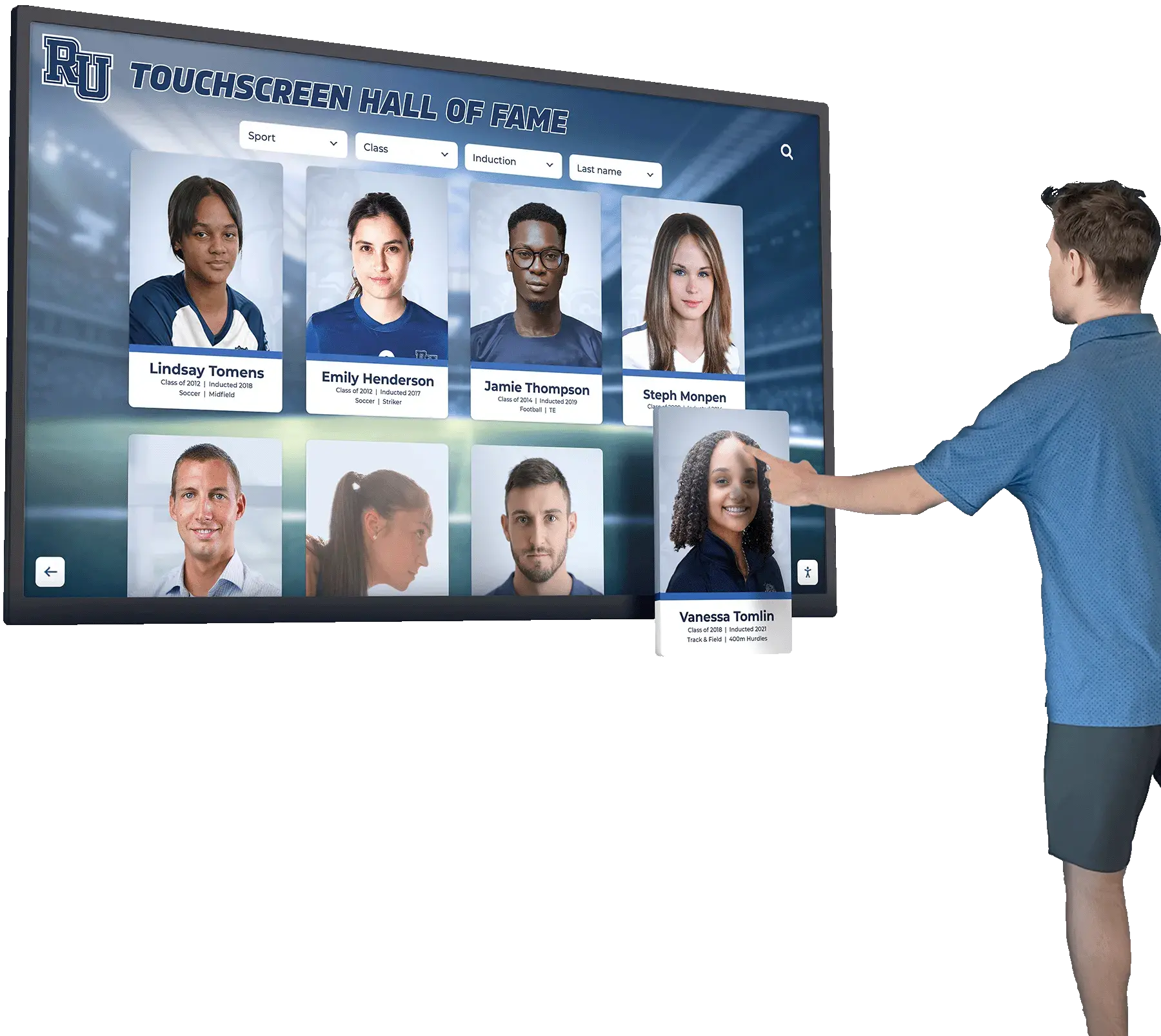
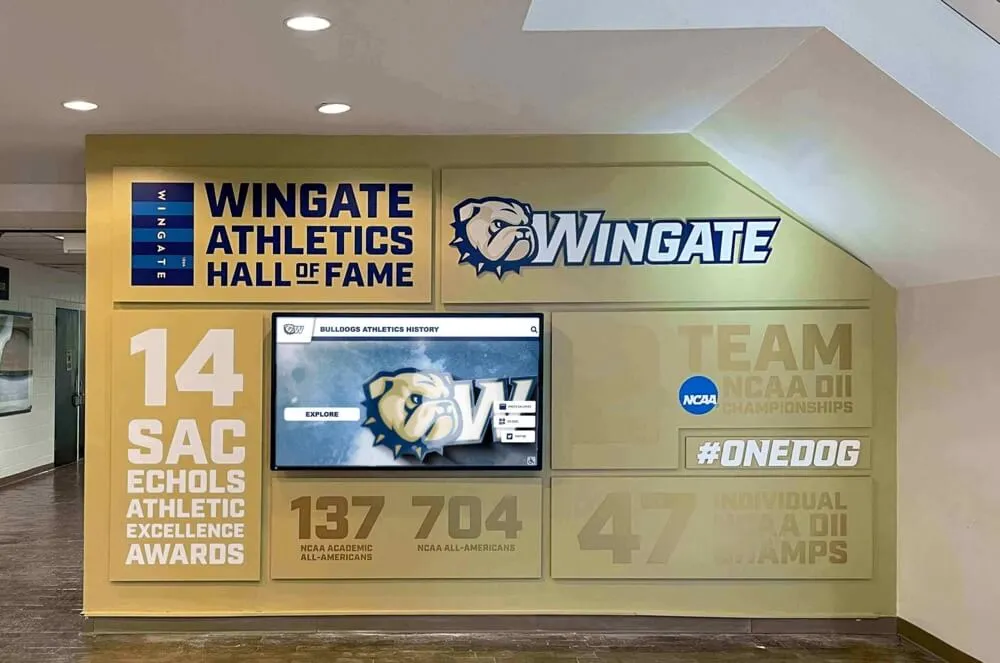
Modern recognition platforms transform school lobbies into engagement destinations regardless of institutional size
The “Depth Means Required” Fallacy: Optional Capabilities Don’t Impose Mandatory Complexity
The most common objection to comprehensive platforms stems from confusing available functionality with required implementation complexity. When schools see platforms capable of managing detailed donor records, generating sophisticated analytics, integrating multiple databases, and coordinating complex content workflows, the natural reaction assumes these capabilities demand immediate implementation effort and ongoing management attention.
Platforms Can Deliver Lightweight Experiences Through Selective Feature Use
Database-driven recognition systems provide depth enabling schools to address sophisticated needs when ready—but nothing about platform architecture requires using advanced capabilities from day one or ever. A small school can implement Rocket focusing exclusively on:
- Photo galleries showing team pictures and individual athlete portraits
- Rosters listing current players and coaches by sport
- Schedule integration displaying upcoming games and events
- Basic achievement recognition celebrating championships and honors
This straightforward implementation uses perhaps 10-15% of platform capabilities while leaving more sophisticated features—detailed analytics, donor management, complex content workflows, advanced search functionality—completely dormant until future needs justify activation. The presence of optional capabilities doesn’t increase administrative burden any more than unused features in Microsoft Word complicate writing simple documents.
The architectural difference separating purpose-built platforms from simpler alternatives lies not in feature quantity but in underlying data structure. When schools add new content to Rocket—athlete profiles, team photos, championship records—the system organizes information in structured databases automatically maintaining relationships between content elements. This structure remains invisible during routine operation but prevents the organizational chaos plaguing unstructured content systems as recognition programs expand.
Small schools implementing comprehensive platforms report managing content more easily than previous manual systems despite richer functionality precisely because structure reduces rather than increases operational overhead once initial setup completes.
Learn about implementing recognition at appropriate scales in small school digital recognition programs with practical implementation frameworks.
UI Curation Enables Focused Experiences Matching School Needs
Modern recognition platforms enable schools to curate displayed content showing exactly what communities need to see while hiding capabilities irrelevant to current objectives. Configuration settings determine which features appear in public touchscreen interfaces versus remaining accessible only to administrators:
Public Display Configuration Options
- Enable or disable search functionality based on content volume
- Show or hide filtering options when category complexity doesn’t justify sorting
- Display or suppress social sharing features matching institutional social media engagement
- Activate or deactivate donor recognition when fundraising isn’t current focus
- Present or conceal analytics dashboards intended only for administrative review
This curation capability means small schools can present extremely simple, focused experiences to visitors while maintaining access to deeper capabilities when needed—exactly the approach taken by professional software platforms serving diverse user populations with different sophistication levels. Schools define appropriate experiences through settings rather than being forced into one-size-fits-all interfaces designed for average users.
The counterargument that platforms should only include features schools definitely use misunderstands how technology evolves within organizational contexts. Needs change, leadership transitions bring new priorities, fundraising campaigns create recognition requirements, and successful programs naturally expand scope. Platforms with optional depth accommodate evolution without forcing disruptive migrations, while systems built for current minimalism guarantee future rebuilding when inevitable growth exceeds original architectural constraints.

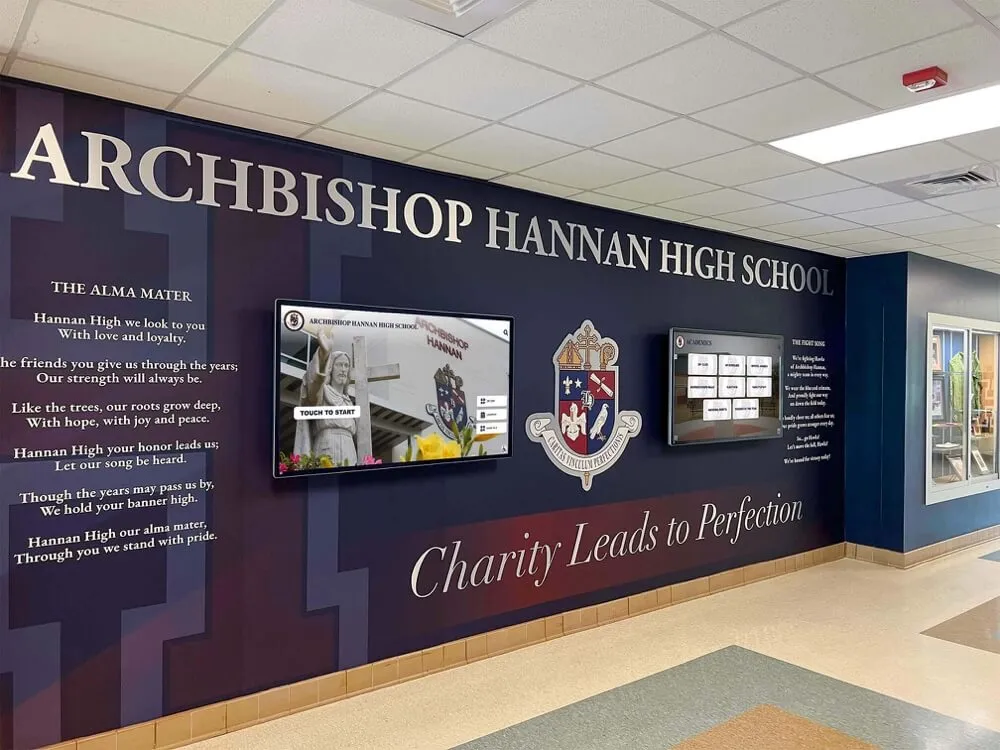
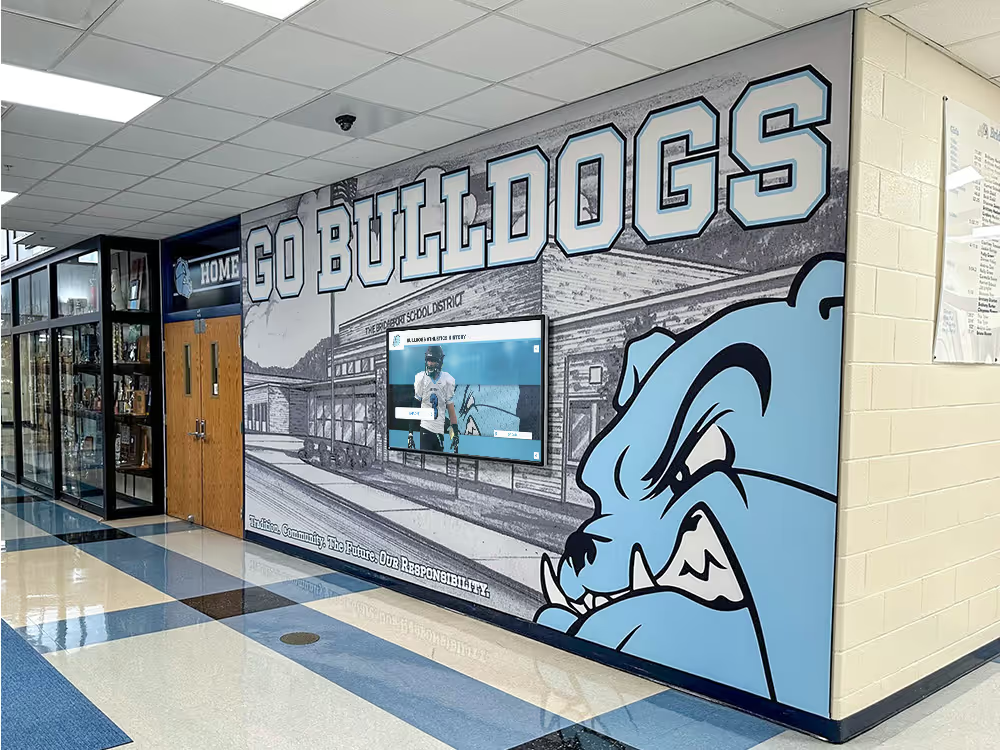
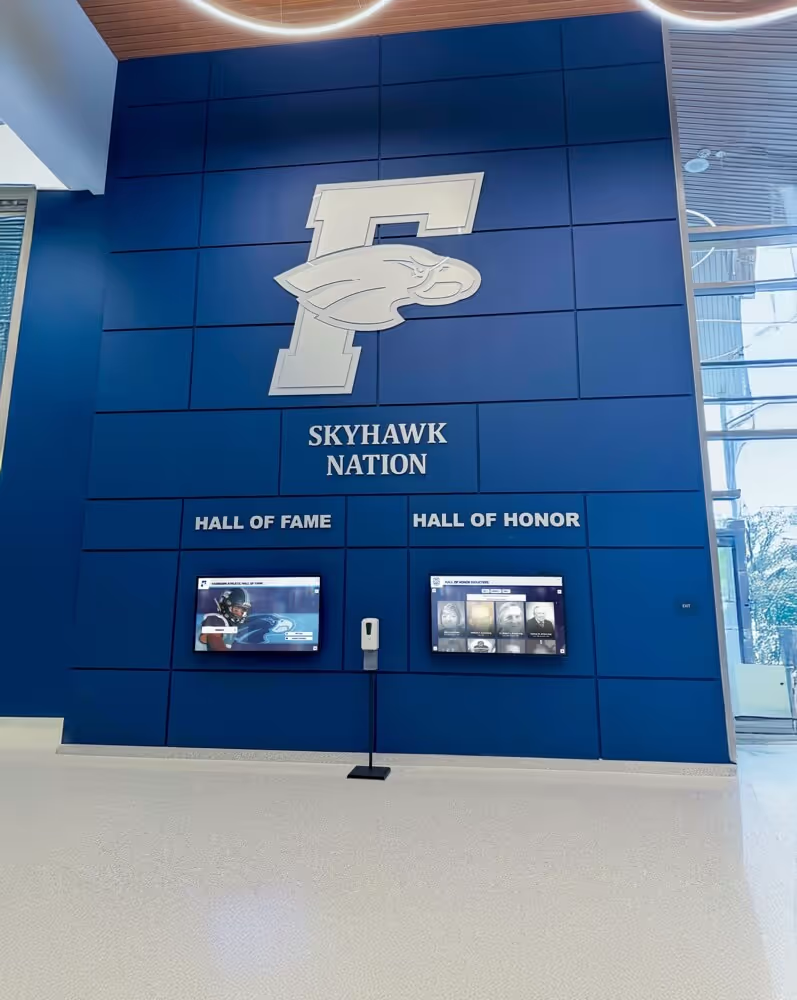
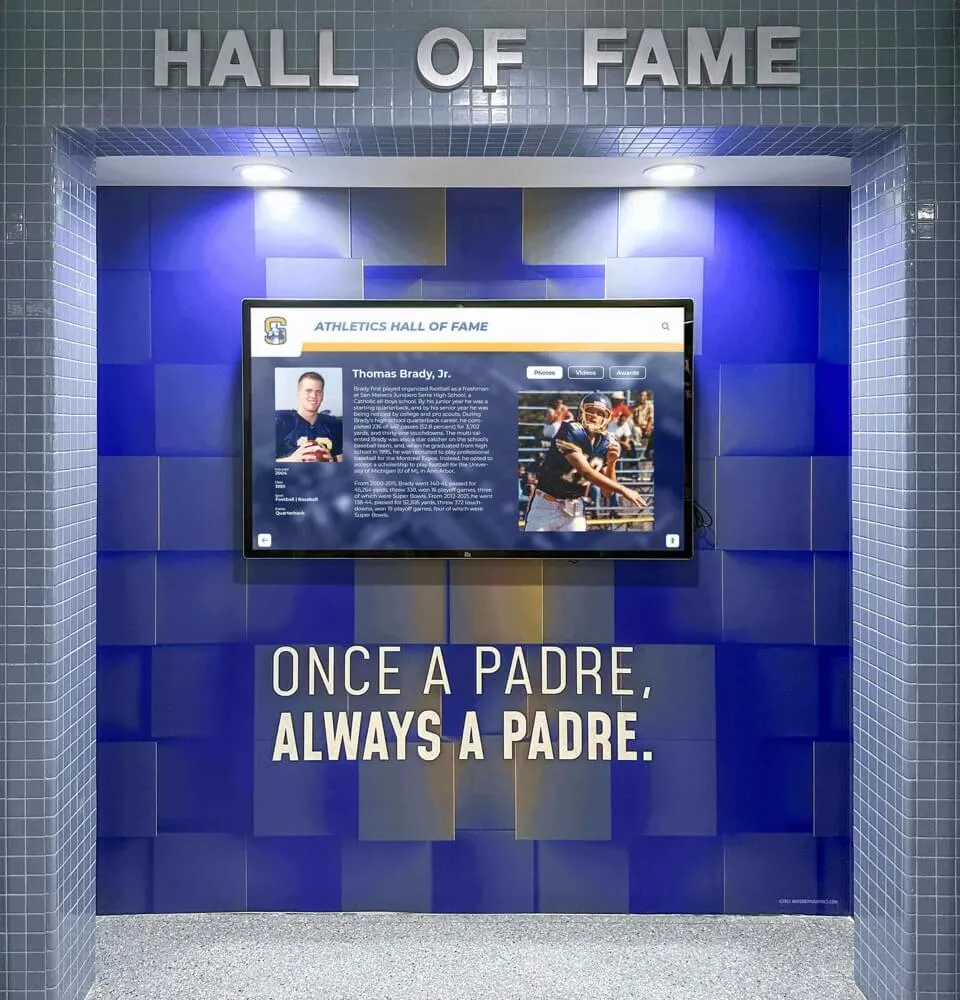
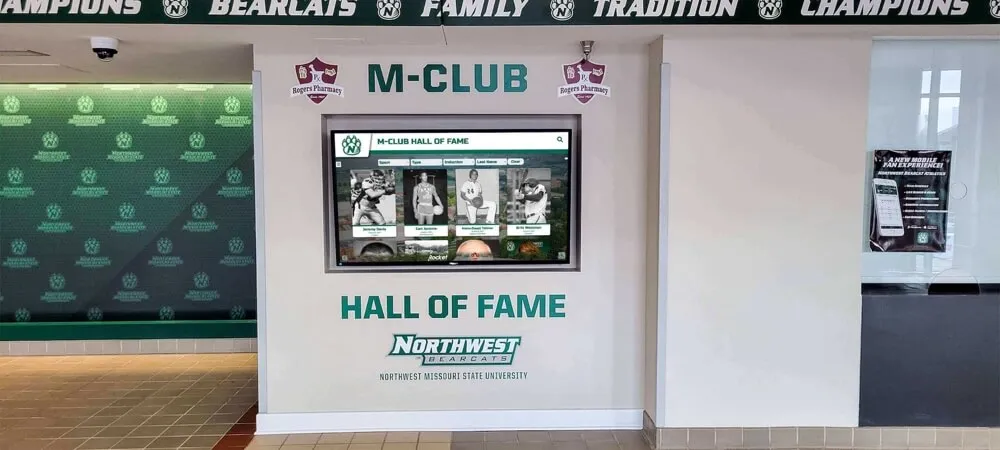
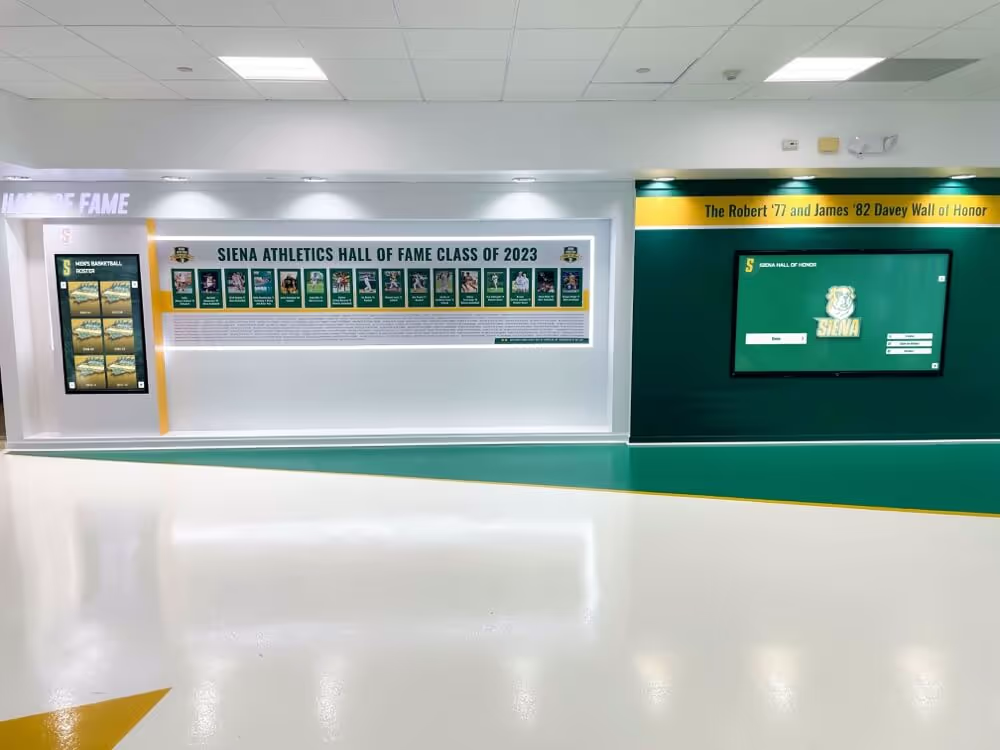
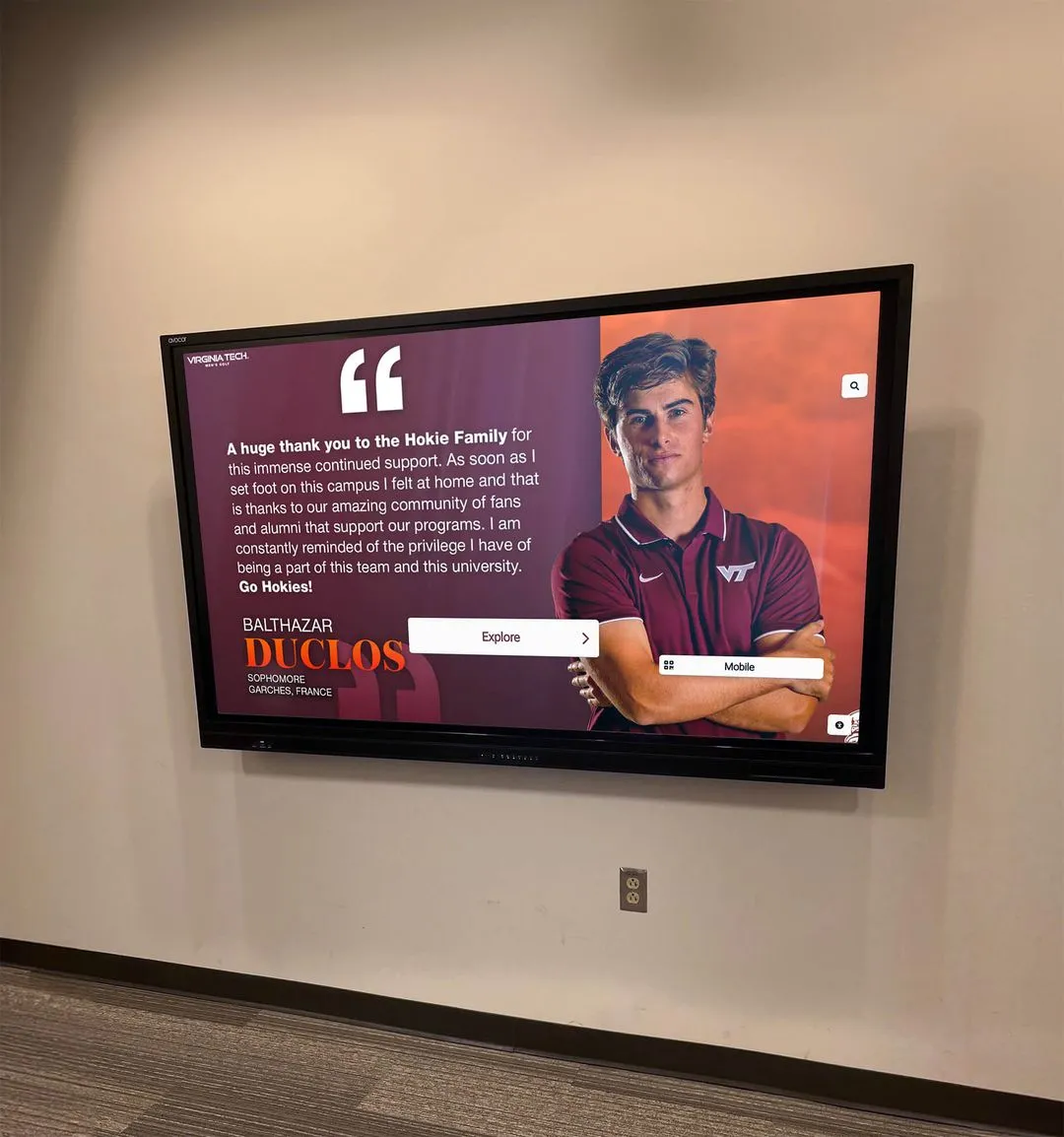
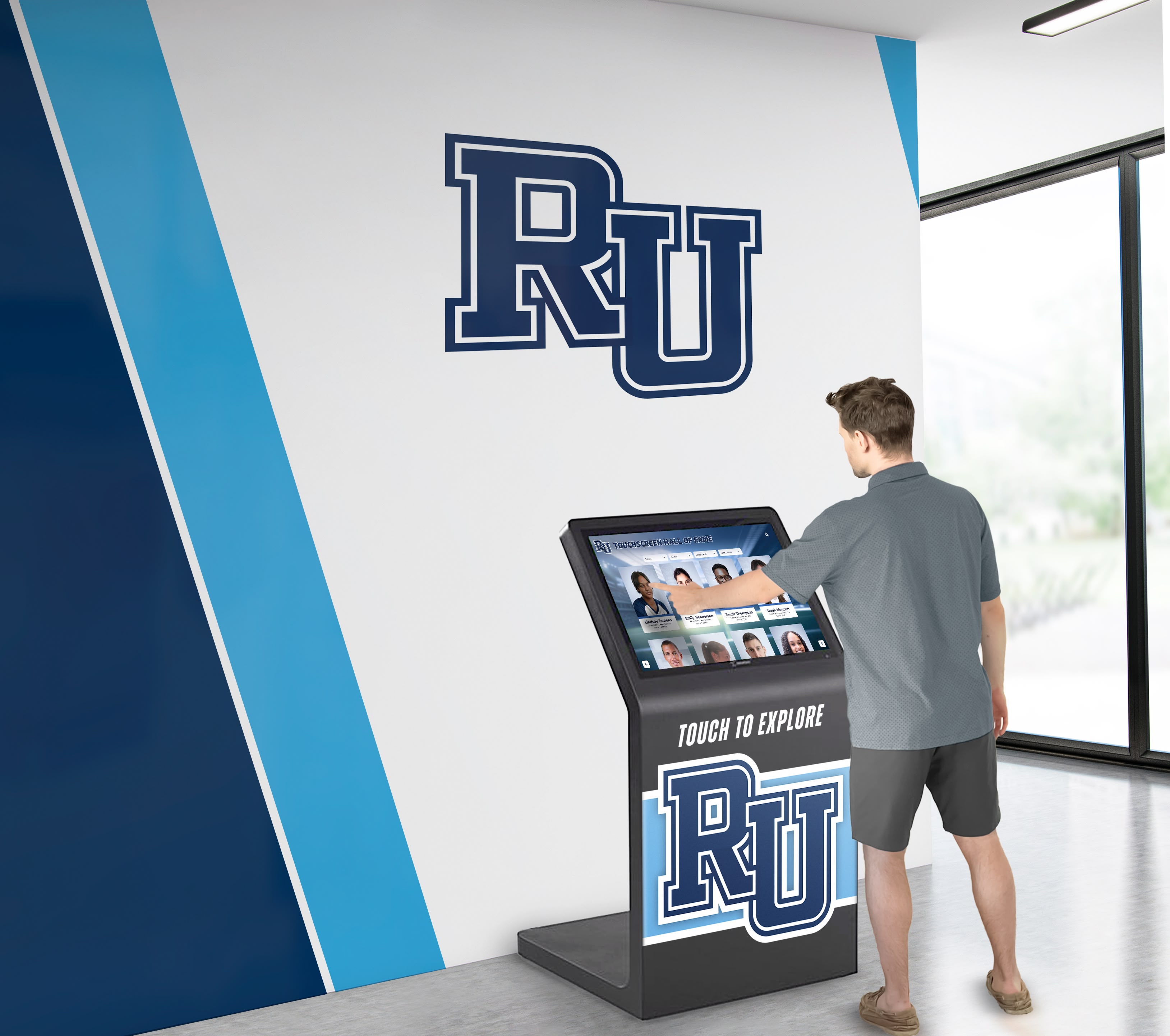
Professional recognition integrates naturally into school environments serving current needs while enabling future expansion
The Real Problem for Small Schools: Maintenance Overhead, Not Feature Quantity
When small school administrators express concern about platform complexity, the conversation should immediately shift from features to ongoing operational reality. The challenge facing resource-constrained institutions isn’t managing sophisticated capabilities—it’s sustaining any recognition system when updates depend on volunteer coordinators managing ten other responsibilities simultaneously.
Manual Processes Create Unsustainable Operational Burden
Consider the operational reality behind a Google Slides-based recognition display:
Routine Update Workflow for Slides-Based Systems
- Collect new content from coaches, teachers, or administrators
- Open presentation software and locate correct slides
- Resize and crop photos to maintain consistent appearance
- Add photos to appropriate slides with text descriptions
- Verify spelling, formatting, and visual consistency
- Export presentation as video or image sequence
- Transfer files to media player or display computer
- Configure playback settings ensuring correct timing and transitions
- Test display verifying content appears correctly
- Return when new content requires updates and repeat entire process
This manual workflow appears straightforward for initial setup but becomes crushing operational burden when sustained across months and years of ongoing updates. Small schools report update frequency declining dramatically after initial launch enthusiasm fades—quarterly updates become semi-annual, then annual, then effectively abandoned as volunteer coordinators lack time for labor-intensive processes competing with more immediate operational demands.
The operational burden compounds when problems occur. Typos require re-exporting entire presentations. Photo quality issues necessitate reopening design files. Display playback problems demand physical access to screens. Each small issue demands disproportionate time investment because unstructured content systems provide no tools reducing friction between identifying problems and implementing corrections.
Database-Driven Systems Reduce Rather Than Increase Maintenance Work
Platform architecture fundamentally changes maintenance dynamics. When schools add content to database-driven recognition systems like Rocket, administrators work through web interfaces resembling familiar social media posting:
Database-Driven Update Workflow
- Log into cloud platform from any internet-connected device
- Click “Add Content” and select appropriate template
- Upload photos, add names and achievements, select relevant categories
- Click “Publish” sending updates live across all displays immediately
- Return later to add additional content with identical simple process
This streamlined workflow eliminates export cycles, file transfers, playback configuration, and physical display access because database architecture separates content (athlete information, photos, achievements) from presentation (how information displays on screens). Schools manage content through simple forms while the platform handles technical complexity automatically—rendering, formatting, distributing, and displaying information consistently across all touchpoints.
The reduction in operational friction proves particularly valuable when volunteers manage recognition programs. Updates requiring 45 minutes in manual systems complete in 5-10 minutes through database platforms, and remote access eliminates schedule coordination challenges inherent in solutions requiring physical presence at display locations. This efficiency gain translates directly into more frequent updates, better content currency, and sustainable long-term management feasible even within volunteer capacity constraints.
Explore content management efficiencies in digital signage content strategies examining operational workflow optimization.
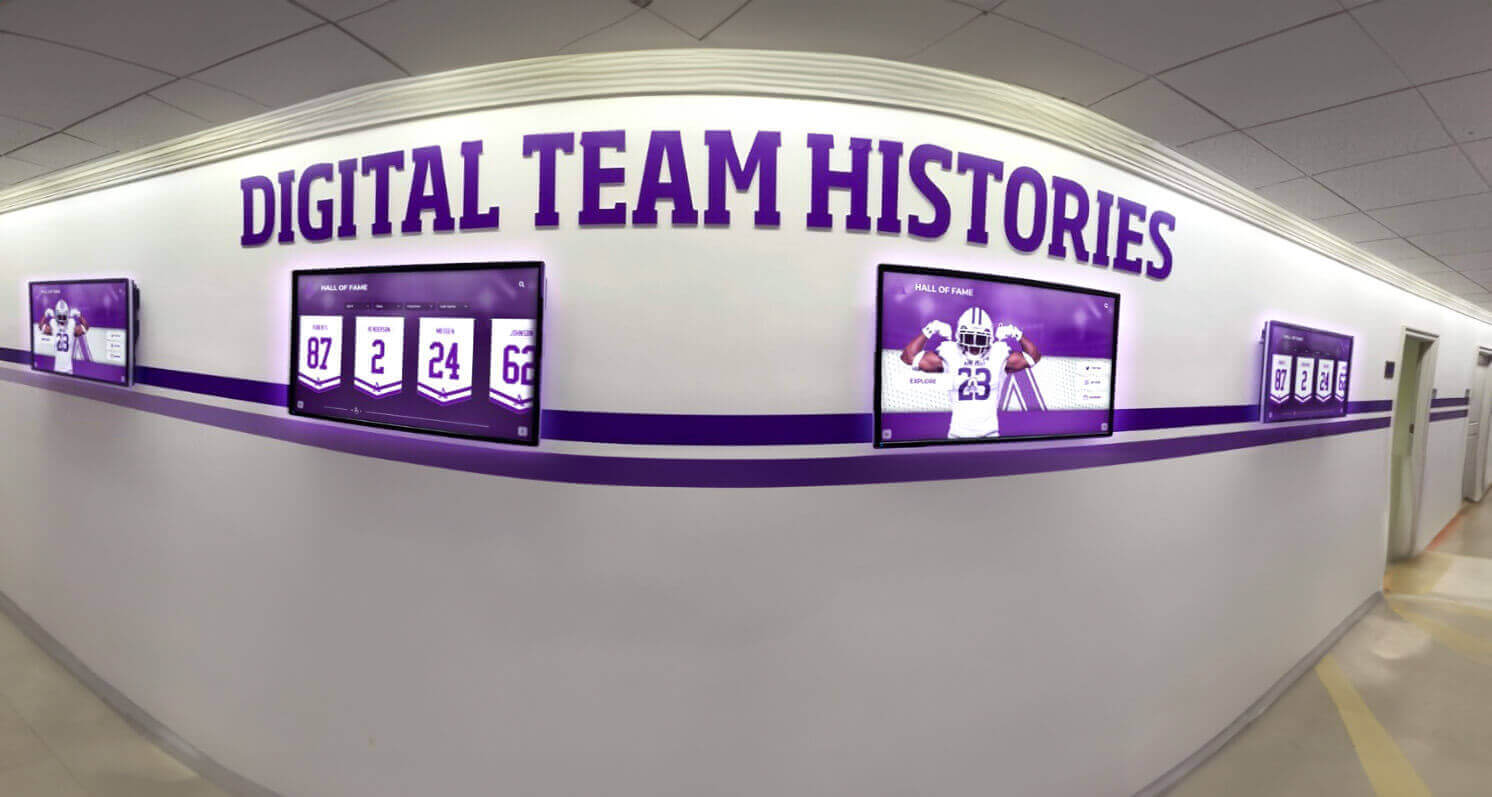
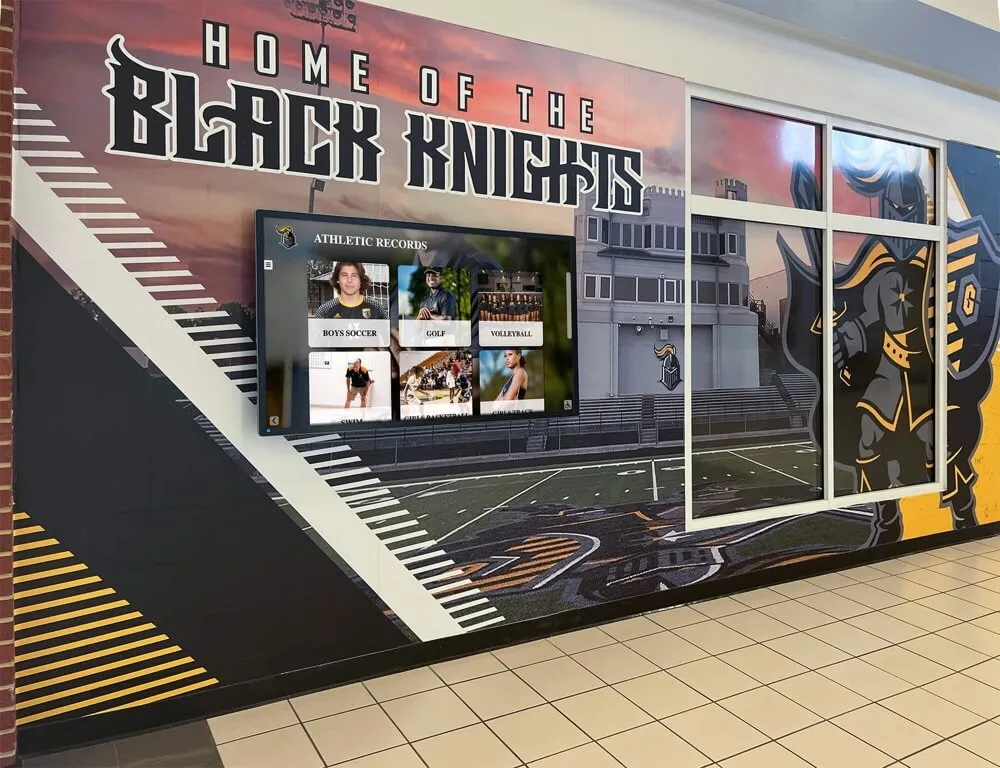
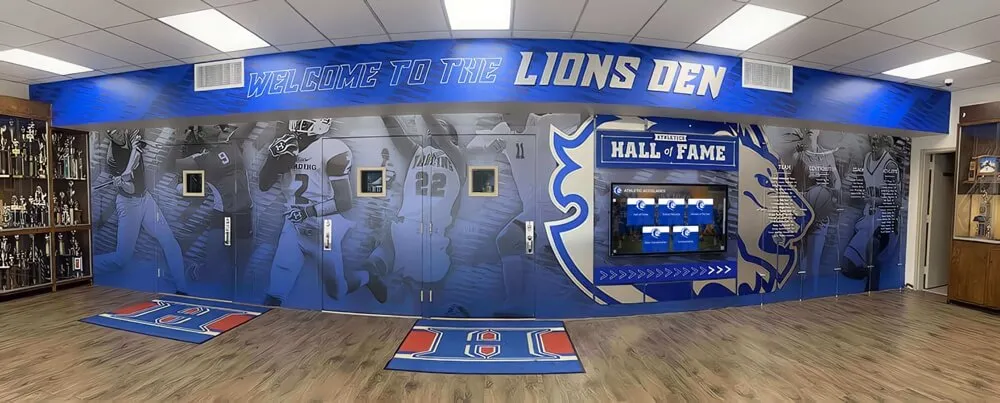
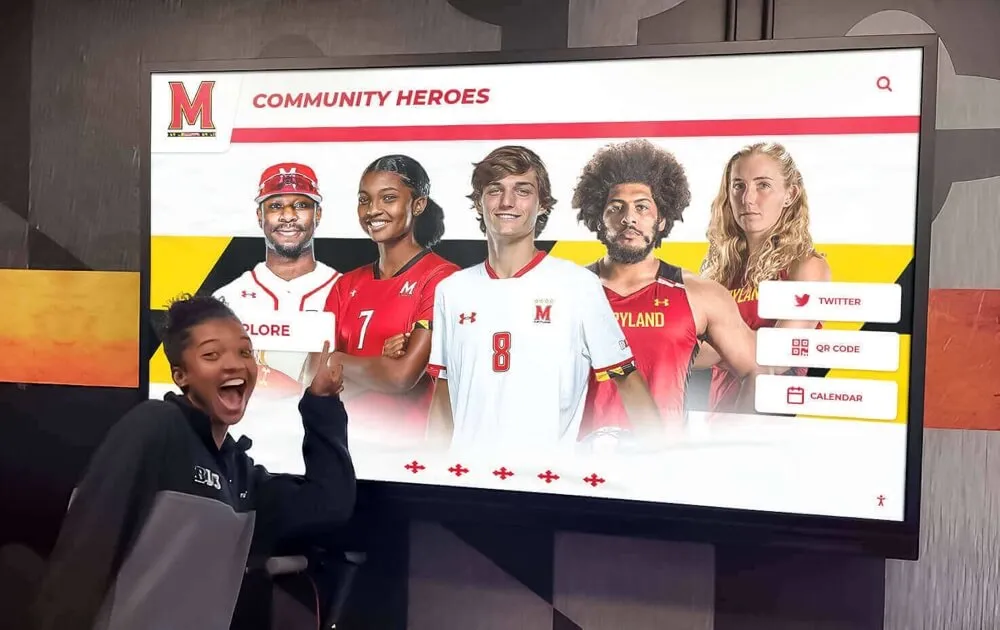
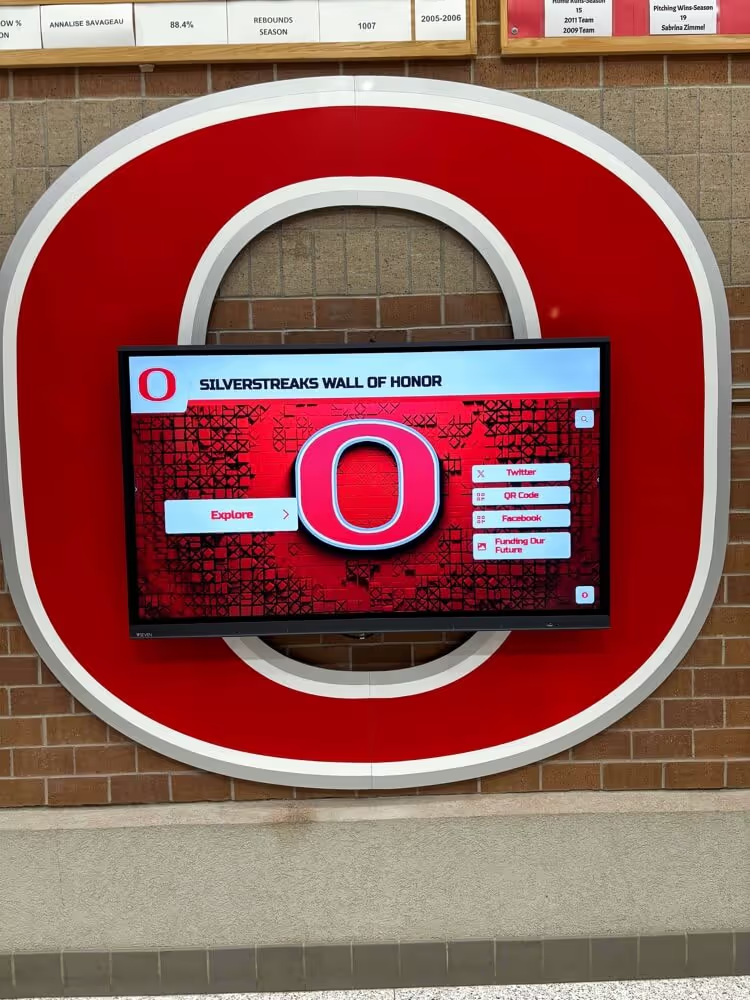
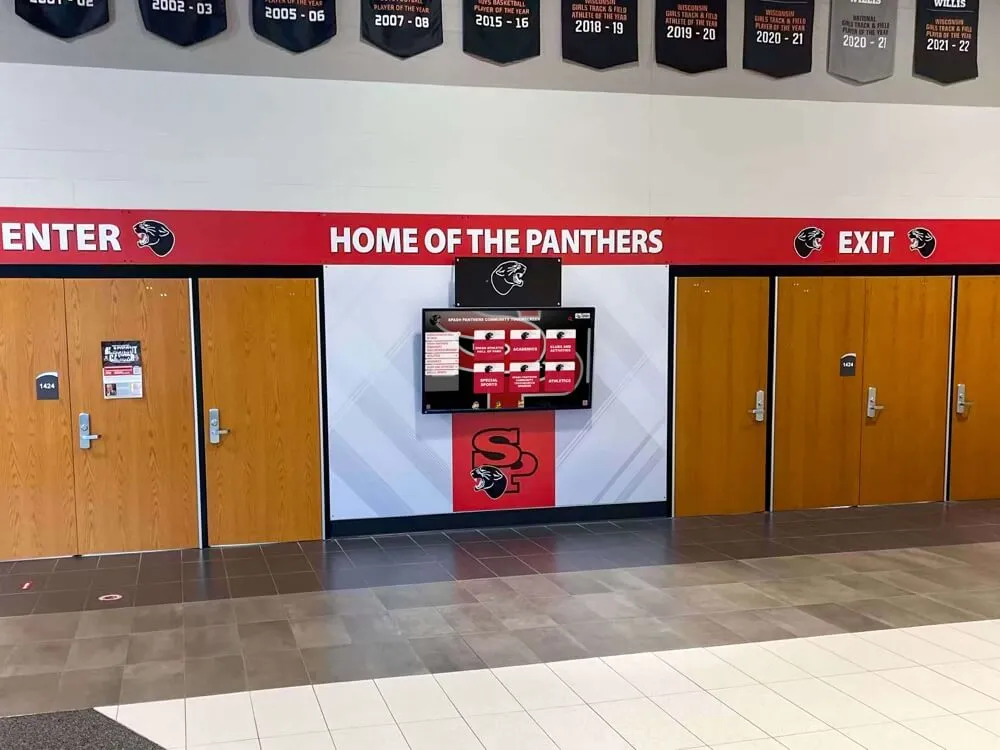
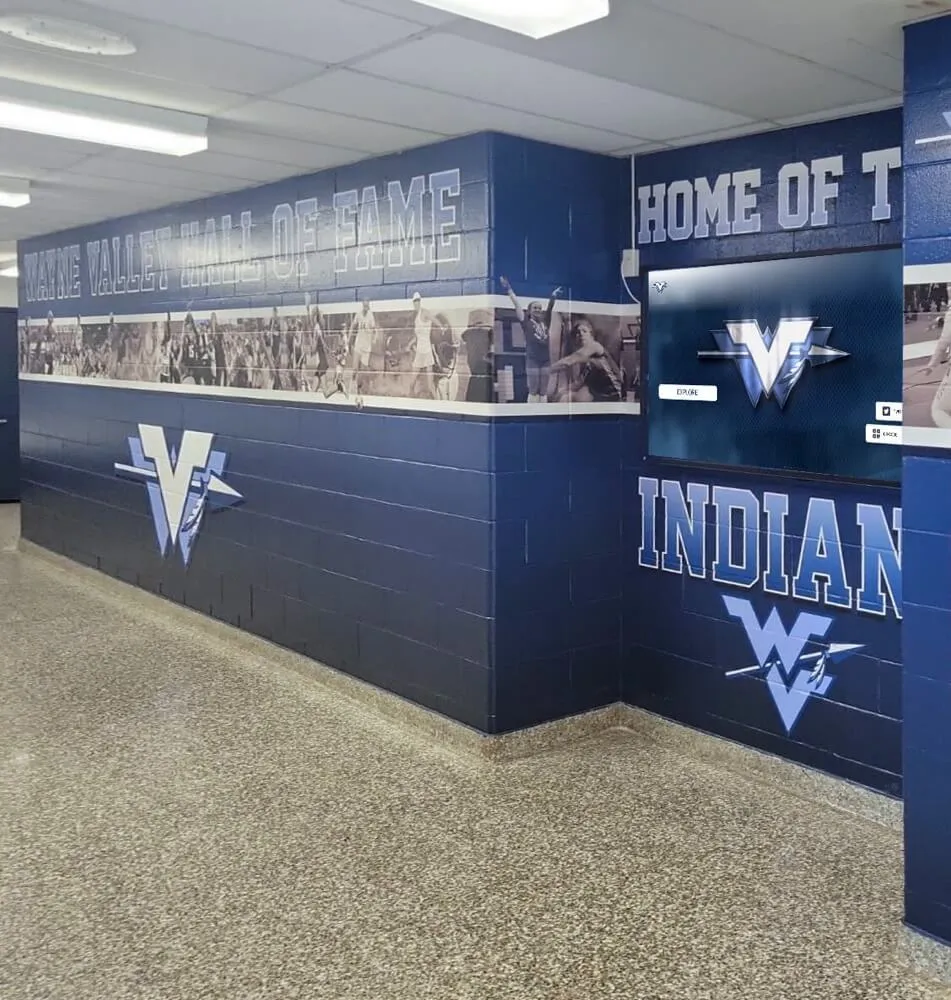
Coordinated displays require minimal additional maintenance with database-driven platforms versus multiplicative effort with manual systems
Structural Organization Prevents Content Chaos During Growth
Small schools correctly identify that initial recognition programs might involve relatively modest content volumes—perhaps team rosters for 8-12 sports, photos from current season championships, and schedule information for upcoming weeks. Within this scope, manual content management appears entirely feasible requiring minimal organizational sophistication.
The challenge emerges 18 months later when recognition programs naturally expand beyond initial minimalism. Success generates demand for expansion:
- Athletic recognition expands from current teams to including past championships
- Coaches request highlighting individual athlete achievements beyond team success
- Academic departments want recognition matching athletic visibility
- Alumni association seeks including distinguished graduate profiles
- Development office needs donor recognition coordinating with fundraising campaigns
- Historical preservation efforts add archival photos and institution milestones
This natural evolution transforms modest content collections into substantial libraries containing hundreds or thousands of individual elements—athlete profiles, team photos, championship documentation, achievement records, donor information, historical artifacts, and multimedia assets. Without underlying organizational structure, expanding content libraries become increasingly difficult to manage as finding specific content, maintaining consistency, updating information, and creating new displays requires manually searching through unorganized files lacking systematic categorization.
Database platforms organize content automatically during initial entry through required fields and relationships. When schools add athlete profiles, the system automatically categorizes by sport, graduation year, achievement type, and custom attributes enabling instant filtering, automated list generation, and consistent presentation regardless of content volume. This automatic organization costs nothing during entry—administrators complete the same forms whether managing 50 or 5,000 profiles—but proves invaluable when content libraries grow beyond feasible manual organization.
The difference between structured and unstructured content management becomes visible only after crossing organizational complexity thresholds. Small schools implementing database platforms experience seamless growth as recognition expands while institutions relying on manual systems face eventual crisis points where maintaining content becomes so burdensome that complete system rebuilding appears more practical than continuing unsustainable workflows.
“Just a Few Photos” Rarely Stays “Just a Few Photos”: The Expansion Trajectory
Schools initiating recognition programs rarely envision the full scope these initiatives eventually reach. Initial proposals focus on immediate, tangible needs—displaying current team photos, showing upcoming game schedules, celebrating recent championships. This realistic starting point appropriately matches volunteer capacity and available content, but fundamentally underestimates how recognition success generates organic expansion demands.
Predictable Evolution Pattern Across Small School Recognition Programs
Small schools implementing recognition displays experience remarkably consistent evolution patterns regardless of initial intentions to maintain simplicity:
Year One: Foundation (Current Season Focus)
- Current team rosters and photos for major sports
- Upcoming schedule showing next few weeks of games
- Recent championship celebrations
- Basic coach recognition
Year Two: Historical Context Addition
- Previous season championship teams
- Multi-year records and achievement milestones
- Conference and state honors from past 3-5 years
- Expanded sport coverage including minor sports
Year Three: Program Depth and Breadth
- Individual athlete recognition beyond team success
- Academic achievement displays matching athletic visibility
- Arts and activity recognition providing comprehensive excellence celebration
- Alumni athlete profiles reconnecting graduates with current programs
- Coach milestone recognition celebrating service longevity
Year Four: Institutional Integration
- Donor recognition coordinating with development campaigns
- Historical archive integrating institution founding and tradition documentation
- Senior night and special event coverage
- Multi-sport athlete celebration
- Record book integration showing all-time achievement leaders
Year Five: Comprehensive Engagement Platform
- Searchable databases enabling visitors to explore specific interests
- Video content including game highlights and interviews
- Social media integration amplifying recognition reach
- Mobile access extending recognition beyond physical displays
- Analytics informing content strategy and measuring engagement
This trajectory doesn’t reflect scope creep or mission drift—it represents natural evolution as schools discover recognition value, stakeholders request expanded coverage, and success generates enthusiasm justifying incremental investment. Schools implementing systems designed for Year One requirements inevitably face Year Three rebuilding needs when expansion exceeds original platform capabilities.
Discover recognition program evolution in comprehensive school recognition strategies examining long-term implementation paths.
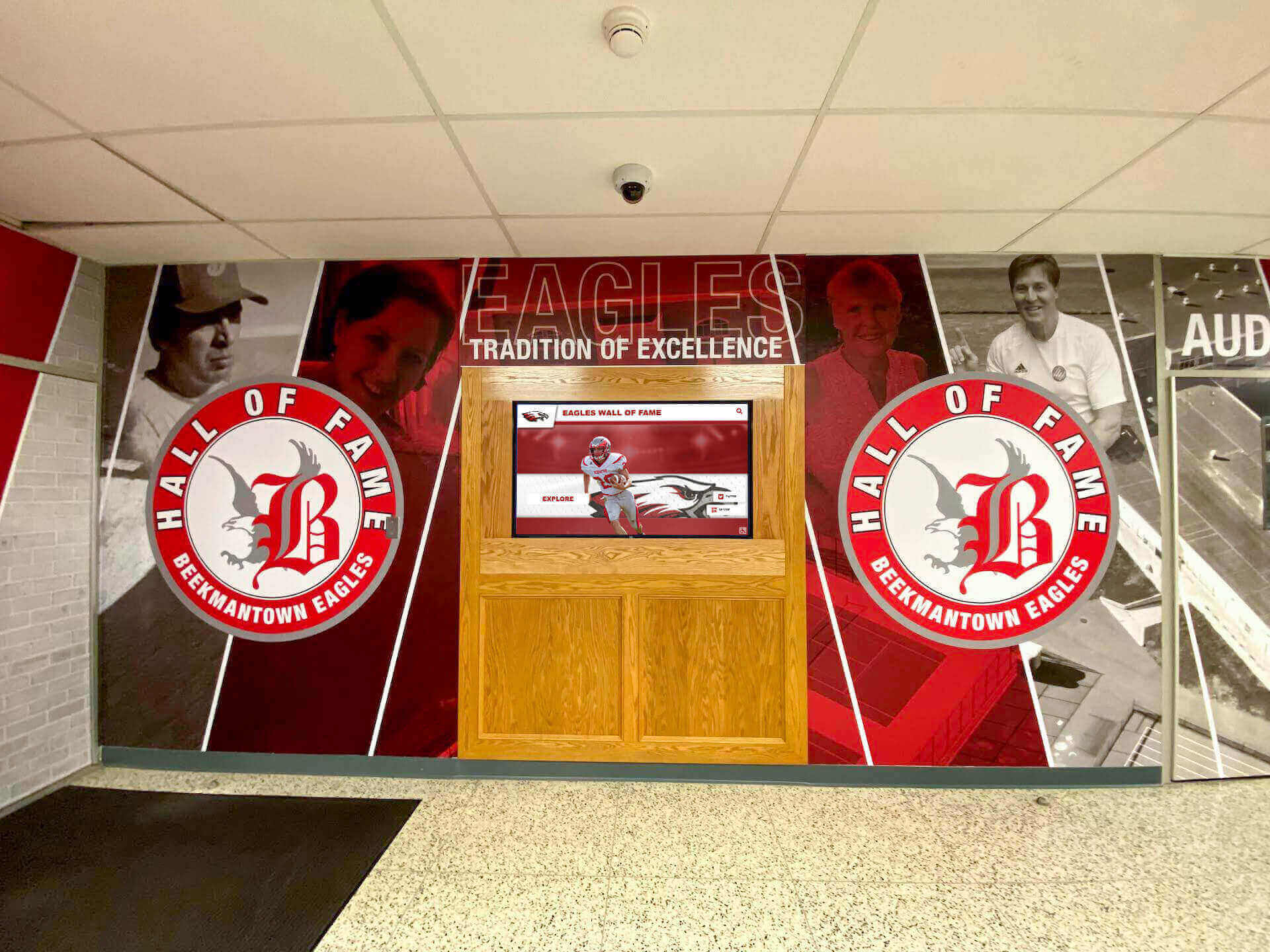
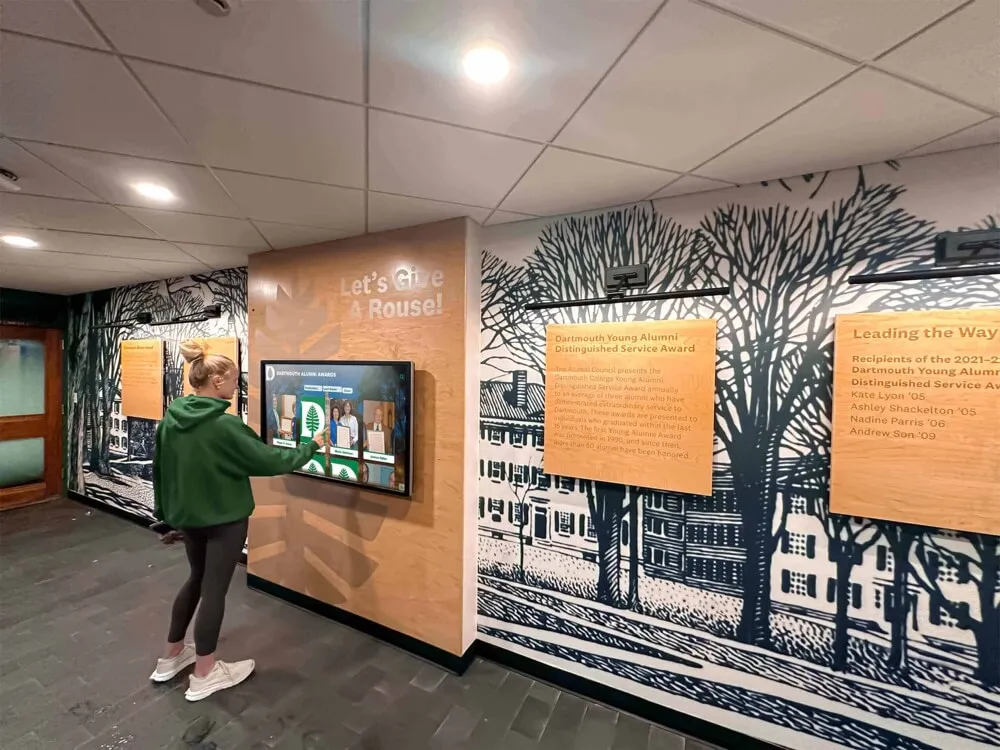
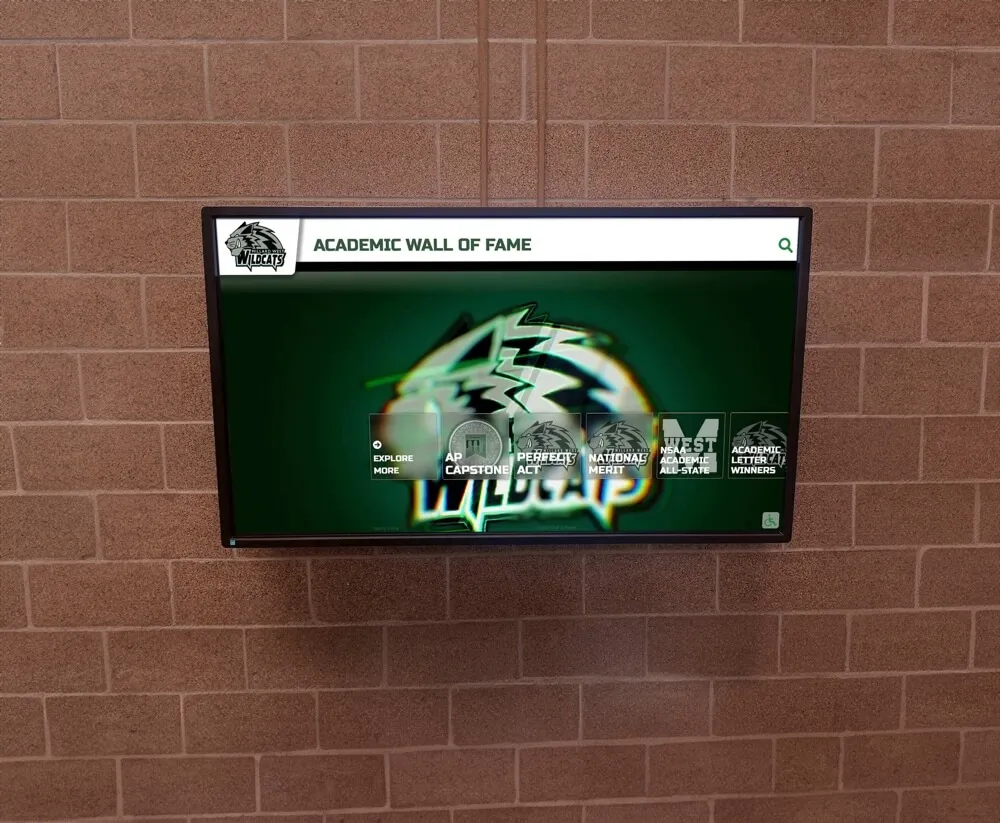
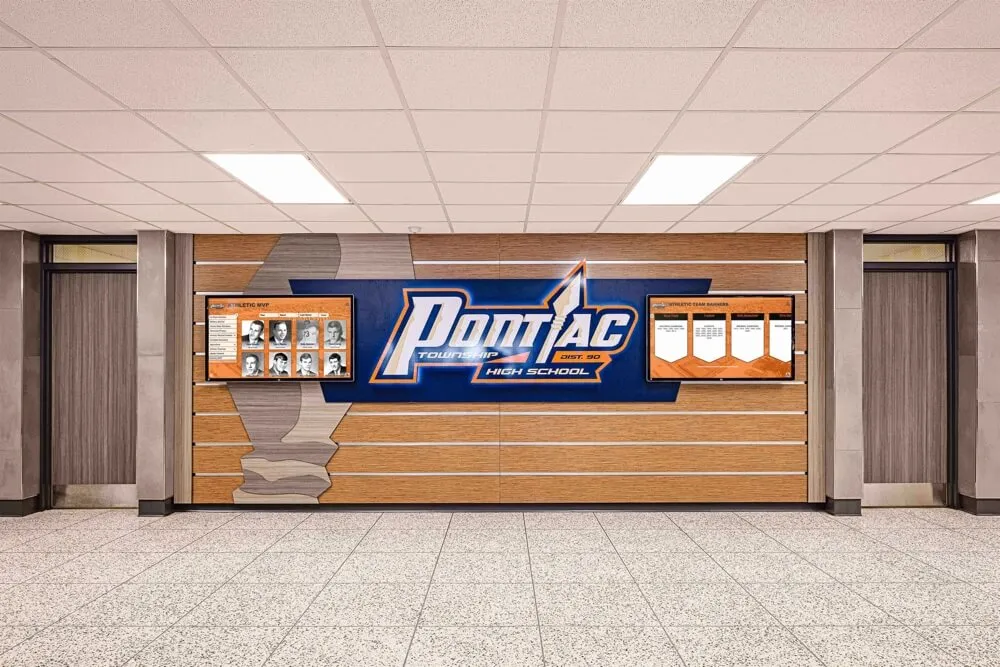
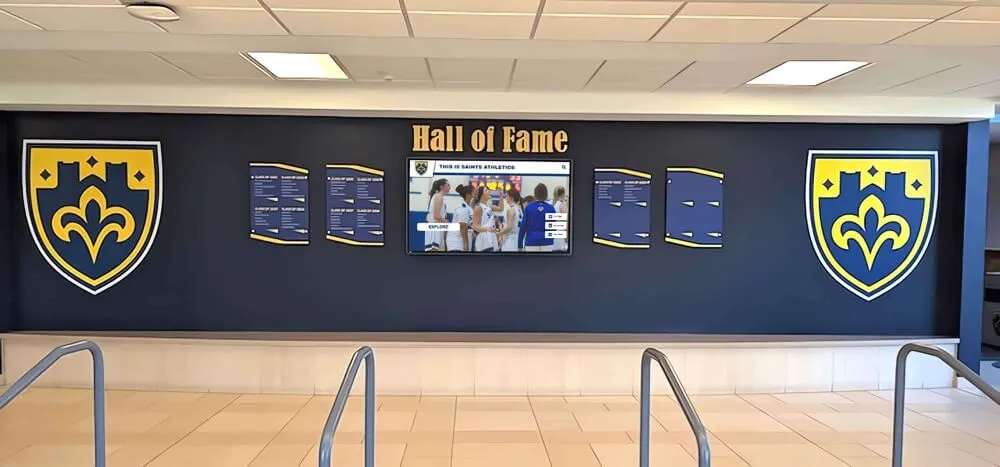
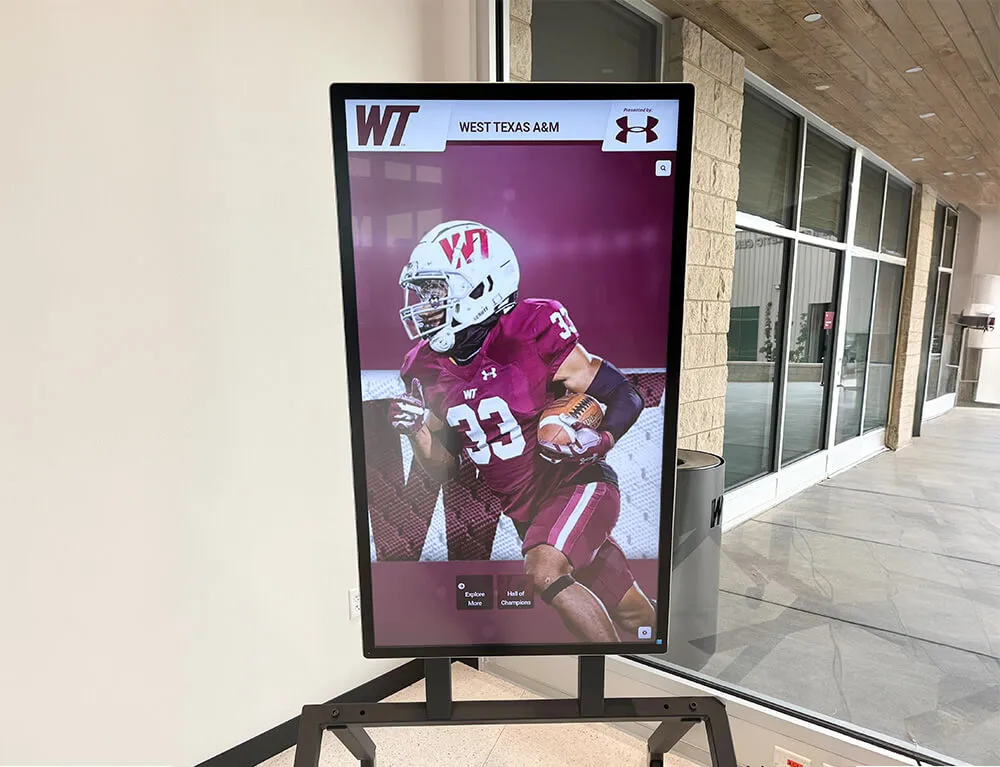
Successful recognition installations naturally expand scope as schools discover community engagement value
The Re-Platform Moment: When Simple Systems Require Replacement
The most expensive mistake small schools make involves implementing budget-focused solutions requiring complete replacement when inevitable expansion exceeds original platform capacity. This “re-platform moment” imposes costs extending beyond new technology purchases:
Re-Platforming Hidden Costs
Financial Impact
- New platform acquisition costs comparable to original implementation
- Professional services recreating previous content in new systems
- Hardware upgrades when existing displays prove incompatible
- Overlapping subscription costs during migration periods
- Unexpected integration costs connecting new platforms with existing systems
Operational Disruption
- Content migration manually recreating years of accumulated recognition
- Staff retraining learning completely different administrative workflows
- Community confusion when familiar interfaces change dramatically
- Recognition gaps during transition periods when displays show incomplete content
- Lost momentum interrupting engagement patterns established through previous systems
Lost Investment
- Abandoned content requiring recreation rather than migration
- Deprecated skills and knowledge becoming irrelevant
- Sunk costs in platforms providing no ongoing value
- Relationship capital invested in vendor relationships terminating
Small schools implementing comprehensive platforms from the beginning avoid re-platforming entirely because systems accommodate natural growth without architectural limitations forcing replacement. The higher initial investment purchases expandability preventing more expensive future migrations, while budget alternatives saving money initially guarantee larger eventual costs when growth exceeds original capacity.
The decision framework shouldn’t compare initial costs between minimal and comprehensive platforms—it should compare total 5-10 year costs including likely re-platforming expenses when simple solutions prove inadequate. This lifecycle perspective typically favors comprehensive platforms for schools intending sustained recognition programs versus those treating displays as temporary experiments.
Comparing “90% Cheaper” Alternatives: Hidden Costs Beyond Subscription Prices
Budget-conscious small schools naturally gravitate toward cost comparisons showing digital signage platforms or Google Slides alternatives costing $50-200 monthly versus comprehensive recognition systems priced $300-500 monthly. The apparent savings seems substantial when budgets face constant pressure and every dollar requires justification. This superficial comparison becomes dangerously misleading when schools fail to account for operational costs, hidden labor, and eventual replacement expenses excluded from advertised pricing.
What Budget Alternatives Include Versus Exclude
Fair cost comparisons require evaluating complete operational expenses rather than isolated subscription fees:
Budget Digital Signage Alternative: Apparent Cost
- Platform subscription: $50-150 monthly
- Display hardware: $800-1,500 one-time
- Basic setup: $0-500 one-time
- Apparent total Year One: $1,400-3,300
Budget Digital Signage Alternative: Complete Cost
- Platform subscription: $50-150 monthly
- Display hardware: $800-1,500 one-time
- Basic setup: $0-500 one-time
- Content creation labor: 40-80 hours annually at $50/hour = $2,000-4,000
- Template design services: $500-1,500 one-time
- Photo editing and media preparation: 20-40 hours annually at $40/hour = $800-1,600
- Technical troubleshooting and maintenance: $300-800 annually
- Update coordination and content collection: 30-60 hours annually at $40/hour = $1,200-2,400
- Re-platforming costs (Year 3-4): $5,000-12,000
- Actual total Year One: $5,650-11,850
- Actual total Years 1-5: $23,000-48,000
Comprehensive Recognition Platform: Apparent Cost
- Platform subscription: $200-400 monthly
- Commercial touchscreen hardware: $4,000-8,000 one-time
- Professional implementation: $2,000-5,000 one-time
- Apparent total Year One: $8,400-14,800
Comprehensive Recognition Platform: Complete Cost
- Platform subscription: $200-400 monthly
- Commercial touchscreen hardware: $4,000-8,000 one-time
- Professional implementation: $2,000-5,000 one-time
- Content management labor: 15-25 hours annually at $50/hour = $750-1,250
- Minimal ongoing technical support: $100-300 annually
- No re-platforming required
- Actual total Year One: $9,250-16,350
- Actual total Years 1-5: $17,750-30,750
When accounting for complete operational costs including labor, comprehensive platforms often prove less expensive than budget alternatives over realistic timespans despite substantially higher subscription fees. The difference lies in operational efficiency—database-driven platforms reduce ongoing labor requirements so dramatically that saved staff time exceeds additional subscription costs within 18-24 months for typical small schools.
This cost analysis explains why schools commonly migrate from budget platforms to comprehensive systems despite facing additional implementation costs—the total expenditure including eliminated labor proves lower with comprehensive platforms than continuing unsustainable manual workflows required by simpler alternatives.
Examine total cost frameworks in digital hall of fame investment planning with comprehensive budget analysis methodologies.
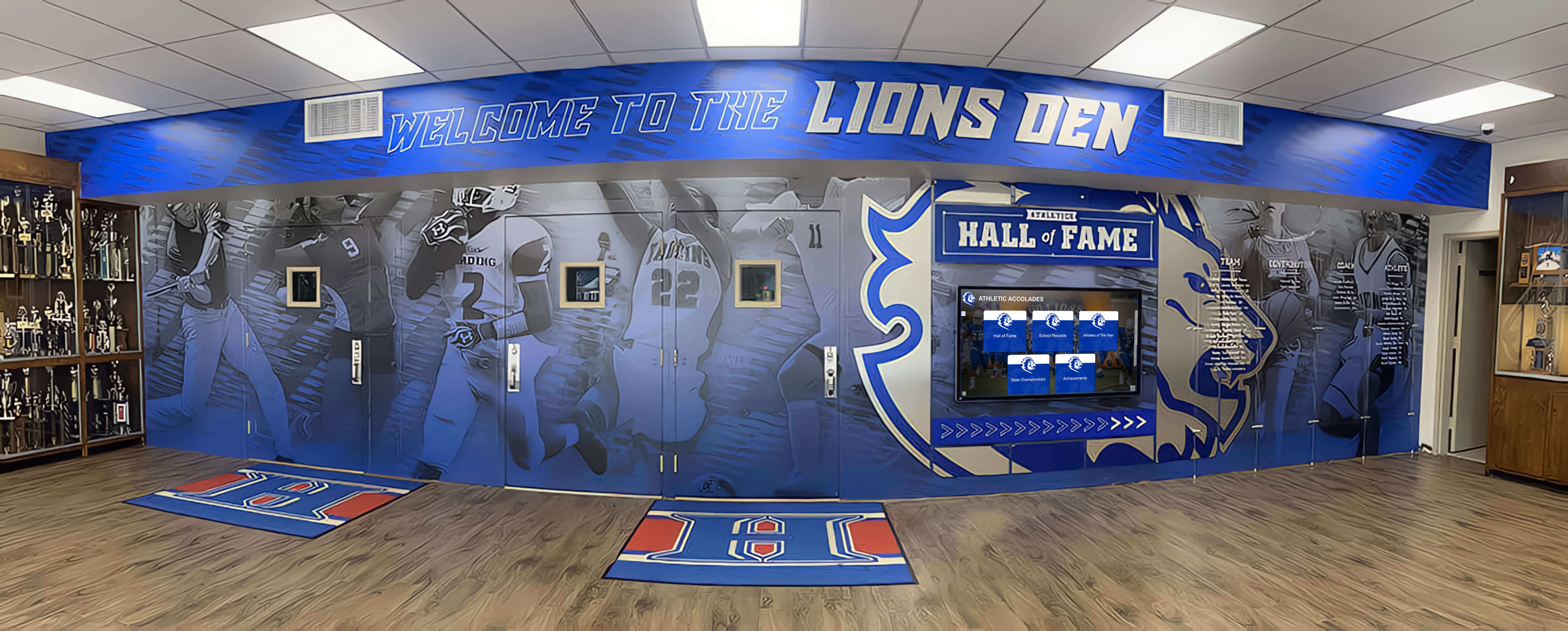
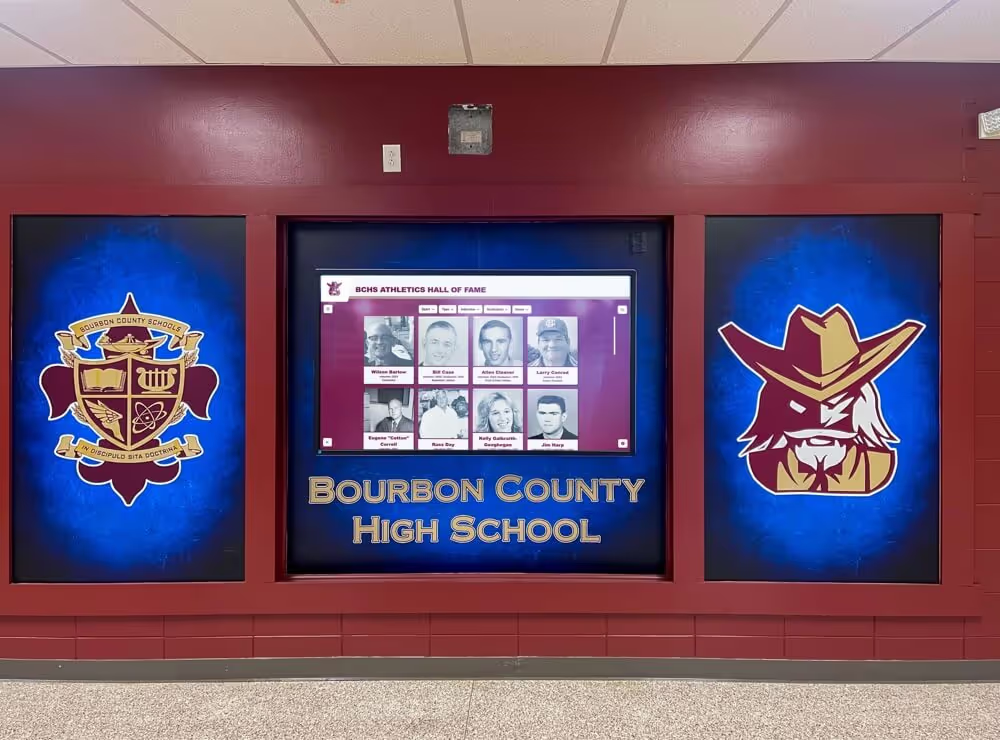
Professional recognition installations deliver value justifying investment through sustained engagement and operational efficiency
The Value of Professional Implementation and Ongoing Support
Subscription price comparisons exclude implementation quality differences profoundly affecting long-term satisfaction and operational success. Budget platforms typically provide minimal setup assistance—perhaps basic tutorials and documentation—leaving schools responsible for all content development, design implementation, technical configuration, and troubleshooting. This DIY approach works acceptably for technically sophisticated institutions but overwhelms small schools lacking dedicated technology staff.
Comprehensive recognition platforms like Rocket Alumni Solutions typically include professional implementation services addressing the full scope of successful launch requirements:
Professional Implementation Components
Content Development Services
- Professional photography and media asset preparation
- Historical research documenting past achievements and traditions
- Content migration from existing recognition systems and archives
- Database population with structured athlete, academic, and institutional information
- Quality assurance ensuring consistent presentation and accuracy
Design and Configuration
- Custom template development matching school branding and identity
- Display optimization for specific hardware and installation environments
- Navigation structure design enabling intuitive content discovery
- Accessibility configuration ensuring universal access compliance
- Integration with school websites and existing digital properties
Training and Knowledge Transfer
- Comprehensive administrator training enabling confident platform management
- Documentation and reference materials supporting ongoing operation
- Workflow development establishing sustainable content management processes
- Change management support ensuring smooth stakeholder transitions
- Ongoing access to technical support addressing operational questions
Technical Implementation
- Hardware procurement guidance and vendor coordination
- Installation planning and professional mounting services
- Network configuration ensuring reliable connectivity
- Security implementation protecting student information appropriately
- Testing and validation confirming correct operation before public launch
Small schools implementing comprehensive platforms with professional services report feeling confident managing recognition systems independently after implementation while institutions using DIY budget alternatives frequently struggle with technical challenges, design inconsistencies, and operational uncertainties undermining program success.
The value proposition extends beyond initial implementation. Comprehensive platform providers typically offer ongoing customer success support proactively assisting schools with challenges, suggesting engagement improvements, and providing guidance maximizing recognition effectiveness. Budget platforms rarely include comparable support—schools facing operational questions or technical problems often rely on self-service documentation or community forums providing inconsistent assistance quality.
Small Schools Still Care About Perception: Recognition Quality Matters
Resource constraints don’t eliminate the fundamental reality that recognition displays occupy highly visible positions within school facilities—entrance lobbies, gymnasium foyers, main hallways—where every visitor, prospective family, community member, and donor forms impressions about institutional quality and priorities. Small schools operate within competitive markets recruiting students, engaging donors, and building community support making professional presentation particularly important when every impression counts.
Where Recognition Displays Live: High-Impact Locations
Schools investing in recognition technology rarely hide displays in obscure locations. Recognition receives premium placement specifically because visibility determines effectiveness:
Typical Recognition Display Locations
Main Entrance Lobbies
- First impression for all visitors and prospective families
- High traffic from morning drop-off through evening events
- Visible during school tours and administrative meetings
- Natural gathering space before and after school
Athletic Facility Entrances
- Home and visiting team arrival point setting competitive tone
- Parent and community gathering space during events
- Recruiting showcase for prospective student-athletes
- Alumni reconnection point during games and reunions
Cafeteria and Common Areas
- Maximum daily student exposure during lunch and passing periods
- Informal gathering spaces encouraging extended engagement
- Prominent visibility during school-wide events and assemblies
These high-visibility contexts mean recognition quality directly influences community perceptions about institutional professionalism, organizational priorities, and resource stewardship. Displays projecting polish and intentionality strengthen confidence in school leadership, while cheap-looking solutions or poorly maintained content undermine credibility regardless of school size or budget level.
Small schools competing for enrollment, donor support, and community engagement cannot afford recognition creating negative impressions. The modest subscription cost difference between budget and professional platforms becomes irrelevant when recognition quality materially impacts enrollment decisions, donor willingness, and community engagement—the outcomes recognition exists to influence.
Explore strategic placement considerations in school lobby recognition design with comprehensive facility integration strategies.
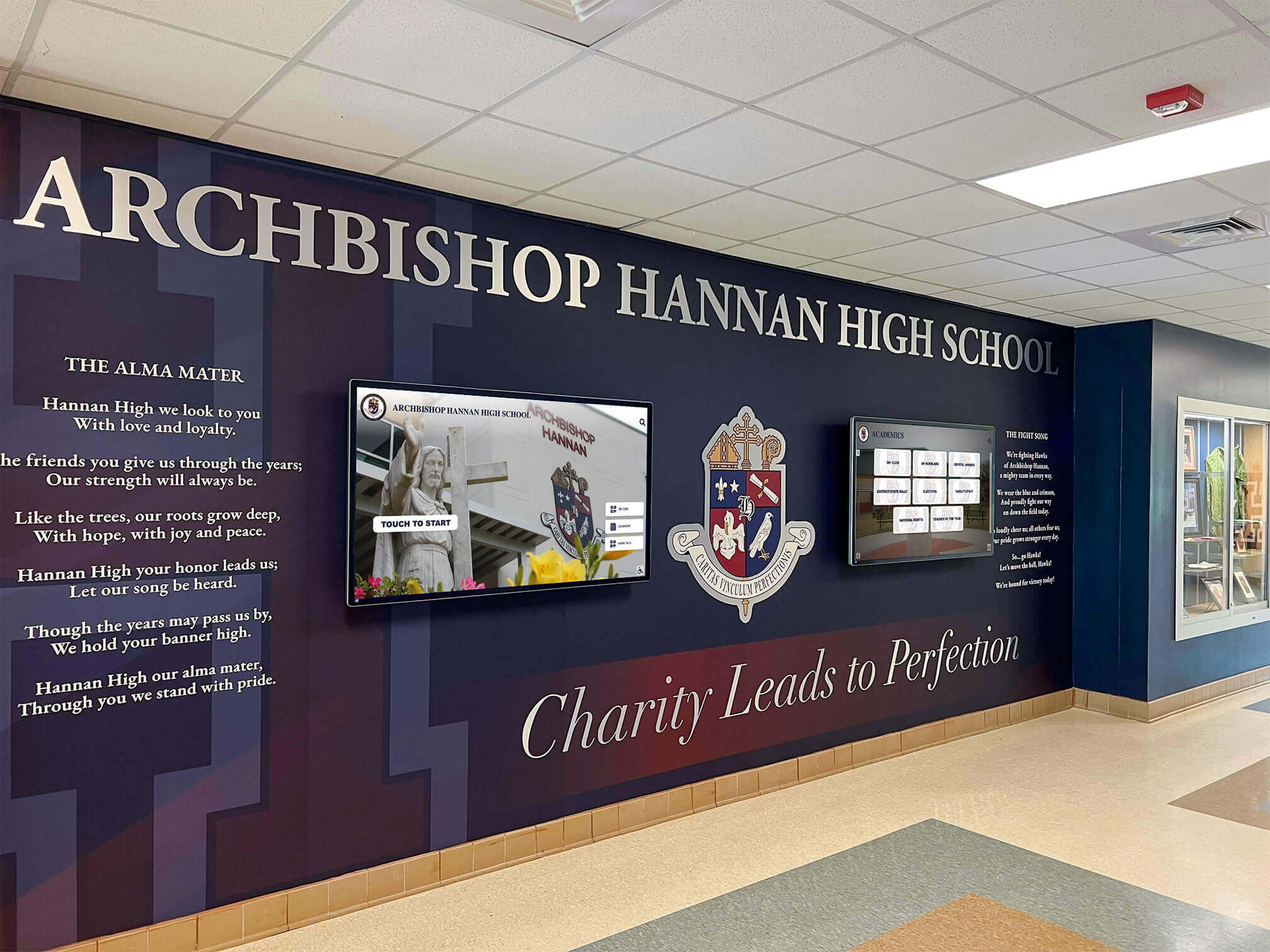
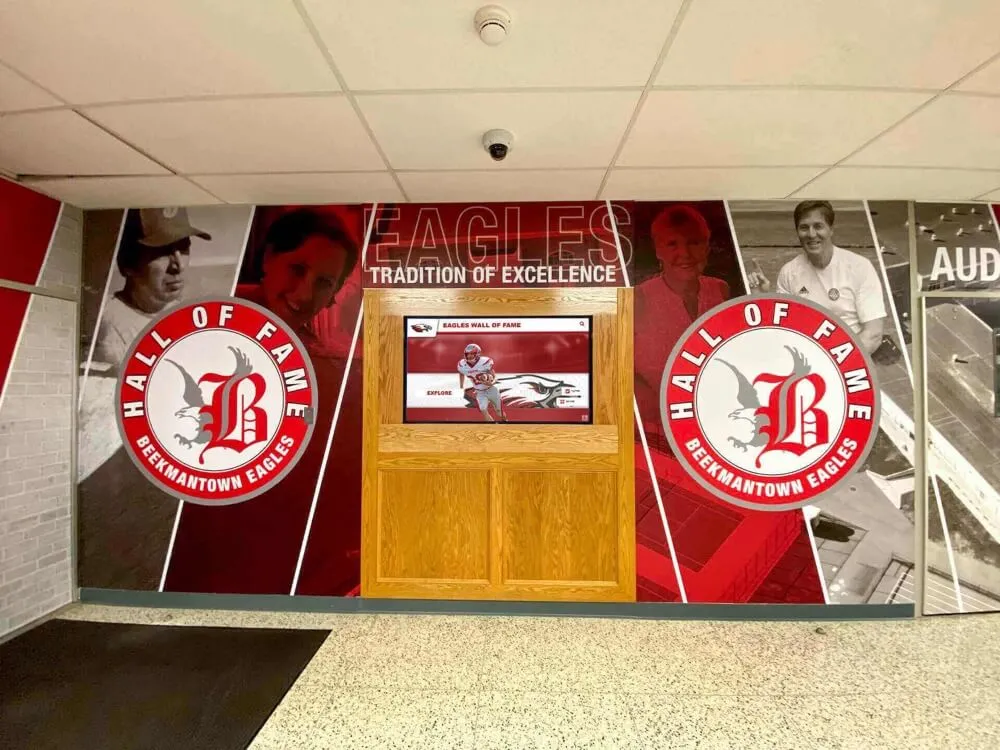
Professional recognition installations in entrance lobbies create powerful first impressions for visitors and prospective families
Recognition ROI: The Value Beyond Display Costs
The return on recognition investment extends far beyond engagement metrics or operational efficiency—successful programs deliver tangible institutional benefits justifying costs through outcomes affecting enrollment, fundraising, and community support:
Measurable Recognition Benefits
Enrollment and Recruitment Impact
- Prospective families expressing increased interest after facility tours featuring recognition
- Student-athlete recruitment advantages showcasing institutional commitment to celebration
- Differentiation from competing schools lacking comparable recognition sophistication
- Positive word-of-mouth from families impressed by recognition quality
Development and Fundraising Value
- Donor confidence increased through visible stewardship and recognition systems
- Alumni engagement growth reconnecting graduates with institutional pride
- Planned giving conversations initiated through nostalgic exploration of historical recognition
- Capital campaign support leveraging recognition as named giving opportunity
Community and Cultural Benefits
- Strengthened school spirit and institutional pride among current students
- Improved staff morale feeling valued through visible appreciation systems
- Enhanced community reputation reflecting positively on property values and local identity
- Sustained tradition preservation protecting institutional memory across leadership transitions
Small schools measuring these broader impacts consistently discover that modest subscription cost differences between recognition platforms become irrelevant when displays contribute meaningfully to enrollment stability, fundraising success, and community engagement strength. The ROI calculation focuses not on screen costs but on whether recognition delivers institutional value exceeding total investment—a threshold comprehensive platforms typically meet while budget alternatives often fail to reach despite lower subscription fees.
“No Touch” Doesn’t Invalidate Platform Value: Multiple Operating Modes
Some small schools question whether comprehensive touchscreen platforms make sense when displays won’t utilize interactive capabilities—perhaps due to location constraints, community preferences, or budget limitations eliminating touchscreen hardware from initial implementations. This concern assumes interactive touch represents the singular justification for database-driven platforms rather than one delivery mechanism among several supported simultaneously.
Platforms Support Multiple Display Modes Simultaneously
Modern recognition platforms operate across multiple presentation contexts from single administrative backends:
Display Mode Options
Interactive Touchscreen Mode
- Full touch navigation enabling visitor-controlled content exploration
- Search functionality finding specific individuals instantly
- Filtering by category, year, achievement type, or custom criteria
- Deep content access revealing comprehensive profiles and multimedia
Passive Display Mode (No Touch)
- Automated content rotation highlighting featured recognition
- Scheduled playlists showing different content throughout day
- Attention-grabbing transitions maintaining visual interest
- Strategic content selection matching location and audience
Web Access Mode
- Public website extending recognition beyond physical displays
- Mobile-responsive design functioning across smartphones and tablets
- Search engine visibility enabling global discovery
- Social sharing amplifying recognition reach through personal networks
Kiosk Mode for Events
- Temporary touchscreen deployment at reunions, games, and special occasions
- Self-service exploration enabling alumni reconnection
- Photo capture and social sharing during events
- Sign-in integration collecting contact information for engagement
Schools initially implementing passive displays without touch hardware still benefit from database architecture because content management, organizational structure, and web accessibility remain identical regardless of physical display interaction model. The platform value stems from how schools manage content, not exclusively from how visitors interact with results.
Many small schools implement passive displays initially then add touchscreen interactivity later when budget permits or when engagement metrics justify investment—seamless transitions possible only when underlying platforms support multiple display modes from unified content repositories. Schools locked into passive-only systems face re-platforming when interactive capabilities become desirable, while comprehensive platforms accommodate mode changes through hardware upgrades without backend migrations.
Discover multi-mode implementation strategies in digital recognition display options with flexible deployment frameworks.
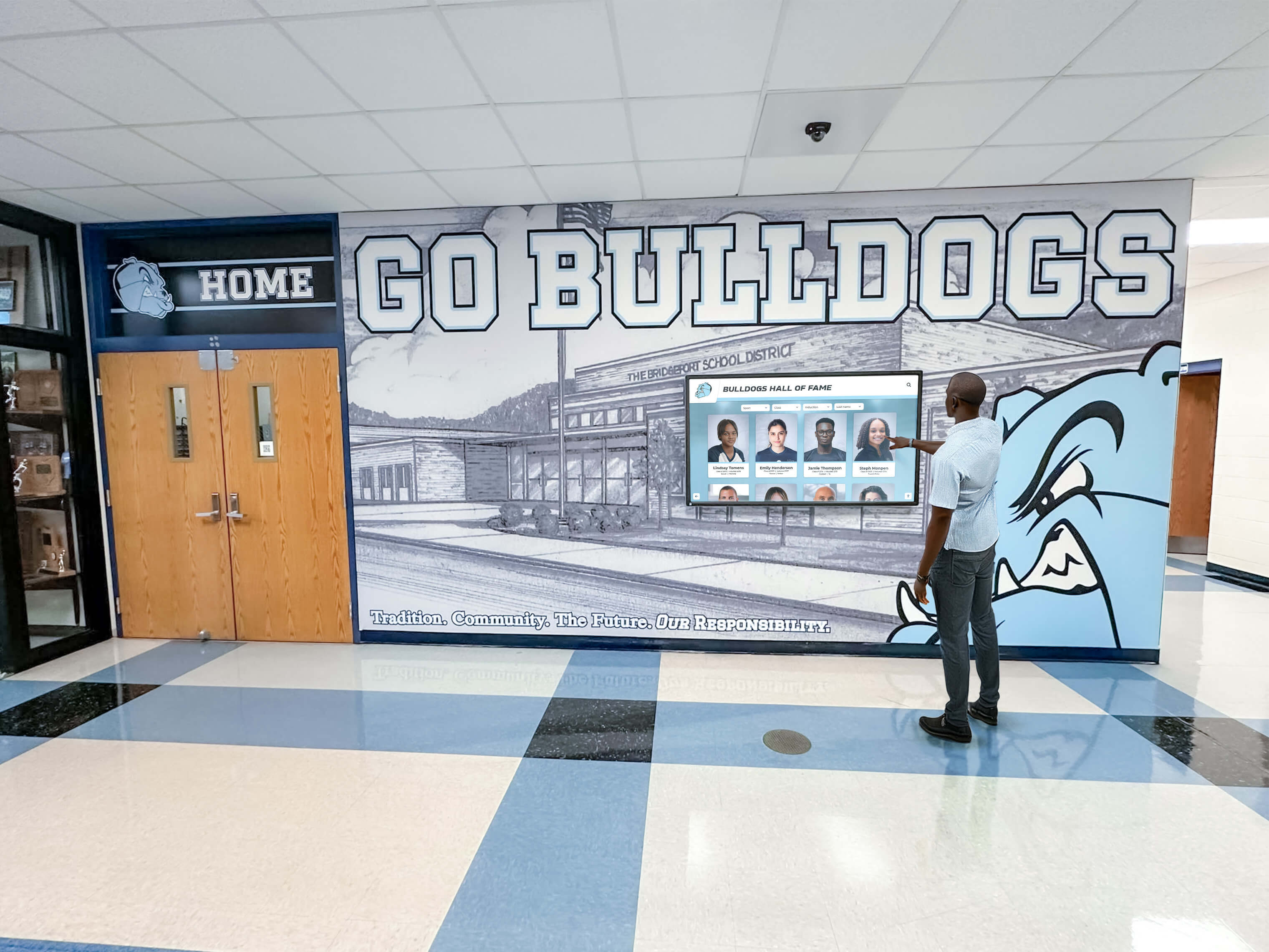
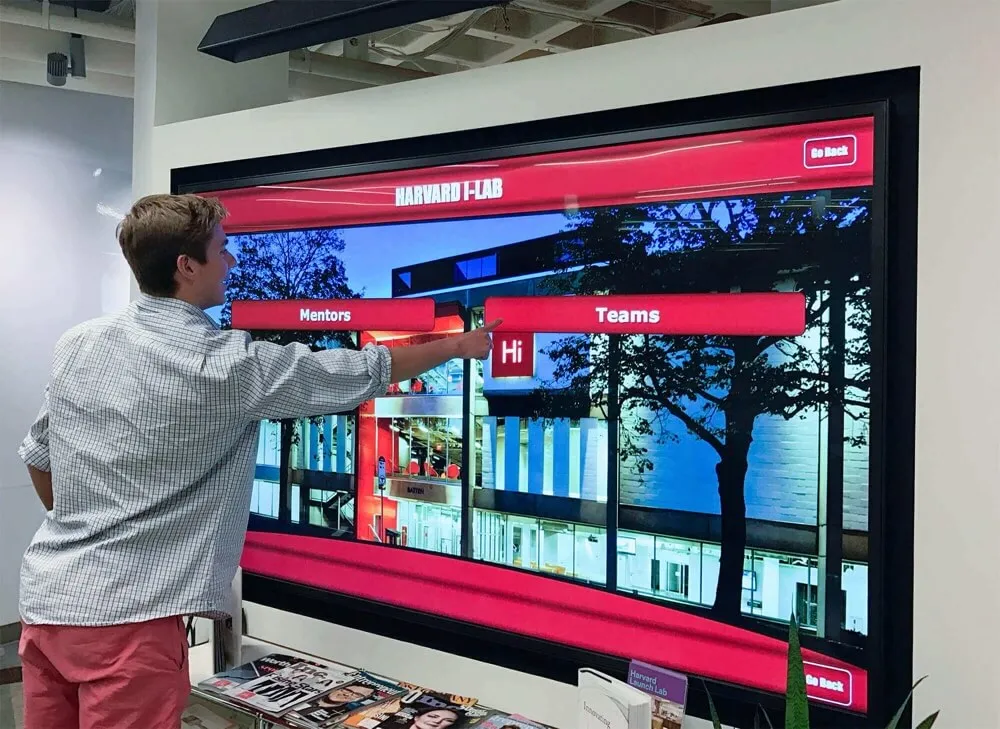
Interactive touchscreens deepen engagement but platforms deliver value across multiple display modes including passive rotation
Lean Mode Implementation: Simple Display, Sophisticated Backend
Small schools concerned about overwhelming capabilities can implement “lean mode” configurations showing minimal public features while maintaining administrative access to deeper functionality when needed:
Lean Mode Configuration Options
Public Display Settings
- Auto-rotate featured stories without requiring touch interaction
- Simple navigation hiding advanced filtering and search capabilities
- Category-based browsing limiting displayed content to essential recognition
- Scheduled highlighting featuring different achievements throughout day
- Minimal text focusing on visual storytelling through photos and video
Administrative Capabilities (Hidden from Public)
- Comprehensive content management for all recognition categories
- Advanced scheduling and content rotation control
- Analytics tracking engagement patterns and popular content
- Bulk import and export for efficient content management
- Template customization matching institutional branding
This approach delivers simple, focused visitor experiences while enabling sophisticated content management reducing operational burden. Schools present exactly the experience communities need while administrators benefit from efficiency tools justifying platform investment through reduced management time.
Lean mode implementations prove particularly valuable during initial launches when schools want to establish recognition presence without overwhelming volunteers managing multiple responsibilities simultaneously. As recognition programs mature and administrative confidence grows, schools progressively enable additional features without technical migrations or platform changes—natural evolution supporting organizational readiness.
When Simple Alternatives Actually Make Sense: Honest Assessment
Comprehensive recognition platforms aren’t universally appropriate for every small school situation. Certain organizational contexts genuinely favor simpler alternatives when specific conditions align making budget-focused solutions practical rather than penny-wise but pound-foolish compromises:
Scenarios Where Budget Alternatives Prove Appropriate
Single Display with No Expansion Plans
Schools implementing exactly one display in one location with explicit organizational commitment against future expansion can reasonably select minimal platforms because expansion challenges never materialize. This scenario requires unusual certainty about sustained limitations but occasionally reflects realistic institutional constraints where growth truly isn’t feasible.
Single Content Manager Enjoying Manual Processes
Some schools have dedicated individuals genuinely enjoying manual content creation workflows who prefer working in presentation software creating custom designs for each update. When these individuals commit to sustained long-term responsibility and explicitly prefer manual approaches over systematic efficiency, budget platforms serve them acceptably because the operational burden thesis doesn’t apply to volunteers seeking creative outlets through recognition work.
No Search or Database Requirements
Schools explicitly limiting recognition to passive viewing without visitor-controlled exploration eliminate a primary platform advantage. When communities don’t value finding specific individuals or filtering content by categories, the database architecture delivering these capabilities provides less value. This scenario typically applies to extremely small schools where everyone knows everyone making search unnecessary or institutions treating displays as pure decoration rather than engagement tools.
Display Not Strategic Touchpoint
Schools installing recognition displays in low-visibility locations receiving minimal community exposure reduce the perception value justifying professional platforms. When displays function as minor decorative elements rather than strategic community engagement infrastructure, the quality argument weakens substantially because few stakeholders experience recognition making impressions irrelevant.
Budget Is Singular Decision Variable
Some schools face such extreme budget constraints that subscription cost differences between platforms genuinely determine feasibility regardless of operational efficiency arguments or long-term value propositions. When comprehensive platforms simply exceed available budget while alternatives fit within constraints, budget alternatives enable some recognition presence versus none—the practical choice despite operational limitations.
Explore alternative evaluation in school digital signage comparison frameworks examining appropriate technology selection.
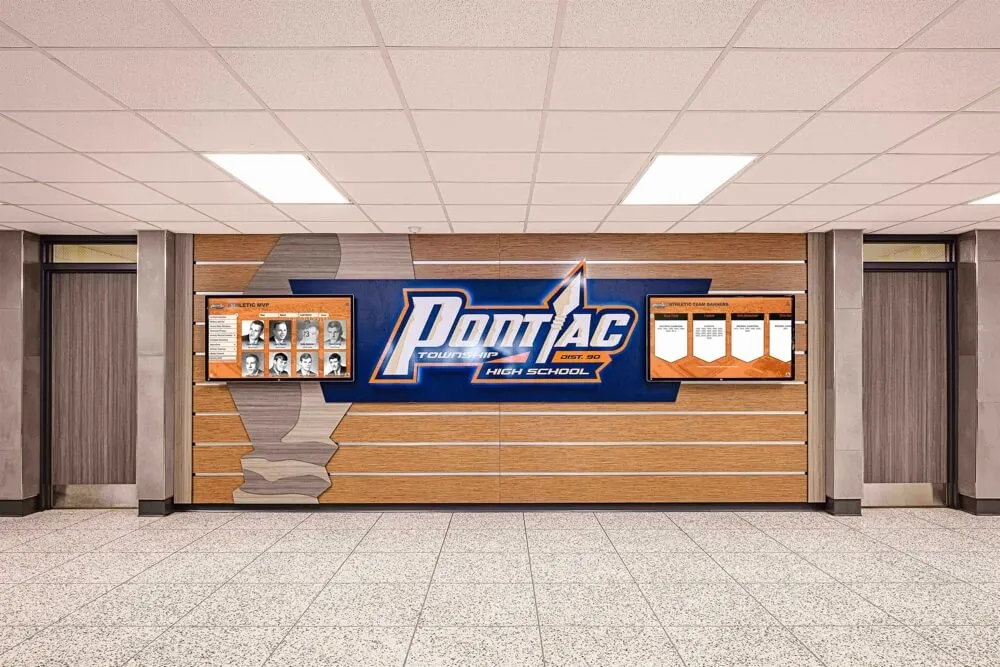
Some small schools successfully maintain manual recognition systems when organizational factors support sustained management
Warning Signs Indicating Budget Alternatives Won’t Work
Conversely, certain circumstances strongly predict budget platform failure regardless of initial enthusiasm or cost savings:
Multiple Stakeholders Requiring Content Access
When athletic directors, academic coordinators, activities directors, and development officers all need recognition access, centralized database platforms prove essential because coordinating manual updates across distributed contributors becomes impossible without systematic workflows and access controls.
Recognition Expansion Highly Probable
Schools where leadership already discusses future recognition expansion—adding sports, including academics, integrating donor recognition—should implement comprehensive platforms immediately because expansion challenges will materialize quickly making re-platforming inevitable within 18-24 months.
Limited Technical Expertise
Schools lacking staff comfortable troubleshooting technical issues, editing media files, managing playback systems, and resolving display problems should prioritize comprehensive platforms including professional support because DIY budget alternatives will overwhelm volunteer capabilities.
High Community Expectations
Schools facing enrollment competition, active fundraising campaigns, or community expectations about institutional quality cannot afford recognition creating negative impressions through amateurish presentation or outdated content—professional platforms deliver the quality these contexts require.
No Sustainable Content Management Plan
Schools without explicit, realistic plans for ongoing content management shouldn’t implement recognition displays at all—comprehensive platforms reduce but don’t eliminate management requirements. When sustainable operation seems questionable, additional platform efficiency becomes essential rather than optional.
The Counter-Argument in One Sentence
Comprehensive recognition platforms like Rocket Alumni Solutions aren’t overkill for small schools because database architecture and platform depth reduce ongoing maintenance burden, prevent expensive future rebuilds when inevitable expansion exceeds original capacity, and provide scalable paths from simple displays to comprehensive community engagement without disruptive system migrations—delivering better long-term value despite higher initial costs than superficially simpler alternatives requiring greater operational labor and eventual replacement.
This perspective doesn’t dismiss genuine small school budget constraints or minimize real limitations volunteer labor creates. It reframes the evaluation question from “Do we need these features?” toward “What operational model proves sustainable over 5-10 years?” The honest answer for most schools intending sustained recognition programs favors comprehensive platforms because architecture reduces rather than increases operational complexity while preventing the re-platforming crisis awaiting schools outgrowing initial minimal solutions.
Small schools deserve recognition systems honoring achievement appropriately while respecting operational capacity and budget limitations. Comprehensive platforms deliver this balance better than alternatives appearing simpler but proving more complex to sustain—the counterintuitive reality administrators discover after experiencing both approaches.
Discover Recognition Solutions Designed for Small Schools
Explore how database-driven platforms reduce rather than increase operational complexity while delivering professional recognition appropriate for schools of any size—without overwhelming limited budgets or volunteer capacity.
Book a DemoConclusion: Right-Sizing Recognition Technology for Small School Success
The “overkill” objection facing comprehensive recognition platforms reflects reasonable skepticism about complex solutions addressing simple problems—but fundamentally misunderstands what makes small school recognition succeed or fail over realistic operational timespans. The challenge isn’t managing feature-rich platforms; it’s sustaining any recognition system when updates depend on volunteers balancing ten competing responsibilities with limited time, minimal technical expertise, and constant pressure justifying every resource allocation.
Database-driven recognition platforms prove appropriate for small schools not despite sophisticated capabilities but because architecture reduces operational friction making sustained management feasible within volunteer capacity constraints. The efficiency gains eliminating manual export cycles, content organization burdens, and technical troubleshooting typically justify subscription cost differences within 18-24 months through reduced labor requirements—making comprehensive platforms less expensive than budget alternatives when accounting for complete operational costs including staff time.
The expansion prevention argument carries particular weight in small school contexts where re-platforming costs represent catastrophic budget impacts rather than routine technology refreshes. Schools implementing comprehensive platforms from the beginning accommodate natural growth trajectories without architectural limitations forcing disruptive migrations, while budget alternatives guaranteeing eventual replacement when inevitable expansion exceeds original capacity. The higher initial investment purchases expandability preventing larger future costs when simple solutions prove inadequate.
Small schools evaluating recognition technology should focus not on feature comparisons or subscription pricing but on operational sustainability and total lifecycle costs spanning 5-10 years of realistic use. This perspective typically favors comprehensive platforms for schools intending sustained recognition programs versus treating displays as temporary experiments. The honest conversation acknowledges genuine scenarios where budget alternatives make sense—single displays with no expansion plans, dedicated volunteers enjoying manual processes, non-strategic placements—while recognizing these conditions apply less frequently than budget-conscious schools initially assume.
Your school’s achievements deserve recognition honoring dedication and excellence appropriately while respecting operational capacity and budget realities. Comprehensive platforms deliver this balance by reducing rather than increasing complexity—the counterintuitive reality administrators discover after experiencing both approaches. Start with technology matching your long-term vision rather than current minimalism, then scale implementation at sustainable pace enabling success without overwhelming limited resources.
Ready to explore recognition solutions designed specifically for small schools? Learn how interactive touchscreen platforms accommodate any school size, discover content management workflows reducing operational burden, or talk to our team about implementing recognition systems respecting both your budget constraints and community aspirations.