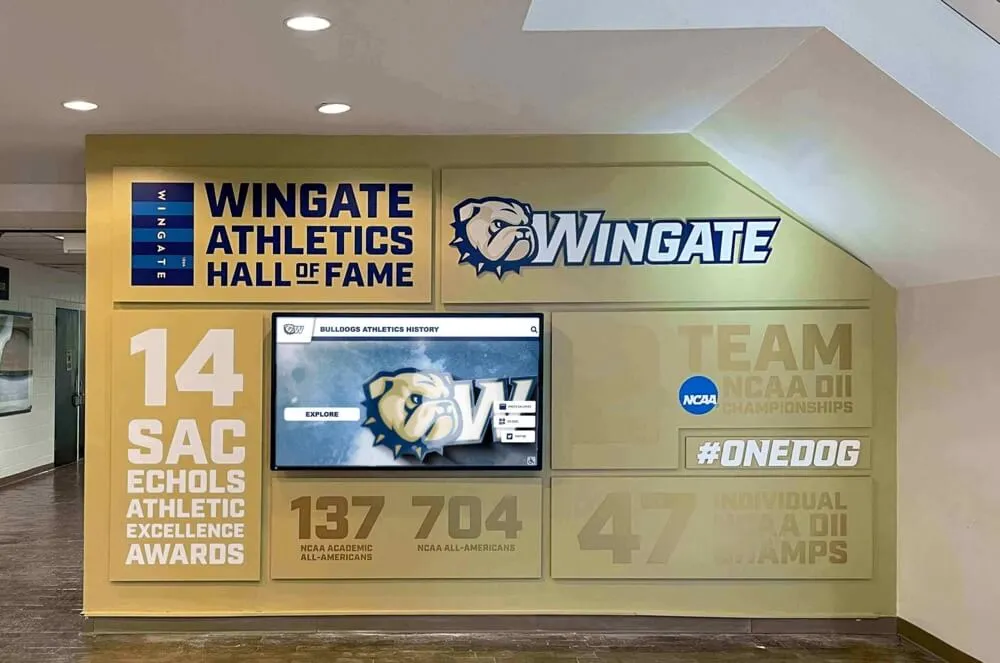




Recognition matters in schools. Walk into any high school and you’ll see the evidence: trophy cases packed with awards, championship banners hanging from gym rafters, plaques covering hallway walls. These displays celebrate student achievement, preserve institutional history, and inspire current students to pursue excellence.
Yet traditional recognition methods create persistent challenges. Trophy cases fill up, forcing difficult decisions about which achievements to display. Plaques become expensive when every honoree requires custom fabrication. Static displays limit how much information you can share about achievements. And once installed, physical recognition becomes permanent—corrections require replacement rather than simple updates.
These limitations don’t diminish achievement—they simply restrict how institutions celebrate their communities. Modern recognition technology solves these constraints while creating new opportunities for storytelling, engagement, and inspiration that strengthen school culture and community pride.
Rocket Recognition represents the next generation of achievement displays for schools, universities, and athletic programs. Rather than choosing between traditional plaques or generic digital signage, institutions now have access to purpose-built recognition platforms designed specifically for educational environments where celebrating student achievement drives motivation and builds lasting institutional culture.

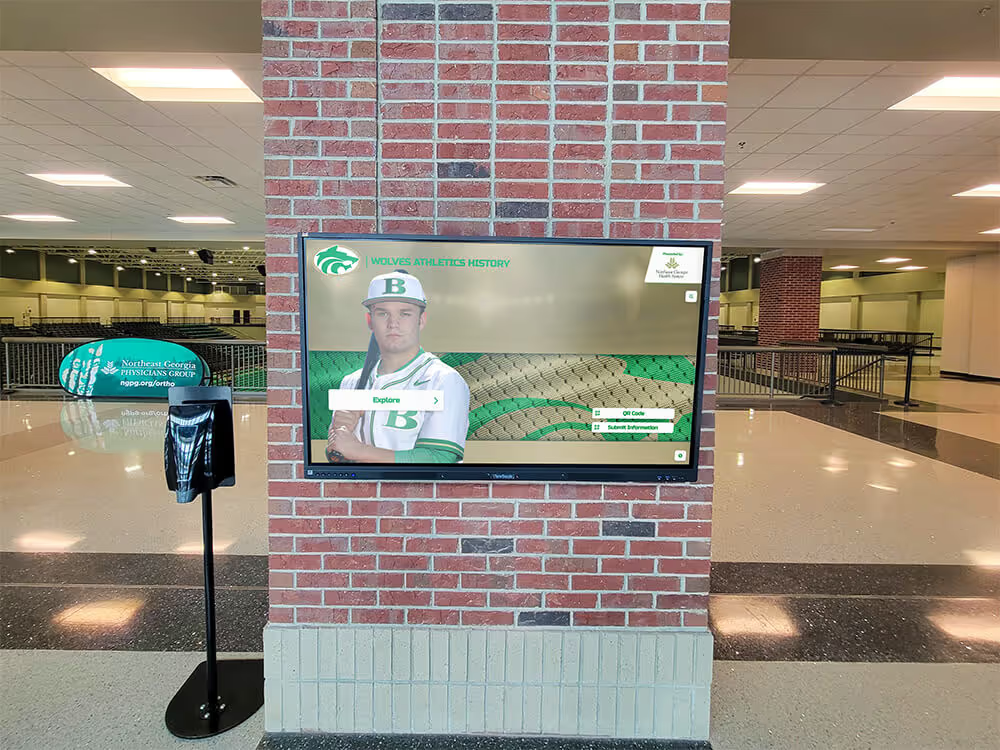
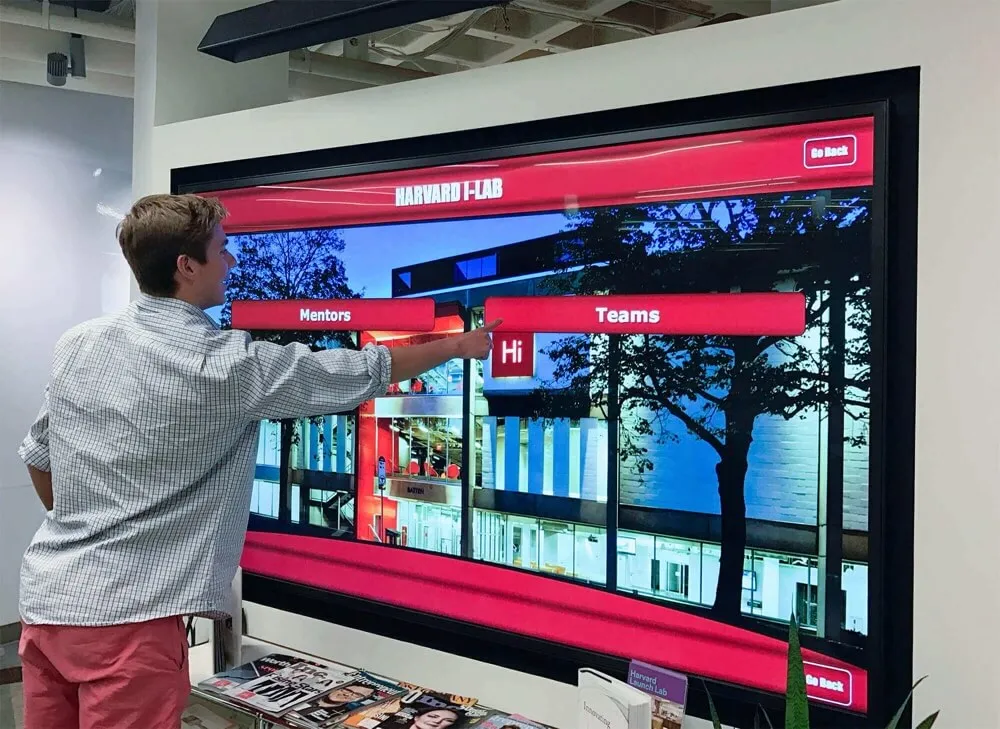
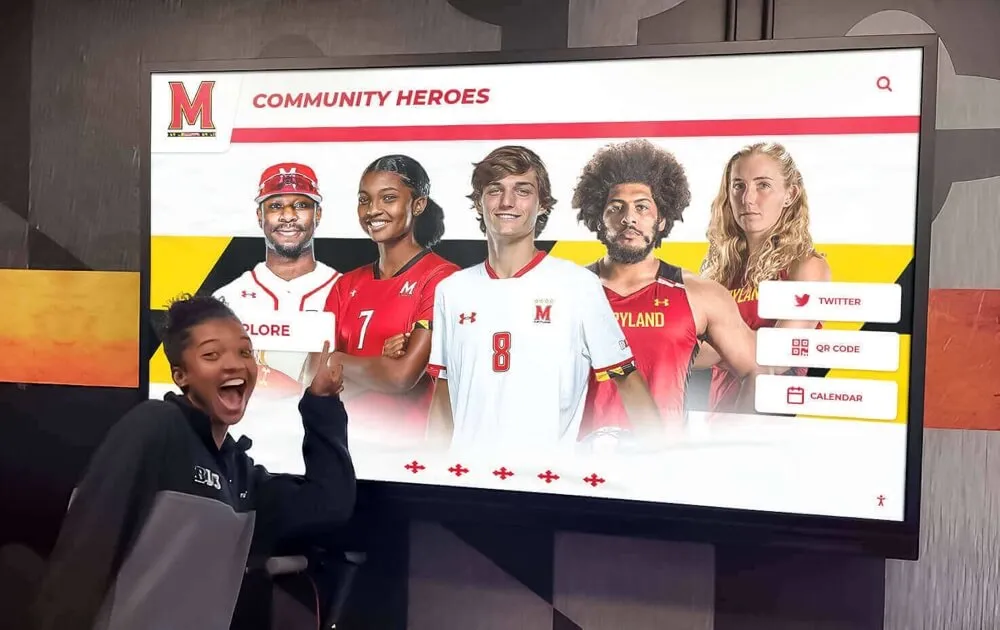
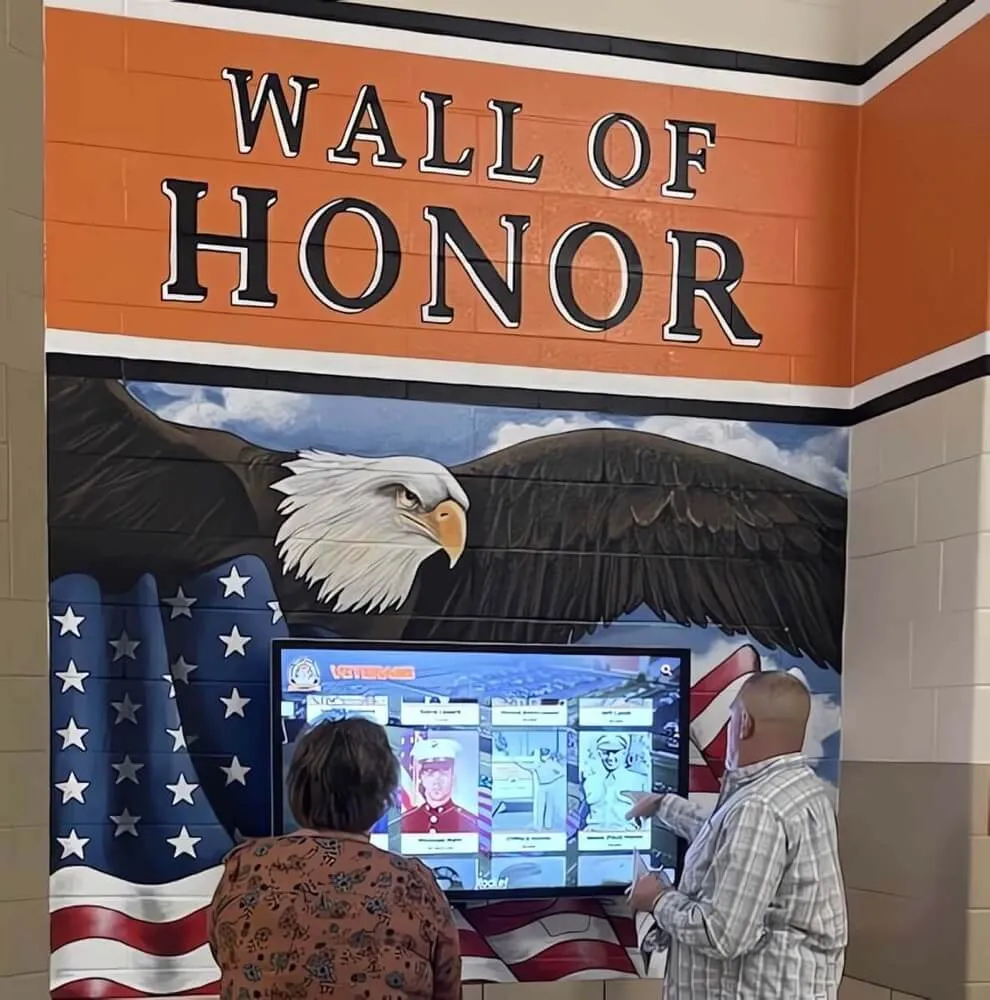
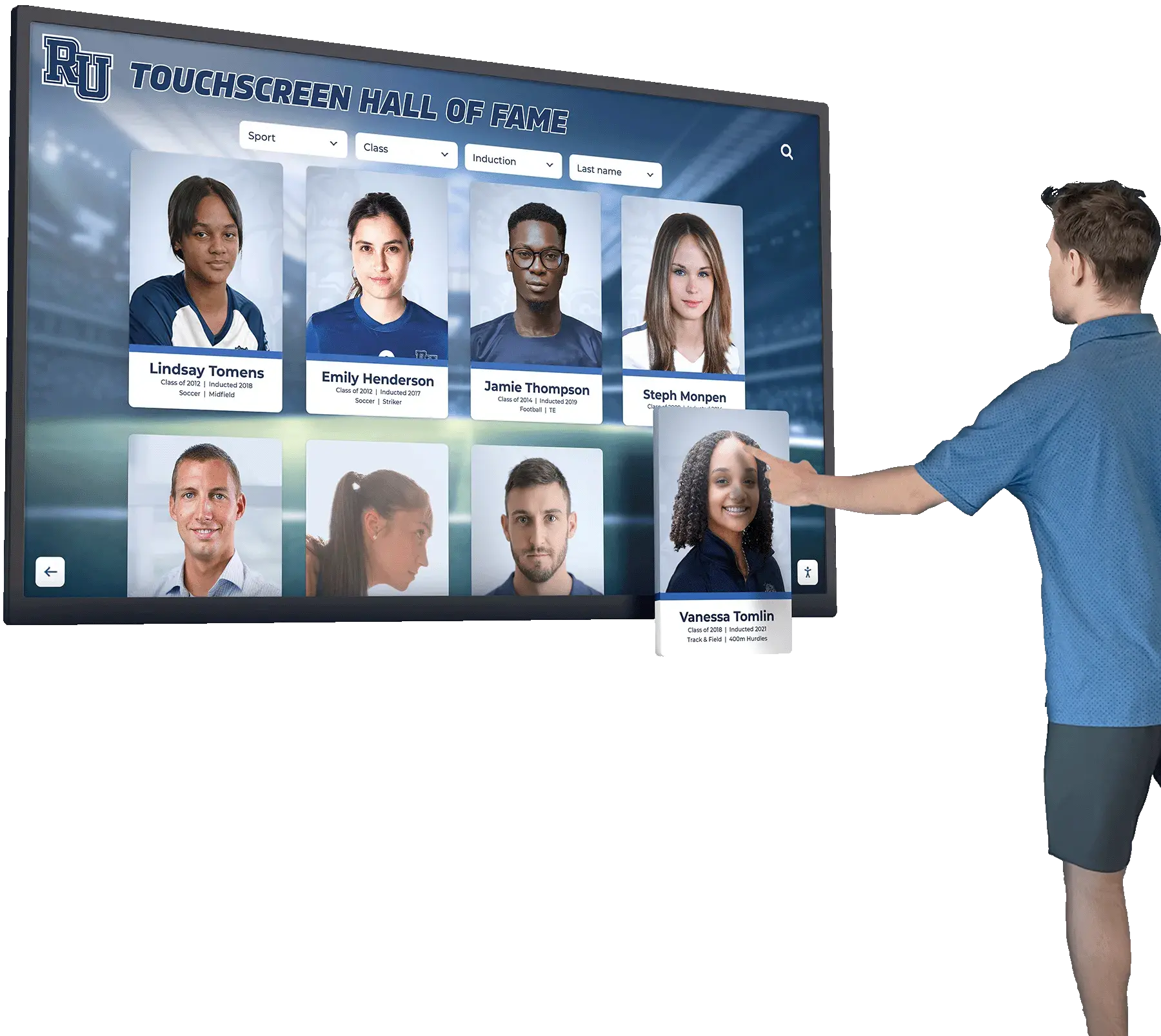

Interactive touchscreens invite exploration, transforming passive viewing into active discovery of achievements and stories
What Is Rocket Recognition?
Rocket Recognition refers to interactive digital recognition systems that combine commercial-grade touchscreen displays with cloud-based content management platforms, enabling schools to showcase unlimited achievements through engaging multimedia presentations accessible both on physical displays and online.
These systems differ fundamentally from basic digital signage, which typically displays rotating slides or announcements. Recognition-specific platforms provide structured databases organizing honorees by category, searchable interfaces enabling quick discovery, multimedia profiles combining photos, videos, and detailed information, and remote content management allowing instant updates without physical access to displays.
Core System Components
Complete recognition implementations integrate several interconnected elements:
Display Hardware: Commercial-grade touchscreen displays engineered for continuous daily operation in high-traffic public environments. These professional displays typically range from 43 to 75 inches, feature capacitive touch technology supporting intuitive multi-touch gestures, and include commercial warranties covering institutional use over 5-7 year lifecycles.
Content Platform: Cloud-based software organizing recognition content through structured databases, managing multimedia assets, and delivering updated content to displays automatically. The platform enables remote content management from any internet-connected device without requiring specialized technical expertise or physical display access.
Interactive Software: Purpose-built applications presenting recognition content through intuitive navigation, search functionality, filtering options, and multimedia playback—creating exploration experiences that keep visitors engaged for minutes rather than seconds.
Web Accessibility: Mobile-responsive websites extending recognition beyond physical display locations, enabling alumni worldwide to explore achievements, search for specific honorees, and share content across social platforms.
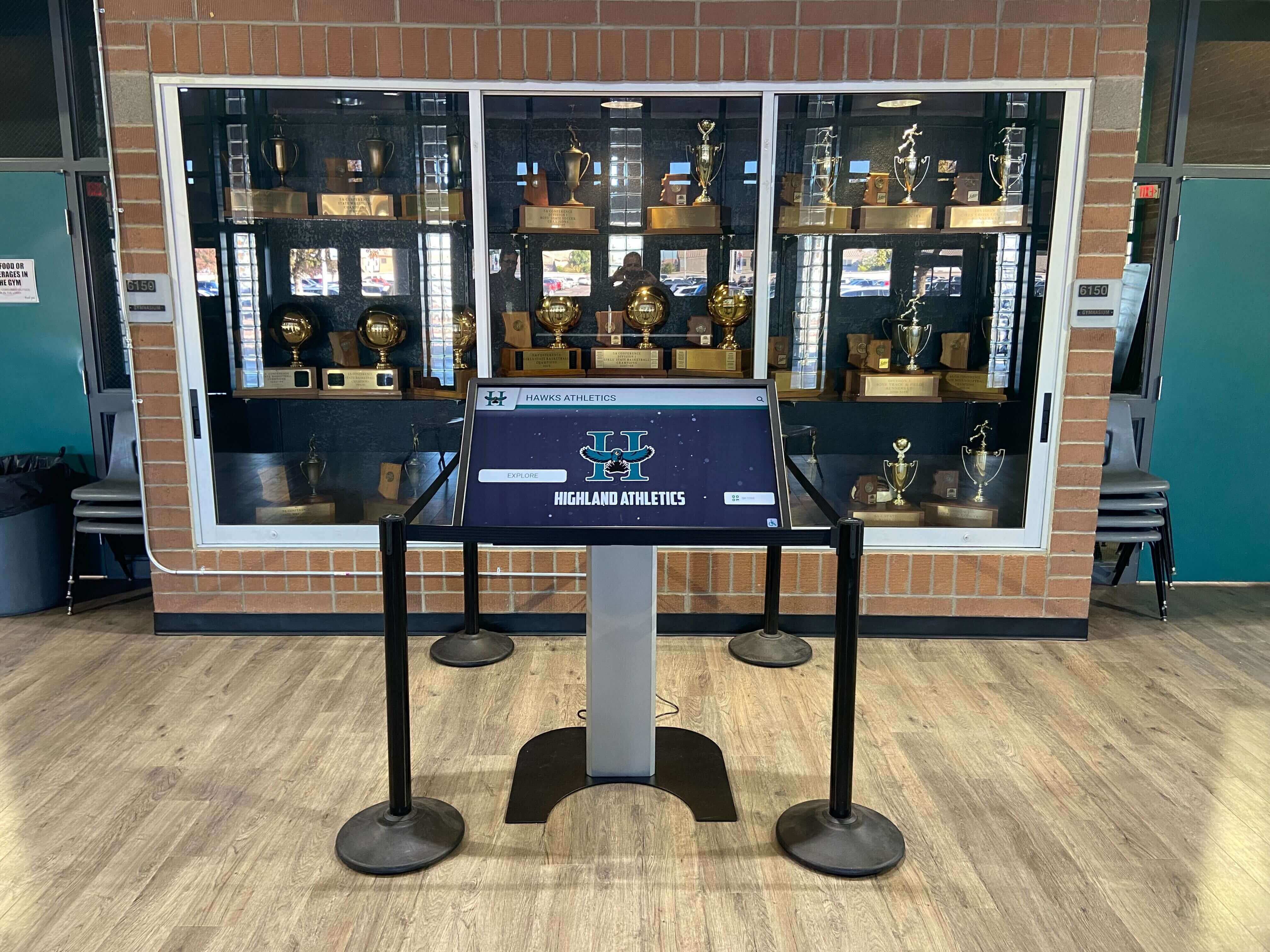
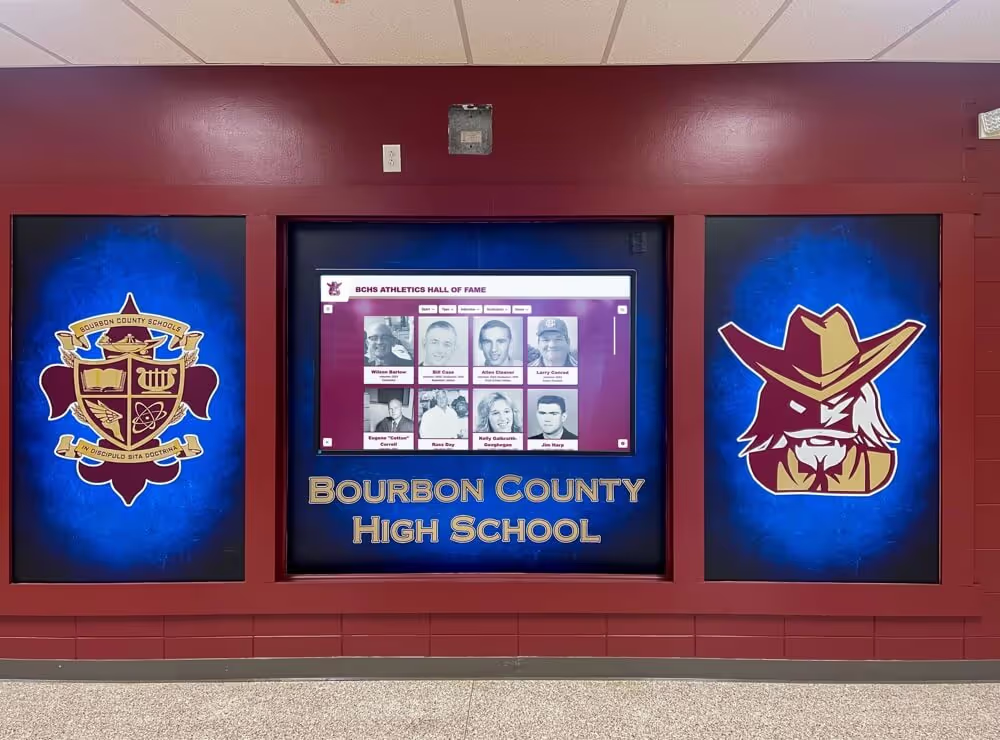
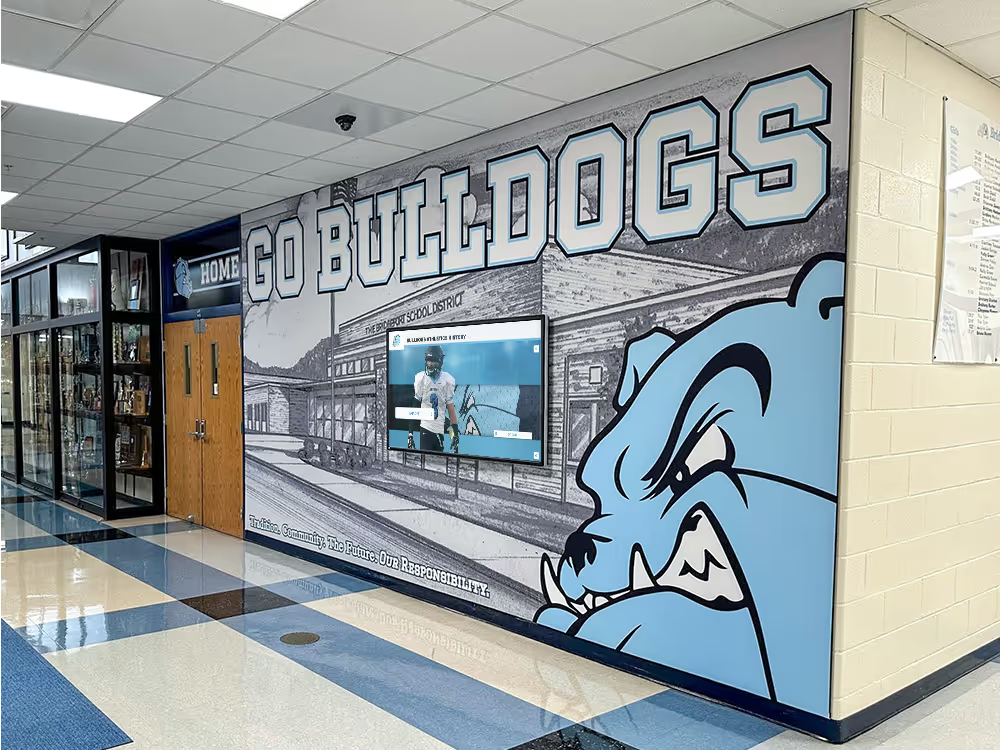
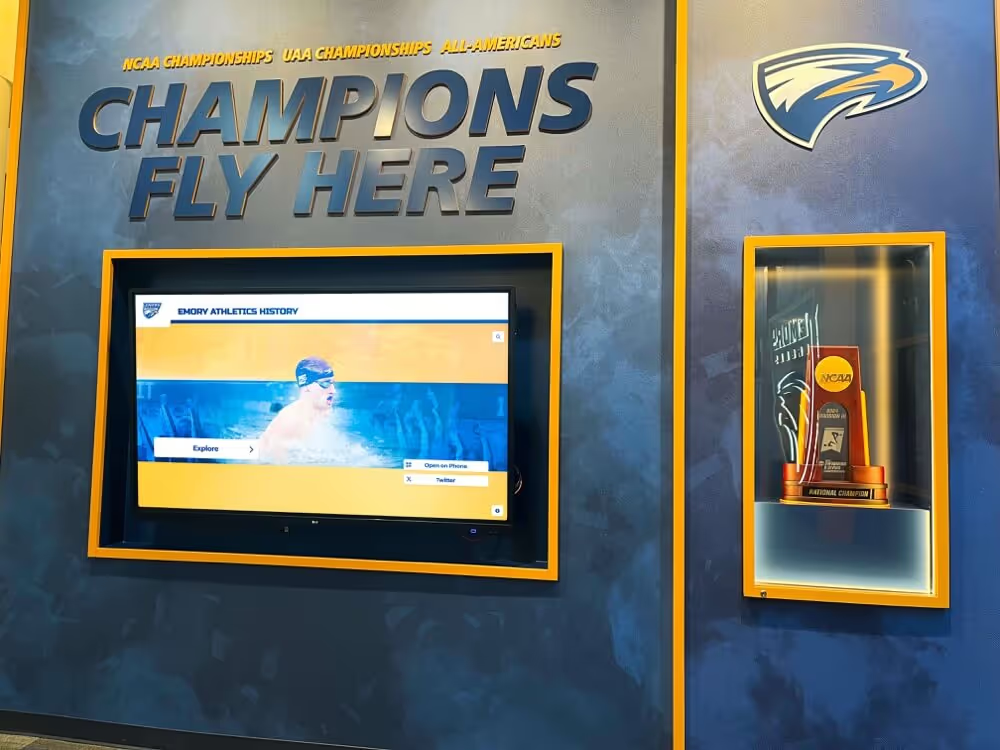
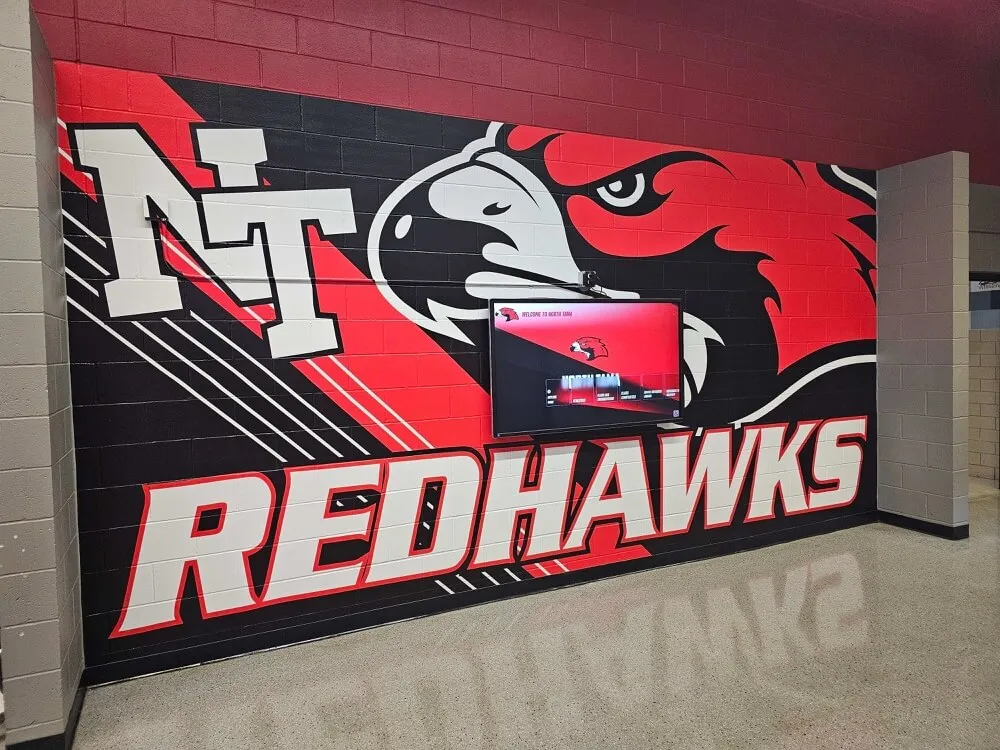
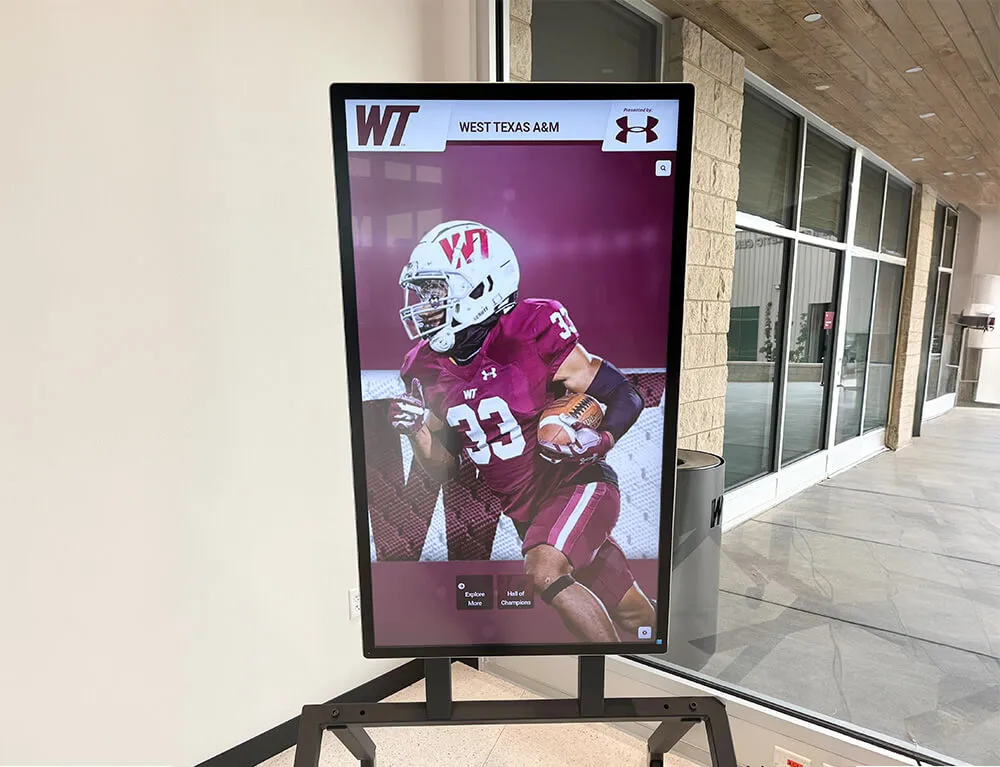
Recognition systems integrate seamlessly with traditional trophy cases, complementing rather than replacing cherished displays
Why Schools Choose Digital Recognition Systems
Recognizing the benefits driving adoption helps schools evaluate whether recognition technology fits their goals, budget priorities, and community needs.
Unlimited Recognition Capacity
Physical space constraints represent the most fundamental limitation of traditional recognition. Trophy cases fill. Wall space runs out. Decisions about which achievements deserve visibility become increasingly difficult as institutional history grows.
Digital recognition eliminates capacity constraints completely. Single touchscreen installations accommodate hundreds or thousands of honorees across all sports, activities, and achievement categories—without ever requiring removal decisions or space rationing that force institutions to exclude deserving recognition.
This unlimited capacity enables inclusive recognition philosophies where every achievement receives appropriate celebration. Rather than featuring only state championships while hiding league titles or individual accomplishments, schools can comprehensively document all success levels, creating cultures where diverse excellence receives equal visibility and validation.
Schools implementing comprehensive digital recognition report notable cultural benefits including increased student motivation as achievement visibility expands, stronger alumni connections when past accomplishments remain accessible, more inclusive recognition cultures celebrating diverse program success, and reduced administrative burden from eliminating difficult space allocation decisions that pit programs against each other.
Real-Time Updates and Content Management
Traditional recognition requires physical modification for every update. Order plaques. Schedule installation. Pay fabrication costs. Wait weeks for completion. This process creates delays that separate achievement from celebration, diminishes recognition impact, and accumulates significant expense over time.
Cloud-based recognition platforms change update workflows entirely. Add new champions minutes after state finals conclude. Correct errors immediately when discovered. Improve existing profiles with additional photos or information as materials become available. All updates happen remotely from any device without requiring physical display access, fabrication costs, or installation coordination.
This immediacy keeps recognition current and relevant. Students see their achievements celebrated promptly rather than waiting months for plaques to arrive. Administrators avoid frustration from outdated displays showing incomplete or inaccurate information. And schools eliminate recurring fabrication expenses that accumulate into thousands of dollars annually in active athletic programs.
Schools implementing digital recognition commonly report 75-90% reductions in time spent maintaining recognition compared to traditional approaches, freeing athletic directors and administrators to focus on programs rather than plaque coordination.
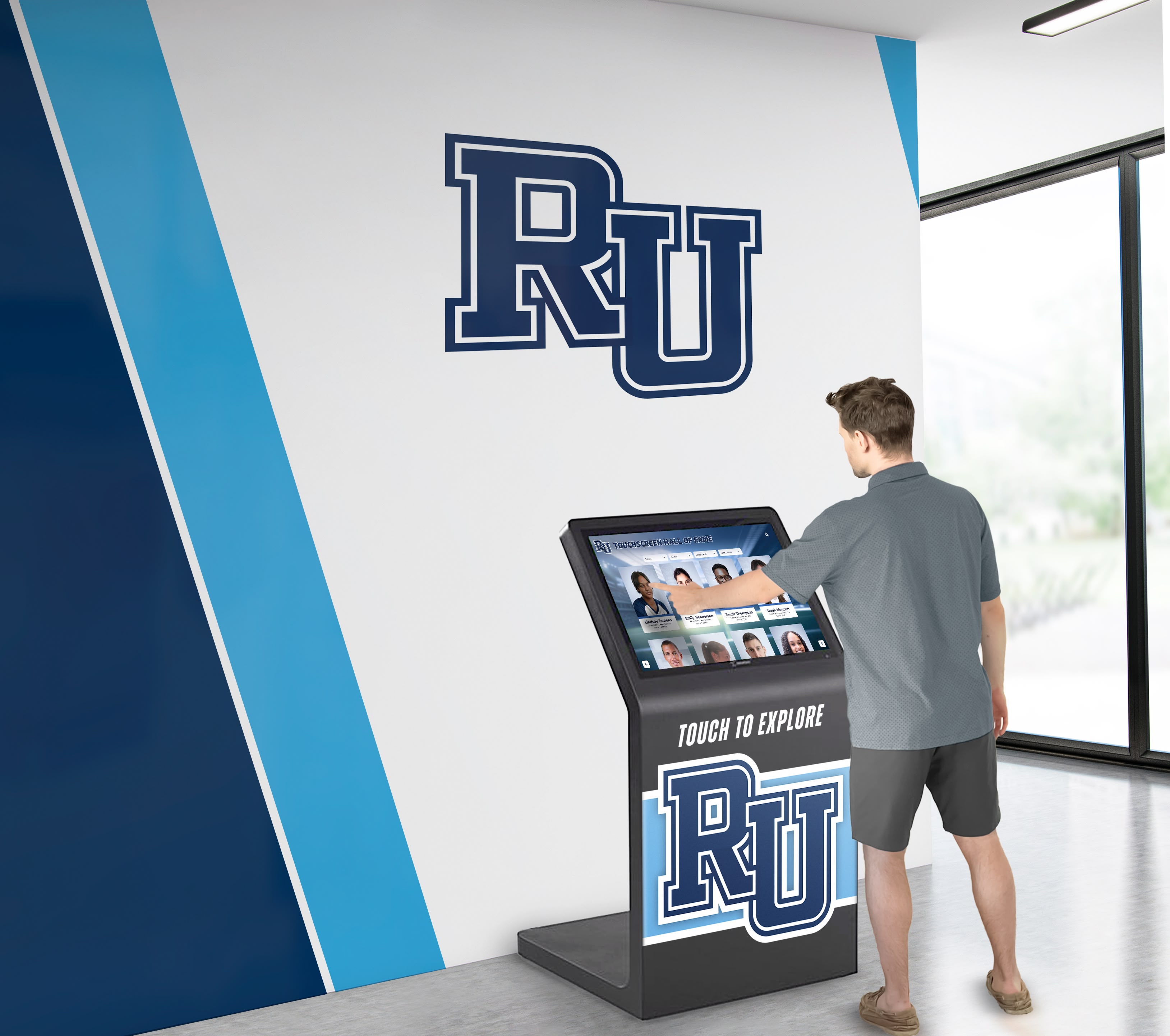
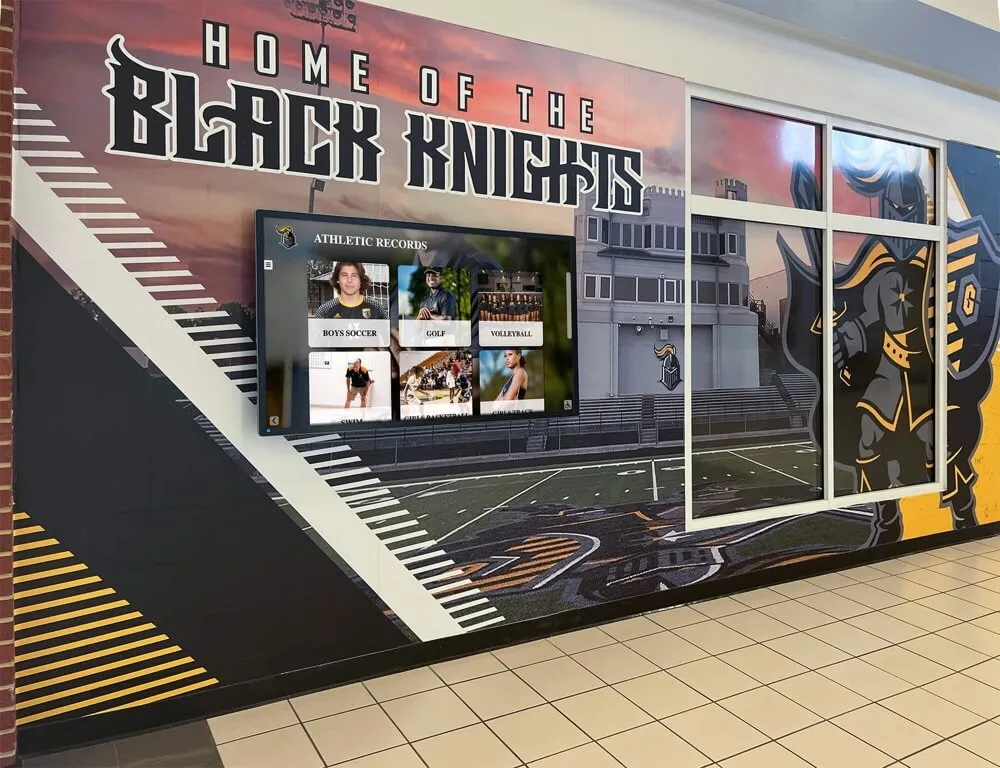
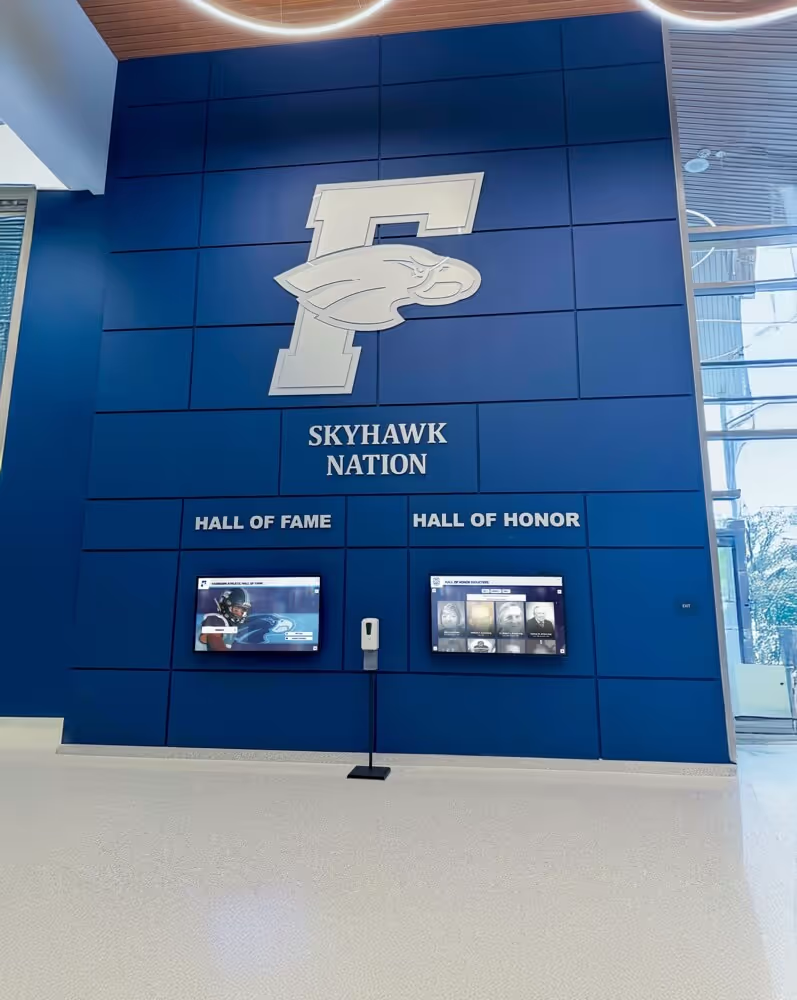
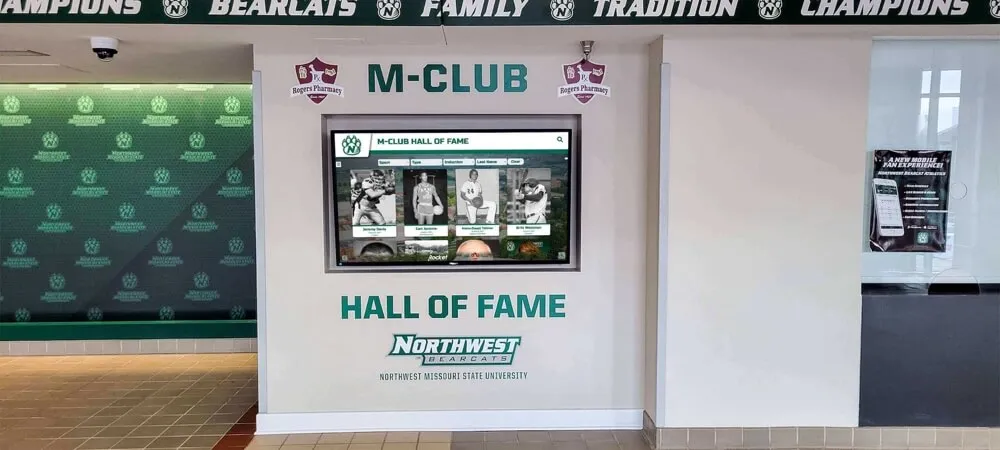
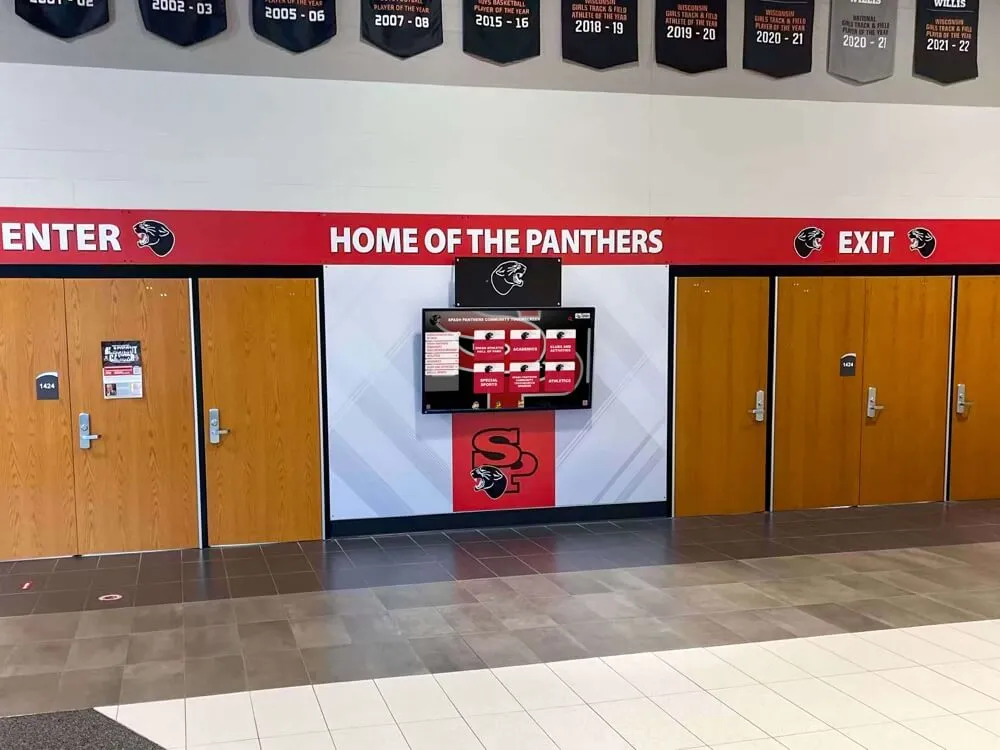
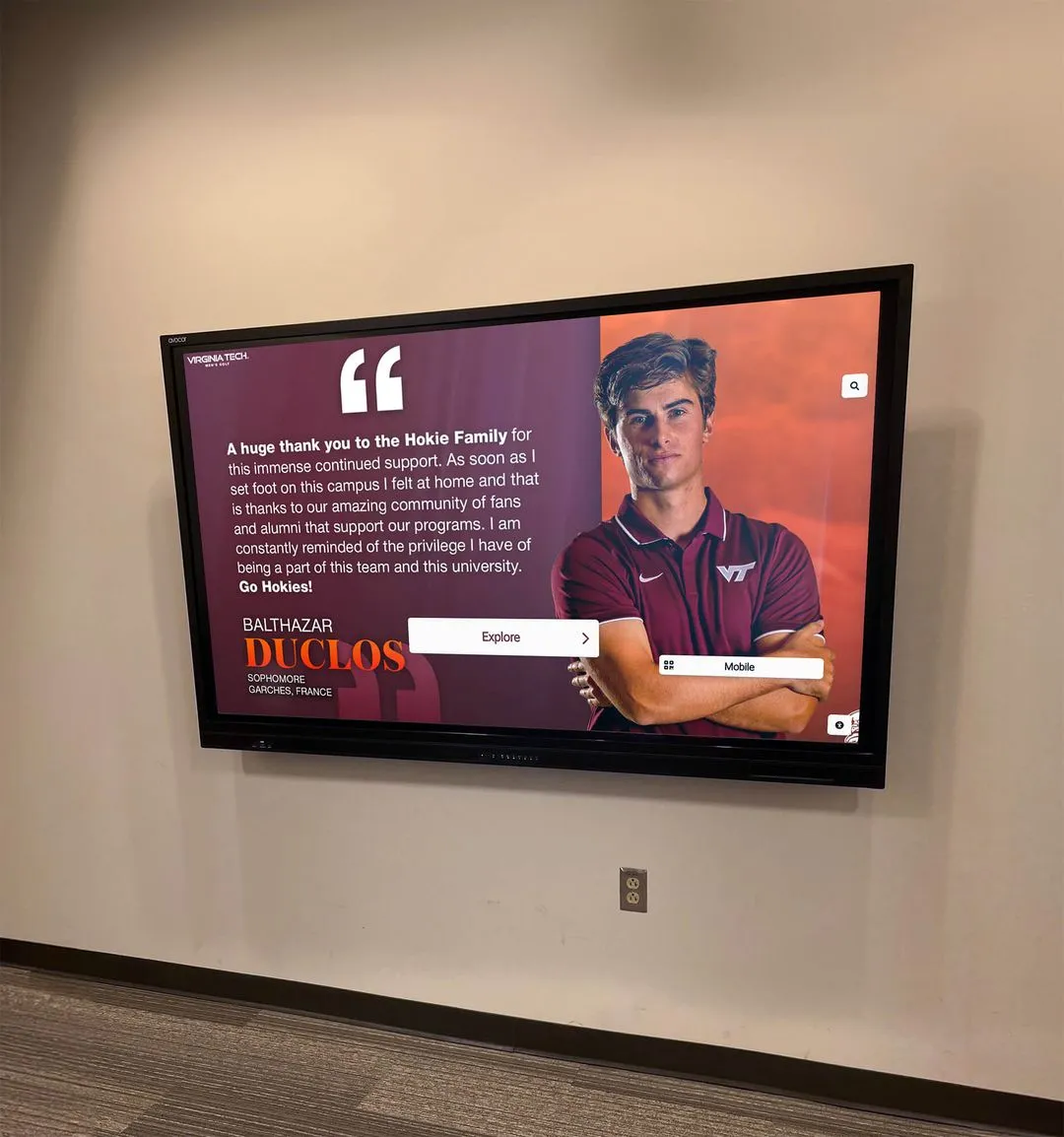
Strategic placement in high-traffic lobbies ensures recognition visibility while creating natural exploration opportunities
Enhanced Storytelling Through Multimedia
Traditional plaques communicate names, years, and basic achievement details—nothing more. This minimal information fails to honor accomplishments appropriately or convey the full significance of achievements to current students unfamiliar with past team success or record-breaking performances.
Digital platforms enable rich multimedia presentations that bring achievements to life:
Photo Galleries: Multiple images showing teams throughout seasons, action shots capturing championship moments, individual portraits documenting athlete development, and historical photos connecting current programs to institutional legacy across decades.
Video Highlights: Game footage preserving memorable performances, championship moments, season recaps, and athlete interviews sharing personal perspectives about dedication and teamwork necessary for success.
Statistics and Records: Complete performance data including career statistics, season-by-season progression, record comparisons showing historical context, and detailed achievement documentation that honors athletic excellence appropriately.
Personal Narratives: Written profiles explaining journeys, describing challenges overcome, sharing lessons learned through sport, and connecting athletics to broader life success—stories that inspire current students while honoring past achievements meaningfully.
This depth of storytelling creates emotional connections impossible with simple name listings. Current students see themselves in past athlete experiences. Alumni encounter meaningful acknowledgment of their dedication. And prospective families touring facilities witness institutional commitment to honoring achievement comprehensively.
Research on recognition program best practices demonstrates that multimedia-enhanced recognition generates significantly longer visitor engagement and stronger emotional connections compared to traditional static displays.
Cost-Effectiveness Over Time
Digital recognition requires upfront investment in hardware and platform subscriptions. These initial costs prompt reasonable questions about financial justification compared to familiar physical plaques.
However, comprehensive cost analysis reveals favorable long-term economics. Traditional recognition creates perpetual expenses: custom plaques cost $50-300 each depending on size and materials, trophy case replacements every 8-12 years as space fills ($2,000-10,000+), maintenance and repair for damaged physical displays, and labor costs for coordinating fabrication and installation repeatedly over years.
Digital systems replace these recurring expenses with predictable annual platform subscriptions while dramatically reducing administrative time requirements. Most schools implementing comprehensive digital recognition document positive financial returns within 3-5 years even before considering engagement improvements, storytelling benefits, and administrative efficiency gains.
Beyond direct cost comparisons, digital recognition provides capabilities impossible to price in traditional approaches: unlimited capacity enabling comprehensive recognition, multimedia storytelling honoring achievements appropriately, instant updates maintaining current information, web accessibility extending recognition reach globally, and analytics revealing engagement patterns informing content strategy.
When evaluated comprehensively rather than comparing only initial purchase prices, digital recognition delivers superior value while providing recognition quality befitting student achievement and institutional pride.
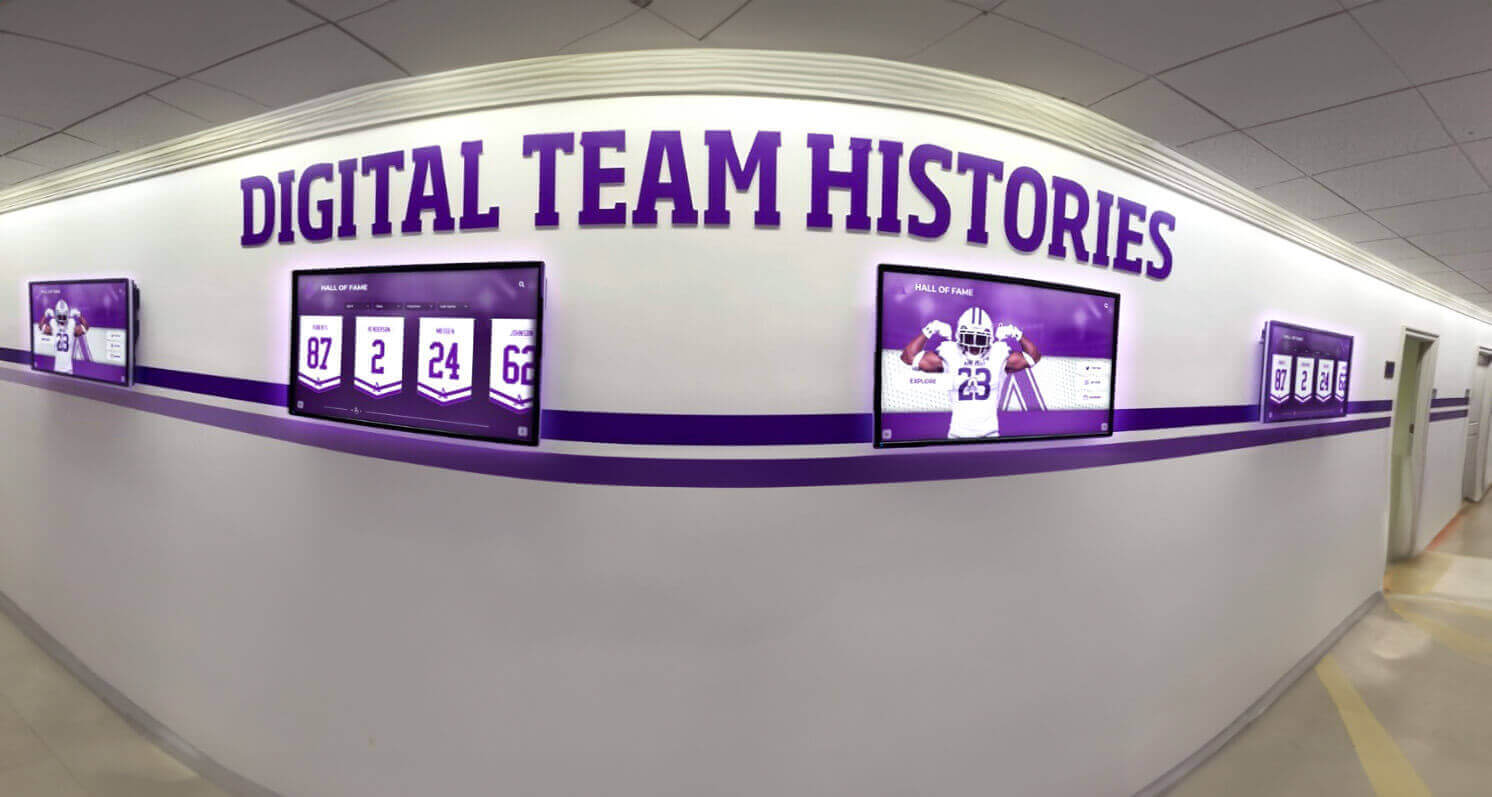
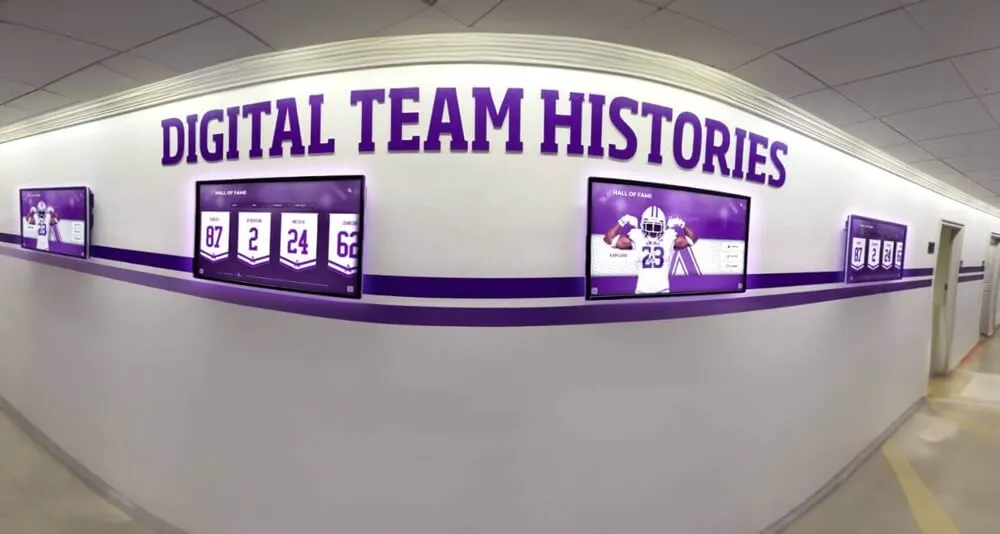
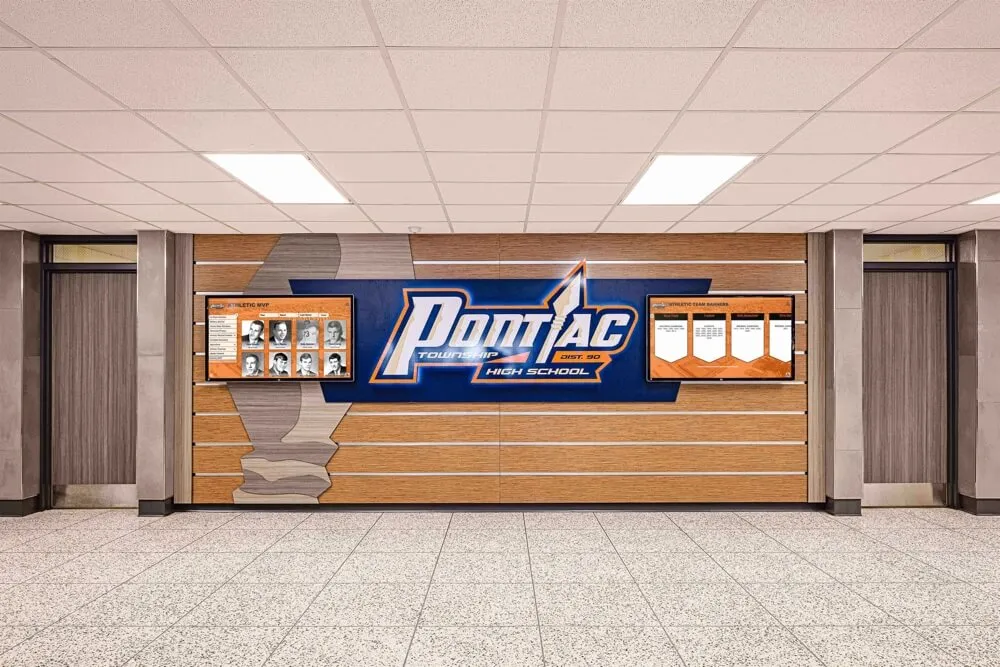
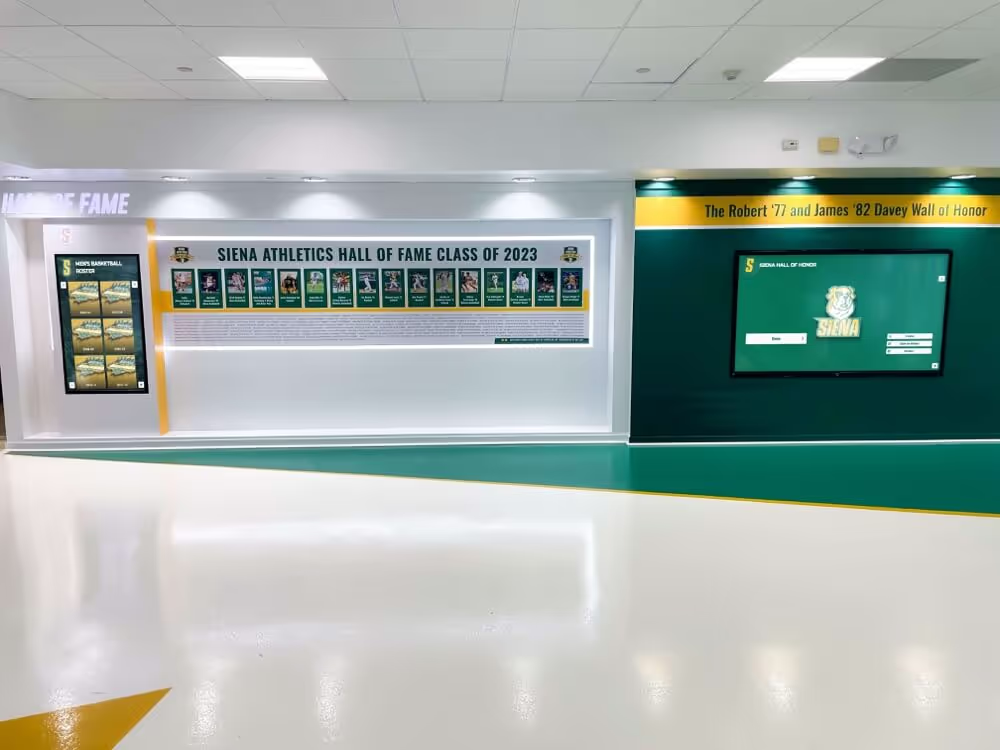
Coordinated multi-display installations provide comprehensive recognition across all programs and achievement categories
Key Features of Effective Recognition Systems
Not all digital recognition platforms deliver equal capabilities or user experiences. Understanding essential features helps schools select solutions meeting their specific needs while avoiding limitations that undermine long-term satisfaction.
Intuitive User Interfaces
Recognition displays must be immediately understandable to all users without instructions or assistance. Effective interfaces feature clear visual hierarchy guiding exploration, large touch-friendly buttons supporting easy interaction, obvious navigation paths between content sections, search functionality enabling quick honoree discovery, and consistent design patterns users recognize instinctively across different content areas.
The best recognition systems follow familiar interaction models from smartphones and tablets—swiping, tapping, pinching—rather than requiring specialized knowledge about custom navigation schemes. This intuitive design ensures everyone from elementary students to elderly alumni can explore content successfully during their first encounter with displays.
Comprehensive Content Organization
Recognition databases must accommodate complex information structures across multiple dimensions simultaneously. Schools need to organize content by sport or activity, academic year or graduation class, achievement type (championships, records, honors), and time period spanning decades or even centuries for established institutions.
Quality platforms provide multiple navigation pathways serving different user objectives: chronological browsing by year or era, categorical exploration by sport or program, alphabetical directories for finding specific individuals, achievement-based filtering showing only championships or record holders, and search functionality accepting names, years, or other criteria enabling quick discovery regardless of how information is primarily organized.
This multi-faceted organization ensures all visitors can find relevant information quickly while supporting serendipitous discovery of unfamiliar achievements during exploration.
Cloud-Based Management
Modern content management eliminates technical barriers that prevented schools from maintaining current recognition:
Browser-Based Access: Content management through standard web browsers requires no special software installation, supporting updates from any device with internet connectivity including office computers, personal laptops, tablets, or smartphones.
Intuitive Editing Interfaces: Simple form-based interfaces enable anyone to add honorees, upload photos, enter statistics, and publish content without requiring technical expertise or specialized training beyond brief orientation to platform basics.
Bulk Import Tools: CSV upload capabilities accept data exported from student information systems, athletic management platforms, or spreadsheets—enabling efficient mass content additions rather than manual individual entry for large historical archives.
Version Control: Automatic change tracking documents all modifications with rollback capabilities, preventing accidental content loss while enabling accountability when multiple staff members share administrative access.
Preview Modes: See exactly how content will appear on displays before publishing, ensuring proper formatting and presentation quality without requiring physical display access for verification.
These management capabilities make digital recognition viable for schools of all sizes and technical sophistication levels, democratizing access to professional recognition quality previously available only to institutions with dedicated IT support resources.
Explore interactive touchscreen software options comparing different platform approaches and feature sets.
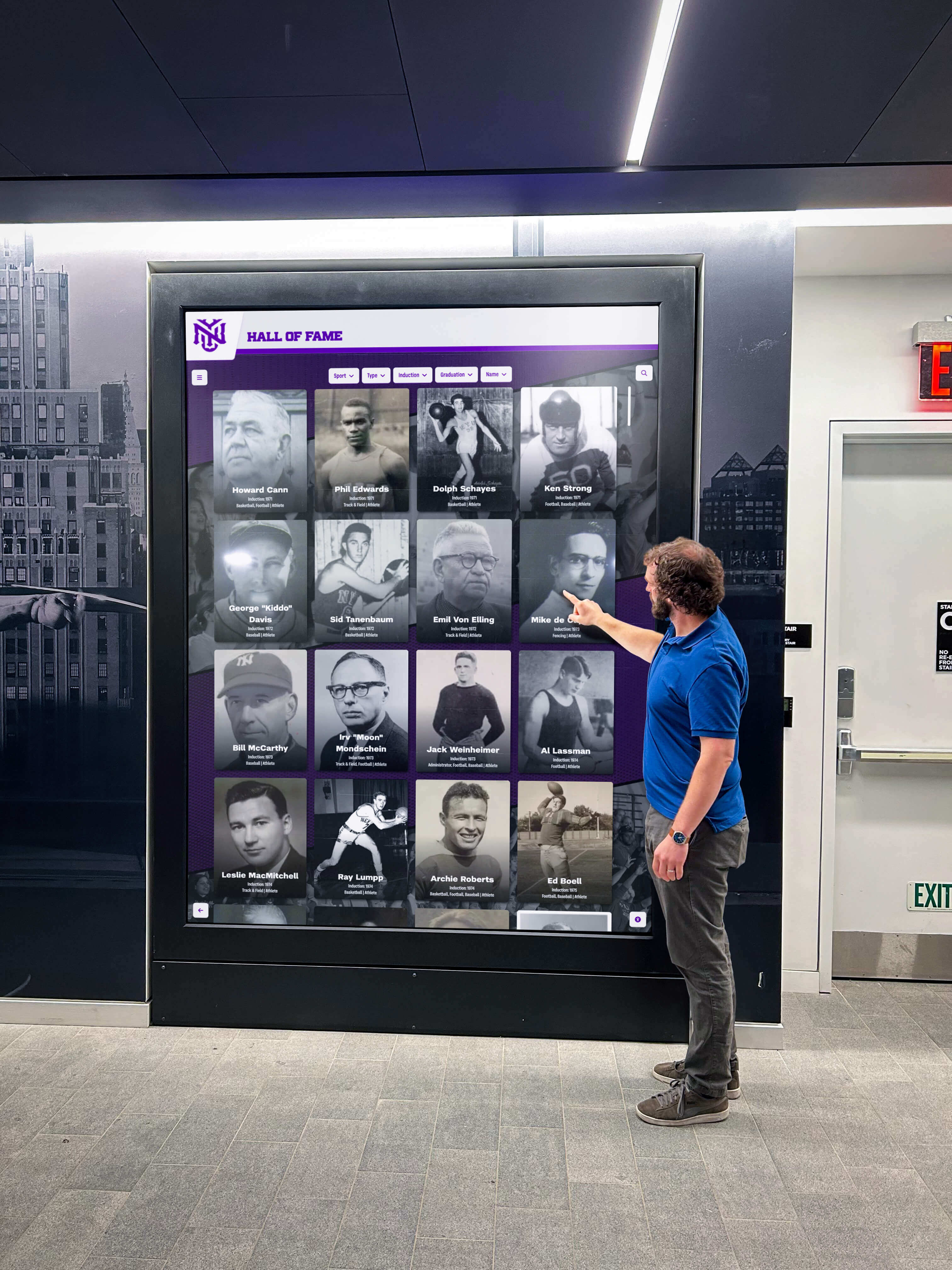
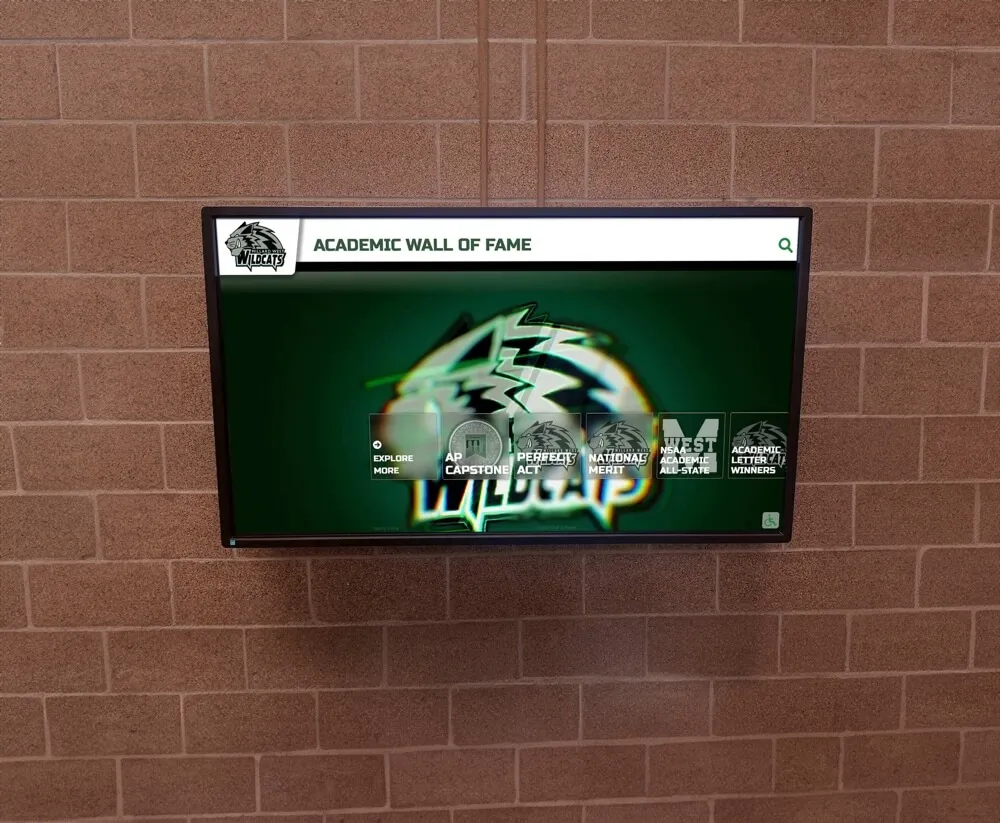
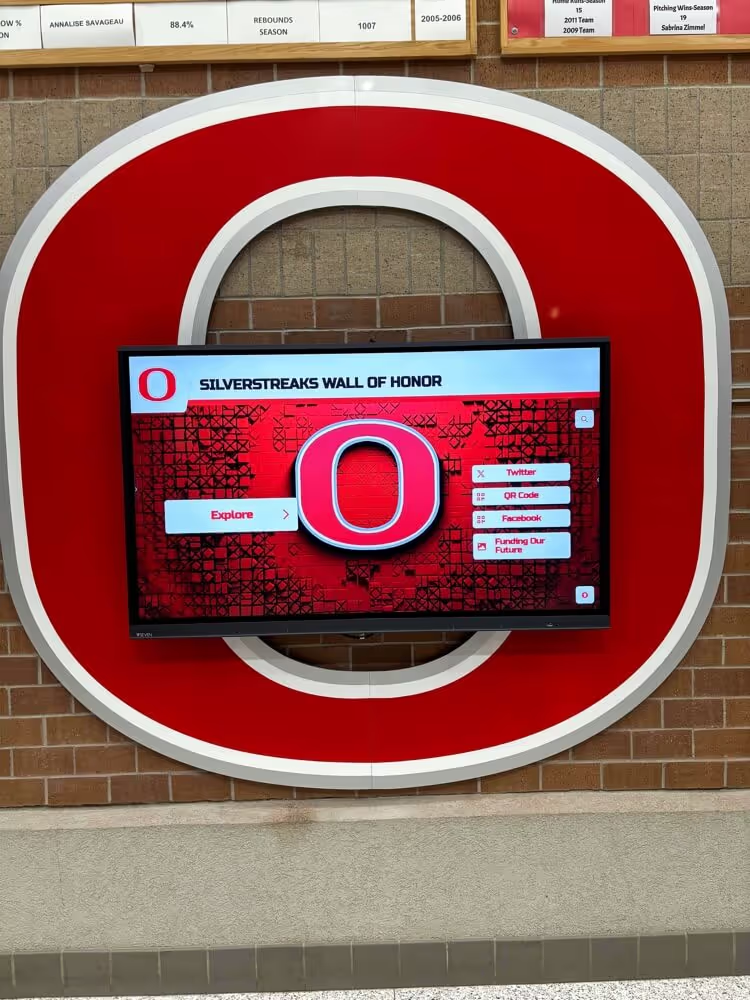
Engaging interfaces encourage extended exploration, deepening connections to institutional history and achievement culture
Analytics and Engagement Tracking
Modern platforms reveal exactly how audiences interact with recognition through detailed analytics impossible with traditional static displays:
Usage Metrics: Track daily interaction frequency showing how many visitors engage with displays, average session duration indicating depth of engagement, and peak usage times revealing optimal content update scheduling.
Content Performance: Identify most-viewed profiles indicating effective storytelling examples, popular search terms showing what interests visitors, and navigation patterns revealing how users explore content databases.
Geographic Reach: For web-accessible recognition, analytics show visitor locations demonstrating how far recognition extends beyond campus boundaries, return visitor rates indicating sustained engagement, and referral sources revealing how people discover online recognition.
This data informs content strategy, identifies improvement opportunities, and demonstrates recognition program effectiveness through concrete usage evidence rather than anecdotal impressions alone.
Planning Recognition System Implementation
Successful implementations require systematic planning addressing multiple interconnected considerations from initial goal-setting through launch and ongoing management.
Defining Recognition Goals
Clear objectives guide decisions when tradeoffs become necessary during implementation:
Recognition Scope: Which achievement categories require visibility—athletics only, or comprehensive recognition including academics, arts, community service, and other excellence? How far back in institutional history should recognition extend—recent decades or comprehensive historical archives?
Audience Priorities: Who should recognition primarily serve—current students needing inspiration, alumni seeking connection to past achievements, prospective families evaluating institutional culture, or community members celebrating local success?
Success Metrics: What outcomes demonstrate effective recognition—increased student motivation, stronger alumni engagement, enhanced institutional pride, improved recruitment, or something else measurable indicating recognition achieves intended objectives?
These defined goals enable focused implementations delivering maximum value for specific institutional priorities rather than generic approaches meeting no particular needs especially well.
Technology Selection
Choosing appropriate platforms significantly impacts user experience, administrative efficiency, and long-term satisfaction.
Recognition-Specific vs. Generic Signage: Purpose-built recognition platforms like those from Rocket Alumni Solutions provide significant advantages over generic digital signage adapted for recognition purposes. Specialized solutions offer recognition-specific content structures, intuitive management interfaces designed for achievement data, and proven track records in educational environments rather than generic retail or corporate applications requiring significant customization.
Essential Platform Capabilities: Schools should evaluate platforms based on unlimited content storage supporting extensive multimedia archives, flexible layout options matching different display sizes and orientations, robust search and filtering enabling discovery in large databases, mobile-responsive web access extending recognition beyond physical displays, reliable vendor support understanding educational institution needs, and integration options with student information systems when desired.
Avoiding Common Mistakes: Institutions sometimes select inappropriate platforms creating frustration including generic digital signage systems lacking deep content organization, custom development projects requiring ongoing technical resources, consumer-grade technology inappropriate for institutional longevity needs, platforms locked to specific hardware preventing future flexibility, and solutions requiring frequent manual content recreation rather than perpetual archives.
Choosing recognition-specific platforms from established educational technology vendors prevents these problems while ensuring support resources understand unique institutional recognition needs.
Learn about platform evaluation in digital hall of fame buying guides addressing technology selection and vendor assessment.
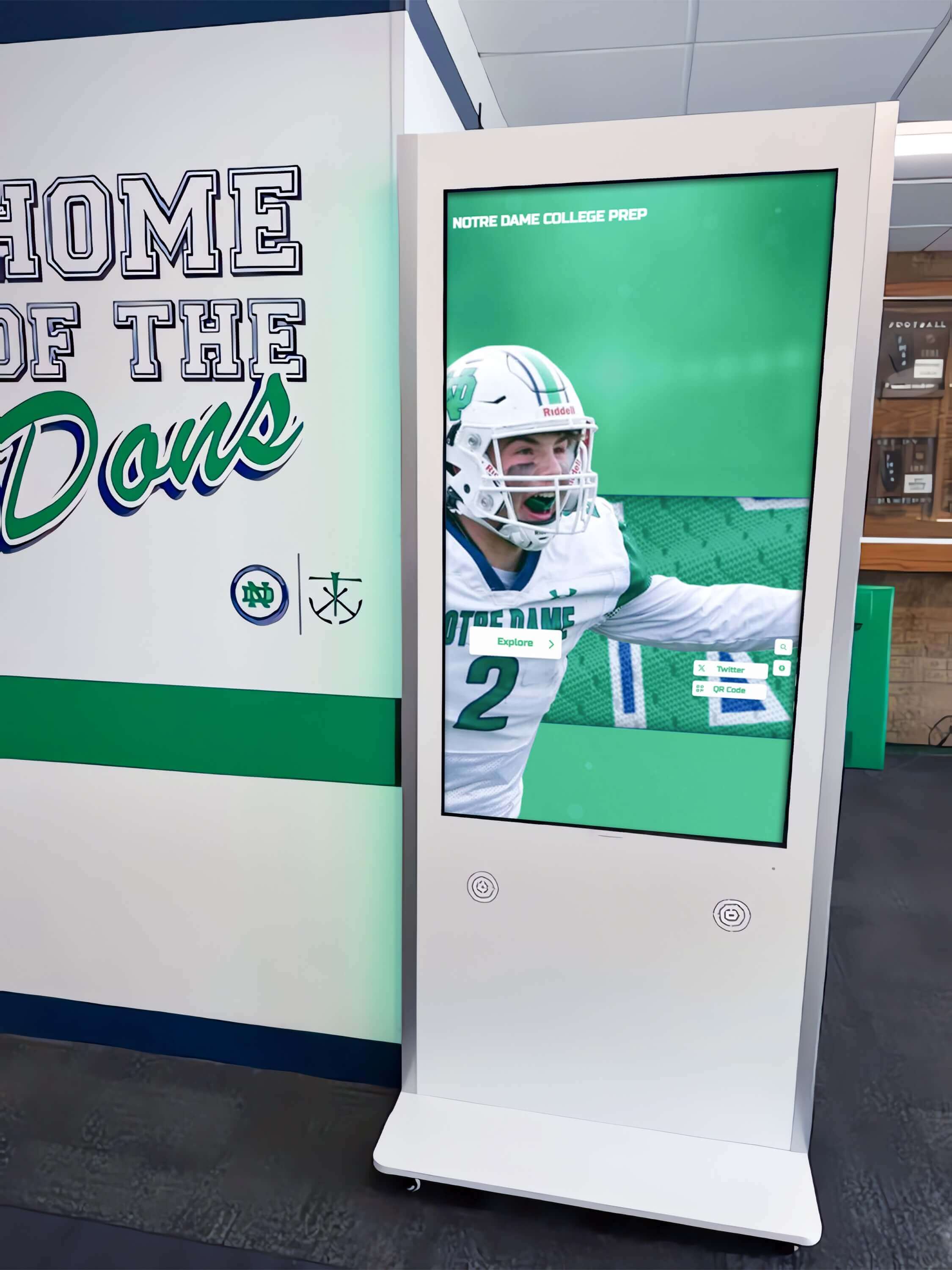
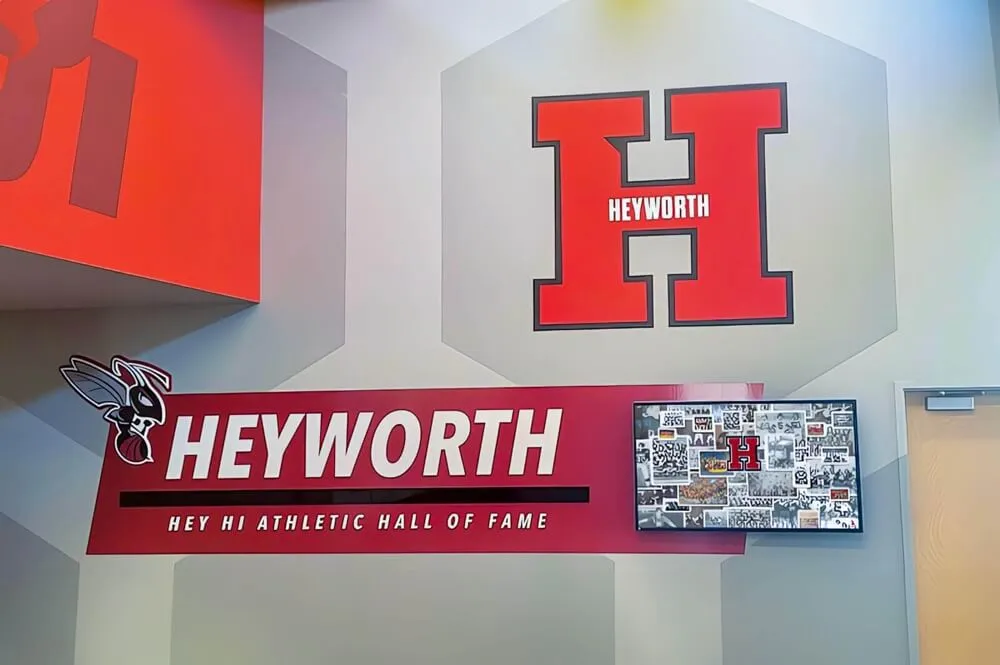
Athletic facility installations create immediate pride atmosphere celebrating program history and inspiring current athletes
Strategic Display Placement
Recognition visibility depends heavily on thoughtful placement within school facilities.
High-Traffic Locations: Main building entrance lobbies ensure all visitors encounter recognition immediately. Athletic facility entrances create pride atmosphere celebrating program legacy. Cafeteria and commons areas with extended dwell time encourage exploration. Hallway locations outside gymnasiums or auditoriums where students and families gather for events.
Creating Recognition Destinations: Most effective implementations transform areas into recognition destinations rather than simply mounting displays on available walls. Consider comfortable seating encouraging extended exploration, coordinated graphics and murals reinforcing institutional identity, integration with traditional trophy cases creating comprehensive displays, appropriate lighting highlighting recognition areas, school colors and branding creating cohesive aesthetics, and clear wayfinding directing visitors to recognition spaces throughout facilities.
These combined approaches signal institutional commitment to recognition, encouraging engagement while creating visually striking spaces strengthening community pride and tradition.
Content Development Strategy
Quality content determines whether recognition systems achieve intended engagement and cultural objectives.
Initial Content Planning: Launching with substantial historical content creates immediate impact. Schools should systematically compile information about past honorees from archives, yearbooks, and institutional records, gather photographs from multiple sources, locate video footage from games and performances, organize data consistently across different eras and sources, author compelling profiles honoring achievements appropriately, and prepare media for optimal display performance.
Most schools allocate 80-150 hours for comprehensive initial content development depending on history scope and available source materials. This foundational investment ensures recognition quality from launch rather than treating displays as empty shells gradually populated over months or years.
Ongoing Content Management: Sustainable approaches maintain current recognition through immediate achievement additions within days rather than waiting for annual updates, quarterly content reviews verifying accuracy and enhancing existing profiles, systematic historical archive expansion extending recognition backwards through institutional history, regular featured content rotation ensuring all honorees receive periodic visibility, and user feedback integration incorporating correction suggestions from community members.
Cloud-based platforms enable these updates from any internet-connected device, dramatically reducing administrative burden compared to physical displays requiring on-site access and fabrication coordination for every modification.
Explore content strategies in digital recognition wall planning guides addressing systematic development approaches.
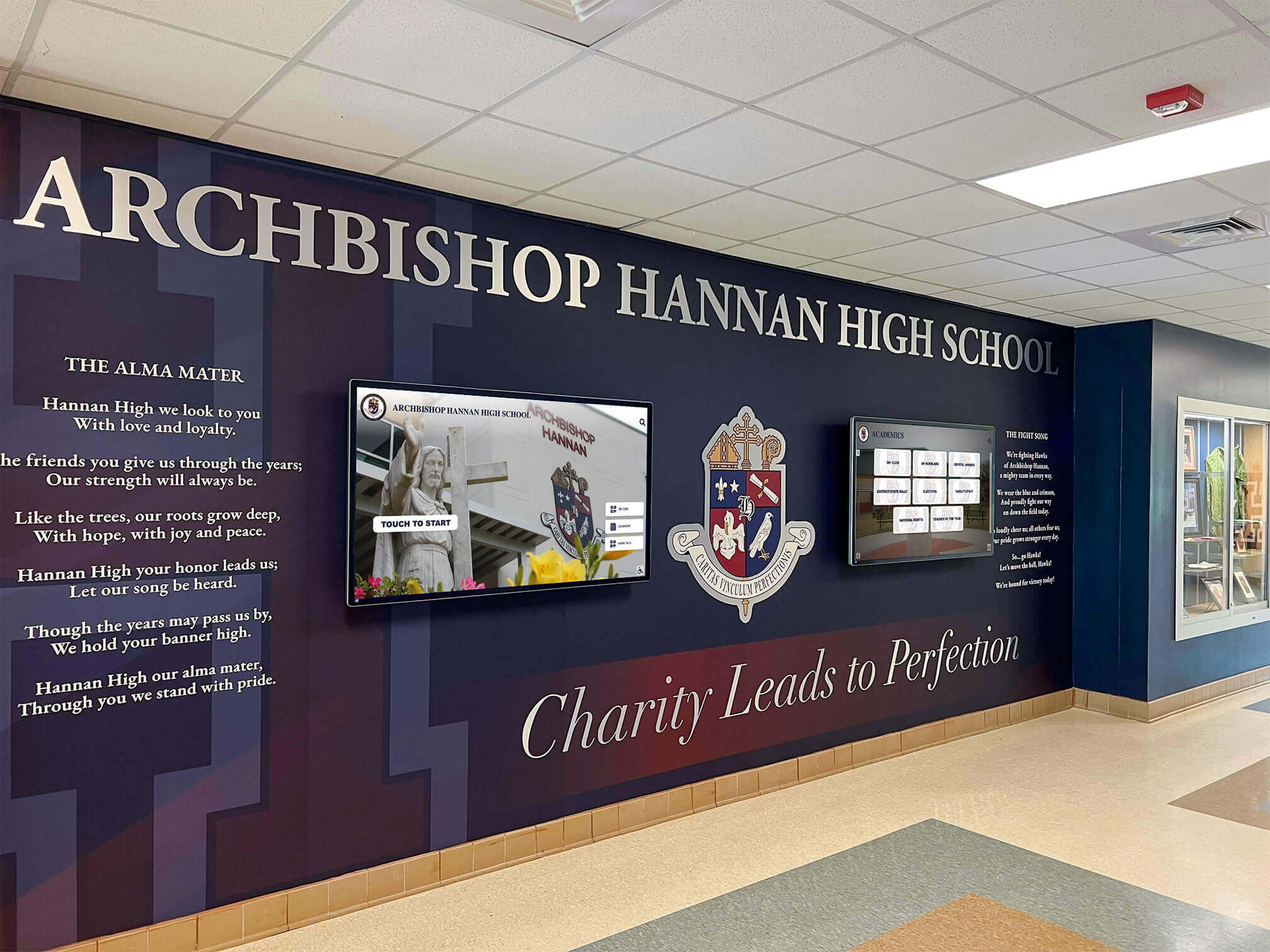
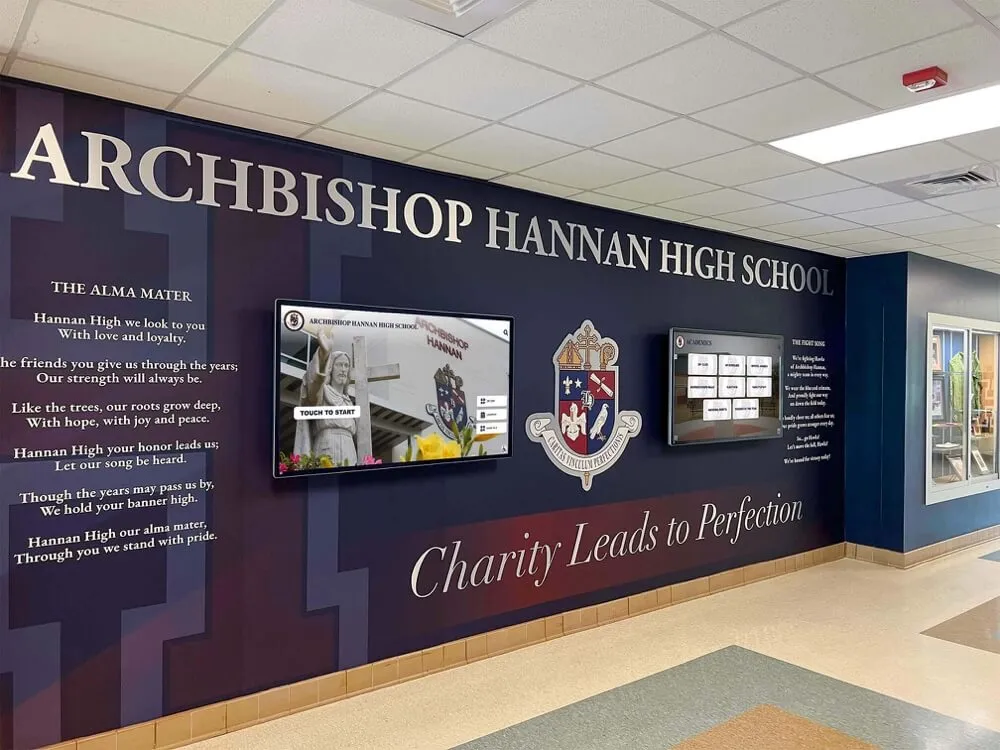
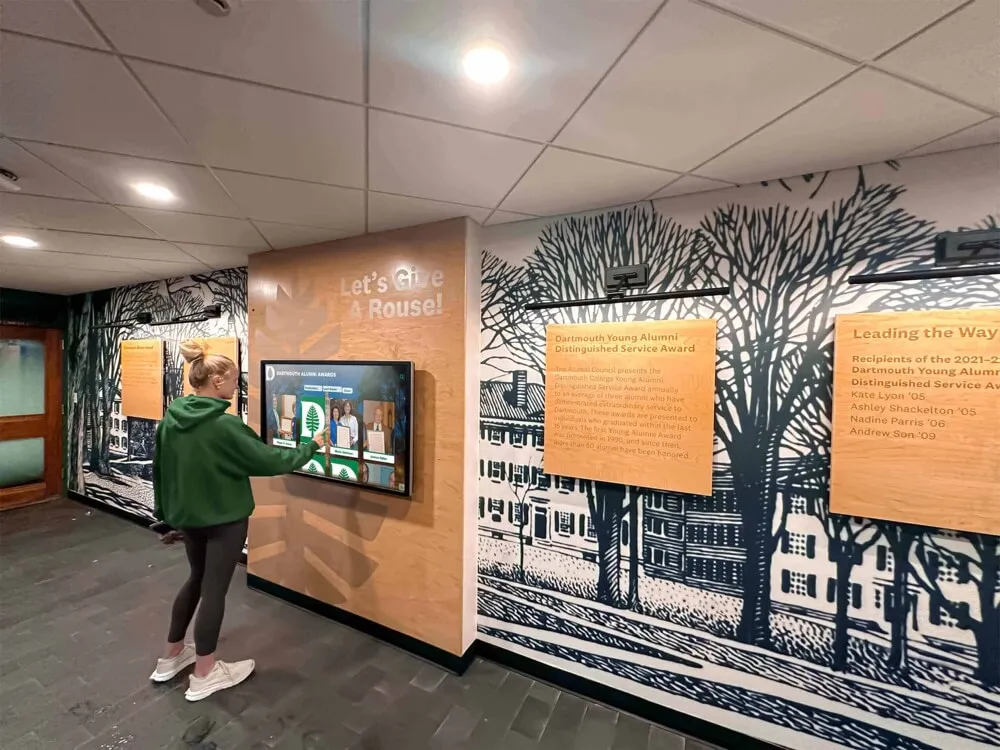
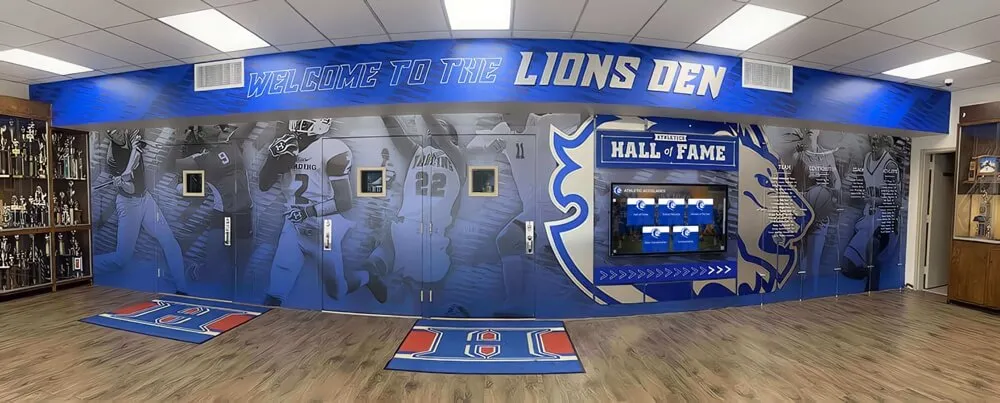
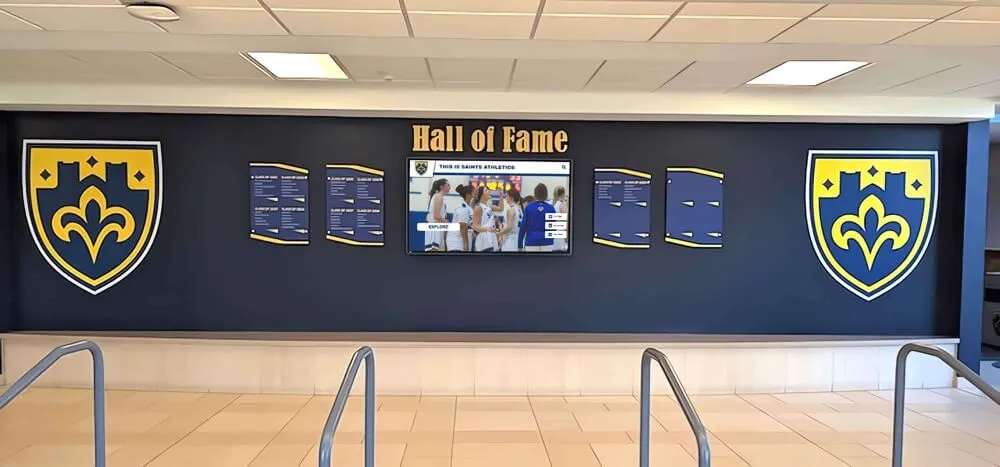
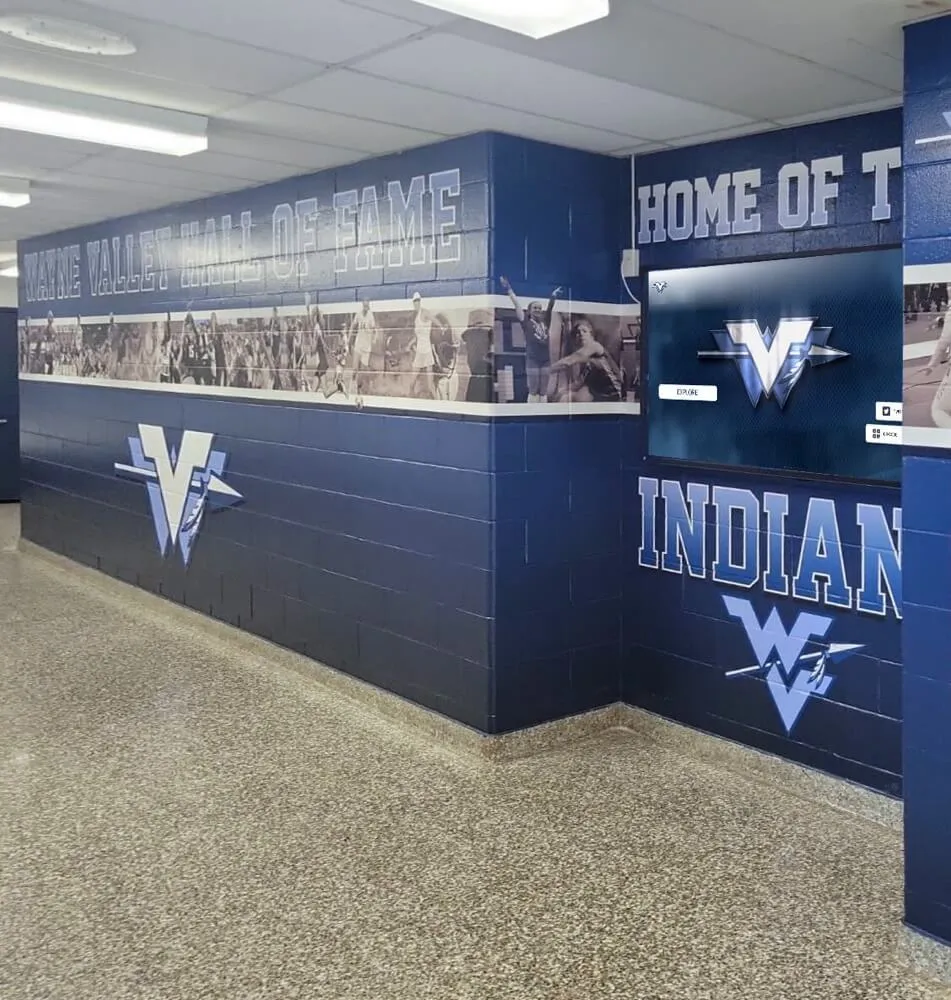
Combined recognition environments merge traditional artwork with modern digital displays creating striking spaces celebrating institutional identity
Best Practices for Recognition Program Success
Long-term value requires ongoing commitment extending beyond initial implementation.
Establish Clear Administrative Responsibilities
Sustainable programs define specific roles: primary coordinator overseeing recognition program, backup administrators preventing single point of failure, department-specific content managers for specialized categories like athletics or performing arts, student assistants supporting content development and research, and clear technical support contacts for troubleshooting both internal and vendor resources.
Without defined responsibilities, recognition programs often languish as nobody maintains content currency or responds to community feedback—eventually undermining credibility and engagement value.
Maintain Content Quality Standards
Professional presentation honors achievements appropriately while reflecting positively on institutional commitment to recognition:
Visual Standards: High-resolution photography with proper lighting and composition, consistent visual style across profiles and eras, professional editing enhancing without distorting images, and appropriate cropping emphasizing subjects while maintaining quality.
Written Content Standards: Factual accuracy verified through multiple reliable sources, engaging storytelling beyond statistics alone, appropriate length honoring achievements without overwhelming readers, consistent tone and style across all content, proper grammar and spelling reflecting institutional quality standards, and complete achievement detail documentation with dates and specific accomplishments.
Privacy Considerations: Educational institutions must respect student privacy regulations through appropriate consent for public recognition displays, opt-out mechanisms for individuals preferring privacy, limitation of displayed information to directory-appropriate data, and secure systems preventing unauthorized access or modification.
These quality standards ensure recognition honors achievements professionally while maintaining presentation quality reflecting institutional pride and community respect.
Create Sustainable Funding
Long-term viability requires reliable annual budget allocation for platform subscriptions and cloud services, content development time or contracted services, technical support and troubleshooting assistance, hardware maintenance and eventual replacement reserves, and improvement budget for feature additions and upgrades.
Schools treating recognition as ongoing programs rather than one-time technology purchases achieve far superior outcomes through continuous quality improvement and sustained community engagement.
Explore school recognition program guides covering implementation support and ongoing management.
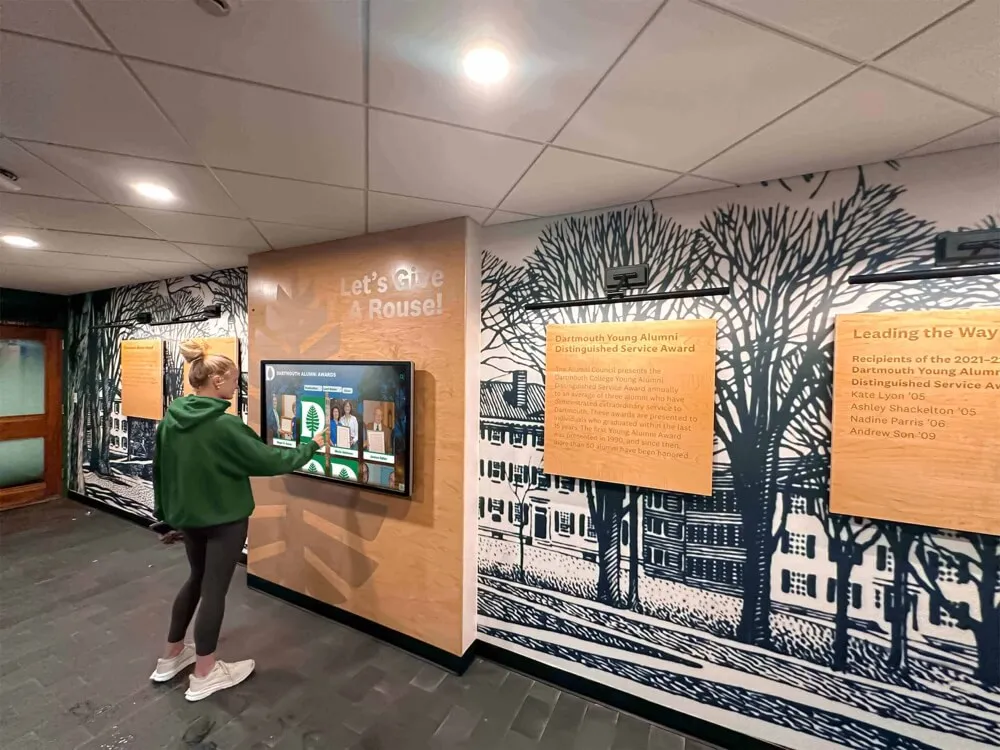
Recognition installations become natural gathering places where community members connect around shared pride and institutional tradition
Measuring Recognition Program Impact
Systematic assessment demonstrates value while identifying improvement opportunities.
Quantitative Engagement Metrics
Modern platforms provide concrete usage data impossible with traditional displays:
Physical Display Analytics: Touchscreen interaction frequency showing daily usage patterns, average session duration revealing engagement depth, most-viewed content identifying visitor interests and effective storytelling examples, search query analysis showing how users discover content, and peak usage times informing content scheduling decisions.
Web Platform Analytics: Unique visitor counts showing online recognition reach, geographic distribution revealing how far recognition extends beyond campus, device types indicating mobile versus desktop access, social sharing frequency demonstrating organic promotion, referral sources showing how people discover online recognition, and return visitor rates indicating sustained engagement.
These metrics reveal whether digital recognition generates intended engagement or requires strategy adjustments improving effectiveness.
Qualitative Impact Assessment
Regular feedback provides insights beyond quantitative metrics:
Stakeholder Perspectives: Student surveys assessing recognition awareness and impact on school pride, alumni feedback about connection and accessibility to institutional history, family responses to enhanced visibility into student achievements, visitor reactions during campus tours and community events, and staff observations about interaction patterns and popular features.
Cultural Indicators: Long-term changes provide evidence of recognition cultural impact including increased community awareness and celebration of achievements, stronger institutional pride and positive identity, deepened alumni connections to current programs, improved prospective student and family responses during recruitment, and more inclusive recognition cultures celebrating diverse excellence across all programs.
Regular assessment allows continuous refinement ensuring recognition programs achieve intended goals while identifying opportunities for improvement.
Research student recognition program strategies covering impact measurement and program assessment.
Common Implementation Questions
Schools considering digital recognition frequently ask similar questions during planning.
“Will Digital Replace Traditional Trophy Cases?”
Digital recognition complements rather than replaces traditional displays. Most schools maintain trophy cases showing physical awards while adding interactive displays that provide unlimited capacity for comprehensive recognition impossible in finite physical space. This hybrid approach preserves tradition while extending recognition capabilities significantly.
“What About Privacy and Student Information?”
Quality platforms include privacy controls appropriate for educational institutions enabling consent management for public recognition, opt-out options for students preferring privacy, directory information limitations complying with regulations, secure access preventing unauthorized modifications, and documented compliance with educational privacy requirements.
Schools should establish clear recognition policies addressing privacy considerations before implementation rather than treating privacy as afterthought requiring policy development following deployment.
“How Much Time Does Content Management Require?”
Schools implementing digital recognition typically report 2-4 hours monthly for routine content updates once systems are established and staff develop platform familiarity. This minimal ongoing time requirement represents dramatic reduction compared to traditional physical recognition requiring fabrication coordination, installation scheduling, and physical display maintenance consuming significantly more administrative resources.
Initial content development requires larger time investment (80-150 hours typical), but this one-time foundation enables efficient ongoing management through simple cloud-based updates rather than perpetual high-touch physical maintenance.
“What Happens If Technology Becomes Outdated?”
Commercial-grade displays typically provide 5-7 years of reliable continuous operation before requiring replacement. Display hardware follows industry-standard specifications ensuring compatibility with updated software platforms rather than proprietary systems creating vendor lock-in.
Quality recognition platforms continue evolving through cloud-based updates adding new features and capabilities without requiring hardware replacement or system migration—similar to smartphone apps that improve through software updates rather than demanding new devices.
Explore digital display technology guides addressing long-term technology considerations and platform evolution.
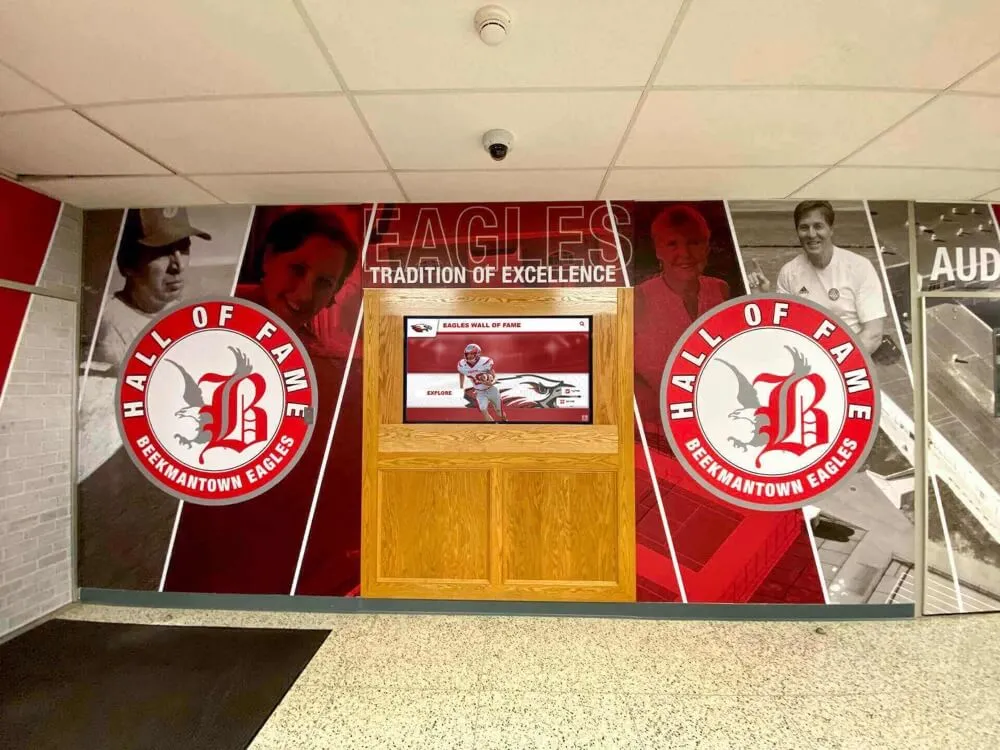
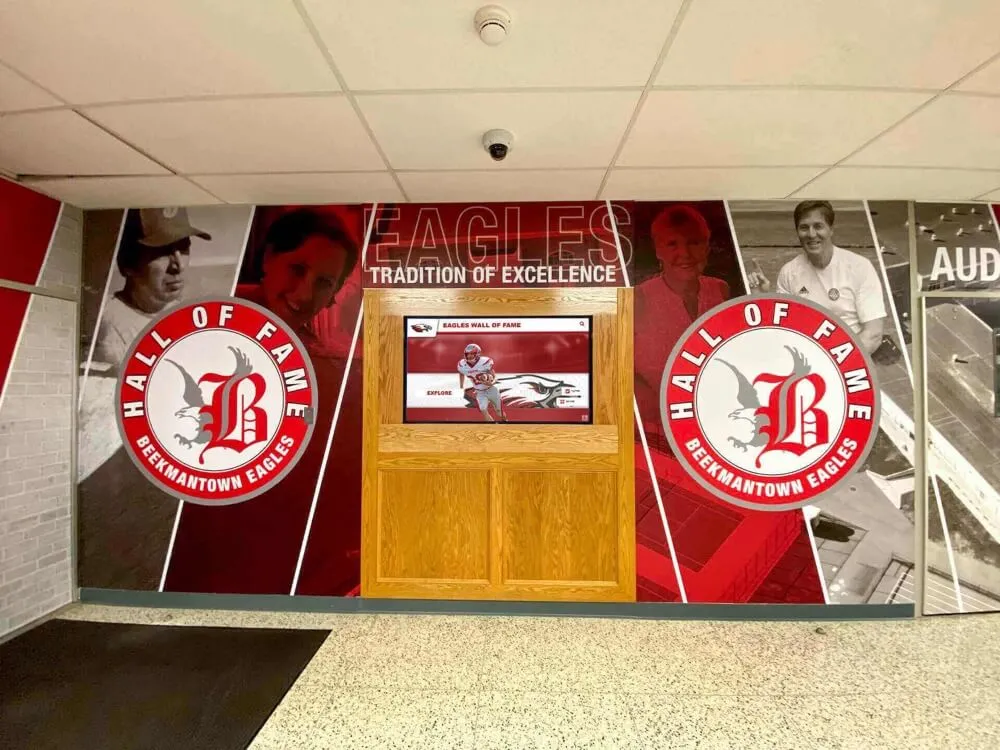
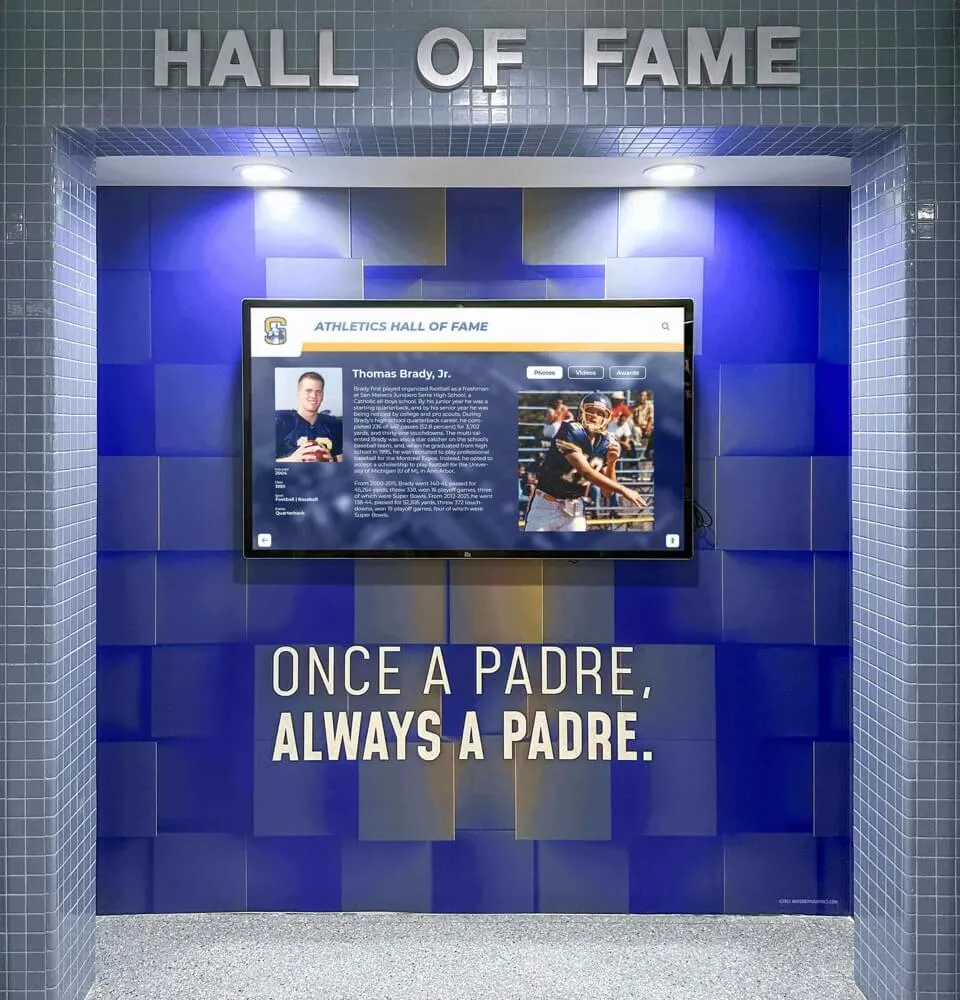
Professional recognition installations become architectural focal points celebrating institutional excellence and inspiring future achievement
Getting Started with Recognition Technology
Schools ready to explore digital recognition should follow systematic planning processes ensuring successful implementations matching specific institutional needs.
Initial Planning Steps
Assemble Planning Team: Include athletic directors, administrators, technology coordinators, facilities managers, and advancement staff ensuring all relevant perspectives inform planning rather than single-department initiatives creating blind spots.
Define Recognition Scope: Determine which achievement categories require recognition, how far back historical content should extend, what audience groups the recognition primarily serves, and what success metrics will demonstrate effective implementation.
Establish Budget Parameters: Understand complete investment requirements including initial hardware and platform costs, professional installation expenses, content development resources, and ongoing operational expenses for sustainable multi-year programs rather than one-time deployments.
Visit Existing Implementations: Tour schools with established recognition systems, observe actual user interactions and engagement patterns, interview administrators about real-world experiences including challenges and unexpected benefits, and evaluate different vendor solutions before making selection decisions.
Vendor Evaluation Criteria
Proven Track Record: Assess potential technology partners based on experience in educational settings, number of current school installations, customer retention rates indicating satisfaction, and available reference customers willing to share candid feedback about implementation experiences.
Comprehensive Platform Capabilities: Evaluate systems based on recognition-specific features rather than generic digital signage capabilities, content management ease-of-use for non-technical staff, mobile web accessibility extending recognition beyond physical displays, and integration options with existing school systems when desired.
Support and Training Resources: Understand included implementation support, ongoing technical assistance availability and response time commitments, administrator training programs ensuring successful adoption, and documentation resources supporting independent problem-solving for common questions.
Transparent Pricing: Seek complete cost disclosure including all initial expenses, ongoing subscription or licensing fees, potential additional charges for storage or features, and hardware replacement guidance enabling realistic long-term budget planning.
Thorough vendor evaluation prevents costly mistakes and ensures partnerships supporting long-term recognition program success rather than expedient decisions based primarily on initial purchase price creating later regret.
Conclusion: Recognition that Honors Achievement Appropriately
Student achievement deserves celebration matching dedication invested in excellence. Traditional recognition methods—limited by physical space constraints, static presentation capabilities, expensive fabrication requirements, and difficult maintenance workflows—fail to honor accomplishments as comprehensively as students and communities merit.
Recognition systems like Rocket Recognition solve these persistent limitations while creating new opportunities for storytelling, engagement, and inspiration that strengthen school culture and community pride. Through unlimited digital capacity enabling comprehensive recognition across all programs and eras, multimedia storytelling that brings achievements to life through photos, videos, and narratives, instant cloud-based updates maintaining current information without fabrication delays, and web accessibility extending recognition reach far beyond campus boundaries, digital platforms transform recognition from space-constrained necessity into strategic cultural programs celebrating excellence comprehensively.
Schools implementing thoughtful recognition programs—with clear objectives, appropriate technology, quality content, and sustained management commitment—create environments where every achievement receives appropriate visibility, current students see themselves reflected in institutional tradition, alumni maintain lasting connections to programs they built, and prospective families witness cultures genuinely valuing excellence across diverse domains.
Your students have dedicated countless hours pursuing excellence in athletics, academics, arts, and community service. They deserve recognition honoring that commitment appropriately while inspiring future generations toward their own achievements. With strategic planning, recognition-specific technology, and systematic implementation, schools can create comprehensive recognition programs celebrating institutional legacy while building cultures where all excellence receives visibility and validation it merits.
Explore Recognition Solutions for Your School
Discover how recognition systems transform how schools celebrate achievement, preserve institutional history, and inspire excellence across all programs. See interactive demonstrations showing features, functionality, and implementation approaches designed specifically for educational institutions.
Book a demoRecognition technology continues evolving with new capabilities expanding what’s possible. But core principles remain constant: students achieving excellence deserve celebration honoring their dedication, institutions benefit from cultures visibly valuing diverse achievement, and recognition programs should enable rather than constrain comprehensive acknowledgment across all programs and time periods.
Start where your current situation demands—whether replacing overcrowded trophy cases, extending recognition to historically underrepresented programs, or creating more engaging displays inspiring current students—then systematically expand to build comprehensive systems your community deserves.
Ready to transform your recognition program? Explore how digital recognition displays create engaging achievement experiences or learn about interactive school displays extending recognition reach throughout your community and beyond.