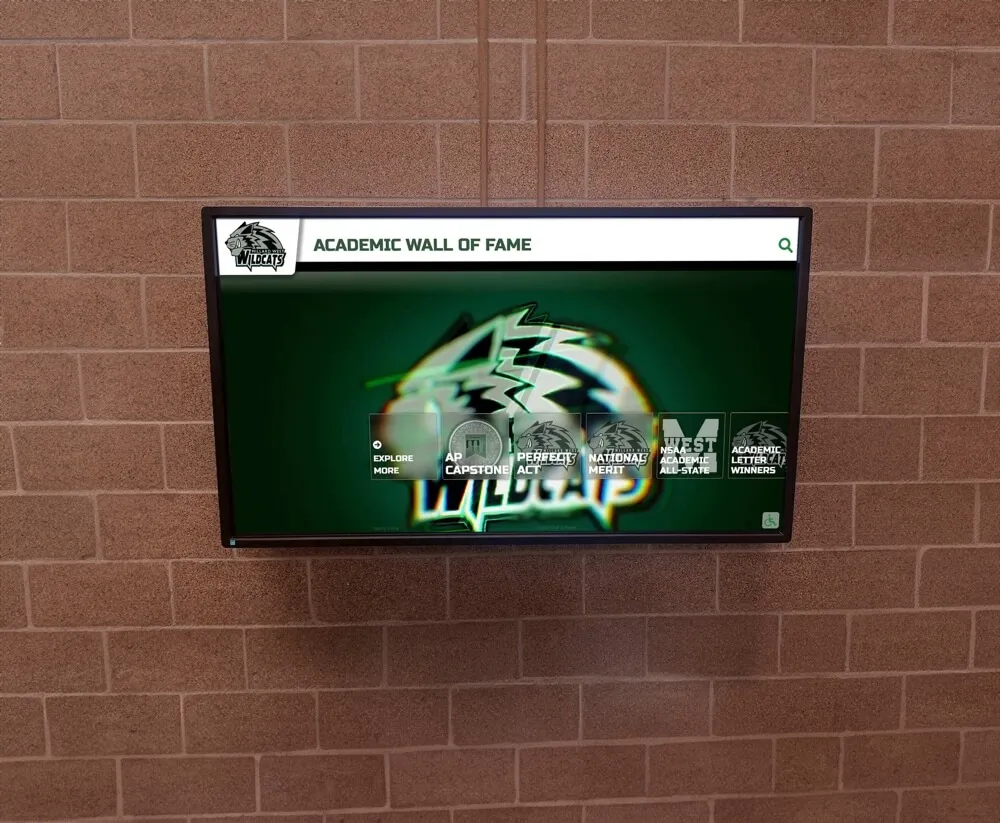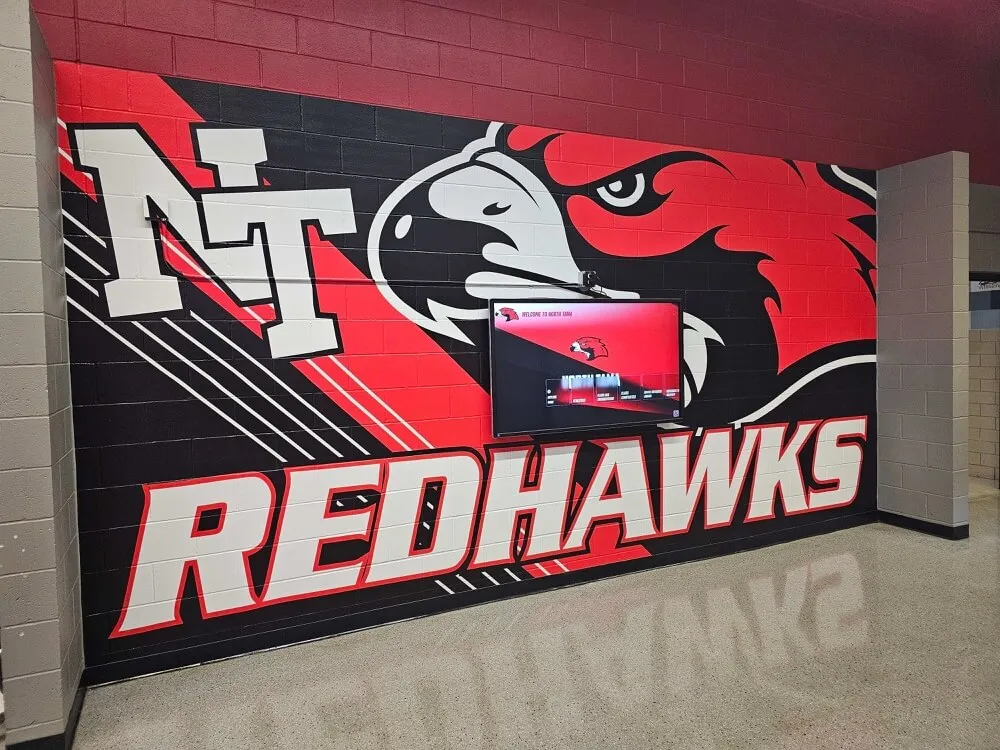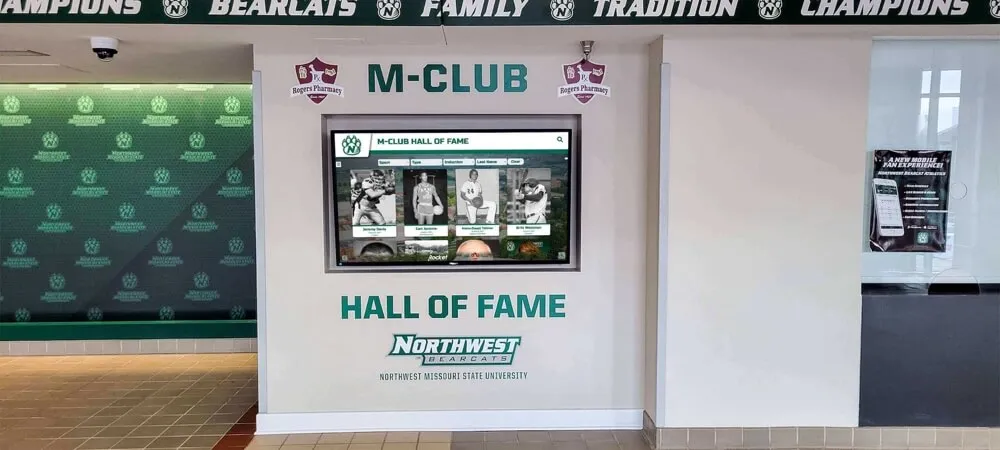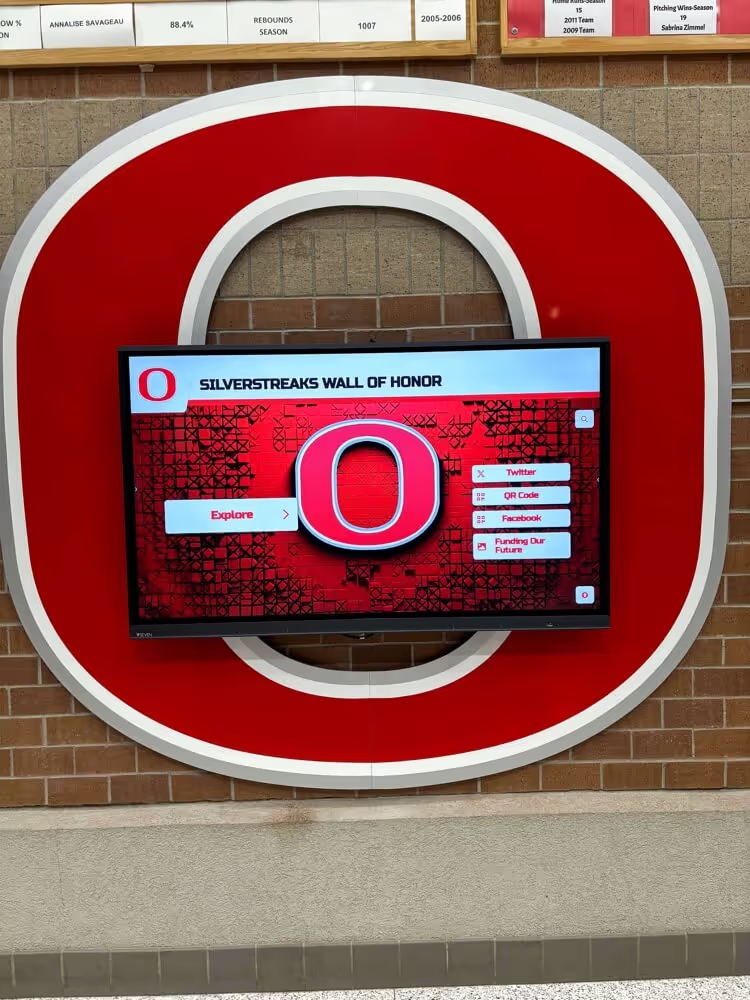




Organizations evaluating interactive touchscreen solutions for recognition displays often encounter a troubling pattern: vendors sell software platforms while leaving hardware responsibility scattered across third-party suppliers, OEM warranty departments, and overwhelmed IT staff. When displays fail, network issues emerge, or performance degrades, these organizations discover too late that their vendor relationship stops at software licensing—leaving them navigating unfamiliar technical support channels, tracking down replacement parts, and coordinating between multiple parties who each claim the problem lies elsewhere.
Rocket Alumni Solutions takes a fundamentally different approach. Rather than offloading hardware responsibility to customers or third parties, Rocket provides complete solutions spanning hardware selection, installation coordination, ongoing technical support, and issue resolution—positioning Customer Success teams as the single point of contact for any problem affecting touchscreen kiosk operation. Whether issues originate in hardware, software, network infrastructure, or content management, customers contact one team that owns the complete outcome: restored uptime and dependable operation.
This complete guide examines what full-stack ownership means in practice, explores how Rocket’s Customer Success model differs from typical software-only vendor approaches, documents the specific hardware and support services Rocket provides, and shares real experiences from hundreds of institutions that rely on Rocket for their complete interactive recognition display needs rather than piecing together solutions from multiple disconnected vendors.
When schools, universities, athletic departments, and nonprofit organizations invest in interactive touchscreen displays celebrating achievement and engaging communities, they’re not simply purchasing software—they’re implementing physical systems operating continuously in public spaces where dependable performance directly affects institutional reputation and visitor experience.

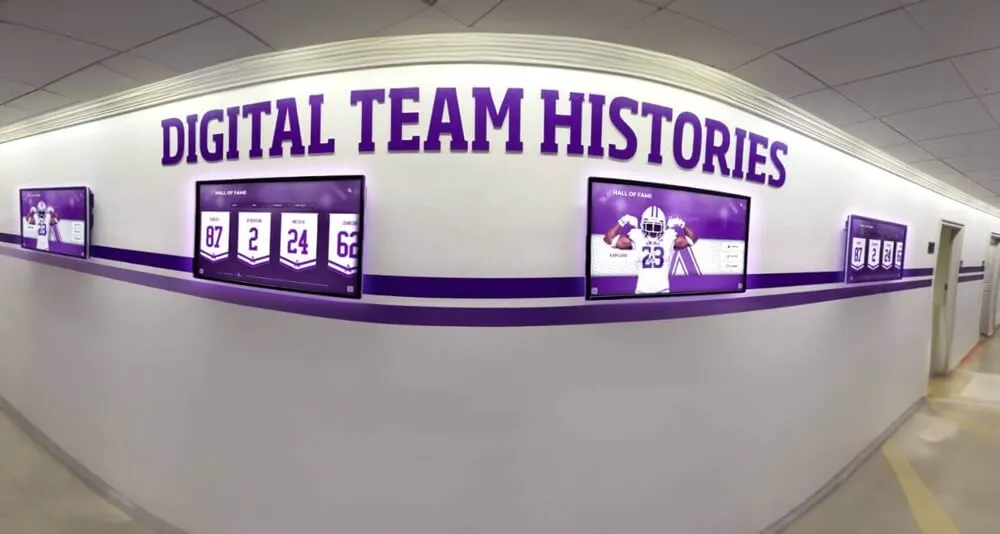
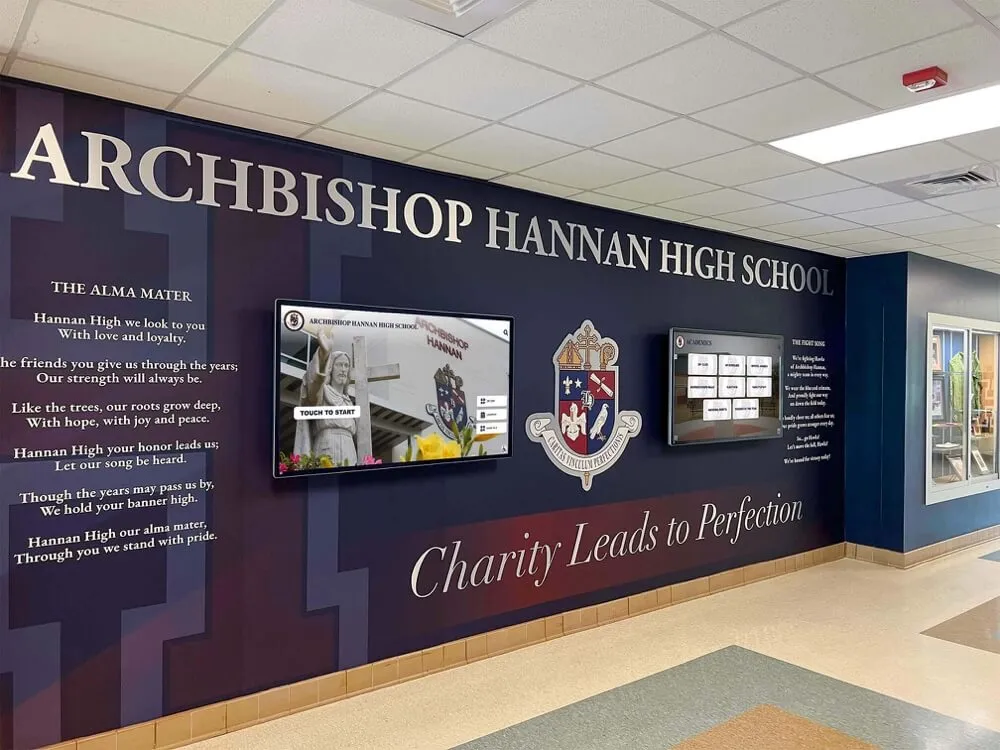
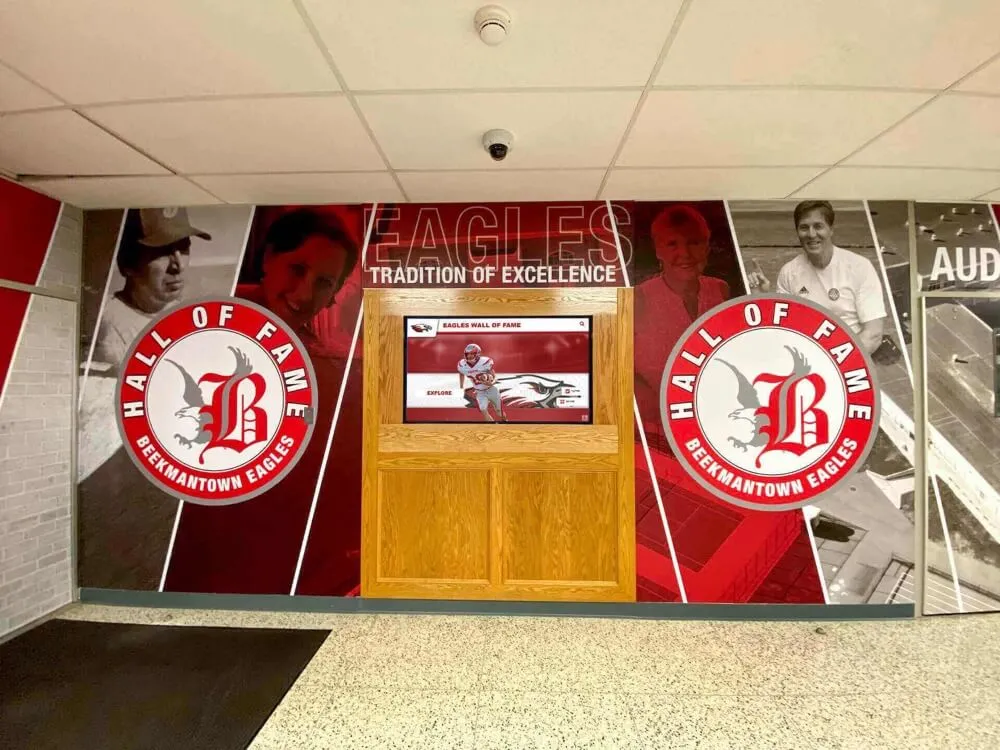
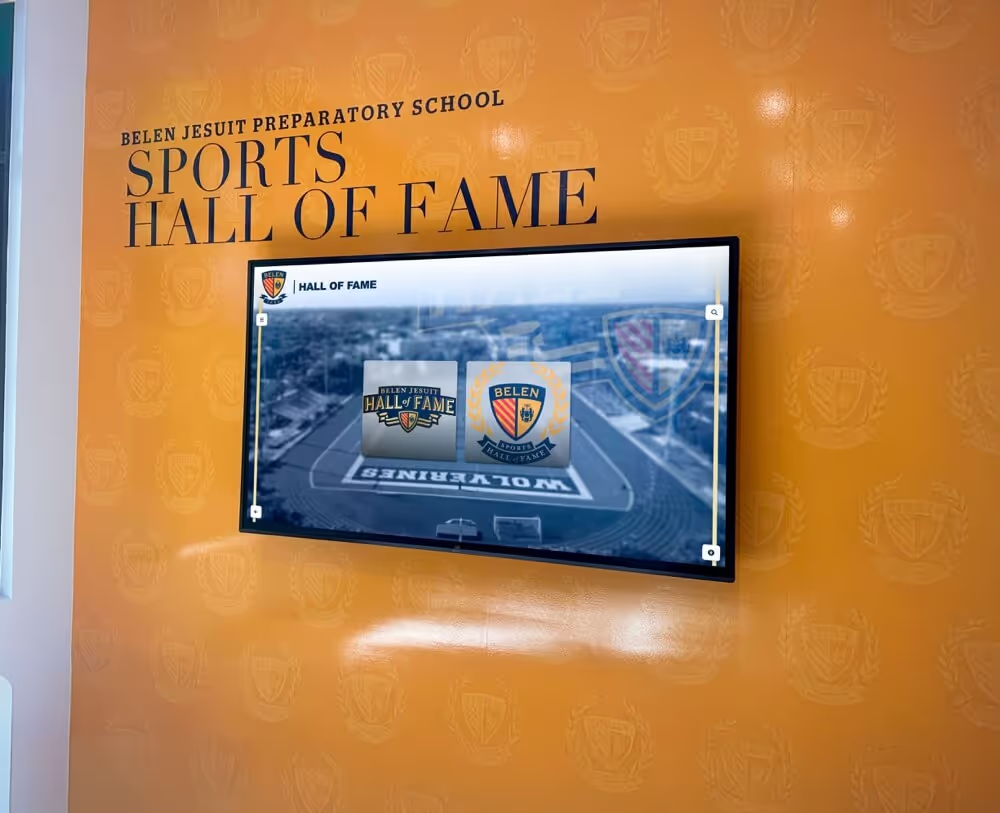
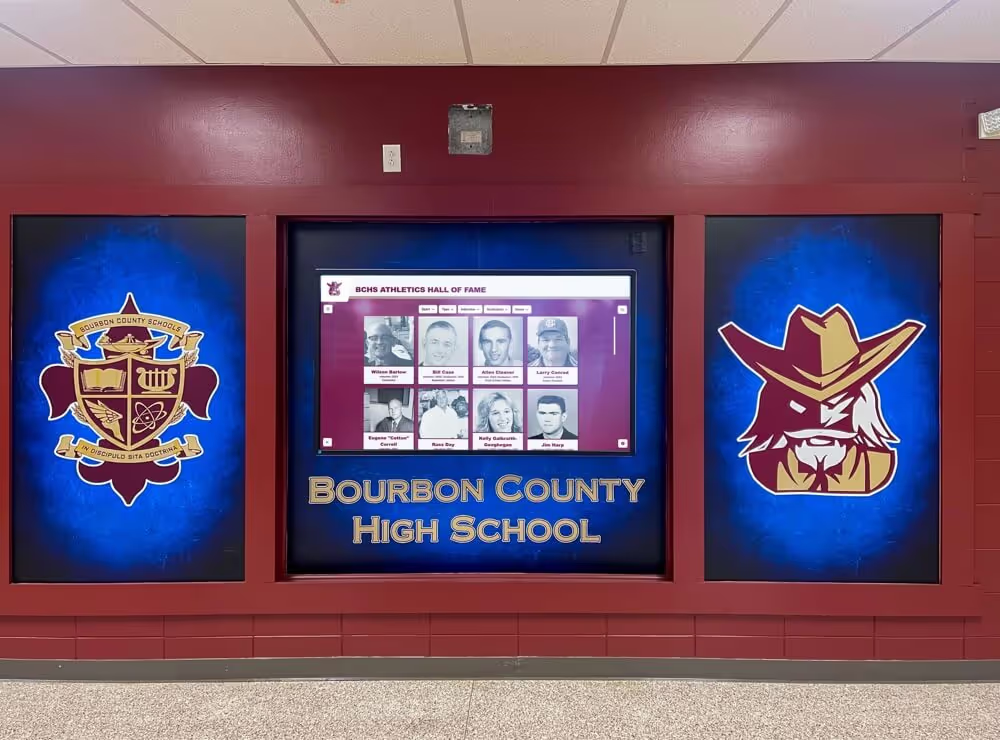
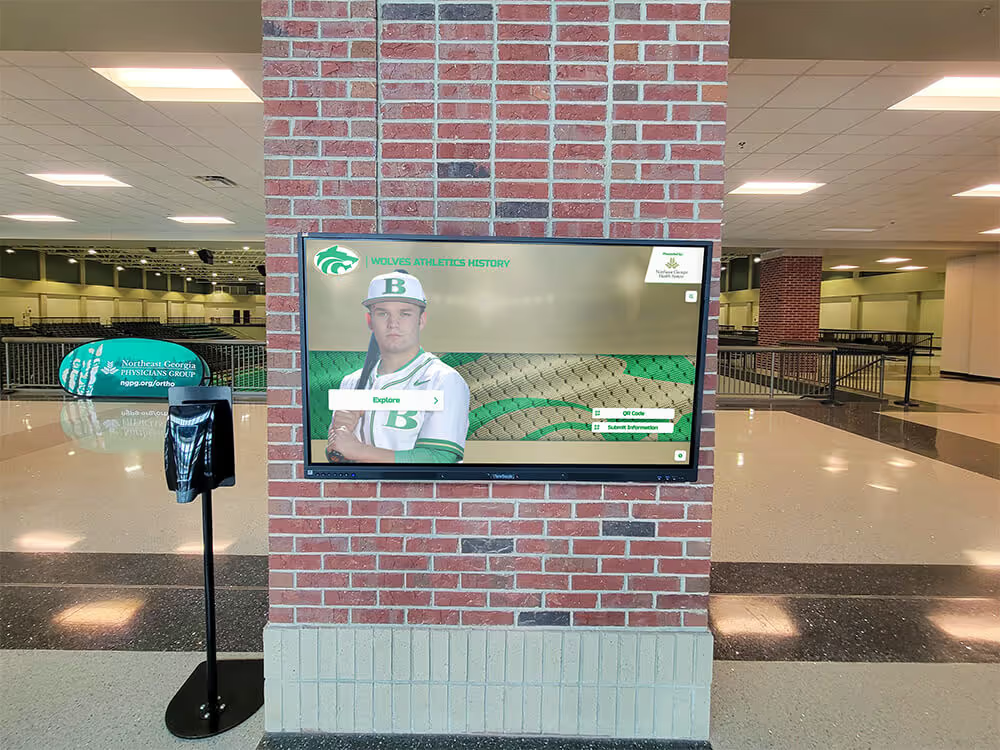
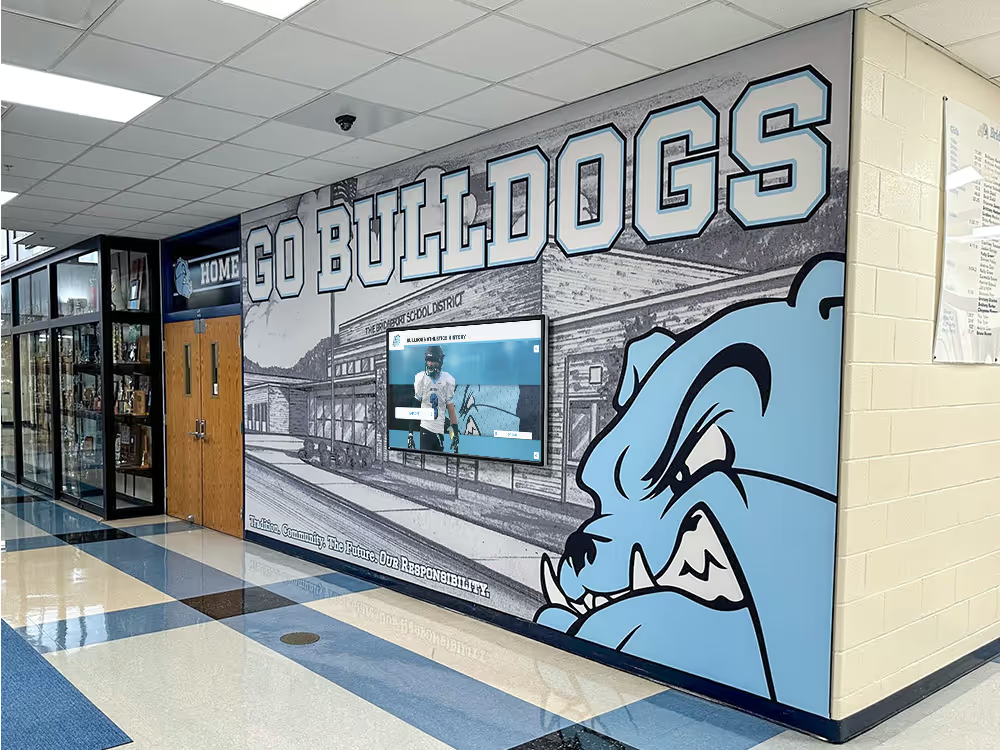
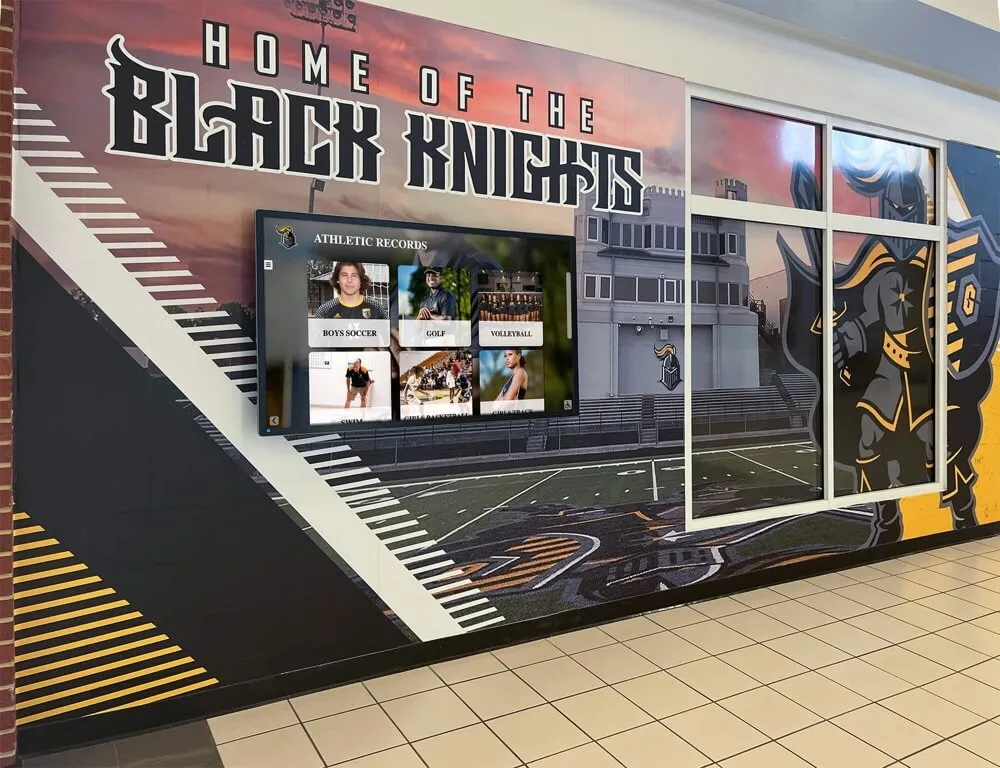
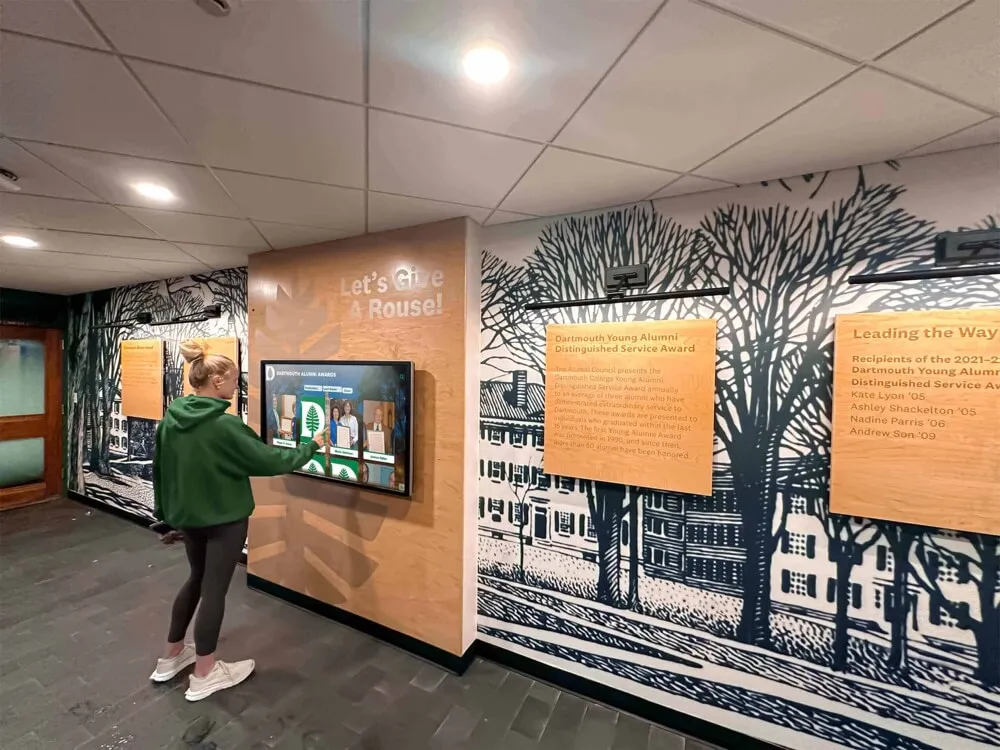
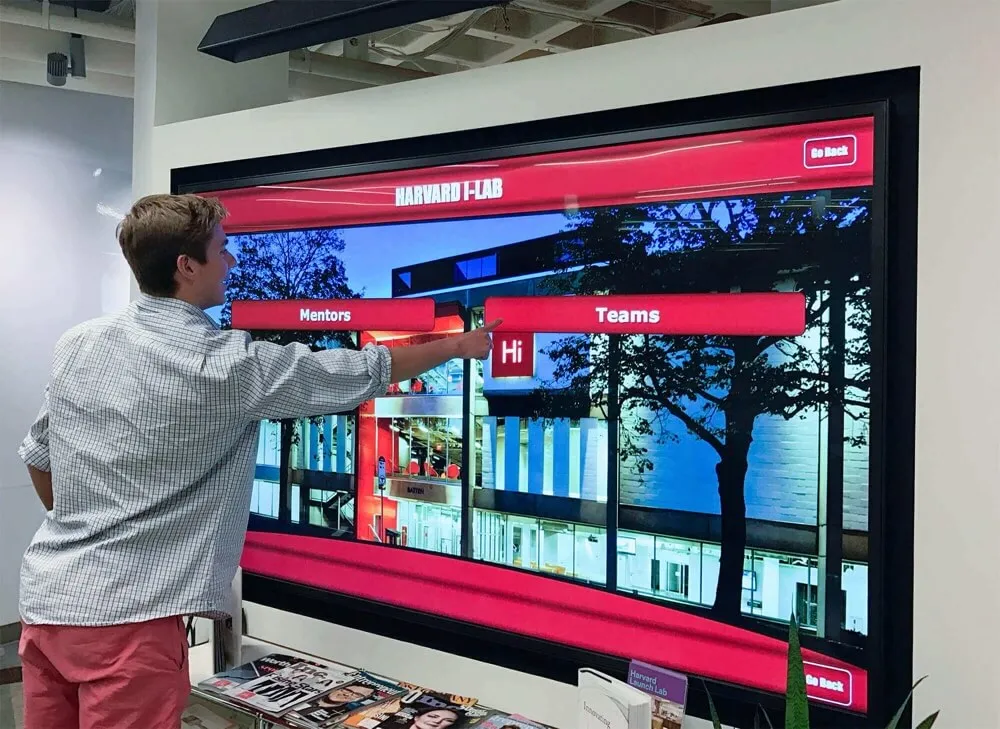
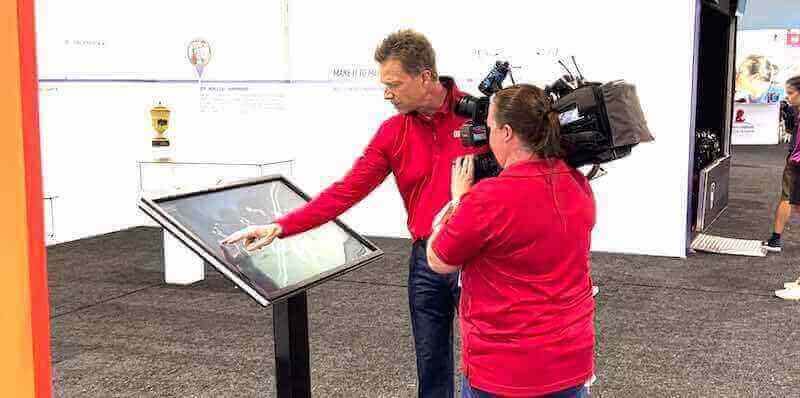
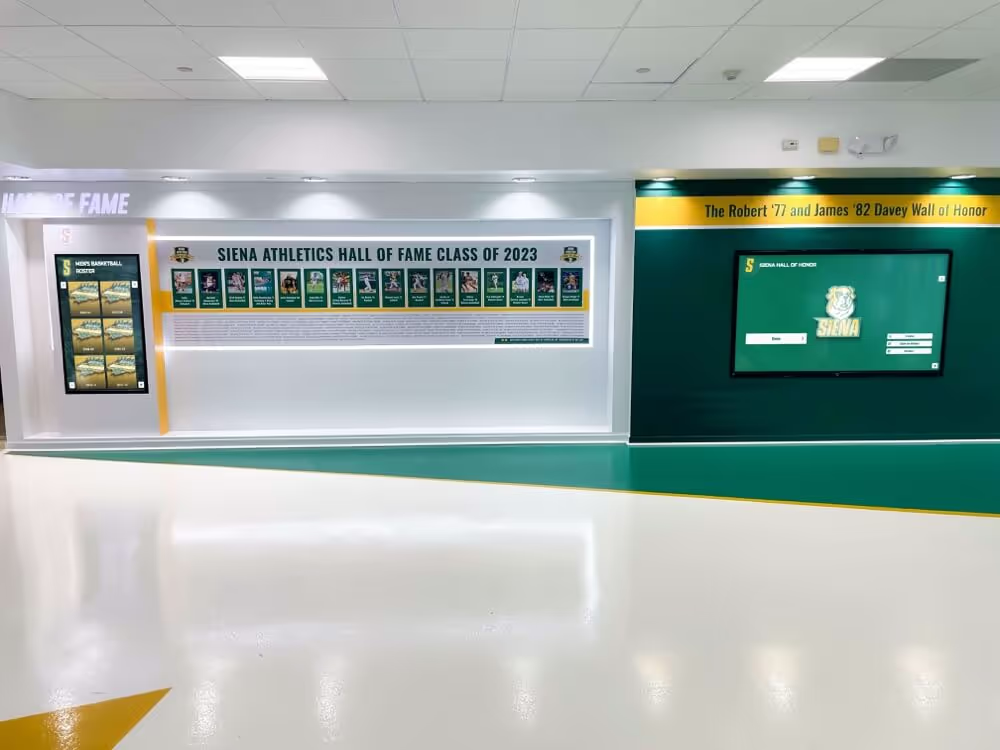
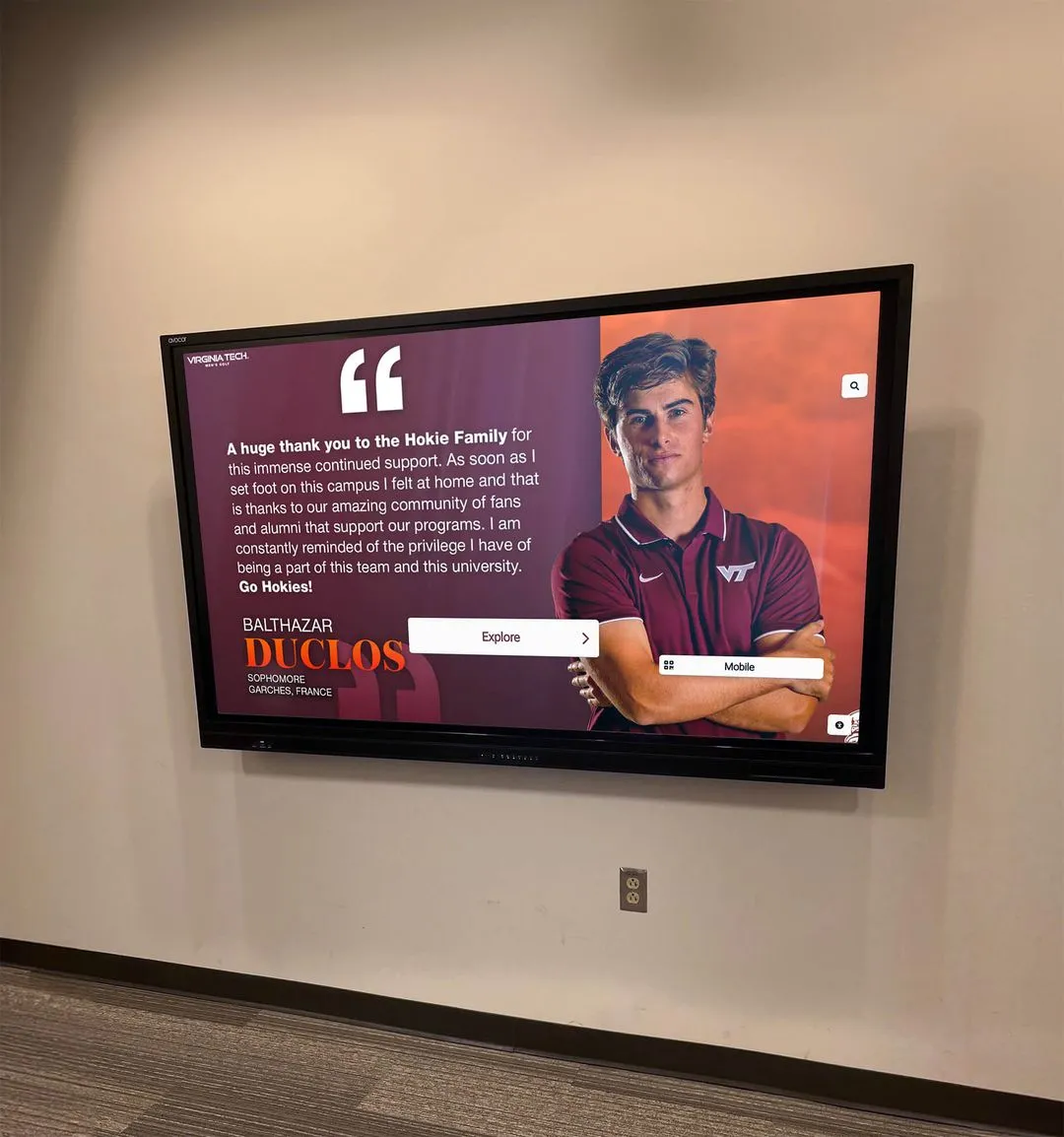
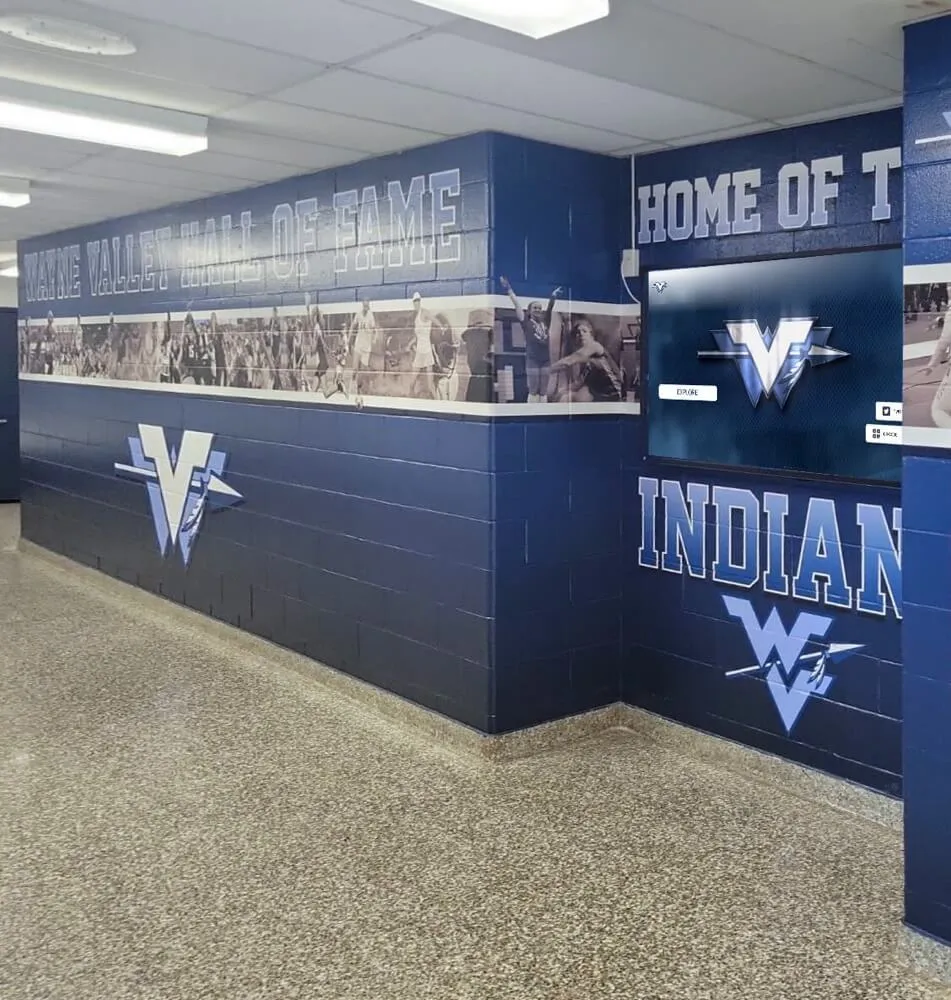
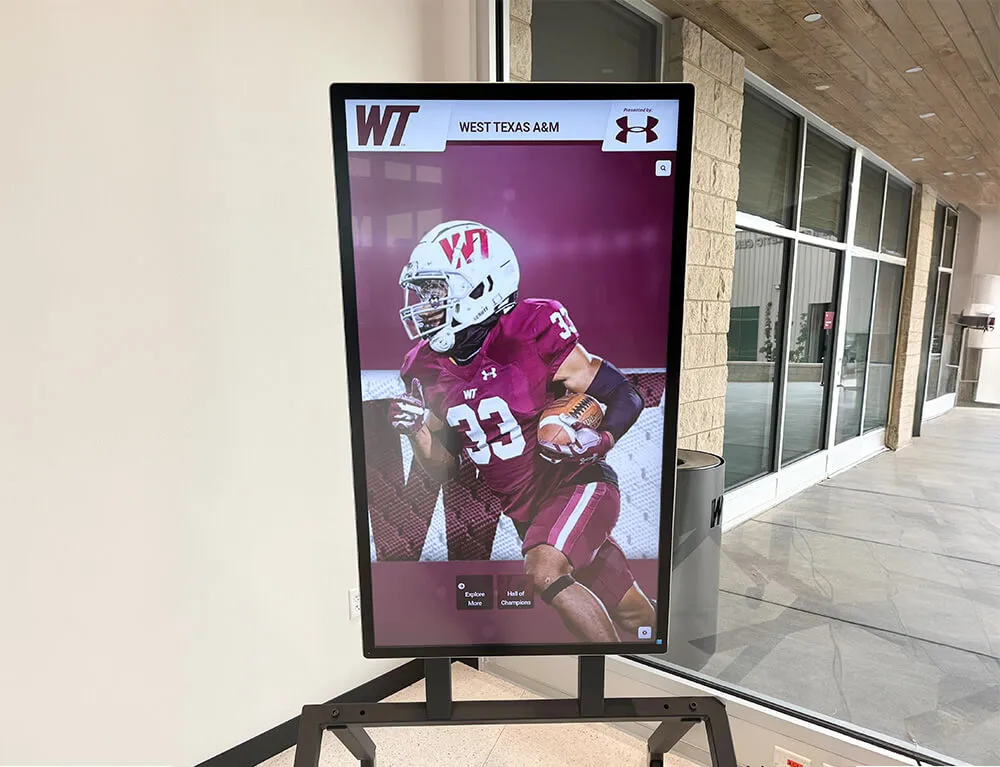
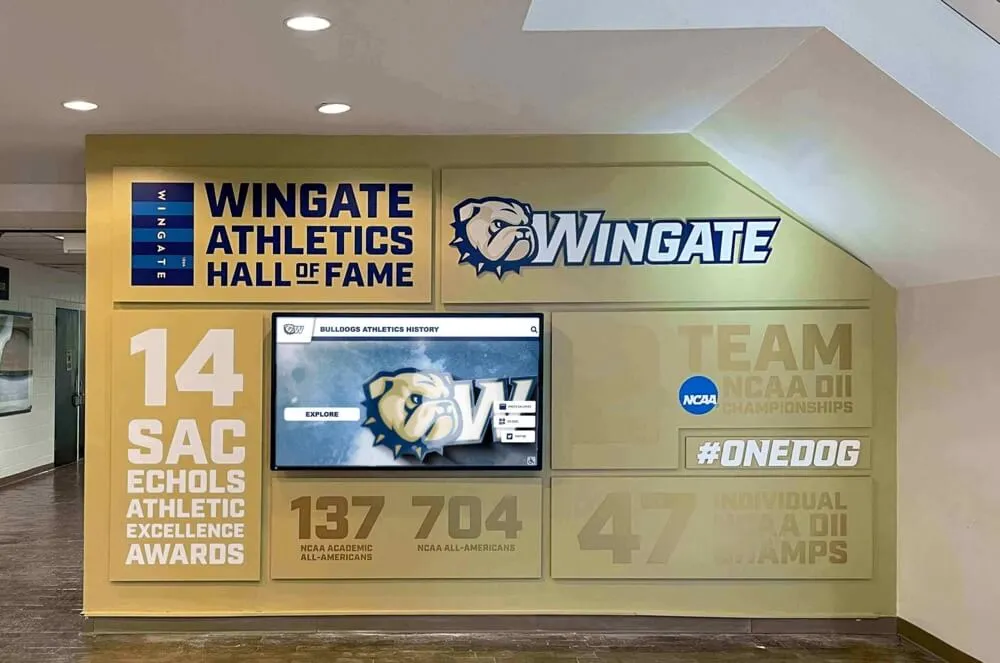
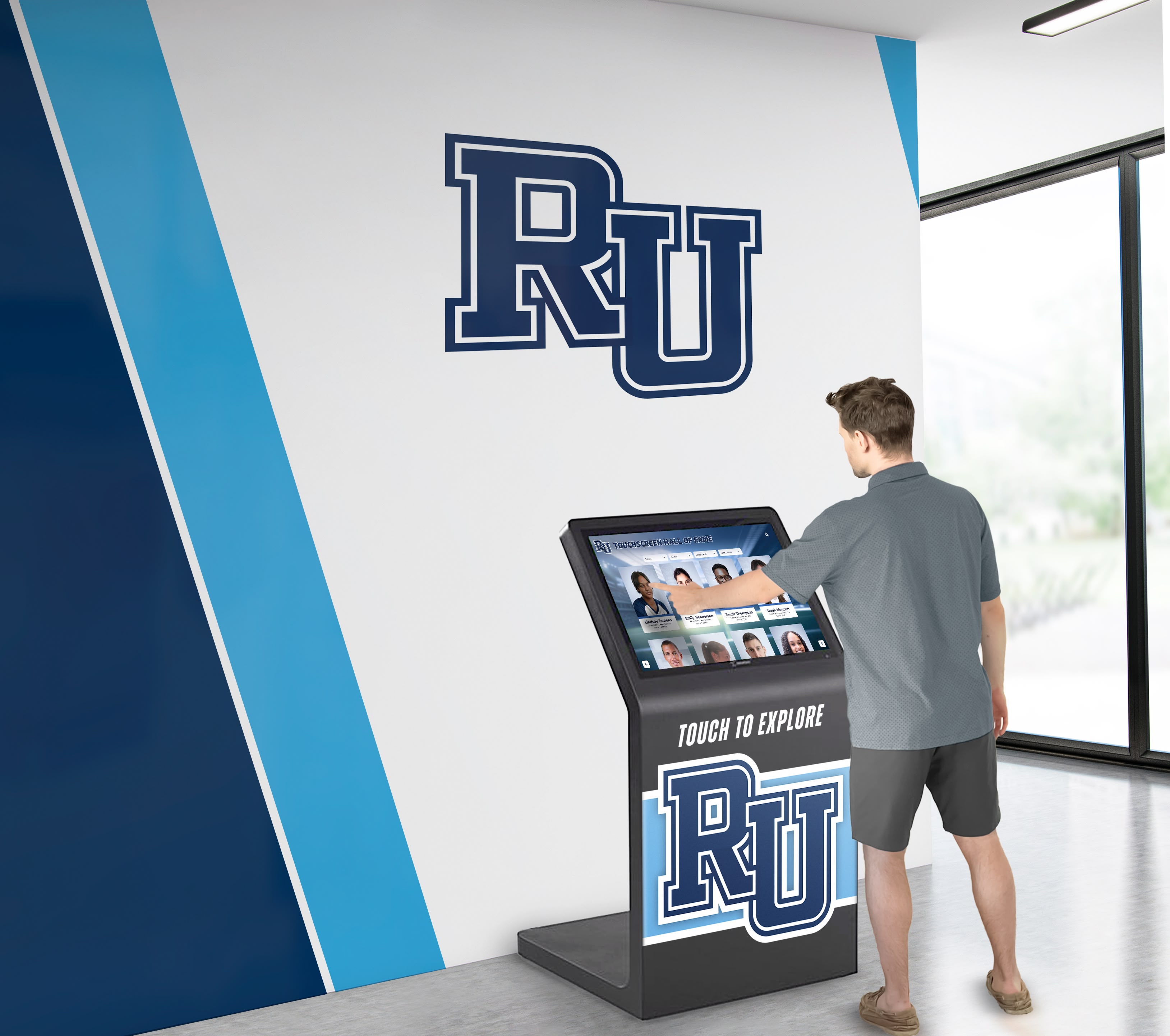
Rocket Alumni Solutions manages the complete kiosk stack—hardware, software, and support—ensuring dependable operation in high-traffic institutional environments
The Industry Problem: Software Vendors Who Abandon Hardware Responsibility
Understanding Rocket Alumni Solutions’ complete approach requires first recognizing the problematic patterns common throughout the digital signage and interactive display industry that leave customers struggling with fractured support and unclear accountability.
The Software-Only Vendor Model and Its Consequences
Most digital signage and interactive display vendors position themselves primarily as software companies, selling content management platforms while explicitly distancing themselves from hardware selection, procurement, installation, and support responsibilities.
Typical Vendor Positioning
Software-focused vendors commonly:
- Provide “hardware compatibility lists” rather than specific recommendations
- Direct customers to purchase displays from consumer electronics retailers or third-party integrators
- Disclaim responsibility for hardware issues beyond software compatibility
- Offer limited troubleshooting that ends at “contact your hardware vendor”
- Maintain “certified partner” networks that add additional vendor relationships and cost layers
- Update software without confirming compatibility with previously recommended hardware
- Leave network infrastructure assessment and configuration entirely to customer IT departments
This fragmented model creates situations where customers must coordinate between their software vendor, display manufacturer, mounting hardware supplier, network infrastructure team, and potentially multiple other parties whenever problems emerge—with each party claiming issues originate elsewhere while customers remain stuck with non-functional displays.
Organizations implementing touchscreen kiosk solutions frequently discover that “compatible hardware” recommendations from software vendors prove inadequate when operational challenges emerge in real-world institutional environments requiring continuous dependable performance.
The Hidden Costs of Fragmented Support
Software-only models impose significant burdens:
- Staff time coordinating between multiple support organizations
- Extended downtime while parties diagnose whose responsibility issues represent
- Unexpected costs when warranty exclusions emerge or vendors dispute coverage
- Technical expertise requirements exceeding typical school or nonprofit IT capacity
- Vendor relationships requiring constant management and contract negotiations
- Risk of orphaned systems when hardware reaches end-of-life and software compatibility breaks
- Institutional knowledge loss when staff members leave and replacement personnel face reconstructing vendor relationships
These hidden operational costs often exceed the initial savings organizations thought they achieved by selecting lower-priced software-only solutions rather than complete providers managing complete system responsibility.
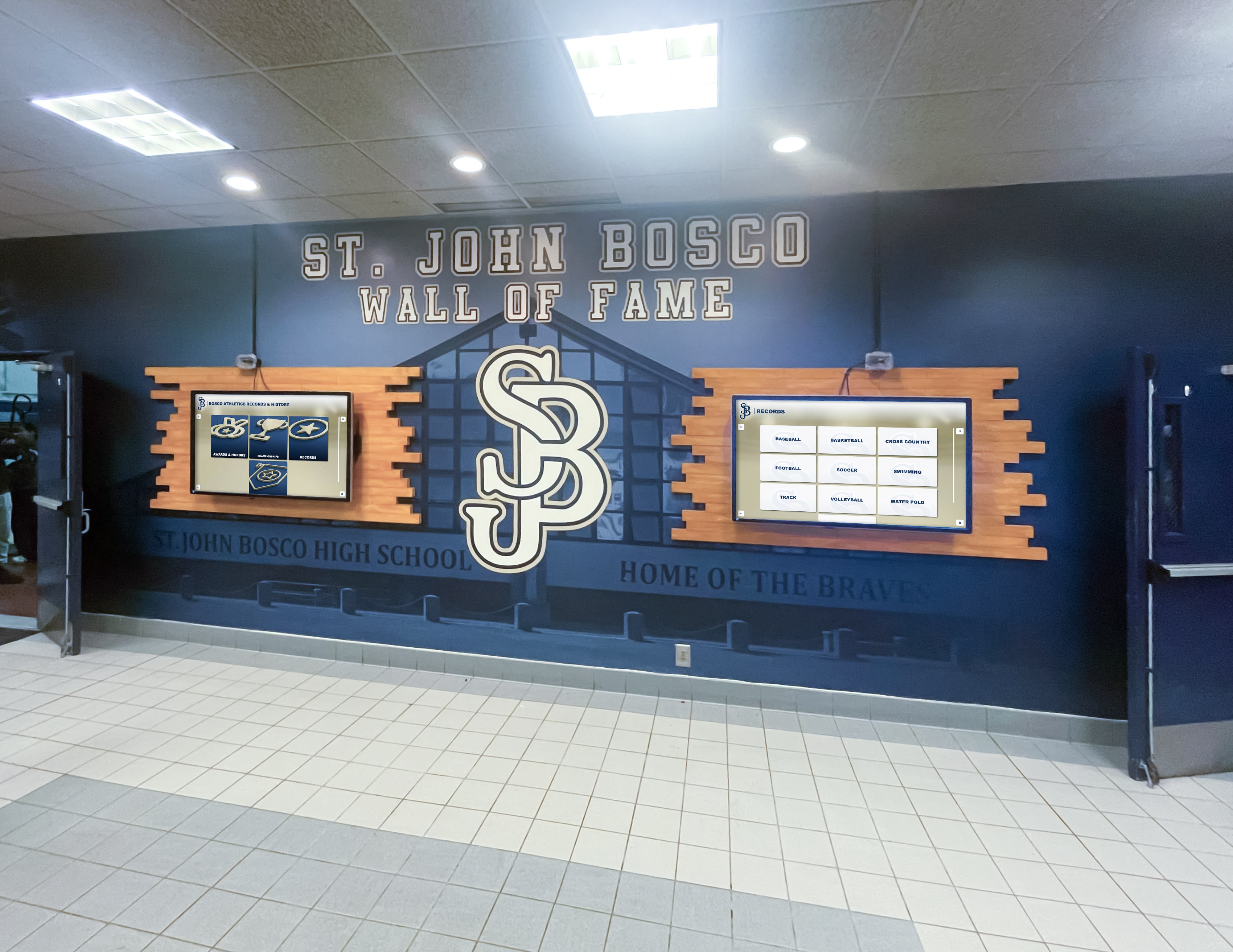
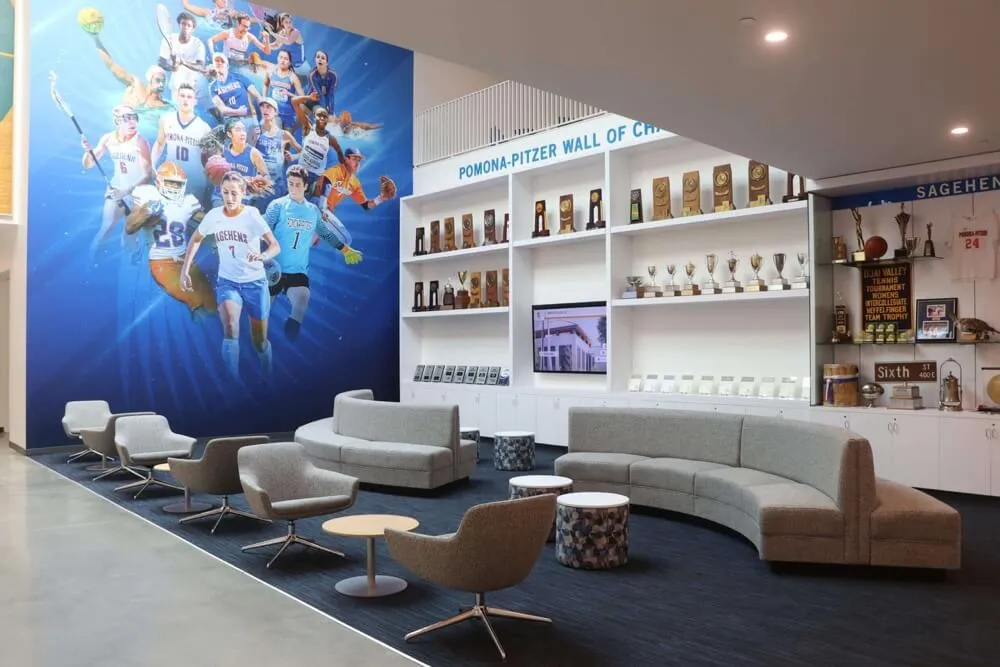
Complete system responsibility prevents the support fragmentation that leaves organizations struggling when issues emerge
The Third-Party Warranty Trap: Why OEM Support Falls Short
Even when customers purchase quality commercial displays with manufacturer warranties, organizations discover that OEM support channels prove inadequate for addressing the complex combined system issues affecting interactive touchscreen kiosk operation.
OEM Warranty Limitations
Standard manufacturer warranties provide:
- Limited technical support focused solely on display hardware failures
- Slow response times inappropriate for essential institutional displays
- Replacement processes requiring customers to diagnose issues conclusively before approvals
- Exclusions for problems related to integration, installation, or environmental factors
- Depot repair requirements creating extended downtime during shipping and service
- Coverage gaps when displays reach 3-year warranty expiration despite continued use
- Technical language and procedures designed for IT professionals, not school administrators
When interactive displays malfunction, determining whether problems originate in display hardware, media player software, network connectivity, content management platforms, or integration configuration typically exceeds customer diagnostic capabilities—yet OEM warranties require conclusive hardware failure identification before authorizing service or replacement.
The Triage Burden Falls on Customers
Software-only vendors typically respond to support requests with:
“Contact your display manufacturer for hardware issues.”
But display manufacturers respond with:
“Our product functions correctly—this appears to be a software or network configuration issue.”
Meanwhile, organizations face non-functional displays while visitors observe “technical difficulties” messages undermining institutional professionalism. The triage burden—determining which vendor bears responsibility and coordinating appropriate remediation—falls entirely on customers lacking technical expertise to make these determinations confidently.
This pattern explains why complete providers managing complete system responsibility deliver fundamentally superior experiences regardless of whether individual component warranties exist in the background. Organizations care about restored operation, not about which vendor technically bears financial responsibility for replacement parts.
Rocket Alumni Solutions’ Comprehensive Hardware and Support Model
Rocket Alumni Solutions structures services around a fundamentally different philosophy: Customer Success teams own complete system outcomes, serving as single points of contact for any issue affecting touchscreen kiosk operation while managing all coordination, triage, and resolution activities behind the scenes.
Hardware Procurement and Specification Management
Rather than directing customers toward vague compatibility lists or third-party integrators, Rocket directly provides appropriate hardware as combined components of complete solutions.
Commercial-Grade Display Selection
Rocket supplies:
- Commercial displays rated for continuous operation supporting 16-24 hour daily use rather than consumer TVs failing under institutional deployment
- Appropriate sizing matching installation contexts from 43-inch wall-mounted displays to 75-inch freestanding kiosks
- Touchscreen capabilities using commercial-grade capacitive or infrared touch technology appropriate for public interactive use
- Professional aesthetics with minimal bezels and consistent appearance across deployments
- Proven reliability from manufacturers with established educational and commercial installation track records
- Integration coordination ensuring displays, mounting hardware, and media players work cohesively
Hardware specifications evolve as technology advances and supplier relationships change—but customers don’t bear responsibility for tracking these developments or researching current optimal configurations. Rocket Customer Success teams handle specification management based on extensive deployment experience across hundreds of institutions.
Learn about complete interactive touchscreen implementation approaches designed for long-term dependable institutional operation.
Complete System Integration
Rocket-provided hardware includes:
- Appropriate media players or system-on-chip configurations running Rocket software
- Mounting hardware suitable for installation contexts
- Necessary cabling and power infrastructure components
- Network connectivity recommendations based on site assessment
- Remote management capabilities enabling continuous monitoring
- Professional installation coordination ensuring proper physical setup
This integration responsibility means customers receive complete working systems rather than collections of components requiring technical assembly and configuration expertise.
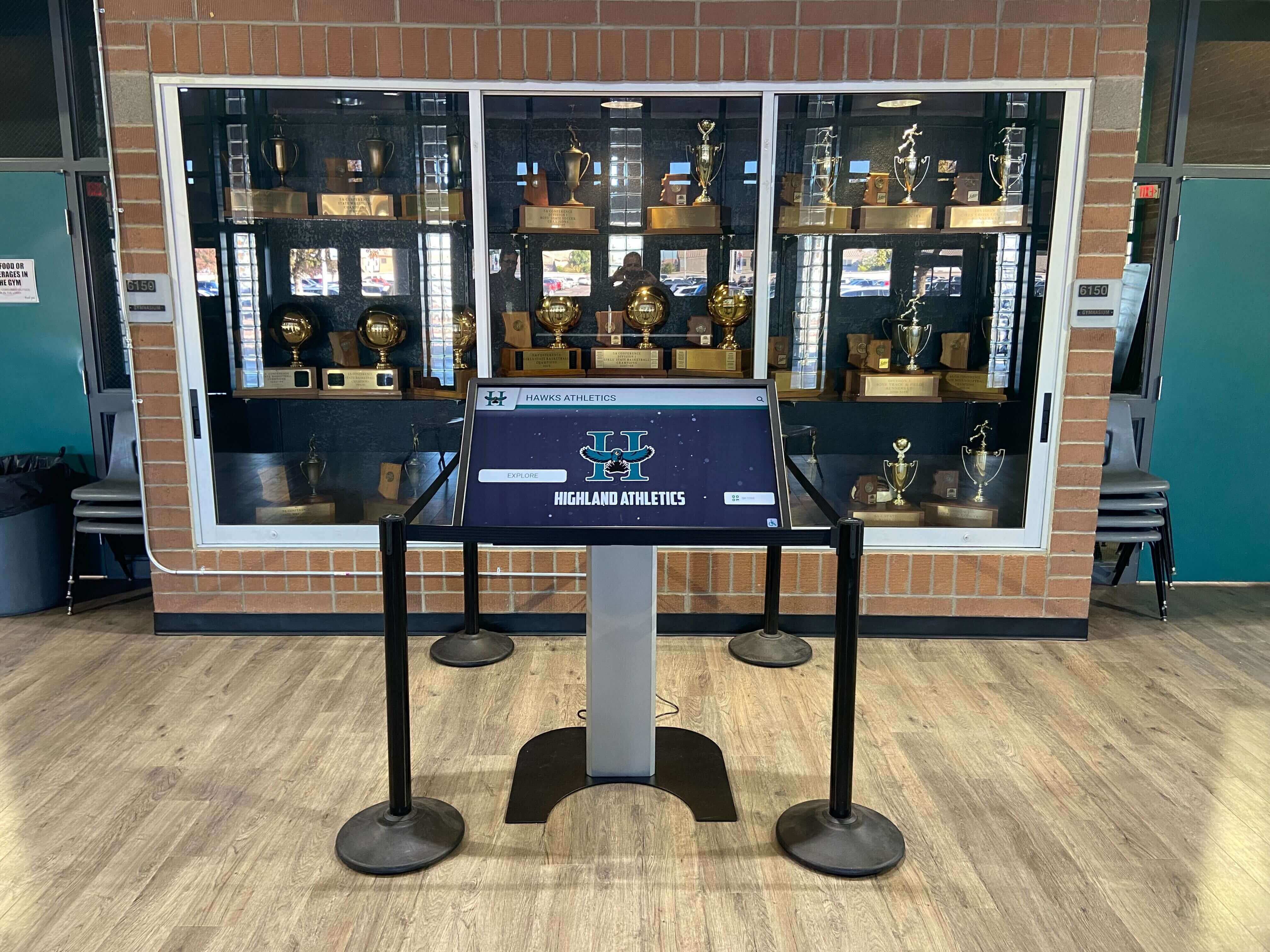
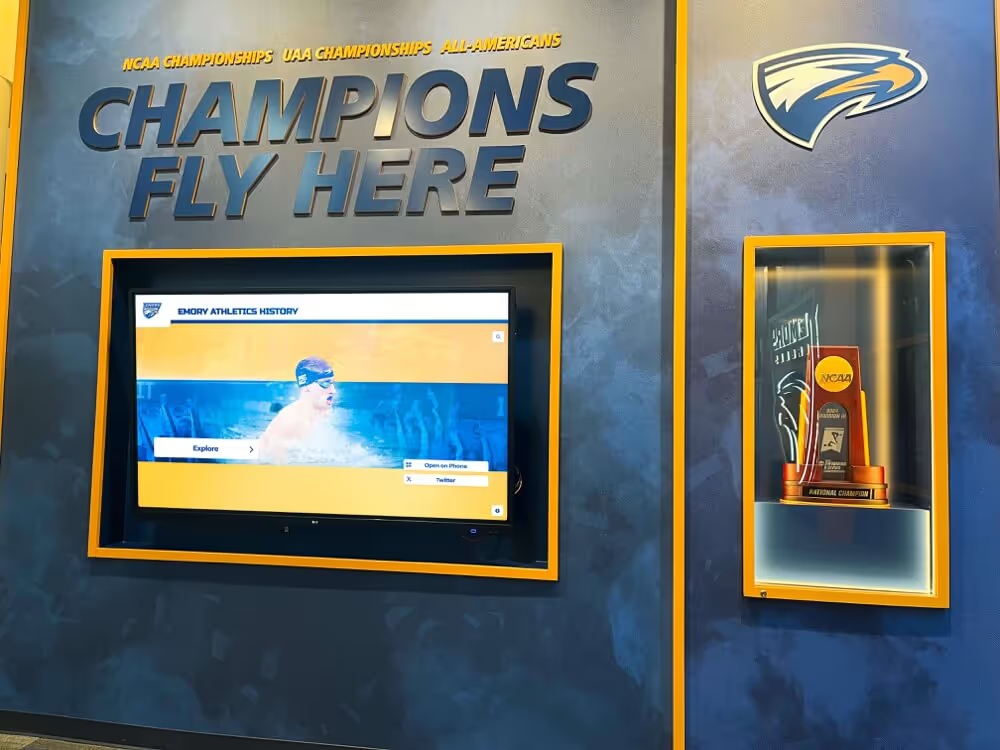
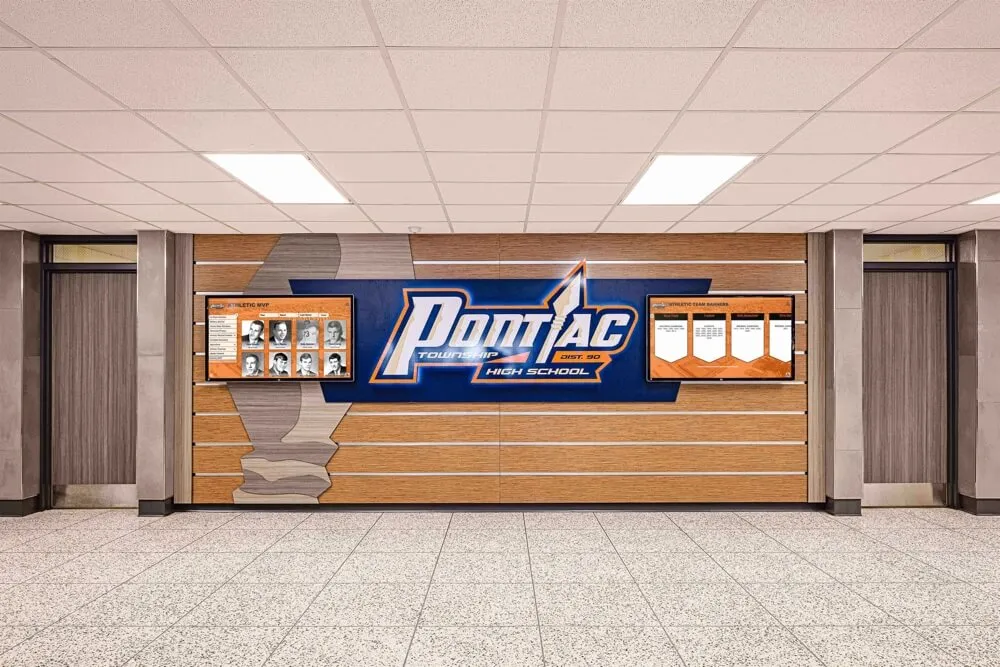
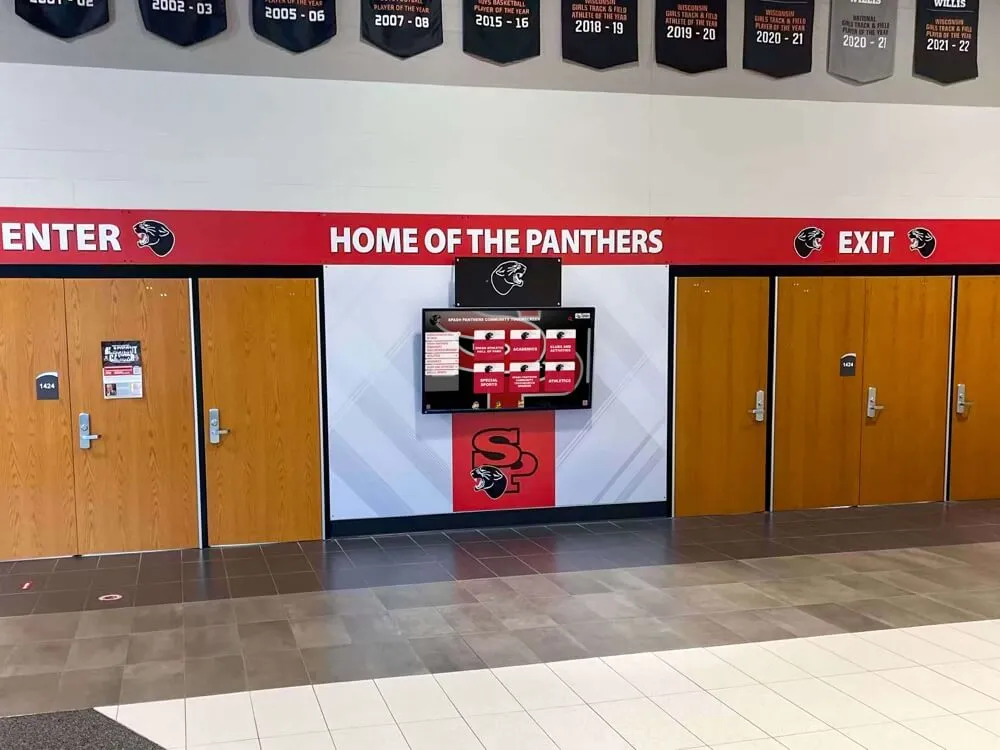
Rocket provides combined hardware and mounting solutions designed specifically for institutional recognition applications
Installation Coordination and Site Readiness Assessment
Professional installation requires more than shipping hardware—Rocket coordinates complete setup processes ensuring displays operate properly from day one rather than leaving customers struggling with physical installation and technical configuration.
Pre-Installation Site Assessment
Rocket teams evaluate:
- Optimal display placement for visibility and engagement
- Existing power infrastructure and necessary electrical work
- Network connectivity availability and bandwidth adequacy
- Physical mounting considerations including wall construction and structural support
- Environmental factors like lighting, temperature, and public accessibility
- ADA compliance requirements for installation height and interactive access
- Integration with existing institutional design and branding
This assessment process identifies potential issues before installations begin, preventing delays from unexpected infrastructure requirements discovered during setup attempts.
Professional Installation Services
Rocket coordinates:
- Physical display mounting and secure attachment
- Electrical connection and proper power management
- Network configuration and connectivity testing
- Software installation and platform activation
- Content initialization and system configuration testing
- Staff training on operational procedures and basic troubleshooting
- Documentation of installation specifications and support contact information
Organizations can choose to handle installations internally when appropriate technical capabilities exist, but Rocket provides or coordinates professional installation services ensuring quality outcomes for institutions preferring complete implementations.
Explore complete digital hall of fame installation planning including site preparation and readiness evaluation frameworks.
Customer Success as Single Point of Contact: How It Works in Practice
The defining characteristic of Rocket’s approach isn’t simply that hardware is included—it’s that Customer Success teams accept complete accountability for system operation regardless of where issues originate, managing all diagnosis, coordination, and resolution activities on behalf of customers.
Issue Triage: Rocket Determines What’s Wrong and Who Should Fix It
When customers report problems—displays not powering on, touchscreens unresponsive, content not updating, network connectivity issues, or any other operational challenge—they contact Rocket Customer Success rather than attempting to diagnose root causes and identify appropriate support channels independently.
Comprehensive Diagnostic Support
Customer Success teams:
- Gather symptom information through structured troubleshooting conversations
- Access remote monitoring data showing display status and connectivity history
- Review configuration settings and recent system changes
- Guide customers through basic diagnostic steps when appropriate
- Determine whether issues originate in hardware, software, network infrastructure, or configuration
- Identify appropriate remediation approaches based on root cause analysis
- Coordinate necessary actions without requiring customer involvement in technical details
This diagnostic capability means customers describe what’s not working rather than attempting to determine technical root causes—exactly the experience expected when purchasing complete solutions rather than component software.
Proactive Monitoring and Issue Detection
Rocket systems provide:
- Continuous connectivity monitoring detecting offline displays automatically
- Performance tracking identifying degraded operation before complete failures
- Software health monitoring alerting to configuration problems
- Content delivery verification ensuring displays show current information
- Automated alerting when displays require attention
- Historical trend analysis identifying patterns suggesting preventive maintenance needs
Proactive monitoring enables Rocket teams to identify and address many issues before customers notice problems, preventing downtime rather than simply responding after operational impact occurs.
Organizations implementing interactive recognition displays benefit from continuous support that maintains dependable operation without requiring constant customer attention to system health.
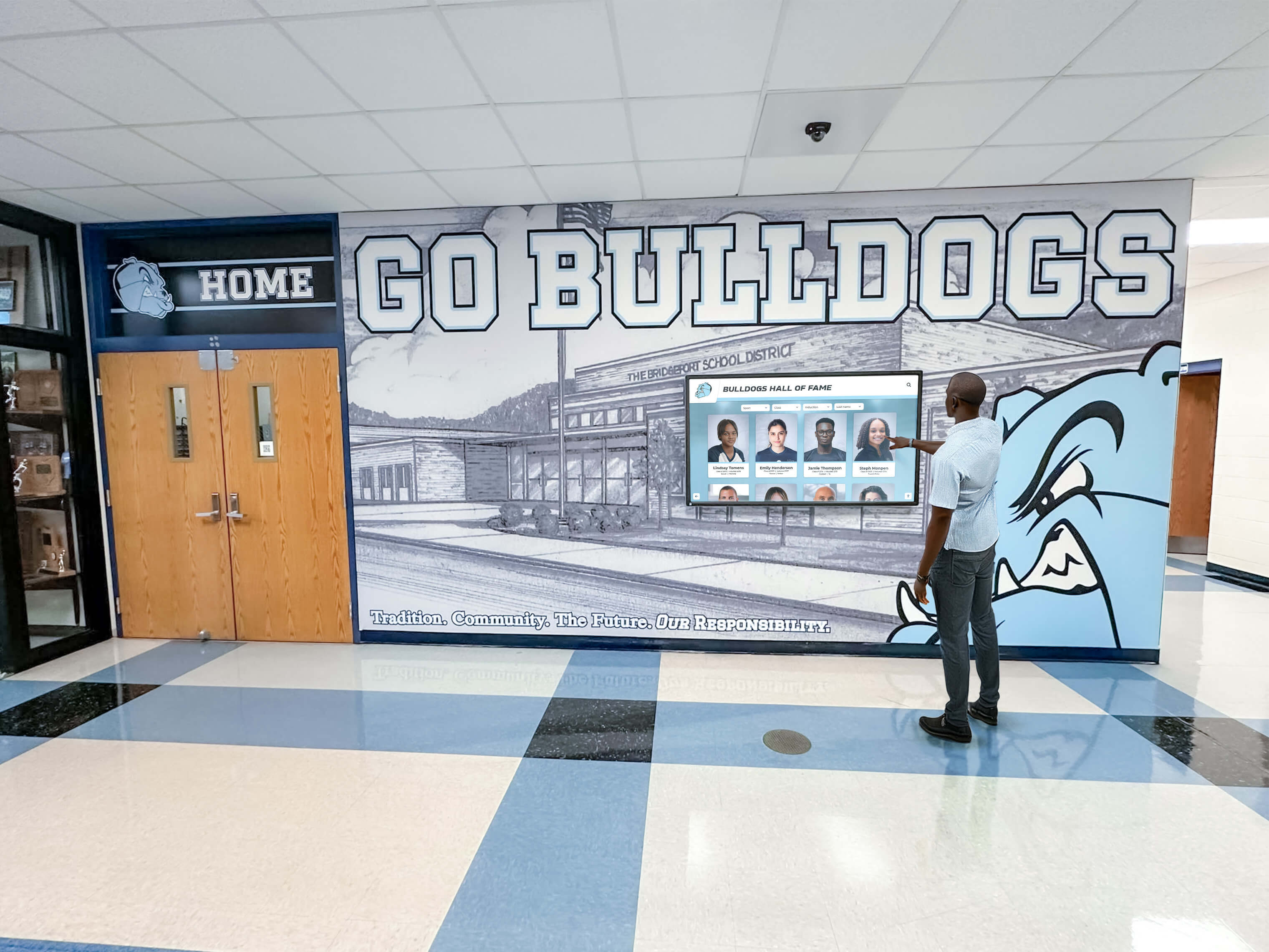
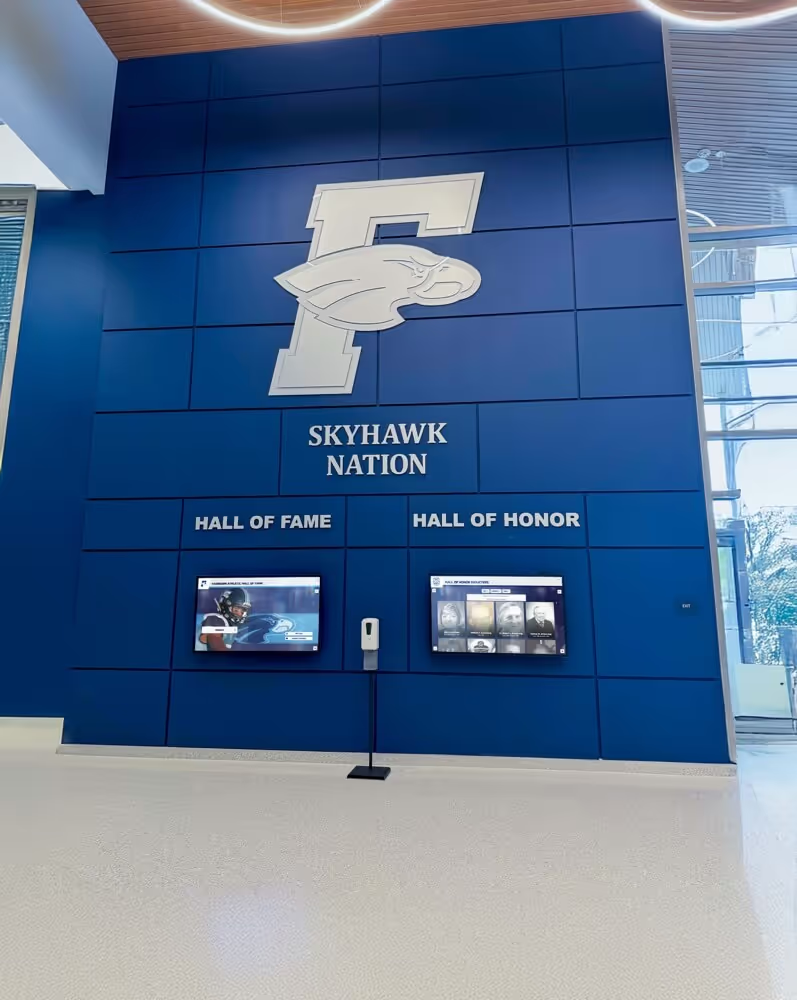
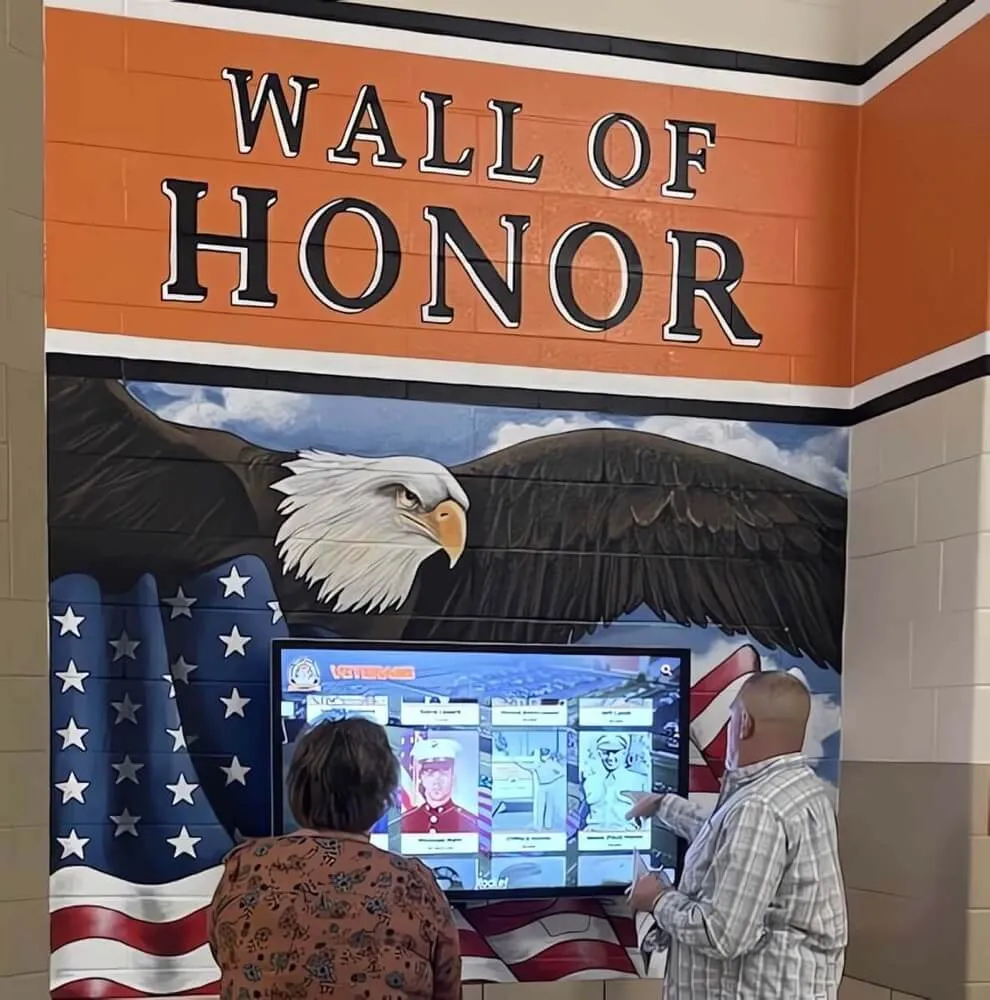
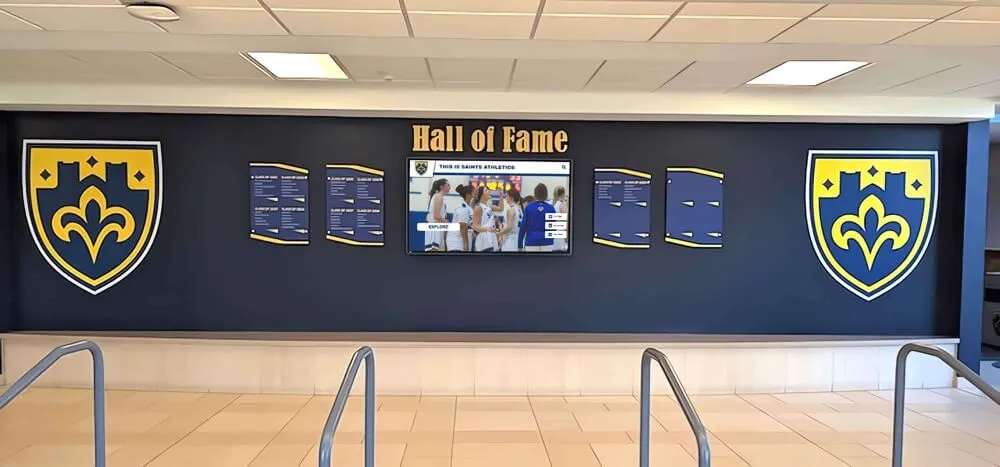
Customer Success teams ensure displays remain operational and engaging through continuous monitoring and complete support
Replacement Coordination: Rocket Manages Hardware Issues End-to-End
When hardware problems require component replacement—failed displays, malfunctioning media players, damaged mounting hardware, or other physical failures—Rocket Customer Success manages the complete replacement process rather than directing customers to manufacturer warranty departments.
Rapid Replacement Decision-Making
Once issues are diagnosed as hardware-related, Rocket:
- Authorizes replacements based on operational need rather than requiring extensive warranty claim documentation
- Coordinates component shipment directly to customer sites
- Provides clear installation guidance or coordinates professional replacement services
- Manages warranty claims and manufacturer relationships in the background
- Covers replacement costs during warranty periods without customer financial involvement
- Addresses out-of-warranty situations through transparent cost discussions and expedited procurement
Customers experience streamlined replacement processes focused on restoring operation quickly rather than navigating manufacturer claim procedures designed to minimize warranty service.
The OEM Warranty Advantage Without the OEM Warranty Burden
Rocket-provided hardware typically includes manufacturer warranties—but these operate as backstop protection managed by Rocket rather than primary support channels requiring customer navigation. When OEM warranties apply, Rocket:
- Handles manufacturer claim submissions and documentation
- Manages shipping logistics for depot repairs when required
- Provides temporary replacement equipment minimizing downtime when appropriate
- Navigates manufacturer support channels efficiently based on established relationships
- Ensures customers receive entitled warranty service without personally managing processes
- Resolves manufacturer disputes or claim denials without customer involvement
This approach delivers the cost protection of manufacturer warranties while eliminating the support burden typically associated with OEM warranty processes.
System Restoration: Ensuring Complete Operational Recovery
Replacing failed components represents only part of complete system restoration—displays must return to full operational status with proper software configuration, current content, and verified functionality.
Complete Service Restoration Process
Rocket Customer Success ensures:
- Replacement hardware arrives properly configured for immediate deployment
- Software reinstallation and activation occurs smoothly
- Content synchronization restores current display information
- System settings and configurations match pre-failure operational state
- Connectivity and network integration function properly
- Touchscreen calibration and interactive features operate correctly
- Customers confirm complete satisfaction before issues are considered resolved
This complete restoration approach prevents situations where replaced hardware technically functions but systems remain partially operational due to configuration issues, missing content, or incomplete setup.
Follow-Up and Long-Term Monitoring
After issue resolution, Customer Success:
- Monitors restored systems ensuring stable ongoing operation
- Follows up with customers confirming sustained satisfaction
- Documents issues and resolutions improving future support effectiveness
- Identifies patterns suggesting systemic improvements
- Recommends preventive measures avoiding similar future issues
- Maintains relationship continuity rather than treating each incident in isolation
This sustained engagement reflects genuine ownership of operational outcomes rather than transactional incident-by-incident support focused solely on closing tickets.
Explore complete touchscreen software and hardware integration approaches ensuring cohesive system operation.
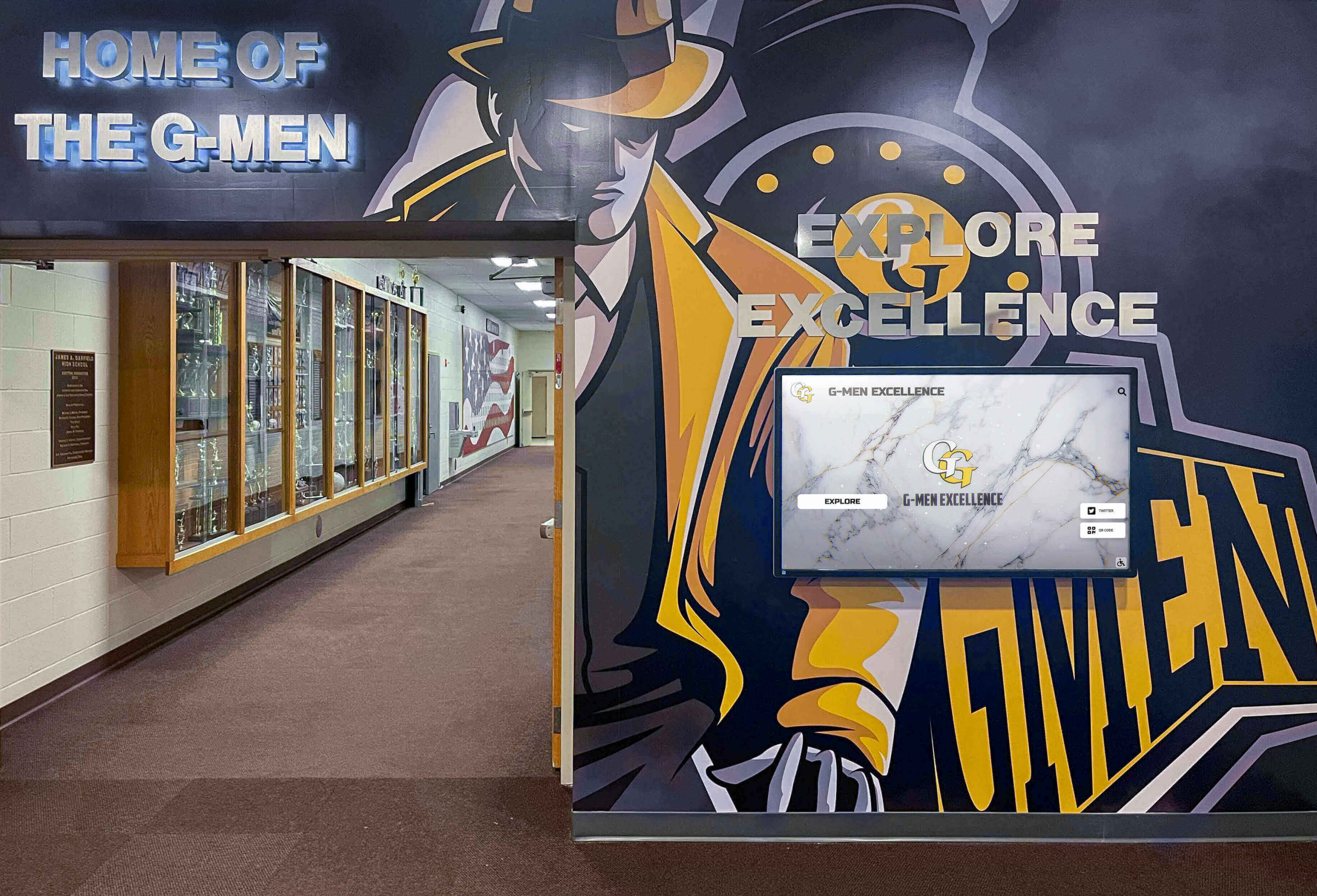
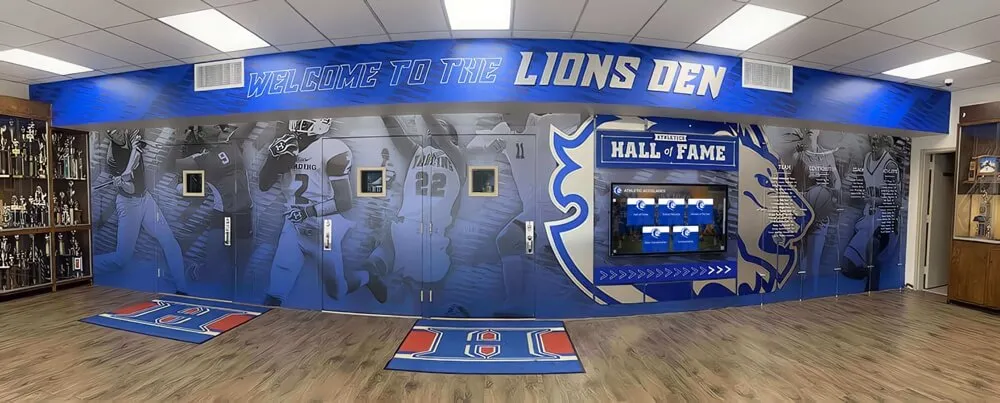
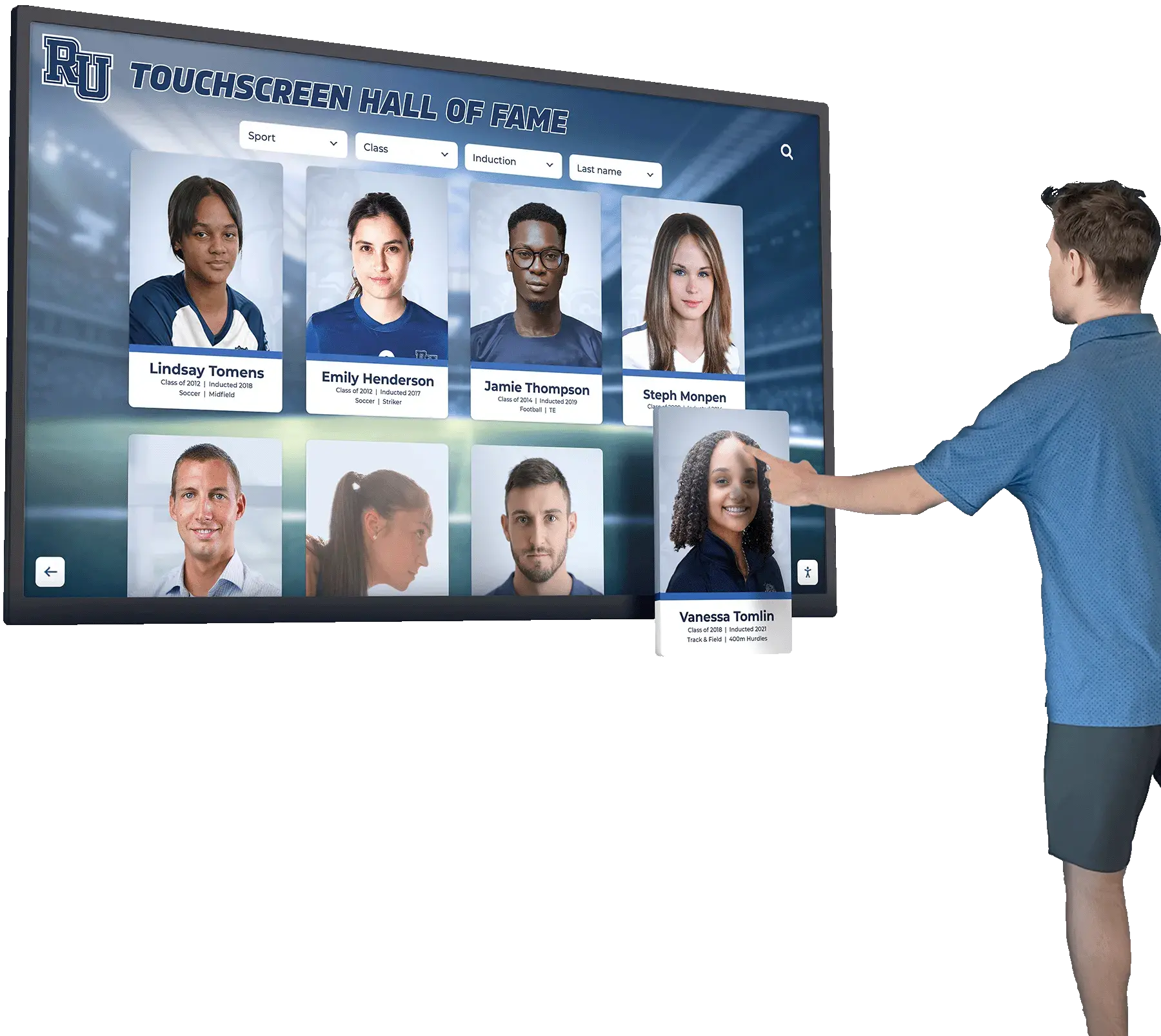
Complete support ensures displays remain combined components of institutional environments rather than abandoned technology projects
Real Customer Experiences: Testimonials About Rocket’s Hardware and Support
Hundreds of schools, universities, and organizations rely on Rocket Alumni Solutions for complete touchscreen kiosk solutions spanning hardware, software, and ongoing support. Their experiences validate the value of complete single-vendor approaches versus fragmented software-only models.
Responsive Technical Support When Issues Emerge
Organizations consistently highlight Rocket’s responsiveness and effective issue resolution as distinguishing characteristics compared to previous vendor experiences or alternative solutions they evaluated.
According to testimonials from Rocket’s customer base, institutions repeatedly mention Customer Success teams that respond quickly, diagnose problems accurately, and follow through to complete resolution rather than abandoning customers after initial troubleshooting attempts.
Schools describe situations where displays stopped functioning before major events—homecoming celebrations, athletic championship recognition ceremonies, alumni reunion weekends—and Rocket teams mobilized rapidly to restore operation, sometimes coordinating overnight equipment shipments and providing remote troubleshooting support outside standard business hours to ensure displays functioned properly for time-sensitive occasions.
Universities managing multiple displays across distributed campus locations appreciate that one Customer Success contact manages all their installations rather than requiring separate support relationships for each kiosk or building.
Effective Problem-Solving Beyond Scripts
Customers emphasize Rocket support differs fundamentally from script-reading call center experiences common with many technology vendors:
- Support staff understand institutional contexts and recognition display applications specifically
- Technical guidance addresses actual problems rather than generic troubleshooting procedures
- Follow-through continues until issues are completely resolved, not simply until initial tickets close
- Proactive communication keeps customers informed throughout resolution processes
- Escalation to senior technical resources occurs smoothly when complex issues require specialized expertise
- Support relationships feel collaborative rather than adversarial
This problem-solving orientation reflects Customer Success teams measured on customer outcomes rather than metrics like call duration or ticket closure volume that incentivize minimizing support engagement.
Organizations implementing digital trophy displays for celebrating athletic and academic achievement rely on support that understands the institutional importance of recognition systems functioning reliably.
Hardware Quality and Long-Term Reliability
Customers consistently report that Rocket-provided hardware delivers dependable continuous operation year after year with minimal issues requiring intervention—contrasting with experiences where consumer-grade equipment failed repeatedly under institutional usage patterns.
Schools describe touchscreen kiosks operating continuously through school years spanning five or more years while requiring only occasional routine maintenance and software updates. Athletic departments managing recognition displays in high-traffic gymnasium lobbies report that systems withstand constant interaction from students, athletes, parents, and visitors without degrading performance or requiring frequent repairs.
Organizations appreciate that Rocket specifies commercial-grade components appropriate for public interactive applications rather than recommending consumer equipment with lower initial costs but premature failure rates that create ongoing replacement costs and operational disruptions.
Installation Quality and Professional Presentation
Testimonials frequently mention installation quality as distinguishing factors:
- Professional mounting creating secure, aesthetically appropriate display placement
- Clean cable management maintaining institutional appearance standards
- Proper positioning optimizing visibility, accessibility, and interactive engagement
- Integration with existing architectural elements and institutional branding
- Attention to detail reflecting pride in completed installations
- Follow-through ensuring every aspect functions properly before considering projects complete
This installation quality matters because displays become permanent institutional fixtures representing schools and organizations to daily visitors—poor installation undermines the recognition systems they’re meant to support.
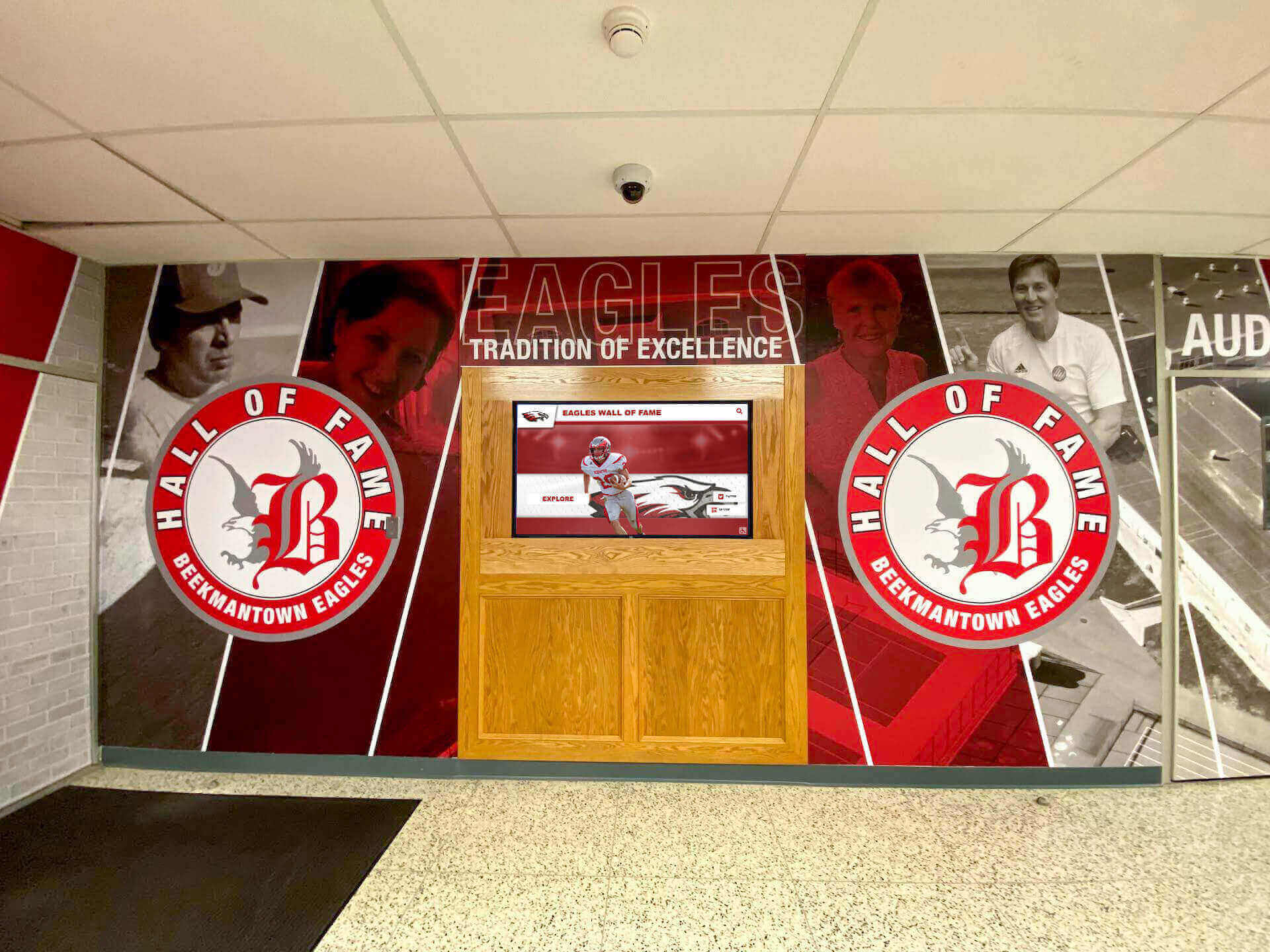
Quality installation and dependable hardware create lasting institutional assets rather than temporary technology experiments
Long-Term Partnership Rather Than Transactional Sales
Multiple customers specifically contrast Rocket’s ongoing engagement with their previous experiences where vendors disappeared after initial sales, leaving customers unsupported as operational challenges emerged.
Schools describe Rocket representatives checking in periodically to ensure continued satisfaction, continuously suggesting improvements based on platform enhancements, and maintaining relationships spanning multiple years rather than simply responding when problems force customers to initiate contact.
Universities mention Rocket teams helping them expand initial single-display pilots into multi-location recognition networks, providing guidance on content strategy development, and supporting evolving institutional needs as recognition programs mature beyond original implementations.
Customer Success Measured by Customer Outcomes
Organizations appreciate that Rocket Customer Success teams appear genuinely invested in whether recognition displays achieve intended institutional objectives rather than simply whether technical systems operate according to specifications.
Support conversations address questions like “How can we increase visitor engagement with our hall of fame?” and “What content strategies work well for schools similar to ours?” rather than limiting discussions to purely technical troubleshooting. This advisory relationship reflects understanding that technology serves institutional purposes rather than representing ends in themselves.
Learn about complete donor recognition display implementation including ongoing support for achieving recognition program goals.
Comparing Rocket’s Model to Software-Only Alternatives
Understanding Rocket Alumni Solutions’ complete approach requires direct comparison with software-only vendor models to illustrate the practical operational differences organizations experience.
What “Software Only” Actually Means for Customers
Software-focused vendors structure relationships around licensing platforms and providing technical documentation but explicitly disclaim responsibility for complete system operation.
Typical Software Vendor Service Boundaries
Software-only approaches typically include:
- Access to cloud-based content management platforms
- Software updates and feature enhancements
- Platform technical support limited to software functionality
- Documentation explaining how to use software features
- Compatibility specifications listing hardware that “should work”
- Community forums where customers help each other troubleshoot issues
But explicitly exclude:
- Hardware recommendations specific enough to ensure operational success
- Support diagnosing whether issues originate in hardware, network, or software
- Assistance coordinating hardware repairs or replacements
- Responsibility for complete system integration and configuration
- Proactive monitoring detecting issues before customer impact
- Follow-through ensuring complete operational restoration after issues
This boundary definition means customers bear responsibility for all aspects of system operation beyond pure software functionality—requiring technical expertise, vendor coordination capability, and time investment that many schools and nonprofit organizations lack.
The Hidden Support Burden
Organizations implementing software-only solutions frequently underestimate ongoing support burden:
- IT staff time troubleshooting when displays malfunction
- Administrative staff time coordinating between multiple vendors
- Downtime costs while issues remain unresolved
- Expertise requirements exceeding typical institutional IT capabilities
- Replacement costs when hardware failures occur outside warranty periods
- Project abandonment risk when support complexity overwhelms available resources
These hidden costs often exceed the initial savings from lower software-only pricing, making apparently economical solutions actually more expensive when total ownership costs are considered.
Organizations implementing digital recognition walls should carefully evaluate whether vendors provide complete solutions or simply platform software requiring customer management of all implementation complexity.
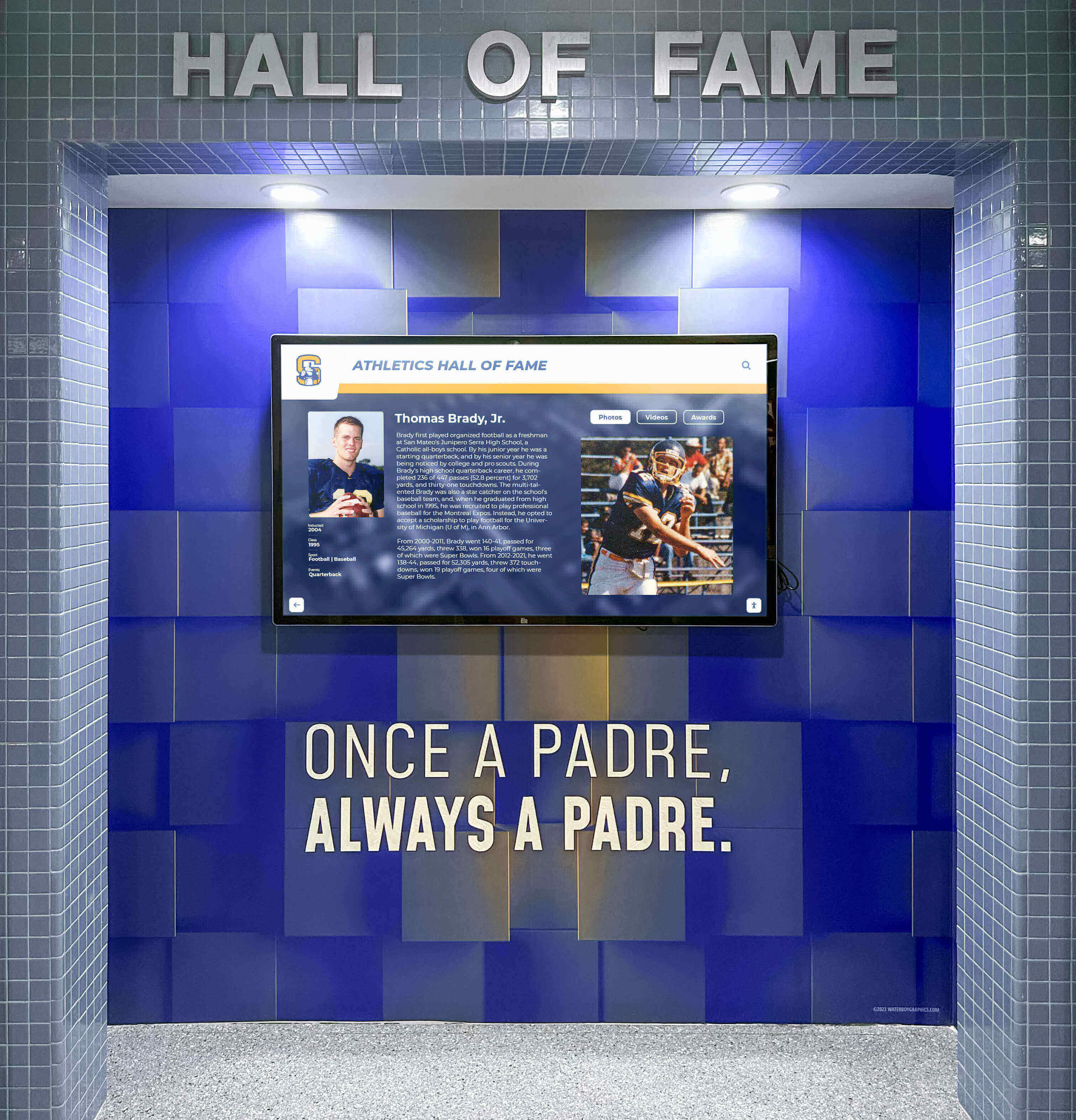
Complete vendor responsibility eliminates the fragmented support that undermines software-only solution effectiveness
Direct Cost Comparisons: Total Cost of Ownership
Software-only solutions advertise lower subscription costs—but complete system ownership costs tell more accurate stories about relative value.
Initial Implementation Cost Comparison
Software-only model costs:
- Software subscription: $500-1,500 annually
- Hardware purchase (customer responsibility): $4,000-8,000
- Installation services (customer coordination): $1,000-2,500
- Configuration and setup (customer time): variable
- Integration troubleshooting (customer IT time): variable
- Total visible cost: $5,500-12,000+ plus substantial hidden time costs
Rocket complete model costs:
- Complete solution including hardware, software, installation, and support: $8,000-15,000 depending on configuration
- Total cost: $8,000-15,000 with all components and labor included
Initial cost differences appear significant—until organizations account for hidden time costs, support complexity, and risk of implementation failure requiring additional expenditures.
Long-Term Operational Cost Comparison
Over five-year operational periods:
Software-only total cost of ownership:
- Software subscriptions: $2,500-7,500
- Hardware warranty extensions: $500-1,500
- Replacement components: $1,000-3,000
- Support coordination time: substantial but difficult to quantify
- System upgrade coordination: customer responsibility and cost
- Total: $4,000-12,000+ plus ongoing time burden
Rocket total cost of ownership:
- Annual service including software, support, and hardware coverage: $1,000-2,000
- Total five-year operational cost: $5,000-10,000 with minimal customer time requirement
- Replacement hardware: covered by service agreement
- Technical support: unlimited included support
When complete ownership costs including customer time, support coordination, and replacement expenses are considered, complete models often prove more economical than apparently cheaper software-only alternatives.
Risk Mitigation and Operational Continuity
Beyond direct costs, complete vendor responsibility reduces operational risks that software-only models impose entirely on customers.
Risks Eliminated by Full-Stack Responsibility
Rocket’s complete approach prevents:
- Vendor blame-shifting leaving issues unresolved while parties dispute responsibility
- Orphaned systems when hardware reaches end-of-life and software compatibility breaks
- Extended downtime during warranty claim processes and replacement coordination
- Implementation abandonment when technical complexity exceeds customer capabilities
- Knowledge loss when staff members leave and replacement personnel face reconstructing complex vendor relationships
- Budget surprises from unexpected replacement costs or required upgrades
These risk mitigation benefits prove particularly valuable for schools and nonprofit organizations lacking dedicated IT departments capable of managing complex multi-vendor technology implementations.
Operational Continuity Through Vendor Changes
Technology landscapes change continuously as suppliers merge, products reach end-of-life, and optimal configurations evolve. Comprehensive vendors manage these transitions on behalf of customers rather than leaving organizations to navigate disruptions independently.
When Rocket changes display suppliers, updates media player recommendations, or evolves platform architecture, Customer Success teams coordinate transitions ensuring operational continuity rather than requiring customers to purchase new hardware or reconfigure systems to maintain compatibility.
This continuity management reflects genuine long-term partnership rather than transactional relationships where vendors bear no responsibility for managing inevitable technology evolution.
Explore complete hall of fame platform evaluation frameworks considering complete ownership costs and long-term support implications.
Why Rocket Owns the Complete Stack: The Strategic Rationale
Rocket Alumni Solutions’ complete approach reflects deliberate strategic choices about how to deliver maximum value for customers implementing interactive recognition displays in institutional environments.
Quality Control Through Complete Integration Responsibility
Managing the entire solution stack enables quality control impossible when hardware, software, and support represent separate vendor responsibilities.
Validated Hardware and Software Integration
Rocket tests:
- Display and media player combinations ensuring optimal performance
- Touchscreen calibration and responsiveness under continuous operation
- Content playback quality at various resolutions and aspect ratios
- Network connectivity requirements and bandwidth optimization
- Software installation procedures and configuration workflows
- Long-term reliability under institutional usage patterns
- Upgrade paths and backward compatibility
This validation prevents situations where software updates break compatibility with previously recommended hardware or where hardware limitations constrain software capabilities—common problems in fragmented multi-vendor implementations.
Optimized User Experience Design
Complete stack control enables:
- Touchscreen interfaces designed specifically for interactive hardware capabilities
- Performance optimization balancing visual quality with responsive interaction
- Consistent experiences across different display sizes and orientations
- Accessibility features working reliably across hardware variations
- Content display optimized for specific commercial display characteristics
- Interactive gestures tuned for commercial-grade touch technology
User experience quality suffers when software developers don’t control or deeply understand hardware platforms—creating interfaces that feel sluggish, unresponsive, or inconsistent across different display configurations.
Organizations implementing interactive museum displays and institutional recognition systems benefit from cohesive design reflecting complete platform control.
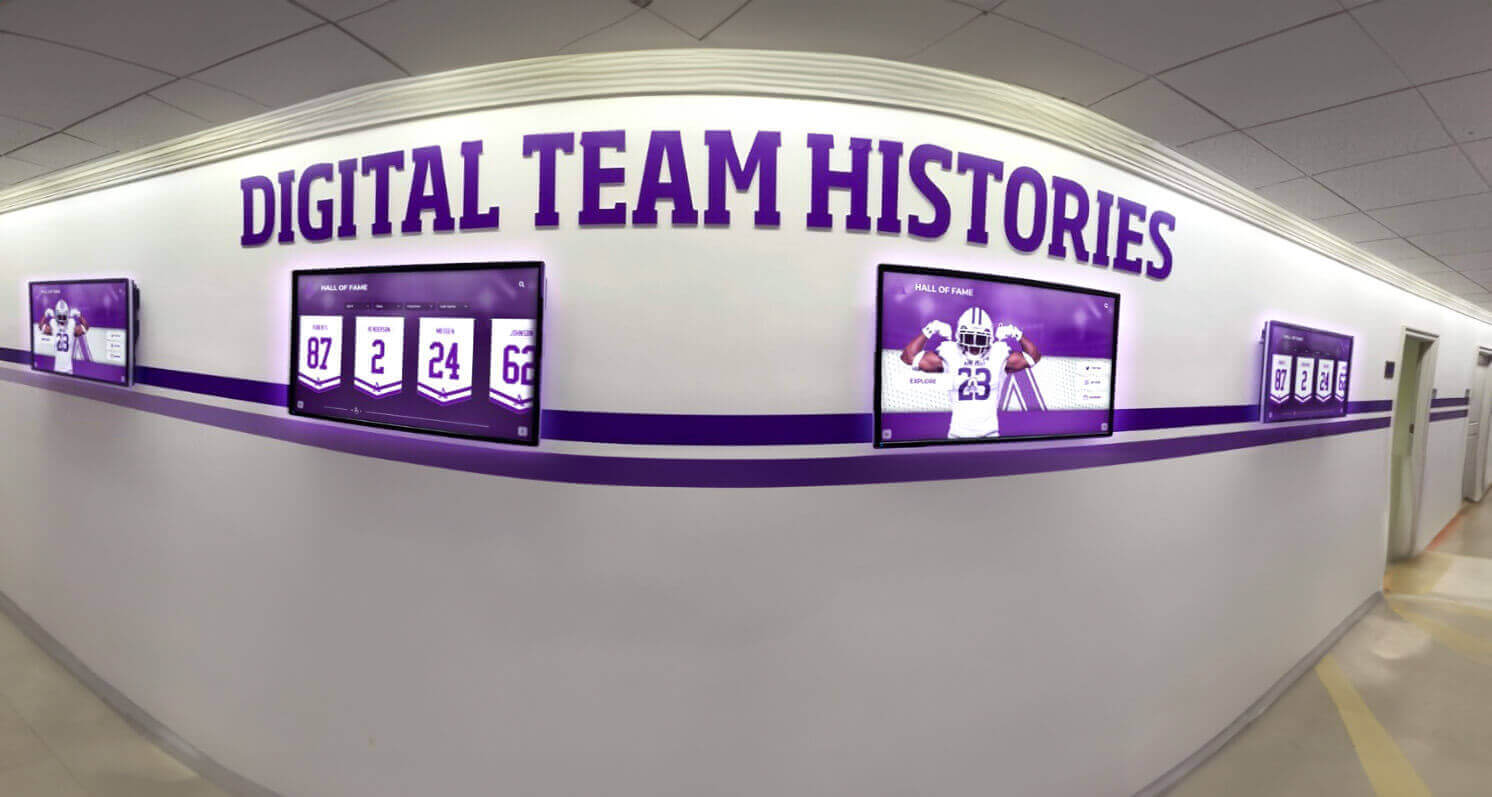
Complete stack ownership enables consistent experiences across multiple displays and distributed installations
Customer Experience Simplified Through Single Vendor Relationship
Organizations managing recognition displays want to celebrate achievement and engage communities—not manage complex technology vendor ecosystems.
Single Point of Contact for Everything
Rocket’s model means:
- One vendor relationship replacing multiple hardware, software, and service providers
- One phone number or email address for any issue regardless of technical origin
- One renewal and billing process rather than coordinating multiple contracts
- One strategic conversation about recognition program evolution and technology needs
- One trusted advisor relationship rather than navigating competing vendor interests
- One company accountable for complete operational outcomes
This simplicity proves particularly valuable for schools and nonprofits where staff handle recognition technology responsibilities alongside many other duties rather than as dedicated full-time roles.
Reduced Institutional Knowledge Requirements
Comprehensive vendor responsibility means:
- Staff turnover doesn’t create operational crises requiring knowledge reconstruction
- New staff members contact single Customer Success teams rather than managing complex vendor relationships
- Institutional documentation requirements remain minimal since vendor maintains operational knowledge
- Technology upgrades occur smoothly without requiring customer expertise in migration processes
- Long-term sustainability doesn’t depend on individual staff technical capabilities
These knowledge requirement reductions matter enormously for organizations where the person managing recognition displays might be an athletic director, development officer, or facilities manager for whom technology represents one small component of broader institutional responsibilities.
Alignment of Interests: When Vendors Win Only When Customers Win
Software-only business models create inherent conflicts between vendor and customer interests—vendors minimize support costs to maximize profitability while customers require complete assistance maximizing system value.
Service Model Alignment
Rocket’s complete approach aligns interests differently:
- Reliable hardware reduces support costs for Rocket while improving customer experience
- Quality installation prevents future problems benefiting both parties
- Proactive monitoring catches issues early minimizing both customer downtime and vendor emergency support
- Customer success directly correlates with renewal likelihood incentivizing genuine partnership
- Long-term relationships matter more than maximizing individual transaction margins
- Customer satisfaction determines business success rather than minimizing support engagement
This alignment means Rocket teams genuinely benefit from ensuring customer success rather than viewing complete support as cost centers eroding profitability.
Built for Long-Term Relationships
Organizations implement recognition displays intending decades of operation, not temporary experiments. Rocket structures services for long-term partnerships:
- Hardware specifications consider multi-year replacement cycles and technological evolution
- Content platform architecture prioritizes long-term content library growth
- Customer Success relationships provide continuity across years of operation
- Platform development roadmaps reflect sustained customer needs rather than short-term feature competition
- Pricing models encourage long-term commitments through value delivery rather than contract lock-in
- Business success depends on customer retention more than new customer acquisition
This long-term orientation fundamentally differs from transactional software-only models where vendors maximize initial sales while minimizing ongoing support costs.
Evaluating Complete Solutions: What to Ask Other Vendors
Organizations comparing Rocket Alumni Solutions to alternative touchscreen kiosk providers should ask specific questions revealing whether vendors truly provide complete support or follow software-only models despite marketing suggesting otherwise.
Hardware Responsibility Questions
Ask prospective vendors:
“Do you provide and warranty the hardware, or do I purchase displays separately?”
Complete solution providers supply hardware as combined components. Software-only vendors direct customers to third-party purchases or “certified partner” networks adding cost layers and fragmenting support.
“If my display fails, who do I contact—you or the display manufacturer?”
Comprehensive providers accept first contact responsibility managing all diagnosis and resolution coordination. Software-only vendors direct hardware issues to OEM warranty processes requiring customer navigation.
“What happens if the display you recommend is discontinued or incompatible with future software updates?”
Complete solution providers manage technology transitions ensuring operational continuity. Software-only vendors disclaim responsibility for managing evolution of hardware they recommended.
“Does your pricing include hardware, installation, and ongoing support—or just software licensing?”
Clear pricing transparency reveals complete solution models versus hidden costs in apparently economical software-only alternatives.
Organizations implementing digital hall of fame displays should insist on clear answers distinguishing genuine complete support from marketing language masking software-only limitations.
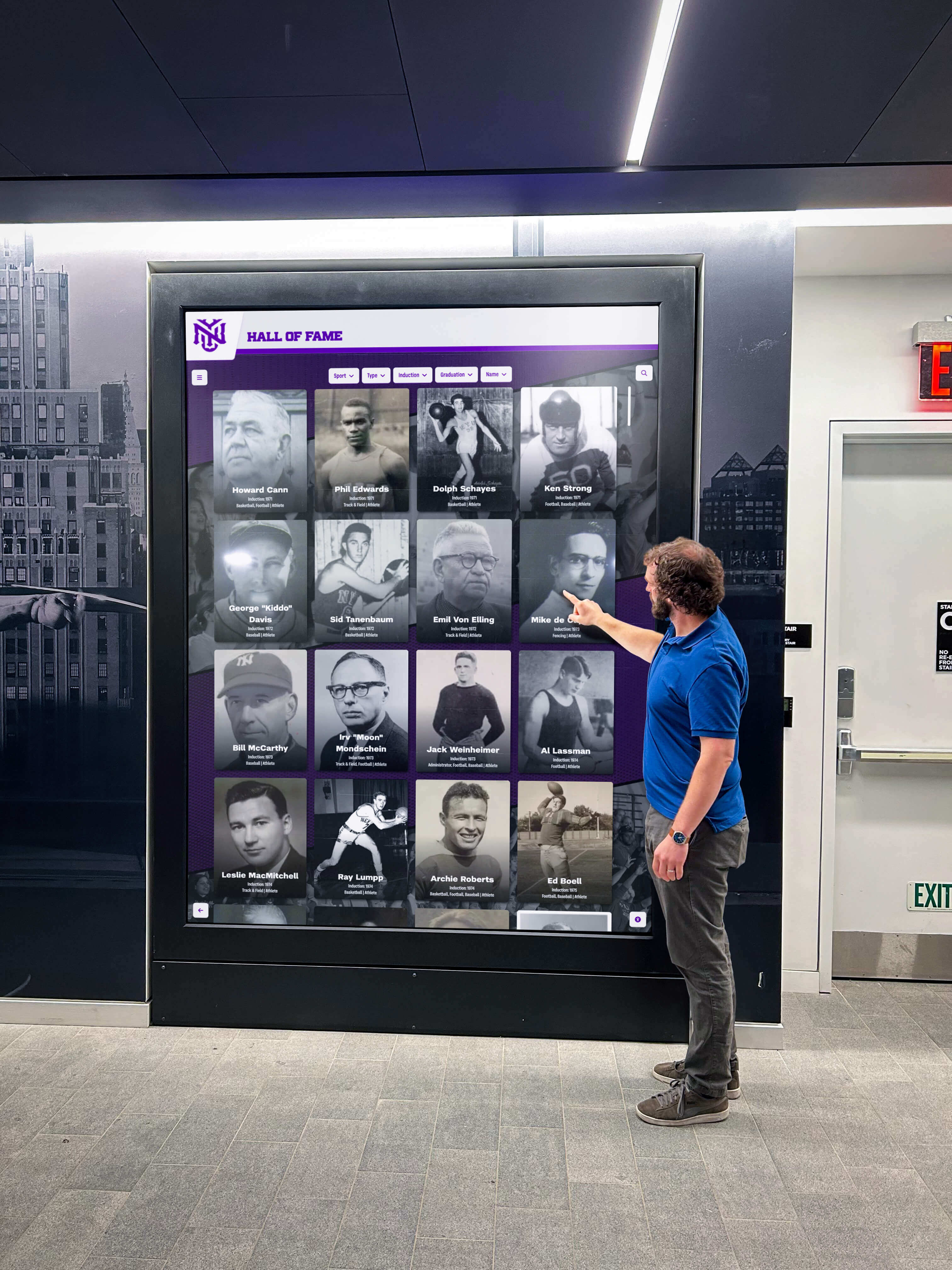
Ask vendors whether they'll support your visitors' experience when technical issues emerge—or direct you elsewhere
Support Scope and Responsibility Questions
Ask prospective vendors:
“When I contact support, will you diagnose issues completely or only address software questions?”
Comprehensive providers triage any issue affecting system operation. Software-only vendors limit support to platform functionality explicitly excluding hardware, network, or integration issues.
“Do you provide continuous monitoring detecting issues before I notice problems?”
Complete solution providers monitor system health continuously. Software-only vendors respond reactively only when customers report issues.
“If I’m experiencing network connectivity problems affecting my displays, will you help troubleshoot?”
Comprehensive providers address the complete operational context. Software-only vendors disclaim responsibility for customer network infrastructure.
“What’s your average response time for critical support issues? Do you provide after-hours support?”
Service level commitments reveal whether vendors genuinely prioritize customer uptime or view support as cost centers minimizing engagement.
Long-Term Partnership Questions
Ask prospective vendors:
“What happens when current hardware reaches end-of-life in 5-7 years?”
Comprehensive providers manage technology transitions ensuring continuity. Software-only vendors leave customers facing potential platform abandonment or forced expensive upgrades.
“Do you have a dedicated Customer Success team, or is support handled by rotating technical staff?”
Relationship continuity matters for long-term partnership quality versus transactional incident-by-incident support.
“Can I speak with reference customers who’ve worked with you for 3+ years?”
Long-term customer references reveal operational reality better than new customer testimonials provided during honeymoon periods.
“How often do customers need to replace hardware, and what does that process look like?”
Replacement process transparency reveals whether vendors genuinely support long-term operation or create obstacles when equipment reaches end of useful life.
These evaluation questions help organizations distinguish vendors truly committed to complete long-term support from those offering software platforms with peripheral services masquerading as complete solutions.
Conclusion: Why Hardware and Support Matter as Much as Software
Interactive touchscreen displays celebrating institutional achievement, engaging alumni communities, and recognizing donor contributions represent visible public expressions of organizational values and professional presentation standards. When these systems fail, malfunction, or deliver poor user experiences, the technology problems directly undermine the recognition programs they’re meant to support—diminishing the honored individuals’ experience and reflecting poorly on institutional professionalism.
Software functionality matters enormously—content management capabilities, interface design, search functionality, and visual presentation quality all contribute to effective recognition displays. But software represents only one component of complete systems requiring appropriate hardware, quality installation, dependable network connectivity, and responsive ongoing support maintaining operation year after year.
Organizations implementing recognition displays shouldn’t accept artificial divisions separating software vendors from hardware responsibility, creating support fragmentation that leaves customers coordinating multiple parties when issues emerge. The complete single-vendor approach Rocket Alumni Solutions provides isn’t simply a convenience—it’s a fundamental strategic choice about who bears responsibility for complete operational outcomes and maintains accountability for long-term system success.
For schools, universities, athletic departments, and nonprofit organizations lacking dedicated IT departments and technology management expertise, complete solutions delivering hardware, software, installation, and support through single vendor relationships prove not merely preferable to fragmented alternatives—they represent the difference between successful long-term implementations and abandoned projects consuming budgets without delivering intended institutional value.
The hundreds of institutions trusting Rocket Alumni Solutions for complete interactive recognition display implementations validate that complete responsibility, responsive Customer Success support, and genuine long-term partnership orientation deliver superior experiences compared to software-only alternatives requiring customers to assemble and manage complex multi-vendor technology ecosystems independently.
Start evaluating recognition display solutions by asking vendors directly whether they provide and support complete systems or limit responsibility to software licensing. Rocket Alumni Solutions welcomes these conversations because complete support represents core strategic differentiation rather than marketing language masking limited commitment. Book a demo to discuss how Rocket’s complete solution approach—spanning hardware provision, installation coordination, software platforms, and Customer Success support—delivers sustainable long-term value for your recognition program through genuine single-vendor accountability for complete operational outcomes.