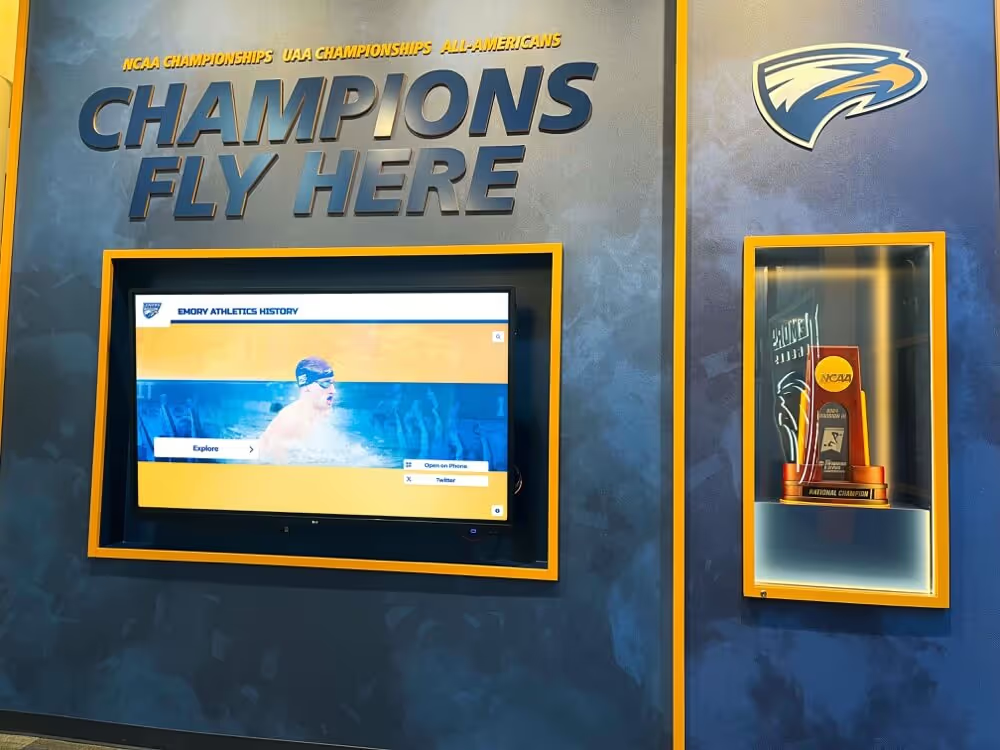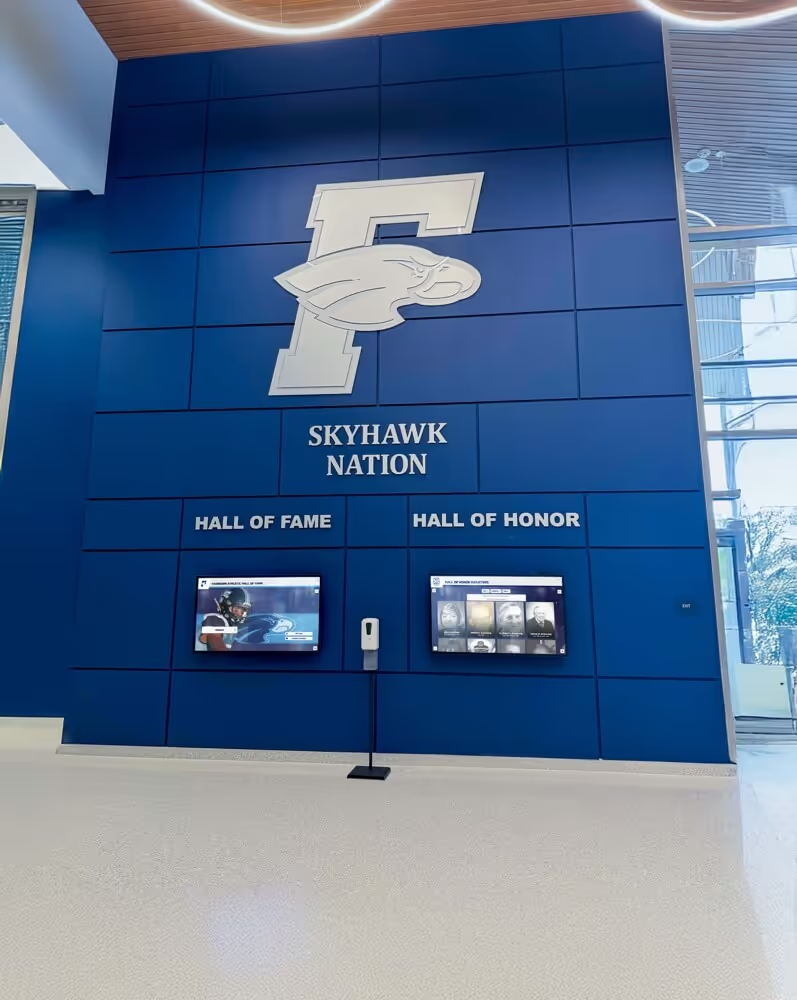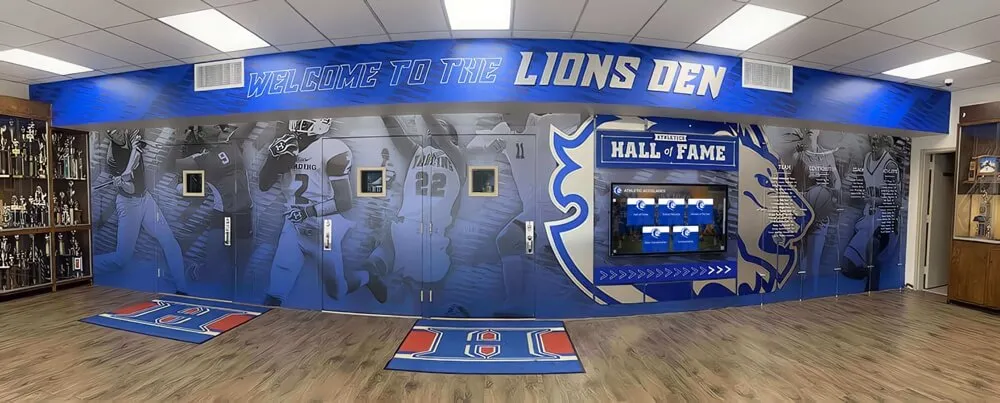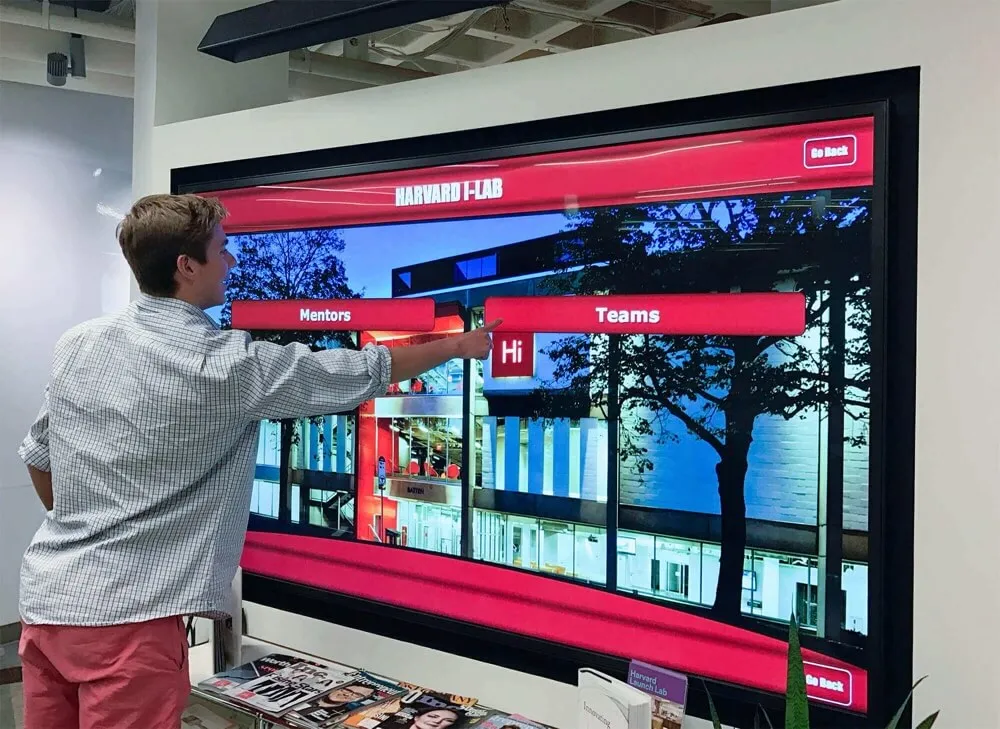




Schools face persistent challenges when purchasing technology: annual budget uncertainty, grant funding requirements demanding long-term price certainty, bond-funded projects requiring one-time payments, and procurement officers wary of subscription models that can increase unpredictably. Many digital recognition platforms force institutions into rigid annual contracts that conflict with how schools actually receive and allocate funds.
The common objection that “subscription models trap schools into perpetual payments” misrepresents how modern recognition platforms can structure pricing. When procurement requires a one-time payment, when a capital bond demands upfront pricing, or when a multi-year grant needs budget certainty, the right vendor offers flexibility rather than forcing every customer into identical contracts.
Rocket Alumni Solutions addresses these varied procurement scenarios through three distinct pricing structures: subscription plans funding continuous platform improvements, heavily discounted multi-year prepayment options (including long-term agreements up to 10 years) providing price certainty, and one-time payment arrangements when procurement regulations or funding sources require capital expenditure treatment. This flexibility ensures schools can acquire recognition technology matching their actual budget realities rather than adapting their procurement to vendor preferences.
School purchasing decisions involve more stakeholders, approval layers, and funding constraints than typical commercial software acquisitions. A principal excited about digital recognition still needs board approval, budget committee sign-off, and compatibility with funding source restrictions. Athletic directors may have booster money for equipment but lack discretionary operating budgets for annual software fees. Grant-funded projects come with multi-year commitments requiring fixed pricing. Bond measures demand one-time capital expenditures rather than operational expenses.

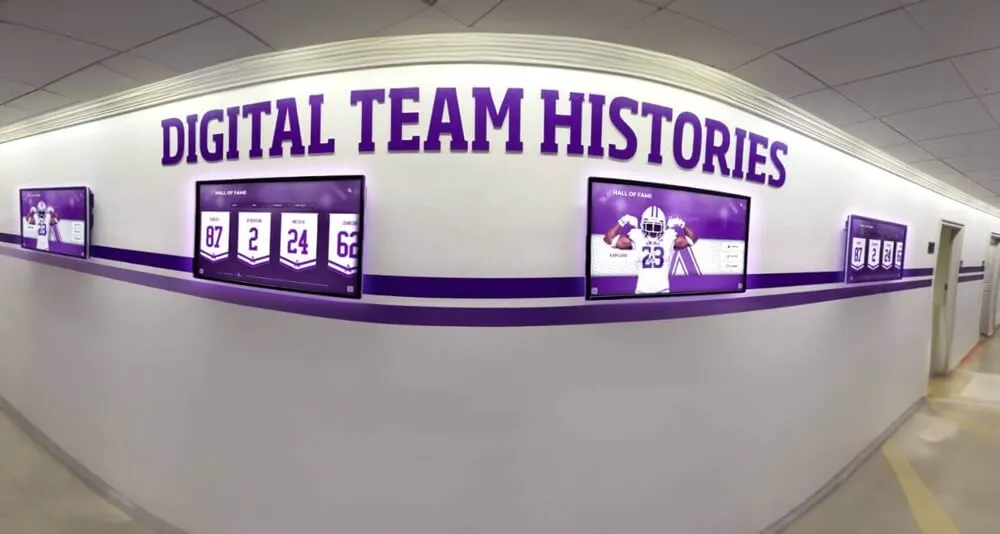
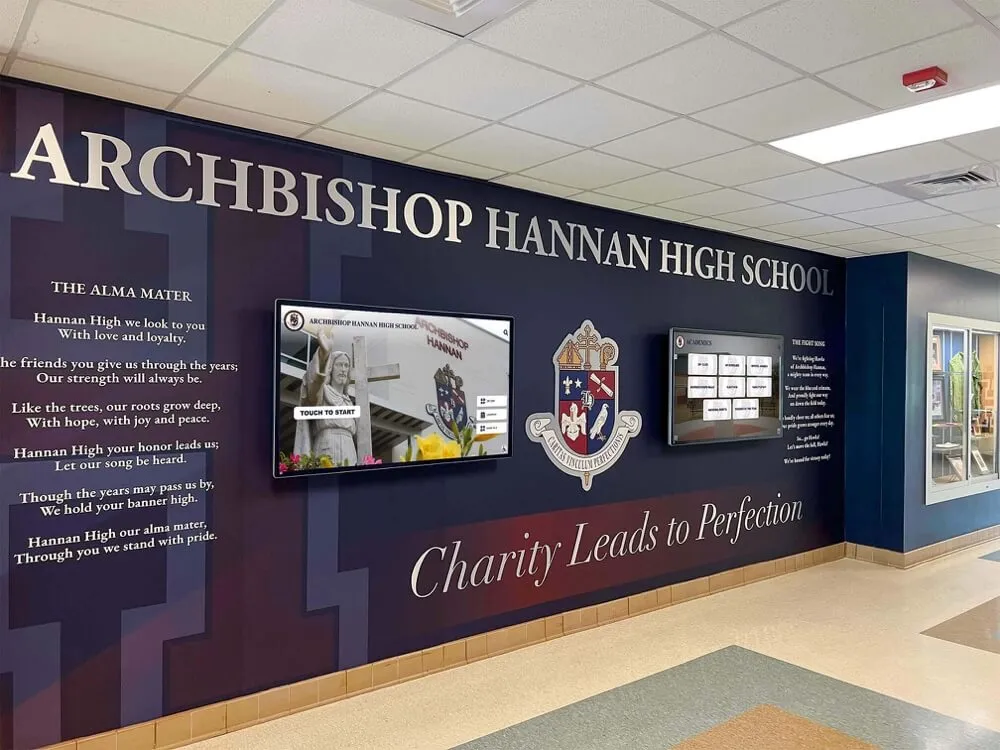
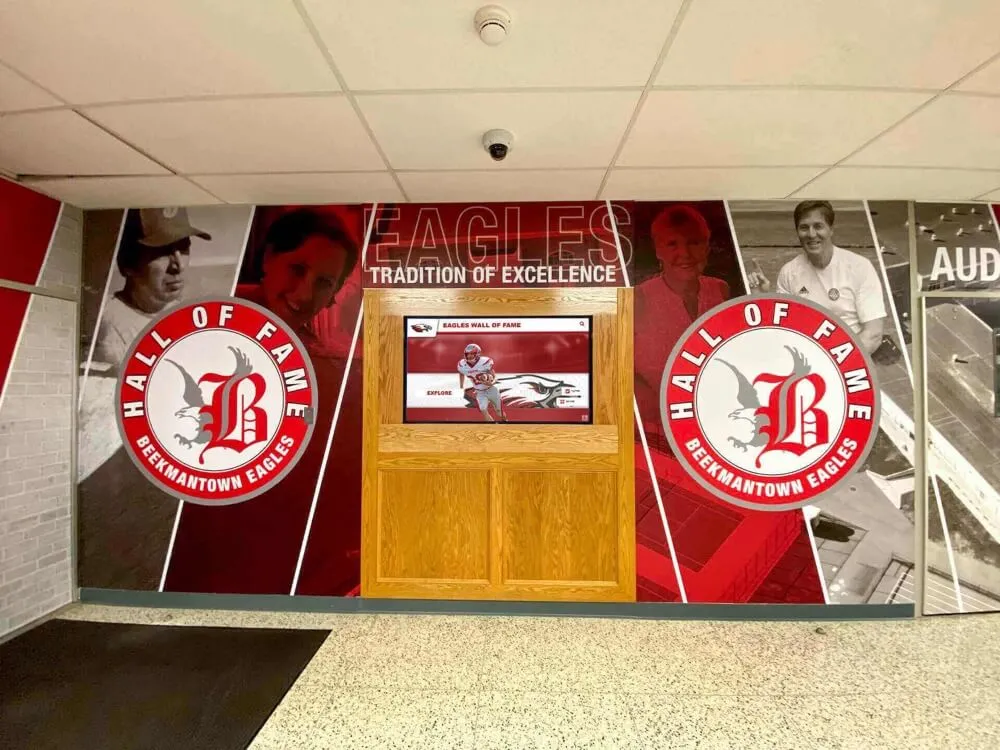
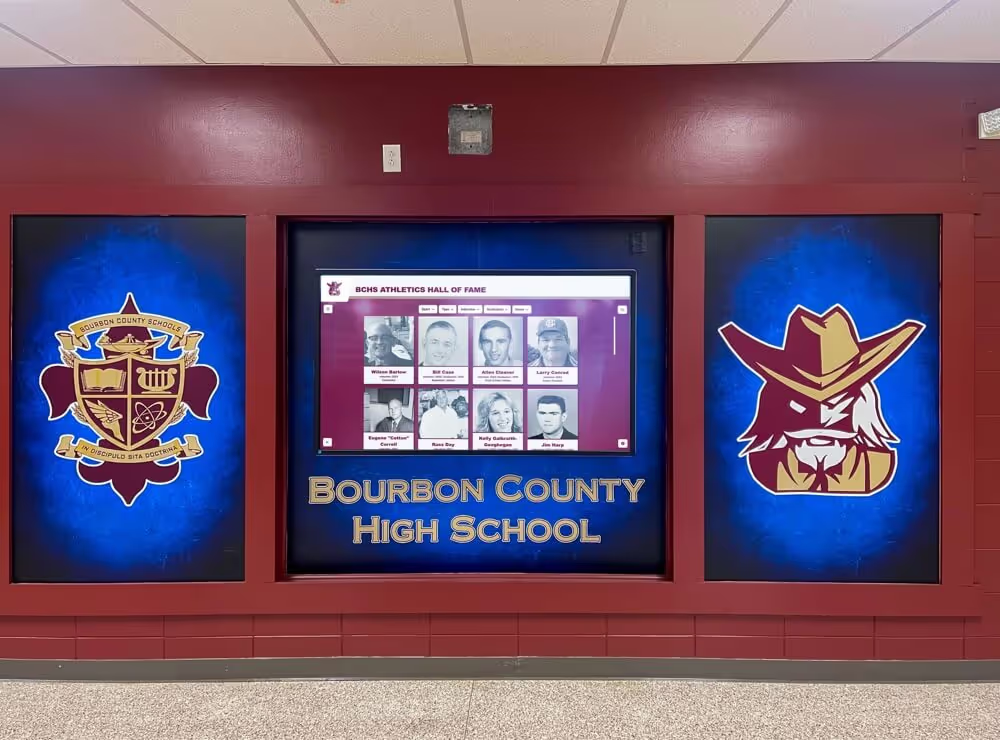
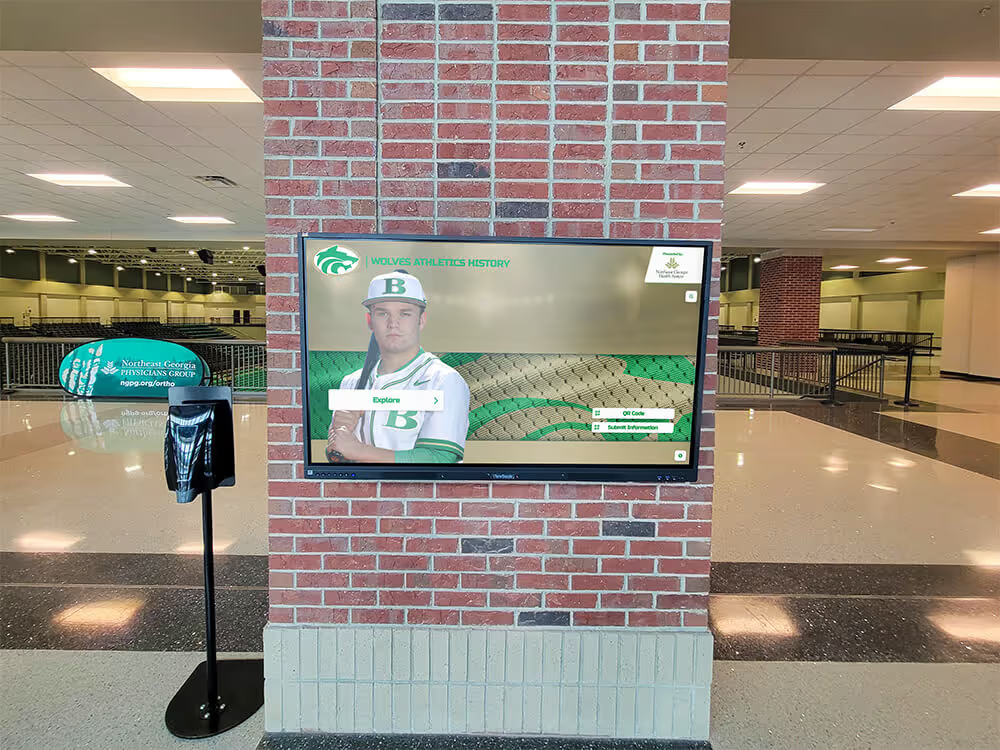
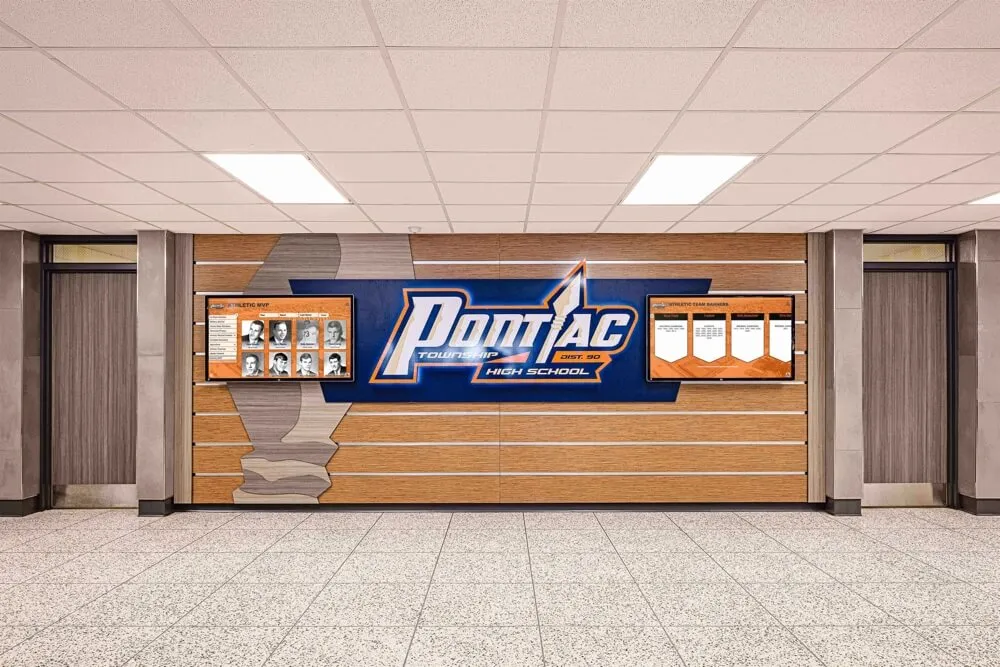
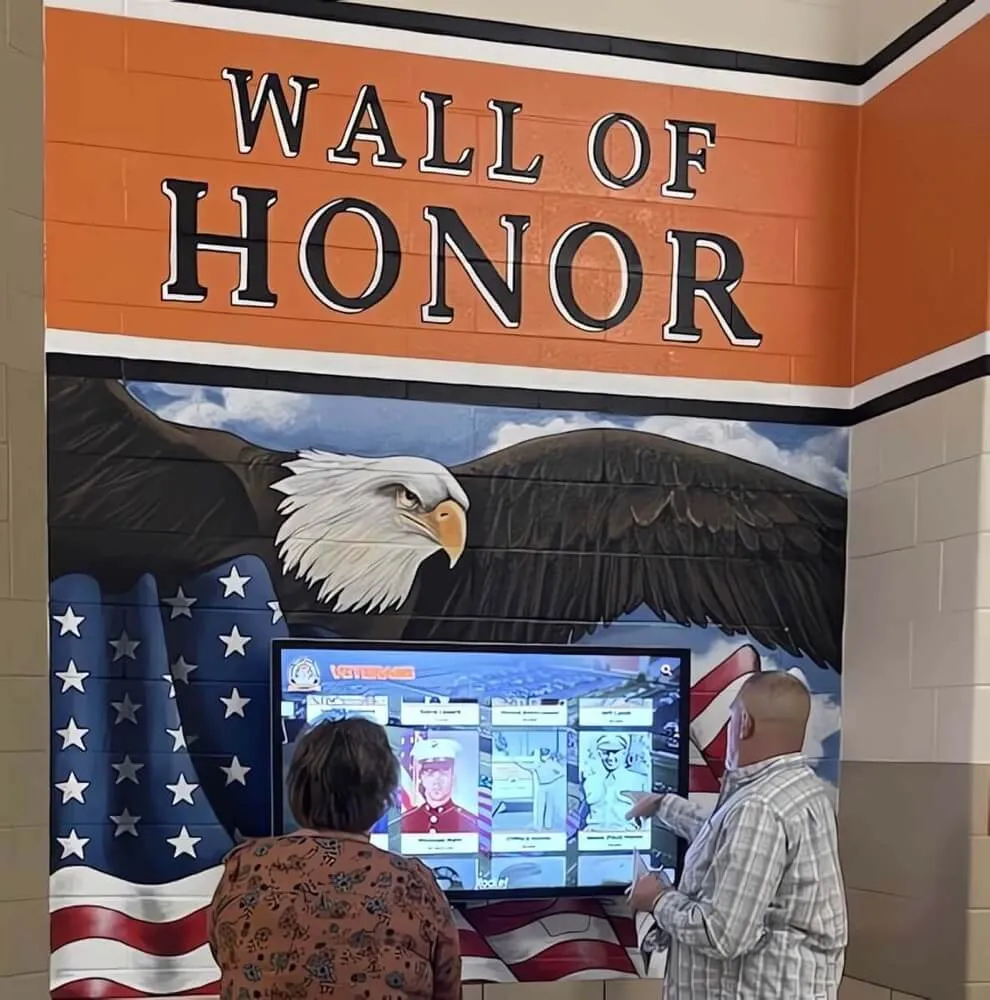
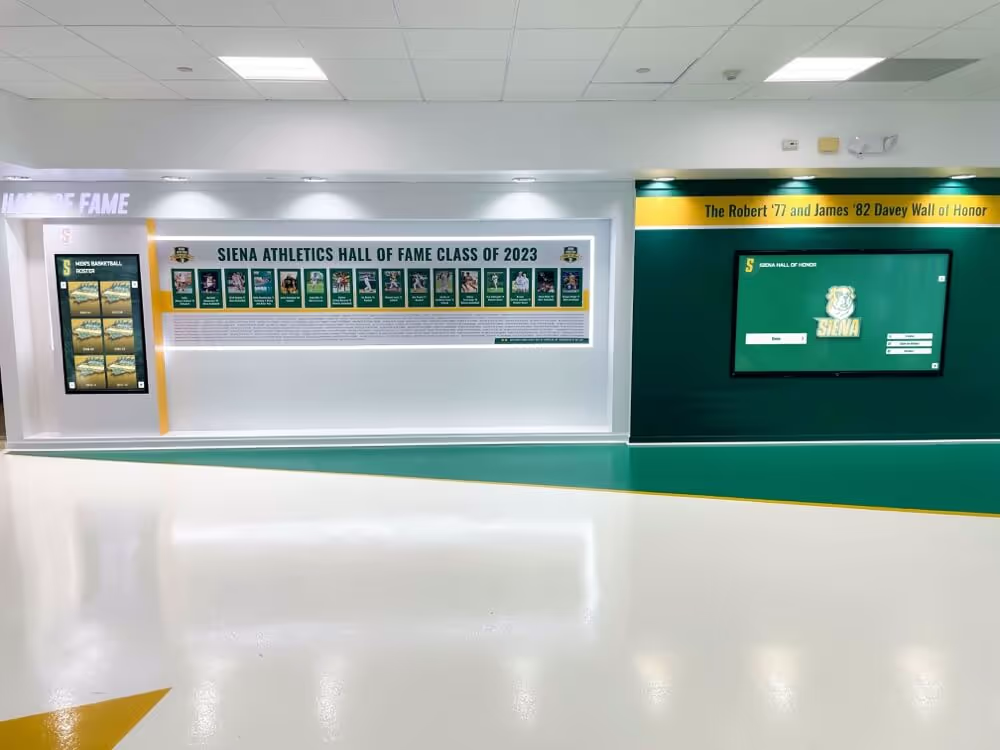
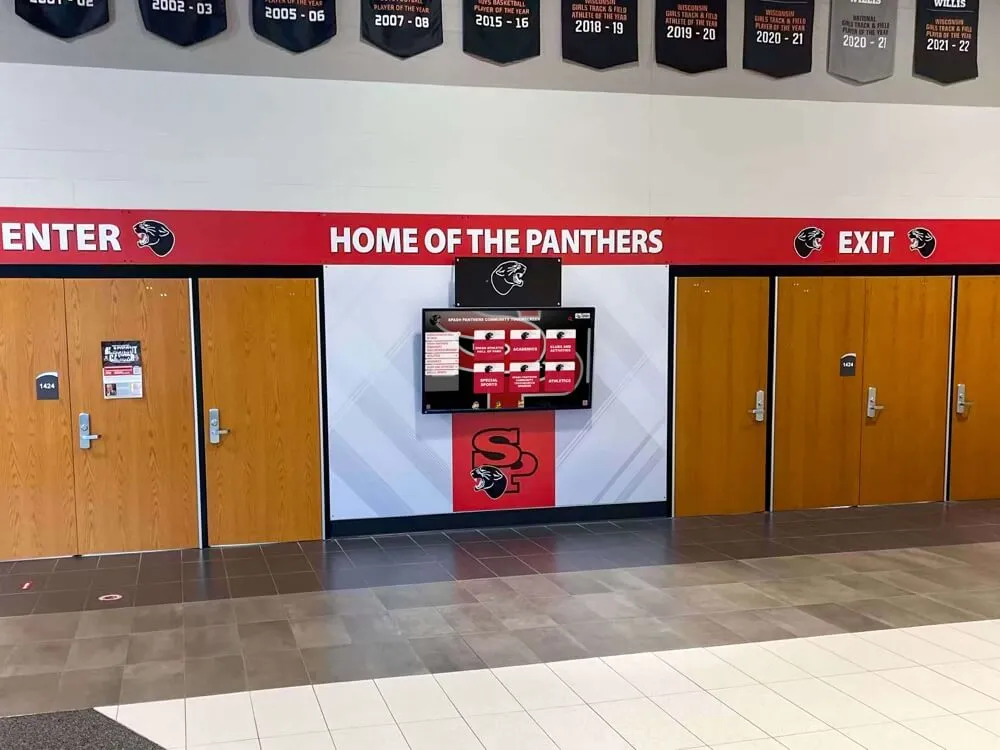
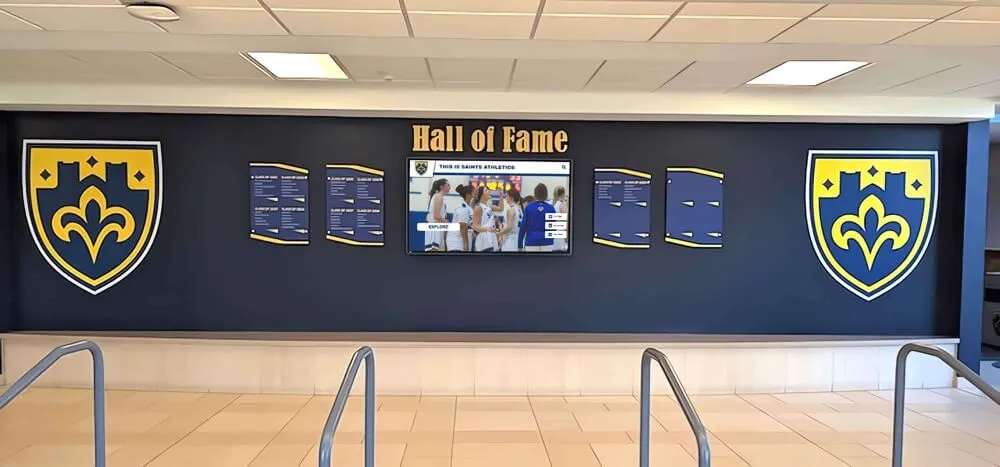
Modern recognition platforms must accommodate diverse school funding scenarios—from annual operating budgets to multi-year bonds and grants
Understanding the “Subscription Trap” Misconception
Critics of subscription software often characterize recurring payments as inherently problematic—money disappearing annually without tangible assets remaining. This perspective makes sense when evaluating static products that could theoretically function indefinitely without vendor involvement. Digital recognition platforms, however, operate fundamentally differently from installed software that runs independently on local computers.
What Subscription Actually Funds in Living Platforms
Recognition displays depend on database-driven architectures where content management systems, cloud hosting infrastructure, content delivery networks, and interactive interfaces must remain operational and maintained. Unlike software installed on school servers that might function unchanged for years, cloud-based platforms require continuous technical stewardship addressing evolving challenges.
Ongoing Platform Maintenance Requirements
Subscription revenue funds essential operational activities:
Security and Compliance
- Vulnerability patching addressing newly discovered exploits
- SSL certificate renewal ensuring encrypted connections
- Authentication system updates preventing unauthorized access
- Data backup infrastructure protecting against loss
- Privacy regulation compliance as laws evolve
- Penetration testing identifying potential security gaps
Compatibility Maintenance
- Browser engine changes requiring interface adjustments
- Operating system updates affecting media player functionality
- Touchscreen firmware compatibility ensuring gesture recognition
- Mobile device support as new form factors emerge
- Network protocol updates maintaining connectivity
- Display technology compatibility with evolving hardware standards
Accessibility Compliance
- WCAG guideline interpretation as standards clarify
- Screen reader compatibility with updated assistive technologies
- Keyboard navigation improvements for motor-impaired users
- Color contrast adjustments meeting evolving requirements
- Caption and transcript features for video content
- Text scaling functionality supporting low-vision users
Schools implementing recognition platforms in 2026 face dramatically different technical environments than institutions that purchased systems in 2020. Chrome browser updates arrive every six weeks, modifying rendering behavior and security policies. WCAG 2.2 introduced new accessibility requirements affecting interactive elements. Security vulnerabilities emerge requiring immediate patches. Operating systems deprecate older APIs affecting media playback.
A “buy once” model doesn’t eliminate these ongoing challenges—it simply transfers responsibility and cost to schools. The promised perpetual license becomes worthless when browsers no longer render the interface correctly, when accessibility standards change requiring interface modifications, or when security vulnerabilities emerge in unmaintained software.
Discover how continuous platform maintenance benefits schools in digital signage services guides examining managed service advantages.
Why “Buy Once” Creates Hidden Risk and Future Costs
Institutions attracted to perpetual license models often discover years later that the supposed one-time purchase generated extensive hidden costs that subscription pricing would have addressed transparently through predictable annual fees.
Deferred Maintenance Accumulation
Perpetual license vendors typically offer maintenance contracts separately from software licenses. Schools purchasing licenses upfront often decline annual maintenance to reduce immediate costs, then face accumulated technical debt:
- Browser compatibility breaks after three years of ignored updates
- Security vulnerabilities remain unpatched, creating liability exposure
- Accessibility compliance failures when standards evolve
- Feature stagnation as competitors advance platform capabilities
- Hardware incompatibility when displays need replacement
- Database corruption without regular backup verification
These deferred maintenance issues don’t announce themselves gradually—they typically manifest as sudden failures requiring emergency remediation at premium costs when displays stop functioning during critical events or when compliance audits identify accessibility violations.
Expensive Upgrade Cycles
Vendors selling perpetual licenses generate revenue through expensive upgrade purchases presenting as “new versions” requiring separate license fees:
Typical Perpetual License Upgrade Costs
- Major version upgrades: 40-70% of original license cost every 2-4 years
- Professional services for migration: $3,000-8,000 per upgrade
- Custom modification recreation: $2,000-6,000 if extensively customized
- Content migration assistance: $1,500-4,000 moving to new structures
- Training on new interfaces: $1,000-2,500 per upgrade cycle
- Temporary parallel operation during transitions
A school purchasing a $15,000 perpetual license in 2020 likely faced an $8,000 upgrade in 2023, then another $10,000 upgrade in 2026, totaling $33,000 over six years. The same institution subscribing at $4,500 annually would have paid $27,000 while receiving continuous improvements without disruptive migration projects.
Professional Services Dependencies
Perpetual license platforms often require ongoing professional services purchases for tasks that maintained subscription platforms handle automatically:
- Content import assistance when structures change
- Custom reporting development as needs evolve
- Integration maintenance when connected systems update
- Performance optimization when content volume grows
- Training programs when staff turnover occurs
- Technical troubleshooting without included support
These service fees accumulate unpredictably, destroying budget certainty that motivated perpetual license purchases initially. Schools discover that “buying once” actually means buying repeatedly through services, upgrades, and emergency fixes.
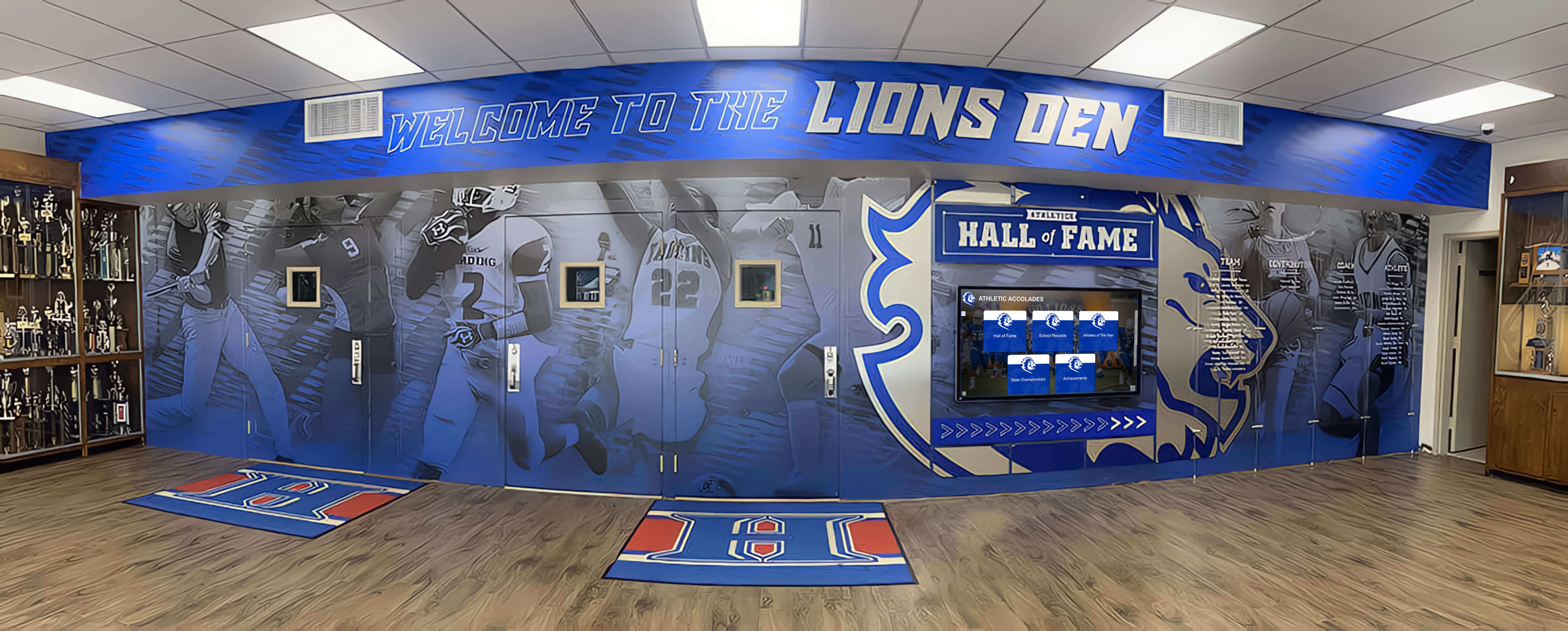
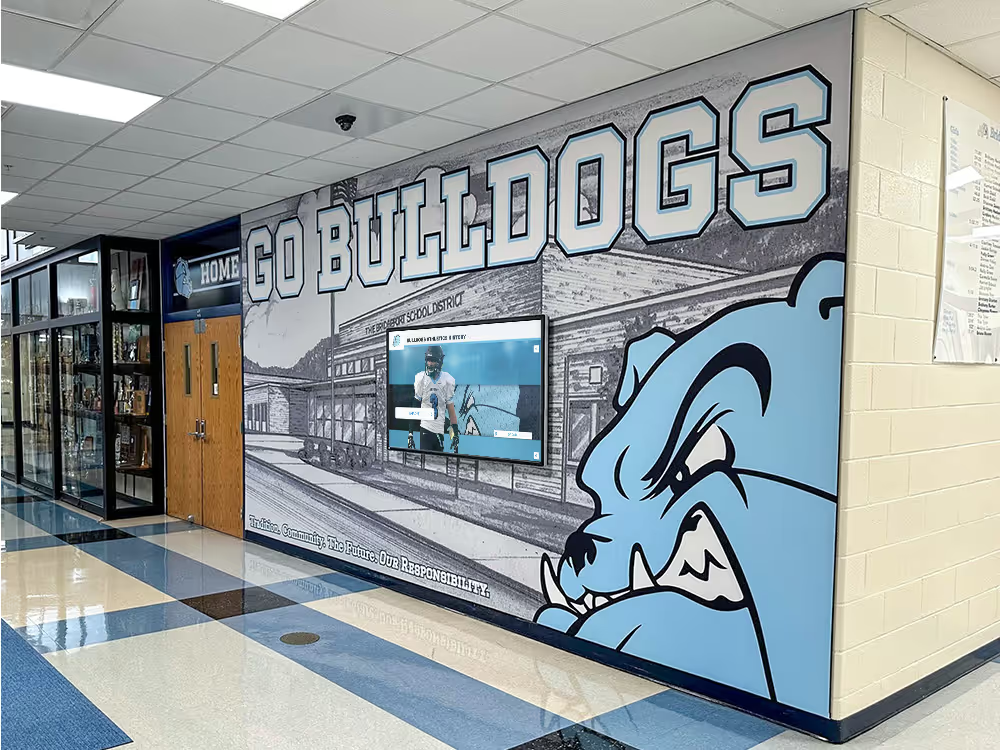
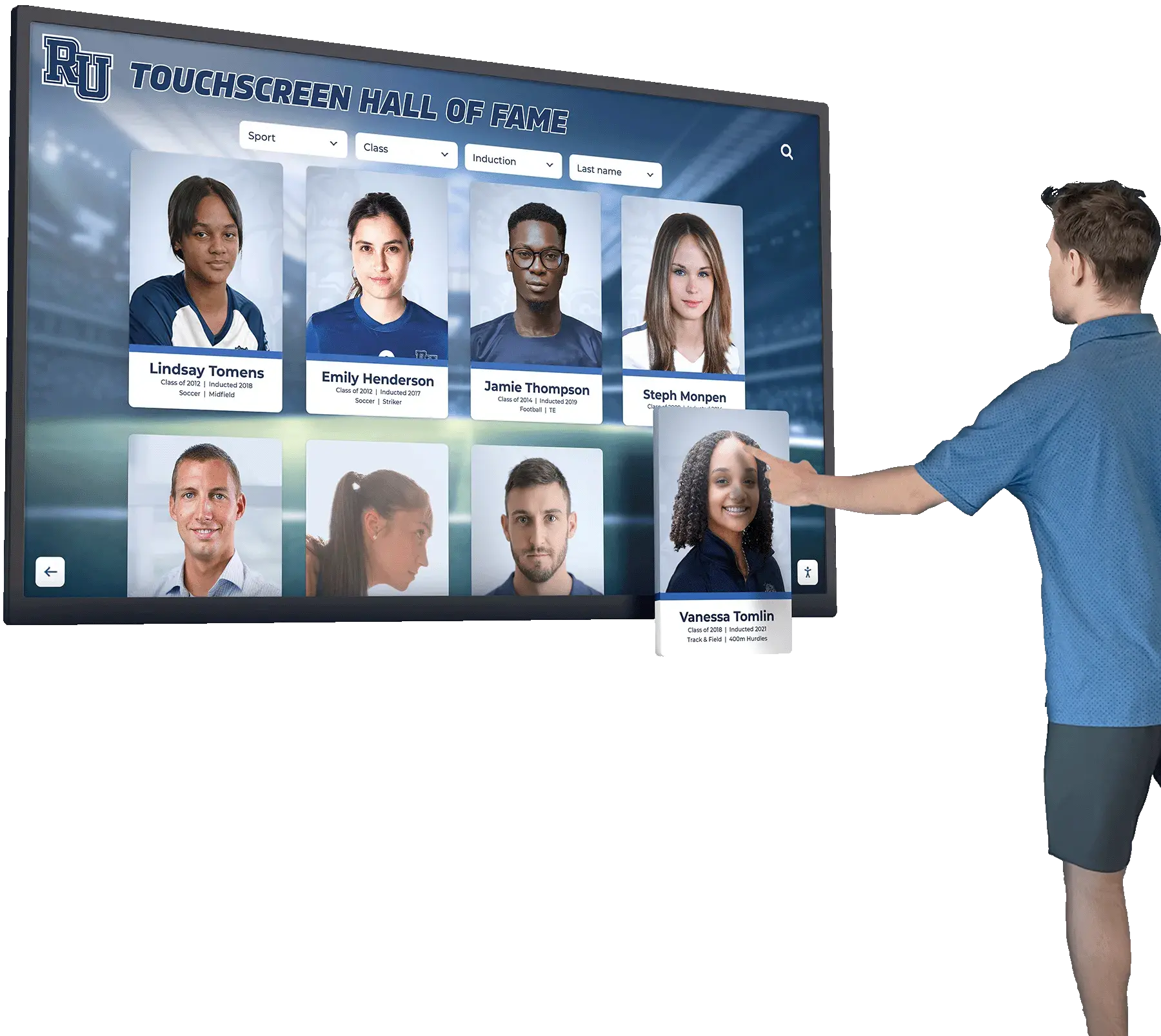
Maintained platforms deliver continuous improvements to all displays simultaneously—no migration projects or upgrade purchases required
The Real Value Proposition: Sleep-at-Night Technology
The fundamental subscription value isn’t the software itself—it’s the promise that technical maintenance, security monitoring, compatibility updates, and platform improvements happen automatically without school IT intervention or emergency budget allocations.
What Maintained Platforms Deliver
Schools using actively maintained recognition systems experience:
Automatic Improvement Distribution
- Feature enhancements appearing across all displays simultaneously
- Interface improvements rolling out without local installation
- Security patches deployed immediately across entire customer base
- Accessibility improvements benefiting all users automatically
- Performance optimizations improving experience without user action
- Bug fixes resolving issues before users report problems
Zero-Touch Content Distribution
- Updates appearing on displays without IT involvement
- Synchronized content across unlimited screens automatically
- Remote management from any internet-connected device
- Real-time changes reflecting immediately on displays
- No manual file transfers or update installations
- Consistent experience regardless of display quantity
Continuous Compliance Assurance
- Accessibility standards met as guidelines evolve
- Security best practices implemented proactively
- Privacy regulations addressed through platform updates
- Data protection features improving automatically
- Audit trails maintained without manual configuration
- Documentation updates reflecting current capabilities
These operational benefits mean principals, athletic directors, and technology coordinators don’t receive middle-of-night calls about displays failing before important events. Nobody needs to research Chrome compatibility issues when browsers update. No emergency meetings occur when accessibility audits identify compliance gaps.
The subscription buys peace of mind that the recognition system remains functional, secure, accessible, and improving—without the school bearing responsibility for technical stewardship requiring specialized expertise they rarely possess internally.
Explore operational benefits in school digital signage implementation guides examining managed service advantages.
Multi-Year Prepayment: Price Certainty for Grants and Bonds
Schools securing multi-year grants, passing bond measures, or negotiating facility improvement budgets often require price certainty across extended time horizons. Annual subscription pricing creates budget uncertainty incompatible with fixed grant allocations or bond appropriations determined years in advance.
Heavily Discounted Long-Term Agreements (Up to 10 Years)
Rocket Alumni Solutions offers multi-year prepayment options providing substantial discounts while eliminating annual renewal uncertainty. These arrangements suit institutions with:
Ideal Multi-Year Prepayment Scenarios
Grant-Funded Implementations
- Federal arts or education technology grants with 3-5 year terms
- State appropriations designated for specific projects
- Foundation grants supporting recognition initiatives
- Corporate partnership funding with multi-year commitments
- Alumni association endowment-funded programs
Bond-Funded Capital Projects
- Facility renovation bonds including technology components
- New construction projects integrating recognition displays
- Athletic facility improvements funded through bond measures
- Performing arts center developments with donor recognition
- Library or commons area renovations incorporating interactive displays
Long-Term Budget Commitments
- District technology plans with multi-year allocations
- Booster club commitments funding athletic recognition
- Memorial or legacy projects with upfront funding
- Comprehensive facility master plans spanning multiple years
- Strategic initiatives requiring stable multi-year budgets
Multi-Year Pricing Structure
Extended prepayment agreements provide escalating discounts reflecting reduced vendor risk and administrative overhead:
Sample Discount Schedule
- 3-year prepayment: 10-15% discount vs. annual pricing
- 5-year prepayment: 20-30% discount vs. annual pricing
- 7-year prepayment: 30-40% discount vs. annual pricing
- 10-year prepayment: 40-50% discount vs. annual pricing
These substantial savings enable schools to redirect budget toward content development, premium hardware, or expanded display coverage rather than paying full annual rates when funds come from sources preferring or requiring upfront payment.
Price Protection Benefits
Multi-year agreements lock pricing for contract duration, protecting against:
- General inflation eroding purchasing power
- Vendor price increases affecting annual subscribers
- Market changes driving competitor pricing higher
- Feature additions triggering higher subscription tiers
- Content volume growth creating overage charges
- Display quantity expansion multiplying per-screen fees
A school prepaying for ten years in 2026 knows exactly what recognition platform costs will be through 2036—enabling accurate long-term financial planning impossible with annual renewals subject to periodic increases.
Learn about grant-funded technology implementations in nonprofit digital wall mount display guides examining funding strategies.

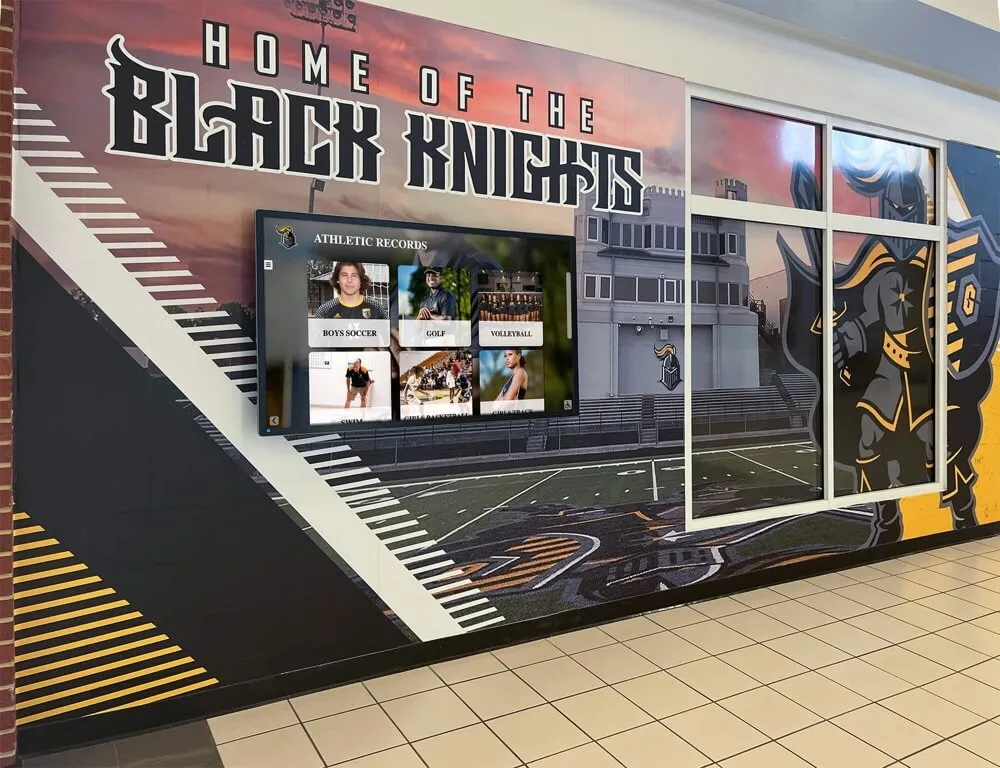
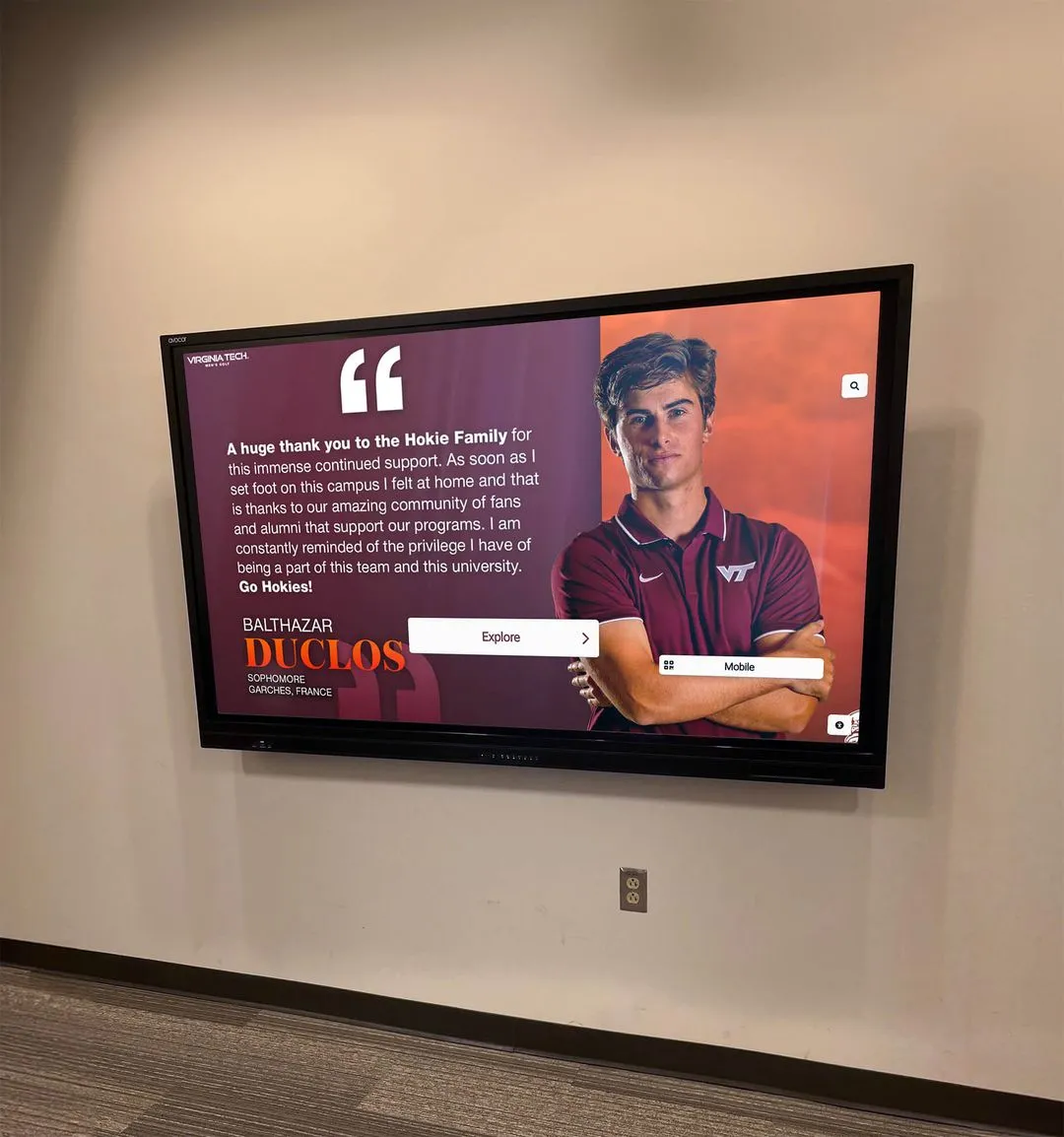
Multi-year prepayment options suit bond-funded and grant-funded projects requiring upfront budget certainty
Addressing “What If We Want to Stop?” Concerns
Administrators considering multi-year prepayment naturally ask what happens if circumstances change—budget cuts, technology shifts, or institutional priorities making recognition displays no longer desirable mid-contract.
Risk Mitigation Strategies
Responsible multi-year agreements include protections addressing legitimate concerns:
Platform Guarantee Provisions
- Vendor continuation commitments ensuring service availability
- Data portability rights protecting content ownership
- Maintenance standard commitments preventing service degradation
- Feature parity guarantees maintaining competitive capabilities
- Migration assistance if vendor discontinues platform
- Prorated refunds in documented vendor failure scenarios
Institutional Flexibility Options
- Transfer rights enabling sale or donation to other institutions
- Temporary suspension during facility renovations or closures
- Display quantity adjustments without contract renegotiation
- Use case modifications adapting to changing needs
- Administrator turnover not affecting contract validity
- Department reorganizations preserved through documentation
Comparative Risk Analysis
Multi-year prepayment actually reduces certain risks compared to annual renewals:
Annual Renewal Risks
- Unexpected price increases at renewal time
- Vendor discontinuing favorable legacy pricing
- Feature deprecation forcing expensive tier upgrades
- Market consolidation reducing competitive pressure
- Budget cuts eliminating discretionary operating expenses
- Grant expiration forcing annual renewals without dedicated funding
Prepayment Risk Mitigation
- Fixed costs enabling accurate multi-year planning
- Protected pricing regardless of market changes
- Guaranteed service continuation for contract term
- Reduced administrative burden without annual renewals
- Simplified accounting treating as capital expenditure
- Predictable total cost of ownership across timeframe
The fundamental question isn’t whether multi-year prepayment involves commitment—it’s whether that commitment provides sufficient value through cost savings and budget certainty justifying the reduced flexibility compared to annual options.
For many grant-funded and bond-funded implementations, the substantial discounts (often 40-50% over ten years) represent tens of thousands in savings that couldn’t be realized through annual renewals subject to periodic increases.
One-Time Payment Options for Procurement Requirements
Some procurement regulations, funding restrictions, or institutional accounting preferences make subscription models problematic regardless of operational benefits. Federal grants may prohibit recurring payments beyond the grant period. Bond measures might allow only capital expenditures. Institutional policies could forbid multi-year financial obligations without specific approvals.
When RFP and Bond Structures Require Capital Treatment
Certain funding scenarios structurally prevent subscription purchases even when all parties prefer ongoing service relationships:
Procurement Scenarios Requiring One-Time Payment
Capital-Only Funding Sources
- Bond measures restricting proceeds to capital assets
- Capital improvement budgets excluding operating expenses
- Facility construction projects with equipment allowances
- Grant programs funding only permanent installations
- Donor contributions restricted to capital purchases
- Depreciation schedules requiring asset classification
Regulatory and Policy Constraints
- Federal procurement rules limiting subscription commitments
- State purchasing regulations requiring capital treatment
- Institutional policies forbidding multi-year obligations
- Fiscal year limitations preventing forward commitments
- Appropriation structures separating capital and operating budgets
- Auditor requirements demanding asset ownership documentation
Competitive Bidding Requirements
- RFPs specifying perpetual license procurement
- Lowest-bid processes favoring upfront cost comparison
- Fixed-price contract requirements excluding subscriptions
- Public bidding laws treating subscriptions as service contracts
- Procurement thresholds triggered by total subscription value
- Change order limitations preventing annual renewals
These structural constraints don’t reflect institutional preference—they’re legal, regulatory, or procedural requirements that subscription models simply cannot satisfy regardless of operational superiority.
How One-Time Payment Works with Recognition Platforms
Rocket Alumni Solutions structures one-time payments as:
Perpetual Platform License
- Unlimited timeframe for software usage rights
- Includes current platform version and features
- No expiration date or renewal requirements
- Transferable to successor institutions if applicable
- Documented ownership for accounting treatment
- Capital asset classification for depreciation
Hardware Ownership
- Complete equipment purchase without leasing
- Displays, media players, mounting hardware included
- Standard manufacturer warranties applicable
- No return requirements at any timeframe
- Asset tagging for institutional inventory
- Disposal authority when replacement desired
Initial Content Development
- Profile creation for initial honoree population
- Template customization matching branding
- Media optimization and upload
- Category structure configuration
- Administrative training and documentation
- Launch support ensuring operational success
Optional Ongoing Maintenance
One-time purchases can include optional annual maintenance contracts (purchased separately, not required):
- Platform updates and feature additions
- Security patches and vulnerability fixes
- Browser compatibility maintenance
- Accessibility compliance updates
- Technical support and troubleshooting
- Content management assistance
Schools can purchase maintenance annually or decline coverage, knowing the platform continues functioning with purchased features even without ongoing vendor relationship—satisfying procurement requirements for true capital purchases without mandatory service agreements.
Explore one-time payment considerations in digital hall of fame buying guides examining procurement options.
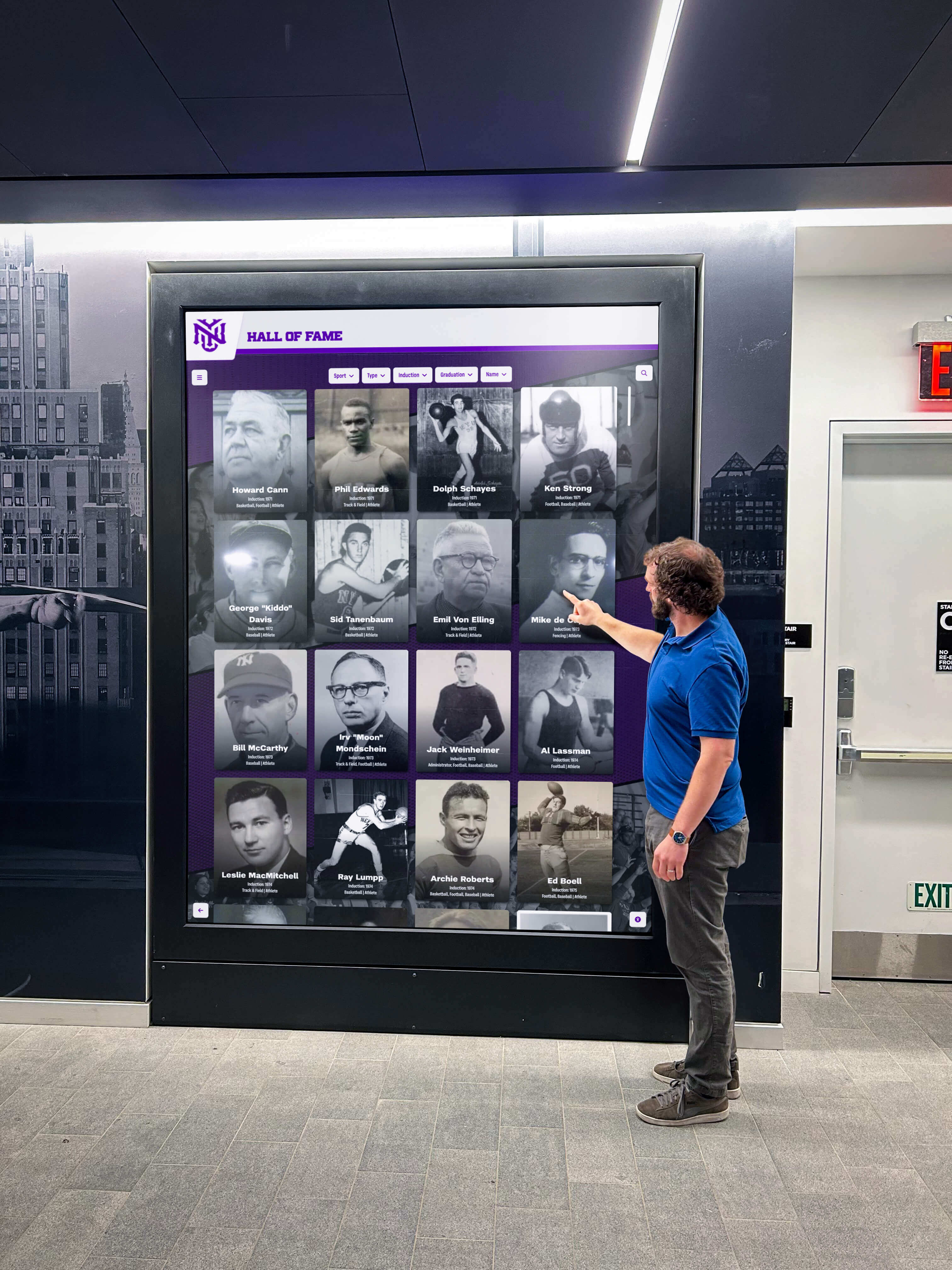
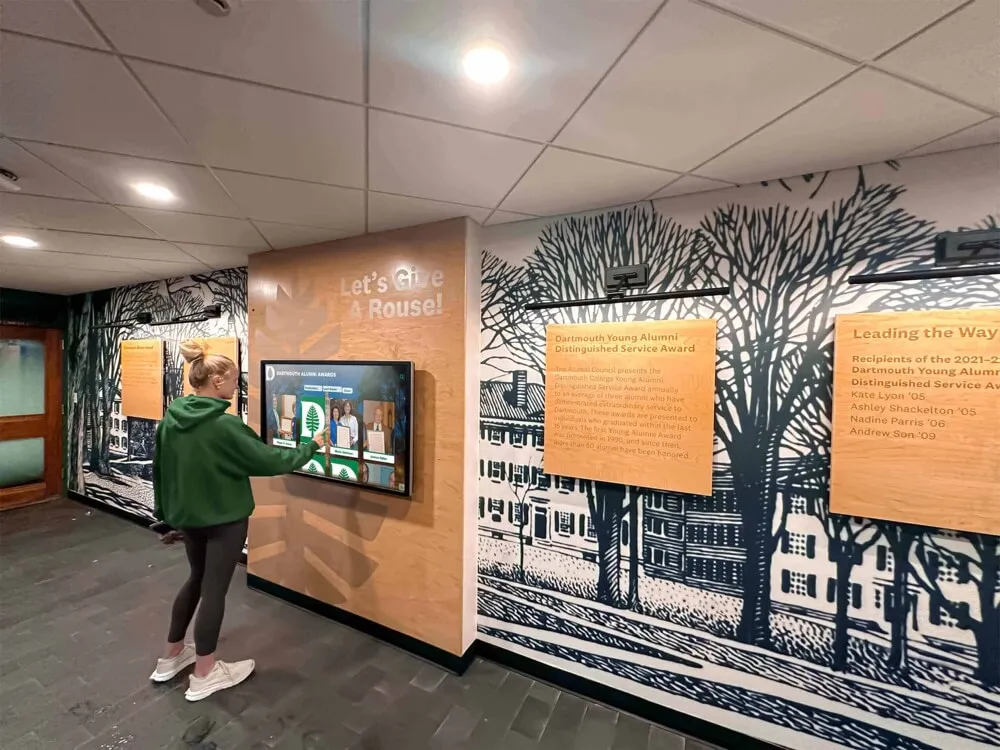
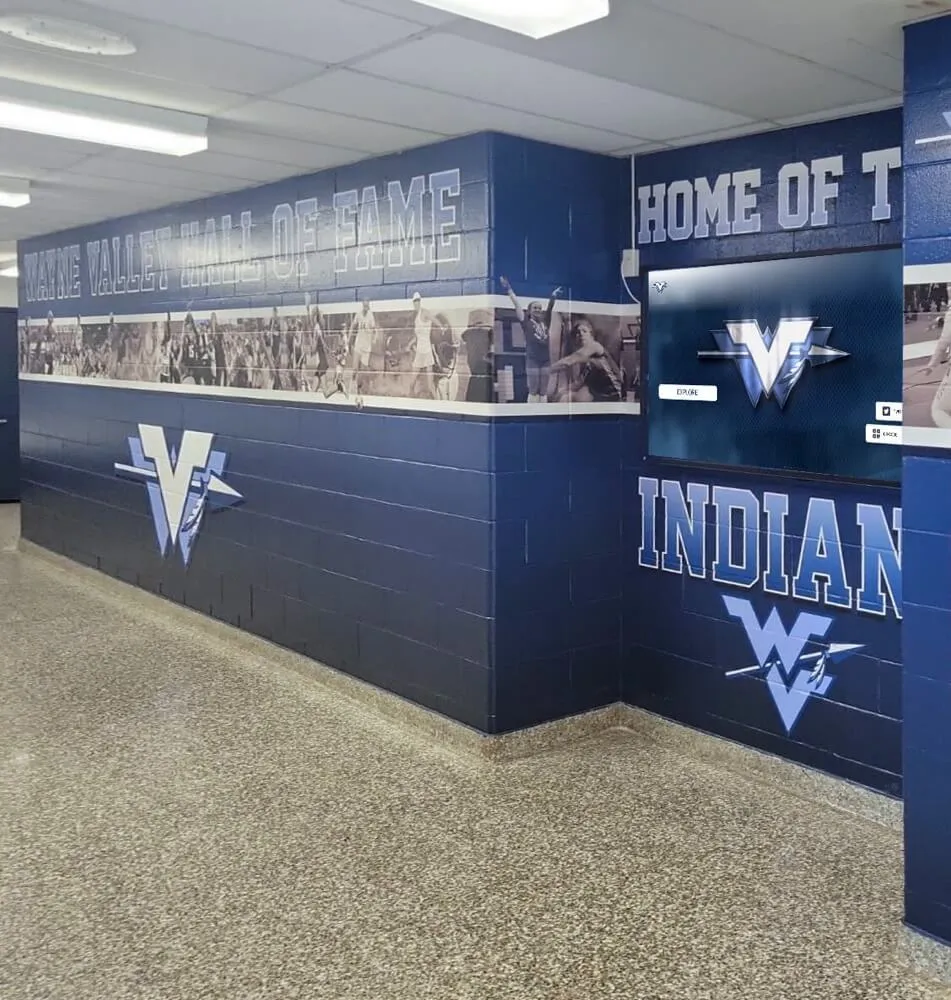
One-time payment options address bond-funded and capital-only procurement scenarios requiring asset ownership
Maintenance Recommendations for One-Time Purchases
Institutions purchasing recognition platforms outright face an important decision: whether to purchase optional annual maintenance or assume responsibility for platform upkeep internally.
Maintenance Value for Recognition Platforms
Annual maintenance contracts provide benefits difficult to replicate internally:
Included Maintenance Services
- Continuous security monitoring and vulnerability patching
- Browser compatibility testing and interface adjustments
- Operating system updates ensuring media player function
- Accessibility compliance as WCAG guidelines evolve
- Performance optimization as content volume grows
- Feature enhancements improving user experience
- Technical support with recognition-specific expertise
- Content management assistance and best practices
Self-Maintenance Challenges
Schools declining maintenance assume responsibility for:
- Monitoring security vulnerability announcements
- Testing platform function after browser updates
- Troubleshooting display failures and connection issues
- Researching accessibility compliance requirements
- Addressing user experience problems independently
- Evaluating competing solutions when replacement becomes necessary
- Migrating content to alternative platforms without vendor assistance
Most schools lack internal IT expertise specifically addressing web-based interactive touchscreen applications. The general-purpose technology coordinator may competently manage network infrastructure and student devices but lack experience with content management systems, touchscreen interfaces, or web application security.
Cost Comparison: Maintenance vs. Self-Support
Annual maintenance typically costs 15-20% of original platform license price. For a $20,000 platform purchase, maintenance runs $3,000-4,000 annually.
Self-support costs vary but include:
- Staff time researching and addressing issues: 10-20 hours annually
- Emergency vendor support purchasing: $200-400 per incident
- Security audit costs: $2,000-5,000 every 2-3 years
- Compliance remediation when gaps identified: $3,000-8,000 per occurrence
- Migration costs when platform becomes obsolete: $10,000-25,000
Many institutions initially decline maintenance to minimize costs, then purchase coverage after experiencing security concerns, accessibility audit findings, or display failures requiring urgent vendor intervention at premium emergency rates.
Recommended Approach
For most schools purchasing recognition platforms outright:
- Include maintenance for first 3-5 years ensuring stable operation
- Evaluate maintenance value based on actual support needs
- Consider self-support only if internal web development expertise exists
- Maintain vendor relationship enabling future assistance if needed
- Budget reserves for migration when platform eventually requires replacement
The maintenance decision shouldn’t be purely financial—it’s fundamentally about risk tolerance and internal capability to address technical issues affecting highly visible institutional displays.
Subscription Models: Continuous Investment Protection
For schools with stable annual technology budgets preferring operational expense treatment, standard subscription pricing offers advantages that one-time purchases and multi-year prepayment cannot match.
Why Annual Subscription Benefits Long-Term Value
Subscription pricing creates vendor incentives aligned with ongoing customer success rather than maximizing upfront revenue then minimizing post-sale investment.
Vendor Accountability Through Recurring Revenue
Subscription models require vendors to earn renewal annually, creating powerful incentives:
Continuous Improvement Motivation
- Feature development maintaining competitive advantage
- User experience refinement reducing friction
- Performance optimization ensuring fast response
- Content management enhancements simplifying administration
- Analytics additions demonstrating engagement value
- Integration capabilities connecting with school systems
Perpetual license vendors generate revenue primarily through initial sales and expensive upgrade cycles—creating incentive to withhold improvements until major versions justify new license purchases. Subscription vendors must continuously improve platforms to retain customers facing annual renewal decisions.
Responsive Support and Maintenance
Annual subscribers represent recurring revenue requiring positive ongoing relationships. Vendors prioritize:
- Fast support response resolving issues before frustration builds
- Proactive monitoring catching problems before users notice
- Regular communication about new features and capabilities
- Training resources helping users maximize platform value
- Community building connecting administrators across institutions
- Feedback incorporation improving products based on user needs
Perpetual license customers, especially those declining maintenance, receive minimal attention once sale completes—the vendor extracted revenue and faces little consequence from dissatisfaction that doesn’t trigger social media complaints affecting new sales.
Shared Success Model
Subscription pricing creates partnership where vendor success depends on customer success. Platforms that don’t deliver value face churn destroying vendor revenue. This alignment means:
- Vendors prioritize reliability preventing display failures
- User experience receives continuous refinement reducing frustration
- Content management streamlines as vendors observe pain points
- Engagement analytics help institutions demonstrate program value
- Best practice sharing across customer base improves outcomes
- Long-term platform viability through sustainable revenue
Discover subscription benefits in best digital signage software comparisons examining business model impacts.
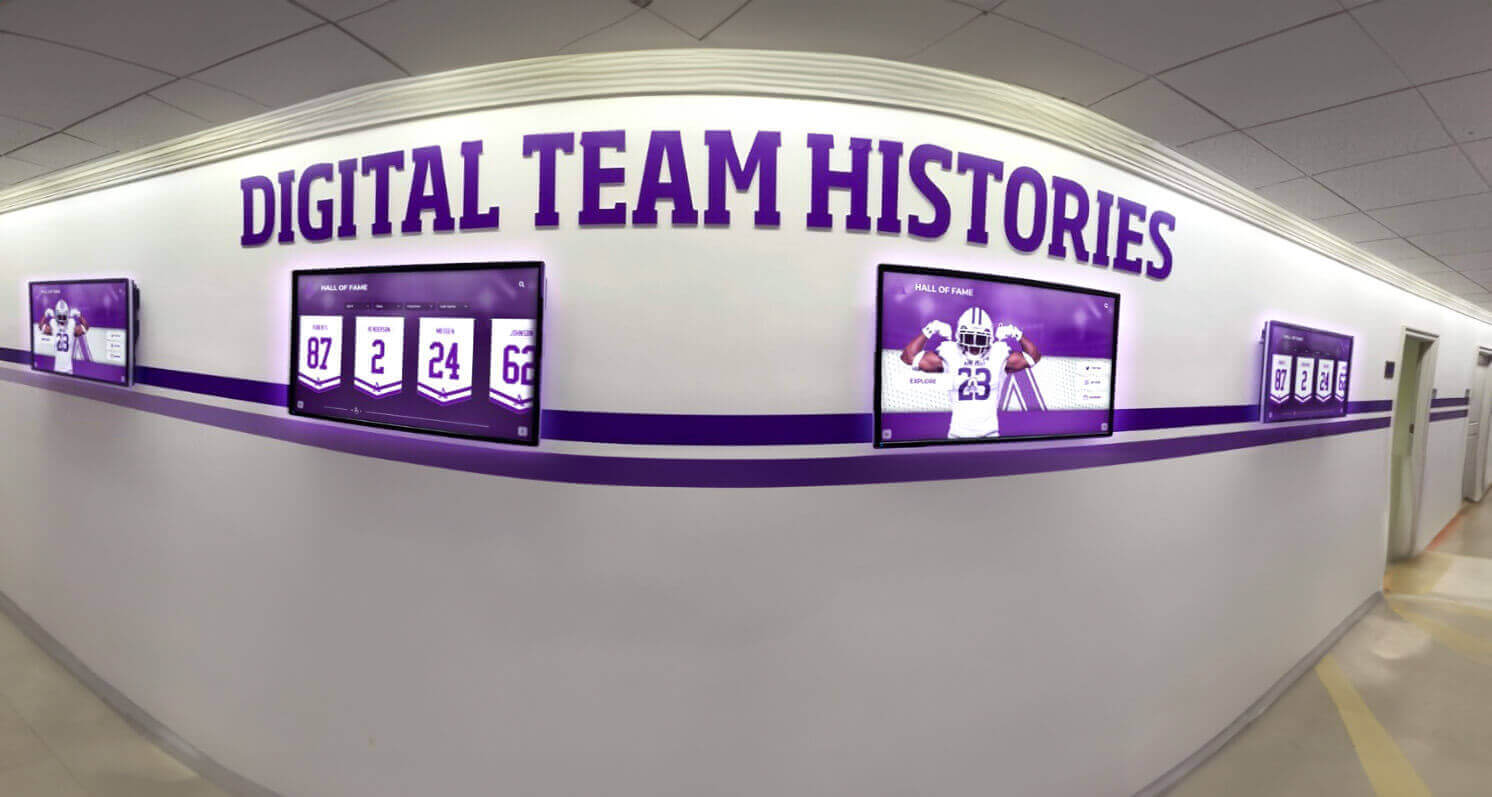
Subscription models fund continuous platform improvements that benefit all users automatically
Automatic Updates Without Disruptive Migrations
The most significant subscription advantage appears in how platform improvements reach users—automatically through background updates rather than disruptive migration projects requiring downtime, professional services, and administrator retraining.
How Cloud-Based Updates Work
Modern recognition platforms deliver improvements transparently:
Seamless Feature Rollout
- New capabilities appearing automatically on admin interfaces
- Enhanced visitor features available without display updates
- Security improvements protecting data without intervention
- Performance optimizations speeding response automatically
- Accessibility enhancements benefiting users immediately
- Bug fixes resolving issues before most users encounter them
Zero-Downtime Deployment
Cloud-hosted platforms update without interrupting service:
- Changes deploy during low-traffic periods automatically
- Display content continues showing during infrastructure updates
- Admin interfaces remain accessible throughout improvements
- Rollback capabilities if unexpected issues arise
- Testing environments validating changes before production
- Gradual rollout limiting blast radius of potential problems
No Migration Projects
Subscription users avoid disruptive version upgrades:
- No “software is EOL, must migrate to v2.0” announcements
- No parallel operation during transitional periods
- No content export/import between platform versions
- No retraining on fundamentally different interfaces
- No custom modification recreation on new architectures
- No negotiation over upgrade costs and timelines
Schools using subscribed recognition platforms for five years experience hundreds of improvements, security patches, and feature additions without a single migration project, service interruption, or administrator retraining session beyond ongoing refinement of existing capabilities.
Contrast with Perpetual License Upgrade Cycles
Institutions purchasing perpetual licenses face periodic major upgrades:
Typical Upgrade Disruption
- Announcement that current version reaches end-of-life
- Evaluation of whether upgrade justifies cost
- Budget allocation for upgrade licensing fees
- Professional services engagement for migration
- Content export from old platform
- New platform configuration and customization
- Content import and verification
- Administrator retraining on changed interfaces
- User communication about new features and navigation
- Parallel operation period testing new platform
- Cutover event switching displays to new system
- Post-migration issue resolution and refinement
This 3-6 month process occurs every 2-4 years for perpetual license platforms—consuming administrator time, introducing change management challenges, and risking content loss or corruption during migration.
Subscription users experience the same functional improvements through continuous enhancement rather than disruptive version jumps—a qualitative difference in operational impact beyond simple cost comparison.
The Shared Codebase Advantage: No One Gets Left Behind
Recognition platform architectures significantly affect how improvements distribute across customer base—subscription models incentivize shared codebase approaches that benefit all users equally.
Single Production Platform Serving All Customers
Rocket Alumni Solutions operates a unified platform where:
- All customers run identical current software version
- Feature improvements benefit everyone simultaneously
- Security patches protect entire customer base equally
- Performance optimizations improve experience universally
- Accessibility enhancements assist all users automatically
- Bug fixes prevent issues across complete customer base
This architecture means small schools receive identical features and improvements as large districts—subscription revenue funds platform development that benefits all users rather than creating feature tiers where only premium subscribers receive attention.
Contrast with Tiered or Versioned Platforms
Some vendors operate multiple platform versions or tier features:
Feature Restriction Tiers
- Basic subscribers lack advanced search and filtering
- Standard tiers omit analytics and reporting
- Premium access required for multi-screen support
- Enterprise features withheld from lower tiers
- Interactive capabilities restricted to highest pricing
Version Fragmentation
- v1.0 customers remain on outdated platforms
- v2.0 users receive current features
- v3.0 available only through expensive upgrades
- Security patches vary by version and tier
- Documentation describes multiple different products
These models create classes where high-revenue customers receive development attention while budget-conscious institutions receive minimal improvement on platforms gradually becoming obsolete.
Why Shared Codebase Benefits All Users
Unified platforms align vendor and customer interests:
- Development investment benefits complete customer base
- No incentive to withhold improvements from lower tiers
- Security and compliance apply universally not selectively
- Documentation, training, and support consistent across users
- Community forums and user groups share common experiences
- Feature requests benefit all users when implemented
Small rural schools subscribing to Rocket Alumni Solutions access identical platform capabilities as major university athletic departments—the subscription revenue difference reflects institution size and use scope, not feature restrictions or artificial capability limits.
This equitable approach means every institution regardless of budget receives continuous security updates, accessibility improvements, browser compatibility maintenance, and feature enhancements that perpetual license models deliver only to customers purchasing expensive upgrades and premium maintenance contracts.
Learn about platform architecture benefits in digital trophy case modernization guides examining shared service advantages.
Addressing Common Budget and Procurement Objections
Administrators evaluating recognition platforms face legitimate concerns about pricing structures, long-term costs, and institutional fit—objections deserving thoughtful responses rather than dismissive sales tactics.
“We Can’t Afford Recurring Payments”
Budget-constrained districts worry that annual subscription commitments create perpetual expenses competing with instructional priorities, facility maintenance, and personnel costs.
Understanding the Total Cost Question
The affordability question shouldn’t compare subscription cost to zero—it should compare subscription cost to realistic alternatives delivering equivalent recognition functionality:
Alternative Recognition Cost Comparison
Traditional Physical Trophy Cases
- Case purchase and installation: $5,000-15,000 per location
- Individual plaques: $40-150 per honoree
- Nameplate engraving: $25-75 per addition
- Annual maintenance and cleaning: $500-1,200
- Facility space consumption: Valuable square footage
- Renovation compatibility: Cases become obstacles during updates
- 10-Year Cost for 500 honorees: $35,000-60,000
Manual Print Recognition Programs
- Program design and layout: $1,500-4,000 annually
- High-quality printing: $2,000-6,000 annually
- Distribution and mailing: $800-2,500 annually
- Event coordination: $1,000-3,000 annually
- Storage and archiving: $400-1,000 annually
- 10-Year Cost: $58,000-164,000
Staff Time Investment
- Manual recognition administration: 100-200 hours annually
- Data collection and verification: 50-100 hours annually
- Physical plaque ordering and installation: 30-60 hours annually
- Event coordination and logistics: 40-80 hours annually
- Documentation and record-keeping: 20-40 hours annually
- Labor value at $30/hour: $72,000-144,000 over 10 years
Digital Recognition Subscription
- Platform subscription: $3,500-6,500 annually
- Hardware (amortized): $1,000-2,000 annually
- Content management: 20-40 hours annually
- Unlimited honoree capacity without per-person costs
- Automatic distribution to all displays without printing
- 10-Year Total Cost: $45,000-85,000
Recognition requires resources regardless of approach—the question isn’t whether to spend money but how to spend it most effectively achieving institutional objectives while minimizing ongoing burden.
Budget Flexibility Options
Schools genuinely unable to accommodate annual subscriptions can explore:
- Multi-year prepayment using available capital funding
- One-time purchase if procurement structure requires it
- Phased implementation starting with single display
- Grant applications treating platform as educational technology
- Booster club funding from community fundraising
- Alumni association sponsorship from engagement budgets
- Memorial or legacy gifts from families honoring graduates
The diversity of funding approaches means most institutions can acquire recognition technology through some mechanism—even if standard annual operational budgets cannot accommodate subscription models.
Explore funding strategies in digital donor wall implementation guides examining alternative financing approaches.

Recognition technology costs must be compared against realistic alternatives, not theoretical zero-cost options
“What Happens After 10 Years?”
Institutions considering long-term prepayment agreements naturally question what happens when contracts expire—will vendors demand exorbitant renewal fees exploiting switching costs?
Platform Lifecycle Realities
Technology platforms have finite useful lifespans before fundamental changes make replacement advisable:
Typical Platform Longevity
- 7-12 years before interface paradigms shift significantly
- 10-15 years before underlying technology becomes obsolete
- 12-18 years before hardware replacement forces evaluation
- Similar timeframe to facility renovations triggering updates
A school prepaying for 10 years in 2026 reaches contract expiration in 2036—by which point:
- Display hardware likely needs replacement (typical 10-12 year life)
- Facility renovations may have occurred requiring display relocation
- Administrative staff has changed requiring fresh evaluation
- Technology expectations evolved requiring platform reassessment
- Competitive landscape shifted offering new alternatives
Long-term contracts don’t create permanent lock-in because natural technology and facility lifecycles create evaluation opportunities independent of contractual expirations.
Post-Contract Options
When prepaid agreements expire, institutions have complete flexibility:
Renewal at Prevailing Rates
- Negotiate new agreement based on current market pricing
- Consider subscription, multi-year, or one-time purchase again
- Evaluate competitive alternatives if dissatisfied with service
- Leverage existing vendor relationship for favorable terms
Platform Replacement
- Own all historical content for export and preservation
- Migrate to competitive platform if superior options emerged
- Return to traditional recognition if digital approach unsuccessful
- Discontinue recognition programs if institutional priorities changed
Hardware Repurposing
- Displays become available for other institutional uses
- Digital signage applications beyond recognition
- Informational kiosks and wayfinding
- Resale to other institutions if hardware remains functional
The fundamental protection isn’t contractual—it’s data ownership ensuring content created over contract duration remains accessible regardless of future vendor relationship. Schools own recognition profiles, photos, videos, and historical information independent of platform continuing.
Vendor Longevity Considerations
Ten-year agreements require confidence that vendors will remain operational throughout contract duration:
Vendor Stability Indicators
- Established operation history (not startup)
- Diverse customer base across institution types
- Sustainable business model not dependent on growth funding
- Customer testimonials reflecting multi-year relationships
- Demonstrated platform evolution addressing changing needs
- Financial transparency or publicly available stability information
Rocket Alumni Solutions operates as an established business serving schools, universities, and organizations across North America—with customers maintaining relationships spanning multiple years demonstrating platform longevity and vendor stability.
“Our District Policy Prohibits Multi-Year Contracts”
Some institutional purchasing policies forbid commitments extending beyond single fiscal years without specific governing board approvals—creating barriers to multi-year prepayment benefits.
Policy Rationale and Exceptions
Multi-year contract prohibitions typically address concerns about:
- Future board limitations from predecessor commitments
- Budget inflexibility when priorities shift
- Vendor performance accountability through annual evaluation
- Competitive bidding opportunities maintaining market pricing
- Appropriation control requiring annual legislative approval
These legitimate governance concerns usually include exception processes for:
Acceptable Multi-Year Commitment Scenarios
- Capital equipment purchases with defined asset life
- Facility leases requiring long-term occupancy agreements
- Debt service on bonds requiring multi-decade payments
- Grant compliance when funding sources require spending timeframes
- Contractual obligations necessary for asset acquisition
Recognition platform purchases often qualify for capital equipment exceptions when:
- Hardware purchase bundled with platform access
- Accounting treatment classifies as depreciable asset
- One-time payment structure resembles equipment acquisition
- Installation integrated with facility improvement project
- Funding source allows or requires multi-year commitment
Approval Process Navigation
Administrators seeking multi-year agreements should:
- Consult purchasing/procurement officer early in evaluation
- Review board policy specific language regarding exceptions
- Prepare justification emphasizing capital nature and cost savings
- Obtain legal counsel opinion on policy interpretation if needed
- Present to board with total cost comparison vs. annual options
- Document competitive process demonstrating market-rate pricing
Many districts successfully obtain multi-year approval by framing recognition platforms as capital equipment with associated software licensing—analogous to copier leases or telecommunications contracts that routinely span multiple years under similar policy frameworks.
Learn about school procurement processes in athletic hall of fame planning guides examining budget approval strategies.
Making the Right Pricing Choice for Your Institution
No single pricing model suits all institutions—the optimal approach depends on funding sources, procurement requirements, budget flexibility, and risk tolerance.
Decision Framework: Matching Pricing to Procurement Reality
Administrators can match pricing structure to institutional circumstances through systematic evaluation:
Subscription Pricing Best Fits
Choose annual subscription when:
- Stable technology budgets accommodate operational expenses
- Annual renewal flexibility preferred over long-term commitment
- Continuous improvement value justifies ongoing payment
- Accounting prefers operating expense vs. capital treatment
- Budget approval processes handle recurring commitments easily
- Risk tolerance favors vendor accountability through annual renewal
Multi-Year Prepayment Best Fits
Choose discounted long-term agreement when:
- Grant funding provides lump-sum allocation with defined term
- Bond measure designates recognition technology spending
- Budget certainty valued more than annual flexibility
- Substantial cost savings (40-50%) justify reduced optionality
- Confidence in vendor longevity over contract duration
- Simplified accounting desired through upfront payment
One-Time Purchase Best Fits
Choose perpetual license when:
- Procurement regulations mandate capital-only purchases
- Institutional policy prohibits multi-year obligations
- Funding source restrictions prevent recurring payments
- Accounting requirements demand asset ownership classification
- Risk tolerance accepts responsibility for ongoing maintenance
- Internal IT capability exists to support platform independently
No choice is objectively superior—each optimizes for different institutional constraints and preferences. The decision framework isn’t “which is best?” but rather “which fits our actual procurement reality?”

The right pricing model matches institutional funding realities rather than forcing all schools into identical procurement
Questions to Ask During Vendor Evaluation
Clarifying pricing structure details during evaluation prevents surprises after commitment:
Critical Pricing Questions
Subscription Model Clarifications
- What exactly does annual subscription include vs. exclude?
- How much do prices typically increase at renewal?
- What happens if we need to skip a year due to budget cuts?
- Can we switch from subscription to purchase if circumstances change?
- What data portability exists if we discontinue service?
Multi-Year Prepayment Clarifications
- What discount structure applies to different commitment lengths?
- How is pricing protected if vendor normally increases rates?
- What happens if vendor discontinues platform during term?
- Can we transfer agreement if institutional merger occurs?
- What maintenance and support level is guaranteed throughout term?
One-Time Purchase Clarifications
- What does perpetual license include vs. require separate purchase?
- Is annual maintenance required or optional?
- What happens to platform function without maintenance?
- How much do major version upgrades cost?
- What data ownership and export capabilities exist?
Universal Questions for All Models
- Are there per-screen fees or display quantity restrictions?
- Do content capacity limits require upgrade purchases?
- Are user accounts limited or unlimited?
- What technical support level comes standard?
- Are training and implementation services included or extra?
These explicit questions reveal whether vendor pricing truly accommodates institutional needs or involves hidden complexity undermining apparent flexibility.
Hybrid Approaches: Combining Models Strategically
Some institutions benefit from creative pricing combinations addressing multiple funding sources or phased implementations:
Potential Hybrid Structures
Initial Purchase + Ongoing Subscription
- Capital purchase of hardware using bond funds
- Annual subscription for software and maintenance
- Separates one-time equipment cost from recurring platform access
- Accommodates funding sources with different restrictions
Phased Multi-Year Commitments
- Initial 3-year prepayment proving value
- Evaluation period before longer commitment
- Option to extend for additional years at renewal
- Reduces risk while capturing prepayment discount
Foundation-Funded Launch + Annual District Support
- Alumni association or foundation funds initial 5-year prepayment
- District budget assumes annual subscription after foundation term
- Demonstrates value before district operational commitment
- Leverages external funding for startup costs
Blended Subscription + Grant Supplementation
- Base annual subscription from district operating budget
- Grant funds pay multiple years upfront reducing annual burden
- Hybrid approach using multiple funding sources
- Reduces annual commitment while maintaining service continuity
Creative financing arrangements can address complex funding situations where no single approach satisfies all constraints—vendors willing to accommodate hybrid structures demonstrate genuine commitment to accessibility rather than forcing institutional adaptation to vendor preferences.
Conclusion: Pricing Flexibility Serves Institutional Needs
The characterization that subscription models “trap schools into perpetual payments” oversimplifies how modern recognition platforms can structure pricing to accommodate diverse institutional procurement realities. While subscription pricing suits many schools with stable technology budgets, it’s neither universally appropriate nor the only option responsible vendors offer.
Rocket Alumni Solutions provides subscription, multi-year prepayment, and one-time purchase options because schools actually acquire funding through varied mechanisms—annual operating budgets, multi-year grants, capital bonds, donor contributions, and hybrid combinations. Forcing every institution into identical procurement ignores the legitimate diversity in how public education finances technology acquisition.
The subscription value proposition isn’t coercing perpetual payment—it’s offering continuous platform maintenance, security updates, accessibility compliance, and feature improvements that protect school investments from obsolescence. For institutions with operational budget capacity, subscriptions deliver superior long-term value by ensuring recognition displays remain functional, secure, and improving rather than degrading over time.
Multi-year prepayment addresses grant-funded and bond-funded implementations requiring budget certainty across extended horizons—substantial discounts (often 40-50% over ten years) make long-term commitments financially attractive when funding structures permit upfront payment.
One-time purchases accommodate procurement regulations and funding restrictions that structurally prevent recurring payment models—enabling schools to acquire recognition technology even when subscription arrangements prove impossible due to regulatory or policy constraints beyond institutional control.
The appropriate pricing model depends entirely on institutional funding reality, procurement requirements, risk tolerance, and budget flexibility. No approach is universally superior—each optimizes for different constraints. The vendor responsibility is accommodating legitimate institutional diversity rather than imposing uniform procurement preferences serving vendor convenience over customer needs.
For schools evaluating recognition platforms, the critical question isn’t whether subscription, prepayment, or purchase is “best”—it’s which structure actually fits how your institution receives funding, satisfies procurement regulations, and aligns with budget planning processes. The right pricing model enables recognition program success by removing financial and administrative barriers, not by forcing institutional adaptation to vendor preferences.
Ready to explore which pricing structure fits your institution’s procurement reality? Discover more about digital recognition display implementation, learn about school technology funding strategies, or book a demo with Rocket Alumni Solutions discussing how flexible pricing options accommodate your specific budget requirements and procurement constraints.