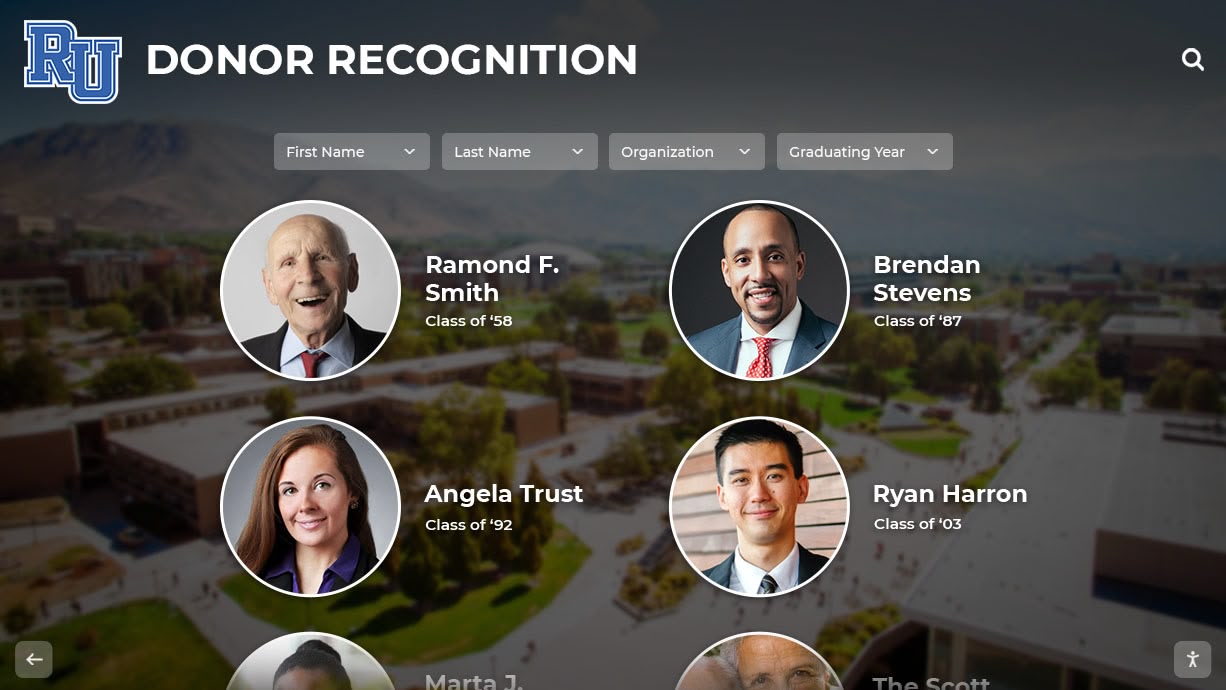




Recognition plaques remain one of the most enduring and meaningful ways organizations honor achievement, commemorate milestones, and celebrate contributions across schools, businesses, nonprofit organizations, and institutions. Whether recognizing employee excellence, celebrating donor generosity, honoring athletic achievements, or commemorating special events, the right recognition plaque communicates appreciation while creating lasting tangible reminders of accomplishments that matter.
Yet selecting, designing, and implementing effective recognition plaques presents challenges many organizations underestimate. What wording strikes the right balance between formal appreciation and genuine warmth? Which design choices create dignified recognition appropriate for professional environments versus school settings? How do traditional plaques fit within modern recognition strategies when organizations face limited wall space, growing recognition needs, and evolving expectations for engaging, meaningful acknowledgment?
This comprehensive guide explores recognition plaque ideas addressing every critical decision—from crafting compelling wording that honors recipients appropriately to selecting design elements reflecting organizational culture, from choosing materials and finishes matching budgets and aesthetics to considering display options including innovative digital alternatives solving traditional limitations while preserving the dignity and impact effective recognition requires.
Whether implementing first formal recognition program or enhancing established systems with fresh approaches, understanding proven plaque strategies helps organizations honor achievements meaningfully while creating recognition cultures where people feel genuinely valued, understand exactly what their contributions accomplished, and remain motivated toward continued excellence and engagement.

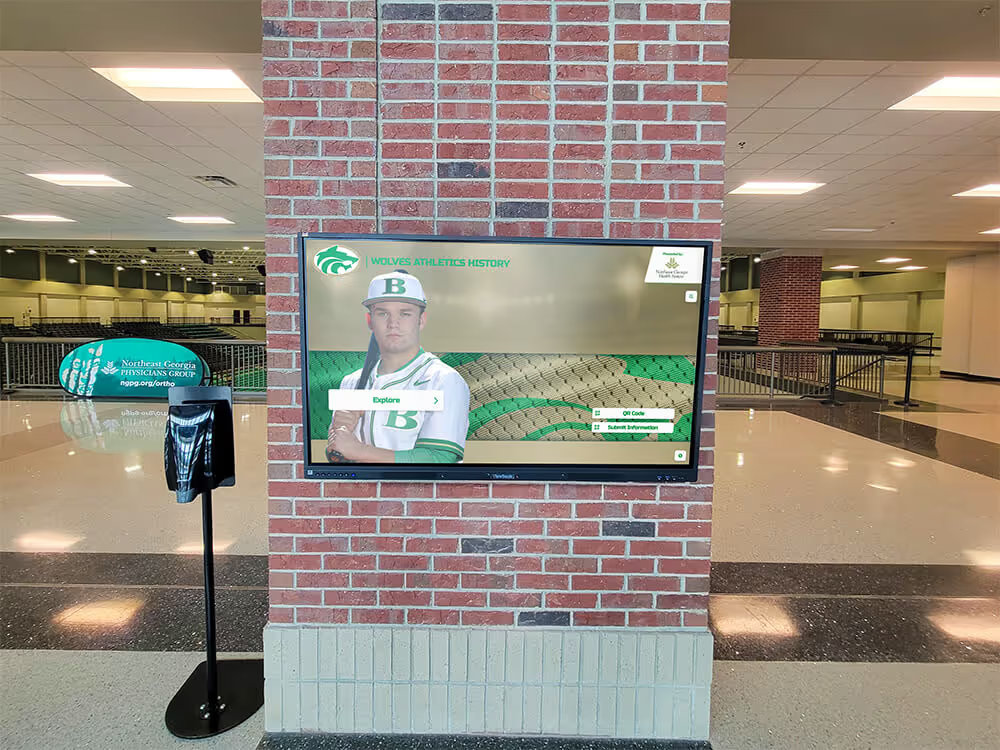
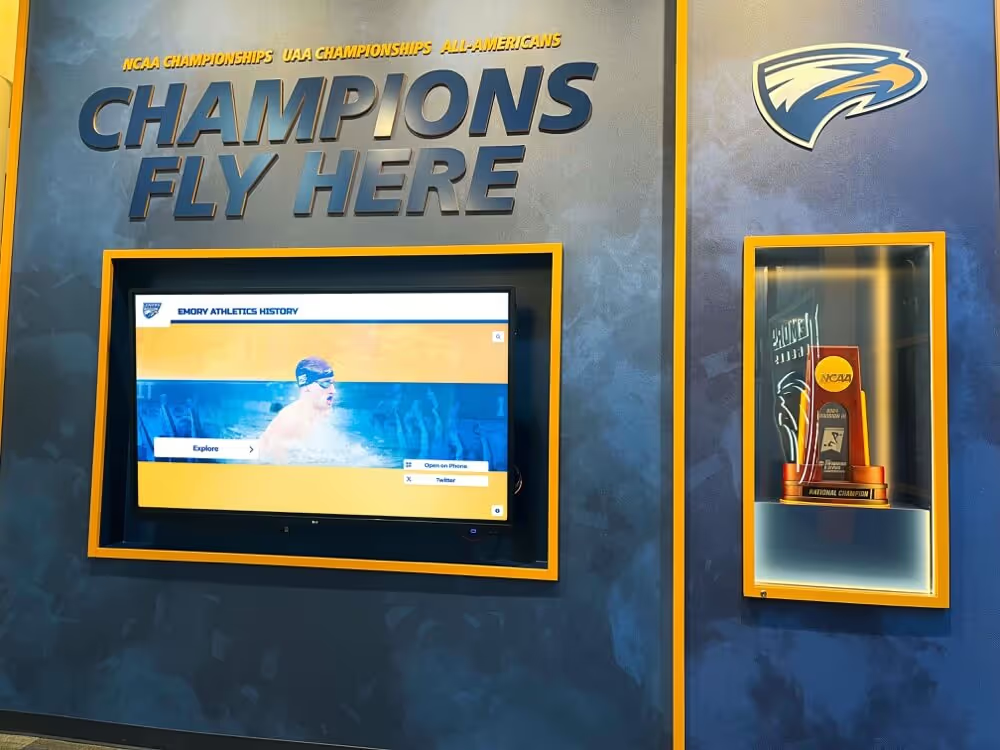
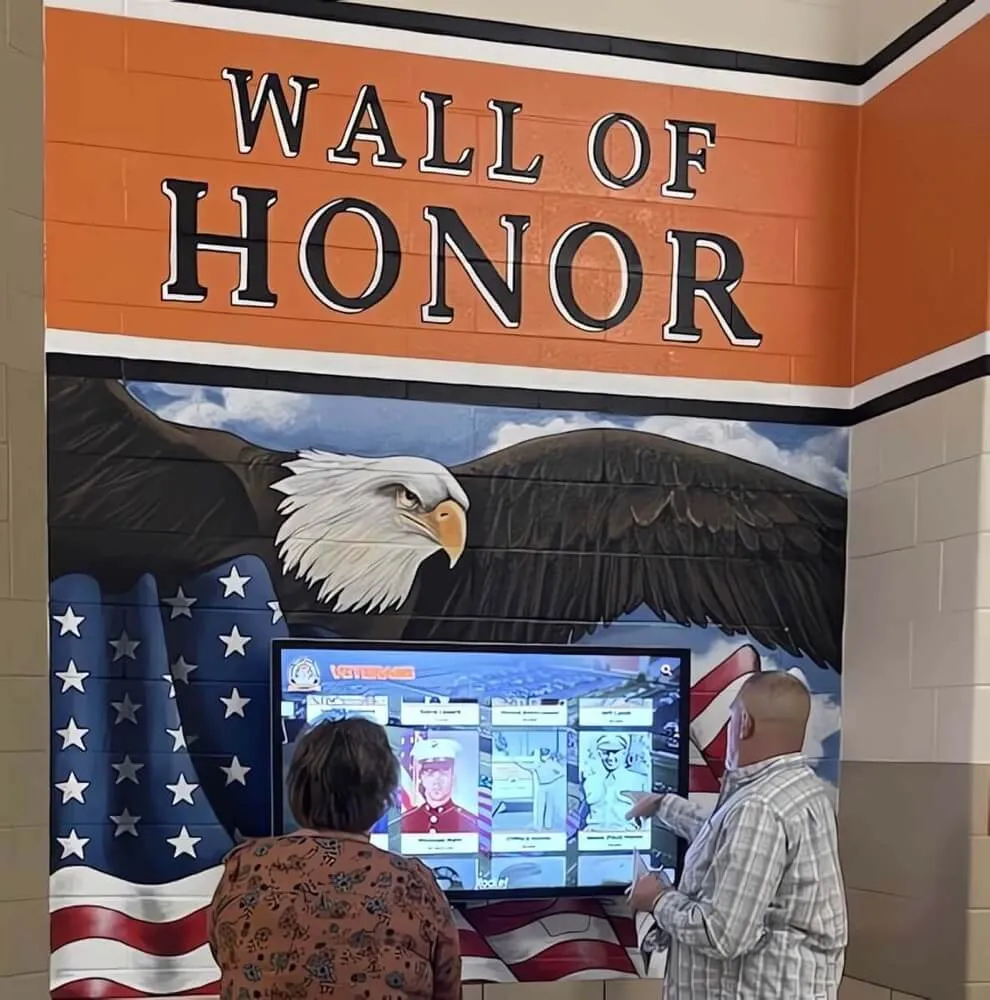
Effective recognition plaques communicate genuine appreciation while creating lasting acknowledgment appropriate for professional environments
Understanding Recognition Plaque Fundamentals
Before exploring specific design and wording approaches, understanding what makes recognition plaques effective provides foundation for creating acknowledgment that genuinely honors recipients while achieving organizational objectives.
What Makes Recognition Plaques Meaningful?
Effective recognition plaques share common characteristics distinguishing them from perfunctory acknowledgment that fails to create emotional impact or lasting value for recipients.
Essential Recognition Elements
Meaningful plaques incorporate specific achievement details rather than generic praise, connect recognition to concrete outcomes and impact rather than simply stating someone received an award, communicate genuine appreciation through tone and wording choices reflecting sincere gratitude, maintain appropriate formality matching organizational culture and recognition context, and create permanent tangible acknowledgment recipients can display proudly demonstrating organizational appreciation.
Recognition Purpose Clarity
The most effective plaques clearly communicate recognition purpose: honoring specific achievement or contribution that occurred, commemorating important milestone or anniversary, celebrating sustained excellence over defined period, acknowledging leadership role or organizational service, memorializing individuals and preserving their legacies, or recognizing donors and supporters enabling important initiatives.
This purpose clarity ensures recognition resonates with recipients while helping observers understand exactly what accomplishments or contributions earned acknowledgment—inspiring others toward similar excellence rather than creating confusion about recognition criteria or standards.
Traditional Recognition Plaque Limitations
While recognition plaques provide valuable acknowledgment, traditional approaches face constraints increasingly problematic as organizations expand recognition programs and adopt more inclusive celebration philosophies.
Physical Space Constraints
The most immediate limitation involves finite wall space. Organizations can only mount limited plaques before exhausting available display areas, forcing difficult decisions about which achievements deserve permanent recognition and which must be acknowledged through temporary or less prominent means. Educational institutions, businesses with decades of history, and successful organizations accumulate more deserving recipients than physical space can accommodate—creating recognition gaps undermining inclusive celebration cultures.
Update and Flexibility Limitations
Traditional plaques become permanent once mounted, making corrections impossible without costly replacement and preventing enhancement as additional information becomes available. Organizations cannot adapt historical recognition when discovering new achievement details, cannot reorganize displays as recognition priorities evolve, and cannot incorporate multimedia elements bringing acknowledgment to life through photos, videos, or interactive storytelling impossible with static installations.
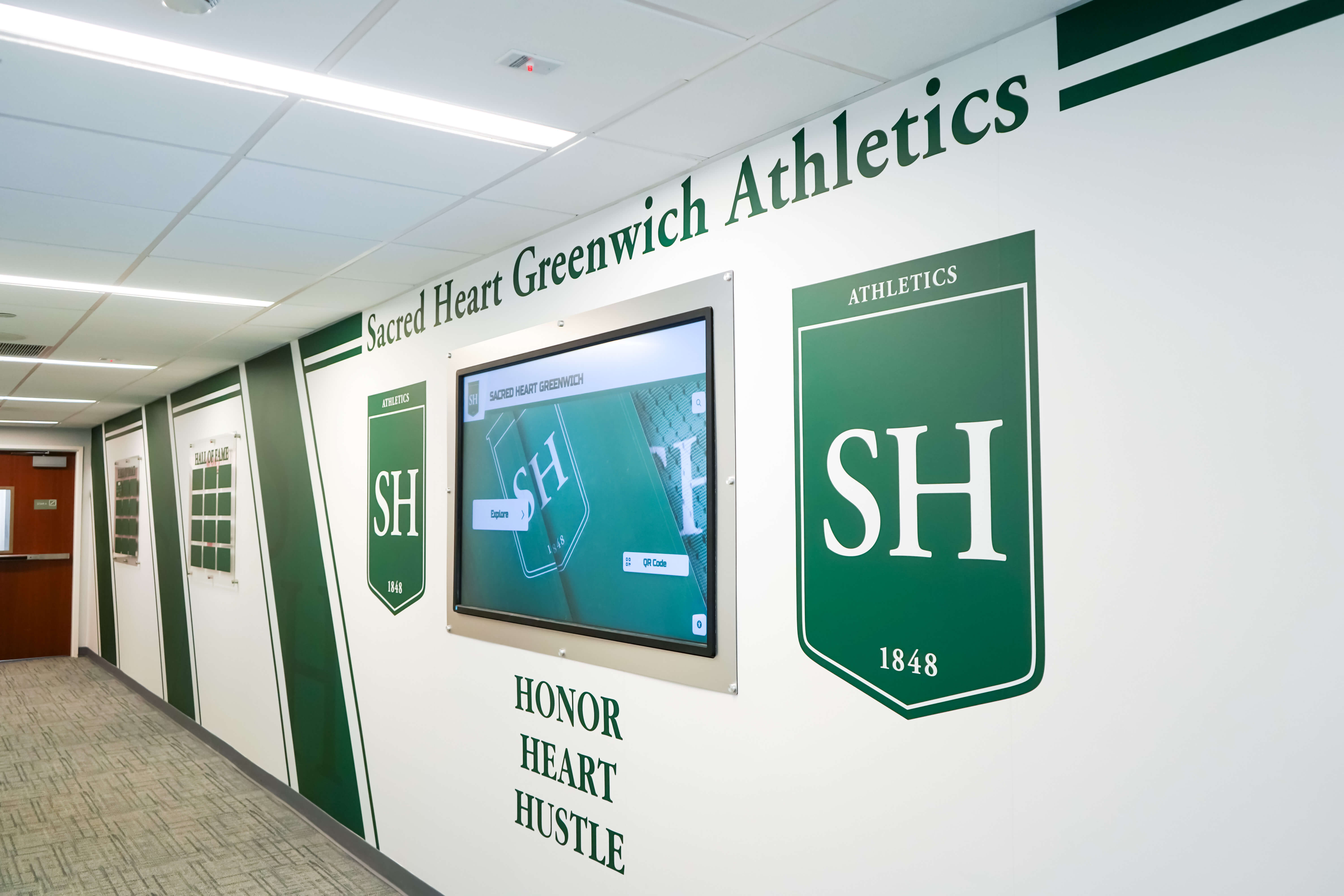
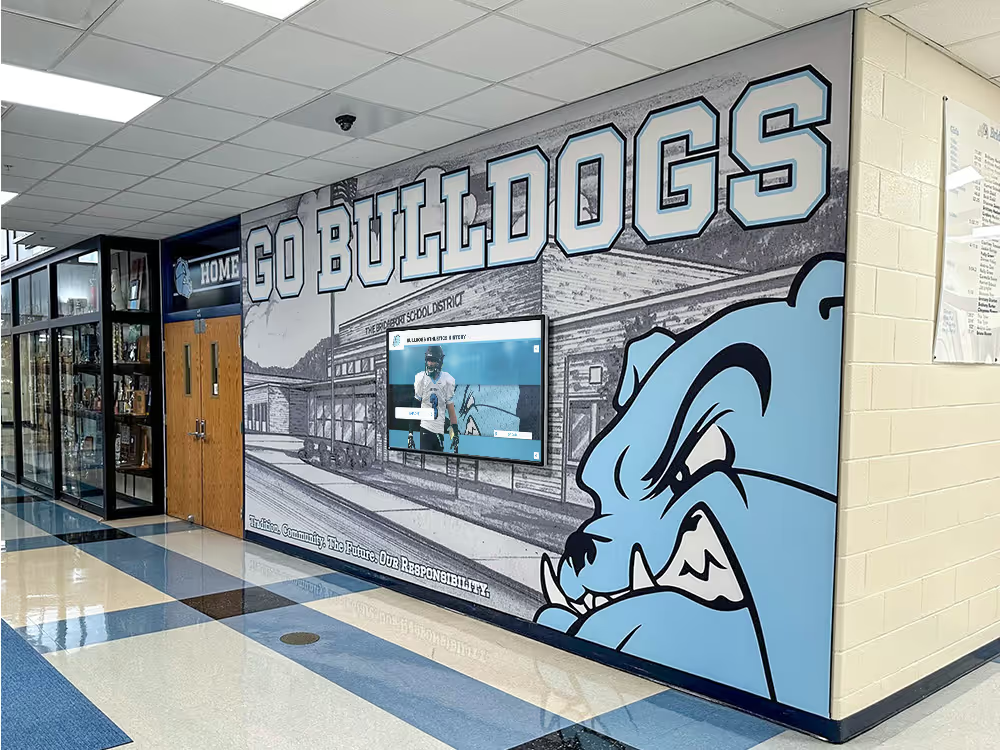
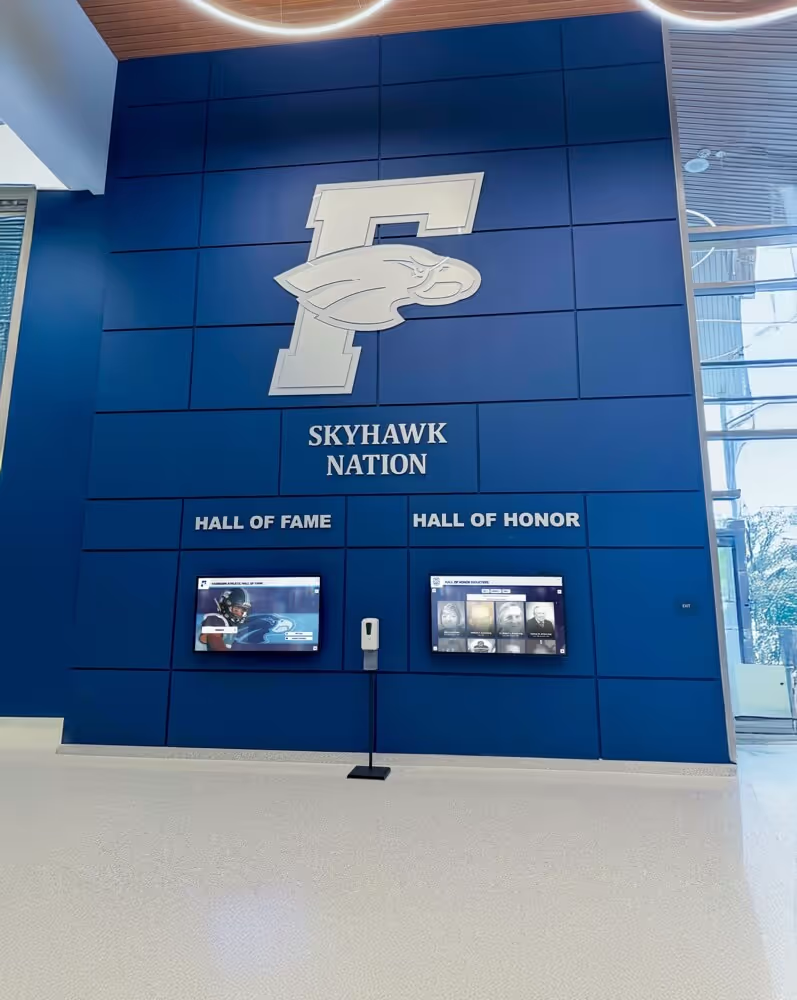
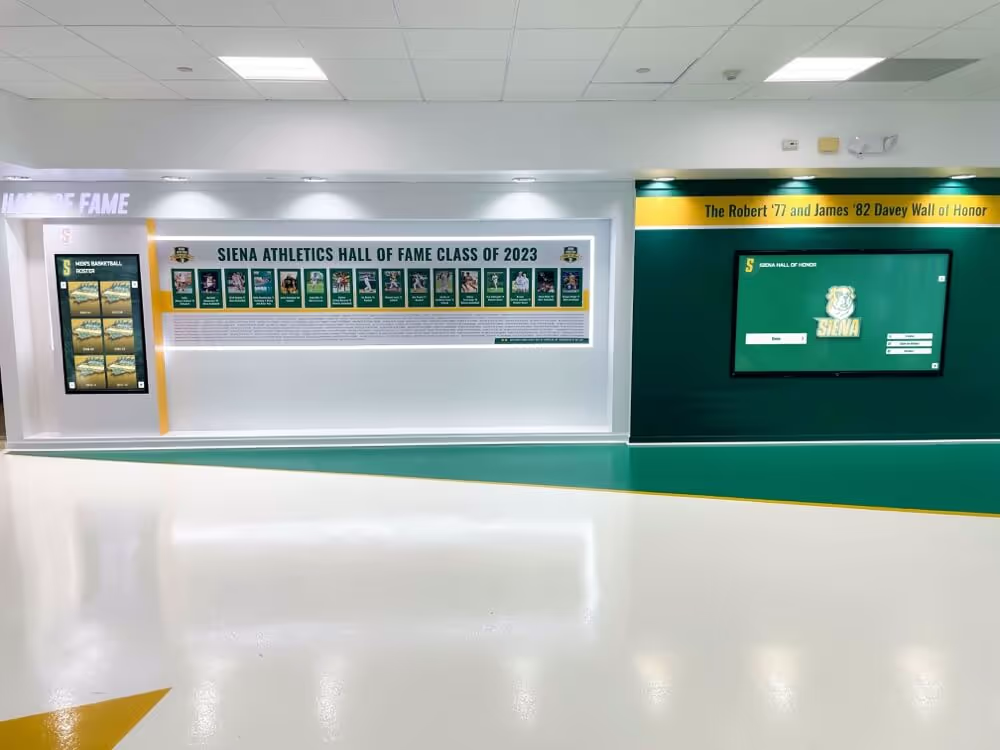
Strategic recognition display placement ensures visibility while creating acknowledgment destinations within organizational facilities
Cost and Maintenance Burdens
Quality recognition plaques cost $150-500+ per installation depending on materials, engraving complexity, and mounting requirements. Organizations recognizing hundreds of individuals face substantial cumulative investments. Additionally, physical plaques require ongoing maintenance—periodic cleaning, occasional refinishing when deterioration occurs, and eventual replacement when materials degrade or institutional remodeling renders existing displays obsolete.
These limitations increasingly lead organizations to explore digital recognition alternatives providing unlimited capacity, instant updates, and rich multimedia storytelling while maintaining dignified acknowledgment appropriate for professional contexts.
Recognition Plaque Wording: Essential Guidelines and Examples
Effective plaque wording communicates genuine appreciation while providing sufficient detail making recognition meaningful rather than generic acknowledgment anyone might receive.
Core Plaque Wording Components
Comprehensive recognition plaques incorporate multiple informational elements working together creating complete acknowledgment.
Essential Information Elements
- Recipient name(s): Formal names spelled correctly using preferred formats and titles when appropriate
- Recognition reason: Specific achievement, contribution, or milestone being honored clearly stated
- Date or time period: When achievement occurred or duration service spanned providing temporal context
- Presenting organization: Institution, company, department, or group providing recognition establishing authority
- Recognition context: Award name, program title, or achievement category clarifying recognition type
- Personalization elements: Brief descriptions, accomplishment details, or impact statements making recognition specific
Optional Enhancement Elements
Depending on recognition purpose and available space, plaques may also include organizational logos or seals, signatures from leadership or key officials, brief quotations or mission statements providing philosophical context, achievement rankings or distinctions when applicable, donor contribution levels for philanthropic recognition, memorial designations or dedications when honoring deceased individuals, and partnership acknowledgments when multiple organizations collaborate.
Employee Recognition Plaque Wording Examples
Employee recognition represents one of the most common plaque applications across organizations of all types and sizes.
Service Anniversary Recognition
Traditional Formal:
In Recognition of
MICHAEL ANDERSON
for Twenty Years of Dedicated Service
to [Organization Name]
2006 - 2026
Your commitment, professionalism, and leadership
have been invaluable to our success
Modern Conversational:
Celebrating
SARAH MARTINEZ
20 Years of Excellence
Thank you for two decades of innovation,
collaboration, and dedication that have
made [Organization Name] stronger every day
2006 - 2026
Achievement and Excellence Recognition
Specific Impact Focus:
Outstanding Achievement Award
PRESENTED TO
David Chen
In recognition of exceptional leadership
on the [Project Name] initiative that
increased operational efficiency by 35%
and set new standards for excellence
[Month/Year]
Values-Based Recognition:
CORE VALUES CHAMPION
Jennifer Thompson
Your integrity, innovation, and commitment to
teamwork exemplify our organizational values
and inspire colleagues to excellence daily
Employee of the Year 2026
Explore comprehensive employee recognition approaches addressing diverse acknowledgment strategies beyond traditional plaques.

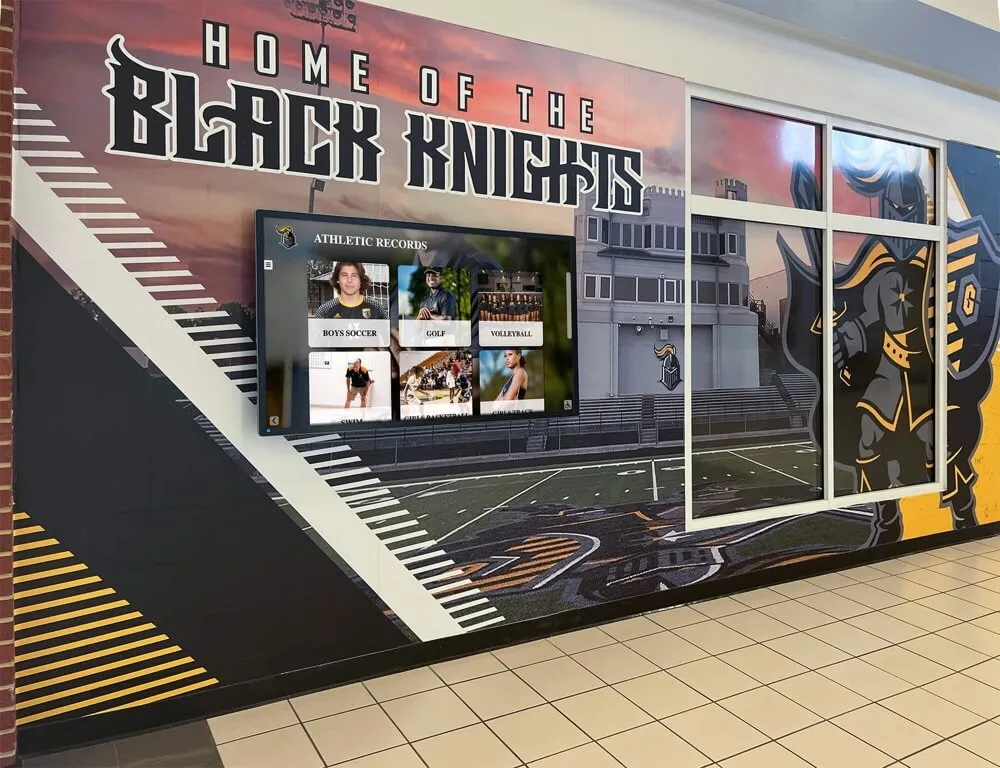
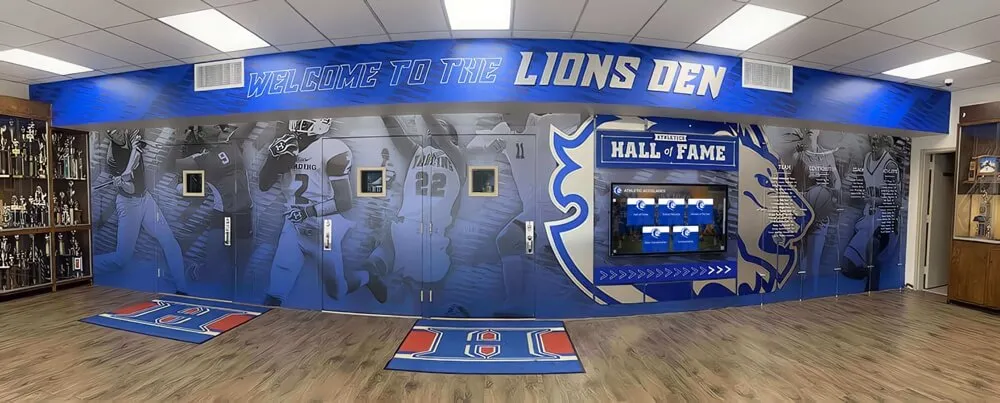
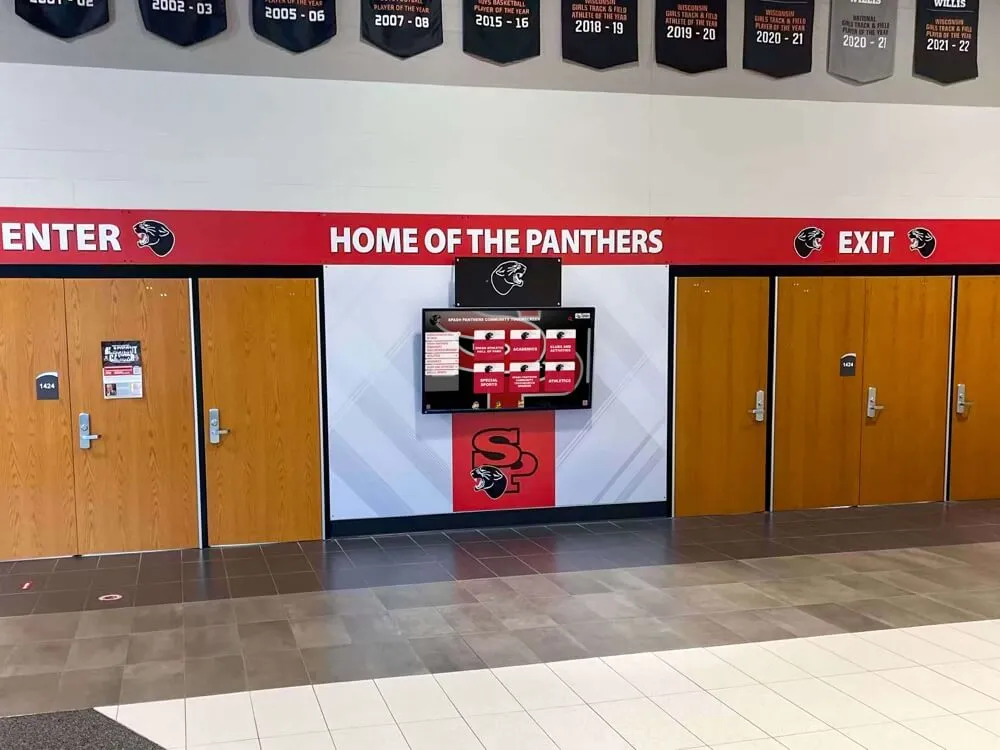
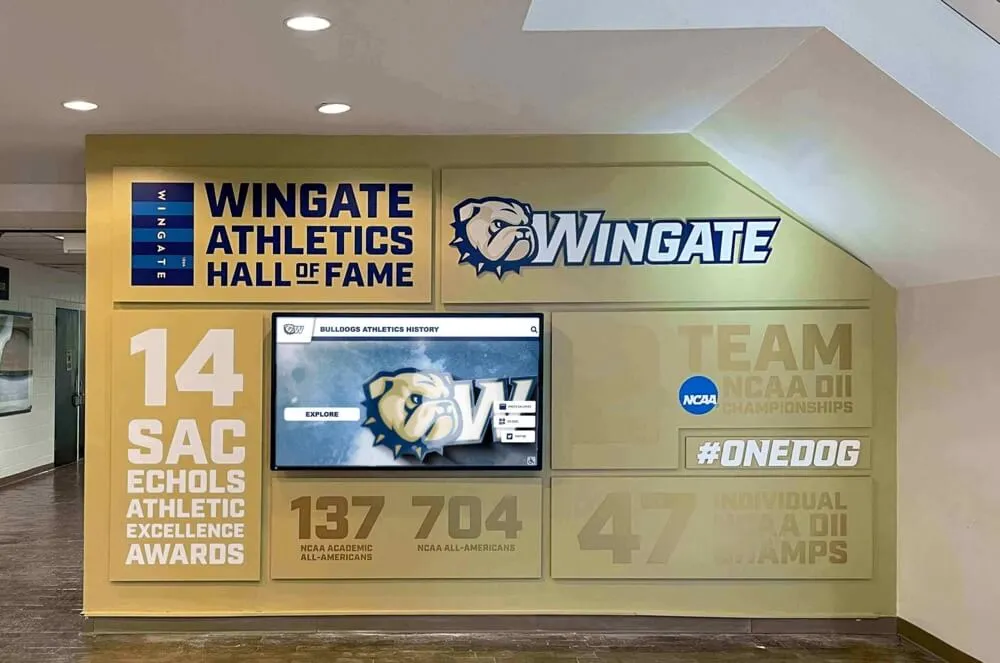
Professional recognition installations create visible cultures celebrating achievement while inspiring continued excellence
Donor Recognition Plaque Wording Templates
Philanthropic acknowledgment requires balancing gratitude with appropriate dignity reflecting contribution significance.
Major Gift Recognition
Leadership Level:
THE [CAMPAIGN NAME] LEADERSHIP SOCIETY
honors the transformational generosity of
ROBERT AND MELISSA DAVIDSON
whose visionary philanthropy made possible
[Specific Initiative or Facility]
enabling our institution to serve our community
with excellence for generations to come
[Year]
Program Support:
In Grateful Recognition of
THE ANDERSON FAMILY FOUNDATION
Supporting Excellence in [Program Area]
Your generous investment empowers
[Number] students annually, creating
opportunities that transform lives
and strengthen communities
[Year Range]
Memorial and Tribute Recognition
Honoring Deceased:
IN LOVING MEMORY
Dr. William Morrison
1945 - 2024
Dedicated Educator | Inspiring Mentor | Cherished Colleague
His passion for teaching, commitment to students,
and unwavering integrity touched countless lives
and continue inspiring our community
This space honors his legacy
Learn about comprehensive donor recognition strategies addressing effective acknowledgment across diverse contribution levels and recognition contexts.
Academic and Athletic Achievement Plaques
Educational institutions honor diverse achievements requiring specialized wording approaches matching specific recognition contexts.
Academic Excellence Recognition
Honor Society:
NATIONAL HONOR SOCIETY
Class of 2026 Inductee
EMILY RODRIGUEZ
In recognition of outstanding scholarship,
exemplary character, demonstrated leadership,
and meaningful service to school and community
[School Name]
Valedictorian Recognition:
VALEDICTORIAN
Class of 2026
ALEX JOHNSON
Achieving the highest academic distinction
through four years of exceptional scholarship,
intellectual curiosity, and dedication to excellence
[School Name]
Discover comprehensive approaches in academic recognition programs addressing diverse achievement celebration strategies.
Athletic Achievement Recognition
Championship Recognition:
STATE CHAMPIONSHIP
Varsity Football
[Year]
IN RECOGNITION OF
Head Coach JAMES MARTINEZ
Assistant Coaches | Team Captains | [Record]
Exemplifying dedication, teamwork, and
competitive excellence that brought honor
to [School Name] and our community
Individual Athletic Honor:
ATHLETIC HALL OF FAME
Inductee [Year]
MARCUS WILLIAMS
Basketball | Class of 2018
Three-time All-State Selection
School record holder: Career Points (2,847)
Conference Player of the Year (2017, 2018)
Your exceptional talent, sportsmanship, and
leadership continue inspiring future athletes
Explore athletic recognition best practices with specialized approaches for comprehensive sports acknowledgment programs.
Professional Certification and Qualification Plaques
Professional organizations honor credential achievement requiring distinctive wording approaches.
Board Certification Recognition
BOARD CERTIFIED
[Professional Credential]
DR. PATRICIA ANDERSON
Awarded by [Certifying Organization]
In recognition of advanced expertise,
continuing education excellence, and
demonstrated commitment to professional standards
[Year]
Licensure and Accreditation
Licensed [Professional Designation]
State of [Location]
License Number: [Number]
Authorized to practice since [Year]
Recognition Plaque Design: Materials, Layouts, and Visual Elements
Beyond wording, design choices significantly impact how recognition plaques communicate appreciation and integrate within organizational environments.
Material Selection and Finishes
Plaque materials convey different messages about recognition significance, organizational culture, and aesthetic preferences.
Traditional Premium Materials
- Solid brass: Classic choice projecting permanence, formality, and traditional institutional aesthetics ($200-400+)
- Bronze: Similar aesthetic to brass with slightly darker patina developing over time ($250-500+)
- Hardwood (walnut, cherry, oak): Warm, traditional appearance appropriate for professional and educational contexts ($150-300)
- Marble or granite: Ultimate in permanence and formality for major recognition or memorial applications ($300-600+)
Contemporary Material Options
- Stainless steel: Modern aesthetic with clean lines appropriate for technology companies and contemporary spaces ($150-350)
- Glass or acrylic: Contemporary look with design flexibility through etching, layering, and coloring ($100-250)
- Aluminum composite: Durable, versatile, cost-effective option accommodating diverse design approaches ($75-200)
- Eco-friendly materials: Reclaimed wood, recycled materials appealing to sustainability-focused organizations ($100-300)
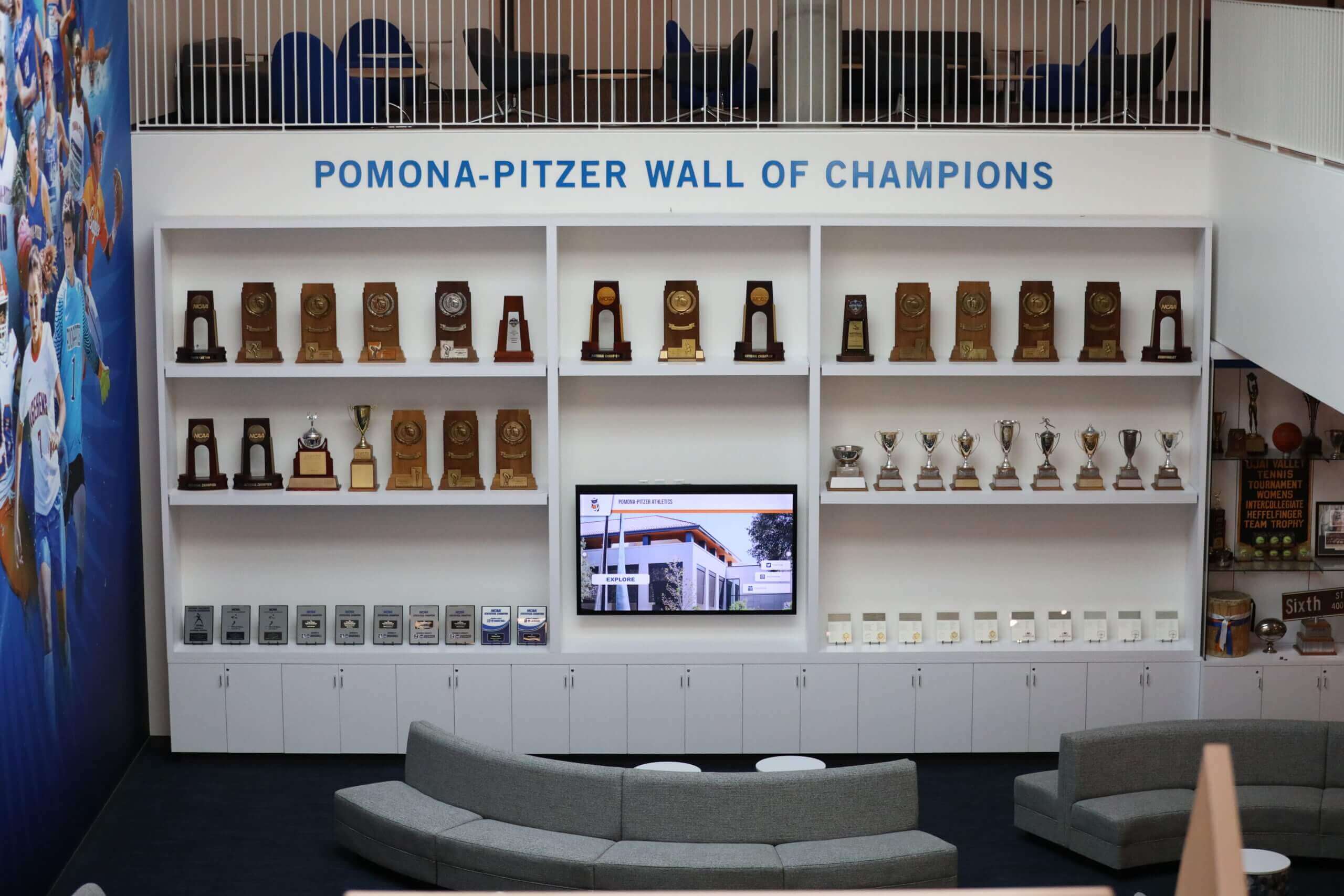
Material and design choices should complement existing architectural elements while maintaining appropriate recognition dignity
Finish Considerations
Beyond base materials, finishes significantly impact visual appearance: polished versus brushed metal creating different light reflections and maintenance requirements, natural versus stained wood affecting color warmth and grain visibility, matte versus glossy surfaces changing readability under different lighting conditions, and protective coatings preventing deterioration in challenging environments with humidity or sunlight exposure.
Layout and Typography Principles
Effective plaque design creates visual hierarchy guiding viewers’ attention while ensuring complete readability and appropriate aesthetic dignity.
Visual Hierarchy Fundamentals
Recognition plaques should establish clear information priority through typographic choices: recipient names as largest, most prominent text elements ensuring immediate identification, achievement or recognition reason as secondary emphasis explaining acknowledgment, supporting details in smaller type providing context without overwhelming primary information, and organizational attribution maintaining presence without competing with recipient focus.
Typography Selection Guidelines
Font choices significantly impact recognition tone and readability:
- Serif fonts (Times New Roman, Garamond, Baskerville): Traditional, formal appearance appropriate for conservative organizations and memorial contexts
- Sans-serif fonts (Helvetica, Arial, Futura): Contemporary, clean aesthetic suited for modern organizations and technical contexts
- Script or calligraphic fonts: Elegant, decorative appearance appropriate only for recipient names or brief text avoiding readability problems
- Specialty fonts: Used sparingly only when strongly aligned with organizational branding requiring consistency across materials
Avoid excessive font variety—limit plaques to 2-3 complementary typefaces maximum preventing visual chaos while maintaining appropriate hierarchy and readability even from distances.
Logo and Graphic Element Integration
Visual elements beyond text enhance recognition plaques when used thoughtfully without overwhelming acknowledgment focus.
Organizational Branding Elements
Incorporating institutional logos, seals, or emblems strengthens organizational identity while establishing recognition authority. Position branding elements prominently but not dominantly—typically upper corners or header positions maintaining visual balance while ensuring recipient recognition remains central focus rather than competing with organizational self-promotion.
Decorative and Symbolic Elements
Appropriate decorative elements reinforce recognition meaning: border designs framing information creating finished appearance, achievement-specific icons or symbols (academic caps, athletic equipment, industry tools), subtle background patterns adding visual interest without reducing readability, and symbolic imagery representing organizational values or recognition themes when culturally appropriate and meaningful rather than arbitrary decoration.
Color Considerations
Traditional plaques often feature limited color palettes emphasizing material natural tones, but contemporary approaches increasingly incorporate color through painted elements, colored materials, or digital printing: organizational brand colors reinforcing institutional identity, metallic accents (gold, silver, bronze) traditionally associated with achievement levels, contrasting colors improving readability especially for vision-impaired viewers, and meaningful color symbolism when culturally significant to recognition context.
Recognition Plaque Display Options and Placement Strategies
Even perfectly designed plaques fail achieving intended impact without strategic display planning ensuring visibility, accessibility, and appropriate environmental integration.
Traditional Physical Display Approaches
Conventional plaque mounting requires careful consideration ensuring secure installation, appropriate visibility, and architectural compatibility.
Wall-Mounted Individual Plaques
Standard approach involves mounting plaques directly on walls using brackets, adhesive, or screws appropriate for wall materials and plaque weights. Consider viewing heights—typically 54-60 inches from floor to plaque center for standing adult comfortable viewing, lighting conditions ensuring readability without glare obscuring engraved or printed text, grouping strategies when displaying multiple plaques creating organized rather than random appearance, and spacing between plaques preventing overcrowding while maximizing wall capacity.
Recognition Walls and Halls of Fame
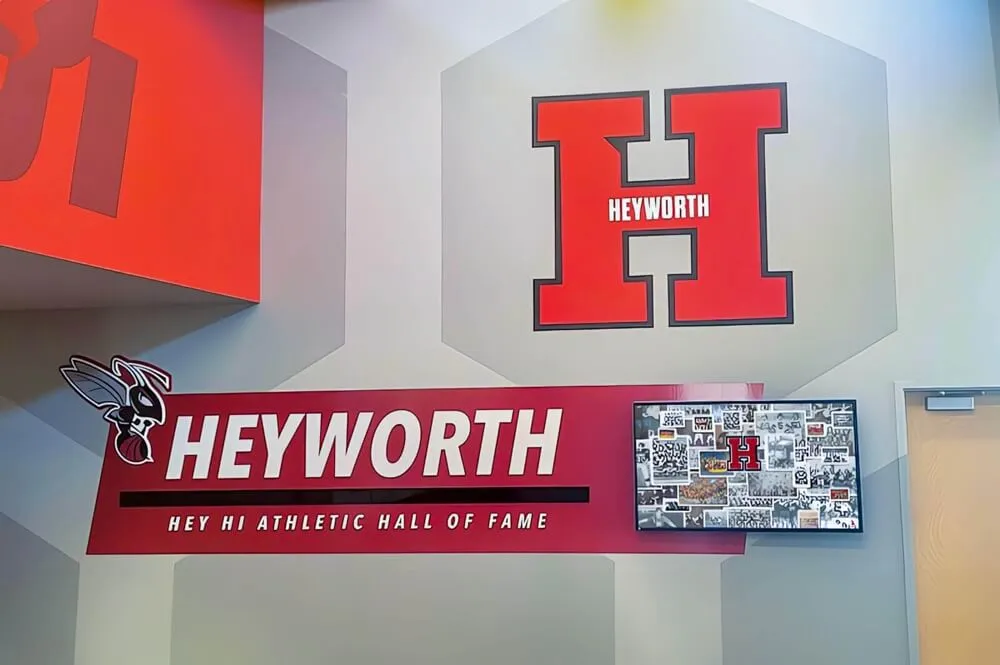
Organizations with extensive recognition needs often designate specific areas as recognition destinations: dedicated hallways or corridors transformed into recognition galleries through cohesive design, lobby installations ensuring maximum visibility as people enter facilities, departmental recognition areas celebrating specific team or functional achievements, and specialized recognition rooms serving as destinations for tours, events, and gatherings.
Discover comprehensive approaches in recognition wall creation guides addressing strategic display planning and environmental integration.
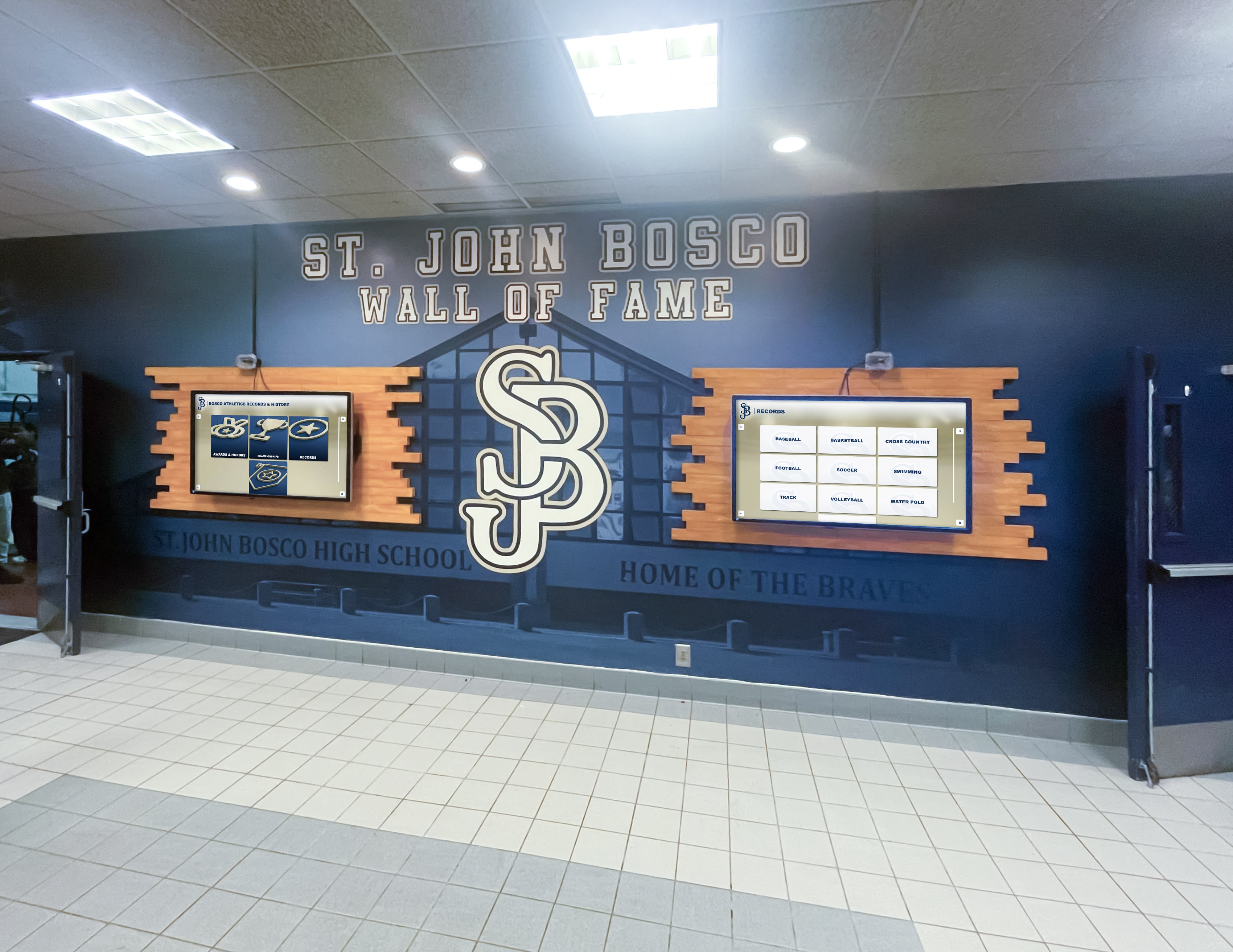
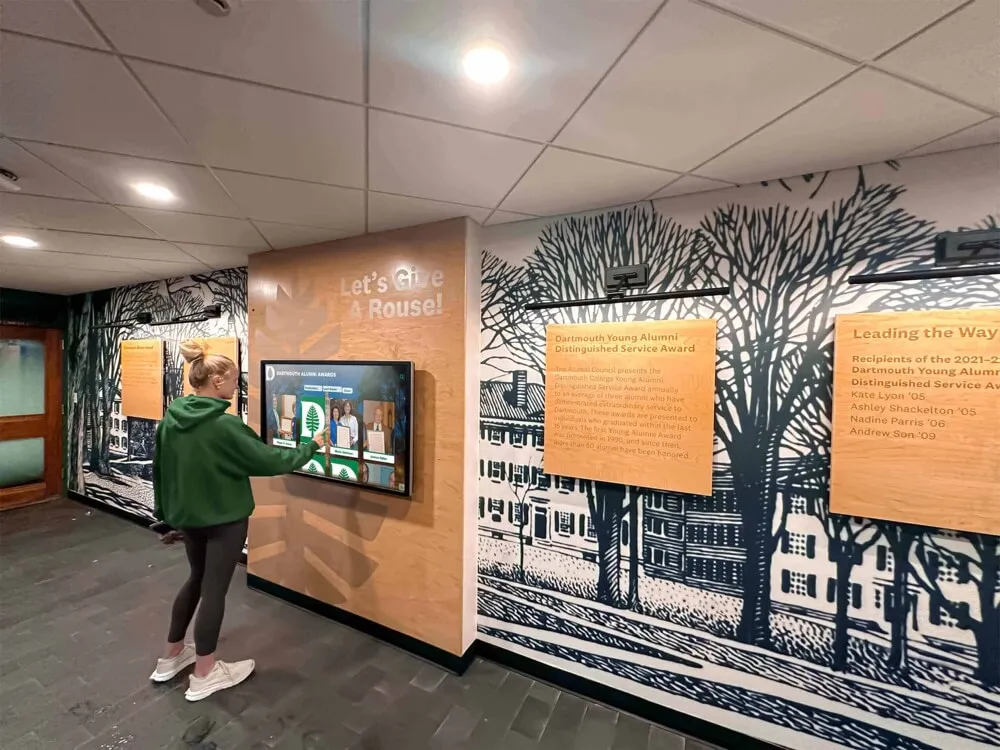
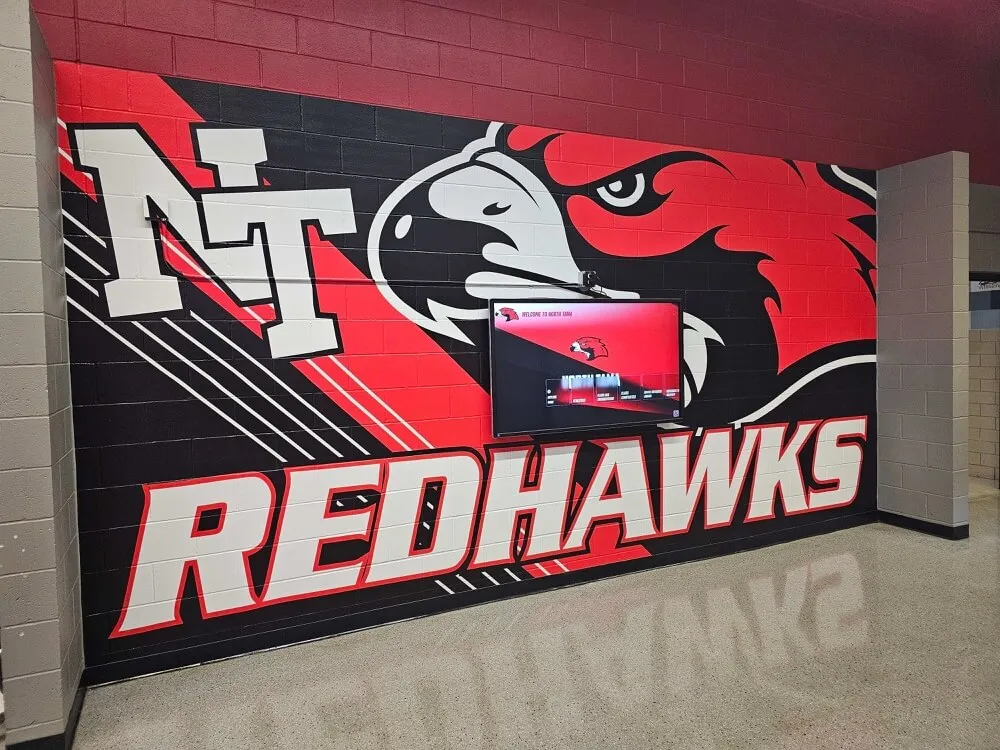
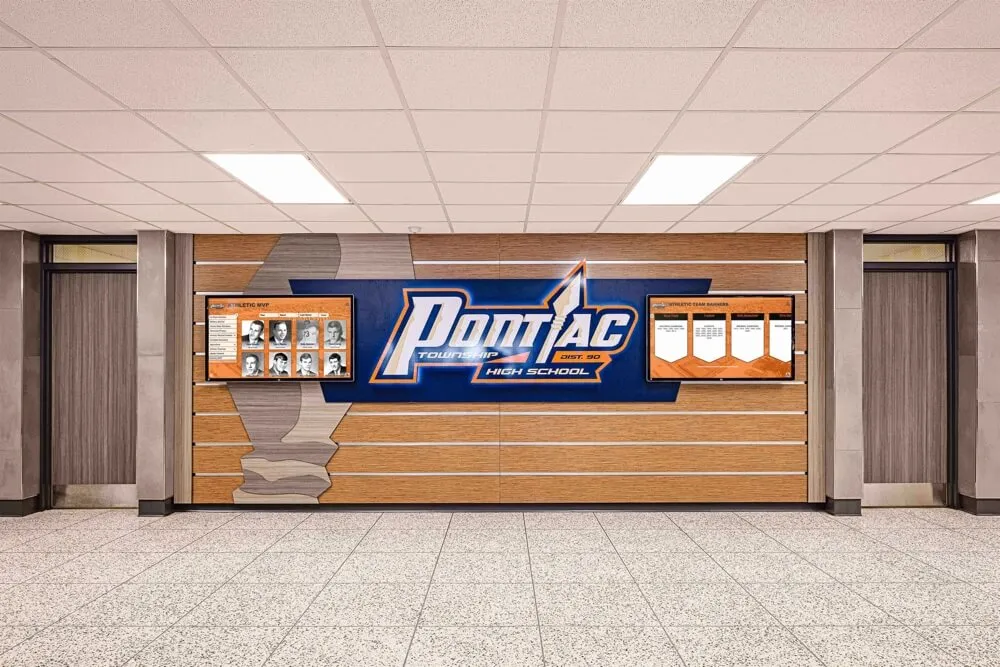
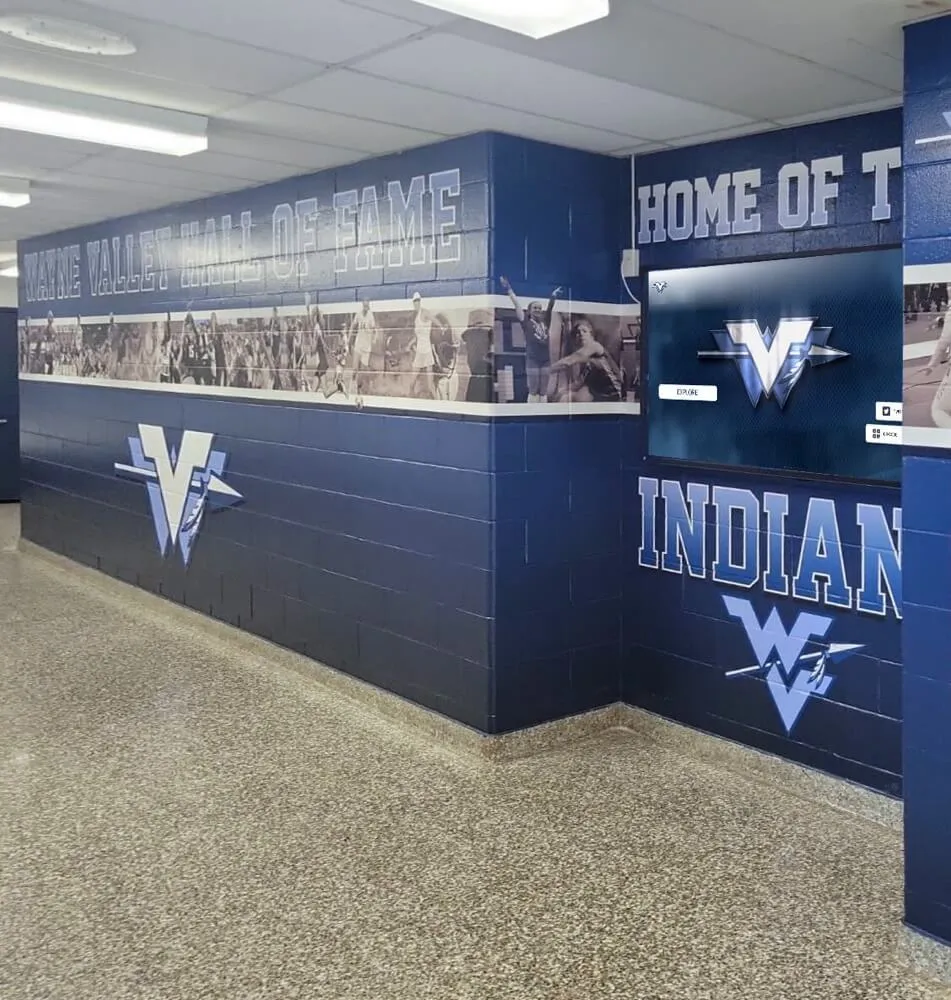
Coordinated recognition areas create dignified destinations celebrating achievements while ensuring comprehensive visibility
Display Cases and Protected Environments
Some contexts require protected plaque display preventing damage or theft: glass-fronted cases securing valuable plaques while maintaining visibility, museum-style vitrines for historical or especially significant recognition, outdoor enclosures protecting plaques in exterior environments from weather exposure, and rotating displays accommodating larger recognition volumes than available space allows permanent mounting.
Environmental and Architectural Integration
Recognition effectiveness depends partly on how thoughtfully displays integrate within existing spaces rather than appearing as afterthoughts cluttering facilities.
Architectural Compatibility
Plaque materials, colors, and mounting approaches should complement rather than clash with existing architectural elements: traditional buildings often suit brass, bronze, or wood plaques matching historical character, modern facilities may favor steel, glass, or acrylic reflecting contemporary aesthetics, color palettes coordinating with existing finishes preventing visual discord, and mounting methods appropriate for surface materials (brick, drywall, concrete) ensuring secure installation.
Lighting Considerations
Proper illumination dramatically affects recognition visibility and impact: directed lighting highlighting recognition areas drawing attention and improving readability, avoiding excessive glare making engraved or printed text difficult reading especially for older viewers, consistent lighting levels across multiple plaques ensuring equal visibility regardless of position, and emergency lighting considerations when recognition appears in corridors serving as egress paths.
Maintenance Accessibility
Recognition displays require periodic maintenance best accommodated through thoughtful planning: mounting heights enabling cleaning without ladders or special equipment, material choices resisting deterioration in specific environments (humidity, sunlight, temperature), protective treatments preventing tarnishing, fading, or physical damage, and sufficient access enabling plaque removal for refinishing when eventually needed.
Modern Alternative: Digital Recognition Display Solutions
While traditional plaques provide valuable acknowledgment, organizations increasingly explore digital recognition alternatives solving fundamental limitations while maintaining appropriate dignity honoring achievements effectively.
Understanding Digital Recognition Displays
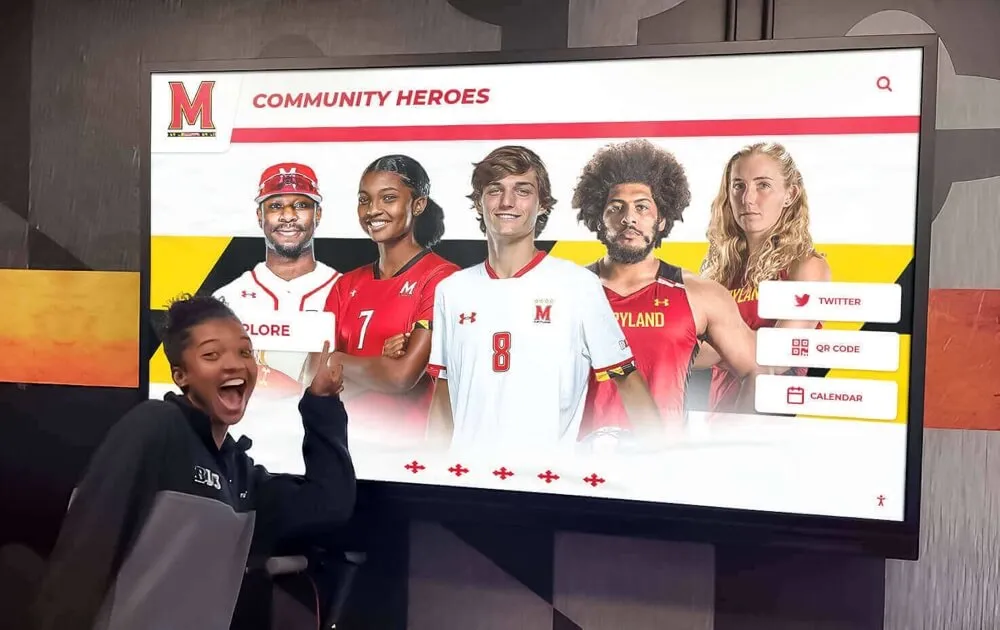
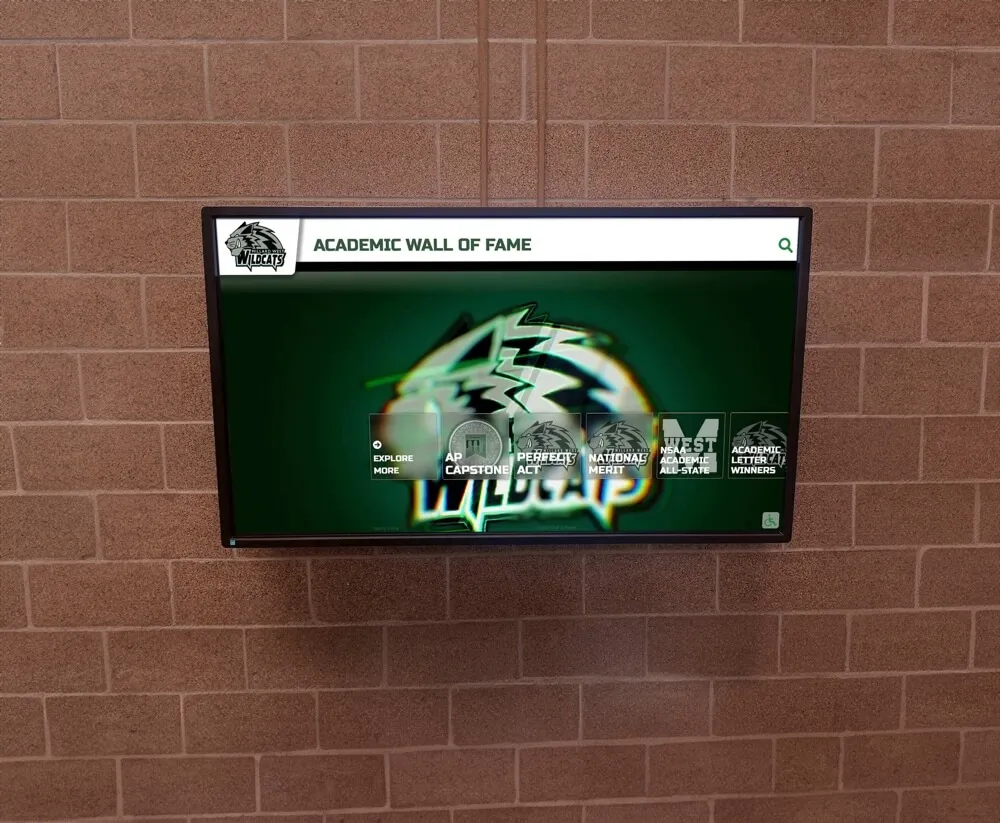
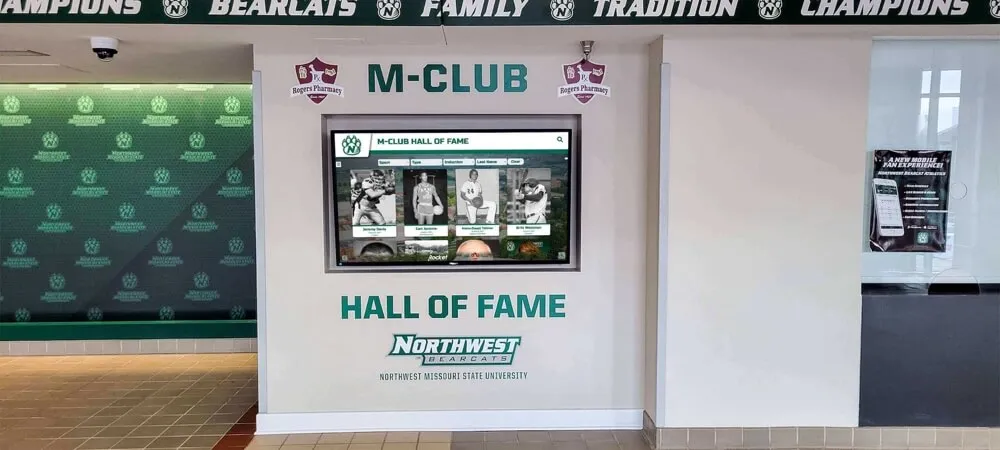
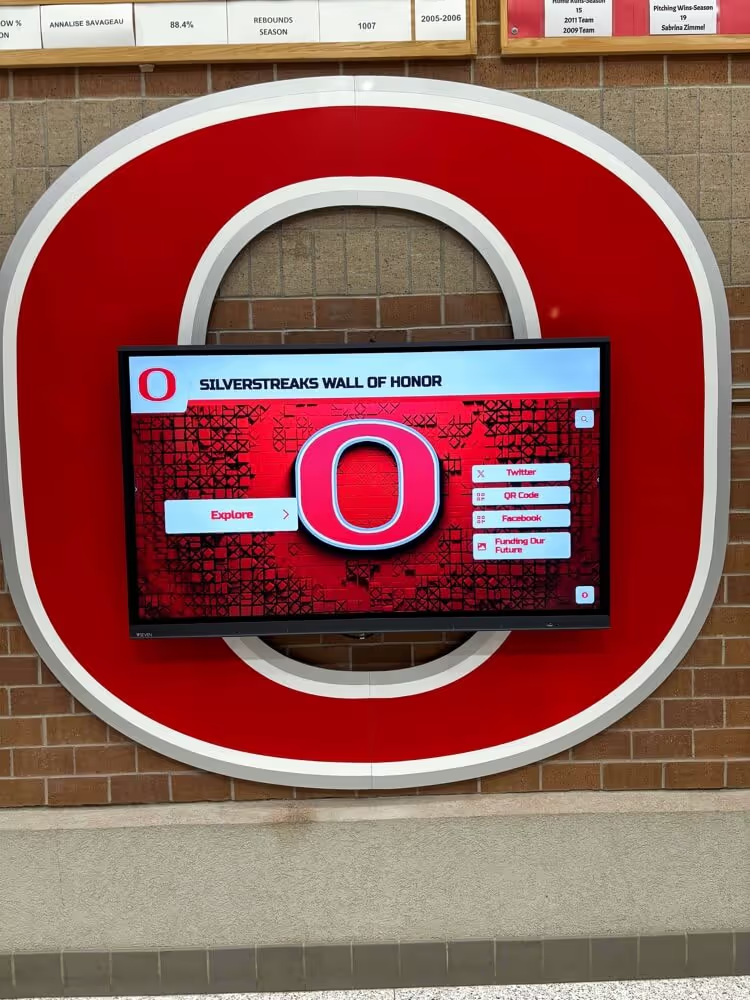
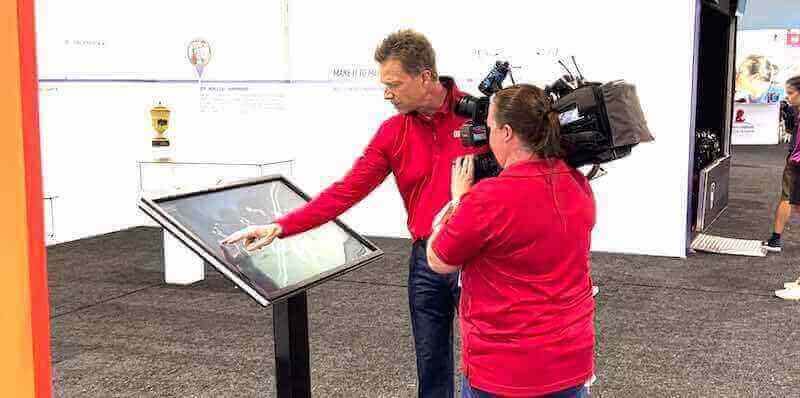
Digital recognition systems combine large-format touchscreen displays with specialized software enabling organizations to showcase unlimited recipients through intuitive interactive interfaces accessible to anyone in the community.
Core System Capabilities
Modern digital recognition platforms like Rocket Alumni Solutions provide comprehensive features addressing traditional plaque limitations:
- Unlimited recognition capacity accommodating thousands of profiles without space constraints forcing difficult exclusion decisions
- Rich multimedia content incorporating photographs, videos, achievement documentation, and detailed narratives impossible with static plaques
- Instant updates adding new recipients immediately without manufacturing delays or installation costs
- Search and filtering enabling visitors to discover specific recipients or explore by category, time period, or achievement type
- Cloud-based management supporting remote content updates from any internet-connected device without requiring physical display access
- Web accessibility extending recognition beyond physical installations to worldwide audiences through responsive platforms
- Cost efficiency dramatically reducing per-recipient expenses compared to individual plaque manufacturing and installation
- Content evolution continuously improving recognition quality rather than accepting permanent limitations

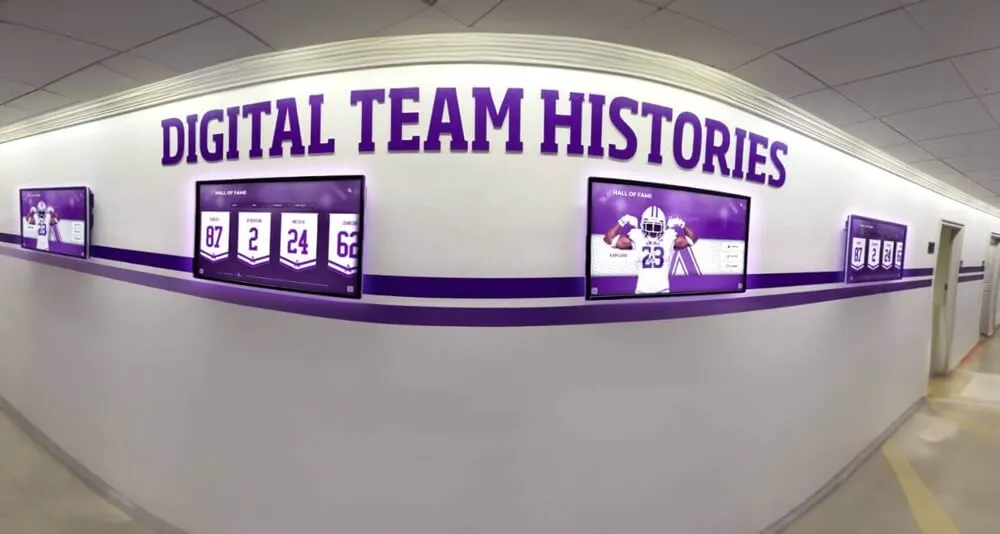
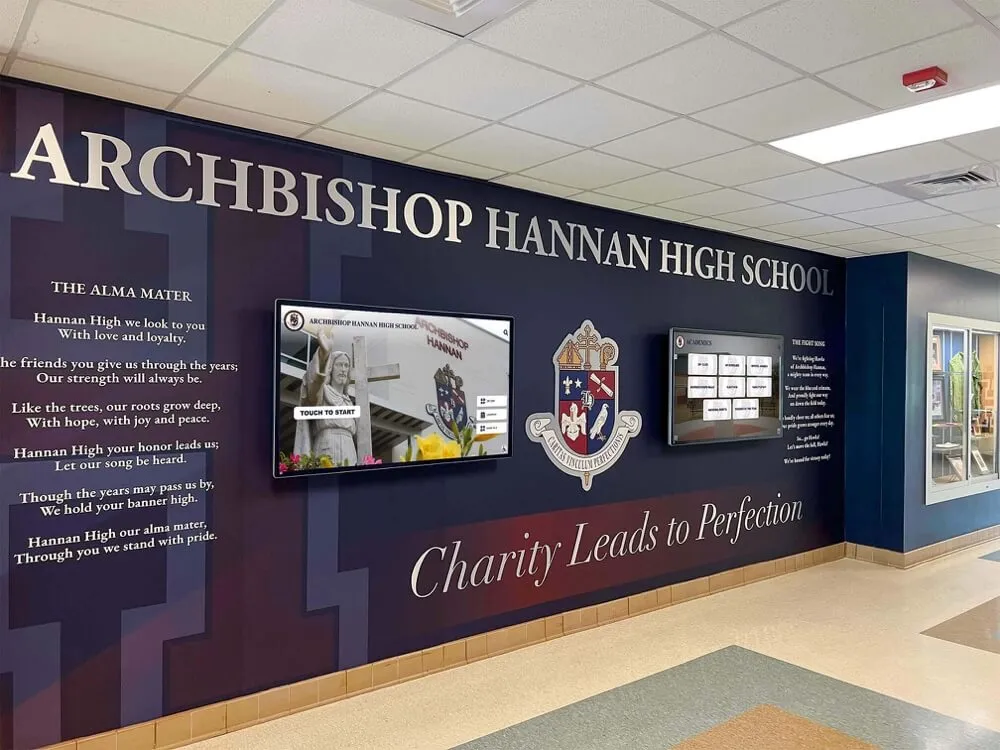
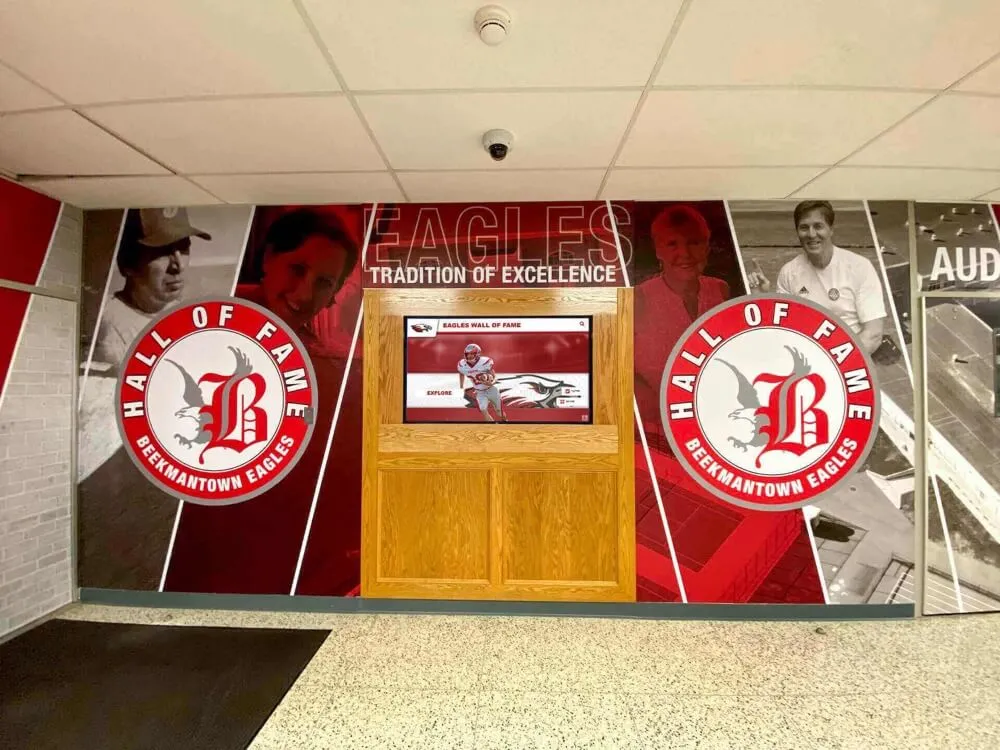
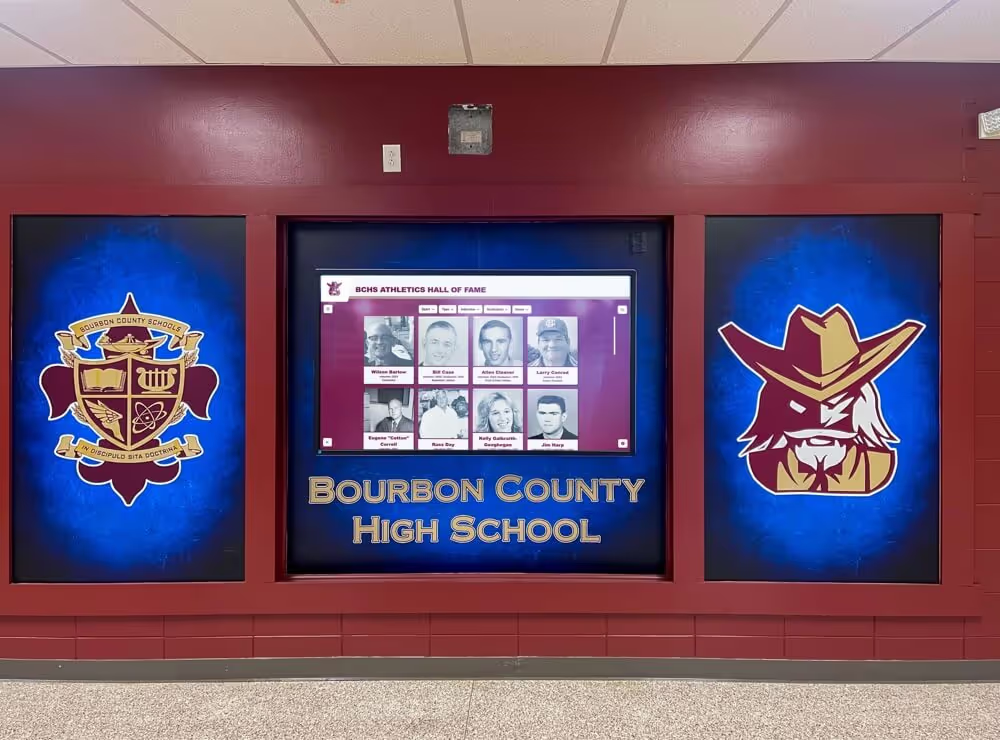
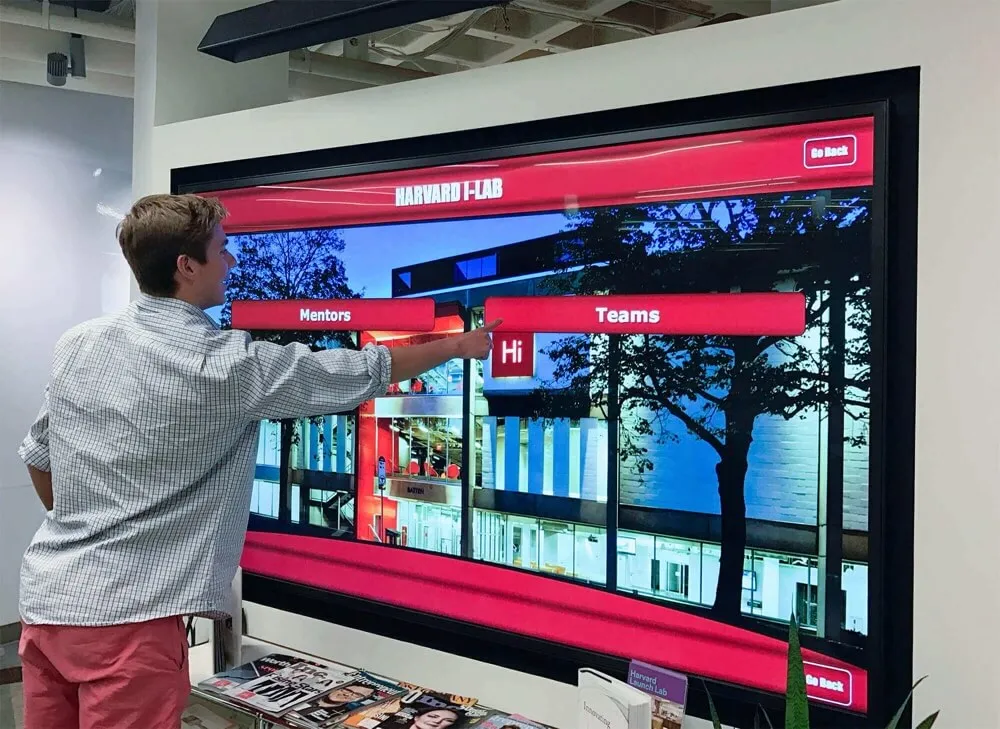
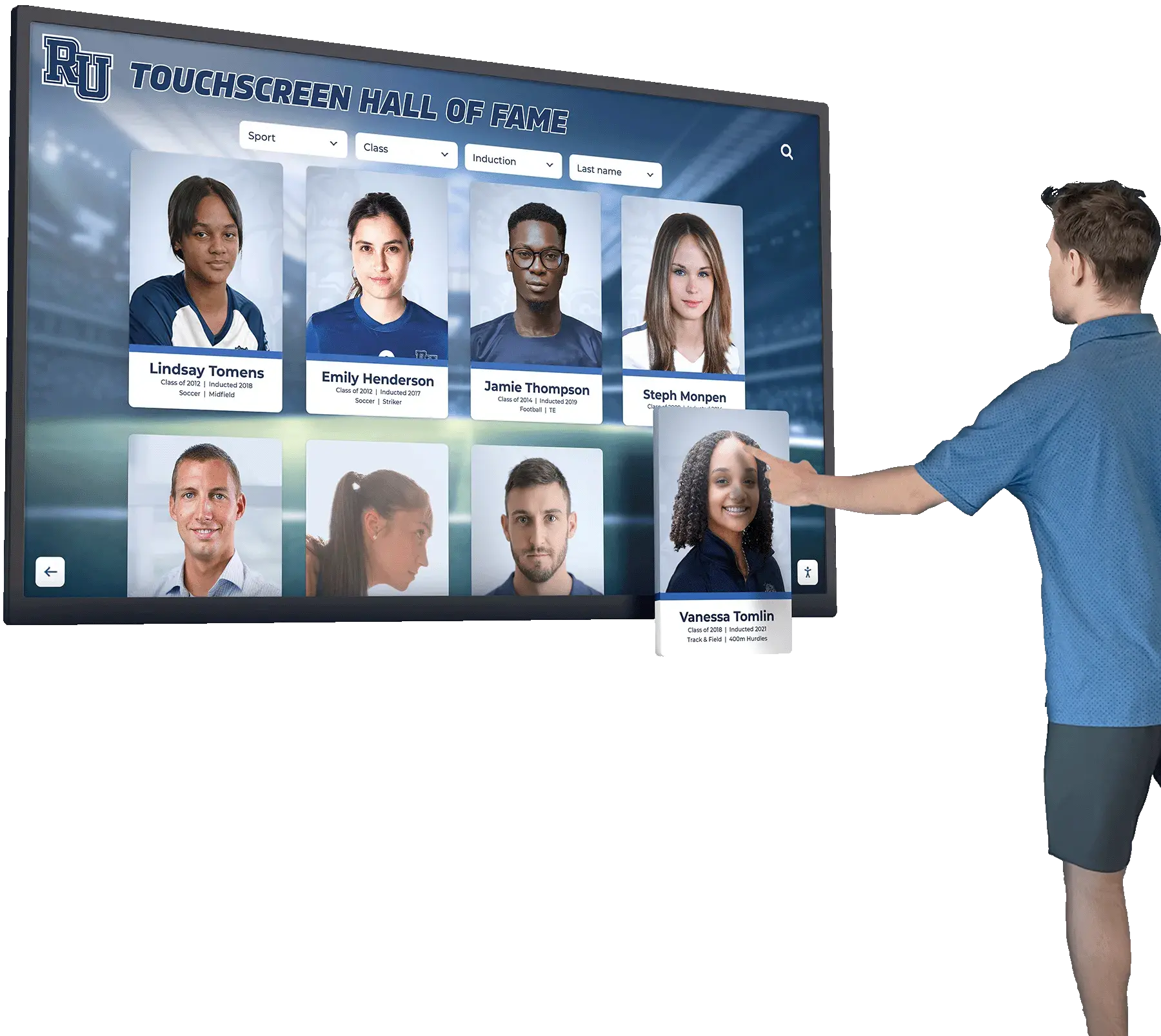
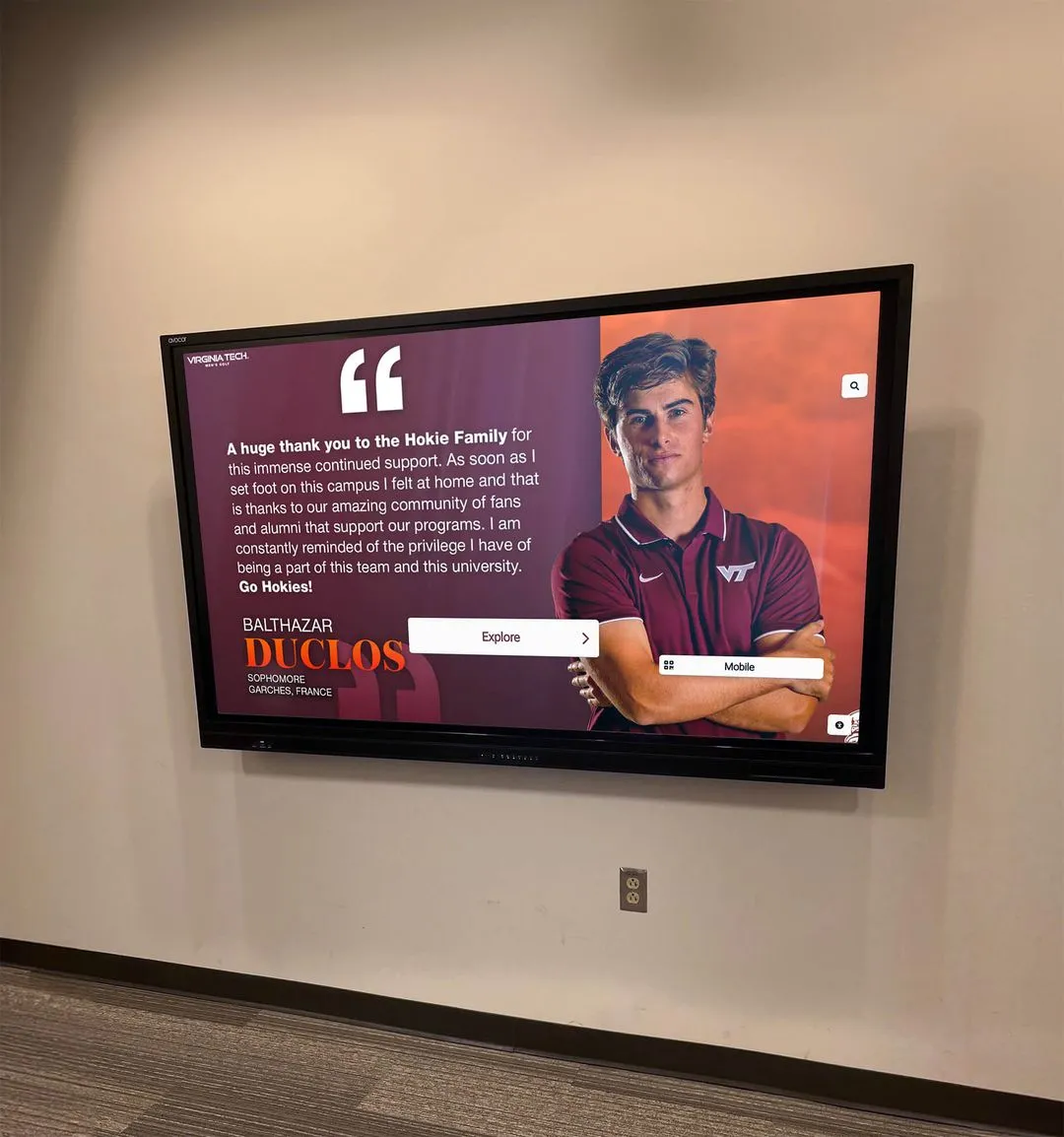
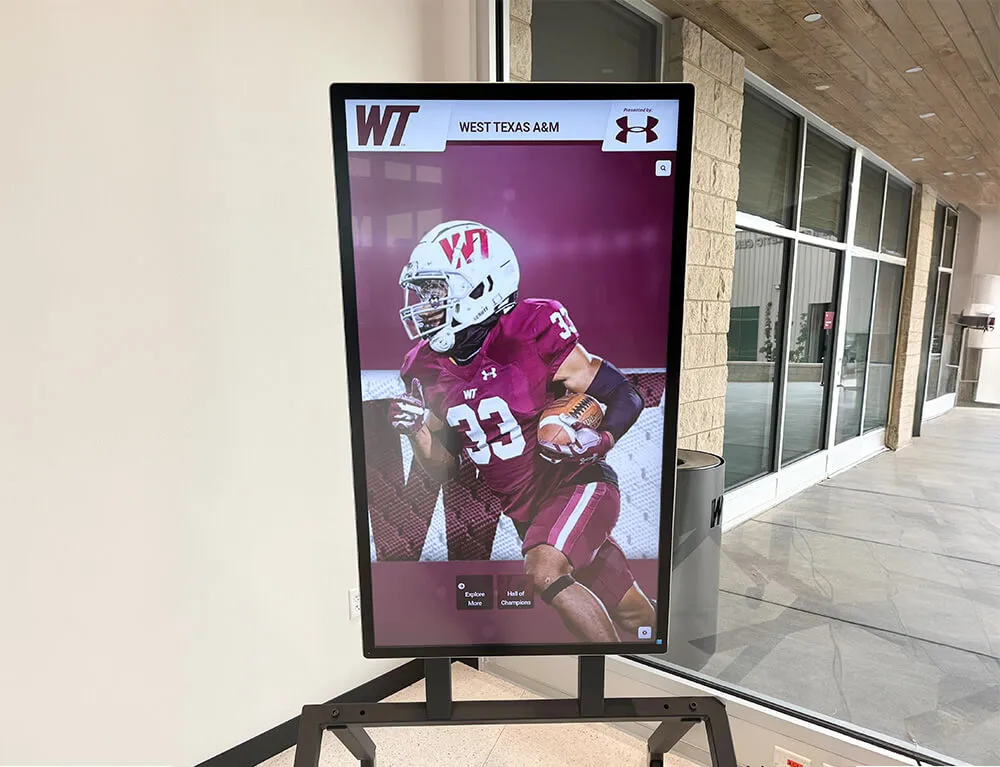
Digital recognition displays provide unlimited capacity while enabling rich multimedia storytelling impossible with traditional plaques
When Digital Recognition Makes Sense
Digital alternatives particularly benefit organizations facing specific recognition challenges or strategic priorities traditional plaques cannot address effectively.
Ideal Digital Recognition Scenarios
- Organizations with growing recognition needs exceeding available wall space for traditional plaque mounting
- Programs honoring hundreds or thousands of individuals requiring inclusive acknowledgment impossible with physical space constraints
- Contexts where achievement details, impact stories, or multimedia documentation significantly enhance recognition meaning and inspiration
- Situations requiring frequent recognition updates with new recipients added regularly throughout years
- Environments where visitors benefit from search capabilities finding specific individuals rather than browsing entire displays
- Organizations seeking cost-effective recognition accommodating large volumes without proportional budget increases
- Communities with distributed audiences benefiting from web-accessible recognition extending beyond physical locations
Explore comprehensive digital recognition approaches demonstrating how interactive systems complement or replace traditional plaques while maintaining appropriate acknowledgment dignity.
Combining Traditional and Digital Recognition
Many organizations find optimal approaches blend traditional plaques for selective high-profile recognition with digital systems providing comprehensive acknowledgment impossible within space constraints.
Hybrid Recognition Strategies
Effective combinations include traditional plaques honoring top-tier achievements or most recent recipients with digital archives documenting complete historical recognition, physical plaques in primary locations supplemented by digital displays in secondary areas expanding visibility, memorial plaques providing permanent individual tributes with digital displays offering detailed biographical information and multimedia tributes, and category-specific approaches using traditional plaques for certain recognition types while digital displays serve other acknowledgment needs.
This hybrid approach balances tradition with innovation, honors donor or stakeholder preferences for physical recognition while embracing digital advantages providing comprehensive acknowledgment serving organizational goals effectively without forcing binary choices between approaches.
Budget Planning and Cost Considerations
Understanding complete recognition costs enables realistic planning and appropriate funding strategies ensuring sustainable programs rather than one-time installations organizations cannot maintain long-term.
Traditional Plaque Cost Factors
Physical recognition plaque investments depend on multiple interconnected variables affecting both initial purchases and ongoing maintenance.
Per-Plaque Manufacturing Costs
Base plaque expenses vary widely based on materials, sizes, and design complexity:
- Economy plaques: $50-150 (basic materials, simple engraving, standard sizes)
- Standard professional plaques: $150-300 (quality materials, detailed engraving, custom layouts)
- Premium institutional plaques: $300-600+ (fine materials, complex designs, large formats)
- Ultra-premium specialty plaques: $600-1,500+ (marble, bronze, exceptional craftsmanship, artistic elements)

Budget planning should account for both initial installation costs and long-term maintenance ensuring sustainable recognition programs
Installation and Mounting Expenses
Beyond plaque manufacturing, physical installation adds significant costs:
- Professional installation services: $50-150 per plaque depending on mounting complexity and accessibility
- Mounting hardware and materials: $15-50 per plaque for brackets, screws, adhesives, spacers
- Wall preparation and repair: $100-500+ when installation requires patching, painting, or surface modifications
- Specialized mounting: $200-800+ for complex architectural integration or protected display cases
Cumulative Program Costs
Organizations recognizing substantial numbers face significant total investments: 50 plaques at $250 average = $12,500, 100 plaques at $250 average = $25,000, 500 plaques at $250 average = $125,000 (before installation, mounting, or maintenance costs included).
These cumulative totals often surprise organizations initially estimating recognition budgets based only on individual plaque costs without accounting for full program scope or long-term sustainability requirements.
Digital Recognition Platform Costs
Digital recognition investments follow different cost structures emphasizing upfront hardware and setup with lower incremental costs adding recipients.
Initial Implementation Investment
- Commercial touchscreen display: $4,000-10,000 depending on size (43-75 inches) and capabilities
- Professional installation: $800-2,500 including mounting, electrical, network configuration
- Recognition platform software: $2,000-5,000 initial setup and customization
- Content development: $2,000-8,000 for initial recipient profiles, photography, data migration
- Design and integration: $1,000-4,000 when custom branding or architectural coordination needed
Typical single-display installation: $10,000-30,000 total initial investment
Ongoing Annual Operating Costs
- Platform subscription and hosting: $1,680-3,600 annually
- Content management: 20-60 hours staff time for recipient additions and updates
- Technical support: $500-1,500 annually for maintenance and assistance
- Content enhancements: $1,000-3,000 annually for photography, videos, expanded profiles
Typical annual costs: $3,200-8,100 depending on program scope and support needs
Long-Term Comparative Economics
Digital recognition often proves more cost-effective than traditional plaques when recognizing substantial numbers over extended periods:
- Digital systems accommodate unlimited recipients with minimal incremental costs versus $250+ per traditional plaque
- No manufacturing delays or installation scheduling required adding new digital recipients versus weeks of lead time for physical plaques
- Content updates and enhancements possible without replacement costs versus permanent limitations of installed plaques
- Single digital display replacing dozens of physical plaques when comprehensive recognition exceeds available wall space
Organizations should evaluate recognition needs across 5-10 year horizons rather than only initial costs when comparing traditional plaques versus digital alternatives—longer timeframes often demonstrate digital advantages especially for growing programs.
Recognition Program Funding Strategies
Organizations successfully fund recognition investments through diverse sources beyond general operating budgets.
Capital Campaign Integration
Major recognition programs often become components within broader fundraising initiatives: named giving opportunities where donors sponsor recognition systems as legacy contributions, memorial recognition where families fund acknowledgment honoring deceased loved ones, class gifts from graduating cohorts seeking lasting impact, anniversary campaigns celebrating organizational milestones, and facility renovation projects incorporating recognition as architectural elements.
Targeted Fundraising Approaches
- Association dues or fees dedicating portions to recognition program support
- Special events raising funds specifically for acknowledgment initiatives
- Corporate sponsorships from businesses benefiting from organizational partnerships
- Grant applications to foundations supporting recognition and engagement programs
- Crowdfunding campaigns engaging broad stakeholder communities in recognition funding
Many organizations successfully position recognition systems as self-funding investments—showcasing appreciation strengthens engagement and support generating increased contributions, participation, and loyalty offsetting recognition costs while providing intangible cultural benefits inspiring excellence and strengthening community.
Explore funding approaches in recognition program implementation guides addressing sustainable investment strategies and financial planning frameworks.
Best Practices for Recognition Plaque Programs
Implementing effective recognition requires systematic approaches addressing planning, execution, and ongoing management ensuring acknowledgment achieves intended objectives rather than becoming administrative burdens organizations eventually abandon.
Establishing Recognition Criteria and Policies
Clear guidelines prevent inconsistency, perceived favoritism, or confusion about recognition standards and eligibility.
Defining Recognition Standards
Organizations should explicitly document achievement thresholds qualifying for recognition: specific performance metrics or milestones earning acknowledgment, service duration requirements for longevity awards, contribution levels triggering donor recognition, selection processes for competitive awards and honors, timing policies determining when recognition occurs relative to achievements, and appeal or exception procedures addressing special circumstances.
Maintaining Recognition Equity
Documented policies help ensure fair, consistent acknowledgment: comparable achievements across different departments receive similar recognition regardless of unit prominence, diverse contribution types valued equitably rather than privileging certain activities, recognition accessible across demographic groups without inadvertent bias, transparent criteria enabling people to understand recognition standards and work toward qualification, and periodic policy reviews ensuring alignment with evolving organizational values and priorities.
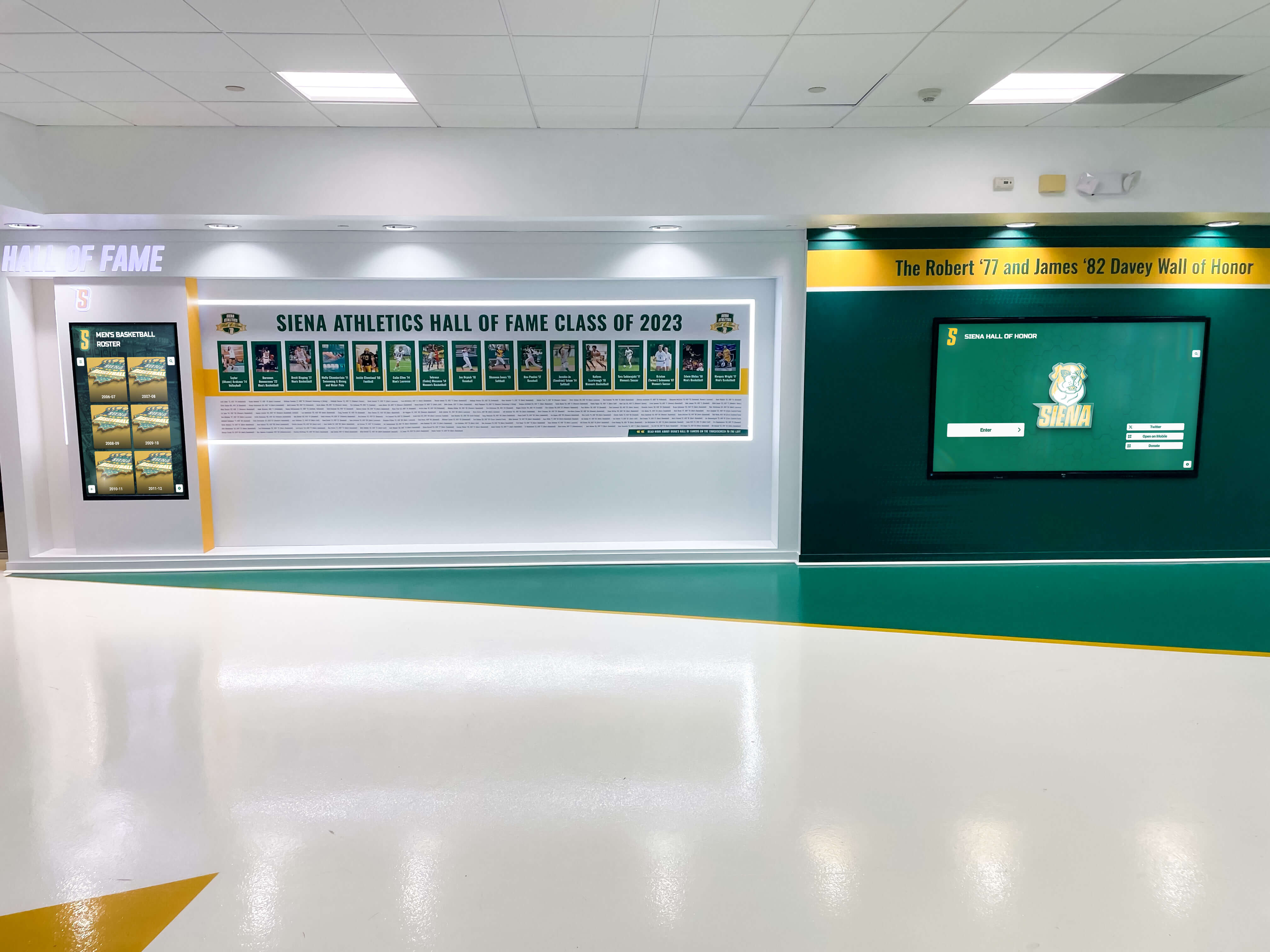
Systematic recognition programs celebrate diverse achievements while maintaining consistent standards ensuring perceived fairness and equity
Recognition Presentation and Ceremony Planning
How organizations present recognition significantly affects recipient emotional experience and broader community impact beyond physical plaques themselves.
Meaningful Recognition Events
Formal presentations create memorable experiences amplifying acknowledgment impact: public ceremonies honoring multiple recipients simultaneously building community while celebrating individual achievements, intimate gatherings for small groups enabling personal storytelling and deeper connection, surprise presentations creating emotional moments enhancing recognition memorability, integrated recognition within existing events leveraging attendance and visibility, and virtual ceremonies when geographic distribution prevents in-person gatherings.
Explore ceremony planning in recognition event guides addressing effective presentation approaches maximizing emotional impact and community engagement.
Amplifying Recognition Visibility
Extend acknowledgment beyond presentation moments through strategic communication: organizational newsletters and publications featuring recent recipients, social media posts celebrating achievements with recipient permission, website recognition pages documenting honorees and accomplishments, physical display unveiling ceremonies when installing new plaques, and ongoing reminders celebrating recognition anniversaries or highlighting historical honorees.
This amplification ensures recognition achieves maximum motivational impact throughout communities rather than affecting only direct recipients at presentation moments.
Ongoing Recognition Program Management
Sustained excellence requires systematic management preventing programs from becoming outdated or abandoned when initial enthusiasm fades.
Systematic Administration Processes
Effective programs establish clear operational procedures: designated staff members responsible for recognition program coordination, standardized nomination and approval workflows ensuring consistency, documentation systems maintaining records supporting decisions and preventing disputes, regular review cycles verifying recognition remains current and accurate, technical maintenance ensuring physical plaques remain clean and legible or digital displays function properly, and succession planning preventing program deterioration when key personnel transition.
Continuous Program Enhancement
Recognition programs should evolve based on experience and feedback: recipient surveys assessing acknowledgment meaningfulness and emotional impact, stakeholder input gathering suggestions for program improvements, comparative research exploring peer organization innovations and best practices, technology monitoring identifying new tools and approaches enhancing recognition effectiveness, and periodic comprehensive reviews evaluating whether programs achieve intended objectives or require strategic adjustments.
Organizations treating recognition as dynamic programs requiring ongoing attention achieve far superior outcomes compared to those implementing one-time plaque installations without sustained management commitment.
Special Recognition Contexts and Considerations
While general principles apply broadly, certain recognition contexts present unique considerations requiring specialized approaches.
Memorial and Legacy Recognition
Honoring deceased individuals requires particular sensitivity and thoughtfulness reflecting appropriate respect and permanence.
Memorial Plaque Approaches
Traditional memorial plaques typically include full names with relevant titles, birth and death dates providing temporal context, brief biographical information highlighting life contributions, meaningful quotations or personal statements capturing character and values, organizational roles or affiliations establishing connections, and memorial designations or dedications explaining acknowledgment purpose.
Memorial recognition often warrants premium materials and placement reflecting significance of permanent tribute honoring enduring legacies beyond immediate achievements.
Milestone and Anniversary Recognition
Organizational anniversaries and milestones merit commemoration different from individual achievement acknowledgment.
Anniversary Recognition Formats
Effective approaches include chronological timelines documenting organizational evolution across decades, founder recognition honoring individuals establishing organizations, historical retrospectives celebrating defining moments and transformational achievements, facilities dedication commemorating building construction or renovation milestones, and campaign conclusion acknowledgment marking successful fundraising initiative completion.
These institutional recognitions strengthen organizational identity and culture while preserving important historical memory that might otherwise fade as personnel and community members change.
Cultural Sensitivity and Inclusive Recognition
Diverse organizations must consider how recognition traditions and approaches resonate across varied cultural contexts and stakeholder populations.
Inclusive Recognition Principles
- Honor name preferences and cultural naming conventions rather than imposing standardized formats
- Respect privacy preferences varying across cultures regarding public acknowledgment
- Consider religious sensitivities when selecting quotations, imagery, or ceremonial elements
- Ensure language accessibility when serving multilingual communities
- Address diverse achievement types rather than privileging specific contribution forms reflecting particular cultural values
- Engage stakeholder input ensuring recognition approaches resonate across communities
Thoughtful organizations recognize that recognition practices meaningful in some contexts may create discomfort in others—cultural competence enhances acknowledgment effectiveness while preventing inadvertent offense or exclusion.
Future Trends in Recognition Plaque Programs
Understanding emerging developments helps organizations plan recognition investments remaining relevant and effective as technologies and expectations continue evolving.
Digital Recognition Platform Advancement
Technology capabilities continue expanding what’s possible with recognition acknowledgment beyond traditional plaque constraints.
Emerging Digital Capabilities
Next-generation recognition systems increasingly incorporate artificial intelligence personalizing content based on viewer interests and exploration patterns, enhanced multimedia integration with virtual reality experiences enabling immersive achievement storytelling, social connectivity facilitating recipient networking and community building, real-time recognition enabling immediate acknowledgment as achievements occur rather than delayed ceremonies, mobile applications extending recognition access beyond physical installations, and analytics providing insights about recognition engagement patterns and effectiveness informing program improvements.
These innovations will continue widening advantages digital recognition provides over static traditional plaques—making interactive platforms increasingly attractive even to organizations initially preferring conventional approaches.
Learn about emerging trends in recognition technology guides exploring innovation trajectories and future developments.
Sustainability and Environmental Considerations
Organizations increasingly evaluate recognition approaches through environmental sustainability lenses affecting material and implementation choices.
Sustainable Recognition Approaches
- Reclaimed and recycled materials reducing virgin resource consumption
- Digital recognition eliminating manufacturing processes producing traditional plaques
- Local sourcing minimizing transportation environmental impacts
- Durable materials and finishes maximizing longevity preventing premature replacement
- Modular systems enabling component updates rather than complete replacements
- Energy-efficient digital displays consuming minimal power during operation
Some organizations explicitly market environmental benefits when explaining recognition philosophies to sustainability-conscious stakeholders—particularly resonant with younger generations prioritizing ecological considerations in organizational evaluation and engagement.
Recognition Program Integration with Engagement Strategies
Modern recognition increasingly functions as component within comprehensive engagement strategies rather than isolated acknowledgment programs.
Integrated Recognition Ecosystems
Leading organizations connect recognition with broader objectives: referencing acknowledgment during recruitment demonstrating organizational culture valuing contributions, incorporating recognition into fundraising communications showcasing appreciation, using honorees as ambassadors and mentors strengthening community connection, leveraging recognition content for marketing and external communication, analyzing recognition data informing talent development and succession planning, and integrating with digital platforms creating comprehensive engagement experiences.
This integration ensures recognition reinforces rather than competes with other organizational priorities while maximizing acknowledgment impact and return on investment.
Conclusion: Creating Meaningful Recognition Through Thoughtful Plaque Programs
Recognition plaques remain powerful tools honoring achievement, commemorating milestones, and celebrating contributions when organizations approach acknowledgment thoughtfully with clear objectives, appropriate wording and design choices, strategic display planning, and sustained program management ensuring recognition achieves intended impact rather than becoming administrative burden or outdated installations no longer serving communities effectively.
Whether implementing traditional physical plaques honoring selective high-profile achievements or exploring comprehensive digital recognition platforms providing unlimited capacity and rich multimedia storytelling, the fundamental principles remain consistent: genuine appreciation communicated through specific acknowledgment details, appropriate dignity reflecting achievement significance and organizational culture, strategic visibility ensuring recognition reaches intended audiences and inspires excellence, and sustainable approaches enabling long-term program success rather than unsustainable initiatives organizations eventually abandon.
Transform Your Recognition Program with Modern Solutions
Discover how digital recognition platforms can complement or enhance traditional plaques by providing unlimited capacity, rich multimedia storytelling, and engaging interactive experiences that honor achievements comprehensively while overcoming space constraints and maintenance burdens facing conventional approaches.
Explore Recognition SolutionsThe strategies explored throughout this guide provide comprehensive frameworks for creating recognition plaques and programs that genuinely honor recipients while achieving organizational objectives around culture development, engagement, motivation, and community building. From crafting compelling wording that communicates specific achievements meaningfully to selecting materials and designs reflecting appropriate dignity, from strategic display planning ensuring visibility to considering innovative digital alternatives solving traditional limitations, these approaches enable organizations to implement recognition systems serving diverse stakeholders effectively.
Start wherever current situations demand—whether designing first formal recognition plaques using proven wording templates and design principles or exploring comprehensive digital platforms providing capabilities impossible with traditional approaches alone. Every person who sees their achievements acknowledged appropriately develops stronger organizational connections while gaining motivation toward continued excellence and contribution—creating cultures where recognition inspires performance rather than simply documenting historical accomplishments after they occur.
Your organization deserves recognition systems celebrating the achievements, contributions, and milestones defining institutional character and values. With thoughtful planning, appropriate technology or material choices, and systematic implementation, you can create acknowledgment programs becoming treasured traditions strengthening culture while inspiring continued excellence across your entire community.
Ready to begin? Explore how Rocket Alumni Solutions can help you create meaningful recognition programs—whether complementing traditional plaques with digital enhancements or implementing comprehensive interactive platforms providing unlimited acknowledgment capacity while maintaining appropriate dignity honoring achievements effectively.