



Every year, private schools across the country host annual gala fundraiser events—elegant evenings that bring together parents, alumni, and community supporters to celebrate excellence while raising critical scholarship funds enabling students to attend regardless of financial circumstances. These signature events recognize outstanding faculty members, honor donor generosity, announce scholarship recipients, and create memorable experiences that strengthen institutional bonds while advancing educational missions. Yet despite investing thousands of dollars and countless volunteer hours organizing these galas, many schools struggle to extend recognition and impact beyond the event itself—leaving award announcements forgotten within weeks, donor acknowledgment limited to printed programs quickly discarded, and opportunities to inspire continued giving largely unrealized through traditional recognition approaches.
Walk through most private school facilities weeks after their annual gala and you’ll find limited evidence of the celebration: perhaps a few photographs displayed temporarily in development offices, printed programs filed away in archives where nobody encounters them, and donor recognition relegated to static brass plaques that haven’t been updated in years because wall space filled up decades ago. Award recipients receive beautiful crystal trophies presented during emotional ceremonies, then return home where few beyond immediate family ever learn about their recognition. Major donors who contributed substantially to scholarship funds see their names listed in printed materials distributed only to attendees who were already present—missing opportunities to inspire broader community giving through visible celebration of generosity.
This comprehensive guide explores how digital recognition displays transform private school gala fundraisers by creating year-round visibility for award winners, celebrating donors comprehensively beyond event-night acknowledgment, archiving programs and event materials where community members can explore them perpetually, and building sustainable stewardship cultures that inspire continued scholarship support funding educational opportunities for generations of students who might otherwise be unable to afford private school education.
Modern digital recognition platforms don’t simply list gala attendees—they create comprehensive archives celebrating every dimension of these signature events while extending impact far beyond the evening itself. Schools implementing strategic digital recognition report 18-24% increases in donor participation during the first year following implementation, alongside improved donor retention rates and larger average contributions as recognition demonstrates institutional commitment to honoring supporters appropriately.

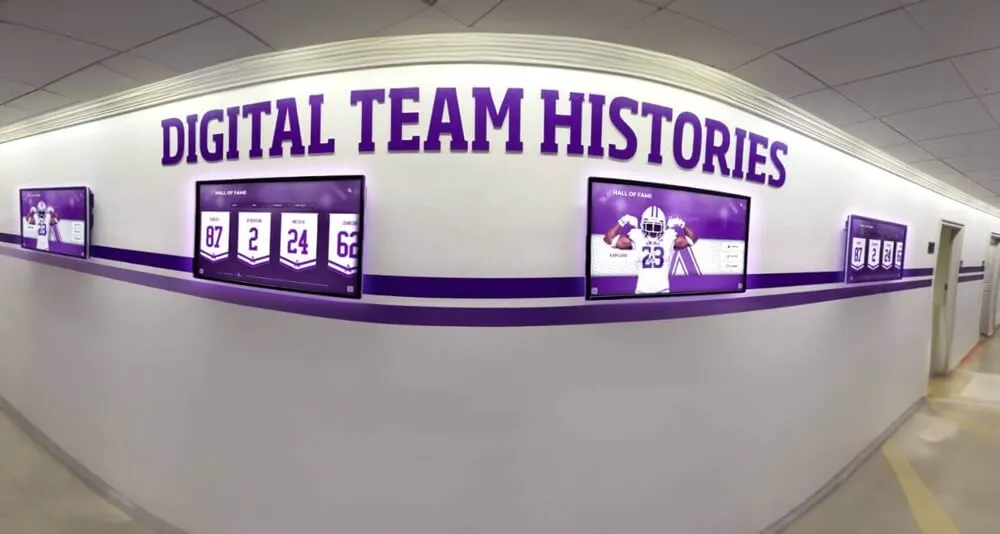
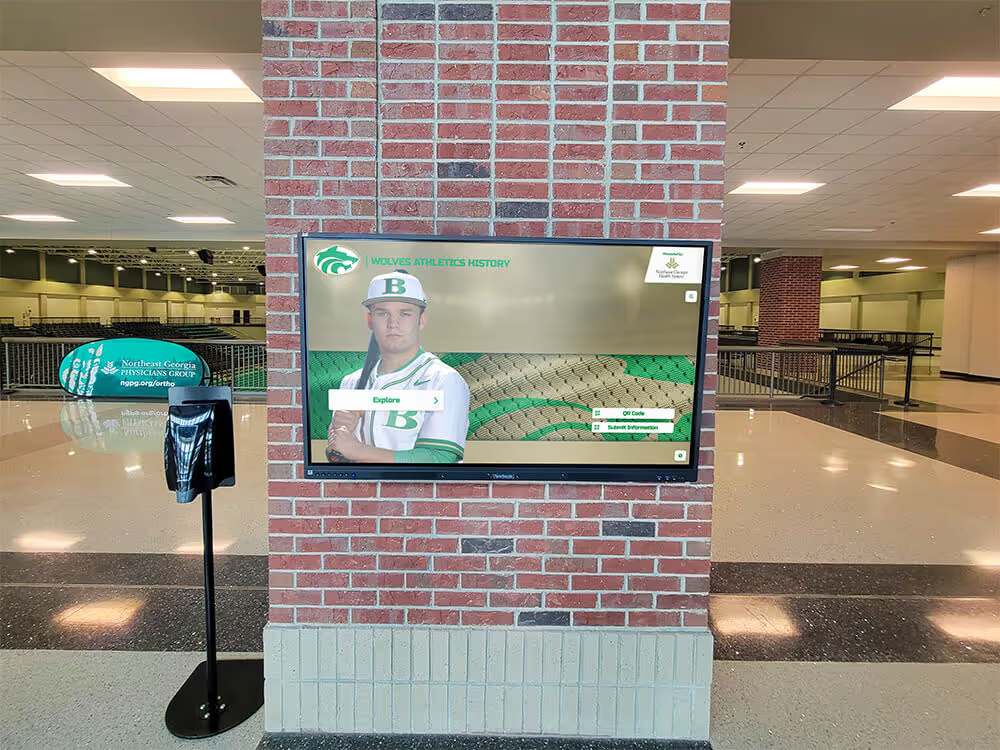
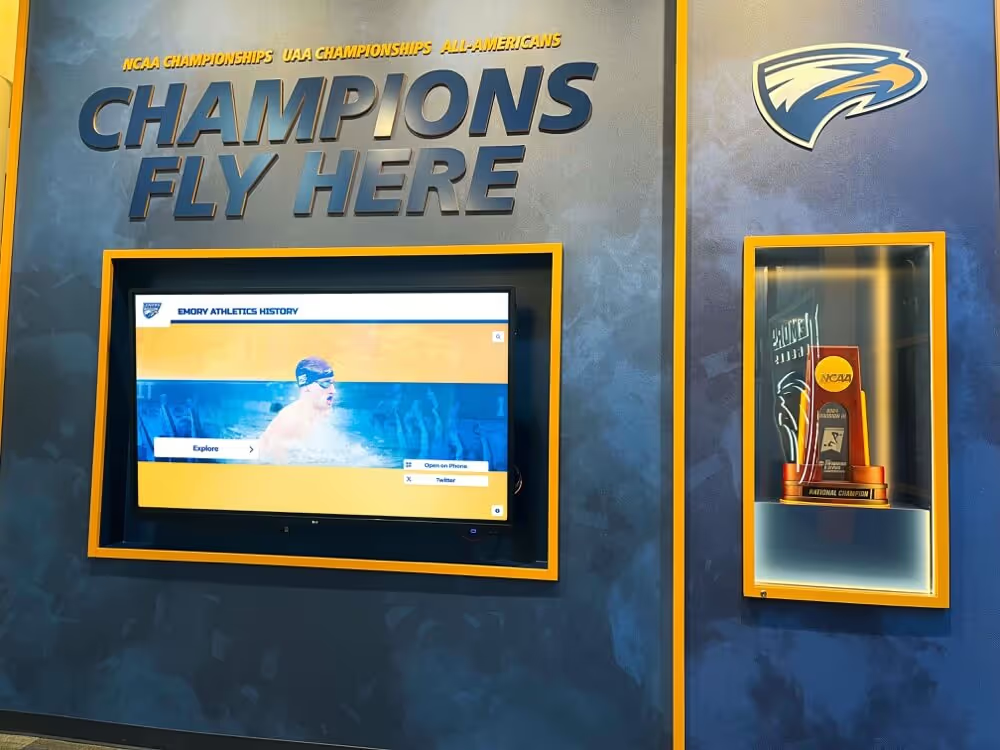
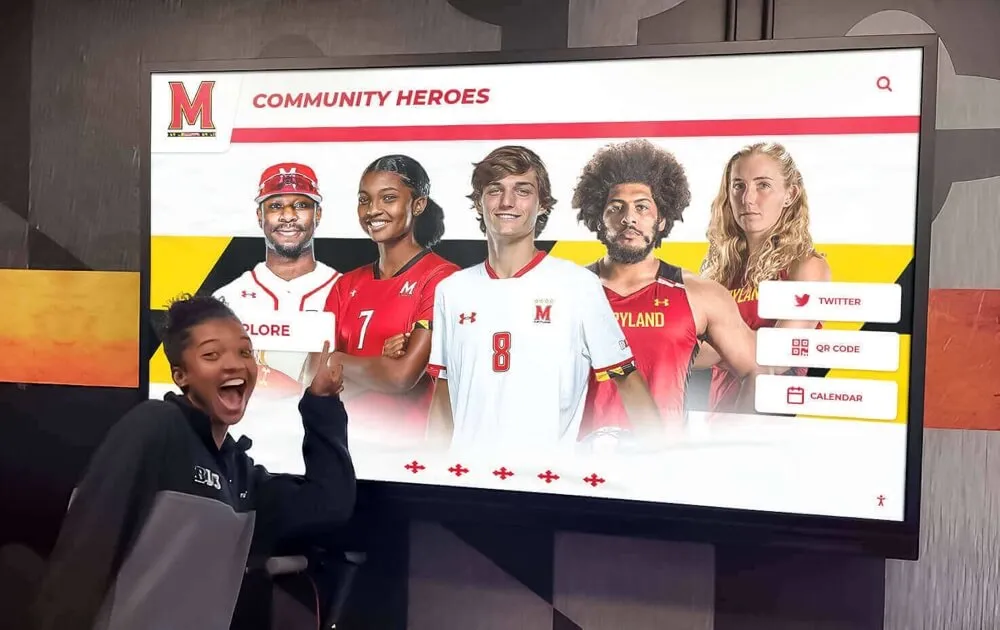
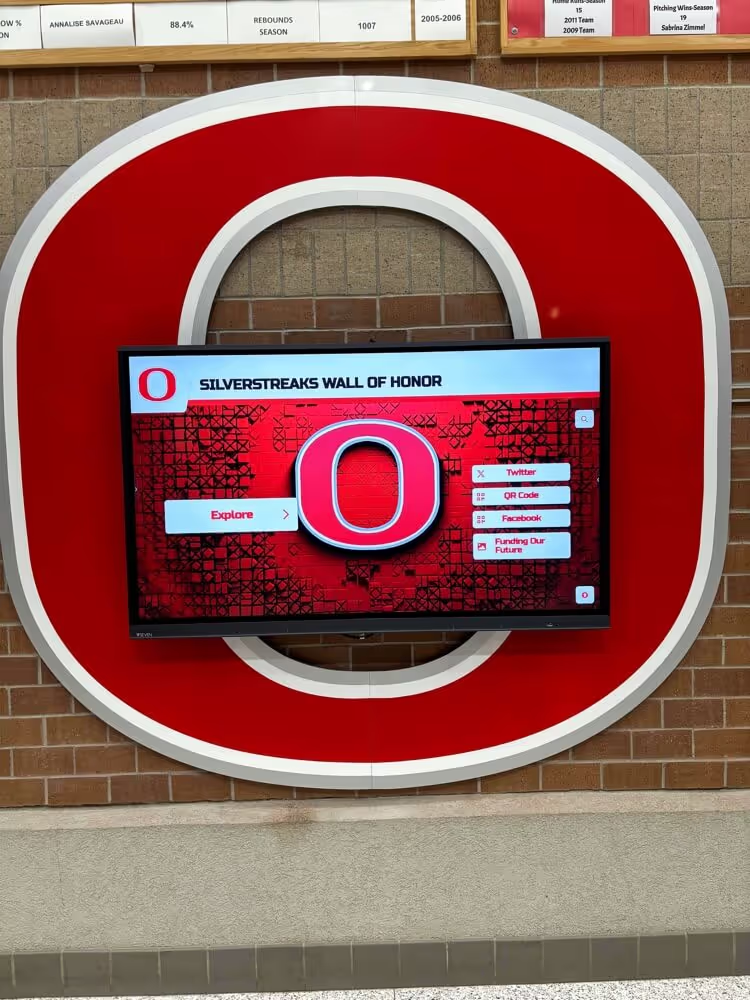
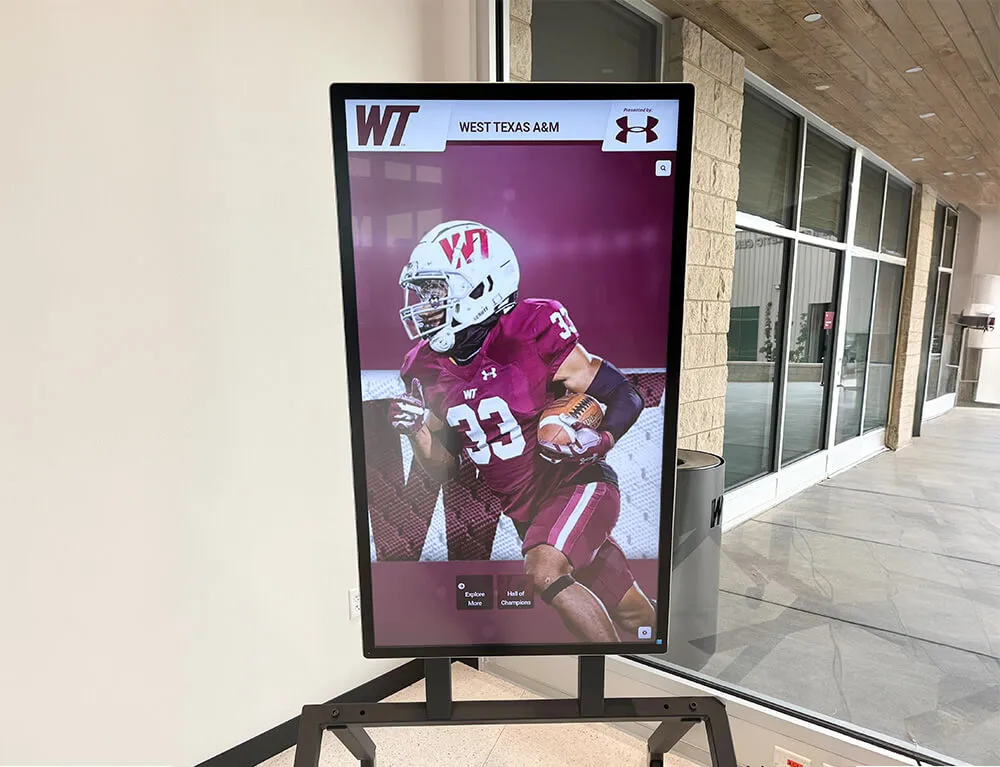
Digital recognition displays create year-round visibility for gala award winners and donors, extending event impact far beyond the evening itself
Understanding Private School Gala Fundraisers: Purpose and Strategic Importance
Before exploring specific recognition solutions, understanding what makes gala fundraisers central to private school development strategies provides essential context for approaches that maximize both event-night success and lasting institutional impact.
The Critical Role of Gala Fundraisers in Private School Funding
Private school gala fundraisers serve multiple interconnected purposes beyond simple revenue generation.
Primary Gala Objectives
According to fundraising best practices research, successful school galas accomplish these essential goals:
Revenue Generation: Raising scholarship funds through ticket sales, auctions, sponsorships, and direct donations enabling financial aid packages that make education accessible to qualified students regardless of family financial circumstances. Many schools report that annual galas generate 15-30% of total annual fundraising, making these events crucial components of sustainable funding models.
Community Building: Creating opportunities for parents, faculty, alumni, board members, and community supporters to gather socially while strengthening emotional connections to school missions. These relationship-building opportunities often prove as valuable as direct revenue when considering long-term donor cultivation and engagement.
Recognition and Stewardship: Acknowledging outstanding contributions from faculty members, volunteers, alumni, and philanthropic supporters through formal award presentations that demonstrate institutional gratitude while inspiring continued excellence and generosity.
Mission Advancement: Showcasing educational programs, student achievements, and institutional vision through compelling presentations that educate attendees about transformational impact their support enables while inspiring increased commitment to school success.
According to data from private school development professionals, well-executed galas can raise $50,000-$500,000+ annually depending on school size, community affluence, and event sophistication—representing substantial return on investment when considering that scholarship funding directly enables enrollment and tuition revenue that might otherwise be lost to families unable to afford full tuition.

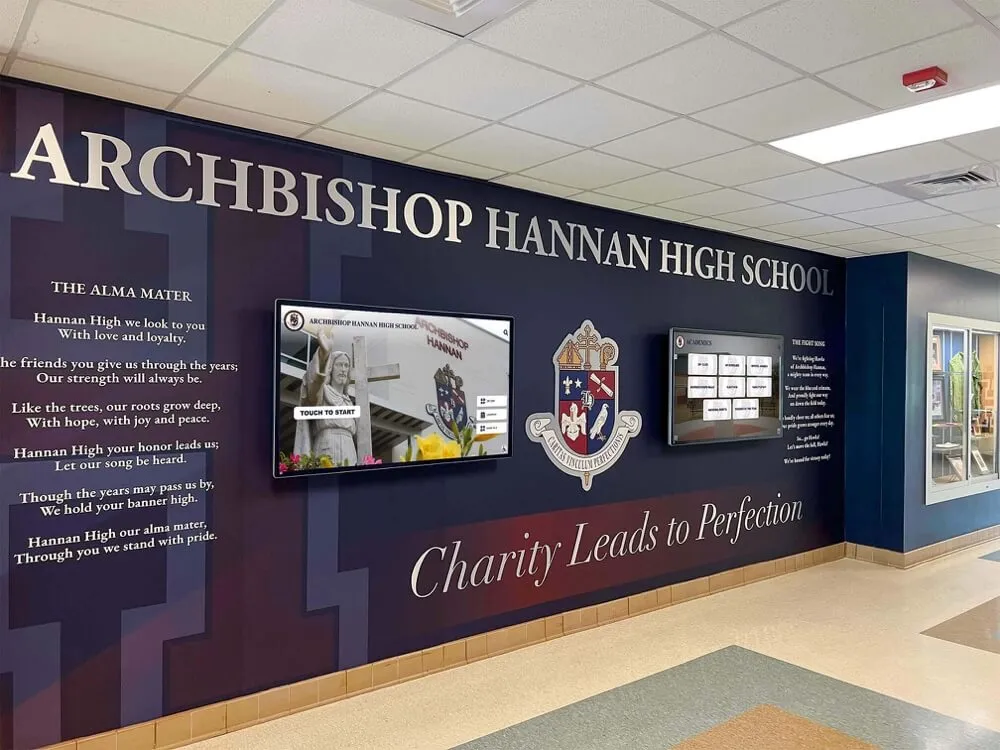
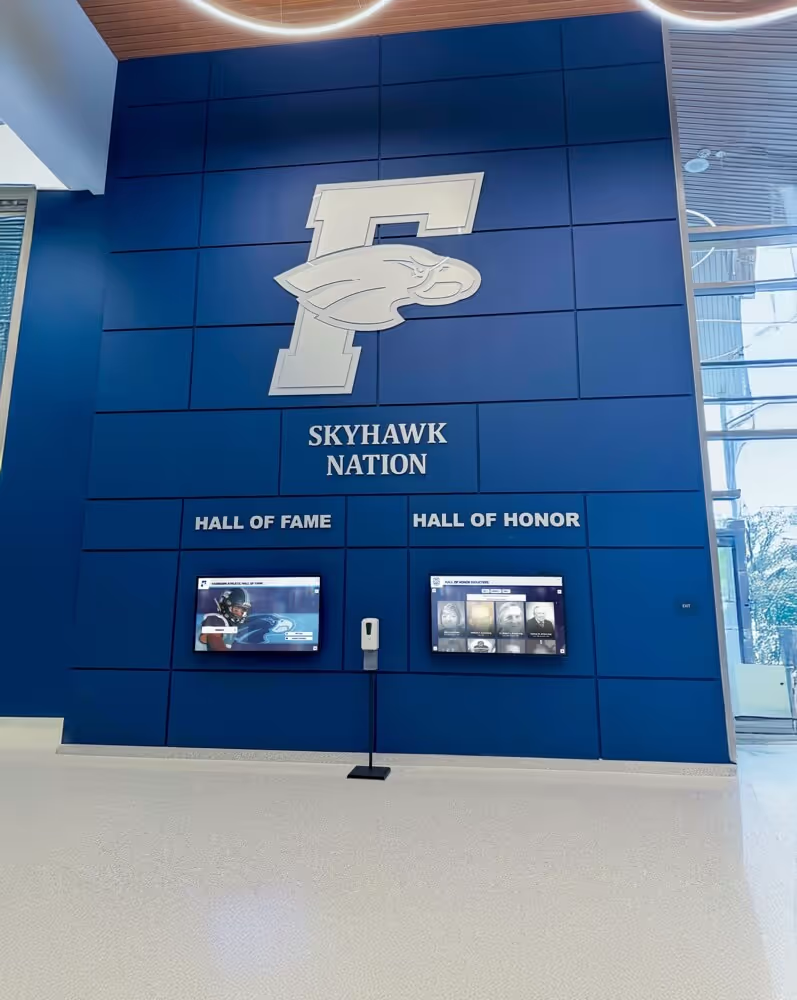
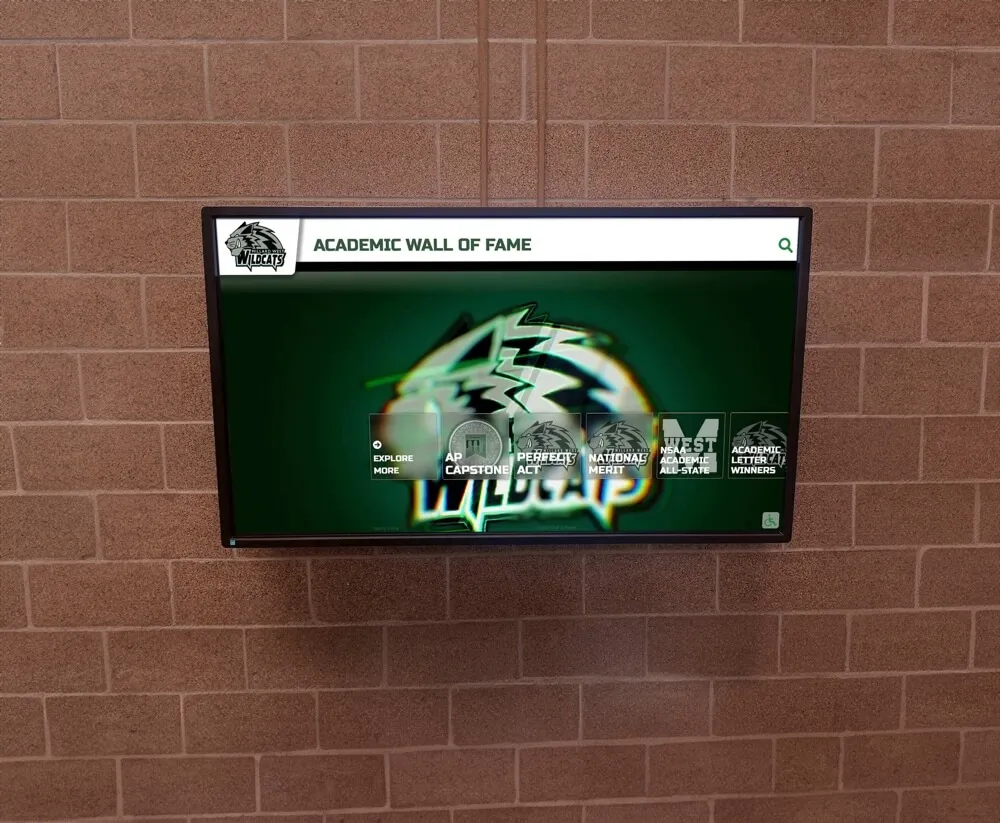
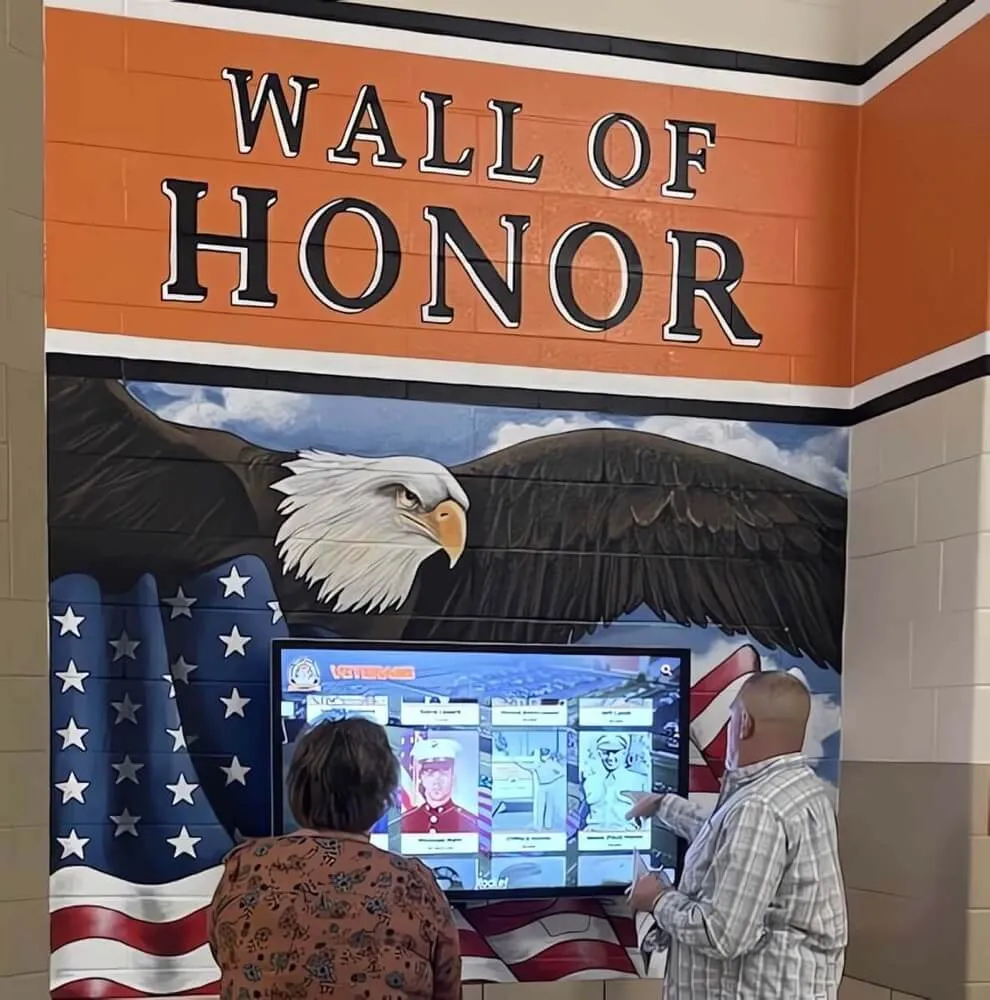
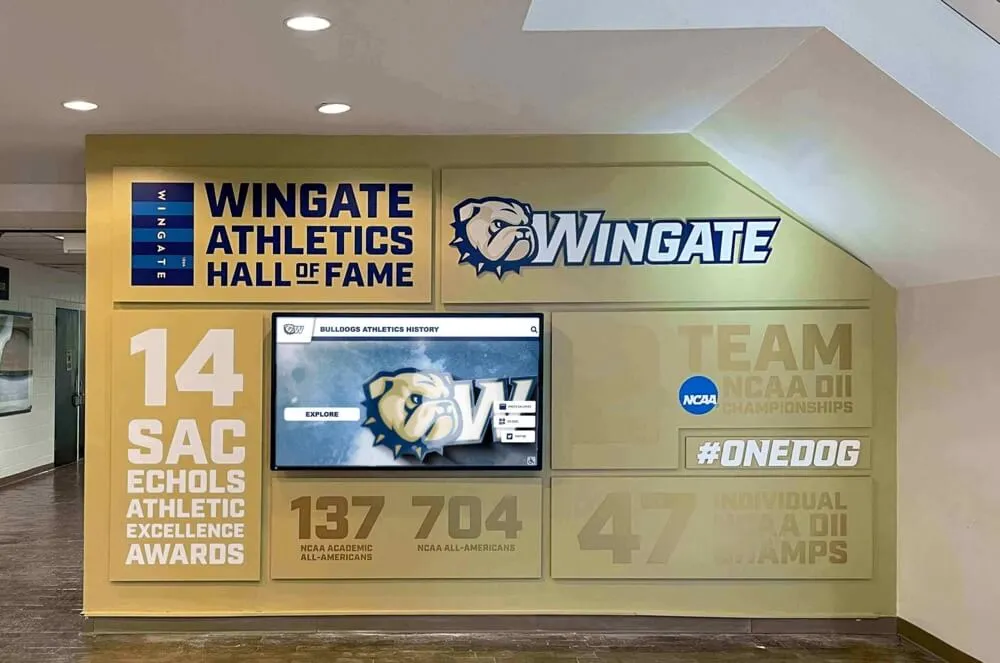
Interactive displays transform temporary gala recognition into permanent institutional archives accessible year-round
Common Gala Award Categories and Recognition Opportunities
Private schools typically present multiple award categories during annual gala events, each representing opportunities for meaningful recognition and storytelling.
Faculty and Staff Awards
Teacher of the Year honoring outstanding educators who demonstrate exceptional dedication to student success, Administrator Leadership Awards recognizing department heads and administrative staff advancing institutional excellence, Service Milestone Awards celebrating faculty members reaching significant tenure milestones (10, 20, 25+ years), Innovative Teaching Awards acknowledging creative pedagogical approaches enhancing learning outcomes, and Mentorship Excellence Awards honoring faculty who provide exceptional guidance to students beyond classroom instruction.
These awards celebrate professional excellence while demonstrating to donors that their contributions support outstanding educators worthy of philanthropic investment. Digital recognition platforms enable showcasing award recipients’ biographies, teaching philosophies, student testimonials, and career highlights—creating comprehensive profiles impossible with simple printed programs or verbal announcements during gala ceremonies.
Donor and Volunteer Recognition
Major Donor Acknowledgment celebrating transformational gifts enabling significant program expansion or facility improvements, Leadership Giving Society Recognition honoring cumulative lifetime giving reaching defined thresholds, Annual Fund Champions recognizing consistent supporters maintaining contributions across multiple consecutive years, Volunteer Service Awards celebrating parents, alumni, and community members contributing substantial time to school advancement, and Legacy Society Recognition acknowledging supporters who have included the school in estate plans or made planned giving commitments.
According to development research, donors who receive meaningful public recognition demonstrate 40-60% higher retention rates compared to those receiving only perfunctory acknowledgment—making recognition a strategic investment rather than mere courtesy.
Student Achievement and Scholarship Awards
Scholarship Recipient Recognition introducing students whose education is made possible through donor-funded aid, Academic Excellence Awards celebrating outstanding scholastic achievement across disciplines, Leadership and Service Awards honoring students demonstrating exceptional community contribution, Arts and Athletics Recognition showcasing achievements in non-academic domains, and Alumni Achievement Awards celebrating graduates whose personal or professional accomplishments reflect school values and educational excellence.
Student achievement recognition creates emotional connections between donors and tangible outcomes their generosity enables—transforming abstract scholarship funding into personal stories about real students whose lives are transformed through educational access.
Learn about comprehensive recognition approaches in academic recognition programs that celebrate diverse student achievements across multiple domains.
The Fundamental Problem Traditional Gala Recognition Creates
Understanding specific limitations of conventional event recognition clarifies why digital platforms deliver dramatically superior outcomes.
Ephemeral Event-Night Recognition
Traditional gala recognition focuses almost exclusively on the event evening itself, creating acknowledgment that disappears immediately after attendees leave.
Limited Recognition Visibility
Award presentations during gala ceremonies reach only attendees present that evening—typically representing small fraction of total school community including all faculty, current families, alumni, and broader institutional supporters. Recipients receive physical awards (plaques, trophies, certificates) that return home with them where institutional community never encounters recognition. Printed programs distributed to attendees document awards but get discarded within days or weeks as events fade from memory. Photography captured during events may be shared briefly on social media but quickly disappears in feeds, with no permanent institutional archive where community members can explore gala history.
This ephemeral recognition means that within weeks, few people beyond immediate award recipients remember who received honors—missing opportunities to inspire emulation, celebrate excellence perpetually, and demonstrate institutional values through visible acknowledgment of achievements meriting recognition.
Donor Recognition Gaps
Similarly, donor acknowledgment typically consists of names listed in printed programs, verbal acknowledgment during remarks, and perhaps special seating for major donors—all forms of recognition existing only during the event itself without permanent visibility extending impact. Supporters who couldn’t attend receive no recognition visibility despite generous contributions, prospective donors touring facilities see no evidence of philanthropic culture or donor appreciation, and existing donors question whether contributions are genuinely valued when recognition disappears immediately after checks clear.
Research consistently demonstrates that lack of ongoing recognition ranks among top reasons donors discontinue support—making temporary event-only acknowledgment a fundraising liability undermining the very stewardship culture galas aim to strengthen.
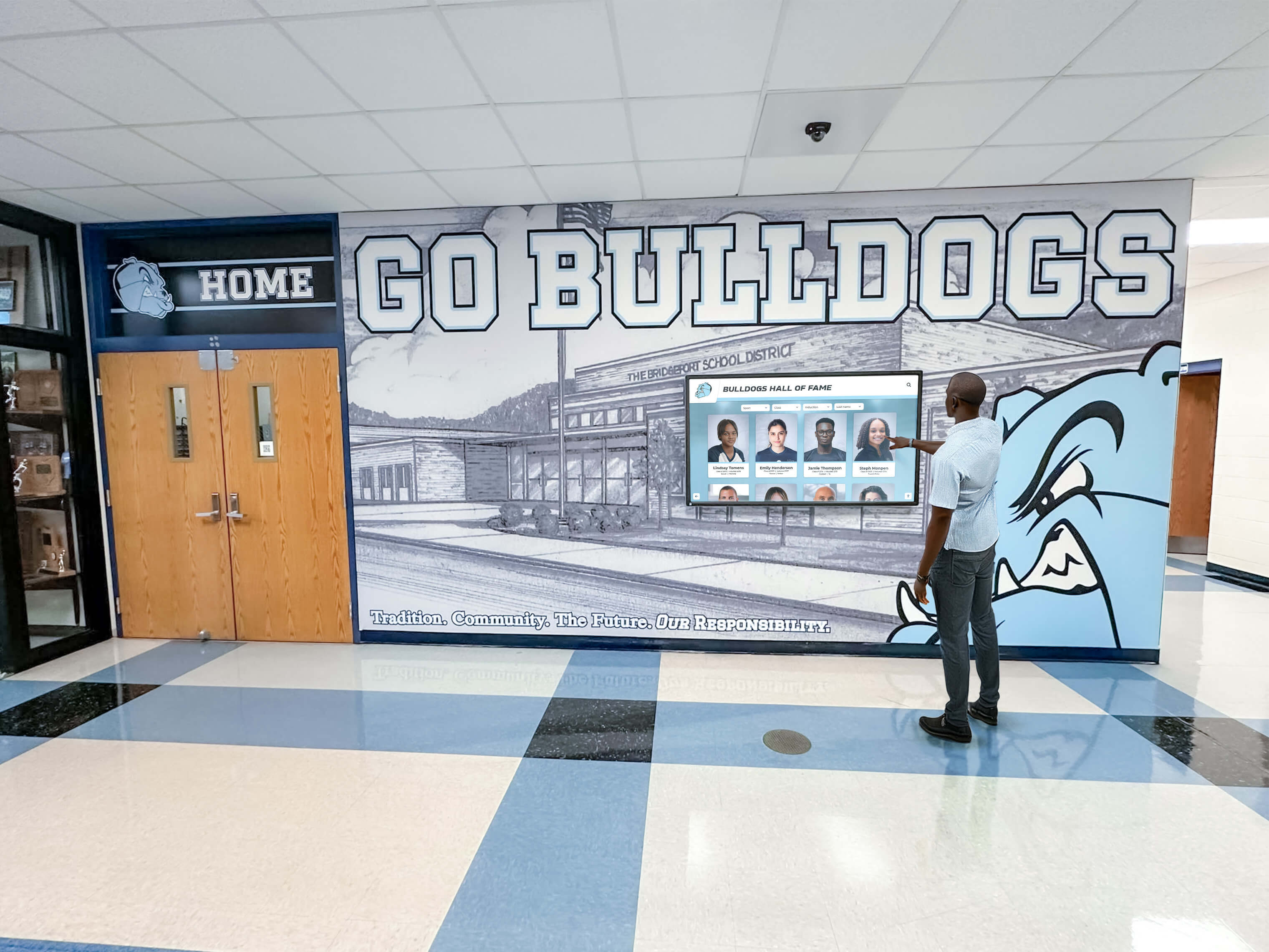
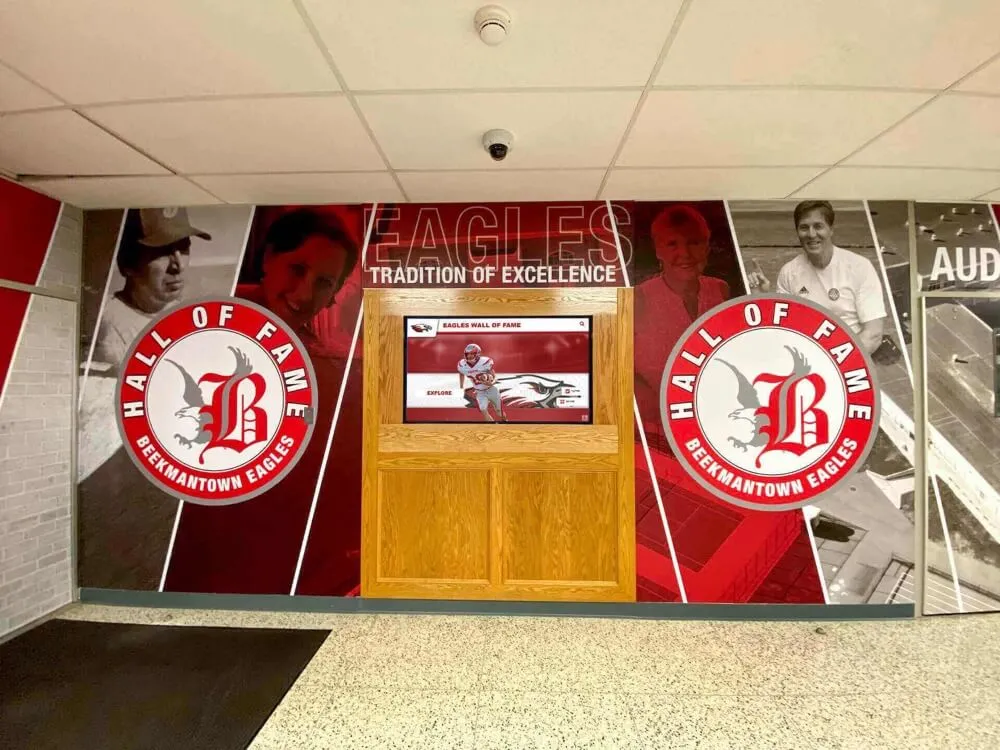
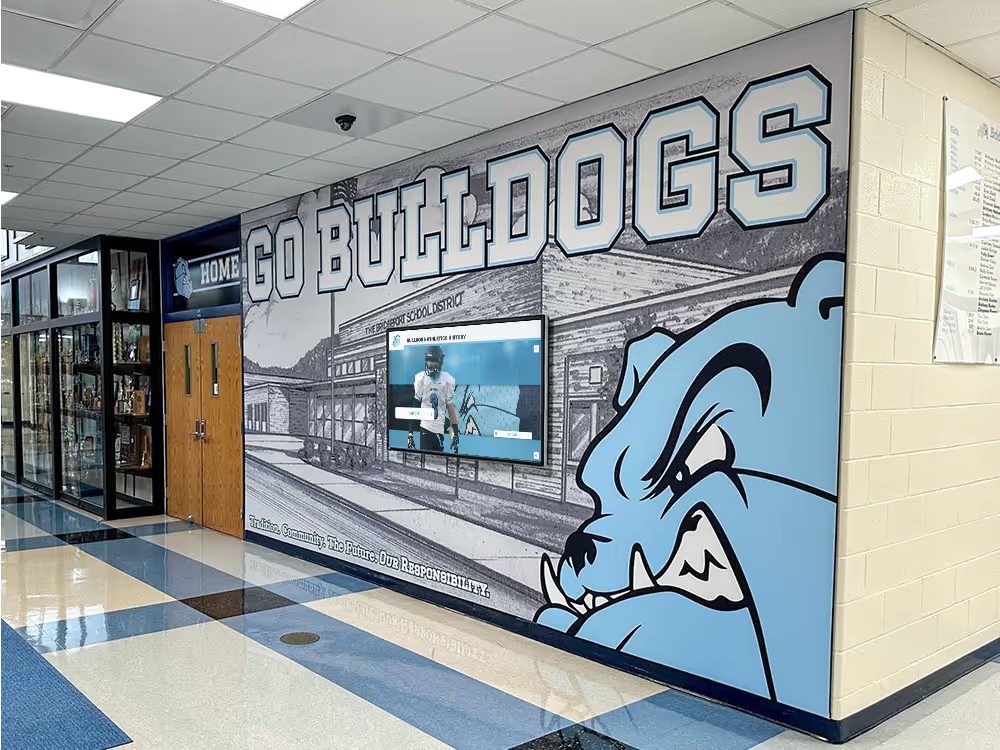
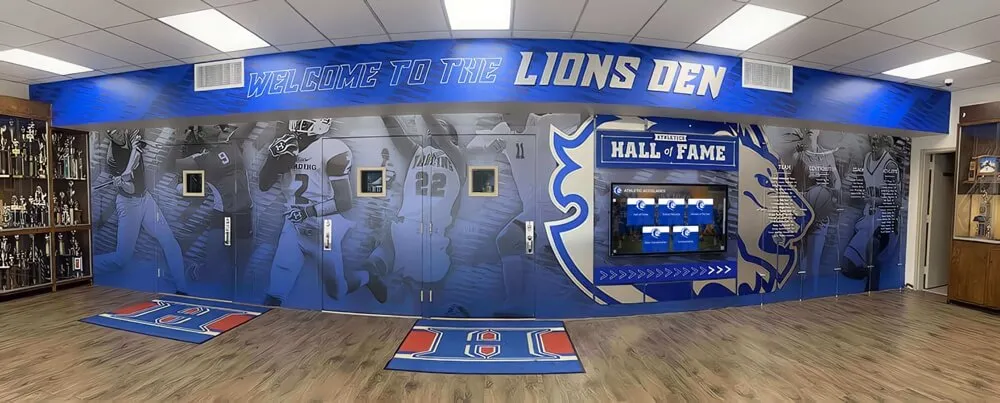
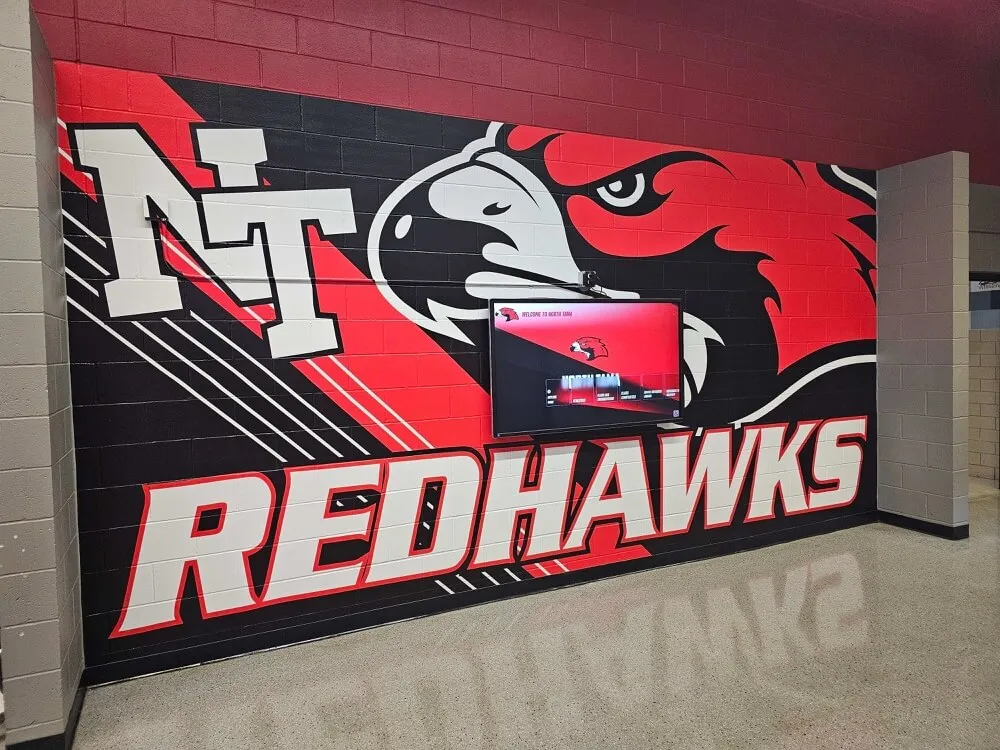
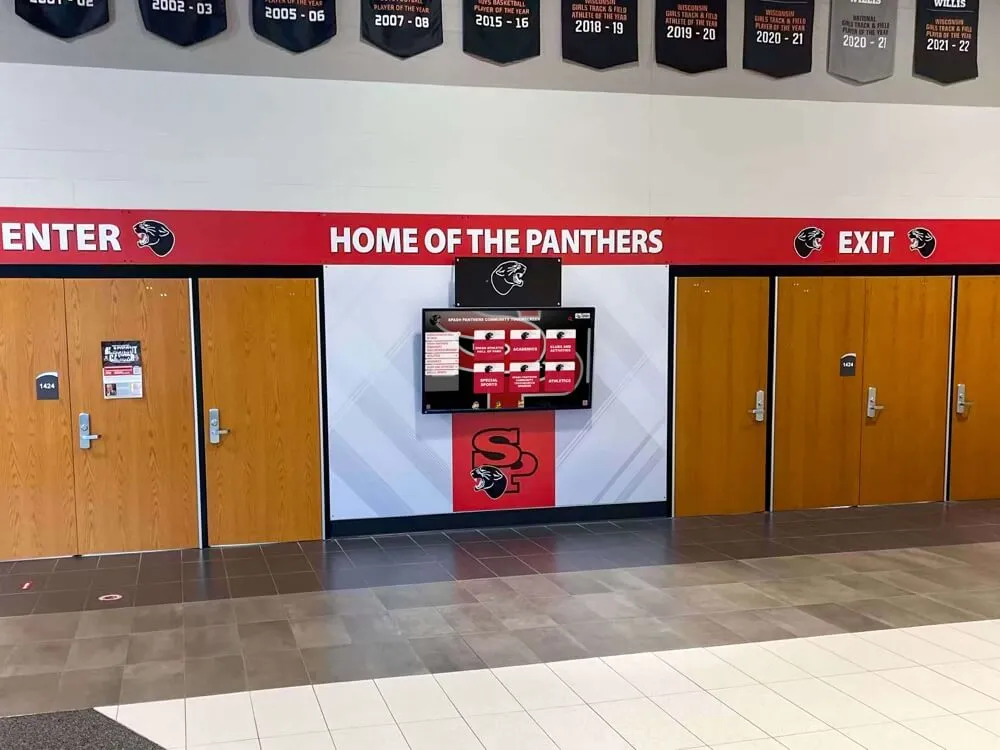
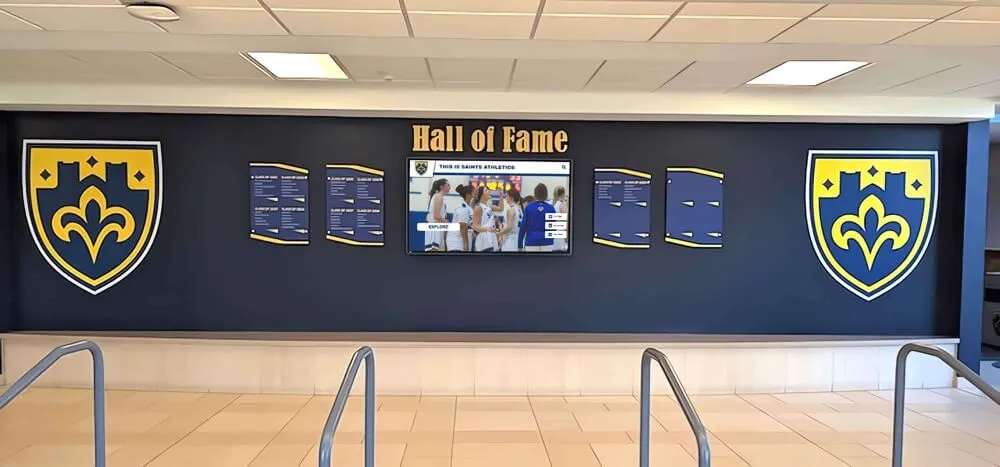
Strategic placement in high-traffic hallways ensures continuous visibility for award winners and donors throughout the school year
Physical Space Constraints and Update Limitations
Schools attempting to create permanent gala recognition face severe practical constraints with traditional approaches.
Limited Wall Space
Physical donor walls and award displays consume substantial facility space that eventually fills completely regardless of continued success. Adding new recognition requires either removing existing acknowledgment (dishonoring previous recipients), finding additional wall space (often unavailable in historic facilities), or abandoning permanent recognition entirely (undermining stewardship culture).
These space constraints force impossible decisions about whose achievements merit permanent visibility versus temporary acknowledgment—decisions that often reflect practical limitations rather than actual recognition worthiness, potentially creating resentment or disappointment among those excluded from permanent displays simply because space filled up before their contributions occurred.
Inability to Update Static Recognition
Traditional plaques and engraved recognition cannot be updated once fabricated and installed. Schools cannot enhance recognition with additional context about award recipients’ continued contributions, correct errors without expensive re-fabrication, add multimedia documentation showing programs funded by donors, or adapt presentations as institutional priorities evolve.
This permanent rigidity means recognition quality degrades over time rather than improving as more information becomes available—with static name lists providing progressively less context about achievements being celebrated as years pass and institutional memory fades.
High Per-Recipient Costs
Quality engraved brass or bronze plaques typically cost $200-500+ per recipient for materials, engraving, and installation—creating substantial recurring expenses every time schools add new gala honorees. These costs often lead to selective recognition limited to only highest-level donors or most prestigious awards, leaving many deserving recipients unacknowledged simply due to budget constraints rather than lack of merit.
Digital recognition platforms solve these fundamental limitations by providing unlimited capacity accommodating comprehensive recognition for all award recipients and donors across all giving levels, instant updates adding new honorees immediately without manufacturing delays or installation costs, rich multimedia capabilities impossible with physical plaques, dramatically lower per-recipient costs enabling inclusive recognition approaches, and content that improves continuously rather than remaining static permanently.
Explore how digital hall of fame displays eliminate traditional recognition constraints while creating engaging exploration experiences.
How Digital Recognition Displays Transform Private School Gala Fundraisers
Modern touchscreen recognition systems fundamentally reimagine how schools celebrate annual galas while extending event impact throughout the year.
Comprehensive Award Winner Showcases
Digital platforms enable celebrating gala honorees far more comprehensively than temporary event-night recognition allows.
Current Year Award Recipients
Create dedicated sections showcasing this year’s gala honorees with professional photographs and biographical information, detailed descriptions of achievements and contributions meriting recognition, video acceptance speeches or testimonials from recipients, impact documentation showing specific outcomes award winners enabled, and contextual information about award criteria and selection processes.
This comprehensive recognition ensures current honorees receive acknowledgment that extends far beyond brief stage appearances during gala ceremonies—creating permanent institutional documentation celebrating their excellence while inspiring future contributions worthy of similar recognition.
Historical Award Archives
Digital systems accommodate complete archives documenting all past gala award recipients across multiple years or decades: searchable databases enabling exploration by year, award category, or recipient name, historical photographs showing gala events and award presentations through school history, timeline visualizations tracking institutional traditions and evolution, “where are they now” updates for past recipients showing continued contributions, and anniversary recognition when significant milestones occur (10, 25, 50 years since recognition).
These archives transform ephemeral event-night acknowledgment into permanent institutional memory where achievements remain celebrated perpetually rather than being forgotten once events conclude.

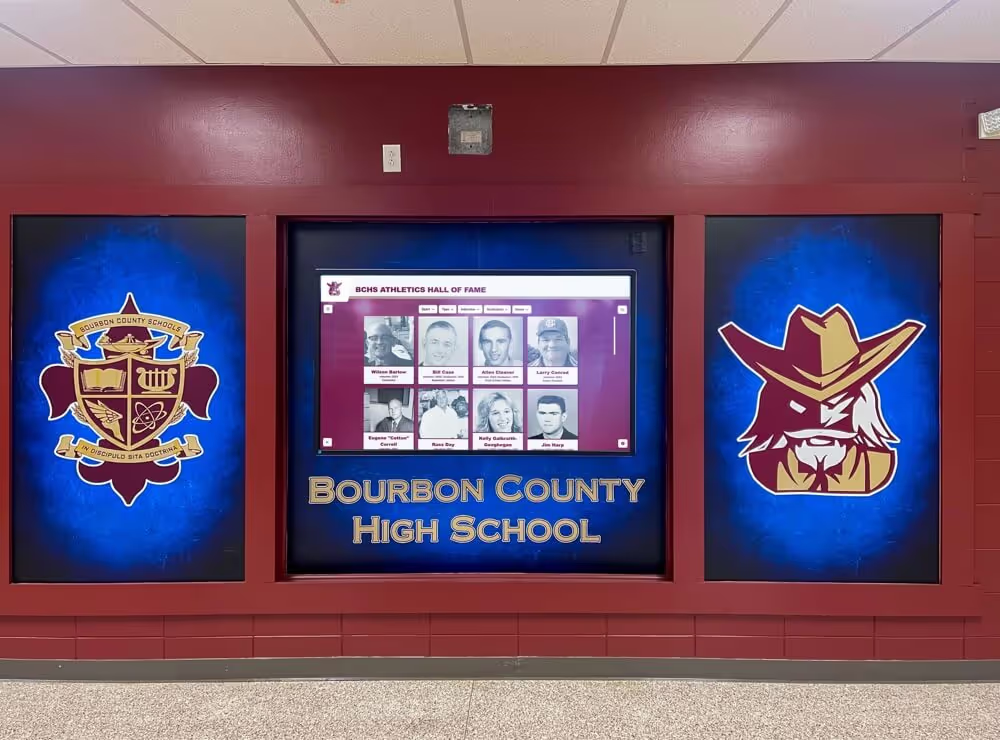
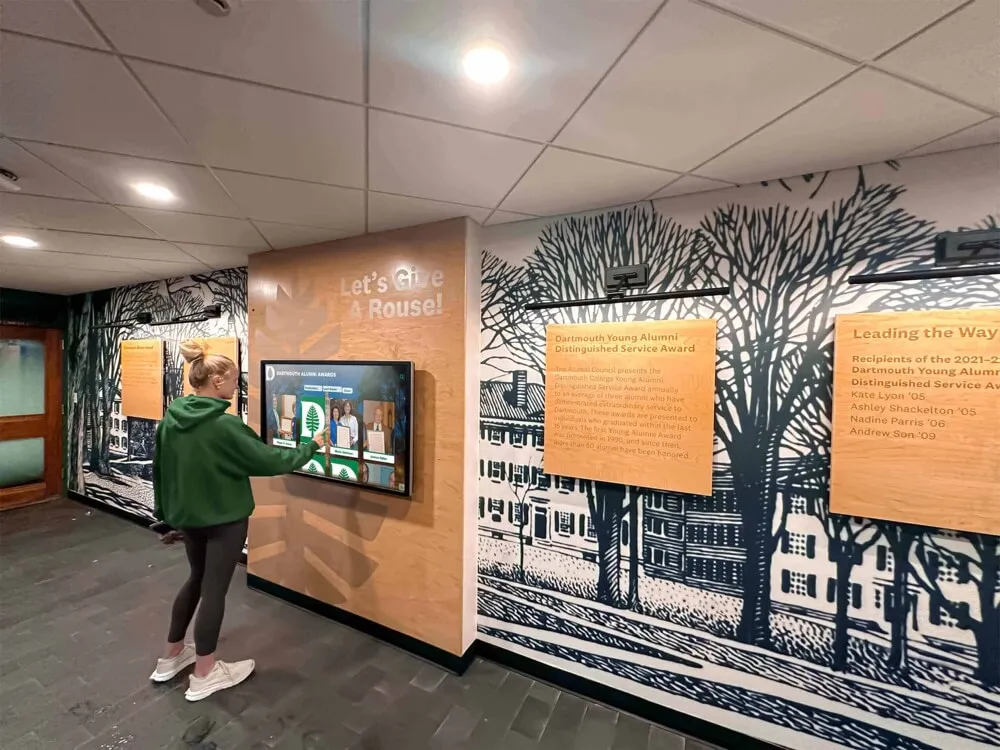
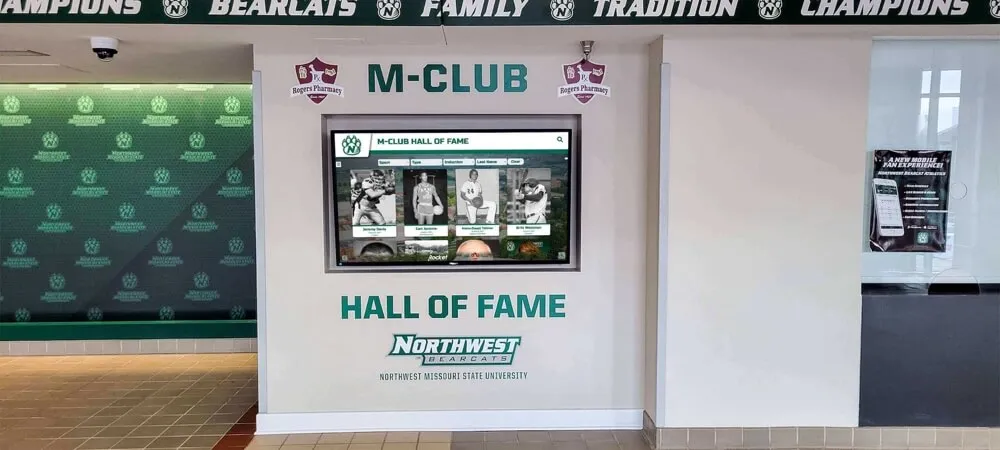
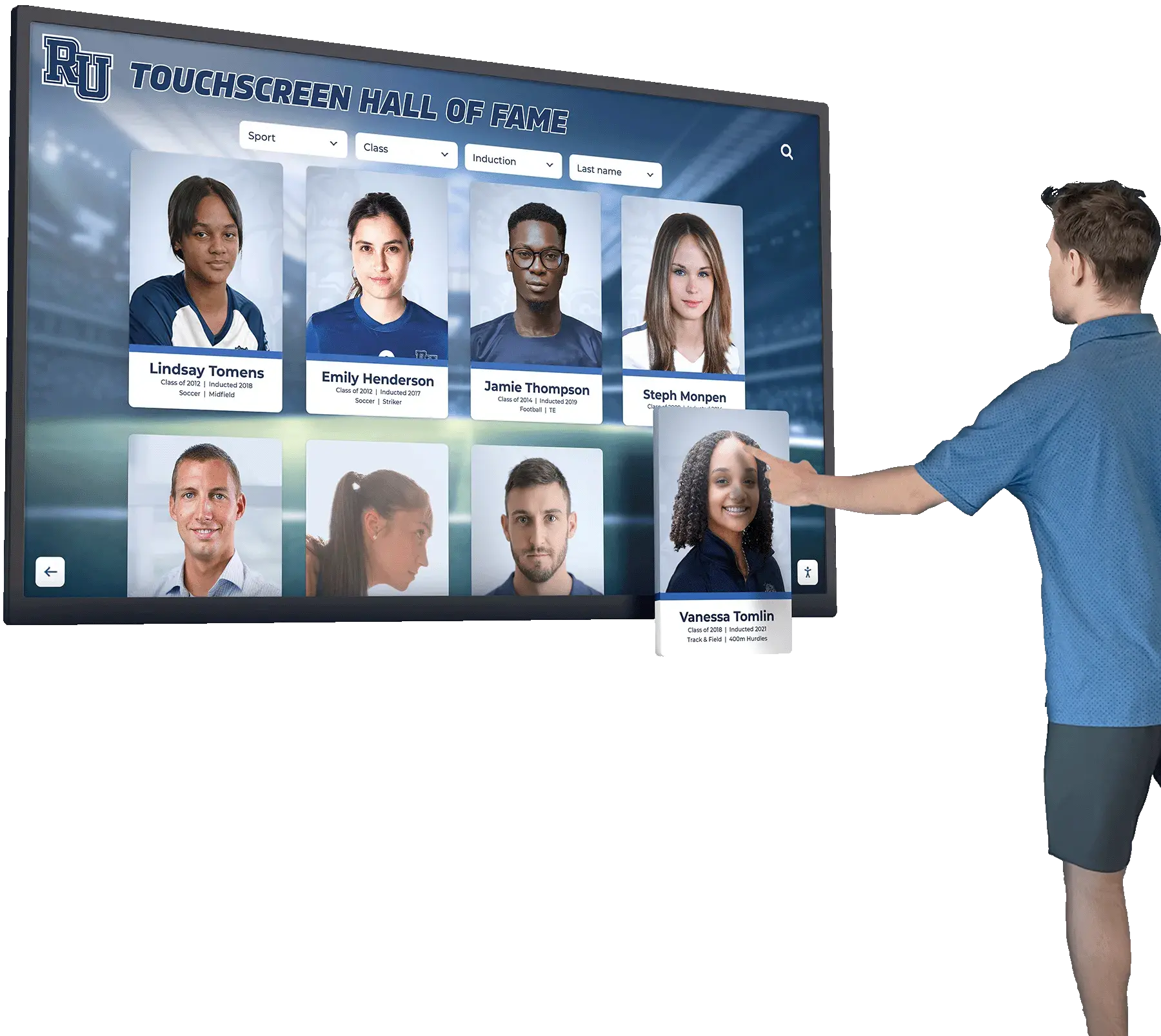
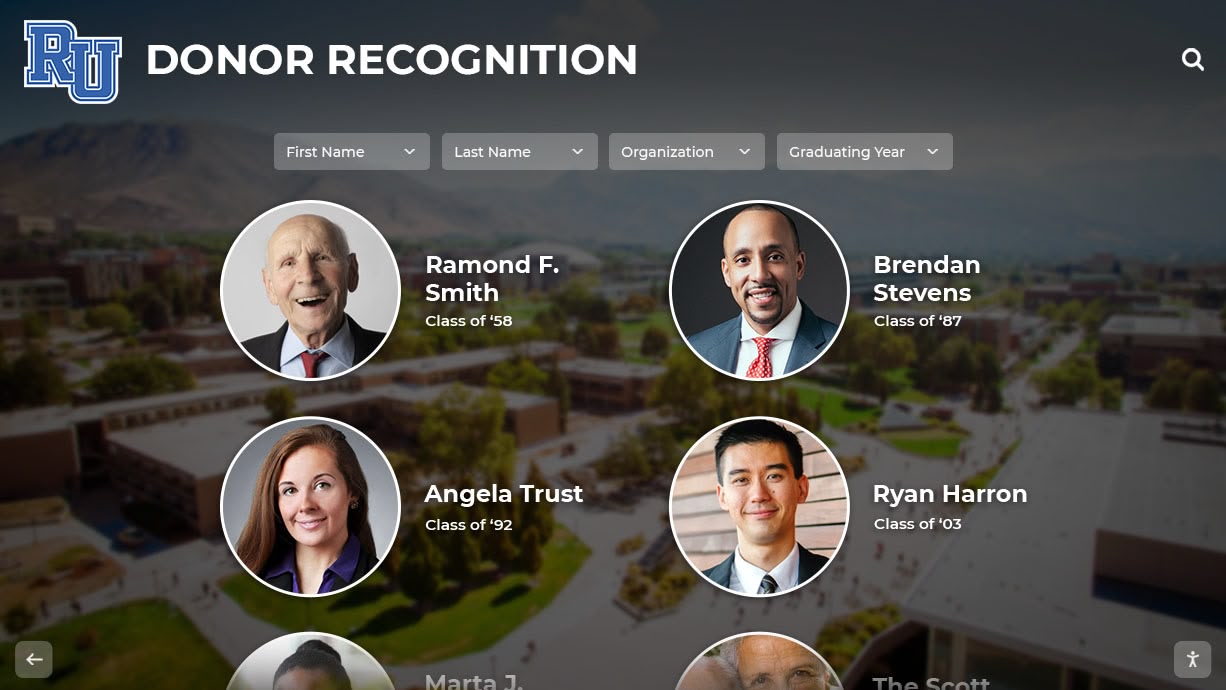
Touchscreen interfaces enable exploring detailed award winner profiles with photos, biographies, and achievement documentation
Multi-Year Comparison and Recognition Trends
Digital platforms enable contextual presentations impossible with static displays: side-by-side profiles of multiple recipients of same award across different years, statistical visualizations showing program growth and participation trends, thematic collections highlighting specific recognition areas (teaching excellence, donor leadership, volunteer commitment), and “hall of fame” designations for exceptional individuals receiving multiple recognitions over time.
This contextual presentation helps community members understand institutional values and priorities through patterns of recognition over time—demonstrating what the school celebrates and considers worthy of permanent acknowledgment.
Comprehensive Donor Recognition Beyond Event Night
Digital recognition systems solve fundamental limitations of temporary gala donor acknowledgment.
All Giving Levels Recognized Equitably
Unlike physical displays with strict space limitations forcing selective recognition, digital platforms accommodate comprehensive acknowledgment: all donors above modest thresholds ($100-500 minimum) receive permanent recognition regardless of contribution size, searchable databases where supporters appear with equal digital representation, customizable views enabling both comprehensive lists and filtering by giving societies or campaigns, and privacy controls allowing donors to manage recognition preferences including anonymous options.
This inclusive approach demonstrates that all support matters regardless of amount—strengthening philanthropic culture by celebrating broad participation rather than exclusively highlighting only wealthiest donors. Research shows this inclusive recognition approach increases overall donor participation rates by 18-24% as more community members feel their contributions are genuinely valued.
Rich Donor Profiles Connecting Gifts to Impact
Move beyond simple name lists toward meaningful recognition that honors supporters appropriately: high-resolution photographs of donors or programs their support enables, giving histories showing patterns of sustained commitment over time, personal statements from donors explaining motivations and connections to school mission, video testimonials expressing gratitude and describing why they give, impact documentation showing exactly what their contributions accomplished (scholarships funded, facilities built, programs launched), and recognition of non-financial contributions including volunteer service and leadership roles.
Solutions like Rocket Alumni Solutions provide platforms specifically designed for comprehensive donor recognition in educational institutions, making it straightforward to create profiles that celebrate supporters while demonstrating stewardship capacity inspiring continued giving.
Campaign-Specific Recognition Organization
Organize donor acknowledgment around specific fundraising initiatives rather than simply chronological contributions: annual gala campaigns documented year-by-year with attendees, sponsors, and contributors, capital campaigns for major facility projects with before/after documentation, scholarship endowment campaigns showing ongoing student support enabled by invested funds, special project campaigns highlighting specific outcomes (technology upgrades, program launches, equipment purchases), and cumulative lifetime giving recognition celebrating sustained commitment across multiple campaigns.
This campaign-based organization helps donors understand exactly what their specific contributions accomplished rather than viewing support as undifferentiated institutional funding—creating emotional connections between generosity and tangible outcomes.
Learn about effective donor acknowledgment in donor recognition displays that connect contributions to transformational institutional impact.
Archiving Gala Programs, Videos, and Event Materials
Digital recognition extends far beyond honoring individuals to creating comprehensive event archives.
Complete Program Archives
Upload and display complete gala programs, invitations, and printed materials from current and past events: searchable PDF archives where community members can explore historical programs, photo galleries showing event decoration, entertainment, and attendees throughout years, video recordings of keynote speeches, award presentations, and entertainment performances, auction item catalogs documenting items donated and funds raised, and sponsor recognition acknowledging businesses and individuals supporting event logistics.
These archives ensure institutional memory about gala traditions and evolution remains accessible rather than existing only in dusty file cabinets where nobody encounters materials—creating valuable resources for future planning committees learning from past successes while honoring contributors whose support made events possible.
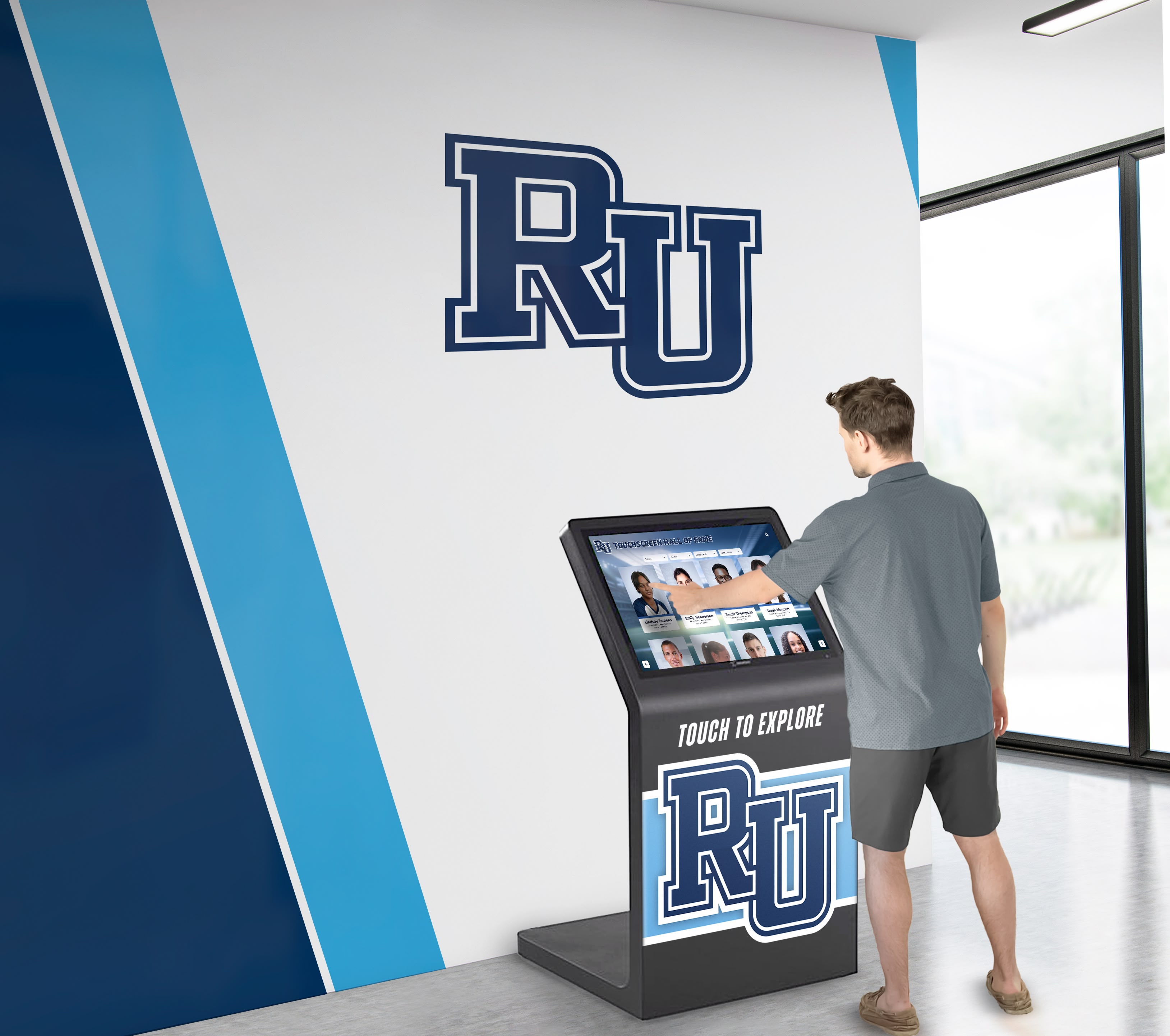
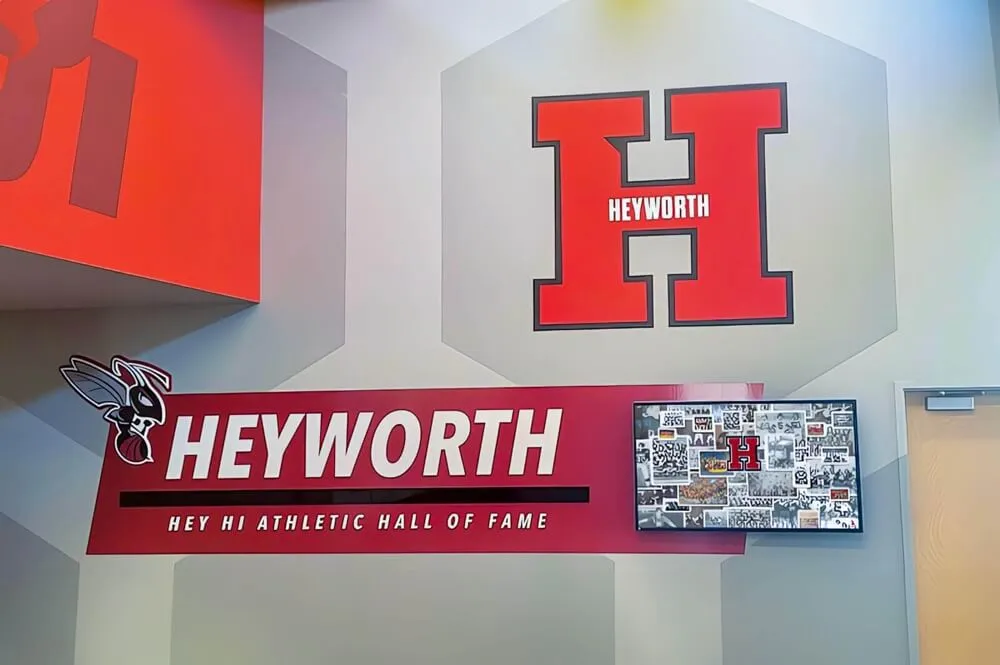
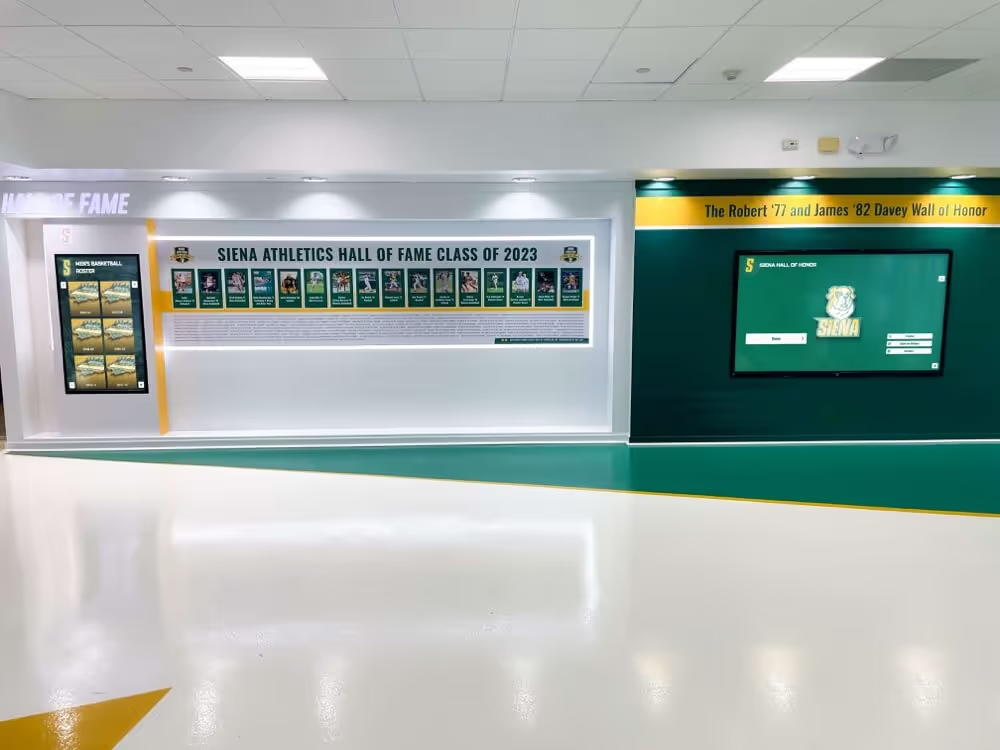
Strategic lobby placement creates gala recognition destinations where parents, students, and visitors explore event history
Multimedia Event Documentation
Leverage rich media capabilities impossible with printed programs: professional event photography showing venue decoration, attendee interactions, and award presentations, video highlights packages capturing key moments and emotional speeches, student performance recordings when entertainment includes school ensembles, behind-the-scenes content showing volunteer committee work and event preparation, and real-time social media integration during events showing community engagement and fundraising progress.
This multimedia documentation creates engaging exploration experiences that bring gala memories alive months or years later—far superior to static printed programs that provide only names and text descriptions.
Fundraising Transparency and Impact Communication
Use digital platforms to demonstrate stewardship and accountability: total funds raised through each gala with trend visualizations across years, allocation breakdowns showing how proceeds were distributed (scholarship funds, programs, facilities), student stories highlighting individuals whose education was enabled through gala-funded scholarships, program outcome documentation showing specific achievements made possible by fundraising, and multi-year cumulative impact statements demonstrating sustained transformation through consistent gala support.
This transparency demonstrates that contributions create measurable difference while building donor confidence in institutional stewardship capacity—critical factors influencing decisions about continued support and increased giving levels.
According to private school fundraising research, schools that provide detailed impact documentation alongside donor recognition experience significantly higher retention rates and larger average contributions compared to institutions offering only acknowledgment without outcome communication.
Planning Comprehensive Digital Recognition for Your Annual Gala
Successful implementation requires systematic planning addressing content strategy, technology selection, and ongoing management approaches.
Establishing Recognition Philosophy and Policies
Core Policy Decisions
School leadership should collaboratively establish recognition guidelines addressing minimum contribution thresholds for various donor recognition levels, award selection criteria and nomination processes ensuring transparent merit-based selection, timeline expectations for adding new honorees following gala events, privacy options and default settings respecting diverse donor preferences, approval processes for biographical content and award descriptions, memorial and tribute gift handling when contributions honor deceased community members, and periodic policy reviews ensuring approaches remain aligned with institutional values.
Document these policies clearly, communicate them transparently to community, and apply them consistently regardless of recipient prominence—critical for maintaining trust and program integrity while preventing perceptions of favoritism or inequitable treatment.
Balancing Inclusive Recognition with Strategic Differentiation
Schools navigate tension between recognizing all supporters and acknowledging that larger contributions warrant enhanced recognition: basic acknowledgment for all donors above modest thresholds ($100-500) ensuring inclusive culture, enhanced recognition for giving society members and major donors with detailed profiles, comprehensive multimedia presentations for transformational gifts enabling signature programs, equal search accessibility regardless of contribution size avoiding spatial hierarchies, and campaign-specific organization preventing dominance by a few major donors.
This balance strengthens school culture by celebrating broad participation while appropriately honoring exceptional generosity—both critical for sustainable fundraising and community building.
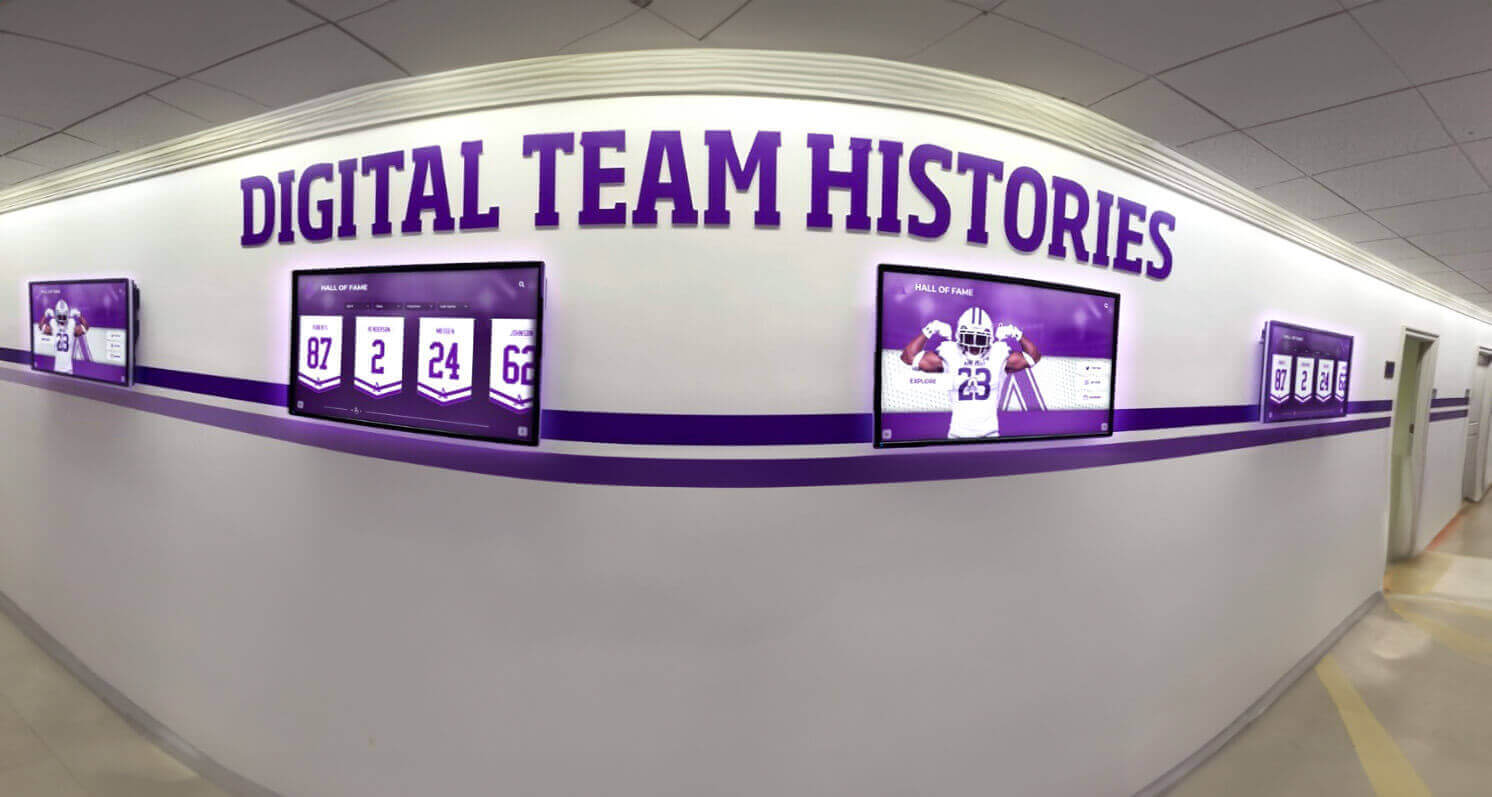
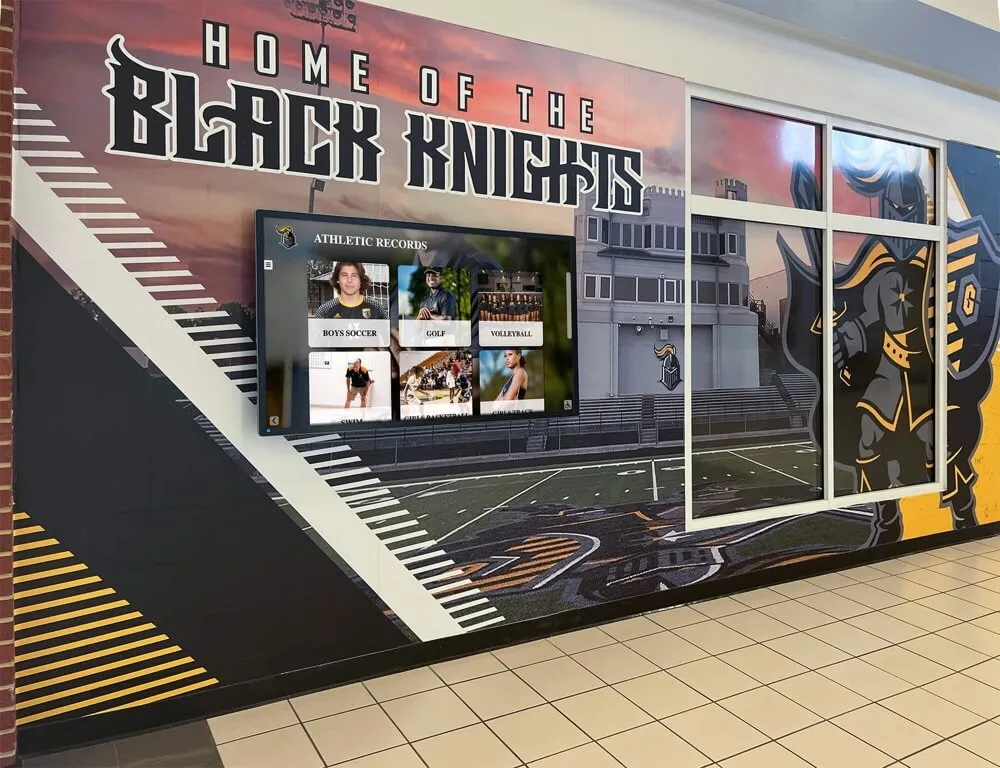
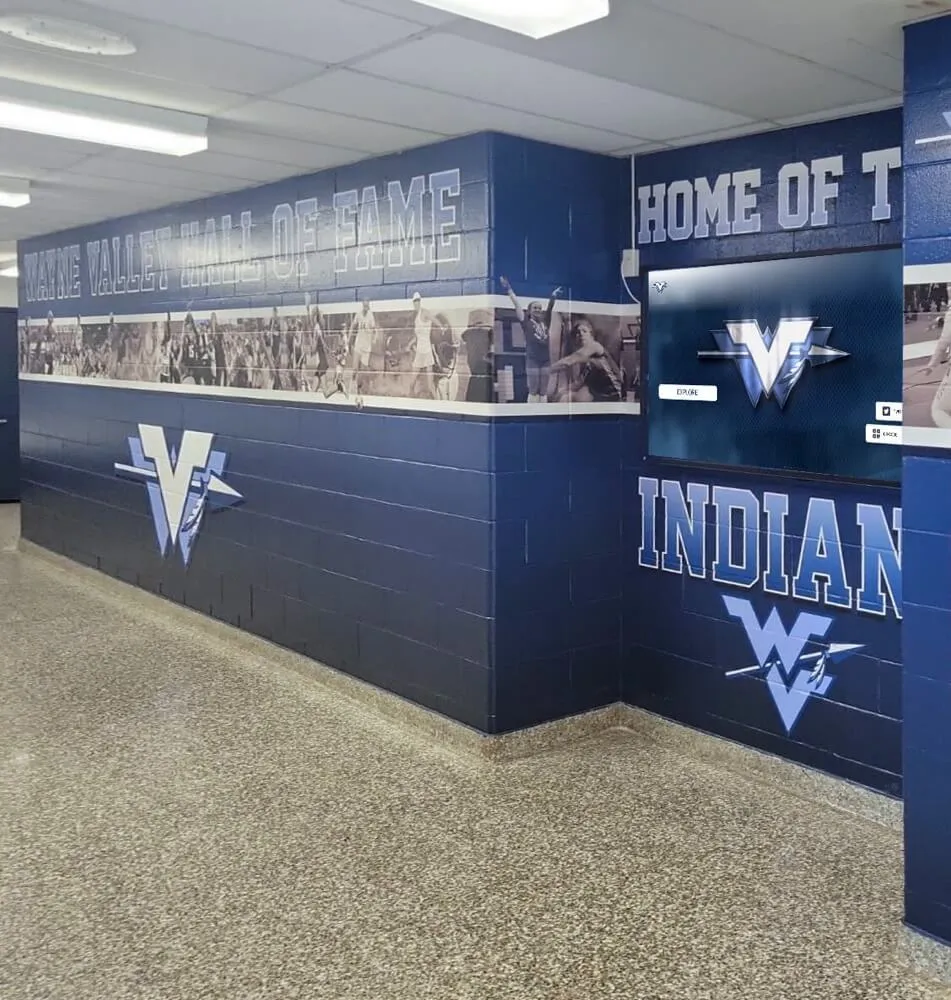
Distributed displays throughout facilities ensure comprehensive visibility for gala recognition across multiple high-traffic locations
Content Strategy and Information Architecture
Essential Award Winner Information
Comprehensive award recipient recognition requires systematic data collection: full names with appropriate titles and credentials, professional biographies highlighting relevant experience and achievements, specific accomplishments or contributions meriting recognition, tenure information for service milestone awards, high-resolution professional photographs, acceptance speech excerpts or written reflections, impact documentation showing specific outcomes award winners enabled, and acknowledgment of family members or colleagues who supported recognized achievements.
Gather this information promptly following gala events while details remain fresh and recipients are engaged—waiting weeks or months often results in incomplete data undermining recognition quality.
Comprehensive Donor Data Requirements
Effective donor recognition requires detailed supporter information: complete names including preferred name variations, contribution histories with dates, amounts, and campaign designations, giving society memberships and cumulative lifetime totals, biographical information and professional backgrounds when available, photographs of donors or programs their support enables, personal statements explaining motivations and school connections, volunteer involvement complementing financial contributions, family relationships for multi-generational supporters, and recognition preferences including privacy settings.
Compile this data from development databases, donor questionnaires, gala registration information, photography captured during events, and direct outreach to major donors requesting enhanced profile information.
Gala Event Documentation
Systematic event archiving ensures comprehensive documentation: complete printed programs, invitations, and promotional materials, professional photography covering venue setup, attendee interactions, and award presentations, video recordings of speeches, performances, and key moments, auction item lists and results documentation, sponsor acknowledgment and contributor lists, fundraising totals and allocation plans, committee member recognition thanking volunteers who organized events, and post-event communication including thank you materials and impact reports.
Designate specific individuals responsible for gathering and organizing these materials immediately following events—waiting until later often results in lost documentation as people’s attention shifts and materials get discarded or misplaced.
Learn about systematic documentation approaches in school historical timeline guides addressing archival best practices and content management.
Technology Platform Selection and Hardware Decisions
Essential Platform Capabilities
Schools should evaluate digital recognition solutions based on ease of use requiring minimal technical expertise for content management, unlimited capacity accommodating growth without platform constraints, robust multimedia support for photos, videos, and rich content, intuitive search and filtering enabling easy exploration, privacy controls allowing preference management, cloud-based architecture enabling remote updates, mobile-responsive design extending access beyond physical displays, analytics revealing engagement patterns, and reliable vendor support ensuring long-term sustainability.
School-Specific Feature Requirements
Beyond general recognition capabilities, evaluate features particularly relevant for gala documentation: event calendar integration showing upcoming galas and registration information, multi-campaign management tracking various fundraising initiatives simultaneously, donor database integration synchronizing with existing advancement systems, tribute and memorial gift handling with appropriate sensitivity, volunteer recognition acknowledging non-financial contributions, and appropriate aesthetic controls ensuring professional presentation consistent with institutional brand.
Purpose-built recognition platforms designed specifically for educational institutions offer significant advantages over generic digital signage systems lacking donor management sophistication.
Hardware Specifications and Installation Planning
Appropriate display technology significantly impacts user experience: commercial-grade touchscreen displays rated for continuous operation (43-75 inches typical), capacitive touch technology providing responsive interaction, sufficient brightness for various lighting conditions, mounting options including wall-mounted or freestanding kiosks, reliable connectivity supporting cloud content delivery, and comprehensive warranty coverage protecting investments.
Strategic Placement Considerations
Display location dramatically affects visibility and engagement: main entrances and lobbies ensuring all visitors encounter recognition, development offices where prospective donors meet with fundraising staff, near school auditoriums where gala events occur creating visual connection, high-traffic gathering spaces where community congregates regularly, and distributed locations throughout larger campuses reaching diverse audiences.
Professional installation ensuring secure mounting, clean cable management, and appropriate viewing heights justifies investment—particularly important in school settings where displays must maintain professional appearance indefinitely.
Explore comprehensive implementation planning in digital recognition display guides covering technology selection and deployment strategies.
Creating Compelling Gala Recognition Content
Excellence requires thoughtful content development that celebrates honorees while inspiring continued community engagement.
Award Winner Profile Development
Essential Profile Components
Comprehensive award recognition includes biographical narratives highlighting personal and professional backgrounds relevant to achievements, specific contributions or accomplishments meriting recognition with concrete examples, tenure information and service history demonstrating sustained commitment, teaching philosophy or leadership approach for educator awards, impact documentation showing student outcomes or program results, quotes from colleagues, students, or community members, professional photographs capturing recipients’ personalities, and acceptance speech excerpts or written reflections about recognition significance.
Storytelling Approaches That Inspire
Frame award winner content to inspire emulation and celebrate institutional values: emphasize specific actions recipients took worthy of recognition rather than only personal characteristics, connect individual achievements to broader institutional missions and community impact, include obstacles overcome or challenges navigated demonstrating resilience, highlight mentorship or collaborative relationships rather than only individual accomplishments, and conclude with forward-looking reflections about continued commitment rather than only celebrating past achievements.
This approach creates recognition that motivates others toward similar excellence rather than simply documenting past accomplishments—transforming acknowledgment into cultural catalyst inspiring continued commitment to institutional values.

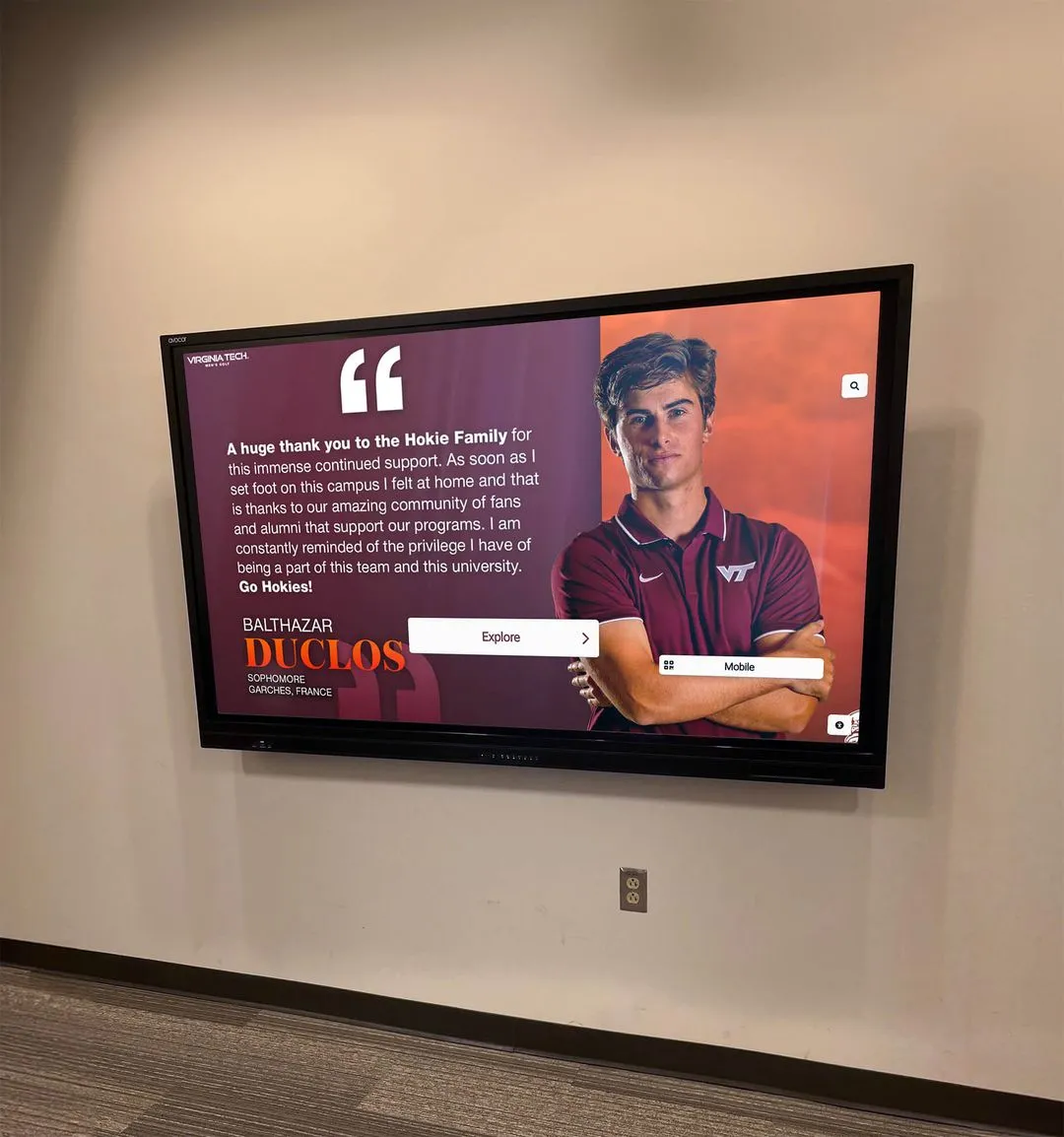
Rich multimedia profiles celebrate award winners comprehensively with photos, biographies, and achievement documentation
Donor Recognition That Connects Generosity to Impact
Moving Beyond Name Lists
Transform simple donor acknowledgment into meaningful recognition emphasizing outcomes: detailed project descriptions explaining exactly what specific contributions accomplished, before/after photography showing facility improvements or program launches enabled by donations, video testimonials from scholarship recipients whose education was funded by generosity, statistical documentation demonstrating measurable impact (number of students supported, programs launched, community members served), long-term outcome documentation showing sustained value from philanthropic investments, and donor statements explaining personal motivations and connections to school mission.
Research consistently demonstrates that impact-focused recognition generates longer engagement and stronger emotional connections compared to simple name lists—creating acknowledgment that inspires continued giving through demonstrated transformation.
Celebrating Collective Community Generosity
Beyond individual donor recognition, celebrate aggregate community support: total funds raised through gala history with visualizations showing growth over time, cumulative scholarship impact documenting total students supported across years, participation statistics highlighting percentage of families contributing regardless of amount, volunteer hour calculations demonstrating comprehensive community investment, and milestone celebrations when fundraising reaches significant thresholds.
This collective recognition strengthens community bonds by emphasizing shared accomplishment rather than only celebrating wealthiest individual donors—important for maintaining inclusive culture where all contributions are valued.
Learn about effective impact communication in donor recognition best practices that strengthen supporter relationships through outcome-focused acknowledgment.
Multimedia Content Production Best Practices
Professional Photography Guidelines
High-resolution images minimum 1920x1080 for full-screen display, professional lighting and composition rather than casual event snapshots, diverse representation showing breadth of community participation, environmental portraits capturing honorees in relevant settings (classrooms, facilities, program locations), permission documentation ensuring rights to use photos of identifiable individuals, and consistent editing style maintaining polished presentation across all content.
Video Content Standards
Brief durations maintaining engagement (90-180 seconds typical for testimonials, 3-5 minutes maximum for comprehensive program overviews), professional audio quality ensuring clear dialogue without distracting background noise, captioning supporting accessibility and environments where audio cannot play, compelling storytelling following narrative arcs with beginning/middle/end structure, technical specifications matching display capabilities (1080p resolution typical), and interview techniques eliciting authentic emotional responses rather than scripted statements.
Schools often achieve excellent results combining professional videography for signature gala highlight videos with staff-produced content for ongoing updates—balancing quality with sustainability while ensuring regular content refreshment.
Program Archive Digitization
Convert printed materials into searchable digital formats: high-resolution scanning of historical programs, invitations, and printed materials, optical character recognition (OCR) making text searchable within archived documents, metadata tagging enabling filtering by year, event type, or honoree category, preservation of original layout and design rather than plain text conversion, and backup storage protecting irreplaceable historical documentation.
This digitization ensures gala history remains accessible perpetually rather than deteriorating in storage—creating valuable institutional memory documenting traditions and evolution over decades.
Explore multimedia strategy in interactive touchscreen software guides addressing content production and management approaches.
Measuring Recognition Program Success and Fundraising Impact
Assessment demonstrates value while identifying improvement opportunities ensuring displays achieve intended objectives.
Quantitative Engagement Metrics
Digital Platform Analytics
Modern recognition systems provide concrete usage data: display interaction frequency showing total sessions and trends over time, average session duration indicating depth of engagement, most-viewed honoree profiles identifying popular content, search patterns revealing how visitors navigate recognition, peak usage times informing optimal content update scheduling, geographic access data for web platforms extending beyond physical displays, and return visitor rates demonstrating sustained interest.
These metrics reveal whether recognition generates intended engagement or requires strategy adjustments—providing objective evidence of effectiveness beyond subjective impressions.
Fundraising Impact Indicators
Track broader metrics potentially influenced by recognition: overall giving trends following recognition deployment comparing pre- and post-implementation periods, gala attendance and participation rates across years, donor retention rates tracking continued support, average contribution sizes and giving frequency patterns, major gift solicitation success rates and pipeline development, planned giving inquiries and legacy society commitments, and donor survey responses about satisfaction and institutional connection.
While causation requires careful analysis given multiple factors influencing fundraising outcomes, positive trends correlating with recognition improvements suggest programs contribute meaningfully to development objectives.
, enhance existing profiles with updated information as recipients continue contributing, and monitor analytics identifying popular content and engagement patterns informing strategy.
Cloud-based management dramatically reduces administrative burden compared to physical displays requiring on-site modification—making ongoing maintenance sustainable even for resource-constrained schools.
Content Evolution Strategy
Beyond adding new honorees, continuously enhance existing recognition: supplement profiles with updated photographs and achievement documentation, add anniversary recognition for significant milestones (10, 25 years since awards), incorporate video testimonials or acceptance speeches collected at recent galas, update program archives with recent event documentation, create thematic collections highlighting specific recognition areas (teaching excellence, scholarship support, volunteer leadership), and seasonal content highlighting relevant themes during specific times (back-to-school, graduation, giving seasons).
Regular content refreshment prevents recognition from becoming static historical documentation—instead maintaining dynamic celebration of ongoing excellence and continued community engagement.
Technical Maintenance and Platform Management
System Reliability Requirements
Professional recognition requires ongoing technical attention: display hardware monitoring ensuring continuous operation and prompt issue resolution, software platform updates implementing new features and security patches, content backup protecting against data loss or corruption, network connectivity verification supporting remote management capabilities, technical support relationships ensuring rapid response when issues arise, and hardware warranty coverage and replacement planning for aging equipment.
Schools should budget $1,500-$3,500 annually for platform subscriptions and technical support—ensuring recognition systems remain reliable and effective long-term rather than becoming abandoned technology investments dishonoring supporters through neglect.
Training and Succession Planning
Ensure program sustainability despite personnel changes: document standard operating procedures for content management tasks, maintain administrator credential information securely accessible to appropriate personnel, provide training for backup staff who can manage recognition during primary administrator absences, establish vendor contact information and technical support procedures, and periodically review processes ensuring knowledge transfer when development staff transitions occur.
These continuity measures prevent recognition programs from deteriorating when individuals who implemented systems leave schools or transition to other roles—common occurrence in independent school environments with frequent personnel changes.
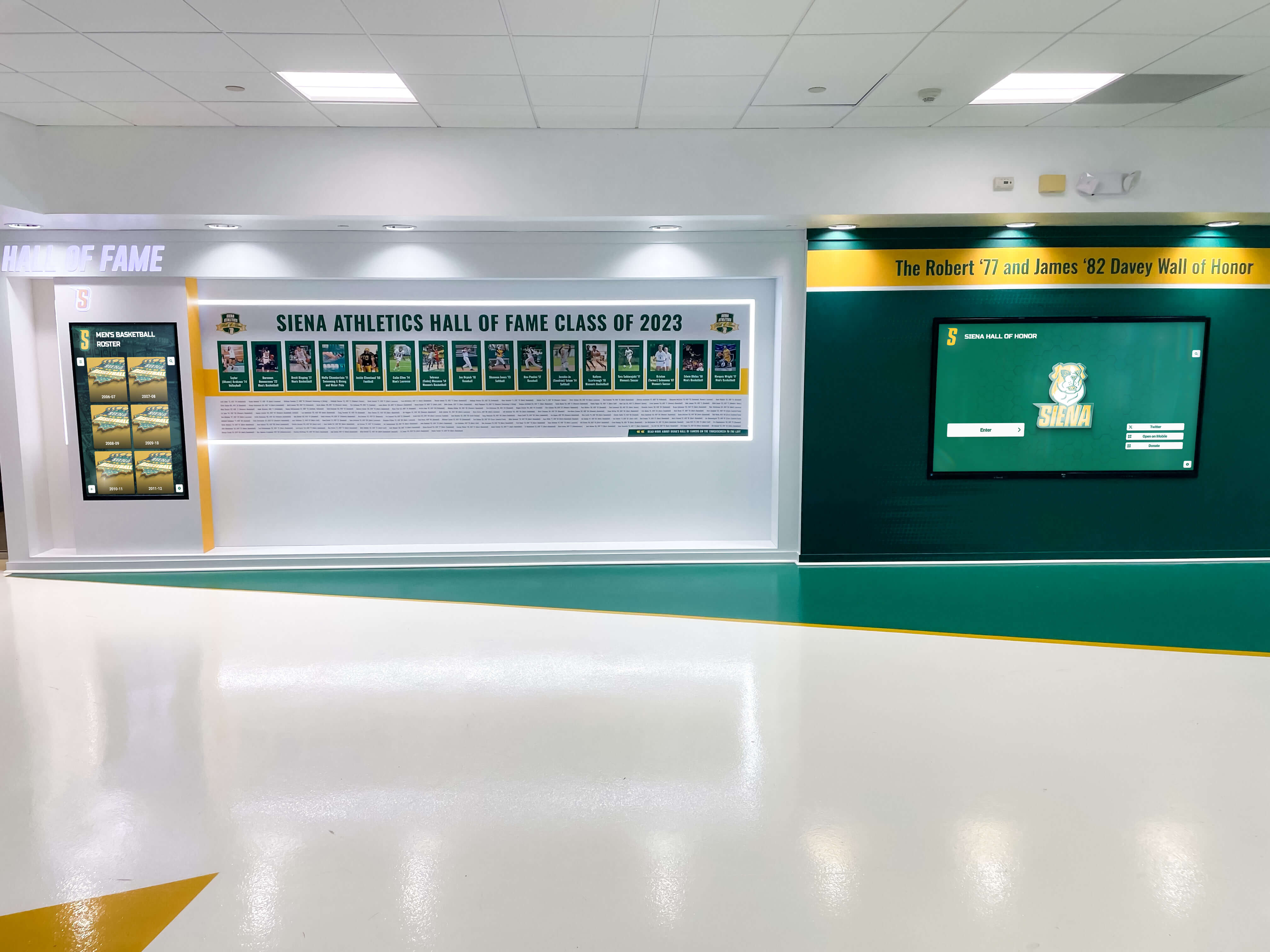
Comprehensive recognition installations become institutional landmarks celebrating community excellence while inspiring continued engagement
Integration with Broader Development and Communications Strategies
Comprehensive Stewardship Approach
Recognition should function as component within integrated advancement programs: reference displays during major gift solicitations demonstrating stewardship capacity, incorporate recognition content into newsletters, annual reports, and communications materials, use award winner and donor profiles as testimonials (with permission) in broader messaging, connect recognition to admission tours showcasing school culture and values, leverage analytics insights informing donor communication strategies and prospect identification, and integrate with online giving platforms enabling immediate recognition for digital contributions.
Cultivation and Solicitation Applications
Use recognition strategically in fundraising processes: showcase displays during prospect facility tours demonstrating appreciation culture, highlight specific impact stories relevant to prospect interests and capacity, explain recognition approaches during major gift conversations addressing donor concerns about acknowledgment, demonstrate organizational professionalism through well-maintained current recognition, and create aspirational examples of meaningful philanthropy inspiring similar generosity.
This integration ensures recognition reinforces rather than replaces other development efforts while providing tangible demonstration of stewardship excellence enhancing overall fundraising effectiveness.
Learn about integration strategies in comprehensive advancement programs addressing coordination across development, communications, and institutional advancement functions.
Common Challenges and Implementation Solutions
Schools frequently encounter specific obstacles requiring thoughtful responses.
“Our School Is Too Small for Digital Recognition”
Scalability for All School Sizes
Digital recognition benefits schools of all sizes: small schools typically have fewer honorees making comprehensive recognition more achievable not less, unlimited capacity means even modest donor bases receive appropriate acknowledgment, phased implementation enables starting with essential features then expanding systematically, and content quality matters more than volume—compelling storytelling about few honorees creates stronger impact than superficial coverage of many.
Many schools with fewer than 300 students successfully implement digital recognition that becomes valued component of institutional culture while demonstrating professionalism attracting prospective families.
“We Can’t Afford Professional Recognition Systems”
Budget-Conscious Implementation Strategies
Multiple approaches enable recognition within various budget constraints: phased deployment starting with single display and essential features then expanding as additional funding becomes available, recognition system sponsorship where major donor funds installation becoming first honoree, memorial dedication where recognition platform itself honors generous community member, capital campaign inclusion positioning recognition as component within broader facility projects, and grant funding from foundations supporting organizational capacity building in independent schools.
Many schools report that recognition improvements generate increased giving covering implementation costs within 18-24 months through enhanced donor retention and cultivation—making appropriate investment strategic rather than discretionary expense.
“Donors Might Find Recognition Too Prominent or Boastful”
Culturally Appropriate Recognition Design
Schools navigate diverse community values about acknowledgment: emphasize impact and outcomes enabled by generosity rather than celebrating donor prominence, provide anonymous giving options for supporters preferring discretion, balance individual recognition with collective community acknowledgment, include mission-focused messaging contextualizing giving within institutional values, and secure donor input during recognition design ensuring approaches align with community preferences.
Thoughtfully designed recognition celebrates stewardship appropriately while respecting diverse perspectives about acknowledgment—typically strengthening rather than dividing school communities when implemented with cultural sensitivity.
Explore solutions to common challenges in recognition implementation guides addressing frequent obstacles and proven response strategies.
Future Trends in Private School Gala Recognition
Understanding emerging developments helps schools plan recognition investments remaining relevant long-term.
Real-Time Gala Integration and Live Displays
Next-Generation Event Features
Emerging technologies transform gala experiences: real-time donation displays showing fundraising progress during events creating momentum and collective giving atmosphere, mobile app integration enabling attendees to explore recognition content while bidding in auctions, live social media feeds incorporating attendee posts and photos into displays, QR code check-in updating attendance recognition immediately, and video messaging enabling remote donors to participate and be acknowledged even when unable to attend physically.
These innovations continue expanding recognition possibilities while creating more engaging event experiences that inspire increased participation and giving.
Advanced Analytics and Predictive Insights
Data-Driven Development Strategy
Recognition platforms increasingly provide sophisticated analytics: engagement pattern analysis identifying content resonating most with community members, donor behavior correlations revealing relationships between recognition and giving patterns, predictive modeling suggesting optimal recognition strategies for different supporter segments, A/B testing enabling comparison of alternative content approaches, and integration with advancement CRM systems providing comprehensive donor intelligence across touchpoints.
Connected analytics ecosystems reduce administrative burden while providing more complete development insights informing strategic decision-making and resource allocation.
Enhanced Multimedia and Immersive Experiences
Innovation in Content Presentation
Next-generation recognition incorporates advanced capabilities: augmented reality experiences enabling virtual facility tours showing spaces funded by campaigns, 360-degree video immersion transporting viewers to gala events or program locations, interactive timelines visualizing institutional evolution and campaign history, voice-enabled navigation supporting hands-free exploration for accessibility, and personalized content recommendations based on viewer interests and exploration patterns.
These innovations continue widening advantages digital platforms provide over static traditional approaches while creating increasingly engaging recognition experiences.
Explore emerging trends in digital recognition technology guides covering innovation trajectories and future developments.
Conclusion: Building Lasting Legacy Through Comprehensive Gala Recognition
Private school gala fundraisers represent far more than elegant social events—they function as critical community-building experiences that celebrate excellence, honor generosity, raise essential scholarship funds, and strengthen institutional bonds sustaining schools for generations. Yet despite significant investment in these signature events, many schools fail to extend recognition and impact beyond event night itself—leaving achievements forgotten, donor appreciation limited to temporary acknowledgment, and opportunities to inspire continued giving largely unrealized.
Digital recognition displays transform this dynamic by creating year-round visibility for award winners whose excellence deserves perpetual celebration rather than brief event-night acknowledgment, honoring donors comprehensively through meaningful recognition connecting generosity to tangible outcomes, archiving programs and event materials where community members can explore gala history indefinitely, and building sustainable stewardship cultures where philanthropy becomes celebrated as fundamental expression of shared commitment to educational mission enabling student opportunity regardless of financial circumstances.
Transform Your Gala Recognition Program
Discover how modern digital recognition solutions can help your school celebrate annual gala award winners comprehensively, honor donors meaningfully, archive event materials permanently, and build lasting stewardship cultures that inspire continued scholarship support. Rocket Alumni Solutions provides comprehensive platforms designed specifically for private schools and educational institutions committed to recognition excellence.
Explore Recognition SolutionsThe most successful school gala recognition programs share common characteristics: they extend celebration far beyond event night itself through permanent visibility, emphasize impact and transformation enabled by generosity rather than only listing names, accommodate comprehensive acknowledgment for all honorees and donors without space constraints, maintain content excellence through ongoing management and enhancement, integrate thoughtfully within broader advancement and communications strategies, and evolve continuously based on community feedback and demonstrated fundraising outcomes.
Whether your school is hosting its first annual gala or celebrating decades of tradition, remember that authentic gratitude and meaningful connection matter more than sophisticated technology or expensive installations. Start with clear understanding of community values and institutional priorities, implement recognition approaches celebrating achievement and generosity appropriately, create comprehensive archives documenting gala history and evolution, commit to ongoing content enhancement maintaining recognition excellence, and measure effectiveness through both quantitative metrics and qualitative community impact.
Your award recipients have demonstrated excellence worthy of perpetual celebration extending far beyond brief stage acknowledgment. Your donors have sacrificed to enable scholarship funding transforming lives through educational access. They deserve recognition that honors their contributions appropriately while inspiring continued commitment to school mission—creating sustainable philanthropic cultures where generosity becomes visible testimony to shared values and community dedication to educational excellence accessible to all qualified students regardless of financial capacity.
Ready to begin? Explore how Rocket Alumni Solutions can help your school create meaningful gala recognition programs that celebrate award winners comprehensively, honor donors effectively, archive event materials permanently, and build sustainable stewardship cultures funding scholarship opportunities enabling educational transformation for generations of students whose attendance might otherwise be impossible due to financial constraints.
Sources:
- 55+ Genius School Fundraising Ideas: Shatter Your 2025 Goals
- Private School Fundraiser Events - Profitable and Risk Free
- Planning a Fundraising Gala for Your High School
- Donor Walls, Plaques, & Signs: The Best Recognition Strategy
- Meet the 2025 Health & Medicine Award Winners!
- A Complete Guide to Fundraising Galas + Top 10 Event Ideas
- Groundbreaking Private School Fundraising Tips | GiveCampus
- Live Event Displays - Features - Pledge