



Fraternity and sorority history represents irreplaceable documentation of generations of members, traditions, achievements, and shared experiences that define each chapter’s unique identity and lasting legacy. From fading composite photographs documenting membership across decades to scrapbooks chronicling social events and philanthropic accomplishments, these materials tell stories connecting current members to founding traditions while preserving the legacy brothers and sisters have built through decades of dedication.
Yet chapter archives face persistent threats that jeopardize this precious history. Physical composites deteriorate in storage without climate control, photos fade and become brittle with age, documentation remains scattered across storage closets and alumni basements, water damage and pests threaten irreplaceable materials, and limited display space means most history stays hidden from current members who could draw inspiration from understanding their chapter’s complete story.
This comprehensive guide explores how fraternities and sororities can systematically preserve chapter history through digital archiving, create engaging recognition displays celebrating member achievements across all eras, implement searchable databases connecting alumni to their past, and leverage modern technology ensuring future generations access complete chapter legacy rather than edited fragments surviving physical deterioration and institutional memory loss.
Effective Greek life history preservation extends beyond simply scanning old photos—it creates comprehensive digital systems that honor every member appropriately, make archives discoverable through intuitive search, preserve multimedia content including videos and audio recordings, and transform static historical materials into engaging experiences that strengthen member connections to chapter tradition and identity.

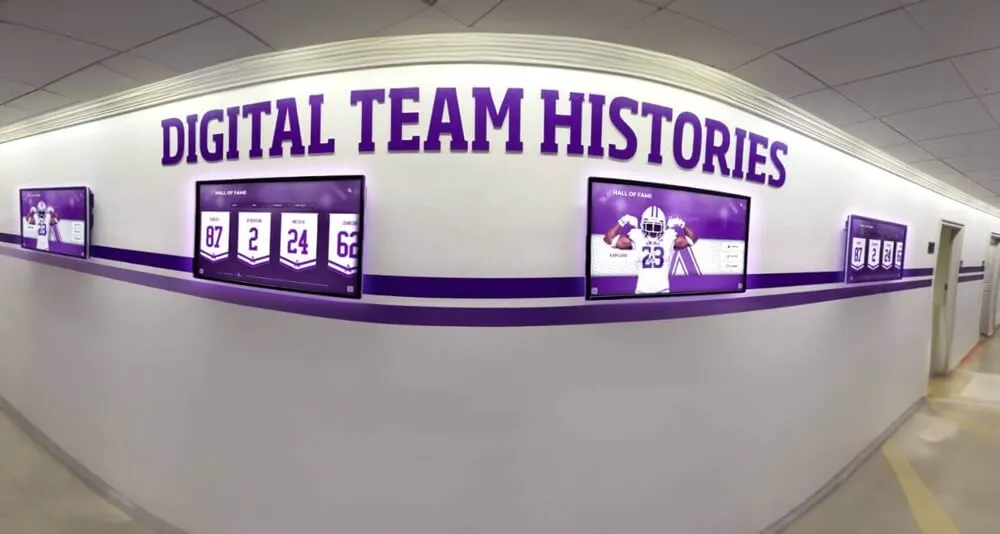
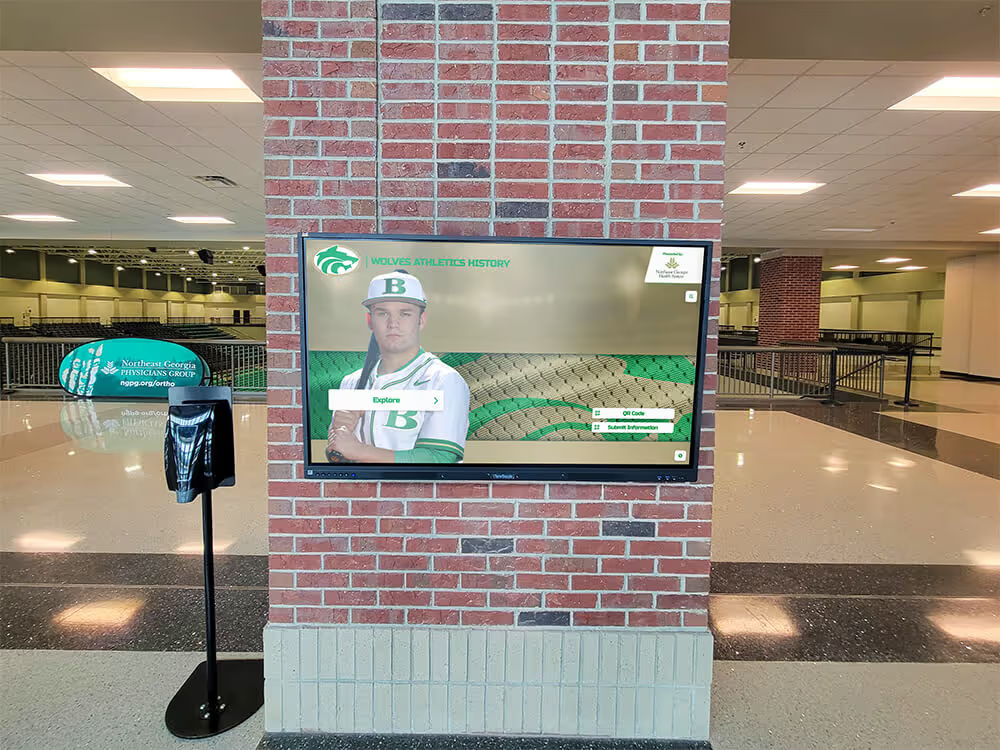
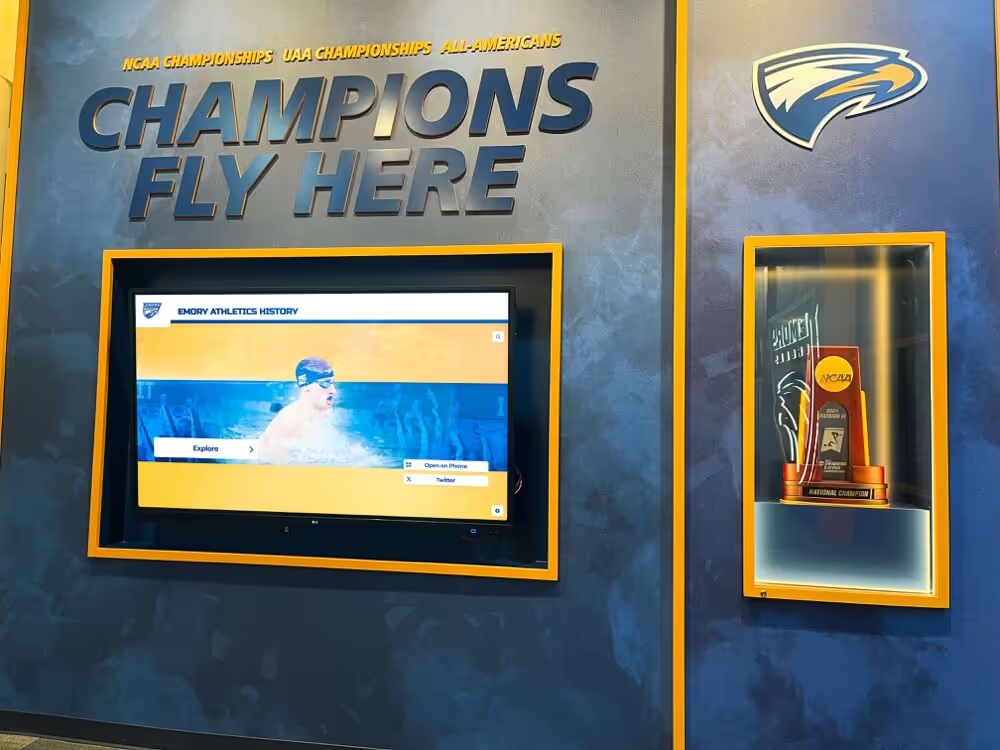
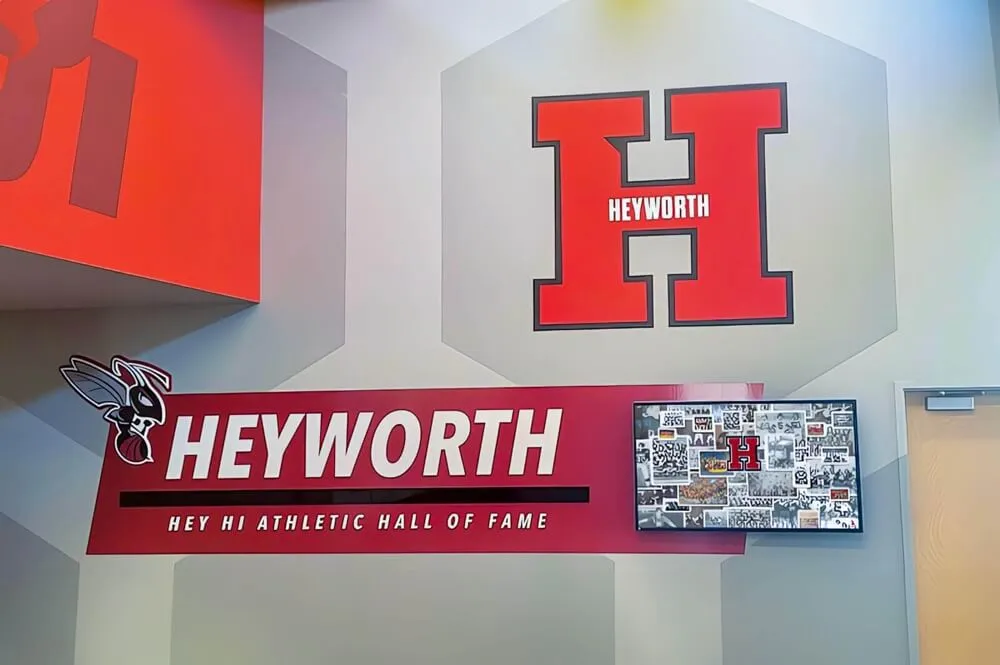
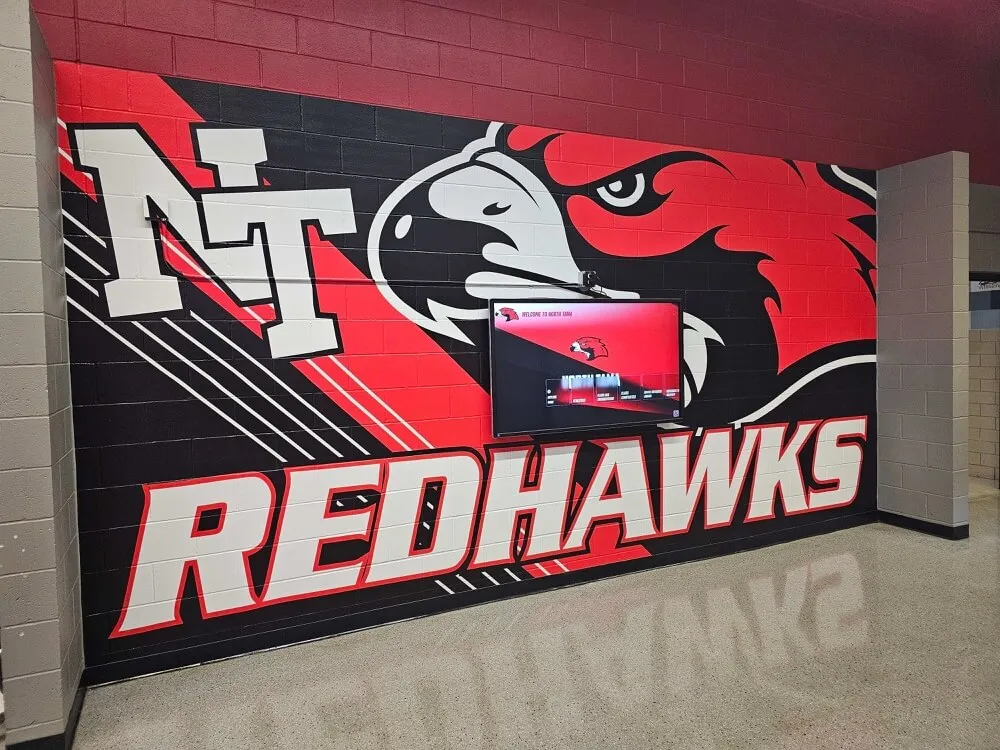
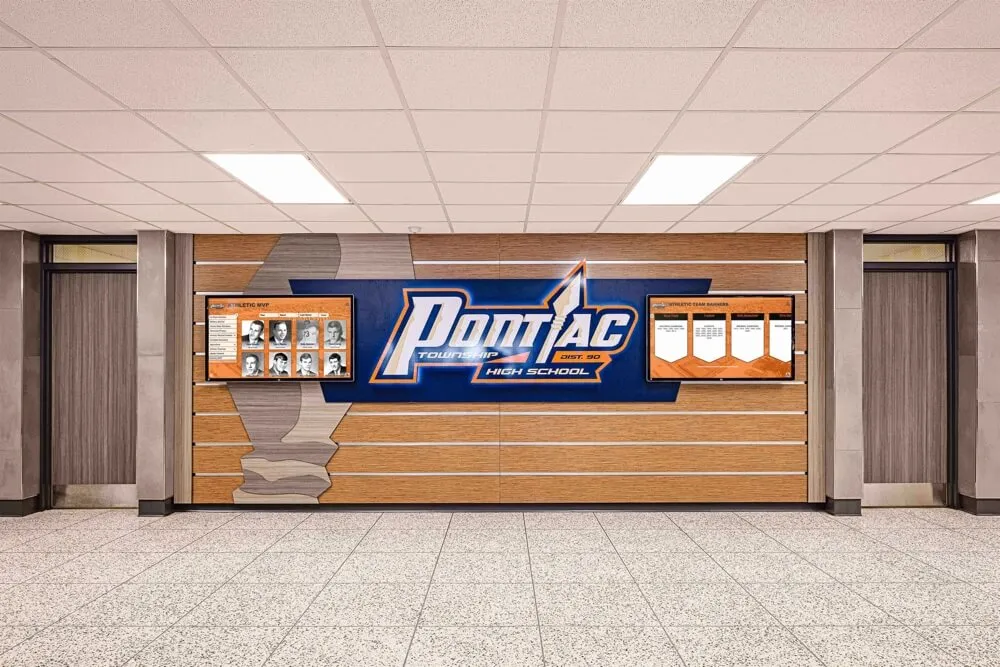
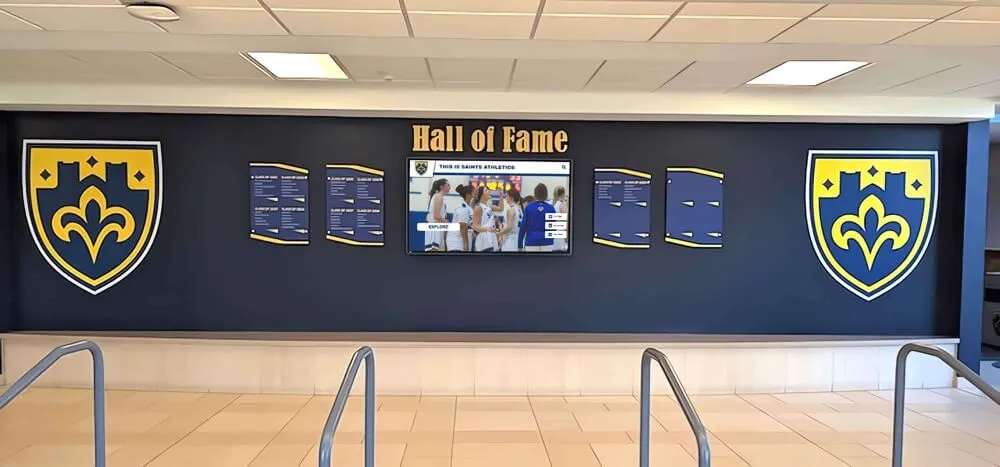
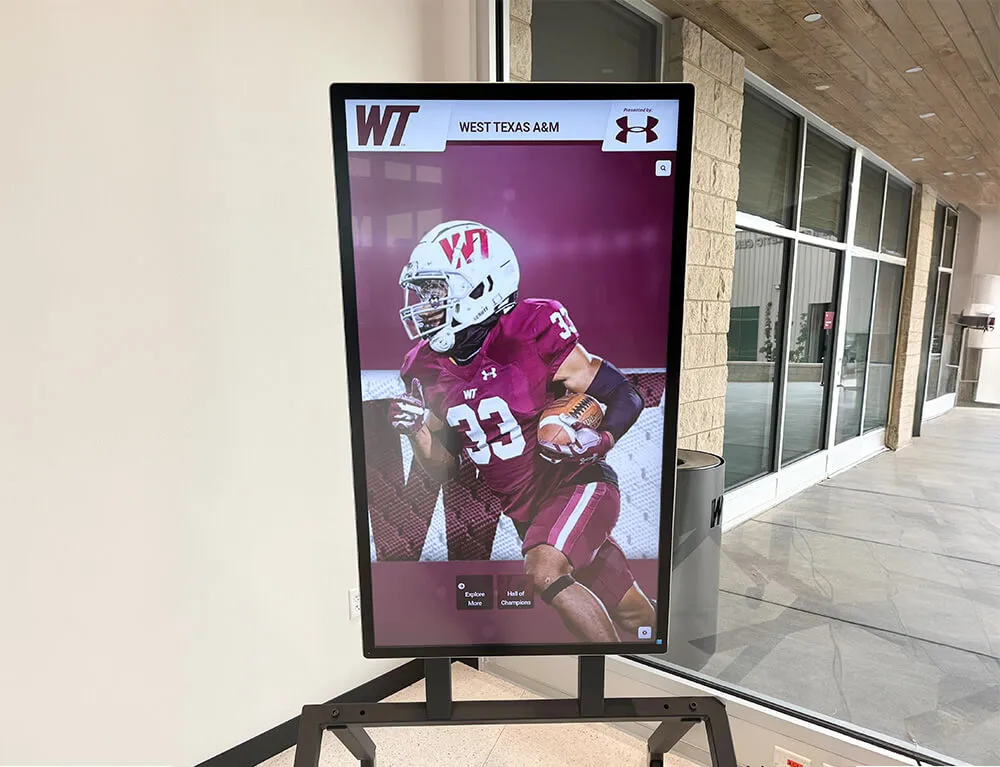
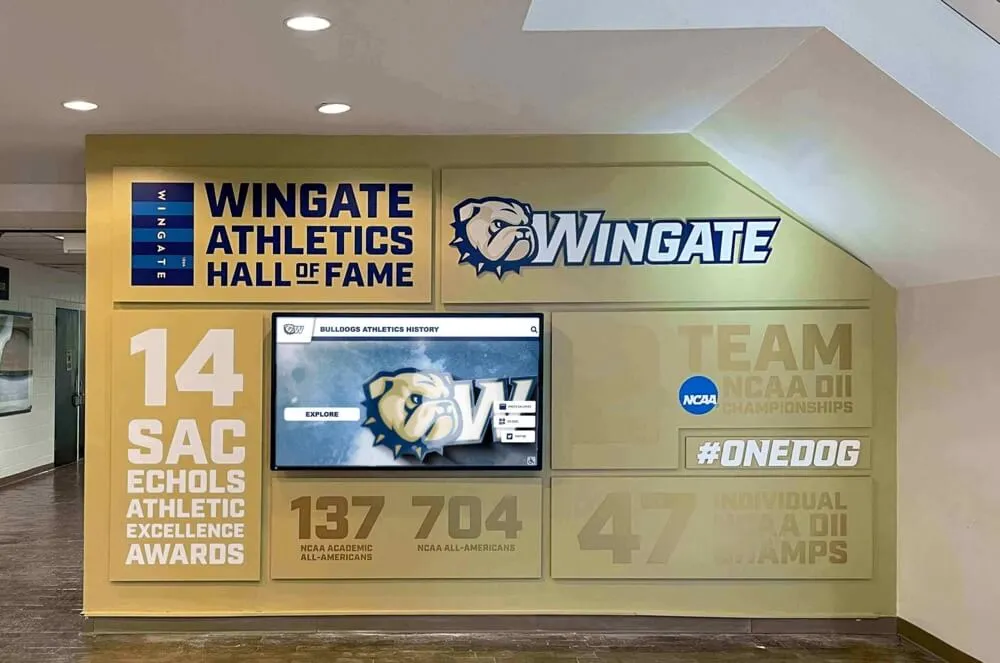
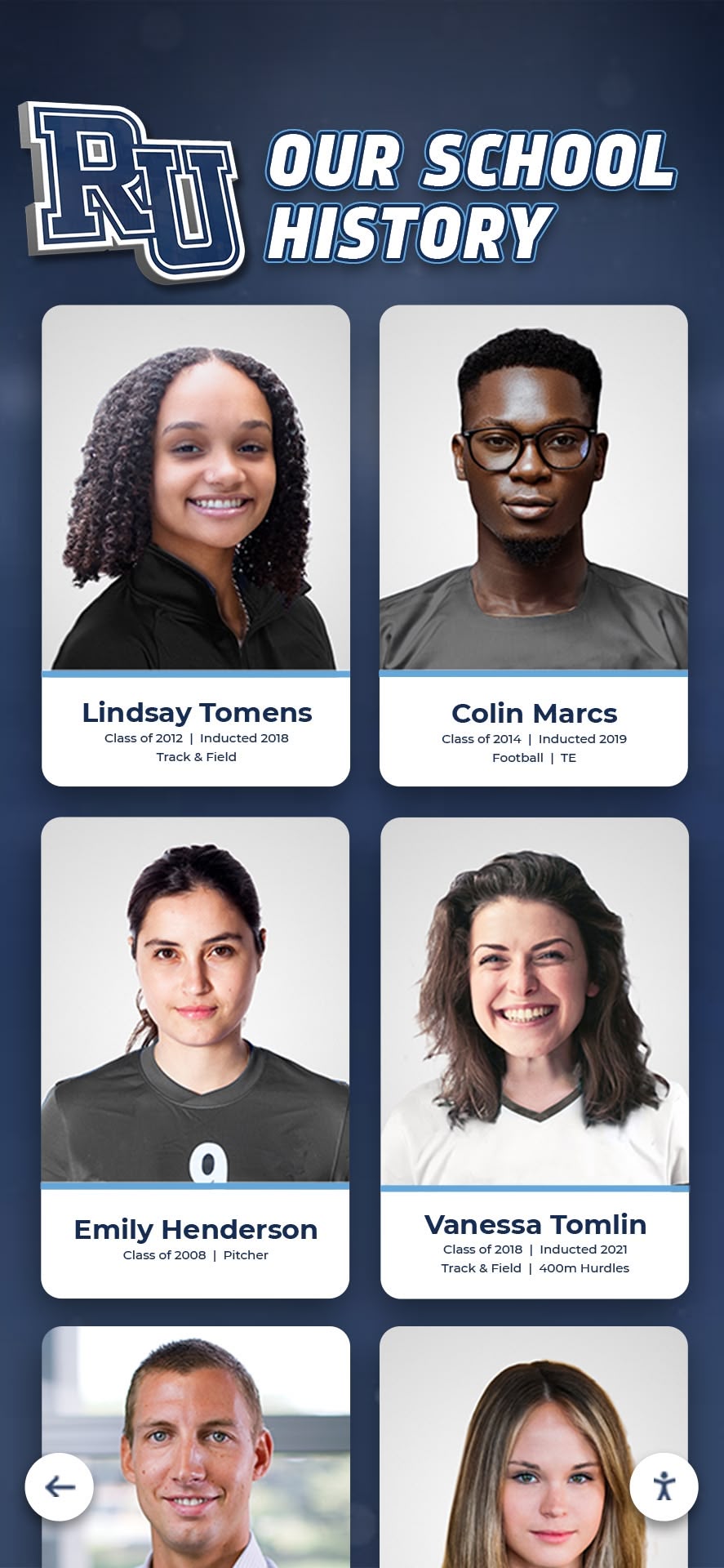
Systematic digitization preserves member histories while creating searchable archives connecting current members to complete chapter legacy
The Challenge of Preserving Fraternity and Sorority History
Understanding the unique preservation challenges facing Greek organizations helps chapters develop systematic solutions protecting irreplaceable historical materials from ongoing deterioration and eventual loss.
Physical Archive Deterioration Risks
Traditional composite photographs and historical materials face multiple threats that compound over time without professional preservation interventions.
Environmental Threats to Composites
Physical composites represent some of the most treasured possessions in chapter houses, yet their large size and specialized display requirements create ongoing preservation challenges:
- Temperature and humidity fluctuations: Chapter houses rarely maintain museum-quality climate control, causing photographs to warp, crack, and separate from mounting boards
- Light exposure damage: Sunlight and fluorescent lighting accelerate fading, making faces and names increasingly difficult to recognize over time
- Physical wear and tear: Moving composites between storage and display, house renovations, and changing decor priorities risk physical damage
- Storage constraints: Composites measuring up to 51 by 62 inches require significant space, leading many chapters to store frames in basements, attics, or sheds where environmental conditions accelerate deterioration
- Pest and water damage: Storage in non-climate-controlled spaces exposes irreplaceable photographs to rodents, insects, mold, and flooding risks
Organizations specializing in archival preservation emphasize that composites stored without museum-quality glass and acid-free materials face inevitable deterioration—the question becomes how quickly degradation occurs, not whether these precious artifacts will ultimately be damaged beyond repair.
Scrapbook and Document Preservation Challenges
Beyond composites, chapters accumulate additional historical materials facing similar risks:
- Chapter scrapbooks with newspaper clippings, event photos, and handwritten notes
- Meeting minutes and administrative records documenting governance history
- Award certificates and recognition documents commemorating achievements
- Event programs and commemorative publications from major chapter occasions
- Correspondence and personal papers from distinguished alumni
- Historical artifacts including badges, paddles, and ceremonial objects
These materials typically receive even less attention than composites, remaining stored in boxes where deterioration proceeds unnoticed until materials become too damaged for preservation interventions to salvage effectively.
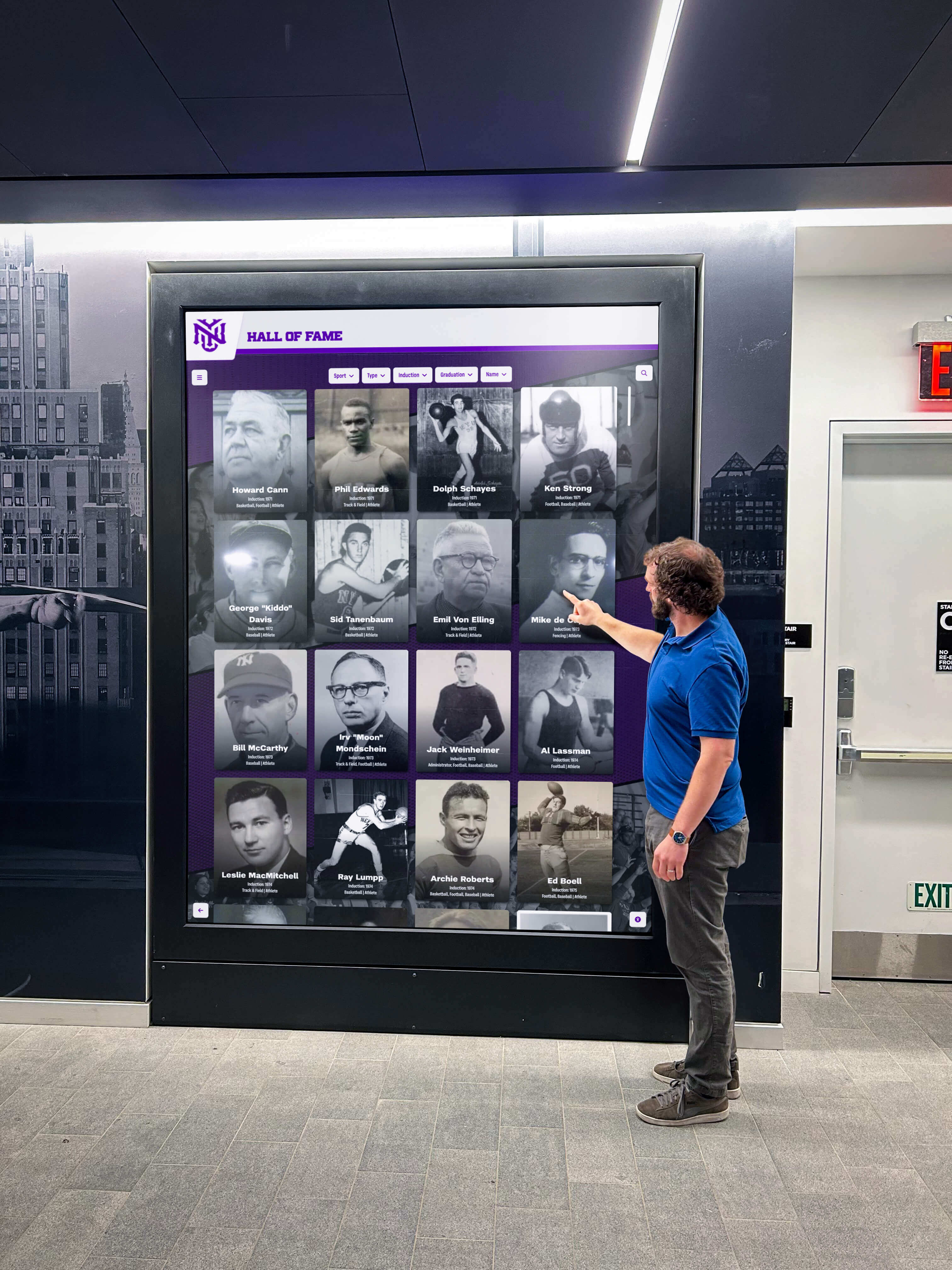
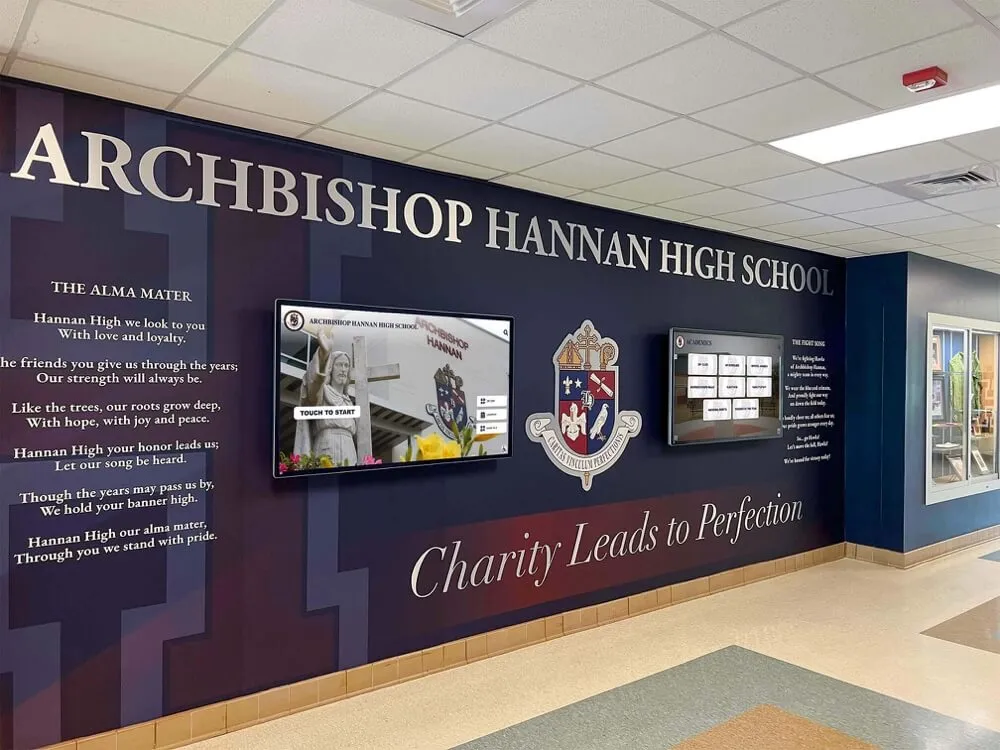
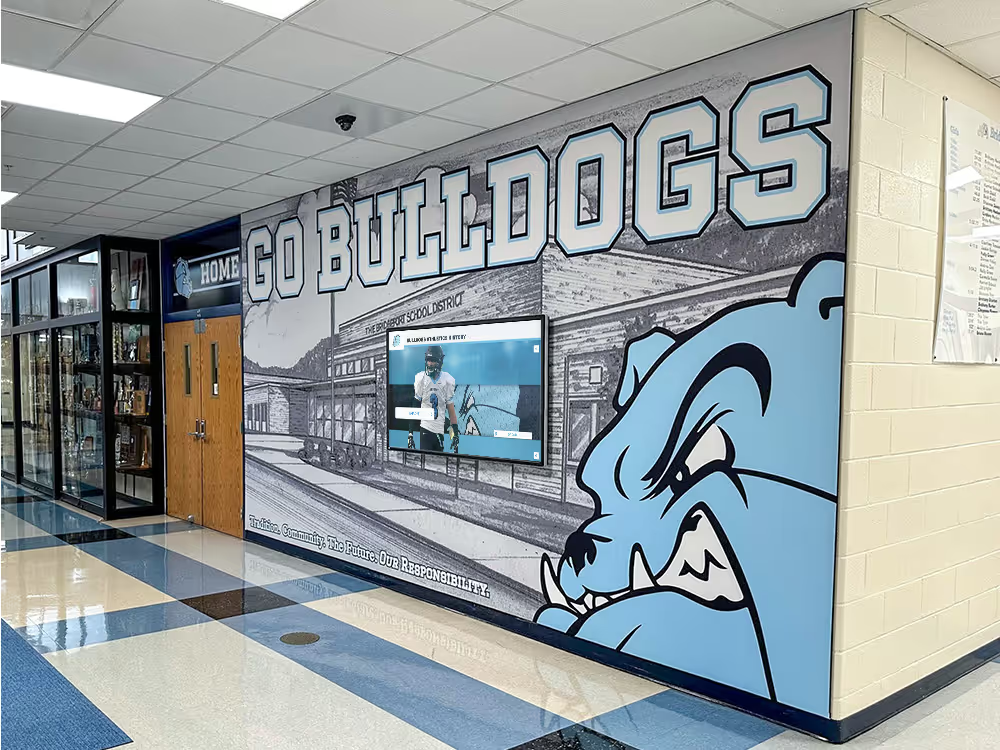
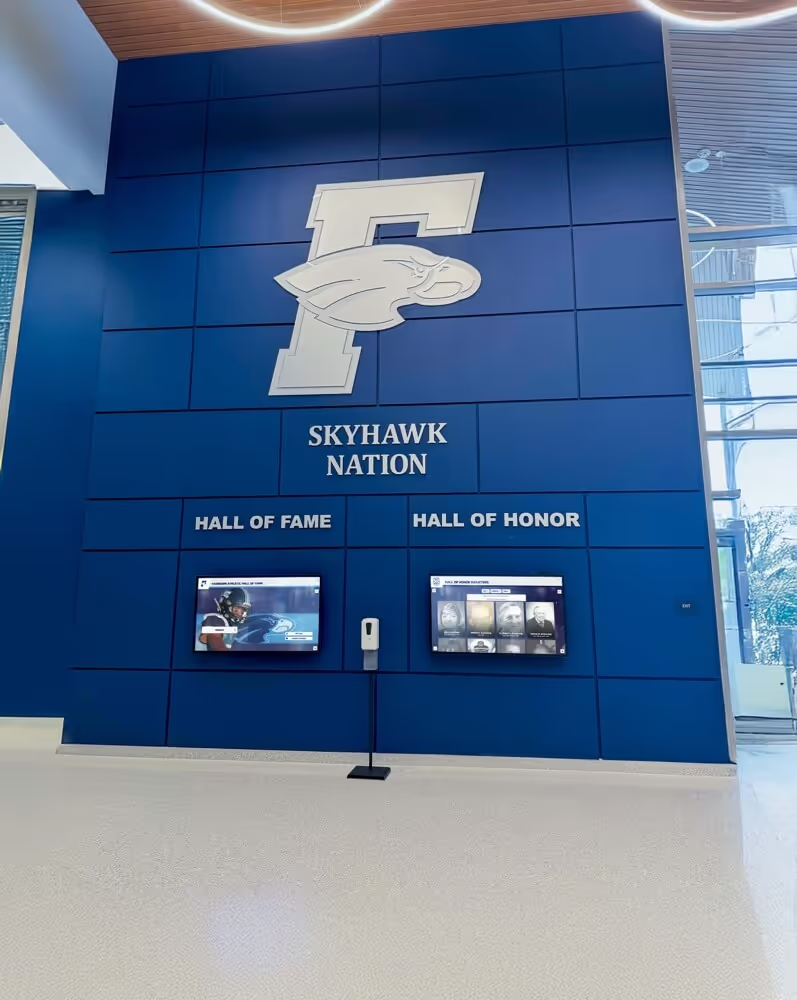
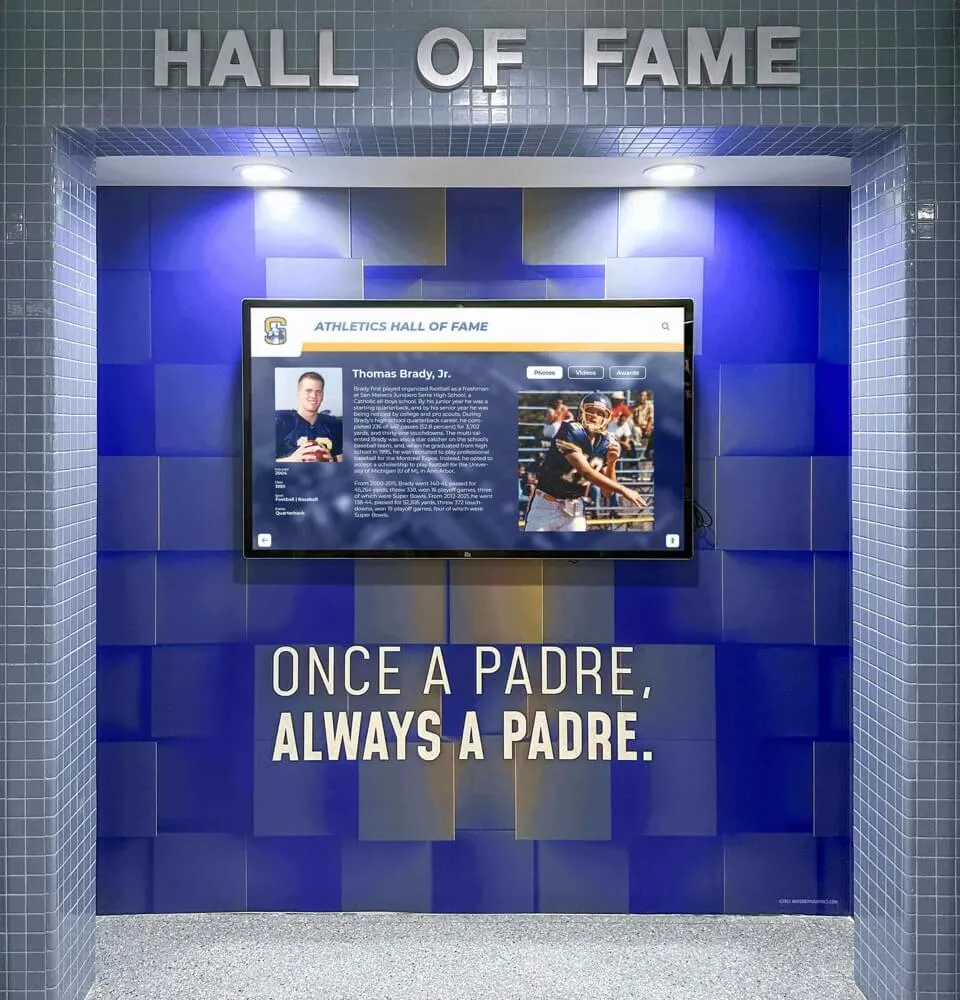
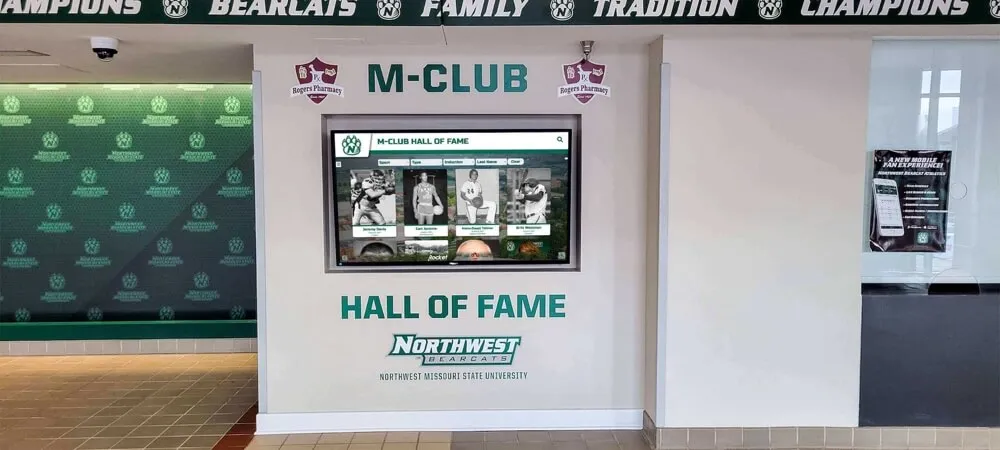
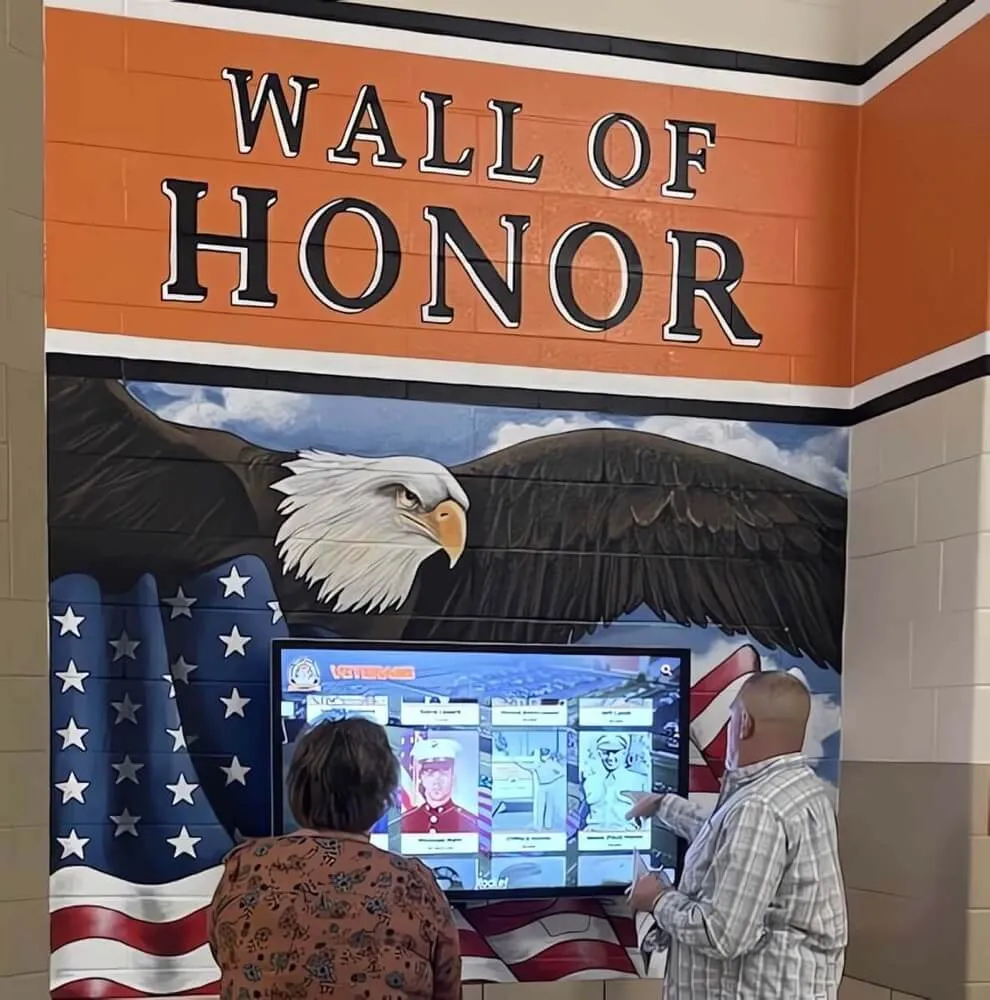
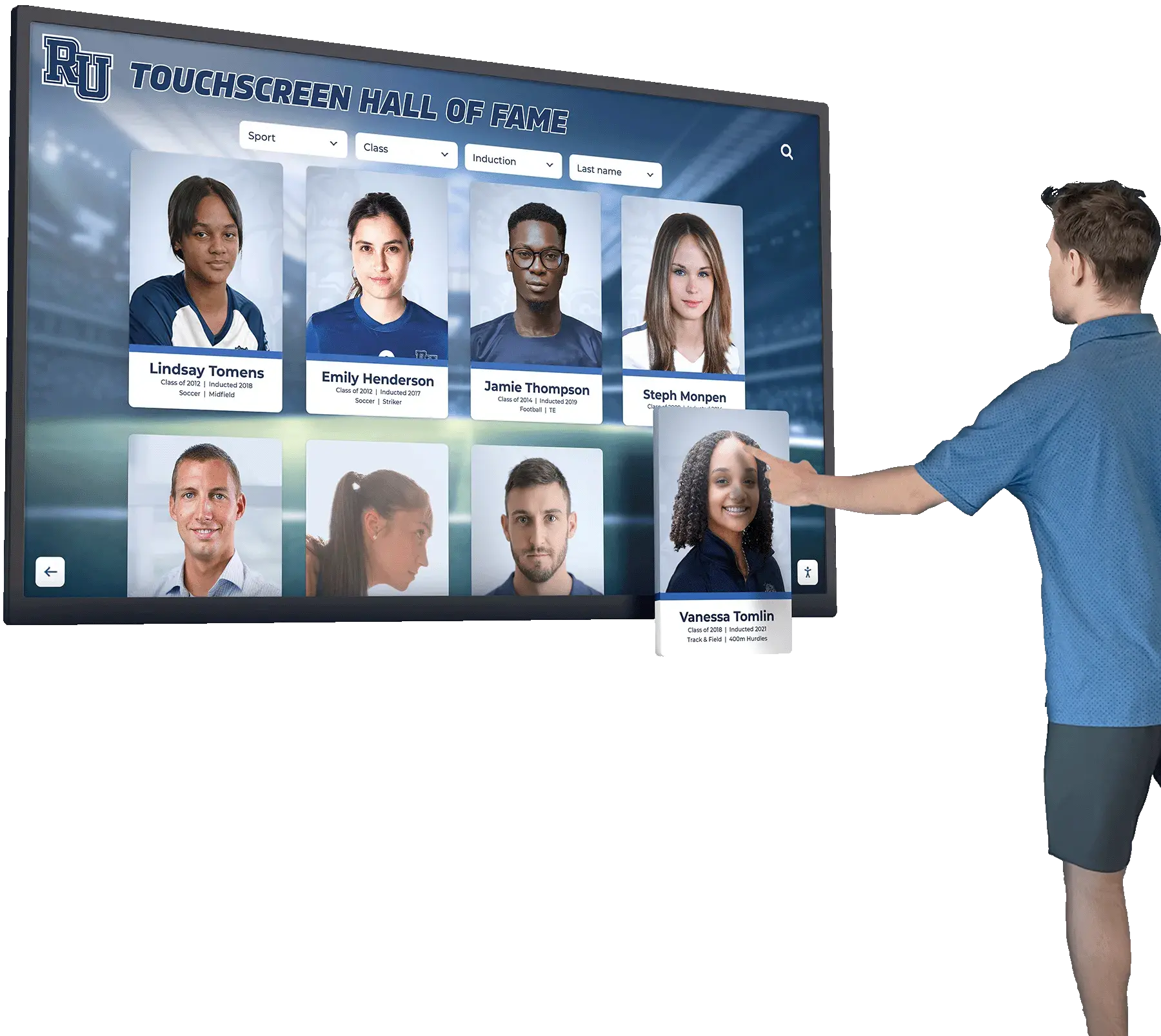
Digital archives transform static historical records into engaging experiences where members explore chapter legacy interactively
Institutional Memory Loss
Physical deterioration represents only one dimension of preservation challenges—equally problematic is the gradual loss of contextual knowledge about archived materials and chapter history.
Knowledge Transfer Gaps
Greek organizations experience complete membership turnover approximately every four years as undergraduate members graduate and new members join, creating systematic challenges in maintaining institutional memory:
Recurring Knowledge Loss Patterns
- Alumni taking knowledge about historical members, events, and traditions when they graduate without formal documentation
- Incomplete identification information for historical photos as contemporaries who could identify individuals pass away
- Lost context about significant chapter events, traditions, and decision rationale
- Broken connections to distinguished alumni as contact information becomes outdated
- Forgotten philanthropic partnerships and community relationships
- Unclear provenance for historical artifacts and ceremonial objects
Without systematic documentation preserving contextual information alongside physical materials, archives lose much of their meaning and value—photos of unidentified individuals and documents without context provide limited connection to chapter heritage compared to well-documented materials enriched with storytelling details.
Accessibility and Engagement Limitations
Even when chapters successfully preserve physical materials, traditional archives face inherent limitations restricting member engagement:
Traditional Archive Constraints
- Physical materials available only to members with direct access to chapter house
- No ability to search large archives for specific members, years, or events
- Limited display space means most history remains hidden in storage
- Fragile originals can’t be frequently handled without accelerating deterioration
- Alumni lose connection to chapter history after graduation
- Prospective members can’t explore chapter heritage during recruitment
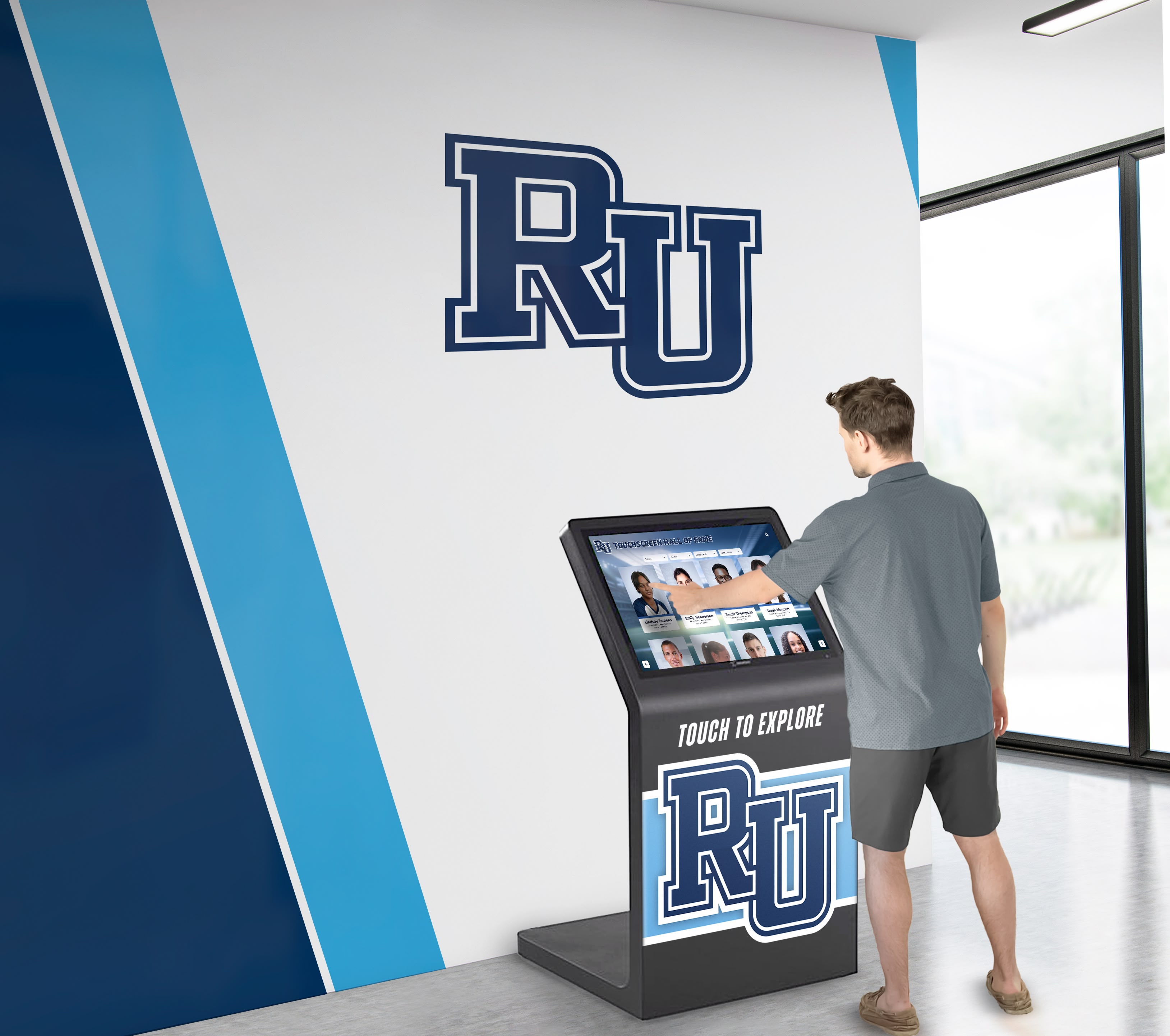
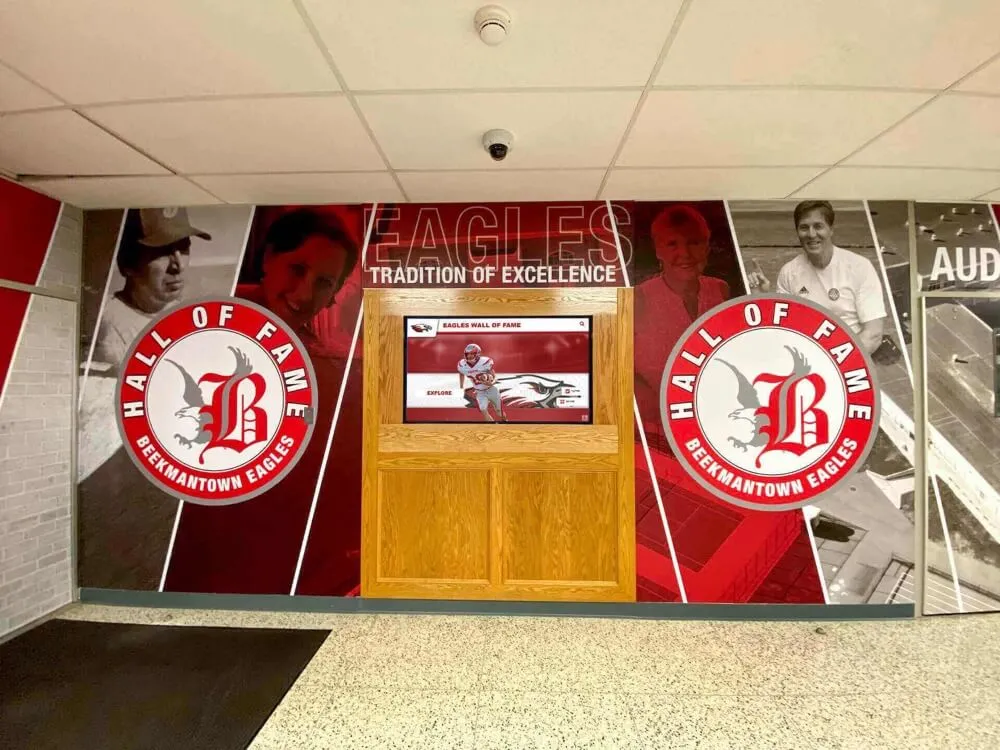
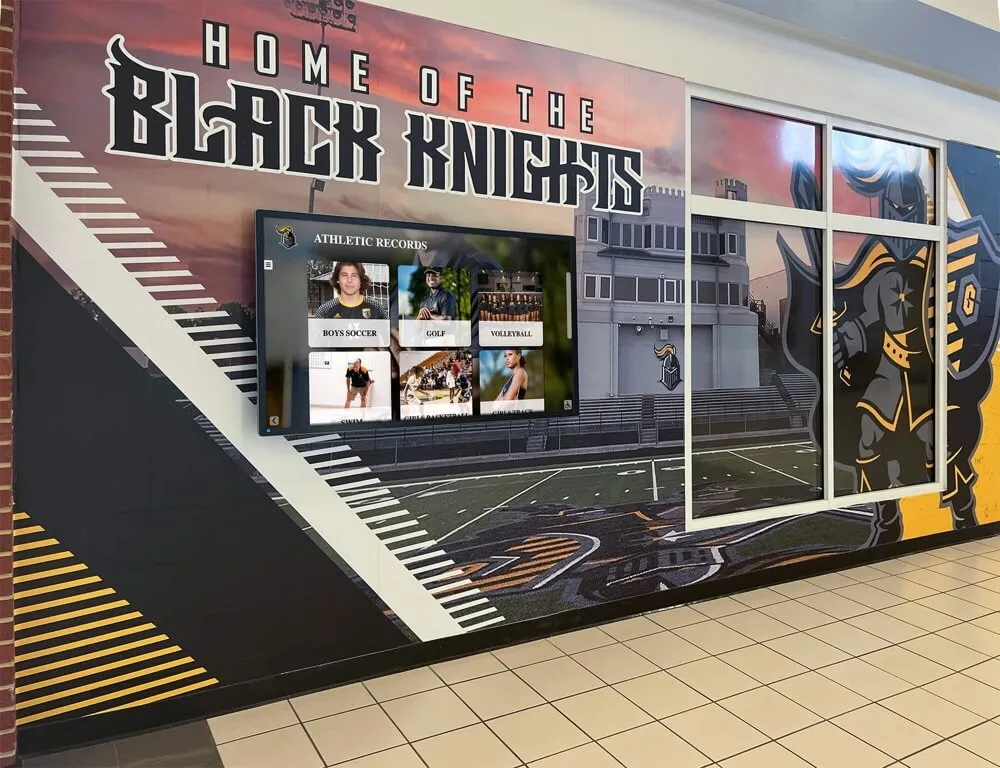
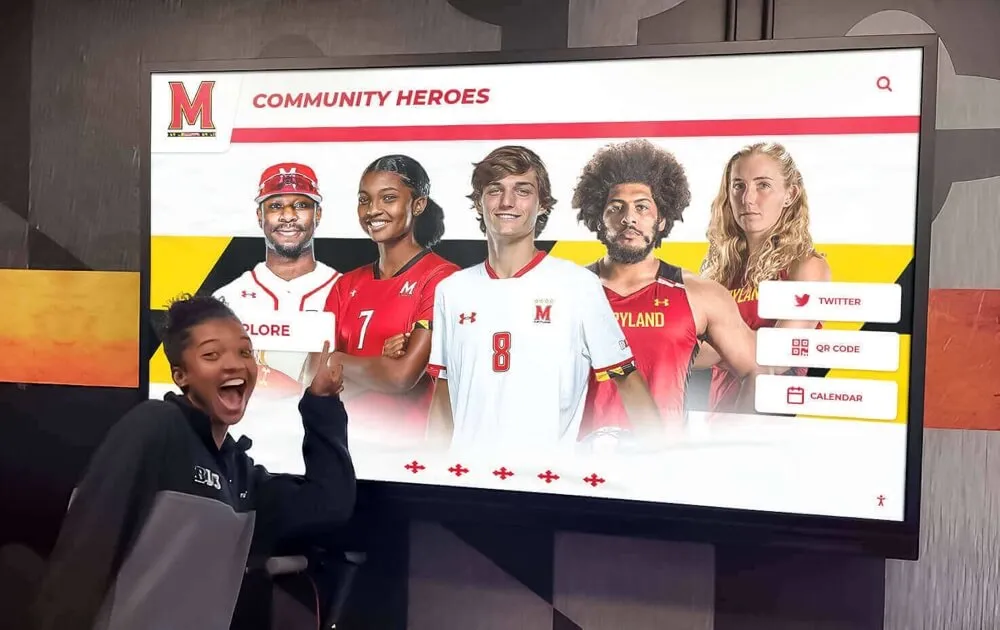
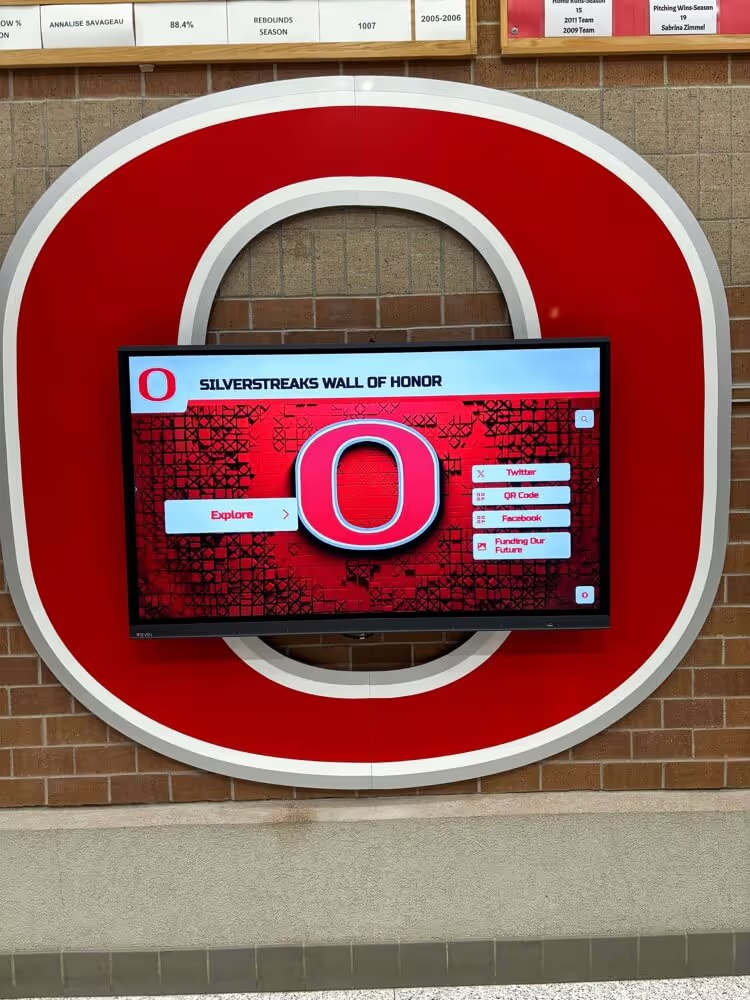
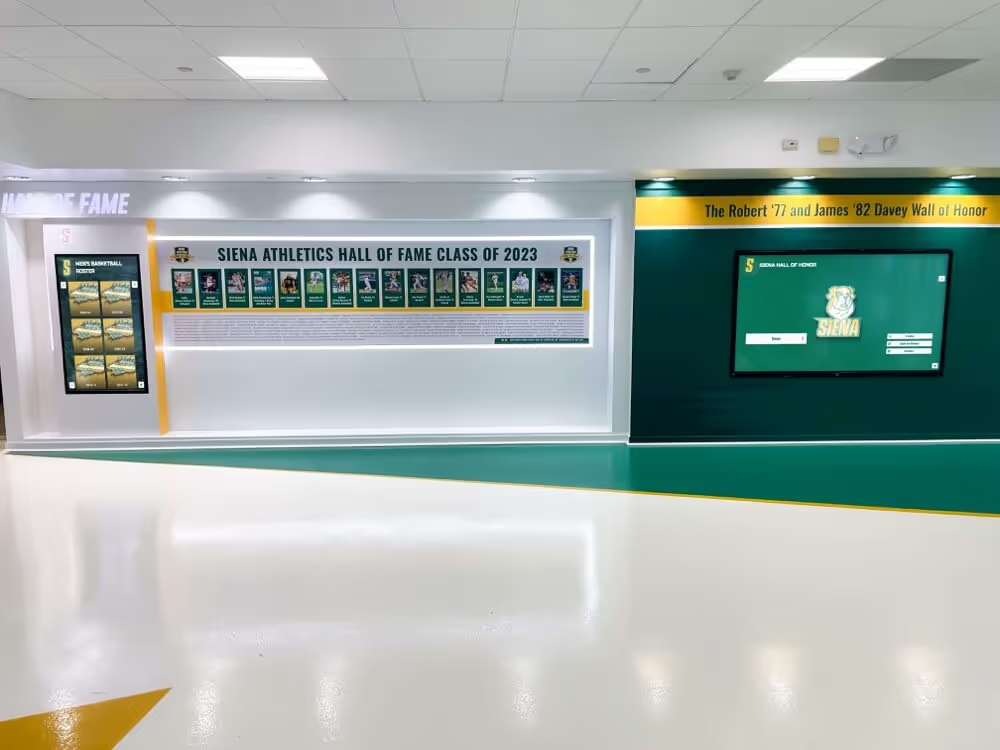
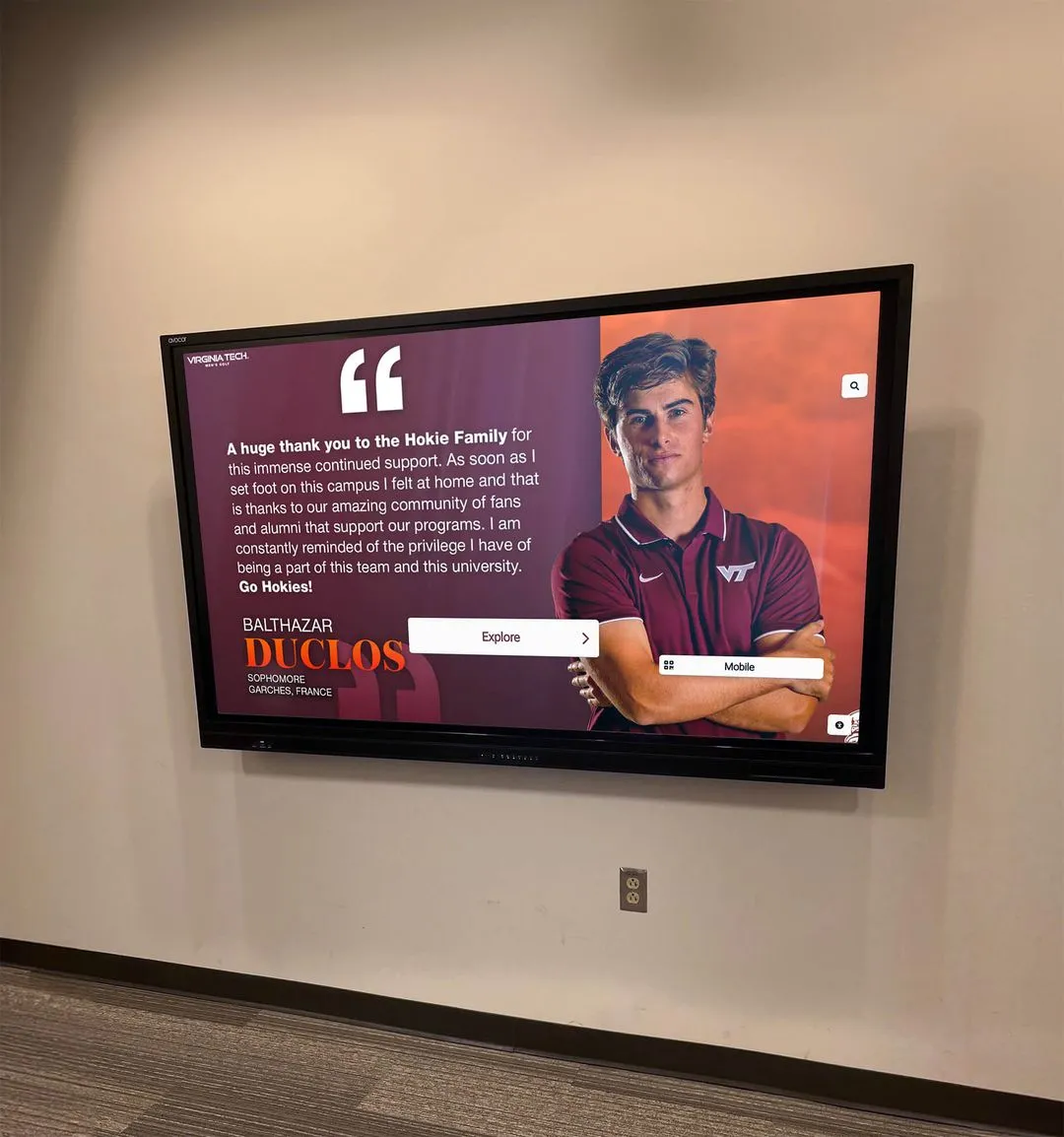
Modern recognition systems create accessible archives where members explore chapter heritage on their schedules and interests
These accessibility limitations mean that carefully preserved archives often fail to achieve their intended purpose of connecting members to chapter tradition because materials remain functionally inaccessible to the audiences they should serve most directly.
Digital Preservation: Foundation for Modern Greek Life Archives
Systematic digital preservation transforms fragile physical materials into secure, accessible, discoverable archives that serve chapter needs indefinitely while protecting original materials from handling damage and environmental deterioration.
Comprehensive Digitization Strategies
Professional digitization creates foundation digital archives preserving visual and documentary materials in formats ensuring long-term accessibility and usability.
Composite Photograph Digitization
Composite photographs require specialized scanning approaches accommodating their large size and preserving fine details:
Professional Scanning Standards
Organizations specializing in Greek life preservation recommend professional-grade digitization meeting federal archival standards:
- High-resolution scanning capturing details necessary for clear individual portrait visibility when zooming digital displays
- Raw file format preservation future-proofing archives against evolving technology standards
- Color correction and restoration enhancing faded originals while maintaining historical authenticity
- Precise lighting eliminating glare from protective glass while capturing uniform illumination across entire composite
- Multiple file format versions optimized for different uses including web display, print reproduction, and archival preservation
Professional services photograph each composite with precise standards meeting the Federal Agencies Digital Guidelines Initiative, ensuring digital versions serve preservation and access needs simultaneously without requiring repeated handling of fragile originals.
Individual Member Tagging and Metadata
Digital scanning alone provides limited value without systematic organization enabling discovery and navigation within large archives:
Essential Metadata Elements
- Individual name tagging for every person appearing in composite photographs
- Graduation year and member class identification enabling chronological browsing
- Officer position documentation preserving leadership history
- Linked biographical information when available including post-graduation accomplishments
- Cross-referencing connecting individuals appearing in multiple years or contexts
- Searchable text enabling instant discovery by name, year, position, or other criteria
This comprehensive tagging transforms static digital images into searchable databases where current members can instantly locate great-grandparents who were chapter members, alumni can reconnect with pledge class brothers and sisters, and researchers can explore complete membership history across all eras without manually examining hundreds of individual composites.
Learn about systematic approaches in digitizing yearbooks complete guide with strategies applicable to composite preservation projects.
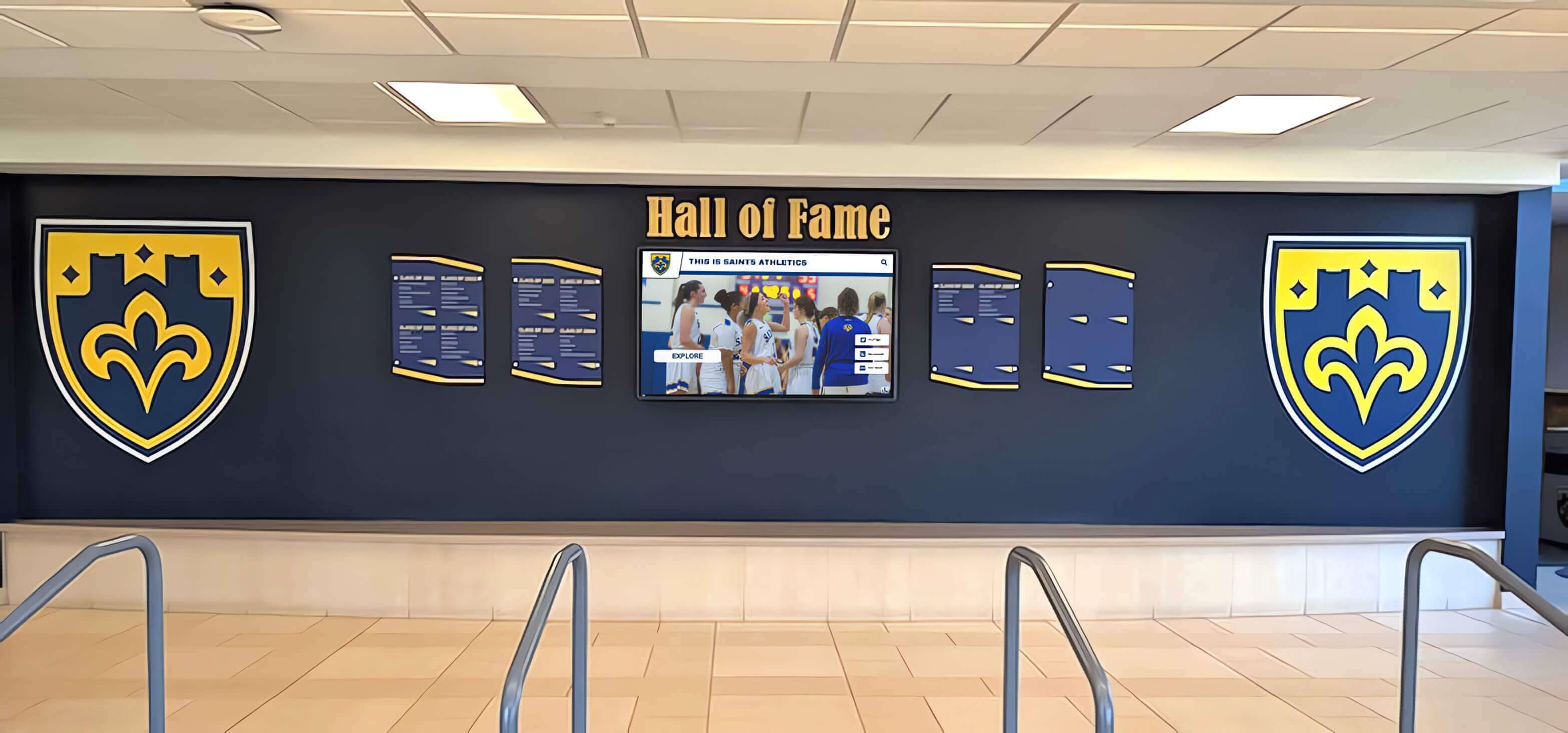
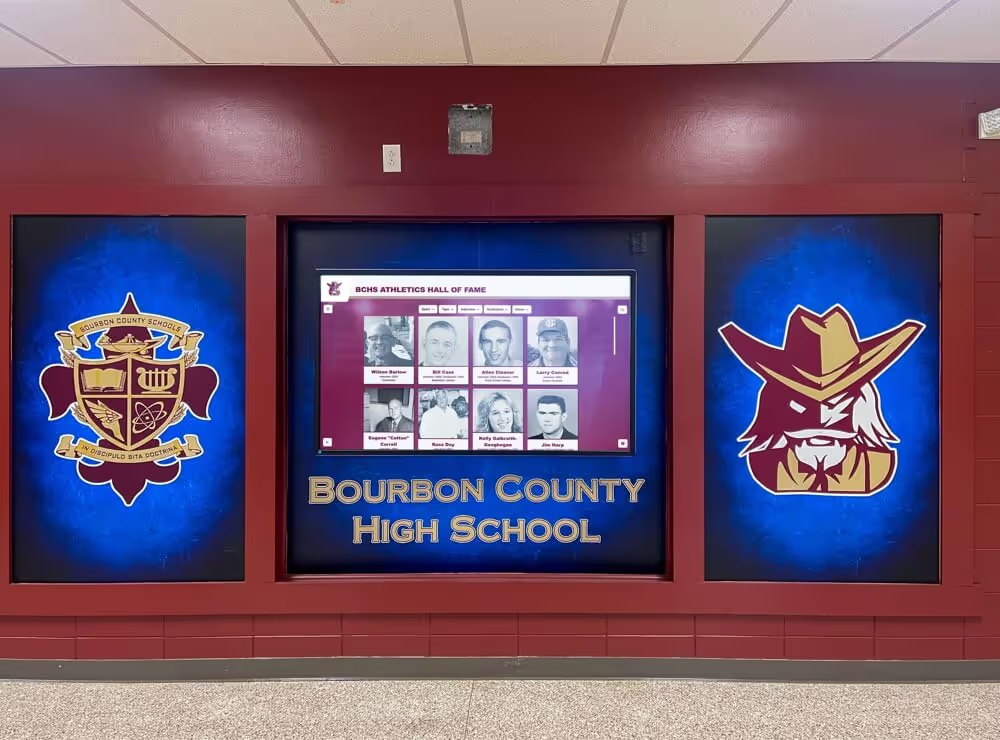
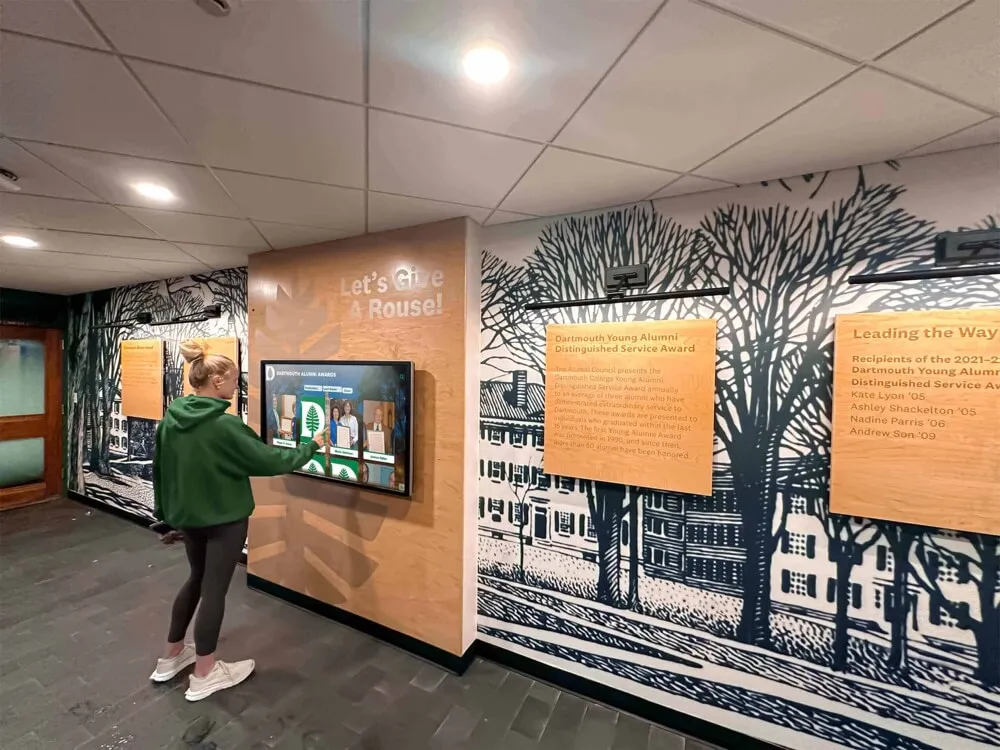
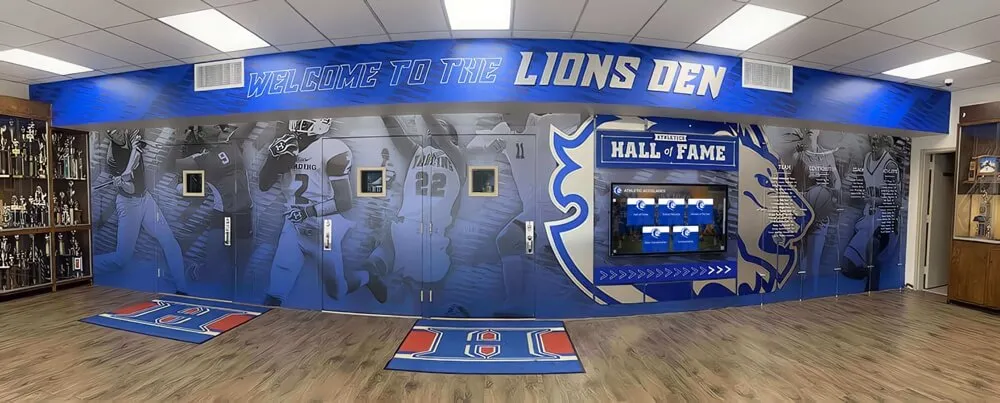
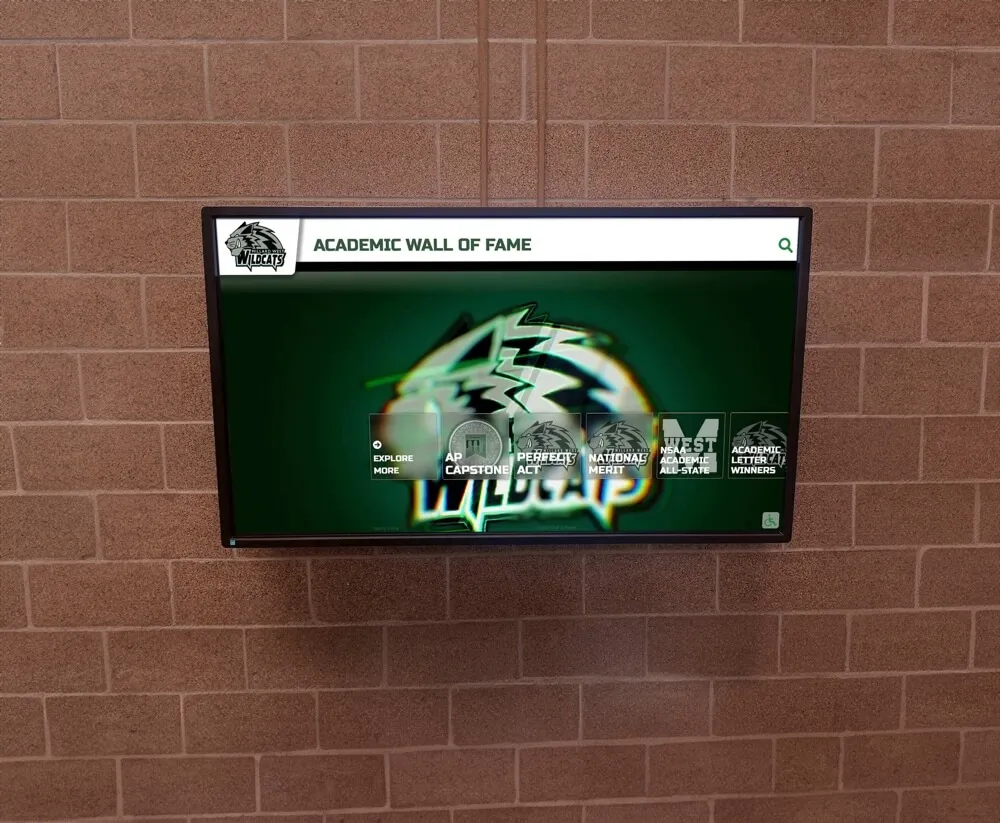
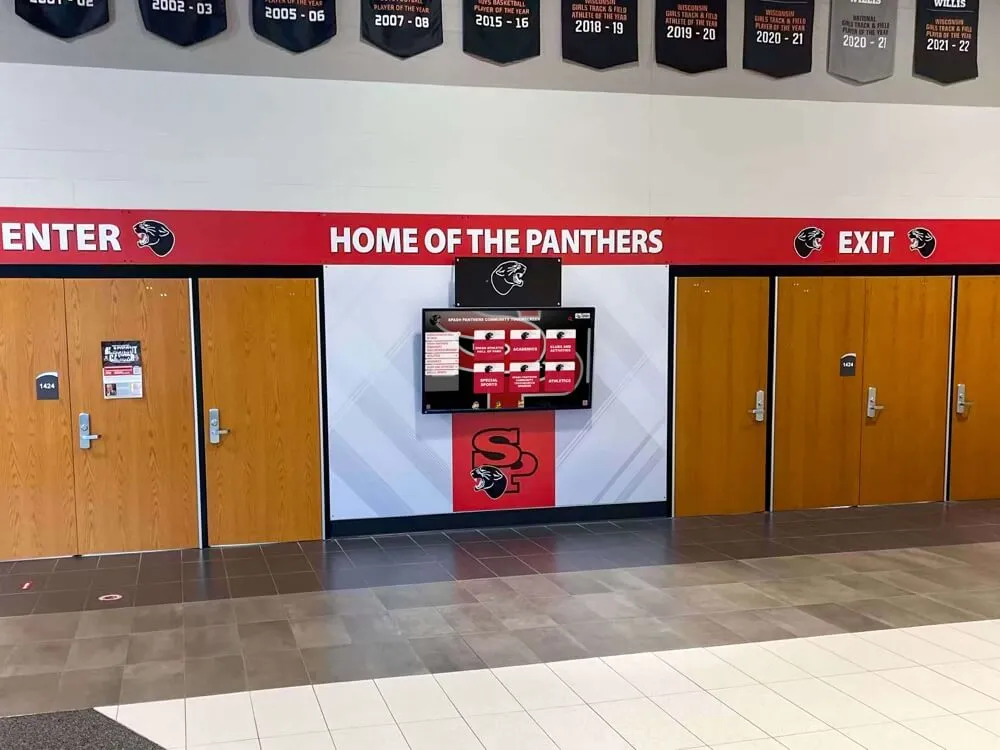
Hybrid approaches combine traditional physical displays with digital systems creating comprehensive recognition serving diverse preferences
Expanding Beyond Composites: Comprehensive Archive Digitization
While composites often receive priority attention, comprehensive digital archives preserve all historical materials documenting complete chapter story.
Document and Publication Scanning
Archive Materials for Digitization
- Chapter meeting minutes preserving governance history and decision-making evolution
- Historical correspondence including founding documents and significant communications
- Event programs from formals, philanthropy events, and special celebrations
- Newspaper clippings documenting chapter activities and member achievements
- Award certificates and recognition documentation commemorating honors
- Financial records showing chapter growth and resource allocation across decades
- Publications including newsletters, anniversary commemorations, and historical accounts
Systematic document digitization ensures complete chapter history remains accessible regardless of what happens to fragile originals, while optical character recognition makes scanned documents fully searchable rather than simply viewable images.
Multimedia Content Preservation
Modern chapter archives increasingly include multimedia materials requiring specialized preservation approaches:
Multimedia Archive Elements
- Video recordings from chapter events, philanthropic activities, and special occasions
- Audio recordings including oral histories from distinguished alumni sharing memories
- Digital photographs from recent decades requiring organization and preservation
- Social media content documenting contemporary chapter life and activities
- Presentation materials from educational programs and leadership development
These multimedia materials provide richer, more engaging documentation of chapter life compared to photographs and documents alone, making their systematic preservation essential for comprehensive historical records that capture how member experiences evolved across different eras.
Cloud-Based Storage and Access Systems
Digital preservation delivers maximum value only when archives remain secure, accessible, and usable long-term—requiring systematic attention to storage infrastructure and access systems.
Secure Cloud Archive Platforms
Essential Platform Capabilities
Purpose-built archive management systems provide significant advantages over generic cloud storage:
- Automatic backup and redundancy ensuring digital materials survive hardware failures
- Version control tracking changes and enabling restoration of previous states
- User permission systems controlling who can view, edit, or download materials
- Standardized organization structures preventing chaos as archives grow
- Integration capabilities enabling connections to member databases and recognition displays
- Long-term file format management ensuring accessibility as technology evolves
- Search functionality enabling instant discovery across complete archives
- Analytics revealing engagement patterns showing how members interact with historical materials
Solutions like Rocket Alumni Solutions provide specialized platforms designed specifically for educational and organizational recognition, delivering archive management capabilities aligned with Greek life preservation needs without requiring chapters to become archival technology experts.
Web-Based Access Enabling Alumni Engagement
Cloud-based archives create opportunities for alumni connection impossible with physical materials confined to chapter houses:
Alumni Access Benefits
- Graduated members exploring chapter history from anywhere with internet access
- Alumni discovering and downloading personal photos from their undergraduate years
- Cross-generational connections as alumni identify relatives who were chapter members
- Virtual tours during recruitment enabling prospective members to understand chapter heritage
- Research capabilities supporting anniversary planning and historical publication development
- Social sharing enabling alumni to celebrate discovered memories with friends and family
These remote access capabilities dramatically expand who benefits from preservation investments, transforming archives from resources serving only current undergraduate members into platforms strengthening lifelong alumni engagement and connection to chapter identity.
Explore connection strategies in alumni welcome area ideas demonstrating how physical and digital experiences integrate for maximum engagement.
Creating Interactive Recognition Displays from Digital Archives
Digital preservation enables new recognition approaches impossible with traditional physical displays—interactive systems that celebrate all members comprehensively while creating engaging experiences strengthening chapter pride and tradition.
Touchscreen Recognition Kiosks
Large-format interactive touchscreens installed in prominent chapter house locations transform archives into daily engagement opportunities rather than occasionally accessed historical resources.
Strategic Display Placement
Optimal Location Considerations
- Main entrance and common areas ensuring all members regularly encounter displays
- Chapter rooms where displays reinforce tradition during meetings and rituals
- Alumni visiting areas creating impressive demonstrations of chapter heritage
- Recruitment spaces helping prospective members understand chapter legacy
- Multiple distributed locations ensuring comprehensive reach across facility
Chapters report highest engagement when displays appear in spaces where members naturally gather with time to explore rather than locations they rush past during transitions between activities.
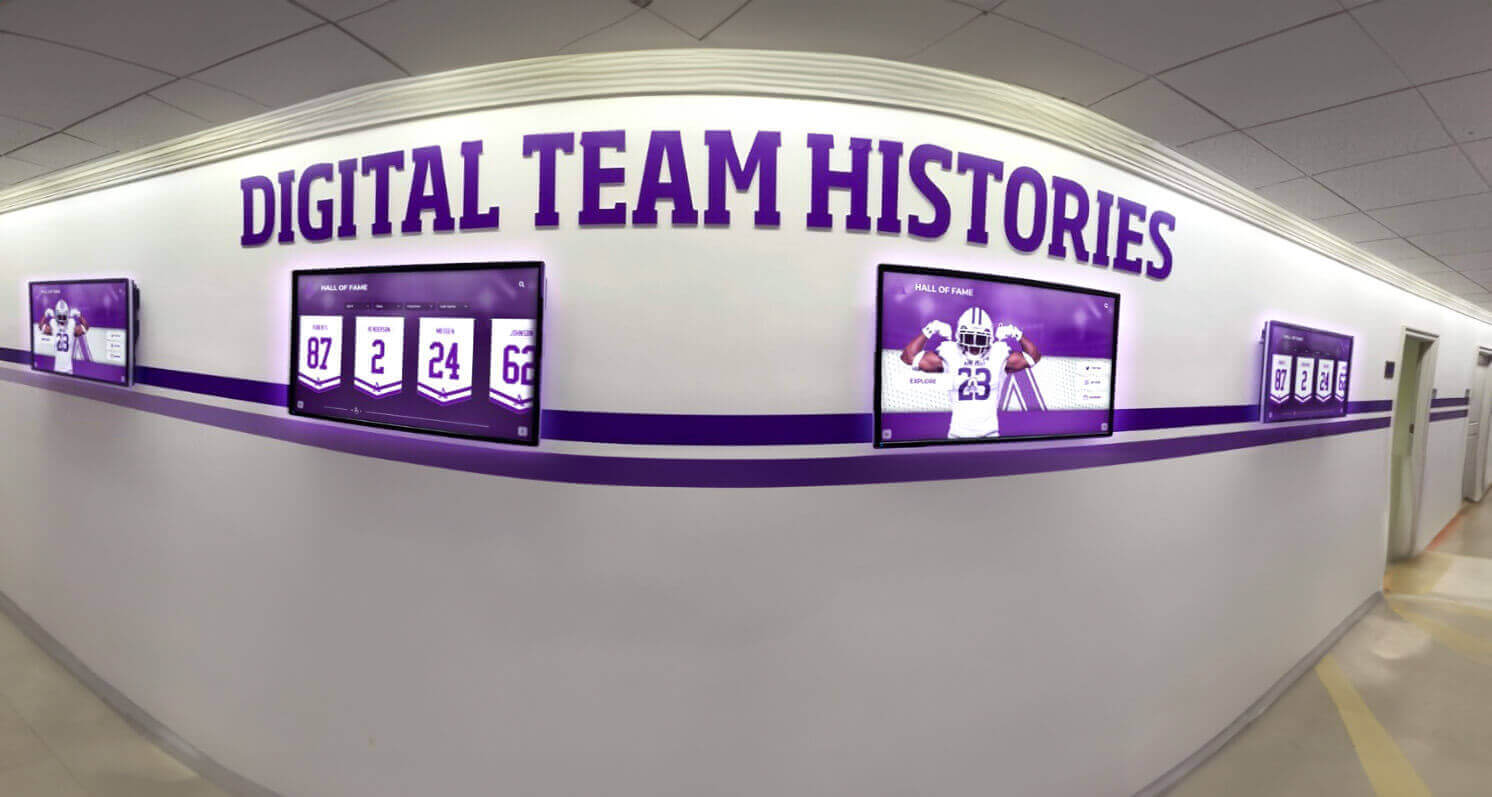
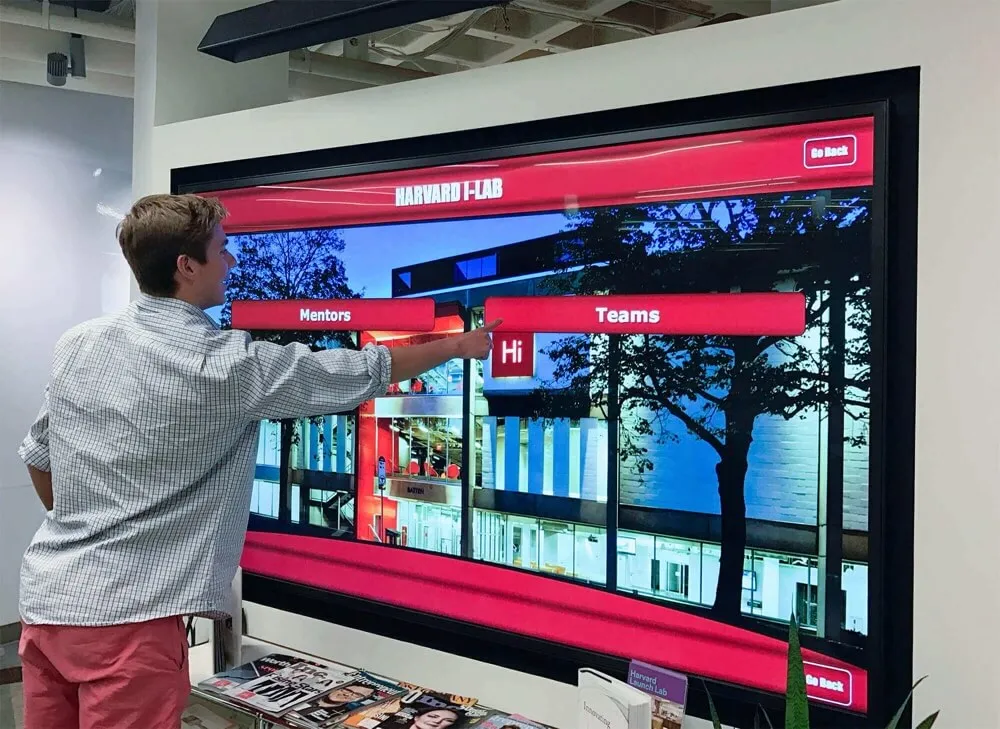
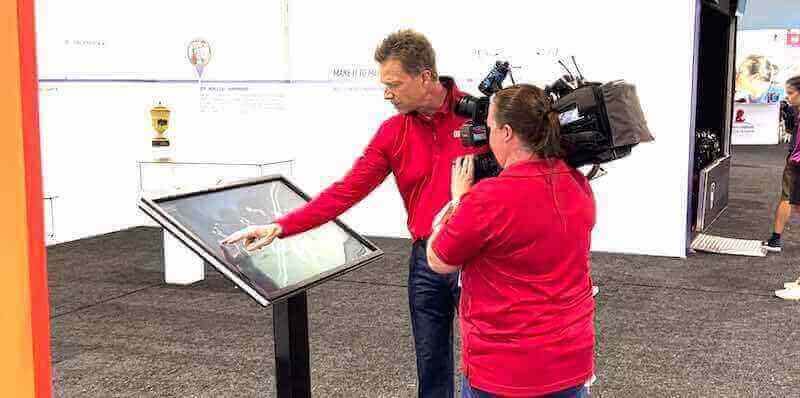
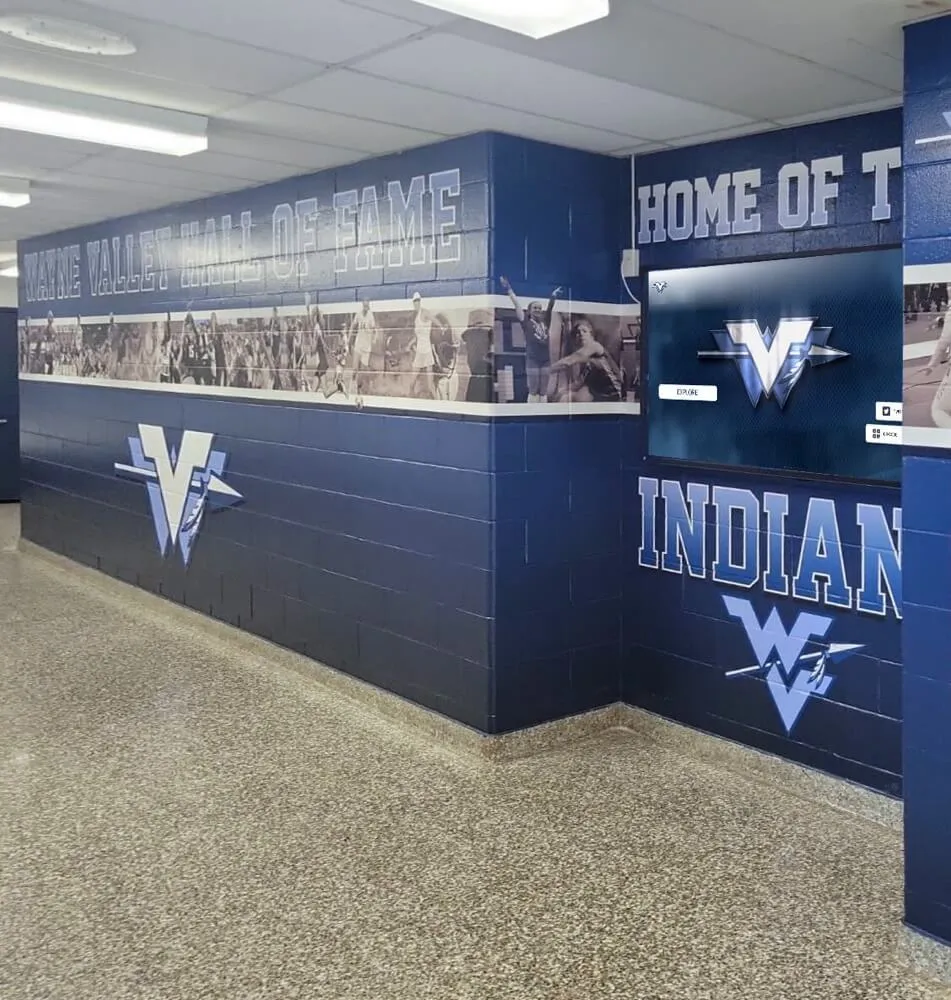
Strategic placement of interactive displays throughout facilities ensures recognition reaches members in natural gathering spaces
Interactive Feature Capabilities
Modern recognition platforms enable experiences qualitatively superior to static physical displays:
Enhanced Recognition Features
- Searchable member directories enabling instant discovery by name, year, or position
- Chronological browsing exploring chapter evolution decade by decade
- Photo galleries showcasing events, philanthropy, and social activities
- Video integration featuring oral histories, event highlights, and historical footage
- Officer history documentation preserving leadership legacy across all positions
- Award and achievement documentation celebrating chapter and individual honors
- Virtual tours introducing chapter history and traditions systematically
- Social sharing enabling members to celebrate discovered content digitally
These multimedia capabilities create recognition experiences sustaining member attention far longer than glancing at physical composites, while making complete chapter history explorable rather than limited to whatever fits on available wall space.
Web-Based Recognition Portals
Complementing physical displays, web-based platforms extend archive access beyond chapter house walls to serve distributed alumni populations.
Comprehensive Online Presence
Web Platform Benefits
Cloud-based recognition systems like Rocket Alumni Solutions provide:
- Mobile-responsive design ensuring excellent experiences across all device types
- Alumni login systems enabling personalized experiences with relevant recommendations
- Advanced search and filtering discovering specific members, events, or time periods
- High-resolution media viewing examining historical photos in detail
- Download capabilities allowing alumni to save personal photos and documents
- Social integration facilitating sharing on preferred platforms
- Regular content updates keeping recognition current without technical expertise
- Analytics revealing popular content and engagement patterns informing strategy
These web capabilities ensure preservation investments serve entire alumni populations rather than only current undergraduate members, strengthening lifelong connections to chapter identity while demonstrating continued chapter vitality to prospective members researching Greek life options.
Recruitment and Public Relations Value
Digital recognition systems deliver significant value beyond serving current members and alumni:
Recruitment Applications
- Prospective members exploring chapter heritage before recruitment decisions
- Virtual tours introducing traditions and values systematically
- Distinguished alumni profiles demonstrating post-graduation success
- Philanthropy documentation showing community impact commitment
- Awards and recognition establishing chapter excellence reputation
Public Relations Benefits
- University administrators assessing chapter stability and member experience
- Parents evaluating Greek life options during student college decisions
- Media research supporting positive coverage of chapter activities
- National organization oversight reviewing chapter operations and culture
- Community partners understanding chapter heritage and values
These external audiences increasingly research Greek organizations online before forming opinions or making decisions—comprehensive digital presence demonstrating chapter heritage and values significantly influences perception among stakeholders affecting chapter success and reputation.
Discover specialized approaches in fraternity composites display with detailed implementation guidance for Greek life recognition.
Building Comprehensive Member Databases
Interactive displays and web platforms require structured databases organizing member information systematically—creating foundation enabling sophisticated recognition and discovery features.
Essential Database Structure
Core Member Information Fields
Effective member databases capture information enabling rich recognition while supporting diverse search and filtering approaches:
Primary Member Data
- Full legal name and any preferred names or nicknames used during membership
- Initiation date and graduation year enabling chronological organization
- Member class and pledge class semester connecting cohort groups
- Officer positions held with terms documenting leadership contributions
- Committee participation and special assignments showing engagement
- Awards and recognition received during undergraduate membership
- Academic major, minor, and graduation honors when available
- Post-graduation contact information enabling ongoing engagement
- Career and professional accomplishment updates from alumni
This structured information enables database queries supporting diverse recognition scenarios—featuring all members from specific decades, highlighting individuals who served particular officer roles, or showcasing members working in specific industries or geographic regions.
Biographical and Storytelling Content
Beyond structured data, rich member profiles include narrative content bringing individuals to life:
Enhanced Profile Elements
- Biographical narratives describing member contributions and experiences
- Personal reflections and memories shared by members or peers
- Anecdotes illustrating character, values, and memorable moments
- Post-graduation accomplishment summaries documenting career and personal success
- Service contributions to chapter, university, or broader community
- Connections to other members including family relationships and mentorship
- Multiple photographs showing members throughout undergraduate years and beyond
These storytelling elements transform simple directory listings into engaging profiles honoring members appropriately while creating content that sustains viewer attention and emotional connection to chapter heritage.
Systematic Data Collection Workflows
Building comprehensive databases requires systematic processes gathering information from diverse sources and standardizing content for consistency.
Historical Research and Documentation
Research Source Strategies
- Physical composites providing names, years, and positions for historical members
- Yearbooks and university publications offering additional context and photos
- Chapter records including meeting minutes, rosters, and administrative files
- Historical scrapbooks documenting events and providing candid photography
- Alumni surveys collecting post-graduation information and memories
- Oral history interviews preserving first-hand accounts from distinguished members
- University archives holding Greek life materials and institutional records
Systematic research across multiple sources enables verification of factual accuracy while uncovering richer contextual information compared to relying on single documentation sources.
Current Member Data Collection
Maintaining databases requires ongoing processes capturing information about new members and updating existing records:
Ongoing Data Management
- New member intake forms collecting comprehensive information during onboarding
- Semester updates documenting position changes, awards, and significant achievements
- Graduation procedures ensuring complete final profiles before members leave chapter
- Alumni update forms enabling graduated members to share career and personal news
- Social media monitoring identifying publicly shared accomplishments warranting recognition
- Regular database review verifying accuracy and identifying information gaps requiring research
These systematic workflows prevent data collection from becoming overwhelming one-time projects, instead integrating archive maintenance into regular chapter operations ensuring recognition remains current and comprehensive.
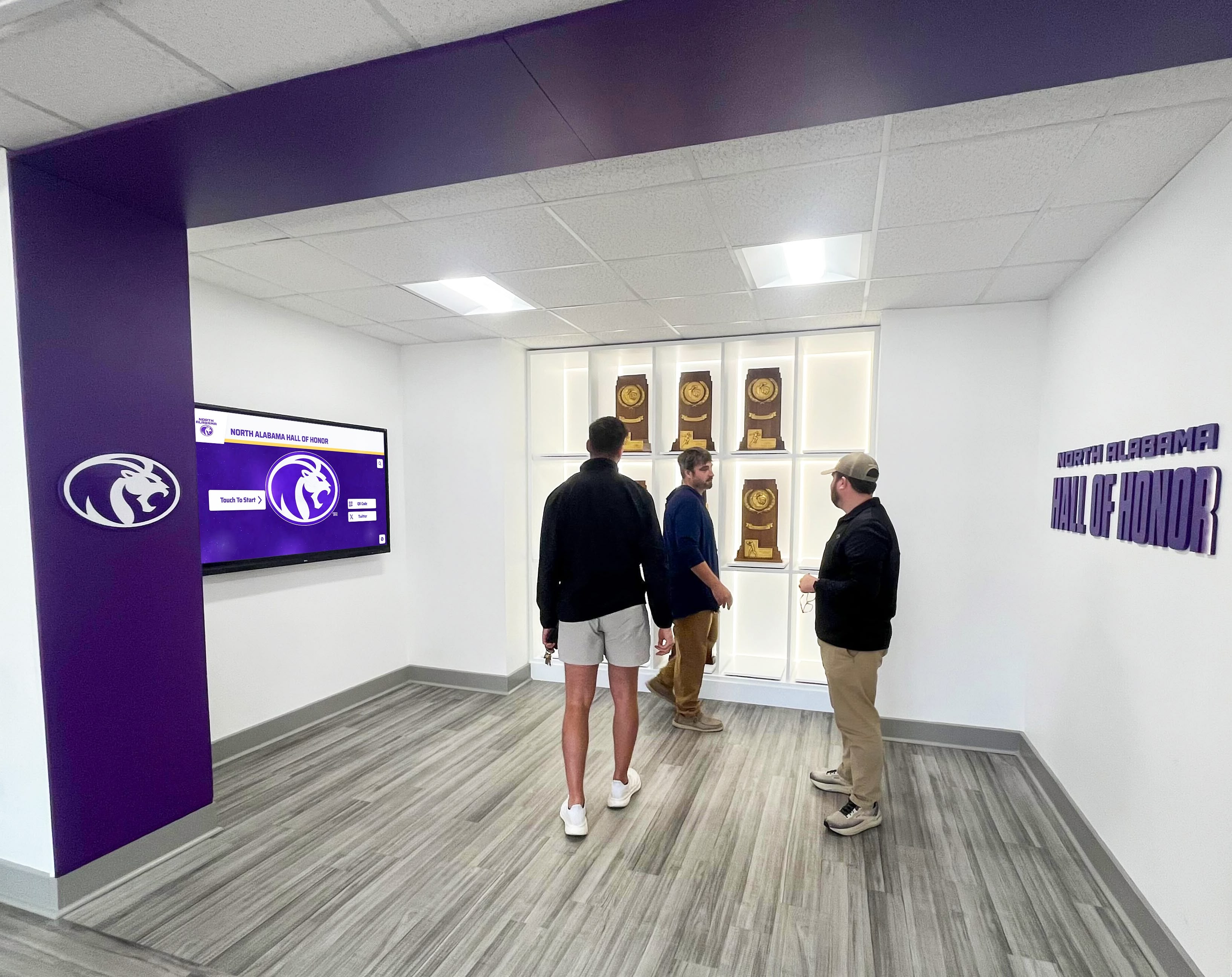
Well-designed recognition spaces create destinations where members gather to connect around shared tradition and chapter pride
Implementing Privacy and Security Protocols
Greek organizations handle sensitive personal information requiring systematic privacy protections ensuring member data receives appropriate safeguards while enabling recognition and engagement objectives.
Privacy Consideration Frameworks
Information Sensitivity Assessment
Not all member information carries equal privacy implications—systematic assessment helps chapters establish appropriate protection levels:
Privacy Classification Approach
- Public information: Names, graduation years, positions held, and public achievements suitable for unrestricted display
- Limited access information: Contact details, academic records, and personal biographical content requiring permission-based access
- Confidential information: Financial records, disciplinary matters, and sensitive personal details restricted to authorized chapter officers
- Protected information: Social security numbers, financial account details, and other data requiring strict security controls
This classification framework enables chapters to share appropriate recognition content publicly while restricting sensitive information to authorized users based on legitimate need and member consent.
Consent and Permission Management
Systematic consent processes ensure members control how their information appears in recognition systems:
Permission Protocol Elements
- Clear disclosure explaining what information chapters collect and how materials will be used
- Opt-in consent for public recognition displays and web platforms
- Granular control enabling members to permit some uses while restricting others
- Regular reconfirmation ensuring ongoing consent rather than one-time authorization
- Easy opt-out processes allowing members to remove information or restrict access
- Posthumous privacy protocols respecting wishes of deceased members and their families
These consent frameworks demonstrate respect for member autonomy while reducing legal risks associated with privacy violations or unauthorized disclosure of personal information.
Data Security Best Practices
Technical Security Controls
Cloud-based recognition platforms should implement industry-standard security protecting member data:
Essential Security Features
- Encrypted data transmission and storage protecting information from unauthorized access
- Regular security audits identifying and addressing potential vulnerabilities
- Access logging tracking who views or modifies information supporting accountability
- Multi-factor authentication ensuring only authorized users access administrative functions
- Automatic backup systems preventing data loss from technical failures
- Disaster recovery procedures enabling rapid restoration if systems fail
- Vendor security assessments verifying third-party service providers maintain adequate protections
Solutions designed specifically for organizational recognition typically include appropriate security controls built into platform architecture, whereas generic systems may require chapters to implement and maintain security separately—creating ongoing technical burdens and potential vulnerability to data breaches.
Administrative Access Protocols
Even with strong technical controls, human factors create significant security risks requiring systematic administrative procedures:
Access Management Practices
- Defined roles with minimum necessary permissions rather than universal access
- Regular access reviews removing permissions when officers transition out of positions
- Strong password requirements and regular credential updates
- Training for administrators understanding security responsibilities and protocols
- Incident response procedures addressing potential breaches or unauthorized access
- Regular security awareness education reducing social engineering vulnerability
These administrative controls complement technical security features, creating comprehensive protection frameworks appropriate for sensitive member information and chapter archival materials.
Celebrating Multiple Dimensions of Greek Life Legacy
Comprehensive chapter recognition extends beyond simple membership rosters to celebrate diverse achievements, traditions, and contributions defining organizational identity and values.
Philanthropic Legacy Documentation
Greek organizations pride themselves on community service and charitable impact—systematic documentation preserves this important dimension of chapter heritage.
Philanthropy Recognition Elements
Service Documentation Approaches
- Primary philanthropic partnerships documenting long-term relationships and cumulative impact
- Annual giving totals showing fundraising accomplishments across decades
- Volunteer hour documentation quantifying member service contributions
- Signature events including detailed histories of major annual philanthropy activities
- Beneficiary impact stories demonstrating real-world difference chapter service makes
- Individual service leadership highlighting members who championed particular causes
- National organization partnerships connecting local efforts to broader movements
- Community recognition received for philanthropic excellence and sustained commitment
This comprehensive documentation demonstrates that chapters value service as highly as social activities, reinforcing institutional missions emphasizing character development and community contribution alongside traditional Greek life experiences.
Event and Tradition Documentation
Chapter identity develops through recurring events and unique traditions passed between member generations:
Cultural Documentation Categories
- Formal events including detailed histories, memorable moments, and photo galleries
- Signature social activities defining chapter culture and member experiences
- Ritual and ceremony explanations appropriate for member audiences
- Traditions unique to specific chapters distinguishing institutional character
- Partnerships with other Greek organizations demonstrating interfraternity values
- Campus involvement documenting leadership in student governance and activities
- Athletic and competitive achievements in intramural and Greek competitions
These traditions create emotional connections and shared experiences defining membership—their systematic documentation ensures future members understand complete chapter culture rather than only whatever current members happen to remember and communicate effectively.
Explore comprehensive recognition in outstanding students honor wall guide demonstrating diverse achievement celebration strategies.
Distinguished Alumni Recognition
Post-graduation accomplishments demonstrate chapter impact on member development and success:
Alumni Achievement Documentation
Distinguished Career Recognition
- Professional accomplishments in business, education, government, and other sectors
- Entrepreneurial success including business founding and leadership
- Public service including elected positions and appointed leadership roles
- Academic and research achievements including advanced degrees and scholarly contributions
- Creative and artistic success in entertainment, literature, and fine arts
- Athletic achievement at professional and Olympic levels
- Humanitarian recognition for exceptional service and social impact
These distinguished alumni profiles inspire current members while demonstrating to external audiences that chapter membership correlates with significant post-graduation success and positive contributions to society.
Generational Legacy Connections
Many Greek organizations include multiple family members across generations—documentation of these connections creates powerful recognition opportunities:
Legacy Documentation Elements
- Multi-generational membership documenting family traditions spanning decades
- Sibling connections celebrating families with multiple chapter members
- Mentor-mentee relationships between alumni and current members
- Marriage connections between members who met through chapter involvement
- Legacy member profiles exploring how chapter experiences influenced family participation decisions
These legacy stories reinforce that chapters create lasting impacts extending well beyond four-year undergraduate experiences, building family traditions and lifelong relationships that span generations.
Planning and Implementing Digital Preservation Projects
Successful digital archive and recognition projects require systematic planning addressing financial, technical, and organizational considerations specific to volunteer-led Greek organizations.
Project Scoping and Prioritization
Assessment and Goal Definition
Clarifying Preservation Objectives
Before committing resources, chapters should clearly define what they hope to accomplish:
- Which historical materials face most urgent preservation risks requiring immediate action?
- What stories and traditions risk being lost without systematic documentation?
- Which member audiences should preservation and recognition systems serve primarily?
- How might enhanced recognition support recruitment, alumni engagement, or fundraising?
- What level of ongoing management can the chapter realistically sustain?
Clear objective definition enables design decisions aligning implementations with most important priorities when resource constraints require difficult choices about scope and features.
Phased Implementation Strategies
Comprehensive preservation projects can seem overwhelming—phased approaches make progress manageable:
Strategic Phasing Options
- Phase 1: Prioritize composite digitization ensuring most treasured materials receive immediate protection
- Phase 2: Implement basic searchable database and web platform enabling alumni access to composites
- Phase 3: Expand to additional archival materials including scrapbooks and documents
- Phase 4: Add interactive touchscreen displays in chapter house
- Phase 5: Develop enhanced features including video content and advanced search capabilities
This incremental approach delivers value at each phase while making total project scope feel achievable rather than impossibly ambitious, encouraging chapters to begin preservation work that might otherwise be indefinitely postponed.
Budget and Funding Considerations
Digital preservation requires investment, though costs vary significantly based on scope and implementation approach.
Investment Components
Typical Project Costs
- Professional digitization services: $50-150 per composite depending on size and enhancement requirements; $1-5 per document page
- Archive platform subscription: $1,200-3,600 annually for cloud-based recognition systems with hosting and support
- Interactive display hardware: $3,000-8,000 per touchscreen unit including commercial-grade displays and mounting
- Professional installation: $800-2,500 per display for electrical work, mounting, and network configuration
- Database development: $2,000-8,000 for structured member database design and initial population
- Ongoing content management: 10-20 hours monthly for content updates, member additions, and archive enhancements
While these investments are significant for typical chapter budgets, recognizing that preservation protects irreplaceable materials with cultural value far exceeding monetary costs helps justify resource allocation.
Creative Funding Strategies
Revenue and Support Approaches
Chapters successfully fund preservation projects through diverse approaches:
- Alumni giving campaigns emphasizing historical preservation and tradition
- Milestone anniversary fundraising tied to comprehensive archive projects
- National organization grants supporting chapter excellence and member experience
- Memorial giving opportunities honoring deceased members through named recognition
- House corporation support recognizing archive value for property management and recruitment
- Endowment establishment ensuring sustainable ongoing archive maintenance funding
- Corporate sponsorships from Greek life technology and service providers
The tangible, visible nature of digital recognition makes preservation attractive to donors seeking concrete impact from contributions—many chapters report fundraising exceeding initial targets when alumni understand project scope and experience interactive demonstrations showing what digital archives enable.
Learn about comprehensive planning in digital recognition display launch strategy with applicable frameworks for Greek life contexts.
Selecting Technology Partners and Vendors
Chapters evaluating preservation services and recognition platforms face numerous vendor options with varying capabilities, costs, and support models.
Vendor Evaluation Criteria
Essential Capability Assessment
Platform Requirements for Greek Life
- Proven experience with fraternity and sorority preservation projects
- Purpose-built recognition features versus generic digital signage systems
- Cloud-based architecture eliminating chapter technology management burdens
- Intuitive content management requiring no technical expertise
- Unlimited storage supporting extensive multimedia archives
- Powerful search and filtering enabling discovery in large databases
- Mobile-responsive design ensuring excellent experiences across all devices
- Privacy controls appropriate for member information
- Integration capabilities with national organization systems when relevant
- Educational pricing reflecting typical Greek life budgets
Rocket Alumni Solutions Advantages
Solutions designed specifically for organizational recognition deliver critical advantages:
- Pre-built templates for common Greek life recognition types reducing implementation complexity
- White-glove implementation services ensuring successful launches without overwhelming volunteers
- Ongoing training and technical support preventing abandonment when officer transitions occur
- Regular platform enhancements driven by customer feedback from similar organizations
- Specialized support understanding unique Greek life needs, traditions, and constraints
- Privacy compliance built into platform architecture addressing regulatory requirements
- Favorable pricing structures acknowledging volunteer-led organization budget realities
These specialized capabilities justify investment in dedicated recognition platforms over attempting to adapt generic systems for complex preservation and engagement purposes requiring sustained management across officer transitions.
Managing Long-Term Archive Sustainability
Initial preservation and recognition implementation represents only the beginning—sustaining value requires ongoing attention to content management, technology evolution, and organizational change.
Content Management Workflows
Systematic Update Procedures
Archives remain valuable only when content stays current and accurate:
Regular Maintenance Activities
- New member addition immediately following initiation ensuring complete documentation
- Officer update workflows documenting position changes each semester
- Graduation procedures capturing final undergraduate information and photos
- Alumni update campaigns annually collecting career and accomplishment information
- Quarterly content review verifying accuracy and identifying enhancement opportunities
- Historical research filling information gaps in older records as new sources emerge
- Technology updates ensuring platforms remain secure and functional as systems evolve
Designating specific officers or volunteer alumni responsible for archive management helps ensure these activities occur consistently rather than being perpetually postponed amid competing priorities.
Quality Standards and Guidelines
Content Excellence Requirements
Maintaining professional quality as archives grow requires clear standards:
- High-resolution photos meeting minimum technical specifications for clarity
- Standardized biographical formats ensuring consistency across member profiles
- Factual accuracy verification before publishing information publicly
- Appropriate tone and language reflecting chapter values and professionalism
- Privacy compliance review ensuring consent exists for all public information
- Inclusive content representing complete member diversity and experience range
- Regular audits identifying outdated content requiring updates or enhancement
These quality standards ensure recognition honors members appropriately while maintaining professional presentation that reflects positively on chapter commitment to excellence and attention to detail.
Technology Evolution and Migration Planning
Digital technology evolves rapidly—long-term archive sustainability requires attention to technological change.
Future-Proofing Strategies
Sustainable Technology Approaches
- Cloud-based platforms automatically updated by vendors versus software requiring manual upgrades
- Open file formats ensuring accessibility even if platforms change in future
- Regular export and backup ensuring archives aren’t held hostage by single vendors
- Technology partner evaluation assessing vendor stability and longevity
- Platform migration planning for eventual transition to new systems as needs evolve
- Emerging technology assessment identifying beneficial innovations worth adopting
Chapters should recognize that technology partnerships will likely change over decades—selecting vendors providing robust export capabilities and avoiding proprietary formats that create lock-in prevents future difficulties when inevitable platform migrations occur.
Measuring Impact and Demonstrating Value
Assessment demonstrates preservation value while identifying improvement opportunities ensuring digital archives achieve intended objectives and justify ongoing investment.
Quantitative Engagement Metrics
Digital Platform Analytics
Modern recognition systems provide concrete engagement data revealing archive usage patterns:
Measurable Indicators
- Total archive visits and page views showing overall engagement levels
- Average session duration revealing whether users explore extensively or leave quickly
- Most-viewed content identifying which members, eras, or topics generate greatest interest
- Search patterns showing how users navigate archives and discover information
- Geographic distribution revealing alumni engagement from different regions
- Peak usage times informing optimal scheduling for content additions and announcements
- Social sharing frequency demonstrating organic promotion and member pride
- Return visitor rates indicating sustained interest versus one-time curiosity
These metrics reveal whether digital archives generate intended engagement or require strategy adjustments to improve effectiveness and value delivery.
Qualitative Impact Assessment
Stakeholder Feedback Collection
Feedback Source Strategies
Regular feedback provides insights beyond quantitative metrics:
- Member surveys assessing archive awareness, usability, and perceived value
- Alumni focus groups exploring how recognition affects chapter connection and engagement
- Recruitment assessment examining whether archives influence prospective member decisions
- Officer reflections about how recognition affects culture and member experience
- Parent feedback on visibility into son or daughter’s fraternity or sorority involvement
- National organization evaluation of chapter use of recognition for excellence and engagement
This qualitative feedback reveals whether archives achieve intended cultural impacts and connection goals beyond engagement metrics alone.
Observable Cultural Outcomes
Long-term changes provide evidence of recognition cultural impact:
Cultural Change Indicators
- Increased member awareness and appreciation of chapter history and tradition
- Enhanced pride in membership and institutional identity
- Strengthened alumni engagement with chapter activities and giving
- Improved recruitment outcomes as prospective members understand heritage
- Greater institutional commitment to documentation and preservation
- More inclusive recognition culture celebrating diverse member contributions
- Elevated standards for honoring members and preserving legacy appropriately
Regular observation enables continuous refinement ensuring digital archives achieve intended goals while identifying opportunities for enhancement that deliver additional value.
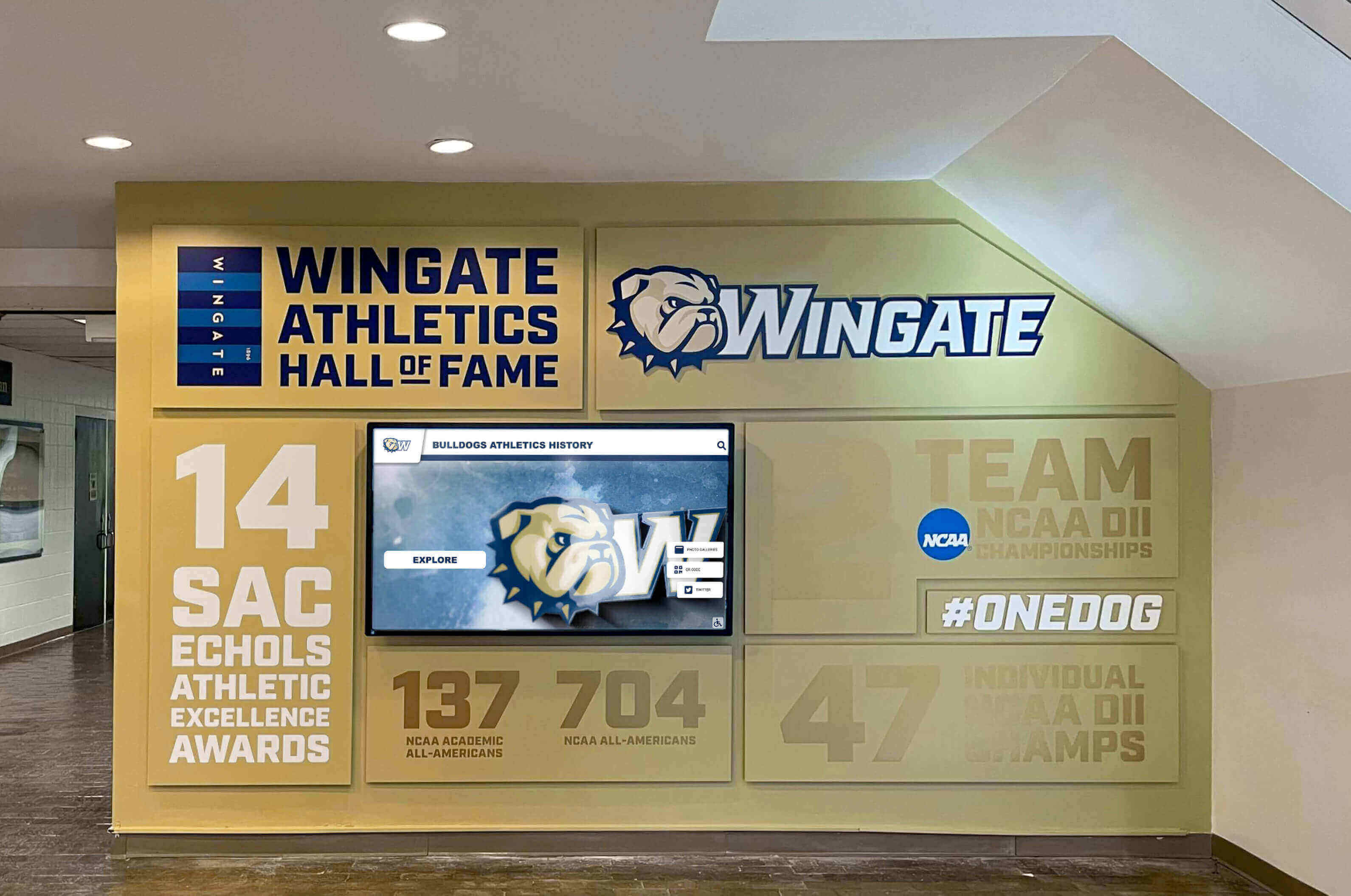
Professional recognition systems honor heritage while creating modern engagement experiences strengthening organizational pride and tradition
Conclusion: Protecting and Celebrating Greek Life Heritage
Preserving fraternity and sorority history represents far more than simply scanning old photographs or digitizing dusty records—it’s a commitment to honoring every member who contributed to chapter legacy, ensuring future generations understand complete tradition rather than edited fragments, and creating recognition systems that strengthen lifelong connections to chapter identity and values that define Greek life at its best.
The challenges facing chapter archives are real and urgent. Physical composites continue deteriorating in storage. Institutional memory fades as generations graduate without documenting their knowledge. Irreplaceable materials face ongoing risks from environmental factors, storage constraints, and simple neglect. Without systematic intervention, much of what defines individual chapter character and heritage will be permanently lost as fragile materials deteriorate beyond recovery and living memory of historical eras disappears.
Yet modern digital preservation technology makes comprehensive solutions achievable for chapters willing to commit resources and organizational attention to protecting their heritage. Cloud-based archives eliminate physical storage constraints while providing security protection impossible with materials stored in chapter house closets. Interactive recognition displays transform static historical records into engaging experiences connecting members to tradition. Searchable databases make complete archives instantly discoverable rather than practically inaccessible. Web platforms extend recognition to distributed alumni populations, strengthening lifelong engagement and chapter connection.
Preserve Your Chapter's Complete Legacy
Discover how modern digital archive and recognition solutions can help you protect irreplaceable chapter history, celebrate every member appropriately, and create engaging experiences that strengthen tradition and pride for generations to come.
Explore Digital Preservation SolutionsImplementation doesn’t require unlimited budgets or technical expertise—phased approaches make progress manageable while delivering value at each step. Starting with composite digitization protects most treasured materials immediately. Adding searchable databases enables discovery and navigation. Implementing interactive displays creates engaging chapter house experiences. Developing web platforms extends recognition to alumni worldwide. Each phase delivers concrete benefits while establishing foundation for future enhancements as resources and needs evolve.
The strategies explored in this guide provide comprehensive frameworks for preservation projects honoring member legacy while remaining sustainable and aligned with chapter capabilities. From professional digitization services ensuring archival quality to purpose-built recognition platforms like Rocket Alumni Solutions eliminating technical complexity, modern solutions address the unique needs facing Greek organizations seeking to protect heritage without overwhelming volunteer leadership with unsustainable management burdens.
Your chapter’s history deserves preservation protecting the legacy thousands of members built through generations of dedication, service, and brotherhood or sisterhood. The composites documenting membership across decades, the scrapbooks chronicling memorable events, the traditions passed between generations, and the stories defining your chapter’s unique character represent irreplaceable cultural heritage warranting the same preservation attention that universities, museums, and historical societies dedicate to materials in their care.
Ready to begin? Explore how Rocket Alumni Solutions can help you create comprehensive digital archives and interactive recognition systems that honor your chapter’s complete legacy, celebrate every member appropriately, and preserve tradition for future generations while strengthening the engagement and pride that make Greek life meaningful and transformative.