



Every Friday afternoon before a big game, gymnasiums across America fill with thunderous cheers, painted faces, spirited chants, and electric energy that ripples through entire student bodies. This phenomenon—the pep rally—has become such a fundamental part of school culture that many students, parents, and educators simply accept it as tradition without questioning its deeper meaning, purpose, or strategic value in building community and supporting athletic excellence.
A pep rally is an organized school assembly designed to generate enthusiasm and support for athletic teams before important competitions. These energetic gatherings combine performances, speeches, games, and collective cheering to unite students, staff, and community members around shared institutional pride while motivating athletes and strengthening team morale heading into crucial contests.
This comprehensive guide explores everything you need to know about pep rallies—from their fascinating historical origins and evolution to their multifaceted purposes in modern education, plus practical planning strategies for organizing memorable events that genuinely engage your school community while celebrating the achievements that deserve permanent recognition.
Understanding pep rallies requires looking beyond surface-level excitement to examine how these intentional gatherings serve strategic functions in school culture, athletic programs, and community building that extend far beyond simple entertainment or time away from academic instruction.

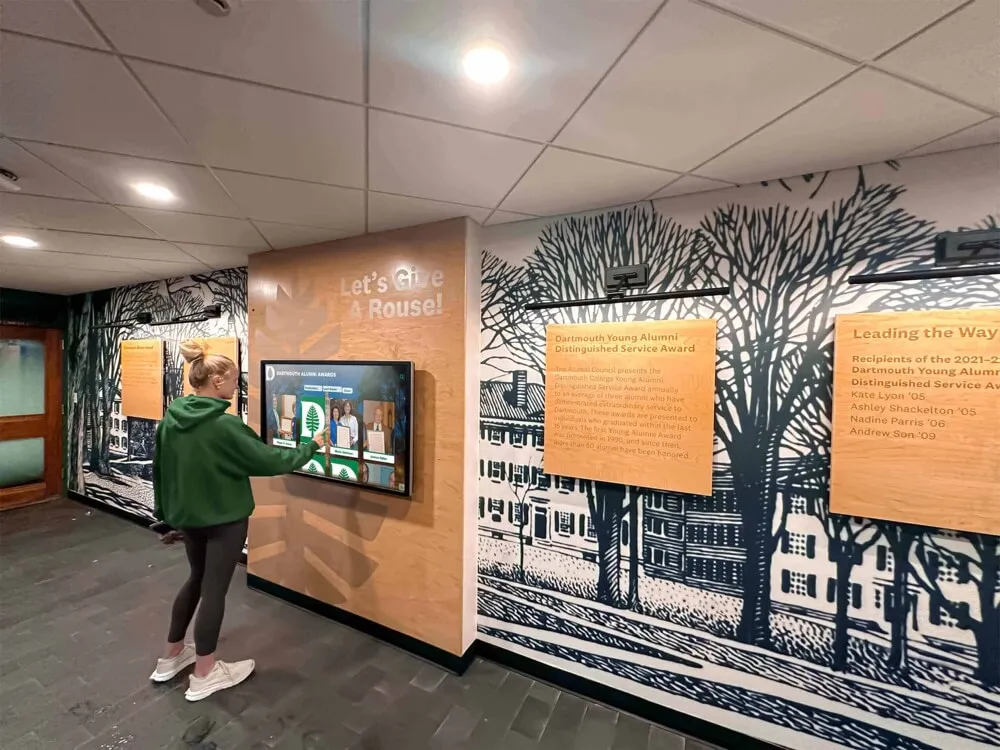
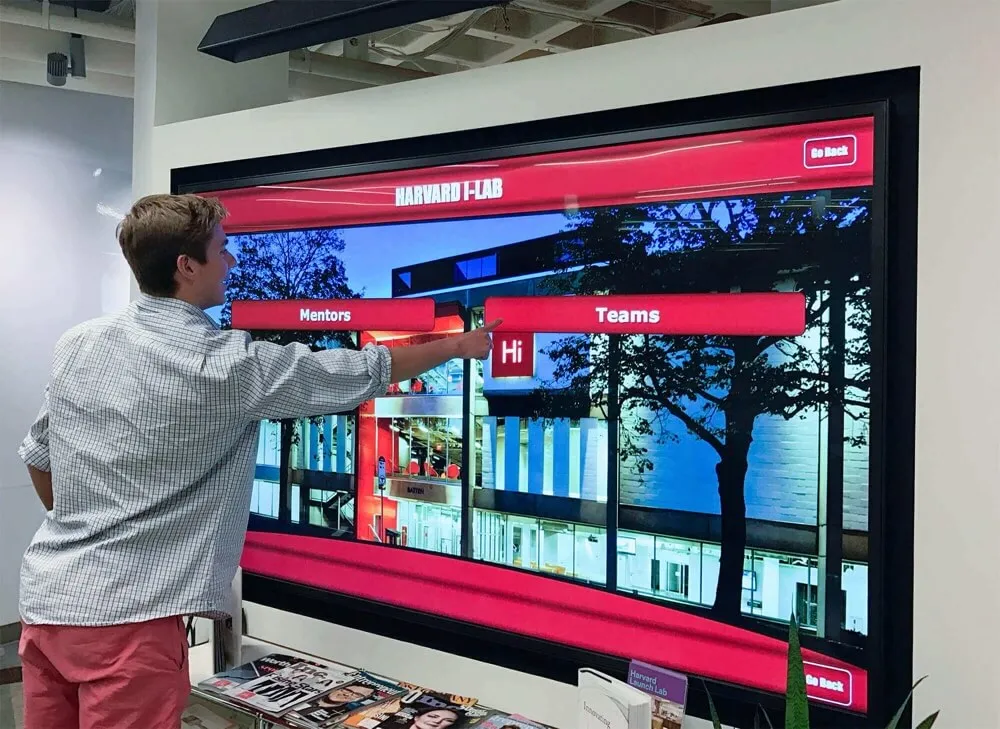
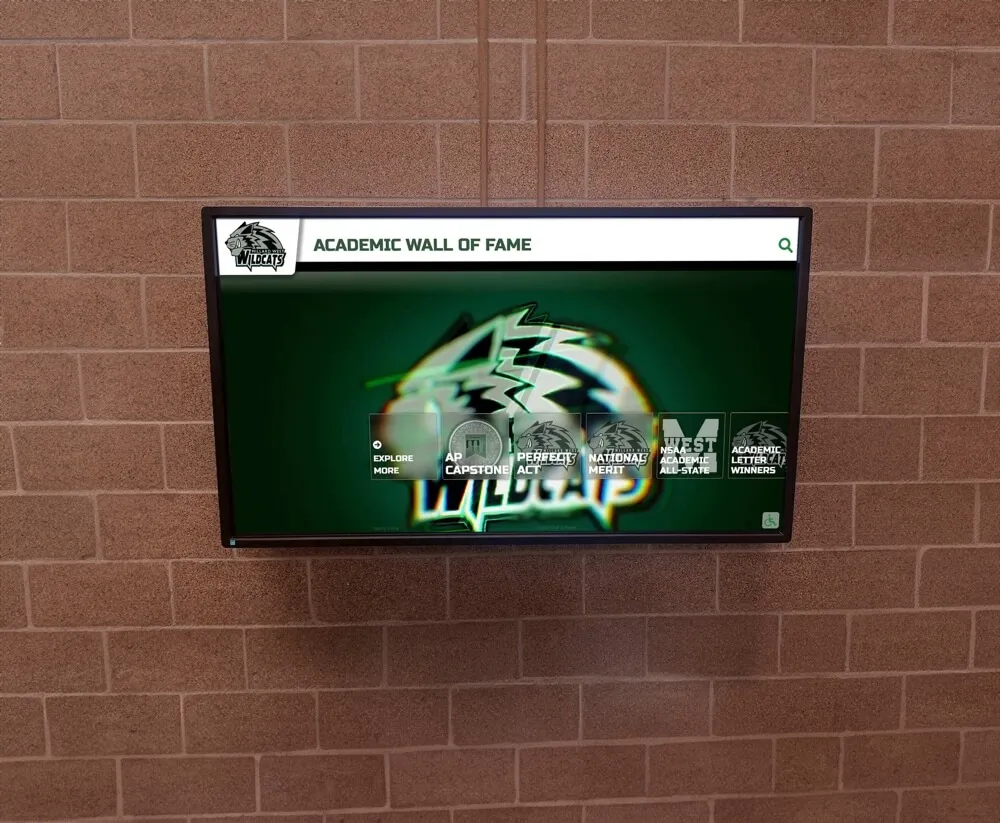
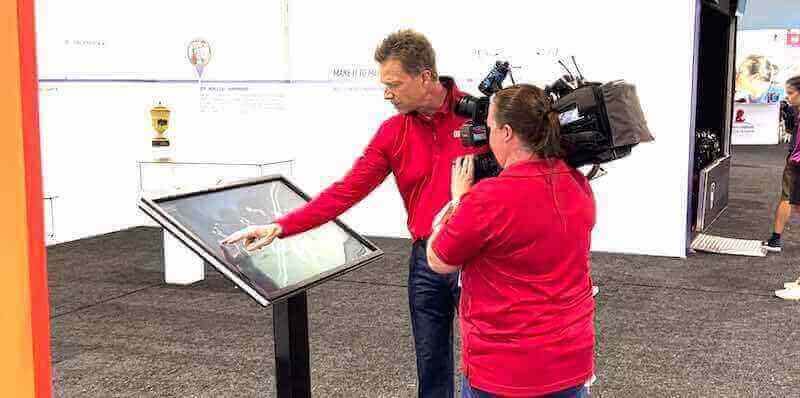
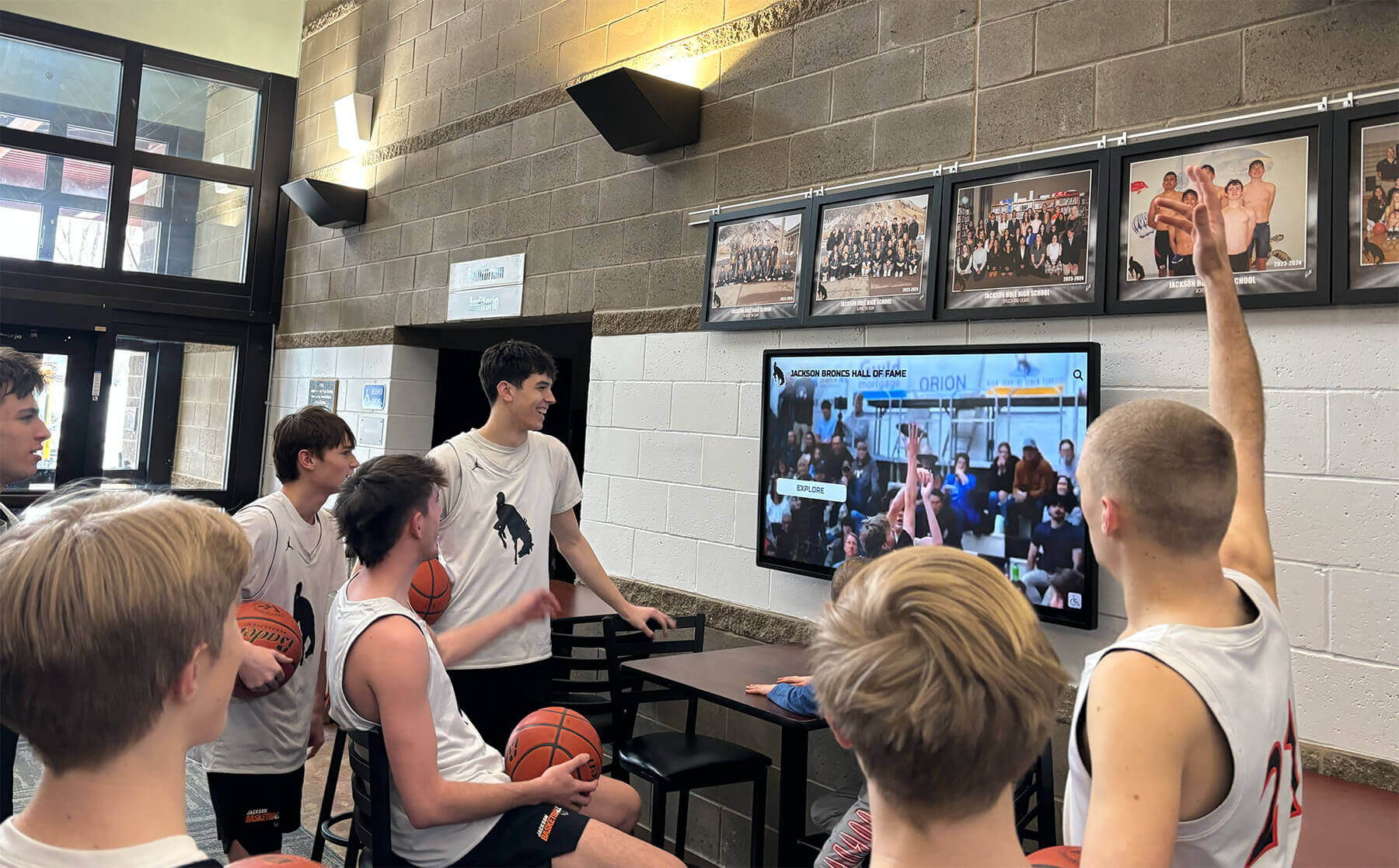
Modern school spirit events combine live energy with digital recognition, creating lasting impressions that extend beyond single assemblies
Understanding the Pep Rally Meaning
The term “pep rally” combines “pep”—informal slang for high energy, enthusiasm, and liveliness—with “rally,” meaning a gathering or assembly organized around a common cause. Together, these words capture the essence of events specifically designed to generate collective enthusiasm while uniting communities around shared goals and institutional pride.
Core Components of Pep Rallies
Traditional pep rallies typically incorporate several standard elements working together to create memorable experiences:
Organized Performances and Entertainment
- Cheerleading routines showcasing athleticism and synchronized choreography
- Dance team performances featuring current popular music and creative formations
- School band performances providing live musical energy and traditional fight songs
- Student talent showcases highlighting diverse abilities beyond athletics
- Mascot appearances creating comedic relief and visual entertainment
- Special guest performers occasionally featuring alumni or community figures
These entertainment elements serve dual purposes—maintaining audience engagement throughout assemblies while showcasing diverse student talents beyond academics and athletics, reinforcing that excellence takes many forms within school communities.
Athletic Team Recognition
- Introduction of team rosters creating personal connections between athletes and audiences
- Coach speeches motivating athletes while explaining game significance to broader communities
- Captain addresses demonstrating student leadership and rally support
- Highlight videos showcasing season successes and individual achievements
- Preview information about upcoming opponents, game times, and competition formats
- Special recognition for senior athletes in final seasons
- Acknowledgment of recent victories and championship progress
This direct athlete recognition serves crucial psychological functions, reinforcing to team members that entire communities support their efforts while educating non-athlete students about their peers’ significant achievements and dedication.
Interactive Audience Participation
- Class competition chants judging which grade demonstrates loudest spirit
- Call-and-response cheers engaging entire assemblies in synchronized participation
- Movement activities like waves or coordinated gestures creating visual unity
- Student-versus-faculty competitions providing humorous entertainment
- Impromptu challenges and games maintaining unpredictability and excitement
- Social media integration encouraging digital participation and content sharing
These participatory elements transform passive audiences into active contributors, creating ownership and investment in events while building memories through personal involvement rather than simply observation.
Explore how student council activities can strengthen school spirit through systematic event planning and community engagement strategies.

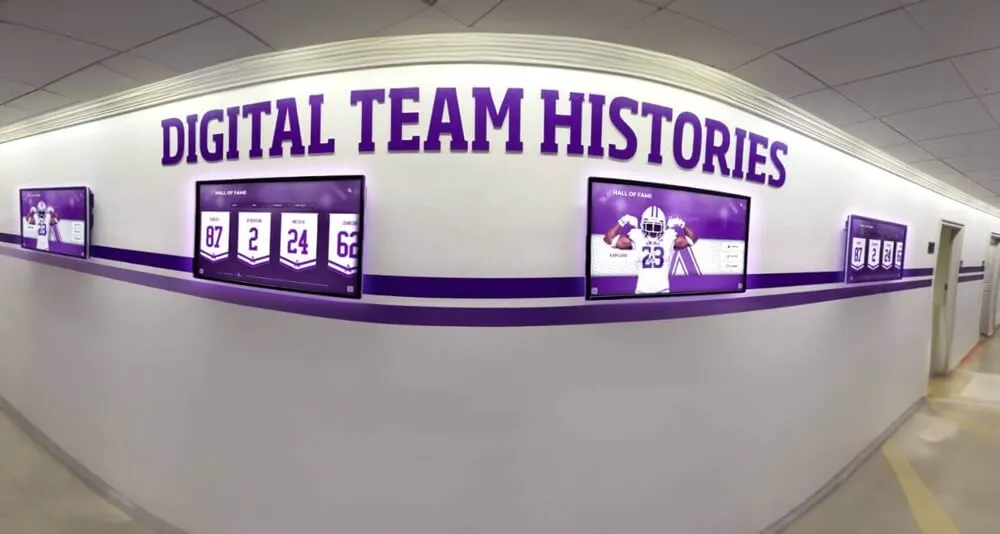
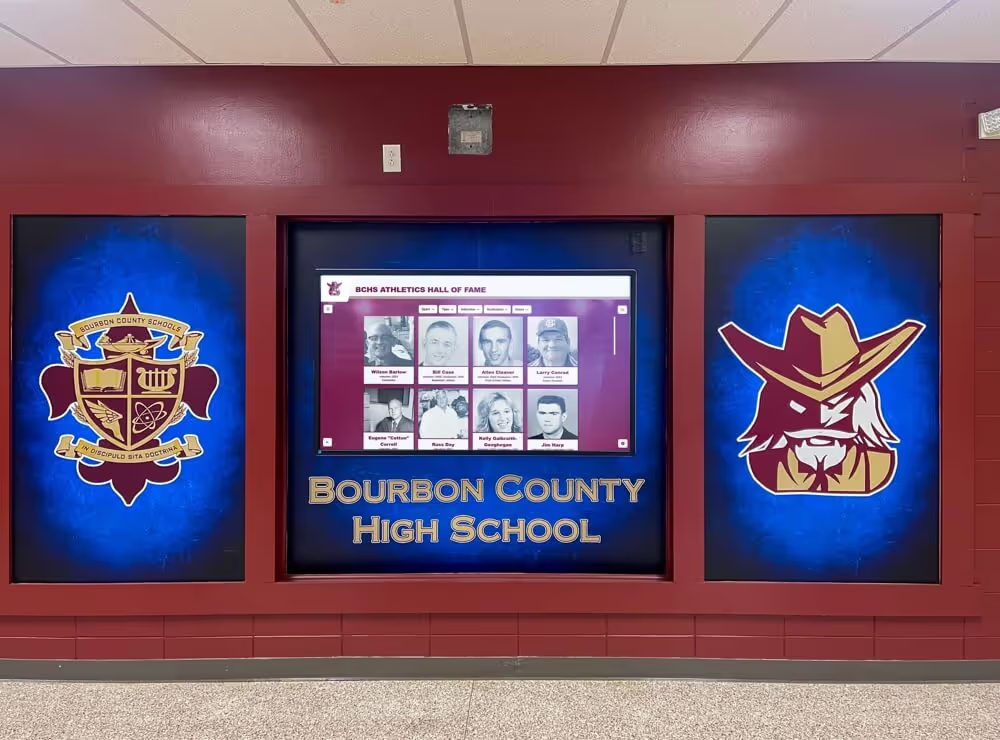
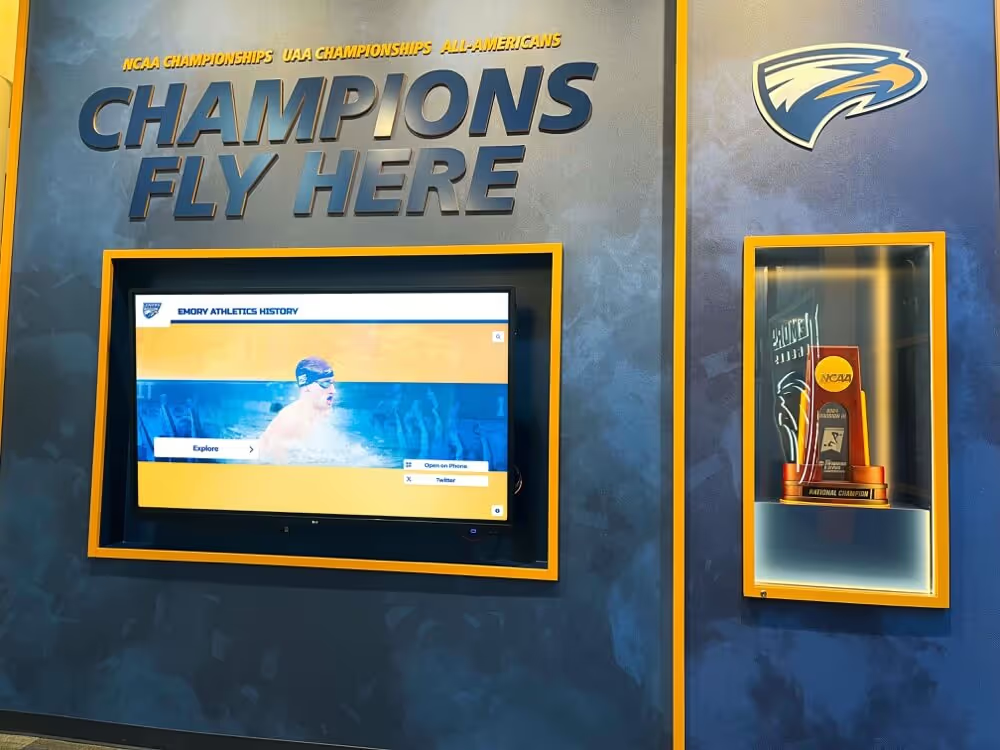
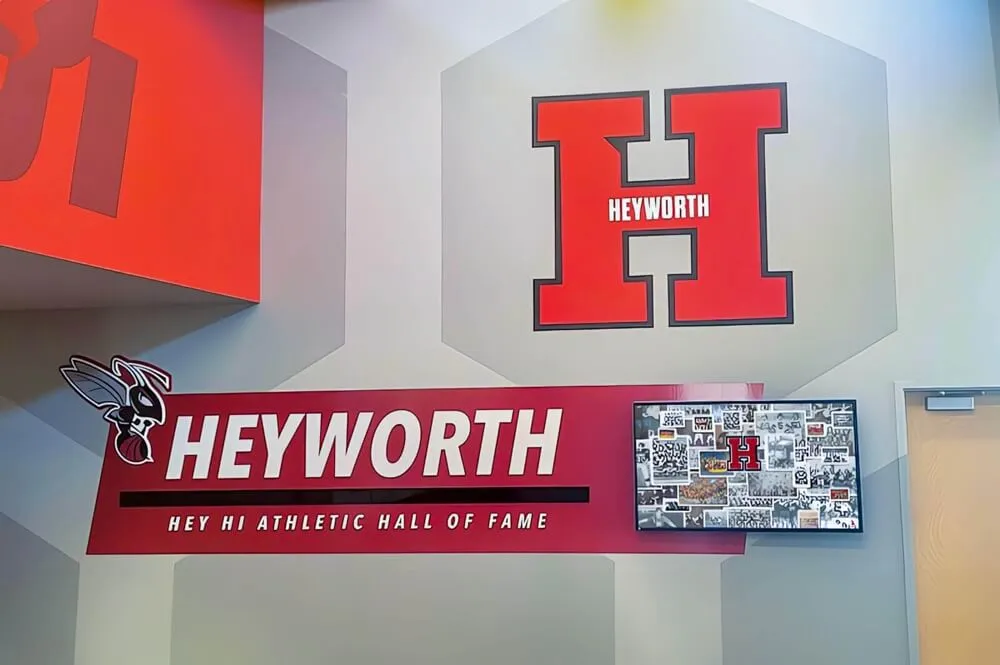
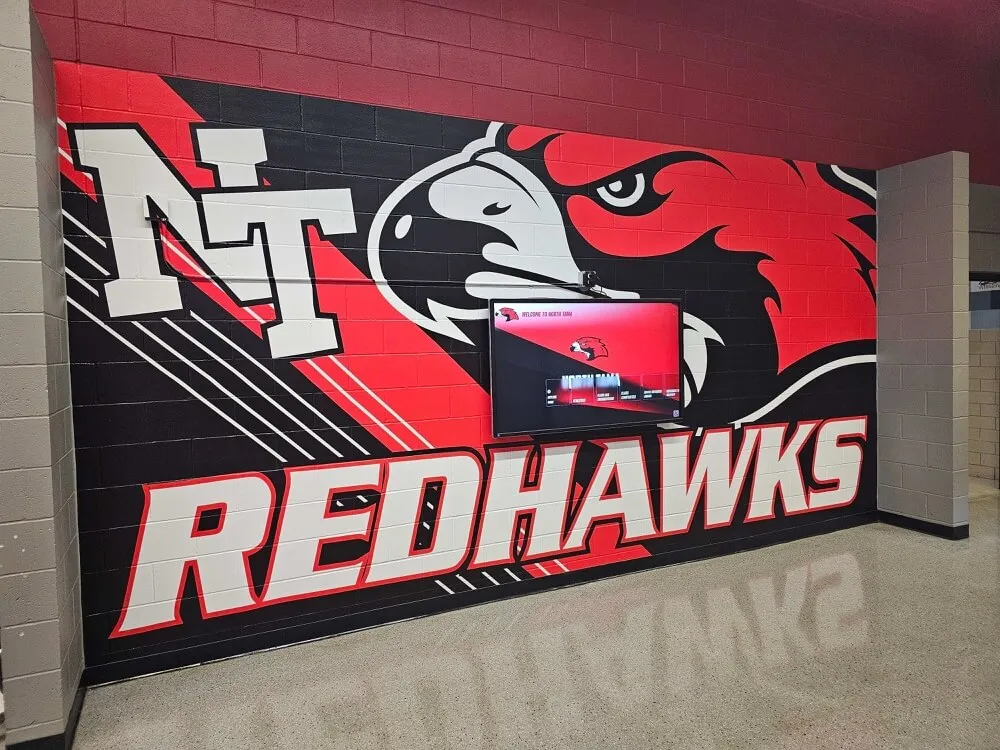
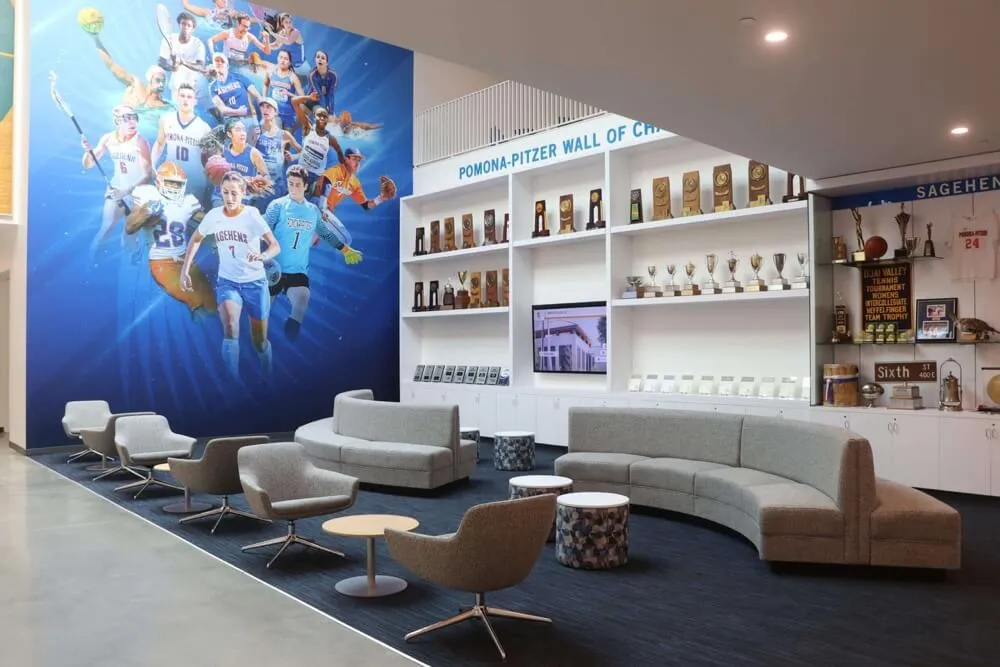
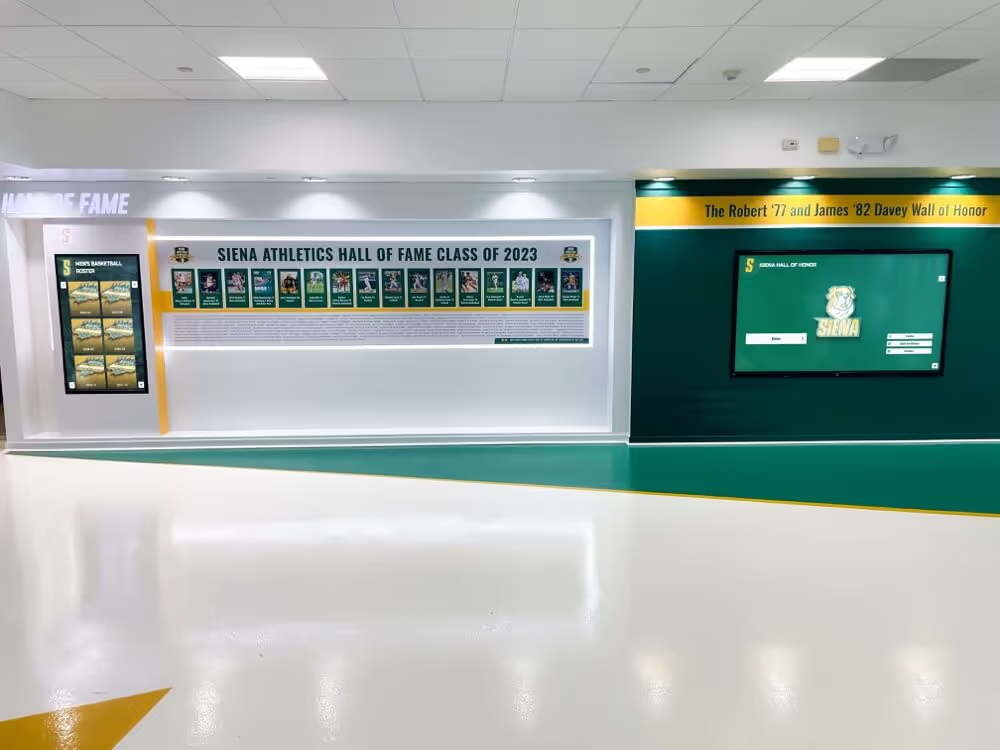
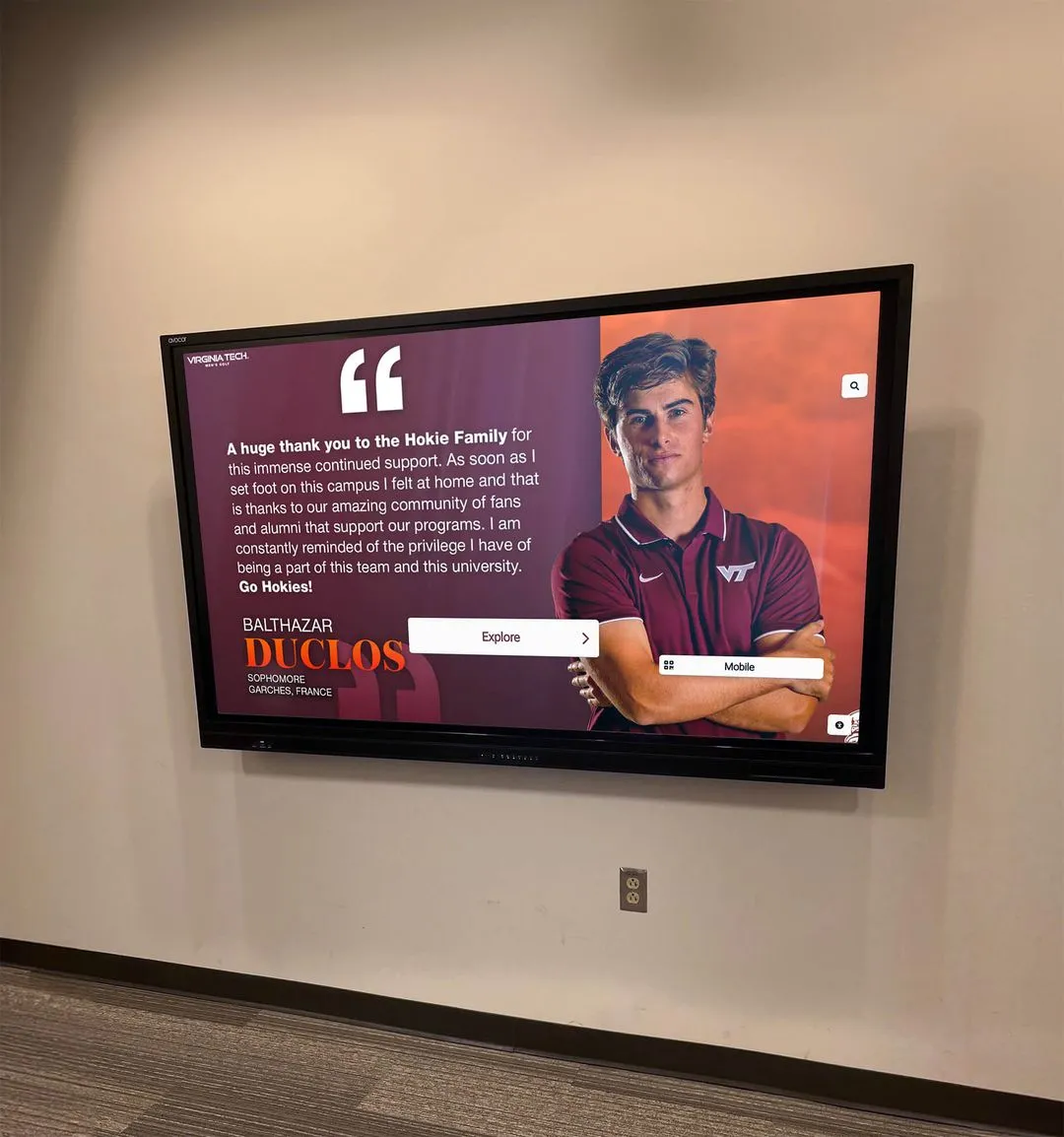
Permanent recognition displays extend pep rally spirit throughout facilities, creating daily reminders of athletic excellence and community pride
Types and Formats of Pep Rallies
While traditional pre-game assemblies remain most common, schools organize pep rallies in various formats serving different purposes throughout academic years.
Traditional Pre-Game Rallies
Held during final school days before major competitions—typically Friday afternoons preceding evening football games or weekend tournaments—these classic pep rallies generate immediate pre-competition enthusiasm while sending teams into battles knowing entire communities support their efforts.
Championship and Playoff Rallies
Special assemblies organized when teams advance to championship rounds or playoff competitions celebrate achievement-to-date while building momentum for crucial upcoming contests. These often feature enhanced production values, special guests, and greater community attendance reflecting heightened stakes.
Homecoming Spirit Weeks
Multi-day spirit celebrations culminating in major pep rallies combine daily themed dress-up days, lunchtime activities, and school-wide competitions with climactic Friday assemblies preceding homecoming games. These extended events maximize participation by offering diverse engagement opportunities throughout weeks.
Spring and Winter Sports Rallies
Schools increasingly recognize non-football sports through dedicated pep rallies celebrating basketball, wrestling, swimming, track, soccer, and other programs that historically received less visibility. These targeted events demonstrate equitable support across all athletic programs while educating communities about diverse team achievements.
Academic and Arts Celebrations
Some progressive schools adapt pep rally formats for non-athletic recognition, organizing spirited assemblies celebrating academic teams, performing arts groups, robotics competitions, or debate championships. These expanded applications demonstrate that enthusiasm and community support extend beyond athletics alone.
Learn about comprehensive athletic recognition strategies that honor achievements across all sports and seasons systematically.
The Fascinating History of Pep Rallies
Understanding where pep rallies originated and how they evolved provides valuable context for their current cultural significance and helps explain why these traditions persist across generations despite constantly changing educational priorities and student interests.
Early Origins in American College Culture
Pep rallies emerged from late 19th-century American university culture as collegiate athletics gained prominence and schools recognized strategic value in generating organized spectator enthusiasm.
The Princeton-Rutgers Connection (1860s-1880s)
The earliest documented organized school cheering occurred during the first intercollegiate football game between Princeton and Rutgers in 1869. Princeton students developed systematic chants and coordinated cheers attempting to energize their team while intimidating opponents—recognizing that crowd energy directly impacted player performance and competitive outcomes.
By the 1880s, Princeton formalized these spontaneous efforts by creating designated “cheer leaders” responsible for organizing crowd participation during athletic contests. This innovation recognized that effective spectator engagement required intentional leadership rather than hoping random enthusiasm would spontaneously emerge.
Expansion Across Elite Universities (1890s-1910s)
The concept rapidly spread across prestigious universities as schools competed not just athletically but culturally, each developing signature cheers, fight songs, and pre-game traditions distinguishing their institutions. Harvard, Yale, Penn, Michigan, and other prominent universities created elaborate rituals surrounding major football rivalries.
These early university traditions established enduring elements still recognizable today: organized cheerleading squads, school-specific chants and songs, mascot characters, coordinated crowd movements, and designated student sections creating intimidating home-field advantages through volume and unity.
World War I and American Morale Culture (1910s-1920s)
The First World War significantly influenced pep rally culture as American society emphasized collective morale, patriotic unity, and organized enthusiasm supporting war efforts. Educational institutions adapted these broader cultural patterns, organizing “pep meetings” and “spirit assemblies” that borrowed from military morale-building techniques and patriotic rally formats.
Post-war, these organizational approaches persisted in peacetime school contexts, with pep rallies becoming increasingly elaborate productions featuring military-inspired precision in performances, patriotic-style speeches emphasizing institutional loyalty, and deliberate psychological techniques designed to generate sustained enthusiasm rather than momentary excitement.
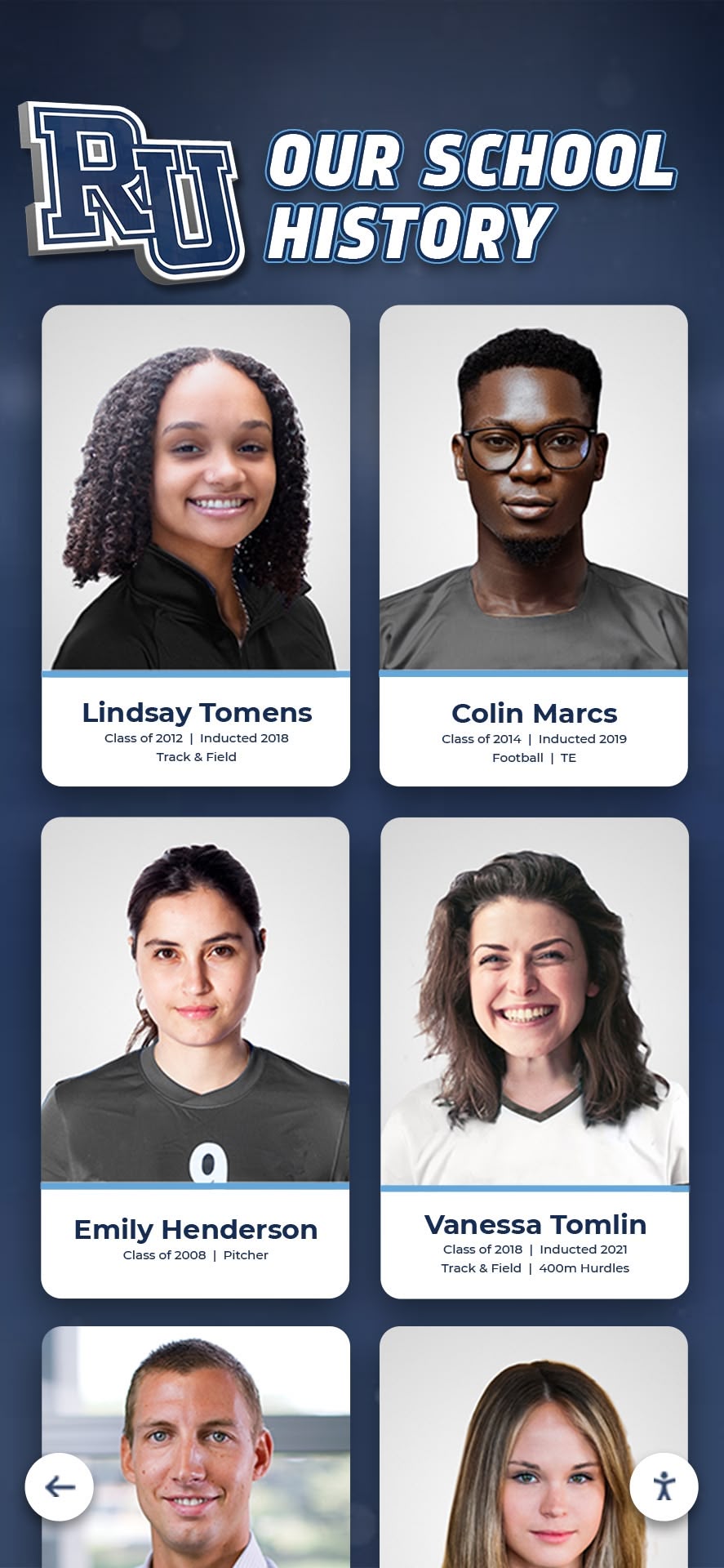
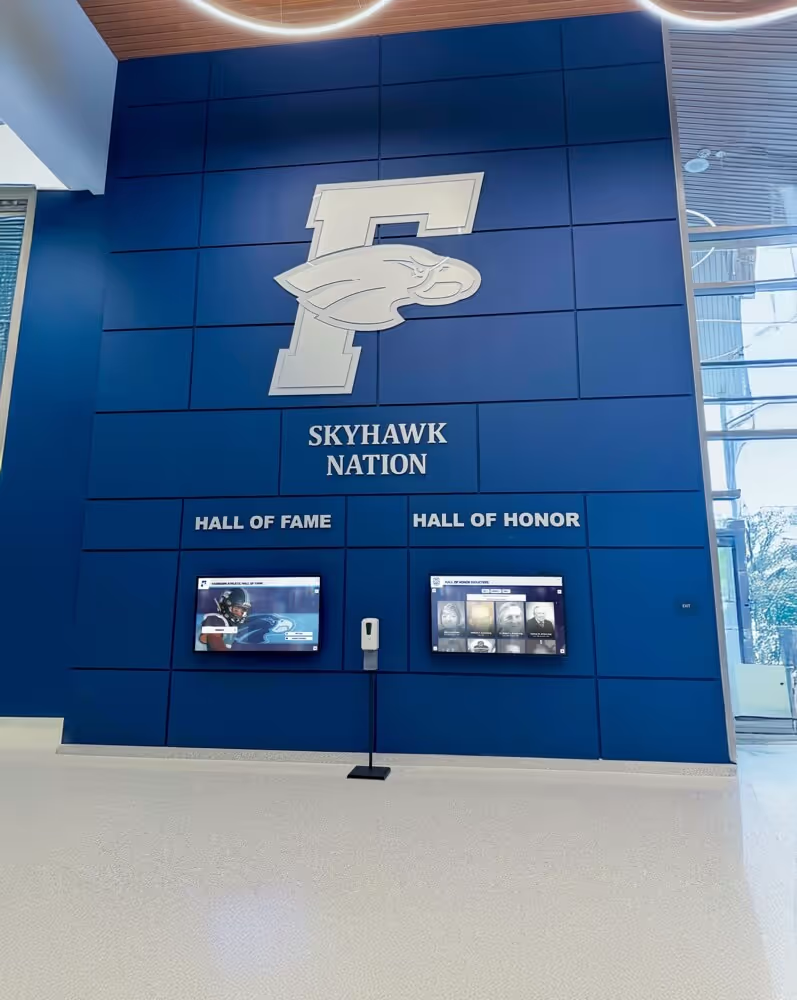
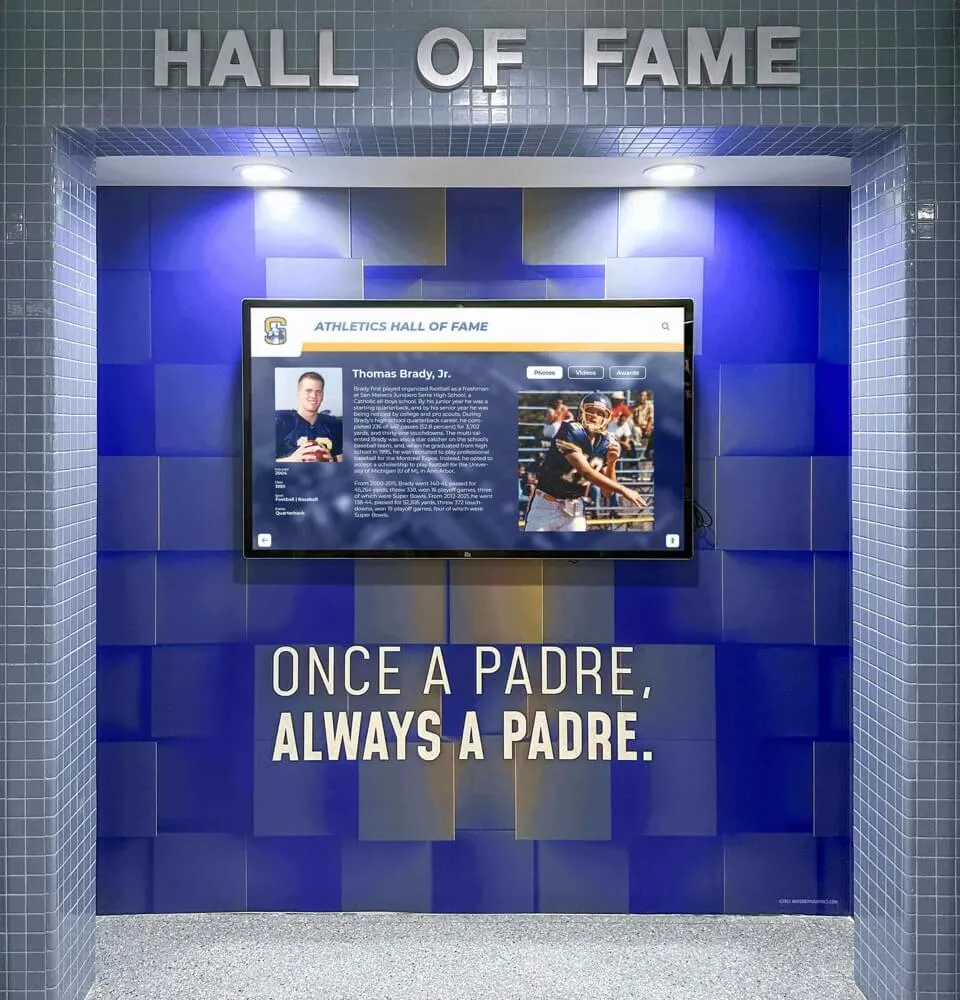
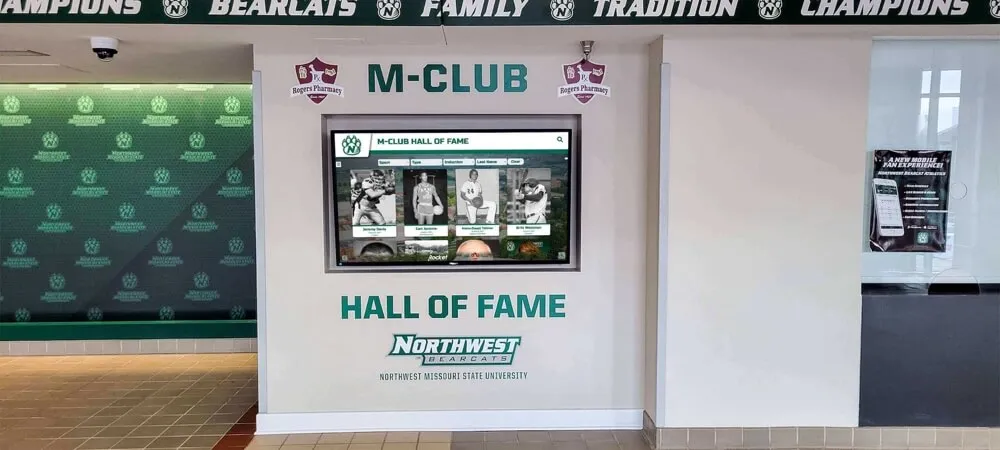
Preserving athletic history through systematic documentation honors traditions connecting current students to generations of school spirit and achievement
Evolution into High School Traditions
While pep rallies originated in elite universities, their most significant cultural impact emerged through widespread adoption by American high schools throughout the 20th century.
The 1920s-1940s: Standardization and Spread
During the interwar period, pep rallies became standard fixtures at high schools nationwide as secondary education expanded dramatically and interscholastic athletics grew into major community events. Small-town Friday night football games became central social gatherings, with pep rallies serving as anticipation-building kickoff events.
This era established many recognizable traditions: gymnasium assemblies with bleacher seating, marching band performances, formal cheerleading uniforms, scripted programs balancing entertainment with motivational speeches, and deliberate scheduling preceding significant competitions.
The 1950s-1970s: Golden Age
Post-war prosperity and baby boom demographics created ideal conditions for pep rally culture flourishing. Larger student populations enabled more elaborate productions, television influenced performance styles and production values, and suburban school construction included gymnasiums specifically designed to accommodate entire student bodies for assemblies.
This period saw pep rallies reach peak cultural significance as unquestioned school traditions. Movies, television shows, and literature depicted pep rallies as quintessential American high school experiences, reinforcing their importance in popular imagination and creating self-perpetuating cycles where students expected these events because media portrayed them as universal experiences.
The 1980s-Present: Adaptation and Questioning
Recent decades have seen pep rallies simultaneously face criticism and undergo creative reinvention. Critics question whether pulling students from academic instruction serves educational missions, whether pep rallies primarily benefit small athlete populations while boring non-participants, and whether traditional formats remain relevant to increasingly diverse student bodies with varied interests and cultural backgrounds.
In response, innovative schools have adapted pep rally formats incorporating modern music and entertainment styles, using digital technology and social media integration, emphasizing inclusion across diverse programs beyond football, shortening assemblies to minimize instructional disruption, and measuring outcomes to demonstrate community-building value justifying continued investment.
Discover how fall sports programs systematically build traditions connecting seasonal athletics to broader school culture and community pride.
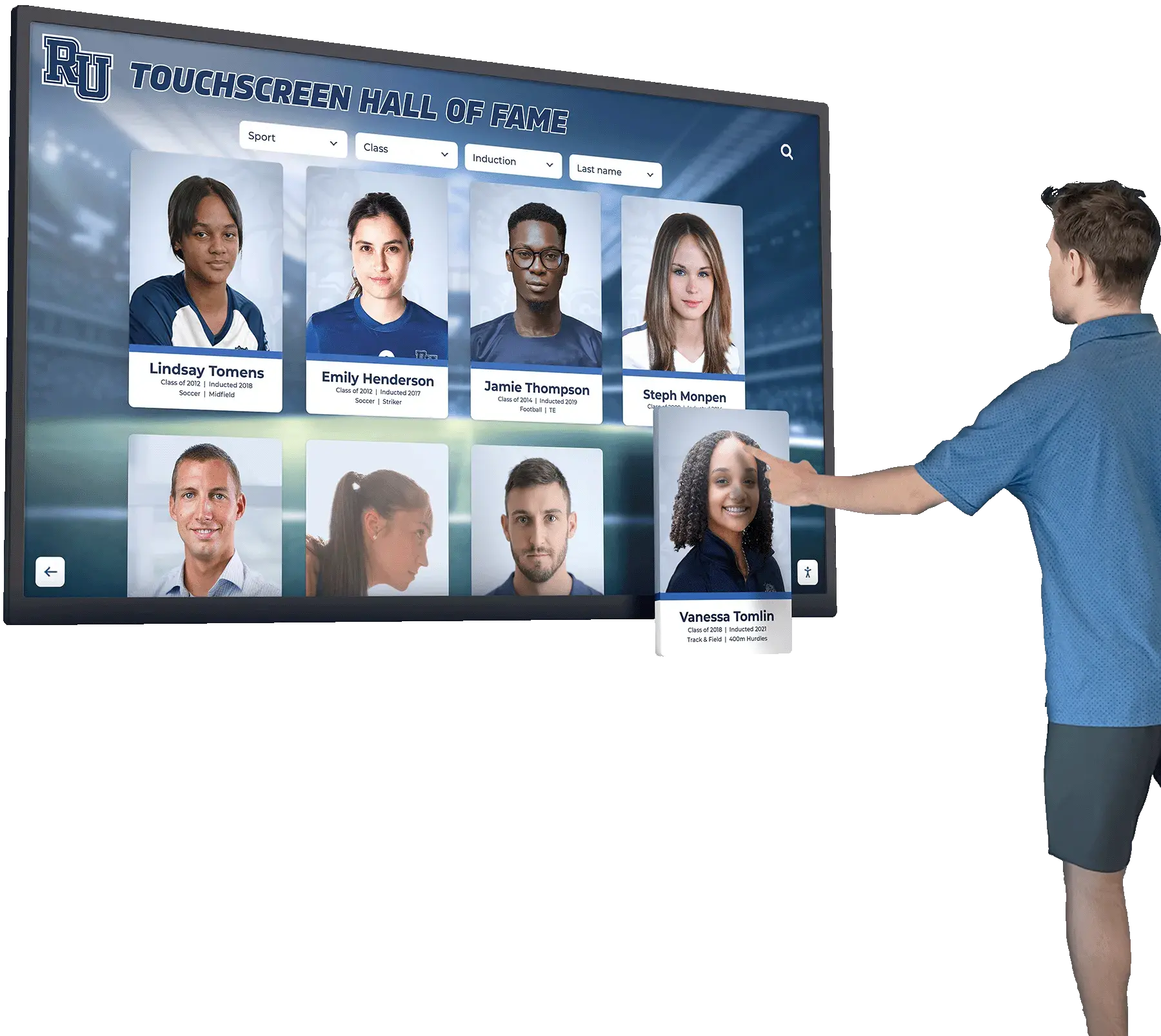
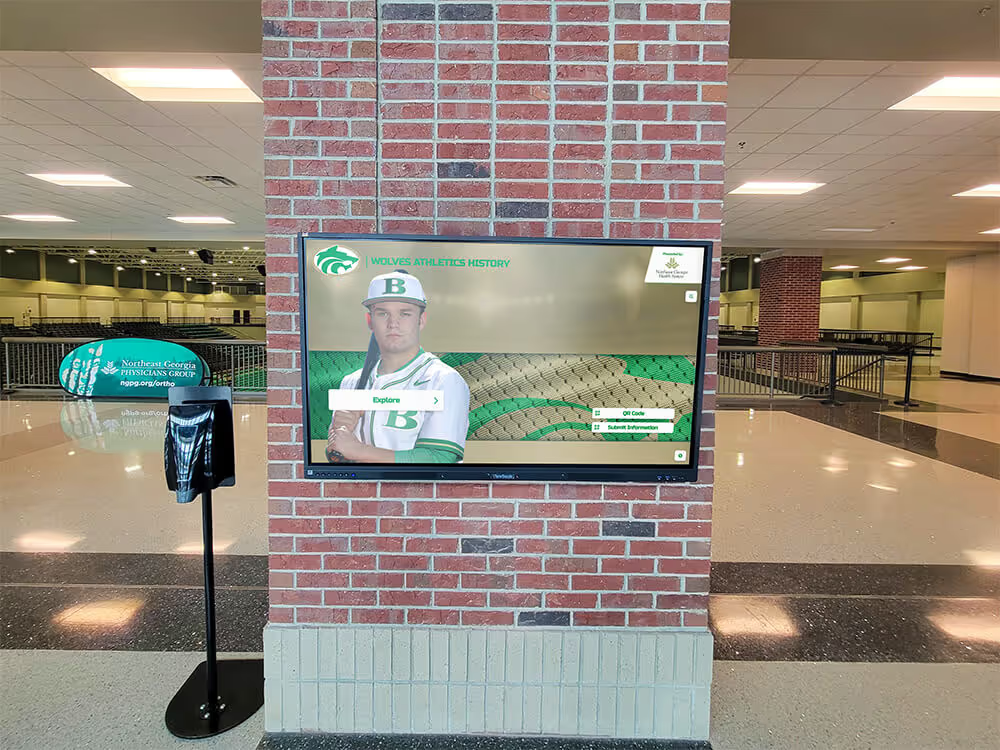
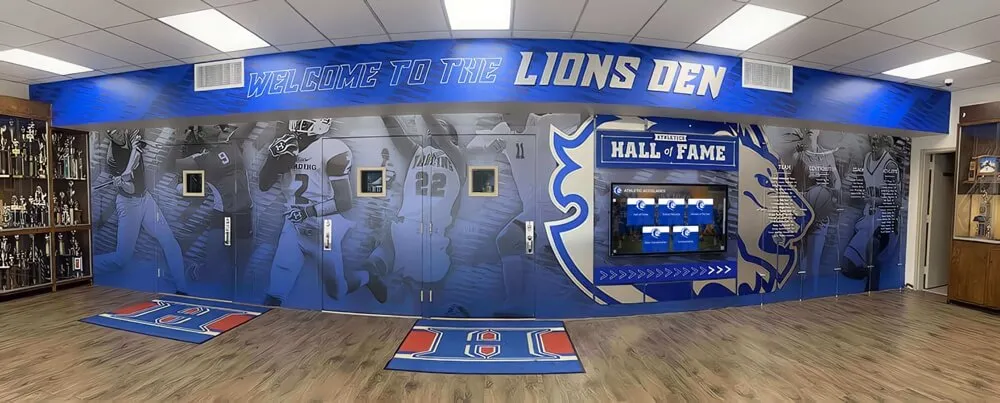
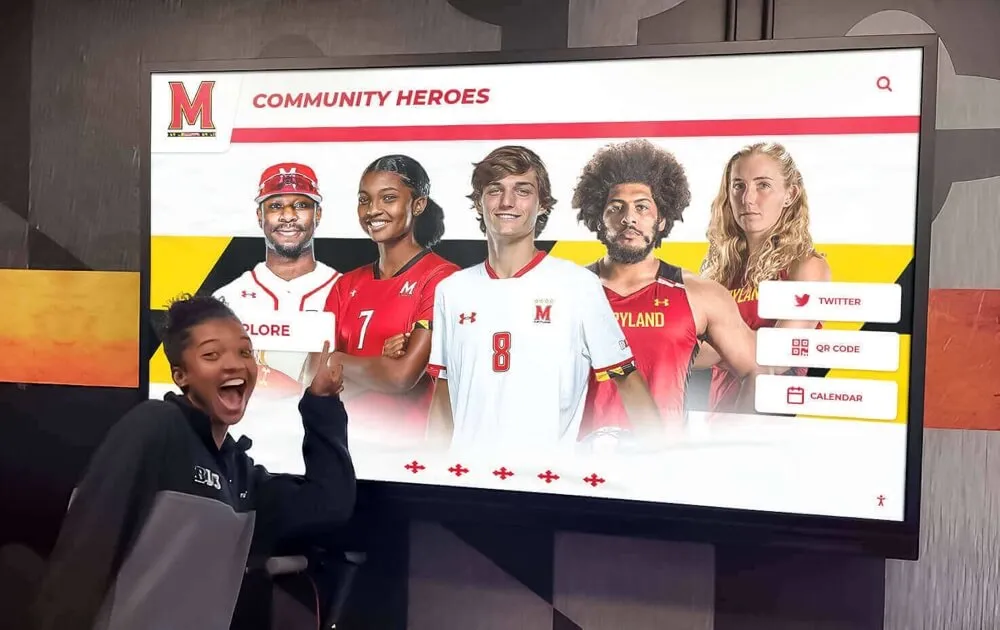
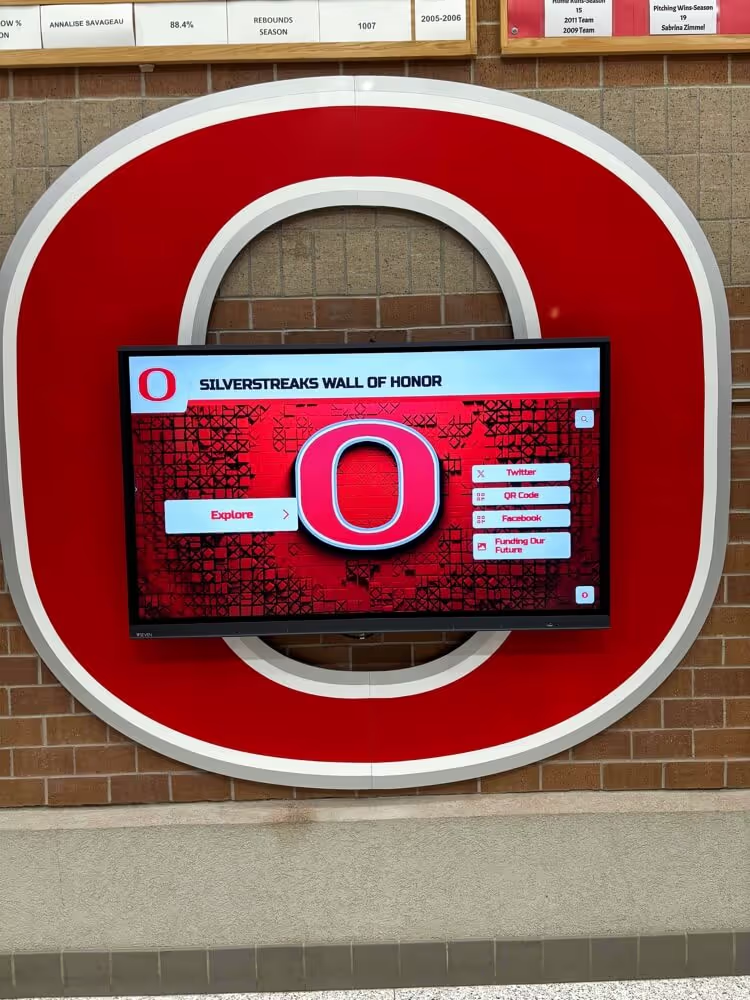
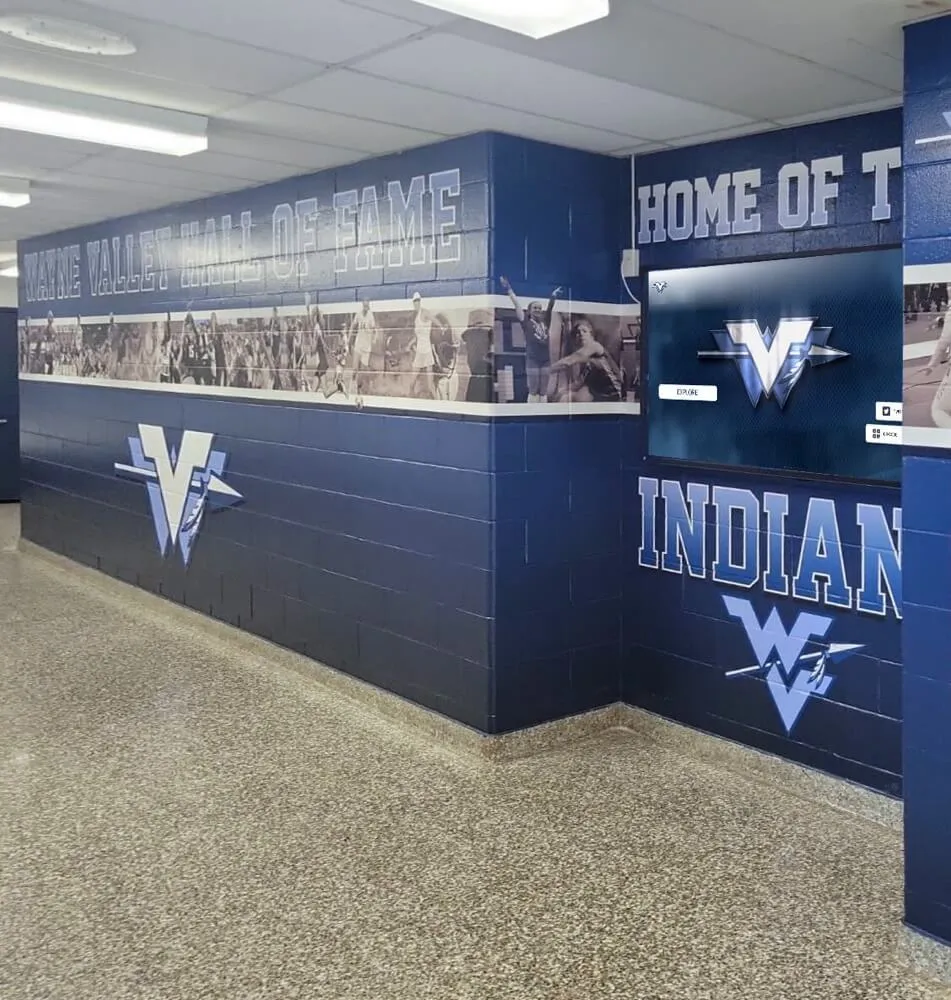
Digital recognition platforms enable schools to celebrate unlimited athletes and achievements, extending pep rally recognition permanently throughout facilities
The Multifaceted Purposes Pep Rallies Serve
Beyond surface-level fun and excitement, well-executed pep rallies serve multiple strategic purposes supporting athletic performance, school culture, student development, and community connection that justify their continued place in educational programming.
Athletic Performance Benefits
Research consistently demonstrates that athlete perception of community support directly impacts performance, motivation, and psychological well-being—making pep rallies more than superficial entertainment but rather strategic performance enhancement tools.
Psychological Motivation and Confidence
Athletes who feel supported by broader communities beyond teammates and coaches demonstrate:
- Increased intrinsic motivation driven by desire to represent communities well
- Enhanced confidence stemming from visible evidence that many people believe in their abilities
- Greater resilience when facing adversity because support extends beyond immediate team contexts
- Reduced performance anxiety through normalization of public attention before competitions
- Stronger commitment to excellence when achievements receive community-wide recognition
Pep rallies provide tangible, visible demonstrations that entire schools support athletes’ efforts—transforming abstract institutional affiliation into concrete emotional connection that athletes carry into competitions.
Home Field Advantage Creation
Coordinated crowd enthusiasm directly impacts competitive outcomes through multiple mechanisms:
- Increased noise disrupting opponent communication and play-calling
- Visible unity intimidating visiting teams unfamiliar with hostile environments
- Official unconscious bias favoring home teams in close judgment calls
- Psychological comfort enabling home athletes to perform optimally in familiar settings
- Momentum shifts where crowd energy lifts home team performance during crucial moments
Pep rallies essentially train student bodies in creating intimidating environments that provide measurable home advantages—teaching spectators that enthusiasm isn’t passive observation but active contribution to competitive success.
Team Cohesion and Unity
Public recognition through pep rallies strengthens bonds within teams by:
- Creating shared memorable experiences connecting teammates beyond practices and games
- Demonstrating to individuals that their contributions matter to collective team success
- Reinforcing team identity through public association with school symbols and traditions
- Generating pride in team membership when receiving community-wide celebration
- Motivating peer accountability when teammates know entire schools watch their efforts
These cohesion benefits extend beyond single seasons, creating alumni connections and program cultures spanning generations united by shared pep rally memories and traditions.
Learn about creating collegiate experiences for high school athletes through comprehensive recognition and celebration approaches.
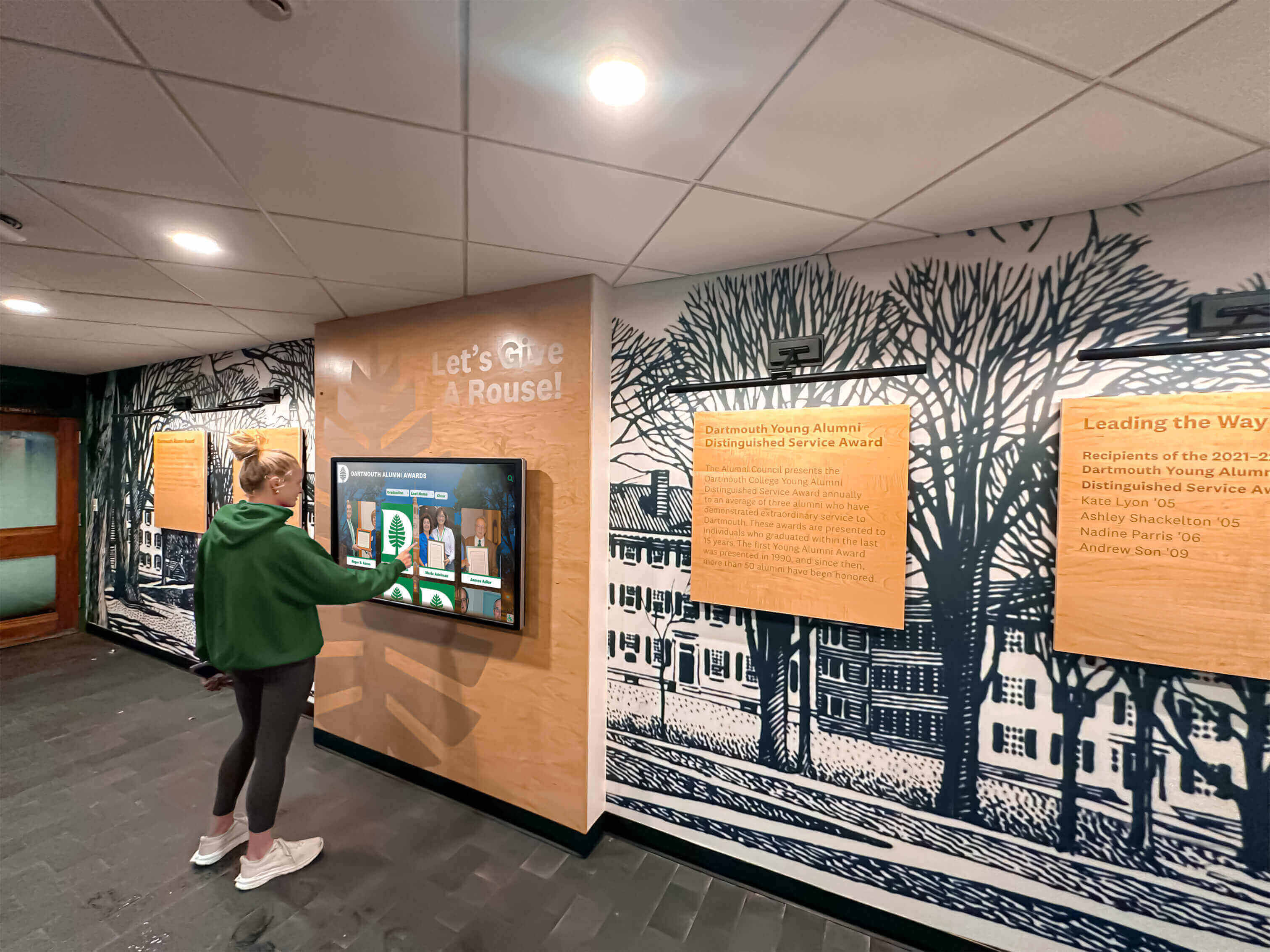
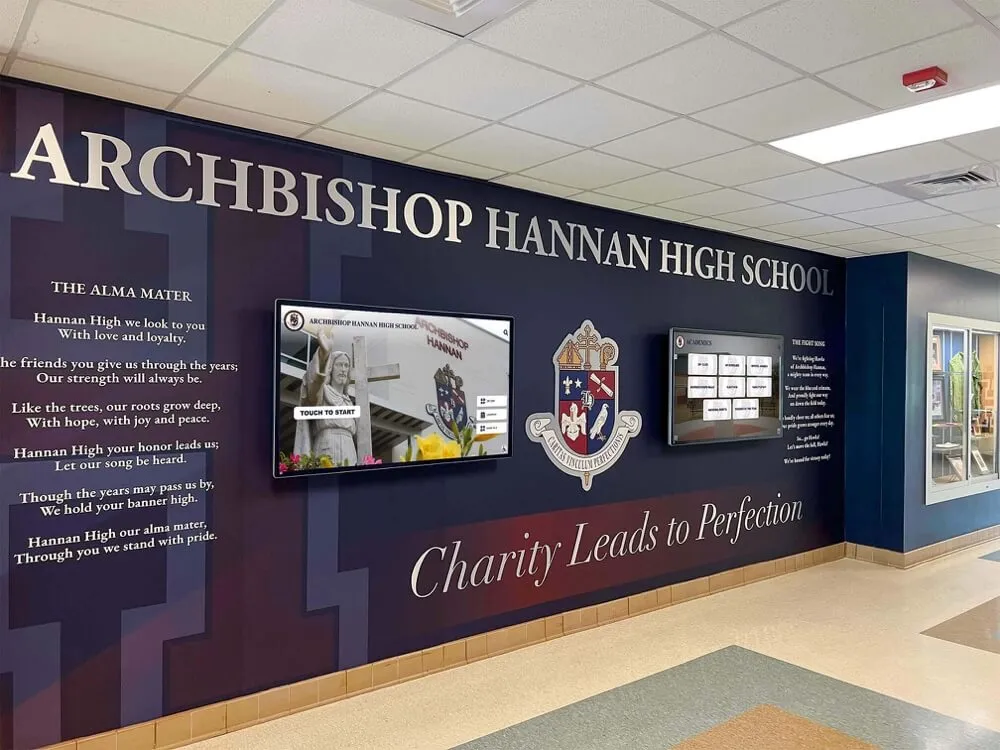
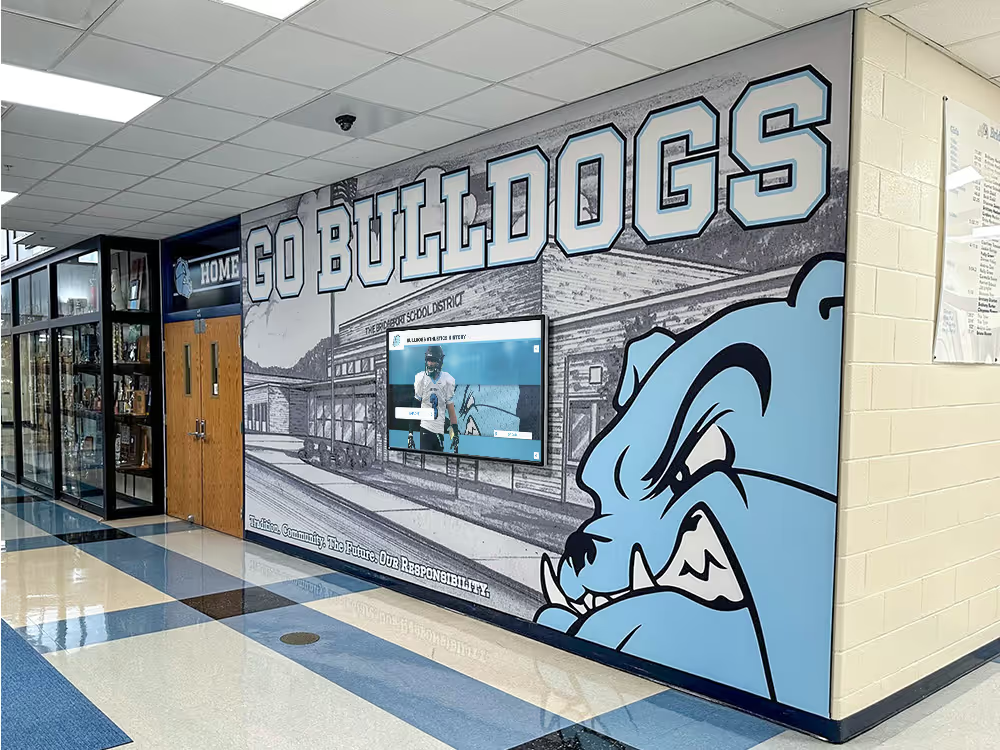
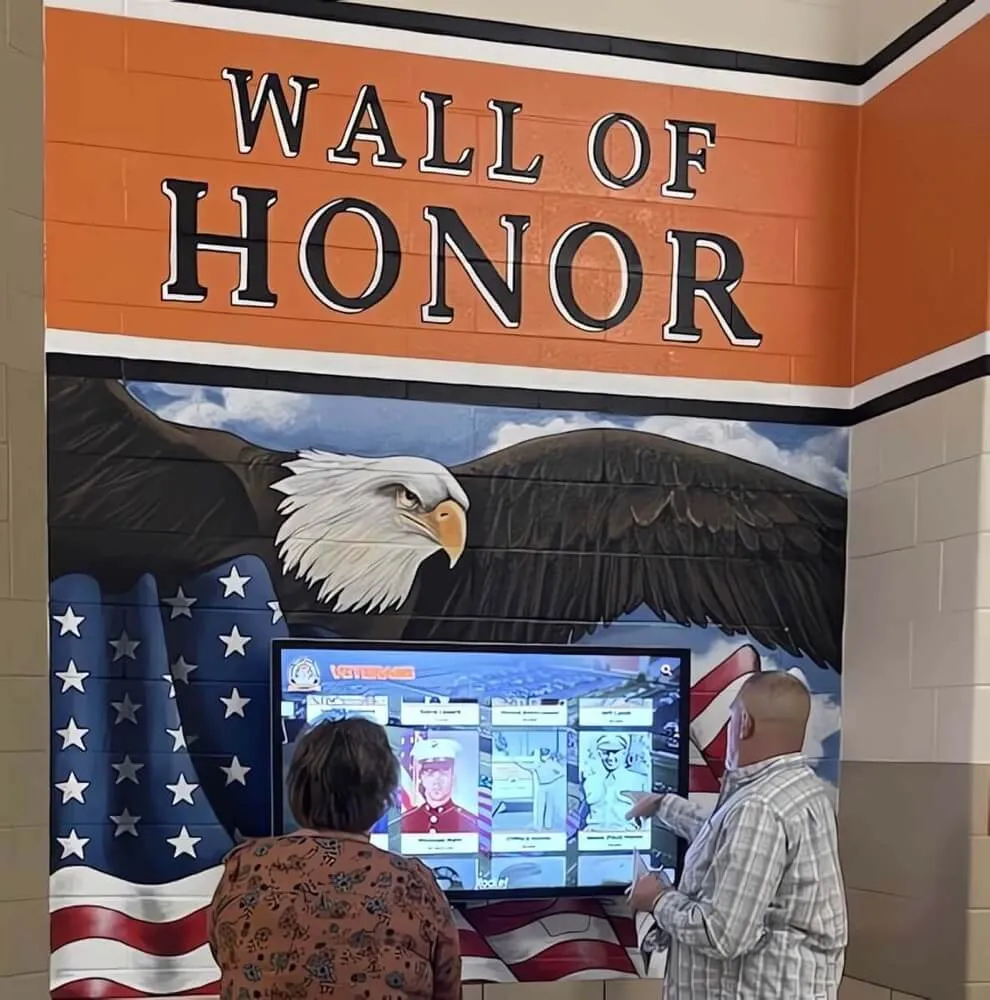
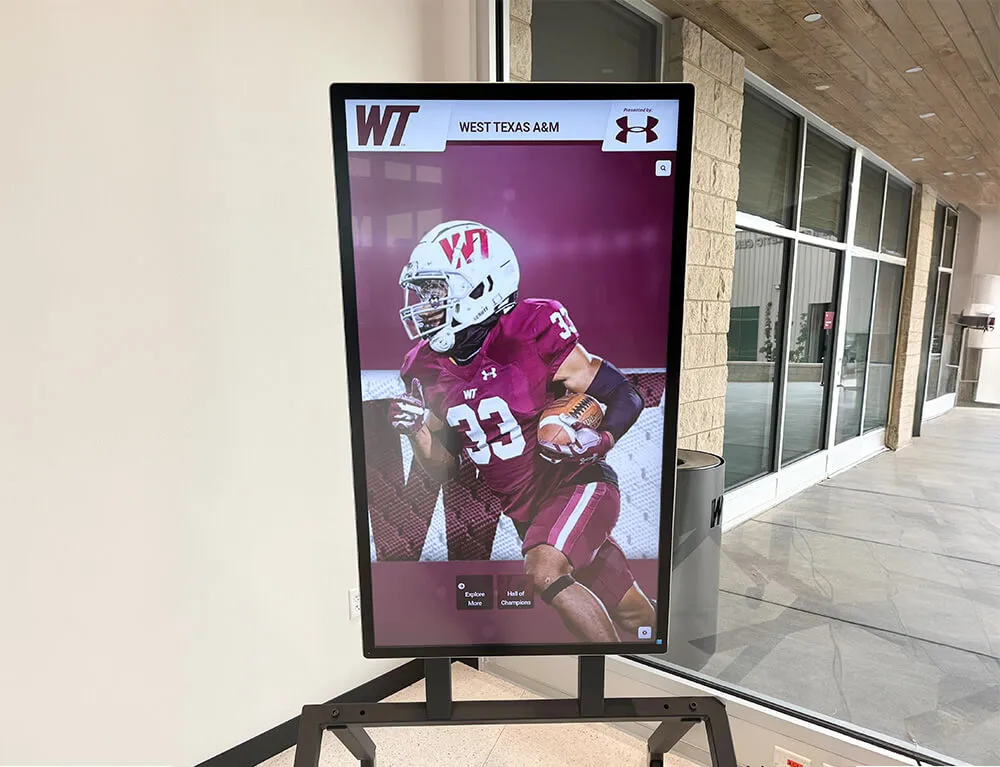
Interactive recognition systems enable students to explore athletic achievements and school history independently, extending pep rally engagement continuously
School Culture and Community Building
Beyond athletic benefits, pep rallies serve broader functions strengthening overall school culture and creating unified communities across diverse student populations, staff groups, and external stakeholders.
Creating Shared Identity and Belonging
Schools serve increasingly diverse populations representing different backgrounds, interests, abilities, and social groups that might otherwise remain fragmented into isolated subcultures. Pep rallies create rare whole-school experiences where:
- Entire student bodies gather physically in single spaces simultaneously
- Diverse groups participate in identical activities transcending usual social divisions
- Shared traditions connect current students to alumni across generations
- Collective pride in institutional symbols and achievements unifies otherwise different individuals
- Common experiences create conversational topics bridging different friend groups
- Memorable moments become “remember when” stories binding graduating classes together
This unity-building function arguably justifies pep rallies even independent of athletic benefits, as schools struggle to create genuine community amid increasing fragmentation, digital isolation, and polarized identities.
Recognizing Student Achievement Publicly
American culture increasingly recognizes that public celebration powerfully reinforces desired behaviors and accomplishments. Pep rallies provide formal platforms for:
- Acknowledging student athlete dedication requiring daily practice, physical sacrifice, and mental discipline
- Celebrating team achievements that might otherwise receive minimal recognition beyond sports pages
- Demonstrating institutional values by highlighting what schools consider worthy of community-wide attention
- Creating aspiration models showing younger students visible pathways to recognition and achievement
- Expressing appreciation to students who represent schools in external competitive contexts
- Building achievement culture where excellence receives enthusiastic celebration rather than minimization
Solutions like Rocket Alumni Solutions extend this recognition permanently through interactive digital displays that showcase athletic achievements continuously throughout facilities, ensuring that pep rally celebration becomes lasting documentation rather than momentary applause forgotten days later.
Strengthening Student-Staff Relationships
Effective pep rallies blur traditional student-teacher boundaries in beneficial ways:
- Faculty participation in activities demonstrates that teachers value student interests beyond academics
- Humorous student-teacher competitions create humanizing moments showing staff personality and playfulness
- Administrators addressing assemblies in celebratory rather than disciplinary contexts improves student perception
- Shared enthusiasm for school success creates common ground transcending instructional relationships
- Informal interactions during assemblies enable relationship-building impossible in classroom formality
These relationship benefits contribute to overall school climate improvements correlating with better academic outcomes, reduced behavioral problems, and increased student satisfaction—indirect educational benefits justifying time away from traditional instruction.
Explore how student leadership programs can systematically develop organizational skills through planning major school events like pep rallies.
Student Development Opportunities
Beyond immediate benefits, pep rallies create valuable learning experiences developing practical skills applicable far beyond high school contexts.
Leadership Skill Development
Planning and executing pep rallies requires extensive coordination providing authentic leadership opportunities for:
- Student council members organizing logistics, coordinating participants, and managing budgets
- Athletic team captains speaking publicly and representing teammates to broader communities
- Cheerleading captains choreographing performances and leading large groups
- Technology students managing sound, lighting, and video production systems
- Creative students designing decorations, themes, and visual elements
- Communication students promoting events and managing social media engagement
These experiences develop project management, public speaking, teamwork, creative problem-solving, and responsibility—transferable skills valuable in college and career contexts that classroom instruction struggles to teach through abstract lessons alone.
Building School Pride and Tradition
Participating in pep rallies connects students to institutional traditions extending beyond their individual four-year experiences:
- Learning school fight songs, chants, and cheers passed down across generations
- Understanding symbolic meaning behind mascots, colors, and athletic traditions
- Feeling part of historical continuums connecting current students to alumni decades earlier
- Developing loyalty and affection for institutions that shapes future alumni engagement
- Creating personal memories associated with schools that influence lifelong institutional relationships
This tradition-building creates alumni connections supporting future fundraising, mentorship, recruitment, and institutional advocacy—indirect but significant returns on pep rally investments.
Celebrating Diverse Excellence
Modern pep rallies increasingly recognize multiple achievement forms beyond traditional football-focused formats:
- Spotlighting different sports throughout seasons ensuring equitable recognition
- Celebrating academic competitions, arts performances, and service achievements
- Highlighting individual accomplishments across varied skill areas
- Creating inclusive environments where multiple pathways to recognition exist
- Demonstrating institutional values about what deserves community-wide celebration
This inclusive approach helps all students see themselves reflected in school priorities while teaching that excellence manifests diversely rather than through single narrow definitions—valuable lessons for pluralistic democratic societies.
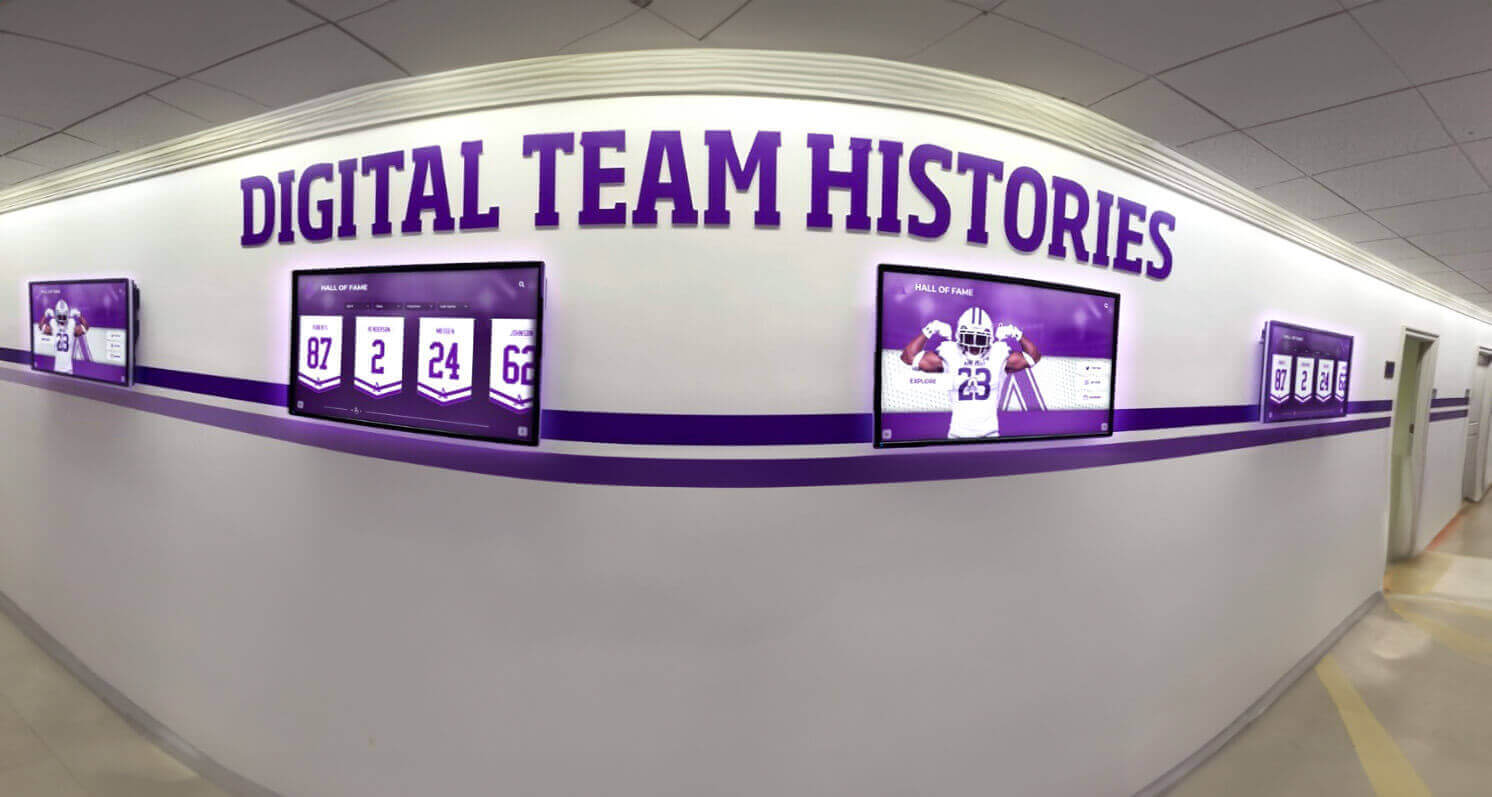
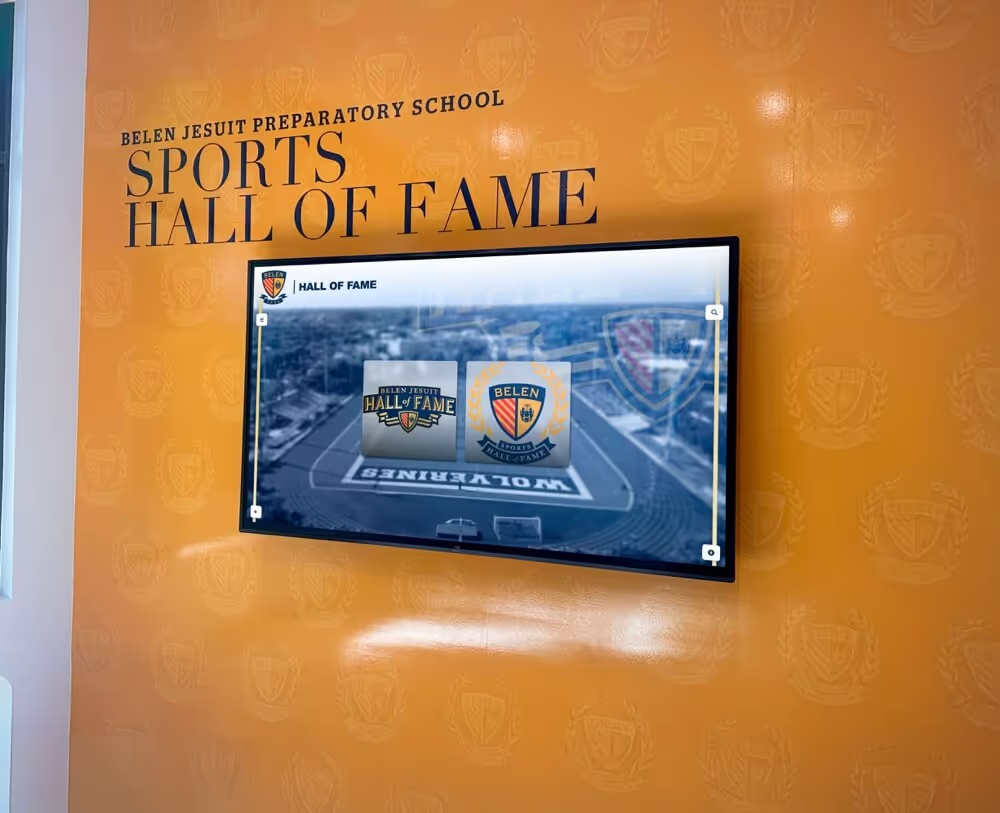
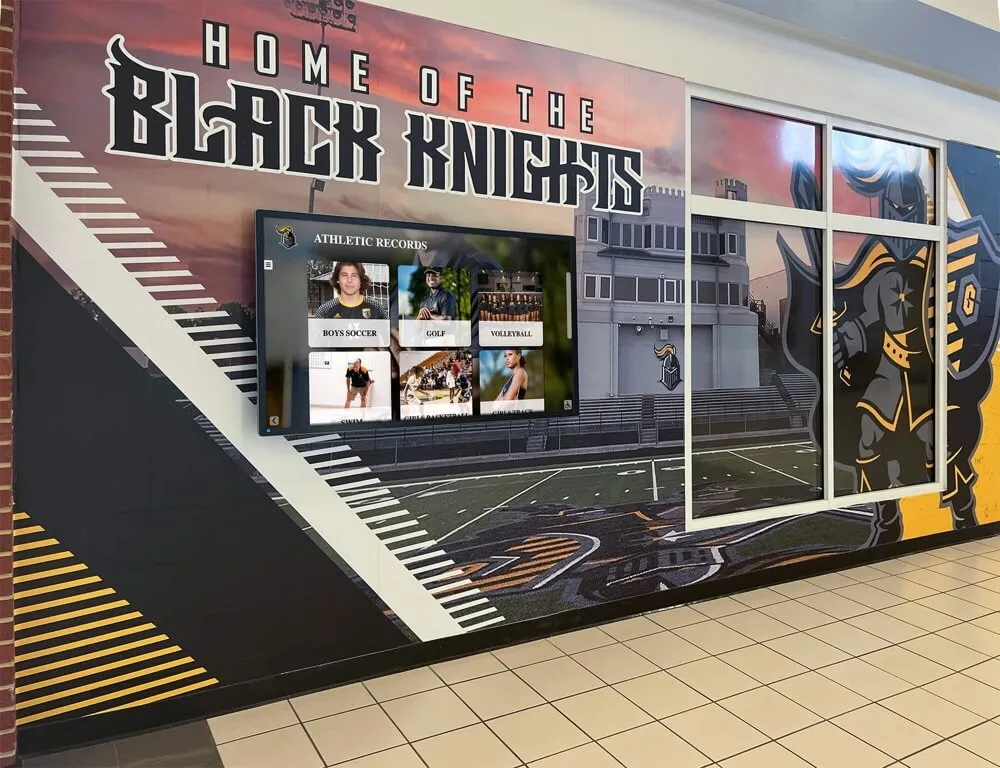
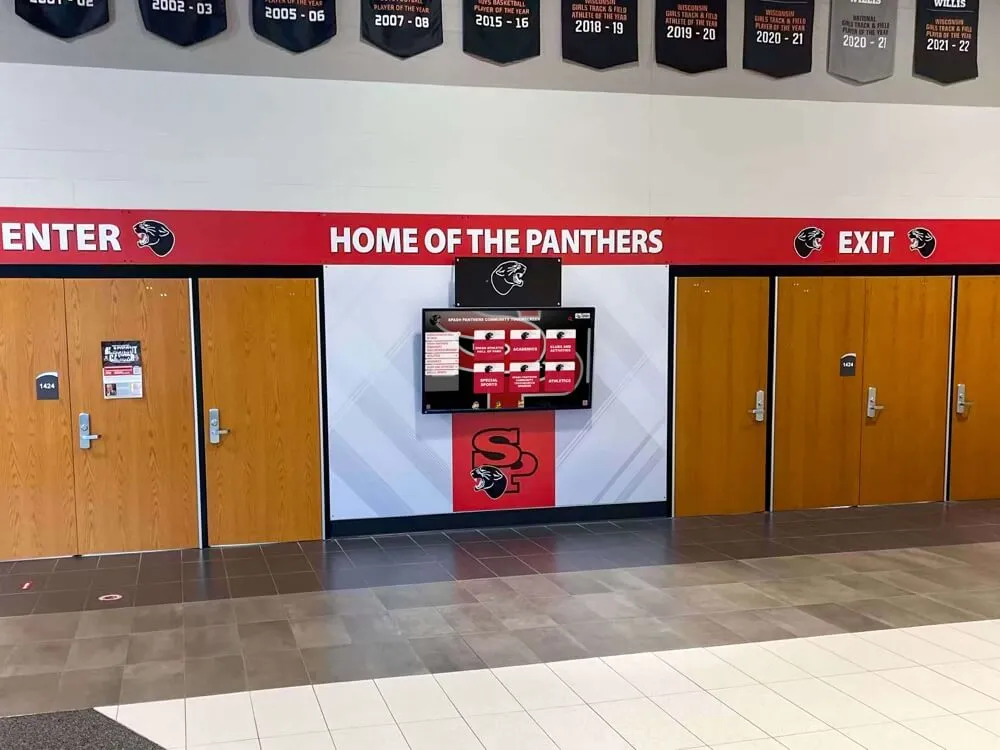
Distributed recognition displays throughout facilities ensure that athletic achievements receive continuous visibility beyond single assembly moments
Planning Memorable and Effective Pep Rallies
Understanding pep rally purposes provides foundation, but successful execution requires systematic planning addressing logistics, engagement strategies, and assessment ensuring events achieve intended outcomes while justifying instructional time commitment.
Establishing Clear Objectives
Before planning specific activities, leadership should define what particular pep rallies aim to accomplish—enabling focused decisions when tradeoffs become necessary.
Defining Primary Goals
Consider what you hope to achieve:
- Generating immediate pre-game enthusiasm for specific athletic contests?
- Building general school spirit and community unity throughout seasons?
- Recognizing student achievements that deserve broader visibility?
- Providing entertainment and stress relief during intense academic periods?
- Teaching spectator behavior and athletic support culture?
- Creating memorable experiences strengthening student satisfaction and retention?
- Developing student leadership through event planning opportunities?
Clear objectives guide format decisions, activity selection, timing choices, and assessment approaches—transforming vague “we need a pep rally” into intentional “we’re organizing this specific event to accomplish these particular goals.”
Identifying Target Audiences
Effective pep rallies balance competing audience needs:
- Athletes and coaches: Need genuine recognition and motivation rather than patronizing or perfunctory acknowledgment
- Active school spirit participants: Cheerleaders, band members, and enthusiastic students who drive energy and model engagement
- Casual student majority: Neither athletes nor spirit leaders but whose participation determines overall success
- Skeptical students: Those who view pep rallies as wastes of time requiring intentional engagement strategies
- Faculty and staff: Whose buy-in influences student attitudes and whose participation models institutional values
- Visiting families and community: When open assemblies serve recruitment or public relations functions
Understanding these diverse audiences prevents planning exclusively for most enthusiastic participants while boring or alienating majority populations whose engagement determines whether events succeed or fail.
Timeline and Logistical Planning
Successful pep rallies require weeks of preparation coordinating multiple moving parts simultaneously.
Recommended Planning Timeline
4-6 Weeks Before:
- Establish planning committee including student leaders, staff advisors, and administrators
- Define event objectives, date, time, and expected duration
- Reserve gymnasium or venue and confirm no scheduling conflicts
- Establish preliminary budget and identify funding sources
- Begin recruiting participants and performers
- Develop initial program outline and activity sequence
3-4 Weeks Before:
- Finalize performer commitments and activity participants
- Design event theme and visual elements
- Create detailed timeline with specific durations for each segment
- Reserve necessary equipment (sound systems, lighting, video displays)
- Begin promotional campaigns building anticipation
- Schedule rehearsals for performers and participant groups
1-2 Weeks Before:
- Conduct full run-through rehearsal with all participants
- Finalize script and transitions between activities
- Complete all decorations and visual elements
- Confirm all technology functions properly
- Distribute detailed schedules to all participants and staff
- Train assembly monitors for crowd management and safety
Day Before/Day Of:
- Set up gymnasium or venue including decorations, seating, equipment
- Conduct brief technical check of sound, lighting, and video
- Review emergency procedures and backup plans with key personnel
- Confirm all participants understand timing and responsibilities
- Prepare administrators for any necessary announcements or transitions
This systematic approach prevents last-minute chaos undermining event quality while ensuring all necessary elements receive adequate attention rather than rushed improvisation.
Learn about planning major school events with comprehensive organizational strategies applicable to pep rallies.
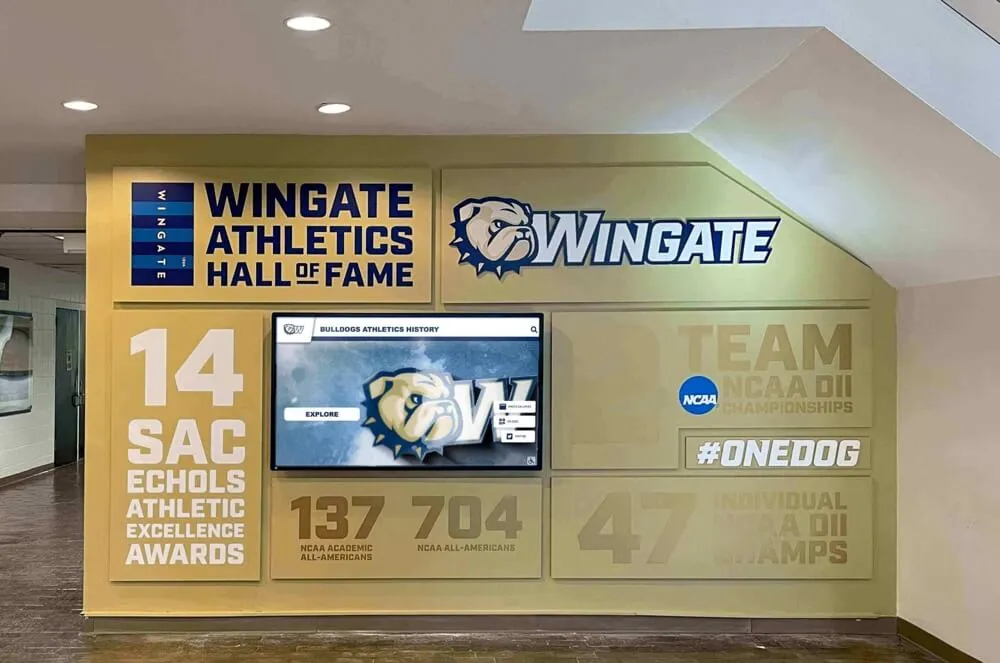
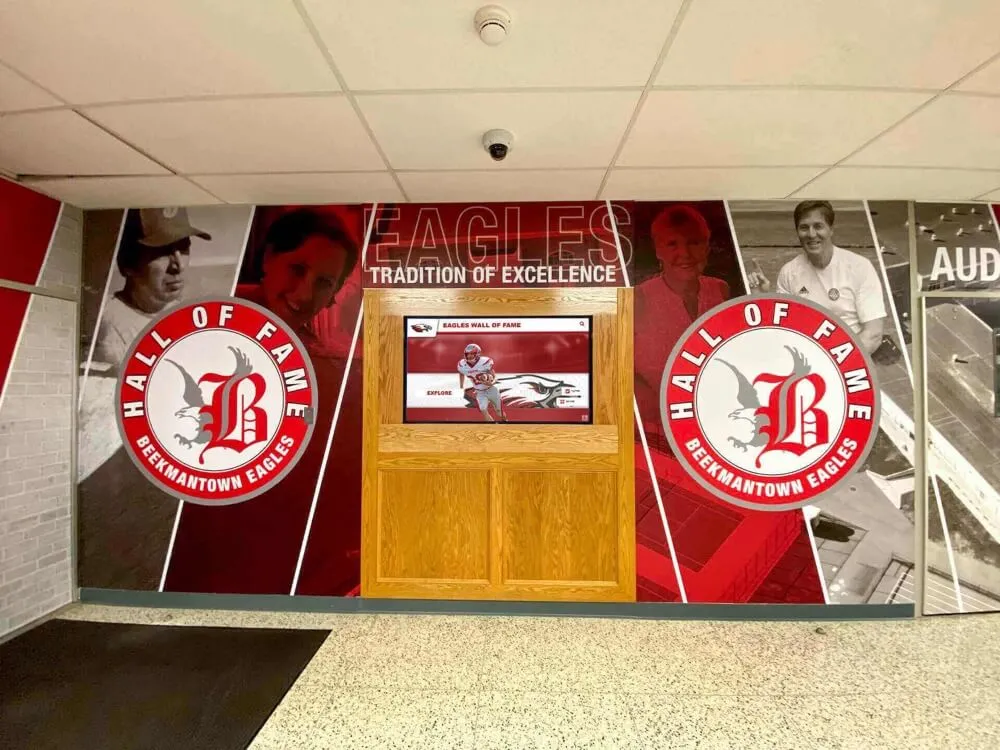
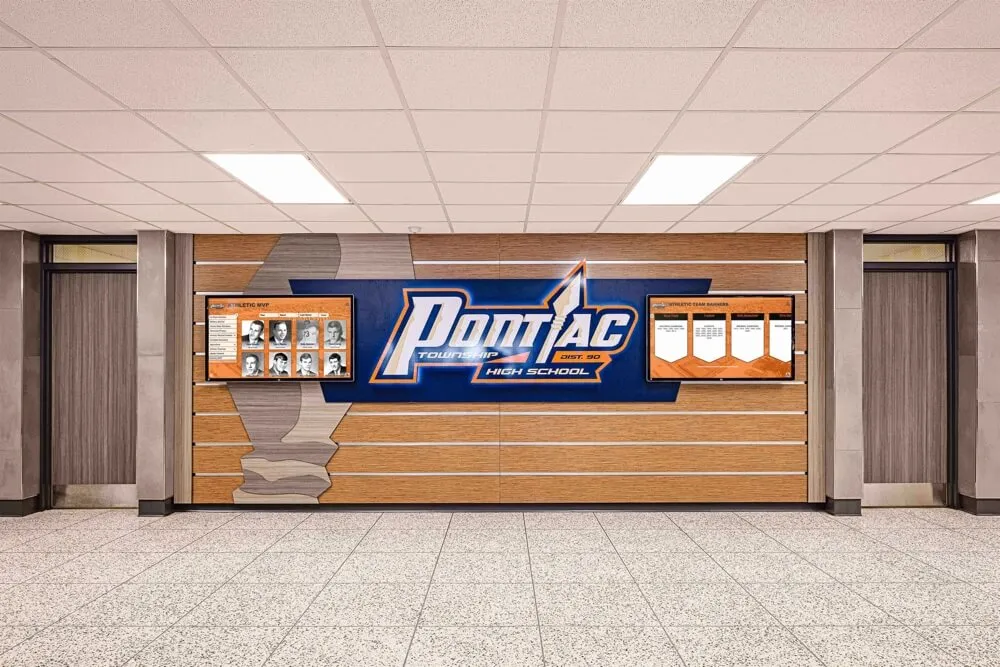
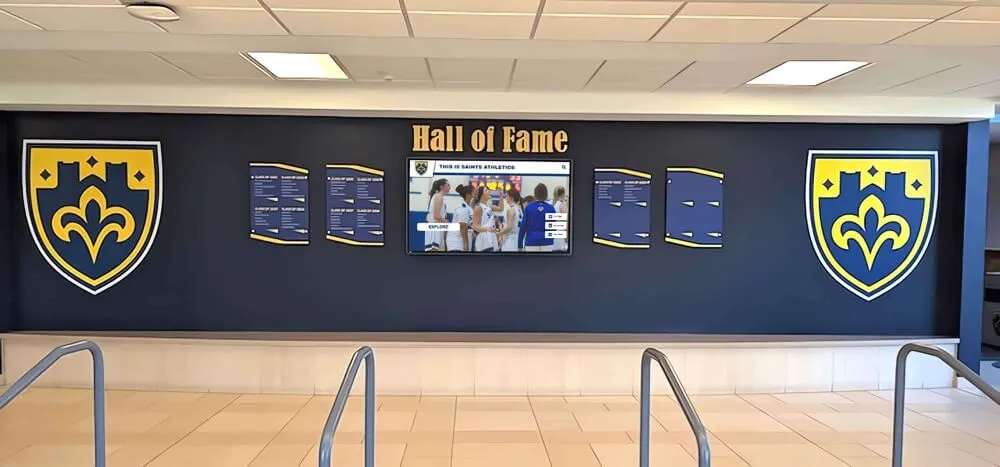
Professional recognition installations honor athletic traditions permanently, complementing temporary pep rally celebrations with lasting documentation
Engaging Program Elements and Activities
Content determines whether assemblies genuinely engage students or devolve into disrupted study halls where disinterested audiences wait for dismissal.
Opening Energy and Attention-Grabbing
Critical first 2-3 minutes establish whether students will engage or mentally check out:
- High-energy music immediately upon student entry creating anticipatory atmosphere
- Visual countdown timers building anticipation for program start
- Surprise elements or video teasers generating curiosity about upcoming content
- Immediate audience participation activities (stand, cheer, movement) preventing passive settling
- Dramatic lighting changes or audio cues signaling program beginning
- Student host introductions establishing energetic, enthusiastic tone
Boring, slow openings with administrative announcements or fumbling technical setups virtually guarantee losing audience attention that becomes nearly impossible to recapture—making strong starts absolutely critical.
Maintaining Pacing and Variety
Sustained engagement requires deliberate pacing preventing monotony:
- Alternating high-energy activities (performances, games) with calmer segments (speeches, videos)
- Limiting any single element to 3-5 minutes before transitioning to maintain attention spans
- Strategic humor placement providing comedic relief preventing serious segments from feeling tedious
- Surprise guest appearances or unexpected activities maintaining unpredictability
- Audience interaction breaking up passive viewing with participatory moments
- Volume variation using quiet moments strategically to create dynamic range
Professional entertainers understand pacing intuitively—effective pep rallies apply identical principles recognizing that student audiences won’t tolerate boring content simply because it’s school-sanctioned.
Interactive Competition and Participation
Active involvement dramatically increases engagement compared to passive observation:
- Grade-level cheer competitions judging which class demonstrates loudest spirit
- Teacher-versus-student challenges providing humor and relationship-building
- Random student selection for stage activities creating stakes for audience attention
- Social media integration encouraging real-time posting with event hashtags
- Audience voting for superlatives or competition winners using digital tools
- Movement-based activities (waves, coordinated gestures) creating kinesthetic engagement
- Prizes and incentives for participation motivating involvement
These interactive elements transform audiences from spectators into participants, creating ownership and investment in events while generating memorable personal experiences rather than simply watching others perform.
Athletic Team Recognition Done Right
Central pep rally purpose often receives least creative attention, with boring roster readings that lose audience interest:
- Video highlight packages showcasing actual athletic excellence compellingly
- Player interviews or mic’d practice footage providing personality and authenticity
- Coach speeches limited to 2-3 minutes focusing on inspiration rather than detailed strategy
- Creative team introductions using video game-style graphics or professional sports presentation elements
- Statistical achievements contextualized so non-athletes understand significance
- Connection to school history and traditions showing current teams as tradition continuations
- Senior athlete recognition ensuring final-year students receive special acknowledgment
Effective recognition honors athletes authentically while educating broader communities about their achievements and dedication—building genuine respect rather than perfunctory obligatory applause.
Discover comprehensive approaches to athletic achievement recognition that extend beyond single events to systematic celebration.
Technology Integration and Modern Production
Contemporary students expect production quality reflecting professional entertainment standards rather than amateur presentations.
Audio-Visual Excellence
Technical quality dramatically impacts perceived event legitimacy:
- Professional sound systems ensuring clear audio throughout large spaces
- Wireless microphones for all speakers and performers preventing cord tangles
- High-quality video displays visible from all seating areas
- Professional lighting creating atmosphere and highlighting performers
- Backup equipment for critical systems preventing technical failure disasters
- Sound technicians monitoring levels and managing transitions smoothly
- Video content edited professionally rather than raw footage shown directly
Schools lacking internal technical expertise should recruit student media programs, hire professionals for major events, or borrow equipment and personnel from district resources rather than accepting poor quality undermining otherwise excellent content.
Social Media Integration
Digital engagement extends participation beyond physical attendance:
- Event-specific hashtags encouraging real-time posting and sharing
- Social media display screens showing live posts during assemblies
- Contests encouraging creative content creation (best school spirit photo, video)
- Live streaming for absent students, family members, or community
- Post-event highlight videos and photo galleries shared on school channels
- Student takeovers of official accounts during events providing authentic perspectives
This digital integration reaches students who might not engage traditionally while creating shareable content that promotes school culture beyond immediate participants.
Digital Recognition Displays
Progressive schools integrate permanent recognition technology into pep rally experiences:
- Interactive touchscreen displays in lobbies enabling pre-rally exploration of athletic history
- Video content created from digital archives showcasing historical achievement
- QR codes connecting physical pep rally experiences to comprehensive online athlete profiles
- Real-time updates to digital recognition boards celebrating new achievements immediately
- Social sharing features enabling easy promotion of athletic accomplishments
Solutions like Rocket Alumni Solutions enable schools to maintain comprehensive digital athlete databases that both inform pep rally content and provide permanent recognition extending celebration beyond single assemblies. These platforms ensure that enthusiasm generated during 30-minute pep rallies connects to lasting documentation honoring achievements throughout athlete careers and beyond.
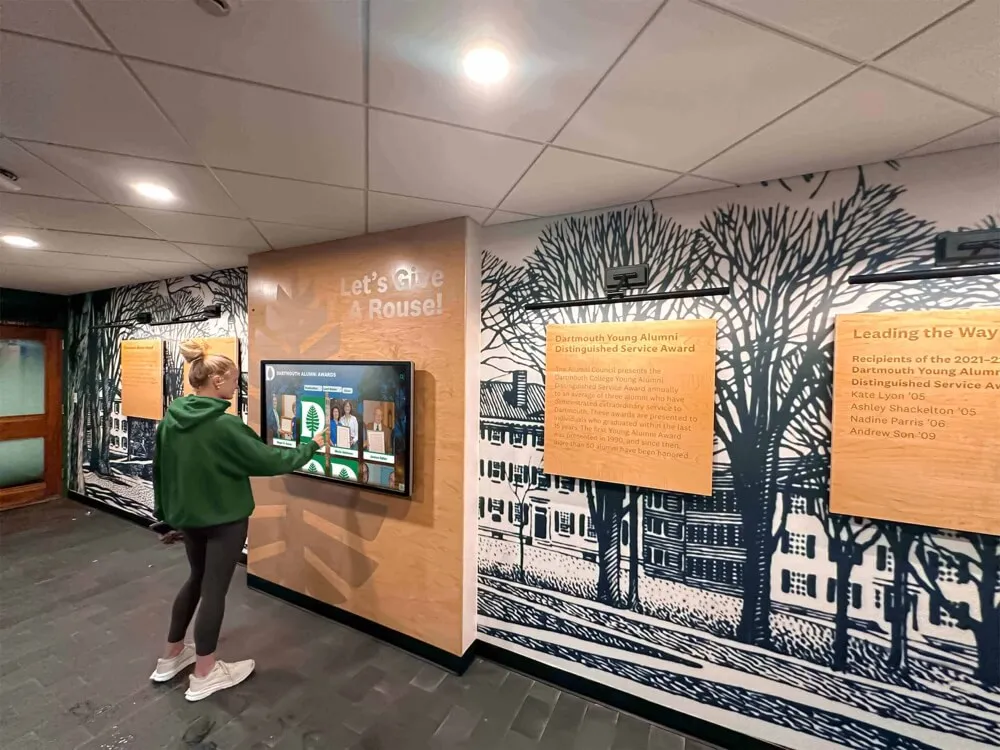
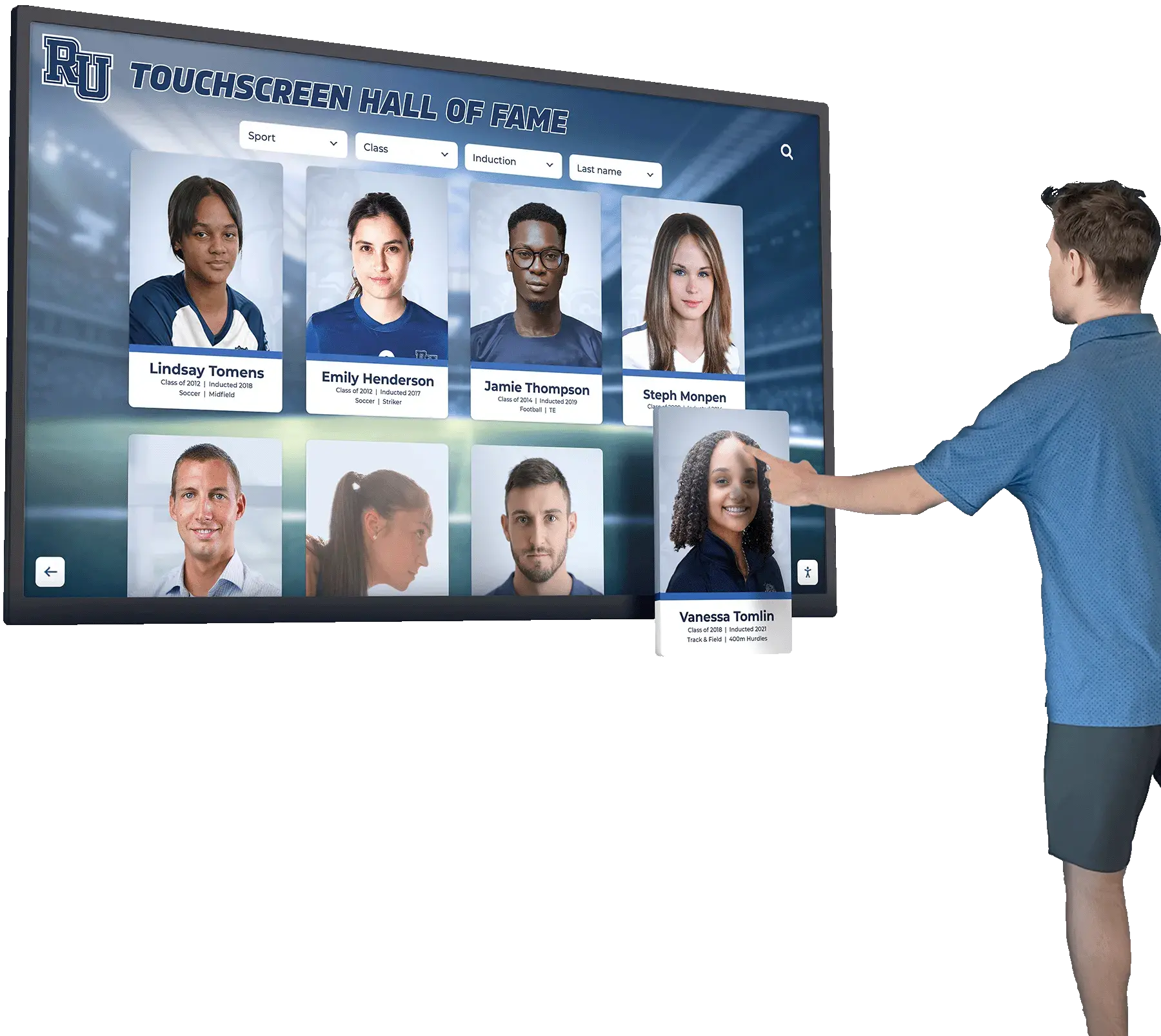
Interactive recognition technology enables self-directed exploration of athletic achievements, extending pep rally engagement into daily facility experiences
Ensuring Inclusivity and Broad Appeal
Modern pep rallies must engage diverse student populations representing varied interests, backgrounds, and levels of athletic enthusiasm.
Recognizing Multiple Programs and Achievements
Traditional football-focused pep rallies alienate students whose achievements or interests differ:
- Rotating featured sports throughout seasons ensuring all programs receive equivalent visibility
- Including academic competitions, arts performances, and service achievements demonstrating broad excellence definitions
- Spotlighting individual accomplishments across varied domains beyond team sports
- Celebrating diverse student talents through performance opportunities for different groups
- Featuring alumni achievements showing multiple valid post-graduation pathways
- Highlighting student leadership across varied contexts (student government, clubs, community service)
This inclusive approach helps all students see themselves reflected in school priorities while teaching that community support extends to all worthy endeavors rather than narrow athletic focus alone.
Accessibility Considerations
Universal design ensures all students can participate fully:
- Accessible seating for students with mobility limitations
- Sign language interpretation for hearing-impaired students
- Sensory-friendly spaces for students overwhelmed by loud noise and crowds
- Captioning for video content supporting multiple learning and access needs
- Varied participation options accommodating different comfort levels and abilities
- Cultural sensitivity ensuring activities don’t inadvertently exclude or offend specific groups
These considerations demonstrate genuine commitment to inclusive community rather than superficial diversity acknowledgment without substantive accommodation.
Managing Length and Academic Impact
Balancing spirit-building with academic mission requires strategic timing:
- Limiting assemblies to 30-45 minutes preventing excessive instructional disruption
- Strategic scheduling minimizing impact on critical courses or testing periods
- Efficient transitions and tight pacing maximizing engagement per minute
- Clear educational connections explaining how community-building supports academic success
- Assessment demonstrating that benefits justify instructional time investment
Schools facing resistance to pep rallies due to academic concerns must proactively address these valid questions through intentional design minimizing disruption while measuring outcomes justifying continued programming.
Measuring Pep Rally Success and Impact
Systematic assessment demonstrates value while identifying improvement opportunities ensuring events achieve intended objectives.
Quantitative Metrics
Concrete data provides objective success indicators:
- Student attendance at athletic events following pep rallies versus baseline periods
- Athlete-reported motivation and confidence levels through surveys
- Game outcomes (home wins, performance statistics) correlated with pep rally quality
- Social media engagement (posts, shares, reach) measuring digital enthusiasm
- Spirit participation rates (students wearing school colors, attending events)
- Behavioral referrals during and after assemblies showing engagement versus disruption
- Post-event surveys measuring student satisfaction and perceived value
Regular measurement enables year-over-year comparison revealing whether modifications improve outcomes and whether pep rallies genuinely deliver promised benefits justifying continued investment.
Qualitative Feedback
Stakeholder perspectives provide insights beyond numbers:
- Student focus groups discussing what engages them versus what feels boring or alienating
- Athlete testimonials about whether pep rallies genuinely motivate or feel performative
- Faculty observations about student mood and engagement following assemblies
- Parent feedback about student enthusiasm and school connection
- Administrator assessment of whether events align with institutional culture goals
- Community perception of school spirit and athletic program support
This qualitative understanding complements quantitative data, providing comprehensive pictures of pep rally effectiveness and specific enhancement opportunities.
Continuous Improvement Processes
Assessment informs ongoing refinement:
- Post-event debriefs with planning teams identifying successes and improvement areas
- Student feedback integration ensuring future events respond to actual audience preferences
- Benchmarking against other schools learning from peer innovations
- Professional development for staff learning entertainment production and student engagement strategies
- Investment in equipment and resources addressing identified technical or quality limitations
- Experimentation with new formats and activities testing innovations before full implementation
This continuous improvement mindset treats pep rallies as evolving programs requiring regular attention rather than static traditions replicated identically without questioning effectiveness.
Learn about comprehensive school achievement recognition extending pep rally spirit throughout academic years systematically.
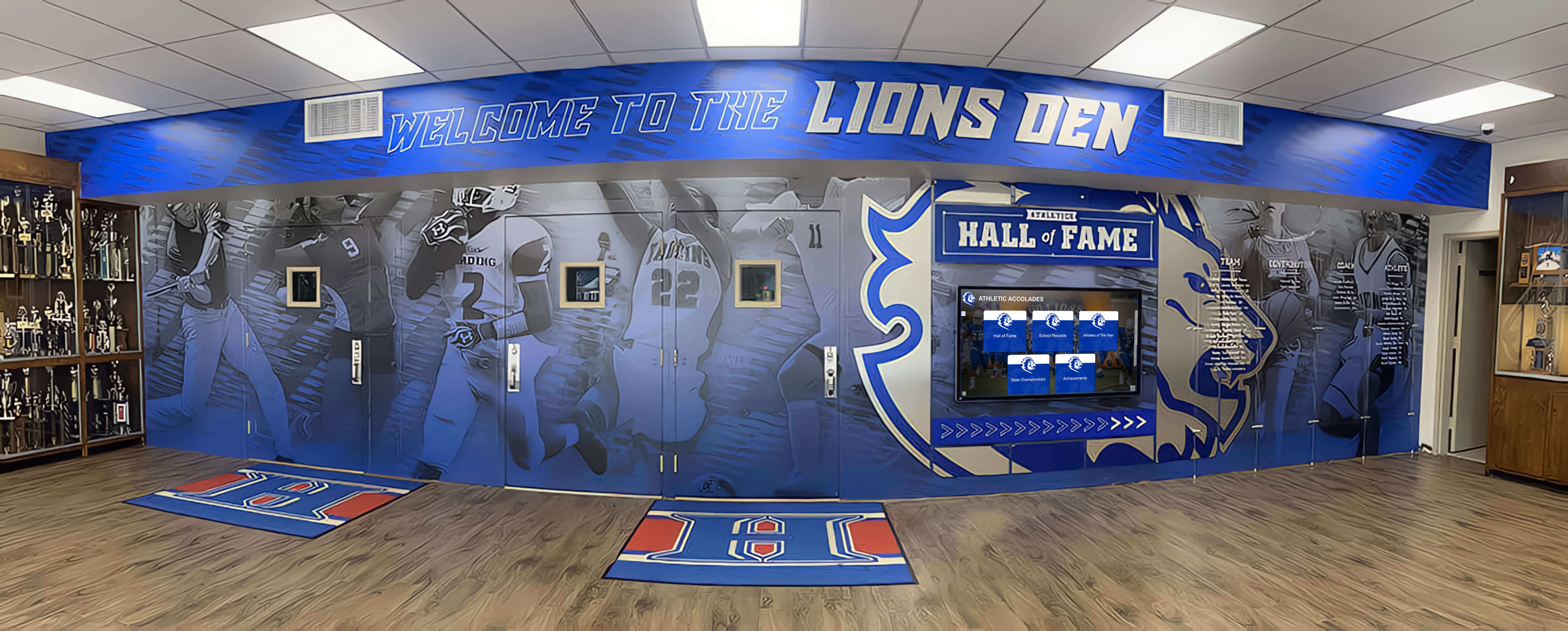
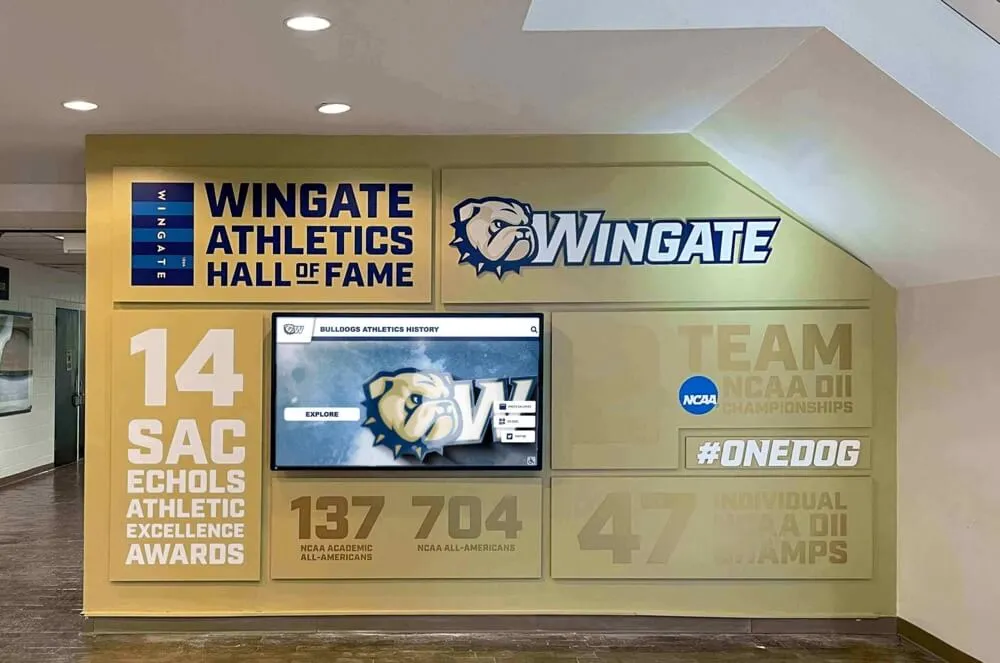
Integrated recognition environments combining traditional displays with modern digital systems create comprehensive celebration spaces honoring athletic excellence permanently
Common Pep Rally Challenges and Solutions
Understanding typical problems enables proactive planning preventing predictable failures.
Student Disengagement and Apathy
Challenge: Significant student populations view pep rallies as boring obligations rather than exciting events, sitting passively or causing disruptions rather than participating enthusiastically.
Solutions:
- Genuine student voice in planning ensuring activities reflect actual interests rather than adult assumptions
- Contemporary entertainment styles using current music, humor, and presentation formats rather than outdated approaches
- Mandatory participation reduction allowing opt-out alternatives for genuinely uninterested students
- Constant pacing variation preventing extended boring segments losing audience attention
- Interactive elements creating stakes for audience attention through competitions and participation
- Shorter, more frequent events rather than rare extended assemblies students endure
Inequitable Recognition Focus
Challenge: Traditional pep rallies overwhelmingly favor football while other sports, academic achievements, and arts receive minimal attention, alienating majority student populations.
Solutions:
- Systematic rotation ensuring all programs receive equivalent recognition throughout years
- Explicit scheduling guarantees that every sport gets featured pep rally during season
- Expanded definition of achievement including academics, arts, service, and leadership
- Student achievement highlighting beyond elite varsity athletes showing varied pathways to recognition
- Spring and winter sports emphasis correcting historical fall football dominance
Logistical Complexity and Preparation Burden
Challenge: Coordinating elaborate pep rallies requires extensive time and resources that student leaders and faculty advisors struggle to manage alongside other responsibilities.
Solutions:
- Simplified formats reducing production complexity while maintaining engagement
- Student leadership class integration making pep rally planning official curriculum component
- Administrative support providing resources, space, and technical assistance
- Standardized templates and checklists streamlining repeated planning processes
- External partnerships leveraging parents, alumni, or community volunteers for support
- Technology utilization through digital tools simplifying coordination and communication
Safety and Behavioral Management
Challenge: Large assemblies with minimal supervision create opportunities for inappropriate behavior, safety incidents, or disruptions undermining events.
Solutions:
- Clear behavioral expectations communicated before assemblies with specific consequences
- Strategic faculty placement throughout crowds rather than clustering in back
- Graduated seating by grade with senior privileges motivating positive behavior
- Designated student leaders modeling appropriate participation and enthusiasm
- Immediate response protocols for disruptions preventing escalation
- Alternative supervision for students unable to participate appropriately
Demonstrating Educational Value
Challenge: Critics question whether pulling students from academics for pep rallies serves legitimate educational purposes or wastes valuable instructional time.
Solutions:
- Explicit educational connection articulating community-building and student development outcomes
- Measured assessment demonstrating positive impacts on school climate and engagement
- Efficient scheduling minimizing instructional disruption through strategic timing
- Integration with leadership curriculum making pep rally planning formal learning experience
- Research sharing about school climate impacts on academic achievement and student well-being
Learn how academic honor roll recognition can be integrated into pep rally formats celebrating diverse excellence beyond athletics alone.
Beyond Pep Rallies: Sustaining School Spirit Year-Round
While pep rallies create memorable peak moments, comprehensive school spirit requires systematic approaches extending enthusiasm throughout academic years.
Permanent Recognition Systems
Digital recognition platforms ensure achievement celebration extends beyond single assemblies:
- Interactive touchscreen displays in high-traffic lobbies enabling continuous athletic history exploration
- Comprehensive athlete profiles documenting careers from freshman years through graduation
- Searchable databases allowing students to discover achievements of teammates, friends, and alumni
- Regular content updates adding new accomplishments immediately upon occurrence
- Web-based access extending recognition to families and community members beyond campus
- Photo and video integration bringing athlete stories to life through multimedia storytelling
Solutions like Rocket Alumni Solutions specialize in school recognition systems that transform temporary pep rally enthusiasm into permanent documentation honoring athletes throughout careers and beyond. These platforms ensure that 30-minute assembly celebrations connect to lasting records preserving achievements for current students, future alumni, and entire communities to explore continuously.
Daily Spirit-Building Opportunities
Systematic approaches maintain engagement between major events:
- Morning announcements celebrating recent victories and upcoming competitions
- Social media promotion highlighting athlete features and game previews
- Hallway decorations and posters creating visible athletic celebration throughout facilities
- Lunch-hour activities and mini-competitions maintaining energy
- Spirit apparel days encouraging regular school color wearing
- Student-created content including athlete interviews and team feature videos
- Recognition programs systematically acknowledging achievement across all domains
This consistent attention prevents spirit from existing only during occasional pep rallies, creating sustained culture of celebration and community pride.
Student Ownership and Leadership Development
Most effective school spirit emerges from authentic student passion rather than adult-mandated participation:
- Student spirit committees with genuine authority over programming and decisions
- Peer-led initiatives emerging from student interests rather than administrative mandates
- Diverse leadership opportunities beyond traditional student government positions
- Creative freedom enabling experimentation and innovation in spirit-building approaches
- Recognition and support for student leaders investing time and energy
When students own school spirit rather than simply complying with adult expectations, authentic enthusiasm emerges naturally creating genuine community rather than performative obligation.
Explore comprehensive approaches to building athletic program recognition extending celebration throughout seasons and years systematically.
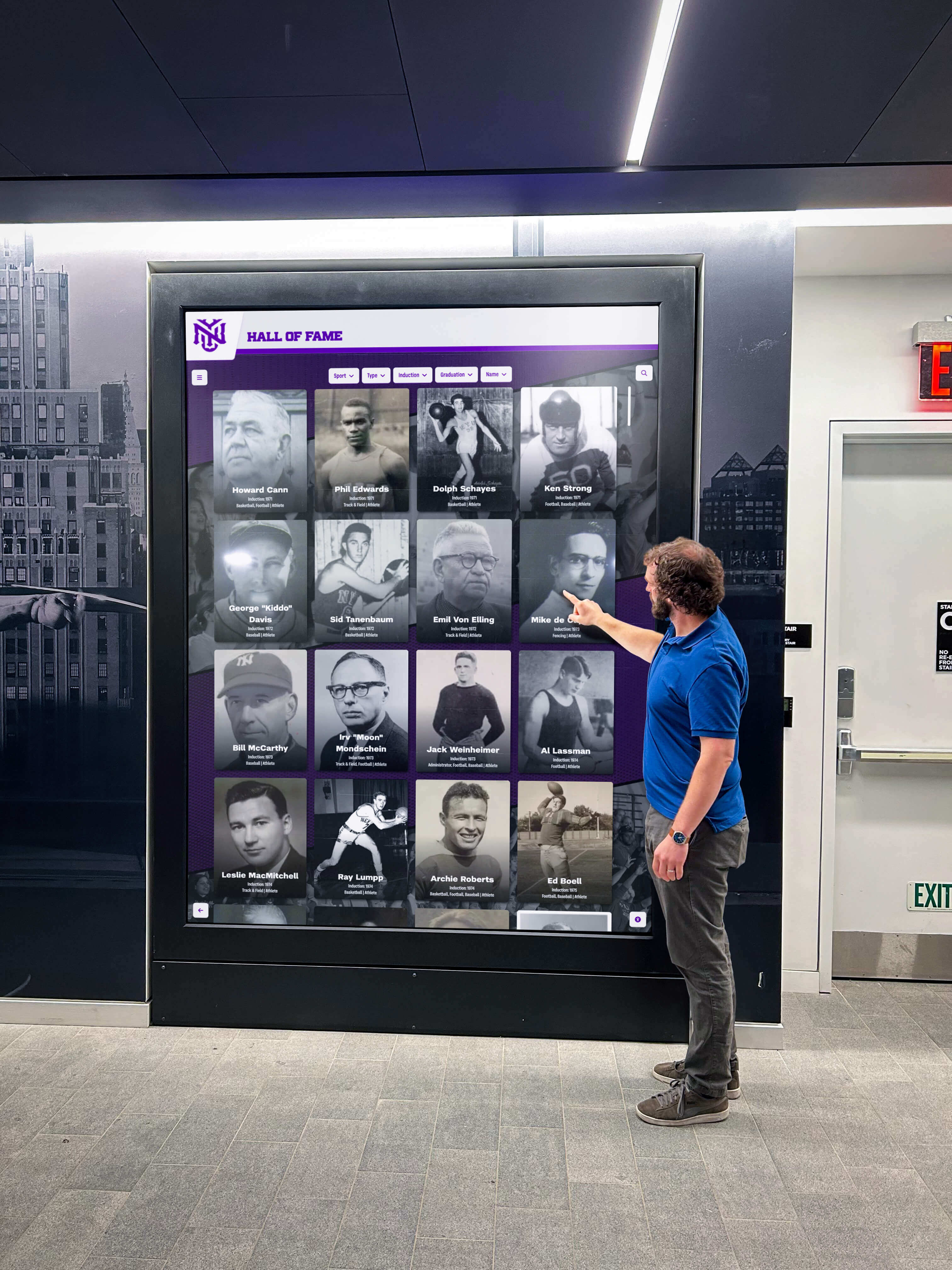
Interactive recognition technology enables self-directed exploration of athletic achievements, extending pep rally engagement beyond single assembly experiences
Conclusion: Pep Rallies as Strategic Community-Building Tools
Understanding pep rally meaning requires looking beyond surface-level noise and excitement to examine the strategic functions these intentional gatherings serve in school culture, athletic programs, and community building. When planned thoughtfully with clear objectives, engaging content, inclusive participation, and systematic assessment, pep rallies create powerful shared experiences that generate athletic motivation, strengthen community bonds, recognize student achievement, build institutional traditions, and develop student leadership skills justifying their continued place in educational programming.
The evolution from spontaneous Princeton cheering sections to elaborate modern productions reflects broader recognition that community enthusiasm doesn’t emerge accidentally but requires intentional cultivation through systematic approaches combining entertainment, recognition, participation, and tradition. Schools investing in pep rally excellence recognize these events as strategic tools advancing multiple institutional objectives simultaneously rather than simply interruptions to academic schedules.
Transform Temporary Pep Rally Excitement Into Lasting Recognition
Discover how interactive digital recognition displays can extend pep rally enthusiasm throughout your facilities year-round, ensuring that athletic achievements celebrated during assemblies receive permanent documentation honoring dedication and excellence continuously.
Explore Digital Recognition SolutionsMost importantly, effective pep rallies connect to comprehensive recognition systems ensuring that celebration extends beyond momentary assembly applause. Digital platforms like those provided by Rocket Alumni Solutions enable schools to document athlete achievements permanently through interactive displays accessible continuously throughout facilities and online. This integration transforms pep rallies from isolated events into components of comprehensive recognition cultures honoring excellence systematically while building traditions connecting current students to institutional legacies spanning generations.
The athletes who dedicate countless hours to representing schools in competitive contexts deserve more than temporary cheering that fades immediately after games conclude. They deserve permanent recognition honoring commitments, documenting achievements, and inspiring future students with tangible examples of excellence worth pursuing. Pep rallies create memorable peak moments generating immediate enthusiasm, while comprehensive recognition systems ensure that excitement translates into lasting documentation celebrating dedication appropriately.
Whether planning your first pep rally or seeking to revitalize tired traditions, the strategies explored throughout this guide provide frameworks for creating events that genuinely engage diverse communities while serving strategic purposes beyond simple entertainment. From understanding historical origins informing current practices to implementing modern technology extending recognition permanently, these approaches ensure that your school spirit events deliver meaningful value justifying instructional time investment while strengthening the community bonds that make schools more than simply academic institutions but rather true communities united by shared pride, tradition, and celebration of collective achievement.
Ready to extend your pep rally spirit permanently? Explore digital recognition solutions that honor athletic excellence continuously while building the comprehensive school spirit culture your community deserves.