



Pennsylvania AAU basketball represents a vibrant ecosystem of youth sports development, competitive showcases, and tournament excellence that shapes the future of thousands of young athletes across the Commonwealth. From Pittsburgh’s elite showcase events to Lancaster’s regional championships, PA AAU teams compete year-round in tournaments that attract college coaches, develop elite skills, and create defining moments in young athletes’ basketball journeys. These showcase events—featuring everything from 8U developmental leagues to 17U college recruitment showcases—serve as proving grounds where dedication meets opportunity.
Yet despite the countless hours families invest in AAU participation, the hundreds of games played across tournament seasons, and the significant achievements earned by PA teams at regional and national events, many basketball organizations struggle to appropriately celebrate these accomplishments. Tournament championship photos remain scattered across parent cell phones. Showcase event victories fade into distant memories without permanent recognition. Players who demonstrate exceptional character, improvement, or competitive excellence receive fleeting acknowledgment before attention shifts to the next tournament weekend.
This comprehensive guide explores how Pennsylvania AAU basketball organizations, club programs, and youth sports facilities can leverage modern recognition solutions to celebrate showcase achievements, honor player development, preserve program legacy, and create cultures of excellence that inspire current and future generations of young athletes competing in the competitive landscape of AAU basketball.
Effective AAU team recognition extends far beyond participation trophies—it creates comprehensive systems that celebrate competitive excellence at showcase events, document player development journeys across multiple seasons, honor coaching and family support enabling program success, and demonstrate organizational commitment to youth athletic development that extends beyond weekend tournaments.

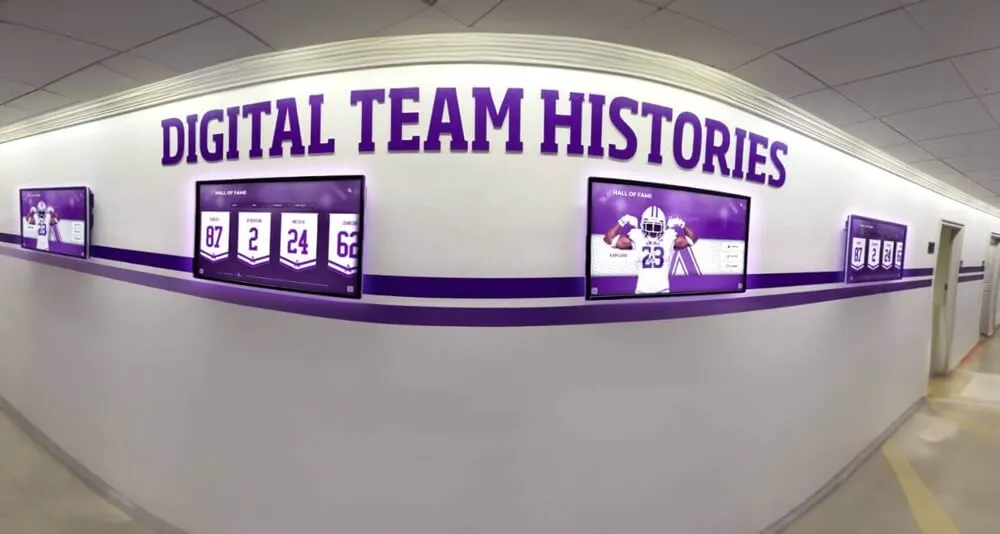
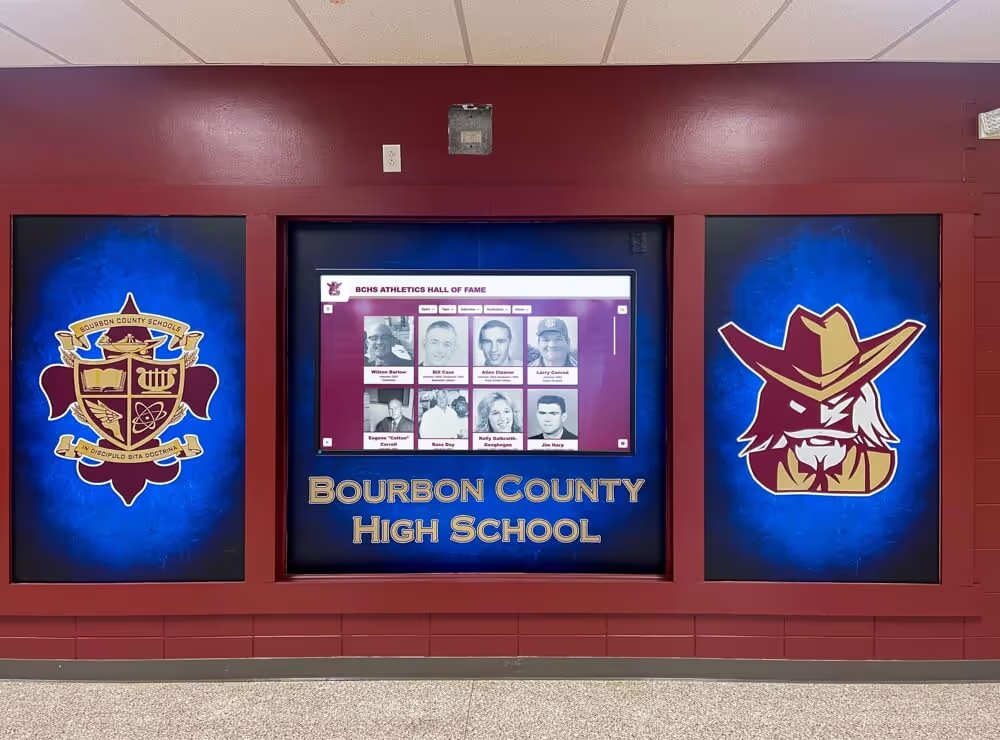
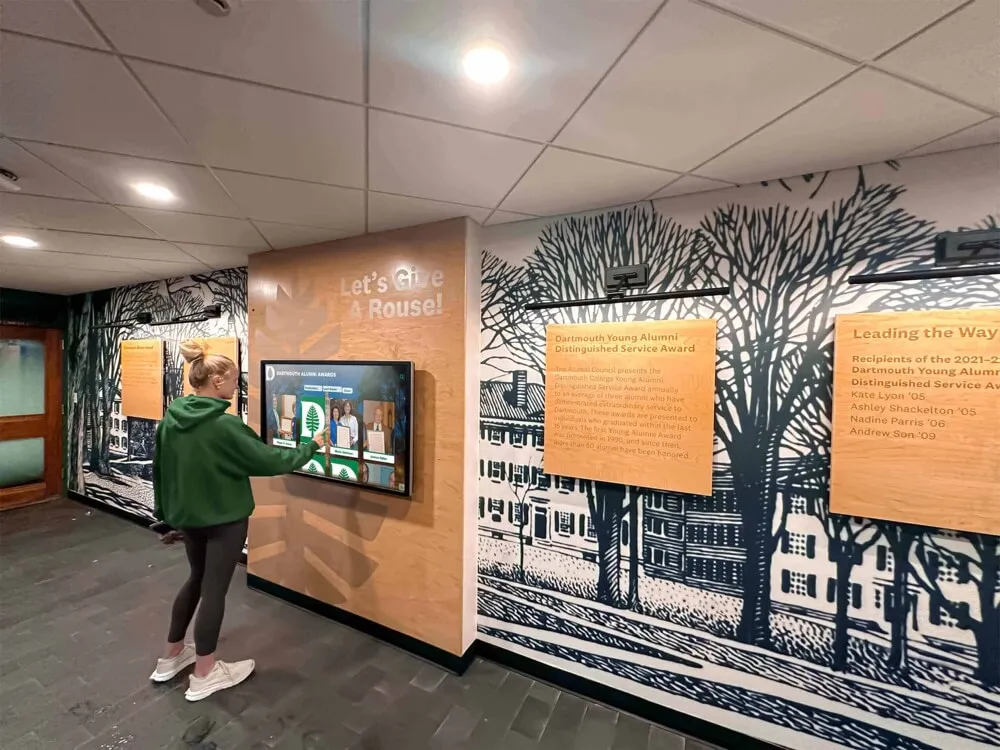
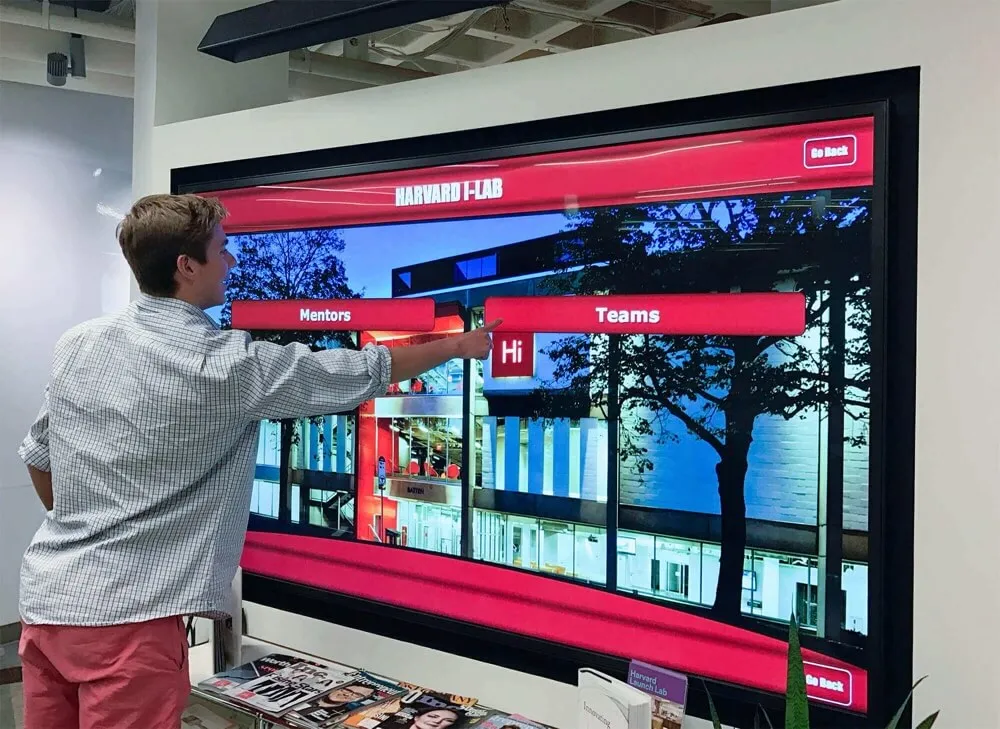
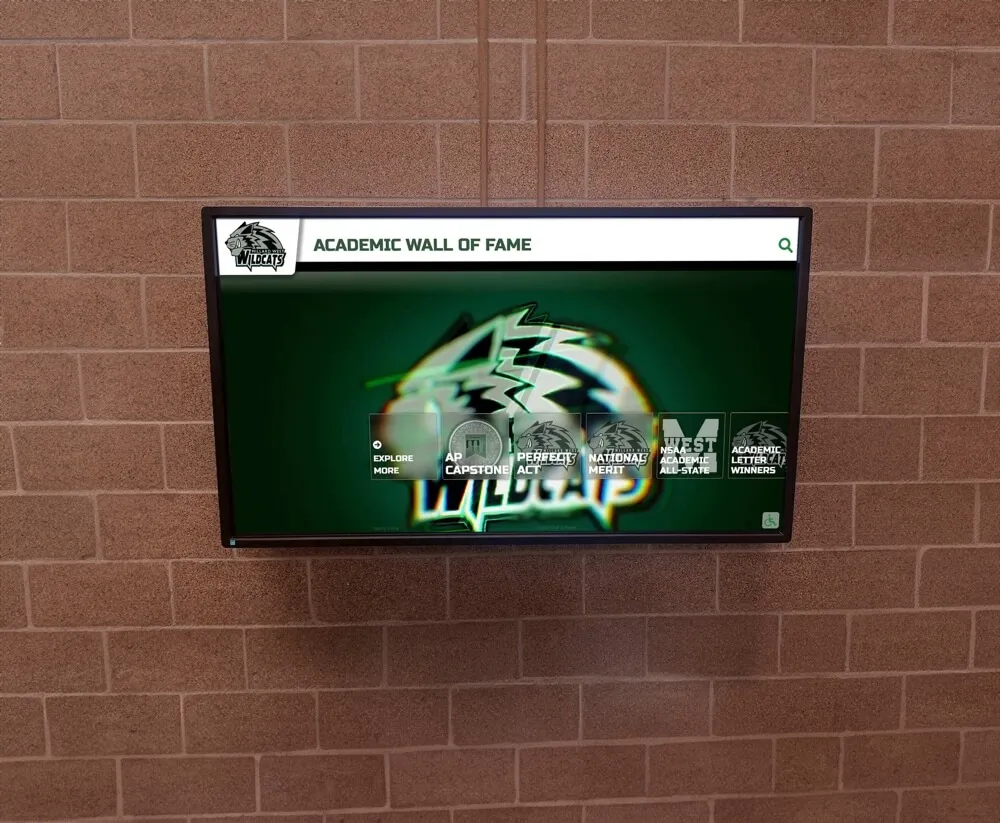
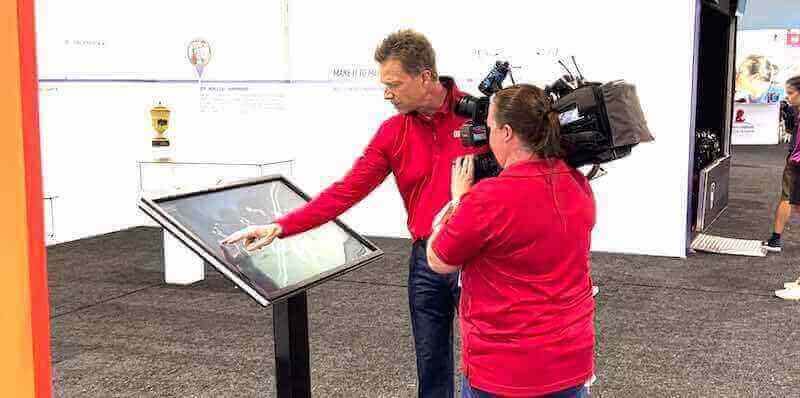
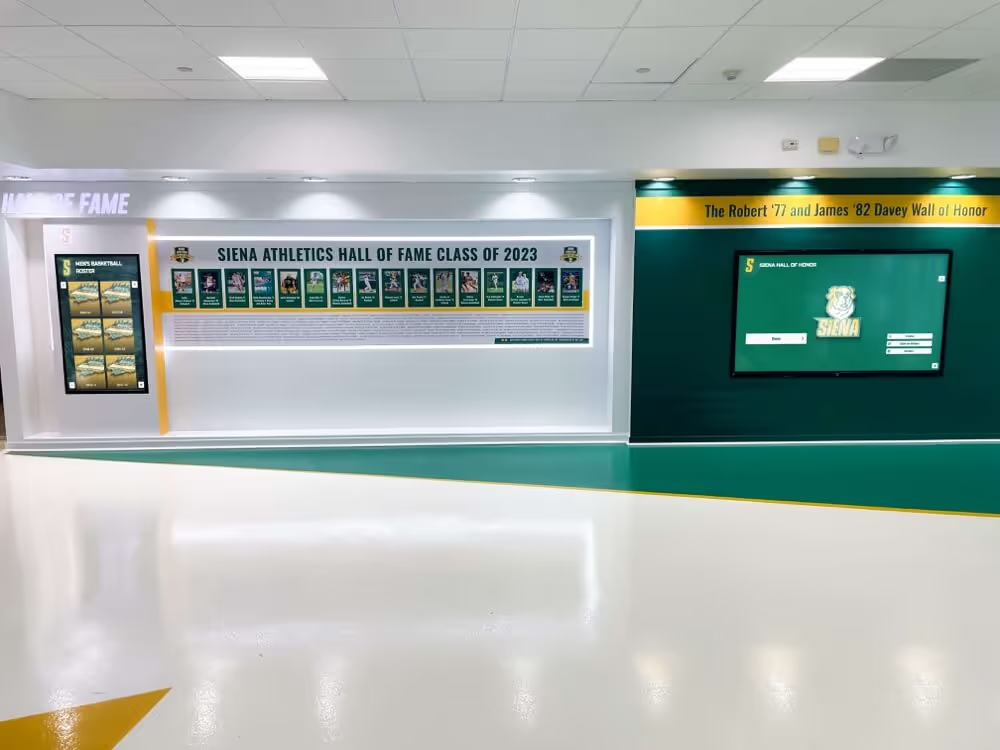
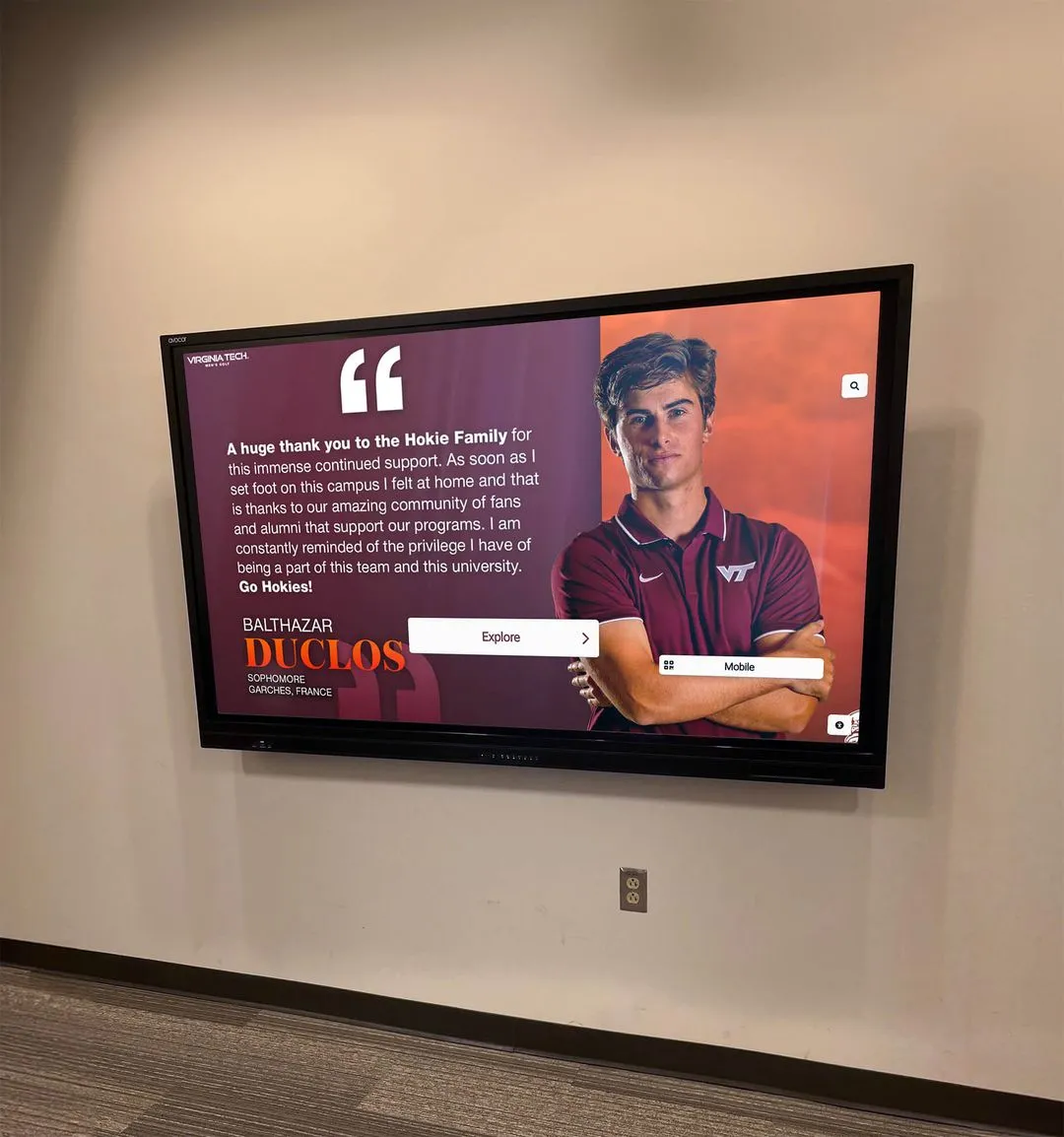
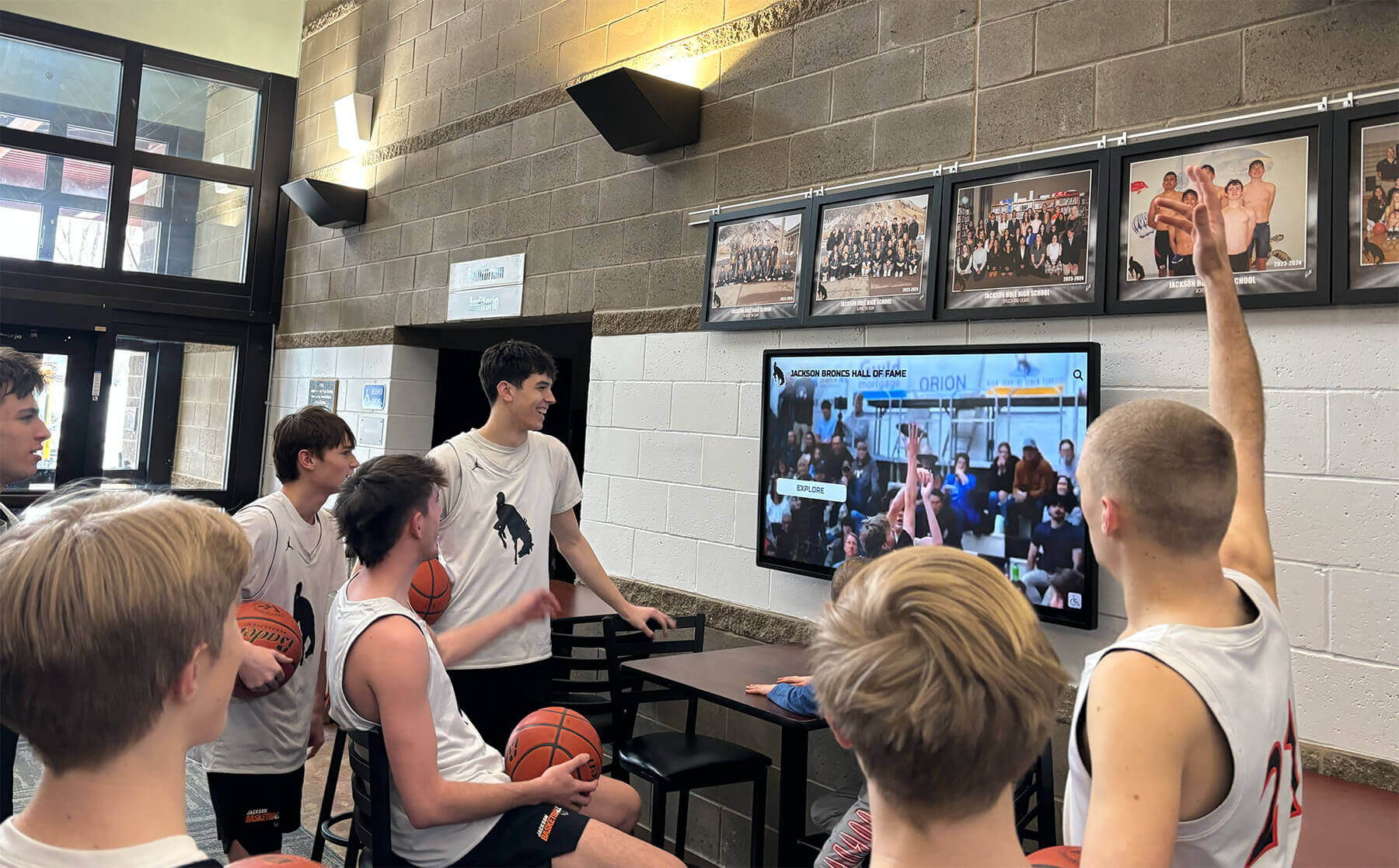
Interactive digital displays enable youth basketball organizations to showcase tournament achievements and inspire young athletes with program legacy
Understanding Pennsylvania’s AAU Basketball Landscape
Before implementing recognition strategies, understanding Pennsylvania’s unique AAU basketball ecosystem provides essential context for celebrating achievements appropriately within this competitive environment.
The Growth of PA AAU Basketball Programs
Pennsylvania has emerged as a powerhouse in youth basketball development with dozens of elite AAU programs serving communities from Philadelphia to Pittsburgh and everywhere between.
Major PA AAU Programs and Organizations
Several prominent organizations anchor Pennsylvania’s AAU basketball landscape. Basketball Stars of America, ranked by National AAU as one of the Top 20 AAU Basketball Programs in the Country, has brought year-round developmental and competitive programs to Pittsburgh and Western Pennsylvania. Team Pennsylvania AAU Basketball Program serves athletes across the state with comprehensive training and tournament opportunities. Meanwhile, numerous regional programs in areas like Lancaster, Allentown, and the Philadelphia suburbs provide competitive options for athletes at every skill level from recreational participants to elite college prospects.
These programs share common missions—developing fundamental basketball skills, providing competitive experiences against quality opponents, creating college recruitment opportunities for elite athletes, teaching life skills including teamwork and work ethic, and building communities of families invested in youth athletic development.
Pennsylvania’s Major Showcase and Tournament Events
PA AAU basketball features numerous high-profile showcase events that attract regional and national attention. According to the Official American Basketball Circuit, the Pittsburgh Spring Live showcase scheduled for May 16-18, 2025 at the M7 Shell Sports Complex in Aliquippa will host teams from 8U to 17U divisions. The Pittsburgh Summer Live event on July 11-13, 2025 at the All-American Fieldhouse in Monroeville specifically targets 9th through 12th grade athletes during the prime college recruiting period with college coaches in attendance.
Additional events throughout Pennsylvania include regional championships in Canon McMillan, Lancaster-area tournaments hosted by LA Elit3, Philadelphia-area exposure events, and countless weekend tournaments at facilities across the Commonwealth. These events represent significant milestones in player development deserving appropriate recognition beyond the tournament weekend itself.
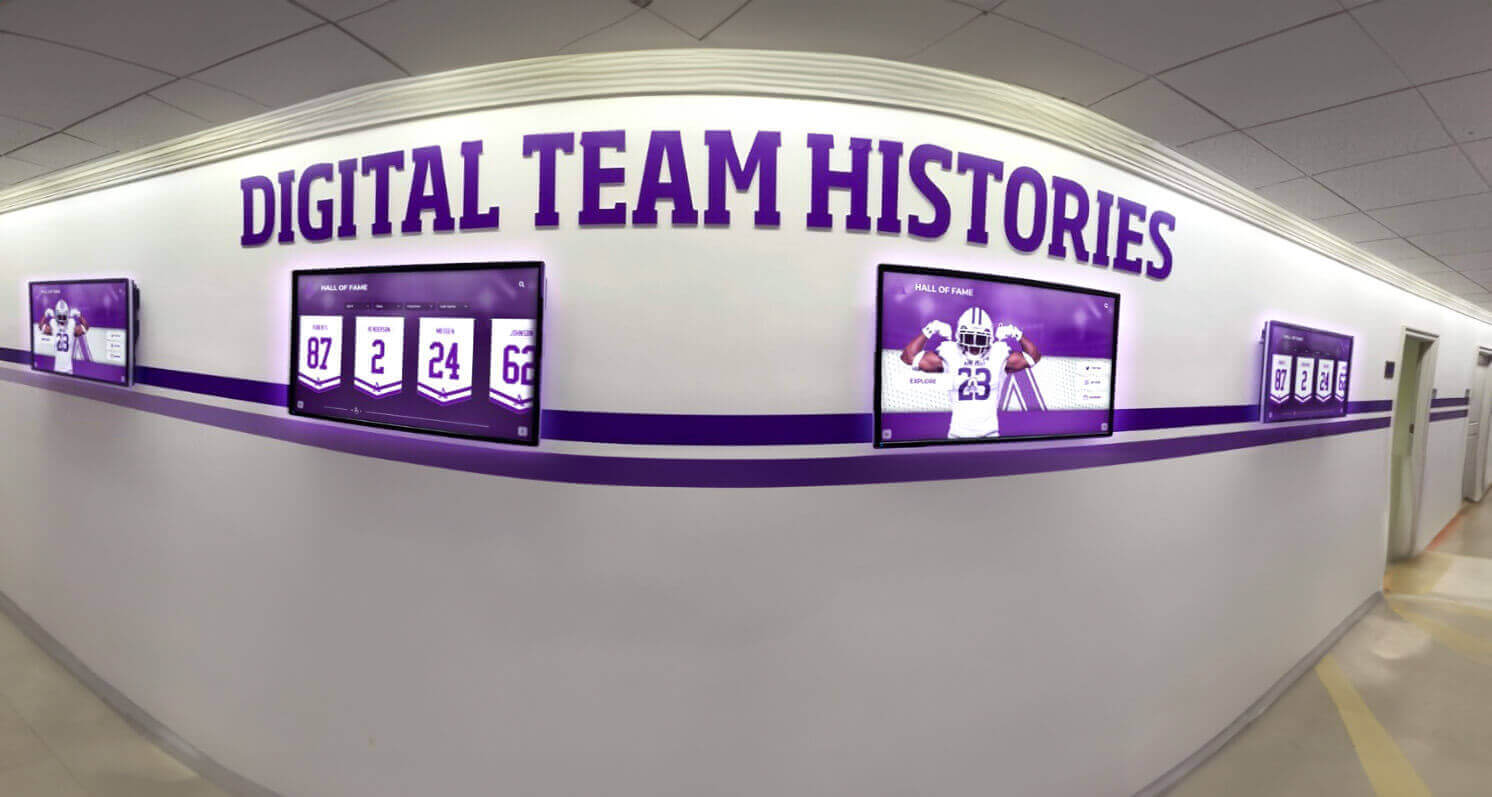
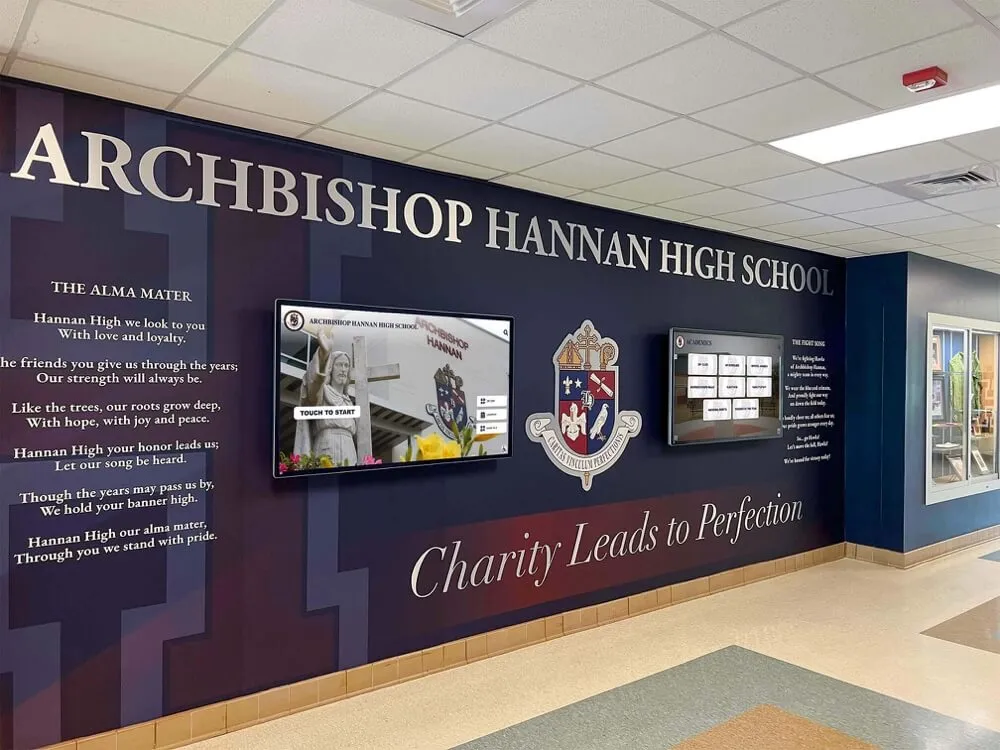
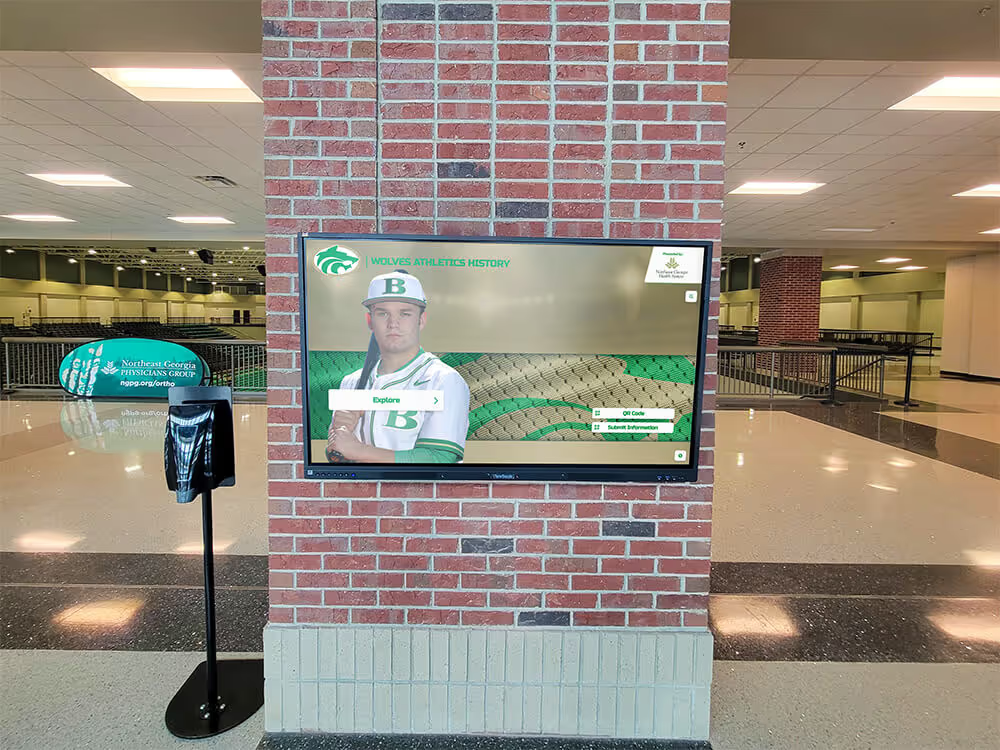
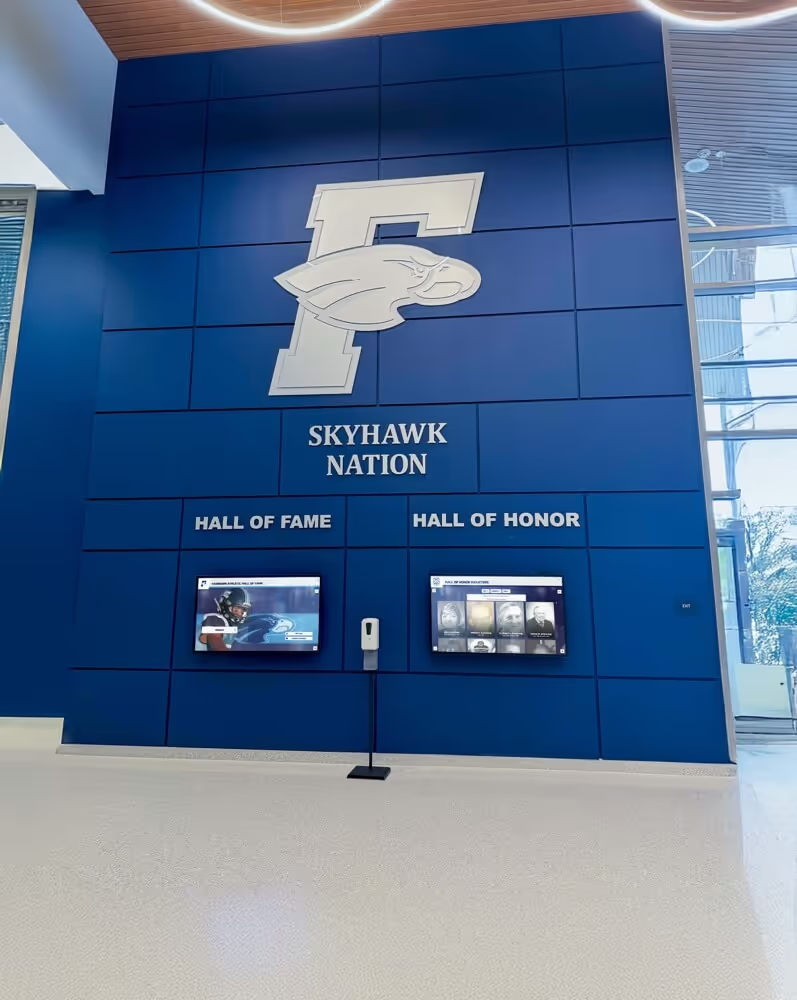
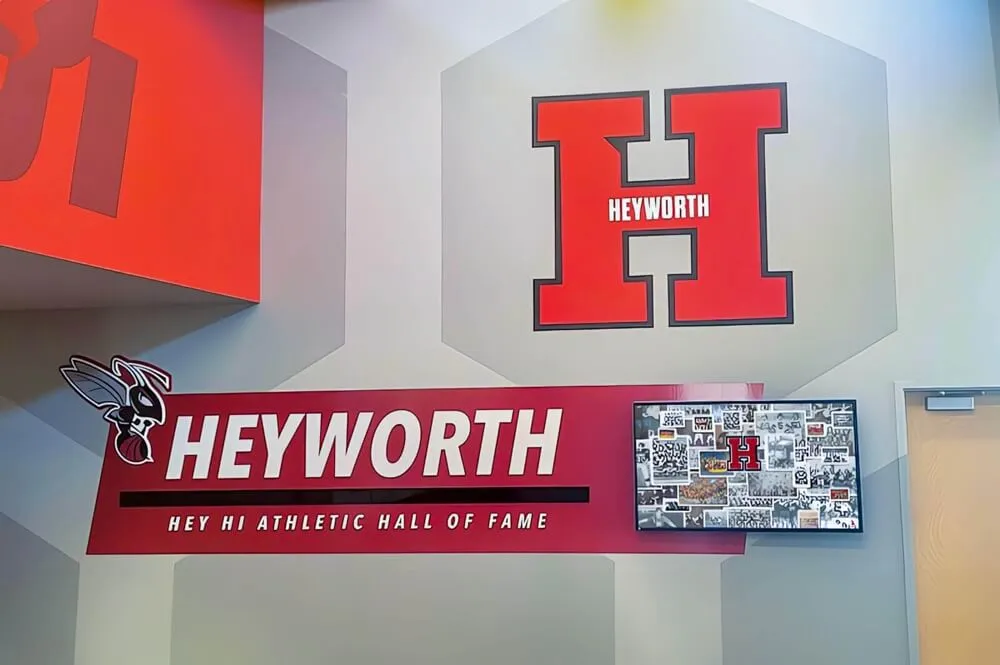
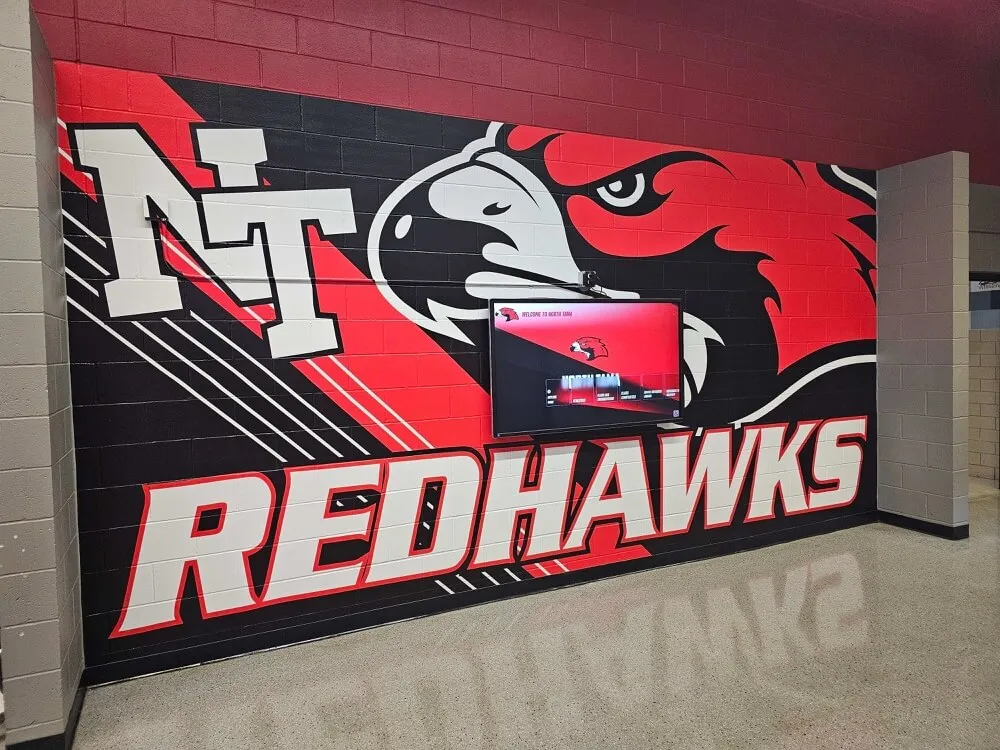
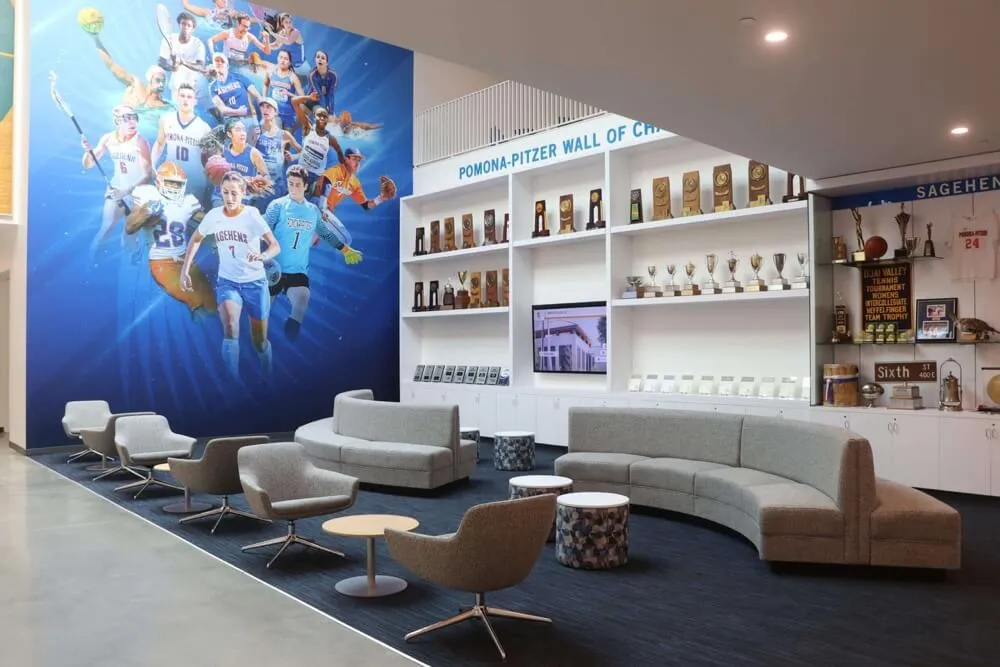
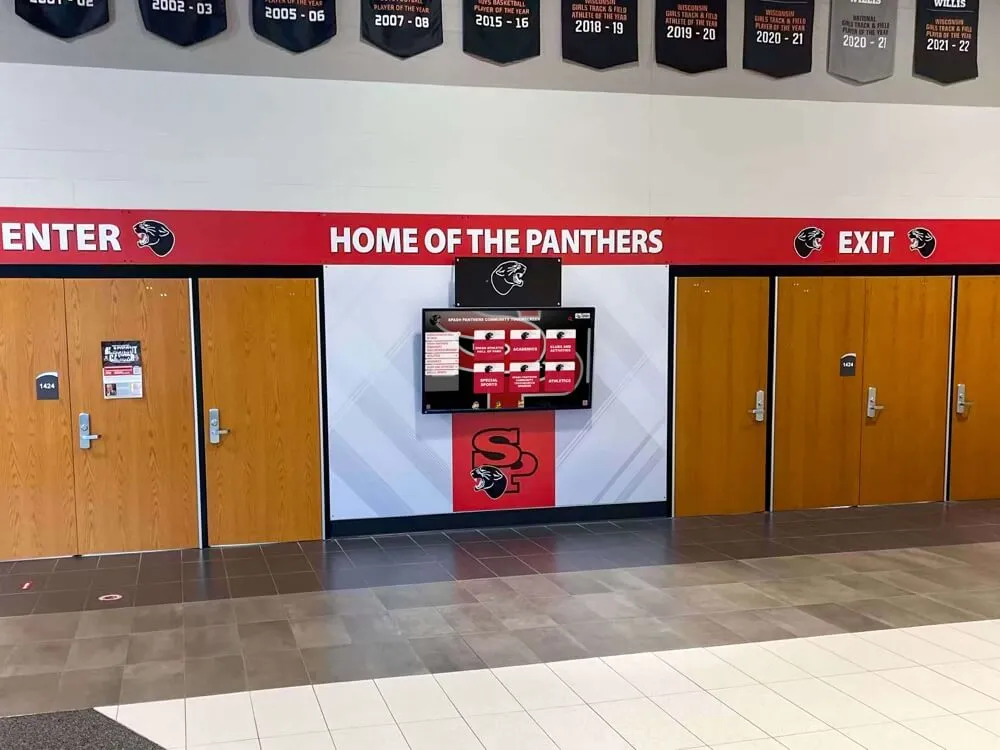
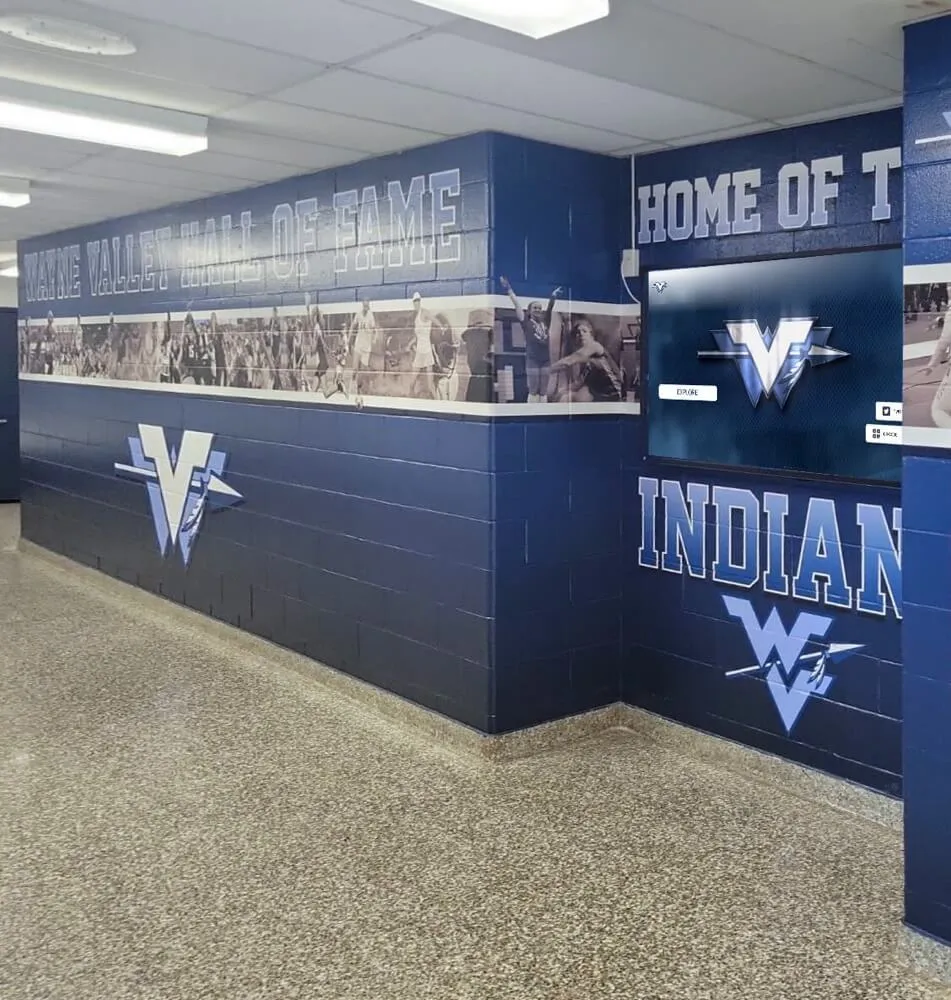
Dedicated recognition spaces celebrate team achievements and tournament excellence throughout youth sports facilities
The Unique Nature of AAU Basketball Competition
AAU basketball differs significantly from school-based athletics in ways that create both recognition opportunities and unique challenges for organizations.
Year-Round Competition and Development
Unlike high school basketball’s defined seasons, AAU programs operate continuously with fall league play building fundamentals, winter competitive seasons overlapping with school ball, spring showcase events attracting college coaches, and summer tournament circuits providing maximum competition and exposure. This year-round structure creates numerous recognition opportunities across multiple seasons and competitive contexts.
Organizations implementing comprehensive recognition can celebrate achievements from fall developmental leagues, winter competitive tournaments, spring showcase performances, summer national championship runs, and multi-year player progression spanning entire youth basketball careers.
Multi-Team Program Structures
Most PA AAU organizations field multiple teams across different age groups and competitive levels:
Typical Program Structure
- Elite travel teams competing nationally for college prospects
- Regional competitive teams playing primarily within Pennsylvania
- Developmental teams focusing on fundamental skill building
- Recreation leagues providing inclusive participation opportunities
- Grade-specific divisions from elementary through high school
- Gender-specific programs for boys and girls
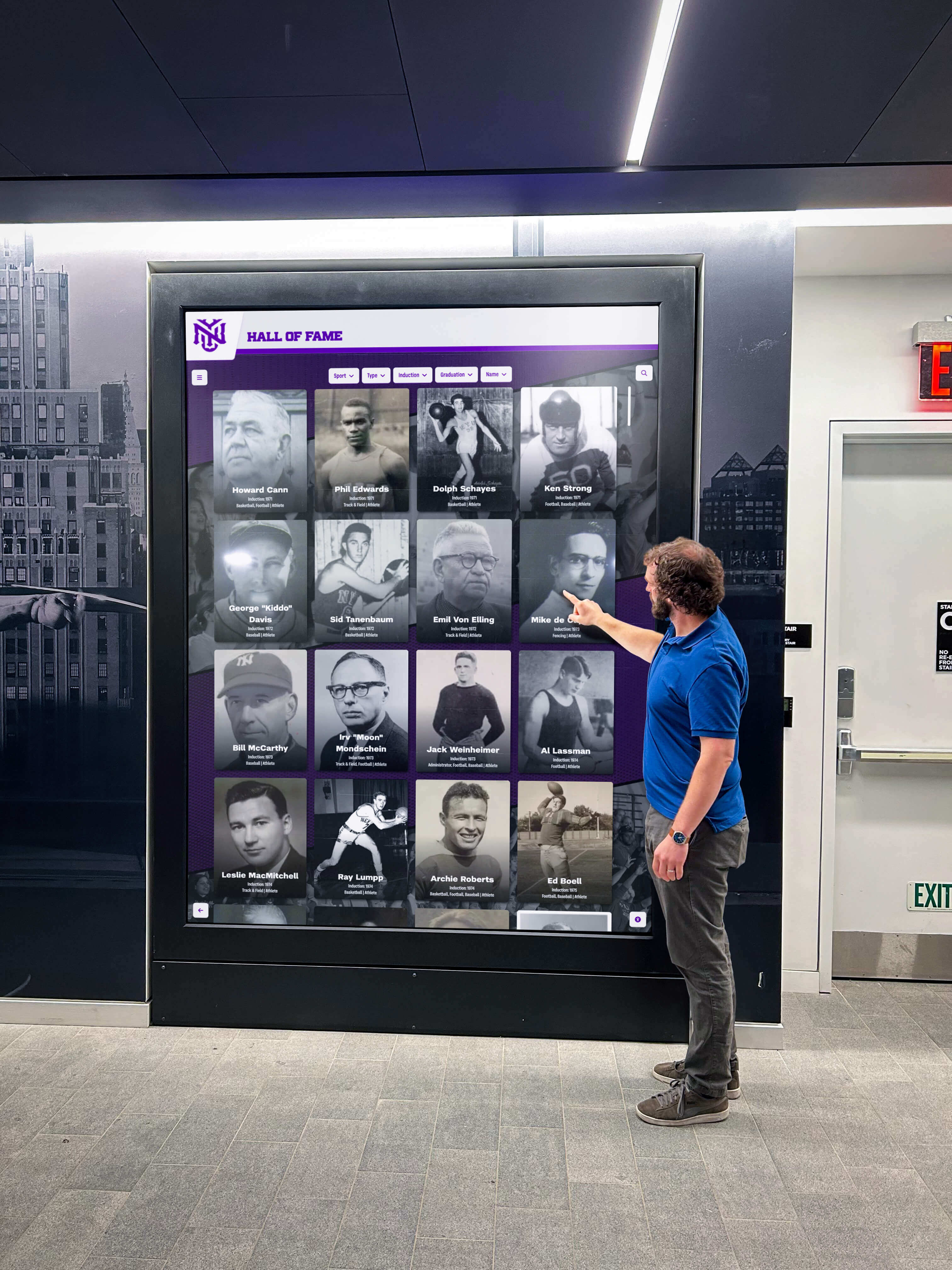
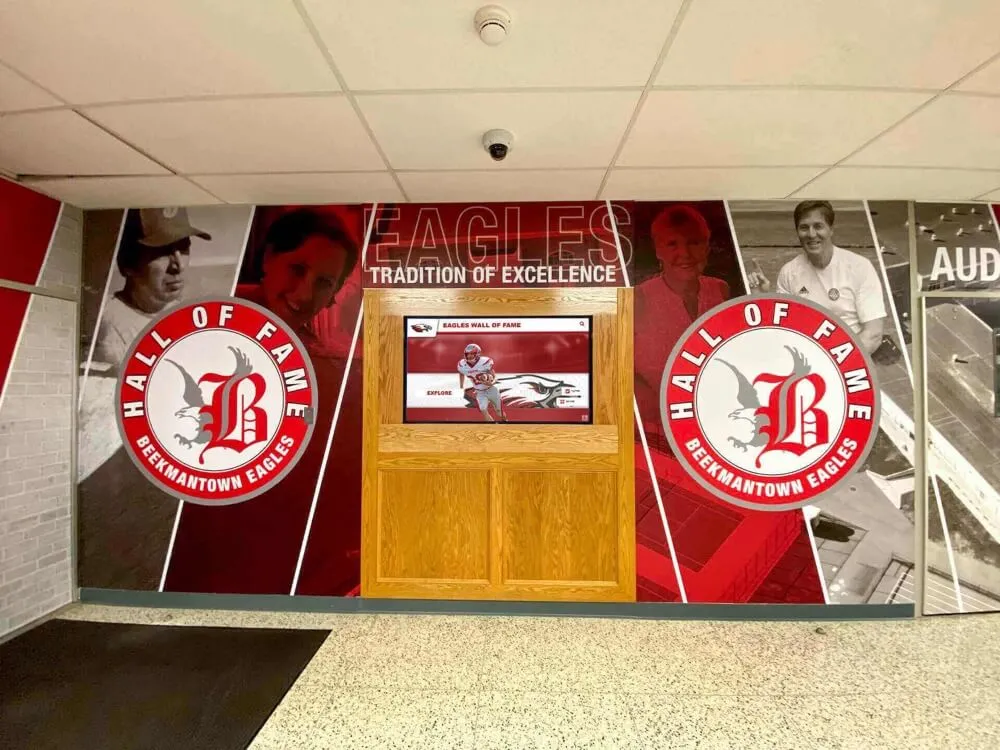
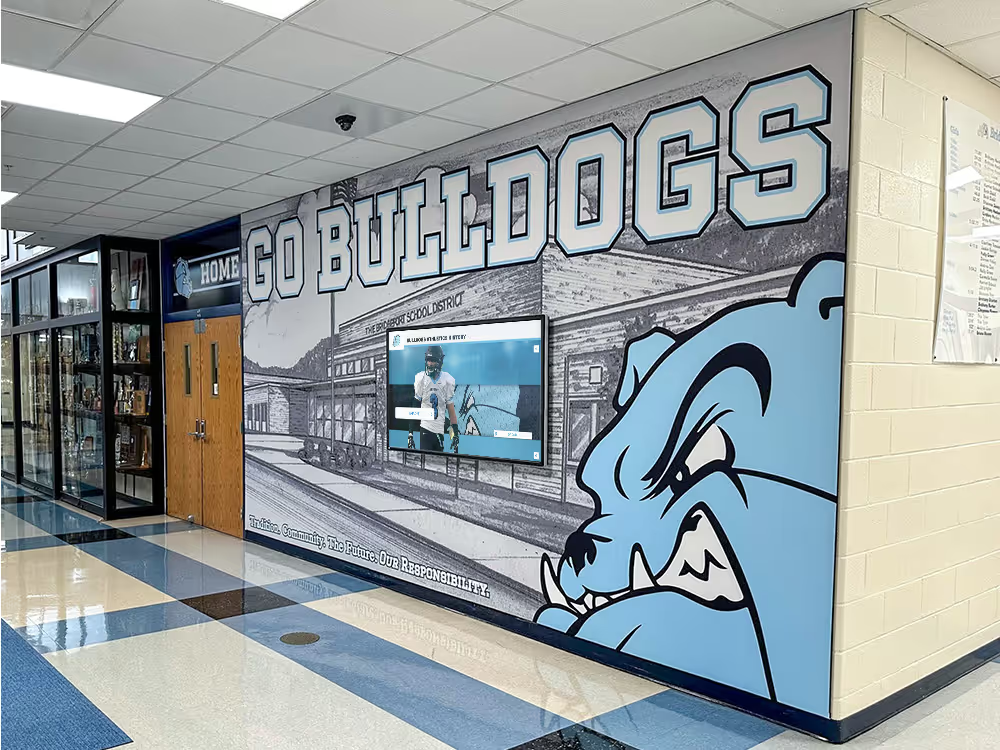
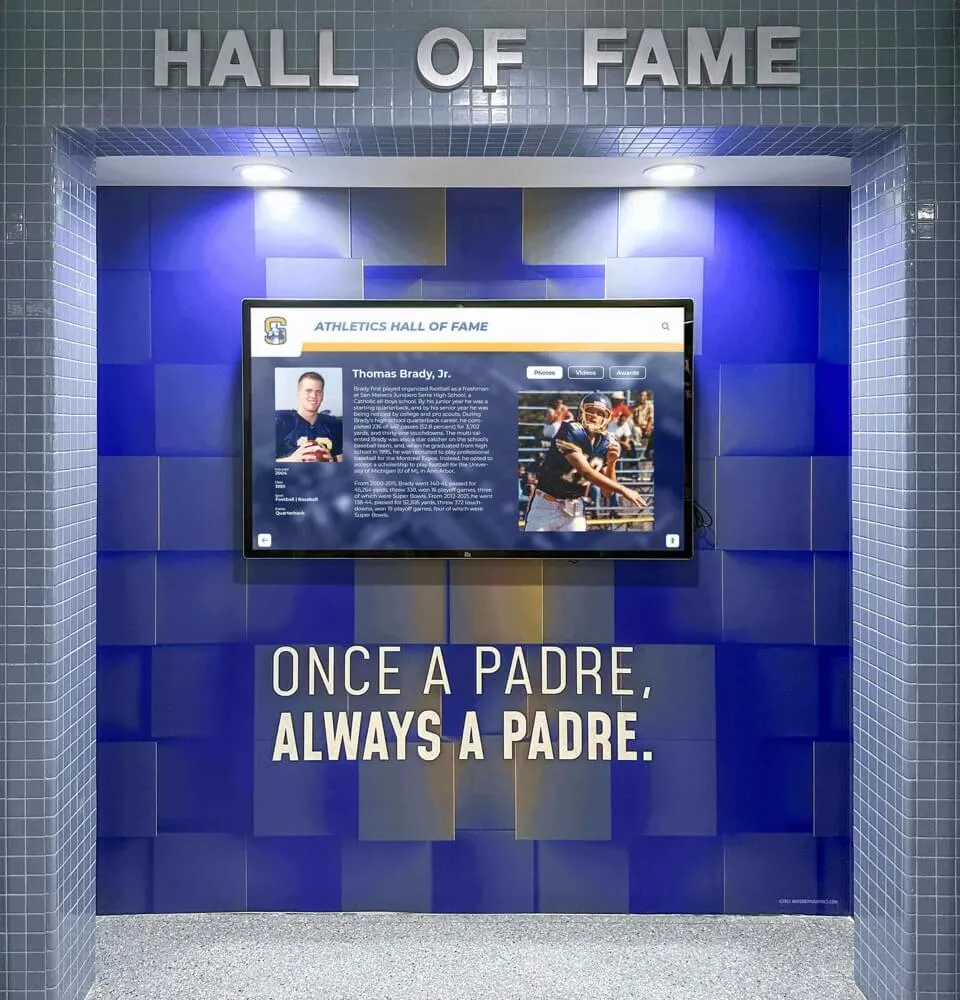
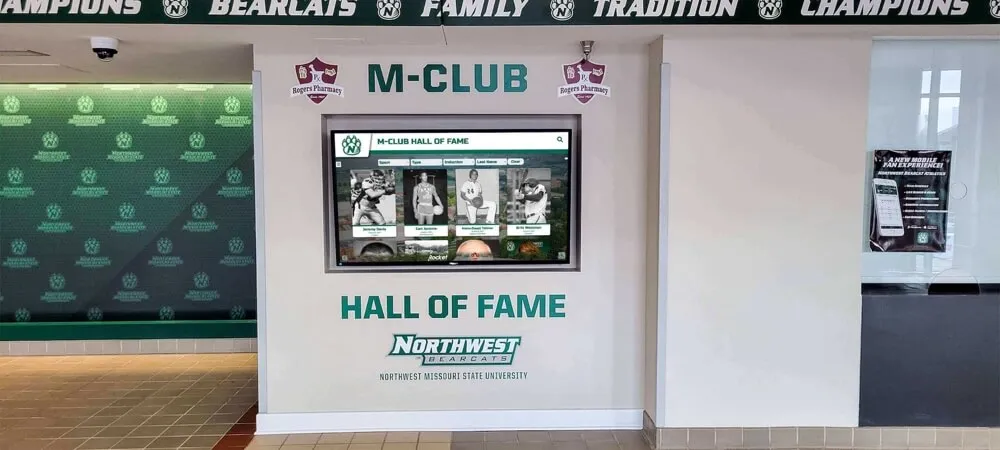
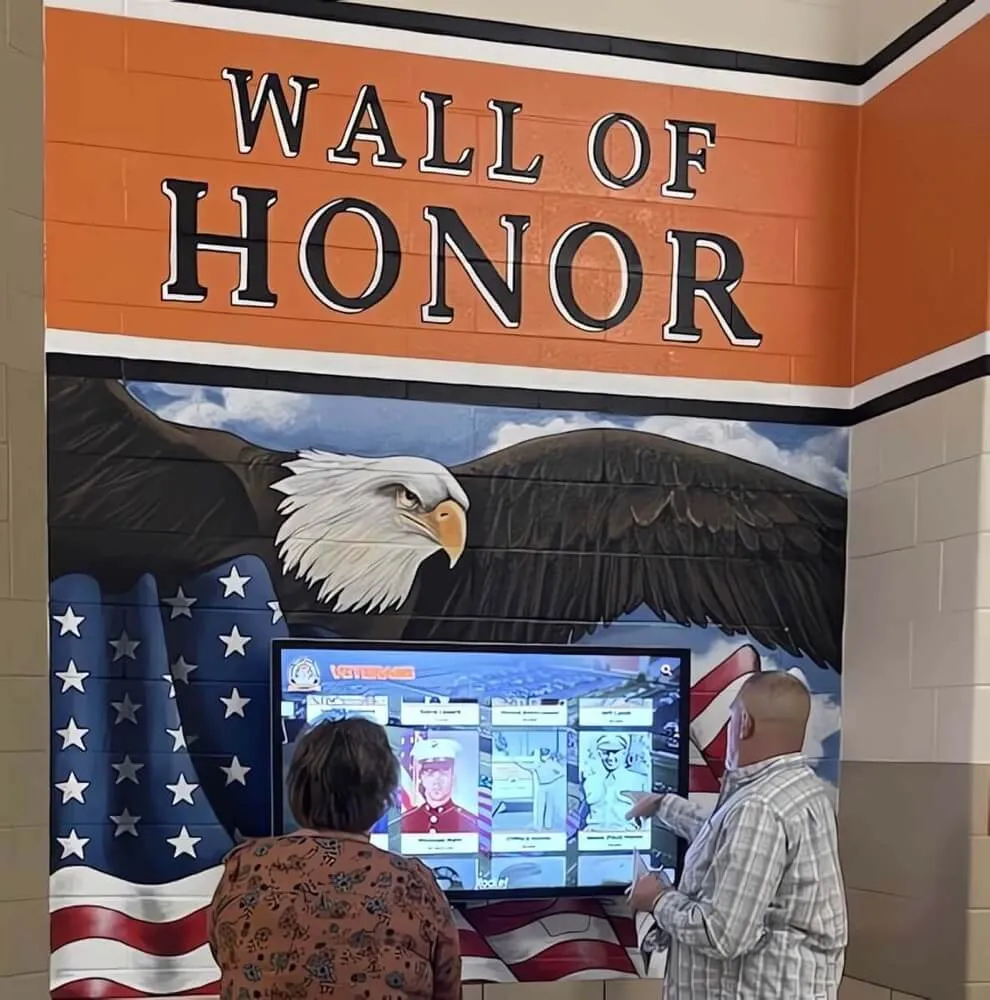
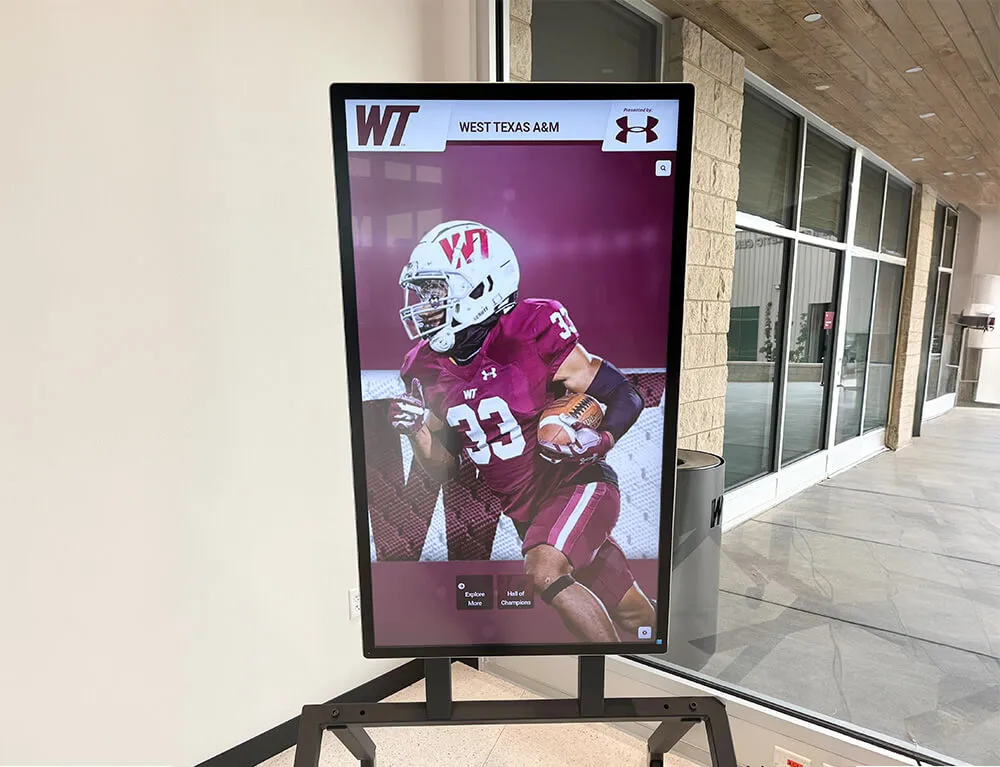
Interactive recognition systems enable young athletes to explore program history and see themselves as part of organizational legacy
This multi-team structure requires recognition systems accommodating diverse achievement levels—from developmental team improvement milestones to elite team national championship victories—ensuring all participants feel valued regardless of competitive tier.
Learn about comprehensive youth sports recognition approaches in community recognition strategies that honor achievement across all program levels.
Showcase Event Recognition: Celebrating Tournament Excellence
AAU showcase events represent defining moments in young athletes’ basketball journeys deserving permanent recognition that extends impact beyond tournament weekends.
Major Tournament Championship Recognition
Tournament championships—whether at regional PA events or national showcases—represent team accomplishments requiring comprehensive celebration.
Championship Documentation Elements
Effective tournament championship recognition includes complete team roster documentation with player names and graduation years, tournament bracket progression showing path to championship, championship game highlights and defining moments, individual player statistics and standout performances, coaching staff recognition crediting leadership and strategy, tournament location and competition level providing context, and opponent quality demonstrating championship significance.
This comprehensive documentation transforms simple championship trophy photos into complete stories that future program participants can explore, understanding what made championship teams special and what level of excellence organizational programs can achieve.
Multi-Tournament Season Narratives
Elite AAU teams often compete in 15-20+ tournaments annually across multiple competitive circuits. Recognition systems should document complete seasonal journeys including early season tournaments building team chemistry, mid-season showcase events attracting college attention, championship tournaments representing peak competition, and season summary documentation showing overall competitive record and development progression.
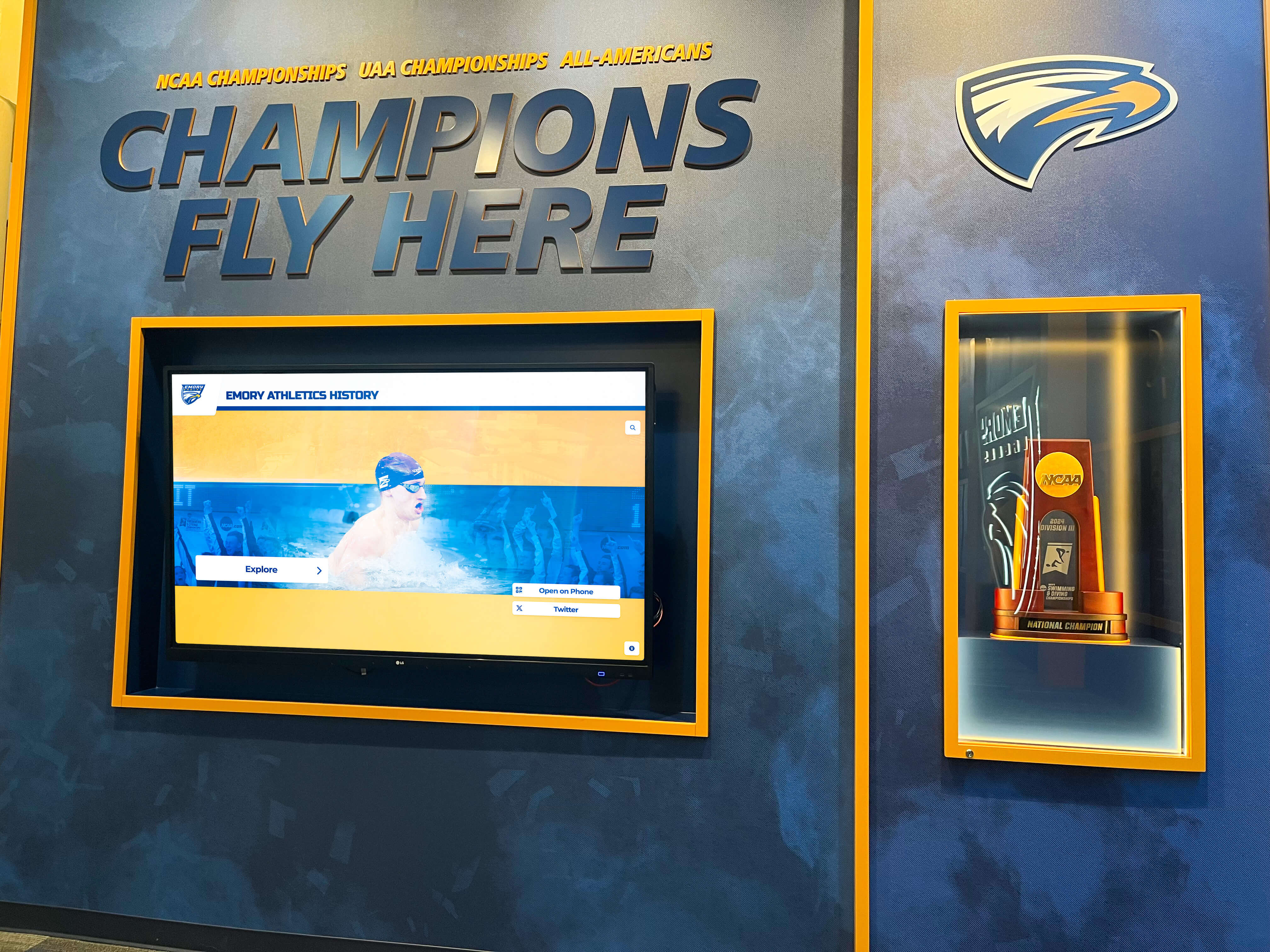
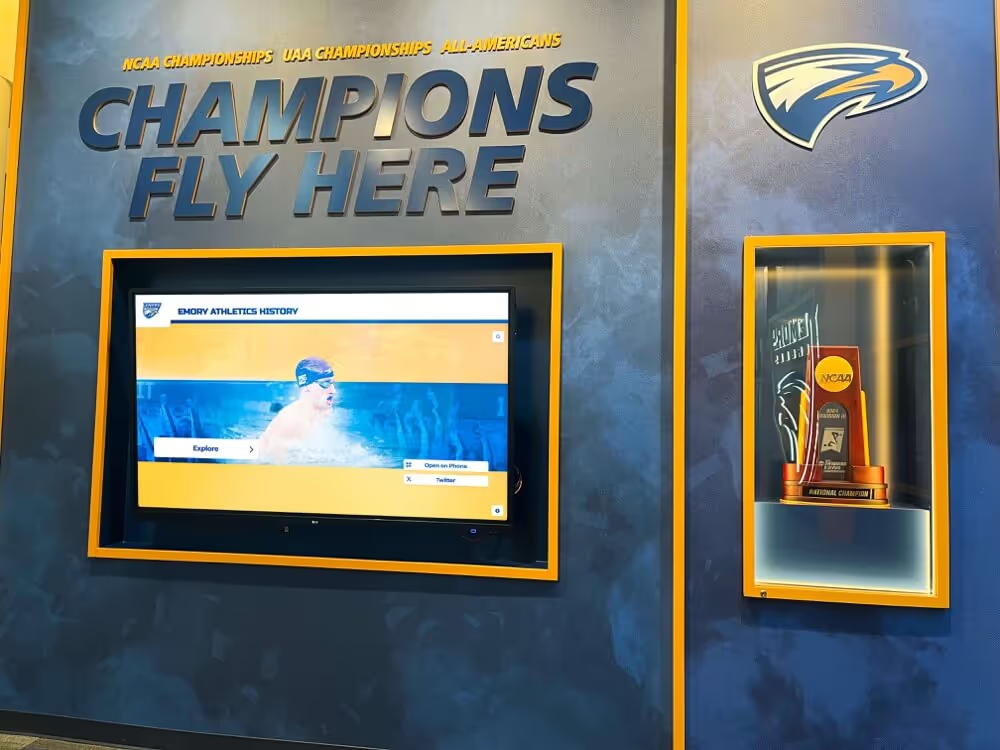
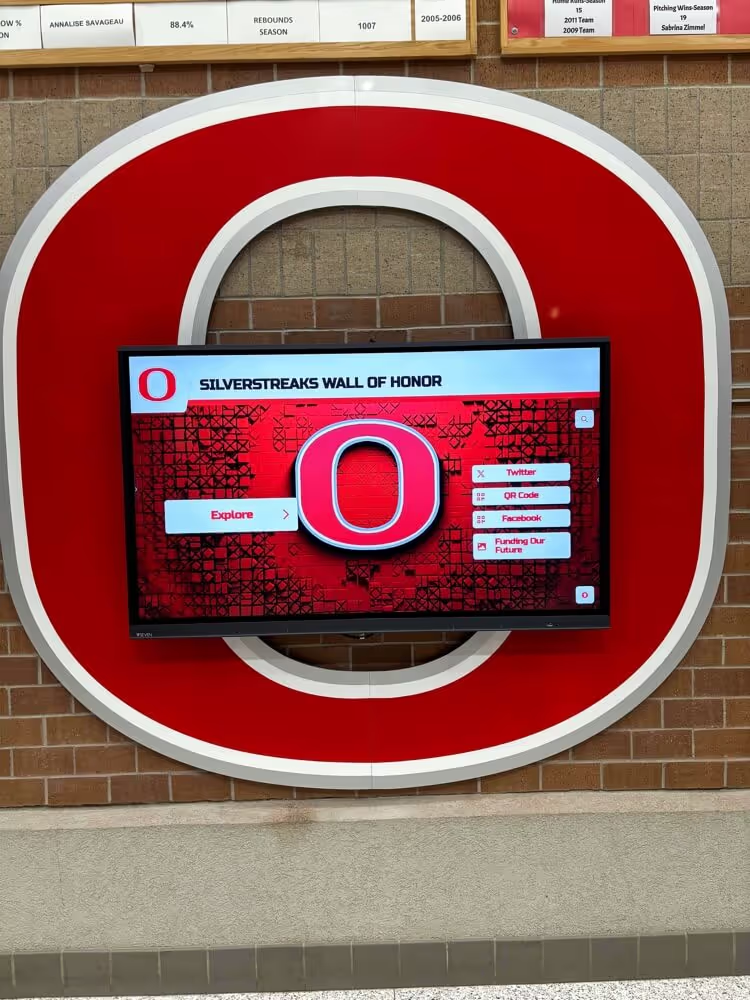
Modern recognition combines physical trophies with comprehensive digital storytelling celebrating complete championship stories
According to youth sports development research, athletes who receive comprehensive recognition for competitive achievements demonstrate increased motivation, stronger program loyalty, and greater likelihood of sustained participation across multiple seasons—benefits extending well beyond the immediate recognition itself.
Showcase Performance Recognition Beyond Championships
Not every tournament ends with championship trophies, yet showcase events provide numerous recognition opportunities including bracket advancement and round victories, individual player showcase performances, improvement demonstrations from early to late tournaments, competitive performances against nationally-ranked opponents, and tournament all-star team selections and individual honors.
This comprehensive recognition approach ensures players receive acknowledgment for excellence even when team championship outcomes remain elusive—particularly important for developmental programs where competitive success evolves gradually over seasons.
Individual Player Development Recognition
AAU basketball emphasizes individual skill development alongside team competition, creating recognition opportunities celebrating personal growth and achievement.
Multi-Year Player Progression Documentation
Players participating in AAU programs over multiple years demonstrate development deserving systematic recognition:
Player Development Recognition Elements
- Year-by-year statistical progression showing improvement
- Skill development milestones achieved across seasons
- Tournament performance highlights from multiple events
- Position development and increasing role responsibility
- College recruitment progression from initial interest to commitments
- Character growth and leadership development
- Awards and honors accumulated across multiple seasons
Solutions like Rocket Alumni Solutions enable comprehensive individual player profiles that teams can build across multiple years, creating complete career documentations that honor sustained commitment and development rather than just single-season performance snapshots.
Explore individual athlete recognition approaches in showcasing student achievement with strategies applicable to AAU contexts.

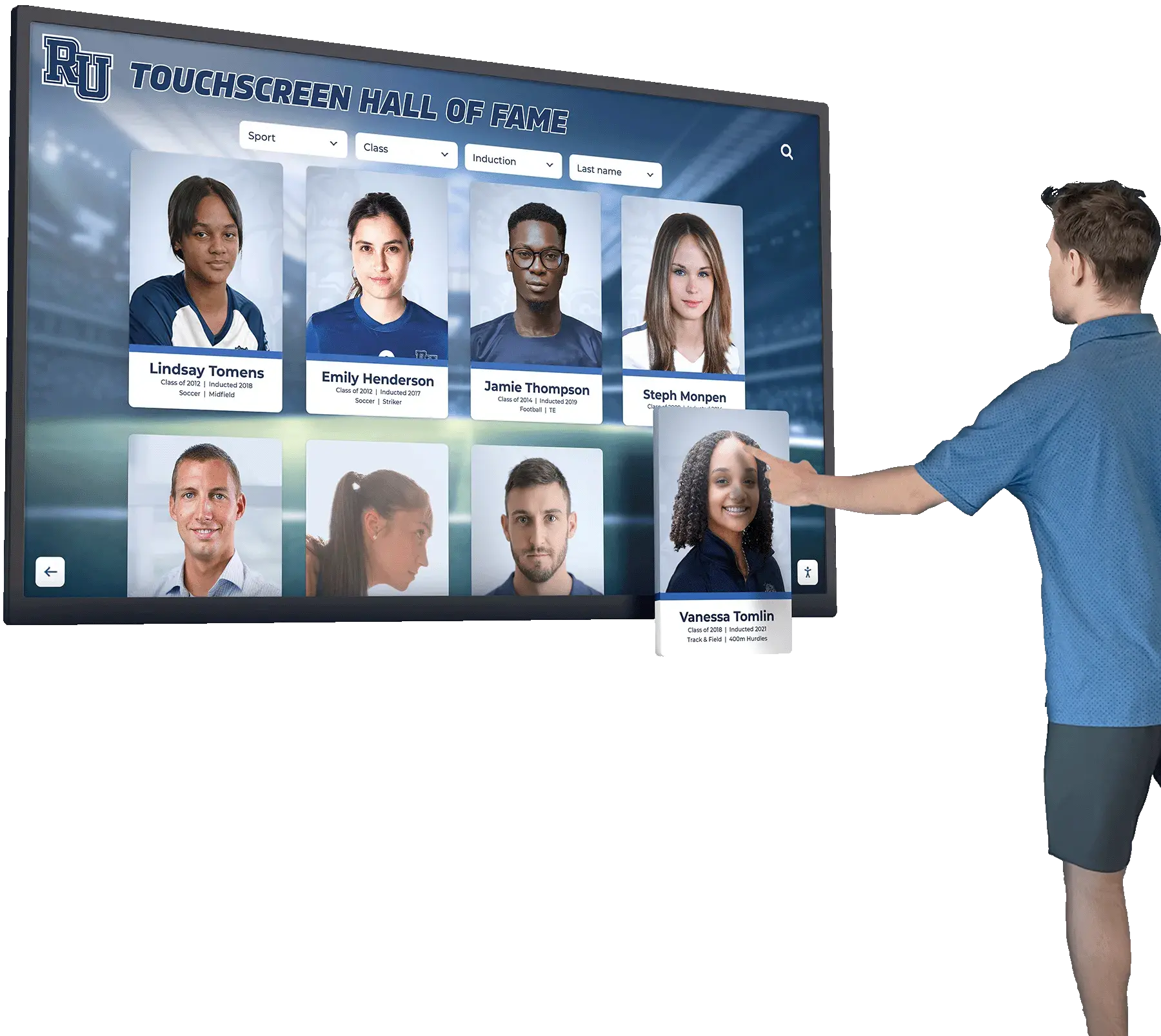
Interactive touchscreen systems enable exploring detailed individual player profiles celebrating multi-year development and achievements
College Commitment and Recruitment Success Celebration
For elite AAU programs, player college commitments represent program mission fulfillment and organizational success worthy of significant recognition including college commitment announcements with institutional logos, scholarship recognition documenting financial assistance secured, recruitment journey documentation showing process from initial interest through commitment, and post-high school success tracking demonstrating long-term program impact.
These college success stories provide tangible evidence of organizational effectiveness while inspiring younger program participants to envision their own future possibilities through sustained commitment and development.
Learn about college commitment recognition in senior college decision displays with approaches applicable to AAU program contexts.
Implementing Digital Recognition Systems for AAU Programs
Modern digital recognition platforms provide practical solutions for comprehensive AAU team celebration that traditional trophy cases and bulletin boards cannot match.
Unlimited Recognition Capacity for Multi-Team Organizations
AAU organizations fielding multiple teams across numerous age groups and competitive levels face exponential recognition needs that quickly overwhelm traditional display spaces.
Comprehensive Program Coverage
Digital recognition systems like Rocket Alumni Solutions eliminate fundamental space constraints, enabling organizations to recognize every team across all age divisions from 8U through 17U, all competitive tiers from recreational through elite national travel, all tournament achievements from local events through national championships, all individual player accomplishments across multiple seasons, complete coaching staff across all program teams, and organizational history spanning founding through present.
This unlimited capacity ensures no team feels undervalued due to display space limitations, no achievement goes unrecognized because trophy cases filled up, and complete program history remains accessible rather than selectively edited based on physical constraints.
Multi-Location Display Accessibility
Many AAU organizations operate across multiple facilities—practice gyms, tournament venues, organizational offices, and partner school locations. Digital recognition platforms provide several access advantages including consistent content across all facility locations, cloud-based management enabling remote updates without facility visits, web accessibility extending recognition beyond physical locations, mobile-responsive designs ensuring access on all devices, and social sharing capabilities amplifying recognition reach organically.
This multi-location accessibility ensures recognition reaches families and athletes regardless of which facilities they primarily use while extending program visibility to prospective participants exploring organizational offerings.
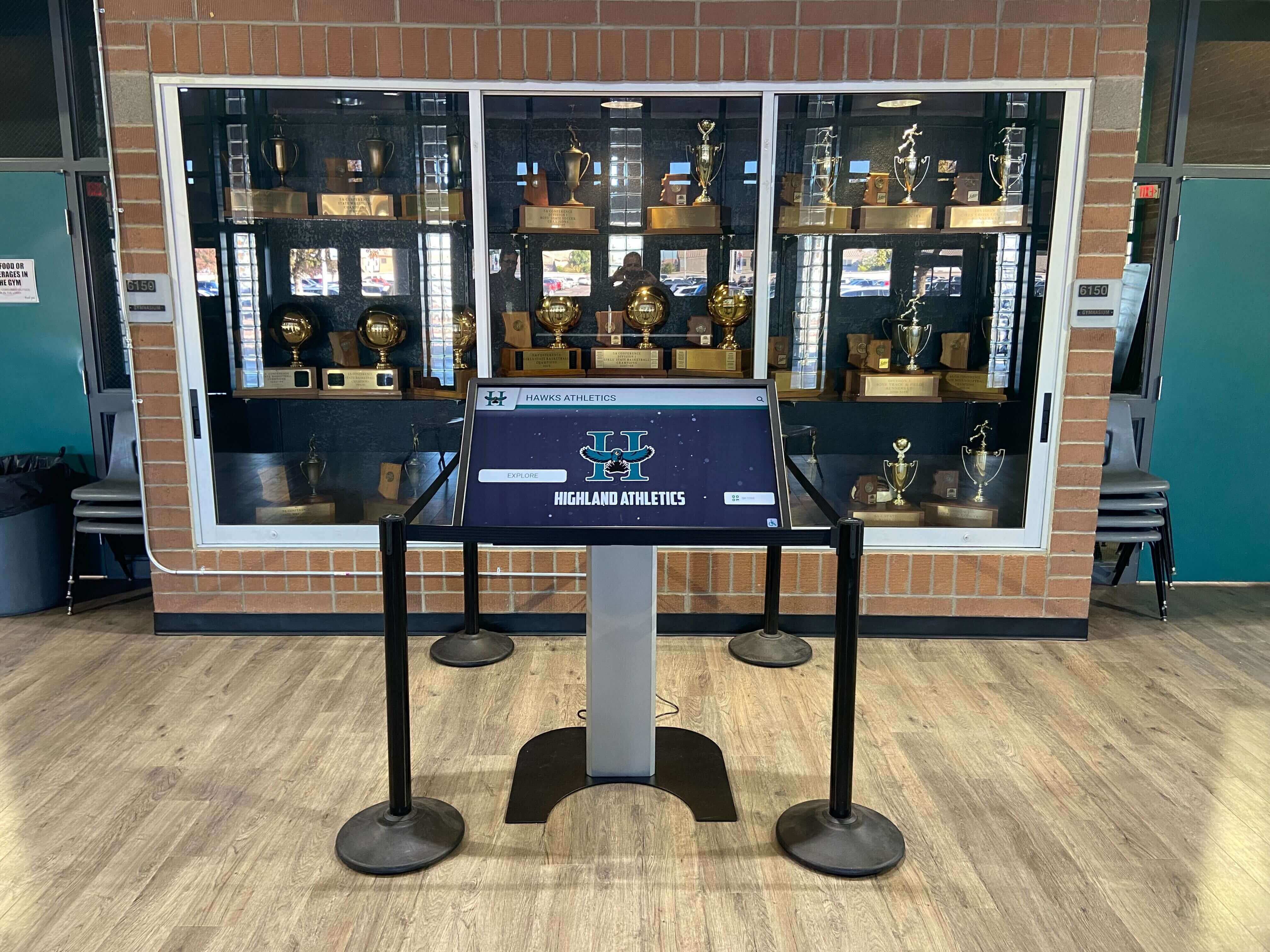
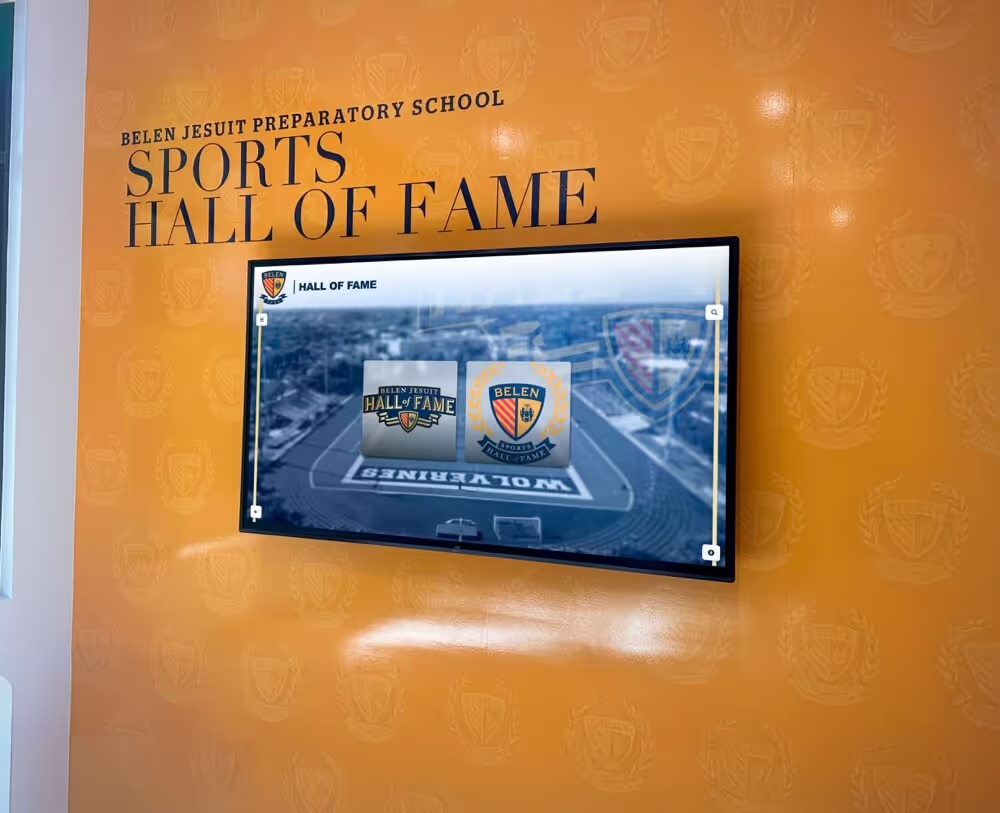
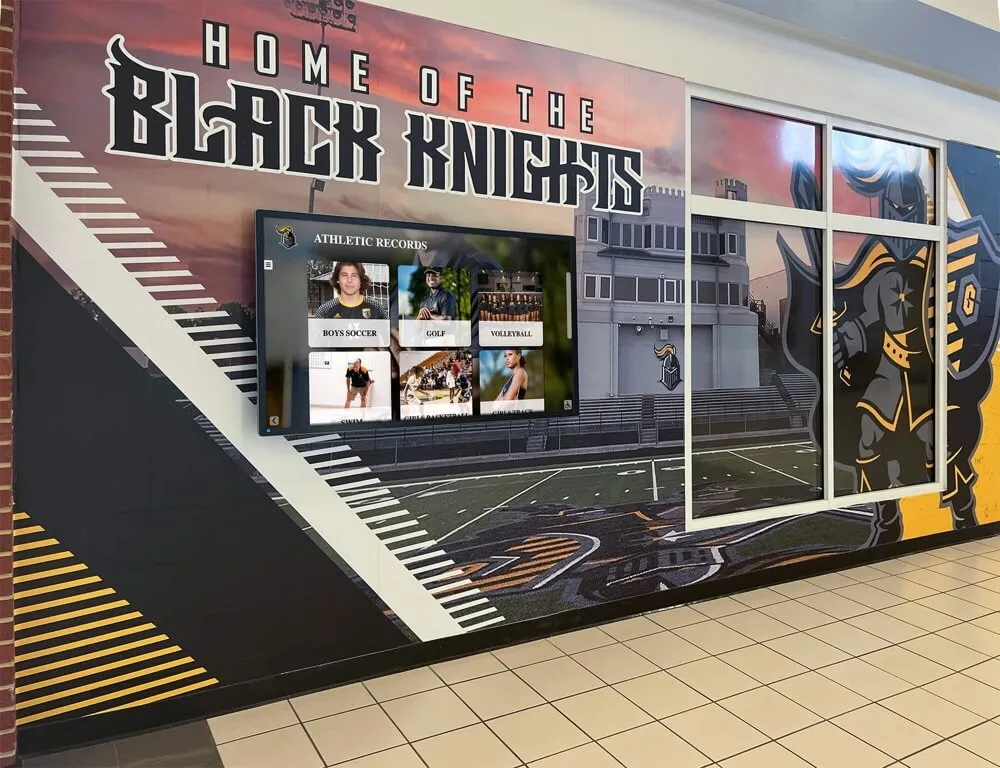
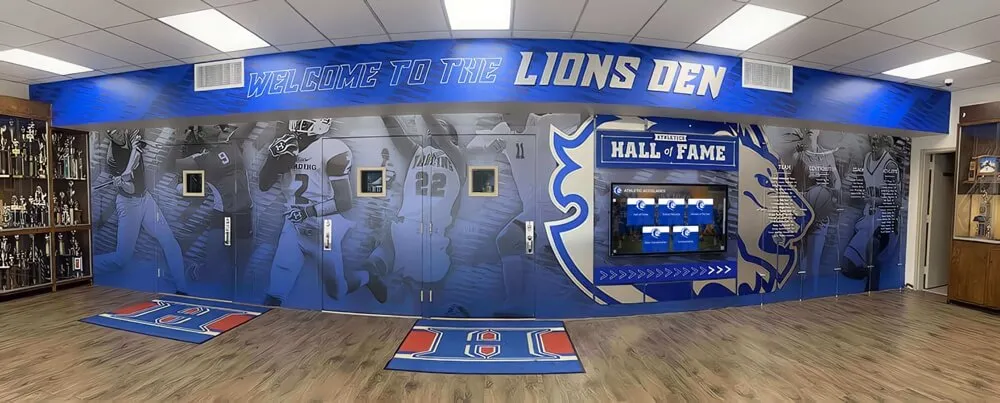
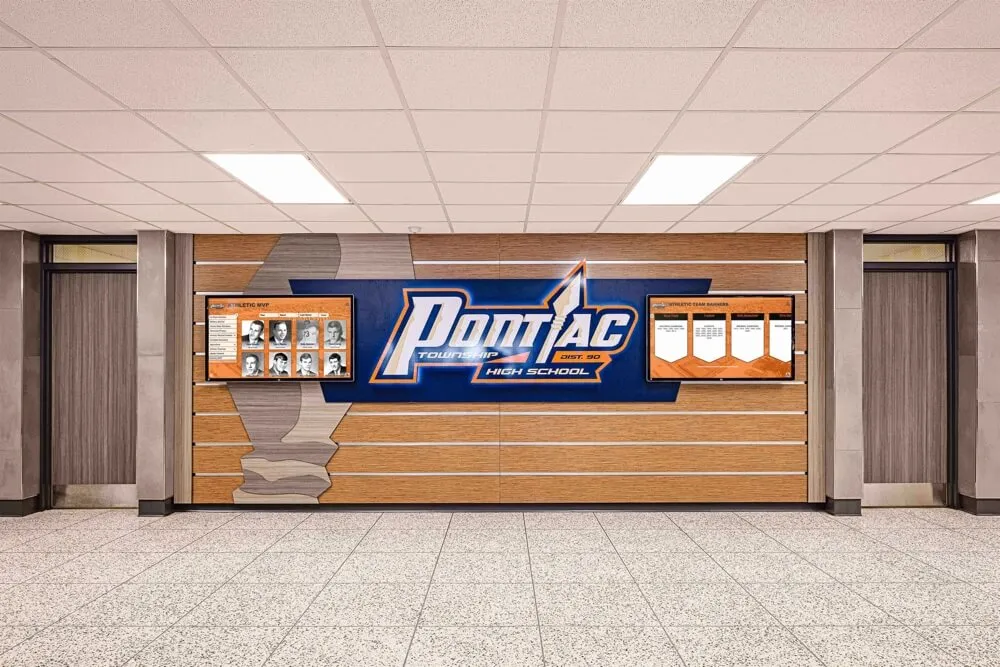
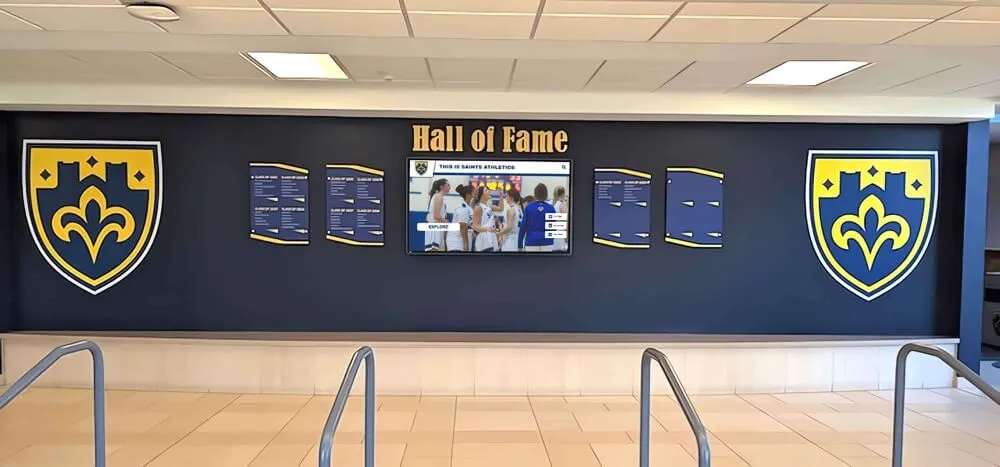
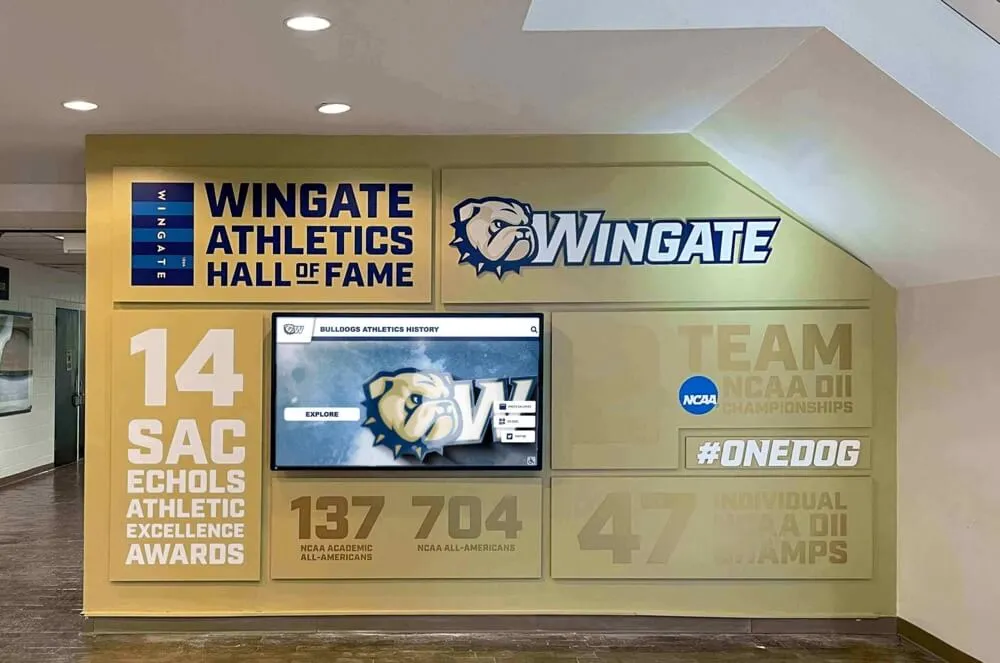
Modern digital displays integrate seamlessly with traditional recognition elements in youth sports facilities
Multimedia Storytelling Capabilities
Digital platforms enable rich content impossible with traditional static displays, transforming basic recognition into engaging storytelling.
Enhanced Content Types for AAU Recognition
Effective AAU recognition incorporates diverse multimedia elements including tournament game highlight videos capturing exciting plays and competitive moments, championship celebration videos documenting team reactions and trophy presentations, season recap presentations summarizing competitive journeys, individual player skill development videos showing progression over time, coaching testimonial videos reflecting on team development, family impact stories highlighting program benefits beyond basketball, and tournament photography from throughout competitive seasons.
According to research from youth sports organizations implementing multimedia recognition, families engage with video content at significantly higher rates than text-only recognition—with average engagement times increasing from under one minute to 5-7 minutes when video highlights accompany achievement documentation.
Seasonal Update Workflows
AAU basketball’s year-round structure requires systematic recognition update workflows:
Content Management Procedures
- Post-tournament documentation within 48 hours capturing immediate details
- Monthly season updates adding recent tournament results and player highlights
- End-of-season comprehensive summaries documenting complete competitive journeys
- Annual organizational reports showcasing all program achievements
- Multi-year archive building preserving complete organizational history
Cloud-based recognition platforms enable authorized staff, coaches, or volunteers to update content remotely from any device without requiring technical expertise or physical access to display hardware—essential for busy AAU organizations with limited administrative resources.
Learn about effective digital content management in athletic program digital storytelling with workflows applicable to AAU contexts.
Interactive Engagement Features
Modern touchscreen recognition systems create engagement that static displays cannot achieve while serving multiple stakeholder groups.
Search and Exploration Capabilities
Interactive features enable diverse users to navigate recognition content according to their interests including search by player name finding individual athlete recognition instantly, filter by team or age division exploring specific program segments, browse by season or year seeing program evolution over time, and sort by achievement type viewing tournament championships separately from individual honors.
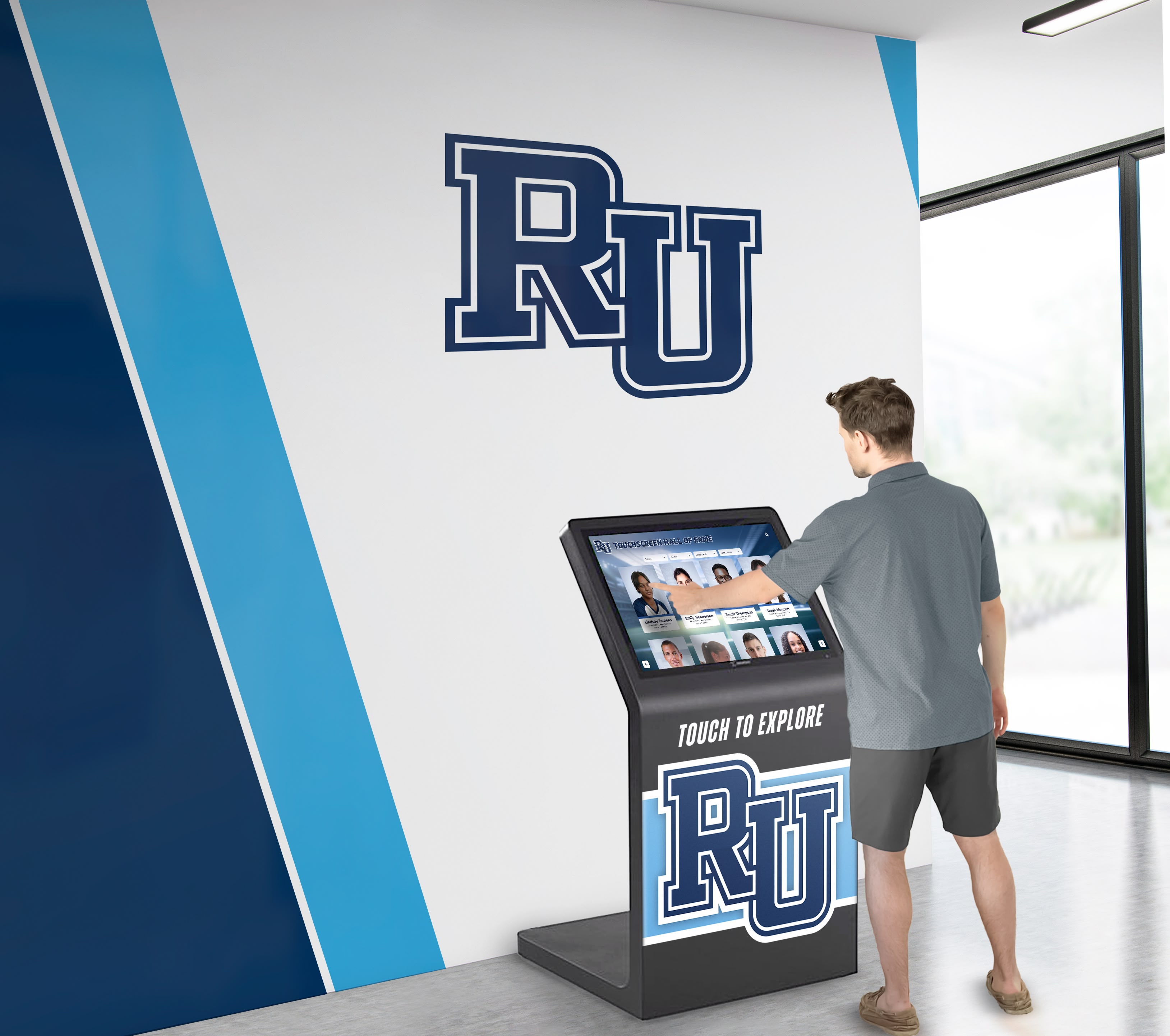
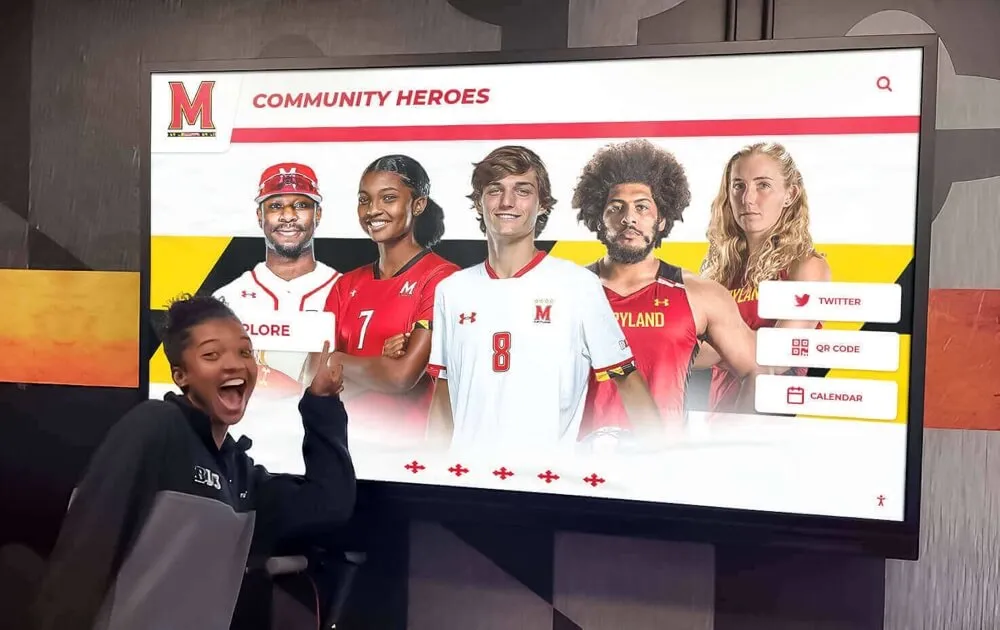
Intuitive touchscreen interfaces enable families and athletes to explore recognition content according to their interests
This searchability means families can find their children’s recognition immediately regardless of how many other teams and players receive acknowledgment, prospective families can quickly explore program scope and competitive success, and alumni can reconnect with their competitive experiences years after participation ended.
Family and Alumni Engagement Through Recognition
Digital recognition extends benefits beyond current participants to broader organizational communities:
Families share player recognition on social media providing organic program promotion to their networks, alumni return to facilities exploring their historical team recognition and reminiscing about competitive experiences, prospective families research program quality through visible achievement documentation, and donors and sponsors see tangible evidence of program impact justifying financial support.
This extended engagement transforms recognition from simple participant appreciation into strategic assets supporting recruitment, retention, and resource development essential for long-term organizational sustainability.
Strategic Implementation for AAU Basketball Organizations
Successfully implementing comprehensive recognition requires approaches tailored to AAU organizational structures and competitive realities.
Planning and Stakeholder Engagement
Effective implementation begins with broad input ensuring recognition systems serve multiple organizational objectives.
Organizational Leadership Involvement
Secure buy-in and input from key stakeholders:
Essential Stakeholders
- Program directors providing strategic vision and organizational priorities
- Team coaches supplying player information and achievement details
- Tournament directors documenting event results and championship outcomes
- Facility managers addressing installation and placement considerations
- Communications staff ensuring integration with broader program promotion
- Board members providing governance and funding approval
- Family representatives offering participant perspectives
This broad stakeholder engagement ensures recognition systems serve multiple objectives—from inspiring current athletes to supporting recruitment and fundraising—while gaining necessary organizational support for successful implementation and sustained maintenance.
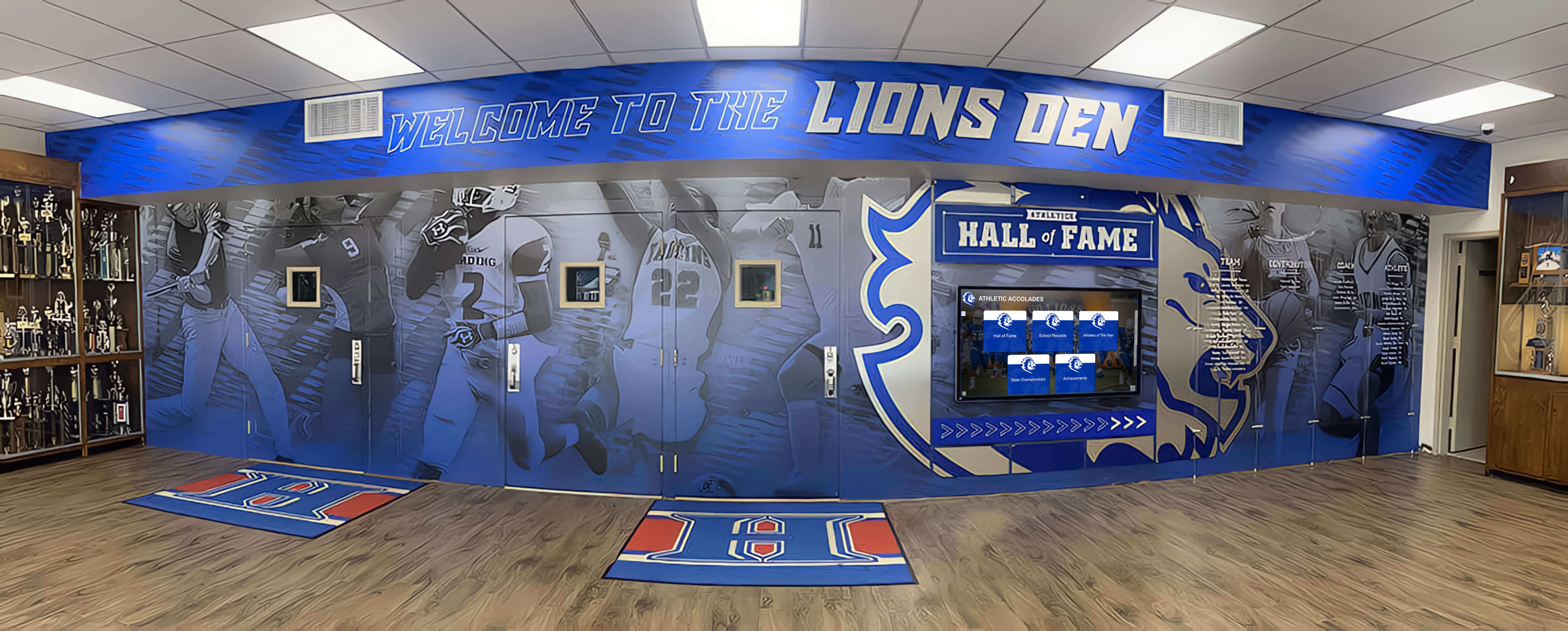
Comprehensive recognition systems integrate traditional elements with modern digital capabilities for maximum impact
Family and Player Input
Gather perspectives from those recognition will honor and serve:
Participant Feedback Sources
- Current players sharing what recognition means to them
- Parents providing family perspectives on program impact
- Alumni reflecting on what lasting recognition would have meant during participation
- Prospective families identifying what organizational qualities attract them
- Coaches observing what types of recognition most effectively motivate athletes
This input ensures final systems meet actual needs rather than organizational assumptions about what might work, increasing recognition effectiveness and participant satisfaction.
Content Development and Historical Documentation
Comprehensive recognition requires systematic content creation and historical preservation.
Current Season Documentation Processes
Establish workflows capturing ongoing competitive activities:
Documentation Workflows
- Tournament weekend photography capturing team and individual moments
- Post-tournament result documentation within 48 hours
- Seasonal statistics compilation tracking player and team performance
- Coach reflection collection gathering strategic and development insights
- Player testimonial documentation capturing personal perspectives
- Championship celebration recording preserving defining moment emotions
- College recruitment update tracking for older age groups
These systematic processes ensure nothing falls through cracks during busy tournament seasons and content remains consistently high quality across teams and competitive levels.
Historical Archive Building
Many established AAU organizations lack organized historical records requiring dedicated documentation efforts:
Historical Research Methodologies
- Organizational records and past tournament brackets
- Photo collections from coaches, families, and former participants
- Social media archives from recent seasons
- Local media coverage of significant tournament victories
- Facility dedication and organizational milestone documentation
- Oral history interviews with founding members and long-time coaches
This historical work preserves organizational legacy while creating comprehensive content foundations demonstrating program longevity and tradition—particularly valuable for recruitment when prospective families evaluate program stability and competitive track record.
Organizations should review best practices for finding and preserving athletic records applicable to AAU program contexts.
Technology Selection and Installation for AAU Facilities
Appropriate technology choices ensure long-term success and maintainability within youth sports facility environments.
Hardware Considerations for Basketball Facilities
AAU basketball facilities present specific technical considerations affecting hardware selection and installation planning.
Installation Factors for Youth Sports Facilities
- Screen size appropriate for gymnasium sightlines and viewing distances
- Durability suitable for high-activity youth sports environments
- Mounting security preventing damage from basketballs and athletic activity
- Aesthetic integration with existing facility design and branding
- Accessibility compliance ensuring all families can engage with displays
- Network connectivity supporting cloud-based content management
- Power source availability and professional electrical installation
Commercial-grade displays rated for continuous operation provide reliability essential for always-on installations in basketball facilities with varying supervision levels and high traffic from youth participants.

Professional-grade installations demonstrate organizational commitment to celebrating participant achievements appropriately
Software Platform Requirements
Purpose-built recognition platforms offer advantages over generic digital signage for youth sports contexts:
Essential Platform Capabilities
- Intuitive content management requiring no technical expertise from volunteer administrators
- Cloud-based access enabling remote updates from any device
- Unlimited content storage supporting extensive multimedia across multiple teams
- Sports-specific organization structures by season, team, and division
- Privacy controls appropriate for youth participant information
- Mobile-responsive web access extending recognition beyond physical displays
- Role-based permissions enabling appropriate access levels for coaches and staff
Solutions like Rocket Alumni Solutions provide comprehensive platforms specifically designed for youth sports recognition needs including AAU basketball organizations, club programs, and recreational leagues.
Strategic Placement Decisions
Display location significantly impacts engagement and organizational benefit:
Optimal AAU Facility Locations
- Main gymnasium entrance lobbies welcoming all families and participants
- Practice facility common areas where athletes and families gather
- Tournament venue hospitality areas reaching visiting teams and college coaches
- Organizational office spaces for administrative visibility
- Partner school locations where programs practice or play
- Multi-purpose rooms hosting team meetings and organizational events
Multiple distributed displays ensure recognition reaches diverse audiences throughout facilities rather than limiting visibility to single locations only certain groups frequent.
Learn about effective placement strategies in digital recognition implementation with youth sports facility considerations.
Connecting AAU Recognition to Youth Development Goals
AAU basketball recognition should serve broader youth development objectives beyond athletic celebration alone.
Character Development and Life Skills Recognition
AAU basketball provides contexts for developing life skills deserving recognition alongside competitive achievement.
Character Award Categories
Recognize players demonstrating excellence beyond statistics:
Character Recognition Categories
- Sportsmanship and integrity in competition
- Leadership and positive teammate influence
- Perseverance through challenges and adversity
- Coachability and commitment to improvement
- Academic excellence alongside athletic achievement
- Community service and giving back
- Team-first attitude prioritizing collective success
These character recognitions communicate that AAU basketball serves holistic youth development—not just competitive skill building—while providing concrete examples inspiring other program participants.
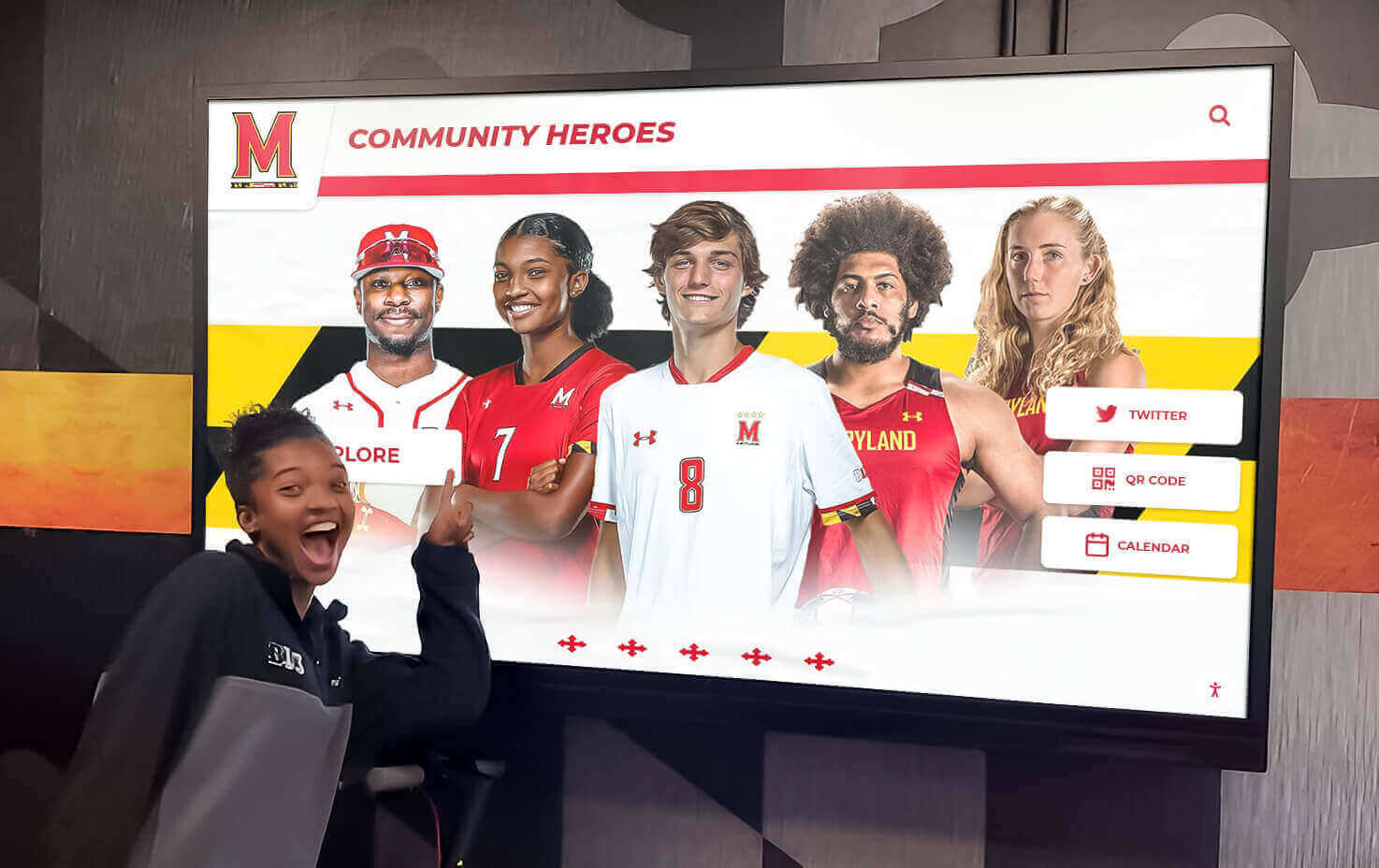
Recognition displays inspire young athletes while demonstrating how sports serve broader character development and community impact
Academic Achievement Integration
Many elite AAU programs emphasize academic performance alongside athletic development:
Organizations can recognize academic honor roll achievements, academic scholarship recipients, grade point average milestones, academic improvement alongside athletic development, and college academic scholarship success for graduating participants.
This academic recognition integration reinforces that basketball provides pathways to educational opportunities—not separate from academics but connected to college access and life success beyond athletics alone.
Family Support and Volunteer Recognition
AAU basketball depends entirely on family investment and volunteer service deserving systematic acknowledgment.
Parent and Family Contribution Celebration
AAU basketball requires extraordinary family commitment including significant financial investment in fees and travel, hundreds of hours spent at gyms and tournaments, transportation coordination and carpooling support, team parent roles managing logistics and communication, fundraising participation supporting program operations, and multi-year sustained commitment across children’s development.
Recognition displays can feature family spotlights honoring extraordinary support, multi-child family participation celebrating sustained organizational commitment, volunteer family acknowledgment recognizing program service, and legacy family recognition celebrating multi-generational participation.
This family recognition validates investment while building community among families sharing AAU basketball experiences.
Coaching and Administrative Recognition
Most AAU programs operate with volunteer or minimally-compensated coaches deserving appreciation:
Coach Recognition Elements
- Years of service milestones celebrating sustained commitment
- Tournament championships and competitive achievements under coaching
- Player development success measured by improvement and progression
- College placement outcomes for elite level coaches
- Mentor relationships and lasting player impact
- Volunteer hour contributions quantifying service investment
Many organizations create “Coaches Hall of Honor” sections within recognition displays specifically acknowledging coaching contributions across all program levels and generations—demonstrating that organizational success depends on dedicated leaders investing in youth development.
Learn about comprehensive volunteer recognition in recognizing alumni digitally with approaches applicable to youth sports contexts.
Budget and Funding Strategies for AAU Recognition
AAU organizations implementing recognition need realistic financial planning and creative funding approaches.
Investment Cost Considerations
Understanding typical investment ranges helps organizations plan appropriately:
Recognition System Investment Levels
- Basic single-display systems: $8,000-$15,000 including hardware, software, installation, and initial content
- Multi-display installations for larger facilities: $15,000-$30,000 with additional screens and locations
- Comprehensive systems with custom integration: $30,000-$50,000+ for organizations with complex multi-facility requirements
Ongoing costs include annual platform subscription fees typically ranging $1,200-$3,000, periodic hardware maintenance and eventual replacement, and staff or volunteer time for content management and updates.
While these represent significant investments, the permanent nature of recognition infrastructure provides value across many years and hundreds of program participants—making per-player costs quite reasonable when amortized over organizational lifetime.
Creative Funding Approaches
AAU organizations successfully fund recognition systems through diverse sources:
Funding Strategies
- Organizational operating budget allocations
- Designated fundraising campaigns specifically for recognition implementation
- Sponsor contributions from local businesses with facility visibility
- Memorial gifts honoring deceased coaches or organizational founders
- Alumni contributions from former program participants
- Grant applications to youth sports development foundations
- In-kind contributions of installation or content services
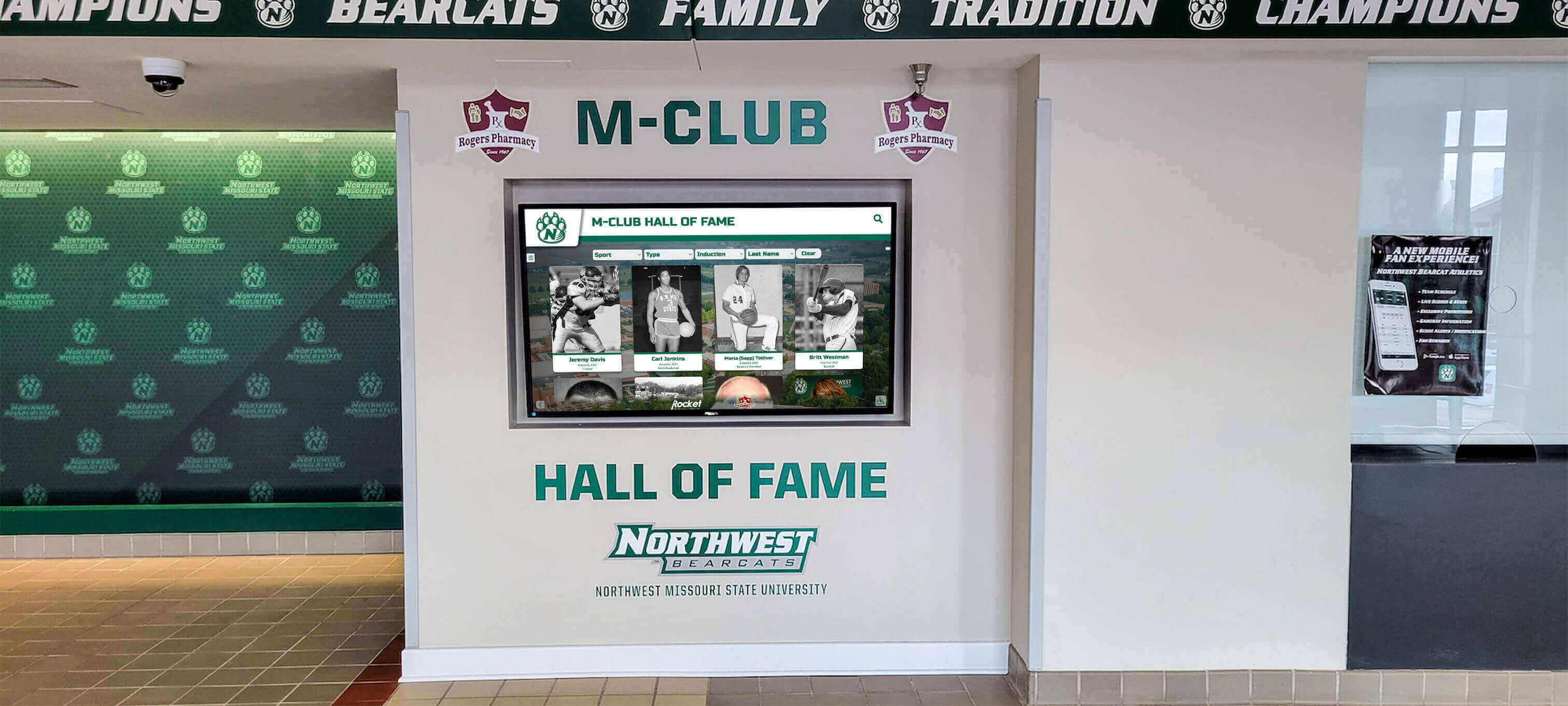
Professional recognition installations demonstrate organizational commitment while remaining scalable to budget capacity
The tangible, visible nature of recognition displays makes them attractive to donors and sponsors seeking concrete impact from contributions—many organizations report fundraising for recognition exceeds initial targets when families and alumni understand projects.
Return on Investment Considerations
While recognition involves significant investment, organizations report multiple benefits justifying costs:
Quantifiable Organizational Benefits
- Enhanced player recruitment and program participation growth
- Improved player retention across multiple seasons
- Strengthened alumni connections and potential giving
- Increased sponsor interest from visible facility improvements
- Enhanced facility perception by prospective families
- Reduced administrative time updating traditional bulletin boards
- Extended program reach through social media sharing
Many organizations discover recognition investments support multiple strategic objectives simultaneously while providing decades of ongoing value as program participants accumulate and organizational legacy builds.
Measuring AAU Recognition Program Impact
Assessment demonstrates whether recognition systems achieve intended organizational outcomes while identifying improvement opportunities.
Quantitative Engagement Metrics
Digital platforms provide concrete usage data revealing recognition effectiveness:
Measurable Indicators
- Display interaction frequency and average session duration
- Most-viewed content revealing stakeholder interests
- Search patterns showing how users navigate recognition
- Peak usage times informing content scheduling strategies
- Social media sharing frequency indicating organic promotion
- Web platform visits from remote users
- Geographic access patterns revealing alumni engagement
These metrics reveal whether recognition generates intended engagement or requires strategy adjustments to increase effectiveness and stakeholder value.
Qualitative Program Assessment
Beyond numbers, observe cultural and relational impacts:
Qualitative Indicators
- Player and family satisfaction with recognition approaches
- Coach feedback about recognition impact on team culture
- Prospective family comments during facility tours
- Alumni engagement and connection strengthening
- Community perception of program quality and professionalism
- Motivational impact on current players observing historical recognition
Regular feedback collection enables continuous improvement ensuring recognition remains effective and aligned with organizational objectives as programs evolve and stakeholder needs change.
Organizational Outcome Documentation
Connect recognition to broader program results:
Program Impact Measures
- Participation growth across age divisions and competitive tiers
- Multi-year player retention rates
- Family satisfaction scores and referral rates
- College placement outcomes for elite level players
- Sponsor and donor contribution growth
- Facility utilization and tournament hosting opportunities
- Alumni network engagement and giving
Positive trends suggest recognition contributes to organizational effectiveness beyond simple participant appreciation—justifying ongoing investment and expansion of recognition capabilities.
Special Considerations for Pennsylvania AAU Contexts
Pennsylvania’s unique basketball landscape creates specific recognition opportunities and considerations.
Regional and Interstate Competition Documentation
Pennsylvania AAU teams compete in diverse circuits requiring contextual recognition:
Organizations should document regional Pennsylvania tournaments and circuit play, interstate competition at neighboring state events, national showcase participation demonstrating elite status, and multi-circuit results showing competitive breadth across diverse tournament landscapes.
This geographic recognition context helps stakeholders understand competitive level and achievement significance—distinguishing between local recreational tournament success and victories against nationally-ranked competition at elite showcase events.
Urban vs. Suburban vs. Rural Program Recognition
Pennsylvania’s diverse geography creates different organizational contexts:
Urban programs like those in Pittsburgh and Philadelphia may emphasize community impact and college access pathways, suburban programs might highlight competitive excellence and college recruitment success, while rural programs could celebrate community building and travel team opportunities unavailable through local schools.
Recognition systems should align with specific organizational missions and community contexts rather than applying generic templates that may not resonate with particular stakeholder values and priorities.
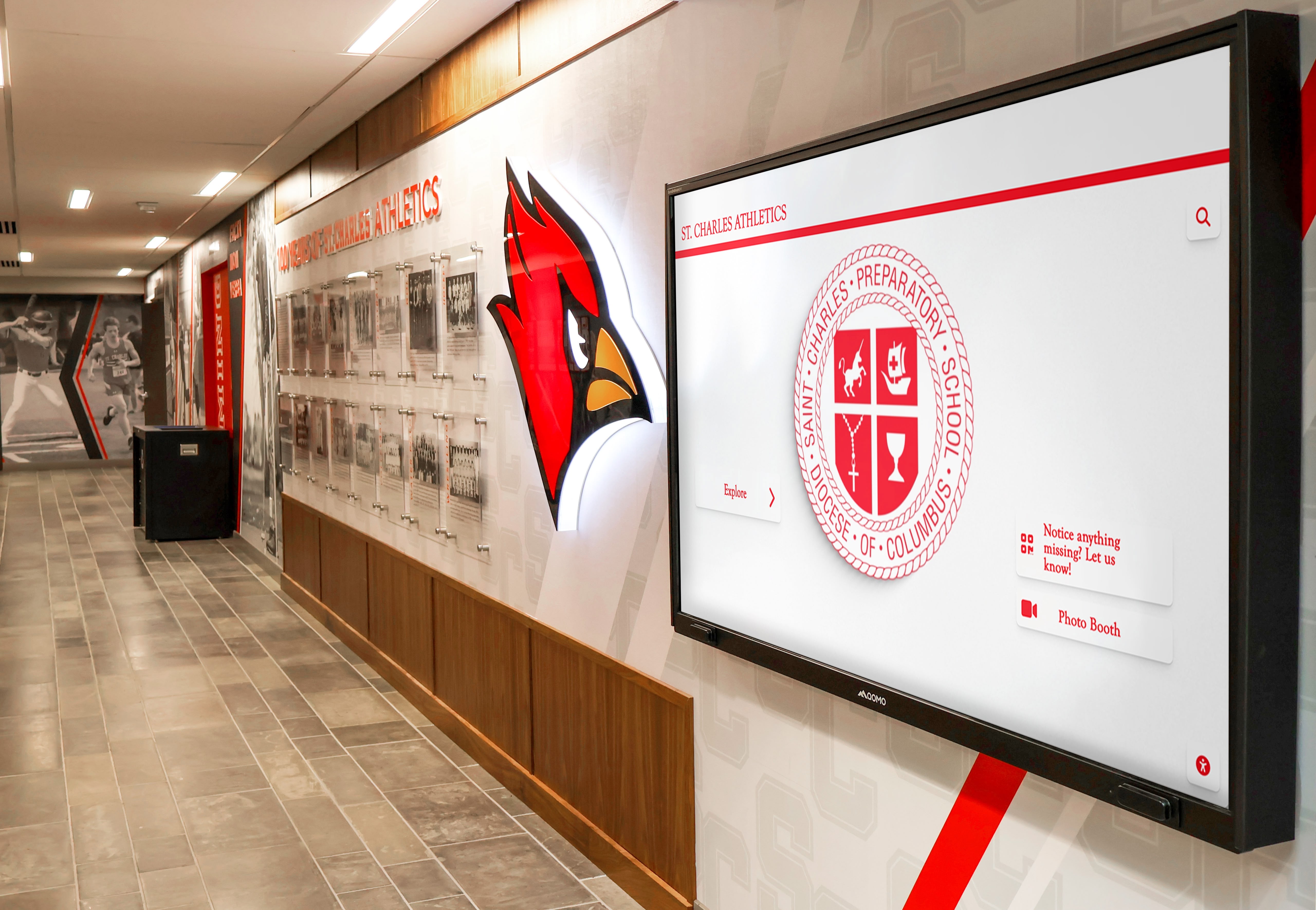
Recognition systems should reflect organizational identity and community context while celebrating competitive excellence
Integration with School-Based Basketball Recognition
Many AAU participants also play school basketball, creating opportunities for integrated recognition:
Organizations can celebrate school basketball achievements alongside AAU accomplishments, recognize multi-sport athletes participating in both contexts, document how AAU participation supports school team success, and create connections between club and school programs serving same athletes.
This integration demonstrates how AAU basketball complements rather than competes with school athletics—addressing common concerns while showing comprehensive youth development support.
Learn about school athletic recognition in academic honor roll recognition that complements AAU recognition systems.
Conclusion: Building Youth Basketball Communities Through Recognition
Pennsylvania AAU basketball represents significant investment of time, financial resources, and emotional commitment from athletes, families, coaches, and organizational leadership. When programs systematically celebrate tournament achievements, honor individual player development, recognize family and volunteer contributions, and preserve organizational legacy through comprehensive recognition systems, they transform temporary weekend tournaments into permanent foundations for cultures of excellence that inspire current participants while attracting future generations.
The strategies explored in this guide provide comprehensive frameworks for implementing recognition that celebrates competitive achievement appropriately, honors sustained player development across multiple seasons, preserves program history demonstrating organizational longevity, and demonstrates to prospective families the quality and commitment defining excellent youth basketball organizations.
Transform Your AAU Program Recognition
Discover how modern interactive display solutions can help you celebrate every tournament achievement, honor all participants, and build youth basketball communities that inspire excellence. Rocket Alumni Solutions provides comprehensive platforms designed specifically for youth sports organizations.
Explore Recognition SolutionsFrom Pittsburgh’s elite showcase events to Lancaster’s competitive tournaments, Pennsylvania AAU basketball creates defining moments in young athletes’ lives deserving recognition systems that honor achievement while building organizational legacy. Digital recognition platforms like Rocket Alumni Solutions provide purpose-built systems specifically designed for youth sports recognition needs—combining unlimited capacity with intuitive management, multimedia storytelling capabilities, and engaging interactive experiences that serve athletes, families, and organizations effectively.
Start wherever current situations permit—whether implementing comprehensive recognition systems or beginning with priority teams while planning expansion—then systematically build displays your program and participants deserve. Every athlete who receives meaningful recognition for tournament achievements develops stronger connections to organizational community while understanding their place within program legacy. Every family acknowledged for extraordinary support feels valued while inspired to continue investment. Every coach recognized for developmental impact sees tangible evidence that service matters beyond weekly practices and weekend tournaments.
Your Pennsylvania AAU basketball program represents countless hours of dedication, significant family investment, and transformative youth development impact deserving recognition systems celebrating these contributions appropriately. With thoughtful planning, appropriate technology selection, and systematic implementation, you can create recognition preserving organizational legacy while inspiring the next generation of athletes who will write future chapters in your program’s ongoing story of competitive excellence and youth development commitment.
Ready to begin? Explore how Rocket Alumni Solutions can help you create comprehensive AAU basketball recognition that celebrates tournament excellence, honors participant development, and builds youth sports communities where every athlete sees possibility in their own basketball journey through your organization’s demonstrated commitment to recognition and celebration.