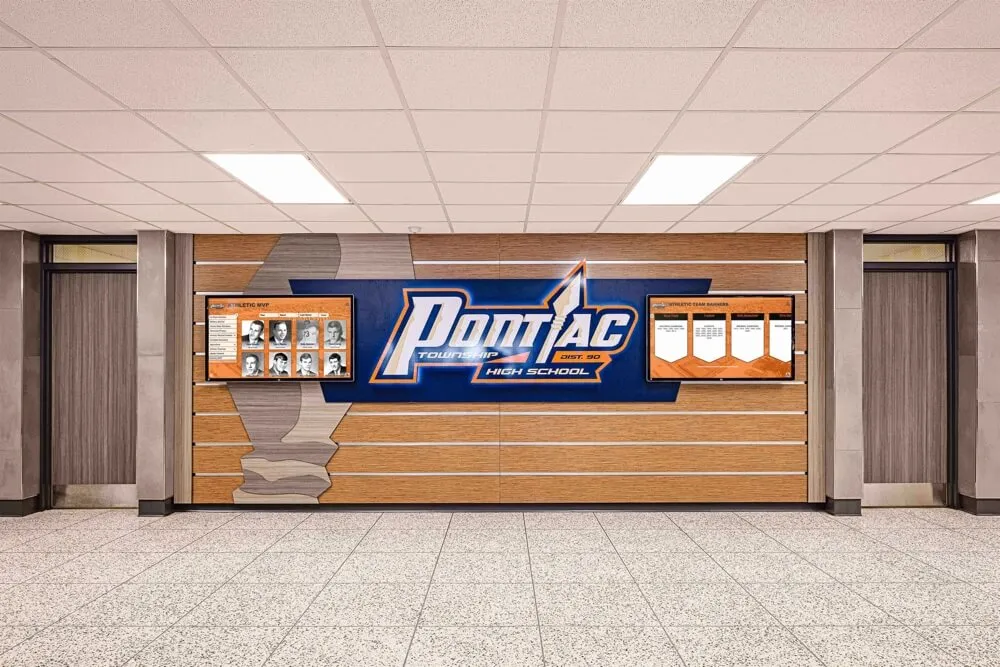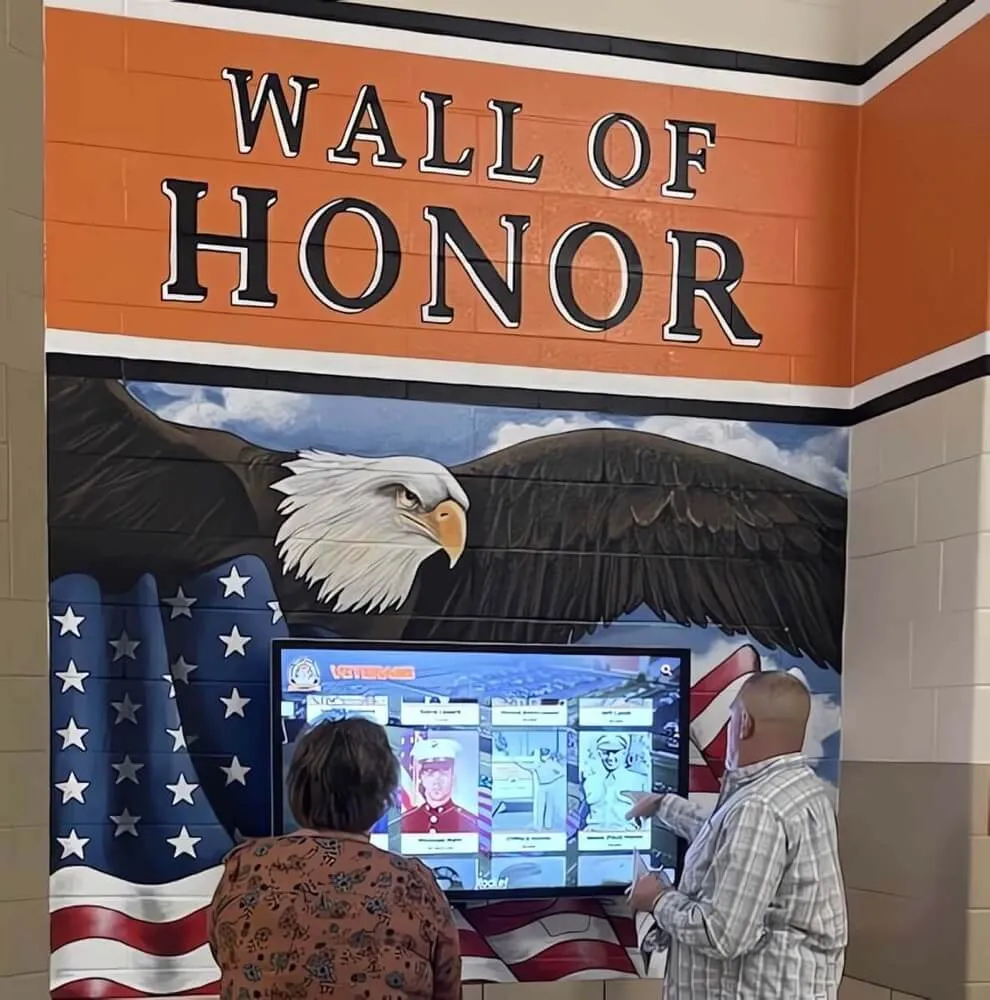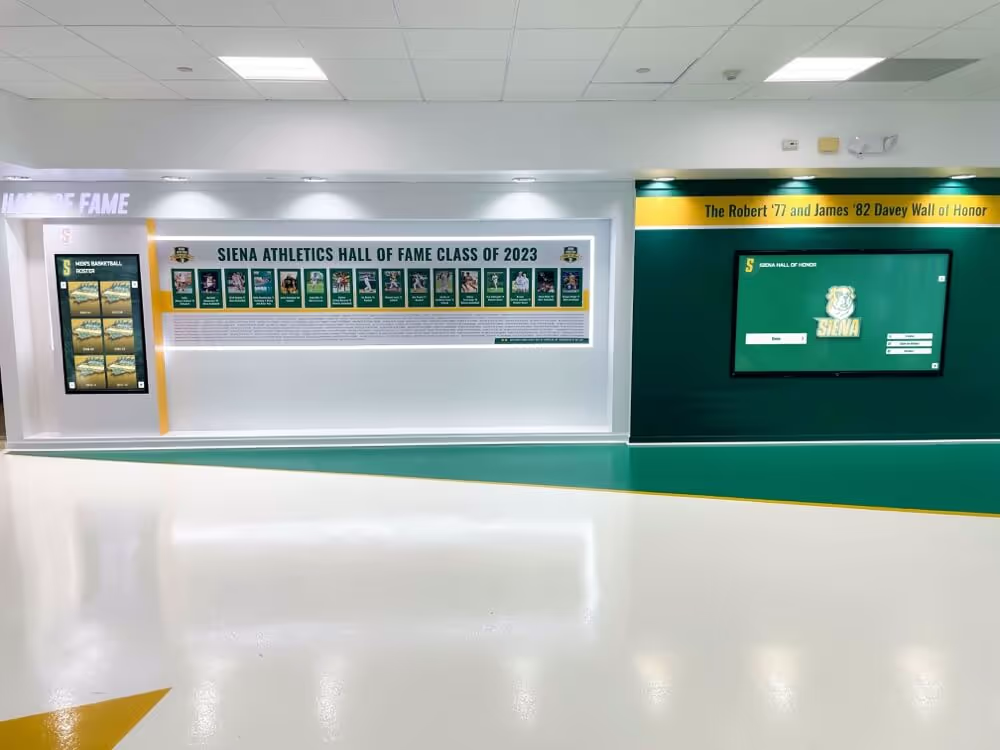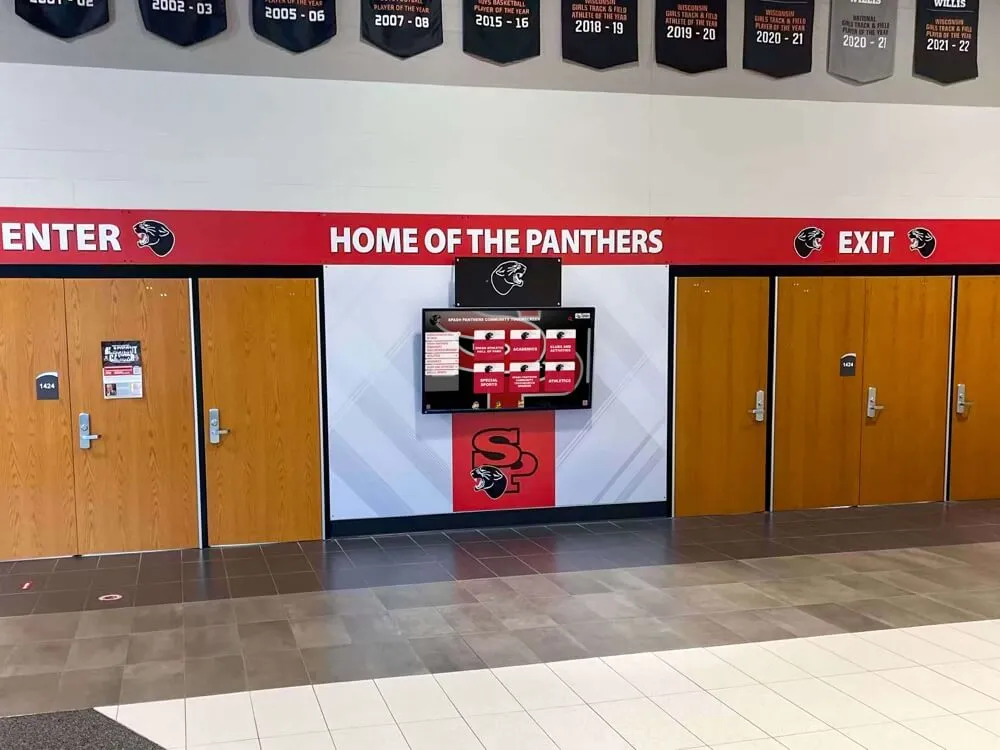




Interactive kiosks have become essential infrastructure for modern outlet malls—transforming how hundreds of thousands of shoppers navigate sprawling retail complexes, discover promotions, locate specific stores, and experience their entire shopping journey. Unlike static directories mounted on walls that quickly become outdated or traditional paper maps that shoppers struggle to interpret while juggling bags and managing families, interactive touchscreen kiosks create intuitive, engaging self-service experiences that fundamentally improve customer satisfaction while reducing operational costs for mall management.
Walk through any major outlet mall today and you’ll encounter familiar shopper frustrations: confused visitors wandering aimlessly trying to locate specific stores across massive complexes spanning hundreds of acres, families struggling to find restrooms or dining options with tired children, shoppers missing limited-time promotions because they had no way to discover which stores offered the best deals, valuable shopping time wasted searching instead of purchasing, and overwhelmed guest services staff fielding hundreds of repetitive directional questions daily.
This comprehensive guide explores how interactive kiosk technology solves these persistent challenges while creating new opportunities for customer engagement, operational efficiency, and revenue generation that would be impossible with traditional static signage—demonstrating why leading outlet mall operators nationwide have adopted touchscreen directory systems as central components of their customer experience and property management strategies.
Modern interactive kiosks don’t simply replace outdated directory boards—they transform outlet malls into connected, intelligent retail environments where shoppers access real-time information instantly, mall operators update content remotely without physical signage replacement, and data analytics reveal customer behavior patterns informing strategic decision-making about tenant mix, traffic flow, and facility improvements.

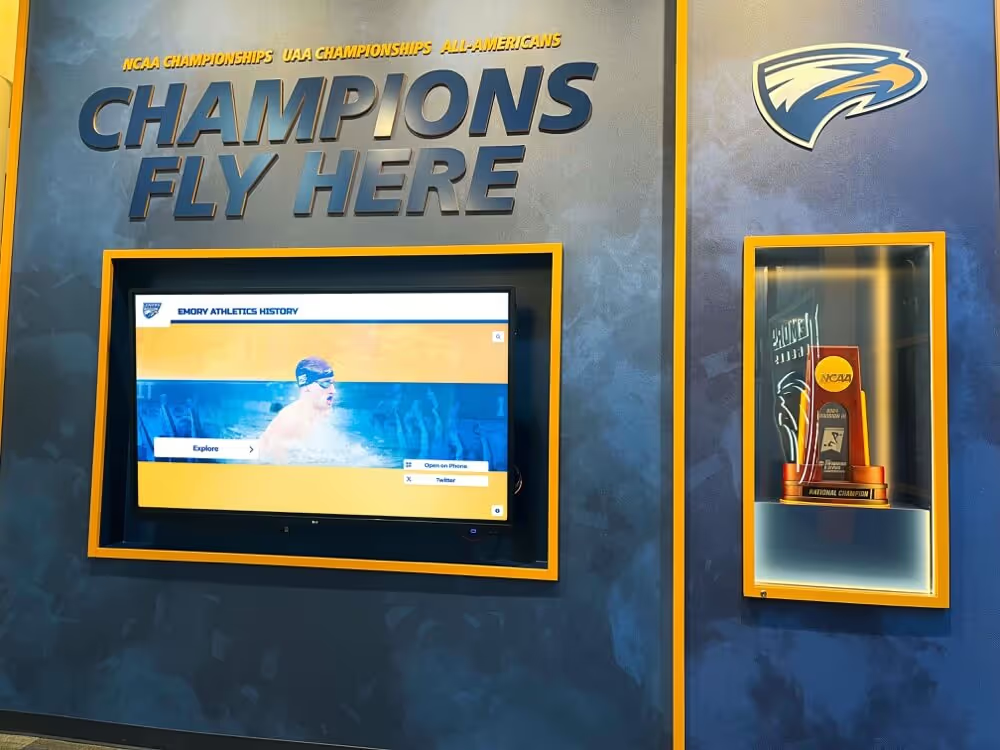
Interactive kiosks create intuitive self-service experiences that improve customer satisfaction while reducing operational burden on staff
Understanding Interactive Kiosk Technology for Outlet Malls
Before exploring specific applications and benefits, understanding what interactive kiosks are and how they function helps mall operators evaluate whether this technology aligns with property objectives and customer needs.
What Are Interactive Mall Kiosks?
Interactive mall kiosks are large-format touchscreen displays—typically 43 to 55 inches—strategically positioned throughout outlet mall properties where shoppers can physically interact with digital content through intuitive touch interfaces similar to smartphones or tablets, but at a scale designed for public viewing and wayfinding in high-traffic retail environments.
Core Kiosk Components
A complete interactive kiosk system includes multiple integrated elements working together:
- Commercial-grade touchscreen display: Professional displays rated for 16-24 hour daily operation in high-traffic environments, unlike consumer televisions
- Cloud-based content management system: Software platforms enabling remote content updates from any internet-connected device without physical kiosk access
- Interactive wayfinding software: Purpose-built applications providing mapping, directory, and navigation features optimized for retail environments
- Mounting hardware: Freestanding floor kiosks, wall-mounted units, or architectural integration matching mall aesthetics and protecting equipment
- Network connectivity: Wi-Fi or ethernet connections supporting real-time content delivery and usage analytics collection
- Optional integrations: Connections to mall management systems, tenant databases, parking systems, or promotional platforms
This integrated approach transforms what might appear to be “just a large tablet” into a comprehensive customer service and engagement platform serving multiple property objectives simultaneously.
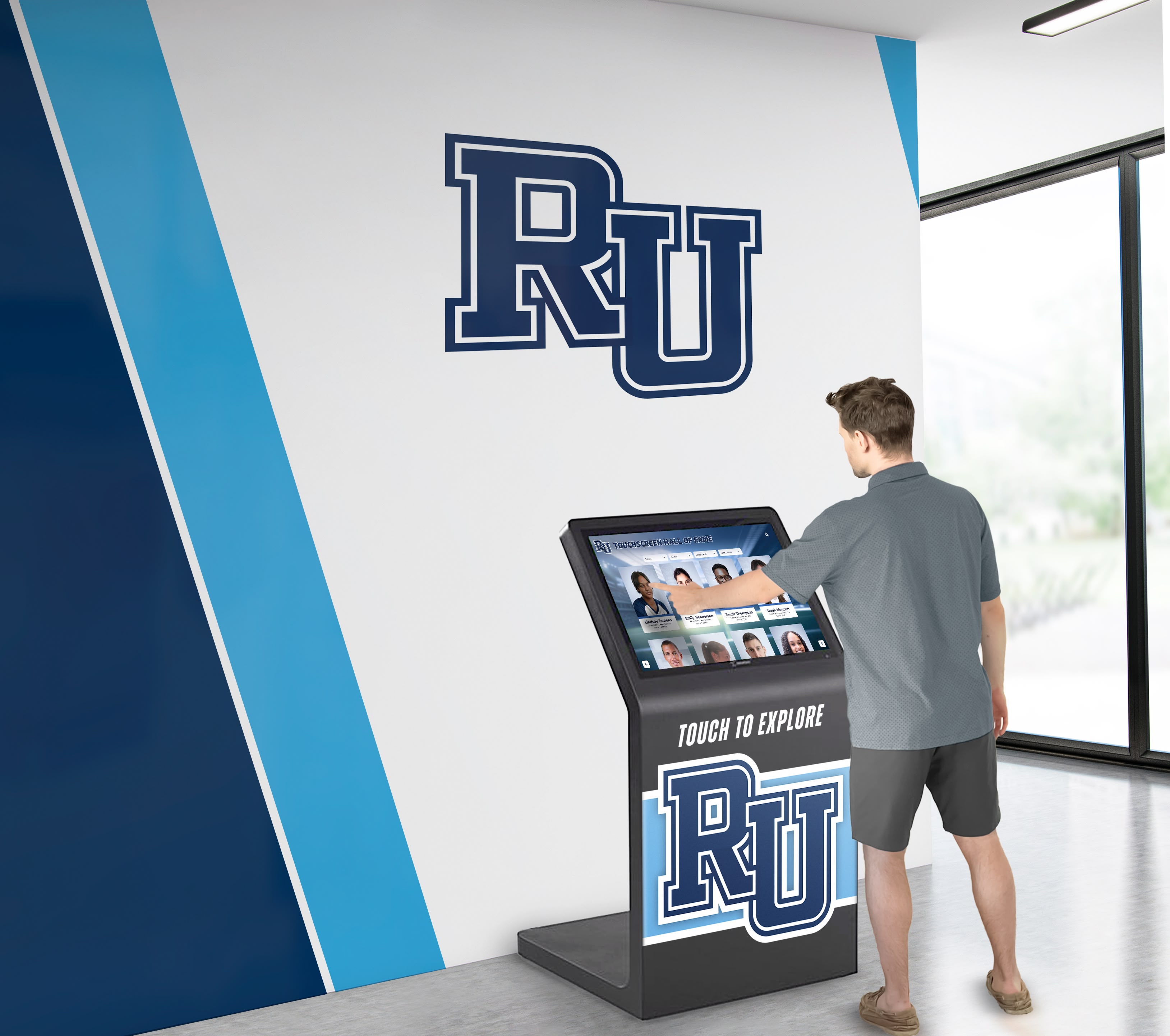
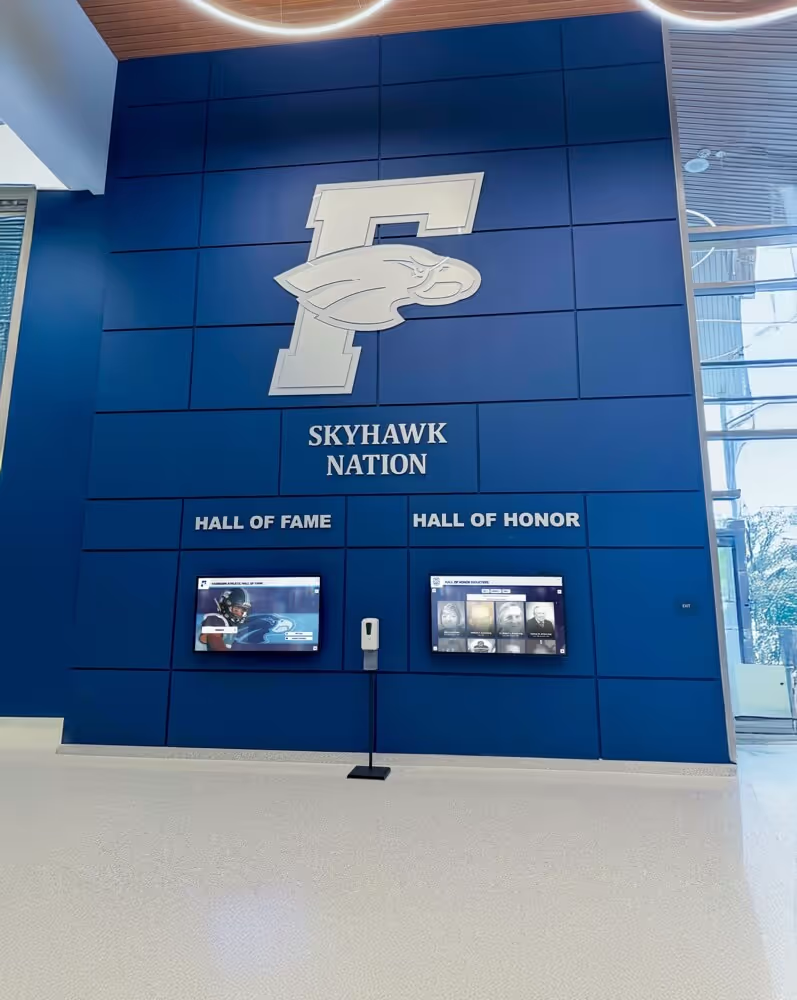
Commercial-grade kiosks provide intuitive navigation through complex retail environments while collecting valuable usage analytics
How Interactive Kiosks Differ from Traditional Mall Directories
Many outlet malls have relied for decades on static directory boards—non-interactive signs displaying alphabetical store listings with corresponding location numbers. Interactive kiosks represent fundamentally different technology serving different purposes:
Key Distinctions
- Interactivity: Kiosks respond to user input enabling personalized navigation and search versus passive viewing of comprehensive but overwhelming static listings
- Real-time updates: Digital systems reflect current tenant mix, temporary closures, and special events instantly versus outdated information requiring physical signage replacement
- Visual wayfinding: Interactive maps show “you are here” positioning with step-by-step routing versus static floor plans shoppers must interpret themselves
- Promotional integration: Kiosks display current sales, events, and offers driving traffic to participating tenants versus static commercial-free directories
- Multilingual support: Digital systems provide instant translation serving diverse shopper populations versus English-only or limited multilingual static signs
- Analytics capability: Interactive systems track usage patterns revealing shopper behavior versus no data from static directories
- Engagement duration: Shoppers spend 2-4 minutes exploring interactive features versus 10-20 seconds glancing at static boards
These distinctions explain why mall operators report dramatically different outcomes from interactive kiosks compared to previous directory approaches—the technology fundamentally changes how shoppers interact with property information rather than simply digitizing existing static directory models.
Learn about broader interactive technology applications in interactive directory solutions for businesses demonstrating similar customer engagement principles.
The Customer Experience Challenge Facing Outlet Malls
Understanding why interactive kiosks have become so popular requires examining the persistent customer experience challenges that traditional signage and information approaches fail to address effectively.
The Scale and Complexity Problem
Outlet malls present unique navigation challenges compared to traditional enclosed shopping centers due to their distinctive characteristics creating shopper frustration.
Outlet Mall Navigation Challenges
Outlet centers typically span massive geographic footprints—often 500,000 to 1.5 million square feet spread across outdoor environments rather than compact enclosed spaces. Shoppers face multiple interconnected buildings or districts with inconsistent numbering, outdoor walkways where environmental factors like weather and darkness impact navigation, parking areas distributed across the property requiring strategic planning, limited or no climate control making extended searching physically uncomfortable, and tenant turnover creating constantly changing store locations that static signage cannot reflect quickly.
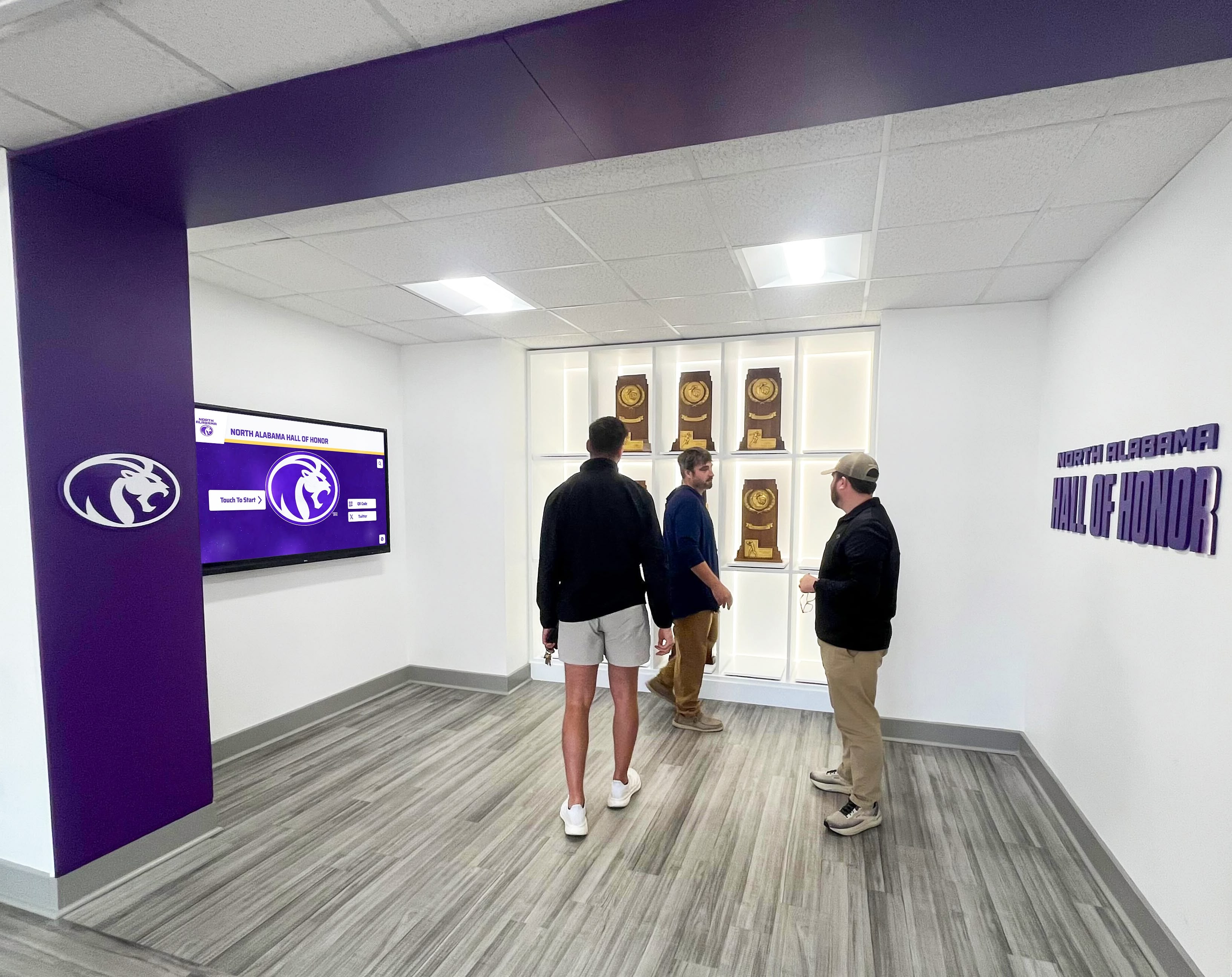
Complex retail environments require intelligent wayfinding solutions that adapt to changing tenant mix and shopper needs
Customer Frustration Patterns
These physical characteristics create predictable shopper pain points: visitors wandering aimlessly burning valuable shopping time searching for specific stores, families with children or elderly members becoming exhausted from excessive walking, tourists unfamiliar with property layout feeling overwhelmed, shoppers missing stores they would have visited if they had known locations, guests leaving frustrated without making intended purchases, and negative reviews on social media and travel sites citing confusing layouts and poor signage.
Research from retail consulting firms indicates that shoppers who cannot easily find desired stores within 10-15 minutes often abandon searches and leave properties—resulting in lost sales for tenants and reduced performance metrics for mall operators.
Information Access and Discovery Gaps
Beyond navigation, shoppers struggle to access critical information impacting their shopping decisions and overall experience quality.
Information Discovery Problems
Traditional outlet mall information delivery creates multiple barriers: shoppers have no way to discover which stores currently offer sales without physically visiting each location, families cannot easily locate restrooms, food courts, or other amenities when needed urgently, visitors remain unaware of special events, entertainment, or promotional activities happening during their visit, guests lack information about store hours—particularly important for stores with varying schedules, international visitors struggle with English-only signage and materials, and accessibility information remains unavailable for shoppers with mobility limitations or other special needs.
Staff Burden and Service Quality Impact
Information access gaps create operational challenges for mall management: guest services desks become overwhelmed with repetitive directional questions preventing staff from handling complex issues, inadequate staffing during peak times means shoppers wait extended periods for basic assistance, security and maintenance personnel spend significant time providing directions instead of focusing on primary responsibilities, and inconsistent information from various staff members creates confusion and frustration.
Research indicates that over 60% of questions posed to mall guest services staff involve basic wayfinding and store location inquiries that interactive kiosks can handle instantly—freeing staff to focus on issues requiring human judgment and personalized assistance.
Explore customer service enhancement strategies in community showcase project ideas demonstrating engagement-focused approaches.
How Interactive Kiosks Transform Outlet Mall Customer Experience
Interactive kiosk technology addresses the fundamental limitations constraining traditional information delivery while creating new engagement possibilities impossible with static directories and printed materials.
Intelligent Wayfinding and Navigation
Digital wayfinding systems solve core navigation challenges through features specifically designed for complex retail environments.
Interactive Mapping Features
Modern kiosk wayfinding applications provide capabilities that dramatically simplify navigation:
- “You Are Here” positioning: Kiosks clearly indicate current location with visual markers shoppers immediately understand
- Store search functionality: Shoppers search by store name, category, or brand finding locations instantly without scrolling through alphabetical listings
- Visual routing: Step-by-step directions with highlighted paths show shoppers exactly how to reach destinations
- Distance and time estimates: Shoppers see walking times and distances helping them prioritize visits and plan routes efficiently
- Multi-destination routing: Systems calculate efficient routes visiting multiple stores minimizing backtracking and wasted steps
- Accessibility routing: Alternative routes accommodate wheelchairs, strollers, or mobility limitations avoiding stairs and obstacles
- Parking integration: Directions start from specific parking areas helping shoppers navigate from vehicles to desired stores
- Landmark references: Visual cues referencing recognizable buildings or features supplement abstract directions
These features transform navigation from frustrating trial-and-error experiences into confident, efficient journeys—dramatically improving customer satisfaction while increasing the likelihood shoppers visit more stores and make additional purchases.

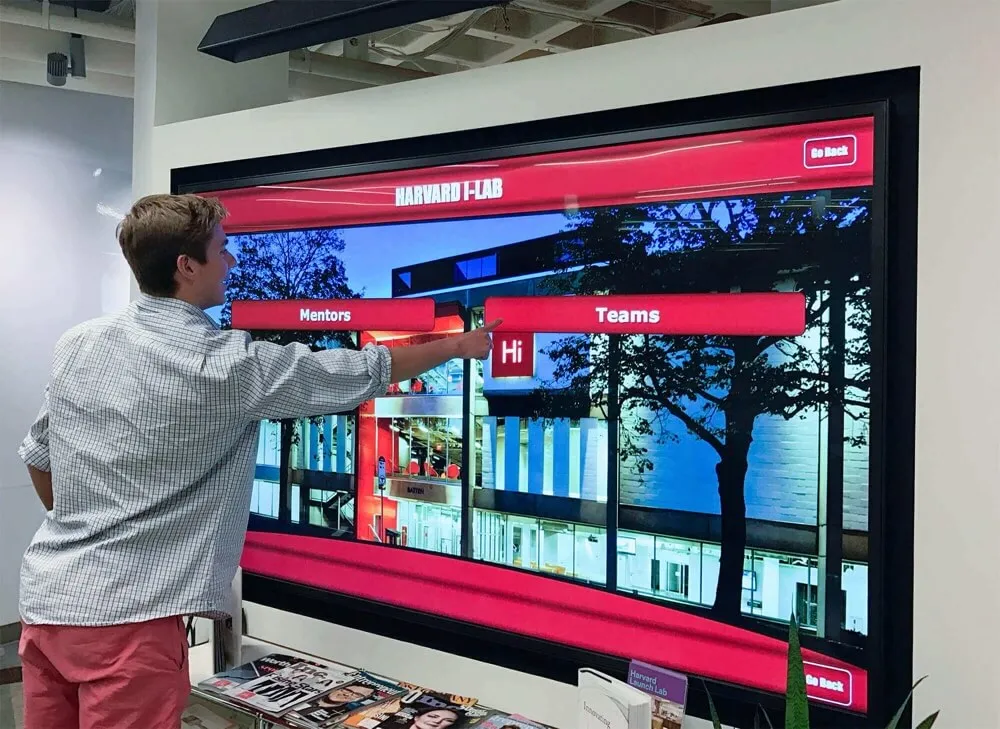
Intuitive touch interfaces enable shoppers of all ages and technical abilities to find destinations quickly without staff assistance
Real-Time Directory and Store Information
Beyond navigation, interactive kiosks provide comprehensive store information helping shoppers make informed decisions about where to shop and what to expect.
Dynamic Directory Content
Comprehensive Store Listings
Digital directories include detailed information impossible to fit on static boards:
- Complete store names with recognizable brand logos shoppers immediately identify
- Store categories and product types helping shoppers discover relevant retailers
- Current operating hours including special holiday schedules or temporary changes
- Direct phone numbers enabling calls for product availability inquiries
- Brand descriptions introducing unfamiliar retailers to curious shoppers
- Store websites and social media links for detailed information
- Accessibility features noting step-free entrances or other accommodations
- Payment methods accepted including mobile payment platform support
Real-Time Updates and Accuracy
Cloud-based content management enables instant updates ensuring information remains current:
Mall management updates store information immediately when changes occur without waiting for physical signage production, temporary closures appear in real-time preventing frustrated trips to closed stores, new tenants appear in directories on opening day providing immediate visibility, seasonal or temporary stores integrate seamlessly during limited operating periods, and special hours during holidays or events reflect accurately across all kiosks simultaneously.
This real-time accuracy eliminates the chronic information lag plaguing static directories—where outdated listings frustrate shoppers and create negative impressions about property management quality.
Discover systematic information management approaches in digital storytelling for athletic programs demonstrating comprehensive content organization principles.

Modern directory systems provide detailed store information and search capabilities that traditional static listings cannot match
Promotional Content and Deal Discovery
Interactive kiosks create powerful platforms for promoting current sales, events, and offers—driving traffic to participating tenants while enhancing perceived shopping value for customers.
Promotion Display Capabilities
Current Sales and Offers
Digital platforms enable dynamic promotional content:
- Featured sales and special offers from participating stores with eye-catching graphics and calls to action
- Limited-time promotions creating urgency driving immediate store visits
- Category-based deal discovery (clothing sales, shoe offers, accessory promotions) helping shoppers find relevant opportunities
- Exclusive mall-wide events like sidewalk sales or appreciation days
- VIP shopper program benefits and enrollment information
- Coupon and discount code displays that shoppers can photograph for in-store redemption
- Holiday promotions and seasonal shopping events with comprehensive participating store lists
Event Marketing and Programming
Beyond retail promotions, kiosks market mall events and activities:
- Entertainment programming including live music, character appearances, or performances with schedules and locations
- Community events like charity fundraisers, blood drives, or seasonal celebrations
- Family activities and kid-friendly programming helping attract family shoppers
- Wellness events like walking clubs or fitness demonstrations
- Holiday celebrations with photos with Santa, Easter bunny visits, or other seasonal traditions
- Fashion shows, trunk shows, or exclusive preview events
- Special services like tax-free shopping days or extended hours events
This promotional integration creates value for both shoppers discovering deals they would otherwise miss and tenants gaining visibility for special offers—while generating potential advertising revenue streams for mall operators as tenants pay for enhanced promotional placement.
Key Applications of Interactive Kiosks in Outlet Mall Environments
While interactive kiosks can serve multiple purposes, certain applications deliver particularly high value for outlet mall environments and operational objectives.
Primary Entrance and Parking Area Kiosks
Strategic placement at property entry points ensures shoppers receive orientation and planning tools before beginning their shopping journeys.
Entrance Kiosk Functions
Kiosks positioned at main entrances and major parking areas provide:
- Initial property orientation introducing first-time visitors to mall layout and organization
- Comprehensive store directory browsing enabling pre-planning before walking
- Event and promotion discovery informing shoppers about current special offers
- Amenity location for restrooms, food courts, ATMs, and guest services
- Weather information and forecasts particularly important for outdoor outlet centers
- Mall hours and holiday schedules managing shopper expectations
- WiFi access information and password distribution
- QR codes enabling mobile app downloads or digital map transfers to smartphones
These entrance touchpoints establish positive first impressions while reducing confusion that frustrates shoppers during critical initial minutes on property.
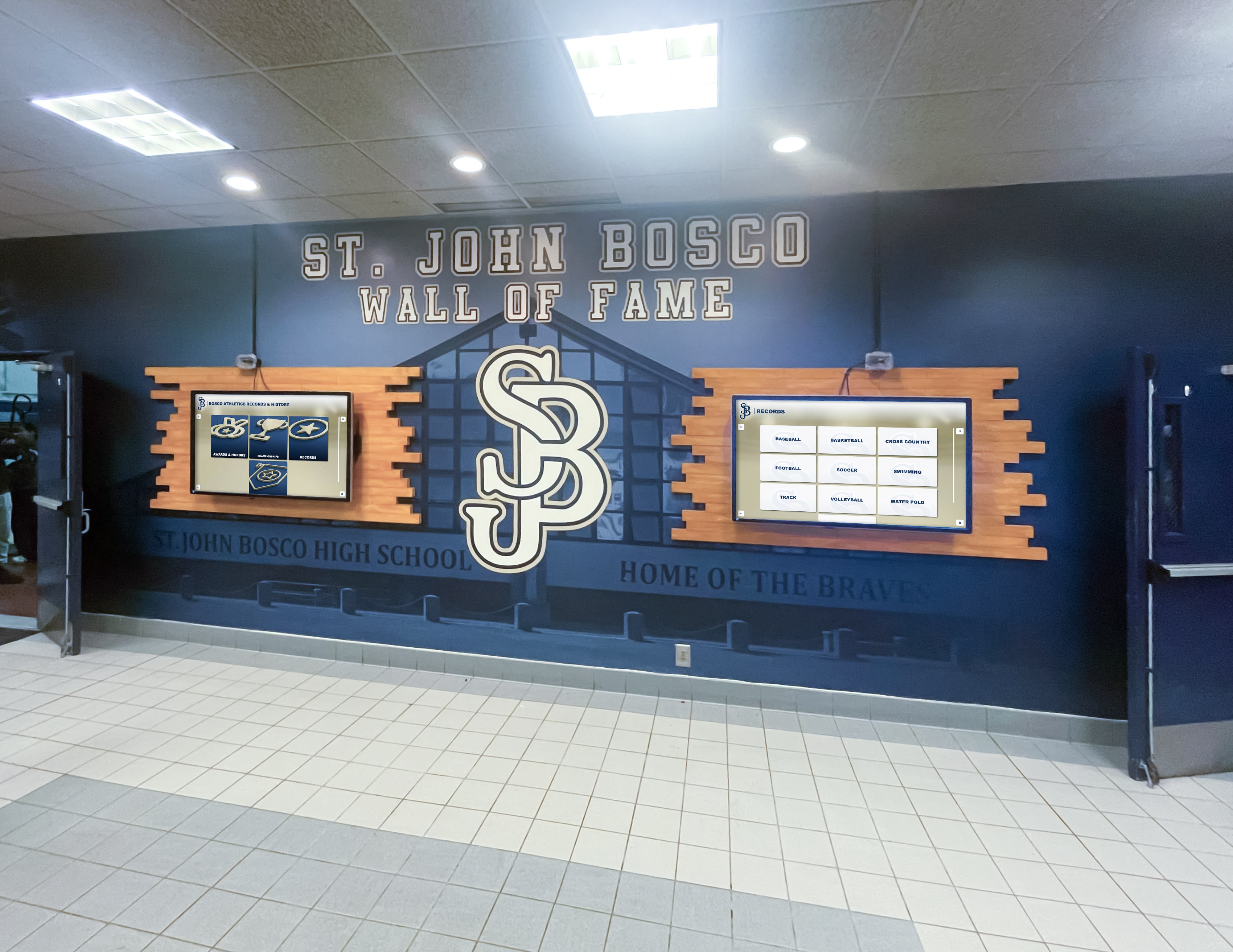
Strategic entrance placement ensures all visitors encounter wayfinding tools immediately upon arrival
Central Hub and Food Court Kiosks
High-traffic gathering areas benefit from enhanced kiosk functionality matching the longer dwell times shoppers spend in these locations.
Hub Location Capabilities
Kiosks in central areas and food courts provide expanded features:
Comprehensive Discovery Features
- Extended browsing and shopping planning while families rest or eat
- Detailed store filtering by category, price point, or brand helping identify relevant retailers
- Comparison shopping research accessing multiple store websites and product information
- Social media integration enabling sharing of mall visits and purchases
- Digital entertainment while waiting including games, trivia, or mall history
- Extended promotional content with video presentations and detailed offer information
- Survey participation gathering customer feedback about property and tenant performance
- Contest entry and sweepstakes participation building engagement and return visit motivation
Dining and Amenity Information
Food court kiosks specifically emphasize:
- Restaurant and food vendor menus with photos, prices, and dietary information
- Nutrition and allergen information supporting informed dining choices
- Wait time estimates during peak dining periods
- Seating area maps for large food courts with multiple zones
- Takeout options and delivery service information
- Special dining events like food truck appearances or celebrity chef demonstrations
These central hub kiosks serve shoppers taking breaks and planning their next activities—capturing attention during moments when shoppers are most receptive to discovering new stores or promotions.
Explore engagement during gathering times in community engagement strategies applicable to retail environments.
Distributed Kiosks Throughout Shopping Districts
Comprehensive kiosk networks positioned throughout properties ensure shoppers can access information whenever and wherever needs arise.
Network Distribution Strategy
Large outlet malls benefit from multiple coordinated kiosks:
Strategic Distribution Locations
- Major pathway intersections where shoppers naturally pause and make route decisions
- District entrances for properties organized into themed shopping areas
- Parking lot transitions helping shoppers orient when entering from various access points
- Amenity areas near restrooms, nursing rooms, or customer service desks
- Entertainment zones where families gather for children’s play areas or special events
- Outdoor gathering spaces with seating where shoppers rest between store visits
- Transportation stops near shuttle pick-up locations or transit connections
Coordinated Network Advantages
Multiple coordinated kiosks provide benefits beyond individual units:
Mall operators update all kiosks simultaneously from central management systems ensuring consistency, shoppers develop familiarity with interfaces making subsequent interactions more efficient, usage analytics reveal traffic patterns across properties informing strategic planning, redundancy ensures information access continues if individual kiosks experience technical issues, and network coverage eliminates “information deserts” where shoppers cannot access assistance.
Research from retail technology providers indicates that outlet malls should target approximately one kiosk per 75,000-100,000 square feet of gross leasable area—with adjustments based on property configuration, complexity, and shopper demographics.
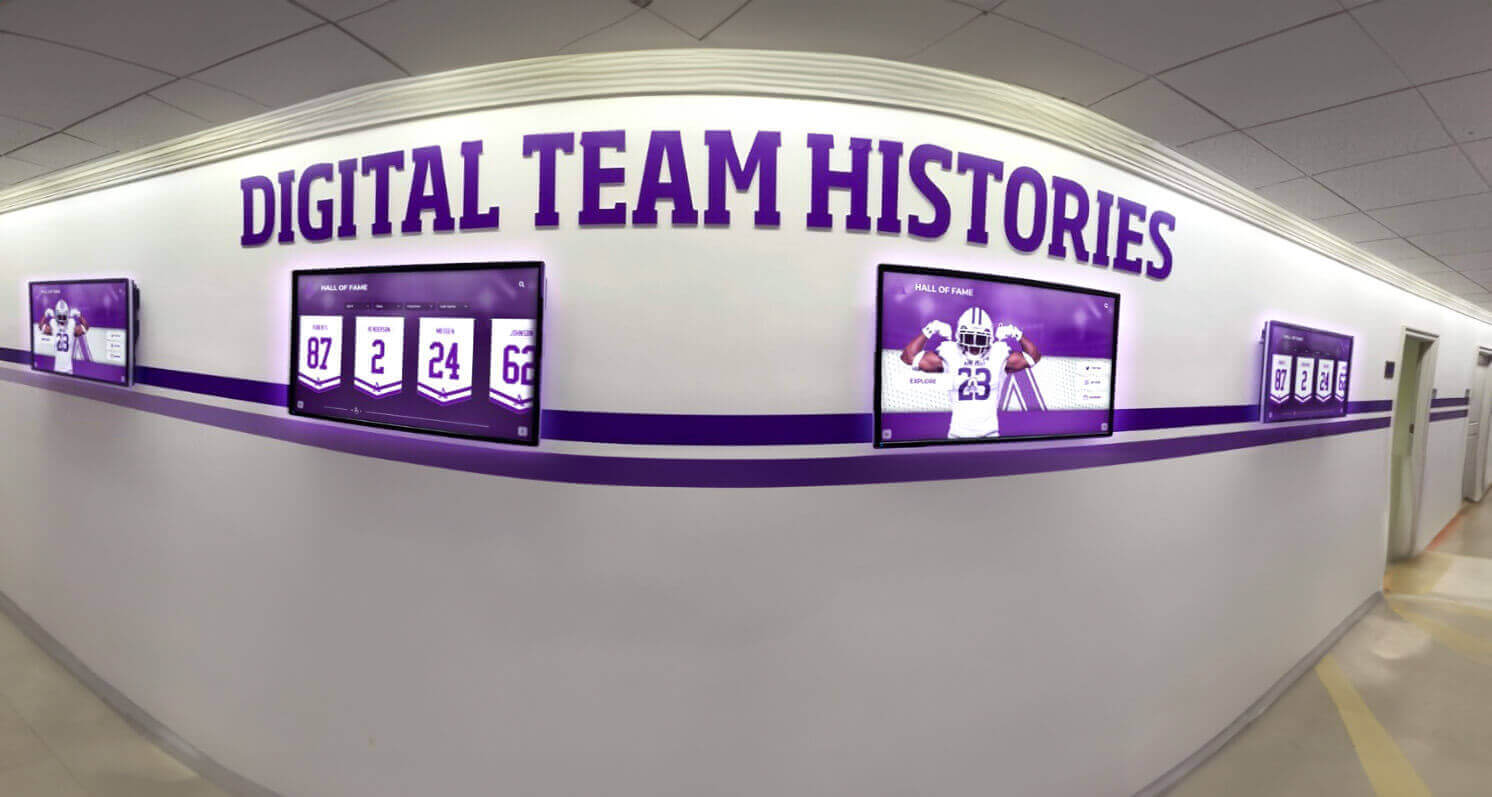
Distributed kiosk networks ensure shoppers can access wayfinding and information tools throughout their entire shopping journey
Implementing Interactive Kiosks in Your Outlet Mall
Successfully implementing kiosk technology requires systematic planning addressing multiple interconnected considerations specific to retail environments.
Needs Assessment and Objective Definition
Clarifying Implementation Goals
Before selecting technology or vendors, mall operators should clearly define what they hope to accomplish:
Customer Experience Objectives
- What specific shopper pain points do we need to address most urgently?
- How do we measure current customer satisfaction and navigation success?
- What role might enhanced wayfinding play in improving satisfaction scores?
- How can better information access increase shopping time and purchase frequency?
- What accessibility improvements are required to serve all customer populations?
Operational Goals
- How much staff time currently goes to repetitive directional inquiries?
- What cost savings might automated information delivery provide?
- How can we improve communication about current promotions and events?
- What tenant feedback suggests information delivery gaps we should address?
- How might data analytics inform leasing and property management decisions?
Revenue Enhancement Targets
- Can improved navigation and discovery increase tenant sales performance?
- Will better promotion visibility drive higher event and sale participation?
- Might advertising opportunities on kiosks generate new revenue streams?
- Could enhanced customer experience improve tenant retention and lease rates?
Clear objective definition enables design decisions aligning kiosk implementations with most important property priorities when tradeoffs become necessary.
Technology Platform Selection
Mall operators evaluating interactive kiosk solutions face numerous vendor options with varying capabilities, costs, and support models.
Evaluating Wayfinding Platforms
Essential Platform Capabilities
Purpose-built retail wayfinding platforms offer significant advantages over generic solutions:
- Cloud-based content management enabling remote updates without physical kiosk access
- Intuitive administrative interfaces requiring no technical expertise for ongoing updates
- Robust mapping tools supporting complex multi-building properties and outdoor environments
- Flexible directory structures accommodating diverse tenant types and categorization needs
- Promotional content management with scheduling and targeted delivery capabilities
- Multilingual support serving diverse shopper populations seamlessly
- Analytics dashboards revealing usage patterns and customer behavior insights
- Mobile integration enabling map transfer to smartphones for continued navigation
- API connections supporting integration with property management systems
- ADA compliance ensuring accessibility for shoppers with disabilities
- Offline functionality maintaining basic wayfinding during network outages
Specialized Retail Solutions
Solutions designed specifically for retail wayfinding deliver critical advantages:
- Pre-built templates for common outlet mall configurations reducing implementation time
- Retail-specific features like sale promotion tools and tenant communication systems
- Proven track record across successful outlet mall and shopping center installations
- Ongoing platform enhancements driven by retail operator feedback
- Responsive technical support understanding unique mall operational needs
- Favorable pricing models reflecting long-term property partnerships
While solutions like Rocket Alumni Solutions excel at institutional recognition and alumni engagement for schools and organizations, specialized retail wayfinding platforms provide functionality specifically designed for shopping center customer experience and operational requirements.
Learn about platform evaluation approaches in choosing interactive kiosk software and systems with comprehensive comparison frameworks.
Hardware Considerations for Outdoor Environments
Display hardware significantly impacts user experience, maintenance requirements, and long-term satisfaction—particularly in outdoor outlet mall environments.
Kiosk Hardware Specifications
Critical Hardware Decisions
- Display size: 43-49 inches for compact spaces; 49-55 inches for high-traffic areas with multiple simultaneous users
- Brightness: 1,000-2,500 nits for outdoor or high-ambient-light environments ensuring visibility in direct sunlight
- Weatherproofing: IP65 or higher ratings protecting against rain, humidity, temperature extremes, and dust
- Touch technology: Projected capacitive or infrared multi-touch supporting gloves, wet fingers, and outdoor conditions
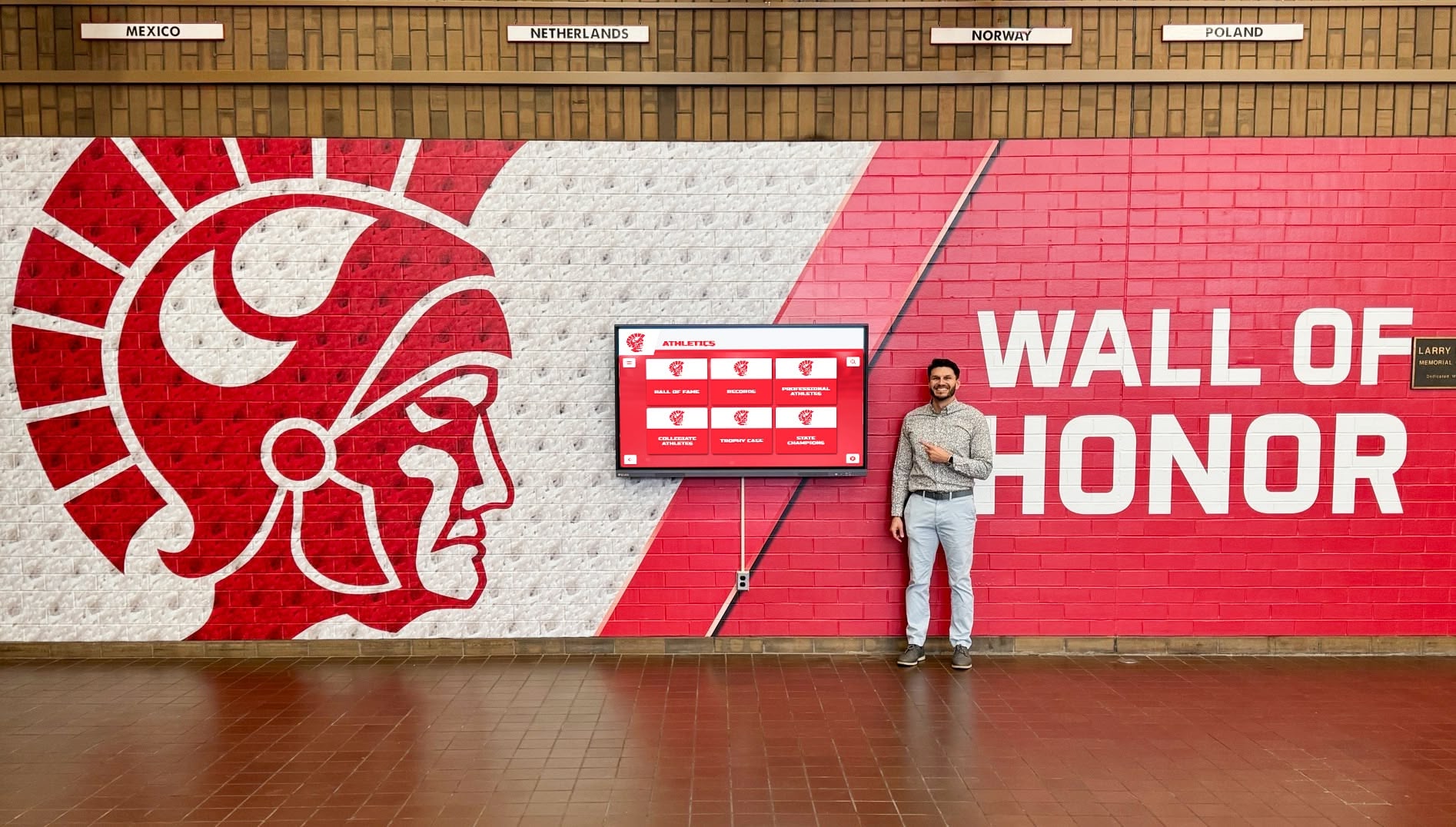
Durable installations must withstand high-traffic usage, varying weather conditions, and minimal maintenance windows
- Vandal resistance: Hardened glass and reinforced enclosures protecting against intentional and accidental damage
- Temperature tolerance: Extended operating ranges (-10°F to 120°F typical) for outdoor installations
- Mounting options: Freestanding floor kiosks with weighted bases, wall-mounted units, or custom architectural integration
- Commercial grade: Displays rated for 24/7 continuous operation in high-traffic public environments
- Network connectivity: Cellular or hardwired ethernet for reliable connectivity in outdoor locations
- Power management: Efficient operation and remote management reducing energy costs
Mall operators should budget $8,000-$15,000 per kiosk for commercial-grade hardware appropriate for outdoor outlet mall environments depending on size, weatherproofing requirements, and feature specifications.
Professional Installation and Placement
Proper installation ensures optimal performance and longevity:
- Secure mounting meeting wind load requirements and preventing theft or vandalism
- Proper electrical installation with GFCI protection for outdoor locations
- Network connectivity ensuring reliable operation and remote management
- Drainage considerations preventing water accumulation in enclosures
- Sun exposure management through strategic placement or integrated shading
- ADA-compliant positioning with appropriate heights and clear floor space
- Clear sightlines and visibility from primary walkways
- Integration with existing mall design language and architectural elements
Professional installation typically costs $2,000-$4,000 per kiosk depending on location complexity, civil work requirements, and environmental challenges—worthwhile investment preventing future problems from inadequate installations.
Creating Effective Kiosk Content and User Experience
Hardware and software establish infrastructure, but thoughtful content and interface design determine whether kiosks achieve intended customer experience and operational objectives.
User Interface Design Principles
Creating Intuitive Interactions
Successful kiosk interfaces reflect design principles optimized for public self-service environments:
Interface Design Best Practices
- Simplified home screens: Clear, obvious navigation options avoiding overwhelming choices or complex menus
- Large touch targets: Buttons and interactive elements sized for fingers and imprecise touches, not mouse pointers
- High contrast: Color schemes ensuring visibility in varying lighting conditions including direct sunlight
- Minimal text: Visual communication through icons, images, and simple labels rather than lengthy descriptions
- Clear information hierarchy: Most important content and actions prominently displayed with secondary features accessible but not cluttered
- Multilingual accessibility: Prominent language selection enabling non-English speakers to access full functionality
- Automatic timeouts: Sessions reset after inactivity returning to home screen for next user
- Help and tutorial options: Brief instructional content for users unfamiliar with touchscreen technology
- Accessibility features: Screen reader support, adjustable text size, and alternative input methods
These design principles acknowledge that kiosk users span enormous demographic diversity—from tech-savvy teenagers to elderly shoppers unfamiliar with touch interfaces—requiring designs that work intuitively for all populations without training.
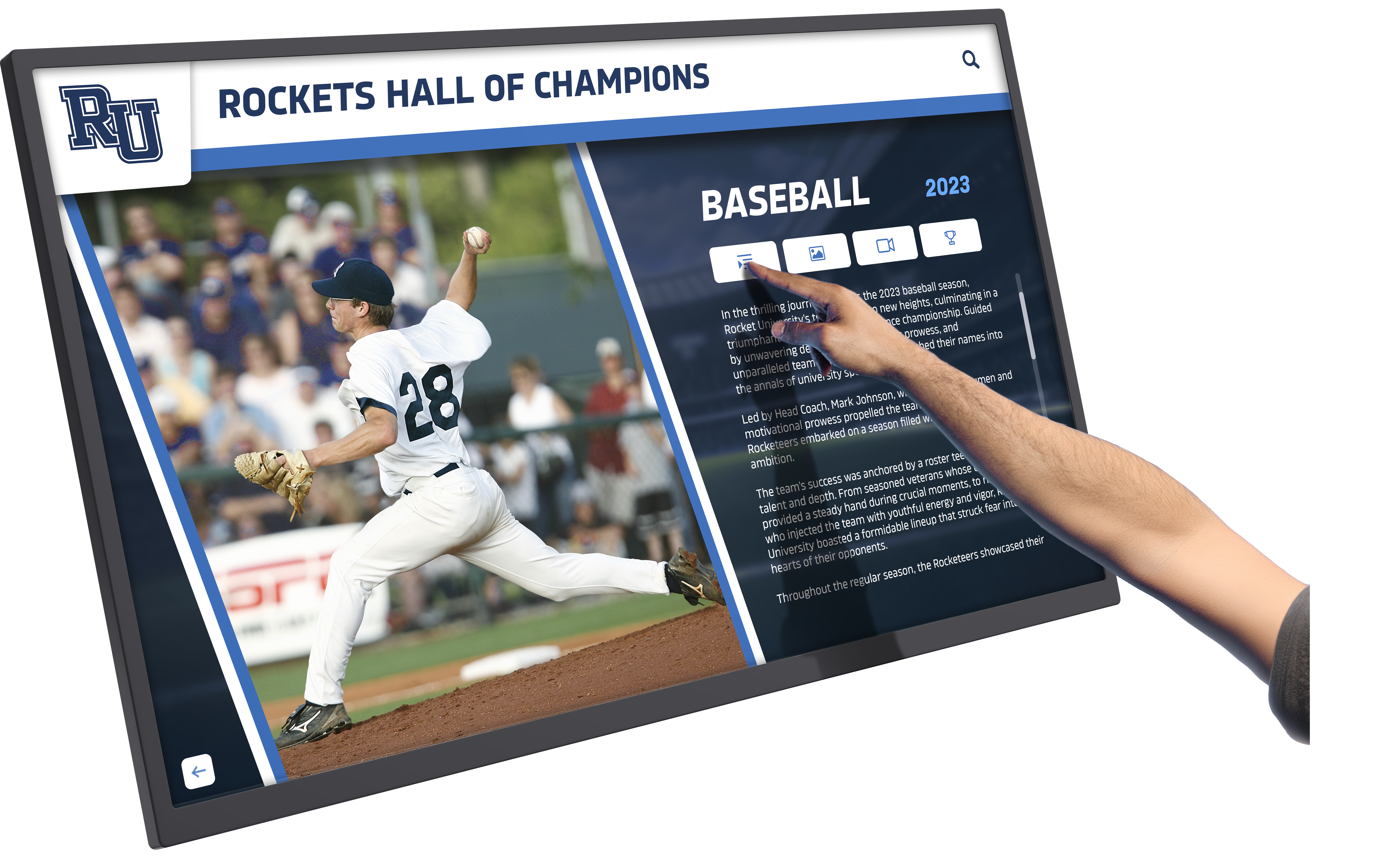
Intuitive interfaces with visual navigation and large touch targets work effectively for users of all ages and technical comfort levels
Content Development and Management
Directory Data Quality and Accuracy
Comprehensive, accurate directory information forms the foundation of effective wayfinding:
Essential Directory Content
- Complete tenant listings with official names matching signage shoppers see on storefronts
- Recognizable brand logos enabling visual identification faster than text-only listings
- Accurate location references tied to mapping system ensuring directions work correctly
- Operating hours including regular schedules and special holiday variations
- Contact information with phone numbers for direct shopper inquiries
- Product categories and brand descriptions helping shoppers discover relevant retailers
- Accessibility features noting step-free access, fitting rooms, or other accommodations
- Tenant websites and social media enabling mobile research during shopping visits
Ongoing Content Management
Kiosk effectiveness depends on sustained content accuracy requiring systematic processes:
- Designate specific staff responsible for kiosk content management and updates
- Establish protocols collecting information about tenant changes, hours modifications, or special events
- Schedule regular content audits verifying accuracy and identifying needed updates
- Coordinate with tenant communication ensuring stores notify management of relevant changes
- Test updates thoroughly before publication ensuring mapping and directory accuracy
- Monitor usage analytics identifying content gaps or user experience issues
- Gather shopper feedback about directory accuracy and information needs
Cloud-based management systems enable remote updates from back-office computers or mobile devices—dramatically reducing administrative burden compared to physical signage requiring on-site maintenance for every modification.
Promotional Content Strategy
Maximizing Tenant and Event Visibility
Strategic promotional content drives value for shoppers, tenants, and mall operators:
Promotion Management Approaches
- Featured store rotations: Systematic highlighting of different tenants ensuring equitable visibility over time
- Event calendars: Comprehensive upcoming event listings with dates, times, locations, and participation details
- Sale aggregation: Curated collections of current offers organized by category or theme
- Seasonal campaigns: Holiday shopping guides and seasonal merchandise highlights
- New store introductions: Prominent featuring of recent arrivals generating trial visits
- Loyalty program promotion: VIP program benefits and enrollment pathways encouraging participation
- Partnership marketing: Coordinated campaigns with complementary tenants or community organizations
- Limited-time urgency: Countdown timers for expiring offers creating immediate action motivation
Revenue Generation Opportunities
Promotional features can generate advertising revenue offsetting implementation costs:
Mall operators offer premium placement or enhanced featuring to tenants for advertising fees, create sponsorship opportunities for home screen features or category pages, develop seasonal campaign packages bundling kiosk promotion with other marketing channels, and integrate with existing mall advertising programs providing consistent multi-channel presence.
These revenue streams can cover 25-40% of ongoing kiosk operational costs according to retail technology consultants—making implementations more financially sustainable while creating clear ROI for property owners.
Explore community promotion strategies in showcasing community partnerships and local sponsors demonstrating engagement-focused approaches.
Measuring Interactive Kiosk Impact and Success
Assessment demonstrates technology value while identifying improvement opportunities ensuring kiosks achieve intended objectives for customer experience and operational efficiency.
Customer Experience Metrics
Satisfaction and Usability Indicators
Digital platforms and customer research provide concrete engagement data:
Measurable Experience Indicators
- Overall customer satisfaction scores before and after implementation comparing baseline and post-installation performance
- Navigation success rates tracking percentage of shoppers who report easily finding desired stores
- Average shopping duration and store visit frequency indicating improved discovery and reduced search time
- Customer service inquiry volume measuring reductions in repetitive directional questions
- Online review sentiment analyzing whether wayfinding complaints decrease after kiosk installation
- Mystery shopper evaluations assessing first-time visitor experience and navigation ease
- Exit survey feedback directly gathering opinions about kiosk usefulness and experience impact
Research from retail consulting firms indicates that malls implementing comprehensive interactive kiosk systems report 25-40% increases in customer satisfaction scores related to navigation and information access—demonstrating significant experience improvements attributable to technology adoption.
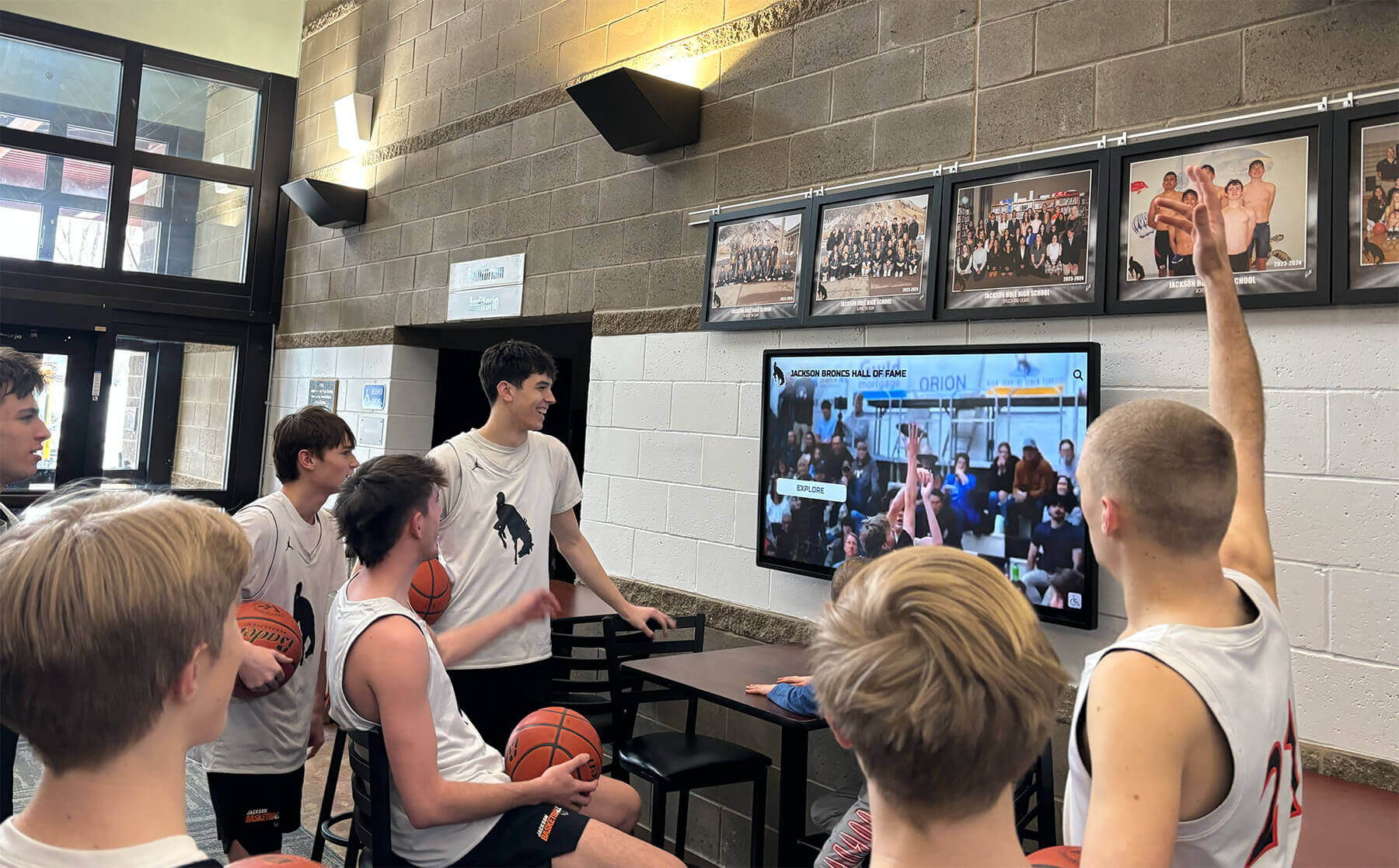
Successful implementations create gathering points where shoppers collaborate on planning and discovery
Operational and Usage Analytics
Kiosk Interaction Data
Modern wayfinding systems provide detailed usage analytics revealing how shoppers interact with technology:
Usage Pattern Metrics
- Total daily interactions showing kiosk utilization and identifying high-traffic units
- Average session duration indicating engagement depth and content effectiveness
- Most-searched stores revealing tenant popularity and discovery patterns
- Search query analysis understanding how shoppers describe and seek destinations
- Feature usage patterns showing which functions shoppers value most
- Peak usage times informing maintenance scheduling and content timing
- Path and route popularity revealing common shopping sequences
- Failed searches identifying directory gaps or terminology mismatches
- Multilingual usage tracking understanding demographic diversity and language needs
These analytics reveal whether kiosks generate intended engagement or require strategy adjustments improving effectiveness while providing valuable insights about shopper behavior informing broader property management decisions.
Operational Efficiency Improvements
Technology impact extends beyond direct user interaction:
- Guest services staff time allocation showing reduction in directional inquiry handling
- Maintenance efficiency from centralized content management eliminating physical signage updates
- Tenant communication effectiveness measuring promotion awareness and participation
- Information accuracy and timeliness eliminating outdated static directory issues
- Emergency communication capability providing rapid property-wide messaging when needed
- Cost per interaction comparing kiosk service delivery versus traditional staffing models
Mall operators consistently report operational cost savings of 20-35% for information delivery after interactive kiosk implementation—with guest services staff redirected to higher-value activities requiring human judgment and personalized assistance rather than repetitive directional guidance.
Business Performance Indicators
Revenue and Tenant Impact
Ultimate success measures examine whether improved customer experience translates into business results:
Performance Metrics
According to retail research, venues implementing digital directory systems witness a 40% increase in customer satisfaction and a 30% reduction in visitor inquiries (Source: AIScreen). Additionally, interactive displays can enhance customer engagement by up to 60% (Source: Meridian Kiosks).
Additional indicators include:
- Tenant sales performance comparing periods before and after kiosk implementation
- Store visit frequency measuring whether improved discovery increases traffic to previously overlooked tenants
- Promotion redemption rates tracking whether kiosk-featured offers generate higher participation
- New store performance comparing ramp-up periods with historical tenant launches
- Shopper dwell time and center-wide store visits indicating more comprehensive shopping patterns
- Lease renewal rates and tenant satisfaction reflecting improved customer traffic
- Property valuation and investment returns demonstrating overall value enhancement
While many factors influence these business metrics beyond wayfinding alone, mall operators implementing comprehensive interactive kiosk systems alongside other experience improvements consistently report measurable performance gains attributable in part to enhanced customer navigation and discovery.
Budget and Funding Considerations for Mall Kiosk Implementation
Interactive kiosk investments deliver significant value but require careful financial planning and realistic cost modeling for sustainable long-term operation.
Total Cost of Ownership
Investment Components
Initial Implementation Costs
- Hardware (commercial outdoor-rated displays and enclosures): $8,000-$15,000 per kiosk
- Professional installation (electrical, networking, mounting, and integration): $2,000-$4,000 per kiosk
- Wayfinding platform software (initial setup, customization, and content development): $15,000-$35,000 for property-wide system
- Content creation (directory data, maps, promotional materials): $5,000-$12,000 initial investment
- Project management and training: $3,000-$8,000
Typical 5-kiosk outlet mall implementation: $75,000-$140,000
Ongoing Annual Costs
- Platform subscription and hosting: $6,000-$15,000 per year depending on kiosk quantity and features
- Content management (staff time for updates): 3-6 hours per week ($8,000-$15,000 annual labor)
- Technical support and maintenance: $3,000-$8,000 per year
- Hardware maintenance and occasional replacement: $2,000-$5,000 per year
- Electricity and network connectivity: $1,500-$3,000 per year
- Content enhancement and seasonal updates: $2,000-$5,000 per year
Typical annual operating costs for 5-kiosk system: $22,500-$51,000 per year
These investments deliver value across multiple property objectives simultaneously—customer experience, operational efficiency, tenant satisfaction, and promotional capabilities—making per-objective costs reasonable when benefits are comprehensively assessed.
Return on Investment Analysis
Quantifiable Benefits
Interactive kiosk implementations generate measurable returns:
Direct Cost Savings
- Guest services staffing reductions from automated information delivery
- Physical signage replacement and maintenance elimination
- Reduced print materials for maps and directories
- Lower tenant communication costs through digital channels
- Maintenance efficiency from centralized content management
Revenue Enhancement
- Tenant advertising and promotional placement fees
- Improved sales performance driving higher percentage rent
- Enhanced property appeal supporting premium lease rates
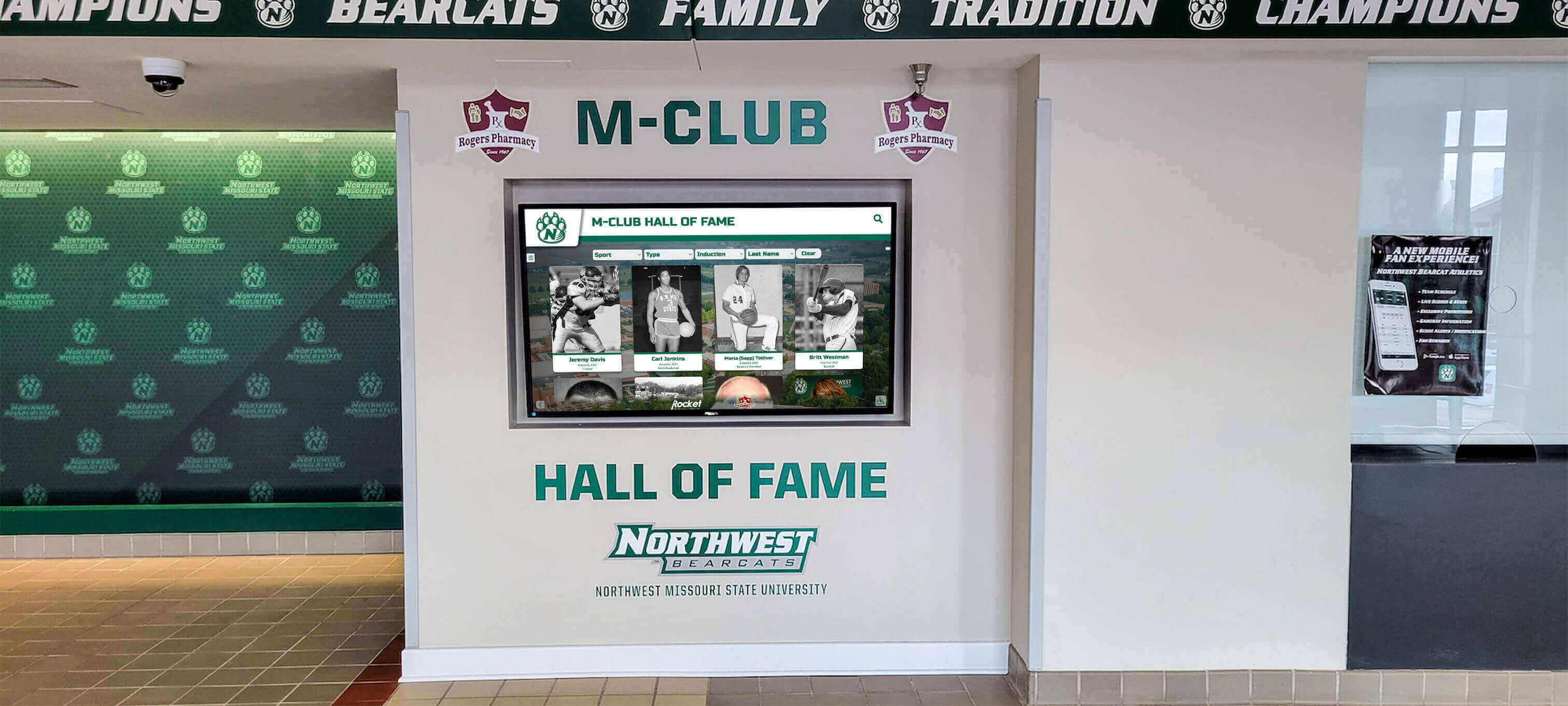
Professional installations demonstrate property commitment to customer experience while providing long-term operational value
- Better tenant retention from improved customer traffic
- Increased center-wide spending from enhanced discovery
Intangible Value
- Enhanced property reputation and competitive positioning
- Improved customer satisfaction and loyalty
- Stronger tenant relationships through promotional support
- Data-driven decision making from usage analytics
- Marketing differentiation for property promotion
Mall operators typically report 18-36 month payback periods for interactive kiosk implementations when comprehensively accounting for cost savings, revenue generation, and performance improvements—with continued value delivery throughout system lifespans of 7-10 years with appropriate maintenance and upgrades.
Special Considerations for Different Outlet Mall Types
Kiosk implementation approaches should adapt to specific property characteristics, sizes, and operational models.
Large Destination Outlet Centers
Comprehensive Multi-Kiosk Networks
Properties exceeding 500,000 square feet with 100+ tenants benefit from extensive coordinated systems:
Large Property Strategies
- 8-15 strategically distributed kiosks ensuring comprehensive coverage across expansive properties
- Specialized kiosk locations for entrance orientation, district navigation, and amenity areas
- Enhanced mapping with detailed sub-area views and landmark photography
- Multi-level or multi-building navigation supporting complex property configurations
- Parking integration with zone-specific wayfinding from distributed lots
- Extended promotional content showcasing comprehensive event and sale programming
- Mobile app integration enabling continuous navigation throughout shopping journeys
- Customer WiFi systems supporting digital engagement and social sharing
Large destination centers justify premium implementations given high daily visitor volumes, complex navigation challenges, and substantial revenue potential from improved customer experience and promotional opportunities.
Regional Outlet Malls
Balanced Mid-Size Implementations
Properties of 200,000-500,000 square feet with 50-100 tenants optimize value through focused deployments:
Mid-Size Property Approaches
- 4-7 kiosks covering main entrances, central hubs, and key pathway intersections
- Core wayfinding functionality with essential promotional capabilities
- Simplified mapping appropriate for less complex single-level properties
- Standard content management with quarterly seasonal updates
- Basic analytics tracking usage patterns and popular destinations
- Mobile-responsive web directories supplementing physical kiosks
- Tenant self-service portals enabling store-level content contributions
These balanced implementations deliver strong customer experience improvements and operational efficiencies while maintaining cost structures appropriate for moderate-traffic regional properties.
Specialized and Luxury Outlet Concepts
Premium Experience-Focused Implementations
High-end outlet concepts emphasizing luxury brands and experiential retail require elevated approaches:
Luxury Outlet Considerations
- Premium hardware with sleek designs matching elevated property aesthetics
- Sophisticated interfaces reflecting luxury positioning and brand expectations
- Concierge-style features including personal shopper connections and VIP services
- Enhanced multilingual support serving international tourist shoppers
- Integration with luxury brand apps and digital experiences
- Exclusive promotion featuring for premium tenant events and launches
- White-glove service combining technology self-service with readily available staff assistance
Premium properties justify enhanced investments given luxury shopper expectations, higher per-visitor spending, and brand positioning requiring excellence in all customer touchpoints.

Premium properties benefit from elevated installations that match overall aesthetic and experiential positioning
Future Trends in Outlet Mall Interactive Kiosk Technology
Understanding emerging developments helps mall operators plan investments remaining relevant and valuable throughout extended technology lifecycles.
Advanced Personalization and AI Integration
Intelligent Recommendation Engines
Next-generation kiosk systems incorporate artificial intelligence creating personalized experiences:
AI-Powered Features
- Shopping preference learning suggesting relevant stores based on previous interactions or stated interests
- Predictive search autocompleting queries and anticipating shopper needs
- Dynamic content customization adapting promotional displays to individual shopper profiles
- Visual search enabling photos of desired items to find similar products at mall stores
- Natural language interfaces understanding conversational search queries
- Crowd management features suggesting alternate routes or timing during peak congestion
- Weather-adaptive recommendations highlighting covered routes during inclement conditions
- Behavioral analytics revealing shopping pattern insights informing property strategy
These intelligent systems evolve beyond static directories into dynamic shopping assistants—creating differentiated experiences that technology-forward outlet centers can leverage for competitive advantage.
Enhanced Mobile Integration and Omnichannel Experience
Seamless Physical-Digital Convergence
Modern shoppers expect fluid transitions between physical and digital channels:
Mobile-Kiosk Integration Features
- QR code map transfers sending routes to smartphones for navigation while walking
- Mobile app synchronization continuing kiosk sessions on personal devices
- Digital wallet promotion delivery sending offers directly to mobile payment apps
- Social media integration enabling Instagram-worthy check-ins and sharing
- Loyalty program connections tracking visits and purchases across channels
- Buy online pick-up in store (BOPIS) integrations showing participating retailers
- Mobile ordering at food vendors reducing wait times during peak periods
- Parking validation and payment through integrated mobile systems
These omnichannel capabilities ensure kiosks serve as touchpoints within comprehensive digital ecosystems rather than isolated analog-digital translation tools.
Explore integrated digital engagement in interactive directory solutions demonstrating multi-platform approaches.
Expanded Functionality Beyond Wayfinding
Comprehensive Service Integration
Future kiosk systems expand beyond directory and navigation into broader service delivery:
Extended Capabilities
- Transportation integration with ride-sharing apps, shuttle schedules, and transit connections
- Hotel and tourism information serving destination shoppers and tourists
- Community information about local attractions, restaurants, and activities
- Gift card sales and balance checking for mall-wide shopping cards
- Lost and found reporting enabling digital documentation and retrieval
- Accessibility services including wheelchair availability and assistance requests
- Package and shopping bag storage location and retrieval
- Childcare facility check-in for mall-provided family services
- Event ticket sales for entertainment and special programming
These expanded capabilities transform kiosks from wayfinding tools into comprehensive service hubs—creating additional value justifying ongoing investment while enhancing overall property differentiation.
Conclusion: Transforming Outlet Mall Experience Through Interactive Technology
Interactive kiosks represent far more than digital replacements for static directory boards—they’re comprehensive platforms transforming how outlet mall shoppers navigate complex retail environments, discover promotional opportunities, access real-time information, and experience their entire shopping journey from arrival through departure.
When outlet mall operators implement kiosk systems thoughtfully—with clear objectives, strategic placement, quality content, and sustained management—they create information delivery and customer service capabilities that dramatically improve satisfaction while reducing operational costs. These comprehensive approaches demonstrate property commitment to customer experience, encourage longer visits and increased spending, and provide operational efficiencies that traditional signage approaches cannot match.
Transform Your Retail Customer Experience
While retail wayfinding requires specialized solutions, discover how interactive display technology creates engaging experiences across diverse environments—from outlet malls to schools, organizations, and community spaces.
Explore Interactive Display SolutionsThe strategies explored in this guide provide comprehensive frameworks for implementing interactive kiosks that improve customer navigation while remaining sustainable, engaging, and aligned with property objectives. From specialized retail wayfinding platforms eliminating information access barriers to systematic content management approaches maintaining accuracy and relevance, these strategies overcome traditional limitations while creating experiences impossible with simple static directories alone.
Start wherever current situations demand—whether replacing aging directory signage or implementing comprehensive wayfinding networks across large destination properties—then systematically expand to create systems your shoppers deserve. Every customer who navigates efficiently develops stronger satisfaction with your property while spending more time shopping rather than searching. Every tenant whose store receives enhanced promotional visibility gains traffic that translates into sales. Every staff member freed from repetitive directional inquiries can focus on complex customer service requiring human judgment and personalized assistance.
Your outlet mall property represents significant investment in real estate, tenant improvements, and customer experience that deserves information delivery systems matching contemporary shopper expectations and operational requirements. With thoughtful planning, appropriate technology investments, and systematic implementation, you can create interactive kiosk networks becoming essential infrastructure preserving competitive positioning while supporting the customer satisfaction and business performance goals essential to sustained property success.
For organizations seeking interactive display solutions for recognition, engagement, and community building—from schools celebrating student achievement to businesses honoring employee milestones—Rocket Alumni Solutions provides purpose-built platforms specifically designed for institutional touchscreen applications that complement retail wayfinding systems in creating engaging interactive experiences across diverse environments.