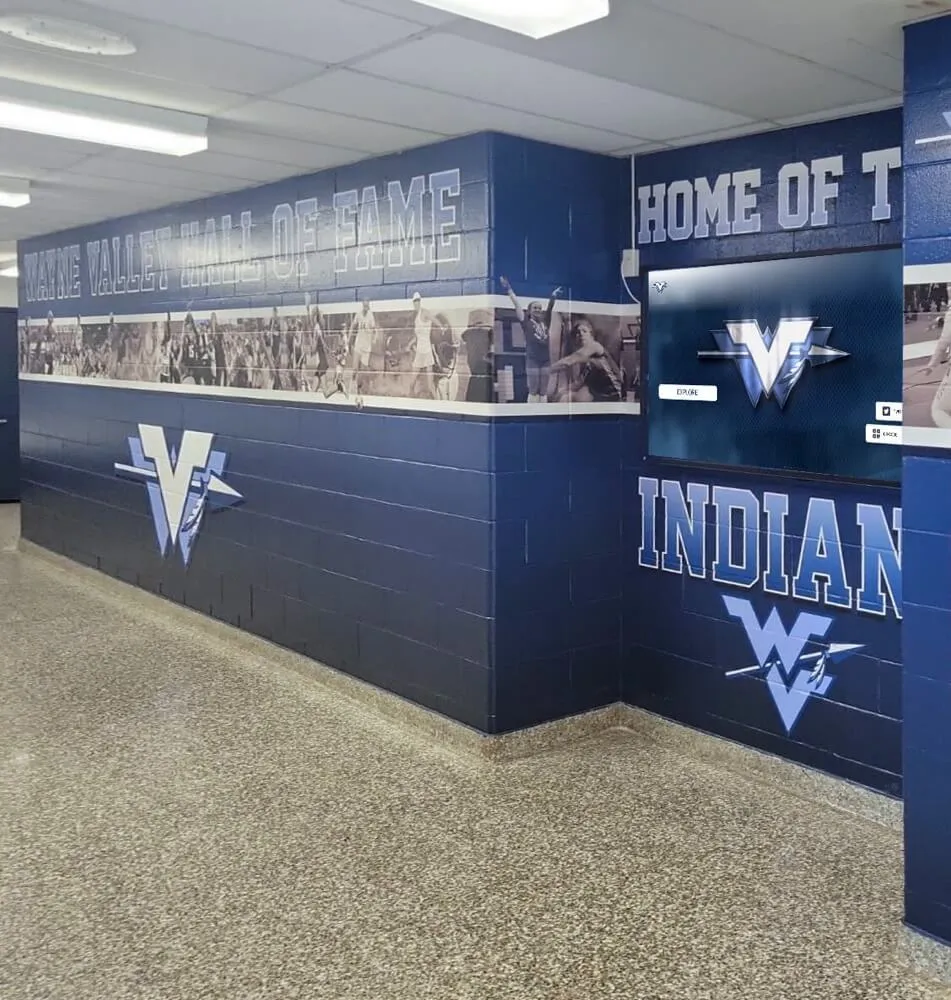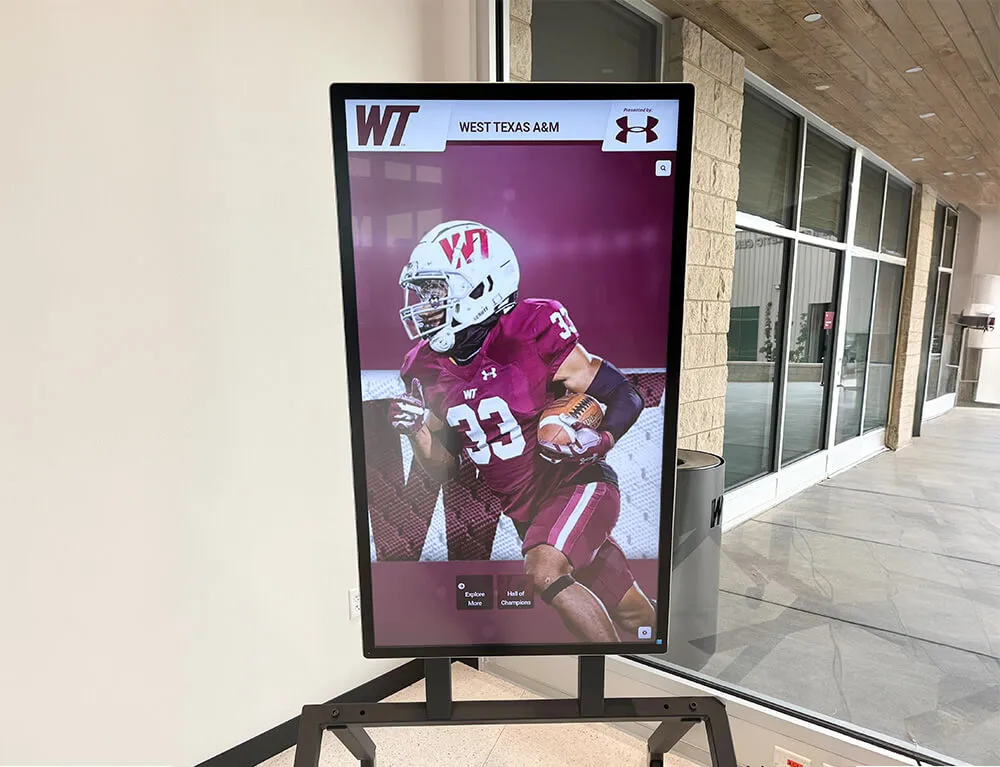




Orchestra instruments represent centuries of musical evolution, each contributing unique voices to create the rich, complex soundscapes that define symphonic music. For students beginning their orchestral journey or those deepening their understanding of instrumental music, knowing how instruments work together—from the soaring violins and resonant cellos to the powerful brass and delicate woodwinds—provides essential foundation for musical growth and appreciation.
Understanding the orchestra’s instrumental families, their roles, and how they combine to create musical masterpieces helps students make informed choices about which instrument to study, appreciate the complexity of orchestral performance, and recognize the dedication required to achieve excellence. Many schools celebrate outstanding student musicians who achieve All-State honors, regional ensemble selection, or exceptional solo performances through permanent recognition displays that inspire future generations.
This comprehensive guide explores all major orchestra instrument families, their characteristics and roles, career paths in orchestral music, and how educational institutions honor the exceptional students who dedicate themselves to musical excellence.
The modern symphony orchestra comprises four main instrument families—strings, woodwinds, brass, and percussion—each playing distinct roles while blending together to create unified musical expression. Students who understand these relationships develop deeper musical awareness and stronger performance skills.
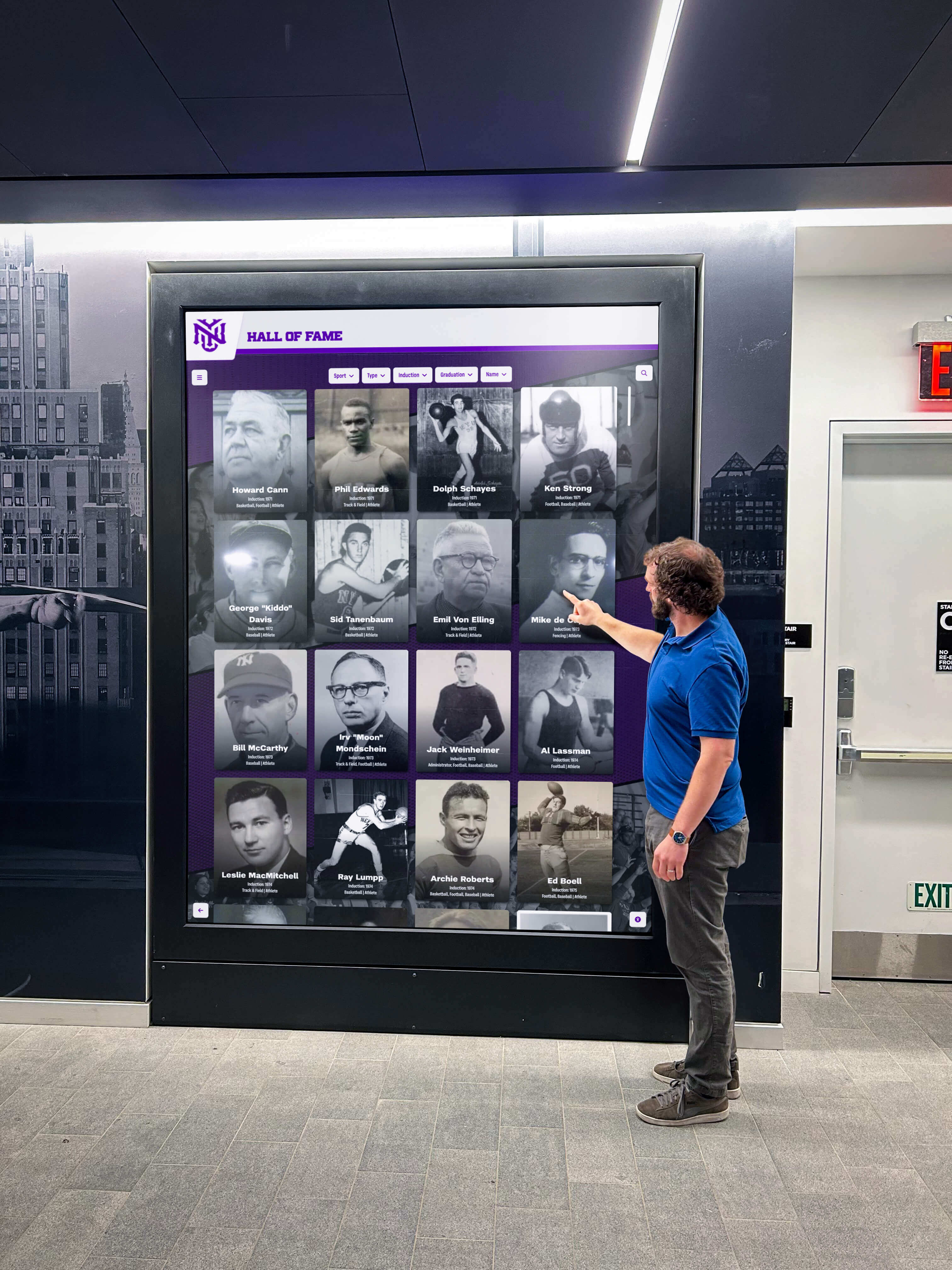
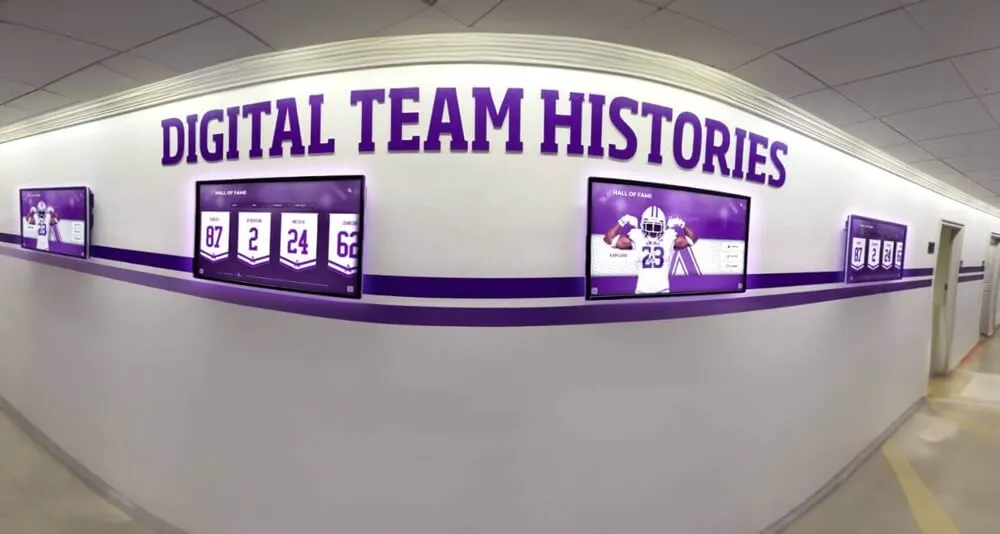
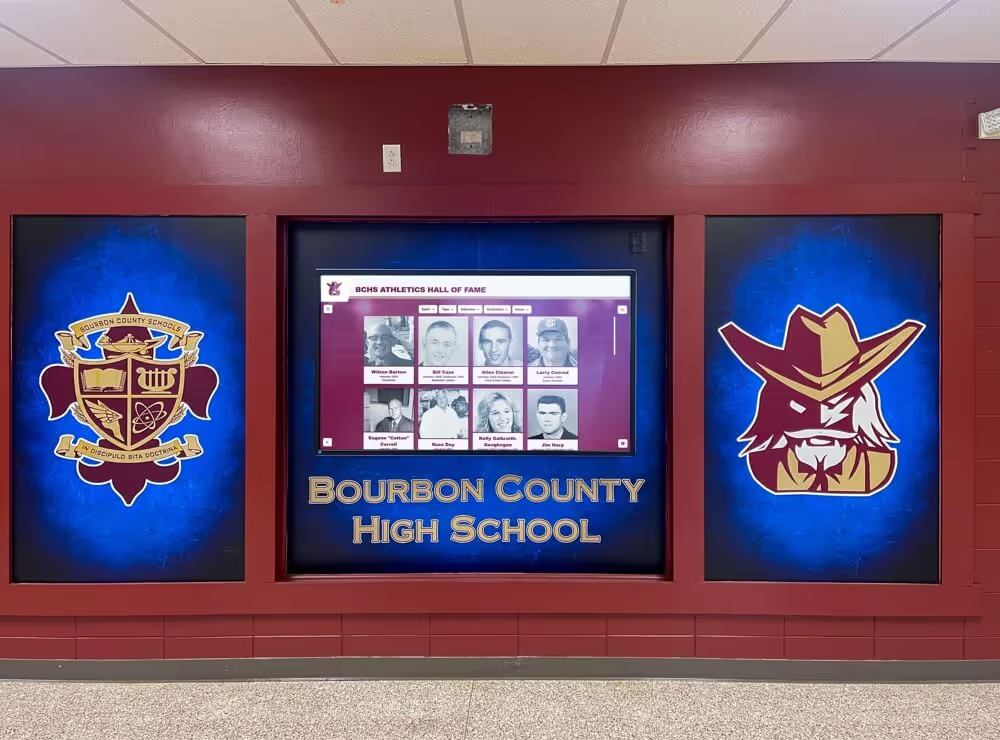
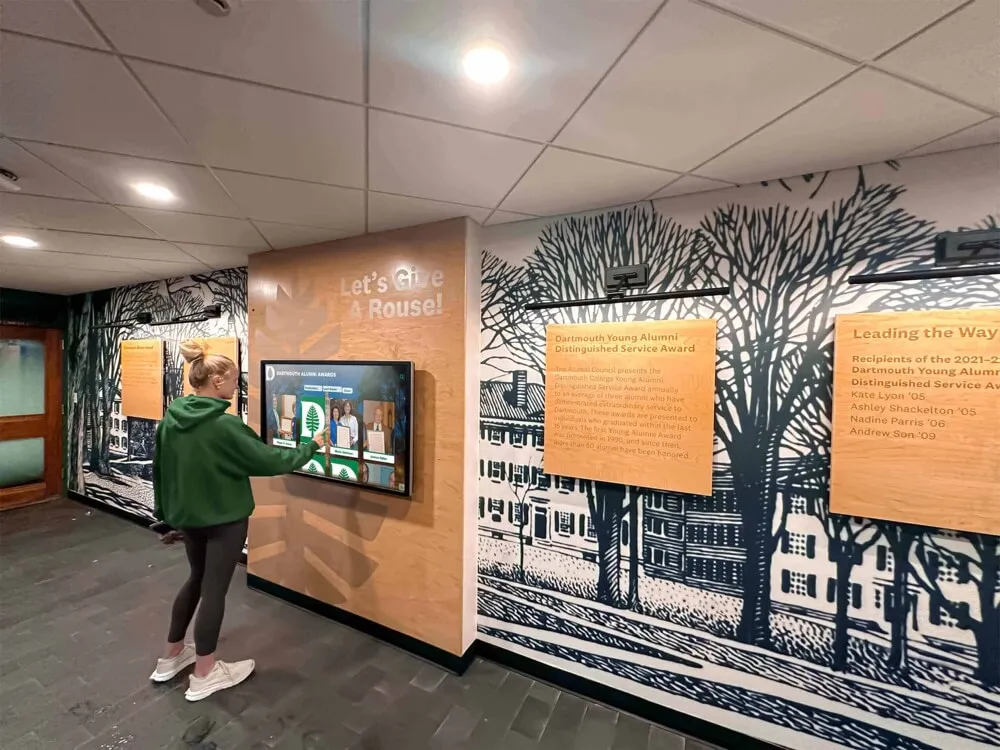
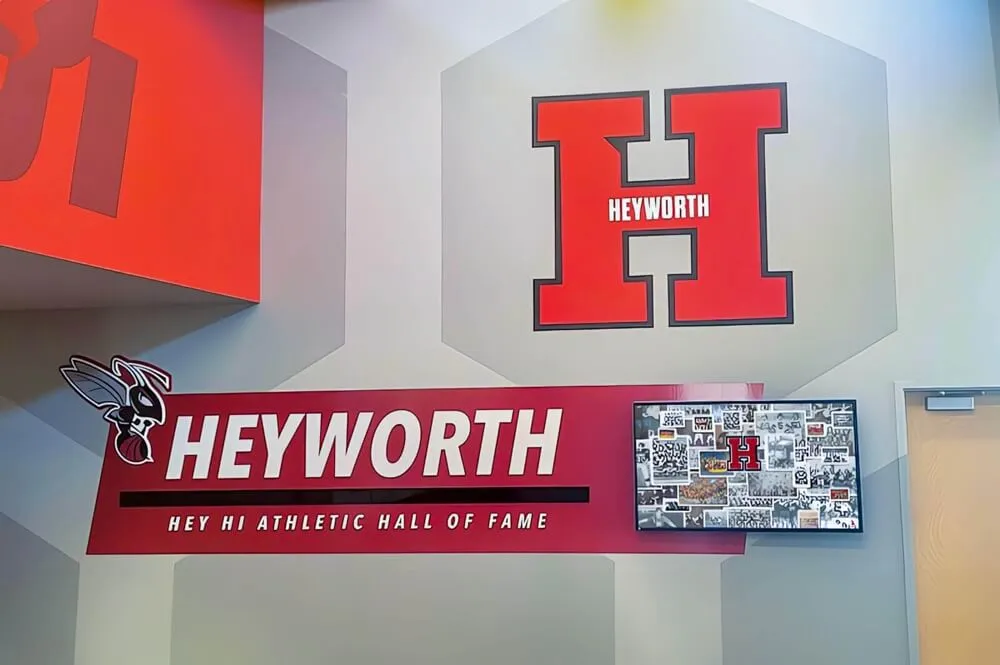
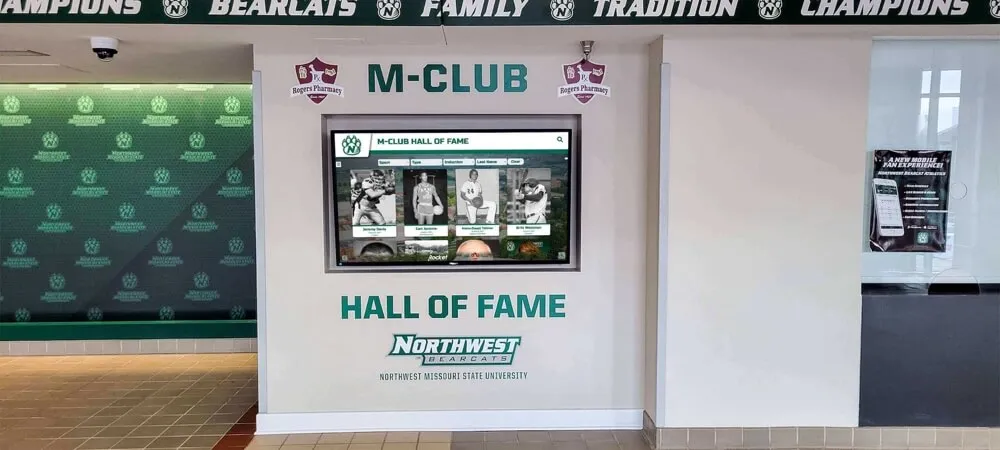
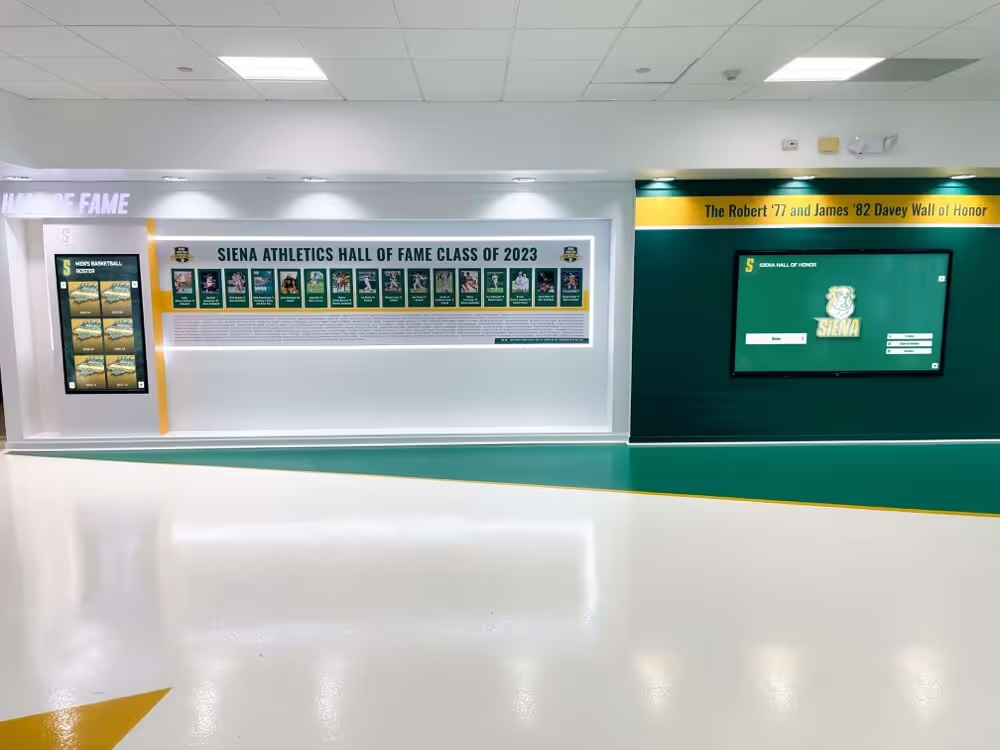
Schools increasingly recognize orchestra students' achievements through interactive displays celebrating musical excellence
The String Family: Orchestra’s Foundation
String instruments form the orchestra’s core, typically comprising more than half the ensemble. Their versatility, expressive range, and ability to blend or stand out make strings indispensable to orchestral music.
Violin: The Orchestra’s Soprano Voice
The violin serves as the orchestra’s highest-pitched string instrument, often carrying melody lines that define symphonic works.
Physical Characteristics and Sound Production
Violins measure approximately 14 inches in body length, featuring four strings traditionally tuned to G, D, A, and E (lowest to highest). Musicians create sound by drawing a horsehair bow across strings or plucking them (pizzicato), with left-hand finger placement determining pitch.
The instrument’s construction—particularly its carved spruce top and maple back—significantly affects tone quality. The bridge transfers string vibrations to the soundboard, amplifying sound within the hollow body cavity.
Orchestra Role and Repertoire
Orchestras divide violins into first and second sections, each playing different parts. First violins typically carry melodic lines in higher registers, while second violins provide harmonic support and counter-melodies.
Violinists must develop exceptional technical facility since orchestral repertoire demands rapid passage work, extensive position shifts, multiple bow techniques, and precise intonation across all registers.
Student Considerations
Violins come in fractional sizes (1/16 through 7/8) accommodating young students, making violin accessible from elementary school. The instrument’s popularity means competitive auditions for honor ensembles and premium orchestra positions.
Students achieving All-State orchestra placement on violin demonstrate extraordinary dedication and skill. Schools often recognize these accomplishments through academic recognition programs celebrating musical achievement alongside academic excellence.
Viola: The Alto Voice
Violas provide crucial middle voices in the string section, bridging violins and cellos with warm, mellow tones.
Distinctive Characteristics
Violas resemble large violins but feature proportionally different dimensions affecting their tonal character. They measure 15-17 inches in body length and tune to C, G, D, A—a perfect fifth below violin tuning.
Violists read alto clef (rather than treble clef used by violinists), requiring different note-reading skills. This unique notation system can initially challenge students transitioning from other instruments.
Musical Role and Importance
Historically underappreciated, violas play essential harmonic roles binding orchestral textures together. Viola sections provide inner harmonic voices, rhythmic drive, and occasionally featured melodic material showcasing the instrument’s distinctive timbre.
Chamber music and solo viola repertoire has expanded significantly, with composers increasingly appreciating the instrument’s unique expressive capabilities.
Why Choose Viola
Students attracted to rich, warm tones and interesting harmonic parts find violas rewarding. Less competition than violin means dedicated students often achieve principal positions and honor ensemble placement more readily.

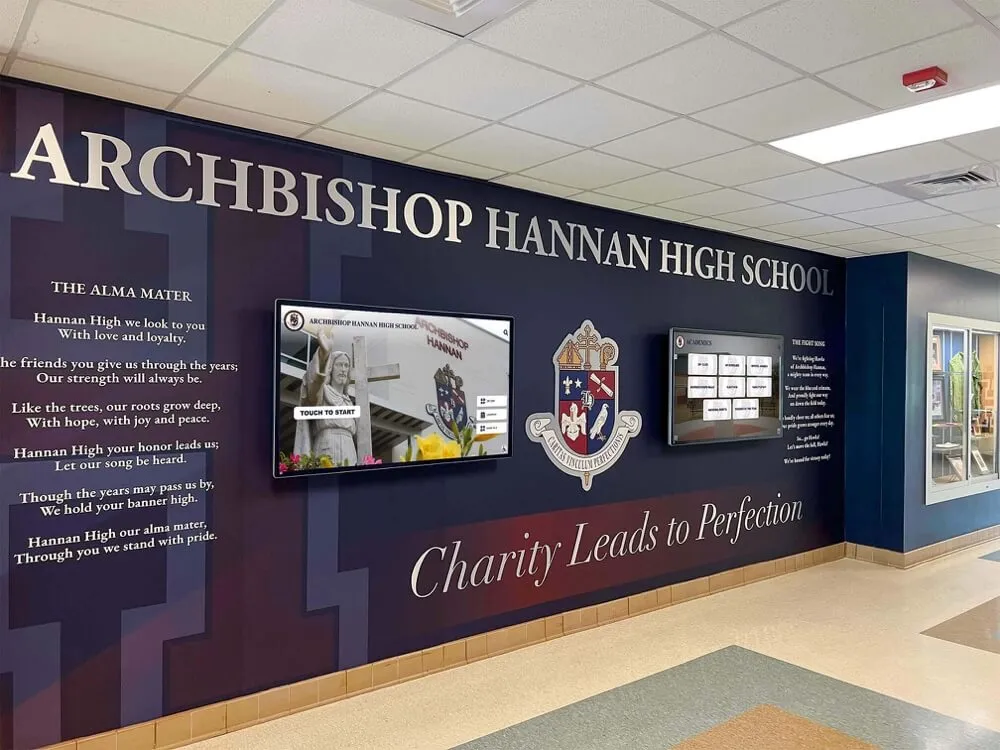
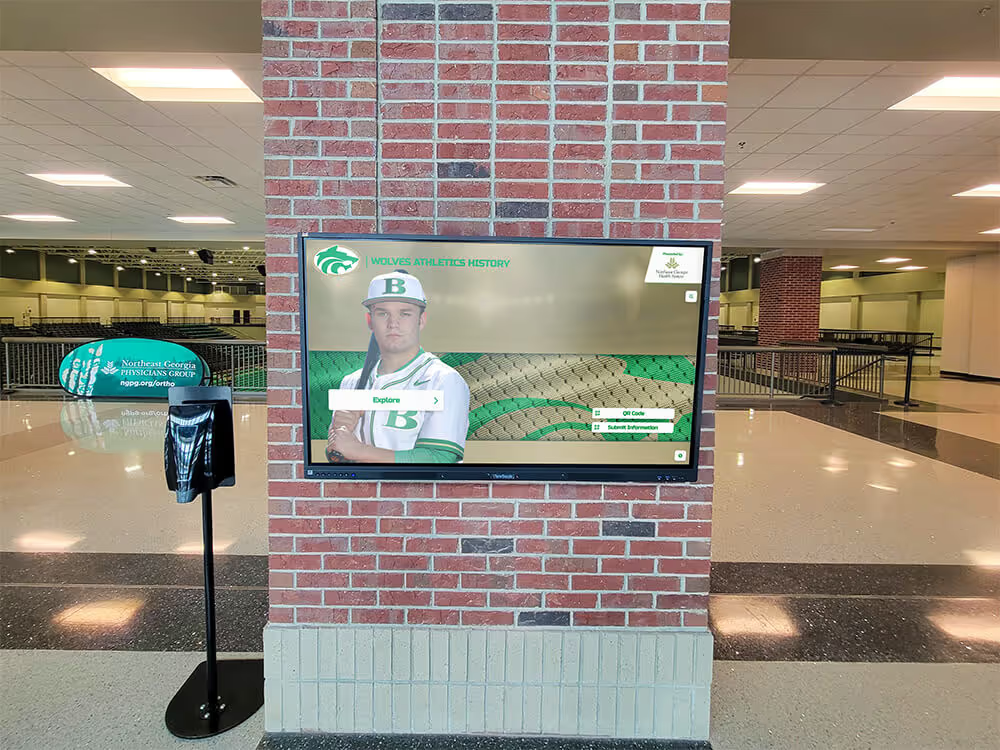
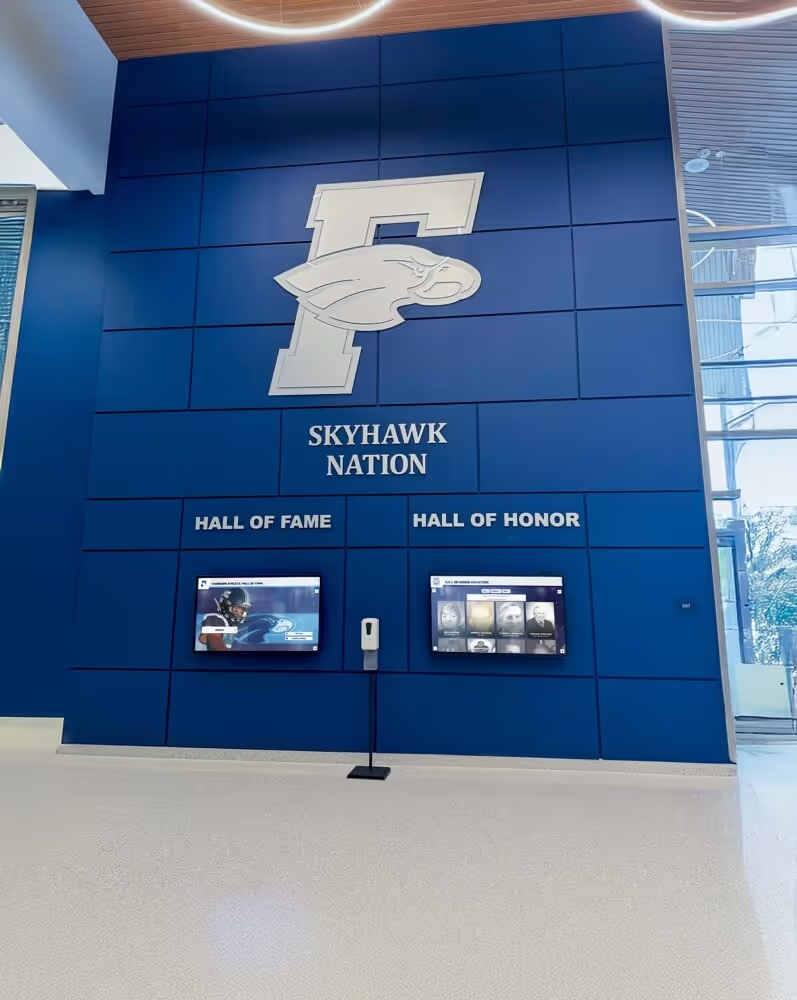
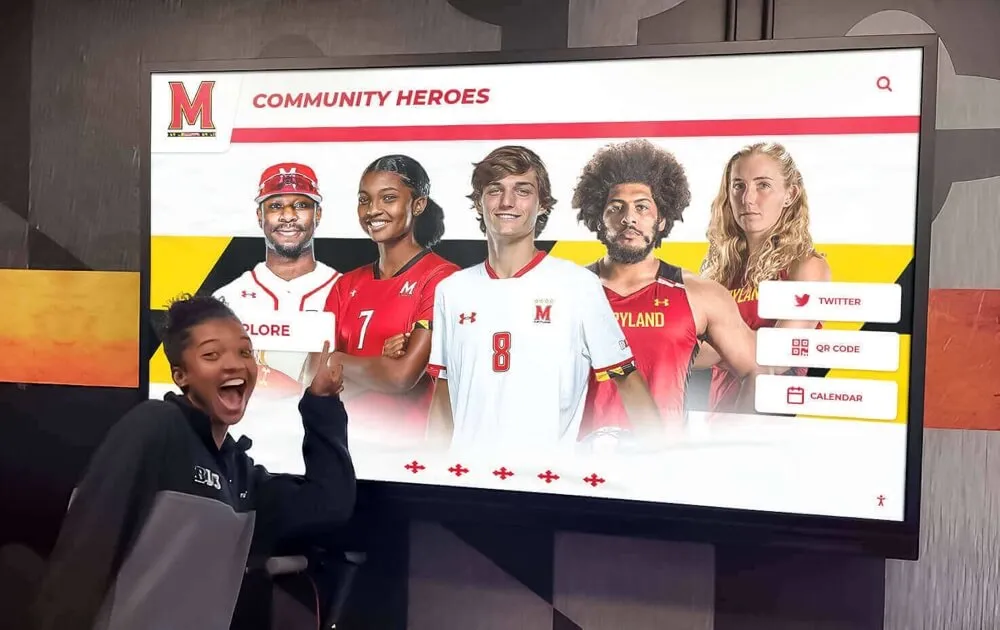
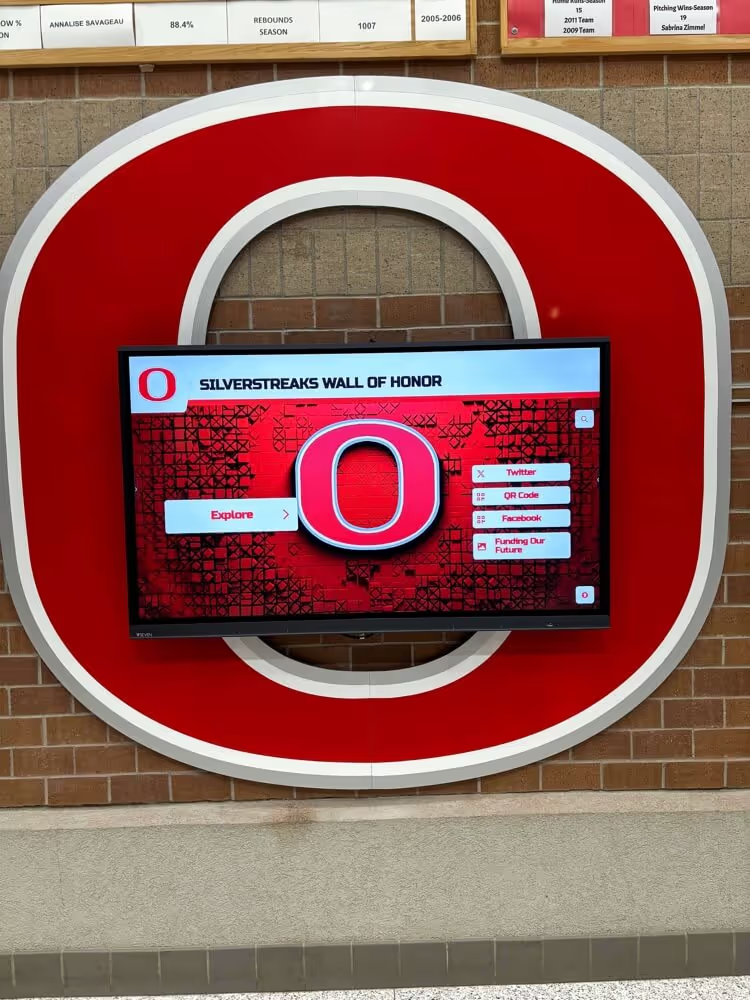
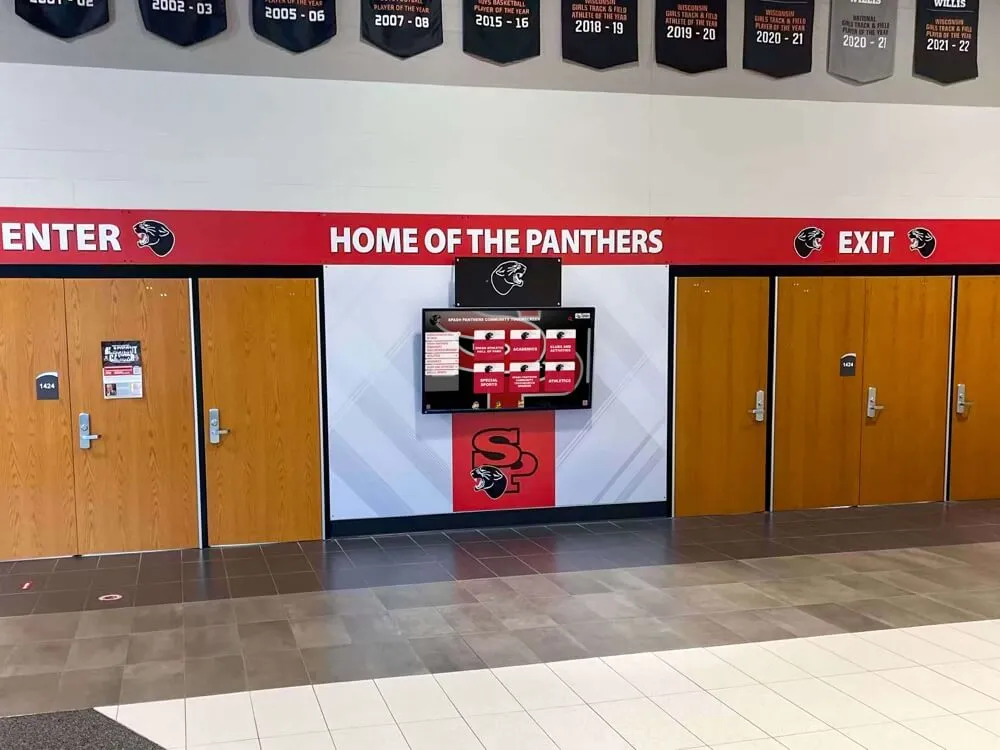
Comprehensive recognition systems document orchestra students' musical journeys and accomplishments
Cello: The Tenor Voice
Cellos provide orchestras with warm tenor and baritone voices, capable of lyrical melodies, rhythmic accompaniment, and rich harmonic foundations.
Physical Design and Playing Position
The cello’s larger size (approximately 30 inches body length) requires different playing posture—seated with the instrument positioned between the knees, supported by an endpin extending to the floor.
Four strings tuned to C, G, D, A (one octave below viola) produce resonant tones across a wide range. Cellists develop specialized left-hand thumb techniques enabling performance in upper registers.
Orchestra Contribution
Cello sections provide crucial bass-line support, harmonic foundations, and beautiful melodic passages showcasing the instrument’s singing quality. Their rich, warm sound conveys emotional depth composers exploit for expressive passages.
The cello repertoire includes some of classical music’s most beloved concertos and solo works, offering students extensive performance literature.
Student Appeal
Many students love cello’s singing tone and its balance between melodic and supportive roles. The instrument’s size requires physical maturity, though fractional cellos (1/16 through 7/8 size) enable younger students to begin.
Schools often showcase exceptional cellists through recognition displays highlighting student achievements that inspire continued musical dedication.
Double Bass: The Foundation
The double bass provides orchestral foundation through the lowest string instrument voices, creating rhythmic drive and harmonic grounding.
Instrument Specifications
Double basses stand approximately six feet tall, making them orchestras’ largest instruments. Most orchestral basses feature four strings tuned E, A, D, G (by fourths rather than fifths like other strings).
Some basses include extension mechanisms enabling lower notes down to C, expanding their range. Players either stand or sit on high stools, using either French or German bow grips.
Orchestral Function
Bass sections reinforce harmony and establish rhythmic foundations, often doubling cello parts an octave lower. Though less frequently featured melodically than other strings, effective bass playing proves essential to orchestral balance and rhythmic precision.
Bass students develop strong musical time-sense and ensemble awareness since their role requires locking in rhythmically with conductors while supporting the entire orchestra.
Practical Considerations
The instrument’s size presents logistical challenges—transportation, storage, and physical demands require consideration. However, dedicated bass students often experience less competition and strong demand for their services in orchestras and jazz ensembles.
The Woodwind Family: Color and Character
Woodwind instruments add distinctive colors, textures, and solo voices to orchestral palettes. Despite the “woodwind” designation, the family includes both wooden and metal instruments united by their sound production method.
Flute: Silvery and Agile
Flutes produce bright, clear tones through air blown across an embouchure hole rather than through reeds.
Modern Flute Design
Contemporary concert flutes feature metal construction (typically silver, though professional models may use gold or platinum). The instrument includes three main sections—headjoint, body, and footjoint—with a key system enabling rapid technical passages.
Flutes span approximately three octaves from middle C upward, with a fourth octave available to advanced players. The instrument’s range and agility make it ideal for rapid runs, trills, and delicate melodic passages.

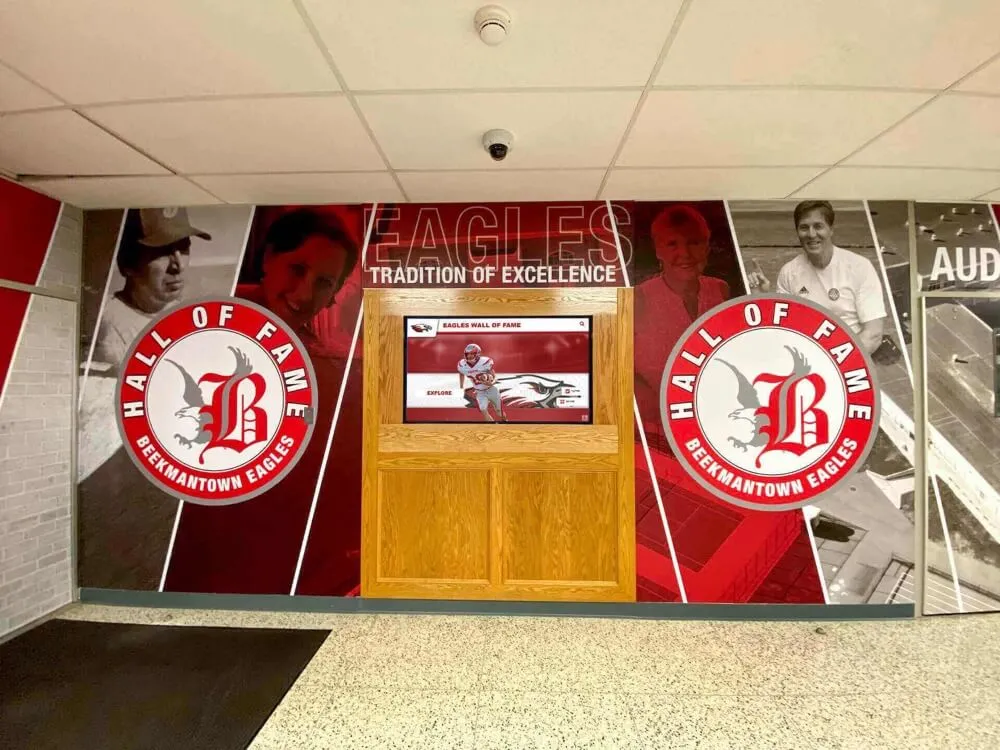
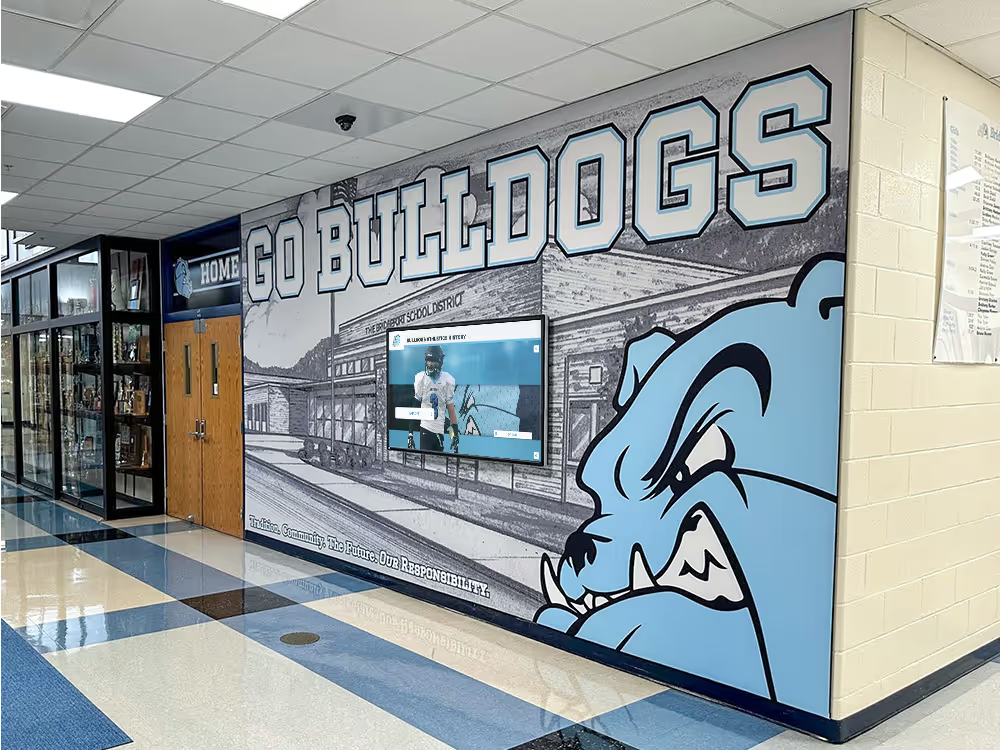
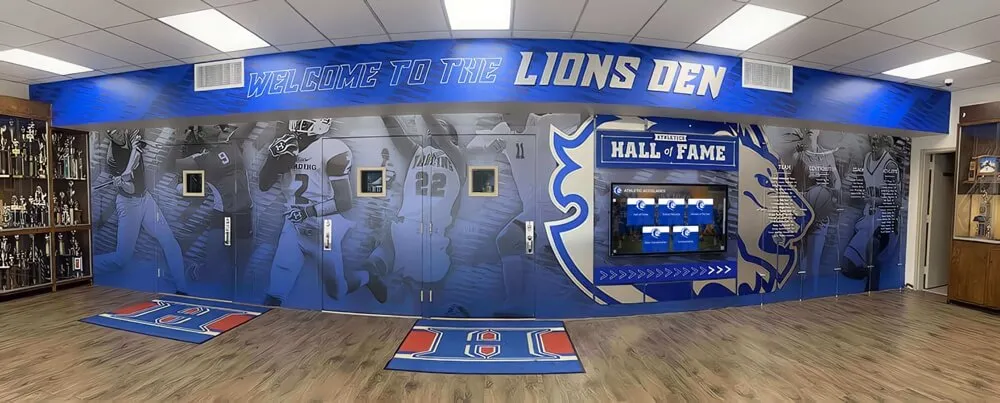
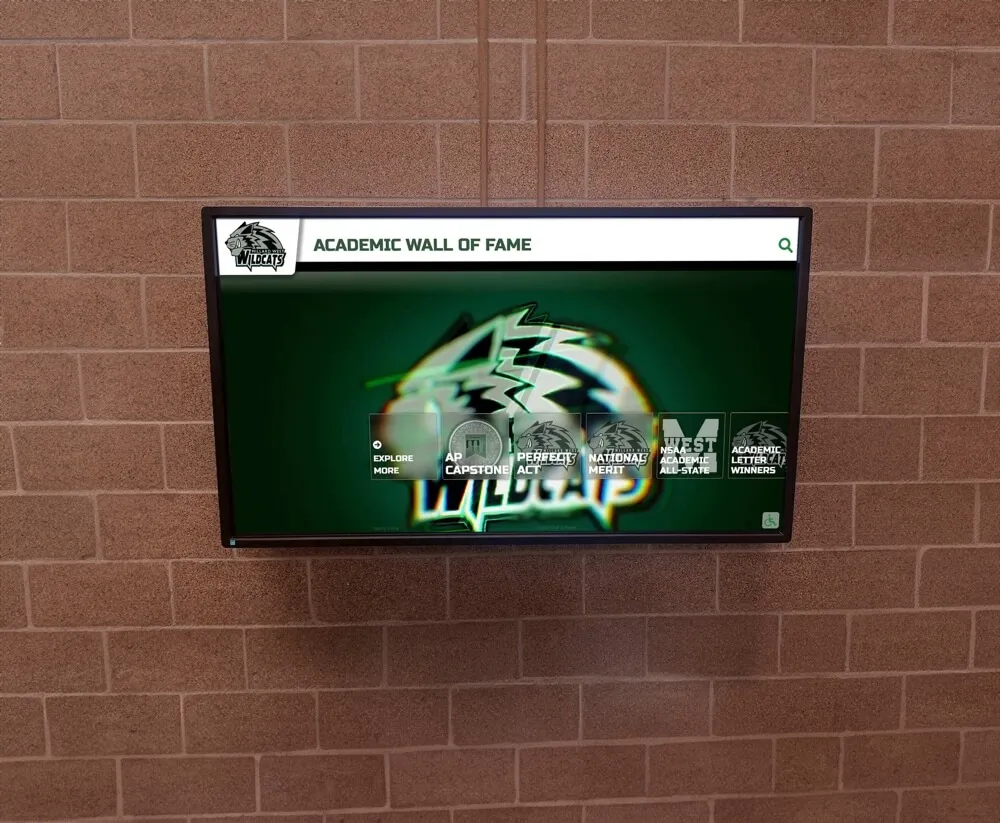
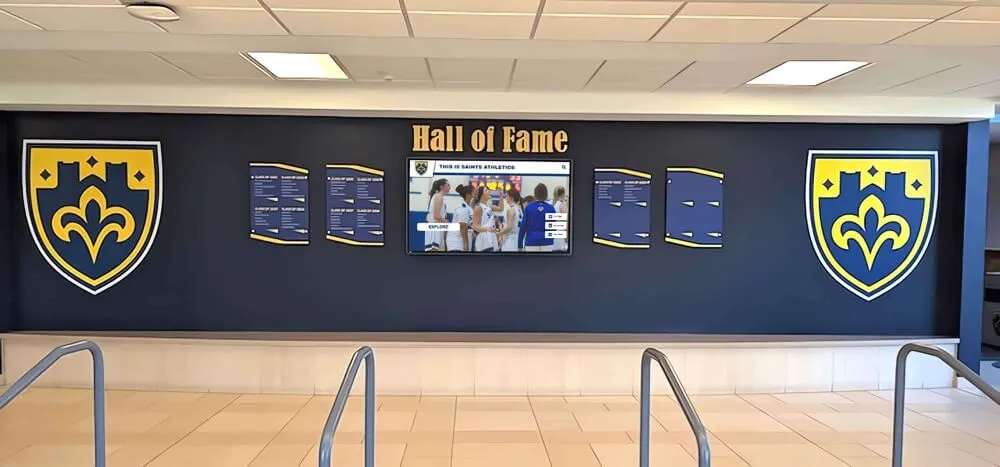
Digital platforms enable unlimited recognition of student musicians across all instruments and achievement levels
Orchestra Role
Flutes often carry melodic material in orchestral works, with composers exploiting their brilliance in upper registers and sweetness in middle range. The section typically includes two or three flutes, with the third often doubling piccolo.
First-chair flutists frequently perform exposed solos requiring technical precision and musical expressiveness. Students pursuing All-State recognition on flute face intense competition due to the instrument’s popularity.
Student Pathway
Flutes require no supporting arm strength beyond holding position, making them accessible for younger students. However, achieving beautiful tone quality demands years of embouchure development and breath control refinement.
Oboe: The Penetrating Double Reed
Oboes create distinctive, penetrating sounds through double reeds—two small pieces of cane vibrating against each other.
Instrument Characteristics
The oboe’s conical bore and double reed produce its characteristically focused, slightly nasal timbre that cuts through orchestral textures. This penetrating quality makes the oboe ideal for tuning orchestras—the principal oboist traditionally plays the “A” to which other instruments tune.
Musical Applications
Oboes excel at lyrical, expressive solos requiring sustained control and beautiful phrasing. Composers frequently assign oboes pastoral melodies, mournful solos, and exposed passages showcasing the instrument’s unique voice.
Orchestra oboe sections typically include two players, with the second often doubling English horn—a lower-pitched relative with mellower tone.
Reed Making and Challenges
Oboists face unique challenges: they must often make or extensively adjust their own reeds, requiring specialized skills beyond pure performance technique. Reed quality dramatically affects tone production, intonation, and playing ease.
This additional technical dimension means dedicated oboe students develop problem-solving skills and deep understanding of sound production mechanics. Schools often highlight All-State oboists’ exceptional achievements through trophy display systems celebrating musical excellence.
Clarinet: Versatile Single Reed
Clarinets offer exceptional versatility, blending well across multiple musical styles from classical to jazz.
Design and Sound Production
Clarinets use single reeds attached to mouthpieces, with cylindrical bores producing distinctive warm tones. The standard B♭ clarinet serves as the most common orchestral and band instrument.
Clarinets possess remarkable dynamic range—capable of extremely soft passages to powerful forte sections—and span approximately four octaves from written E below middle C upward.
Orchestral Contribution
Orchestra clarinet sections typically include two or three players covering various parts. Clarinets provide harmonic support, melodic lines, and spectacular solos displaying their agility and expressive capabilities.
The instrument’s chameleon-like quality enables blending with strings, brass, or woodwinds, making clarinets invaluable for orchestration flexibility.
Student Advantages
Clarinets offer relatively gentle learning curves compared to other woodwinds, with accessible fingering systems and forgiving embouchures. This accessibility contributes to high participation rates, though advanced mastery requires significant skill development.
Successful clarinet students often transition into leadership roles since strong sections need experienced players mentoring developing musicians.

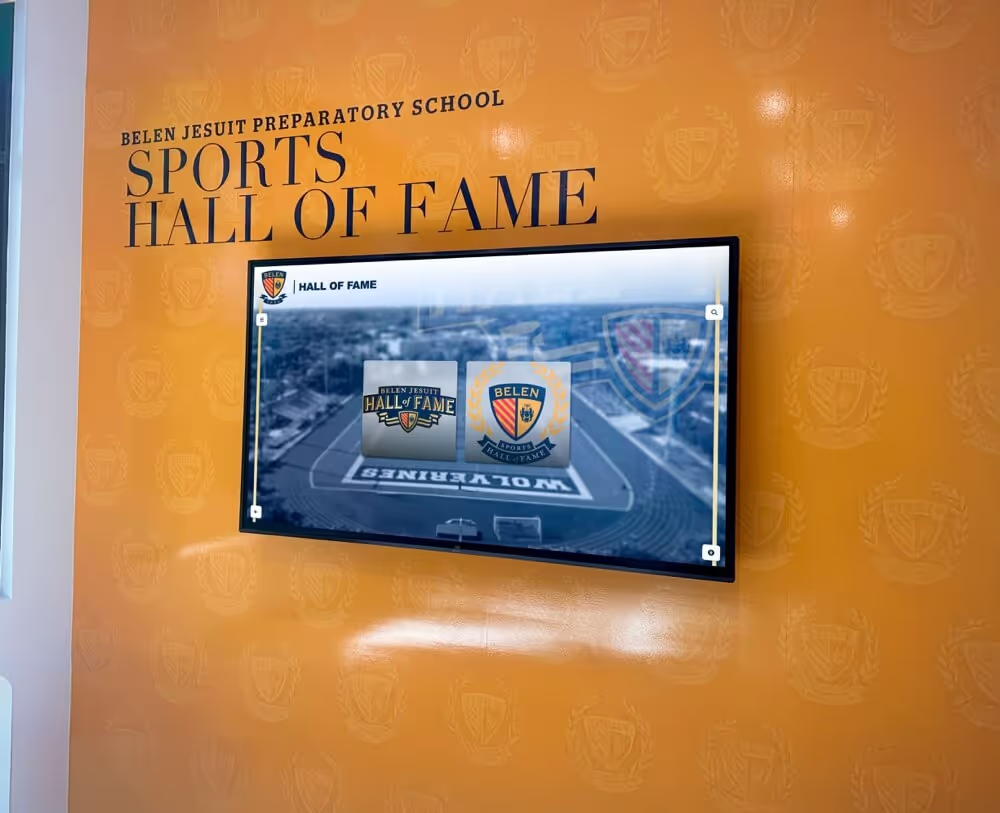
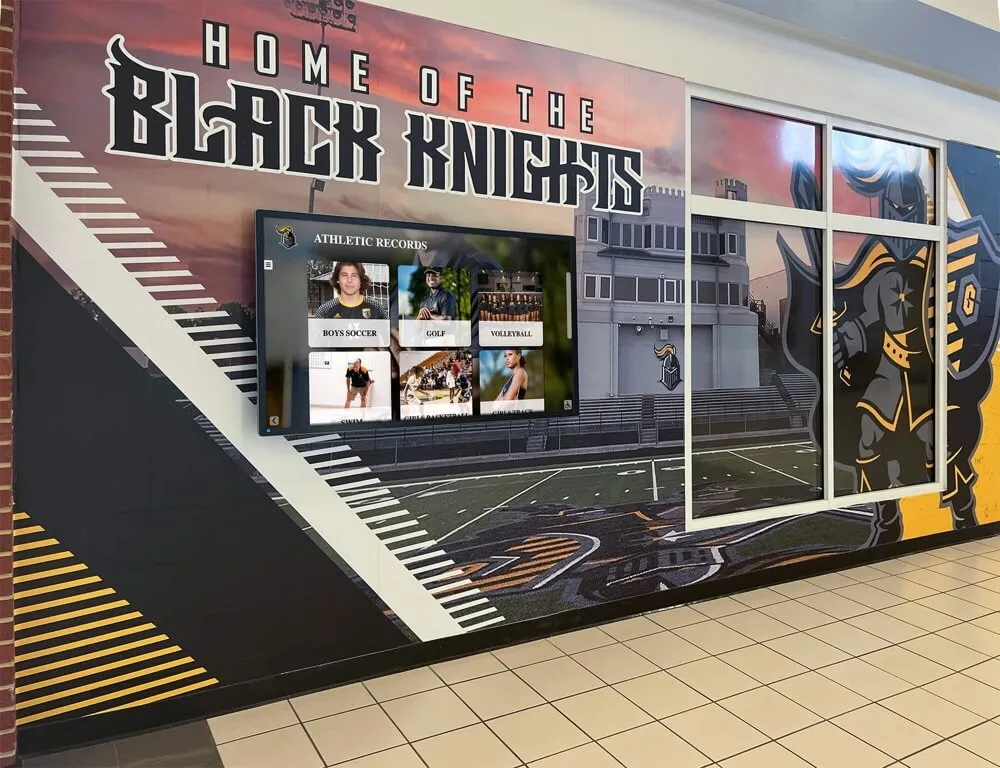
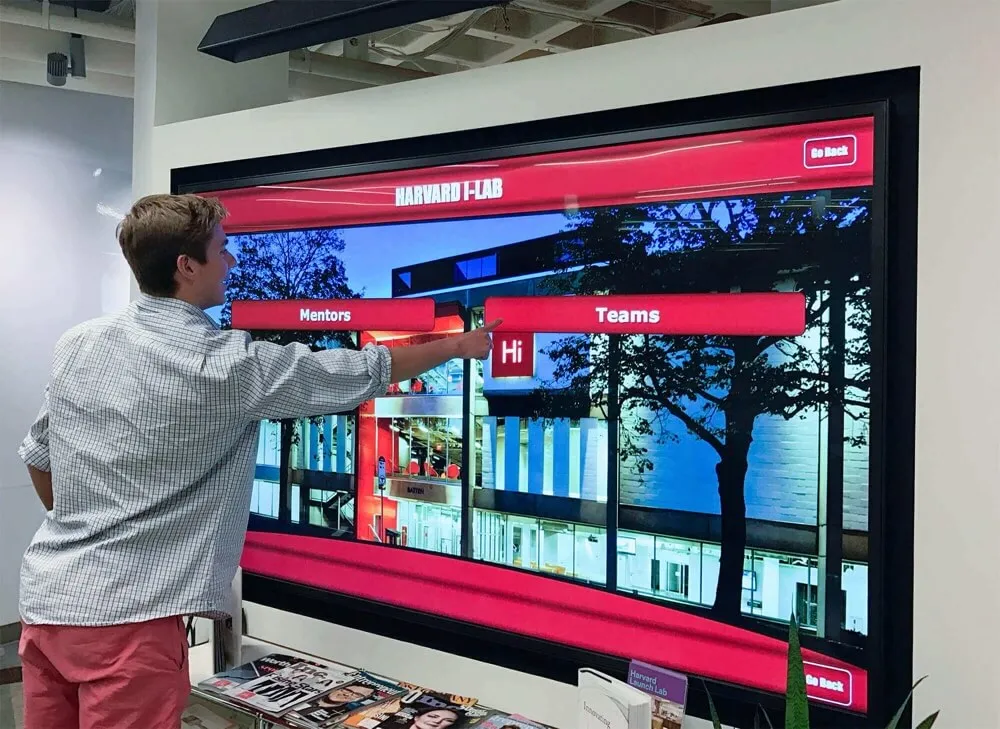
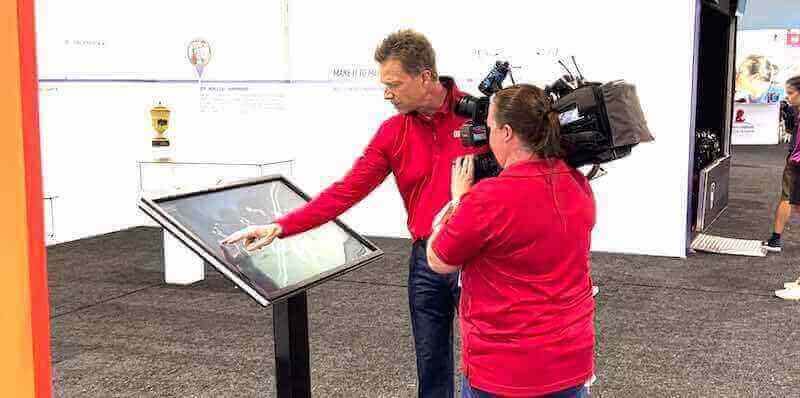
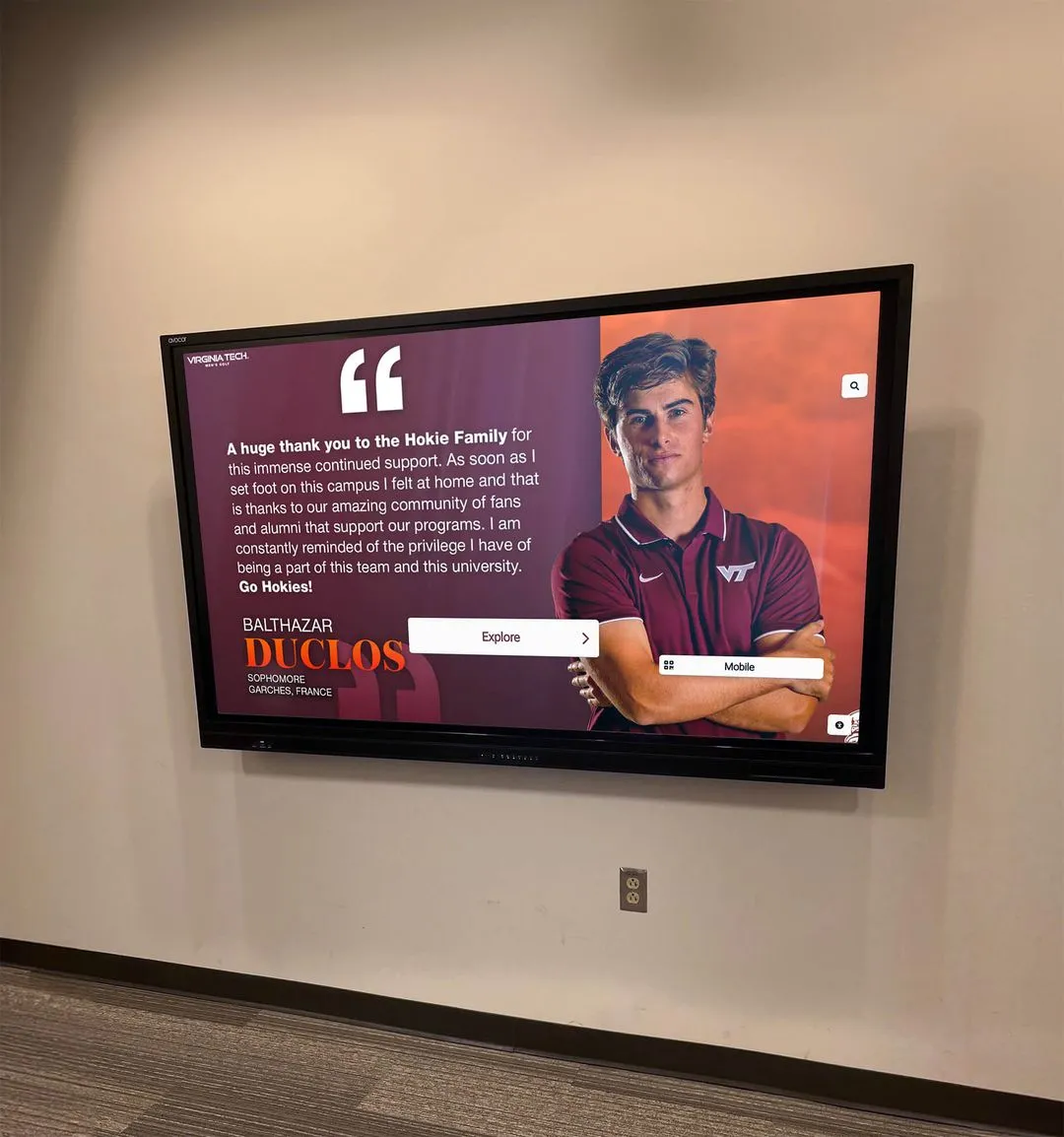
Touchscreen interfaces make exploring musical achievements engaging for students and visitors
Bassoon: The Bass Double Reed
Bassoons provide woodwind sections with bass voices, contributing unique timbres spanning comic character parts to deeply expressive solos.
Physical Attributes
The bassoon’s distinctive appearance—approximately four feet of folded conical tubing—creates its characteristic sound. Double reeds smaller than oboe reeds attach to curved metal bocals extending from the instrument.
Bassoons require significant physical coordination managing keys spread across the instrument’s length while supporting its weight with neck straps or seat straps.
Musical Characteristics
The bassoon’s tenor and bass range provides woodwind sections with foundation support while offering remarkable agility for rapid passages. Its timbre ranges from comically gruff in lower register to sweet and plaintive in upper range.
Orchestra bassoon sections typically include two or three players, with one often doubling contrabassoon—pitched an octave lower providing extreme bass extension.
Specialized Path
Bassoon students face less competition than most other instruments due to lower participation rates. This scarcity means dedicated bassoonists often secure principal positions and honor ensemble placements more readily.
The specialized nature of bassoon study—including reed making and unique technical demands—attracts students enjoying individual challenges and problem-solving.
The Brass Family: Power and Brilliance
Brass instruments contribute power, brilliance, and bold statements to orchestral sound through cup-shaped mouthpieces causing players’ lips to vibrate within them.
Horn (French Horn): Noble and Versatile
The horn bridges brass and woodwinds with its mellow, noble sound that blends exceptionally well across instrument families.
Unique Design Features
Modern horns feature circular designs with approximately 12 feet of coiled tubing, three rotary valves, and flared bells. The instrument’s F/B♭ double horn configuration provides chromatic playing capability across approximately four octaves.
Horn players insert their right hands into bells, affecting intonation and tone color through hand position adjustments. This distinctive technique adds unique technical challenges.
Orchestra Function
Horn sections typically include four or more players, providing harmonic support, melodic passages, and dramatic fanfares. Composers exploit horns’ ability to blend with both woodwinds and brass, creating seamless orchestral textures.
Horn repertoire includes some of classical music’s most challenging solos, requiring exceptional control, precise pitch accuracy, and musical sensitivity. Achieving All-State recognition on horn demonstrates remarkable musical ability schools celebrate through honor roll recognition systems highlighting academic and artistic excellence.
Student Challenges and Rewards
Horn presents significant technical challenges—exposed solos, demanding range, and precision requirements. However, the instrument’s beautiful sound and central orchestral role attract dedicated students willing to embrace these challenges.
Trumpet: Brilliant and Heroic
Trumpets provide orchestras with brilliant, heroic voices ideal for fanfares, triumphant passages, and lyrical solos.
Instrument Specifications
The standard B♭ trumpet features approximately four feet of cylindrical tubing folded into compact design with three piston valves. Its bright, projecting tone cuts through full orchestral textures.
Trumpets span approximately three octaves from written F# below middle C upward, with experienced players accessing higher ranges. The instrument’s relatively small mouthpiece requires precise embouchure development.
Musical Applications
Orchestra trumpet sections typically include two or three players handling fanfares, rhythmic punctuation, melodic statements, and harmonic support. Composers assign trumpets celebratory passages, dramatic pronouncements, and occasionally tender solos exploiting their surprising lyrical capabilities.
Trumpet students develop strong embouchure strength, breath support, and rhythmic precision essential for effective section playing and solo performance.
Trombone: The Slide Brass
Trombones produce warm, powerful tones through distinctive slide mechanisms rather than valves, creating unique playing techniques.
Distinctive Design
The tenor trombone features approximately nine feet of cylindrical tubing with a sliding U-shaped section enabling continuous pitch adjustment. This design allows true legato playing and distinctive glissando effects.
Some trombones include F-attachment triggers providing extended low range access and alternative slide positions simplifying technical passages.
Orchestra Role
Trombone sections typically include three players (two tenors and one bass trombone) providing brass section foundation, powerful chordal passages, and occasional bold solos. Their warm, singing tone adds depth to orchestral sonorities.
Trombonists develop strong sense of pitch accuracy since slide positions require precise placement for correct intonation—no fixed keys or valves guarantee pitch accuracy.
Student Appeal
Trombone’s distinctive slide mechanism attracts students interested in unique instrumental approaches. The instrument’s size and breath requirements typically suit students with sufficient physical maturity.
Schools celebrating trombone students’ achievements often integrate their recognition within comprehensive arts recognition programs honoring creative and performing arts excellence.
Tuba: The Bass Foundation
Tubas provide brass sections and entire orchestras with foundation support through the lowest brass voices.
Physical Characteristics
The tuba’s massive size—featuring up to 18 feet of conical tubing—creates its distinctively deep, resonant sound. Various tuba designs exist, with orchestras typically preferring CC or F tubas.
The instrument’s large mouthpiece and extensive breath requirements demand significant physical capacity, though smaller euphoniums provide stepping-stones for younger students.
Musical Function
Orchestra tubas typically include one player providing bass-line support, harmonic foundations, and occasional solos demonstrating surprising agility despite the instrument’s size.
Effective tuba playing requires excellent breath control, pitch accuracy, and rhythmic precision since the bass foundation must remain rock-solid supporting the entire orchestra.
Career Opportunities
Tuba students face limited competition due to lower participation rates, often securing strong positions in honor ensembles and regional orchestras. Professional opportunities exist in orchestras, military bands, and university positions.
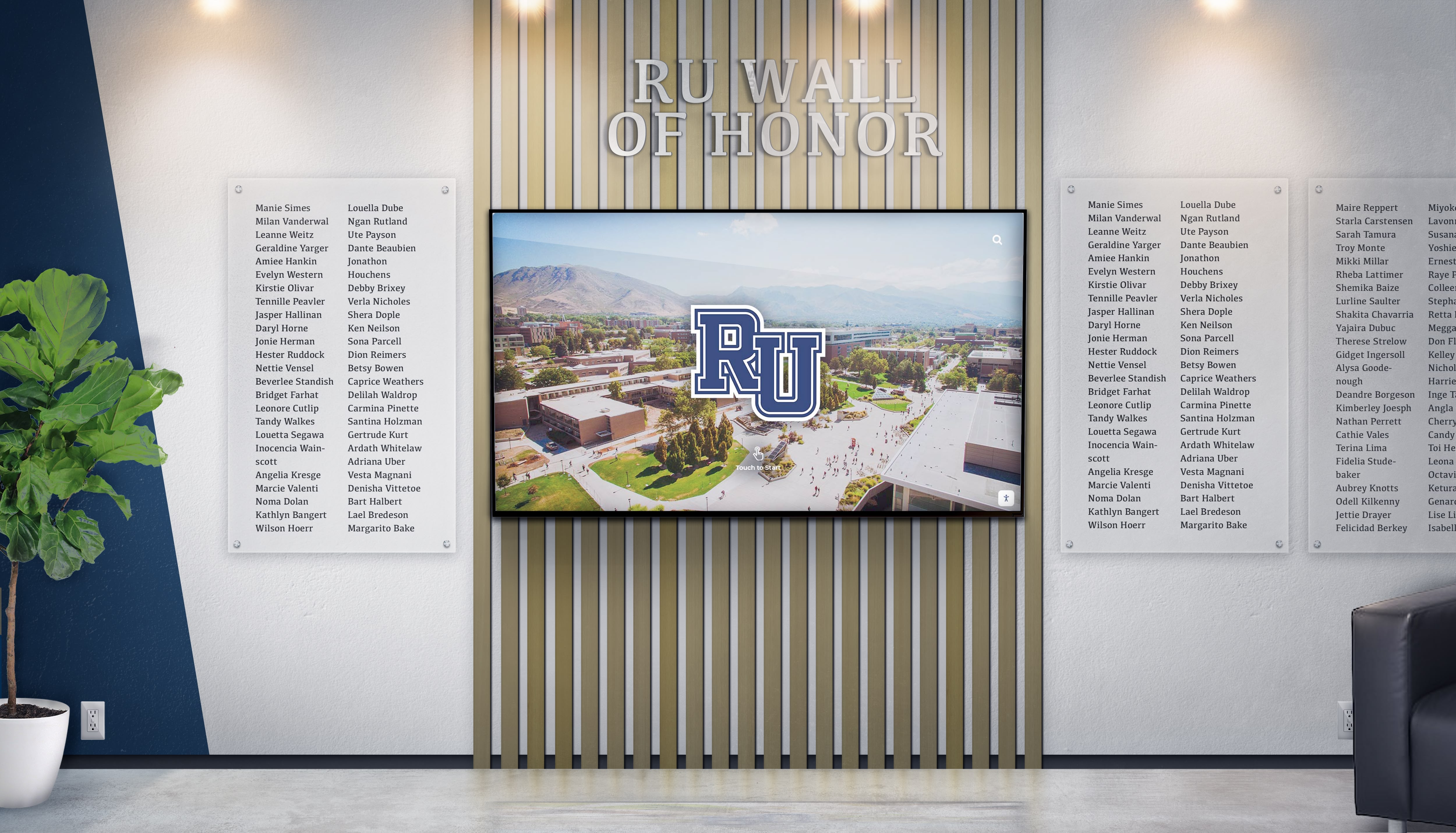
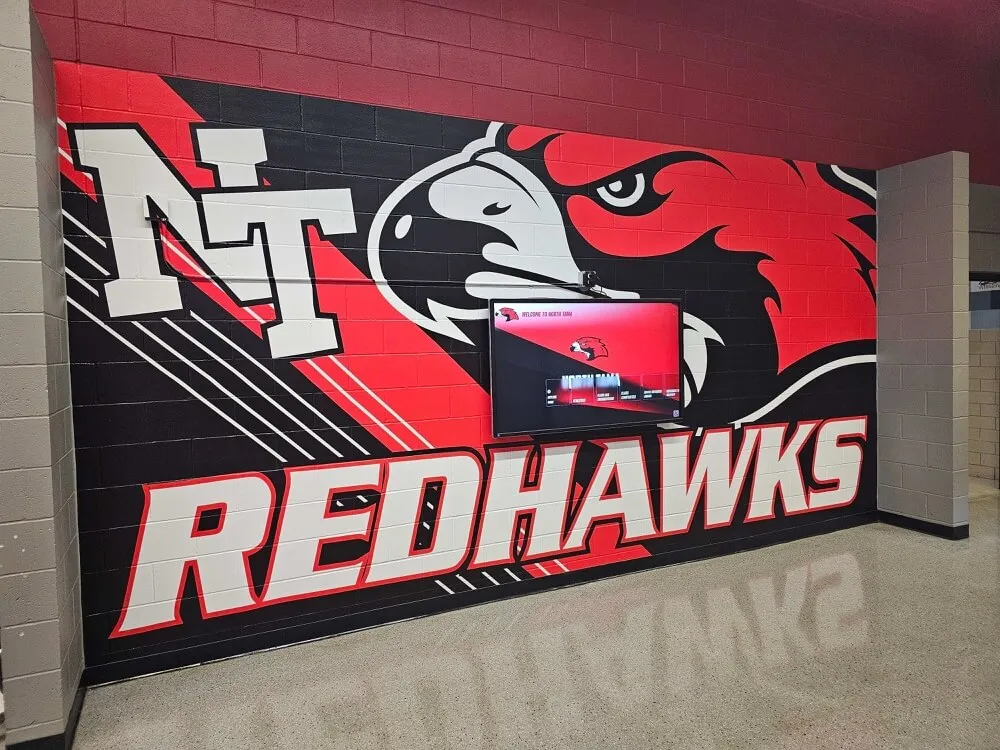
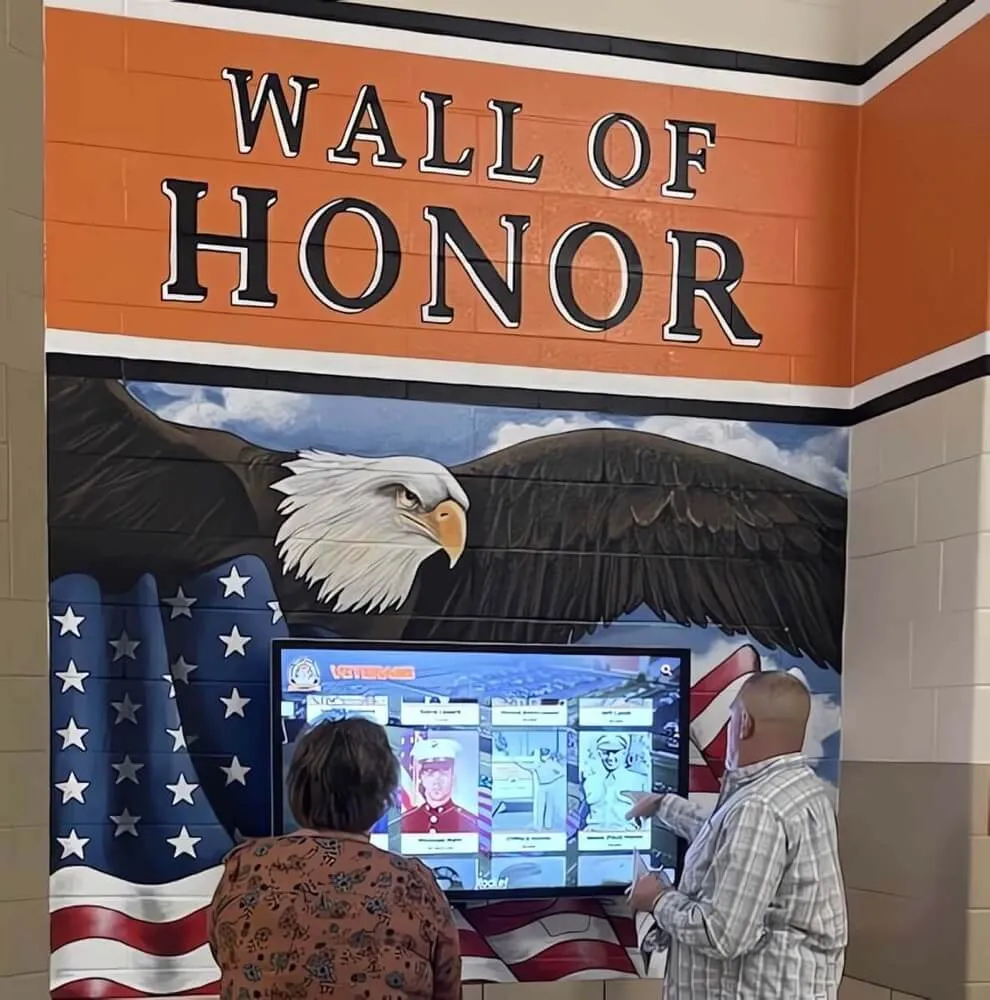
Modern recognition systems combine digital displays with traditional elements creating comprehensive celebration spaces
The Percussion Family: Rhythm and Color
Percussion instruments contribute rhythmic drive, dramatic effects, and coloristic variety spanning pitched instruments like timpani to unpitched instruments including drums and cymbals.
Timpani: The Melodic Drums
Timpani (also called kettledrums) serve as principal percussion instruments in orchestras, providing pitched bass drum sounds.
Design and Function
Timpani feature large copper or fiberglass bowls covered with calfskin or synthetic heads. Foot pedal mechanisms or hand-tuned screws change pitch by adjusting head tension.
Orchestras typically deploy four timpani covering approximately an octave range. Players use various mallet types achieving different timbres from soft, rumbling rolls to sharp, articulate attacks.
Musical Role
Timpanists provide rhythmic foundations, dramatic rolls, melodic bass lines, and special effects enhancing orchestral drama. The part requires excellent pitch accuracy since timpani must tune precisely to specific pitches.
Professional timpanists develop exceptional listening skills constantly monitoring and adjusting intonation throughout performances as temperature and playing affect drum heads.
Percussion Section: Diverse Instruments
Beyond timpani, orchestra percussion sections encompass vast arrays of instruments providing rhythmic and coloristic variety.
Common Orchestra Percussion
- Snare Drum: Provides sharp, crisp rhythmic articulation and dramatic rolls
- Bass Drum: Creates deep, resonant impacts and sustained rolls
- Cymbals: Offer dramatic crashes, sustained crescendos, and delicate shimmers
- Triangle: Produces bright, penetrating pings and shimmering rolls
- Tambourine: Adds rhythmic accents and sustained shakes
- Glockenspiel: Provides bright, bell-like melodic passages
- Xylophone and Marimba: Offer wooden-toned melodic and harmonic material
- Chimes: Create bell-like sustained tones
Specialized Instruments
Composers occasionally require exotic percussion including gongs, temple blocks, wood blocks, castanets, cowbells, sleigh bells, wind machines, and countless other effect instruments.
Percussionist Skills
Orchestra percussionists must master numerous instruments, rapidly switching between them during performances. This versatility requires broad technical facility, quick adaptation, and strong musical understanding.
Students achieving percussion excellence through All-State selection or solo competition success demonstrate remarkable versatility schools recognize through comprehensive recognition programs. Learn about effective approaches in student achievement showcase strategies.
Orchestra Seating and Organization
Understanding orchestra seating arrangements helps students appreciate how instrumental families collaborate creating unified musical expressions.
Standard Orchestra Layout
The traditional orchestra seating plan positions instrument families strategically for optimal balance, blend, and visual presentation.
String Placement
- First Violins: Front left, closest to conductor and audience
- Second Violins: Front right or left rear, depending on conductor preference
- Violas: Center or right center, providing harmonic core
- Cellos: Right front or right center, balancing first violins
- Double Basses: Right or left rear, providing foundation
Woodwind Configuration
Woodwinds sit center stage behind strings, arranged in sections:
- Flutes: Left center, typically in front
- Oboes: Center, often slightly elevated
- Clarinets: Right center position
- Bassoons: Right center rear
Brass Positioning
Brass sections occupy rear orchestra positions, their powerful sounds projecting over strings and woodwinds:
- Horns: Center rear or right rear
- Trumpets: Left rear or center rear
- Trombones: Far left or right rear
- Tuba: Far right or left rear
Percussion Location
Percussion instruments spread across the rear platform, with timpani traditionally positioned far left providing visual and sonic balance.
Why Seating Matters
Strategic placement ensures proper balance—louder instruments sit farther from audiences while softer instruments position closer. Arrangements facilitate visual communication between section principals and conductors.
Some contemporary orchestras experiment with alternative seating configurations exploring different sonic balances and visual presentations.

Modern recognition kiosks integrate touchscreen displays with cloud management platforms
Orchestra Size and Configurations
Orchestras vary significantly in size and instrumental composition depending on repertoire and performance context.
Chamber Orchestra
Chamber orchestras feature smaller ensembles typically including 15-40 musicians. These intimate groups suit Baroque and Classical period repertoire plus contemporary chamber works.
Chamber orchestras typically include:
- Reduced string sections (often 4-6 first violins, 4-6 seconds, 3-4 violas, 3-4 cellos, 2-3 basses)
- Limited woodwinds (often pairs: 2 flutes, 2 oboes, 2 clarinets, 2 bassoons)
- Minimal or no brass and percussion
The reduced forces enable greater clarity and transparency, with individual voices remaining more audible.
Symphony Orchestra
Full symphony orchestras include 60-100+ musicians handling standard Romantic and contemporary repertoire.
Typical symphony orchestra instrumentation:
Strings (50-60 players)
- 16-18 first violins
- 14-16 second violins
- 12-14 violas
- 10-12 cellos
- 8-10 double basses
Woodwinds (typically doubles plus extras)
- 3 flutes (3rd doubling piccolo)
- 3 oboes (3rd doubling English horn)
- 3 clarinets (3rd doubling bass clarinet)
- 3 bassoons (3rd doubling contrabassoon)
Brass
- 4-6 horns
- 3-4 trumpets
- 3 trombones
- 1 tuba
Percussion (3-5 players)
- Timpani (dedicated player)
- Multiple percussion covering diverse instruments
Expanded Orchestra
Some late-Romantic and contemporary works require augmented forces including:
- Additional brass (extra horns, trumpets, Wagner tubas)
- Expanded percussion sections
- Keyboard instruments (piano, celesta, organ)
- Harp (sometimes multiple harps)
- Specialized instruments (saxophone, mandolin, guitar, etc.)
These massive ensembles can exceed 100 musicians for works by composers like Mahler, Strauss, or contemporary film score composers.
Learning Orchestra Instruments: Student Considerations
Students selecting orchestra instruments benefit from understanding various factors affecting their instrumental journey success.
Physical Considerations
Size and Strength Requirements
Different instruments demand varying physical capabilities:
- Smaller students: Violin, viola (smaller sizes), flute, clarinet
- Larger students: Cello, double bass, trombone, tuba
- Arm strength: Violin, viola require sustained arm elevation
- Lung capacity: Woodwinds and brass demand strong breath support
- Hand size: String instruments and keyboards benefit from larger hand spans
Fractional-size instruments enable younger students to begin on violin, viola, and cello despite their current physical limitations.
Dental Considerations
Brass and woodwind instruments interact with teeth and mouth structures:
- Students with braces can play most instruments with adaptation periods
- Orthodontists can provide special wax protecting lips and interior mouth
- Some students temporarily switch instruments during orthodontic treatment
Musical Aptitude Factors
Pitch Accuracy
Certain instruments demand exceptional pitch discrimination:
- String instruments: Require precise finger placement without frets
- Trombone: Demands accurate slide positioning
- Voice-driven instruments: Students with strong pitch sense often excel
Rhythmic Sensitivity
All instruments benefit from strong rhythm, though percussion requires exceptional rhythmic precision and independence.
Tone Sensitivity
Woodwind and brass instruments require refined embouchure development, breath control, and tone concept cultivation. Students with natural tone sensitivity often progress more rapidly.
Practical Logistics
Instrument Costs
Orchestra instruments vary dramatically in price:
Lower Investment Instruments
- Violin, viola: Student models $200-$800
- Flute, clarinet: $300-$1,000
- Trumpet, trombone: $400-$1,200
Moderate Investment Instruments
- Cello: $800-$3,000 for student models
- Oboe: $1,500-$3,500 for quality student instruments
- Bassoon: $3,000-$8,000 for student models
- Horn: $2,000-$5,000 student range
Higher Investment Instruments
- Double bass: $2,000-$6,000 student models
- Professional instruments across all families: $5,000-$50,000+
Many schools maintain instrument rental or loan programs helping families manage costs, particularly for expensive or large instruments.
Transportation and Storage
Practical considerations affect instrument choice:
- Easily portable: Violin, viola, flute, clarinet, trumpet
- Moderately portable: Cello (with cases and car transport)
- Transportation challenges: Double bass, tuba, harp (require vehicles)
Schools and families must consider storage space and transportation logistics when selecting instruments.
Competitive Landscape
Competition levels vary significantly across instruments:
Higher Competition
- Violin and flute attract many students, creating intense audition competition
- Achieving principal positions requires exceptional skill and dedication
Moderate Competition
- Clarinet, trumpet, cello, horn have substantial participation with reasonable opportunity
Lower Competition
- Viola, double bass, bassoon, tuba, oboe face lower competition
- Dedicated students often secure better positions more readily
Understanding competitive landscapes helps students set realistic goals and expectations.
Students pursuing competitive honors like All-State orchestras demonstrate exceptional dedication schools celebrate through recognition displays. Explore comprehensive approaches at digital recognition solutions for student musicians.
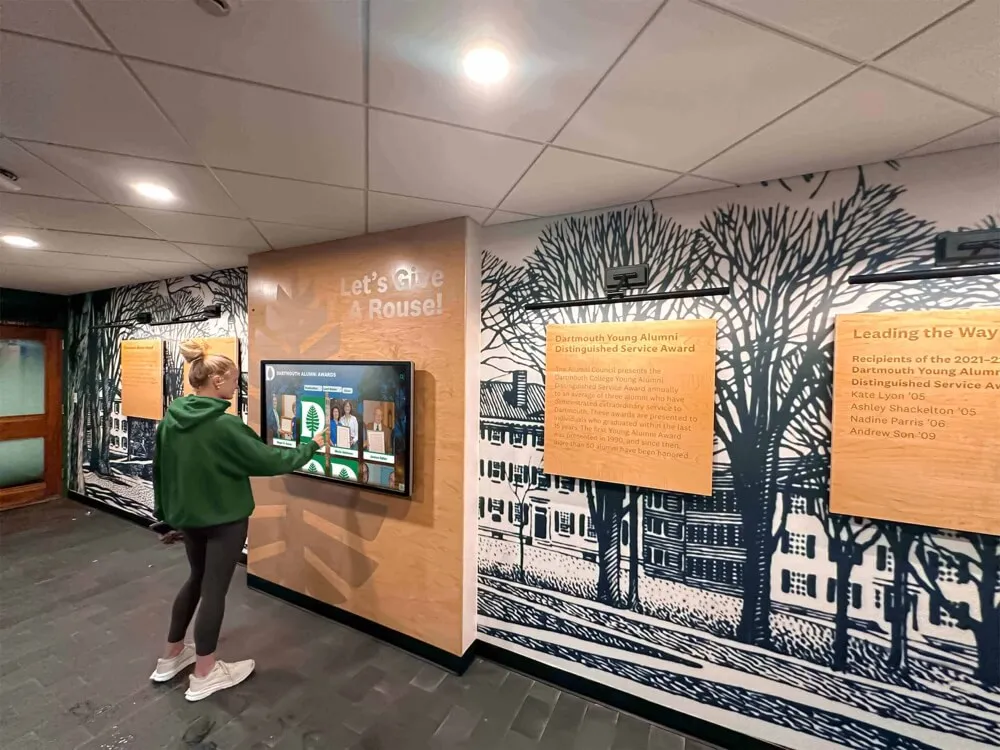
Strategic placement in music facilities maximizes recognition visibility and program impact
Career Paths in Orchestra Performance
Students passionate about orchestra instruments can pursue diverse career paths within professional music.
Professional Orchestra Positions
Major Symphony Orchestras
Top-tier orchestras in major cities offer prestigious, well-compensated positions:
- Competitive auditions attract hundreds of applicants
- Positions provide salaries supporting comfortable living
- Organizations include New York Philharmonic, Chicago Symphony, Boston Symphony
- Typically require graduate degrees from prestigious conservatories
Regional Orchestras
Mid-sized cities support professional or semi-professional orchestras:
- Less competitive than major orchestras though still demanding
- May require supplemental income from teaching or other music work
- Provide excellent professional orchestra experience
Military Bands and Orchestras
United States military branches maintain professional ensembles:
- Competitive audition processes with attractive benefits
- Regular salary, healthcare, retirement benefits
- Performance opportunities plus travel
Orchestra-Related Careers
Chamber Music
Professional chamber ensembles perform as string quartets, piano trios, wind quintets, and other configurations:
- Entrepreneurial opportunities creating unique programs
- Often combined with university teaching positions
- Requires exceptional musicianship and collaboration skills
Teaching Careers
Orchestra instrumentalists often pursue education careers:
- University positions: Teaching applied lessons and directing ensembles
- Private teaching: Building independent studios
- School music educators: Leading school orchestras and music programs
Many professional musicians combine performing with teaching, creating diversified income streams.
Arts Administration
Orchestra management offers careers in:
- Concert programming and artistic planning
- Orchestra operations and personnel management
- Development and fundraising
- Marketing and audience engagement
Freelance and Commercial Music
Studio Musicians
Recording sessions for film, television, albums, and commercials provide income for versatile players in major music centers.
Pit Orchestra Musicians
Broadway shows, touring productions, and regional theaters employ orchestra musicians for theatrical performances.
Schools recognizing accomplished student musicians inspire future generations pursuing professional music careers. Comprehensive recognition approaches include digital displays showcasing student pathways from student ensembles to professional achievement.
Building Skills: Practice and Development
Orchestral excellence requires systematic skill development through deliberate practice and dedicated study.
Essential Practice Components
Technical Development
- Scales and arpeggios: Building finger facility and intonation
- Etudes: Focused studies targeting specific technical challenges
- Sight-reading: Developing ability to play unfamiliar music accurately
- Tone development: Cultivating beautiful, characteristic sound quality
Repertoire Study
- Solo literature: Building performance capabilities through substantial works
- Orchestra excerpts: Preparing audition materials and challenging passages
- Chamber music: Developing collaborative skills and musical sensitivity
Effective Practice Strategies
Deliberate Practice Principles
Research demonstrates effective practice requires:
- Focused attention: Practicing with specific goals rather than mindless repetition
- Immediate feedback: Identifying and correcting errors promptly
- Challenging material: Working slightly beyond current comfort levels
- Consistent schedule: Regular daily practice rather than sporadic marathon sessions
Most accomplished student musicians practice 1-3 hours daily depending on age, instrument, and goals.
Practice Techniques
- Slow practice: Mastering passages at reduced tempos before speeding up
- Isolation: Extracting difficult sections for concentrated work
- Rhythmic variation: Practicing passages in different rhythms building control
- Recording: Listening critically to identify improvement areas
- Mental practice: Visualizing performance when instruments aren’t accessible
Lesson Study and Mentorship
Private instruction accelerates progress through:
- Expert guidance: Teachers identifying technical issues and solutions
- Accountability: Regular lessons motivating consistent practice
- Repertoire selection: Choosing appropriate progressive literature
- Performance preparation: Developing confidence and stage presence
Most successful orchestra students study privately with specialist teachers complementing school instruction.
Schools celebrating student musicians who achieve All-State recognition or competitive success inspire continued dedication. Modern recognition systems preserve these achievements, as explored in honor roll and achievement recognition celebrating student excellence.
Youth Orchestra Opportunities
Participation in youth orchestras provides essential experience building skills beyond school programs.
Types of Youth Orchestras
Community Youth Orchestras
Most cities host community youth orchestras accepting students through auditions:
- Weekly rehearsals developing ensemble skills
- Multiple orchestra levels accommodating different abilities
- Concert performances building stage experience
- Often include chamber music opportunities
Regional and All-State Orchestras
State music educator associations sponsor honor orchestras:
- Highly competitive audition processes
- Weekend or week-long intensive rehearsals
- Performances featuring challenging repertoire
- Prestigious recognition enhancing college applications
National Youth Orchestras
Elite programs attract top young musicians nationally:
- National Youth Orchestra of the United States of America (NYO-USA)
- American Youth Symphony
- National Repertory Orchestra
- Extremely competitive with international performance tours
Summer Music Programs
Intensive summer programs accelerate development:
Orchestra Festivals
- 2-8 week residential programs
- Daily rehearsals, lessons, and chamber music
- Master classes with renowned artists
- Performance opportunities
Music Camps
- Various lengths and intensity levels
- Combination of orchestra, recreation, and music study
- Build friendships with like-minded musical peers
These experiences expose students to advanced repertoire, excellent conductors, and talented peer musicians who inspire continued growth. Schools often recognize participation through comprehensive recognition displays celebrating diverse musical achievements beyond school ensembles.

Permanent recognition displays honor orchestra students' dedication and inspire future musicians
College Preparation for Orchestra Students
Students pursuing music in college benefit from strategic preparation throughout high school.
College Orchestra Program Types
Conservatories
Specialized music schools like Juilliard, Curtis, New England Conservatory offer:
- Intensive performance-focused curricula
- Study with renowned artist-teachers
- Extensive performance opportunities
- Highly competitive admissions
University Music Schools
Major universities maintain excellent music schools within larger institutions:
- Strong performance programs plus academic breadth
- Dual degree opportunities combining music with other fields
- Good balance between music intensity and broader education
Liberal Arts Colleges
Many colleges offer excellent music programs within liberal arts contexts:
- Strong teaching and performance opportunities
- Less intensive than conservatories
- Excellent preparation for diverse career paths
Audition Preparation
College music admissions depend heavily on performance auditions:
Standard Audition Requirements
- Major scales (various patterns)
- One or more etudes demonstrating technical facility
- 2-3 contrasting solo pieces or movements
- Sight-reading (some schools)
- Music theory placement tests
Timeline
- Sophomore year: Begin research and college list development
- Junior year: Intensify repertoire preparation, attend summer programs
- Fall senior year: Record pre-screening videos if required
- Winter senior year: Travel to live auditions
Music Scholarships
Strong orchestra students often qualify for significant scholarships:
Merit-Based Music Scholarships
- Performance ability determines award amounts
- Available at conservatories, universities, and colleges
- Can range from partial to full tuition coverage
Academic Scholarships Combined with Music
- Students with strong grades plus musical talent often receive combined awards
- Particularly available at liberal arts colleges and universities
Schools often showcase college-bound music students and scholarship recipients through recognition programs celebrating academic and artistic achievement. Explore approaches in academic achievement recognition that honor diverse student accomplishments.
Recognizing Orchestra Excellence in Schools
Schools increasingly implement systematic recognition programs celebrating orchestra students’ achievements, building program culture and inspiring continued excellence.
Traditional Recognition Approaches
Concerts and Performances
Regular performance opportunities provide organic recognition:
- Solo and small ensemble features
- Concerto competition winners performing with orchestras
- Principal chairs highlighted in programs
Awards Ceremonies
Annual music awards recognize:
- Outstanding musicians by section
- Most improved players
- Service and leadership contributions
- Senior legacy awards
Physical Displays
Traditional recognition includes:
- Trophy cases featuring awards and certificates
- Bulletin boards with photos and achievements
- Wall plaques honoring All-State musicians
- Program covers listing honor ensemble participants
While valuable, these approaches face limitations—space constraints, update difficulties, and limited storytelling capabilities.
Modern Digital Recognition Solutions
Contemporary schools leverage digital platforms transforming orchestra recognition:
Interactive Displays
Touchscreen kiosks in music facilities showcase:
- Unlimited musicians across all years without space constraints
- Rich profiles including photos, videos, and achievement stories
- Performance recordings documenting musical excellence
- Searchable databases enabling easy exploration
- Remote updates adding new achievements seamlessly
Web-Based Platforms
Online extensions enable:
- Family access viewing achievements from anywhere
- Social sharing amplifying recognition beyond campus
- Alumni connections preserving orchestra tradition
- Recruitment tools attracting prospective students
Solutions like Rocket Alumni Solutions provide turnkey systems specifically designed for educational recognition, enabling schools to celebrate every achievement level from developing musicians to All-State honorees.
Benefits of Digital Recognition
- Unlimited capacity: Never remove past honorees to add new ones
- Multimedia richness: Include videos, recordings, and comprehensive stories
- Easy maintenance: Cloud-based management with simple remote updates
- Engagement analytics: Track how community interacts with recognition
- Multi-device access: Display on screens, computers, tablets, phones
Schools implementing comprehensive digital recognition report increased program pride, improved recruitment, and stronger alumni connections. Learn more about effective approaches in National Honor Society digital recognition applicable to orchestra programs.
The Future of Orchestra and Music Education
Orchestra music continues evolving, with contemporary trends shaping how students experience and engage with instrumental music.
Expanding Repertoire
Contemporary Compositions
Modern composers create accessible works engaging young musicians:
- Film score arrangements bringing familiar music to orchestras
- Commissioned pieces by living composers
- Cross-genre fusion incorporating popular music elements
Diverse Cultural Traditions
Orchestra programs increasingly incorporate:
- Non-Western musical traditions
- Works by underrepresented composers
- Arrangements of diverse cultural music
This expanded repertoire exposes students to richer musical perspectives.
Technology Integration
Practice Tools
Technology enhances individual practice:
- Slow-down apps enabling students to work with recordings
- Tuning apps providing immediate pitch feedback
- Metronome apps developing steady rhythm
- Recording capabilities for self-assessment
Digital Sheet Music
Tablets and music apps offer:
- Searchable music libraries
- Annotation tools for marking music
- Page-turning automation
- Space-saving alternatives to paper libraries
Virtual Rehearsal Tools
Recent developments enable:
- Remote rehearsals during disruptions
- Recording individual parts for virtual ensembles
- Asynchronous participation options
While not replacing live music-making, these tools provide valuable supplements.
Access and Inclusion
Progressive orchestra programs emphasize:
- Adaptive instruments for students with physical differences
- Financial assistance ensuring economic barriers don’t prevent participation
- Recruitment encouraging diverse student participation
- Recognition systems celebrating all achievement levels
These inclusive approaches strengthen programs while providing musical opportunities to broader student populations.

Modern recognition systems engage communities while documenting program history and tradition
Conclusion: Celebrating Orchestra Excellence
Orchestra instruments represent centuries of musical evolution, each contributing unique voices to one of humanity’s greatest collaborative art forms. For students embarking on instrumental music journeys, understanding these instruments—their characteristics, roles, and requirements—provides essential foundation for informed decisions and meaningful musical engagement.
From the soaring violins providing melodic brilliance to the foundational basses anchoring harmonic structures, from the colorful woodwinds adding character to the powerful brass delivering dramatic statements, every instrument plays vital roles in orchestral music. Students who dedicate themselves to mastering these instruments develop discipline, creativity, collaborative skills, and artistic expression serving them throughout their lives.
Schools that systematically recognize orchestra students’ achievements—from developing musicians to All-State honorees—build thriving musical cultures where excellence becomes expected and celebrated. Modern recognition solutions eliminate traditional limitations, enabling comprehensive celebration of every student’s musical journey while inspiring future generations to pursue artistic excellence.
Transform Your Orchestra Program Recognition
Discover how modern digital recognition solutions can help you celebrate every student musician's achievement and build a thriving culture of musical excellence that inspires current and future orchestra members.
Explore Recognition SolutionsWhether students pursue professional music careers or carry their musical training into other fields, the skills developed through orchestra participation—discipline, collaboration, artistic sensitivity, and dedication to excellence—provide lifelong value. Schools that honor these achievements through comprehensive recognition programs demonstrate institutional commitment to arts education while inspiring continued musical growth.
The journey from first tentative notes to accomplished performances spans years of dedicated practice, skilled instruction, and passionate commitment. Students achieving milestones along this journey deserve recognition reflecting the magnitude of their accomplishments, inspiring peers to pursue similar excellence while building program traditions celebrating artistic achievement.
For schools seeking to elevate orchestra recognition, modern digital platforms offer unprecedented capabilities documenting every achievement level, telling complete musical stories, and creating engaging experiences impossible with traditional approaches. These systems transform recognition from occasional announcements to systematic celebration woven throughout program culture, ensuring every dedicated student musician receives acknowledgment their efforts deserve.