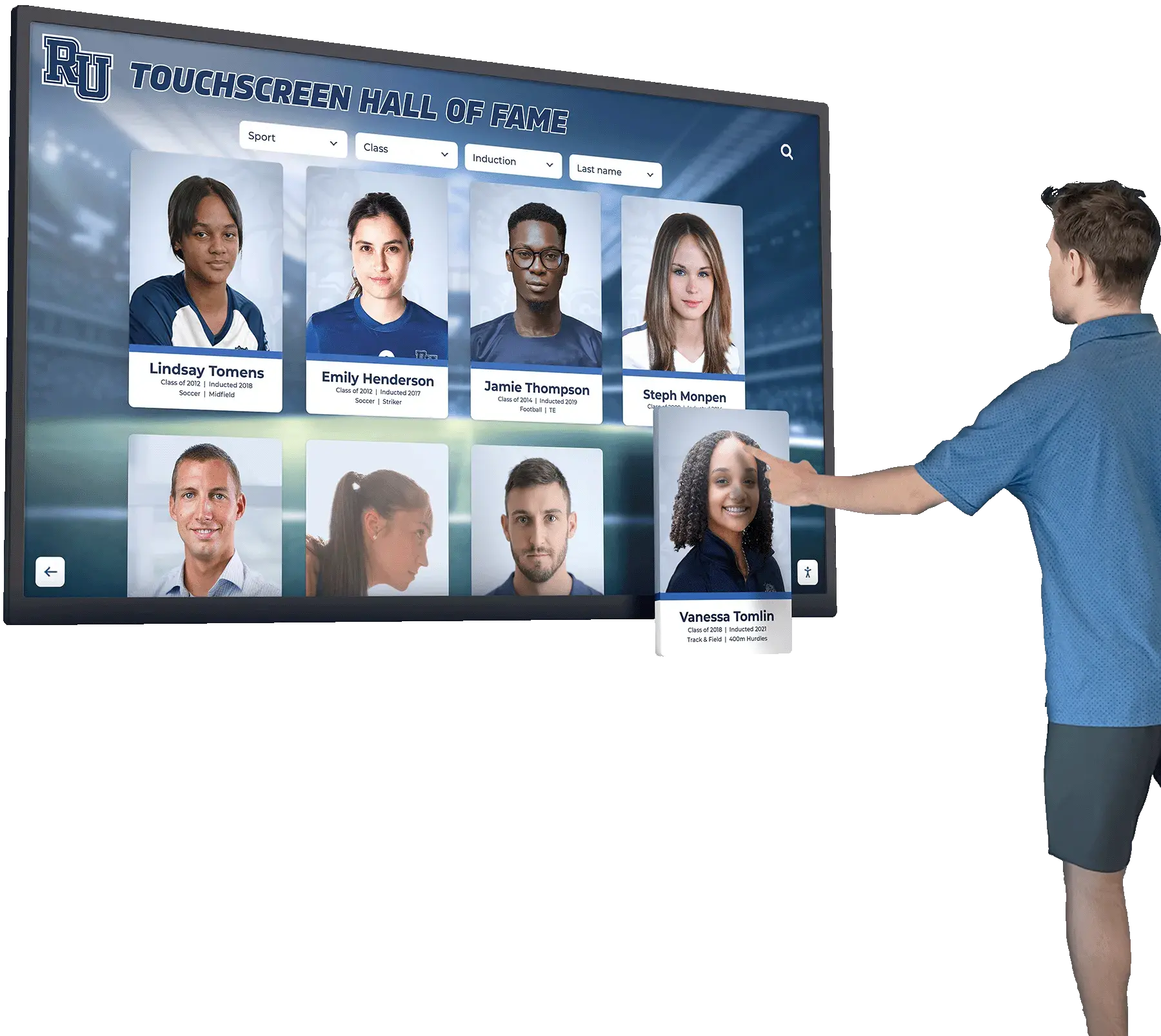




Oldtimers Walls serve as powerful tributes celebrating veteran athletes, preserving institutional sports history, and honoring the legacy players whose dedication and achievements laid the foundation for current program success. These recognition displays bridge generations of athletes, creating visible connections between past excellence and present accomplishments while demonstrating that athletic contributions remain celebrated and remembered long after final games conclude.
Walk through established athletic programs and you’ll encounter a common challenge: decades of remarkable athletes whose achievements risk fading from institutional memory, veteran players who paved the way for current successes but receive minimal visibility, historical accomplishments stored in forgotten archives rather than celebrated publicly, younger athletes unaware of the proud traditions they’re continuing, and limited physical space preventing comprehensive recognition of all deserving contributors across multiple generations and sports.
This comprehensive guide explores everything you need to know about creating effective Oldtimers Walls—from understanding the unique value of legacy athlete recognition to selecting appropriate display formats, organizing historical content, implementing sustainable systems, and ensuring veteran players receive the visibility and celebration their contributions deserve.
Effective Oldtimers recognition extends far beyond simply listing names and years. The most impactful displays tell comprehensive stories about athletic journeys, preserve detailed historical context, connect past achievements to present program culture, and create inspiration demonstrating that today’s athletes are building upon proud traditions established by those who came before them.

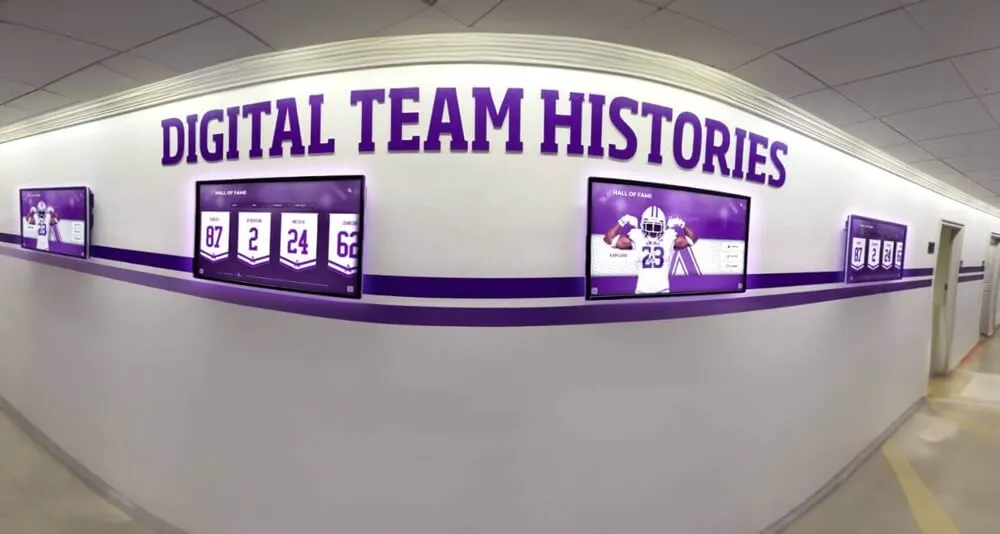
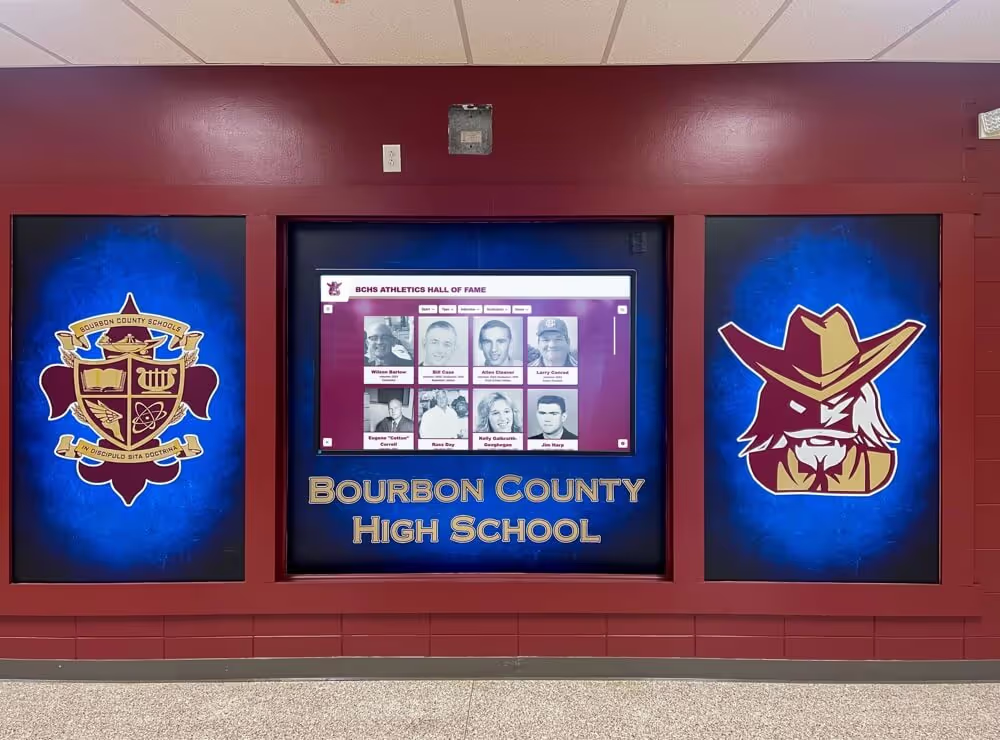
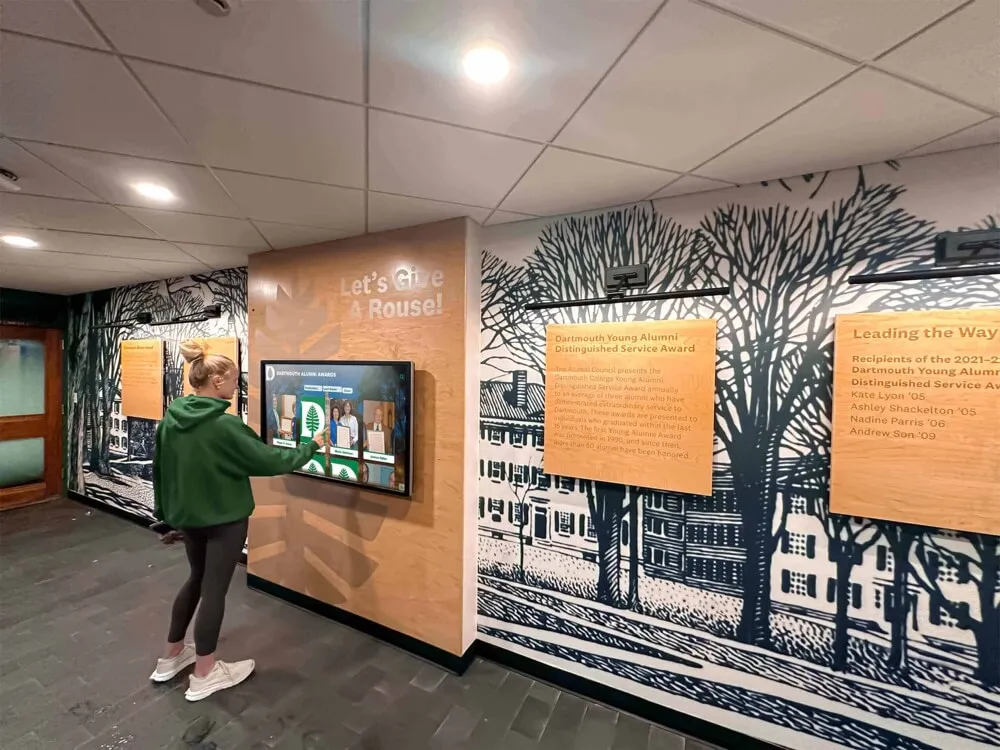
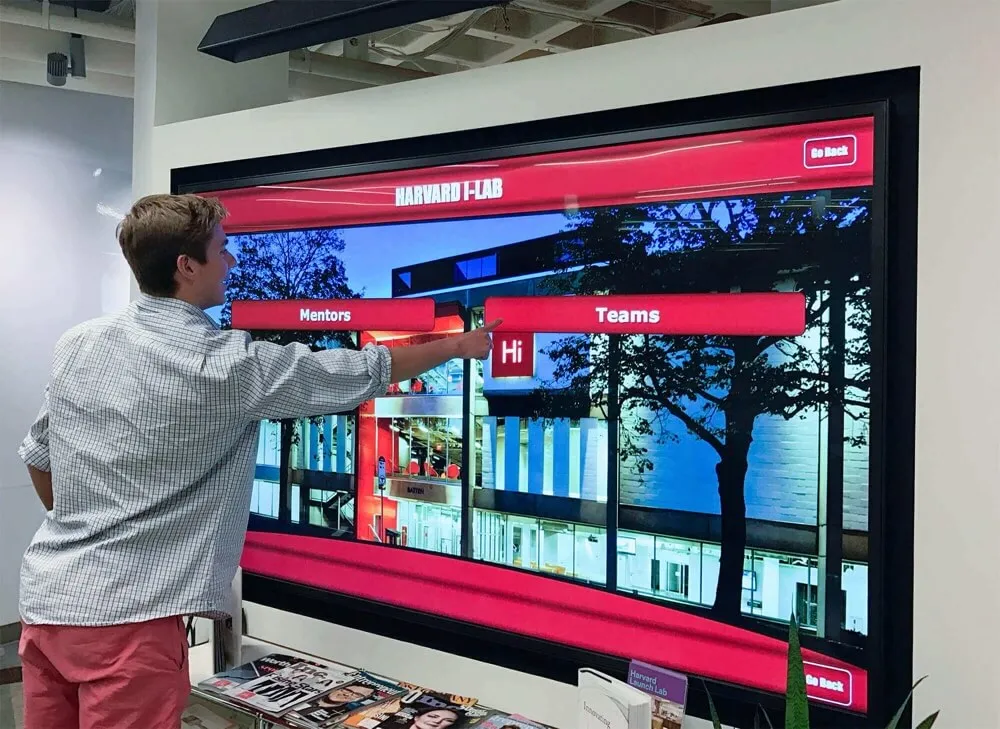
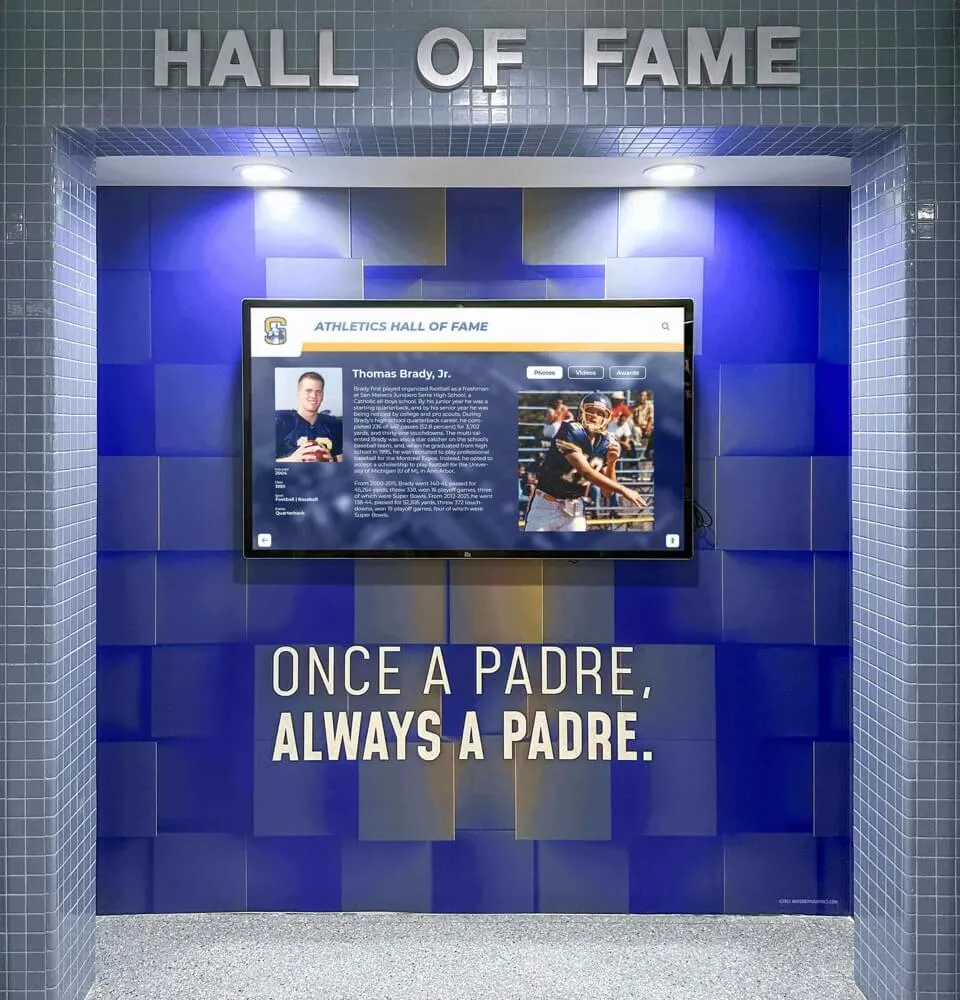
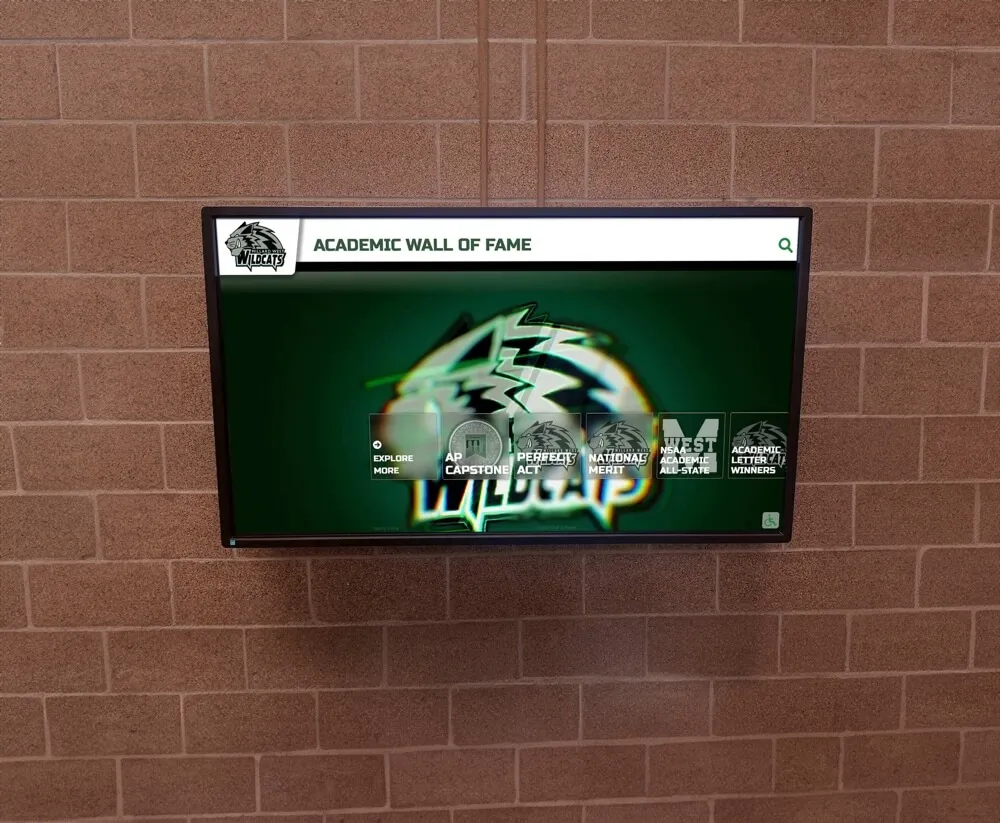
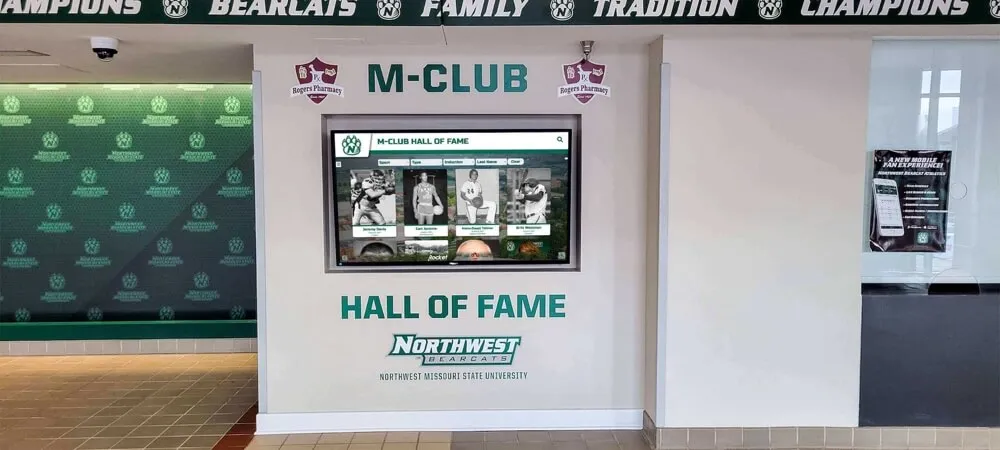
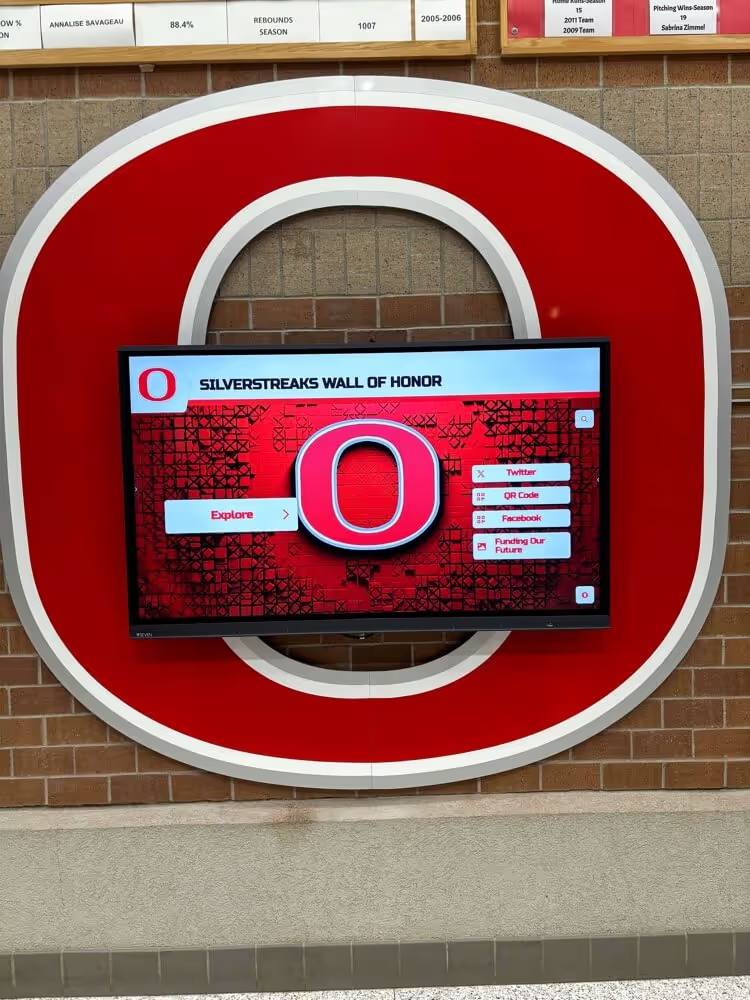
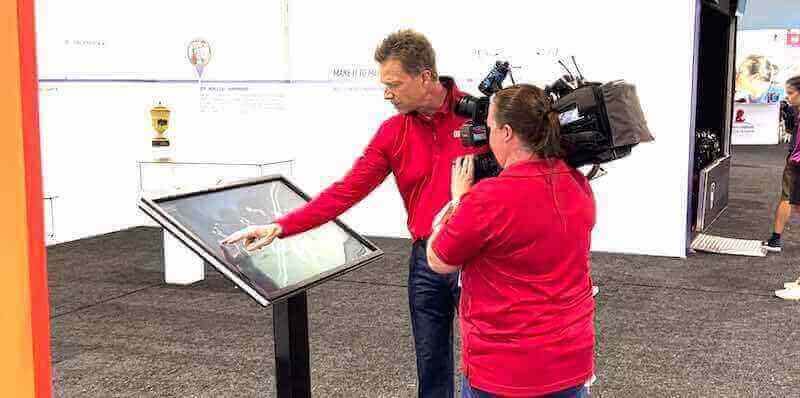
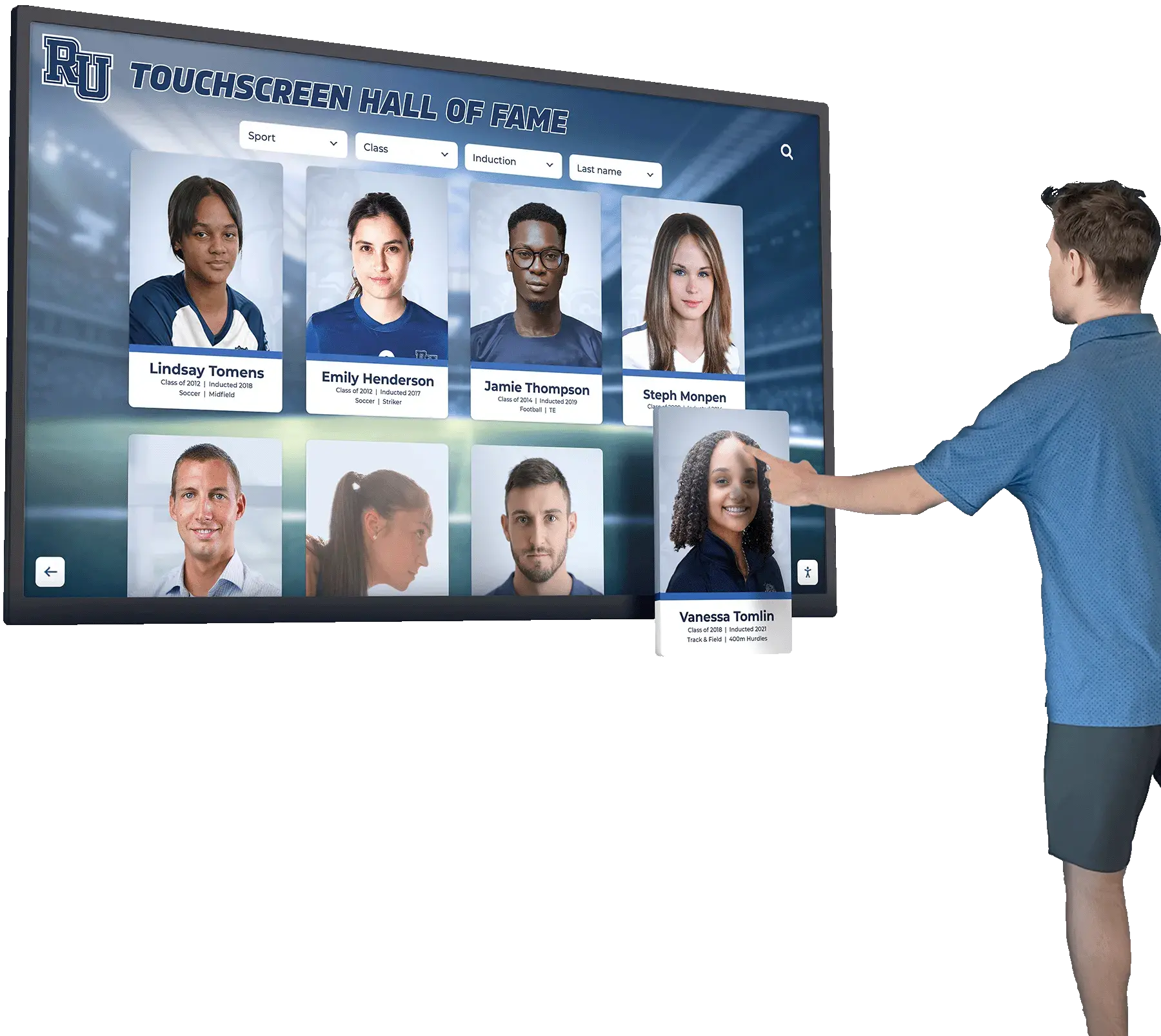
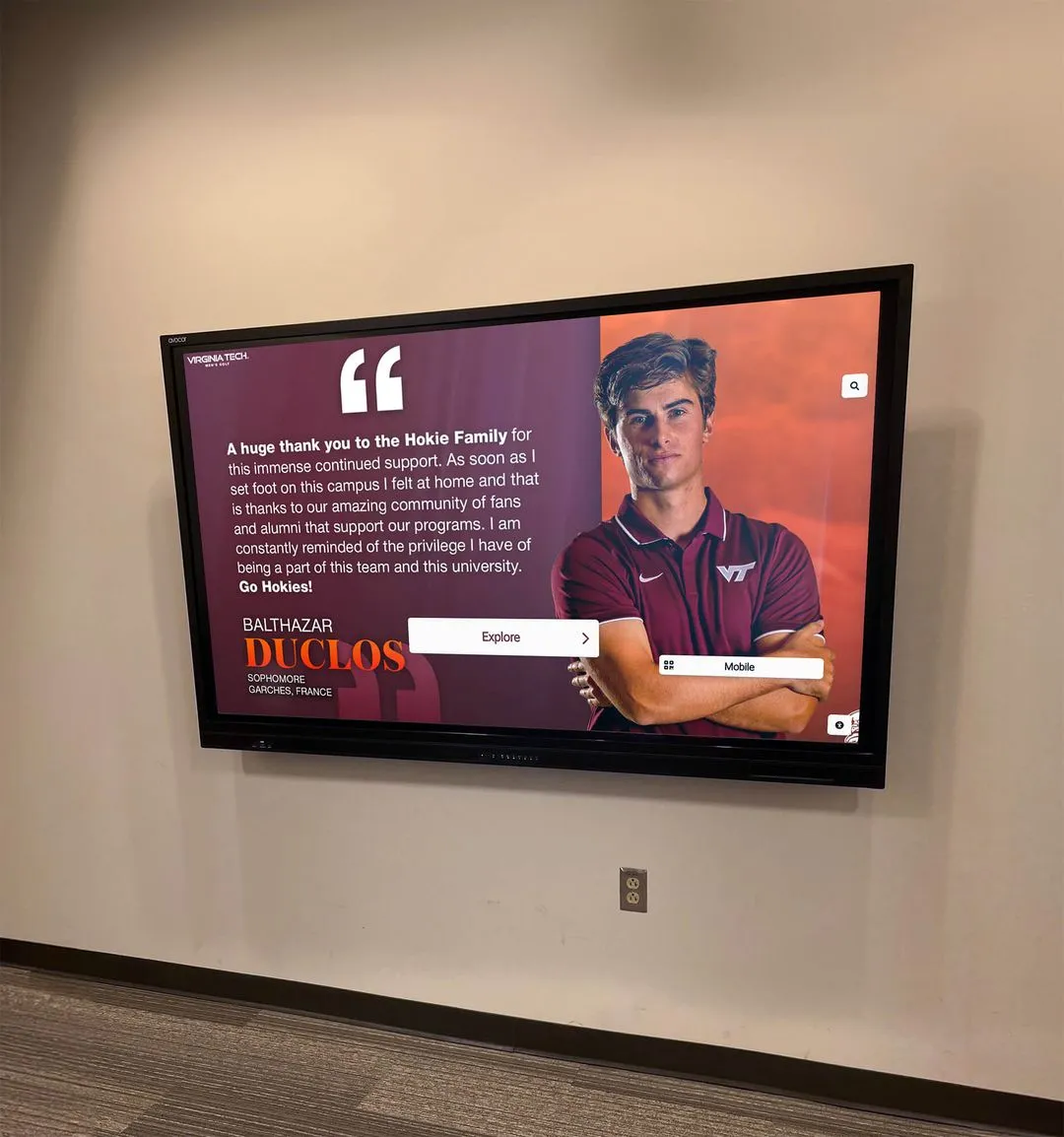
Modern interactive displays enable deep exploration of veteran athlete achievements, preserving comprehensive legacy player stories for future generations
Understanding Oldtimers Walls and Their Purpose
Before designing recognition displays, understanding what makes Oldtimers Walls unique and why they deliver powerful cultural impact helps institutions create systems that resonate with athletes, alumni, and communities.
What Are Oldtimers Walls?
Oldtimers Walls are dedicated recognition displays specifically honoring veteran athletes, historical team members, and legacy players who competed in earlier eras—typically those who graduated or concluded their playing careers 10+ years ago. These displays differ fundamentally from current athlete recognition or recent championship celebration in several important ways.
Distinctive Characteristics of Oldtimers Recognition
Historical Focus and Preservation
Unlike recognition celebrating recent accomplishments, Oldtimers Walls emphasize historical preservation and institutional memory:
- Documentation of athletes competing decades in the past
- Preservation of achievements that might otherwise be forgotten
- Historical context explaining how programs evolved over time
- Connection to community and institutional history beyond athletics
- Recognition of athletes who competed under different rules, conditions, and circumstances
- Celebration of contributions to program foundations and traditions
This historical emphasis requires different approaches than contemporary athlete recognition, with greater research demands and unique presentation considerations.
Multi-Generational Scope and Continuity
Comprehensive Oldtimers Walls span multiple decades or generations:
- Athletes from 1950s, 60s, 70s, and beyond requiring recognition
- Evolution of athletic programs visible through changing rosters
- Family connections across generations of athletes
- Coaching and program leadership transitions documented
- Facility and equipment changes reflected in historical photos
- Community growth and institutional development visible through sports history
Learn about comprehensive historical approaches in school historical timeline guide demonstrating systematic documentation.
Alumni Connection and Engagement Purpose
Beyond preservation, Oldtimers Walls serve critical alumni engagement objectives:
- Reconnecting veteran athletes with institutions where they competed
- Creating homecoming and reunion focal points
- Demonstrating institutional commitment to remembering all athletes
- Motivating alumni giving through visible recognition and appreciation
- Building pride among older alumni who might feel forgotten
- Facilitating connections between athletes from different eras
- Strengthening institutional loyalty across entire alumni base
These multi-faceted purposes explain why successful athletic programs invest significantly in comprehensive Oldtimers recognition systems.
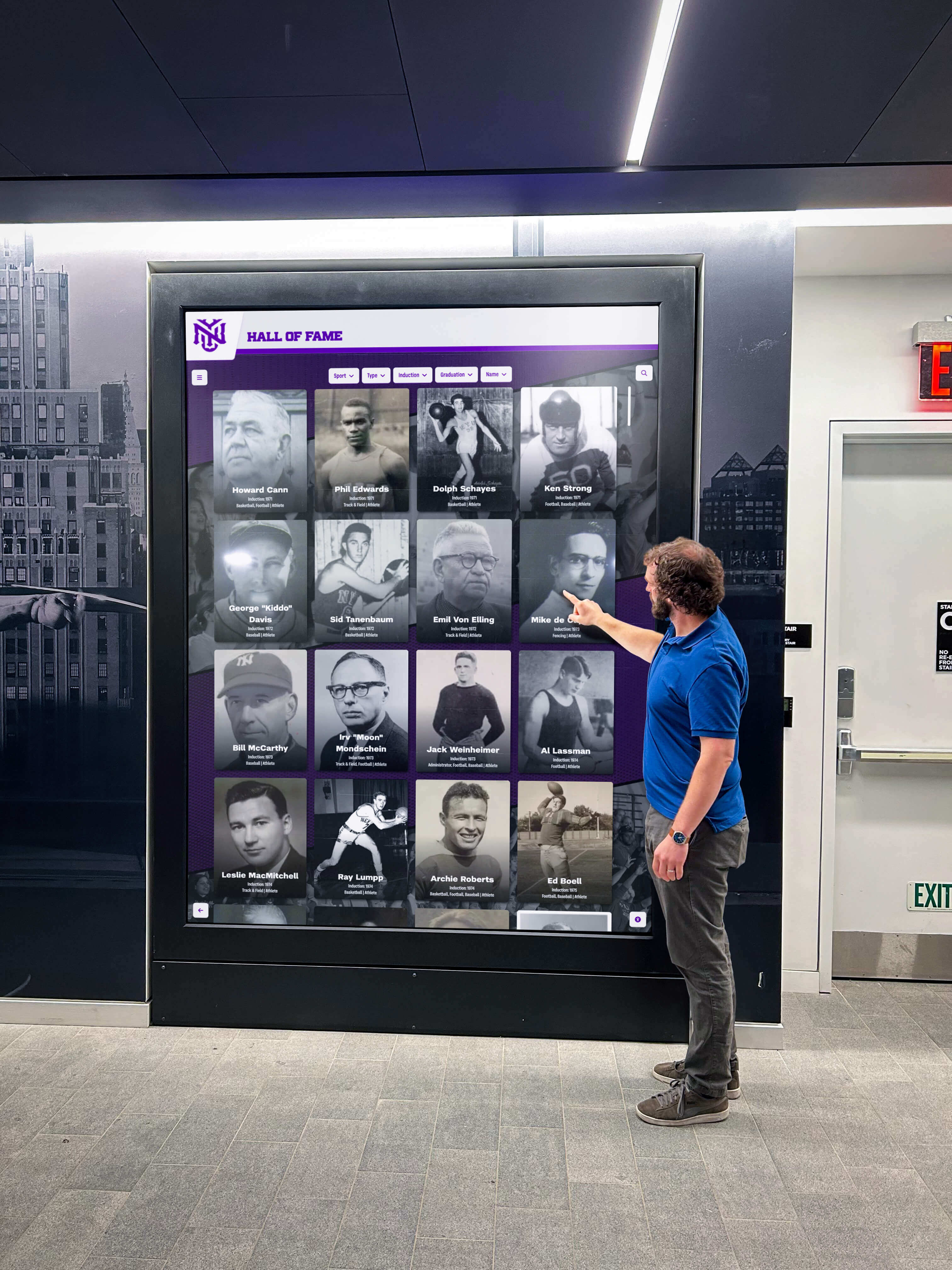
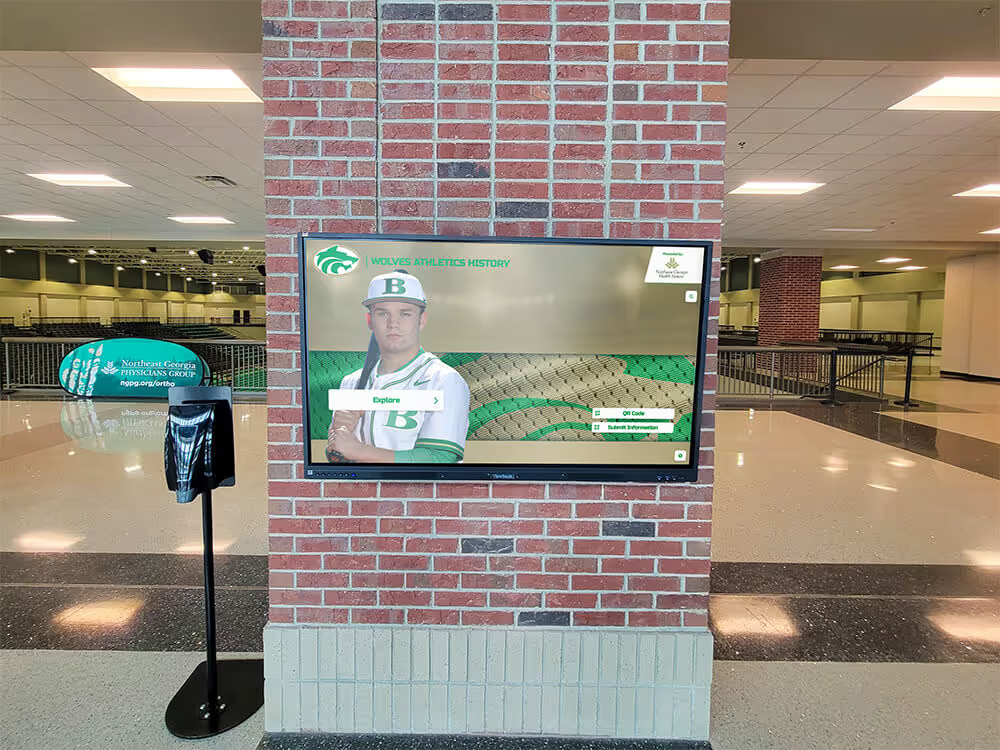
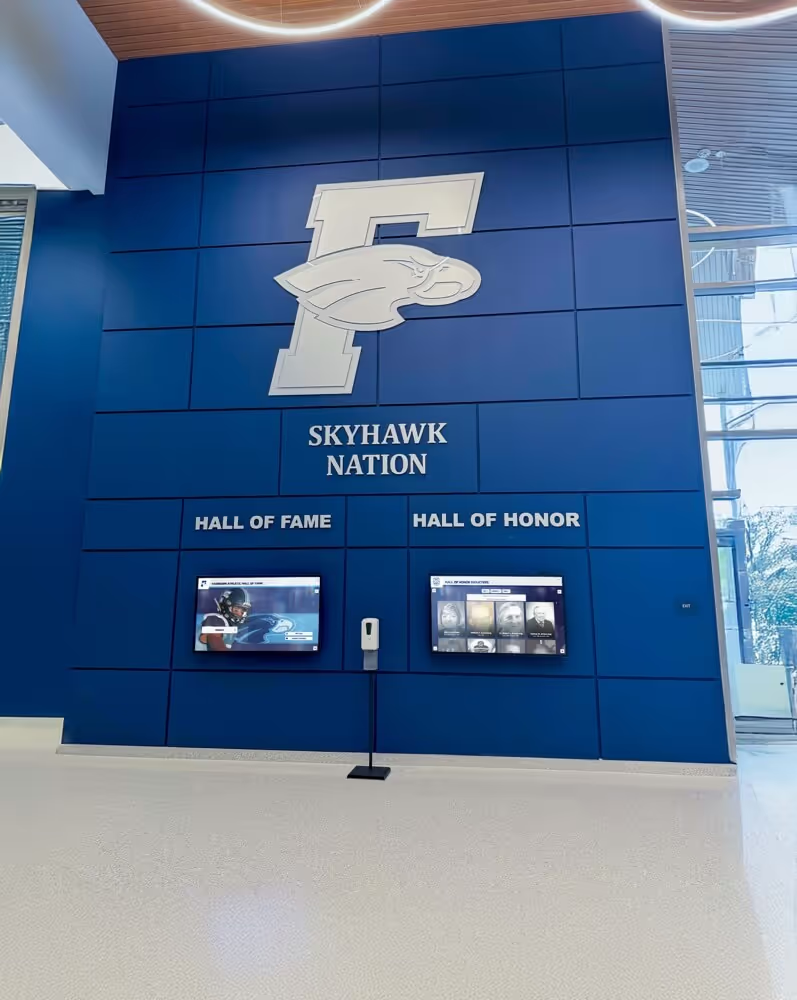
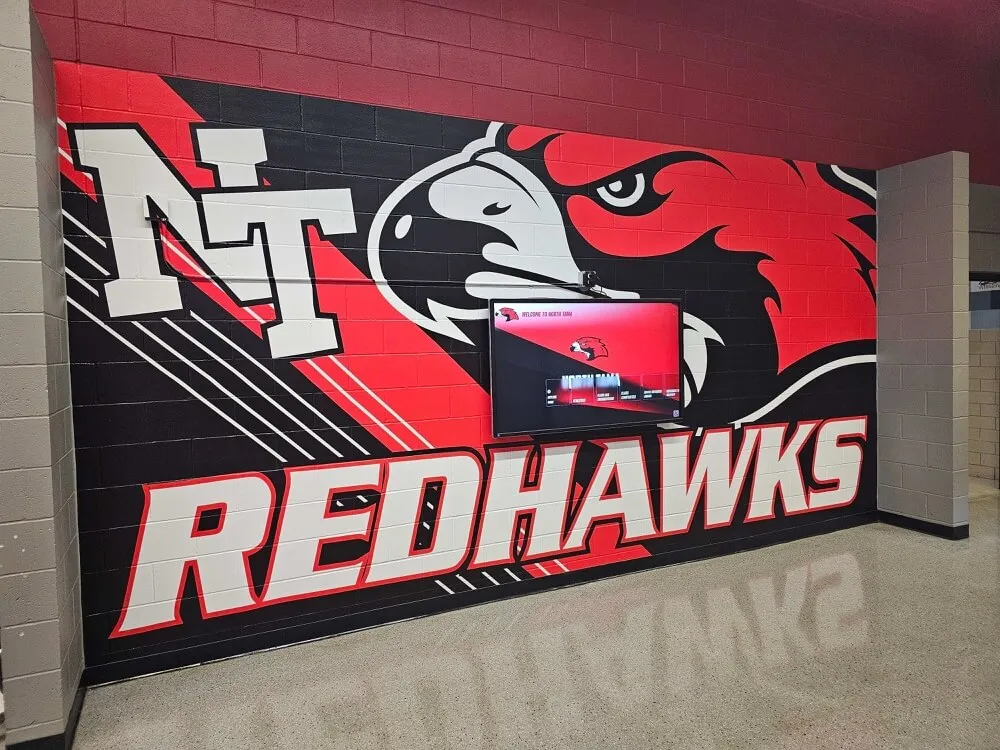
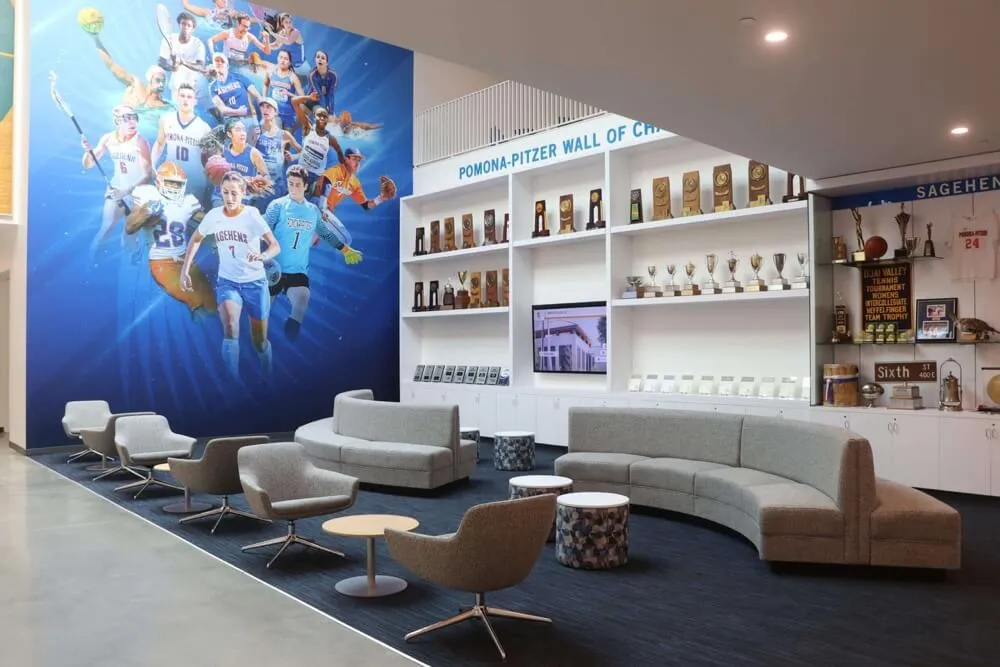
High-visibility lobby placements ensure Oldtimers recognition reaches current athletes, families, and community members daily
The Value of Honoring Legacy Athletes
Strategic Oldtimers recognition delivers measurable benefits across multiple constituencies and institutional priorities.
Impact on Current Athletes
Veteran player recognition influences today’s team members powerfully:
Tradition and Pride Building
When current athletes see comprehensive recognition of those who came before:
- Understanding that they’re part of something larger than single season or career
- Pride in continuing traditions established by respected predecessors
- Motivation to add their own chapters to ongoing program stories
- Context for rivalries, records, and program expectations
- Connection to institutional history creating deeper commitment
- Appreciation for facilities, opportunities, and support previous athletes lacked
- Inspiration from athletes who overcame challenges and achieved excellence
These cultural impacts strengthen program identity and athlete commitment in ways impossible without visible historical recognition.
Performance Standards and Aspiration
Oldtimers Walls establish performance benchmarks:
- Visible records from previous eras creating competitive targets
- Achievement standards demonstrating program expectations
- Role models showing pathways to success specific to program context
- Evidence that exceptional performance receives lasting recognition
- Motivation to pursue achievements worthy of future inclusion
- Understanding of what constitutes program-defining excellence
- Connection between effort, achievement, and legacy
Explore performance recognition in athletic record boards guide with comprehensive approaches.
Benefits for Alumni and Veteran Athletes
Recognition powerfully affects those being honored:
Validation and Appreciation
Being featured in Oldtimers recognition affirms athletic contributions:
- Acknowledgment that achievements remain valued decades later
- Pride in continued association with athletic programs and institutions
- Tangible evidence that athletic careers had lasting significance
- Recognition that sacrifices and dedication are remembered
- Motivation to maintain institutional connections and support
- Enhanced self-identity and life satisfaction from honored accomplishments
- Stories to share with family members and subsequent generations
According to the National Baseball Hall of Fame induction system, formal recognition through hall of fame status represents one of sport’s highest honors, validating lifetime achievement and contribution.
Reconnection and Community Building
Oldtimers recognition creates alumni engagement opportunities:
- Reason to return to campus for unveilings and celebrations
- Connections with teammates and competitors from playing days
- Engagement with current program supporting next generations
- Mentorship opportunities sharing experiences with young athletes
- Fundraising participation supporting facilities and scholarships
- Legacy-building through continued program involvement
- Family connections as children and grandchildren continue athletic traditions
Schools implementing comprehensive Oldtimers recognition report 35-50% increases in alumni engagement from veteran athletes previously disconnected from institutions.
Institutional and Community Impact
Program Marketing and Recruiting Value
Oldtimers recognition demonstrates program history and culture:
- Evidence of sustained excellence across multiple decades
- Proof that athletic programs produce lasting community impact
- Differentiation from newer programs lacking historical tradition
- Family appeal showing multi-generational athletic participation
- Alumni network strength visible through engaged veteran athletes
- Institutional commitment to athletes evident through lasting recognition
- Pride and tradition attractive to recruits seeking established programs
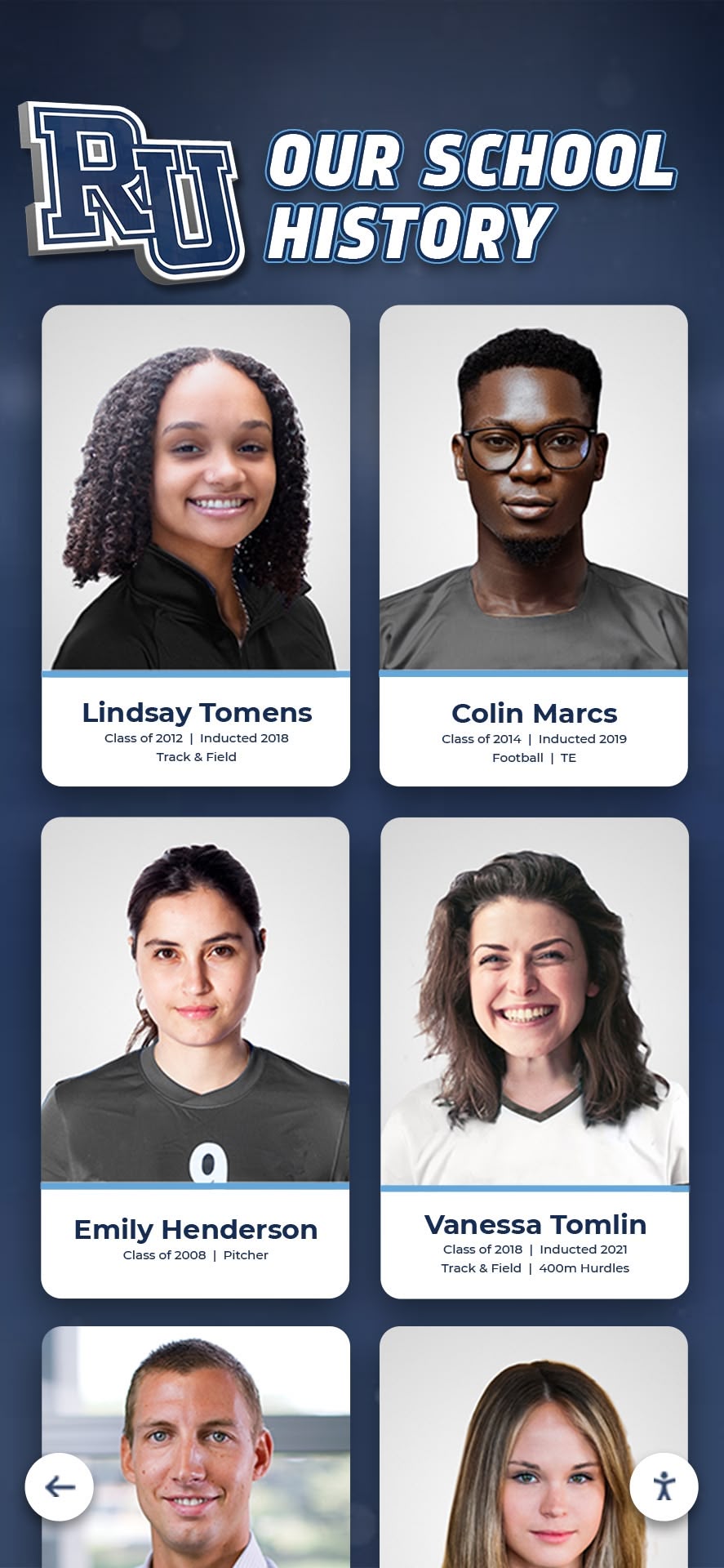
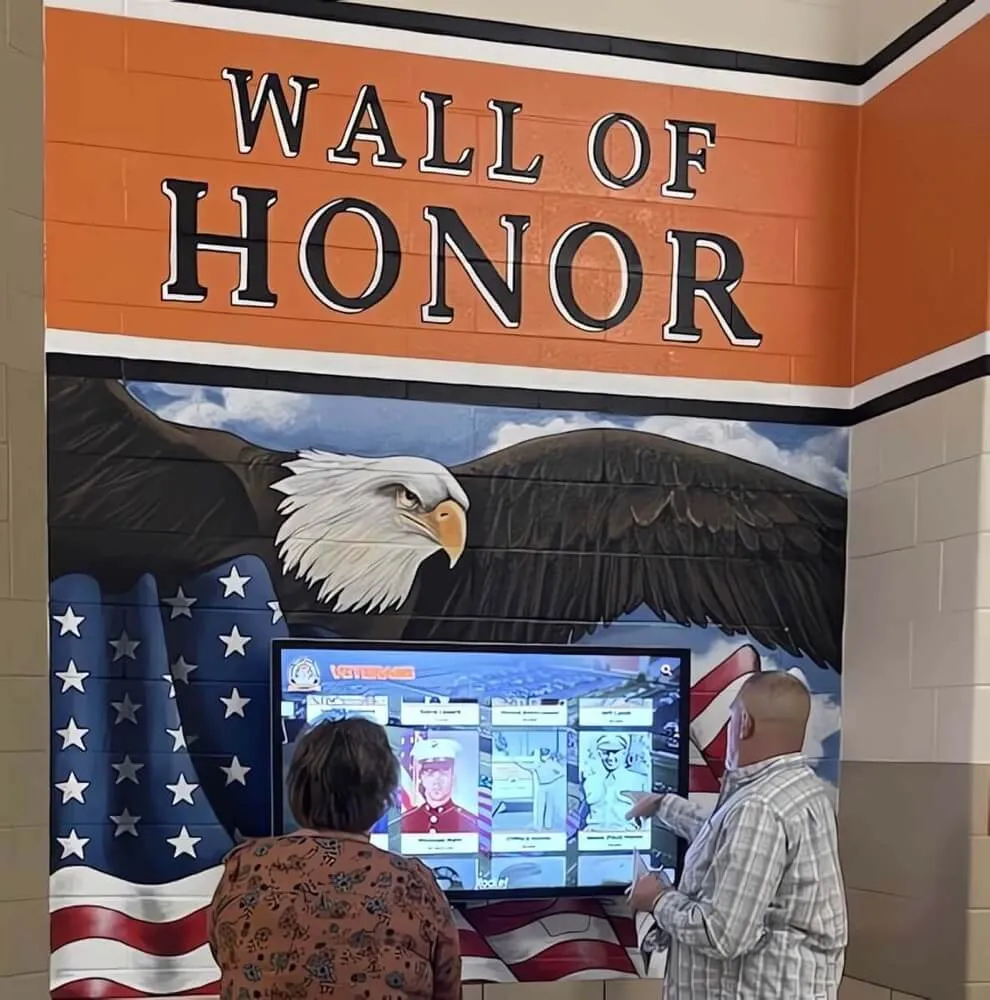
Systematic profile development preserves detailed athlete information, creating rich historical records across generations
Community Connection and Identity
In many communities, school and local sports history represents shared cultural heritage:
- Oldtimers recognition preserves community history beyond athletics alone
- Families connect through multi-generational athletic participation
- Local businesses and supporters see their historical involvement recognized
- Community pride in athletic traditions and achievements
- Gathering spaces where residents connect around shared memories
- Documentation of community evolution visible through sports history
- Validation that community contributions are remembered and celebrated
These community connections explain why Oldtimers recognition often receives strong public support and engagement beyond typical athletic recognition.
Common Challenges with Oldtimers Recognition
Understanding obstacles preventing effective legacy athlete recognition helps programs design systems overcoming these persistent barriers.
Information Gathering and Historical Research
The primary challenge facing Oldtimers recognition involves locating reliable information about athletes who competed decades ago.
Missing and Incomplete Records
Historical record keeping rarely matches modern standards:
Documentation Gaps
- Incomplete season records from eras before computerized tracking
- Missing statistics or achievement details
- Lost photographs and visual documentation
- Unknown post-graduation information about veteran athletes
- Unclear dates or timeline details
- Conflicting information from different sources
- Records damaged or lost during facility changes or organizational transitions
Schools often discover that comprehensive records exist only for recent decades, with earlier eras documented minimally or inconsistently.
Research Time Requirements
Developing quality Oldtimers content requires substantial investment:
- Searching yearbooks and historical archives manually
- Interviewing veteran athletes and coaches
- Consulting community members with institutional knowledge
- Cross-referencing multiple sources for accuracy
- Digitizing historical photos and materials
- Writing profiles and narratives from limited information
- Verifying facts and correcting errors in existing records
Professional institutions allocate 5-10 hours per veteran athlete profile for comprehensive research, documentation, and quality content development—significant commitment when honoring dozens or hundreds of legacy players.
Learn about systematic preservation in historical photos archive preservation guide addressing documentation challenges.
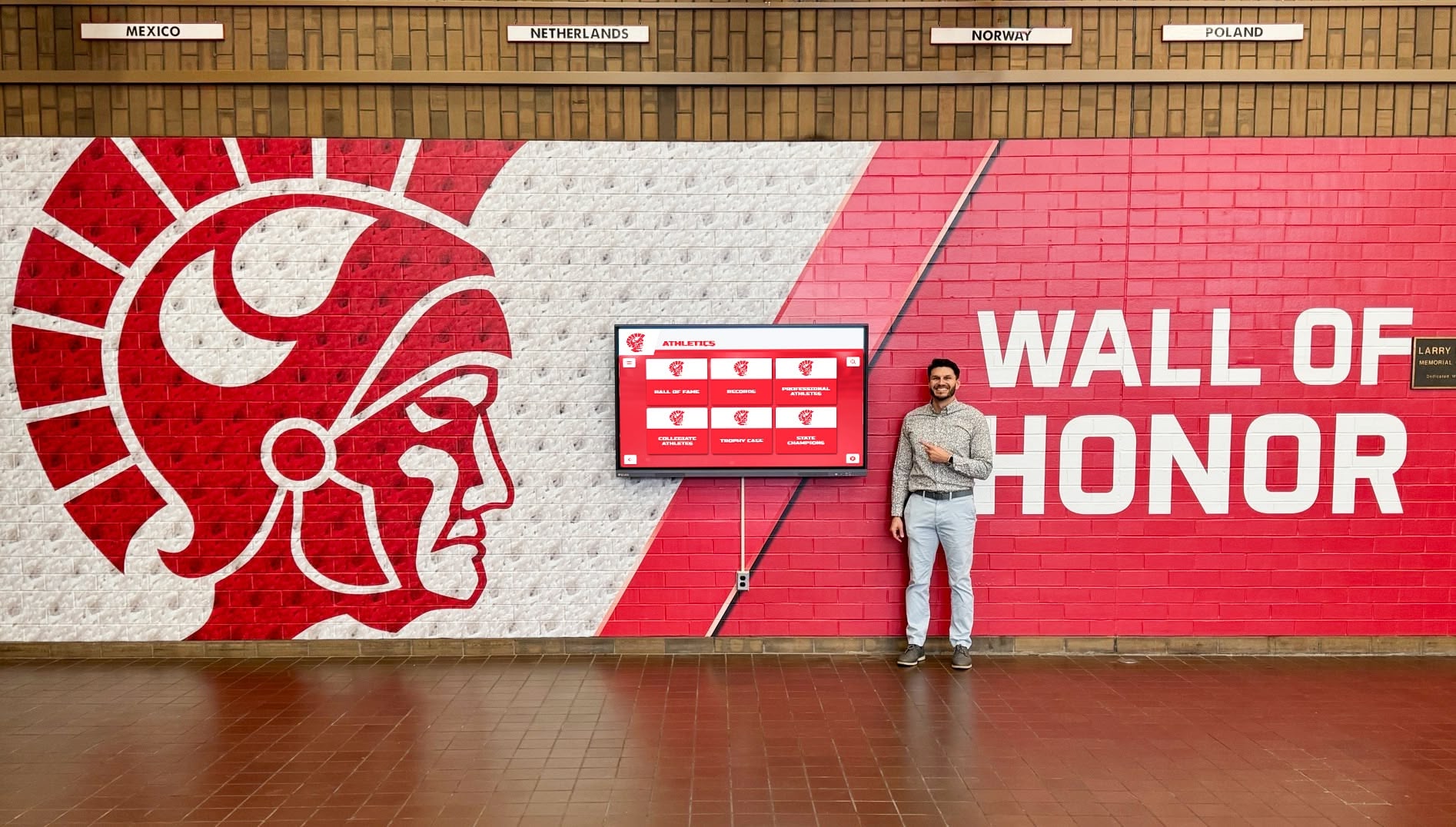
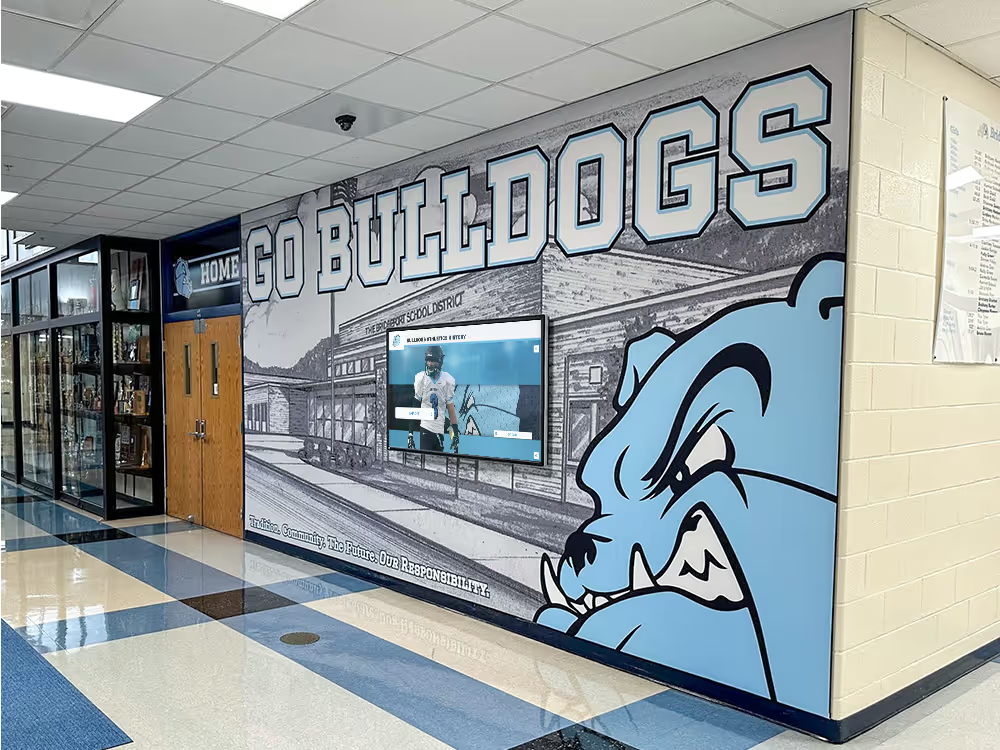
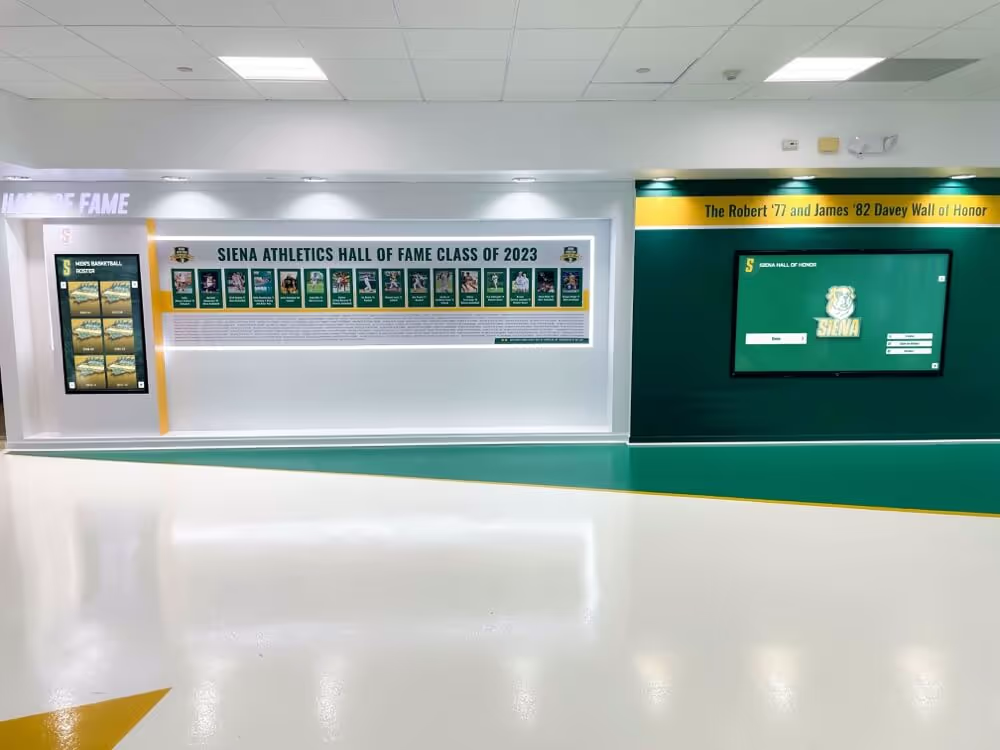
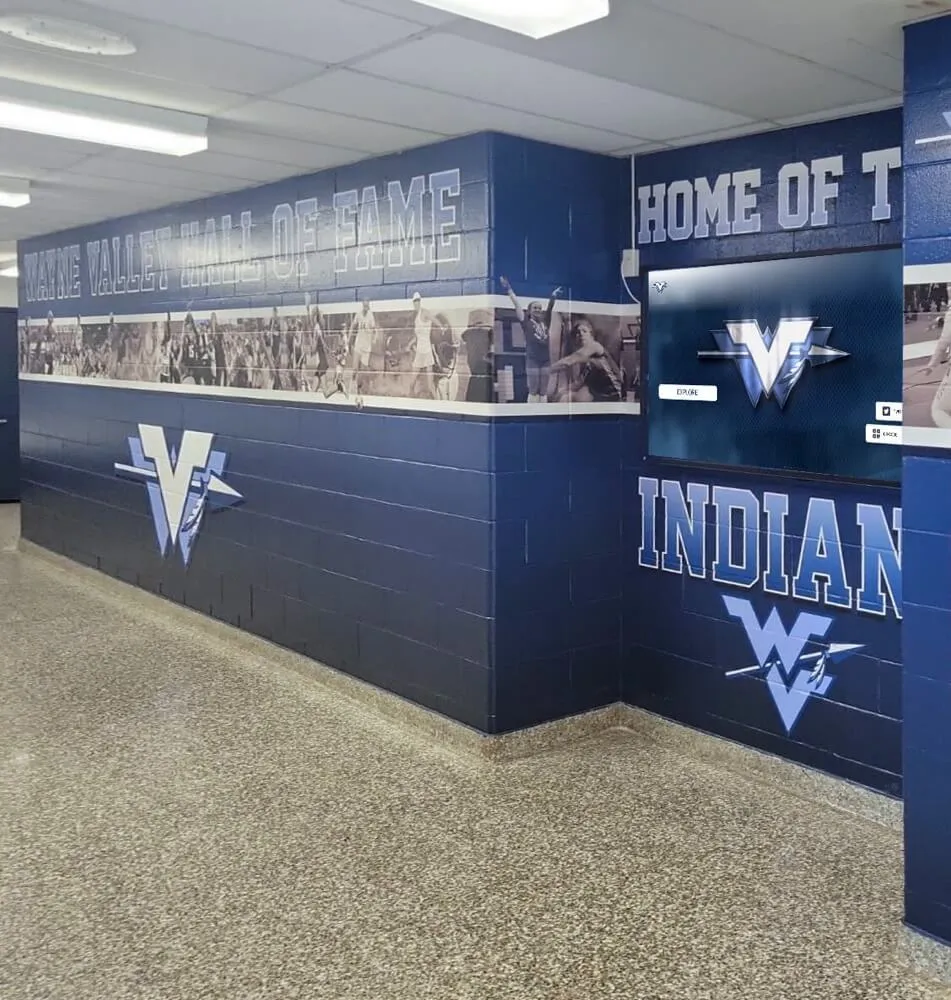
Comprehensive hallway displays ensure veteran athlete recognition receives visibility equal to contemporary achievements
Physical Space Limitations
Traditional recognition approaches create impossible space constraints for comprehensive Oldtimers coverage.
Capacity Problems with Physical Displays
Trophy cases and wall plaques impose strict limits:
- Fixed space accommodating only small percentage of deserving athletes
- Difficult prioritization decisions about who receives recognition
- Removal of earlier athletes to accommodate more recent additions
- Overcrowded displays becoming visually overwhelming and illegible
- Deterioration of older materials requiring replacement
- Limited detail possible on small physical plaques
- No room for expansion as programs continue producing honorees
These constraints force uncomfortable choices between comprehensiveness and quality, with most programs selecting neither—resulting in inadequate recognition of veteran athletes despite best intentions.
Visibility and Accessibility Issues
Even when physical recognition exists, access problems limit impact:
- Displays in locations with limited foot traffic
- Alumni unable to view recognition after leaving campus
- No ability to search for specific athletes or teams
- Difficult exploration requiring physical presence
- Static presentation offering no additional context or storytelling
- Updates requiring on-site access and physical modification
- Multiple locations needed to recognize different sports or eras
Solutions like Rocket Alumni Solutions address these fundamental limitations through digital platforms offering unlimited capacity, remote accessibility, and engaging presentation impossible with traditional physical approaches alone.
Sustainability and Maintenance Challenges
Even when programs successfully launch Oldtimers recognition, sustaining quality over time proves difficult.
Administrative Burden and Staff Turnover
Long-term maintenance requirements create obstacles:
- Staff changes causing loss of institutional knowledge
- Unclear responsibilities for ongoing content updates
- Time constraints preventing systematic historical additions
- Budget limitations for continuous improvement
- Competing priorities reducing recognition attention
- Technical challenges with older display systems
- Inconsistent update schedules creating outdated recognition
Programs often start with enthusiasm that fades as maintenance demands exceed available resources, leading to static displays that become increasingly outdated and incomplete.
Explore sustainable approaches in best school history software guide addressing long-term management.
Creating Effective Oldtimers Walls: Best Practices
Successful veteran athlete recognition requires systematic planning addressing multiple interconnected considerations.
Defining Scope and Selection Criteria
Establishing Recognition Parameters
Clear standards ensure consistency and fairness:
Eligibility Guidelines
Programs should establish explicit criteria determining Oldtimers inclusion:
- Time-based thresholds (10+ years post-graduation, 15+ years post-career, etc.)
- Achievement minimums (varsity participation, awards, records, etc.)
- Sport-specific standards acknowledging different program sizes
- Special consideration categories (pioneers, program builders, etc.)
- Coach and support staff inclusion parameters
- Alumni status requirements or exceptions
- Nomination and review processes
These explicit standards prevent inconsistency and perceived favoritism while ensuring recognition remains sustainable and manageable.
Phased Implementation Approach
Comprehensive Oldtimers recognition develops systematically:
Strategic Phase Planning
- Phase 1: Recent veterans (10-25 years ago) where information is most accessible
- Phase 2: Historical athletes (25-50 years ago) requiring more research
- Phase 3: Legacy pioneers (50+ years ago) celebrating program foundations
- Ongoing: Annual additions incorporating new veterans systematically
This phased approach delivers visible progress while preventing overwhelming immediate demands that lead to abandonment.

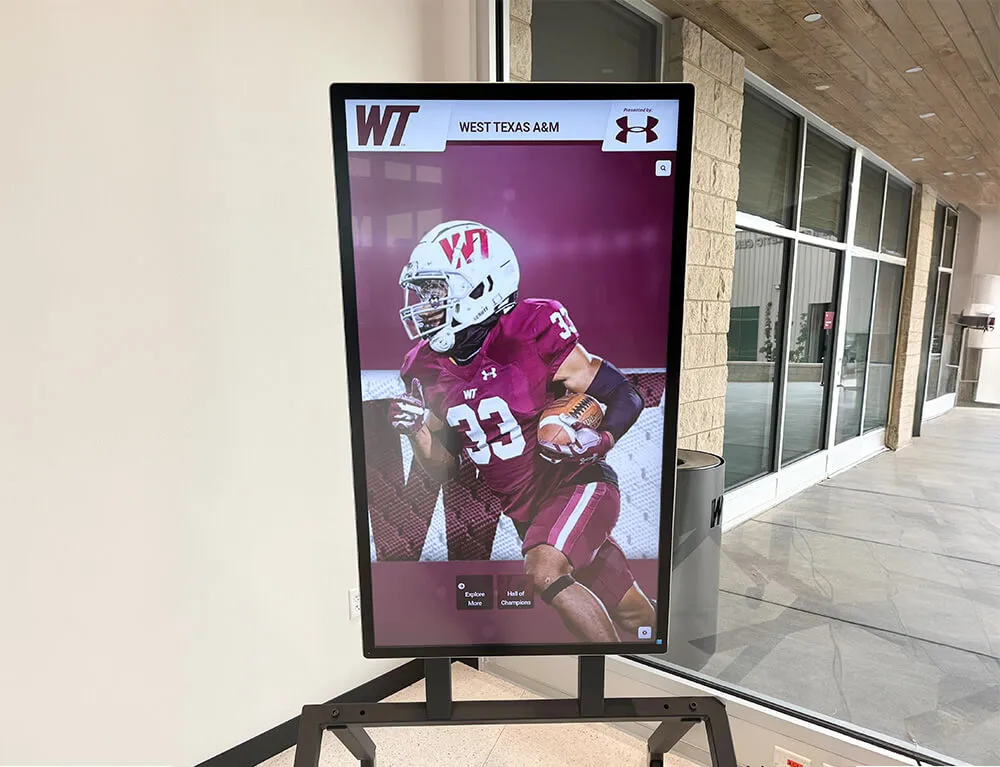
Freestanding kiosks create dedicated Oldtimers celebration spaces ensuring veteran athletes receive prominent visibility
Content Development Framework
Essential Profile Components
Comprehensive veteran athlete recognition includes multiple storytelling elements:
Athletic Achievement Documentation
- Years of participation and teams
- Positions played and specialties
- Statistical accomplishments and records
- Championships and tournament success
- Individual awards and recognition received
- Memorable performances and signature moments
- Team leadership roles and captaincy
- Career progression and development arc
Personal Background and Context
- Educational program and graduation year
- Family connections to institution or athletics
- Challenges overcome during athletic career
- Coaches and mentors who influenced development
- Teammates and relationships formed
- Community involvement beyond athletics
- Post-graduation career and life achievements
- Current status and continued institutional connection
Historical Context and Legacy
- Program state and facility conditions during era
- Competition level and opponents faced
- Rules, equipment, and training differences from modern era
- Cultural and social context of competition period
- Program milestones and significance of contributions
- Influence on subsequent athletes and program development
- Historical photos showing facilities, uniforms, and teammates
- Legacy connections to current program traditions
This comprehensive approach honors athletes appropriately while educating viewers about program history and evolution.
Learn about content strategies in highlighting famous alumni recognition guide with detailed frameworks.
Physical vs Digital Recognition Systems
Understanding the advantages and limitations of different display formats helps programs select approaches matching resources, space, and recognition goals.
Traditional Physical Oldtimers Displays
Physical recognition maintains appeal for its tangibility:
Wall-Mounted Plaques and Photo Displays
Traditional recognition walls featuring individual plaques or framed photos:
Advantages:
- Tangible presence creating physical connection to history
- No technical infrastructure or maintenance requirements
- Traditional aesthetic matching institutional architecture
- Permanent recognition unless deliberately removed
- Lower initial investment ($200-500 per athlete typically)
Limitations:
- Strict space constraints limiting comprehensive coverage
- Difficult to maintain as athlete numbers grow
- Expensive ongoing costs as new plaques accumulate
- Static presentation with minimal contextual information
- Time-consuming updates requiring physical facility access
- Deterioration requiring replacement every 15-25 years
- Inaccessible to alumni unable to visit campus physically
Trophy Cases and Historical Exhibits
Glass-front cabinets displaying artifacts, photos, and memorabilia:
Appropriate Uses:
- Preserving significant physical artifacts (jerseys, equipment, trophies)
- Creating museum-quality displays in dedicated spaces
- Showcasing memorabilia impossible to display digitally
- Combining recognition with historical preservation
- Creating destination experiences in lobbies or athletic facilities
Budget Considerations: Quality trophy cases range $2,000-10,000 for substantial installations, plus ongoing display materials and maintenance—significant investment for limited capacity.
Explore physical recognition in digital wall of honor plaques comparing traditional and modern approaches.
Digital Oldtimers Recognition Platforms
Modern solutions address physical recognition limitations fundamentally:
Interactive Touchscreen Systems
Commercial-grade displays with interactive exploration capabilities:
Core Advantages:
- Unlimited capacity celebrating all deserving veteran athletes without space constraints
- Rich multimedia incorporating photos, videos, statistics, and comprehensive narratives
- Search and filter functionality enabling discovery by name, sport, era, or achievement
- Remote cloud management allowing updates from any internet-connected device
- Engaging exploration experiences replacing passive viewing
- Historical archives preserving complete program history permanently
- Web accessibility extending recognition beyond physical campus to worldwide audiences
- Real-time updates adding new content immediately upon completion
- Analytics revealing engagement patterns informing content strategy
Digital recognition platforms like those offered by Rocket Alumni Solutions transform Oldtimers recognition from limited physical displays into comprehensive celebration accessible to entire alumni communities regardless of physical location.
Web-Based Recognition Extensions
Online platforms complementing or replacing physical displays:
Digital Platform Benefits:
- Alumni worldwide can explore veteran athlete recognition remotely
- Mobile-responsive design ensuring perfect display on all devices
- Social sharing extending recognition visibility organically
- Search engine visibility helping people discover program history
- Permanent accessible archives surviving facility changes
- Integration with athletic department websites
- Cost-effective scalability for smaller programs
- Easy maintenance without specialized technical knowledge
Learn about digital approaches in touchscreen hall of fame alumni recognition demonstrating comprehensive systems.
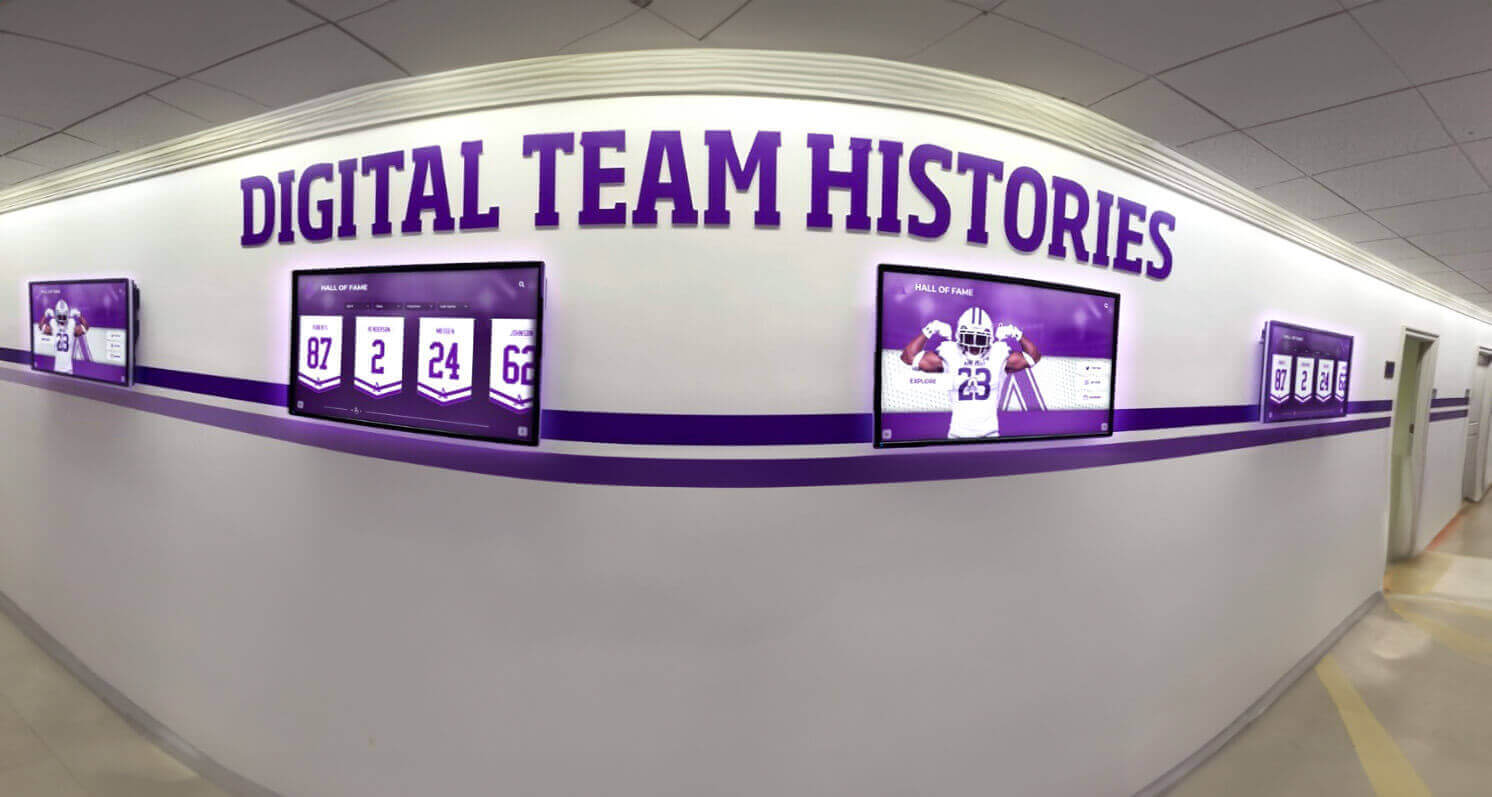
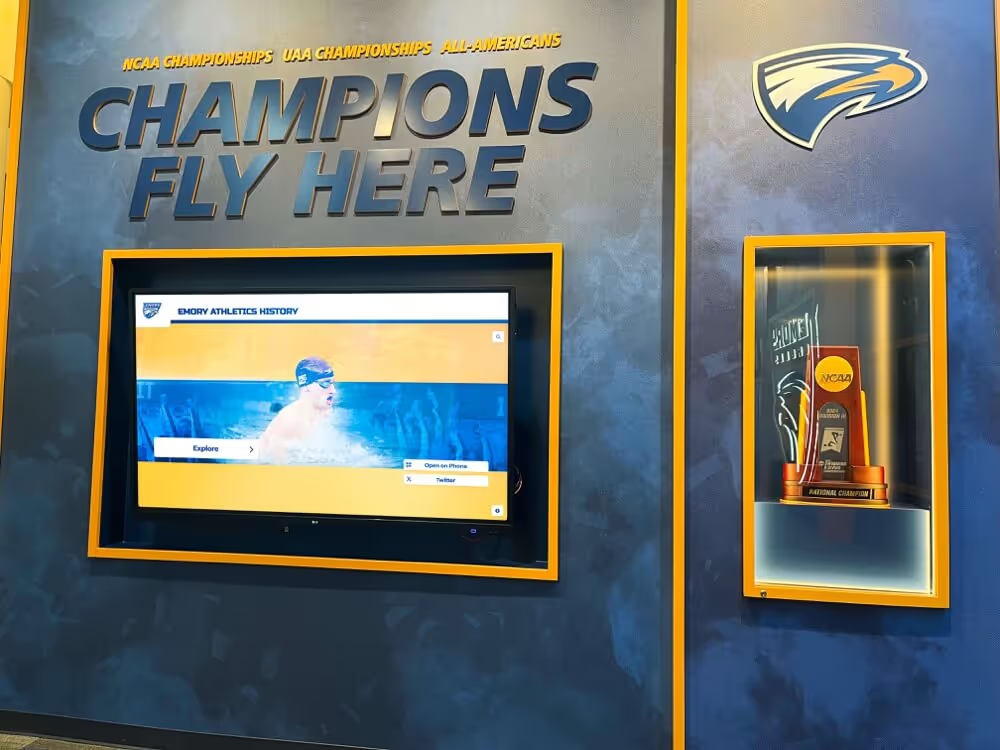
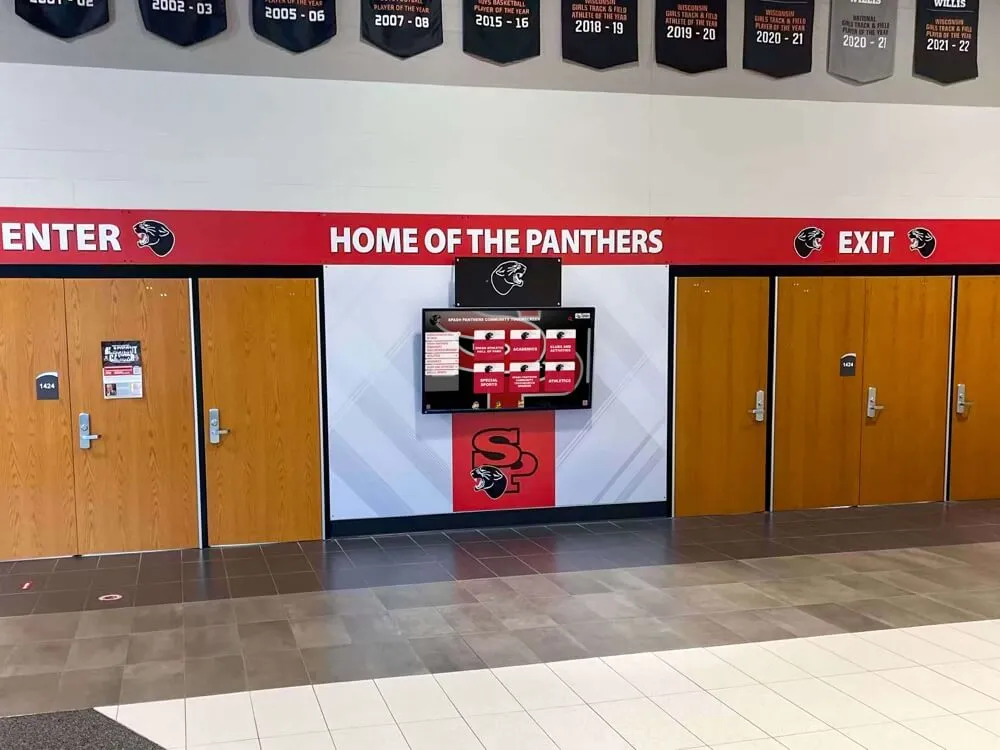
Multiple coordinated displays throughout facilities provide comprehensive Oldtimers coverage without overwhelming physical spaces
Hybrid Recognition Strategies
The most sophisticated programs combine physical and digital recognition strategically:
Physical Displays for Most Distinguished + Digital for Comprehensive Coverage
Reserve limited physical space for hall of fame inductees or most exceptional achievements while using digital platforms to celebrate every veteran athlete. This approach balances traditional recognition appeal against comprehensive coverage that physical displays alone cannot accommodate.
Trophy Cases Enhanced with Digital Components
Integrate digital touchscreens within historical display areas featuring physical artifacts. Interactive screens provide context, additional photos, videos, and detailed information impossible to include on physical plaques—creating museum-quality experiences honoring veteran athletes appropriately.
Traditional Displays Supplemented by Mobile and Web Access
Maintain existing physical recognition while extending visibility through web platforms ensuring distant alumni can explore Oldtimers content, prospective athletes can learn program history, and current team members can discover traditions they’re continuing.
Implementation Guide: Building Your Oldtimers Wall
Systematic planning ensures recognition displays deliver maximum impact while remaining sustainable across coaching and administrative transitions.
Step 1: Historical Research and Content Gathering
Identifying Veteran Athletes
Comprehensive discovery ensures no deserving athletes are overlooked:
Research Sources
- Historical yearbooks and school publications
- Athletic department records and archives
- Newspaper archives and media coverage
- Coaching records and team rosters
- Alumni association databases and directories
- Community member interviews and memories
- Reunion attendance records identifying engaged alumni
- Social media groups dedicated to specific eras or teams
- Local sports hall of fame organizations
- State athletic association historical records
This multi-source approach creates comprehensive rosters even when official records remain incomplete.
Information Collection Process
Systematic data gathering ensures quality content:
Essential Information to Collect
- Full name and preferred name/nickname
- Graduation year and years of participation
- Sports and positions played
- Significant achievements and statistics
- Memorable performances and contributions
- Post-graduation information and current status
- High-quality photos from playing days
- Video footage if available
- Personal reflections and memories
- Family connections to institution
Schools should create standardized templates ensuring consistent information collection across all veteran athletes, facilitating efficient content development and maintenance.
Explore systematic approaches in how to digitize old yearbooks guide with preservation strategies.
Step 2: Platform and Technology Selection
Evaluating Recognition Solutions
Choosing appropriate platforms significantly impacts user experience and long-term satisfaction:
Essential Evaluation Criteria
- Unlimited content capacity for comprehensive coverage
- Intuitive management requiring no technical expertise
- Robust search and filtering for large athlete databases
- Rich multimedia support including photos, videos, and documents
- Mobile web access extending recognition beyond campus
- Reliable vendor support understanding athletic recognition needs
- Reasonable total cost of ownership over 5-10 year period
- Platform longevity and vendor stability for archival preservation
- Integration capabilities with existing athletic systems if desired
Purpose-built recognition platforms deliver superior outcomes compared to generic digital signage adapted for recognition purposes.
Budget Allocation
Realistic cost planning prevents implementation delays:
Typical Investment Ranges
- Physical recognition: $200-500 per athlete for quality plaques; $2,000-10,000 for trophy cases
- Basic digital signage: $2,500-5,000 for display hardware; $500-1,500 annually for content management
- Interactive touchscreen systems: $8,000-15,000 per display including hardware, platform, and installation
- Web-based platforms: $1,500-4,000 annually for comprehensive systems with unlimited content
- Hybrid implementations: $10,000-25,000 combining physical displays with digital enhancements
Consider 5-year total ownership costs including ongoing subscriptions, content development, and eventual hardware replacement when comparing options.
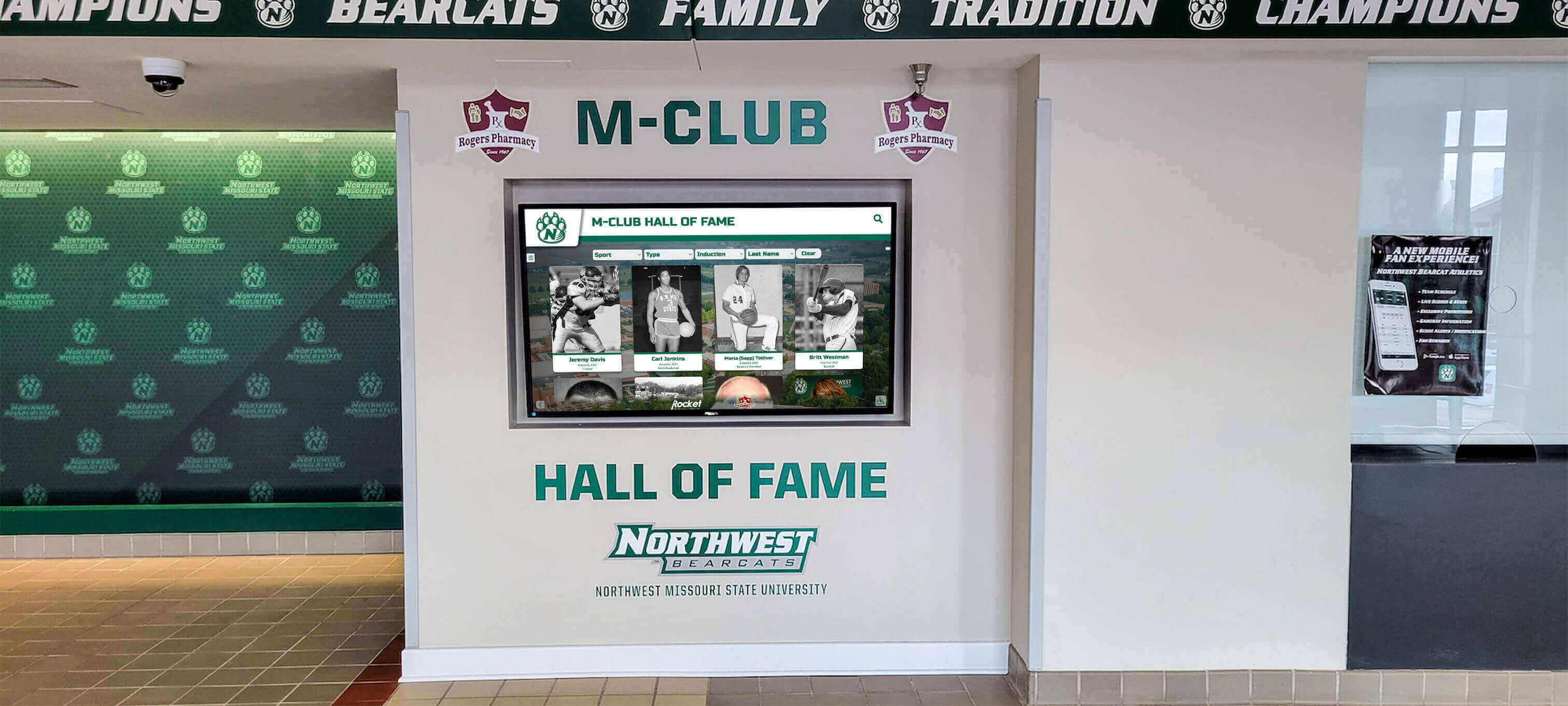
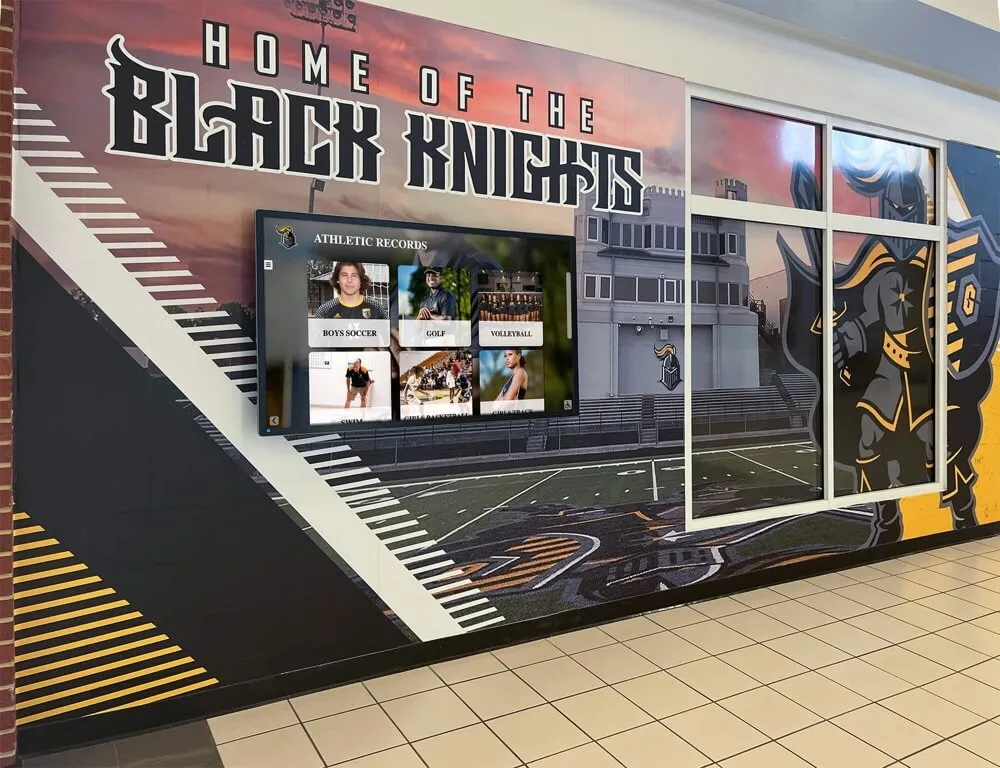
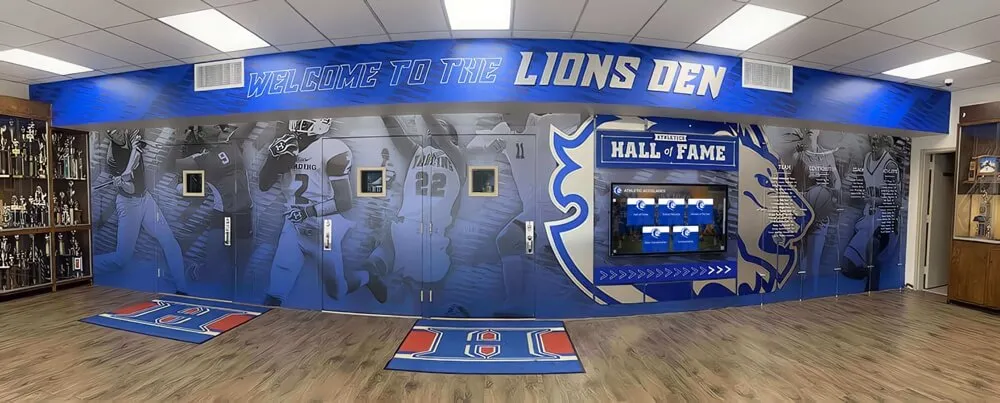
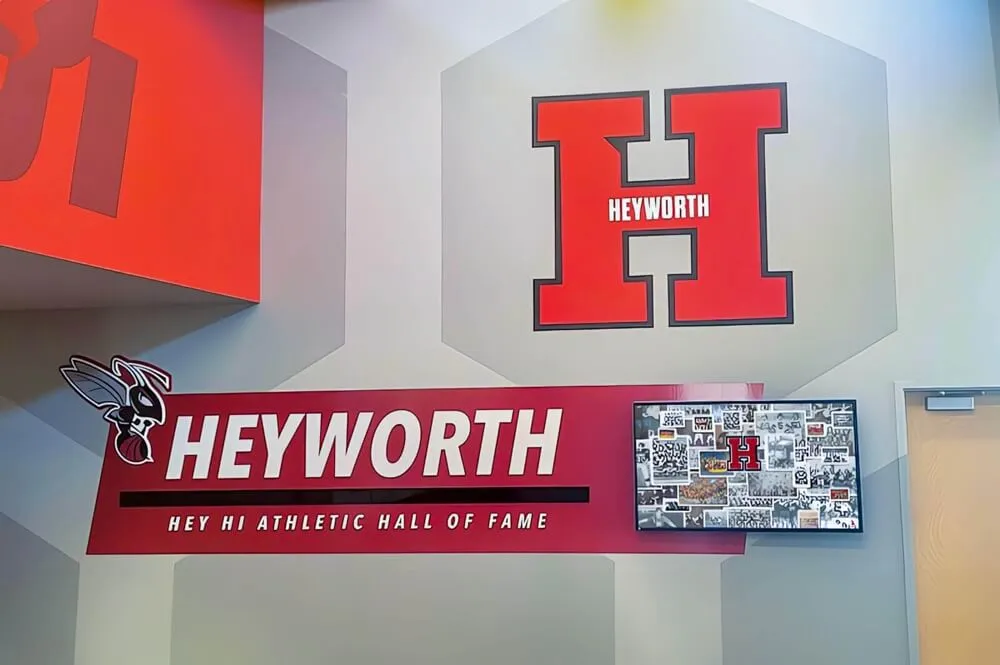
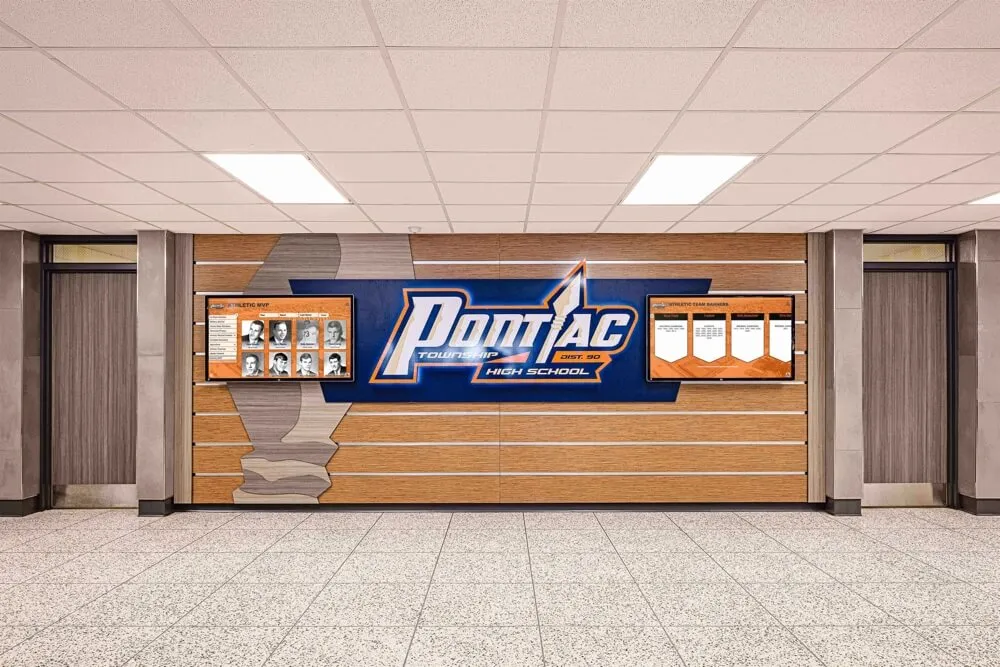
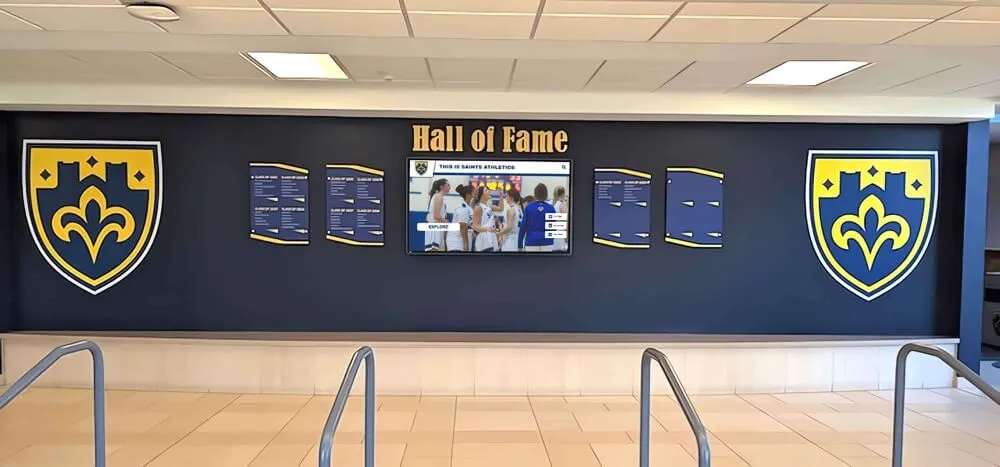
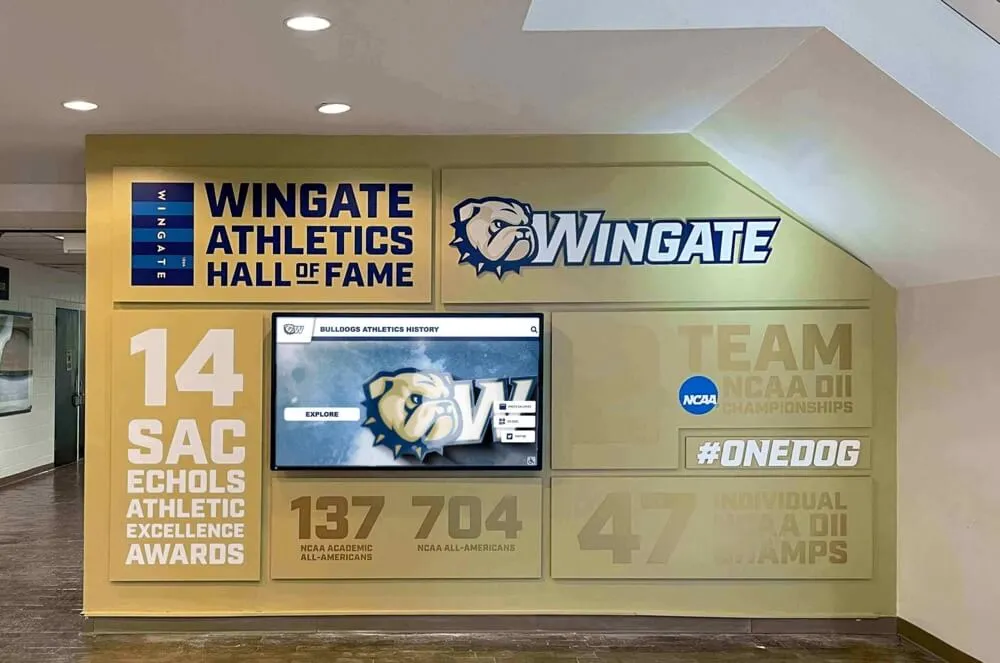
Integrated installations combine traditional athletic branding with modern digital recognition creating impressive destination spaces
Step 3: Content Development and Population
Profile Creation Workflow
Systematic processes ensure consistent quality:
Content Production Steps
- Information compilation: Gather all available data about veteran athlete from multiple sources
- Fact verification: Cross-reference information ensuring accuracy before publication
- Narrative writing: Craft engaging profiles honoring achievements appropriately (200-400 words typical)
- Photo selection and preparation: Choose high-quality images and optimize for display
- Video editing: Create highlight compilations or interview segments when footage exists
- Internal review: Verify accuracy and quality before public release
- Athlete approval: When possible, share profiles with veteran athletes for feedback
- Platform upload: Populate recognition system with completed content
- Quality assurance: Review published content ensuring proper display and functionality
Allocate 5-10 hours per veteran athlete profile for comprehensive quality development—foundational investment ensuring recognition honors achievements appropriately.
Phased Content Rollout
Strategic launch timing creates momentum:
Recommended Approach
- Initial launch: 20-50 veteran athlete profiles creating substantial immediate content
- Homecoming additions: 10-15 profiles added for reunion and homecoming celebrations
- Quarterly updates: 5-10 profiles added each quarter maintaining ongoing visibility
- Annual milestones: Major additions for anniversaries and special recognition events
- Continuous improvement: Enhanced existing profiles as new information or media becomes available
This phased approach maintains program visibility while preventing overwhelming immediate demands that delay launches or compromise quality.
Step 4: Launch and Promotion Strategy
Creating Awareness and Engagement
Successful Oldtimers recognition requires building visibility across constituencies:
Internal Campus Promotion
- All-school announcements introducing veteran athlete recognition
- Athletic team meetings showing current athletes the historical connections
- Parent and booster organization presentations demonstrating institutional commitment
- Facility tours highlighting recognition displays
- Integration with athletic event programs and materials
- Social media campaigns celebrating featured veteran athletes
- Email communications to families and community members
Alumni Community Engagement
- Direct outreach to featured veteran athletes announcing recognition
- Alumni association communications promoting Oldtimers Wall
- Reunion integration highlighting classmates being recognized
- Social media encouraging alumni sharing and exploration
- Print materials in alumni publications
- Invitation to campus for unveiling events
- Web platform links in all alumni communications
Learn about comprehensive promotion in alumni gathering area design guide demonstrating integrated approaches.
Media and Community Outreach
- Local media releases about recognition initiative
- Community organization presentations
- Historical society partnerships
- Corporate sponsor acknowledgment and involvement
- Website features with SEO optimization
- Video tours and virtual walkthroughs
- Speaking engagements at civic organizations
This multi-channel approach ensures Oldtimers Wall investment delivers maximum visibility and engagement across all audiences.
Step 5: Ongoing Management and Growth
Sustainable Administration
Long-term success requires clear responsibilities:
Organizational Structure
- Primary coordinator overseeing Oldtimers recognition program
- Backup administrator preventing single point of failure
- Research volunteers supporting historical investigation
- Student assistants helping with content development
- Technical support for platform and display maintenance
- Advisory committee providing guidance and validation
Update and Enhancement Schedule
- Annual veteran athlete additions as new cohorts reach threshold
- Quarterly content reviews ensuring accuracy and completeness
- Regular featured athlete rotation maintaining visibility
- Enhanced profiles as new information or media becomes available
- Technology updates ensuring platform remains current
- Community input solicitation improving content quality
Long-Term Sustainability Planning
- Documentation of all processes surviving staff transitions
- Cloud-based content storage ensuring archives persist regardless of local changes
- Budget reserves for eventual hardware replacement
- Multi-person training preventing knowledge loss
- Institutional commitment beyond individual champions
- Integration into athletic department standard operations
Programs viewing Oldtimers recognition as ongoing institutional commitments rather than one-time projects achieve superior long-term outcomes.
Maximizing Oldtimers Wall Impact
Strategic approaches amplify how recognition affects culture, engagement, and program development.
Creating Recognition Destinations
Integrated Display Environments
Transform areas into veteran athlete celebration spaces:
Comprehensive Recognition Zones
- Interactive or traditional Oldtimers displays as focal points
- Historical team photos showing program evolution
- Memorabilia cases featuring artifacts from different eras
- Timeline displays connecting individual athletes to program history
- Comfortable seating encouraging extended viewing
- School colors and historical branding reinforcing tradition
- Championship banners and achievement documentation
- Context panels explaining how programs developed over decades
These integrated environments signal institutional commitment to veteran athlete recognition while creating visually impressive spaces strengthening program pride and community connection.
Strategic Placement for Maximum Visibility
Location determines recognition impact dramatically:
- Main athletic facility entrances ensuring all visitors encounter history immediately
- Lobby areas in high schools and universities with extended viewing opportunities
- Locker room areas where current athletes see traditions daily
- Alumni gathering spaces during reunions and events
- Multiple distributed locations reaching diverse audiences
- Digital displays in areas with existing monitors available
The Old-Timers’ Day tradition in Major League Baseball demonstrates how celebrating veteran players creates meaningful connections between past and present, building pride across entire organizations.
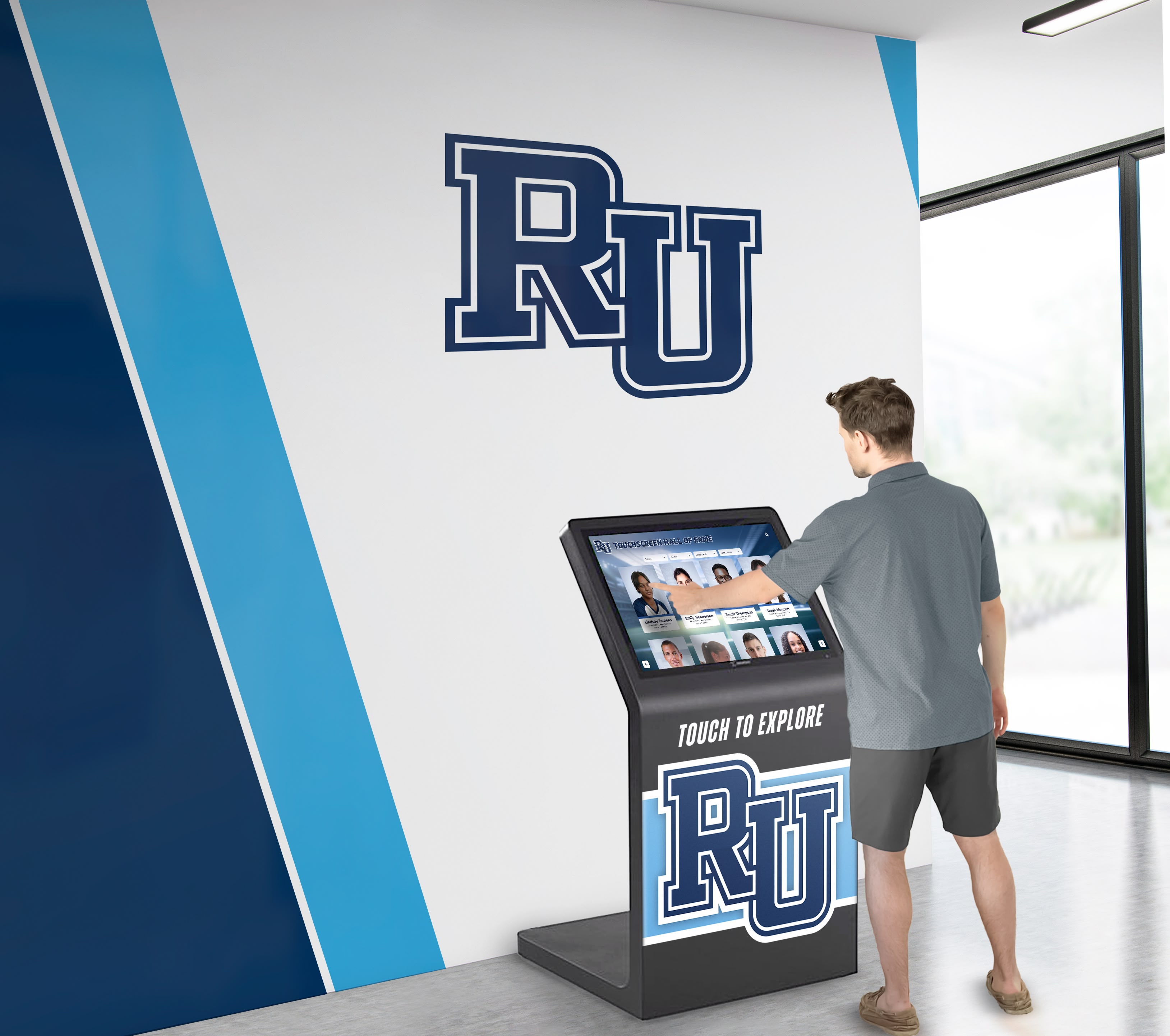
Professional lobby installations create impressive first-impression experiences celebrating program history and veteran athlete contributions
Leveraging Recognition for Alumni Engagement
Reconnection and Relationship Building
Oldtimers Walls facilitate meaningful alumni engagement:
Engagement Strategies
- Feature unveiling events inviting veteran athletes to campus
- Reunion integration highlighting classmates receiving recognition
- Annual Oldtimers celebrations bringing alumni together
- Mentorship programs connecting veteran and current athletes
- Fundraising campaigns linked to recognition enhancements
- Social media campaigns encouraging alumni sharing memories
- Video interview projects preserving veteran athlete stories
- Legacy brick or naming opportunities supporting displays
Fundraising and Development Opportunities
Recognition creates natural advancement connections:
- Named recognition sections honoring major donors
- Sponsor opportunities supporting display technology and maintenance
- Legacy giving programs ensuring continued recognition expansion
- Corporate partnerships from businesses founded or led by veteran athletes
- Capital campaign components for recognition spaces and systems
- Annual giving linked to adding new veteran athlete profiles
- Endowment support ensuring permanent recognition sustainability
Schools implementing comprehensive Oldtimers recognition consistently report increases in athletic department giving, particularly from older alumni who previously felt disconnected from institutions.
Educational and Cultural Programming
Connecting Past and Present
Strategic programming maximizes recognition educational value:
Program Integration Opportunities
- New athlete orientation featuring program history and traditions
- Leadership development using veteran athlete examples
- Character education highlighting sportsmanship across eras
- Community service inspired by alumni giving back
- Career development showcasing diverse post-athletic paths
- Facilities appreciation demonstrating program investment over time
- Rivalry context explaining historical competition significance
Storytelling and Media Development
Veteran athlete stories create compelling content:
- Documentary series featuring different eras or sports
- Podcast episodes interviewing veteran athletes
- Written profiles in athletic department communications
- Social media spotlight series maintaining year-round visibility
- Video highlights preserving memorable performances
- Historical context articles educating about program evolution
- Anniversary celebrations marking significant milestones
These educational approaches transform Oldtimers Walls from passive displays into active program culture elements influencing current athlete development and community engagement.
Explore educational integration in preserving fraternity sorority history guide with comprehensive frameworks.
Conclusion: Building Lasting Legacy Through Veteran Athlete Recognition
Oldtimers Walls represent essential investments in program culture, alumni engagement, and institutional memory preservation. When athletic departments implement veteran athlete recognition thoughtfully—with comprehensive historical research honoring all deserving participants, professional presentation matching achievement significance, strategic placement ensuring maximum visibility, and systematic management maintaining quality across years—they create powerful recognition systems that validate decades of athlete dedication while demonstrating to current competitors that their contributions will likewise be remembered and celebrated long after final competitions conclude.
The most successful Oldtimers recognition implementations share common characteristics: they celebrate athletes comprehensively across all eras rather than highlighting only most recent or famous, provide sufficient detail enabling younger audiences to understand achievement significance and program context, maintain professional presentation quality demonstrating institutional respect for veteran athletes, integrate strategically within high-visibility spaces where recognition influences program culture daily, and evolve continuously based on new information, community input, and emerging opportunities to honor additional deserving athletes.
Transform Your Veteran Athlete Recognition
Discover how modern recognition display solutions like Rocket Alumni Solutions can help your athletic program celebrate unlimited veteran athletes through engaging digital platforms that honor legacy players while preserving comprehensive program history for decades to come.
Explore Oldtimers Wall SolutionsWhether your program currently has minimal veteran athlete recognition or established displays needing enhancement, remember that authentic appreciation for athletic contribution matters more than expensive installations or sophisticated technology. Start by clearly understanding which legacy athletes your community values most, develop recognition approaches celebrating achievements aligned with program traditions and institutional priorities, create accessible systems that non-athlete audiences can appreciate and understand, invest in content quality that honors veteran athletes appropriately rather than treating recognition as administrative checklist item, and commit to sustainable management ensuring recognition continues consistently across coaching transitions and administrative changes.
Your veteran athletes dedicated countless hours to training, competition, and team building—developing discipline, leadership, and perseverance that served them throughout subsequent lives and careers while building program foundations current athletes enjoy. They deserve recognition that celebrates those investments and accomplishments as prominently as contemporary athletic achievement. Strategic implementation of comprehensive Oldtimers Walls creates visible validation that athletic excellence matters permanently, veteran player contributions receive lasting institutional appreciation, and athletic programs occupy positions of pride within communities alongside every other tradition your institution celebrates and supports.
Ready to begin honoring your legacy athletes? Explore how recognition solutions can help your program create meaningful Oldtimers displays that motivate current athletes, preserve program history, and ensure veteran players receive the visibility and celebration their contributions deserve throughout your institution and community.