



Qualifying for the NCA cheer competition represents the pinnacle achievement for high school and college cheerleading programs—a moment validating countless hours of practice, unwavering dedication, and unified team commitment. The National Cheerleaders Association’s national championship brings together the nation’s elite squads to compete for recognition as the best in their divisions, making preparation both exhilarating and demanding.
NCA nationals differs significantly from regional competitions in intensity, technical difficulty, and performance pressure. Squads face nationally-calibrated judging panels evaluating execution precision across tumbling, stunting, pyramids, tosses, jumps, and dance with standards requiring months of focused preparation. Successfully competing at this level demands comprehensive training addressing physical conditioning, technical skill refinement, routine choreography, mental preparation, and strategic competition planning.
This complete guide provides coaches and squad captains with proven preparation frameworks covering every dimension of NCA competition readiness—from initial skill assessment through nationals performance day. Whether you’re preparing for your first NCA appearance or seeking to elevate returning squads to podium finishes, these systematic strategies build championship-caliber programs.
The journey from local competitions to NCA nationals requires intentional planning beginning months before competition day. Squads arriving unprepared face overwhelming competition from programs that have systematically developed every skill, refined every transition, and perfected every element judges evaluate during two-and-a-half intense minutes on the performance mat.

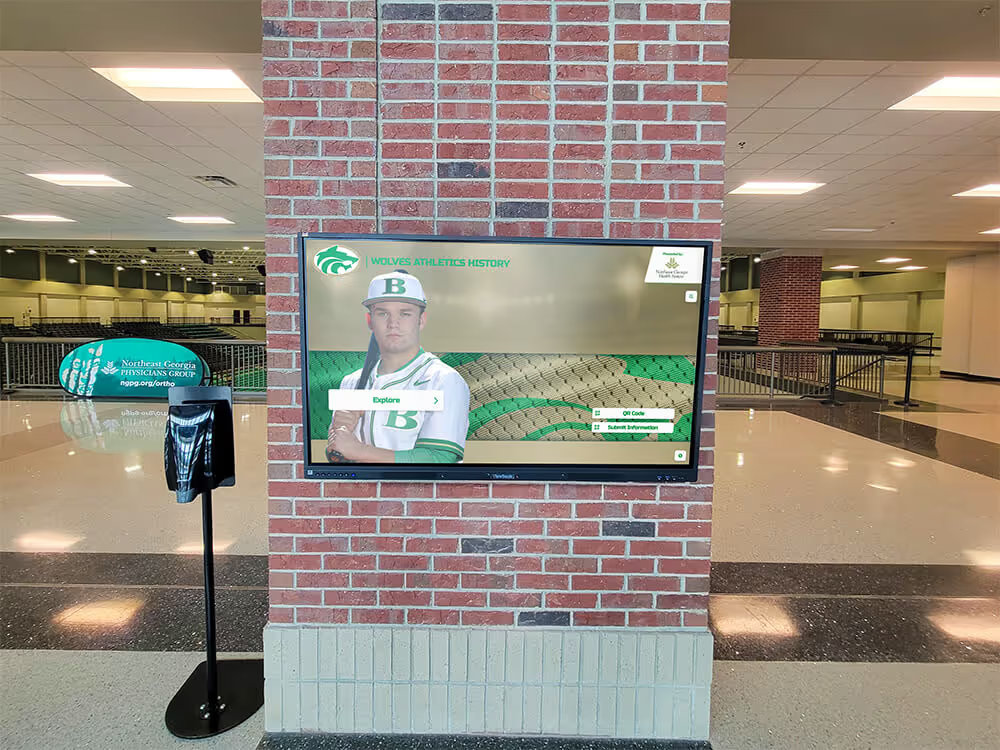
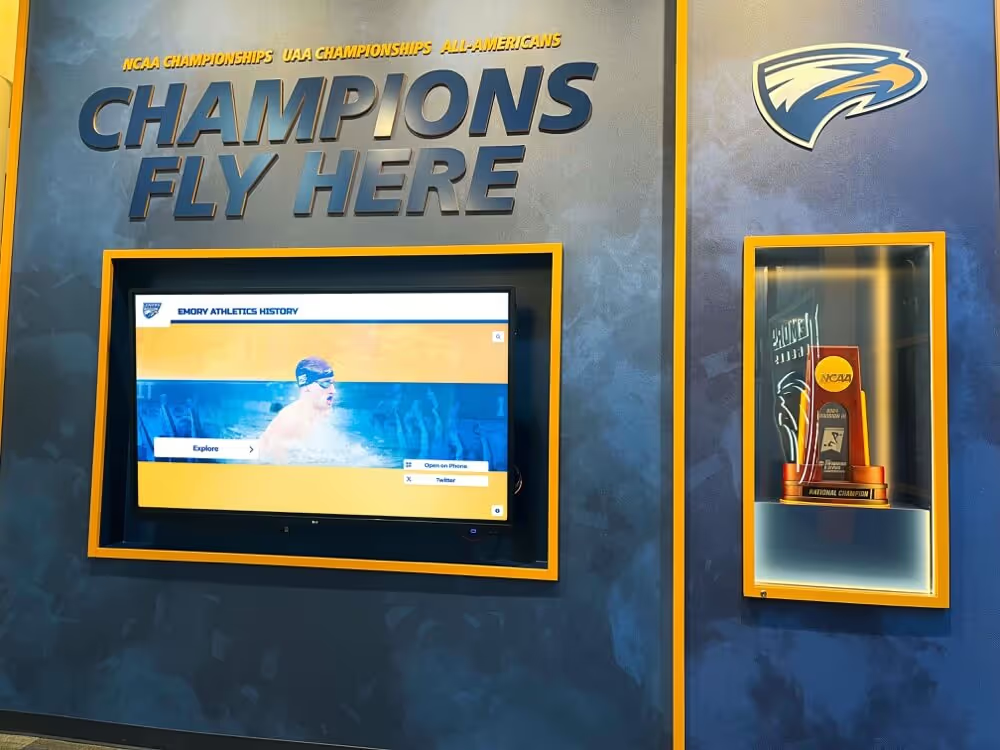
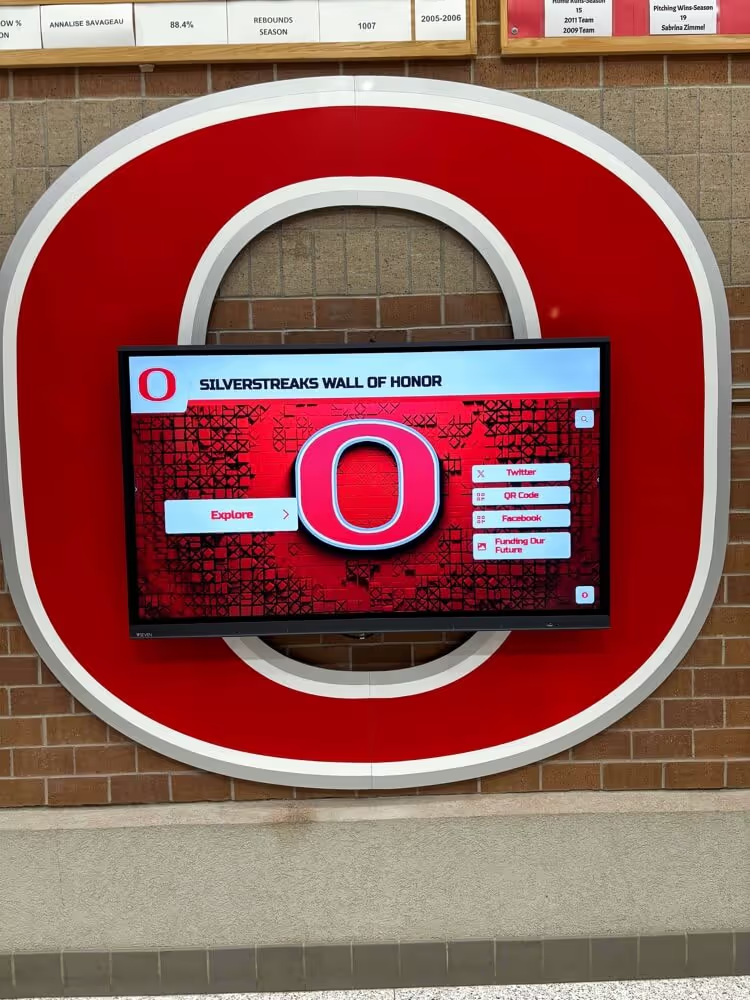
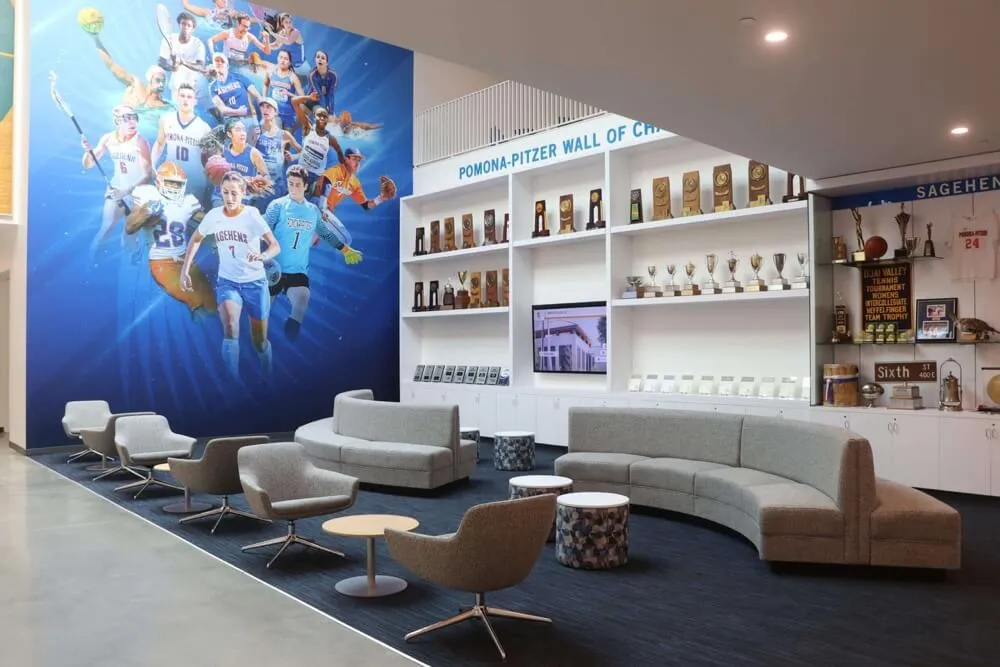
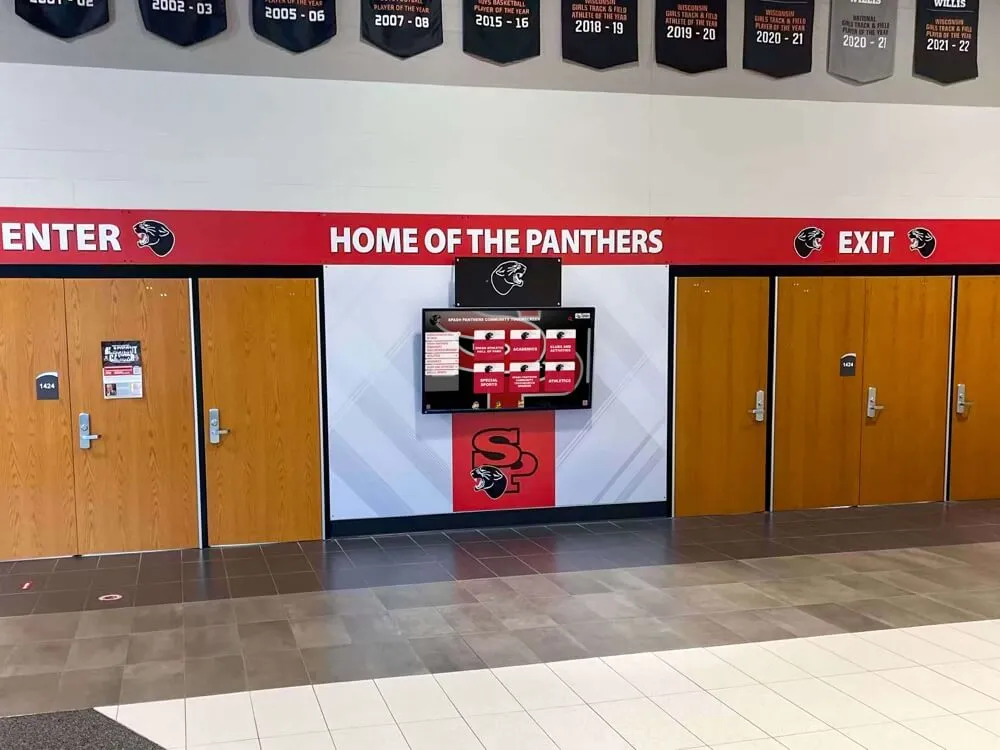
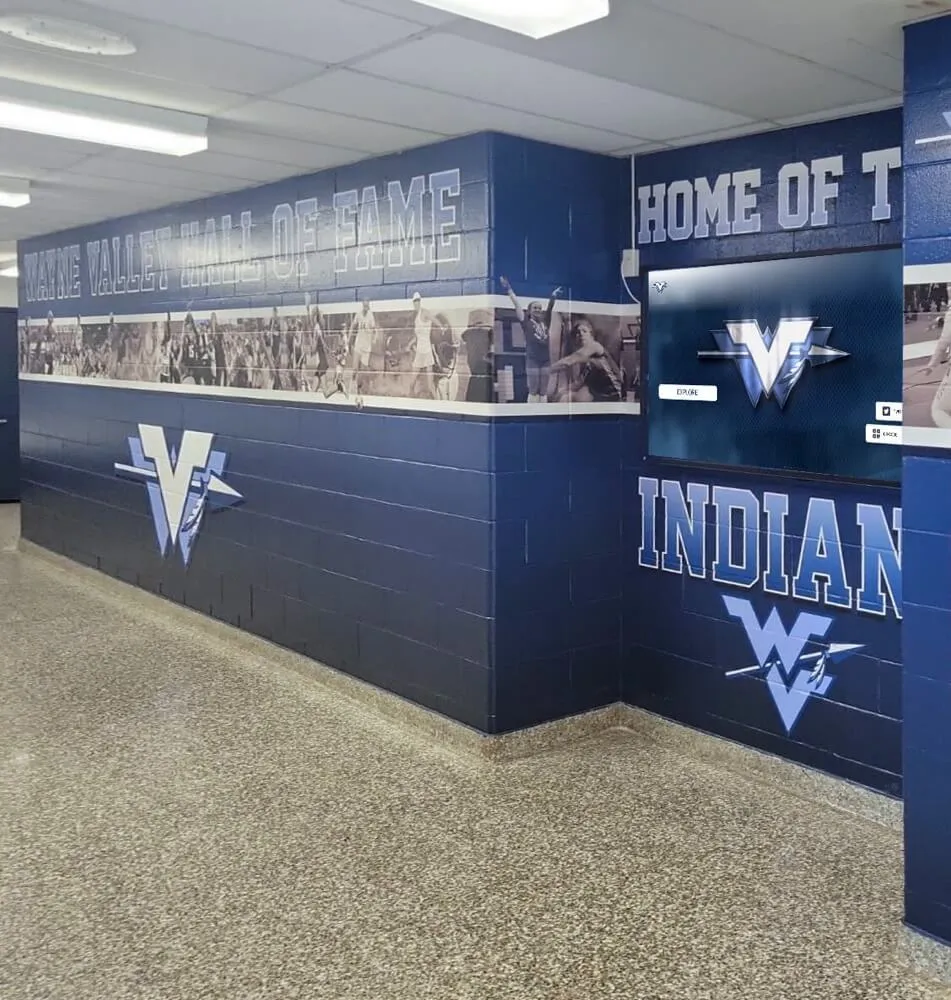
Championship achievements deserve permanent recognition celebrating the dedication required to compete at elite national levels
Understanding NCA Competition Structure and Divisions
Before developing training plans, coaches must thoroughly understand NCA’s competition framework, divisions, and qualification pathways to ensure appropriate preparation focus.
NCA Competition Levels and Categories
The National Cheerleaders Association organizes competitions across multiple divisions reflecting program size, competitive experience, and athlete age:
High School Divisions
- Small Varsity (16 athletes or fewer)
- Medium Varsity (17-20 athletes)
- Large Varsity (21-24 athletes)
- Super Varsity (25-30 athletes)
- Non-Tumbling divisions for programs without advanced tumbling skills
- Game Day divisions emphasizing crowd-leading and sideline performance
All-Star Divisions All-star programs (non-school affiliated competitive cheer) compete in age-based divisions:
- Tiny (ages 5 and under)
- Mini (ages 5-8)
- Youth (ages 5-11)
- Junior (ages 5-14)
- Senior (ages 11-18)
- Open (ages 14+)
Each division features multiple skill levels from Level 1 (beginner) through Level 6-7 (elite), with specific tumbling, stunting, and pyramid restrictions at each level preventing unsafe skill attempts by underprepared athletes.
College/University Divisions
- All Girl divisions (no male athletes)
- Coed divisions (mixed gender teams)
- Small, medium, and large size categories
- Intermediate and Advanced competitive levels
- Game Day and Division I/II/III specific categories
Understanding your exact division ensures routine choreography stays within allowed skills while maximizing scoring opportunities across all evaluated categories.
NCA Scoring Criteria and Judging Breakdown
NCA competitions use comprehensive rubrics evaluating multiple performance dimensions:
Technical Skills (60% of total score)
- Tumbling (10-15%): Execution, difficulty, synchronization, and variety
- Stunts (15-20%): Technique, transitions, creativity, level changes, and stability
- Pyramids (10-15%): Difficulty, transitions, timing, and dismounts
- Basket Tosses (5-10%): Height, technique, variety, and catches
- Jumps (5-10%): Form, height, synchronization, and variety
- Dance/Motions (5-10%): Precision, synchronization, difficulty, and performance quality
Overall Performance (30% of total score)
- Routine Composition: Flow, creativity, transitions, formations, and pacing
- Showmanship: Energy, facials, crowd engagement, and entertainment value
- Synchronization: Uniformity across all squad members
- Difficulty: Overall routine complexity and risk-taking
Safety and Execution (10% of total score)
- Legality: Adherence to division-specific skill restrictions
- Drops and Falls: Major deductions for failed stunts or tumbling
- Illegal Skills: Severe penalties for attempting prohibited elements
Judges evaluate routines holistically but assign specific scores to each component. Understanding weight distribution helps coaches allocate training time proportionally—neglecting dance while perfecting pyramids, for example, leaves points on the table despite impressive difficulty.
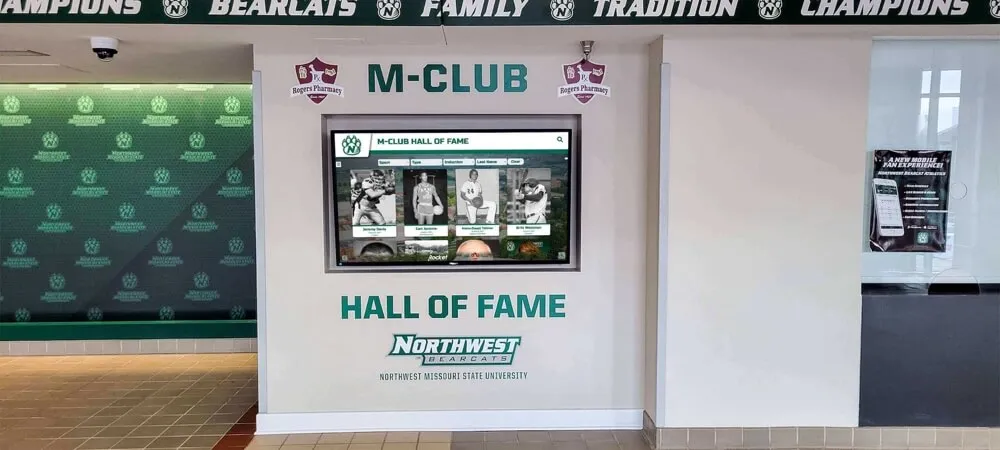
Learn about comprehensive athletic achievement recognition in championship celebration displays honoring elite performance.
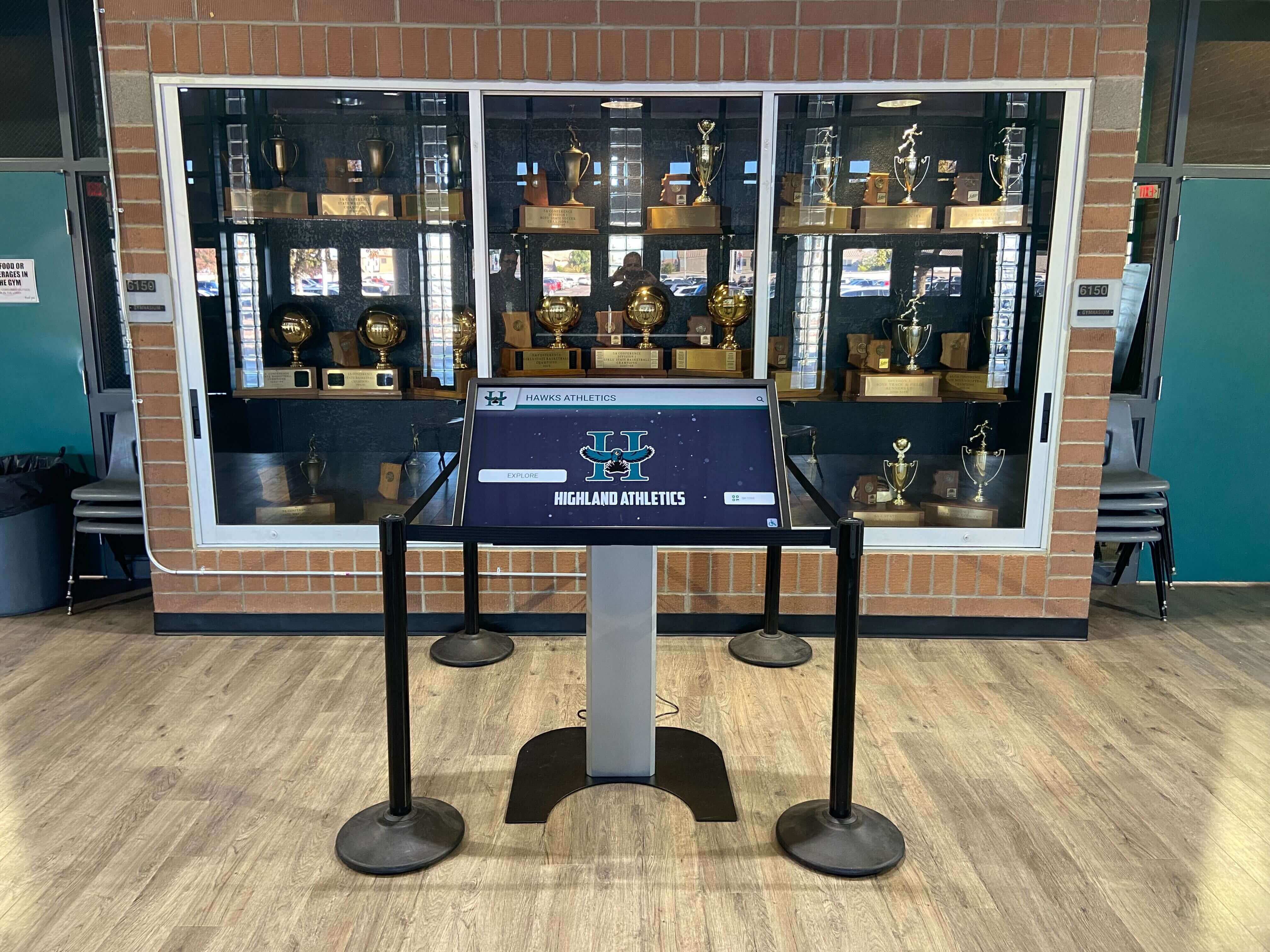
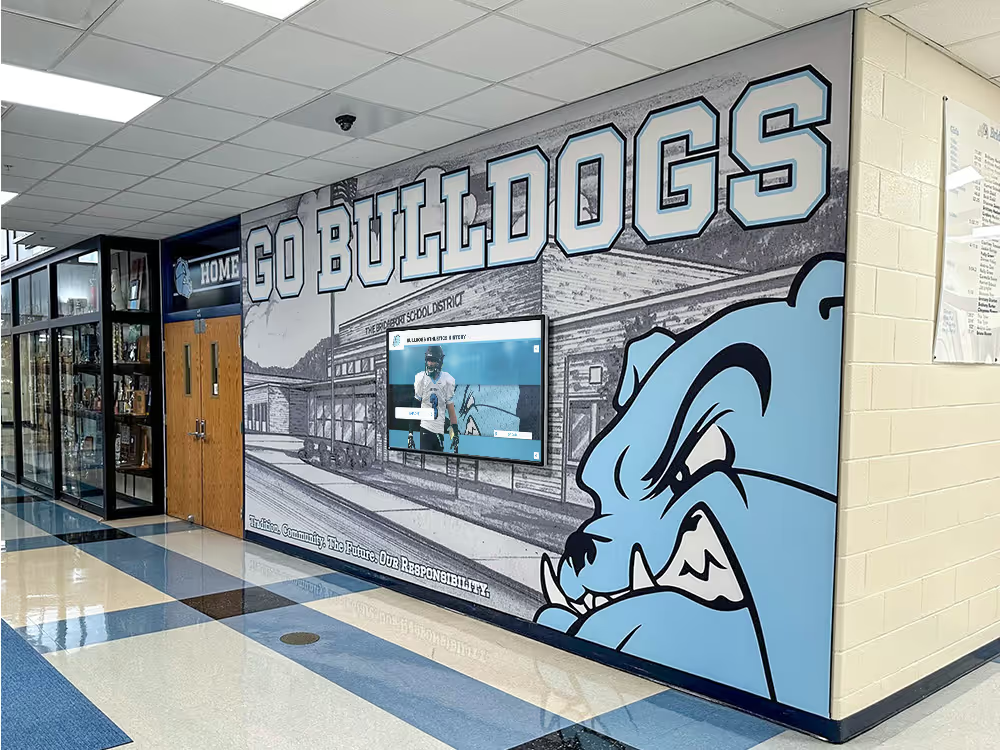
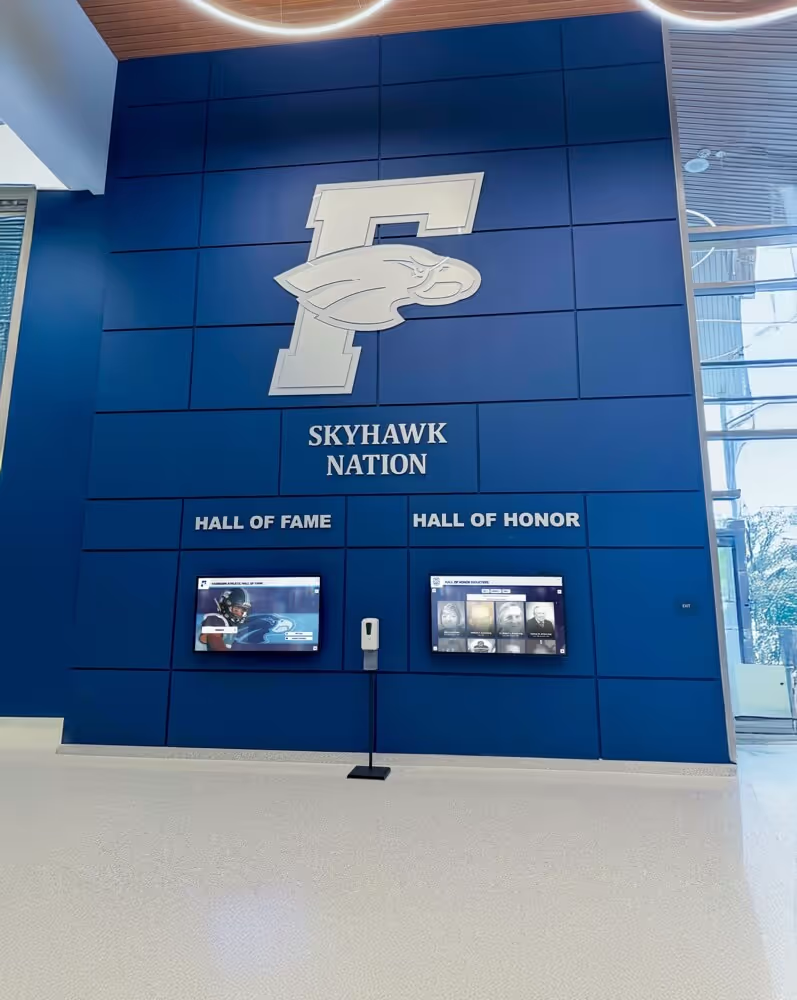
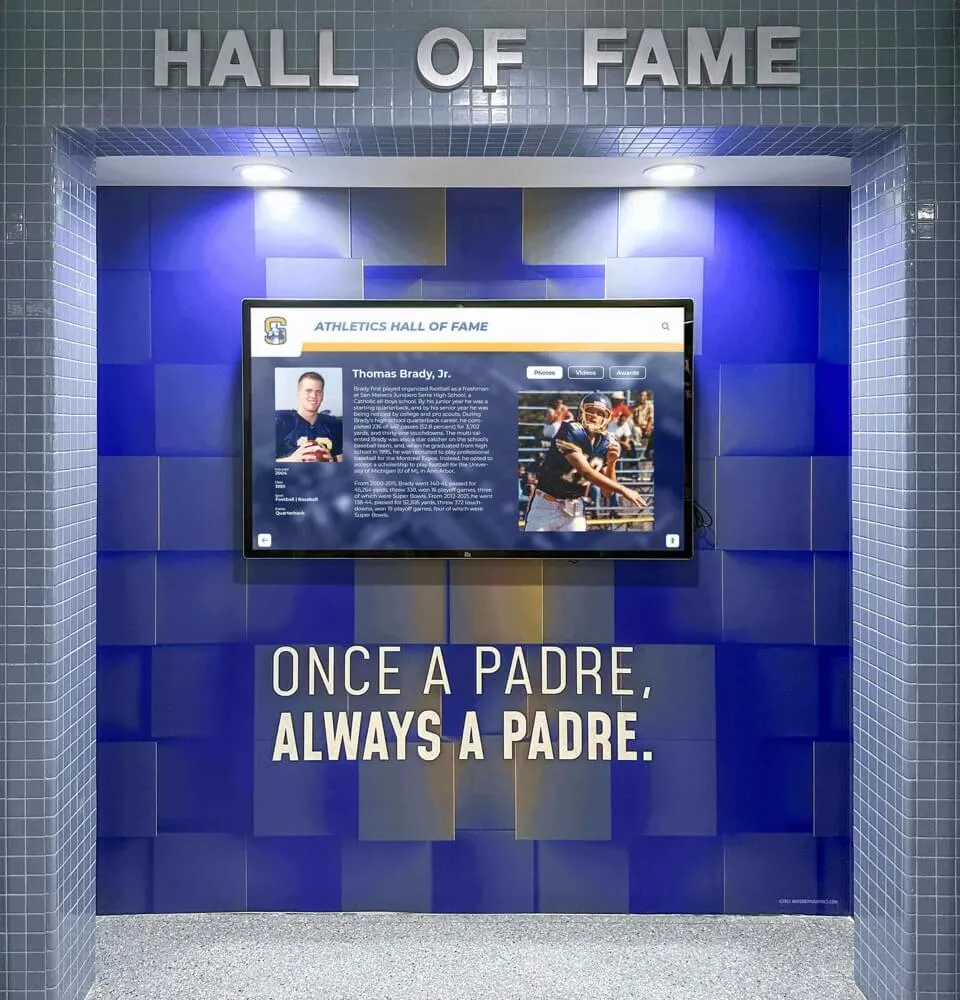
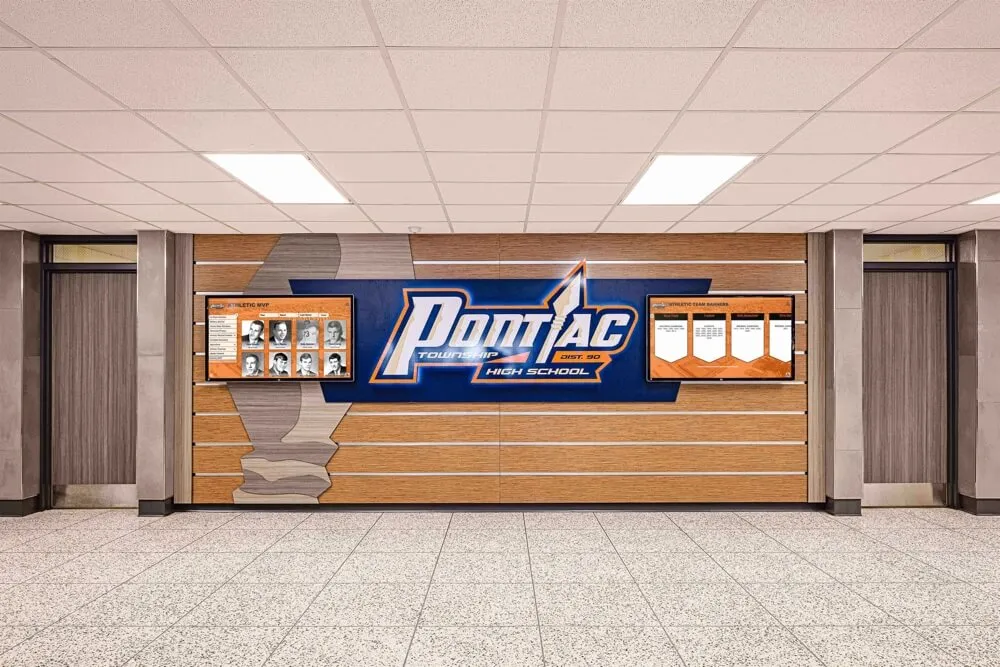
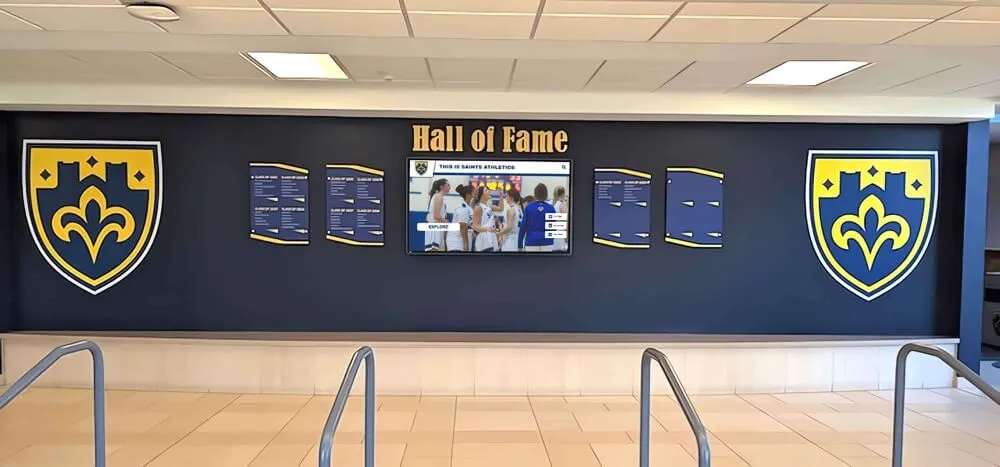
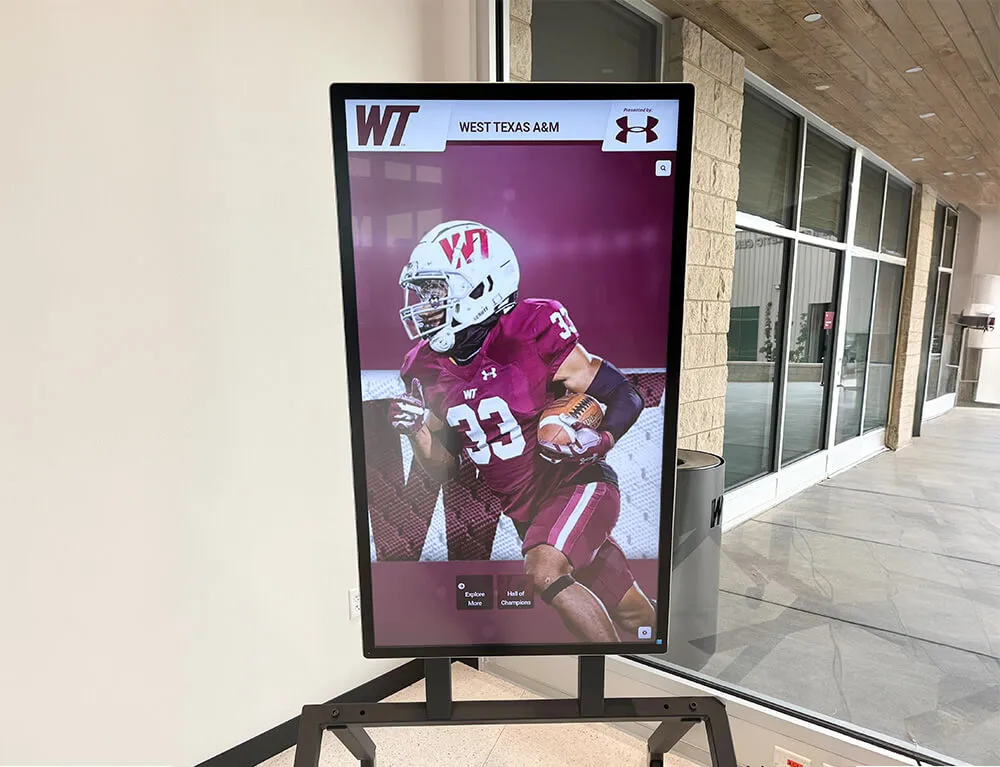
Modern recognition systems document competitive milestones from regional qualifications through national championship appearances
Qualification Pathways to NCA Nationals
Most squads earn nationals bids through regional competitions held throughout the season:
Regional Championship Pathway
- NCA hosts regional competitions in multiple locations nationwide
- Top-placing teams in each division earn automatic nationals bids
- Bid allocation varies by region (typically top 3-5 teams advance)
- At-large bids awarded to high-scoring teams that didn’t place high enough
Direct Qualification Considerations
- Previous nationals finalists may receive automatic invitations
- Defending champions typically receive reserved positions
- Video submission pathways exist for geographically isolated programs
- Some divisions require minimum score thresholds regardless of placement
Timeline Planning
- Fall regional competitions (October-November) for spring nationals
- Winter regionals (December-February) for late spring events
- Nationals typically scheduled February-April depending on division
- Multiple months separate qualification from nationals performance
Understanding qualification timing enables coaches to develop periodized training plans peaking at appropriate moments rather than maintaining maximum intensity year-round, which leads to injury and burnout.
Building Technical Skills Foundation: Six-Month Training Framework
Successful nationals preparation requires systematic skill development addressing every scored component while maintaining athlete health through intelligent progression.
Tumbling Progression and Mastery Timeline
Tumbling represents the foundation of competitive cheer routines and often determines placements at elite levels.
Months 6-5: Foundation and Consistency (June-July)
Focus on perfecting fundamental skills before adding difficulty:
- Standing tumbling: Back handsprings, aerials, layouts mastered with perfect technique
- Running tumbling: Round-off back handsprings with proper body alignment
- Connection consistency: Linking skills without breaks or hesitation
- Conditioning: Core strength, flexibility, and explosive power development
- Drill work: 20+ successful repetitions of each skill proving reliable execution
Months 4-3: Difficulty Addition (August-September)
Gradually incorporate advanced skills for competitive advantage:
- Standing series: Back handspring to tuck, layout, or full twist
- Running series: Round-off back handspring to layout or full
- Specialty passes: Front tumbling, aerials to back tucks, punch fronts
- Synchronization training: Group tumbling practicing exact timing
- Safety protocols: Spotting requirements and mat progressions
Months 2-1: Routine Integration (October-November)
Shift from isolated skill work to competition-specific execution:
- Routine timing: Tumbling sequences matching music and formations
- Fatigue management: Executing difficult passes while exhausted
- Mental preparation: Tumbling under pressure with judges watching
- Alternative sequences: Backup plans if athletes struggle with certain skills
- Final polishing: Minor technique adjustments and confidence building
Competition Month: Maintenance (December+)
Avoid new skill attempts; focus on consistency and injury prevention:
- Reduced volume (fewer total passes per practice)
- Maintained intensity (full-difficulty execution when performing)
- Mental rehearsal and visualization
- Video review identifying small execution flaws
- Rest and recovery prioritization
Elite programs recognize that tumbling mastery requires hundreds of successful repetitions under varied conditions—not just achieving skills once but executing reliably when fatigued, stressed, and performing under competition pressure.
Stunting, Pyramids, and Tosses Development
Partner stunts and synchronized group work require different training approaches emphasizing trust, communication, and timing.
Base-Flyer-Backspot Cohesion Building
Successful stunt groups develop through:
- Consistent partnerships: Same athletes practicing together builds timing intuition
- Communication protocols: Standardized verbal cues preventing confusion
- Progressive loading: Gradual weight addition preparing bases for competition stress
- Failure analysis: Understanding why stunts fall and correcting systematically
- Visualization practice: Mental rehearsal strengthening muscle memory
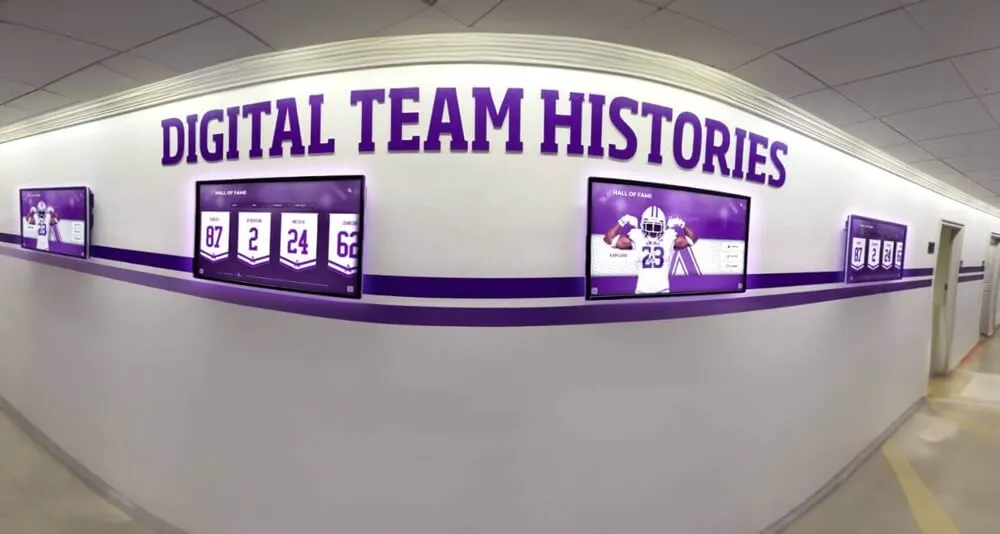
Discover team recognition strategies in digital team history displays celebrating collaborative achievement.
Pyramid Construction and Transition Training
NCA judges heavily weight pyramid creativity and execution:
- Level building: Starting with two-high structures before attempting three-high
- Transition choreography: Smooth load-ins and creative dismounts
- Timing synchronization: All groups hitting positions simultaneously
- Spotting coverage: Safety positioning for every athlete at height
- Backup structures: Alternative pyramids if primary attempts prove unstable
Basket Toss Technique and Variety
Competitive basket tosses require:
- Powerful synchronized timing: All four bases loading and releasing together
- Flyer body control: Tight positions maximizing height and allowing skill performance
- Variety demonstration: Multiple toss types (toe touch, pike, full twist, double down)
- Catch precision: Secure absorption preventing drops or bobbles
- Strategic placement: Toss positioning within routine maximizing visual impact
Six months provides sufficient time to build these complex skills from foundation through competition-ready execution, but only with systematic progression preventing injury while building confidence.
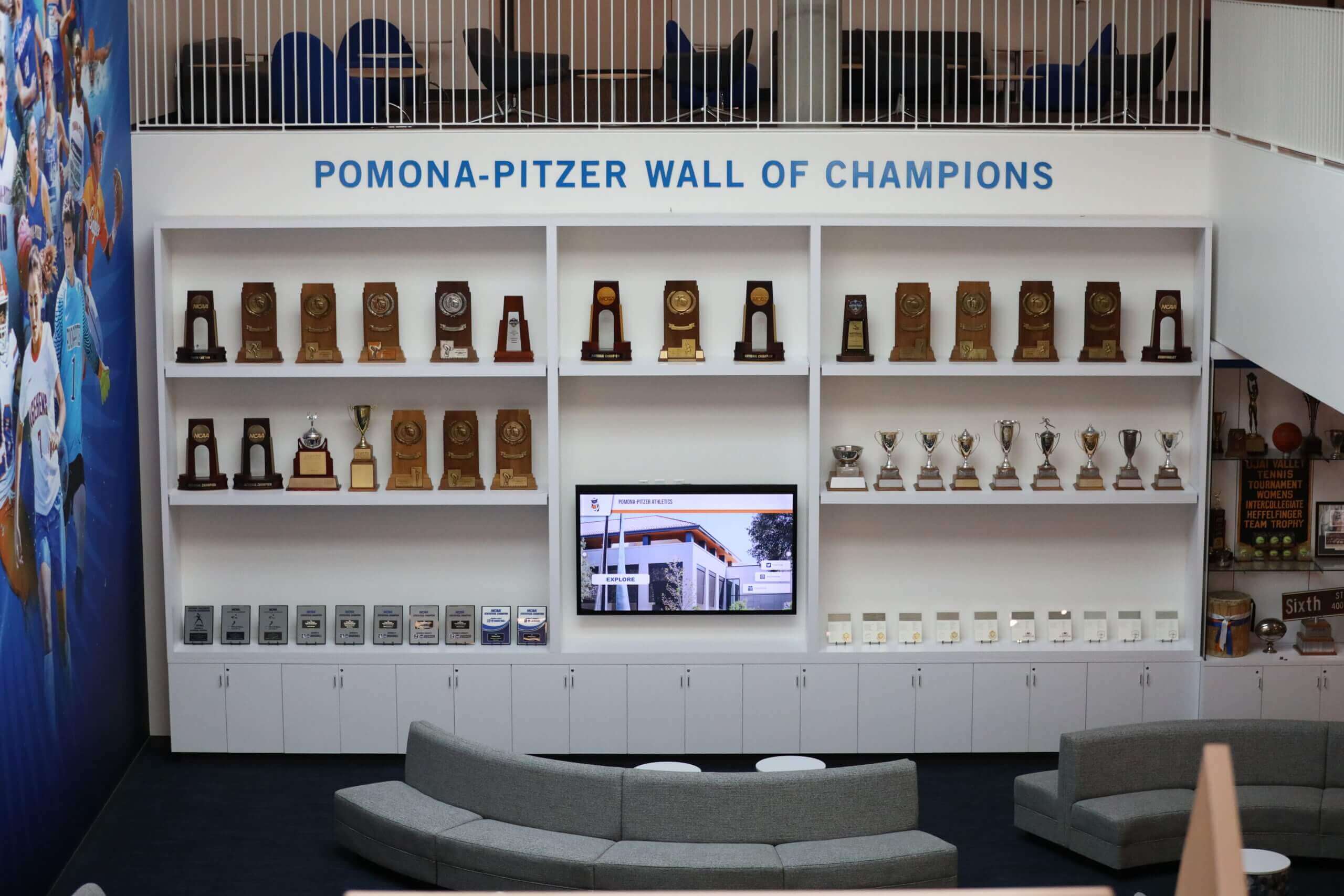
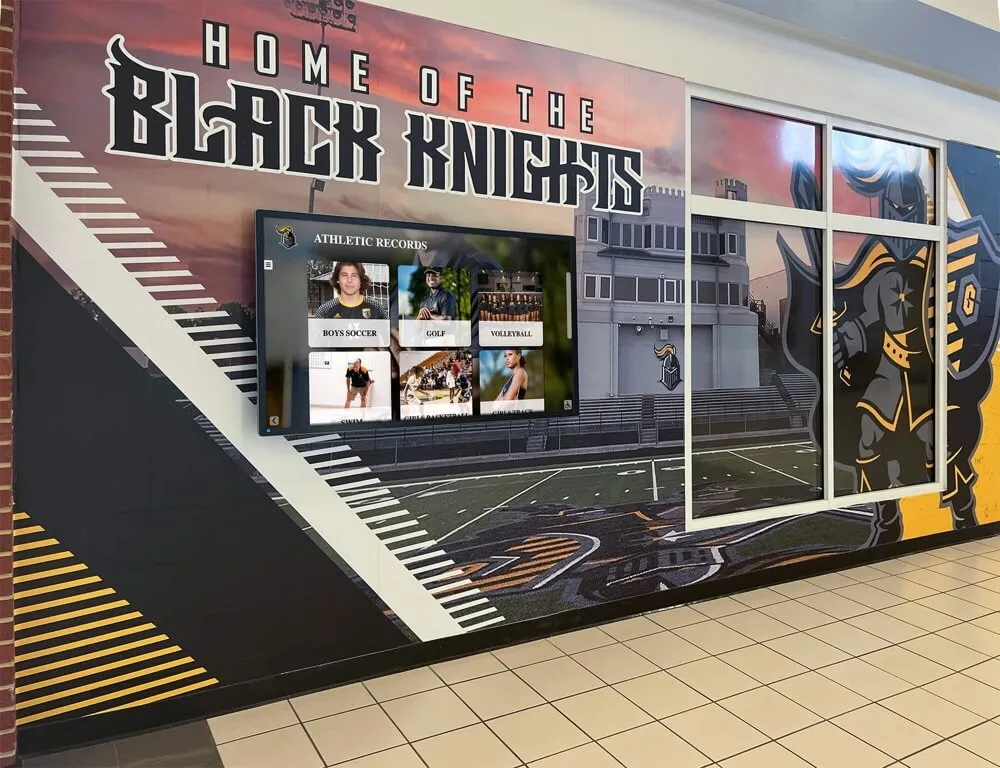
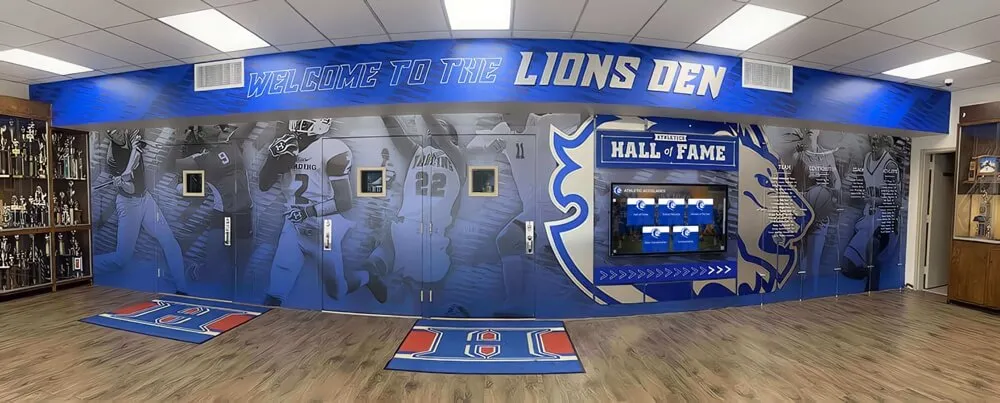
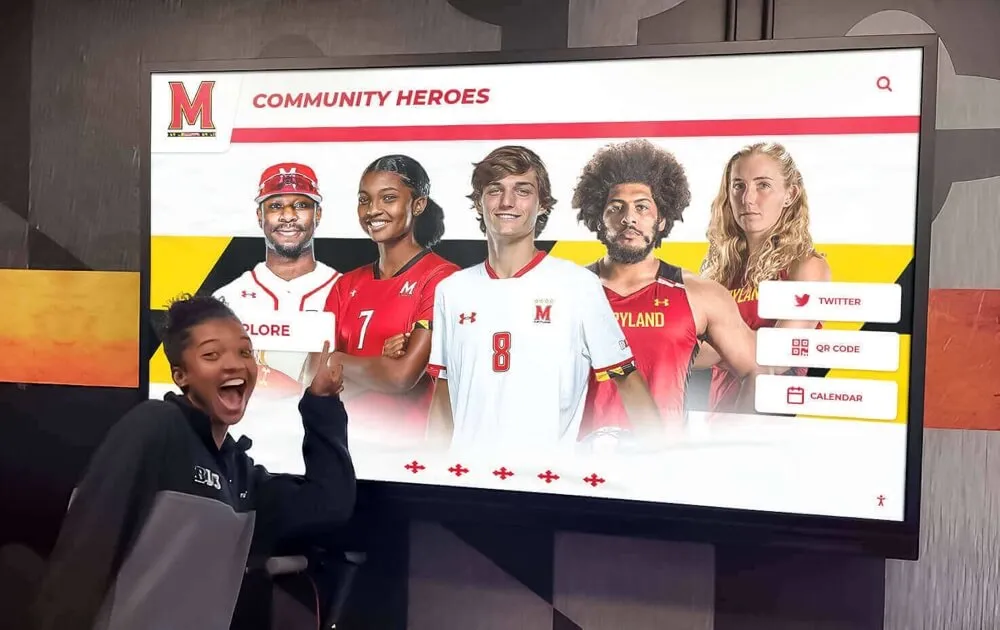
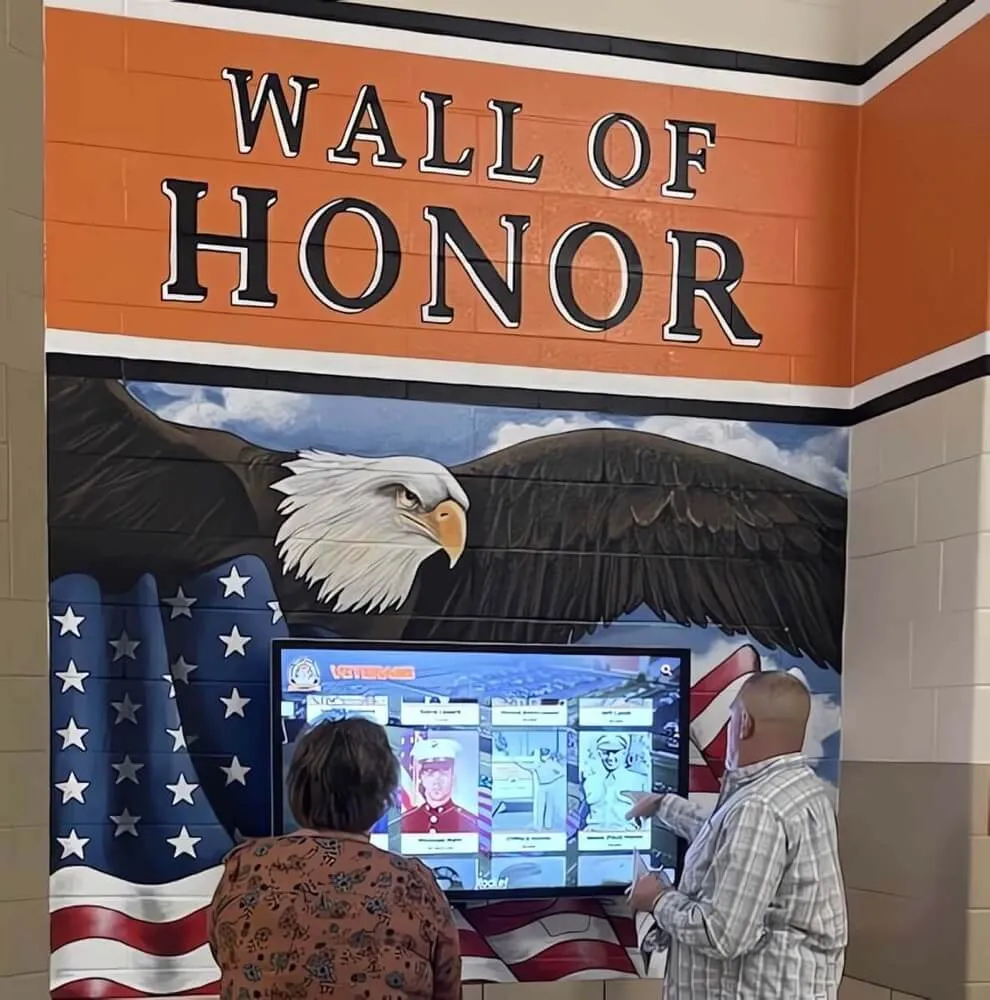
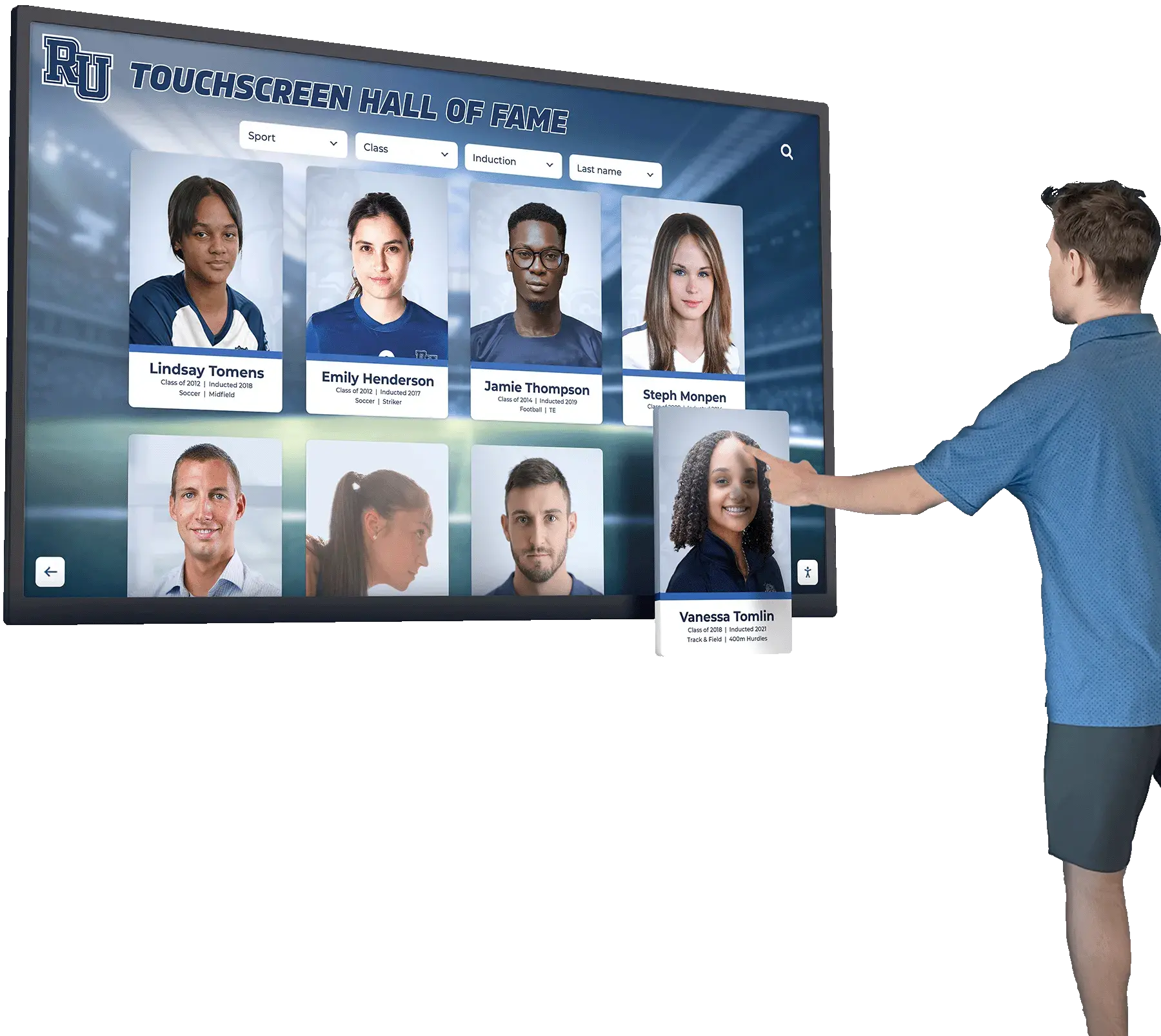
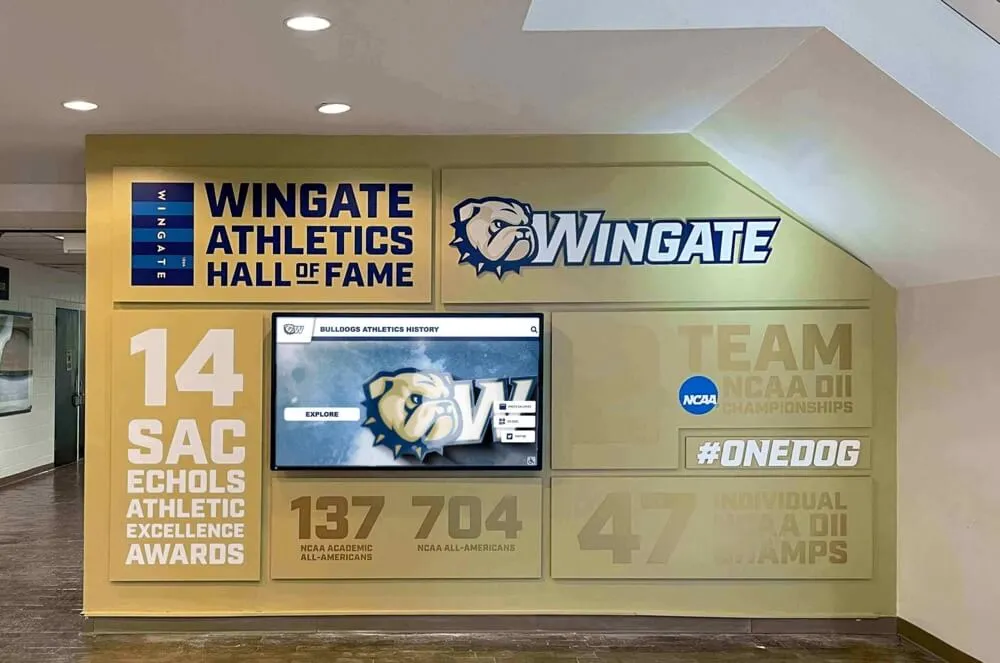
Championship programs create recognition spaces celebrating competitive achievements that motivate current athletes toward excellence
Dance, Jumps, and Motion Precision
While tumbling and stunting attract attention, dance and motion execution often separates podium finishers from middle-pack teams.
Dance Section Choreography
Elite routines feature:
- Age-appropriate choreography: Sophisticated movements without inappropriate content
- Difficulty variation: Mix of intricate footwork and powerful movements
- Synchronization emphasis: Exact unison across all squad members
- Performance quality: Strong facials and energy throughout eight-count sequences
- Strategic placement: Dance positioned after high-energy skills maintaining momentum
Jump Training and Execution
Perfect jumps require:
- Flexibility development: Active stretching achieving full split positions
- Explosive power: Plyometric training increasing vertical height
- Arm placement precision: Exact positions matching across all athletes
- Variety inclusion: Toe touches, herkies, pikes, front hurdlers, and side hurdlers
- Timing perfection: Simultaneous takeoff, peak, and landing
Motion Technique
Clean motions represent cheer fundamentals:
- Sharp hits: Quick, powerful movements with defined starting and stopping
- Proper placement: Arms hitting exact positions (high V, low V, T, broken T, etc.)
- Wrist and hand technique: Tight fists, blades, or candlesticks as choreography requires
- Level consistency: All athletes hitting same heights and angles
- Facial expressions: Appropriate smiles and intensity matching routine energy
Programs often neglect motion training assuming experienced cheerleaders have mastered basics, but judges notice execution differences and reward technical precision even in seemingly simple elements.
Routine Choreography and Music Selection Strategy
Technical skills mean nothing without intelligent choreography creating cohesive, entertaining, high-scoring routines.
Strategic Section Sequencing
Competitive routines typically follow proven structures:
Section 1: Opening Impact (0:00-0:20)
- High-energy formation with synchronized motions or tumbling
- Immediate skill demonstration showing judges your capabilities
- Strong performance quality establishing confidence
- Voice incorporation if division rules allow
Section 2: Stunt Sequence (0:20-0:45)
- Progressive difficulty building from easier to harder stunts
- Creative transitions between stunt positions
- Level changes and synchronized movements
- Potential pyramid integration or elite stunts
Section 3: Basket Tosses (0:45-1:00)
- Multiple tosses showcasing variety
- Different skills performed in air
- Secure catches without bobbles
- High visual impact positioning
Section 4: Pyramid Section (1:00-1:25)
- Most difficult pyramid structure
- Creative loading and transitions
- Synchronized timing across multiple groups
- Impressive dismounts
Section 5: Tumbling Pass (1:25-1:45)
- Squad-wide synchronized tumbling or multiple groups
- Highest difficulty passes performed
- Strategic formation transitions
Section 6: Dance Break (1:45-2:05)
- Eight-count synchronized choreography
- Difficulty variation maintaining interest
- Strong performance quality and facials
- Energy maintenance despite fatigue
Section 7: Jump Sequence (2:05-2:15)
- Multiple jump types in quick succession
- Perfect synchronization and height
- Clean transitions between jumps
Section 8: Closing Section (2:15-2:30)
- Final stunt sequence or pyramid
- Strong ending formation
- Memorable final impression
- Exact music ending alignment
This structure addresses all scoring components while maintaining audience engagement and demonstrating strategic skill placement when athletes are freshest versus fatigued.
Music Selection and Editing
Music dramatically impacts routine energy and judge impressions:
Legal Compliance Requirements
- Properly licensed music through approved vendors (Cheer Sounds, IPP Music, etc.)
- No profanity or inappropriate content
- Copyright compliance preventing competition disqualification
- Age-appropriate selections for younger divisions
Strategic Music Characteristics
- Variable energy: Peaks and valleys matching routine intensity
- Clear eight-counts: Distinct beats enabling synchronized choreography
- Crescendos and buildups: Musical excitement matching skill difficulty
- Voice mixing: Strategic voice overlays emphasizing school pride or energy
- Smooth transitions: Section changes flow naturally without jarring shifts
Timing Precision
- Exact 2:30 length (or division-specific time limit)
- Section changes aligned with routine transitions
- Ending precisely synchronized with final formation
- No awkward pauses or rushed endings
Professional music editing represents worthy investment—poorly cut music with awkward transitions or timing issues undermines even technically perfect routines.
Explore multimedia recognition strategies in video content creation guides documenting competitive journeys.
Formation Design and Visual Appeal
Strategic spacing maximizes visual impact:
Formation Principles
- Symmetry and balance: Evenly distributed athletes across performance area
- Level variation: Mixing standing, floor, and stunted athletes creates visual interest
- Sight lines: Ensuring judges see all athletes throughout routine
- Transition efficiency: Moving between formations without dead time
- Highlight positioning: Best athletes placed in visible positions during difficult skills
Creative Elements
- Unique formations spelling school names or creating recognizable shapes
- Unexpected transitions surprising judges and audience
- Strategic use of floor space preventing cramped or empty areas
- Visual effects through synchronized movements creating illusions
- Creative stunting arrangements beyond standard formations
Technical Considerations
- Adequate spacing preventing stunt collisions
- Legal positioning (stunts not performed directly behind others)
- Mat boundary awareness avoiding out-of-bounds penalties
- Judge visibility from competition viewing angles
- Safety margins for tumbling and tosses
Professional choreographers bring fresh perspectives identifying creative opportunities coaches immersed in daily training often miss, making their involvement valuable for serious nationals contenders.
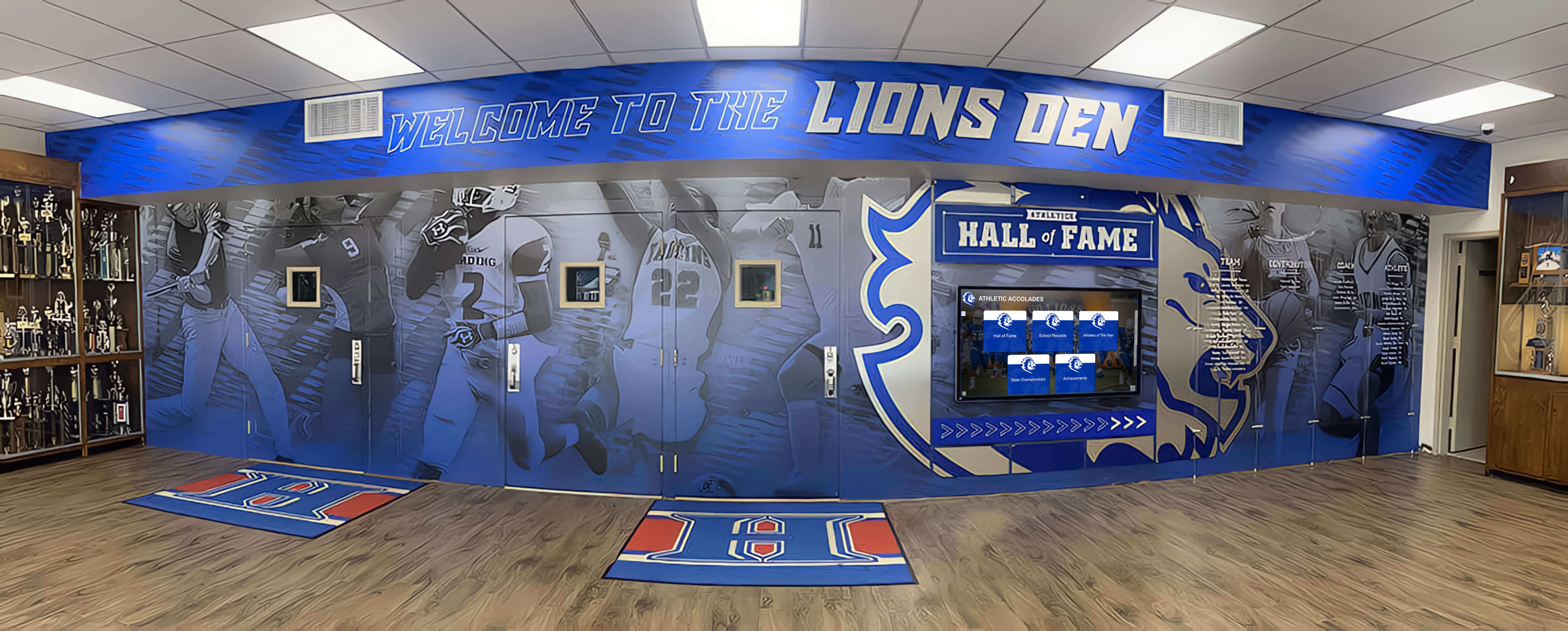
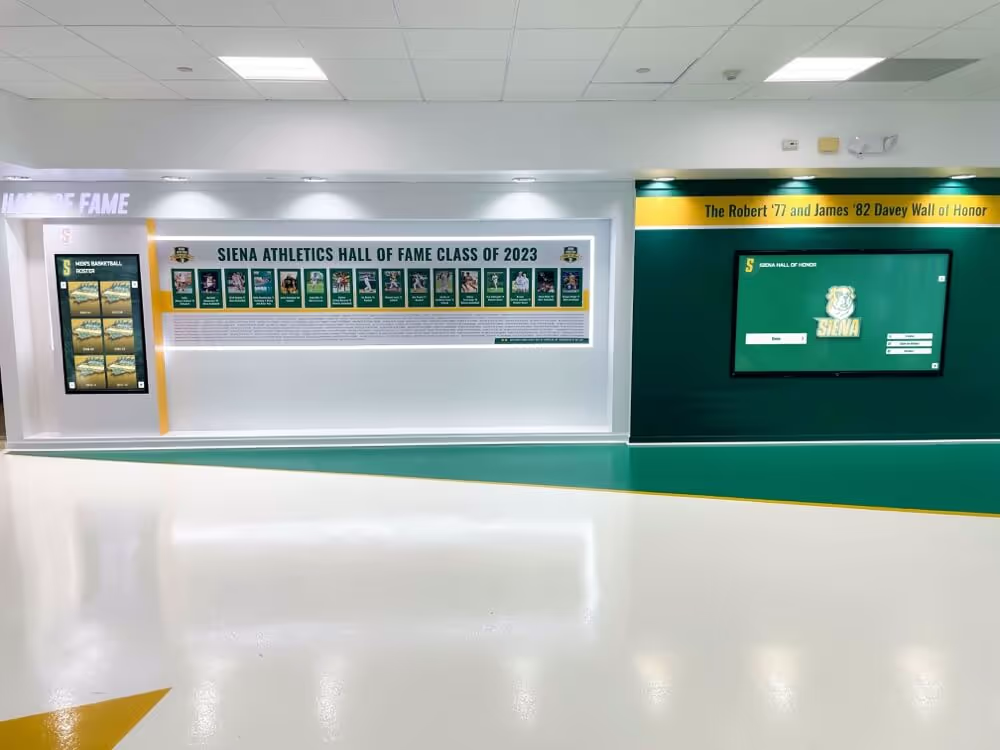
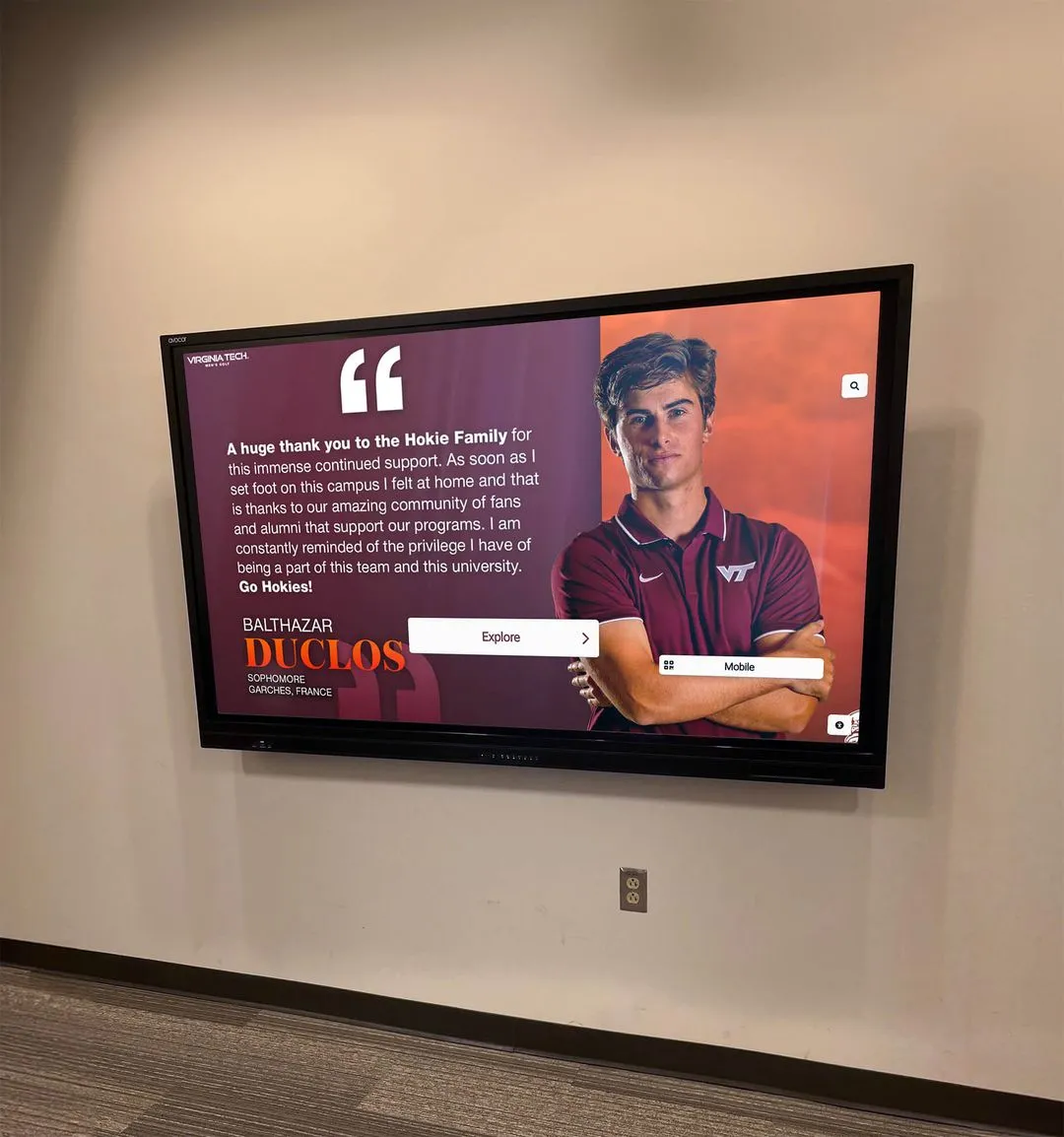
Successful programs document competitive journeys from qualification through championship appearances building lasting legacy
Physical Conditioning and Injury Prevention
Technical skill mastery means nothing if athletes can’t stay healthy through demanding preparation and competition intensity.
Periodized Conditioning Frameworks
Intelligent conditioning matches training intensity to season phases:
Off-Season Foundation Building (April-June)
- Aerobic base development: Running, cycling, or swimming building cardiovascular endurance
- Strength foundation: Weight training developing functional power
- Flexibility enhancement: Systematic stretching expanding range of motion
- Skill introduction: Learning new elements without performance pressure
- Volume emphasis: High repetition building work capacity
Pre-Season Skill Integration (July-September)
- Sport-specific conditioning: Routine run-throughs building performance endurance
- Power development: Explosive movements matching tumbling and stunting demands
- Skill refinement: Perfecting technique under moderate fatigue
- Volume maintenance with intensity increase: Fewer repetitions but higher effort
Competition Season Peak (October-February)
- Performance maintenance: Minimal new conditioning stimulus
- Recovery prioritization: Adequate rest between intense practices
- Mental preparation: Visualization and routine rehearsal
- Injury prevention: Reduced volume preventing overuse damage
Nationals Preparation Taper (Final 2-3 Weeks)
- Volume reduction: 40-60% decrease in total practice time
- Intensity maintenance: Full-difficulty execution when performing
- Recovery maximization: Extra rest ensuring peak performance
- Mental focus: Confidence building and routine polishing
Athletes don’t improve during the final week before competition—they perform at levels developed over previous months. Smart coaches rest athletes adequately rather than cramming final intense practices that increase injury risk without improving performance.
Common Cheerleading Injuries and Prevention Strategies
Understanding prevalent injuries enables targeted prevention:
Ankle Sprains and Instabilities
- Risk factors: Repeated jumping, tumbling landings, stunt dismounts
- Prevention: Ankle strengthening exercises, proprioception training, proper footwear
- Protection: Taping or bracing for athletes with previous injuries
Wrist and Forearm Strains
- Risk factors: Tumbling impact, base positions supporting flyer weight
- Prevention: Wrist strengthening, proper tumbling technique, progressive loading
- Protection: Wrist guards during skill learning phases
Lower Back Pain
- Risk factors: Tumbling hyperextension, improper lifting in stunts
- Prevention: Core strengthening, proper technique emphasis, flexibility work
- Management: Early intervention preventing chronic problems
Shoulder Injuries
- Risk factors: Flyer positions, repeated overhead motions, basket tosses
- Prevention: Rotator cuff strengthening, proper warm-up, technique emphasis
- Protection: Avoiding advanced skills before adequate strength development
Concussions
- Risk factors: Stunt falls, pyramid collapses, collision during transitions
- Prevention: Proper spotting, progressive skill building, adequate spacing
- Protocol: Immediate removal from activity, medical evaluation, graduated return
Implementing comprehensive warm-up protocols, teaching proper technique, using progressive skill development, and maintaining appropriate spotting prevents most injuries while allowing aggressive skill training necessary for competitive success.
Discover athletic safety program development in recognition program best practices supporting athlete welfare.
Nutrition and Recovery Protocols
Peak performance requires attention beyond practice:
Competition Season Nutrition
- Carbohydrate emphasis: Fuel for high-intensity training
- Adequate protein: Muscle recovery and development
- Hydration protocols: Consistent water intake preventing performance decline
- Pre-practice fueling: Easily digestible carbs 1-2 hours before training
- Post-practice recovery: Protein and carbs within 30-60 minutes
Competition Day Fueling
- Familiar foods: Nothing new preventing digestive issues
- Strategic timing: Eating 2-3 hours before performance
- Hydration attention: Adequate fluids without excessive consumption
- Energy availability: Quick carbs available if needed
- Avoidance of heavy, greasy, or dairy-heavy foods: Preventing digestive discomfort
Recovery Prioritization
- Sleep emphasis: 8-10 hours nightly for adolescent athletes
- Active recovery: Light movement between intense practices
- Ice bath or contrast therapy: Reducing inflammation and soreness
- Stretching and mobility: Maintaining flexibility and preventing tightness
- Mental recovery: Rest days preventing burnout and maintaining motivation
Elite programs recognize that gains occur during recovery, not training—inadequate rest prevents adaptation regardless of training quality.
Mental Preparation and Performance Psychology
Physical readiness represents only half the equation—mental preparation determines who executes under championship pressure.
Building Performance Confidence
Confidence stems from preparation proof, not empty affirmations:
Skill Mastery Documentation
- Track successful skill repetitions in practice
- Video review showing execution consistency
- Competition simulation performing under pressure
- Progressive difficulty demonstrating capability growth
- Peer and coach feedback reinforcing readiness
Positive Self-Talk Protocols
- Replacing “Don’t drop” with “Hit it perfectly”
- Emphasizing process (“Push hard,” “Squeeze tight”) over outcomes
- Developing personal mantras repeated during stress
- Team chants building collective confidence
- Reframing nerves as excitement rather than fear
Visualization Practice
- Mental rehearsal of perfect routine execution
- Imagining competition environment sounds and sights
- Visualizing successful responses to potential problems
- Mental practice of pre-performance routines
- Imagery including all senses (sight, sound, physical sensation)
Competition Simulation
- Mock competitions with judges, scoring, and audience
- Performing while intentionally fatigued
- Handling unexpected disruptions (music issues, delays)
- Multiple performance attempts under observation
- Video review comparing simulations to actual competitions
Confidence built on actual demonstrated capability withstands competition pressure far better than false confidence from coaches simply telling athletes they’re great.
Managing Pre-Competition Anxiety
Some nervousness proves normal and even beneficial—excessive anxiety impairs performance:
Pre-Competition Routines Consistent preparation activities reduce anxiety:
- Standardized warm-up sequences
- Team rituals building unity
- Music playlists setting appropriate energy
- Visualization exercises
- Physical relaxation techniques
Anxiety Recognition and Response
- Teaching athletes to identify physical anxiety symptoms
- Breathing exercises reducing physiological arousal
- Progressive muscle relaxation releasing tension
- Cognitive reframing transforming worry into focus
- Social support from teammates and coaches
Focus Strategies
- Present-moment attention rather than outcome worry
- Process goals (execute technique) versus result goals (winning)
- Single-skill focus rather than entire routine pressure
- Trust in preparation rather than doubt
- Team-focused thinking reducing individual pressure
Handling Mistakes and Setbacks
- Pre-planned responses to dropped stunts or tumbling errors
- “Next play” mentality moving past mistakes
- Teammate support preventing cascade failures
- Mental reset techniques between sections
- Post-performance processing rather than mid-routine dwelling
Championship teams prepare mentally as systematically as physically—recognizing that physical skills deteriorate under mental pressure unless athletes develop psychological resilience alongside technical capability.
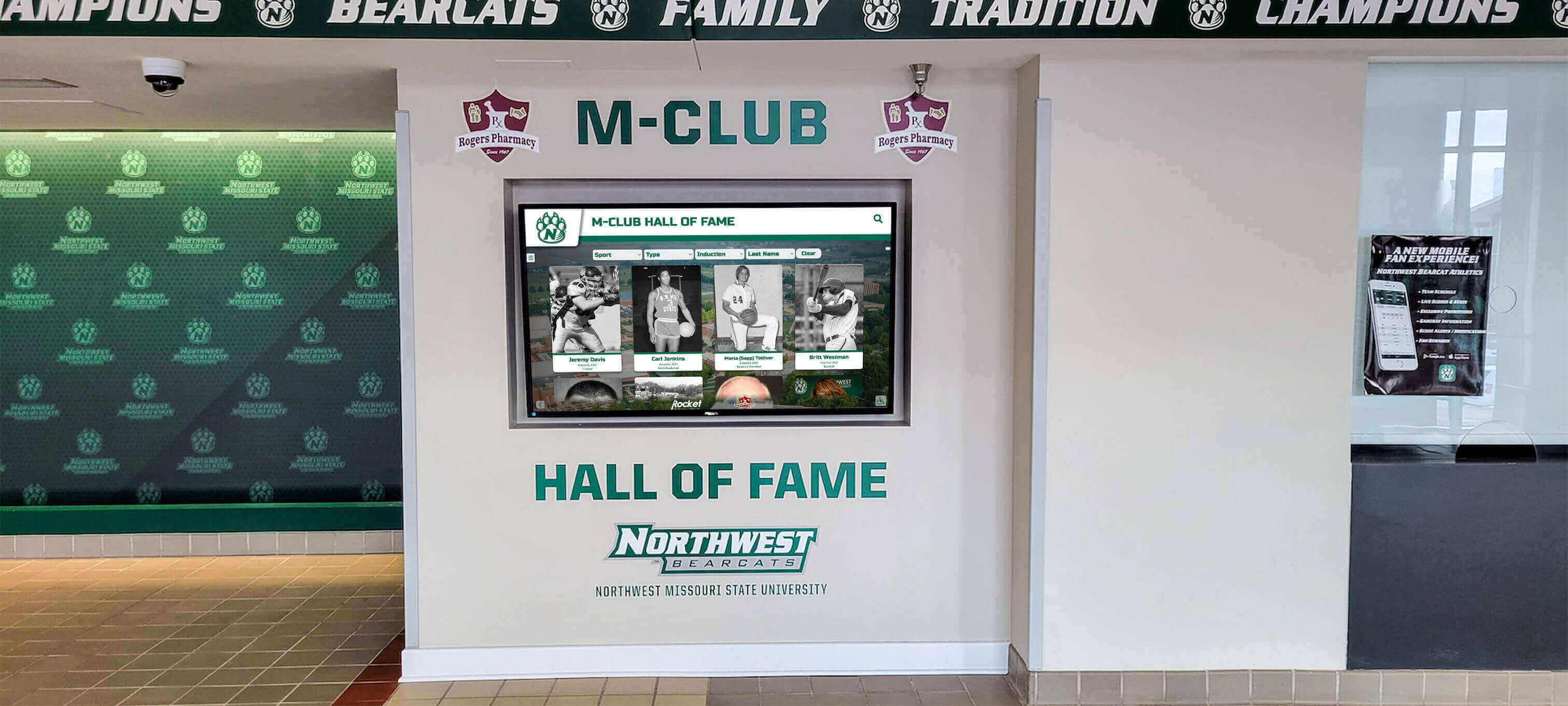
Recognition displays celebrate not just championship results but the dedicated preparation journeys making elite performance possible
Competition Logistics and Day-of-Event Management
Perfect preparation becomes meaningless without managing competition logistics that can derail unprepared teams.
Travel and Accommodation Planning
NCA nationals often require multi-day travel to host cities:
Booking Considerations
- Early reservations: Championship weekends fill months in advance
- Proximity to venue: Minimizing travel day-of-competition
- Team lodging: Keeping squad together for meetings and bonding
- Meal access: Hotels with breakfast or nearby restaurants
- Budget management: Balancing quality with program finances
Travel Squad Management
- Chaperone ratios: Adequate supervision for minor athletes
- Rooming assignments: Compatible athletes sharing rooms
- Behavior expectations: Clear standards for hotel conduct
- Emergency protocols: Contact information and response plans
- Parent communication: Regular updates to families at home
Packing and Equipment Management
- Uniform inventory: Multiple sets, backup options, repair supplies
- Music backups: Multiple devices with routine music
- First aid supplies: Comprehensive medical kit
- Team supplies: Warm-up gear, signs, spirit items
- Personal requirements: Athlete checklist ensuring nothing forgotten
Performance Day Schedule and Warm-Up
Competition day requires minute-by-minute planning:
Morning of Competition
- Wake time: Adequate morning preparation without rushed stress
- Team breakfast: Nutritious fuel timed appropriately
- Hotel room checkout: Early enough avoiding rushing
- Venue arrival: 90-120 minutes before performance slot
- Check-in completion: Registration, music submission, credentials
Warm-Up Progression
- General warm-up (20 minutes): Light cardio, dynamic stretching, team bonding
- Skill-specific warm-up (15 minutes): Individual tumbling, stunt positions, jumps
- Full routine run-through (10 minutes): Complete routine at performance speed
- Final preparation (10 minutes): Touch-ups, bathroom breaks, mental preparation
- Mat entrance: Arriving at performance area confident and focused
Backstage Management
- Maintaining warm muscles: Light movement preventing cooling
- Hydration and fueling: Strategic intake without excess
- Mental focus: Visualization and positive team interaction
- Avoiding distractions: Limiting observation of other teams
- Coach communication: Final reminders and encouragement
Post-Performance Protocol
- Immediate cool-down: Light activity preventing injury
- Team processing: Acknowledging effort regardless of result
- Avoid immediate score obsession: Focus on performance quality
- Award ceremony preparation: If applicable to your division
- Celebration planning: Regardless of placement, honoring effort
Elite coaches script competition day entirely—leaving nothing to chance and ensuring athletes can focus solely on performance rather than logistics.
Explore competition success documentation in school event planning ideas celebrating athletic milestones.
NCA Rules Compliance and Avoiding Penalties
Understanding detailed regulations prevents disqualification or major deductions:
Legal Skill Execution
- Review division-specific skill restrictions thoroughly
- Understand stunt height limitations
- Know tumbling skill requirements and prohibitions
- Follow basket toss and pyramid rules precisely
- Verify jump requirements and restrictions
Uniform and Appearance Regulations
- Appropriate uniform coverage and fit
- Legal shoe requirements (typically cheer shoes only)
- Jewelry restrictions (generally prohibited)
- Hair and makeup appropriateness
- Team uniformity requirements
Music and Routine Rules
- Exact time limits (typically 2:30 maximum)
- Profanity prohibition
- Copyright compliance
- Voice-over restrictions in some divisions
- Sound effect limitations
Safety Violations
- Illegal stunt attempts result in severe penalties
- Drops and falls trigger major deductions
- Out-of-bounds penalties
- Dangerous proximity violations
- Improper spotting consequences
Administrative Requirements
- Music submission deadlines and format
- Registration and roster submission
- Credential collection for coaches and athletes
- Warm-up time slot adherence
- Performance order flexibility policies
One illegal skill or major rule violation can drop otherwise perfect routines from podium contention to middle of the pack—making rules knowledge absolutely essential.
Post-Competition Evaluation and Future Planning
Championship programs learn from every competition, continuously improving across seasons.
Performance Analysis and Scoring Review
Systematic evaluation identifies improvement opportunities:
Video Review Process
- Multiple viewing angles: Performance footage and judge perspective when available
- Section-by-section analysis: Detailed evaluation of each routine component
- Execution comparison: Side-by-side with practice footage
- Scoring alignment: Understanding deductions and judge feedback
- Competitive comparison: Reviewing winning routines when possible
Individual Athlete Assessment
- Skill execution consistency: Identifying reliable versus risky elements
- Energy and performance quality: Facial expressions and commitment
- Synchronization timing: Athletes ahead or behind team rhythm
- Technical precision: Form breaks or technique flaws
- Mental performance: Handling pressure and mistakes
Team Performance Patterns
- Strong sections: Elements executed most consistently
- Weak sections: Components requiring additional attention
- Fatigue impact: Performance decline in later routine sections
- Pressure response: How team handled competition environment
- Strategic effectiveness: Whether choreography showcased strengths appropriately
Season Conclusion and Recognition
Proper season closure honors effort and builds future motivation:
Team Celebration and Awards Regardless of placement, celebrate commitment:
- End-of-season banquet or gathering
- Individual recognition for effort and improvement
- Team awards (Most Valuable, Most Improved, Leadership, etc.)
- Season highlight video commemorating journey
- Gifts or mementos marking competition experience
Documentation and History Preservation Championship experiences deserve permanent recognition:
- Team photos and competition footage archived
- Nationals qualification and placement recorded
- Individual athlete profiles with achievements documented
- Program record books updated
- Social media and website content celebrating season
Solutions like Rocket Alumni Solutions enable cheer programs to create permanent digital recognition systems celebrating competitive achievements, documenting athlete progress across multiple seasons, and building program legacy that attracts future talented athletes. Modern recognition platforms accommodate unlimited athlete profiles, competition videos, statistics, and championship documentation—creating comprehensive historical records previously impossible with traditional static displays alone.
Discover comprehensive recognition approaches in digital trophy display solutions celebrating athletic achievement permanently.
Parent and Supporter Appreciation
- Recognition of parent volunteer contributions
- Sponsor acknowledgment for financial support
- Booster club celebration and gratitude
- Community thank you for attendance and encouragement
- Planning involvement opportunities for following season
Recruiting and Program Development
Successful nationals appearances build program reputation:
Recruiting Impact
- Highlighting nationals qualification in program promotion
- Sharing competition footage with prospective athletes
- Documenting program excellence in school communications
- Building feeder program relationships
- Creating aspirational culture attracting talent
Program Growth Planning
- Assessing coaching staff needs and development
- Facility and equipment upgrade requirements
- Budget planning for following season
- Training program enhancements based on lessons learned
- Schedule planning incorporating sufficient preparation time
Long-Term Vision
- Multi-year competitive development plans
- Athlete retention and progression tracking
- Building program traditions and culture
- Establishing sustainable excellence rather than one-time success
- Setting ambitious but achievable next-season goals
Elite programs view each nationals appearance as foundation for future success—documenting lessons learned, celebrating achievements appropriately, and immediately beginning preparation for elevated performance in following seasons.
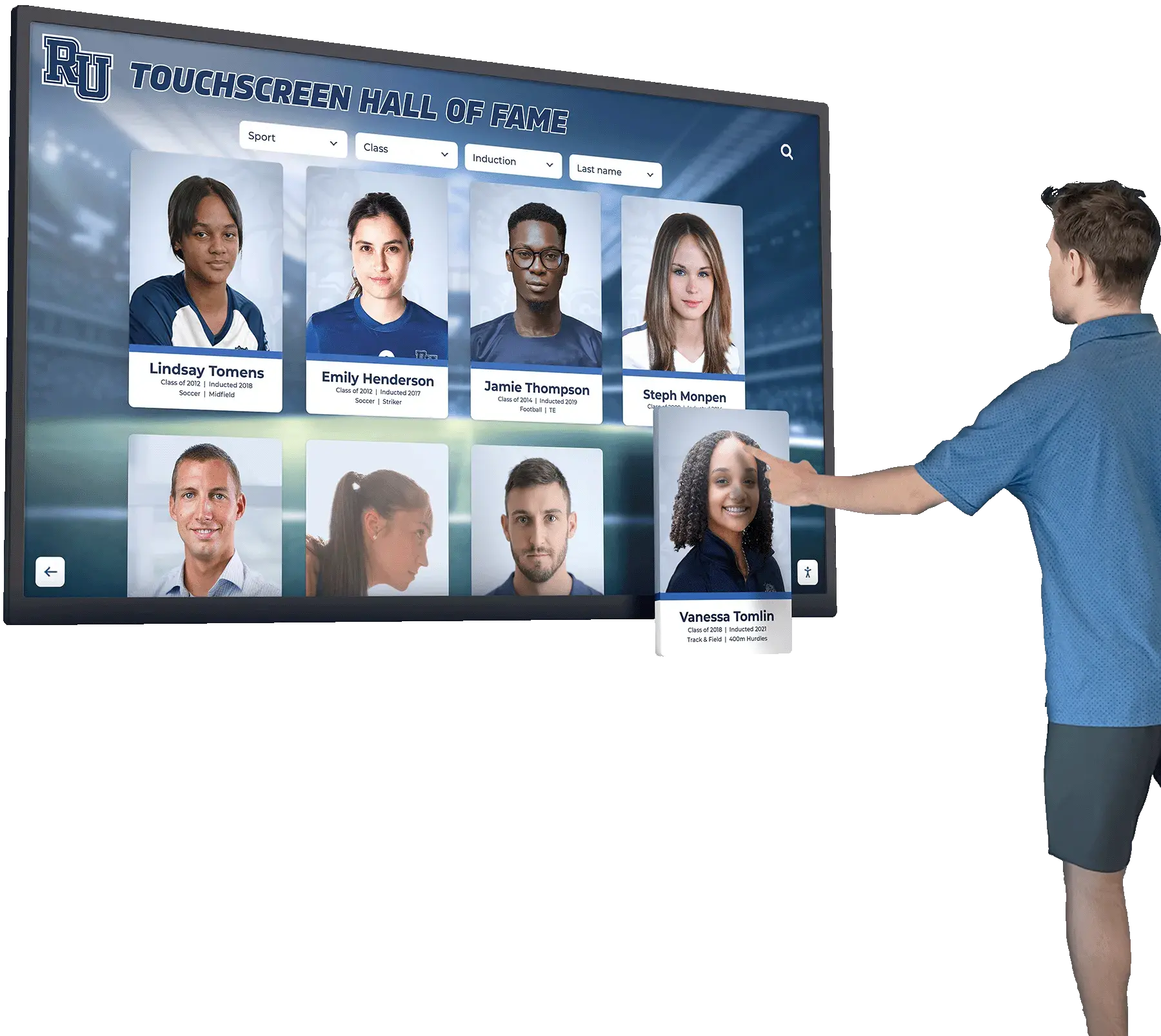
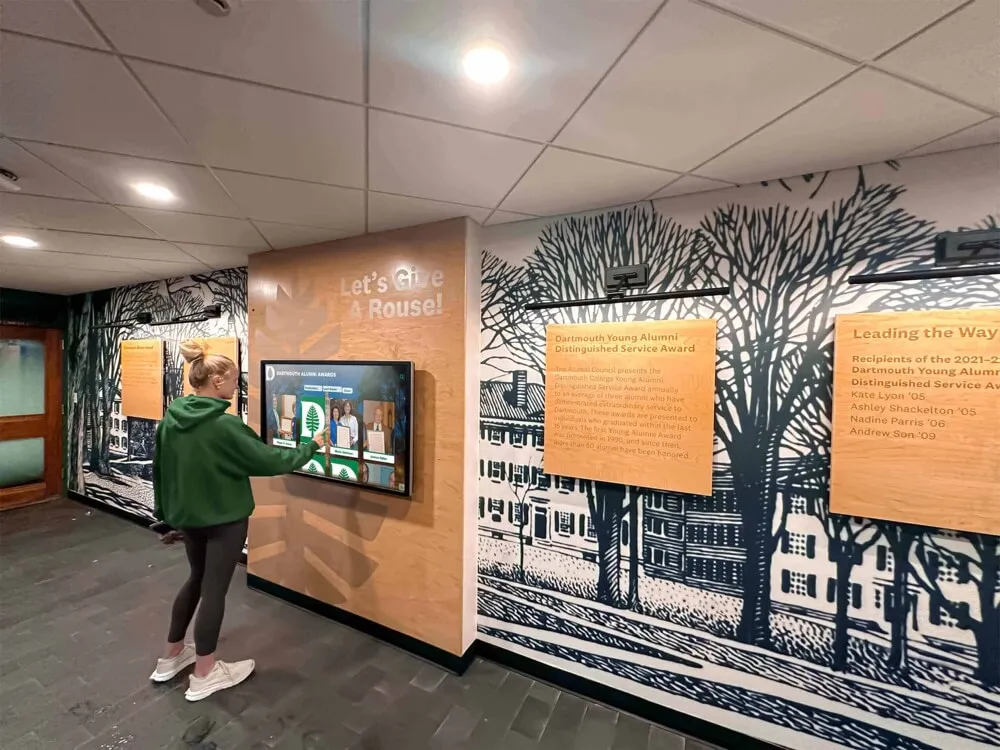
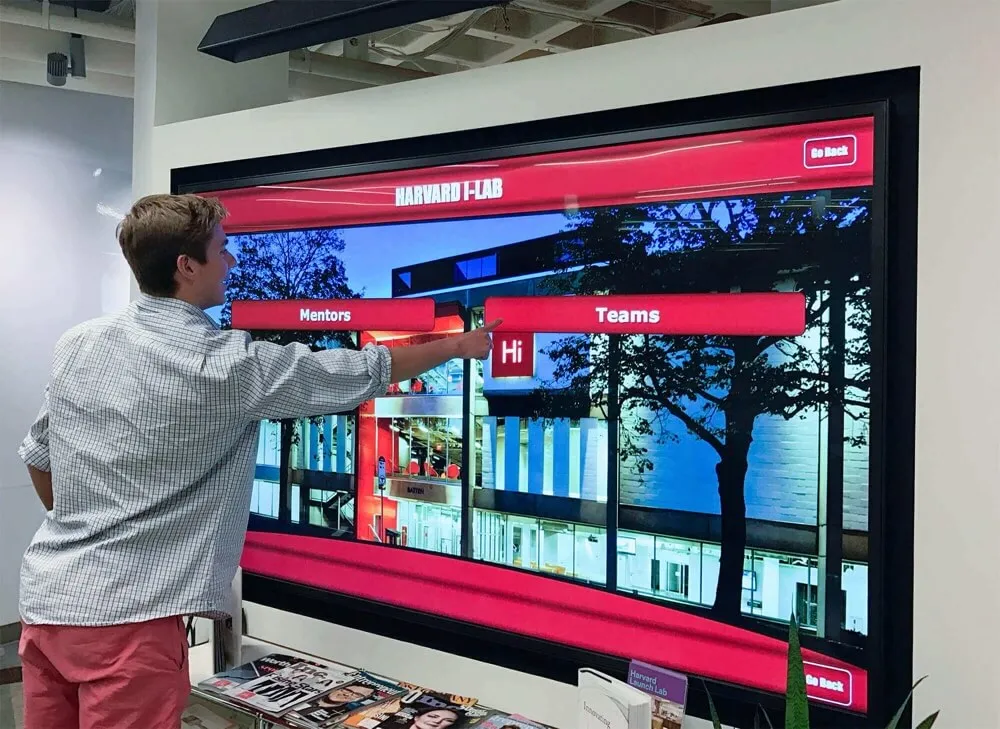
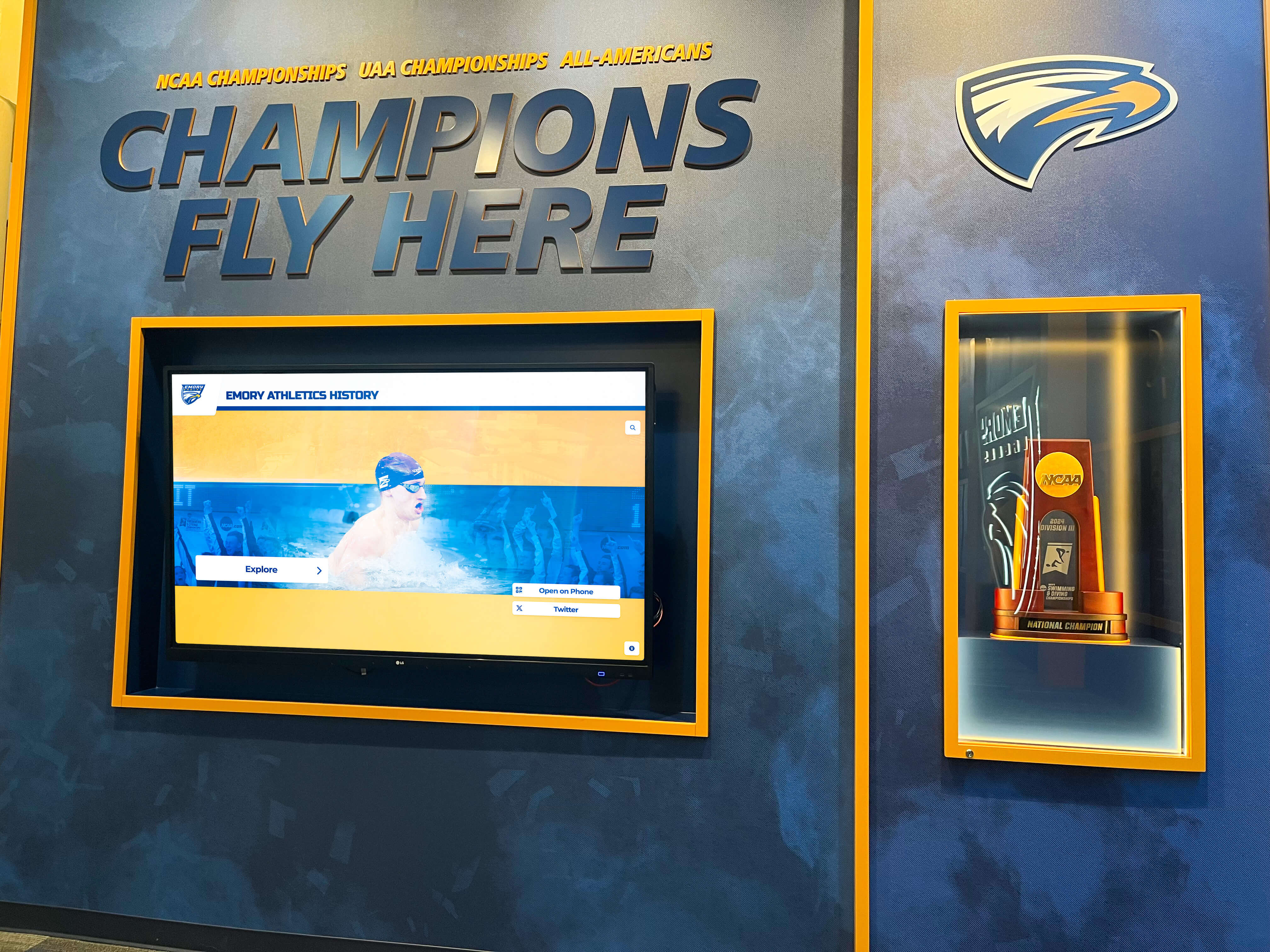
Interactive recognition systems enable visitors to explore competitive achievements and athlete stories celebrating program excellence
Building Championship Program Culture
Single nationals appearances represent achievements—sustained excellence requires comprehensive program culture development.
Creating Competitive Excellence Standards
Championship programs establish clear performance expectations:
Skill Proficiency Requirements
- Minimum tumbling standards for squad membership
- Stunting technique mastery before attempting difficulty
- Jump height and form requirements
- Dance precision expectations
- Conditioning benchmarks athletes must meet
Practice Behavior and Commitment
- Attendance expectations and absence policies
- Mental focus and effort standards
- Peer support and encouragement norms
- Leadership expectations from veteran athletes
- Academic eligibility requirements
Representation Standards
- School and program representation expectations
- Social media conduct guidelines
- Community engagement requirements
- Sportsmanship standards at competitions
- Personal responsibility and accountability
Continuous Improvement Mindset
- Growth orientation over fixed ability thinking
- Learning from mistakes rather than fearing failure
- Seeking feedback and coaching actively
- Goal-setting and progress tracking
- Celebrating improvement alongside achievement
Clear standards communicated consistently create programs where excellence becomes normal expectation rather than occasional achievement.
Multi-Year Athlete Development Pathways
Sustainable programs develop athletes systematically:
Novice Athlete Foundation (First Year)
- Fundamental skill mastery
- Team culture integration
- Work ethic development
- Learning expectations and standards
- Building confidence through achievement
Developing Athlete Growth (Second Year)
- Skill difficulty progression
- Increased responsibility in routines
- Peer leadership emergence
- Competition experience accumulation
- Technical refinement focus
Advanced Athlete Excellence (Third Year)
- Elite skill execution
- Routine featured positions
- Formal leadership roles
- Mentoring younger athletes
- Consistent high-level performance
Senior Athlete Legacy (Fourth Year)
- Program leadership and culture stewardship
- Maximum competitive contribution
- College recruitment support when applicable
- Tradition preservation and innovation
- Leaving positive program impact
This developmental framework creates perpetual excellence as experienced athletes mentor emerging talent while younger athletes observe standards modeled by accomplished veterans.
Explore sustained excellence recognition in alumni engagement strategies celebrating multi-generation program legacies.
Parent and Community Engagement
Successful programs build stakeholder support networks:
Parent Communication Systems
- Regular updates on training progress
- Financial transparency regarding costs
- Competition schedule and travel planning
- Volunteer opportunity coordination
- Celebration and recognition inclusion
Booster Club Development
- Fundraising to offset program costs
- Volunteer coordination for events
- Spirit wear and merchandise sales
- Competition attendance organization
- Program promotion and support
Community Connection
- Performance opportunities at local events
- Youth cheer clinic hosting
- School pep rally leadership
- Community service participation
- Positive public relations building
Sponsorship Cultivation
- Local business partnership development
- Recognition opportunities for supporters
- In-kind donation solicitation
- Multi-year relationship building
- Professional partnership management
Strong community engagement provides financial resources, volunteer support, and public visibility elevating programs from good to championship-caliber through sustained excellence rather than limited-resource constraints.
Conclusion: Your Path to NCA Competition Excellence
Preparing your squad for NCA cheer competition nationals represents one of the most rewarding challenges in competitive athletics—demanding comprehensive technical skill development, intelligent routine choreography, strategic competition planning, mental preparation, and attention to countless logistical details. Programs arriving at nationals unprepared face overwhelming competition, while squads following systematic six-month preparation frameworks compete confidently knowing they’ve addressed every component judges evaluate during two-and-a-half intense minutes.
The strategies presented in this comprehensive guide provide proven preparation frameworks covering tumbling progression, stunting development, routine choreography, physical conditioning, mental preparation, competition logistics, and post-event analysis—enabling coaches to build championship-caliber programs producing not just successful performances but comprehensive athlete development and sustained competitive excellence across multiple seasons.
Celebrate Your Squad's Championship Journey
Discover how digital recognition platforms like Rocket Alumni Solutions enable documenting your nationals qualification, competition performances, and championship achievements permanently—creating lasting program legacy celebrating the dedication and excellence making elite competition possible.
Explore Championship Recognition SolutionsStart your nationals preparation immediately—whether you’re six months from competition or planning for future seasons. Begin with honest skill assessment identifying current capabilities and gaps requiring attention. Develop periodized training plans systematically building technical proficiency while maintaining athlete health. Create intelligent choreography showcasing your squad’s unique strengths. Implement mental preparation protocols building confidence and resilience under pressure. Manage competition logistics eliminating preventable problems. Document your journey permanently through modern recognition systems celebrating achievements.
Remember that nationals preparation develops more than competitive skills—it builds discipline, resilience, teamwork, and confidence extending far beyond cheerleading into every dimension of athletes’ lives. The countless hours in the gym, the physical and mental challenges overcome, the bonds formed with teammates, and the pride of representing your school at the nation’s premier championship create formative experiences your athletes will carry throughout their lives.
Your squad’s dedication to excellence deserves recognition systems honoring not just championship results but the preparation journey making elite performance possible. Rocket Alumni Solutions provides cheer programs with professional recognition platforms documenting competitive achievements, preserving performance videos, tracking athlete development across seasons, and building permanent program legacy celebrating the commitment, skill, and determination defining championship-caliber programs. From first-time nationals qualifiers to perennial championship contenders, comprehensive recognition honors the extraordinary effort transforming aspiring squads into elite competitors on cheerleading’s biggest stage.