



National Junior Honor Society (NJHS) represents one of the most prestigious academic recognitions available to middle school students, honoring those who demonstrate excellence across five pillars: scholarship, service, leadership, character, and citizenship. When students achieve NJHS membership—joining over 500,000 middle schoolers nationwide recognized for outstanding achievement—they receive acknowledgment that extends far beyond academics, celebrating the well-rounded excellence that distinguishes future leaders and engaged citizens.
Yet many middle school families find the NJHS requirements confusing and wonder how to prepare for this important recognition. Questions about GPA thresholds, service hour expectations, leadership qualifications, and application processes create uncertainty during critical middle school years when students are just beginning to understand their academic potential and develop their leadership skills.
This comprehensive guide explores everything middle school students and families need to know about National Junior Honor Society requirements, from specific eligibility criteria across all five pillars to application strategies, membership benefits, and modern ways schools celebrate this prestigious academic achievement through digital recognition displays and permanent institutional acknowledgment.
Understanding National Junior Honor Society requirements helps students plan strategically throughout middle school, ensuring they develop the academic excellence, service commitment, and leadership skills necessary for membership while positioning themselves for continued success in high school National Honor Society and beyond. Schools implementing effective NJHS recognition programs create cultures where middle school achievement receives appropriate celebration, inspiring younger students and documenting institutional academic traditions.

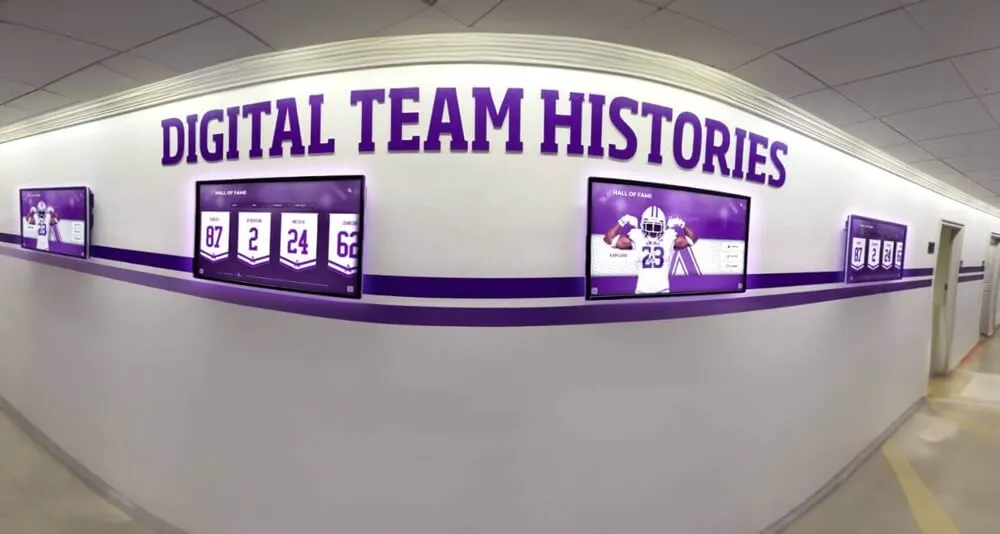
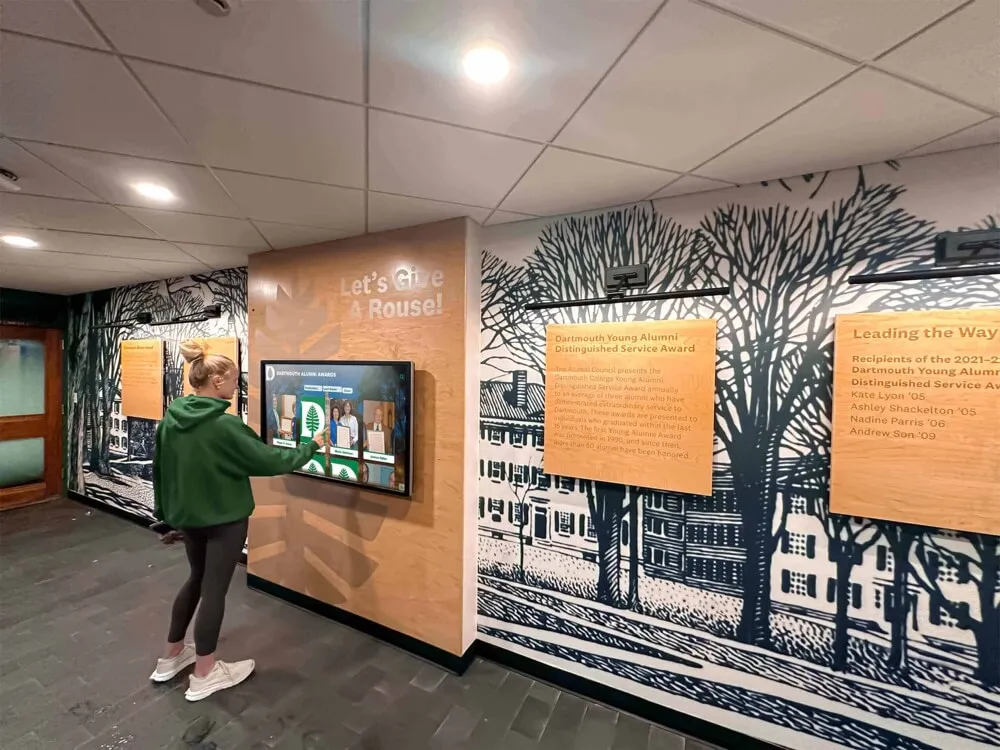
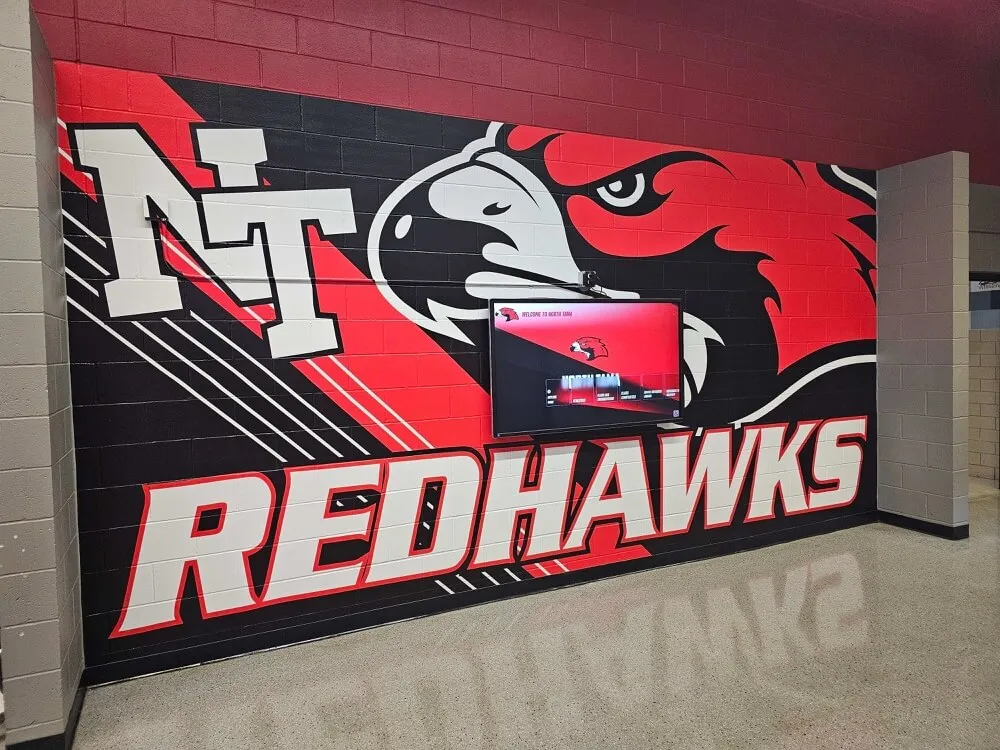
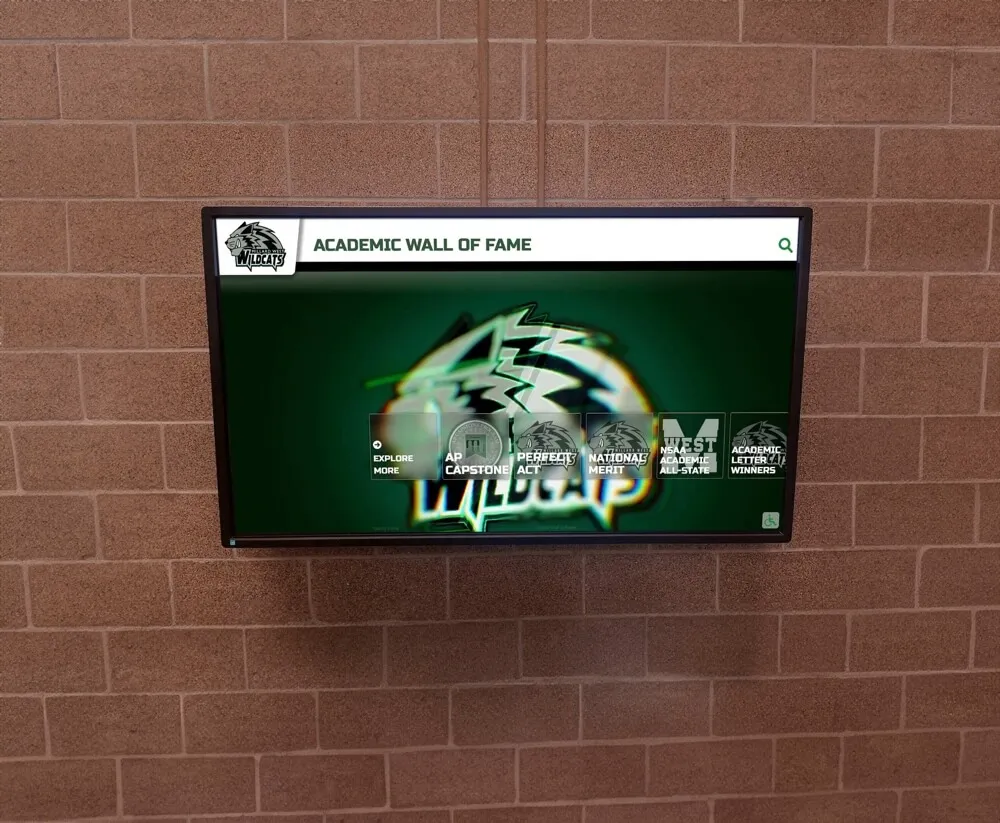
Modern recognition displays make National Junior Honor Society achievements visible throughout school communities, inspiring current and future students
What is the National Junior Honor Society?
Before exploring specific requirements, understanding NJHS structure and significance helps students appreciate this achievement opportunity.
NJHS History and Mission
The National Junior Honor Society was established in 1929 by the National Association of Secondary School Principals (NASSP) to recognize outstanding middle school students. For nearly a century, NJHS has identified and celebrated students who demonstrate excellence beyond academics, acknowledging those who contribute to their schools and communities through service and leadership.
NJHS Core Mission
According to the official National Honor Society website, NJHS creates enthusiasm for scholarship, stimulates a desire to render service, promotes leadership development, develops character, and encourages citizenship among middle school students. This multi-dimensional focus distinguishes NJHS from purely academic recognition programs by celebrating well-rounded student development.
National Recognition and Prestige
NJHS membership carries significant weight because it represents achievement validated by a national organization with consistent standards across thousands of schools. Unlike purely local honors that vary by institution, NJHS provides nationally recognized acknowledgment that appears on high school applications, scholarship applications, and creates foundations for future National Honor Society membership.
How NJHS Differs from NHS
While National Honor Society (NHS) serves high school students, NJHS focuses specifically on middle schoolers in grades 6-9, typically serving students in grades 7 and 8. The fundamental five-pillar structure remains consistent across both programs, but expectations are appropriately calibrated for middle school developmental levels.
Age-Appropriate Expectations
NJHS requirements acknowledge that middle school students are developing leadership skills, building service commitments, and establishing character patterns that will extend throughout their educational careers. Service hour expectations and leadership responsibilities reflect realistic middle school opportunities rather than high school standards.
Learn about high school academic recognition programs in high school awards types of recognition students can earn.

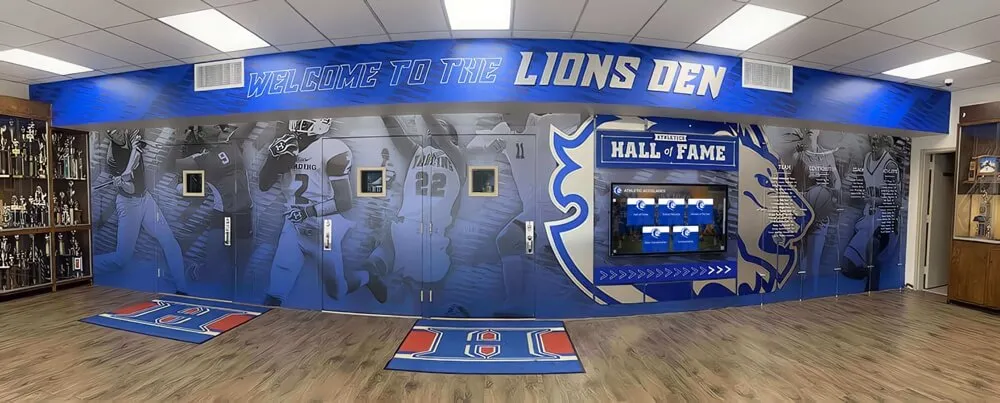
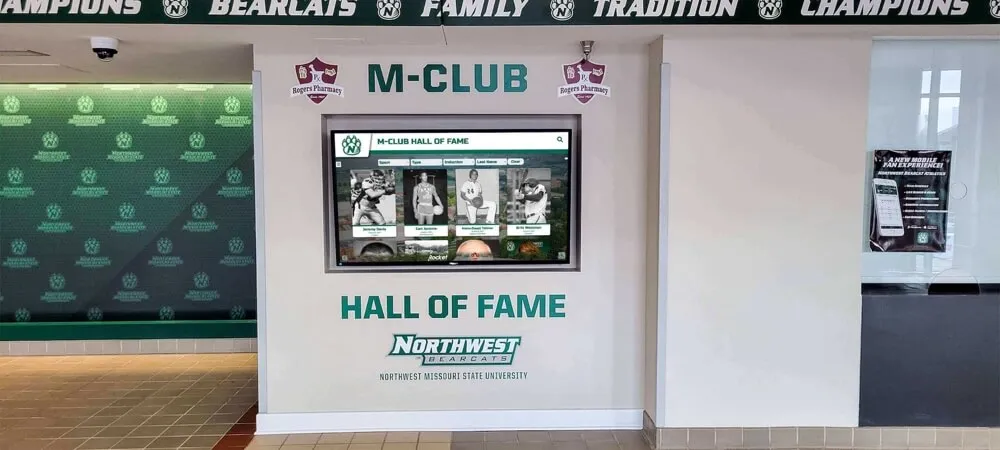
Detailed profiles celebrate individual NJHS members with academic achievements and service contributions
The Five Pillars of NJHS Membership
National Junior Honor Society evaluates candidates across five distinct criteria, each representing essential characteristics of outstanding middle school students.
1. Scholarship Requirements
Academic achievement forms the foundation of NJHS eligibility, ensuring members demonstrate commitment to intellectual excellence.
GPA Requirements
While specific thresholds can vary slightly by school, the national standard requires students to maintain a cumulative GPA of at least 3.0 on a 4.0 scale (equivalent to a B average or 85% overall). Many chapters set higher standards, requiring 3.5 or even 3.75 GPAs for consideration.
Important Scholarship Considerations
- Cumulative Average: Schools calculate GPA across all core subjects, not just favorite classes
- Consistent Performance: One strong semester doesn’t compensate for overall lower achievement
- All Subjects Count: Electives, PE, and enrichment courses typically factor into calculations
- Timing Matters: Students must meet GPA requirements at the time of selection, usually during 7th or 8th grade
- Weighted vs. Unweighted: Most schools use unweighted GPAs for NJHS consideration
Academic Excellence Beyond Grades
While GPA provides the initial qualifying metric, truly competitive NJHS candidates demonstrate intellectual curiosity through advanced coursework enrollment, academic competition participation, reading beyond requirements, and consistent effort across all subjects.
Explore comprehensive academic recognition in academic honor roll recipients recognition guide.
2. Service Requirements
Community service demonstrates students’ commitment to making positive impacts beyond their own personal achievement.
Service Hour Expectations
Most NJHS chapters require candidates to document specific service hours completed before application, typically ranging from 10-30 hours depending on school policies. Service must generally be completed outside of school requirements and class assignments.
Qualifying Service Activities
Acceptable service typically includes:
- Community Organizations: Volunteering with local nonprofits, food banks, animal shelters, or community centers
- School Service: Tutoring younger students, helping with school events (when voluntary), serving on student committees
- Religious Organizations: Age-appropriate volunteer work through faith communities
- Youth Programs: Assisting with recreation programs, youth sports, scout troops
- Environmental Service: Park cleanups, conservation projects, recycling programs
- Senior Care: Visiting nursing homes, assisting elderly community members
Service Documentation
Students must maintain accurate records including organization names, contact information for supervisors, dates of service, hours completed, and descriptions of activities. Many schools provide official service log forms requiring supervisor signatures.
3. Leadership Requirements
NJHS seeks students who demonstrate initiative and positively influence their peers and school communities.
Leadership Qualities Evaluated
- Formal Positions: Student government, class officer roles, club presidencies, team captains
- Informal Leadership: Organizing peer study groups, initiating projects, mentoring younger students
- Academic Leadership: Leading group projects, tutoring peers, academic team participation
- Community Leadership: Youth group leadership, volunteer coordinator roles
- Demonstrated Initiative: Starting new programs, solving problems, taking responsibility
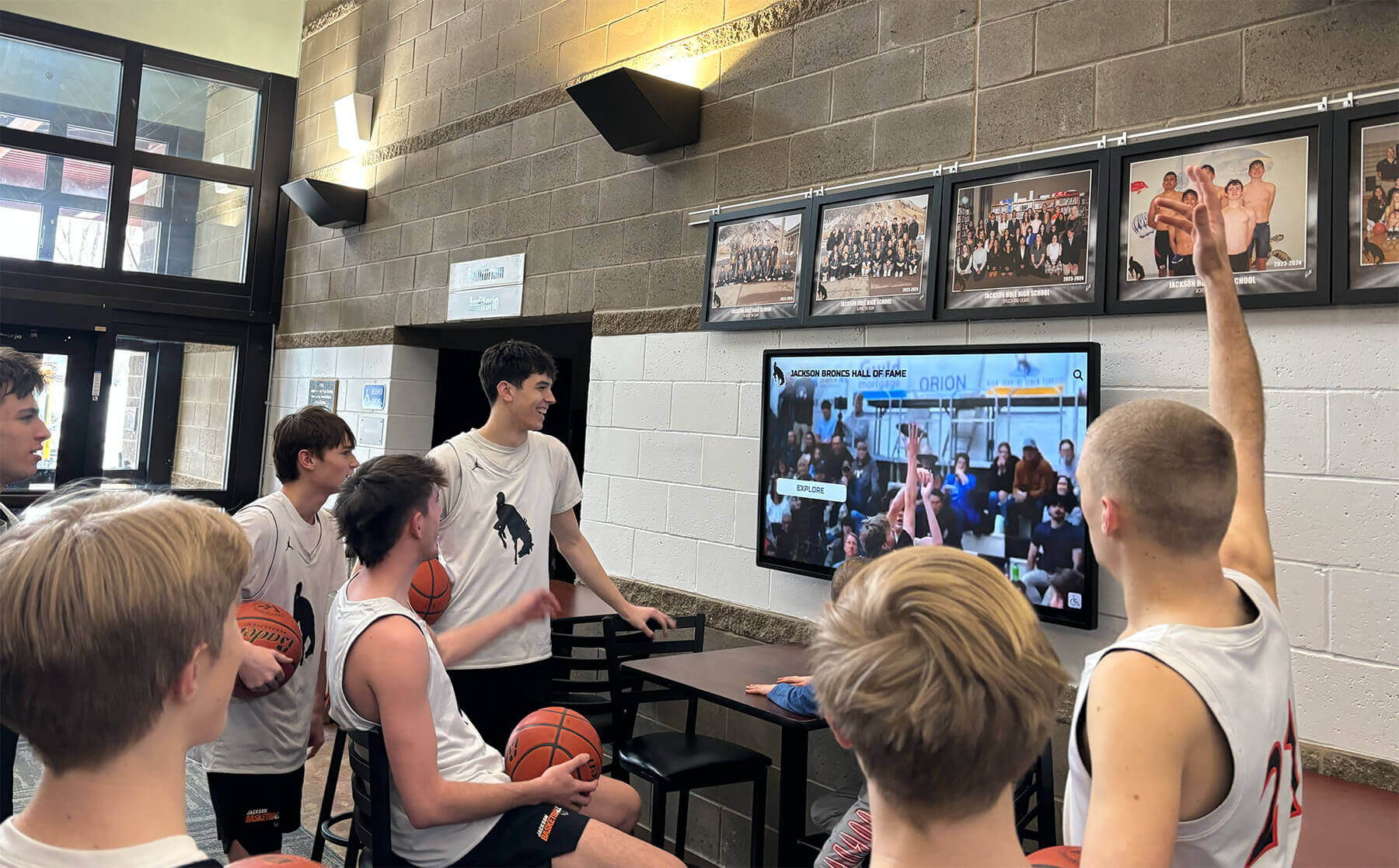
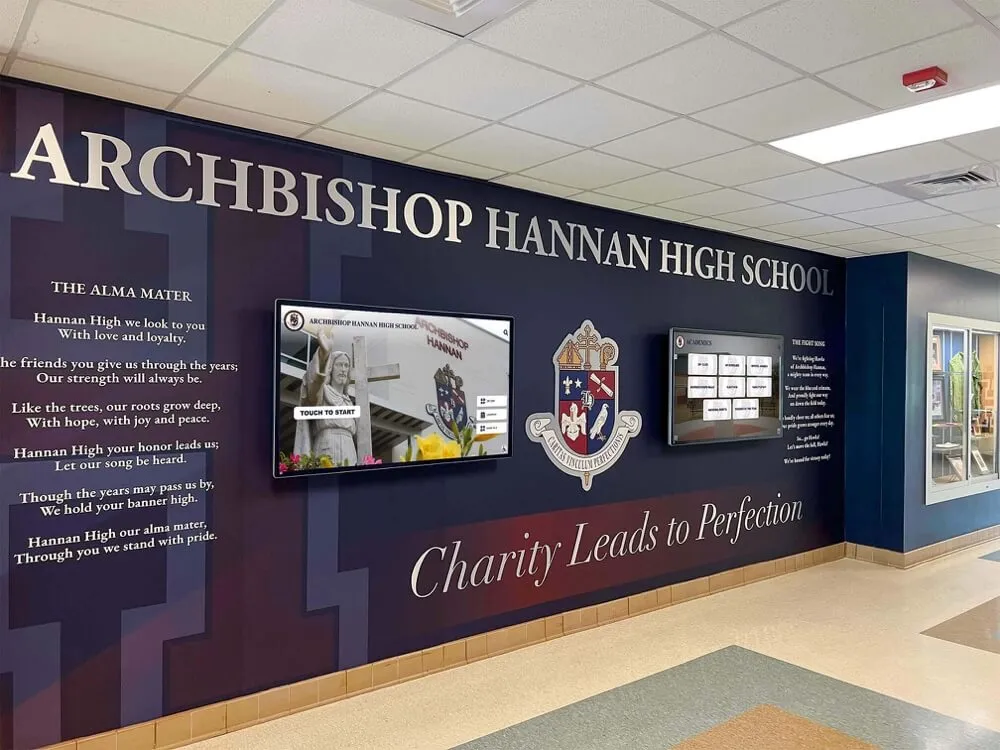
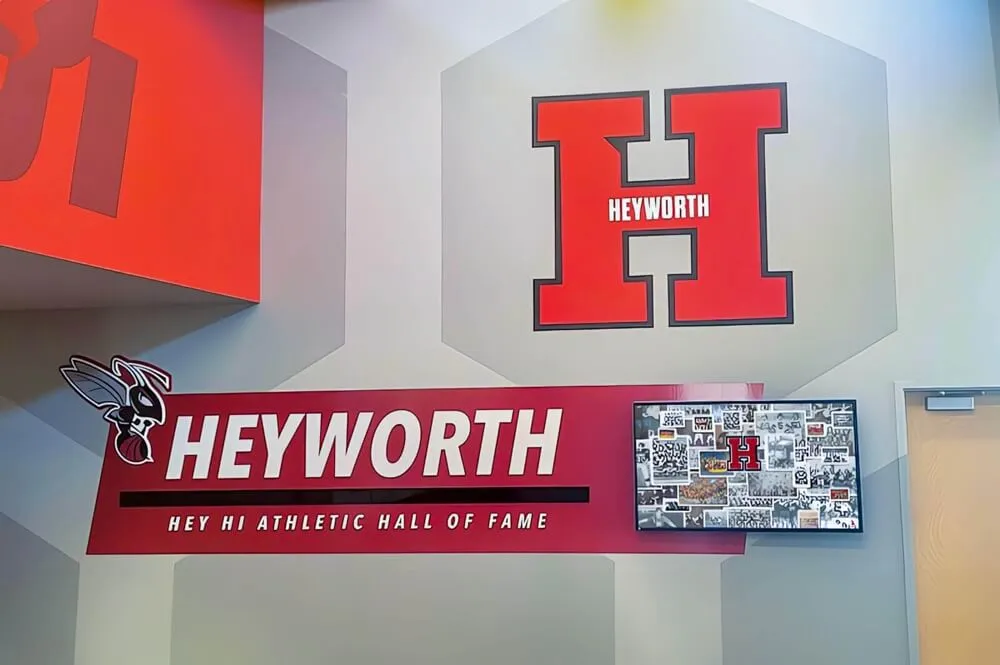
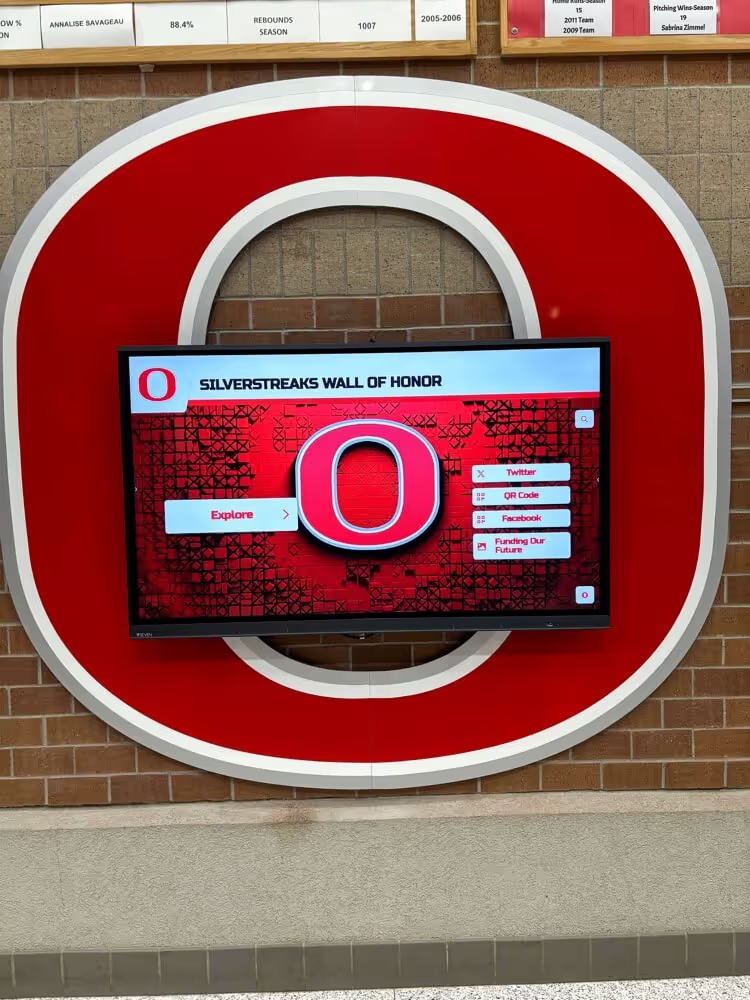
Recognition displays create opportunities for students to explore NJHS achievements and connect with academic culture
Leadership Development vs. Position
NJHS evaluation committees recognize that formal leadership positions have limited availability in middle school. Students can demonstrate leadership through consistent positive influence, reliability, problem-solving abilities, and willingness to take initiative even without official titles.
4. Character Requirements
Character assessment evaluates students’ integrity, ethical behavior, and consistent demonstration of positive values.
Character Indicators
Faculty councils assess character through:
- Integrity: Honesty in academic work, truthfulness in interactions, consistent ethical behavior
- Respect: Courteous treatment of peers, adults, and school property
- Responsibility: Meeting commitments, following through on obligations, accepting accountability
- Cooperation: Working effectively with others, contributing to positive classroom environments
- Attitude: Demonstrating positive approach to challenges, supporting peers’ success
Character Documentation
Unlike scholarship and service which rely on quantifiable metrics, character assessment comes from faculty observations, teacher recommendations, and behavioral records. Disciplinary issues, academic dishonesty incidents, or patterns of disrespectful behavior can disqualify otherwise academically qualified candidates.
5. Citizenship Requirements
Citizenship criteria evaluate students’ understanding of civic responsibility and participation in school and community life.
Citizenship Demonstrations
- School Engagement: Positive participation in school activities, clubs, and events
- Community Awareness: Understanding of local and national civic issues appropriate to age
- Respectful Participation: Contributing to positive school culture and community environments
- Democratic Values: Respecting diverse perspectives, understanding democratic processes
- Environmental Stewardship: Caring for school and community spaces
Citizenship vs. Service
While related, citizenship differs from service by emphasizing attitude, awareness, and regular participation rather than specific hour commitments. A student might complete service hours without demonstrating genuine citizenship if they show minimal school engagement or limited community awareness.
Learn about comprehensive student recognition in end of year awards for students.
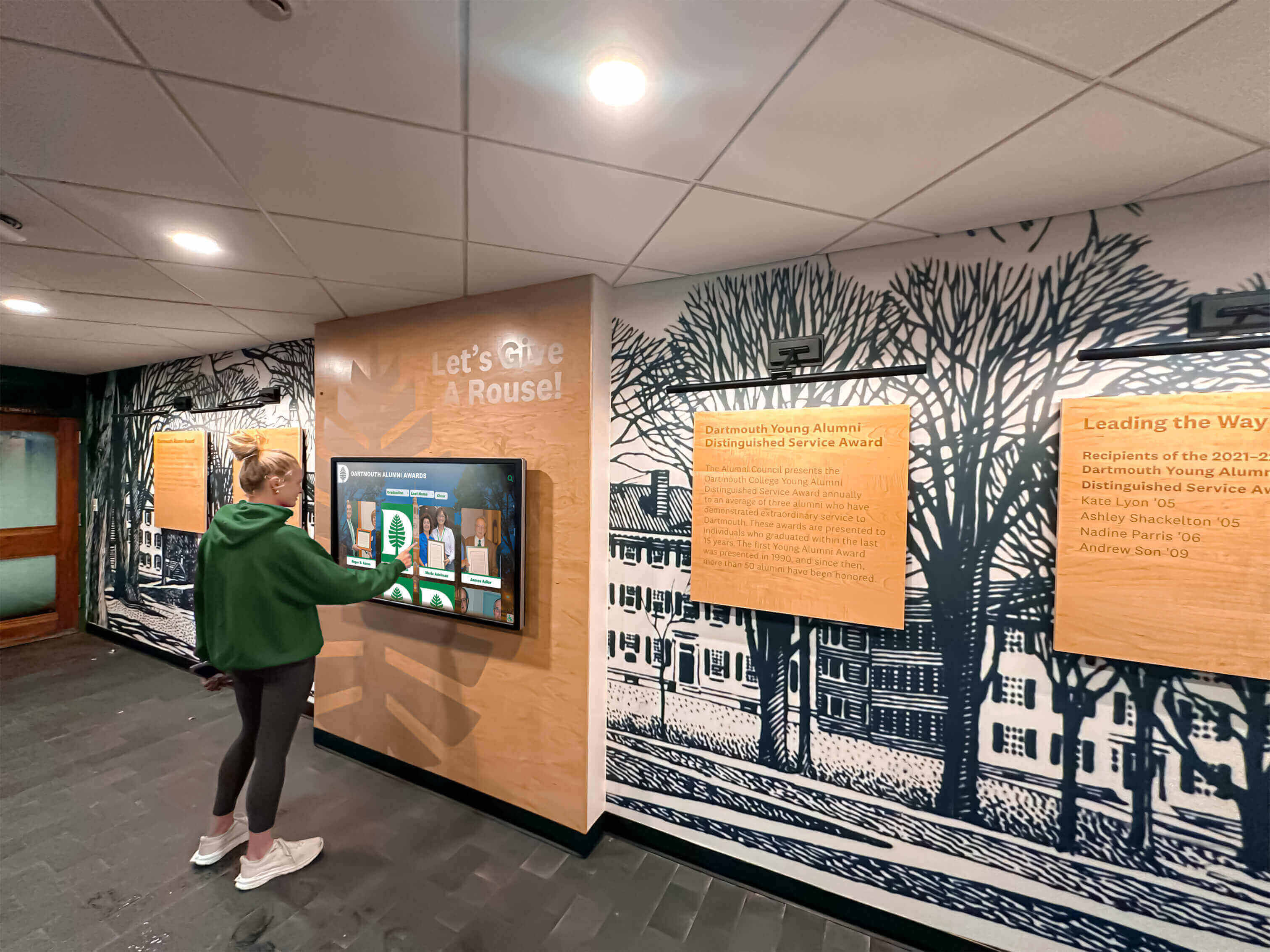
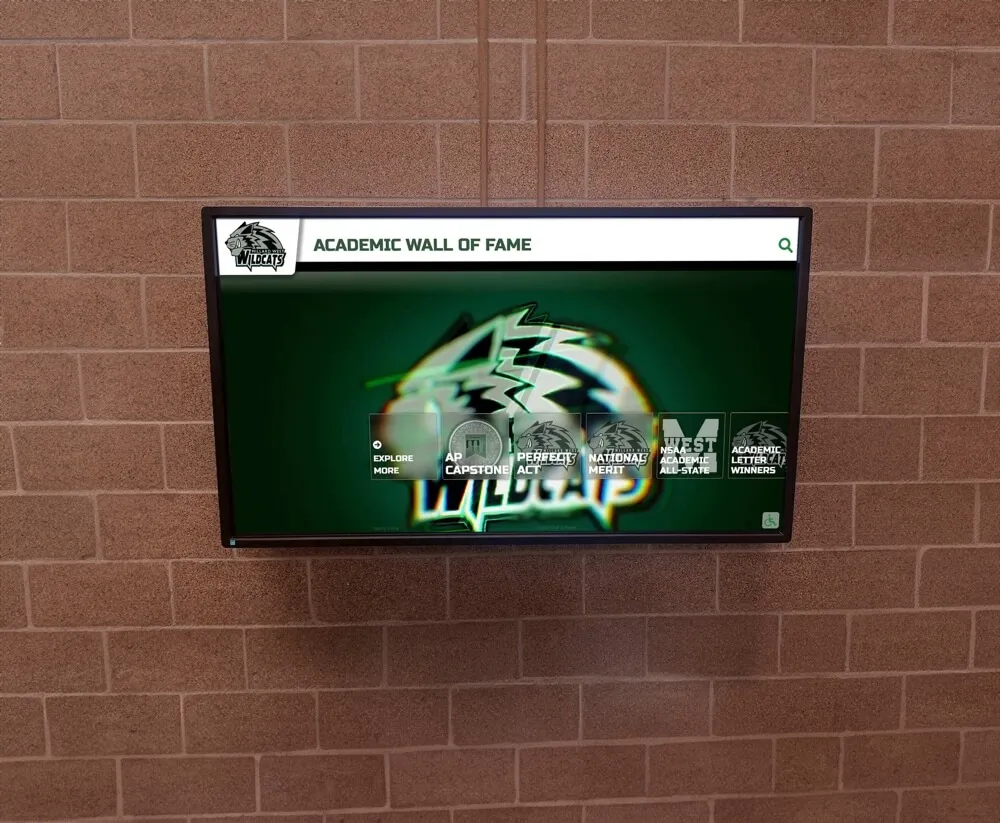
Interactive displays enable students to independently explore NJHS requirements and member achievements
The NJHS Application and Selection Process
Understanding the selection process helps students prepare effective applications that showcase their qualifications across all five pillars.
Eligibility Notification and Timeline
Most schools notify eligible students about NJHS opportunities during 7th or 8th grade, typically in fall or winter of the academic year.
Typical Timeline
- Fall Semester: Schools identify academically eligible students based on GPA requirements
- Notification: Eligible students receive information packets explaining requirements and deadlines
- Application Period: Students typically have 2-4 weeks to complete comprehensive applications
- Faculty Review: Faculty councils evaluate applications across all five criteria
- Selection Notification: Students learn of acceptance typically 2-4 weeks after application deadline
- Induction Ceremony: Formal ceremony celebrates new members, usually in spring semester
Eligibility vs. Acceptance
Meeting GPA requirements makes students eligible to apply but does not guarantee acceptance. Faculty councils evaluate complete applications including service documentation, leadership evidence, character assessments, and citizenship demonstrations before making final selections.
Application Components
Comprehensive NJHS applications typically require multiple elements demonstrating achievement across all pillars.
Standard Application Materials
Personal Information and Academic Record
- Completed application form with student details
- Official transcript or grade report documenting GPA
- List of courses including any honors or advanced classes
- Academic awards or recognition received
Service Documentation
- Detailed service log with dates, organizations, and hours
- Verification signatures from service supervisors
- Descriptions of service activities and personal reflections
- Explanation of service impact on community and personal growth
Leadership and Citizenship Evidence
- List of leadership positions held or responsibilities taken
- Description of leadership initiatives or projects
- Participation in school clubs, activities, and events
- Community involvement and engagement examples
Character References
- Teacher recommendation letters (number varies by school)
- Personal character statement or essay
- Disciplinary record review
- Faculty evaluation forms assessing character and citizenship
Written Essays
Many schools require students to write essays addressing specific prompts such as:
- “Describe a time you demonstrated leadership in your school or community”
- “Explain how service to others has impacted your personal growth”
- “Discuss what citizenship means to you and how you demonstrate it”
- “Describe a challenge you’ve overcome and what it taught you about character”
Essays provide opportunities for students to tell their stories beyond quantifiable metrics, helping faculty understand motivations, values, and genuine commitment to NJHS ideals.
Faculty Council Evaluation
Unlike purely numeric admissions processes, NJHS selection involves holistic review by faculty councils comprising teachers and administrators.
Evaluation Process
Faculty councils meet to review applications collectively, discussing each candidate’s qualifications across all five pillars. This collaborative approach ensures comprehensive assessment considering multiple perspectives about student character, leadership, and citizenship beyond what appears in written applications.
Selection Criteria Weighting
While scholarship provides the initial eligibility threshold, councils evaluate all five pillars with relatively equal importance. Exceptional service might compensate for minimal formal leadership positions, while outstanding character and citizenship can distinguish candidates with similar academic and service profiles.
Appeals and Reconsideration
Most NJHS chapters allow students who are not selected to request information about the decision and potentially appeal based on factual errors or missing information. However, subjective evaluations of character or citizenship are typically not appealable.
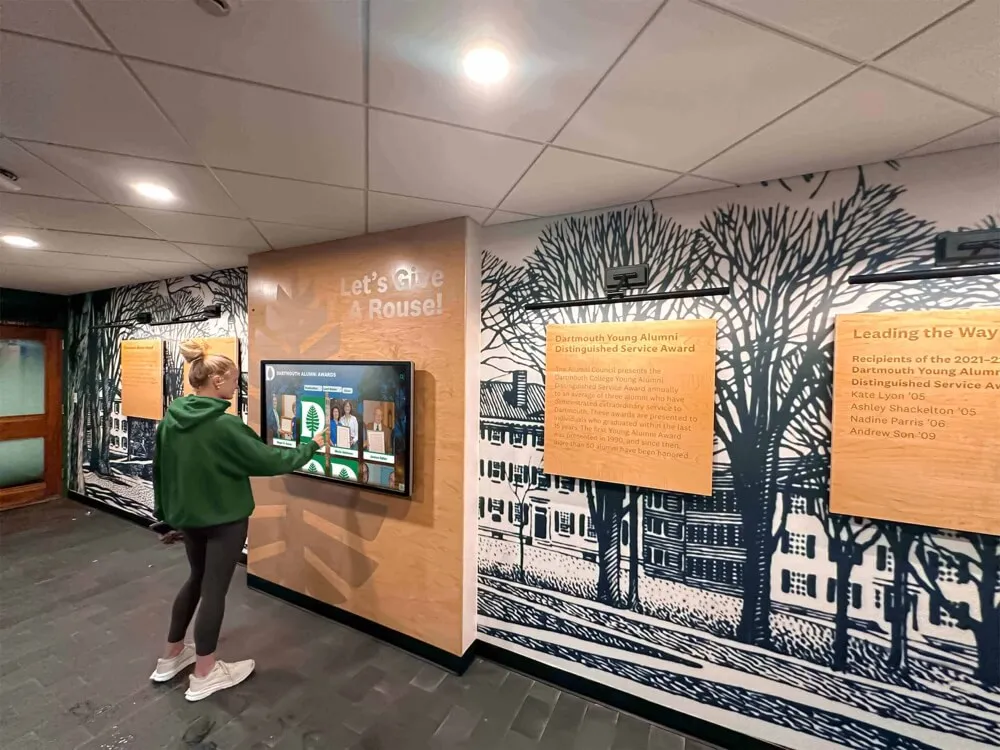
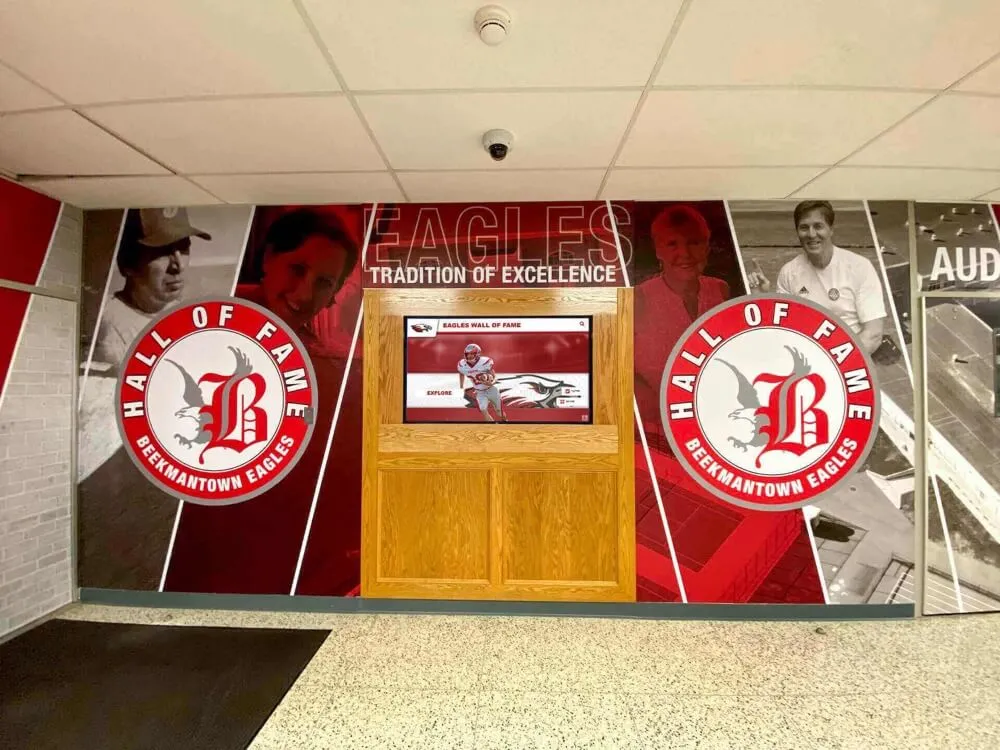
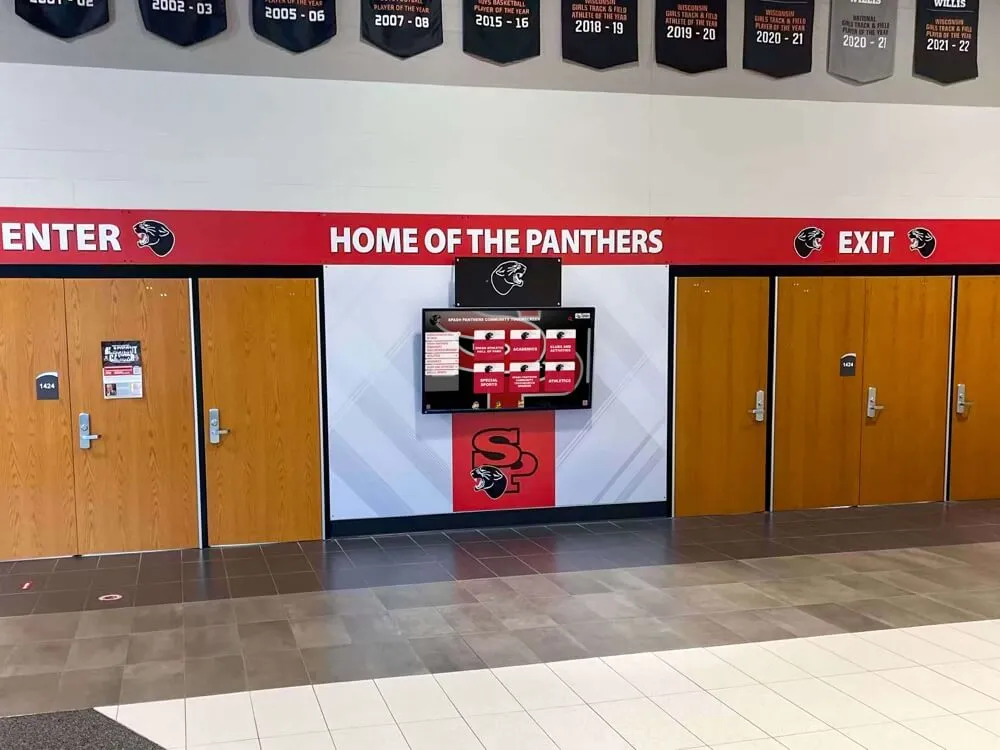
Prominent hallway placement ensures NJHS recognition reaches broad audiences and inspires younger students
Preparing for NJHS Membership
Strategic preparation throughout middle school maximizes chances of meeting NJHS requirements and developing genuine commitment to the five pillars.
Academic Preparation Starting in 6th Grade
Students should focus on building strong academic foundations as soon as they enter middle school.
Consistent Academic Excellence
- All Subjects Matter: Maintain strong performance across core subjects and electives
- Study Habits: Develop consistent homework completion, test preparation, and organization skills
- Seek Help Early: Address academic challenges immediately rather than allowing grades to decline
- Challenge Yourself: Enroll in honors or accelerated courses when appropriate and available
- Extra Credit: Take advantage of opportunities to strengthen grades and demonstrate commitment
Long-Term GPA Building
Since NJHS considers cumulative GPA, every semester matters. A single semester of lower grades can significantly impact overall averages, making recovery difficult. Students should understand that NJHS qualification requires sustained excellence rather than last-minute academic improvement.
Service Planning and Documentation
Thoughtful service engagement creates meaningful experiences while meeting NJHS requirements.
Starting Service Early
Begin volunteering in 6th grade if possible, allowing time to accumulate required hours without last-minute pressure. Early service also enables students to explore different opportunities and find meaningful ways to contribute aligned with their interests.
Quality Over Quantity
While meeting hour requirements is essential, NJHS values genuine commitment over merely checking boxes. Sustained service to a single organization often demonstrates deeper impact than scattered hours across multiple unrelated activities.
Maintaining Accurate Records
Start service logs immediately and update them after each volunteer session. Trying to reconstruct service history months later often results in incomplete records and difficulty obtaining supervisor verification signatures.
Service Ideas for Middle School Students
- Academic Tutoring: Help elementary students with reading or math
- Library Assistance: Volunteer at school or public libraries
- Animal Shelters: Walk dogs, socialize cats, assist with adoption events
- Food Banks: Sort donations, pack emergency food boxes, assist distribution events
- Environmental Projects: Participate in park cleanups, tree plantings, recycling programs
- Senior Centers: Visit residents, assist with activities, help with technology
- Youth Sports: Assist coaches with younger recreational teams
- Religious Organizations: Help with children’s programs, community events
Learn about service recognition in student awards recognition programs guide.
Leadership Development Opportunities
Middle school offers numerous opportunities to develop leadership skills evaluated by NJHS.
Formal Leadership Positions
- Student Government: Run for class officer, student council representative, or student body positions
- Club Leadership: Serve as president, vice president, secretary, or treasurer of school clubs
- Academic Teams: Captain academic bowl teams, Science Olympiad squads, or math competition groups
- Athletic Teams: Seek team captain roles demonstrating leadership beyond academics
- Peer Programs: Apply for peer tutoring, mentoring, or ambassador programs
Creating Leadership Opportunities
Students in schools with limited formal positions can create their own leadership opportunities by starting new clubs, organizing fundraisers, coordinating service projects, or initiating school improvement campaigns.
Documenting Leadership
Keep detailed records of leadership roles including position titles, dates served, responsibilities, and specific accomplishments or initiatives implemented. This documentation becomes essential evidence when completing NJHS applications.
Character and Citizenship Development
While harder to quantify than academics or service hours, character and citizenship require intentional development.
Character Building Practices
- Academic Integrity: Never cheat, plagiarize, or compromise honesty for grades
- Responsibility: Meet all deadlines, follow through on commitments, arrive prepared
- Respect: Treat all peers, teachers, and staff courteously regardless of circumstances
- Positive Attitude: Approach challenges constructively, support peers’ success
- Ethical Decision-Making: Make choices aligned with values even when difficult

Detailed recognition systems document complete achievement journeys including NJHS membership and contributions
Citizenship Demonstration
- School Engagement: Participate actively in school events, activities, and spirit days
- Positive Contribution: Help create welcoming, inclusive classroom and school environments
- Community Awareness: Stay informed about school and local community issues
- Respect for Diversity: Demonstrate understanding and appreciation for different perspectives
- Environmental Care: Treat school facilities and community spaces respectfully
These qualities develop over time through consistent practice and genuine commitment rather than last-minute demonstration attempts before NJHS applications.
Benefits of NJHS Membership
Understanding NJHS benefits helps students appreciate the significance of this achievement beyond the recognition itself.
Academic and College Application Benefits
NJHS membership provides tangible advantages for future educational opportunities.
High School Applications
For students applying to selective high schools or magnet programs, NJHS membership demonstrates well-rounded middle school excellence. Admissions committees recognize NJHS as validated achievement across multiple dimensions rather than self-reported accomplishments.
Scholarship Opportunities
Some regional and local scholarships consider middle school achievements including NJHS membership when making award decisions. More importantly, NJHS experience builds foundations for high school National Honor Society membership, which provides access to significant scholarship opportunities.
College Applications
While colleges primarily focus on high school achievements, continued NJHS-to-NHS progression demonstrates sustained commitment to scholarship, service, and leadership across secondary education. Students who maintain these patterns from middle school through high school build compelling narratives of consistent excellence.
Learn about academic progression recognition in what is a valedictorian high school academic honor.
Personal Development Benefits
Beyond external recognition, NJHS membership supports personal growth and skill development.
Leadership Skills
NJHS chapters typically require members to participate in ongoing service projects and leadership activities, providing continued opportunities to develop organizational abilities, public speaking skills, and collaborative teamwork.
Service Commitment
Membership creates structured expectations for continued service, helping students develop lifelong habits of community contribution and civic engagement.
Peer Network
NJHS connects students with peers who share academic and service values, creating supportive communities where intellectual achievement and character development are normalized and celebrated.
Character Reinforcement
Ongoing NJHS expectations reinforce character development throughout middle school, providing external accountability for maintaining integrity, responsibility, and ethical behavior during formative years.
School and Community Recognition
NJHS membership receives formal acknowledgment that honors achievement appropriately.
Induction Ceremonies
Formal induction ceremonies celebrate new members with family attendance, creating memorable recognition events comparable to athletic awards banquets or artistic performances.
Ongoing Recognition
Schools increasingly use digital recognition displays to showcase NJHS members permanently throughout buildings, ensuring sustained visibility rather than temporary acknowledgment.
Community Visibility
Local media often cover NJHS inductions, and community organizations recognize NJHS members for volunteer contributions, extending recognition beyond school walls.

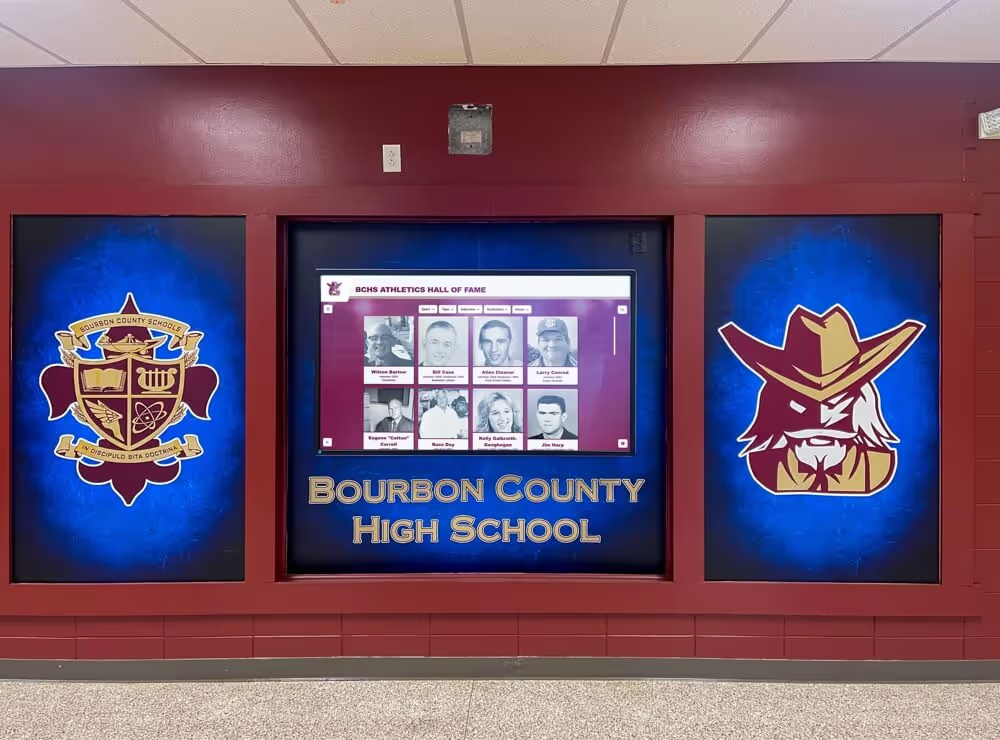
Modern kiosk systems provide comprehensive platforms for celebrating NJHS members with rich profiles and achievement details
Modern Ways Schools Celebrate NJHS Members
Beyond traditional certificates and plaques, schools increasingly use innovative approaches to recognize NJHS achievements and inspire future members.
Digital Recognition Display Solutions
Solutions like Rocket Alumni Solutions transform how schools celebrate NJHS members through interactive displays that create lasting impact.
Unlimited Recognition Capacity
Digital displays overcome space constraints that limit traditional recognition boards:
- Single display showcases all NJHS members across multiple years without running out of room
- No need to remove earlier inductees to accommodate current year’s members
- Comprehensive archives preserve complete institutional NJHS history
- All members receive equal visibility regardless of induction year
Interactive Exploration Features
Modern touchscreen systems create engagement impossible with static plaques:
- Search functionality enables students to find older siblings, friends, or role models
- Filtering by induction year, grade level, or current status
- Detailed profile pages telling complete achievement stories beyond basic names
- Photo galleries documenting NJHS service projects and activities
- Links to National Honor Society website information helping students understand future opportunities
Simple Content Management
Cloud-based platforms eliminate administrative burdens:
- Remote updates from any internet-connected device without campus visits
- Easy addition of new inductees each year without professional engraving costs
- Ability to update member information as students progress to high school NHS
- Mobile-responsive management allowing updates from smartphones
Schools implementing digital NJHS recognition report that displays placed in main lobbies, outside counseling offices, or near academic hallways create daily inspiration for younger students while honoring members appropriately.
Connecting NJHS to Broader Recognition Programs
Effective schools position NJHS within comprehensive academic recognition systems celebrating excellence across multiple dimensions.
Academic Recognition Ecosystems
NJHS recognition complements:
- Honor roll celebration across all achievement levels
- Subject-specific academic awards in individual departments
- Perfect attendance and improvement recognition
- Academic competition success and scholarly accomplishments
- Service learning and community engagement awards
Explore comprehensive approaches in end of year awards assembly ideas.
Progression Recognition
Forward-thinking schools create recognition systems showing progression from NJHS in middle school to NHS in high school, helping students understand how current achievements connect to future opportunities.
Solutions like Rocket Alumni Solutions provide platforms specifically designed for educational recognition including NJHS, enabling schools to celebrate academic excellence with the visibility and permanence it deserves while creating inspiring experiences that strengthen academic culture throughout middle school communities.
Common NJHS Questions and Misconceptions
Addressing frequent questions helps students and families navigate the NJHS process more effectively.
“Is NJHS worth it?”
Absolutely. NJHS provides validated recognition of well-rounded excellence, creates structured service and leadership opportunities, builds foundations for high school NHS membership, and demonstrates commitment to scholarship and character during formative middle school years. The combination of personal development opportunities and formal recognition makes NJHS membership valuable far beyond the credential itself.
“What if I don’t get selected the first time?”
Not being selected initially doesn’t prevent future consideration. Students can strengthen applications by increasing service hours, seeking additional leadership opportunities, maintaining or improving academic performance, and ensuring impeccable character and citizenship. Many schools allow students to apply again the following year if they remain eligible.
“Can I be removed from NJHS after induction?”
Yes. NJHS membership requires continued demonstration of all five pillars. Serious disciplinary issues, academic dishonesty, failing to meet GPA requirements, or failure to participate in required NJHS activities can result in dismissal. However, most members who maintain the standards that earned selection remain in good standing throughout middle school.
“Do I automatically get into NHS in high school if I was in NJHS?”
No. National Honor Society has separate application and selection processes with higher expectations appropriate for high school. However, NJHS membership demonstrates a track record of scholarship, service, leadership, character, and citizenship that positions students well for NHS selection when they reach 10th or 11th grade.
“What if my school doesn’t have an NJHS chapter?”
Schools must establish official NJHS chapters by applying to the National Association of Secondary School Principals and meeting program requirements. If your school doesn’t currently have NJHS, consider asking counselors or administrators about the possibility of establishing a chapter. In the meantime, focus on building the scholarship, service, leadership, character, and citizenship that NJHS recognizes—these qualities matter regardless of formal recognition programs.
Supporting NJHS Candidates: Guidance for Parents and Educators
Families and teachers play crucial roles in helping students achieve NJHS membership.
Parent Support Strategies
Academic Support
- Provide quiet study spaces and consistent homework routines
- Monitor academic progress and address concerns early
- Encourage challenging coursework without excessive pressure
- Celebrate learning and intellectual curiosity beyond grades
Service Facilitation
- Help identify age-appropriate volunteer opportunities aligned with student interests
- Provide transportation to volunteer sites and service events
- Assist with service documentation while letting students lead the work
- Discuss service experiences and their impact on community and personal growth
Leadership Encouragement
- Encourage students to run for positions and take initiative in school
- Support club participation and extracurricular involvement
- Help students recognize informal leadership opportunities
- Discuss leadership as service to others rather than authority over others
Character and Citizenship Modeling
- Demonstrate integrity, responsibility, and respect in family life
- Engage in community and civic activities as a family
- Discuss ethical decision-making and values
- Maintain high expectations while providing unconditional support
Educator Guidance
Early Communication
- Inform students about NJHS requirements at the beginning of 6th grade
- Provide clear information about local chapter criteria and timelines
- Create accessible resources explaining all five pillars
- Highlight the importance of sustained achievement rather than last-minute efforts
Equitable Access
- Ensure service hour requirements don’t create socioeconomic barriers
- Provide school-based service opportunities for students with transportation limitations
- Offer leadership opportunities accessible to students from all backgrounds
- Consider varied forms of leadership beyond traditional elected positions
Transparent Evaluation
- Communicate clearly about selection criteria and processes
- Provide constructive feedback to students not selected
- Ensure faculty council evaluation considers diverse strengths and circumstances
- Review selection outcomes for patterns suggesting inequitable access or evaluation
Ongoing Support for Members
- Create meaningful NJHS chapter activities beyond credential collection
- Develop service projects providing genuine community impact
- Offer leadership development opportunities through NJHS programming
- Connect NJHS to high school NHS preparation and long-term academic planning
Learn about supporting academic excellence in end of year celebration ideas schools honor students.
Conclusion: Building Excellence Through NJHS
National Junior Honor Society requirements represent more than eligibility checklists—they provide frameworks for developing the scholarship, service, leadership, character, and citizenship that distinguish outstanding middle school students and create foundations for lifelong excellence. When students pursue NJHS membership with genuine commitment to these five pillars rather than merely collecting credentials, they develop qualities that extend far beyond middle school, shaping their high school experiences, college opportunities, and ultimately their contributions as engaged citizens and community leaders.
The comprehensive requirements explored in this guide—from 3.0 minimum GPA thresholds and documented service hours to demonstrated leadership, verified character, and active citizenship—ensure NJHS recognizes truly well-rounded students who excel across multiple dimensions. Understanding these expectations enables strategic preparation throughout middle school while maintaining focus on authentic development rather than superficial qualification.
Celebrate NJHS Excellence with Modern Recognition Displays
Discover how digital recognition solutions can help your school showcase National Junior Honor Society members permanently, inspire younger students, and build thriving cultures of academic excellence throughout middle school communities.
Explore Recognition SolutionsFor schools implementing or expanding NJHS programs, modern recognition approaches transform how you celebrate members and communicate the value of this achievement. Digital displays from solutions like Rocket Alumni Solutions create permanent, engaging recognition that inspires current students, honors inductees appropriately, and builds institutional academic traditions visible to entire school communities. These platforms enable showcasing complete NJHS member profiles including academic achievements, service contributions, leadership roles, and post-middle school accomplishments, telling comprehensive stories that inspire younger students and demonstrate the long-term impact of NJHS membership.
Start wherever your current context allows—whether implementing focused recognition for current year’s inductees, creating comprehensive archives celebrating NJHS history across decades, or developing integrated systems connecting middle school NJHS to high school NHS recognition. Each enhancement honors student achievement more effectively while demonstrating institutional commitment to the scholarship, service, leadership, character, and citizenship that distinguish exceptional middle school students.
Your NJHS members have demonstrated commitment, well-rounded excellence, and character that deserves celebration equal to any athletic championship or artistic performance. With thoughtful support, clear communication of requirements, attention to equitable access, and appropriate recognition through modern digital displays, you can create NJHS programs that honor every inductee while building positive, motivating middle school cultures where all students strive for excellence across academics, service, leadership, character, and citizenship—the foundations of successful, engaged, contributing lives.
Ready to transform how your school recognizes National Junior Honor Society members? Explore how digital recognition displays provide platforms specifically designed for celebrating academic excellence like NJHS—enabling schools to showcase this prestigious achievement with the visibility, permanence, and engagement it deserves while inspiring current and future students to pursue well-rounded excellence across all five pillars that make middle school achievement truly meaningful and impactful.