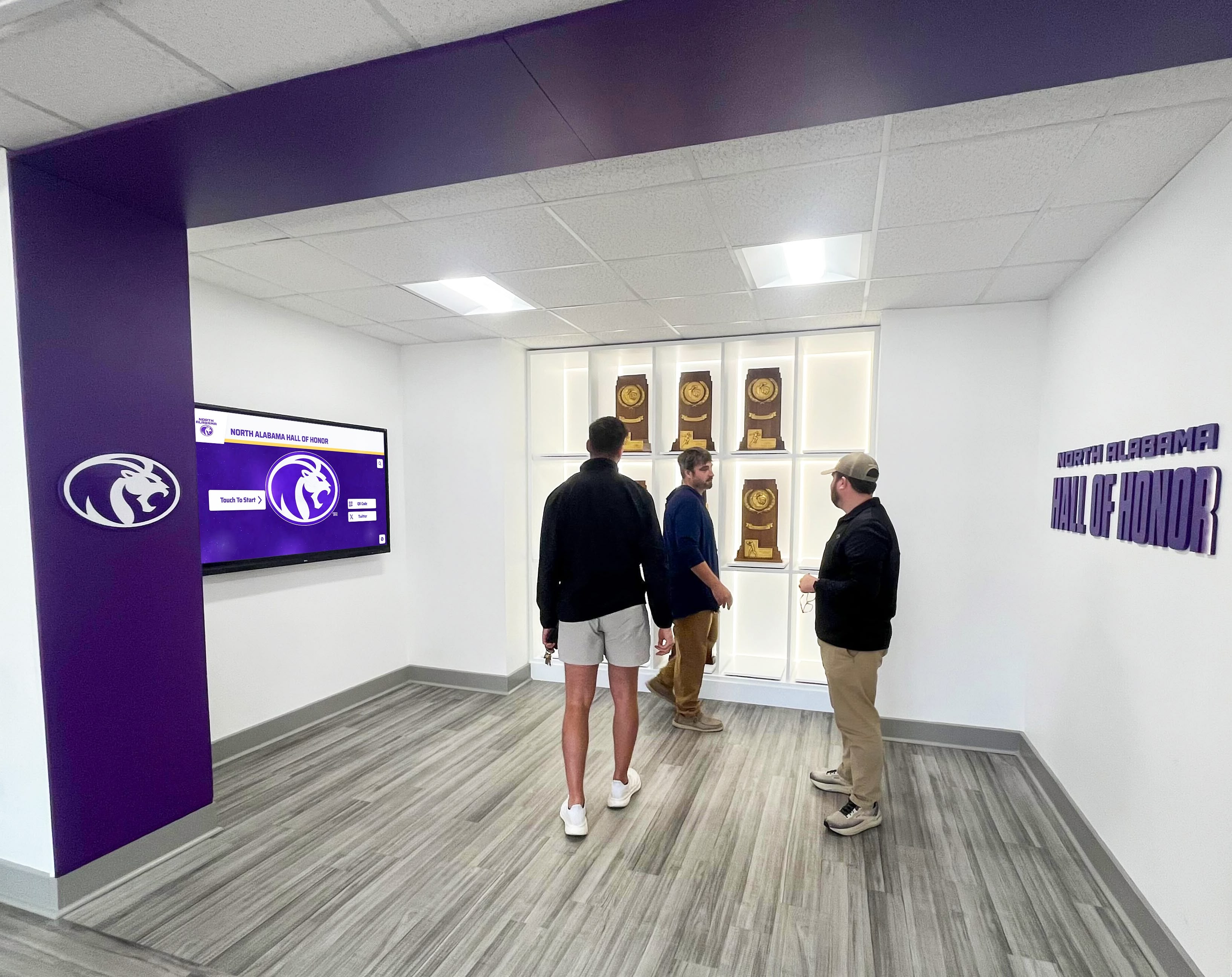




Legacy walls serve as powerful physical manifestations of institutional history, honoring individuals whose contributions shaped organizations while inspiring current and future community members to pursue their own excellence. Whether commemorating distinguished alumni, celebrating faculty dedication, recognizing donor generosity, or preserving military service, thoughtfully designed legacy walls create meaningful spaces where communities connect with their heritage and values.
Walk through the hallways of established schools, universities, corporate headquarters, military installations, or nonprofit organizations and you’ll likely encounter legacy recognition in various forms—bronze plaques listing distinguished graduates, donor walls acknowledging philanthropic support, memorial displays honoring fallen service members, or hall of fame installations celebrating achievement across generations. These recognition spaces communicate what institutions value, who shaped their development, and what legacy they hope to continue.
Yet despite their importance, many legacy walls fail to achieve their full potential. Overcrowded plaques become illegible, limited space forces removal of historical recognition to accommodate new honorees, static displays provide minimal context about individuals being honored, and maintenance challenges result in deteriorating presentations that dishonor rather than celebrate contributions.
This comprehensive guide explores creative legacy wall ideas addressing these common challenges while demonstrating how modern organizations successfully combine traditional recognition elements with digital technology to create dynamic tributes that grow sustainably, engage communities meaningfully, and preserve institutional memory permanently.

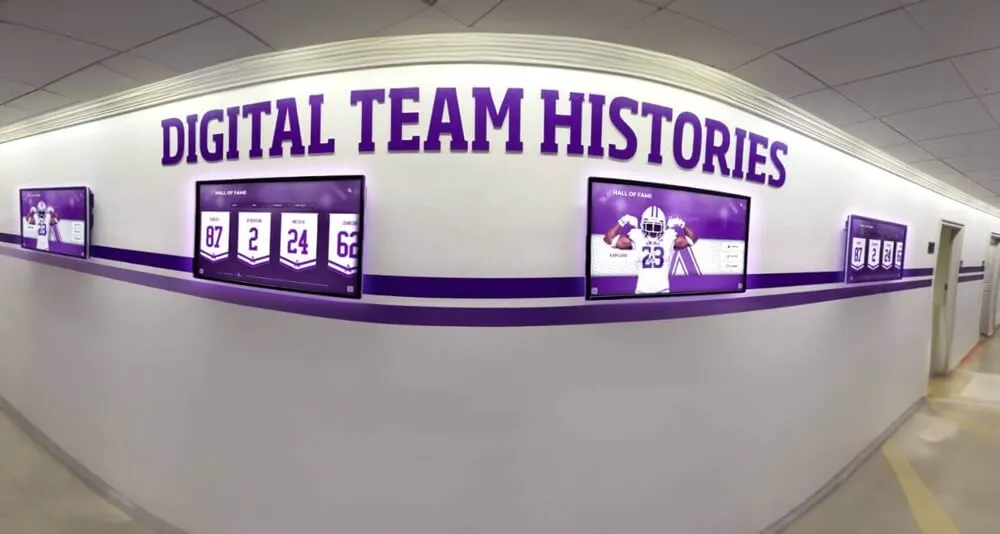
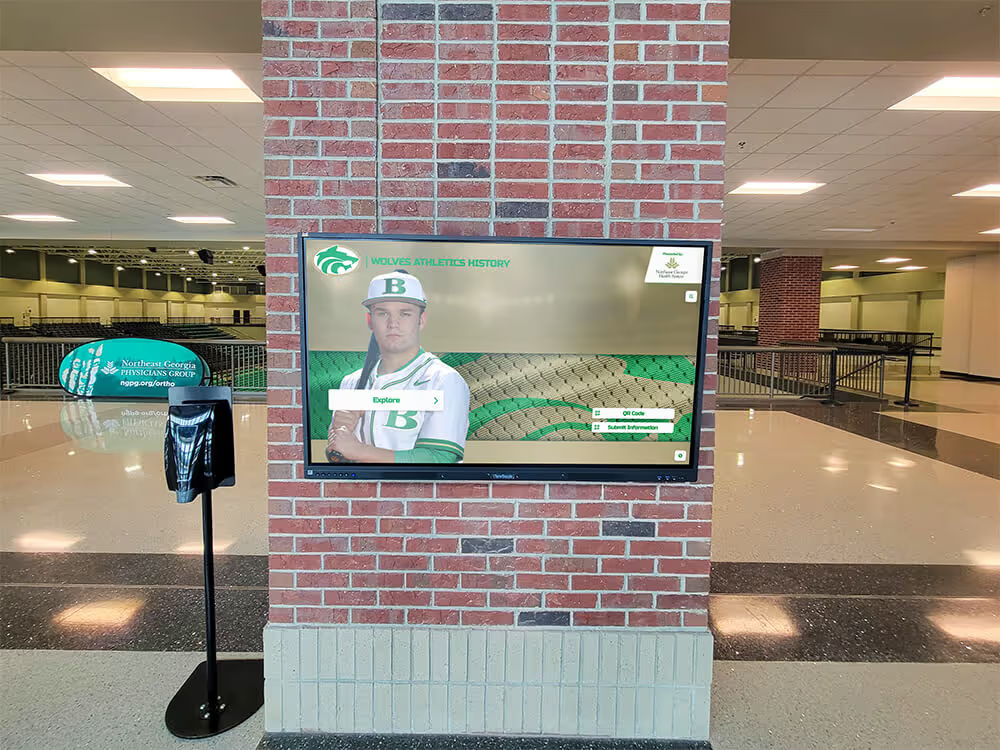
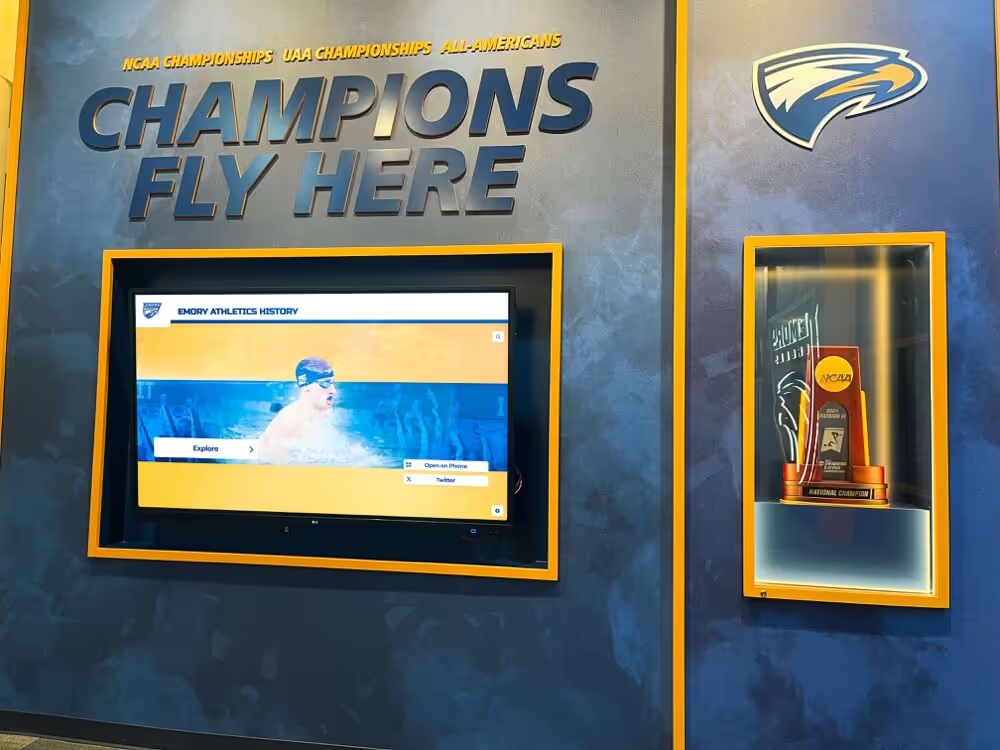
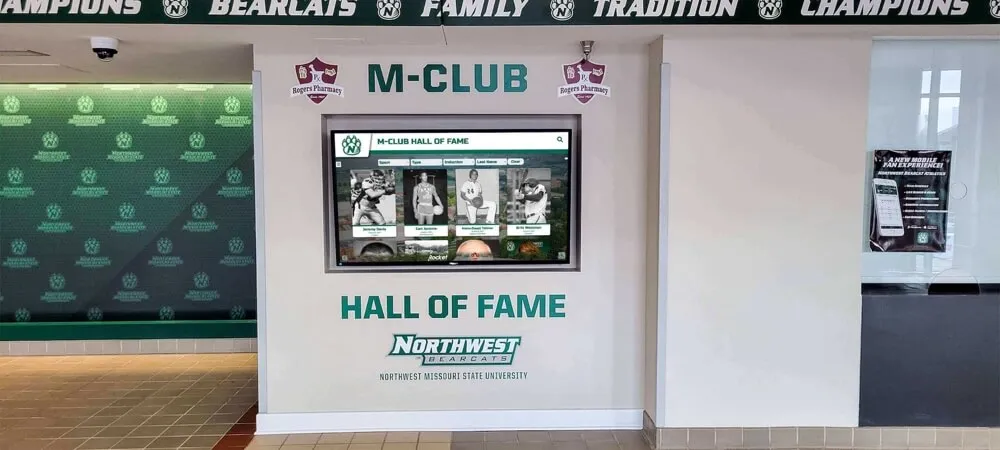
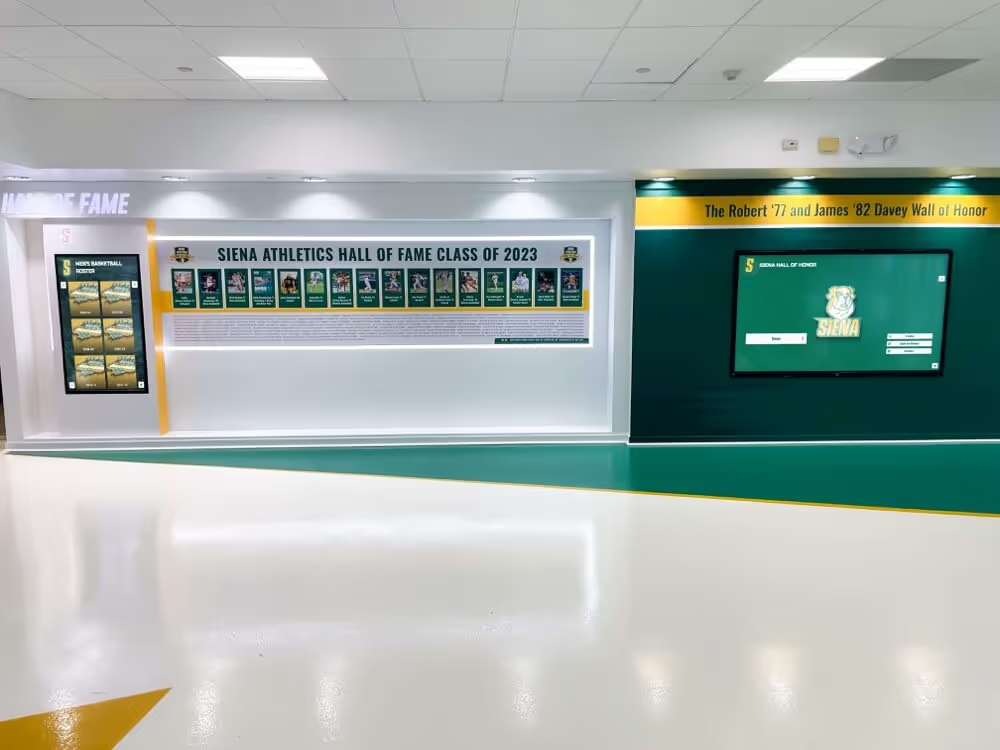
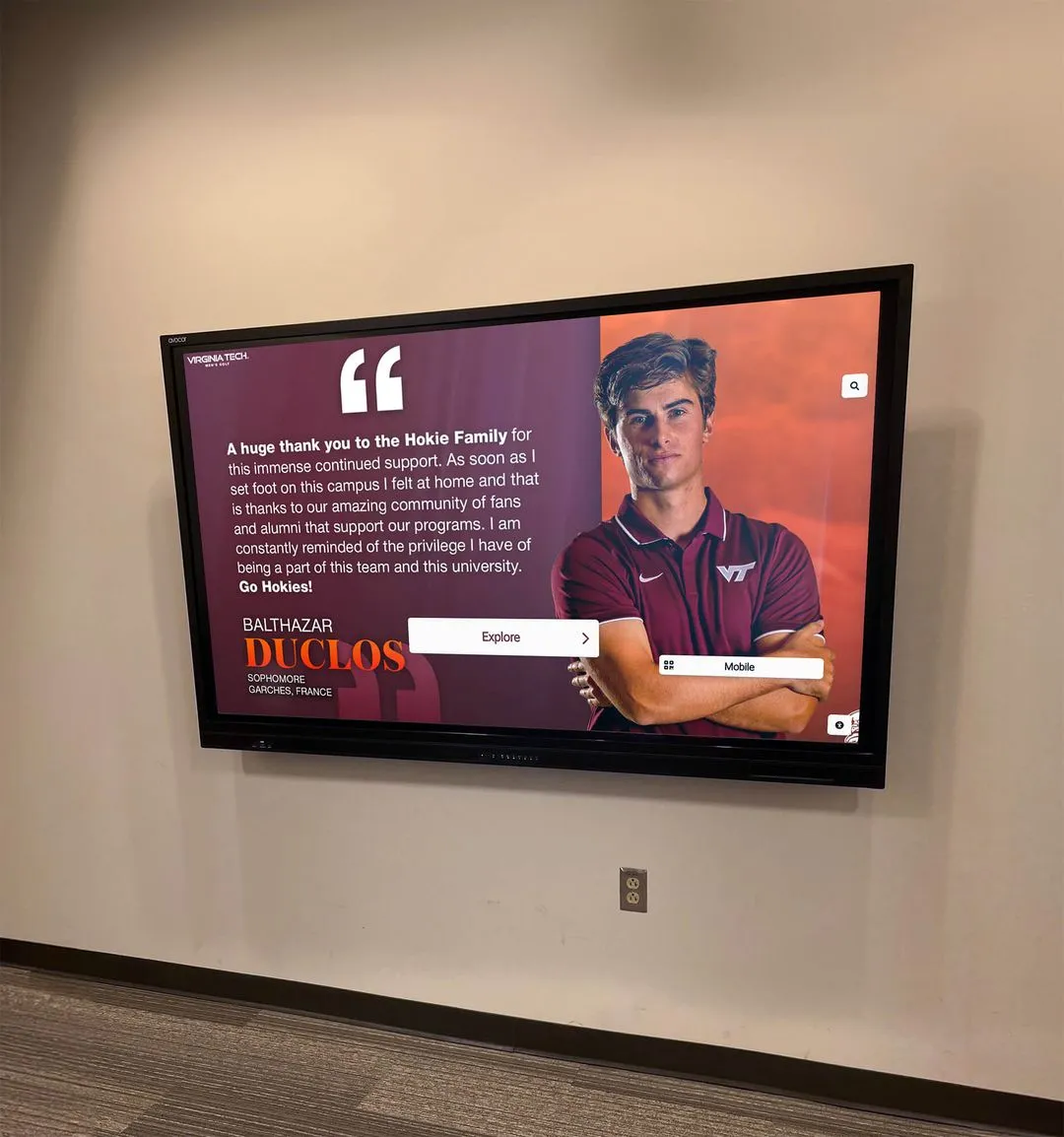
Effective legacy walls create natural gathering spaces where community members connect around shared institutional pride and historical appreciation
Understanding Legacy Walls: Purpose, Impact, and Strategic Value
Before designing specific legacy wall installations, understanding what distinguishes meaningful tribute spaces from simple name lists helps organizations create recognition that genuinely honors contributions while strengthening institutional culture and community connection.
What Is a Legacy Wall?
A legacy wall is a dedicated physical or digital space within an organization that permanently recognizes individuals, families, or groups who made significant contributions to institutional development, embodying values the organization wishes to perpetuate and inspiring future generations toward similar dedication and achievement.
Core Components of Effective Legacy Walls
Successful legacy recognition typically incorporates multiple interconnected elements:
- Clear criteria defining what contributions merit recognition and inclusion
- Permanent or long-term visibility ensuring honorees receive sustained acknowledgment
- Contextual information explaining why individuals earned recognition beyond simple name listing
- Visual presentation appropriate to institutional culture and recognition purpose
- Accessible location ensuring community members regularly encounter legacy recognition
- Scalability allowing growth as institutional history continues developing
- Maintenance approach ensuring recognition quality endures rather than deteriorates over time
This comprehensive framework transforms legacy walls from simple name collections into meaningful recognition programs that strengthen institutional identity while honoring those who shaped organizational development.
Types of Legacy Walls Across Different Organizations
Legacy recognition takes diverse forms depending on institutional context and recognition objectives.
Educational Institution Legacy Walls
Schools and universities commonly create legacy recognition for:
- Distinguished alumni halls of fame celebrating graduates who achieved exceptional success in professional, civic, or philanthropic endeavors
- Faculty legacy walls honoring educators whose teaching excellence, research contributions, or service duration shaped institutional development
- Donor recognition displays acknowledging philanthropic support enabling facility construction, program development, or scholarship funding
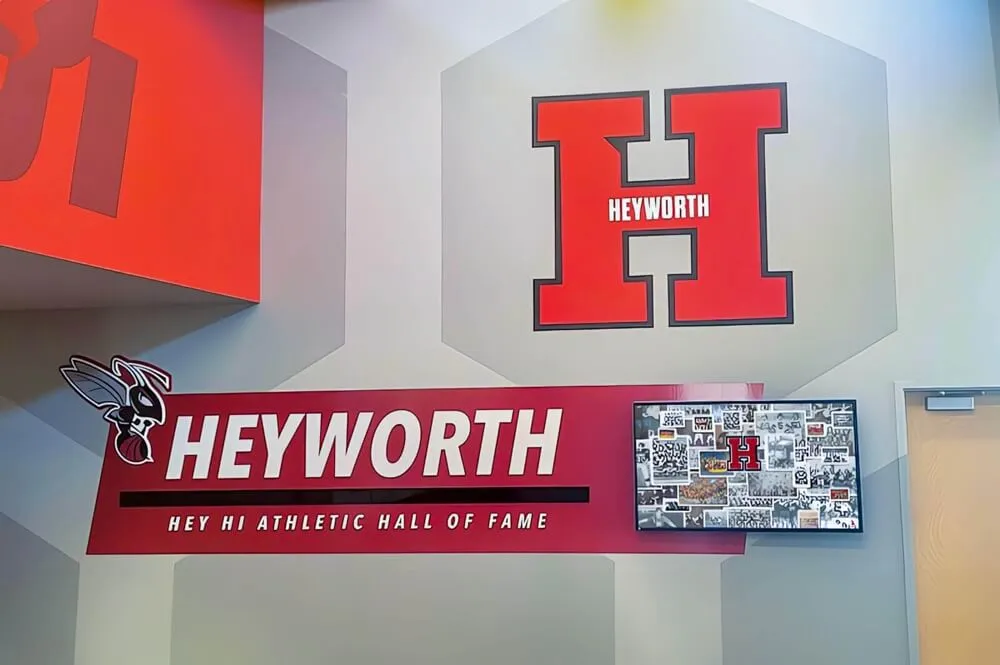
- Athletic halls of fame preserving championship teams, record-setting athletes, and coaching legends
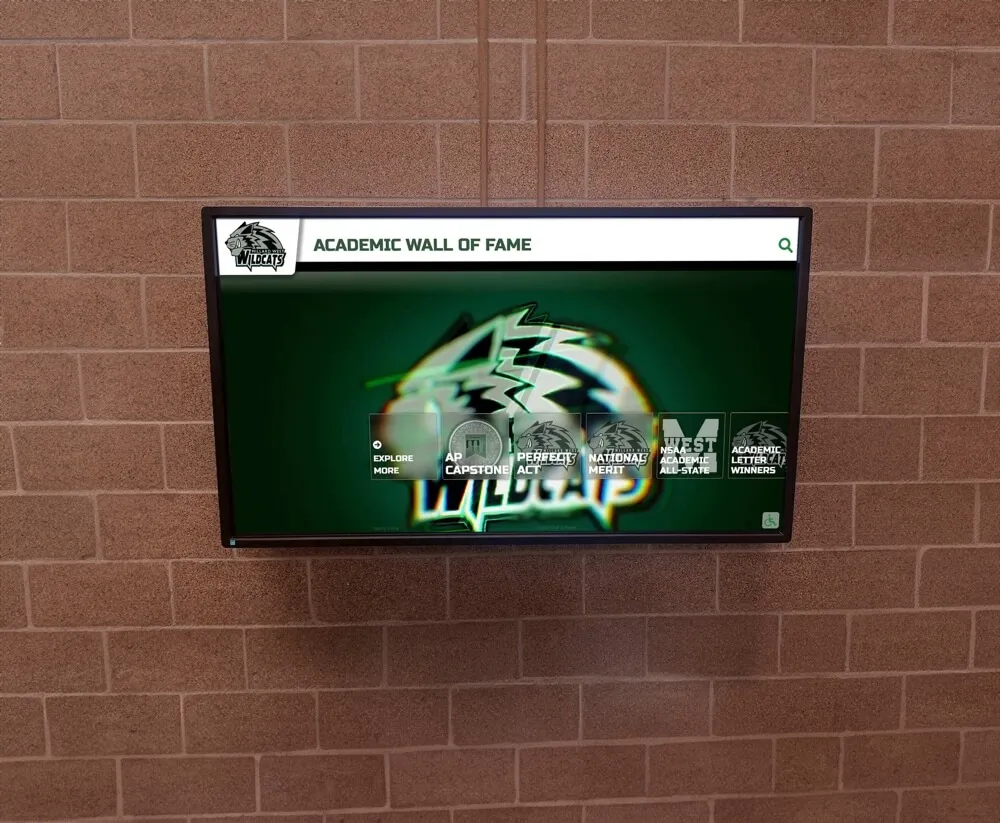
- Academic achievement walls documenting valedictorians, National Merit Scholars, or other exceptional student accomplishments
Educational legacy walls connect current students with institutional history while demonstrating tangible outcomes of educational investment.
Explore comprehensive athletic recognition in athletic hall of fame planning addressing program development strategies.
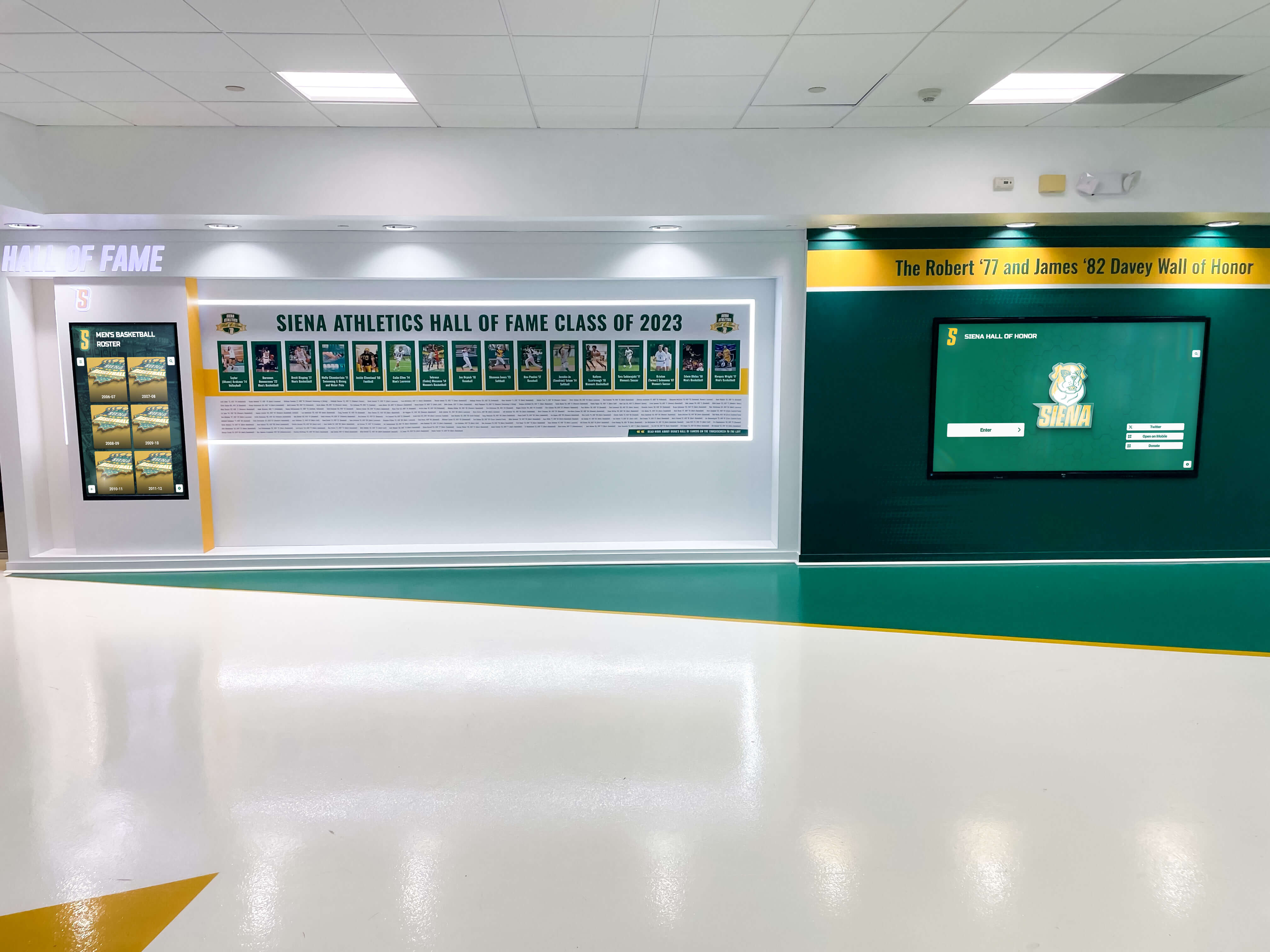
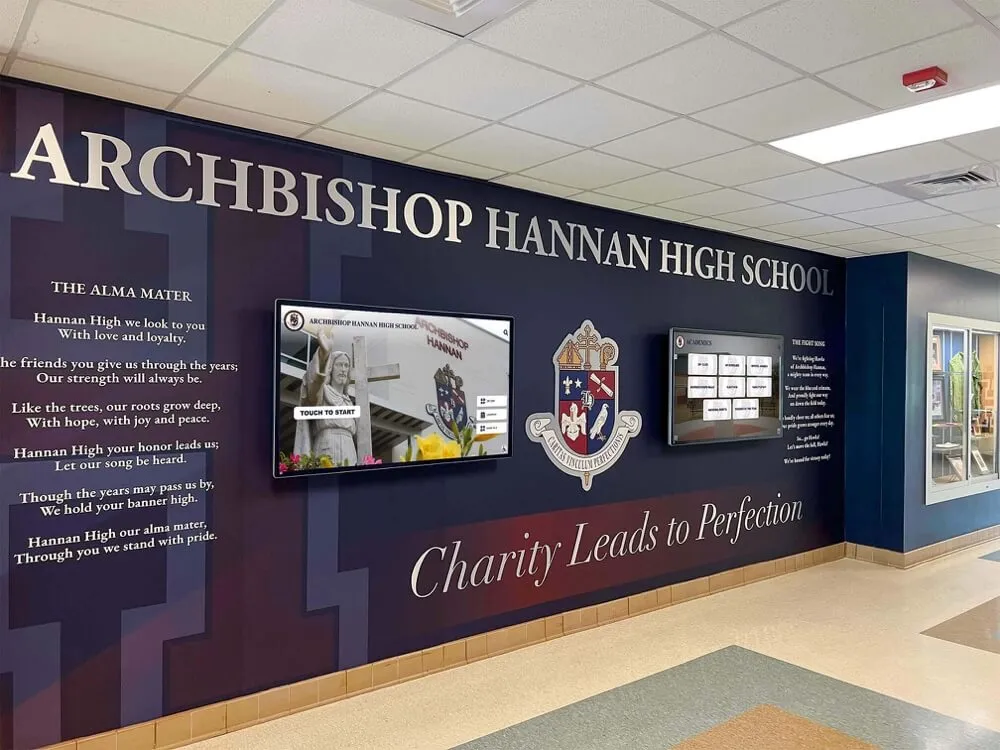
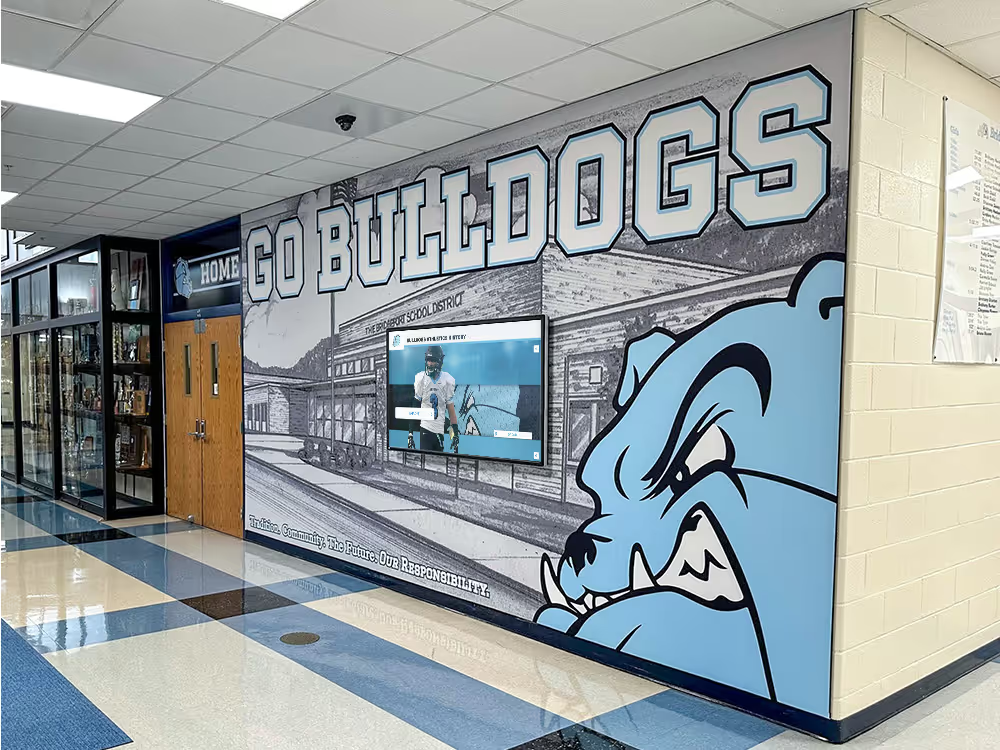
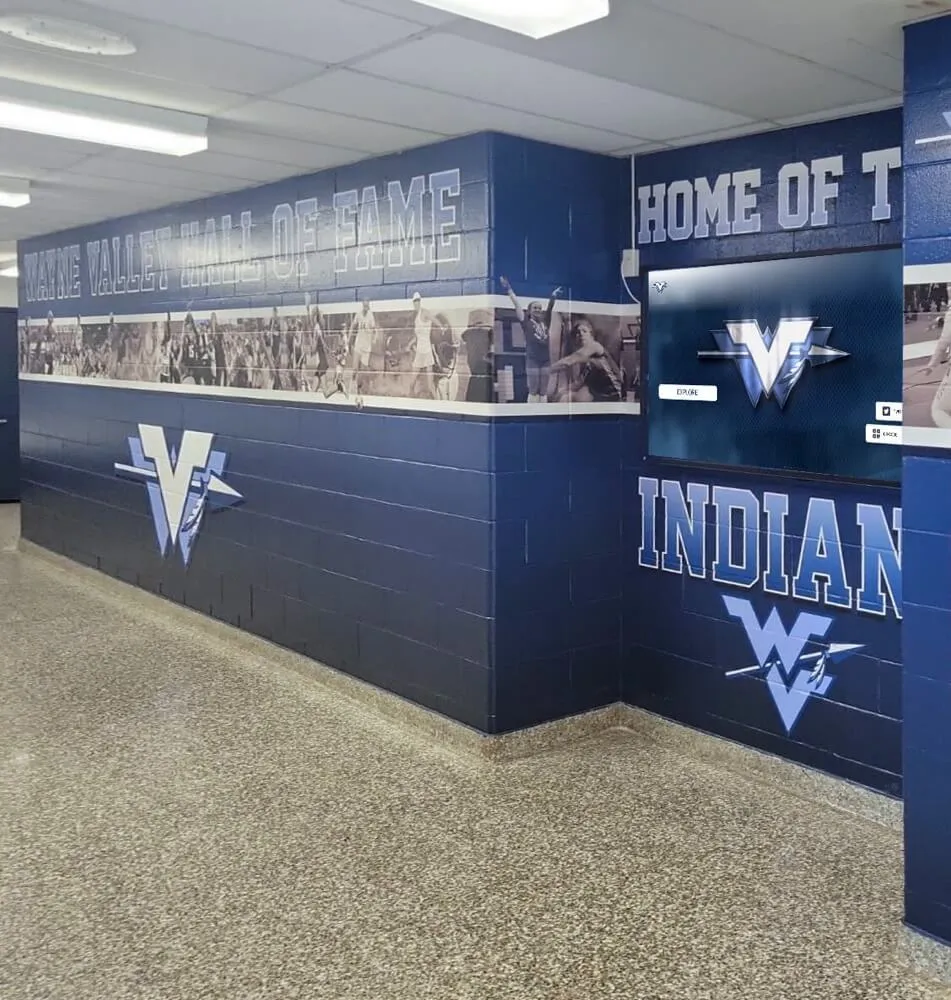
Educational legacy walls preserve institutional history while inspiring current students through visible examples of past excellence
Military and Veteran Legacy Walls
Military organizations and veteran support institutions create:
- Fallen hero memorials honoring service members who made the ultimate sacrifice
- Deployment recognition walls documenting unit participation in operations and campaigns
- Medal of Honor and distinguished service displays celebrating exceptional valor and dedication
- Retirement recognition acknowledging career military personnel who served with distinction
- Prisoner of war and missing in action memorials ensuring those who suffered never forgotten
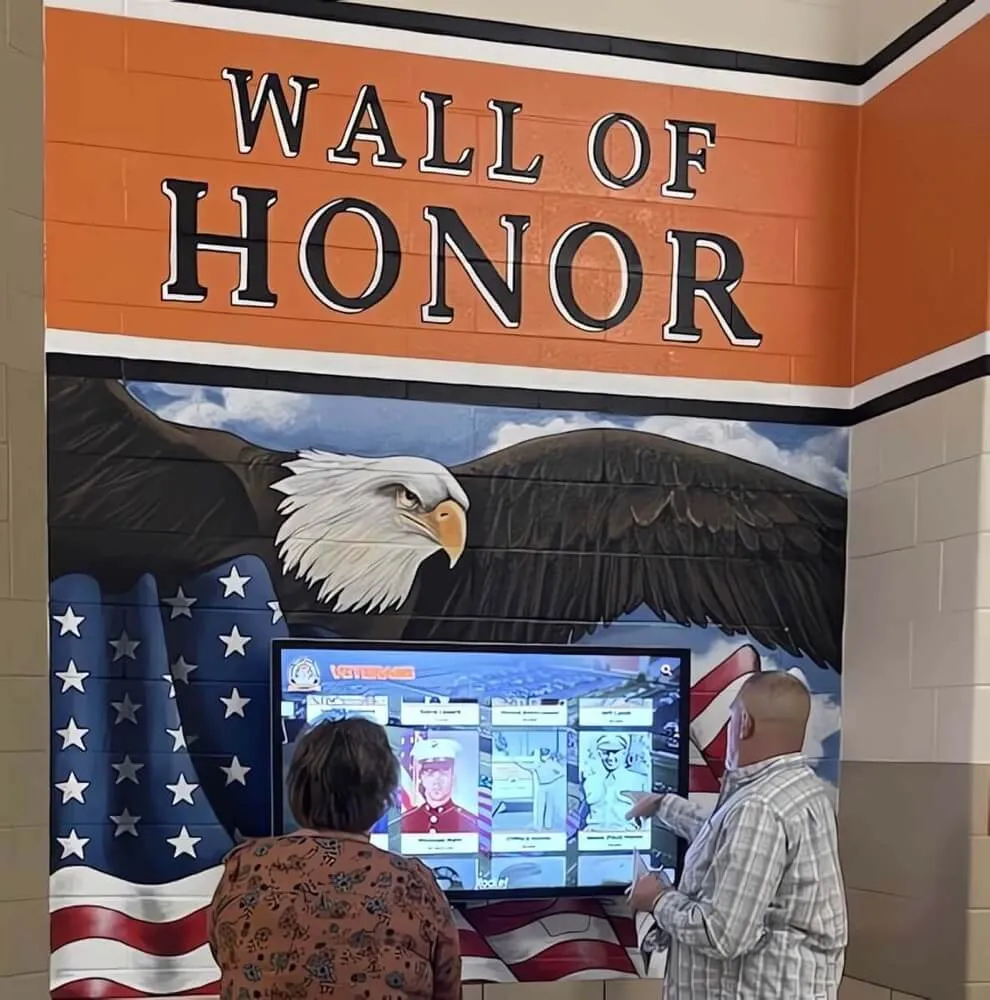
Military legacy walls serve particularly sacred functions, ensuring sacrifice and service receive appropriate perpetual acknowledgment.
Learn about military recognition approaches in military wall of honor design addressing memorial spaces.
Corporate and Professional Organization Legacy Walls
Businesses and professional associations recognize:
- Founder and leadership legacy celebrating executives who built organizational success
- Innovation and patent walls documenting product development and intellectual property achievement
- Sales achievement and performance recognition honoring exceptional business contribution
- Long-term service and retirement acknowledgment celebrating career dedication
- Corporate social responsibility recognition acknowledging community contribution and philanthropic impact
Corporate legacy walls strengthen organizational culture by visibly communicating what behaviors and contributions the organization values and celebrates.
Nonprofit and Community Organization Legacy Walls
Mission-driven organizations create recognition for:
- Major donor and benefactor acknowledgment honoring those whose generosity enabled mission advancement
- Board member and volunteer leadership recognizing governance and sustained service commitment
- Founder and pioneer legacy preserving organizational origin stories and acknowledging those who established institutions
- Mission impact documentation celebrating successful programs and outcomes achieved through collective effort
- Memorial recognition honoring deceased supporters whose memory continues inspiring organizational work
Nonprofit legacy walls strengthen fundraising by demonstrating appreciation while inspiring continued generosity through visible recognition.
Discover donor recognition strategies in donor recognition wall ideas addressing appreciation displays.
Why Legacy Walls Matter: Cultural and Strategic Benefits
Understanding specific benefits legacy recognition provides helps organizations justify investment while clarifying design priorities.
Preserving Institutional Memory
Organizations risk losing historical knowledge as personnel change and founding generations age. Legacy walls create permanent documentation ensuring important stories, achievements, and contributions aren’t forgotten when individuals who remember them retire or pass away.
This preservation function becomes increasingly critical for organizations celebrating centennial anniversaries, undergoing generational leadership transitions, or recognizing declining engagement from historical supporters who no longer actively participate.
Strengthening Institutional Identity and Culture
Legacy recognition visibly communicates organizational values by showcasing what contributions merit celebration. When schools prominently display teacher dedication alongside student achievement, when corporations recognize innovation alongside financial performance, or when nonprofits honor volunteer service alongside donor generosity, they signal comprehensive definitions of value beyond single metrics.
This cultural communication shapes how current community members understand expectations and possibilities, influencing behavior more effectively than policy documents most never read.
Inspiring Future Achievement and Contribution
Visible legacy recognition creates aspirational models demonstrating pathways to institutional honor. Students encountering distinguished alumni displays envision their own potential success, employees seeing innovation walls imagine contributions earning similar recognition, and potential donors viewing appreciation displays understand that generosity receives genuine acknowledgment rather than perfunctory thank-you letters filed and forgotten.
Research on recognition effectiveness consistently demonstrates that visible acknowledgment motivates similar behavior from others seeking comparable appreciation and community standing.
Building Connection Between Past and Present
Legacy walls create physical spaces where current community members encounter institutional history, strengthening understanding that they’re part of something larger than immediate experience. This temporal connection deepens engagement by helping individuals see themselves as temporary stewards of ongoing missions extending beyond their personal tenure.
For educational institutions particularly, this connection helps alumni maintain engagement long after graduation by demonstrating that their own legacy remains visible and valued within communities they continue supporting.
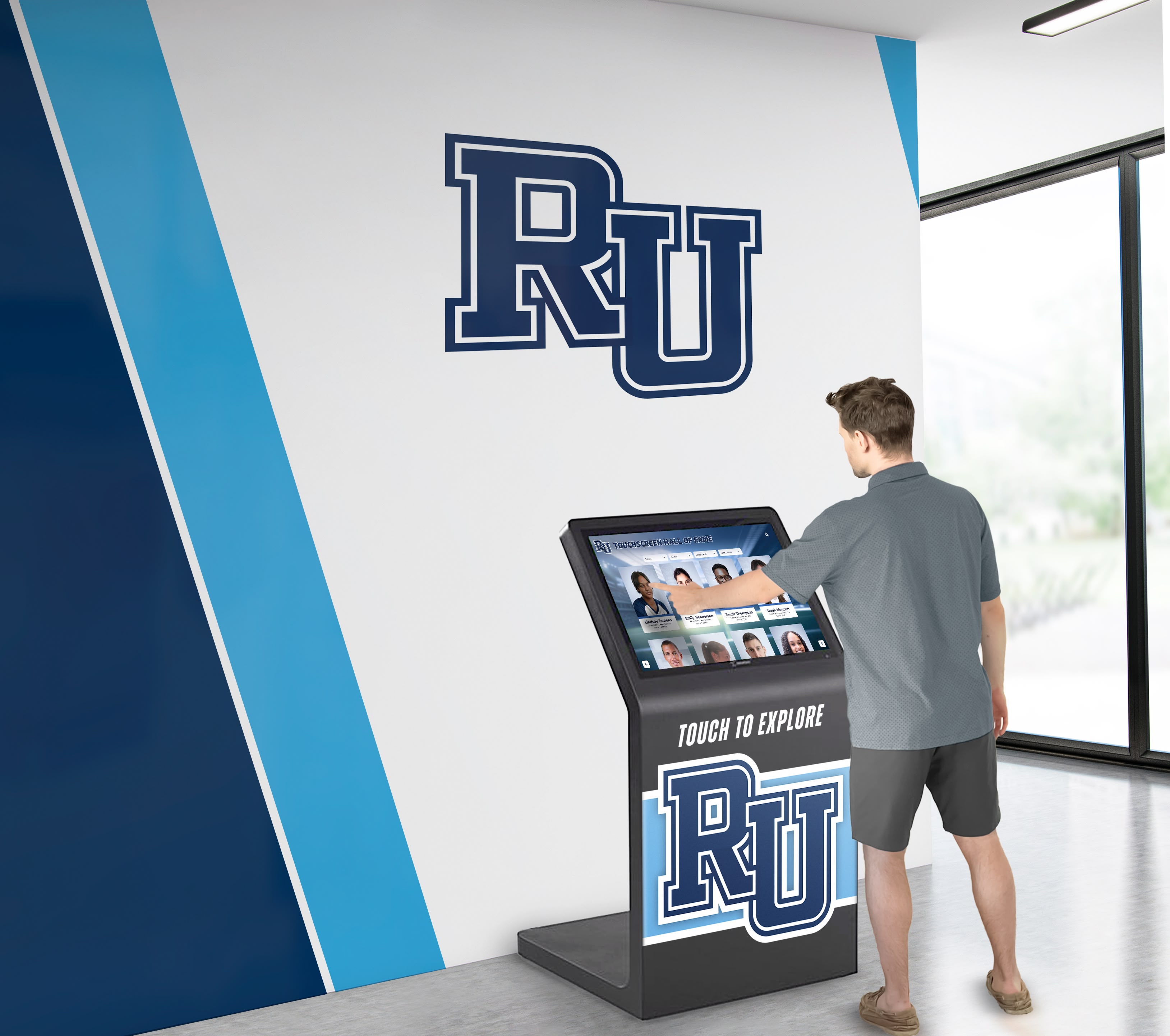
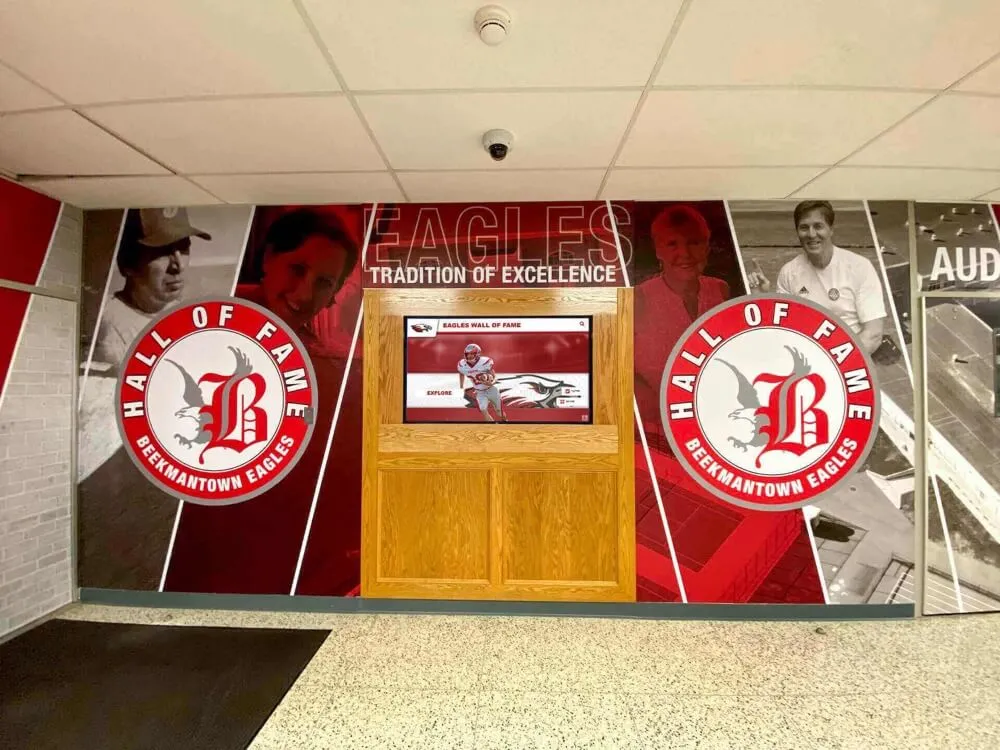
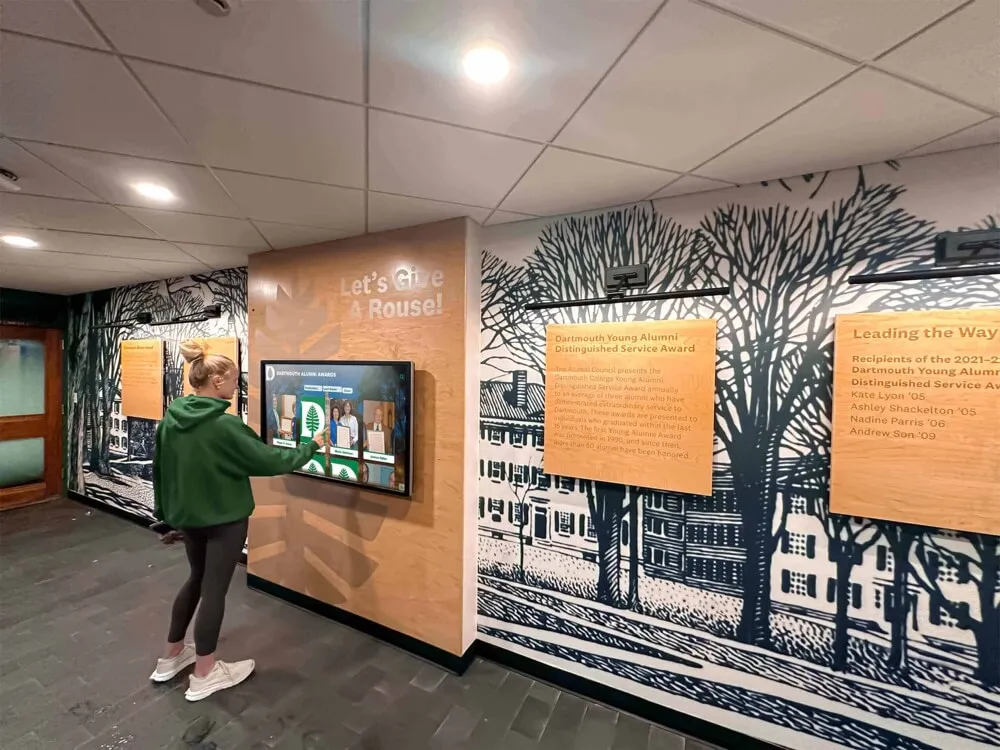
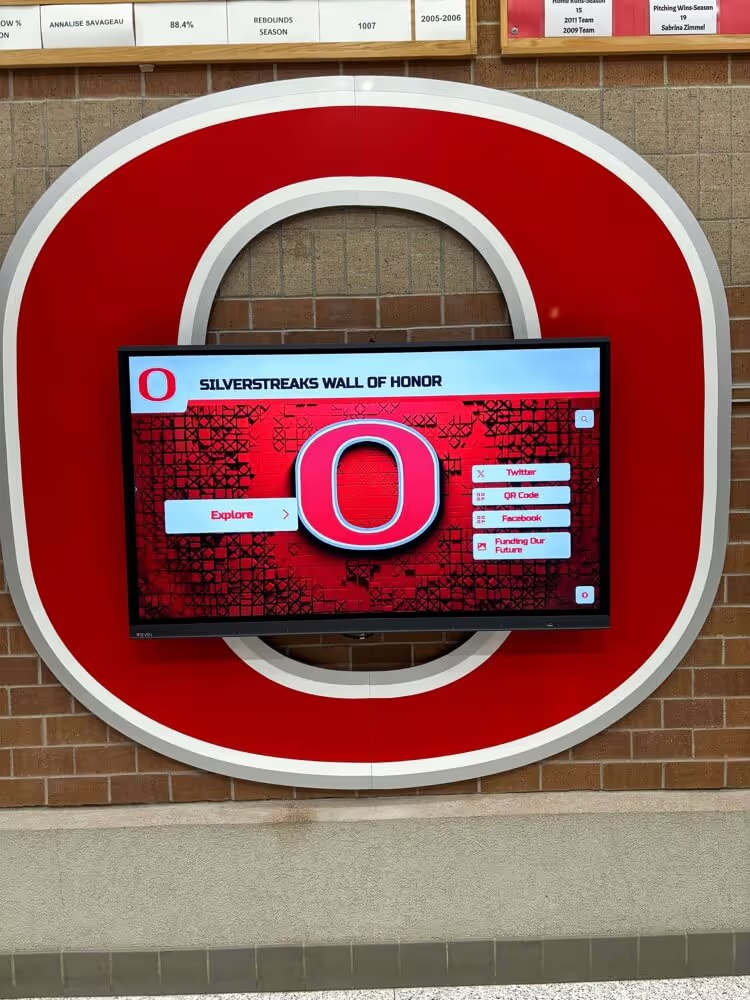
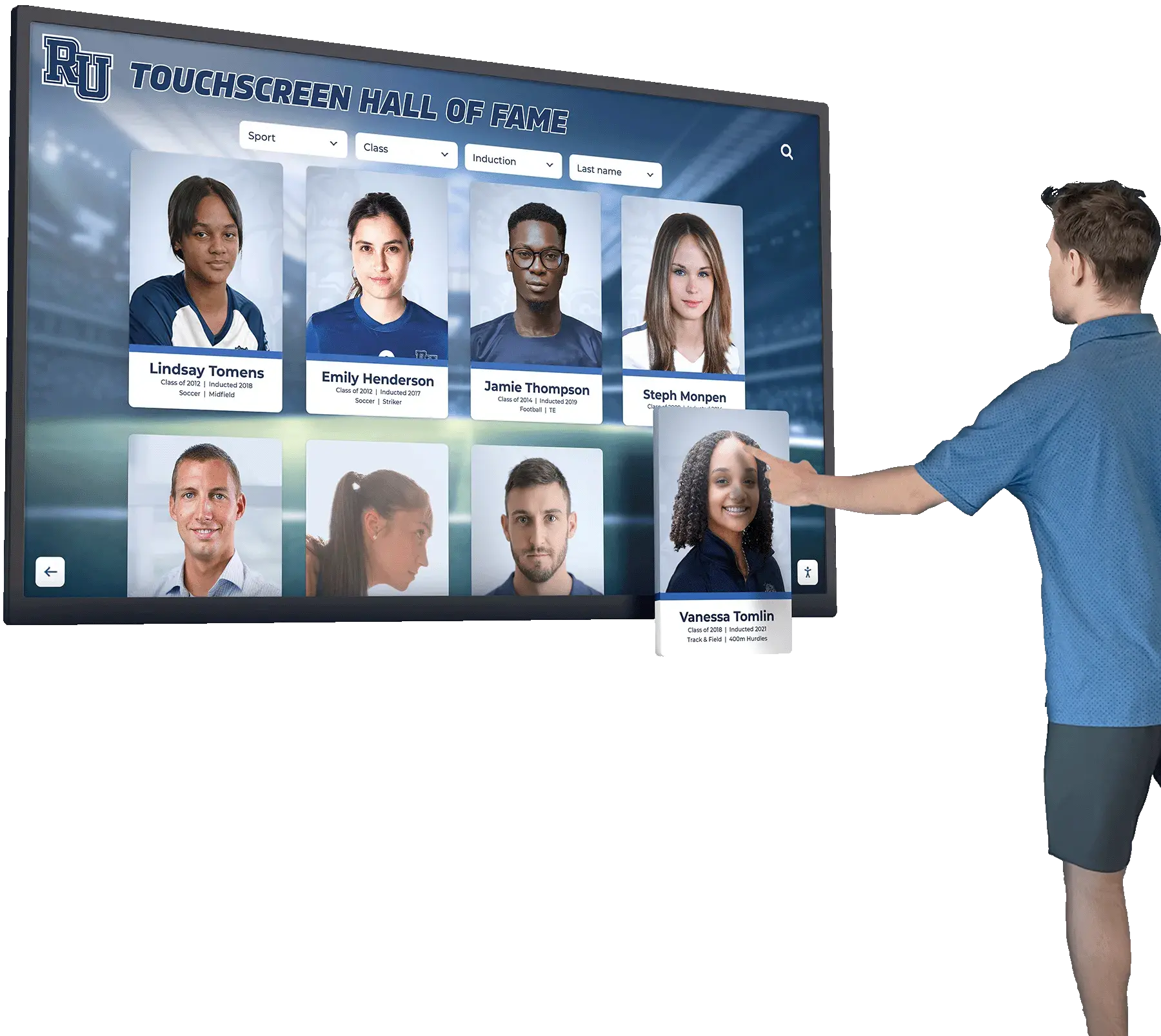
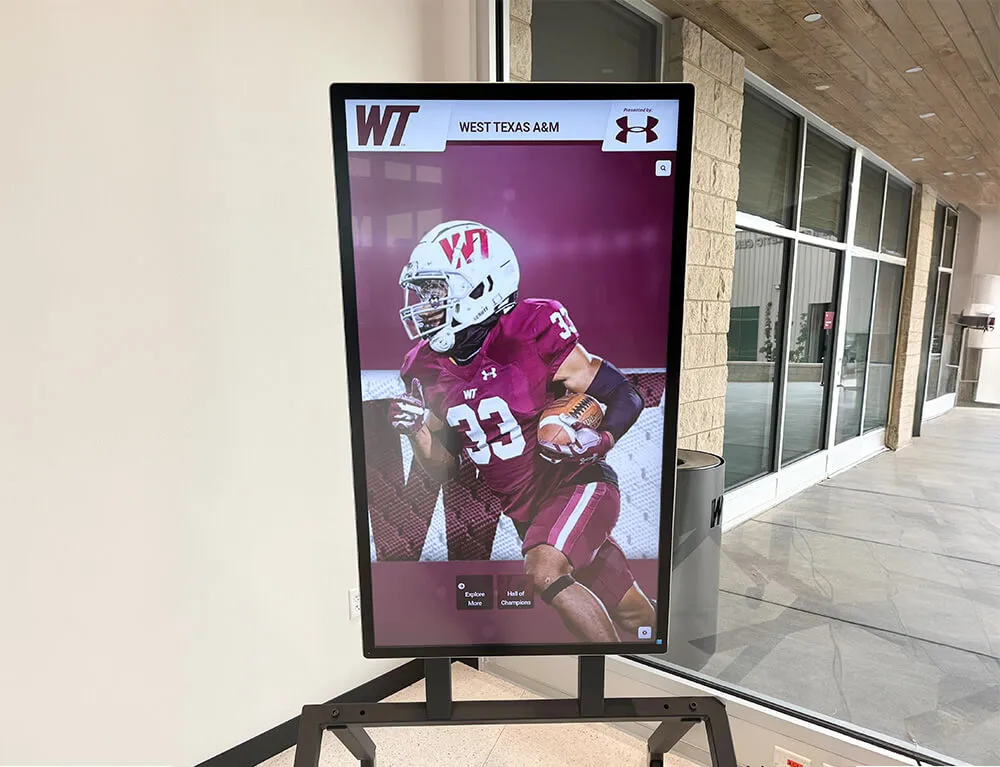
Interactive legacy displays enable deep exploration of individual stories and contributions, creating engagement impossible with simple name plaques
Traditional Legacy Wall Design Concepts
Understanding conventional approaches provides foundation for recognizing both their continued relevance and inherent limitations that contemporary solutions address.
Bronze and Metal Plaque Displays
Traditional legacy recognition typically features engraved plaques arranged on dedicated walls or display panels.
Standard Plaque Formats
- Individual name plates (typically 2" x 8" to 4" x 12") mounted in organized rows
- Group recognition panels documenting multiple honorees within single larger plaque
- Tiered giving or achievement displays organizing recognition by contribution level or accomplishment category
- Perpetual plaque systems with removable plates enabling annual updates within fixed frame structures
- Memorial plaques incorporating photos or biographical information alongside names
Bronze, brass, and aluminum represent most common materials, offering durability and formal appearance appropriate for permanent recognition.
Advantages of Traditional Plaques
Engraved metal provides several genuine benefits:
- Permanence suggesting that recognition endures indefinitely rather than disappearing with technology changes
- Formal gravitas particularly important for memorial and military applications
- No ongoing technology requirements or subscription costs
- Immediate visibility without requiring user interaction or exploration
- Cultural familiarity aligning with expectations for formal institutional recognition
These advantages ensure traditional approaches remain relevant for specific applications despite technological alternatives.
Critical Limitations Creating Recognition Gaps
However, physical plaques face severe constraints that increasingly motivate complementary or alternative approaches:
Space Capacity Constraints: Fixed wall space limits total honoree numbers, eventually forcing impossible decisions about whose recognition receives removal to accommodate new additions or expensive facility expansion.
High Per-Honoree Costs: Quality engraved plaques cost $200-500 each including materials, engraving, and installation, making comprehensive recognition prohibitively expensive for organizations with large membership or extensive recognition programs.
Limited Context: Name and date engraving provides minimal information about individuals being honored, offering no insight into specific contributions, life stories, or organizational impact.
Update Inflexibility: Adding new honorees requires ordering new plaques, coordinating installation, and potentially rearranging existing displays—creating frustrating delays between achievement and recognition.
Deterioration Over Time: Even quality materials weather, tarnish, and become difficult to read, requiring expensive refinishing or replacement to maintain appropriate presentation standards.
These limitations don’t invalidate traditional approaches but highlight need for complementary strategies addressing recognized constraints.
Donor Wall and Brick Paver Programs
Many organizations implement specific legacy formats for philanthropic recognition.
Donor Recognition Wall Designs
Traditional donor appreciation typically features:
- Tiered recognition organizing supporters by cumulative giving levels ($1,000+, $5,000+, $25,000+, etc.)
- Campaign-specific walls documenting contributors to particular fundraising initiatives
- Named space recognition acknowledging major gifts funding facilities, programs, or endowments
- Perpetual recognition ensuring donors receive sustained visibility rather than temporary acknowledgment
- Architectural integration incorporating recognition into building design rather than appearing as afterthought
Explore comprehensive donor recognition in donor recognition examples showcasing effective appreciation strategies.
Brick Paver and Walkway Programs
Outdoor legacy recognition often uses:
- Engraved bricks creating memorial walkways or courtyard installations
- Stone or concrete pavers with laser-etched or sandblasted inscription
- Grid layouts enabling future additions without disrupting existing recognition
- Size variation allowing different price points and message lengths
- Garden or landscaped settings creating contemplative legacy spaces
Brick programs offer accessible recognition price points ($100-500 per brick) making participation viable for broad constituencies while creating attractive outdoor spaces.
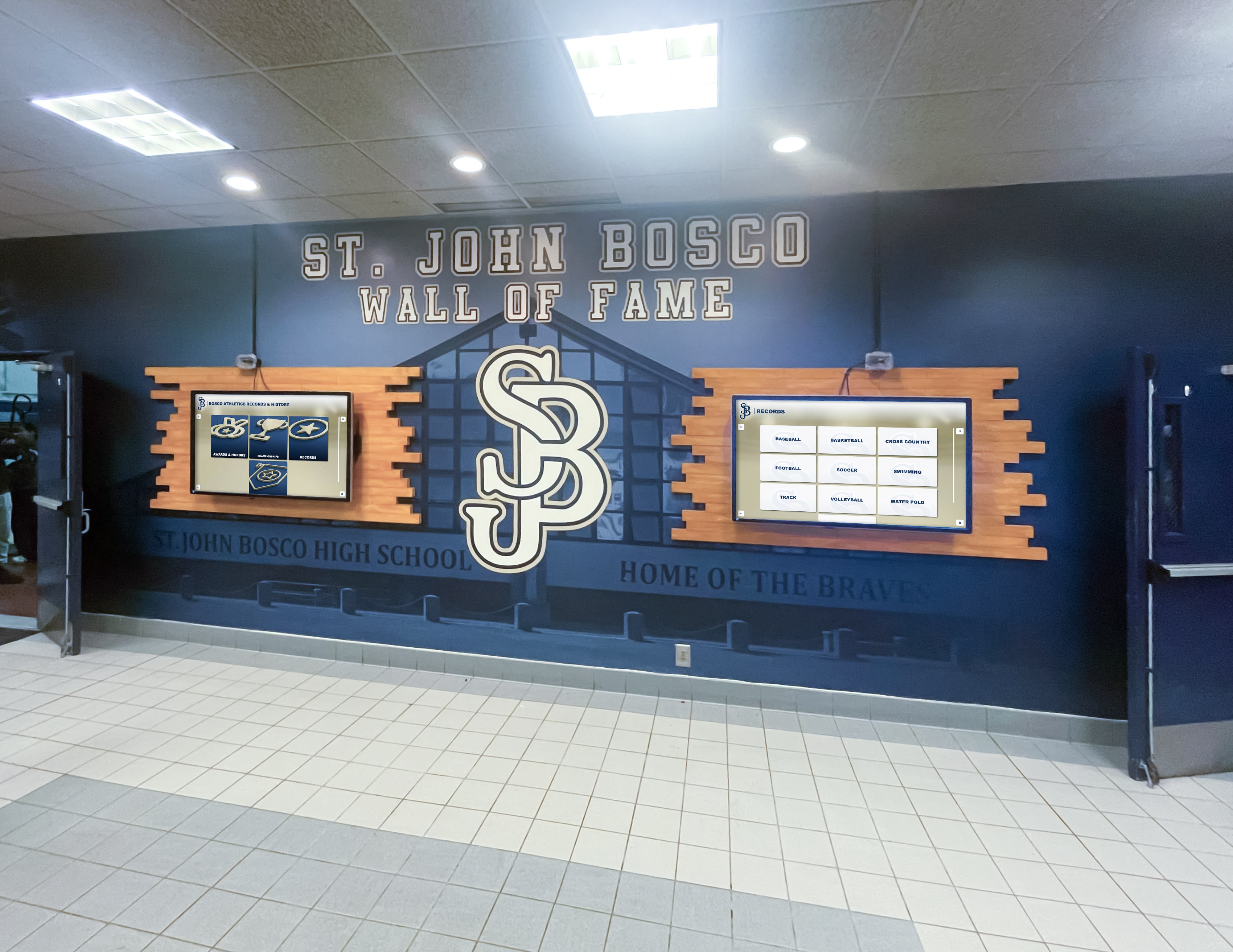
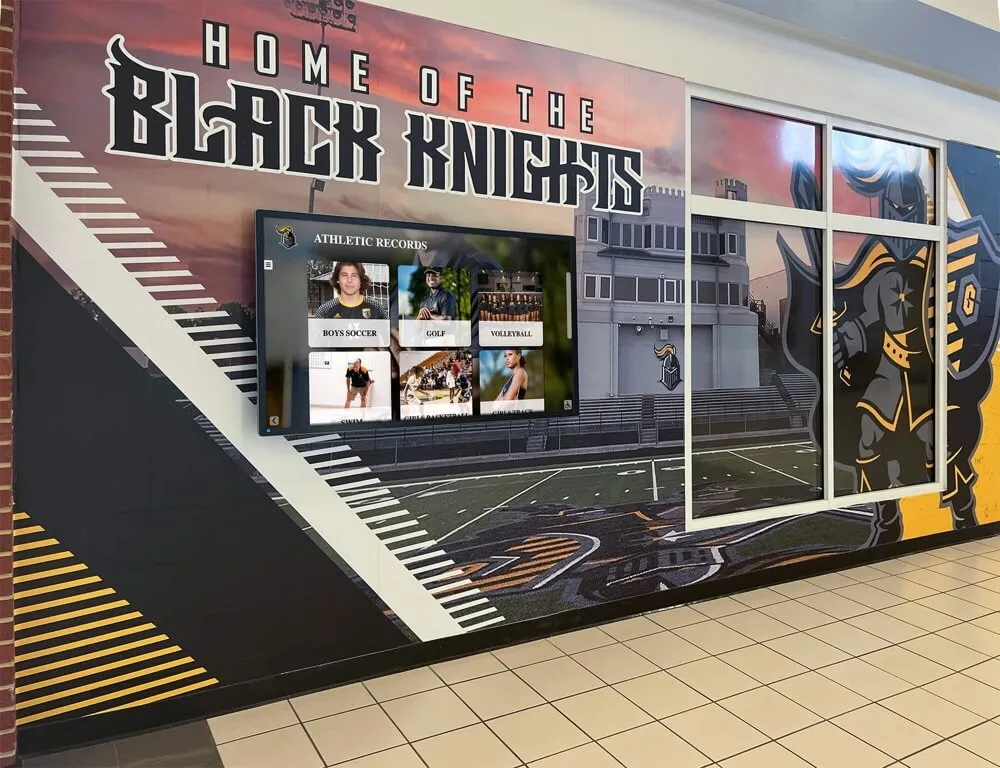
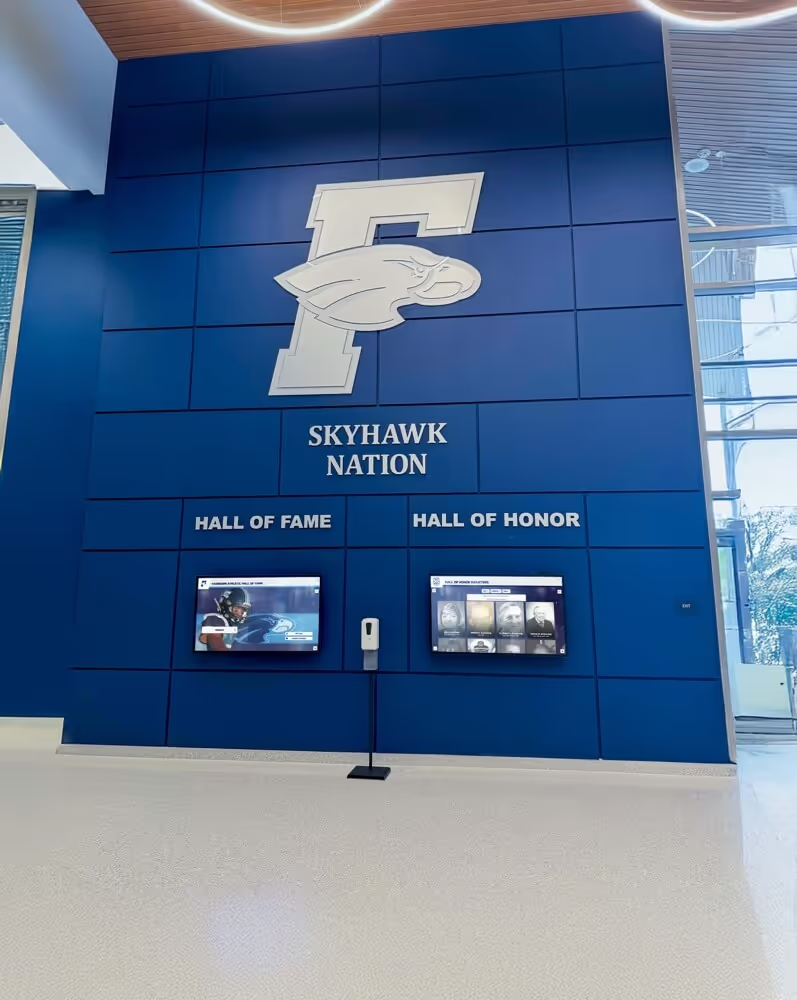
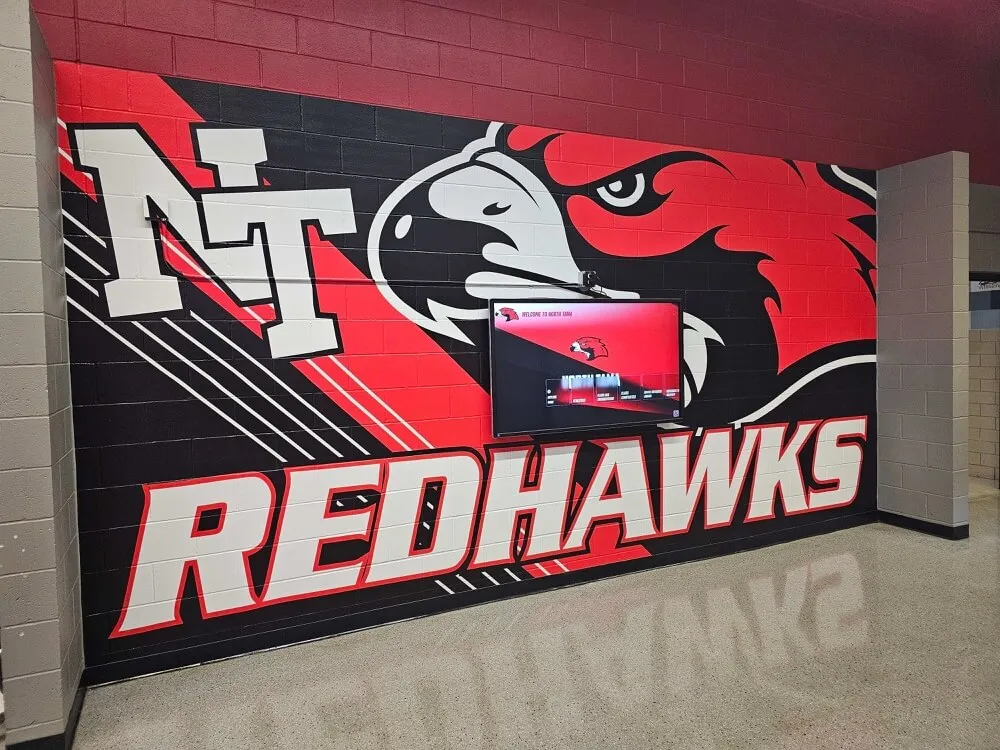
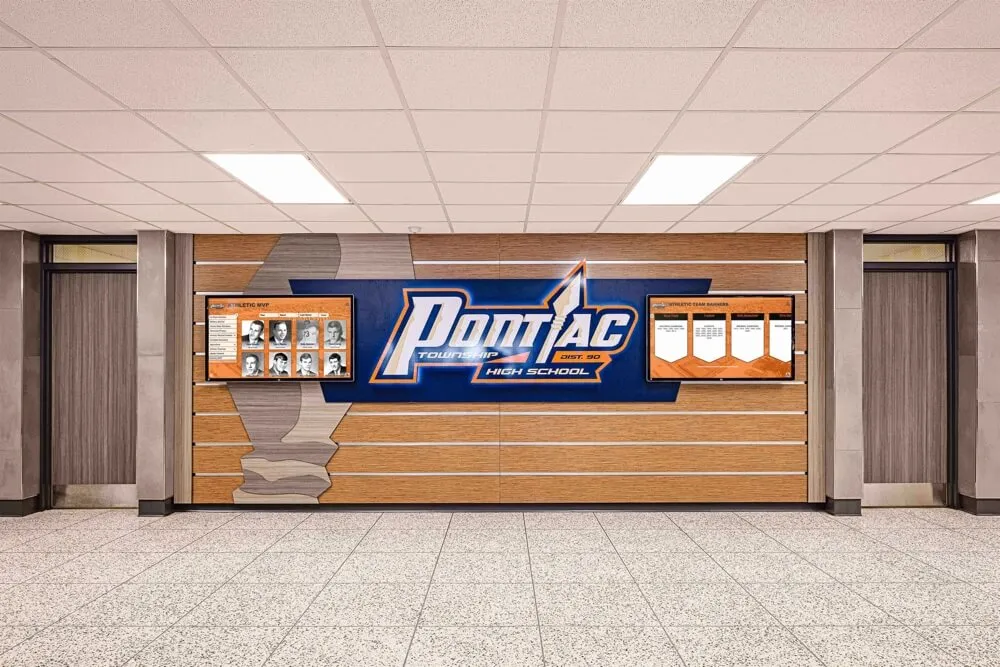
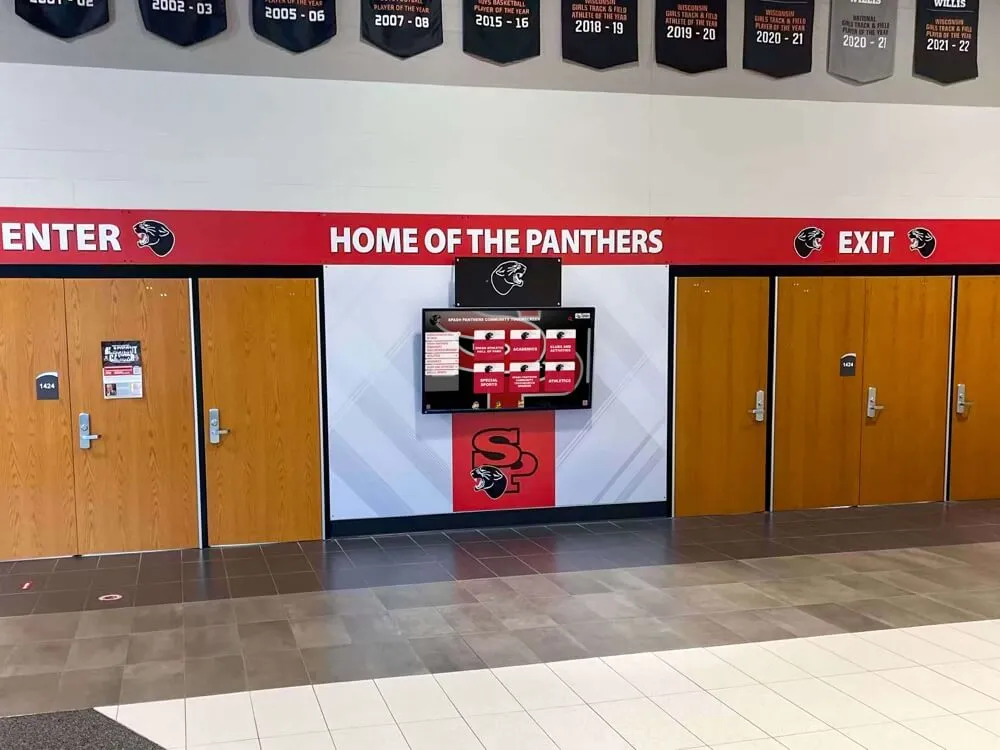
Modern legacy spaces increasingly integrate traditional architectural elements with digital displays providing unlimited recognition capacity
Portrait and Photo Gallery Walls
Visual legacy recognition incorporates individual imagery alongside names.
Portrait Wall Formats
- Professional headshots or formal portraits in uniform frame sizes
- Historical photo collections showing honorees during their active contribution period
- Action photography capturing individuals engaged in relevant activities
- Mixed media including photos alongside biographical text panels
- Chronological arrangements showing recognition evolution across organizational eras
Portrait walls create stronger emotional connection than text-only recognition by enabling current community members to visualize individuals being honored as real people rather than abstract names.
Display Considerations
Quality presentation requires:
- Consistent framing and mounting creating visual coherence across multiple subjects
- Appropriate lighting ensuring photos remain visible without glare or shadows
- UV-protective glazing preventing photo fading from sunlight exposure
- Archival matting and backing materials ensuring long-term preservation
- Regular maintenance removing dust and addressing any deterioration
Budget $150-400 per framed portrait for quality presentation meeting archival preservation standards.
Modern Digital Legacy Wall Solutions
Interactive digital platforms fundamentally address traditional limitations while creating engagement opportunities impossible with static displays.
What Are Digital Legacy Walls?
Digital legacy walls are interactive touchscreen systems—typically 43-75 inches—displaying honoree information through engaging multimedia presentations combining photos, biographical content, achievement documentation, video testimonials, and interactive exploration features enabling visitors to discover stories behind names.
Core Digital Legacy Wall Components
Complete systems integrate multiple technological elements:
- Commercial-grade touchscreen displays designed for continuous operation in high-traffic public environments
- Cloud-based content management platforms enabling remote updates without requiring physical facility access
- Specialized recognition software organizing legacy content with intuitive search, filtering, and exploration interfaces
- Multimedia capabilities incorporating photos, videos, audio recordings, and rich biographical documentation
- Web-accessible platforms extending recognition beyond physical display locations to reach global audiences
- Analytics revealing engagement patterns and most-viewed honoree profiles
- Social sharing features enabling users to distribute legacy content across personal networks
Solutions like Rocket Alumni Solutions provide comprehensive platforms specifically designed for institutional recognition in educational, nonprofit, military, and corporate contexts—making sophisticated implementation accessible without extensive technical expertise.
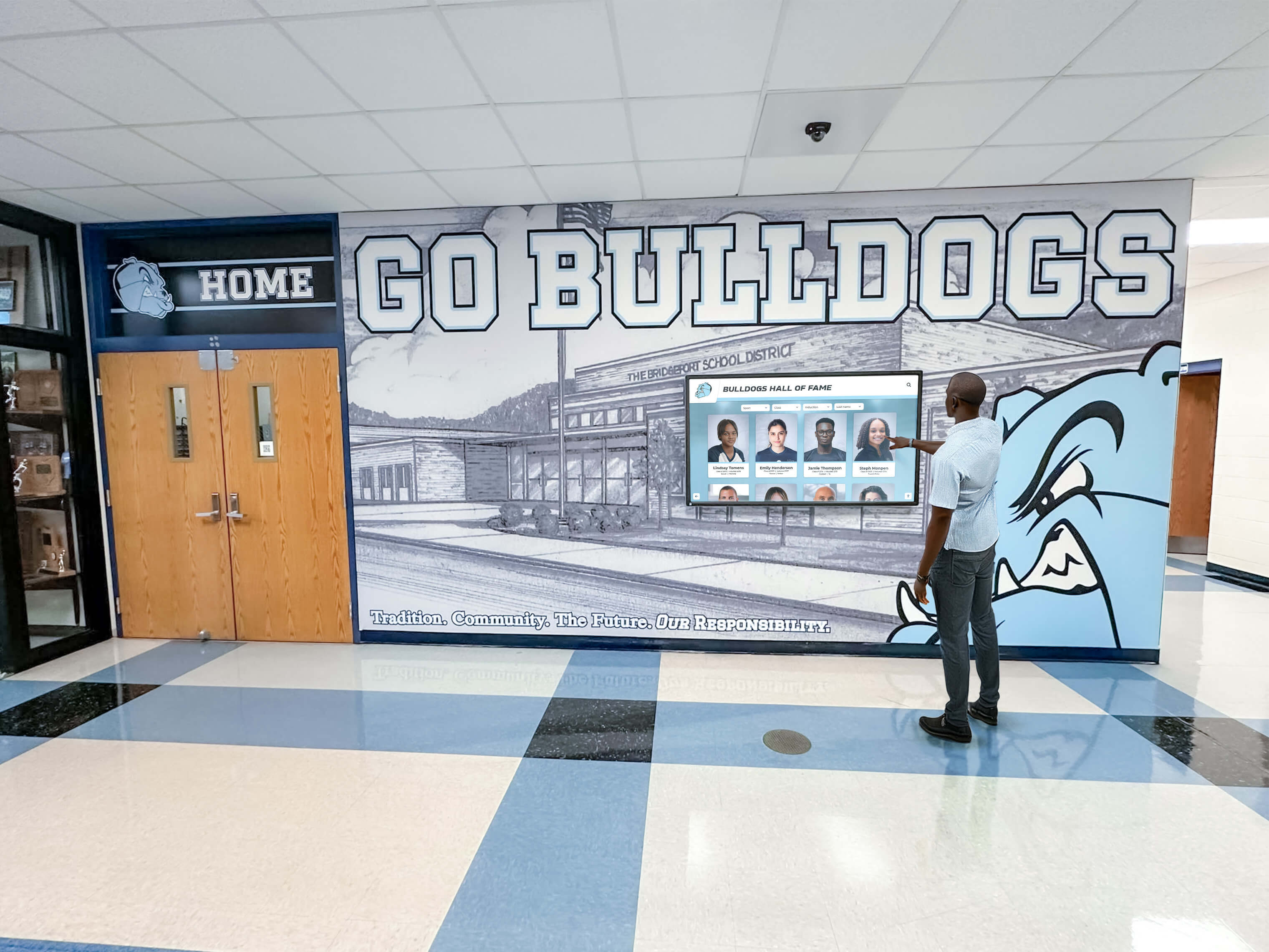
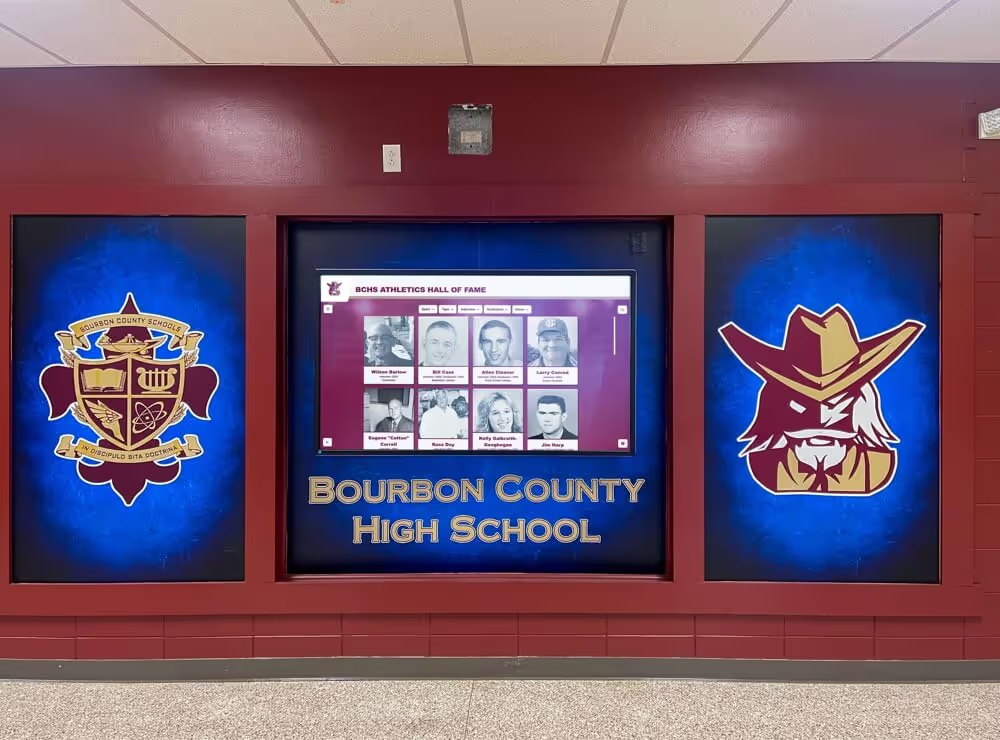
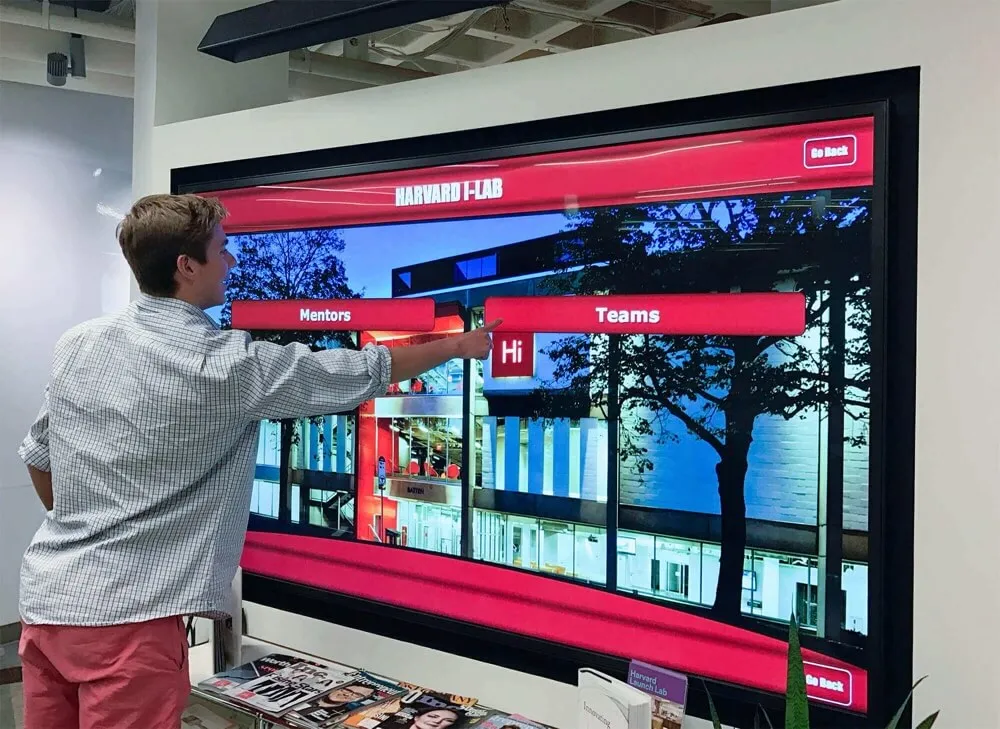
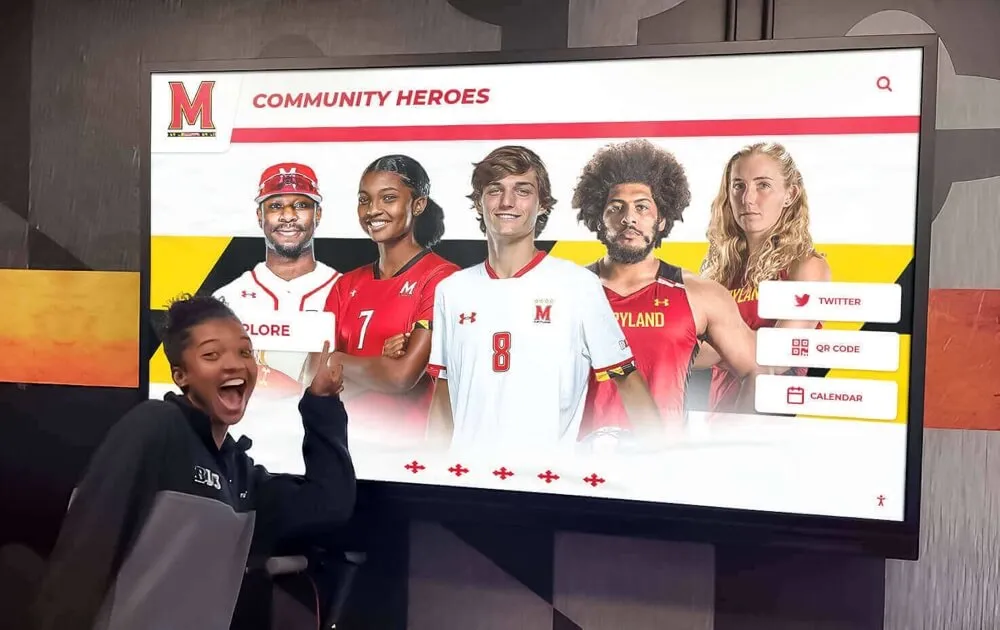
Touchscreen interfaces transform passive viewing into active exploration where visitors discover detailed individual stories and contributions
Unlimited Recognition Capacity
The most immediate advantage digital systems provide is elimination of space constraints that plague traditional approaches.
Capacity Transformation
Single touchscreen displays accommodate comprehensive recognition for thousands of individuals across multiple categories, time periods, and recognition types—eliminating need to remove historical honorees when adding new inductees or make painful decisions about whose legacy receives limited physical display space.
This unlimited capacity enables inclusive “honor everyone deserving recognition” approaches rather than exclusive “limited space forces selection” models that inherently disappoint some constituencies through omission regardless of contribution significance.
Democratic Access Through Search Functionality
Rather than hierarchical physical arrangements where prominent placement determines visibility, digital platforms provide equal accessibility:
- All honorees appear in search results regardless of induction date or contribution category
- Filtering capabilities enable visitors to explore by year, achievement type, or other relevant criteria
- Alphabetical directories provide instant access to any individual without requiring physical location knowledge
- Featured rotation ensures all honorees receive periodic homepage visibility rather than remaining perpetually buried
- Related content connections help visitors discover associates, contemporaries, or similar achievers
This technological democracy ensures that every person receiving recognition achieves meaningful visibility rather than becoming forgotten names on overcrowded walls nobody reads.
Learn about digital capacity advantages in digital hall of fame experiences demonstrating comprehensive recognition.
Rich Multimedia Storytelling
Beyond solving capacity problems, digital legacy walls enable recognition experiences qualitatively superior to traditional name plaques.
Comprehensive Biographical Profiles
Digital platforms support depth impossible with engraved metal:
- Detailed life stories explaining contributions, challenges overcome, and lasting impact
- Career trajectory documentation from early involvement through recognized achievement
- Quote collections sharing honoree perspectives, wisdom, and reflections
- Family and personal information contextualizing professional accomplishments
- Connections to other honorees revealing relationships, mentorships, and shared experiences
- Historical context placing individual contributions within broader institutional moments
- Follow-up information tracking continued involvement or post-recognition contributions
This narrative richness creates emotional resonance impossible with simple name listings, helping current community members understand honorees as real people whose experiences offer inspiration and guidance.
Visual and Video Documentation
Multimedia capabilities bring legacy recognition to life:
- High-resolution photo galleries showing honorees throughout their careers and lives
- Video interviews preserving first-person accounts and personal reflections
- Achievement highlights documenting specific accomplishments earning recognition
- Historical footage connecting individuals to institutional events and eras
- Audio recordings of speeches, performances, or other relevant documentation
- Interactive timelines visualizing career progression and achievement chronology
- Document archives including letters, awards, publications, or other relevant materials
This multimedia depth honors contributions appropriately while creating engaging experiences that sustain visitor attention far longer than simple plaque reading.
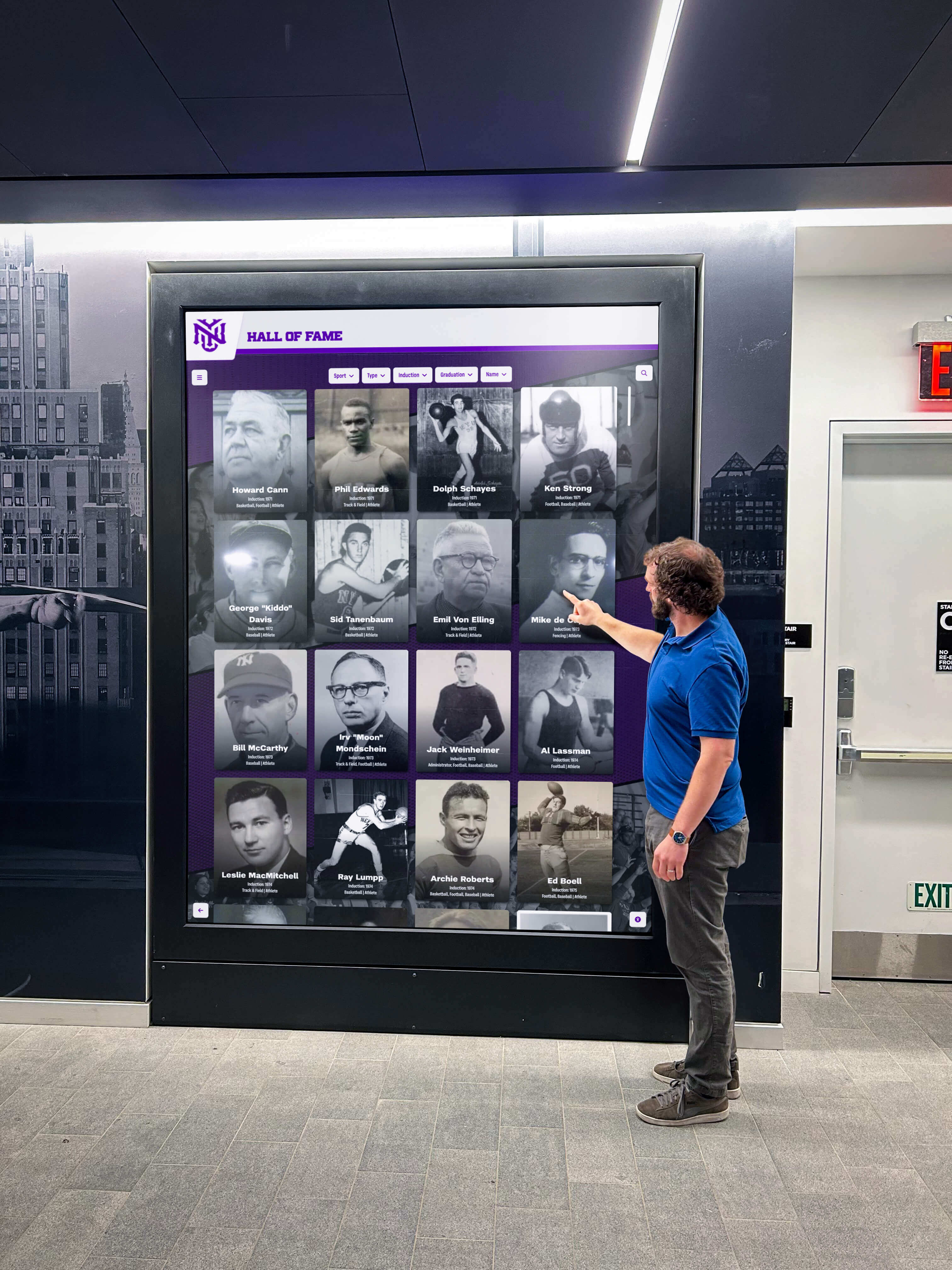
Digital platforms enable comprehensive storytelling that honors contributions with appropriate depth while engaging visitors meaningfully
Instant Updates and Sustainable Management
Cloud-based platforms eliminate update burdens that plague physical recognition.
Immediate Recognition Addition
Digital systems enable adding new honorees immediately upon induction:
- No manufacturing delays waiting for plaque production
- No installation coordination requiring facility access and contractor scheduling
- No recurring per-honoree costs beyond initial platform investment
- No physical space limitations constraining recognition expansion
Organizations implementing digital legacy walls report adding new honorees within hours of selection rather than weeks or months typical with traditional approaches—demonstrating respect for honorees through prompt recognition.
Remote Content Management
Cloud-based administration provides unprecedented flexibility:
- Browser-based interfaces requiring no technical expertise or special software
- Remote access enabling updates from anywhere with internet connectivity
- Multi-user systems allowing distributed management across different departments
- Version control tracking all changes with rollback capabilities if errors occur
- Bulk import tools accepting data from spreadsheets and existing databases
- Preview functionality showing exactly how content appears before publishing
- Scheduling capabilities automating featured content rotation
These management advantages dramatically reduce administrative burden compared to physical displays requiring on-site access for every modification while ensuring recognition quality improves continuously rather than degrading over time.
Extended Digital Accessibility
Digital recognition extends far beyond physical display locations.
Web and Mobile Platform Access
Modern recognition systems provide:
- Public web pages showcasing all honorees accessible from anywhere globally
- Mobile-responsive design ensuring perfect display on smartphones and tablets
- Social sharing integration enabling organic promotion across personal networks
- Embeddable widgets placing recognition on existing organizational websites
- Email notification systems announcing new honorees to community members
- Alumni directory integration connecting recognition to broader community platforms
- Search engine visibility helping external audiences discover honoree information
This extended accessibility ensures recognition reaches far broader audiences than limited visitors who physically encounter traditional displays during facility hours—particularly important for alumni, veterans, and other geographically dispersed constituencies.
Engagement Analytics and Insights
Digital platforms provide data impossible with static displays:
- Individual profile view counts revealing most popular honorees
- Search patterns demonstrating how visitors discover content
- Geographic access data showing recognition reach across communities
- Session duration indicating engagement depth and content quality
- Social sharing metrics tracking organic content amplification
- Return visitor patterns suggesting sustained interest and exploration
These insights enable continuous improvement ensuring legacy walls achieve intended engagement and inspiration objectives rather than becoming ignored installations nobody actually uses.
Explore digital recognition engagement in interactive digital display ideas demonstrating usage approaches.

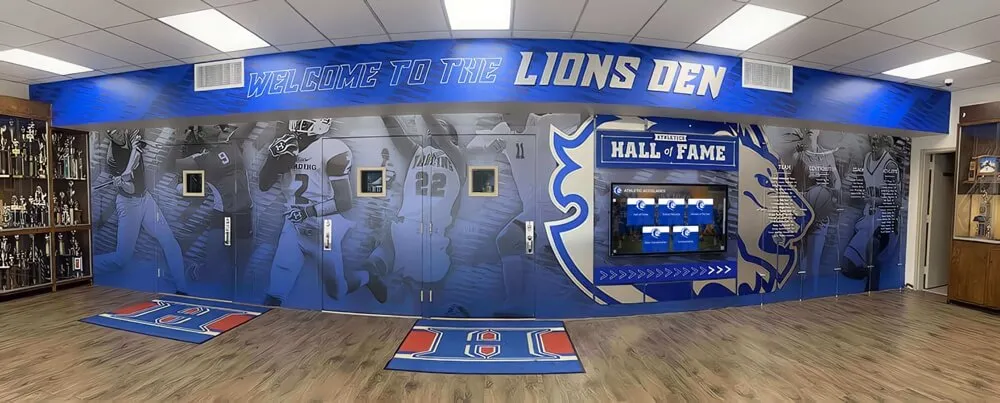
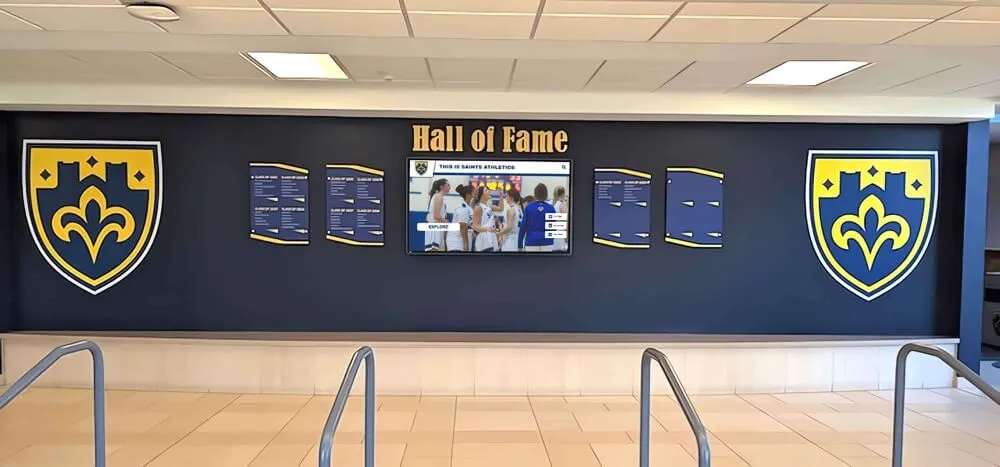
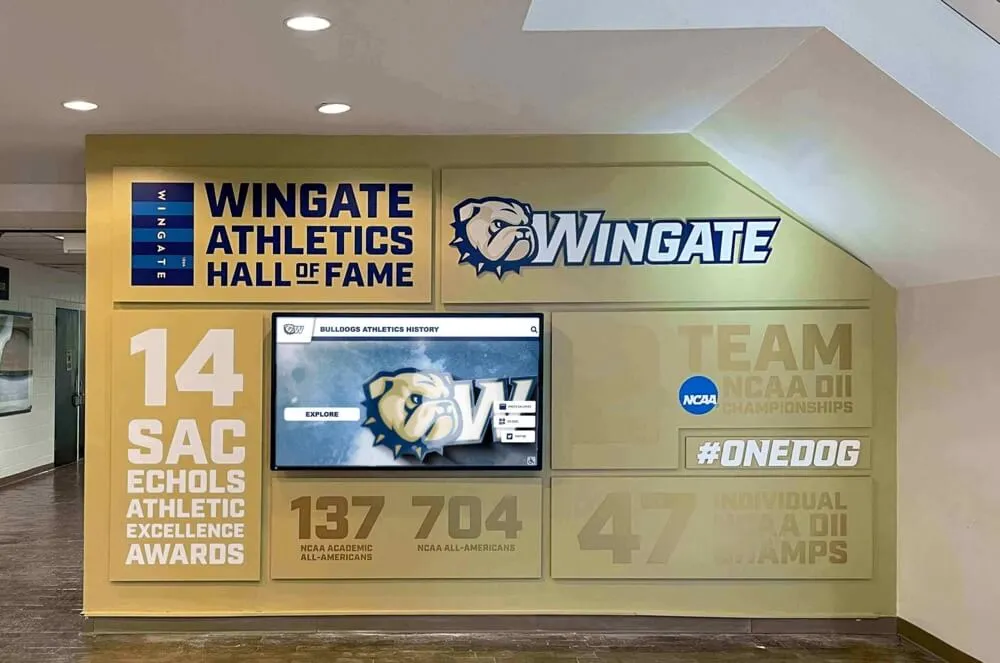
Hybrid approaches combining traditional architectural elements with digital technology create comprehensive legacy environments
Creative Legacy Wall Design Concepts
Thoughtful conceptual design creates meaningful recognition spaces that engage communities while honoring contributions appropriately.
Thematic Organization Approaches
How you categorize and organize recognition significantly impacts visitor understanding and engagement.
Chronological Timeline Displays
Organizing honorees by induction year or era:
- Linear progression showing recognition evolution across organizational history
- Decade groupings connecting individuals to historical institutional periods
- Anniversary milestone celebrations highlighting centennial or significant dates
- Era-specific design elements reflecting different historical aesthetics
- Future space allocation anticipating continued recognition growth
Timeline organization works particularly well in corridor settings where physical progression feels natural as visitors walk space.
Achievement Category Organization
Grouping by contribution type:
- Athletic achievement separated by sport or competition level
- Academic distinction organized by field or accomplishment type
- Service categories distinguishing volunteer leadership, donor support, or professional contribution
- Military recognition organized by branch, conflict, or medal type
- Professional achievement grouped by industry, role, or innovation category
Categorical organization helps visitors efficiently find relevant recognition while ensuring balanced representation across different contribution types.
Alphabetical Directory Systems
Simple name-based organization:
- Surname alphabetical listing providing intuitive navigation
- No implied hierarchy through physical placement or prominence
- Easy addition of new honorees without disrupting existing arrangements
- Straightforward maintenance and update processes
- Search-friendly structure particularly effective for digital implementations
Alphabetical systems work best when combined with filtering capabilities enabling exploration by other criteria beyond simple name lookup.
Visual Design and Environmental Integration
Legacy wall aesthetic significantly impacts institutional perception and community engagement.
Architectural Integration Approaches
Creating cohesive recognition environments:
- Custom millwork and built-in displays appearing integral to facility design rather than afterthought additions
- Material coordination with existing architectural finishes and color palettes
- Lighting design highlighting recognition while creating appropriate ambiance
- Spatial planning creating comfortable exploration zones with appropriate viewing distances
- Wayfinding integration ensuring visitors easily locate legacy recognition spaces
- Complementary furnishings including seating for extended exploration or contemplation
These integrated approaches transform legacy walls from simple name displays into destination spaces where communities naturally gather and connect.
Discover comprehensive design approaches in community honors display development addressing recognition spaces.
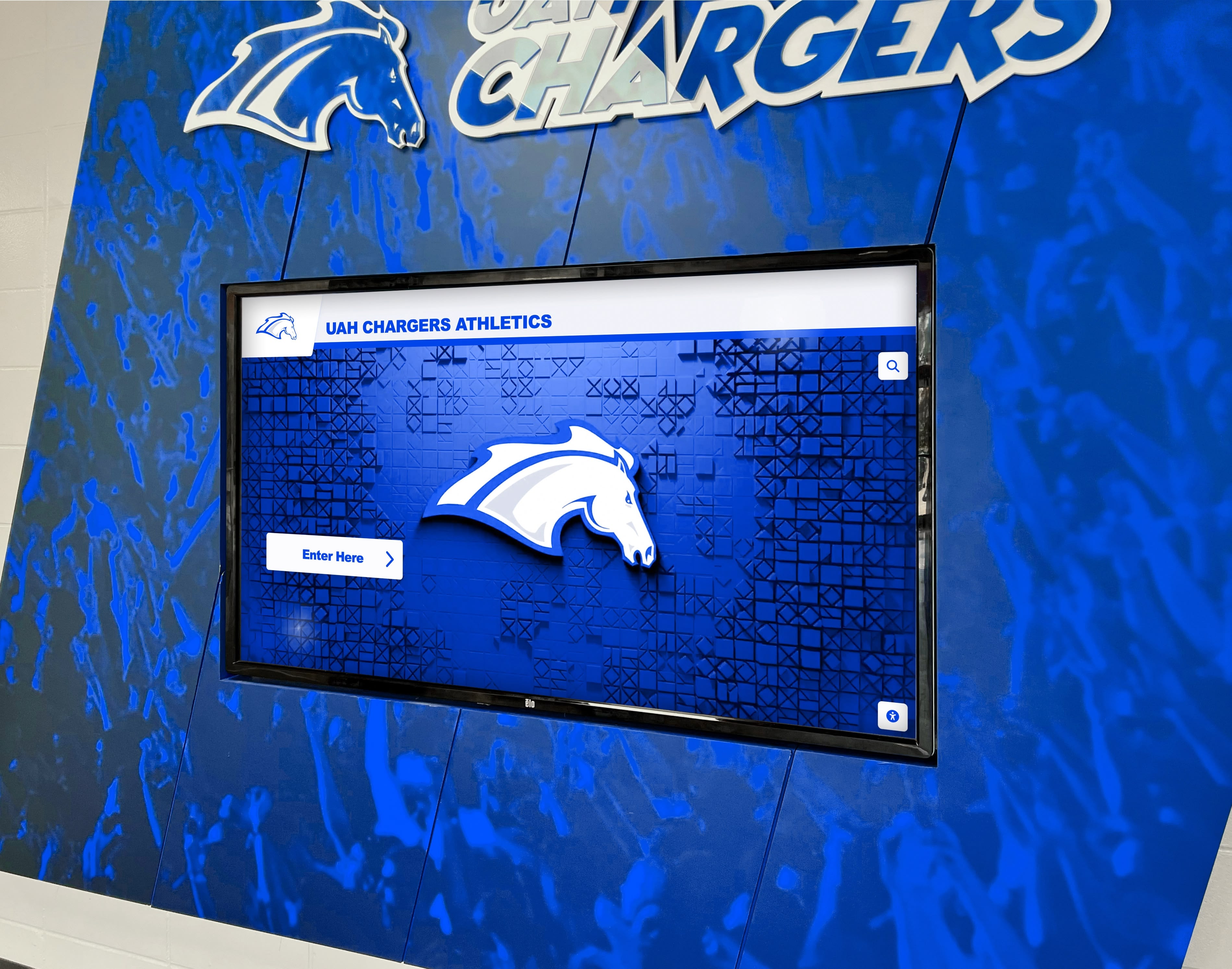
Professional design integration ensures legacy recognition enhances rather than clutters institutional environments
Branding and Identity Elements
Incorporating institutional visual identity:
- School colors, corporate branding, or organizational color schemes
- Logo integration and mascot imagery where appropriate
- Typography consistent with institutional marketing and communications
- Architectural motifs reflecting organizational style and heritage
- Symbolic imagery representing values or mission elements
Consistent branding strengthens institutional identity while ensuring legacy recognition feels professionally aligned with overall organizational aesthetic.
Memorial and Sacred Space Design
Particularly important for military or memorial applications:
- Contemplative atmosphere through lighting, materials, and spatial design
- Symbolic elements (flags, eternal flames, commemorative sculptures)
- Quote or scripture integration appropriate to organizational values
- Ceremonial spaces accommodating dedication or remembrance events
- Quiet zones enabling reflection separate from high-traffic circulation
Memorial legacy walls require particular sensitivity ensuring design honors sacrifice and loss with appropriate gravitas.
Hybrid Traditional and Digital Combinations
The most effective contemporary legacy walls combine physical and digital elements, leveraging advantages of each approach.
Physical Framework with Digital Content
Traditional elements provide context while digital systems deliver content:
- Engraved architectural elements or decorative framing surrounding digital displays
- Physical name directories directing visitors to digital detailed profiles
- Traditional plaques for founding figures or historical honorees with digital additions for contemporary recognition
- Bronze or metal accents creating formal atmosphere with digital multimedia richness
- Trophy case integration combining physical artifacts with digital documentation
This hybrid approach honors traditional expectations while embracing technological advantages addressing known physical recognition limitations.
Distributed Recognition Networks
Multiple coordinated displays throughout facilities:
- Main lobby displays providing comprehensive legacy overview
- Departmental or specialized displays focusing on relevant subsets
- Entrance displays creating immediate visitor awareness of recognition programs
- Outdoor digital monuments extending legacy recognition beyond indoor spaces
- Mobile kiosk systems enabling temporary displays at events or gatherings
Distributed approaches ensure maximum visibility while allowing appropriate content customization for different audiences and locations.
Learn about implementation strategies in hall of fame online platforms covering technology selection.
Implementing Legacy Wall Programs: Planning and Execution
Successful legacy recognition requires systematic planning addressing multiple interconnected considerations from initial concept through ongoing management.
Establishing Clear Recognition Criteria
Defining Eligibility Standards
Organizations should develop transparent criteria addressing:
- Minimum contribution requirements or achievement thresholds meriting recognition
- Time elapsed since contribution (immediate eligibility vs. waiting periods)
- Nomination and selection processes ensuring fair evaluation
- Category definitions distinguishing different recognition types
- Posthumous recognition policies for deceased candidates
- Special consideration circumstances requiring case-by-case evaluation
Clear criteria prevent disagreement and disappointment while ensuring recognition maintains appropriate prestige and meaning rather than becoming participation trophy everyone receives.
Selection Process Development
Formal procedures ensure consistent application:
- Nomination procedures allowing community members to suggest candidates
- Evaluation committees with appropriate representation and expertise
- Documentation requirements supporting nomination cases with evidence
- Review timelines establishing predictable selection schedules
- Appeals or reconsideration processes addressing disputed decisions
- Public communication about selection outcomes and new honorees
These procedural elements maintain integrity while demonstrating that recognition represents genuine achievement rather than favoritism or political processes.

Systematic planning ensures comprehensive legacy documentation honoring all deserving contributors across organizational history
Budget Planning and Financial Considerations
Traditional Physical Legacy Wall Costs
Organizations implementing conventional recognition should budget:
- Design and planning: $2,000-10,000 for professional design services and mockup development
- Engraved plaques: $200-500 each depending on size, material, and engraving complexity
- Installation and mounting: $3,000-15,000 for professional display systems and installation
- Lighting and electrical: $1,500-5,000 for appropriate illumination of recognition areas
- Architectural millwork: $5,000-25,000+ for custom built-in displays and environmental integration
Total implementation costs typically range $10,000-75,000+ depending on scope, quality, and architectural complexity.
Digital Legacy Wall Investment
Modern digital recognition requires:
- Commercial touchscreen hardware: $8,000-20,000 per display unit including mounting
- Professional installation: $2,000-5,000 per location including electrical and network connectivity
- Recognition platform software: $3,000-10,000 initial setup plus $2,000-5,000 annual subscription
- Content development: $3,000-15,000 for initial biographical research and multimedia creation
- Design integration: $2,000-8,000 coordinating digital displays with environmental design
While digital systems require higher initial investment, they eliminate recurring per-honoree costs while providing unlimited capacity and dramatically reduced maintenance requirements compared to physical alternatives.
Cost-Benefit Analysis Framework
Organizations evaluating approaches should consider:
- Total cost per honoree amortized across expected program life
- Administrative time savings from remote digital management versus physical updates
- Recognition capacity needs over 10-20 year planning horizon
- Engagement advantages from multimedia storytelling versus simple name listing
- Accessibility benefits from web platforms versus location-limited physical displays
- Technological risk from platform dependence versus physical deterioration risk
Most organizations find that digital solutions deliver superior long-term value for large-scale recognition programs despite higher initial costs.
Location Selection and Environmental Design
Strategic Placement Considerations
Effective legacy walls require visibility ensuring regular community encounter:
- Main entrance lobbies creating immediate visitor awareness
- Dedicated recognition corridors establishing legacy wall destinations
- Cafeteria and common areas with extended daily exposure
- Meeting and event spaces where community gatherings occur
- Library or archive areas appropriate for historical reflection
- Outdoor memorial gardens creating contemplative recognition spaces
Poor placement in forgotten corridors or rarely visited spaces undermines recognition value regardless of design quality or technological sophistication.
Creating Recognition Destinations
Most effective implementations transform areas into destination spaces:
- Comfortable seating encouraging extended exploration and reflection
- Appropriate lighting creating inviting atmosphere while ensuring visibility
- Coordinated graphics and architectural elements reinforcing institutional identity
- Integration with complementary displays (trophy cases, historical exhibits, photo galleries)
- Clear wayfinding and signage directing visitors to recognition spaces
- Event space functionality accommodating induction ceremonies and gatherings
These environmental enhancements signal institutional commitment to legacy recognition, encouraging engagement while creating memorable spaces strengthening community connection and pride.
Explore facility integration in creating legacy spaces addressing recognition environments.

Dedicated legacy corridors create destination spaces where communities naturally gather around shared history and achievement
Content Development and Historical Research
Biographical Information Collection
Quality recognition requires comprehensive honoree documentation:
- Full names including maiden names and preferred name variations
- Birth and death dates for historical figures
- Contribution descriptions explaining recognition eligibility
- Career highlights and achievement documentation
- Educational background and relevant qualifications
- Family information and personal context when appropriate
- Photographic documentation from various life stages
- Quotes or reflections in honoree’s own words
- Related honorees and organizational connections
Research Sources and Methods
Organizations compile legacy content from:
- Organizational archives and historical records
- Yearbooks, directories, and published materials
- Family submissions and contributed materials
- Biographical questionnaires sent to living honorees
- Newspaper archives and public records
- Alumni databases and contact information systems
- Oral history interviews and recorded testimonials
- Historical society collections and local archives
Systematic research ensures recognition quality and accuracy while preserving information that might otherwise be lost as organizational memory fades.
Ongoing Content Enhancement
Legacy recognition improves continuously:
- Adding newly discovered photos or documents to existing profiles
- Incorporating follow-up information about continued contributions
- Correcting errors identified through community feedback
- Expanding biographical depth as additional research reveals information
- Creating connections between related honorees as patterns emerge
- Updating living honoree information tracking continuing achievement
This evolution ensures legacy walls become richer over time rather than remaining static snapshots frozen at creation.
Maintaining and Evolving Legacy Wall Programs
Sustained excellence requires ongoing attention beyond initial implementation enthusiasm.
Regular Content Updates and Recognition Management
Systematic Update Workflows
Establishing processes maintaining recognition currency:
- Annual induction cycles adding new honorees on predictable schedules
- Quarterly content reviews verifying accuracy and completeness
- Responsive correction procedures addressing errors when identified
- Enhancement initiatives systematically enriching existing profiles
- Feature rotation ensuring all honorees receive periodic homepage visibility
- Analytics review identifying popular content and engagement patterns
Cloud-based digital platforms enable these updates from any internet-connected device without requiring physical facility access—dramatically reducing administrative burden compared to physical displays.
Administrative Structure
Clear responsibilities prevent recognition system abandonment:
- Primary coordinator overseeing overall legacy program management
- Backup administrators preventing single point of failure
- Department representatives managing category-specific content
- Research volunteers supporting biographical documentation efforts
- Technical support contacts for platform troubleshooting
- Vendor relationship management for ongoing service needs
These structural elements ensure recognition receives sustained attention rather than becoming neglected installations deteriorating from indifference.
Privacy and Ethical Considerations
Privacy Compliance and Consent
Organizations must respect individual preferences:
- Obtaining appropriate consent before public recognition display
- Providing opt-out mechanisms for individuals preferring privacy
- Limiting displayed information to publicly appropriate content
- Securing sensitive data preventing unauthorized access
- Regular policy review ensuring continued legal compliance
- Documentation of permissions and consent records
Consult legal counsel ensuring legacy recognition complies with relevant privacy laws, regulations, and institutional policies—particularly important for educational institutions subject to FERPA requirements.
Sensitive Information Management
Careful curation prevents inappropriate disclosure:
- Avoiding contact information or addresses creating security risks
- Excluding information revealing protected characteristics unnecessarily
- Sensitive handling of military casualties and deceased individuals
- Appropriate treatment of controversial figures whose legacies spark disagreement
- Cultural sensitivity to diverse perspectives on recognition and honor
Thoughtful content policies ensure recognition honors appropriately while respecting legitimate privacy and cultural concerns.
Technology Maintenance and Platform Sustainability
System Reliability Requirements
Digital systems require ongoing technical attention:
- Display hardware monitoring ensuring continuous operation
- Software updates implementing new features and security patches
- Content backup protecting against data loss
- Network connectivity verification supporting remote management
- Technical support access resolving issues promptly
- Hardware warranty and replacement planning for aging equipment
Organizations should budget $2,000-5,000 annually for platform subscriptions and technical support—ensuring legacy systems remain reliable long-term rather than becoming abandoned technology investments that dishonor contributors through neglect.
Vendor Relationship Management
Partnering with established recognition technology providers reduces risk:
- Established companies like Rocket Alumni Solutions demonstrating longevity and reliability
- Active development roadmaps indicating continued platform evolution
- Responsive customer support resolving issues efficiently
- User community and best practice sharing across implementations
- Training resources supporting staff capability development
- Migration assistance if platform transitions eventually become necessary
These vendor characteristics provide confidence that legacy recognition investments will remain viable across multi-decade institutional planning horizons.
Learn about technology selection in choosing digital recognition providers with evaluation frameworks.
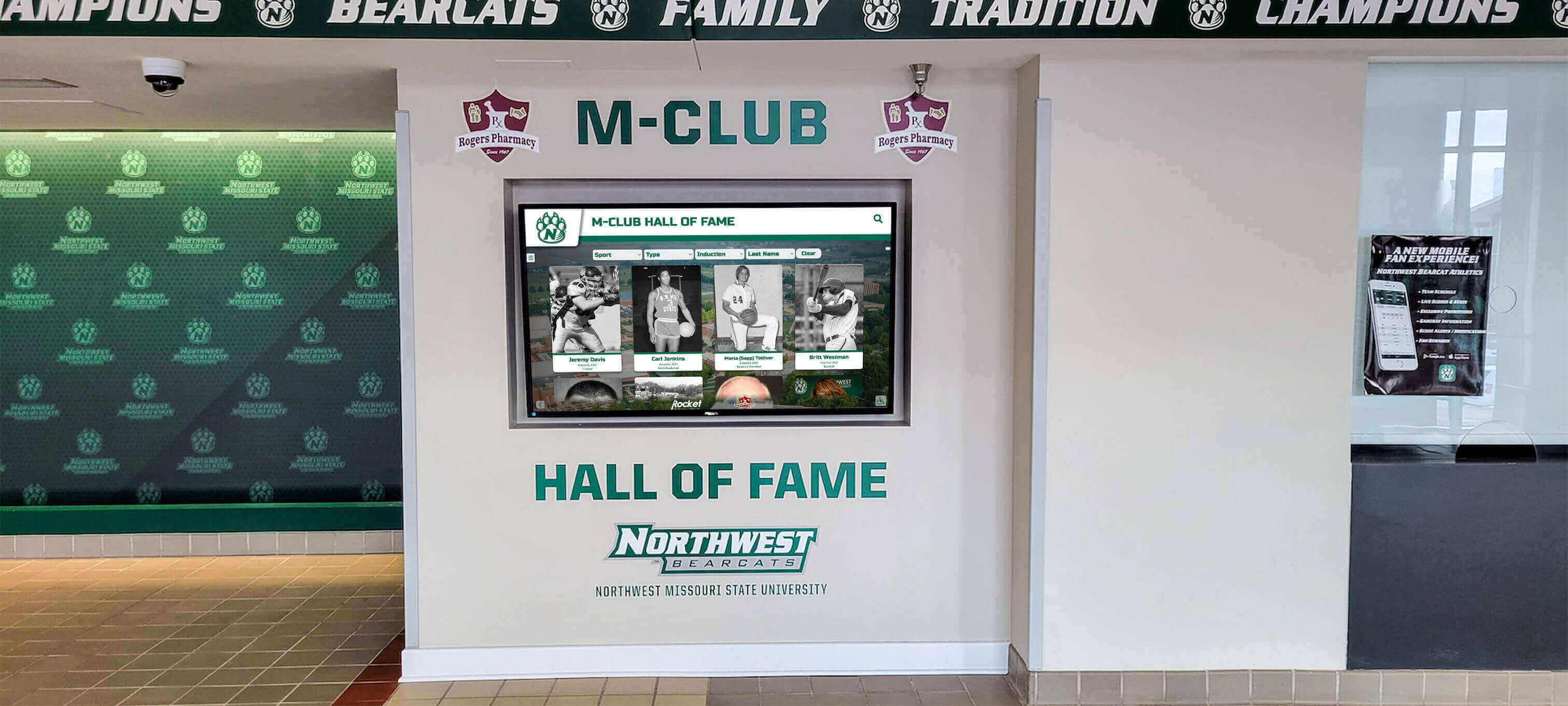
Professional digital installations provide reliable long-term recognition platforms when supported by established technology providers
Conclusion: Creating Legacy Recognition That Truly Honors and Inspires
Legacy walls represent powerful investments in institutional culture and historical preservation when implemented thoughtfully with clear objectives, appropriate design, sustainable management, and genuine commitment to honoring those whose contributions shaped organizational development. Whether celebrating distinguished alumni, honoring fallen heroes, acknowledging donor generosity, or preserving faculty dedication, strategic legacy recognition creates meaningful spaces where communities connect with heritage while drawing inspiration for continued excellence and contribution.
The concepts and implementation frameworks explored throughout this guide demonstrate that effective legacy programs require more than simply displaying names on walls—they demand systematic planning addressing recognition criteria, content quality, technological capability, environmental integration, and long-term sustainability while anticipating how recognition needs evolve as institutional history continues developing across decades and generations.
Ready to Create a Meaningful Legacy Wall for Your Organization?
Discover how modern digital recognition solutions like Rocket Alumni Solutions can help your institution honor contributors comprehensively, preserve institutional history permanently, and create engaging legacy experiences that inspire current and future community members. Our comprehensive platforms are designed specifically for schools, nonprofits, military organizations, and institutions committed to recognition excellence.
Explore Legacy Recognition SolutionsModern legacy recognition increasingly recognizes that the most effective approaches combine traditional elements honoring permanence and formality with digital technology providing unlimited capacity, rich multimedia storytelling, instant updateability, and extended accessibility reaching geographically dispersed constituencies. This hybrid approach maximizes recognition impact while controlling long-term costs and ensuring programs grow sustainably across institutional lifespans measured in decades and centuries.
Start where your current situation demands—whether launching first formal legacy recognition program, modernizing deteriorating physical displays, or expanding overcrowded recognition that can no longer accommodate deserving additions. Every individual who dedicated time, talent, and resources to institutional success deserves recognition honoring that contribution appropriately while inspiring future generations to pursue their own excellence and service.
Your organization’s legacy recognition communicates what you value, who shaped your development, and what traditions you hope to continue—making these displays far more than simple name lists but rather cultural statements defining institutional identity and inspiring continued commitment to missions extending far beyond any individual’s temporary tenure. With thoughtful planning and modern recognition technology, you can create legacy walls becoming cherished institutional assets preserving memory while inspiring achievement for generations to come.
Ready to begin planning your legacy wall program? Explore how honoring past helps fund future through strategic recognition or discover honoring deceased faculty with memorial recognition approaches that celebrate lives while preserving institutional memory.