



Junior college athletics digital recognition systems are transforming how community colleges celebrate student-athlete achievements, preserve program legacies, and build the competitive culture essential to NJCAA success. From the wrestling mats to the basketball courts, from baseball diamonds to volleyball arenas, JuCo athletic programs develop extraordinary talent while providing crucial pathways for student-athletes pursuing their competitive and academic dreams. Yet these remarkable achievements often receive inadequate recognition due to limited facilities, constrained budgets, and the transient nature of two-year programs.
Traditional recognition approaches—cramped trophy cases, faded banner displays, and static plaques—fail to capture the dynamic excellence defining community college athletics. Student-athletes compete intensely for two seasons then transfer or graduate, often leaving minimal documentation of their contributions. Championship teams celebrate victories without comprehensive recognition systems preserving their legacies. Record-breaking performances fade from institutional memory as staff transitions and facilities evolve.
This comprehensive guide explores how junior colleges can leverage modern digital recognition technology to systematically celebrate athletic excellence, strengthen recruitment, build lasting program culture, and preserve the rich competitive traditions that define community college sports nationwide.
Digital recognition systems aren’t expensive upgrades or unnecessary technology investments—they’re strategic tools addressing fundamental challenges unique to junior college athletics while creating new opportunities for student-athlete celebration, alumni engagement, and program development impossible with traditional static displays.

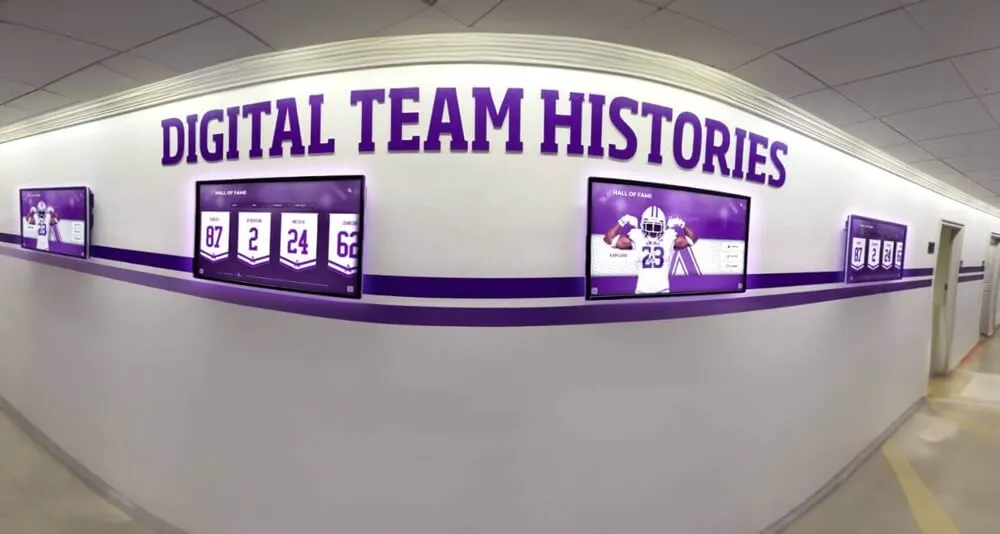
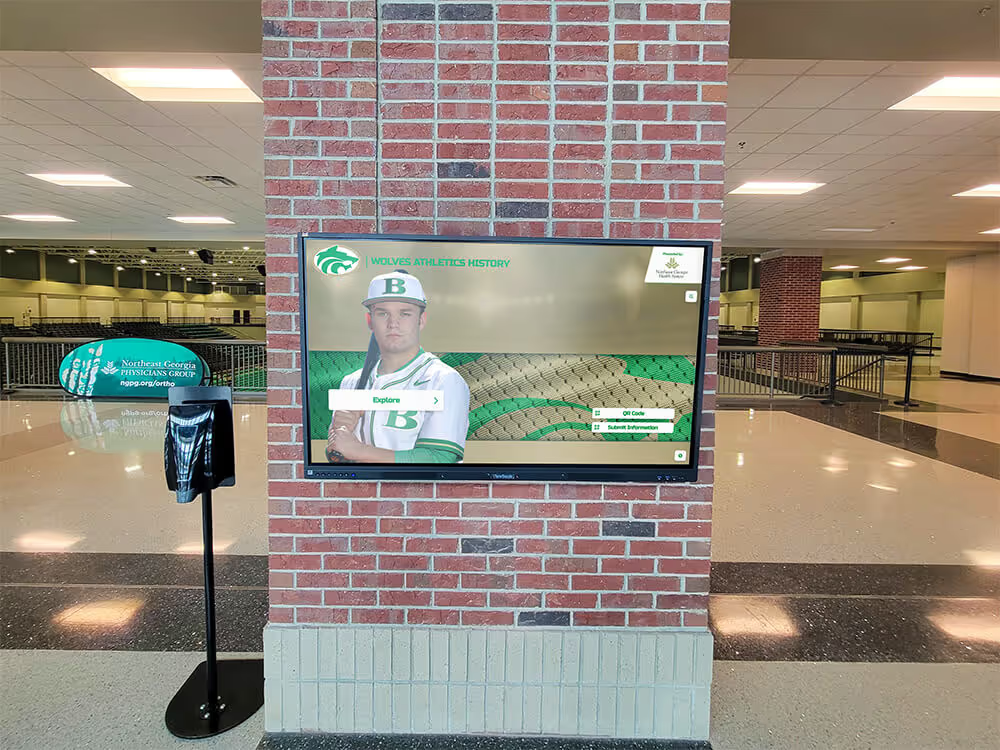
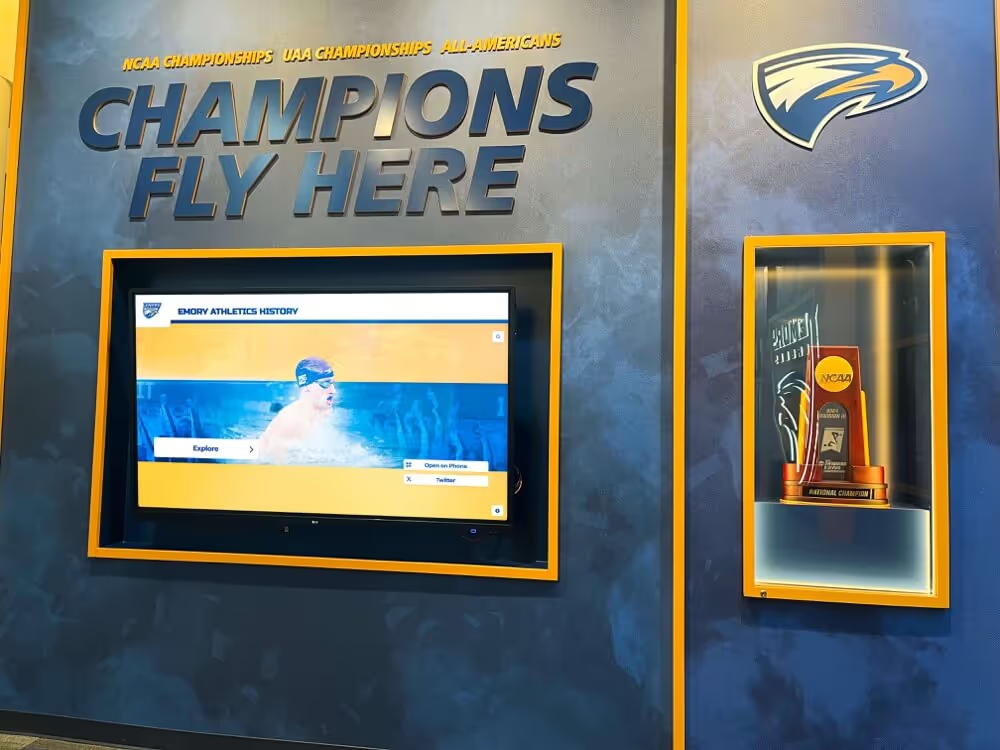
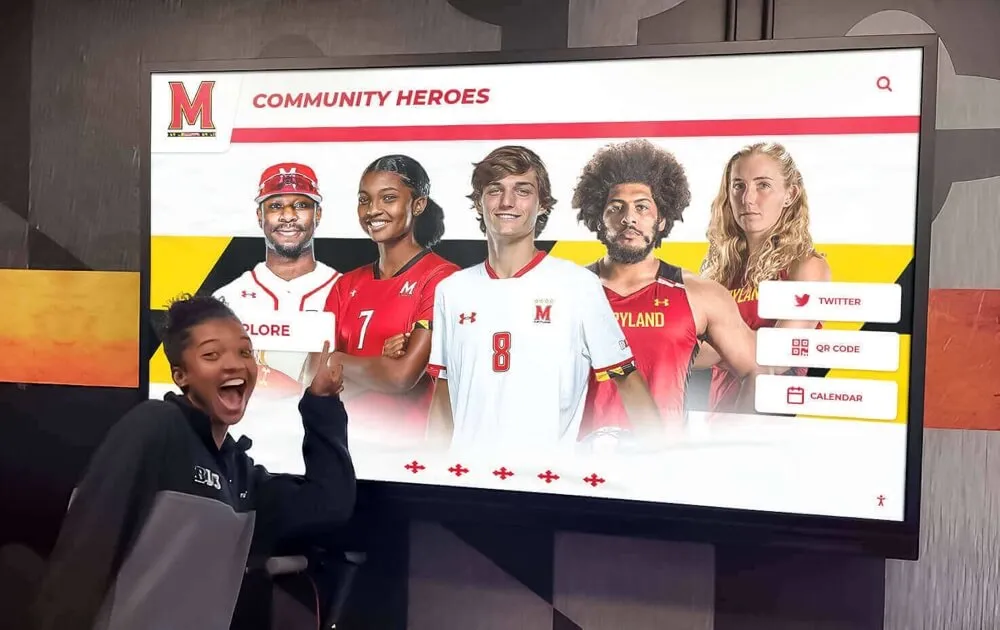
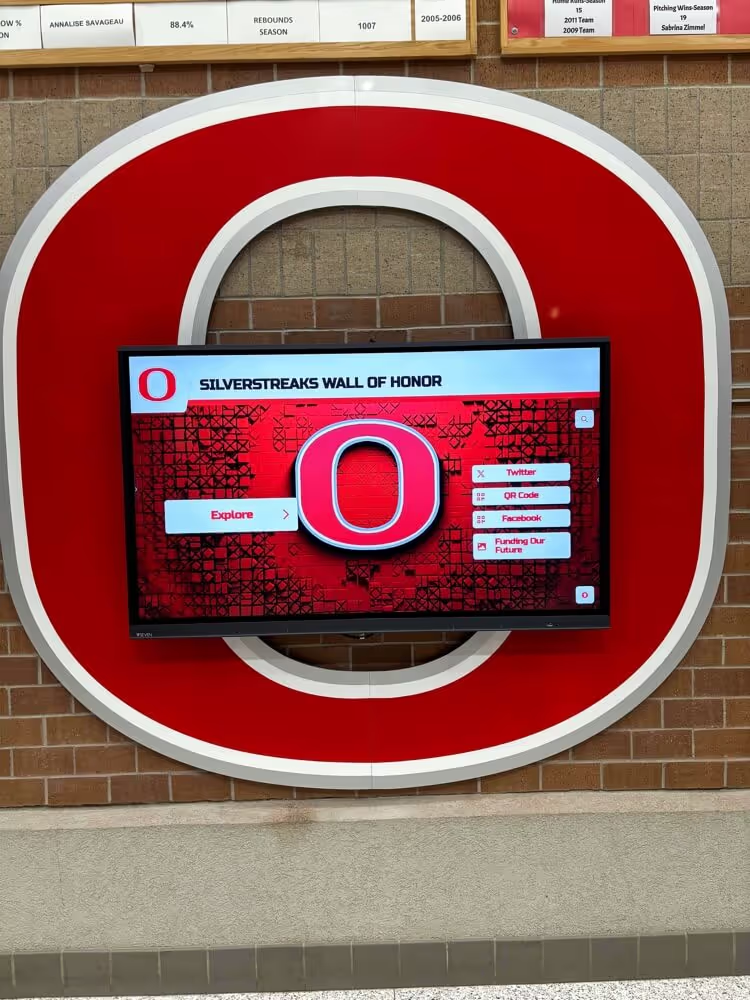
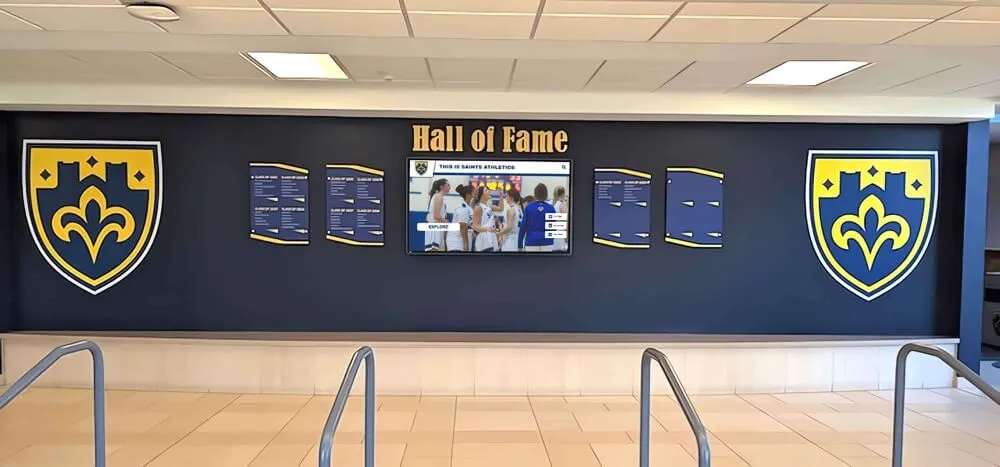
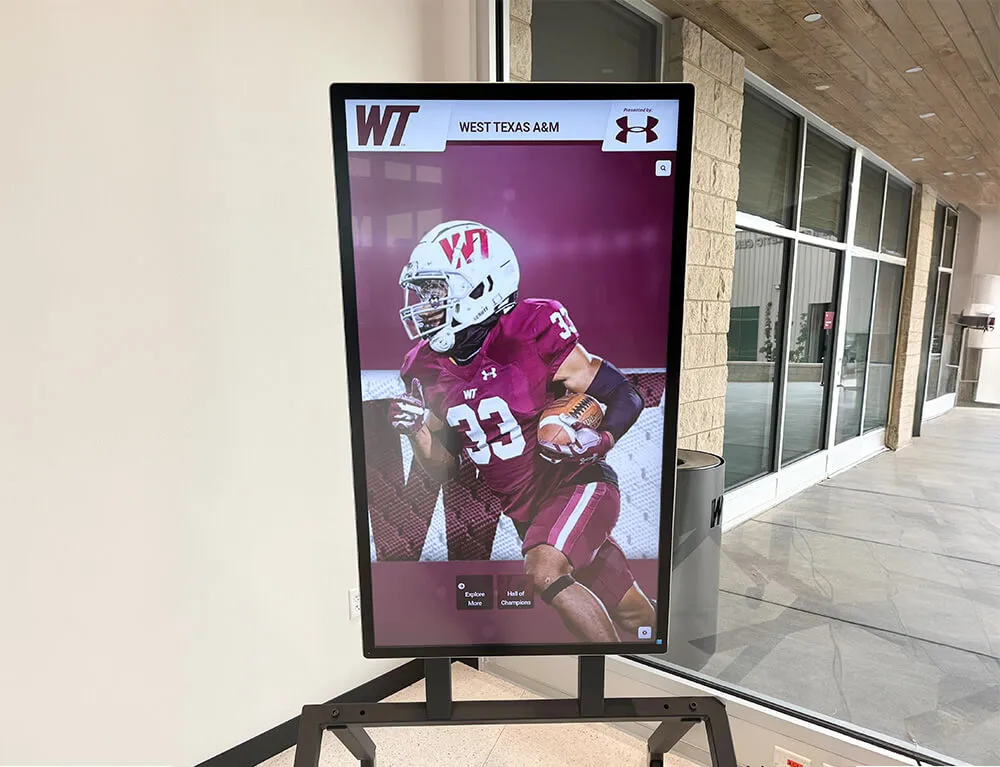
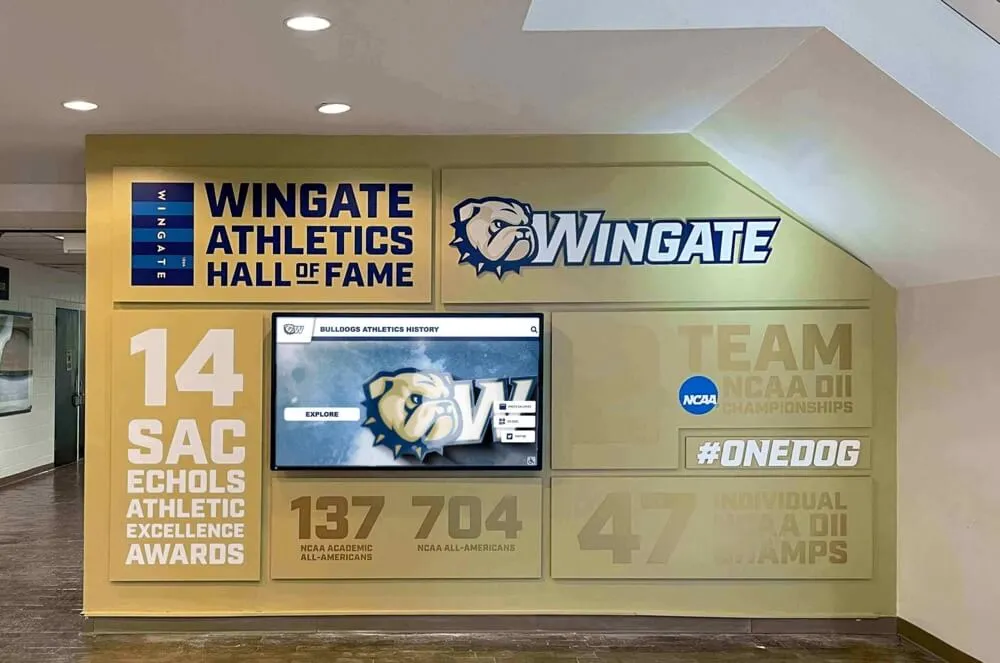
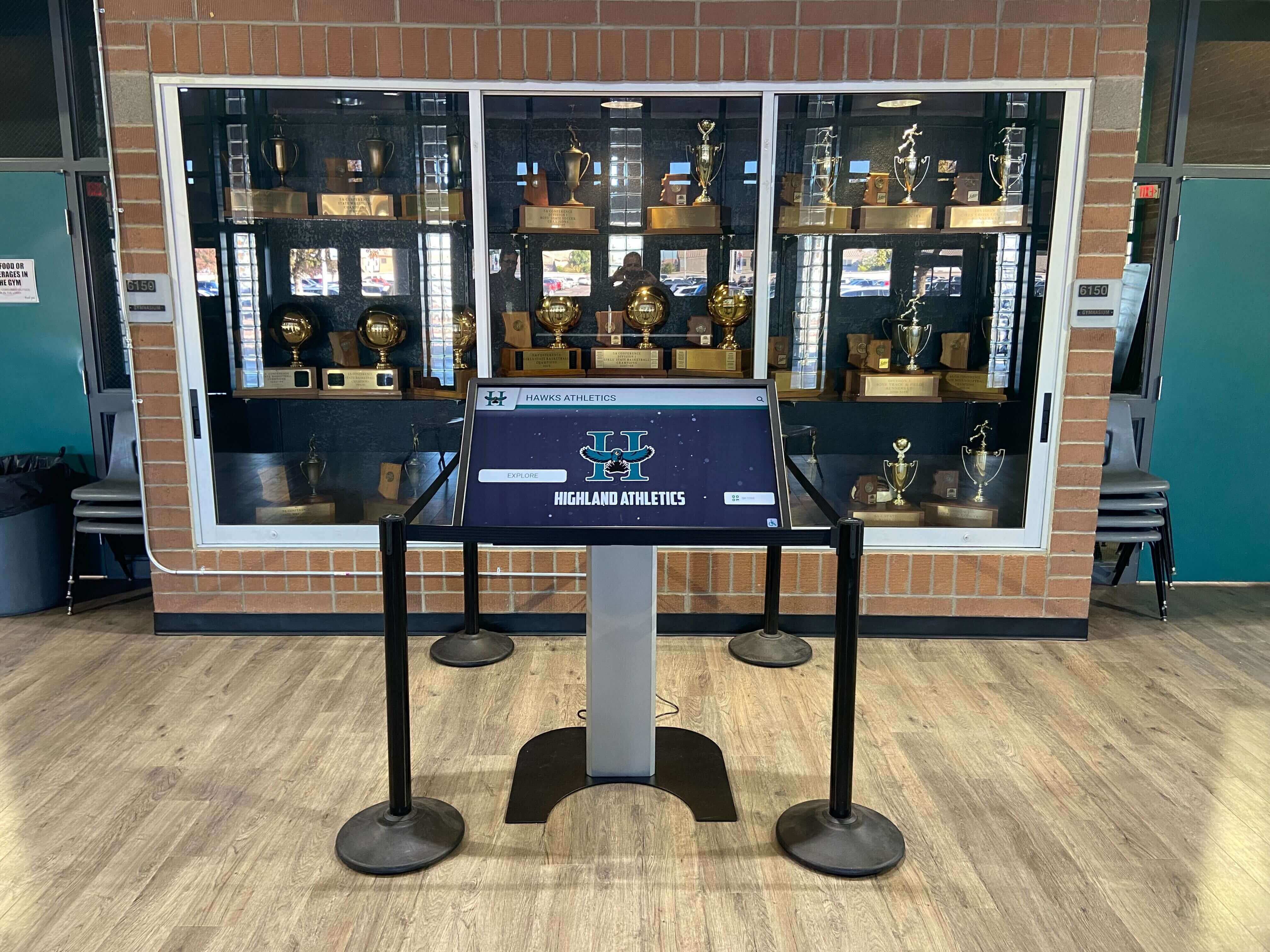
Modern digital recognition systems complement traditional trophy displays while providing unlimited capacity for comprehensive athletic celebration
Understanding the Junior College Athletic Recognition Challenge
Before exploring digital solutions, understanding the specific recognition challenges facing community college athletic programs helps administrators evaluate whether modern systems align with institutional needs and priorities.
The Unique JuCo Athletic Environment
Junior college athletics operates within distinctive parameters creating both opportunities and constraints that four-year institutions don’t face.
Two-Year Program Dynamics
Community college athletic programs experience unique cycles including rapid student-athlete turnover with complete roster changes every 2-3 years, limited time for building lasting relationships and traditions, compressed competitive windows demanding immediate contribution, transfer culture with many athletes viewing JuCo as stepping stones, and constant program rebuilding as established athletes depart annually.
These dynamics make recognition particularly challenging—by the time institutions develop recognition systems for current athletes, many have already transferred or graduated, creating documentation gaps that compound over seasons and decades.
Budget and Facility Constraints
Junior colleges typically operate with resource limitations affecting recognition including smaller athletic budgets compared to four-year institutions, limited facility space for traditional trophy cases and plaques, competing priorities between operational needs and recognition investments, smaller staff managing multiple responsibilities, and fundraising challenges with limited booster club resources.
These constraints mean community colleges must maximize recognition value from every dollar invested—requiring efficient solutions delivering comprehensive celebration without ongoing space expansion or expensive physical modifications.
Traditional Recognition Limitations in Community College Athletics
Conventional approaches create specific problems within junior college contexts that undermine recognition effectiveness.
Space Constraints and Trophy Case Overflow
Community colleges face unique facility challenges:
- Limited athletic facility square footage restricting recognition space
- Trophy cases already overcrowded with decades of achievements
- Difficult decisions about removing historical recognition for current success
- Banner displays creating visual clutter without comprehensive information
- Inadequate lobby space in older community college buildings
- Shared athletic facilities limiting program-specific recognition areas

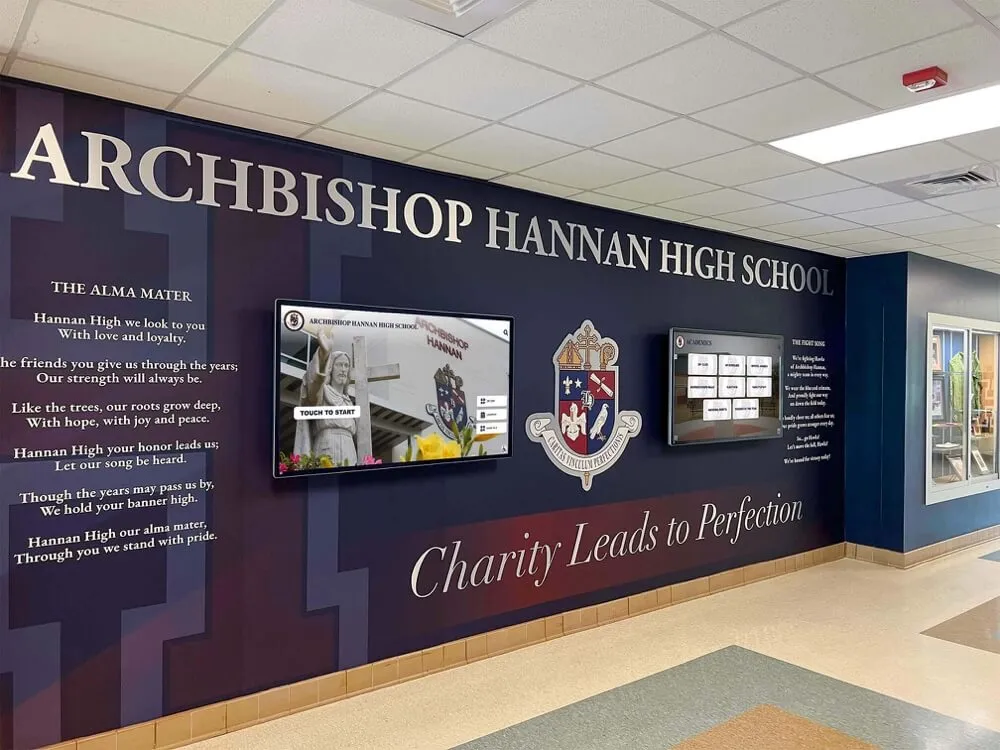
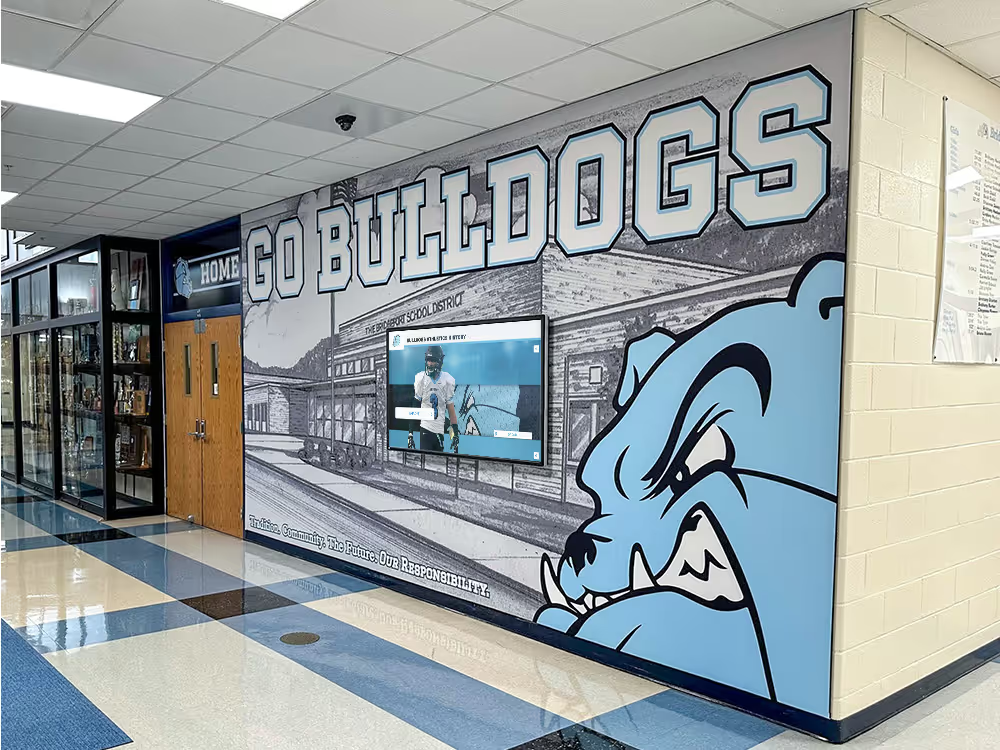
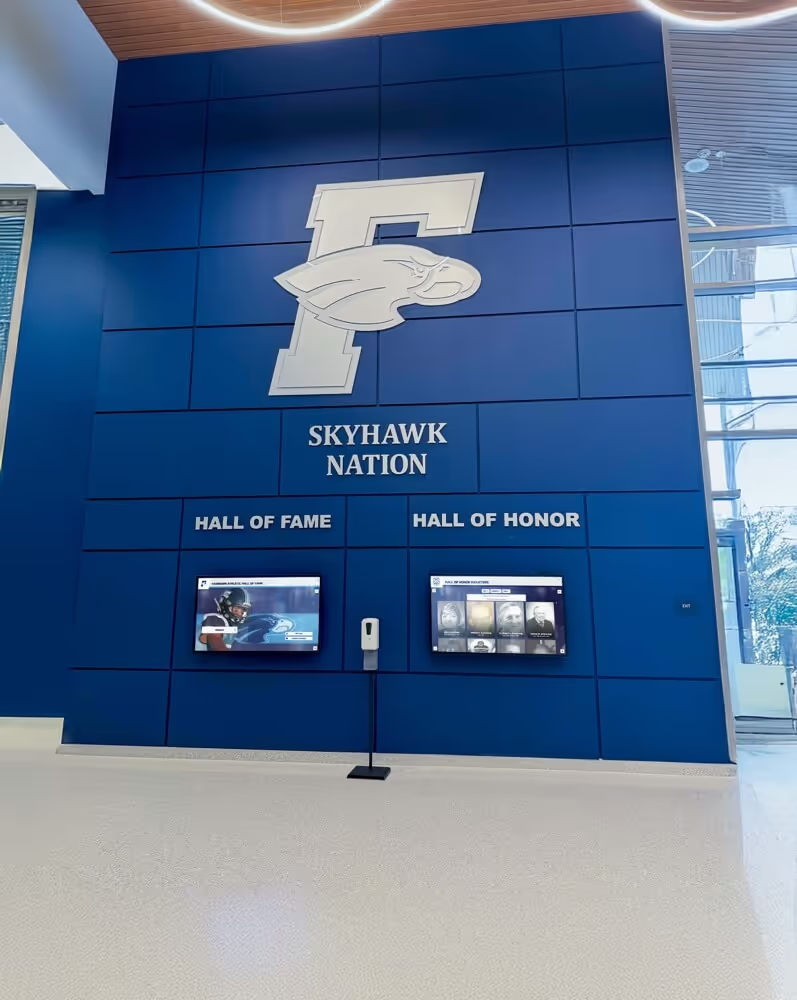
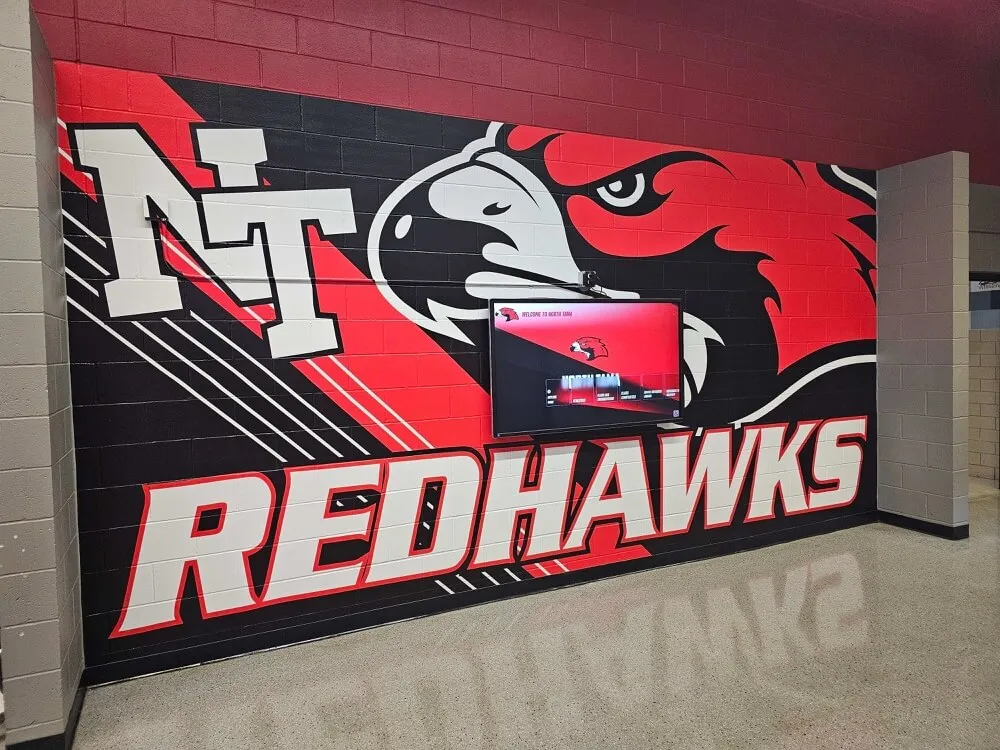
Strategic display placement maximizes recognition visibility within existing facility constraints
Recognition Gaps and Lost Legacies
The transient nature of community college athletics creates documentation challenges including student-athletes graduating or transferring before recognition occurs, coaching staff changes resulting in lost institutional knowledge, limited historical documentation as programs focus on current seasons, record-breaking performances forgotten without systematic archiving, championship teams celebrated momentarily then fading from memory, and distinguished alumni losing connection to programs that developed them.
These gaps compound over time—within a decade, programs lose comprehensive documentation of athletic excellence, creating disadvantages in recruitment conversations when prospective student-athletes and families assess program quality and tradition.
Explore systematic recognition approaches through college athletics hall of fame programs addressing documentation challenges.
How Digital Recognition Systems Transform JuCo Athletics
Modern digital platforms specifically address community college recognition challenges while creating new capabilities impossible with traditional physical displays.
Unlimited Recognition Capacity
Physical space constraints disappear when community colleges adopt digital recognition systems.
Capacity Transformation Benefits
Solutions like Rocket Alumni Solutions eliminate physical limitations through unlimited athlete profiles across all sports and eras, comprehensive team documentation for every championship and season, complete statistical record preservation without space decisions, equitable recognition for all programs regardless of facility location, historical achievement documentation extending back decades, and continuous expansion capacity as programs grow and evolve.
This unlimited capacity fundamentally changes recognition philosophy—junior colleges can celebrate comprehensively rather than selectively, ensuring every deserving student-athlete receives appropriate acknowledgment without difficult prioritization decisions that inevitably disappoint certain programs or individuals.

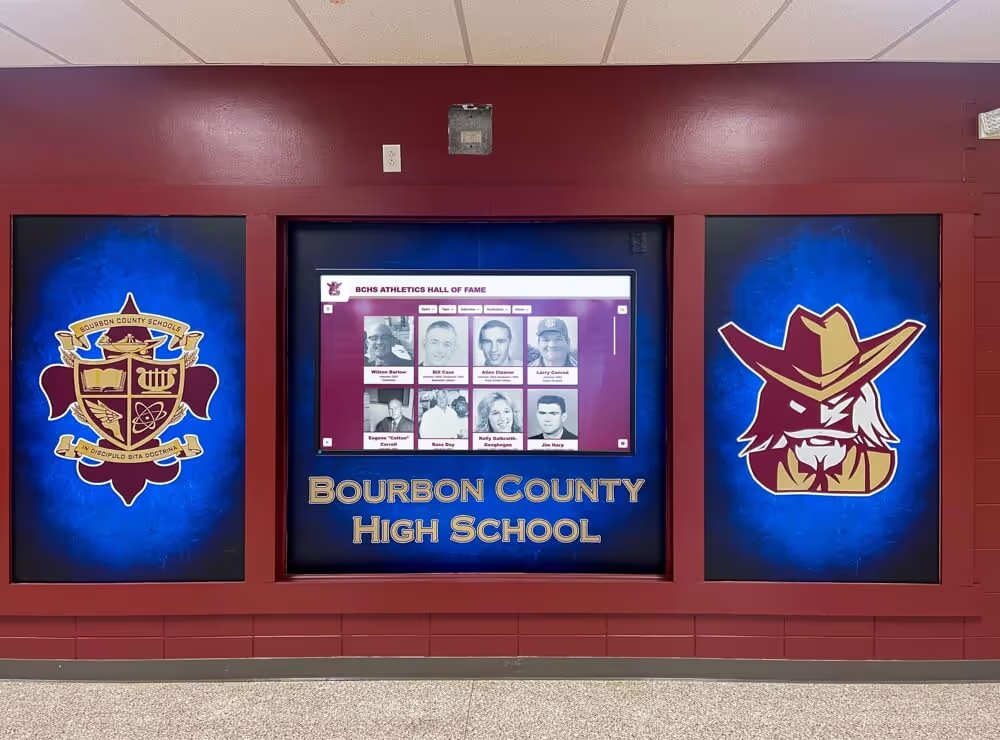
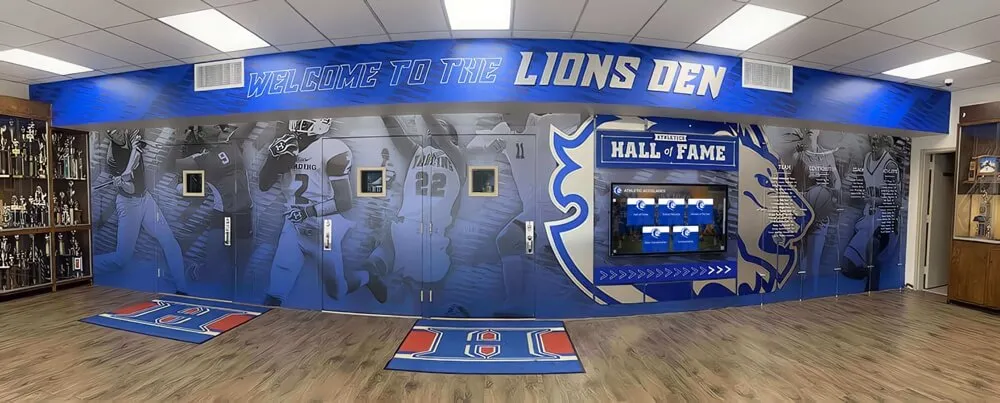
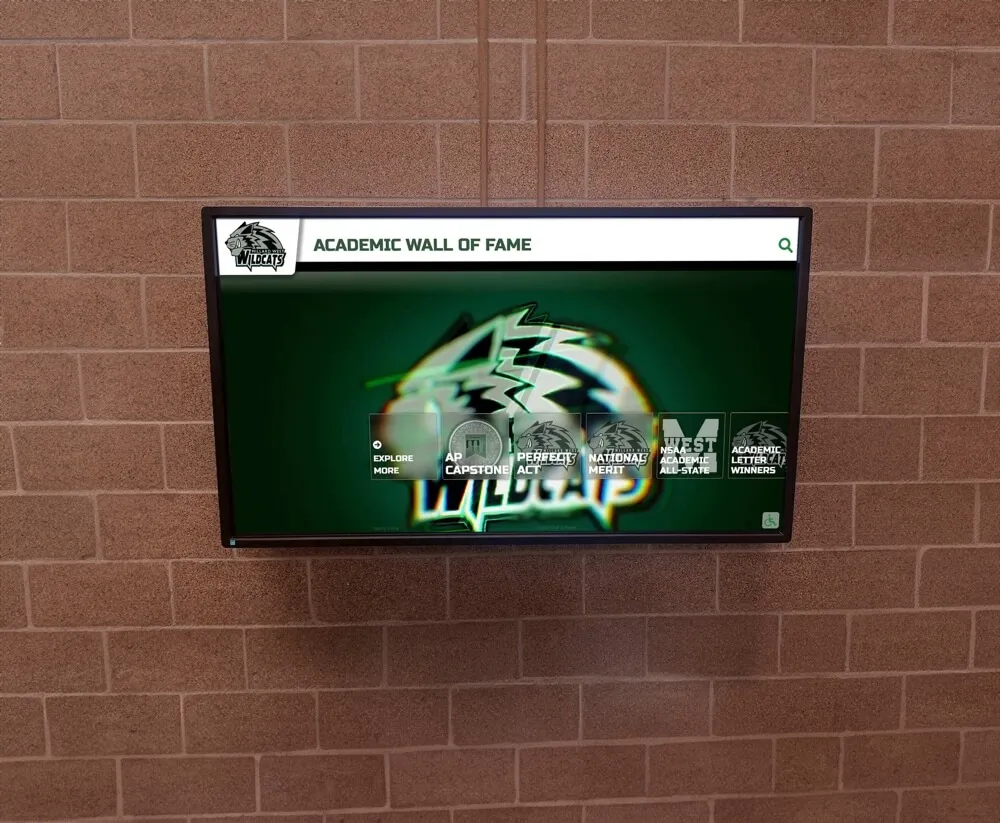
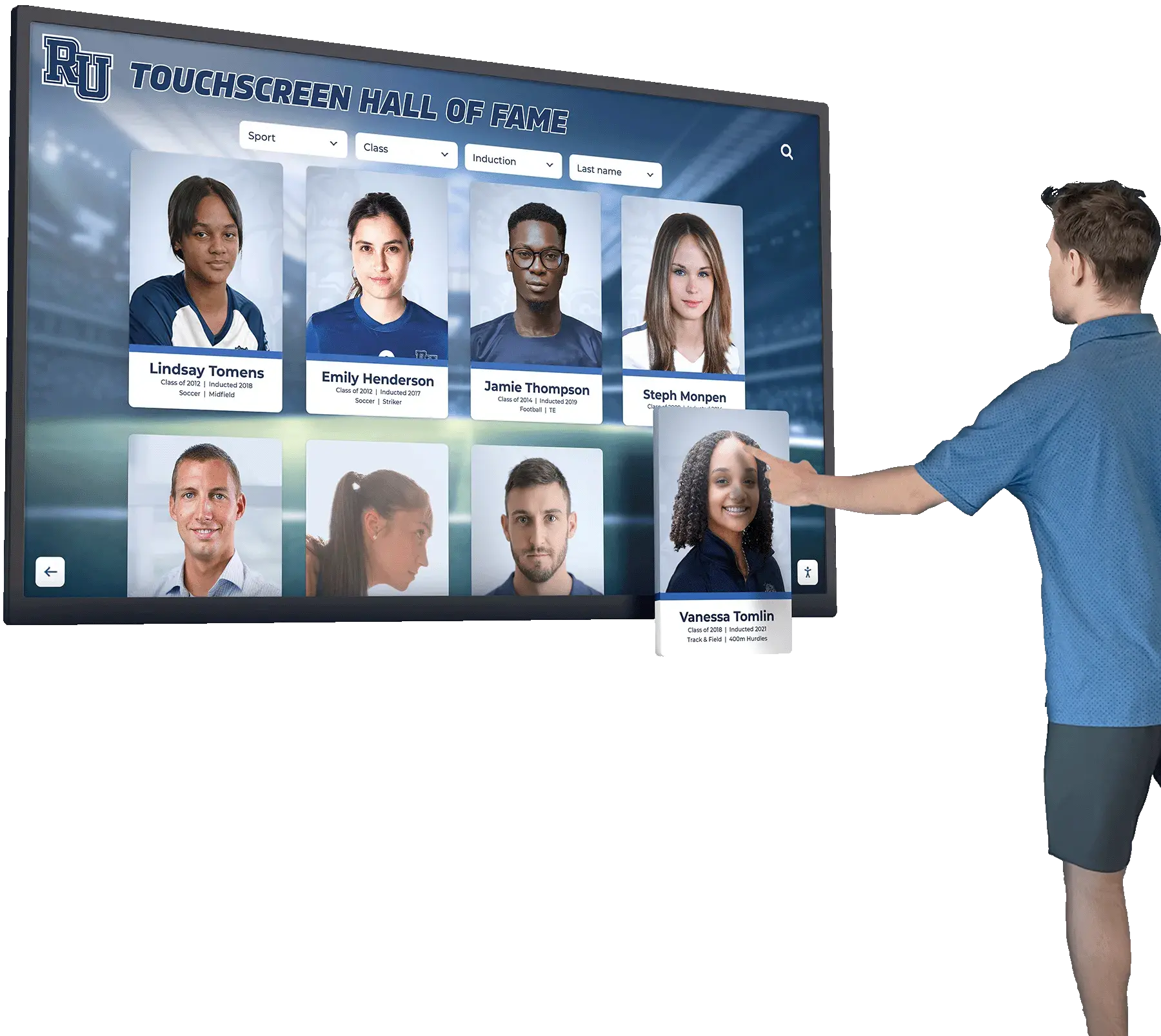
Digital platforms enable detailed athlete profiles with statistics, photos, and achievements impossible in traditional trophy cases
Cost-Effective Recognition Solutions
Digital systems deliver superior recognition value while potentially reducing long-term costs compared to traditional approaches.
Financial Advantages
One-Time Infrastructure Investment
Digital recognition requires initial setup investment but eliminates recurring expenses including no additional plaques required for new achievements ($50-$200 each), no physical trophy case expansion projects ($3,000-$15,000 per case), no banner production and installation costs ($200-$500 per banner), no engraving or physical modification expenses, and no facility construction for additional recognition space.
Many community colleges implementing digital systems report achieving cost neutrality within 5-7 years as eliminated recurring recognition expenses offset platform subscription costs—while simultaneously delivering dramatically superior recognition capabilities.
Simplified Recognition Management
Beyond direct cost savings, digital platforms reduce administrative burden including immediate recognition updates without physical installation scheduling, remote content management from any internet-connected device, no coordination with engraving or production vendors, simplified error correction when mistakes occur, and one staff member managing all recognition across programs.
This efficiency allows smaller athletic department staffs to maintain comprehensive recognition without overwhelming existing workloads—critical advantage for community colleges operating lean administrative teams.
Enhancing Recruitment Through Digital Recognition
Athletic recruitment represents one of the most immediate and valuable returns on digital recognition investments for community college programs.
Recruitment Visibility and Impact
Digital recognition systems strengthen recruitment conversations through demonstrable program excellence and tradition, visual evidence of comprehensive athlete celebration, statistical documentation of program competitive success, pathway visibility showing transfer success to four-year institutions, and facility impressions during campus visits and recruiting tours.
According to research on athletic recruitment effectiveness, prospective student-athletes report facility quality—including recognition displays—as significant factors in commitment decisions, particularly for community college recruits evaluating program quality and commitment to athlete development.
Explore recruitment strategies through athletic recruiting with digital displays demonstrating comprehensive approaches.
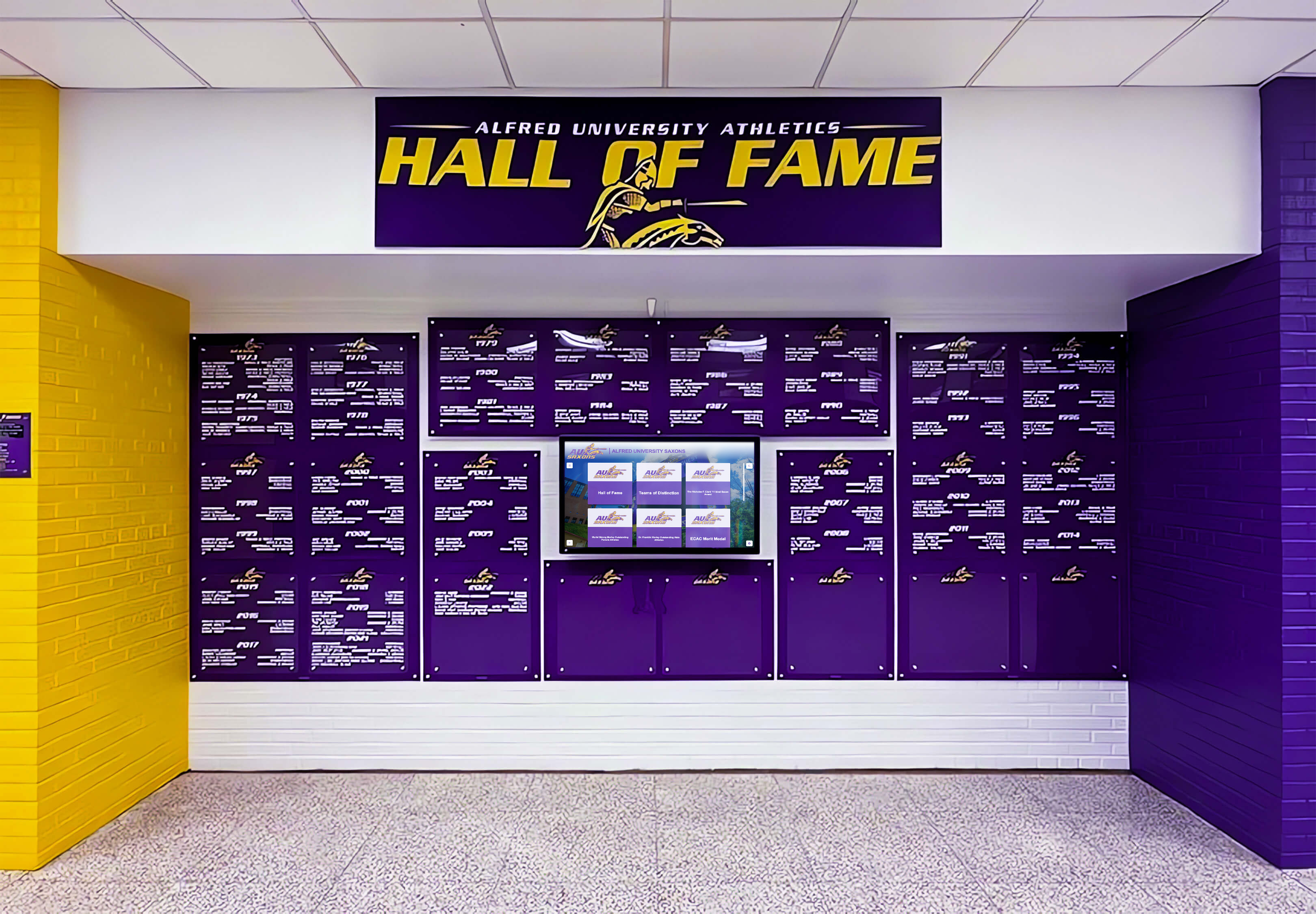
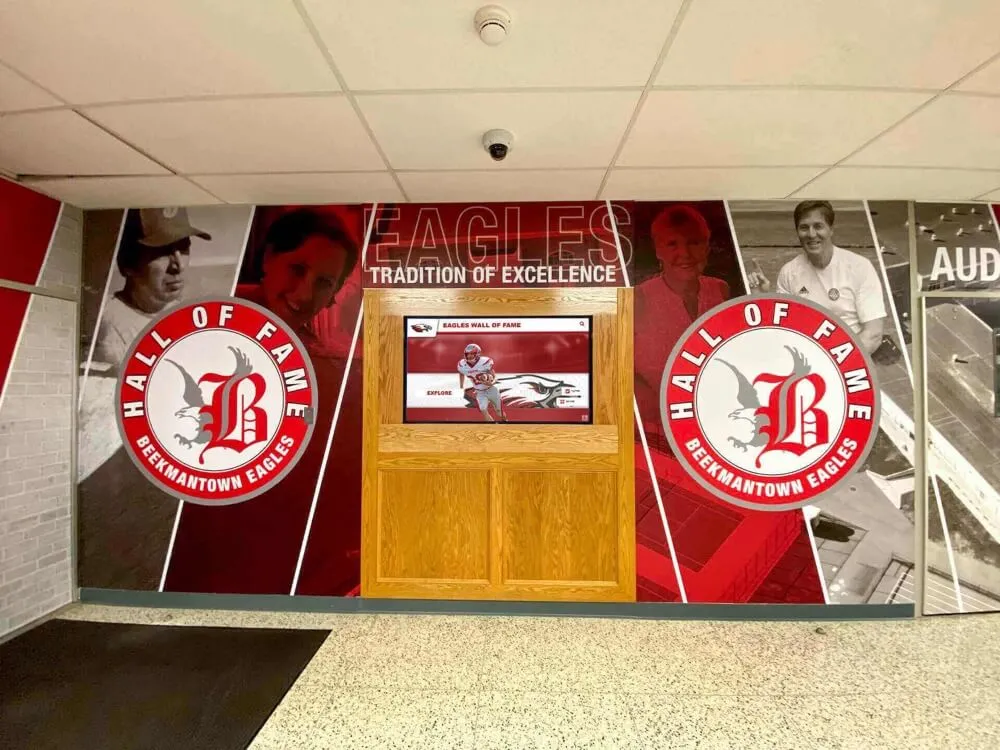
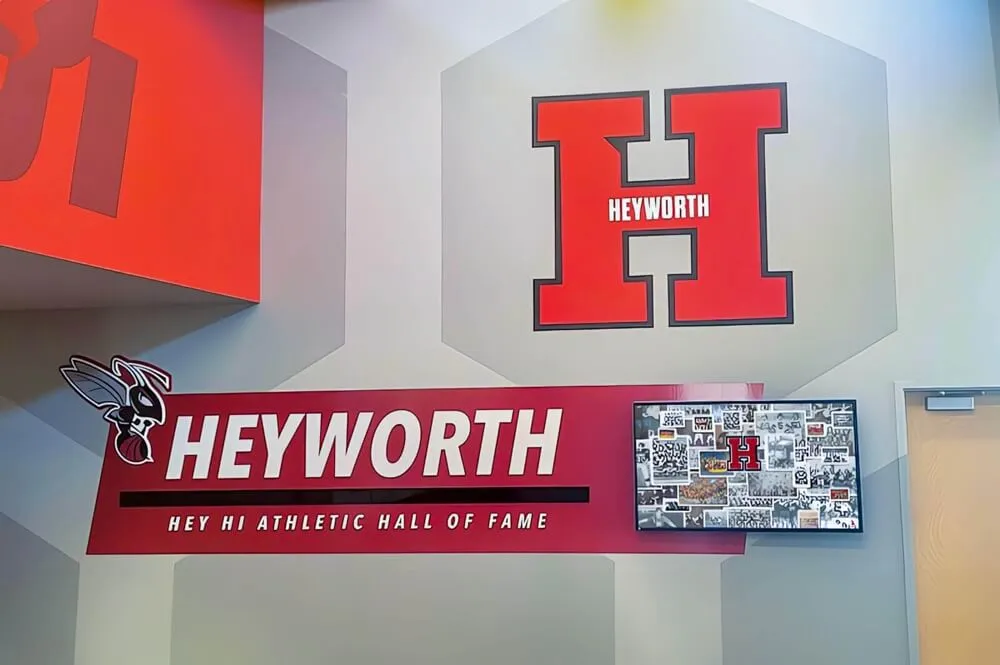
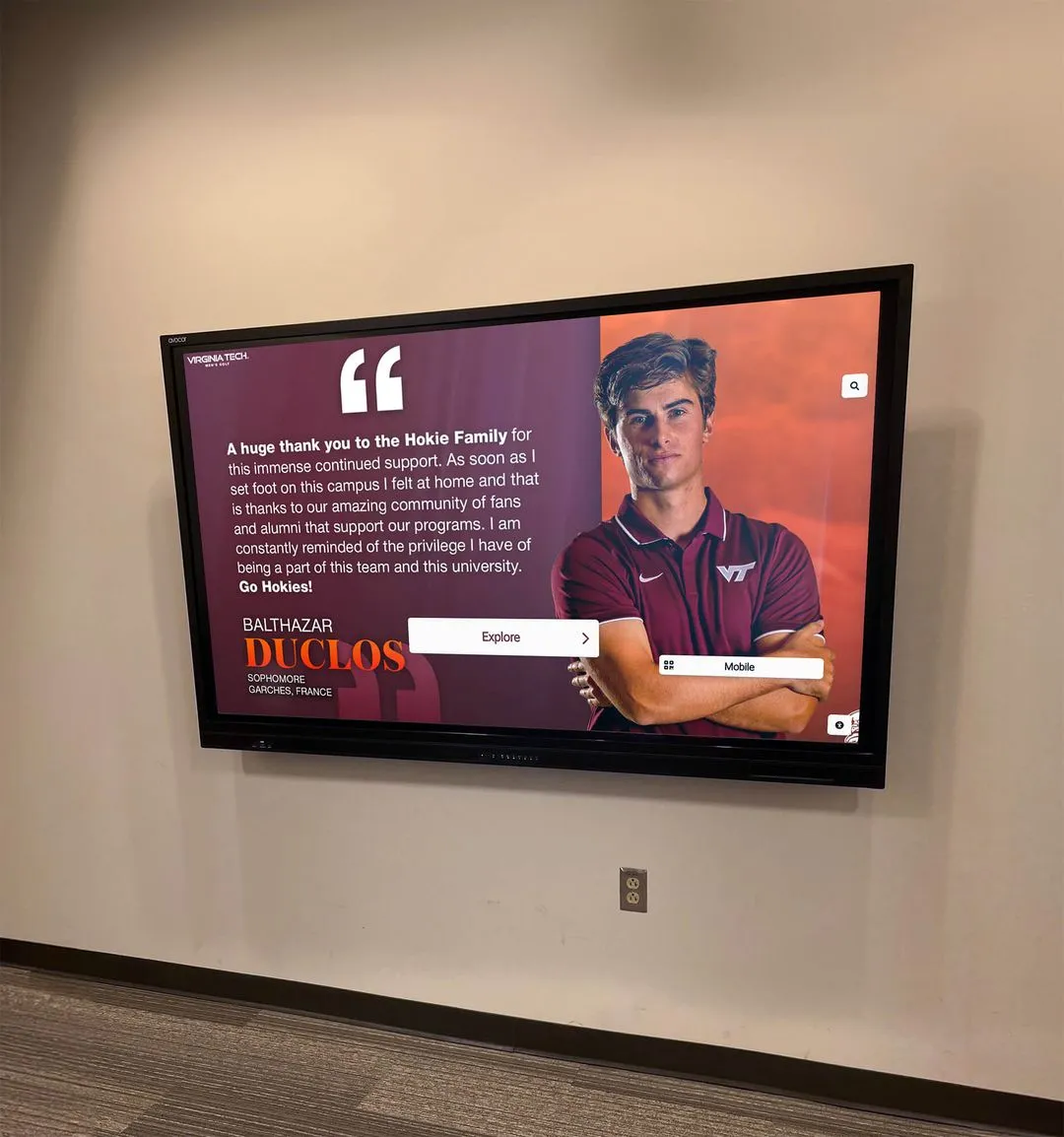
Professional recognition installations create powerful recruitment impressions demonstrating program commitment to athlete celebration
Essential Features of JuCo Digital Recognition Systems
Effective community college athletic recognition platforms share critical capabilities addressing unique junior college needs and constraints.
Comprehensive Athlete Profiles and Statistics
Moving beyond simple name listings creates meaningful recognition that properly honors student-athlete excellence.
Essential Profile Components
Effective athlete profiles include full name and years of competition at institution, hometown and high school background, sport and position specialization, complete statistics across both seasons, honors and awards received (All-Region, All-Conference, Academic All-American), championship participation and team achievements, transfer destination for four-year continuation, and current status and post-JuCo accomplishments.
This comprehensive documentation ensures recognition tells complete stories about student-athlete journeys through community college athletics—honoring their contributions while demonstrating program quality to prospective recruits evaluating transfer pathways.
Statistical Record Documentation
Digital platforms enable systematic record-keeping including individual career records across all statistical categories, single-season record documentation, single-game performance records, team records and championship achievements, historical record progression showing legacy achievements, and comparison context illustrating record significance.
This statistical depth satisfies the data-driven interests of younger generations while preserving institutional memory that would otherwise fade as coaches and administrators transition through programs.
Learn about comprehensive athletic documentation through digital hall of fame systems preserving complete competitive legacies.
Team and Championship Recognition
Individual athlete celebration must integrate with comprehensive team recognition celebrating collective excellence.
Team Recognition Categories
Championship Documentation
Comprehensive systems celebrate championship achievements through complete season records and playoff results, roster documentation ensuring every athlete receives recognition, coaching staff acknowledgment, game-by-game statistics and highlights, championship game or tournament recaps, media coverage and newspaper documentation, and championship banner virtual archives.
This thorough documentation ensures championship teams receive lasting recognition beyond single-season celebrations—creating institutional pride that strengthens program culture for current and future student-athletes.
Conference and Regional Success
Beyond championships, effective recognition celebrates incremental excellence including conference championship recognition, regional tournament appearances and success, regular season achievement and winning records, rivalry game victories and traditions, and program milestone achievements (100th win, 500th point, etc.).
This comprehensive approach demonstrates that programs value all forms of competitive excellence—not only national championships—encouraging consistent high performance across all competitive levels.
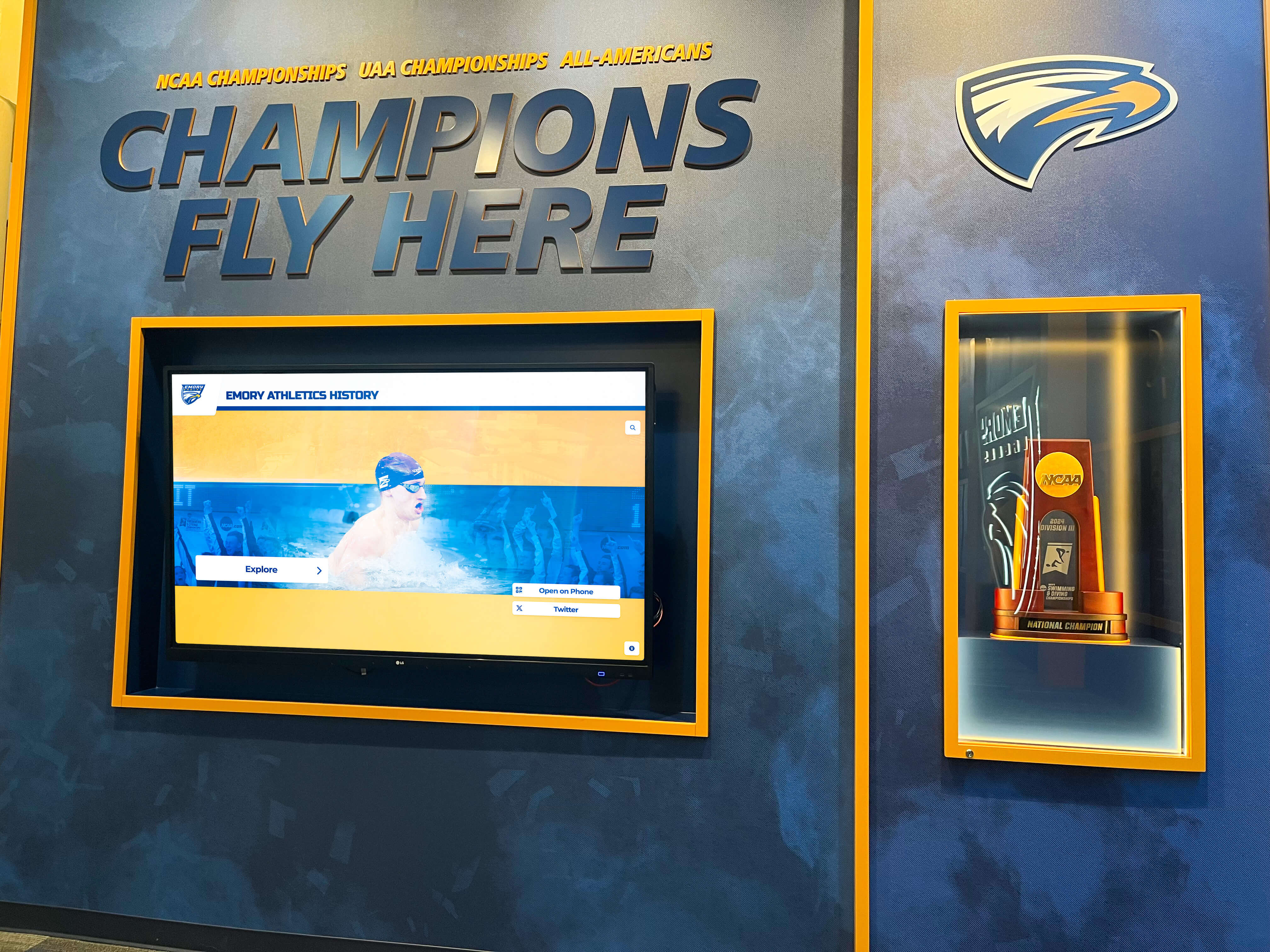
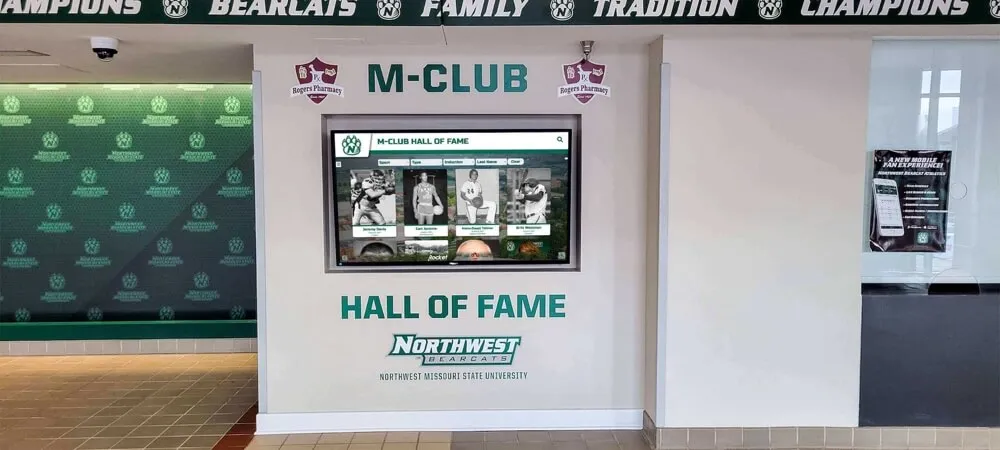
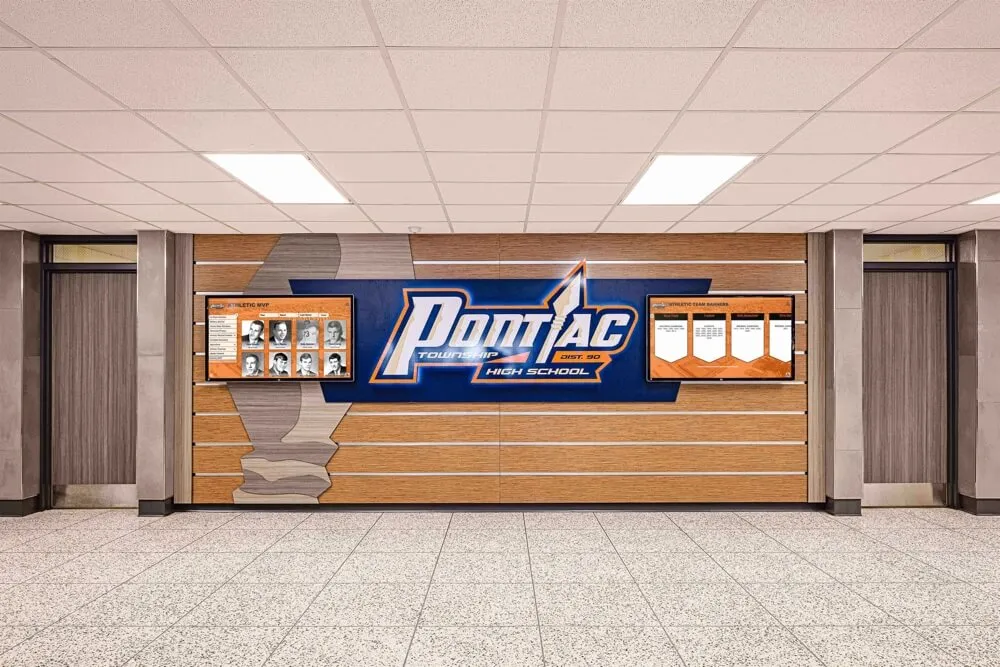
Integrated recognition spaces combine traditional trophy displays with digital systems celebrating complete championship legacies
Multimedia Content Integration
Digital platforms enable recognition experiences qualitatively superior to what traditional displays provide.
Multimedia Capabilities
Modern recognition systems integrate diverse content types including high-resolution photograph galleries from competitions and celebrations, video highlights of championship moments and record-breaking performances, audio interviews with athletes and coaches, news coverage and media documentation, social media integration showing current athlete updates, and embedded links to external content and resources.
These multimedia elements transform simple recognition into engaging experiences that capture attention far longer than glancing at engraved plaques—ensuring recognition achieves intended cultural and inspirational impact on current student-athletes and recruits.
Social Media Integration and Sharing
Community college students are digital natives expecting seamless social media connectivity including easy sharing of individual recognition to personal platforms, embedded social feeds showing current athlete content, hashtag aggregation for program and team recognition, celebration amplification through organic social promotion, and family and friend engagement with athlete achievements.
This social integration extends recognition reach far beyond physical campus boundaries—engaging broader communities while providing organic promotion for athletic programs through athlete and family networks.
Implementing Digital Recognition Systems in Community College Athletics
Successful implementation requires systematic planning addressing technical, content, and operational considerations specific to junior college environments.
Needs Assessment and Planning
Defining Recognition Objectives
Before selecting technology or vendors, community colleges should clarify implementation goals:
Program-Specific Priorities
- Which sports programs most need enhanced recognition visibility?
- What recruitment challenges might improved recognition address?
- How can recognition strengthen retention of current student-athletes?
- What historical documentation exists requiring preservation?
- How might recognition support fundraising and booster development?
- What role should recognition play in institutional marketing?
Clear objective definition enables design decisions aligning investments with highest-priority institutional needs when budget constraints require phased implementations or feature tradeoffs.
Stakeholder Input and Buy-In
Successful implementations involve key constituencies including athletic director leadership and vision, head coaches providing sport-specific input, student-athlete perspectives on recognition preferences, marketing and communications teams ensuring brand alignment, advancement staff connecting recognition to fundraising, and institutional leadership supporting budget allocation.
This inclusive approach builds implementation support while ensuring recognition systems serve diverse institutional objectives beyond simple athletic celebration.

Thoughtful planning creates recognition installations serving multiple institutional objectives simultaneously
Technology Platform Selection
Community colleges evaluating digital recognition solutions should assess critical platform capabilities.
Essential Platform Requirements
User-Friendly Content Management
Community college staff typically manage multiple responsibilities—recognition platforms must offer intuitive operation including cloud-based access from any device, no technical expertise requirements, simple content upload and editing, pre-built templates for common recognition types, batch upload capabilities for efficient data entry, and comprehensive training and ongoing support.
Platforms requiring technical specialists or complex management workflows typically fail within resource-constrained community college environments—prioritize simplicity and ease of use above excessive customization capabilities.
Budget-Appropriate Pricing
Community college budgets demand favorable pricing including educational institution discounts, transparent subscription models without hidden fees, scalable options supporting phased implementation, multi-sport package pricing, favorable payment terms accommodating budget cycles, and demonstrated return on investment through recruitment and engagement benefits.
Solutions like Rocket Alumni Solutions specifically design pricing structures acknowledging community college budget realities—ensuring comprehensive recognition remains accessible despite financial constraints.
Mobile and Web Accessibility
Physical touchscreen installations provide recognition anchors, but comprehensive systems must include mobile-responsive web platforms enabling smartphone access, searchable online databases discoverable through search engines, social sharing integration for organic promotion, remote access for alumni and transferred athletes, and 24/7 availability beyond facility operating hours.
This dual approach—physical installations for campus presence plus web accessibility for broader reach—maximizes recognition value by engaging audiences far beyond campus visitors.
Content Development Strategies
Technology infrastructure matters less than recognition content quality and comprehensiveness.
Systematic Historical Research
Uncovering Athletic History
Community colleges often lack comprehensive historical documentation requiring systematic research including physical archives and athletic department files, yearbook searches spanning decades, newspaper archives and media coverage, NJCAA and conference historical records, alumni outreach and oral history collection, and staff institutional knowledge documentation before retirements.
This research often uncovers forgotten athletic excellence deserving recognition—championship teams without current documentation, record-breaking athletes lost to institutional memory, and distinguished alumni who’ve lost connection to programs that developed them.
Data Organization and Standardization
Research yields inconsistent information requiring organization including standardized athlete profile formats across eras, verified statistics and achievement documentation, photograph collection and rights management, video content compilation and editing, and fact-checking ensuring accuracy before publication.
Investment in thorough initial content development creates recognition foundations supporting decades of future program growth—worth allocating sufficient time and resources despite pressure for rapid launches.
Explore systematic research approaches through student-athletes of the week recognition with content development strategies.

Systematic historical research preserves complete athletic legacies across all competitive eras and programs
Ongoing Content Management Workflows
Digital recognition remains valuable only when content stays current and relevant.
Regular Update Procedures
Establish sustainable processes including weekly updates during competitive seasons, immediate recognition for championships and major achievements, end-of-season comprehensive athlete profile completion, summer historical research and content enhancement projects, and annual recognition reviews ensuring accuracy and completeness.
Distributed Content Management
Larger community colleges benefit from distributed responsibilities including head coaches managing sport-specific content, sports information directors coordinating overall recognition, student workers assisting with data entry and research, marketing teams ensuring brand consistency, and athletic directors providing oversight and quality control.
This distributed approach prevents recognition from becoming bottlenecked with single overwhelmed staff members—essential for sustainable long-term management within lean administrative structures.
Specialized Recognition for Community College Athletics
Beyond standard athlete profiles, comprehensive systems can incorporate specialized recognition celebrating diverse excellence and program traditions.
Transfer Pathway Documentation
One of community college athletics’ most important functions is developing talent for four-year institutions—recognition should celebrate this success.
Transfer Achievement Recognition
Comprehensive systems track student-athlete progression including documentation of transfer destinations (Division I, II, III institutions), post-transfer athletic achievements and honors, academic success at four-year institutions, professional athletics advancement from junior college origins, and career outcomes demonstrating complete developmental pathways.
This transfer documentation provides powerful recruitment evidence—prospective student-athletes can see concrete examples of program success developing talent for higher competitive levels, addressing common concerns about junior college quality and transfer opportunities.
Transfer Success Statistics
Beyond individual stories, aggregate transfer data demonstrates program value including percentage of athletes successfully transferring, breakdown by division level and institutional quality, scholarship offers and financial aid secured, academic eligibility maintenance rates, and comparison with regional and national transfer benchmarks.
These statistics provide objective evidence of program quality that resonates with data-driven recruits and families evaluating community college athletics options.
Academic Excellence Recognition
Community college athletics emphasizes academic development alongside competitive excellence—recognition should reflect this balanced priority.
Academic Achievement Categories
Comprehensive recognition celebrates scholarly success including Academic All-American honors, conference academic achievement awards, Dean’s List and honor roll recognition, graduation and degree completion celebration, transfer academic scholarship recipients, and perfect attendance and academic eligibility maintenance.
This integrated approach demonstrates that programs value complete student-athlete development—addressing common misconceptions about community college academic quality while building culture where academic and athletic excellence receive equivalent celebration.
Explore academic recognition through outstanding students honor wall programs demonstrating comprehensive approaches.
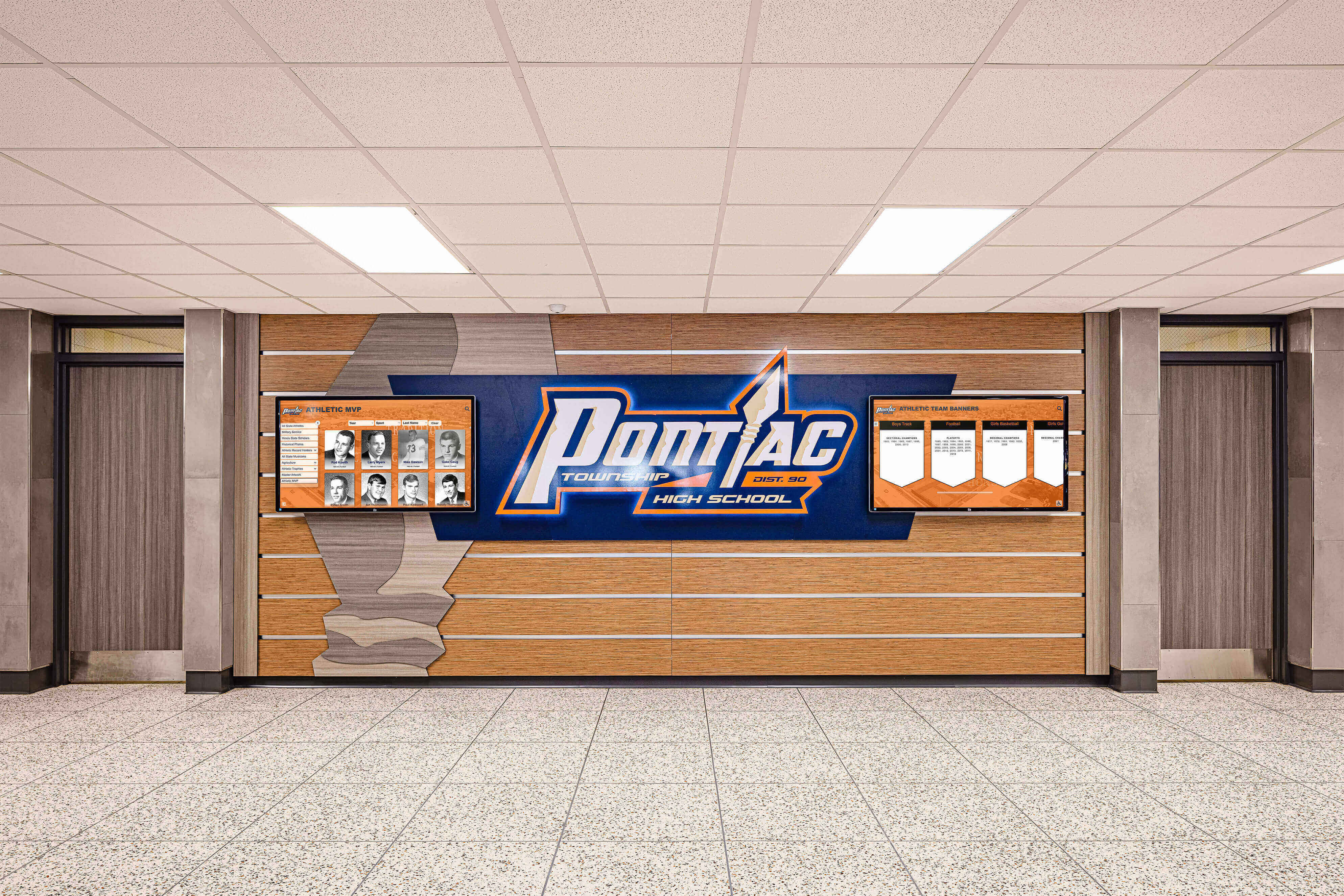
Comprehensive recognition celebrates both competitive and academic excellence equally
Coaching Recognition and Legacy
Athletic success depends on coaching excellence deserving recognition alongside student-athlete celebration.
Coaching Achievement Categories
Comprehensive systems recognize coaching contributions including career milestone achievements (100th win, 20th season, etc.), championship coaching recognition, coach of the year honors at conference and national levels, coaching tree documentation showing program influence, retirement recognition celebrating career contributions, and hall of fame coaching inductions.
This coaching recognition honors leadership while demonstrating program stability and quality—factors important to prospective recruits evaluating whether programs provide proper competitive development and support.
Coaching Staff Documentation
Beyond head coaches, complete recognition celebrates assistant coaches and support staff including assistant coaching excellence and promotions, strength and conditioning professional recognition, athletic training staff contributions, volunteer and graduate assistant acknowledgment, and administrative staff supporting program operations.
This comprehensive approach demonstrates that athletic excellence requires complete team efforts—building program-wide pride while acknowledging diverse contributions to student-athlete success.
Discover coaching celebration approaches through coaches appreciation recognition programs with implementation strategies.
Strategic Recognition Placement and Design
Recognition effectiveness depends heavily on strategic placement maximizing visibility and encouraging interaction.
Optimal Installation Locations
Community college facilities present specific placement opportunities and constraints.
High-Traffic Recognition Zones
Strategic placement locations include athletic facility main entrances ensuring all visitors encounter recognition, gymnasium lobbies during games and events with maximum attendance, training and weight room facilities where athletes spend extensive time, student center and common areas reaching broader campus populations, admissions and recruitment tour pathways, and multiple distributed displays throughout athletic complexes.
Schools report highest engagement when recognition appears in spaces where students naturally gather and have time to explore—rather than transitional corridors where people rush past during class changes.
Sport-Specific Recognition Areas
Larger community colleges may benefit from distributed recognition including basketball arena-specific displays, baseball/softball complex recognition, soccer and field sport facilities, wrestling and combat sport spaces, and swimming and aquatic center recognition.
This distributed approach ensures all programs receive equitable visibility while creating sport-specific pride—particularly important in community colleges where different programs may have varying facility quality and funding levels.
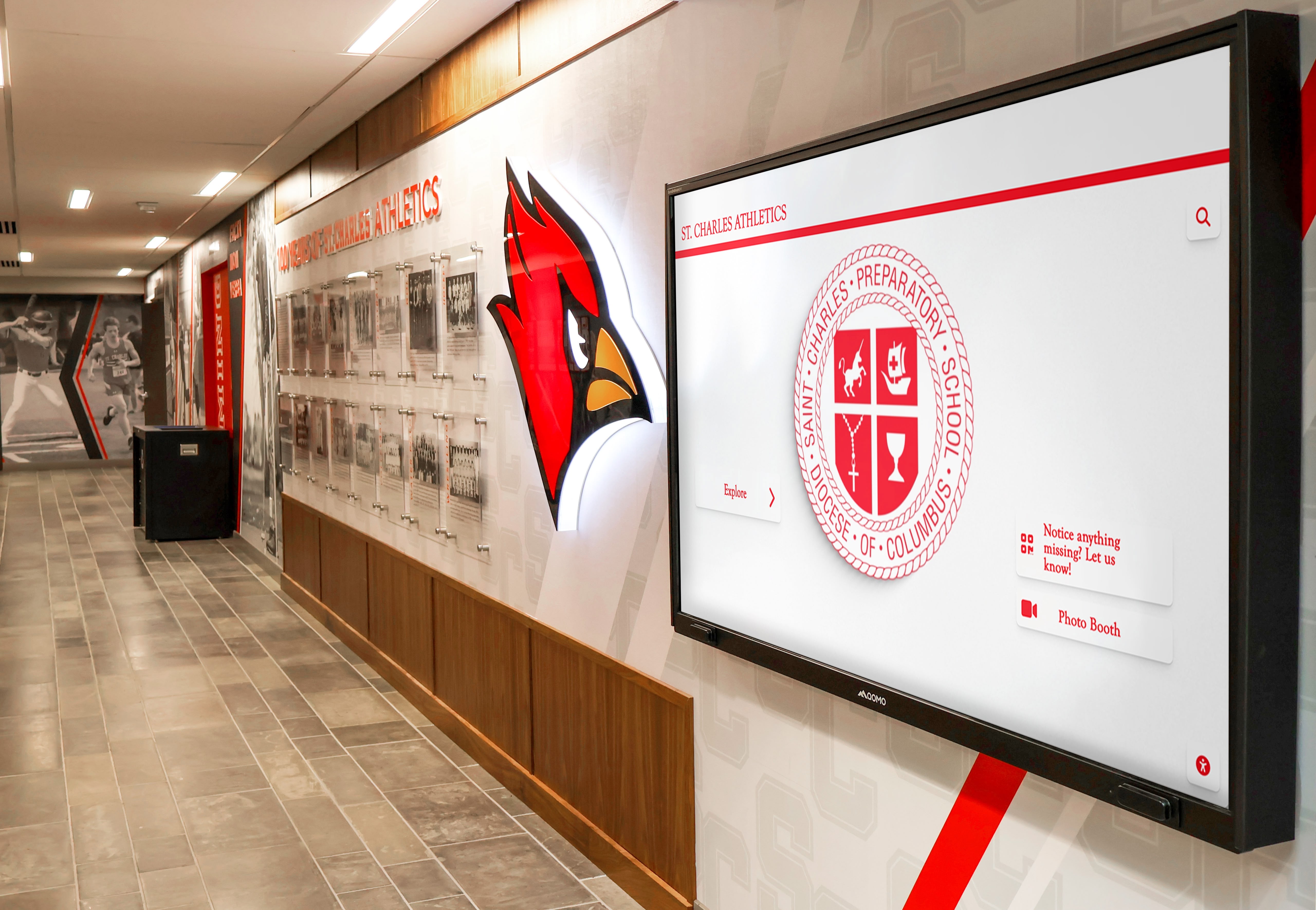
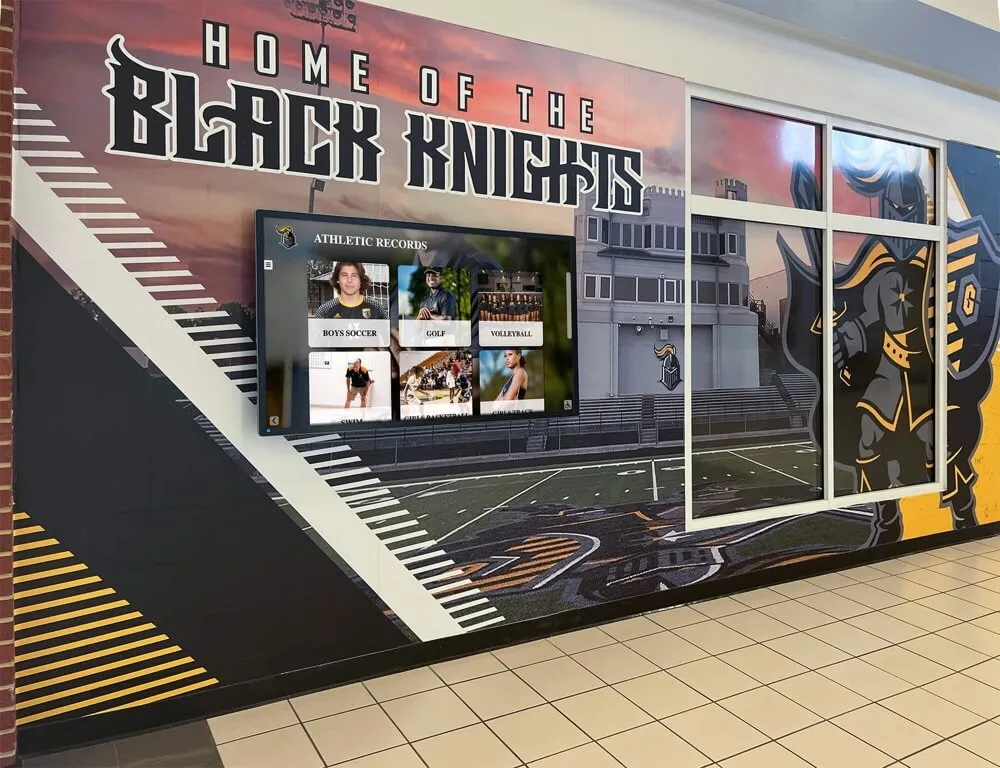
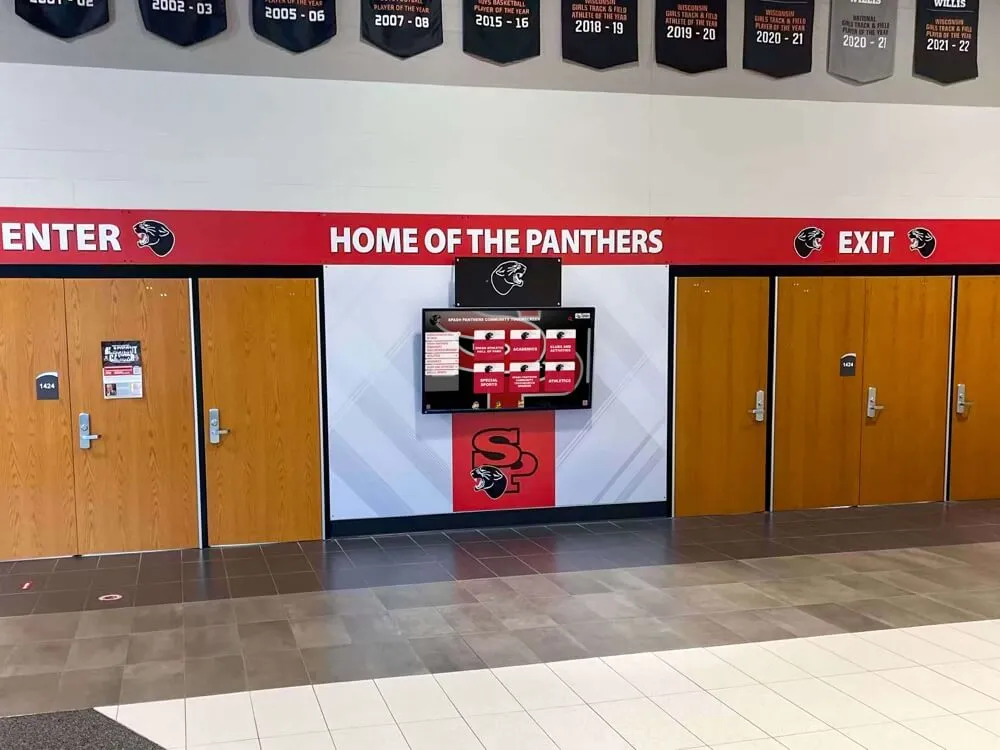
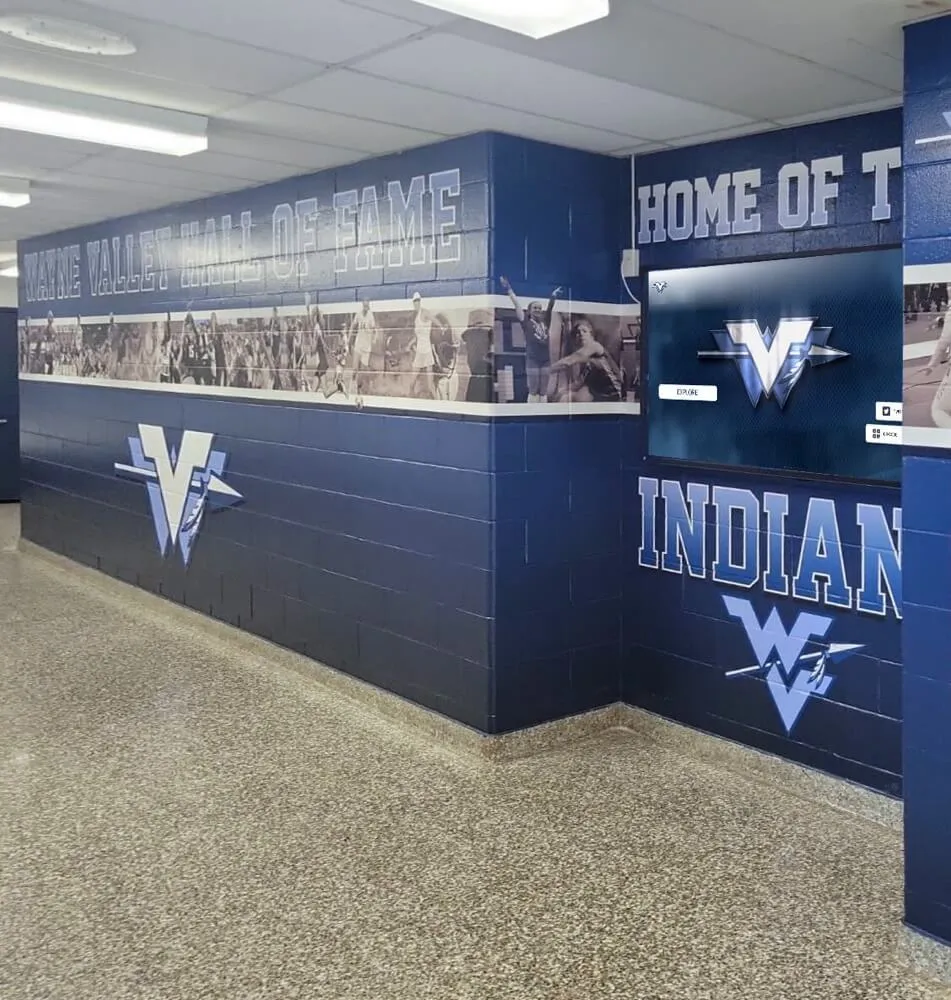
Strategic placement and branding integration creates cohesive recognition environments throughout athletic facilities
Integration with Institutional Branding
Recognition installations should reinforce institutional identity and athletic program branding.
Design Consistency and School Spirit
Effective recognition incorporates school colors and branding throughout interfaces, mascot integration and school imagery, athletic program logos and departmental branding, coordinated murals and environmental graphics, consistent typography and visual style, and photography style matching institutional marketing.
This cohesive design demonstrates professional quality while reinforcing institutional pride—creating recognition that feels like integral facility components rather than aftermarket additions.
Physical Integration with Existing Displays
Digital recognition works most effectively when thoughtfully integrated with traditional elements including complementing existing trophy cases rather than replacing them, coordinating with championship banner displays, integrating with hall of fame plaques and physical recognition, matching facility architecture and design aesthetics, and creating unified recognition destinations combining traditional and digital elements.
This integrated approach respects institutional tradition while demonstrating that digital recognition enhances rather than replaces valued physical displays—building stakeholder support and reducing resistance to technological change.
Measuring Recognition System Impact and ROI
Assessment demonstrates program value while identifying improvement opportunities enhancing recognition effectiveness.
Quantitative Engagement Metrics
Modern platforms provide concrete data revealing recognition effectiveness.
Digital Analytics and Usage Data
Measurable indicators include total display interactions and unique sessions, average engagement duration indicating content quality, most-viewed content revealing audience interests, peak usage times informing content scheduling, geographic web access patterns showing reach beyond campus, social sharing frequency demonstrating organic promotion, and search traffic revealing discovery patterns.
These metrics reveal whether recognition generates intended engagement or requires content or design adjustments improving effectiveness.
Recruitment and Retention Indicators
While attribution challenges exist, community colleges can track correlations including athletic recruitment inquiry volume and quality, campus visit conversion rates following recognition tours, student-athlete retention between first and second years, transfer destination quality and scholarship values, and alumni engagement and giving participation rates.
Positive trends following recognition implementation suggest displays contribute meaningfully beyond simple acknowledgment functions—justifying continued investment and potential expansion.
Qualitative Impact Assessment
Numbers tell incomplete stories—qualitative feedback provides crucial context.
Stakeholder Feedback Collection
Regular feedback from diverse constituencies including current student-athlete surveys about motivation and pride, prospective athlete reactions during recruitment visits, coaching staff perspectives on recruitment and culture impact, alumni satisfaction with recognition quality and accessibility, and booster and donor responses to athletic program visibility.
This feedback reveals whether recognition achieves intended cultural impacts beyond engagement metrics alone—building program pride, strengthening recruitment, and demonstrating institutional commitment to athletic excellence.
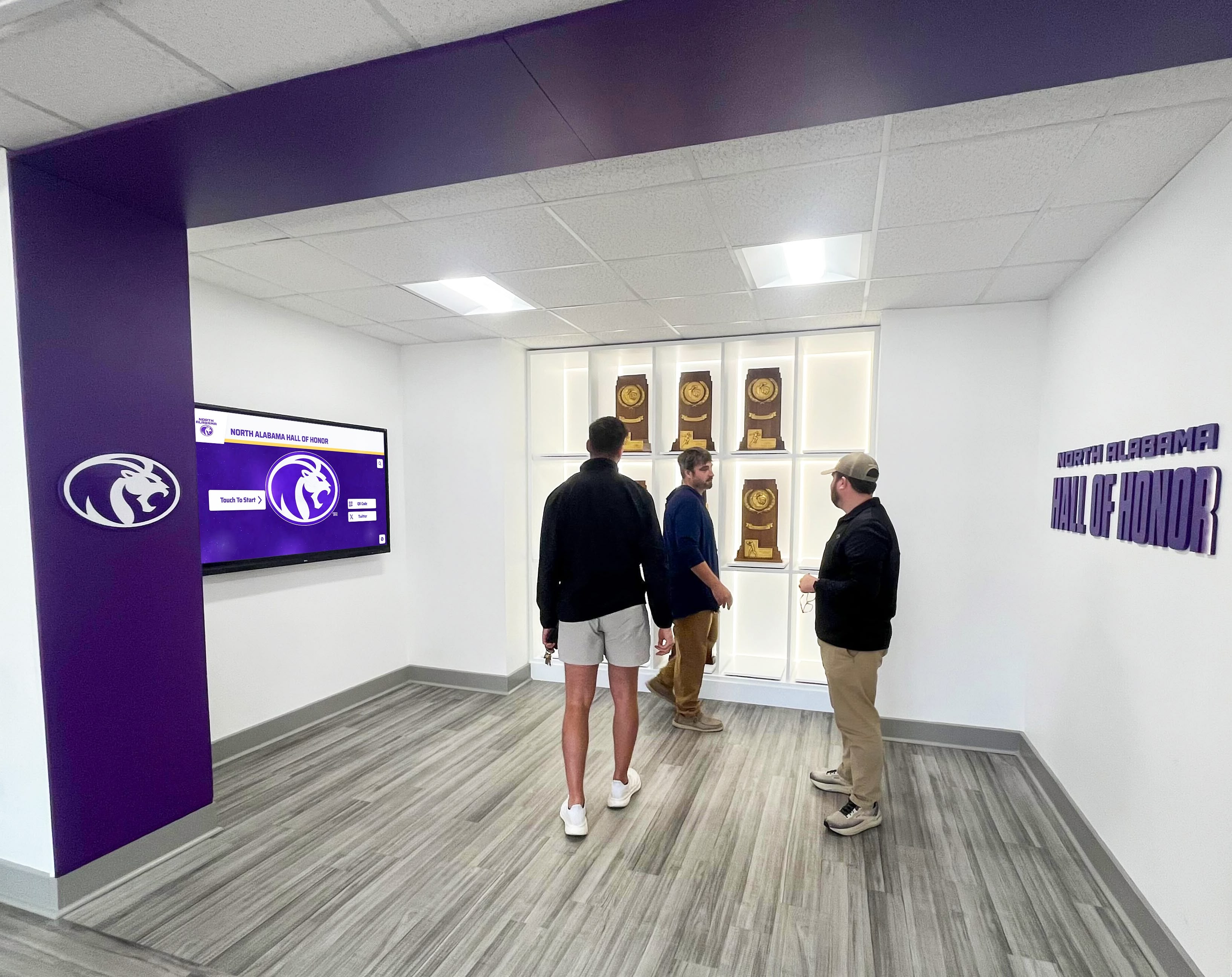
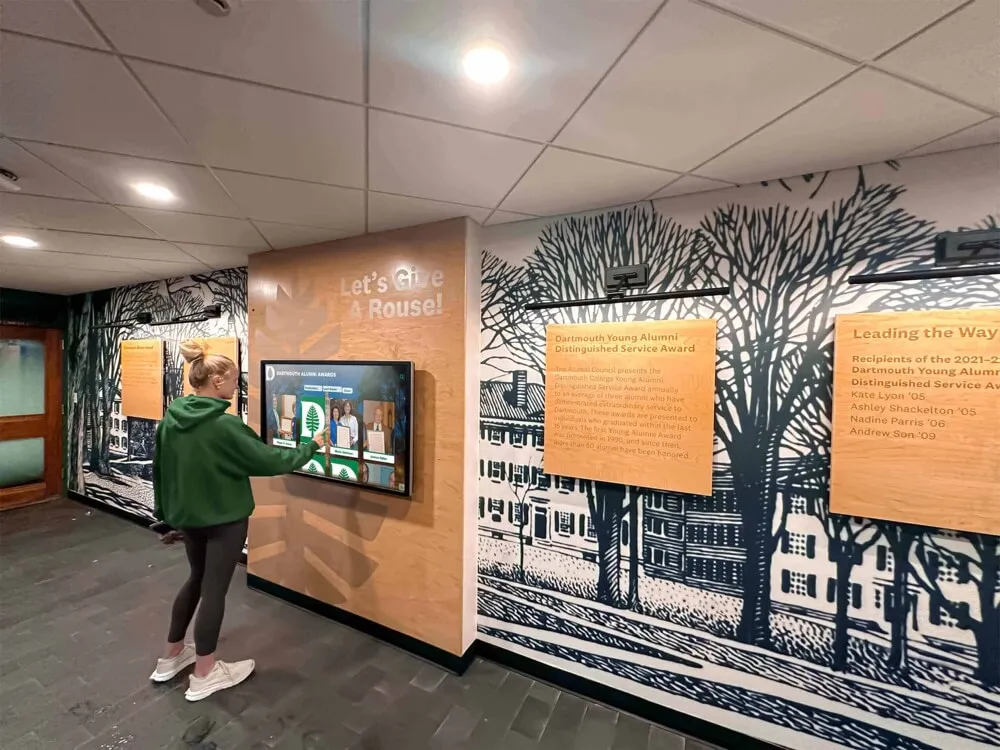
Successful recognition creates gathering spaces where communities connect around athletic tradition and excellence
Cultural and Competitive Impact Observation
Long-term changes provide evidence of recognition cultural influence including enhanced student-athlete pride and program identity, increased community awareness and attendance at events, strengthened alumni connections to current programs, improved recruiting class quality and commitment rates, elevated expectations for competitive excellence, and more inclusive recognition culture celebrating diverse achievements.
These observed impacts—while difficult to quantify precisely—ultimately determine whether recognition investments deliver intended returns improving program culture, competitiveness, and institutional pride.
Funding Strategies for Community College Recognition
Budget constraints require creative approaches securing recognition investments within financial realities.
Creative Funding Sources
Community colleges successfully fund recognition through diverse revenue streams.
Booster and Alumni Support
Athletic support organizations provide natural funding sources including booster club campaign initiatives, alumni association athletic heritage investments, reunion class gift opportunities, individual major donor recognition naming rights, memorial giving honoring deceased coaches or athletes, and corporate sponsorship from local business partners.
Recognition’s visible, tangible nature makes it attractive to donors seeking concrete impact from contributions—many community colleges report fundraising exceeding initial targets when stakeholders understand project scope and potential program benefits.
Institutional Budget Allocation
Strategic budget positioning can secure institutional funding including athletic department capital improvement budgets, institutional technology upgrade allocations, student success and retention initiative funding, marketing and recruitment budget support, and facilities improvement project integration.
Positioning recognition as strategic investment serving multiple institutional objectives—recruitment, retention, marketing, student success—rather than purely athletic vanity project increases likelihood of securing institutional financial support.
Phased Implementation Approaches
Budget constraints may require incremental approaches including initial single-sport or single-display pilot programs, expansion to additional sports as value demonstrates, historical content development spread across multiple years, basic implementation with feature additions over time, and volunteer assistance reducing professional service costs.
These phased strategies make recognition accessible despite budget limitations while establishing foundations for future expansion as value becomes evident and additional funding becomes available.
Special Considerations for NJCAA Programs
National Junior College Athletic Association members face specific considerations affecting recognition implementations.
NJCAA-Specific Recognition Opportunities
National Championship Recognition
NJCAA national championships represent extraordinary achievements deserving special recognition including dedicated championship section prominence, complete tournament documentation and results, national ranking history and progression, NJCAA All-American recognition, and media coverage and national visibility documentation.
This specialized recognition differentiates national excellence from conference and regional success—appropriately honoring the extraordinary achievement of competing successfully at junior college athletics’ highest level.
Regional and Conference Excellence
NJCAA’s regional structure creates additional recognition opportunities including regional championship documentation, conference regular season and tournament success, regional All-American and all-conference honors, rivalry game recognition within conferences, and comparative regional competitive analysis.
This multi-level recognition demonstrates program excellence across various competitive tiers—providing recognition opportunities even for programs not achieving national championship success.
Explore championship documentation through championship teams digital recognition with comprehensive approaches.
Multi-Sport Recognition Balance
Community colleges typically sponsor multiple athletic programs requiring equitable recognition.
Ensuring Recognition Equity
Comprehensive systems provide balanced celebration including equivalent profile depth across all sponsored sports, proportional content volume reflecting program sizes, equal feature rotation in prominent display areas, consistent update frequency preventing content staleness, and objective achievement criteria applicable across sports.
This balanced approach prevents perception that certain programs receive preferential recognition—building department-wide buy-in while ensuring all student-athletes feel valued regardless of sport or program budget differences.

Comprehensive systems celebrate all athletic programs equitably regardless of sport or competitive level
Future Trends in Athletic Recognition Technology
Understanding emerging developments helps community colleges plan investments remaining relevant and valuable long-term.
Advanced Digital Capabilities
Emerging Technology Integration
Next-generation recognition systems will incorporate enhanced features including artificial intelligence personalizing content based on user behavior, augmented reality experiences overlaying digital content on physical spaces, voice interaction enabling hands-free navigation, advanced analytics revealing detailed engagement patterns, enhanced social media integration for seamless sharing, mobile app synchronization extending engagement beyond physical displays, and real-time statistics integration showing current season performances.
These innovations will continue expanding recognition possibilities—widening advantages digital platforms provide over static traditional displays while creating increasingly engaging experiences for digital-native student-athletes and recruits.
Enhanced Alumni Engagement Tools
Long-Term Connection Building
Future recognition platforms will emphasize sustained alumni engagement including alumni profile self-updating capabilities, career milestone documentation and celebration, mentorship connection facilitating current athlete guidance, reunion coordination and historical class connections, giving integration connecting recognition to advancement, and social networking features building athletic alumni communities.
These engagement capabilities transform recognition from static historical acknowledgment into dynamic platforms maintaining lifelong connections between institutions and the student-athletes they develop—creating value extending far beyond initial competitive participation.
Conclusion: Building Lasting Community College Athletic Legacies
Junior college athletics plays vital roles in American sports—developing talent, providing educational opportunities, and creating competitive pathways for thousands of student-athletes annually. These contributions deserve recognition infrastructure matching their significance while addressing unique challenges of two-year programs operating within constrained resources.
Traditional recognition approaches—cramped trophy cases, fading banners, static plaques—cannot serve community college athletics effectively in 2025 and beyond. The transient nature of two-year programs, combined with limited facility space and budget constraints, demands recognition solutions providing unlimited capacity, cost efficiency, and simplified management within lean administrative structures.
Digital recognition systems like Rocket Alumni Solutions provide purpose-built platforms specifically addressing junior college needs through unlimited multimedia capacity eliminating space constraints, cost-effective solutions reducing long-term recognition expenses, intuitive management requiring minimal technical expertise, powerful recruitment tools demonstrating program quality and tradition, and comprehensive analytics revealing engagement and program impact.
Transform Your JuCo Athletic Recognition
Discover how modern digital recognition systems can help your community college celebrate every student-athlete, build lasting program traditions, enhance recruitment, and preserve athletic legacies that inspire current and future generations.
Explore JuCo Recognition SolutionsCommunity colleges implementing comprehensive digital recognition demonstrate genuine commitment to celebrating student-athlete excellence while building program culture and competitive traditions. When athletic achievement receives recognition equivalent to its significance, programs thrive, recruitment strengthens, and student-athletes gain pride in contributing to legacies extending beyond their individual two-year experiences.
The student-athletes competing in NJCAA athletics invest extraordinary dedication developing skills, maintaining academic eligibility, and representing their institutions competitively. They deserve recognition systems honoring these contributions appropriately while inspiring younger athletes to pursue their own competitive dreams through community college pathways.
Whether establishing first athletic recognition systems or enhancing existing programs, digital platforms provide proven solutions celebrating excellence comprehensively while addressing budget and space constraints. The technology exists, best practices are established, and successful implementations across hundreds of junior colleges demonstrate effectiveness—now is the time to ensure your student-athletes receive the recognition their achievements deserve.
Ready to transform athletic recognition at your community college? Explore how Rocket Alumni Solutions provides comprehensive digital recognition platforms specifically designed for junior college athletics—eliminating space constraints, reducing long-term costs, and celebrating student-athlete excellence through engaging multimedia displays that build program pride, enhance recruitment, and preserve competitive legacies for generations throughout your athletic community.