



Graduating from college marks the beginning of your professional journey, but the relationships you build with alumni can dramatically accelerate your career trajectory. Research consistently shows that 70-85% of jobs are filled through networking rather than traditional job postings, and alumni connections represent some of the most valuable professional relationships you can cultivate—people who share your educational background, understand your institution’s culture, and often feel genuine motivation to help fellow graduates succeed.
Yet most recent graduates struggle to effectively network with alumni. They don’t know where to find accomplished graduates in their fields of interest, feel uncomfortable reaching out to strangers even with shared institutional ties, lack frameworks for building genuine relationships beyond transactional “can you help me find a job” requests, or give up after initial attempts don’t yield immediate results. Meanwhile, thousands of successful alumni remain willing and eager to mentor graduates from their alma mater but never connect with students who could benefit from their guidance and professional networks.
This comprehensive guide explores proven strategies for networking with alumni effectively—from discovering relevant graduates and making authentic first contact to building lasting professional relationships and leveraging alumni networks throughout your career journey.
Alumni networking isn’t simply about asking strangers for job leads. It’s about building genuine professional relationships with people who’ve walked similar paths, understand the unique value of your shared educational experience, and genuinely want to support your success. The most effective alumni networking strategies focus on authentic connection, mutual value exchange, and long-term relationship building rather than transactional career favors.

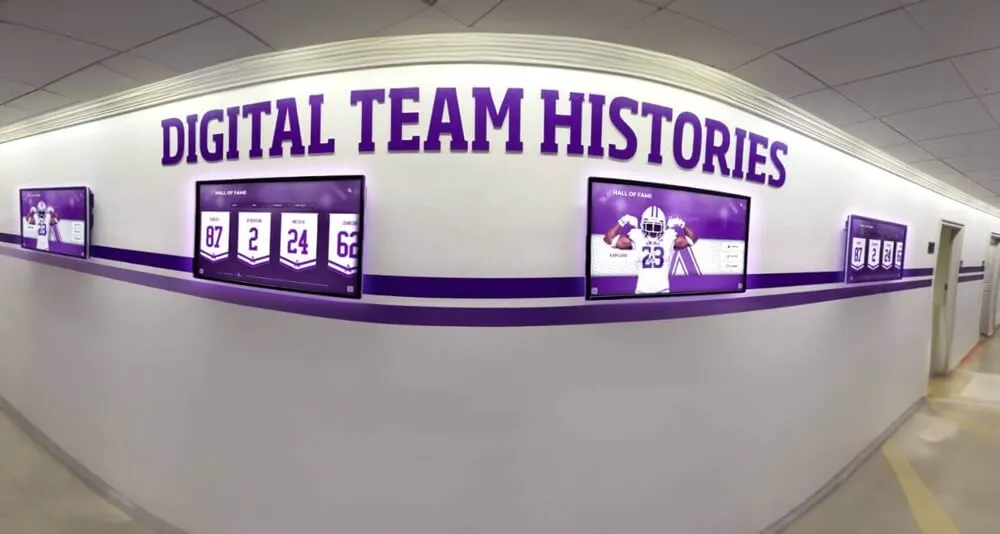
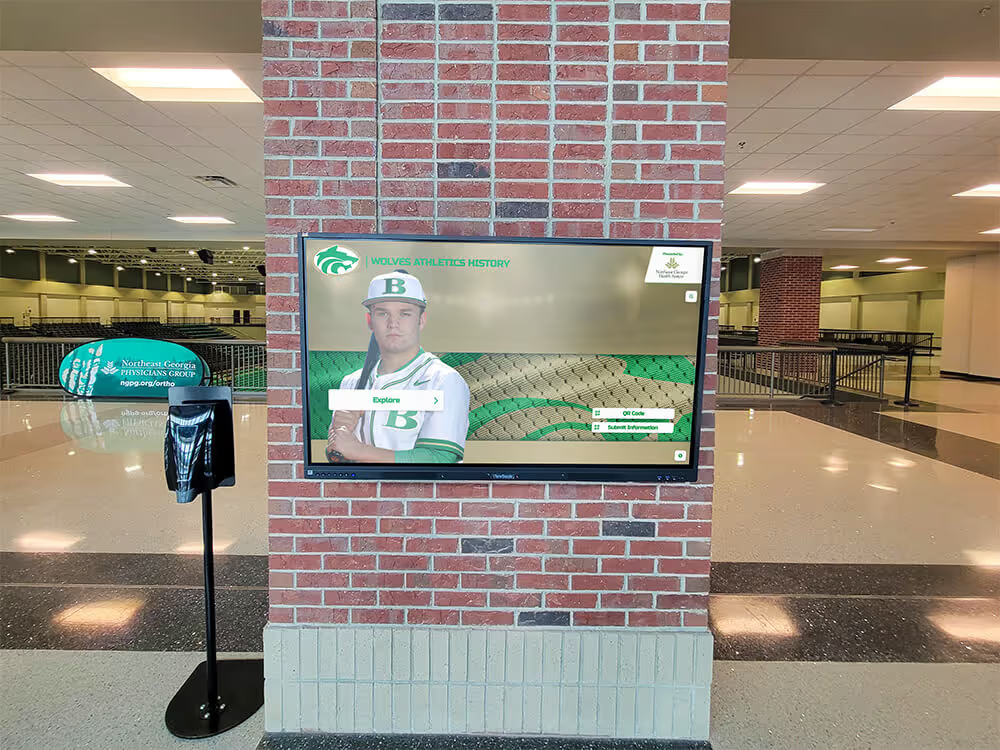
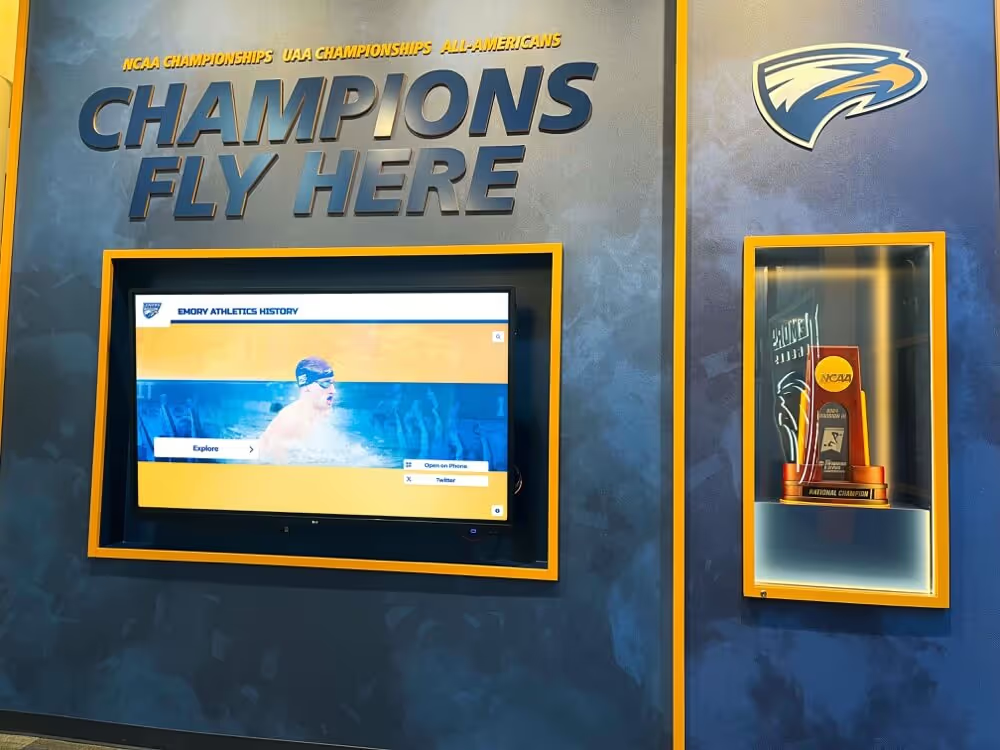
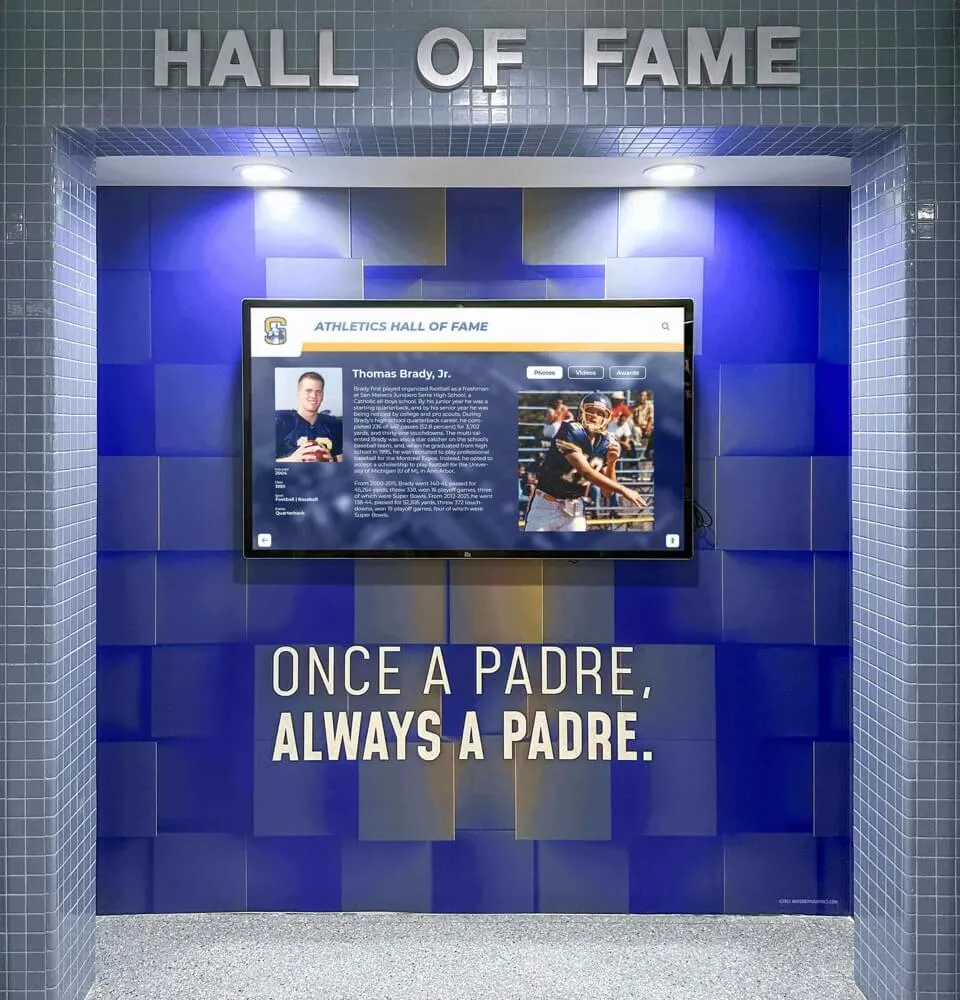
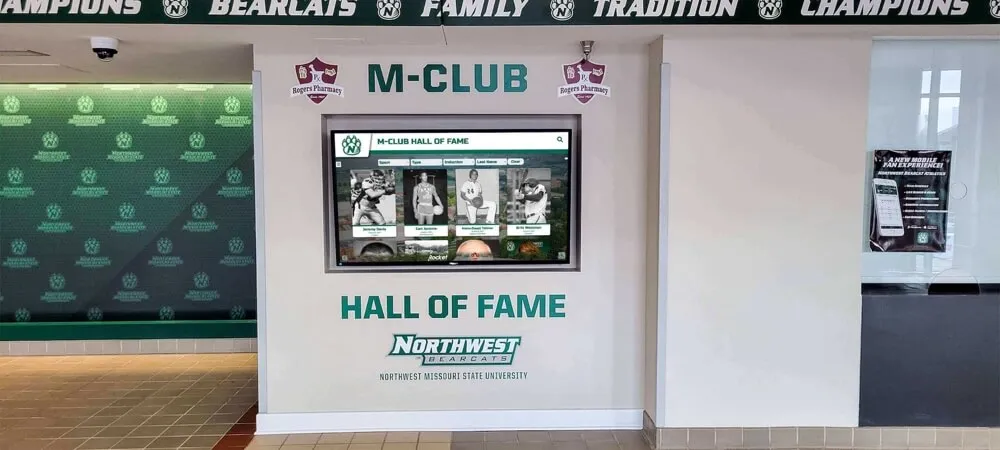
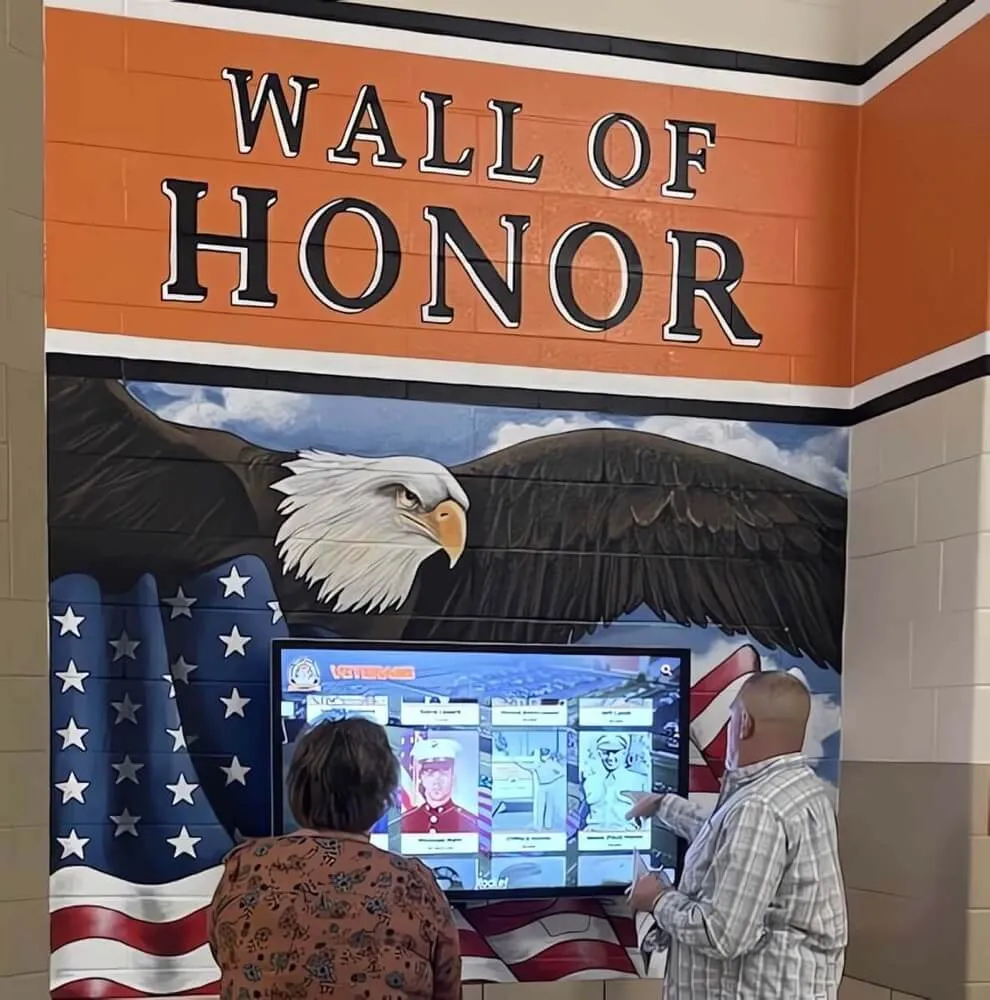
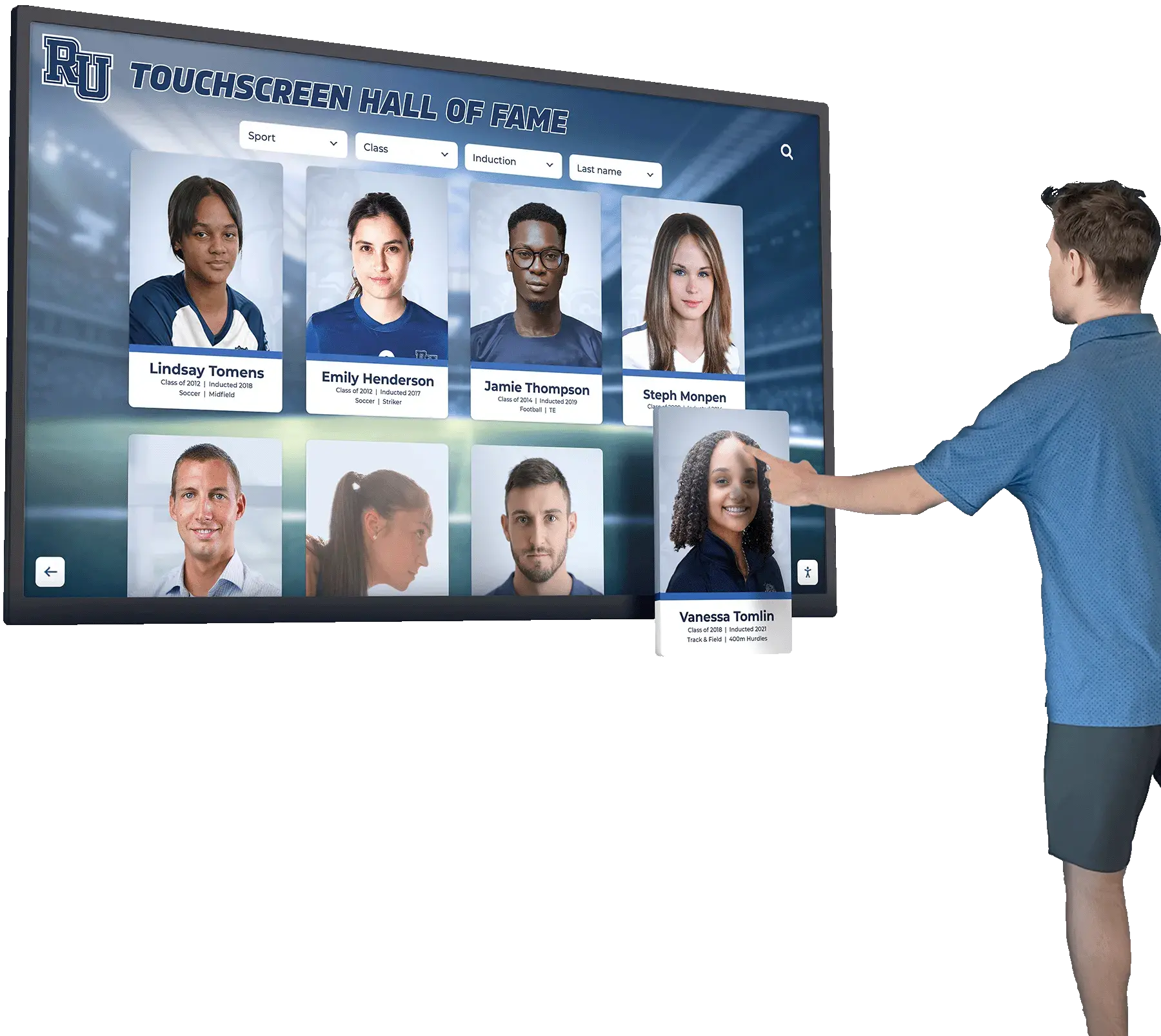
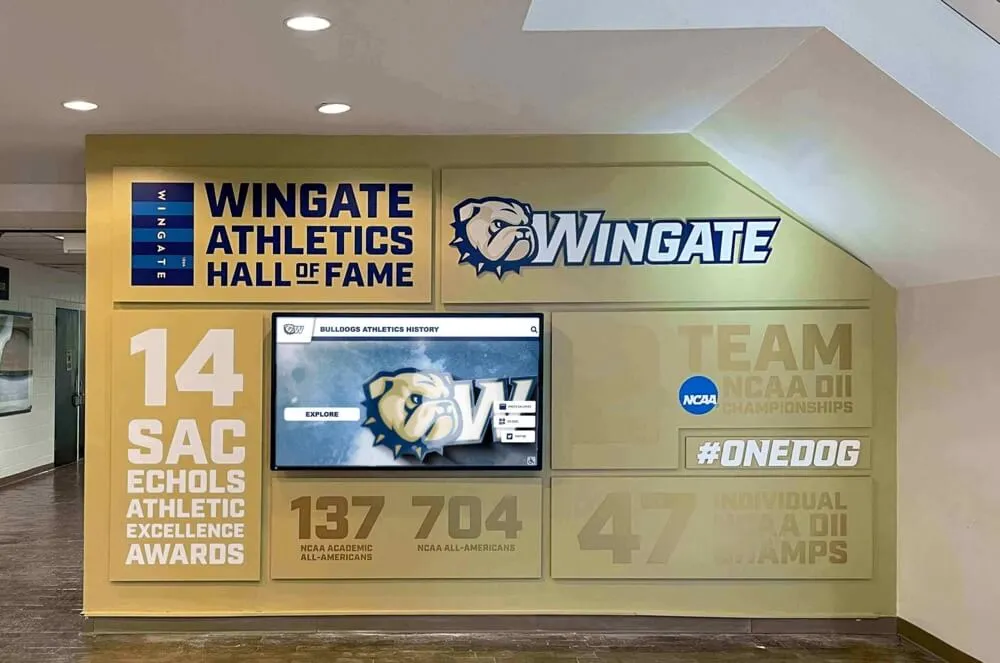
Modern digital alumni directories enable graduates to discover and connect with accomplished alumni across industries and career stages
Understanding Why Alumni Networking Works
Before diving into tactical networking strategies, understanding the psychology and practical advantages of alumni connections helps you approach networking with appropriate expectations and effective mindsets.
The Shared Identity Advantage
Alumni share something remarkably powerful—a common institutional identity that creates immediate connection and trust impossible to replicate through other professional networking contexts.
Instant Common Ground
When you reach out to an alumnus from your institution, you immediately share experiences, references, and cultural touchpoints that establish rapport: recognizable campus locations and traditions, familiar professors and academic programs, shared institutional values and educational approaches, common challenges navigating coursework and campus life, and pride in institutional accomplishments and reputation.
This shared background eliminates the awkward stranger dynamics that make most professional networking uncomfortable. You’re not cold-calling random professionals hoping they’ll spare time for unknown contacts—you’re connecting with people who already feel predisposed toward helping someone from their alma mater succeed.
Psychological Reciprocity
Most successful alumni remember receiving help from graduates who preceded them, creating powerful psychological motivation to “pay it forward” by helping current generations. Alumni relations research demonstrates that 65-75% of alumni report feeling genuine desire to help recent graduates from their institutions, viewing mentorship as way to give back to educational communities that shaped their trajectories.
This reciprocity means your networking requests aren’t impositions—they’re opportunities for alumni to fulfill values they already hold about supporting their institutional community.
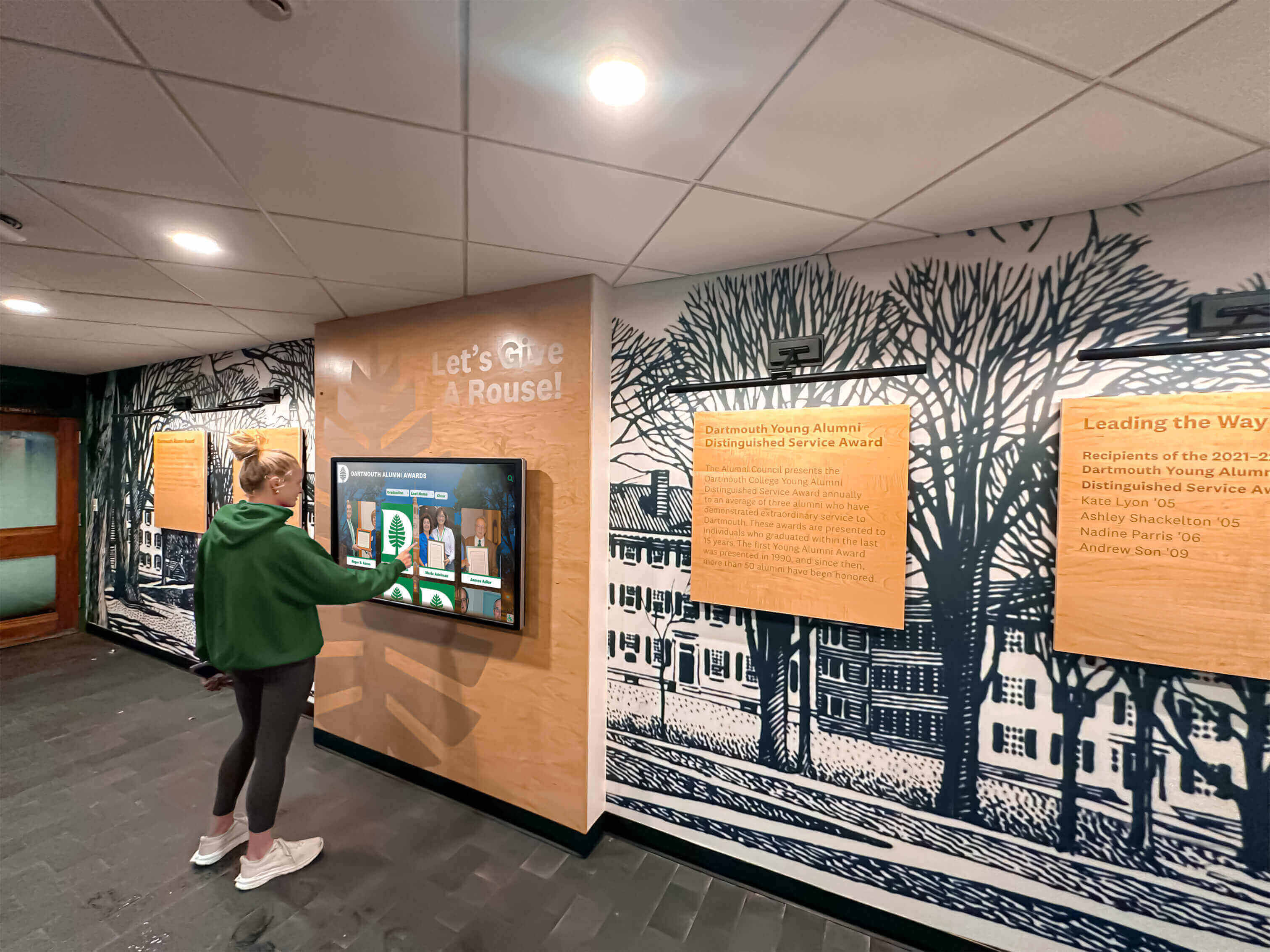
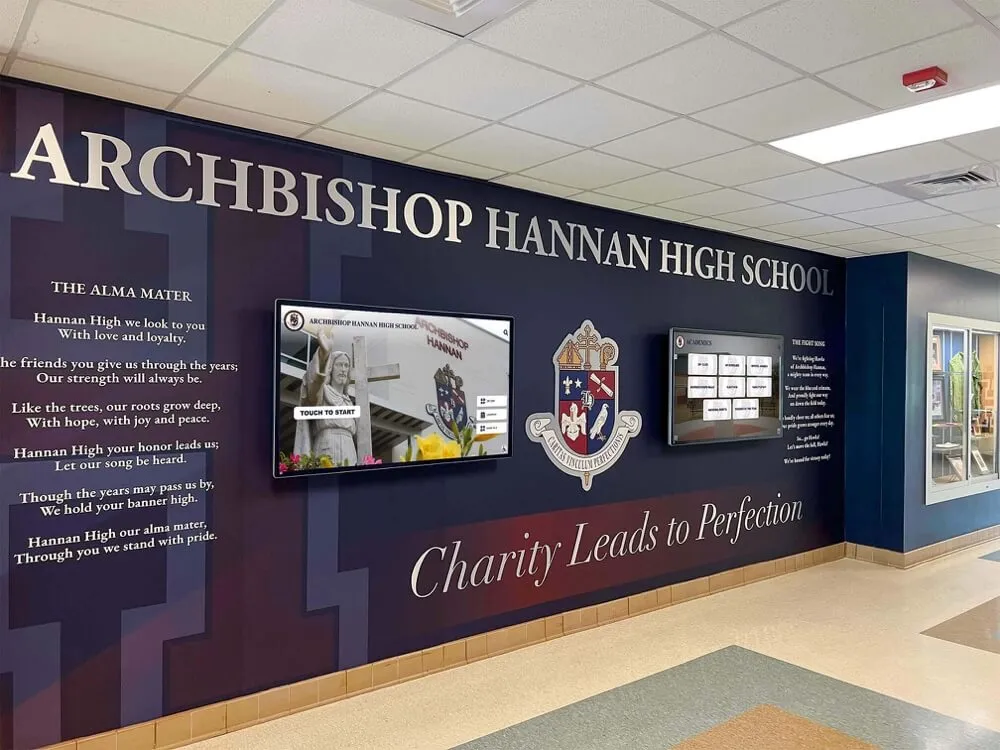
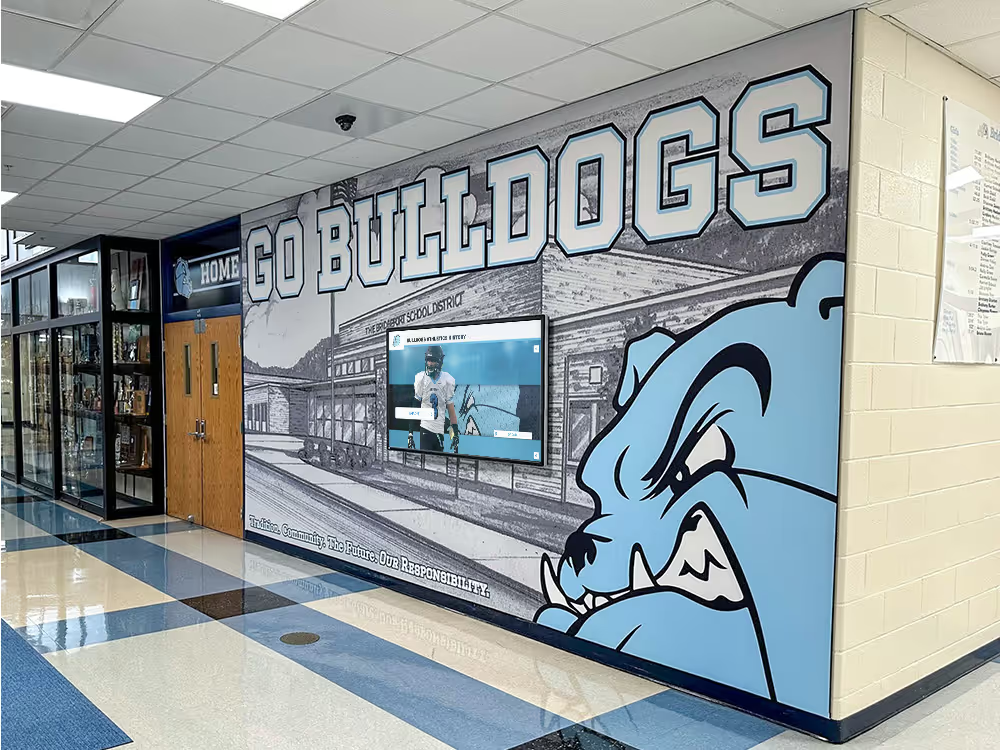
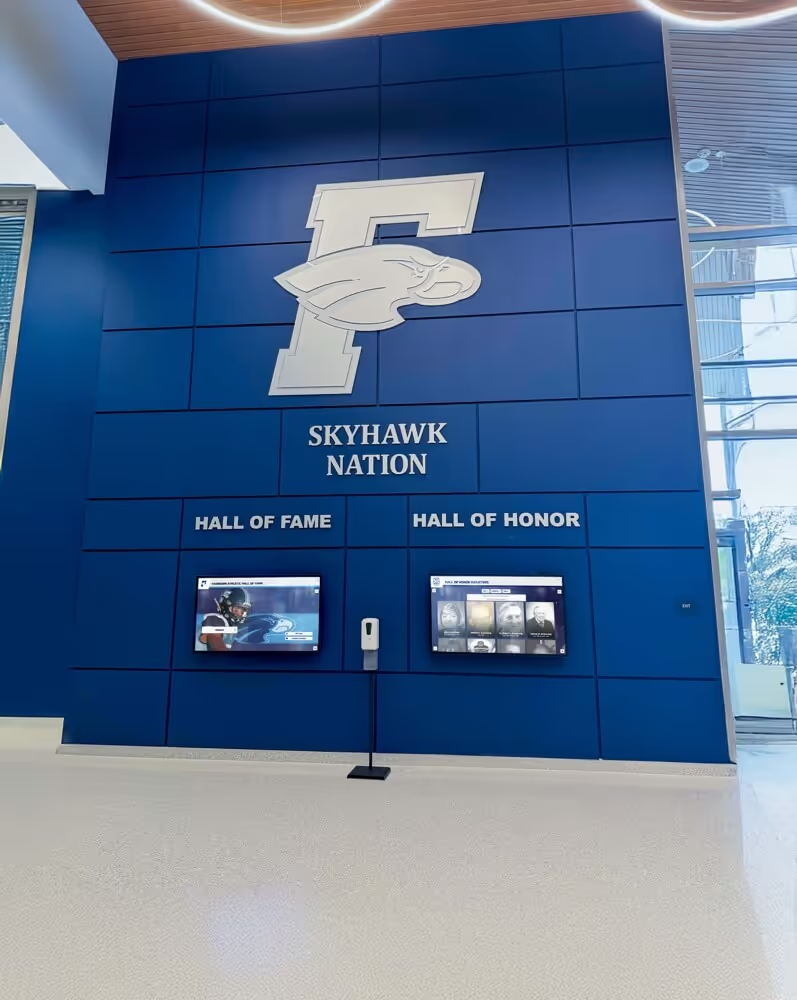
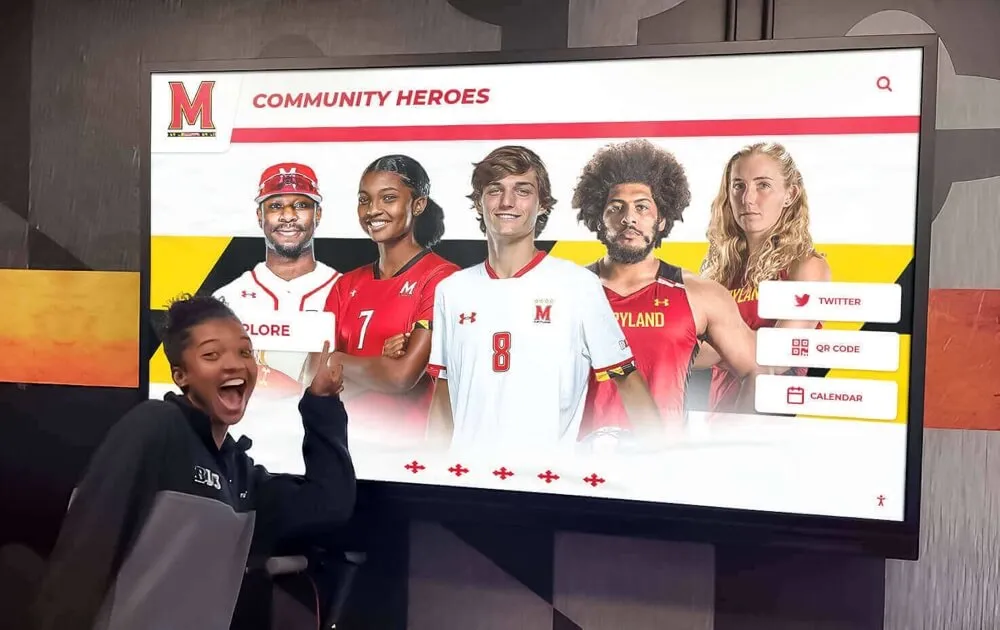
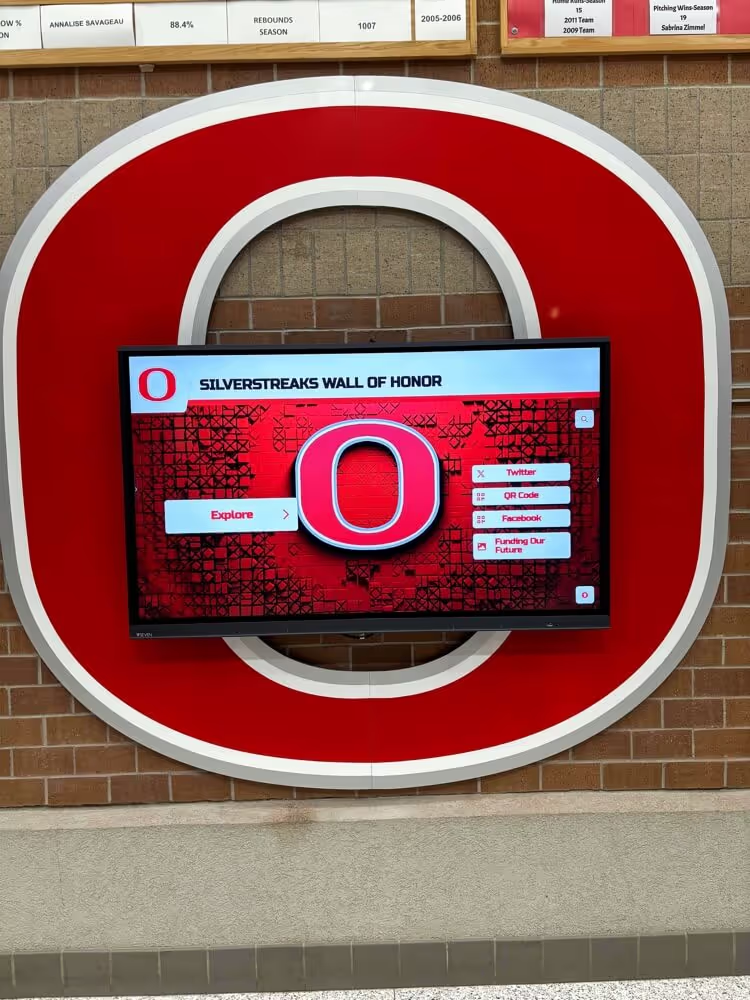
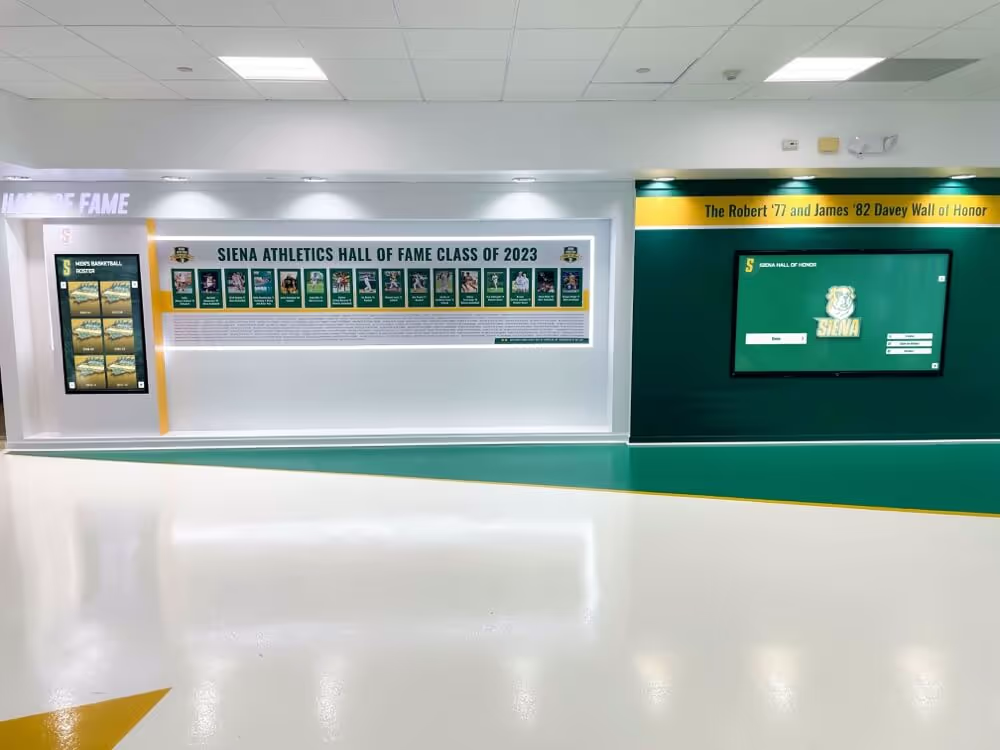
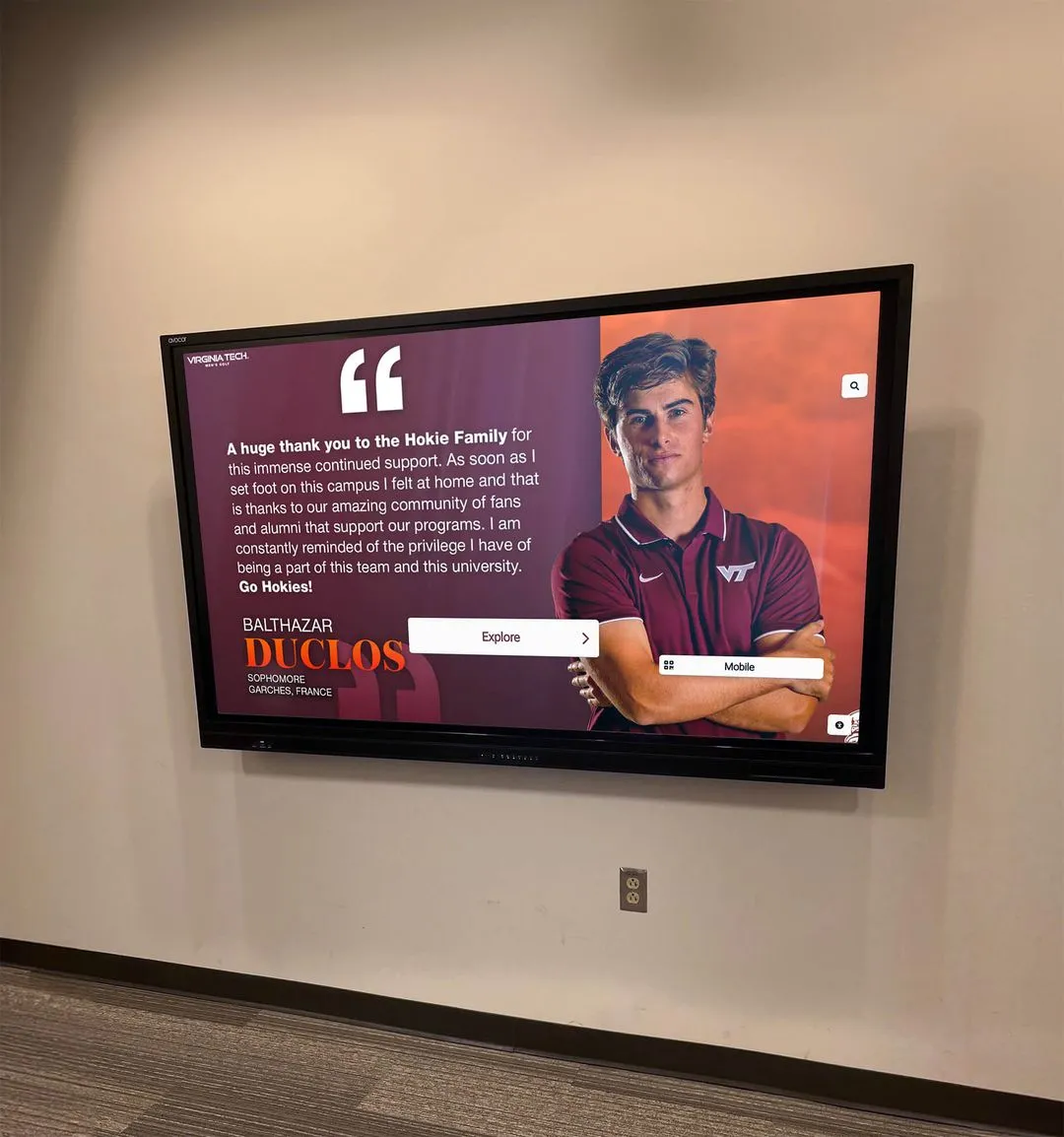
Interactive alumni recognition systems help students discover potential mentors and understand diverse career pathways available to graduates
Career Advantages of Alumni Networks
Beyond psychological connection, alumni networks provide concrete career advantages accelerating professional development in ways general networking cannot match.
Inside Information and Industry Insights
Alumni working in your target industries or companies possess insider knowledge invaluable during career exploration and job search phases including realistic perspectives on career paths and day-to-day work realities, honest assessment of companies, roles, and industry segments, warnings about career pitfalls and dead-end opportunities you should avoid, insights about emerging opportunities before they become common knowledge, and understanding of unwritten rules and cultural expectations in specific fields.
This information proves far more valuable than generic career advice from sources unfamiliar with your specific circumstances and aspirations.
Referral Power and Hiring Advantages
Employee referrals remain the most effective job search strategy, and alumni connections create natural referral opportunities. When alumni refer candidates from their alma mater, they leverage personal reputation capital believing shared institutional background indicates quality. Referred candidates receive priority consideration avoiding application black holes, interview opportunities that might not exist through traditional application processes, and advocacy during hiring discussions from insiders who understand organizational culture and fit.
Research from LinkedIn and career placement studies consistently shows referred candidates enjoy 4-10 times higher interview rates and 40% faster hiring processes than applicants without insider connections.
Explore comprehensive networking approaches in alumni advice and career success networking demonstrating systematic connection strategies.
Finding Alumni to Network With: Discovery Strategies
Effective alumni networking begins with discovering relevant graduates—people working in industries, companies, or roles aligned with your career interests and professional goals.
Institutional Alumni Databases and Platforms
Your alma mater provides multiple resources specifically designed to facilitate alumni connections, yet most graduates dramatically underutilize these valuable tools.
Official Alumni Directories
Most colleges and universities maintain searchable alumni databases accessible to graduates and often current students approaching graduation. These directories typically enable filtering and searching by graduation year and degree programs, current employer and job title, industry and professional field, geographic location, and willingness to mentor or provide career guidance.
Start with your institution’s alumni office or career services department to understand what platforms and resources exist. Some schools use dedicated alumni networking platforms like digital alumni recognition systems that showcase accomplished graduates while facilitating connections.
Career Services Alumni Networks
Many institutions maintain specialized career-focused alumni networks coordinated through career services offices including industry-specific mentorship programs, alumni career panels and networking events, virtual coffee chat programs pairing graduates with current students, and regional alumni networking chapters organized by geography.
These structured programs reduce networking barriers by creating contexts where alumni explicitly volunteer to help and expect outreach from recent graduates and current students.

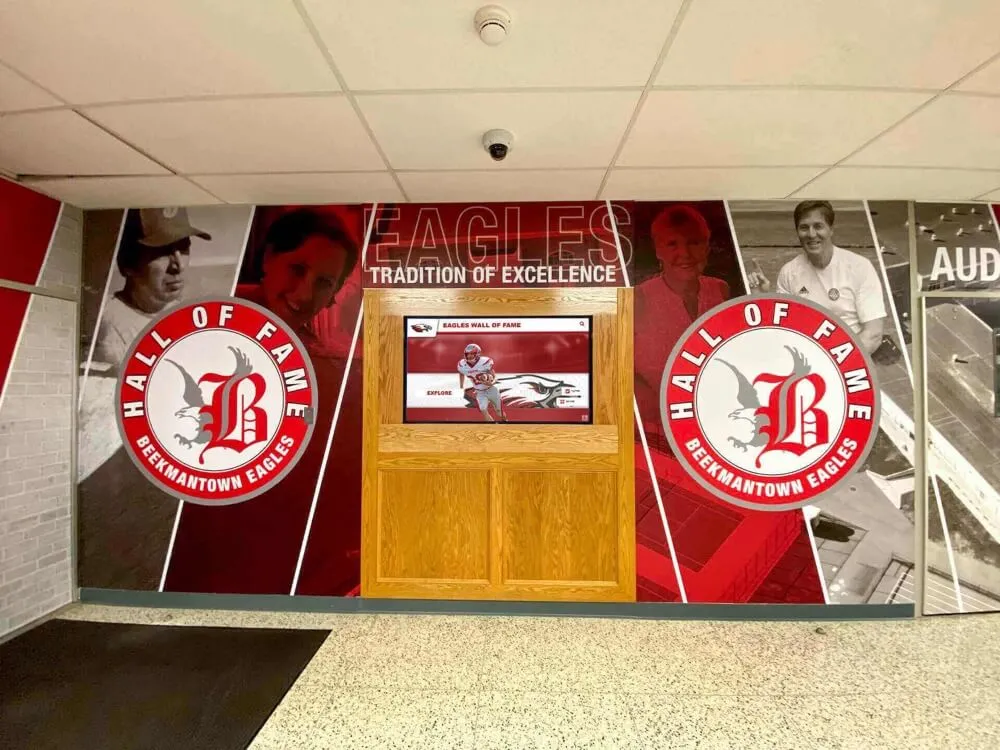
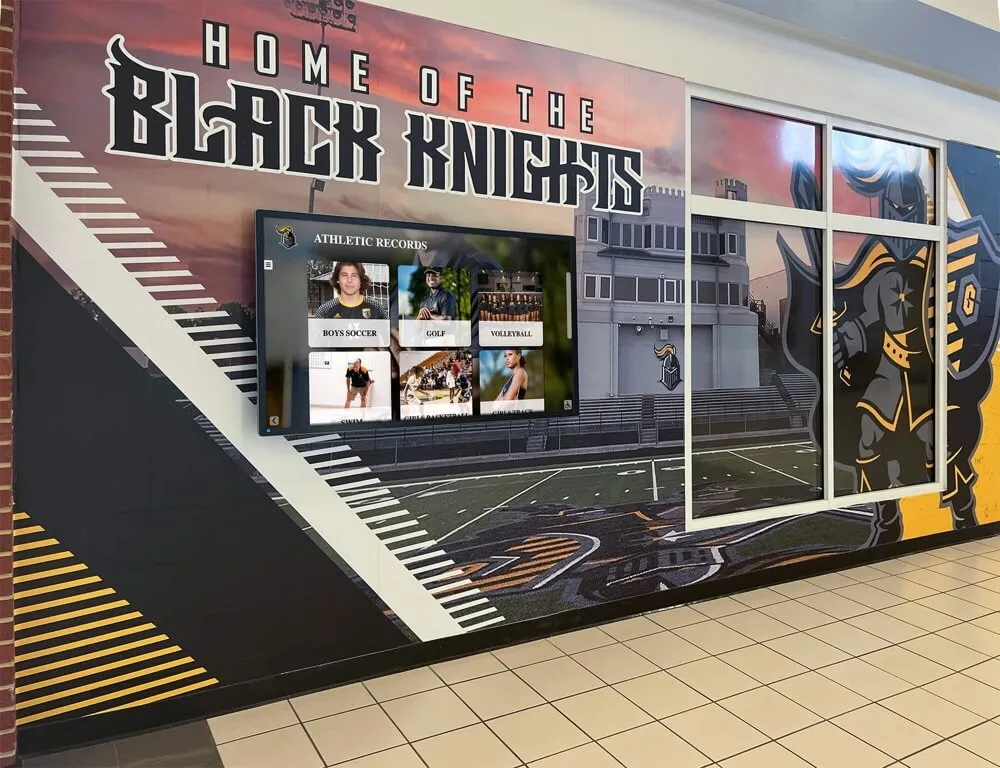
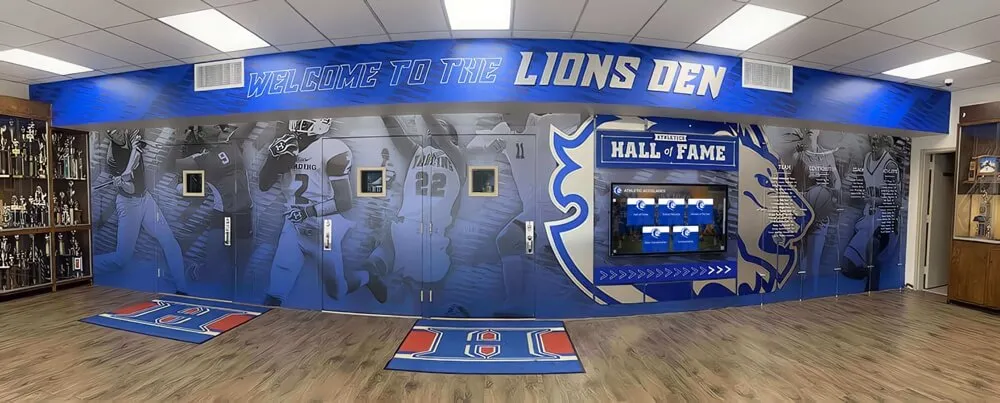
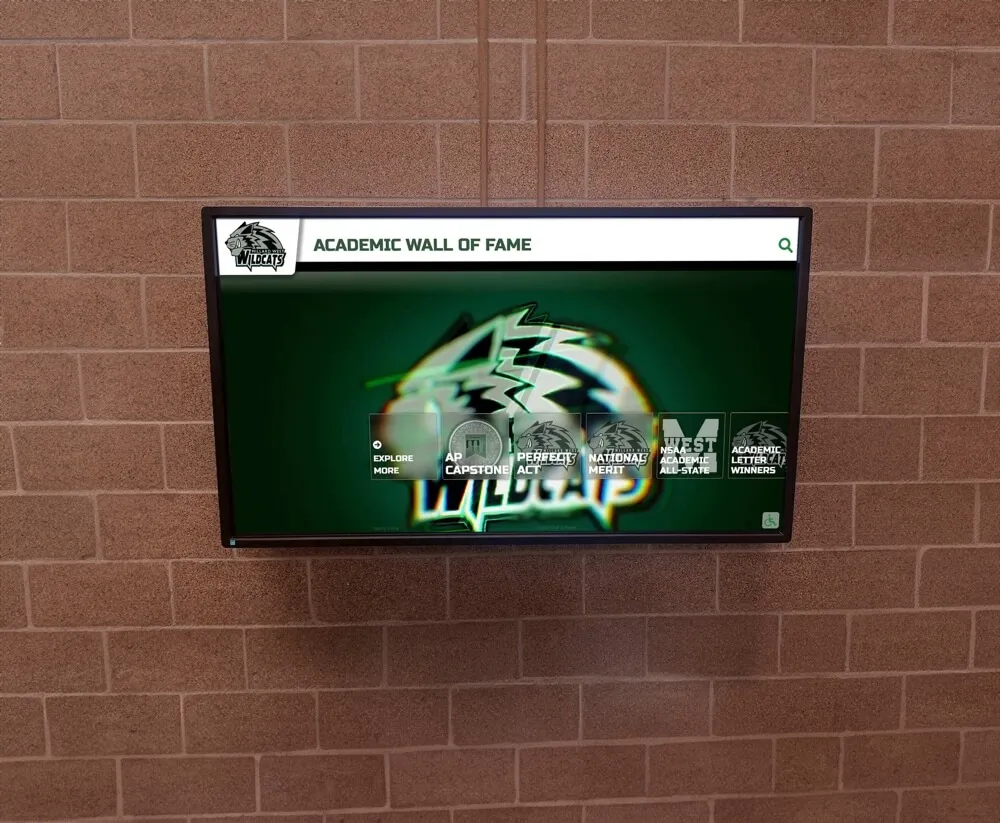
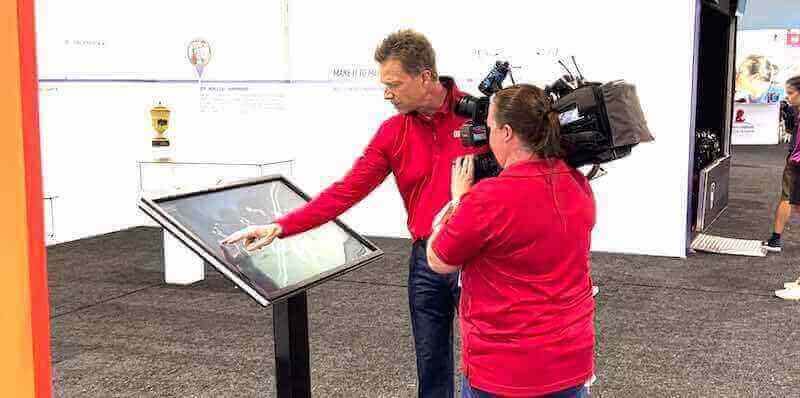
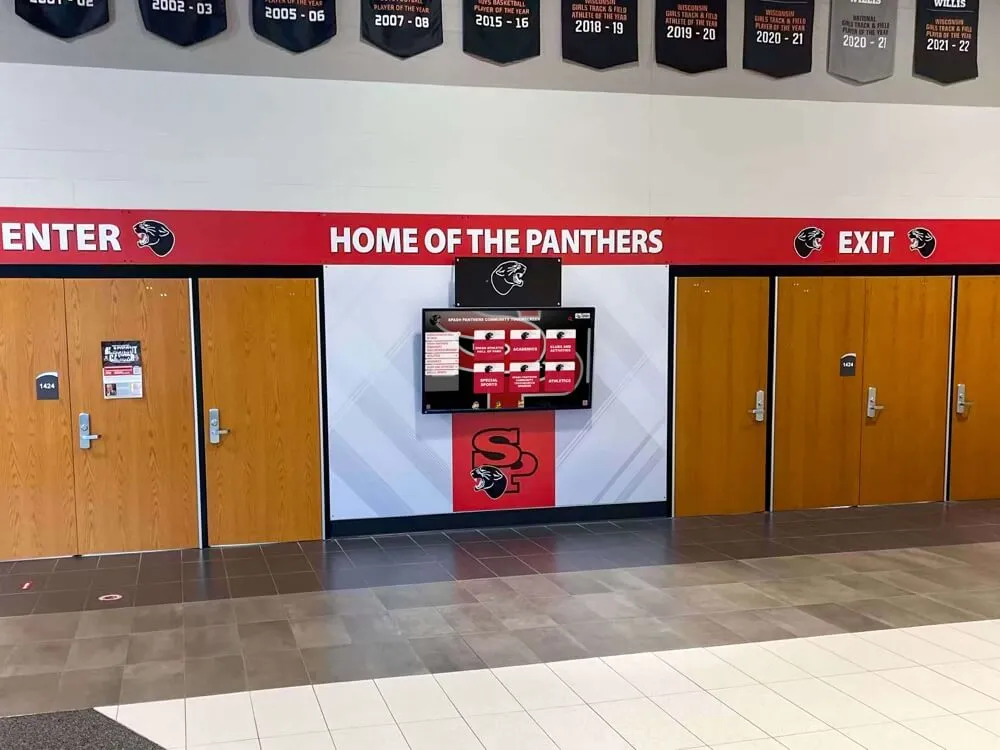
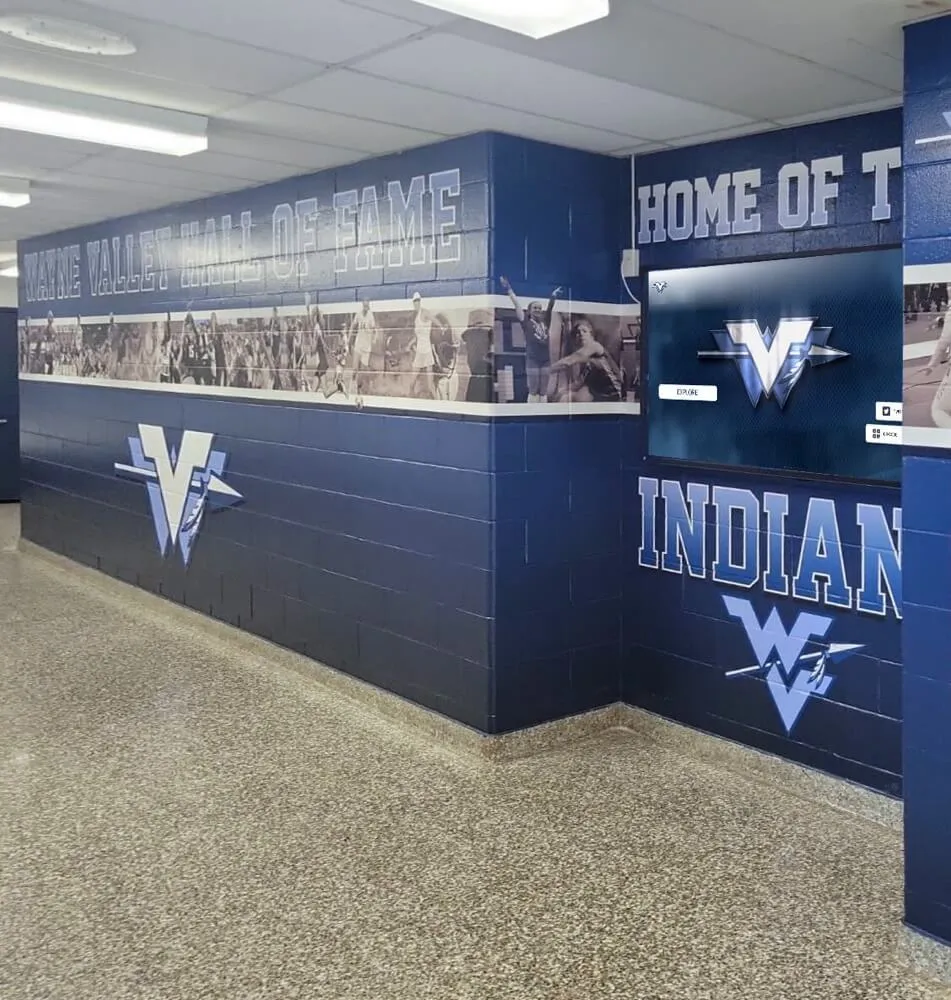
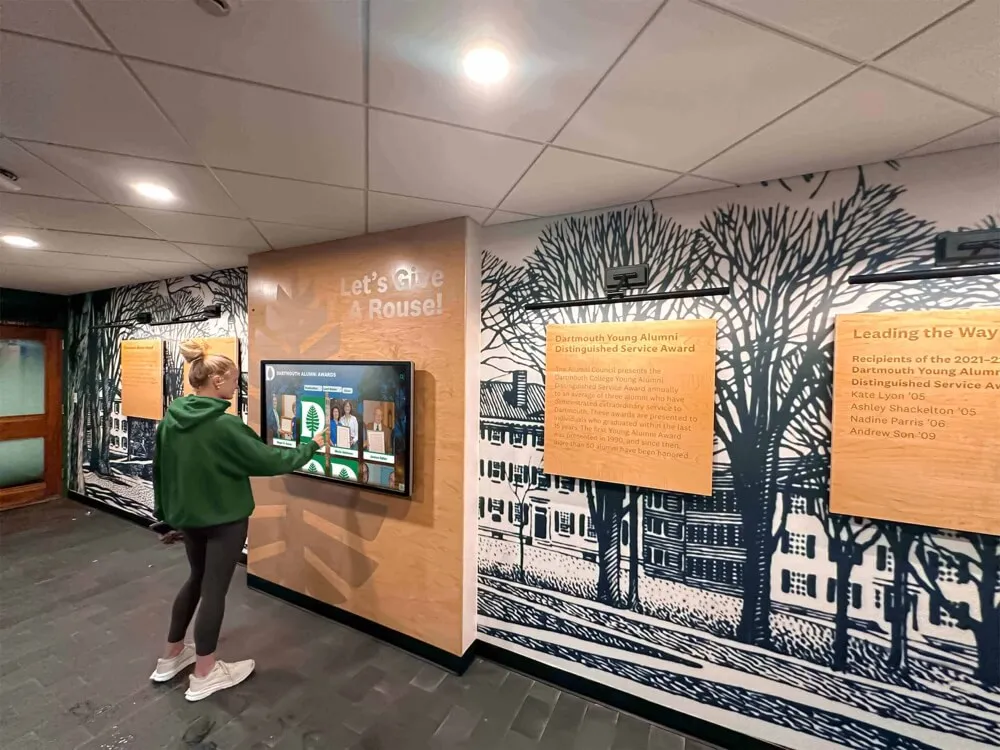
Modern alumni recognition displays positioned in campus common areas help students discover potential mentors and career role models
School-Specific LinkedIn Groups and Social Networks
LinkedIn hosts numerous alumni groups organized by institution, graduation year, academic program, and professional interest. These groups provide spaces to discover alumni, engage with posted content, participate in discussions demonstrating your knowledge and interests, and identify graduates worth reaching out to individually.
Beyond LinkedIn, many institutions maintain Facebook groups, Slack communities, or custom social platforms connecting alumni across graduation decades and professional fields.
Professional Network Platform Strategies
General professional networking platforms offer powerful alumni discovery capabilities when used strategically with appropriate search techniques.
Advanced LinkedIn Alumni Searches
LinkedIn’s alumni tool enables sophisticated filtering helping you identify relevant graduates to connect with. Navigate to your institution’s LinkedIn page and select “Alumni” to access filtering by where alumni work (specific companies or industries), what they do (job functions and titles), when they graduated (specific years or ranges), where they’re located (cities, regions, countries), and what they studied (majors, programs, degrees).
This granular filtering helps you identify alumni working at specific companies you’re targeting, alumni in roles you aspire to reach within 5-10 years, recent graduates who successfully entered fields you’re exploring, and alumni in geographic locations where you plan to work or relocate.
Strategic Connection Request Approaches
When connecting with alumni on LinkedIn, personalized connection requests dramatically improve acceptance rates compared to generic invitations. Effective personalized requests mention your shared institutional connection, reference specific aspects of their profile that interest you, explain briefly why you’re reaching out, and keep messages concise (2-3 sentences maximum).
Example: “Hi [Name], I’m a recent [University] graduate exploring careers in [industry]. I was impressed by your work at [Company] and would appreciate the opportunity to connect with a fellow [school mascot/name].”
Learn about leveraging recognition systems in alumni mentorship recognition programs demonstrating connection facilitation strategies.
Campus-Based Alumni Discovery
For current students and recent graduates still connected to campus, physical and virtual campus resources provide valuable alumni discovery opportunities often overlooked in favor of online platforms.
Alumni Recognition Displays and Halls of Fame
Many institutions showcase distinguished alumni through recognition displays, halls of fame, and donor recognition walls positioned in prominent campus locations. These displays often include career information, accomplishments, and sometimes contact details or willingness to mentor current students.
Solutions like Rocket Alumni Solutions provide interactive touchscreen displays enabling students to explore comprehensive alumni profiles, filter by industry and career field, and discover potential mentors matching their professional interests.
Departmental Alumni Networks
Academic departments often maintain closer relationships with distinguished alumni in specific fields than general institutional alumni offices. Connect with department chairs, faculty advisors, and department administrators to inquire about alumni working in your target industries including alumni who regularly recruit from your program, graduates who mentor current students, distinguished alumni featured in department communications, and alumni who return for guest lectures or career panels.
Faculty members personally know many successful alumni from their years of teaching and often facilitate introductions when students demonstrate genuine interest and professionalism.
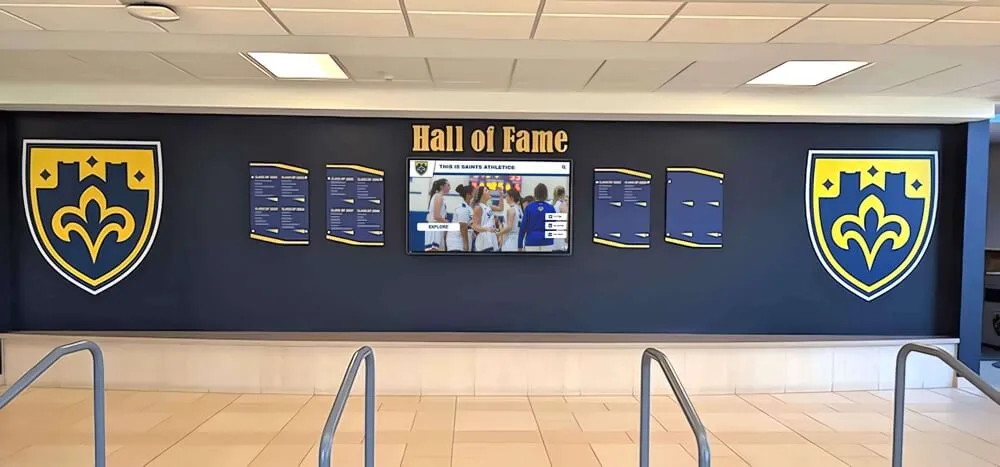
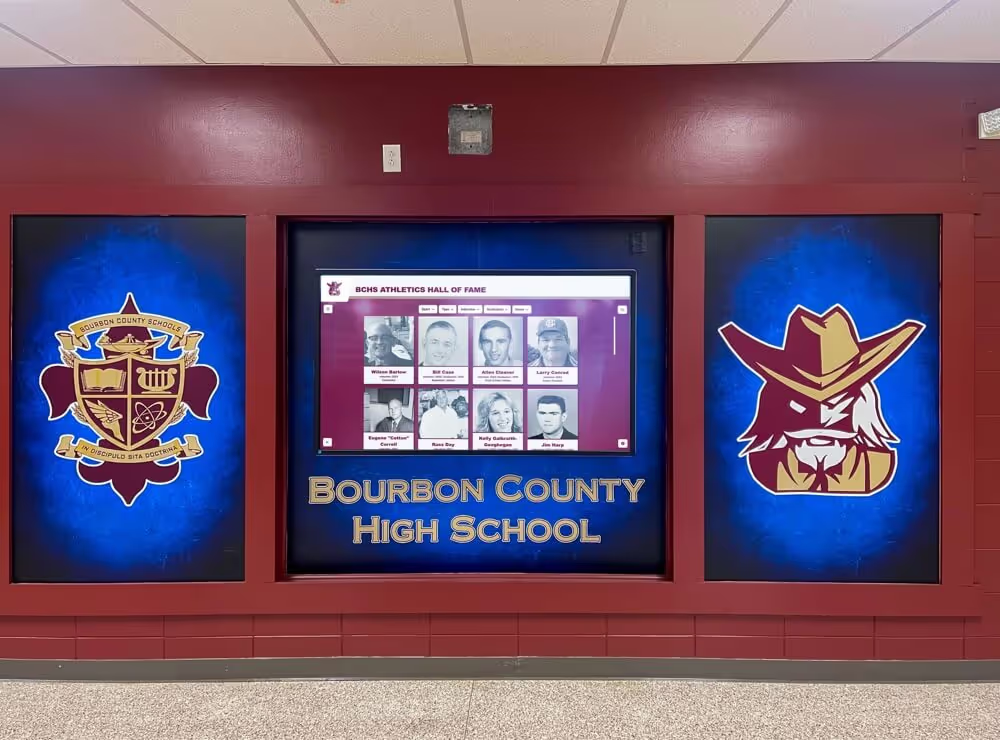
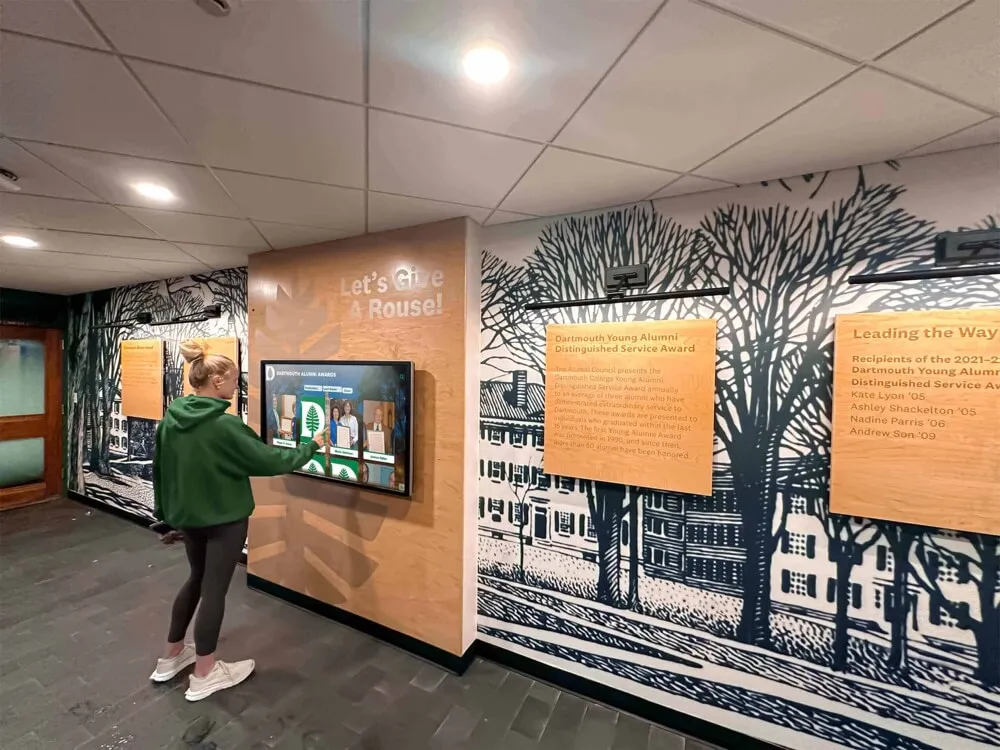
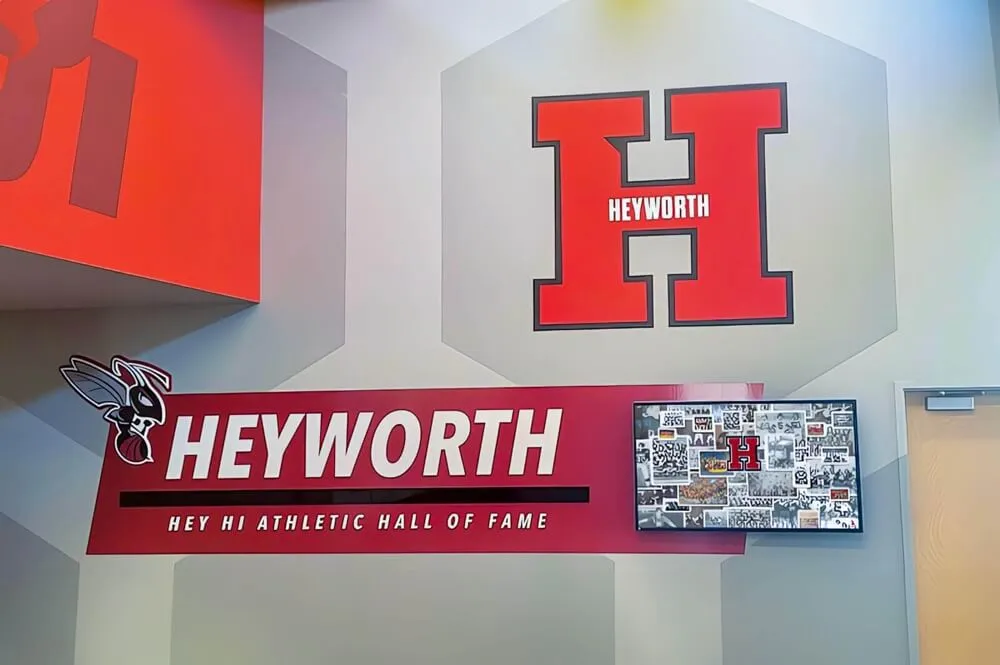
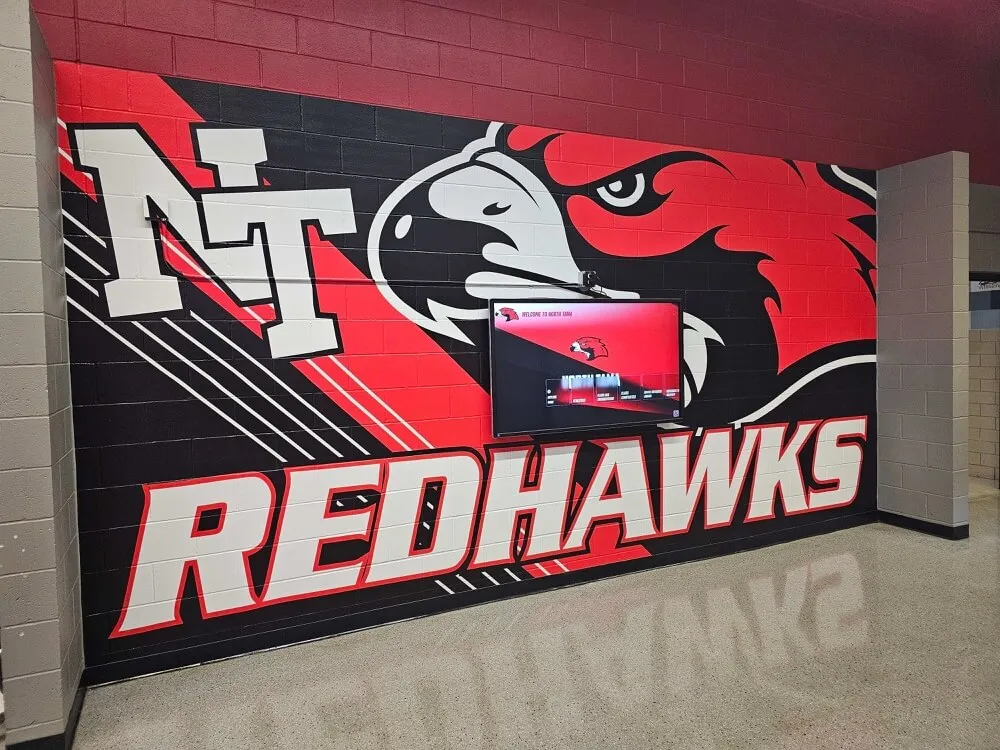
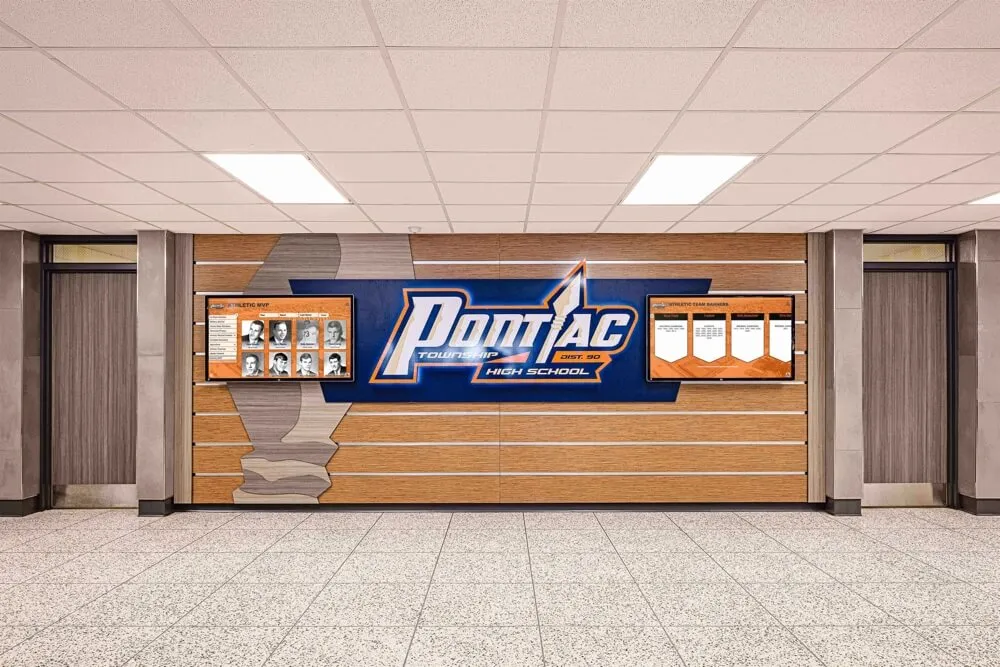
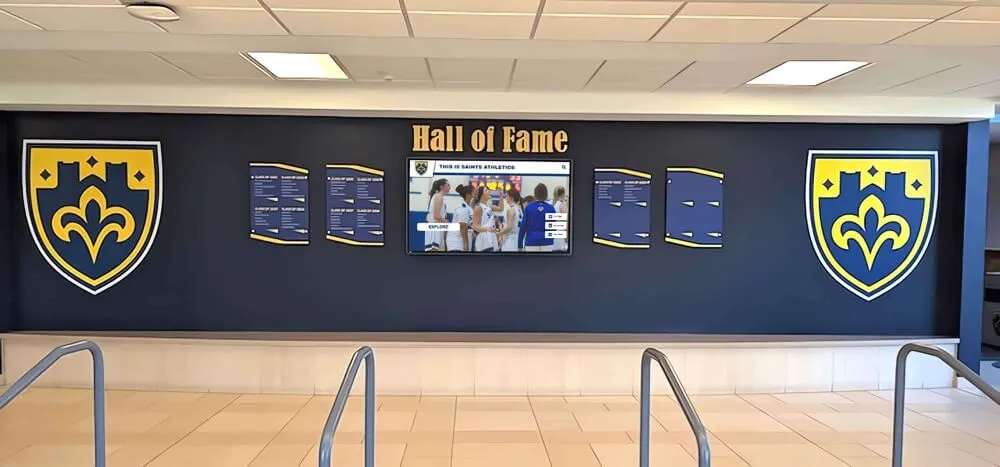
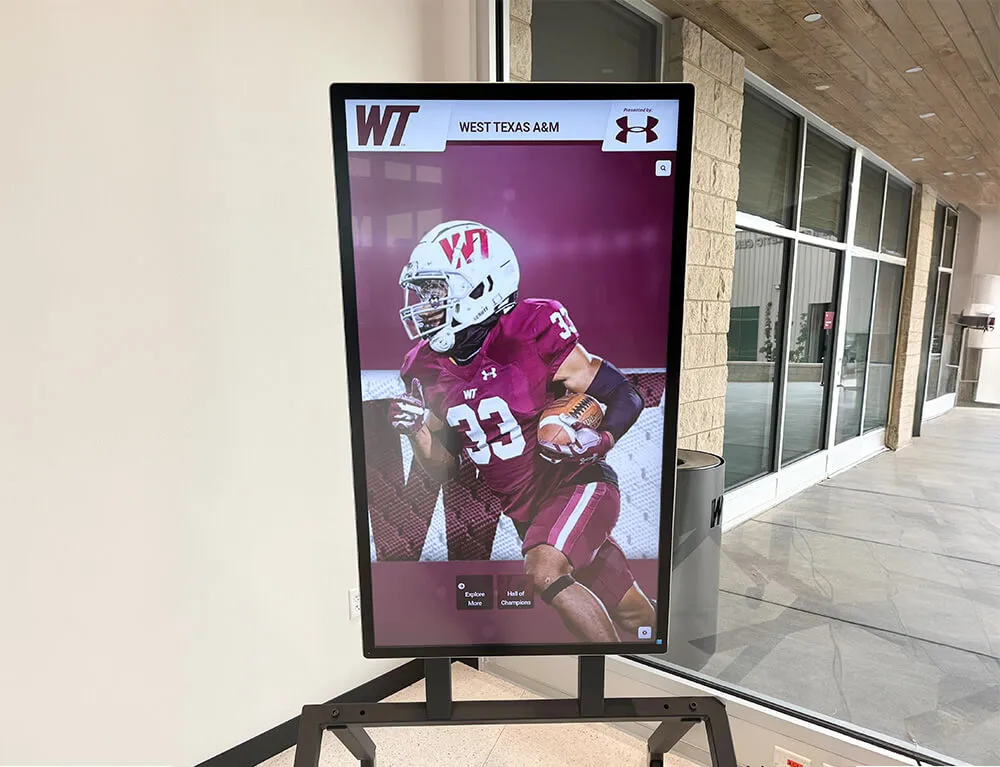
Permanent alumni recognition displays preserve accomplished graduate stories while enabling current students to discover career pathways and mentorship opportunities
Campus Events Featuring Alumni
Homecoming weekends, reunion events, career fairs, alumni panels, and guest speaker series bring alumni back to campus creating face-to-face networking opportunities. These events offer advantages including in-person connection building rapport more effectively than digital outreach, casual conversation contexts less formal than professional networking meetings, multiple alumni accessible in single attendance, and institutional endorsement making interactions feel appropriate and welcomed.
Attend these events prepared with thoughtful questions, business cards or contact information, and genuine curiosity about alumni experiences rather than transactional job requests.
Making Effective Initial Contact
Discovering relevant alumni represents only the first step—reaching out effectively determines whether potential connections become valuable professional relationships or ignored messages lost in crowded inboxes.
Crafting Compelling Outreach Messages
Whether connecting via email, LinkedIn, or other platforms, your initial messages must balance brevity with sufficient context, demonstrate genuine interest beyond transactional requests, and make responding easy and appealing.
Essential Message Components
Effective initial alumni outreach includes these critical elements in concise formats:
Clear Identification: Immediately establish your shared institutional connection stating your name, graduation year (or expected graduation), degree program, and current status (recent graduate, current senior, etc.).
Specific Connection Reason: Explain precisely why you’re reaching out to this particular alumnus rather than sending generic messages to dozens of graduates. Reference specific aspects of their career path, current role, company, or accomplishments that interest you demonstrating you’ve researched their background rather than mass-messaging alumni directories.
Focused Request: Make clear, specific, achievable requests rather than vague “I’d love to pick your brain” messages. Effective requests include 20-30 minute informational interview (phone, video, or coffee if local), specific questions about their career path or industry, advice about entering their field or company, or insights about specific skills or experiences that proved valuable.
Flexibility and Appreciation: Acknowledge you’re requesting their time, express genuine appreciation, and demonstrate flexibility about timing and format making it easy for busy professionals to accommodate your request.
Discover systematic approaches in student mentorship alumni discovery with connection frameworks.
Sample Outreach Templates
Template 1: Industry Exploration Request
Subject: Fellow [School] Grad Seeking [Industry] Career Insights
Hi [Name],
I’m [Your Name], Class of [Year], reaching out as a fellow [School Name] graduate currently exploring careers in [industry]. I discovered your profile through [source] and was particularly impressed by [specific accomplishment or career aspect].
I’m working to understand [specific industry question or career path concern], and your experience transitioning from [previous role] to [current role] seems incredibly relevant. Would you have 20-30 minutes in the coming weeks for a brief phone or video conversation? I’d be grateful for your perspective and promise to be respectful of your time.
Thank you for considering, and Go [School Mascot]!
Best regards, [Your Name] [Your LinkedIn Profile] [Your Email]
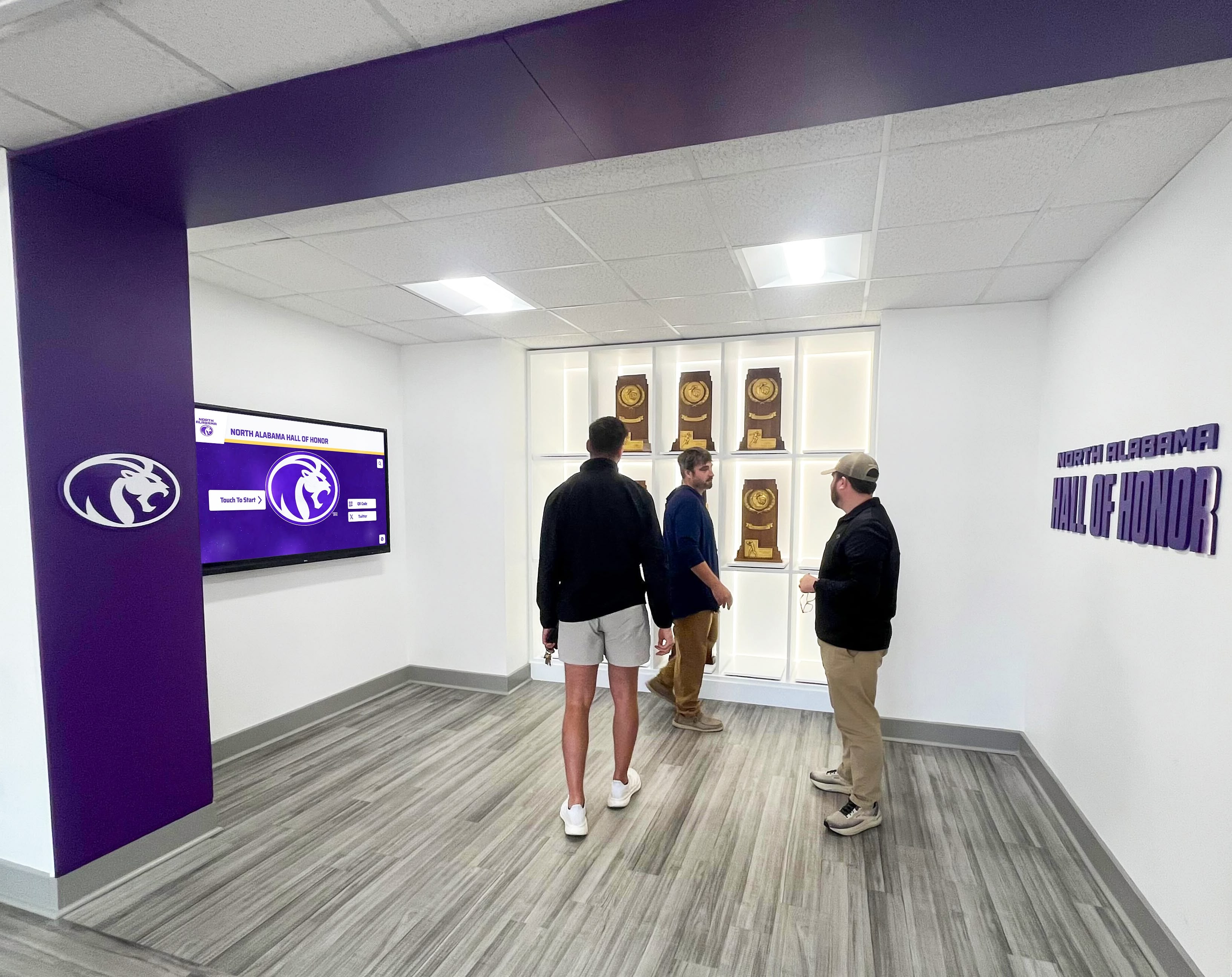
Campus visits provide natural opportunities for alumni engagement and in-person networking during homecoming and reunion events
Template 2: Company-Specific Information Request
Subject: [School] Alumnus Seeking Insights About [Company]
Hi [Name],
I’m [Your Name], a recent [School] graduate (Class of [Year]) with [major]. I’m currently exploring opportunities at [Company] and noticed you’ve been with the organization for [timeframe].
Your transition from [previous company/role] to [current role at target company] mirrors a path I’m considering. I’d greatly value 20 minutes of your time to learn about your experience at [Company], particularly [specific aspect: culture, professional development, specific department, etc.].
I’m happy to work around your schedule and can meet via phone, video, or coffee if you’re in [location]. Thank you for considering my request.
Best, [Your Name]
Template 3: Career Transition Guidance
Subject: Fellow [School] Alumnus Seeking Career Transition Advice
Hi [Name],
I’m [Your Name], [School] Class of [Year]. I’m reaching out because your career path from [original field] to [current field] is exactly the type of transition I’m considering.
As a [current role], I’m exploring whether [target field] might be the right next step. Your perspective on making this shift successfully would be incredibly valuable—particularly how you built relevant skills and positioned yourself for the transition.
Would you have 20-30 minutes for a phone conversation in the next few weeks? I promise to come prepared with specific questions and respect your time.
Thanks for considering, and go [Mascots]!
[Your Name] [Contact Info]
Follow-Up Strategies When You Don’t Hear Back
Even well-crafted messages sometimes go unanswered as professionals receive numerous emails and connection requests daily. Strategic follow-up often succeeds where initial messages don’t.
Appropriate Follow-Up Timing and Frequency
Wait 7-10 business days before following up on initial email outreach, allowing professionals time to process messages during busy work periods. Send one thoughtful follow-up maximum—if you receive no response after two contacts, respect the non-response and move to other alumni.
LinkedIn connection requests without accepted responses can be withdrawn and resent after 2-3 months with updated messages reflecting new developments in your search or career.
Adding Value in Follow-Up Messages
Rather than simply repeating initial requests, effective follow-ups add new information or value: mention recent news about their company or industry showing continued interest, share relevant article or resource demonstrating thoughtfulness, reference recent accomplishment or post of theirs you found valuable, or provide update about your progress showing you’re not passive in career development.
This approach transforms follow-ups from annoying repeated requests into continued relationship building demonstrating genuine interest beyond transactional benefits.
Learn engagement approaches in academic recognition programs applicable to alumni relationship building.
Conducting Productive Informational Interviews
When alumni agree to informational interviews, preparation and execution determine whether single conversations become valuable long-term professional relationships.
Pre-Interview Preparation
Success begins before conversations start through thorough research and thoughtful planning ensuring you maximize limited time alumni provide.
Research Alumni Background Thoroughly
Review LinkedIn profiles, company websites, news articles, and any other available information about the alumnus including current role responsibilities and reporting structure, career progression and key transition points, skills and expertise they’ve developed, companies and organizations where they’ve worked, articles, posts, or content they’ve published, and any shared connections or interests beyond professional contexts.
This research enables you to ask informed questions impossible without background knowledge, avoid wasting time on basic information publicly available, and demonstrate respect through evident preparation.
Develop Strategic Question Lists
Prepare 8-12 thoughtful questions organized by priority ensuring you cover essential topics even if time runs short. Effective categories include career path and decision-making questions, industry and company culture insights, skills and experiences they found most valuable, advice about entering their field or company, and perspectives on industry trends and future opportunities.
Order questions from most important to least essential since conversations often run shorter than allocated time.
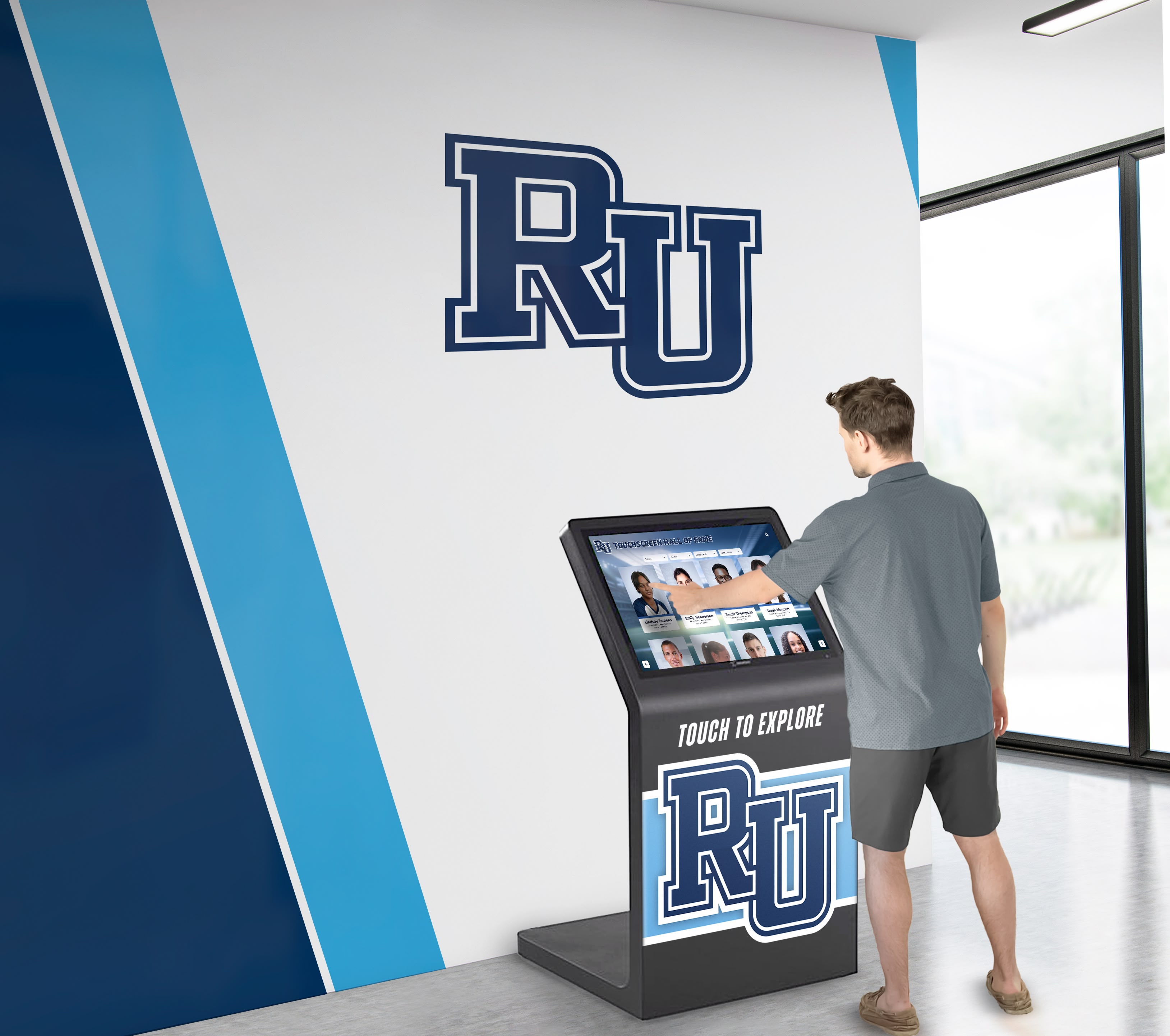
Interactive campus directories help students and recent graduates discover alumni mentors and explore diverse career pathways
Clarify Logistics and Technology
Confirm meeting details 24 hours before scheduled conversations including exact time with time zone clarification if relevant, connection method (phone number, video platform link, location), expected duration, and backup contact method if technical issues arise.
Test video technology beforehand ensuring camera, microphone, and lighting work properly eliminating technical distractions during valuable conversation time.
During the Conversation: Best Practices
Professional, engaging conduct during informational interviews creates positive impressions encouraging continued relationship and future assistance.
Start Strong with Gratitude and Context
Begin conversations expressing genuine appreciation for their time, briefly restating your background and current situation, confirming available time and their schedule constraints, and clarifying your goals for the conversation so alumni understand how to be most helpful.
Example: “Thank you so much for making time for this conversation. I’m a recent [School] graduate exploring [industry/field], and I was hoping to learn from your experience transitioning from [X] to [Y]. I know you have [duration]—is that still accurate?”
Ask Thoughtful, Specific Questions
Move beyond generic questions like “What’s your advice for someone entering this field?” toward specific, thoughtful inquiries: “What skills have proven most valuable in your current role that I should prioritize developing?” “Looking back, what would you do differently in your first few years in this industry?” “What aspects of this work surprised you compared to your expectations?” “How did you build your professional network when starting in [city/industry]?”
Specific questions generate valuable, actionable insights rather than generic platitudes alumni feel obligated to share.
Listen Actively and Follow Natural Conversation Flow
While prepared questions provide structure, best informational interviews feel like natural professional conversations rather than rigid question-and-answer sessions. Listen actively for interesting threads worth exploring deeper, ask follow-up questions based on their responses, share brief relevant details about yourself creating dialogue, and remain flexible abandoning prepared questions if conversation naturally covers more valuable territory.
Explore mentorship strategies in alumni where are they now spotlights demonstrating relationship building approaches.
Close with Clear Next Steps and Continued Connection
As conversations conclude, close thoughtfully by expressing specific appreciation for particular insights shared, asking if you might stay in touch and reach out occasionally, requesting permission to connect on LinkedIn if not already connected, and offering to share your progress or outcomes from their advice.
Example: “This has been incredibly helpful—particularly your perspective on [specific insight]. Would it be alright if I stayed in touch and perhaps reached out in a few months to update you on my progress? I’d also love to connect on LinkedIn if that works for you.”
Post-Interview Follow-Up and Relationship Maintenance
Conversations represent beginnings of relationships rather than one-time transactions. Strategic follow-up and periodic communication transform single meetings into lasting professional connections.
Immediate Thank-You Messages
Send thank-you notes within 24 hours while conversations remain fresh including specific appreciation for particular advice or insights shared, brief mention of actions you’re taking based on their guidance, and reiteration of your appreciation for their time and willingness to help.
Handwritten notes create memorable impressions for particularly valuable conversations, though professional email thank-yous prove perfectly appropriate for most situations.
Periodic Progress Updates
Maintain relationships through occasional updates (quarterly or semi-annually unless more frequent contact feels natural) sharing how their advice influenced your decisions or actions, updates about your career progress and job search developments, sharing articles or resources relevant to topics you discussed, and congratulating them on accomplishments or news you see about their work.
These updates keep you on their radar without making every contact feel like requests for additional help.
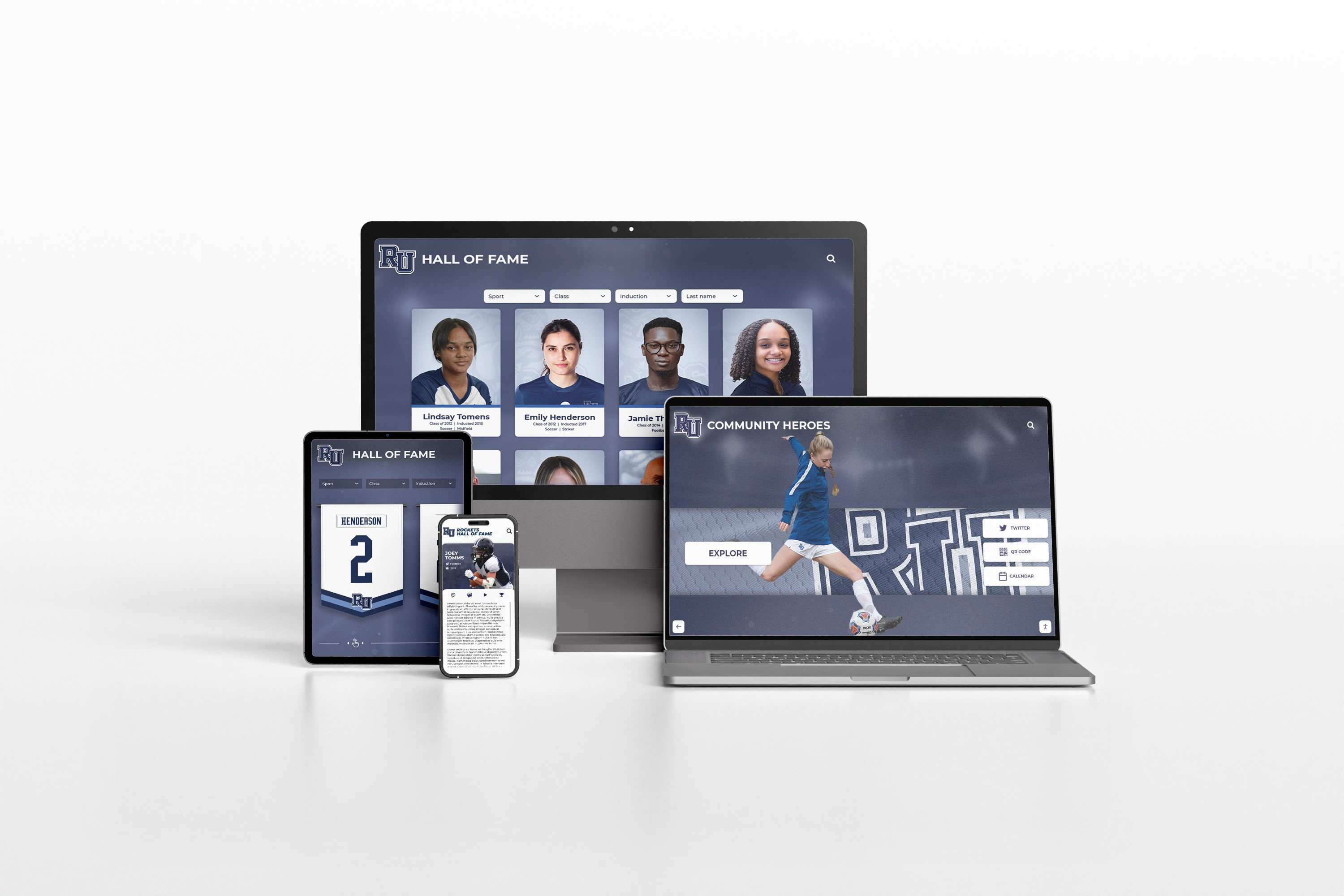
Mobile-responsive alumni platforms enable networking and relationship building across devices and locations
Looking for Mutual Value Opportunities
Strongest professional relationships involve mutual value exchange rather than one-directional help. Look for ways to provide value to alumni who’ve helped you through sharing job leads or opportunities relevant to their interests, making introductions to people in your network who might be valuable, engaging with and sharing their professional content on social media, providing consumer insights or feedback if relevant to their work, and offering assistance with their initiatives, causes, or projects.
Even small gestures demonstrate you view relationships as reciprocal partnerships rather than pure extraction of favors.
Leveraging Alumni Networks for Job Search Success
While informational interviews and career advice provide value, alumni networks offer particular advantages during active job search phases when you need concrete opportunities and referrals.
Strategic Approaches to Alumni Job Search Networking
Effective alumni networking during job search requires balance—leveraging connections for opportunities while maintaining relationship authenticity and avoiding transactional impressions.
Transparent Communication About Job Search Status
When reaching out to alumni during active job searches, appropriate transparency about your situation and goals prevents misunderstandings and enables alumni to help more effectively. Clear communication includes stating you’re actively searching for [type of role], mentioning if you’re targeting their company specifically, asking if they’re comfortable being resources during your search, and clarifying what help you’re hoping for (advice, referrals, introductions, etc.).
Example: “I wanted to let you know I’m actively searching for [type] roles, particularly at companies like [Company]. I’m not asking you to stick your neck out or make referrals you’re not comfortable with, but I’d greatly value any advice about approaching [Company] or insights about roles I should consider.”
This honesty respects alumni by allowing them to determine comfort levels with different types of assistance.
Leveraging Alumni for Company Insights Rather Than Just Referrals
While referrals represent valuable outcomes, approaching alumni purely for referrals feels transactional and uncomfortable. Instead, seek company insights and application strategy advice that naturally lead to referral opportunities when alumni feel comfortable.
Valuable questions include: “What do you wish you’d known about [Company] before joining?” “What qualities does [Company] particularly value in candidates?” “How should I position my [School] background in applications?” “Are there specific teams or departments I should prioritize?” “What’s the realistic timeline for hiring processes?”
These questions provide actionable intelligence while demonstrating genuine interest beyond simple “can you refer me” requests.
Discover systematic approaches in highlighting famous alumni with networking facilitation strategies.
Using Alumni for Interview Preparation and Negotiation Guidance
Alumni assistance extends beyond initial job leads into interview preparation and offer negotiation phases where insider insights prove particularly valuable.
Industry and Company-Specific Interview Preparation
Alumni who’ve gone through hiring processes at target companies or industries provide preparation advantages including common interview questions and formats specific to companies, technical assessment expectations and difficulty levels, cultural fit evaluation criteria interviewers emphasize, appropriate salary range discussions and compensation structures, and timeline expectations from application to offer stages.
Reach out to alumni when you secure interviews: “I wanted to let you know I have an interview with [Company] next week—congratulations are premature, but I wanted to thank you for your previous advice that helped me get to this stage. If you have 15 minutes in the next few days, I’d love any insights about their interview process or what they particularly look for in candidates.”
Offer Evaluation and Negotiation Insights
When you receive offers, alumni provide valuable sounding boards for evaluation and negotiation strategy including whether compensation aligns with industry and regional standards, how to evaluate total compensation packages beyond salary, negotiation approaches and tactics appropriate for specific companies, and broader career implications of accepting particular opportunities.
These conversations prove particularly valuable since alumni provide objective perspectives without personal stakes in your decisions, unlike family members or close friends whose advice may reflect their preferences rather than your best interests.
Building Long-Term Alumni Relationships Beyond Immediate Career Needs
The most valuable alumni networking occurs before you urgently need help, building relationships gradually over months and years creating genuine connections rather than transactional arrangements.
Investing in Relationships When You Don’t Need Immediate Help
Counterintuitively, the best time to network with alumni is when you’re not desperately seeking jobs or immediate assistance.
Networking as a Continuous Practice
Rather than approaching alumni networking as occasional activity during job searches, treat relationship building as ongoing professional practice: regularly attending alumni events even when employed and satisfied, maintaining LinkedIn presence engaging with alumni content, participating in alumni association initiatives and volunteer opportunities, and conducting informational interviews exploring fields you’re curious about regardless of immediate career change plans.
This continuous approach builds extensive networks before you need them while making relationships feel authentic since you’re not constantly requesting favors.
Becoming a Resource for Alumni Networks
As you progress in your career, actively contributing to alumni networks strengthens your reputation while building reciprocal relationships: volunteering for alumni mentorship programs helping current students, participating in alumni panels and career events, sharing job leads and opportunities in your networks, and writing articles or creating content for alumni publications.
Contributing establishes you as valuable community member rather than perpetual help-seeker, making alumni more enthusiastic about assisting your career when you do need support.
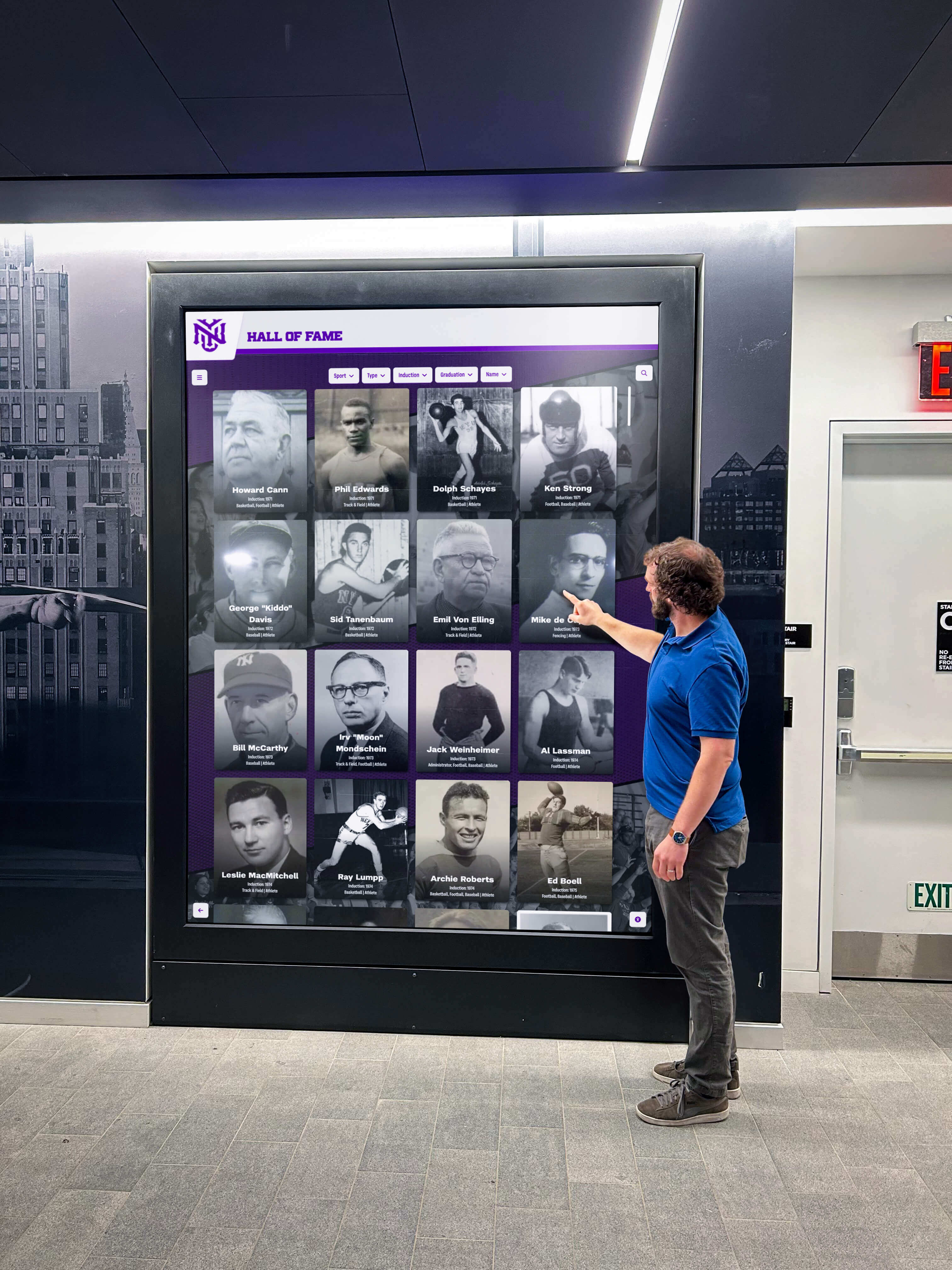
Interactive alumni recognition displays create gathering points during campus visits encouraging organic networking conversations
Learn about engagement programs in digital archives for schools and universities supporting long-term alumni connections.
Giving Back Through Alumni Mentorship
Perhaps the most rewarding aspect of alumni networking involves transitioning from mentee to mentor as your career progresses, continuing the cycle of mutual support that defines strong alumni communities.
Mentoring Current Students and Recent Graduates
Even early in your career, you possess valuable insights current students and very recent graduates need: realistic perspectives on entry-level job searches from recent experience, insights about specific companies or industries while still fresh, empathy for challenges students currently face, and relatability as near-peer mentor versus accomplished but distant senior alumni.
Register as available mentor through your institution’s alumni office or career services, respond thoughtfully when students reach out through LinkedIn, participate in alumni career panels and networking events, and share your own career journey authentically including challenges and setbacks not just successes.
Supporting Institutional Alumni Programs
Strong alumni networks require institutional investment in platforms, events, and programs that facilitate connections. Support these initiatives through participating in alumni association activities and events, providing feedback about alumni networking resources and platforms, connecting institutional organizers with other engaged alumni, and contributing financially to alumni programs when able.
Solutions like Rocket Alumni Solutions help institutions maintain comprehensive digital alumni recognition that enables students and graduates to discover and connect with accomplished alumni while celebrating graduate achievements.
Overcoming Common Alumni Networking Challenges
Even with strong strategies, most graduates encounter obstacles and setbacks during alumni networking efforts. Understanding common challenges helps you persevere through difficulties.
Addressing Imposter Syndrome and Networking Anxiety
Many recent graduates struggle with psychological barriers that prevent effective alumni networking despite possessing the skills and qualifications to benefit from these connections.
Overcoming Fear of “Bothering” Successful Alumni
Perhaps the most common networking barrier involves fear that reaching out to accomplished alumni represents imposition rather than welcome interaction. Remember that most successful alumni genuinely want to help and specifically remember receiving similar assistance earlier in their careers, view mentoring as way to give back to institutions that shaped their success, and feel flattered that current students and recent graduates seek their guidance.
Your outreach provides alumni opportunities to fulfill values they already hold about supporting institutional communities—you’re not bothering them, you’re enabling them to contribute meaningfully.
Managing Perfectionism and Fear of Rejection
Many graduates never start networking because they fear imperfect approaches, uncomfortable conversations, or rejection when alumni don’t respond or decline assistance. Recognize that networking is skill that improves with practice, not all alumni will respond regardless of message quality, rejection rarely reflects personal inadequacy—timing, workload, and circumstances determine responses, and learning from unsuccessful attempts improves future networking efforts.
Send first messages accepting they won’t be perfect. Each interaction teaches lessons improving your approach.
Dealing with Non-Responses and Networking Setbacks
Not every alumni outreach succeeds, regardless of message quality or relationship building effort. Resilience and perspective prevent normal setbacks from derailing networking initiatives.
Maintaining Perspective on Response Rates
Expect 20-40% response rates on initial cold alumni outreach even with excellent messages and shared institutional ties. Professionals receive numerous requests, emails get lost in crowded inboxes, and timing significantly affects response likelihood regardless of message quality.
Lower response rates don’t indicate personal rejection or inadequate networking approaches—they reflect realities of professional communication in modern work environments. Focus on building relationships with alumni who do respond rather than dwelling on non-responses.
Learning from Unsuccessful Networking Attempts
When networking efforts don’t yield hoped-for results, extract lessons improving future approaches: Did messages clearly communicate value alumni would receive from engaging? Were requests specific enough for busy professionals to easily accommodate? Did you follow up appropriately or give up too quickly? Could you improve targeting by being more selective about alumni you contact?
Continuous improvement based on experience distinguishes graduates who eventually build strong networks from those who abandon efforts after initial disappointments.
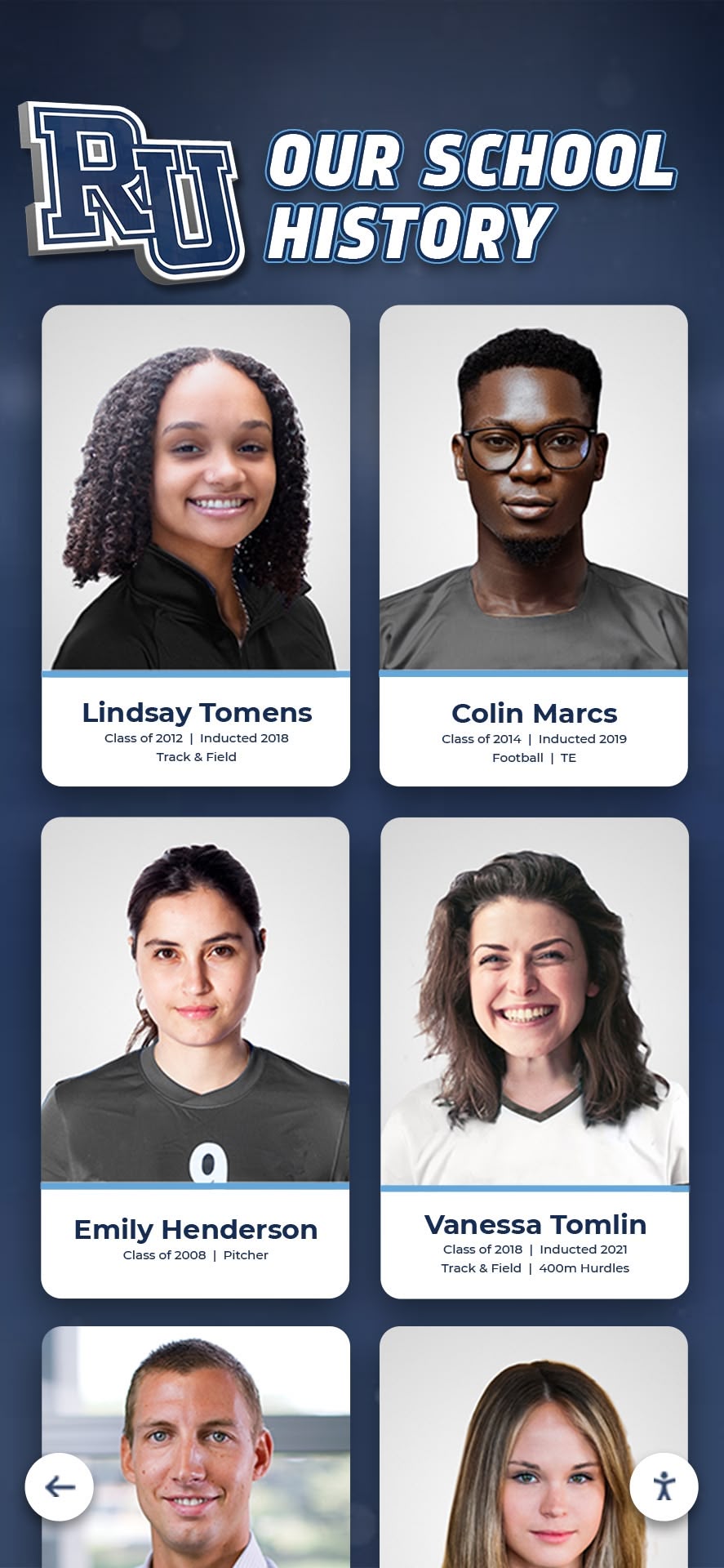
Comprehensive alumni profile collections help current students discover diverse career pathways and identify potential mentors matching their interests
Explore systematic recognition in college residence hall displays that facilitate student-alumni connections.
Networking Across Geographic and Industry Boundaries
Alumni networks extend globally across industries, but effective networking at distance requires adapted approaches recognizing logistical and cultural differences.
Virtual Networking Best Practices
When networking with alumni in different cities, regions, or countries, adapt approaches to virtual contexts: explicitly offer video or phone conversations rather than assuming in-person meetings, be mindful of time zones when suggesting meeting times, use video when possible to create stronger personal connection than phone alone, and leverage asynchronous communication (email, LinkedIn messages) when schedules make synchronous conversation difficult.
Virtual networking eliminates geographic limitations enabling relationship building with alumni worldwide regardless of current location.
Leveraging Regional Alumni Networks
Many institutions maintain regional alumni chapters in major cities hosting networking events, social gatherings, and professional development programming. These local networks provide face-to-face networking opportunities without requiring campus travel including city-specific career panels and industry events, social gatherings creating casual networking contexts, regional mentorship programs connecting local alumni, and professional development workshops relevant to local industries.
Connect with institutional alumni offices to identify active regional chapters in your location or target cities.
Conclusion: Alumni Networking as Lifelong Career Investment
Effective alumni networking represents one of the highest-return professional investments you can make throughout your career. The relationships you build with fellow graduates create support systems, opportunity pipelines, and professional communities that serve you across decades—not simply during immediate post-graduation job searches.
Start with clear understanding that valuable networking focuses on authentic relationship building rather than transactional favor exchanges. Invest time discovering relevant alumni through institutional resources, professional platforms, and campus-based recognition systems that help you identify graduates whose paths align with your aspirations and interests.
Discover Alumni Connection Opportunities
Learn how modern digital recognition platforms help students and recent graduates discover accomplished alumni, explore diverse career pathways, and build meaningful professional relationships through interactive displays and comprehensive alumni profiles designed specifically for educational institutions.
Explore Alumni Recognition SolutionsReach out thoughtfully with personalized messages demonstrating genuine interest and appropriate preparation, conduct productive informational interviews that provide value to both parties, and maintain relationships through consistent communication and mutual support even when you don’t need immediate assistance.
Modern institutions increasingly leverage digital solutions like Rocket Alumni Solutions to showcase accomplished graduates and facilitate student-alumni connections through interactive displays and comprehensive profile systems. These platforms enable students to discover relevant mentors, explore diverse career pathways, and understand how alumni leveraged their education to achieve professional success—creating natural networking opportunities while celebrating graduate accomplishments.
Remember that alumni networking works because successful graduates genuinely want to help the next generation succeed, creating reciprocal support cycles that strengthen entire institutional communities. Every conversation you have with an alumnus potentially changes your career trajectory through insights shared, connections facilitated, or opportunities revealed.
Approach alumni networking with patience, authenticity, and long-term perspective. The relationships you build today create professional support systems serving you throughout your career while positioning you to eventually mentor future graduates, continuing the cycle of mutual support that distinguishes strong alumni communities from disconnected collections of former students.
Your shared institutional identity creates immediate common ground and natural motivation for fellow alumni to support your success. Leverage these powerful connections thoughtfully and gratefully, recognizing that today’s networking efforts build tomorrow’s opportunities while contributing to vibrant alumni communities benefiting everyone connected to your institution.
Ready to explore comprehensive alumni networking resources? Discover how interactive campus storytelling and alumni displays enable students to connect with accomplished graduates, or learn about student mentorship programs that systematically facilitate alumni-student relationships supporting career development and professional growth.