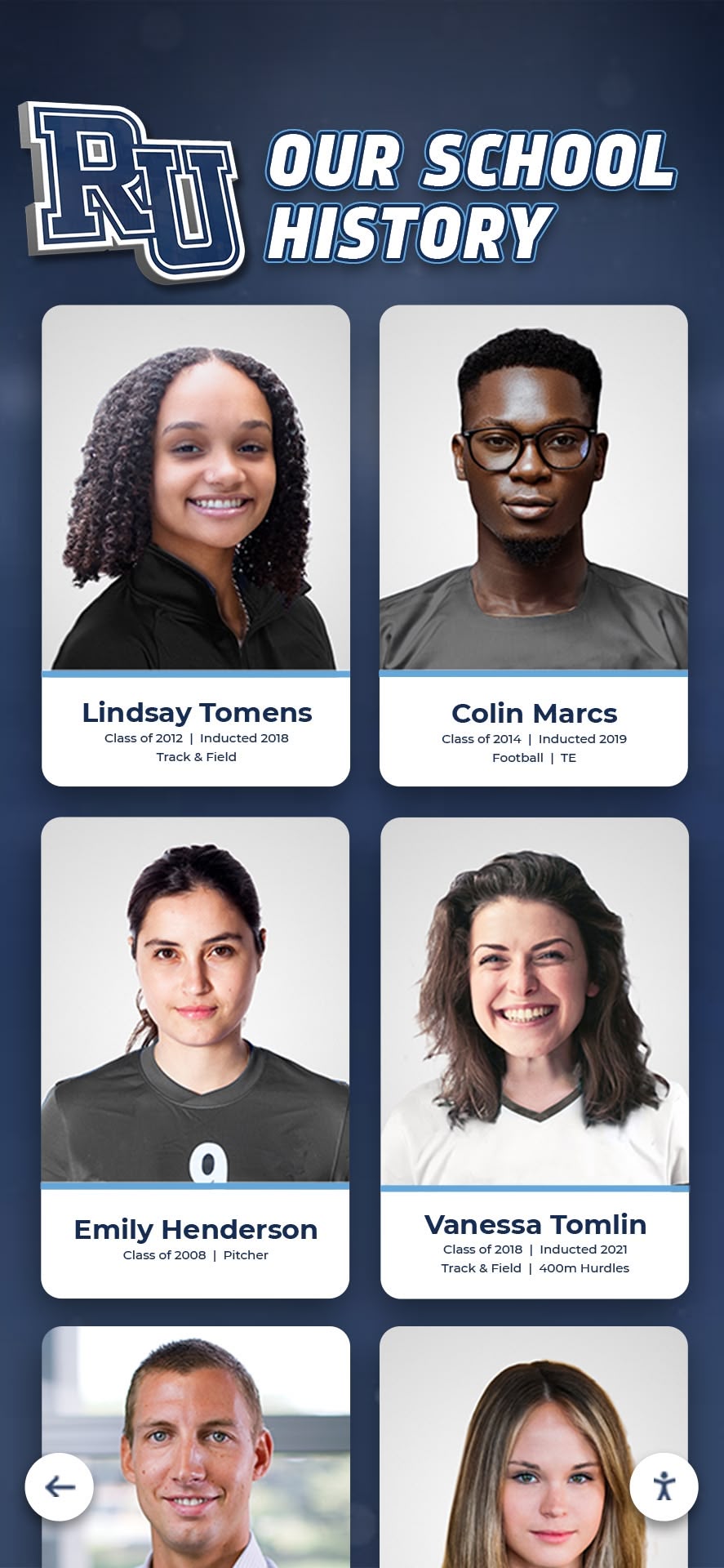




Junior high school represents a pivotal transition period in most people’s lives—those awkward, formative years between childhood and high school where friendships formed, personalities emerged, and countless memories were made. For many adults, yearbooks from these middle school years hold unique sentimental value, capturing a moment in time when everything felt simultaneously terrifying and exciting. Yet these junior high yearbooks often prove the most difficult to locate, falling into a curious gap where they’re too old to be easily accessible but too recent to have been systematically archived like historical school records.
Whether you’re seeking your own yearbook to share with children, trying to reconnect with old classmates, researching family history, or simply feeling nostalgic for simpler times, finding a specific junior high school yearbook requires understanding where these publications end up and which search strategies produce results. Unlike high school yearbooks that receive more preservation attention, junior high annuals frequently disappear into closets, get discarded during moves, or remain in school storage without clear access procedures.
This comprehensive walkthrough provides specific, actionable steps for locating junior high school yearbooks regardless of when you attended or where your school was located. From free online archives to local library collections, school district contacts to commercial services, and modern digital preservation platforms, this guide explores every viable avenue for finding those elusive middle school memories.
The search for a junior high yearbook differs significantly from locating high school or elementary school records. Junior high schools themselves often had shorter institutional lifespans—many transitioned to middle school models, merged with other schools, or closed entirely as districts reorganized. These institutional changes scatter yearbook collections across multiple locations, making systematic searching essential rather than assuming a single obvious source will have what you need.

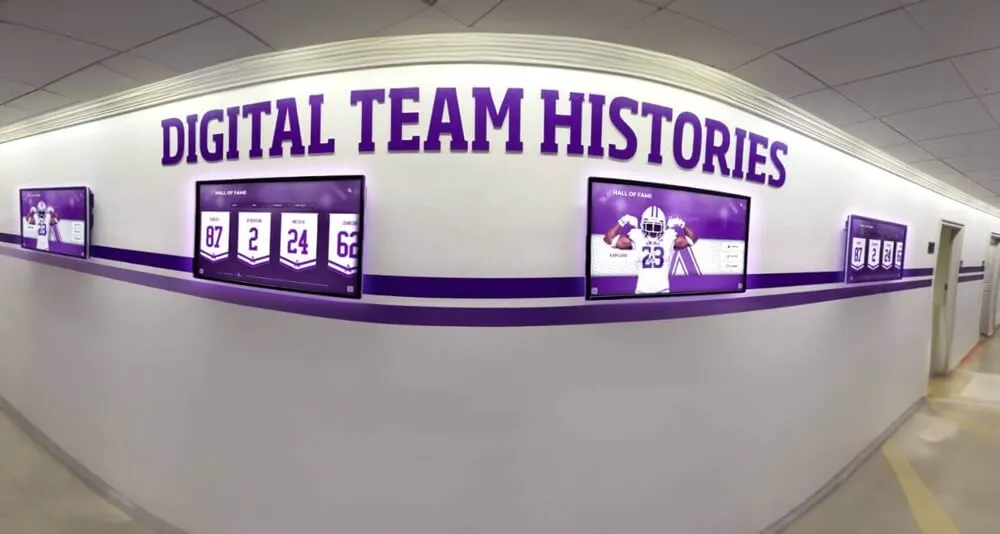
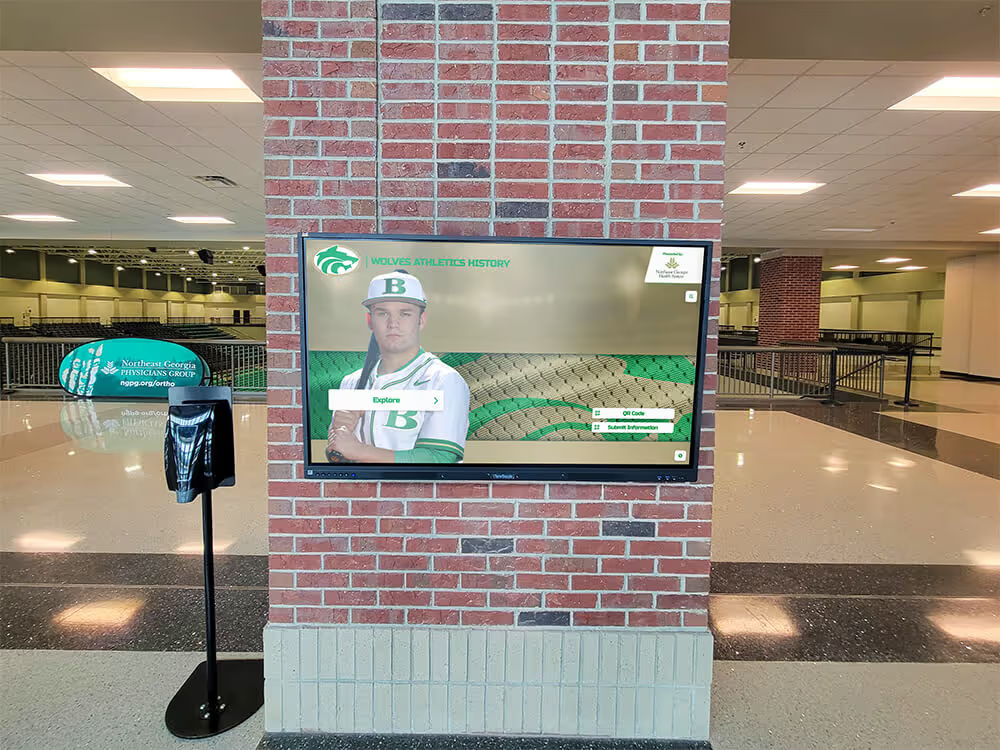
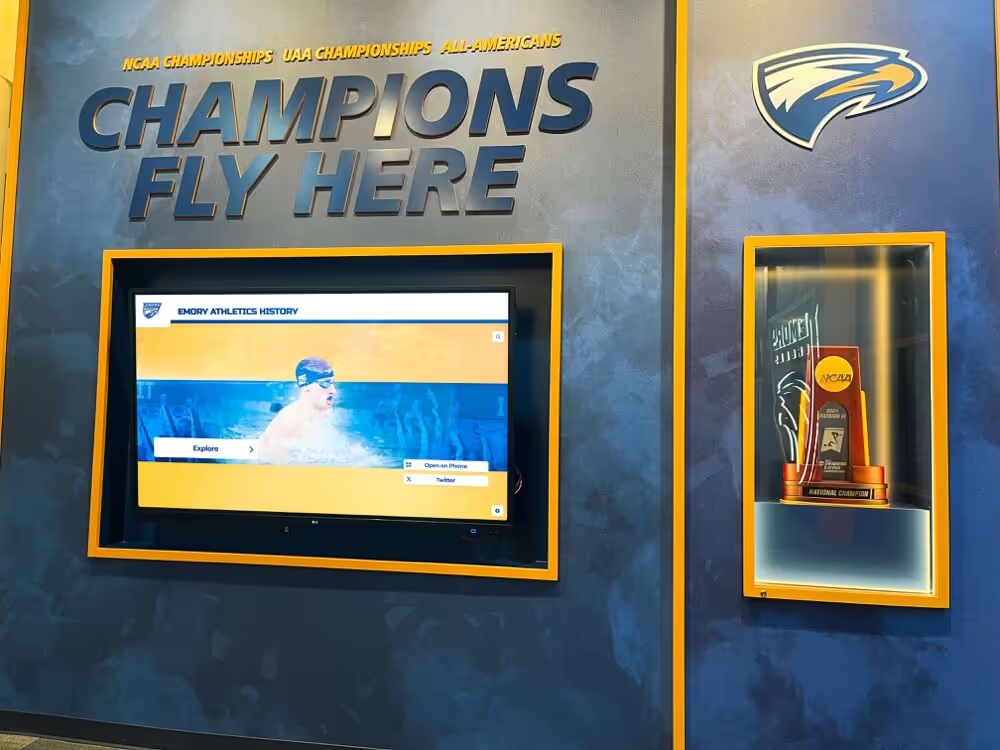
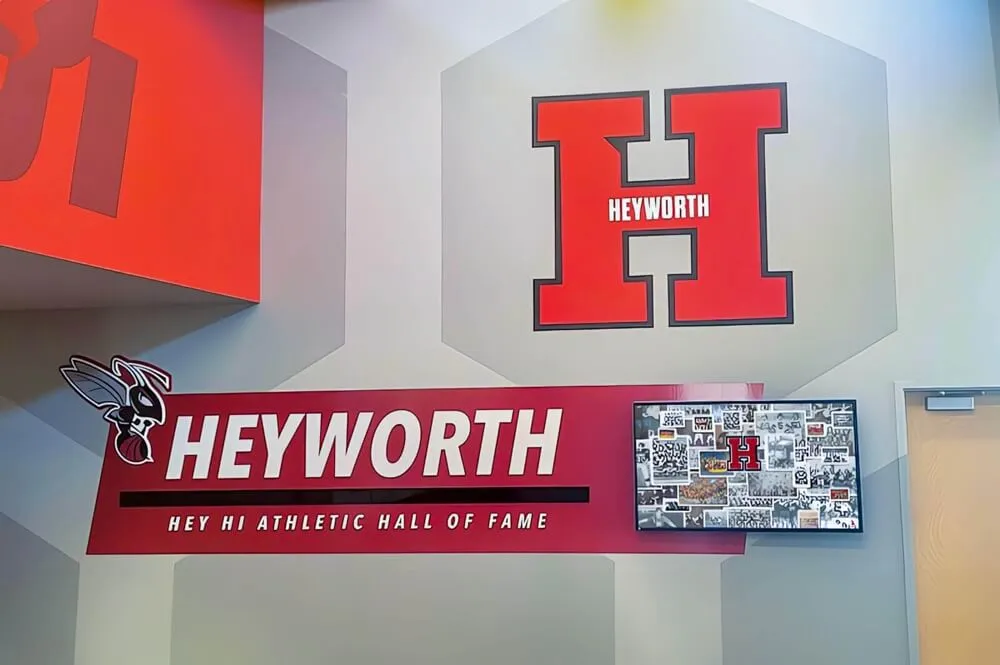
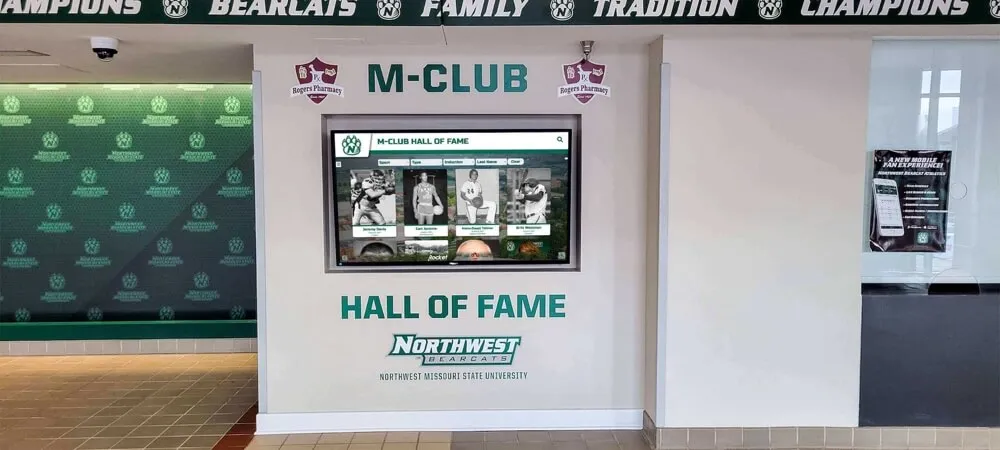
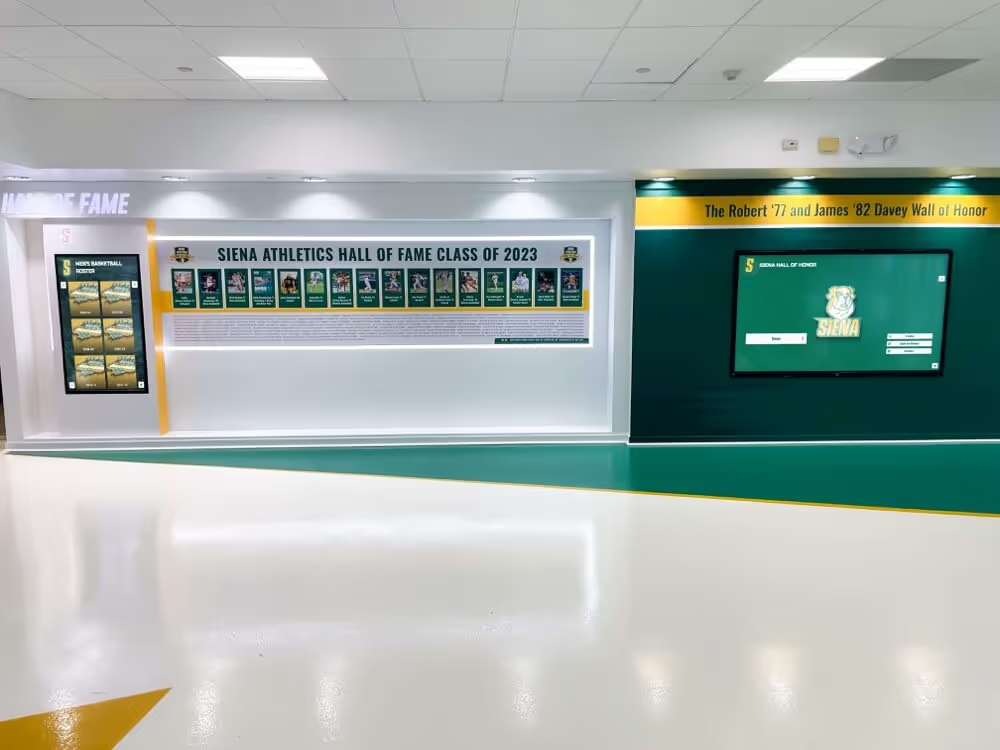
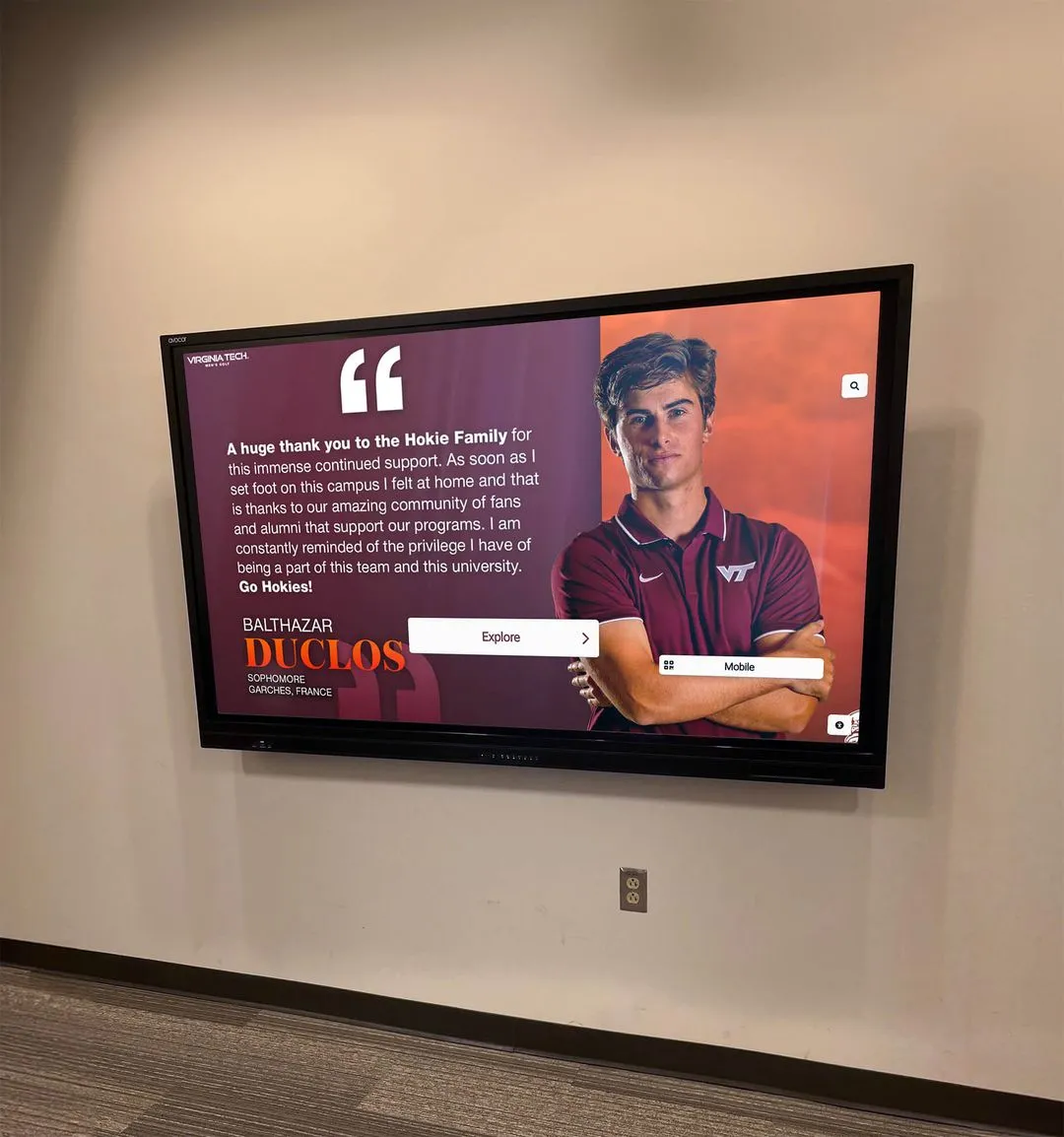
Modern digital archives preserve complete school histories including junior high and middle school yearbooks that might otherwise be lost to time
Understanding Where Junior High Yearbooks End Up
Before beginning your search, understanding the typical lifecycle and storage locations for junior high yearbooks helps target efforts toward most promising sources.
The Journey of Junior High Yearbooks Over Time
Initial Distribution and Early Years
When originally published, junior high yearbooks follow predictable paths:
Students receive personal copies distributed during the final weeks of school, typically the culminating year of junior high (usually eighth or ninth grade depending on local grade configurations). Schools retain archive copies storing one or more yearbooks from each year in libraries, administrative offices, or dedicated archive spaces. Yearbook advisors, teachers, and administrators often keep personal collections spanning multiple years. And photography studios or printing companies producing yearbooks may retain proof copies though these rarely remain accessible decades later.
During the first 5-10 years after publication, these various copies remain relatively accessible—personal copies stay in family homes, school archive copies can be viewed during visits, and the institutional memory about where yearbooks are stored remains intact.
The Dispersal Phase
As decades pass, junior high yearbooks scatter:
Personal copies disappear during household moves, basement cleanings, and generational transitions when children’s possessions get purged. School archive copies face risk during facility renovations, administrative changes, or school closures and consolidations. Teacher and staff collections get donated, discarded, or inherited by family members who may not recognize their value. And institutional knowledge about archive locations fades as personnel turnover replaces staff who remember historical record-keeping practices.
This dispersal phase—typically 15-40 years after publication—creates the greatest challenge for yearbook searchers. Yearbooks exist somewhere but locating specific copies requires detective work rather than simple requests to obvious sources.
Modern Digitization and Preservation
More recently, several trends improve junior high yearbook accessibility:
Alumni associations and dedicated volunteers digitize yearbook collections making them searchable online. Public libraries incorporate yearbook collections into local history archives with improved cataloging. Commercial digitization services scan yearbooks on demand or build searchable databases. And schools themselves invest in digital preservation ensuring historical records remain accessible despite physical storage challenges. Discover how school yearbook scanning services preserve and digitize yearbook collections for permanent access.
Understanding this lifecycle helps calibrate expectations—recent yearbooks may still be readily available through schools while decades-old annuals require more extensive searching across multiple potential repositories.
Common Storage Locations for Junior High Yearbooks
School District Archives
Many districts maintain central archive facilities:
Larger school districts often designate archival storage for historical records from all district schools including those that closed or reorganized. These archives may exist in district administration buildings, designated historical facilities, or partnerships with local historical societies. Access procedures vary widely—some maintain open public access during business hours while others require appointments or formal research requests.
Importantly, junior high yearbooks may be archived separately from high school collections, filed under former school names if institutions merged, or stored in formats (microfilm, microfiche, unsorted boxes) making them difficult to locate without staff assistance.
Public Library Local History Collections
Public libraries serve as community memory repositories:
Most public library systems maintain local history or genealogy departments collecting materials documenting community heritage. School yearbooks from all local educational institutions frequently constitute significant portions of these collections given their value for biographical research, community history documentation, and genealogical investigations.
Library collections offer advantages over school archives including professional cataloging making yearbooks discoverable through library catalogs, established public access procedures during regular library hours, trained reference staff experienced helping researchers navigate collections, and often climate-controlled preservation environments protecting materials from deterioration.
Geographic coverage matters—search libraries in the actual community where the school was located rather than where you currently live, as yearbook collections focus on local institutional history.
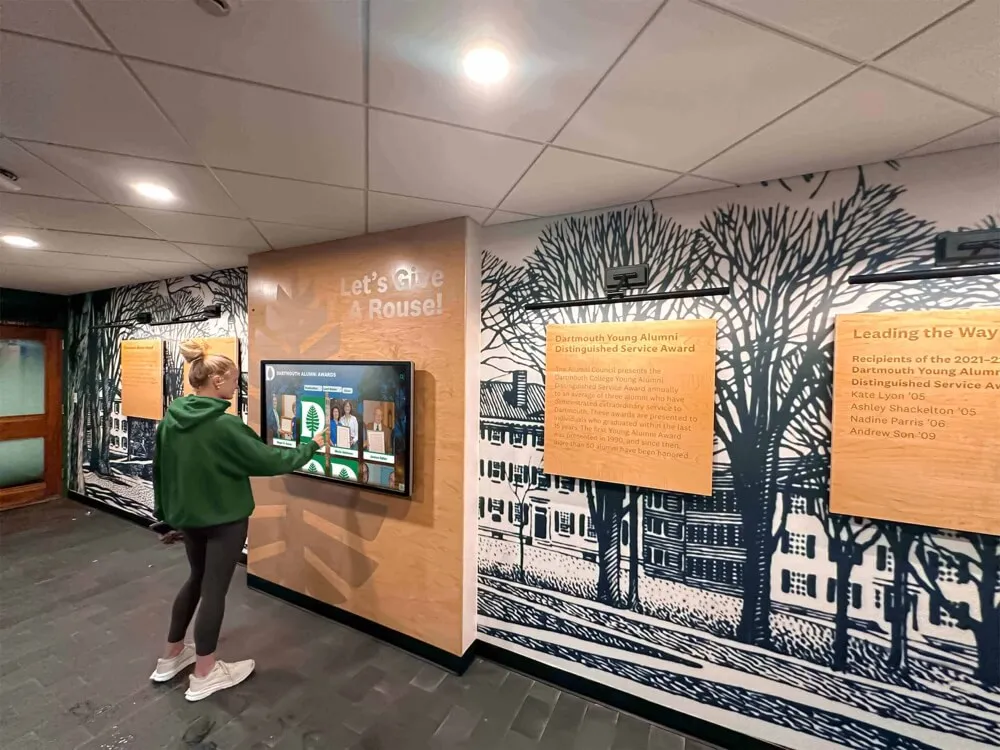
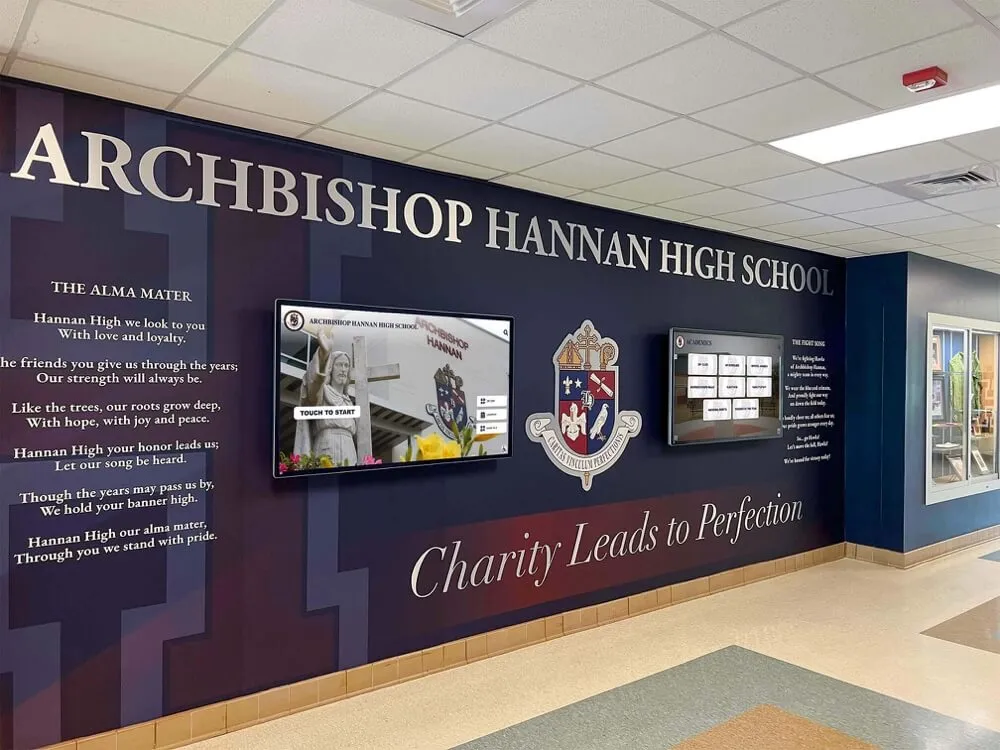
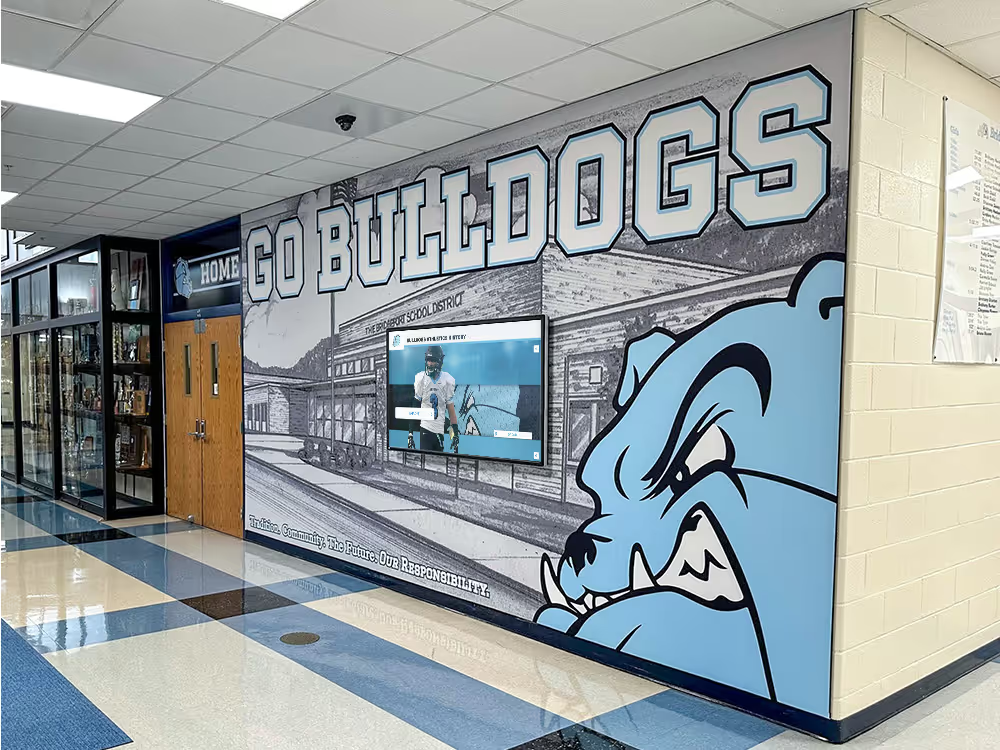
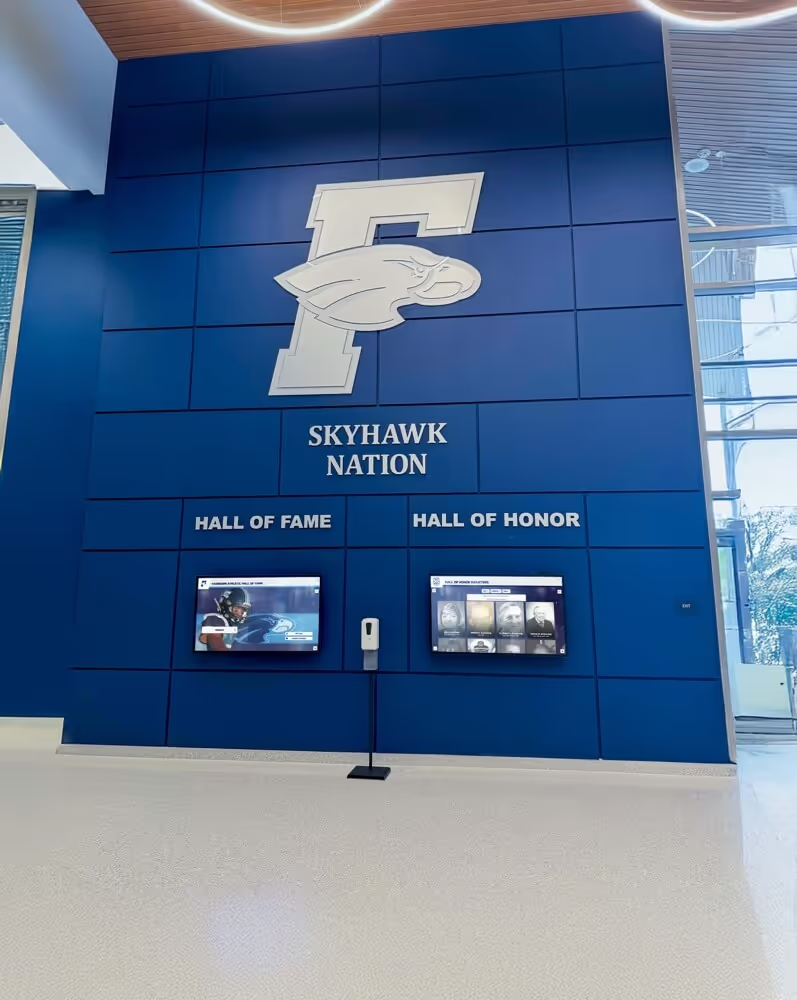
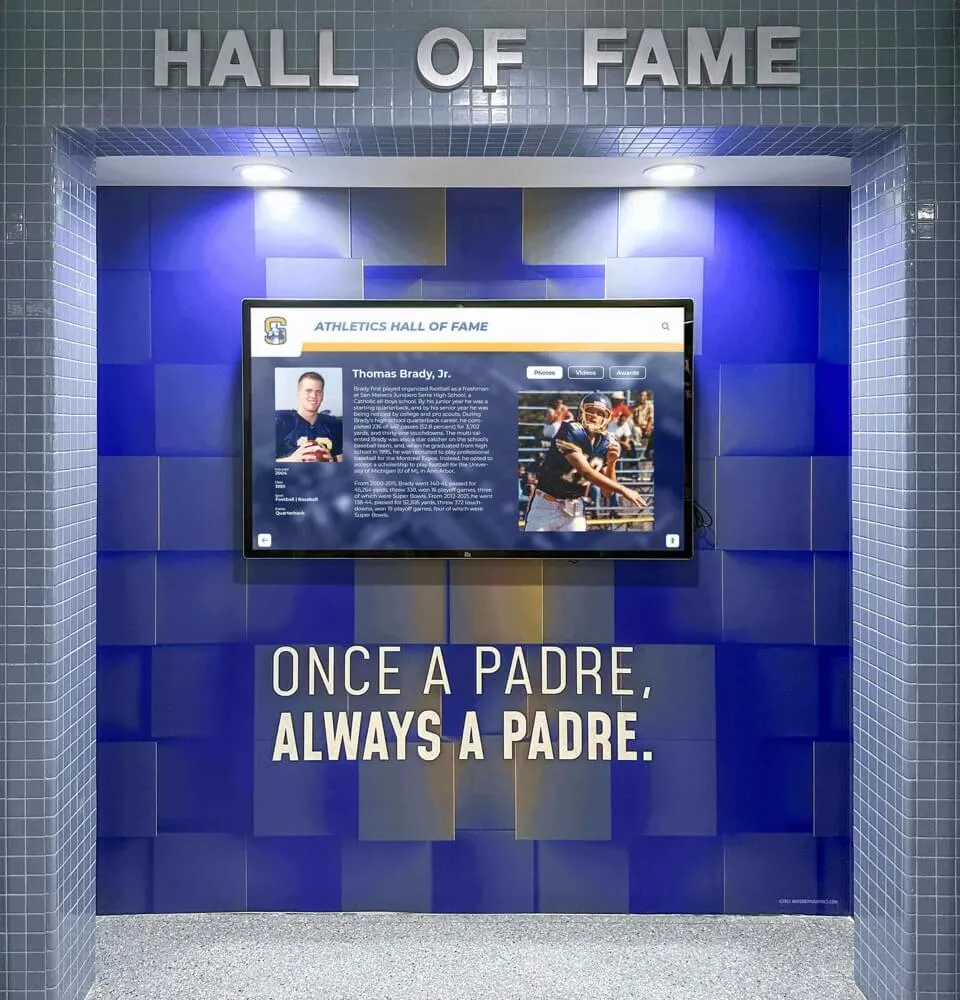
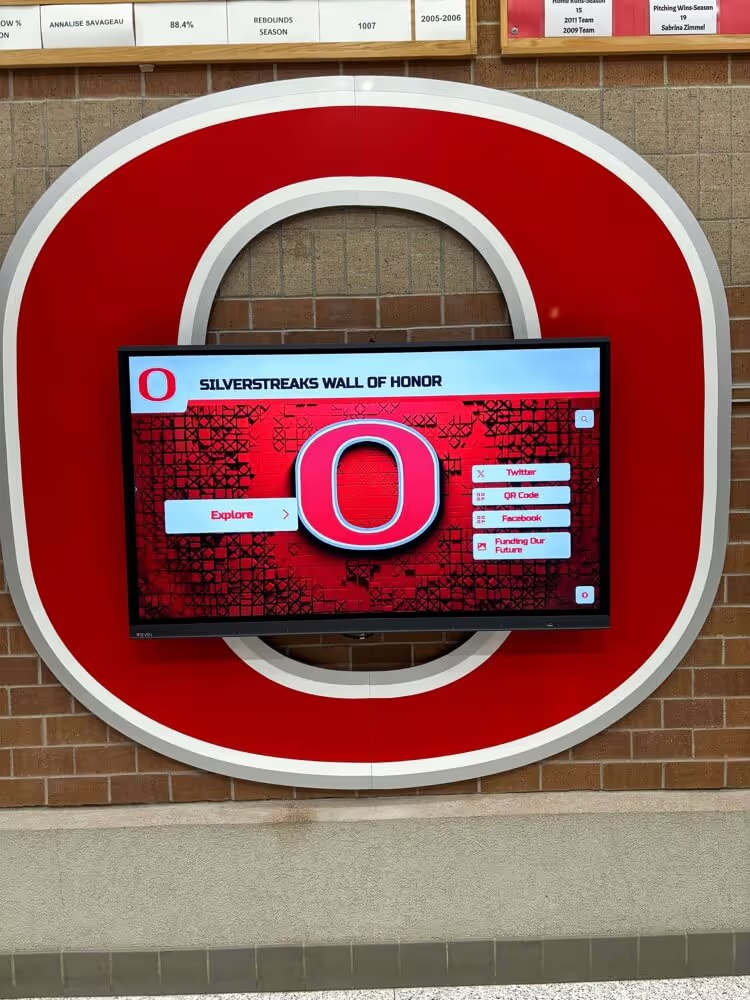
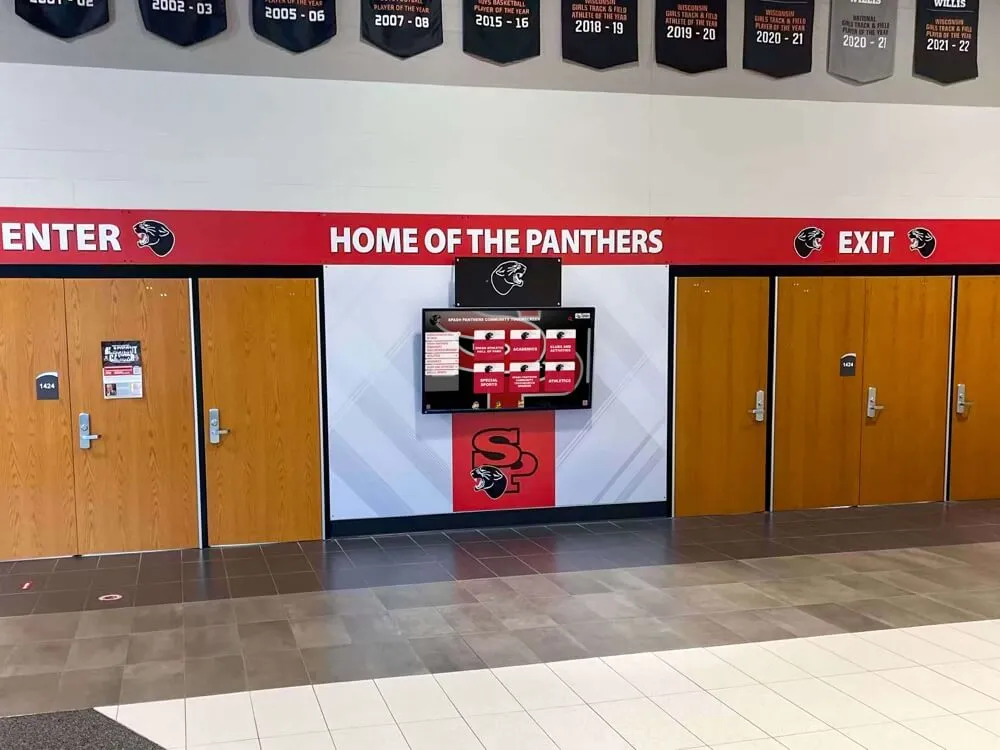
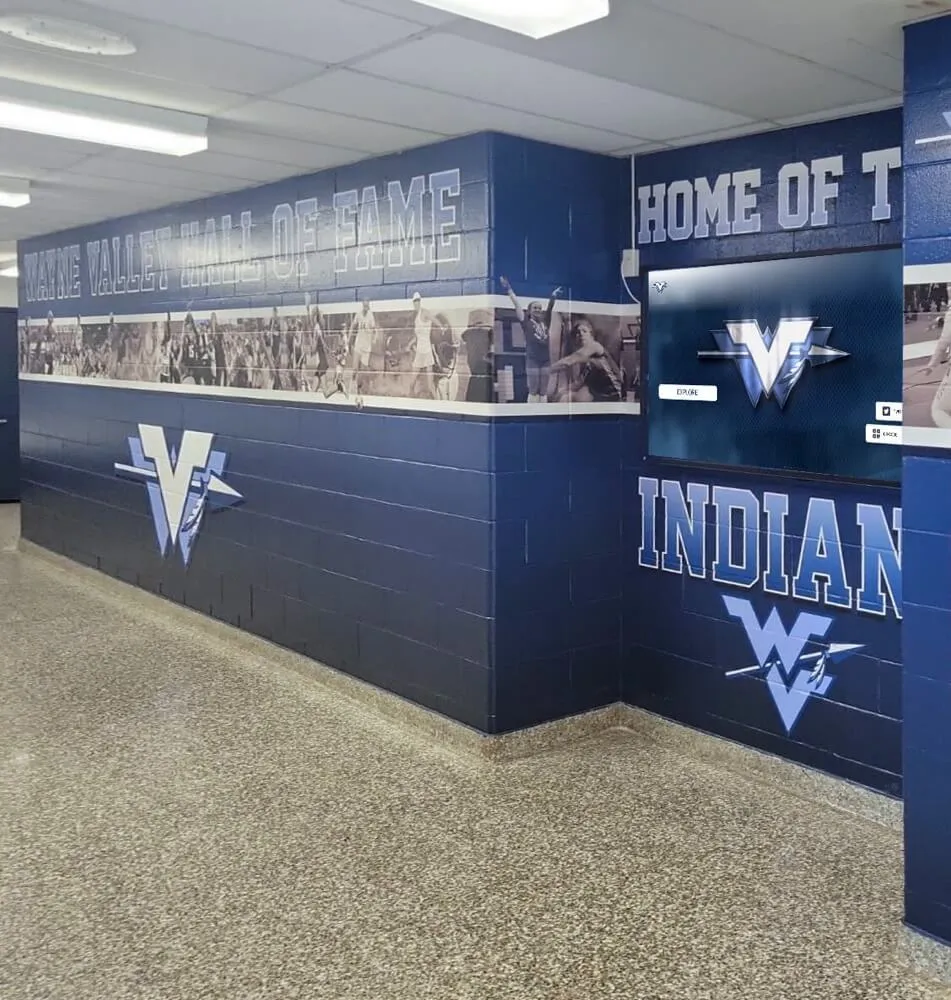
Interactive touchscreen archives enable easy browsing through decades of yearbooks and historical photographs documenting complete school histories
University and Academic Libraries
Universities collect regional historical materials:
Major university libraries, particularly state institutions and those with strong regional studies programs, maintain extensive collections documenting educational history within their geographic areas. These academic archives often include yearbooks from area schools including junior highs and middle schools as primary source materials for education research, social history studies, and regional documentation.
University collections frequently receive yearbook donations from alumni, schools, or estates—creating unexpectedly comprehensive holdings sometimes superior to the schools’ own archive preservation efforts. Access typically requires visiting reading rooms though some universities digitize portions of collections for remote access.
Historical Societies and Museums
Local historical organizations preserve community memory:
County historical societies, municipal history museums, and community heritage organizations often maintain school yearbook collections as documentation of local educational institutions and community development. These collections may include materials donated by school alumni, transferred from closing schools, or specifically collected to preserve institutional history.
Historical society holdings can be unpredictable—some maintain comprehensive yearbook collections while others have scattered holdings with significant gaps. However, they represent important resources worth investigating particularly for communities without strong public library local history programs.
Private Collections and Online Marketplaces
Yearbooks circulate through secondary markets:
Individual collectors, antique shops, estate sales, and online marketplaces regularly feature vintage yearbooks. Platforms like eBay, Etsy, AbeBooks, and local Facebook Marketplace frequently list yearbooks at prices ranging from $10-50 depending on age, condition, and institutional prominence.
While purchasing yearbooks costs more than accessing free archives, commercial sources sometimes offer the only avenue for very rare yearbooks from closed schools, small private institutions, or years poorly represented in public collections.
Step 1: Start with Free Online Yearbook Archives
Beginning with online resources maximizes efficiency—you may find your yearbook without leaving home, and unsuccessful online searches inform which in-person resources to pursue next.
E-Yearbook.com: The Largest Free Database
Understanding E-Yearbook’s Collection
E-Yearbook.com operates as the internet’s most comprehensive free yearbook archive:
This volunteer-driven platform hosts thousands of digitized yearbooks spanning elementary, junior high, high school, and college institutions primarily from the United States. The collection grows continuously as users contribute scanned yearbooks from personal collections. Coverage varies dramatically by region and era—some communities have extensive representation while others have minimal presence depending on local contributor activity.
Search Strategy
Conduct thorough searches accounting for name variations:
Begin by searching the official school name during the years you attended. Many junior highs changed names over time—search both historical names and current names if the institution still exists. Try variations like “[City Name] Junior High School,” “[City Name] Jr. High,” and “[City Name] Middle School” since institutions often transitioned between naming conventions. Filter results by state and city narrowing to your specific location. And browse surrounding years if your exact year doesn’t appear—collections often have gaps with some years missing despite neighboring years being available.
E-Yearbook functions best when you know precise school names and approximate years—fuzzy recollections require supplementing with other search strategies establishing exact details before returning to search more effectively.
Classmates.com: Community-Driven Yearbook Sharing
Free vs. Premium Access
Classmates.com operates on freemium model:
Free accounts enable searching for schools, viewing which yearbooks exist in the database, and seeing limited preview information. Premium memberships (approximately $5-15 monthly) unlock full yearbook page viewing, contact with other alumni, and additional historical materials. The platform contains extensive yearbook coverage particularly for schools with active alumni communities where users upload and share content.
Effective Use of Classmates
Maximize value even without premium subscription:
Create free profile to search for your junior high school and determine whether yearbook coverage exists for your years. View available preview information confirming whether upgrading to premium access would provide what you seek. Connect with alumni who may have physical copies they’d share or scan specific pages. And leverage the platform’s community features asking other graduates if anyone has yearbooks from years missing from online collections.
For those willing to pay modest subscription fees, Classmates often provides quickest path to viewing complete yearbooks from home without traveling to physical archives or libraries.
Ancestry.com and FamilySearch: Genealogical Resources
Yearbooks in Genealogy Databases
Genealogical platforms increasingly incorporate yearbooks:
Both Ancestry.com and FamilySearch (free LDS-operated service) include yearbook collections within their historical records databases. These platforms focus primarily on genealogical research value—yearbooks provide biographical details, photographs, and community context for family history research. Coverage emphasizes older yearbooks (pre-1980s) with expired copyrights enabling unrestricted digitization.
Search Techniques
Leverage genealogy platform search capabilities:
Search yearbook-specific collections using school names and years. Use advanced search filtering by location, date ranges, and institution types. Search by personal names if you’re seeking specific individuals rather than browsing complete yearbooks. And examine search results carefully—yearbooks may appear in various collections including school records, biographical references, or photograph archives depending on how platforms organize materials.
FamilySearch provides completely free access making it excellent starting point, while Ancestry requires subscriptions but offers more extensive collections and sophisticated search tools. Many public libraries provide free Ancestry access through library cards—check your local library’s digital resources before purchasing individual subscriptions.
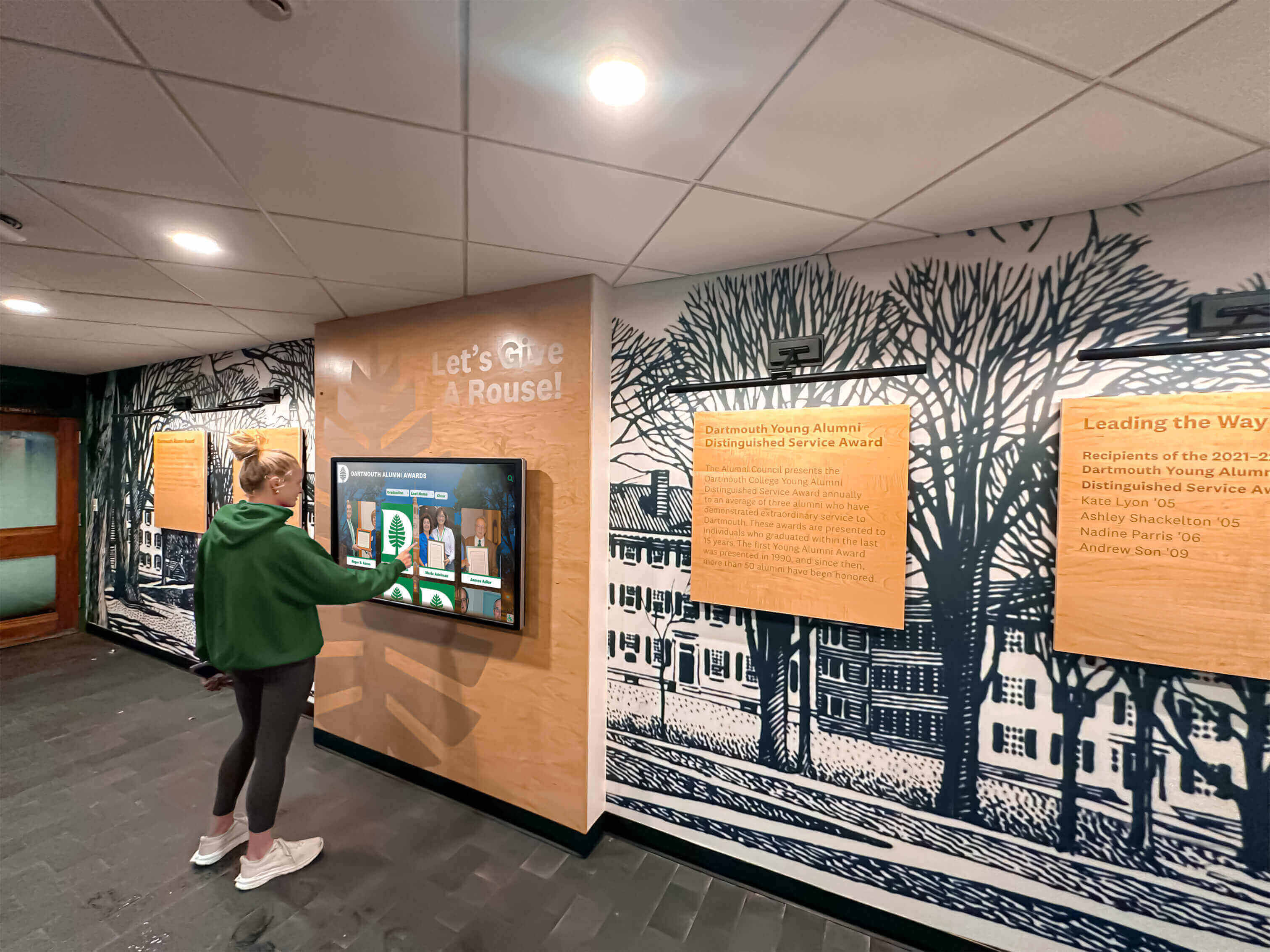
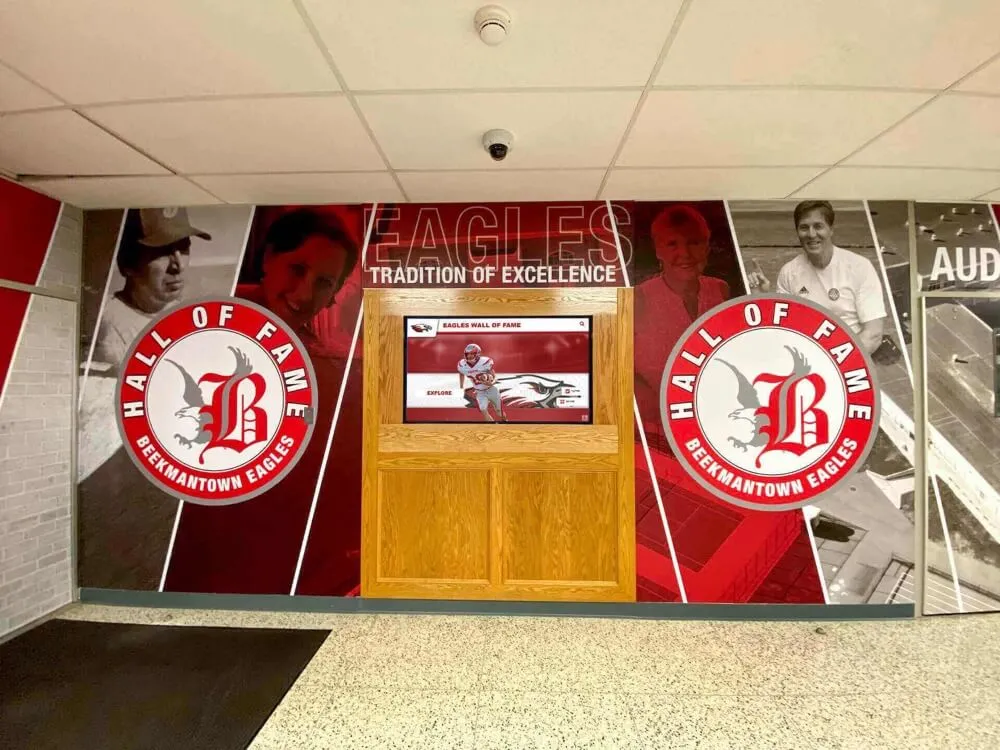
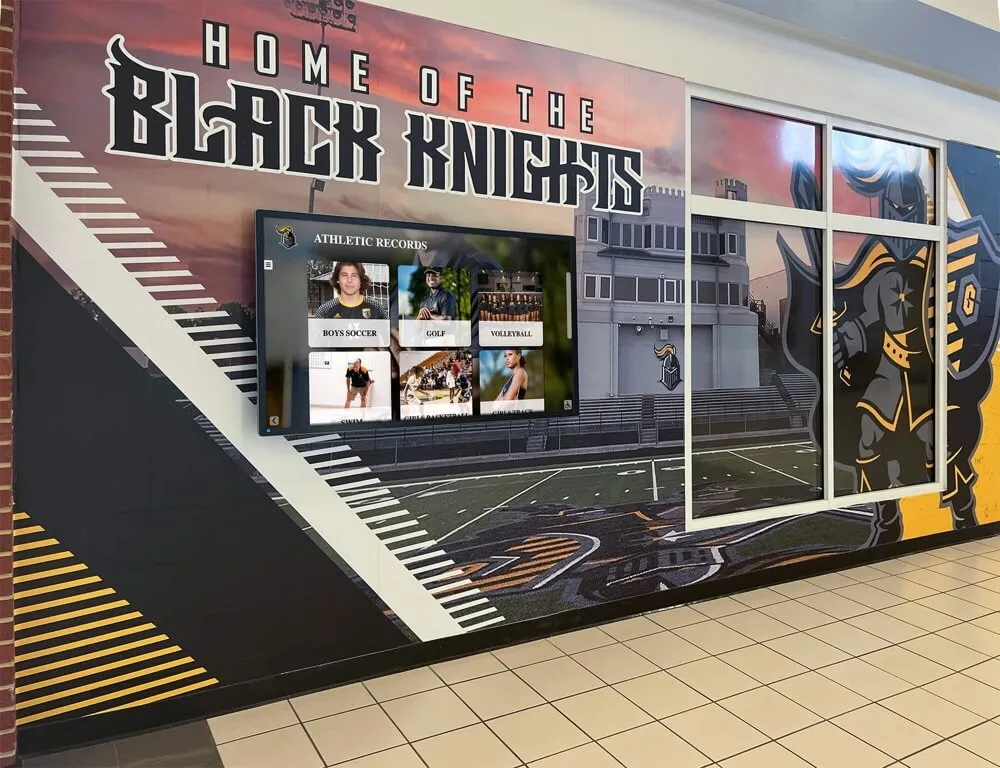
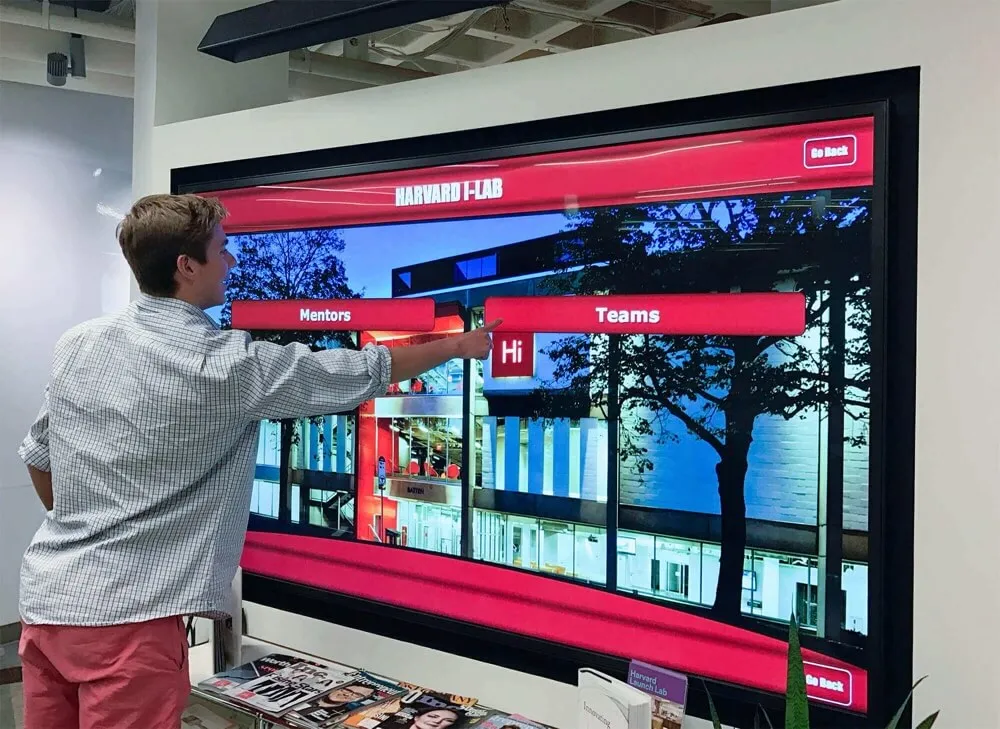
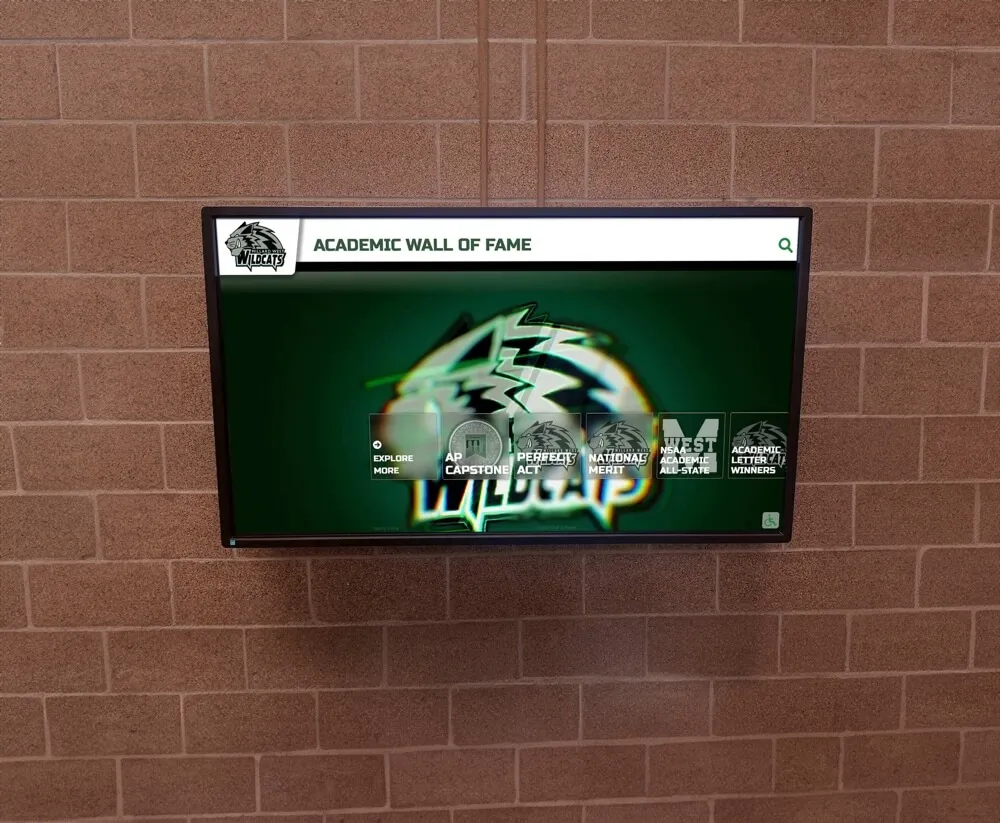
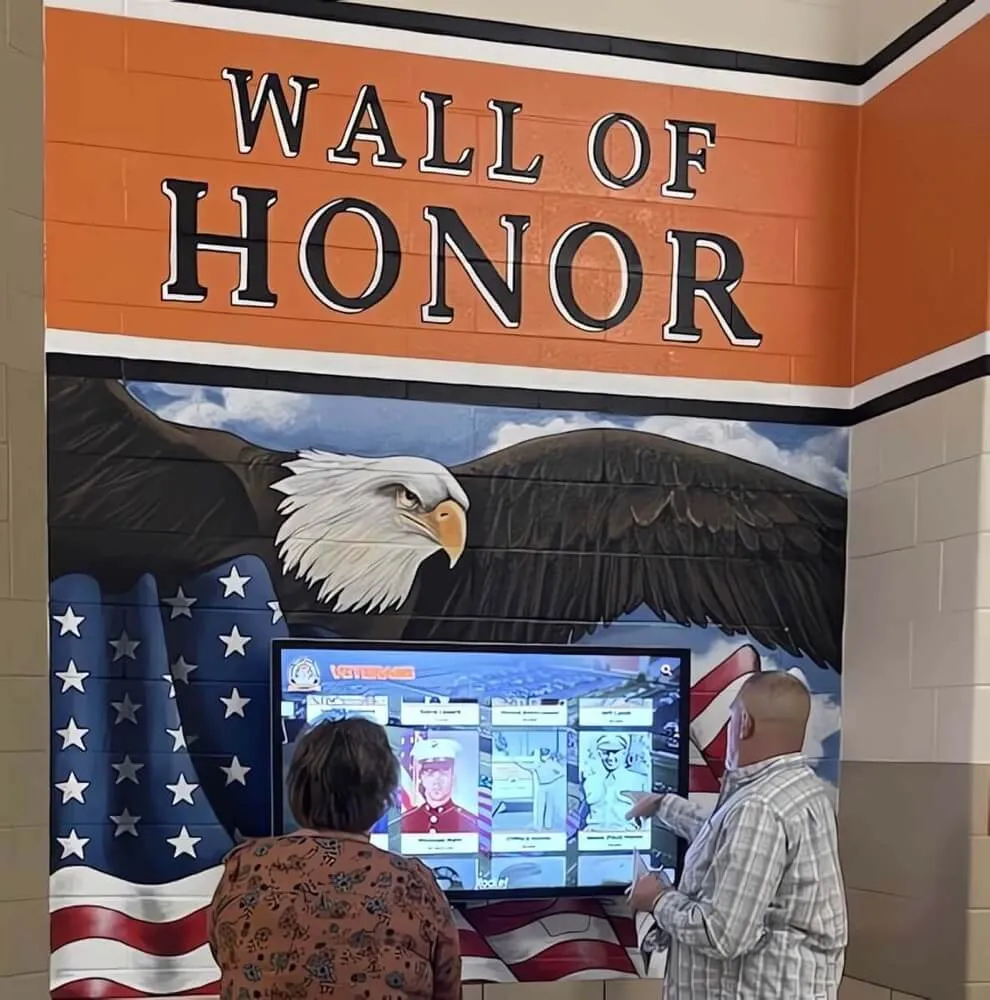
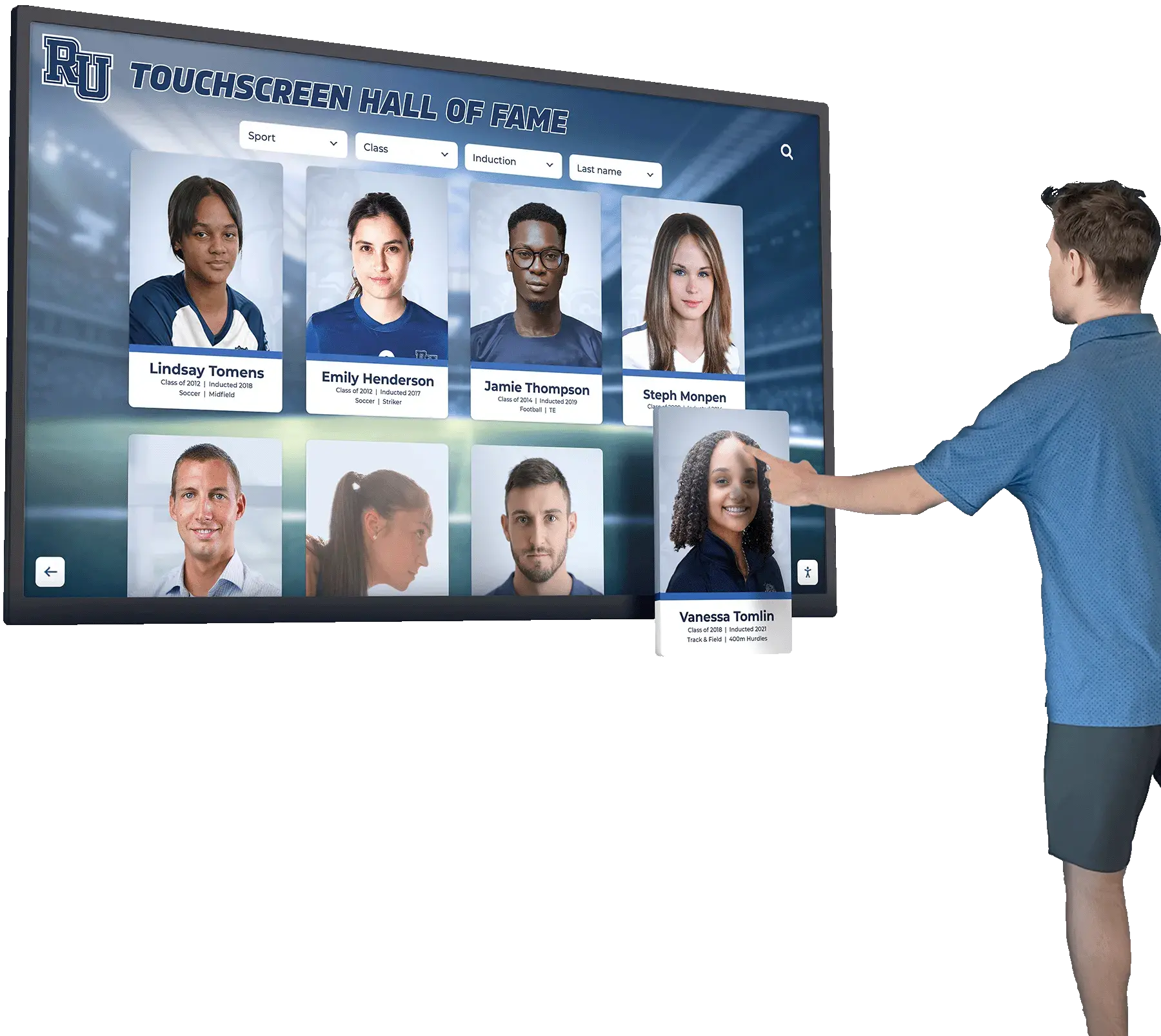
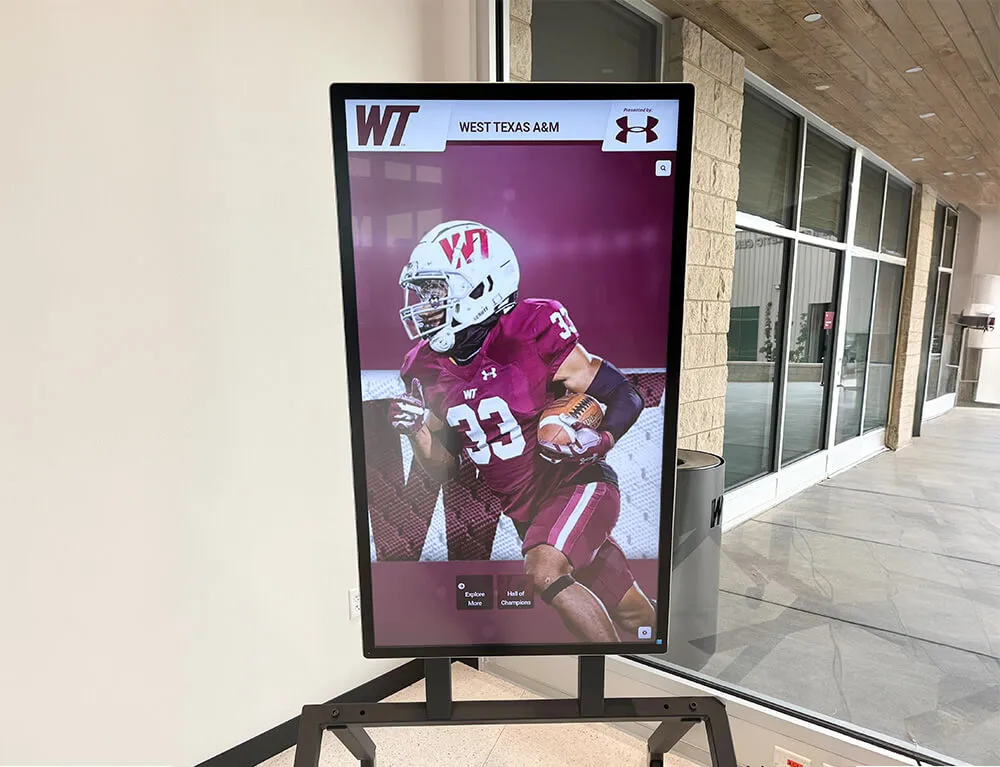
Modern interactive displays make exploring historical yearbooks and alumni records as simple as touching a screen, engaging younger generations with school history
Internet Archive: Long-Term Digital Preservation
Using Archive.org’s Yearbook Collection
The Internet Archive maintains growing yearbook holdings:
This nonprofit digital library includes yearbooks in its extensive text collection, often uploaded by libraries, schools, or individuals committed to preserving historical records. Search the Archive’s text collection using school names and filter results by media type (books/texts) and date ranges. The platform’s full-text search sometimes enables finding specific names within yearbooks even without knowing exact years.
Download complete yearbooks in various formats including PDF for offline viewing and sharing. The Archive accepts contributions—if you possess yearbooks missing from online collections, consider scanning and uploading them benefiting future searchers.
State and Regional Digital Libraries
Many states maintain digital archives:
State libraries and historical societies increasingly operate digital collection platforms preserving regional materials including school yearbooks. Examples include California Digital Newspaper Collection, Portal to Texas History, Kentucky Digital Library, and similar state-specific initiatives. Search “[Your State] Digital Library yearbooks” to identify relevant regional platforms.
These specialized collections sometimes contain yearbooks absent from national databases, particularly for smaller schools or rural communities where local institutions drive digitization efforts despite limited resources preventing contributions to larger platforms.
Step 2: Contact Your Former School Directly
When online searches fail, direct school contact often produces results since many institutions retain historical yearbook archives even if not digitized or publicly accessible.
Researching Current School Status
Determining if Your School Still Exists
Before contacting schools, verify current institutional status:
Many junior high schools closed, merged, or reorganized over decades. Search online for “[School Name] [City]” to determine current status. Check school district websites for comprehensive school listings—your former junior high may now be a middle school, community center, or closed entirely with students redistricted elsewhere. Research local news archives for information about school closings, consolidations, or reorganizations providing clues about where historical records transferred.
Understanding current institutional status determines who to contact—active schools versus school districts versus successor institutions versus historical societies holding records from closed schools all require different contact approaches.
Identifying Appropriate Contact Personnel
Target requests to staff most likely to help:
For active schools, contact librarians who typically manage school archives, administrative assistants who handle historical inquiries, or yearbook advisors who may maintain comprehensive collections. For school districts, reach out to district archivists, communications directors, or superintendent’s offices that coordinate historical records across all district schools. And for closed schools, contact the district that absorbed students or local historical societies that received institutional records.
Generic “info@” emails often go unanswered—specific personnel contacts yield better response rates. School websites usually list staff with contact information; calling main offices to request appropriate contact names works when websites lack details.
Crafting Effective Inquiry Emails
Essential Information to Include
Provide complete details helping staff locate specific yearbooks:
State complete official school name as it existed when you attended. Specify exact years you’re seeking (graduation year if eighth or ninth grade depending on junior high configuration). Indicate your connection to the school (alumnus, family member researching relative, etc.) building rapport and demonstrating legitimate interest. Explain your purpose briefly (nostalgia, genealogical research, reunion planning) helping staff understand request context. And ask specific questions about archive access procedures, viewing options, scanning policies, and whether copies can be provided.
Sample Email Template
Subject: Request to View [School Name] Yearbook from [Year]
Dear [Librarian/Administrator name],
I attended [Complete School Name] from [year] to [year] and am trying to locate a copy of the [year] yearbook from my graduating class. I’m hoping to reconnect with former classmates and share these memories with my own children who enjoy hearing about my junior high experiences.
Does [School Name] maintain archive copies of yearbooks from this period? If so, I would appreciate information about:
- Whether I could schedule a visit to view the yearbook
- If scanning individual pages is permitted for personal use
- Whether digital copies exist that could be shared
- Any fees or procedures required to access historical yearbooks
I understand archives may have limited access, and I’m happy to work within whatever procedures your institution has established. Thank you for any assistance you can provide in helping me locate this piece of my personal history.
Sincerely, [Your name] [Your contact information] [Graduation year and any relevant details like former teachers’ names that establish authenticity]
Polite, specific, patient requests receive better responses than demanding or vague inquiries. School staff handle numerous responsibilities beyond historical archives—respectful communication acknowledging their time constraints builds goodwill.
Understanding School Archive Access Policies
Varied Access Approaches
Schools implement different archive access procedures:
Some maintain open policies welcoming alumni to view yearbooks during school hours with simple sign-in procedures. Others require advance appointments ensuring staff availability to retrieve materials from storage. Some permit unsupervised browsing while others require staff supervision protecting against theft or damage. And some allow scanning or photographing pages while others prohibit reproduction due to copyright concerns or privacy policies.
These policies often exist informally rather than as written rules—flexible respectful researchers may receive accommodations that rigid demanding approaches wouldn’t get. Building positive relationships with school staff produces better outcomes than adversarial stances treating access as entitlement rather than privilege.
Privacy and Copyright Considerations
Schools sometimes restrict access protecting current students:
Recent yearbooks may have access limitations protecting student privacy particularly in an era of increased concern about inappropriate image use. Very old yearbooks (typically 70+ years) enter public domain making reproduction legally permissive, while more recent publications remain under copyright restricting large-scale scanning or distribution. Most schools permit personal use viewing and limited scanning for individual research while prohibiting commercial use or wholesale digitization without permission.
Respect these concerns even when frustrating—schools balance competing obligations to preserve history, protect student privacy, and comply with copyright law. Working cooperatively within established boundaries yields better results than demanding unrestricted access.
Step 3: Visit Local Libraries and Public Archives
When online searches and school contacts don’t produce results, local libraries and public archives often maintain yearbook collections accessible to researchers.
Identifying Libraries with Yearbook Collections
Local vs. Regional Library Systems
Target geographically appropriate libraries:
Search libraries in the community where you attended junior high rather than where you currently live. Urban areas typically have main library branches with dedicated local history departments maintaining comprehensive yearbook collections. Suburban communities may distribute yearbook collections across multiple branches—call library systems to ask which locations house yearbook archives. And rural areas might maintain collections at county libraries serving multiple communities.
Library websites often list local history collection contents including whether yearbooks are included. When websites lack details, telephone or email reference departments asking specifically about junior high/middle school yearbook holdings from your years and location.
Using Library Catalogs Effectively
Library catalogs make yearbooks discoverable:
Search library catalogs using school names as keywords. Yearbooks catalog as books with titles typically formatted as “[School Name] Yearbook [Year]” or school-specific yearbook names like “The Bulldog” or “Reflections.” Browse catalog results examining publication years identifying which specific yearbooks the library holds. Note call numbers and locations indicating which department or branch houses yearbooks. And check item status determining whether yearbooks circulate for checkout or remain reference-only requiring in-library use.
Many library catalogs now connect across regional systems—searching one library may reveal yearbook holdings at neighboring library systems suggesting additional locations worth visiting if your primary library lacks needed years.
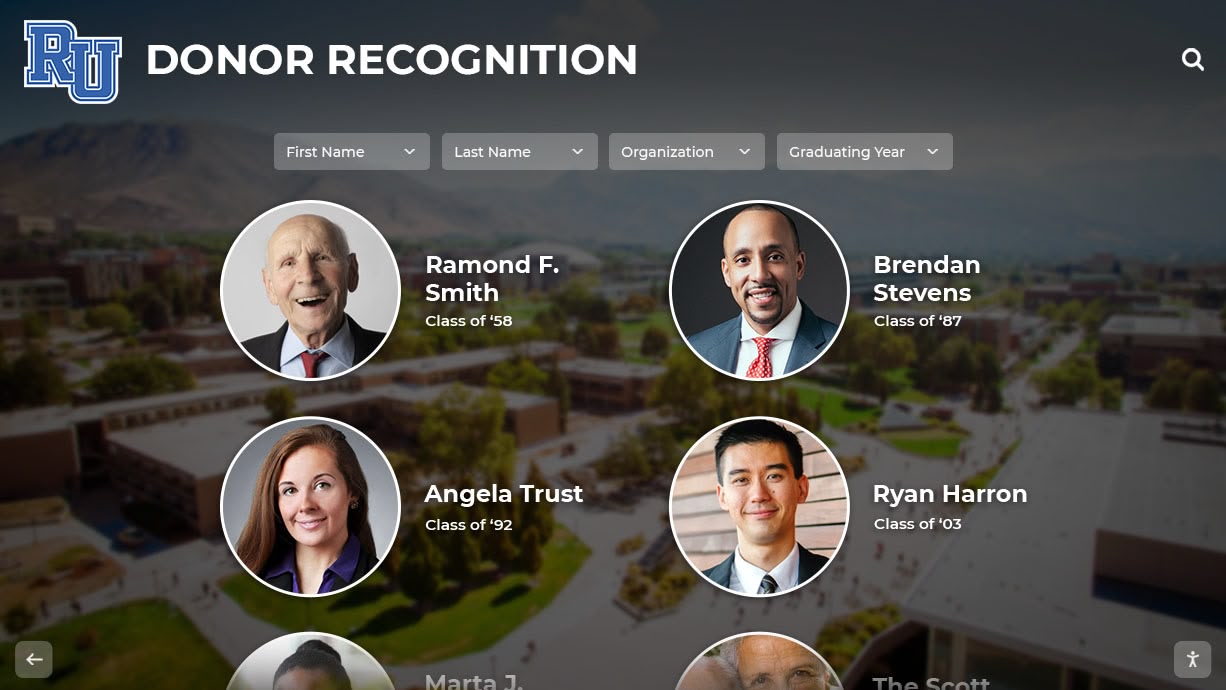
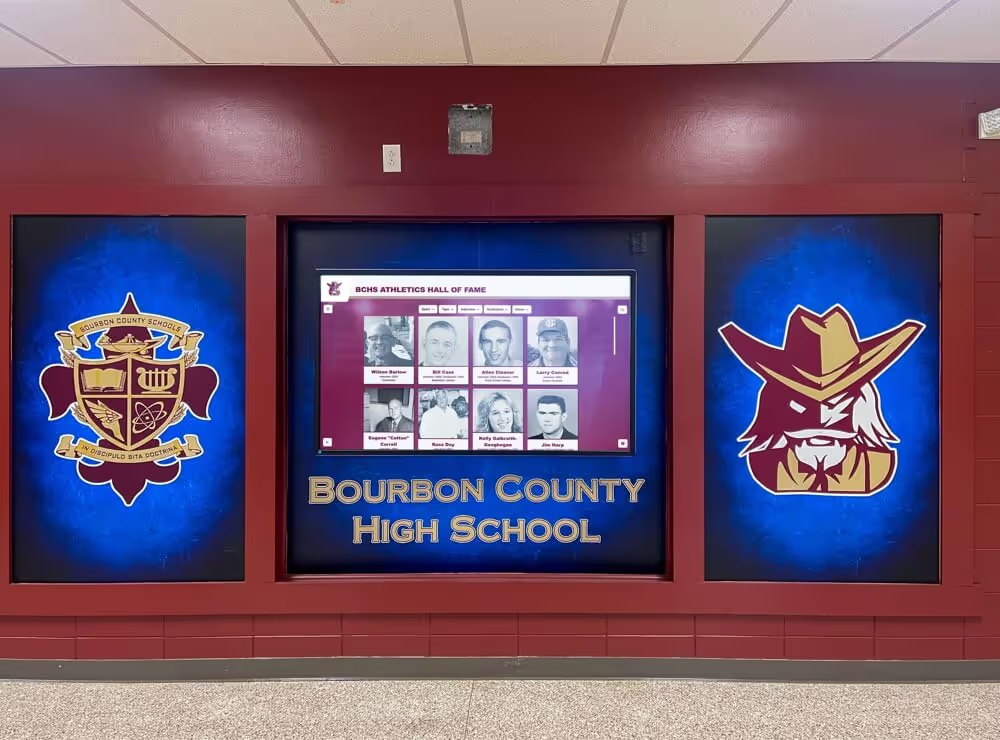
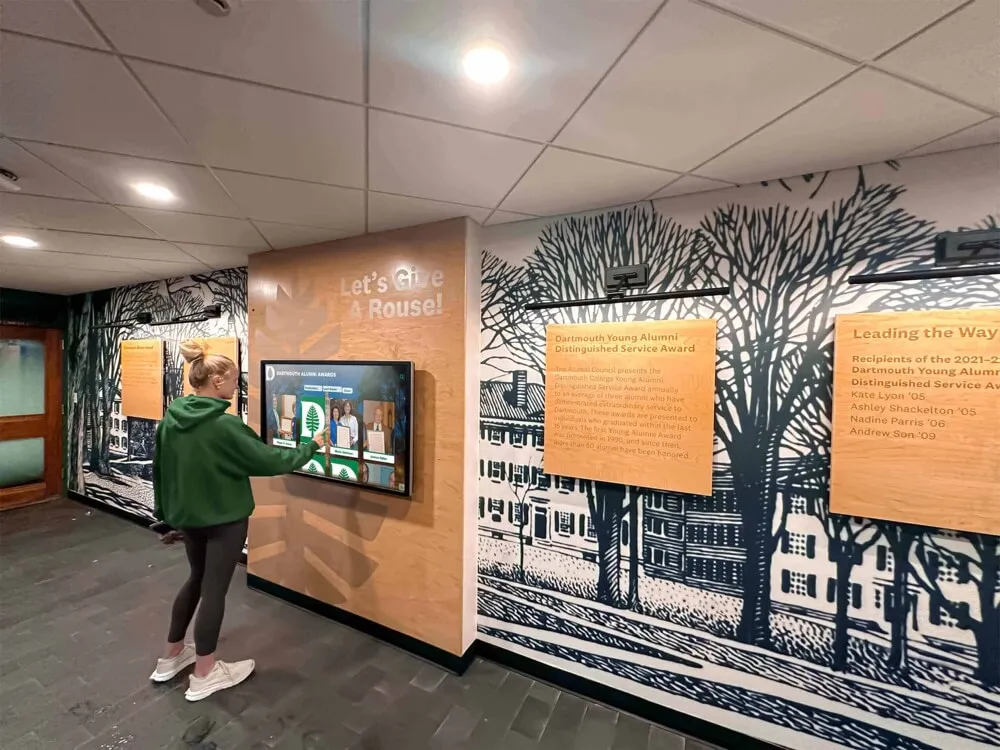
Professional alumni recognition displays preserve institutional history while celebrating individual achievements across all grade levels and graduation years
Working with Reference Librarians
Leveraging Professional Expertise
Reference librarians specialize in research assistance:
Don’t hesitate to ask reference desk staff for help locating yearbooks within collections. Librarians know their collections comprehensively including materials not fully cataloged or stored in non-obvious locations. They understand local history collection organization and access procedures. They can suggest alternative sources if their library lacks specific yearbooks. And they often maintain relationships with historical societies, other libraries, and community organizations potentially holding additional yearbook collections.
Explain what you’re seeking specifically including school names, years, and your search purpose. Reference interviews help librarians understand needs suggesting resources you might not have considered. Particularly in smaller communities, librarians may have personal knowledge about local school history providing valuable context beyond formal collection holdings.
Access Procedures and Reproduction Options
Libraries implement policies balancing access and preservation:
Most yearbook collections are non-circulating reference materials used only within library facilities preventing loss or damage to irreplaceable items. Libraries typically provide self-service copiers or scanners enabling reproduction of yearbook pages for personal use within copyright fair use guidelines. Some charge nominal per-page fees while others provide free scanning. And many libraries now offer scanning equipment producing higher quality digital images than smartphone photographs.
Ask about reproduction policies before visiting if you plan to obtain copies rather than just viewing. Some libraries request advance notice for yearbook viewing ensuring materials are readily available rather than requiring retrieval from off-site storage. Understanding procedures beforehand makes visits more productive.
Historical Society and Museum Collections
Locating Relevant Historical Organizations
Historical societies preserve community heritage:
Search for “[County Name] Historical Society” or “[City Name] Historical Association” identifying organizations near your former school. These organizations often maintain reading rooms, research libraries, or museums with document collections including school materials. Websites describe collection strengths and access procedures though some smaller organizations have minimal online presence requiring telephone contact.
Historical societies particularly value education history as primary documentation of community development. Even organizations without comprehensive yearbook collections may have connections to individuals, schools, or other institutions possessing yearbooks they can help you access through their networks.
Research Appointment Procedures
Historical societies often operate differently than public libraries:
Many maintain limited public hours staffed by volunteers rather than full-time employees. Research visits typically require advance appointments ensuring knowledgeable staff will be available. Access may be free or involve modest research fees supporting organizational operations. And facilities range from professional research rooms to informal spaces in community buildings.
Call or email before visiting explaining what you’re seeking and asking about access procedures. Historical society volunteers are often deeply knowledgeable about local history providing valuable context and suggestions beyond simple yearbook access.
Step 4: Explore Commercial and Digitization Services
When free resources don’t produce results, commercial options provide alternative paths to finding junior high yearbooks.
Online Marketplaces and Booksellers
eBay and Etsy Yearbook Searches
Secondary markets regularly feature vintage yearbooks:
Search eBay using “[School Name] yearbook [approximate year]” filtering by Books & Magazines category. Browse listings carefully examining photographs confirming correct school and year before purchasing. Understand condition descriptions—vintage yearbooks often show wear, and condition significantly affects value and usability. Set up saved searches receiving email notifications when new matching listings appear since inventory constantly changes. And consider reasonable best offers if listed prices seem high—sellers often negotiate particularly for items with limited demand.
Etsy similarly features yearbooks though typically in smaller quantities focusing more on vintage and nostalgia markets. Both platforms provide buyer protection if purchases don’t match descriptions though examining listings carefully prevents problems.
AbeBooks and Specialist Rare Book Dealers
Rare book platforms maintain yearbook inventories:
AbeBooks aggregates inventory from thousands of independent booksellers worldwide creating searchable database including many school yearbooks. Search by school name and year filtering results by condition and price. Specialist dealers focusing on Americana, local history, or ephemera sometimes maintain yearbook inventories—their expertise means better cataloging making specific yearbooks easier to find than general online marketplaces.
Prices vary dramatically based on rarity, age, condition, and school prominence. Common yearbooks from large schools might cost $15-25 while rare publications from small or closed schools could command $50-100 or more. Compare prices across platforms before purchasing ensuring you’re getting fair market value.
Professional Scanning and Digitization Services
On-Demand Yearbook Scanning
Companies specialize in yearbook digitization:
Services like YearbookArchive and similar providers scan yearbooks on demand if you can locate physical copies. Bring yearbooks to libraries, schools, or other sources and commission professional scanning rather than attempting DIY duplication. Costs typically range from $25-100 per yearbook depending on page count, resolution requirements, and turnaround time. Results include high-quality PDF files suitable for digital preservation, sharing, or printing.
Professional scanning produces superior results to smartphone photography with proper alignment, lighting, color correction, and file formats. For particularly valuable or fragile yearbooks, professional handling prevents damage while ensuring optimal digital capture.
Bookcase Yearbook Scanning Explained
Large-scale digitization operations preserve yearbook collections:
Some organizations conduct systematic yearbook digitization projects scanning entire school district collections or regional archives. Understanding how bookcase yearbook scanning works helps explain why some yearbook collections become digitally accessible while others remain analog-only. These high-volume projects create searchable digital archives though coverage varies dramatically by region and funding availability.
If your yearbooks aren’t currently digitized, consider proposing digitization projects to school districts, libraries, or alumni associations. Crowd-funded scanning projects enable communities to preserve their own historical records when institutional resources prove inadequate.
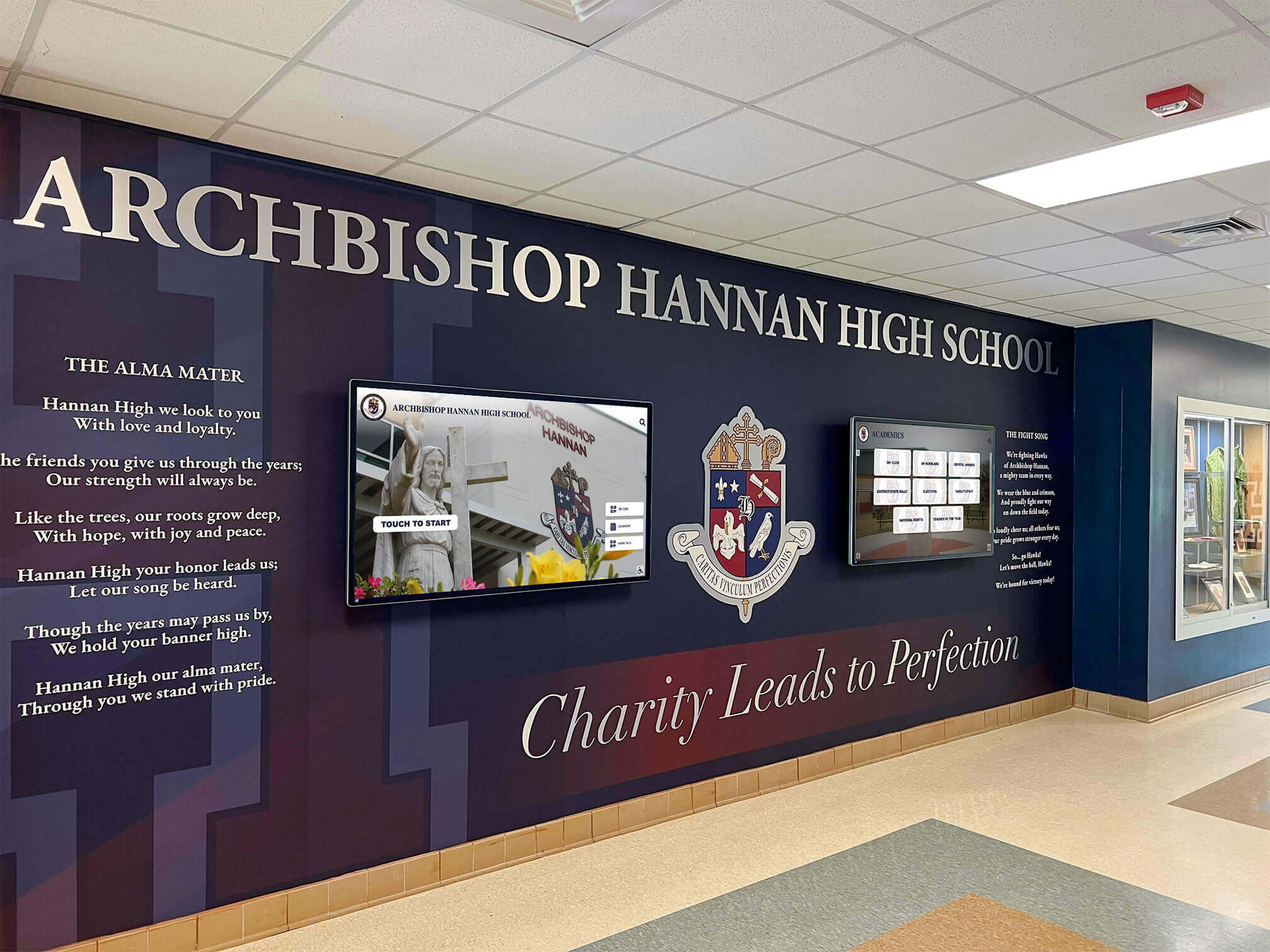
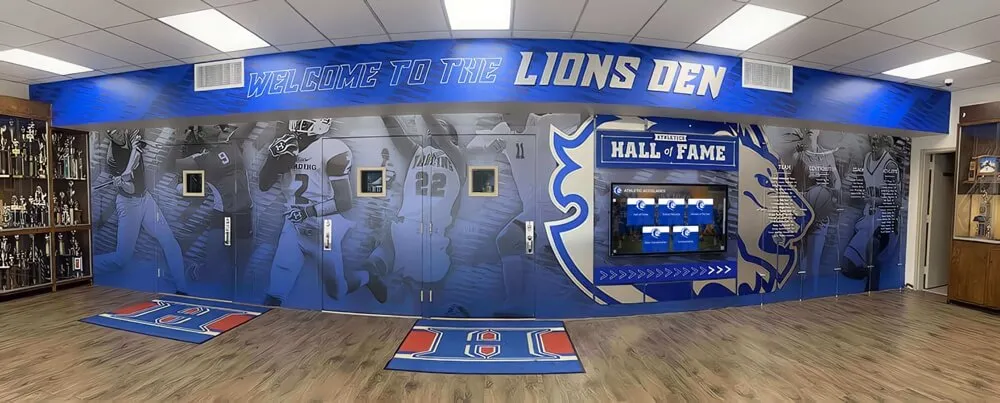
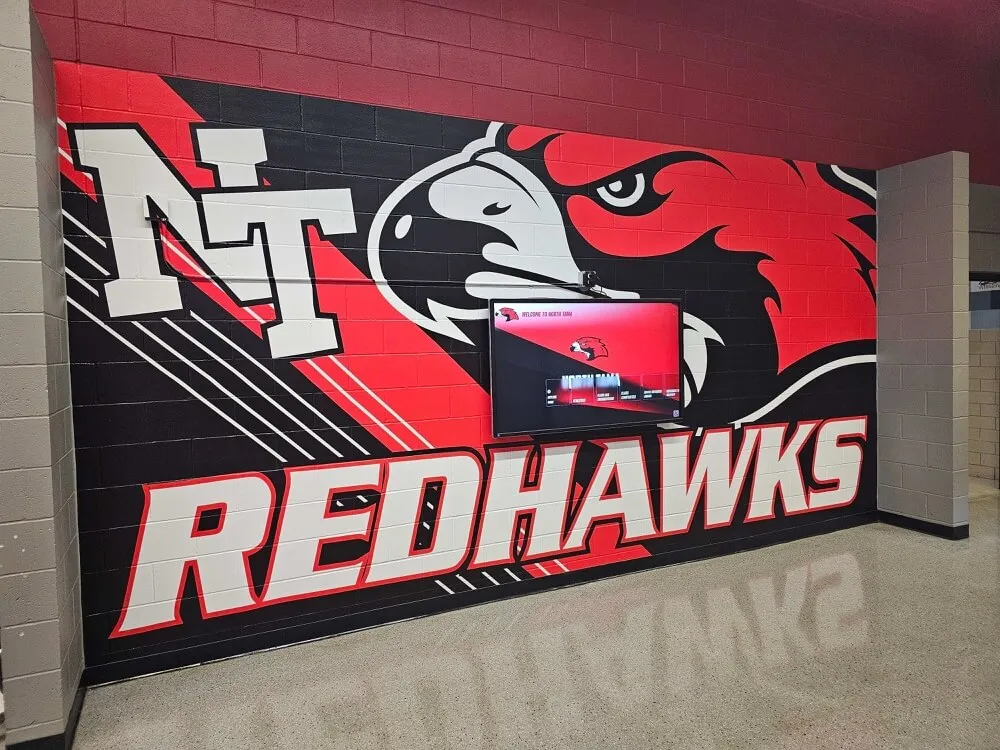
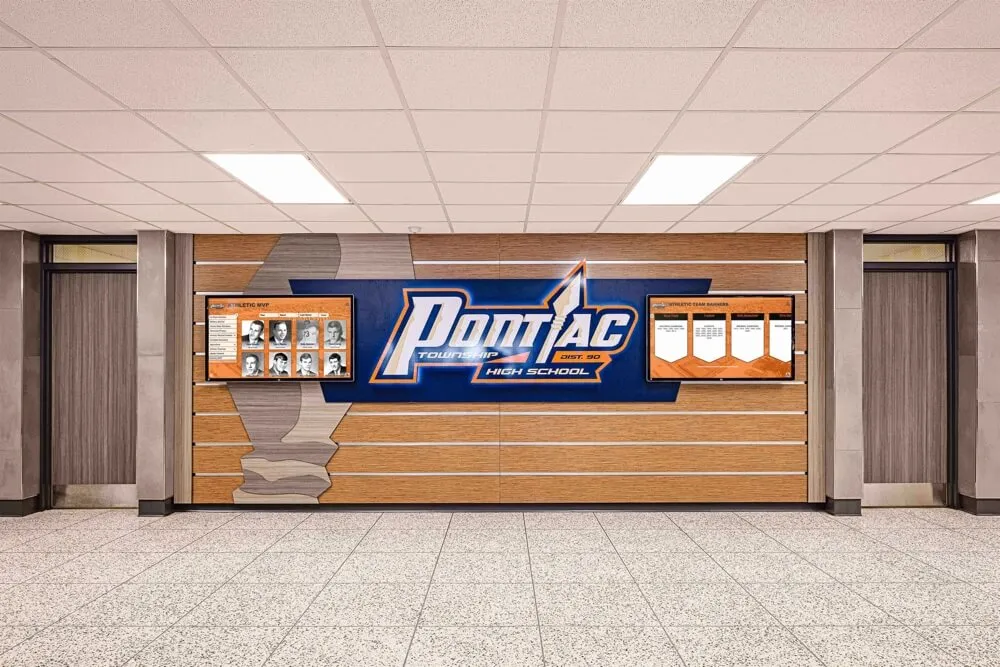
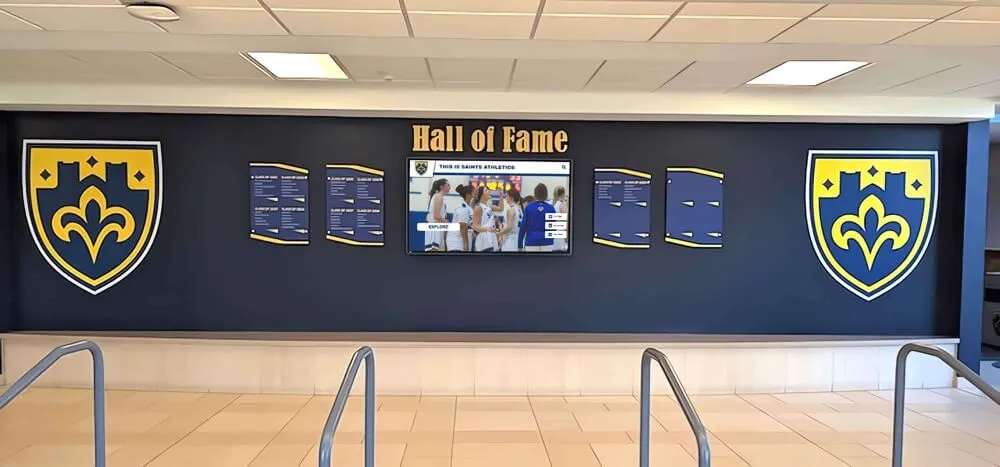
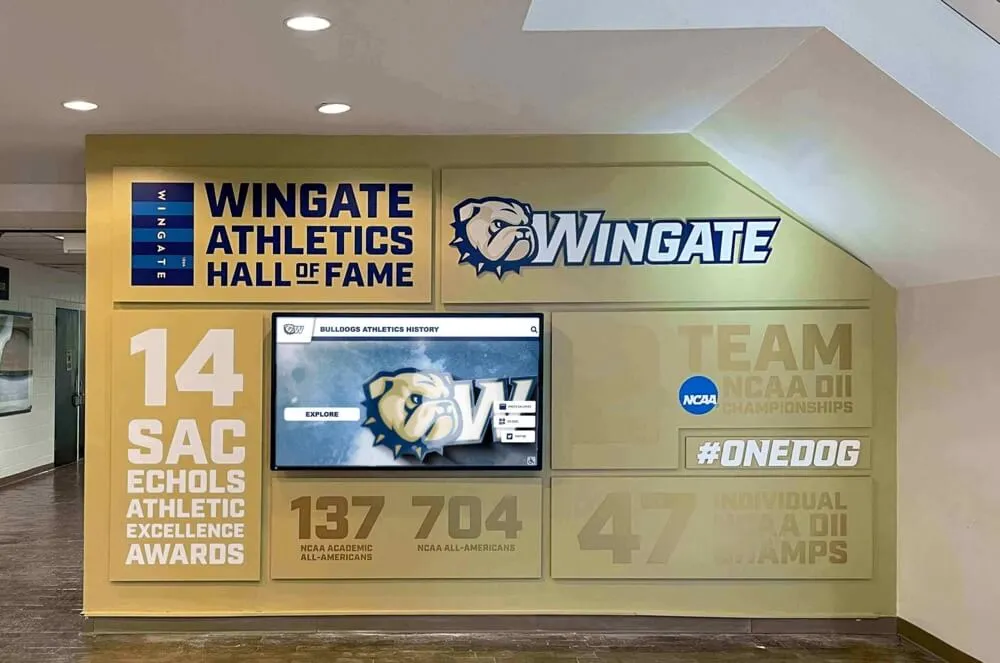
Schools increasingly integrate digital displays with traditional architectural elements creating accessible archives showcasing decades of yearbooks and institutional history
Yearbook Republishing and Reprint Services
Jostens and Balfour Archive Programs
Major yearbook publishers maintain historical archives:
The largest yearbook publishers including Jostens and Balfour (now both owned by Varsity Brands) produced yearbooks for thousands of schools over decades. These companies retain archive copies and offer reprint services for yearbooks they originally published. Contact customer service departments with school names, locations, and approximate years asking whether they have archive copies and what reprint options exist.
Reprint costs typically range from $50-150 per yearbook depending on page count and reproduction method. Publishers sometimes offer digital PDF versions at lower prices than physical reprints. Response times and service quality vary—large publishers handle numerous requests requiring patience and clear communication.
Limitations and Success Rates
Publisher archives have gaps:
Not all yearbooks were produced by major publishers—many schools worked with local printers, smaller regional companies, or in-house production particularly during earlier eras. Publisher mergers and acquisitions scattered historical archives across companies complicating access. And archive retention policies mean older yearbooks (particularly pre-1960s) may no longer exist in publisher holdings.
View publisher archives as options worth exploring rather than guaranteed solutions. If publishers originally produced your yearbook and retain archive copies, reprint services provide reliable path to obtaining clean copies. Otherwise, continue pursuing alternative sources.
Step 5: Leverage Social Media and Alumni Networks
Modern social networking enables collaborative searching enlisting others in the quest to locate junior high yearbooks.
Facebook Groups and Reunion Pages
Finding School-Specific Alumni Groups
Facebook hosts countless alumni groups:
Search Facebook for “[School Name] Alumni” or “[School Name] [Graduation Year]” finding groups connecting former students. Join groups related to your junior high even if primarily focused on high school classes—members often attended the same junior high schools creating shared connections. Post inquiries asking whether anyone has yearbooks from specific years or knows where to find them. And offer to reciprocate—if you have yearbooks that others seek, sharing creates goodwill encouraging others to help your search.
Alumni groups particularly benefit reunion planning, research projects, and nostalgia purposes. Active groups with engaged membership produce better results than dormant groups with limited participation—look for groups with recent activity and substantial membership.
Local Community History Groups
Broader community groups supplement school-specific pages:
Search for “[City Name] History” or “[County Name] Nostalgia” groups focusing on local heritage. These groups often include former teachers, school administrators, librarians, and longtime residents with deep institutional knowledge. Post about your yearbook search explaining the school, years, and what you’ve already tried. Community members may suggest resources you haven’t considered, connect you with collectors, or even have yearbooks they’d share or sell.
Local groups also facilitate broader searching—if you’re helping elderly parents find yearbooks but don’t live locally, these groups connect you with people who can visit local libraries or schools on your behalf.
LinkedIn and Professional Networks
Alumni Career Networks
LinkedIn groups connect alumni professionally:
Many schools maintain official LinkedIn alumni groups or unofficial networks of former students. While LinkedIn focuses on professional networking rather than nostalgia, alumni groups sometimes discuss school history, plan reunions, or help members with research projects. Alumni working in education, libraries, museums, or archival fields may have particular expertise locating historical school records.
Leveraging Weak Ties
Professional networks access unexpected resources:
Former classmates now work in varied fields including library science, education administration, historical preservation, and publishing—fields with direct relevance to yearbook location challenges. Posting about your search may connect with alumni uniquely positioned to help through their professional access to resources, expertise, or networks you couldn’t access independently.
Classmate Outreach and Direct Contact
Finding Former Classmates Online
Search engines enable locating specific individuals:
Search for classmates using full names combined with school names and graduation years. Platforms like Whitepages, Spokeo, and similar people-search services identify individuals though many require paid subscriptions for contact details. Social media platforms including Facebook, Instagram, and Twitter enable finding former classmates searching by name and filtering by location, education, and other details.
Respectful Contact Strategies
Reach out thoughtfully to former classmates:
When contacting people you haven’t spoken with in decades, explain who you are, how you found them, and why you’re reaching out. Keep initial contact brief and non-demanding—“I’m trying to locate our junior high yearbook from [year] and wondering if you might have a copy or suggestions where to look” rather than lengthy reminiscences or immediate requests to scan entire yearbooks. Respect privacy and boundaries—not everyone wants reconnection or to invest time helping with your search. And reciprocate when possible—if classmates request similar help, contribute if you can creating mutual assistance networks.
Many people genuinely enjoy hearing from old classmates and willingly help with reasonable requests. Respectful, authentic outreach often yields surprising assistance from people happy to contribute to shared nostalgia and memory preservation.
Reddit and Online Forums
Leveraging Community Knowledge
Reddit communities offer specialized expertise:
Subreddits like r/Genealogy, r/Ask_Historians, and city-specific communities (r/YourCityName) include members experienced with historical research. Post detailed information about what you’re seeking and what you’ve already tried asking for suggestions. Members may know specific resources, have experience with similar searches, or even personally have access to yearbook collections through their work or collections.
Online History and Nostalgia Communities
Specialized forums preserve community memory:
City-specific history forums, vintage yearbook collector groups, and regional heritage communities exist across various platforms. HistoryPin, local message boards, and specialized historical forums often include members deeply knowledgeable about local institutions. These niche communities sometimes prove more helpful than large general platforms because members share specific interest in exactly the type of materials you’re seeking.
Step 6: Consider Modern Digital Recognition Platforms
Beyond finding historical yearbooks, understanding how schools now preserve and share these materials illuminates alternative access paths while suggesting how future generations can avoid similar search challenges.
The Evolution from Physical to Digital Archives
Limitations of Traditional Yearbook Preservation
Physical yearbooks face preservation challenges:
Paper degrades over time requiring climate control and careful handling. Single archive copies create vulnerability—theft, damage, or loss destroys irreplaceable records. Limited accessibility means yearbooks reach only those who can physically visit specific locations during limited hours. No search functionality makes finding specific individuals, events, or information tedious requiring manual page-by-page review. And updating information becomes impossible as alumni achieve post-graduation accomplishments, awards, or milestones.
These limitations explain why so many yearbooks disappear and why locating specific copies decades later proves so challenging.
Digital Platform Advantages
Modern technology solves traditional preservation problems:
Digital archives provide unlimited simultaneous access from anywhere globally without degrading or wearing out source materials. Search functionality enables instantly finding specific names, years, or content without manual browsing. Multiple backup copies prevent permanent loss from damage, disasters, or institutional changes. Remote access enables alumni worldwide to explore materials without traveling to physical archive locations. And dynamic platforms allow updating content with alumni accomplishments, reunion photos, and ongoing community documentation.
Solutions like Rocket Alumni Solutions provide comprehensive platforms specifically designed for school recognition and historical preservation combining unlimited yearbook storage with interactive features that make exploring school history engaging rather than tedious archival research.
Interactive Touchscreen Yearbook Archives
Engaging Exploration of School History
Digital platforms transform passive yearbooks into interactive experiences:
Touchscreen displays in school lobbies, libraries, and common areas enable students, visitors, and alumni to explore complete institutional history including decades of yearbooks. Intuitive interfaces make navigation simple even for users unfamiliar with specific years or individuals. Rich multimedia integration combines yearbook pages with photographs, videos, newspaper articles, and other historical materials creating comprehensive institutional memory. And QR codes connect physical displays to mobile-accessible content enabling alumni to explore yearbooks on phones or tablets anytime from anywhere.
These interactive systems particularly benefit reunion planning, genealogical research, and institutional anniversary celebrations providing easy access to materials that traditionally required significant effort to locate and review.
Professional Implementation for Schools
Schools increasingly invest in permanent digital archives:
Modern recognition platforms enable uploading unlimited yearbooks from throughout institutional history without per-item costs or storage capacity concerns. Cloud-based content management allows updating from any internet-connected device without requiring technical expertise or physical access to display hardware. Professional touchscreen displays withstand heavy use in public spaces while providing impressive visual quality engaging users. And integrated systems connect yearbook archives with athletic records, alumni directories, donor recognition, and other institutional memory creating comprehensive historical resources.
For schools seeking to ensure current students’ yearbooks remain accessible to future alumni, digital preservation provides superior solution to hoping physical copies survive decades of potential loss, damage, or institutional change. Learn about comprehensive digital preservation in old school photos digital display guides covering implementation strategies.
Alumni Engagement Through Digital Archives
Building Connections Through Shared History
Digital yearbook access strengthens alumni relationships:
Alumni exploring yearbooks discover former classmates prompting reconnection and relationship renewal. Social sharing features enable alumni to post favorite yearbook photos, stories, and memories to personal social media while linking back to institutional archives building organic promotion. Reunion planning becomes simpler when complete yearbook collections are instantly accessible for researching who attended, creating memory displays, and contacting classmates. And fundraising benefits as engaged alumni with positive institutional connections show higher likelihood of financial support.
Digital platforms thus serve multiple institutional objectives beyond simple preservation—they actively build community, strengthen relationships, and support advancement efforts while ensuring historical materials remain accessible perpetually.
Searchable Content Enabling Discovery
Modern digitization includes text recognition:
OCR (optical character recognition) technology converts yearbook text into searchable content enabling finding specific names, activities, or references without knowing which years to examine. Alumni can search their own names discovering every mention across all yearbooks including clubs, sports, activities, and candid photos beyond formal portraits. Researchers can search specific teachers, teams, or programs discovering references across decades documenting institutional evolution. And full-text search enables finding specific events, achievements, or details impossible to locate through manual browsing.
This searchability transforms yearbooks from static publications useful only to those who know exactly which years they need into dynamic archives supporting discovery, research, and exploration.
Step 7: Understanding When to Commission Professional Research
For particularly challenging searches, professional researchers offer expertise and resources individual searchers lack.
Professional Genealogical Research Services
When to Hire Professional Help
Professional researchers make sense for certain situations:
If you’ve exhausted personal search capabilities without success, professionals bring expertise and resources potentially unlocking sources you couldn’t access. For important research projects including family histories, academic research, or legal matters, professional documentation provides credibility and thoroughness. When time constraints prevent extensive personal searching, hiring researchers provides efficiency. And for complex searches involving multiple schools, name changes, or institutional reorganizations, professional experience navigating these complications proves valuable.
Finding Qualified Researchers
Identify researchers with relevant expertise:
Professional genealogist associations including Association of Professional Genealogists (APG) and Board for Certification of Genealogists (BCG) maintain directories of credentialed researchers. Local historical societies often maintain lists of area researchers familiar with regional collections and resources. University history departments sometimes have graduate students conducting paid research projects. And specialized firms focus on educational history, yearbook location, and school records research.
Costs vary widely based on researcher credentials, project complexity, and time requirements—expect $30-100+ per hour depending on expertise level. Many researchers charge minimum fees for initial consultations assessing feasibility before committing to larger projects.
Working with Professional Archivists
Archive Expertise for Complex Searches
Professional archivists navigate institutional records:
Archivists working at libraries, historical societies, and university special collections possess deep knowledge about holdings, organization, and access procedures. Hiring archivists for research consultations can dramatically accelerate searches through expertise about which collections likely hold desired materials, proper search terminology and strategies, access procedures for restricted collections, and connections to peer institutions potentially holding related materials.
Some institutions offer fee-based research services where staff archivists conduct searches on behalf of remote researchers who cannot visit in person. Costs typically range from $20-50 per hour with minimum fees—but even one hour of expert searching often accomplishes more than days of amateur efforts.
Cost-Benefit Analysis of Paid Searching
Evaluating Whether Professional Help Makes Sense
Consider factors beyond simple cost:
How important is finding this specific yearbook? For casual nostalgia, significant professional research fees may not justify results. For family history documentation, legal matters, or significant research projects, professional help proves worthwhile. How much time have you already invested? If you’ve spent dozens of hours without results, paying professionals to apply different approaches makes sense. What’s the likelihood of success? Researchers can often assess feasibility based on your information suggesting whether success seems probable enough to justify fees.
Discuss expectations and probabilities honestly with researchers before engaging services. Reputable professionals provide realistic assessments about likelihood of success rather than promising guaranteed results to secure business.
Preserving Yearbooks Once You Find Them
When you finally locate that elusive junior high yearbook, proper preservation ensures it remains accessible rather than disappearing again.
Digitization Best Practices
DIY Scanning for Personal Archives
Create digital preservation copies:
Modern flatbed scanners produce excellent yearbook scans at home. Scan at minimum 300 DPI for clear text and photographs—higher resolutions (600 DPI) benefit if you plan enlarging specific images. Save as PDF files maintaining page order and enabling easy sharing and viewing. Use automatic page detection and cropping features producing clean results. And consider scanning both individual pages and full spreads preserving complete layout context.
Smartphone scanning apps including Adobe Scan, Microsoft Lens, and CamScanner provide adequate quality for personal use though dedicated scanners produce superior results. Ensure adequate lighting and hold phones parallel to pages preventing distortion.
Professional Digitization Services
For valuable or fragile yearbooks, use professionals:
Particularly for old or deteriorating yearbooks, professional scanning services provide better results while preventing further damage from amateur handling. Services carefully support bindings, use specialized lighting preventing glare and shadow, apply color correction and restoration, and produce archival-quality digital files suitable for long-term preservation.
Costs range from $25-100+ per yearbook depending on condition, size, and output specifications. Compare local print shops, scanning services, and specialized preservation companies finding appropriate quality and price balance for your needs.
Physical Preservation and Storage
Proper Storage Conditions
Preserve physical yearbooks appropriately:
Store in cool, dry environments—temperature fluctuations and humidity accelerate deterioration. Keep away from direct sunlight preventing fading and material degradation. Use acid-free storage boxes and materials preventing chemical degradation from inappropriate packaging. Store vertically like books rather than stacking horizontally preventing binding stress. And handle carefully with clean hands avoiding oils, dirt, and moisture contamination.
For particularly valuable yearbooks, consider archival-quality protective enclosures providing museum-level preservation standards.
Insurance and Documentation
Protect valuable yearbooks:
Rare yearbooks from defunct schools, first years of institutions, or years with particular historical significance may have considerable monetary and historical value. Photograph or scan yearbook covers and select internal pages documenting condition and content. Research comparable sales establishing approximate market value. Consider including in homeowner’s insurance valuable items riders if yearbooks have significant worth. And document provenance—where and when you acquired yearbooks—establishing authenticity and potentially increasing value for historical research purposes.
Sharing and Contributing to Collective Memory
Upload to Public Archives
Contribute to collective preservation:
If you scan yearbooks missing from public archives, consider uploading to platforms like Internet Archive, contributing to E-Yearbook, or contacting relevant libraries and historical societies offering to share digital files. Your contribution helps future researchers while preserving materials potentially existing nowhere else.
Respect copyright considerations—yearbooks older than 70+ years typically enter public domain enabling unrestricted sharing. More recent publications require caution about wholesale distribution though personal research use and limited academic sharing generally falls within fair use guidelines.
Connect with School Archives
Offer copies to institutional archives:
Contact schools, school districts, libraries, and historical societies offering digital copies of yearbooks you’ve located and scanned. These institutions often have gaps in collections that your personal copies could fill. Your contribution strengthens community historical records while ensuring materials remain accessible beyond your personal ownership.
Many alumni find satisfaction knowing their efforts locating and preserving yearbooks benefit entire communities of former students, researchers, and future generations seeking connection to institutional heritage.
Conclusion: Persistence Pays in the Search for Junior High Memories
Finding junior high yearbooks requires patience, creativity, and systematic searching across multiple potential sources. Unlike high school yearbooks receiving more preservation attention or elementary school records often maintained by school districts, junior high yearbooks occupy a frustrating middle ground where they’re old enough to have scattered but recent enough to lack systematic historical archiving. This reality means successful searching demands persistence rather than assuming single obvious sources will immediately produce results.
The comprehensive strategies explored in this walkthrough provide frameworks for exhaustive searching beginning with free online resources, progressing through institutional contacts and in-person archive visits, leveraging social networks and commercial sources, and ultimately considering professional research assistance when personal efforts prove inadequate. Each approach offers different likelihood of success depending on your specific school, years, and local preservation circumstances—comprehensive searching tries multiple avenues rather than giving up after initial failures.
Preserve Your School's Complete Yearbook History
Discover how modern digital platforms ensure today's yearbooks remain accessible to future alumni eliminating the search challenges you've experienced. Rocket Alumni Solutions provides comprehensive interactive archives preserving unlimited yearbooks while enabling engaging exploration through touchscreen displays and mobile-accessible platforms.
Explore Digital Yearbook PreservationBeyond simply finding historical yearbooks, understanding modern digital preservation illuminates how schools can ensure current students won’t face similar searches decades from now. Digital platforms combining unlimited cloud storage, interactive touchscreen displays, searchable content, and mobile accessibility transform yearbooks from physical publications vulnerable to loss into permanent institutional archives accessible perpetually to alumni worldwide. Schools investing in these preservation systems demonstrate commitment to honoring student experiences while building lasting connections with alumni communities.
Your junior high yearbook exists somewhere—perhaps in a school archive, library collection, personal possession of former classmates, or even commercial marketplace awaiting discovery. The systematic search approaches outlined here maximize likelihood of success while minimizing wasted effort pursuing dead ends. Whether you locate your yearbook through first online search or after months of persistence across multiple channels, the satisfaction of finally holding those middle school memories makes the journey worthwhile.
Start your search today using the step-by-step strategies explored throughout this guide. Begin with free online archives requiring minimal investment, progress through institutional contacts and local library visits, leverage social networks connecting you with former classmates and community members, and persist through multiple approaches until successful. Those awkward, formative junior high years deserve documentation and remembrance—your yearbook awaits discovery.
Ready to ensure your own school’s yearbooks remain accessible to future alumni? Explore how Rocket Alumni Solutions provides interactive digital displays and cloud-based archives specifically designed for preserving complete institutional histories including yearbooks spanning all grade levels from elementary through high school, ensuring the memories captured today remain accessible for generations to come.