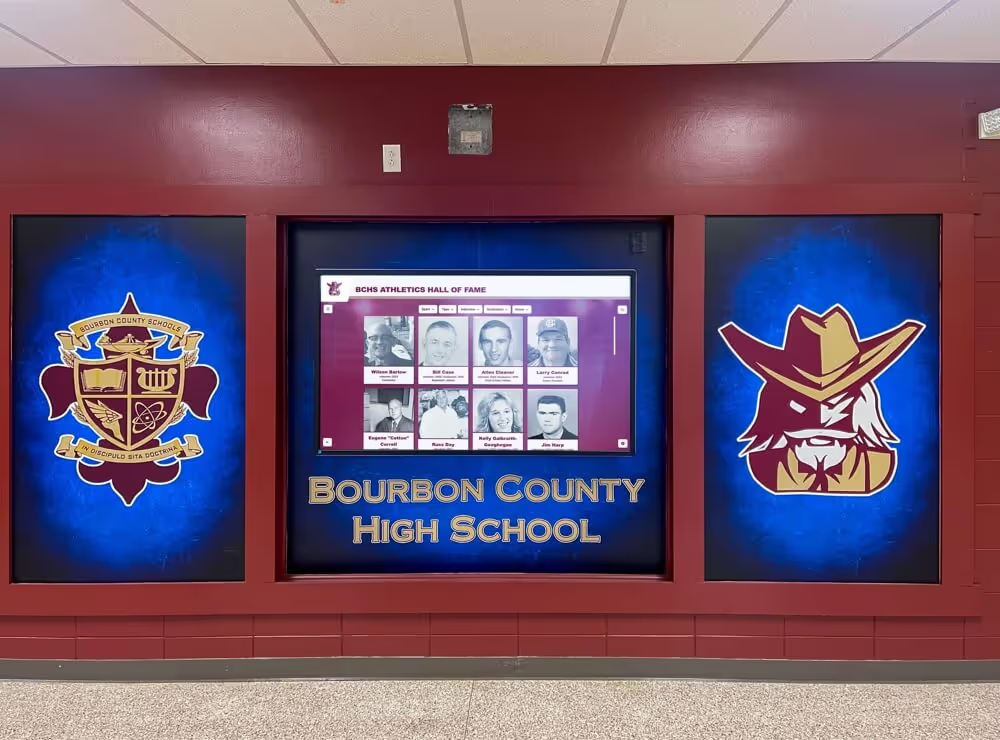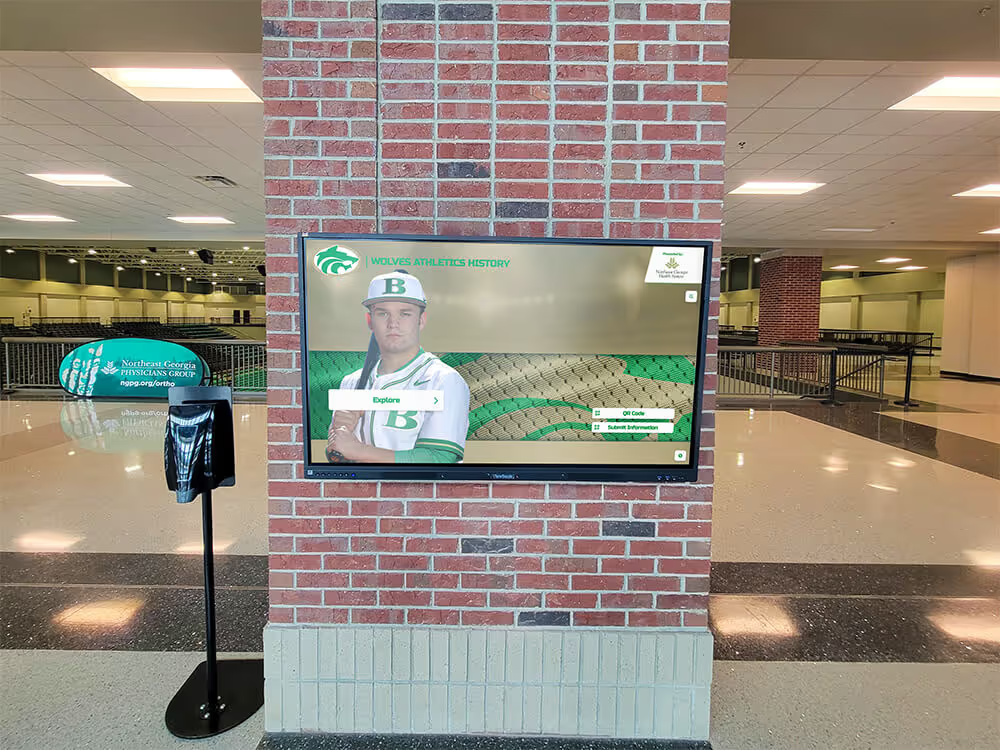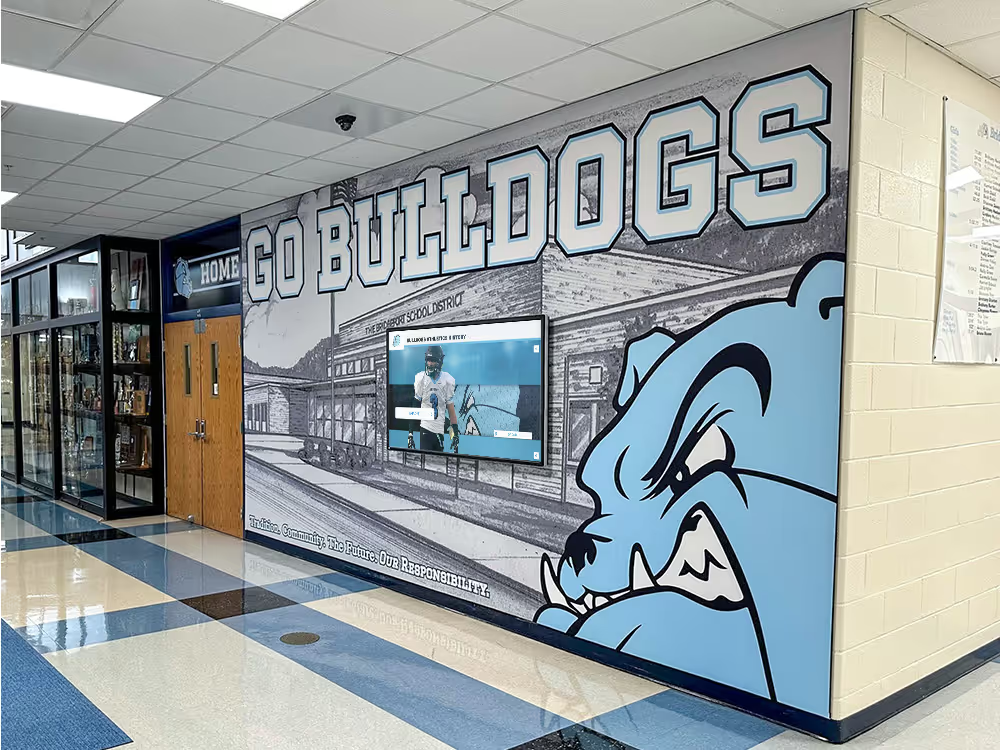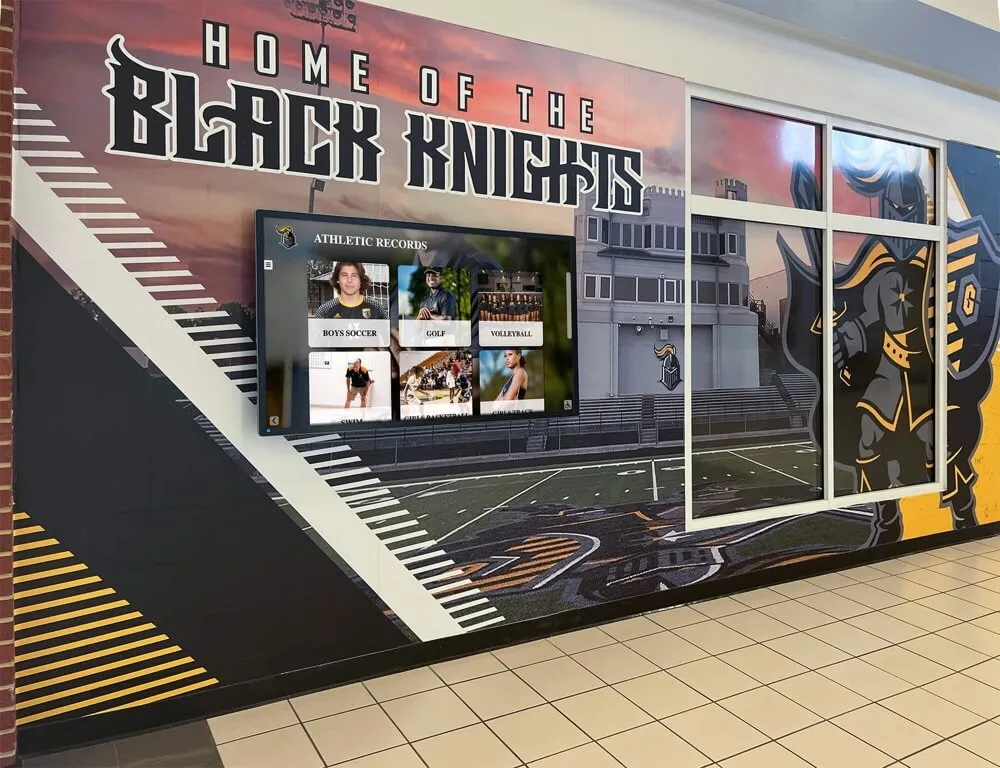




Every educational institution possesses a unique story worth telling—championship victories that defined programs, distinguished alumni who’ve achieved remarkable success, beloved educators who shaped thousands of lives, milestone celebrations that united communities, and countless daily moments that collectively define institutional identity and values. Yet despite decades of rich history, many schools struggle to showcase this legacy effectively, leaving achievement records scattered in storage rooms, historical photographs deteriorating in filing cabinets, and institutional memory fading as longtime staff retire without systematic documentation.
Creating a school history display transforms fragmented historical materials into cohesive recognition systems that honor past achievements, inspire current students through connection to proud traditions, engage alumni communities across generations, and ensure contributions receive permanent celebration rather than being forgotten. Whether implementing traditional plaque installations, modern interactive touchscreen systems, or hybrid approaches combining both methods, effective school history displays strengthen institutional culture, deepen community connections, and demonstrate commitment to honoring everyone who has contributed to educational mission across decades.
This comprehensive guide explores proven strategies for creating impactful school history displays—from initial planning and content gathering through design considerations, implementation approaches, and ongoing management ensuring your investment delivers lasting value throughout your educational community.
School history preservation serves purposes extending far beyond nostalgic reminiscence about “the good old days.” Systematic historical documentation connects current students to proud traditions, demonstrates institutional values through consistent patterns across decades, provides context for understanding school identity and culture, creates engagement opportunities for alumni supporting institutional missions, and ensures achievements receive permanent recognition rather than fading from collective memory.

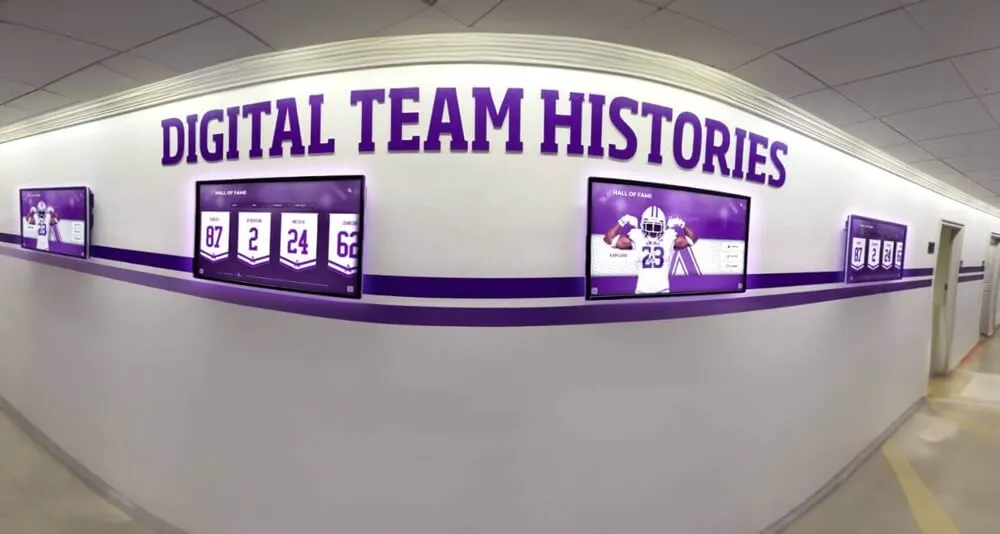
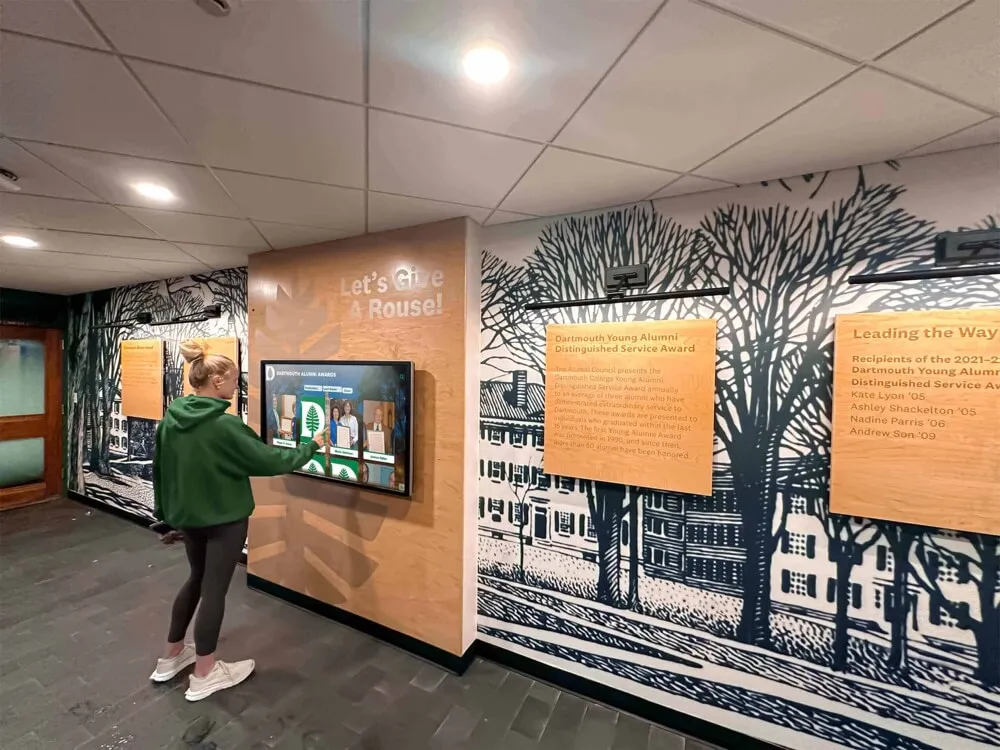
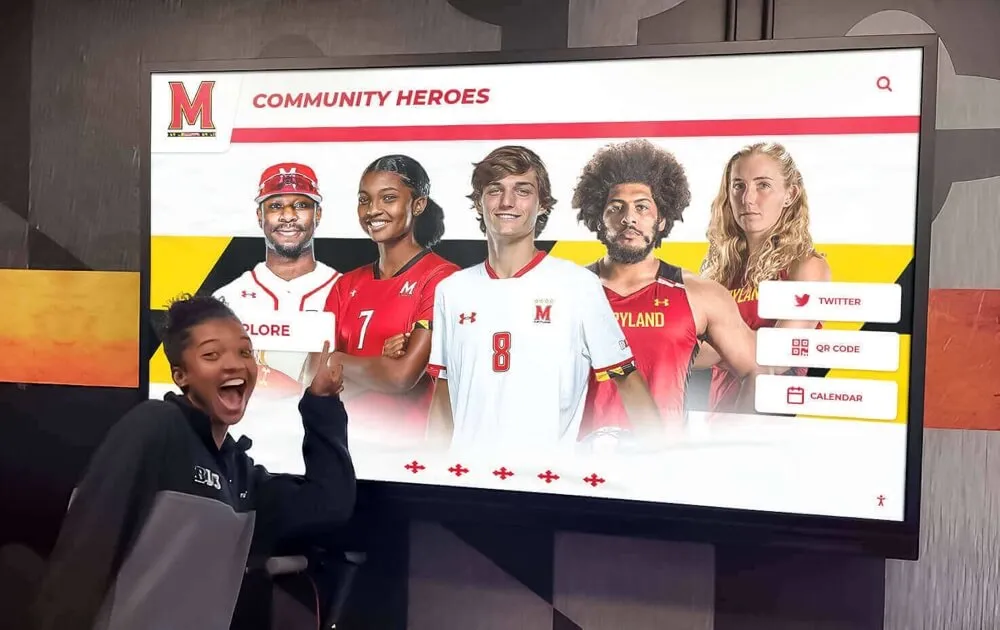
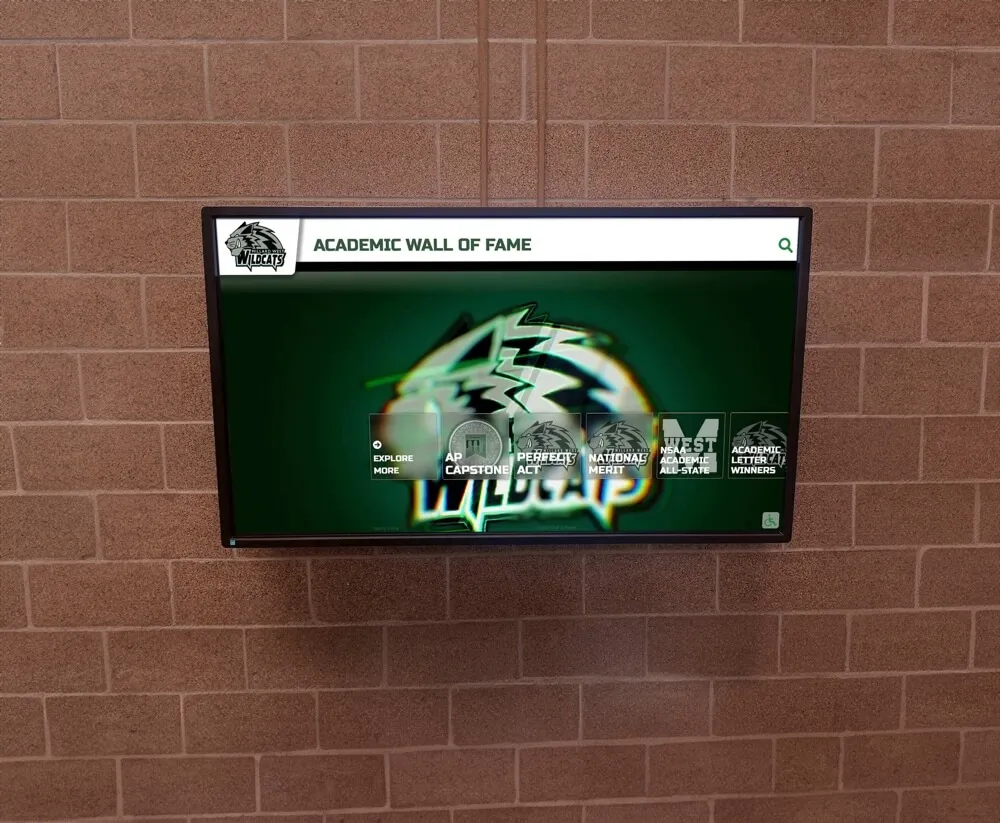
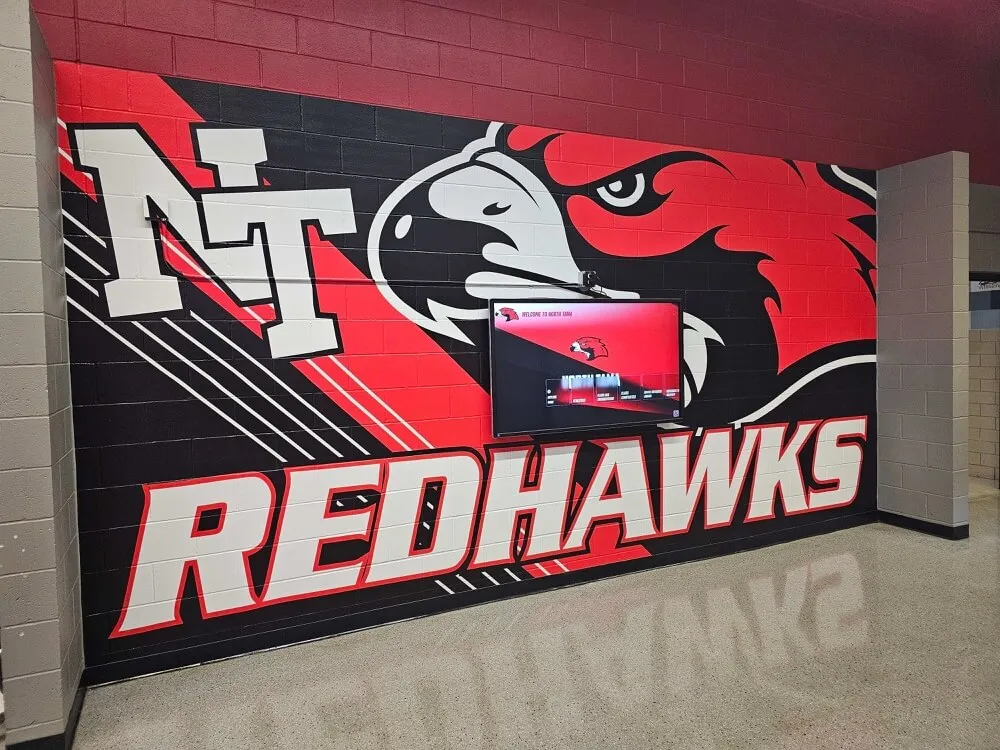
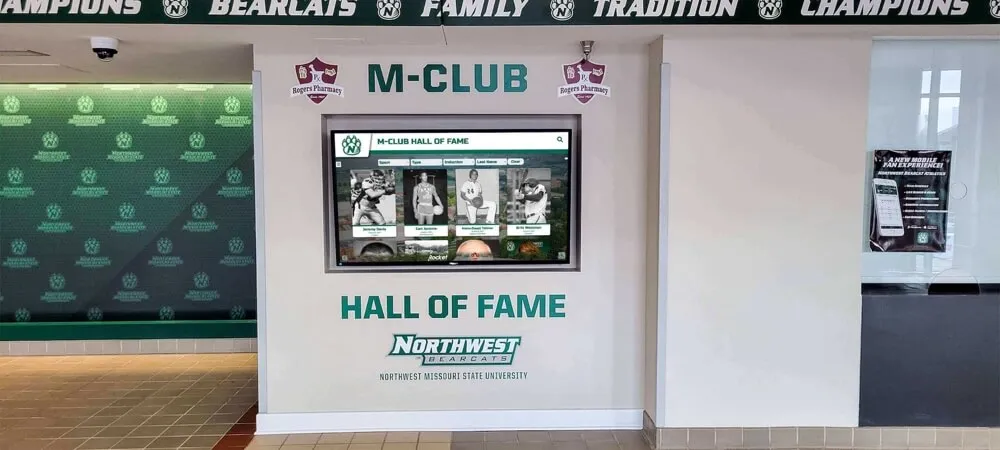
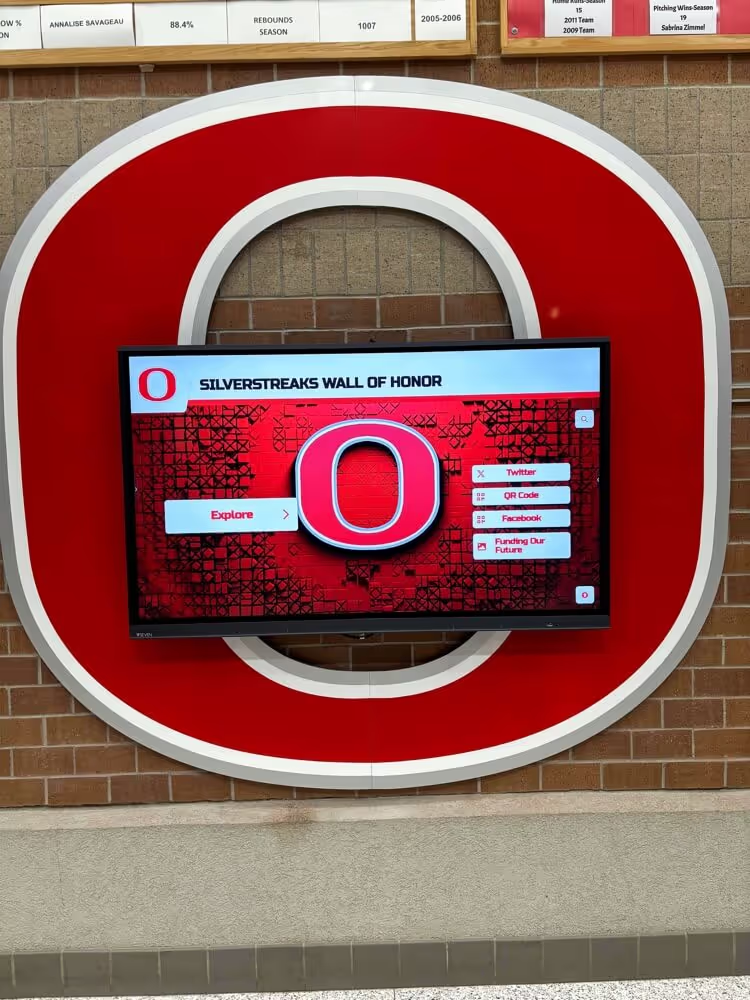
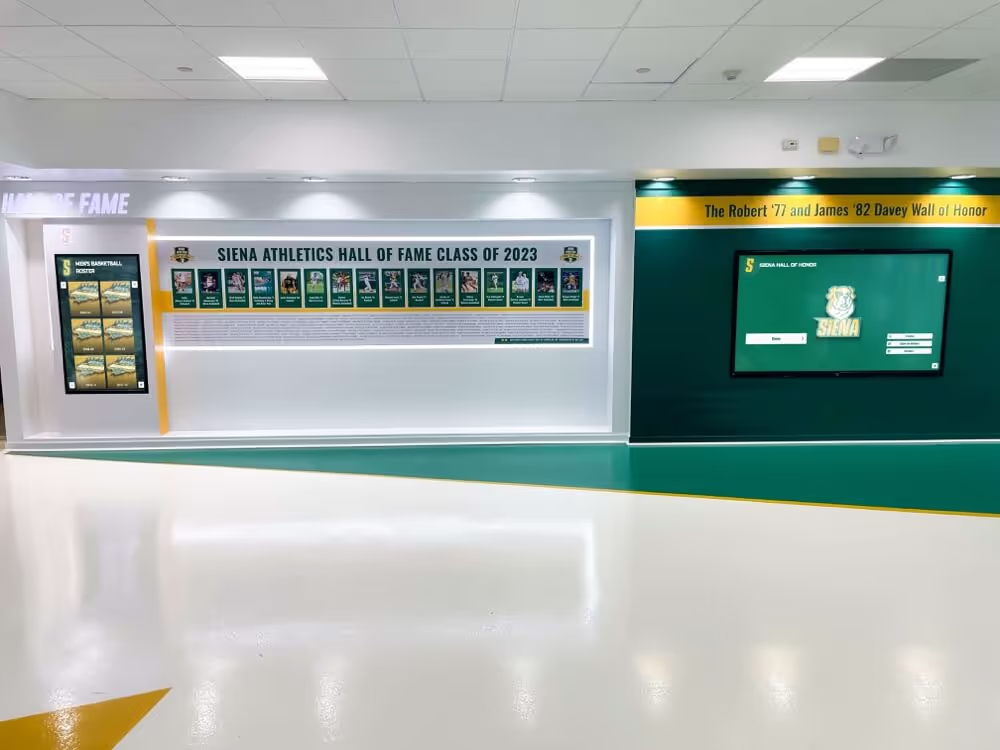
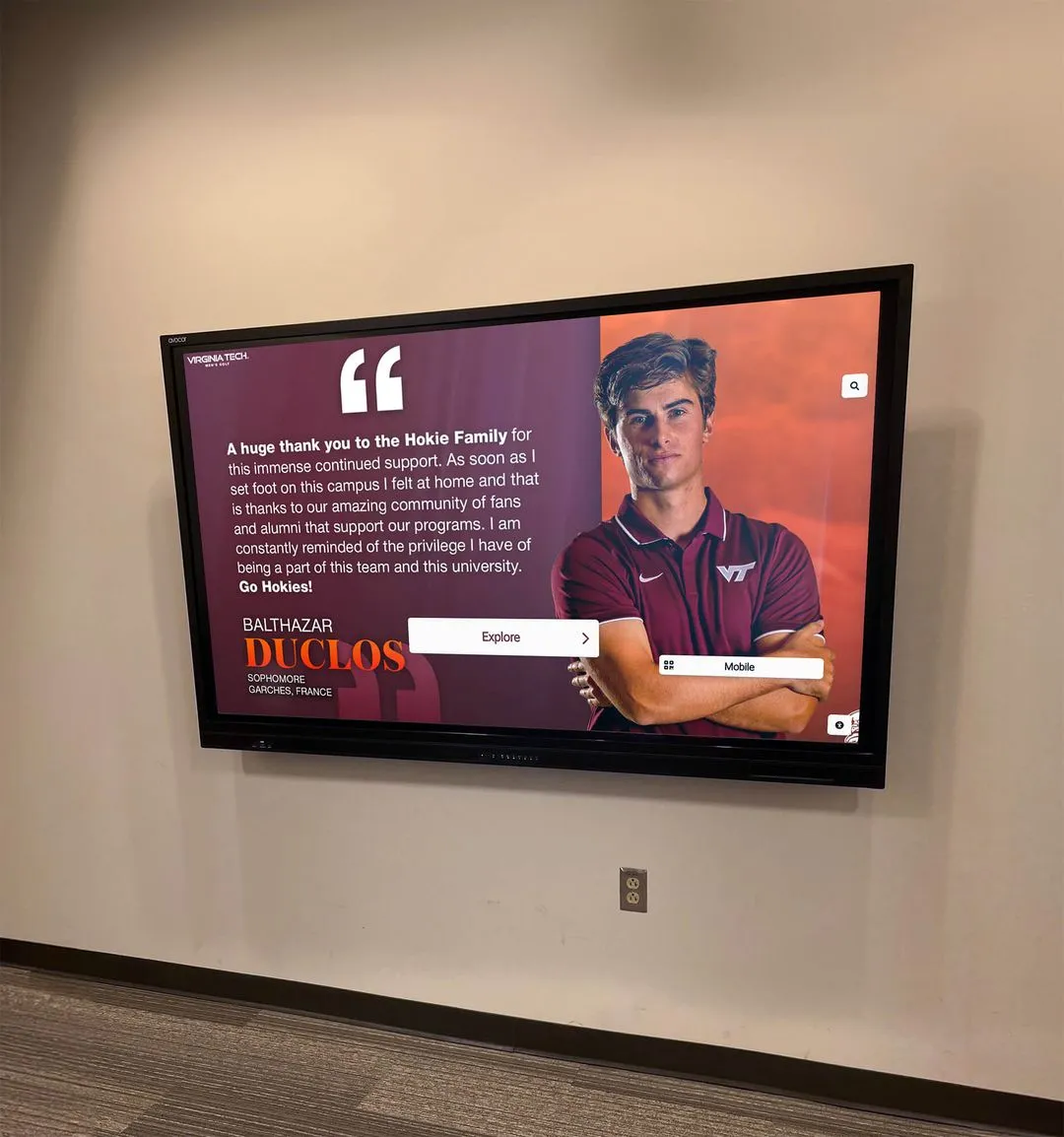
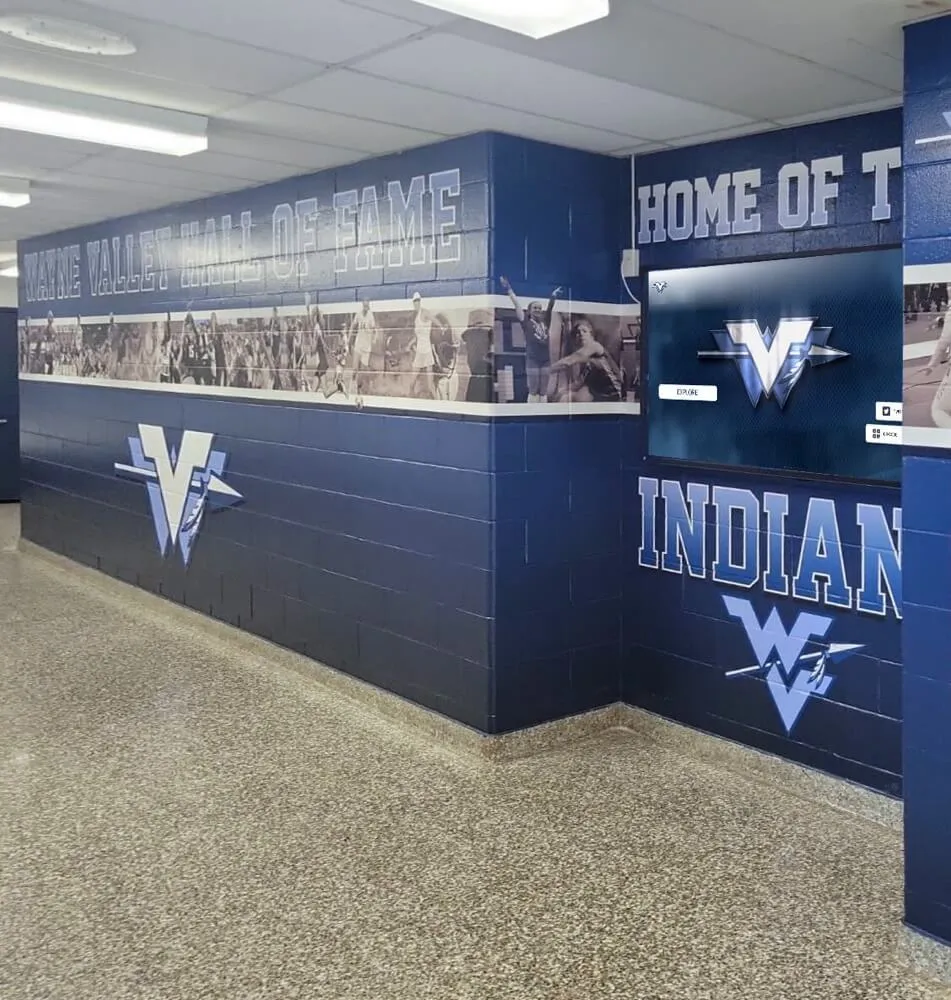
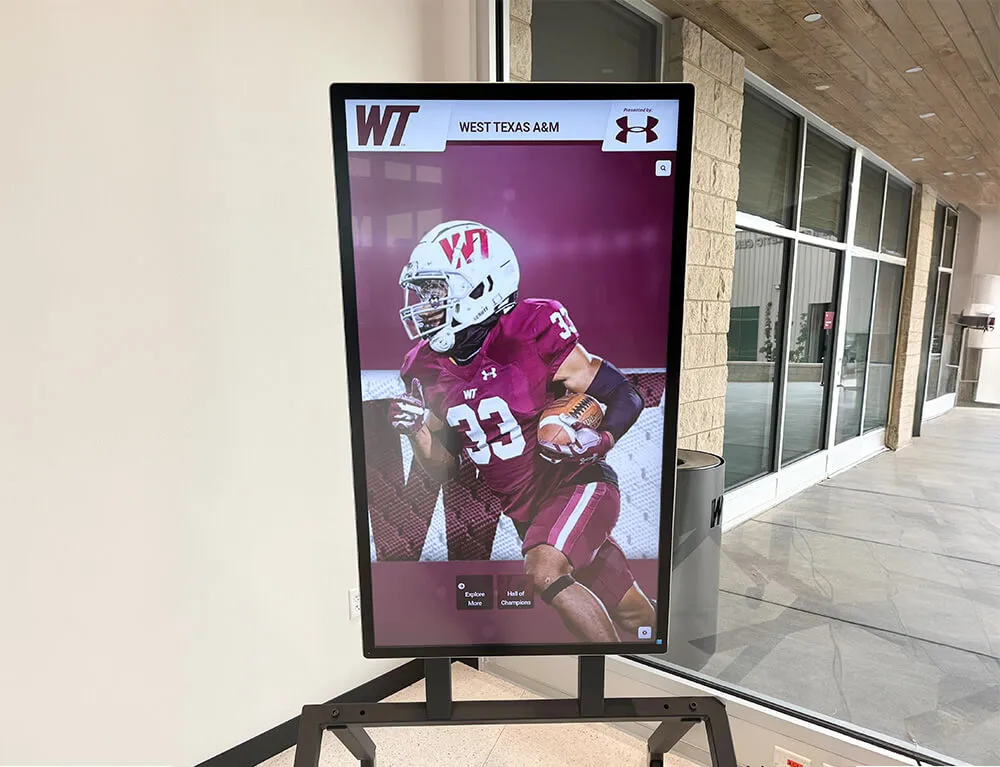
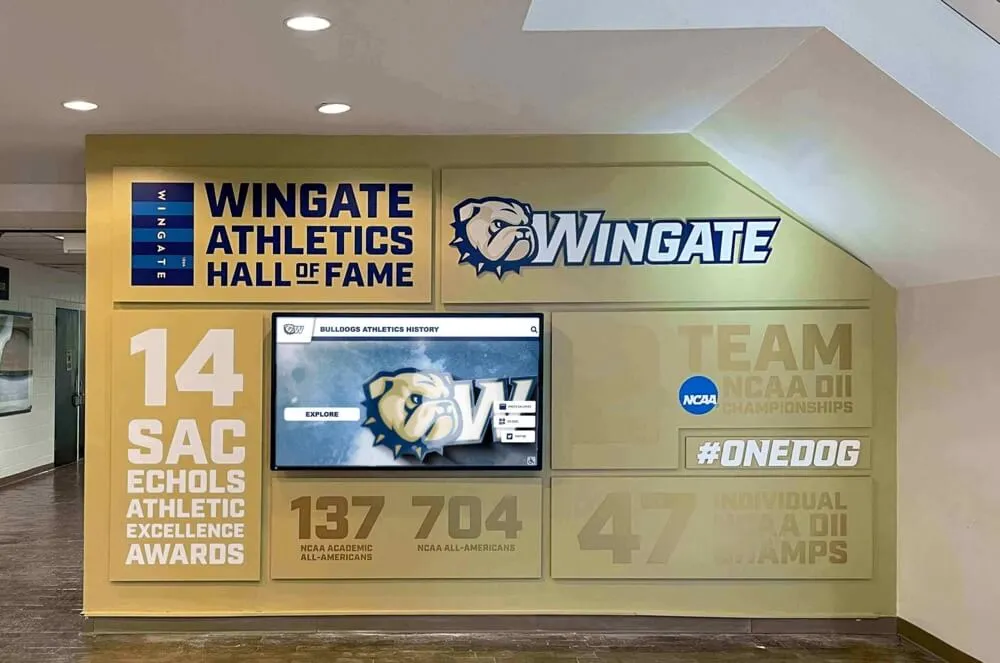
Modern school history displays transform decades of achievements into engaging visual presentations accessible to entire communities
Understanding School History Display Purposes and Benefits
Before exploring implementation details, clarifying exactly why schools create history displays and what benefits effective systems deliver helps institutions align projects with strategic objectives while building support for resource investments.
Core Purposes of School History Displays
Cultural Connection and Identity
History displays create tangible connections between current students and institutional traditions:
- Tradition continuity: Students see themselves as part of ongoing stories extending decades before their enrollment
- Shared identity: Common historical narratives create bonds across different graduating classes
- Values demonstration: Consistent patterns across historical achievements illustrate what institutions truly value
- Pride development: Visible celebration of accomplishments strengthens institutional pride and belonging
- Context provision: Understanding historical context helps students appreciate current opportunities and facilities
When students walk past displays showcasing championship teams, distinguished scholars, and beloved educators from decades past, they understand themselves as newest chapters in continuing stories rather than isolated cohorts disconnected from institutional heritage.
Achievement Recognition and Motivation
Visible historical displays honor contributions while inspiring future accomplishment:
- Permanent recognition: Achievements receive lasting celebration rather than temporary acknowledgment
- Inspiration provision: Current students see what’s possible through examples of past success
- Standard establishment: Historical excellence demonstrates expected performance levels
- Aspiration cultivation: Students envision themselves joining historical honor rolls
- Contribution validation: Community members see their efforts receive lasting appreciation
Research consistently demonstrates that visible recognition of achievement motivates continued excellence—students perform better when they understand success receives permanent celebration rather than brief mentions that quickly fade from memory.
Learn about comprehensive approaches to preserving school history through systematic recognition strategies.

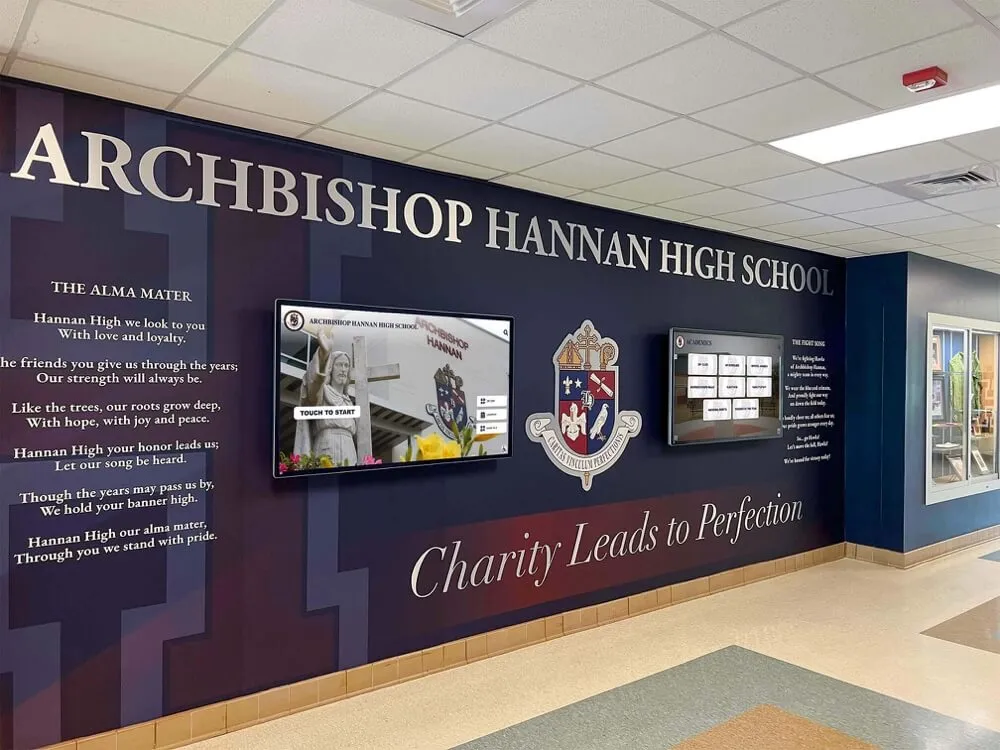
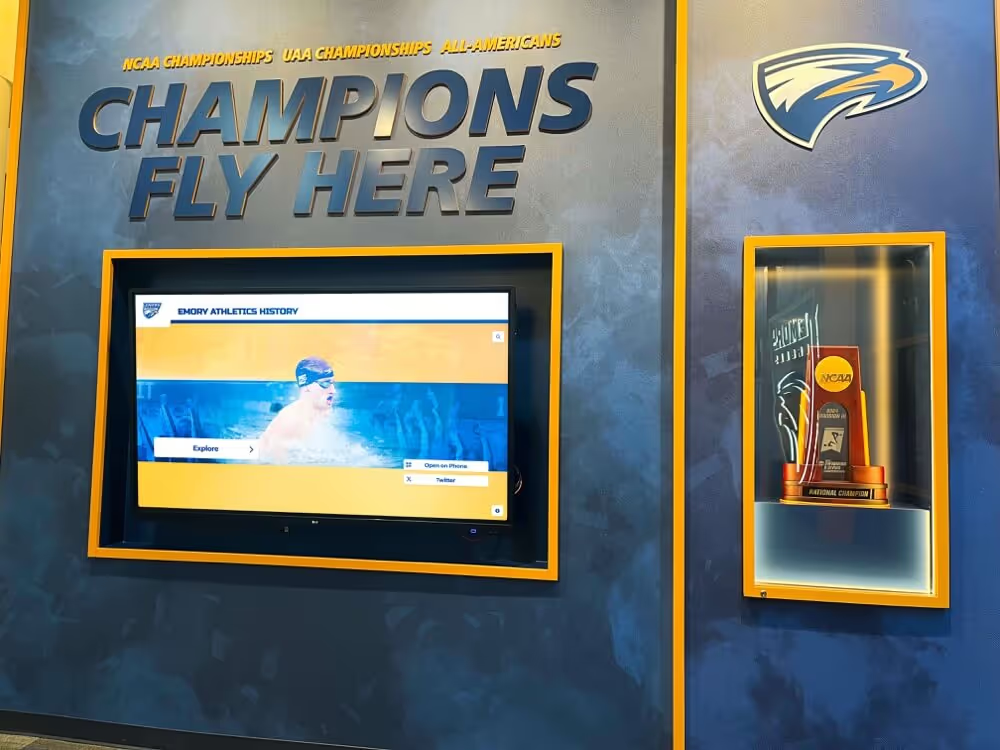
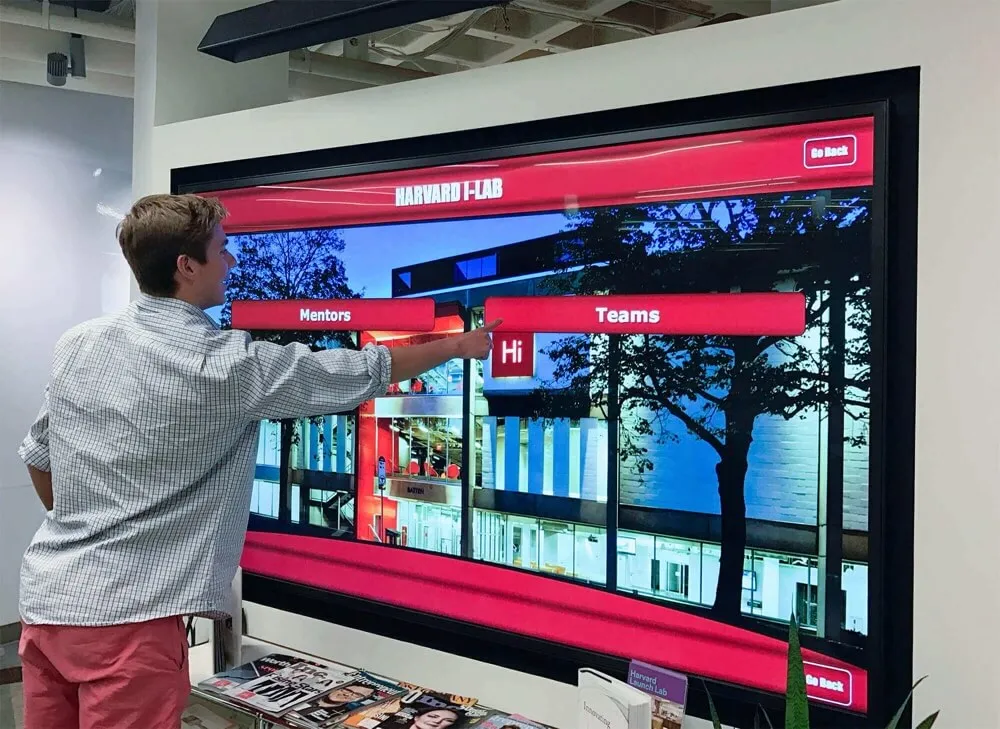
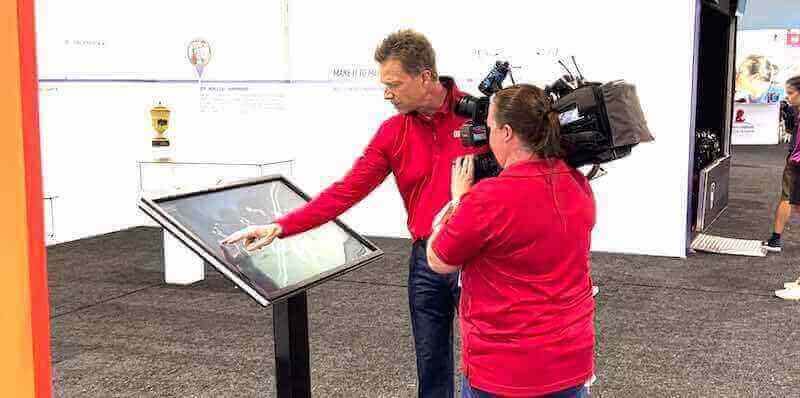
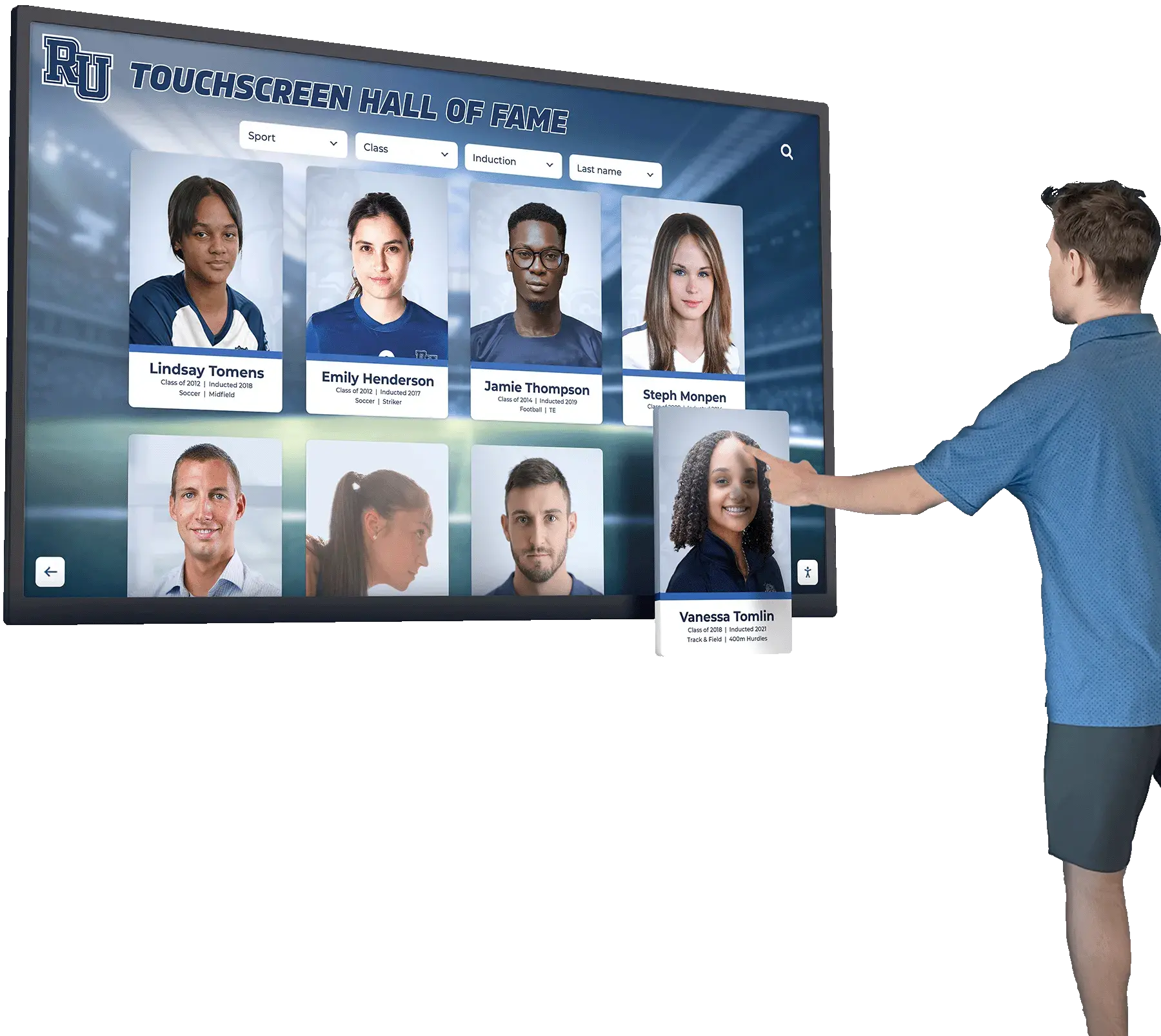
Interactive touchscreen displays enable deep exploration of school history through intuitive interfaces accessible to all community members
Alumni Engagement and Connection
History displays create powerful engagement tools strengthening relationships with graduates:
- Memory activation: Alumni rediscover personal connections to institutional history
- Reunion enhancement: Gatherings gain depth through accessible historical context
- Storytelling support: Historical content provides material for advancement campaigns
- Giving motivation: Nostalgia and pride generated by historical displays support fundraising
- Continued connection: Graduates maintain relationships with institutions celebrating their contributions
Schools implementing comprehensive history displays consistently report enhanced alumni engagement compared to institutions where historical materials remain inaccessible in storage—visible celebration demonstrates that contributions matter permanently rather than being forgotten after graduation.
Educational and Research Applications
Beyond recognition, history displays support academic objectives:
- Primary source access: Students conduct research using institutional archives
- Curriculum integration: Teachers incorporate local history into lessons
- Critical thinking development: Students analyze historical change and continuity
- Community scholarship: Local historians research institutional and community connections
- Institutional knowledge: Staff access documented precedents informing current decisions
These educational applications demonstrate that history displays deliver value extending far beyond simple nostalgia or memory preservation.
Explore strategies for developing college history timelines supporting educational objectives.
Key Benefits of Effective History Displays
Community Culture Strengthening
Comprehensive history displays strengthen institutional culture in measurable ways:
- Enhanced student pride and institutional identification
- Improved understanding of institutional values and mission
- Stronger connections between current community and traditions
- Greater appreciation for diverse achievement across all programs
- Deepened sense of belonging and community membership
Schools implementing prominent history displays report positive cultural shifts as students internalize understanding that their institution values achievement, honors contributors, and maintains connections across generations.
Recruitment and Marketing Advantages
History displays provide significant competitive advantages:
- Prospective student appeal: Families see institutions committed to lasting recognition
- Tradition demonstration: Visible history illustrates stability and established excellence
- Differentiation: Comprehensive displays distinguish institutions from competitors
- Storytelling enhancement: Historical content enriches marketing materials and communications
- Physical environment improvement: Professional displays create impressive campus aesthetics
Admissions offices consistently report that prominent history displays make positive impressions during campus tours, demonstrating institutional pride while creating memorable visual environments distinguishing schools from competitors.
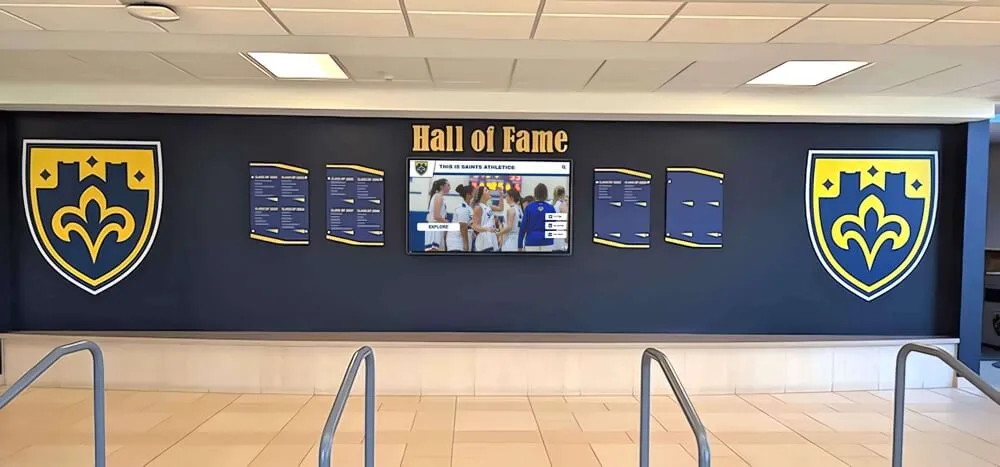
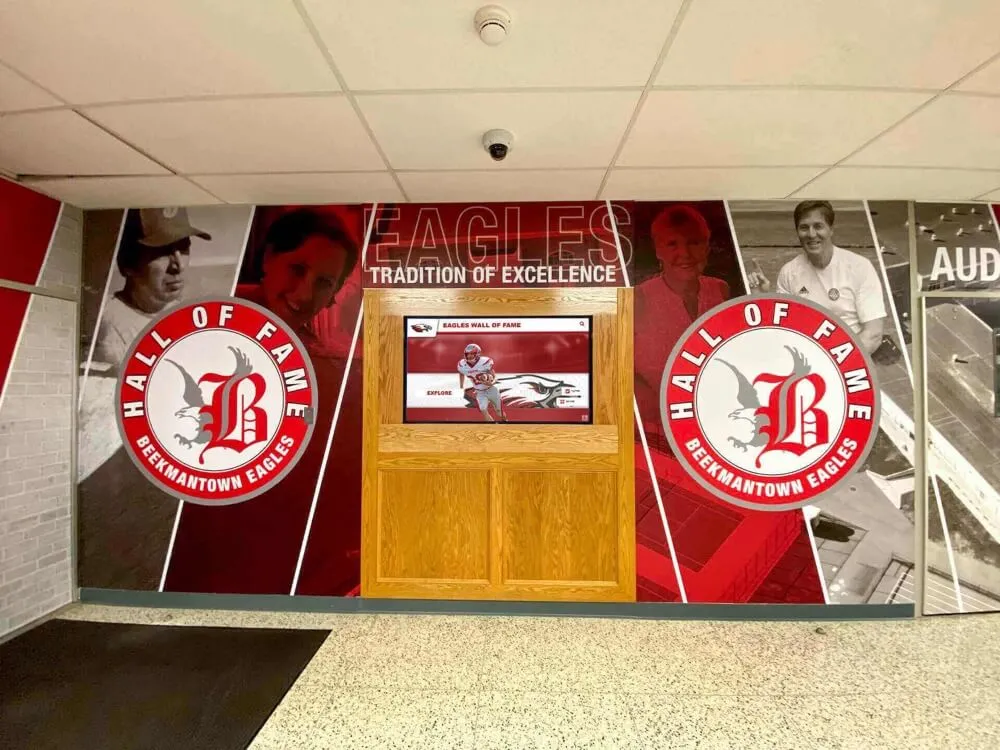
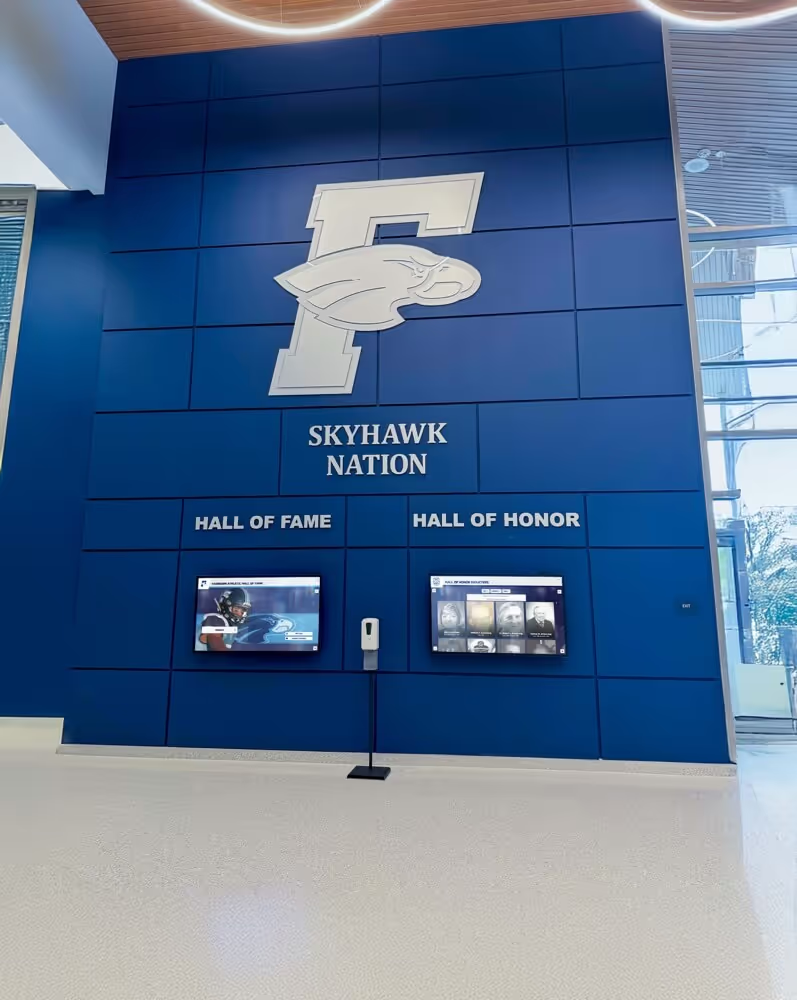
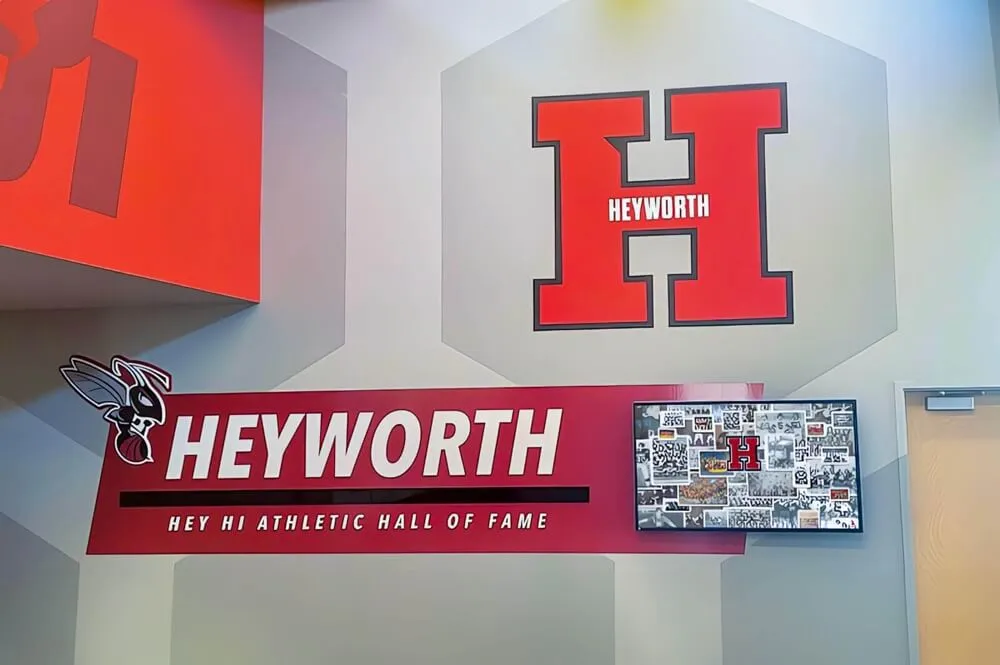
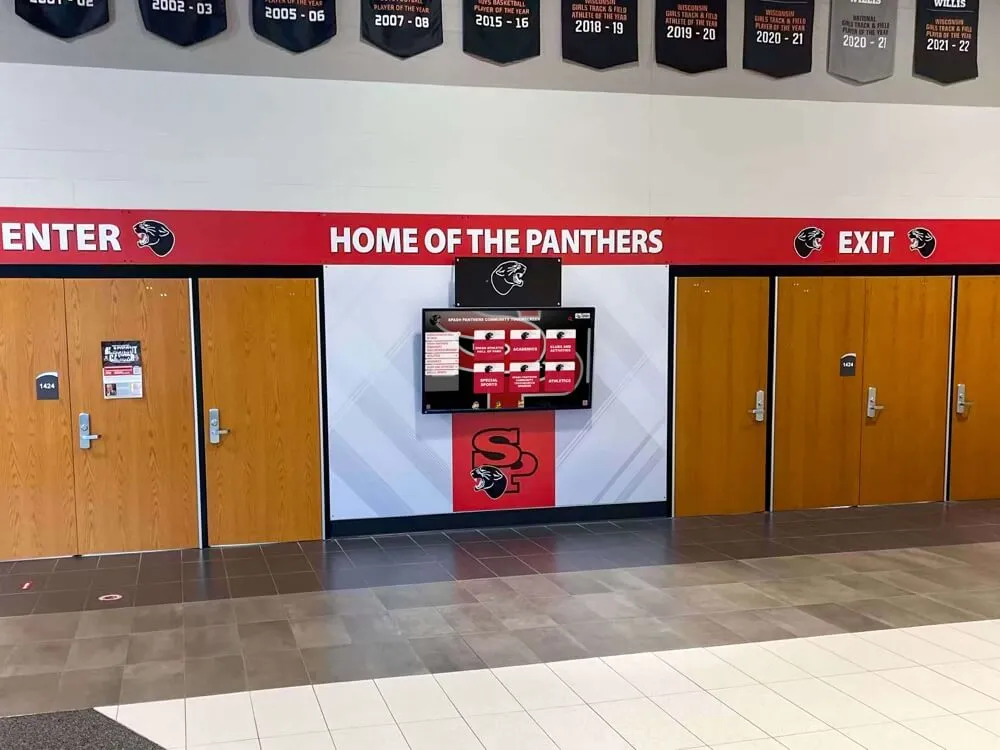
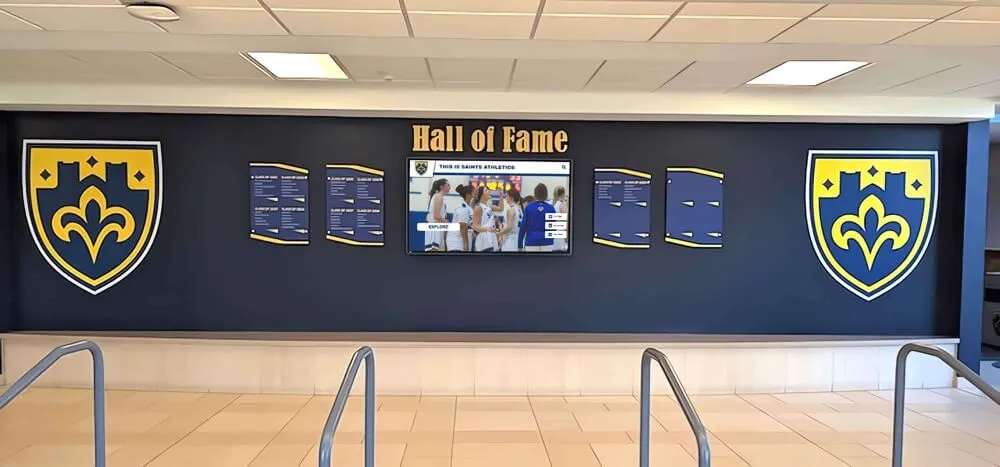
Hybrid approaches combining traditional plaques with digital displays create visually impressive recognition while offering flexibility for ongoing updates
Planning Your School History Display Project
Successful implementations require systematic planning addressing scope, priorities, resources, and long-term sustainability before beginning design or installation work.
Establishing Clear Goals and Success Metrics
Define Specific Objectives
Articulate exactly what your history display should accomplish:
Recognition Goals
- Which achievement types deserve historical celebration?
- How far back should historical documentation extend?
- Should displays emphasize athletics, academics, arts, or comprehensive achievement?
- What balance between individual and team recognition serves communities best?
Engagement Goals
- Which audiences should displays primarily serve—students, alumni, visitors, community?
- How should displays encourage interaction versus passive viewing?
- What connections to current programs should historical displays create?
- How might displays support specific initiatives like reunions or fundraising?
Cultural Goals
- What institutional values should historical displays reinforce?
- How can displays strengthen pride and community connection?
- Should displays emphasize tradition or evolution and progress?
- What messages about diversity and inclusion should displays communicate?
Clear objectives enable focused implementations delivering maximum value while preventing scope creep undermining projects through unfocused expansion.
Measurable Success Indicators
Establish concrete metrics enabling progress assessment:
- Documented achievements added by category and time period
- Community engagement metrics (viewing frequency, interaction duration)
- Alumni satisfaction surveys regarding historical celebration
- Student cultural assessment improvements
- Recognition system utilization by different departments
- Return on investment through multiple benefit dimensions
- Long-term sustainability indicators
These defined objectives and metrics enable focused implementations while demonstrating value justifying continued resource allocation.
Content Assessment and Priority Setting
Comprehensive Historical Inventory
Begin by understanding exactly what historical materials exist:
- Physical location mapping: Identify every location where historical materials currently reside
- Material categorization: Catalog materials by type, date range, and condition
- Volume estimation: Calculate approximate quantities enabling realistic scoping
- Existing documentation: Assess what information is already organized versus requiring research
- Gap identification: Determine where historical records are incomplete or missing
- Accessibility evaluation: Understand current barriers preventing community access
Create comprehensive spreadsheets documenting your inventory—this becomes your master project management tool tracking progress across potentially years of work.
Discover systematic approaches to capturing school history through comprehensive documentation strategies.
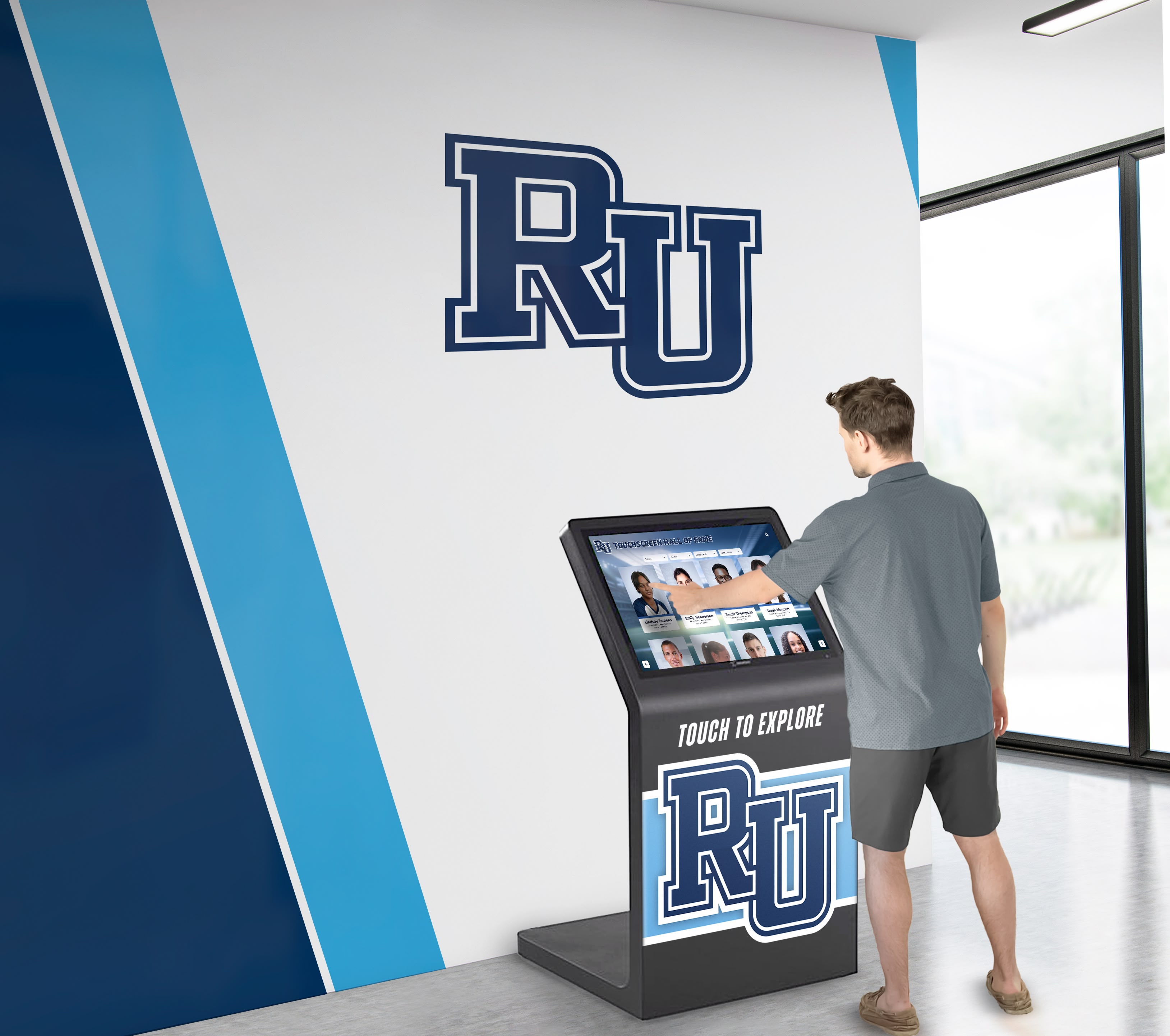
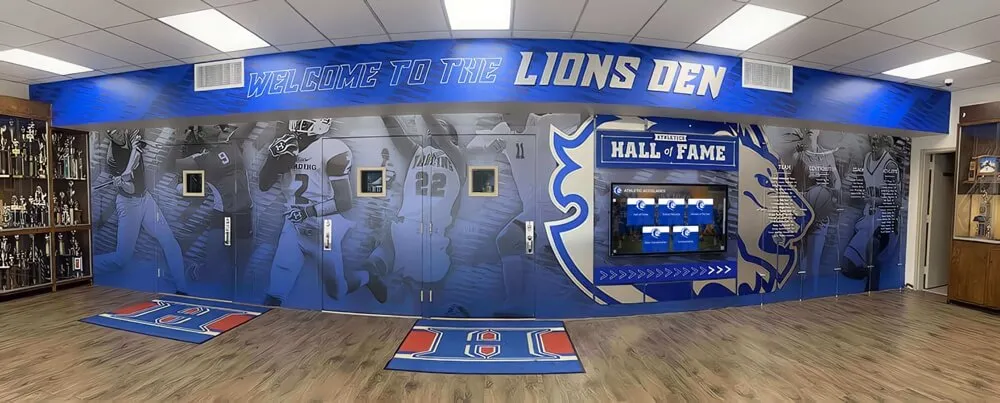
Strategic placement in high-traffic locations ensures history displays reach entire communities during daily campus circulation
Strategic Prioritization Framework
Few institutions can document everything simultaneously. Establish clear priorities:
Highest Priority Materials
- Recent history still in living memory requiring documentation before knowledge loss
- Achievement areas of greatest community pride and interest
- Materials supporting specific strategic initiatives (anniversaries, capital campaigns)
- Records in poorest condition facing immediate deterioration or loss risk
- Content with broadest community appeal engaging diverse audiences
Medium Priority Materials
- Comprehensive historical documentation extending earliest institutional years
- Specialized achievement categories with narrower but passionate audiences
- Historical context materials explaining institutional evolution
- Alumni achievement documentation connecting graduates to traditions
Lower Priority Materials
- Duplicate documentation where primary records are preserved
- Extremely specialized content serving very limited research interests
- Recent materials in excellent condition facing no immediate preservation risk
This strategic prioritization ensures highest-value recognition work occurs first while building institutional momentum demonstrating tangible community benefits supporting continued investment.
Budget and Resource Planning
Cost Component Categories
Comprehensive school history displays require multiple resource investments:
Traditional Display Costs
- Plaques and engraving ($50-$500 per recognition depending on size and materials)
- Wall mounting systems and hardware ($200-$2,000 per installation)
- Display cases for trophies and artifacts ($500-$5,000 each)
- Professional design services ($1,000-$10,000 depending on scope)
- Installation labor and facilities work ($500-$5,000)
Digital Display Investments
- Interactive touchscreen hardware ($3,000-$8,000 per display)
- Content management software platforms ($1,200-$3,600 annual subscriptions)
- Professional design and setup services ($2,000-$5,000 initial)
- Content digitization and organization ($3,000-$15,000 depending on volume)
- Network infrastructure if required ($500-$3,000)
Ongoing Operational Costs
- Annual software subscriptions for digital systems
- Content updates and additions (staff time or vendor services)
- Equipment maintenance and occasional replacement
- Physical display cleaning and upkeep
- Marketing and promotion of history resources
Solutions like Rocket Alumni Solutions provide comprehensive platforms combining content management with touchscreen-optimized interfaces, enabling schools to create professional history displays without requiring extensive technical expertise or dedicated IT staff.
Realistic Budget Ranges
Small schools (under 500 students):
- Traditional approach: $5,000-$20,000 initial + $500-$2,000 annual
- Digital approach: $8,000-$25,000 initial + $1,500-$4,000 annual
- Hybrid approach: $10,000-$35,000 initial + $2,000-$5,000 annual
Medium schools (500-2,000 students):
- Traditional approach: $15,000-$50,000 initial + $1,000-$5,000 annual
- Digital approach: $20,000-$60,000 initial + $3,000-$10,000 annual
- Hybrid approach: $25,000-$75,000 initial + $4,000-$12,000 annual
Large schools (2,000+ students):
- Traditional approach: $30,000-$100,000+ initial + $3,000-$10,000 annual
- Digital approach: $40,000-$150,000+ initial + $8,000-$25,000 annual
- Hybrid approach: $50,000-$175,000+ initial + $10,000-$30,000 annual
Many institutions phase implementations across multiple years, starting with high-priority areas and expanding systematically as budgets allow and community value becomes evident.
Learn about comprehensive solutions at Rocket Alumni Solutions offering integrated platforms for school history preservation.
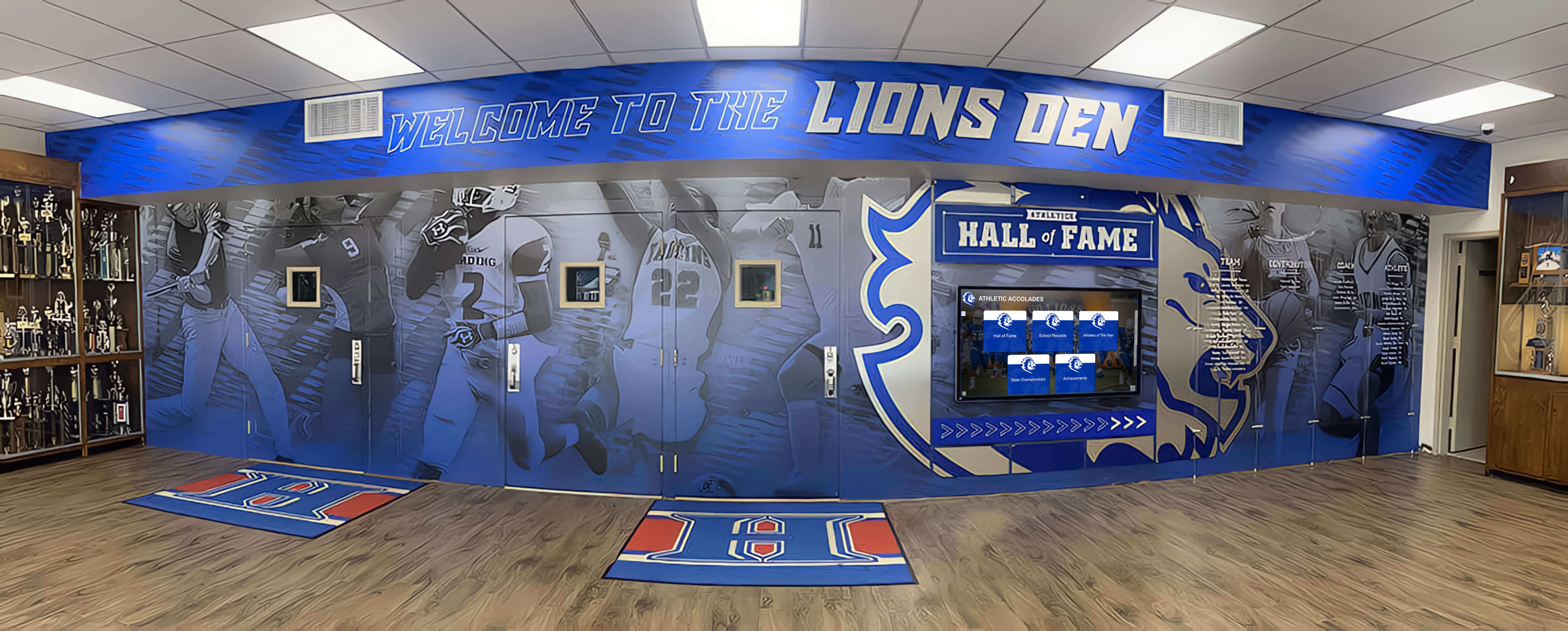
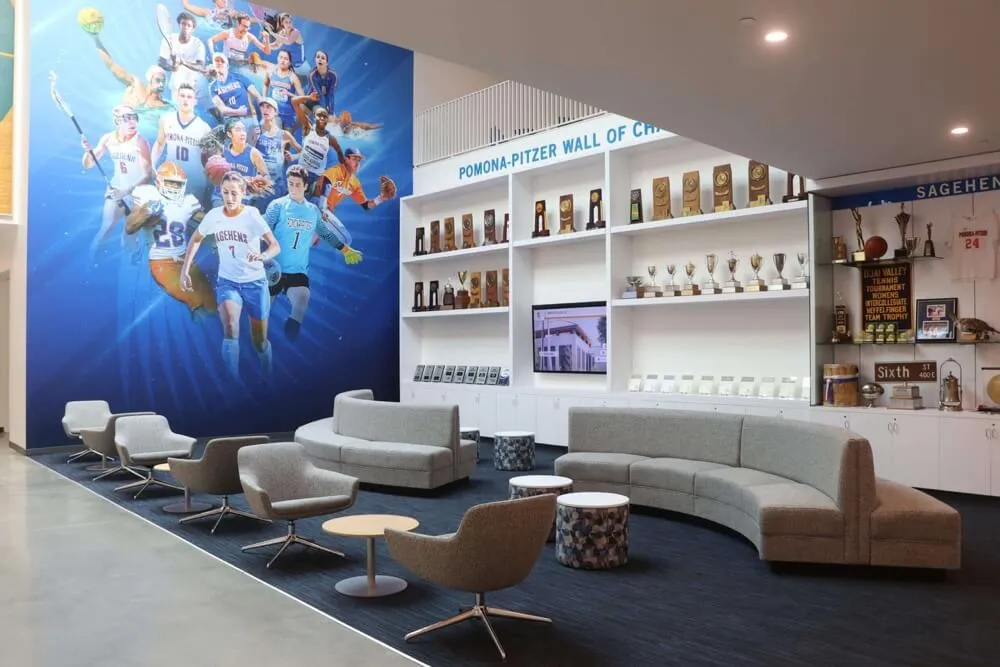
Comprehensive recognition environments combine multiple display types creating impressive destinations celebrating institutional heritage
Display Approach Options: Traditional, Digital, and Hybrid Systems
Understanding the fundamental approaches to school history displays helps institutions select methods matching their particular situations, capabilities, and objectives.
Traditional Physical Display Systems
Plaque and Trophy Case Approaches
Time-tested methods continue serving many institutions effectively:
Core Components
- Engraved plaques mounted on dedicated walls or panels
- Trophy cases displaying physical awards and memorabilia
- Framed photographs showing historical teams and individuals
- Championship banners hanging from ceilings or walls
- Painted murals celebrating institutional heritage and achievements
Traditional System Advantages
- One-time investment without ongoing subscription costs
- No technical infrastructure or maintenance requirements
- Permanent physical presence creating impressive visual impact
- Familiar approach understood by all community members
- Professional appearance lending gravitas to recognition
Traditional System Limitations
- Space constraints limiting total recognition capacity
- Update difficulty requiring new engraving or physical modifications
- Static presentation without interactive exploration capability
- Search impossibility—finding specific individuals requires physical scanning
- Limited context beyond brief inscriptions on plaques
- Deterioration over time requiring periodic refurbishment
- Accessibility challenges for community members unable to visit campus
Traditional approaches work well for institutions prioritizing permanent physical presence, possessing dedicated wall space, and comfortable with relatively static displays requiring infrequent updates.
Explore creative approaches to trophy display cases enhancing traditional recognition methods.
Digital Interactive Display Systems
Touchscreen and Web-Based Platforms
Modern technology enables unprecedented history display capabilities:
Core Components
- Large touchscreen displays (43"-75") in high-traffic campus locations
- Cloud-based content management systems enabling remote updates
- Web portals providing global access to historical content
- Mobile-responsive interfaces working across all devices
- Search functionality enabling instant discovery of specific individuals or achievements
Digital System Advantages
- Unlimited capacity accommodating comprehensive historical documentation
- Easy updates adding new achievements or correcting information
- Rich multimedia integration (photos, videos, documents, audio)
- Interactive exploration enabling deep engagement with historical content
- Search capabilities finding specific individuals or achievements instantly
- Remote access extending engagement beyond physical campus
- Analytics revealing engagement patterns informing content strategy
- Integration potential connecting history to current recognition systems
Digital System Considerations
- Ongoing subscription costs for software platforms and cloud services
- Technical infrastructure requirements (network connectivity, hardware)
- Learning curve for staff managing content updates
- Equipment replacement cycles eventually requiring hardware investment
- Dependence on vendor viability for long-term system sustainability
Digital approaches excel for institutions prioritizing comprehensive documentation, seeking alumni engagement beyond campus visits, comfortable with technology, and willing to invest in ongoing subscriptions for flexibility and capability advantages.
Discover capabilities of interactive touchscreen solutions designed specifically for educational environments.

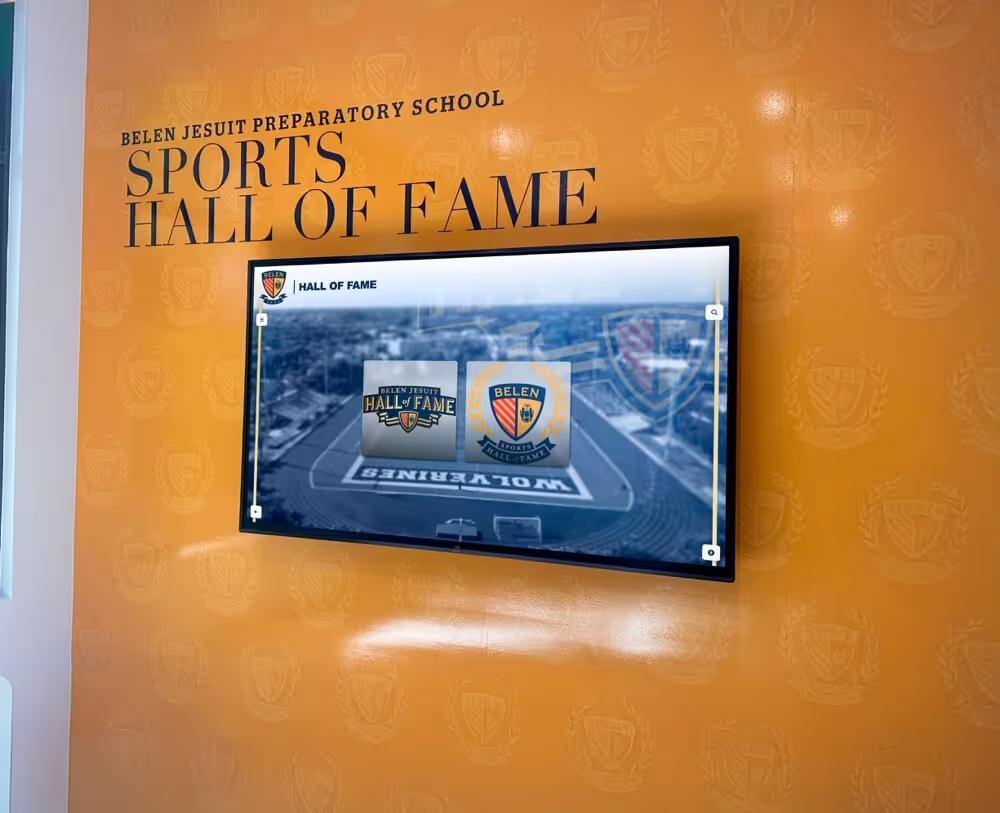
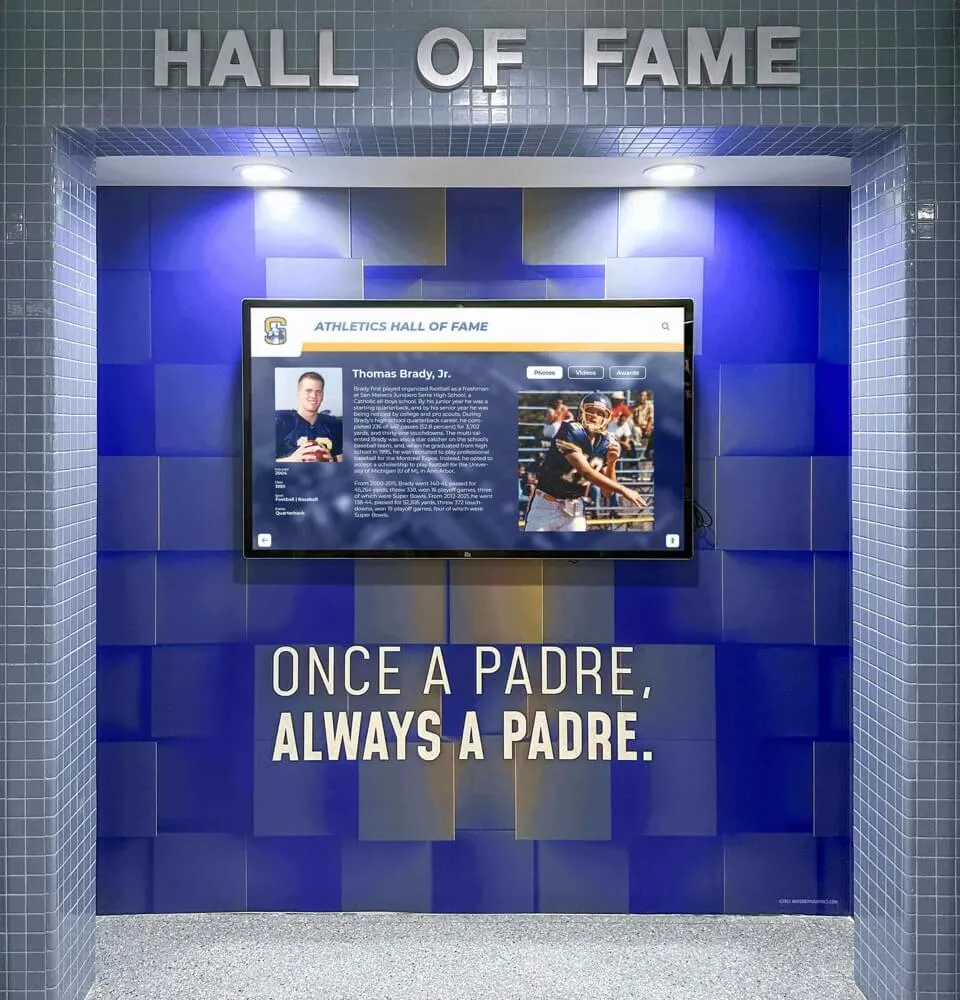
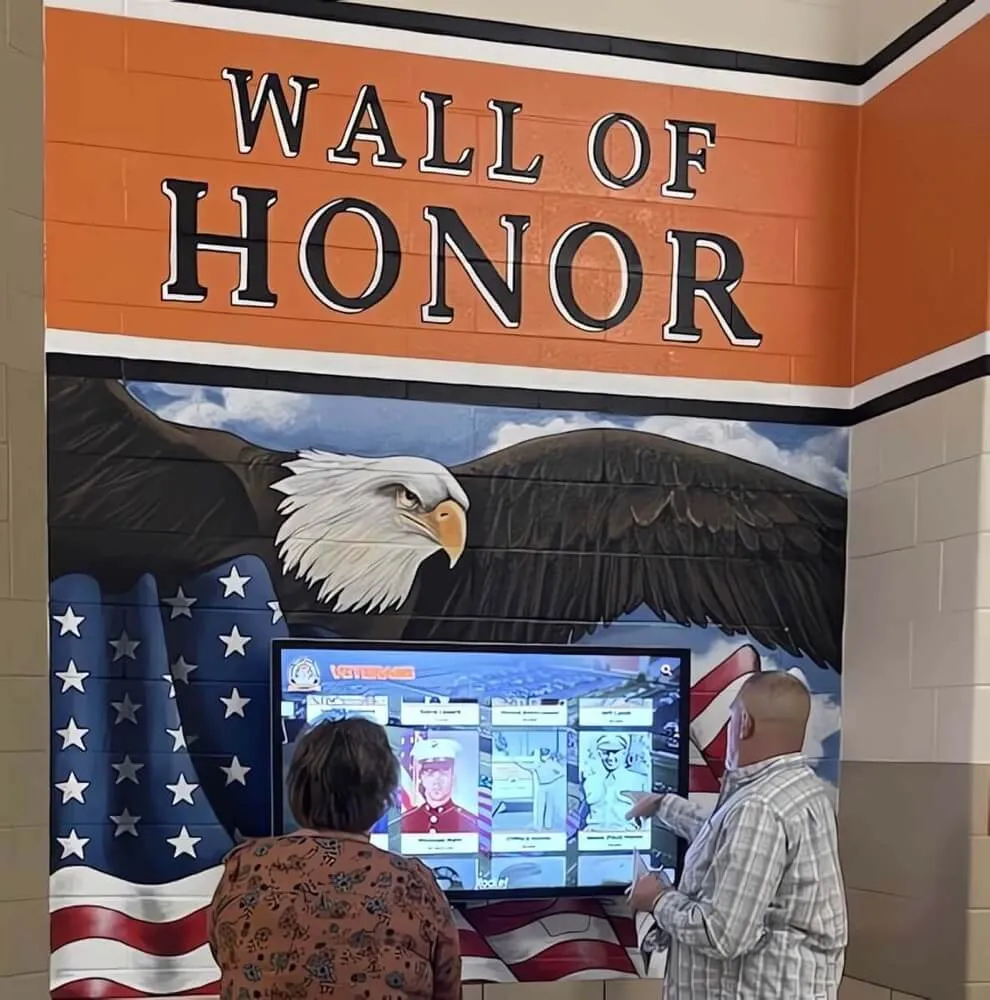
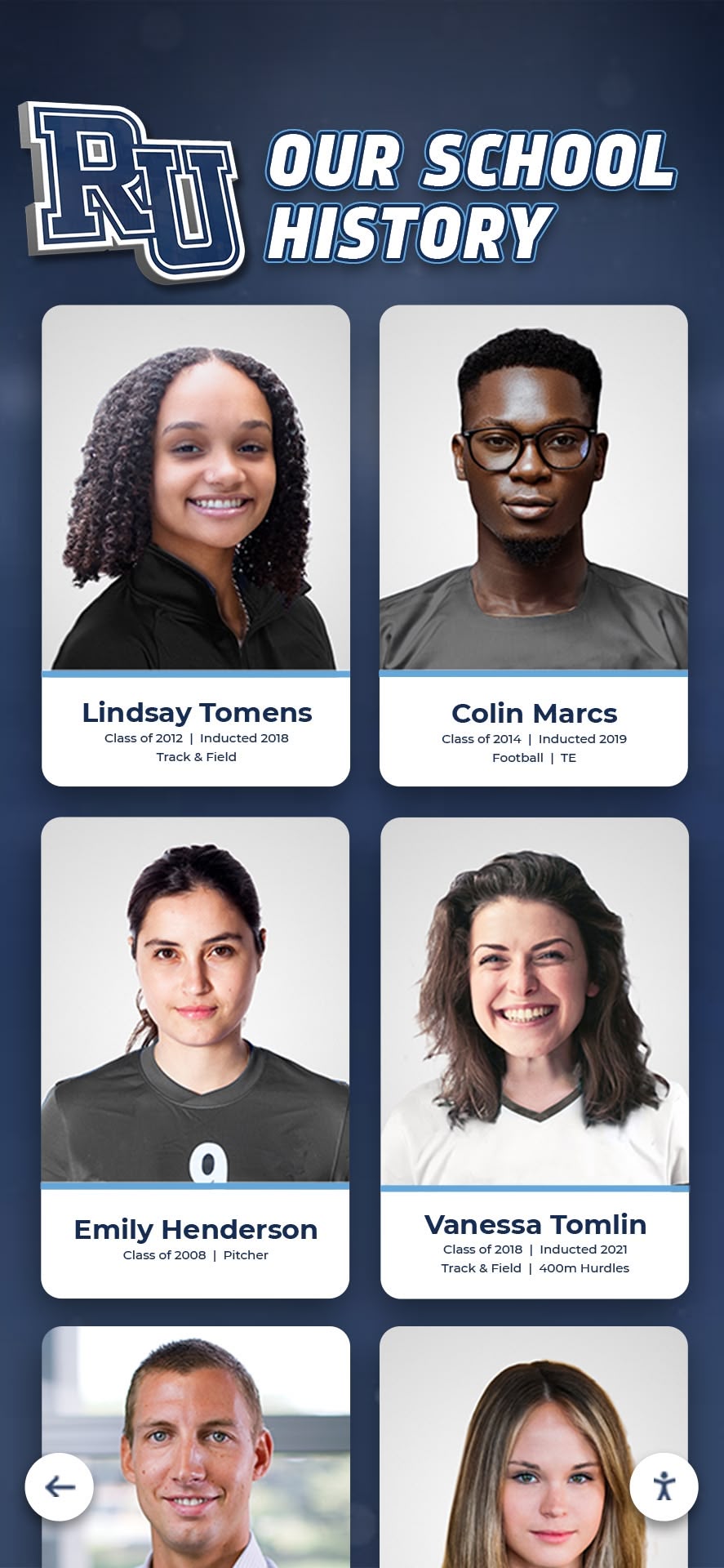
Intuitive card-based interfaces enable easy exploration of detailed individual profiles and comprehensive achievement documentation
Hybrid Combination Approaches
Blending Traditional and Digital Methods
Many institutions achieve optimal results combining complementary approaches:
Effective Hybrid Strategies
- Traditional plaques for highest honors with digital displays providing comprehensive documentation
- Physical trophy cases augmented by touchscreens offering detailed achievement context
- Engraved walls creating impressive visual impact while QR codes link to digital content
- Historical murals establishing atmosphere while interactive displays enable deep exploration
- Physical displays in primary locations with web portals extending access globally
Hybrid System Advantages
- Visual impact of traditional displays combined with digital flexibility
- One-time investments for physical elements reducing long-term costs
- Technology adoption managed gradually rather than complete sudden transition
- Redundancy protecting recognition if either system faces issues
- Broader appeal serving community members with different preferences
- Balanced investment spreading costs across different budget categories
Implementation Sequencing
Strategic phasing enables manageable hybrid development:
Phase 1: Install prominent traditional displays establishing recognition commitment Phase 2: Add digital systems providing comprehensive documentation Phase 3: Integrate systems through coordinated design and cross-referencing Phase 4: Expand both traditional and digital elements based on community feedback
This phased approach prevents overwhelming budget demands while enabling learning throughout implementation informing subsequent development.
Location Selection and Physical Placement Strategies
Where history displays are positioned dramatically impacts who engages with content and how effectively recognition achieves intended objectives.
Primary Location Criteria
High-Traffic Circulation Spaces
Maximum impact requires strategic placement where communities naturally gather:
Optimal Location Types
- Main entrance lobbies welcoming all visitors
- Cafeteria and commons areas where students congregate daily
- Athletic facility entrances where teams and fans circulate
- Library and media center spaces supporting research
- Administrative office areas where families visit
- Alumni centers creating reunion gathering spaces
- Auditorium lobbies serving performance and assembly functions
Location Selection Factors
- Daily circulation volume and frequency
- Audience diversity accessing spaces
- Dwell time enabling engagement rather than rushed passing
- Sight lines creating visibility from multiple approach angles
- Physical space availability accommodating desired display sizes
- Environmental conditions (lighting, temperature, security)
- Integration potential with existing architectural features
Placement in secondary spaces or low-traffic areas dramatically reduces engagement regardless of display quality—strategic location determines success more than any other single factor.
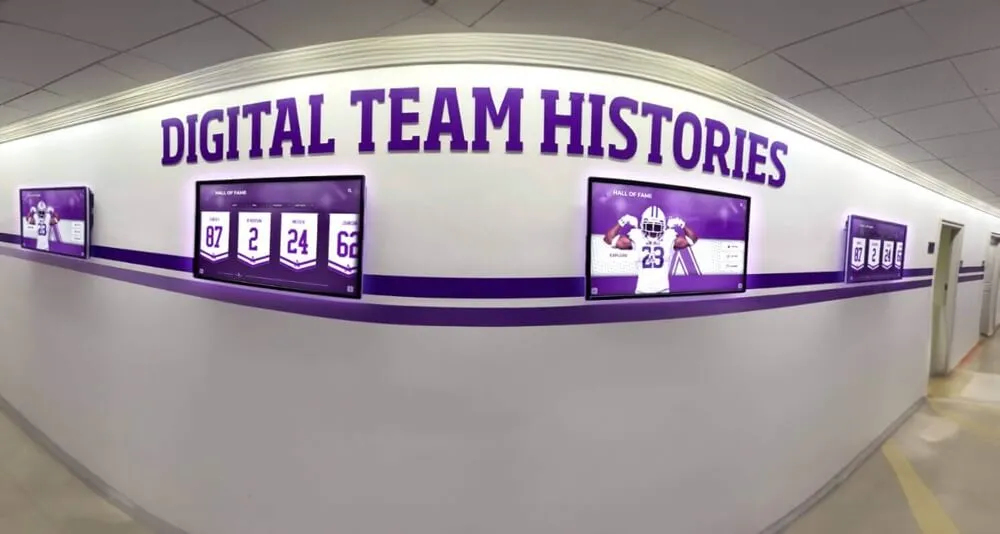
Multiple displays throughout facilities ensure comprehensive reach across different student populations and program areas
Program-Specific Dedicated Spaces
Specialized displays serve particular constituencies effectively:
Athletic History Locations
- Gymnasium lobbies and athletic wings
- Locker room entrances and team areas
- Weight room and training facility spaces
- Stadium concourses and press box areas
- Athletic director offices and recruiting spaces
Academic Recognition Locations
- Library entrances and study areas
- Science wing corridors and labs
- Academic office areas and guidance spaces
- Classroom building lobbies
- Honors program and advanced placement areas
Arts and Performance Recognition
- Theatre lobbies and backstage areas
- Music room entrances and practice spaces
- Art gallery areas and studio locations
- Auditorium and performance hall lobbies
These specialized locations create context-specific recognition while enabling targeted content serving particular program communities.
Explore strategies for school lobby design integrating recognition displays effectively.
Multi-Location Distribution Strategies
Comprehensive Campus Coverage
Strategic distribution ensures recognition reaches entire communities:
Distribution Approach
- Primary flagship display in main entrance creating impressive first impression
- Secondary displays in high-traffic commons and cafeteria areas
- Program-specific displays serving athletics, arts, and academics
- Classroom-accessible displays supporting educational applications
- Alumni center displays facilitating reunion engagement
Coordinated Content Strategy
Multiple displays require thoughtful content distribution:
- Flagship locations: Comprehensive overview spanning all achievement categories
- Program-specific displays: Deep documentation of particular achievement areas
- Rotating exhibits: Temporary themed displays highlighting specific historical periods
- Featured recognition: Current year honorees prominently displayed before archiving
- Cross-referencing: Clear connections between related content across displays
This coordinated approach creates recognition ecosystems rather than isolated installations, strengthening overall impact through strategic relationships between displays.
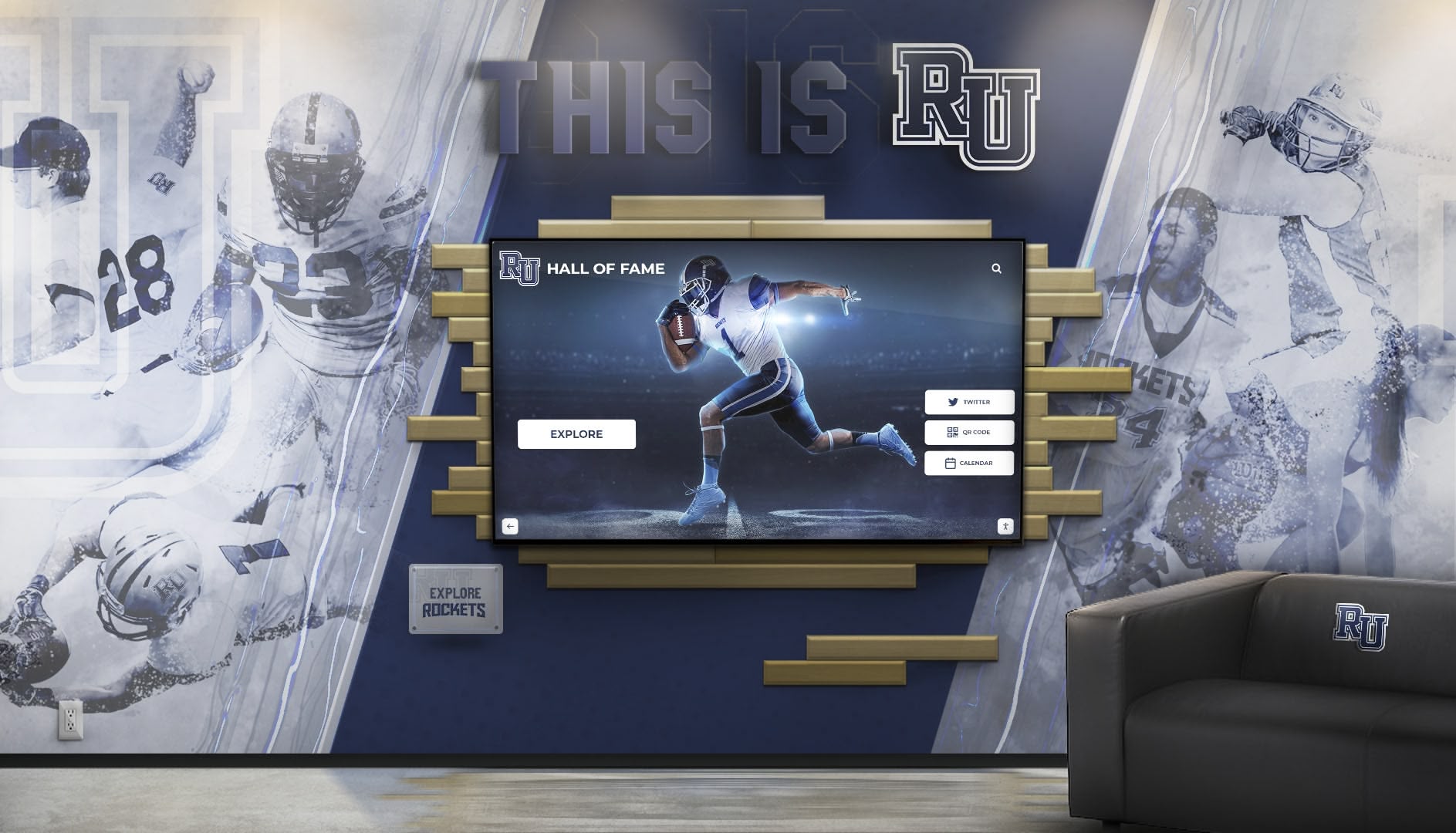
Professional installations integrate seamlessly with school environments creating impressive recognition destinations reflecting institutional pride
Content Development and Historical Documentation
Effective displays require comprehensive, accurate, and engaging content documenting institutional history systematically.
Historical Research and Data Gathering
Primary Source Identification
Comprehensive documentation requires systematic collection from diverse sources:
Core Content Sources
- Yearbooks spanning all institutional history years
- Athletic record books and championship documentation
- School newspapers, newsletters, and publications
- Administrative archives and board meeting minutes
- Event programs from performances, ceremonies, and celebrations
- Photograph collections from school and community sources
- Trophy and award physical documentation
- Oral histories from longtime staff, alumni, and community members
- Facility and construction documentation
- Alumni achievement records and career information
Systematic Collection Workflows
Organize gathering efforts preventing overwhelming disorganization:
- Inventory creation: Document what exists and current locations
- Prioritization: Focus initial efforts on highest-value materials
- Digitization: Convert physical materials to digital formats
- Organization: Create logical category and chronological structures
- Metadata creation: Add searchable information to all content
- Verification: Confirm accuracy through multiple source cross-checking
- Backup: Protect digital investments through redundant storage
Schools should budget 100-400 hours for comprehensive historical documentation depending on collection size, existing organization, and desired comprehensiveness.
Learn systematic approaches to academic history archiving supporting recognition display development.
Community Contribution Campaigns
Leverage community knowledge enriching historical documentation:
Crowdsourcing Strategies
- Alumni surveys requesting memories, photographs, and materials
- Reunion campaigns collecting class-specific historical content
- Social media campaigns sharing historical photos for identification
- Family donations of materials from personal collections
- Staff and faculty contributions from program records
- Student projects researching institutional history
- Community member interviews capturing institutional memory
These community contributions provide content beyond official archives while strengthening engagement through active participation in historical preservation.
Content Accuracy and Verification
Fact-Checking Protocols
Historical credibility requires systematic accuracy verification:
Verification Methods
- Cross-reference claims across multiple independent sources
- Consult original documentation rather than secondary summaries
- Interview multiple witnesses for contested or unclear facts
- Document uncertainty rather than presenting speculation as fact
- Establish clear standards for what constitutes verified information
- Create correction procedures addressing identified errors
- Maintain source documentation enabling future verification
Common Accuracy Challenges
Anticipate typical historical documentation problems:
- Name spelling variations and married name changes
- Date discrepancies across different source materials
- Incomplete records requiring inference
- Conflicting accounts of same events
- Lost or destroyed documentation creating permanent gaps
- Fading memories providing unreliable information
- Unconscious bias in historical record preservation
Address these challenges through systematic research approaches while maintaining transparency about uncertainty and limitations in available documentation.
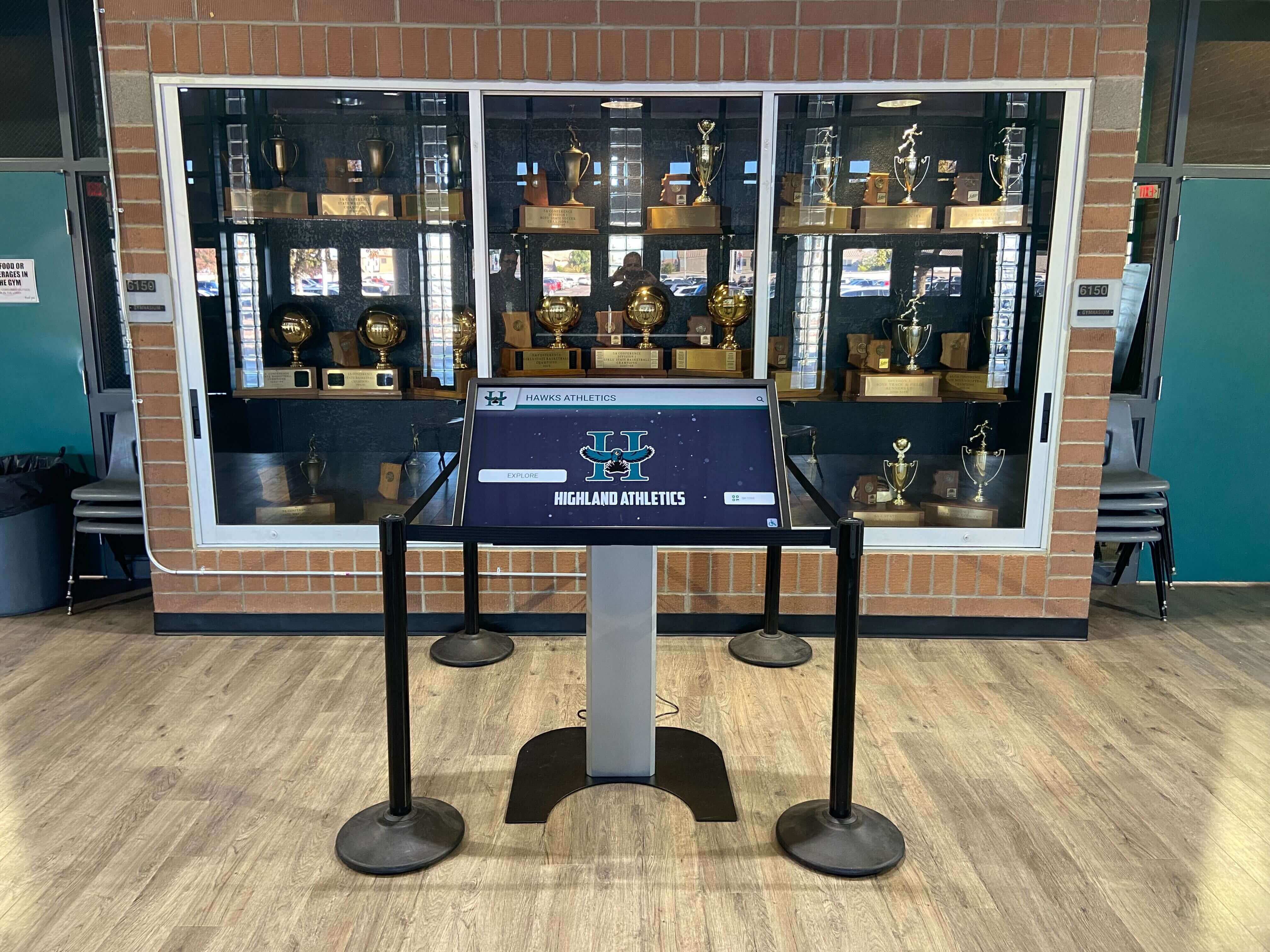
Integration with traditional trophy cases combines physical and digital recognition creating comprehensive celebration
Inclusive Recognition Approaches
Comprehensive Achievement Documentation
Effective history displays celebrate diverse excellence across all programs:
Balanced Recognition Categories
- Athletic championships and individual achievements
- Academic honors and intellectual excellence
- Arts performances and creative accomplishments
- Service leadership and community contributions
- Distinguished alumni and career achievements
- Beloved educators and staff recognition
- Facility development and institutional evolution
- Student organization and club accomplishments
Equity and Representation Considerations
Ensure historical displays reflect complete institutional stories:
- Document achievement across all sports, not just highest-profile programs
- Recognize both male and female accomplishments equally
- Include diverse achievement types beyond traditional honors
- Acknowledge contributions of all community members regardless of role
- Address historical gaps in recognition due to past bias
- Create inclusive language reflecting contemporary values
- Provide context for historical materials reflecting past attitudes
These comprehensive approaches create authentic institutional histories rather than selective narratives highlighting only certain achievement types or community segments.
Discover strategies for displaying diverse achievements across all program areas.
Design Principles for Compelling History Displays
Effective displays combine professional aesthetics with functional design enabling engagement while honoring achievements appropriately.
Visual Design Fundamentals
Professional Aesthetic Standards
Quality design demonstrates institutional commitment to recognition:
Design Elements
- Consistent color palette reflecting school branding
- Professional typography readable from intended viewing distances
- High-quality photography showing subjects clearly
- Appropriate materials matching institutional environment
- Coordinated mounting and framing creating cohesive appearance
- Adequate spacing preventing cluttered overwhelming presentation
- Thoughtful lighting highlighting displays effectively
Institutional Branding Integration
Connect history displays to broader school identity:
- Incorporate official school colors throughout designs
- Include logos and mascots reinforcing institutional identity
- Use architectural details echoing campus design themes
- Coordinate with existing recognition displays and facilities
- Maintain consistent design language across multiple locations
- Create distinctive visual identity for historical recognition specifically
Professional design prevents history displays from appearing as afterthoughts or budget compromises, instead creating impressive installations reflecting pride and commitment to recognition excellence.
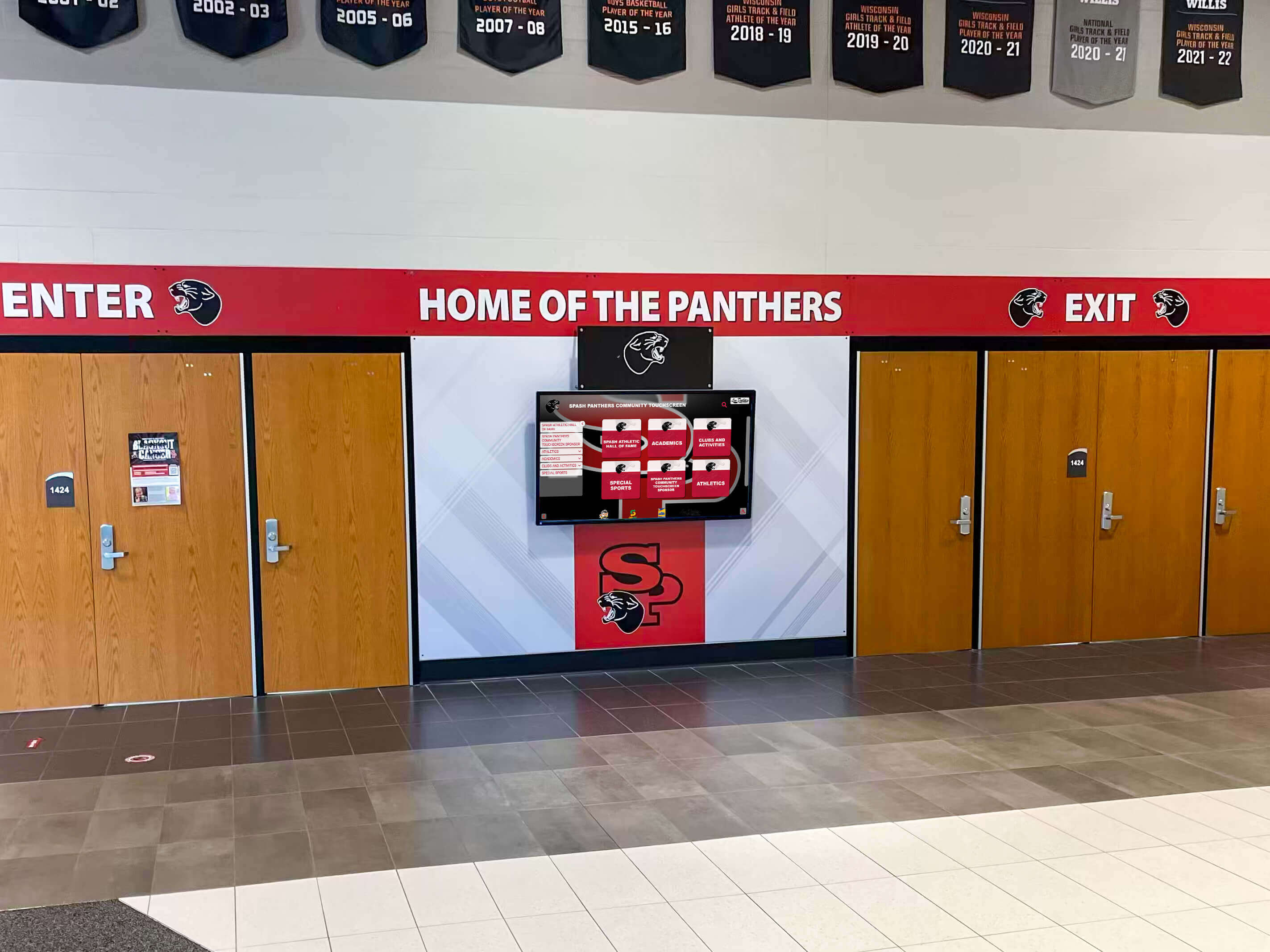
Entrance locations ensure every visitor encounters school history and achievement celebration immediately upon arrival
Information Architecture and Organization
Logical Content Structure
Enable intuitive navigation and discovery:
Organizational Approaches
- Chronological timelines showing institutional evolution decade by decade
- Category-based galleries separating athletics, academics, arts, and alumni
- Achievement-type organization grouping championships, honors, and recognitions
- People-centered profiles enabling individual exploration
- Event-based collections unifying materials around significant occasions
- Featured exhibitions highlighting particular historical themes
Search and Discovery Features
Digital systems enable sophisticated exploration:
- Full-text search across all biographical and achievement information
- Filter by year, category, sport, or achievement type
- People search finding specific individuals instantly
- Related content suggestions connecting associated materials
- Timeline views showing historical distribution
- Random discovery features encouraging serendipitous exploration
These discovery tools transform displays from static presentations into interactive archives supporting diverse engagement patterns—from targeted research seeking specific information to casual browsing discovering unexpected connections.
Learn about designing touchscreen experiences optimizing user engagement.
Accessibility and Universal Design
Inclusive Access Provisions
Ensure history displays serve entire communities:
Physical Accessibility
- Mounting heights enabling wheelchair user viewing
- Adequate approach space for assistive device navigation
- Touchscreen interfaces at appropriate ergonomic positions
- Text sizing readable from intended viewing distances
- Lighting avoiding glare or insufficient illumination
Digital Accessibility
- Screen reader compatibility for visually impaired users
- Keyboard navigation alternatives to touchscreen interaction
- Sufficient color contrast meeting WCAG standards
- Captions and transcripts for audio and video content
- Adjustable text sizing accommodating vision differences
- Language translation options serving multilingual communities
ADA Compliance
Educational institutions must meet Americans with Disabilities Act requirements:
- Ensure physical displays don’t create circulation obstacles
- Provide alternative access methods for interactive features
- Include tactile elements for visually impaired engagement
- Offer equivalent information through multiple modalities
- Consult accessibility experts during design phases
Universal design creates displays serving all community members while meeting legal compliance requirements.
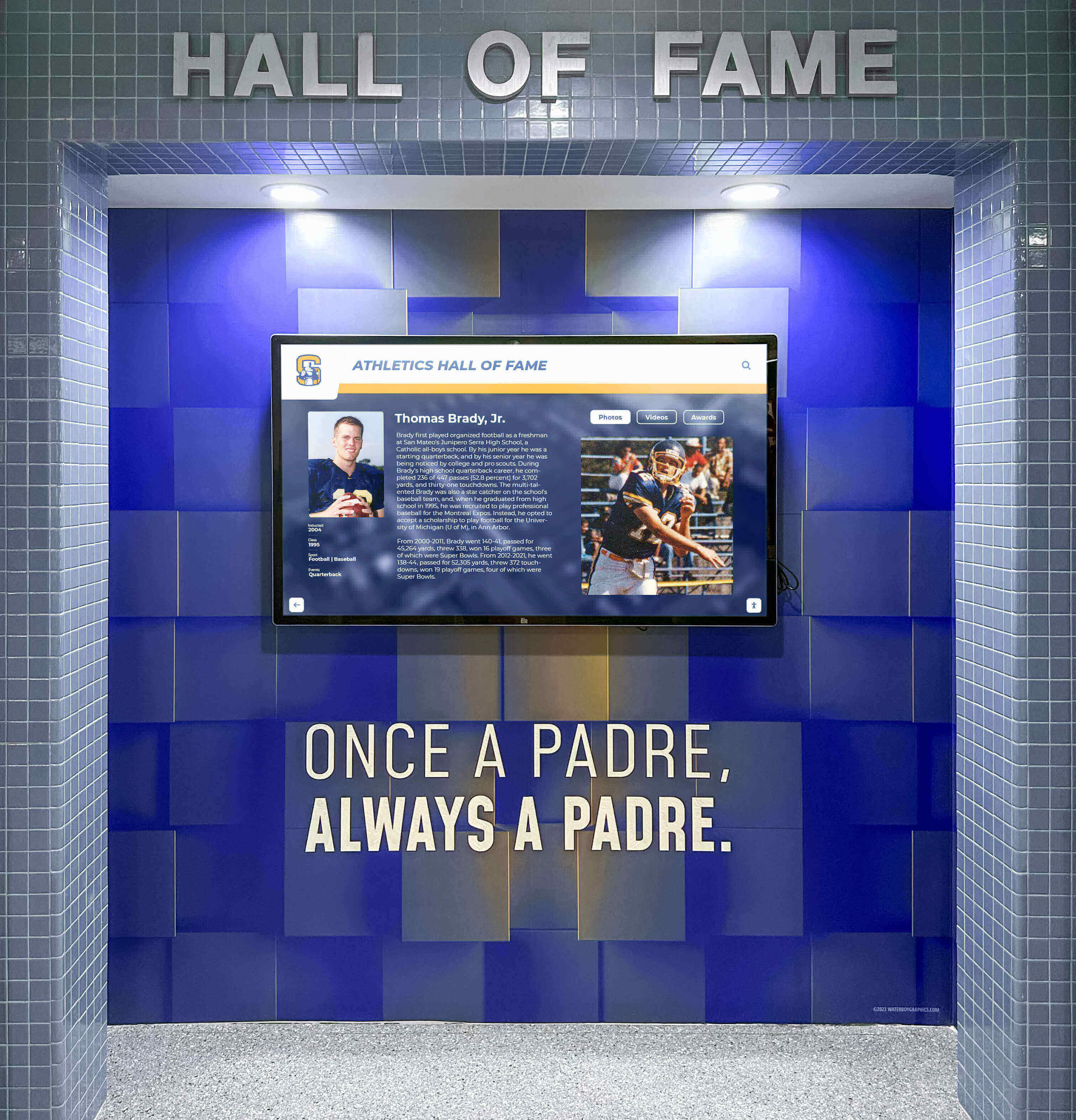
Athletic departments benefit from digital displays showcasing complete program histories impossible with limited physical trophy space
Implementation and Installation Considerations
Moving from planning to actual display installation requires careful attention to technical details ensuring professional results.
Traditional Display Installation
Physical Mounting Systems
Permanent installations require proper structural approaches:
Wall-Mounted Plaque Systems
- Locate wall studs or use appropriate anchors for load-bearing capacity
- Ensure level mounting preventing crooked appearance
- Space plaques consistently creating organized visual presentation
- Use professional mounting hardware rather than improvised solutions
- Consider expansion capacity for future recognition additions
- Coordinate with facilities staff regarding wall penetration policies
Trophy Case Installation
- Professional millwork creating custom built-in solutions
- Freestanding cases positioned strategically without permanent installation
- Proper lighting highlighting displayed items effectively
- Security considerations preventing theft or vandalism
- Climate control protecting items from environmental damage
- Accessibility enabling content changes and maintenance
Mural and Painted Display Creation
- Professional artists creating polished results
- Protective coatings ensuring longevity
- Color-fast paints preventing fading
- Integration with existing architectural features
- Coordination with school maintenance schedules
Professional installation prevents amateur appearance undermining recognition significance—budget appropriately for quality implementation work.
Digital System Implementation
Technical Infrastructure Requirements
Interactive displays require proper technical foundations:
Network Connectivity
- Hardwired ethernet connections preferred for reliability
- WiFi alternatives requiring strong consistent signal strength
- Adequate bandwidth supporting content updates and analytics
- Network security policies accommodating display requirements
- Remote management access enabling vendor support
Electrical Requirements
- Dedicated circuits preventing overload issues
- Properly grounded outlets meeting commercial standards
- Conduit installation concealing cables professionally
- Surge protection preventing equipment damage
- Emergency shutdown integration if required
Mounting and Installation
- Commercial-grade wall mounts rated for equipment weight
- Freestanding kiosks with weighted bases preventing tipping
- Professional cable management creating clean appearance
- Tamper-resistant enclosures protecting equipment
- Compliance with fire codes and safety regulations
Software Configuration
- Content management system setup and customization
- User account creation with appropriate permissions
- Network configuration and security settings
- Analytics integration enabling engagement tracking
- Backup and disaster recovery procedures
Solutions like Rocket Alumni Solutions provide turnkey implementations including professional installation services, eliminating technical complexity for schools without dedicated IT capabilities.
Explore comprehensive guidance on touchscreen kiosk software selection and configuration.
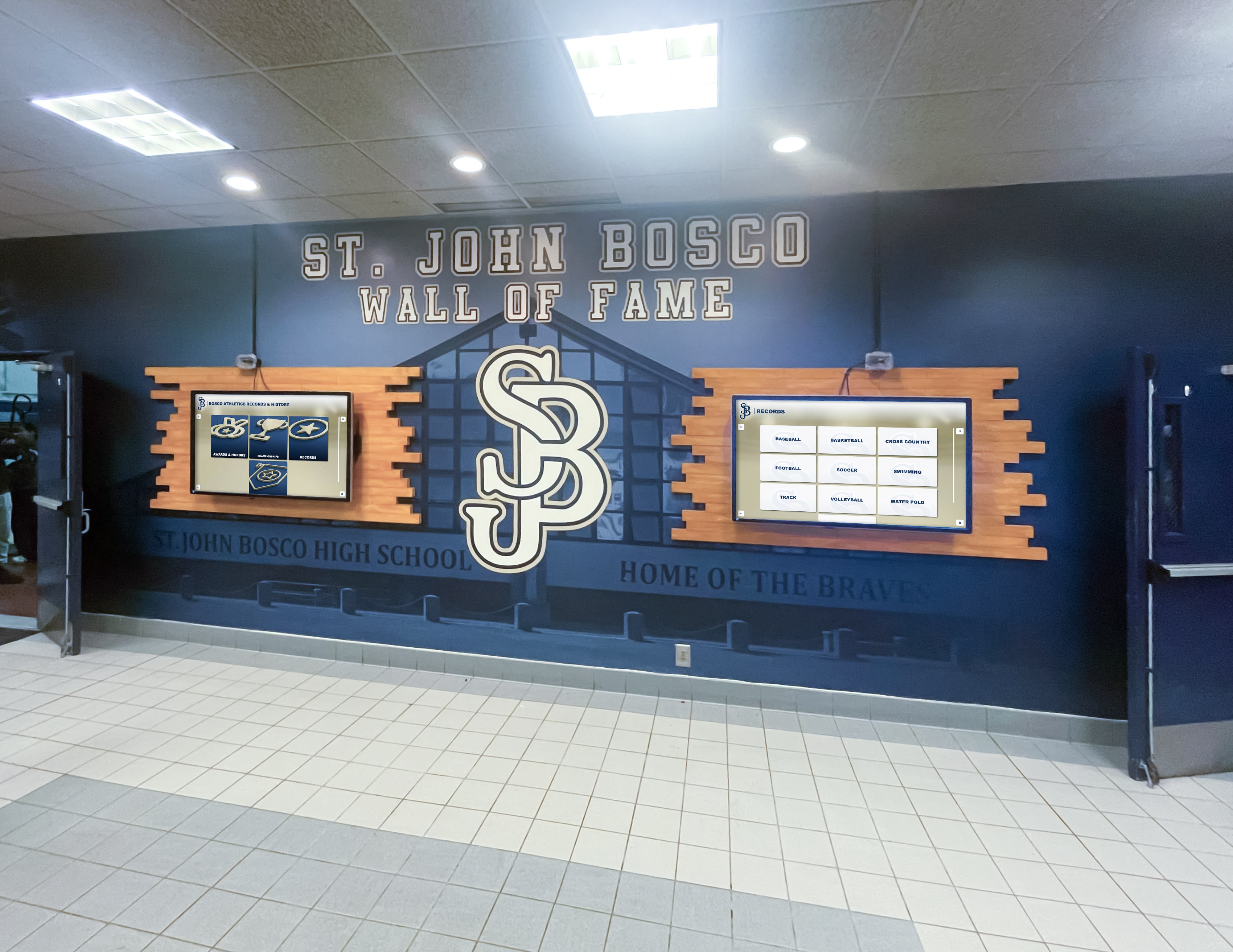
Multiple displays within comprehensive recognition environments create impressive destinations celebrating institutional achievement
Testing and Quality Assurance
Pre-Launch Verification
Systematic testing prevents embarrassing post-installation discoveries:
Content Accuracy Review
- Spell-check all text thoroughly
- Verify dates and statistical accuracy
- Confirm photograph identifications
- Test all interactive features and navigation
- Review on actual display hardware, not just computers
- Conduct community preview gathering feedback
Technical Performance Testing
- Verify reliable startup and shutdown
- Test touch responsiveness across entire screen surface
- Confirm appropriate brightness and contrast
- Evaluate viewing angles and glare
- Test during different lighting conditions
- Verify backup and recovery procedures
Accessibility Verification
- Test screen reader compatibility
- Verify keyboard navigation alternatives
- Confirm color contrast meets standards
- Test with actual users representing diverse abilities
- Verify captioning and transcript availability
These testing procedures prevent quality issues undermining recognition significance while avoiding need for embarrassing post-launch corrections.
Ongoing Management and Content Updates
Successful history displays require sustained attention extending long beyond initial installation—systematic management ensures continued relevance and value.
Regular Content Additions and Updates
Annual Recognition Cycles
Establish systematic processes adding new achievements:
End-of-Year Procedures
- Athletic department submits championship and individual honor documentation
- Academic offices provide honor roll and scholarship recipient lists
- Arts programs contribute performance and competition achievement records
- Alumni relations shares distinguished graduate accomplishment updates
- Designated coordinator reviews all submissions for completeness and accuracy
- Content team digitizes photographs and creates biographical profiles
- Technical staff uploads information to displays and web portals
- Communications announces additions through appropriate channels
Historical Backfill Projects
Continue adding historical content systematically:
- Quarterly projects documenting specific historical periods
- Summer digitization campaigns when student workers are available
- Reunion weekend documentation collection from returning alumni
- Anniversary year special projects completing comprehensive coverage
- Community contribution campaigns filling identified gaps
This sustained effort prevents displays from becoming static installations frozen at launch date, instead creating dynamic recognition growing continuously.
Learn about sustainable approaches to academic recognition programs maintaining ongoing engagement.

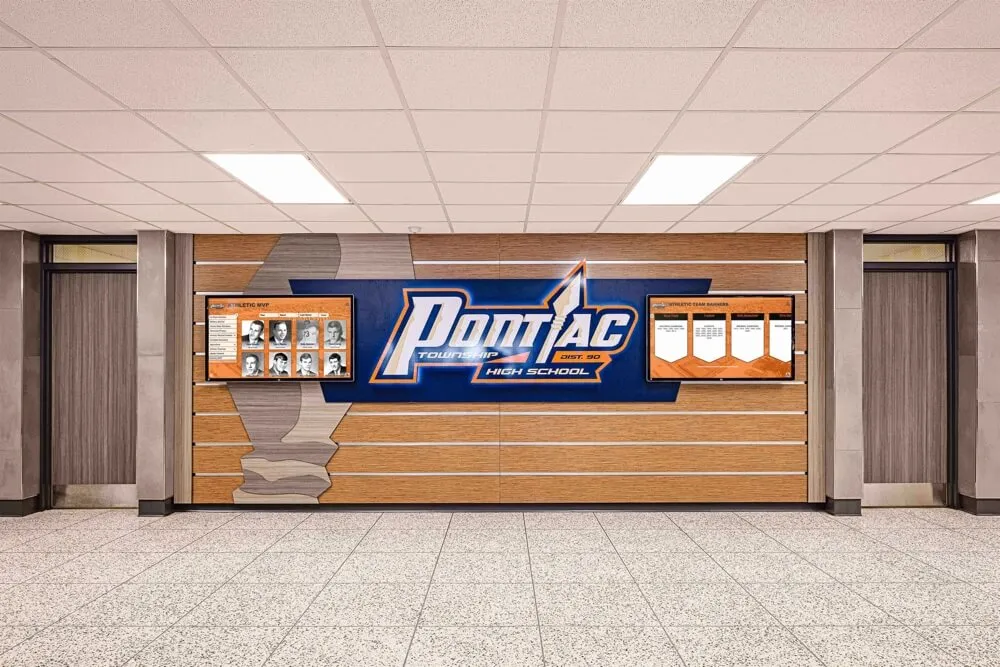
Coordinated design integrating murals, branding, and digital displays creates cohesive recognition environments
Maintenance and Technical Management
Physical Display Upkeep
Traditional installations require regular maintenance:
Cleaning and Care
- Regular dusting and cleaning preventing deterioration
- Glass and acrylic polishing maintaining clarity
- Trophy case organization keeping displays attractive
- Lighting replacement as bulbs fail
- Hardware tightening preventing loosening over time
- Damaged component repair or replacement
Digital System Maintenance
Interactive displays require technical attention:
Software Management
- Regular platform updates installing new features and security patches
- Content backup ensuring protection against data loss
- Performance monitoring identifying and resolving issues
- Analytics review understanding engagement patterns
- Security updates protecting against vulnerabilities
Hardware Care
- Screen cleaning maintaining image quality
- Touchscreen calibration ensuring accurate responsiveness
- Ventilation verification preventing overheating
- Cable inspection identifying wear or damage
- Component replacement before complete failure
Vendor Relationships
Establish clear support arrangements:
- Service level agreements defining response times and coverage
- Annual maintenance contracts covering routine needs
- Technical support contacts for urgent issues
- Replacement part availability ensuring minimal downtime
- Upgrade pathways as technology evolves
Proper maintenance prevents displays from deteriorating into neglected eyesores undermining recognition significance—budget adequately for ongoing care.
Community Engagement and Promotion
Marketing and Awareness
Maximize display value through active promotion:
Launch Campaigns
- Grand opening events celebrating new installations
- Media coverage through local news outlets
- Social media campaigns highlighting features
- Email announcements to alumni and community
- Faculty presentations demonstrating educational applications
- Student orientation inclusion showcasing institutional pride
Ongoing Promotion
- Weekly social media features highlighting historical content
- Monthly alumni newsletter historical spotlights
- Reunion coordination incorporating display demonstrations
- Campus tour integration showcasing recognition to prospective families
- Fundraising campaign connections leveraging historical nostalgia
Interactive Campaigns
Encourage active community participation:
- Photo identification contests engaging alumni knowledge
- Historical trivia competitions using display content
- Anniversary celebrations featuring relevant historical materials
- Reunion scavenger hunts incorporating history displays
- Student research projects using institutional archives
Active promotion ensures investments deliver maximum community value rather than becoming background features community members ignore.
Explore strategies for alumni engagement through recognition displays.
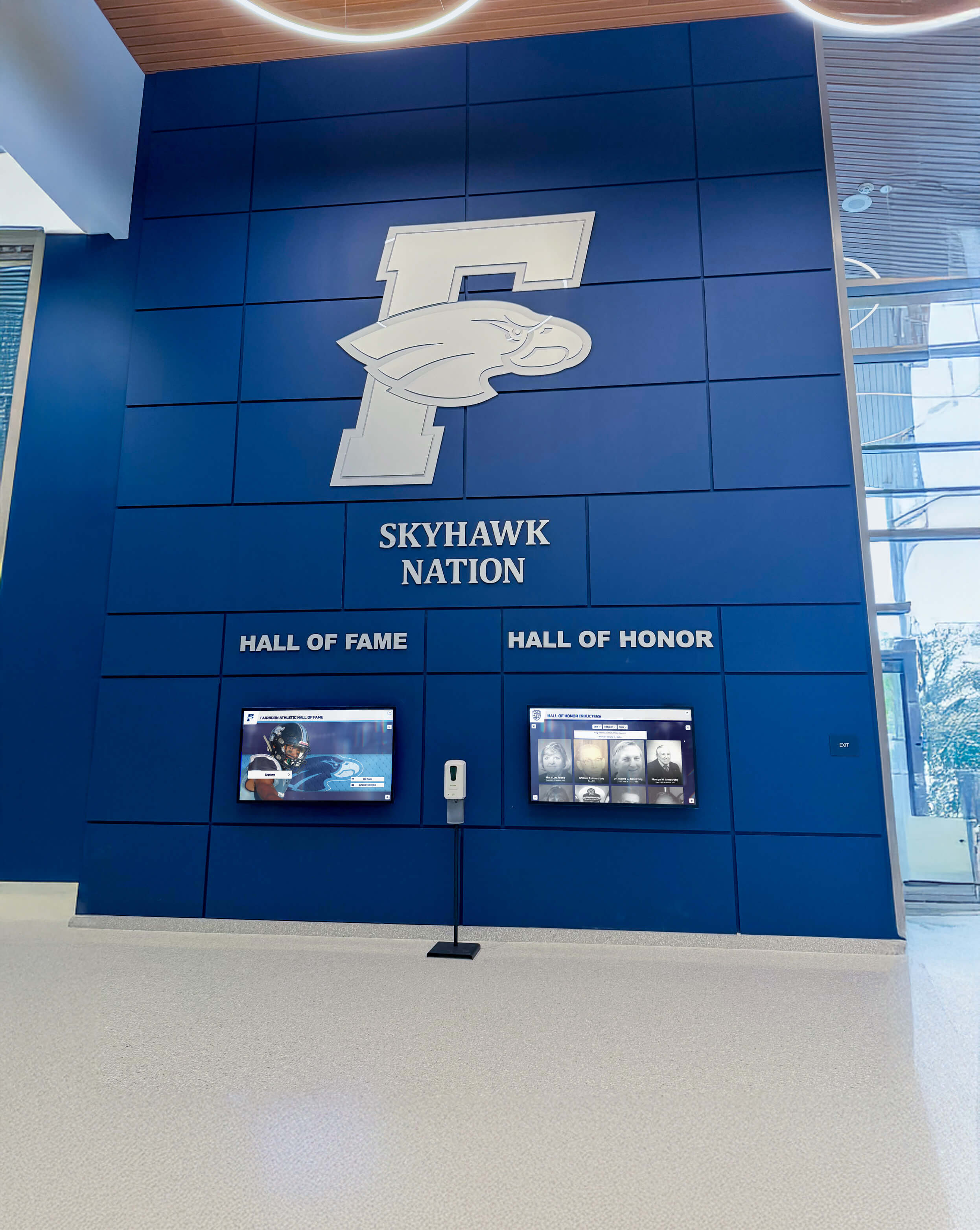
Modern educational spaces integrate digital archives with contemporary recognition creating comprehensive celebration of institutional legacy
Measuring Impact and Demonstrating Value
Assessment demonstrates program value while identifying improvement opportunities ensuring continued effectiveness.
Quantitative Success Metrics
Usage and Engagement Data
Digital platforms provide concrete engagement evidence:
Measurable Indicators
- Physical display interaction frequency and duration
- Web portal traffic and repeat visitor rates
- Search queries revealing popular historical interests
- Most-viewed content identifying compelling narratives
- Geographic distribution showing alumni engagement reach
- Device types informing technical optimization
- Peak usage times informing content scheduling
- Social sharing frequency indicating compelling content
Recognition Coverage Tracking
Monitor comprehensiveness and growth:
- Total individuals documented by category and time period
- Historical coverage completeness across decades
- Achievement type distribution ensuring balanced recognition
- Update frequency demonstrating sustained commitment
- Gap identification revealing underrepresented areas
- Community contribution rates showing engagement
These quantitative metrics reveal whether history displays generate intended engagement or require strategic adjustments.
Qualitative Assessment and Feedback
Stakeholder Perception Collection
Regular qualitative feedback provides insights beyond usage numbers:
Feedback Sources
- Student surveys about awareness and engagement with school history
- Alumni reactions to historical content accessibility and presentation
- Family perceptions during campus visits and tours
- Staff observations about cultural impact
- Community member responses to recognition approaches
- Advancement officer feedback on donor engagement utility
Cultural Impact Indicators
Long-term observations reveal display effects on institutional culture:
- Enhanced institutional pride and identity
- Strengthened connections between current students and traditions
- Improved alumni engagement with school community
- Greater appreciation for diverse achievement across all programs
- Increased institutional knowledge among staff and students
- More effective storytelling in advancement and recruitment
Regular qualitative assessment enables continuous refinement ensuring school history displays achieve intended cultural and community goals.
Return on Investment Analysis
Comprehensive Value Demonstration
Schools must justify recognition investments through concrete benefits:
Measurable Benefits
- Staff time saved compared to ad-hoc recognition requests
- Alumni engagement improvements supporting fundraising
- Student culture and pride metric enhancements
- Recruitment appeal through visible tradition demonstration
- Multiple objectives served simultaneously (recognition, archives, engagement)
- Reduced costs compared to physical plaque replacement cycles
When benefits are comprehensively assessed across alumni relations, student culture, advancement support, and community engagement, school history displays typically demonstrate positive return within 2-3 years.
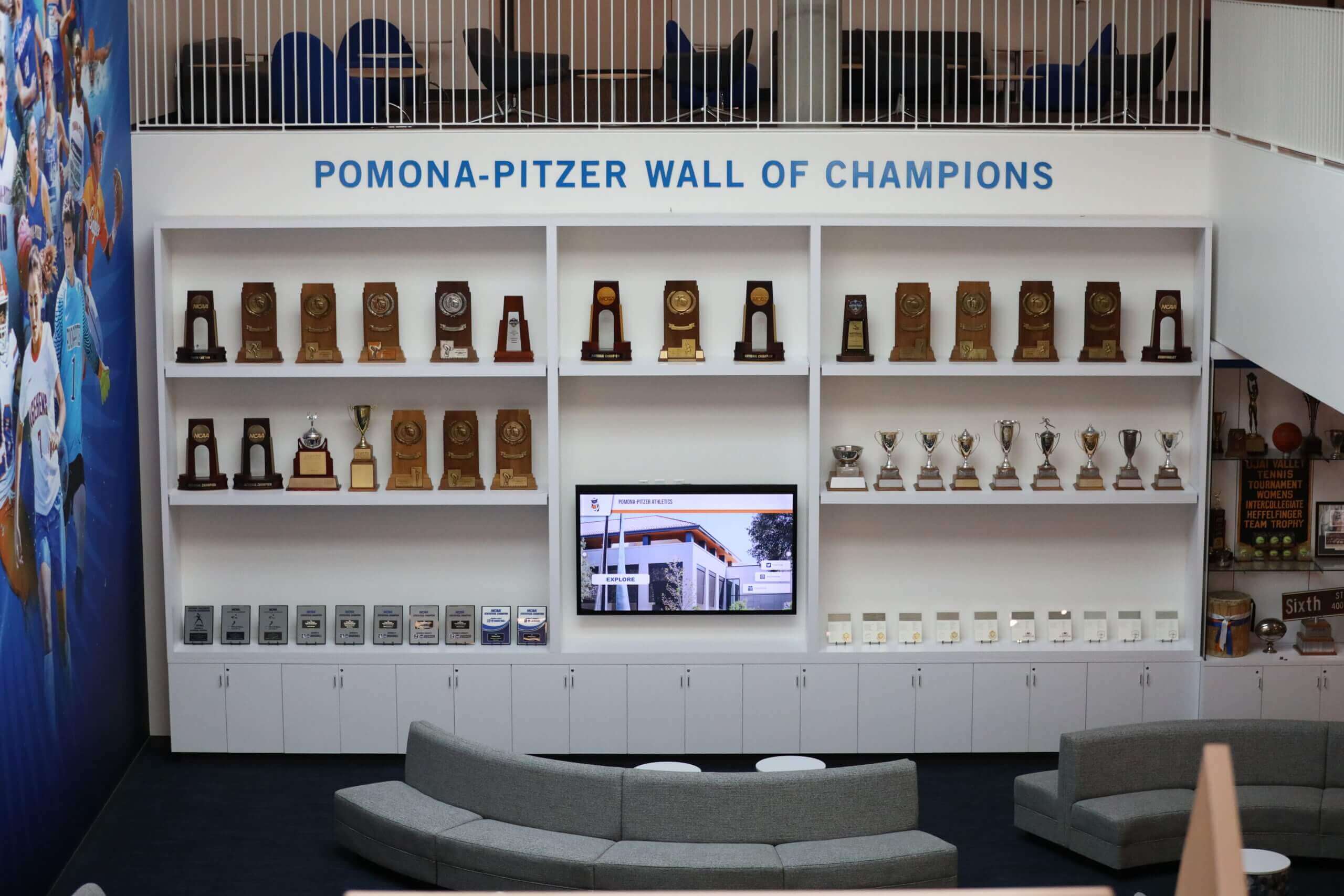
Comfortable recognition spaces with integrated displays encourage extended exploration and community gathering
Best Practices and Common Pitfalls to Avoid
Learning from others’ experiences prevents predictable problems undermining history display effectiveness.
Success Factors for Effective Displays
Clear Ownership and Accountability
Successful programs establish explicit responsibility:
- Designate primary coordinator with dedicated time allocation
- Create backup administrators preventing single point of failure
- Establish department-specific contributors (athletics, academics, arts)
- Develop student involvement providing workforce and teaching opportunity
- Coordinate alumni volunteer contributions
- Define clear escalation paths for issues requiring resolution
Quality Standards and Consistency
Professional standards ensure recognition honors achievements appropriately:
- Establish photography quality minimums
- Create writing style guides ensuring consistent voice
- Implement factual accuracy verification from multiple sources
- Use inclusive language reflecting contemporary values
- Develop consistent metadata and organizational standards
- Maintain regular review cycles improving quality continuously
Community Involvement and Ownership
Engagement strengthens when communities actively participate:
- Involve diverse stakeholders in planning and design
- Create contribution opportunities for alumni and families
- Celebrate launches and milestones publicly
- Recognize volunteers supporting historical documentation
- Share control enabling multiple community members to contribute
- Integrate displays into institutional events and celebrations
These practices separate successful implementations from projects that launch enthusiastically but fade into neglected irrelevance.
Common Mistakes to Avoid
Insufficient Planning and Scope Definition
Rushing implementation creates predictable problems:
- Starting installation before content is ready
- Underestimating time required for historical research
- Failing to establish clear goals and success metrics
- Inadequate budget allocation requiring compromise
- Ignoring ongoing management requirements
- Lack of sustainability planning beyond initial launch
Poor Location Selection
Even excellent displays fail in wrong locations:
- Placing displays in low-traffic areas
- Insufficient visibility from natural circulation paths
- Environmental conditions damaging displays
- Accessibility barriers preventing community engagement
- Inadequate space for desired display scale
Neglecting Ongoing Management
Successful launches mean nothing without sustained attention:
- Failure to update displays with new achievements
- Allowing errors to remain uncorrected indefinitely
- Neglecting technical maintenance leading to equipment failure
- Insufficient promotion limiting community awareness
- No procedures for community contributions and feedback
Anticipating these common pitfalls enables proactive prevention ensuring history display investments deliver intended lasting value.
Discover guidance on implementing digital recognition effectively avoiding common mistakes.
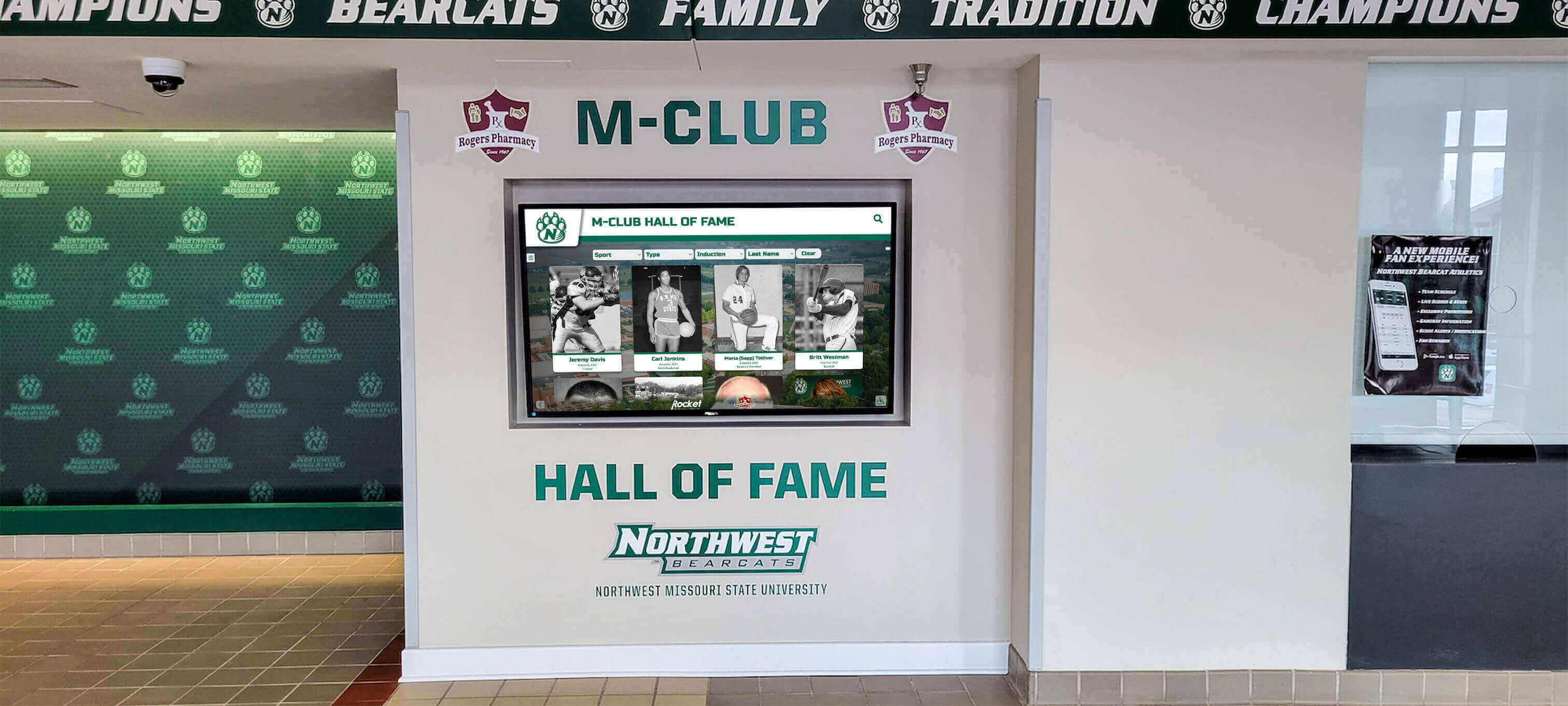
Athletic facility displays create context-specific recognition where athletes and teams naturally engage with program history
Advanced Features and Future-Focused Approaches
Understanding emerging capabilities helps schools plan investments remaining relevant and valuable long-term.
Enhanced Digital Capabilities
Artificial Intelligence Applications
AI capabilities increasingly augment history display platforms:
AI-Powered Features
- Automatic photo enhancement improving historical image quality
- Facial recognition identifying individuals across photo collections
- Automatic tagging suggesting people, places, and events
- Content recommendation connecting related historical materials
- Natural language search understanding conversational queries
- Automatic transcript generation for video and audio content
These capabilities dramatically reduce manual work required for comprehensive historical documentation while improving content discoverability.
Mobile Integration and QR Connections
Extend history displays beyond physical installations:
- QR codes on traditional plaques linking to comprehensive digital profiles
- Mobile apps providing location-based historical information
- Push notifications alerting alumni to relevant new content
- Social media integration enabling easy content sharing
- Augmented reality overlays adding digital content to physical spaces
- Progressive web apps working offline during campus visits
Mobile integration ensures history reaches communities wherever they engage digitally rather than requiring physical display access.
Learn about nostalgia marketing approaches leveraging school history effectively.
Integration with Broader Institutional Systems
Connected Recognition Ecosystems
History displays deliver maximum value when integrated with related systems:
Integration Possibilities
- Student information systems automatically adding current year achievements
- Alumni databases connecting historical and current information
- Fundraising platforms leveraging historical content for donor engagement
- Website content management embedding historical narratives
- Social media platforms sharing historical content programmatically
- Learning management systems incorporating history into curriculum
This integration transforms history displays from isolated installations into connected institutional infrastructure serving multiple strategic objectives simultaneously.
Comprehensive Recognition Platforms
Leading solutions integrate historical celebration with contemporary recognition:
Solutions like Rocket Alumni Solutions provide unified platforms where historical archives, current year recognition, alumni profiles, and donor acknowledgment exist within integrated systems rather than separate isolated installations. This comprehensive approach delivers compounding value where each feature strengthens others, creating synergistic effects impossible with single-purpose systems.
Explore integrated recognition solutions combining multiple institutional objectives.
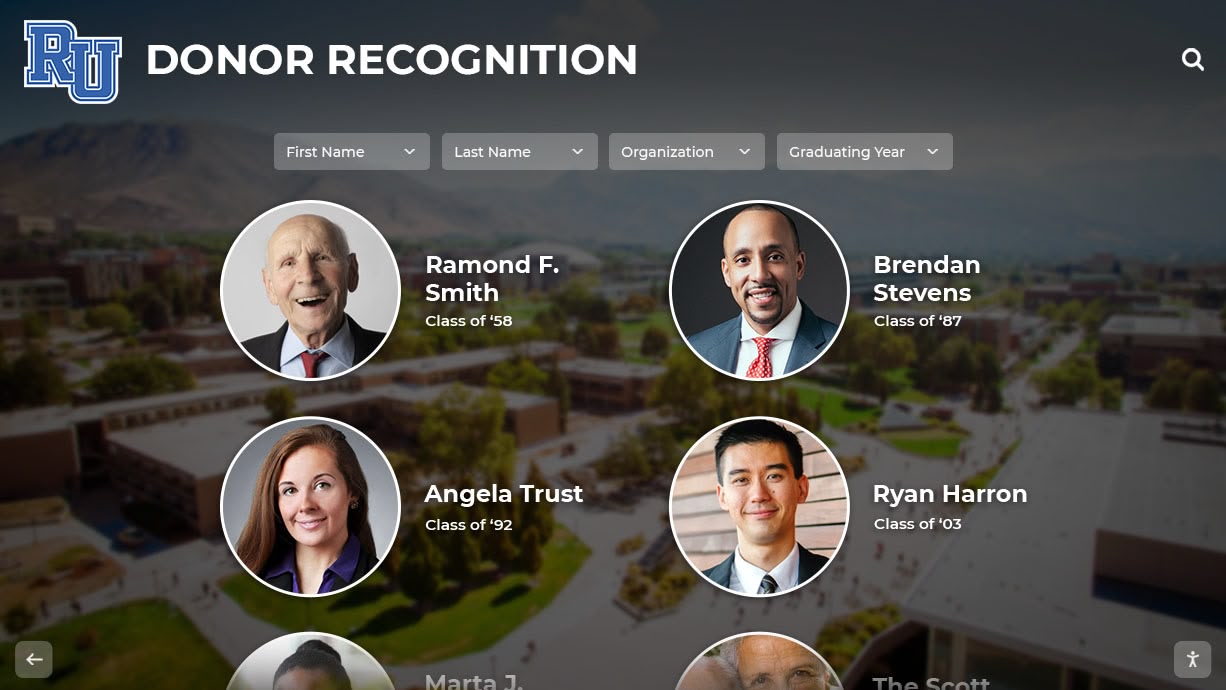
Modern displays blend historical photographs with contemporary campus imagery creating powerful connections between institutional legacy and current identity
Conclusion: Preserving Legacy Through Meaningful Recognition
Creating effective school history displays represents far more than installing plaques or touchscreens—it’s making strategic investments in institutional culture, community connection, and legacy preservation that strengthen educational mission while ensuring decades of achievements, contributions, and stories receive celebration and remembrance they deserve. When schools implement history displays thoughtfully—with clear objectives, comprehensive content, professional design, strategic placement, and sustained management—they create permanent recognition systems honoring everyone who has contributed to institutional success while inspiring current students through visible connections to proud traditions.
The choice between traditional plaques, modern interactive displays, or hybrid combinations depends on your particular institutional situation, available resources, technical capabilities, and strategic priorities. Traditional approaches offer permanence and one-time investment advantages, digital systems provide unlimited capacity and ongoing flexibility, while hybrid methods combine complementary strengths of both approaches. Regardless of method selected, success requires systematic planning, quality content development, professional implementation, and sustained management preventing displays from becoming neglected installations that fade into background obscurity.
Ready to Create Your School History Display?
Discover how Rocket Alumni Solutions can help you preserve institutional legacy through professional recognition systems combining interactive touchscreen displays, comprehensive digital archives, and cloud-based management enabling easy updates and global alumni access.
Explore School History Display SolutionsThe comprehensive guidance provided throughout this article—from initial assessment and planning through content development, design principles, implementation approaches, ongoing management, and impact measurement—offers practical frameworks for creating history displays regardless of institutional size or available resources. Start wherever your current situation permits, whether modest plaque installations celebrating highest achievements or comprehensive digital archives documenting complete institutional stories, then systematically expand toward increasingly robust recognition systems as resources allow and community value becomes evident.
Your school possesses unique history worth preserving and celebrating—remarkable achievements deserving permanent recognition, inspiring stories connecting current students to traditions, beloved educators and staff who shaped thousands of lives, and institutional legacy demonstrating educational impact extending far beyond individual graduation years. With thoughtful planning, appropriate approach selection, quality implementation, and sustained commitment, you can create school history displays becoming treasured institutional resources strengthening culture, deepening connections, and ensuring contributions receive celebration they deserve for generations to come.
Begin your school history display journey today by exploring how comprehensive platforms offered by Rocket Alumni Solutions can help preserve your institutional legacy through modern interactive recognition celebrating both historical achievements and contemporary excellence. Learn more about effective digital archive implementation or discover proven strategies for creating engaging heritage displays that inspire entire school communities.