



Schools face two fundamental challenges when creating hall of fame programs: determining who deserves induction and presenting those honorees in ways that truly celebrate their achievements. The first requires thoughtful criteria and fair processes that build community trust. The second demands recognition systems that preserve legacy while remaining accessible and inspiring to current students, alumni, and visitors.
Many schools launch hall of fame programs with enthusiasm but struggle when selection criteria become unclear, committee processes break down, or physical display limitations force difficult decisions about which inductees receive visibility. Some programs inadvertently create controversy by appearing exclusive or unfair. Others invest in traditional plaques that fill available wall space within a few years, leaving no room for future inductees.
This guide examines how schools successfully establish hall of fame selection criteria, manage nomination and voting processes, and present inductees through digital displays that solve the space and accessibility challenges that limit traditional recognition approaches.
Successful hall of fame programs require both clear selection frameworks that ensure fairness and display solutions that celebrate every inductee equally regardless of when they were honored or what space remains available.

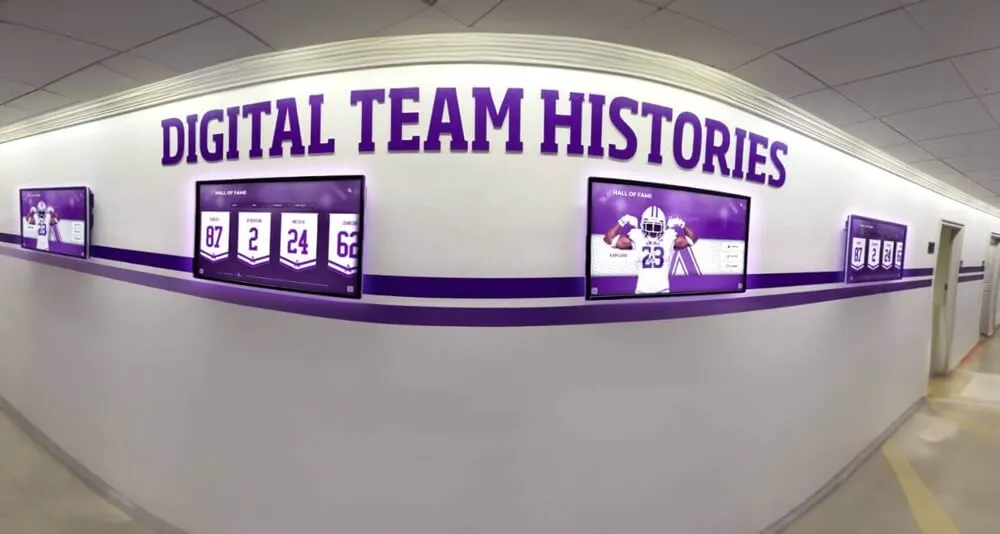
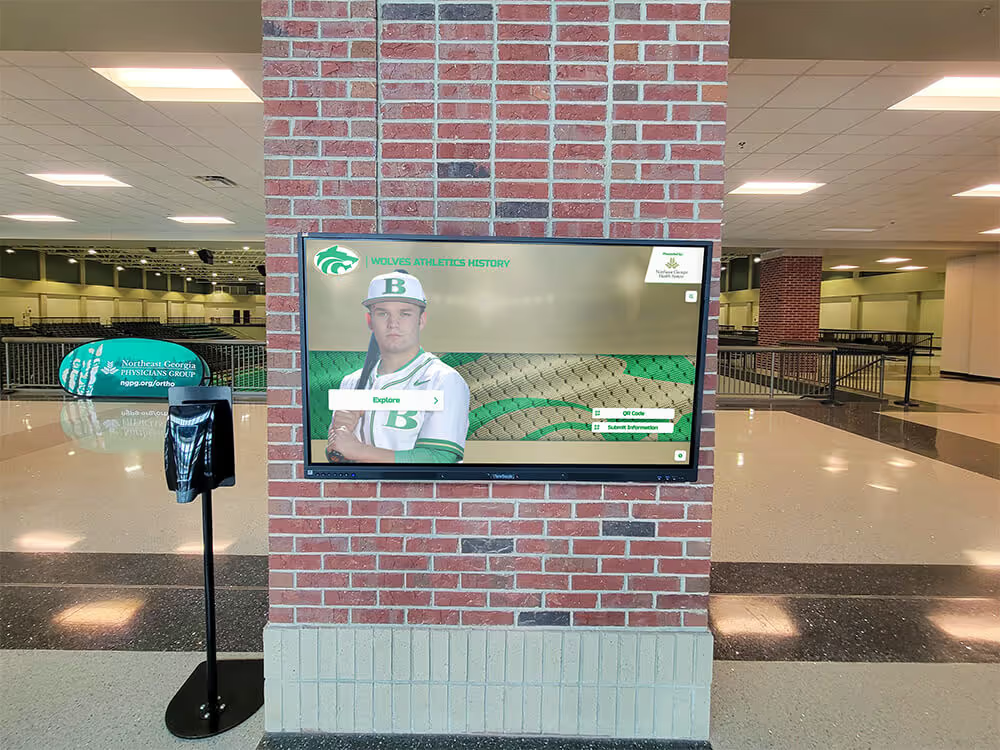
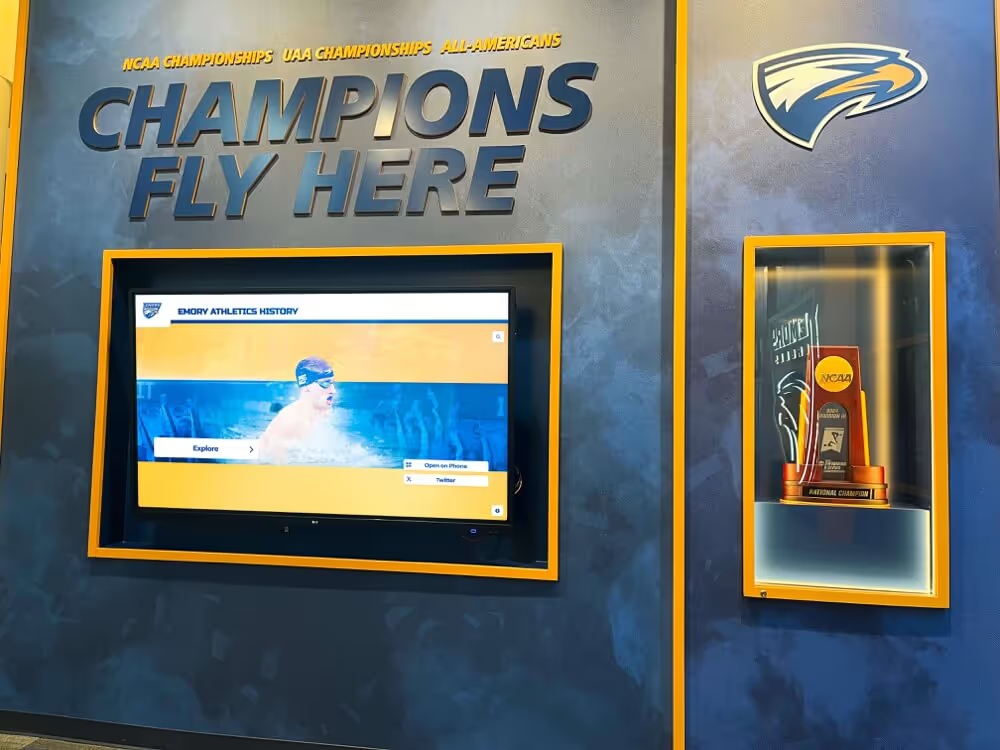
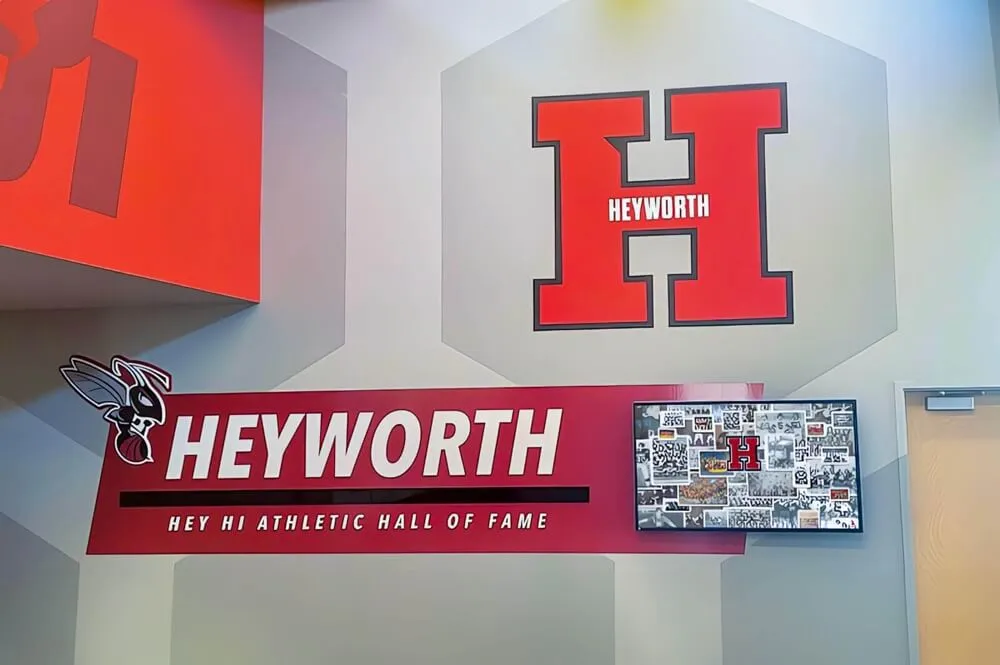
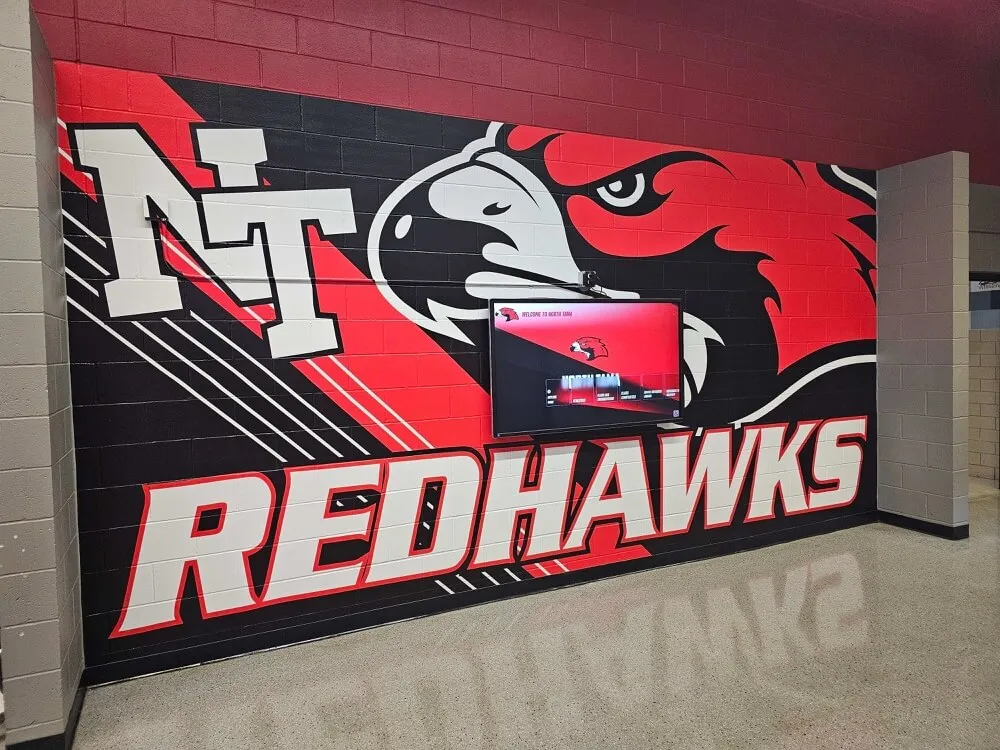
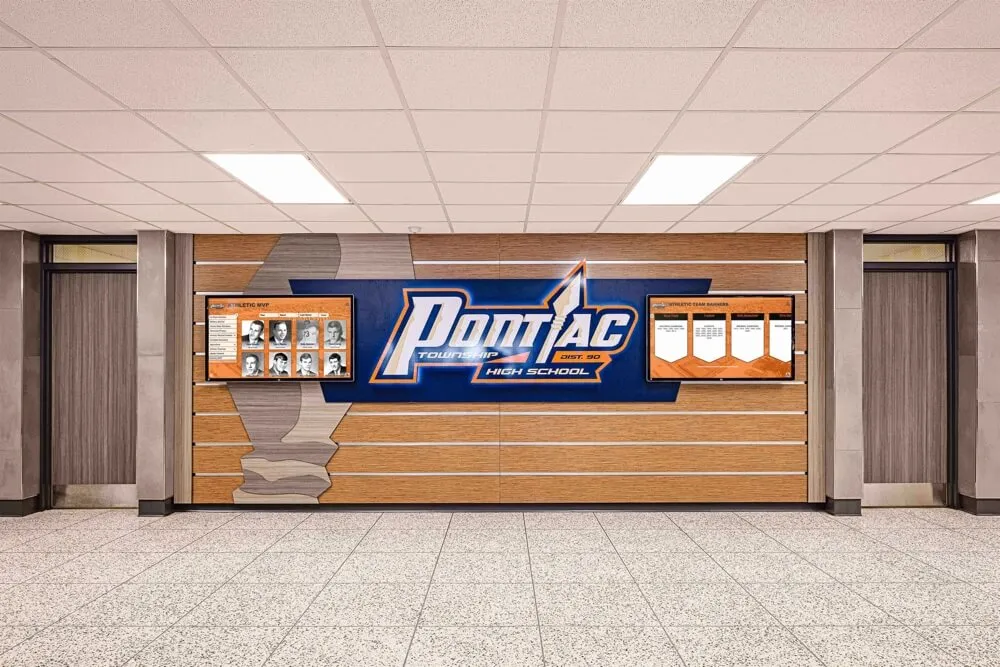
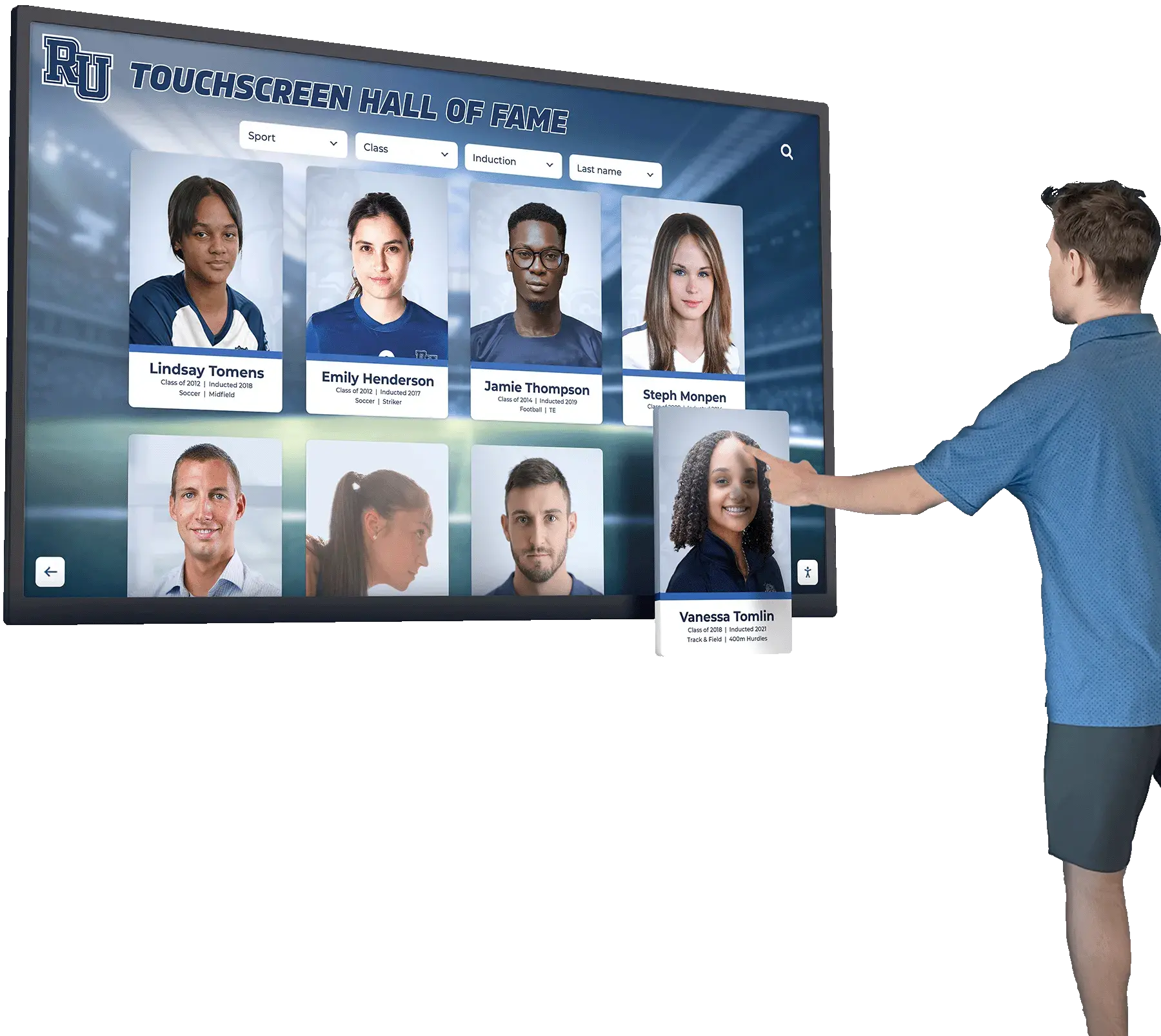
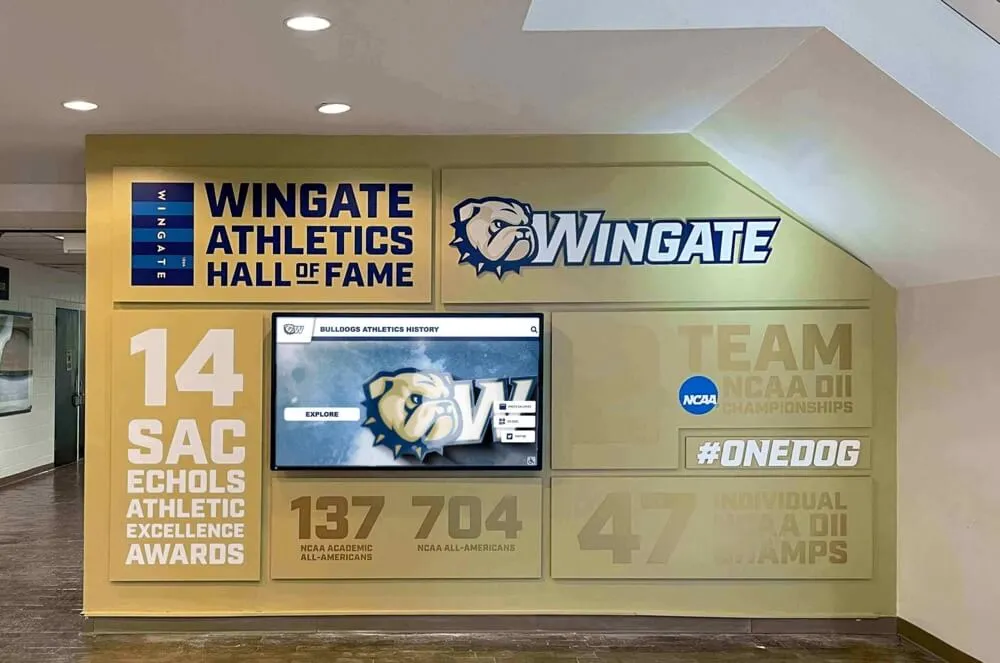
Digital displays allow schools to present entire hall of fame rosters with equal prominence
Establishing Hall of Fame Selection Criteria
Clear, consistent selection criteria form the foundation of every successful hall of fame program, providing objective standards that guide committee decisions and build community confidence in the recognition process.
Core Categories for Athletic Halls of Fame
Most school athletic halls of fame establish multiple recognition categories that honor different forms of excellence and contribution.
Common Athletic Categories
Successful programs typically include:
- Individual athletes who demonstrated exceptional performance during their school careers
- Teams that achieved significant championships or historic seasons
- Coaches who built successful programs and positively impacted student-athletes
- Contributors including administrators, trainers, and supporters who advanced athletics
- Special achievement recognitions for records, championships, or milestone accomplishments
According to the National High School Hall of Fame Association, schools that establish at least three distinct categories create more inclusive programs that recognize both athletic achievement and community contribution.
Multiple categories prevent programs from becoming exclusively about athletic performance, allowing recognition of the coaches, mentors, and supporters whose contributions prove equally valuable to program success and student development.
Waiting Period Requirements
Most schools establish minimum time periods between graduation and hall of fame eligibility to ensure lasting achievement rather than recency bias.
Standard waiting periods include:
- 10-year minimum allowing time to assess lasting impact and post-school achievement
- 15-year standard providing broader perspective on career accomplishments
- 5-year minimum for coaches after retirement or departure from the institution
- Immediate eligibility for teams celebrating historic championships and achievements
- Posthumous consideration honoring individuals who have passed away
- Special circumstances provisions for extraordinary achievements warranting early recognition
The waiting period ensures hall of fame induction represents sustained excellence rather than temporary success, while special provisions allow programs to honor truly exceptional achievements without unnecessary delay.
Schools implementing athletic hall of fame programs consistently report that waiting periods reduce controversy and create more meaningful recognition by ensuring inductees demonstrated lasting impact beyond immediate performance.
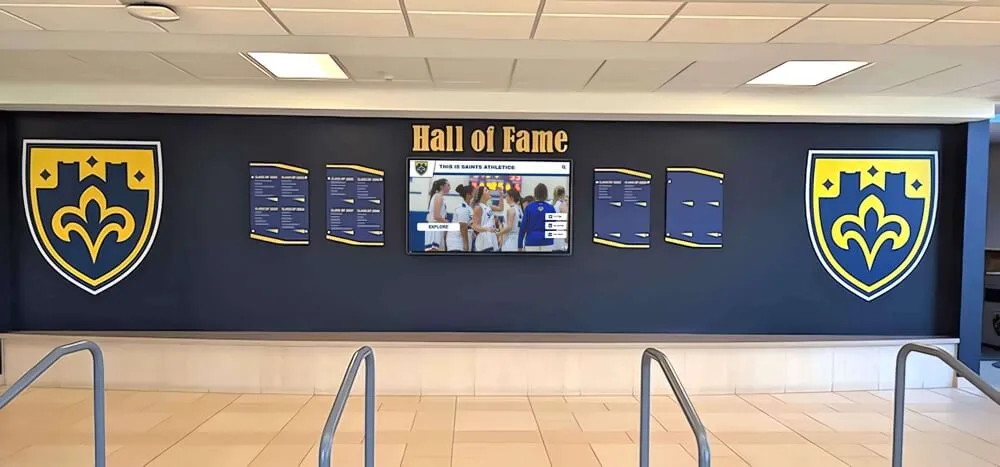
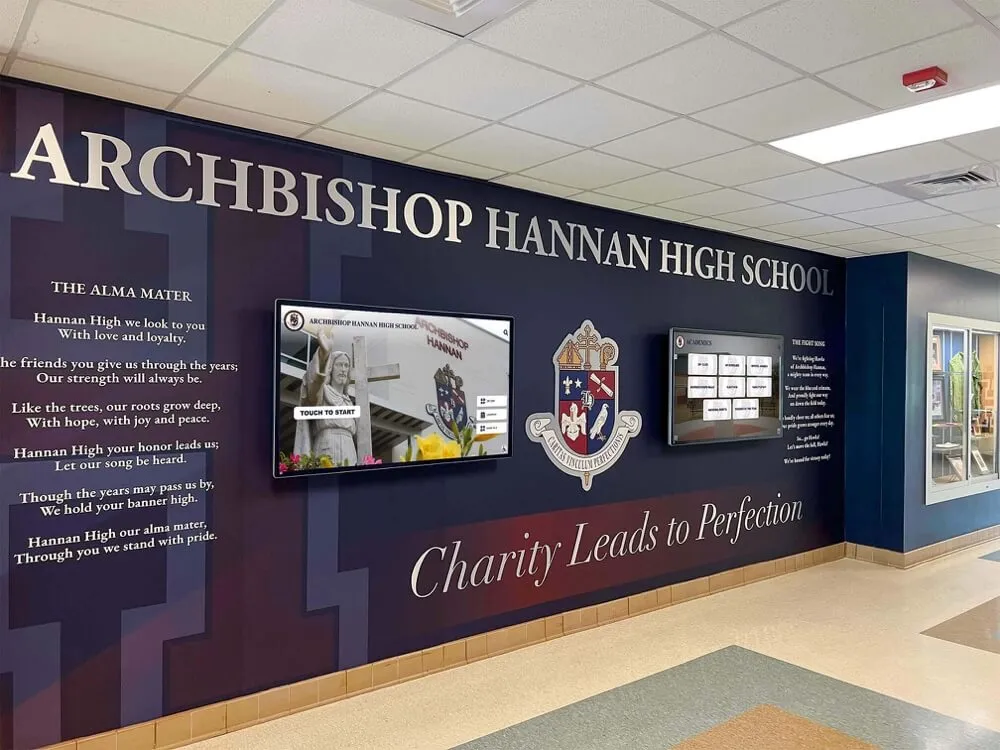
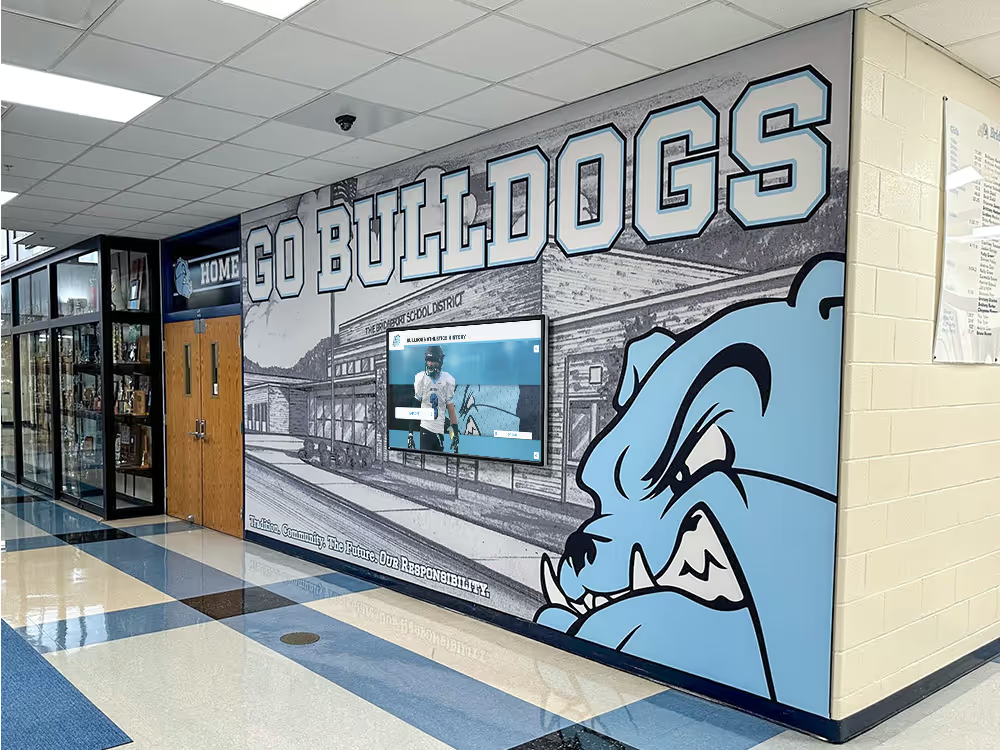
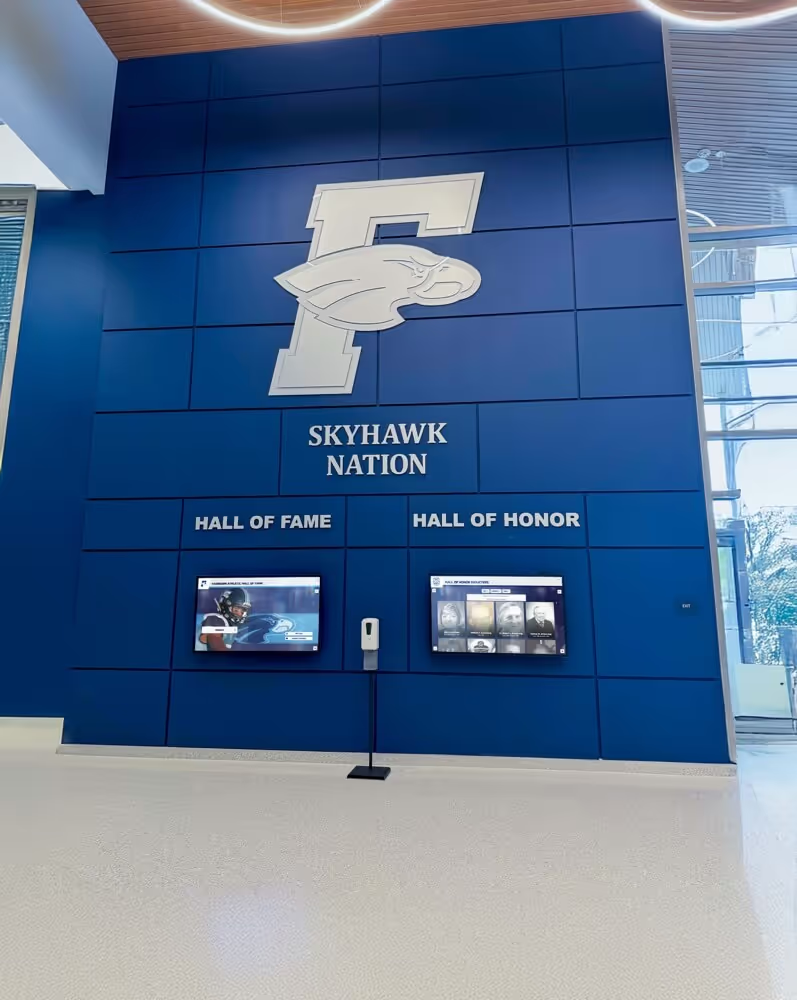
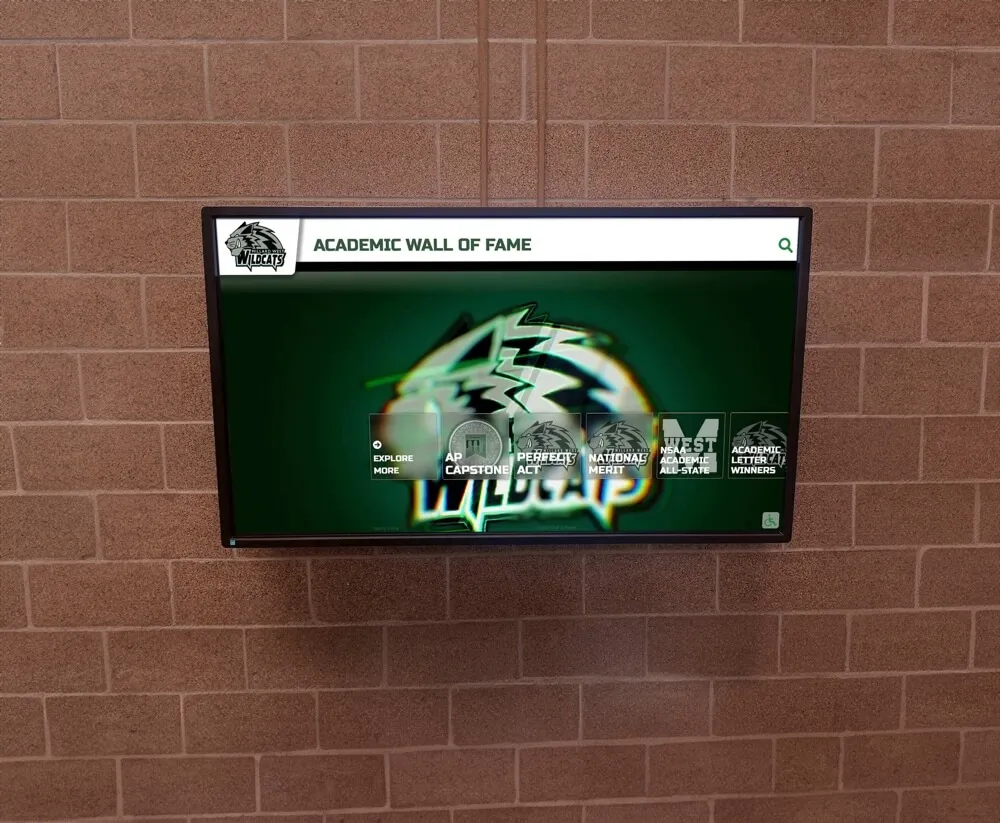
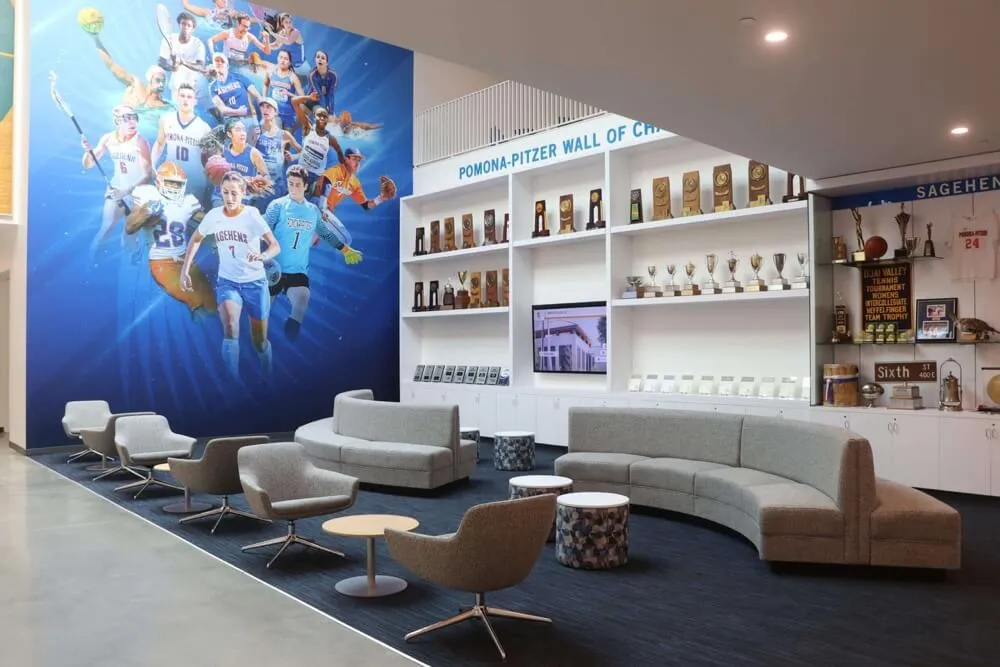
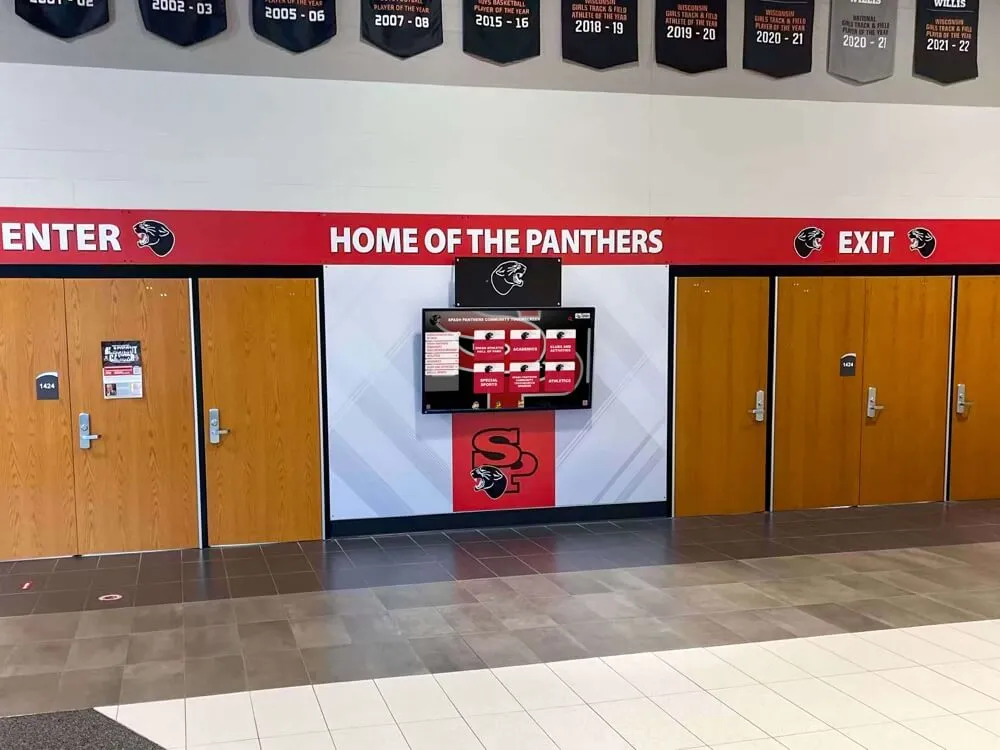
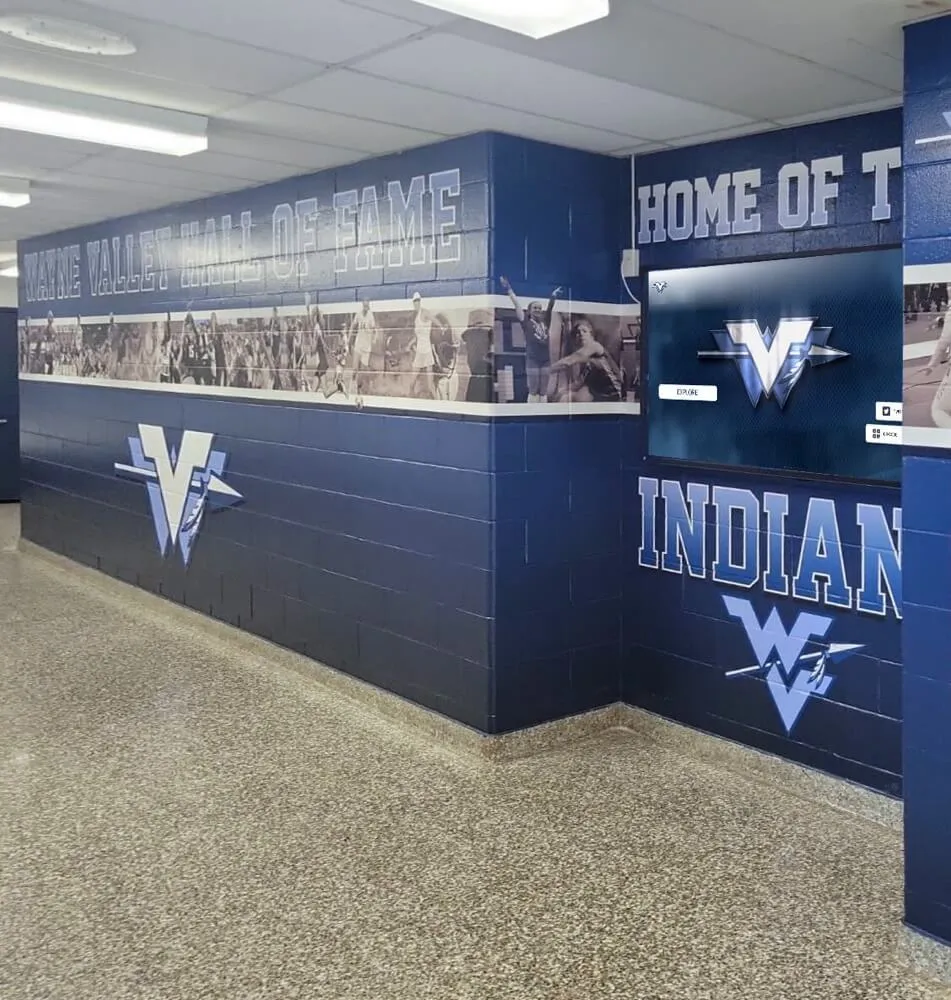
Schools often blend traditional displays with digital systems for comprehensive recognition
Performance Standards and Achievement Thresholds
Objective performance criteria provide measurable standards that guide selection decisions and create transparent expectations for potential inductees.
Athletic Performance Benchmarks
Quantifiable achievement standards commonly include:
- Championship participation on state, regional, or national championship teams
- All-state recognition earning conference, district, or state-level honors
- Record holders setting school, conference, or state records that demonstrate exceptional performance
- Consecutive years of excellence maintaining high performance across multiple seasons
- Team leadership roles serving as captains or award recipients recognized by peers and coaches
- College recruitment earning Division I, II, or III athletic scholarships or commitments
These objective criteria provide concrete standards that committees can consistently apply while evaluating candidates across different sports and eras.
Character and Conduct Requirements
Beyond athletic achievement, most programs establish conduct standards ensuring inductees exemplify institutional values.
Character criteria typically address:
- Academic standing maintaining eligibility and demonstrating student-athlete commitment
- Sportsmanship exhibiting respect for opponents, officials, teammates, and coaches
- Community citizenship contributing positively to school culture and broader community
- Post-graduation conduct maintaining reputation that reflects well on the institution
- Institutional representation serving as positive ambassadors for school values
- Ethical behavior demonstrating integrity both during and after athletic careers
These standards acknowledge that hall of fame induction represents the highest institutional honor, requiring not only athletic excellence but also character worthy of permanent celebration and emulation by current students.
According to the National Interscholastic Athletic Administrators Association, programs that include explicit character criteria experience fewer controversies and stronger community support than those focusing exclusively on performance statistics.
Academic and Activity Hall of Fame Criteria
Schools increasingly establish halls of fame beyond athletics, recognizing academic achievement, artistic excellence, and extracurricular contributions through separate or integrated recognition programs.
Academic Excellence Categories
Academic hall of fame programs commonly recognize:
- Valedictorians and salutatorians celebrating top academic performers across graduating classes
- National Merit Scholars honoring students achieving this prestigious recognition
- Subject-specific achievement recognizing exceptional performance in particular academic areas
- Research and innovation celebrating scientific, creative, or intellectual contributions
- Academic competition success honoring quiz bowl, debate, robotics, and similar achievements
- Post-graduation accomplishments recognizing alumni who achieve significant career success
Schools implementing academic recognition programs report increased student engagement with institutional culture and stronger connections between current students and accomplished alumni.
Arts and Activities Recognition
Comprehensive hall of fame programs extend beyond athletics and academics to celebrate:
- Music and performing arts recognizing exceptional musicians, actors, and performers
- Visual and creative arts honoring artists whose work demonstrated remarkable talent
- Student leadership celebrating student government officers and organizational leaders
- Community service recognizing students who made significant volunteer contributions
- Special achievements honoring unique accomplishments that brought distinction to the school
This inclusive approach ensures hall of fame programs celebrate the full spectrum of student excellence rather than focusing narrowly on athletic achievement.
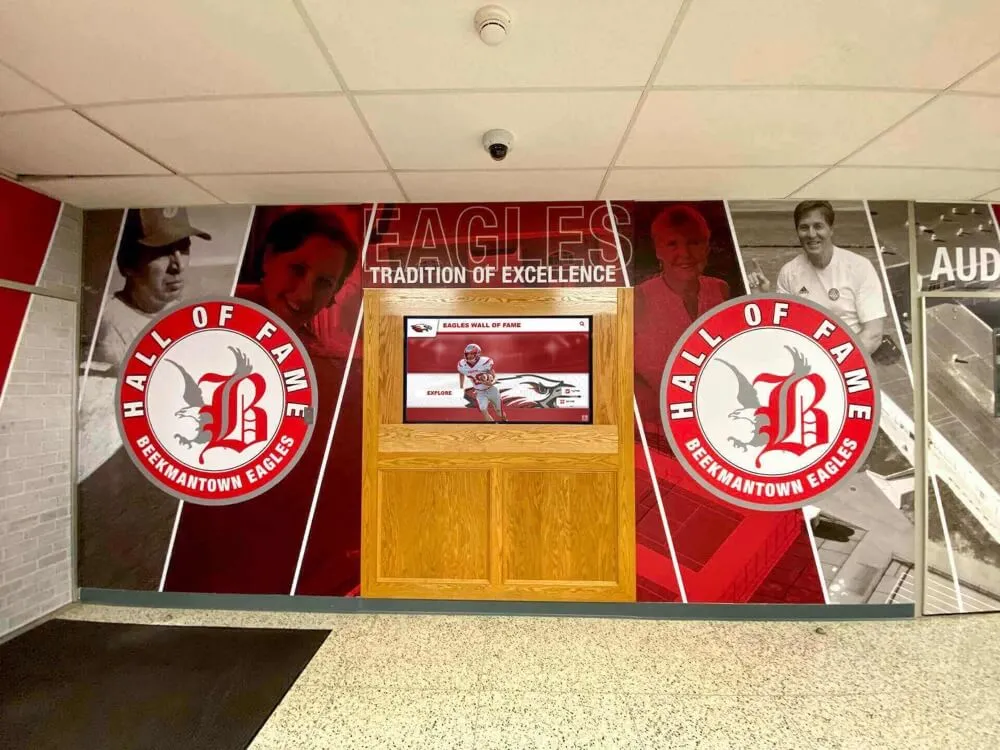
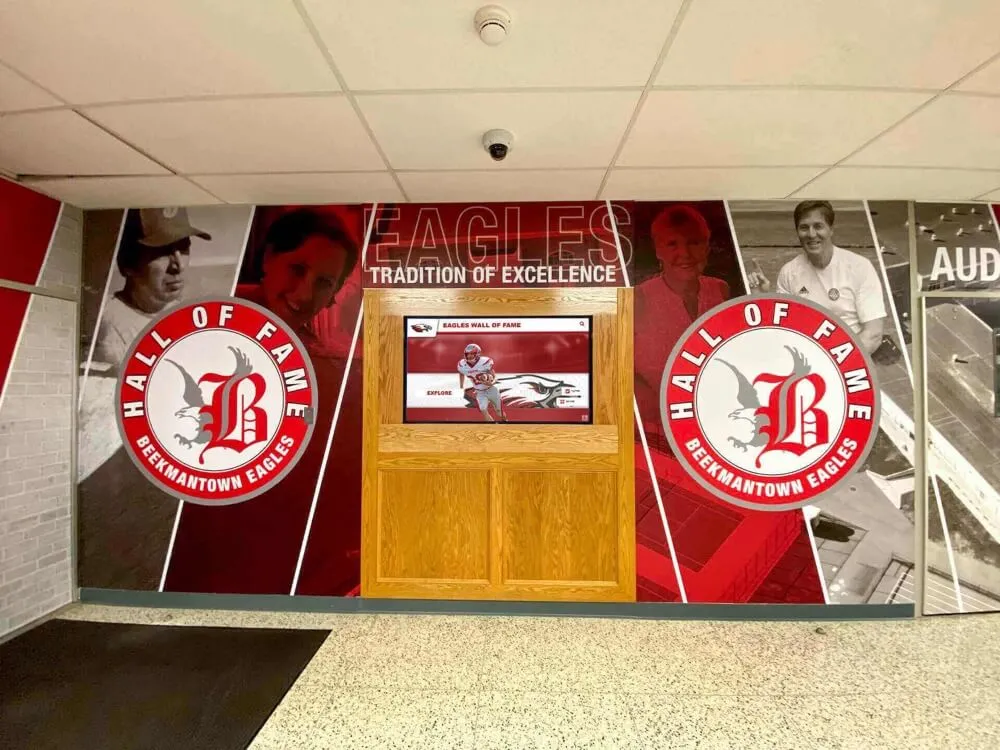
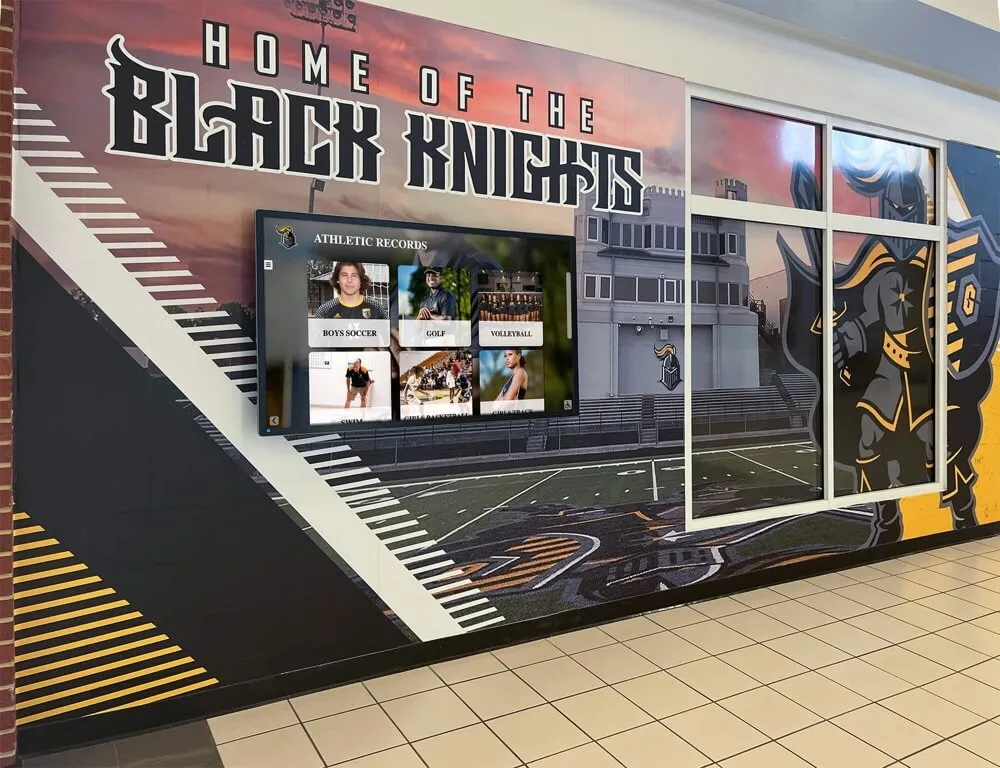
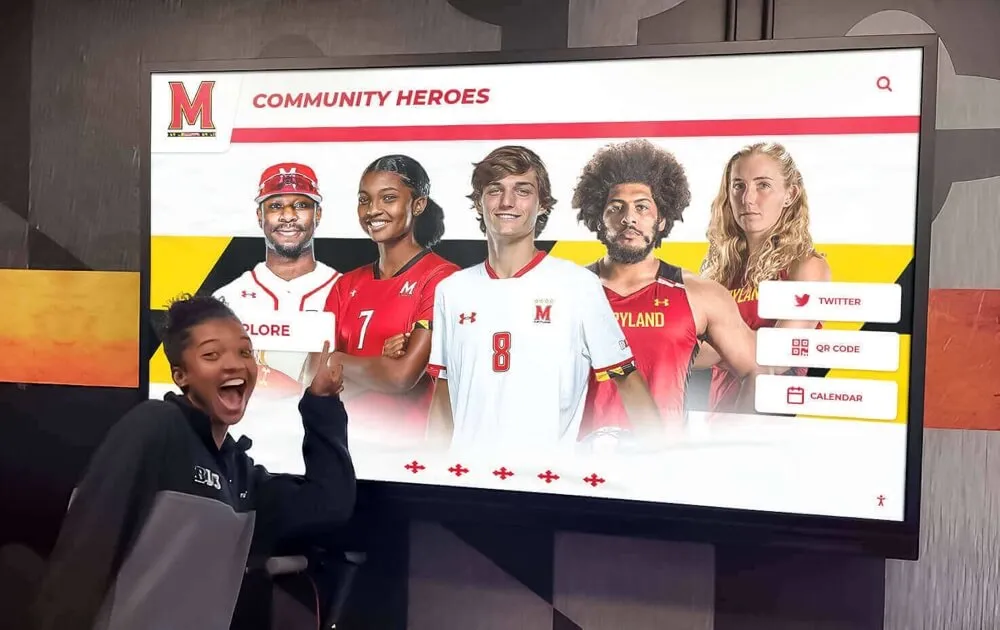
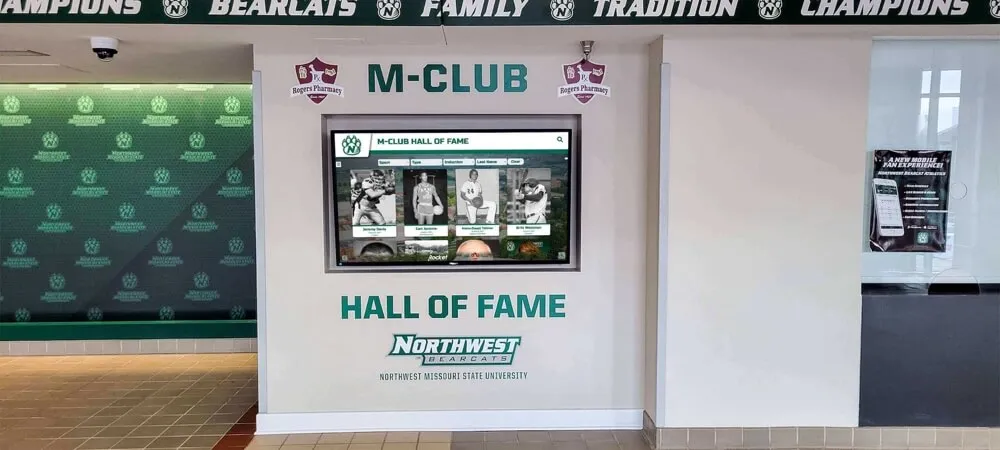
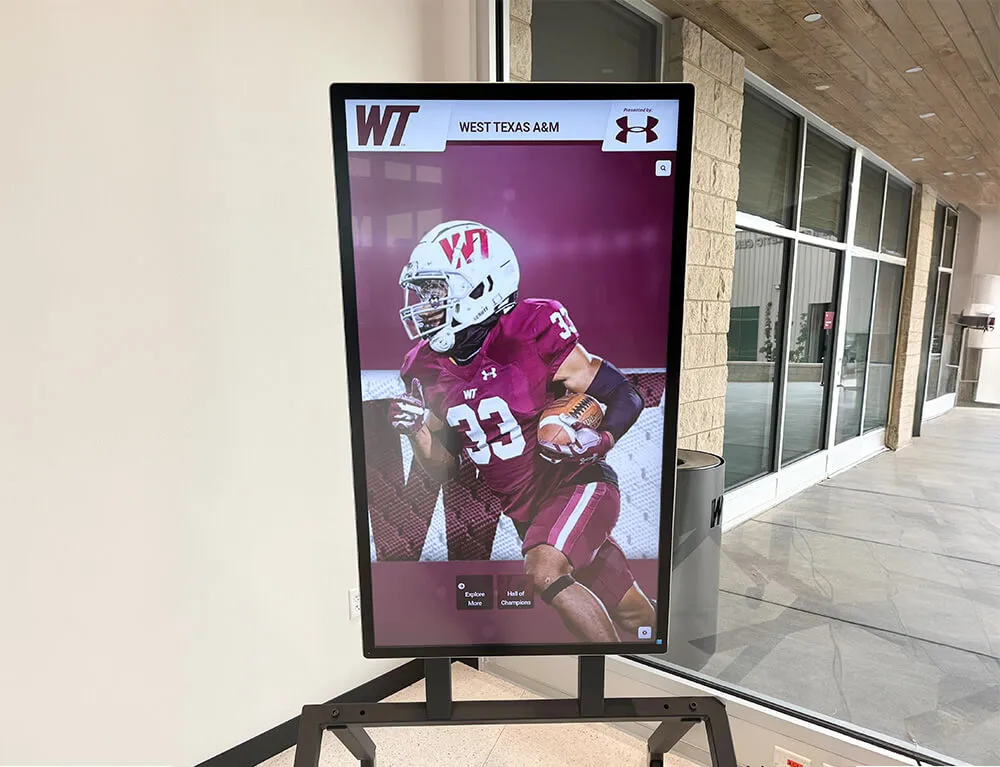
Modern hall of fame displays celebrate achievements across all areas of school life
The Nomination and Selection Process
Fair, transparent processes for nominations and selections ensure hall of fame programs maintain community trust and consistently honor deserving individuals while avoiding controversy or perceptions of favoritism.
Committee Formation and Structure
Well-structured selection committees bring together diverse perspectives while maintaining decision-making efficiency and institutional knowledge.
Committee Composition
Effective hall of fame committees typically include:
- Athletic director or activities director providing institutional knowledge and program oversight
- Current coaches offering sport-specific expertise and historical perspective
- School administrators representing institutional priorities and values
- Alumni representatives bringing former student perspectives and community connections
- Community members providing external viewpoints and reducing insider bias
- Rotating members ensuring fresh perspectives while maintaining institutional memory
Committee sizes typically range from 7-12 members, providing enough diversity for balanced discussion while remaining small enough for productive decision-making. Staggered terms ensure continuity by preventing complete committee turnover in any single year.
Schools forming hall of fame selection committees benefit from establishing clear expectations, voting procedures, and conflict-of-interest policies before conducting actual evaluations.
Term Lengths and Rotation
Strategic committee member rotation maintains institutional knowledge while introducing new perspectives:
- 3-5 year terms providing sufficient time for members to develop expertise
- Staggered rotations ensuring experienced members remain while adding fresh viewpoints
- Term limits preventing entrenchment and ensuring diverse representation over time
- Ex-officio members including positions like athletic director with ongoing committee roles
- Emeritus advisors allowing former members to provide historical context without voting authority
This structure balances the institutional memory necessary for consistent decisions with the fresh perspectives that prevent stagnation and maintain community engagement.
Nomination Procedures
Open, accessible nomination processes ensure deserving candidates receive consideration while managing submission volume and providing necessary information for committee evaluation.
Who Can Submit Nominations
Most successful programs establish inclusive nomination criteria:
- Alumni nominating former classmates, teammates, coaches, or mentors
- Current students recognizing recent graduates who meet waiting period requirements
- Staff and faculty nominating former colleagues or notable students they taught
- Community members suggesting individuals whose contributions warrant recognition
- Committee members identifying qualified candidates who haven’t been externally nominated
- Family members nominating deceased individuals for posthumous consideration
According to research from the American Alliance for Health, Physical Education, Recreation and Dance, programs accepting nominations from multiple sources receive more diverse candidate pools and make more representative selections than those limited to committee-only nominations.
Required Nomination Materials
Standardized nomination packages ensure committees receive consistent information for evaluation:
- Nomination form collecting basic information about candidate and nominator
- Achievement summary documenting specific accomplishments, records, awards, and honors
- Career highlights describing significant moments, championships, or milestones
- Supporting evidence including statistics, news clippings, photos, programs, or documentation
- Character references providing perspectives on sportsmanship, leadership, and conduct
- Post-graduation achievements demonstrating continued excellence or institutional connection
Clear submission requirements and deadlines create manageable review processes while ensuring committees receive information necessary for informed decisions.
Schools implementing digital recognition systems often collect nomination materials digitally, streamlining the submission process and creating organized records that integrate directly with display systems.
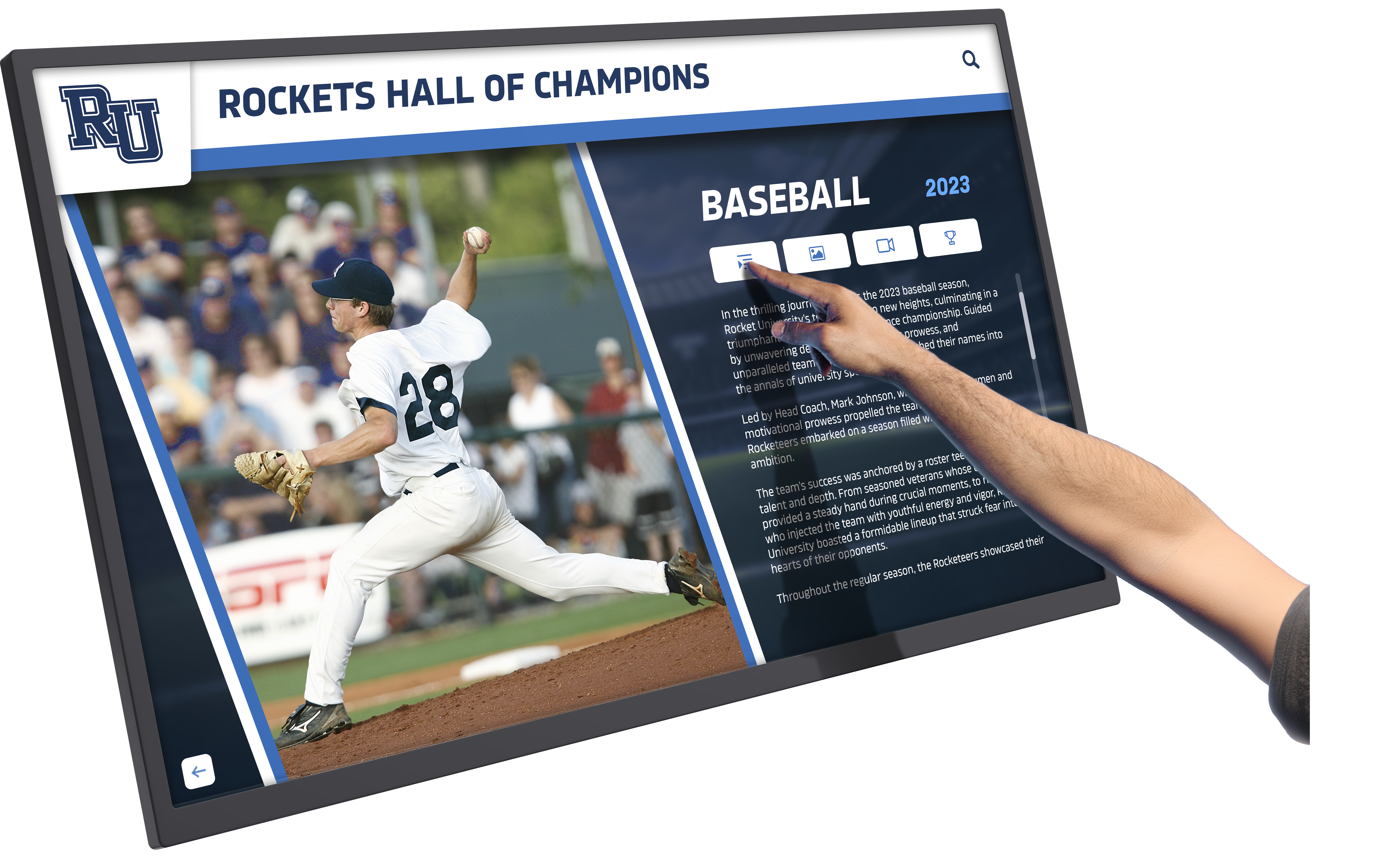
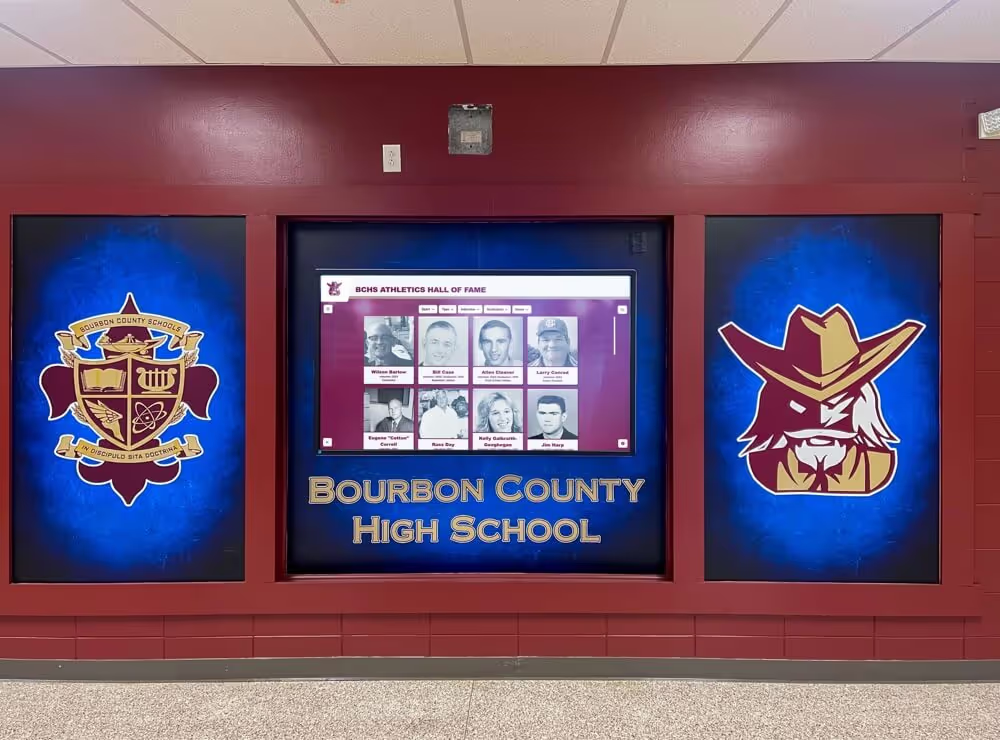
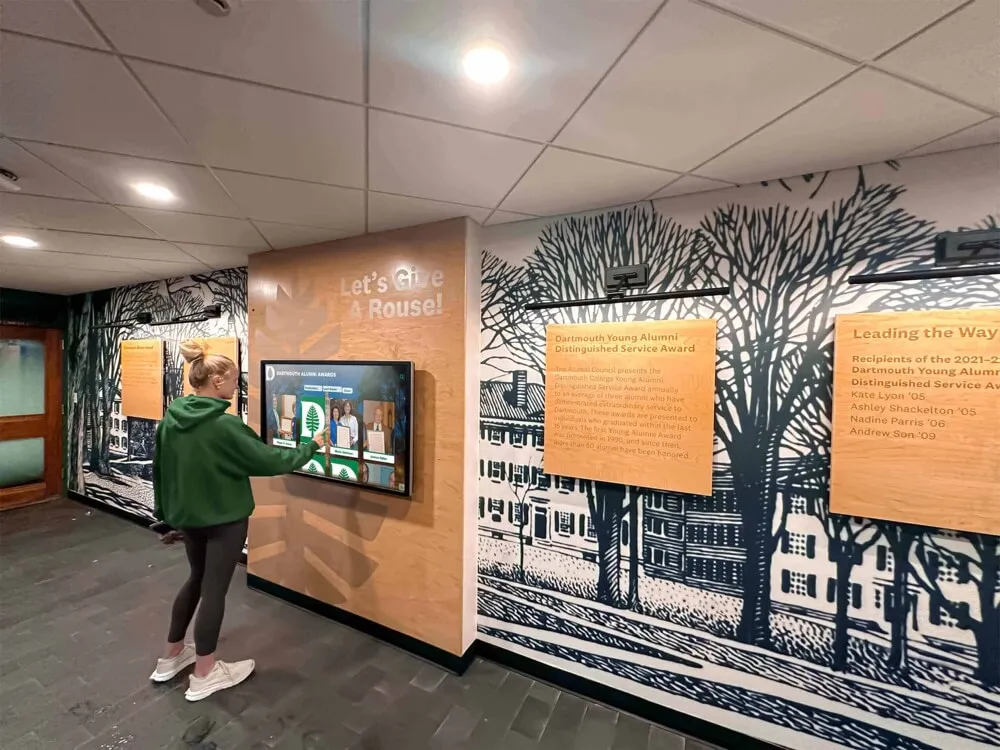
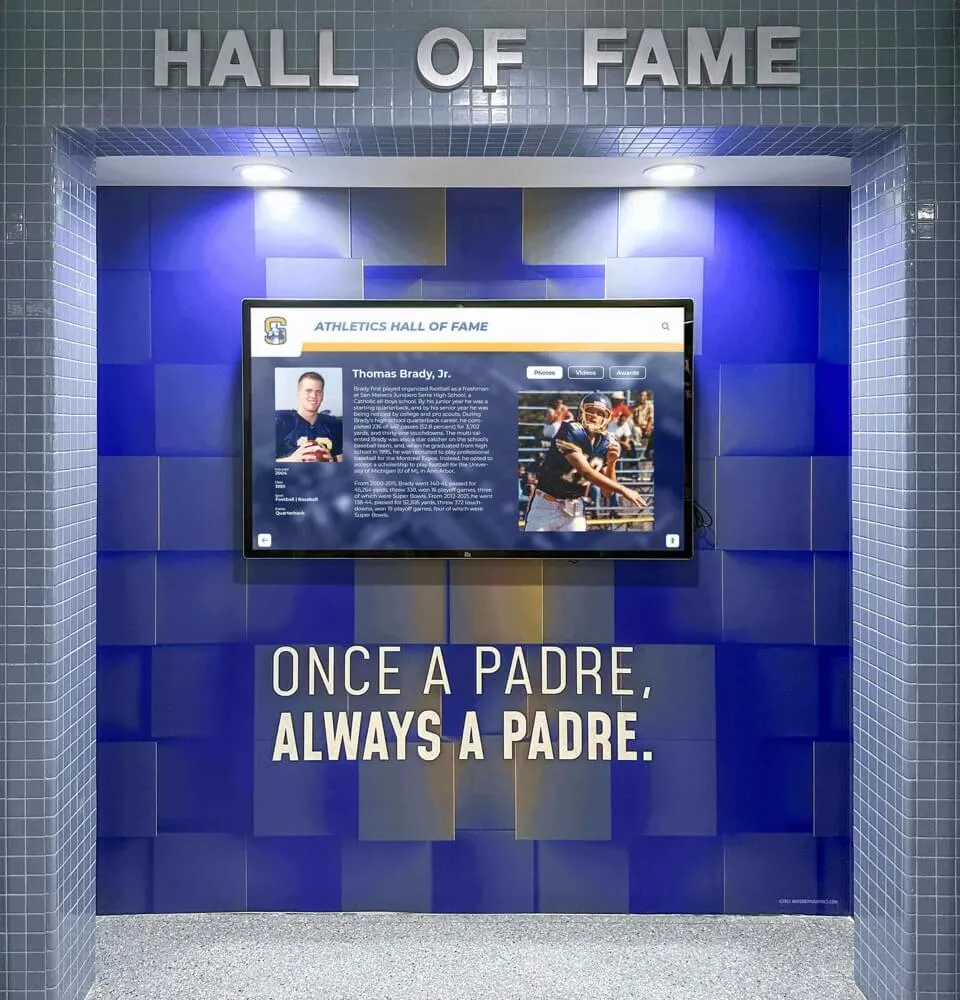
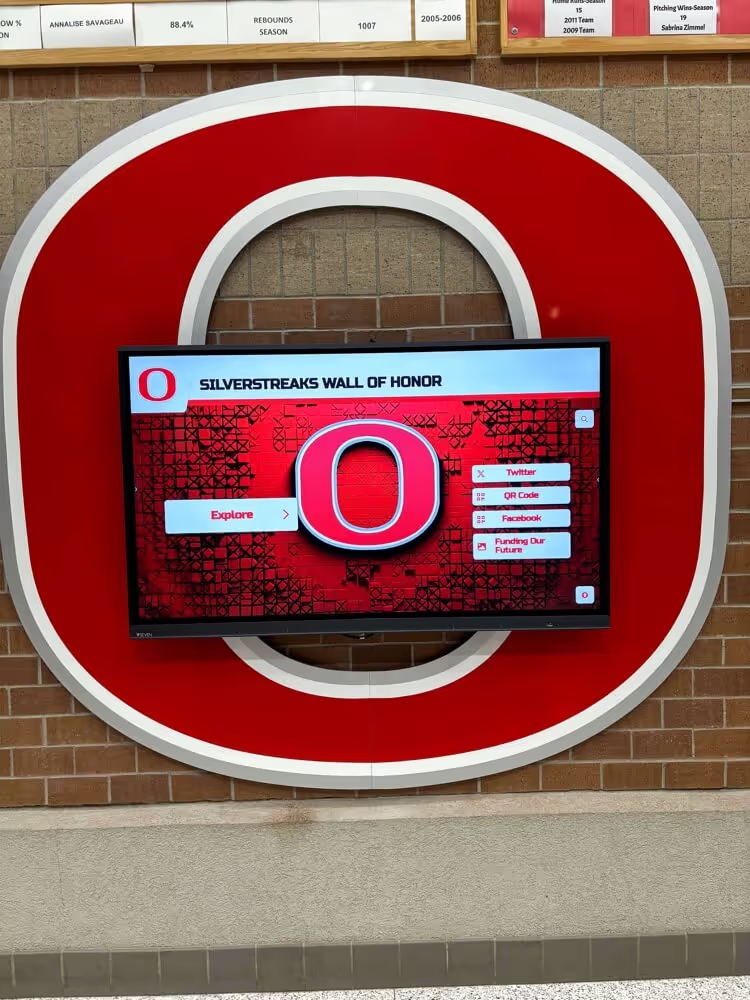
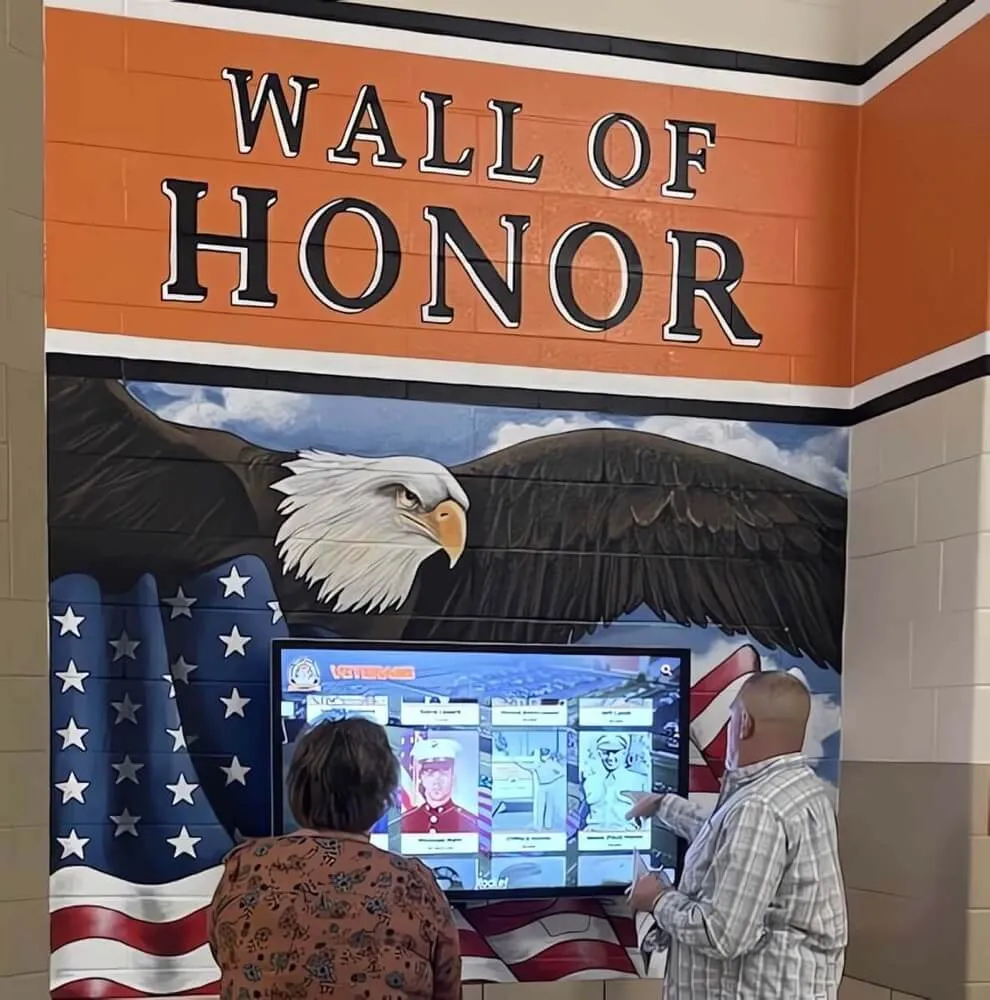
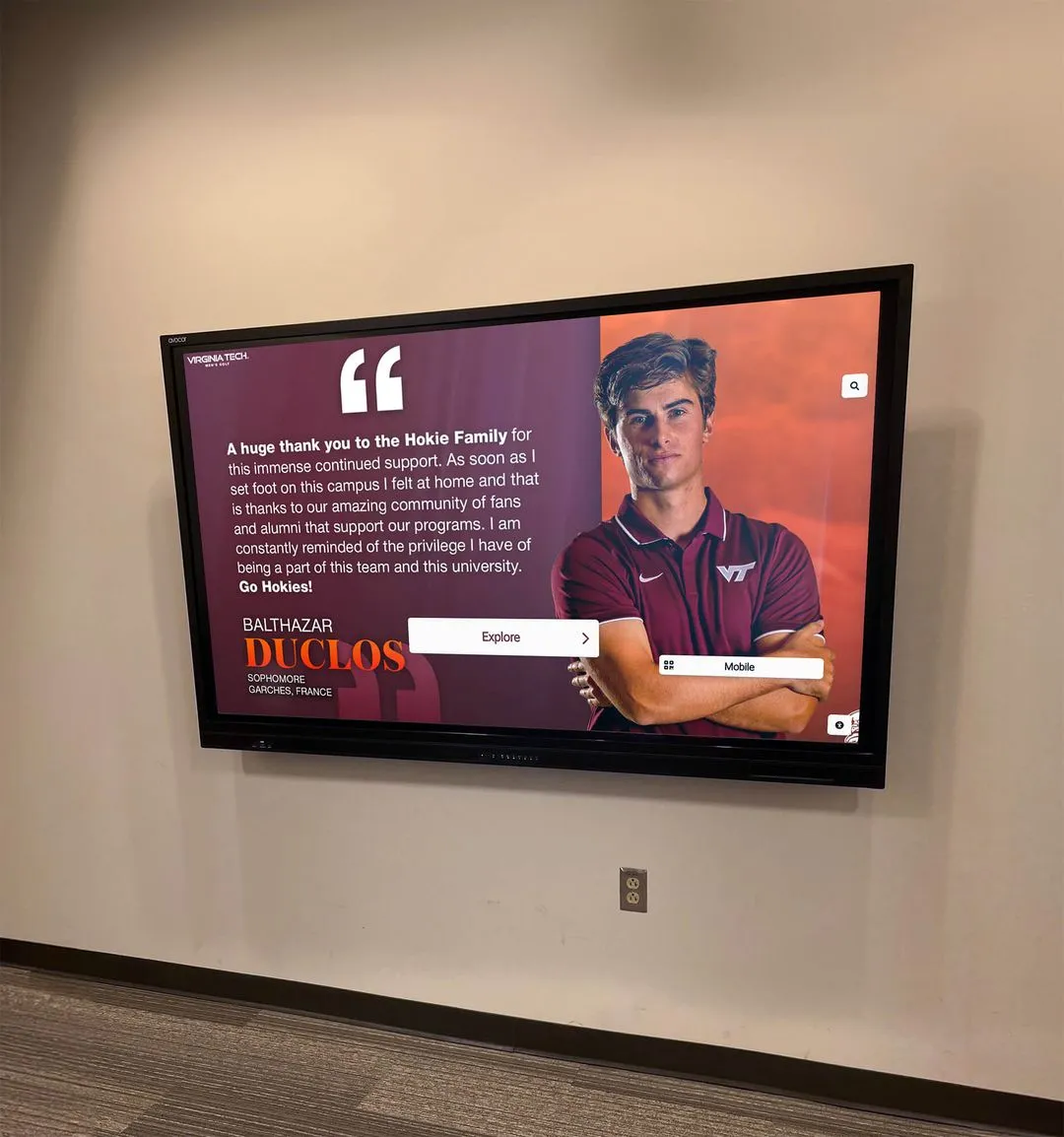
Digital displays allow visitors to explore complete inductee profiles with photos, statistics, and stories
Evaluation and Voting Methods
Systematic evaluation and voting procedures ensure consistent, fair selections that committee members can confidently support and communities can trust.
Evaluation Frameworks
Structured evaluation methods provide consistency across different candidates and sports:
- Scoring rubrics assigning point values to specific achievements and criteria
- Comparative analysis evaluating candidates against previous inductees and objective standards
- Category consideration assessing candidates within athlete, coach, team, and contributor classifications
- Era adjustments accounting for differences in competition levels, records, and opportunities across decades
- Multiple review rounds conducting preliminary reviews before final voting
- Discussion periods allowing committee members to share perspectives and information
These frameworks help committees move beyond subjective impressions toward objective assessments based on established criteria and documented achievements.
Voting Procedures
Clear voting processes ensure fair outcomes and prevent deadlocks:
- Majority requirements typically requiring 60-75% approval for induction
- Secret ballots protecting committee members from external pressure
- Recusal policies requiring members to abstain when conflicts of interest exist
- Class size limits establishing maximum inductees per year to maintain selectivity
- Unanimous consent for special circumstances or controversial candidates
- Runoff procedures for situations where initial voting doesn’t produce required majority
According to the National Federation of State High School Associations, programs using supermajority voting requirements (requiring more than simple 50%+1 approval) demonstrate greater selectivity and maintain higher community regard than those with lower thresholds.
Schools establishing voting procedures benefit from addressing tied votes, reconsideration timelines for candidates who narrowly miss selection, and communication protocols before publicly announcing annual inductees.
Presenting Inductees Through Digital Displays
After selecting inductees through rigorous processes, schools face the critical challenge of presenting these honorees in ways that celebrate their achievements, preserve their stories, and make their recognition accessible to current students, alumni, and visitors.
Traditional Display Limitations
Physical halls of fame create significant constraints that limit recognition potential and force difficult decisions about which inductees receive visibility.
Space and Capacity Constraints
Traditional recognition approaches encounter predictable limitations:
- Fixed wall space filling completely within years as inductee numbers grow
- Trophy case capacity quickly exceeded by even modest hall of fame programs
- Plaque costs requiring ongoing budgets for manufacturing and installation
- Installation labor needing facilities staff time for physical mounting and updates
- Aesthetic challenges as wall displays become crowded and difficult to navigate
- Renovation complications when schools remodel facilities housing hall of fame displays
These physical constraints force schools to make compromises, reducing plaque sizes, limiting inductee information, or even removing earlier inductees to make room for new ones—outcomes that undermine the permanence hall of fame recognition should represent.
Schools recognizing these limitations increasingly explore digital display alternatives that eliminate space constraints while providing richer, more engaging recognition experiences.
Accessibility and Engagement Issues
Beyond space limitations, traditional displays create engagement challenges:
- Static information providing only basic details without stories, statistics, or context
- Limited photos restricting visual celebration to small headshots or no images at all
- No interaction offering passive viewing rather than engaging exploration
- Difficult navigation requiring visitors to scan entire walls to find specific inductees
- Poor visibility for plaques mounted high on walls or in dimly lit areas
- Outdated appearance as older plaques fade, discolor, or show mounting hardware aging
These limitations mean traditional halls of fame often become background decoration rather than engaging celebration of achievement that inspires current students and connects alumni to institutional legacy.
Digital Display Advantages for Hall of Fame Programs
Interactive digital recognition systems address traditional display limitations while creating new possibilities for celebrating inductees and engaging audiences.
Unlimited Capacity and Equal Prominence
Digital platforms eliminate the space constraints that force traditional programs to compromise:
- Infinite inductee profiles without physical space limitations
- Equal visual prominence for every inductee regardless of induction year
- Consistent presentation with standard profile formats ensuring fair recognition
- No removal necessity preserving every inductee permanently without space concerns
- Expandable content adding information, photos, and materials over time without reinstallation
- Multi-location display showing complete hall of fame rosters across campus without duplication costs
Solutions like Rocket Alumni Solutions provide unlimited digital recognition capacity, allowing schools to celebrate every inductee with full profiles regardless of program size or how many years the hall of fame operates.
Schools implementing digital hall of fame displays commonly report being able to provide richer recognition for all inductees than physical space limitations previously allowed for even the most recent honorees.
Rich, Interactive Content Presentation
Digital displays support comprehensive inductee profiles impossible with traditional plaques:
- Multiple photos showing action shots, team photos, ceremony images, and career highlights
- Complete statistics displaying career performance data, records, and achievements
- Biographical information sharing background, accomplishments, and post-graduation success
- Video content featuring induction ceremony speeches, game footage, and interviews
- Timeline presentations showing career progression and significant moments
- Searchable database allowing visitors to find specific inductees instantly by name, year, sport, or achievement
This depth of content transforms hall of fame recognition from simple name listings into comprehensive celebrations that preserve institutional legacy and provide current students with role models whose complete stories inspire rather than just static photos that fade into background decoration.
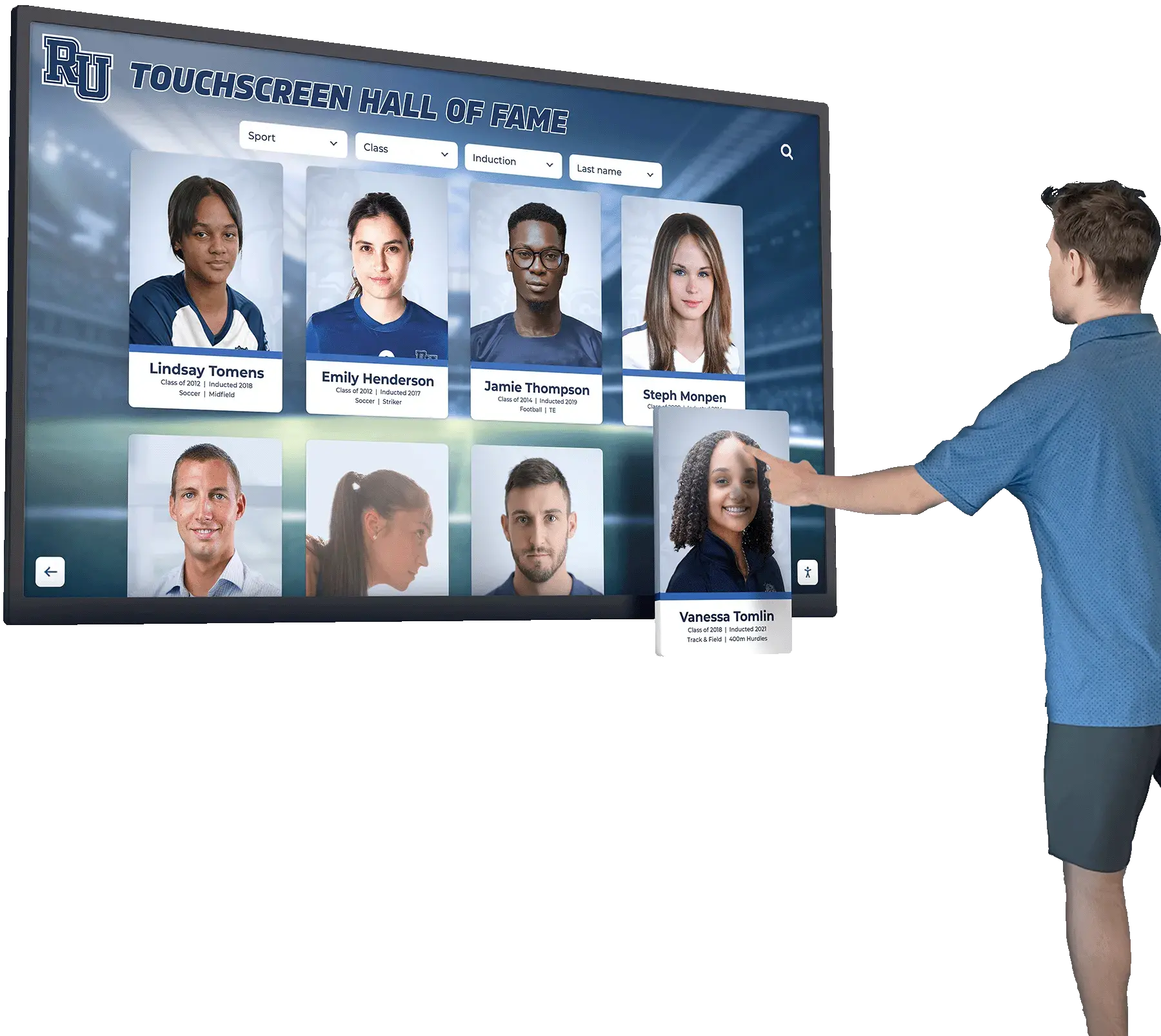
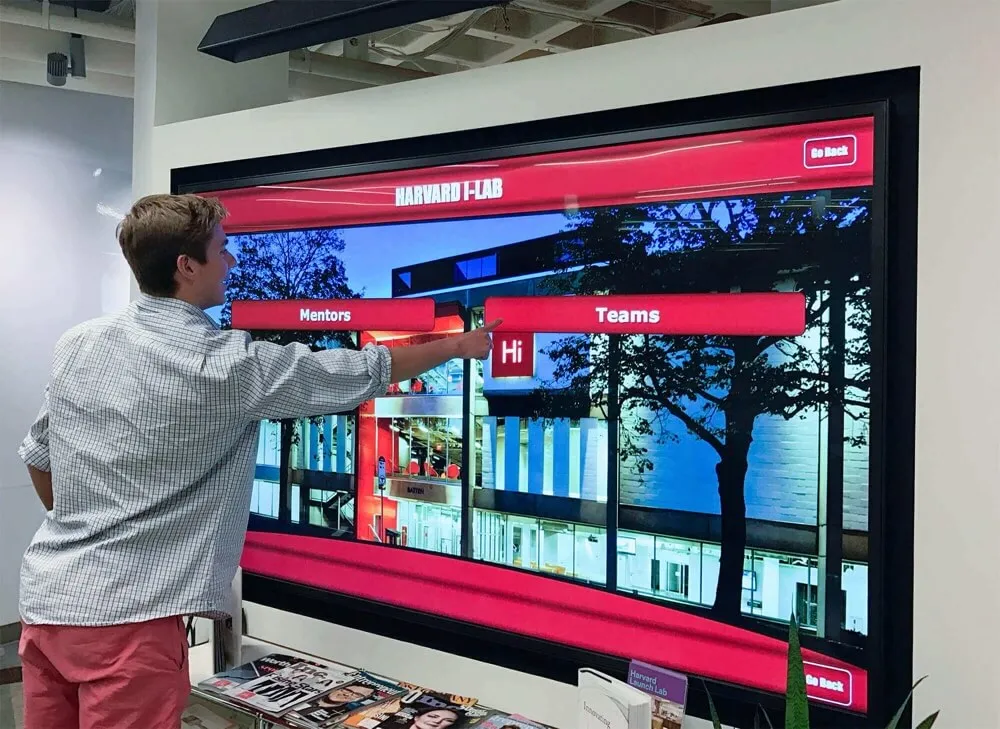
Interactive touchscreens let visitors explore complete inductee stories at their own pace
Content Organization and Navigation Design
Thoughtful information architecture ensures digital halls of fame remain easy to navigate even as inductee numbers grow, allowing visitors to find specific individuals while discovering others through exploration.
Browse and Search Functionality
Effective digital hall of fame interfaces provide multiple discovery methods:
- Search by name allowing direct navigation to specific inductees
- Filter by year exploring particular graduating classes or induction years
- Browse by sport viewing all inductees from specific athletic programs
- Category sorting separating athletes, coaches, teams, and contributors
- Achievement filters finding state champions, record holders, or award recipients
- Chronological timelines exploring hall of fame history across decades
These navigation options accommodate both targeted searches by visitors seeking specific individuals and exploratory browsing by those discovering inductee stories and institutional legacy.
Visual Design and Presentation Standards
Consistent visual presentation creates professional displays that celebrate every inductee equally:
- Standardized profile formats ensuring comparable presentation regardless of available content
- School branding integration incorporating colors, logos, and visual identity throughout
- Professional photo display displaying action shots, portraits, and team photos prominently
- Readable typography using font sizes and styles appropriate for touchscreen viewing
- Intuitive controls providing clear navigation that visitors understand without instruction
- Engaging layouts balancing information density with visual appeal and readability
Schools working with digital recognition providers benefit from professional design services that create cohesive visual presentations aligned with institutional branding while maximizing engagement and accessibility.
Modern digital recognition platforms provide content management systems that simplify updates while maintaining consistent visual presentation as new inductees join the hall of fame each year.
Integration with Induction Ceremonies
Digital displays complement annual induction ceremonies by extending recognition beyond single-evening events and making ceremony content permanently accessible.
Pre-Ceremony Recognition Building
Digital displays create anticipation before formal induction events:
- Inductee announcements unveiling new class members through display updates
- Countdown features building excitement as ceremony dates approach
- Biographical previews introducing inductees to current students before formal ceremonies
- Historical context connecting new inductees to previous hall of fame members
- Community engagement encouraging attendance by displaying individuals being honored
This pre-ceremony recognition helps build community awareness and event attendance while beginning the celebration process before formal induction occurs.
Post-Ceremony Content Integration
Following induction ceremonies, digital displays preserve event moments:
- Ceremony photos sharing formal recognition moments and inductee celebrations
- Speech recordings capturing acceptance speeches and presentation remarks
- Video highlights preserving ceremony proceedings for those unable to attend
- Media coverage linking news articles and features about inductees
- Family tributes incorporating content shared by inductees’ families and supporters
- Alumni reactions capturing responses and congratulations from former students
This integration transforms single-evening ceremonies into permanent digital archives that extend recognition impact and preserve institutional memory far beyond physical event attendance.
Schools implementing comprehensive digital recognition systems create recognition ecosystems where selection processes, induction ceremonies, and ongoing digital celebration work together to honor achievement meaningfully.
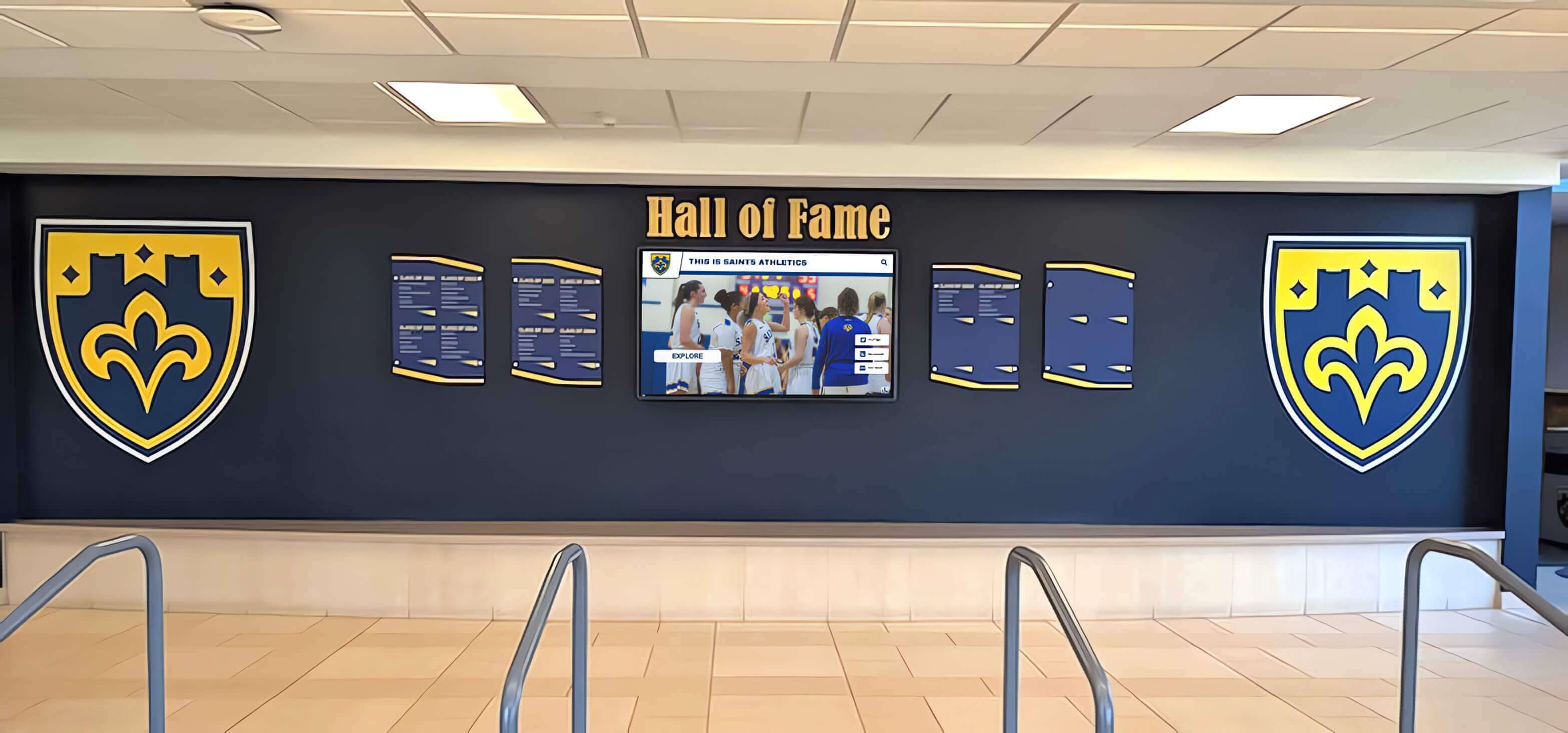
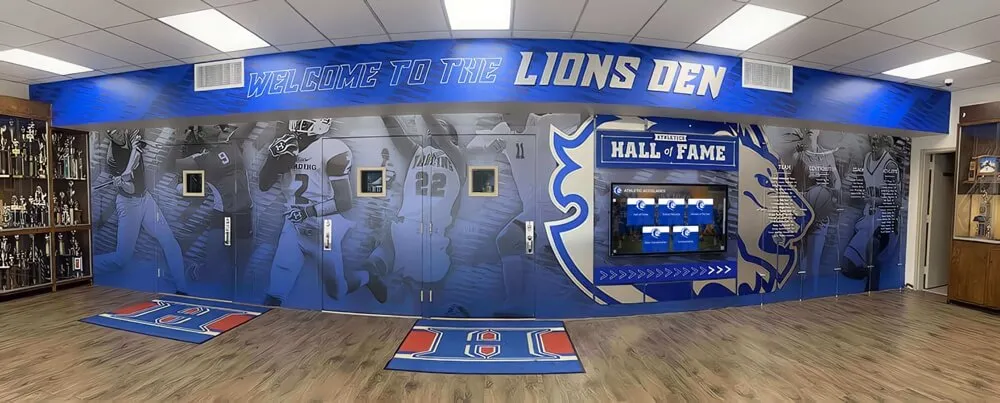
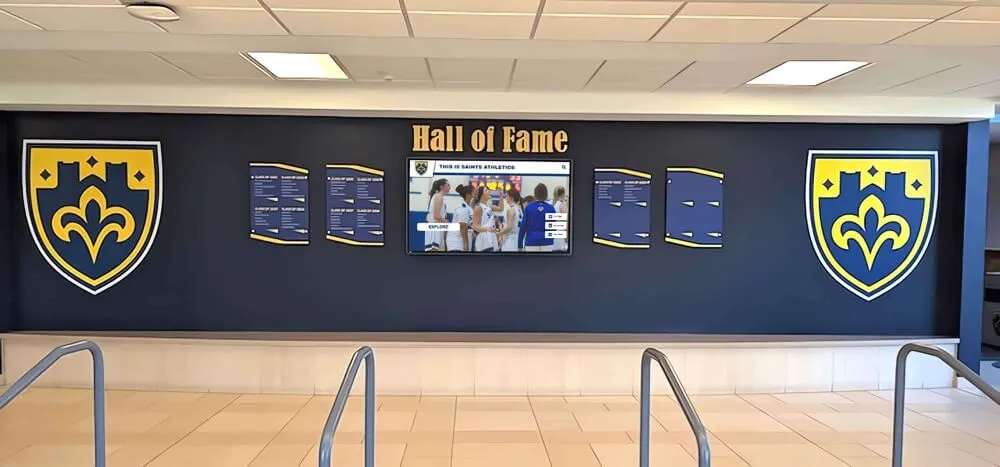
Schools successfully blend traditional hall of fame aesthetics with modern digital capabilities
Ongoing Management and Updates
Sustainable hall of fame programs require manageable processes for adding new inductees, updating existing profiles, and maintaining display systems without creating overwhelming administrative burdens.
Annual Inductee Addition Workflows
Streamlined processes ensure new inductees join digital halls of fame smoothly after each selection cycle.
Content Collection and Preparation
Adding new inductees involves gathering necessary materials:
- High-quality photos collecting action shots, portraits, and team images
- Statistical verification confirming records, awards, and achievement details
- Biographical information gathering background details and career highlights
- Family contributions requesting personal stories and additional photos
- Media research locating historical news coverage and documentation
- Video content capturing induction ceremony speeches and presentations
Well-organized content collection processes ensure complete inductee profiles while nominations remain fresh and materials remain accessible.
Digital Platform Updates
Modern content management systems simplify ongoing updates:
- Remote administration allowing updates from any computer without specialized software
- Template-based entry ensuring consistent information across all inductee profiles
- Bulk upload capabilities adding multiple new inductees efficiently
- Preview functionality reviewing profiles before publishing to live displays
- Version control maintaining edit history and allowing content rollback if necessary
- Automated backups protecting inductee data and content from loss
Solutions like Rocket Alumni Solutions provide cloud-based content management that school staff can access remotely, eliminating the need for on-site technical expertise or specialized training beyond basic computer skills.
According to school administrators managing digital hall of fame systems, annual updates typically require 2-4 hours of staff time compared to the full days previously needed for ordering, receiving, and installing physical plaques.
Profile Enhancement Over Time
Digital platforms allow ongoing enrichment of inductee profiles as new materials become available or alumni contribute additional content.
Adding Historical Content
Schools continuously improve hall of fame recognition by:
- Digitizing archives scanning historical photos, programs, and newspaper clippings
- Alumni contributions accepting photos and stories from former students and families
- Anniversary updates adding retrospective content for significant milestones
- Reunion connections collecting content during alumni gathering events
- Media discoveries incorporating newly found historical documentation
- Interview projects recording video conversations with living inductees
This ongoing enrichment ensures hall of fame displays improve over time rather than becoming static representations frozen at induction dates.
Celebrating Inductee Milestones
Digital systems support recognizing continuing achievements:
- Career accomplishments updating profiles when alumni achieve professional success
- Community contributions acknowledging ongoing service and leadership
- Family connections noting when inductees’ children or relatives attend the school
- Reunion attendance highlighting inductees who maintain institutional connections
- Anniversary recognition celebrating induction milestones at 5, 10, or 25-year marks
These updates demonstrate that hall of fame induction represents continuing relationships rather than historical acknowledgment alone.
Technical Maintenance and Support
Reliable technical support ensures hall of fame displays remain operational and current without creating administrative burdens for school staff.
Hardware Maintenance Requirements
Modern commercial displays require minimal ongoing maintenance:
- 7-10 year lifespan for quality touchscreen displays with continuous operation
- Automatic software updates delivered remotely without staff intervention
- Minimal cleaning requiring only occasional screen wiping
- Low power consumption adding negligible costs to facility electrical budgets
- Standard mounting using common brackets compatible with typical wall construction
- Simple troubleshooting addressing most issues through remote technical support
Schools implementing digital recognition benefit from choosing providers offering comprehensive technical support rather than requiring internal IT resources for display management.
Content Platform Reliability
Cloud-based content management systems provide:
- 99.9% uptime ensuring displays remain operational and current
- Automatic backups protecting inductee content and institutional data
- Security updates maintaining platform safety without staff action
- Technical support providing expert assistance when questions arise
- Training resources offering documentation and guidance for staff administrators
- Migration assistance helping schools transfer historical content during initial implementation
These technical considerations ensure hall of fame displays remain dependable recognition systems rather than becoming administrative headaches requiring ongoing IT involvement.
Conclusion
Successful hall of fame programs balance fair selection processes with recognition systems that celebrate every inductee meaningfully. Schools that establish clear criteria, implement transparent nomination and voting procedures, and present inductees through interactive digital displays create lasting programs that honor achievement, preserve institutional legacy, and inspire current students.
Traditional physical displays force compromises as inductee numbers grow, ultimately limiting who receives recognition and how comprehensively schools can celebrate their hall of fame members. Digital recognition systems eliminate these constraints while providing richer, more engaging presentations that transform halls of fame from static wall decorations into interactive experiences that connect current students with institutional heritage.
Schools establishing or upgrading hall of fame programs benefit from considering how selection processes and display technologies work together to create recognition programs that remain fair, inclusive, and inspiring for generations.
Ready to create a digital hall of fame that celebrates every inductee with equal prominence while providing rich, interactive recognition experiences? Book a demo to explore how Rocket Alumni Solutions provides unlimited recognition capacity with professional content management designed specifically for schools and athletic programs.