



Homecoming traditions create defining moments that students remember for decades. These celebrations transform ordinary school weeks into extraordinary experiences where freshmen discover their place in the community, upperclassmen lead with pride, and alumni return to reconnect with the institutions that shaped their lives. Schools with strong homecoming traditions report higher student engagement, increased alumni participation, and stronger community bonds that extend far beyond the week itself.
The most effective homecoming programs balance time-honored traditions with fresh approaches that resonate with today’s students. While some schools default to the same predictable activities year after year, leading institutions continuously evolve their celebrations—preserving beloved customs while introducing innovative elements that engage diverse student interests and create meaningful connections across generations.
This guide presents 25 actionable homecoming traditions organized by category, helping schools at every level build comprehensive celebration weeks that honor the past, energize the present, and inspire future pride.
Homecoming week offers unique opportunities to unite entire school communities around shared identity and celebration. The traditions you establish during this concentrated period ripple throughout the academic year, shaping school culture and creating lasting memories that define the student experience.

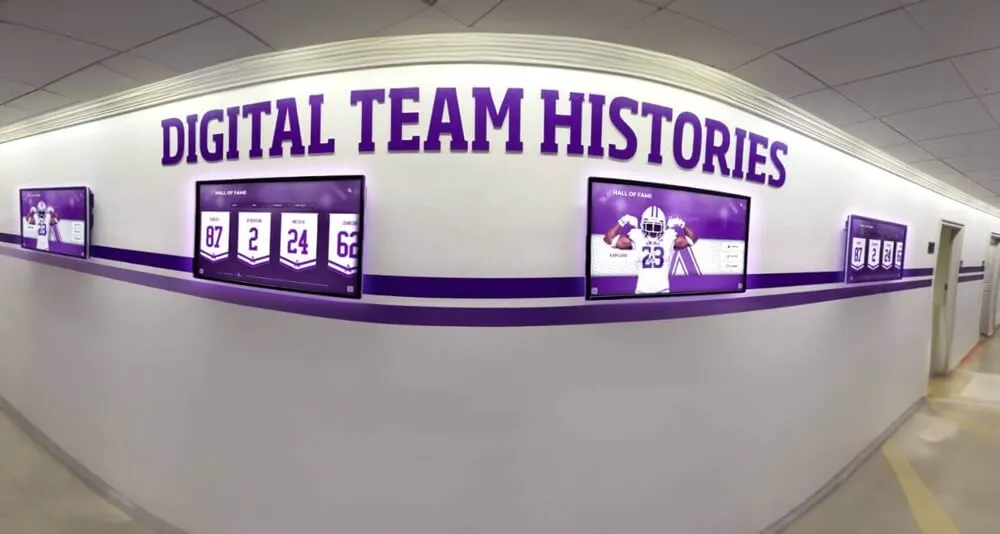
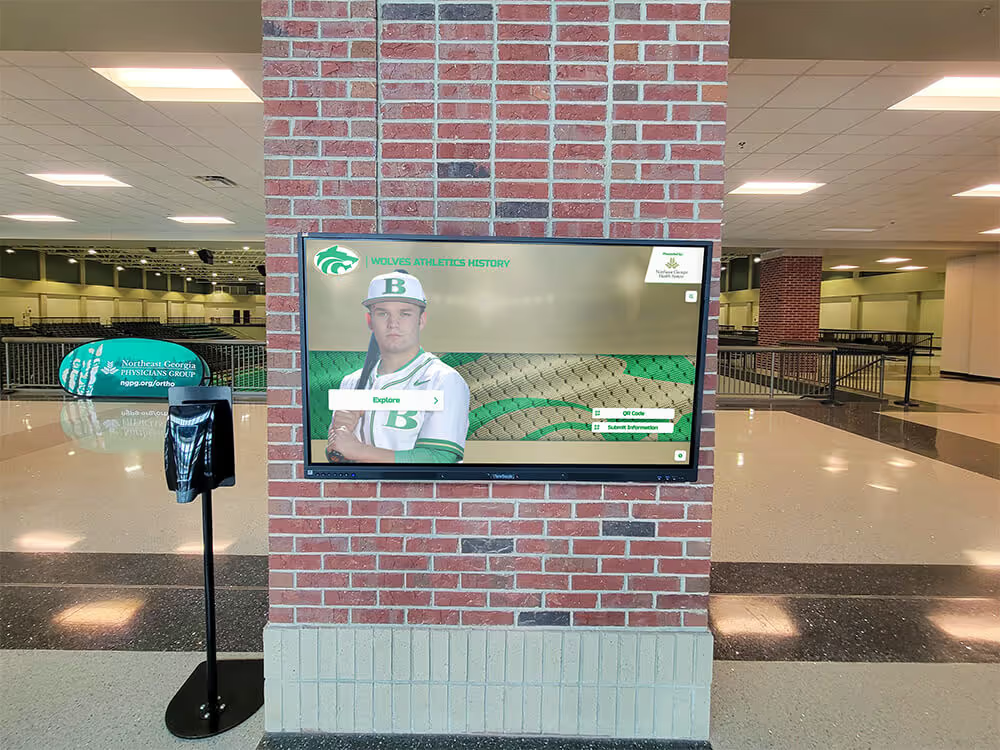
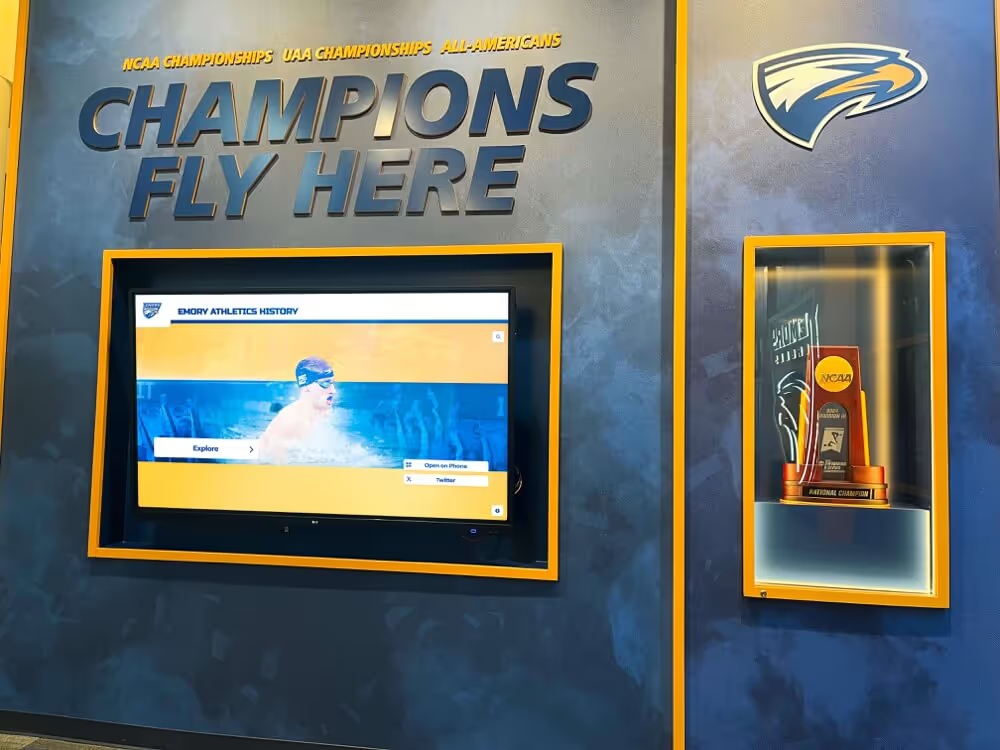
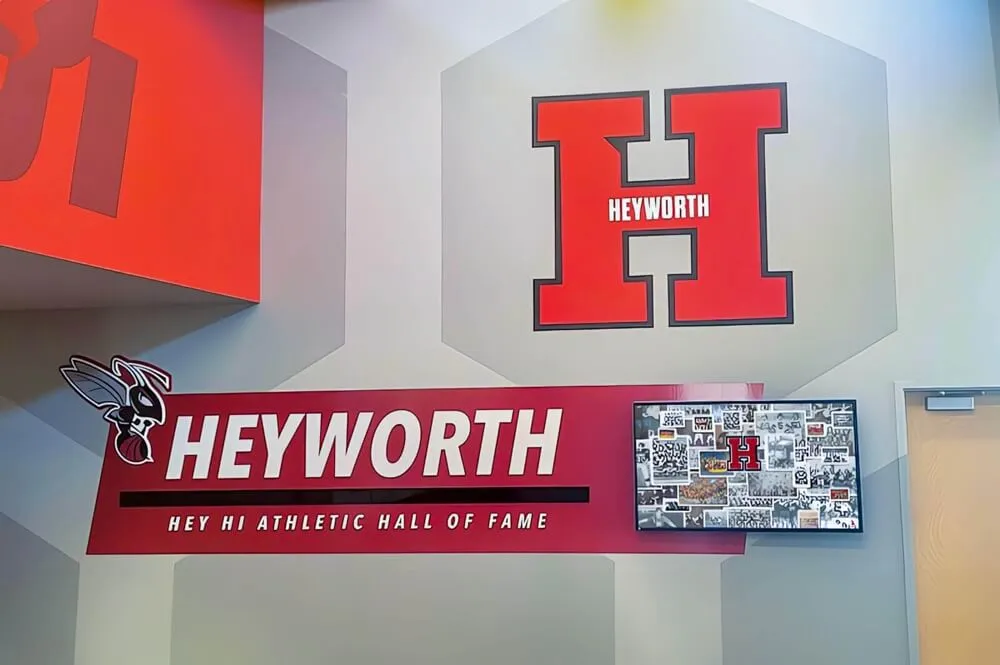
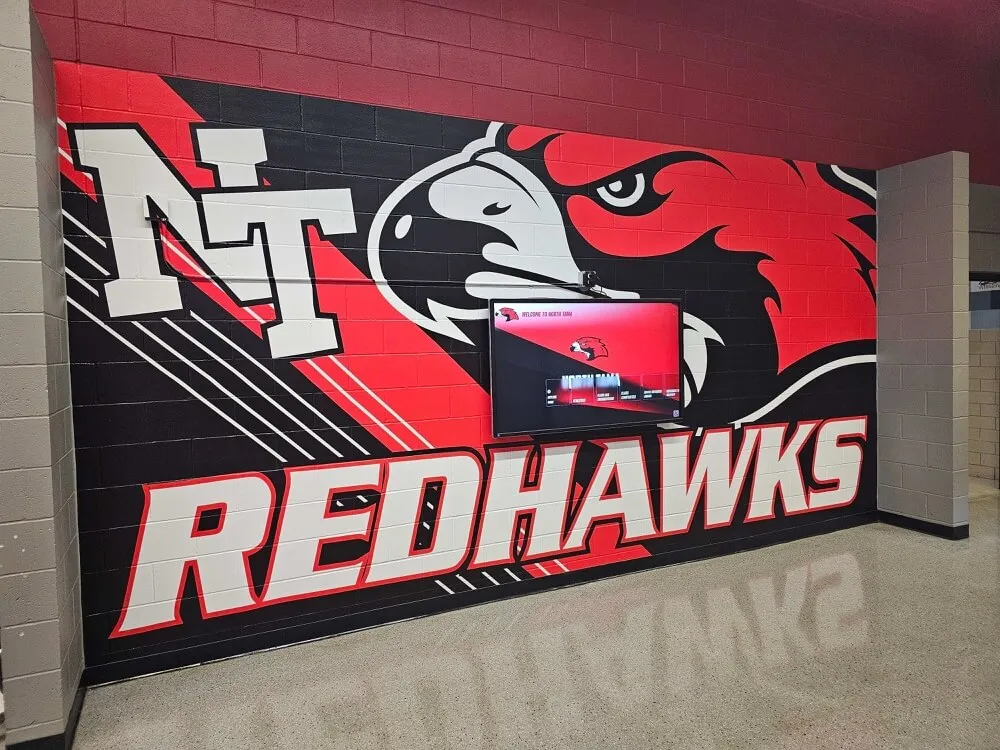
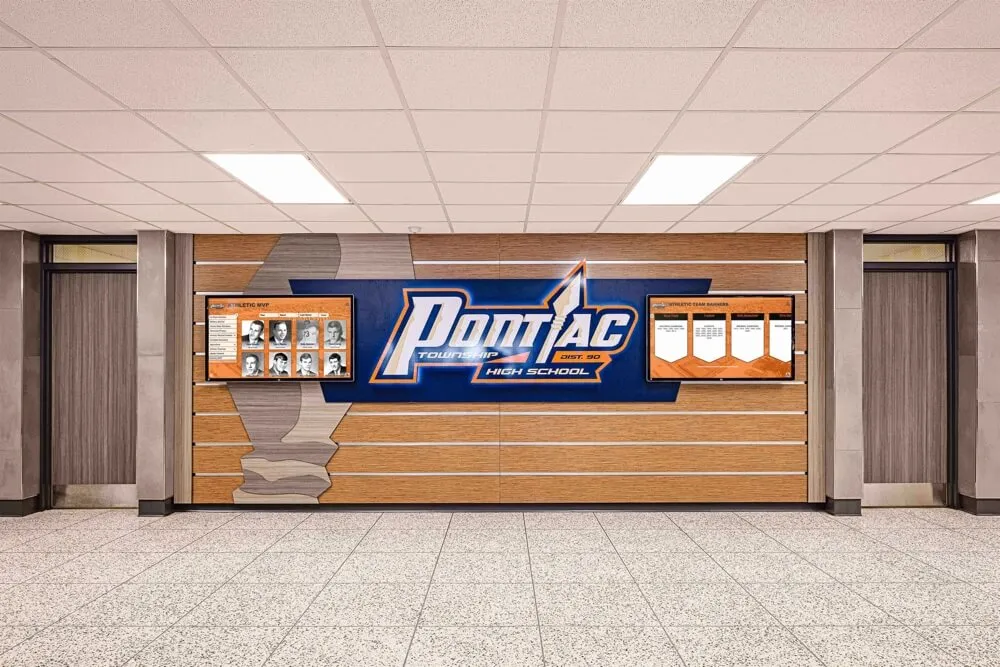
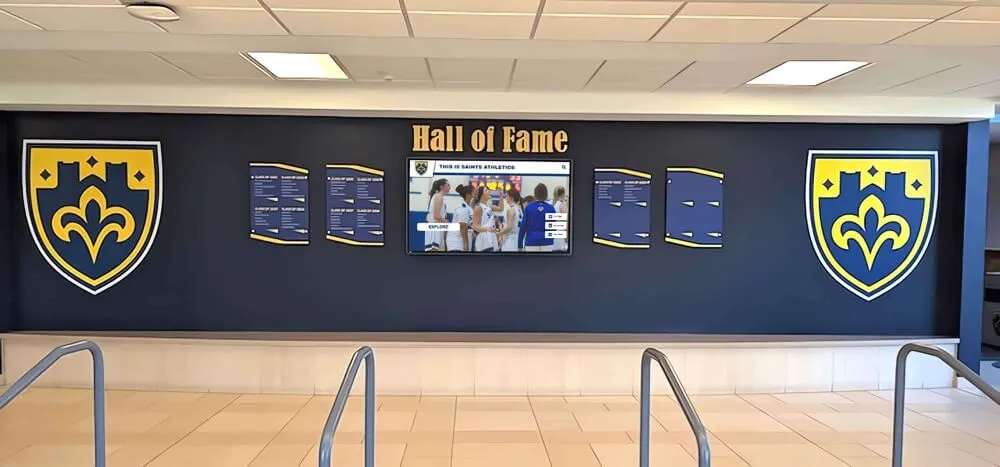
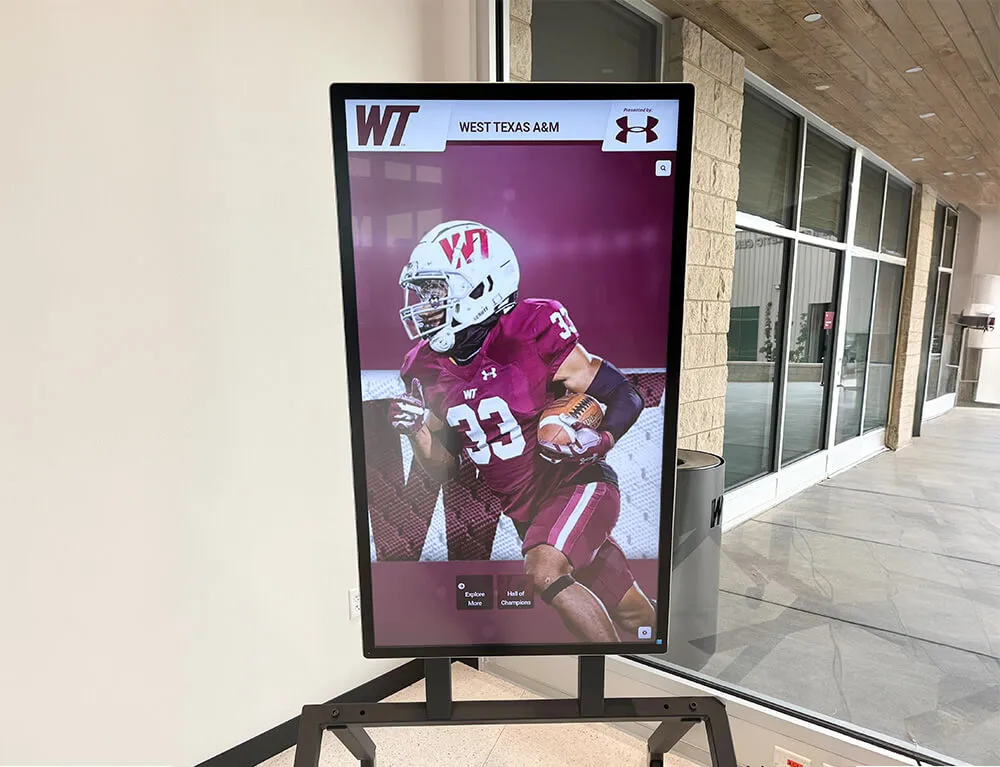
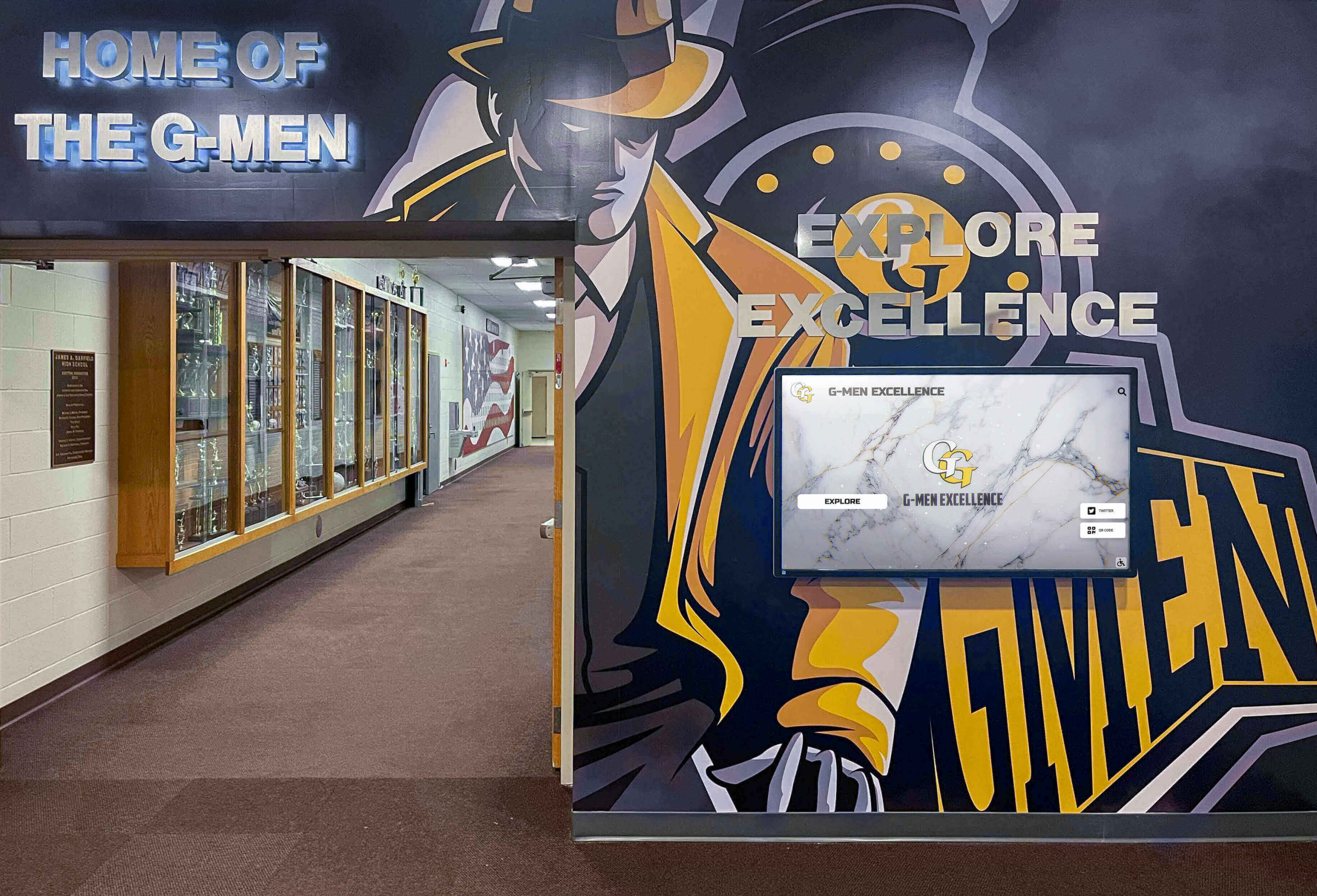
Interactive displays help schools celebrate homecoming achievements and school history throughout the year
Spirit Week Traditions (Ideas 1-7)
Spirit weeks provide daily opportunities for widespread student participation, building momentum toward the main homecoming events.
1. Themed Dress-Up Days
Designate each day of homecoming week with specific themes encouraging creative participation. Popular themes include decades day (50s, 60s, 70s, 80s, 90s), color wars by grade level, twin day, character day, career day, and school colors day on game day. Ensure themes are inclusive and accessible for all students regardless of budget constraints.
Create visual displays throughout school hallways showcasing daily themes and recognizing outstanding participation. Photograph student creativity for yearbooks and social media, celebrating the community’s collective spirit.
2. Grade-Level Competitions
Structure friendly competitions between grade levels across the week. Award points for spirit day participation, hallway decorating, pep rally performances, community service hours, and attendance at homecoming events. Display running totals on prominent scoreboards or digital screens to maintain enthusiasm throughout the week.
The winning grade receives recognition at the homecoming game and lasting acknowledgment through plaques, digital displays, or special privileges. These competitions create healthy rivalry while encouraging participation across all activities.
3. Daily Pep Rallies or Announcements
Hold brief morning or afternoon pep rallies each day leading to homecoming, building escalating excitement. Feature different student groups daily—athletic teams, performing arts, academic clubs, student government—ensuring diverse recognition beyond traditional sports focus.
For schools where daily full rallies aren’t feasible, create special morning announcements or video segments highlighting homecoming activities, recognizing participants, and building anticipation for upcoming events. Learn more about engaging students through pep rally games and activities that boost participation.
4. Hallway and Classroom Decorating Contests
Assign hallway or classroom sections to different grades, clubs, or teams for decoration around homecoming themes. Provide basic parameters ensuring school safety and property respect while allowing creative freedom in design approaches.
Judge decorations mid-week, recognizing winners through awards, points toward grade-level competitions, and lasting documentation through photos. This tradition transforms school spaces into celebration environments while providing opportunities for students who may not participate in athletic or performance activities.
5. Social Media Spirit Challenges
Create daily social media challenges encouraging students to share their homecoming participation. Challenges might include posting photos in spirit day attire, sharing favorite school memories, creating short videos supporting athletic teams, or highlighting why they love their school.
Use designated hashtags tracking participation and feature outstanding posts on school accounts. This approach extends homecoming engagement beyond school hours while documenting celebrations for current and future communities.
6. Student vs. Faculty Competitions
Organize friendly competitions between students and faculty—volleyball matches, basketball games, trivia contests, or relay races. These events humanize teachers and administrators while creating entertaining spectacles that generate school-wide enthusiasm.
Schedule these competitions during lunch periods or special assemblies ensuring maximum student attendance. The casual, fun atmosphere strengthens relationships between students and staff while contributing to overall homecoming excitement.
7. Community Service Day
Dedicate one day during homecoming week to organized community service, connecting school spirit with civic responsibility. Grade levels or clubs adopt different service projects—food bank volunteering, park cleanup, nursing home visits, or community beautification efforts.
This tradition demonstrates that school pride extends beyond internal celebration to positive community impact. Document service activities for local media coverage and school publications, highlighting students’ commitment to values beyond competition and entertainment.
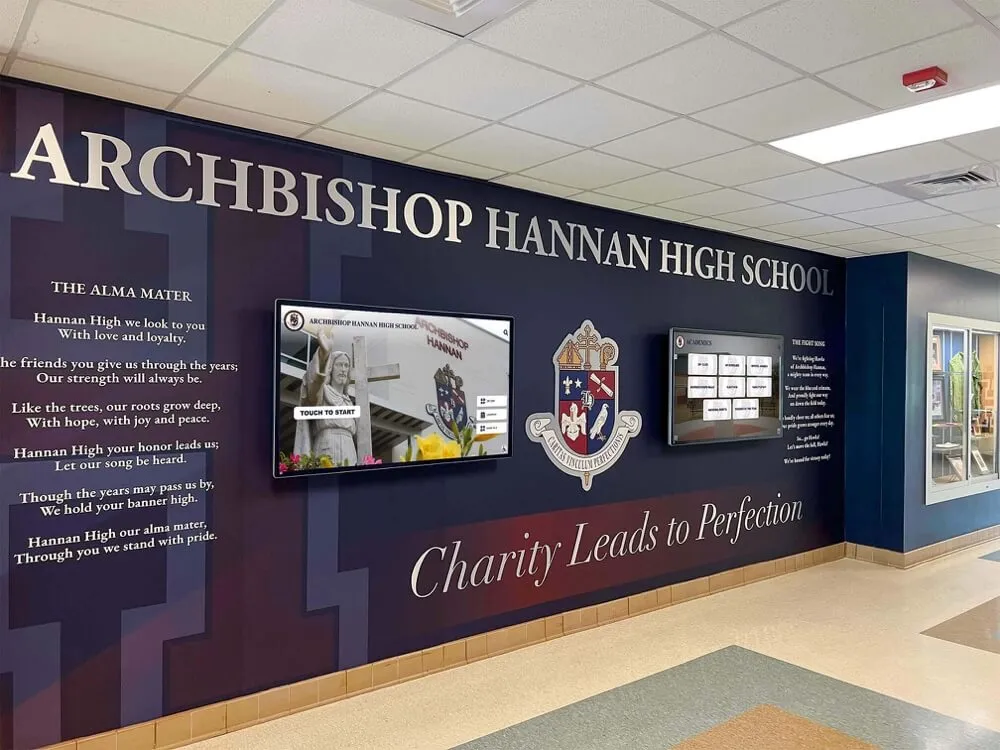
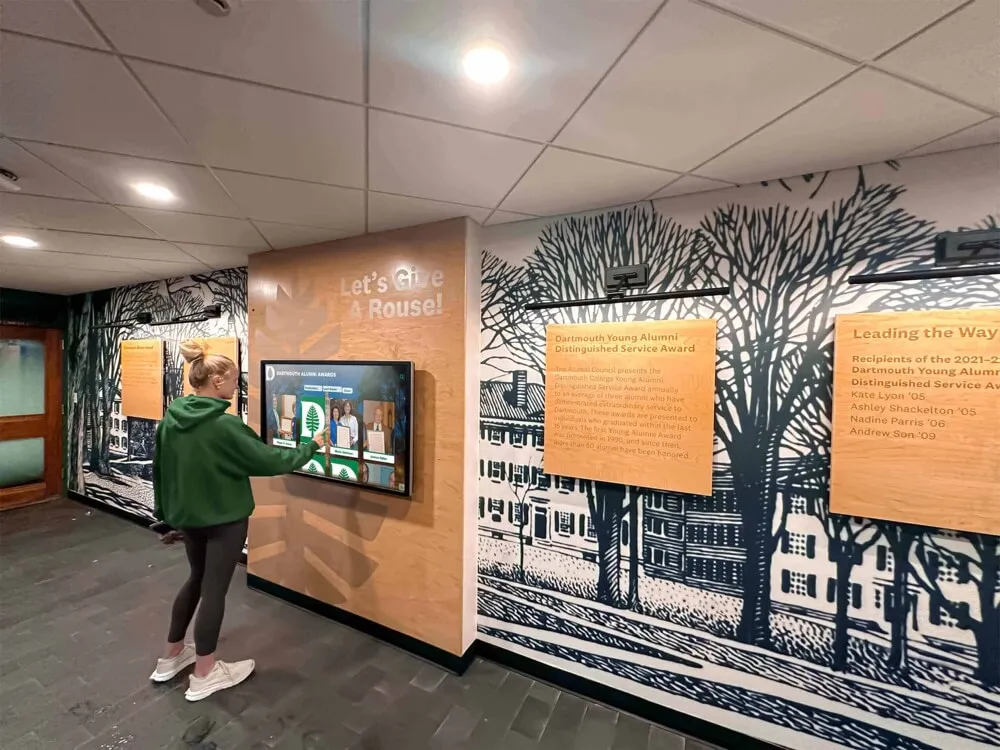
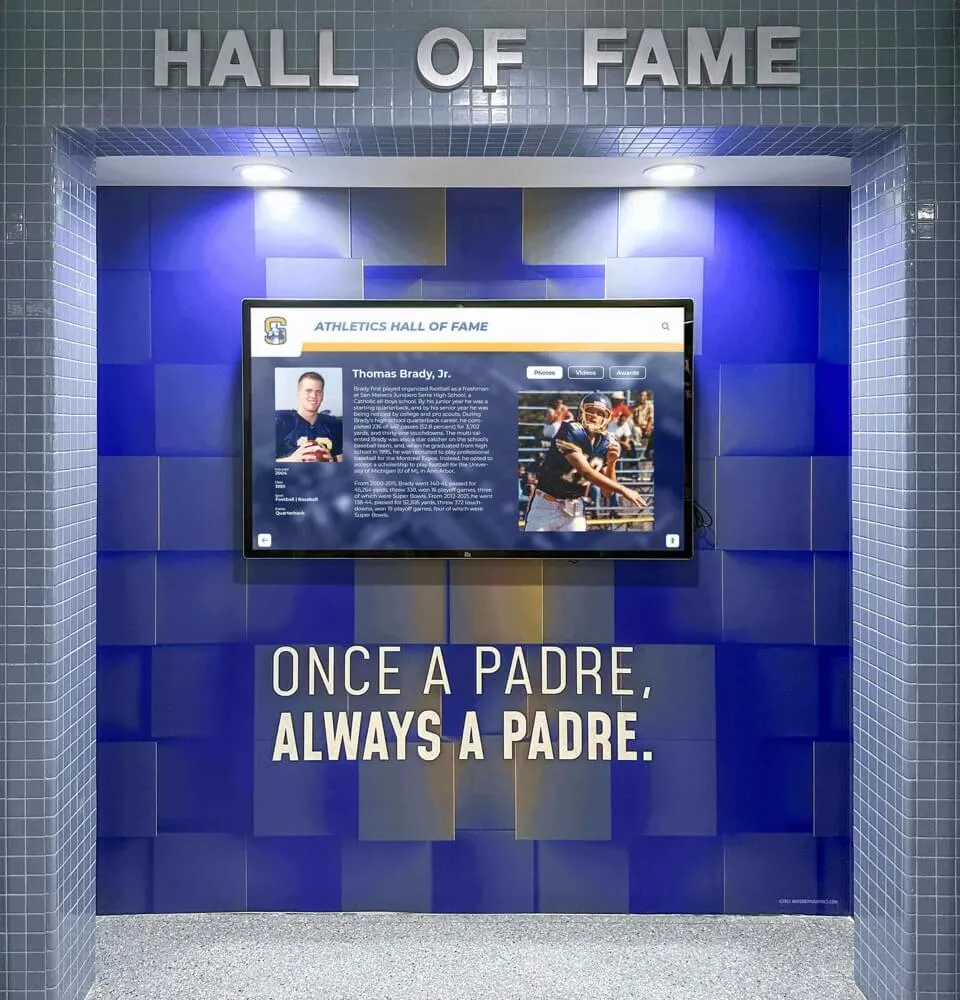
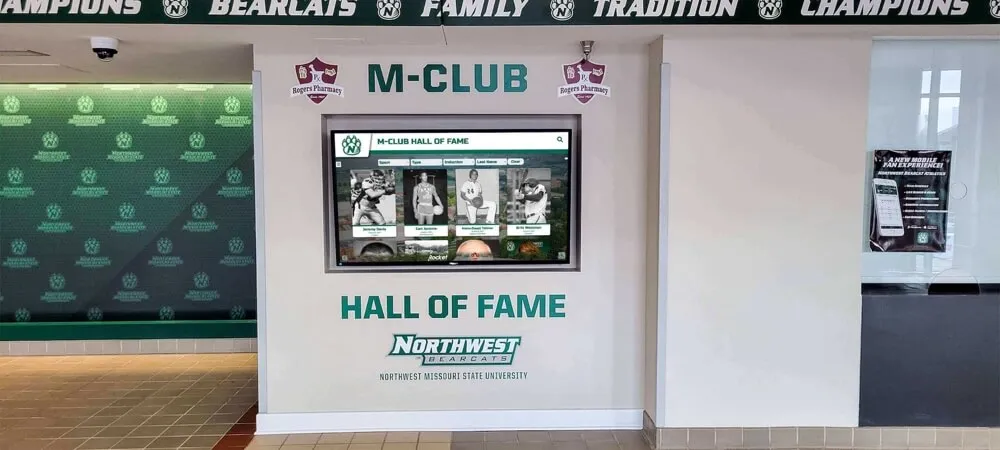
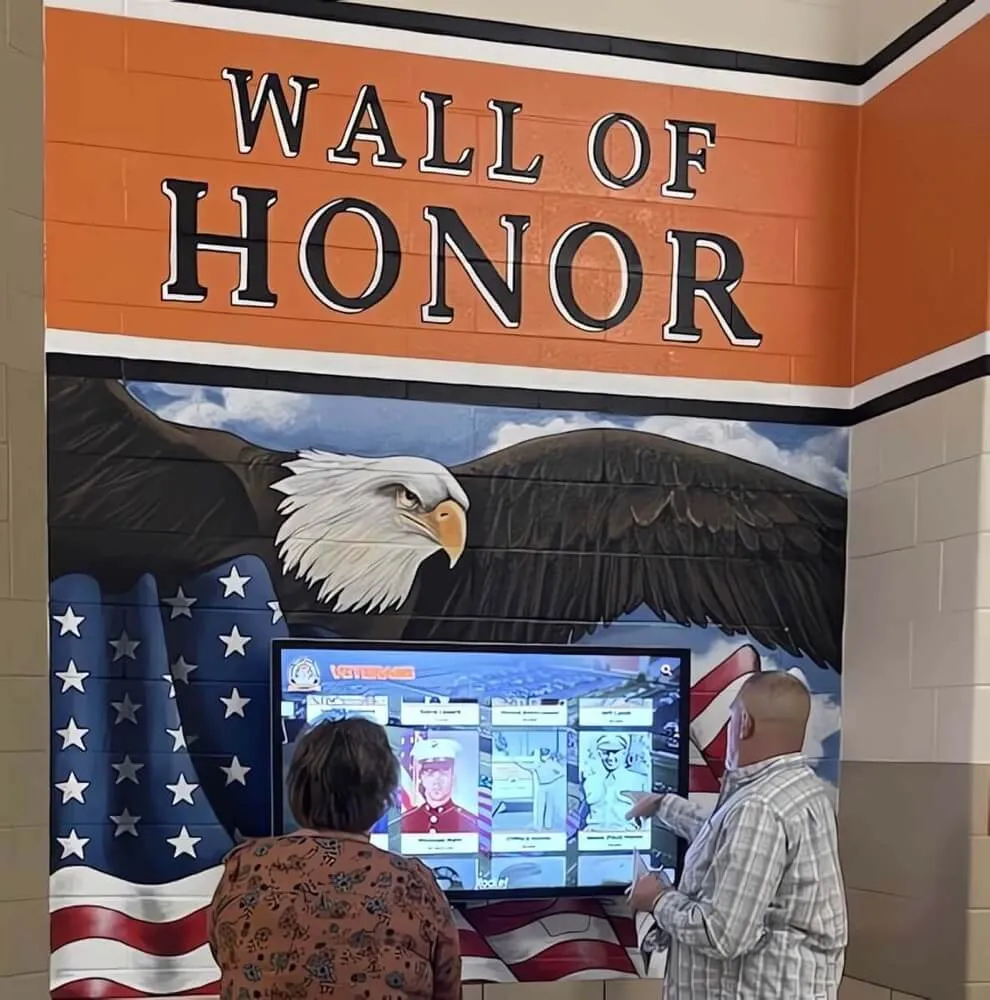
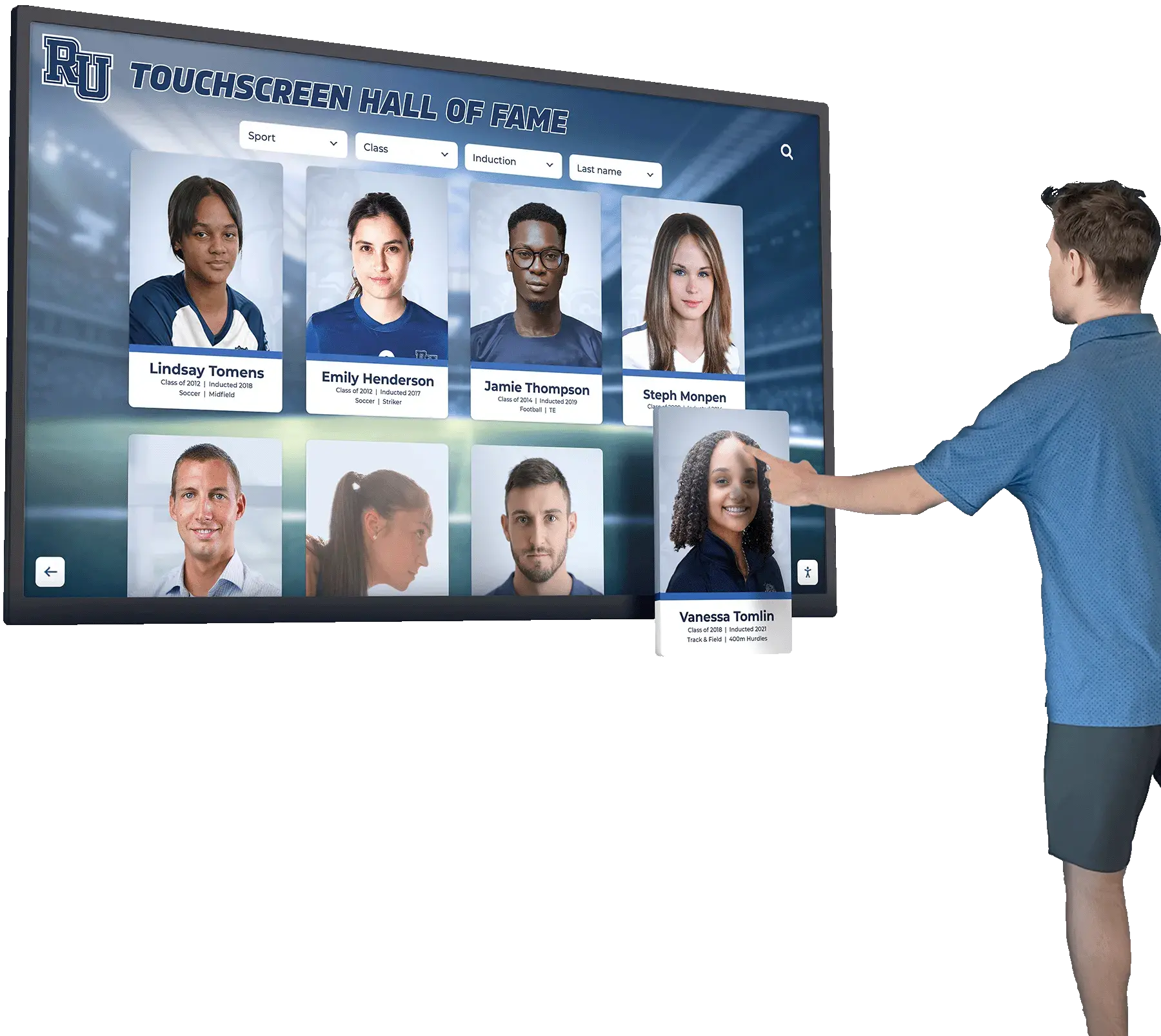
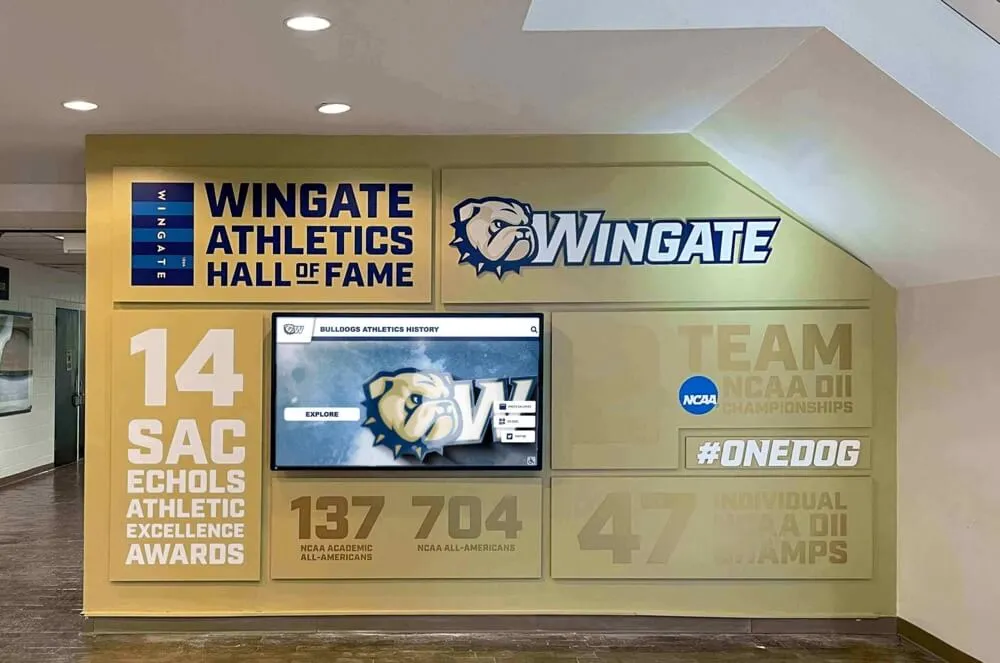
Modern recognition technology helps alumni reconnect with their school history during homecoming visits
Alumni Engagement Traditions (Ideas 8-13)
Homecoming provides natural opportunities to reconnect with graduates, strengthening the bonds between past and present school communities.
8. Alumni Hall of Fame Inductions
Schedule formal inductions of distinguished alumni into your school’s athletic, academic, or achievement hall of fame during homecoming weekend. Honor graduates who have achieved notable success in their careers, made significant community contributions, or brought recognition to your institution through exceptional accomplishments.
Create permanent recognition through digital displays, physical plaques, or interactive installations where current students can explore alumni achievements throughout the year. This tradition demonstrates to students the lasting value of their education while honoring those who came before. Schools can implement comprehensive hall of fame induction ceremonies that celebrate excellence.
9. Class Reunion Coordination
Coordinate class reunions around homecoming weekend, particularly for milestone years (10th, 20th, 25th, 50th anniversaries). Provide dedicated spaces for reunions, facilitate campus tours, and create opportunities for alumni to interact with current students and programs.
This centralized timing maximizes alumni attendance while creating intergenerational connections. Alumni returning for reunions often increase their engagement and financial support after witnessing current school vitality. Discover more alumni event ideas to strengthen these connections.
10. Alumni Parade Participation
Reserve prominent positions in homecoming parades for returning alumni, particularly milestone reunion classes. Provide decorated vehicles or walking spaces where alumni can display their graduation years and participate in celebration.
Recognition in parades honors alumni while showing current students the lasting pride graduates maintain. This visible intergenerational participation reinforces that school identity extends far beyond graduation day.
11. Legacy Student Recognition
Identify and recognize current students whose parents, grandparents, or siblings attended your school. Create special designations—legacy badges, recognition at halftime, dedicated social media features—celebrating these multi-generational connections.
Invite alumni parents or family members to campus during homecoming for special events honoring these ongoing family relationships with your institution. This tradition strengthens family bonds while emphasizing your school’s enduring role in community life.
12. Career Panels and Mentorship
Organize career panels or mentorship sessions where alumni share professional experiences and guidance with current students. Structure conversations by career field—medicine, law, business, trades, arts, education—enabling targeted networking and advice.
Schedule these sessions during homecoming week when alumni naturally return to campus. The informal setting creates comfortable environments for meaningful conversations while helping students envision their futures beyond graduation.
13. Alumni Versus Current Students Competitions
Facilitate competitions between alumni and current students in athletics, performing arts, academic bowls, or debate. Alumni basketball games, choir performances featuring former members, or alumni-student quiz competitions create entertaining events highlighting continuity between past and present.
These friendly competitions generate enthusiasm while allowing alumni to engage with current programs. Alumni often bring greater enthusiasm after experiencing firsthand the talent and dedication of today’s students.
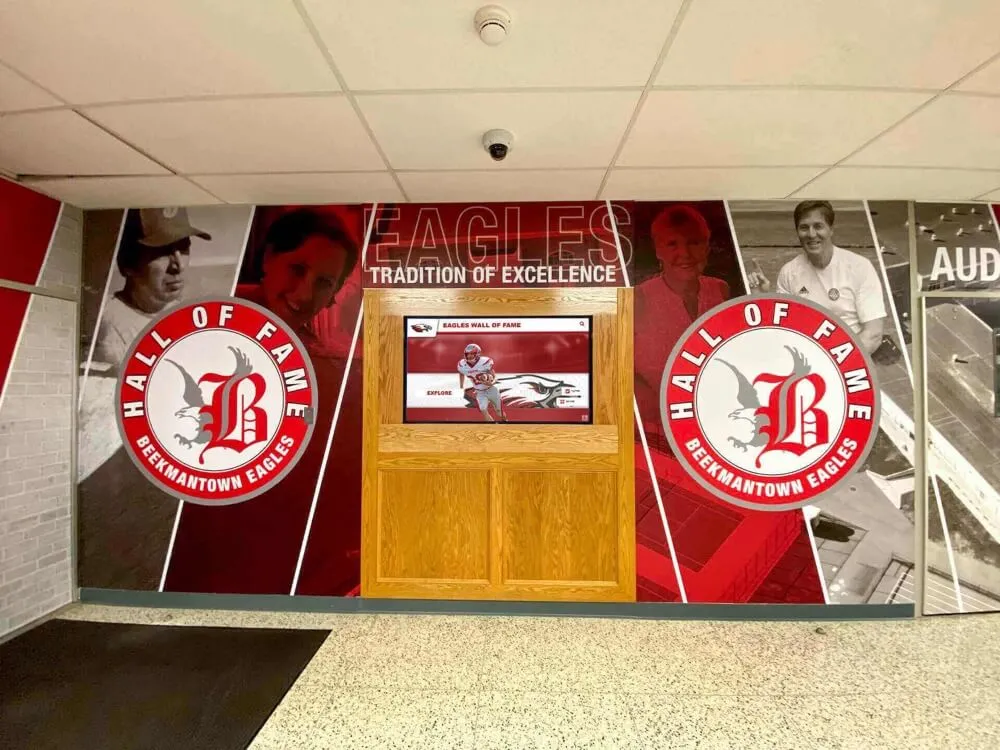
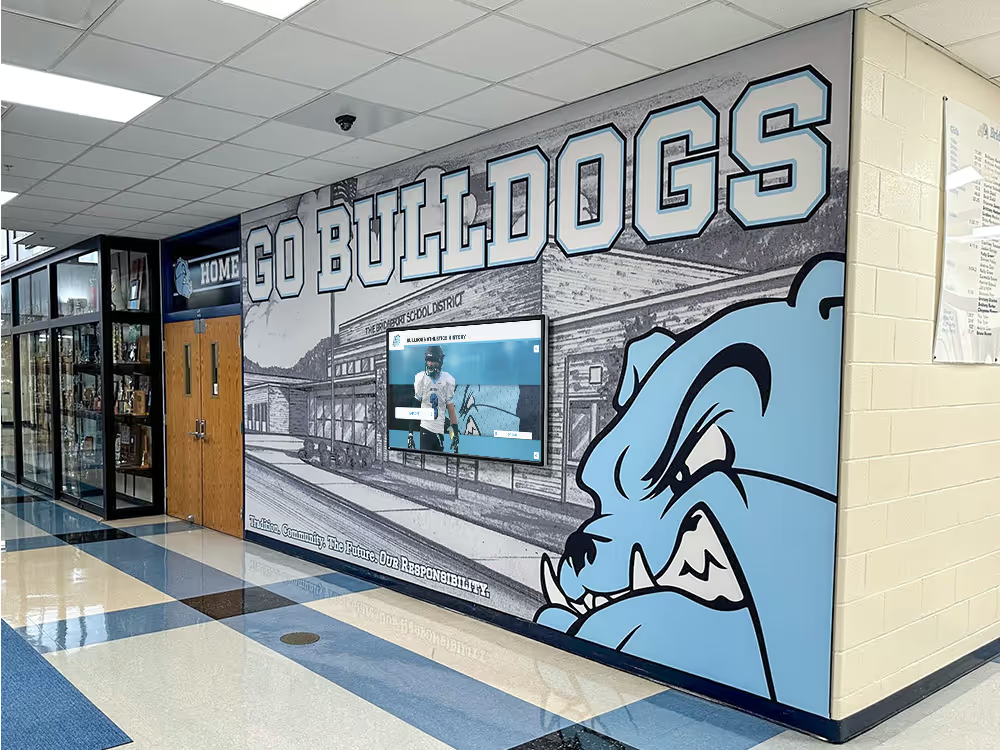
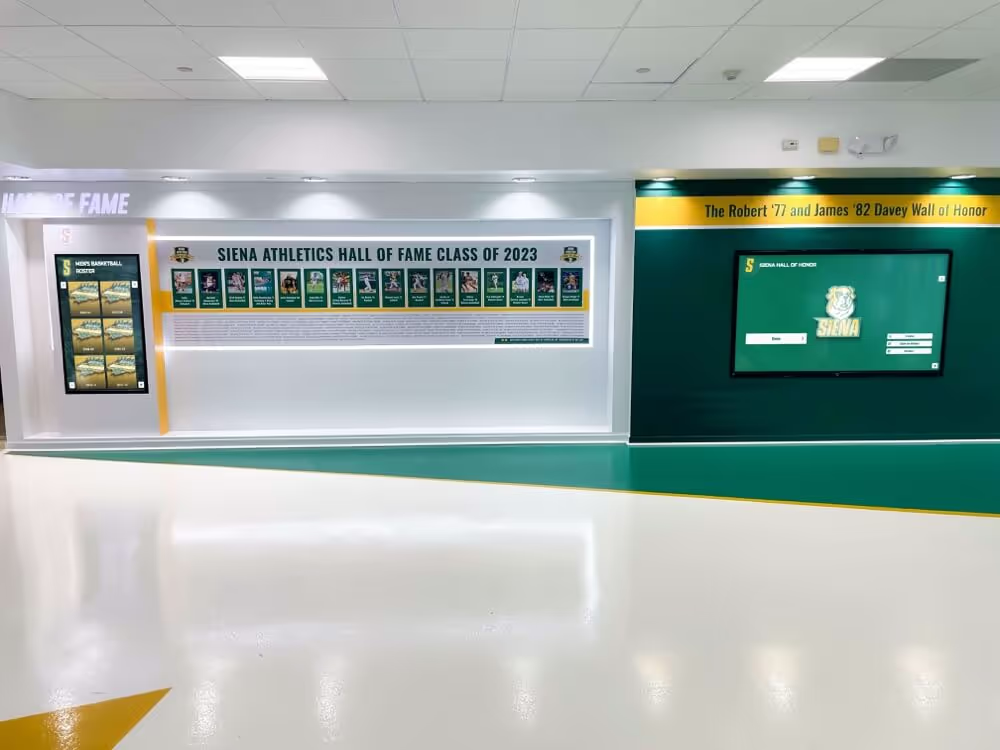
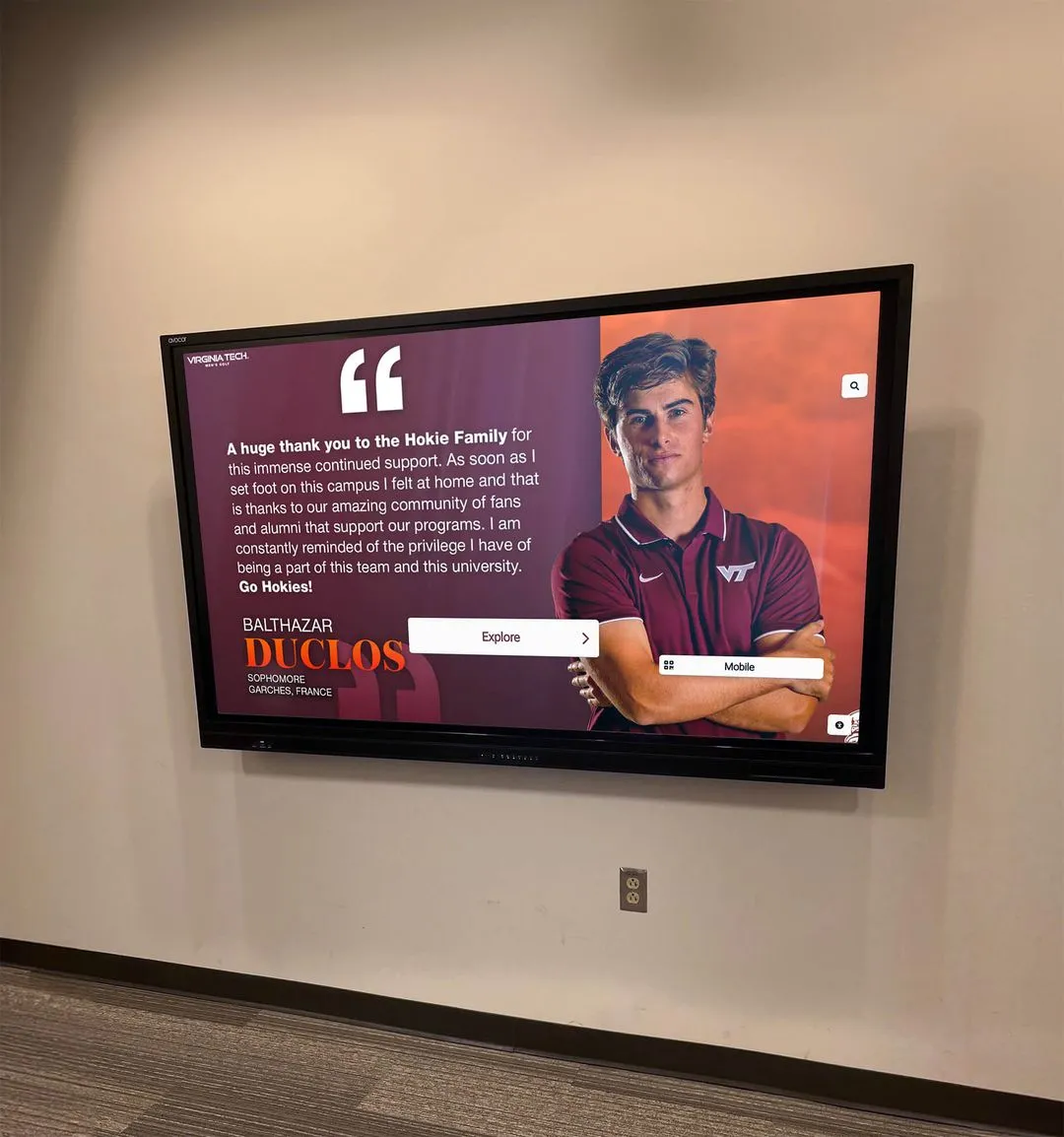
Dedicated spirit displays and trophy cases provide year-round recognition of homecoming achievements and school traditions
Athletic and Game Day Traditions (Ideas 14-19)
The homecoming game remains the centerpiece of celebration week for many schools, offering opportunities for inclusive traditions beyond the competition itself.
14. Homecoming Royalty Selection and Coronation
Organize homecoming court nominations and elections recognizing students who exemplify school spirit, academic achievement, community service, and positive leadership. Avoid limiting recognition to popularity or appearance by establishing clear criteria emphasizing character and contribution.
Crown homecoming royalty during halftime ceremonies, providing meaningful recognition before the entire community. Consider expanding beyond traditional king and queen designations to honor larger courts representing diverse student achievements and involvement.
15. Tailgate Parties and Pre-Game Celebrations
Host official pre-game tailgates bringing together students, families, alumni, and community members. Provide food, music, games, and activities creating festival atmospheres before the main event. These gatherings build community connections while extending homecoming participation beyond those attending the game.
Designate specific areas for different groups—alumni tents, student sections, family zones—while encouraging interaction across constituencies. The informal setting allows conversations and connections that structured events don’t always facilitate.
16. Senior Night Recognition
Designate homecoming games as senior night opportunities, recognizing graduating athletes before their final home competitions. Honor seniors with flowers, framed photos, special introductions, and acknowledgment of their contributions to programs and school culture.
Invite senior families onto the field or court for recognition photos and celebrations. This tradition provides meaningful closure for graduating athletes while demonstrating to younger team members the value of commitment and perseverance. Explore various senior night traditions that honor student achievements.
17. Band and Cheer Performances
Feature marching bands, cheerleading squads, dance teams, and spirit groups throughout homecoming events. Provide these groups with special performance opportunities beyond their typical sideline or halftime roles—pre-game concerts, community performances, or featured showcases during rallies.
Recognition of these groups emphasizes that school spirit involves diverse talents beyond athletic competition. Many students participate through performing arts rather than sports, and homecoming traditions should celebrate all forms of contribution.
18. Spirit Squad and Mascot Traditions
Establish signature traditions for school mascots and spirit squads—specific cheers, routines, or rituals performed only during homecoming. These unique elements distinguish homecoming from regular games while creating anticipated moments that students and alumni expect each year.
Document and teach these traditions to incoming spirit squad members, ensuring continuity across years. Alumni often return specifically to witness favorite traditions from their own school days.
19. Victory Bell or Trophy Presentation
Create lasting symbols of homecoming victory—bells rung after wins, trophies displayed throughout the year, or other physical representations of success. These tangible markers provide ongoing reminders of homecoming triumphs while motivating future teams.
When homecoming games result in losses, emphasize the broader celebration of community, tradition, and school pride that transcends single game outcomes. Homecoming’s value exists in participation and unity regardless of athletic results.
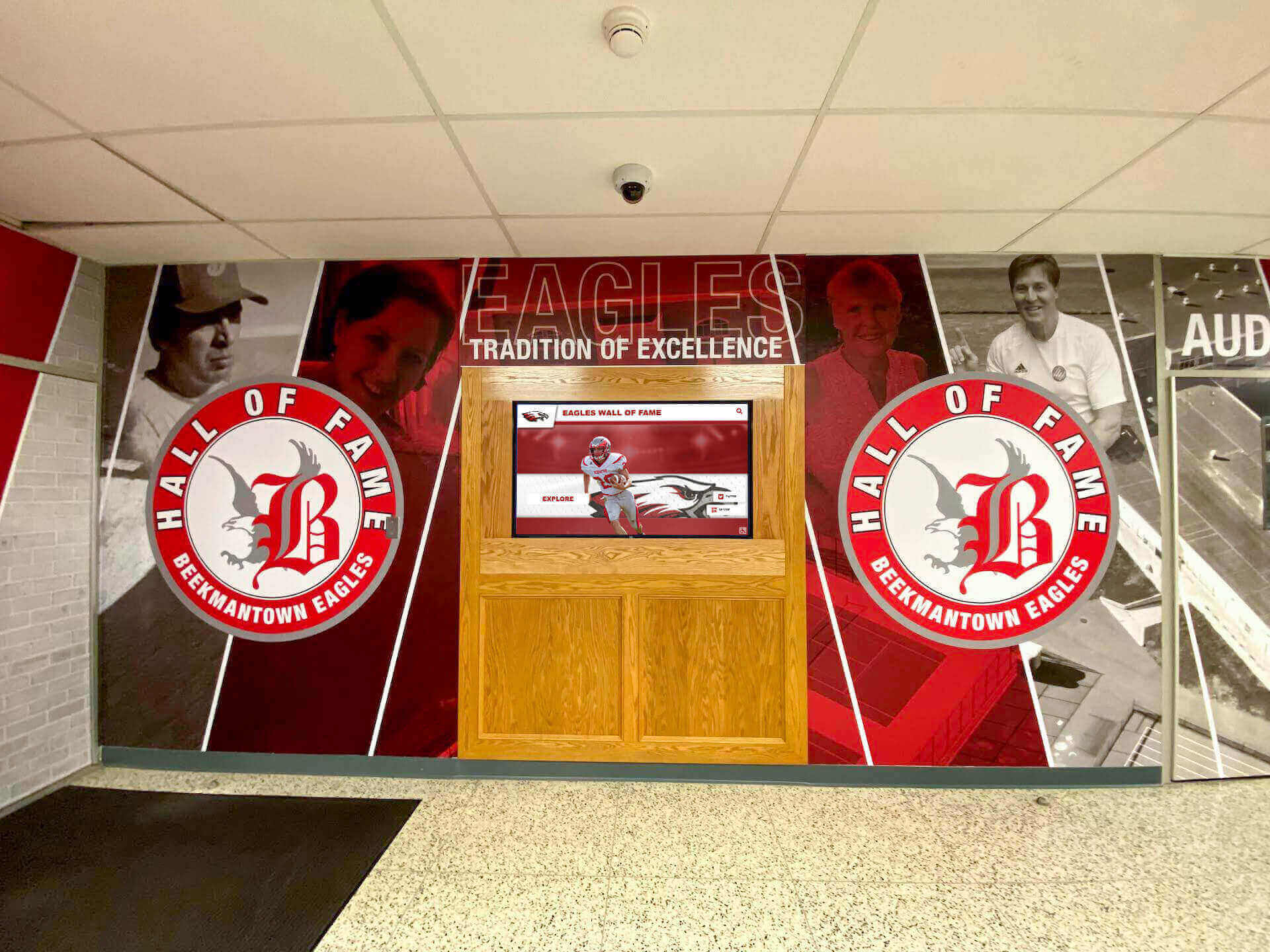
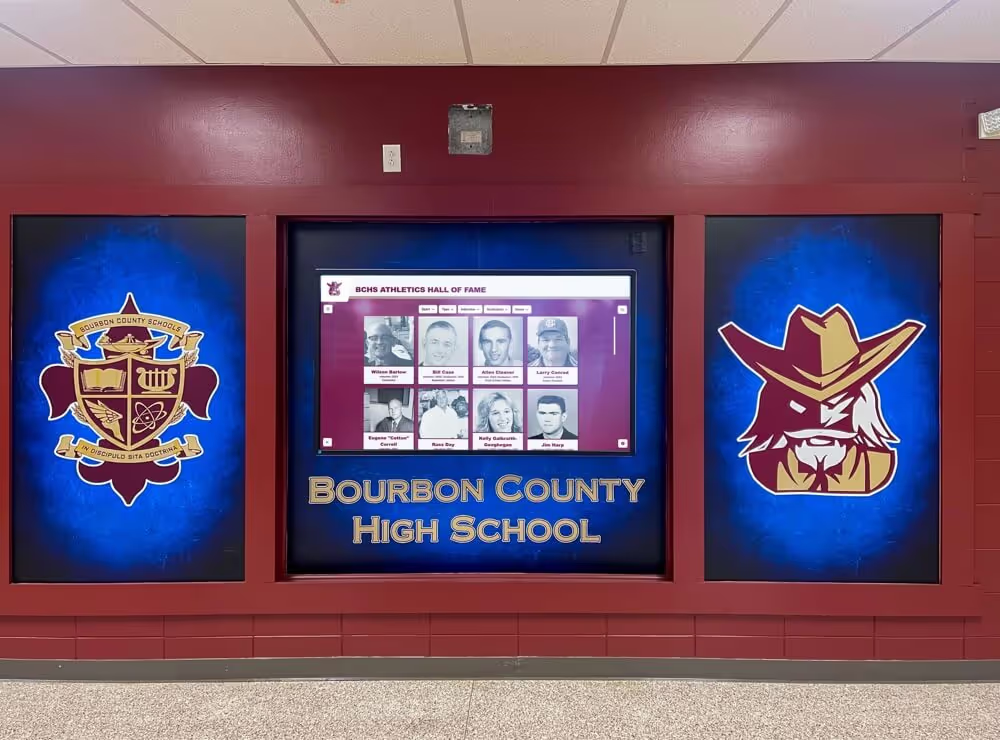
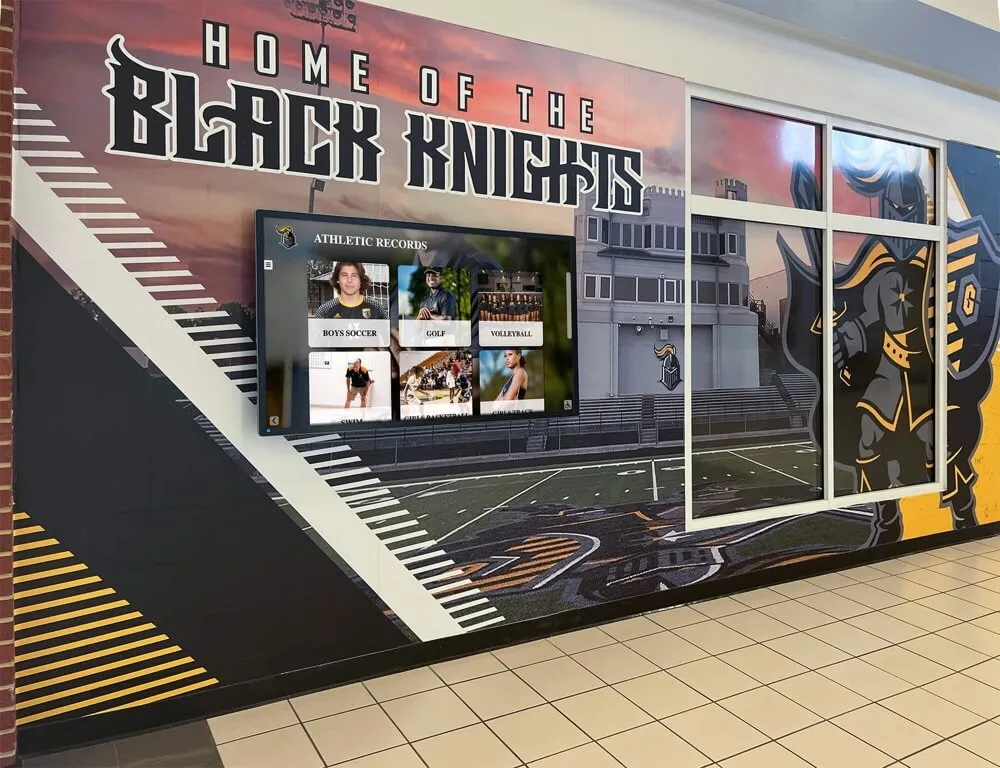
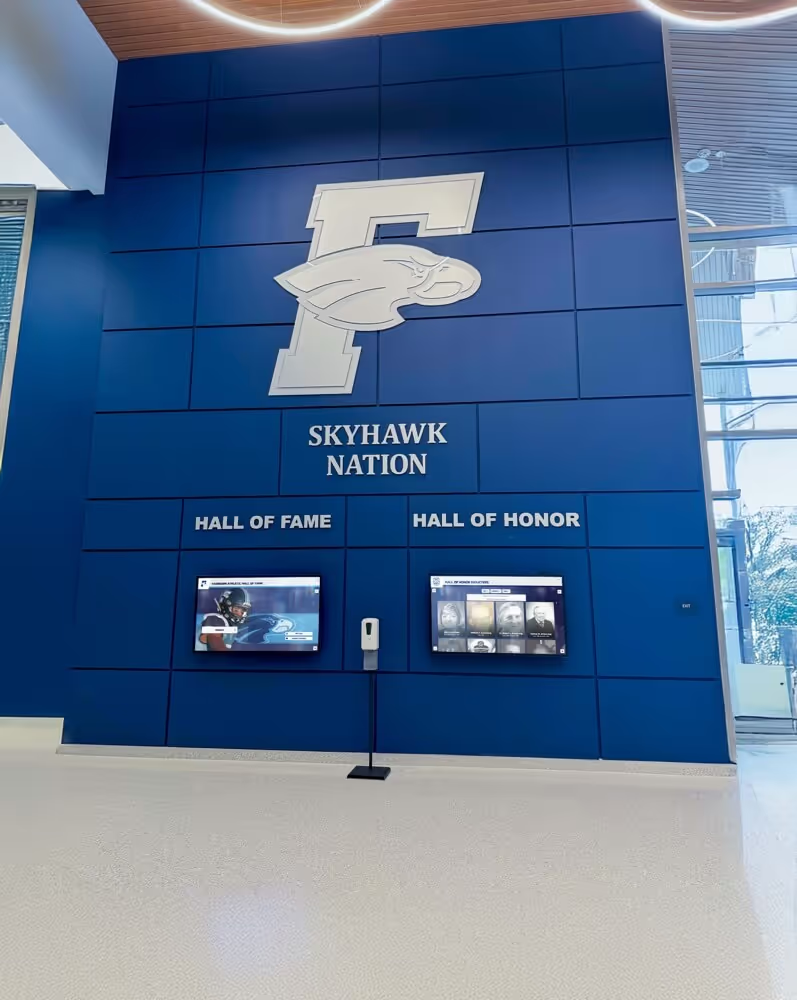
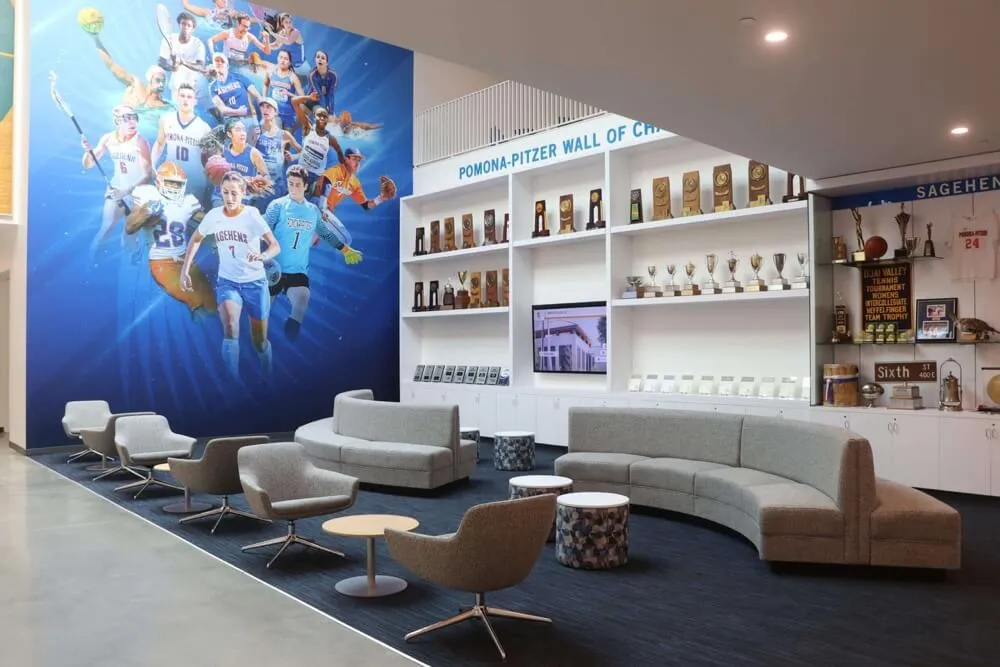
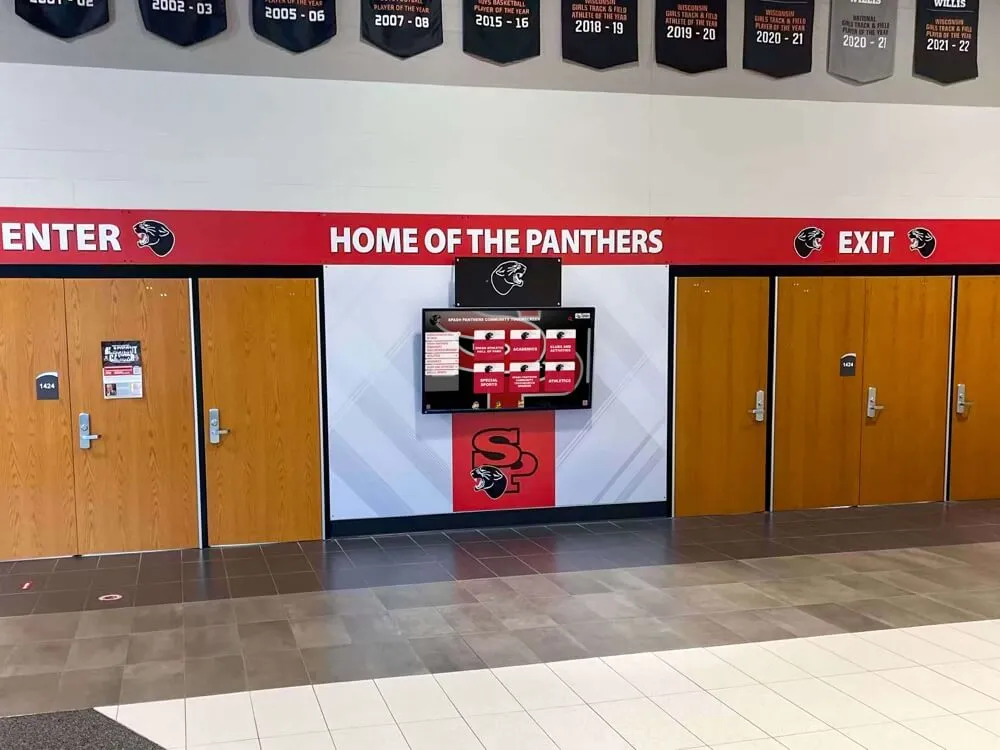
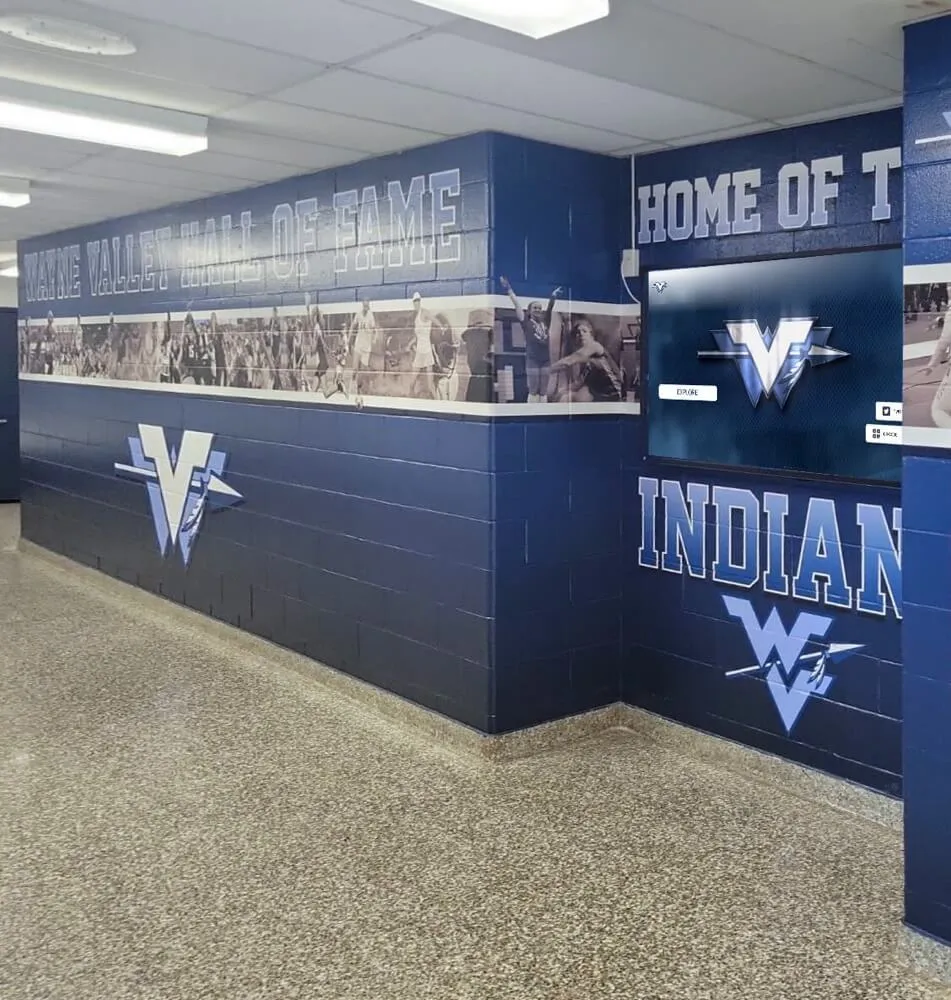
Prominent lobby displays welcome alumni home while inspiring current students with institutional legacy
Creative and Unique Traditions (Ideas 20-25)
These additional traditions help schools differentiate their homecoming celebrations while engaging broader student populations.
20. Homecoming Parade with Creative Themes
Organize parades featuring decorated floats created by different grades, clubs, or community organizations. Establish parade themes connecting to school history, current events, or educational priorities. Include marching bands, dance teams, athletic teams, student government, and community partners in procession.
Line parade routes with students, families, and community members, creating visible demonstrations of school spirit extending beyond campus boundaries. Award prizes for most creative floats, best representation of theme, or outstanding school spirit. Effective school hallway design principles can also enhance the parade route experience.
21. Time Capsule Ceremony
Create homecoming week time capsules annually, allowing students to contribute letters to future students, predictions about the future, current event reflections, or personal messages. Seal capsules to be opened at specific future dates—10 years, 25 years, or 50 years later.
This tradition connects current students with both past and future school communities. When opening older capsules during homecoming, invite original contributors to return and reflect on how predictions and perspectives have evolved.
22. School History Exhibitions
Develop special exhibitions during homecoming week showcasing school history—yearbook displays, achievement timelines, historical photographs, or memorabilia collections. Create interactive elements where alumni can share stories about displayed items or their own experiences.
These exhibitions educate current students about institutional legacy while providing alumni with nostalgic connection points. Consider permanent historical installations that receive special emphasis during homecoming but remain accessible year-round.
23. Bonfire or Lighting Ceremony
Host evening bonfire gatherings or lighting ceremonies bringing together students, staff, and community members for inspirational speakers, musical performances, and collective celebration. These events create memorable shared experiences while providing alternatives to daytime activities.
Ensure proper safety protocols and permits for fire-based events. Alternative lighting ceremonies might include illuminating campus landmarks, coordinated flashlight displays, or digital projection mapping on school buildings.
24. Homecoming Talent Show or Variety Show
Organize talent showcases highlighting student abilities across multiple domains—music, dance, comedy, magic, spoken word, or other performance arts. These events provide recognition opportunities for students whose talents may not fit traditional athletic or academic celebration models.
Schedule shows during homecoming week as alternative or complementary events to athletic competitions. Involve student government or performing arts departments in organization, ensuring professional presentation quality that honors participant effort.
25. Awards and Recognition Ceremony
Host comprehensive awards ceremonies during homecoming week recognizing diverse achievements—academic excellence, community service, leadership, improvement, perfect attendance, or character demonstration. This tradition emphasizes that excellence takes many forms beyond athletic or academic competition.
Present physical awards, certificates, or digital recognition that recipients can celebrate with families. Consider permanent recognition through displays honoring annual award recipients, creating lasting acknowledgment of student achievements. Schools can implement comprehensive school awards ceremonies recognizing multiple forms of excellence.
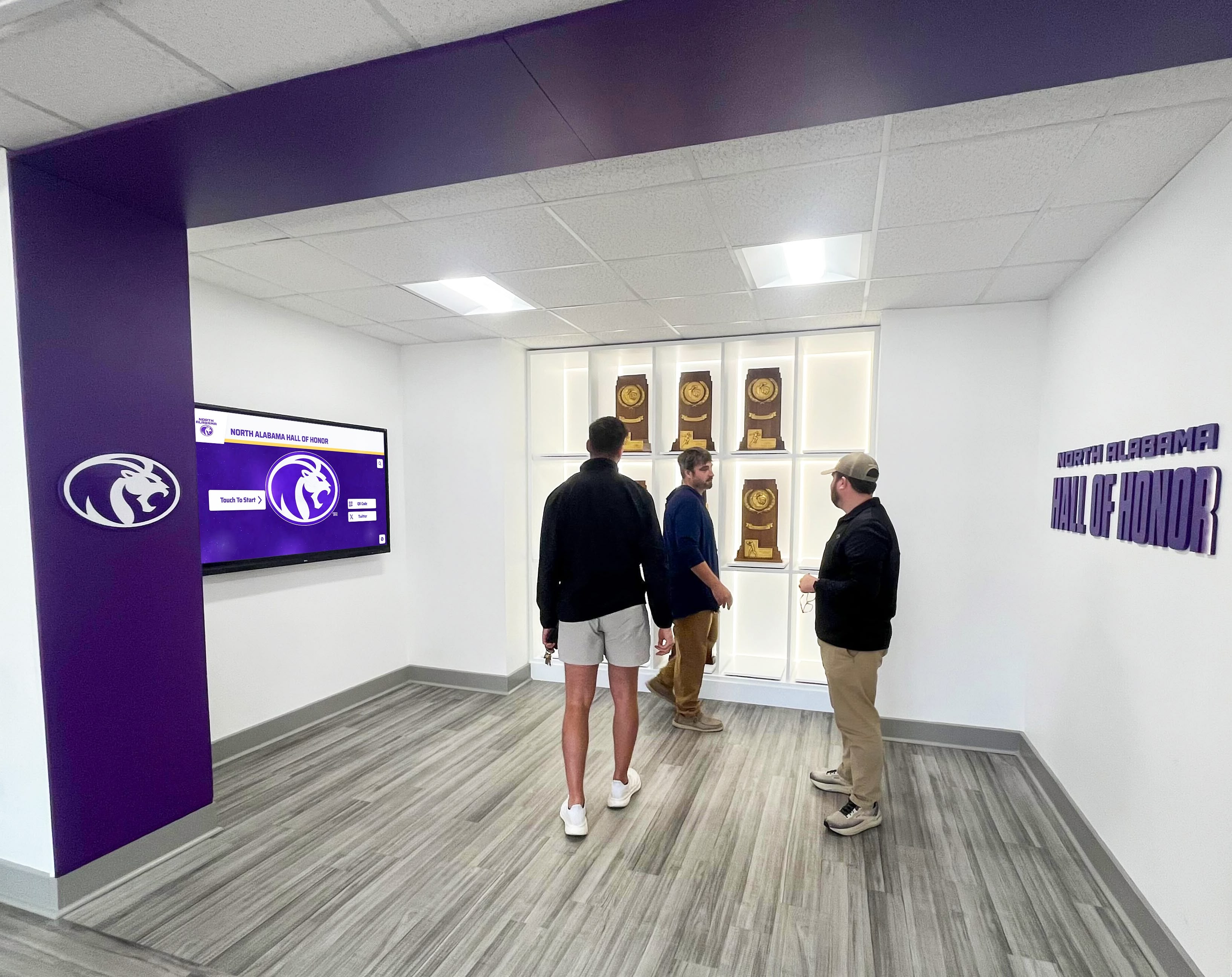
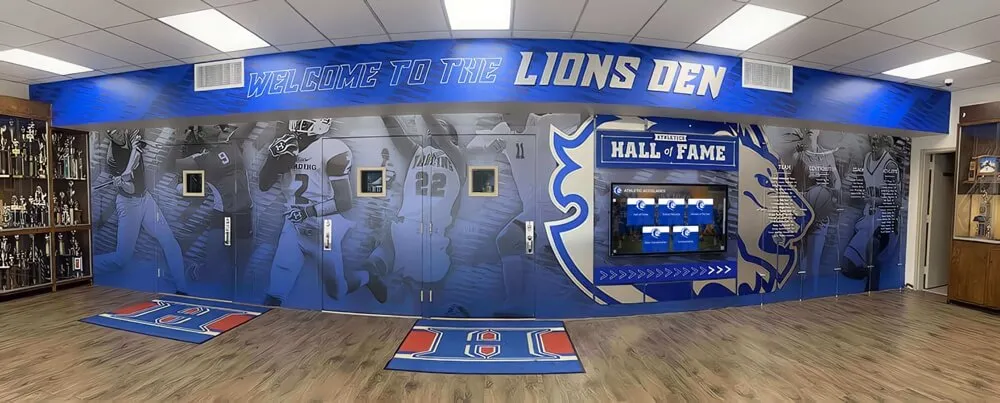
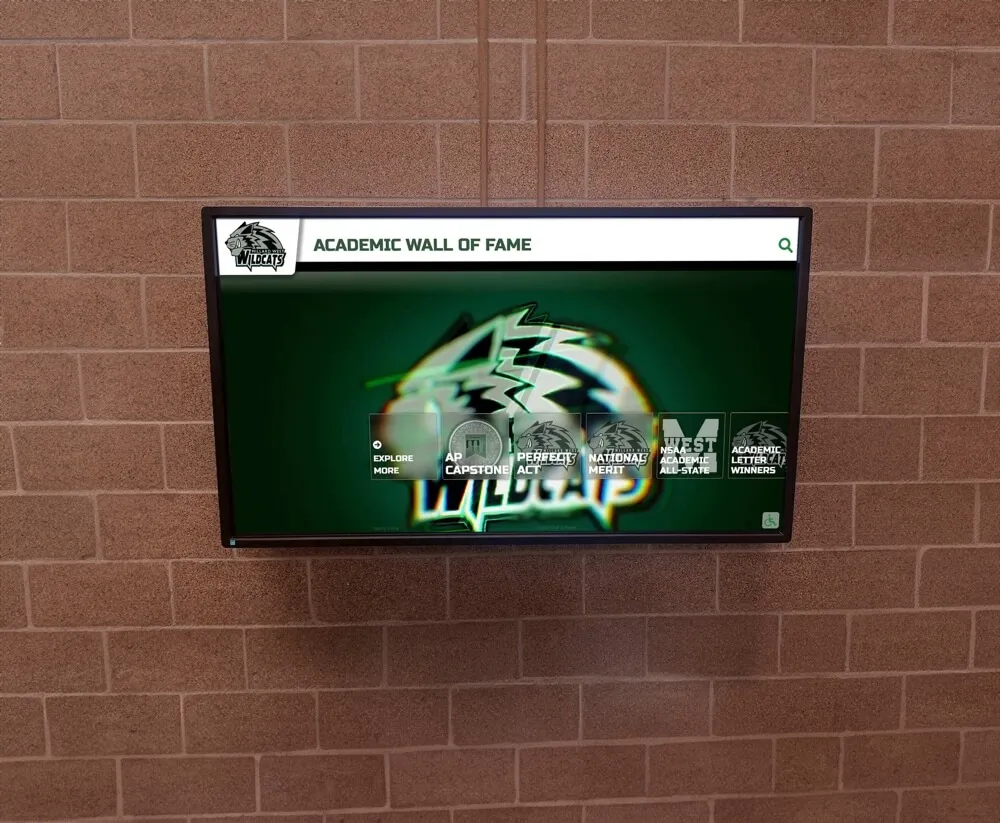
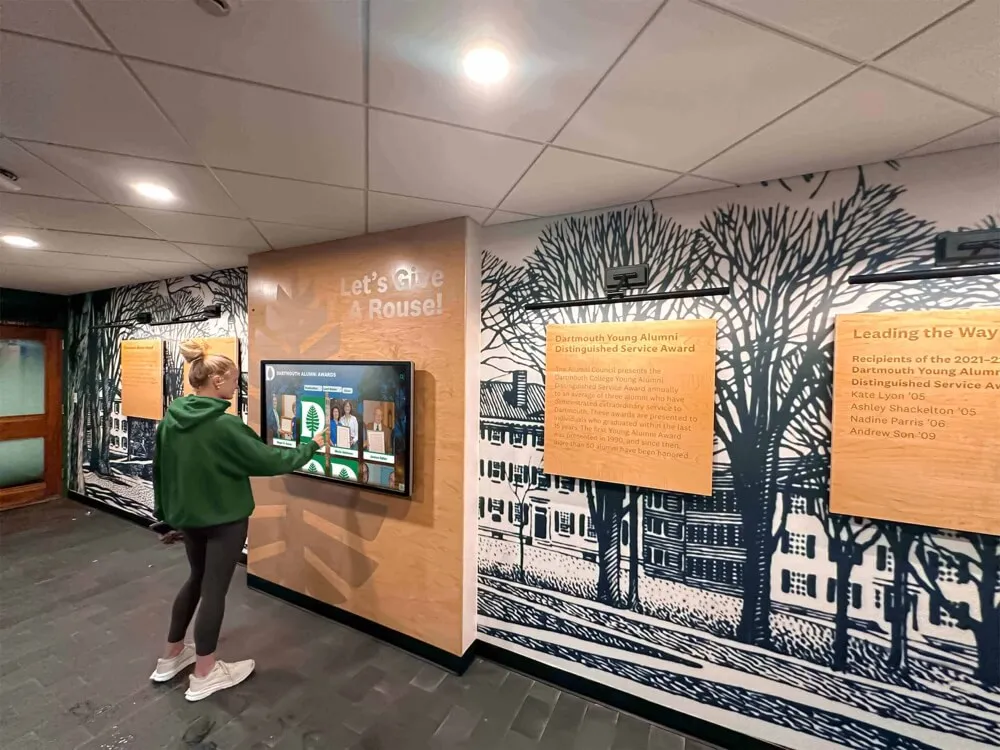
Dedicated recognition spaces provide natural gathering points for alumni during homecoming celebrations
Making Traditions Sustainable and Meaningful
The most successful homecoming traditions share common characteristics that schools should consider when developing or refining their celebration programs.
Inclusive Participation Opportunities
Effective traditions provide multiple pathways for engagement, ensuring all students find meaningful ways to participate regardless of athletic ability, academic standing, artistic talent, or social confidence. The broadest participation creates the strongest school culture.
Consider accessibility challenges students might face—financial costs of spirit day outfits, physical limitations affecting certain activities, or social anxiety around large group events. Design traditions with intentional accommodations ensuring no one feels excluded from homecoming celebration.
Connection to School Identity and Values
The strongest traditions reflect your specific school’s unique identity rather than generic activities that could happen anywhere. Consider what makes your institution distinctive—geographic location, educational approach, student demographics, historical legacy, or community character—and design traditions amplifying these authentic elements.
Schools with strong mascot traditions might emphasize mascot-centered activities, while institutions with distinguished academic histories might feature scholarly competitions alongside athletic events.
Year-Round Recognition and Documentation
While homecoming concentrates celebration into one week, extending recognition throughout the year amplifies impact. Document homecoming activities through photographs, videos, and written accounts that become part of permanent school archives.
Create physical or digital displays showcasing homecoming achievements accessible to students, staff, and visitors year-round. These ongoing reminders maintain enthusiasm between annual celebrations while educating new community members about institutional traditions.
Continuous Evolution and Student Input
Balance tradition preservation with willingness to evolve based on changing student interests and cultural contexts. Regularly solicit feedback from students, staff, and alumni about which traditions remain meaningful and where innovations might enhance experiences.
Involve student government and diverse student groups in homecoming planning, ensuring traditions reflect current student perspectives rather than purely administrative vision. Student ownership of traditions increases participation and investment in success.
Multi-Generational Connection
The most powerful homecoming traditions create visible connections between current students and generations of alumni. Design activities explicitly bringing together different school generations—alumni panels, cross-generational competitions, legacy student recognition, or historical exhibitions.
These connections demonstrate to students that their current experiences connect to larger institutional stories extending decades into the past and future. Alumni who witness their traditions continuing often increase engagement and support for current school needs.
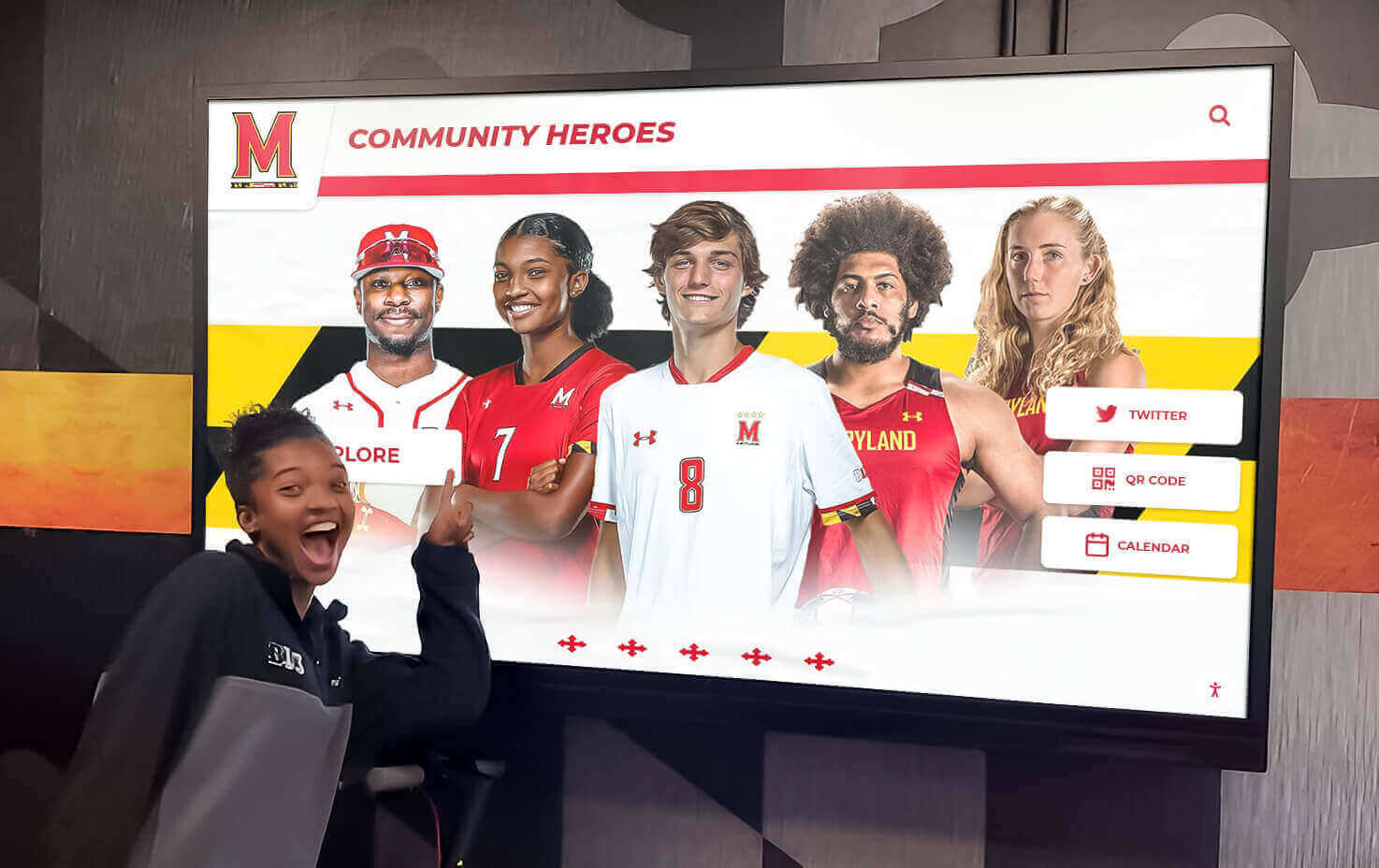
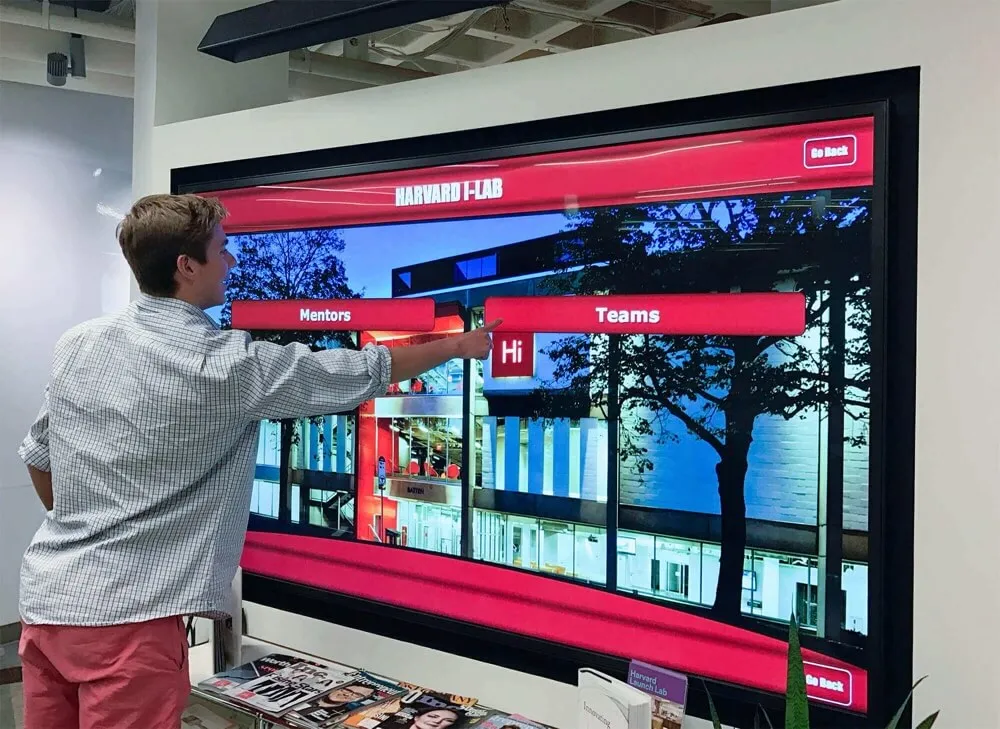
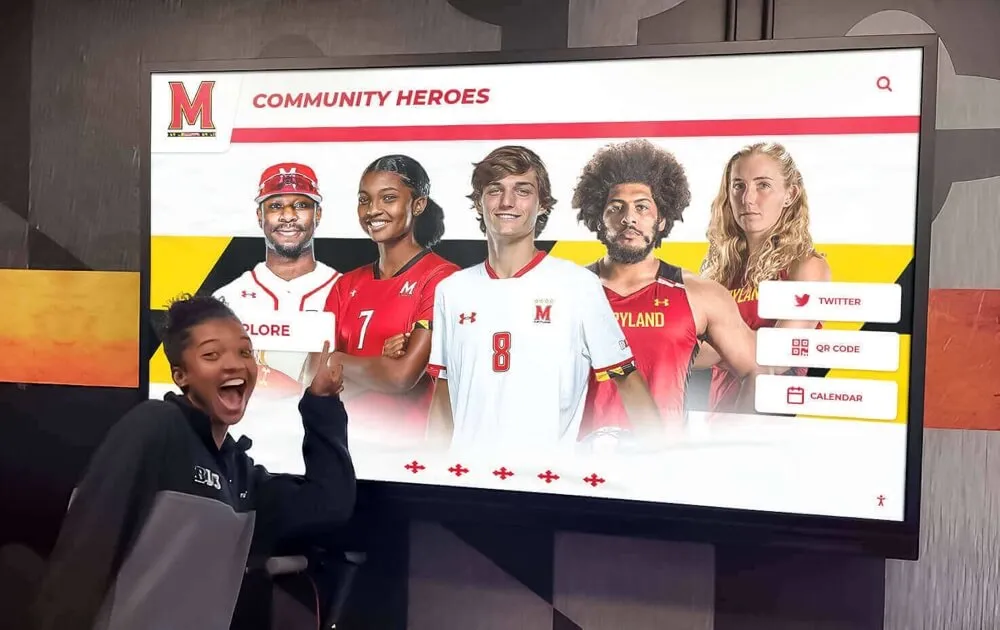
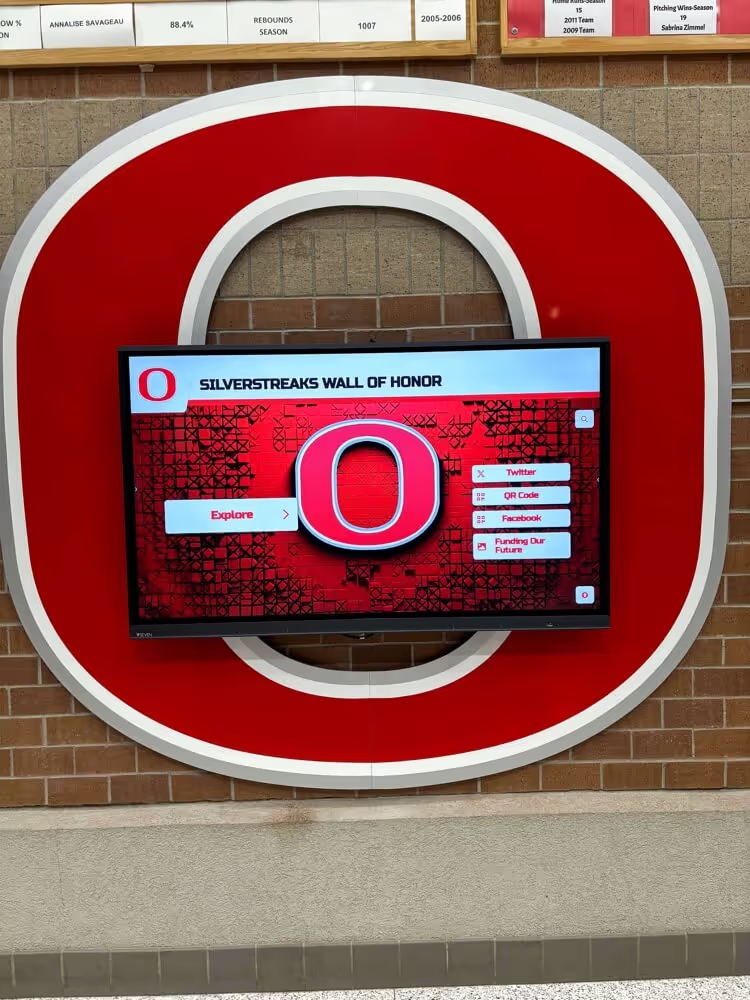
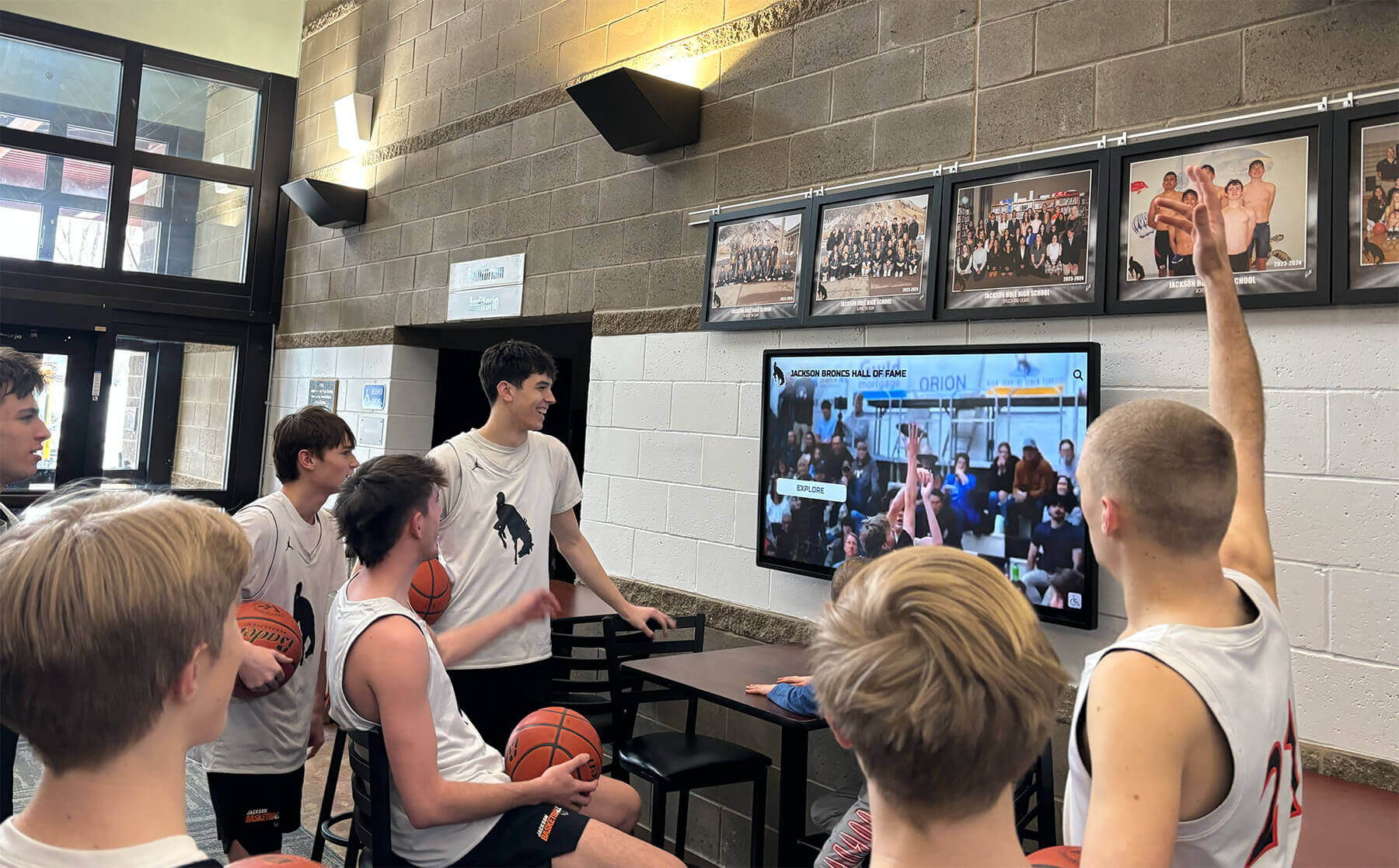
Interactive recognition displays engage students with school heroes and traditions year-round, extending homecoming spirit beyond the celebration week
Technology-Enhanced Homecoming Recognition
Modern digital solutions enhance homecoming traditions while creating lasting recognition that extends celebration beyond a single week.
Interactive Historical Archives
Digital displays allow schools to showcase homecoming history through searchable archives of past royalty, game results, spirit week photos, and celebration highlights. Alumni returning for homecoming can explore their own years while current students discover institutional legacy.
These interactive systems provide accessible information that static displays cannot accommodate, enabling comprehensive documentation without physical space constraints.
Live-Updated Spirit Competitions
Digital scoreboards displaying real-time updates on grade-level competitions, spirit point totals, or participation metrics maintain enthusiasm throughout homecoming week. Prominent displays in hallways, cafeterias, or common areas provide constant visibility to competition standings.
Students checking scores throughout the day maintain engagement with all homecoming activities rather than focusing solely on major events.
Social Media Integration and Amplification
Technology enables homecoming celebration to extend beyond physical campus boundaries. Live-streaming games, rallies, or ceremonies allows families, community members, and distant alumni to participate remotely.
Social media walls displaying student posts, spirit challenges, or celebration photos create shared digital spaces complementing physical gatherings. These digital extensions accommodate diverse participation styles while documenting celebrations for future reference.
Permanent Recognition Displays
Digital recognition systems installed as permanent fixtures provide year-round acknowledgment of homecoming royalty, game victories, spirit competition winners, or distinguished alumni honored during homecoming celebrations.
Unlike temporary displays removed after celebration week, permanent recognition maintains visibility of achievements while demonstrating institutional commitment to honoring success. These ongoing reminders inspire future students while showing alumni that their accomplishments remain valued.
Planning Timeline for Homecoming Success
Successful homecoming celebrations require months of advance planning and coordination across multiple school departments and stakeholder groups.
3-4 Months Before:
- Form homecoming planning committee with student, staff, and parent representatives
- Set homecoming date and schedule major events
- Establish budget and identify funding sources
- Select overall themes for week and specific daily themes
- Reserve necessary facilities and equipment
- Begin promotional planning and design
2 Months Before:
- Finalize activity details and logistics
- Recruit volunteers and assign responsibilities
- Launch promotional campaigns to students, staff, and alumni
- Begin royalty nomination processes
- Coordinate with athletics, performing arts, and other departments
- Arrange necessary permits or approvals for off-campus activities
1 Month Before:
- Confirm all vendors, performers, and speakers
- Finalize royalty ballot and election procedures
- Complete decoration plans and acquire materials
- Train volunteers and explain roles
- Intensify promotional efforts
- Finalize schedules and communicate to all stakeholders
Week Before:
- Set up decorations and displays
- Conduct final logistics checks
- Hold volunteer briefings
- Launch daily social media countdown
- Distribute materials to homerooms or student groups
- Confirm all technical and equipment needs
Day After:
- Conduct immediate debrief while details remain fresh
- Gather student and staff feedback
- Document successes and improvement areas
- Thank volunteers and participants
- Begin planning archive or recognition of homecoming week
- Capture lessons learned for next year’s planning
Measuring Homecoming Success
Effective evaluation helps schools understand which traditions create greatest impact and where improvements might enhance future celebrations.
Participation Metrics:
- Spirit day participation rates across grade levels
- Homecoming game attendance compared to regular season
- Number of alumni returning for events
- Social media engagement and reach
- Volunteer participation in service activities
- Student involvement across different event types
Qualitative Feedback:
- Student surveys about favorite activities and suggestions
- Staff observations about student engagement levels
- Alumni comments about their homecoming experiences
- Parent feedback about family involvement opportunities
- Community partner perspectives on collaboration
Lasting Impact Indicators:
- Changes in school climate surveys pre and post homecoming
- Alumni engagement rates in months following homecoming
- Student leadership interest and applications
- Community support and partnership development
- Media coverage and public perception
- Financial outcomes if fundraising components included
Regular assessment enables continuous improvement while demonstrating accountability for resources invested in homecoming programming.
Creating Your Homecoming Legacy
Homecoming traditions create defining moments in student lives while strengthening institutional culture that extends far beyond annual celebration weeks. Schools investing thoughtfully in comprehensive homecoming programs build stronger student engagement, deeper alumni connections, and more vibrant community relationships.
The 25 traditions outlined in this guide provide starting points for schools to develop celebration programs reflecting their unique identities while engaging diverse constituencies. Whether implementing all 25 ideas or selecting specific traditions aligning with your school’s priorities and resources, the key lies in thoughtful planning, inclusive participation opportunities, and commitment to continuous evolution based on changing student interests and community needs.
Start planning your next homecoming by assessing current traditions, gathering stakeholder input about desired additions or changes, and building comprehensive celebration weeks that honor your past while energizing your present and future.