



Every fall, schools across America transform into epicenters of nostalgia, celebration, and community pride as homecoming traditions bring together current students, alumni, families, and entire communities. These carefully orchestrated celebrations represent far more than football games and pep rallies—they serve as living repositories of institutional memory, cultural transmission between generations, and powerful expressions of collective identity that define what it means to belong to a particular school community.
Homecoming tradition encompasses the entire ecosystem of rituals, ceremonies, activities, and symbols schools develop over decades to celebrate their unique heritage while creating new memories. From spirit weeks and parade floats to court ceremonies and alumni reunions, these traditions form the connective tissue binding past, present, and future members of school communities together through shared experiences and collective memory.
The most successful homecoming programs don’t simply repeat the same activities annually—they thoughtfully curate traditions that honor history while remaining relevant to current students, systematically document and preserve cultural memory, and create inclusive celebrations that welcome diverse participation across the entire school community and beyond.
This comprehensive guide explores how schools develop, maintain, and modernize homecoming traditions that resonate across generations. Whether planning your first homecoming celebration or seeking to revitalize established traditions, this framework provides practical strategies for creating meaningful celebrations that strengthen school culture while preserving institutional heritage for decades to come.

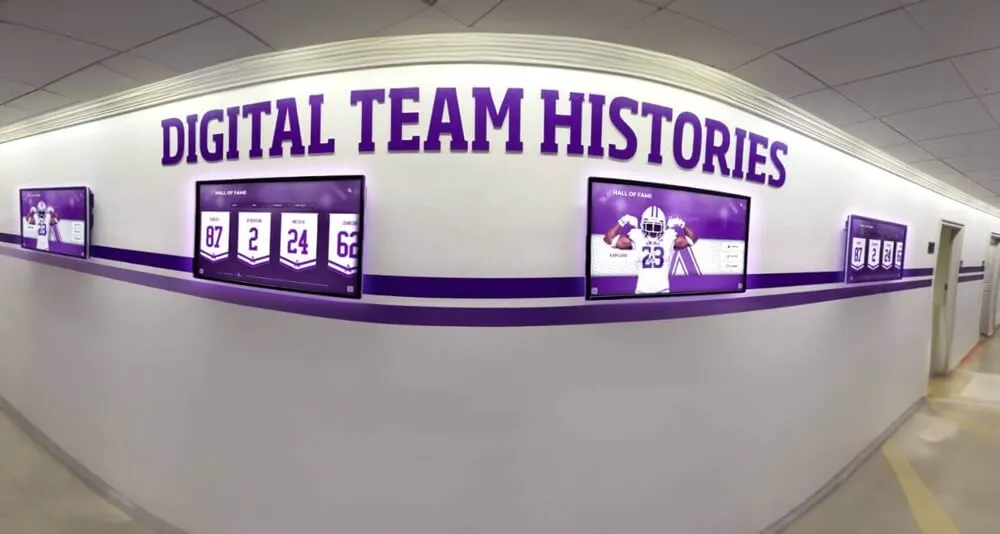
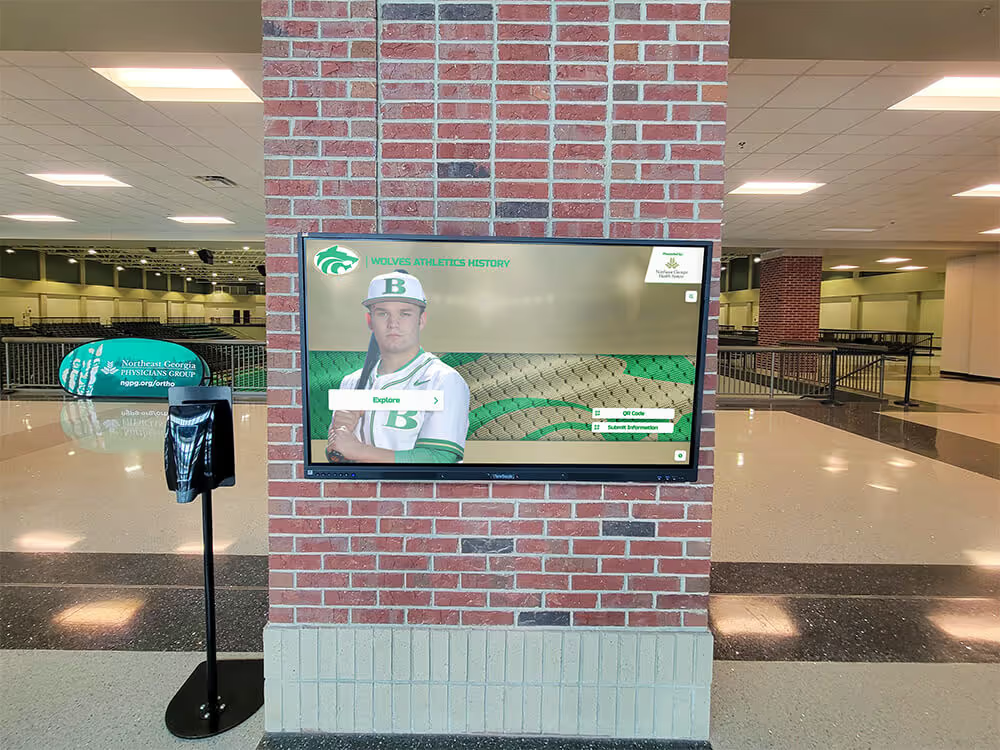
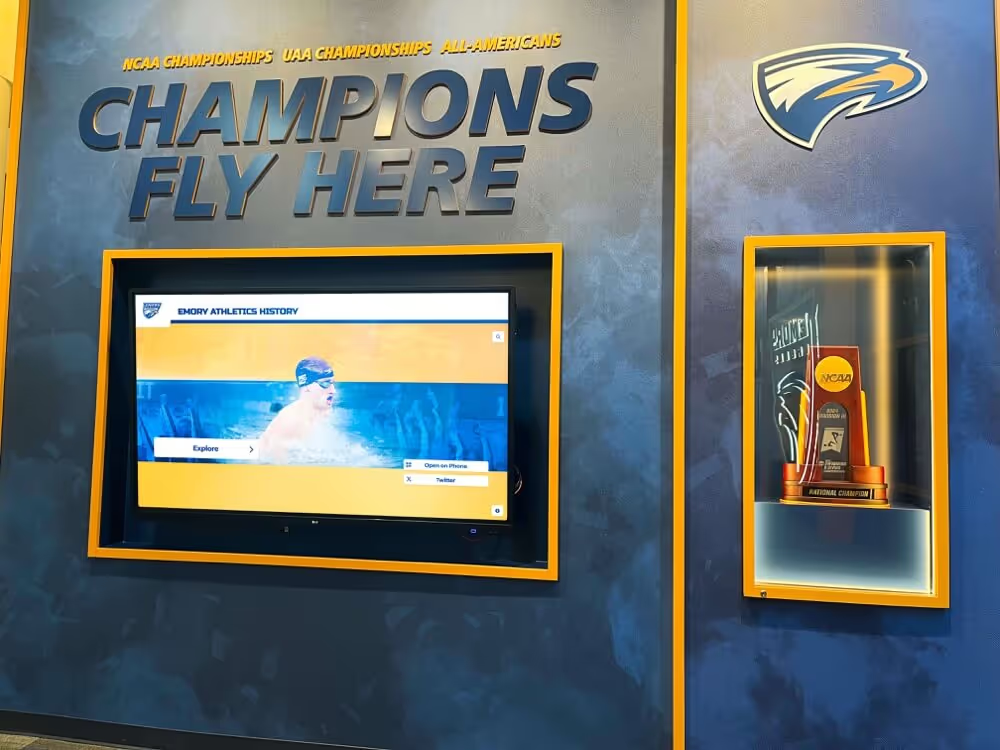
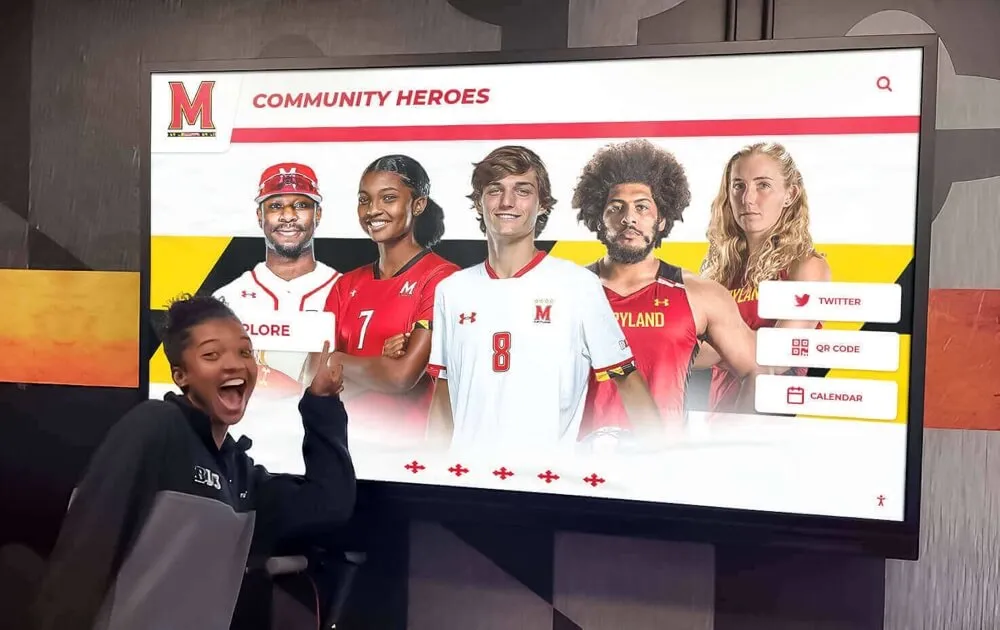
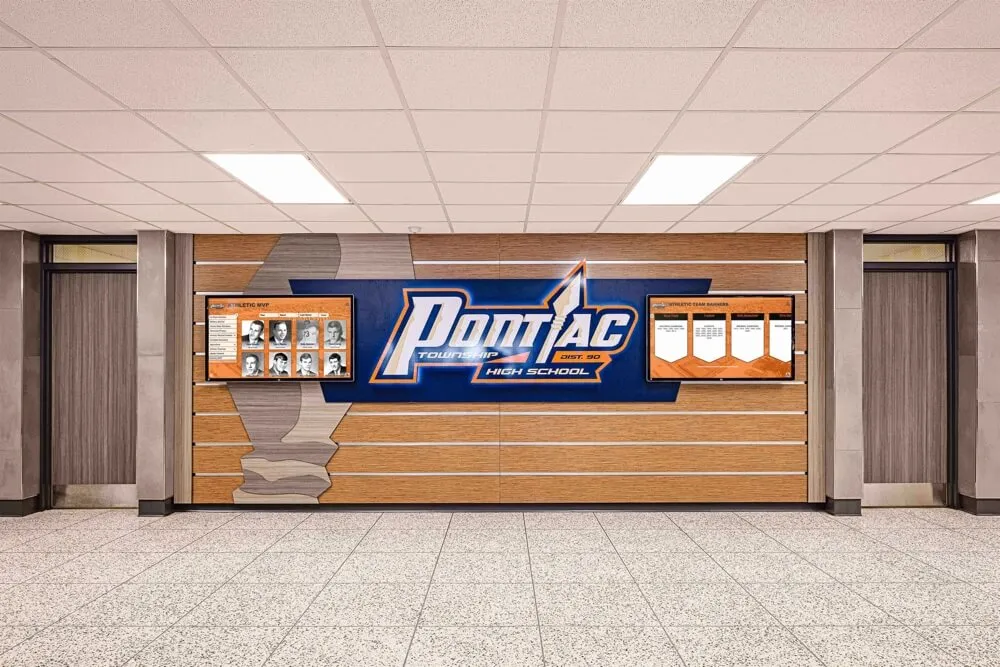
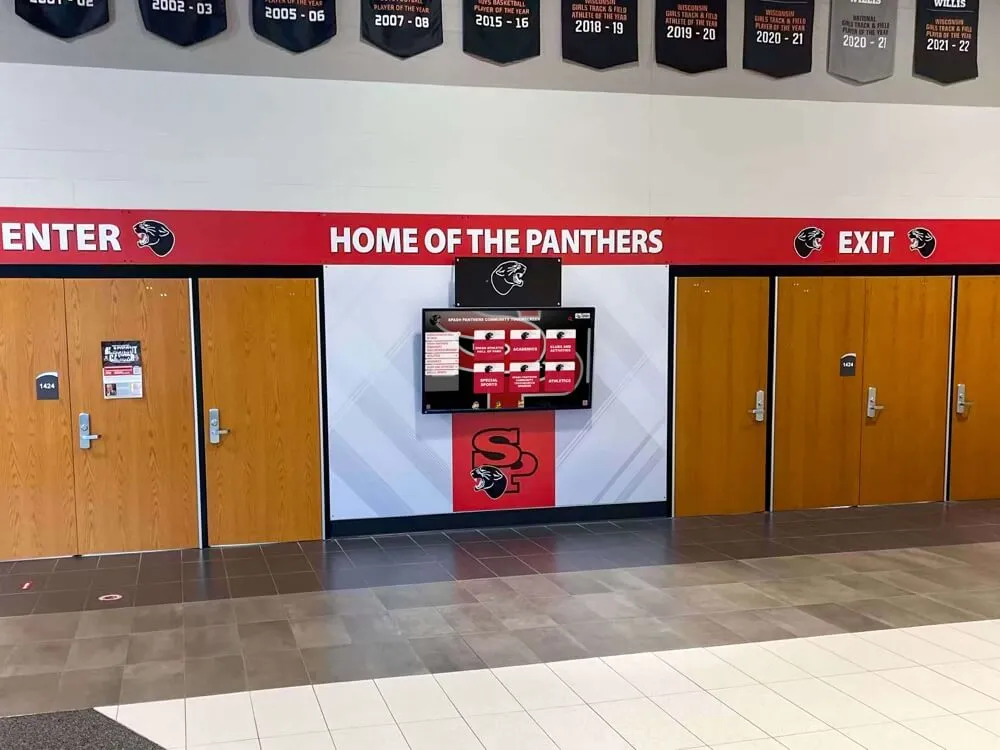
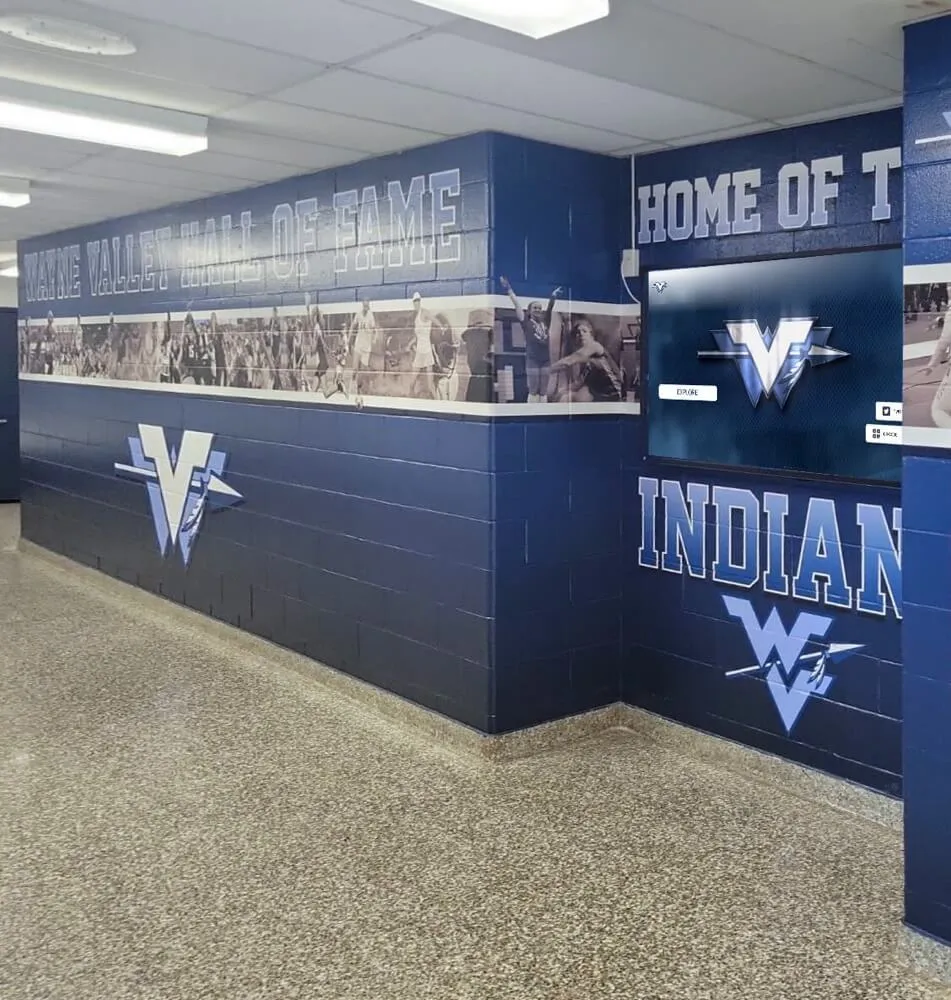
Schools transform entry spaces into celebration environments showcasing traditions and achievements that welcome alumni returning for homecoming
Understanding the Cultural Significance of Homecoming Tradition
Before diving into specific planning strategies, schools should understand the deeper cultural functions homecoming traditions serve within educational communities and why investing in these celebrations yields returns far beyond a single week of activities.
The Educational Value of Tradition
Building Institutional Identity and Belonging
Homecoming traditions create powerful mechanisms for developing school identity:
Participation in established rituals connects individual students to something larger than themselves—institutional narratives stretching back decades or even centuries. When freshmen participate in spirit week activities for the first time, they enter traditions established by generations before them, creating immediate connection to institutional heritage. Returning seniors experiencing homecoming one final time recognize their transition from participants to the tradition-bearers who will soon become alumni carrying memories forward. This cyclical participation builds profound sense of belonging that transcends individual graduating classes.
Research in organizational culture demonstrates that institutions with strong tradition systems—including schools—show higher engagement levels, stronger alumni networks, increased pride in institutional affiliation, and more robust community support compared to institutions lacking meaningful shared rituals and celebrations.
Transmission of Values and Culture
Beyond entertainment, homecoming traditions serve crucial pedagogical functions:
The specific activities schools choose for homecoming reflect and reinforce institutional values. Schools emphasizing sportsmanship structure homecoming around athletic excellence and fair competition. Institutions prioritizing service incorporate community outreach into homecoming week. Schools valuing academic achievement integrate scholar recognition into celebrations. Through repeated annual participation, students internalize these value priorities not through lectures but through lived experience of what their school celebrates and elevates during its most visible community gathering.
Traditions also transmit unwritten cultural knowledge—“this is how we do things here”—that formal curricula cannot effectively teach. Spirit week dress-up days, parade expectations, pep rally protocols, and celebration norms all communicate institutional culture through participatory experience rather than explicit instruction.
Historical Evolution of Homecoming Celebrations
Origins and Early Traditions
Understanding homecoming’s roots provides context for contemporary practices:
The concept originated in American colleges during the early 1900s, with the University of Missouri claiming the first official homecoming event in 1911 when alumni were formally invited to return for a football game. The practice rapidly spread through collegiate institutions before high schools adopted the tradition in the 1920s and 1930s. Early homecoming celebrations centered on football games as opportunities for alumni to reconnect with their alma maters, watch competitive athletics, and gather socially with former classmates.
These early celebrations established foundational elements still recognizable today—the timing around fall football season, alumni focus, competitive athletics as anchor events, and community gathering functions that extend beyond mere spectatorship into broader social celebration.
Expansion Beyond Athletics
Modern homecoming tradition encompasses much more than original football-centered celebrations:
Contemporary homecoming spans entire weeks with diverse activities accommodating different interests, talents, and participation styles. Spirit week themes now incorporate daily dress-up days, competitions, service projects, and cultural celebrations that engage far broader student populations than athletics alone. Schools add pep rallies, parade traditions, court selection processes, dance events, reunion programming, and recognition ceremonies that create multiple participation entry points.
This evolution reflects changing school demographics, Title IX equity considerations, recognition of diverse talent beyond athletics, and understanding that tradition systems must accommodate entire communities rather than privileged subgroups to serve their intended cultural functions.

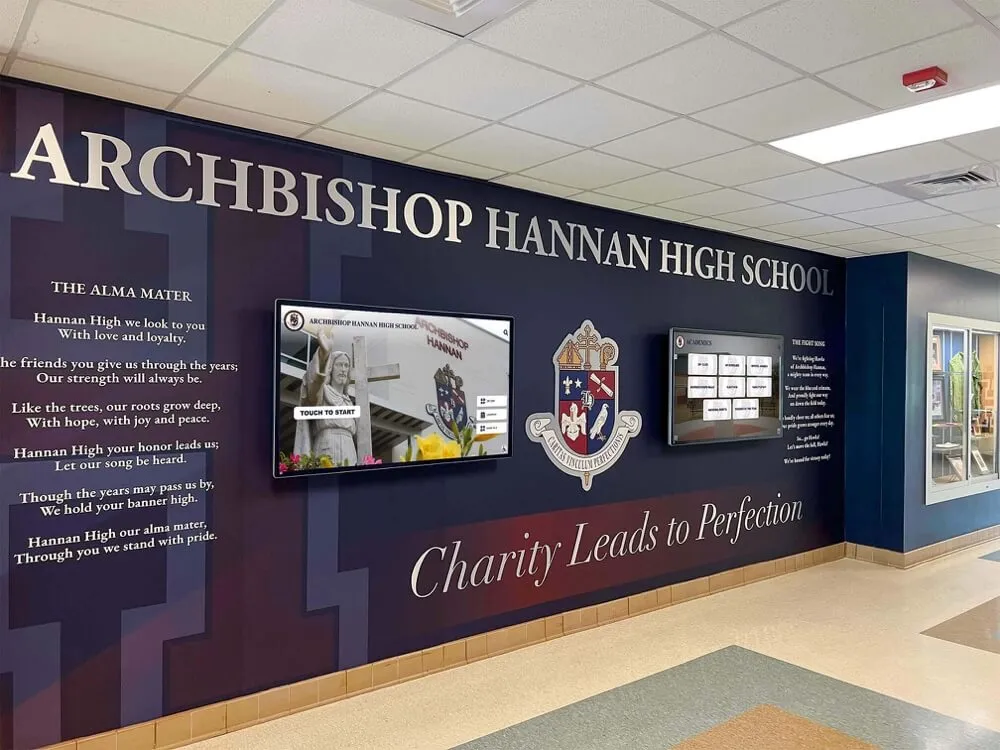
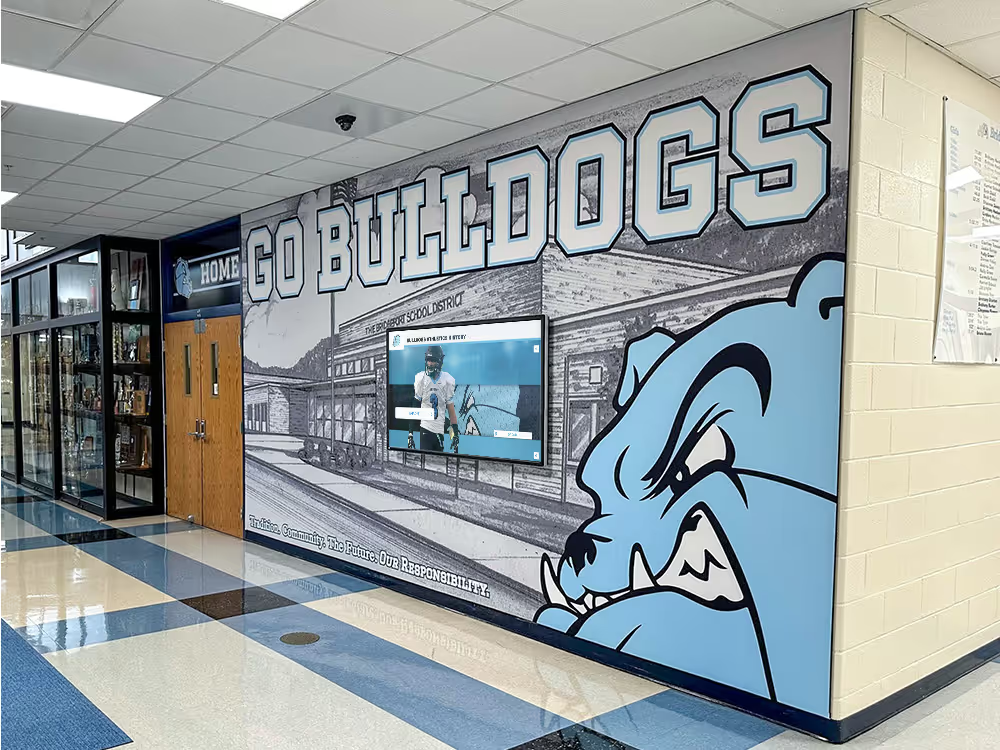
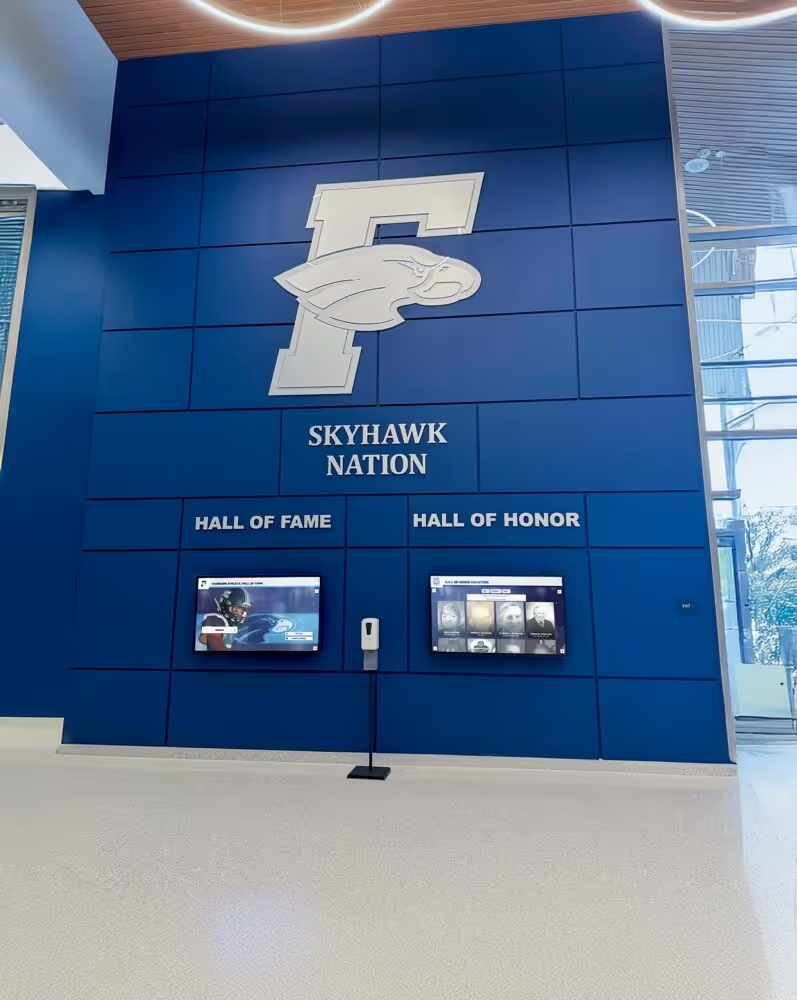
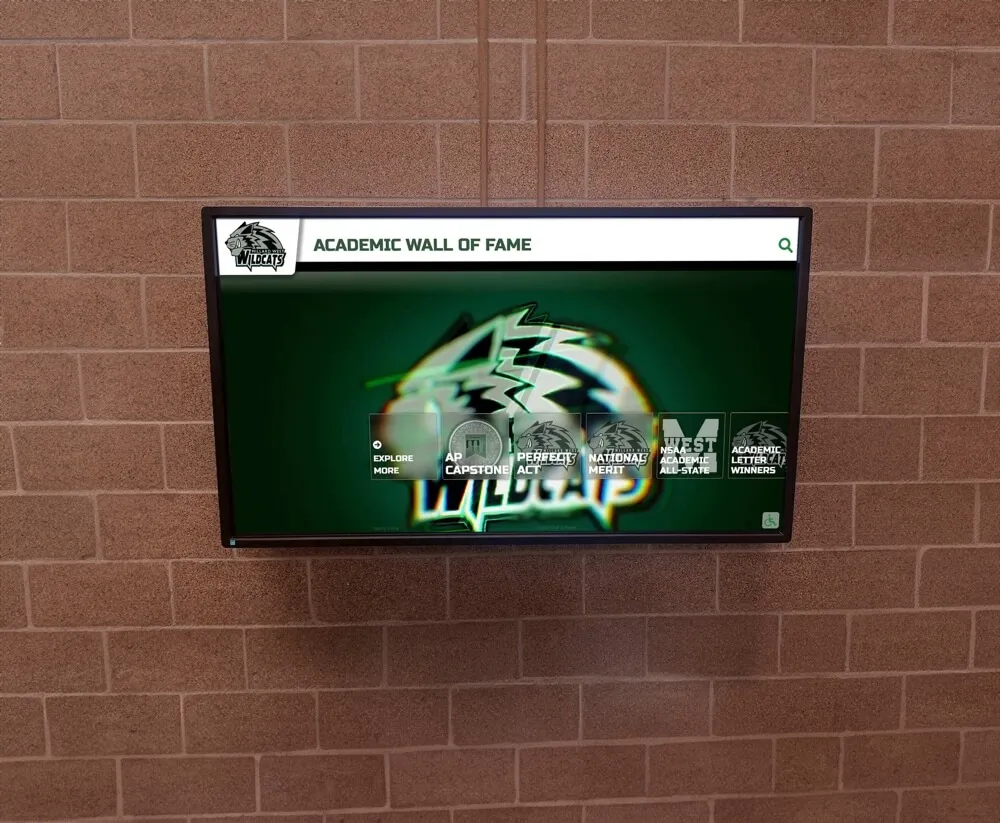
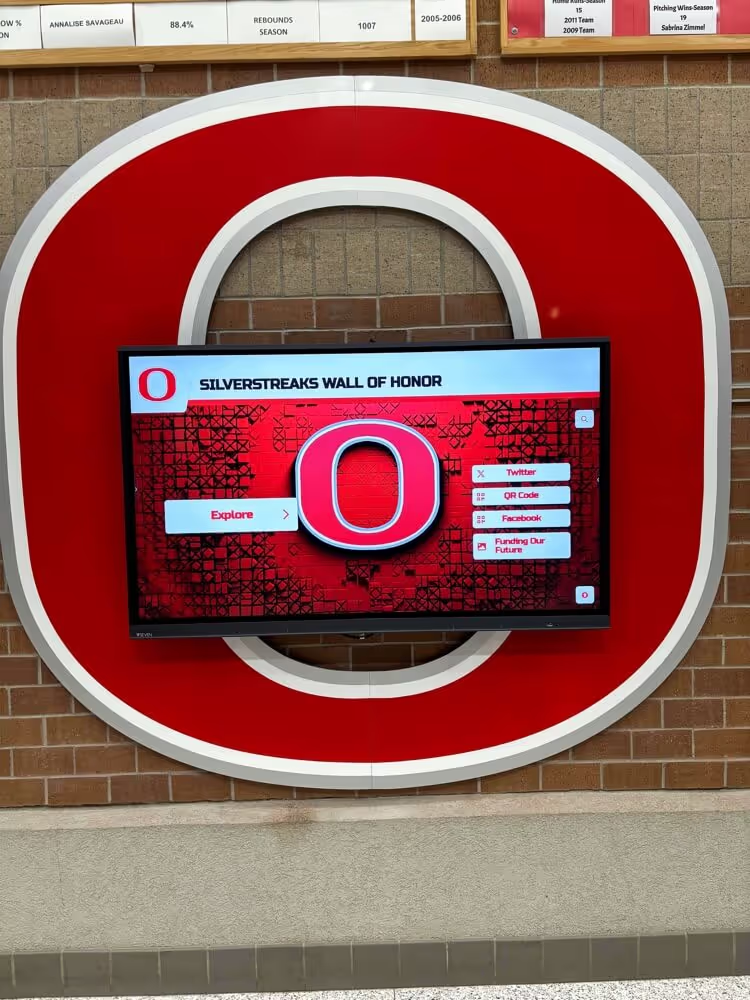
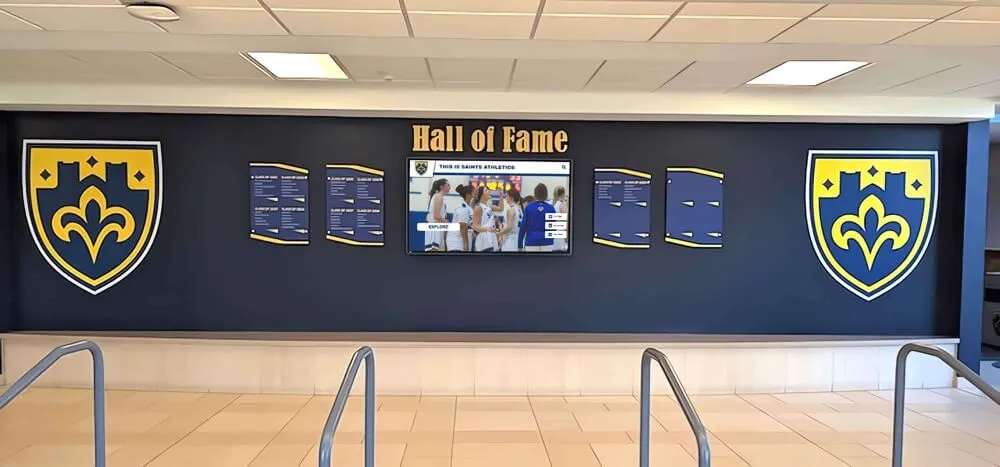
Modern schools integrate digital recognition systems preserving homecoming court selections, championship teams, and tradition milestones for permanent access
Why Homecoming Traditions Matter More Than Ever
Counterbalancing Digital Fragmentation
In an era of virtual connection and social fragmentation, physical community gatherings carry renewed importance:
Contemporary students experience unprecedented digital connectivity alongside diminished face-to-face community participation. Homecoming traditions create rare occasions where entire school communities—students, staff, families, alumni—physically gather in shared space for collective celebration. These in-person experiences build social capital, strengthen interpersonal relationships, and create shared memories that virtual interactions cannot replicate.
Schools report that students participating actively in homecoming show increased school attachment, higher attendance rates, stronger peer relationships, and more positive attitudes toward their educational experience compared to non-participants—benefits that carry measurable academic and social implications.
Creating Continuity Amid Constant Change
Traditions provide stability and continuity in educational environments experiencing constant flux:
School populations turn over completely every four years as seniors graduate and freshmen arrive. Administrations change, teachers move, curricula evolve, facilities renovate, and communities transform. Amid this constant change, homecoming traditions serve as anchors—predictable annual celebrations that remain recognizable across decades even as specific participants change. Alumni returning for homecoming can experience familiar rituals despite the passage of years, creating powerful bridges between who they were as students and who they’ve become as adults.
This continuity function grows increasingly valuable as societal change accelerates and institutional stability becomes rarer. Schools preserving meaningful traditions provide communities with precious experiences of connection to heritage and continuity with the past that few other contemporary institutions offer.
Planning and Organizing Homecoming Week Celebrations
Moving from understanding why homecoming traditions matter to actually creating successful celebrations requires systematic planning, broad stakeholder engagement, and attention to logistics that distinguish memorable experiences from disappointing events.
Building the Homecoming Planning Team
Essential Committee Roles and Responsibilities
Successful homecoming planning requires diverse skills and distributed responsibility:
Student Leadership and Voice
Student government, class councils, and dedicated homecoming committees should drive planning with genuine decision-making authority rather than token consultation. Students bring essential insight into what current populations will find engaging, help ensure activities feel relevant rather than antiquated, and develop leadership skills through real-world event planning experience. Effective student involvement includes representation across grade levels ensuring freshmen through seniors contribute perspectives, diversity across social groups preventing planning dominated by single cliques or interest areas, and meaningful authority to shape rather than simply execute adult-determined plans.
Faculty and Staff Coordination
Adult supervision provides institutional knowledge, logistical expertise, and continuity between years as student leadership naturally turns over. Key faculty roles include advisor positions providing guidance without controlling decisions, coordination with academic calendars and facility schedules, budget oversight ensuring financial responsibility, and safety management addressing liability and risk issues. The best faculty advisors enable student vision rather than imposing their own preferences based on past traditions or personal preferences.
Alumni and Parent Involvement
External stakeholder engagement strengthens programming and builds broader community investment:
Alumni associations offer historical knowledge about longstanding traditions, fundraising capacity for enhanced programming, networking that can secure resources or speakers, and enthusiasm that models positive school connection for current students. Parent organizations provide volunteer capacity for event execution, fundraising support, and community connections extending homecoming reach beyond campus boundaries. Both groups benefit from structured involvement with clear roles rather than vague “help us” requests that generate minimal engagement.
Developing a Comprehensive Homecoming Schedule
Week-Long Structure and Daily Themes
Most schools structure homecoming across a full week with daily themes creating sustained engagement:
Monday: Tradition Kickoff
Launch the week with activities establishing tone and building momentum:
- Opening assembly introducing themes, court candidates, and competition parameters
- First spirit dress theme (often class colors or decade themes)
- Display unveiling of homecoming decorations, banners, or digital presentations
- Alumni outreach beginning with social media campaigns and invitation distribution
Tuesday-Wednesday: Building Energy
Midweek maintains momentum through varied activities:
- Different spirit dress themes daily (letterman jacket day, twin day, school colors, etc.)
- Class competitions (hallway decorating, lunchtime challenges, academic competitions)
- Service projects connecting homecoming to community contribution
- Athletic competitions beyond football including fall sports recognition
- Evening events like bonfire gatherings or community dinners
Thursday: Visible Celebration Peak
The day before the main event intensifies visibility:
- Most elaborate spirit dress theme (often costume day or school spirit extreme)
- Main pep rally featuring court introductions, competition winners, team recognition
- Parade through downtown or campus bringing homecoming to broader community
- Hall decoration judging and recognition of creative spirit displays
Friday: Main Event Day
Culminating celebration brings all elements together:
- Game day atmosphere with final spirit dress theme
- Pre-game tailgate events for alumni and families
- Main athletic contest (typically football) with halftime court ceremony
- Post-game dance or social event extending celebration
- Alumni reunion programming running parallel to student events
Modern schools increasingly extend homecoming through weekends to accommodate alumni reunion schedules, recognize that Friday evening conflicts exclude some families, and create Saturday programming allowing broader community participation without academic schedule conflicts.
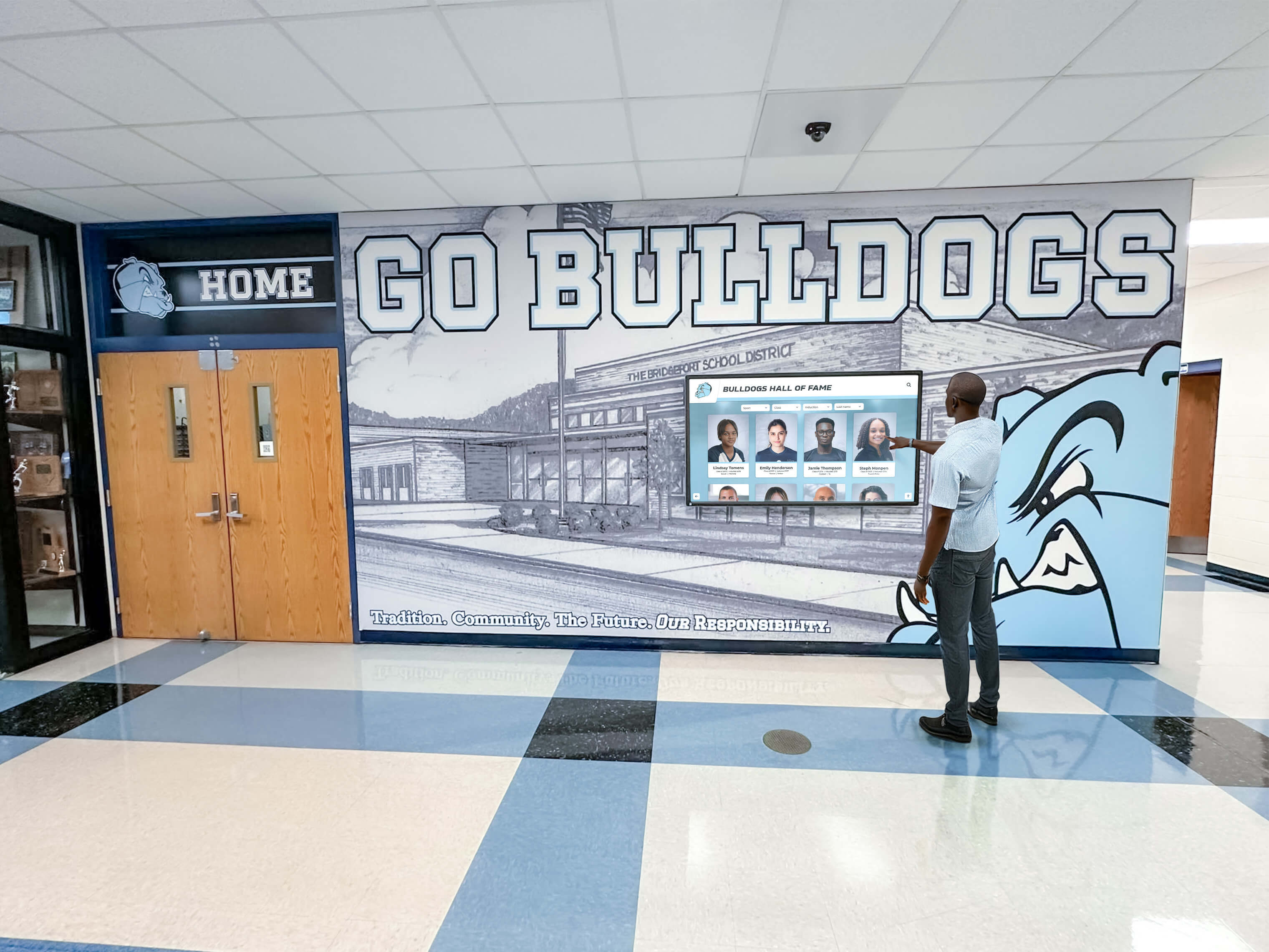
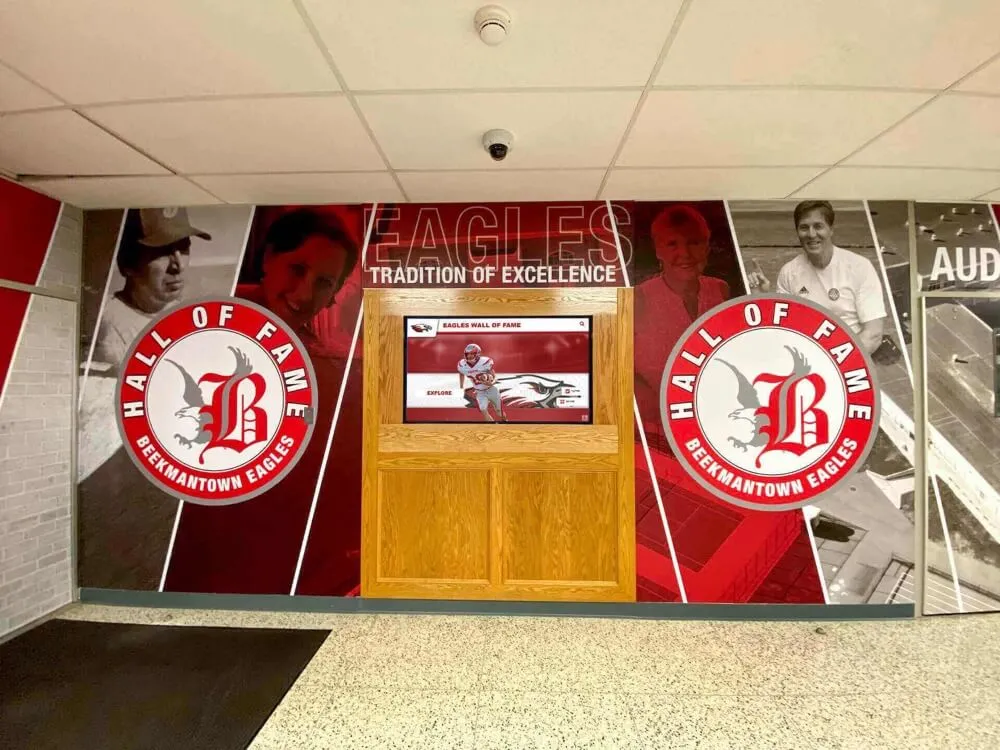
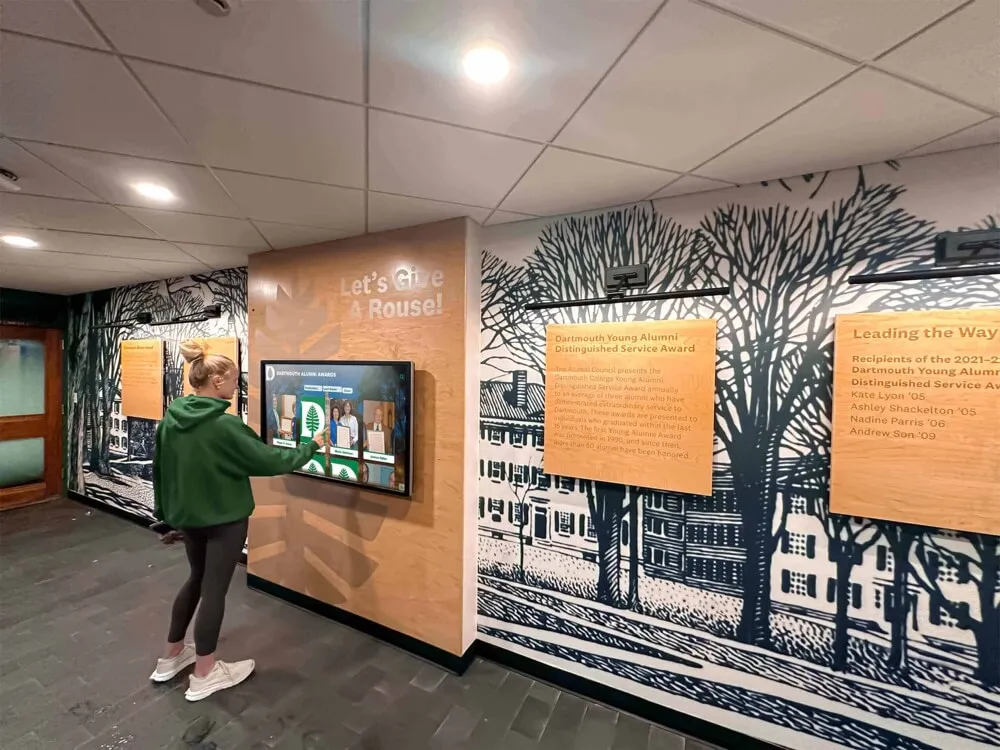
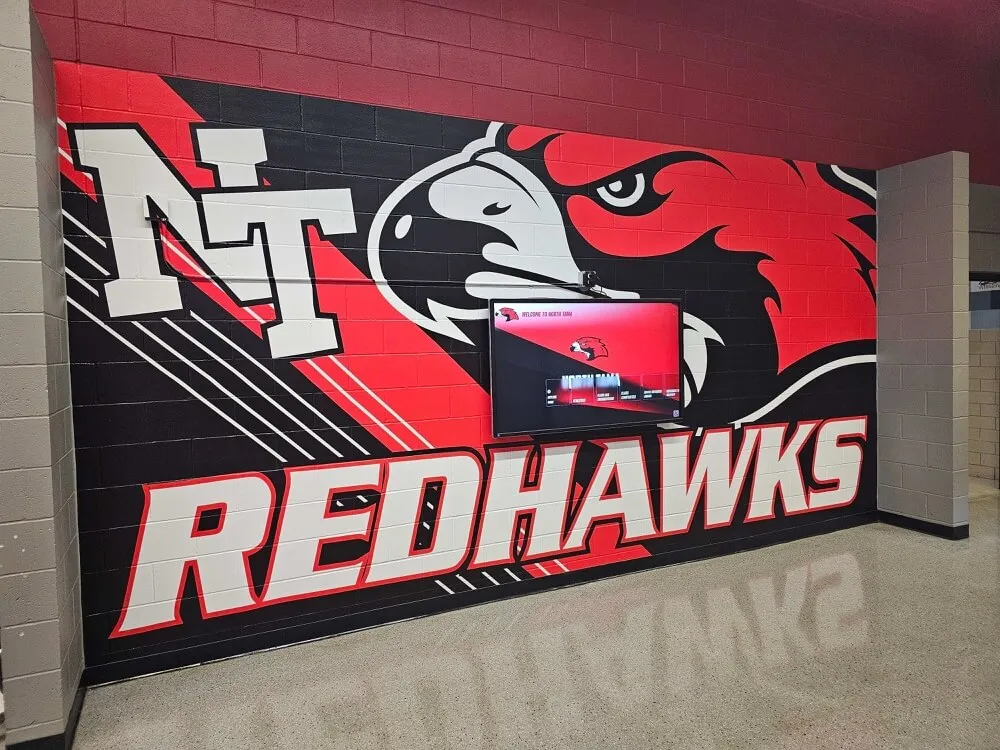
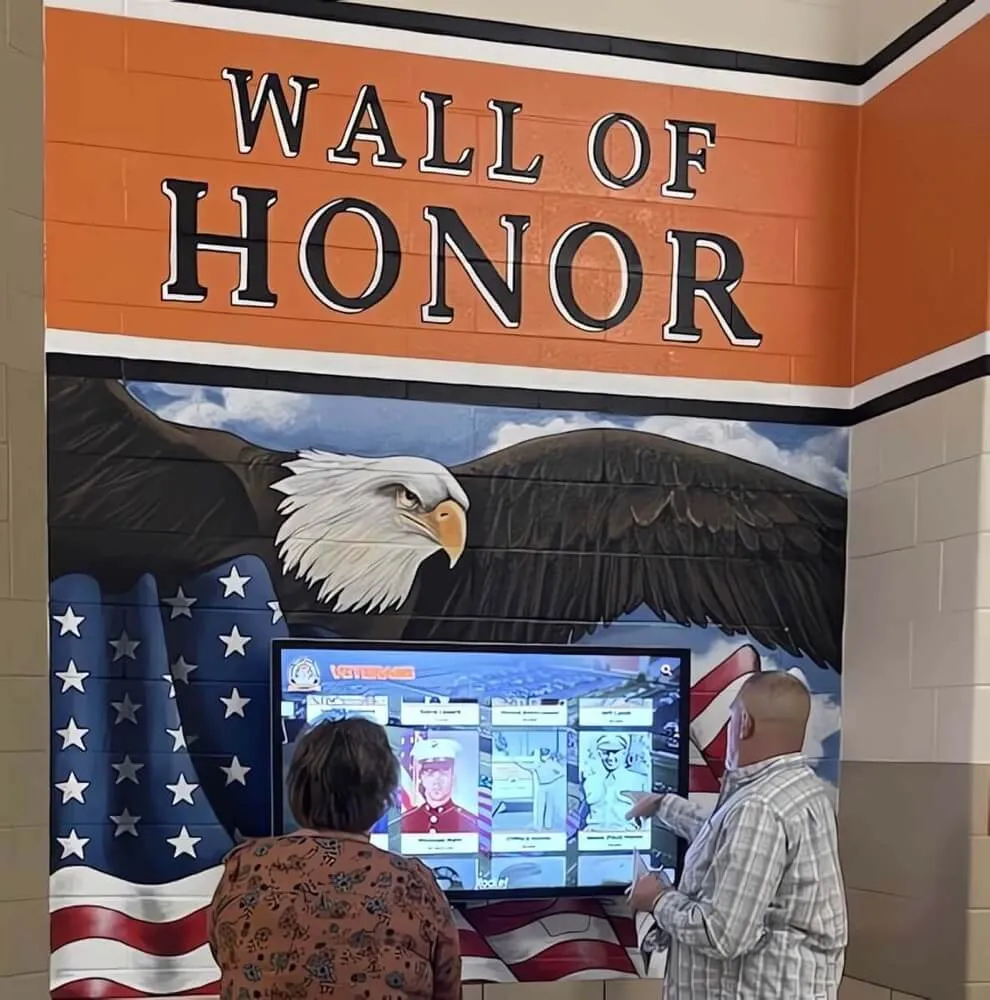
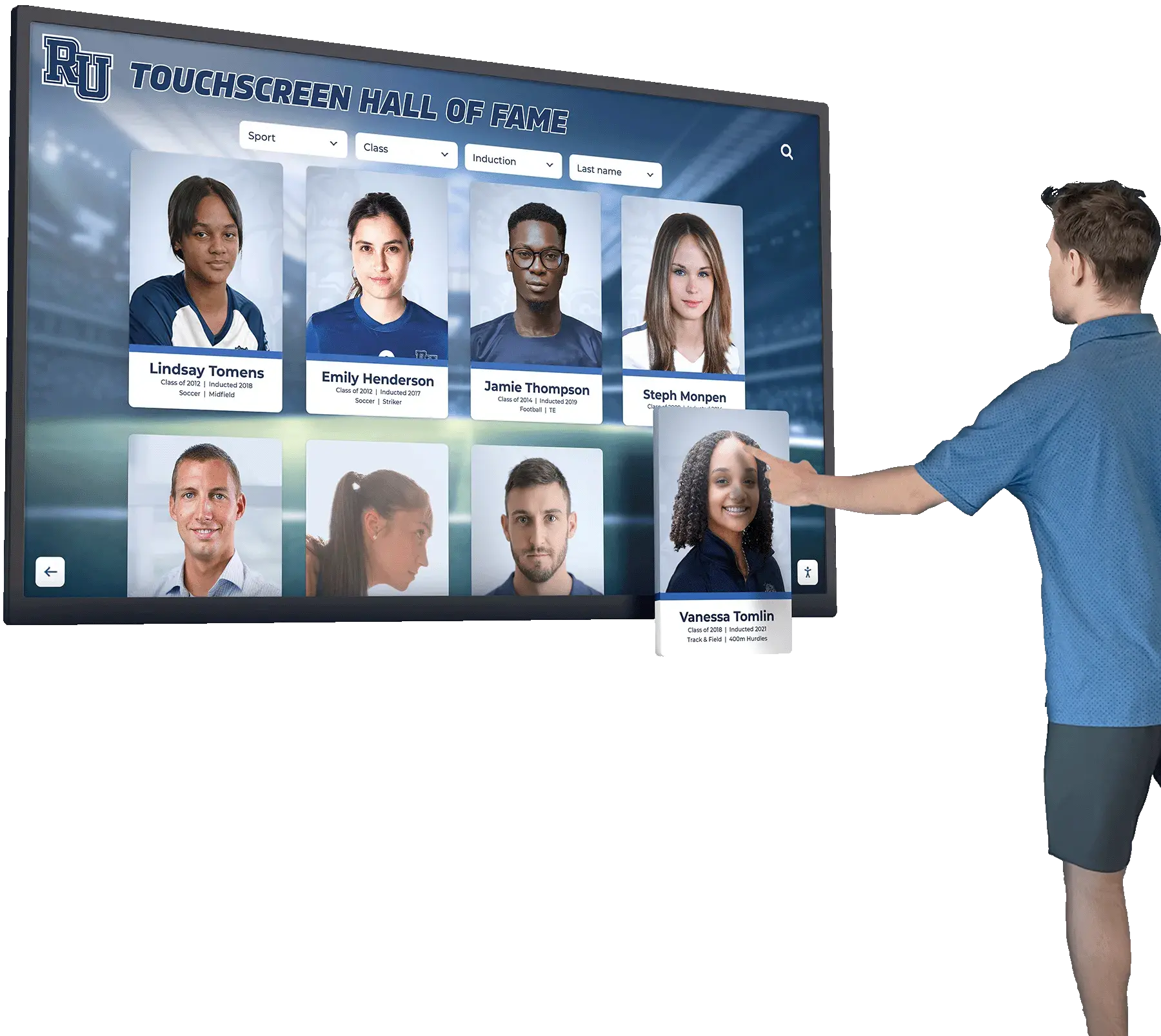
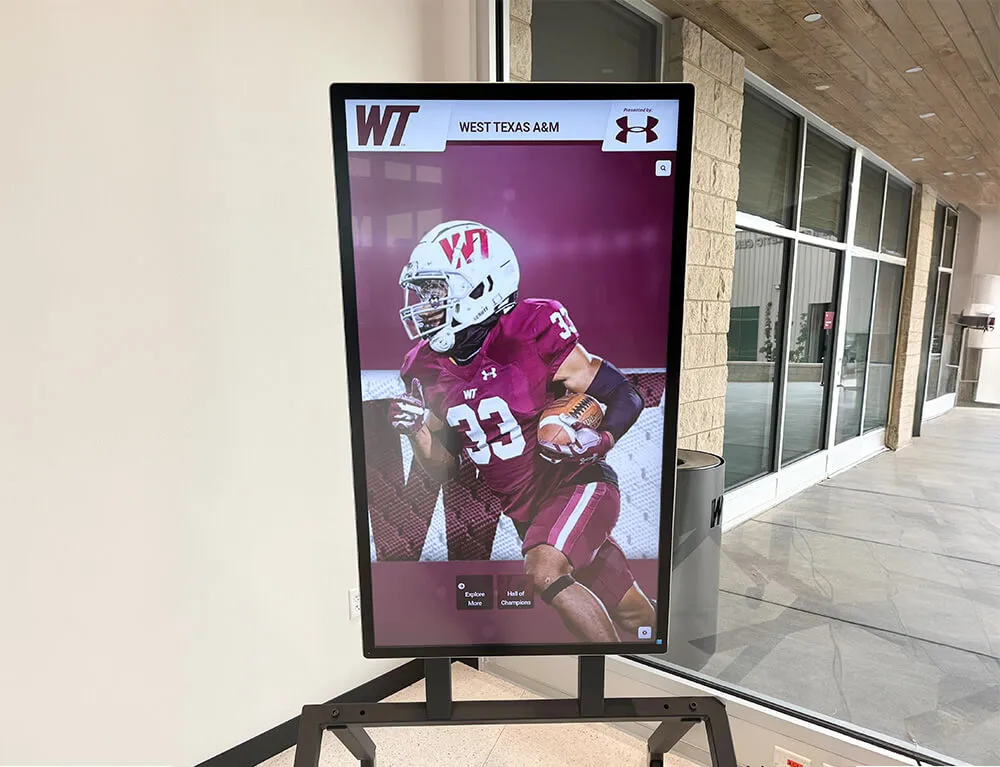
Interactive displays allow alumni to explore school history and their own graduating class memories during homecoming weekend visits
Balancing Tradition with Innovation
Preserving Core Traditions While Staying Relevant
The most successful homecoming programs honor heritage while adapting to contemporary contexts:
Schools should identify “sacred” traditions—elements so central to institutional identity that removal would genuinely damage cultural continuity. These might include specific parade routes unchanged for decades, court selection processes with historical significance, particular ceremony protocols, or signature activities uniquely identified with the school. These core elements deserve preservation even when they require extra effort or don’t maximize participation metrics.
Simultaneously, schools must recognize that tradition preservation differs from rigid replication. Successful programs ask: “What value does this tradition serve?” rather than “Have we always done this?” When underlying values can be served through updated formats better matching contemporary students, evolution demonstrates tradition strength rather than weakness. The goal is preserving meaning and function, not merely repeating specific activities because “that’s how we’ve always done it.”
Incorporating Contemporary Elements
Modern homecoming incorporates elements addressing current student culture:
Social media integration creates opportunities for broader engagement through hashtag campaigns, daily photo contests, virtual participation for alumni unable to attend physically, and real-time documentation creating digital memory preservation. Schools develop official homecoming social presence while encouraging organic student content creation that amplifies celebration visibility.
Technology integration enhances rather than replaces traditional elements—digital displays showing historical homecoming photos alongside current court candidates, interactive kiosks allowing alumni to explore their graduation year memories, live streaming enabling distant alumni participation, and video presentations supplementing traditional pep rally entertainment.
Inclusion considerations ensure celebrations welcome diverse school populations. Modern homecoming incorporates cultural celebrations reflecting community diversity, accessibility accommodations enabling full participation by students with disabilities, non-athletic recognition preventing celebration limited to single talent area, and varied participation formats accommodating different comfort levels with public visibility.
Curating and Preserving Homecoming Heritage
Creating great homecoming celebrations in the present requires equal attention to preserving heritage for the future—documentation, archiving, and accessibility that ensure this year’s celebration becomes next generation’s treasured history.
Documenting Traditions for Future Generations
Systematic Photography and Video Archives
Professional documentation creates historical records with lasting value:
Many schools treat homecoming photography as afterthought—random parent snapshots or student cell phone photos scattered across personal devices and social media accounts. Systematic documentation instead assigns specific responsibility for capturing comprehensive visual records including all major events, court members and ceremony moments, parade participants and float designs, spirit day participation across all grade levels, pep rally performances and reactions, athletic competitions and outcomes, and alumni gatherings and interactions.
This documentation should follow consistent standards enabling long-term archival utility—adequate resolution for future reproduction, proper identification metadata noting names, dates, events, consistent organizational systems enabling future retrieval, and secure storage ensuring preservation beyond individual custodian tenure.
Written Historical Records
Visual documentation tells only partial stories—written records preserve context, decision rationale, and cultural memory:
Schools should maintain homecoming archives documenting planning processes and decisions made, budget details and fundraising approaches, attendance figures and participation metrics, student and community feedback collected systematically, tradition changes and the reasoning behind evolution, and notable moments or challenges encountered. These records prove invaluable when future planning committees wonder “Why do we do it this way?” or “What happened when we tried that before?”
The most valuable historical documentation includes both official records and personal narratives—student reflections on homecoming meaning, alumni memories recorded during reunion events, faculty observations on tradition evolution, and community responses to celebrations creating rich qualitative records complementing quantitative data.
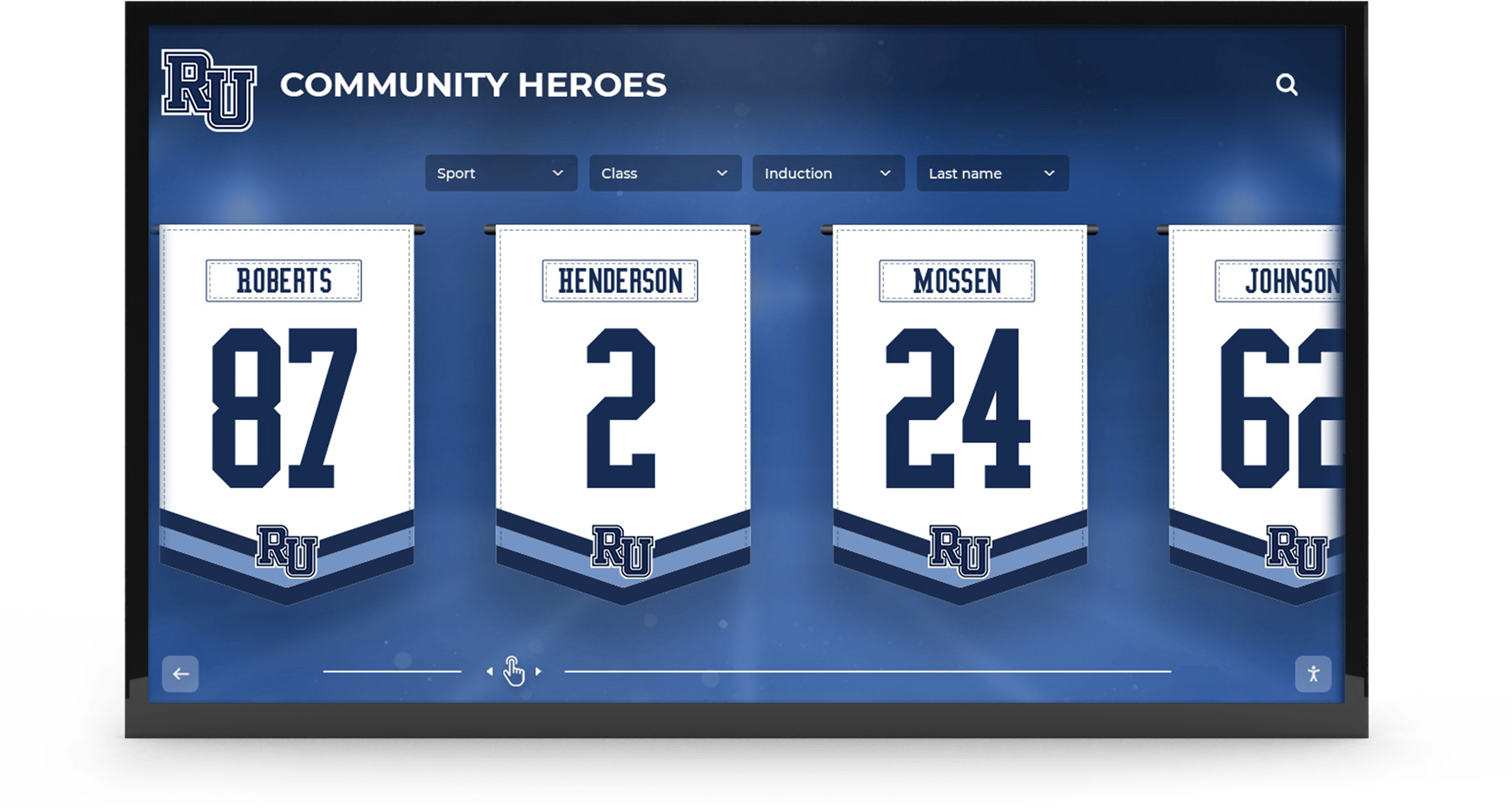
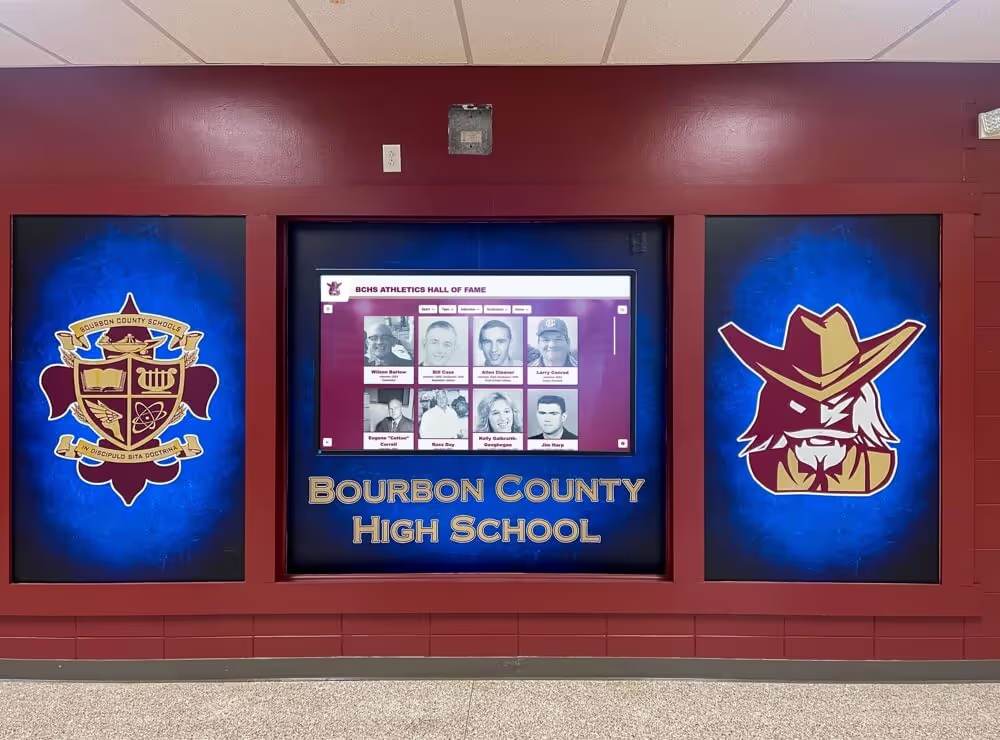
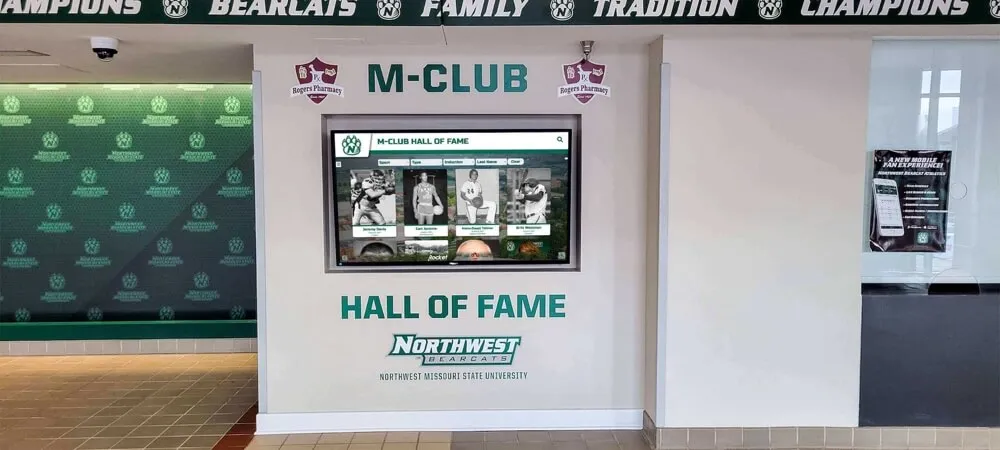
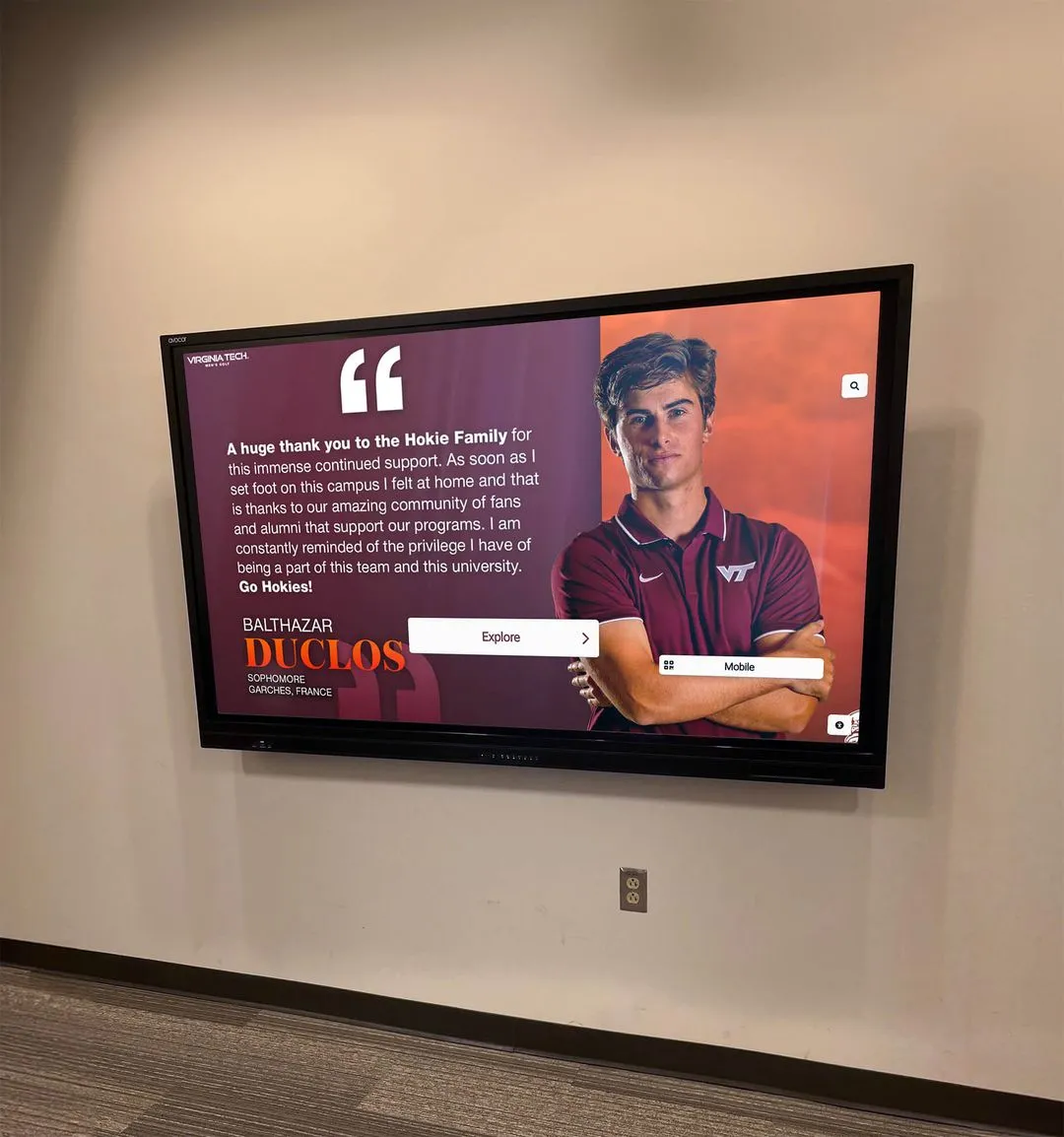
Digital recognition systems preserve homecoming court selections, spirit award winners, and tradition milestones creating permanent searchable archives
Creating Accessible Digital Archives
Interactive Digital Platforms
Modern technology enables homecoming heritage accessibility impossible through traditional photo albums or trophy cases:
Digital recognition displays installed in school lobbies, athletic facilities, or common areas allow students and visitors to explore decades of homecoming history through intuitive touchscreen interfaces. Users can search by graduation year finding their parents’ or grandparents’ homecoming memories, explore specific tradition elements tracking court selections or parade themes across decades, view digitized historical photos and documents previously inaccessible in storage, and discover how traditions evolved understanding institutional heritage through interactive timelines.
These systems serve multiple simultaneous purposes—engaging current students through interactive technology they find intuitive, welcoming alumni with immediate access to personal memories, impressing prospective families with visible institutional pride and heritage, and preserving cultural memory in formats far more durable and accessible than physical archives vulnerable to deterioration, fire, or simple neglect.
Integration with Broader Recognition Systems
Homecoming preservation works best within comprehensive school heritage programs:
Rather than treating homecoming as isolated from other school history, leading institutions integrate celebration records within broader digital platforms documenting hall of fame inductees, athletic championships, academic achievements, and institutional milestones. This integration allows users to discover how homecoming court members went on to become notable alumni, see which championship teams were celebrated during particular homecoming games, or understand how facility construction projects visible in homecoming photos transformed campus over decades.
Engaging Alumni Through Tradition Connection
Leveraging Homecoming for Alumni Relations
Schools increasingly recognize homecoming’s alumni engagement potential:
Beyond single-day return visits, homecoming provides platforms for systematic alumni relationship building that supports institutional advancement, mentoring programs, and community connections. Schools develop multi-day reunion programming coordinated with homecoming featuring class-specific gatherings for milestone reunions (25th, 50th), campus tours highlighting facility updates since graduation, opportunities to interact with current students, recognition events honoring distinguished alumni, and structured giving campaigns tied to homecoming attendance.
Effective alumni programming balances nostalgia with forward focus—celebrating shared memories while demonstrating how institutions continue evolving and investing in current students. Alumni most likely to remain engaged want to see their traditions honored while witnessing how schools adapt to serve contemporary populations.
Digital Connection for Distant Alumni
Geographic distance need not prevent homecoming participation:
Virtual homecoming programming extends celebration reach through live-streamed games, pep rallies, and ceremonies, virtual reunion gatherings connecting classmates across distances, digital scavenger hunts engaging alumni with historical photos, social media campaigns encouraging memory sharing, and online giving opportunities tied to homecoming themes. These virtual elements never fully replace in-person attendance but dramatically expand participation possibilities while creating engagement touchpoints throughout the year rather than single annual events.
Creating Inclusive and Meaningful Court Traditions
Homecoming court selection represents one of the most visible and potentially contentious tradition elements—requiring careful attention to ensure these recognitions reflect institutional values and create positive experiences for entire communities.
Evolving Court Selection Processes
Addressing Traditional Popularity Contest Concerns
Many schools grapple with tension between traditional court selections and equity values:
Historic homecoming court processes often devolved into simple popularity contests favoring socially dominant groups while excluding diverse student populations. Students with disabilities, LGBTQ+ youth, racial minorities, and those outside mainstream social circles frequently found themselves systematically excluded from court consideration regardless of their contributions to school communities. These dynamics perpetuate harmful hierarchies and contradict educational institutions’ equity commitments.
Progressive schools have reimagined court selection through several approaches. Some institutions implement application processes requiring demonstrated school involvement, leadership, and community contribution—evaluating candidates on concrete criteria beyond social popularity. Others create multiple court categories recognizing different types of excellence (academic, artistic, athletic, service) preventing single narrow definition of school representation. Increasingly, schools allow students to self-nominate with committee review or community voting considering character, contribution, and representation rather than pure popularity.
Gender-Inclusive Approaches
Traditional king-and-queen frameworks increasingly conflict with contemporary gender understanding:
Rather than maintaining rigid binary structures, many schools have adopted gender-neutral “royalty” or “court” models allowing any student to be nominated regardless of gender identity, eliminating gendered titles and crowns in favor of neutral recognition, creating court sizes based on merit rather than paired king-queen structures, and focusing celebration on school representation and leadership rather than gender-based categories.
These changes often generate initial resistance from alumni attached to traditional frameworks but typically gain acceptance as communities recognize that tradition preservation doesn’t require perpetuating exclusion. The underlying value—recognizing outstanding students during homecoming—remains intact even as specific implementation evolves to reflect contemporary values and student populations.
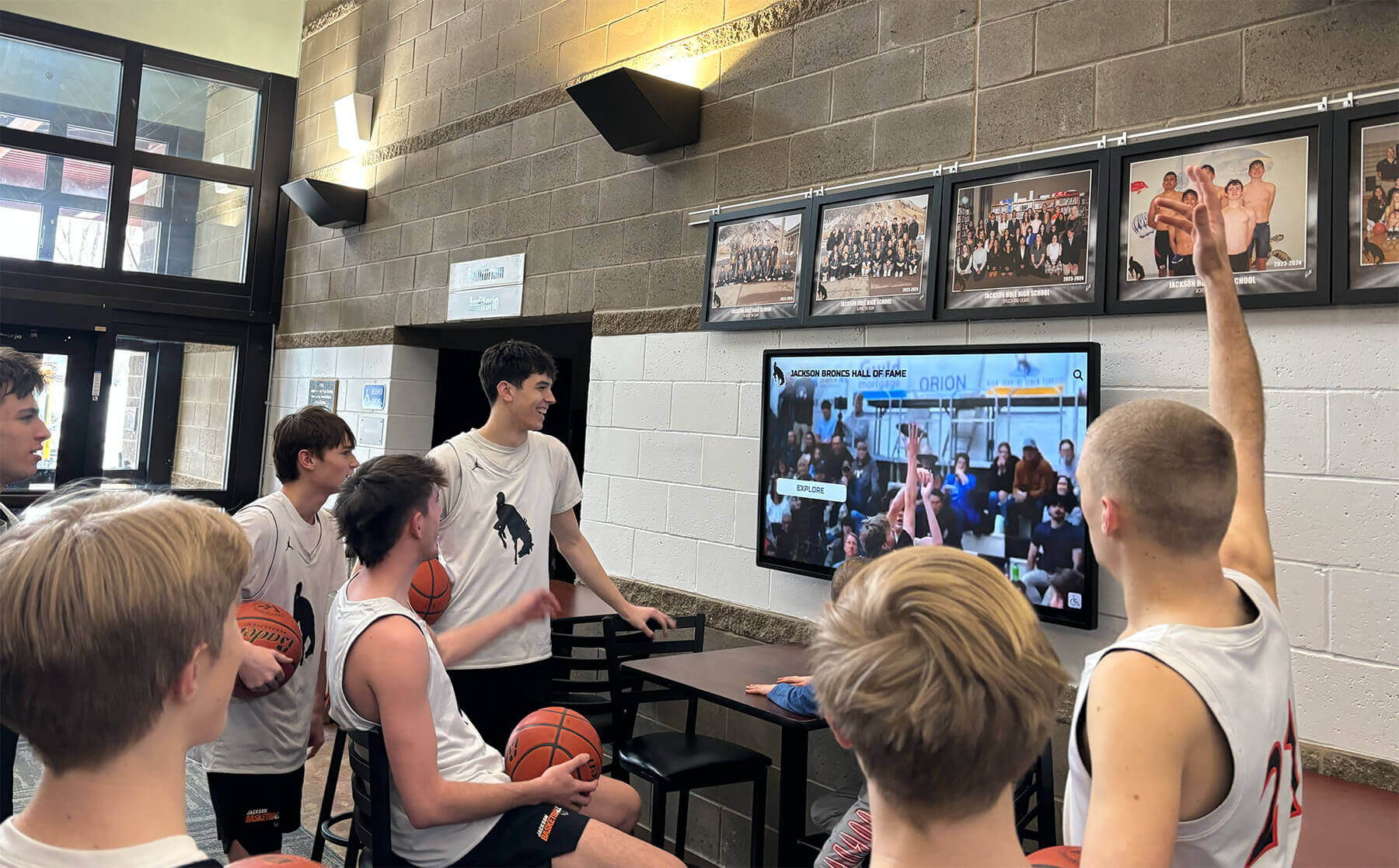
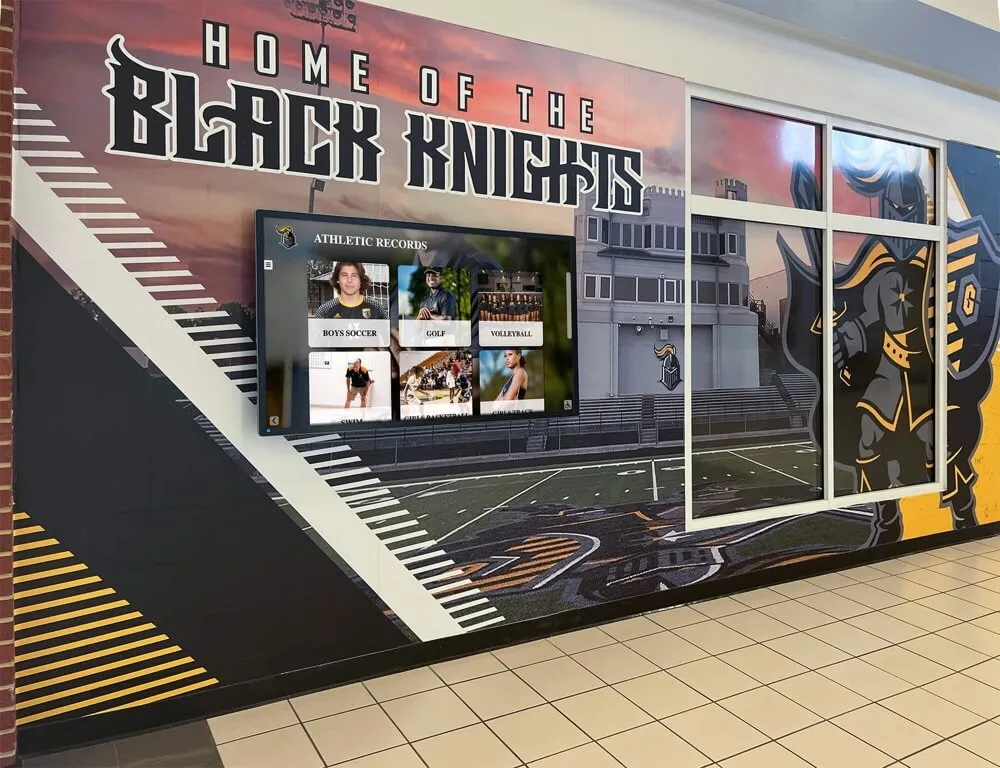
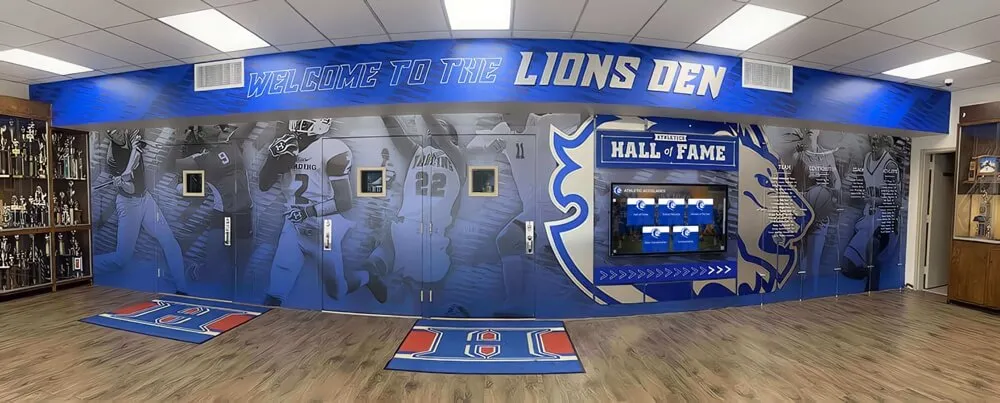
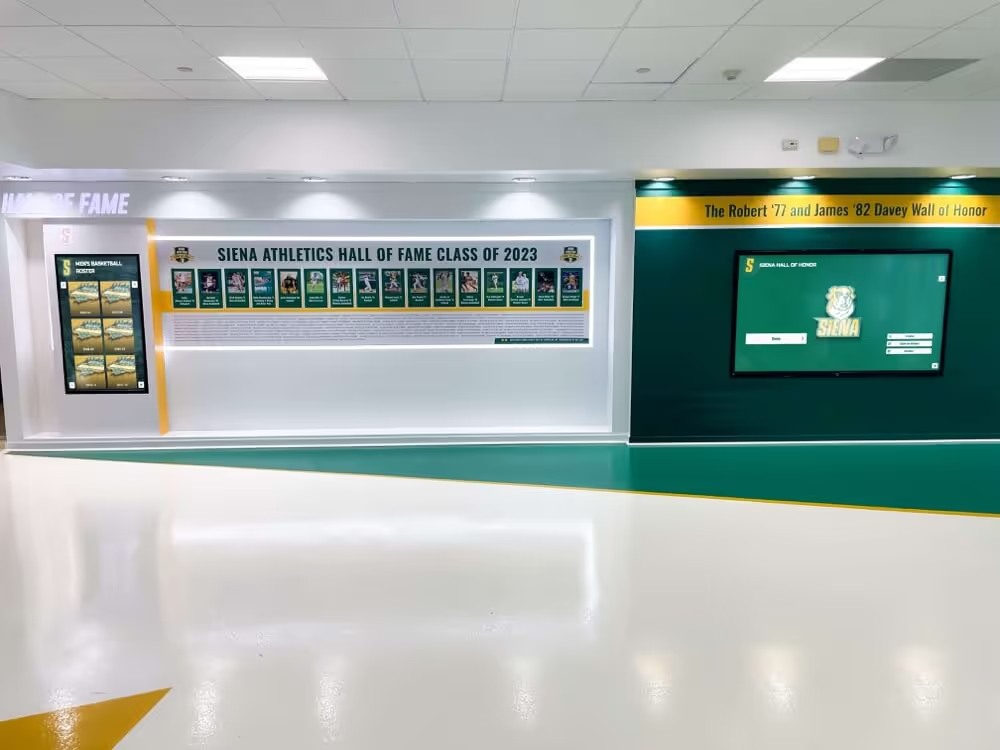
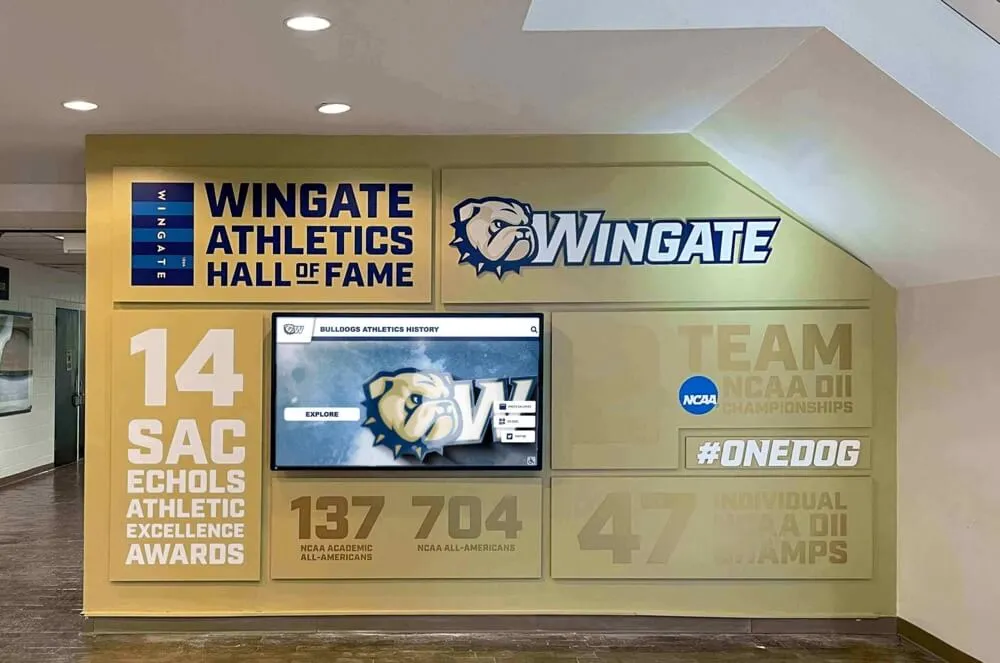
Modern displays showcase homecoming moments alongside athletic achievements creating comprehensive celebration of school spirit and excellence
Making Court Recognition Meaningful
Beyond Ceremonial Appearances
Homecoming court members should represent schools meaningfully rather than merely appearing at designated moments:
Effective programs involve court members throughout homecoming week through visiting elementary feeders to read to students or speak about school experiences, participating in community service projects visible to broader community, serving as parade ambassadors interacting with community members, welcoming returning alumni at reunion events, and contributing to tradition planning rather than simply executing adult decisions. These expanded roles transform court recognition from passive honor into active leadership demonstrating why particular students merit recognition.
Modern Recognition Solutions: Preserving Tradition with Digital Innovation
While homecoming traditions thrive on tangible experiences—parades, pep rallies, game-day energy—the most forward-thinking schools recognize that preserving these memories for future generations requires embracing modern technology alongside cherished rituals.
Permanent Digital Recognition Systems
Transforming How Schools Archive Heritage
Traditional homecoming documentation—printed programs, newspaper clippings, trophy case photos—served past generations but suffer serious limitations in contemporary contexts. Physical materials deteriorate, require dedicated storage space, remain inaccessible except to those physically present, and offer no searchability or interactive exploration. When alumni return decades later, they typically find little tangible evidence of their homecoming experiences beyond faded yearbook pages.
Interactive touchscreen displays fundamentally transform heritage preservation by creating permanent, accessible, and engaging digital archives. These systems allow schools to document every homecoming court member with photos and biographies, preserve spirit week themes and winning class decorations, showcase parade float designs across decades, record pep rally performances and student reactions, and maintain searchable databases allowing instant retrieval by year, name, or category.
The power lies not simply in storage but in accessibility and engagement. Current students exploring past homecoming traditions discover their school’s heritage in interactive, engaging formats. Alumni visiting campus can immediately find their own homecoming memories and share them with children or grandchildren. Prospective families touring facilities witness visible institutional pride and tradition preservation that distinguishes schools taking heritage seriously from those treating it as afterthought.
Integration with Broader School Story
The most effective digital systems don’t isolate homecoming from broader institutional narratives:
Leading schools integrate homecoming archives within comprehensive platforms documenting athletic achievements and hall of fame inductees, academic excellence and scholar recognition, performing arts productions and artistic accomplishments, community service contributions and social impact, and facility evolution and campus development. This integration reveals rich connections—how homecoming court members became distinguished alumni, which championship teams were celebrated during memorable homecoming games, or how traditions evolved alongside institutional growth.
Creating Interactive Celebration Experiences
Real-Time Engagement During Homecoming Week
Beyond historical archives, digital platforms can enhance current homecoming experiences:
Schools implement live leaderboards tracking spirit competition points visible on hallway displays or school websites, digital voting systems for various homecoming awards and recognitions, photo walls aggregating social media posts under official hashtags, interactive polls engaging students in celebration decisions, and countdown displays building anticipation throughout the week. These real-time elements create additional engagement layers complementing traditional activities.
Connecting Past and Present
The most powerful moments occur when digital systems bridge generational divides:
Imagine alumni returning for homecoming who can immediately access their own graduation year on lobby touchscreens, seeing their homecoming court photo, parade theme, spirit week winners, and game results. They can show their children or grandchildren, “This was our homecoming when I was your age,” creating tangible connection between generations. Current students gain perspective understanding that the traditions they’re experiencing have deep roots and that they’ll someday return as alumni with their own children exploring the same systems.
Schools implementing these solutions report that digital recognition systems become focal points during homecoming weekend—gathering spaces where alumni congregate, stories emerge, and community connections strengthen through shared memory exploration.
Measuring Homecoming Success and Continuous Improvement
Creating great homecoming traditions requires systematic evaluation—moving beyond vague impressions to concrete metrics informing continuous improvement.
Quantitative Success Metrics
Participation and Attendance Tracking
Basic metrics establish participation baselines and trends:
Schools should track student participation rates in spirit week activities by grade level, attendance figures for major events (pep rallies, games, dances), alumni return rates and registration numbers, family and community attendance at public events, and year-over-year trends in all participation categories. Declining participation signals problems requiring investigation, while increasing engagement validates programming decisions.
Particularly valuable insights emerge from disaggregated data revealing which student populations engage versus those remaining disconnected. If participation heavily skews toward particular demographics or social groups, programming may inadequately serve diverse student bodies despite surface appearance of success.
Financial Sustainability
Budget tracking ensures homecoming remains financially viable:
Document total program costs including contracted services, materials and supplies, facility rentals or modifications, security and safety expenses, and administrative overhead. Compare against revenue sources such as ticket sales, sponsorships, booster contributions, and school budget allocations. Sustainable homecoming traditions balance meaningful celebration with fiscal responsibility—avoiding either austere programming that feels cheap or unsustainable spending requiring constant fundraising crisis management.
Qualitative Assessment
Gathering Meaningful Feedback
Numbers tell incomplete stories—qualitative feedback reveals experiential dimensions:
Post-homecoming surveys should capture student perspectives on what felt meaningful versus obligatory, what they’d change for future years, whether celebration felt inclusive and welcoming, how traditions compared to their expectations, and what memories they’ll carry forward. Alumni feedback addresses whether programming met their connection desires, how returning experience compared to memories, what would encourage greater future engagement, and how effectively school demonstrated evolution since their graduation.
Faculty and staff perspectives offer additional valuable insight about logistical challenges encountered, student behavior and engagement observations, resource needs better supporting future planning, and alignment between homecoming values and broader educational mission.
Long-Term Impact Assessment
The deepest homecoming value emerges over extended timeframes:
Schools should assess whether homecoming participation correlates with broader school engagement metrics, if alumni who return for homecoming show higher lifetime giving rates, how community perception of the school relates to homecoming visibility, whether traditions successfully transmit across graduating classes, and if homecoming strengthens institutional identity and pride among all stakeholders.
These longer-term assessments require patience and systematic data collection across years but reveal whether homecoming delivers genuine value justifying resource investment or merely perpetuates activities because “we’ve always done it.”
Building Sustainable Tradition Systems
The final challenge involves ensuring homecoming traditions survive leadership transitions, budget fluctuations, and institutional changes that threaten cultural continuity.
Documentation and Knowledge Transfer
Creating Institutional Memory Systems
Successful traditions outlast individual leaders through systematic knowledge preservation:
Schools should develop comprehensive homecoming guides documenting planning timelines and key deadlines, committee structures and role responsibilities, budget templates and cost breakdowns, vendor relationships and contact information, facility needs and reservation procedures, communication protocols and approval chains, and common challenges with proven solutions. These resources enable smooth transitions when student leaders graduate, faculty advisors change assignments, or administrative support shifts.
The most valuable documentation explains not just what happens but why—the reasoning behind specific decisions, historical context for particular traditions, and values informing programming choices. This contextual understanding enables future leaders to make informed evolution decisions rather than blindly repeating activities they don’t understand.
Balancing Consistency with Adaptive Capacity
Creating Flexible Tradition Frameworks
Sustainable traditions distinguish between core elements requiring preservation and adaptive components encouraging evolution:
Define explicit “non-negotiables”—elements so central to institutional identity that removal would fundamentally damage tradition integrity. These might include specific timing, signature events, or symbolic elements carrying deep meaning. Document these explicitly so future leaders understand what deserves protection.
Simultaneously, identify “evolutionary zones”—aspects where innovation and adaptation strengthens rather than threatens traditions. These might include specific spirit day themes, decoration styles, entertainment choices, or recognition formats where contemporary preferences should guide decisions. Explicitly permitting evolution in these areas prevents calcification while maintaining tradition core.
This balanced approach prevents both problematic extremes—rigid unchanging traditions becoming irrelevant to contemporary students, or constant change eliminating continuity and institutional memory that gives traditions their deeper meaning.
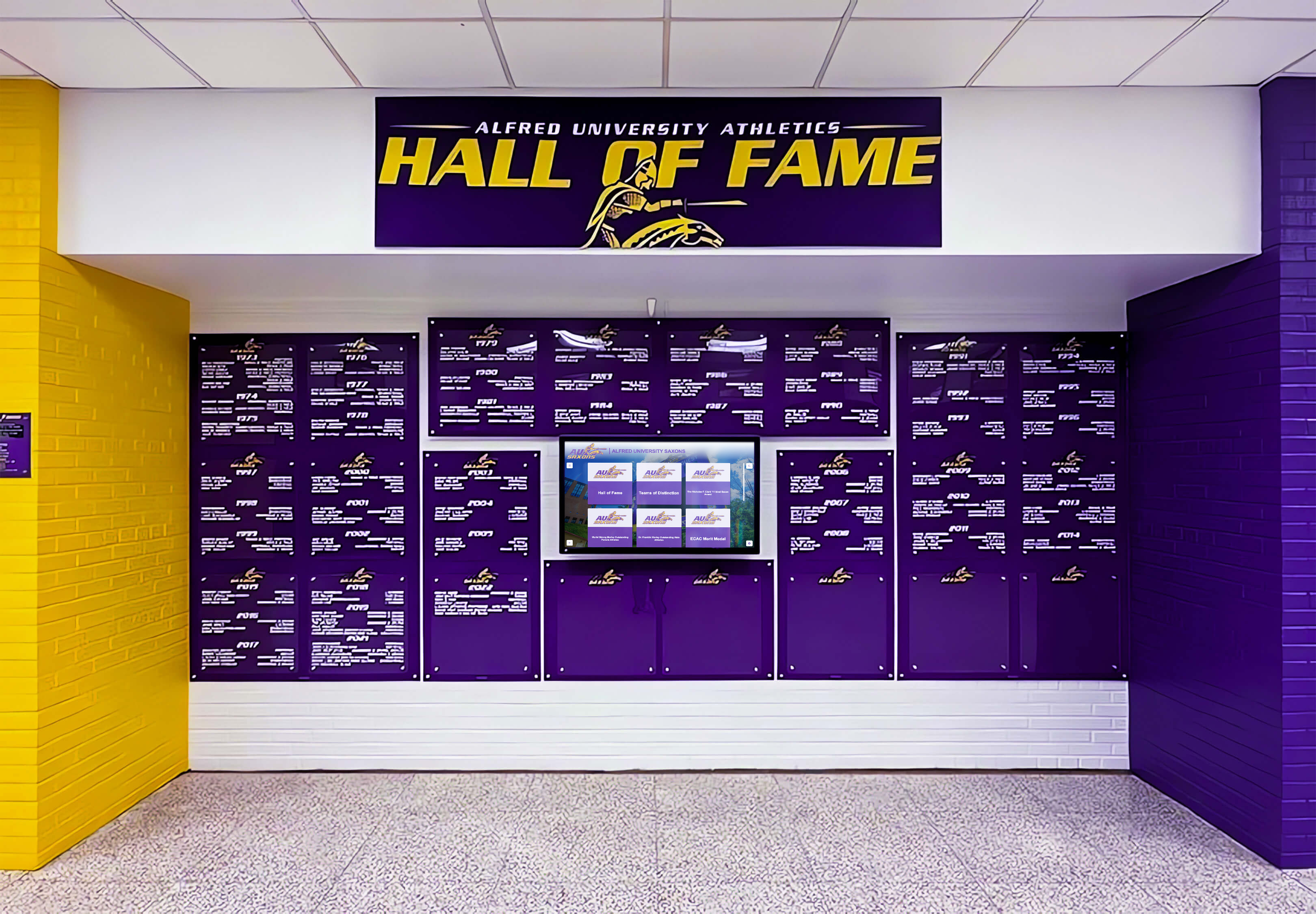
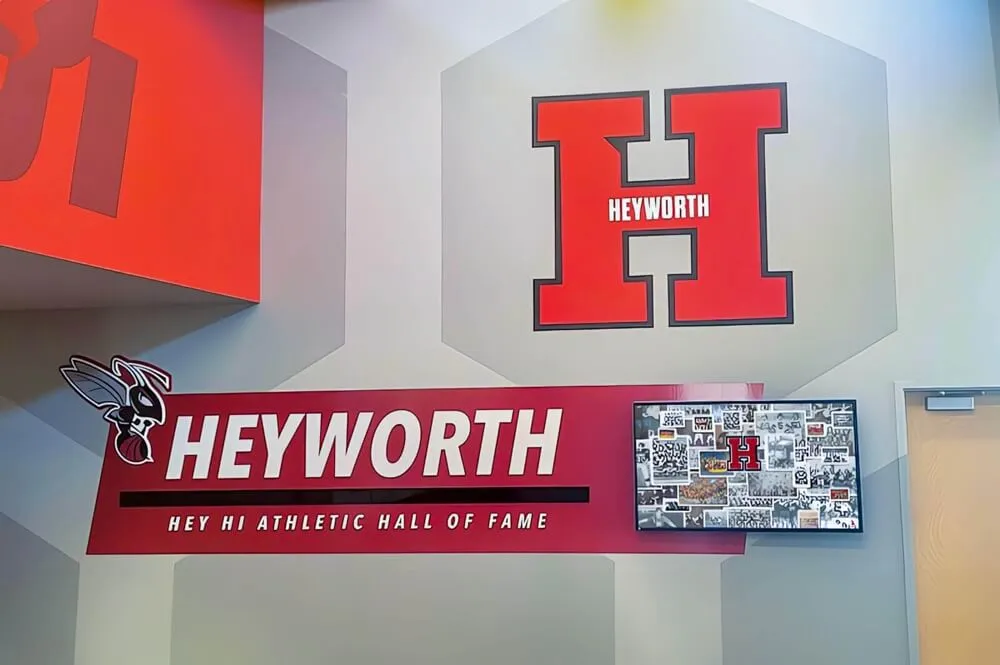
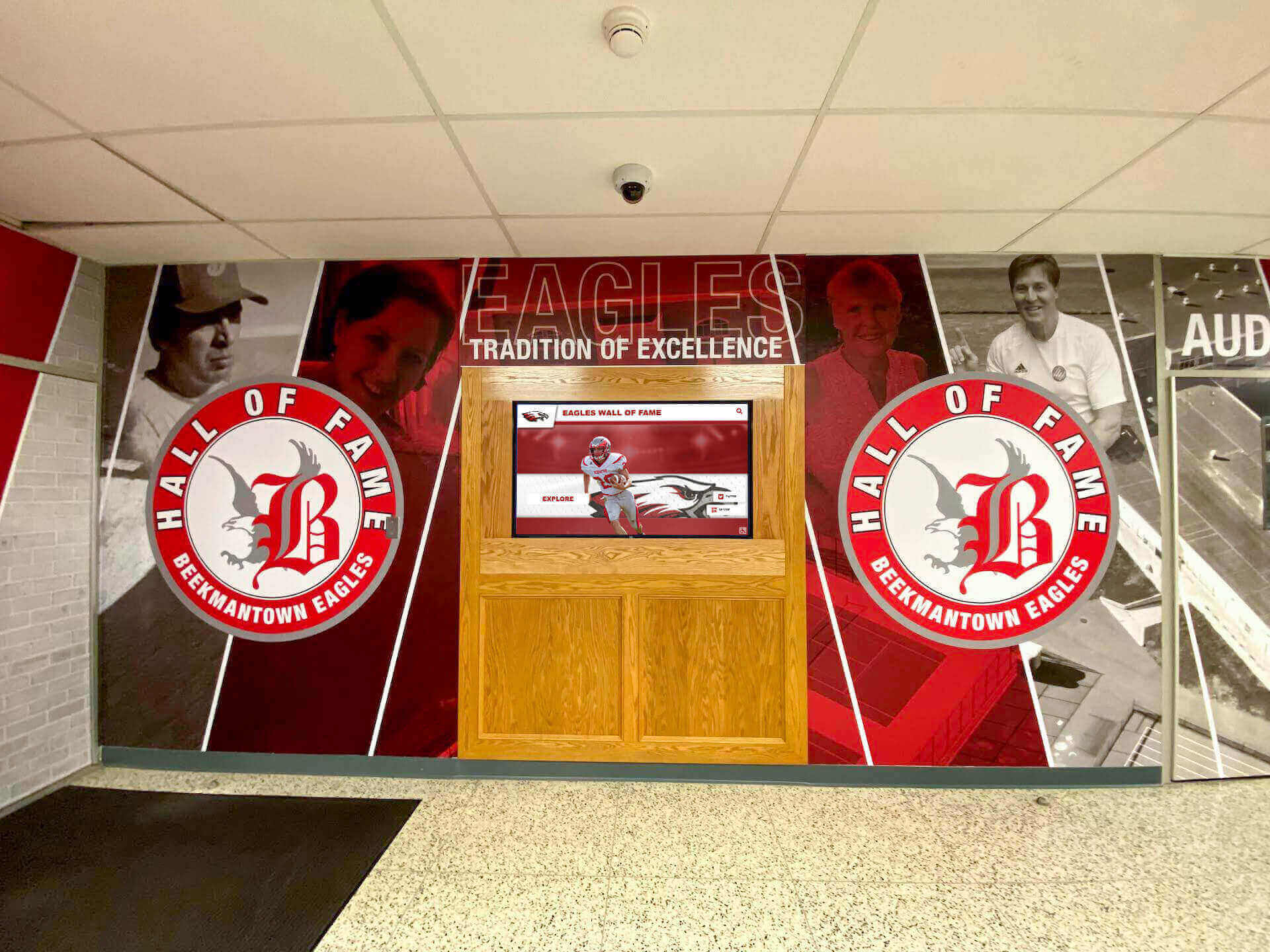
Permanent digital installations provide year-round visibility of homecoming traditions and school heritage, not just during celebration weeks
Conclusion: Homecoming as Living Tradition
Homecoming tradition represents far more than annual celebration—it serves as living testament to school identity, mechanism for cultural transmission, and powerful tool for building community across generations. Schools approaching homecoming thoughtfully recognize these celebrations require ongoing curation balancing heritage preservation with contemporary relevance, investment in systematic documentation and accessibility, and commitment to inclusive participation reflecting entire school communities.
The most successful homecoming programs share common characteristics: they honor history while remaining relevant to current students, they create multiple participation entry points accommodating diverse interests and comfort levels, they systematically preserve memories for future generations, and they integrate celebration into broader institutional narratives about identity, values, and community.
As educational institutions navigate increasing social fragmentation and declining community participation in traditional institutions, homecoming traditions offer precious opportunities to build genuine connection, create shared memories, and reinforce that schools represent more than merely academic instruction—they serve as community anchors providing continuity, celebration, and collective identity in a rapidly changing world.
Ready to transform how your school preserves and celebrates homecoming traditions for future generations? Rocket Alumni Solutions provides digital recognition systems that make decades of homecoming memories instantly accessible through engaging touchscreen displays. Showcase court selections, spirit week winners, parade traditions, and celebration moments in permanent installations that connect current students and returning alumni to your school’s unique heritage. Contact Rocket Alumni Solutions to discover how digital innovation can enhance tradition preservation while creating interactive experiences that strengthen school spirit and community pride during homecoming and throughout the entire year.