



Homecoming mums represent one of the most distinctive and elaborate traditions in American high school culture. What began as a simple chrysanthemum corsage exchanged between sweethearts in 1930s Texas has transformed into an intricate, multi-layered display of ribbons, bells, trinkets, and school pride that can weigh several pounds and cost hundreds of dollars. Understanding the homecoming mums history reveals not just the evolution of a fashion accessory, but a window into changing American youth culture, regional identity, and the enduring importance of school spirit celebrations.
The tradition’s journey from a modest flower to an elaborate work of wearable art reflects broader changes in how schools celebrate homecoming, recognize student achievement, and build community identity. While Texas remains the epicenter of mum culture, elements of this tradition have spread across the country, adapted by schools seeking distinctive ways to mark their own homecoming celebrations.
This comprehensive exploration traces homecoming mums from their humble origins through their explosive growth in Texas and eventual influence on homecoming traditions nationwide.
The homecoming mums history begins with understanding homecoming itself—a uniquely American tradition that emerged in the early twentieth century as colleges sought ways to welcome alumni back to campus while celebrating school spirit and athletic competition.
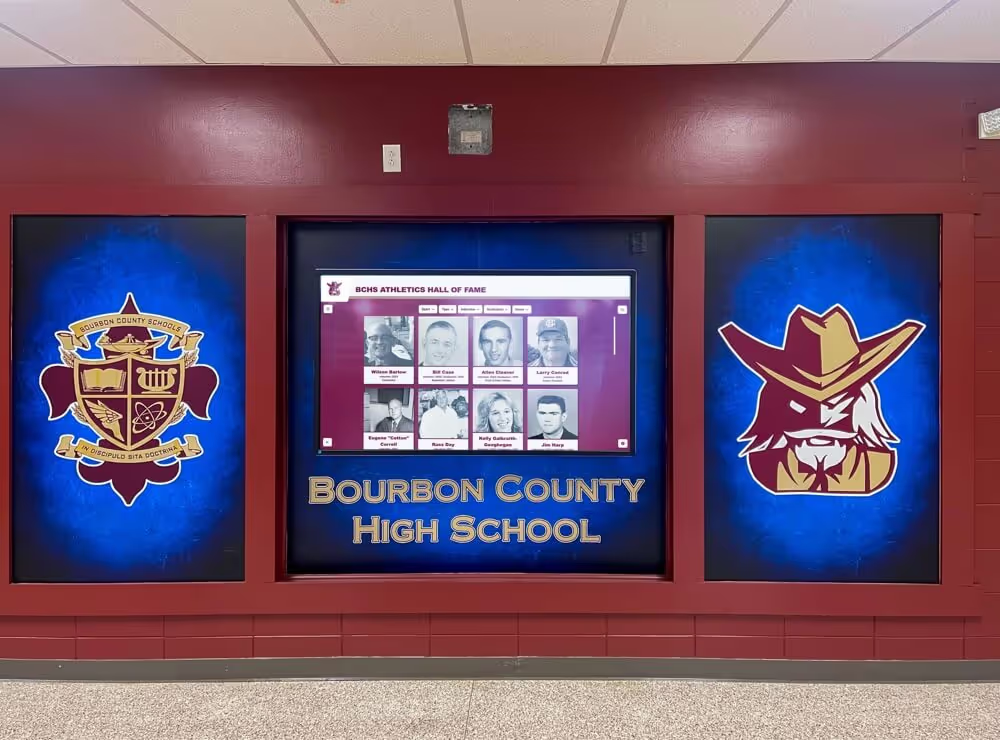
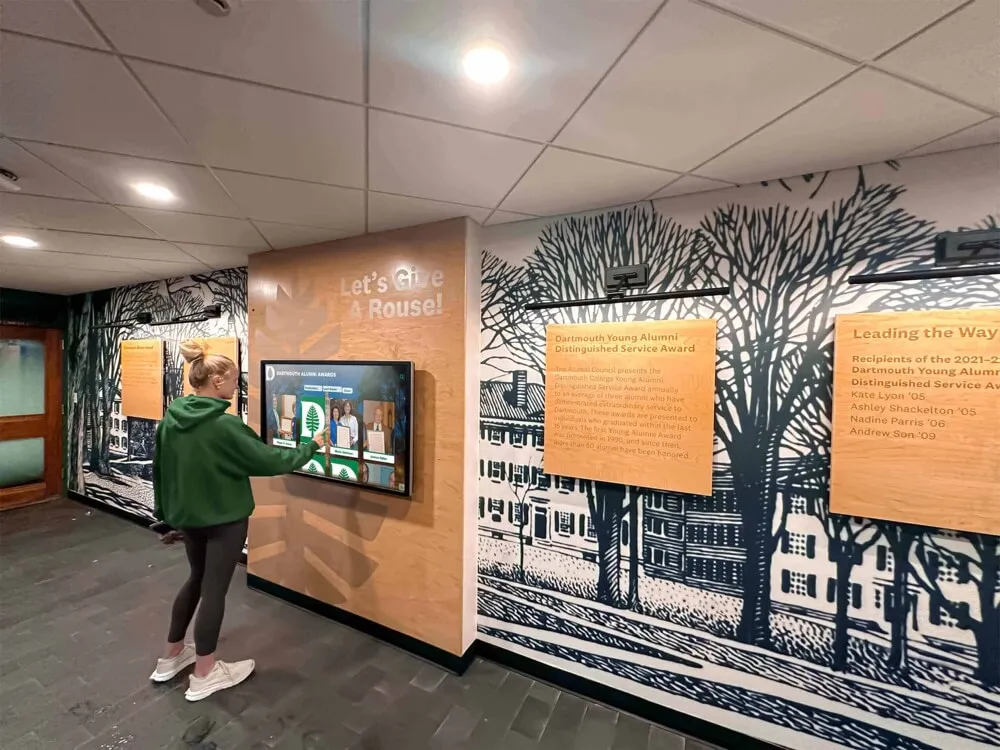
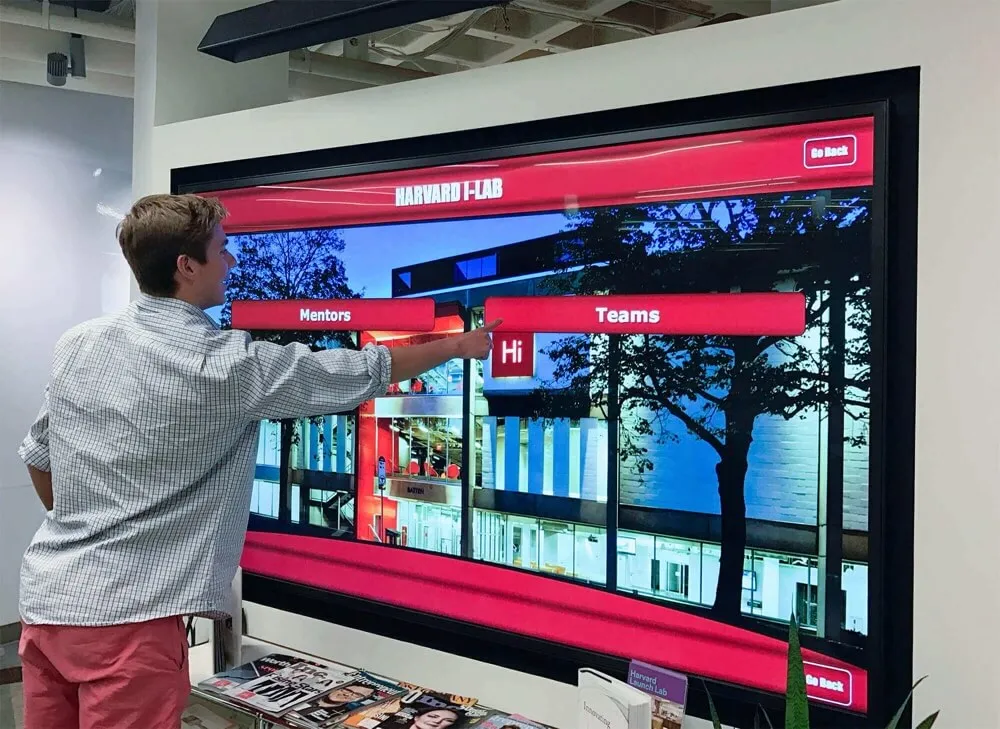
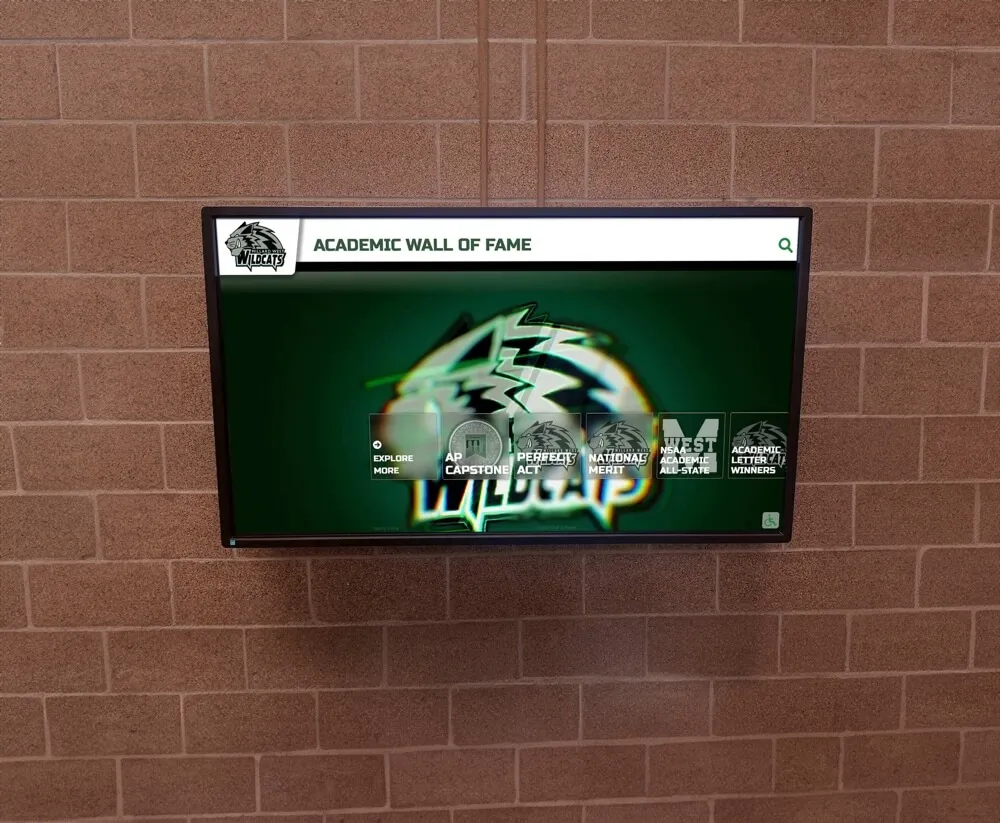
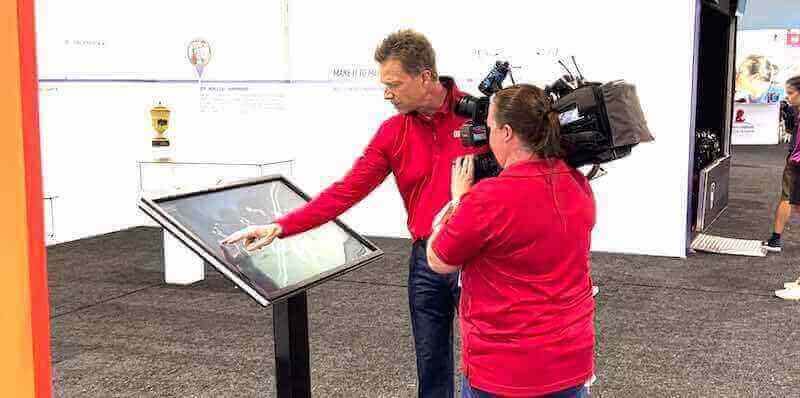
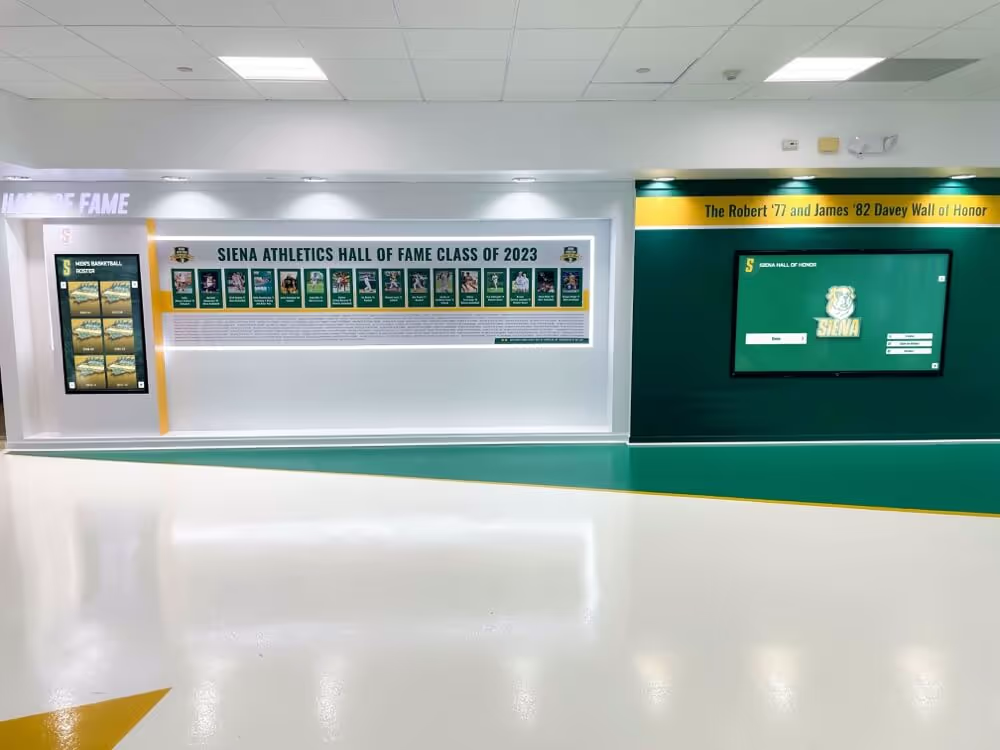
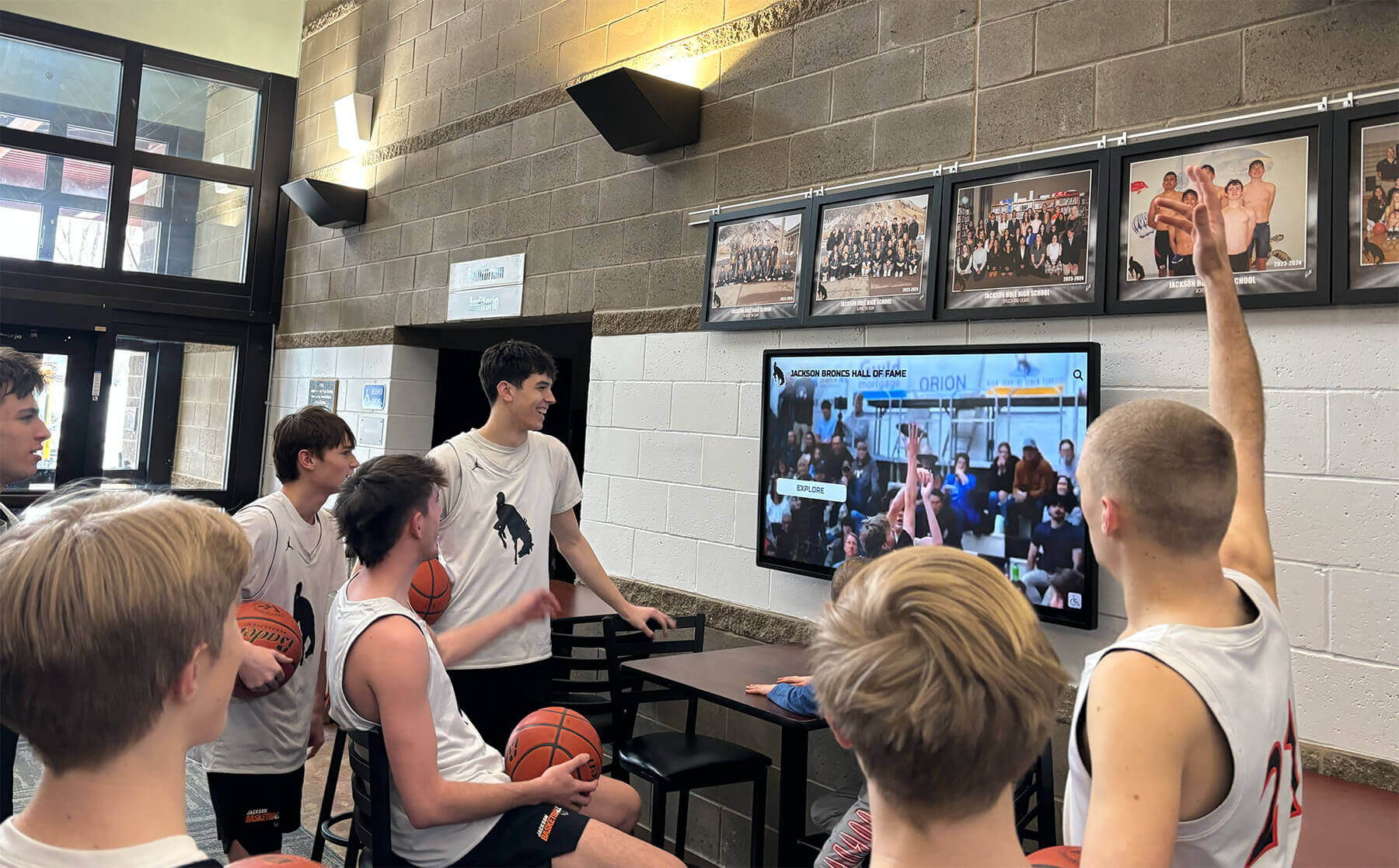
Modern schools celebrate traditions and spirit through visible displays that honor student achievement and school identity
The Origins: Missouri to Texas
The homecoming tradition itself traces back to 1911 at the University of Missouri, where athletic director Chester Brewer organized a special event inviting alumni to “come home” for a football game against the University of Kansas. The concept quickly spread to other colleges and eventually filtered down to high schools across America throughout the 1920s and 1930s.
The Birth of the Mum Tradition
The chrysanthemum entered homecoming celebrations through a practical consideration: timing. Homecoming games typically occurred in October and November, when chrysanthemums bloomed abundantly and inexpensively. These hardy flowers could withstand being worn throughout evening football games without wilting.
During the 1930s in Texas, a simple custom emerged where young men would present their dates with chrysanthemum corsages for homecoming dances. The tradition aligned with broader corsage-giving customs of the era, when formal dances typically included flowers as part of proper attire. These early mums were genuine flowers—single chrysanthemum blooms, usually white or in school colors, worn on dresses or pinned near the shoulder.
Texas high schools particularly embraced this tradition, though documentation from this period remains sparse. Oral histories and yearbook photographs from schools in East Texas and the Houston area show students wearing chrysanthemum corsages to homecoming events as early as the mid-1930s.
Post-War Elaboration
The homecoming mums tradition began its transformation in the decades following World War II. As American prosperity increased and high school culture became more elaborate, students began embellishing basic chrysanthemum corsages with ribbons in school colors.
By the 1960s, Texas mums had evolved beyond simple flowers. Students added ribbons with names, graduation years, and school mascots printed or written on them. Small decorative elements like miniature football helmets, megaphones, and bells began appearing.
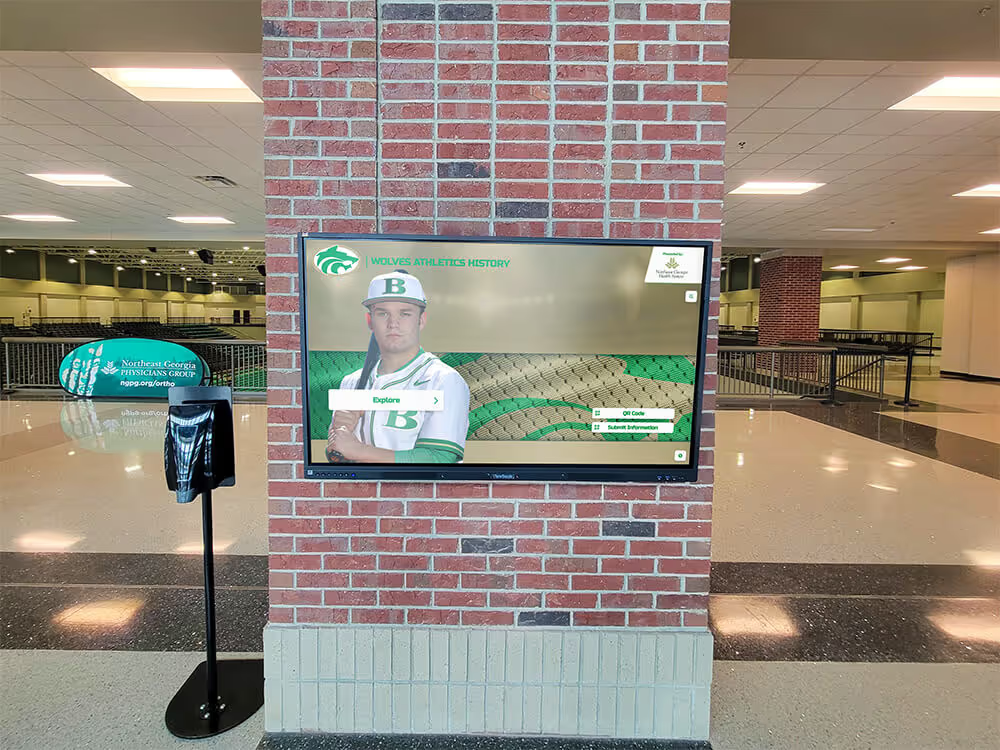
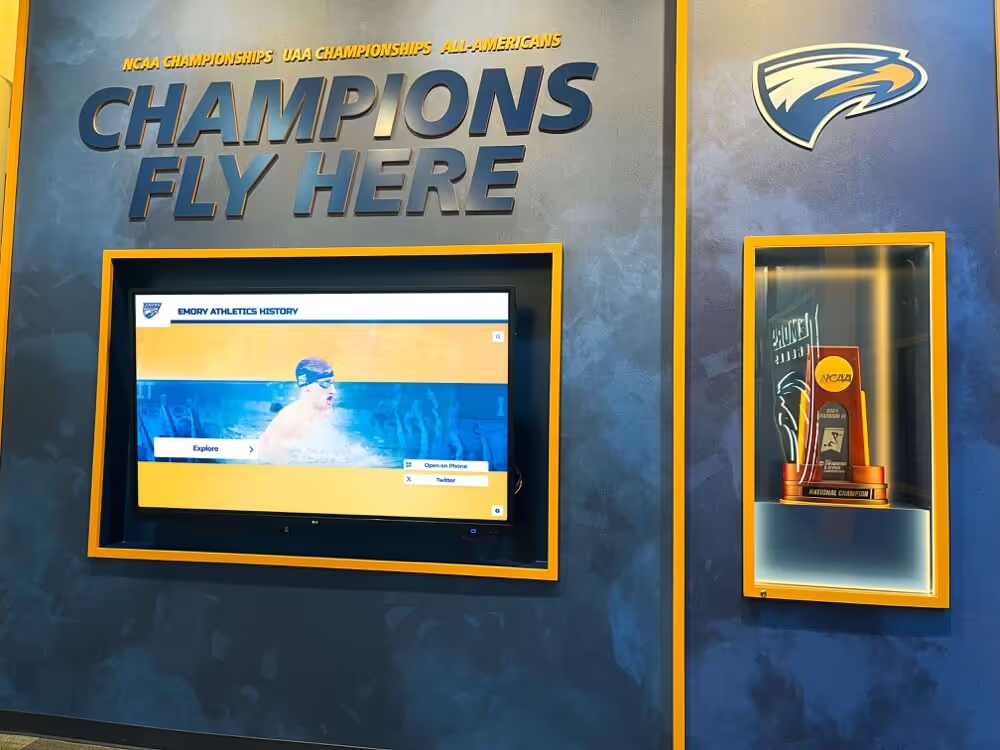
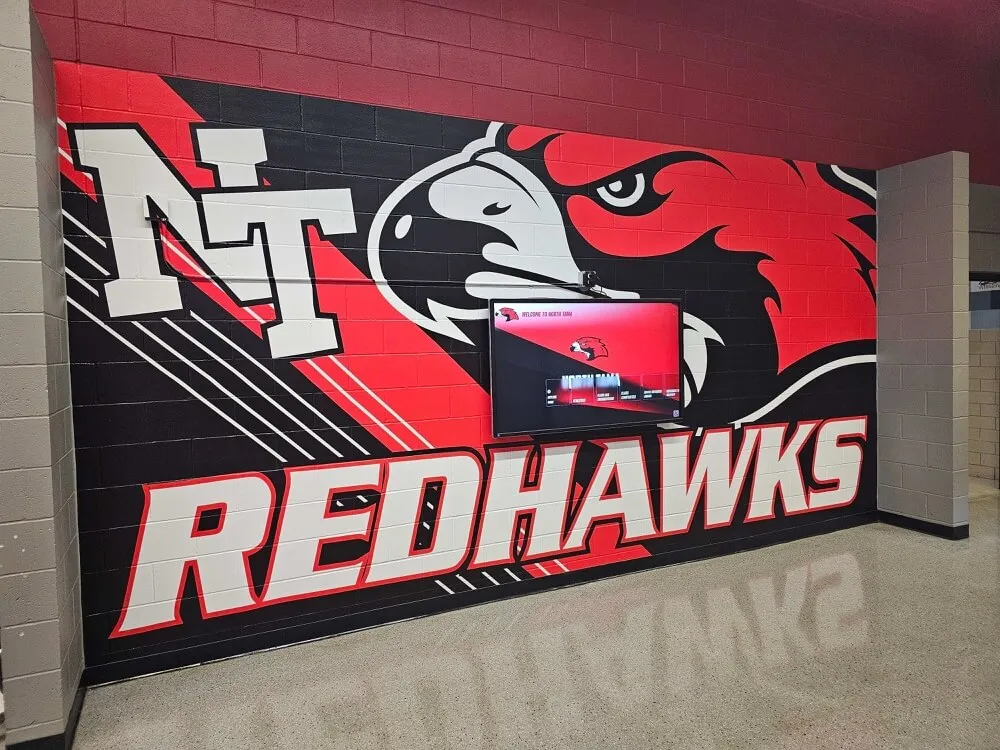
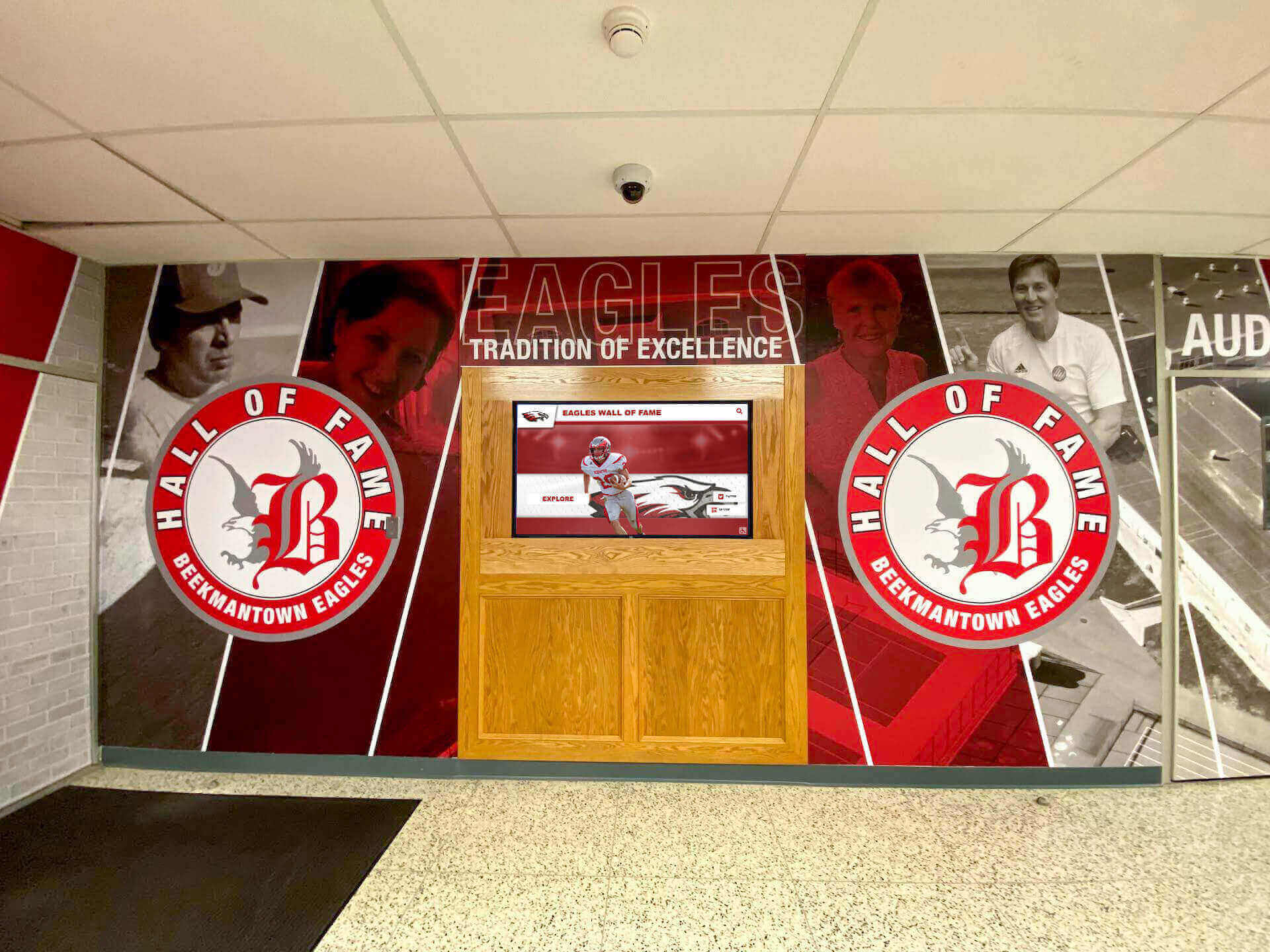
School traditions create lasting connections between students and their institutional identity
This period saw mums grow from wrist corsages to larger shoulder-pinned arrangements. The tradition remained primarily female-focused, with boys giving mums to girls, though some schools began introducing smaller “garters” that boys could wear around their arms as counterparts to the increasingly elaborate mums.
Schools developed their own mum customs and expectations, with homecoming parade float themes and other spirit activities complementing the growing mum tradition.
The Texas Explosion: 1970s-1990s
The 1970s through 1990s saw homecoming mums transform from enhanced corsages into the elaborate creations recognizable today. This period represents the true explosion of mum culture, driven by several intersecting factors.
From Flowers to Frameworks
The most significant shift came when artificial flowers replaced real chrysanthemums. Silk and later plastic mums proved more durable, held their appearance throughout long homecoming days, and could be kept as souvenirs. More importantly, artificial flowers provided sturdy frameworks that could support increasingly heavy decorations.
By the 1980s, mums had transitioned from flower-focused accessories to ribbon-centric displays where the chrysanthemum bloom served primarily as a decorative top element. The ribbons became the main feature—multiple layers cascading down, sometimes reaching knee-length or longer.
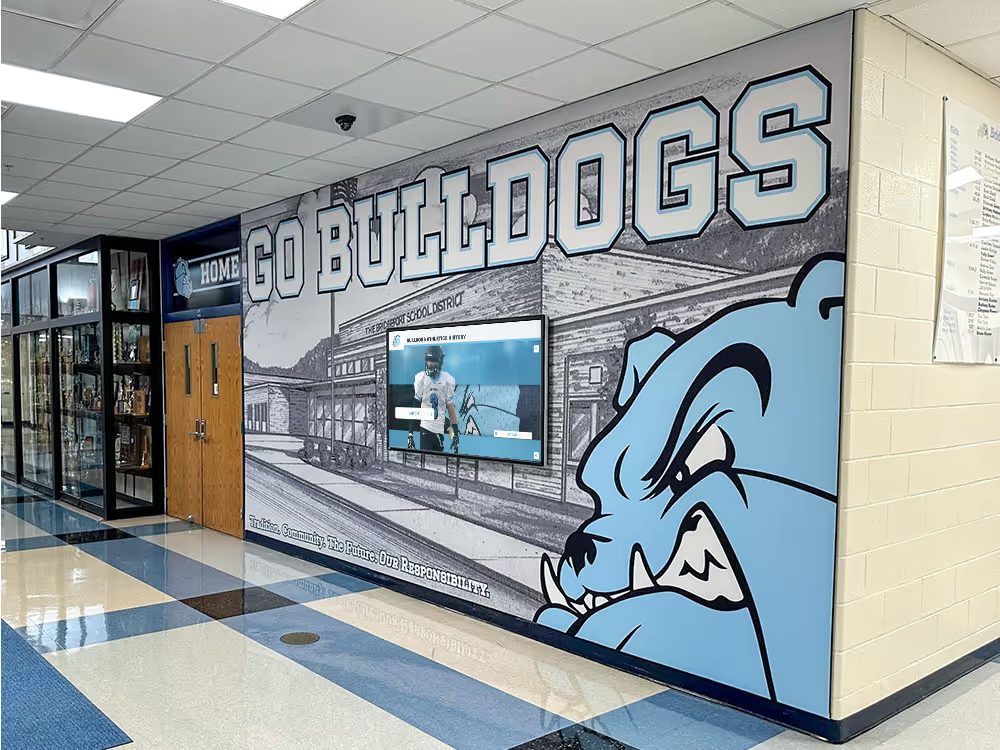
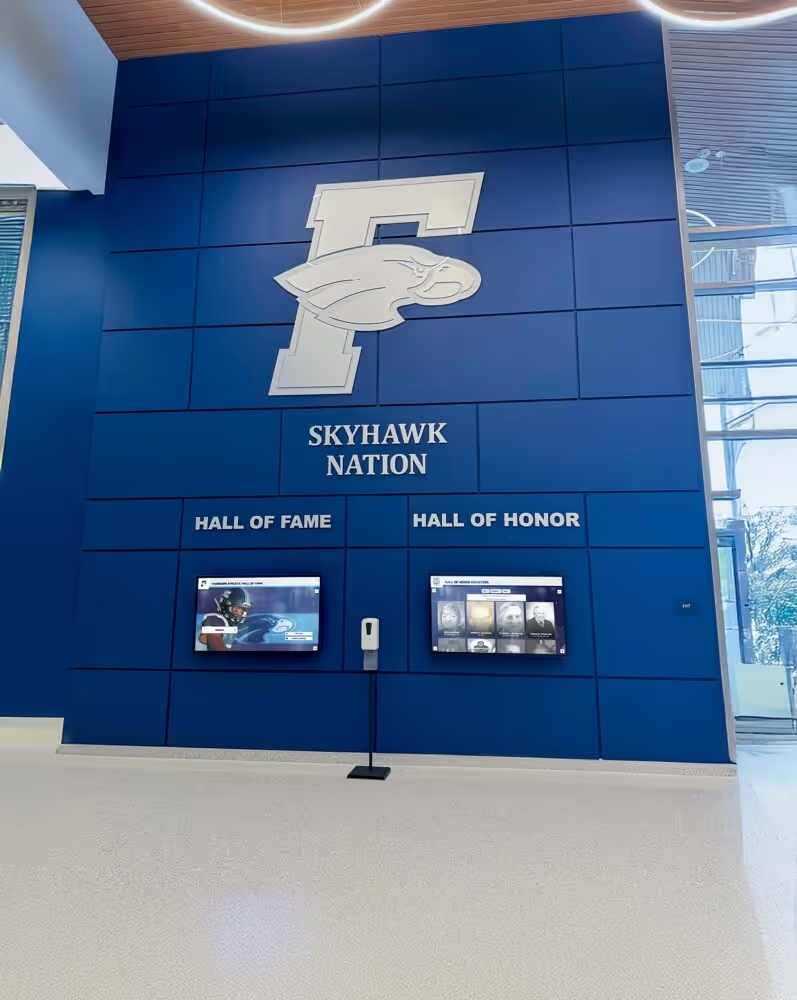
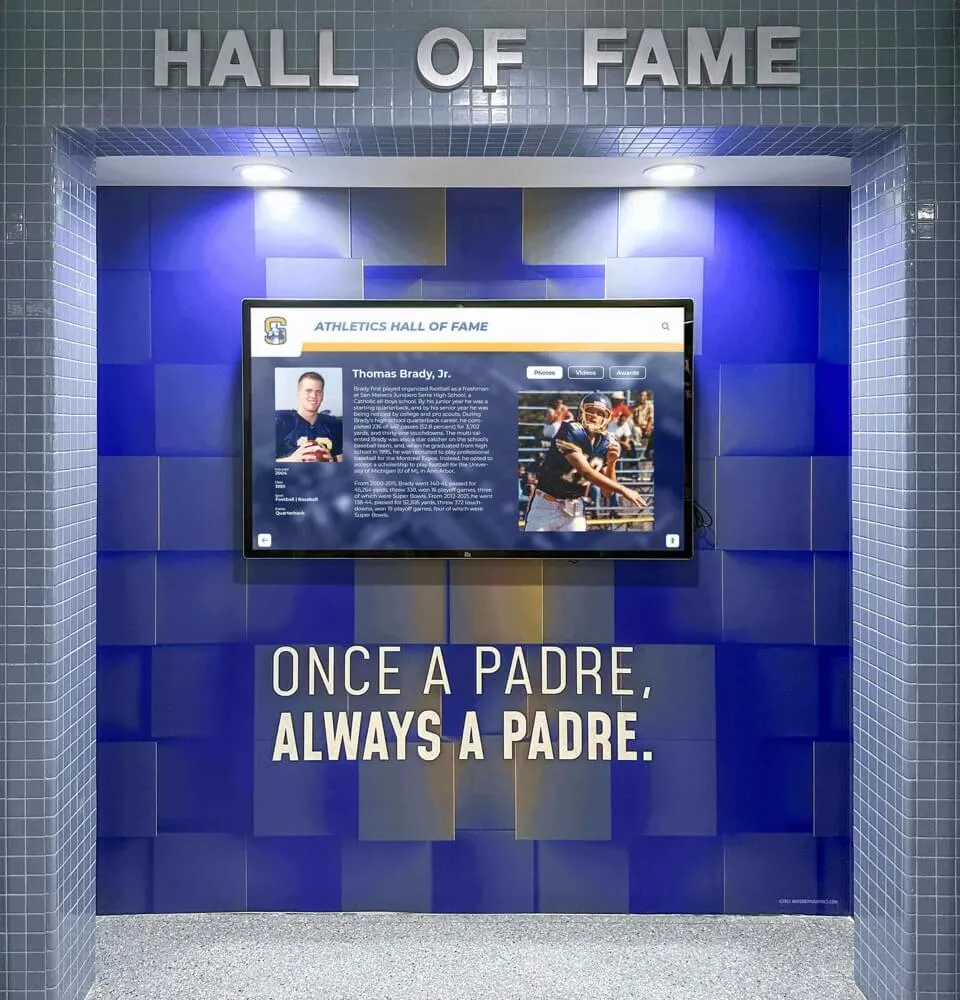
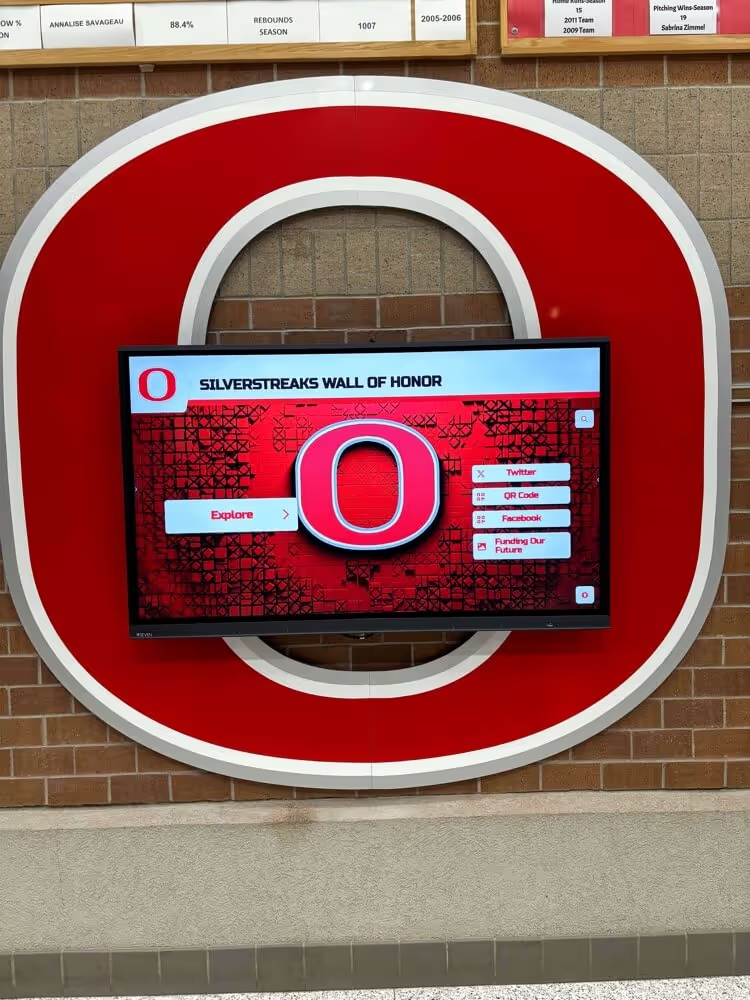
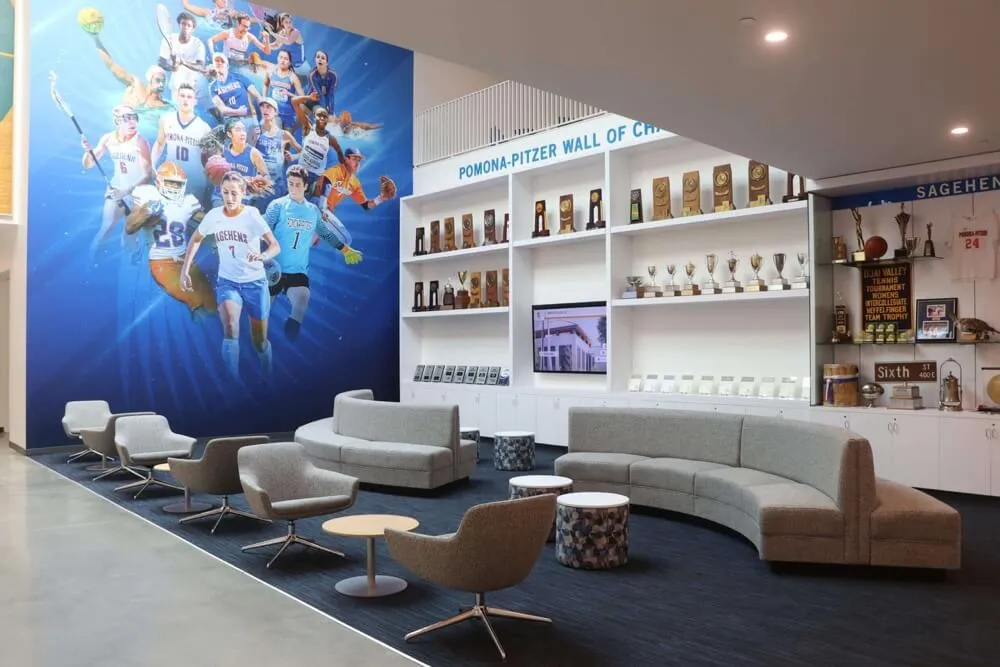
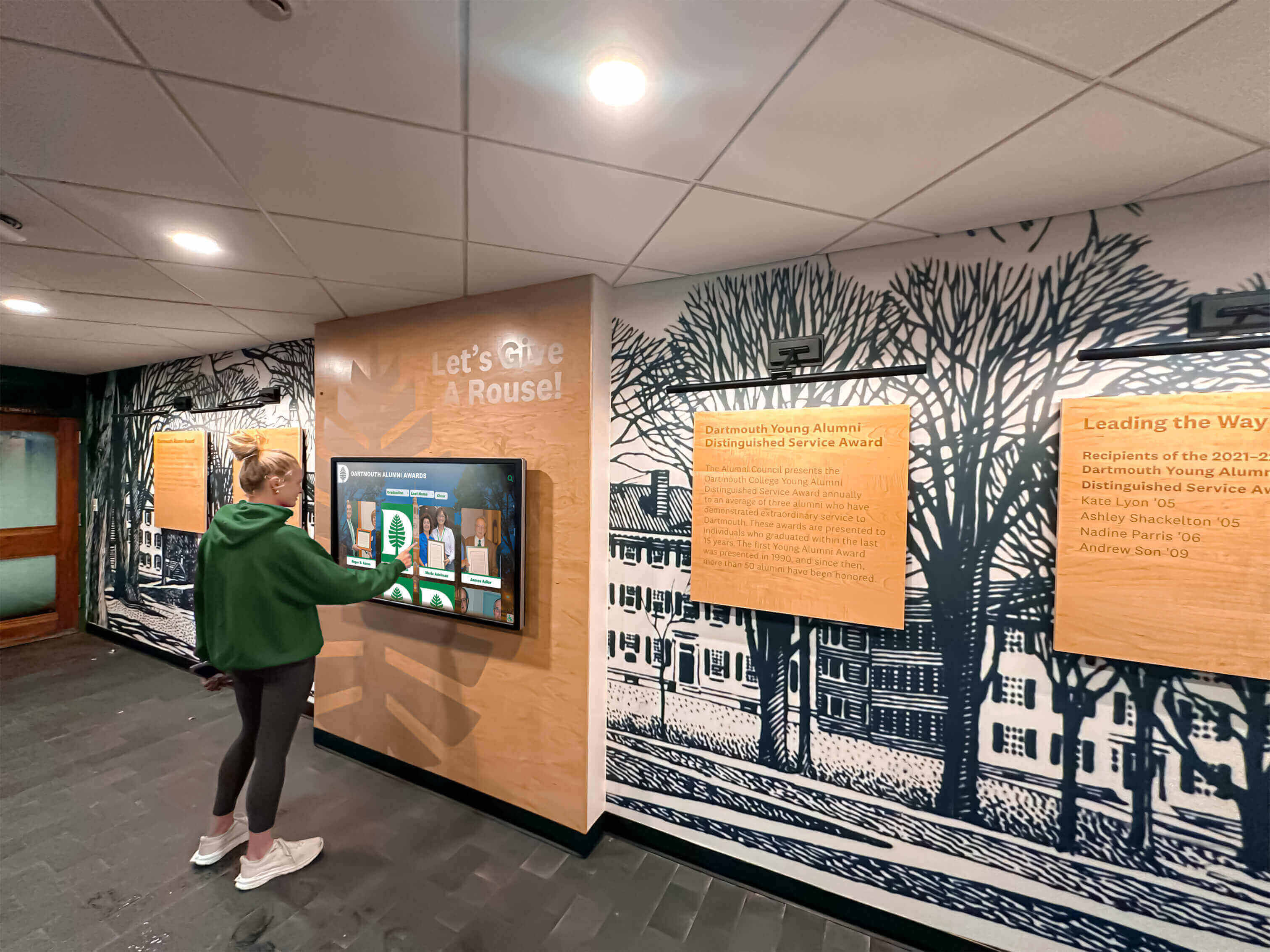
Schools invest in visible displays that communicate institutional values and celebrate student achievement
The Competitive Escalation
What drove mums to unprecedented elaboration was competitive social dynamics within Texas high schools. Homecoming became an opportunity to demonstrate school spirit, relationship status, creativity, and often family resources through mum presentations.
Students began competing for the biggest, most elaborate, most creative mums. What started with a few ribbons expanded to dozens of ribbon strands. Decorative elements multiplied from a few small trinkets to elaborate collections:
Common Mum Elements by the 1990s:
- Multiple layers of ribbons in school colors, often 30-50 individual strands
- Braided or twisted ribbon designs
- Printed ribbons with names, years, mascots, and personalized messages
- Bells in various sizes creating noise with movement
- Trinkets representing interests: sports equipment, musical notes, academic symbols
- LED lights and battery packs for illuminated mums
- Stuffed animals, particularly school mascots
- Photographs of couples or friend groups
- Chains, charms, and metallic decorations
The size and weight increased dramatically. Mums worn in the 1990s often measured two to three feet in length and weighed several pounds—a far cry from the simple corsages of earlier decades.
Gender Traditions and Garters
As mums grew more elaborate for young women, complementary traditions developed for young men. “Garters” emerged as the male equivalent—smaller arrangements worn around the upper arm, featuring similar decorative elements but in more compact forms.
This gendered division reinforced traditional dating customs, with boys typically purchasing or making mums for girls, and girls reciprocating with garters. The financial investment could become significant, with elaborate custom mums costing anywhere from fifty dollars to several hundred dollars by the late 1990s.
Some schools also developed “spirit mums”—simplified versions that students could wear to show school spirit even without dates, helping ensure all students could participate in the tradition regardless of relationship status.
Regionalization and Resistance
Throughout this explosive growth period, homecoming mums remained predominantly a Texas phenomenon, with particular concentration in Central and East Texas. Communities in other states occasionally adopted scaled-down versions, but nothing approaching Texas-level elaboration.
Why Texas?
Several factors explain why homecoming mums became so deeply entrenched in Texas culture specifically:
Cultural Factors:
- Strong emphasis on high school football and related traditions
- Community identity closely tied to local schools
- “Everything’s bigger in Texas” cultural mentality
- Relatively homogeneous adoption across diverse communities
- Multi-generational participation as tradition became established

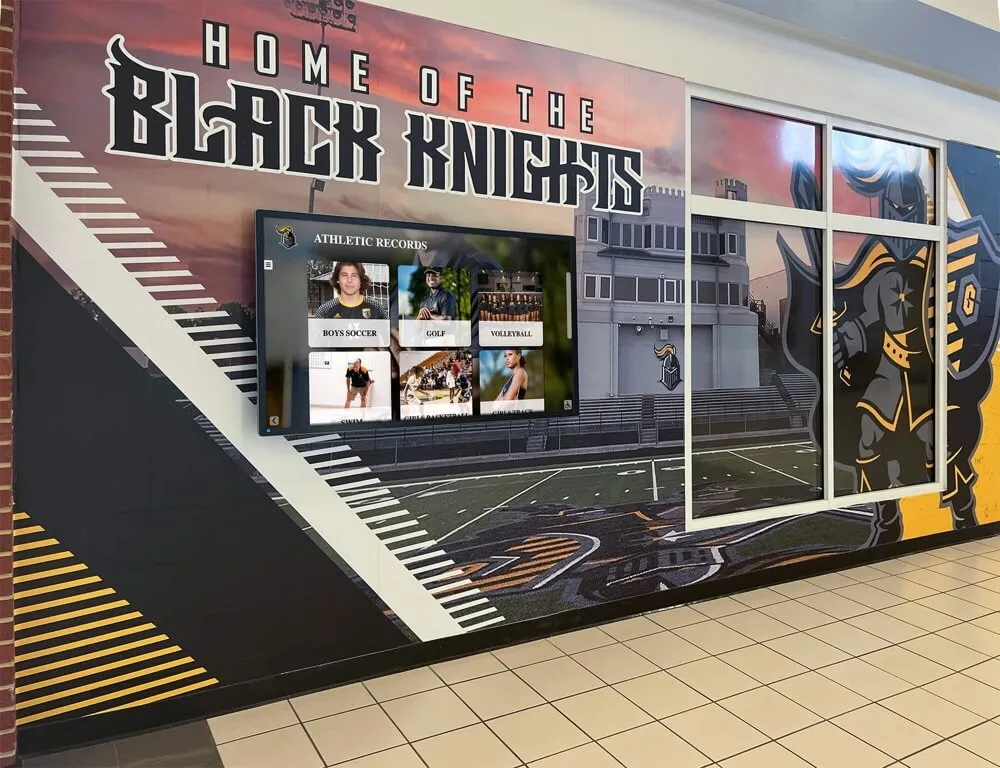
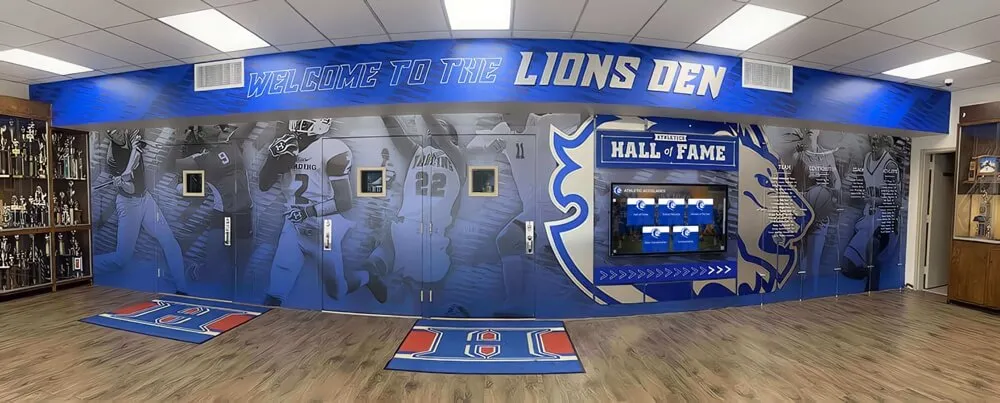
School mascots and traditions create unified identity that connects students across generations
Economic Factors:
- Developed cottage industry of mum suppliers and creators
- Craft stores dedicating significant space to mum supplies each fall
- Entrepreneurial students and parents offering custom mum services
- Economic incentives reinforcing tradition continuation
Social Factors:
- Visible display of school spirit and social connections
- Multigenerational tradition passed from parents to children
- Social pressure to participate in established customs
- Integration with broader homecoming celebration culture
Similar traditions and celebrations of school achievement can be seen in school awards night planning and other recognition events.
Criticism and Concern
As mums grew more elaborate, some educators and parents raised concerns about several aspects of the tradition:
Educational Disruption:
- Large mums creating physical hazards in crowded hallways
- Noise from bells disrupting classes
- Students distracted by mum displays
- Time spent on mum preparation interfering with academics
Social and Economic Issues:
- Expensive mums creating economic pressure on families
- Competition fostering unhealthy social comparison
- Students without dates or resources feeling excluded
- Gender stereotypes reinforced through tradition structure
Practical Concerns:
- Safety issues with heavy accessories and dangling elements
- Damage to mums causing emotional distress
- Storage and transportation challenges
- Environmental waste from disposable decorations
Some schools implemented mum policies addressing these concerns—size restrictions, noise limitations, or designated wearing times. However, most Texas schools maintained relatively permissive approaches, viewing mums as harmless tradition and important school spirit expression.
The 2000s: Peak Mum and Digital Documentation
The early 2000s through 2010s represented peak mum elaboration, with social media adding new dimensions to the tradition.
Maximum Elaboration
Homecoming mums reached their most extreme proportions during this period. Innovations included:
Advanced Construction Techniques:
- Multiple mum blooms arranged in bouquet-style configurations
- Elaborate framework systems distributing weight across shoulders and back
- Professional-grade construction with reinforced attachments
- Themed designs incorporating complex narratives or inside jokes
Technology Integration:
- Sound modules playing fight songs or personalized messages
- LED systems with programmable light patterns
- Digital photo displays embedded in mum designs
- Social media hashtags printed on ribbons
Artistic Elaboration:
- Hand-painted decorative elements
- Custom photography integrated throughout
- Sculptural ribbon work creating three-dimensional effects
- Matching sets for friend groups coordinated across multiple mums
The most elaborate mums could cost upward of five hundred to one thousand dollars for fully custom professional creations, though most remained in the one hundred to three hundred dollar range.
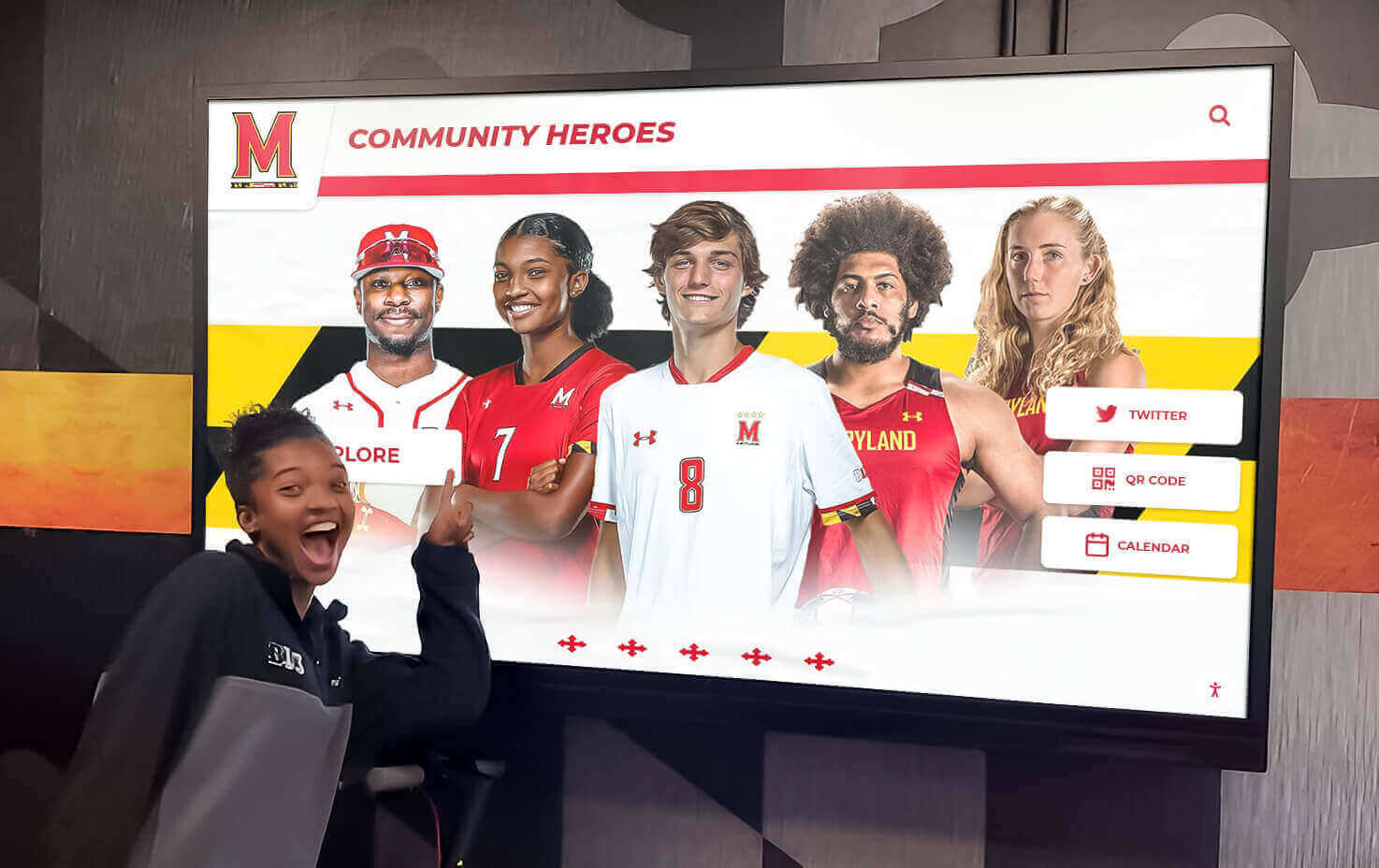
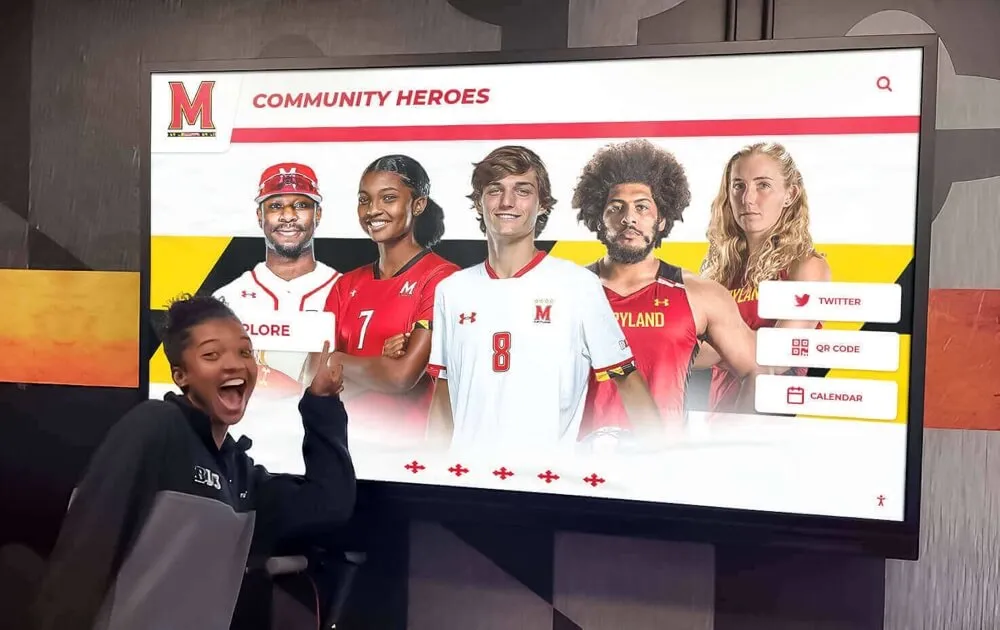
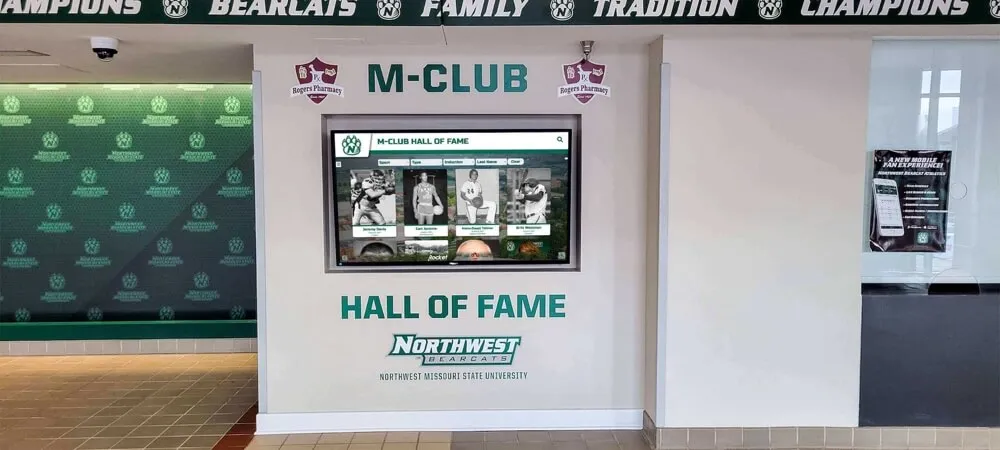
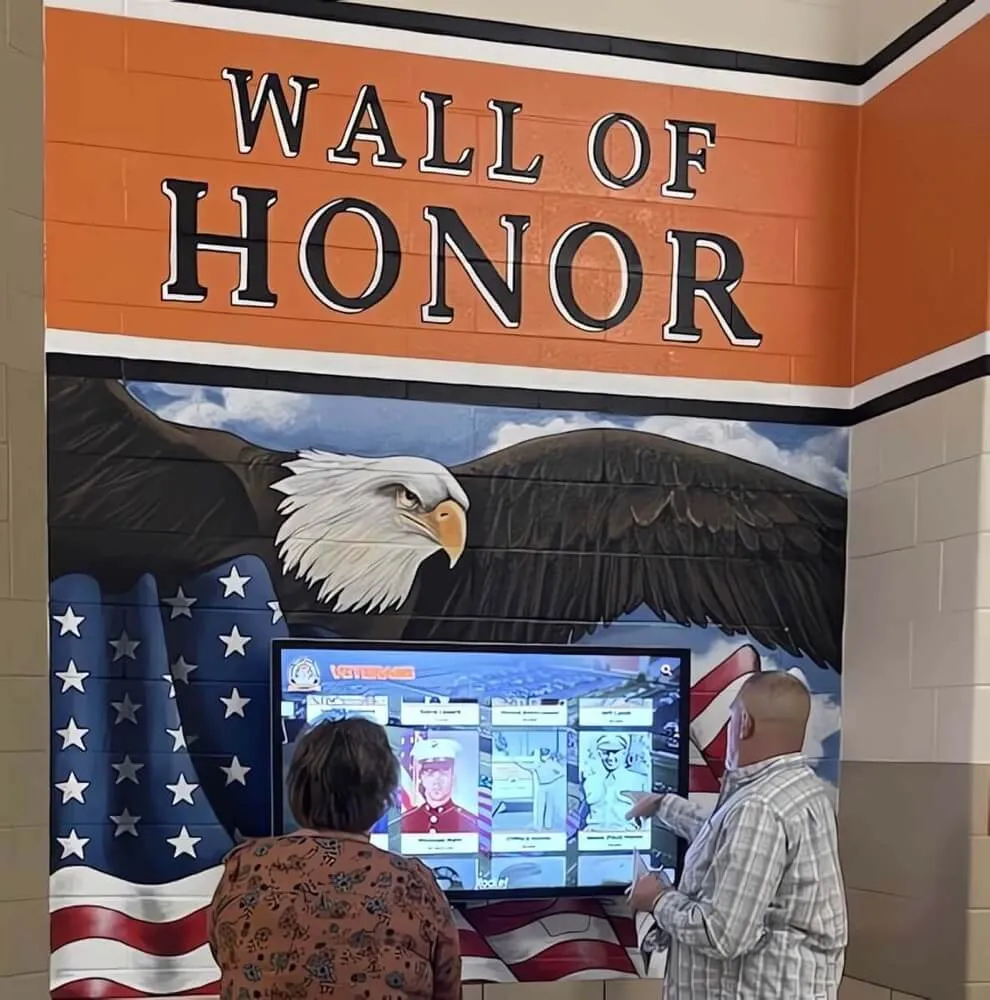
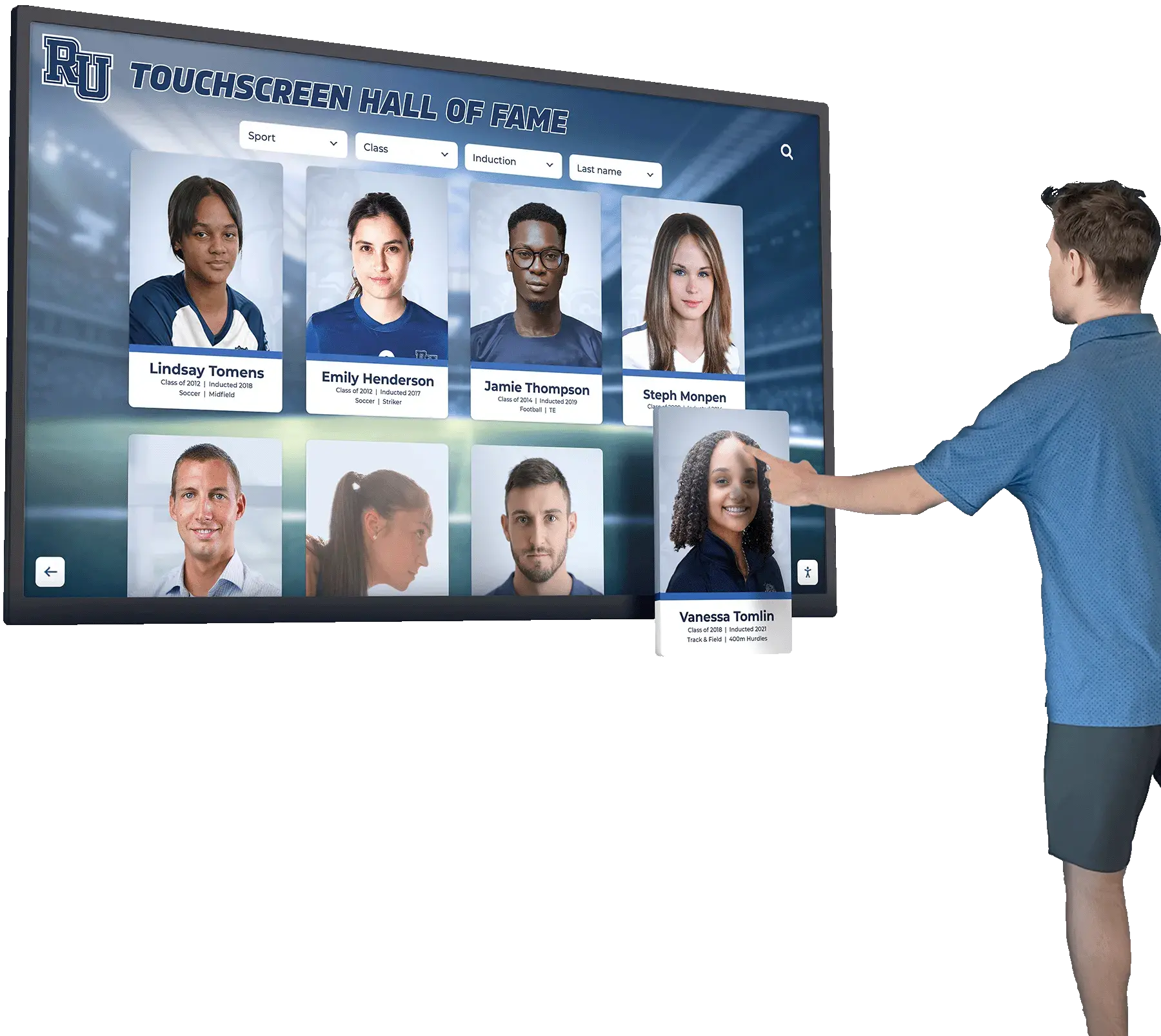
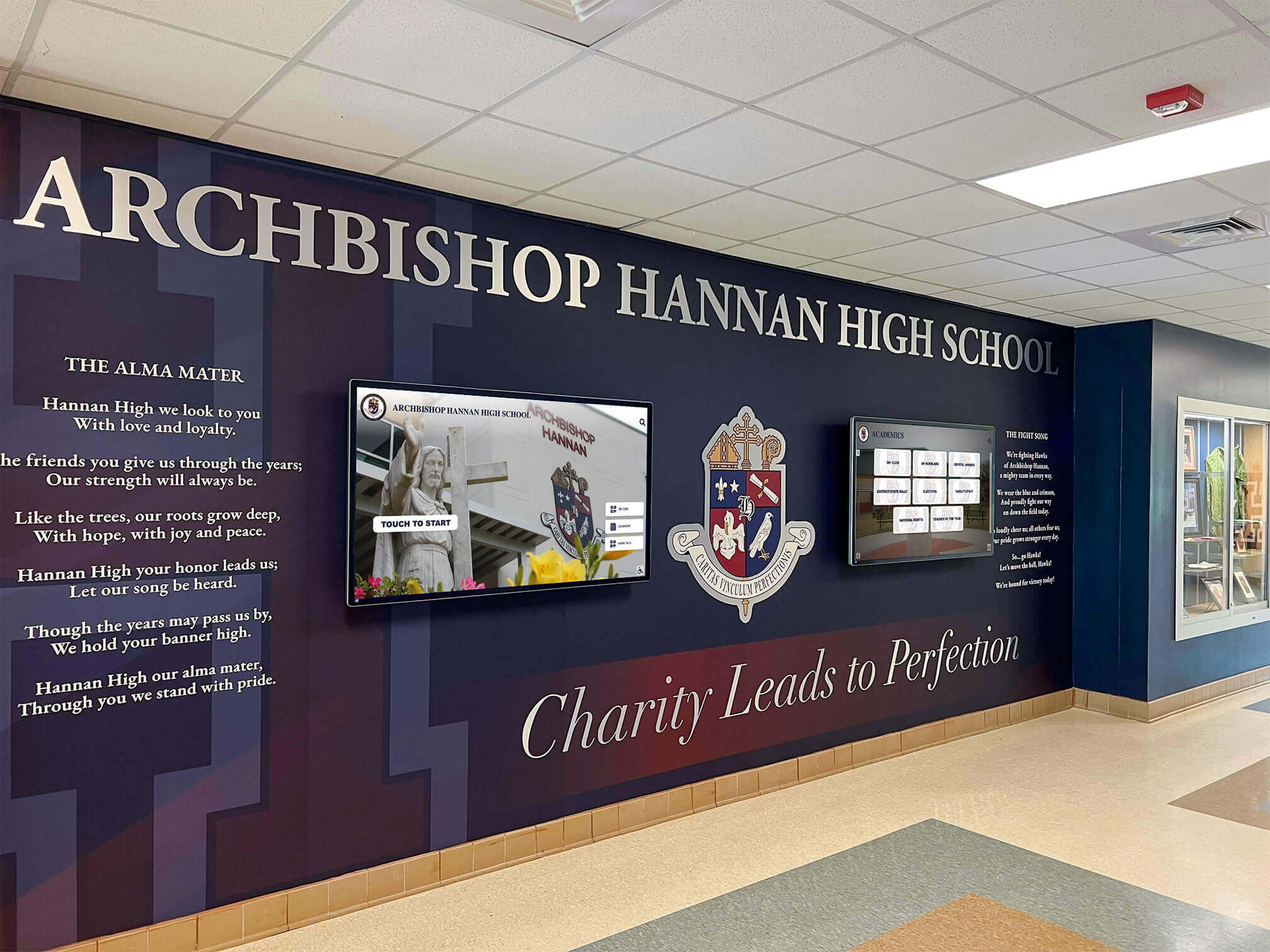
Modern schools create interactive experiences that celebrate student achievement and build lasting connections
Social Media Impact
Instagram, Facebook, and later TikTok transformed how students experienced and shared mum traditions. The homecoming mums history entered a new phase where documentation became as important as the physical objects themselves.
Digital Documentation Effects:
- Mum reveals becoming social media events with elaborate presentations
- Viral mum photos spreading beyond local communities
- Online tutorials democratizing mum-making knowledge
- Non-Texas audiences discovering the tradition for the first time
- Preservation of mum memories beyond physical objects
This digital visibility had dual effects: reinforcing the tradition within Texas communities while simultaneously exposing the elaborate custom to wider audiences who often reacted with surprise or bewilderment at the scale and intricacy involved.
Social media also facilitated sharing of other school traditions, similar to how schools now share coaching philosophy examples and end of season athletic awards recognition online.
National Awareness and Adaptation
While homecoming mums remained predominantly Texan, the tradition’s visibility increased nationally during the 2010s and 2020s, leading to various forms of adaptation and adoption.
Viral Awareness
Non-Texans encountering mum traditions through social media often expressed astonishment at the scale and elaboration. Viral videos and articles introduced wider audiences to the custom, generating reactions ranging from admiration to incredulity.
This exposure contributed to a broader awareness of regional school traditions and sparked conversations about how different communities celebrate homecoming. Students moving from Texas to other states often continued mum traditions in their new schools, sometimes convincing classmates to adopt simplified versions.
Adapted Versions Nationwide
By the 2020s, elements of mum traditions had appeared in schools across the country, though typically in modified forms:
Common Adaptations:
- Single-bloom corsages with a few decorative ribbons
- Smaller, wrist-worn versions rather than large shoulder pieces
- School-sanctioned “spirit mums” sold as fundraisers
- Friendship-focused mum exchanges rather than date-focused traditions
- Simplified garter traditions for various school events beyond homecoming
These adaptations maintained the core concept—decorative accessories celebrating school spirit and homecoming—while avoiding the extreme elaboration characteristic of Texas traditions.
Regional Variations
Different regions developed their own interpretations:
Southern States:
- Arkansas, Louisiana, and Oklahoma schools closest to Texas adopted more elaborate versions
- Integration with existing homecoming corsage traditions
- Regional supplier networks developing outside Texas
Other States:
- Simplified spirit accessories for homecoming weeks
- One-day wearing rather than multi-day displays
- School-organized rather than individually purchased
- Focus on unity and inclusion over individual elaboration
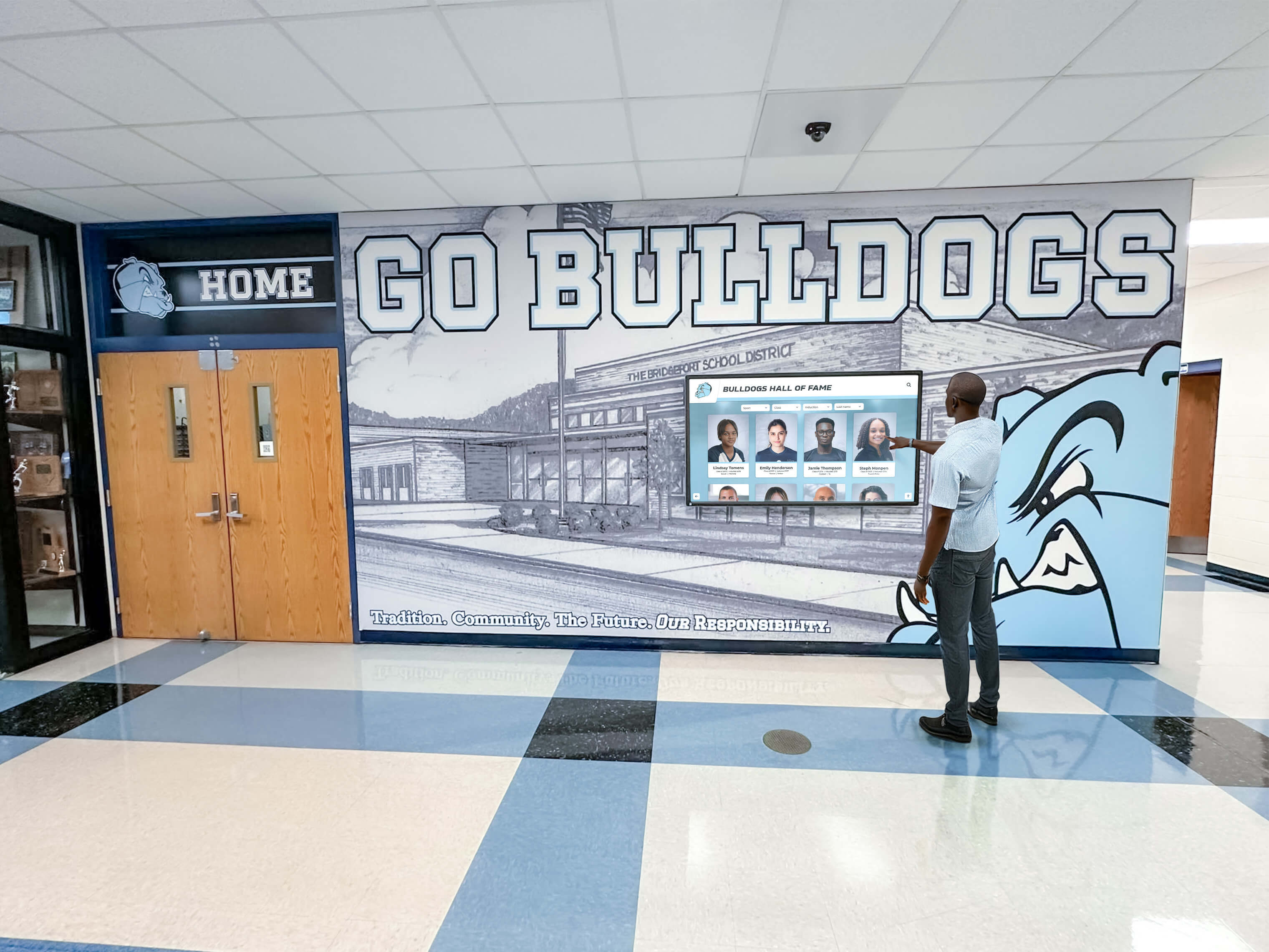
Schools are embracing modern technology to preserve and share traditions with their communities
Just as schools adopt different traditions for celebrating achievements like those recognized in athletic banquet planning or youth sports awards, homecoming celebrations reflect local culture and values.
The Modern Era: Sustainability and Evolution
Current homecoming mums history continues evolving, with recent years bringing new considerations and adaptations to this enduring tradition.
Sustainability Concerns
Growing environmental awareness has prompted reconsideration of traditional mum materials and disposal:
Eco-Conscious Alternatives:
- Reusable mum frameworks designed for multiple years
- Ribbon exchanges and sharing programs
- Natural fiber ribbons and biodegradable decorations
- Digital alternatives to physical mum elements
- Donation programs repurposing mum components
Some Texas schools have introduced “green mum” initiatives encouraging sustainable practices while maintaining tradition participation. These programs promote borrowing, sharing, and recycling mum components rather than creating entirely new pieces each year.
Inclusivity Evolution
Modern interpretations increasingly emphasize inclusivity and broader participation:
Contemporary Approaches:
- Friend-focused mum exchanges beyond romantic relationships
- Gender-neutral mum designs welcoming all students
- Affordable school-sponsored mum options
- Anti-bullying messaging about mum expectations
- Celebration of individual expression over competitive elaboration
Schools now commonly offer multiple mum traditions simultaneously—traditional elaborate versions for students who enjoy that expression, simplified affordable options ensuring universal participation, and alternative spirit accessories for those preferring different approaches.
This mirrors broader trends in school recognition programs, where institutions like those implementing academic recognition programs and academic scholarships work to ensure all students feel celebrated.
COVID-19 Impact
The pandemic significantly affected homecoming traditions during 2020-2021, including mum customs:
Pandemic Adaptations:
- Virtual homecoming celebrations reducing mum wearing opportunities
- Delayed or modified homecoming events
- Increased DIY mum creation as families stayed home
- Photo-focused mum traditions emphasizing documentation over wearing
- Smaller gatherings changing mum exchange dynamics
While traditional homecoming celebrations returned in subsequent years, some pandemic-era adaptations persisted, particularly increased acceptance of virtual participation and flexible celebration timing.
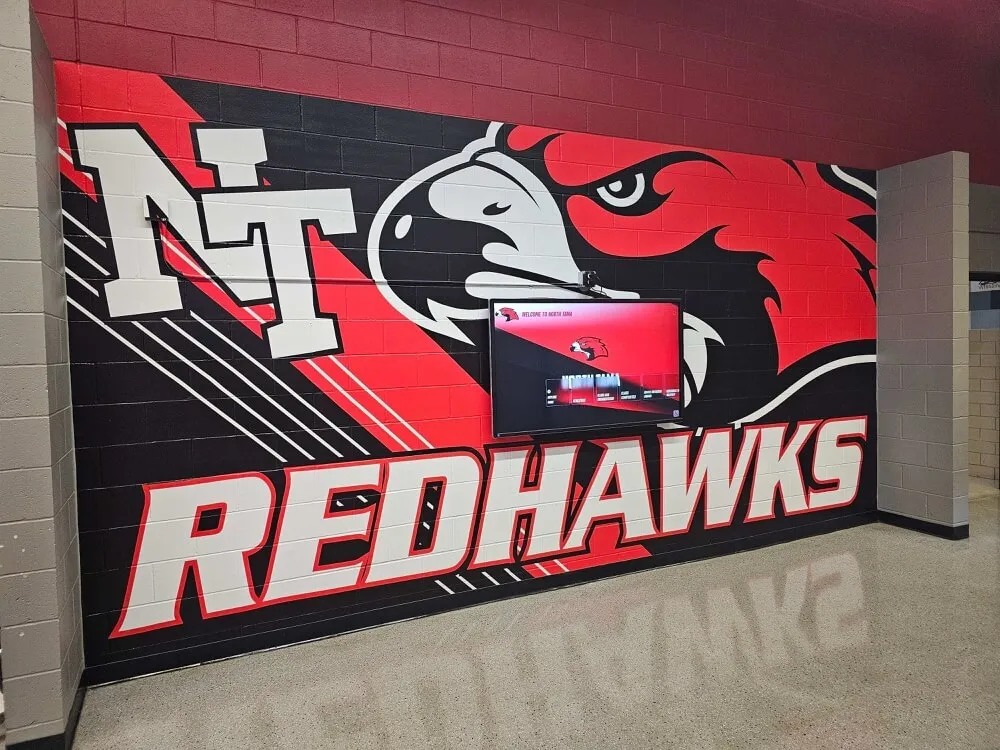
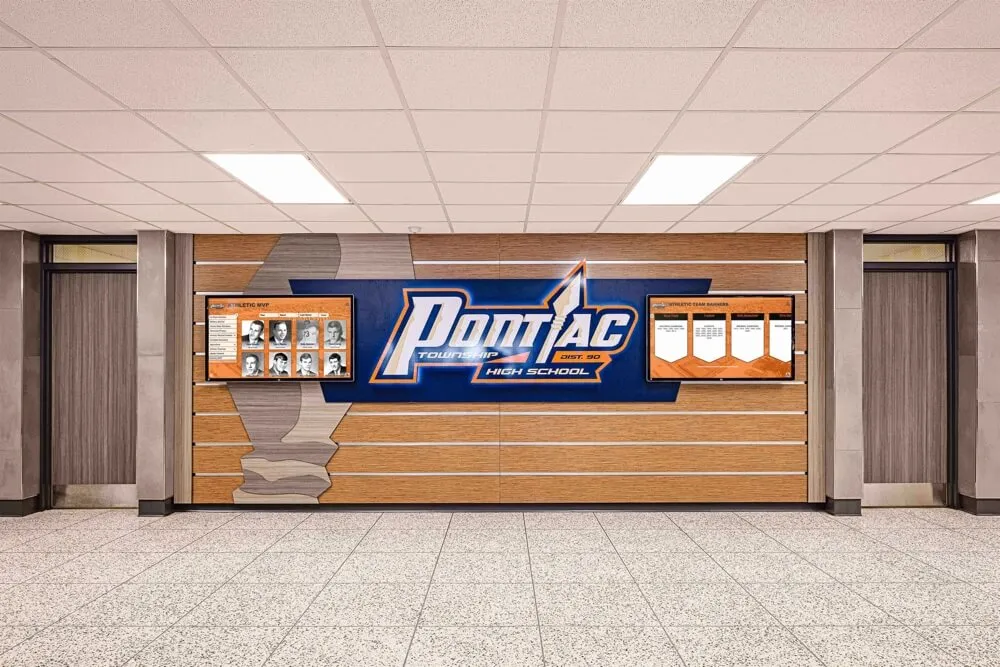
Schools create permanent displays celebrating institutional identity and providing year-round connection to traditions
The Business of Mums
Understanding homecoming mums history requires acknowledging the substantial economic ecosystem the tradition supports, particularly in Texas.
Mum Industry Economics
The annual mum season generates significant economic activity:
Supply Chain:
- Wholesale mum suppliers providing base materials to retailers
- Craft stores dedicating extensive floor space to mum supplies each fall
- Specialty mum shops operating year-round in Texas communities
- Online retailers shipping components nationally
- Local florists and gift shops offering custom mum services
Service Providers:
- Professional mum makers offering custom design services
- Student and parent entrepreneurs creating mums for classmates
- School organizations conducting mum-making workshops
- Fundraising programs selling pre-made school-themed mums
Economic estimates suggest the Texas homecoming mum industry generates tens of millions of dollars annually across retail supplies, custom creation services, and related accessories.
DIY vs. Professional
The mum market accommodates various budget levels and skill preferences:
DIY Creation:
- Basic mums can be self-made for twenty to fifty dollars in materials
- Craft stores offer mum-making classes and guidance
- Online tutorials provide step-by-step instructions
- Family bonding opportunity as parents and students work together
- Customization freedom creating unique personal expressions
Professional Services:
- Custom mums from professional makers typically cost one hundred to three hundred dollars
- Premium elaborate designs reaching five hundred dollars or more
- Time savings appealing to busy families
- Professional finish and construction quality
- Design consultation creating personalized visions
Many families combine approaches—purchasing base components but adding personal decorative touches themselves.
Preserving Mum Memories
As homecoming mums became more elaborate and expensive, preservation became increasingly important, adding another dimension to the tradition.
Display and Storage
Students developed various approaches to preserving homecoming mums beyond the events themselves:
Preservation Methods:
- Shadow box frames displaying mums as wall art in bedrooms
- Ribbon detachment for scrapbook preservation
- Photography documentation before dismantling
- Selective component saving rather than full mum preservation
- Digital galleries preserving mum memories without physical storage
Many Texas homes feature preserved homecoming mums from multiple years, creating personal archives of high school memories alongside other recognition displays similar to banquet program templates and awards ceremony materials.
Generational Connections
Preserved mums create tangible connections across generations:
Intergenerational Aspects:
- Parents sharing their own preserved mums with children
- Comparing mum styles across decades
- Passing down mum-making skills and knowledge
- Sharing homecoming stories prompted by preserved mums
- Connecting past and present school experiences
This preservation impulse reflects the deeper significance mums hold—not just temporary accessories, but meaningful markers of important life moments and community connections.
Cultural Significance and Identity
The homecoming mums history reveals important insights into American youth culture, regional identity, and community traditions.
Texas Cultural Identity
Homecoming mums have become recognized symbols of Texas culture, alongside other state traditions. For many Texans, participating in mum traditions represents connection to regional identity and community heritage.
The tradition’s persistence despite criticism and the considerable investment required demonstrates its deep cultural resonance. Mums serve multiple functions: marking important moments in adolescence, displaying school connections and pride, demonstrating creativity and personal expression, and participating in shared community customs.
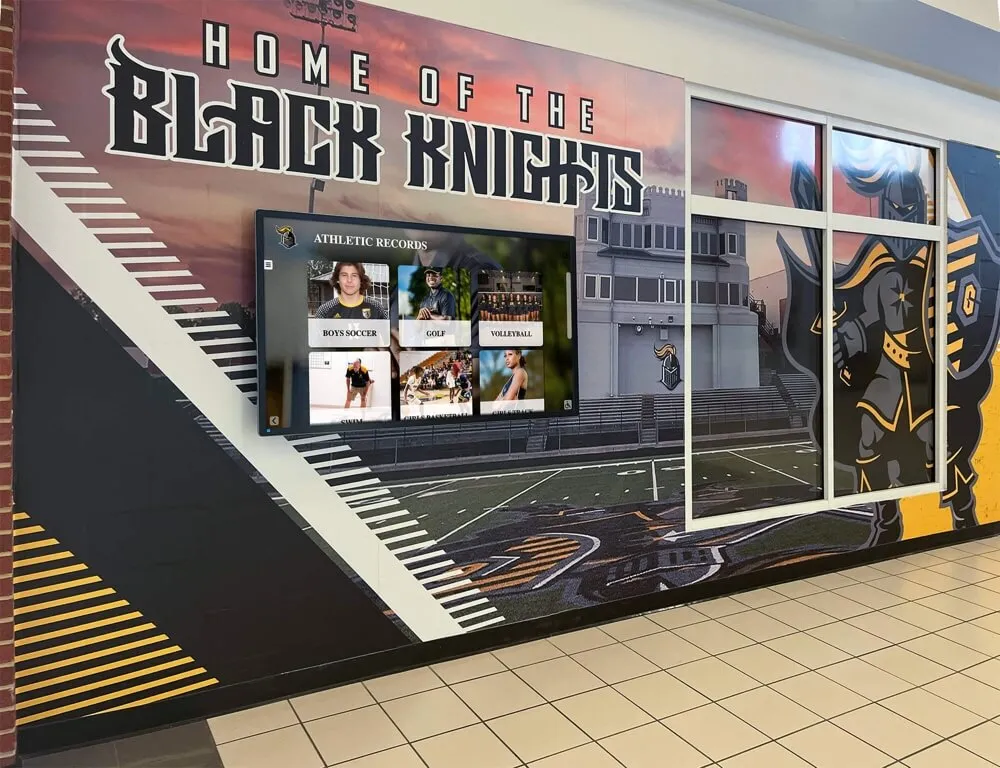
Permanent displays celebrate school traditions and achievements, creating visible connections to institutional heritage
School Spirit Expression
Mum traditions represent broader patterns in how American schools celebrate spirit and build community:
School Spirit Functions:
- Visible demonstration of school affiliation and pride
- Peer bonding through shared tradition participation
- Institutional identity strengthened through distinctive customs
- Multigenerational connection as alumni share traditions with current students
- Community cohesion through collective celebration
These functions explain why schools invest in various spirit-building traditions, from homecoming mums to hall of fame tools that celebrate achievement and build lasting institutional connections.
Looking Forward: The Future of Mum Traditions
The homecoming mums history continues evolving, with several trends shaping future directions.
Predicted Trends
Several developments appear likely to influence mum traditions going forward:
Sustainability Integration:
- Continued growth of eco-conscious mum alternatives
- Sharing economies reducing waste and cost
- Increased emphasis on preservation and reuse
- Natural material preferences over plastic components
Technology Enhancement:
- Augmented reality elements integrated with physical mums
- Digital badges and virtual mum components
- Social media integration becoming standard rather than novelty
- Enhanced documentation technologies preserving memories
Inclusivity Expansion:
- Further movement away from strictly gendered traditions
- Emphasis on friendship and community over romantic relationships
- Economic accessibility ensuring universal participation opportunity
- Cultural adaptation accommodating diverse student populations
Geographic Spread:
- Continued awareness in non-Texas regions
- Simplified adaptations appearing in more schools nationwide
- Regional variations developing distinct characteristics
- Cross-pollination with other homecoming traditions
Tradition Persistence
Despite ongoing changes, homecoming mums appear likely to persist as distinctive traditions, particularly in Texas. The deep cultural roots, economic infrastructure supporting the tradition, and multigenerational participation suggest mums will continue evolving rather than disappearing.
The tradition’s flexibility—accommodating everything from simple spirit corsages to elaborate artistic creations—enables adaptation to changing values and circumstances while maintaining core elements that resonate with participants.
Conclusion: A Living Tradition
The homecoming mums history demonstrates how local customs can become defining cultural traditions, evolving across generations while maintaining essential character. From simple chrysanthemum corsages in 1930s Texas to elaborate multi-pound creations shared across social media, mums have adapted to changing times while continuing to serve their fundamental purposes: celebrating school spirit, marking important moments, and building community connections.
Understanding this history provides context for the elaborate displays that might otherwise seem inexplicable to outside observers. Each massive mum represents not just current fashion but generations of tradition, community values, and personal significance compressed into ribbons, bells, and artificial flowers.
Whether homecoming mums will continue expanding geographically or remain primarily Texan traditions remains uncertain. What seems clear is that traditions celebrating school spirit, student achievement, and community identity will persist in various forms. Schools seeking to build these connections increasingly turn to permanent recognition systems that honor student accomplishments across all areas, from athletics to academics to community service.
Celebrate Your School Traditions with Modern Recognition Solutions
Just as homecoming mums have evolved from simple flowers to elaborate expressions of school spirit, the ways schools celebrate achievement and build community have transformed. Rocket Alumni Solutions provides modern digital recognition systems that honor student accomplishments, preserve institutional traditions, and create lasting connections between schools and their communities.
Our interactive touchscreen displays and digital walls of fame make it easy to celebrate every student achievement—from homecoming royalty to academic excellence, athletic records to community service recognition. Unlike temporary traditions that last only a day, these permanent installations provide year-round visibility for student accomplishments while creating engaging experiences that connect current students with institutional heritage.
Discover how modern recognition technology can enhance your school’s traditions. Contact Rocket Alumni Solutions today to explore digital solutions that celebrate student achievement and build lasting school spirit.