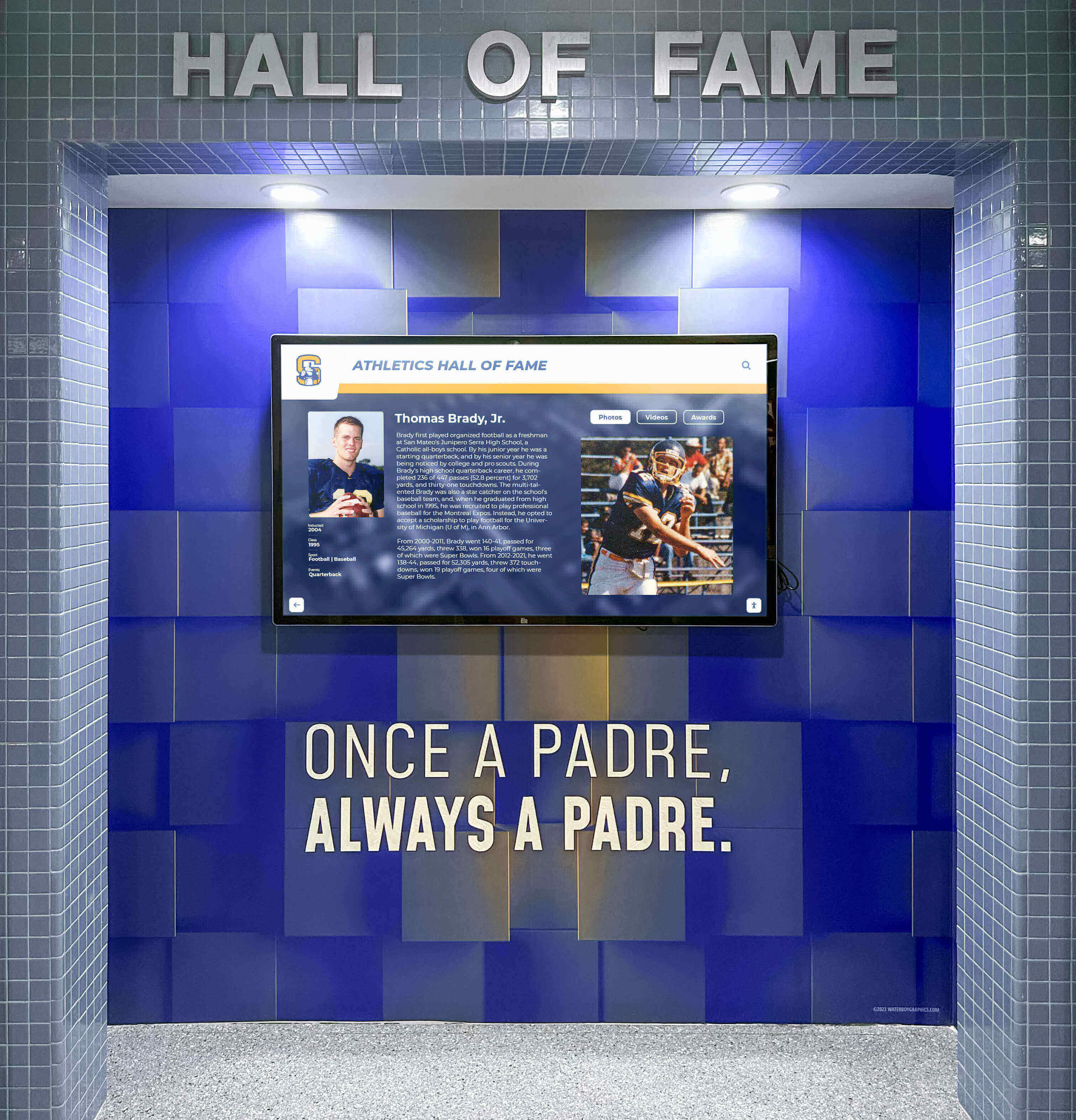




Hockey rinks serve as sacred spaces where communities gather to witness athletic excellence, celebrate championship victories, and honor the legendary players and teams that define local hockey tradition. From youth programs developing future stars to high school teams competing for state titles, from junior hockey leagues preparing athletes for collegiate careers to community rinks hosting adult recreational leagues, these facilities represent the heart of hockey culture—places where generations of players have laced up skates, where unforgettable moments have unfolded, and where proud traditions continue to inspire new competitors.
Yet many hockey facilities struggle to appropriately honor their rich histories and celebrate the athletes who built their reputations. Championship banners hang from rafters where details remain illegible to fans below. Trophy cases overflow with hardware but provide minimal context about the teams and players behind each victory. Historic photos fade in back hallways where few people see them. Legendary players from decades past go unrecognized by current participants who never learn about the traditions they’re continuing. Meanwhile, the compelling stories behind record-breaking seasons, memorable playoff runs, and transformative coaches remain trapped in aging memories rather than preserved for future generations.
This comprehensive guide explores how interactive touchscreen displays transform hockey rink recognition, creating engaging systems that celebrate every championship team, honor legendary players and coaches, preserve complete facility history, and strengthen the hockey culture that makes these spaces special to players, families, and communities.
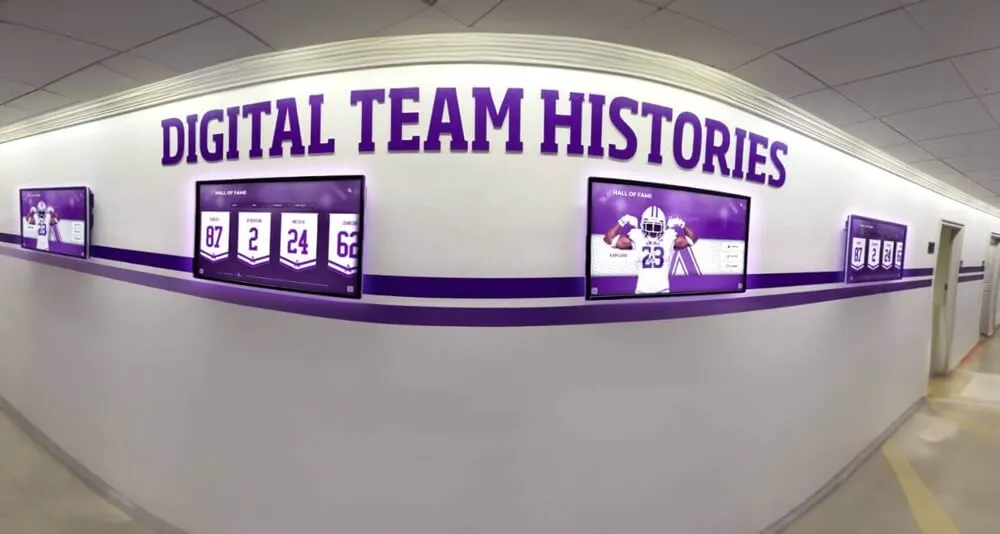
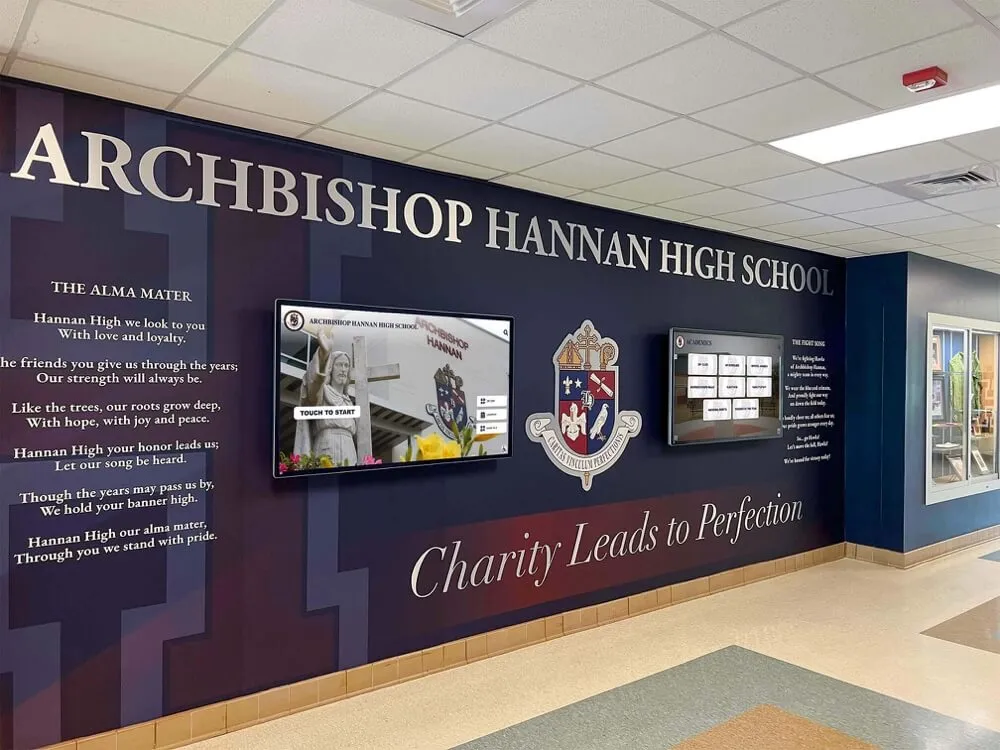
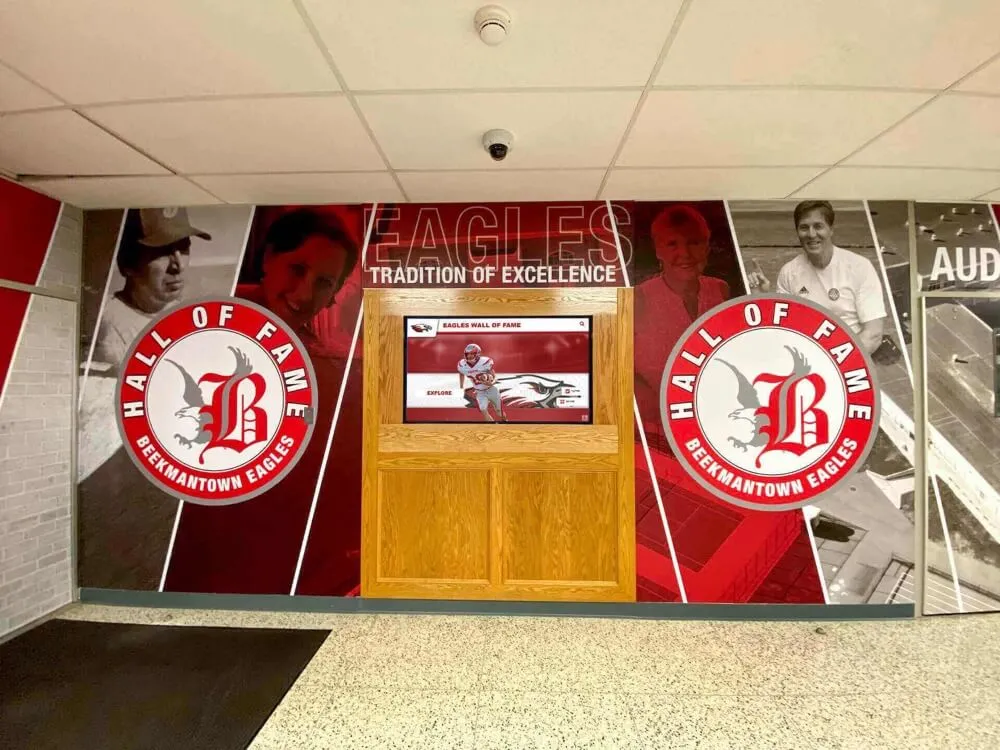
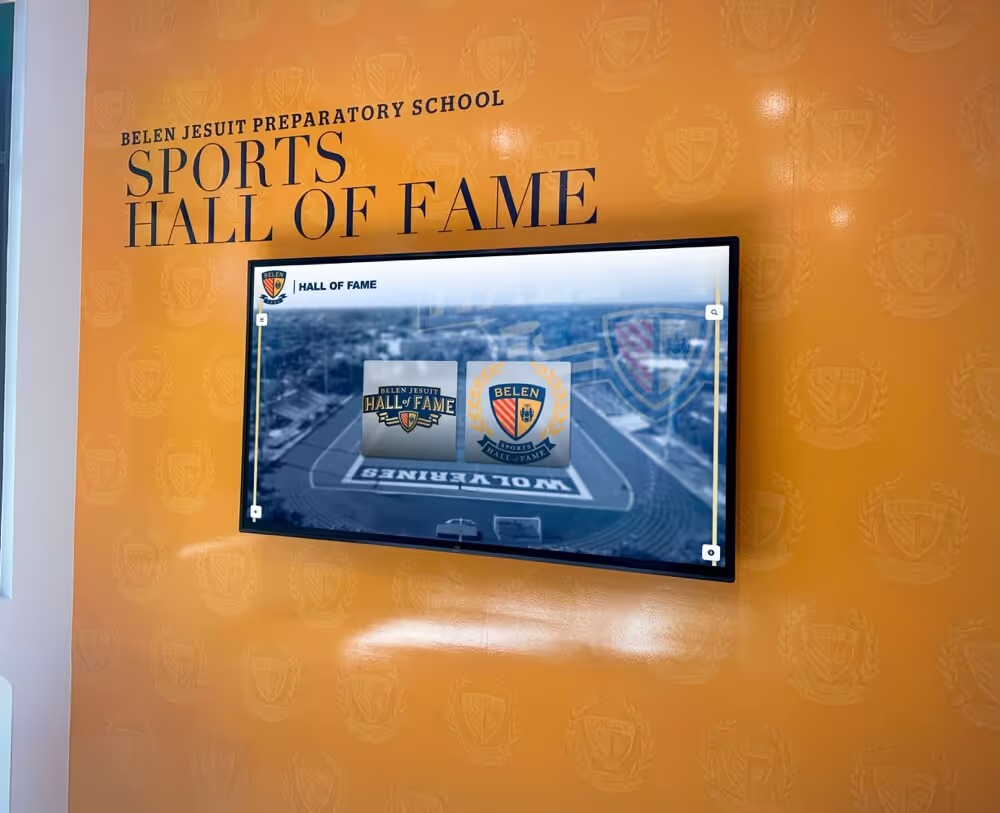
Modern touchscreen technology doesn’t replace traditional recognition elements like championship banners or retired jerseys—it enhances them by providing unlimited digital space for comprehensive storytelling, engaging multimedia experiences, and interactive exploration that brings hockey history to life in ways impossible with static displays alone.

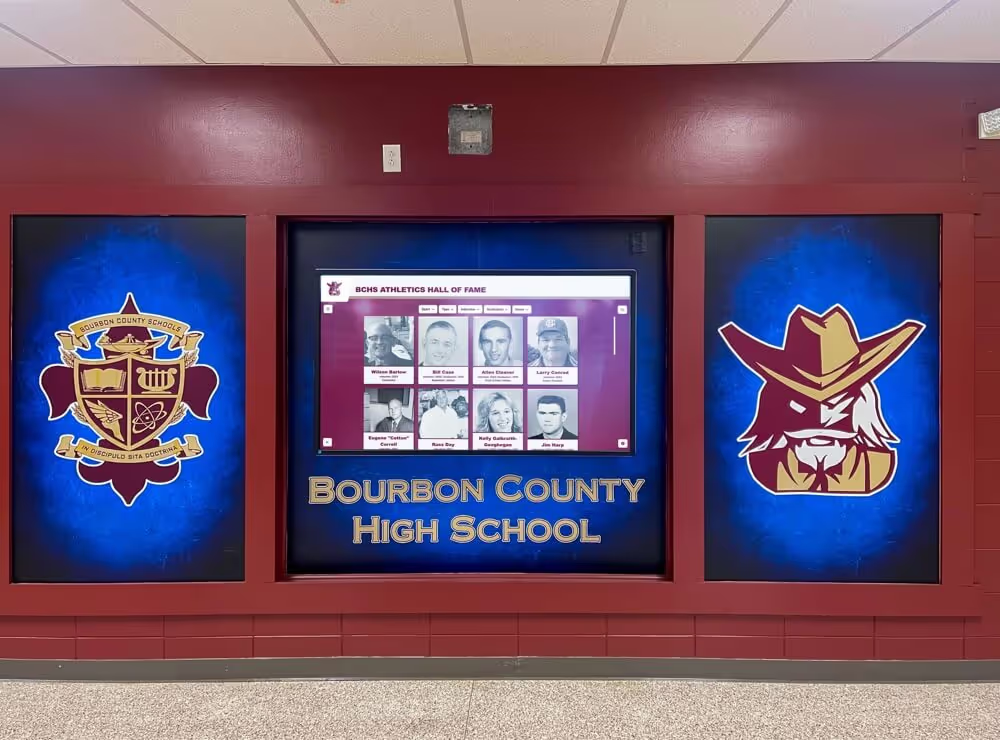
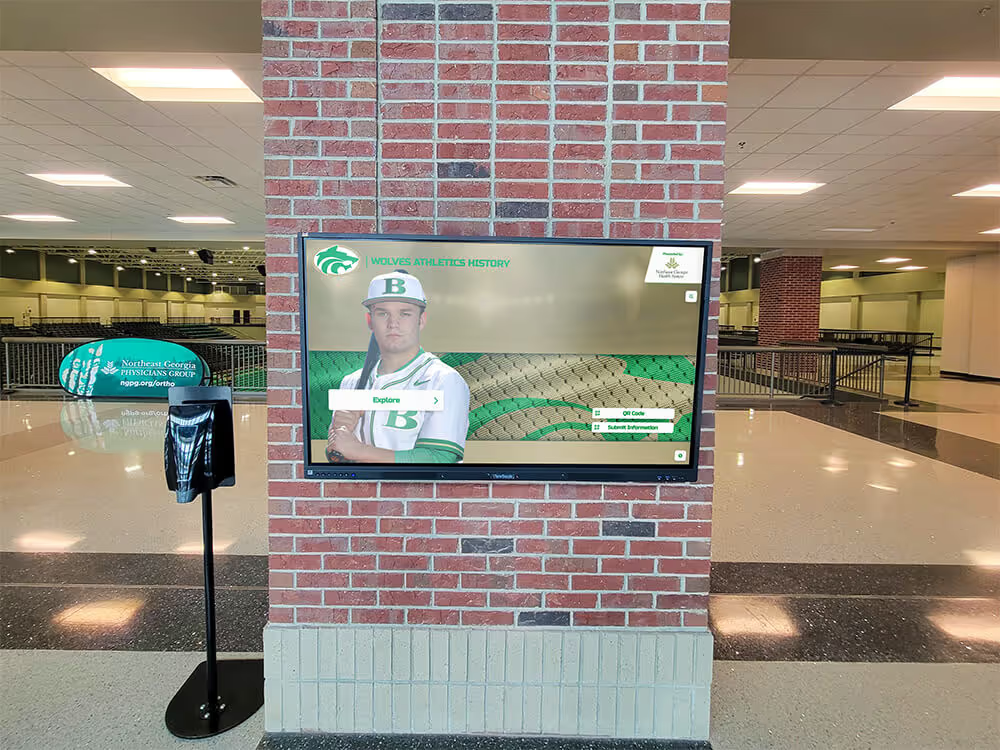
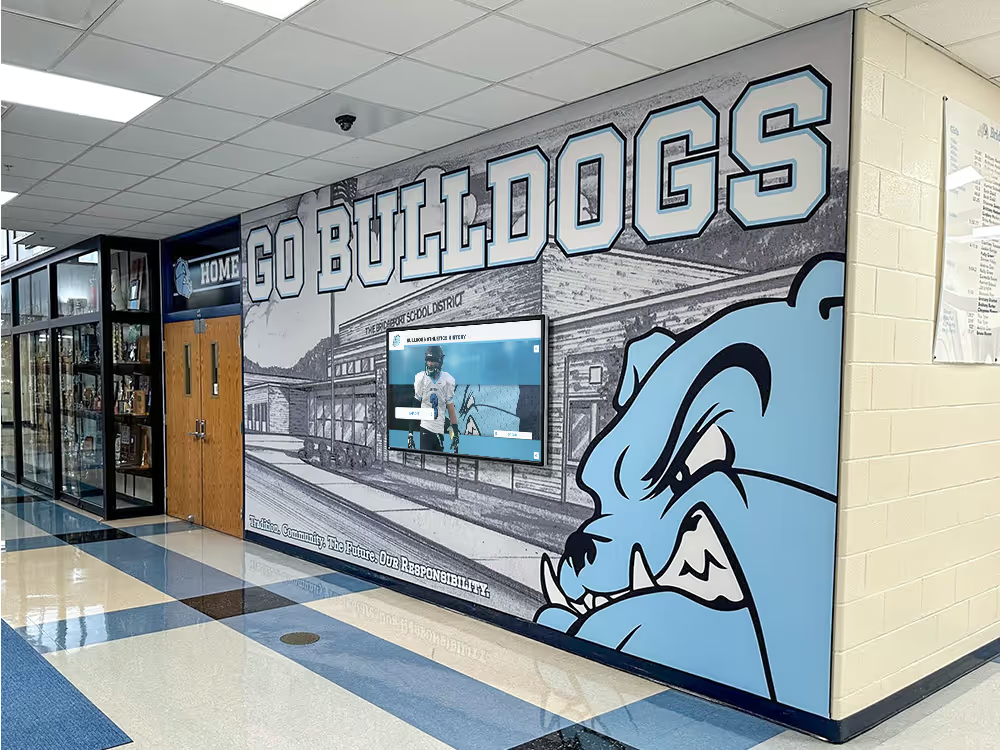
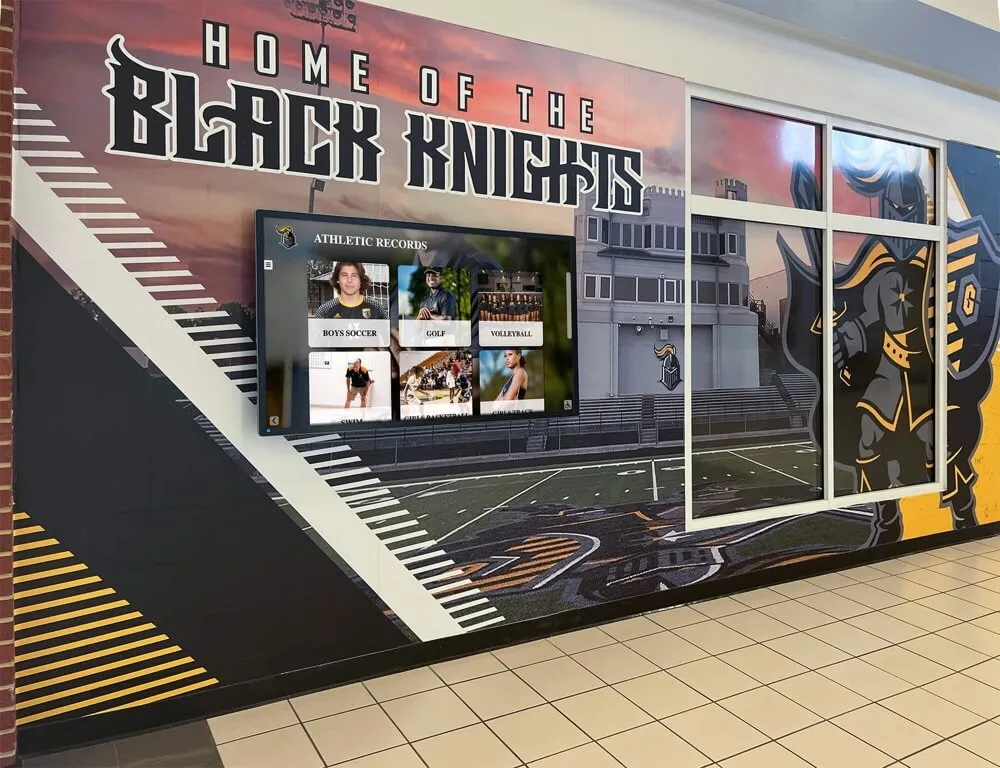
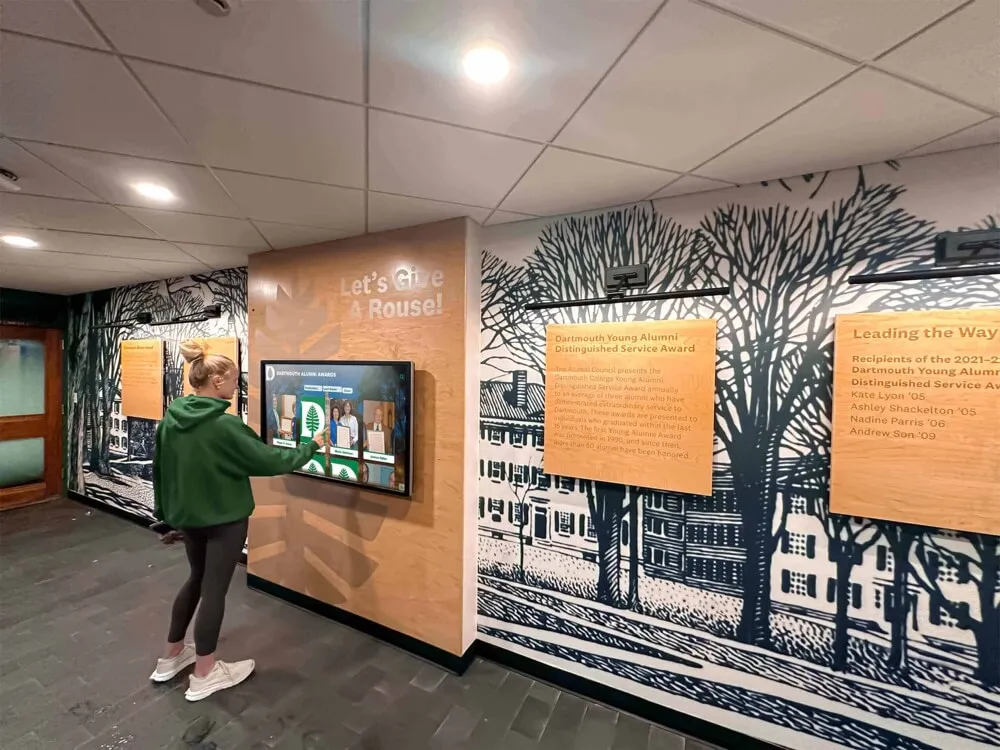
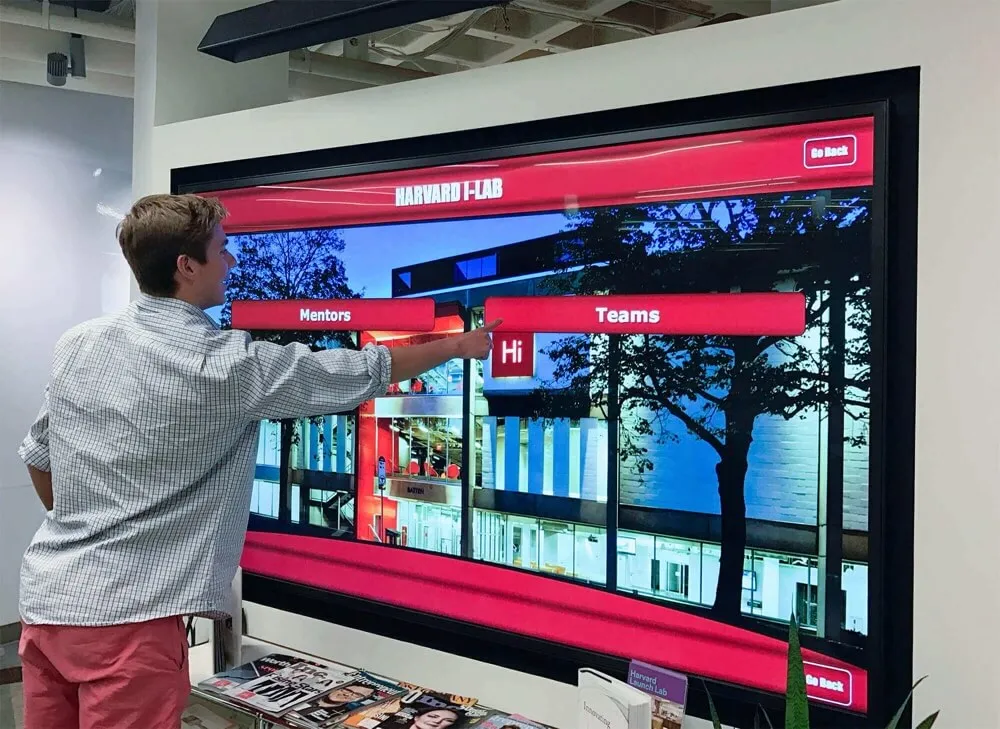
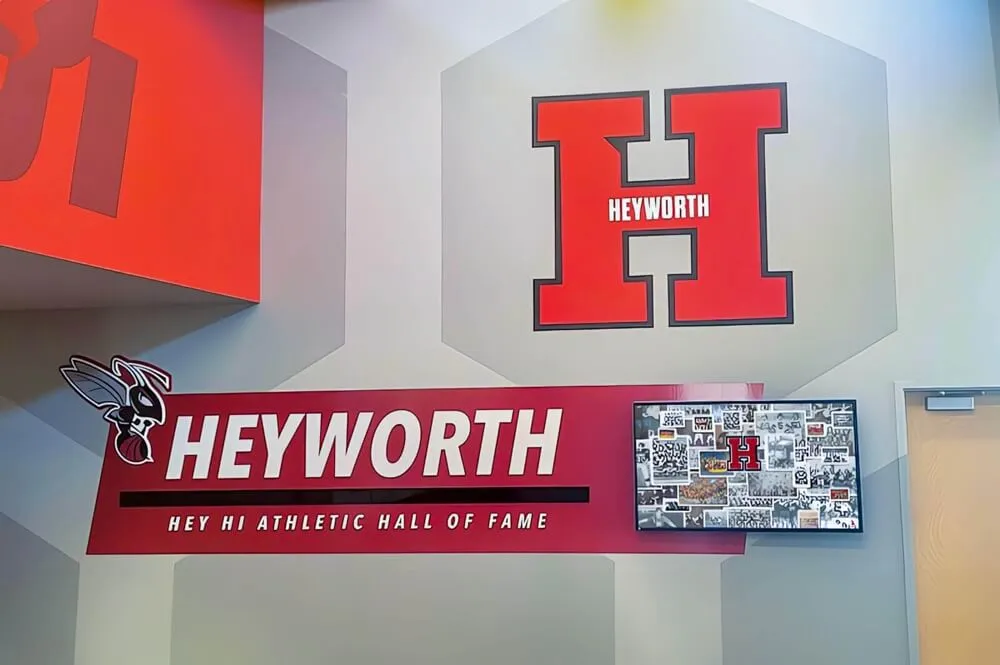
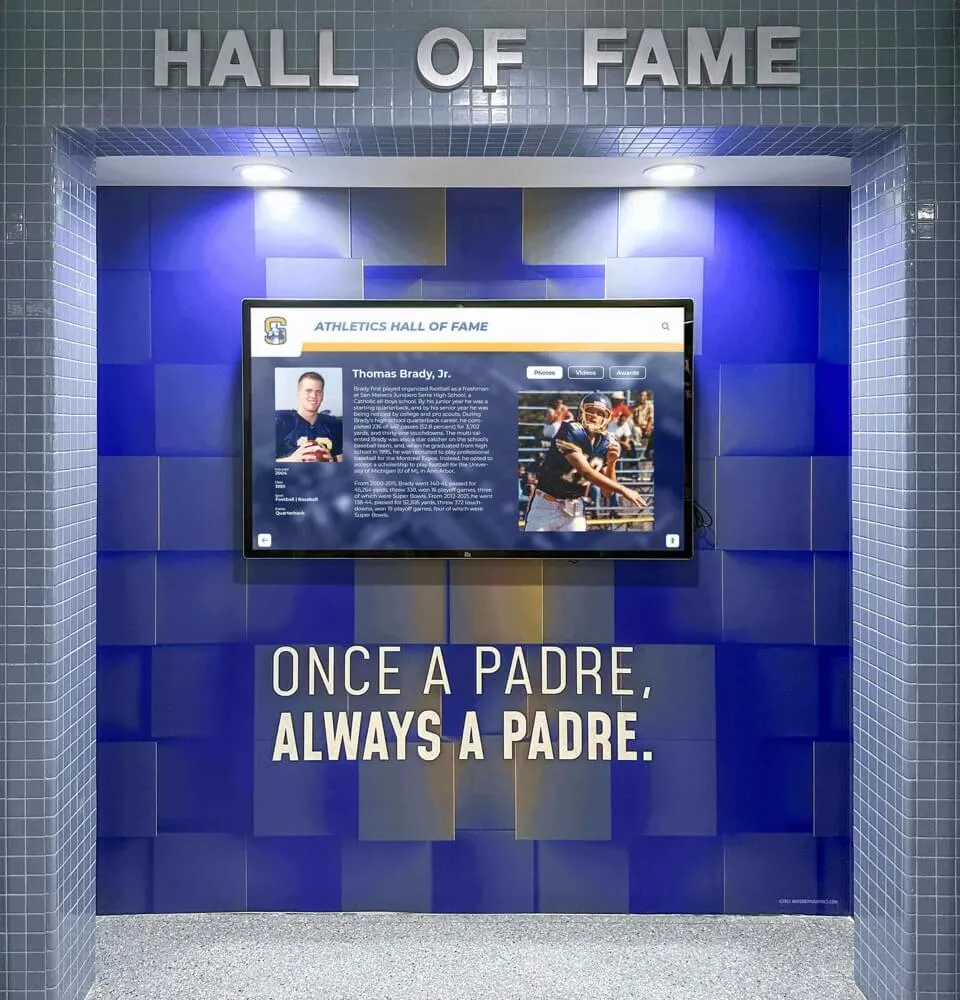
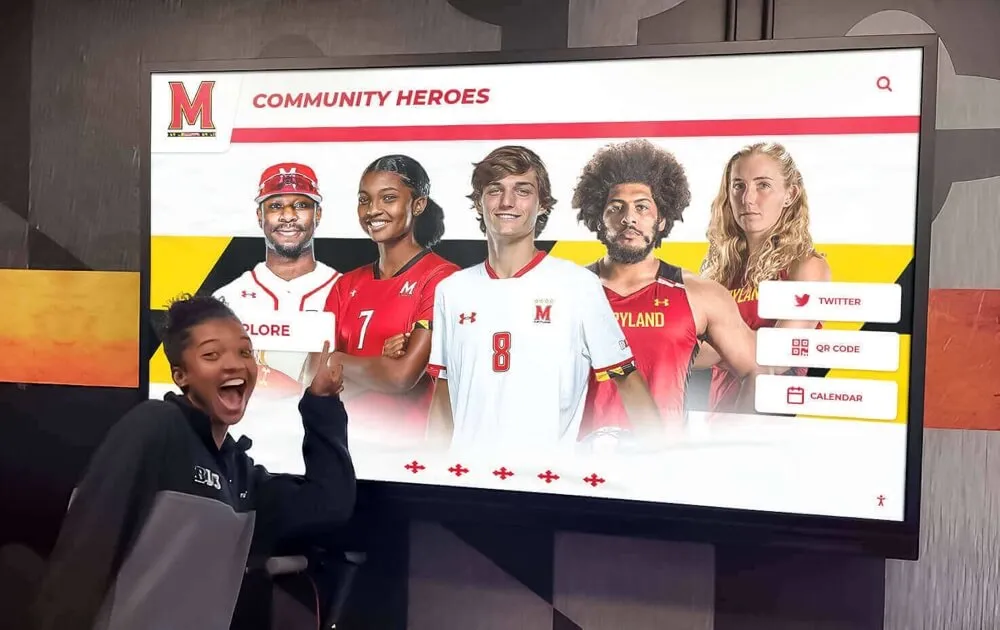
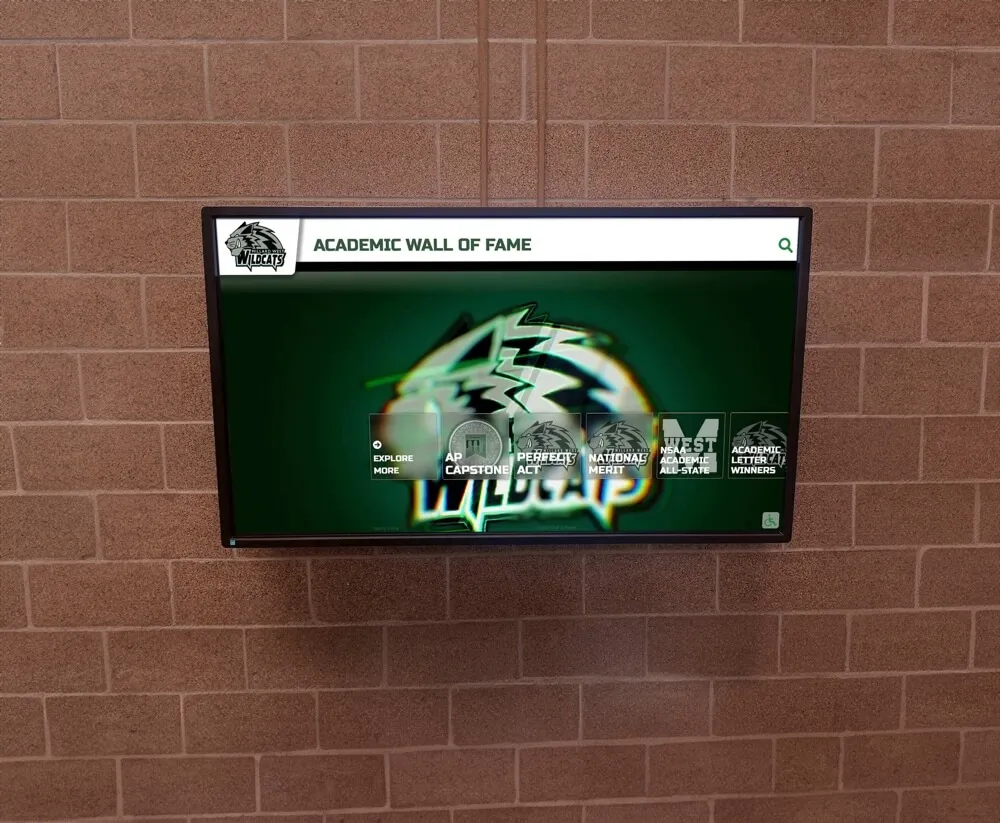
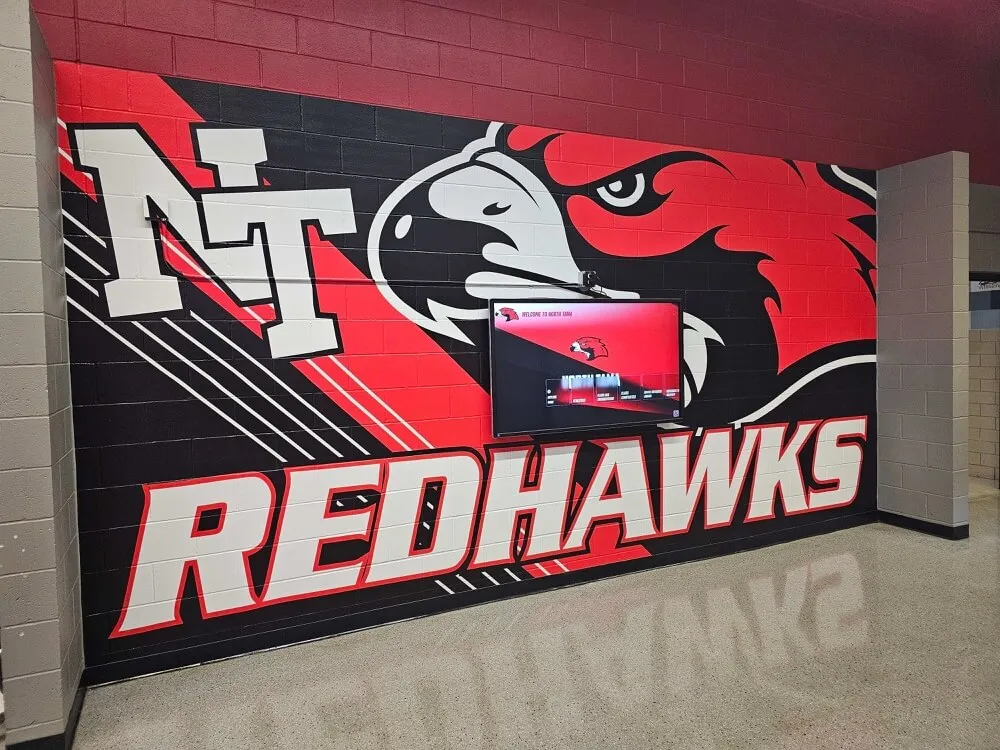
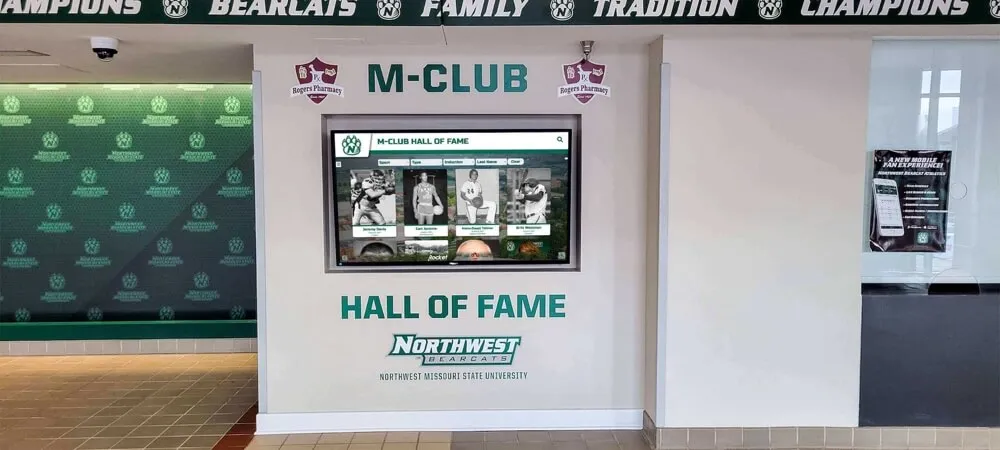
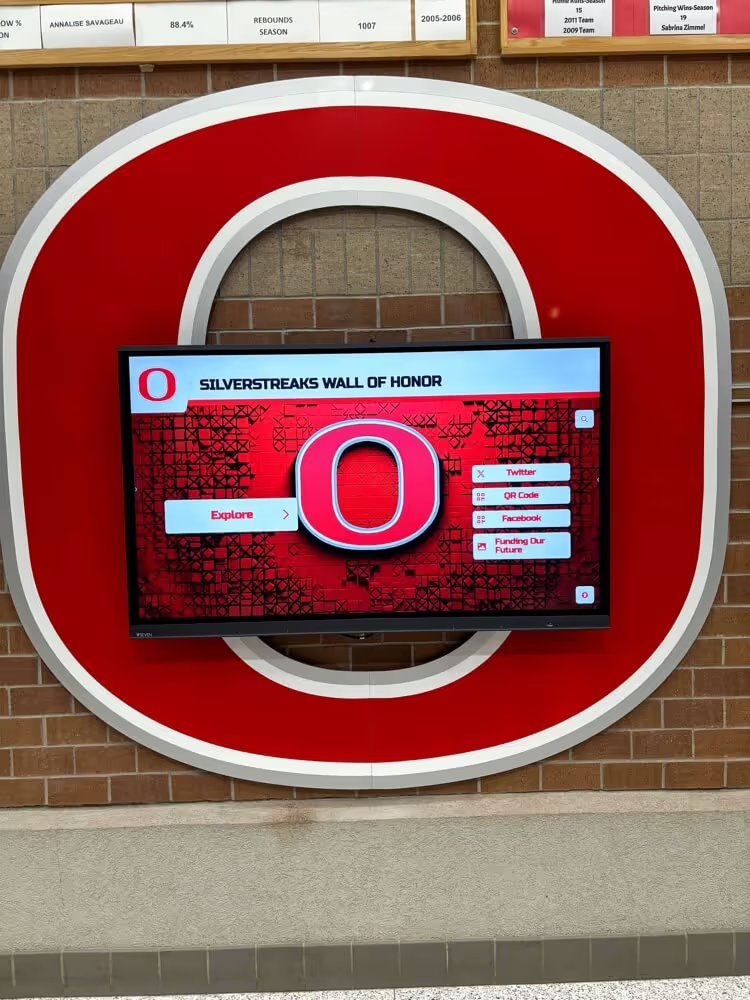
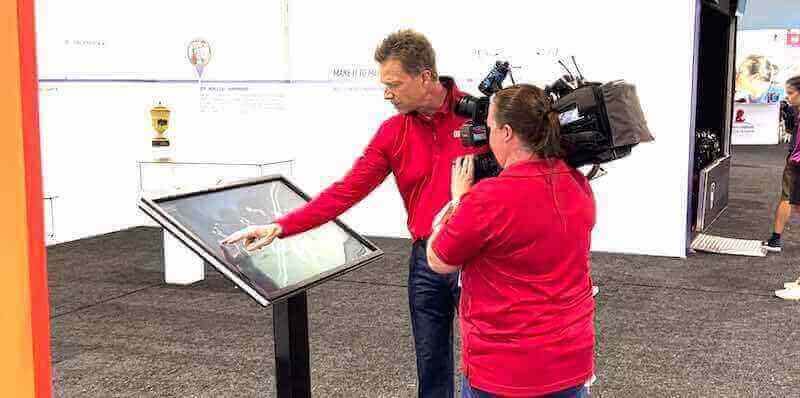
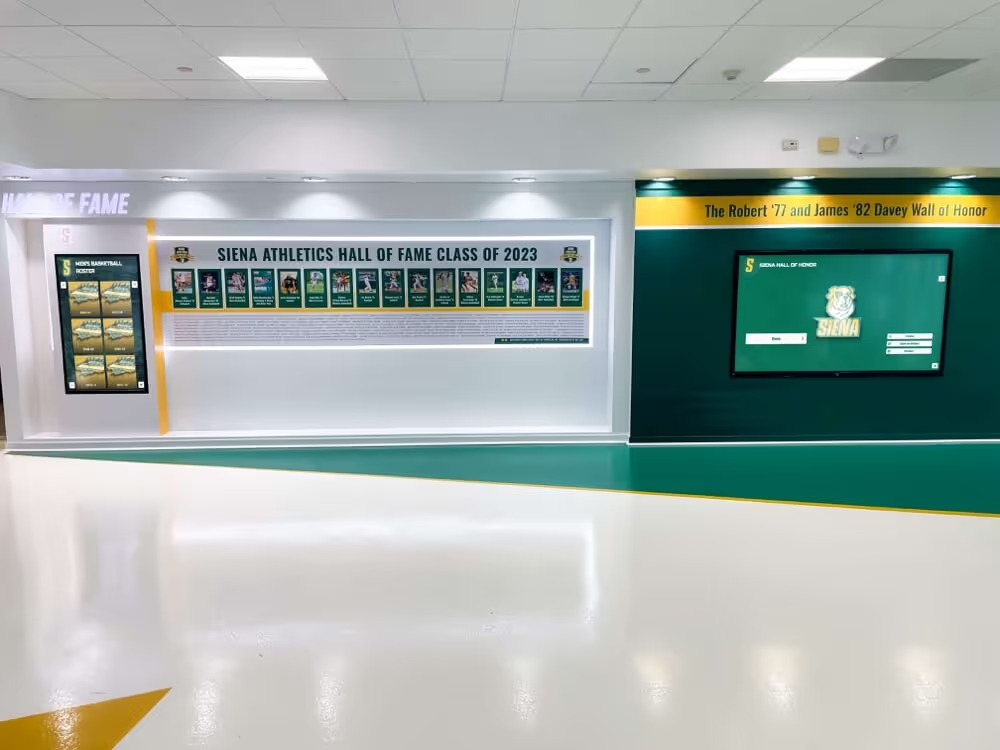
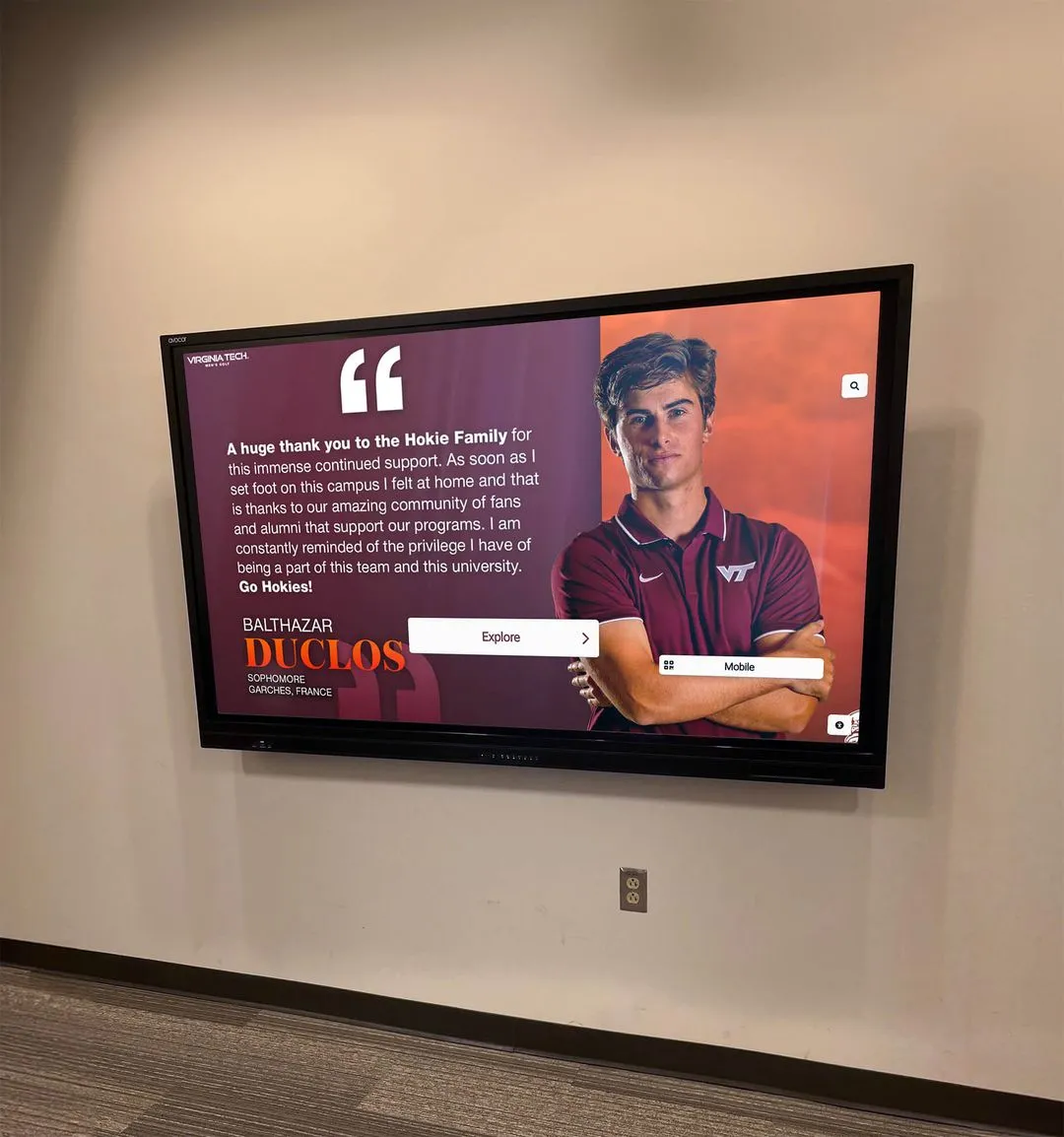
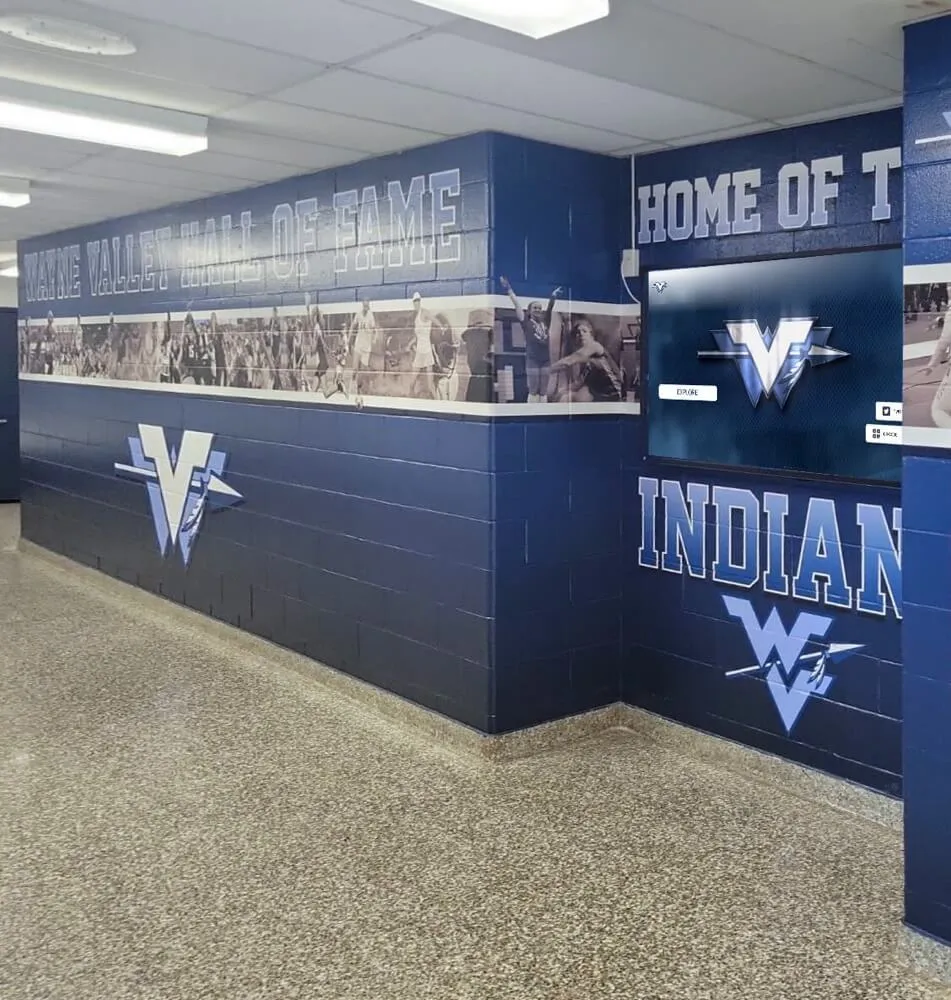
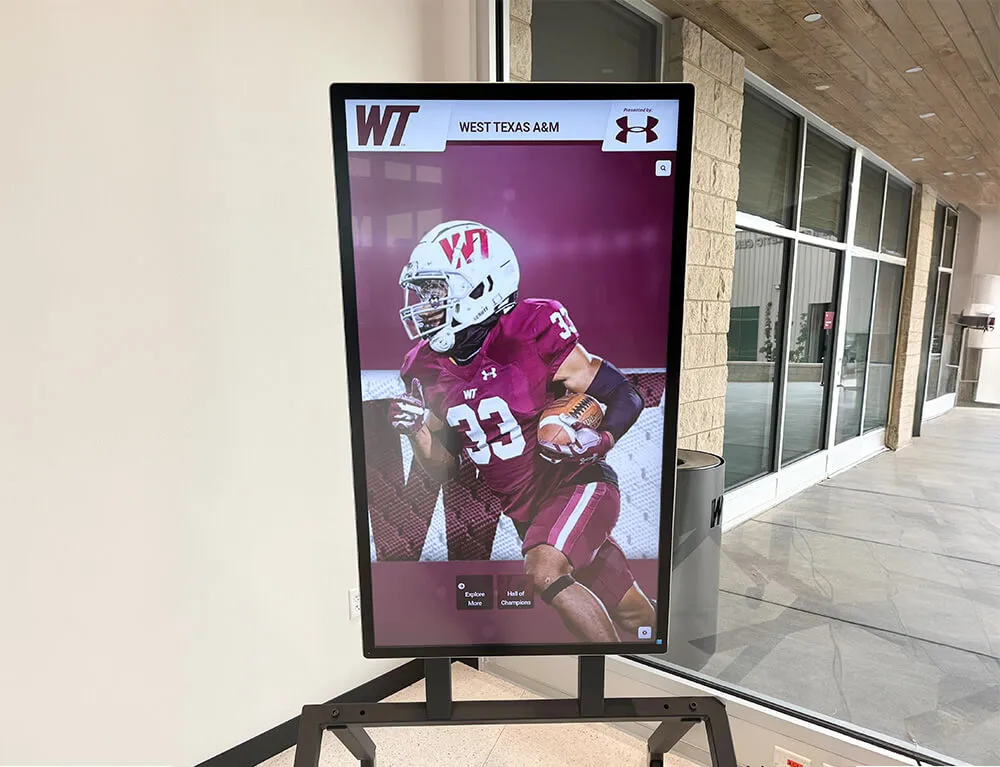
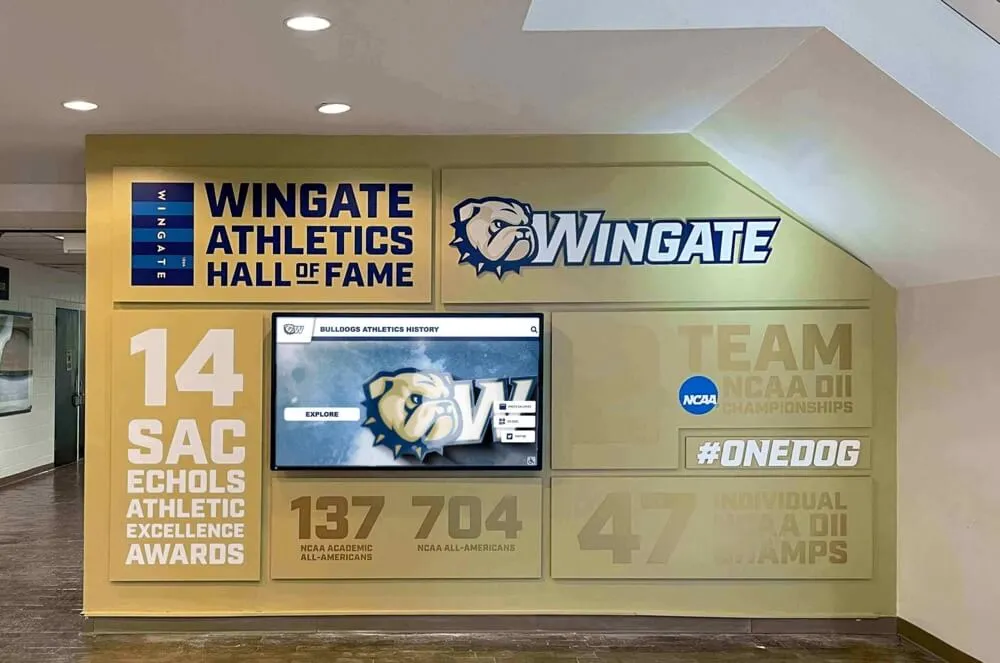
Modern touchscreen displays integrate seamlessly into hockey facilities, creating engaging recognition systems in high-traffic areas where fans naturally gather
The Recognition Challenge Facing Hockey Facilities
Understanding why touchscreen recognition has become so valuable requires examining the unique challenges hockey facilities face when attempting to honor their histories and celebrate past achievements appropriately.
Physical Space Limitations in Hockey Arenas
Hockey facilities present distinctive recognition constraints that limit traditional celebration approaches:
Structural Recognition Barriers
Arena architecture creates inherent visibility challenges: high ceilings and expansive spaces make wall-mounted displays difficult to see clearly, championship banners suspended from rafters become illegible beyond reading team names and years, limited wall space in public areas constrains how much recognition facilities can accommodate, trophy cases compete for space with concession areas and necessary equipment storage, and cold temperatures in rink areas restrict material options while accelerating deterioration of traditional displays.
These physical constraints force difficult decisions about which achievements receive prominent recognition and which accomplishments get relegated to storage or forgotten entirely—creating recognition systems that inevitably leave deserving teams and players uncelebrated.
The Trophy Case Capacity Problem
Every hockey program faces the same progression: early years of competition produce manageable numbers of trophies and awards that fit comfortably in available display cases. However, as programs mature and success accumulates, facilities confront impossible choices about which hardware remains visible and which achievements get removed to accommodate recent victories.
Trophy Case Dilemmas
- Removing historic championship trophies to make room for recent wins
- Displaying only select teams from each decade rather than comprehensive recognition
- Rotating recognition seasonally, leaving most achievements in storage most of the time
- Creating multi-tiered displays where only front rows remain visible
- Prioritizing certain age groups or competition levels over others
- Allowing recognition quality to degrade as displays become overcrowded
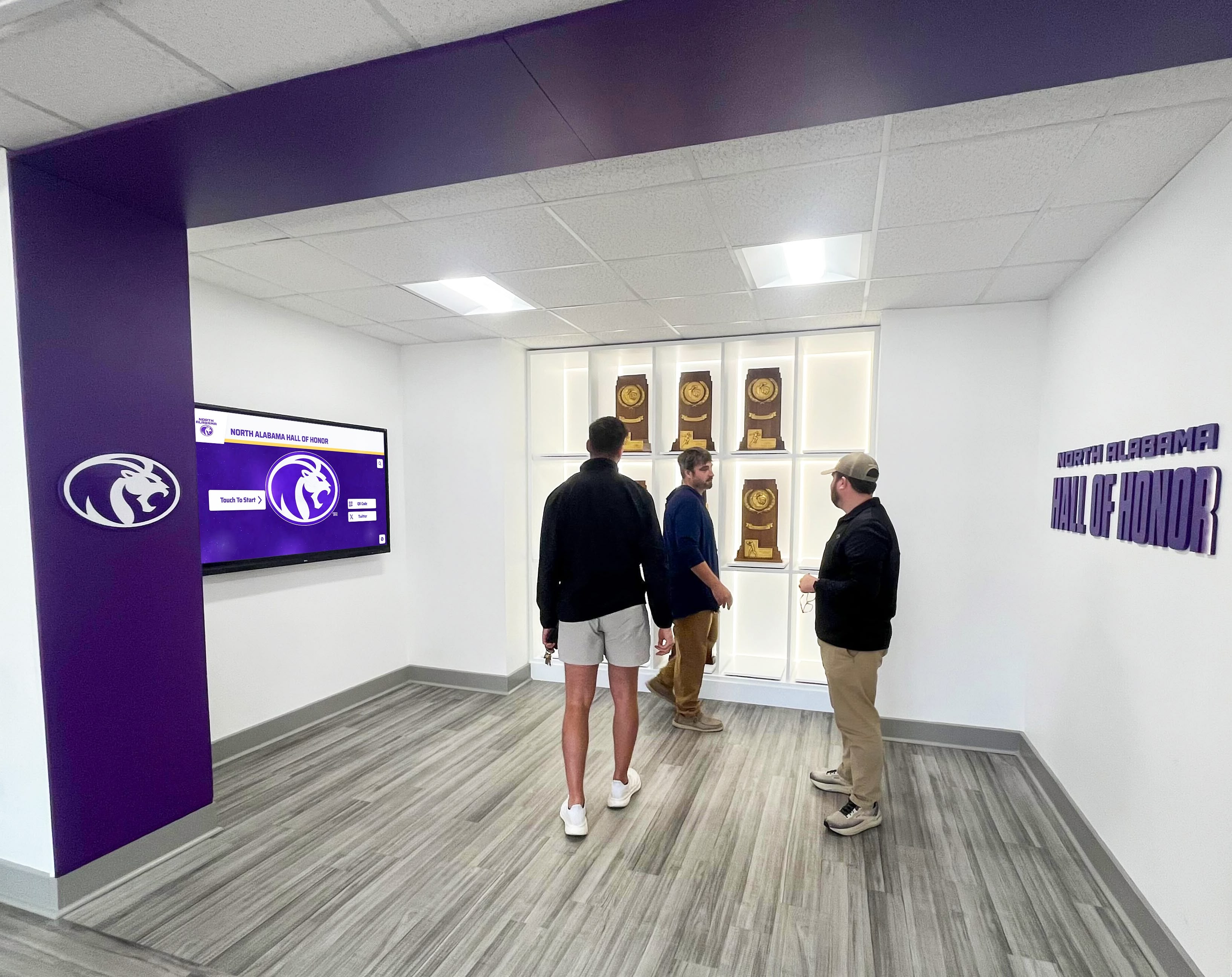
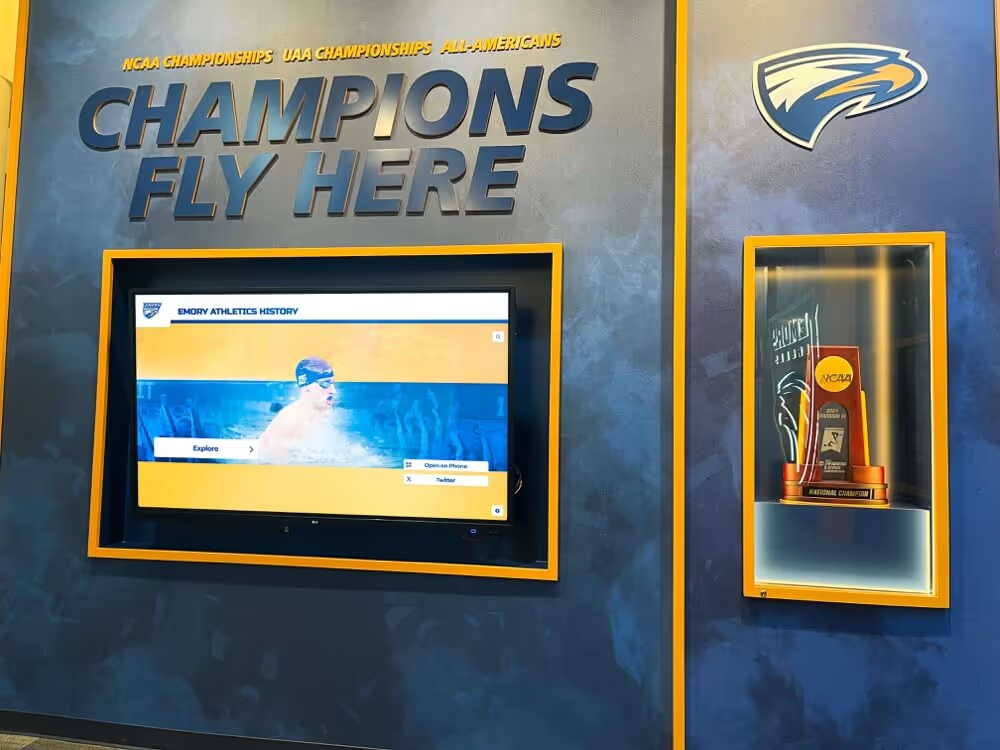
Traditional trophy displays create gathering spaces but face inevitable capacity limitations as program success accumulates
These constraints communicate unintended messages about organizational priorities and values—suggesting recent achievements matter more than historic foundations, implying certain teams or players deserve greater recognition than equally deserving competitors, and creating recognition systems that become less comprehensive precisely when facilities most need to demonstrate their proud traditions.
Learn about overcoming capacity challenges in trophy case capacity complete guide with strategies applicable to hockey facilities.
Inadequate Storytelling with Traditional Recognition
Beyond space limitations, conventional recognition approaches fail to capture the compelling narratives that make hockey achievements meaningful and memorable.
Context-Free Recognition Limitations
Traditional displays provide minimal storytelling capability: championship banners list years and sometimes records but provide no context about the journey to victory, trophy cases display hardware without explaining what made those teams or seasons special, retired jerseys honor legendary players but offer limited information about their contributions and impact, team photos document rosters without preserving the stories behind championship runs, and record boards list statistics without the narratives that bring those numbers to life.
This context absence reduces powerful stories to simple data points—championship years become dates without meaning, legendary players become names without personalities, and historic moments fade from memory because nothing captures and preserves the details that made them significant.
The Challenge of Multi-Generational Recognition
Hockey facilities often serve communities for decades, creating recognition systems that must honor achievements spanning generations. Traditional approaches struggle with this temporal scope:
Older recognition materials deteriorate, fade, or get damaged by temperature fluctuations and moisture common in rink environments. Information about historic teams becomes scarce as participants age and memories fade. Recognition styles from different eras create visually inconsistent displays lacking cohesion. Limited space forces removing older recognition to accommodate recent achievements. Current participants disconnect from facility tradition when they can’t access historical information about the legacy they’re continuing.
These challenges explain why many hockey facilities possess rich histories but lack recognition systems that effectively celebrate and preserve their complete traditions—the recognition exists but fails to engage audiences or honor achievements appropriately.
Explore historical preservation strategies in displaying school history complete guide with approaches applicable to hockey facilities.

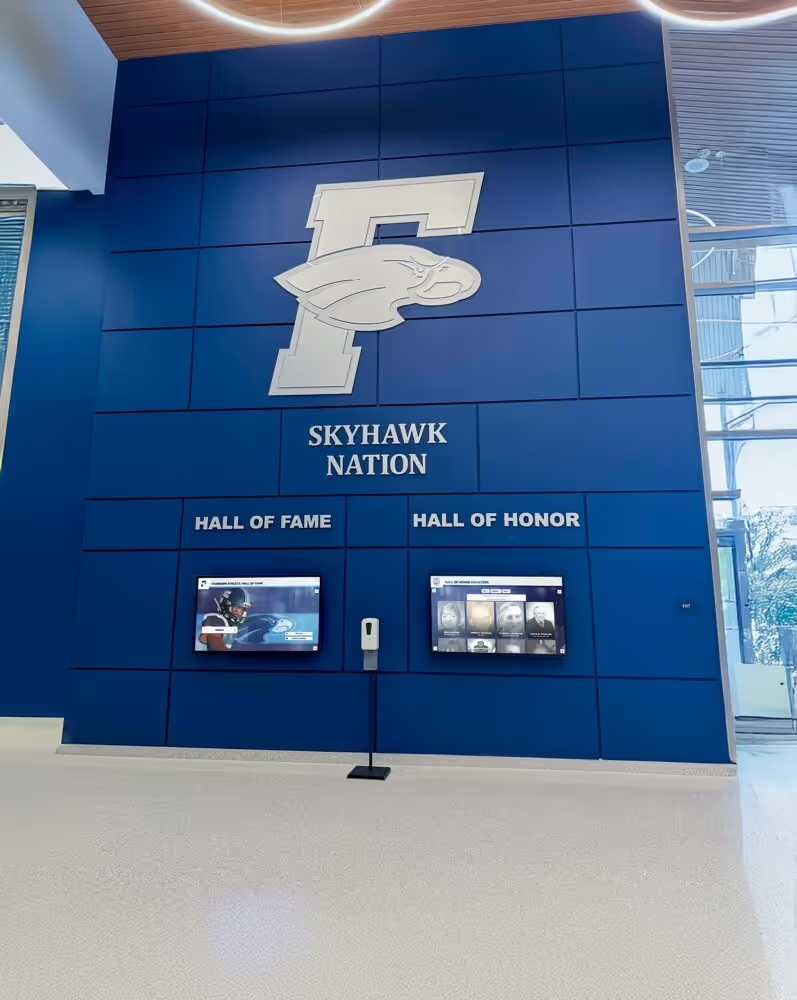
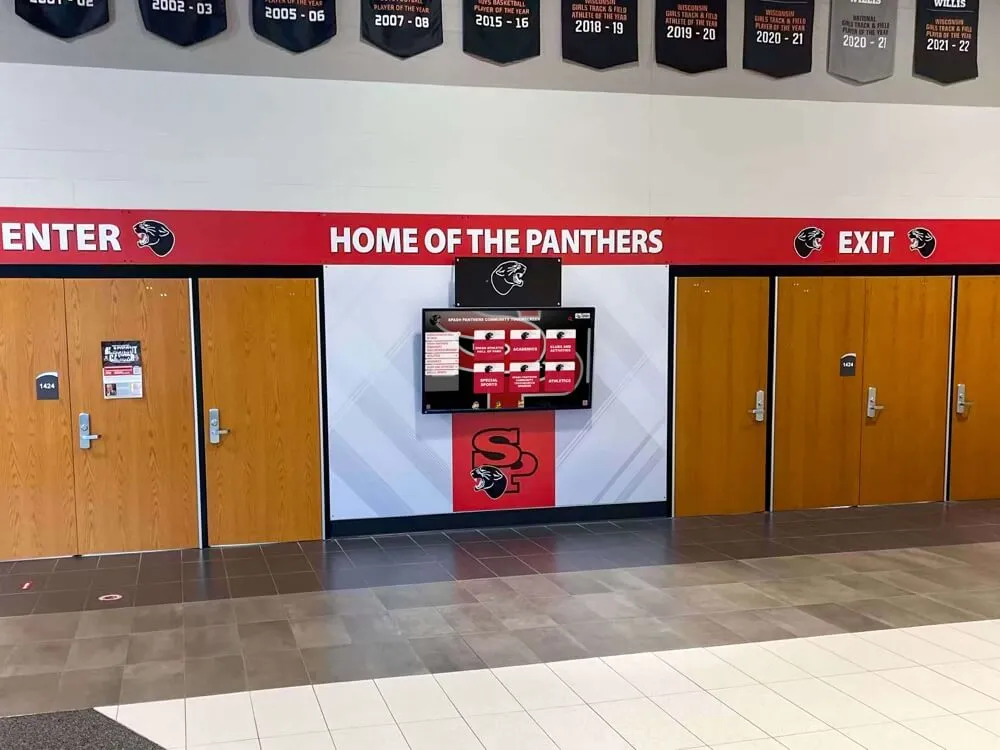
Strategic placement in arena lobbies ensures recognition reaches all visitors, creating immediate connection to facility tradition
How Interactive Touchscreen Displays Transform Hockey Recognition
Modern touchscreen technology solves the fundamental constraints limiting traditional hockey recognition while creating engagement possibilities impossible with static displays.
Unlimited Digital Recognition Capacity
The most transformative benefit of touchscreen systems is eliminating space limitations that force difficult prioritization decisions about which achievements receive recognition.
Comprehensive Team Documentation
Digital platforms like Rocket Alumni Solutions enable hockey facilities to recognize unlimited teams across all programs and decades without capacity constraints:
Complete Recognition Scope
- Every championship team from facility history with full rosters and season documentation
- Runner-up teams and playoff qualifiers who achieved excellence despite falling short of titles
- Regular season accomplishments and tournament participations across all competition levels
- Youth, high school, junior, adult recreational, and alumni teams using the facility
- Both boys’ and girls’ programs receiving equitable recognition and celebration
- Summer leagues, development programs, and special events hosted at the facility
This unlimited capacity fundamentally changes recognition philosophy—facilities can adopt inclusive “honor everyone” approaches rather than exclusive “limited space forces difficult choices” models that inevitably create recognition inequities.
Individual Player Recognition
Beyond team accomplishments, touchscreen systems enable comprehensive player celebration:
Player Recognition Categories
- Detailed profiles for all players with career statistics and achievements
- All-conference, all-state, and all-American selections across all eras
- Facility scoring records and milestone achievements in all statistical categories
- College recruitment and professional career outcomes demonstrating program quality
- Multi-year participants whose sustained commitment built program foundations
- Special awards recipients recognized for sportsmanship, leadership, and dedication
Facilities implementing comprehensive recognition report increased participant pride and family engagement when all players receive appropriate celebration rather than only championship team members or record-setters.

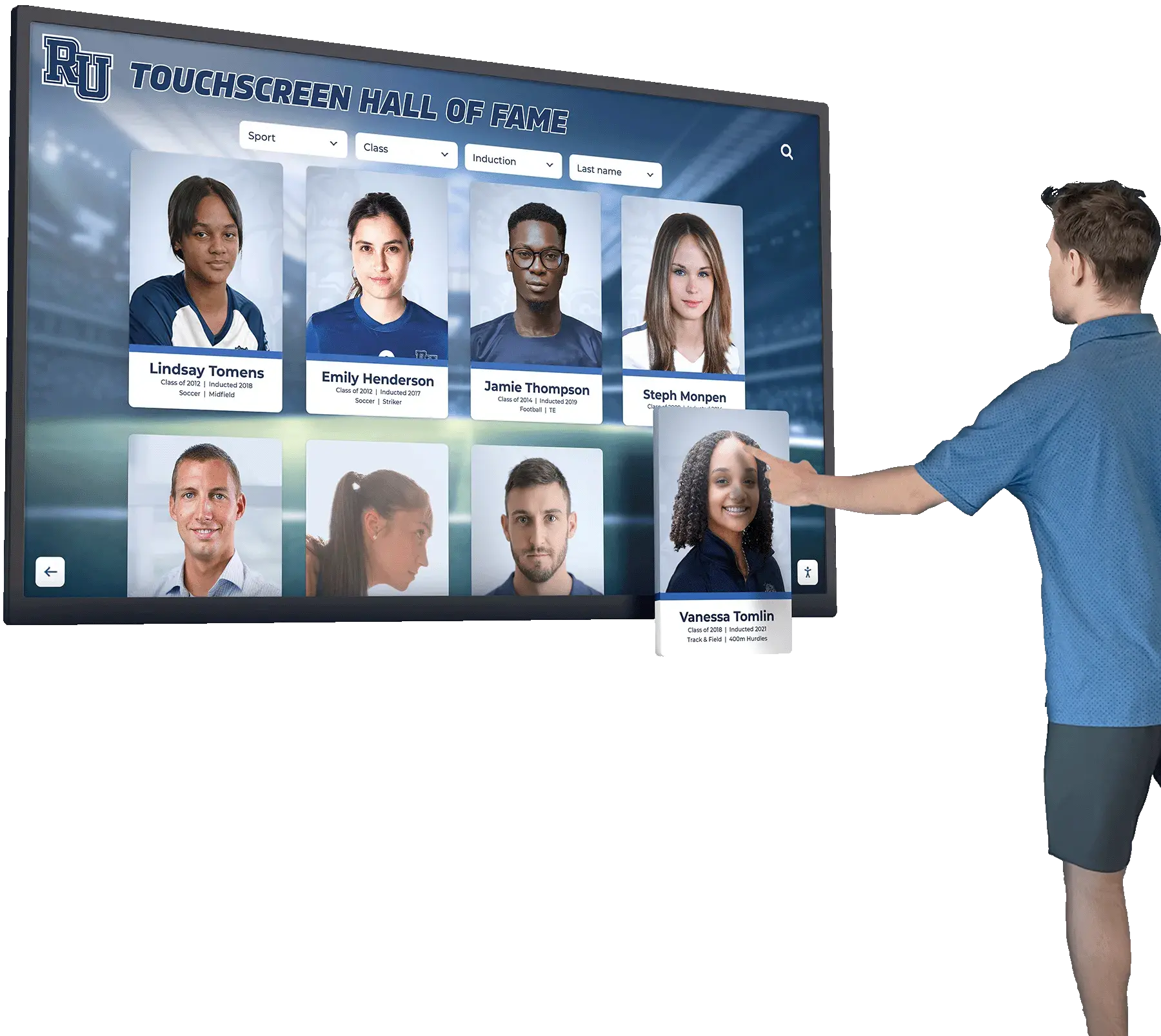
Intuitive touchscreen interfaces enable exploring individual player profiles with complete statistics, achievements, and career documentation
Multimedia Storytelling Capabilities
Digital recognition enables experiences qualitatively superior to what traditional trophy cases and championship banners can deliver.
Rich Content Integration
Modern touchscreen displays combine multiple media types creating comprehensive celebration:
Enhanced Recognition Features
- High-resolution team and individual photos from throughout seasons and careers
- Championship game video highlights preserving defining moments and memorable plays
- Complete season statistics and game-by-game results documenting competitive journeys
- Audio recordings of memorable moments including game broadcasts and celebration reactions
- Interactive season timelines visualizing playoff progressions and tournament paths
- Coach and player interview videos providing firsthand perspectives on significant achievements
- Contemporary media coverage and newspaper articles offering historical context
- Searchable databases enabling instant discovery of specific teams, players, or seasons
- Social sharing capabilities allowing families to celebrate accomplishments digitally
- Mobile-responsive web access extending recognition beyond physical arena displays
These multimedia capabilities transform simple roster listings and trophy displays into rich, engaging narratives that honor achievements appropriately while creating experiences sustaining visitor attention far longer than glancing at static banners or plaques.
Dynamic Championship Documentation
Championship recognition extends beyond displaying trophies to comprehensive storytelling:
Facilities can showcase complete playoff brackets showing paths to championships, game-by-game scoring summaries and momentum shifts throughout tournament runs, individual player statistics highlighting key contributions to team success, coaching strategy insights and game plan elements that led to victories, opponent quality documentation demonstrating the competitive excellence required for championships, and celebration footage preserving the emotional moments when dreams became reality.
This depth of documentation ensures championship teams receive recognition honoring the complete journey and collective effort required for victory rather than reducing achievements to simple trophy displays.
Discover enhanced documentation approaches in state championships display guide demonstrating systematic recognition strategies.
Real-Time Updates and Ongoing Recognition
Traditional hockey recognition requires physical modifications for every update—new banners, additional plaques, rearranged trophy cases. Touchscreen systems enable instant updates from anywhere.
Immediate Recognition Benefits
Cloud-based content management allows facility staff to add new achievements within minutes of occurrence:
- Championship victories recognized while celebration excitement remains high
- Playoff qualifications honored immediately as teams advance
- Individual milestones celebrated the same day they’re achieved
- Season accomplishments documented throughout campaigns rather than only after conclusion
- Alumni updates added when former players reach new career milestones
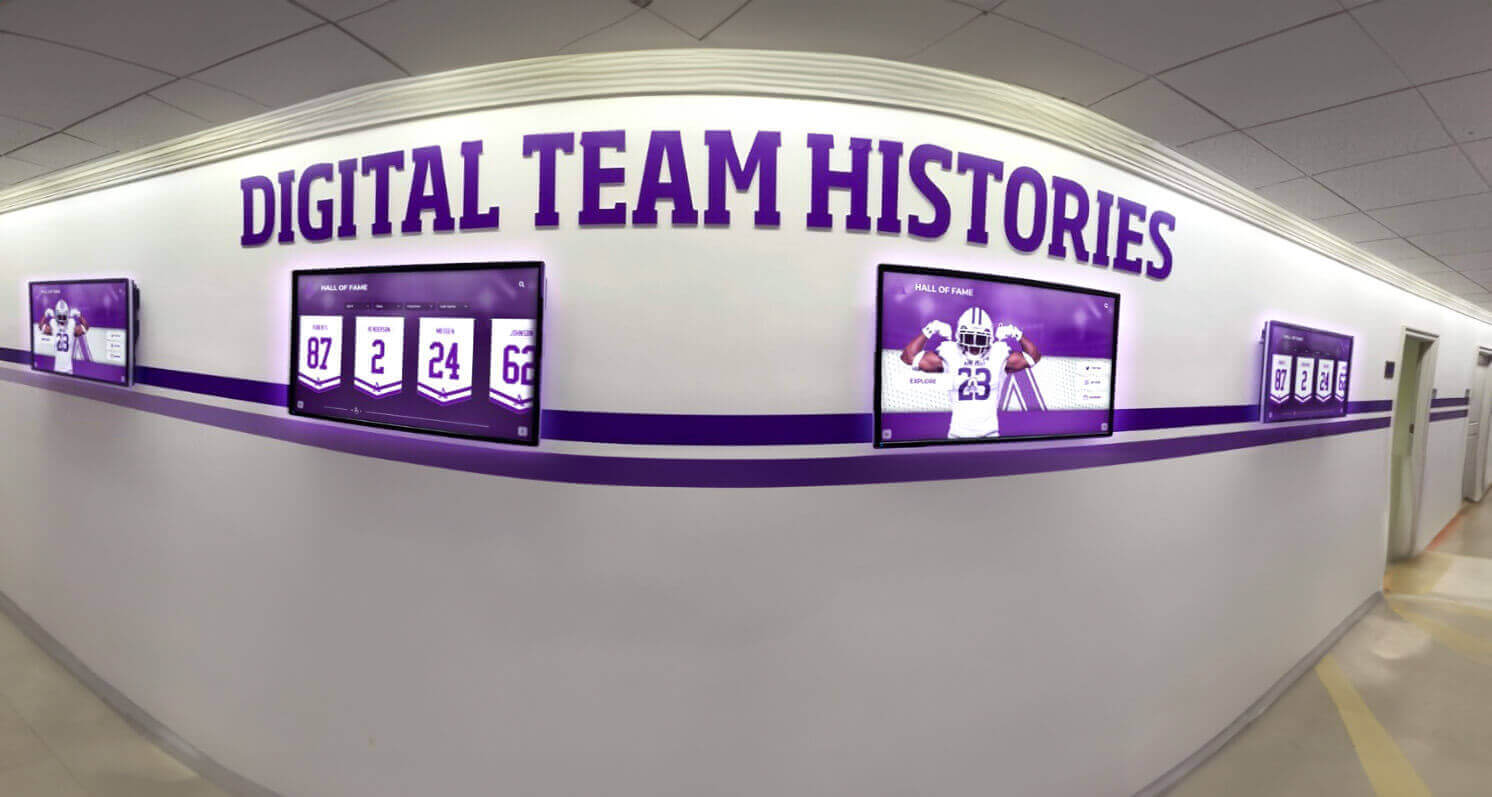
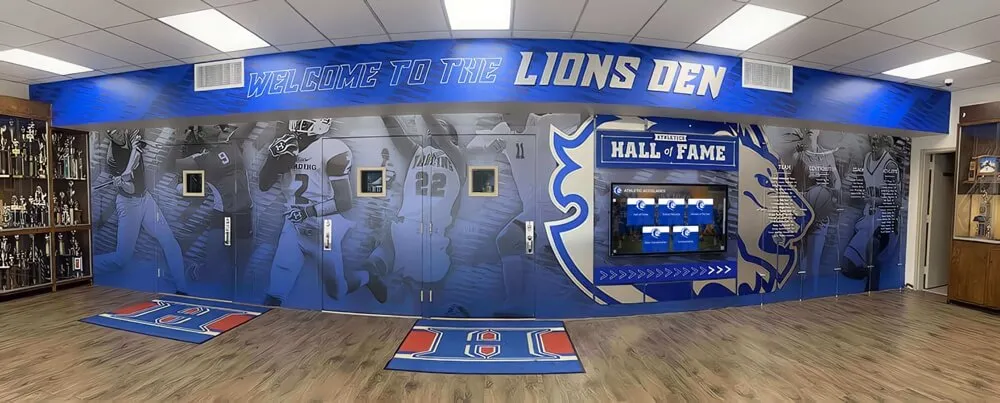
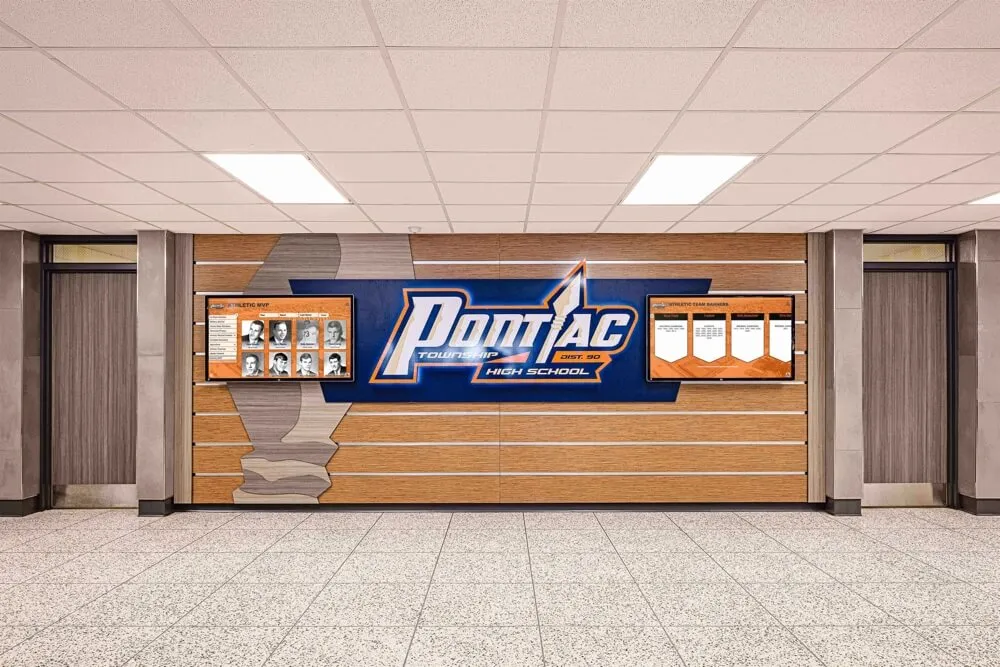
Multiple coordinated displays throughout facilities ensure comprehensive recognition reaches all visitors in natural gathering spaces
Continuous Enhancement and Improvement
Digital platforms enable ongoing content refinement impossible with permanent physical displays:
Facilities can correct errors or update information immediately when discovered, add newly discovered historical photos or documents enriching existing content, enhance profiles with better media as higher-quality materials become available, reorganize content based on user feedback improving navigation and discovery, and expand recognition categories as programs evolve and facility missions change.
This flexibility ensures recognition quality continuously improves rather than degrading over time as physical displays age and information becomes outdated or incomplete.
Key Applications of Touchscreen Recognition in Hockey Facilities
While touchscreen displays serve multiple purposes, certain applications deliver particularly high value for hockey environments and recognition objectives.
Championship Team Celebration
Championship recognition represents the foundation of hockey facility tradition, making comprehensive team documentation essential for effective recognition systems.
Systematic Championship Documentation
Complete Team Recognition Elements
- Official team photos with full rosters ensuring every championship player receives recognition
- Season records including wins, losses, goals scored, and goals allowed showing competitive excellence
- Complete playoff brackets documenting paths to championships including opponent quality
- Game-by-game results throughout seasons highlighting momentum and defining victories
- Statistical leaders and key contributors from each championship roster
- Coaching staff recognition acknowledging leadership and strategic contributions
- Championship game highlights preserving the moments when teams achieved their goals
- Team narratives explaining what made each championship team special and memorable
This comprehensive approach ensures every championship team receives documentation honoring their complete achievement rather than reducing victories to simple banner listings.
Historical Championship Context
Beyond individual team documentation, touchscreen displays enable contextualizing achievements within facility history:
Facilities can create interactive timelines showing championship frequency and competitive eras, comparative analysis between championship teams across different decades, recognition of championship droughts and the teams that ended them, documentation of repeat championships and dynasty periods, and connections between teams showing coaching continuities or facility development patterns.
This historical perspective helps current participants understand their place within ongoing traditions while demonstrating facility excellence and competitive consistency to visiting families evaluating programs.
Learn about comprehensive championship recognition in digital trophy wall complete guide with detailed implementation frameworks.
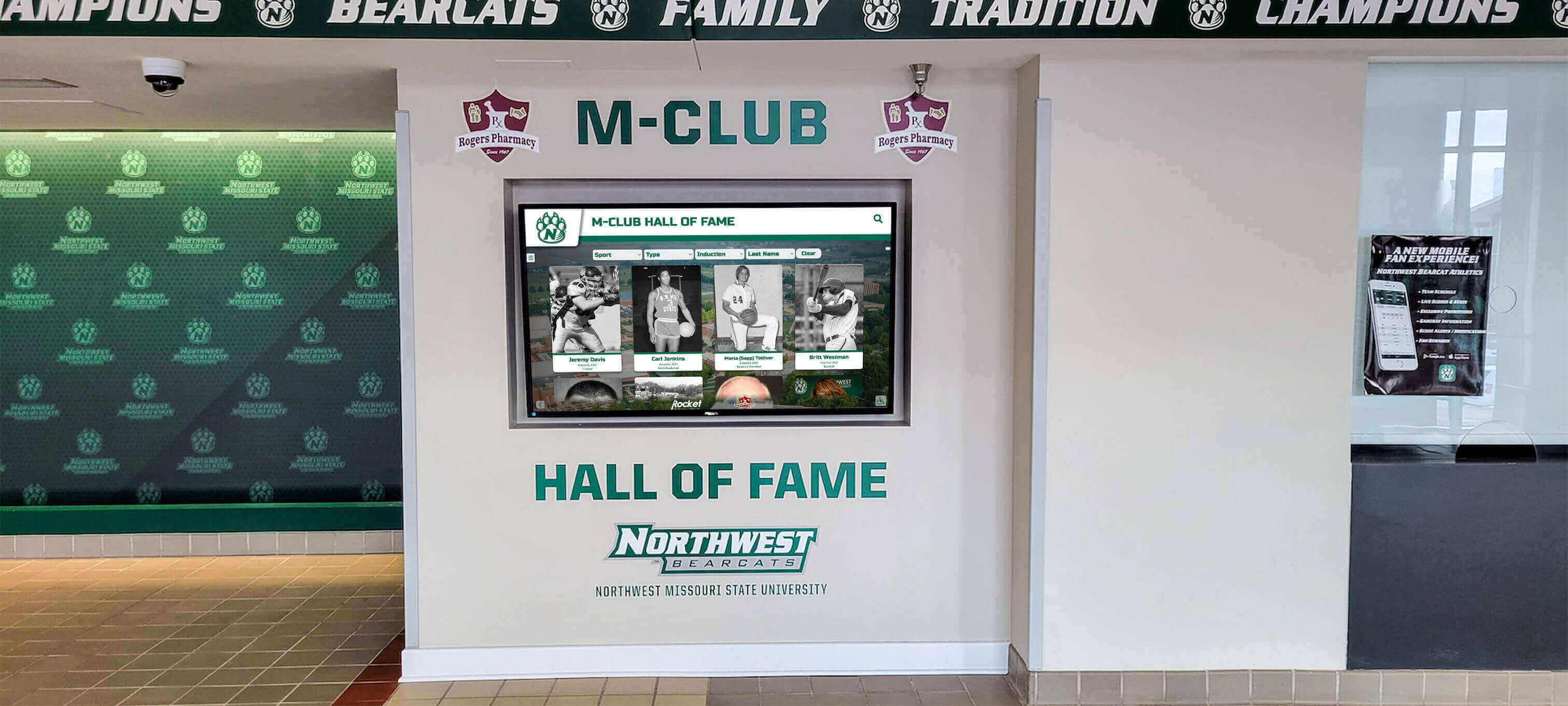
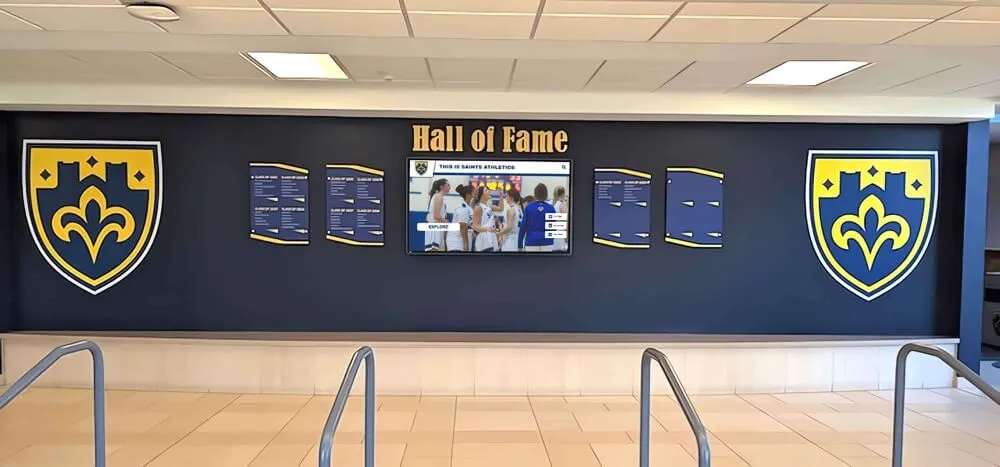
Professional installations demonstrate facility commitment to honoring achievement while creating engaging recognition experiences
Individual Player Halls of Fame
While team accomplishments provide recognition foundations, celebrating individual excellence creates personal connections that strengthen participant engagement with facility tradition.
Comprehensive Player Recognition
Individual Player Profile Elements
- Career statistics including games played, goals, assists, points, and other relevant metrics
- Season-by-season breakdowns showing player development and peak performance periods
- All-star selections, conference honors, and state-level recognition received
- Facility records held including all-time and single-season achievements
- Championship contributions and playoff performance statistics
- Post-facility career outcomes including college recruitment and professional opportunities
- Photos from throughout playing careers documenting competitive evolution
- Video highlights showcasing signature plays and memorable moments
- Personal narratives and player reflections on their facility experiences
This depth of individual recognition ensures legendary players receive documentation honoring their complete contributions while inspiring current participants to pursue similar excellence.
Specialized Recognition Categories
Beyond general player profiles, facilities can create specialized recognition celebrating specific achievement dimensions:
Player Recognition Specialties
- All-time leading scorers and points leaders across facility history
- Single-season record holders in all statistical categories
- Players with longest careers or most games played demonstrating sustained commitment
- Multiple sport athletes who excelled in hockey and other activities
- Sportsmanship award recipients who demonstrated exceptional character
- Leadership recognition for captains and assistant captains who guided teams
- Most Valuable Player awards from tournaments and championship seasons
These specialized categories ensure diverse forms of excellence receive appropriate recognition while creating natural exploration paths for visitors discovering facility traditions.
Explore comprehensive player recognition in 1000 points scorer recognition guide demonstrating systematic approaches to celebrating individual achievement.
Coach and Contributor Recognition
Championship teams and legendary players depend on dedicated coaches, volunteers, and facility staff who enable competitive excellence and maintain traditions across generations.
Coaching Excellence Documentation
Coach Recognition Elements
- Career records including total wins, winning percentages, and seasons coached
- Championship victories and playoff appearances under coaching leadership
- Conference and state coach of the year honors received
- Years of service milestones celebrating sustained commitment to facility programs
- Coaching philosophy insights and strategic approaches that led to success
- Player development outcomes showing career paths of athletes they coached
- Personal reflections and interviews providing coaching perspectives
- Photos and videos from throughout coaching careers
- Testimonials from former players about coaching impact beyond competitive success
Coaches who dedicate decades to facility programs deserve recognition honoring their complete contributions to participant development, competitive success, and tradition building.
Volunteer and Contributor Celebration
Many hockey facilities depend on volunteers and community supporters whose contributions enable operations and program quality:
Essential Contributors to Recognize
- Board members and facility directors providing governance and vision
- Volunteer coordinators managing schedules, teams, and league operations
- Referees and officials ensuring fair competition across all programs
- Facility maintenance volunteers caring for ice conditions and equipment
- Fundraising leaders whose efforts finance improvements and reduce participant costs
- Equipment managers and team coordinators supporting operations
- Long-time supporters whose financial contributions enabled facility development
Creating visible recognition for these essential contributors demonstrates appreciation while inspiring continued community support for facility missions and programs.
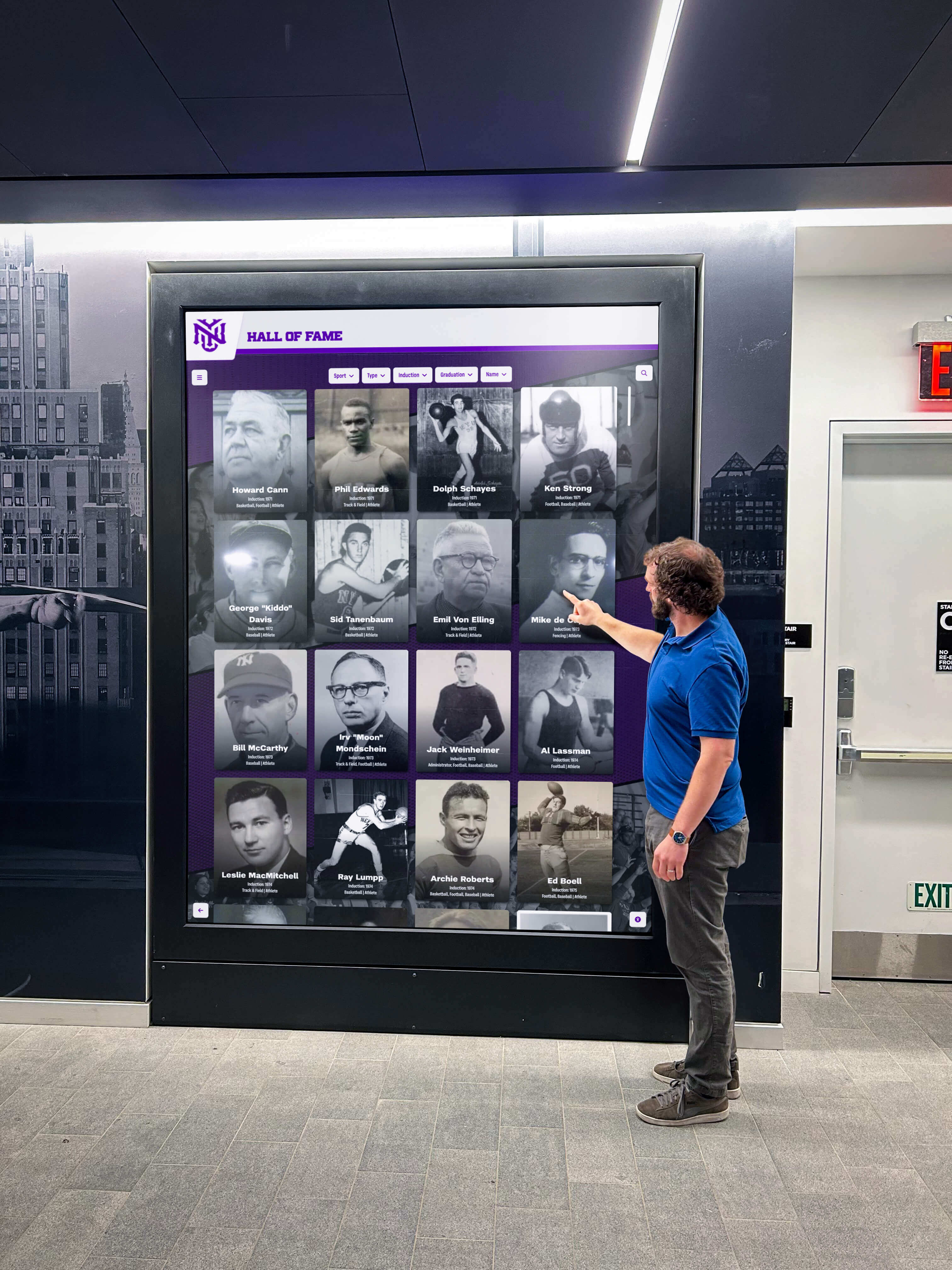
Comprehensive recognition honors all contributors whose dedication makes hockey programs possible and traditions sustainable
Facility History and Tradition
Hockey facilities often serve communities for decades, creating institutional histories that deserve systematic documentation and accessible preservation.
Complete Facility Timeline
Historical Documentation Elements
- Facility construction and opening history including founding vision and community leadership
- Major renovations and improvements showing facility evolution over time
- Significant moments and memorable events hosted at the facility beyond regular competition
- Program expansion documentation as facility offerings grew and diversified
- Leadership history recognizing facility directors, managers, and key staff across eras
- Naming history and dedications explaining facility and rink designations
- Community impact documentation showing facility’s role in local hockey development
- Anniversary celebrations and milestone commemorations throughout facility history
- Archival photos showing facility appearance and atmosphere across different decades
This comprehensive historical documentation creates institutional memory that survives staff turnover and leadership transitions while helping current participants understand the legacy they’re continuing.
Tradition Documentation and Explanation
Every hockey facility develops unique traditions that strengthen culture and create distinctive identities. Touchscreen displays enable explaining and preserving these traditions:
Facilities can document pre-game rituals and ceremonial traditions that teams maintain across seasons, explain jersey retirement criteria and the players honored through this ultimate recognition, describe facility mascots or symbols and their historical origins, preserve memorable rivalries and their competitive histories, and showcase special events and annual traditions that define facility calendars.
Explicit tradition documentation ensures these cultural elements get transmitted to new participants rather than fading as generations transition and institutional memory weakens.
Explore facility history preservation in best school history software guide with strategies applicable to hockey facilities.
Planning Touchscreen Recognition Implementation
Successfully implementing interactive recognition requires systematic planning addressing multiple interconnected considerations specific to hockey facility environments.
Defining Recognition Objectives and Priorities
Clarifying Implementation Goals
Before selecting technology or vendors, facilities should clearly define what they hope to accomplish through enhanced recognition:
Recognition Goal Examples
- Which teams or achievement categories currently lack adequate recognition and deserve greater visibility?
- How can improved recognition strengthen participant pride and family engagement with facility programs?
- What role might comprehensive recognition play in recruiting new participants or retaining current families?
- How can recognition support fundraising by demonstrating facility excellence and community impact to potential donors?
- What historical achievements risk being forgotten without systematic preservation efforts?
- How might recognition strengthen facility reputation and competitive standing within regional hockey communities?
Clear objective definition enables design decisions aligning implementations with the most important facility priorities when inevitable tradeoffs become necessary during planning.
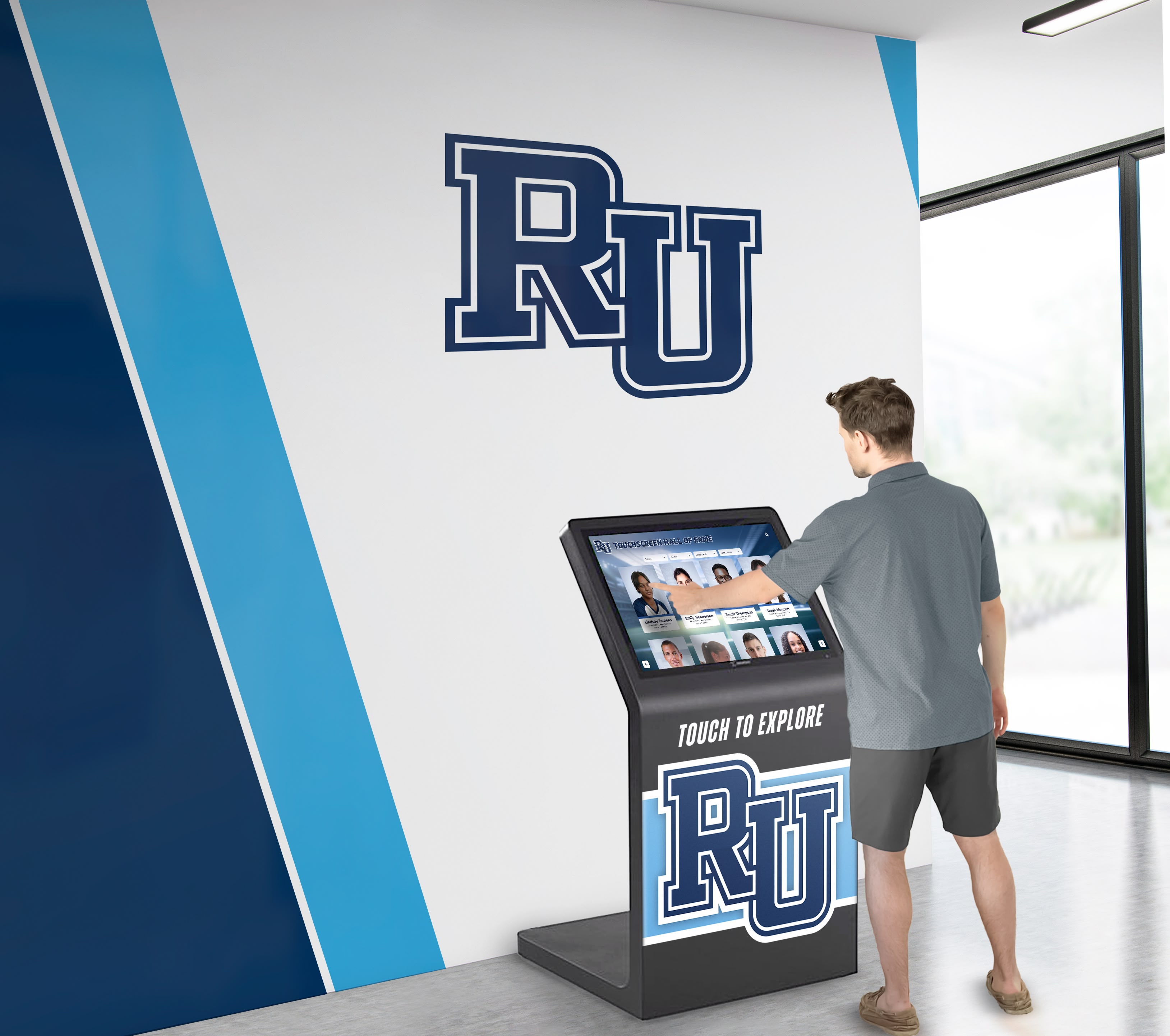
Strategic lobby installations ensure all visitors encounter recognition immediately upon entering facilities
Location and Placement Strategy
Touchscreen effectiveness depends heavily on strategic placement maximizing visibility while encouraging interaction from target audiences.
Optimal Hockey Facility Locations
High-Traffic Placement Options
- Main arena entrance lobbies ensuring all visitors encounter displays immediately
- Concession and seating areas where fans gather before games and between periods
- Locker room corridors creating immediate recognition atmosphere for participants
- Player and family waiting areas with extended dwell times enabling exploration
- Spectator viewing corridors with visibility from seating areas
- Community spaces used for team meetings, registration events, and facility gatherings
- Multiple distributed locations reaching diverse audiences throughout large facilities
Facilities report highest engagement when touchscreen displays appear in spaces where people naturally gather and have time to explore rather than locations people rush past during brief visits.
Creating Recognition Destinations
Most effective implementations transform touchscreen areas into recognition destinations through integrated design:
Integrated Design Elements
- Comfortable seating encouraging extended exploration and family viewing
- Coordinated graphics or murals reinforcing facility identity and hockey themes
- Traditional trophy cases and championship banners integrated with digital displays
- Facility colors and branding creating cohesive aesthetics
- Appropriate lighting highlighting displays in often dim arena environments
- Clear wayfinding directing visitors to recognition spaces
- Accessible mounting heights enabling participation by all ages
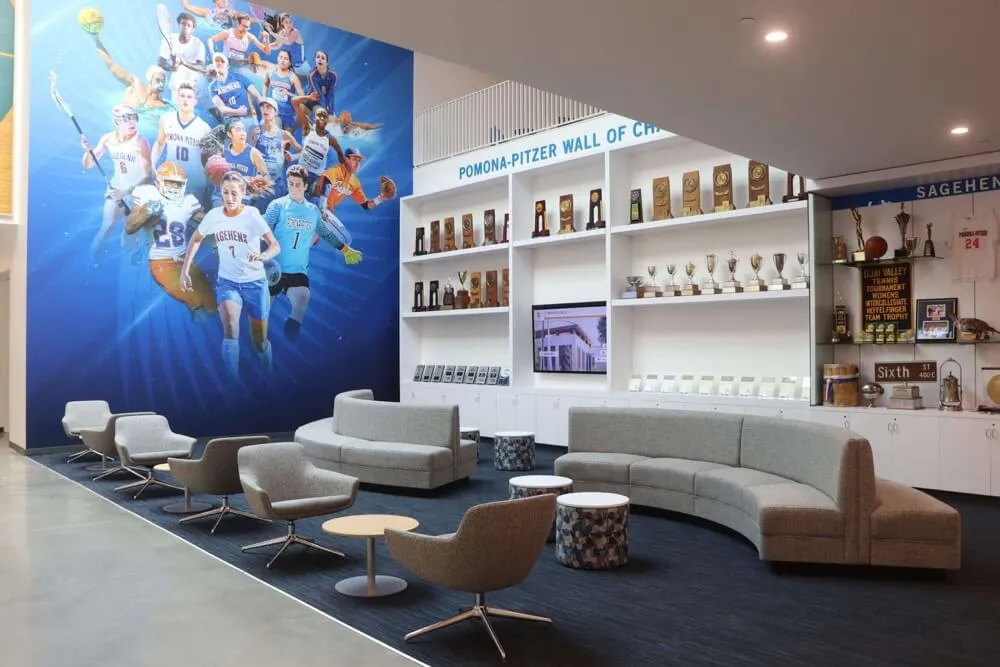
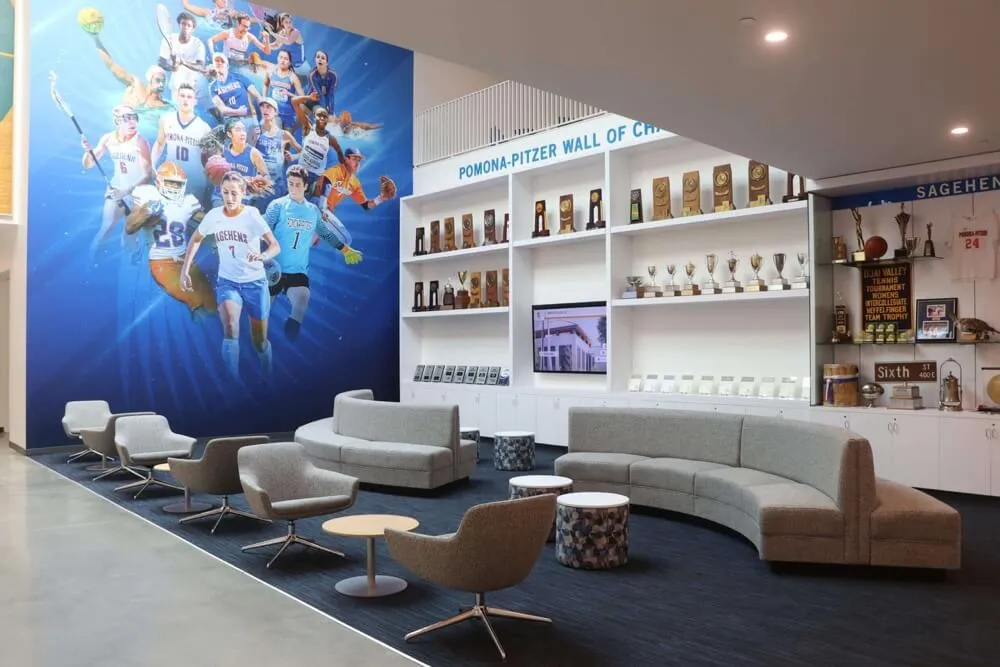
Integrated spaces combine traditional and digital recognition, creating destinations where families gather and connect with facility tradition
These integrated approaches signal that recognition matters to facility leadership, encouraging visitor engagement while creating visually impressive spaces that strengthen pride among participants and demonstrate competitive excellence to prospective families.
Technology Platform Selection
Facilities evaluating touchscreen solutions face numerous vendor options with varying capabilities, costs, and support models requiring careful assessment.
Essential Platform Capabilities
Purpose-built recognition platforms offer significant advantages over generic digital signage systems:
Critical Platform Features
- Cloud-based content management enabling remote updates without requiring physical display access
- Intuitive interfaces requiring no technical expertise for ongoing content additions by facility staff
- Unlimited content storage supporting extensive multimedia archives across decades of history
- Sports-specific templates and organization structures reducing setup complexity
- Robust search and filtering capabilities enabling content discovery in large recognition databases
- Mobile-responsive design ensuring web access across all devices for remote alumni engagement
- Privacy controls appropriate for youth participant information when applicable
- Social sharing integration facilitating organic facility promotion
- Analytics revealing engagement patterns that inform content strategy refinements
- Professional support and training ensuring successful long-term implementation
Rocket Alumni Solutions for Hockey Facilities
Solutions designed specifically for athletic recognition deliver advantages over generic approaches:
Digital recognition displays like Rocket Alumni Solutions provide pre-built templates for common hockey recognition types reducing implementation time, specialized support from teams understanding unique facility needs and constraints, proven track records across hundreds of successful athletic installations, white-glove implementation services ensuring smooth launches, ongoing training and technical assistance preventing abandonment after initial excitement fades, regular platform enhancements driven by user feedback across diverse facilities, and favorable pricing recognizing typical facility budget constraints and nonprofit organizational structures.
These specialized capabilities justify investment in dedicated recognition platforms over attempting to adapt generic digital signage systems for complex recognition purposes requiring sustained content management and long-term engagement.
Learn about platform evaluation in touchscreen digital signage software guide comparing different technical approaches.
Hardware and Installation Considerations
Display hardware significantly impacts user experience, maintenance requirements, and long-term satisfaction with recognition investments.
Hockey Facility Hardware Requirements
Critical Hardware Specifications
- Display size: 43-55 inches for smaller lobbies; 65-75 inches for large arena entrance areas
- Touch technology: Commercial-grade capacitive or infrared providing responsive interaction
- Brightness: 350-500 nits for typical indoor environments; higher for areas with significant natural light
- Temperature tolerance: Equipment rated for the temperature variations common in rink environments
- Commercial grade: Displays rated for 16-24 hour daily operation unlike consumer televisions
- Mounting options: Wall-mounted or freestanding kiosks depending on facility architecture
- Connectivity: Built-in Wi-Fi or ethernet supporting reliable cloud content delivery
- Warranty: Minimum 3-year coverage appropriate for high-use facility installations
Facilities should budget $3,000-$8,000 per display unit for commercial-grade hardware appropriate for hockey facility environments depending on size, features, and environmental protection requirements.
Professional Installation Requirements
Proper installation ensures optimal performance and longevity in challenging facility environments:
Professional installers provide secure mounting meeting safety standards, cable management maintaining clean appearances, appropriate viewing heights for standing interaction by all ages, electrical work meeting local code requirements, network configuration ensuring reliable connectivity, environmental protection appropriate for rink temperature and humidity conditions, and anti-theft measures in appropriate facility contexts.
Professional installation typically costs $800-$2,500 per display depending on mounting complexity and facility conditions—worthwhile investment preventing future problems from inadequate installations by unqualified staff.
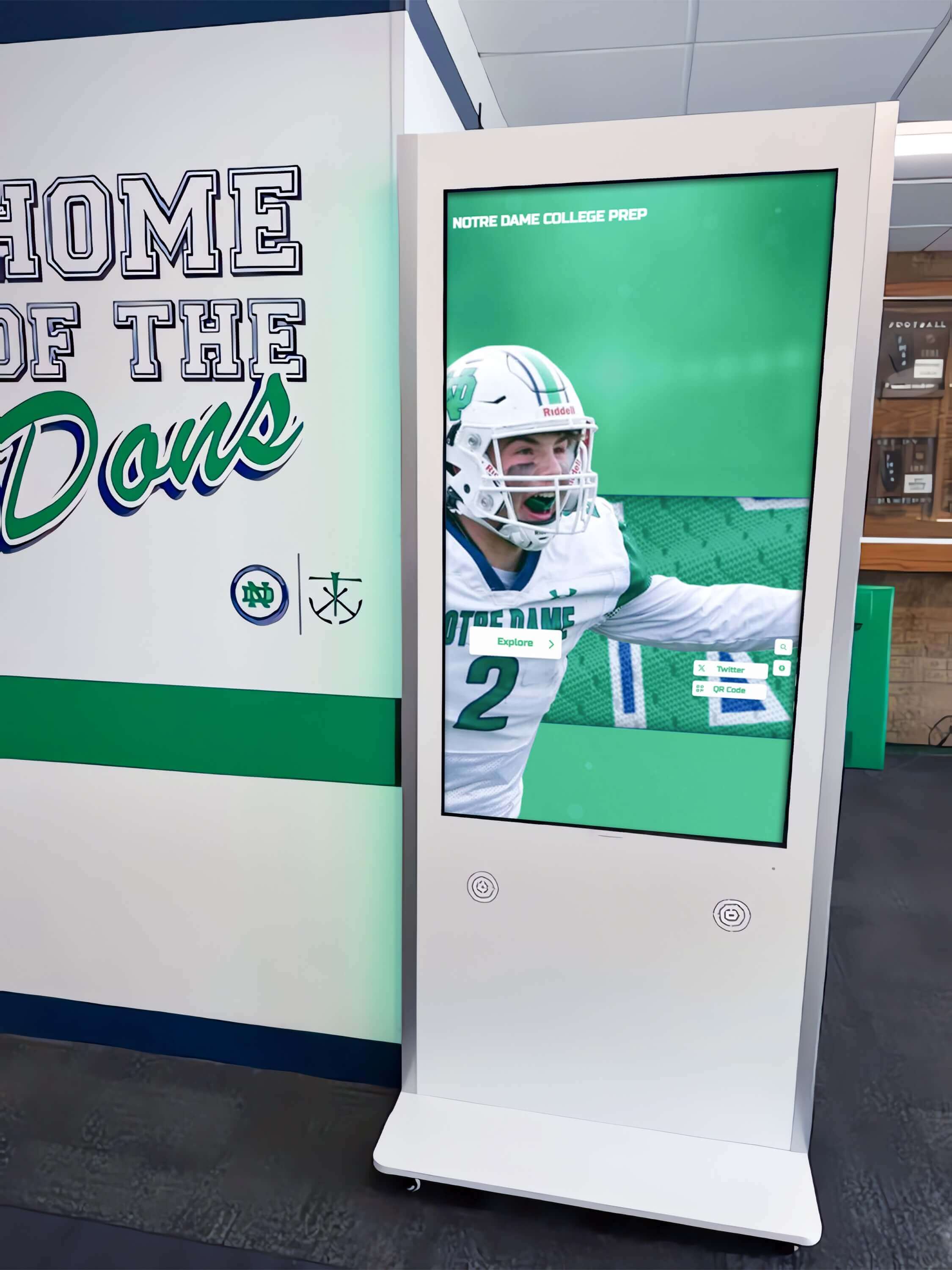
Professional installations ensure recognition systems withstand high-traffic facility environments while maintaining engaging presentation quality
Creating Compelling Recognition Content
Hardware and software establish infrastructure, but engaging content determines whether touchscreen displays achieve intended recognition and engagement objectives.
Content Development Workflow
Systematic Content Creation Process
Successful implementations establish clear workflows ensuring consistent quality and comprehensive coverage:
Initial Content Development Steps
- Historical research gathering information about facility history, past teams, and legendary players
- Photo collection from facility archives, participant families, and community sources
- Video compilation from game footage, championship celebrations, and recorded events
- Statistics organization from scorebooks, league records, and contemporary media coverage
- Interview recording with coaches, alumni, and long-time facility supporters
- Content authoring writing compelling team narratives and player profiles
- Media preparation optimizing photos and videos for display performance
- Content upload systematically populating recognition platform
- Quality review ensuring accuracy before public release
Facilities should allocate 80-150 hours for comprehensive initial content development depending on facility history depth and available source materials—foundational investment ensuring recognition quality from launch day forward.
Content Quality Standards
Recognition displayed prominently deserves professional presentation quality:
Quality Guidelines
- Photography: High resolution (minimum 1920x1080), proper lighting and composition, consistent visual style
- Video: HD quality (1080p minimum), professional editing with context, appropriate length (2-5 minutes typical)
- Written content: Factual accuracy verified through multiple sources, engaging storytelling beyond statistics, appropriate length (150-300 words for profiles)
- Data accuracy: Statistics verified against official records, championship years confirmed through multiple sources
- Consistent formatting: Standardized templates ensuring visual cohesion across recognition categories
- Regular updates: Established processes adding new achievements promptly throughout seasons
These quality standards ensure touchscreen content honors achievements appropriately while maintaining professional presentation reflecting positively on facility commitment to recognizing excellence.
Ongoing Content Management
Touchscreen displays remain engaging only when content stays current, relevant, and continuously expanding.
Regular Update Procedures
Immediate Recognition Workflow
Establish processes adding new achievements promptly:
- Designate specific staff responsible for touchscreen content management and updates
- Create standard forms collecting necessary information after championship victories or milestone achievements
- Schedule content additions weekly during active seasons when achievements occur frequently
- Review published content ensuring accuracy before announcing new recognition to facility community
- Communicate new additions through facility channels driving engagement with updated displays
- Archive source materials supporting future enhancements or corrections
Seasonal Content Reviews
Quarterly assessments maintain recognition quality over time:
Verify recent achievements received appropriate documentation, check historical content for errors discovered through community feedback, update player profiles as alumni reach new milestones, refresh featured content highlighting different achievements and teams, review analytics identifying popular content and navigation patterns, gather stakeholder feedback about recognition effectiveness, and plan enhancements addressing identified opportunities.
Cloud-based platforms enable remote updates from any internet-connected device—dramatically reducing administrative burden compared to physical displays requiring on-site access for every modification.

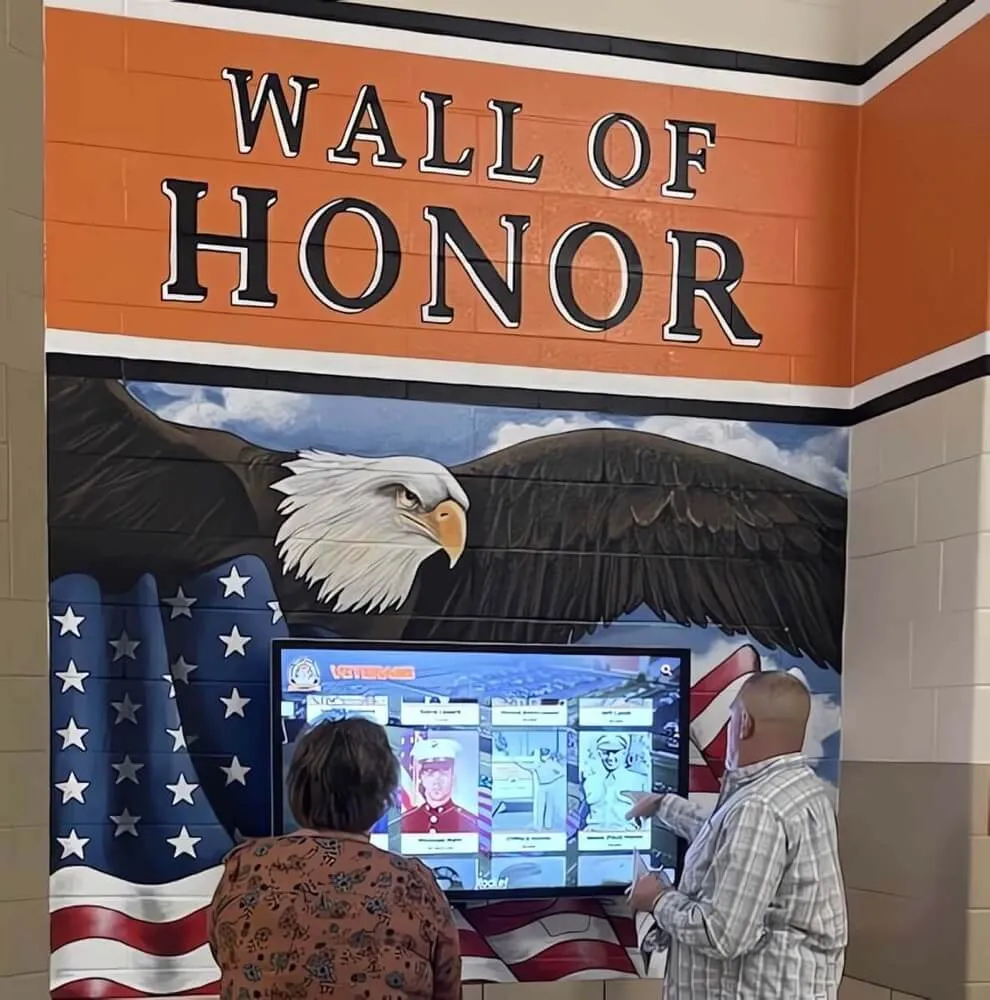
Intuitive interfaces enable fans and families to explore complete facility histories discovering connections across generations
Budget and Funding Considerations
Touchscreen recognition investments deliver significant value but require financial planning and often creative funding strategies for hockey facilities operating on limited budgets.
Total Cost of Ownership
Investment Components
Initial Implementation Costs
- Hardware (commercial displays and mounting): $3,000-$8,000 per display
- Professional installation: $800-$2,500 per display
- Recognition platform software (initial setup): $2,000-$5,000
- Initial content development (staff time or vendor services): $3,000-$8,000
- Design and integration (if custom): $2,000-$5,000
Typical single-display implementation: $10,000-$25,000 Typical multi-display implementation (3-5 displays): $30,000-$75,000
Ongoing Annual Costs
- Platform subscription and hosting: $1,200-$3,600 per year
- Content management (staff time): 20-40 hours per year
- Technical support and maintenance: $500-$1,500 per year
- Content enhancements and updates: $1,000-$3,000 per year
Typical annual operating costs: $2,700-$8,100 per year
These investments deliver value across multiple facility objectives simultaneously—participant engagement, alumni connection, community promotion, recruiting advantage, and tradition preservation—making per-objective costs quite reasonable when benefits are comprehensively assessed.
Funding Strategies
Creative Funding Approaches
Hockey facilities successfully fund touchscreen implementations through diverse sources:
Fundraising and Development
- Capital campaigns with recognition displays as named giving opportunities
- Memorial dedications honoring deceased community members and former participants
- Alumni association fundraising from former players reconnecting with facility tradition
- Anniversary campaigns around facility milestones or founding anniversaries
- Booster club initiatives dedicated specifically to recognition enhancement
- Corporate sponsorships from local businesses whose names appear in recognition content
- In-kind contributions of installation services or content development from community supporters
Grant and Foundation Support
- Youth development grants supporting participant engagement objectives
- Community foundation grants focused on tradition preservation and local heritage
- Sports organization grants from hockey governing bodies and associations
- Equipment and facility improvement grants that can include technology upgrades
- Community betterment initiatives from local service organizations
The tangible, visible nature of touchscreen displays makes them attractive to donors and grant makers seeking concrete impact from contributions—facilities often report fundraising exceeding initial targets when stakeholders understand project scope and long-term benefits to participants and community.
Explore fundraising approaches in donor recognition complete guide with strategies applicable to facility recognition projects.
Measuring Recognition Impact and Success
Assessment demonstrates recognition value while identifying improvement opportunities ensuring displays achieve intended objectives and justify continued investment.
Quantitative Engagement Metrics
Digital Platform Analytics
Modern recognition systems provide concrete engagement data revealing actual usage patterns:
Measurable Indicators
- Display interaction frequency showing daily, weekly, and seasonal usage patterns
- Average session duration revealing whether visitors engage briefly or explore extensively
- Most-viewed content identifying which teams, players, or eras generate greatest interest
- Search patterns showing how users navigate recognition archives and discover content
- Peak usage times informing content scheduling and featured display optimization
- Geographic access patterns revealing remote alumni engagement through web platforms
- Social sharing frequency demonstrating organic facility promotion through visitor networks
- Content growth tracking showing recognition comprehensiveness expanding over time
These metrics reveal whether touchscreen displays generate intended engagement or require strategy adjustments improving effectiveness and visitor satisfaction.
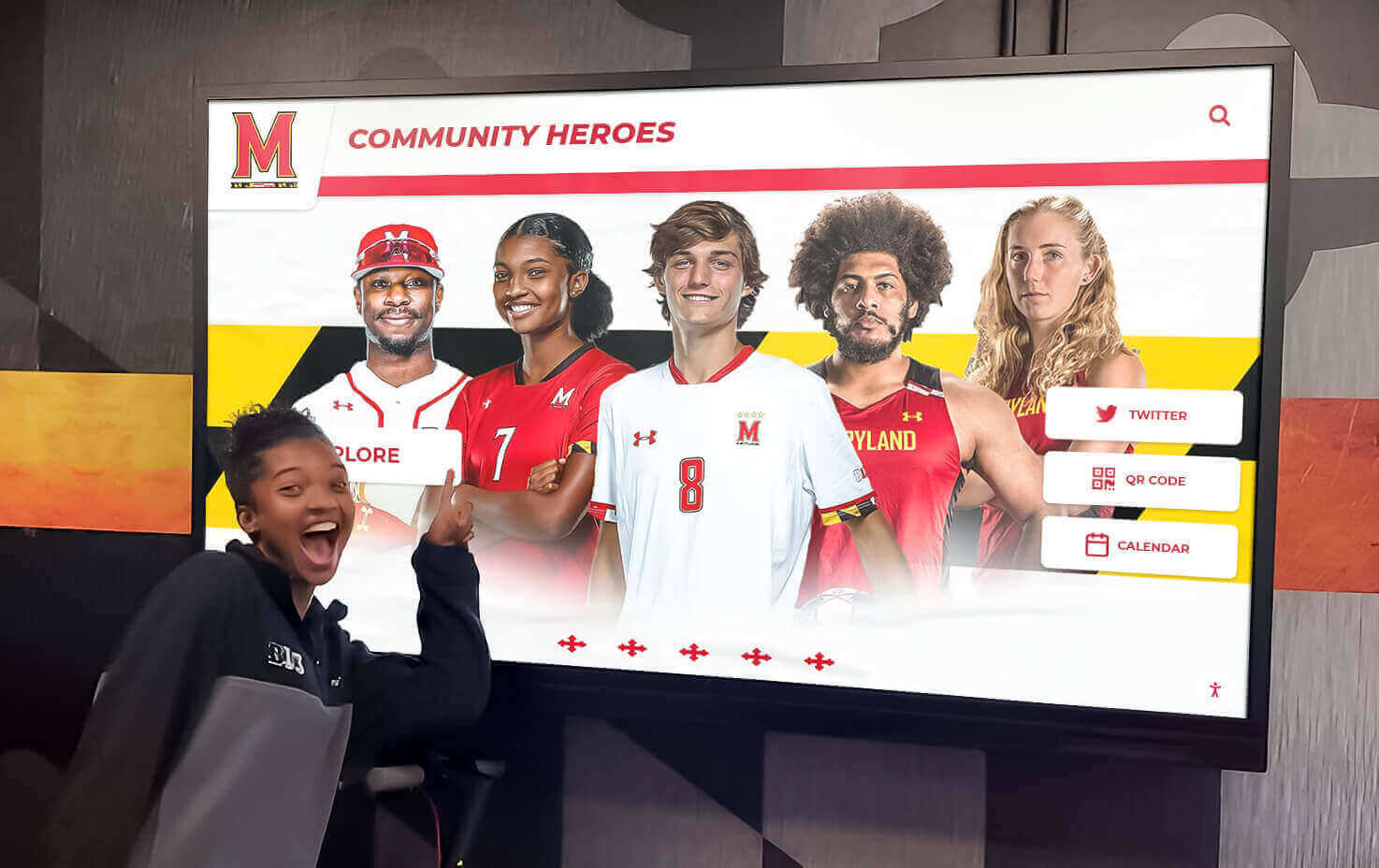
Successful recognition creates engagement across all ages, inspiring young participants while honoring past excellence
Qualitative Impact Assessment
Stakeholder Feedback Collection
Regular feedback provides insights beyond quantitative metrics alone:
Feedback Sources
- Participant surveys assessing awareness of facility tradition and recognition quality
- Family responses to improved visibility into player achievements and team histories
- Alumni reactions to enhanced recognition and connection opportunities with facility legacy
- Coach observations about impact on team culture and participant motivation
- Visitor feedback during facility tours and community events
- Board member reflections on recognition supporting facility mission and community standing
This qualitative feedback reveals whether touchscreen displays achieve intended cultural impacts and relationship-building objectives beyond engagement metrics.
Observable Cultural Indicators
Long-term changes provide evidence of recognition’s cultural impact:
Cultural Change Evidence
- Increased participant awareness and pride in facility tradition and competitive history
- Enhanced family engagement with facility beyond simply attending games
- Strengthened alumni connections to current facility programs and participants
- Improved community perception of facility excellence and historical significance
- Greater facility commitment to systematically documenting and preserving ongoing achievements
- Elevated expectations for comprehensive recognition across all programs and eras
- More inclusive recognition culture celebrating diverse excellence beyond only championships
Regular observation combined with systematic feedback collection enables continuous refinement ensuring touchscreen displays achieve intended goals while identifying enhancement opportunities strengthening recognition over time.
Special Considerations for Different Hockey Facility Types
Touchscreen recognition approaches should adapt to specific facility contexts, organizational structures, and primary user populations.
Youth and High School Facilities
Educational and Development Focus
Facilities primarily serving youth and high school programs benefit from recognition emphasizing development, participation, and character alongside competitive achievement:
Youth-Appropriate Recognition
- Comprehensive participation recognition ensuring all players receive acknowledgment
- Character and sportsmanship awards celebrating behavior beyond competitive excellence
- Most improved player recognition honoring dedication and skill development
- Team awards for unity, perseverance, and collective effort
- Educational outcomes showing college recruitment and academic success
- Life skills development testimonials from alumni reflecting on facility impact beyond hockey
- Family involvement recognition acknowledging parents and volunteers enabling youth programs
This balanced approach demonstrates that facilities value holistic development while maintaining appropriate emphasis on competitive achievement and championship tradition.
Explore youth recognition strategies in high school basketball scoring records guide with approaches applicable across youth sports contexts.
Junior and Competitive Travel Programs
Performance and Development Pathways
Facilities hosting junior or elite travel programs benefit from recognition emphasizing competitive achievement and player advancement:
Competitive Program Recognition
- College commitment and recruitment outcomes demonstrating program quality
- Professional advancement documentation for players reaching highest levels
- National and international competition participation and achievements
- Showcase and combine performance documentation relevant to recruitment
- Skill development progression showing player advancement through program levels
- Alumni success stories demonstrating facility role in competitive career development
This recognition demonstrates program quality to prospective participants while providing motivation for current players pursuing advancement opportunities.
Community and Adult Recreational Facilities
Participation and Community Building
Facilities emphasizing recreational participation and community building benefit from recognition celebrating sustained involvement and social connections:
Community-Focused Recognition
- Long-term participation recognition for players competing across decades
- League championship teams receiving recognition comparable to youth program champions
- Milestone celebrations for participants reaching age or games-played achievements
- Community contribution awards for volunteers and facility supporters
- Social impact documentation showing facility’s role in community connections
- Multi-generational participation celebrating families with sustained facility involvement
- Special event documentation preserving memories from tournaments, fundraisers, and celebrations
This inclusive approach reinforces that facility value extends beyond elite competition to encompass the community building and social connections that sustain recreational hockey culture.

Community facilities benefit from recognition celebrating all participants whose involvement strengthens local hockey tradition
Conclusion: Preserving Hockey Tradition Through Modern Recognition
Hockey facilities serve as community gathering places where athletic excellence gets celebrated, competitive traditions get maintained, and connections form across generations of participants who share passion for the sport. These special spaces deserve recognition systems honoring the championship teams, legendary players, dedicated coaches, and essential volunteers who built the traditions making facilities meaningful to participants and families.
When hockey facilities implement touchscreen recognition thoughtfully—with clear objectives, strategic placement, quality content, and sustained management—they create comprehensive celebration systems ensuring no deserving achievement goes unrecognized due to physical space limitations. These modern approaches demonstrate institutional commitment to honoring all forms of excellence while preserving complete facility histories that might otherwise fade from memory as generations transition.
Transform Your Hockey Facility Recognition
Discover how interactive touchscreen displays can help you honor every championship team, celebrate all players, and preserve complete facility tradition for generations of hockey families.
Explore Recognition SolutionsThe strategies explored in this guide provide comprehensive frameworks for implementing touchscreen recognition that celebrates hockey excellence while remaining sustainable, engaging, and aligned with facility missions. From unlimited digital capacity eliminating space constraints to multimedia storytelling bringing championship moments to life, these approaches overcome traditional limitations while creating recognition experiences impossible with simple trophy cases and championship banners alone.
Digital recognition platforms like Rocket Alumni Solutions provide purpose-built systems specifically designed for athletic recognition in facilities like hockey rinks. These platforms combine unlimited recognition capacity with intuitive management interfaces, comprehensive multimedia capabilities, and engaging interactive experiences that honor participants while supporting facility objectives around engagement, tradition, and community building.
Start wherever your current situation permits—whether implementing comprehensive recognition systems or beginning with single displays focused on priority content while planning expansion—then systematically build displays your hockey tradition deserves. Every participant who sees their achievements celebrated prominently develops stronger connections to facility community while gaining motivation to pursue continued excellence. Every family exploring your facility discovers proud tradition demonstrating your commitment to honoring the players and teams who built your reputation.
Your hockey facility represents decades of competition, countless hours of practice and dedication, and the dreams of generations of players who built your tradition through their excellence. That legacy deserves recognition systems preserving complete history while inspiring future participants to add their own chapters to ongoing tradition.
Ready to begin? Explore how Rocket Alumni Solutions can help you create comprehensive touchscreen recognition that honors hockey excellence, preserves complete facility tradition, and strengthens the community connections that make your rink special to participants, families, and the broader hockey community you serve.