



Organizing a high school reunion represents both an exciting opportunity and a substantial undertaking. You’re tasked with reconnecting classmates who may be scattered across the country, creating an experience that justifies taking time away from busy careers and families, and honoring shared memories while acknowledging how everyone has grown and changed since graduation.
The most common reunion planning challenges include starting too late and scrambling with insufficient preparation time, underestimating budget requirements and facing unexpected costs, struggling to locate classmates whose contact information has changed, creating generic events that fail to generate enthusiasm or strong attendance, and managing volunteer committee dynamics when everyone has competing time constraints and priorities.
This comprehensive guide provides a complete month-by-month timeline, detailed checklists, budget planning frameworks, and proven strategies that transform reunion planning from overwhelming chaos into manageable, organized execution. Whether you’re planning a 10th, 25th, or 50th reunion, these systematic approaches ensure your event celebrates your class’s unique story while creating new memories that strengthen connections for years to come.
Successful reunion planning requires starting early, staying organized, and maintaining consistent communication throughout the process. The committees that achieve highest attendance and satisfaction rates follow structured timelines rather than reactive, last-minute approaches.

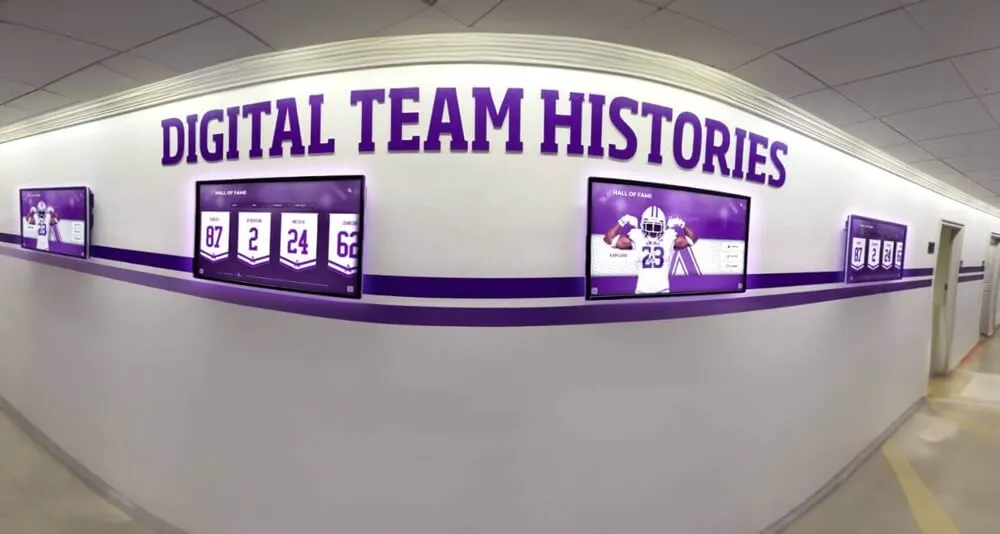
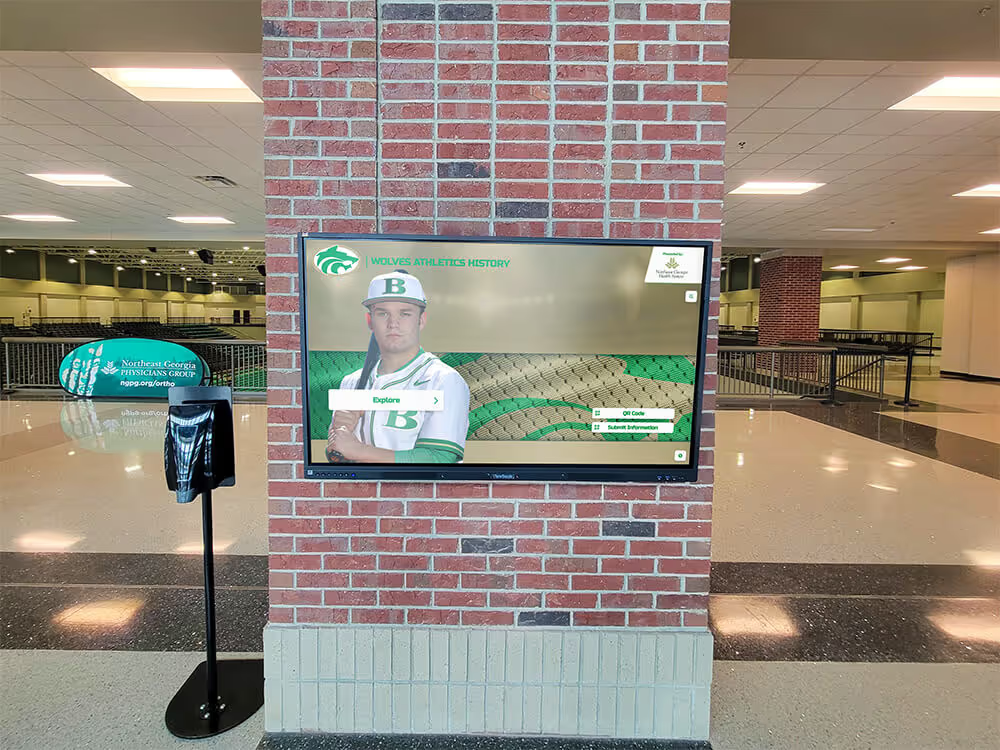
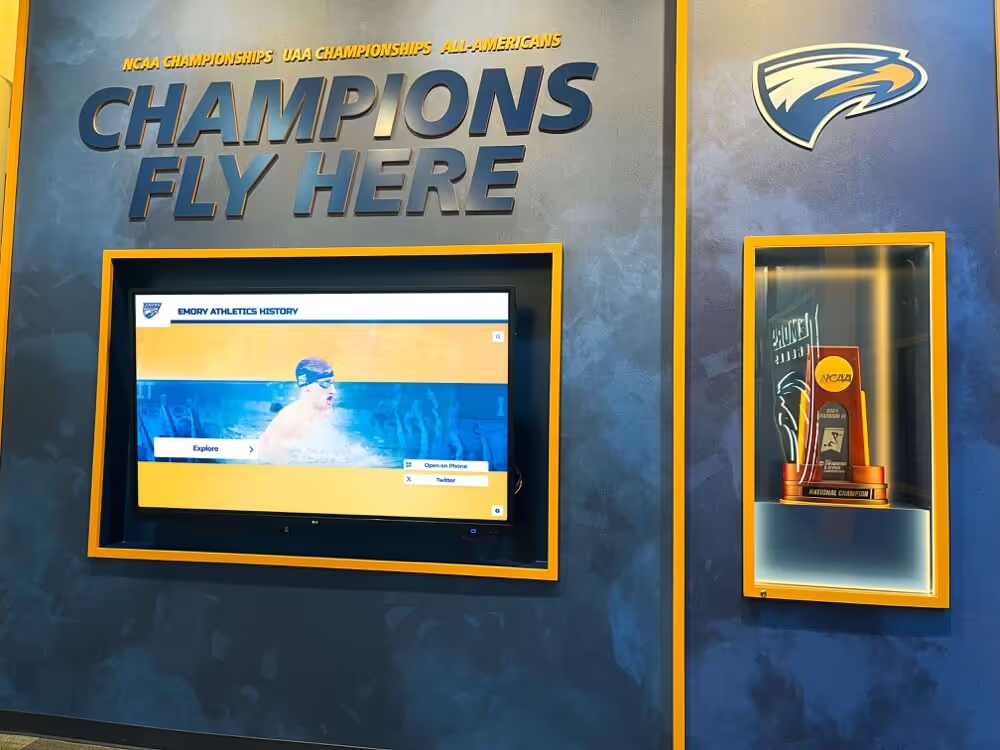
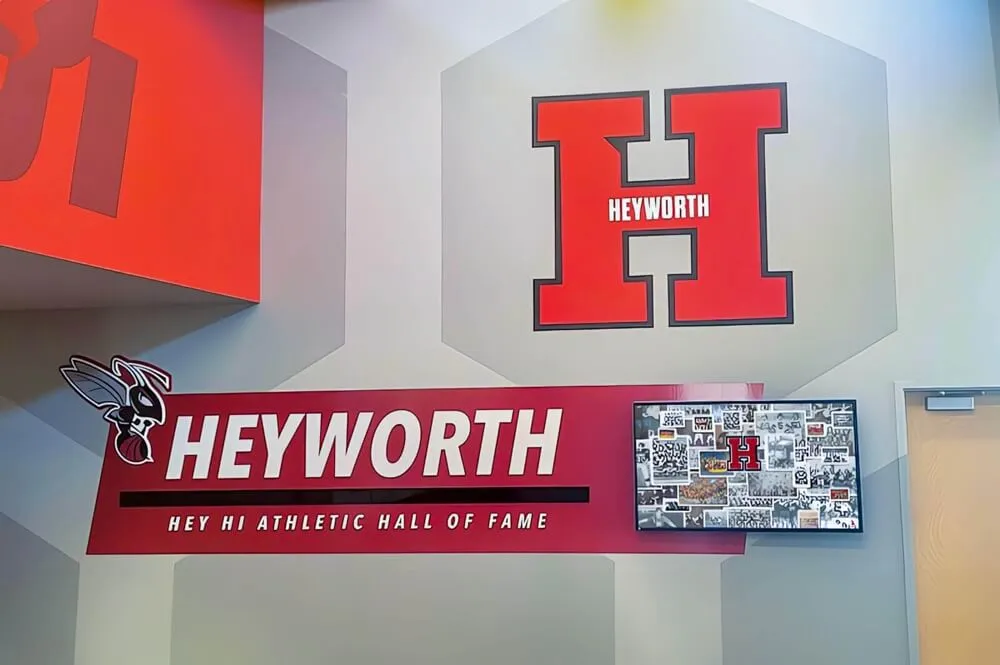
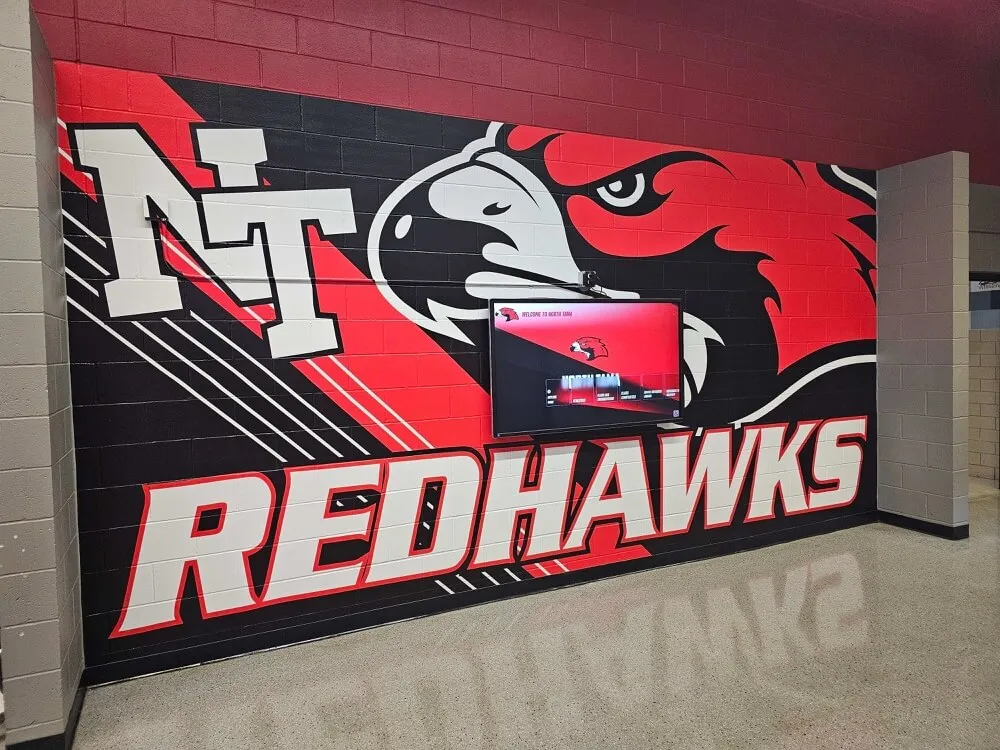
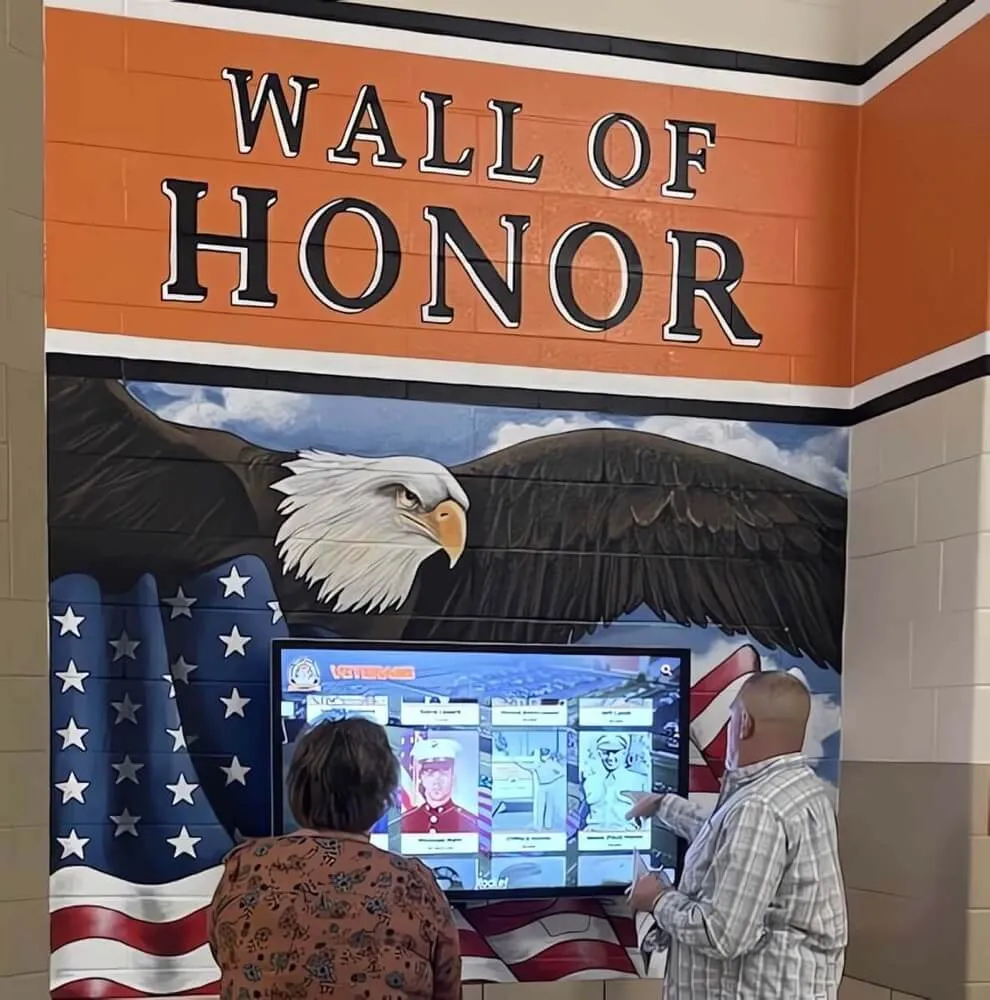
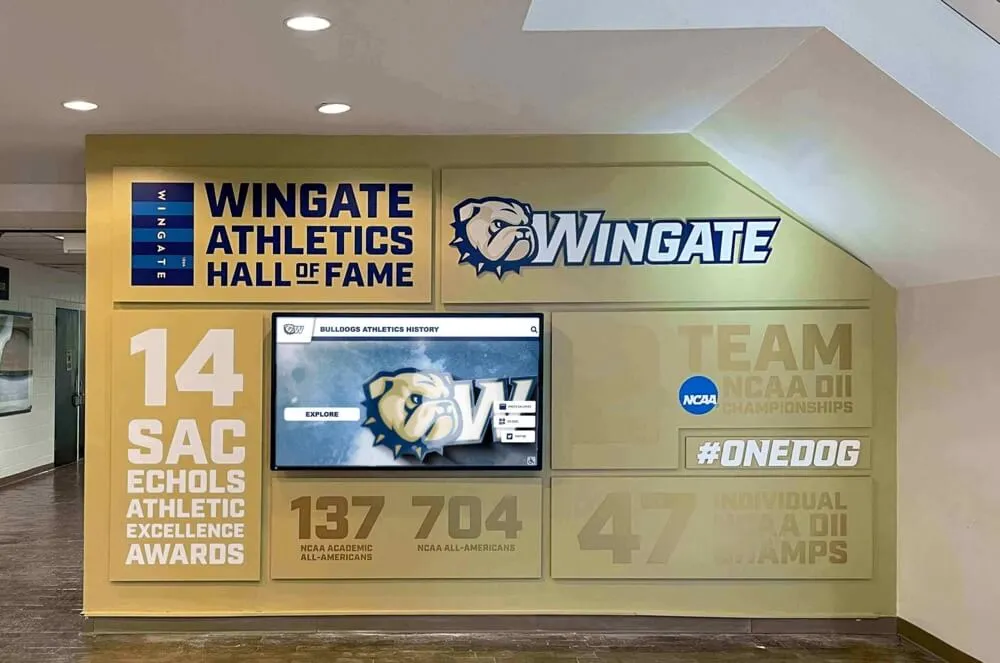
Successful reunions create opportunities for classmates to reconnect around shared history and celebrate collective achievements
When to Start Planning Your High School Reunion
The planning timeline significantly impacts reunion success. Different milestone years require different lead times, but all benefit from early organization.
Recommended Planning Timelines by Reunion Year
10th and 15th Reunions: 9-12 Months Advance Planning
Younger alumni typically have higher mobility, changing contact information frequently, and demanding early-career work schedules limiting availability. Starting 9-12 months ahead allows adequate time for locating classmates, accommodating travel planning needs, and building momentum through sustained communication that keeps the event top-of-mind despite busy professional lives.
20th Through 30th Reunions: 12-15 Months Advance Planning
Mid-career alumni often juggle complex family obligations, children’s activities, and peak professional responsibilities. Extended planning timelines enable coordination around school calendars, provide sufficient notice for travel arrangements when classmates live nationally distributed, and allow committee members to distribute workload across extended periods reducing individual time pressure.
40th, 50th, and Beyond: 15-18 Months Advance Planning
Milestone reunions warrant extended planning periods. Many classmates may face health considerations, mobility limitations, or caregiving responsibilities requiring advanced notice. Multi-generational family coordination takes time, travel may require more complex planning, and these significant milestone celebrations justify enhanced programming that requires additional preparation.
Starting early also provides buffer time when unexpected challenges arise—venue booking complications, committee member changes, or budget adjustments all become manageable with adequate timeline cushion.
Critical Success Factor: Committee Formation Timeline
Before detailed planning begins, assemble your reunion committee. Start recruiting committee members 2-3 months before your official planning timeline begins. This foundation period allows you to identify committed volunteers, establish communication systems and decision-making processes, divide responsibilities based on individual strengths and interests, and create initial consensus on reunion vision, budget parameters, and attendance goals.
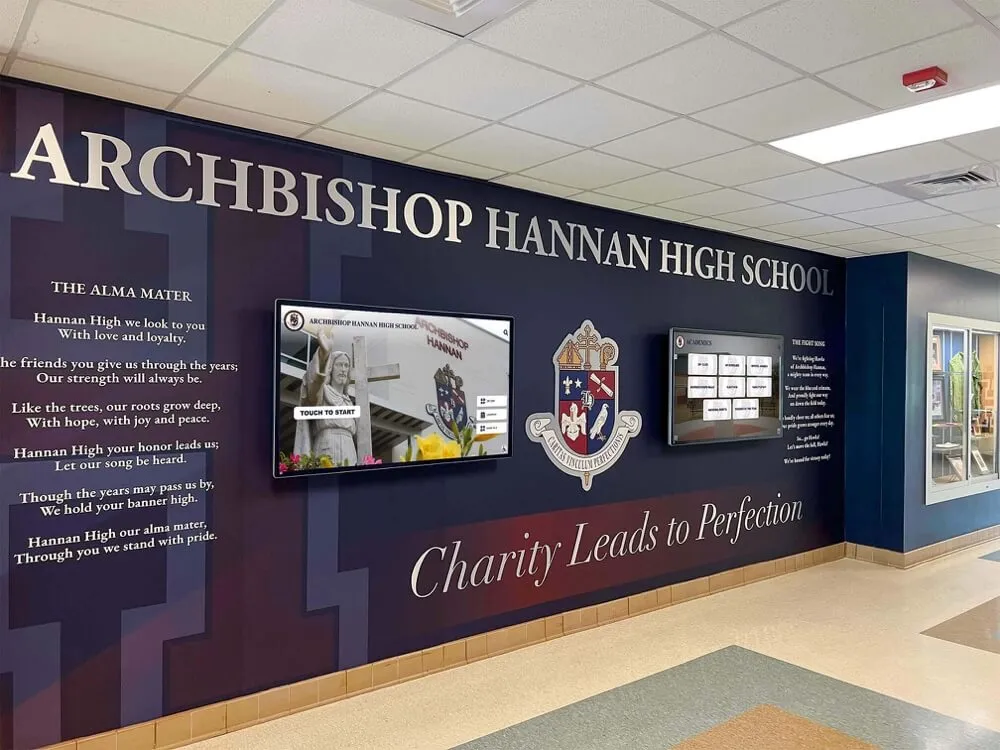
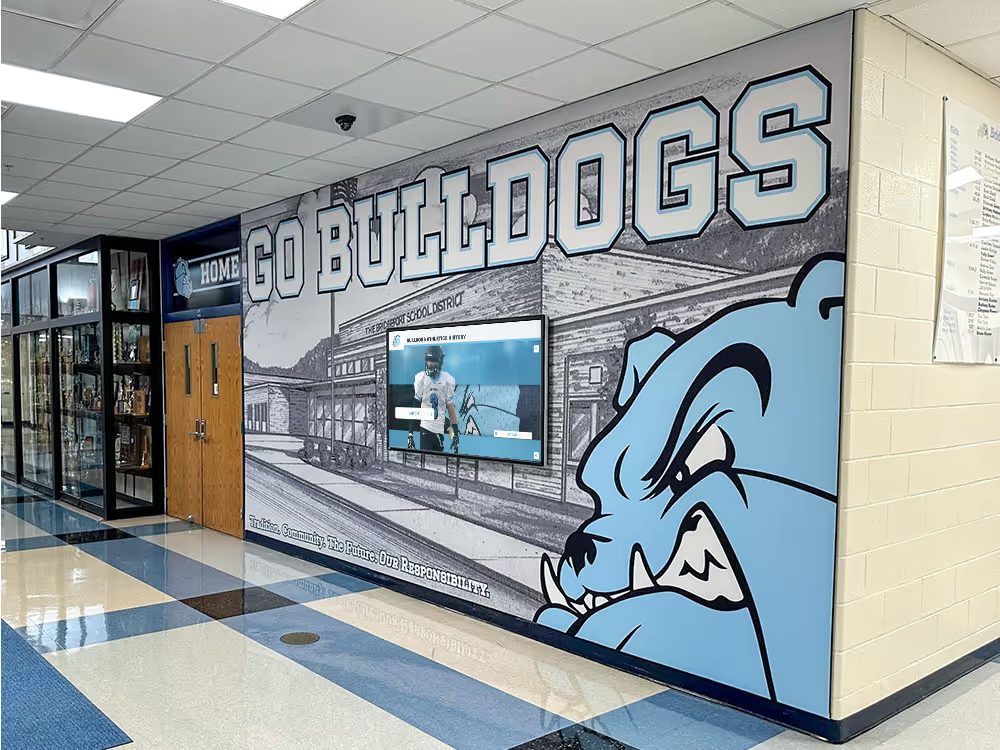
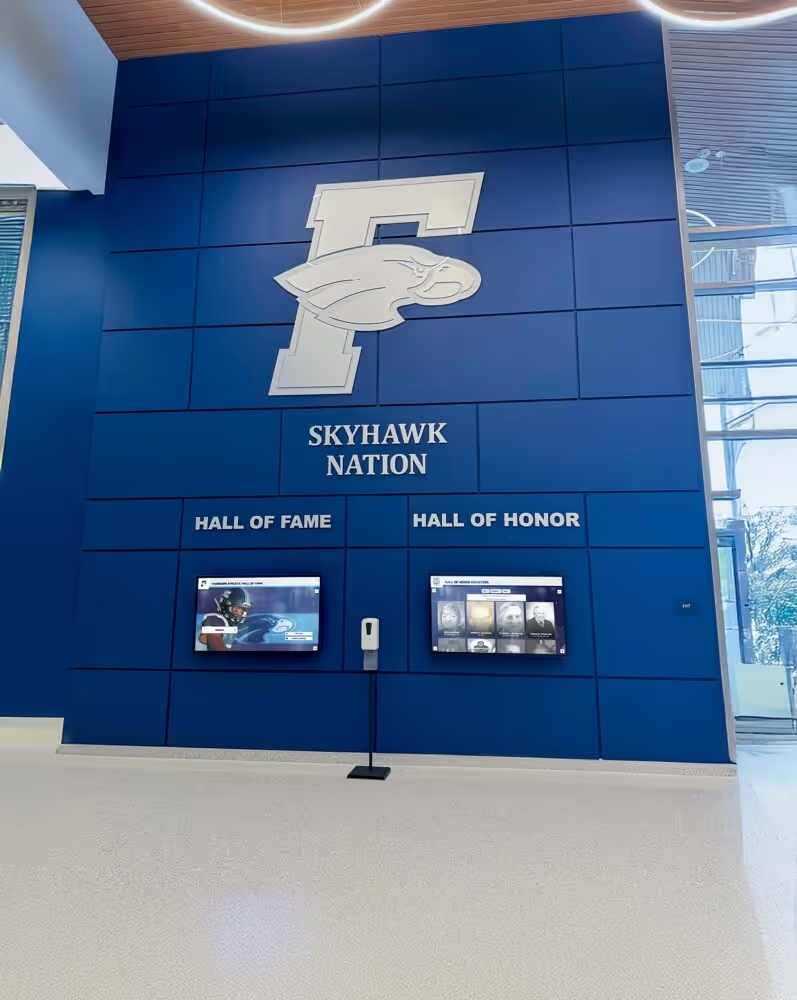
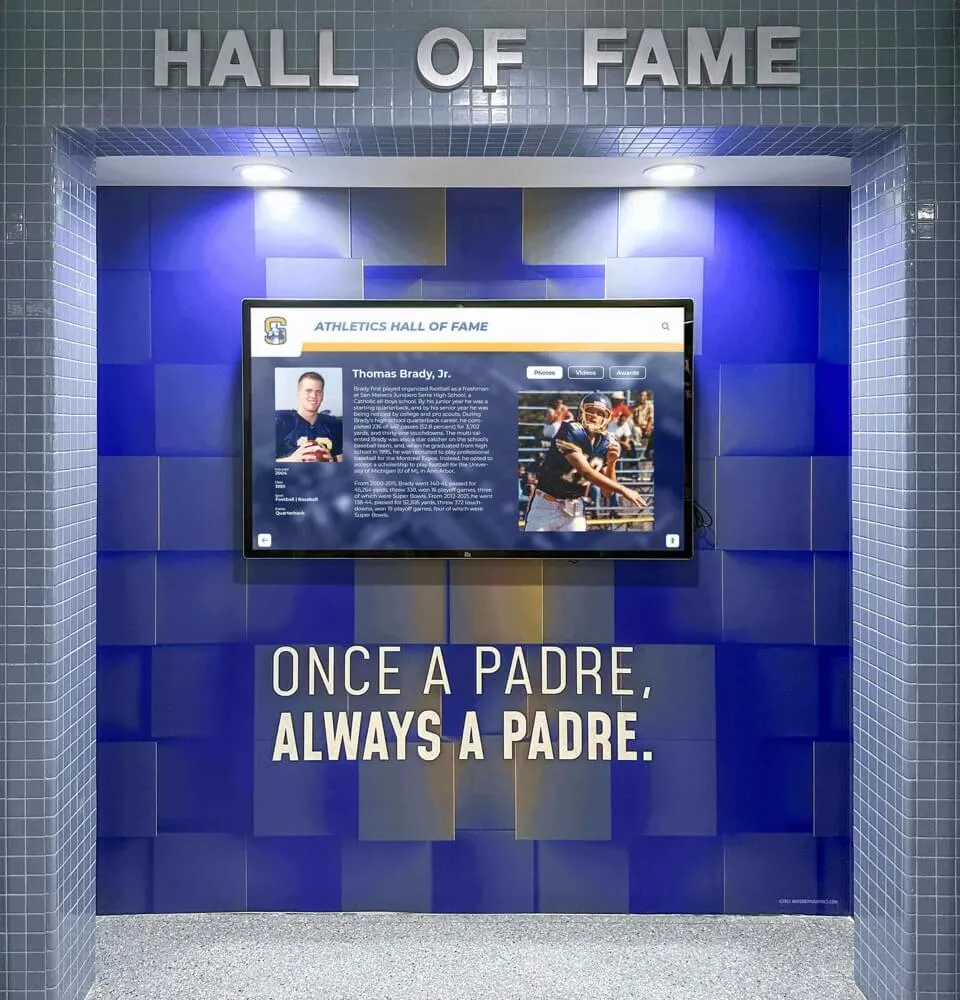
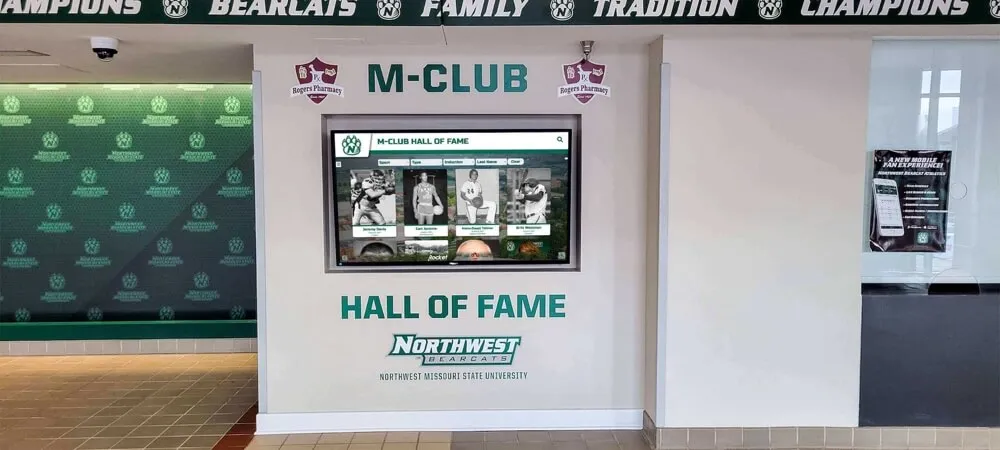
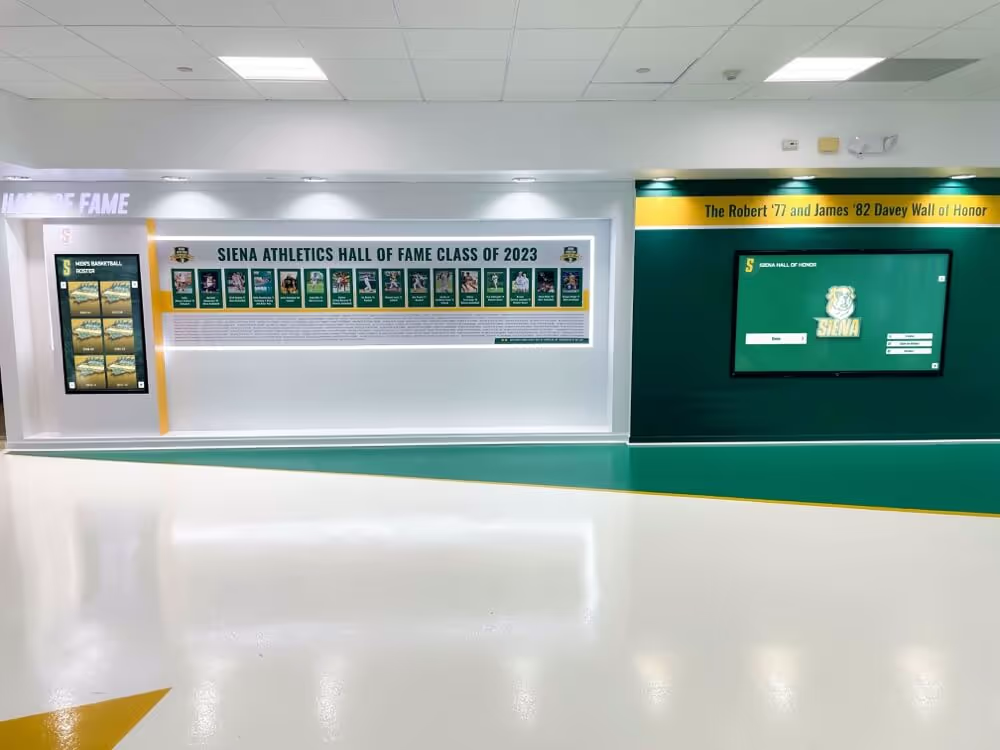
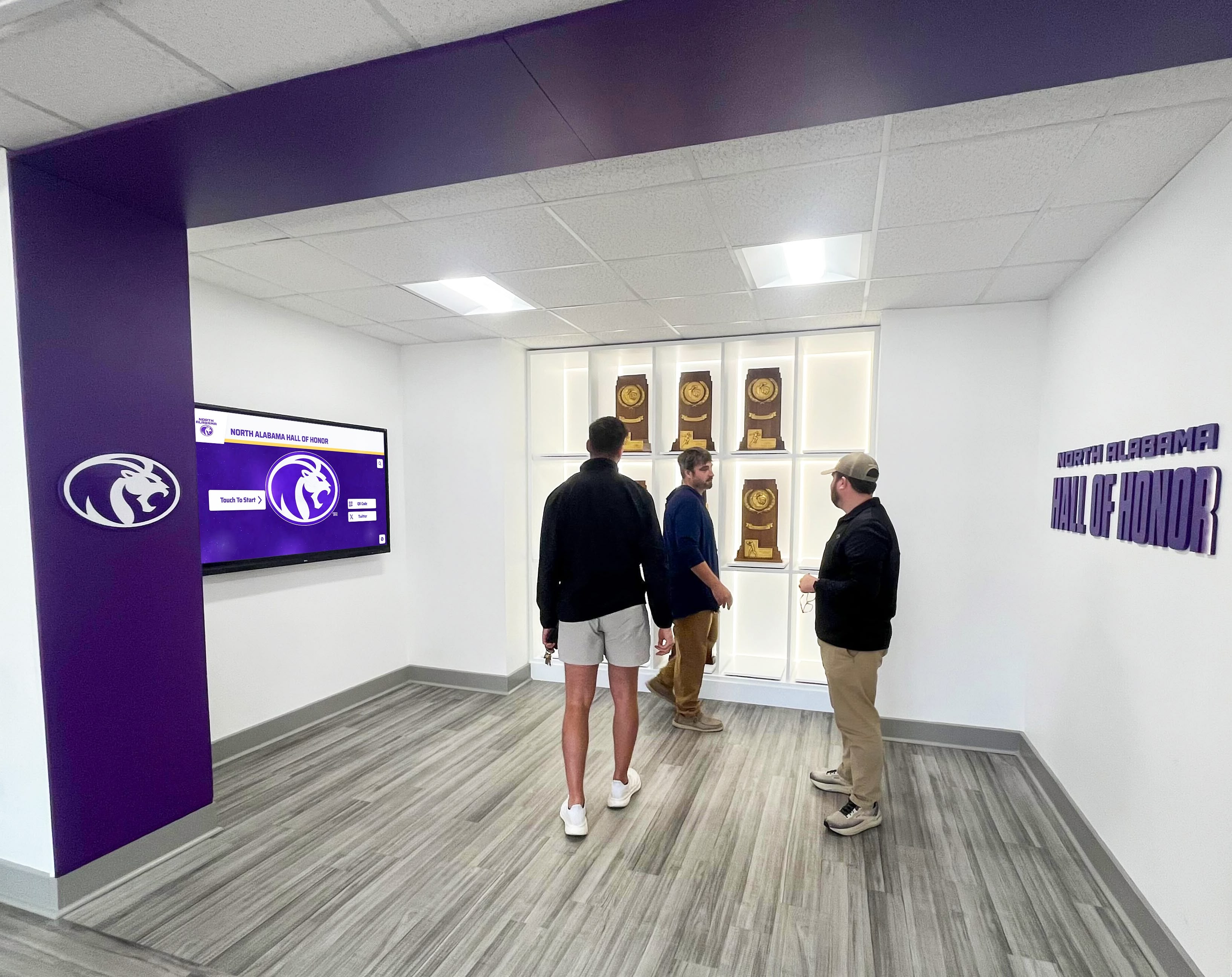
Modern interactive displays help reunions celebrate class history with engaging digital presentations of achievements and memories
Complete Month-by-Month Reunion Planning Timeline
This comprehensive timeline breaks reunion planning into manageable monthly focus areas with specific deliverables ensuring steady progress toward event day.
12-15 Months Before Reunion
Committee Formation and Foundation
Form your core planning committee of 6-10 committed volunteers representing different friend groups and geographic areas from your class. Diversity in committee composition improves outreach effectiveness and ensures multiple perspectives shape planning.
Key Tasks:
- Recruit committee members and assign leadership roles (committee chair, treasurer, communications lead, venue coordinator, activities coordinator)
- Establish communication channels for committee coordination (email list, messaging group, shared document access)
- Hold initial planning meeting to discuss vision, proposed budget range, potential dates, and format preferences
- Create preliminary timeline with major milestones and decision deadlines
- Research and compile initial classmate contact information from previous reunion records, social media groups, and personal networks
Budget Planning:
- Develop preliminary budget estimating costs across major categories (venue, catering, entertainment, decorations, photography, promotional materials, website/technology, contingency fund)
- Determine ticket pricing structure balancing affordability with cost recovery
- Discuss whether the reunion will be self-funded through ticket sales, require sponsor solicitation, or draw on class fund reserves
At this stage, establish realistic expectations about both attendance (typically 20-40% for most reunions) and volunteer time commitment required.
10-12 Months Before Reunion
Date Selection and Venue Research
Select your reunion date considering major conflicts (holiday weekends, homecoming dates if coordinating with school events, major local events that impact hotel availability). Weekend dates typically generate higher attendance than weekday events, while summer dates work well for educator-heavy classes and dates near traditional holidays enable easier family travel coordination.
Key Tasks:
- Finalize reunion date selecting primary date plus backup option
- Research venue options evaluating capacity, cost, ambiance, accessibility, parking, and catering requirements
- Visit top venue candidates in person assessing space layout and functionality
- Request detailed proposals from 3-5 venues including pricing, availability, and contract terms
- Review venue contracts carefully noting cancellation policies, deposit requirements, payment schedules, and included services
- Secure venue booking with signed contract and initial deposit
- Research hotel room blocks negotiating group rates for out-of-town attendees
Communication Setup:
- Create dedicated reunion website or social media group for ongoing updates and registration
- Design initial “save the date” announcement with event date, location, and registration launch timeline
- Begin systematic classmate outreach through email, social media, and personal networks
Venue selection represents one of your most important decisions, significantly impacting attendance, budget, and event atmosphere. Consider creative alumni event ideas that work well in different venue types.

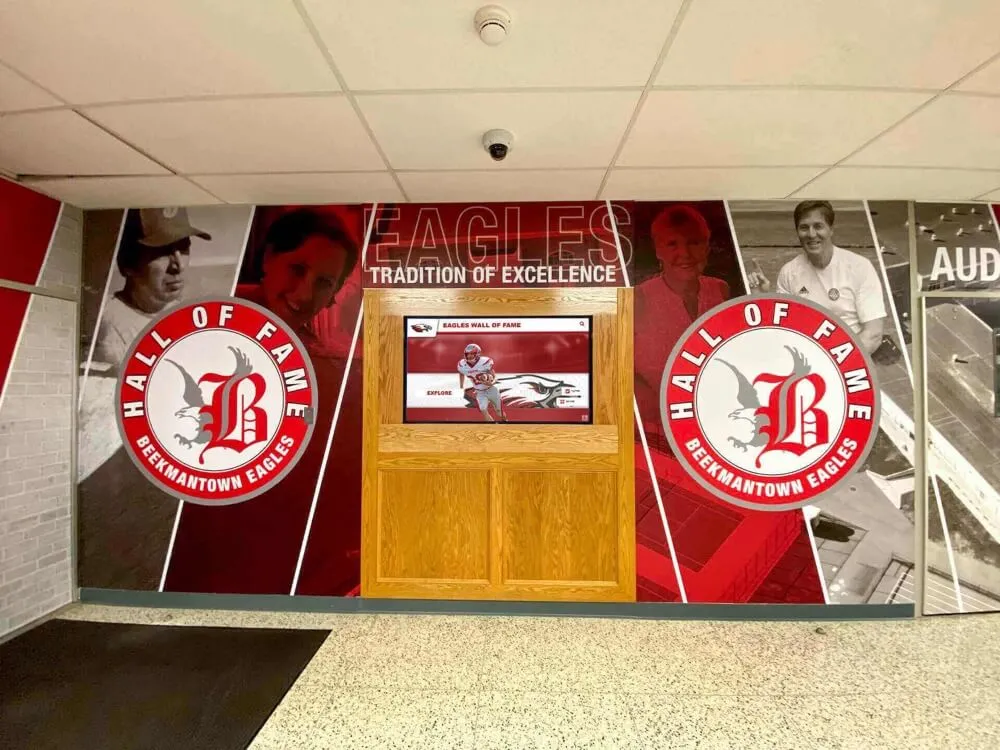
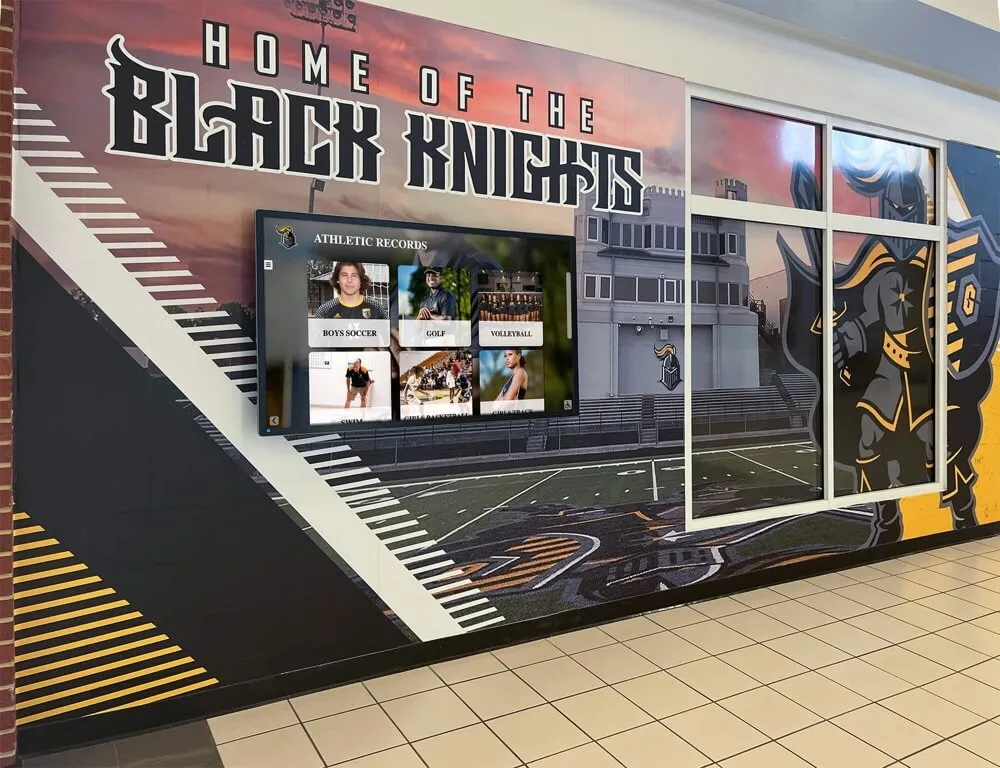
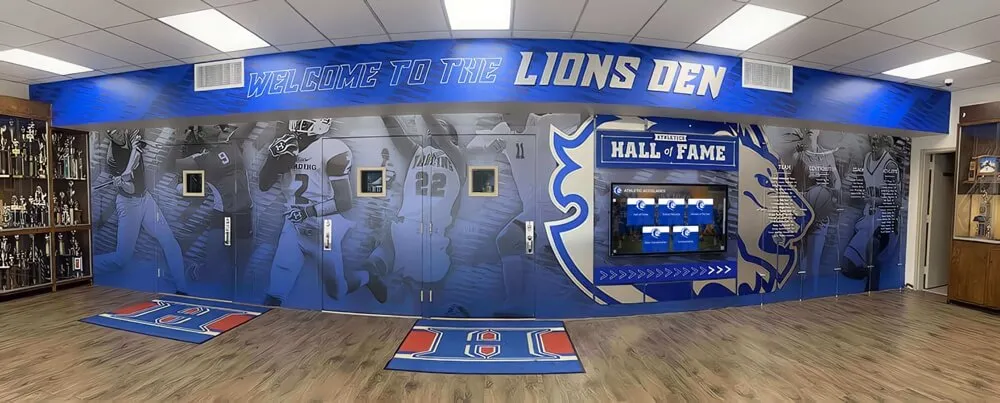
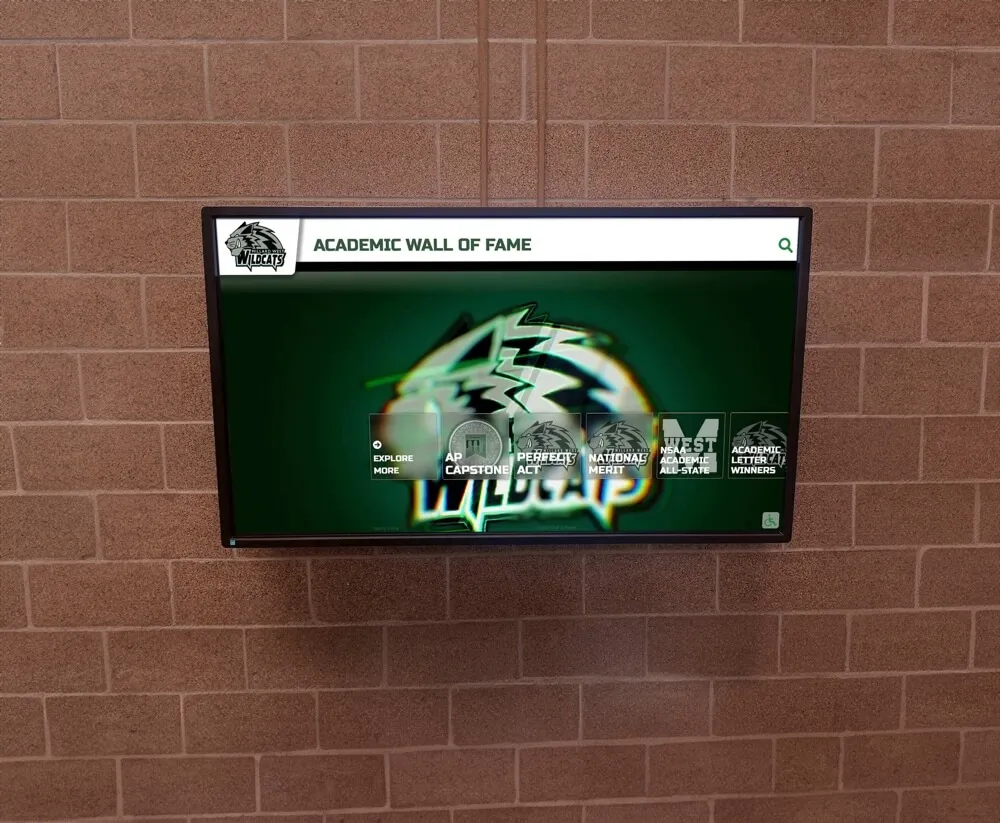
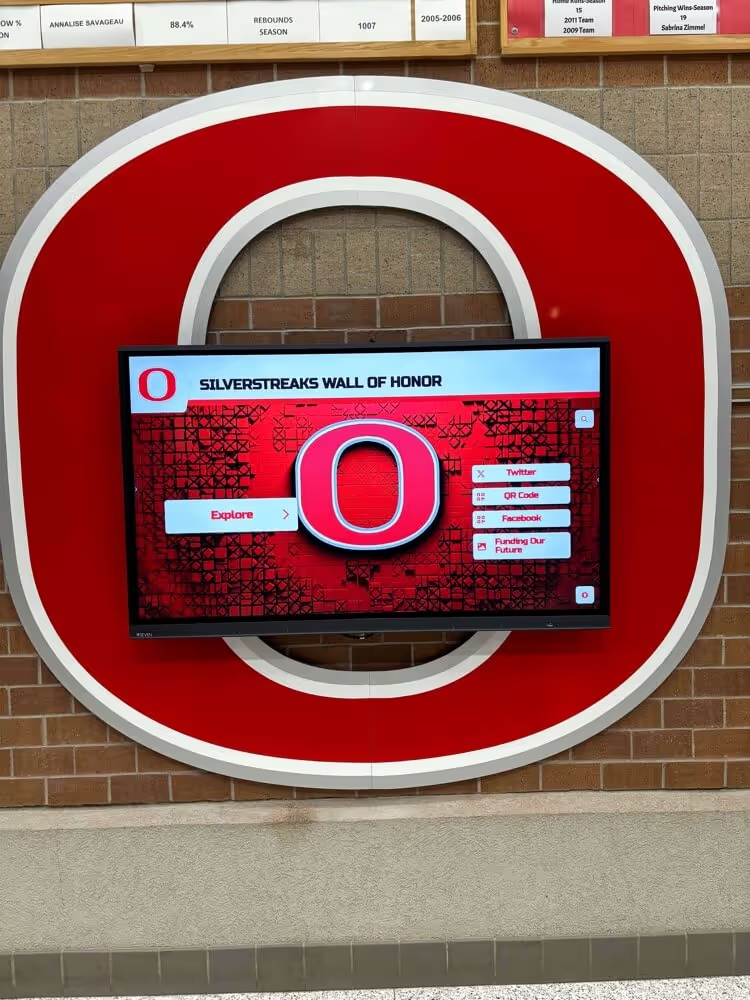
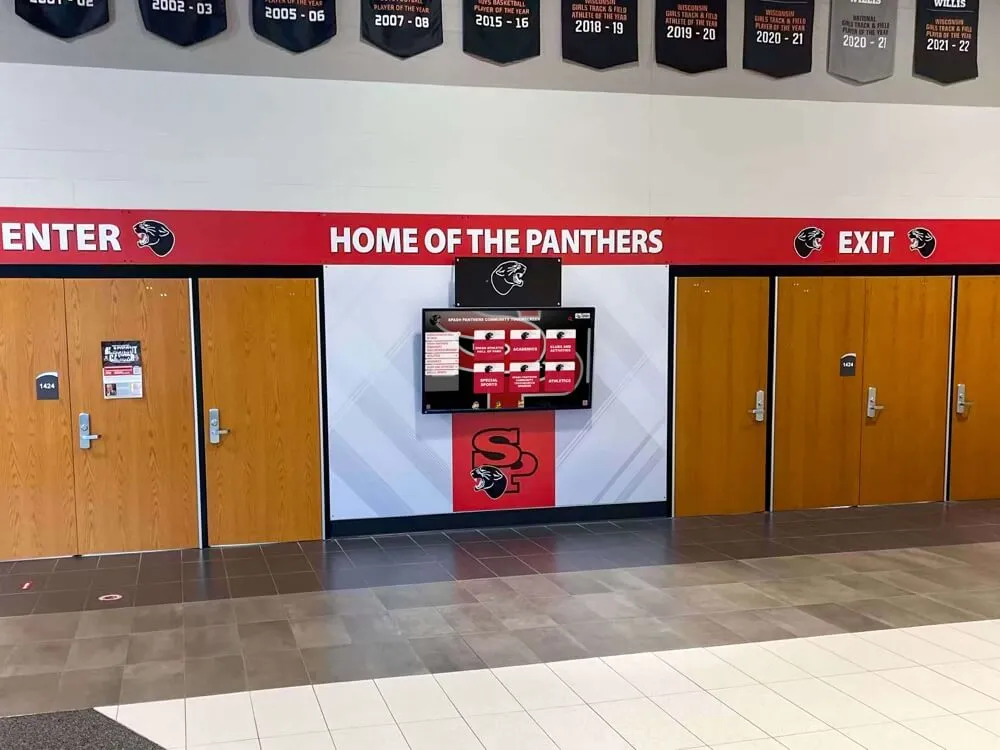
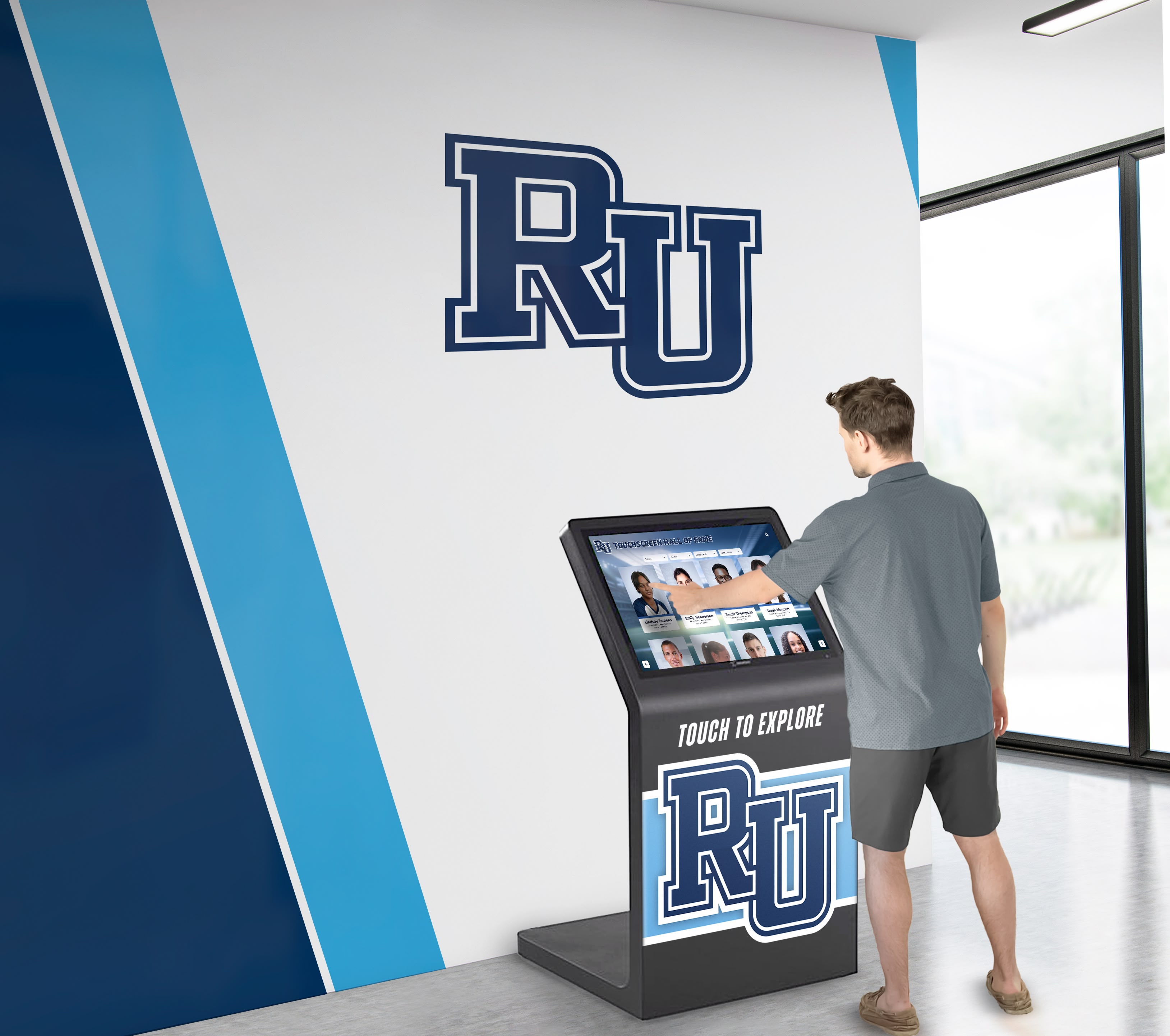
Digital tools enable alumni to browse class photos, yearbooks, and memories on their devices during reunion events
8-10 Months Before Reunion
Registration Launch and Budget Finalization
Open registration enabling classmates to commit early and providing committee with attendance projections for planning purposes.
Key Tasks:
- Finalize detailed budget based on actual venue costs and attendance projections
- Set final ticket pricing (consider early-bird discounts encouraging early registration)
- Launch online registration system with secure payment processing
- Send formal invitation announcement to all located classmates via multiple channels
- Create registration FAQ addressing common questions about schedule, dress code, refund policies, and guest policies
- Establish refund policy and communicate clearly to avoid disputes
- Begin tracking RSVPs and payment status in organized spreadsheet or registration platform
Classmate Location Efforts:
- Intensify efforts to locate “missing” classmates through social media searches, alumni network outreach, and mutual friend connections
- Appoint specific committee members to focus on hard-to-find individuals
- Consider hiring reunion planning services specializing in classmate location if significant portion remains unlocated
- Update contact database regularly as new information arrives
Strong early registration momentum builds excitement and provides financial security for making deposits and commitments to vendors.
6-8 Months Before Reunion
Vendor Selection and Program Planning
Secure all major service providers and begin detailed program planning.
Key Tasks:
- Select and contract with catering service if not included in venue package (finalize menu considering dietary restrictions)
- Book entertainment options (DJ, band, photo booth, or other activities)
- Hire professional photographer/videographer to document the event
- Order customized items (name tags, commemorative items, decorations) allowing time for production
- Plan reunion program including welcome remarks, memorial tribute for deceased classmates, class awards or superlatives, photo opportunities, and entertainment schedule
- Create event timeline coordinating registration, cocktail hour, dinner, program elements, dancing, and closing
- Assign specific committee members to manage each program element
Continued Outreach:
- Send registration reminder to classmates who haven’t yet responded
- Share updates building excitement (venue photos, menu previews, attendance count milestones)
- Create content highlighting class history and nostalgia generating emotional connection
- Encourage registered attendees to help locate missing classmates
This period transforms abstract planning into concrete reality with confirmed vendors and clear programming vision.

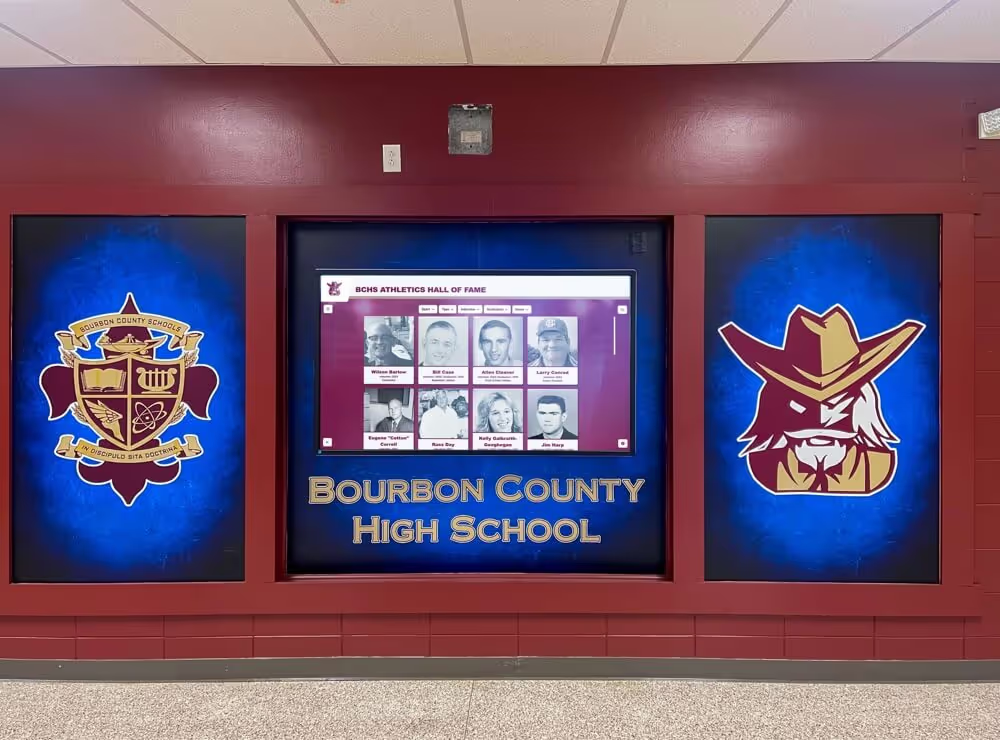
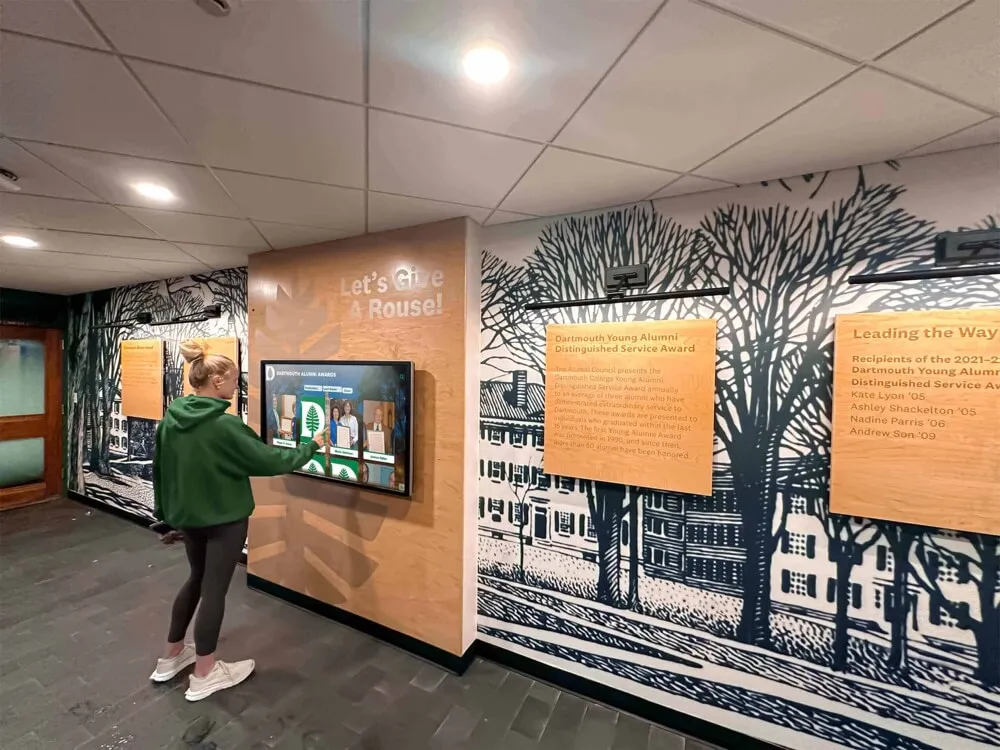
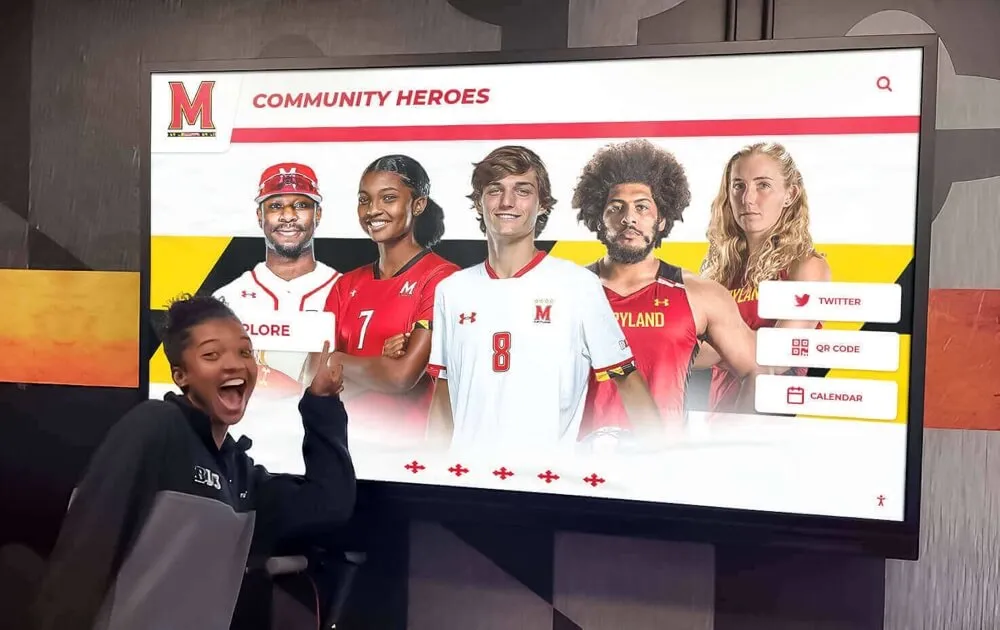
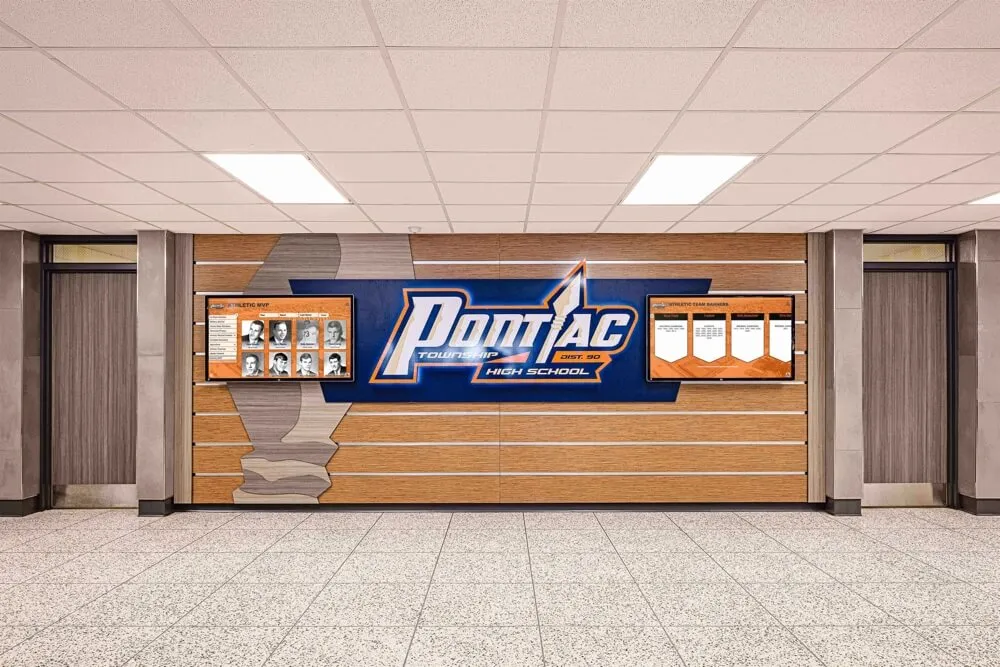
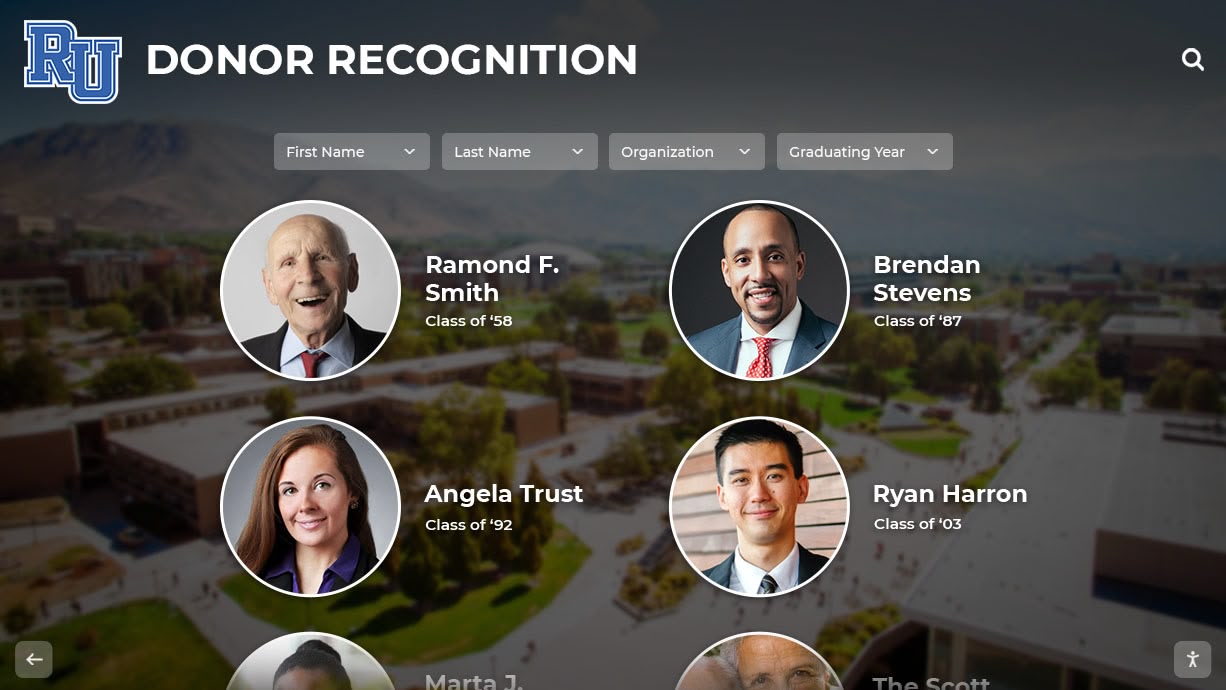
Organized alumni profiles help classmates remember connections and catch up on each other's journeys since graduation
4-6 Months Before Reunion
Content Creation and Memory Collection
Focus on creating nostalgia-driven content and collecting materials that personalize your reunion experience.
Key Tasks:
- Collect classmate updates for memory book or display (current careers, family information, memorable moments from high school, advice for current students)
- Gather historical materials including yearbook photos, newspaper clippings about class achievements, candid photos from school events, and videos from school activities
- Create slideshow or video montage combining historical photos with current classmate submissions
- Design commemorative program or memory book if budget allows
- Plan recognition elements honoring special achievements (classmates who became teachers, military service, community leadership, creative accomplishments)
- Organize memorial tribute for deceased classmates coordinating with families as appropriate
- Create class trivia or “remember when” activities encouraging shared reminiscence
Technology Integration:
- Consider interactive displays allowing classmates to browse digital yearbooks, historical photos, and “where are they now” profiles during the event
- Set up photo-sharing platform where attendees can upload reunion photos during and after the event
- Create event hashtag for social media sharing
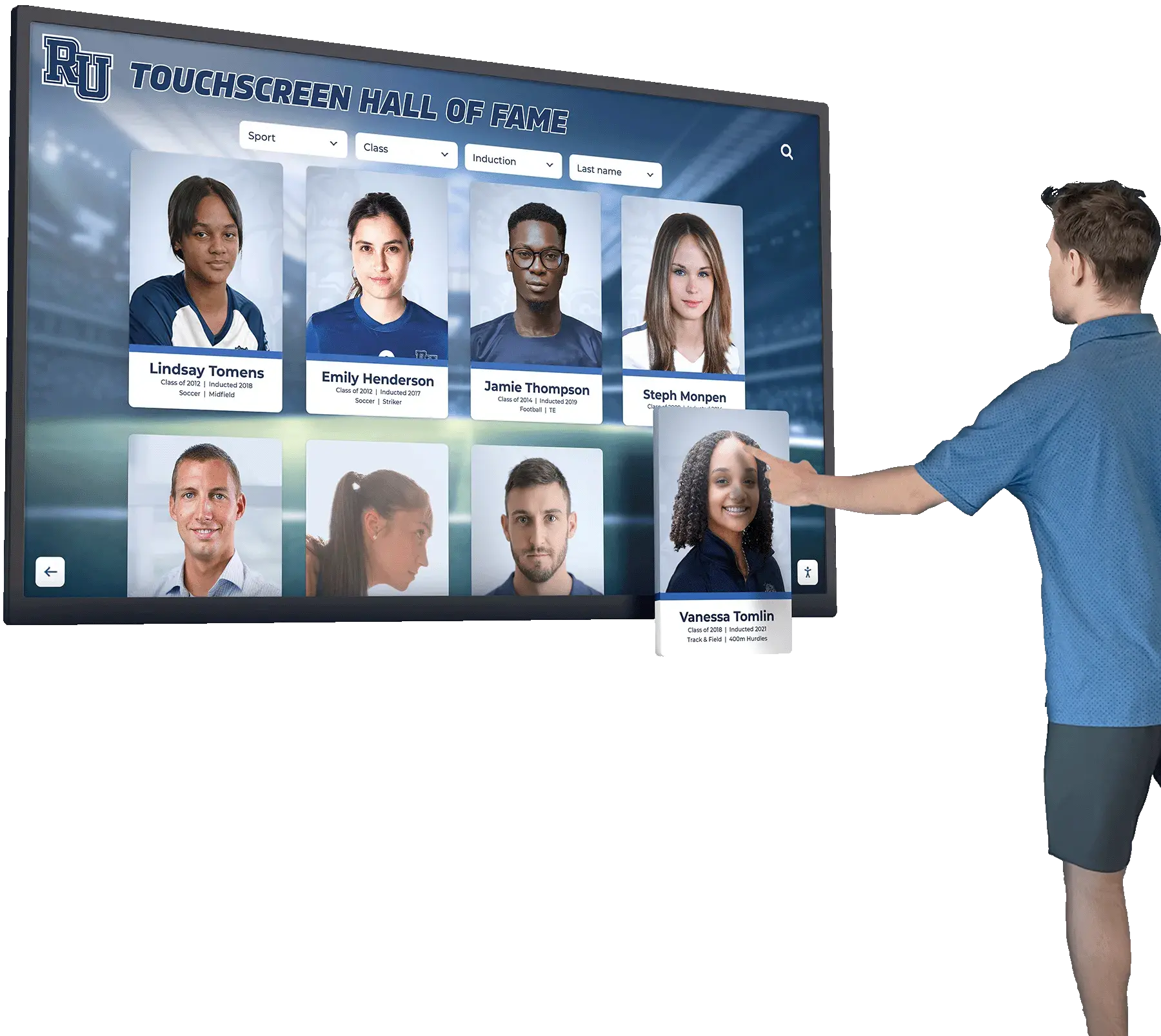
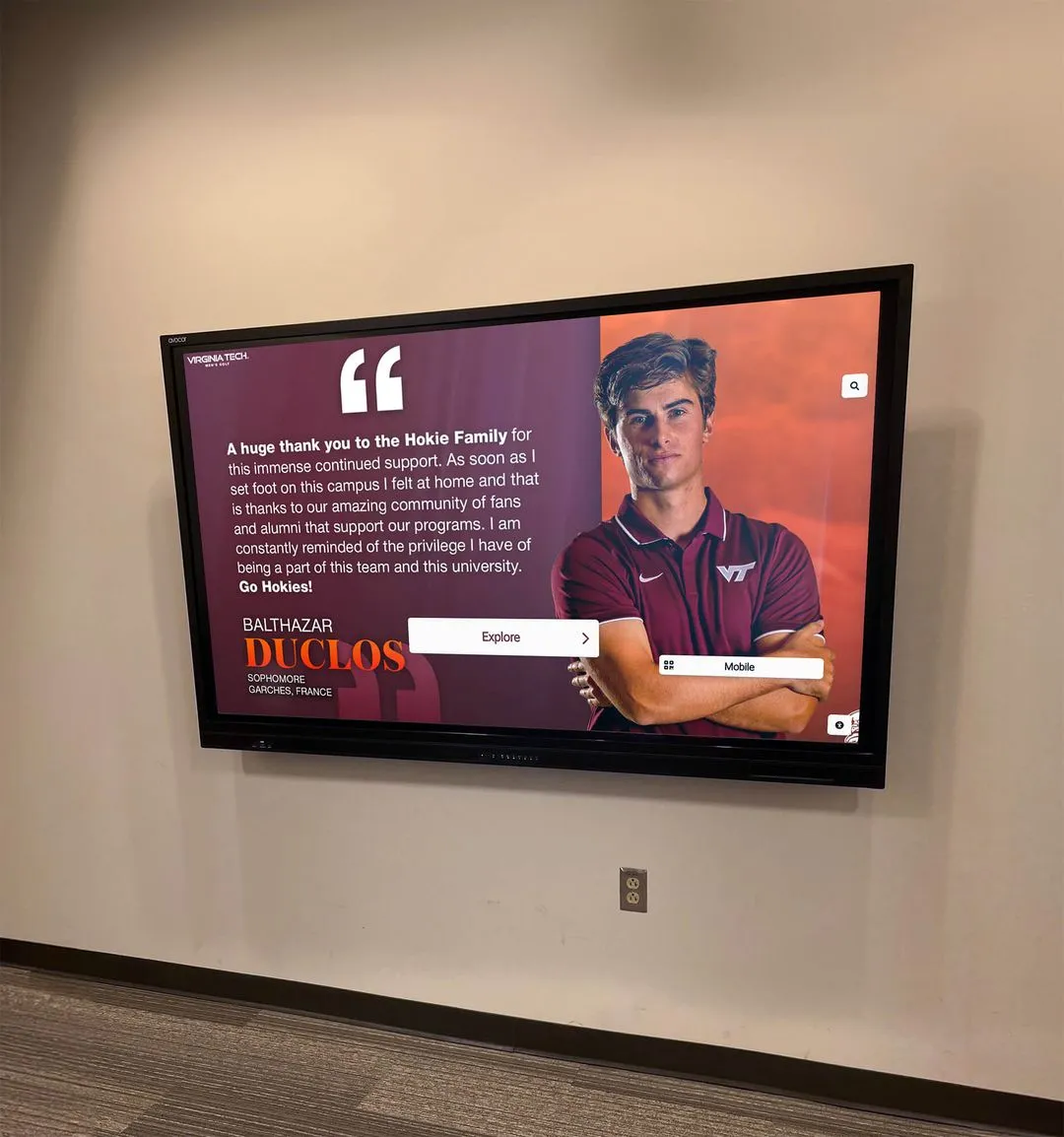
Solutions like Rocket Alumni Solutions provide interactive touchscreen displays that can showcase class history, achievements, and updated alumni profiles in engaging formats that become natural conversation starters during reunion events. These digital recognition displays allow attendees to explore yearbooks, search for classmates, and browse then-and-now photo comparisons throughout the evening.
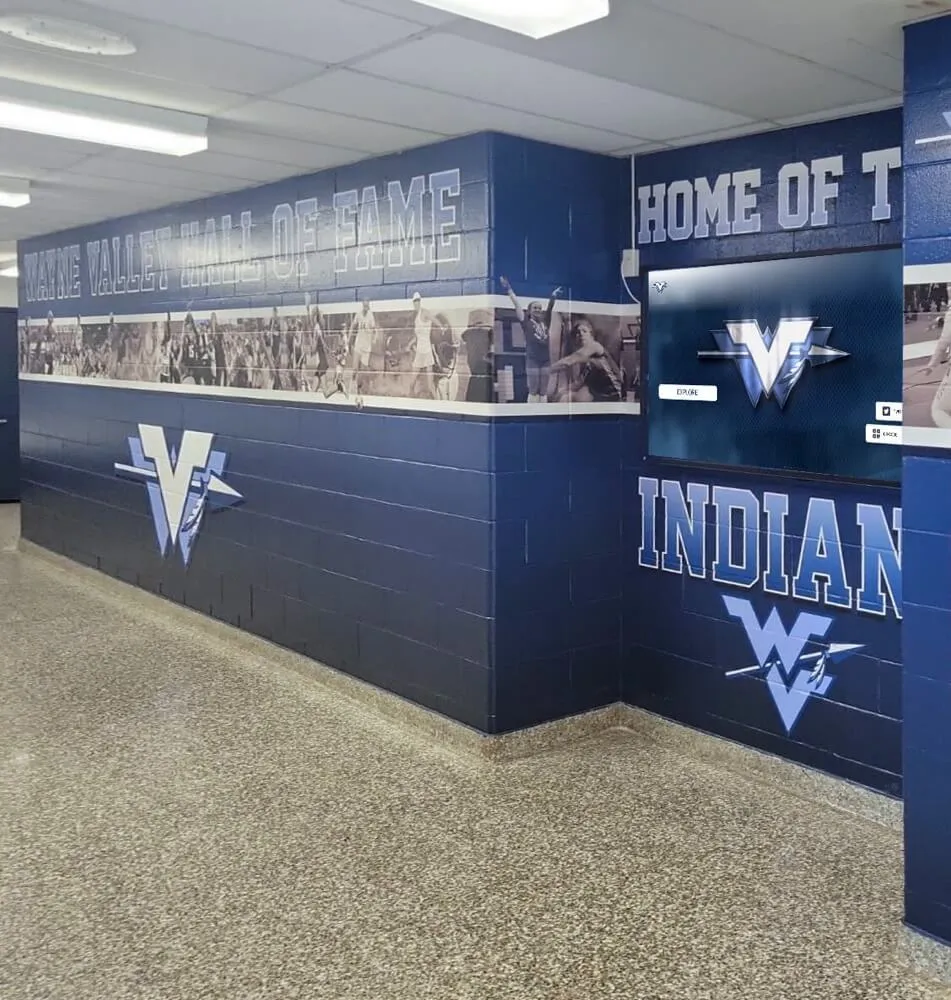
Many reunion committees also coordinate with schools to visit athletic halls of fame or campus recognition displays during reunion weekend activities.
2-4 Months Before Reunion
Registration Push and Final Details
Focus on maximizing attendance while finalizing all event details.
Key Tasks:
- Send targeted outreach to classmates who haven’t registered emphasizing registration deadline
- Share registration milestone updates building momentum (“50 classmates registered so far!”)
- Finalize guaranteed guest count with venue and catering based on registration numbers
- Review and adjust budget based on actual registration revenue
- Complete all vendor confirmations with final details and payment schedules
- Order any last-minute supplies (decorations, printed materials, name badges)
- Create detailed committee assignment list for event day responsibilities
- Plan registration table logistics including check-in process, name tag distribution, and payment handling for walk-in attendees
- Finalize room block with hotel confirming reservation process for attendees
Communication Intensification:
- Send bi-weekly or weekly updates to registered attendees building anticipation
- Share hotel booking information and local area recommendations for traveling classmates
- Preview program highlights, entertainment, and special surprises generating excitement
- Request final dietary restriction information and special accommodation needs
This period represents your final opportunity to boost registration before commitments to vendors become financially locked.
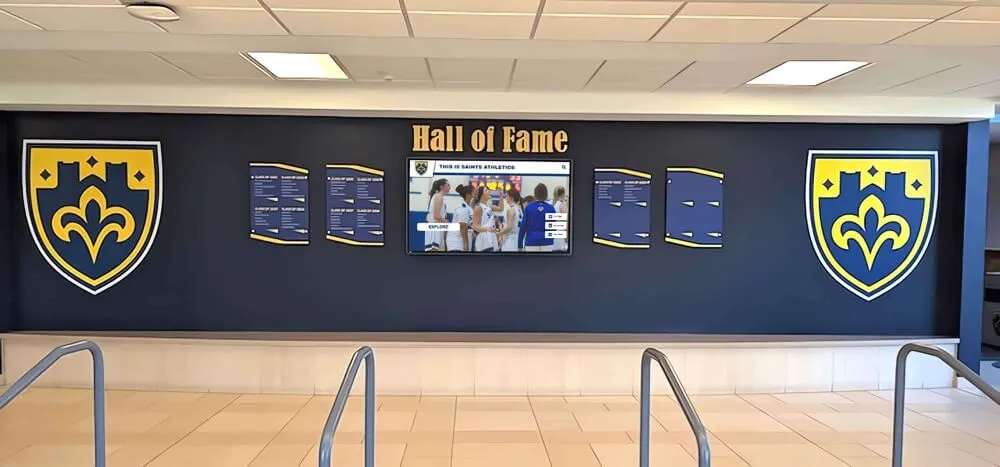
Professional recognition displays celebrating alumni achievements create focal points for reunion gatherings and photo opportunities
Final Month Before Reunion
Last-Minute Coordination and Preparation
The final month focuses on execution preparation and detail management.
Key Tasks:
- Send final reminder email to all registered attendees with complete event details (schedule, location, parking information, dress code, what to bring)
- Create detailed run-of-show document for committee members outlining minute-by-minute schedule
- Hold final committee meeting reviewing all assignments and confirming everyone knows their responsibilities
- Prepare registration materials (attendee list, name badges, payment tracking sheet, registration forms for walk-ins)
- Finalize seating arrangements if using assigned seating
- Complete final vendor confirmations contacting each service provider to confirm timing, setup requirements, and contact information
- Prepare memorial tribute materials ensuring appropriate, respectful presentation
- Create backup plans for common contingencies (weather alternatives for outdoor portions, technology backup plans, vendor no-show alternatives)
- Assemble day-of supplies kit (tape, markers, scissors, extension cords, phone chargers, first aid supplies, stain remover)
- Confirm volunteer support for setup, registration, and cleanup
Financial Management:
- Review final budget comparing projected versus actual expenses
- Ensure sufficient funds available to pay day-of costs and final vendor balances
- Plan for handling cash and payments from walk-in attendees securely
Week of Reunion
Final Execution Preparation
The final week requires focused attention on execution details.
Key Tasks:
- Confirm final headcount with caterer (typically required 3-7 days before event)
- Pick up any rental items or supplies requiring advance collection
- Print all materials (programs, name tags, signs, table numbers)
- Conduct venue walkthrough reviewing setup requirements and logistics
- Brief all committee members on their specific responsibilities
- Prepare welcome remarks and any speeches or presentations
- Charge all technology devices (cameras, tablets, microphones)
- Create playlist if using personal music instead of DJ
- Pack supplies kit and load vehicle for easy transport
- Send final reminder to registered attendees
Day Before Reunion:
- Allow committee members to rest and prepare personally
- Confirm setup time with venue and all vendors
- Charge phones and devices fully
- Review emergency contacts and backup plans
Reunion Day
Event Execution
Your careful planning culminates in reunion day execution.
Setup Phase:
- Arrive early with sufficient time for thorough setup (typically 2-3 hours before guest arrival)
- Direct vendor setup coordinating placement of catering stations, entertainment equipment, photo booth
- Arrange decorations, displays, and signage
- Set up registration table with organized materials
- Test all technology including microphones, slideshow presentation, and interactive displays
- Conduct final walkthrough ensuring everything meets expectations
During Event:
- Staff registration table managing check-in efficiently
- Follow program timeline keeping schedule moving appropriately
- Capture photos and videos documenting the event
- Address issues calmly and discreetly as they arise
- Enjoy celebrating with classmates—remember you’re attending too!
Breakdown:
- Coordinate efficient cleanup dividing tasks among available committee members
- Settle final bills with venue and vendors
- Collect any leftover materials or decorations
- Take final photos of venue before departing
Detailed Planning Checklists by Category
Comprehensive checklists ensure no critical details fall through the cracks during the busy planning process.
Venue and Logistics Checklist
Essential venue considerations:
- Capacity accommodating expected attendance plus buffer
- Accessible location with convenient travel for majority of classmates
- Adequate parking or proximity to public transportation
- Ambiance matching desired reunion atmosphere (casual versus formal, indoor versus outdoor options)
- Audio/visual capabilities for presentations, slideshows, or video tributes
- Space configuration allowing registration area, social space, dining area, and dance floor
- Climate control appropriate for season and expected attendance
- Accessibility for classmates with mobility limitations
- Backup plan for weather-dependent outdoor spaces
- Clear contract terms regarding cancellation, payment schedule, and included services
- Catering options (in-house required, outside catering allowed, or BYOB policies)
- Rental item needs (tables, chairs, linens, place settings, glassware)
- Setup and cleanup time included in venue rental
- Security or staffing requirements
- Liability insurance requirements and liquor licensing
Budget Planning Worksheet
Comprehensive budget categories to consider:
Venue and Facilities:
- Venue rental fee
- Setup/cleanup fees
- Rental equipment (tables, chairs, linens, lighting, tenting)
- Security or required staffing
Food and Beverage:
- Catering per-person costs
- Bar service and alcohol
- Service charges and gratuity (typically 18-22%)
- Specialty dietary accommodation costs
Entertainment and Activities:
- DJ or live band
- Sound system rental if needed
- Photo booth or photographer
- Videographer
- Special activities or games
Communications and Marketing:
- Website hosting or registration platform fees
- Invitation design and printing
- Postage for mailed invitations
- Promotional materials
Decor and Supplies:
- Centerpieces and table decorations
- Banners, signage, balloons
- Name tags and lanyards
- Table numbers or place cards
- School memorabilia displays
Commemorative Items:
- Custom t-shirts, glasses, or favors
- Memory book printing
- Photo keepsakes
Technology and Displays:
- Interactive display rental or purchase
- Slideshow creation services
- Equipment rental (projectors, screens, tablets)
Administrative:
- Classmate location services
- Payment processing fees (typically 2-3% of ticket sales)
- Postage and mailing costs
- Committee meeting refreshments
- Contingency fund (10-15% of total budget)
Build 10-15% contingency into your budget for unexpected costs that invariably arise.
Communication Timeline Checklist
Systematic communication maintains momentum and maximizes attendance:
12+ Months Out:
- Create social media group or page for class
- Initial “save the date” announcement
10-12 Months Out:
- Formal announcement with date, location, early registration details
- Website or registration platform launch
8-10 Months Out:
- Registration opening announcement
- Early bird pricing promotion if offered
6-8 Months Out:
- Registration reminder to non-registrants
- Milestone updates (number registered, hotel block information)
- Content building excitement (throwback photos, class trivia)
4-6 Months Out:
- Registration deadline reminder
- Preview program elements and special attractions
- Share hotel and travel information
2-4 Months Out:
- Final registration push
- Targeted outreach to undecided classmates
- Countdown announcements building anticipation
Final Month:
- Detailed event information to registered attendees
- Final call for late registrations
- Practical details (parking, schedule, dress code)
Week Before:
- Final reminder with all event details
- Last-minute logistics updates
Day After Event:
- Thank you message to attendees
- Photo sharing information
- Save the date for next reunion
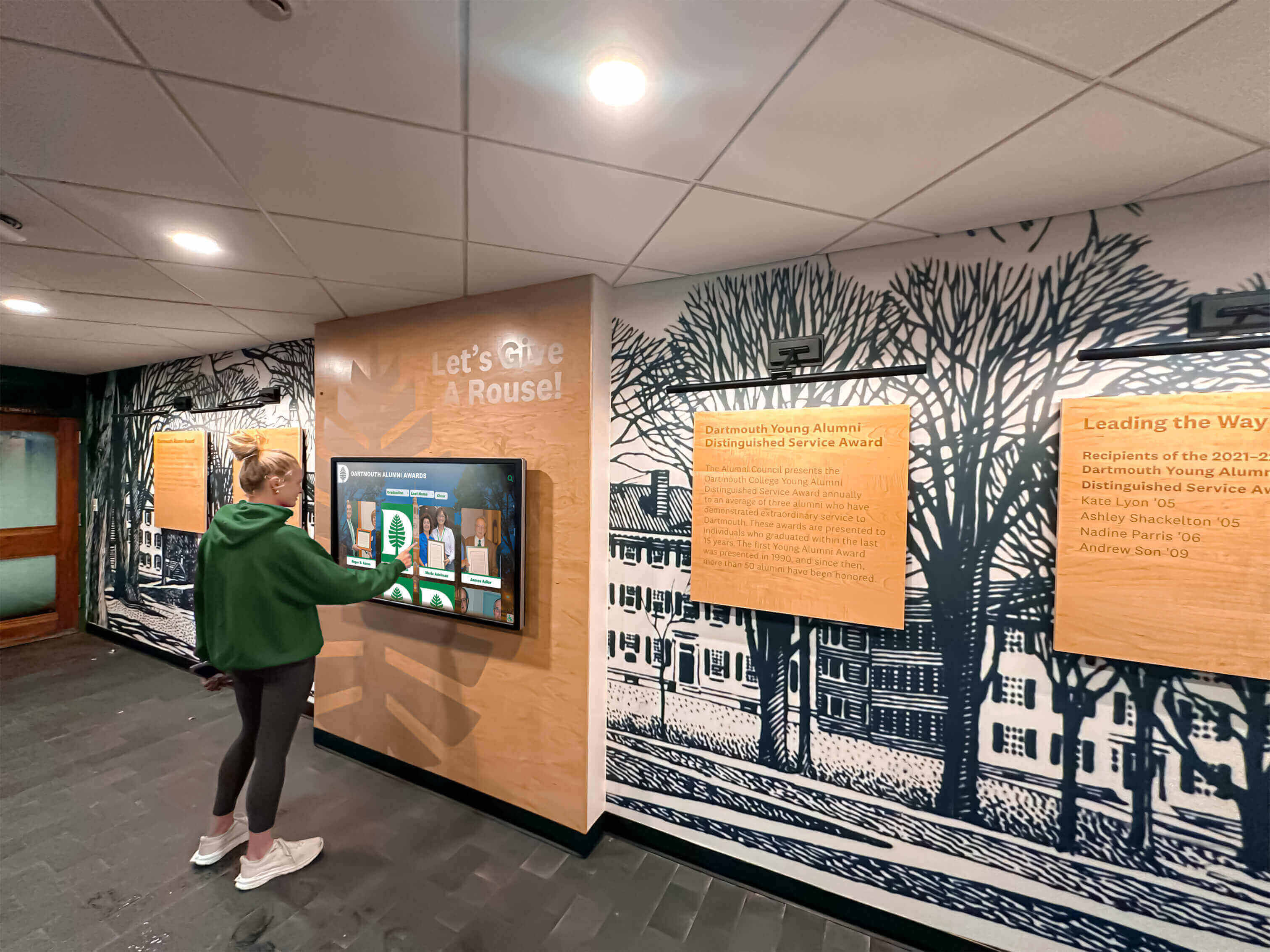
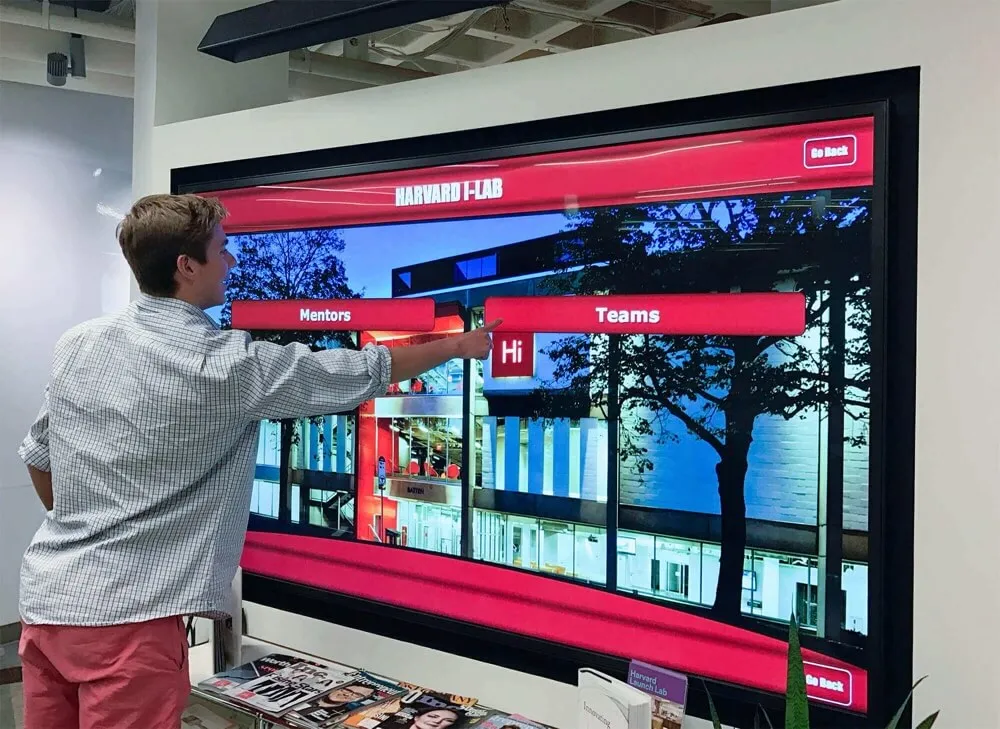
Interactive technology allows reunion attendees to search for classmates, browse historical photos, and explore achievements throughout the evening
Creating Engaging Reunion Experiences
Beyond logistics, successful reunions create meaningful experiences that justify classmates’ time and financial investment.
Interactive Elements That Drive Engagement
Memory Lane Displays
Create dedicated spaces showcasing class history through yearbooks, newspaper clippings, sports programs, homecoming photos, prom pictures, and class projects or artwork preserved by teachers or classmates. Organize materials chronologically by year enabling attendees to trace their high school journey sequentially.
Interactive touchscreen displays bring these memories to life with searchable databases of classmate profiles, digital yearbook browsing, photo galleries organized by sport, club, or event, and video clips from school performances or sporting events. These displays become natural gathering points encouraging conversation as classmates discover shared memories and forgotten details.
Then and Now Photo Wall
Create side-by-side displays pairing senior yearbook photos with current photos submitted during registration. This popular feature generates significant engagement and photo opportunities while visually celebrating how everyone has changed.
Class Superlatives 2.0
Revisit senior superlatives with adult perspective. Use online voting before the reunion to select categories like “traveled the farthest,” “most kids,” “least changed,” “most changed,” “furthest from predicted career path,” or “most like high school prediction.” Announce winners during the program creating fun recognition moments.
Trivia and Games
Organize class trivia competitions testing memory of school events, teachers, yearbook quotes, or popular culture from graduation year. Team-based formats encourage mingling across different friend groups.
Video Messages
Collect video greetings from classmates who cannot attend, teachers who remember your class, or local celebrities who graduated from your school. Screen these messages during dinner creating connection with absent community members.
Incorporating School Visits and Campus Tours
Many reunion committees coordinate school tours during reunion weekend, particularly for milestone reunions. Contact your high school administration well in advance to arrange access including gymnasium tours to view current recognition displays and trophy cases, classroom visits showing facility updates, auditorium access if your school has preserved programs or plaques, and outdoor spaces like football fields or courtyards tied to class memories.
Some schools coordinate reunion schedules with athletic events and campus celebrations creating natural extension activities, and many reunion committees plan visits during homecoming festivities when the campus community is already celebrating.
Memorial Tributes
Honoring deceased classmates represents an important, sensitive reunion component. Approach this thoughtfully with dedicated moment of silence or candlelight ceremony, memorial display with photos and brief biographies, donation collection for scholarship fund in classmates’ memory, and inclusion of families if appropriate and desired.
Contact families in advance explaining how you plan to honor their loved ones and asking permission to include photos or information. This respectful approach ensures families feel appropriately included rather than surprised.
Post-Reunion Connection
Extend reunion impact beyond single evening with shared photo galleries from the event enabling continued reminiscing, next reunion planning survey gathering input while enthusiasm remains high, ongoing social media group maintaining connections, and planning smaller local gatherings before next major reunion.
Document decisions, attendance data, and lessons learned in detailed notes that benefit your next reunion committee.
Budget Management and Pricing Strategies
Financial planning significantly impacts reunion accessibility and success.
Determining Ticket Pricing
Calculate per-person cost by dividing total projected expenses by expected attendance. Then add margin covering payment processing fees (2-3%), accounting for expected no-shows and comp tickets, and building small surplus for next reunion seed fund or charitable donation.
Pricing Strategies:
Early bird pricing offering 15-20% discount for registration before specific deadline creates urgency and provides early revenue for deposits. Graduated pricing increasing as event approaches encourages earlier commitment. Couples or guest discounts providing slight reduction for attendees bringing guests incentivizes registration. Single ticket price simplifying decision-making by eliminating pricing tiers.
Consider affordability carefully. Reunion pricing that excludes classmates due to financial constraints undermines community-building purpose. Some committees offer scholarship tickets funded by class donations or volunteer opportunities helping with reunion tasks in exchange for reduced pricing.
Revenue Beyond Ticket Sales
Ticket sales need not fund entire reunion. Consider supplemental revenue including sponsor solicitation from local businesses with connections to your class, alumni donations where financially successful classmates underwrite portion of costs, commemorative item sales offering t-shirts, photo books, or other memorabilia with markup, auction or raffle of donated items or experiences, and bar proceeds if hosting cash bar rather than open bar.
Reunion planning services often find creative sponsorship opportunities including local establishments where your class frequently gathered, businesses owned by classmates or their family members, or companies seeking goodwill among your class’s professional network.
Managing Expenses
Control costs without sacrificing experience quality through buffet service rather than plated meals reducing catering costs 20-30%, Friday or Sunday events instead of prime Saturday nights often reducing venue costs, school cafeteria or gym venues offering familiar atmosphere at lower cost, volunteer committee handling tasks like decoration and setup, digital invitations rather than printed materials, and DIY photo booth using tablet and simple backdrop rather than professional service.
Remember that atmosphere, engagement, and emotional connection matter more than expensive extras. Simple reunions with thoughtful personal touches consistently outperform lavish events lacking authentic class identity.
Finding Missing Classmates
Locating classmates who’ve lost touch represents one of reunion planning’s biggest challenges.
Systematic Search Strategies
Social Media Searches
- Create class Facebook group inviting known classmates to join and invite others
- Search LinkedIn using graduation year and high school name
- Check Instagram and other platforms using class year and school name hashtags
- Ask connected classmates to share reunion information in their networks
Alumni Network Resources
- Contact school alumni office for any maintained contact lists (noting privacy restrictions)
- Search digital yearbook archives if available
- Check school foundation donor lists for alumni who maintain giving relationships
- Review previous reunion attendance lists and contact information
Personal Network Outreach
- Assign committee members to contact specific friend groups personally
- Ask registered attendees to help locate close friends from school
- Contact former teachers who may maintain relationships with students
- Reach out to parents or siblings still living in hometown area
Professional Services
- Consider reunion planning services specializing in classmate location
- Use people-finder databases (with ethical considerations regarding privacy)
- Hire skip-tracing services for particularly hard-to-locate individuals
Creative Outreach
- Contact employers where classmates are known to work
- Reach out to professional associations in industries where classmates concentrated
- Check military locator services for classmates who served
- Contact local media for help publicizing reunion and asking missing classmates to come forward
Privacy Considerations
Respect privacy preferences when locating classmates. Some people intentionally maintain distance from high school connections. If someone declines reunion invitation or doesn’t respond to repeated contact attempts, respect their boundary rather than pursuing aggressively.
Committee Management and Volunteer Coordination
Reunion success depends heavily on effective committee dynamics and volunteer management.
Building Strong Committee Structure
Recruit committee members representing different social circles from your class ensuring diverse perspectives and broader network reach. Ideal committee size ranges from 6-10 people providing sufficient help without becoming unwieldy for decision-making.
Key Roles:
Committee Chair managing overall timeline and coordinating between committee members. Treasurer handling budget, payments, and financial tracking. Communications Lead managing all outreach, website, and social media. Venue Coordinator handling venue relationship, catering, and logistics. Activities Coordinator planning program elements, decorations, and engagement activities. Technology Manager overseeing registration platform, displays, and audiovisual needs.
Define roles clearly with specific responsibilities documented to avoid confusion and overlap.
Effective Committee Operations
Schedule regular committee meetings (monthly early in planning, more frequently as event approaches) with clear agendas and documented action items. Use shared project management tools tracking tasks, deadlines, and completion status. Distribute workload equitably ensuring no single person becomes overwhelmed. Communicate between meetings through dedicated group chat or email list. Make decisions efficiently through clear decision-making process (consensus, committee chair authority, or voting).
Managing Committee Challenges
Common committee dynamics challenges include volunteer burnout from overly demanding workload, disagreement over vision or major decisions, committee members not completing assigned tasks, personality conflicts between strong-willed volunteers, and declining participation as planning extends over many months.
Address these proactively through reasonable timeline expectations, clear decision processes, direct but kind accountability conversations, conflict resolution focusing on reunion success rather than personal preferences, and appreciation for volunteer efforts throughout the process.
Consider committee recognition during reunion thanking volunteers publicly and perhaps providing comp tickets or small gifts acknowledging their significant contribution.
Technology Tools That Simplify Reunion Planning
Modern technology significantly reduces reunion planning workload while improving attendee experience.
Registration and Payment Platforms
Online registration platforms streamline ticketing and payment collection. Look for services offering secure payment processing with credit card acceptance, customizable registration forms collecting needed information, automated confirmation emails and receipt generation, refund management capabilities, attendee list exports and reporting, and integration with communication tools.
Popular options include Eventbrite, RSVPify, and specialized reunion planning platforms. Compare transaction fees carefully as these typically range from 2-5% of ticket sales.
Communication and Marketing Tools
Maintain consistent communication through dedicated reunion website or Facebook group, email marketing platform with list management and scheduling, event hashtag for social media aggregation, and group messaging platform for committee coordination.
Many reunion planners find Facebook groups particularly effective as most alumni already use the platform and group features enable photo sharing, discussion threads, and event management within single environment.
Interactive Display Solutions
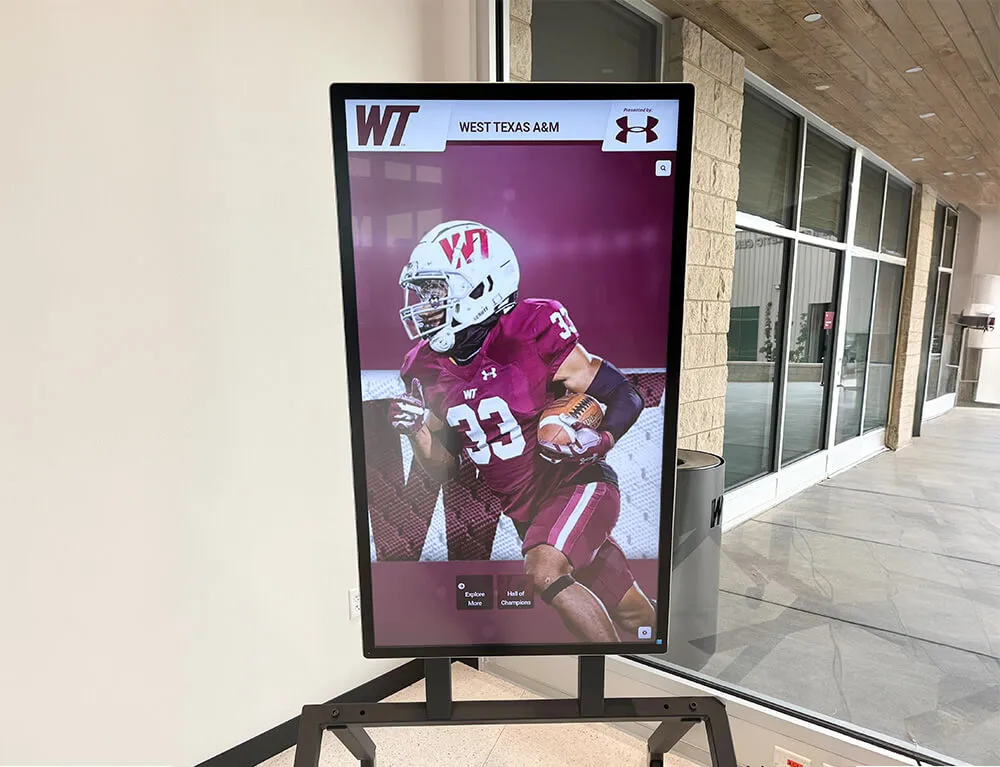
Modern reunion technology includes interactive touchscreen displays showcasing class history, current alumni profiles, and school achievements. Solutions like digital recognition displays can be rented for events or accessed through school installations creating engaging centerpieces for reunion venues.
These systems allow attendees to browse digital yearbooks, search for specific classmates, view then-and-now photo comparisons, explore athletic achievements and academic honors, and access school history timelines. The interactive nature encourages exploration and creates natural conversation starters as classmates gather around displays discovering shared memories.
Many schools have already installed permanent digital trophy cases and hall of fame displays that reunion committees can incorporate into school tours during reunion weekend activities.
Special Considerations for Milestone Reunions
Different reunion years warrant different approaches and emphasis.
10-Year Reunions
First adult reunion for your class creates unique dynamics. Alumni typically remain more connected through social media reducing mystery factor but also potentially lowering urgency to attend. Many attendees still establishing careers and may have limited discretionary income requiring affordable pricing. Geography may be less dispersed than later reunions as some classmates remain near hometown for early career years or education.
Focus on casual, affordable formats like brewery or restaurant buyouts rather than formal venues. Emphasize social reconnection over elaborate programming. Keep costs low encouraging high attendance percentage.
25-Year Reunions
Quarter-century milestone generates strong interest and often represents peak reunion attendance year. Alumni typically established in careers with greater financial resources. Family obligations remain significant as many have school-age children requiring family-friendly scheduling. Nostalgia factor runs high creating strong emotional pull.
Invest in quality experience with this engaged audience including professional photography, commemorative items, and enhanced programming. Consider multiple events across weekend (casual Friday gathering, main Saturday event, Sunday school tour). Create memorable milestone experience worthy of significant anniversary.
50-Year Reunions and Beyond
Golden anniversary reunions deserve special recognition and adapted planning. Alumni may face mobility limitations, health considerations, or caregiving responsibilities requiring accessible venues and program modifications. Transportation assistance may be needed for classmates no longer driving. Attendance of spouses and family members often welcomed given close family bonds developed over decades.
Plan daytime or early evening events rather than late-night celebrations. Select single-level venues with ample seating and accessible facilities. Build in longer social time with less structured programming. Honor the milestone with special recognition, memorial elements for deceased classmates, and celebration of longevity and enduring friendships.
Consider smaller, more intimate venues as attendance percentages typically decrease for very senior reunions but emotional significance increases proportionally.
Post-Reunion Follow-Up and Legacy
Effective follow-up extends reunion impact and simplifies planning for next milestone.
Immediate Post-Event Actions
Within week after reunion, share thank you message to all attendees, upload event photos to shared gallery, send feedback survey gathering input on what worked well and improvement suggestions, compile financial final report documenting expenses and revenue, and hold committee debrief meeting discussing lessons learned.
Capture institutional knowledge in detailed notes benefiting future reunion organizers including what worked well and should be repeated, what didn’t work and should be changed, vendor recommendations and warnings, classmate contact information updates, and budget actuals versus projections analysis.
Financial Closeout
Complete all final vendor payments, reconcile budget comparing projected to actual across all categories, determine surplus funds disposition (hold for next reunion, donate to school, scholarship fund, or return to attendees), and create transparent financial summary for class if requested.
Some reunion committees establish ongoing class funds enabling smaller gatherings between major reunions or supporting charitable projects in class name.
Maintaining Momentum
Keep class connections alive between major reunions through active social media group, annual smaller local gatherings in cities with alumni concentration, milestone birthday celebrations or alumni event activities throughout the year, and volunteer opportunities at alma mater benefiting current students.
Sustained engagement between reunions builds stronger attendance for next major milestone.
Planning Next Reunion
Use post-event enthusiasm to establish framework for next reunion including tentative date discussion and timeline, recruit next reunion committee potentially rotating some members while maintaining continuity, document lessons learned and recommendations, transfer class contact database with updates from recent reunion, and set aside seed funding if surplus exists.
Common Reunion Planning Mistakes to Avoid
Learn from common pitfalls that undermine reunion success:
Starting too late: Rushed planning forces compromises on venue, vendors, and attendance. Start early following recommended timelines.
Underestimating costs: Build comprehensive budgets with contingency funds. Hidden costs like service charges, processing fees, and unexpected vendor requirements add 15-25% to initial estimates.
Poor communication: Inconsistent updates result in low attendance. Maintain regular communication schedule building sustained awareness and excitement.
Overcomplicating the event: Simple, authentic experiences outperform elaborate productions lacking personal connection. Focus on creating environment for genuine reconnection rather than impressive staging.
Ignoring accessibility: Venues or formats excluding classmates with mobility limitations, dietary restrictions, or financial constraints undermine inclusive reunion purpose.
Weak committee structure: Unclear roles, unequal workload distribution, and absent decision processes create dysfunction and volunteer burnout.
Generic programming: Events lacking authentic connection to class identity feel like any networking event rather than special reunion. Incorporate specific memories, traditions, and inside references unique to your class.
Neglecting memorial tributes: Failing to honor deceased classmates respectfully creates hurt feelings among families and classmates who valued those relationships.
Inadequate classmate outreach: Passive communication through single channel misses many potential attendees. Use multiple outreach methods and personal contact for undecided classmates.
No follow-up: Reunions that end abruptly without post-event communication, photo sharing, or next steps feel anticlimactic and fail to leverage the reconnection momentum created.
Making Reunion Planning Manageable
High school reunion planning requires significant effort, but systematic approaches transform potentially overwhelming projects into manageable, rewarding experiences.
Success depends less on budget size or elaborate production than on authentic connection to class identity, inclusive outreach ensuring all classmates feel welcomed, meaningful program elements honoring shared history, organized execution demonstrating respect for attendees’ time and investment, and genuine enthusiasm from committee members whose energy proves contagious.
The reunions alumni remember most fondly combine nostalgic celebration of formative shared experiences with genuine appreciation for diverse paths lives have taken since graduation. When you create environments where classmates feel simultaneously connected to their teenage selves and celebrated for who they’ve become, you’ve achieved reunion planning’s highest purpose.
Technology solutions like interactive displays from Rocket Alumni Solutions enhance this experience by bringing class history to life through searchable digital yearbooks, achievement galleries, and memory timelines that spark conversations and shared reminiscence. These engagement tools transform passive memory displays into interactive experiences where classmates actively rediscover their collective story.
Whether planning your 10th or 50th reunion, following structured timelines, maintaining organized systems, communicating consistently, and focusing on authentic class connection creates events that strengthen bonds, honor shared history, and create new memories sustaining your class community for years to come.
Start planning early, recruit committed committee members, stay organized, and remember that your genuine enthusiasm for reconnecting classmates represents your most valuable planning asset. The relationships you help rekindle and the memories you create together justify every hour invested in making your reunion celebration truly special.