



The high school lobby serves as the front door to your entire program—the first impression for prospective families touring facilities, the daily welcome point for students and staff, and the showcase space where visitors form instant judgments about institutional priorities and culture. Yet many schools leave these critical spaces underutilized, featuring generic furniture, outdated bulletin boards, or blank walls that communicate nothing about the excellence happening throughout the building.
Leading high schools recognize that lobby spaces represent premium real estate for storytelling, recognition, and community building. These programs transform main entrances from functional transition zones into compelling showcases celebrating student achievement, program excellence, institutional heritage, and school culture through strategic combinations of digital displays, recognition walls, branded environments, and interactive elements that engage visitors while reinforcing identity for students encountering these spaces daily.
This comprehensive guide explores how successful high schools design, implement, and maintain effective lobby recognition displays. Whether planning a complete entrance renovation or enhancing existing spaces, these proven strategies help schools maximize the impact of areas that shape perceptions, welcome community members, and communicate institutional values every single day.
The transformation from generic entrance areas to purposeful showcase environments requires intentional planning, but the investment pays immediate dividends. Schools implementing comprehensive lobby recognition report stronger community engagement, increased donor enthusiasm, improved student pride, and measurably more positive visitor perceptions during tours and events.

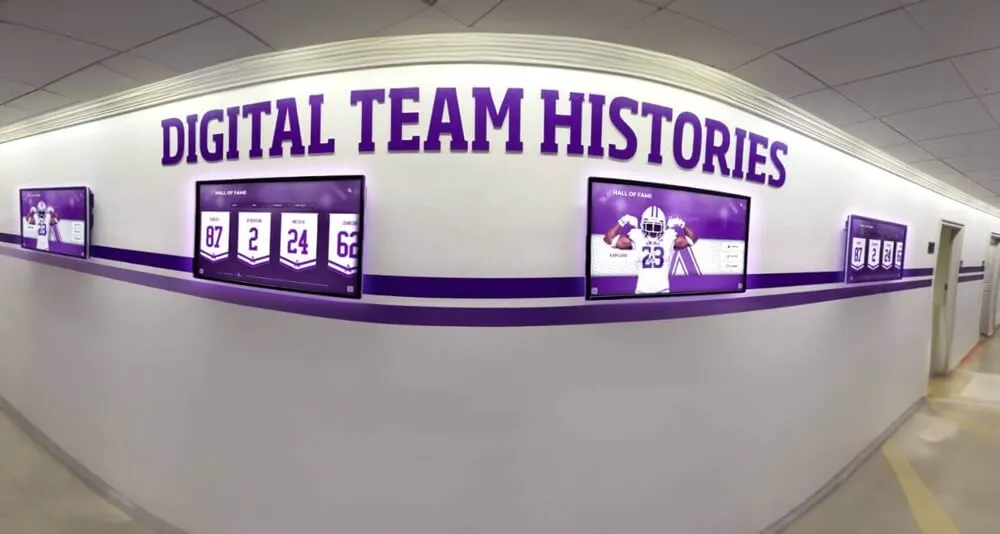
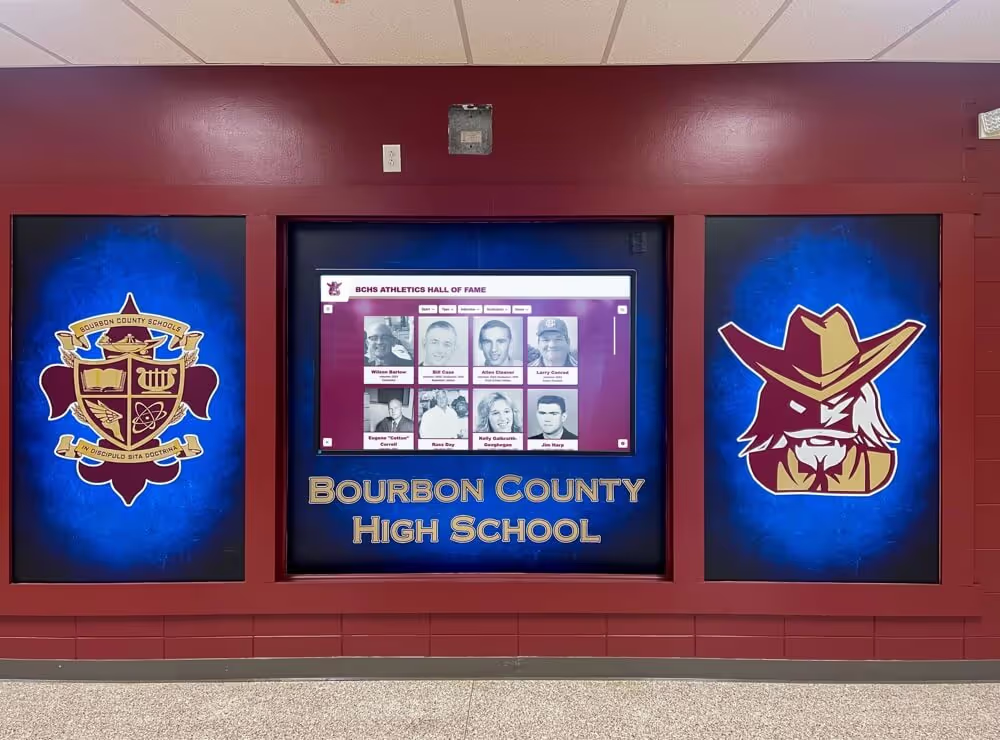
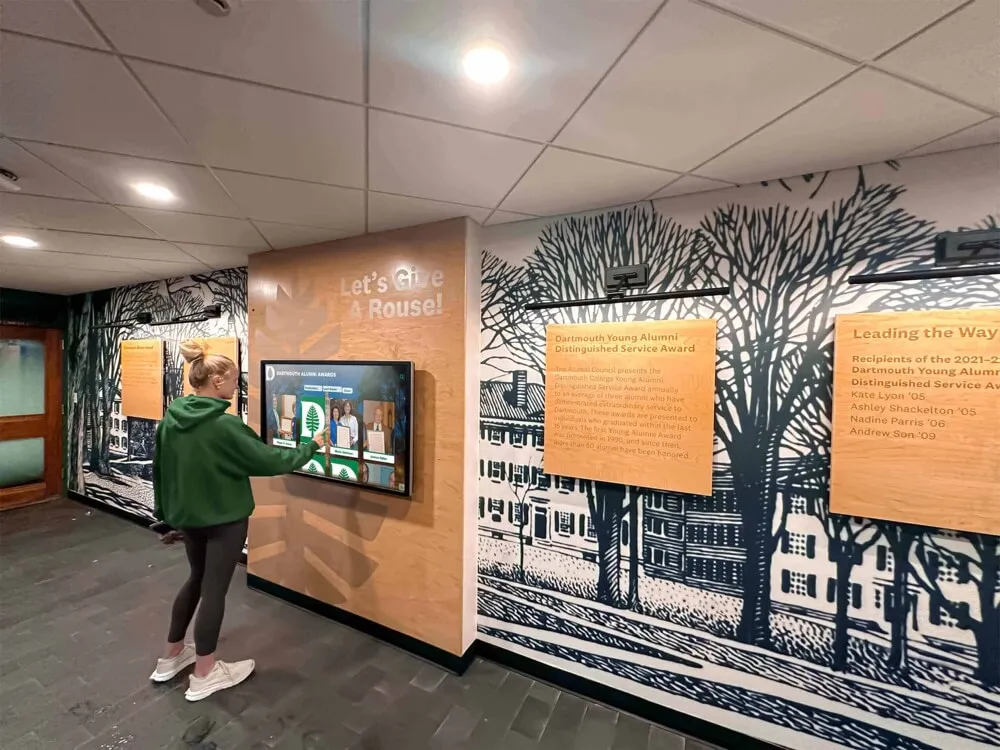
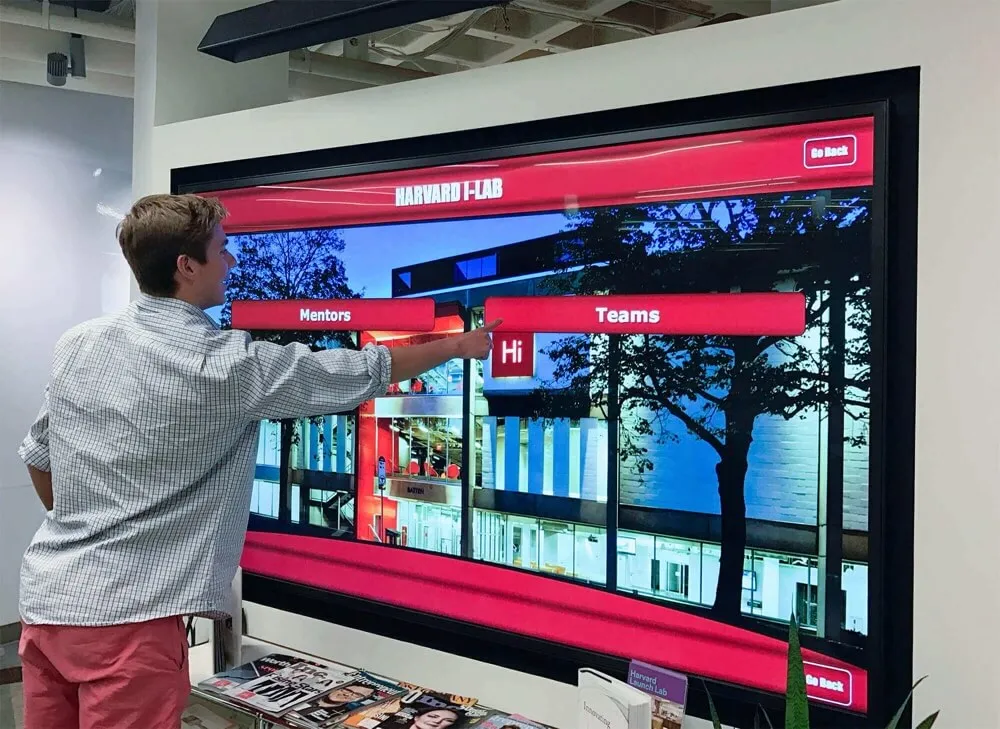
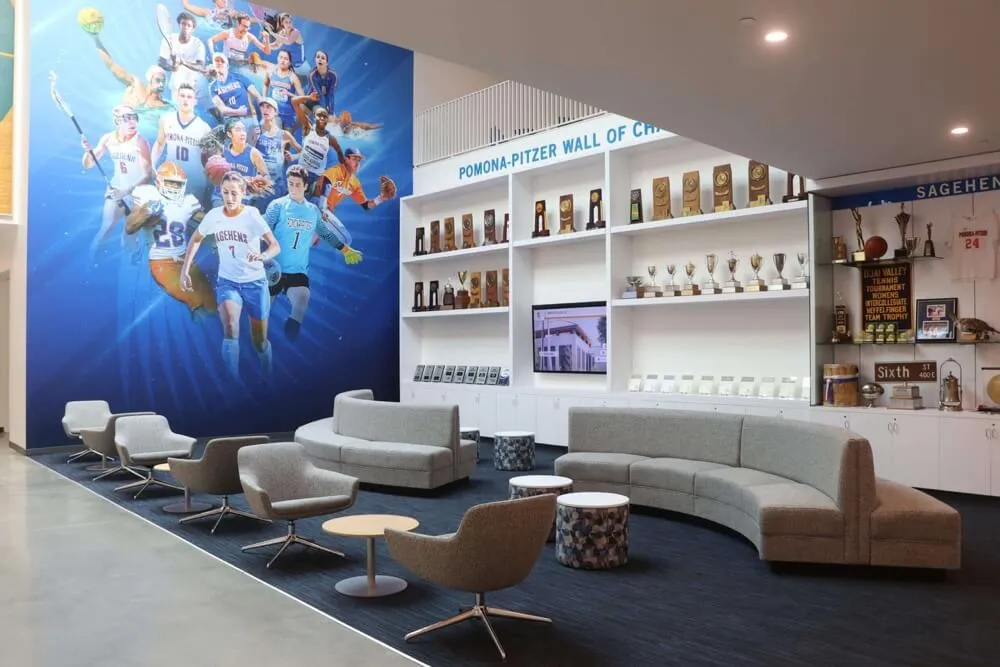
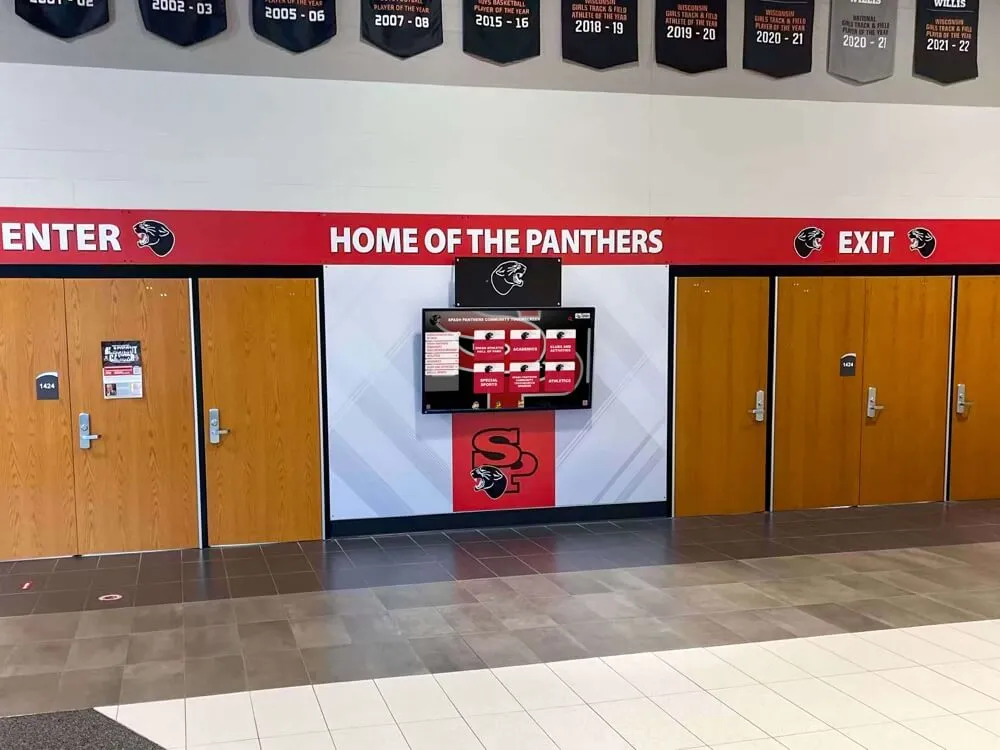
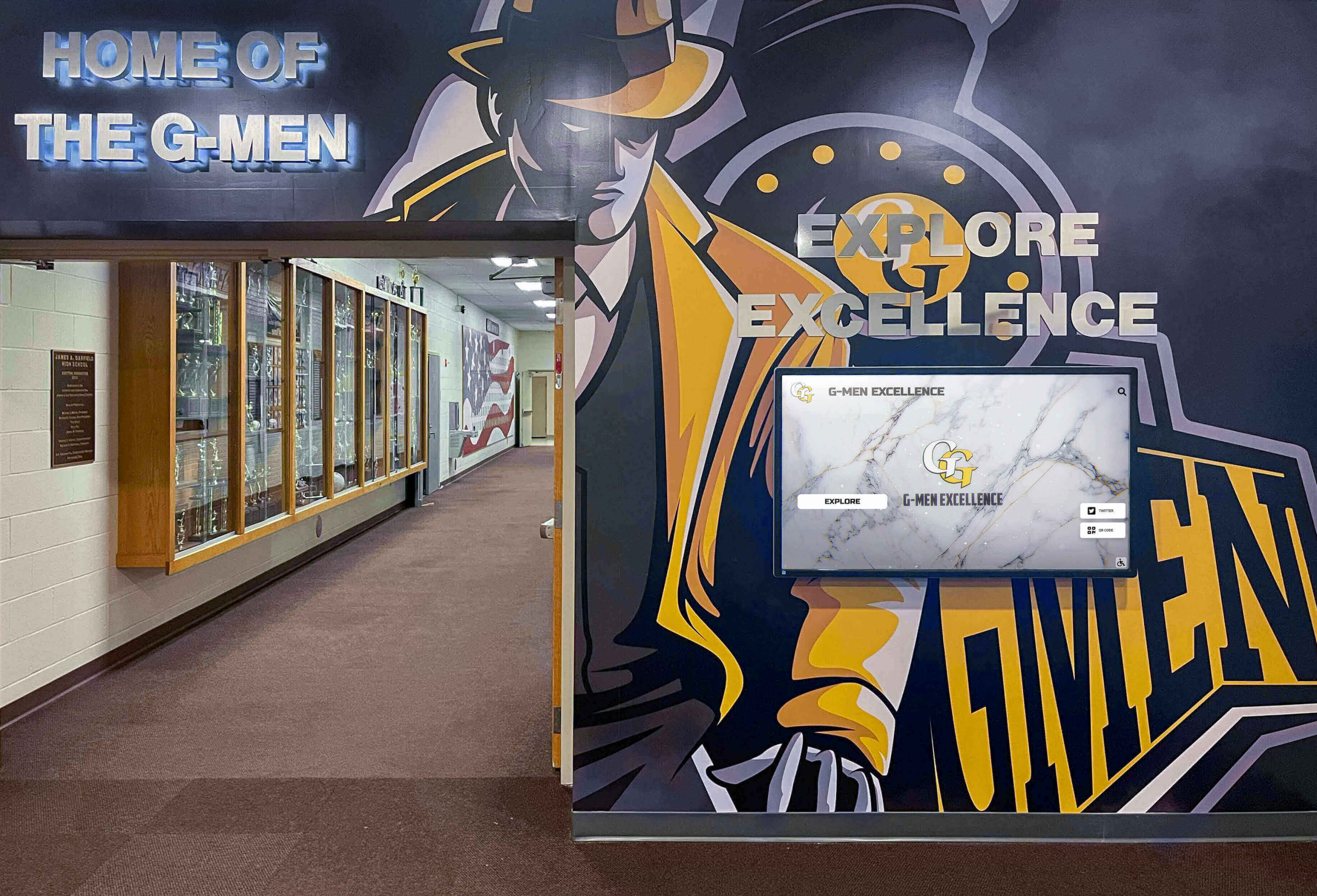
Comprehensive lobby designs integrate murals, digital displays, and traditional trophy cases creating multi-dimensional recognition environments that welcome visitors while celebrating program excellence
Why the High School Lobby Matters: Strategic Value of Entrance Spaces
Before exploring specific recognition approaches, understanding why lobby spaces deserve investment helps schools prioritize resources and design installations aligned with institutional objectives.
First Impressions and Community Perceptions
The high school lobby creates immediate impressions that shape how every visitor perceives your entire program:
Prospective Family Tours
Families considering enrollment begin forming opinions the moment they enter your building. Research on school selection decisions indicates that facility impressions—particularly cleanliness, organization, and pride of place—rank among the top factors influencing final enrollment choices. Lobbies showcasing achievement, celebrating students, and communicating institutional identity immediately signal that schools value excellence and invest in creating environments worthy of students’ potential.
Generic, underutilized lobbies send opposite messages: that schools accept mediocrity, lack investment resources, or simply don’t prioritize creating inspiring environments. These negative first impressions prove difficult to overcome even when academic programs and teaching quality exceed expectations.
Community Events and Stakeholder Visits
Beyond prospective families, lobbies welcome school board members, community partners, local officials, alumni visitors, and event attendees who form perceptions based on what they encounter. Impressive entrance environments reinforce confidence in institutional leadership, demonstrate effective resource stewardship, and communicate pride that extends throughout school culture. These positive impressions influence budget votes, community support, partnership opportunities, and donor engagement.
Schools investing in professional lobby recognition often report that board members and community leaders specifically cite entrance improvements when discussing institutional progress and strategic priorities.
Daily Student and Staff Experience
While first impressions matter for visitors, the daily experience for students and staff who pass through lobby spaces hundreds of times annually creates sustained cultural impact:
Identity and Belonging
Lobbies celebrating student achievement—from honor roll recognition to athletic commitments—communicate that individual contributions matter and that excellence receives permanent recognition. Students encountering their own accomplishments displayed prominently experience validation and belonging reinforcing continued effort and engagement.
Staff members similarly benefit from environments communicating institutional pride and celebrating the work happening daily. Professional, well-maintained showcase spaces signal administrative support and resource commitment that elevates morale and retention.
Tradition and Heritage Connection
Lobbies incorporating historical elements—decade-by-decade achievement timelines, heritage displays, or traditional recognition formats—connect current students to institutional legacy. This connection proves particularly powerful for schools with strong alumni communities where students recognize family names, understand program traditions extending generations, and appreciate continuity between past excellence and current expectations.
Recognition That Inspires Participation
Strategic lobby recognition doesn’t simply acknowledge past achievement—it actively inspires future participation and excellence:
Visible Standards and Expectations
When lobbies showcase National Merit Scholars, music honor society members, state championship teams, and distinguished alumni who became professional athletes, these displays establish visible standards communicating what excellence looks like in your program. Incoming freshmen immediately understand institutional priorities and achievement possibilities, while upperclassmen see aspirational goals worth pursuing.
This inspiration extends beyond academics and athletics to arts, service, leadership, and other recognition categories schools choose to highlight prominently.
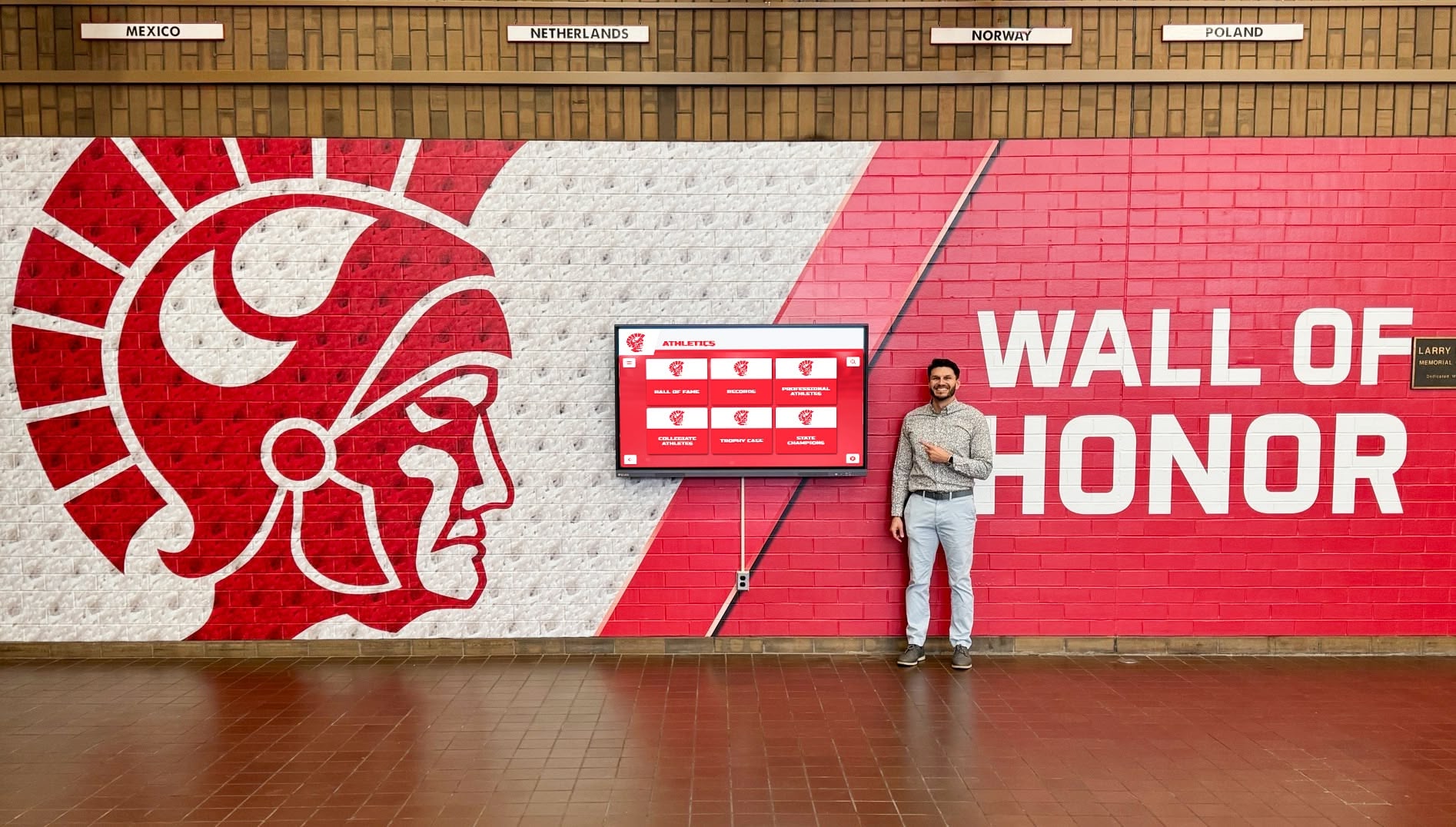
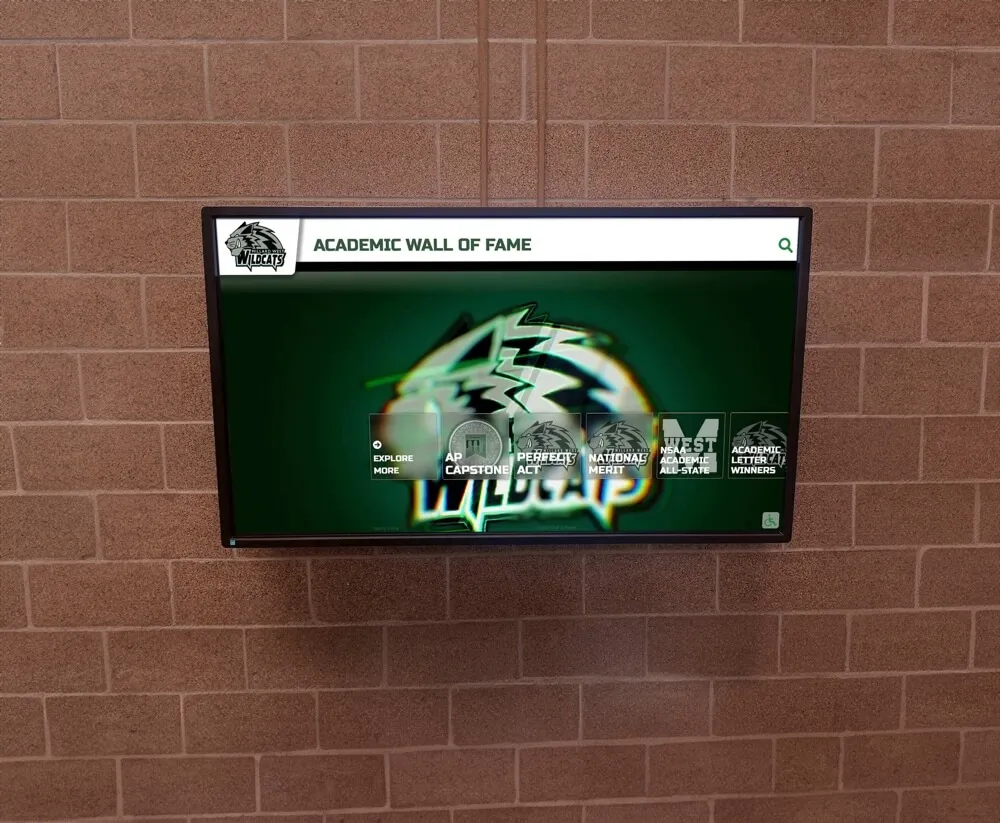
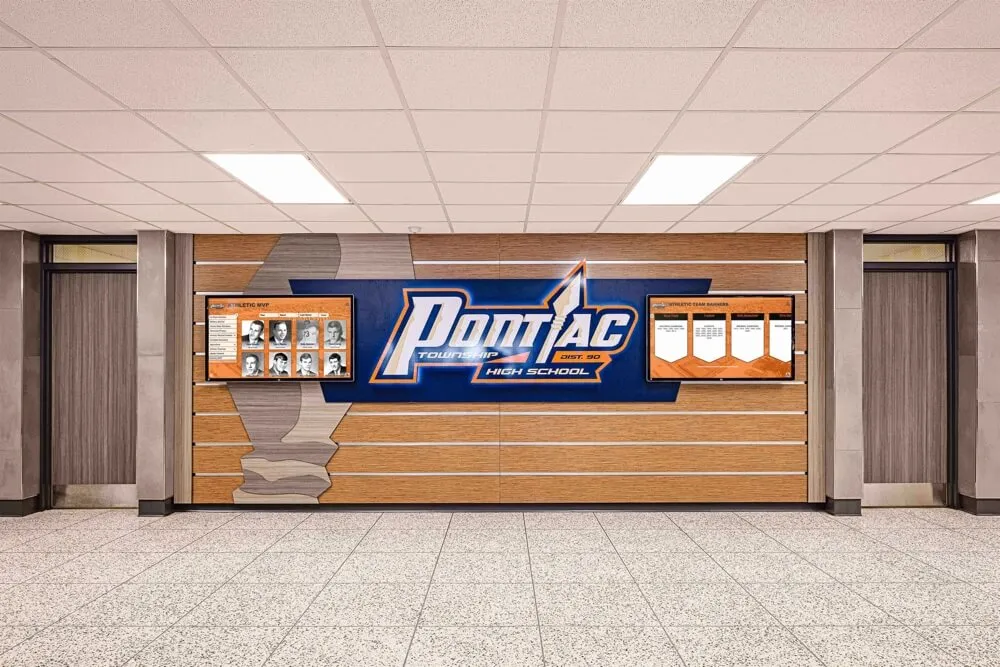
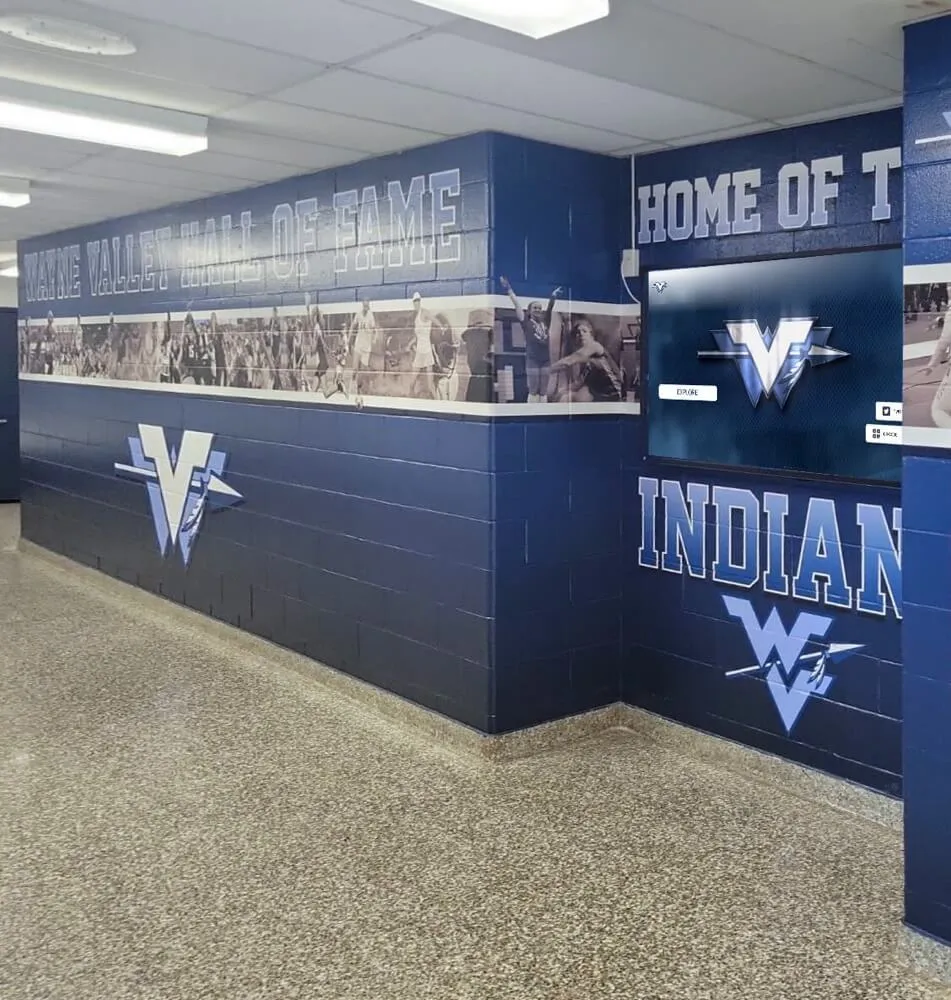
Prominent recognition walls in main hallways celebrate student achievement while establishing visible standards that inspire excellence across graduating classes
Core Components of Effective High School Lobby Recognition
Successful lobby recognition rarely relies on single elements. Instead, leading programs combine complementary components creating comprehensive environments that serve multiple purposes simultaneously.
Digital Touchscreen Displays and Interactive Kiosks
Digital recognition platforms have become cornerstone elements in modern high school lobbies for compelling reasons:
Unlimited Recognition Capacity
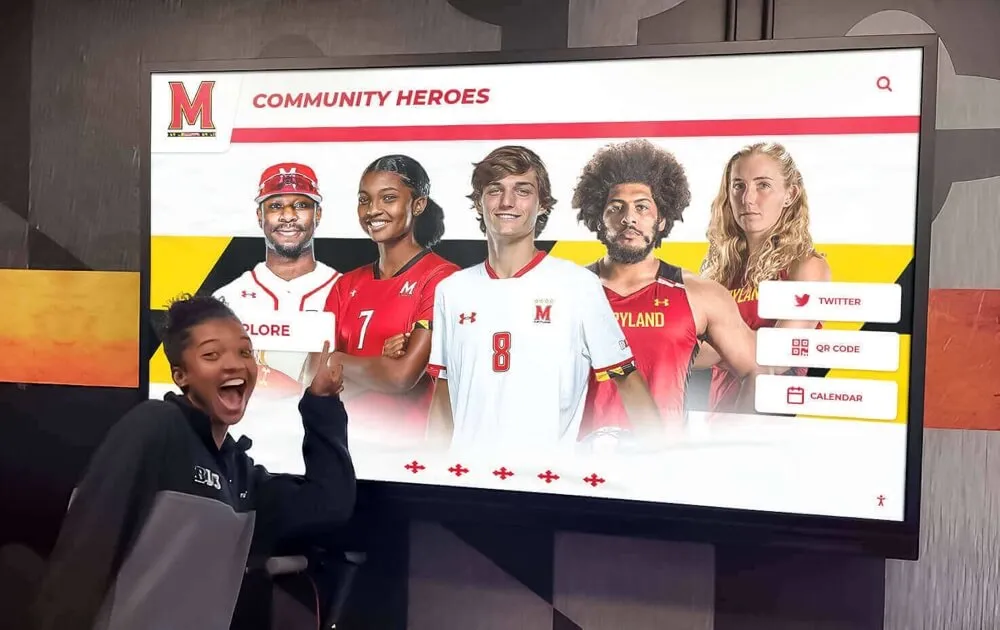
Traditional physical recognition faces fundamental space constraints—walls fill up, trophy cases reach capacity, and schools must eventually choose between removing older recognition or leaving newer achievements unacknowledged. Digital platforms eliminate these constraints entirely, accommodating unlimited profiles for students, athletes, scholars, performers, and alumni without physical space limitations.
This unlimited capacity proves particularly valuable for comprehensive programs where hundreds or thousands of students earn recognition across academics, athletics, arts, and activities annually. Schools can maintain complete historical records dating back decades while continuously adding current achievers without sacrificing anyone’s presence.
Rich Multimedia Storytelling
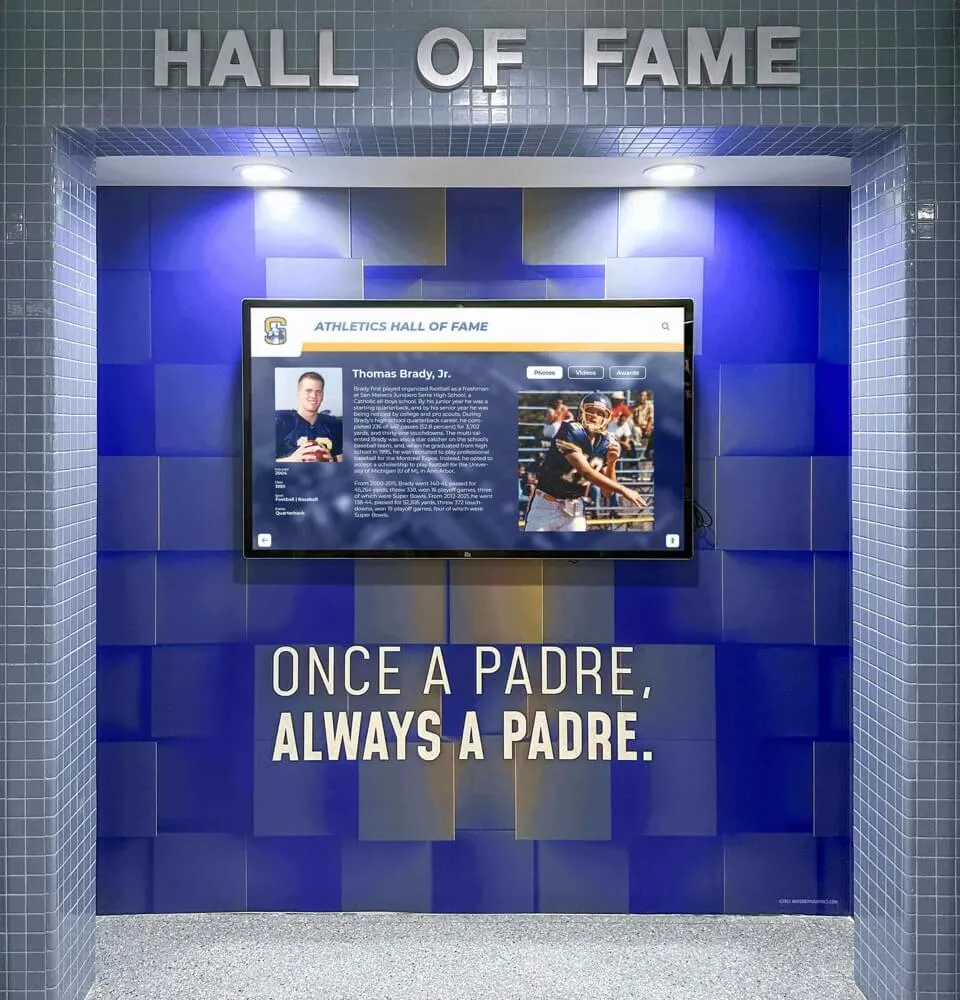
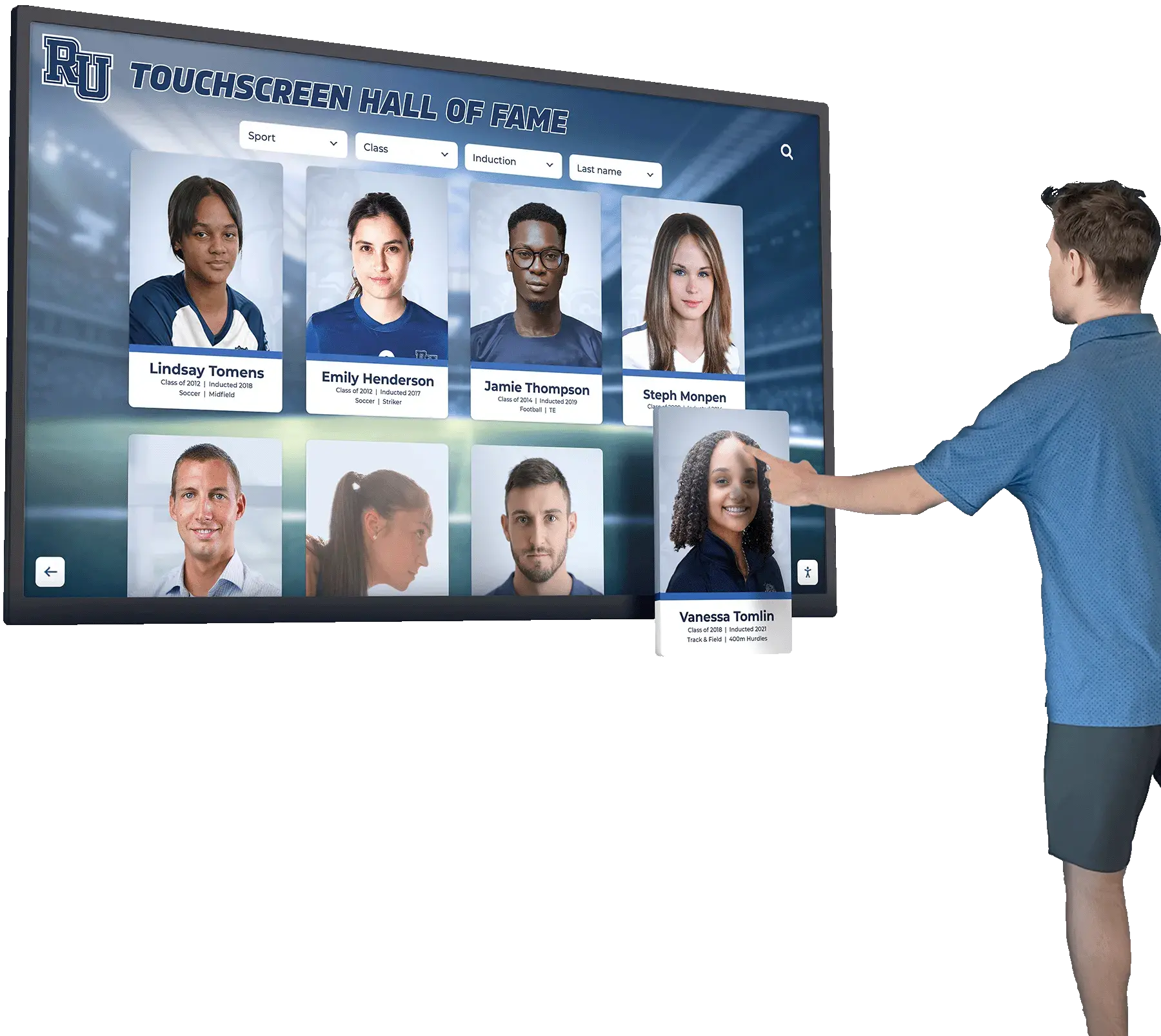
Unlike static plaques listing names and dates, digital touchscreen displays incorporate photos, videos, detailed biographies, achievement statistics, and narrative context that brings recognition to life. Visitors exploring a state championship team profile might watch game highlights, read individual player statistics, view team photos, and understand the season narrative—creating emotional connections impossible through traditional formats.
This multimedia approach particularly resonates with current students who expect interactive, visual experiences rather than text-heavy information presentations.
Easy Updates and Ongoing Relevance
Traditional recognition requires expensive re-engraving or plaque replacement whenever changes occur. Digital systems update instantly through administrative dashboards—adding new inductees after homecoming court announcements, updating athlete profiles following National Letter of Intent signing days, or incorporating new achievement categories as programs evolve.
This update flexibility keeps recognition current and relevant rather than becoming frozen historical snapshots that gradually feel disconnected from present-day programs.
Accessibility and Universal Design
Quality digital platforms incorporate accessibility features ensuring all visitors can engage with content regardless of physical abilities. Features include adjustable text sizing, high-contrast viewing modes, screen reader compatibility, and ADA-compliant installation heights. These WCAG 2.2 AA compliance standards ensure recognition displays welcome all community members equally.
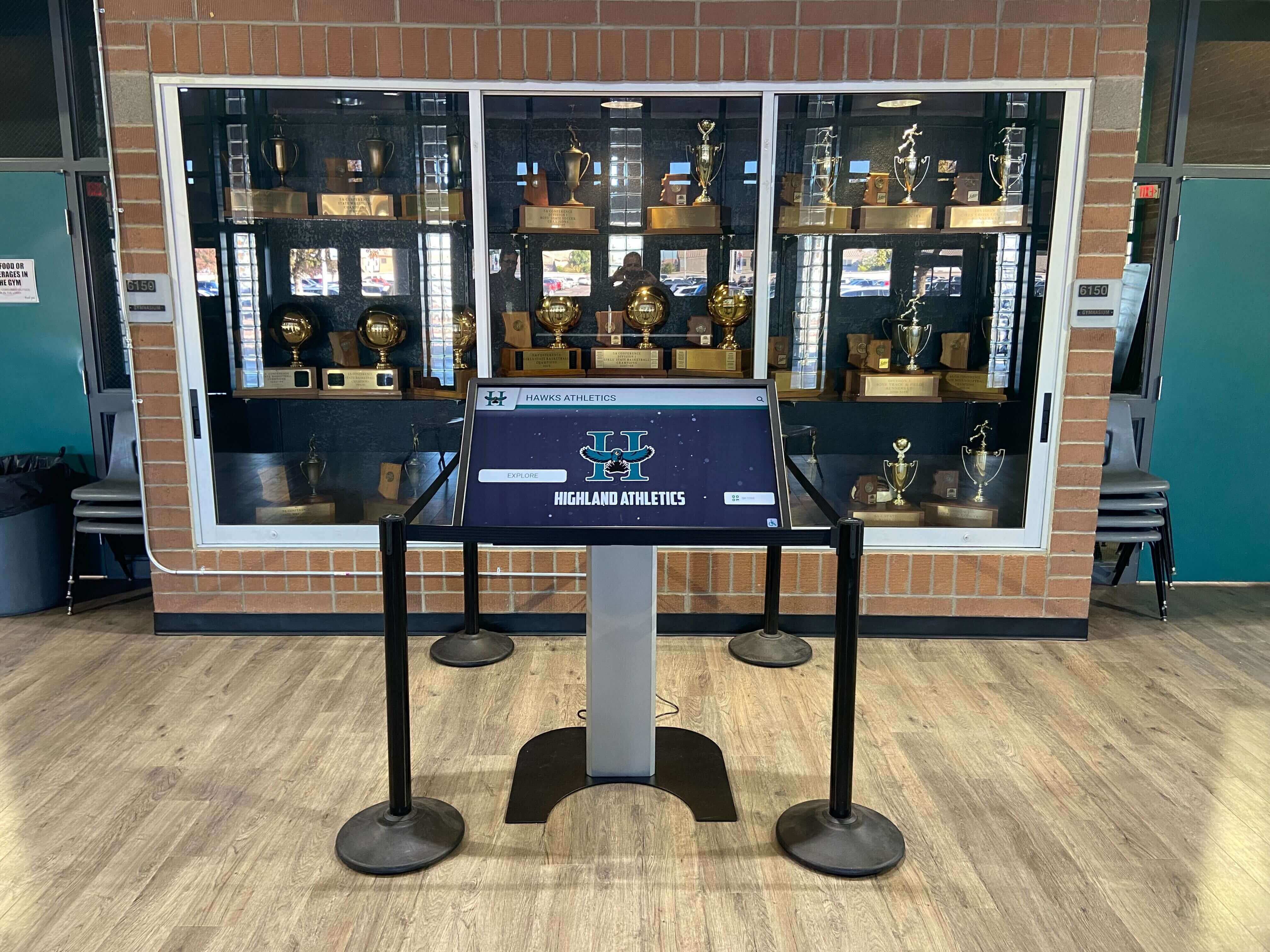
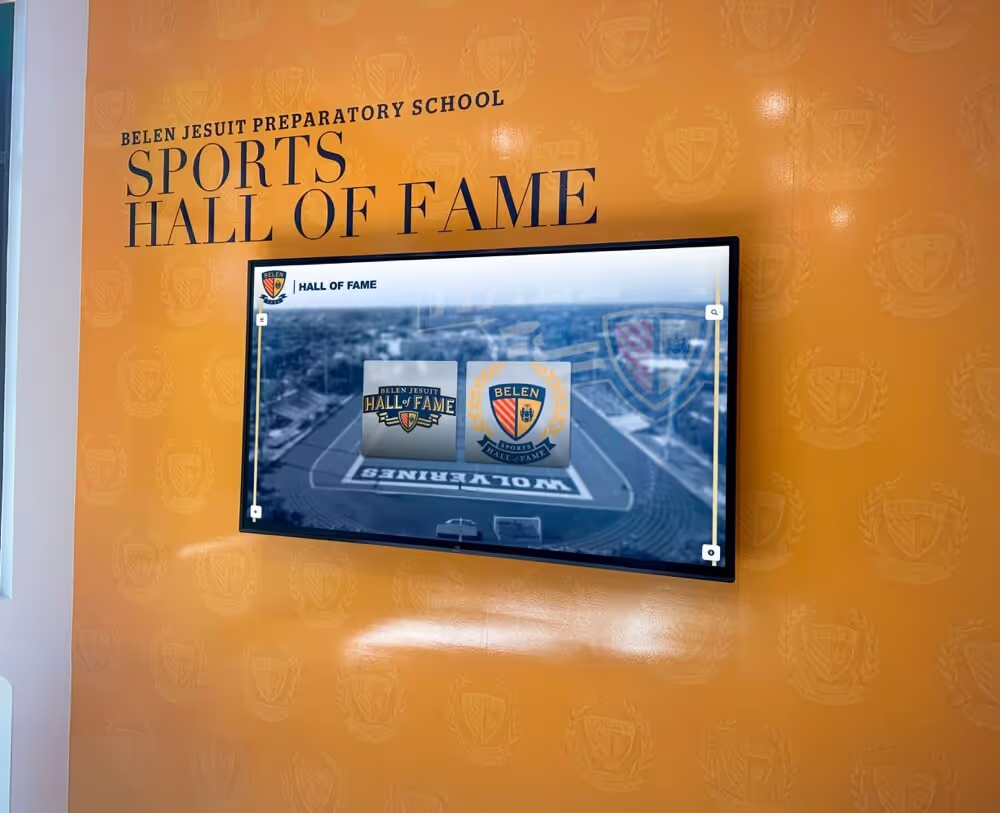
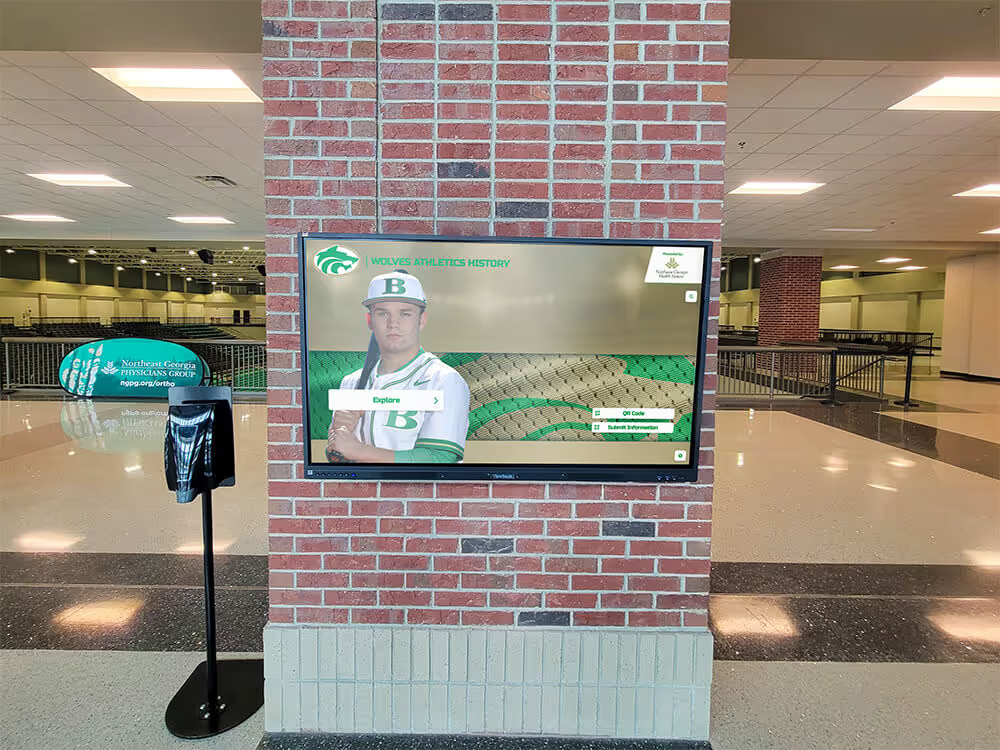
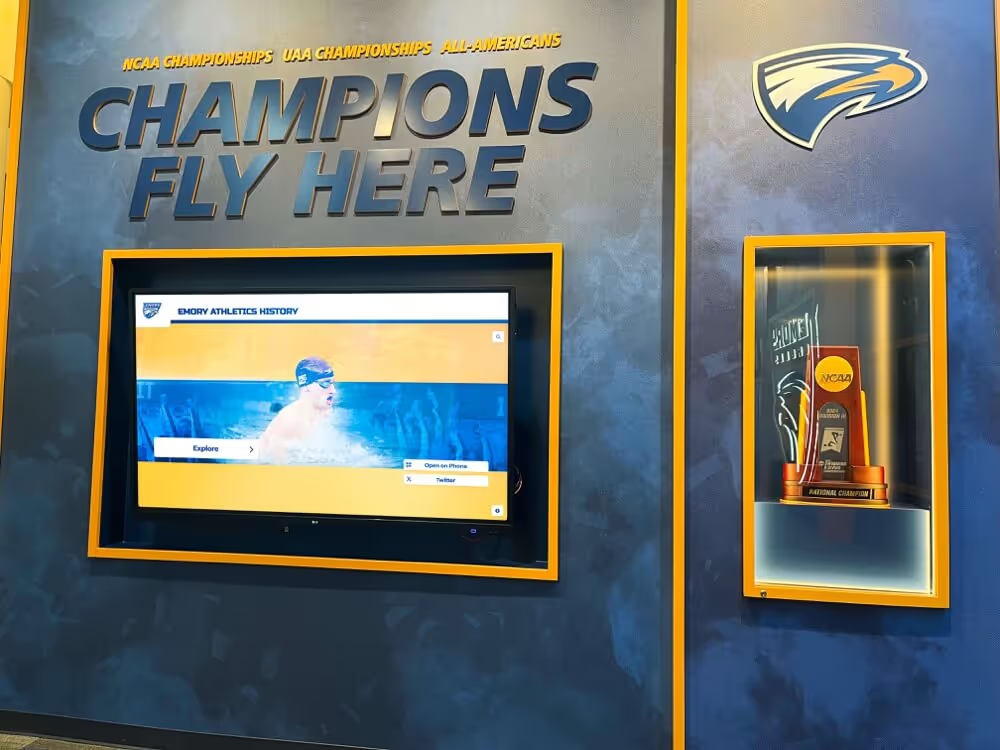
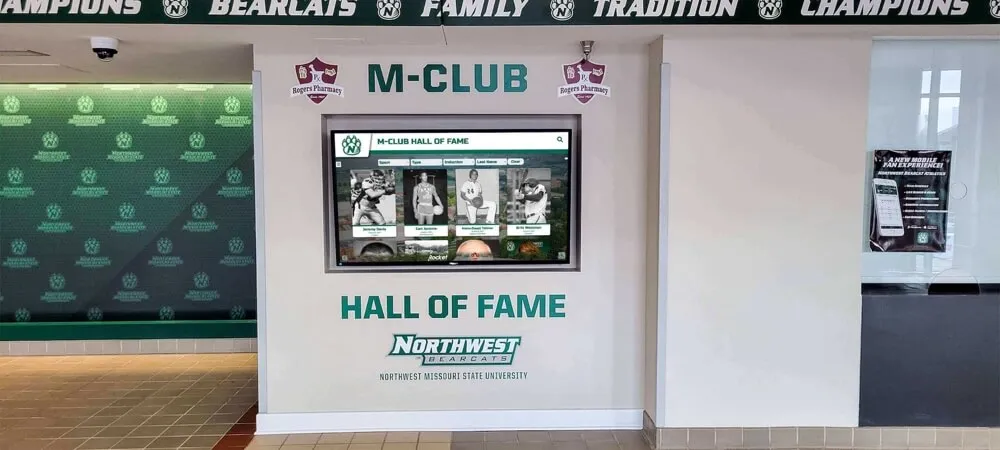
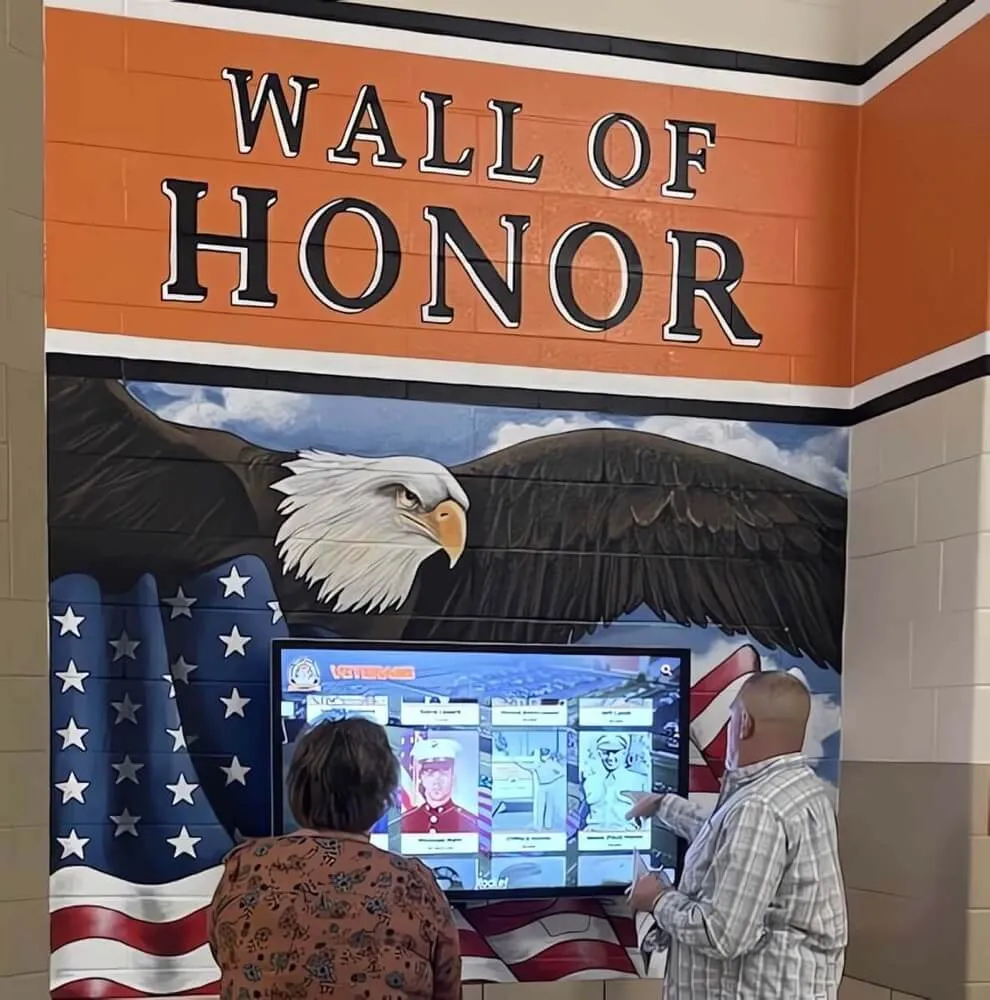
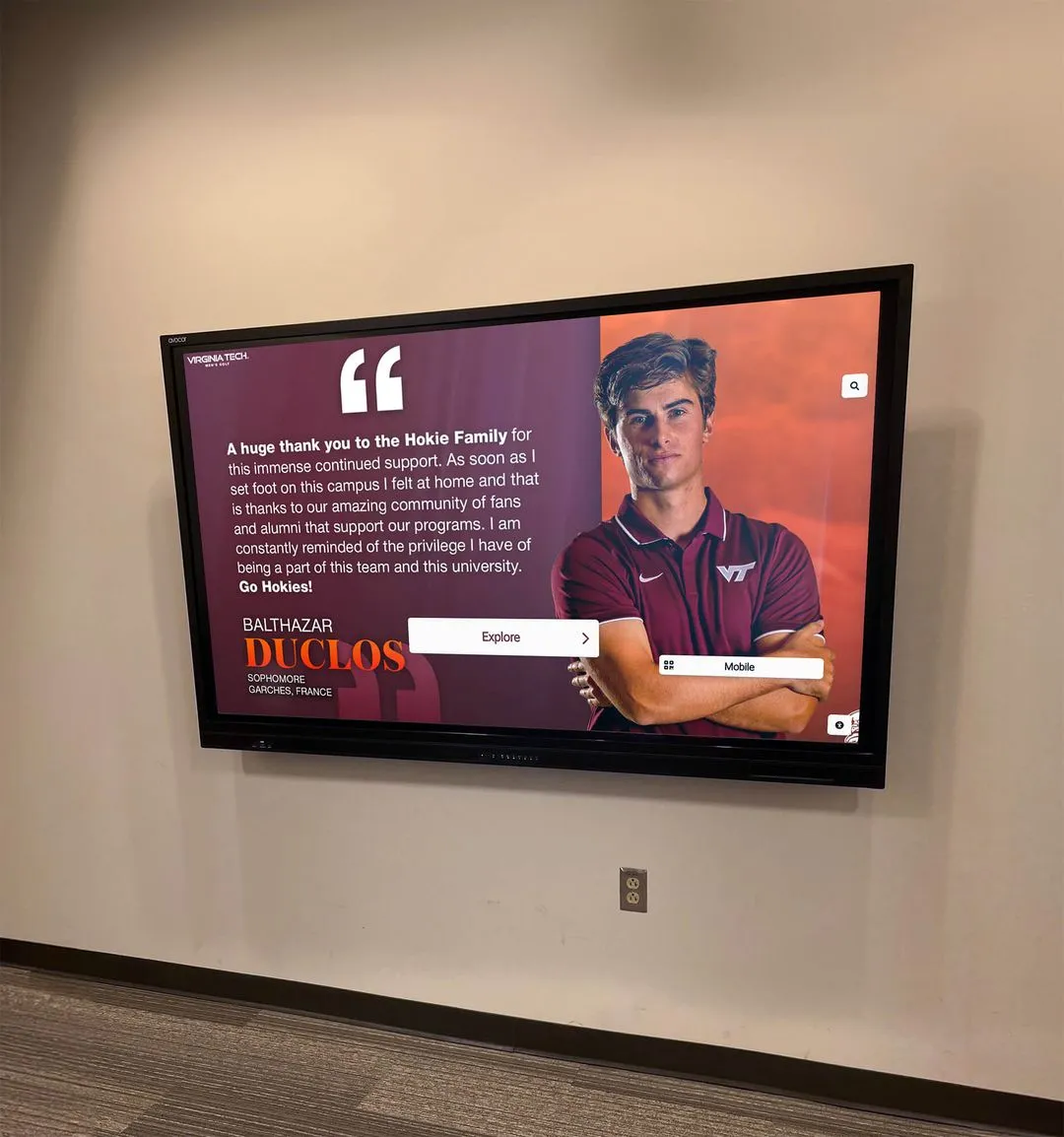
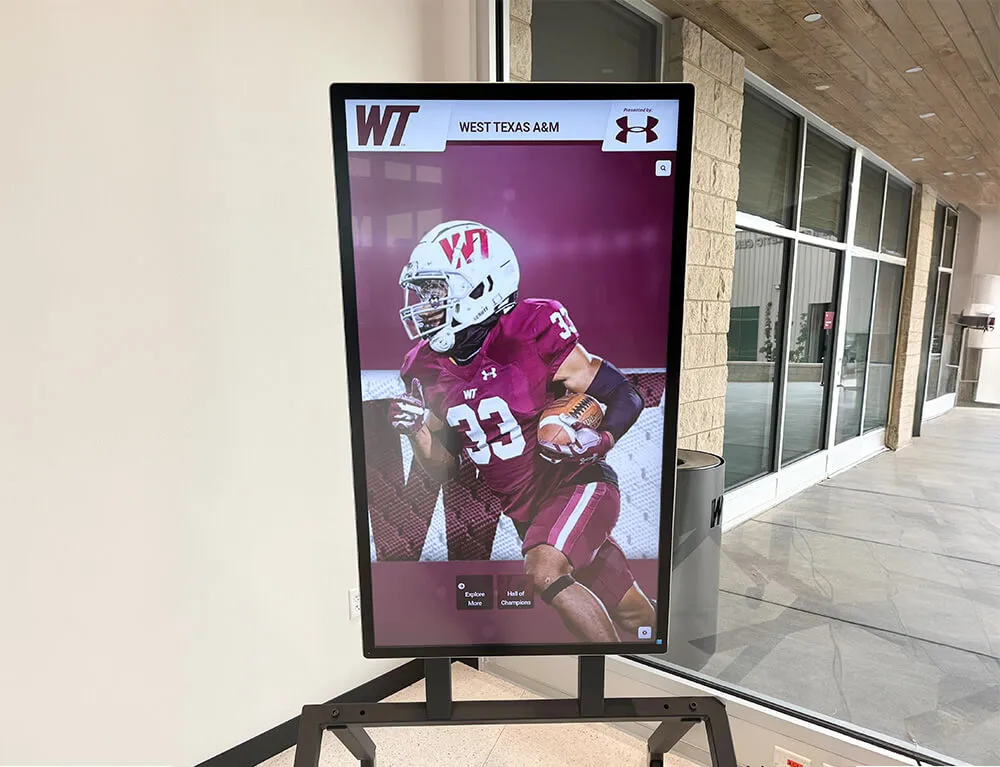
Modern installations integrate digital touchscreens with traditional trophy cases combining interactive multimedia recognition with tangible championship hardware
Wall Murals and Branded Environmental Graphics
Large-scale visual elements transform lobby spaces from generic institutional areas into branded environments communicating distinct identity:
Mascot and School Identity Graphics
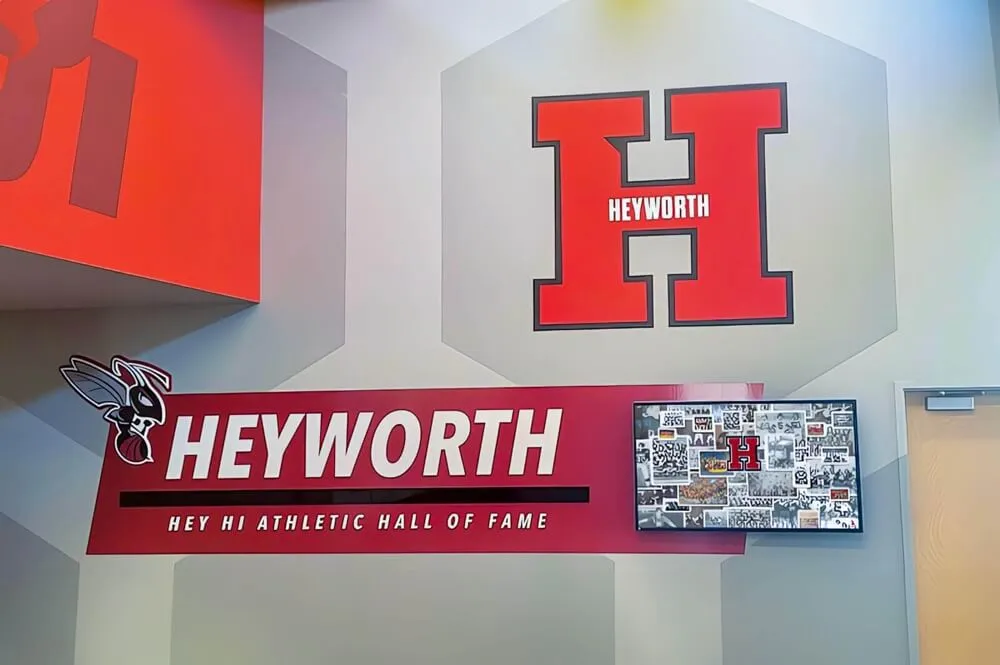
Floor-to-ceiling mascot graphics, oversized school wordmarks, and institutional color schemes create immediate visual impact establishing unmistakable identity. These branded environments communicate pride and professionalism while creating distinctive spaces visitors remember long after tours conclude.
Effective branded murals balance bold visual impact with professional execution—avoiding overly busy designs or amateur appearance that undermines intended impression of excellence and attention to detail.
Achievement Timelines and Historical Narratives
Timeline-format murals documenting institutional history decade-by-decade provide context connecting current programs to heritage and tradition. These historical installations might showcase significant milestones including founding dates, facility expansions, championship seasons, distinguished alumni, program achievements, and cultural evolution.
Historical murals prove particularly effective in schools with strong alumni communities where current students benefit from understanding institutional legacy and multi-generational excellence traditions.
Inspirational Messaging and Values Communication
Strategic text elements woven into visual designs can communicate core values, mottos, mission statements, or inspirational quotes reinforcing institutional culture. These messages work best when genuinely reflecting actual school culture rather than generic platitudes disconnected from daily reality.
Schools should ensure messaging remains timeless rather than trendy, avoiding phrases that might feel dated within five years as language and cultural references evolve.

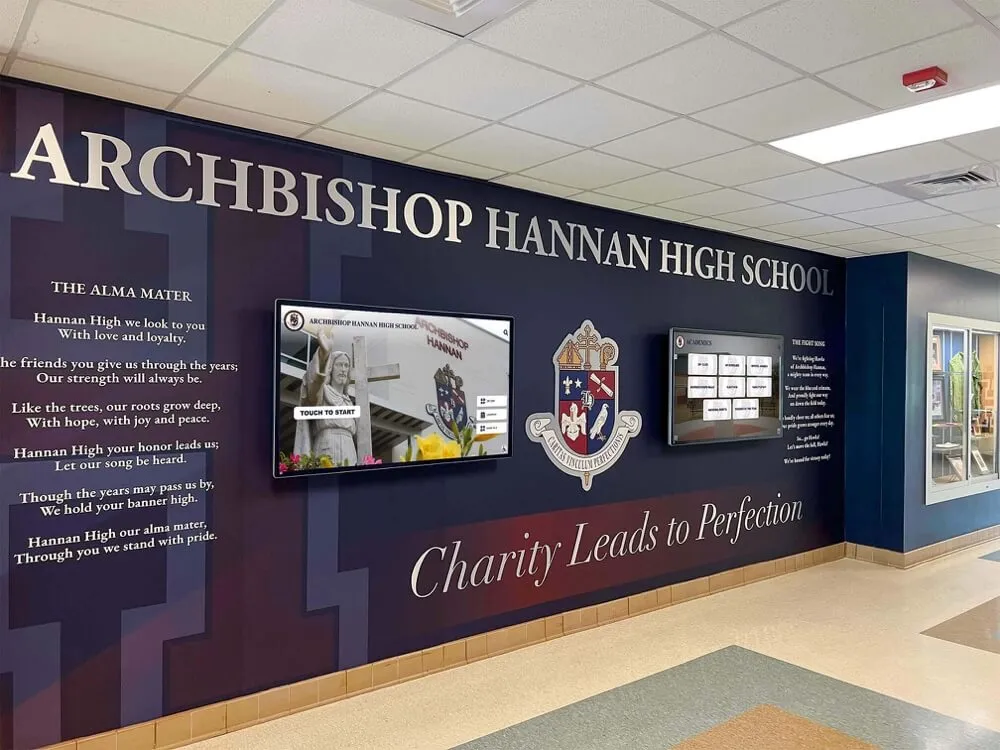
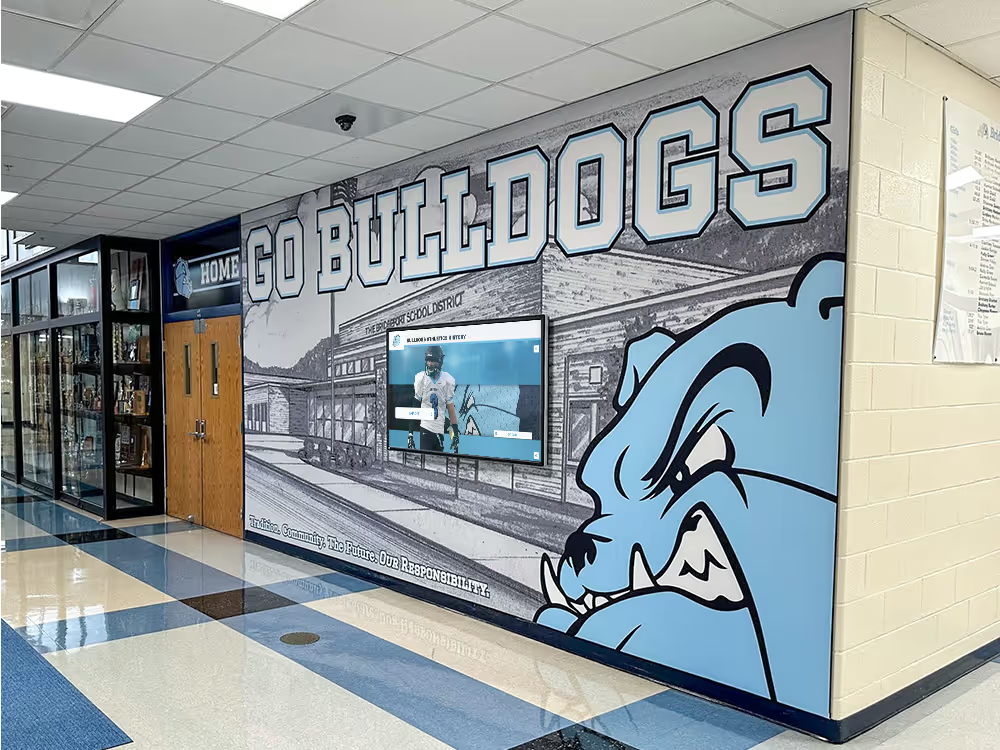
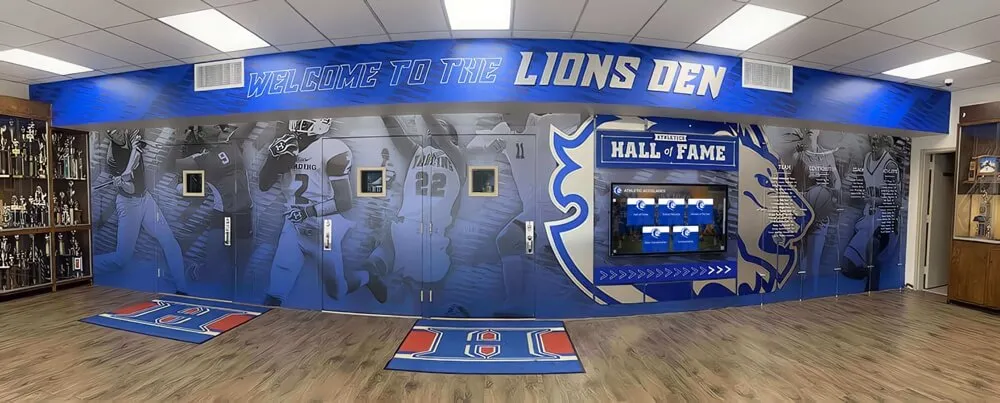
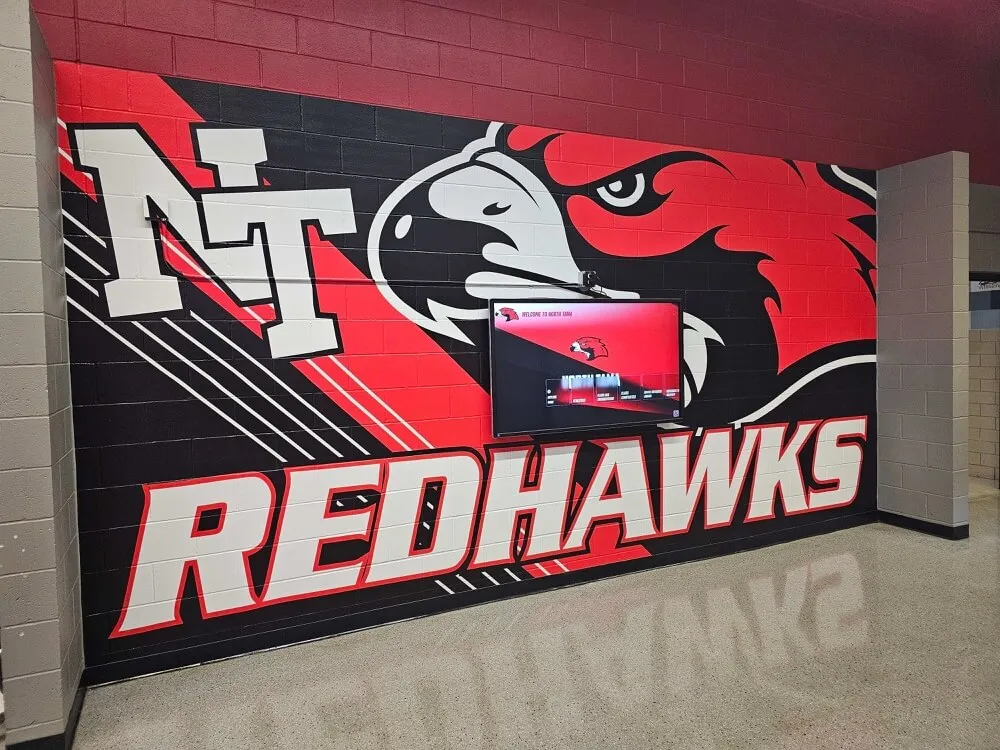
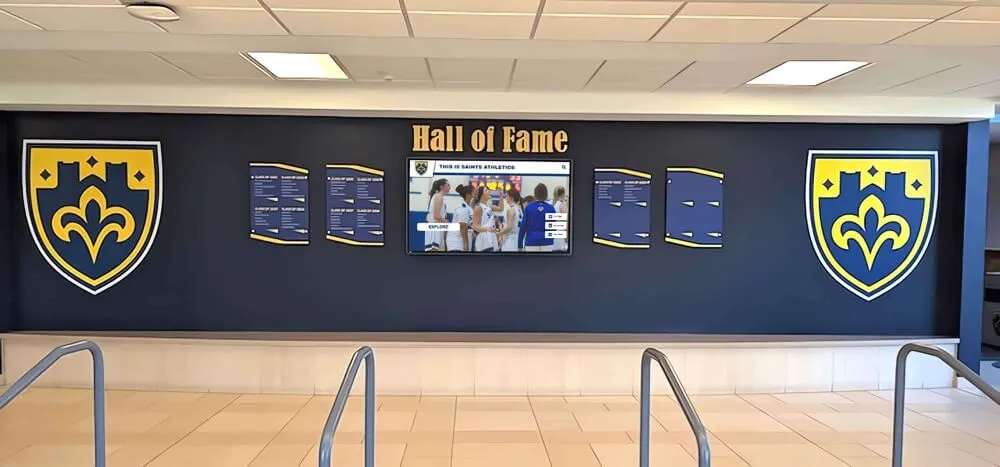
Combined installations featuring custom murals and digital screens create dynamic recognition environments celebrating both tradition and current achievement
Traditional Trophy Cases and Physical Display Elements
Despite digital advances, traditional physical display elements maintain important roles in comprehensive lobby recognition:
Championship Hardware and Physical Trophies
Actual championship trophies, state title plaques, and physical awards carry tangible weight and traditional legitimacy valued particularly by older alumni and community members who grew up with conventional recognition formats. Trophy cases showcasing decades of competition hardware create impressive visual mass communicating sustained excellence across time.
Schools often reserve prominent trophy case placement for most significant achievements—state championships, national recognition, or historic milestones—while using digital platforms for comprehensive individual and team recognition.
Retired Jerseys and Memorabilia
Retiring jerseys honoring exceptional athletes represents traditional recognition with deep cultural significance in many programs. Lobby-mounted jersey displays—particularly for athletes achieving professional careers or extraordinary high school accomplishments—create focal points that current athletes aspire toward while honoring legacy excellence.
Related memorabilia including game balls, championship nets, signed photographs, and historical artifacts add authentic texture to recognition environments when displayed professionally rather than appearing cluttered.
Donor Recognition and Community Support
Lobbies frequently serve as appropriate locations for donor wall recognition acknowledging supporters who funded facilities, programs, or scholarships. These installations demonstrate community investment while thanking contributors publicly, potentially inspiring additional philanthropic support.
Donor recognition works best when integrated thoughtfully with student achievement displays rather than dominating lobby spaces or overshadowing program excellence.
Integrated Digital Video Boards and Announcement Systems
Dynamic video displays complement static recognition elements by showcasing current activity and timely content:
Real-Time Achievement Announcements
Digital video boards can rotate current content including recent game scores, updated playoff schedules, academic honor announcements, upcoming events, and daily congratulations. This current content keeps lobby displays relevant to daily school life rather than appearing exclusively historical.
Event Promotion and Calendar Communication
Video boards effectively promote upcoming events including athletic competitions, performing arts productions, athletic banquets, fundraisers, and community gatherings. This promotional content serves functional communication purposes while maintaining visual activity in lobby spaces.
Highlight Reels and Program Showcases
Looping video content featuring athletic highlights, performing arts excerpts, academic competition footage, and student testimonials provides engaging visual content that prospective families observe during tours while creating positive ambient environment for daily arrivals.
Content should rotate frequently enough to avoid repetition fatigue for students and staff encountering displays daily while maintaining sufficient runtime that casual visitors see representative samples.

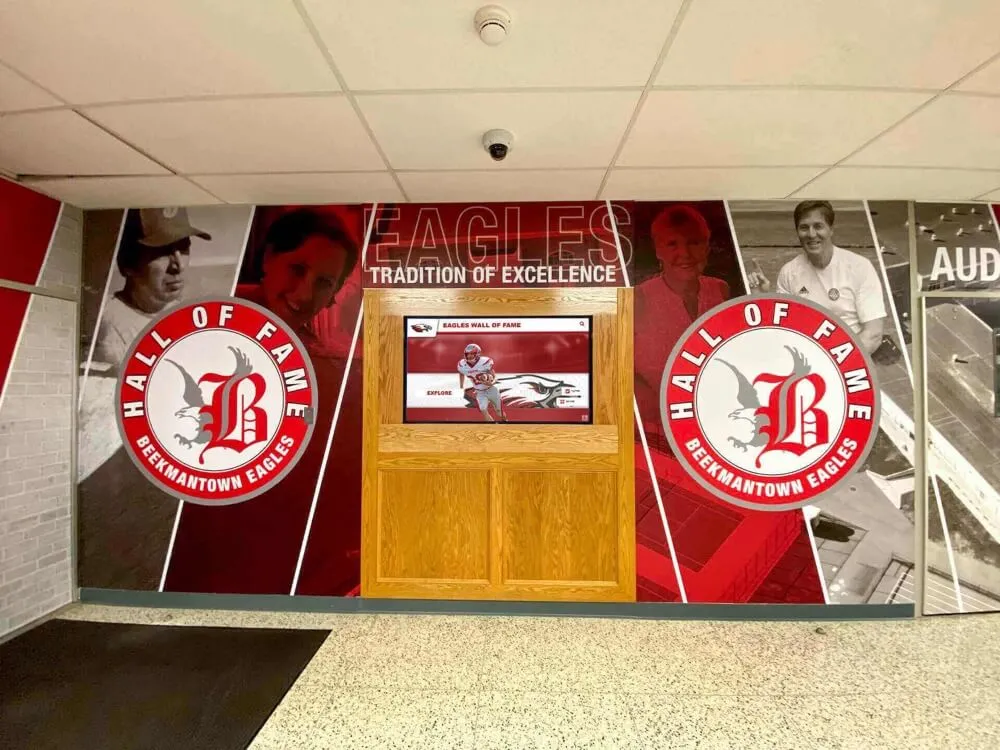
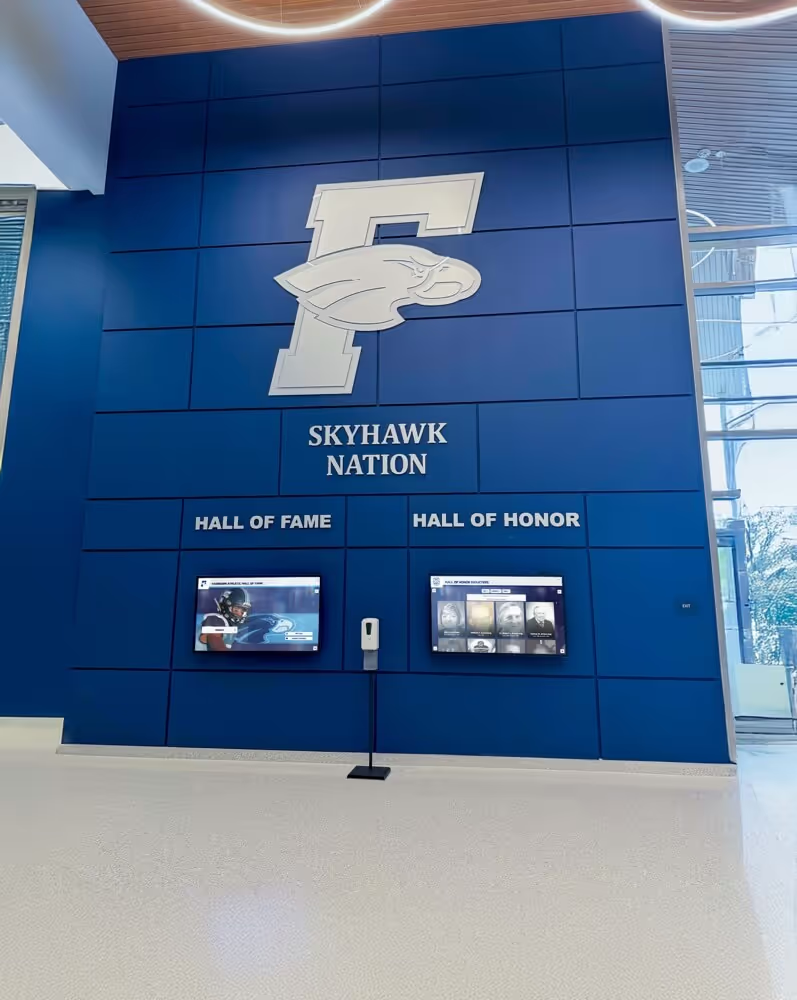
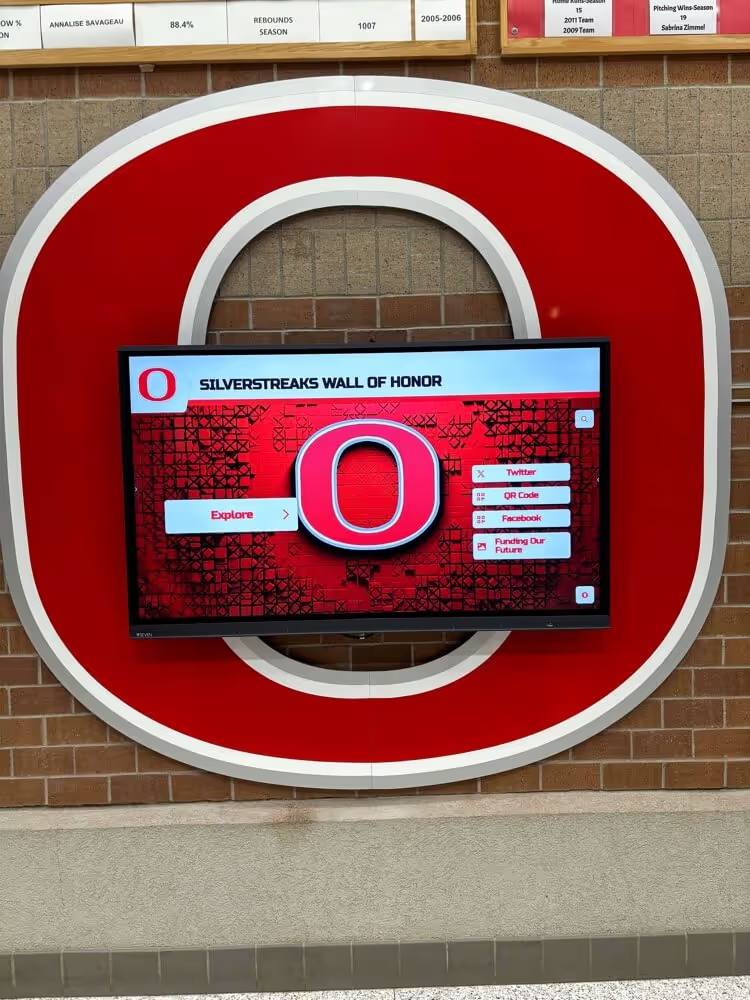
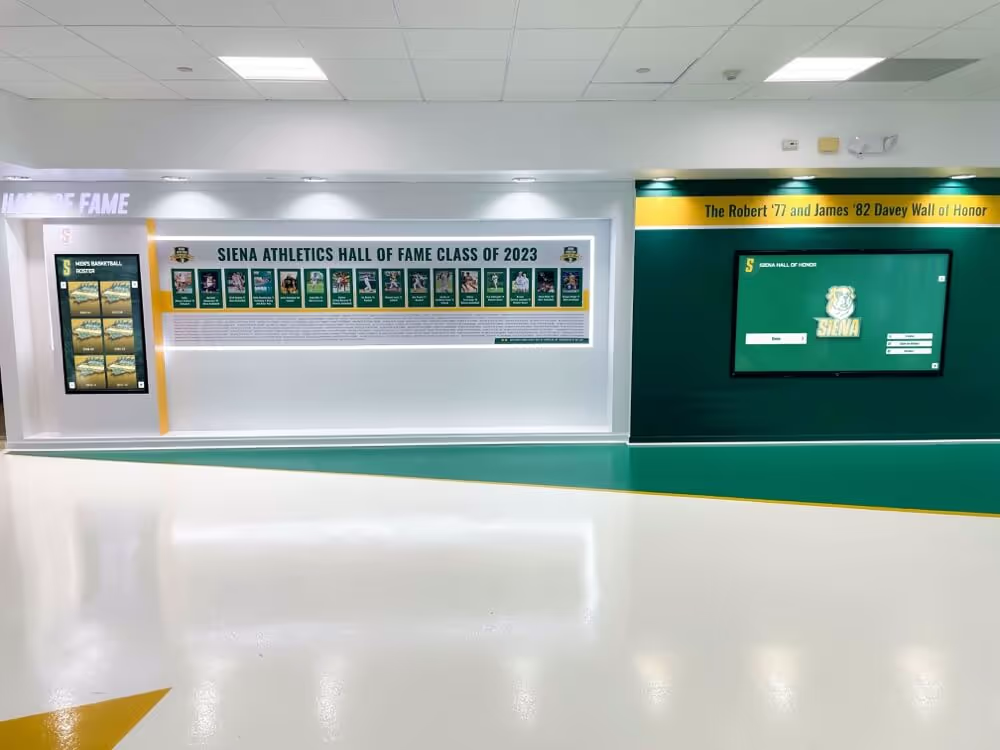
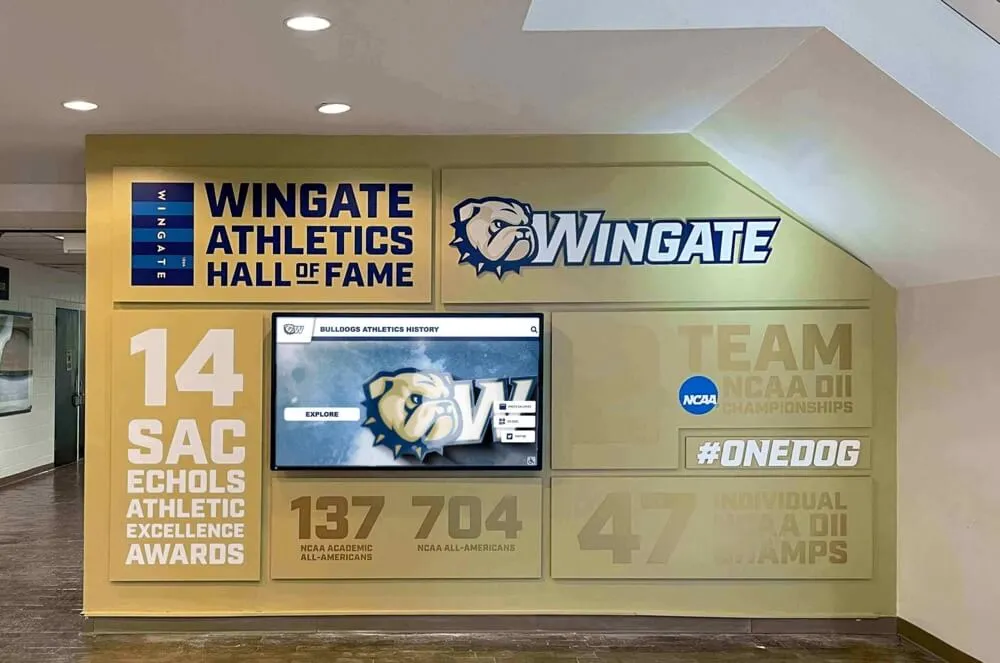
Integrated recognition walls combining physical architectural elements with digital content displays create flexible systems adapting to current seasons and ongoing achievement
Design Strategies for High School Lobby Recognition
Effective lobby recognition requires strategic design approaches balancing multiple objectives, space constraints, and diverse stakeholder preferences.
Space Planning and Circulation Flow
Lobby recognition must complement rather than obstruct functional circulation:
Primary Traffic Patterns
Analyze daily traffic flow identifying primary entrance paths, peak congestion times, and natural gathering points. Recognition installations should enhance rather than impede movement, positioning signature elements where they naturally draw attention without creating bottlenecks during dismissal rushes or class transitions.
Main entrances typically experience concentrated arrival periods before school starts and after final dismissal. Recognition displays in these high-traffic zones should feature durable installations withstanding accidental contact while maintaining sightlines necessary for security monitoring.
Viewing Zones and Engagement Areas
Create distinct zones for different recognition types and engagement levels. Interactive touchscreens work best in areas where visitors can pause comfortably without blocking throughways—alcoves, waiting areas adjacent to administrative offices, or widened corridor sections specifically designed for gathering.
Linear wall recognition including murals, timeline displays, and mounted plaques suits corridor spaces where visitors pass by repeatedly, absorbing information gradually rather than requiring sustained stops.
Visual Hierarchy and Attention Flow
Professional lobby design guides visitor attention through intentional visual hierarchy:
Focal Point Establishment
Identify primary focal points—typically directly visible from main entrances—for most impressive or significant recognition elements. These signature installations might include largest touchscreen displays, most dramatic murals, championship trophy collections, or architectural features anchoring entire recognition systems.
Secondary recognition elements should complement rather than compete with primary focal points, creating cohesive visual environments rather than scattered, disconnected installations fighting for attention.
Balance and Proportion
Avoid recognition approaches where one program or achievement type dominates lobby spaces to exclusion of other excellence categories. Schools with strong athletic traditions should balance sports recognition with academic achievement, arts accomplishments, and community service celebration ensuring lobby environments reflect comprehensive program excellence.
This balance prevents perceptions that institutions value certain student contributions more than others while creating recognition opportunities across diverse interest areas.
Brand Consistency and Professional Execution
Amateur-appearing installations undermine intended messages of excellence and institutional pride:
Color Palette and Material Coordination
Maintain consistent color schemes aligning with official school colors, architectural finishes, and existing environmental elements. Recognition installations should feel integrated with facility design rather than appearing as afterthought additions disconnected from surrounding spaces.
Material selections should reflect quality and permanence appropriate to institutional context. Budget constraints are real, but installations appearing cheap or temporary communicate messages contradicting intended excellence celebration.
Typography and Graphic Standards
Establish consistent typography standards across all lobby recognition elements—murals, trophy plaques, digital displays, and wayfinding. Inconsistent fonts, sizing, and graphic treatments create unprofessional appearance undermining credibility.
Schools with existing brand guidelines should apply these standards rigorously to recognition installations. Schools lacking formal guidelines should develop basic standards ensuring visual consistency across current and future lobby elements.
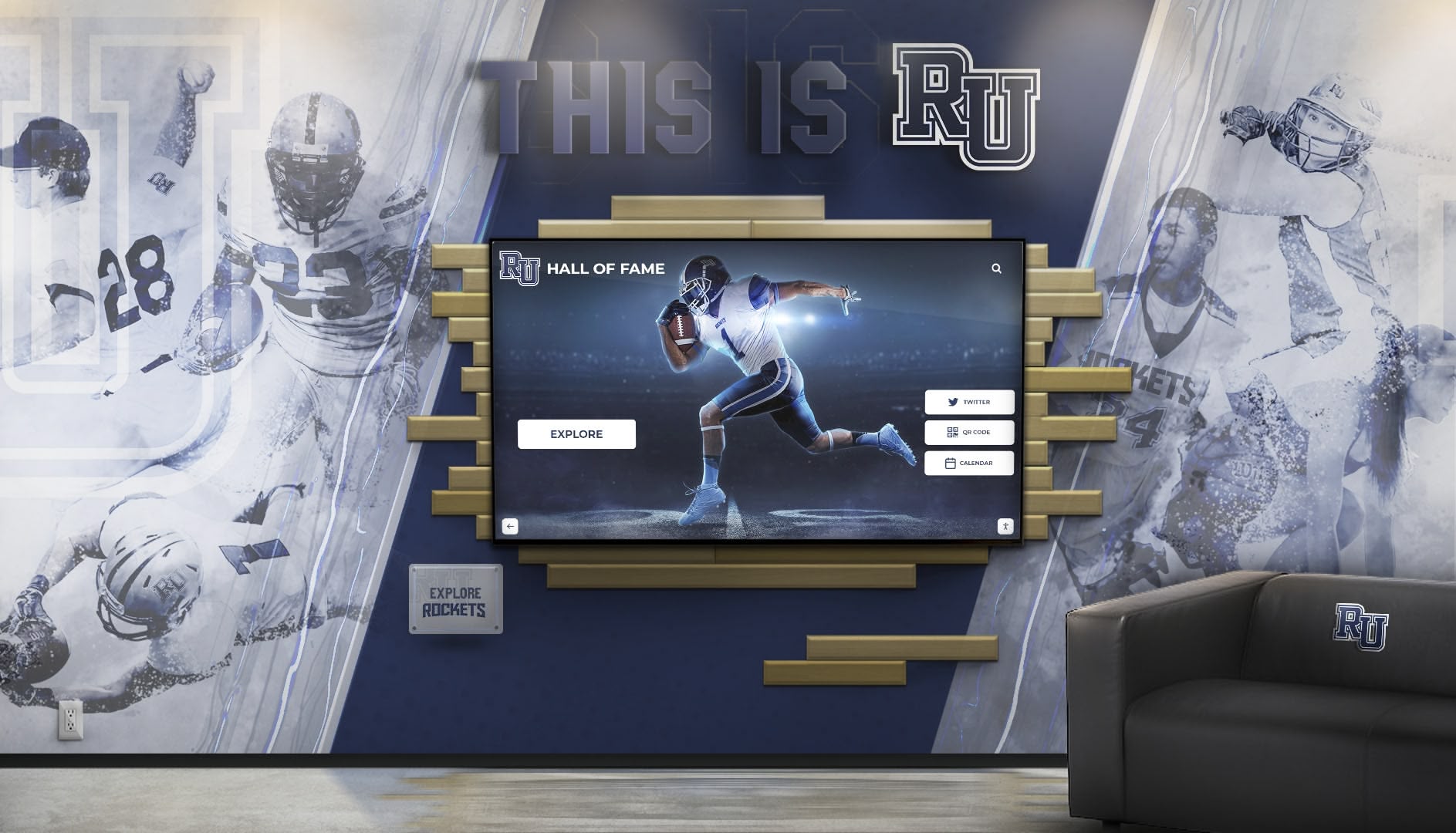
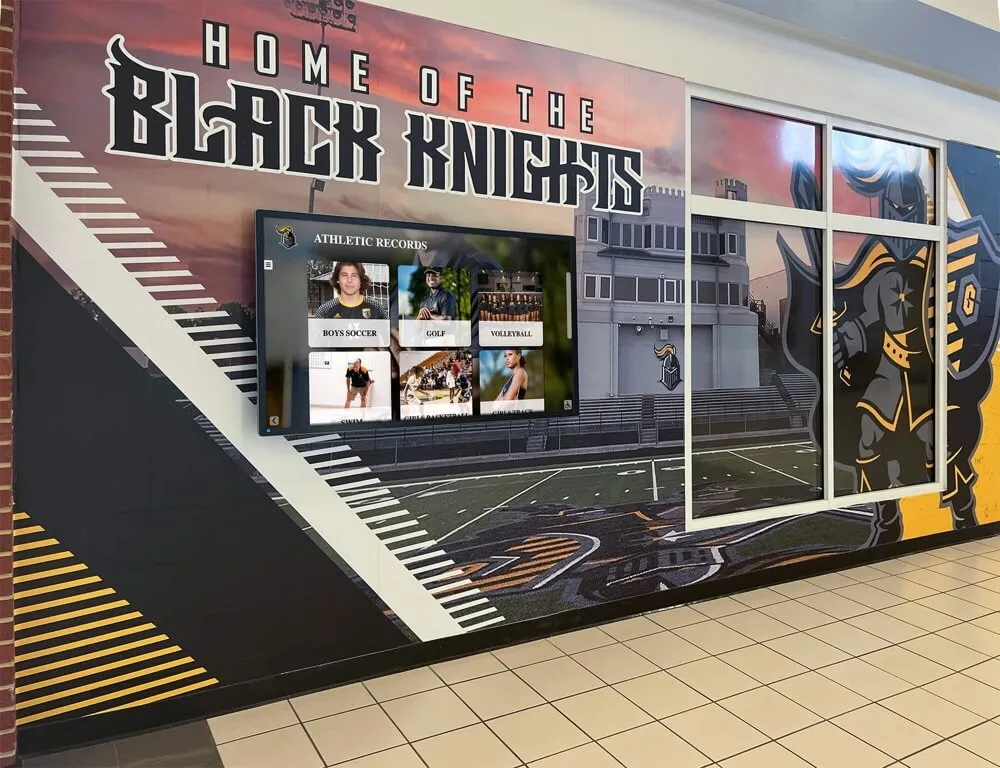
Thematic lobby designs coordinate digital recognition platforms with complementary murals creating immersive branded environments celebrating specific programs or institutional identity
Implementation Considerations: Planning Through Installation
Transforming lobby concepts into completed installations requires navigating practical planning, budgeting, and execution challenges.
Budget Planning and Cost Factors
Understanding typical investment levels helps schools develop realistic project scopes:
Digital Display Systems
Professional touchscreen recognition platforms typically range from $8,000-$25,000+ depending on screen size (43"-75"), mounting systems, content management capabilities, and included services. This investment includes hardware, professional installation, content management software, initial content development, and ongoing technical support.
Per-student recognition costs with digital systems drop dramatically compared to traditional plaques. Schools recognizing 1,000+ students over system lifespan might achieve per-recognition costs under $20—a fraction of traditional engraving expenses while offering vastly superior storytelling capabilities.
Wall Murals and Graphics
Custom vinyl wall wraps and printed murals typically cost $15-$35 per square foot installed, depending on wall conditions, graphic complexity, and material quality. A dramatic 20-foot-wide by 10-foot-tall mural might range from $3,000-$7,000 including design, production, and professional installation.
Hand-painted murals command premium pricing ($50-$150+ per square foot) but offer unique artistic character and community engagement opportunities when students or local artists contribute to creation processes.
Traditional Trophy Cases
Quality wall-mounted trophy cases range from $2,000-$8,000 depending on size (4-12 feet wide), materials (wood, aluminum, glass types), lighting, and locking mechanisms. Floor-to-ceiling built-in cases for lobby showcases can exceed $15,000-$30,000 for comprehensive installations.
Project Budget Allocation
Comprehensive lobby renovations typically allocate budgets across multiple elements:
- Digital recognition: 30-40% of total budget
- Architectural elements and murals: 25-35%
- Traditional display cases: 15-25%
- Lighting and electrical: 10-15%
- Contingency: 10% minimum
Schools should prioritize investments in elements offering greatest long-term value and alignment with strategic objectives rather than distributing budgets evenly across components regardless of relative impact.
Vendor Selection and Partnership Approaches
Implementation success depends heavily on vendor partnerships:
Comprehensive vs. Specialized Providers
Schools can pursue either comprehensive vendors managing entire projects or coordinate specialized contractors for distinct components. Comprehensive approaches simplify project management and ensure coordinated design execution but may limit customization options or increase costs. Specialized contractors offer maximum flexibility and potentially lower costs but require schools to manage coordination, ensuring components integrate successfully.
For most schools, comprehensive vendors specializing in school recognition solutions offer optimal balance—expertise in educational environments, proven installation approaches, and integrated systems designed specifically for recognition applications.
Portfolio Review and Reference Checks
Request detailed portfolios showing completed installations in similar contexts—high schools with comparable budgets, space constraints, and program types. Evaluate design quality, professional execution, material durability, and whether installations align with aesthetic preferences.
Contact reference schools directly asking about vendor responsiveness, timeline adherence, budget accuracy, problem-solving when challenges emerged, and ongoing support quality. Particularly valuable insights come from schools 2-5 years post-installation who can speak to long-term durability and vendor support consistency.
Timeline and Project Phasing
Realistic timeline expectations prevent frustration and ensure quality outcomes:
Typical Project Timelines
Comprehensive lobby recognition projects typically require 3-6 months from initial planning through final installation:
- Planning and design development: 4-8 weeks
- Vendor selection and contracting: 2-4 weeks
- Final design approval and production: 4-6 weeks
- Installation and finishing: 1-3 weeks
- Content development and system training: 2-4 weeks
Schools should schedule installations during breaks—summer, winter holidays, or spring break—minimizing disruption to daily operations and allowing proper space access for contractors.
Phased Implementation Approaches
Budget constraints or complexity may require phased implementation spreading investments across multiple budget cycles. Logical phasing typically prioritizes:
Phase 1: Primary digital recognition platform establishing core interactive capability
Phase 2: Complementary murals and branded environmental graphics creating visual impact
Phase 3: Trophy cases and traditional display elements completing comprehensive recognition system
Phased approaches work best when each phase delivers meaningful value independently while positioning future additions that enhance without requiring fundamental revision.
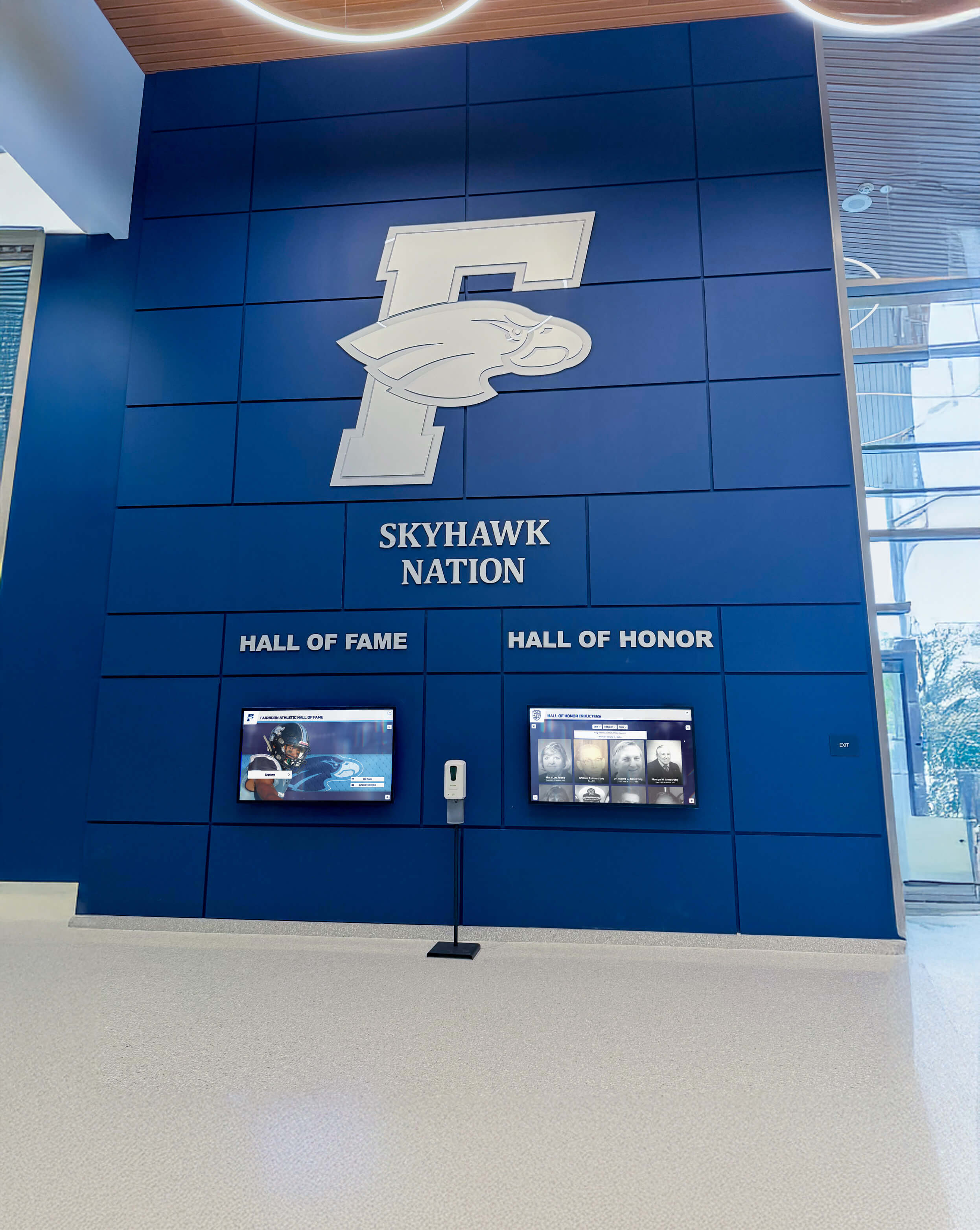
Complete lobby transformations integrate branded architectural elements, comprehensive recognition systems, and professional environmental design creating distinctive institutional identity
Maintaining and Evolving Lobby Recognition Systems
Installation represents beginning rather than conclusion of effective lobby recognition. Ongoing maintenance and strategic evolution ensure continued relevance and impact.
Content Management and Regular Updates
Digital systems require consistent content attention:
Establishing Update Protocols
Designate specific staff members responsible for recognition updates with clear protocols for adding new achievers, updating profiles, and managing seasonal content. Most successful programs assign this responsibility to athletic directors (sports content), counselors or administrators (academic recognition), and activities directors (arts, clubs, service), with overall coordination by communications staff or principals.
Regular update schedules—monthly during school year, after major achievement milestones, before significant events—maintain content relevance and ensure recognition remains timely rather than appearing stale or incomplete.
Quality Standards and Consistency
Establish content quality standards including photo requirements (minimum resolution, consistent background approaches, proper lighting), biography lengths and formats, and approval processes ensuring accurate, appropriate content. Consistency across hundreds or thousands of profiles creates professional appearance while varying quality signals poor attention to detail.
Physical Maintenance and Cleaning
Traditional elements require ongoing care:
Trophy Case and Display Maintenance
Schedule regular cleaning for trophy cases—monthly during school year—removing dust, polishing glass, arranging contents attractively, and ensuring lighting remains functional. Neglected cases with dusty trophies, burned-out lights, and disorganized contents communicate lack of institutional pride undermining intended recognition impact.
Mural and Graphic Care
Vinyl murals and wall graphics require occasional cleaning using appropriate methods—typically gentle wiping with damp microfiber cloths avoiding harsh chemicals that might damage graphics or adhesives. Inspect periodically for edge lifting, damage, or fading, addressing issues promptly before minor problems expand.
Most quality graphics maintain excellent appearance for 7-10 years before requiring replacement, making long-term maintenance relatively minimal compared to traditional painted approaches requiring periodic repainting.
Strategic Evolution and Expansion
Successful lobby recognition grows with programs:
Adding Recognition Categories
As programs evolve—adding marching band recognition, celebrating academic merit scholars, or establishing new traditions—lobby recognition should expand accordingly. Digital platforms accommodate new categories seamlessly while physical elements may require periodic redesign or expansion.
Refreshing Design Elements
Even successful installations benefit from periodic refreshes maintaining contemporary appearance and addressing evolving priorities. Plan for significant updates every 5-7 years—updating murals, replacing worn physical elements, upgrading technology, or reorganizing layouts as programs grow and priorities shift.
These periodic refreshes prevent lobby recognition from appearing dated or frozen in time, maintaining relevance for current students while preserving historical recognition value.
Transforming Your High School Lobby Into a Recognition Showcase
Your high school lobby represents premium real estate—the first impression for every prospective family, the daily welcome for hundreds of students and staff, and the signature space communicating institutional priorities to all stakeholders. Generic, underutilized lobbies waste this potential, while strategic recognition installations transform entrances into compelling showcases celebrating excellence, inspiring participation, and building community pride.
Effective lobby recognition combines complementary elements—digital touchscreens offering unlimited multimedia recognition, branded murals establishing visual identity, traditional trophy cases honoring championship heritage, and dynamic content maintaining daily relevance. These comprehensive approaches create multi-dimensional environments serving diverse purposes simultaneously while accommodating evolution as programs grow and priorities shift.
Implementation requires navigating practical challenges including budget allocation, vendor selection, timeline coordination, and ongoing maintenance. Schools approaching lobby recognition as strategic investment rather than one-time project achieve sustained impact through professional execution, consistent content management, and periodic evolution ensuring recognition remains relevant across years and decades.
Leading high schools understand that lobby spaces either communicate excellence intentionally or signal mediocrity through neglect. The choice between transformative recognition showcases and generic entrance areas ultimately determines whether these critical spaces support or undermine the institutional culture schools work daily to build.
Ready to transform your high school lobby into a professional recognition showcase? Explore comprehensive digital recognition solutions designed specifically for educational institutions—combining unlimited recognition capacity, multimedia storytelling, easy content management, and proven implementation support helping schools create entrance environments worthy of their programs’ excellence.