



Athletics equity extends beyond Title IX compliance paperwork—it’s about ensuring every student-athlete, regardless of sport, gender, or season, receives fair recognition, quality resources, and opportunities to be celebrated for their dedication and achievements. Yet walk through most high schools and a troubling pattern emerges: football and basketball dominate lobby displays while cross country, swimming, tennis, and other sports receive minimal visibility despite equally impressive accomplishments.
The disparity isn’t always intentional. Limited trophy case space forces prioritization decisions. Popular sports naturally attract more coverage. Traditional recognition approaches inadvertently create hierarchies where revenue-generating or high-profile sports receive disproportionate celebration while student-athletes in less visible programs wonder if their efforts matter to the broader school community.
This comprehensive guide provides athletic directors, administrators, coaches, and equity advocates with a practical checklist for evaluating whether all sports in your athletic program receive fair visibility and recognition—plus actionable solutions for addressing inequities and creating environments where every student-athlete feels equally valued and celebrated.
Athletics equity isn’t just a legal compliance issue or abstract fairness concept—it directly impacts student-athlete motivation, program culture, recruitment success, community perception, and whether talented students choose to participate in athletics at all. Schools with equitable recognition build stronger athletic programs across all sports while demonstrating institutional values that celebrate diverse excellence rather than just the most visible achievements.

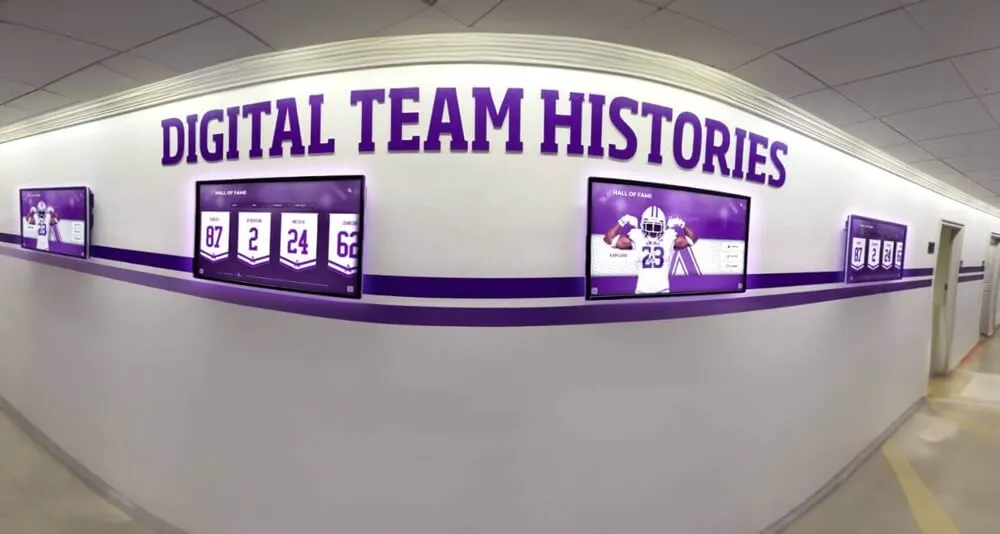
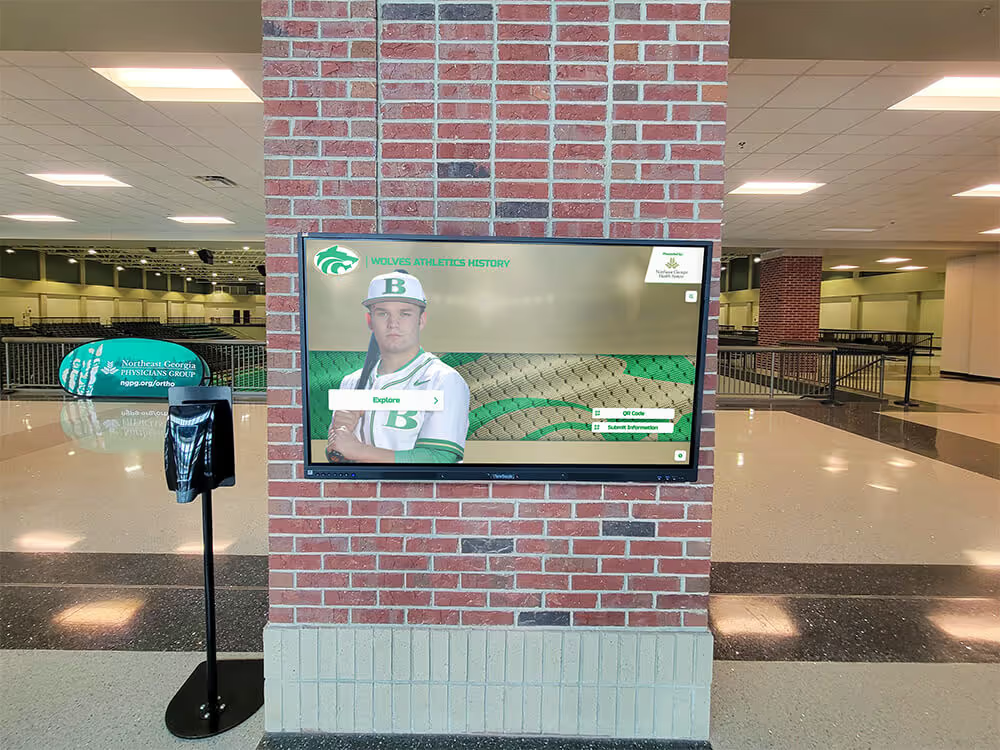
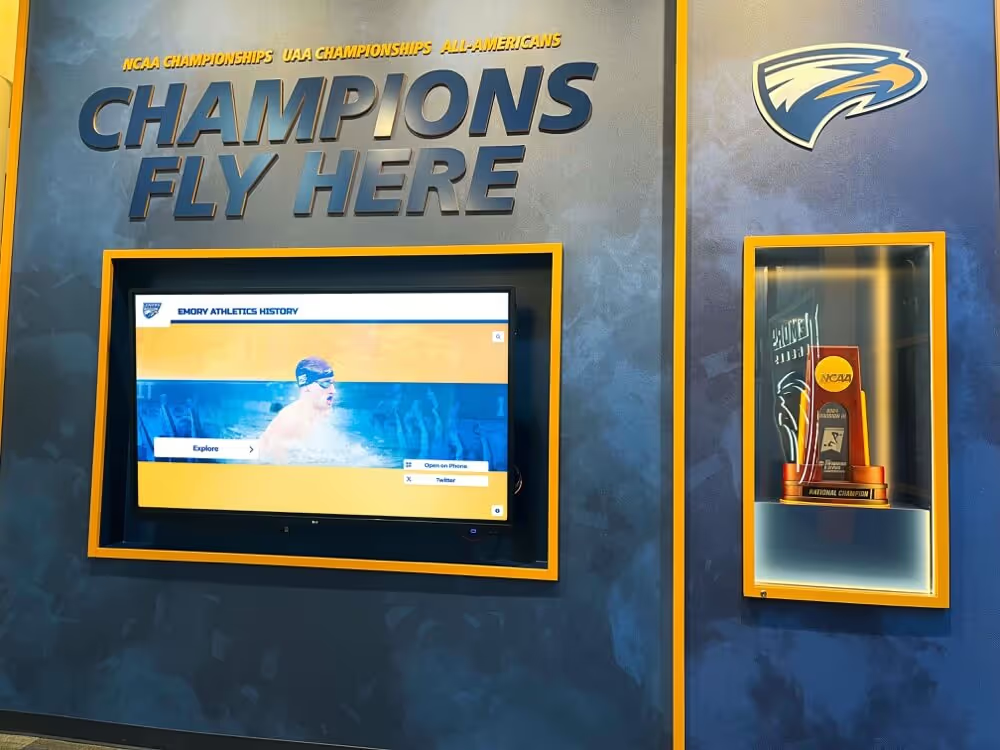
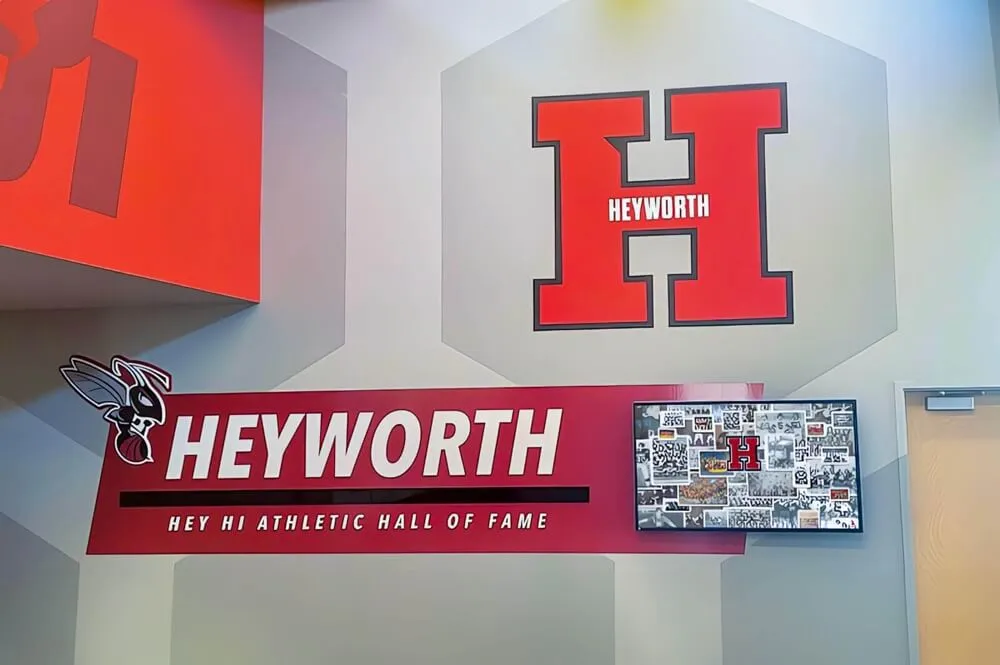
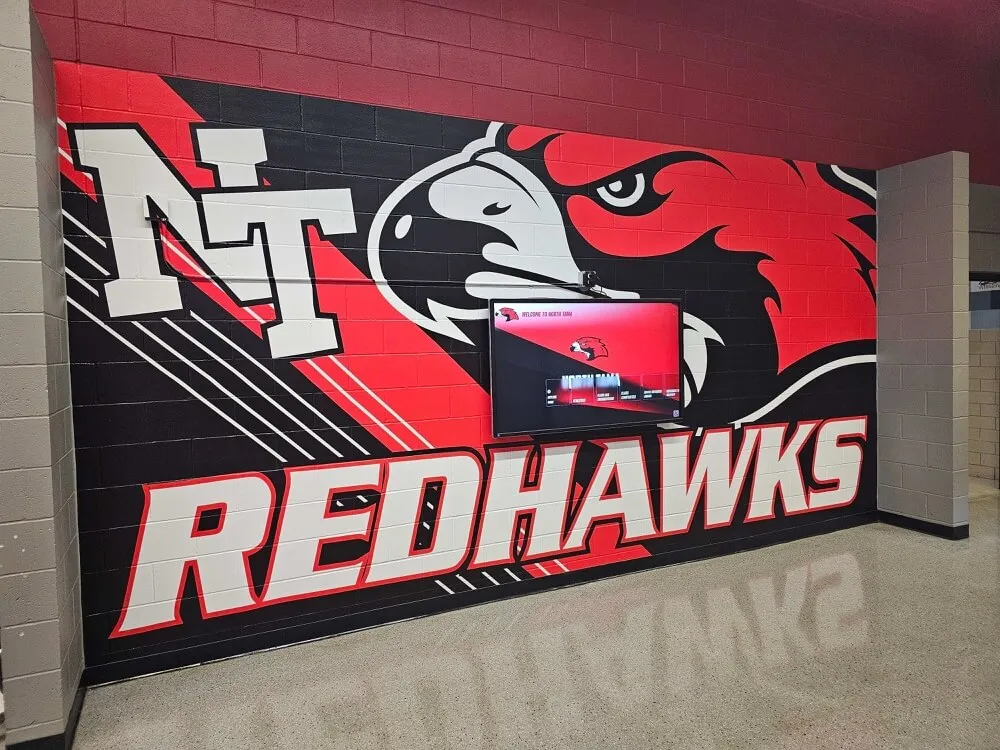
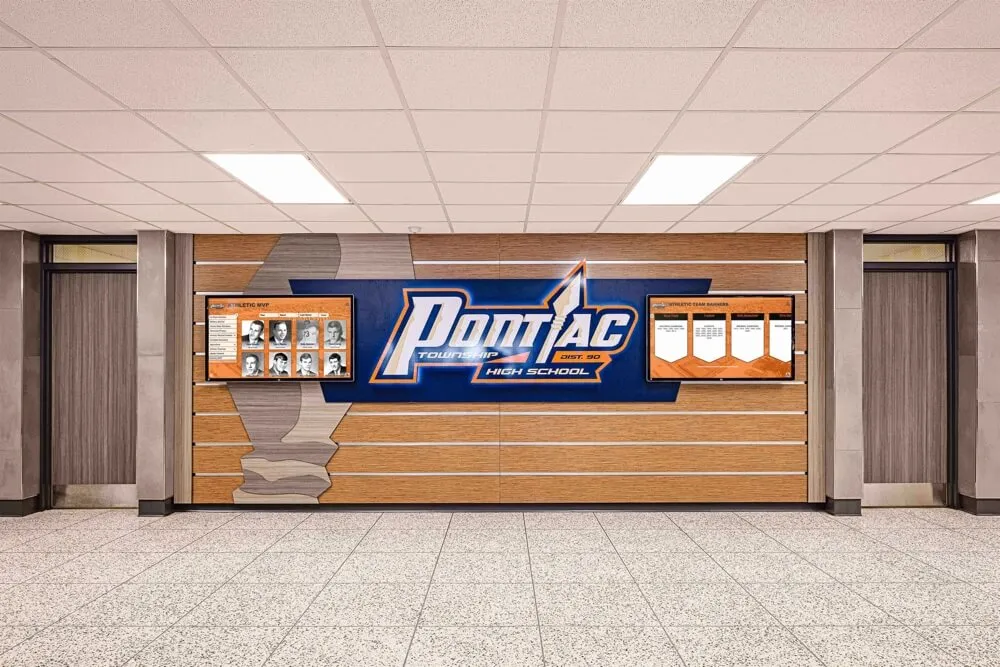
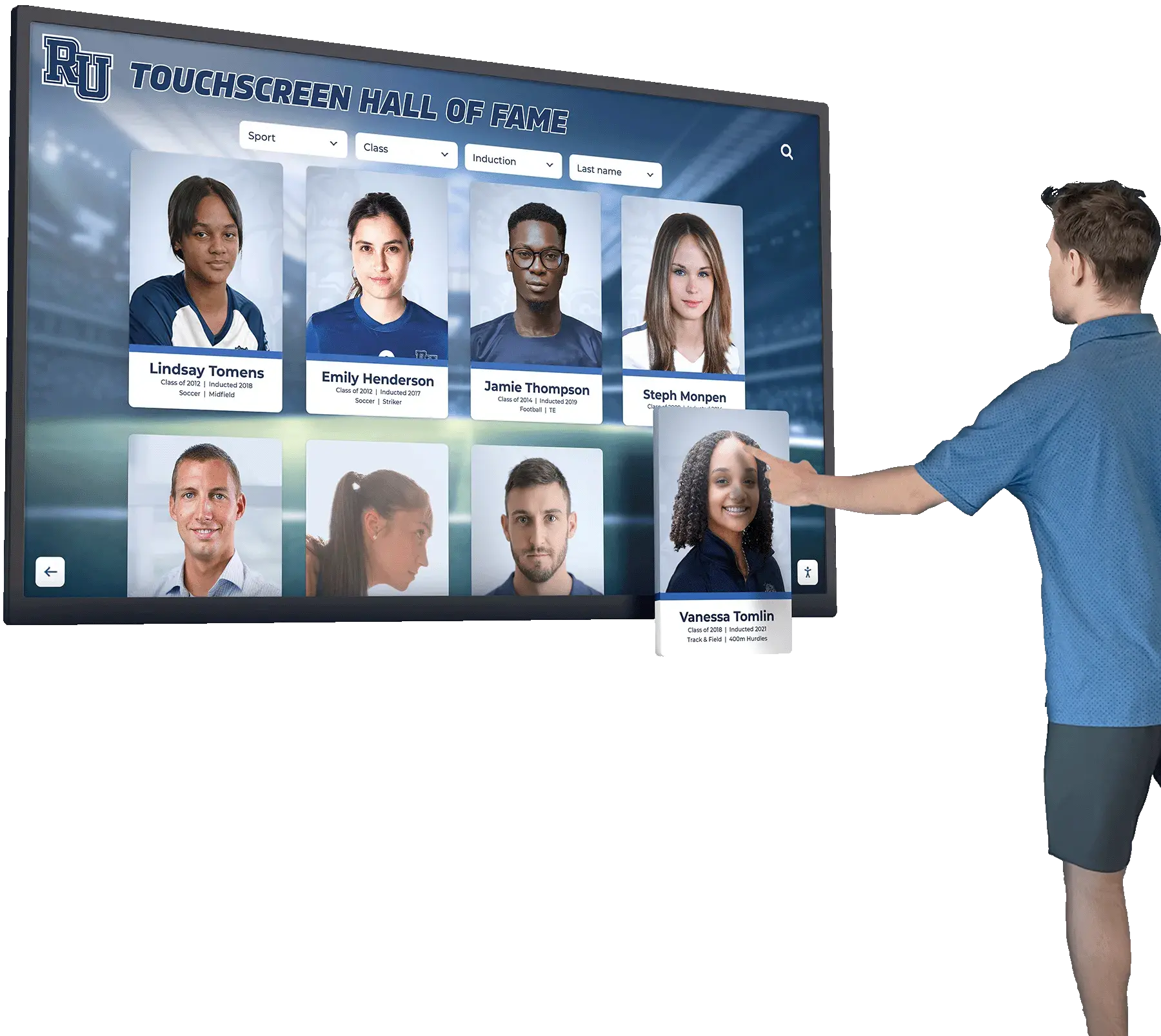
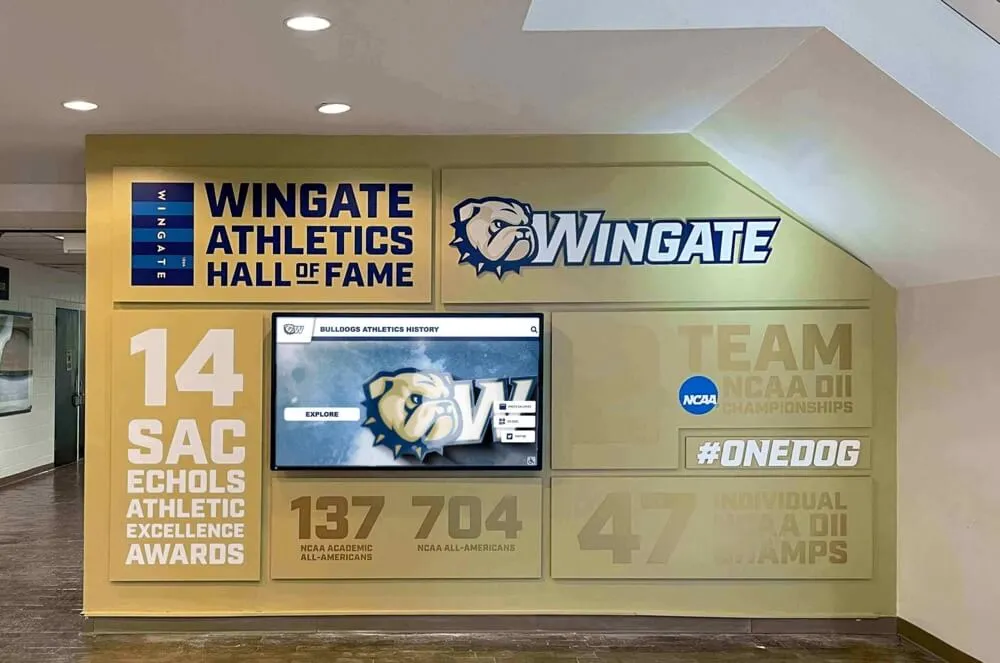
Modern recognition systems enable equitable visibility for all sports without space constraints limiting which athletes receive celebration
Understanding Athletics Equity Beyond Title IX Basics
Before conducting practical equity assessments, understanding what true athletics equity means—and doesn’t mean—provides essential foundation for evaluating your program objectively.
What Athletics Equity Actually Requires
Many administrators mistakenly believe equity simply means “equal spending” or “same number of teams for each gender.” True equity is more nuanced and comprehensive.
The Three-Part Test for Participation Opportunities
Title IX regulations establish a three-part test for athletics participation equity. Schools must meet at least one of three standards: proportionality where participation opportunities for each sex are substantially proportionate to enrollment, demonstrated history showing continued expansion of opportunities for the underrepresented sex, or effective accommodation fully accommodating the interests and abilities of the underrepresented sex.
According to the U.S. Department of Education Office for Civil Rights, schools need only satisfy one prong—not all three—to demonstrate compliance with Title IX participation requirements.
The Thirteen Factors for Equal Treatment
Beyond participation numbers, schools must provide equal treatment across thirteen specific program areas including equipment and supplies, scheduling of games and practice times, travel and daily allowance/per diem, access to tutoring, coaching quality and compensation, locker rooms and practice facilities, medical and training services, housing and dining facilities, publicity and awards, recruitment support, and support services.
Learn more about comprehensive recognition approaches in honor roll digital recognition that extend beyond athletics.
Beyond Gender: Other Equity Considerations
While Title IX focuses primarily on gender equity, comprehensive athletic equity extends to other dimensions commonly overlooked in traditional assessments.
Sport-by-Sport Equity Within Gender Categories
Even when overall gender equity exists, individual sports within the same gender category may receive vastly different treatment. Boys’ football receives extensive recognition while boys’ tennis gets minimal visibility. Girls’ basketball dominates displays while girls’ lacrosse remains nearly invisible despite equivalent achievements.
Seasonal Equity Challenges
Fall sports often receive more visibility than winter or spring sports simply due to timing. Football season coincides with homecoming and school year beginnings when energy and attention are highest. Spring sports compete with end-of-year distractions and shortened seasons, frequently receiving less coverage despite identical dedication and accomplishment.
Individual vs. Team Sport Recognition Gaps
Team sports naturally generate more visible moments—championships, playoff runs, dramatic victories. Individual sport athletes achieving remarkable accomplishments—state qualifiers in track, swimming, or wrestling—may receive minimal recognition despite achievements requiring equal or greater dedication.
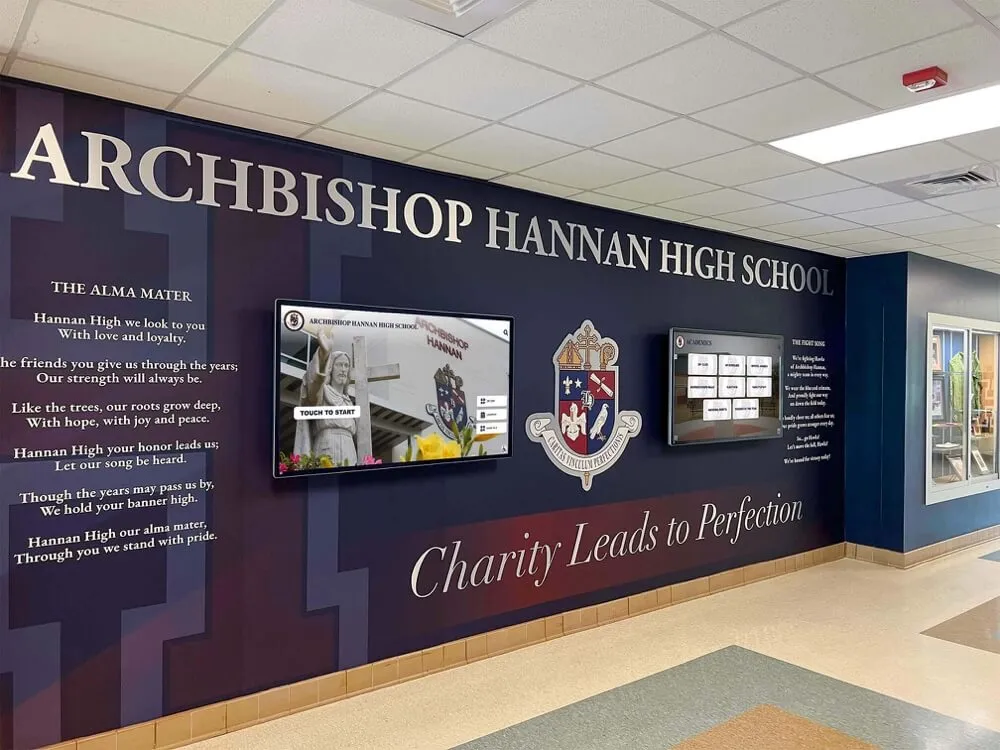
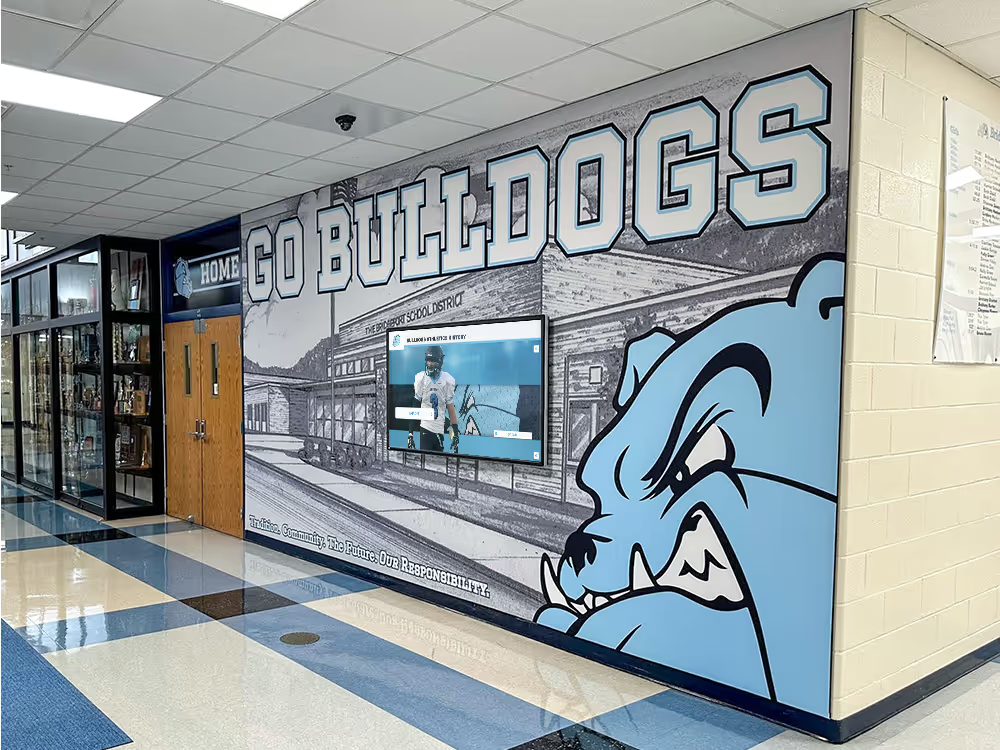
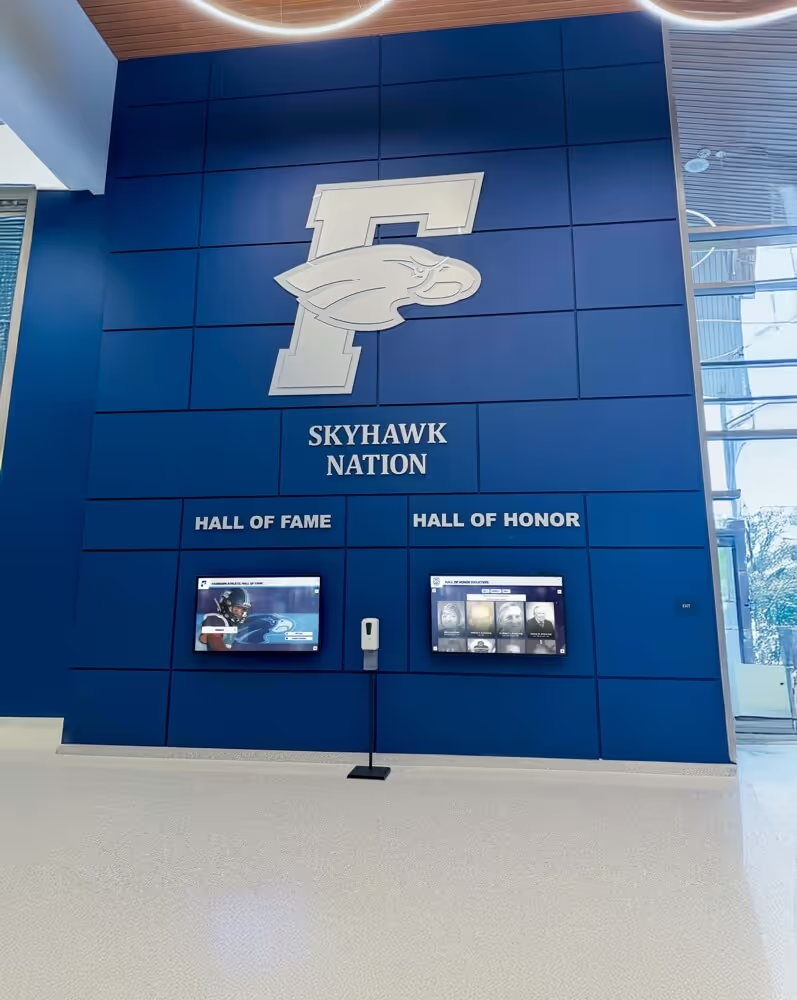
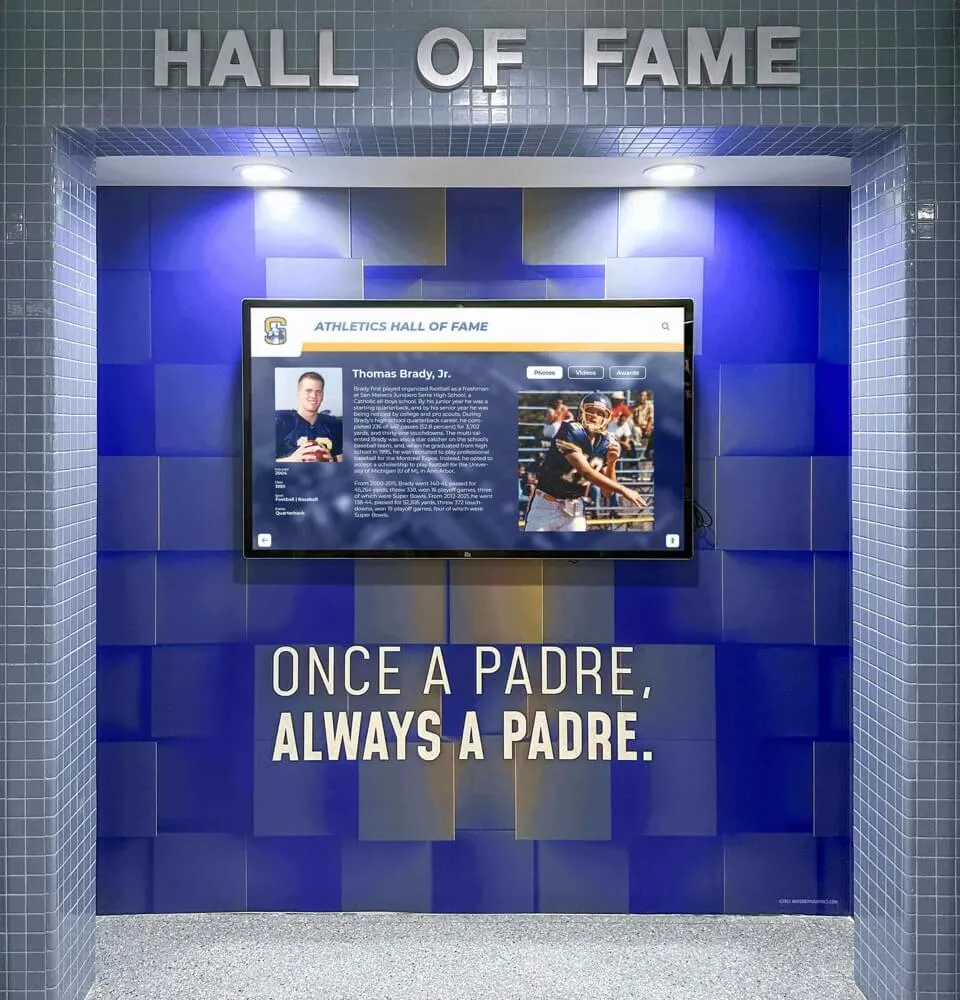
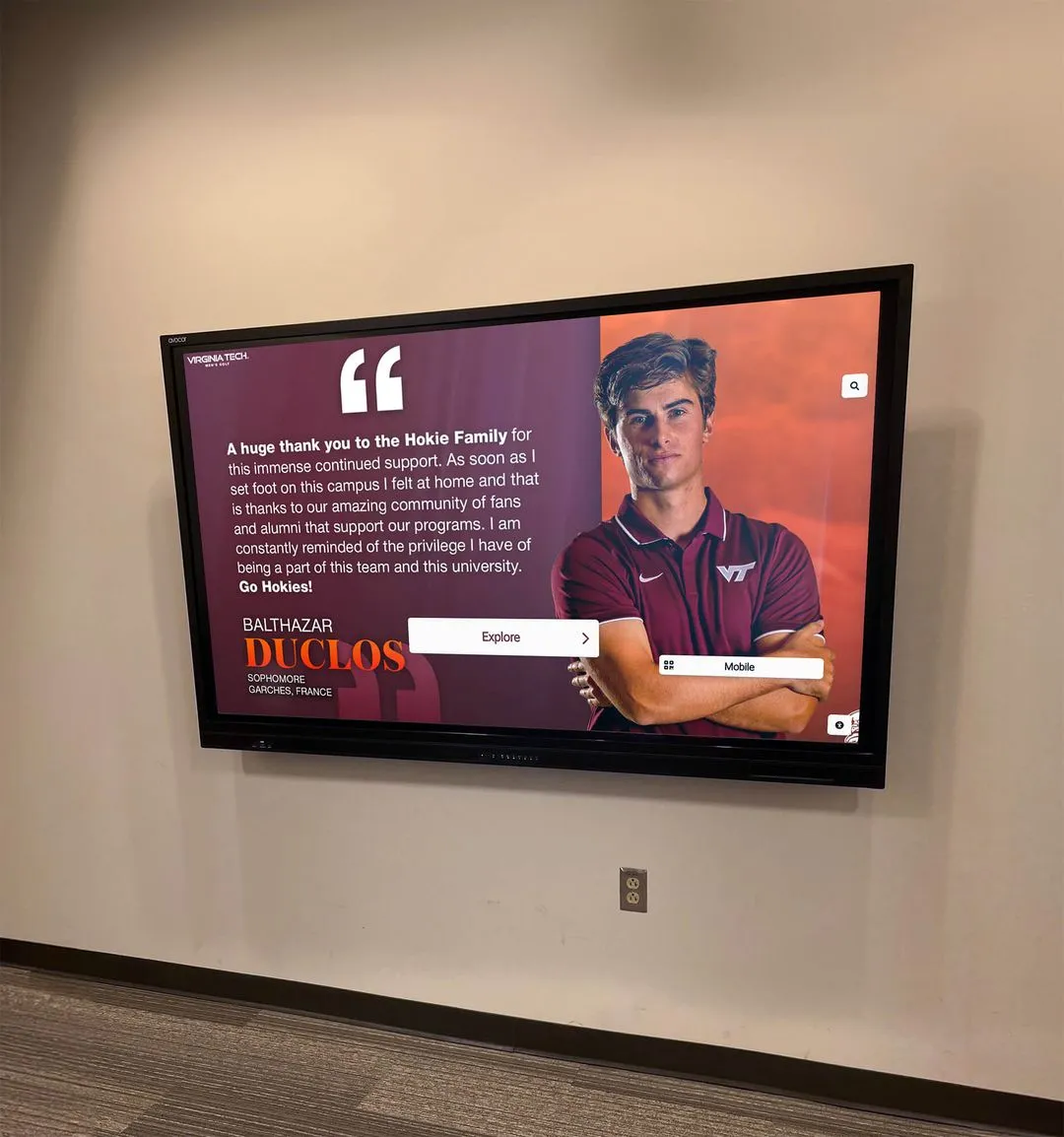
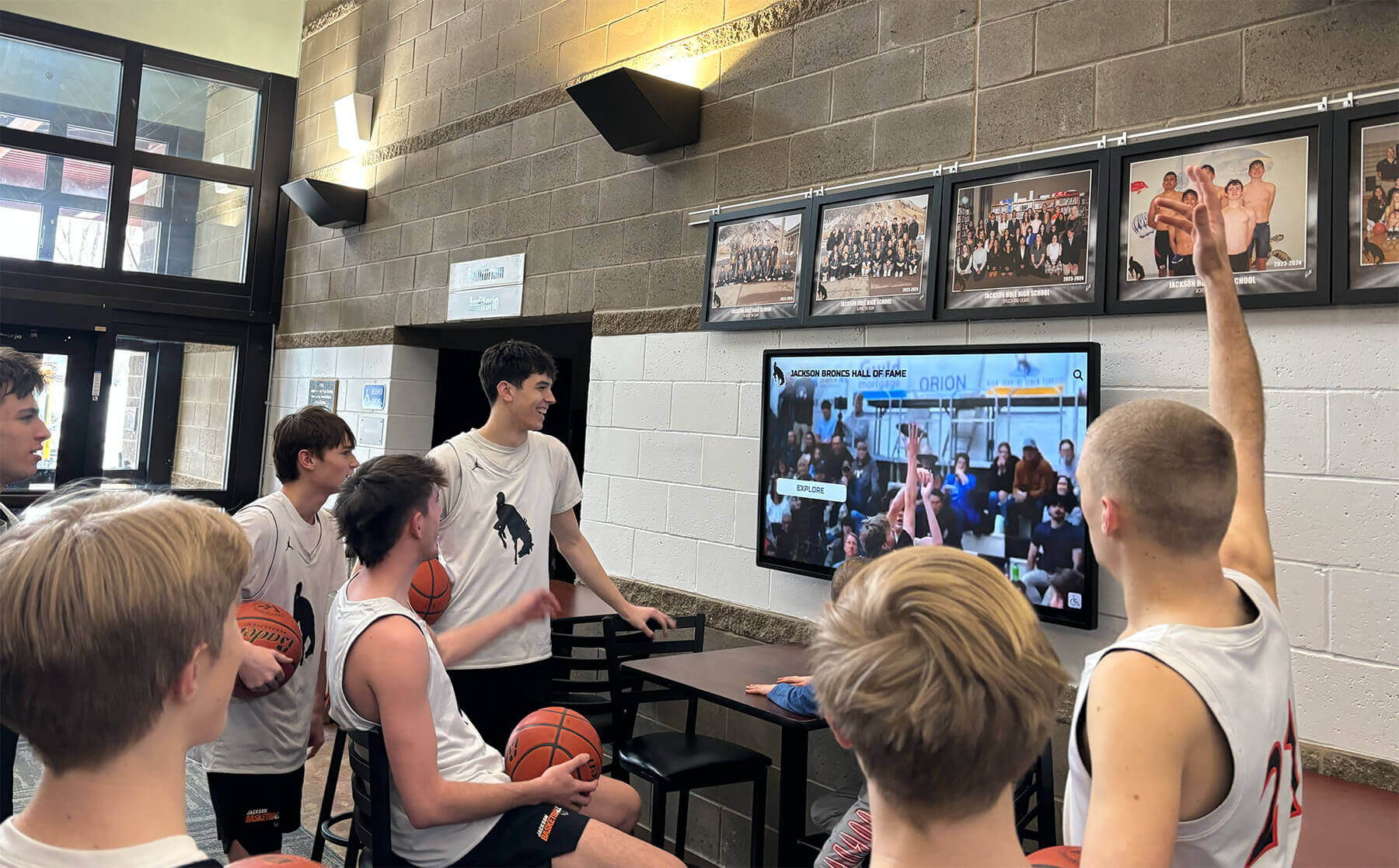
Integrated recognition systems combine physical design with digital technology to celebrate all athletic programs equitably
The Athletics Visibility Equity Checklist
Use this comprehensive checklist to systematically evaluate whether all sports in your athletic program receive fair visibility and recognition. Rate each area on a scale where practices are clearly equitable, somewhat equitable with minor disparities, or showing significant inequity requiring attention.
Physical Recognition Space Allocation
Walk through your athletic facilities and main school areas with fresh eyes, noting which sports receive prominent visibility.
Trophy Case and Display Assessment
Evaluate your trophy cases and wall displays using these criteria:
- Do all sports have representation in main trophy cases, or do 1-2 sports dominate the space?
- Are championship trophies from all sports displayed equally, or are some sports’ achievements stored in less visible locations?
- Is historical recognition balanced across sports and eras, or do recent high-profile sports overshadow others?
- Do facilities reflect achievements from all seasons (fall, winter, spring), or is there seasonal bias?
- Are individual sport achievements (track qualifiers, wrestling medalists, etc.) recognized as prominently as team championships?
Many schools discover significant imbalances during honest assessment. One athletic director found that football and boys’ basketball occupied 60% of trophy case space despite representing only 20% of total athletes in the program.
Wall Space and Hallway Recognition
Beyond trophy cases, examine wall-mounted recognition throughout athletic facilities:
- Which sports have banners hanging in main gymnasium?
- Do auxiliary gyms, practice facilities, and other athletic spaces receive equal attention?
- Are less visible sports relegated to back hallways or areas with minimal foot traffic?
- Do record boards and achievement displays exist for all sports, or only select programs?
Solutions like Rocket Alumni Solutions address these space limitations through digital recognition platforms providing unlimited capacity without forcing prioritization decisions about which accomplishments deserve physical display space.
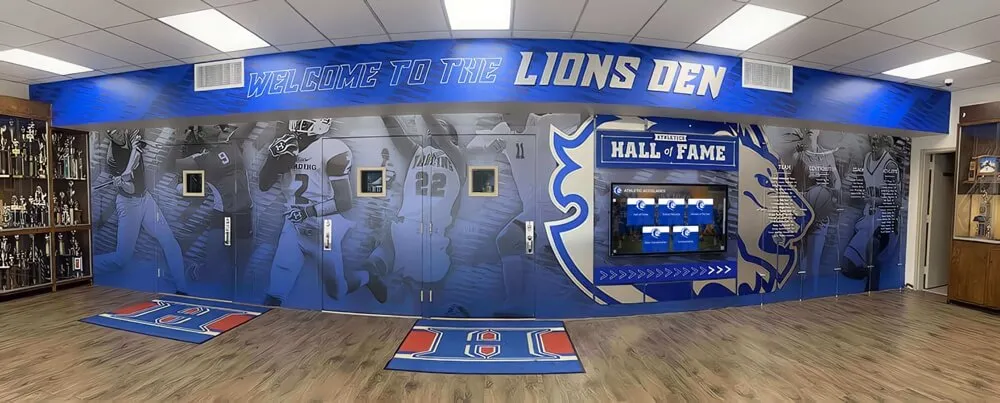
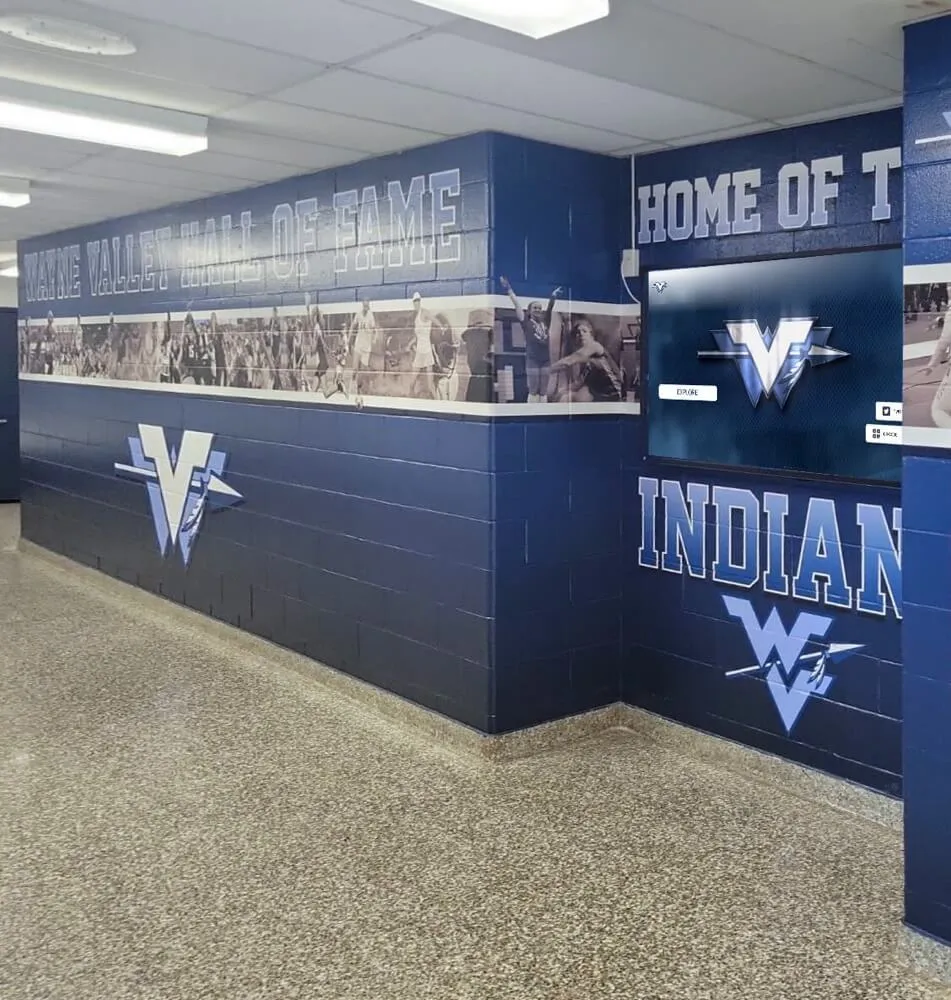
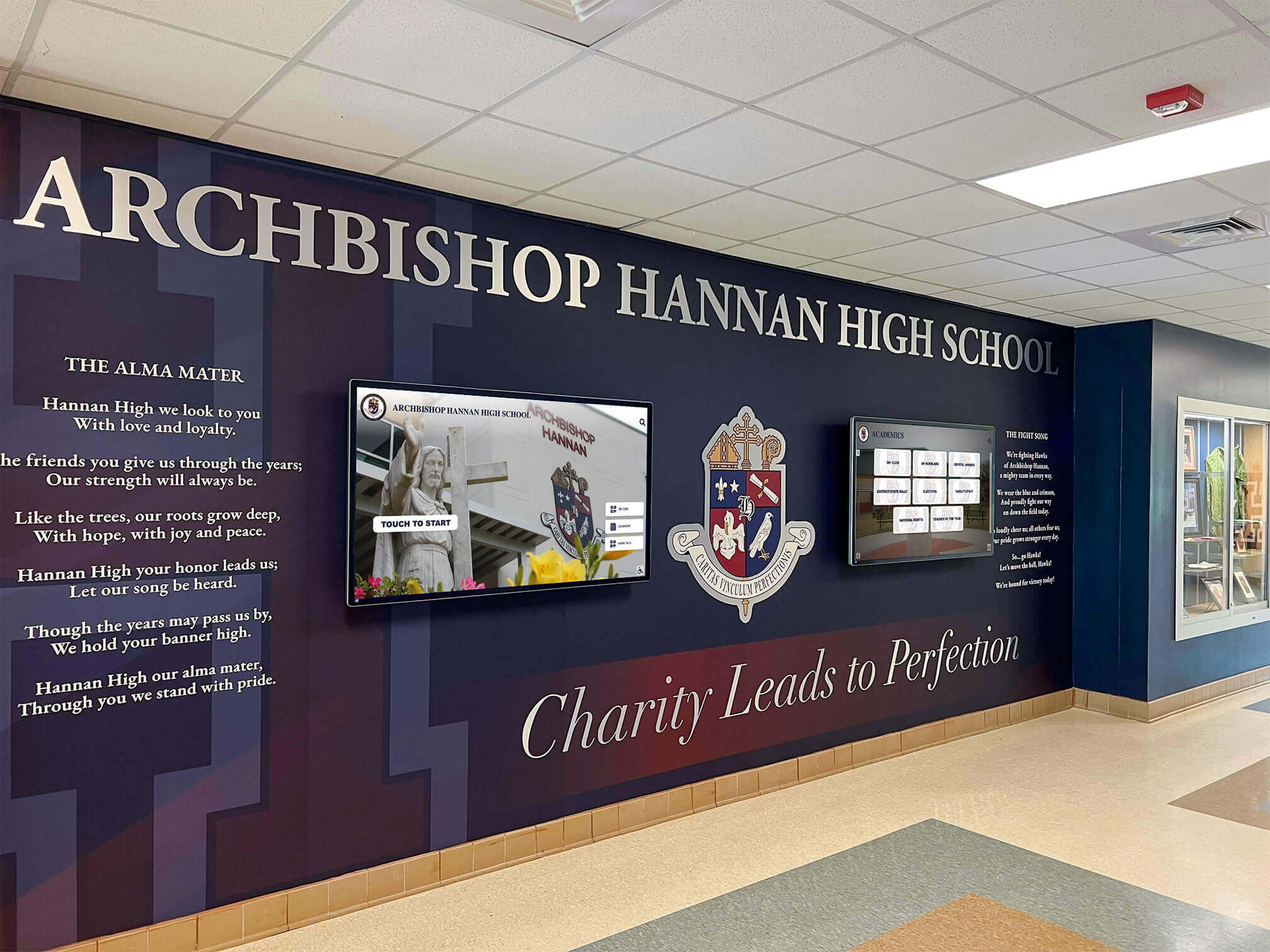
Equitable recognition environments celebrate achievements across all athletic programs throughout school facilities
Media Coverage and Publicity
Visibility extends beyond physical displays to how programs are covered through various media channels.
School Communication Channels
Assess equity across official school communications including social media posting frequency and prominence, school website featured content and homepage visibility, athletic program newsletters and email communications, PA announcements during school days, and video board content during events.
Track actual data over a season: count social media posts by sport, measure website homepage features, and document PA announcements. Quantitative data reveals patterns that subjective impressions might miss.
Local Media Engagement
Schools cannot control local media decisions, but they can ensure equitable support for all programs:
- Does the athletic department provide press releases and story ideas for all sports equally?
- Are media invited to attend and cover all sports’ significant events?
- Does the school maintain statistics, rosters, and media materials for all programs?
- Are student-athletes from all sports equally prepared and encouraged to speak with media?
Photography and Video Documentation
Visual documentation creates lasting recognition and promotional opportunities:
- Which sports receive professional or high-quality photography coverage?
- Are game videos produced for all sports or only select programs?
- Do highlight reels and season recap videos exist for all teams?
- Are action photos from all sports used in school promotional materials?
Explore comprehensive athletic media strategies in digital storytelling for athletic programs addressing equitable coverage approaches.
Resource Allocation and Support
While not strictly “visibility,” resource equity directly impacts whether sports receive support needed to generate achievements worth recognizing.
Coaching and Staff Support
Examine coaching equity across programs:
- Are head coaching stipends proportional to coaching demands and responsibilities across all sports?
- Do all sports have adequate assistant coaching support relative to roster sizes?
- Are professional development opportunities available equitably to all coaching staffs?
- Do volunteer coach situations reflect inability to fund positions or difficulty recruiting qualified candidates?
Facilities and Practice Scheduling
The National Women’s Law Center identifies scheduling as a common equity issue requiring assessment:
- Do all teams receive prime practice time, or are some sports consistently scheduled during less desirable hours?
- Are facility quality and access equitable across sports, or do some programs practice in superior venues?
- When facility conflicts occur, are resolution priorities equitable or do certain sports always take precedence?
Equipment, Uniforms, and Supplies
According to U.S. Government Accountability Office research, uniforms and facilities represent the most commonly assessed equity areas in high schools:
- Do athletes in all sports receive similar quality uniforms and gear?
- Are uniform replacement cycles comparable across sports?
- Do equipment budgets reflect sport-specific needs appropriately?
- Are equipment storage and maintenance facilities equitable?
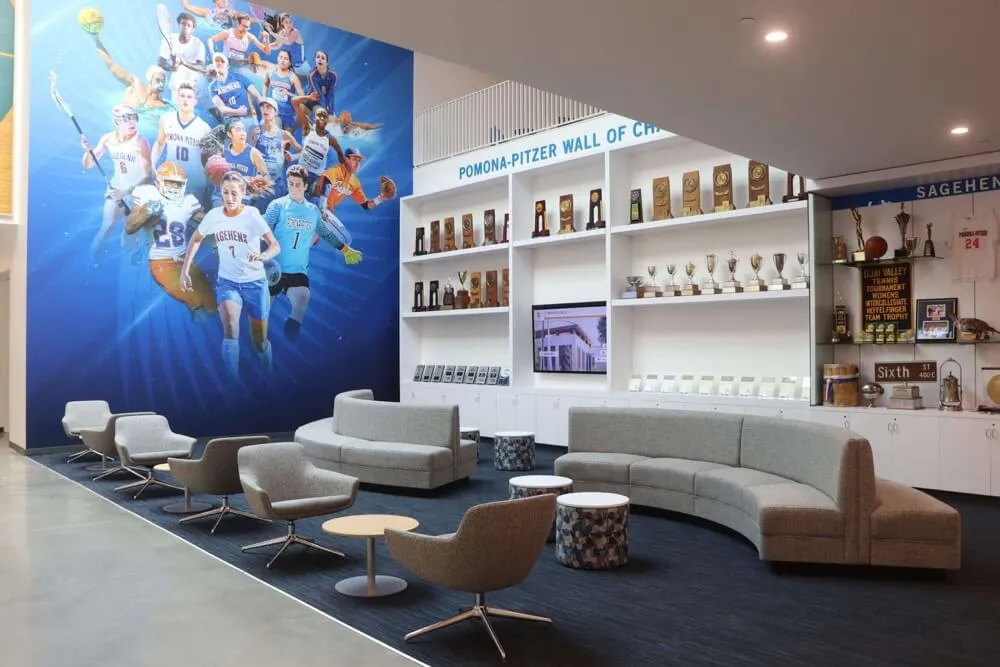
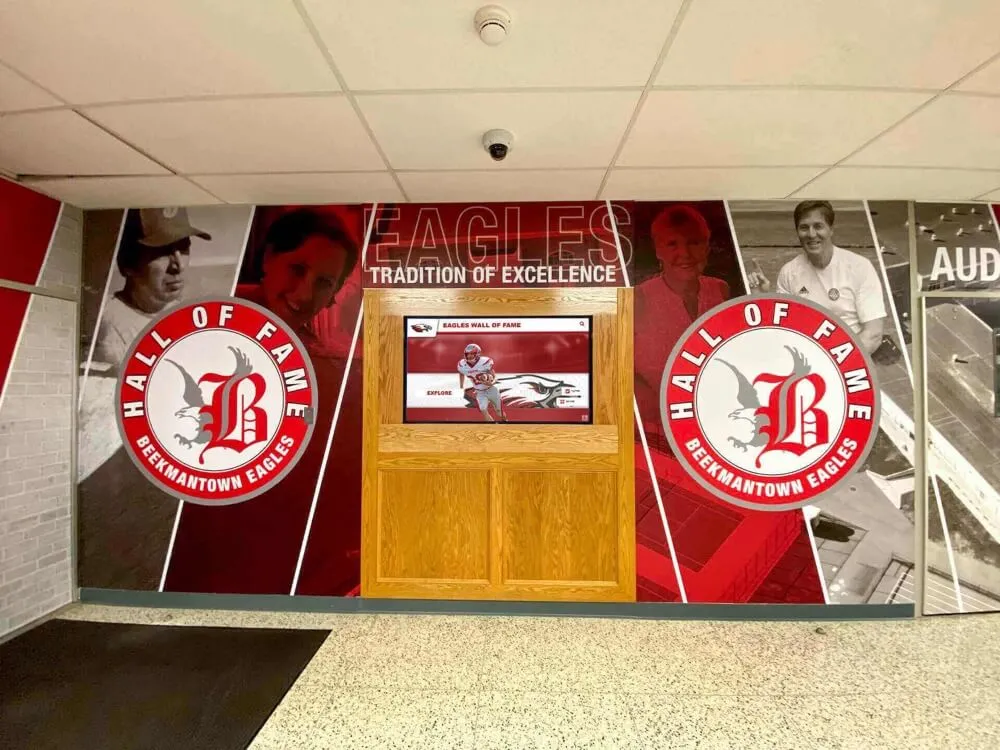
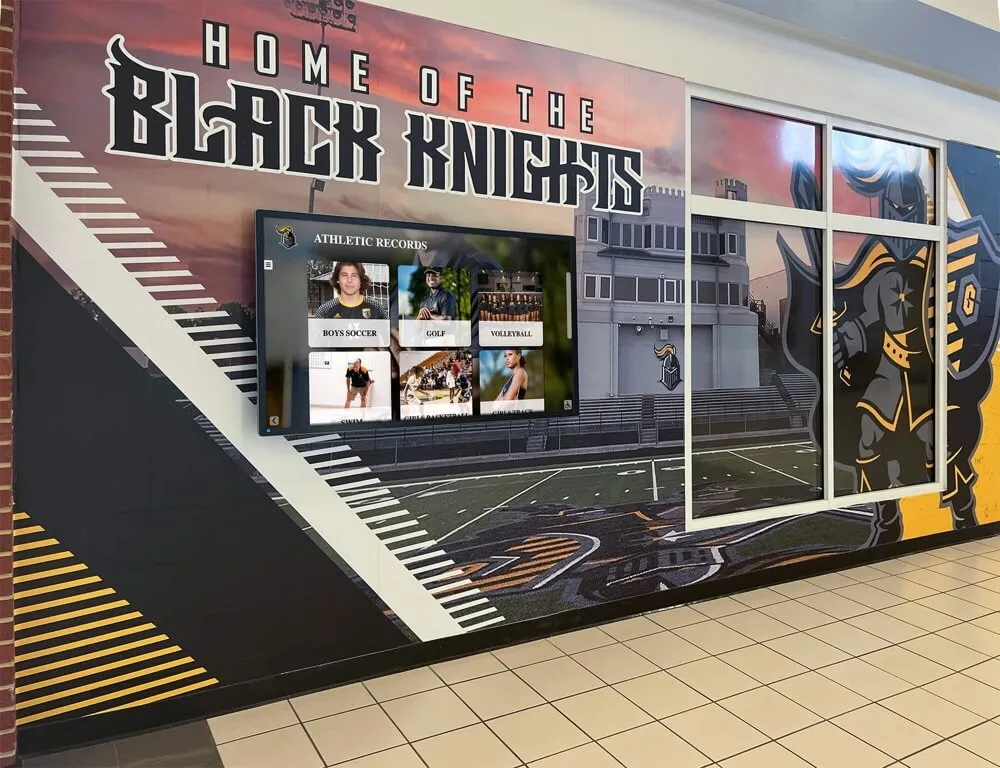
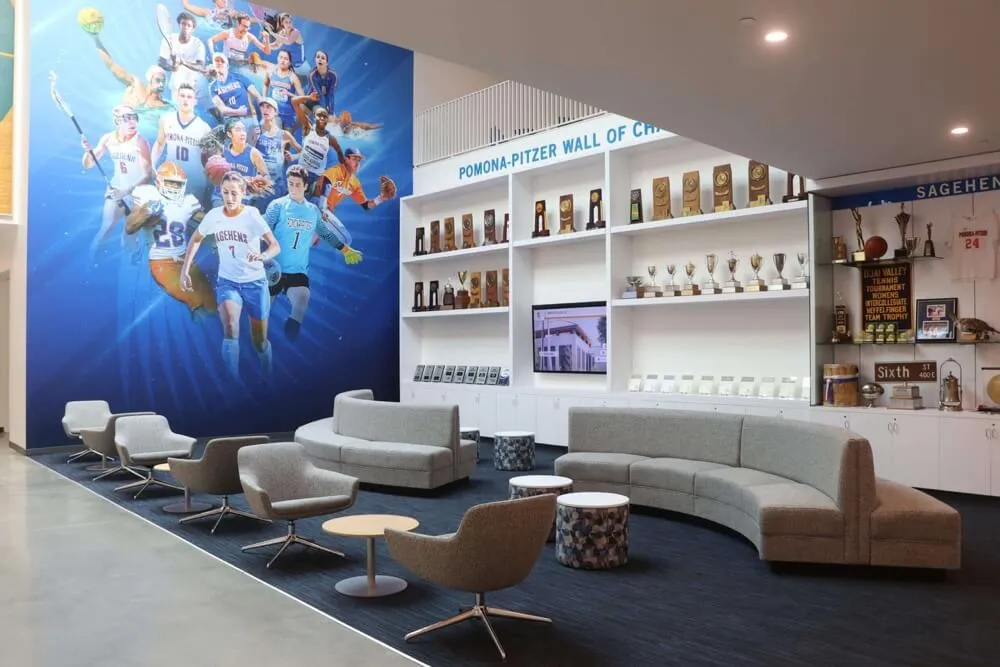
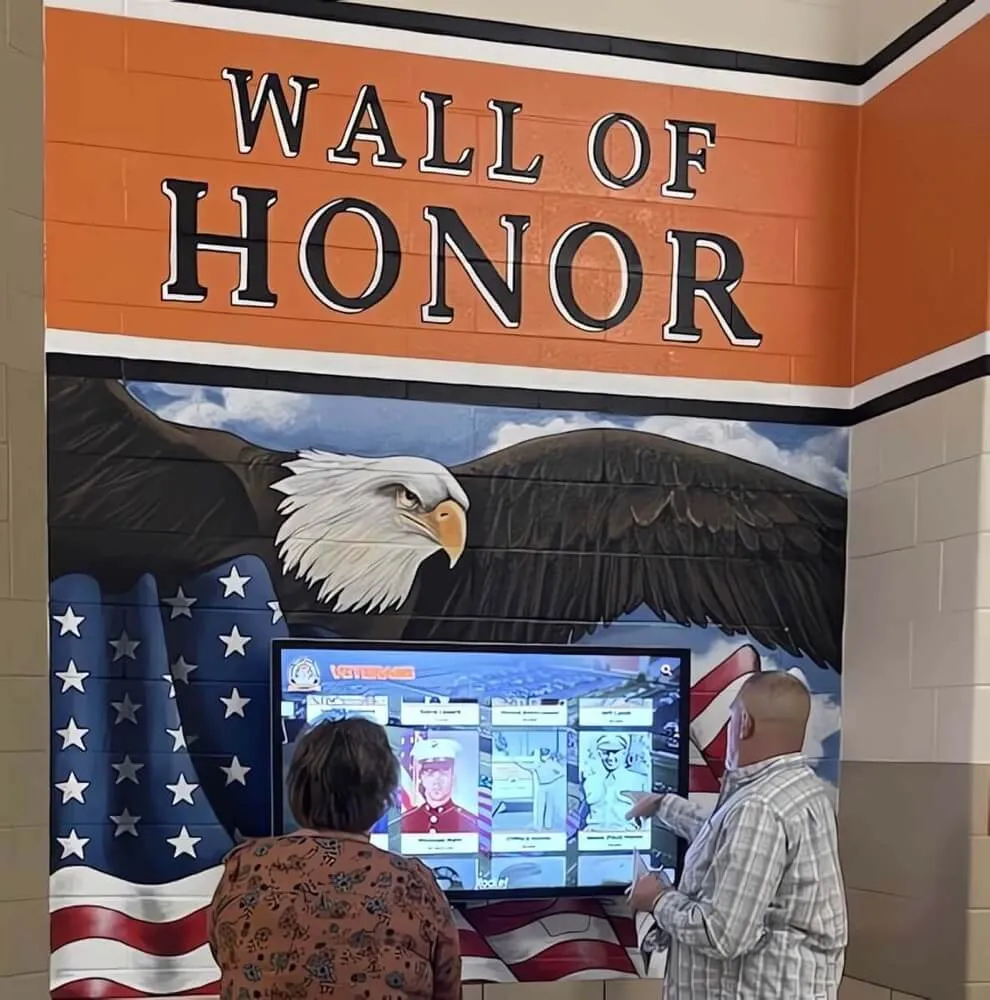
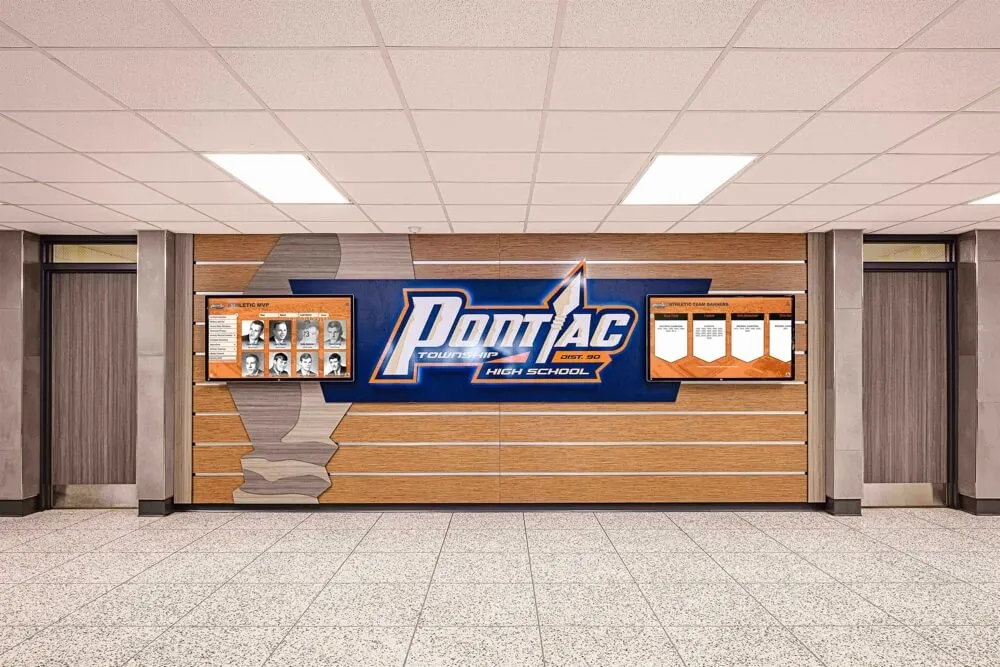
Dedicated recognition spaces honor athletic achievements while creating environments celebrating program-wide excellence
Digital and Website Presence
Modern visibility increasingly depends on digital platforms where equity can be easier to achieve than with physical space constraints.
Athletic Website Content Equity
Evaluate your school’s athletic website systematically:
- Does every sport have a dedicated page with equivalent information depth?
- Are schedules, rosters, and results maintained equally for all programs?
- Do all sports receive equivalent photo galleries and media coverage?
- Are coach profiles and contact information complete for all sports?
- Is historical information (records, past results, alumni highlights) available for all sports?
Many schools maintain extensive content for high-profile sports while leaving other sports’ pages minimal or outdated—easily measurable through simple content audits.
Social Media Equity Analysis
Conduct quantitative social media equity assessments:
Measurement Framework
Track for one complete season across all sports: number of posts per sport, engagement rates (likes, comments, shares) by sport content, featured athlete spotlights by sport, and video content distribution across programs.
Calculate simple metrics like posts per athlete or posts per team by sport. Disparities often surprise administrators who believe coverage is more balanced than data reveals.
Record Boards and Statistics Tracking
Digital record boards solve traditional equity challenges:
- Do all sports have equally accessible record documentation?
- Are individual achievement records maintained as thoroughly as team records?
- Can student-athletes, families, and community easily discover records for all sports?
Traditional painted record boards require permanent space and expensive updates. Digital solutions enable comprehensive record tracking for all sports without space limitations or update costs.
Learn about digital record boards for high schools providing equitable recognition infrastructure.
Student-Athlete Recognition and Awards
How schools celebrate individual student-athletes reveals much about equity culture.
Awards and Honors Programs
Assess recognition program equity:
- Are end-of-season awards ceremonies of comparable quality and visibility across sports?
- Do all sports receive equal consideration for school-wide athletic awards?
- Are academic-athletic honors tracked and celebrated equally across programs?
- Do senior recognition opportunities exist equitably for all sports?
College Recruitment and Commitment Recognition
Many schools now celebrate college athletic commitments through special events and displays:
- Are all sports’ college commitments celebrated equally regardless of division level or sport profile?
- Do recognition displays include all sports, or primarily football and basketball?
- Is recruiting support (video production, statistics, communication) available equitably?
Explore approaches to college commitment recognition that celebrate all student-athletes fairly.
All-Conference, All-State, and Special Recognition
When student-athletes earn external recognition:
- Are achievements celebrated publicly regardless of sport?
- Do display systems include all-conference and all-state honorees from all programs?
- Are these achievements incorporated into permanent recognition systems?
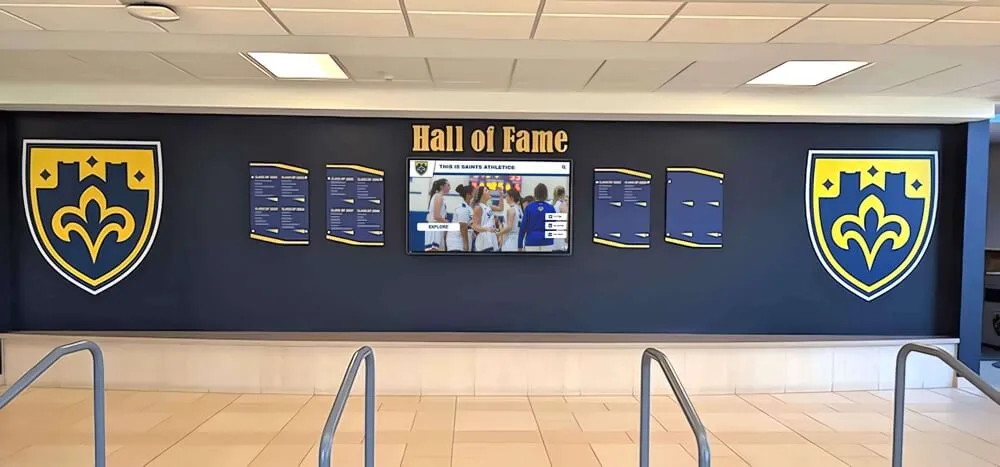
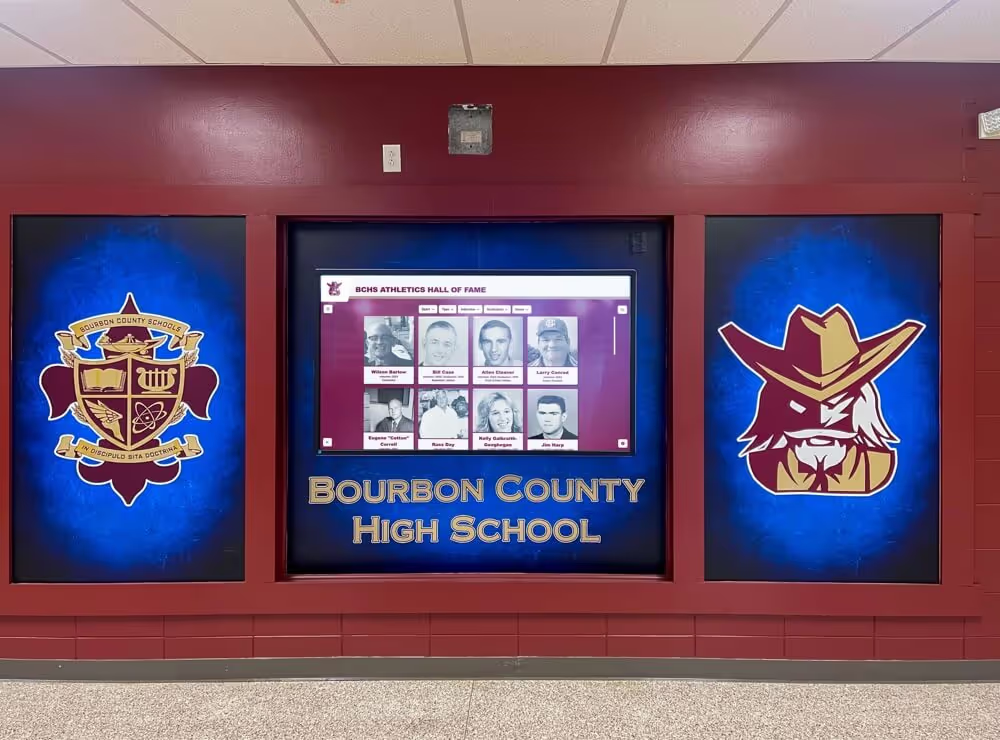
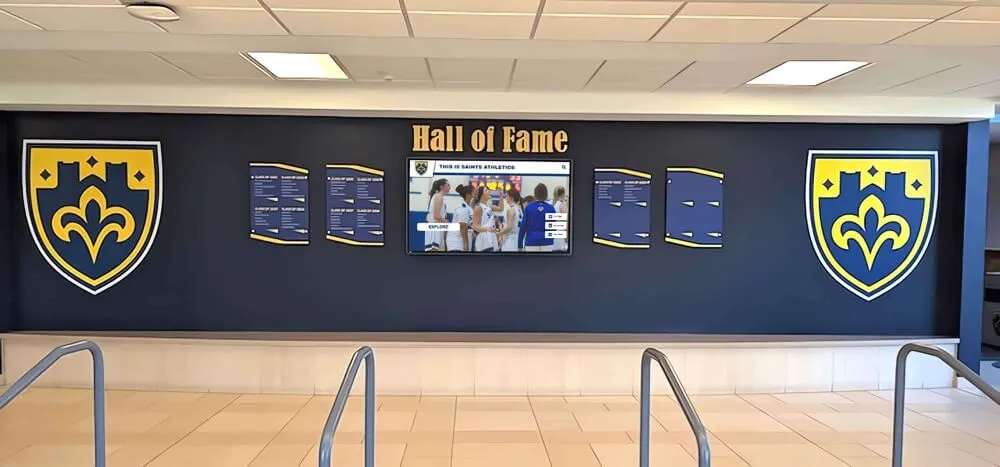
Modern recognition systems honor athletic traditions while providing flexible platforms celebrating all sports equitably
Common Equity Gaps and Their Impact
Understanding typical patterns of inequity helps schools recognize issues they may have normalized or overlooked.
The “Revenue Sport” Justification Problem
Many schools justify equity gaps by arguing that football and basketball generate revenue supporting other programs, therefore deserving preferential recognition and resources.
Why This Reasoning Creates Problems
This logic creates several harmful dynamics including demoralizing student-athletes in “non-revenue” sports who work equally hard, discouraging participation in non-revenue sports affecting program growth, establishing cultural hierarchies that undermine team unity and school spirit, and potentially violating Title IX equal treatment requirements regardless of revenue generation.
Title IX explicitly prohibits different treatment based on revenue generation or community interest. According to the U.S. Department of Education, “the interest level of students and spectators in a particular sport and the revenue it produces are not relevant to Title IX compliance.”
The Visibility Cycle Problem
Recognition inequity becomes self-perpetuating through what might be called the “visibility cycle”:
- Certain sports receive prominent recognition and media coverage
- This visibility attracts more community attention and support
- Increased attention generates more accomplishments to recognize
- Additional achievements justify more recognition, continuing the cycle
Meanwhile, less visible sports struggle to attract athletes, generate community support, or receive recognition—creating downward spirals where promising programs never reach potential due to lack of visibility and support.
Breaking the Cycle
Consciously equitable recognition disrupts these patterns by giving all programs baseline visibility regardless of current success or community interest, enabling less visible sports to build momentum and support.
The Historical Momentum Problem
Many recognition inequities result from historical patterns rather than conscious current decisions. Football dominated displays for decades, and inertia maintains that dominance even when schools genuinely commit to equity.
Addressing Historical Imbalances
Creating equity requires actively addressing historical imbalances through comprehensive recognition system redesigns that reset baseline visibility, intentional over-recognition of previously underrepresented sports during transition periods, and systematic historical content development ensuring all programs’ legacies are preserved and visible.
Digital recognition platforms make this historical rebalancing practical by eliminating space constraints that previously forced continued prioritization of already-prominent sports.
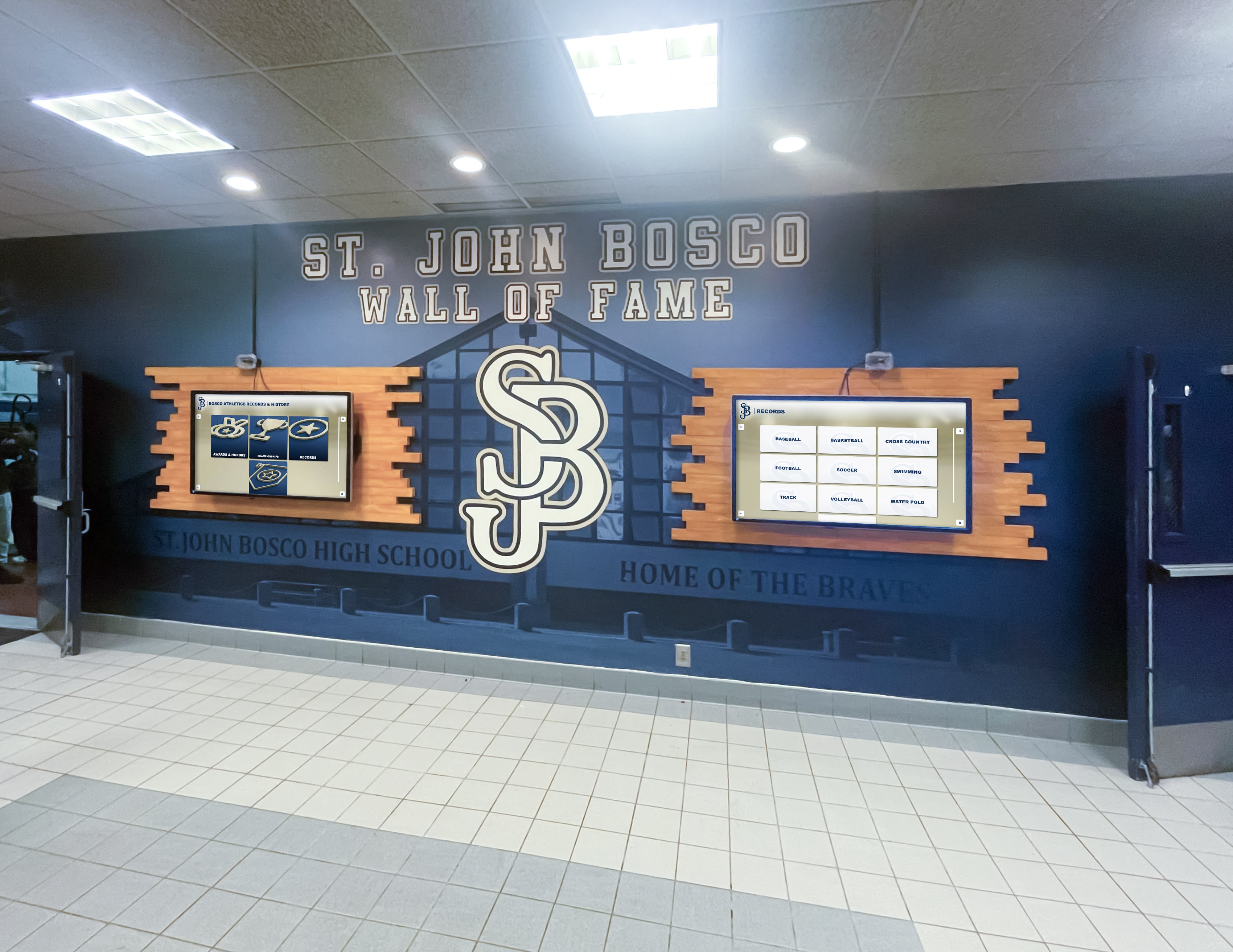
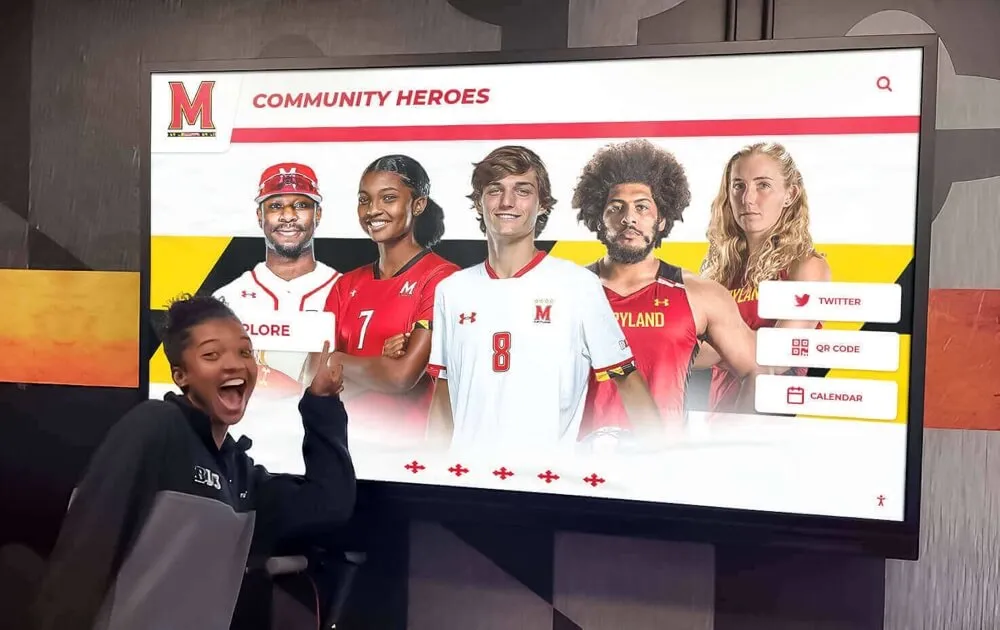
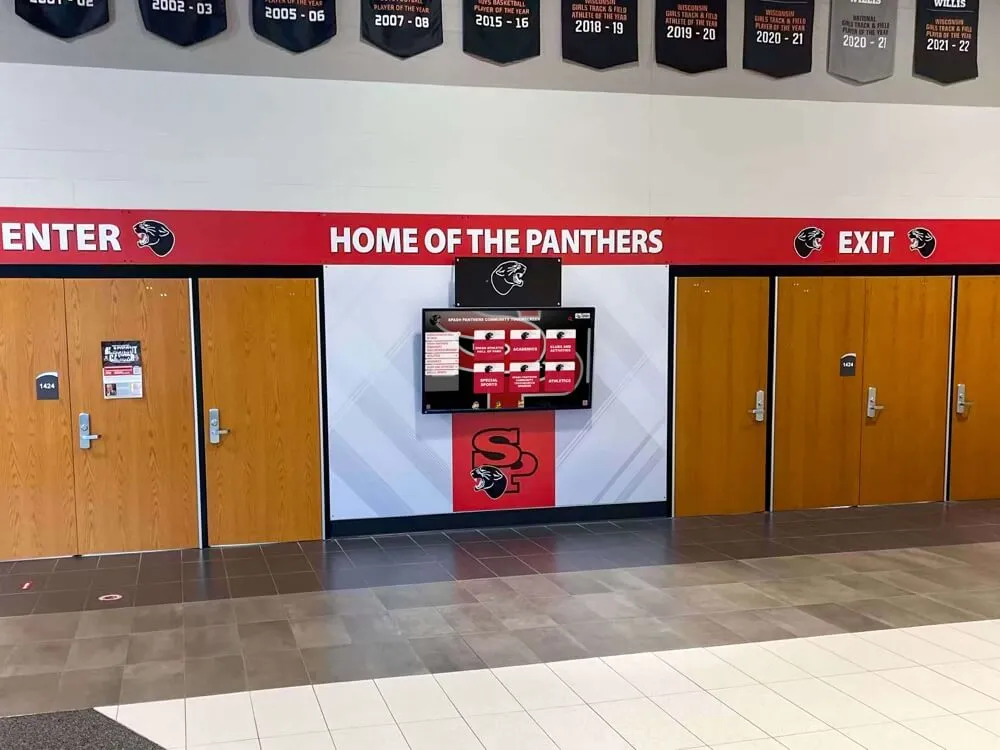
Multiple coordinated displays enable simultaneous recognition of diverse athletic programs and achievements
Solutions for Creating Equitable Athletics Visibility
Identifying inequities is only the first step. Implementing practical solutions transforms awareness into meaningful change benefiting all student-athletes.
Digital Recognition Systems: The Equity Game-Changer
Traditional physical recognition creates zero-sum scenarios where recognizing one achievement means less space for others. Digital systems fundamentally change this dynamic.
How Digital Recognition Enables Equity
Digital recognition platforms solve traditional equity challenges through unlimited capacity eliminating forced prioritization, equal showcase potential for every sport and achievement, easy updateability ensuring all programs stay current, comprehensive historical archives preserving all programs’ legacies, and data-driven management enabling equity monitoring and adjustment.
Digital recognition systems like Rocket Alumni Solutions provide unlimited capacity that eliminates the difficult conversations about which sports deserve limited trophy case space—every sport receives equivalent digital recognition opportunity.
Comprehensive Multi-Sport Recognition
Digital platforms enable sophisticated recognition approaches including sport-specific sections with equivalent depth for each program, seasonal rotations ensuring all seasons receive featured visibility during their competitive periods, achievement-based highlighting automatically featuring recent accomplishments regardless of sport, searchable databases enabling personalized exploration by sport, athlete, or achievement type, and alumni connections maintaining engagement across all sports and graduation years.
These capabilities create recognition environments where cross country runners, tennis players, and swimmers receive the same comprehensive celebration as football and basketball players—fundamentally shifting program culture toward genuine equity.
Learn about implementation strategies in state championships display guide covering multi-sport recognition.
Policy and Procedure Solutions
Technology alone cannot ensure equity without supporting policies and procedures institutionalizing fair treatment.
Recognition Policy Development
Create written recognition policies establishing standards:
Essential Policy Elements
- Recognition criteria applicable equally to all sports
- Minimum recognition guaranteed for every program
- Processes for updating physical and digital recognition
- Responsibilities and timelines for recognition management
- Annual equity assessment requirements
- Community input mechanisms ensuring all voices are heard
Written policies prevent equity from depending on individual administrators’ priorities, creating institutional commitments surviving staff changes.
Equity Committee Structure
Many schools establish Athletics Equity Committees charged with monitoring equity across all programs and making recommendations:
Effective Committee Composition
- Athletic director or administrator
- Coaches representing different sports and seasons
- Student-athlete representatives from diverse programs
- Parent representatives
- Title IX coordinator
- Community members
Regular equity assessments by diverse committees identify issues that might otherwise go unnoticed by administrators immersed in day-to-day operations.
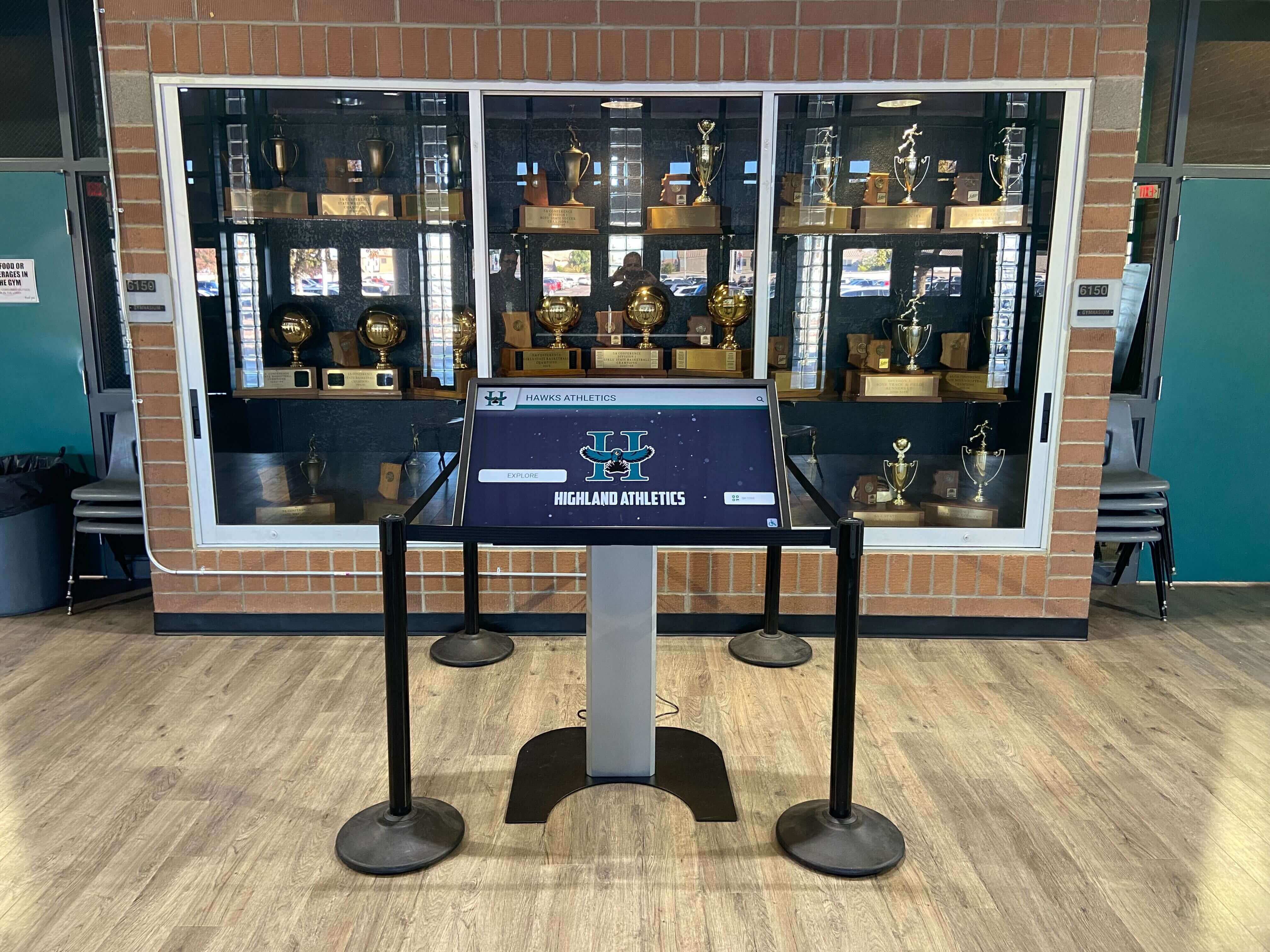
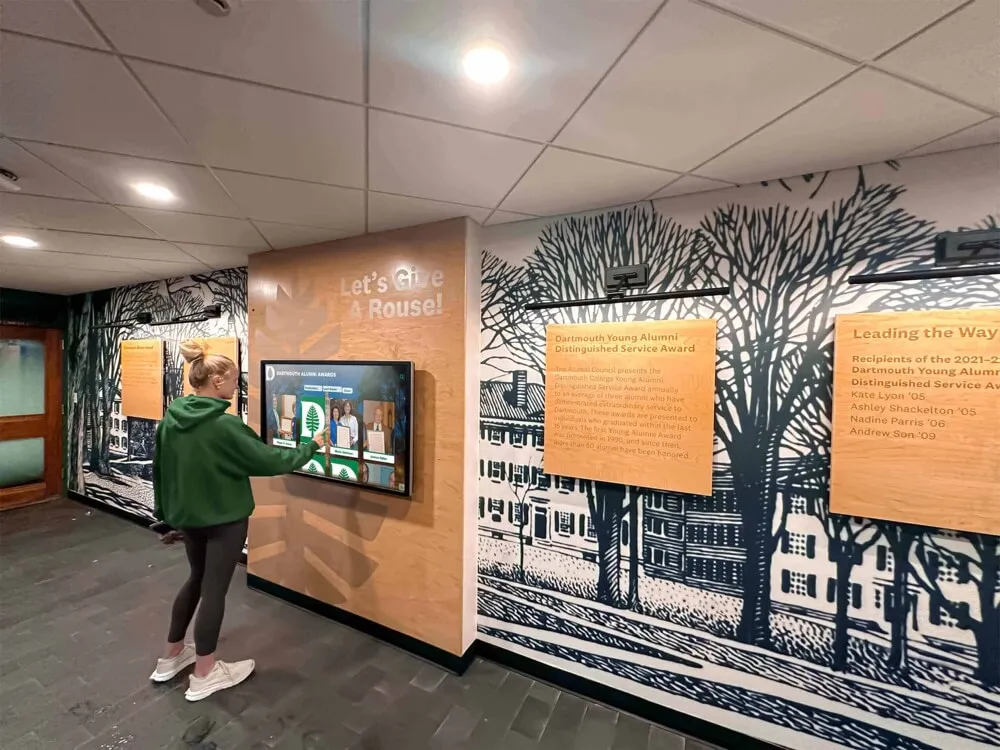
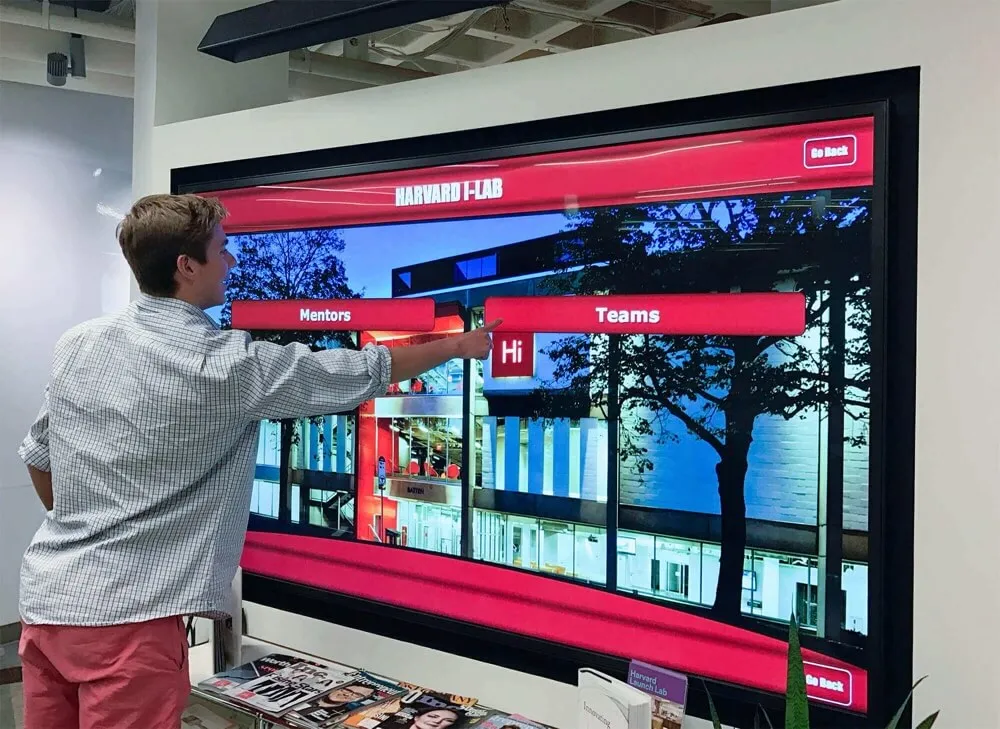
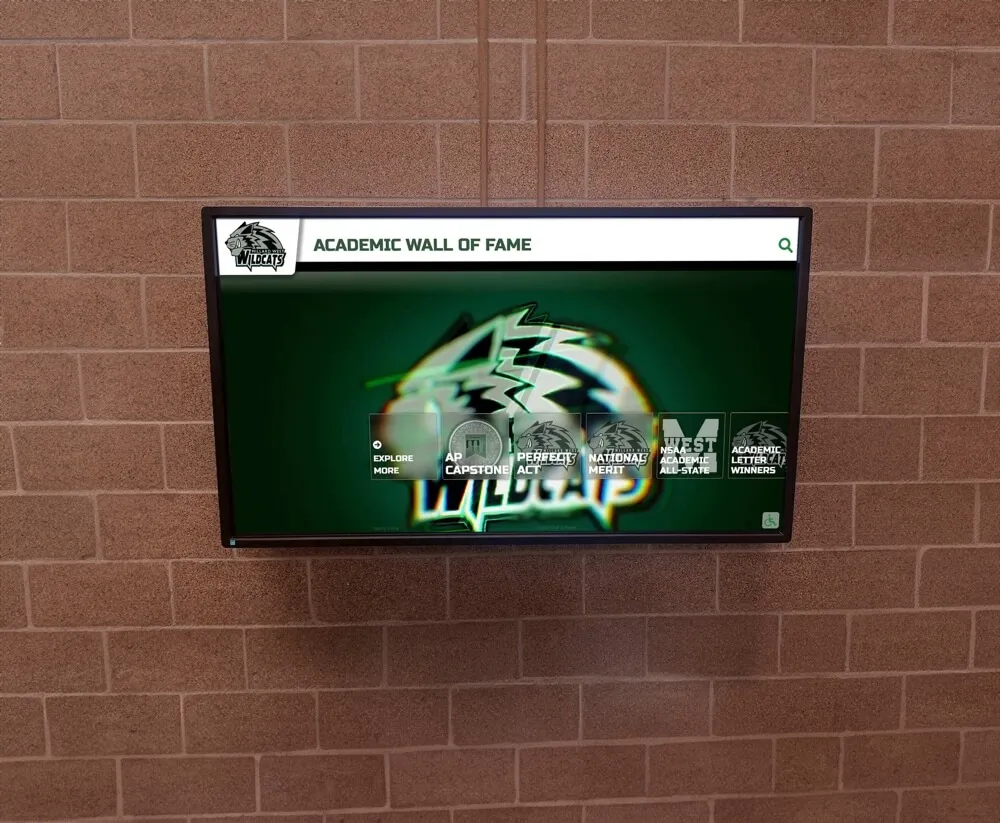
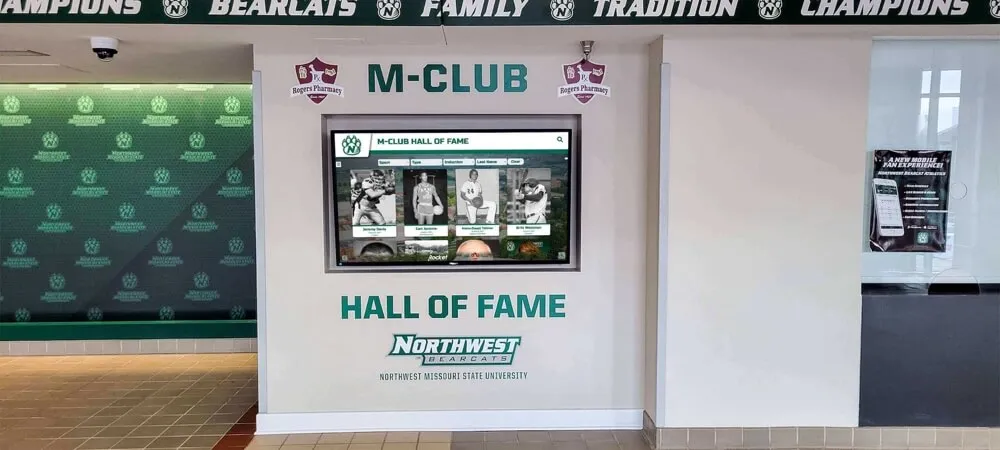
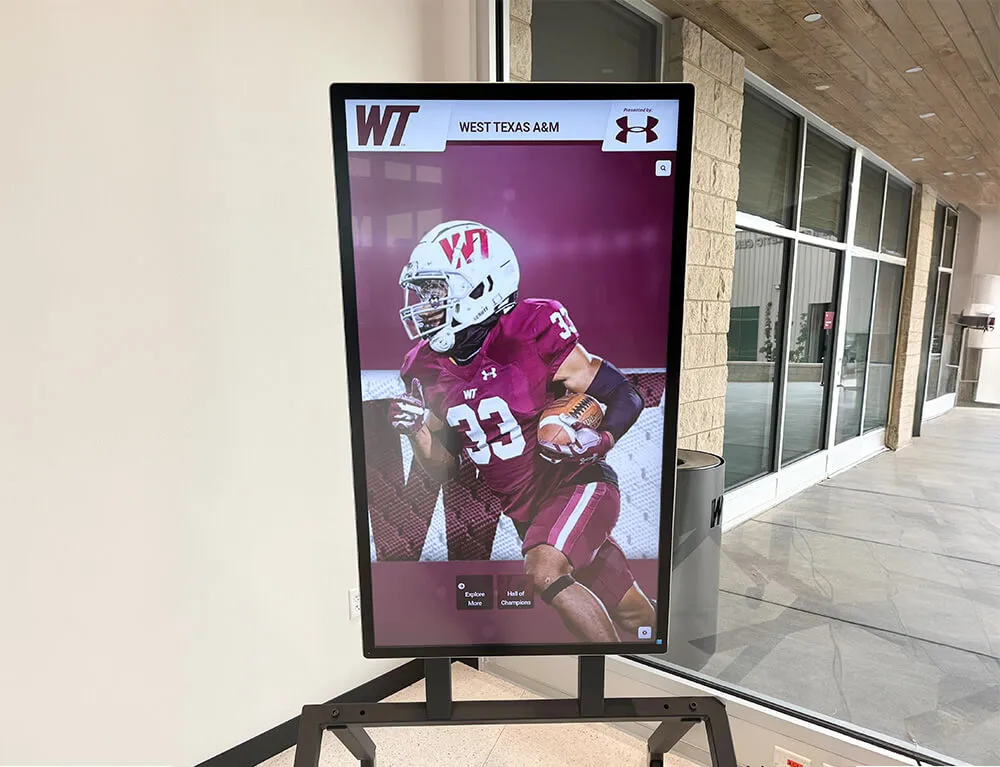
Kiosk-style digital recognition complements traditional trophy cases while expanding capacity and accessibility
Content Creation and Media Production Equity
Visibility equity requires equitable content creation supporting all programs’ recognition and promotion.
Systematic Media Coverage Protocols
Implement structured approaches ensuring all sports receive baseline coverage:
Media Coverage Framework
- Minimum post frequency per sport per week during season
- Photo coverage rotation ensuring all sports receive game photography
- Feature story requirements spotlighting athletes from all programs
- Video content quotas distributing production resources fairly
- End-of-season recap requirements for every team
- College commitment announcement standards for all sports
These systematic approaches prevent coverage from gravitating only toward popular sports or personally familiar programs.
Student Media Team Development
Many schools address resource limitations through student media teams:
- Student photographers assigned to all sports
- Student journalists covering all programs for school media
- Video production students creating content across all sports
- Social media teams with sport assignments ensuring coverage balance
Student media teams provide learning opportunities while building coverage capacity that professional staff alone cannot achieve. This approach also creates authentic peer-to-peer content often more engaging for student audiences than official institutional communications.
Explore comprehensive approaches in fan experience centers for athletic programs though focused on higher levels, with principles applicable to high schools.
Budget and Resource Allocation Reviews
Visibility equity often requires addressing underlying resource inequities enabling programs to achieve recognition-worthy results.
Transparent Budget Processes
Make athletic budget allocation visible and defensible:
- Published budget breakdowns by sport showing resource distribution
- Per-athlete spending calculations revealing equity patterns
- Needs-based allocation formulas accounting for sport-specific requirements
- Regular budget reviews assessing equity across all program areas
- Stakeholder input processes allowing all programs to advocate for needs
Transparency itself often drives equity improvements as published data makes disparities visible and defensible reasoning required.
Progressive Equity Investment
Address historical imbalances through intentional catch-up investment:
- Multi-year plans targeting resource gaps in underserved sports
- Equipment and facility improvement priorities for programs with greatest needs
- Coaching support enhancements for sports with inadequate staffing
- Startup support for new or emerging sports responding to student interest
These progressive approaches acknowledge that achieving equity may require intentionally disproportionate investment in previously underserved programs rather than simply equal ongoing allocation.
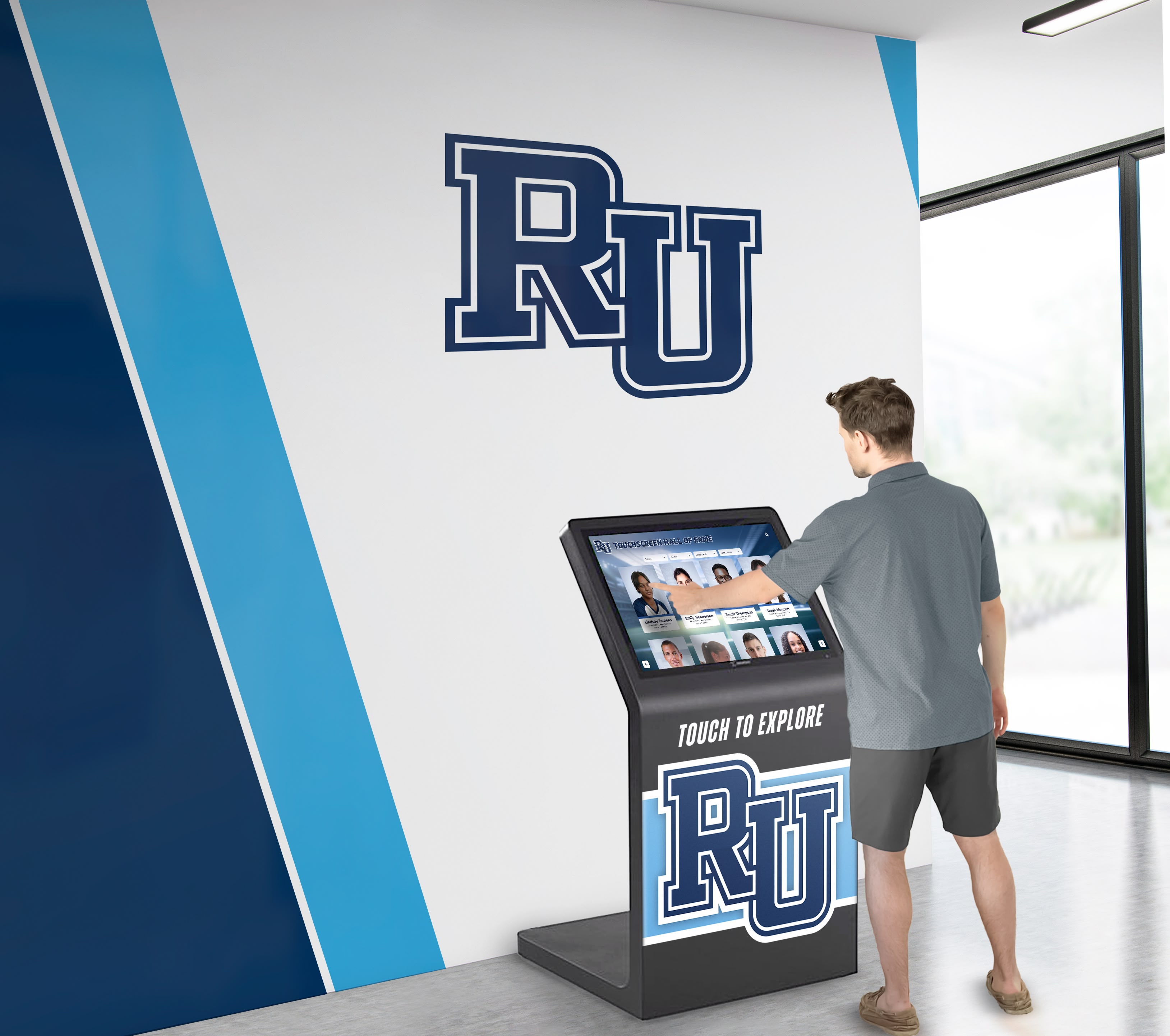
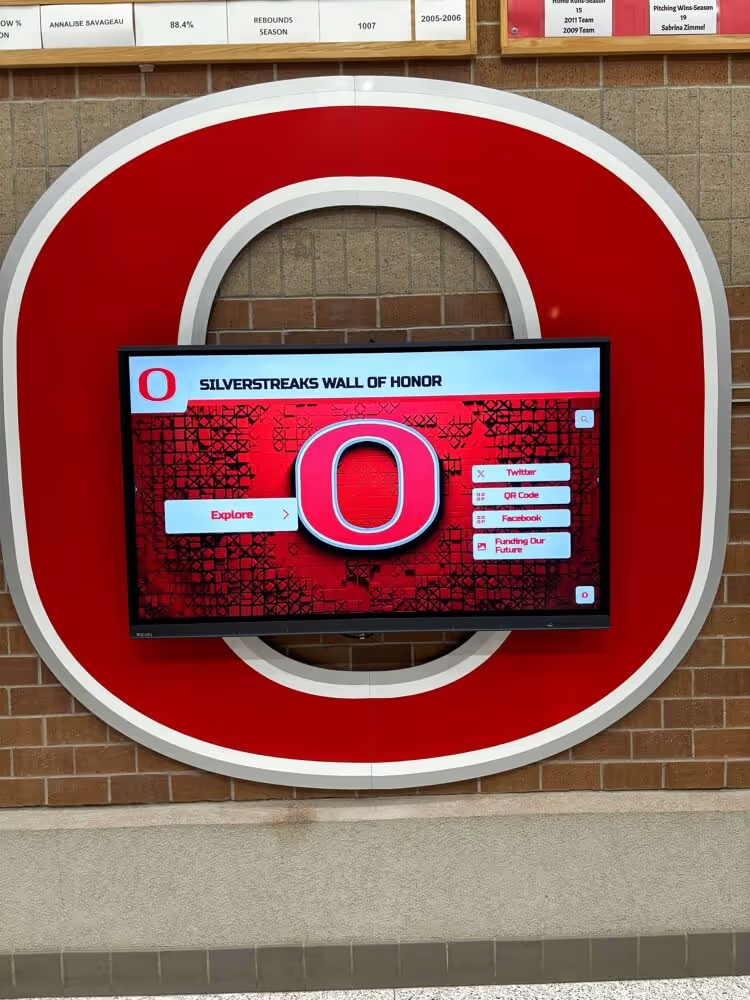
Strategic placement of recognition systems in high-traffic areas ensures all student-athletes receive visibility and celebration
Measuring Progress and Maintaining Accountability
Creating initial equity improvements is valuable, but sustained equity requires ongoing monitoring and accountability.
Quantitative Equity Metrics
Establish measurable indicators enabling objective equity assessment:
Recognition Visibility Metrics
- Physical display square footage by sport
- Digital recognition content volume (profiles, photos, videos) by sport
- Social media posts per sport during season
- Website page views by sport section
- Trophy case visibility scoring by location and prominence
Resource Equity Metrics
- Budget allocation per athlete by sport
- Coaching compensation per athlete by sport
- Practice time allocation during peak vs. off-peak hours
- Facility quality and access ratings
- Equipment and uniform budget per athlete
Participation and Interest Metrics
- Participation rates by sport and gender
- Roster sizes relative to student interest
- Retention rates from year to year by sport
- Interest survey responses about sports offerings
Track these metrics annually, identifying trends and areas requiring attention before small disparities become significant problems.
Qualitative Assessment and Stakeholder Input
Numbers provide important objective measures, but qualitative feedback reveals equity issues that statistics might miss.
Student-Athlete Surveys
Regular confidential surveys asking student-athletes about their experiences:
- Do you feel your sport receives recognition equal to other sports?
- Are resources (facilities, equipment, coaching) adequate for your sport?
- Does school communication cover your sport fairly?
- Do you feel valued and celebrated for your athletic achievements?
- What would improve equity in the athletic program?
These direct questions from student-athletes themselves—the stakeholders most affected by equity issues—provide invaluable perspective that administrators might not otherwise obtain.
Coach and Staff Feedback
Coaches have unique perspectives on resource and recognition equity:
- Regular coach meetings discussing equity concerns
- Anonymous feedback mechanisms enabling honest communication
- Exit interviews with departing coaches identifying systemic issues
- Cross-sport coach collaboration building equity culture
Family and Community Input
Parents and community members notice equity issues from external perspectives:
- Family surveys during or after seasons
- Booster club discussions across all sports
- Community forums addressing athletic program equity
- Alumni feedback on historical program treatment
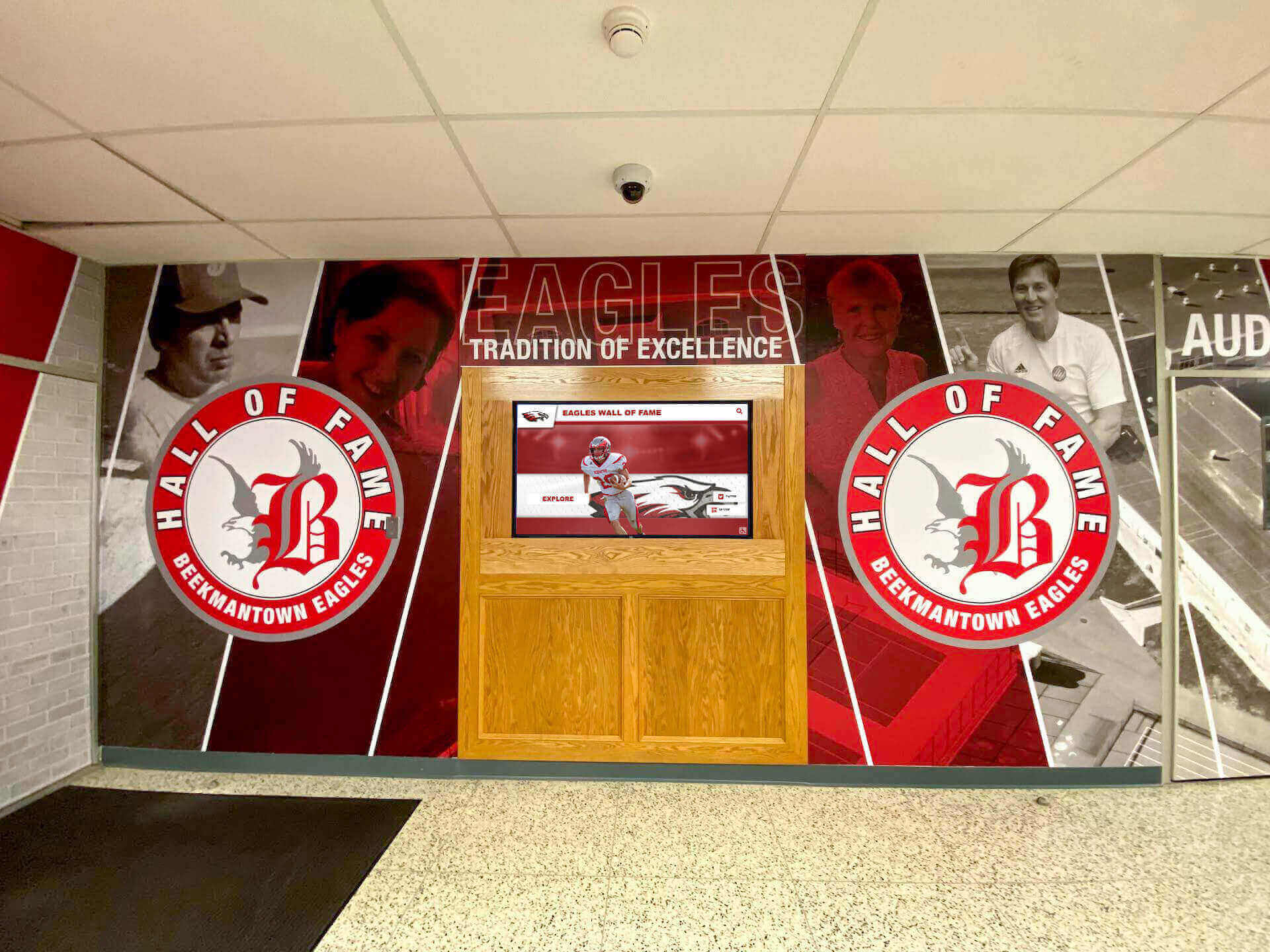
Prominent entrance recognition demonstrates institutional commitment to celebrating athletic excellence across all programs
Legal Compliance and Risk Mitigation
Beyond moral and cultural benefits, athletics equity carries legal implications requiring attention.
Title IX Compliance Requirements
Understanding Title IX requirements helps schools avoid complaints and potential enforcement actions.
Common Title IX Athletics Issues
The U.S. Department of Education Office for Civil Rights investigates numerous athletics complaints. Common issues include unequal access to facilities or practice times, disproportionate equipment and supply quality, unequal publicity and promotion, disparate coaching quality and compensation, and insufficient participation opportunities for the underrepresented gender.
Proactive equity assessment and remediation prevents complaints while ensuring all student-athletes receive fair treatment under federal law.
Self-Assessment and Correction
The National Federation of State High School Associations recommends proactive Title IX self-audits as protective measures. Regular self-assessment enables schools to identify and address issues before they become formal complaints or investigations.
According to the NFHS, conducting self-audits demonstrates good faith efforts at compliance and positions schools to address issues proactively rather than reactively under investigation.
Documentation and Records
Maintaining appropriate documentation supports equity efforts and provides evidence of compliance if questioned:
Essential Documentation
- Participation numbers by sport and gender
- Budget allocations across all sports
- Facility and scheduling documentation
- Coaching and staff compensation records
- Equipment and uniform purchase records
- Recognition and publicity records (posts, announcements, displays)
- Interest surveys and student input
- Equity committee meeting minutes and recommendations
- Corrective action plans and implementation tracking
This documentation serves dual purposes: guiding internal equity efforts while providing evidence of compliance and good faith should questions arise.
Building a Culture of Comprehensive Athletic Equity
Sustainable equity requires more than policies and systems—it demands cultural shifts in how schools value and celebrate all athletic programs.
Leadership Commitment and Communication
Athletic equity begins with clear leadership commitment communicated consistently throughout the organization.
Establishing Equity as Core Value
Athletic directors and school leaders should articulate equity commitment explicitly:
- Including equity in published athletic department mission and values
- Regularly communicating equity priorities in coach meetings and staff communications
- Making equity a criterion in coaching evaluations and hiring decisions
- Celebrating equity improvements publicly as program achievements
- Addressing equity issues promptly and transparently when they arise
This explicit leadership commitment signals to all stakeholders—coaches, athletes, families, community—that equity matters institutionally, not just rhetorically.
Cross-Sport Community Building
Equity culture strengthens when athletes from different sports see themselves as one athletic community rather than competing programs:
Unity-Building Initiatives
- Multi-sport pep rallies and recognition events
- Cross-sport athlete leadership councils
- Shared team-building and community service activities
- Combined social media campaigns celebrating all programs
- Senior athlete recognition across all sports simultaneously
- Alumni events including athletes from all sports and eras
These initiatives build recognition that all athletes work equally hard, make similar sacrifices, and deserve equivalent celebration—creating peer-to-peer equity advocacy more powerful than top-down policy directives.
Explore community-building approaches in homecoming festivities guide creating inclusive athletic celebrations.
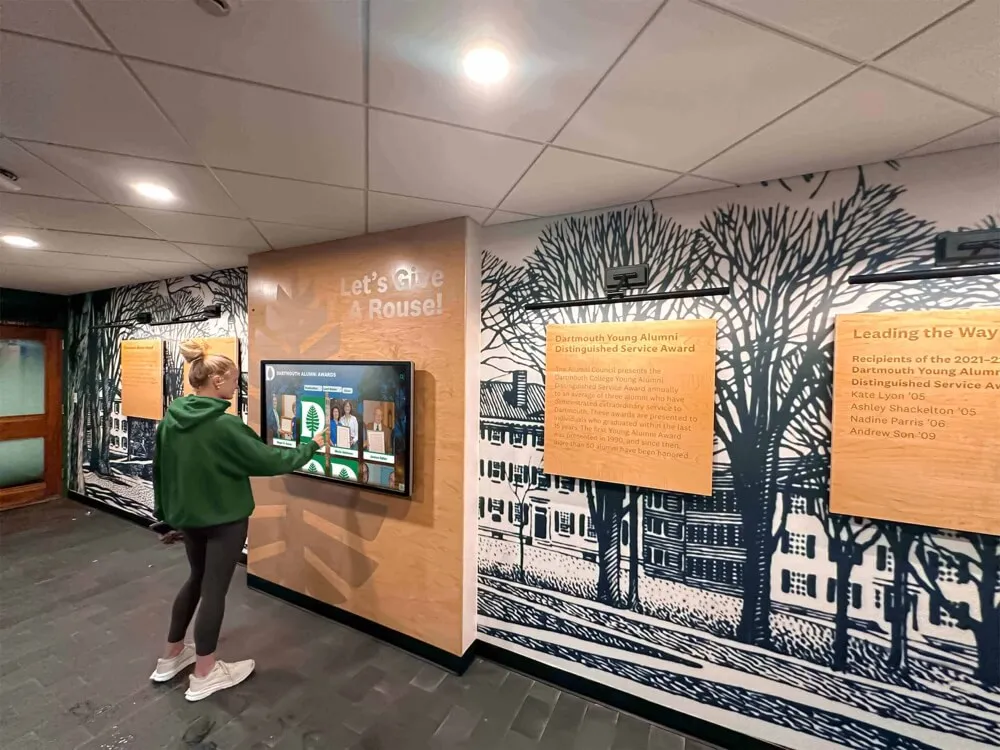
Alumni recognition systems extending beyond current students create lasting visibility for athletes from all sports and eras
Conclusion: Every Student-Athlete Deserves Recognition
Athletics equity isn’t about diminishing recognition for successful high-profile programs—it’s about ensuring that every student-athlete who dedicates countless hours to training, competition, and representing their school receives appropriate visibility and celebration regardless of sport popularity, gender, or season.
Student-athletes in less visible sports work just as hard, make equivalent sacrifices, and deserve recognition honoring their commitment and achievements. When schools create genuinely equitable recognition and visibility, they build athletic programs where all students feel valued, program culture strengthens across all sports, participation increases as diverse students see themselves represented, recruitment improves as prospective athletes see comprehensive program support, and community pride expands beyond traditional sports to embrace full athletic excellence.
Create Equitable Recognition for All Your Athletic Programs
Discover how digital recognition solutions enable unlimited, equitable visibility for every sport, season, and student-athlete in your program. Rocket Alumni Solutions provides comprehensive platforms designed specifically for creating fair, engaging athletic recognition that celebrates all achievements.
Explore Recognition SolutionsThe practical checklist, assessment frameworks, and solutions outlined in this comprehensive guide provide athletic departments with concrete tools for evaluating current equity, identifying gaps, and implementing systematic improvements creating recognition environments where every student-athlete feels appropriately celebrated and valued.
Whether addressing historical imbalances, implementing new recognition technologies, establishing equity policies, or building cross-program community, progress begins with honest assessment and institutional commitment to ensuring all sports receive the visibility they deserve. Every student-athlete putting on your school’s uniform earns the right to recognition honoring their dedication—regardless of whether they compete in football, field hockey, wrestling, or water polo.
Start with the visibility equity checklist, gather quantitative data about current recognition patterns, seek input from student-athletes across all programs, and take actionable steps toward comprehensive equity benefiting your entire athletic community. With modern recognition technology like digital recognition displays and thoughtful policy frameworks, schools can create athletic programs where recognition truly reflects the dedication and excellence of all student-athletes—not just the most visible few.
Your commitment to athletics equity demonstrates institutional values extending far beyond sports—showing all students that achievement, dedication, and excellence receive recognition regardless of visibility, popularity, or traditional hierarchies. Build athletic programs where every student-athlete matters equally, and watch how that equity transforms not just recognition displays but your entire athletic culture and community.