



Intent: demonstrate
Gatorade Player of the Year awards represent the pinnacle of high school athletic achievement—prestigious national honors recognizing exceptional student-athletes who demonstrate excellence in sport, academics, and character. When schools celebrate these rare distinctions through comprehensive recognition programs, they honor individual achievement while inspiring future athletes and preserving institutional legacy for generations.
Yet many athletic programs struggle with recognizing Gatorade Player of the Year recipients appropriately. Traditional approaches—championship banners that compete for limited gym wall space, physical trophies relegated to crowded display cases, recognition that disappears when facilities are renovated—fail to provide visibility proportional to these exceptional achievements. Meanwhile, the complete stories behind these honors—the dedication, training, academic excellence, and community impact that distinguish Gatorade winners—often go untold beyond brief announcements.
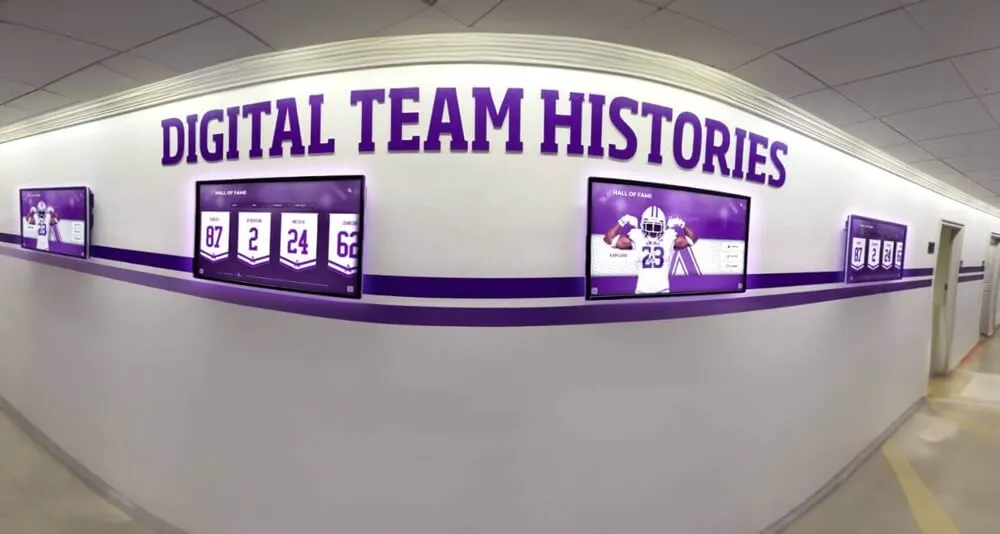
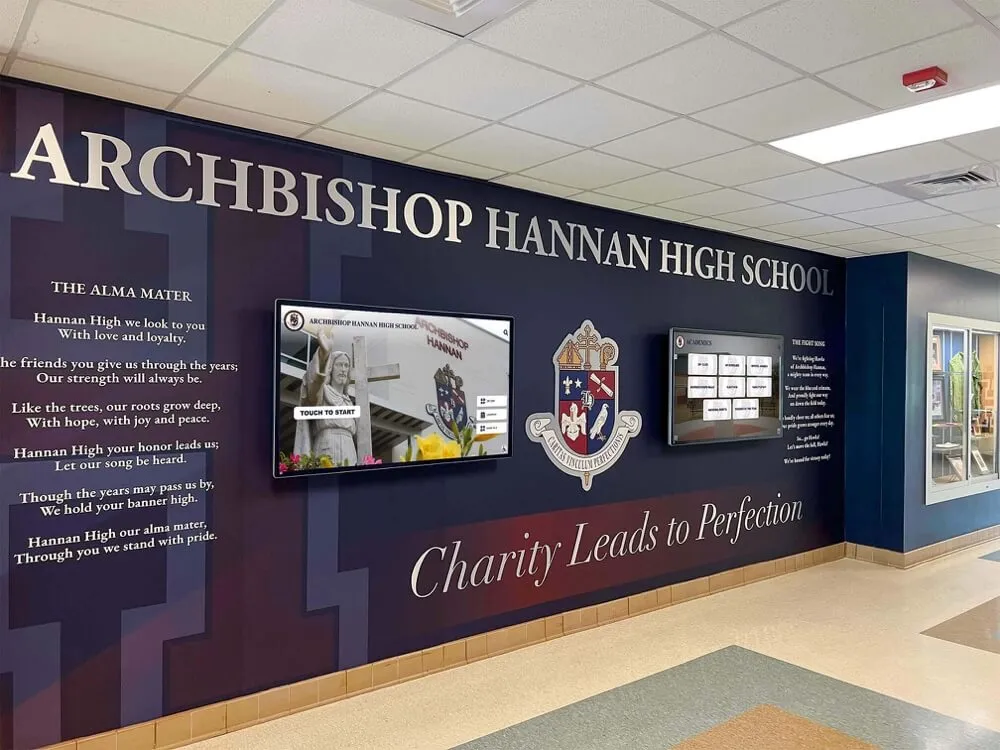
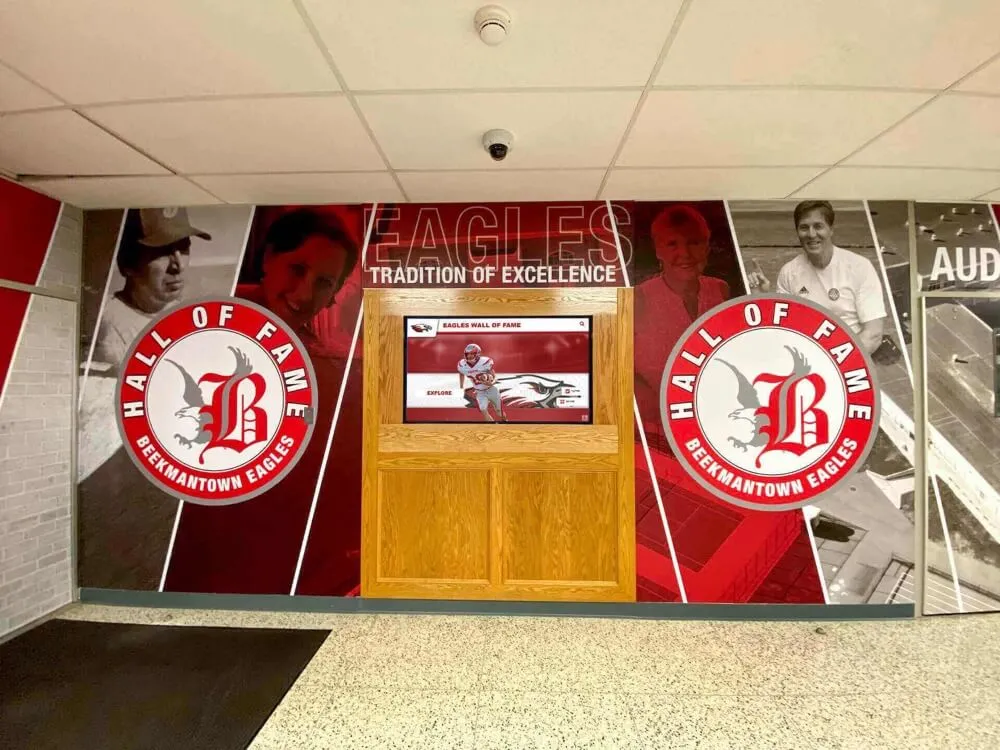
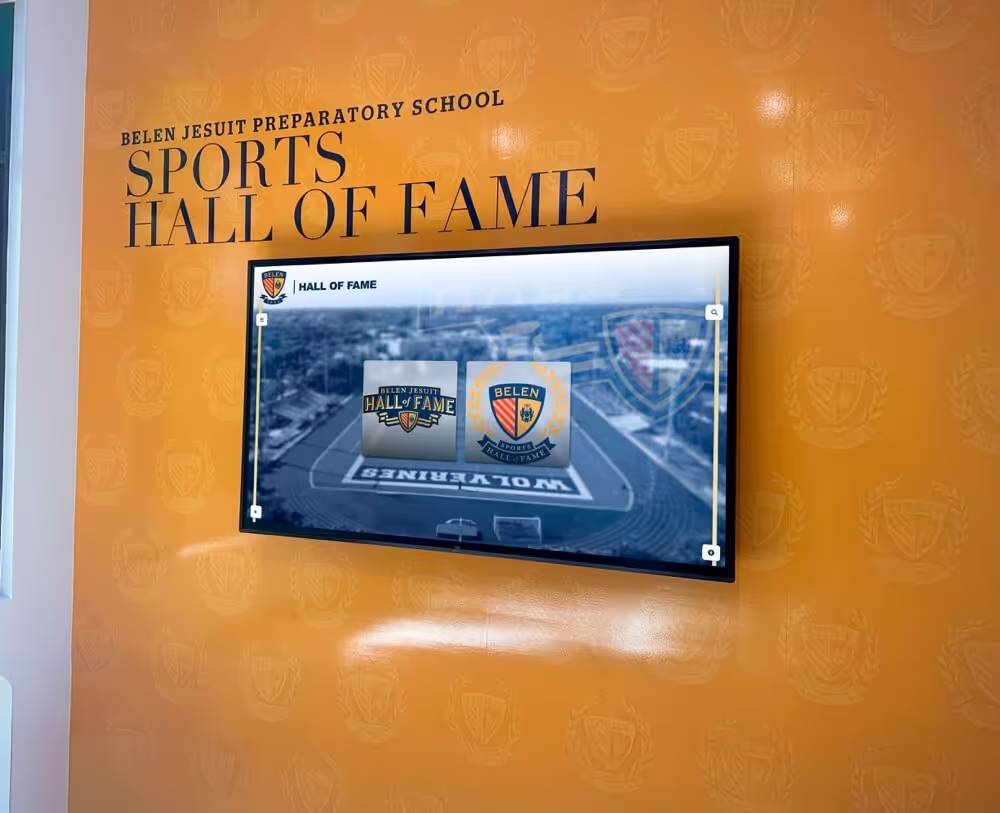
This comprehensive walkthrough demonstrates how digital recognition solutions preserve Gatorade Player of the Year legacies permanently while freeing valuable facility space. Discover visual demonstrations of platforms that archive championship banners digitally, showcase complete athlete profiles with statistics and accomplishments, enable instant updates when new recipients are named, and create lasting tributes accessible to communities long after students graduate.
Recognizing Gatorade Player of the Year recipients extends beyond displaying awards—it creates systematic approaches that celebrate complete athlete journeys, inspire current students pursuing similar excellence, and preserve program history through engaging presentations connecting past achievement to present aspirations. Schools excelling at athletic recognition ensure these prestigious national honors receive visibility and celebration commensurate with their exceptional nature.

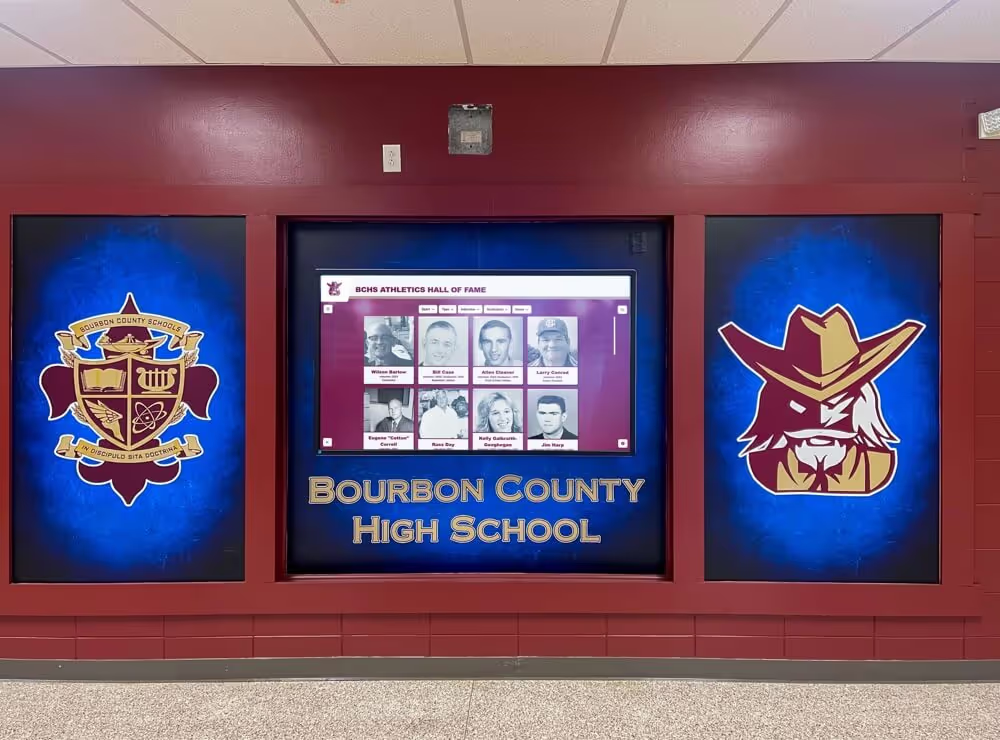
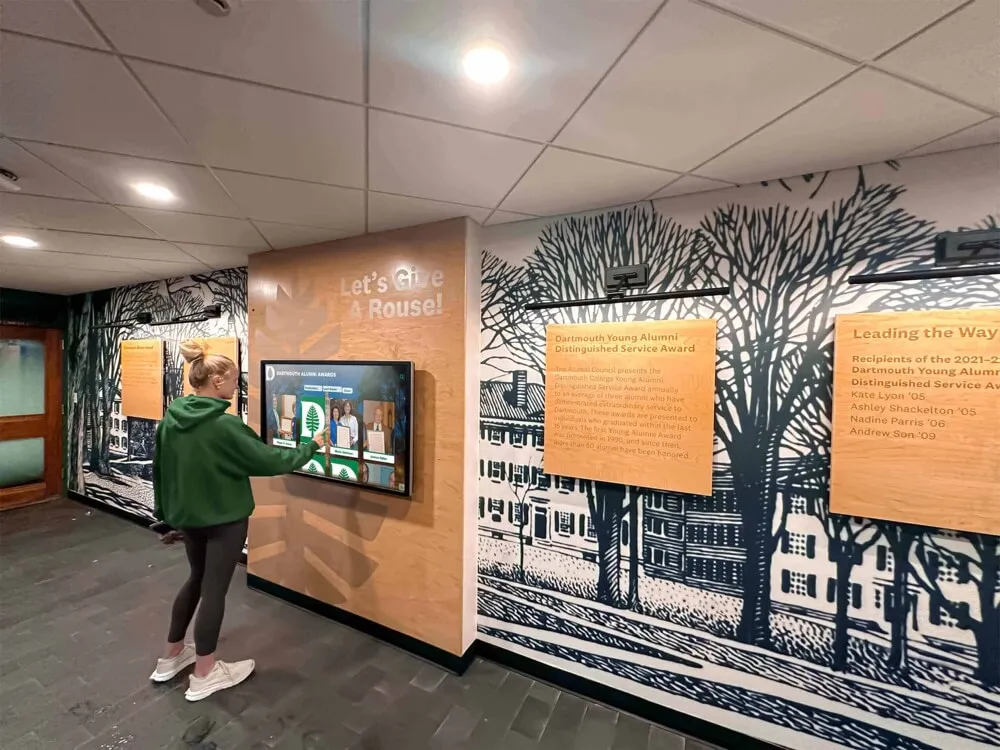
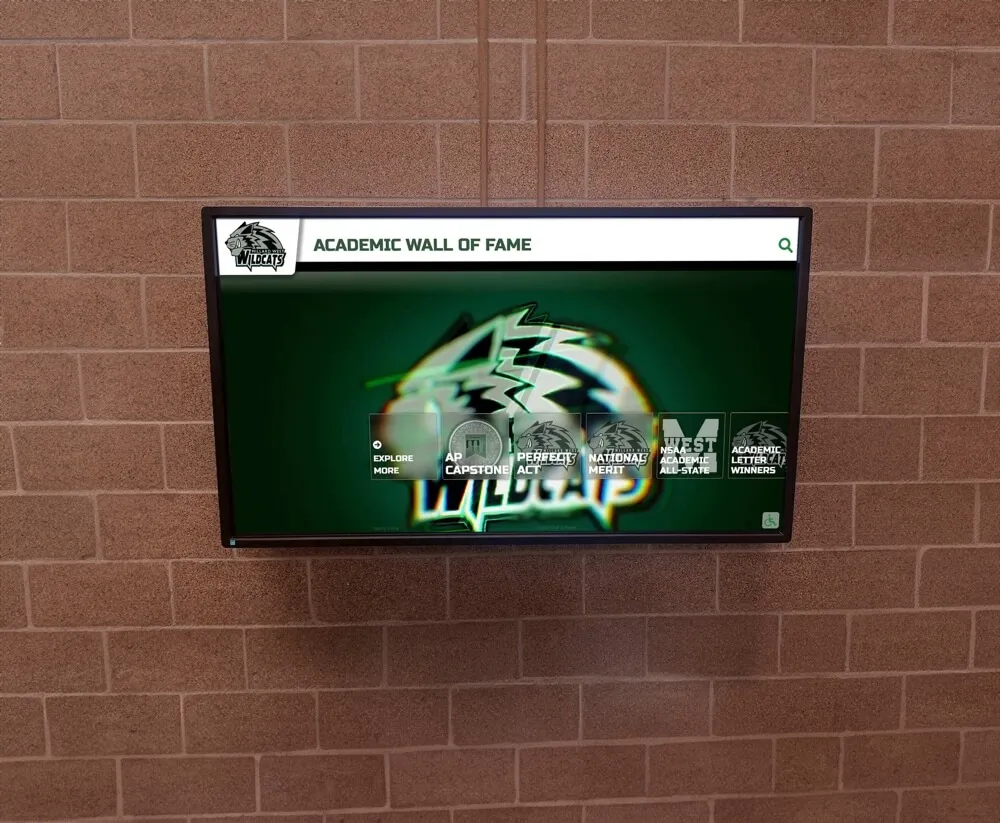
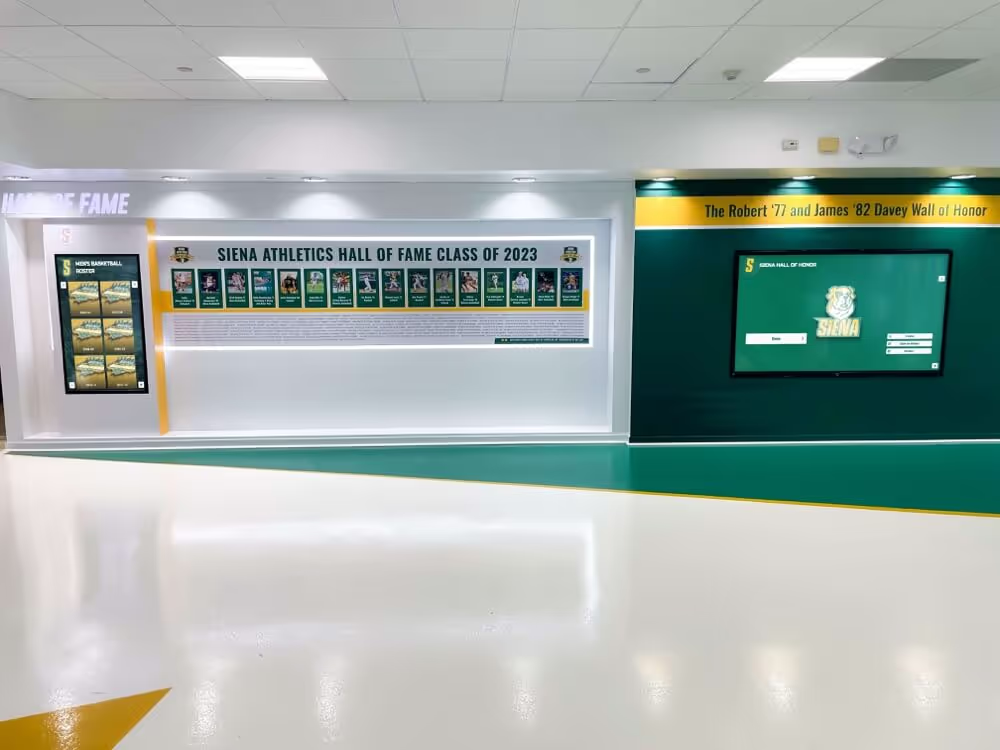
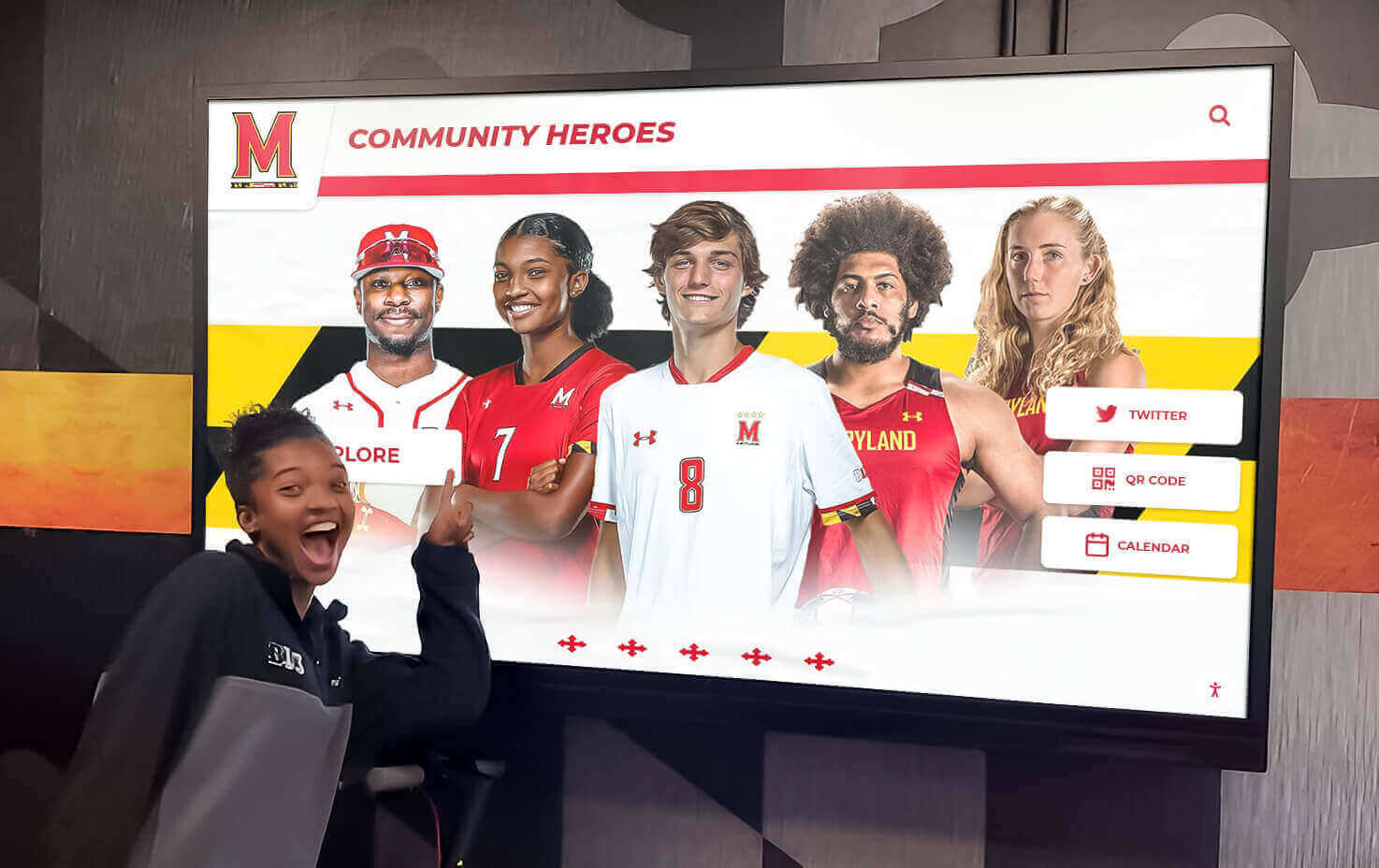
Digital displays make elite athletic achievements visible and celebrated throughout school communities
Understanding the Gatorade Player of the Year Distinction
The Gatorade Player of the Year program stands as one of the most prestigious national recognition programs for high school athletes, celebrating excellence across multiple dimensions beyond athletic performance alone.
Why Gatorade Player of the Year Awards Matter
Since 1985, the Gatorade Player of the Year program has recognized high school athletic excellence while setting standards for comprehensive student-athlete achievement that transcends sport-specific accomplishments.
National Recognition and Prestige
Gatorade Player of the Year awards represent national-level recognition in an era when most athletic honors remain regional or state-specific. The program operates in all 50 states across 12 sports, creating standardized excellence criteria while honoring the top student-athlete in each sport per state annually. This systematic approach ensures recognition extends beyond programs in traditionally competitive regions to celebrate excellence wherever it occurs.
According to the Gatorade Company, the program has recognized more than 3,900 student-athletes since inception, with past recipients including Peyton Manning, Abby Wambach, Jayson Tatum, and Karl-Anthony Towns—establishing a legacy connecting current honorees to future professional athletes and demonstrating the program’s track record identifying emerging talent.
Multi-Dimensional Excellence Criteria
Unlike purely athletic awards recognizing only sport-specific performance, Gatorade Player of the Year recognition requires excellence across three distinct areas. Athletic excellence demands standout performance earning all-state or all-American honors with statistics and achievements distinguishing recipients from peers. Academic achievement requires minimum 3.0 GPA demonstrating commitment to classroom success alongside athletic dedication. Character and community involvement evaluate leadership, volunteer service, and positive impact beyond personal accomplishments.
This comprehensive evaluation framework ensures Gatorade recipients represent complete student-athletes embodying institutional values schools work to cultivate throughout programs—making recognition particularly meaningful for educational missions extending beyond competitive success alone.
Learn about comprehensive approaches to state championship recognition displays that complement individual achievement celebrations within broader athletic recognition programs.
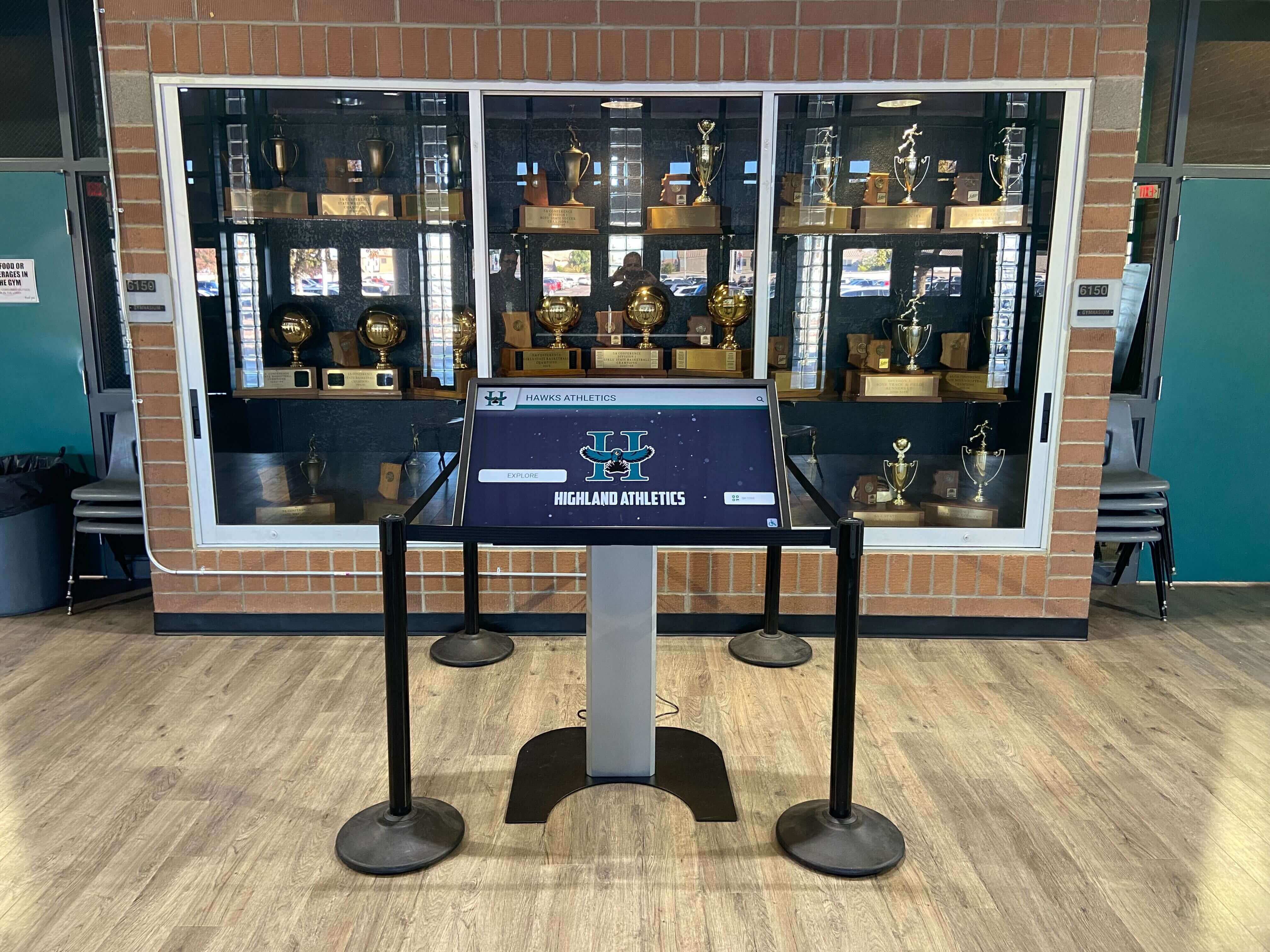
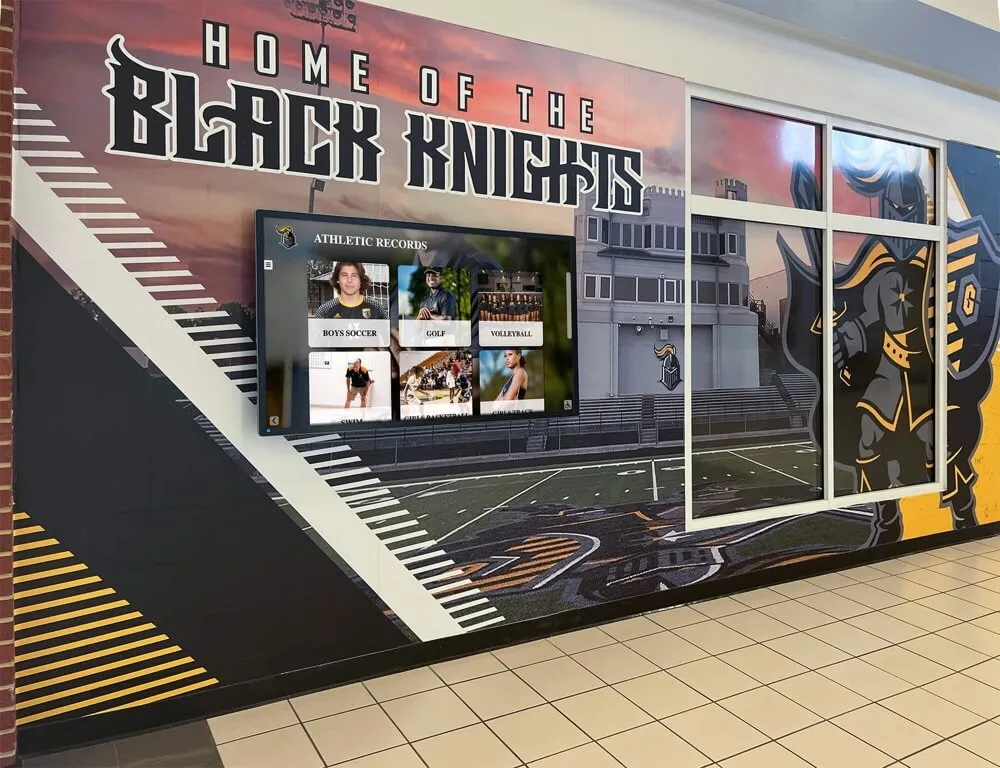
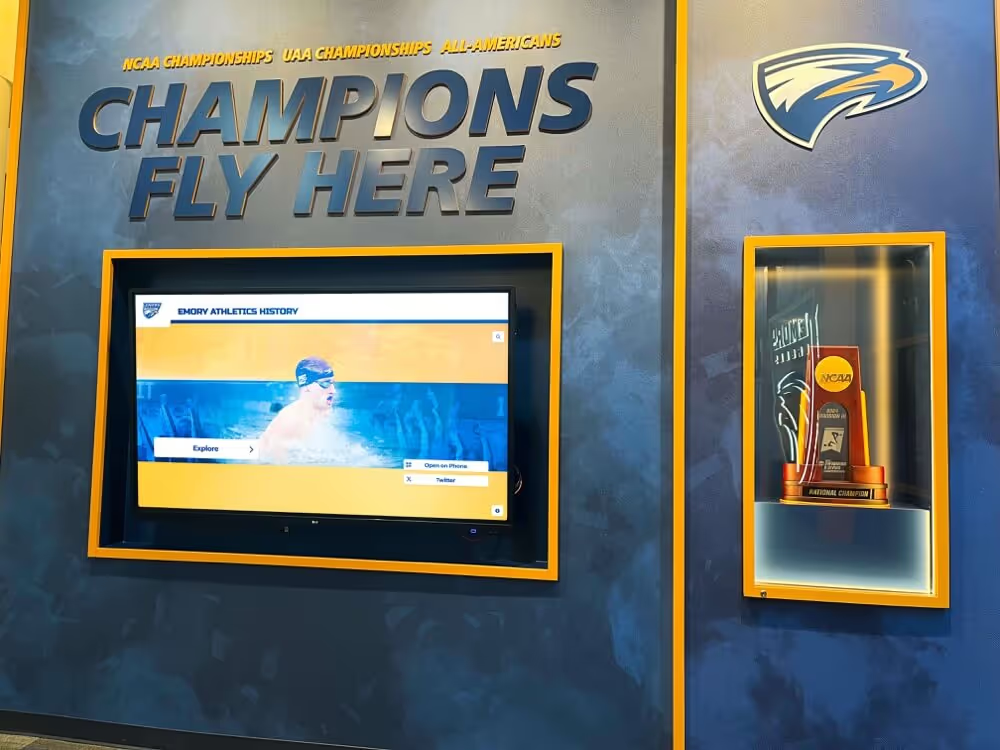
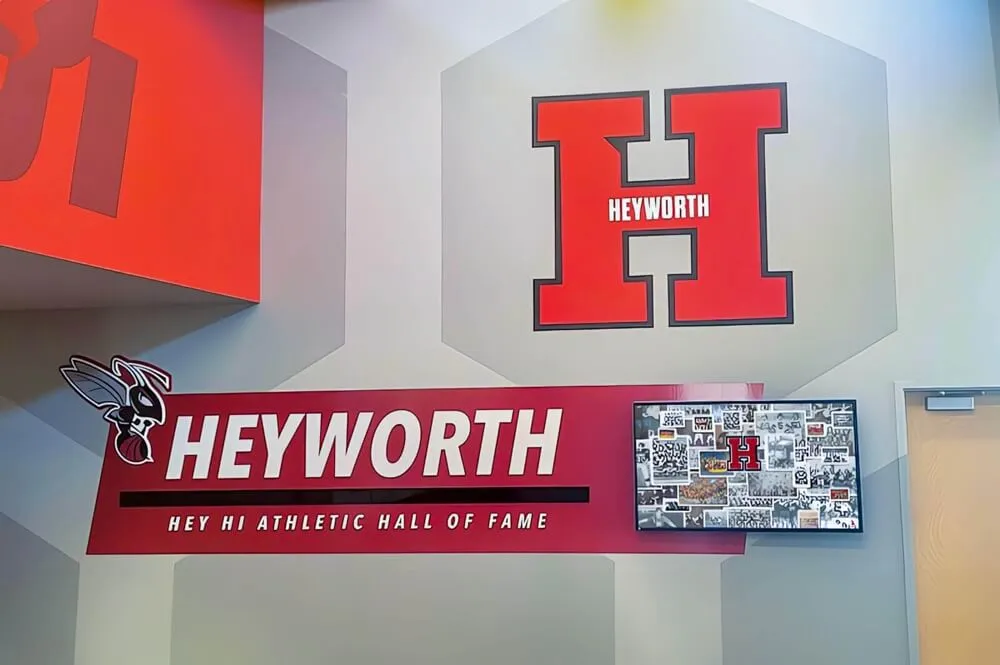
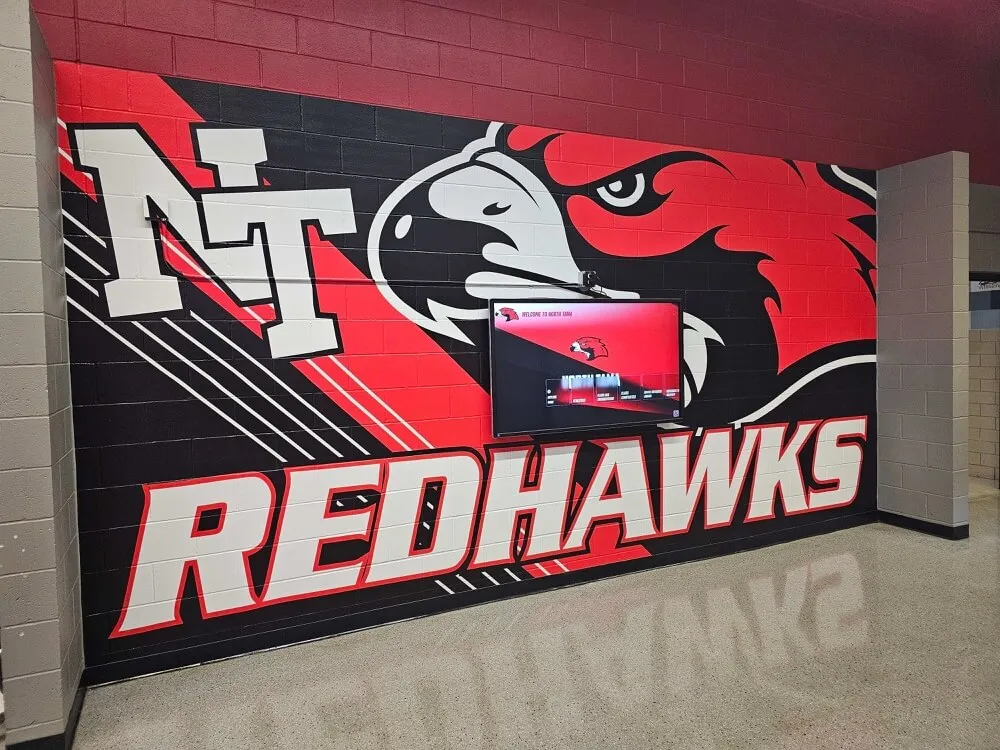
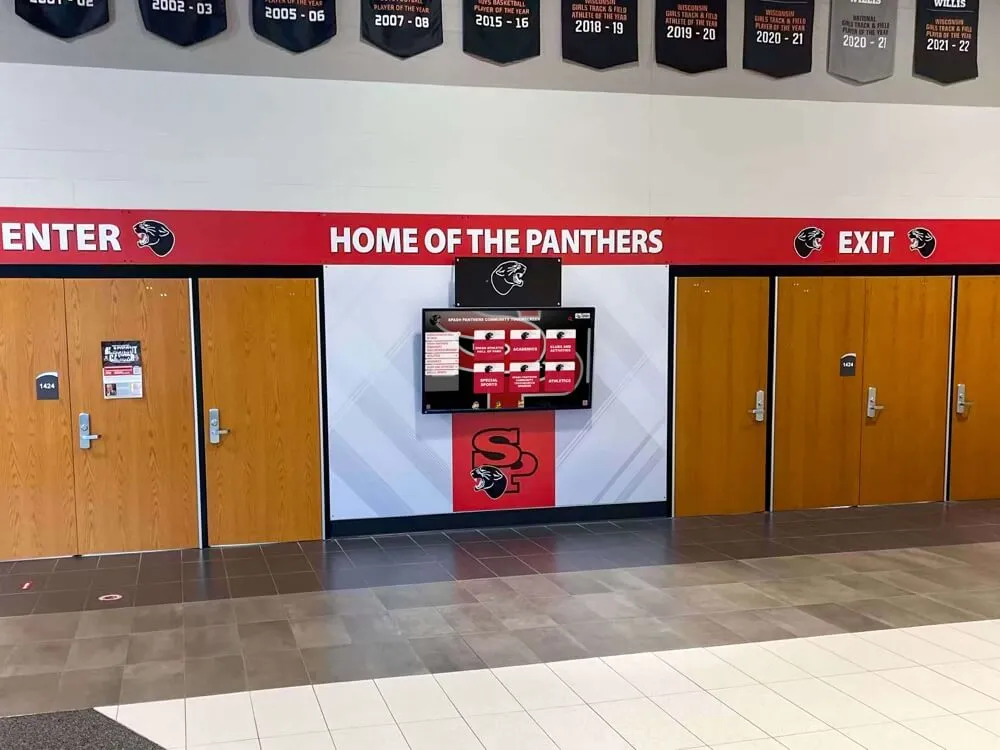
Strategic placement of recognition displays in athletic facilities ensures maximum visibility for prestigious awards
The Challenge: Limited Recognition Space
Athletic facilities face perpetual space constraints that force difficult decisions about which achievements receive prominent recognition and which get relegated to storage or disposal.
Gym Wall Real Estate at Premium
Championship banners compete for limited gym wall space alongside conference championships, individual accomplishments, and historic achievements spanning decades. When new honors arrive annually, programs confront impossible choices: remove historic recognition to accommodate recent achievements, refuse to display new accomplishments maintaining only past recognition, create cluttered presentations diminishing all displayed honors through visual overcrowding, or rotate recognition seasonally ensuring some achievements remain invisible most of the year.
Schools with long competitive traditions face particularly acute space challenges. Programs celebrating state championships, conference titles, individual records, hall of fame inductees, and special recognitions like Gatorade awards quickly exhaust available display capacity—especially in older facilities designed before modern recognition expectations evolved.
Trophy Cases Reaching Capacity
Physical trophy cases similarly reach capacity constraints forcing difficult curation decisions. Gatorade Player of the Year awards arrive with physical trophies deserving prominent placement, yet cases already house decades of championship hardware, individual awards, and historic artifacts. Programs must decide which trophies remain displayed and which get moved to storage areas where they become effectively invisible to communities.
Renovation projects compound space challenges. When facilities undergo modernization, contractors frequently recommend reducing trophy case footprints to create flexible spaces serving contemporary educational needs. These renovations force wholesale reevaluations of physical recognition inventories, often resulting in significant historic achievements moving to storage indefinitely.
Explore comprehensive strategies for student achievement recognition that honor accomplishments without consuming facility space.
The Digital Solution: Archiving Recognition for Generations
Digital recognition platforms solve facility space constraints while creating unprecedented opportunities for comprehensive, permanent athlete recognition that remains accessible regardless of building renovations or evolving space needs.
Preserving Banners Without Wall Space
Digital displays enable schools to archive championship banners and recognition materials electronically while freeing valuable gym wall space for flexible facility use.
Complete Banner Documentation
Rather than choosing which physical banners remain displayed and which get discarded, digital platforms archive all recognition permanently. High-resolution photography captures complete banner designs including colors, logos, typography, and visual elements preserving original aesthetic presentations. Detailed metadata records championship year, sport, achievement specifics, coaching staff, and team rosters ensuring complete historical context accompanies visual documentation. Organization systems categorize banners by sport, decade, achievement type, or custom parameters enabling intuitive browsing and discovery.
This comprehensive archival approach ensures no achievements disappear due to space constraints or renovation projects. Every championship, every conference title, every Gatorade Player of the Year honor receives permanent documentation accessible to communities indefinitely.
Visual Presentation Flexibility
Digital platforms present archived banners through various display formats optimizing engagement. Rotating carousel presentations cycle through historic banners ensuring all achievements receive regular visibility rather than static display favoring certain periods. Timeline visualizations organize recognition chronologically showing program evolution across decades. Sport-specific collections group related achievements enabling comprehensive views of individual program histories. Search and filter capabilities let visitors discover specific achievements, years, or athletes quickly.
This presentation flexibility ensures recognition remains engaging rather than becoming static background elements communities stop noticing after initial installation.
Complete Athlete Profiles
Beyond physical trophies and banner documentation, digital platforms enable comprehensive athlete profile creation documenting the complete stories behind Gatorade Player of the Year recognitions.
Multi-Dimensional Achievement Documentation
Profile pages honor recipients through rich multimedia presentations impossible with physical displays. Athletic statistics document performance metrics justifying selection including season statistics, career achievements, records broken, honors earned, and defining performances. Academic accomplishments highlight GPA, class rank, AP courses, academic honors, and college plans demonstrating intellectual achievement alongside athletic success. Character and service contributions feature volunteer activities, leadership roles, community impact, and character qualities distinguished nominees during selection.
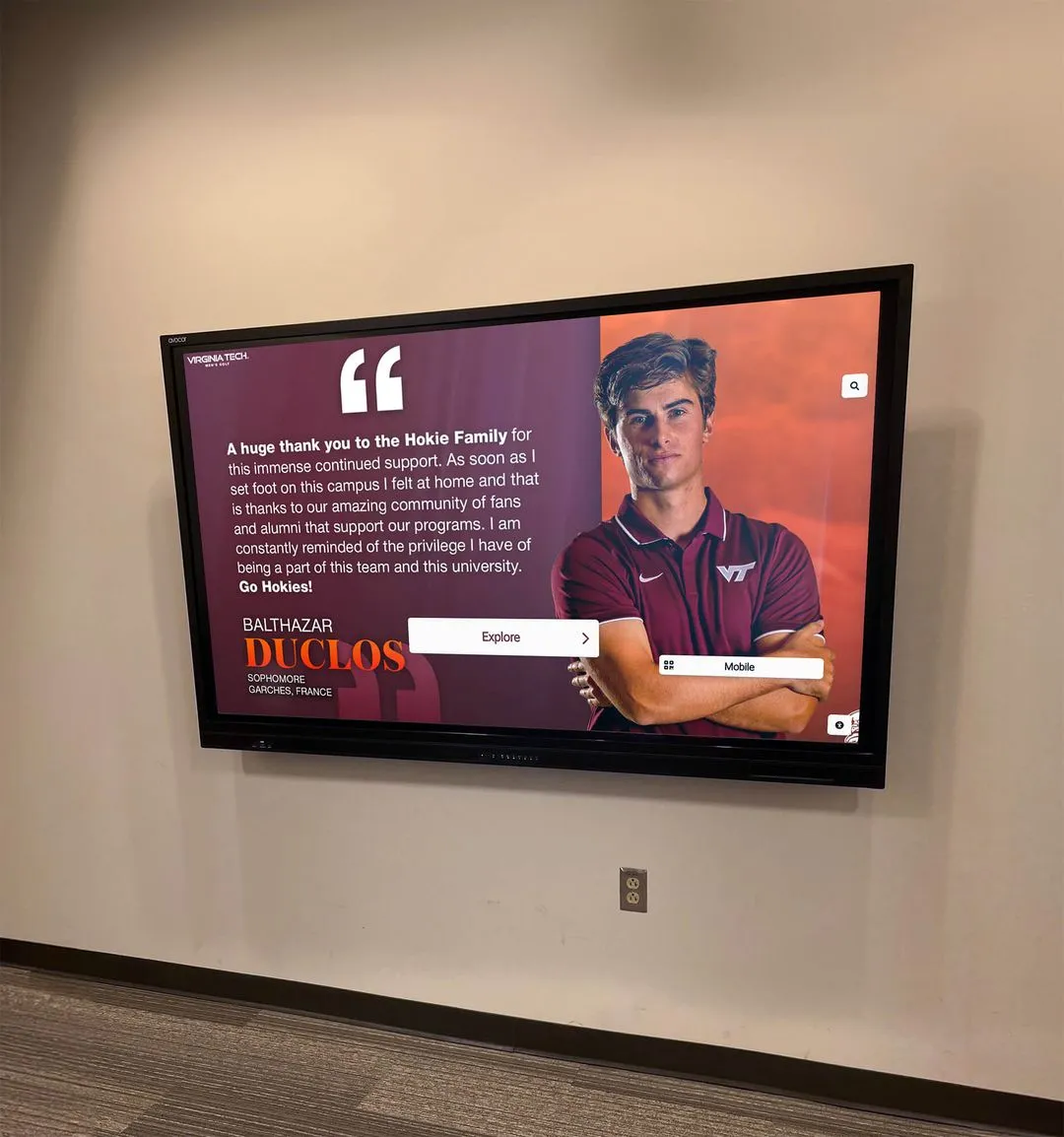
Photo galleries capture memorable moments from athletic careers, award ceremonies, community service, and celebrations. Video content can include highlight reels, acceptance speeches, coach reflections, and thank-you messages creating emotional connections static displays cannot achieve.
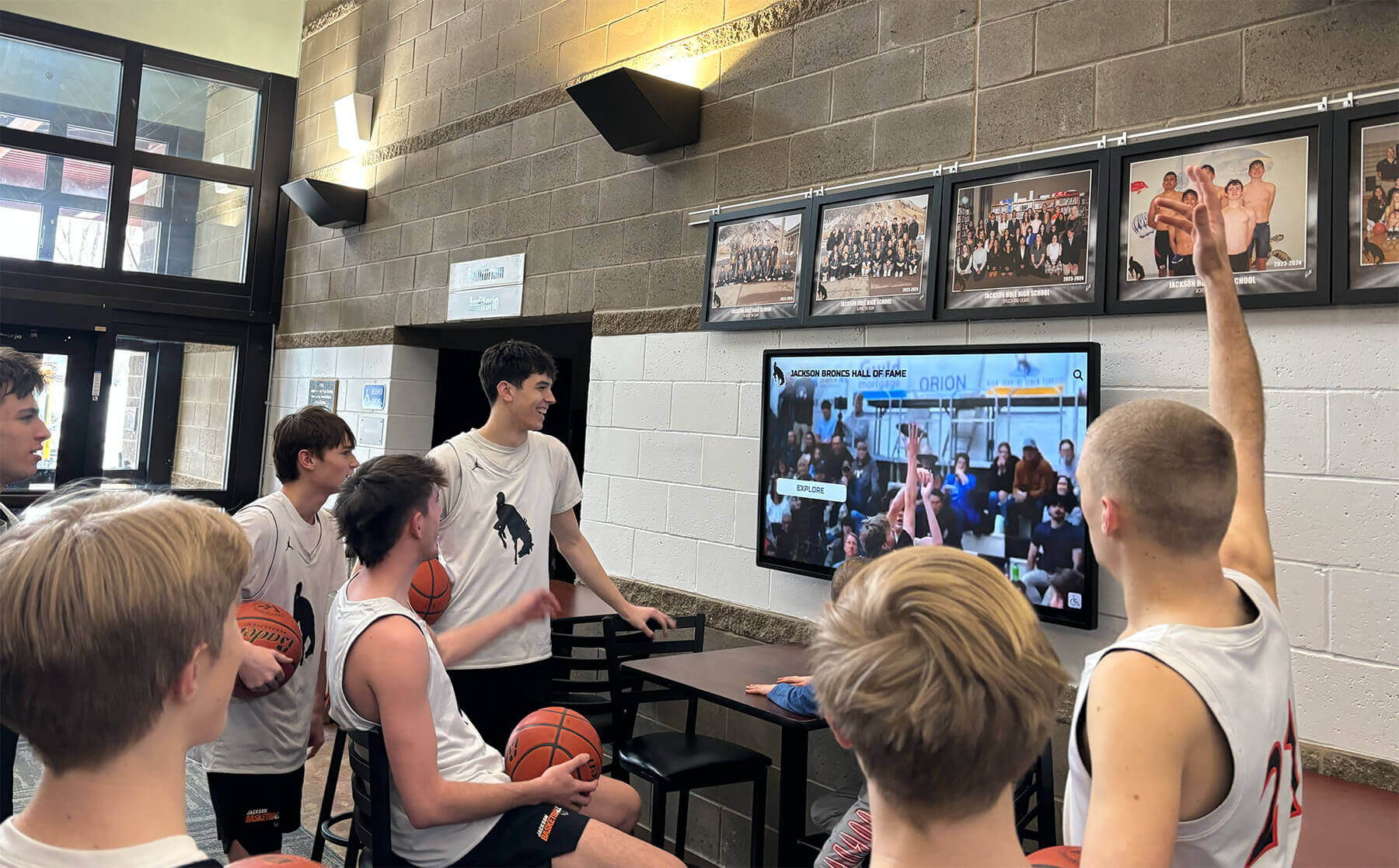
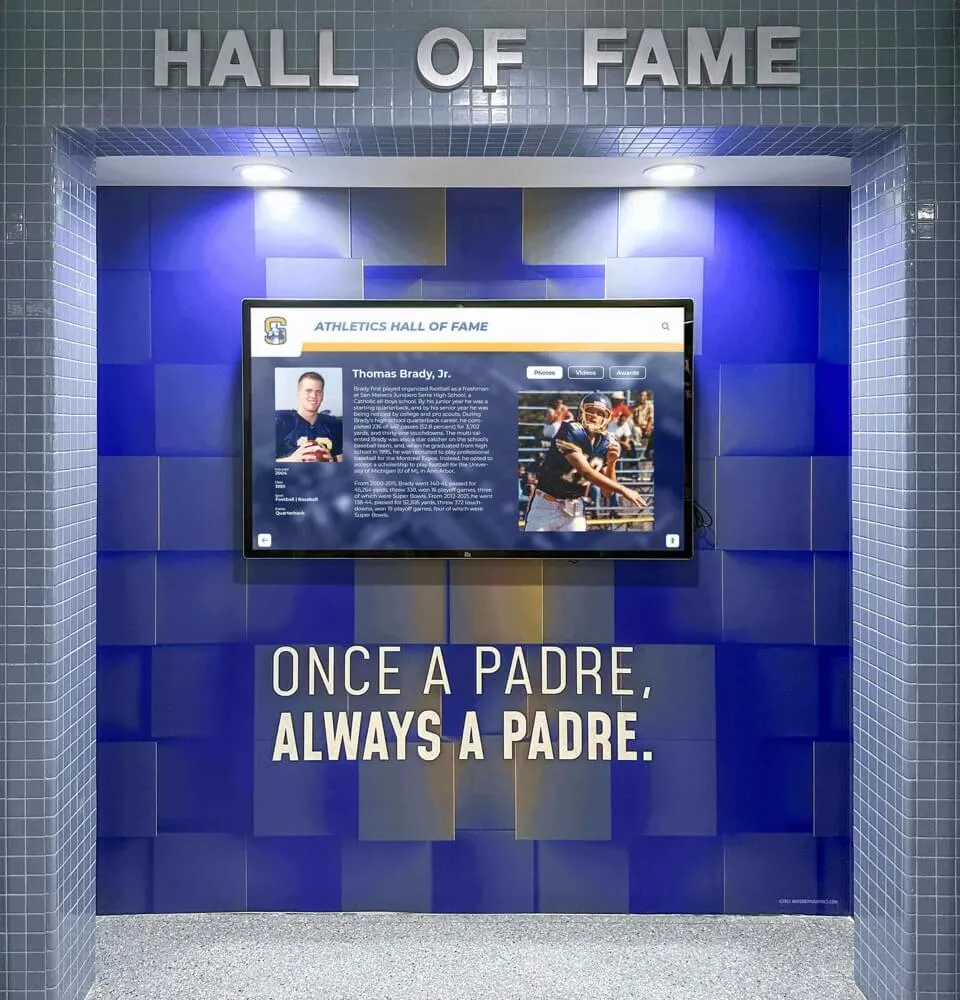
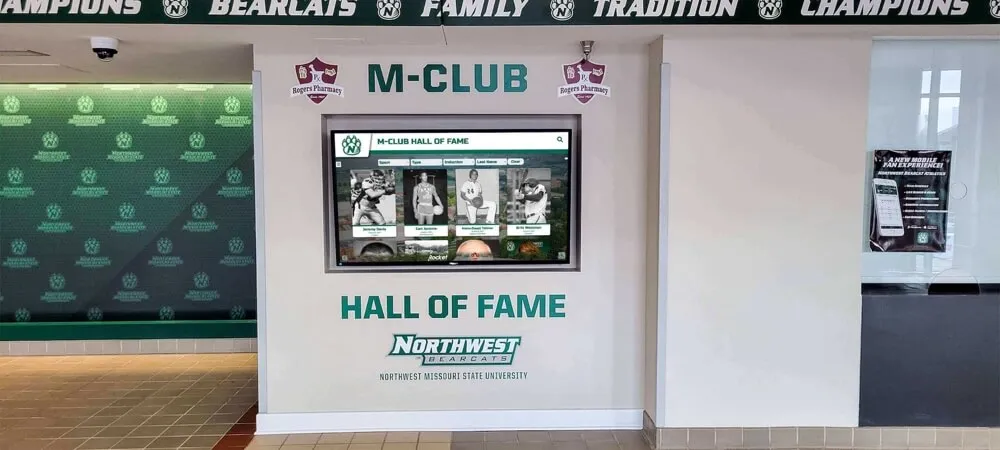
Interactive displays enable athletes to explore recognition beyond surface-level acknowledgment
Contextualizing Awards Within Program History
Individual profiles connect to broader program narratives showing how Gatorade recipients fit within institutional traditions. Historical timelines display all program Gatorade winners chronologically demonstrating consistency of excellence or documenting exceptional achievements. Cross-sport comparisons show multiple recipients from different sports celebrating well-rounded athletic programs. Decade-by-decade organization connects recipients to era-specific context including coaching tenures and program evolution.
This contextual integration ensures individual recognition strengthens rather than fragments program identity—showing how exceptional individuals contribute to collective institutional excellence.
Discover systematic approaches to athletic recognition programs that integrate individual honors with team and program celebrations.
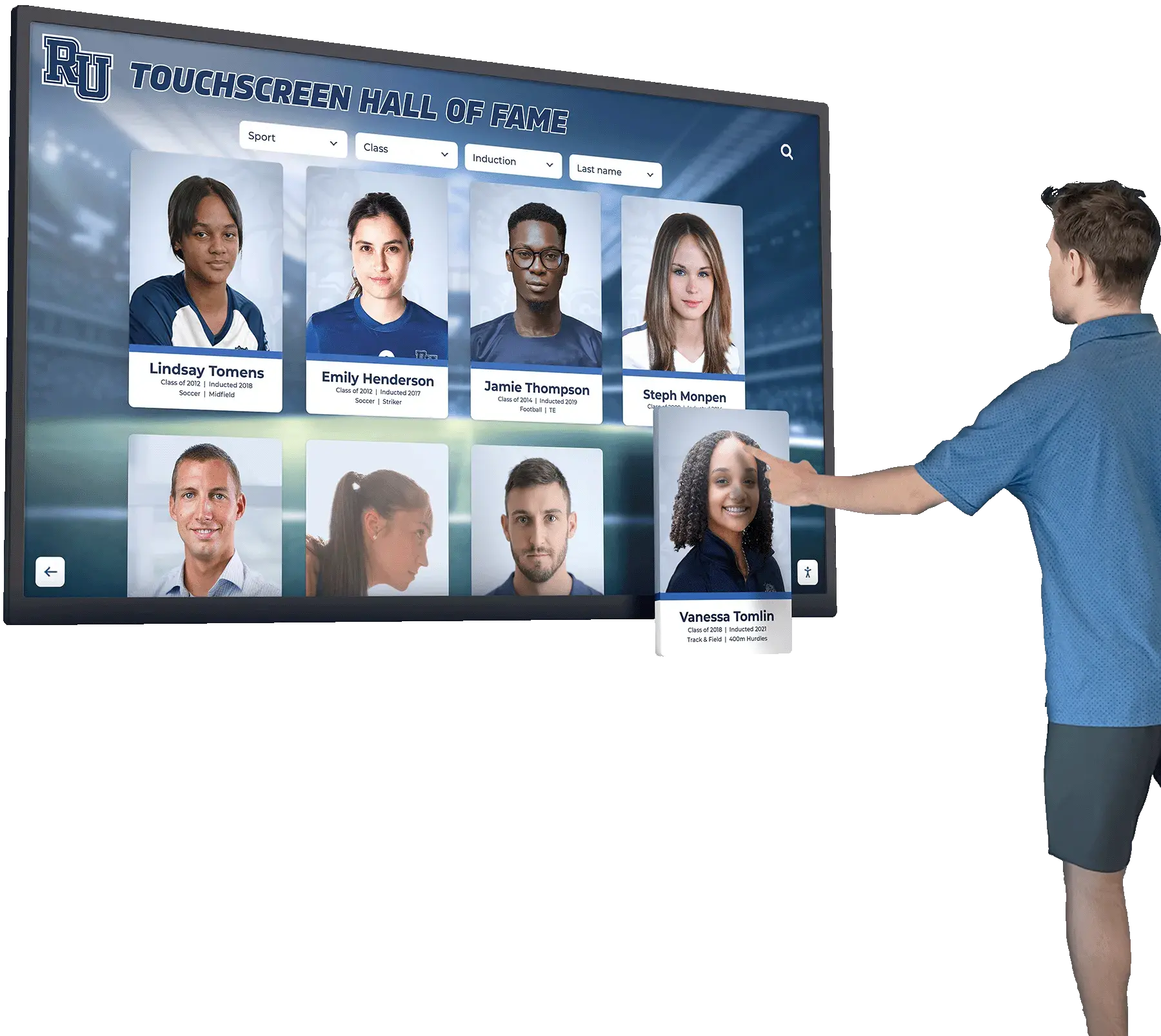
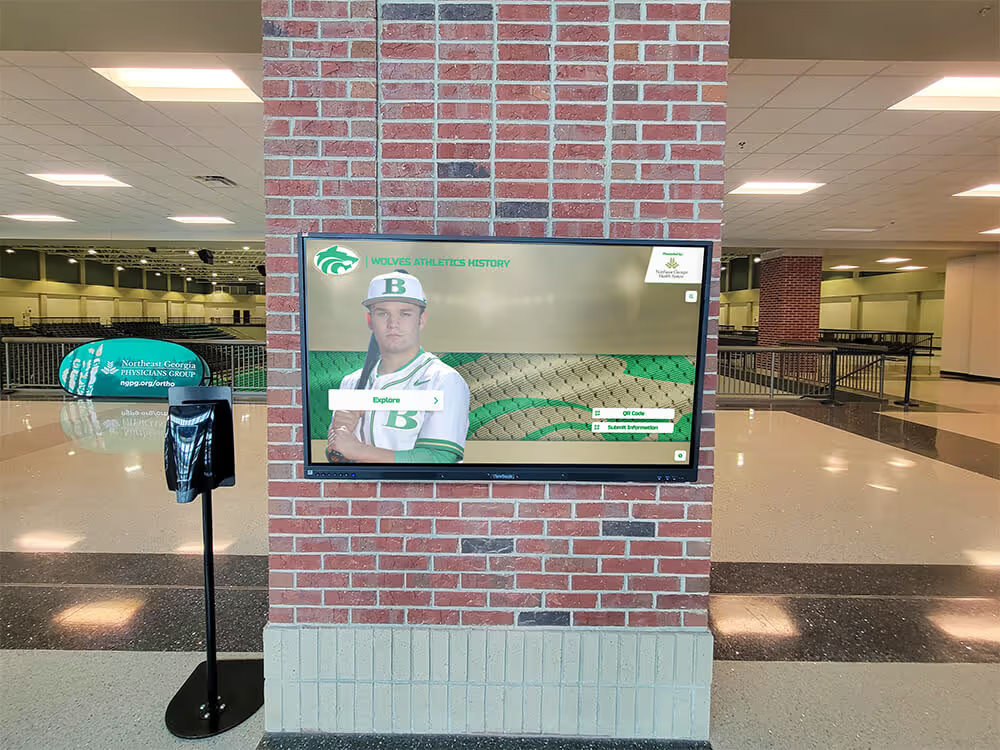
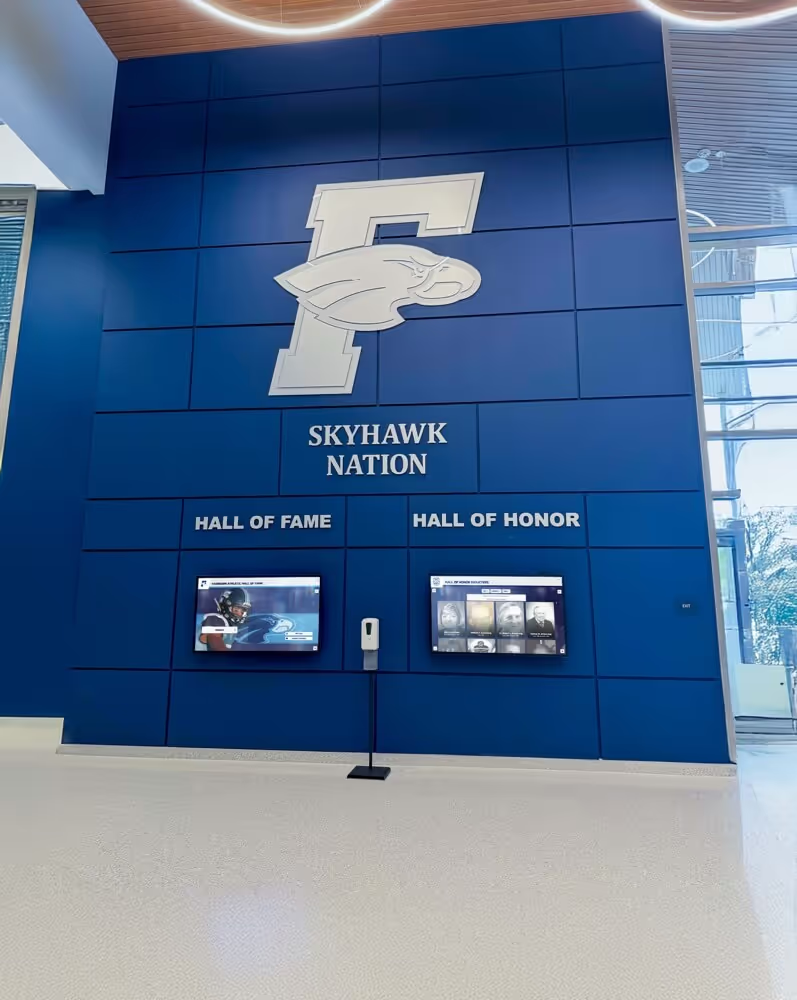
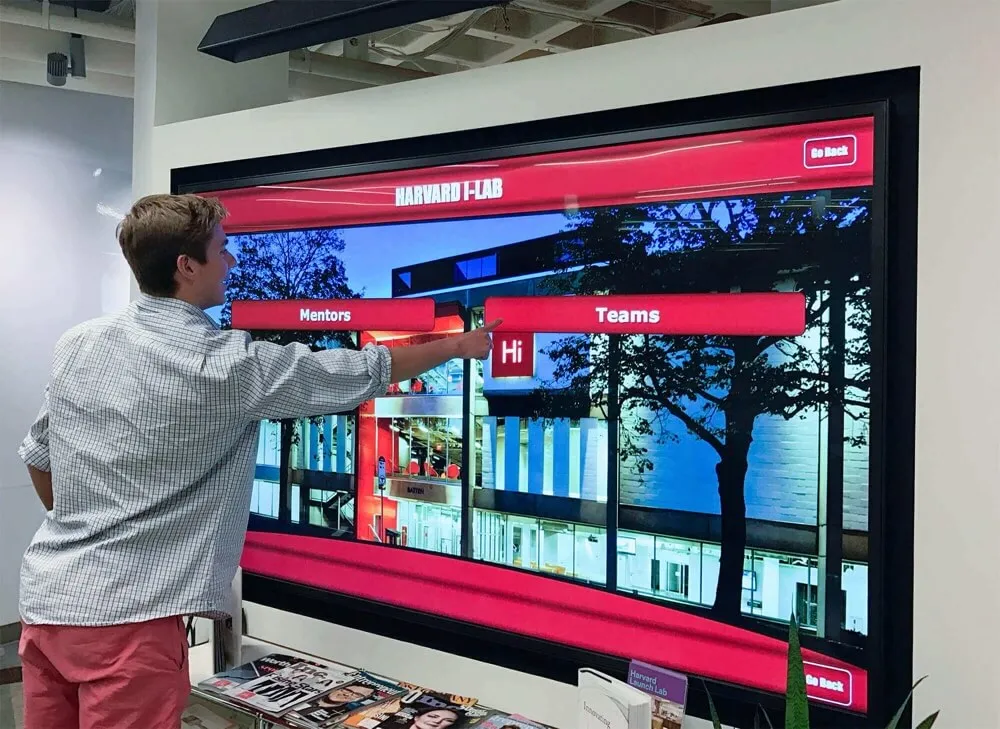
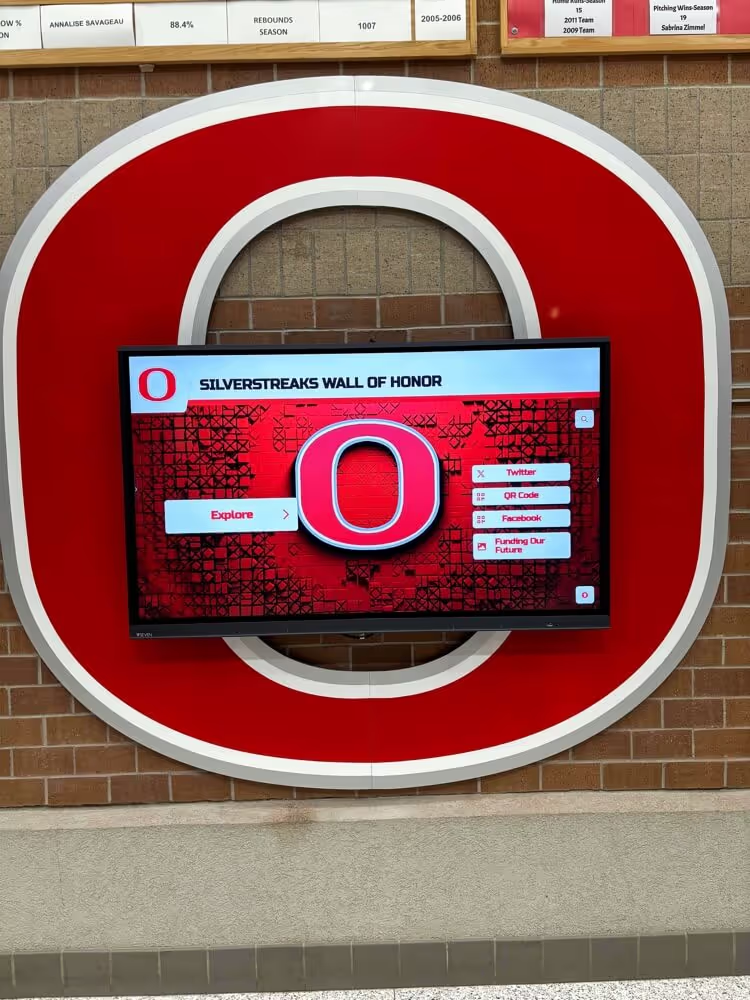
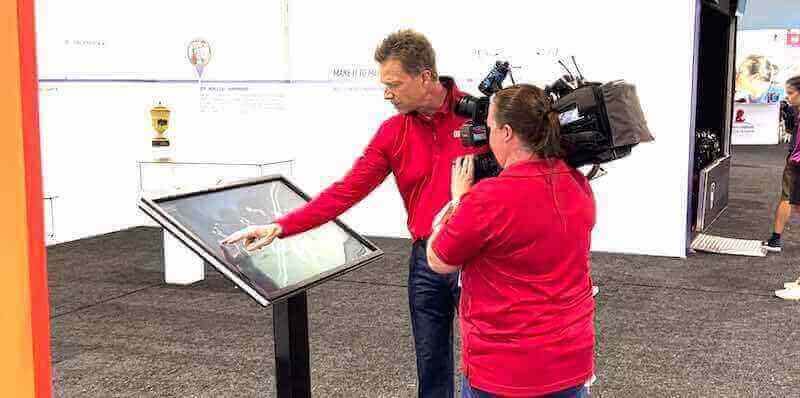
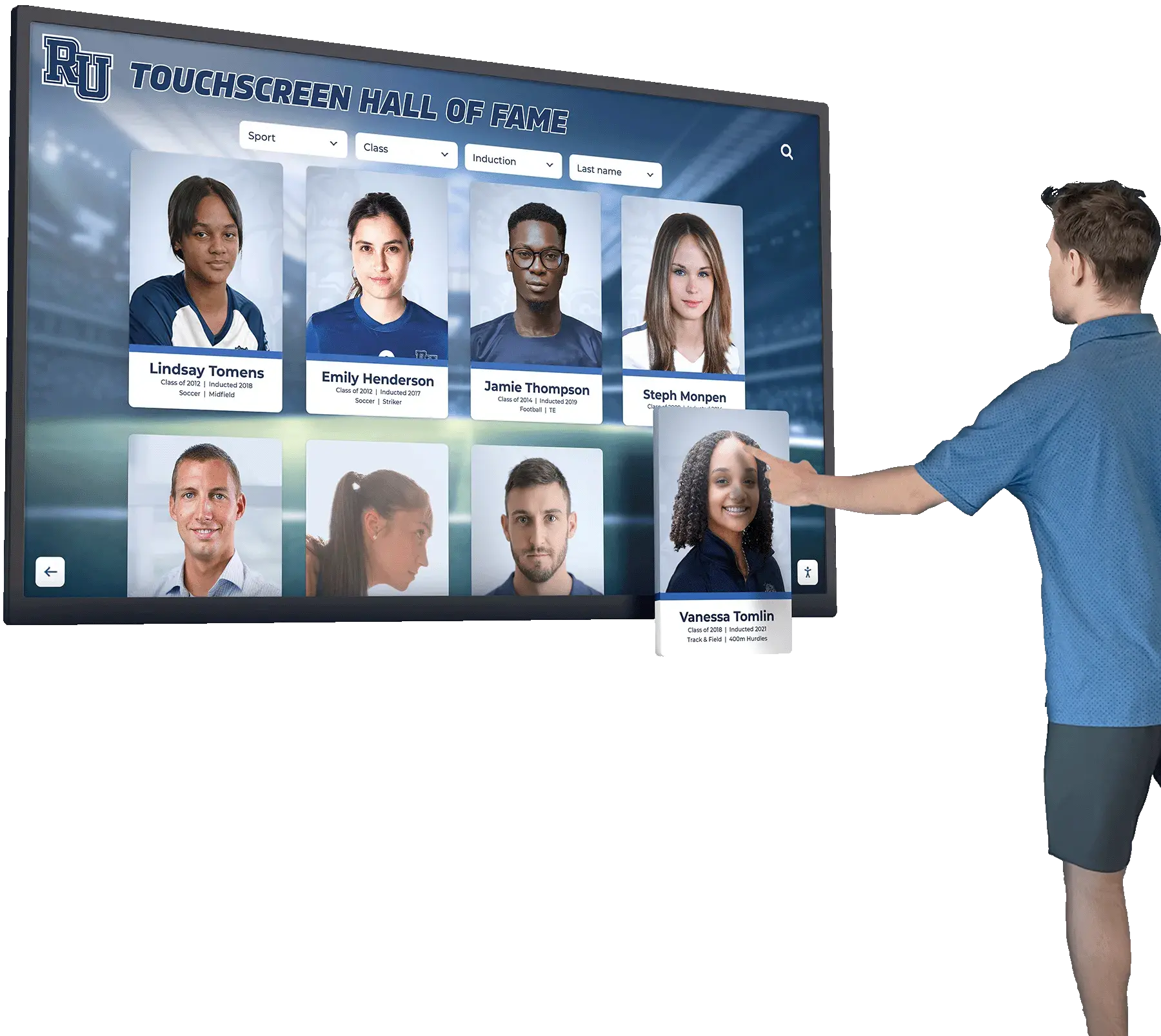
Touchscreen interfaces invite exploration, transforming passive viewing into active discovery of athlete stories
Implementation: Creating Comprehensive Recognition Archives
Effective digital recognition requires systematic implementation approaches capturing existing recognition while establishing processes for maintaining archives as new honors arrive.
Documenting Current Physical Recognition
The first implementation step involves comprehensively documenting all existing physical recognition before any materials are removed from display or relocated.
Banner Photography and Metadata Collection
Professional photography captures banner details with resolution sufficient for large-format display presentations. Multiple images document different lighting conditions, angles, and details ensuring digital representations faithfully reproduce original presentations. Metadata collection accompanies photography recording championship years, sport designations, coaching staff, team captains or key contributors, and relevant statistics or achievement details.
Historical research fills information gaps where original records no longer exist or institutional memory has faded. Yearbook archives, newspaper clippings, record books, and community interviews reconstruct contexts ensuring complete documentation accompanies visual assets.
Trophy and Award Documentation
Physical trophies receive similar documentation through photography capturing front, side, and detail views showing engravings, design elements, and award specifics. Measurements, materials, manufacturer information, and presentation circumstances get recorded preserving complete historical context. For particularly significant awards like Gatorade Player of the Year trophies, 360-degree photography or 3D scanning creates immersive digital representations allowing virtual examination from all angles.
This comprehensive documentation ensures institutions never lose recognition even if physical artifacts are damaged, lost during facility transitions, or ultimately disposed of when storage becomes impractical.
Creating Athlete Biography Content
Beyond documenting physical recognition artifacts, comprehensive archives require developing rich biographical content about recipients themselves.
Information Gathering Processes
Systematic information collection ensures consistent, comprehensive athlete profiles. Athletic department records provide official statistics, honors, and performance documentation. Academic records (with appropriate privacy considerations) supply GPA, class rank, and academic honor information. Interviews with recipients, coaches, teammates, and family members capture personal stories, memorable moments, and character insights distinguishing individuals beyond statistics. Community organizations document service contributions and leadership activities qualifying recipients under character criteria.
Content development transforms raw information into engaging narratives. Profile writers craft compelling stories highlighting defining moments, obstacles overcome, and personal qualities making achievements particularly meaningful. Photography selections balance athletic action shots with candid moments showing personality and character. Quote selections emphasize athlete voice ensuring recognition honors individuals authentically rather than reducing them to institutional accomplishments.
Ongoing Updates and Alumni Connections
Digital platforms enable continuing engagement with recipients beyond graduation. Alumni updates document college athletic careers, professional achievements, career paths, and continued community connections showing how high school recognition launched broader success. Homecoming features highlight returning Gatorade recipients attending school events and engaging with current student-athletes. Legacy documentation tracks multigenerational athletic families where subsequent siblings or children achieve similar recognition.
These ongoing connections demonstrate that recognition represents the beginning rather than conclusion of relationships—positioning schools as institutions valuing and maintaining connections with accomplished alumni.
Learn about approaches to digital athletic recognition that preserve program history while inspiring current athletes.
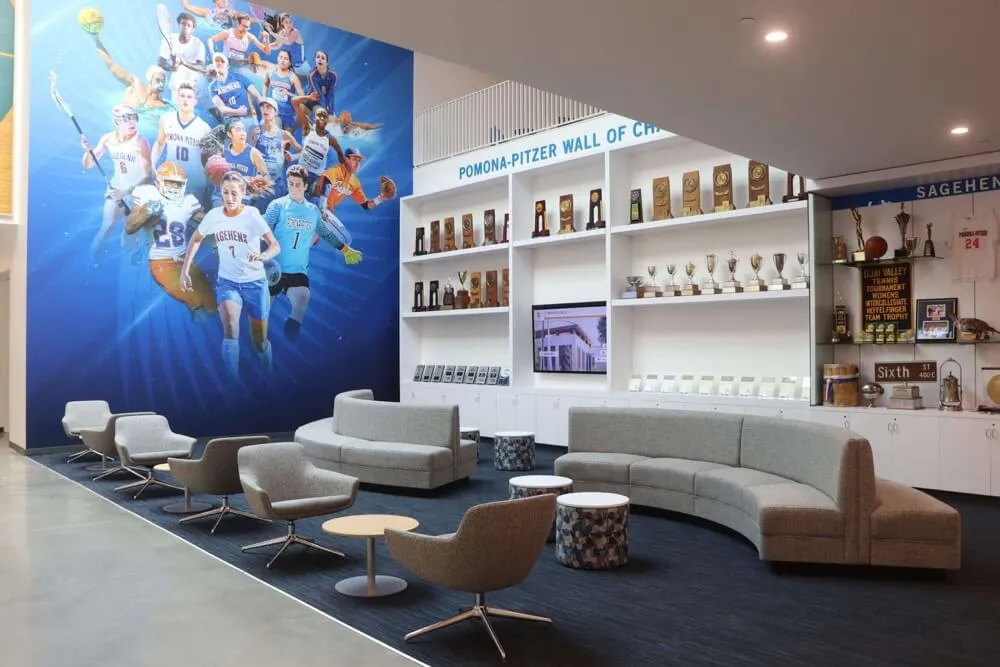
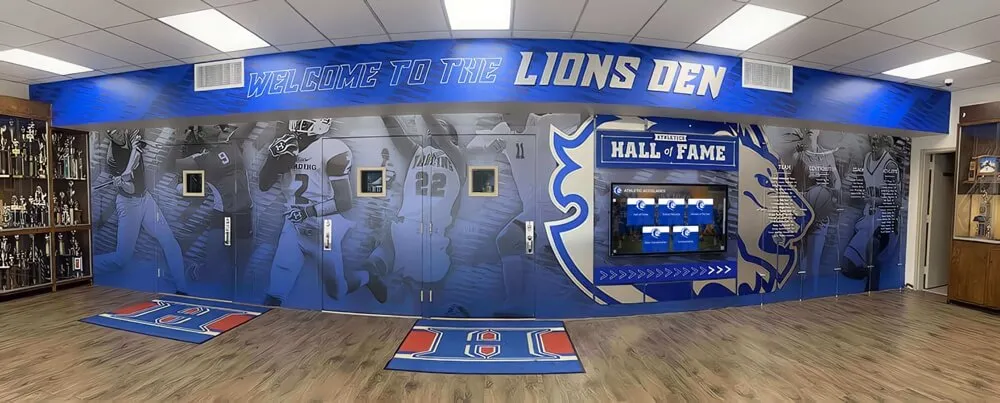
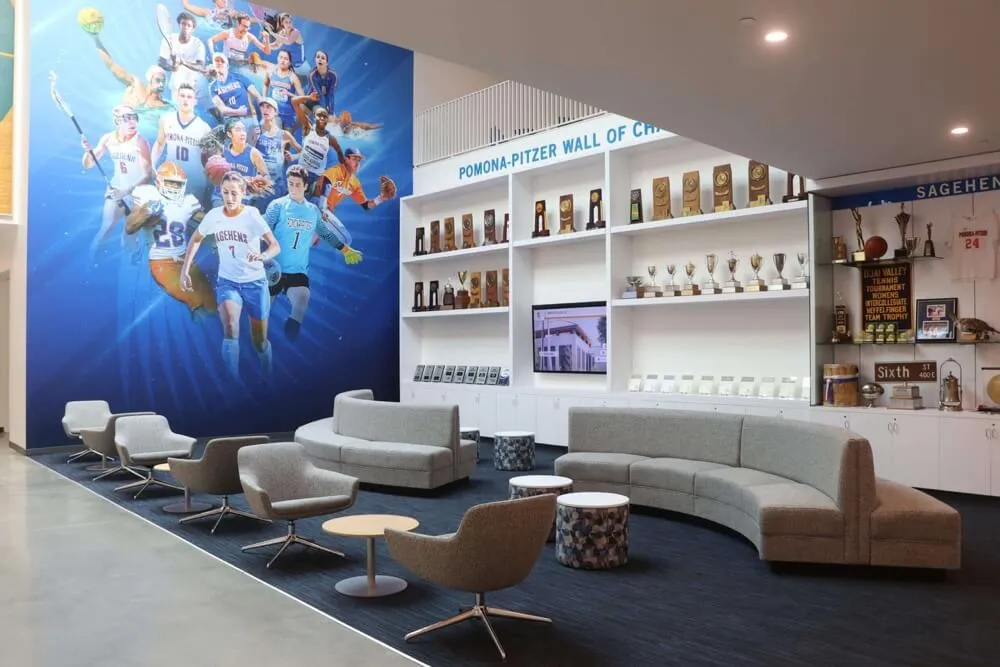
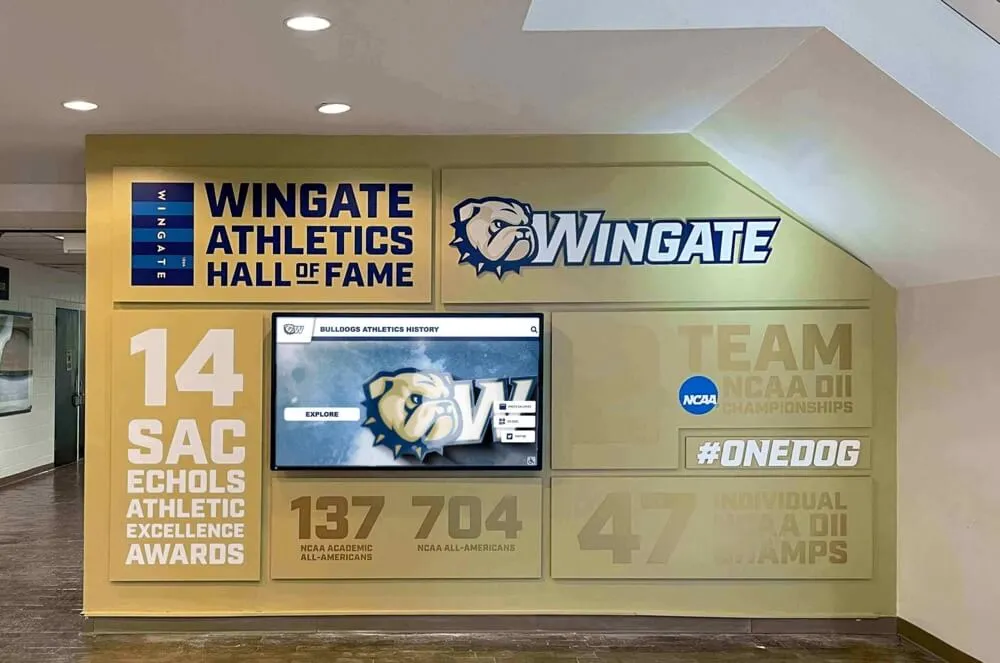
Traditional trophy displays combined with digital solutions create comprehensive recognition environments
Content Organization: Making Archives Discoverable
Comprehensive digital archives require thoughtful organization systems ensuring communities can discover relevant recognition efficiently rather than becoming overwhelmed by extensive historical collections.
Sport-Specific Collections
Organizing recognition by sport creates intuitive browsing experiences aligned with how communities naturally think about athletic achievements.
Individual Sport Galleries
Dedicated sections for each sport compile all related recognition including Gatorade Player of the Year recipients, state championships, conference titles, individual records, and notable achievements. Sport-specific timelines show program evolution documenting breakthrough seasons, coaching eras, and sustained excellence periods. All-time rosters document varsity participants across decades preserving complete program participation records. Coaching histories honor individuals who built programs while acknowledging their contributions to recipient development.
This sport-focused organization enables targeted exploration—basketball supporters can comprehensively explore basketball history without navigating unrelated content, while maintaining connections to broader institutional athletic identity.
Cross-Sport Connections
While sport-specific organization provides primary navigation, cross-sport connections highlight multi-sport athletes and broader athletic program excellence. Multi-sport athlete profiles showcase individuals who excelled across multiple programs. Concurrent championship celebrations document years when multiple sports achieved simultaneous success. Decade overviews provide comprehensive institutional athletic snapshots showing how different programs contributed to overall school identity during specific periods.
These connections prevent siloed recognition ensuring comprehensive views of institutional athletic culture emerge alongside sport-specific histories.
Timeline-Based Exploration
Chronological organization complements sport-specific collections by enabling decade-by-decade or year-by-year exploration showing program evolution over time.
Decade Galleries
Organizing recognition by decade creates natural historical periods connecting athletic achievements to broader cultural contexts. 1980s collections showcase achievements during Gatorade program inception alongside period-specific fashion, training methods, and athletic culture. 1990s through 2000s documentation tracks program evolution through changing competitive landscapes. Recent decade presentations highlight current excellence while connecting to historical traditions.
Decade organization particularly resonates with alumni reconnecting with their era-specific school experiences—seeing not just their own achievements but understanding complete athletic context during their enrollment periods.
Anniversary Celebrations
Milestone anniversaries provide recognition opportunities celebrating historic achievements. Twenty-fifth or fiftieth anniversaries of Gatorade selections honor recipients at significant life stages while introducing historic figures to current communities. Program centennials compile comprehensive athletic histories showing evolution from inception through contemporary excellence. Facility dedication anniversaries connect historic recognition to spaces where achievements occurred.
These anniversary-focused presentations give historic recognition contemporary relevance ensuring past excellence remains visible rather than fading into obscurity.
Explore comprehensive approaches to athletic achievement recognition that organize extensive program histories into discoverable presentations.
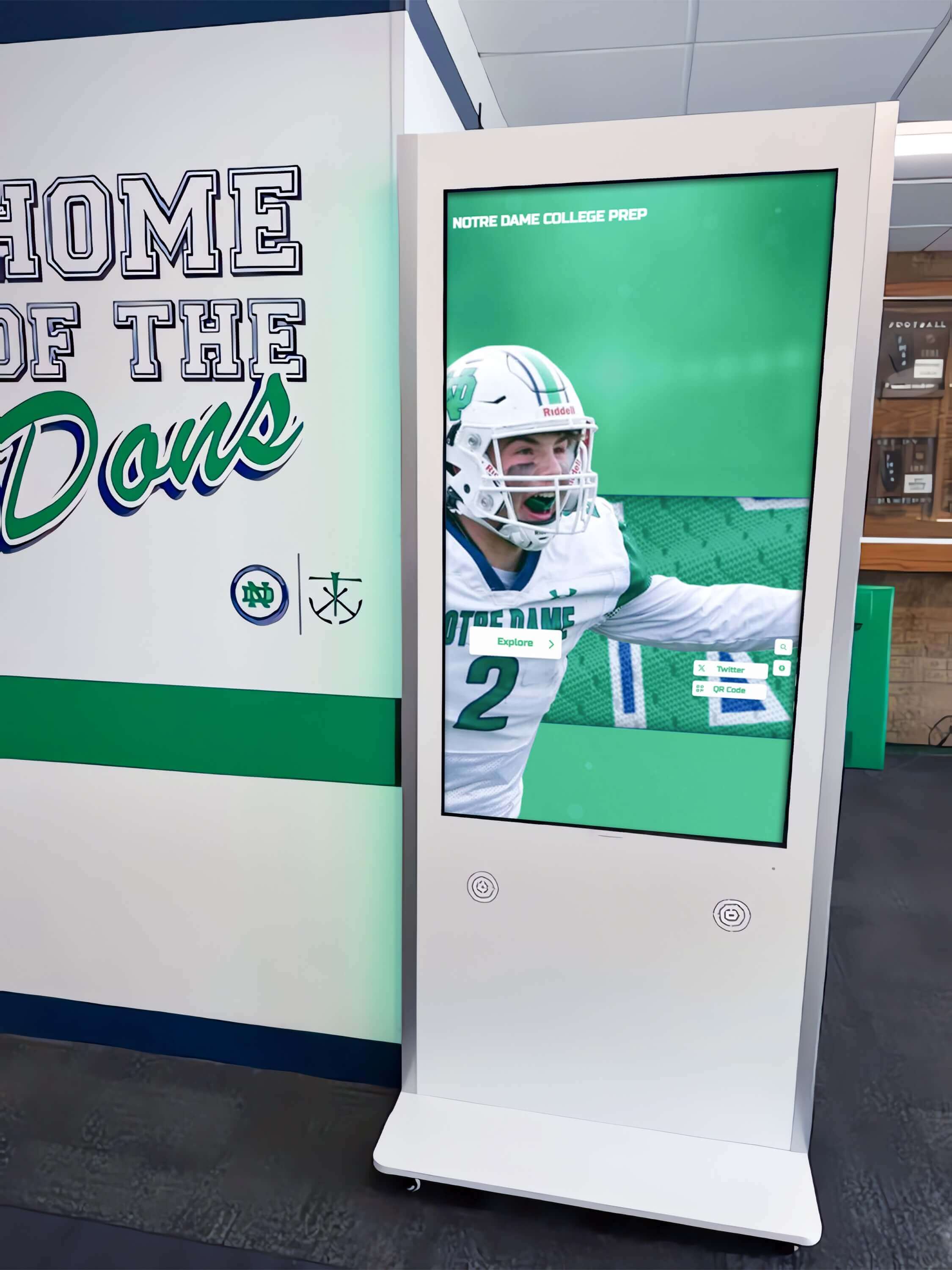
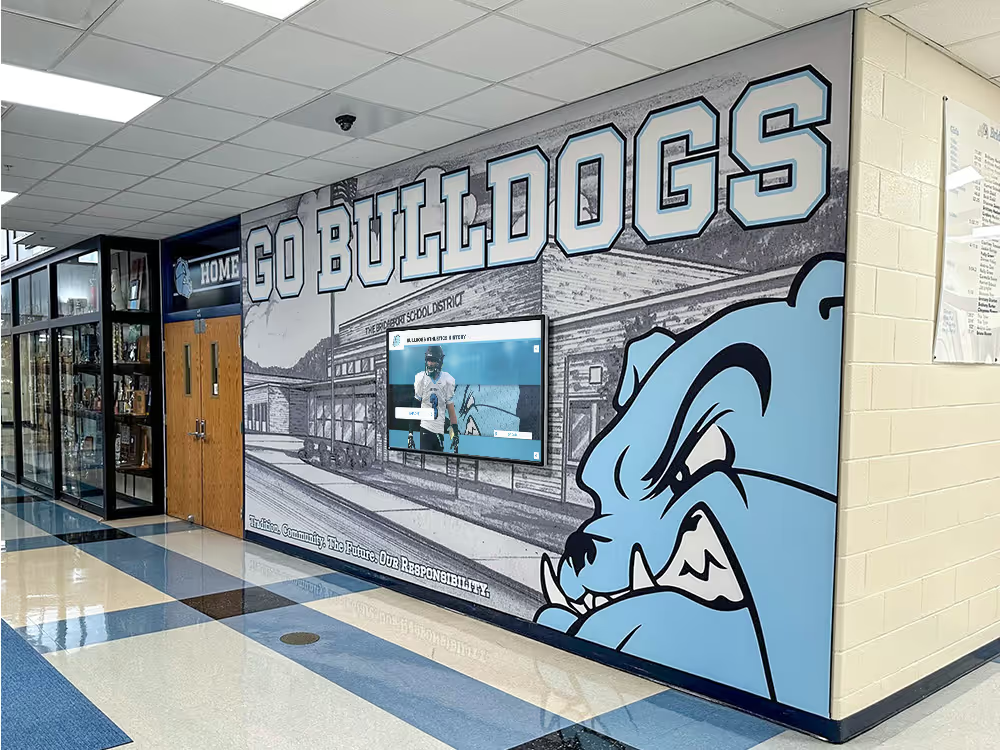
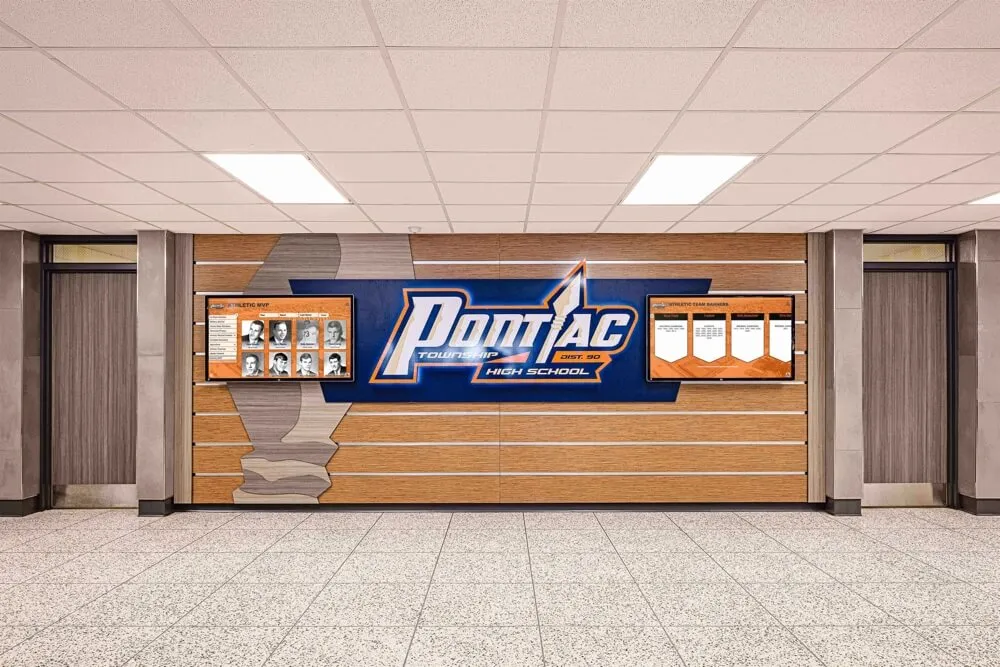
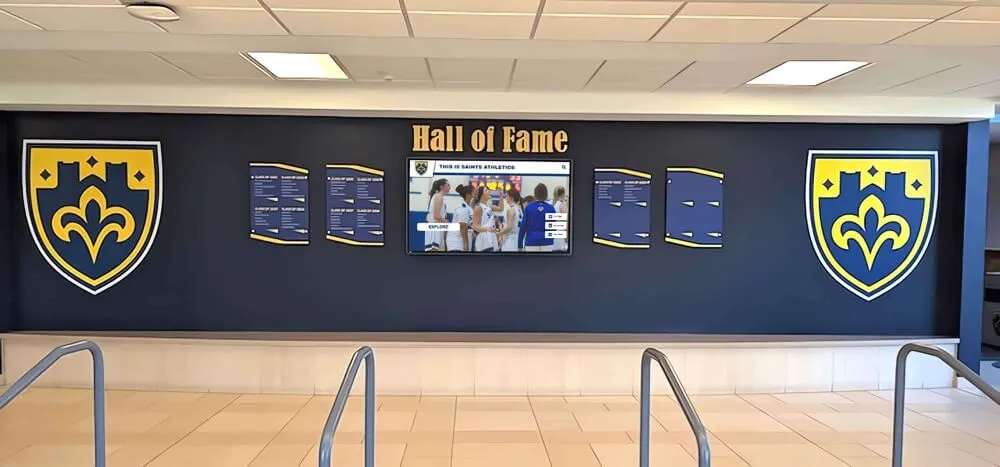
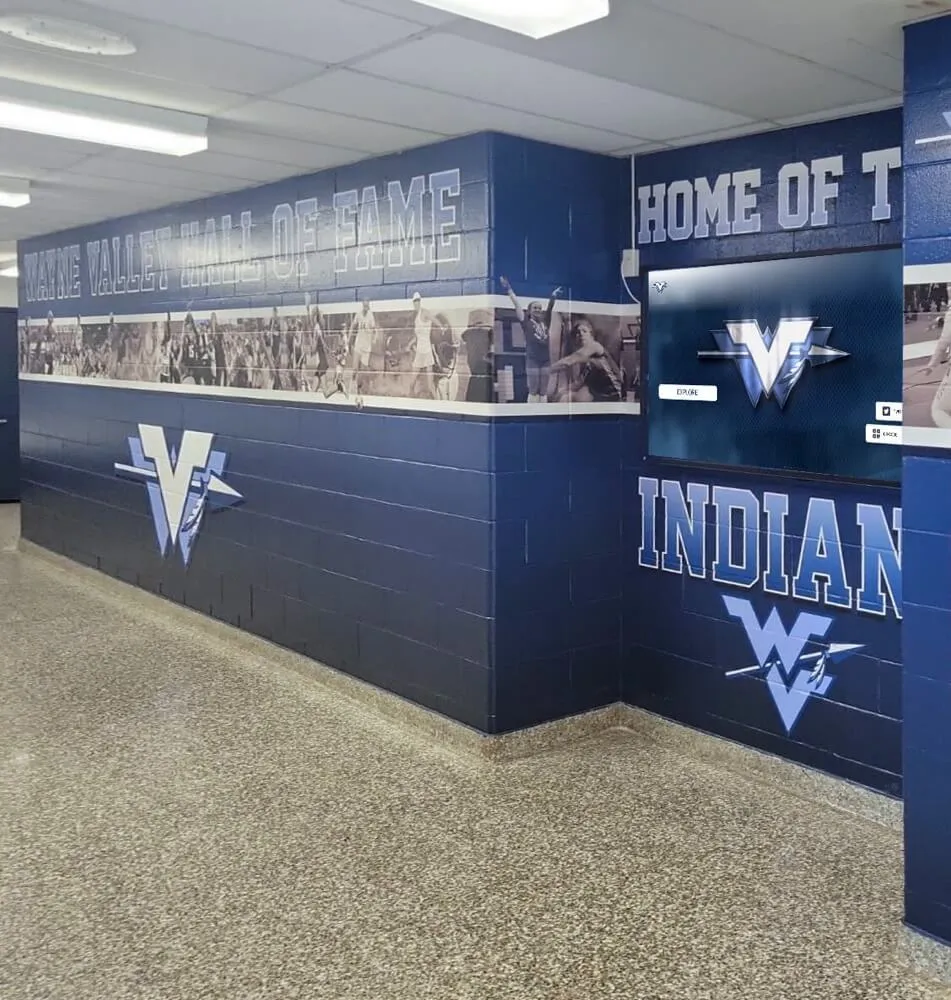
Strategic hallway placement ensures recognition receives daily visibility from passing students and visitors
Benefits: Why Digital Recognition Works
Digital recognition platforms deliver measurable benefits extending beyond space savings to fundamentally improve how communities engage with athletic achievements and institutional history.
Unlimited Recognition Capacity
Digital platforms eliminate the zero-sum competition for physical display space that forces programs to choose which achievements receive recognition and which get relegated to storage.
No Recognition Left Behind
Every championship banner, regardless of how many decades ago it was earned, receives permanent preservation and regular visibility. All Gatorade Player of the Year recipients gain comprehensive profiles regardless of when they graduated or whether physical space exists for their trophies. Historic achievements from facility’s earliest years receive equal presentation quality as recent accomplishments preventing recency bias that privileges current excellence while forgetting foundational successes.
This comprehensive inclusion creates complete institutional narratives showing sustained excellence traditions rather than fragmented histories with gaps where space limitations forced recognition removal.
Accommodation of Future Growth
Unlike physical displays reaching permanent capacity constraints, digital platforms scale indefinitely. As programs continue achieving excellence, new recognition integrates seamlessly without requiring removal of existing content. Multi-sport success doesn’t force prioritization between programs—all sports receive proportional recognition regardless of how many achievements each accumulates. Expanding recognition criteria (new award programs, additional honor categories, enhanced documentation standards) accommodate easily without facility renovations.
This unlimited scalability ensures recognition systems serve programs effectively for decades rather than reaching obsolescence requiring periodic reinstallation.
Enhanced Storytelling and Context
Digital platforms enable rich narrative presentations impossible with physical recognition alone, transforming simple achievement documentation into compelling stories engaging communities emotionally.
Multimedia Presentations
Beyond names, dates, and basic achievement information, digital recognition incorporates diverse media creating immersive experiences. High-resolution photography showcases defining moments from athletic competitions, award ceremonies, and celebration events. Video highlights capture athletic excellence demonstrating why recipients earned recognition. Audio recordings preserve speeches, interviews, and reflections providing authentic athlete voice. Statistical visualizations present career progressions, record-breaking performances, and achievement contexts helping communities understand excellence quantitatively.
These multimedia elements transform recognition from information delivery into storytelling that creates emotional connections between current communities and historic achievements.
Contextual Connections
Digital platforms excel at creating connections impossible with linear physical displays. Related athlete links connect teammates, multi-sport participants, and multigenerational families. Coaching connections show athletes developed by particular mentors across different eras. Historical context annotations explain achievement significance within period-specific competitive landscapes. Contemporary updates maintain connections with alumni showing how high school recognition launched continued success.
This contextual richness helps communities understand not just what achievements occurred but why they mattered and how they connect to broader program identities.
Discover how digital recognition systems transition institutions from physical trophy cases to comprehensive digital archives.
Accessibility and Discoverability
Digital recognition makes achievements accessible to broader audiences through multiple access points and flexible exploration options.
24/7 Remote Access
Unlike physical displays viewable only during facility visits, digital recognition extends access far beyond institutional walls. Web-based platforms enable alumni living anywhere to explore recognition and reconnect with program histories. Recruits and prospective families can review athletic program excellence before campus visits. Community members without regular facility access gain visibility into school achievements. Media covering athletic success can easily access comprehensive information and assets.
This extended access ensures recognition serves broad institutional purposes beyond local community engagement—supporting recruitment, alumni relations, community relations, and program promotion simultaneously.
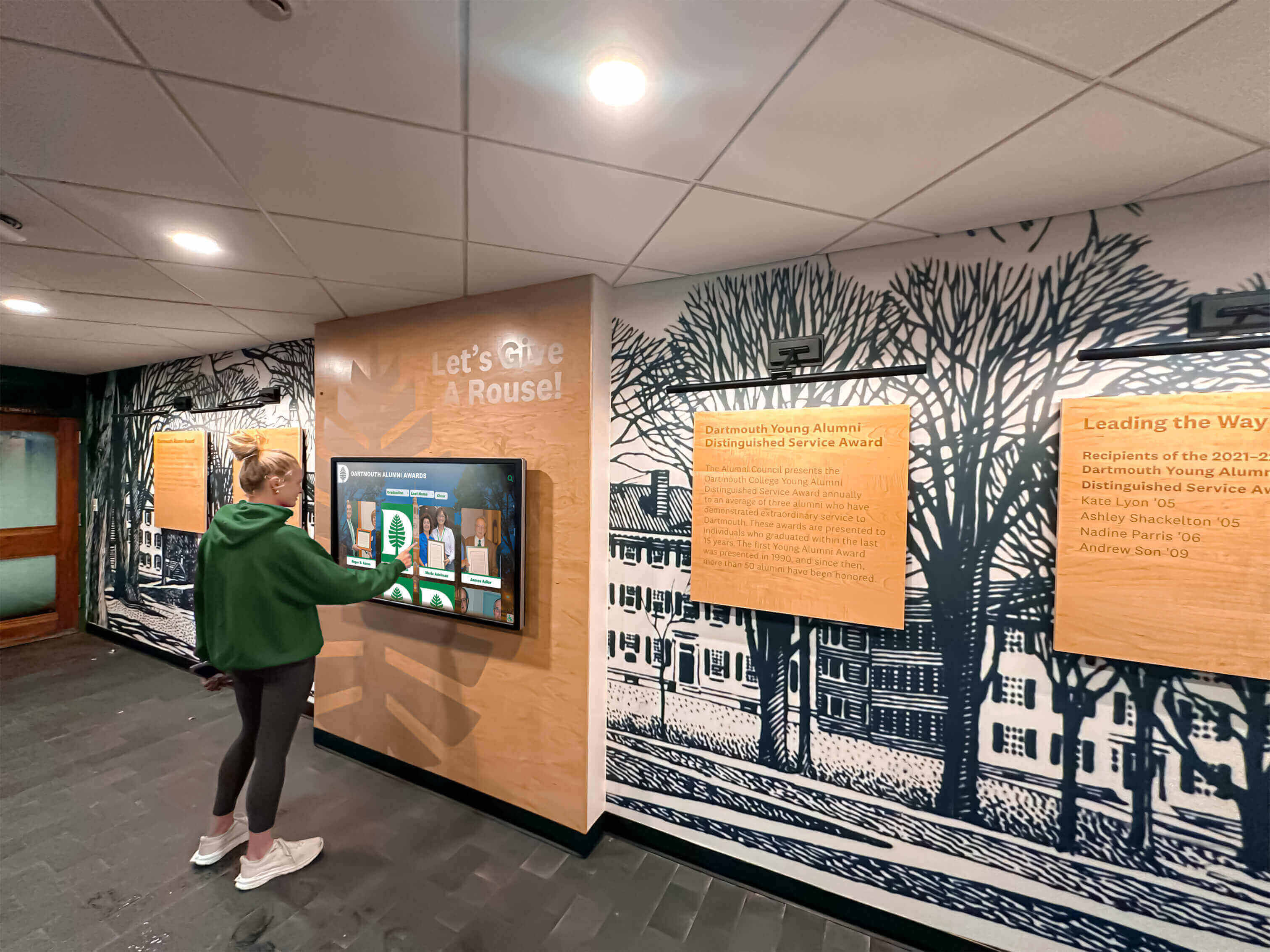
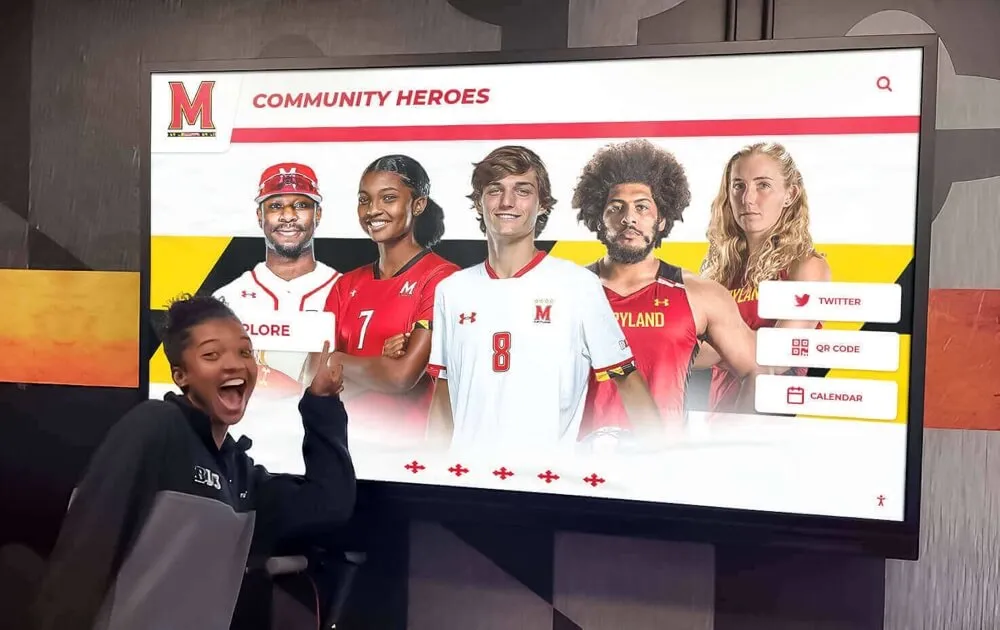
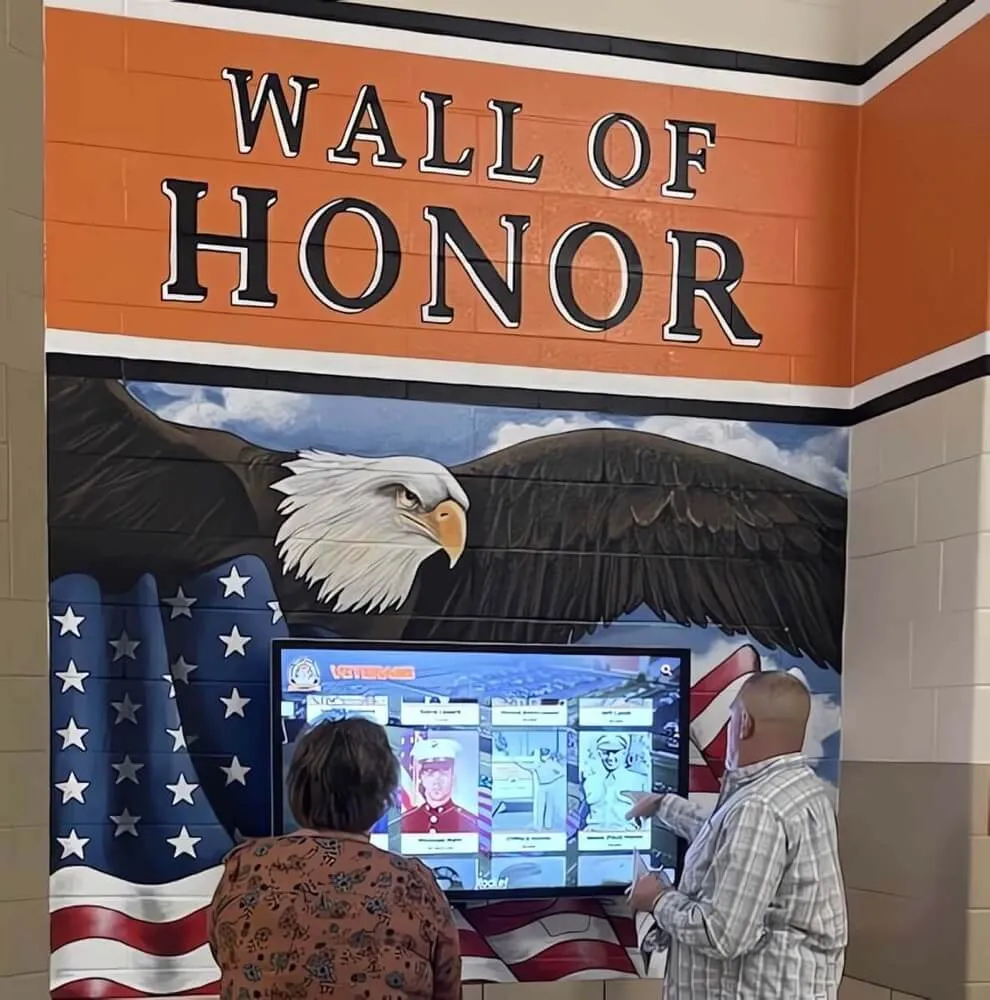
Intuitive interfaces encourage student exploration and engagement with program history
Search and Filter Capabilities
Digital platforms enable discovery impossible with static physical displays. Name searches let visitors quickly locate specific athletes regardless of when they competed. Sport filters focus exploration on relevant programs. Year or decade selections target specific time periods. Achievement type filters (Gatorade awards, state championships, records, etc.) enable criterion-specific browsing. Keyword searches find relevant content across entire databases.
These discovery tools ensure comprehensive archives remain usable rather than overwhelming—helping visitors efficiently find personally relevant content while enabling serendipitous discovery of unexpected connections.
Implementation Considerations for Schools
Successfully implementing digital Gatorade Player of the Year recognition requires addressing practical considerations including content development, display hardware, and ongoing maintenance commitments.
Initial Content Development Timeline
Creating comprehensive digital recognition archives demands systematic approaches balancing thoroughness with practical project timelines.
Phased Implementation Approach
Rather than delaying launch until complete historical documentation finishes, phased implementations provide immediate value while systematic content development continues. Phase one launches with recent recipients (past 5-10 years) who remain in community memory and have readily accessible documentation. Phase two expands chronologically backward documenting additional decades through yearbook research and alumni interviews. Phase three enhances existing profiles with multimedia content, deeper biographical information, and contextual connections.
This phased approach delivers recognition benefits immediately while acknowledging that comprehensive historical reconstruction represents ongoing rather than one-time projects.
Resource Requirements
Realistic implementation planning accounts for time and expertise requirements. Content research demands 2-4 hours per athlete profile including information gathering, interview coordination, and fact verification. Photography preparation requires equipment, lighting expertise, and post-processing skills for professional results. Writing and editing ensures consistent voice, appropriate tone, and engaging narrative presentations. Technical implementation involves platform configuration, content upload, and quality assurance testing.
Many schools partner with recognition platform providers who assist with content development rather than relying exclusively on internal resources—accelerating implementation while ensuring professional presentation quality.
Display Hardware Selection
Effective digital recognition requires display technology appropriate for institutional environments including high-traffic areas, varying lighting conditions, and diverse user groups.
Screen Size and Placement Considerations
Display effectiveness depends on matching hardware to installation contexts. Main lobby installations benefit from large-format displays (55-65+ inches) creating prominent focal points visible from distance. Athletic facility placements near gyms and training areas may use medium displays (40-50 inches) appropriate for closer viewing distances. Hallway installations consider sight lines, traffic flow, and viewing angles ensuring screens remain visible rather than creating obstacles. Multiple display strategies deploy coordinated screens throughout facilities ensuring recognition receives visibility in different building areas serving different community segments.
Optimal placement combines high visibility locations ensuring regular exposure with contextually appropriate settings where athletic recognition naturally fits institutional environments.
Touchscreen vs. Passive Display Options
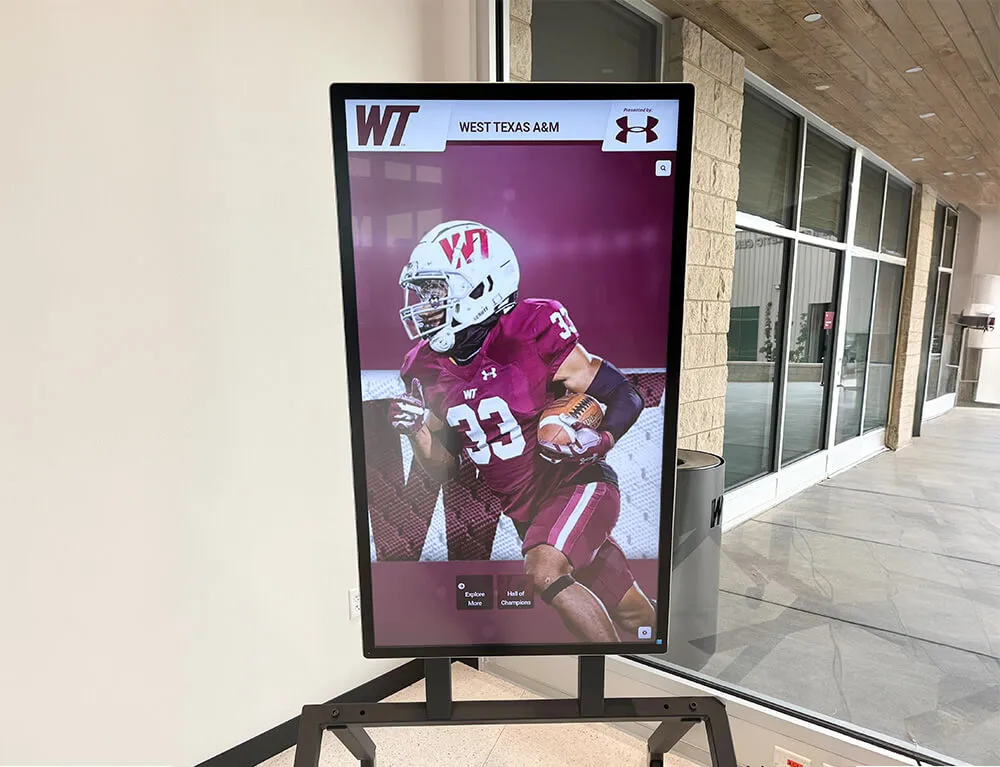
Recognition platforms operate in both interactive touchscreen and passive display modes serving different use cases. Touchscreen installations invite exploration enabling visitors to search for specific athletes, browse sports systematically, or discover connections independently. Passive displays rotate curated content automatically showcasing recognition to passing audiences without requiring interaction. Hybrid approaches use passive display modes during low-traffic periods while enabling touchscreen interaction when visitors approach.
Selection depends on installation contexts, anticipated user behaviors, and budgetary considerations—with many schools deploying both modes in different locations throughout facilities.
Explore guidance on touchscreen display implementation for athletic recognition installations.
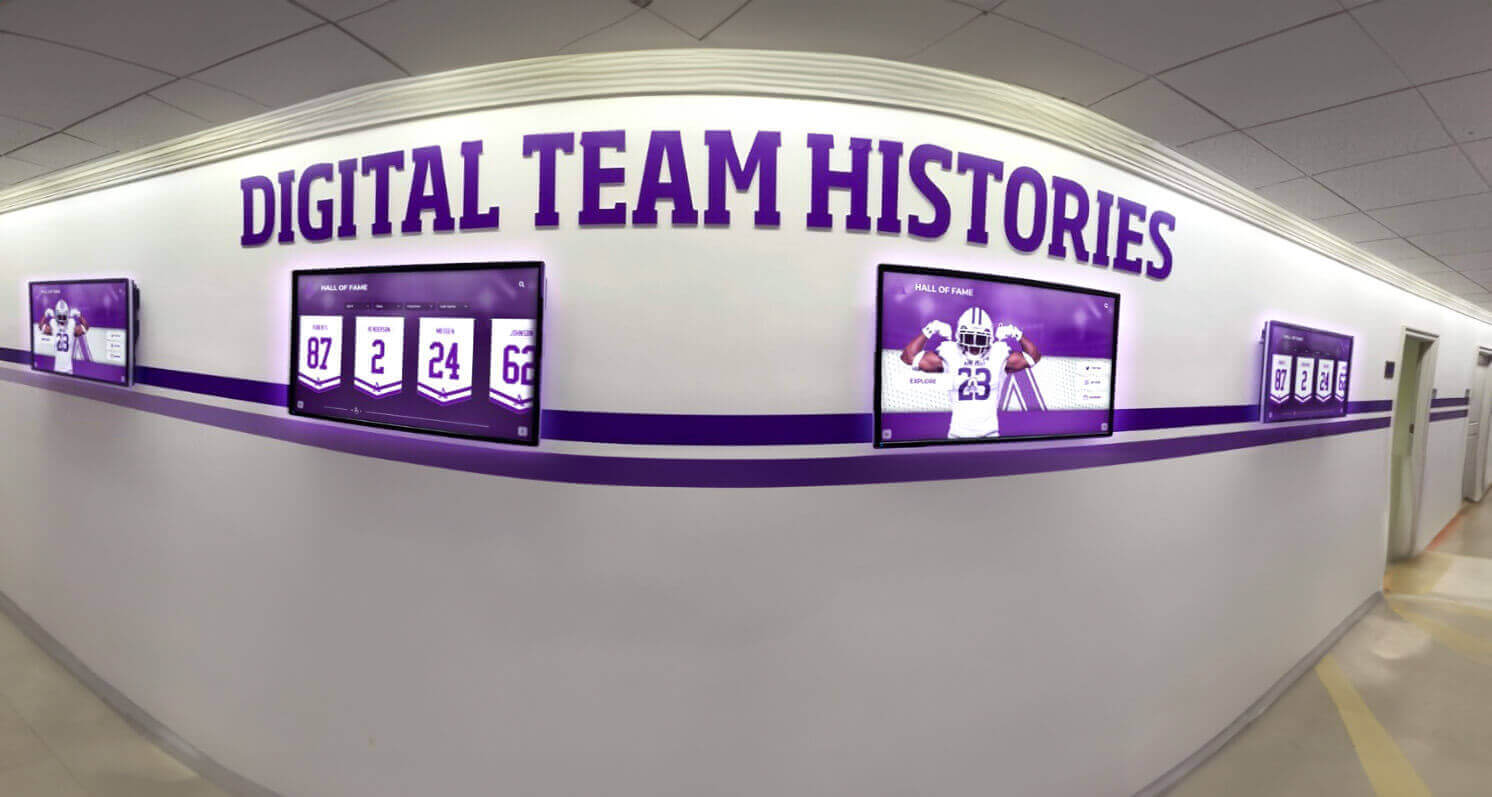
Coordinated display networks ensure recognition receives visibility throughout buildings rather than concentrating in single locations
Ongoing Content Maintenance
Digital recognition remains effective only with systematic maintenance ensuring content stays current, accurate, and engaging.
Annual Update Cycles
Regular content additions maintain recognition relevance. New Gatorade Player of the Year selections receive profiles within days of announcement ensuring timely celebration. Season-ending updates document championship achievements, record performances, and significant accomplishments. Alumni updates maintain connections with graduated recipients showing continued success and engagement. Anniversary recognition highlights historic recipients at significant milestones.
These regular updates signal active curation rather than static archives—demonstrating institutional commitment to recognition beyond initial implementation enthusiasm.
Quality Assurance Processes
Systematic review ensures presentation quality and factual accuracy over time. Annual content audits verify information accuracy, fix broken links or missing media, and update outdated references. Periodic design refreshes maintain contemporary visual aesthetics preventing dated presentations. Technical maintenance addresses software updates, security patches, and compatibility requirements. User feedback incorporation improves navigation, fixes confusing elements, and enhances engagement based on actual community usage patterns.
Many schools assign specific staff responsibilities for digital recognition maintenance rather than treating it as voluntary additional duties—ensuring consistent attention maintaining presentation quality.
Beyond Athletic Achievement: The Student Behind the Award
While Gatorade Player of the Year recognition celebrates athletic excellence, comprehensive presentations honor complete individuals including their academic achievements, character qualities, and community contributions.
Academic Excellence Documentation
Recognition profiles should document recipients’ classroom success demonstrating that athletic achievement occurred alongside rather than instead of intellectual development.
Academic Honors and Achievements
Beyond required minimum GPA criteria, comprehensive profiles celebrate specific academic distinctions including National Honor Society membership, AP Scholar designations, academic all-state selections, subject-specific awards and honors, college scholarship offers based on academic merit, and planned college majors connecting high school academics to future aspirations.
This academic documentation demonstrates that Gatorade recipients represent well-rounded students excelling across multiple dimensions—countering stereotypes reducing student-athletes to athletic contributions alone.
Balance and Time Management
Profile narratives can explore how recipients balanced demanding training schedules with rigorous academic coursework. Highlighting this balance provides role models for current students attempting similar juggling acts—showing that excellence in multiple areas requires dedication and organization but remains achievable with proper commitment.
Explore comprehensive approaches to academic achievement recognition that complement athletic honors within broader student celebration programs.
Character and Community Impact
The character component of Gatorade selection criteria provides opportunities to document recipients’ leadership and service contributions beyond athletic and academic spheres.
Leadership Roles and Contributions
Recognition profiles should document formal and informal leadership including team captaincies, student government positions, club leadership roles, peer mentoring and tutoring, school spirit leadership, and positive influence on team culture. These leadership examples demonstrate how recipients elevated those around them rather than pursuing purely individual success—modeling collaborative excellence over individualistic achievement.
Community Service and Volunteerism
Documenting community engagement shows recipients’ awareness of responsibilities beyond personal success. Service contributions might include youth sports coaching and mentoring, community organization volunteering, fundraising for charitable causes, environmental or civic improvement projects, and service trip participation. Highlighting these commitments positions recipients as role models for citizenship and community contribution—not just athletic performance.
College and Career Trajectories
Following recipients beyond high school graduation extends recognition into inspirational trajectory documentation showing how early excellence launched continued success.
College Athletic Careers
Alumni updates document college athletic continuation including Division I, II, or III participation, specific college and team selections, collegiate athletic achievements, and relationships with college coaches. This documentation helps current students understand recruiting processes and college athletic possibilities while celebrating alumni success.
Professional and Career Success
Beyond collegiate athletics, recognition can document recipients’ professional paths showing diverse success trajectories. Some recipients pursue professional athletic careers, others leverage athletic experience into coaching or sports management, many transition athletic dedication into other demanding professional fields. Documenting this diversity demonstrates that athletic excellence develops transferable qualities—discipline, resilience, goal-setting, teamwork—valuable across countless career paths.
These expanded trajectories position Gatorade recognition as recognition of exceptional individuals who happen to excel athletically rather than reducing recipients to their sport-specific accomplishments alone.
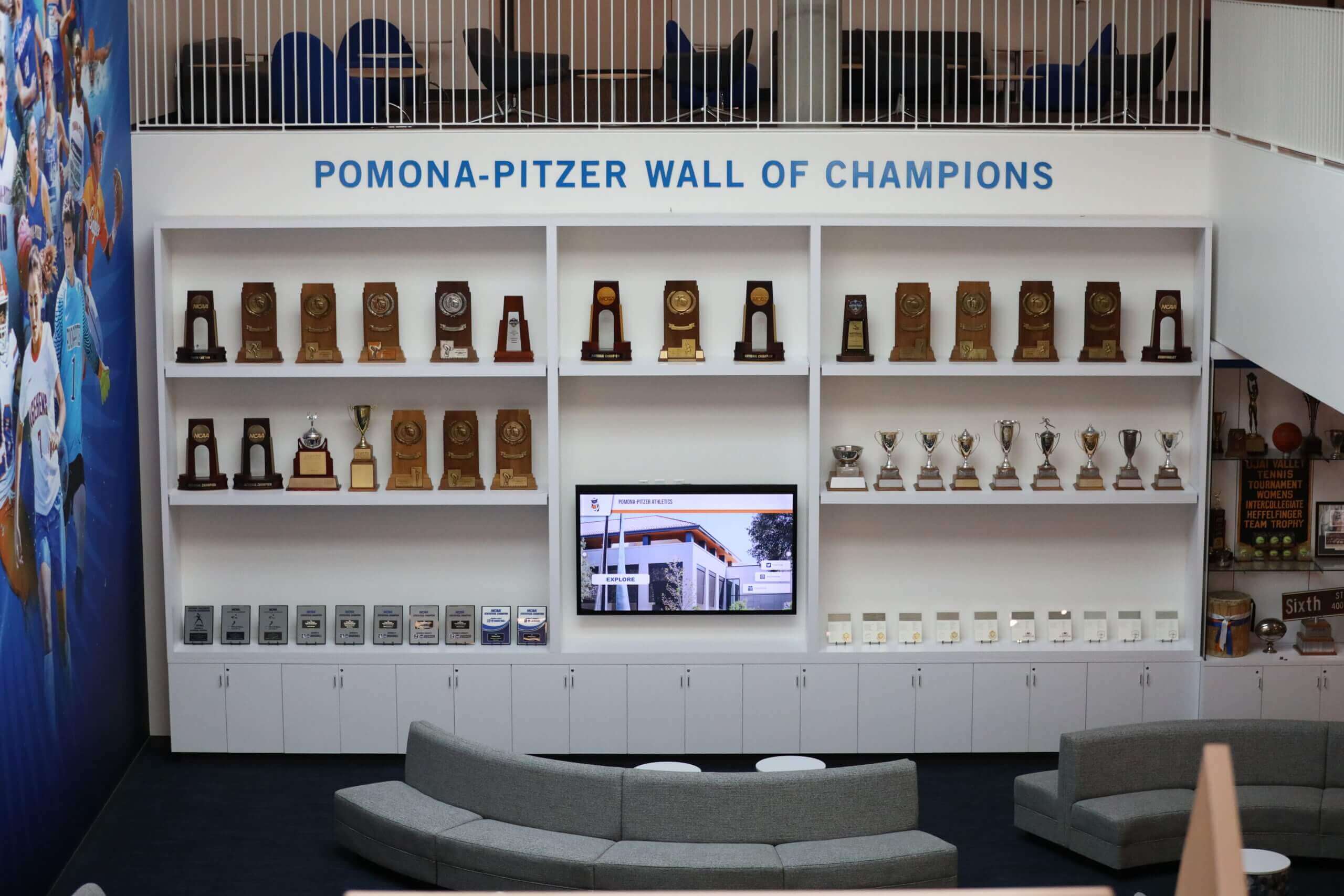
Comprehensive recognition environments celebrate multi-dimensional achievement beyond athletic accomplishment alone
Making the Transition: Moving from Physical to Digital Recognition
Schools with existing physical recognition face practical questions about transitioning to digital platforms while honoring established traditions and managing community expectations.
Maintaining Physical Recognition During Transition
Digital recognition doesn’t require immediately removing all physical displays—hybrid approaches honor traditions while introducing enhanced capabilities.
Complementary Rather Than Replacement
Initial digital implementations often complement existing physical recognition rather than replacing it completely. Physical trophies remain displayed while digital platforms add biographical context, multimedia content, and comprehensive histories impossible with cases alone. Championship banners stay visible in gyms while digital archives preserve removed or damaged banners no longer suitable for physical display. Recent recipient physical recognition continues while digital platforms document historic recipients whose physical recognition disappeared decades ago.
This complementary approach eases transitions by demonstrating digital value without forcing immediate abandonment of familiar traditions—building community comfort before eventual migration discussions.
Strategic Physical Recognition Curation
As comfort with digital platforms grows, schools can curate physical displays more strategically. Recent achievements (past 5-10 years) maintain physical presence ensuring current community recognition. Historic highlights remain displayed representing program heritage and tradition. Rotating physical recognition brings historic achievements from digital archives into temporary physical display creating ongoing connections. Freed physical space accommodates new recognition types, improves traffic flow, or converts to flexible uses serving contemporary building needs.
This strategic curation maximizes limited physical space for highest-impact recognition while digital platforms handle comprehensive historical preservation.
Community Education and Buy-In
Successful transitions require helping stakeholders understand how digital recognition preserves rather than replaces traditions while solving genuine facility challenges.
Demonstrating Value Before Removal
Avoid framing digital recognition as replacement for eliminated physical displays. Instead, launch digital platforms while physical recognition remains intact, allowing communities to experience value firsthand. Highlight additional content impossible with physical displays—biographical information, multimedia elements, searchable databases. Demonstrate accessibility benefits including remote access for alumni and 24/7 availability. Document engagement through analytics showing how many community members explore recognition digitally.
This experiential approach builds support through demonstrated value rather than asking communities to accept removal based on promised future benefits.
Alumni and Donor Communication
Recipients and donors who funded physical recognition deserve respectful communication about transitions. Direct outreach explains transitions to affected recipients and their families. Recognition of concerns acknowledges emotional connections to physical displays without dismissing them. Documentation promises ensure comprehensive digital preservation including high-quality photography, complete biographical information, and permanent accessibility. Involvement opportunities invite recipients to contribute content, provide feedback, and shape digital presentations.
These respectful approaches honor relationships while explaining practical realities requiring evolution in recognition approaches.
Discover strategies for modernizing athletic recognition while maintaining traditions and managing stakeholder expectations.
Measuring Success: Recognition Program Effectiveness
Systematic evaluation ensures digital Gatorade recognition achieves intended goals around athlete celebration, community engagement, and program promotion.
Engagement Metrics and Analytics
Digital platforms enable measurement impossible with physical recognition, providing data about how communities actually interact with athletic achievement content.
Usage Data Collection
Platform analytics document comprehensive engagement including total visitors and session duration, most-viewed athlete profiles identifying community interest patterns, popular sports or time periods guiding content prioritization, search terms revealing what information visitors seek, and device types (in-facility displays vs. mobile/remote access) showing usage contexts.
These metrics inform content development decisions—highlighting which recognition resonates most while identifying gaps receiving insufficient attention.
Comparison to Physical Display Engagement
While difficult to measure precise physical display engagement, directional comparisons provide context. Observational studies can estimate daily foot traffic past physical displays versus documented digital usage. User surveys asking community members to recall specific physical display content versus retention from digital exploration provide engagement quality indicators. Time-on-content comparisons show seconds of passing glance at physical displays versus minutes exploring digital profiles.
These comparisons typically demonstrate substantially deeper engagement with digital platforms despite long-established physical display presence—validating investment in enhanced recognition approaches.
Community Feedback and Satisfaction
Beyond quantitative analytics, qualitative feedback reveals how recognition affects community perceptions and recipient experiences.
Recipient and Family Feedback
Direct input from recognized athletes provides crucial evaluation data. Satisfaction surveys assess whether recognition appropriately honors achievements. Profile review opportunities ensure factual accuracy and appropriate presentation. Feature requests identify desired enhancements improving recipient experience. Alumni engagement measures show whether graduated recipients remain connected to institutional recognition.
Positive recipient feedback validates recognition effectiveness while constructive input guides continuous improvement ensuring presentations remain appropriate and meaningful.
Broader Community Reception
Systematic feedback collection captures diverse stakeholder perspectives. Student surveys assess whether recognition inspires current athletes toward similar achievement. Parent feedback evaluates whether programs effectively communicate student accomplishment to families. Alumni response measures whether recognition maintains connections between institutions and graduated students. Community member input gauges whether recognition enhances institutional reputation beyond internal audiences.
This comprehensive feedback ensures recognition serves multiple stakeholder groups rather than optimizing exclusively for specific audiences.
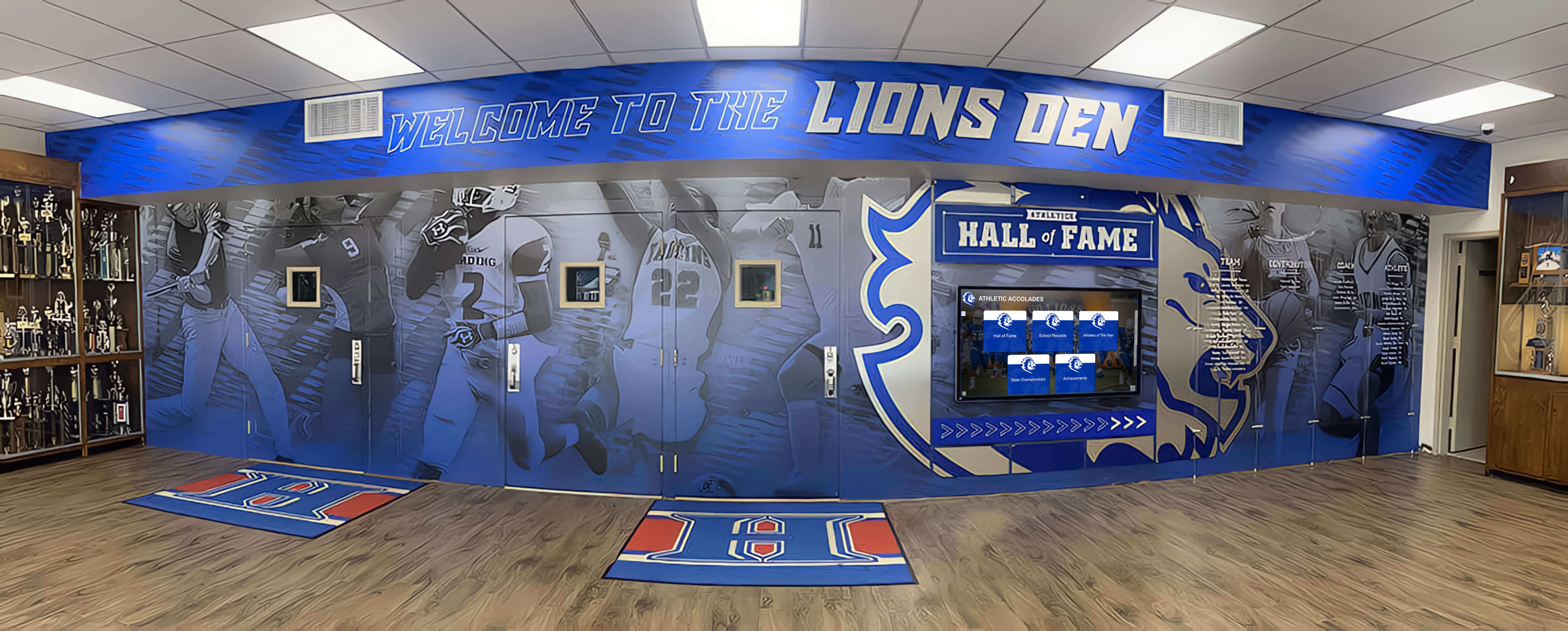
Comprehensive recognition programs combine multiple presentation modes creating immersive celebration environments
Future Possibilities: Recognition Technology Evolution
Digital recognition capabilities continue evolving, creating opportunities for enhanced presentations that weren’t possible even recently.
Emerging Technology Integration
New technologies enable recognition experiences moving beyond current standard approaches.
Augmented Reality Enhancements
Emerging AR capabilities let visitors point smartphones at physical locations to trigger digital content overlays. Gymnasium AR experiences could overlay historic championship banner displays showing removed physical recognition in original locations. Trophy case AR additions supplement physical awards with digital biography content, video highlights, and expanded context. Facility tour AR guides provide narrated recognition experiences as visitors move through buildings.
These AR applications bridge physical and digital recognition creating immersive hybrid experiences leveraging both presentation modes.
AI-Powered Content Generation
Artificial intelligence tools enable recognition content creation at unprecedented scale and speed. Automated biography drafting transforms structured data into narrative profiles requiring only light editorial review. Statistical analysis identifies record performances, notable achievements, and unusual accomplishments deserving recognition. Pattern recognition connects related athletes, identifies multigenerational families, and discovers interesting historical parallels.
These AI capabilities can help under-resourced programs develop comprehensive recognition content despite limited staff availability—democratizing quality recognition access.
Expanded Recognition Scope
As digital platforms eliminate space constraints, schools can expand recognition beyond traditional boundaries.
All-Participant Recognition
Rather than limiting recognition to elite recipients, some platforms document all varsity participants preserving complete program histories. Every athlete receives profile documentation including seasons participated, positions played, statistics accumulated, and team contributions. This comprehensive approach honors participation itself—not just exceptional achievement—while creating complete institutional athletic records serving archival purposes beyond celebration alone.
For programs consistently producing Gatorade recipients and championship teams, expanded recognition ensures supporting contributors receive acknowledgment alongside headliners—honoring the depth enabling sustained excellence.
Multi-Dimensional Excellence
Digital flexibility enables recognition expanding beyond purely athletic criteria. Scholar-athlete recognition honors academic excellence alongside athletic participation. Character award documentation celebrates leadership, sportsmanship, and positive influence. Improvement recognition honors dedication and growth independent of absolute achievement levels. Overcoming adversity recognition celebrates persistence through injuries, challenges, or difficult circumstances.
This expanded scope positions athletic programs as developmental environments valuing multiple success forms rather than celebrating only competition outcomes—aligning recognition with educational missions.
Conclusion: Preserving Legacy Without Sacrificing Space
Gatorade Player of the Year recognition represents the pinnacle of high school athletic achievement—rare honors distinguishing exceptional student-athletes demonstrating excellence in sport, academics, and character. These prestigious distinctions deserve recognition proportional to their significance, yet traditional approaches force impossible choices between honoring historic excellence and accommodating contemporary achievements within fixed physical space constraints.
Digital recognition platforms solve this fundamental conflict by creating unlimited preservation capacity ensuring every recipient receives comprehensive, permanent recognition regardless of when achievements occurred or whether facility space permits physical display. High-resolution banner archival preserves championship recognition even after physical removal. Complete athlete profiles document multi-dimensional excellence through multimedia presentations impossible with trophies alone. Searchable databases make decades of recognition instantly accessible rather than requiring physical navigation through crowded displays. Remote access extends recognition beyond facility walls serving alumni, recruitment, and community engagement purposes simultaneously.
These capabilities don’t diminish recognition value—they enhance it by enabling richer storytelling, broader accessibility, and permanent preservation ensuring no achievement disappears due to space limitations or facility renovations. Schools implementing digital Gatorade recognition honor recipients more comprehensively than physical displays alone while freeing valuable facility space for flexible contemporary uses.
The athletic directors, booster organizations, and institutional leaders who recognize these benefits position their programs to celebrate historic excellence while accommodating unlimited future achievement—creating recognition systems serving institutions effectively for generations rather than requiring periodic reinstallation as space constraints force difficult curation decisions.
Solutions like Rocket Alumni Solutions enable schools to preserve Gatorade Player of the Year legacies digitally while maintaining facility flexibility for evolving educational needs. Interactive displays honor every recipient comprehensively, archive championship banners permanently, and create engaging recognition environments inspiring current students while celebrating historic achievement—solving the space constraints that force programs to choose which excellence deserves remembrance and which must be forgotten.
Ready to preserve your Gatorade Player of the Year recognition for generations without sacrificing facility space? Book a demo to discover how digital recognition platforms create comprehensive, accessible athlete archives that honor achievement appropriately while freeing valuable gym and trophy case space for contemporary institutional needs.