



The first days of high school or college shape how students view their educational journey for years to come. Effective freshman orientation transforms nervous newcomers into confident community members who understand campus resources, connect with peers, and feel genuine excitement about their new school environment.
Traditional orientation approaches—handing out schedules, rushing through building tours, and delivering information-heavy presentations—leave students overwhelmed and disconnected. The best freshman orientation ideas balance practical information with engaging activities that build relationships, showcase school culture, and create memorable first impressions that last well beyond those initial days.
Modern orientation programs recognize that connection matters more than information delivery. Today’s incoming students respond best to interactive experiences, peer-to-peer engagement, hands-on exploration, and activities revealing authentic school personality rather than generic institutional presentations.
This comprehensive guide explores proven freshman orientation ideas that help new students feel genuinely welcome, from interactive campus discovery activities and creative icebreakers to peer mentoring programs and innovative digital solutions that bring school history and traditions to life in ways that resonate with today’s students.

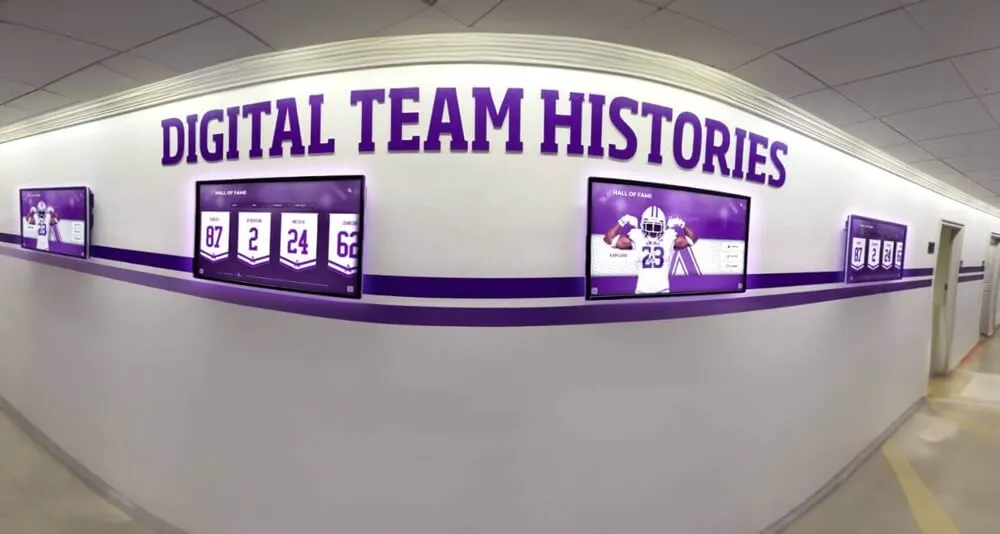
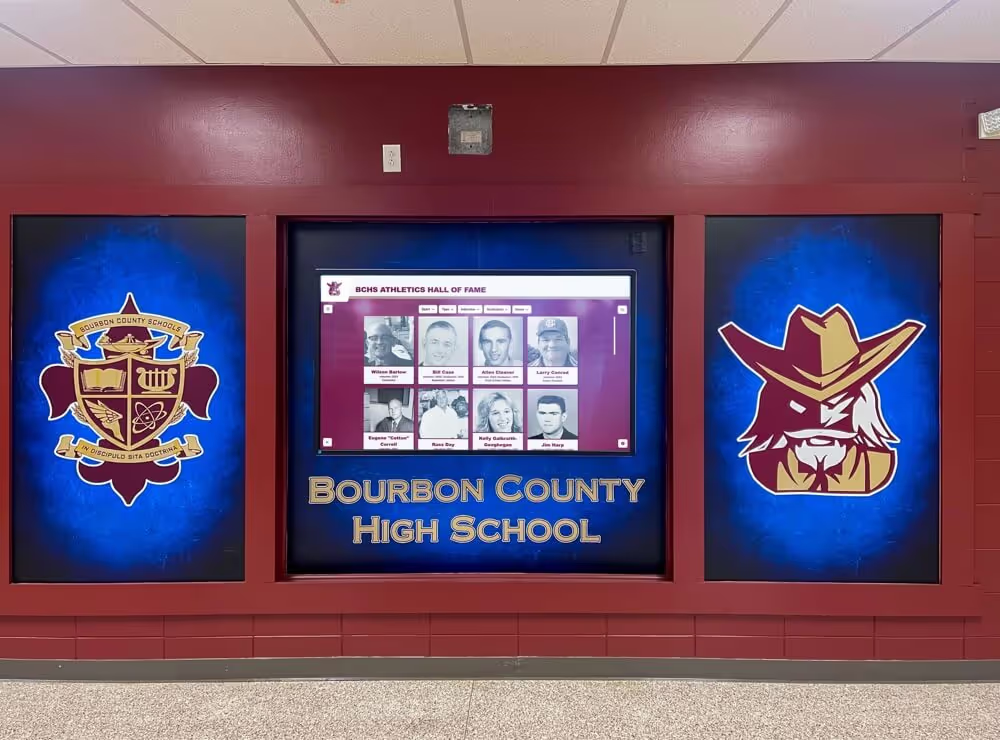
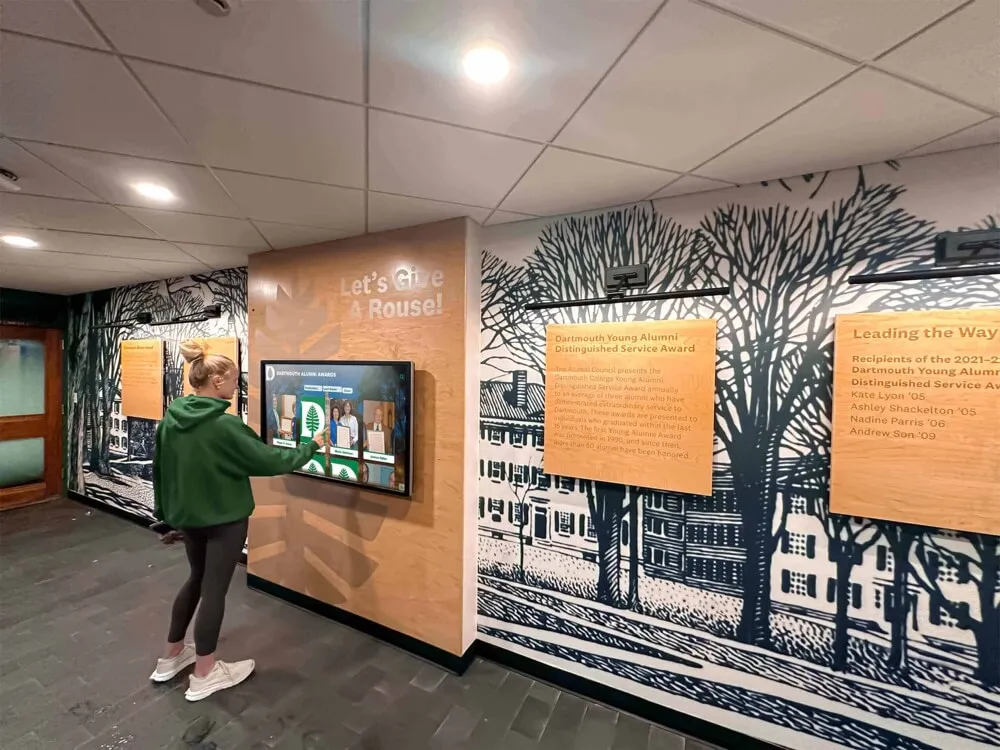
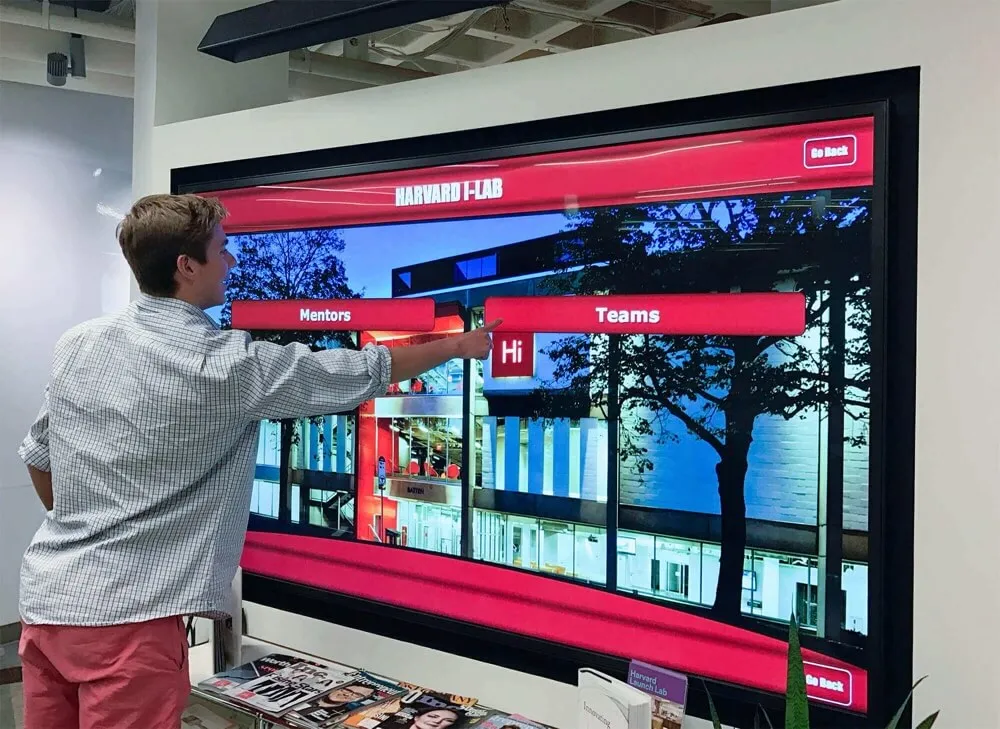
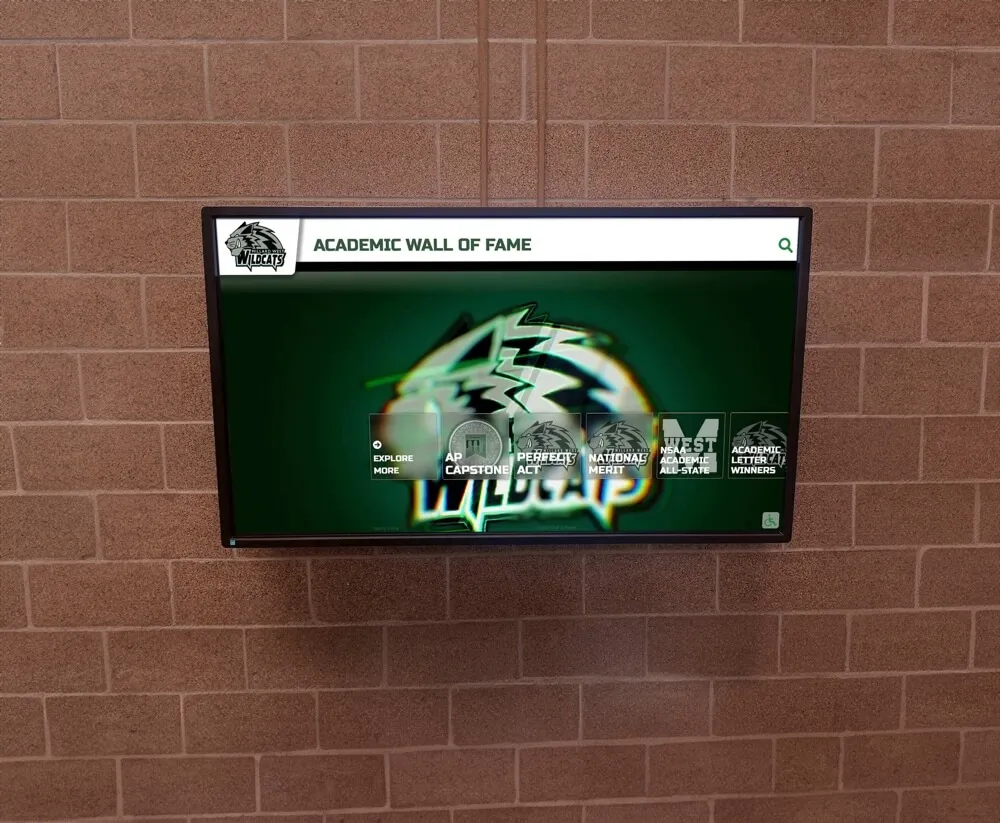
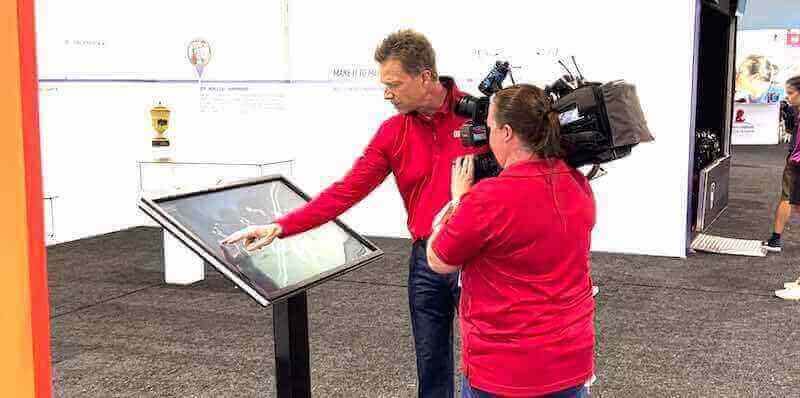
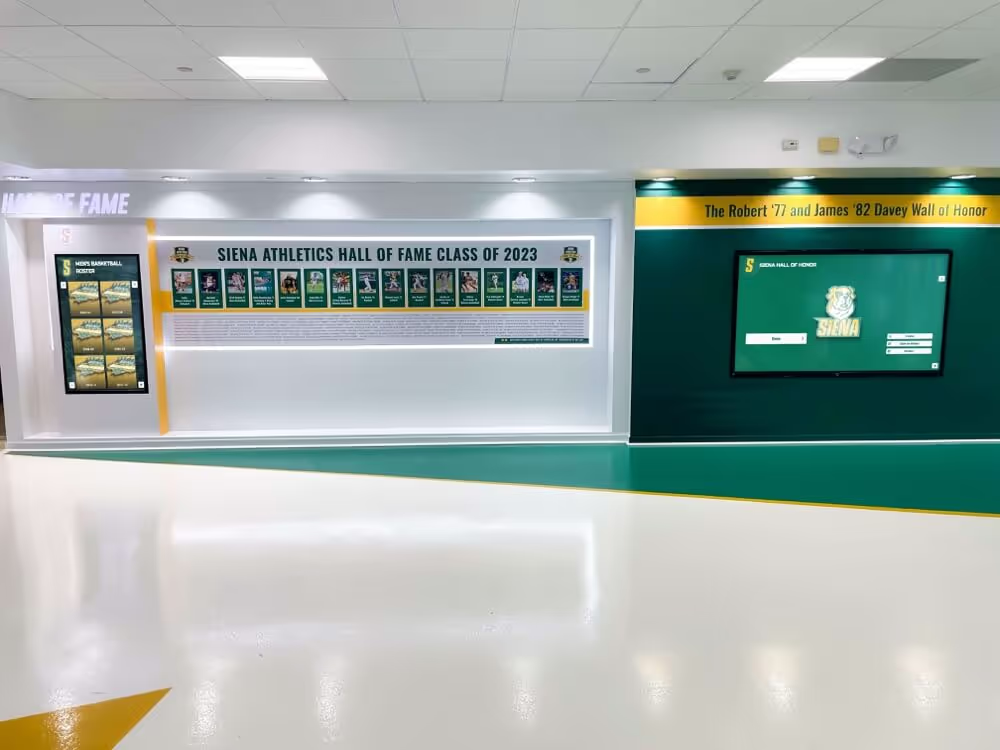
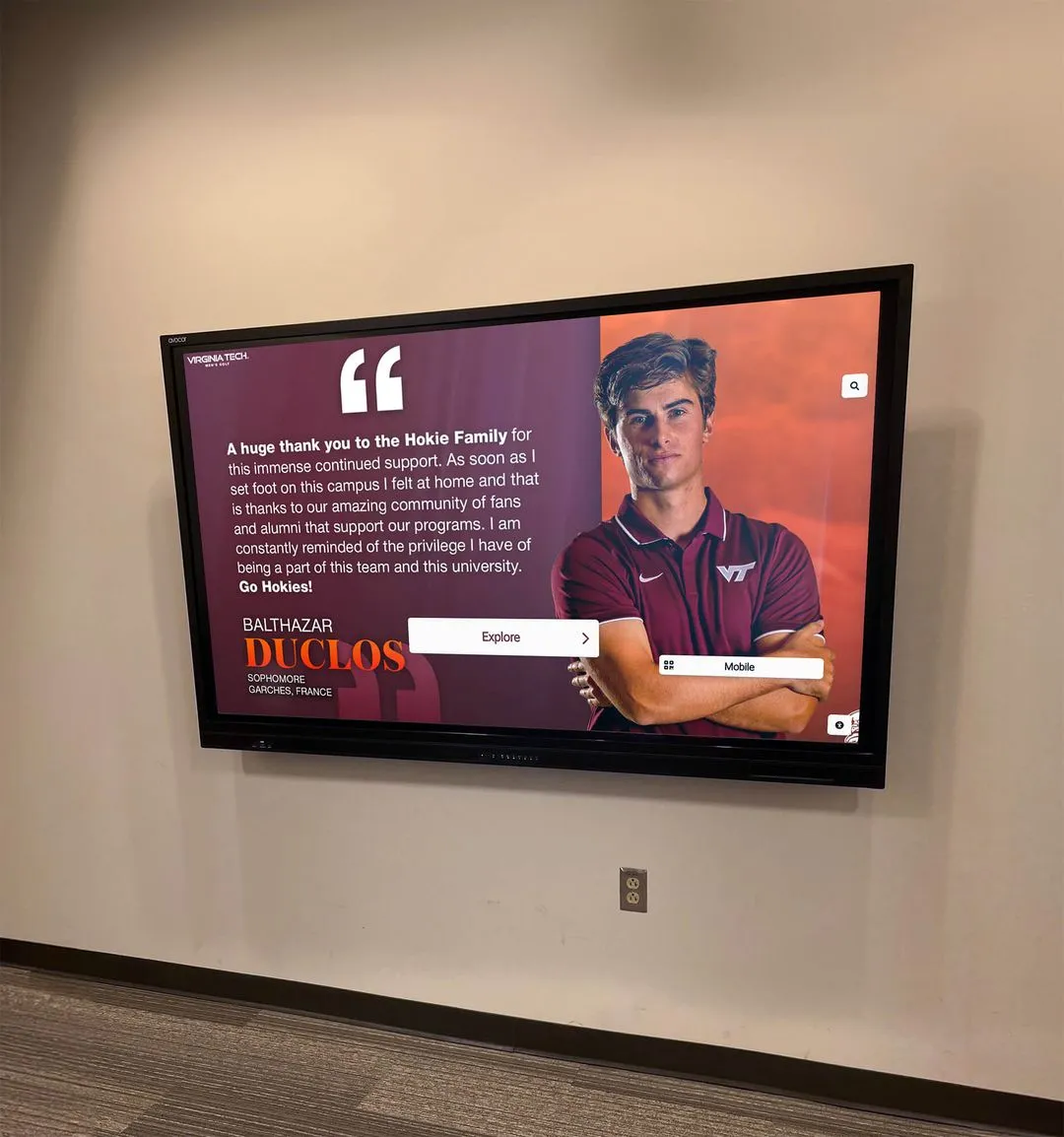
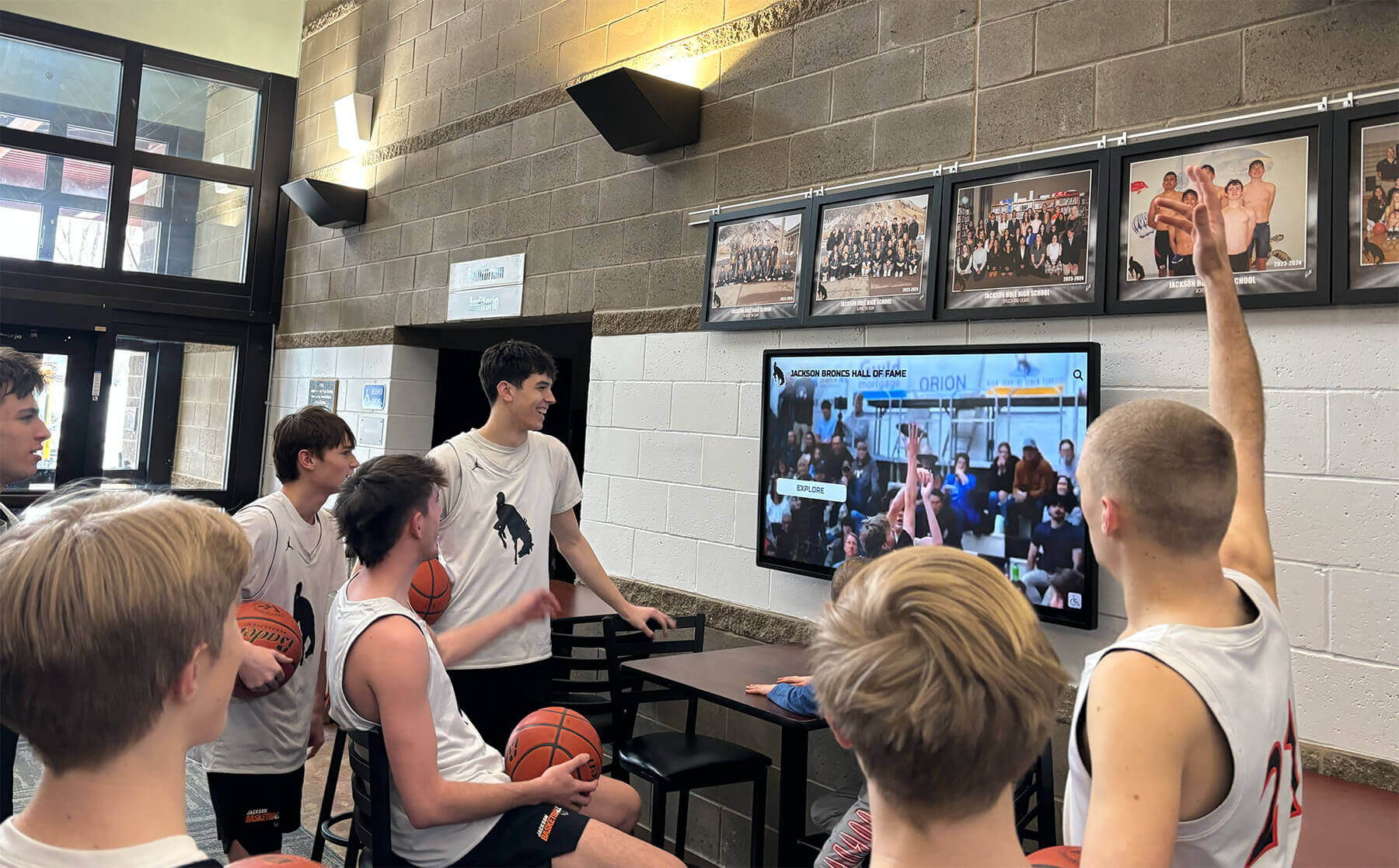
Interactive displays in common areas give freshmen self-directed opportunities to explore school history, achievements, and culture at their own pace
Interactive Campus Tours That Go Beyond Building Names
Walking tours led by administrators pointing out classrooms and restrooms rank among the least engaging orientation activities. Transforming campus exploration into interactive discovery creates memorable first experiences while helping students actually retain location information they’ll need daily.
Scavenger Hunt Orientation Tours
Replace passive walking tours with scavenger hunts requiring students to actively locate and engage with campus locations:
Challenge-Based Exploration
Small groups receive lists of challenges completed throughout campus:
- Find specific historical markers or plaques and photograph team members with them
- Locate key staff offices and collect stamps, stickers, or signatures
- Answer trivia questions discoverable only by reading displays in specific locations
- Complete mini-challenges at various sites (take a team photo on the stage, find the oldest trophy in the athletics display, locate the founding year on building cornerstones)
- Document discoveries through photos or videos shared to orientation social media hashtags
This format keeps students moving, encourages interaction with spaces they’ll use regularly, and builds immediate peer connections through team collaboration. Schools implementing scavenger hunt orientations report significantly higher retention of campus layout information compared to traditional tours.
QR Code Discovery Stations
Place QR codes throughout campus that students scan to access:
- Short video introductions from staff members who work in those areas
- Historical information about buildings or programs
- Tips from current students about hidden gems or useful campus secrets
- Augmented reality experiences showing spaces during events or historical moments
- Check-in confirmations proving teams visited required locations
This self-paced approach accommodates different learning speeds while adding technology engagement that appeals to digital-native students.
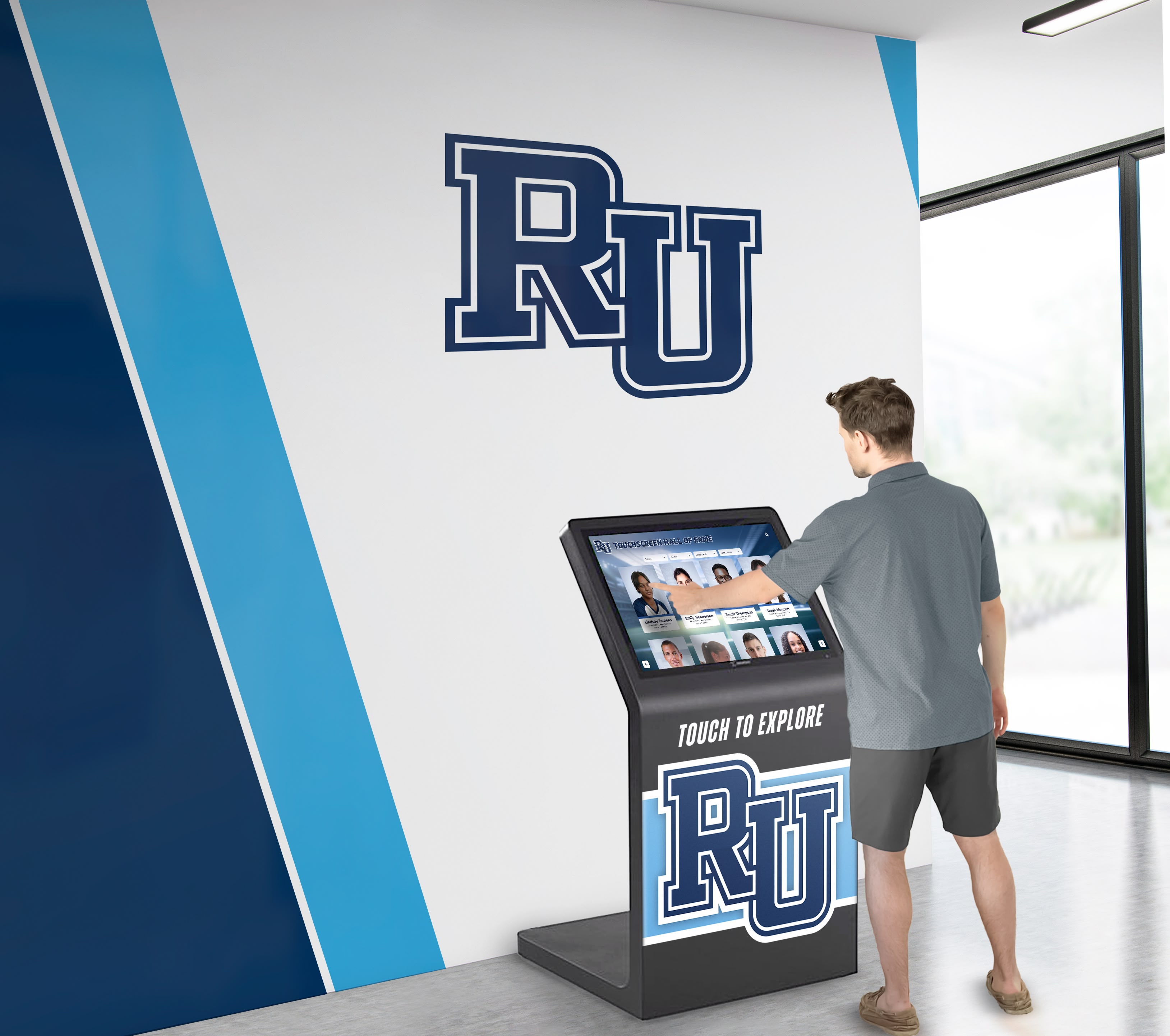
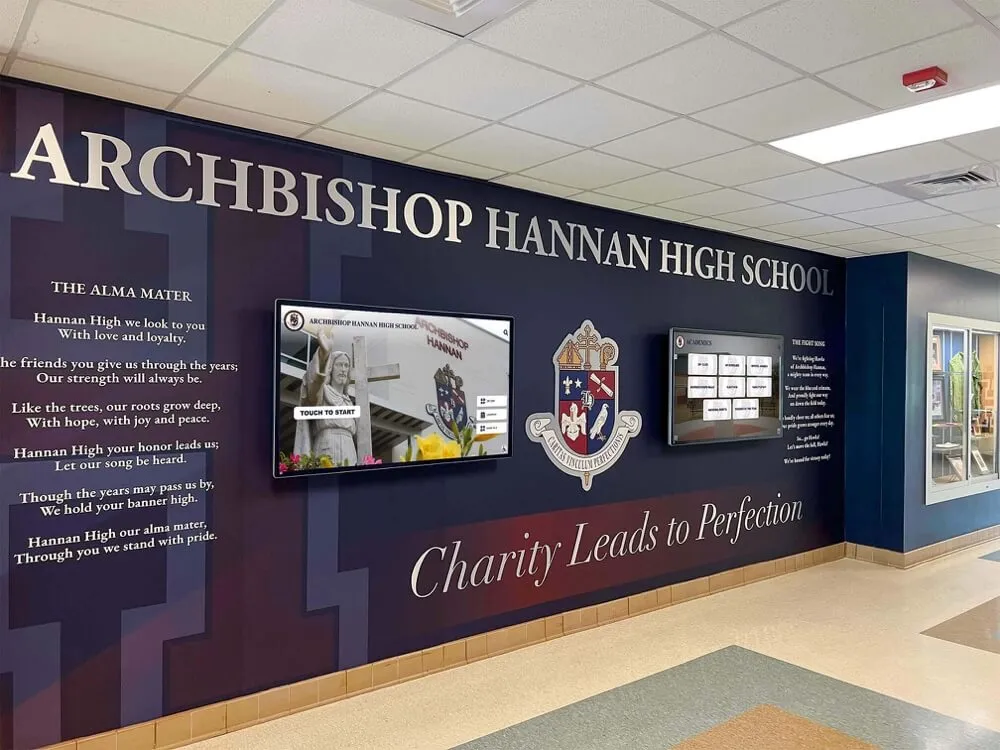
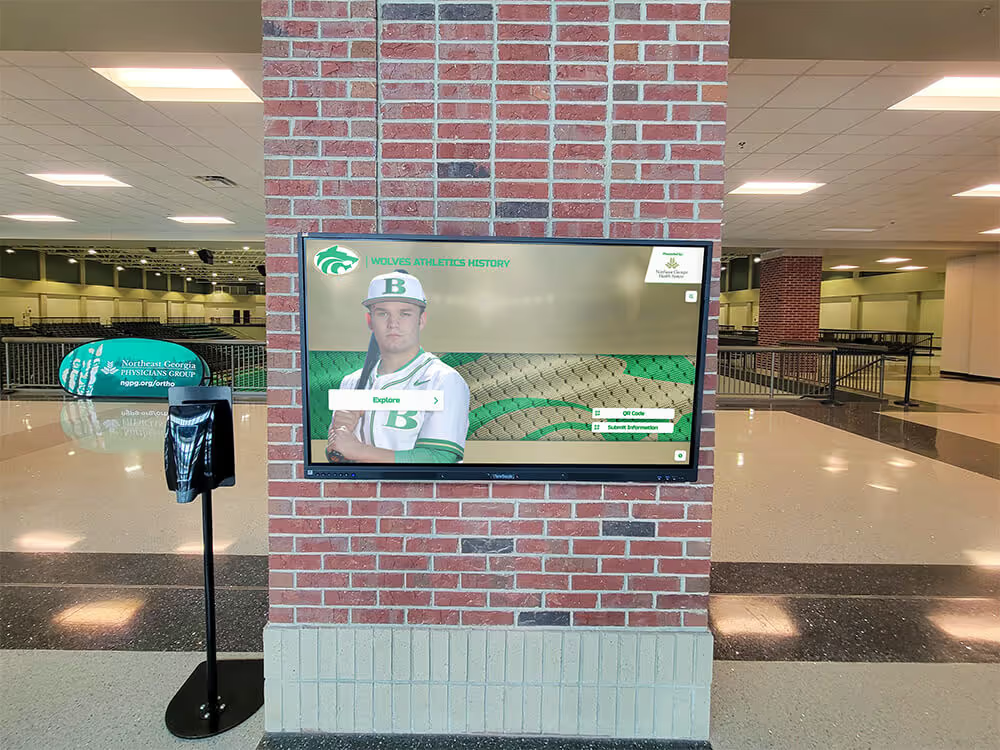
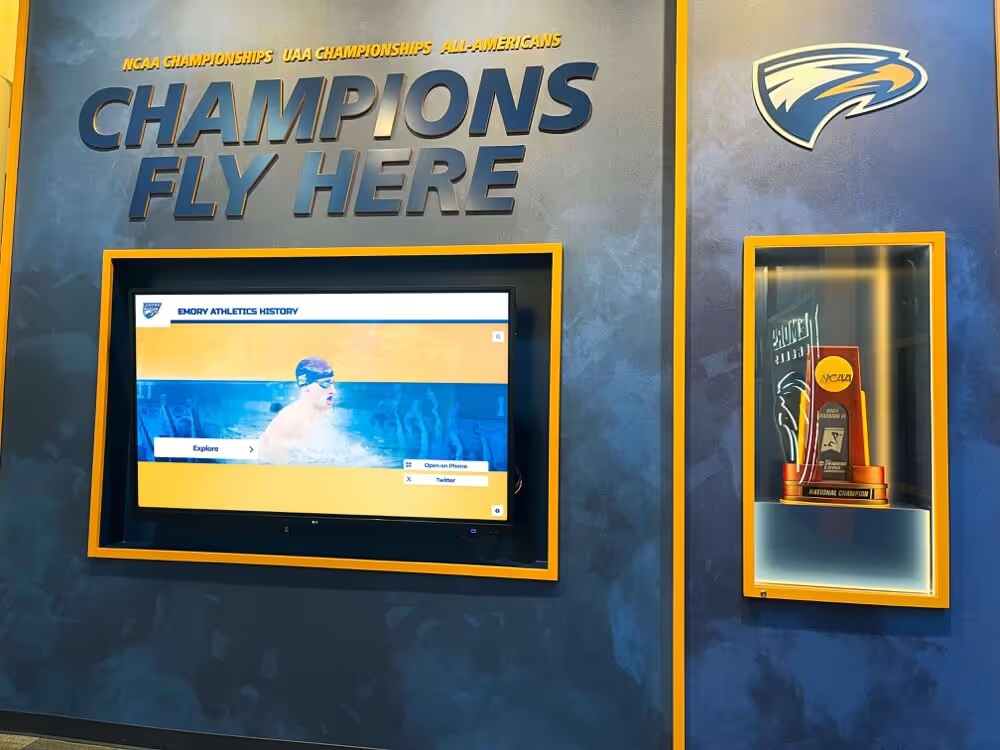
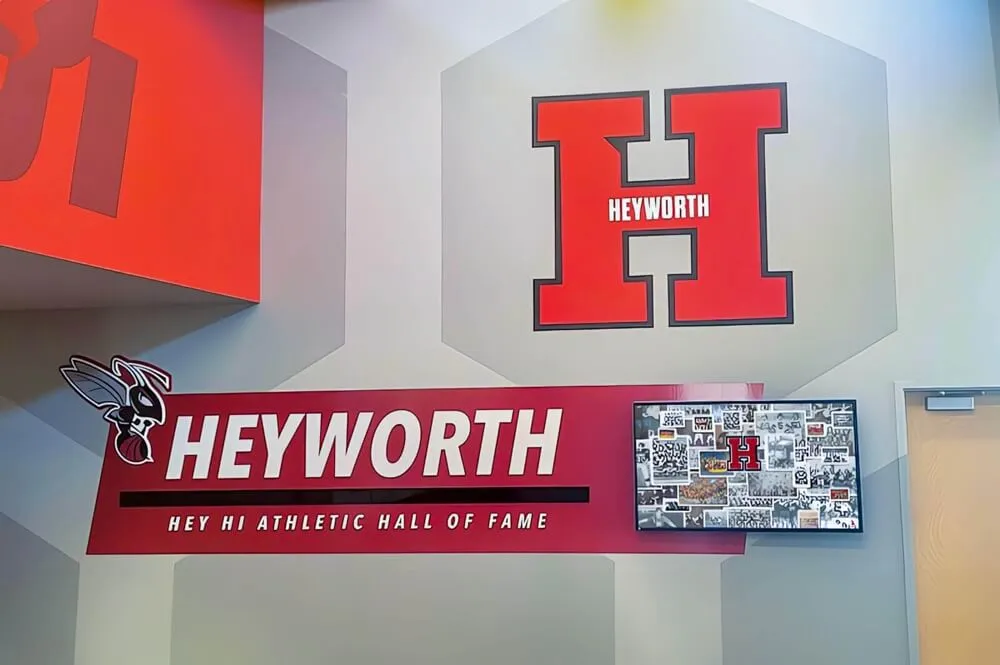
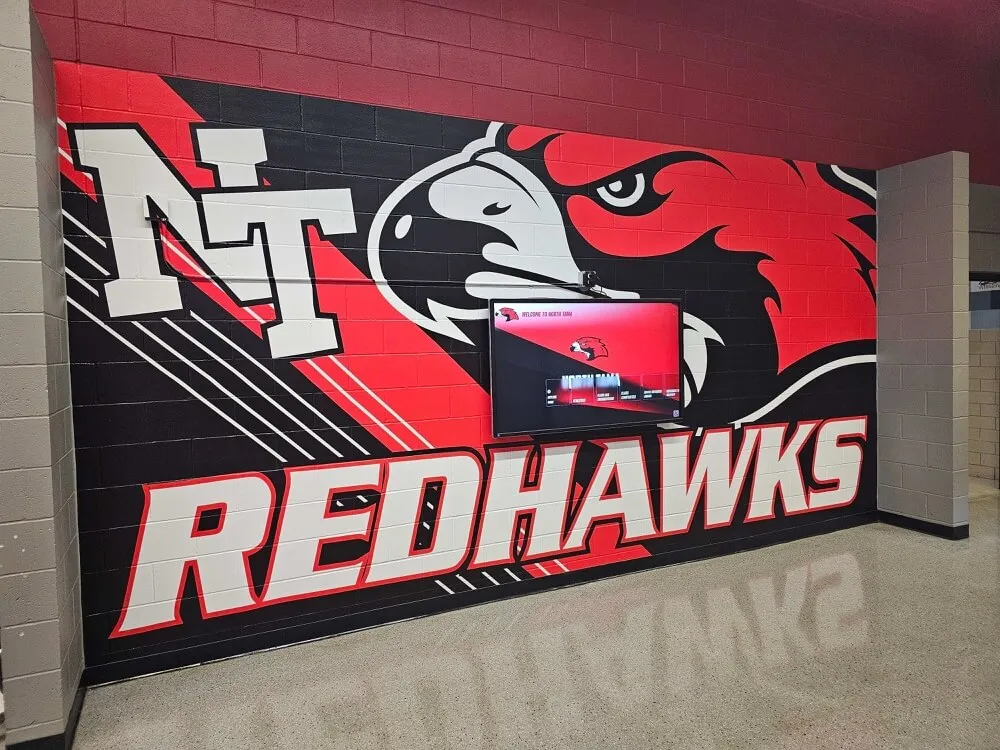
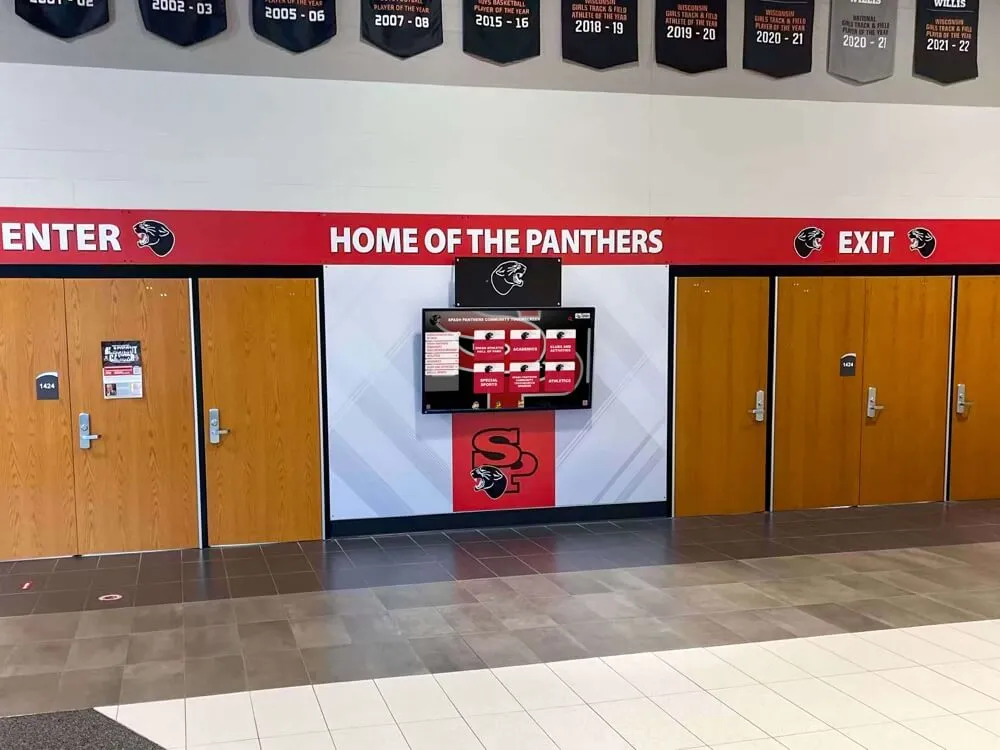
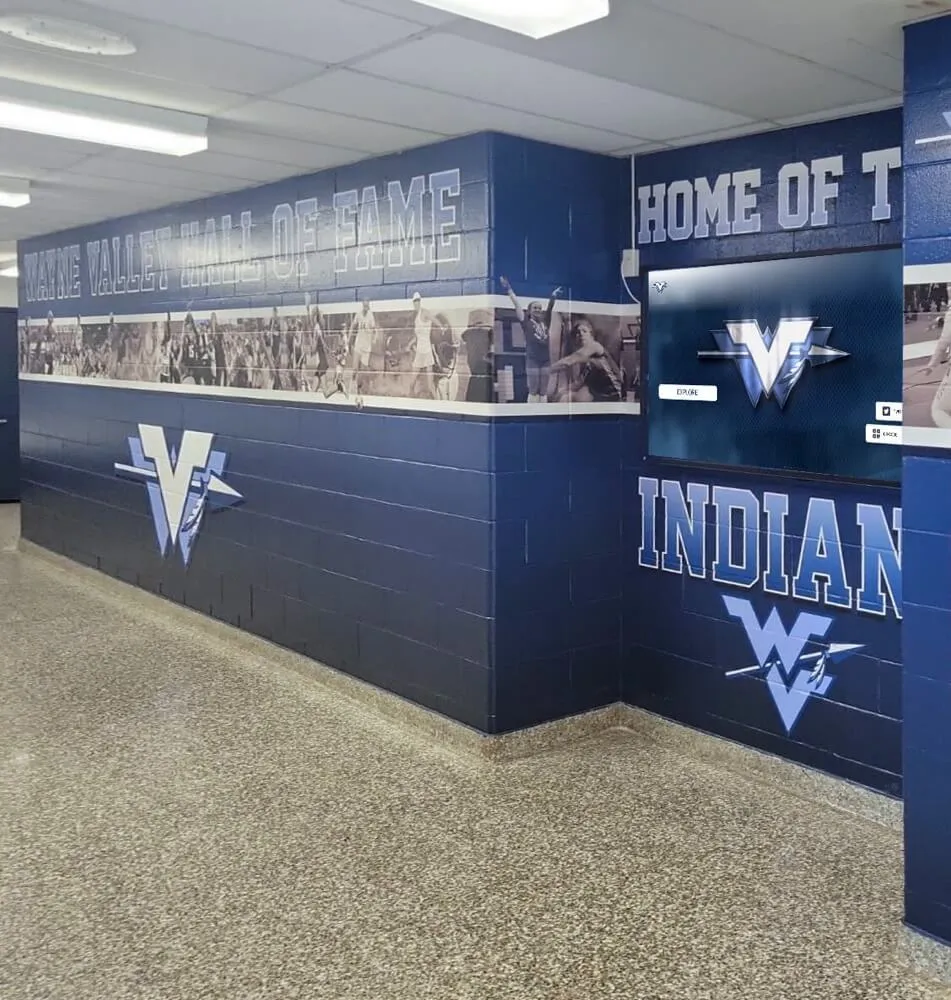
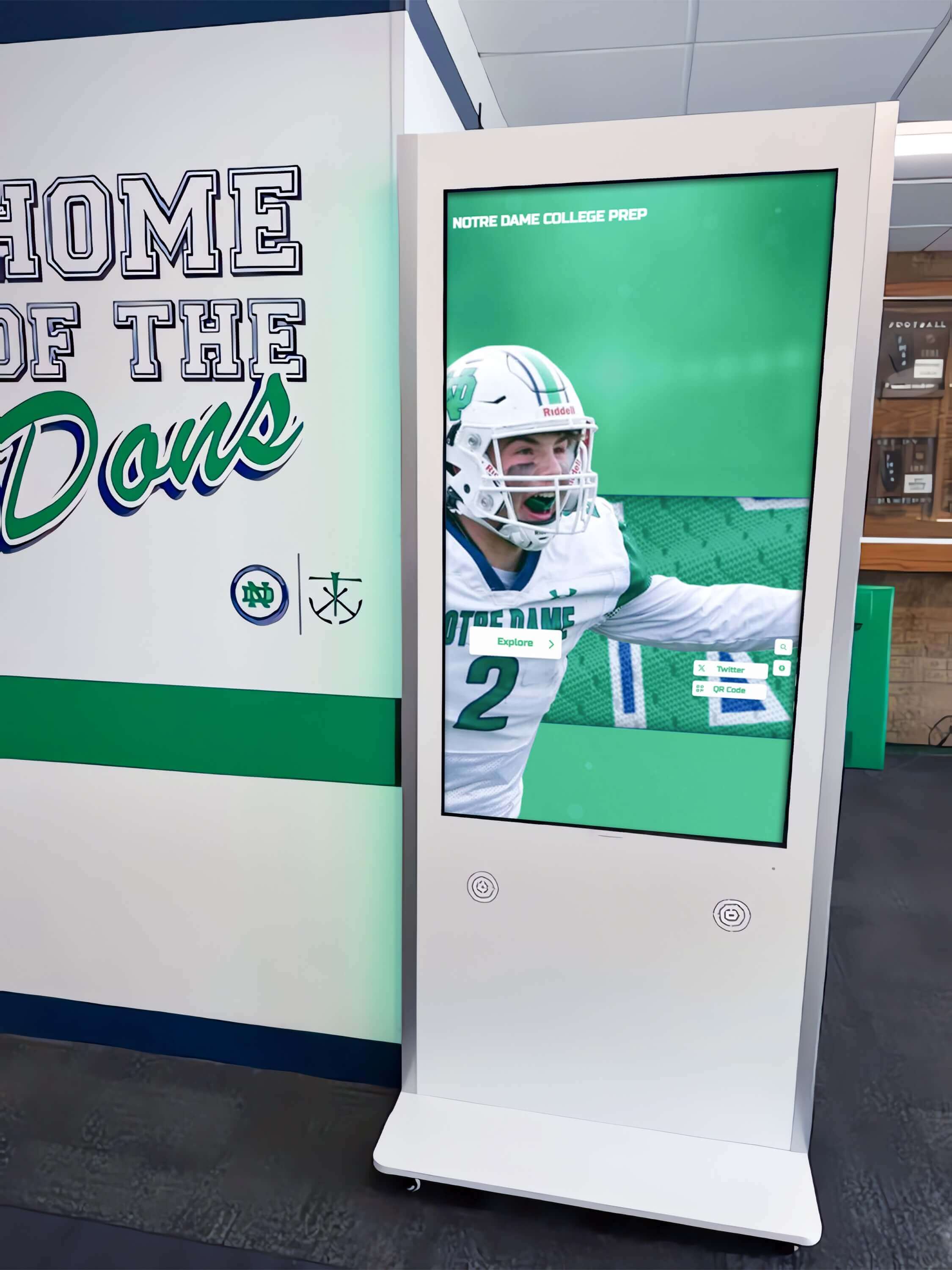
Strategically placed interactive kiosks allow freshmen to explore campus resources, programs, and achievements independently throughout orientation
Digital Campus History Stations
Interactive touchscreen displays positioned in lobbies and common areas create permanent orientation resources that incoming students explore during orientation week and throughout their first year. Unlike temporary presentations or paper materials students immediately discard, digital recognition displays provide engaging ways for freshmen to discover school traditions, notable alumni achievements, athletic records, and institutional history.
Self-Guided Historical Exploration
Modern touchscreen systems allow freshmen to:
- Browse decades of school history through searchable timelines and photo galleries
- Discover notable alumni from various fields and graduation years
- Explore athletic achievements, championship teams, and record holders
- View performing arts highlights, award-winning programs, and cultural milestones
- Search for connections (alumni from their hometown, programs matching their interests, achievements in activities they plan to join)
This approach transforms abstract institutional history into personal connections. A freshman interested in theater immediately engages when discovering alumni who pursued Broadway careers. An aspiring athlete connects with championship teams from previous decades. Academic achievers find inspiration in profiles of National Honor Society inductees and academic award recipients.
Creating Tradition Connections
Schools with established traditions use digital displays to explain significance and history:
- Origins of school mascots, colors, and symbols
- Evolution of homecoming, rivalry games, and annual events
- Stories behind building names, athletic facilities, or campus landmarks
- Historical context for school songs, cheers, and rituals
- Documentation of community service traditions and philanthropic impact
These connections help freshmen understand they’re joining communities with rich histories rather than simply attending schools. The emotional engagement creates stronger institutional bonds from day one.
Learn how schools create comprehensive recognition programs in high school walls of fame that serve both orientation and ongoing student engagement purposes.
Peer Connection Activities That Build Immediate Community
Academic information and building locations fade quickly from memory, but relationships formed during orientation create lasting school connections. Structured activities facilitating authentic peer interaction help combat the isolation and anxiety many freshmen experience during their first weeks.
Strategic Icebreaker Sessions
Generic icebreakers like “two truths and a lie” rarely generate meaningful connections. More effective approaches create shared experiences while revealing genuine commonalities.
Interest-Based Grouping Activities
Rather than arbitrary groupings, organize activities around shared interests:
- Students move to designated areas based on planned activities (athletics, performing arts, clubs, community service, academic teams)
- Small groups form around specific interests (basketball players, debate team prospects, band members, robotics enthusiasts)
- Facilitated introductions within interest groups create instant peer networks
- Upperclassmen from those programs join groups to answer questions and share experiences
- Exchange of contact information happens naturally within relevant peer groups
This targeted approach ensures freshmen immediately connect with peers they’ll actually interact with throughout their school careers, rather than temporary orientation acquaintances they never see again.
Collaborative Challenge Activities
Group challenges requiring cooperation build relationships more effectively than conversation-based icebreakers:
- Problem-solving challenges requiring diverse skills and perspectives
- Creative projects combining multiple talents (some students design, others build, others present)
- Physical challenges adapted for various ability levels emphasizing teamwork over competition
- School spirit activities like creating class cheers, designing banners, or producing short videos
- Service projects benefiting the school community (organizing supply drives, beautifying campus spaces, preparing materials for activities)
These activities reveal student strengths, encourage interdependence, and create shared memories that bond groups more powerfully than simple introductions.
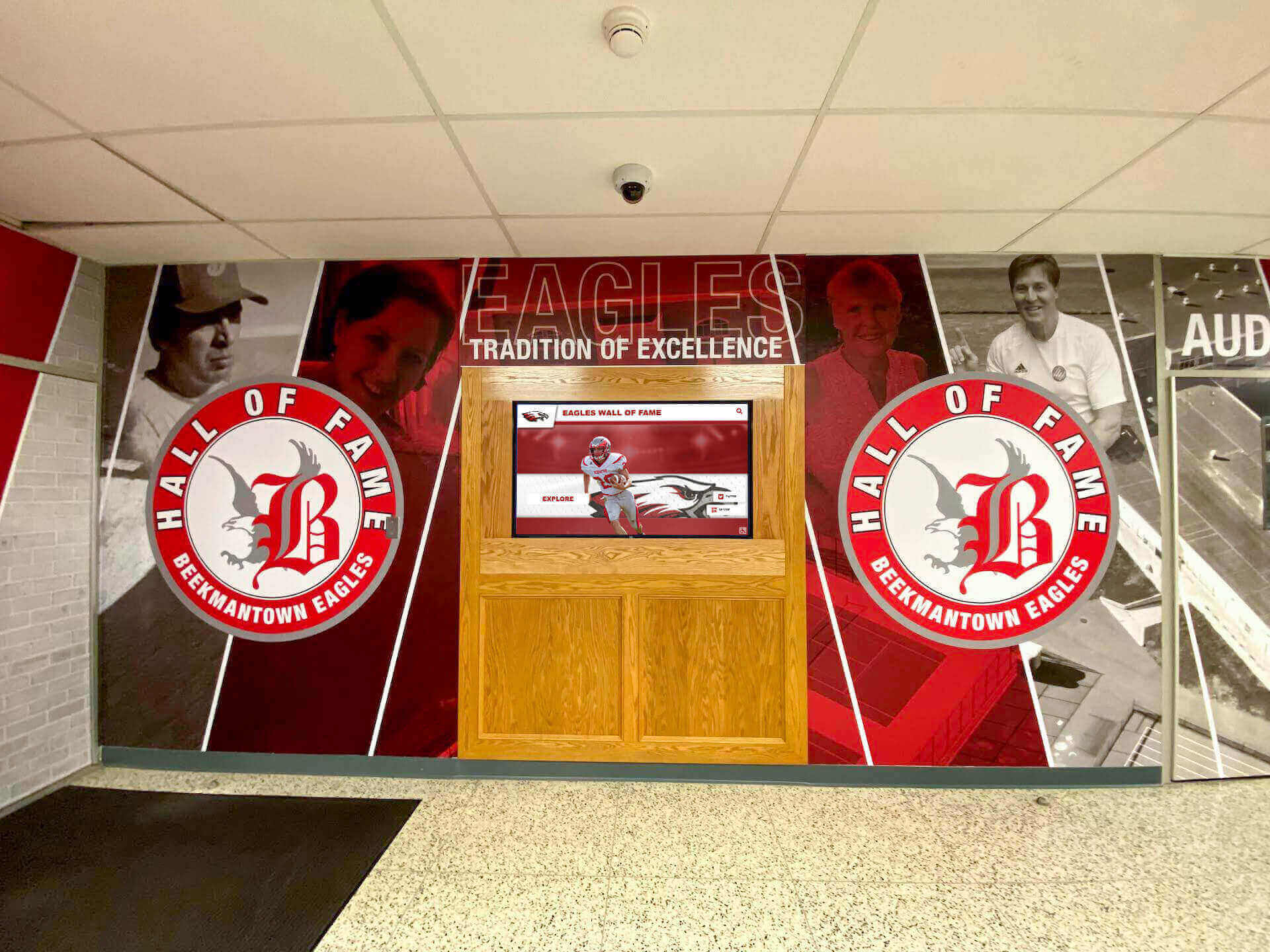
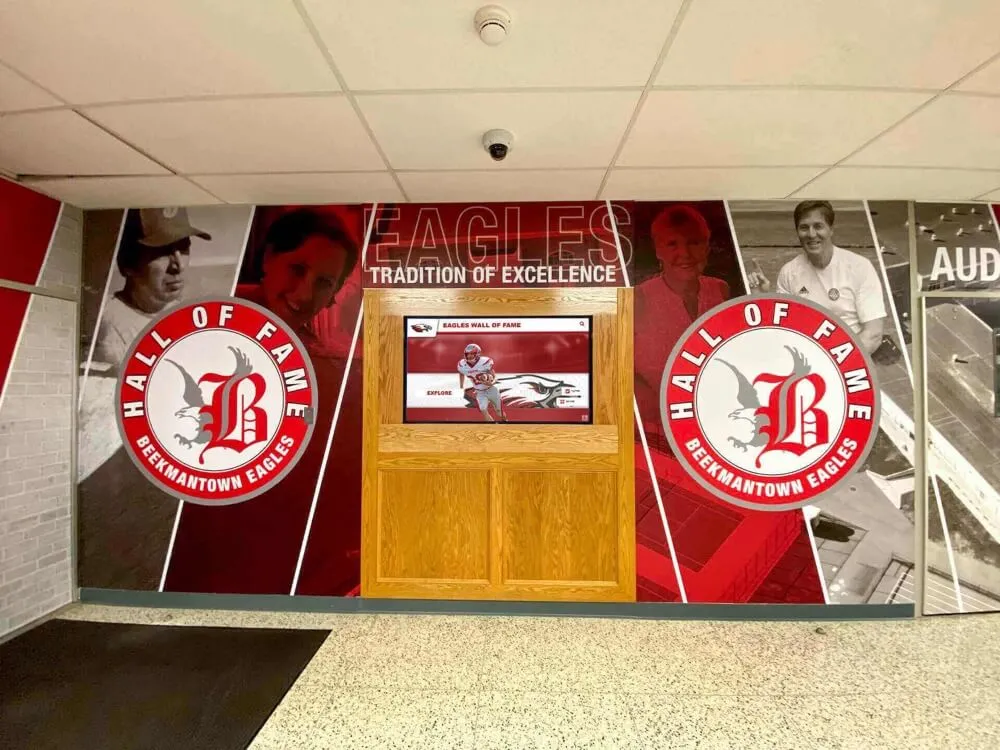
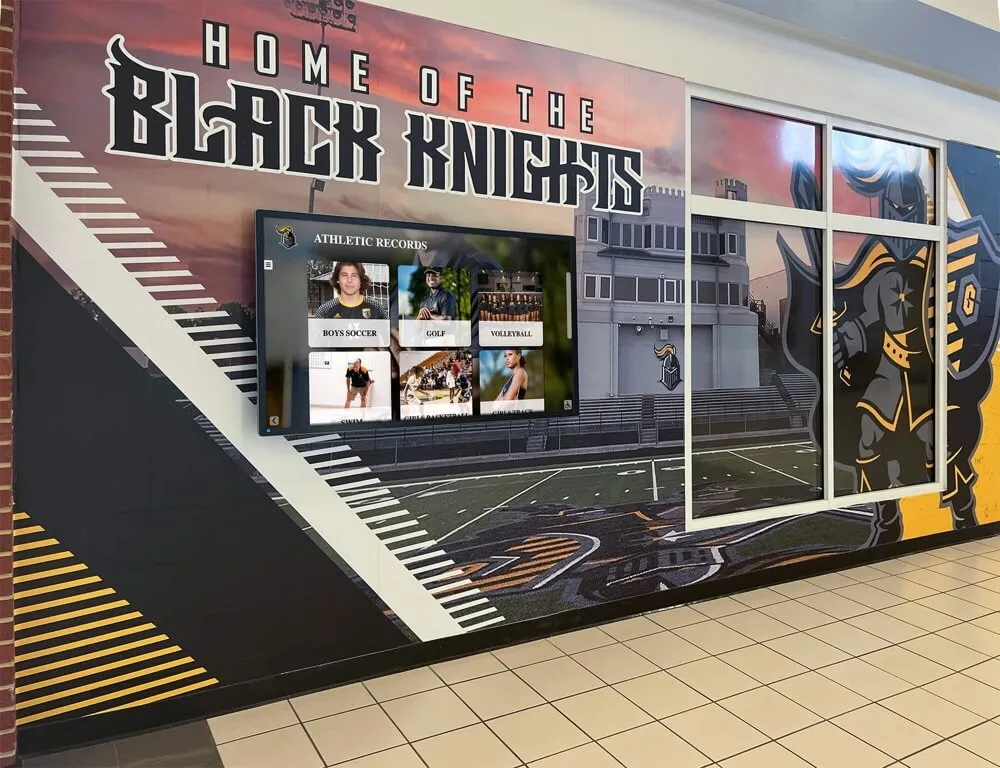
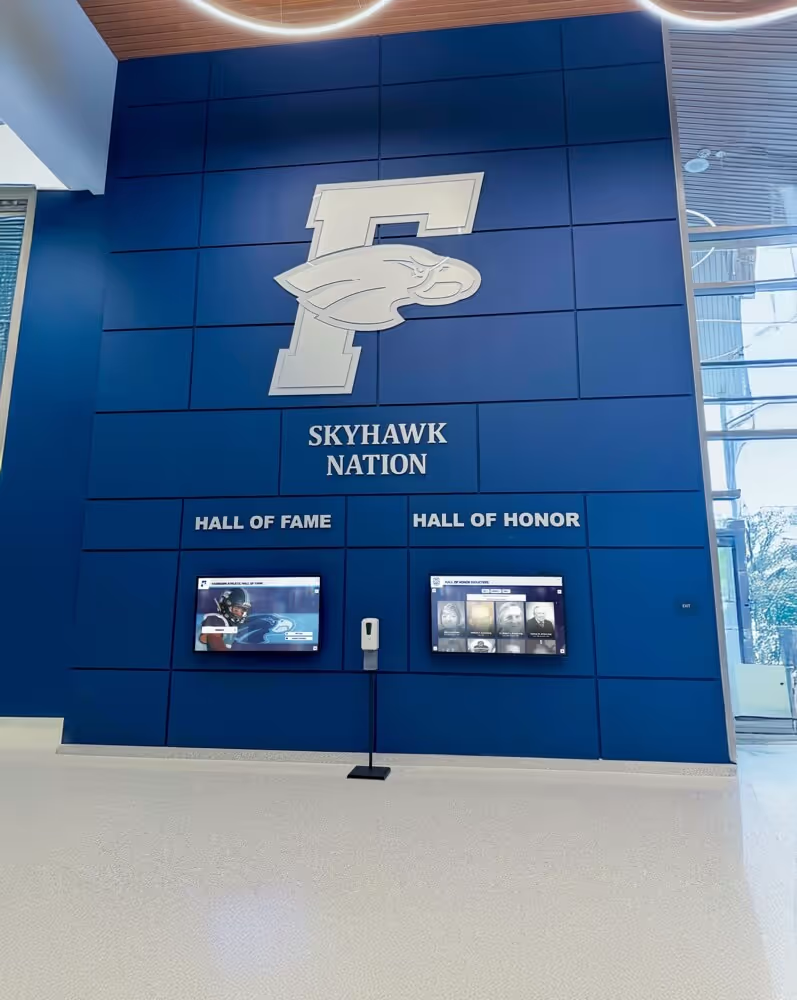
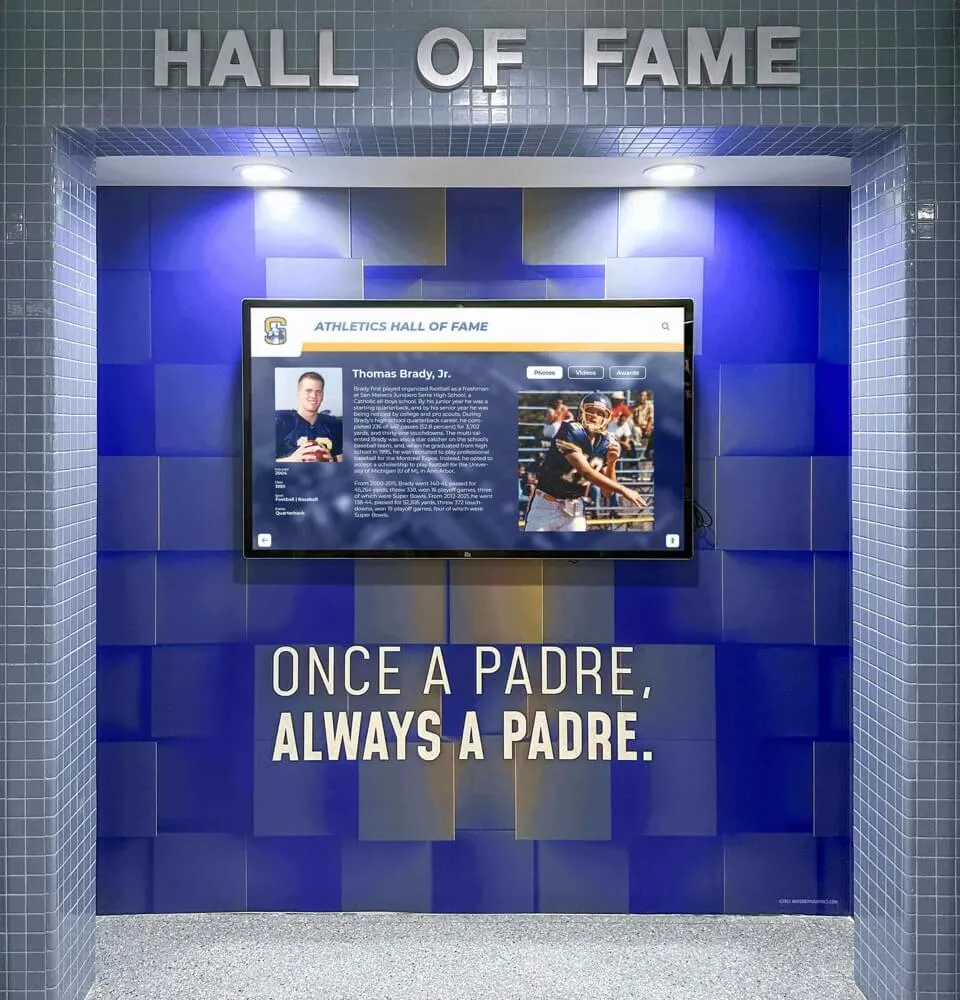
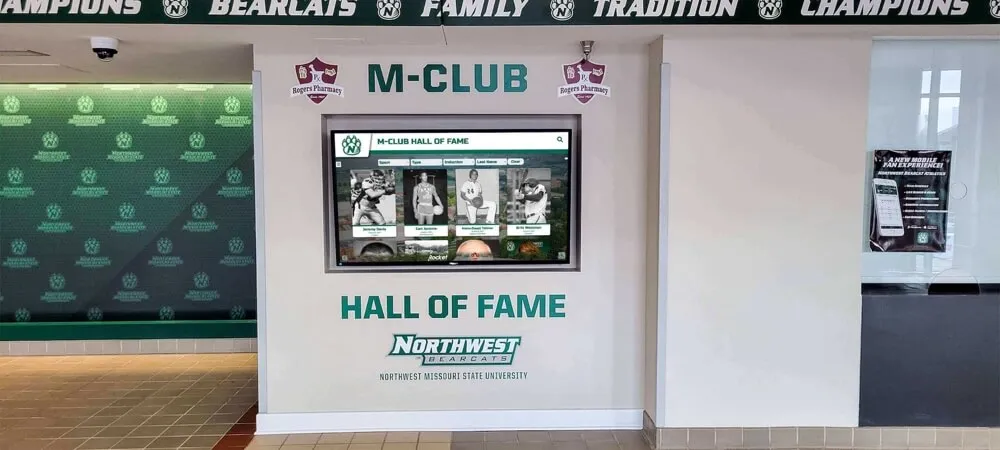
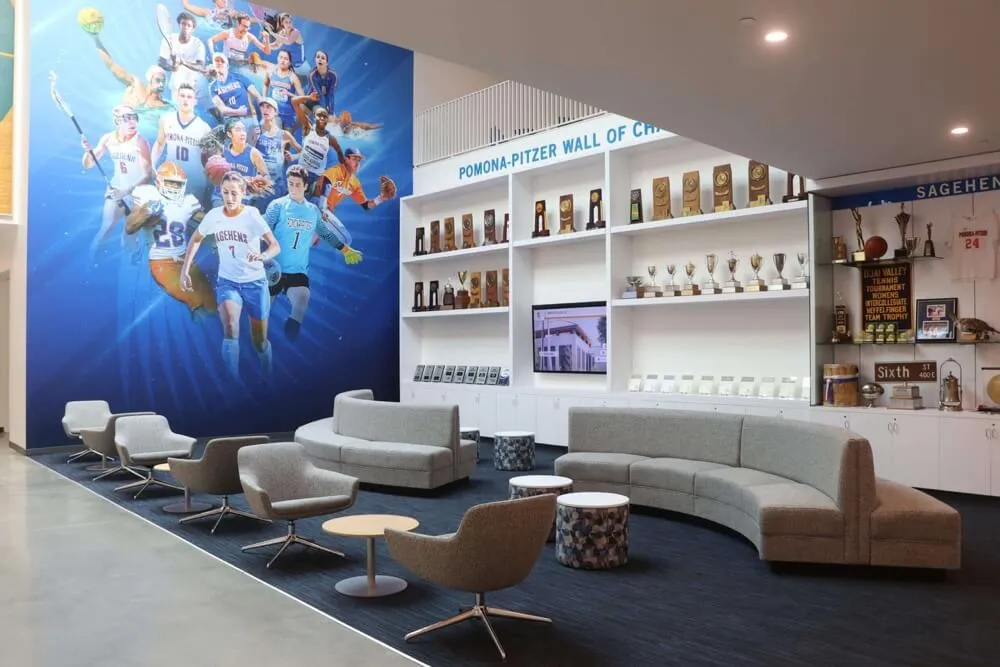
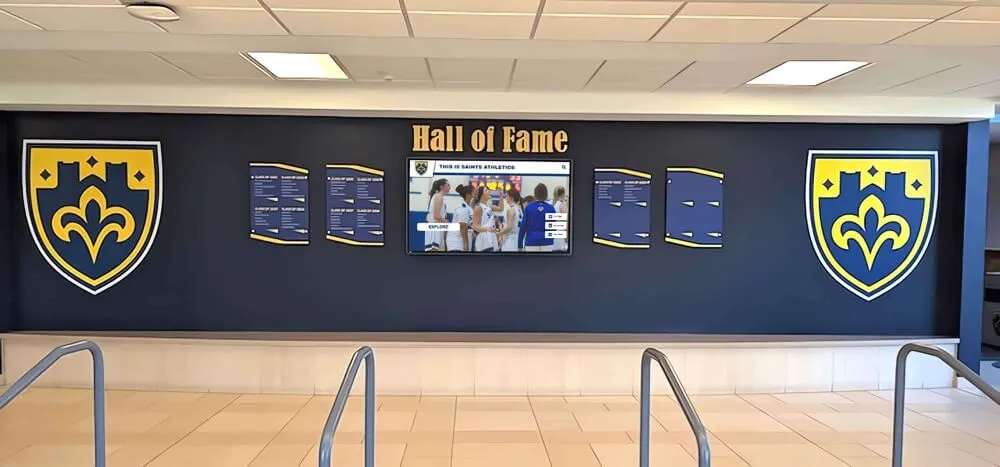
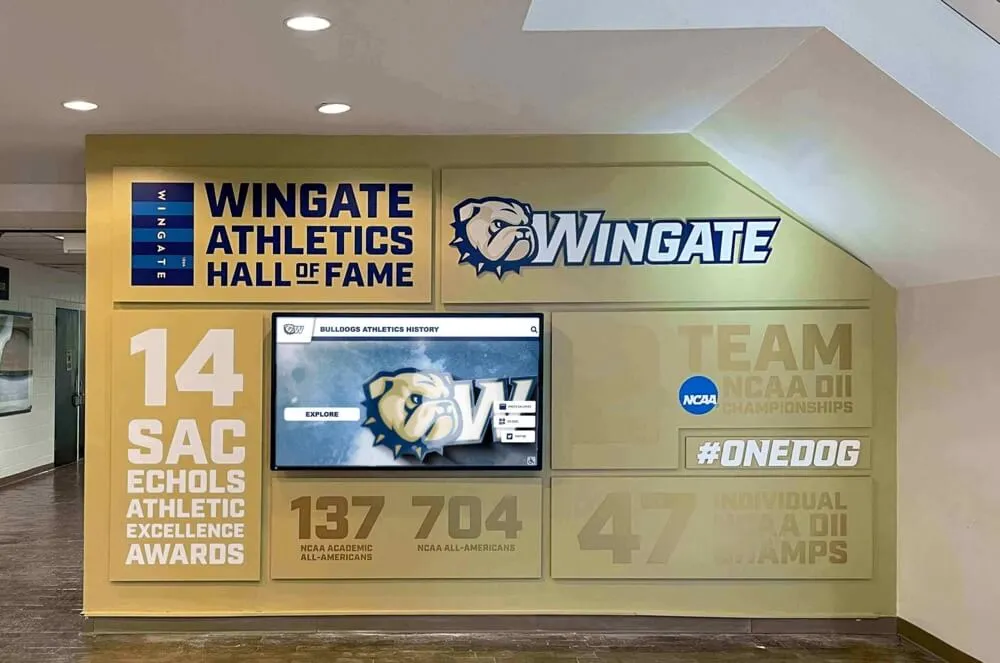
Impressive lobby recognition displays create conversation starters during orientation and pride touchpoints throughout the school year
Peer Mentoring and Ambassador Programs
Connecting each freshman with an upperclassman mentor provides ongoing support extending well beyond orientation week.
Structured Mentorship Models
Effective peer mentoring programs include:
- Matching based on shared interests, programs, or activities rather than random assignment
- Clear expectations and responsibilities outlined for both mentors and mentees
- Regular check-in schedules (weekly for first month, biweekly thereafter)
- Activity frameworks providing structure (lunch meetings, activity attendance together, study sessions)
- Recognition for mentors demonstrating exceptional support and engagement
Schools report that freshmen with peer mentors show higher attendance rates, greater extracurricular participation, improved academic performance, and stronger institutional connection compared to students without formal mentoring relationships.
Ambassador-Led Orientation Sessions
Student ambassadors lead small-group orientation sessions covering specific topics:
- Navigating academic expectations and study strategies from successful upperclassmen
- Getting involved in extracurriculars without overcommitting
- Managing athletic and academic balance from current student-athletes
- Understanding unwritten social norms and campus culture
- Practical survival tips (best lunch periods, locker strategies, helpful apps and resources)
Peer-delivered information carries more credibility than adult presentations while normalizing help-seeking behaviors essential for freshman success.
Similar peer leadership approaches extend to senior mentoring programs that recognize students providing ongoing support throughout the year.
Interactive Learning About Resources and Support Systems
Freshmen need information about academic resources, counseling services, extracurricular opportunities, and support systems—but hour-long presentations guarantee information overload and poor retention. Interactive formats increase engagement while allowing students to focus on personally relevant resources.
Resource Fair Exploration
Transform resource presentations into interactive fair formats where freshmen actively explore rather than passively listen.
Department and Program Stations
Set up stations throughout orientation space representing different resources:
- Academic departments showcasing curriculum, unique programs, and opportunities
- Counseling and support services with interactive materials explaining when and how to access help
- Athletics and extracurriculars with sign-up information and demonstration activities
- Student services (library, technology, health services) with hands-on exploration
- Special programs (gifted education, special education, ESL, college counseling) with staff available for questions
Students receive “passports” encouraging visits to minimum numbers of stations while allowing focus on personally relevant resources. Brief interactions at multiple stations provide better overview than lengthy presentations about everything simultaneously.
Interactive Demonstrations
Rather than describing resources, let students experience them:
- Library staff conducting quick database searches on topics students suggest
- Technology staff helping students set up email accounts, learning management systems, and school apps
- Athletics coaches running mini-clinics or skill sessions
- Performing arts groups presenting excerpts and inviting participation
- Academic teams demonstrating competitions or projects
- Club leaders facilitating hands-on activities representing their organizations
Experiential learning creates stronger memories and clearer understanding of how students will actually use resources throughout their school careers.
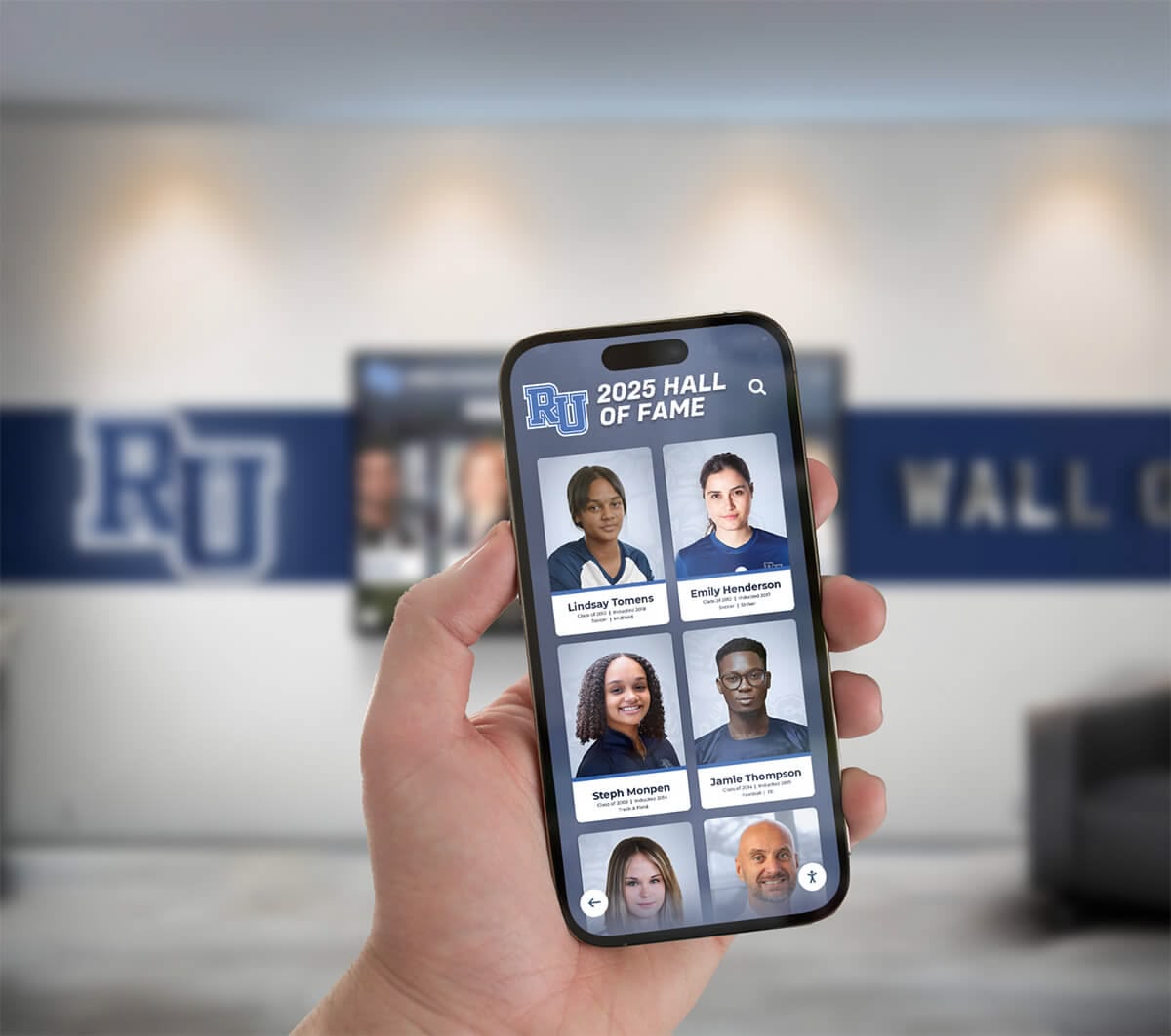
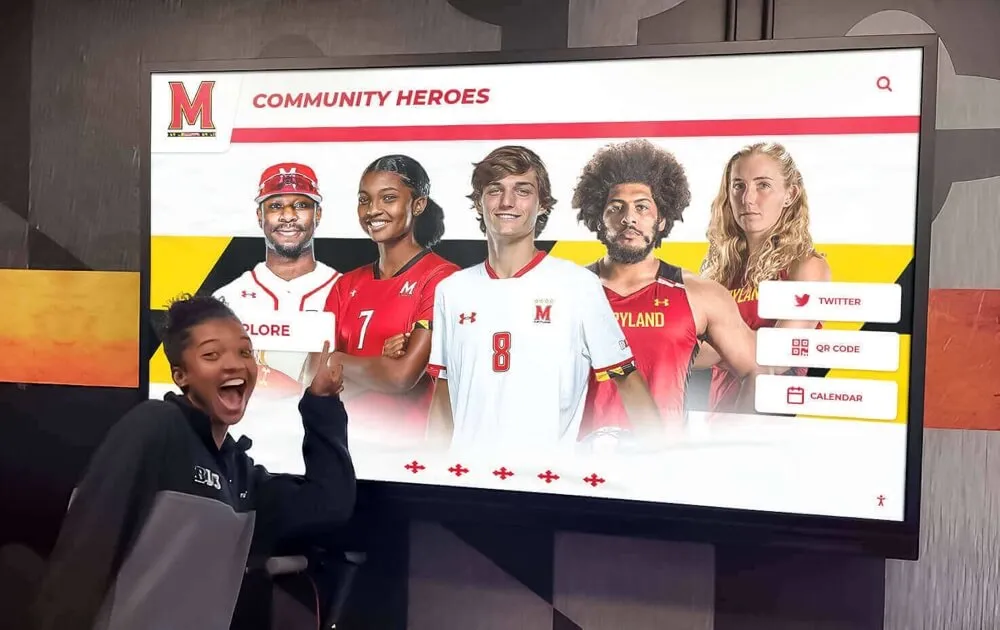
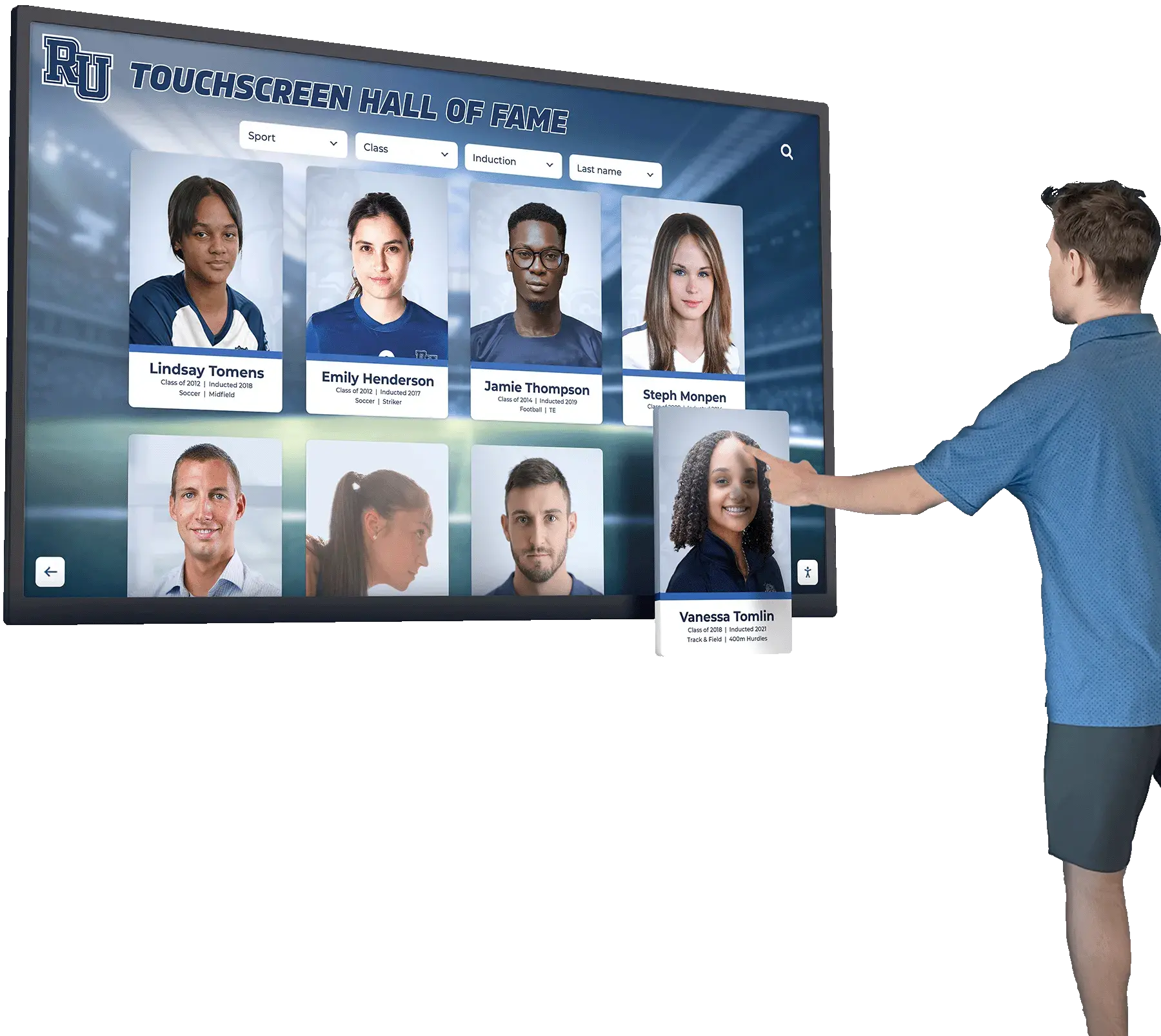
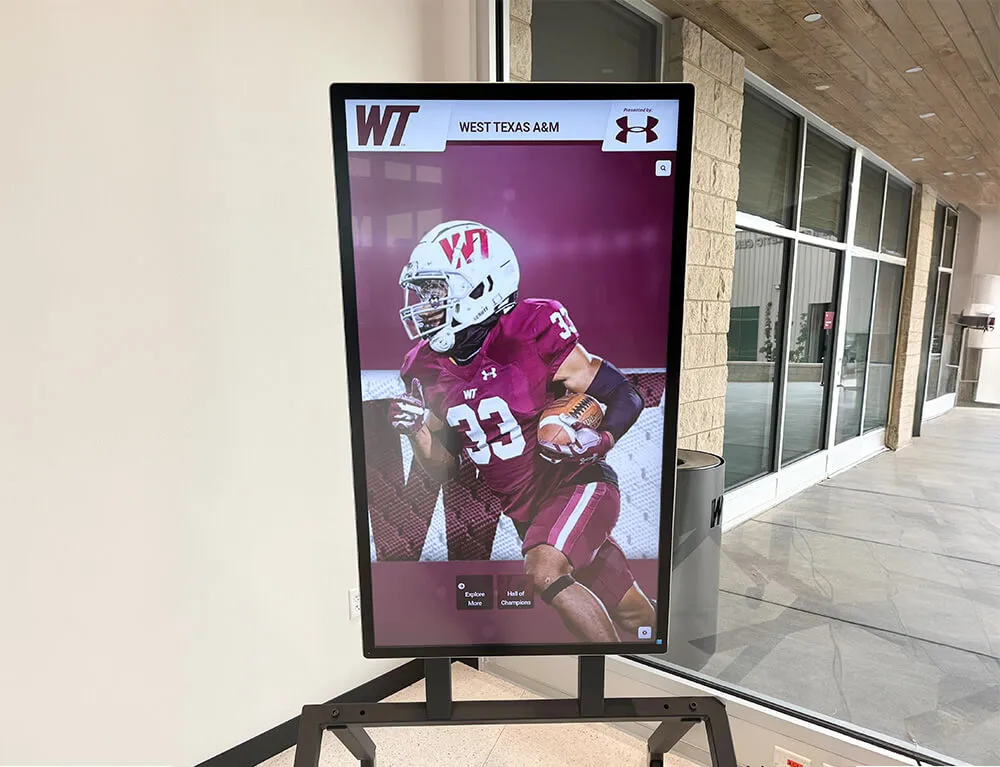
Digital and mobile solutions give freshmen 24/7 access to school information, achievements, and resources beyond orientation week
Digital Resource Centers
Creating accessible digital resource hubs extends orientation information beyond initial events while accommodating different learning preferences and pacing.
Touchscreen Information Kiosks
Interactive kiosks in high-traffic areas provide constantly available orientation information:
- Searchable directories of staff, programs, and resources
- Maps with wayfinding for specific locations or offices
- Frequently asked questions from previous freshman classes
- Current event calendars, club meeting times, and activity schedules
- Video introductions from teachers, coaches, counselors, and administrators
- Achievement showcases building school pride (athletic recognition displays, academic honors, performing arts achievements)
Unlike orientation packets that disappear into backpacks, permanent digital installations remain available whenever freshmen need information throughout their entire first year and beyond.
Web-Based Orientation Portals
Comprehensive digital orientation platforms accessible from any device:
- Pre-orientation modules students complete at their own pace before school starts
- Interactive checklists ensuring students complete necessary enrollment steps
- Video libraries covering common questions and important processes
- Social features connecting incoming freshmen before orientation week
- Ongoing updates throughout the summer maintaining engagement and reducing anxiety
Schools utilizing digital orientation platforms report smoother first-week transitions, fewer administrative issues, and higher student confidence levels compared to traditional single-day orientation events.
Activities That Build School Spirit and Pride
Academic and logistical preparation matters, but emotional connection to school community drives long-term engagement and success. Activities creating immediate school spirit transform freshmen from outsiders into invested community members.
Tradition Immersion Experiences
Actively experiencing school traditions creates stronger connections than simply hearing about them.
Spirit Day Celebrations
Dedicate orientation time to building school spirit:
- School colors day with students wearing or receiving spirit wear
- Teaching school fight songs, cheers, and chants with call-and-response practice
- Pep rally format with cheerleaders, band, and sports team introductions
- Class competition activities building friendly rivalry with other grades
- Creating class identity through collaborative design of banners, cheers, or symbols
These celebratory activities establish expectations that school spirit matters while giving freshmen permission to enthusiastically participate rather than waiting to “earn” the right to school pride.
Meeting School Heroes and Role Models
Connect freshmen with accomplished alumni, award-winning staff, and successful current students:
- Alumni panels sharing diverse post-graduation paths and how school prepared them
- Recognition of outstanding current students who model excellence freshmen can aspire toward
- Staff members sharing their own high school experiences and advice
- Student government leaders explaining opportunities for freshmen to get involved in leadership
- Championship teams or award-winning groups discussing their journeys and welcoming new members
These interactions communicate that this school produces remarkable people and that freshmen are joining a community of achievement. Digital displays showcasing alumni achievements and academic excellence provide ongoing inspiration beyond orientation week.
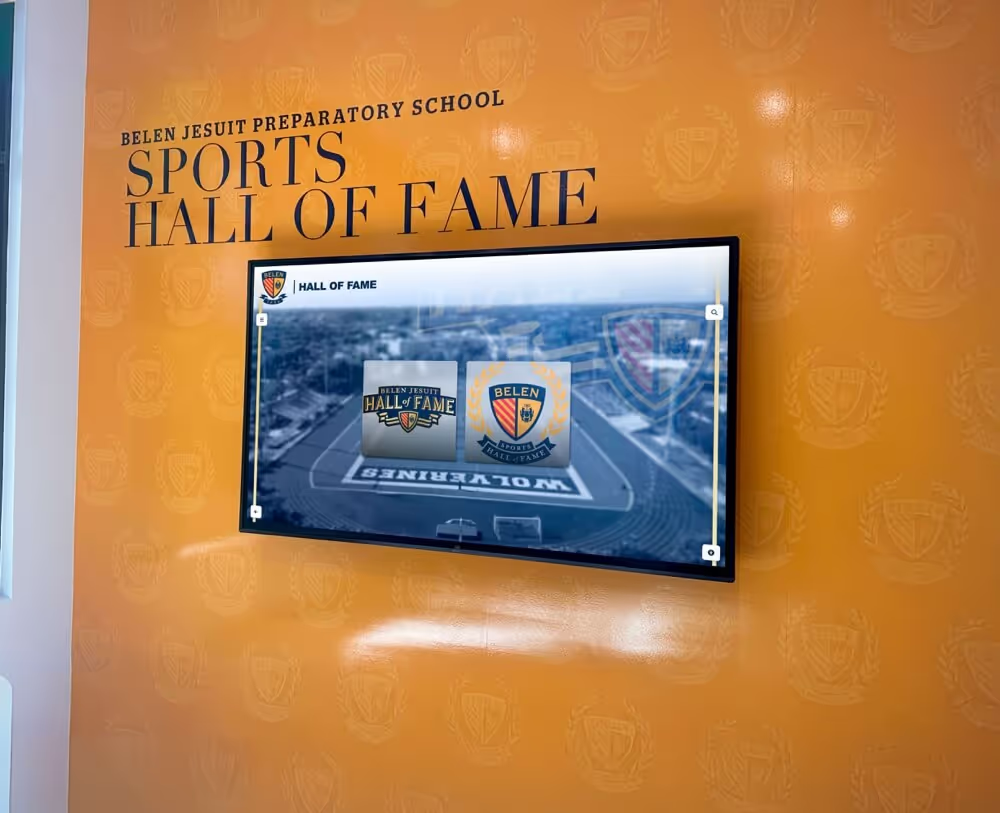
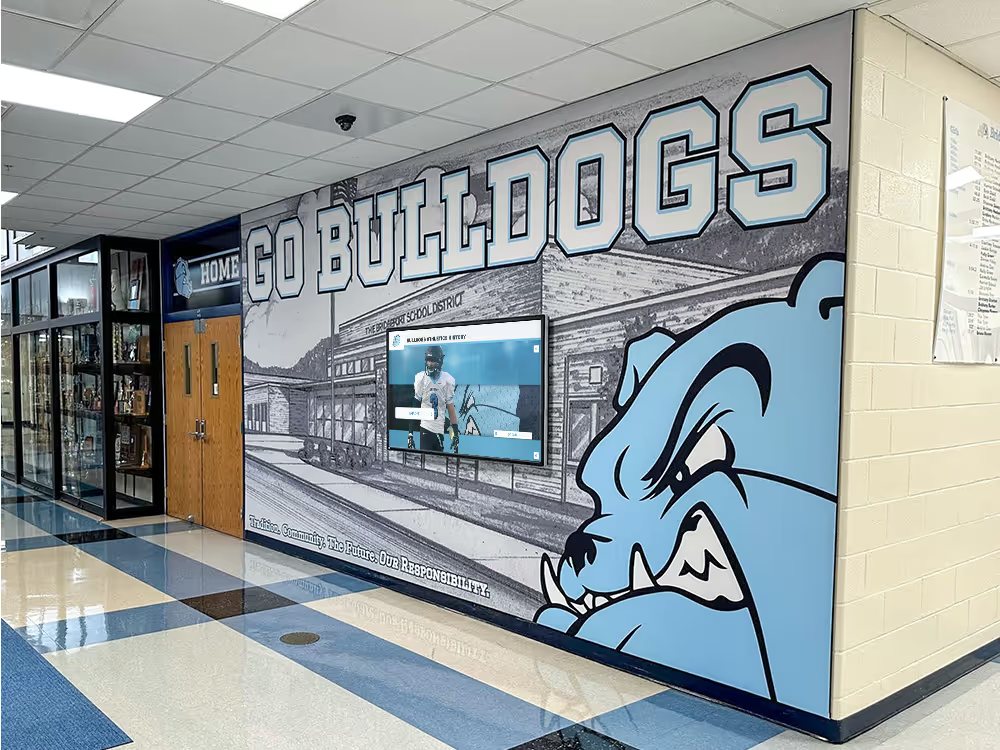
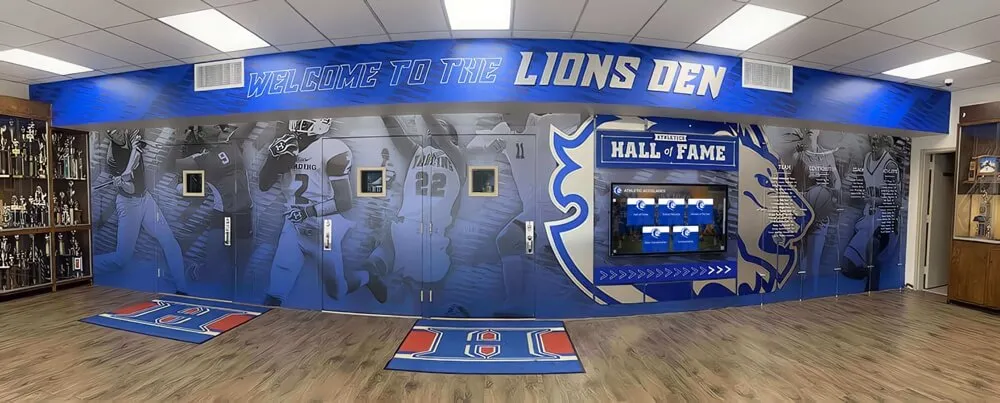
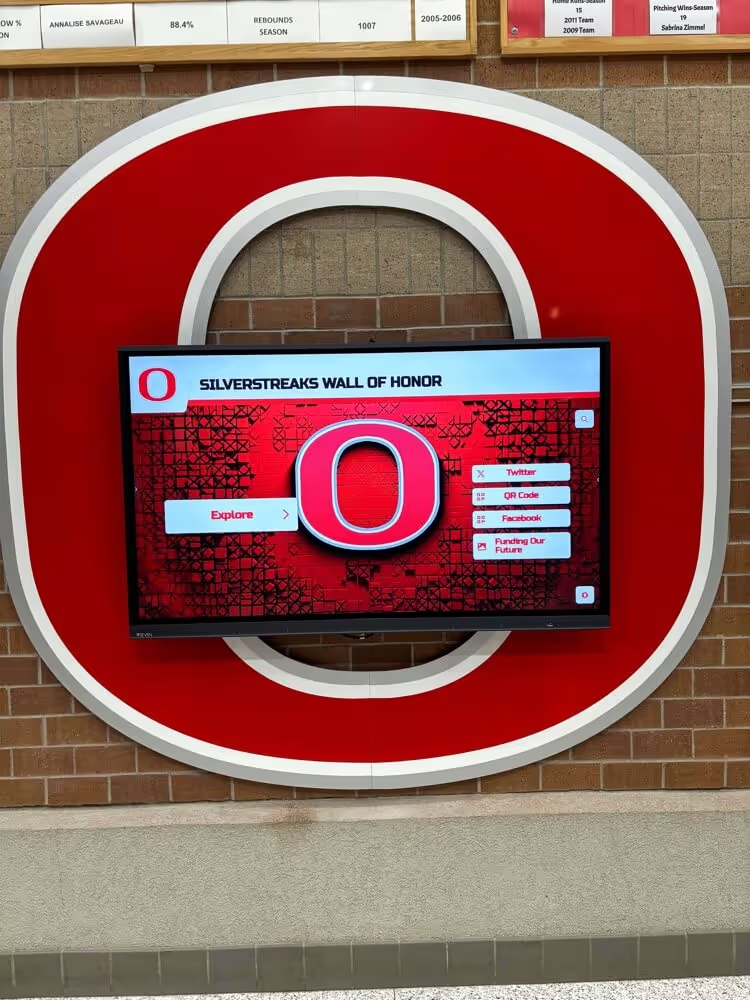
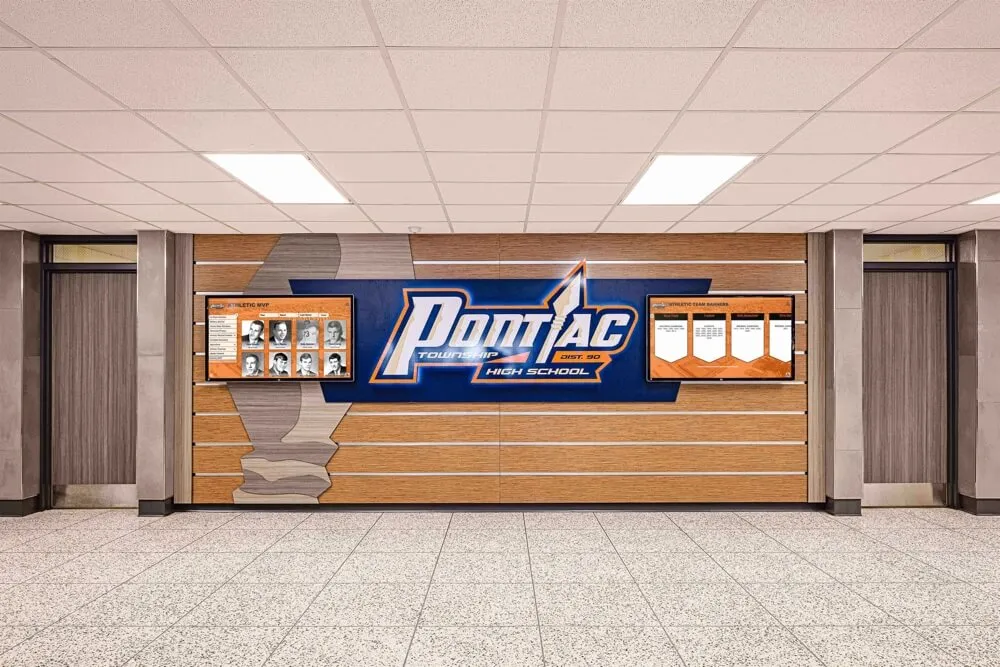
Hallway recognition displays create informal learning opportunities where freshmen discover school achievements during passing periods throughout the year
Creating Freshman Legacy Traditions
Activities where freshmen contribute to school leave lasting marks that enhance their sense of belonging.
Class Legacy Projects
Incoming classes create something permanent representing their cohort:
- Painting murals, tiles, or panels added to ongoing school art installations
- Time capsules buried or sealed with predictions, messages, and mementos
- Pledges or commitments to service goals accomplished throughout four years
- Class gifts to school (planted trees, donated equipment, funded improvements)
- Contribution to digital archives (uploading family photos if family members attended, sharing why they chose this school, documenting first-day thoughts)
These projects communicate that freshmen aren’t simply consuming education—they’re contributing to ongoing school story and community fabric.
Peer Recognition Introduction
Introduce freshmen to school recognition culture by having them:
- Nominate peers demonstrating helpful behaviors during orientation
- Create appreciation messages for orientation leaders and volunteers
- Document orientation week through photos and videos compiled into class memories
- Participate in welcome activities for even younger students (if K-12 environment)
Early introduction to appreciation and recognition culture establishes positive norms for acknowledging contributions and celebrating achievements throughout their school careers. This connects to broader recognition program development that sustains school culture year-round.
Parent and Family Engagement During Orientation
Family support significantly impacts freshman success, making parent engagement during orientation valuable when structured appropriately.
Parallel Parent Programming
While students participate in peer activities, offer simultaneous parent sessions addressing adult concerns:
Transition Support for Families
Parents need information about:
- Academic expectations, grading systems, and how to support learning at home
- Communication systems (learning management platforms, email protocols, gradebooks)
- Extracurricular opportunities, costs, and time commitments
- Support services available when students struggle academically, socially, or emotionally
- Appropriate parent involvement (when to step in, when to let students handle issues independently)
- Safety protocols, attendance policies, and behavioral expectations
Addressing parent questions separately prevents students from experiencing the social embarrassment of parental questioning during student-focused sessions while ensuring families receive information they need.
Tours Highlighting Student Support
Show parents rather than just telling them about support systems:
- Visit counseling offices and meet support staff
- Tour facilities (libraries, labs, athletic facilities, performing arts spaces)
- Observe student resource areas (study spaces, technology access points, gathering areas)
- View digital recognition displays showcasing student achievements
- Meet key staff members their students will interact with regularly
Physical tours reduce parental anxiety while building confidence that schools provide comprehensive support systems.
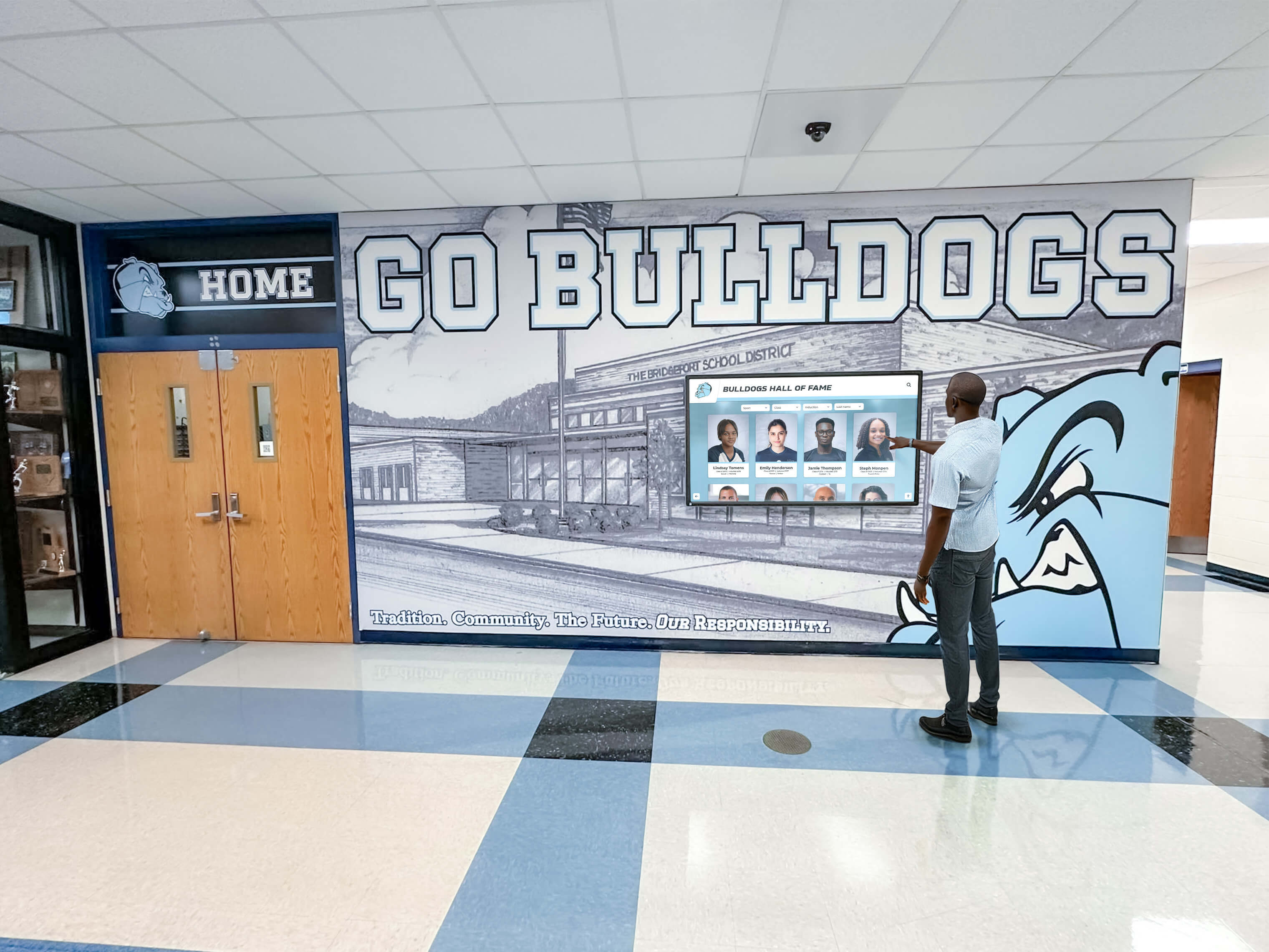
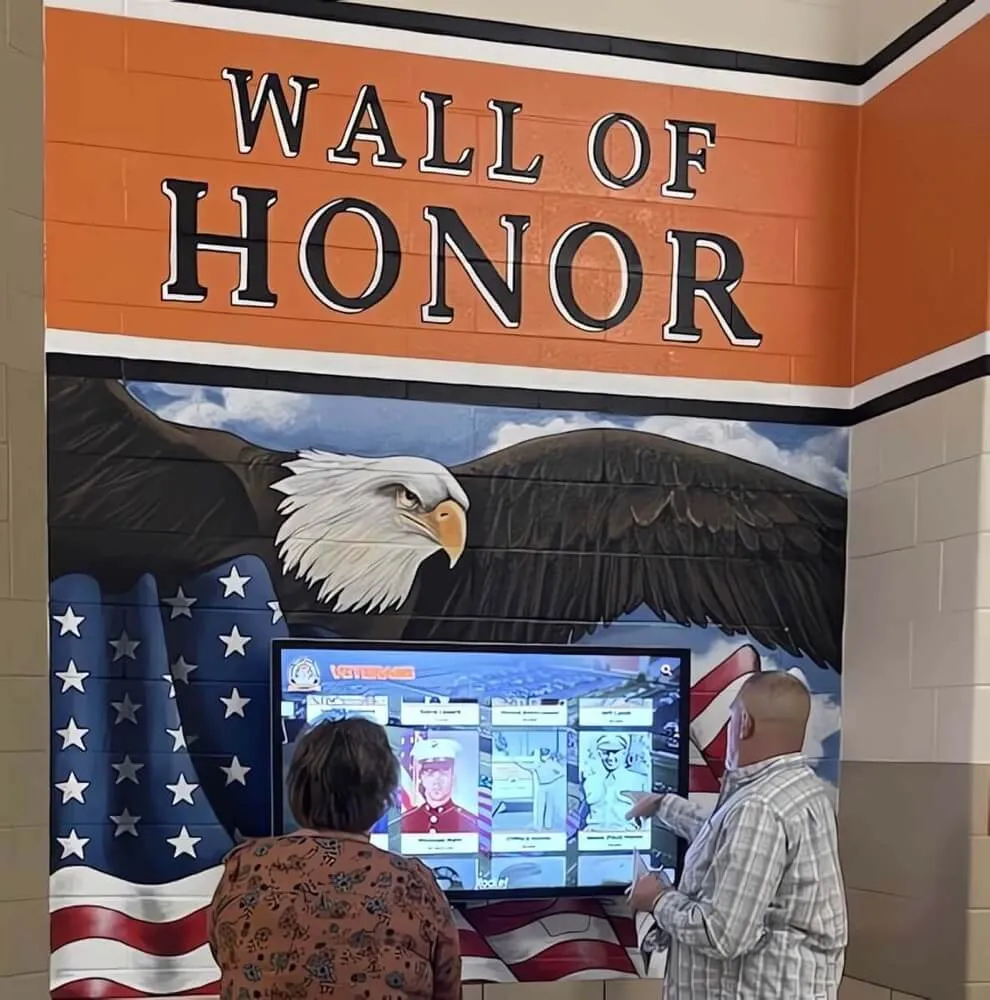
Self-service interactive displays allow both students and visiting families to explore school achievements and history at any time
Joint Family Activities
Some orientation activities work best when students and families participate together:
Campus-Wide Social Events
Create welcoming community experiences:
- Ice cream socials, picnics, or casual gatherings in outdoor campus spaces
- Athletic scrimmages or performing arts previews showcasing school programs
- School spirit events where families receive school apparel or memorabilia
- Facility tours highlighting new improvements or special features
- Informal meet-and-greet opportunities with key administrators, coaches, and teachers
These relaxed settings allow families to build relationships with other freshman families while observing their students in new school environments.
Tradition Explanation Sessions
Help families understand school culture:
- Explanations of longstanding traditions, rivalry contexts, and ceremonial events
- Demonstrations of school songs and cheers families can support at events
- Athletic and performing arts season overviews with key dates
- Homecoming traditions, athletic celebrations, and other milestone events throughout the year
- Booster club and volunteer opportunities for family involvement
Families understanding school culture can better support student participation while feeling more connected to school communities themselves.
Creating Welcoming Physical Environments
The spaces where orientation occurs communicate messages about school values and student worth. Thoughtful environmental design enhances welcoming messages.
Recognition Displays That Inspire
Visual recognition throughout campus helps freshmen envision their potential futures within school communities.
Visible Achievement Celebrations
Strategically placed displays throughout campus:
- Athletic halls of fame highlighting championship teams and record-holding athletes
- Academic achievement boards recognizing honor roll students and award recipients
- Performing arts showcases documenting productions, competitions, and honors
- Community service recognition highlighting philanthropic impact and volunteer achievements
- Alumni success stories demonstrating diverse post-graduation paths
These displays communicate clear messages: this school celebrates achievement, students here accomplish remarkable things, and freshmen can aspire to similar recognition. Unlike temporary bulletin boards, professional permanent installations demonstrate institutional commitment to honoring student excellence.
Interactive Historical Archives
Modern touchscreen technology allows comprehensive historical documentation that static displays cannot accommodate:
- Decades of yearbook photos, event documentation, and team records
- Searchable databases allowing students to find relatives, neighbors, or hometown alumni
- Video archives of performances, games, and special events
- Evolution timelines showing facility changes, program growth, and community development
- Stories and profiles impossible to display in limited physical space
Schools implementing interactive historical displays report that freshmen spend voluntary time exploring content, discovering unexpected connections, and developing emotional bonds to institutions through historical continuity. This technology serves orientation purposes while providing permanent resources for research projects, anniversary celebrations, and ongoing community engagement.
Designated Freshman Spaces
Creating spaces specifically for freshmen addresses the common concern about finding safe, welcoming places during intimidating first weeks.
Freshman-Only Areas
Consider designating certain spaces exclusively for freshmen during transition periods:
- Lunch areas where freshmen can sit without navigating complex upperclassman social dynamics
- Study spaces providing homework help and tutoring specifically for freshman adjustment
- Lounge areas for informal gathering, game playing, and relationship building
- Lockers grouped by grade creating natural peer proximity and interaction
While some schools prefer integrated environments, others find that designated freshman spaces reduce anxiety while allowing upperclassmen mentors to easily locate and support new students.
Welcoming Signage and Wayfinding
Environmental design supporting navigation reduces freshman stress:
- Clear, consistent directional signage eliminating confusion
- Color-coding or numbering systems simplifying building and room location
- Digital directories providing searchable room and staff location
- Maps positioned at key decision points (stairwells, intersections, entrances)
- Welcome messages and encouraging quotes throughout campus
These practical supports communicate that schools prioritize student comfort and success while reducing daily navigation anxiety that compounds other freshman adjustments.
Post-Orientation Follow-Up That Sustains Welcome
Orientation week creates initial connections, but sustained welcome requires ongoing touchpoints throughout freshman year.
Checkpoint Programming
Regular check-ins address emerging challenges while reinforcing support systems:
Scheduled Follow-Up Sessions
Plan specific points for reconnection:
- End-of-first-week social gathering celebrating survival and addressing immediate concerns
- One-month check-in with peer mentors reviewing academic progress and involvement
- Mid-semester freshman assembly addressing common challenges and celebrating successes
- Second-semester renewal addressing motivation challenges and planning for sophomore year
- End-of-year reflection recognizing growth and previewing continued opportunities
These structured touchpoints prevent freshmen from falling through cracks while demonstrating ongoing institutional investment in their success.
Continuous Recognition Opportunities
Make recognition accessible to freshmen immediately rather than reserving honors for upperclassmen:
- Monthly student spotlights celebrating contributions in various areas
- Award categories specifically for freshmen (most improved, best newcomer, outstanding freshman athlete/scholar/artist)
- Inclusion in broader recognition systems (honor rolls, achievement boards, digital displays)
- Opportunities to participate in school assemblies and community events
- Early leadership opportunities through freshman class government or advisory positions
Early recognition communicates that school values freshman contributions immediately rather than requiring students to “pay dues” before mattering to community.
Digital Engagement Continuity
Extend orientation beyond physical events through ongoing digital connection:
Social Media Community Building
Maintain freshman cohort connections:
- Class-specific social media groups or channels
- Regular posts highlighting freshman achievements, opportunities, and resources
- Peer-to-peer support forums where students help each other with questions
- Event promotion ensuring freshmen know about activities welcoming new students
- Celebrations of small wins building momentum and community pride
Mobile Access to Resources
Ensure orientation information remains accessible:
- Mobile-optimized resource directories students can reference anytime
- Push notifications about deadlines, opportunities, and important reminders
- Digital integration with interactive campus displays for seamless exploration
- Updates to digital content keeping information current throughout the year
Modern students expect information available on-demand through familiar devices rather than needing to remember content from single orientation presentations weeks or months earlier.
Measuring Orientation Effectiveness
Assessing orientation impact helps schools continuously improve programming to better serve incoming students.
Student Feedback Collection
Gather freshman perspectives shortly after orientation and again mid-year:
Immediate Post-Orientation Surveys
Ask participants while experiences remain fresh:
- Which activities were most helpful and why?
- What information is still confusing or unclear?
- How connected to peers do you feel after orientation?
- What additional support would have been valuable?
- How well do you understand how to access resources when needed?
Mid-Year Reflection Assessment
Follow up after students have navigated one semester:
- How well did orientation prepare you for actual school experience?
- Which orientation information proved most useful in practice?
- What do you wish orientation had covered that it didn’t?
- How could orientation be improved for next year’s freshmen?
- What challenges did you face that orientation could have better addressed?
This two-stage assessment captures both immediate reactions and longer-term perspective about what actually mattered once students experienced full school immersion.
Outcome Tracking
Monitor indicators suggesting orientation effectiveness:
- Attendance rates during first semester compared to historical averages
- Grade distributions and academic performance of freshman class
- Extracurricular participation rates (athletics, clubs, activities)
- Disciplinary incident rates and behavioral adjustment patterns
- Counseling service utilization and support-seeking behaviors
- Retention rates when students choose to remain at school versus transferring
Improvements in these metrics suggest orientation successfully helps students integrate into school communities, while declining indicators warrant programming examination and adjustment.
Implementing Your Freshman Orientation Program
Transforming orientation from perfunctory information delivery to meaningful welcome experience requires intentional planning and cross-functional coordination.
Timeline and Planning Process
Successful orientation programs begin planning months in advance:
Strategic Planning (4-6 Months Before)
- Form orientation planning committee including administrators, teachers, counselors, student ambassadors
- Review previous year’s feedback and outcome data
- Identify improvement priorities and new initiatives to pilot
- Secure necessary budgets and resources
- Establish clear goals and success metrics
Logistical Planning (2-3 Months Before)
- Finalize orientation schedule and activity sequence
- Recruit and train student ambassadors, peer mentors, and volunteer leaders
- Prepare materials, presentations, and physical spaces
- Update digital platforms and information systems
- Communicate with incoming students and families about expectations and schedules
Final Preparation (2-4 Weeks Before)
- Conduct dry runs of major activities and presentations
- Brief all staff and volunteers on roles and expectations
- Prepare contingency plans for weather, technology issues, or other disruptions
- Distribute final information to participants
- Set up physical spaces and test technology systems
Post-Event Review (1-2 Weeks After)
- Collect and analyze participant feedback
- Debrief with planning team about successes and challenges
- Document lessons learned and recommendations for future years
- Follow up with students who identified concerns or needed support
- Share appreciation with volunteers, ambassadors, and contributors
Leveraging Technology for Lasting Impact
While orientation activities last days or weeks, technology-enabled solutions provide permanent resources supporting freshmen throughout their entire school careers and beyond.
Interactive touchscreen displays positioned strategically throughout campus serve multiple orientation purposes:
- Pre-orientation engagement showing incoming students what to expect and building excitement
- During-orientation exploration allowing self-directed learning about history, traditions, and achievements
- Post-orientation reference providing ongoing access to information, resources, and inspiration
- Year-round recognition adding freshman achievements to institutional record in real-time
- Long-term connection allowing future alumni to revisit their schools digitally and share experiences with their own children
Modern digital recognition systems from Rocket Alumni Solutions transform how schools welcome new students while creating permanent infrastructure supporting student engagement, institutional pride, and community connection throughout every phase of the educational journey.
Creating Welcome That Lasts
The most effective freshman orientation programs recognize that making new students feel welcome isn’t a single event—it’s an ongoing commitment woven throughout the entire first-year experience and beyond. When schools invest thoughtfully in orientation experiences that prioritize connection over information delivery, create opportunities for authentic peer interaction, showcase institutional pride through recognition of achievement, and provide permanent resources supporting student success, they transform nervous newcomers into confident community members who contribute fully to school culture from day one.
Whether implementing interactive campus tours that create memorable first impressions, establishing peer mentoring relationships that provide ongoing support, creating digital platforms that give students 24/7 access to resources and school history, or designing recognition systems that inspire freshmen with examples of excellence they can aspire toward, each element contributes to the comprehensive welcome experience that sets students up for years of success and belonging within your school community.
Ready to create permanent orientation resources that welcome new students year after year while building school pride and community connection? Explore how interactive touchscreen displays from Rocket Alumni Solutions transform freshman orientation while providing lasting value throughout students’ entire educational journeys and beyond.