



Football trick plays represent the perfect intersection of creativity, execution, and courage—moments when coaches and players deviate from conventional strategy to create unforgettable plays that define programs for generations. These carefully orchestrated deceptions transform games, build legends, and provide the highlight-reel moments that alumni discuss decades later at reunions and football banquets.
The most successful trick plays aren’t just about deception—they require precise timing, flawless execution, and the confidence to call something unexpected in critical moments. When executed perfectly, these plays don’t just win games; they become program-defining moments worthy of permanent recognition in halls of fame and athletic displays.
From the Statue of Liberty to the Fumblerooski, certain trick plays have transcended individual games to become football folklore. Understanding these creative play calls helps coaches develop their own variations while inspiring current athletes to study the legendary moments that shaped their programs’ histories.
This comprehensive guide explores 15 creative football trick plays that have become program legends, examining execution strategies, appropriate situations for deployment, and how schools preserve these memorable moments through modern recognition systems.

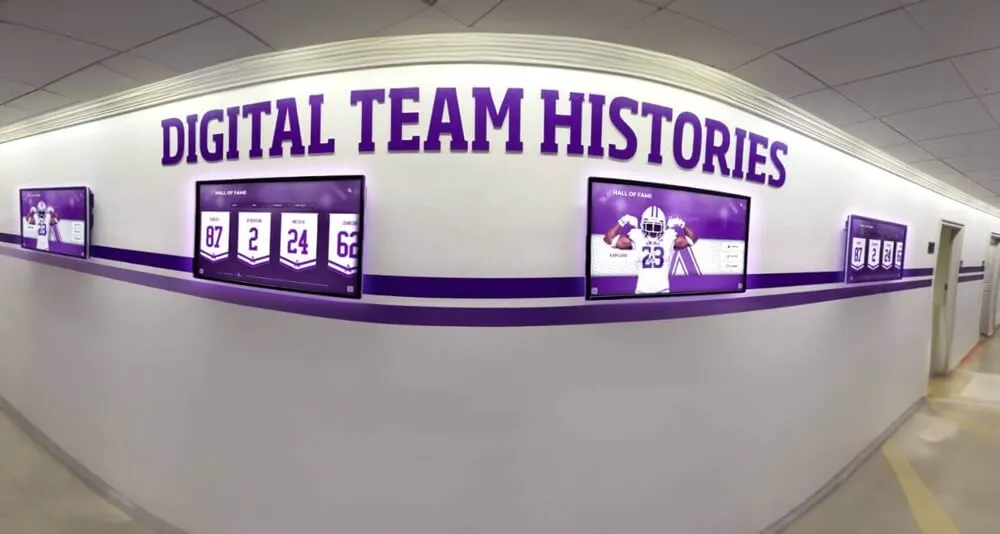
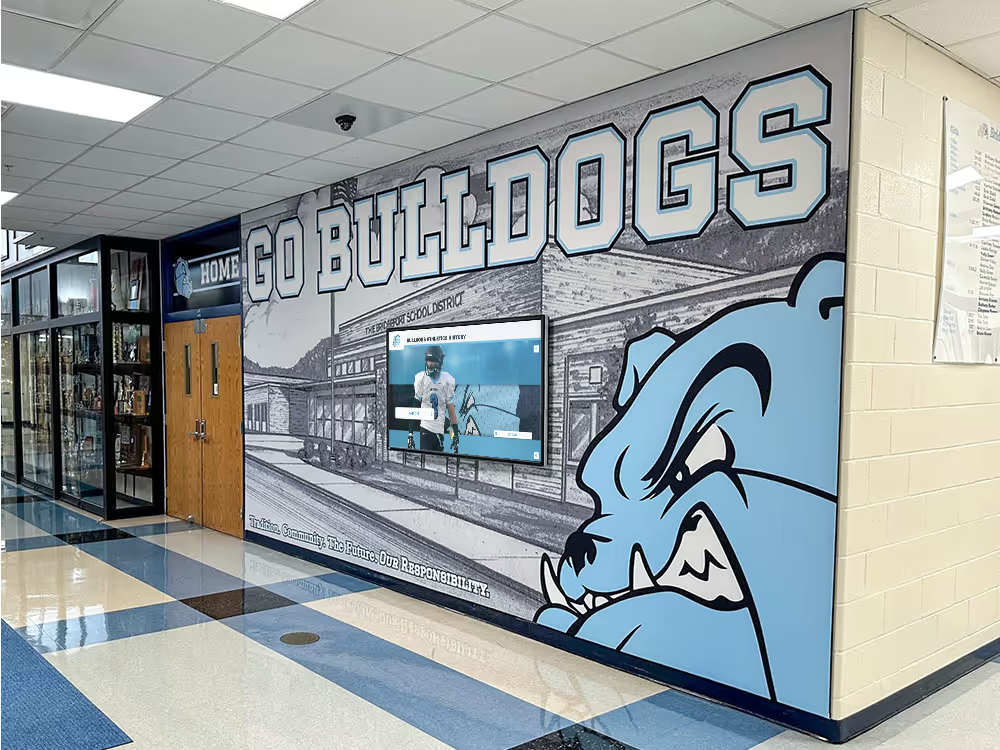
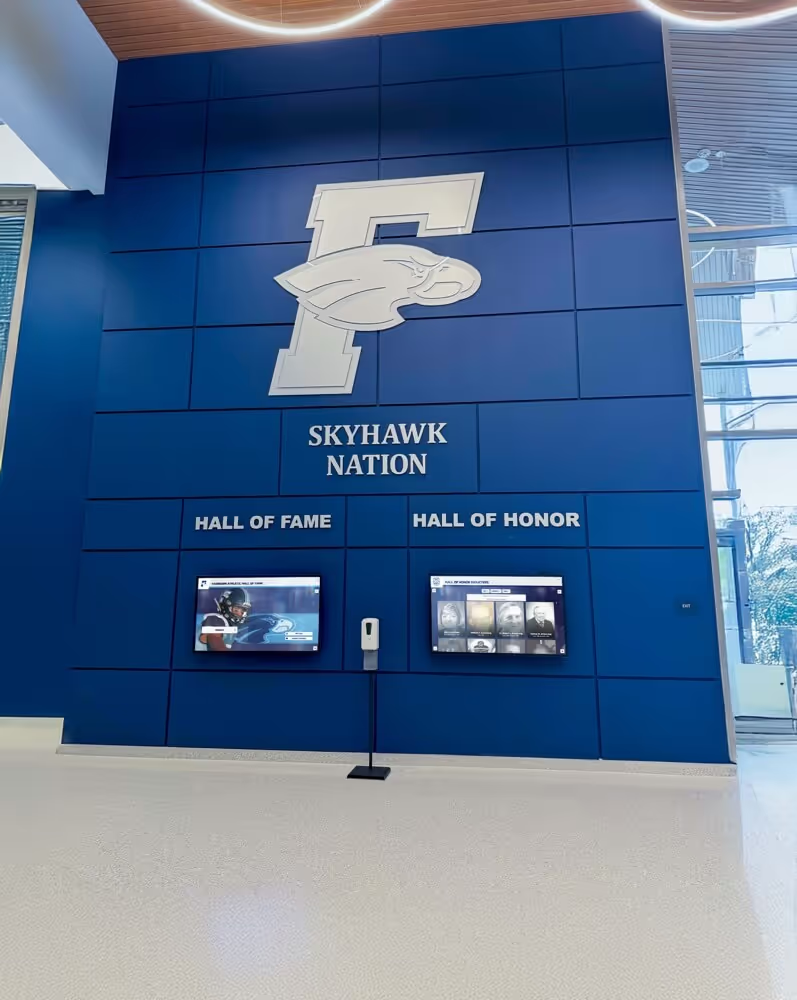
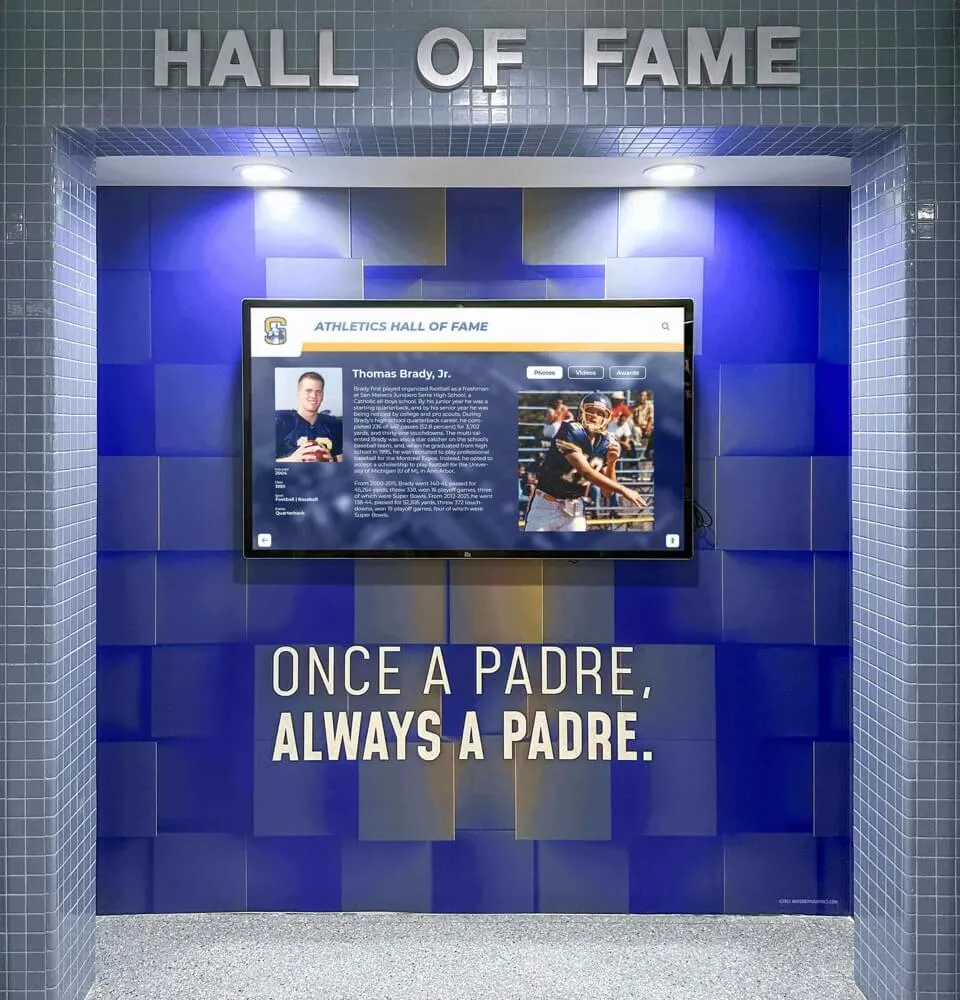
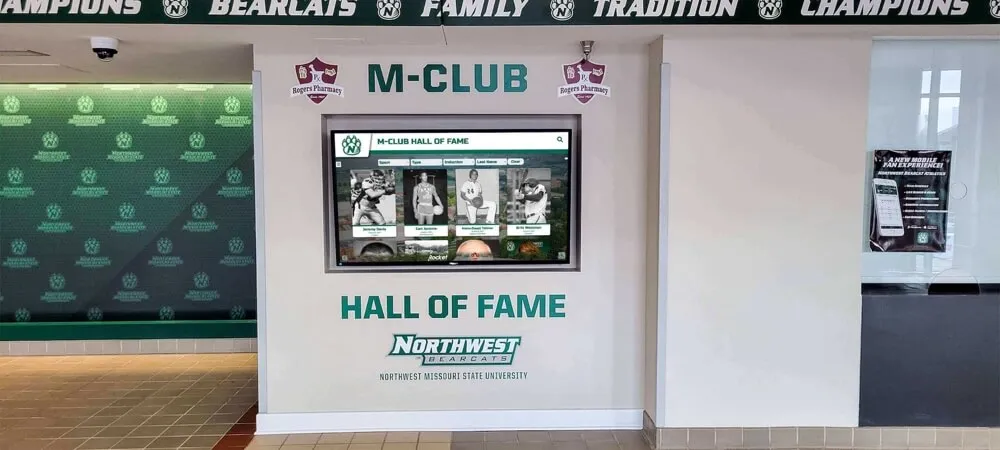
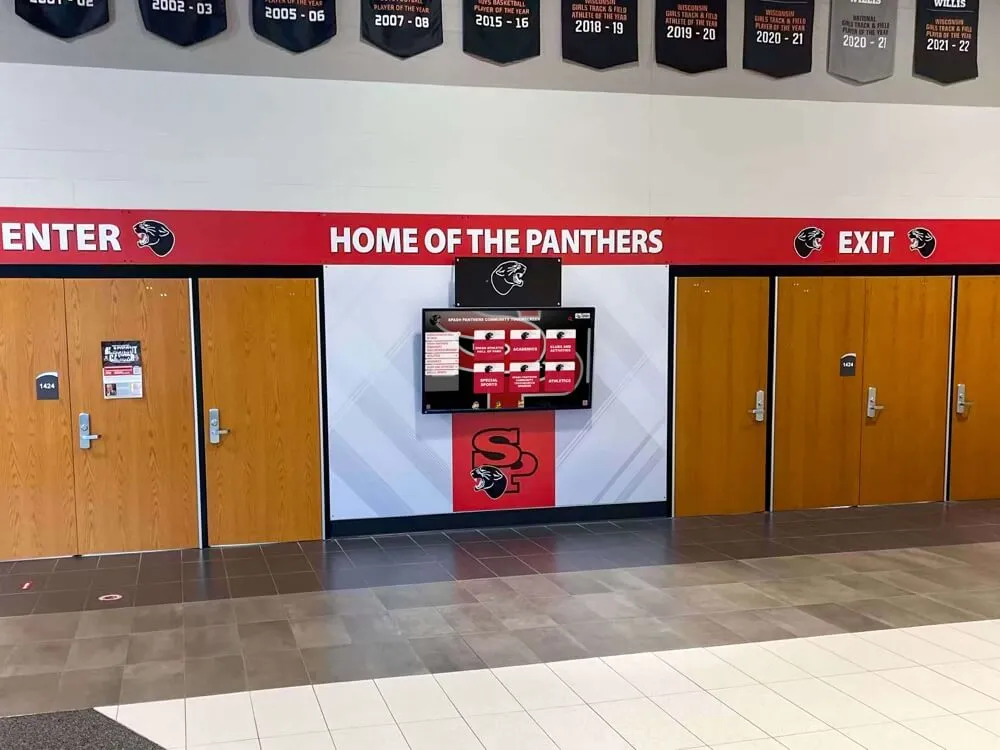
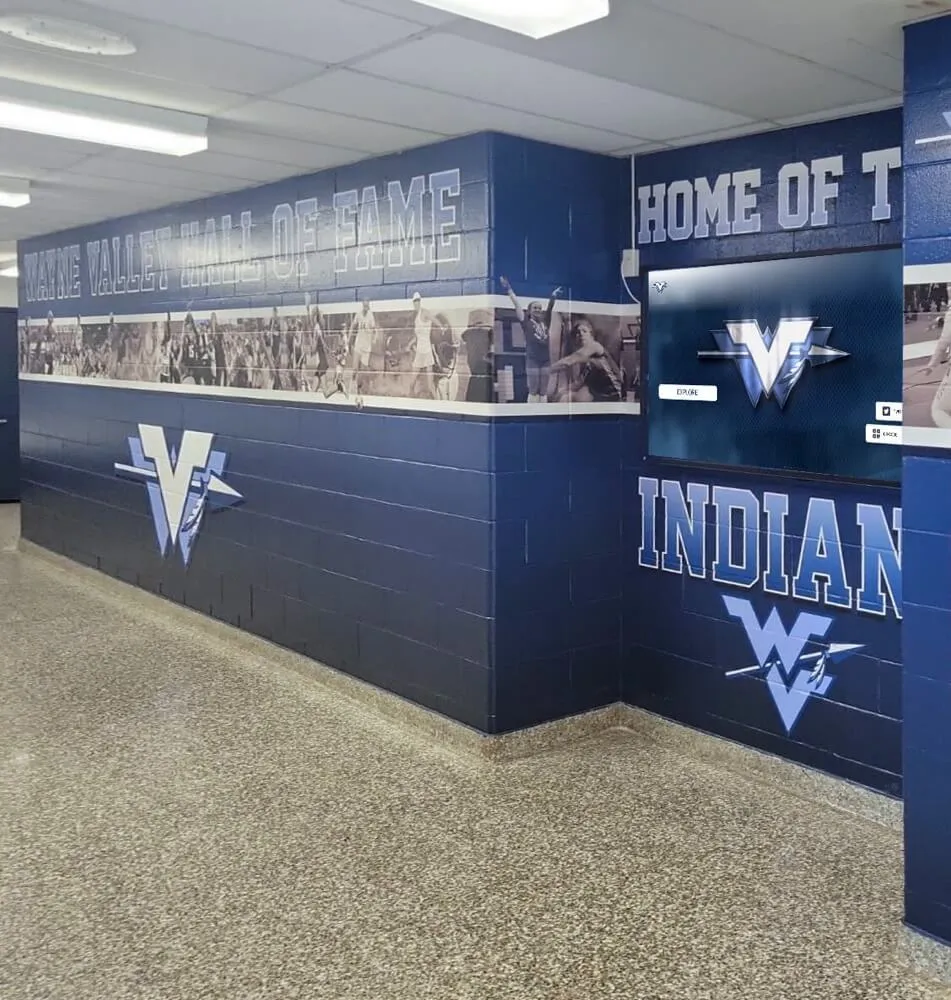
Modern recognition displays preserve legendary trick play moments through video highlights, statistics, and interactive game footage accessible to entire communities
Understanding the Psychology of Football Trick Plays
Before examining specific plays, understanding when and why trick plays work provides context for successful implementation and helps coaches make strategic decisions about deployment timing.
The Element of Surprise in Football Strategy
Trick plays succeed primarily because they violate opponent expectations established through film study and scouting reports:
Breaking Tendency Patterns
Defensive coordinators spend countless hours studying opponent tendencies to predict plays based on formation, down, distance, and field position. Effective trick plays exploit these predictable expectations by:
- Showing familiar formations that disguise unusual player responsibilities
- Executing unconventional plays in situations where defenses expect standard calls
- Creating confusion about ball location through misdirection and deception
- Forcing defenders to hesitate by violating their preparation assumptions
- Capitalizing on aggressive defensive alignments designed to stop conventional plays
Psychological Impact Beyond the Play
Even unsuccessful trick plays create value by forcing defenses to prepare for unconventional possibilities:
- Defenses allocating practice time to trick play scenarios reduce repetitions on standard plays
- Defensive players hesitating slightly on every play create execution advantages
- Opponents respecting trick play capabilities defend more conservatively
- Confidence generated by willingness to call creative plays energizes entire teams
- Reputation for creativity forces opponents to maintain constant mental alertness
Schools that build reputations for creative play-calling gain strategic advantages extending beyond individual trick plays, as opponents dedicate mental energy to constant vigilance rather than confident execution.
When to Deploy Trick Plays Strategically
The most successful trick plays aren’t random gambles—they’re calculated strategic decisions made in specific situations:
Score and Time Considerations
- Early game deployment: Establishes creative reputation and forces defensive adjustments
- Red zone situations: Condensed space limits defensive coverage options
- End-of-half scenarios: Limited time constraints defenders’ ability to recover
- Fourth down conversions: Unexpected plays when opponents expect conservative calls
- Momentum swing opportunities: Game-changing plays when teams need emotional lift
Field Position and Opponent Context
Successful coaches consider multiple factors when calling trick plays:
- Opponent tendency to over-pursue or play aggressively
- Field position allowing risk without catastrophic field position consequences
- Weather conditions affecting conventional play execution
- Personnel matchups creating favorable deception opportunities
- Game situations where conventional plays face low success probability
The legendary trick plays remembered for generations typically occurred in high-leverage situations where coaches demonstrated courage matching their creativity—moments forever preserved in program halls of fame.
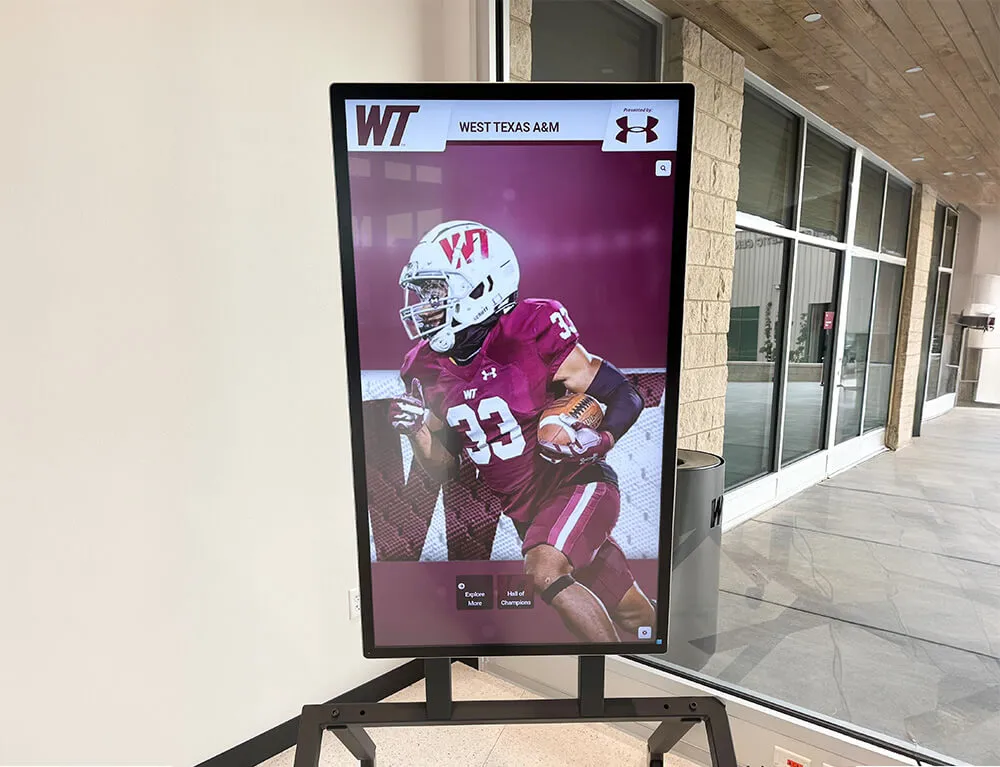
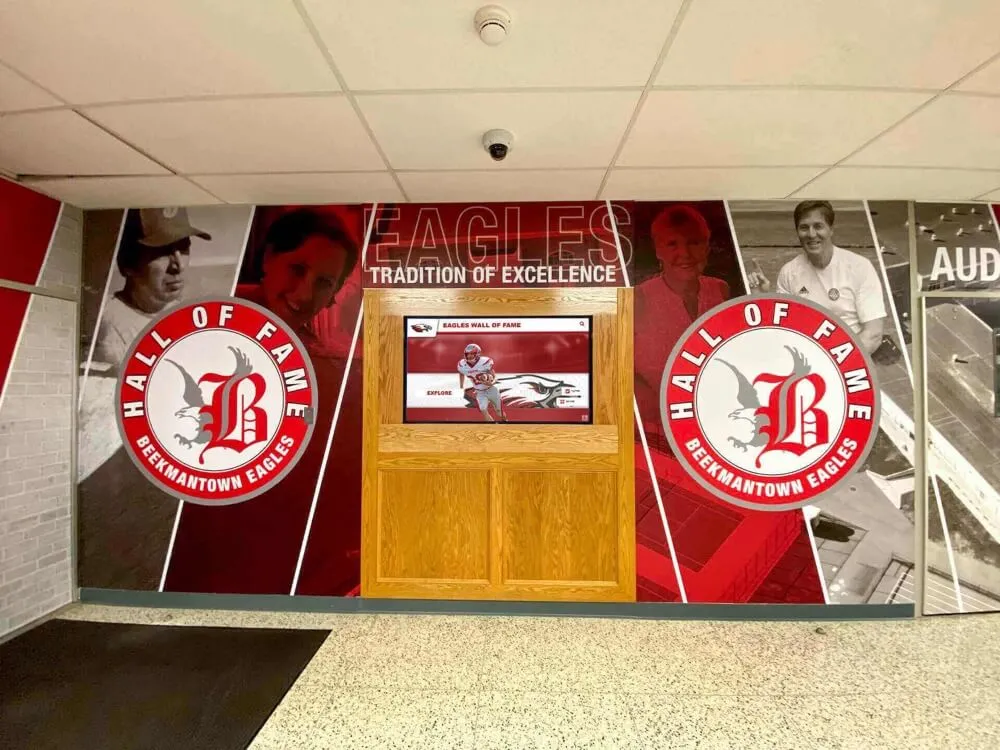
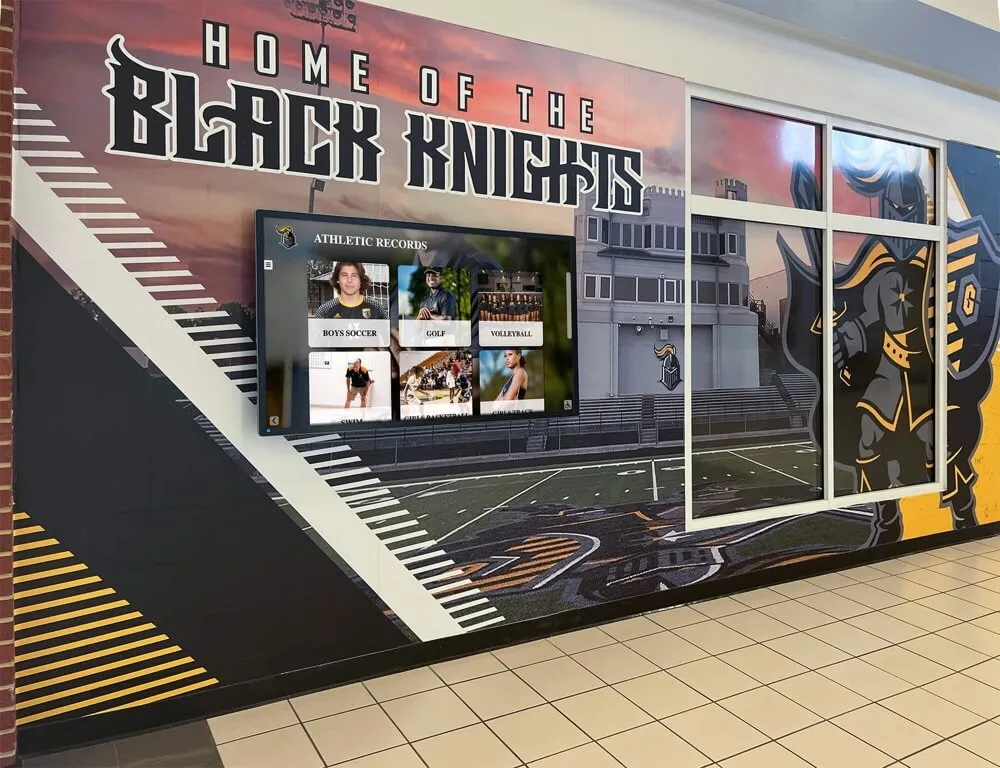
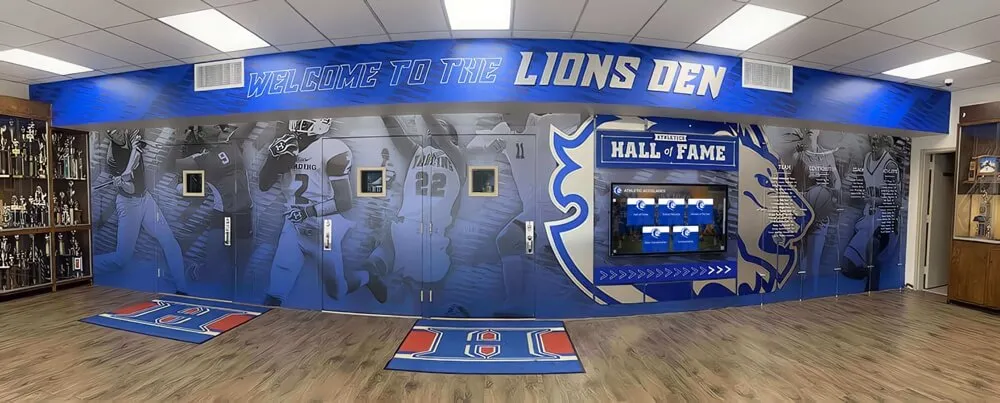
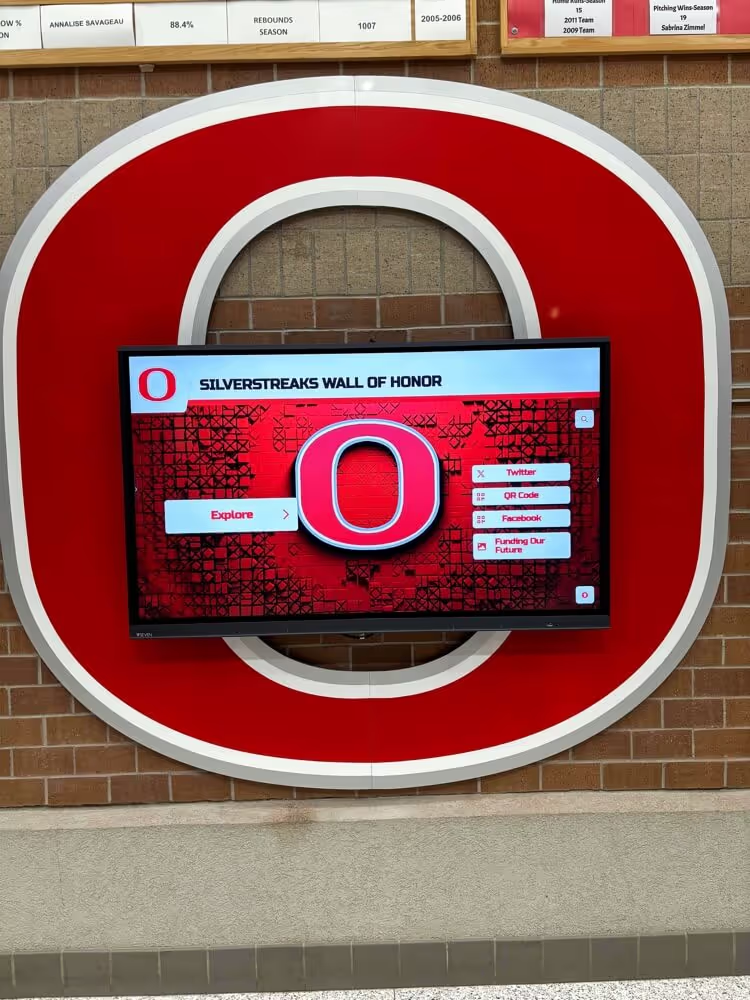
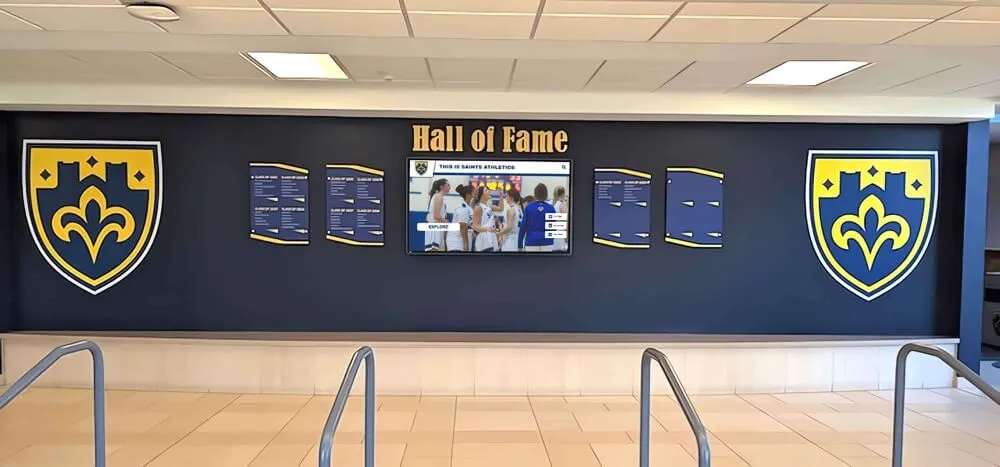
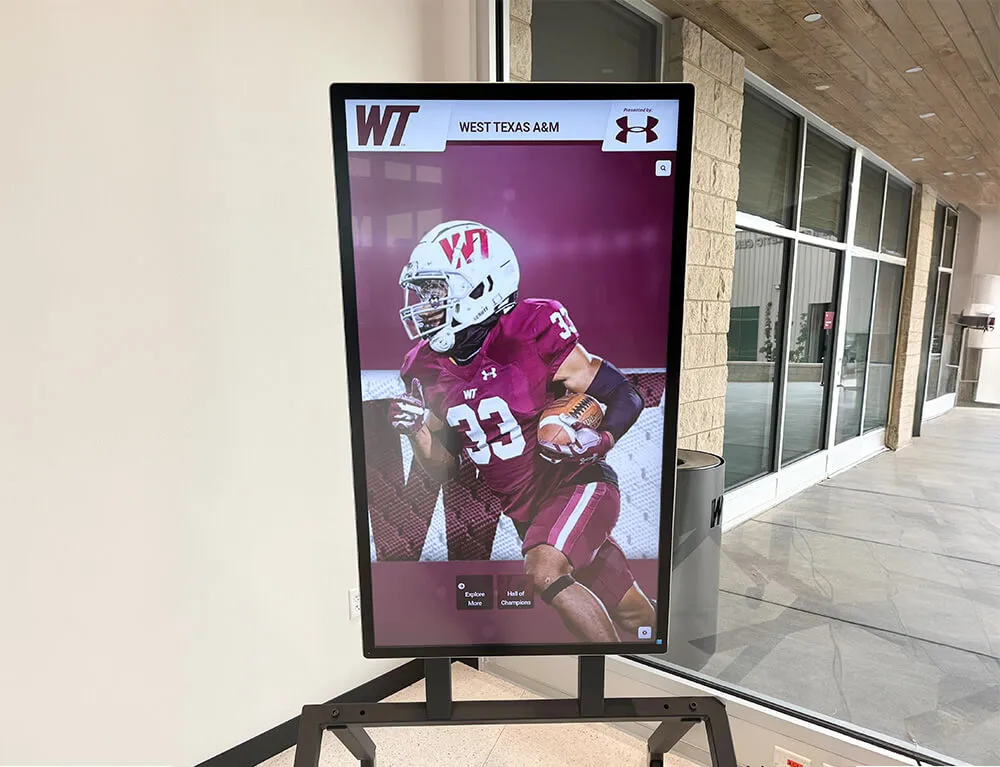
Permanent recognition displays celebrate the players who executed program-defining plays with precision and courage
Classic Football Trick Plays: Timeless Deception
Certain trick plays have proven effective across decades and competition levels, becoming staples in creative offensive playbooks worldwide.
1. The Statue of Liberty
Perhaps the most famous trick play in football history, the Statue of Liberty creates deception through the quarterback’s throwing motion while a trailing back removes the ball for a run.
Execution Mechanics
- Quarterback takes snap and executes play-action fake or drops back
- QB raises throwing arm as if preparing to pass downfield
- Trailing running back approaches from behind, removing ball from QB’s raised hand
- QB maintains passing posture briefly to freeze defenders
- Running back carries ball around opposite side from QB’s raised arm
- Offensive line blocks as if protecting pass, then releases to create running lanes
Optimal Situations
The Statue of Liberty works best when:
- Defenses show pass-rush aggression believing opponents must throw
- Red zone situations where compressed space amplifies confusion
- Against blitz-heavy schemes that create running lanes
- When offense has established credible passing threat
- On play-action after successful running plays establish tendency
Historic Moments
The 2007 Fiesta Bowl provided the most famous Statue of Liberty execution when Boise State ran it for a two-point conversion to defeat Oklahoma in overtime—a play now immortalized in college football history and recognition displays.
2. Hook and Ladder (Hook and Lateral)
This creative pass play transforms a short completion into a long gain through a well-timed lateral to a trailing receiver.
Execution Strategy
- Primary receiver runs hook route at first-down marker
- Secondary receiver (typically slot or running back) trails behind hook receiver
- Quarterback throws to primary receiver on hook route
- As defenders converge on receiver who caught ball, he laterals to trailing teammate
- Trailing receiver catches lateral with blockers positioned to spring big gain
- Success requires precise timing so lateral occurs before defensive pursuit arrives
Why It Works
Defenders naturally pursue toward the completed catch, creating openings for the trailing receiver. The play exploits defensive tunnel vision focused on the initial catch location while teammates establish position for the lateral phase.
Famous Executions
The 1982 Cal-Stanford “The Play” used multiple laterals to score as time expired, creating one of sports’ most replayed sequences. High school and college programs regularly execute hook and ladder variations in crucial situations, with successful attempts earning permanent places in program lore.
3. Reverse Pass (Wide Receiver Pass)
This play uses motion and misdirection to position a receiver as a passer, catching defenses completely unprepared for a throw from unconventional personnel.
Setup and Execution
- Offense shows run formation with potential for sweep or reverse
- Quarterback hands off to running back who begins sweep motion
- Running back pitches to wide receiver coming on reverse path
- Wide receiver receives pitch and sets up to pass instead of running
- Tight end or second receiver runs deep route while defenders pursue reverse
- Wide receiver throws downfield to wide-open receiver ignored by defense
Strategic Advantages
The reverse pass succeeds because:
- Defensive backs turn and pursue perceived running play
- Pass rushers chase laterally instead of maintaining pass rush lanes
- Defenses lose containment discipline during run pursuit
- Receivers with high school quarterback experience execute throws effectively
- Element of complete surprise creates significant leverage advantages
Schools should select receivers with throwing ability during recruitment if reverse pass fits their offensive philosophy.
4. Flea Flicker
The flea flicker creates deep passing opportunities by convincing defenses the play is a run before surprising them with a downfield throw.
Detailed Mechanics
- Quarterback takes snap and hands or pitches to running back
- Running back takes steps toward line of scrimmage as if running conventional play
- Running back stops and tosses ball back to quarterback before crossing scrimmage
- Quarterback catches toss and sets to throw while receivers execute deep routes
- Defensive backs who bit on run fake scramble to recover downfield coverage
- Quarterback throws to receiver who gained separation during defensive confusion
Timing Requirements
Successful flea flickers require:
- Offensive line maintaining pass protection after initial run blocking
- Running back executing pitch-back at optimal depth (typically 3-5 yards)
- Receivers selling run action initially before releasing on pass routes
- Quarterback resetting feet quickly after receiving pitch-back
- Coordinated timing so quarterback isn’t vulnerable to unblocked rushers
The play fails if defensive backs refuse the run fake or if timing breaks down during the pitch-back phase.
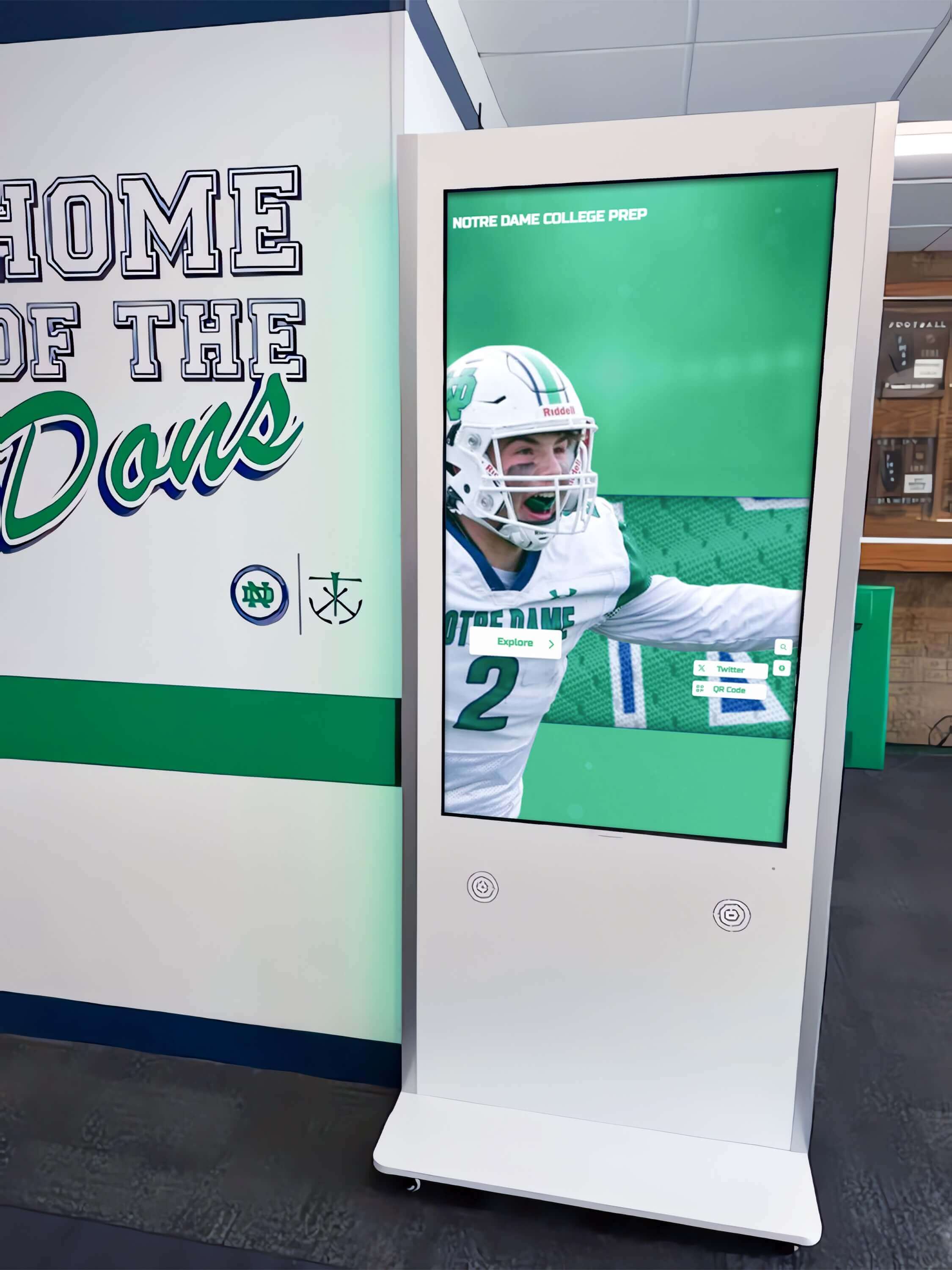
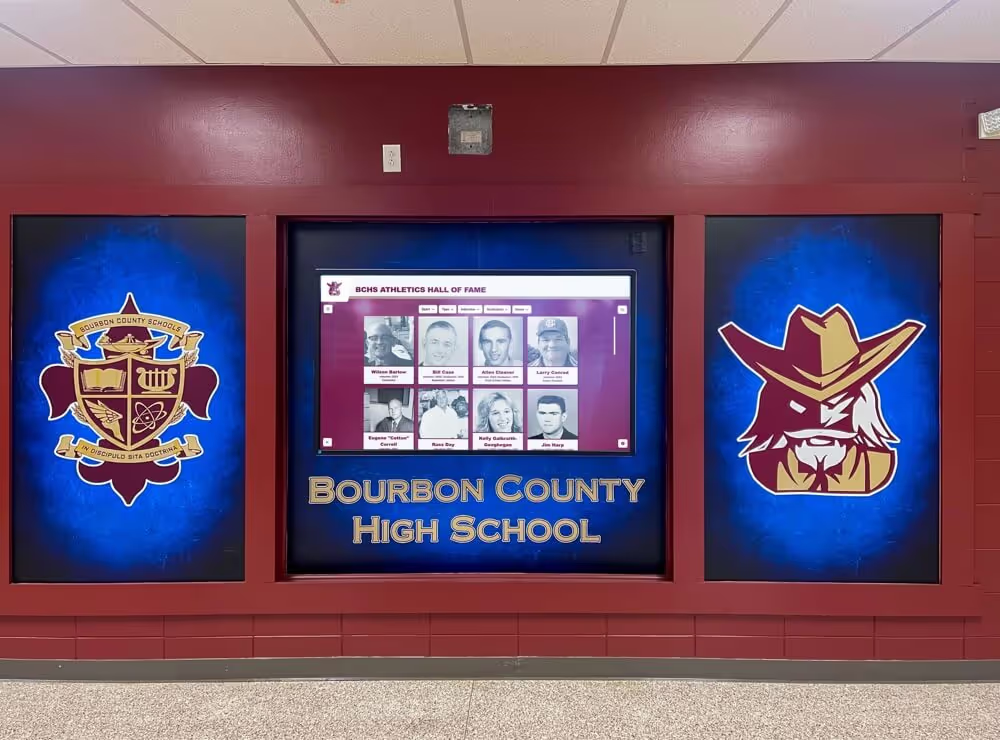
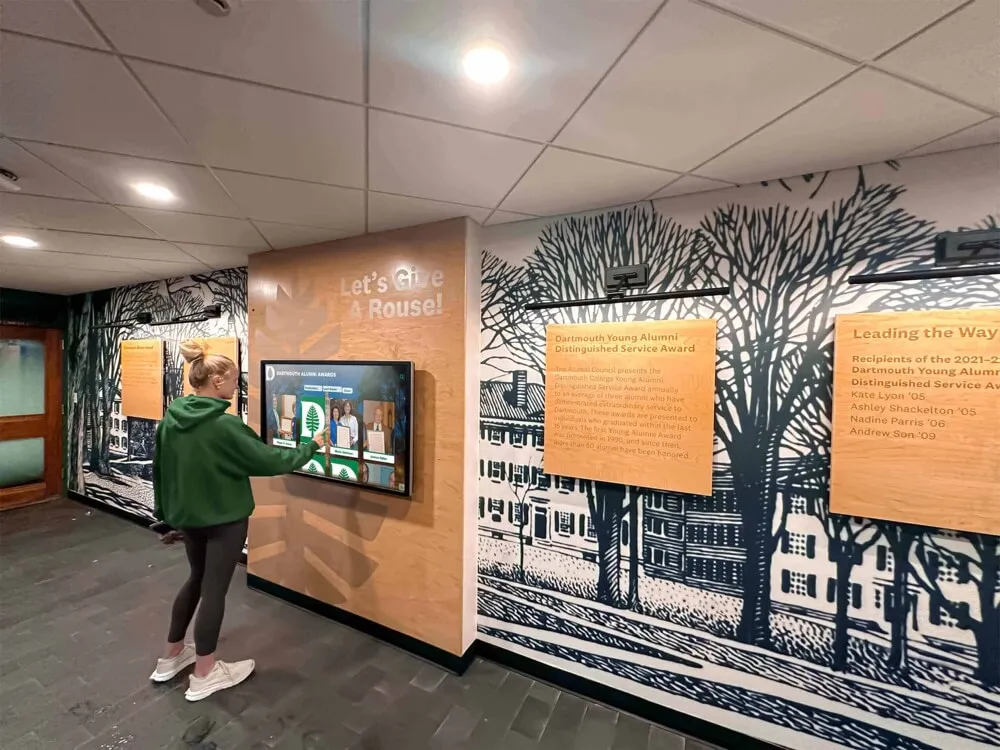
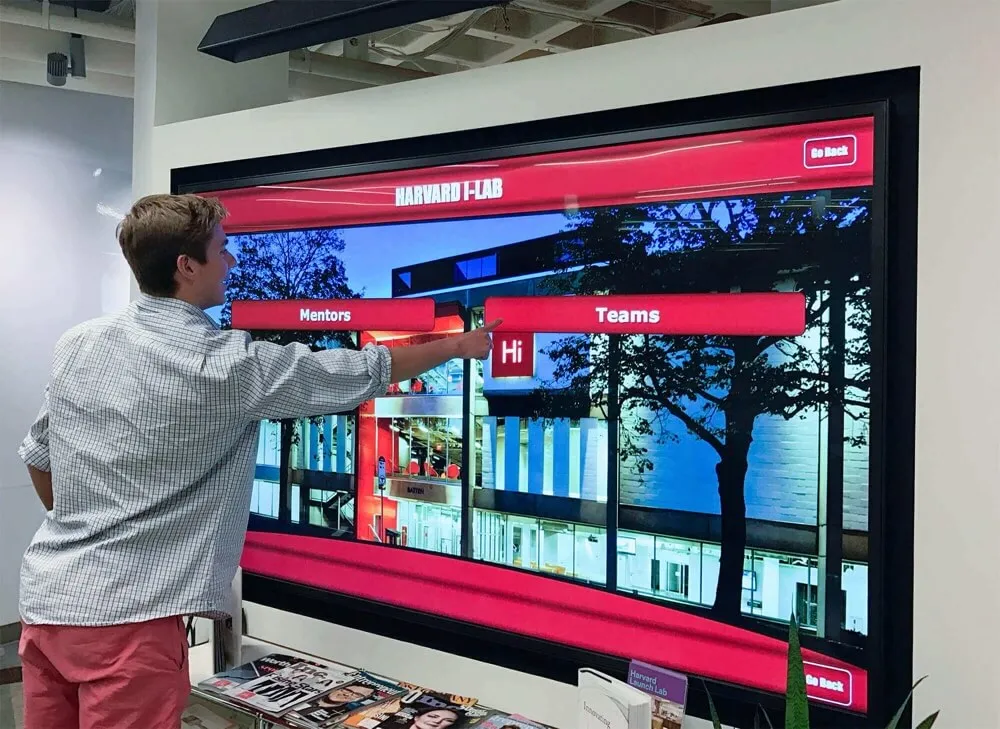
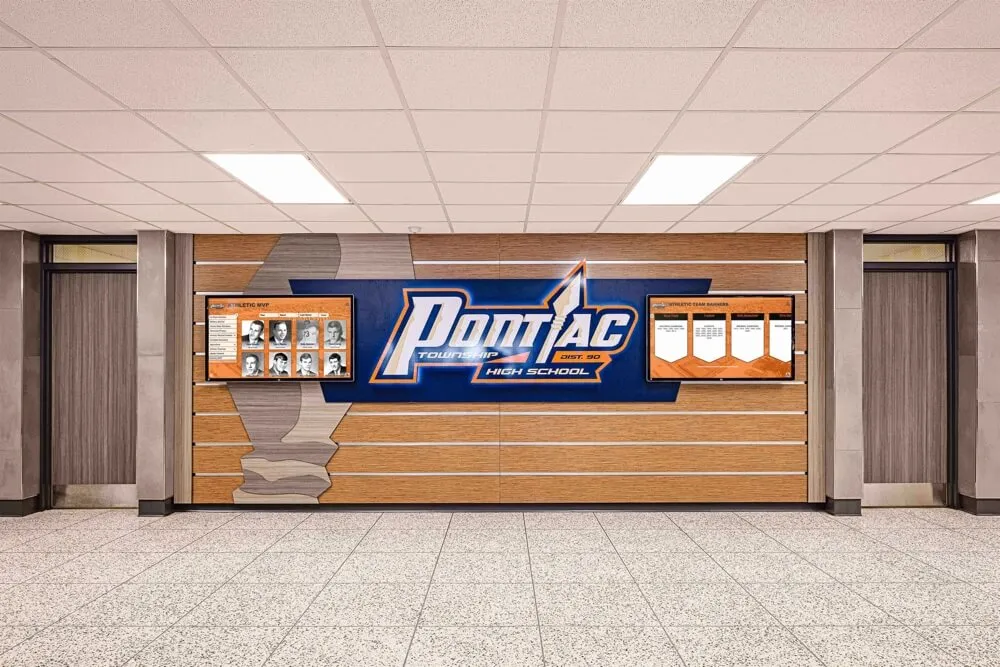
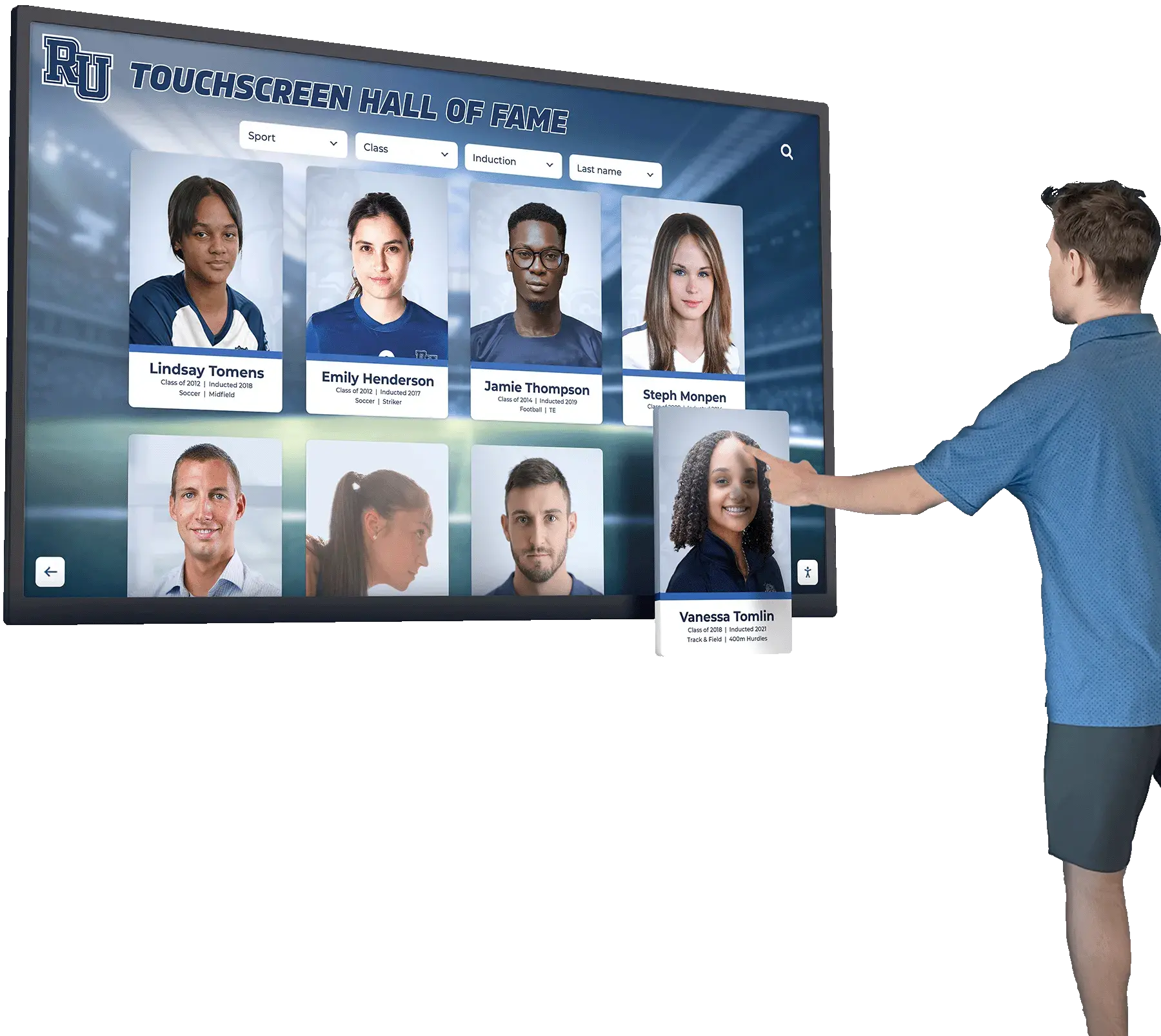
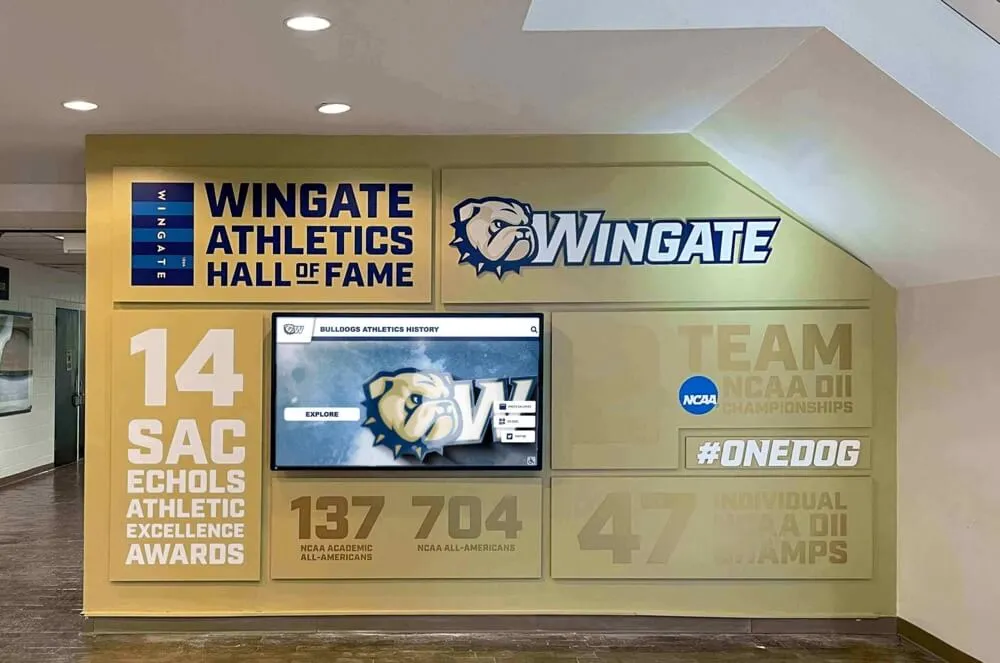
Interactive displays let communities explore game footage of legendary trick plays, preserving program-defining moments for future generations
5. Fumblerooski
Though now illegal in many football codes, the fumblerooski’s creative deception earned legendary status before rules committees banned intentional fumbles.
Historical Execution
- Quarterback received snap and deliberately placed ball on ground
- Offensive lineman (typically guard) picked up “fumbled” ball
- Quarterback and backfield ran play-action fake in opposite direction
- Defensive players pursuing perceived ball carrier left lineman unnoticed
- Lineman carried ball for significant gain while defense pursued misdirection
Why It Was Banned
The fumblerooski created player safety concerns when multiple players dove for what appeared to be a fumble. Rules committees in most football codes now prohibit intentional fumbles and limit who can advance fumbled balls in various situations.
Despite its prohibition, the fumblerooski remains in football folklore as perhaps the ultimate deception play—a testament to creative minds willing to explore rule boundaries for competitive advantage.
6. Quarterback Throwback Screen
This play exploits aggressive defensive pursuit by surprising defenders with a screen pass to the quarterback after he’s pitched the ball.
Setup Process
- Quarterback pitches to running back who sweeps toward sideline
- Offensive linemen release to block for sweep as defenders pursue
- Quarterback drifts away from play action after pitching ball
- Running back stops and throws screen pass back to quarterback
- Quarterback catches screen with blockers positioned and defenders pursuing opposite direction
- QB runs through vacated area created by defensive pursuit
Execution Requirements
Success depends on:
- Running back with adequate throwing ability for screen pass
- Offensive linemen selling run blocks before releasing to screen
- Quarterback moving to proper screen location after pitch
- Defensive pursuit aggressive enough to create vacated space
- Timing allowing catch before unblocked defenders recognize deception
The throwback screen works best against defenses that over-pursue laterally or crash aggressively on sweep actions.
Modern Creative Trick Plays: Contemporary Innovation
As defenses evolve, offensive coordinators develop new deception plays exploiting modern defensive tendencies and spread offensive concepts.
7. Jet Sweep Pass
This play combines jet sweep motion with a pass element, creating conflict for defenders assigned to contain and coverage responsibilities.
Execution Details
- Receiver goes in jet motion across formation before snap
- Quarterback receives snap and hands to receiver on jet motion
- Receiver takes handoff but sets up to throw instead of running
- Tight end or opposite receiver releases on pass route
- Defenders confused between run support and pass coverage
- Receiver throws to open teammate while defense reacts to motion
Strategic Advantages
Modern defenses assign specific defenders to match jet motion, creating predictable reactions that the pass element exploits. The play forces defenders into impossible conflict between stopping the run and covering the pass.
8. Tackle Eligible Pass
This play creates mismatches by declaring an offensive tackle as an eligible receiver, then targeting them with a pass while defenses ignore their presence.
Legal Requirements and Setup
- Offense declares tackle eligible before snap (typically left tackle)
- Formation must include only six players on line (tackle moves to end position)
- Tackle releases into pass route (usually short route or flat pattern)
- Defenses focused on traditional receivers ignore eligible tackle
- Quarterback throws to wide-open tackle for significant gain
Ideal Situations
Tackle eligible plays work best:
- In red zone where space limits defensive coverage
- On short-yardage situations where defenses expect run
- Against defenses that don’t adjust to formation variations
- When offense has tackle with receiving experience or skills
Several NFL and college programs use tackle eligible concepts regularly, with some maintaining specialized personnel specifically for these situations.
9. Wildcat Formation Variations
The wildcat creates deception opportunities by eliminating the traditional quarterback and creating uncertainty about snap location and play direction.
Formation Structure
- Direct snap to running back or athlete positioned at quarterback
- Traditional quarterback may line up at receiver or leave field
- Multiple ball carriers create uncertainty about play direction
- Option elements combined with power running schemes
- Occasional passes from wildcat formation keep defenses honest
Why Defenses Struggle
Wildcat formations create defensive challenges:
- Defenses must prepare for run-heavy playbook addition
- Snap location uncertainty complicates defensive alignment
- Athletic players at quarterback position create option elements
- Defensive coordinators must allocate practice time to wildcat preparation
- Momentum and tempo changes disrupt defensive rhythm
Elite wildcat packages include pass elements that prevent defenses from loading against the run exclusively.

Interactive recognition systems preserve game film and play breakdowns, allowing [team captains](https://touchhalloffame.us/blog/team-captain-election-how-schools-choose-develop-student-athlete-leaders/?utm_source=organic&utm_medium=seo-auto&utm_content=touchwall&utm_campaign=football-trick-plays&utm_term=seo) and athletes to study legendary moments
10. Double Reverse Pass
This play extends the reverse pass concept by adding an additional handoff, creating even more deception and defensive confusion.
Complex Execution Sequence
- Quarterback hands to running back on sweep action
- Running back pitches to first receiver on reverse path
- First receiver hands to second receiver coming opposite direction
- Second receiver sets up to pass after double reverse action
- Defensive pursuit completely out of position after multiple direction changes
- Open receiver catches pass while defense recovers from misdirection
Risk and Reward
The double reverse pass carries higher risk than simpler trick plays due to:
- Multiple ball exchanges increasing fumble probability
- Extended execution time allowing defensive recovery
- Requirement for multiple players with ball-handling skills
- Complexity demanding extensive practice repetitions
However, successful execution creates spectacular plays earning permanent status in program highlight reels and sports memorabilia displays.
11. Fake Spike
This play exploits defenses that relax when offenses appear to stop the clock with a spike, then running a play while defenders aren’t ready.
Execution Strategy
- Offense approaches line quickly as if preparing to spike ball and stop clock
- Quarterback uses spike cadence and body language
- Receivers run actual pass routes instead of standing
- Quarterback throws to receiver instead of spiking ball
- Defenders caught unprepared by unexpected play
Ethical and Strategic Considerations
The fake spike exists in gray area between clever strategy and unsportsmanlike conduct:
- Some coaches consider it poor sportsmanship
- Others view it as legitimate deception within rules
- Effectiveness diminishes as opponents prepare for possibility
- Risk of delay penalty if execution timing fails
- Potential to damage program reputation if used inappropriately
Dan Marino’s famous fake spike touchdown pass in 1994 remains the most iconic execution, demonstrating the play’s effectiveness when deployed perfectly.
12. Swinging Gate Formation
This unusual formation spreads the entire offense horizontally, creating numerical advantage opportunities and forcing defensive adjustment.
Formation Structure
- Entire offensive line shifts to one side, creating massive overload
- Quarterback or direct snap receiver positioned alone on opposite side
- Formation creates defensive confusion about proper alignment
- Multiple play options from same formation
- Defenses must adjust or face significant numerical disadvantages
Play Options from Swinging Gate
Teams can execute:
- Quick passes to overload side with numerical advantage
- Quarterback or direct snap receiver running bootleg opposite formation
- Draw plays when defenses spread to match formation
- Actual field goal attempts disguised by unusual formation
- Shift back to standard formation before snap
The swinging gate’s primary value comes from forcing opponents to prepare for unusual situations rather than focusing on conventional plays.
13. Hidden Ball Trick (Multiple Variations)
Various hidden ball plays create deception about ball location through misdirection, though most are now illegal under modern rules.
Legal Variations
Within current rules, teams can:
- Execute well-designed play-action fakes that temporarily hide ball location
- Use multiple potential ball carriers running similar paths
- Employ formations creating visual confusion about snap and ball location
- Execute quick handoffs to unexpected personnel in motion
Historical Significance
Before rules tightened, hidden ball tricks included:
- Players hiding ball under jerseys
- Ball carrier lying motionless while teammates created misdirection
- Quarterbacks kneeling as if injured while teammate ran with ball
While modern rules eliminate extreme deception, the hidden ball tradition influences contemporary play design emphasizing uncertainty about ball location.
14. Tight End Throwback
This play targets tight ends releasing from line of scrimmage positions unexpected for receiving threats, creating coverage breakdowns.
Setup and Execution
- Tight end lines up in traditional in-line blocking position
- Play-action or run fake draws linebackers and safeties forward
- Tight end releases from blocking position into pass route
- Defenders assume tight end is blocking rather than running route
- Quarterback throws to wide-open tight end who leaked into space
- Successful execution requires selling run action convincingly
Why It Creates Separation
Defenders trained to key tight end blocking often fail to recognize delayed releases, particularly when run action appears convincing. The play exploits tendency-based assumptions about tight end responsibilities.
15. Onside Kick Variations
While technically special teams rather than offensive trick plays, creative onside kick approaches create game-changing recovery opportunities.
Modern Onside Kick Strategies
- Surprise onside kicks when opponents expect deep kickoff
- Directional onside kicks targeting specific coverage weaknesses
- Sky kicks creating difficult fielding situations
- Placement kicks exploiting rules about when ball becomes live
- Personnel packages maximizing recovery probability
Strategic Deployment
Successful onside kick execution requires:
- Element of surprise (unexpected timing)
- Precise execution creating favorable bounces
- Personnel positioned optimally for recovery
- Defensive confusion about onside attempt
- Willingness to accept risk for strategic advantage
Game-winning onside kick recoveries become program-defining moments celebrated at reunions, rivalry games, and in permanent recognition displays.
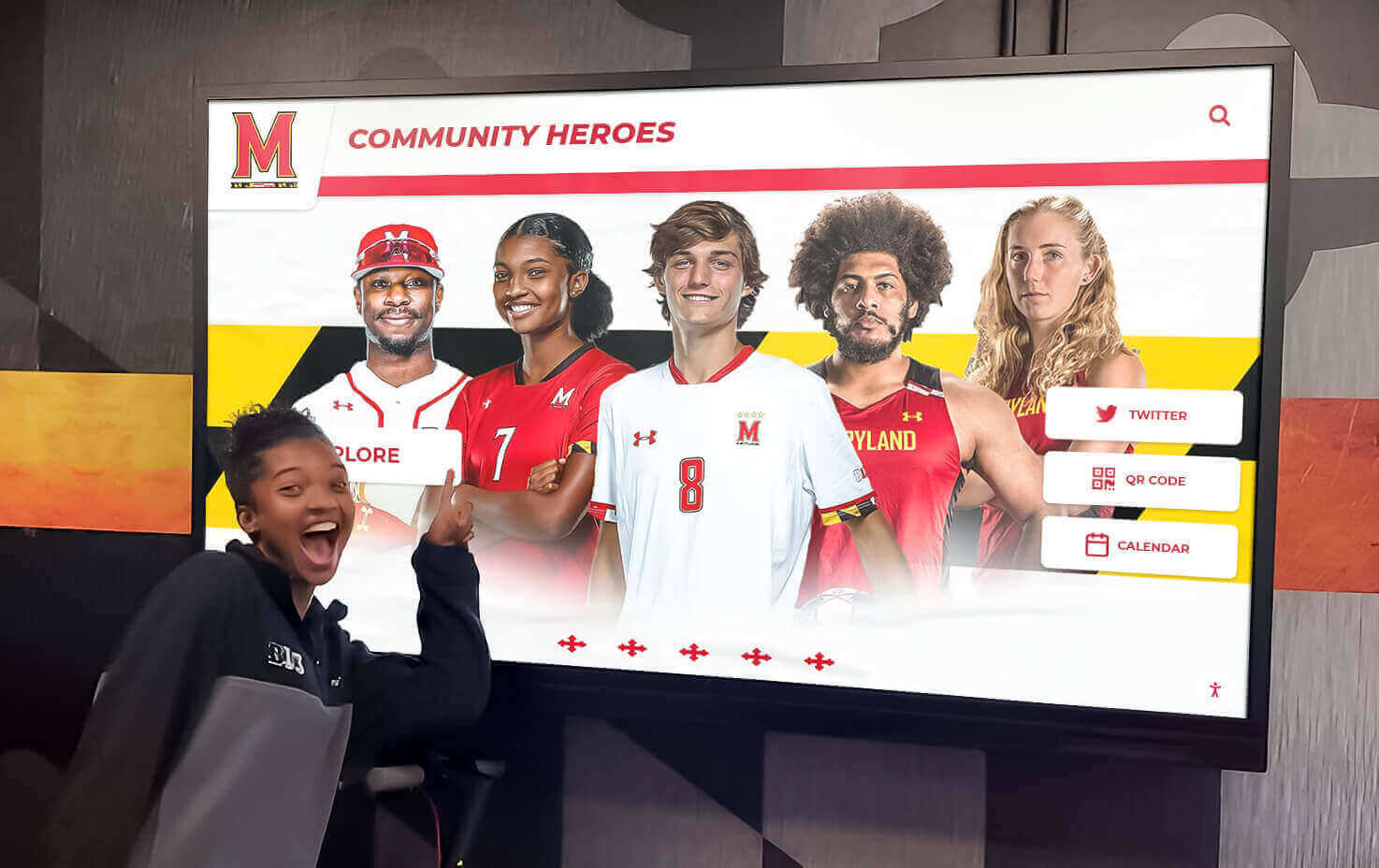
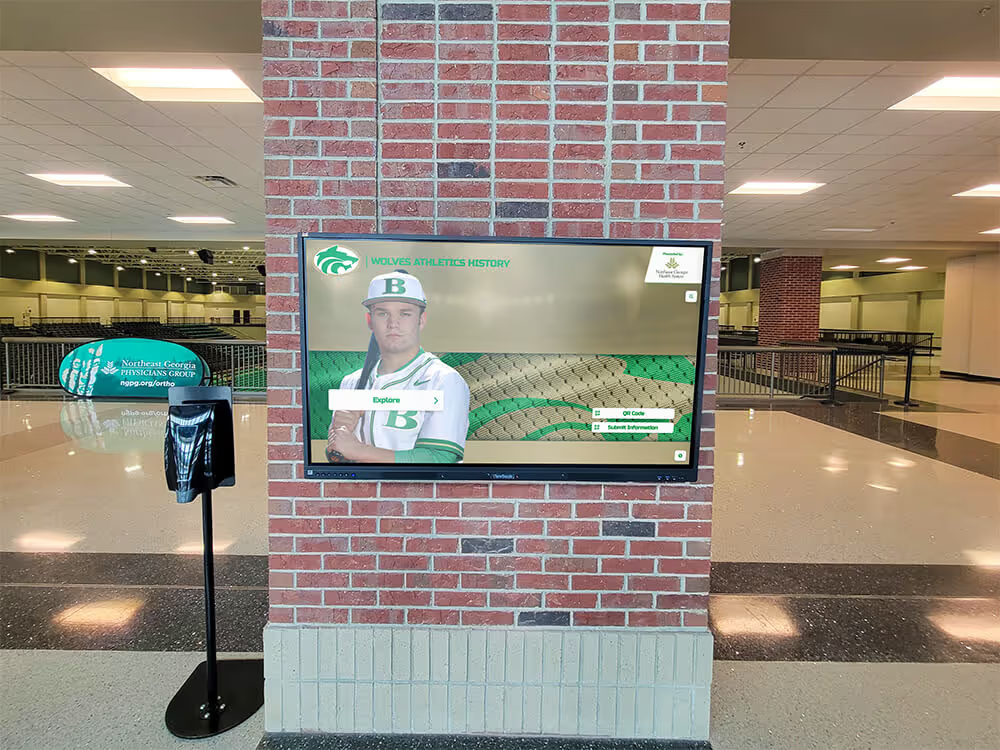
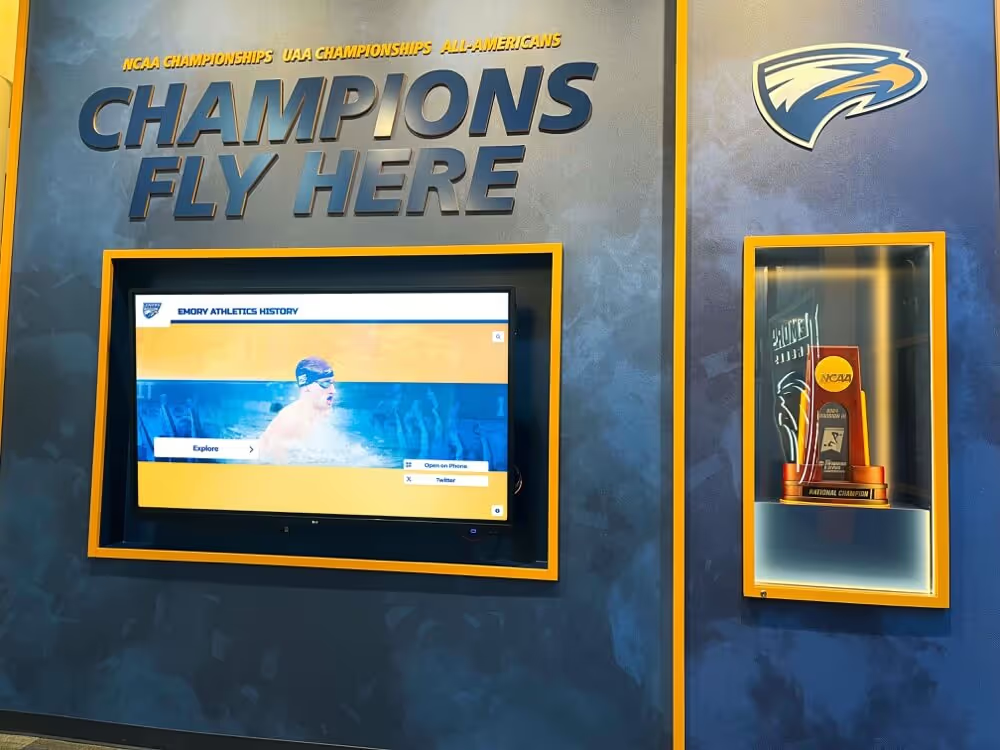
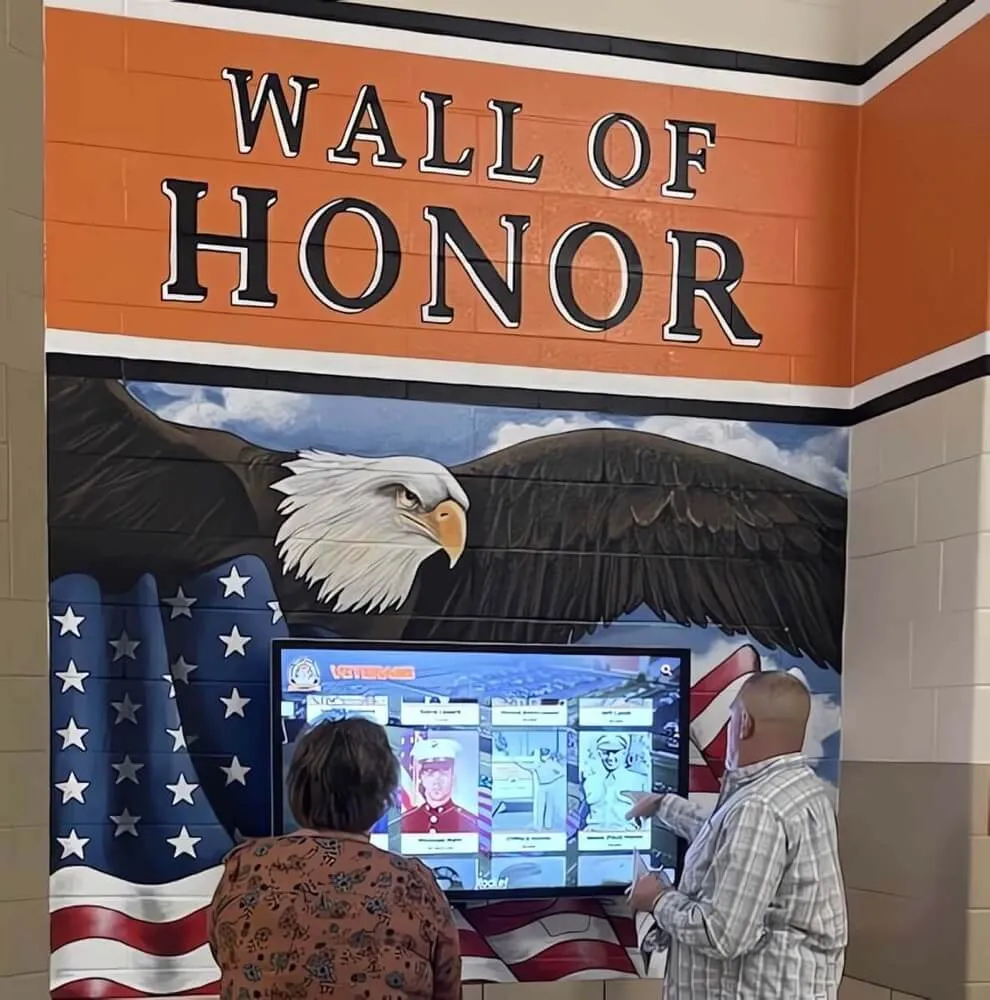
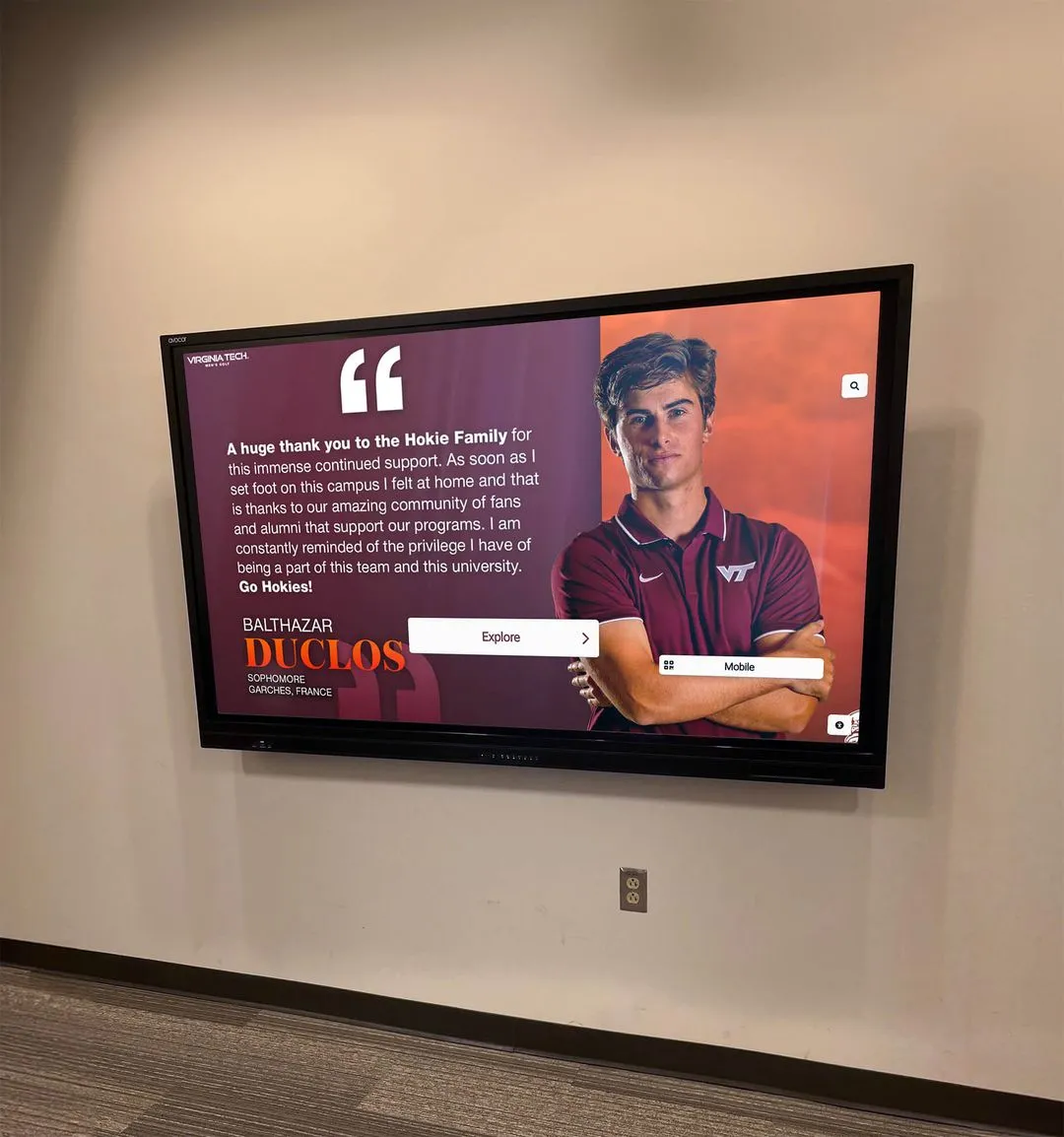
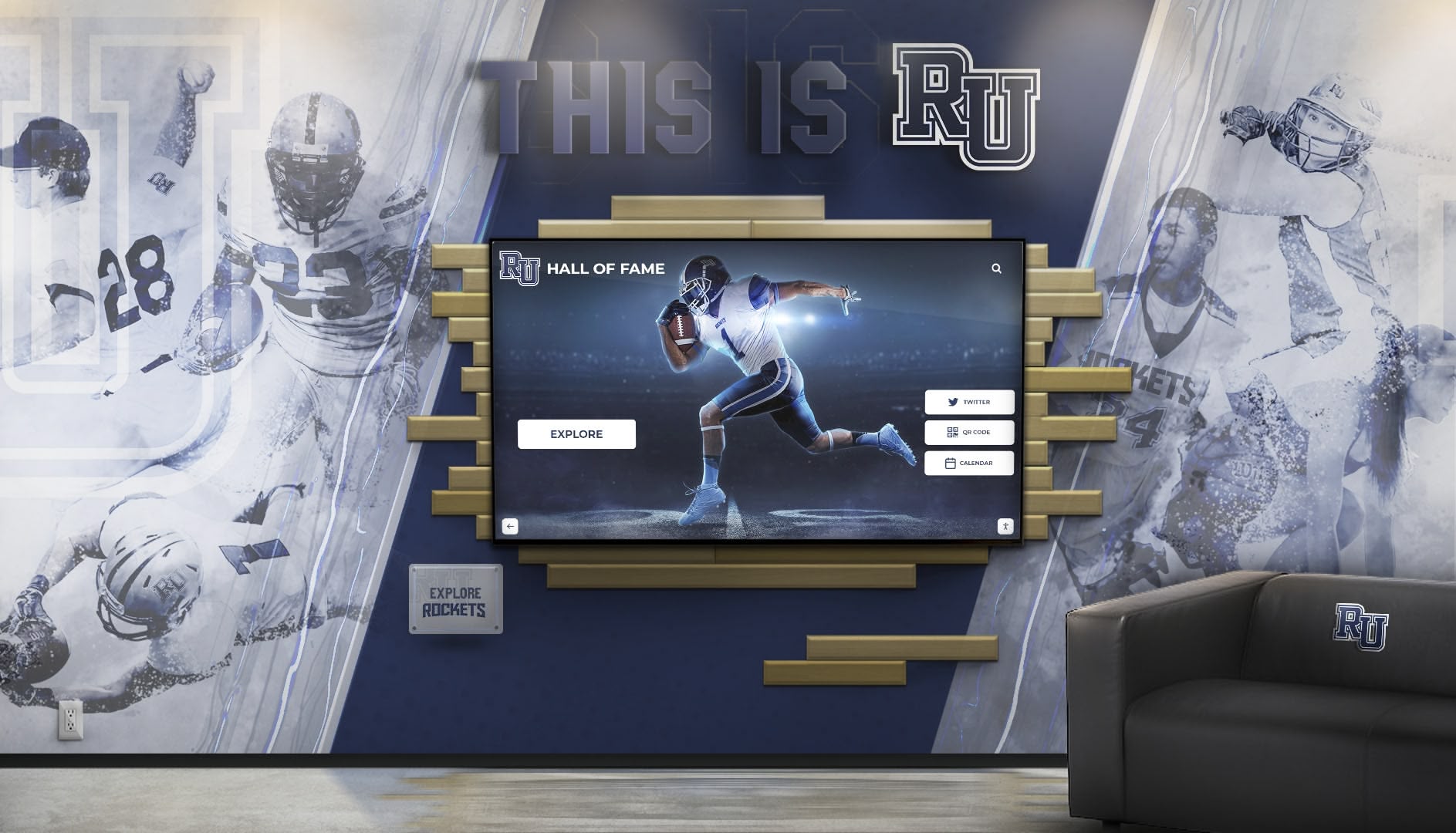
Modern recognition systems celebrate the athletes who executed legendary plays with precision and courage under pressure
Practicing Trick Plays: Preparation and Timing
Successful trick play execution requires dedicated practice time and strategic preparation balancing creativity with fundamental football execution.
Practice Time Allocation
Coaches face constant tension between preparing trick plays and mastering fundamental offensive concepts:
Balancing Fundamentals and Creativity
- Most programs dedicate 5-10% of practice time to trick plays and special situations
- Championship-caliber teams master fundamentals before adding creative elements
- Specific trick plays require 15-20 quality repetitions for game-ready execution
- Practice schedules should include trick plays weekly to maintain execution sharpness
- Film study helps players understand defensive reactions that trigger trick play calls
Seasonal Practice Progression
Effective programs follow developmental sequences:
Preseason: Install 2-3 core trick plays with thorough fundamental instruction Early Season: Execute trick plays during practice while assessing game situations Mid-Season: Expand trick play package based on opponent scouting and game needs Late Season/Playoffs: Perfect execution of proven trick plays while eliminating unsuccessful variations
Personnel Selection for Trick Plays
Not all athletes should participate in trick plays—successful execution requires specific skill combinations:
Identifying Trick Play Personnel
- Ball-handling skills: Running backs and receivers with secure hands for multiple touches
- Throwing ability: Non-quarterback personnel capable of accurate passes
- Deception skills: Athletes who sell fakes convincingly
- Football intelligence: Players who recognize defensive reactions and adjust
- Composure under pressure: Athletes who execute calmly in high-stakes moments
Some programs specifically recruit versatile athletes with high school quarterback experience to expand trick play options—players who can catch, run, and throw from receiver positions.
Calling Trick Plays in Games
The decision to call trick plays in competition requires courage balanced with strategic judgment:
Pre-Game Planning
Effective coaching staffs:
- Script specific game situations where trick plays provide optimal advantage
- Establish criteria for calling trick plays based on score, time, and field position
- Assign play-calling authority and establish communication protocols
- Review opponent tendencies that specific trick plays exploit
- Prepare adjustments if initial trick play attempts fail
In-Game Decision Making
During games, coaches should consider:
- Momentum: Is the team searching for a spark or protecting a lead?
- Execution: Are fundamentals sound enough to add complexity?
- Opponent preparation: Has opponent shown awareness of trick play possibilities?
- Risk tolerance: What are consequences if trick play fails?
- Personnel availability: Are key trick play personnel healthy and in game?
The most memorable trick plays often occur when coaches demonstrate conviction matching their creativity—moments of courage that define programs and coaching legacies.

Recognition spaces celebrate the complete program history including legendary game moments and the coaches who designed unforgettable plays
Preserving Legendary Trick Play Moments
When trick plays succeed in critical moments, they deserve permanent recognition ensuring future generations appreciate program-defining creativity and execution.
Traditional Recognition Methods
Schools have historically preserved memorable plays through various methods:
Physical Displays and Memorabilia
- Game balls from legendary victories mounted with play descriptions
- Framed photos capturing trick play execution moments
- Trophy cases featuring championship hardware earned through creative plays
- Printed programs or media guides documenting historic plays
- Wall murals depicting famous play sequences
Annual Recognition Events
Programs celebrate trick play moments through:
- Football banquets featuring video highlights of legendary plays
- Anniversary celebrations recognizing milestone moments
- Reunion events where players discuss famous trick play execution
- Homecoming halftime recognition of historic teams and plays
- Media day presentations educating current players about program history
Modern Digital Recognition Solutions
Contemporary technology enables more comprehensive and accessible preservation of trick play moments:
Interactive Video Archives
Digital platforms allow schools to:
- Store complete game footage of every play in program history
- Create searchable databases by play type, opponent, or player
- Edit highlight reels showcasing best trick play executions
- Add coach commentary explaining play design and decision-making
- Integrate statistical context showing game situation and outcome
Touchscreen Recognition Displays
Modern digital displays transform how programs share trick play history:
- Interactive touchscreens let visitors explore plays by category or era
- Video playback with slow-motion and multiple angles
- Player profiles connected to their most famous plays
- Side-by-side comparisons of similar plays across different eras
- Social sharing features allowing alumni to discuss favorite moments
Accessibility and Engagement
Digital recognition provides advantages traditional displays cannot match:
- 24/7 accessibility for students, alumni, and visitors
- Regular content updates without physical display modifications
- Searchable interfaces helping users find specific plays or players
- Integration with social media for broader community engagement
- Analytics showing which plays generate most interest and viewing
Schools investing in comprehensive digital recognition ensure legendary trick plays receive the prominent celebration they deserve while making program history accessible to broader audiences.
Building Program Culture Through Trick Play Legacy
The most successful programs use trick play history to build cultural identity and inspire current athletes:
Connecting Past and Present
- Show current players video of alumni executing legendary plays
- Invite alumni from famous teams to share trick play stories
- Use trick play moments as examples during practice teaching moments
- Create “play of the game” recognition highlighting creative execution
- Establish traditions connecting current teams to historic moments
Inspiring Creative Confidence
Programs known for creative play-calling develop cultural characteristics:
- Players trust coaches’ strategic decisions
- Athletes develop confidence in unconventional situations
- Teams embrace preparation knowing creativity matters
- Opponents prepare for unpredictability, creating strategic advantages
- Alumni maintain stronger connections to programs willing to take calculated risks
The psychological value of trick play tradition extends far beyond individual plays—it creates program identity that attracts certain athletes, builds community pride, and establishes competitive advantages.
Developing Your Own Signature Trick Plays
While studying classic trick plays provides foundation, the most memorable moments come from original plays designed for specific personnel and situations.
Design Principles for Original Trick Plays
Effective trick play design follows consistent principles regardless of specific execution:
Start With Defensive Tendencies
Great trick plays exploit specific opponent weaknesses:
- Over-aggressive pursuit patterns creating cutback lanes
- Tendency-based assumptions about formation and down-distance
- Coverage rotations triggered by specific formations or motions
- Individual defender responsibilities creating isolation opportunities
- Blitz packages leaving areas vulnerable to misdirection
Build From Your Base Offense
The best trick plays look like standard plays initially:
- Use familiar formations so defenses don’t recognize deception early
- Incorporate motion and shifts consistent with normal offensive approach
- Execute initial steps identical to successful conventional plays
- Add deception element at optimal moment creating maximum confusion
- Ensure trick plays flow naturally from established offensive identity
Emphasize Player Strengths
Design plays highlighting your personnel advantages:
- Feature athletes with unique skill combinations
- Create opportunities for playmakers in advantageous matchups
- Minimize weaknesses by avoiding complex requirements for limited players
- Consider practice habits and execution consistency when assigning responsibilities
- Match play complexity to team’s overall football intelligence and experience
Testing and Refining Original Plays
Before deploying new trick plays in games, thorough testing ensures execution readiness:
Practice Development Process
- Individual instruction: Teach each player their specific responsibility
- Walk-through rehearsal: Execute play at slow speed against no defense
- Scout team execution: Run against scout team simulating expected defense
- Full-speed repetitions: Execute at game speed with competition intensity
- Situational practice: Practice play in game-like situations with pressure
- Film review: Study execution and identify refinement opportunities
Evaluation Criteria
Determine whether trick plays are game-ready by assessing:
- Ball security: Are exchanges and pitches executed cleanly?
- Timing: Do all phases occur with proper synchronization?
- Deception quality: Do fakes and misdirection appear convincing?
- Completion success: Are passes caught consistently?
- Big play potential: Does execution create significant yardage opportunities?
Only trick plays meeting high execution standards deserve game deployment—failed trick plays damage momentum and confidence more than conventional play failures.
Naming Your Signature Plays
Creative play names enhance team culture while providing memorable identifiers for program history:
Effective Naming Approaches
- School-specific references: Incorporate mascots, colors, or local landmarks
- Historical connections: Reference famous alumni or program moments
- Simple descriptive names: Clear labels explaining play action
- Player nicknames: Honor athletes who execute plays best
- Inside jokes: Team-specific references building culture
Programs like Boise State’s “Statue Left” or Kansas City Chiefs’ “65 Toss Power Trap” create iconic identifiers instantly recognizable to fans and forever associated with specific moments—the kind of legacy worth preserving in comprehensive athletic recognition systems.
Final Thoughts: Celebrating Creative Football Excellence
Football trick plays represent the perfect blend of strategic creativity, execution excellence, and competitive courage. From the Statue of Liberty to modern wildcat variations, these innovative play calls create program-defining moments that inspire generations of athletes and deserve permanent recognition.
The most successful programs view trick plays not as desperate gambles but as strategic weapons deployed with precision at optimal moments. They practice deception plays with the same dedication given to fundamental offensive concepts, select personnel with complementary skills, and call creative plays with conviction in critical situations.
When these elements align perfectly—creative design, flawless execution, and courageous play-calling—the result is unforgettable football moments that communities celebrate for decades. These legendary plays deserve recognition extending beyond fleeting highlight reels to permanent displays ensuring future athletes understand the creativity and courage that built program traditions.
Modern digital recognition technology allows schools to preserve trick play moments comprehensively through interactive video archives, touchscreen displays, and searchable databases making program history accessible to entire communities. These systems transform how schools celebrate athletic excellence while inspiring current athletes to create their own legendary moments.
Ready to preserve your program’s legendary trick plays and football history? Discover how Rocket Alumni Solutions’ interactive recognition displays create engaging, permanent celebrations of the creative plays and championship moments that define your football tradition.