



High schools across America face a consistent challenge: finding creative ways to fund programs, activities, athletic equipment, field trips, and facility improvements that enrich student experiences but fall outside tight district budgets. Food fundraisers have emerged as one of the most reliable and enjoyable approaches to generating revenue—combining universal appeal with genuine value that makes community members happy to participate while supporting important school initiatives.
Unlike traditional product sales or donation appeals, food fundraisers offer immediate gratification—supporters purchase something they’ll consume and enjoy the same day, creating positive associations with school fundraising rather than obligation or guilt. Whether it’s a classic bake sale, a sophisticated restaurant partnership, or an exciting food truck event, well-executed food fundraisers consistently deliver strong participation rates and impressive profit margins.
This comprehensive guide explores proven food fundraising ideas specifically tailored for high school environments—from simple events requiring minimal planning to elaborate programs generating thousands of dollars. Whether your student council, athletic booster club, band program, or academic department needs funding, you’ll discover practical approaches that maximize revenue while building the community connections that make schools thrive.
The best food fundraising ideas balance three critical elements: ease of execution for busy student leaders and parent volunteers, profitability that justifies time invested, and appeal that attracts broad community participation. Let’s explore strategies delivering all three, transforming hungry supporters into enthusiastic contributors funding the programs that make your high school special.

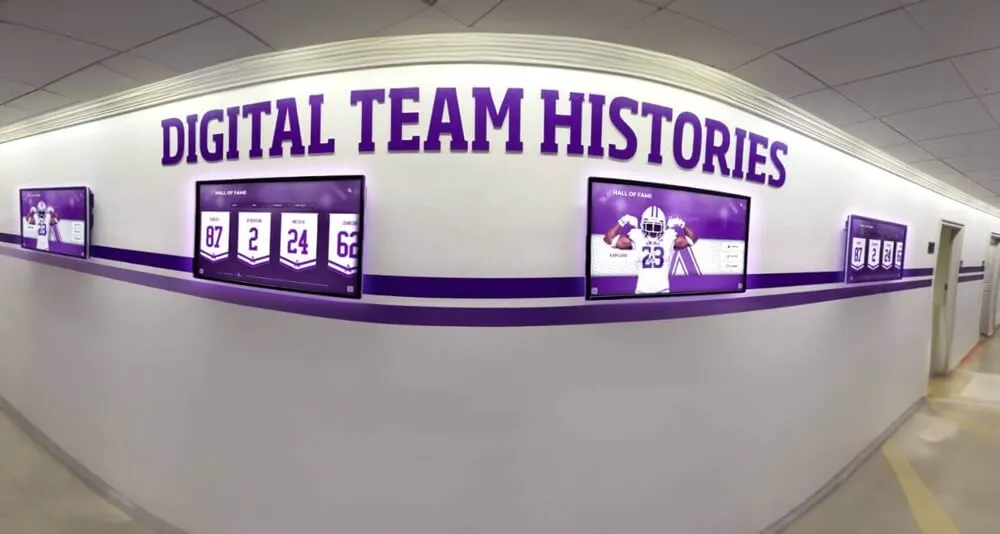
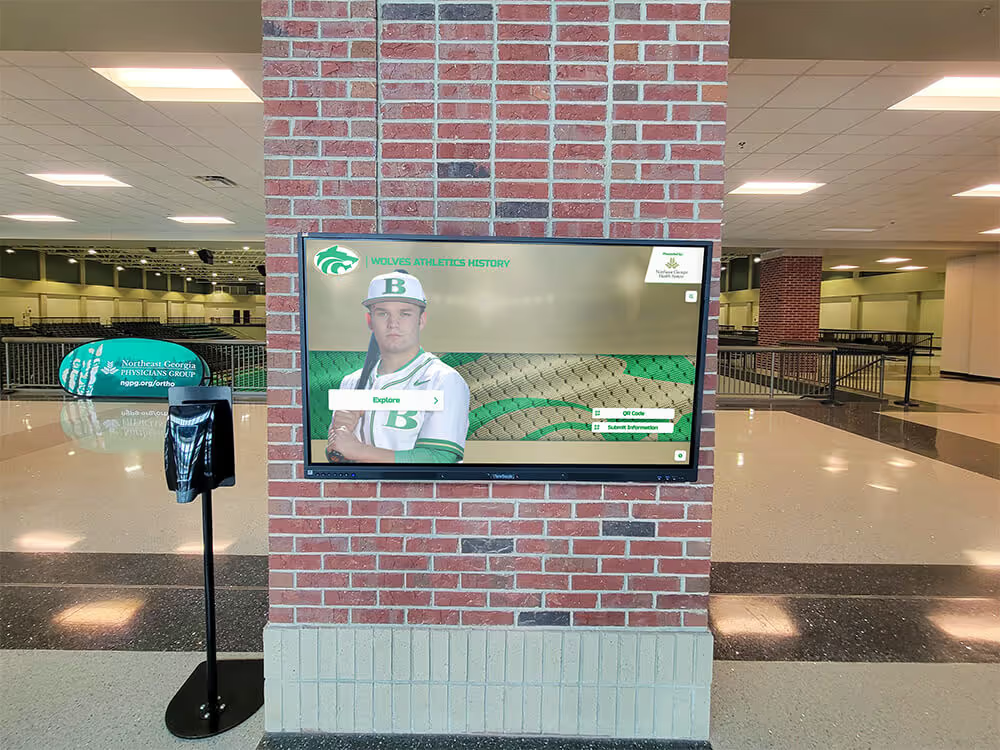
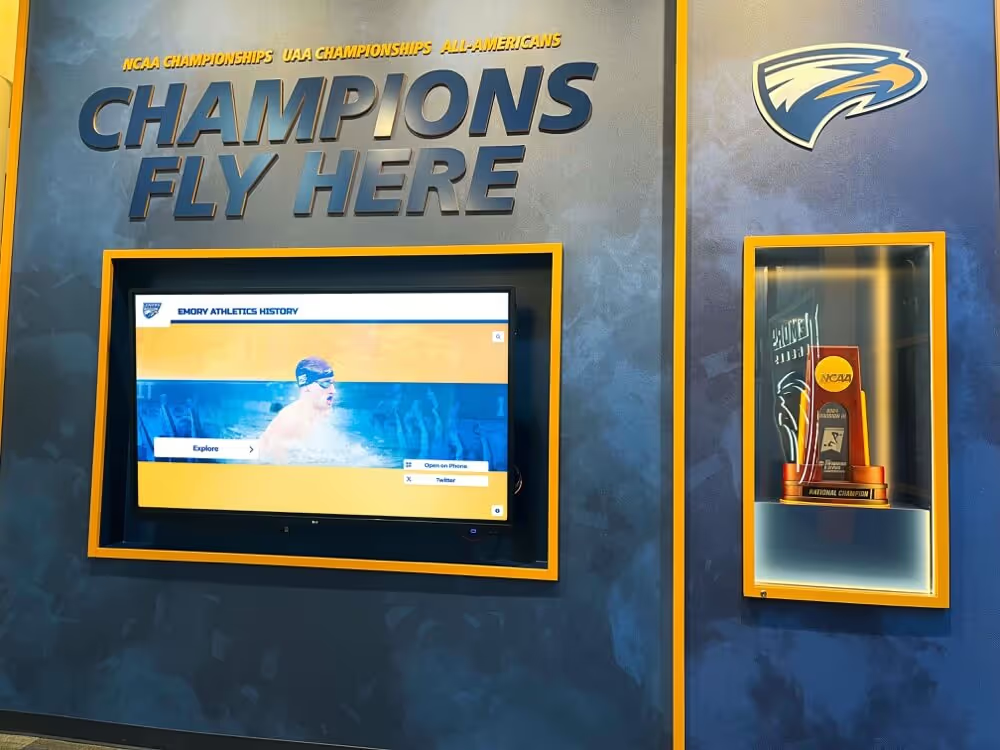
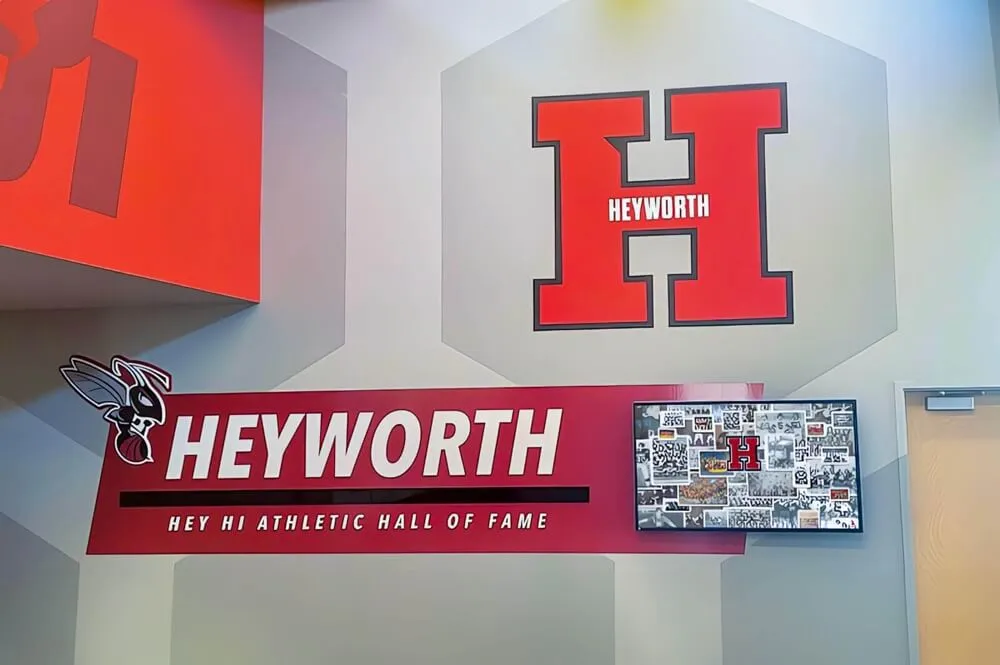
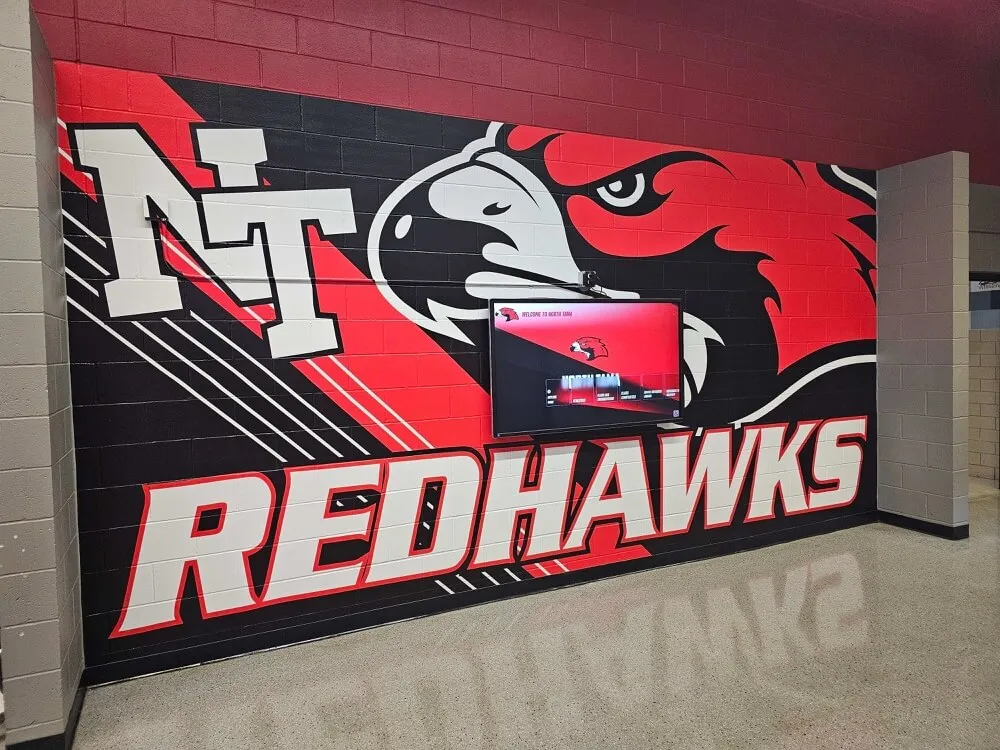
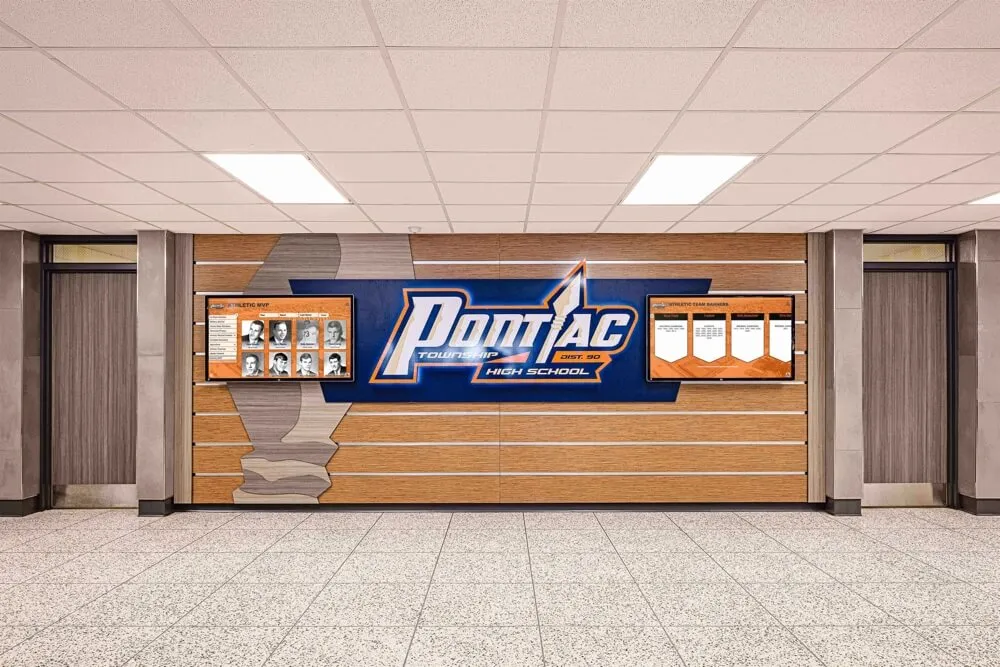
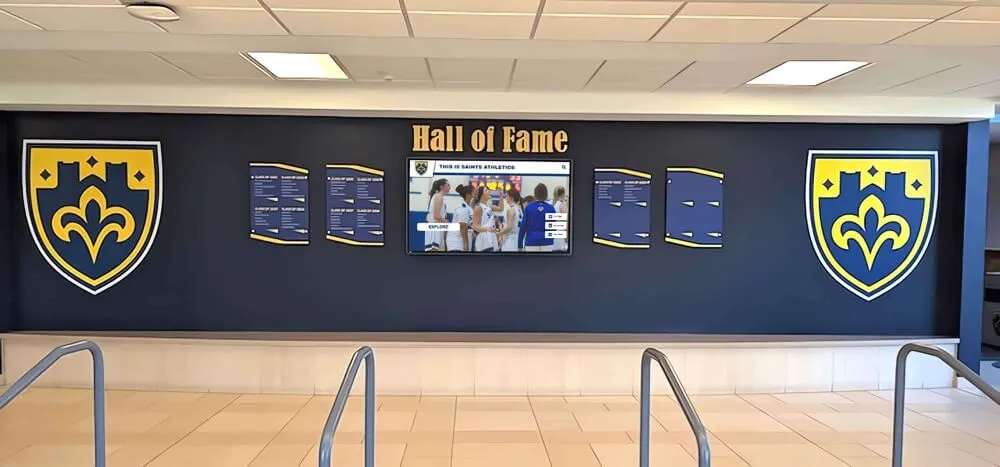
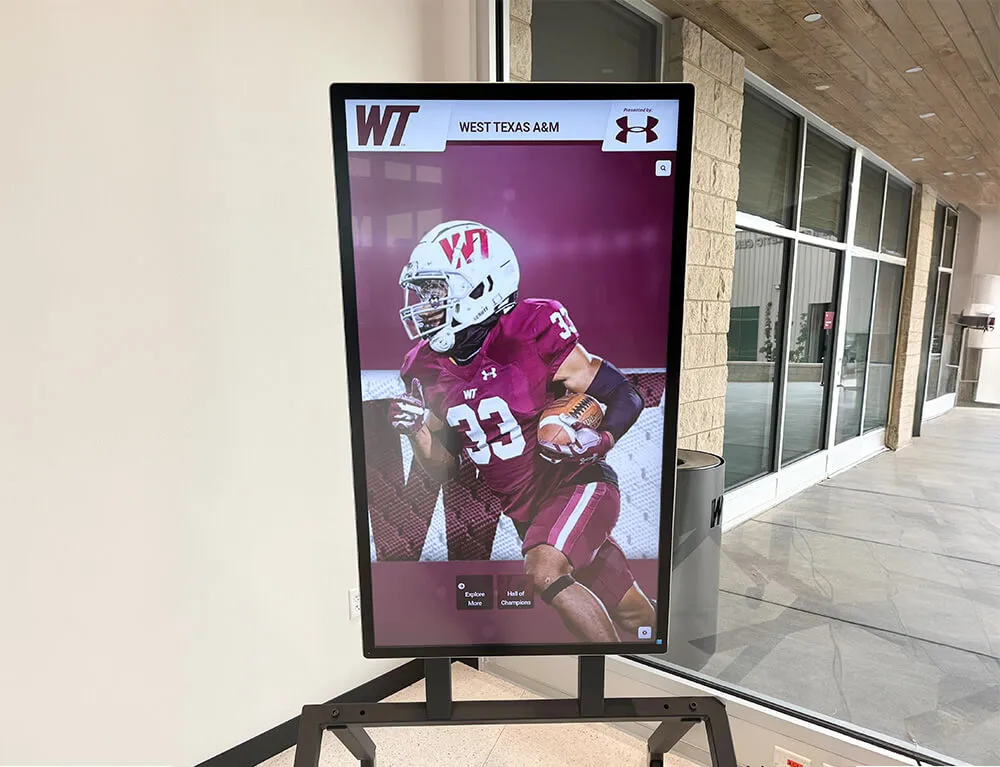
Successful fundraising enables visible school improvements like modern recognition displays that celebrate student achievements and community support
Classic Food Fundraising Ideas That Always Work
Some fundraising approaches have proven effective for decades because they provide genuine value, require manageable effort, and generate consistent results. These classic food fundraisers form the foundation of most successful school fundraising programs.
The Time-Tested Bake Sale
Why Bake Sales Still Deliver
Despite being perhaps the oldest school fundraising approach, bake sales remain remarkably effective because they offer homemade quality at prices lower than commercial bakeries, creating genuine value for supporters.
Maximizing Bake Sale Success
Strategic Timing and Location
- Position sales during high-traffic events (athletic games, concerts, parent-teacher conferences)
- Set up near entrances where everyone passes through
- Schedule during times people naturally seek snacks (morning coffee breaks, lunch periods, after school)
- Coordinate with school events that draw parents and community members
Product Selection and Pricing
- Mix of classic items (cookies, brownies, cupcakes) with specialty treats
- Individual portions ($1-3) for quick impulse purchases
- Larger items ($5-15) like whole pies or decorated cakes for planned purchases
- Allergy-friendly and dietary-restriction options expanding customer base
- Attractive packaging and presentation increasing perceived value
Volunteer Coordination
- Assign specific bakers to particular item categories preventing duplicates
- Create sign-up sheets tracking commitments
- Request ingredient lists for allergy information
- Establish setup, sales shift, and cleanup responsibilities
- Recognize top contributors publicly building participation culture
Well-organized bake sales typically generate $200-800 per event depending on school size and location traffic, with minimal costs beyond ingredient expenses volunteers absorb themselves. Running 4-6 bake sales annually at strategic events can contribute $1,000-5,000 to program budgets through volunteer effort alone.
Learn about celebrating fundraising contributors in donor recognition displays for booster clubs that honor community supporters appropriately.
School Concession Stand Operations
Reliable Revenue from Captive Audiences
Athletic events, performances, and school gatherings provide built-in customer bases making concession stands one of the most predictable fundraising approaches available to high schools.
Concession Stand Essentials
Menu Planning
Successful concession operations balance popular classics with profitable margins:
- Hot dogs, nachos, and popcorn providing traditional stadium favorites
- Pizza slices and pretzels offering quick, filling options
- Candy bars and chips for simple grab-and-go purchases
- Bottled water, soft drinks, and sports drinks
- Coffee and hot chocolate for cold-weather events
- Healthier alternatives like fruit cups or granola bars
Pricing Strategy
Most concession items deliver 60-75% profit margins when sourced strategically:
- Purchasing inventory through bulk warehouse clubs rather than retail stores
- Calculating food costs and pricing for target margins
- Offering meal combos encouraging higher transaction values
- Accepting credit cards and mobile payments reducing cash-only barriers
- Clearly displaying prices preventing customer confusion
Volunteer Management
Sustainable concession programs distribute responsibility across entire communities:
- Creating season-long volunteer schedules rotating families
- Providing training and written procedures ensuring consistency
- Designating experienced shift leaders supervising newer volunteers
- Tracking volunteer hours for recognition programs
- Making concession duty an expected team or program responsibility
Active concession stands can generate $500-2,000 per major event, translating to substantial annual revenue for programs operating regularly throughout athletic and activities seasons.

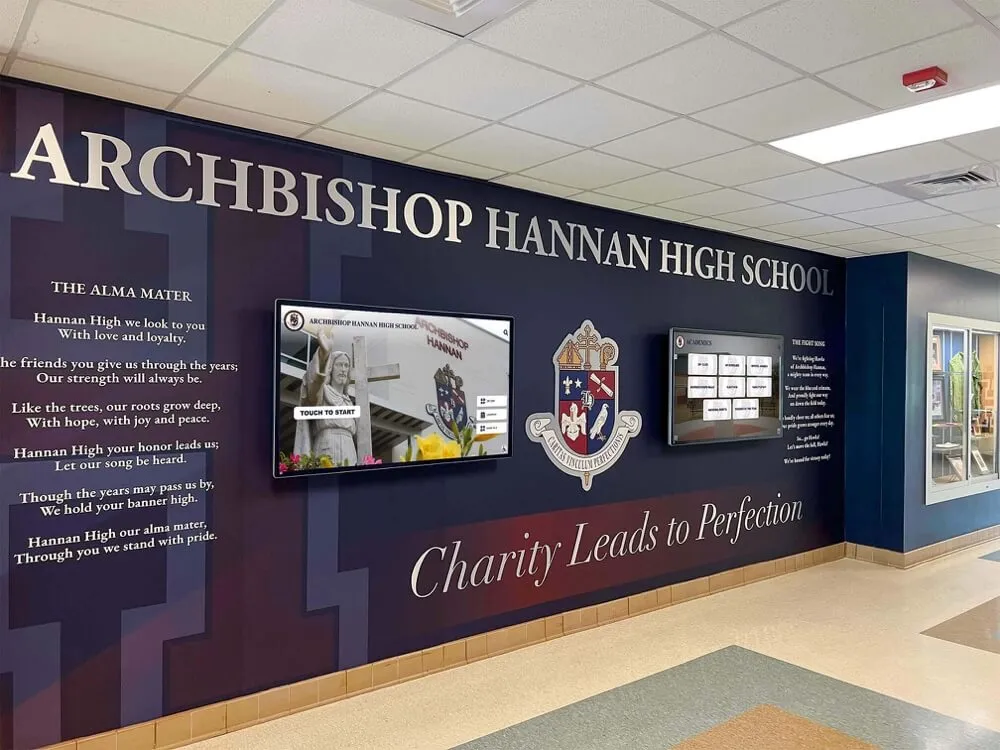
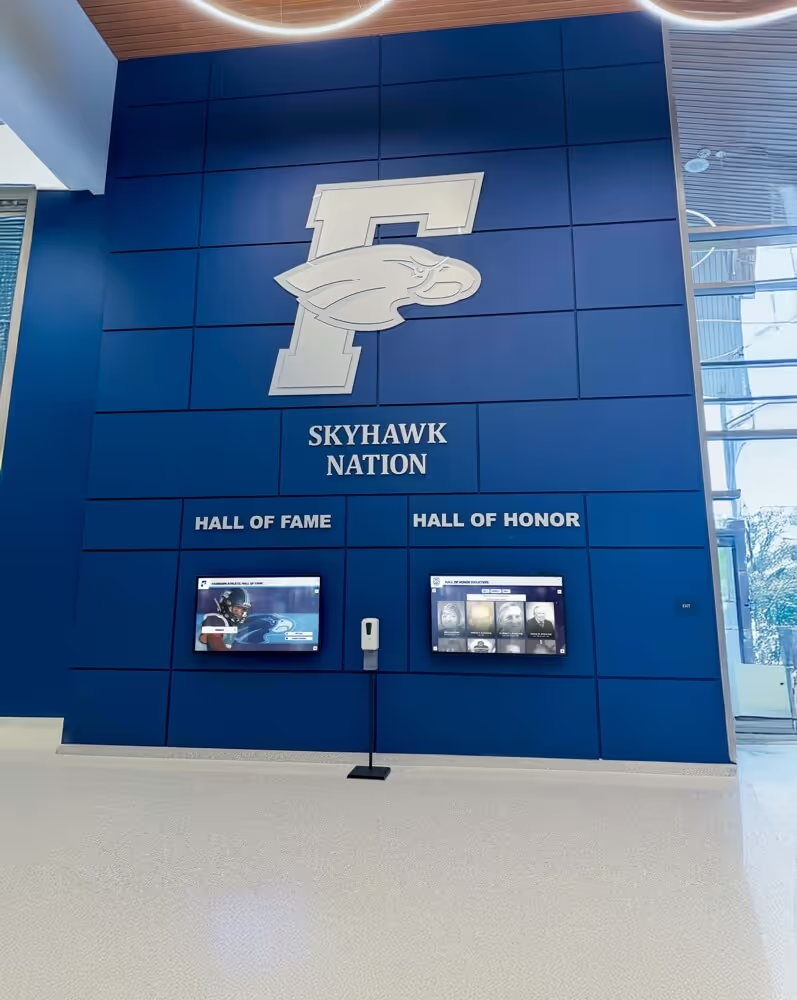
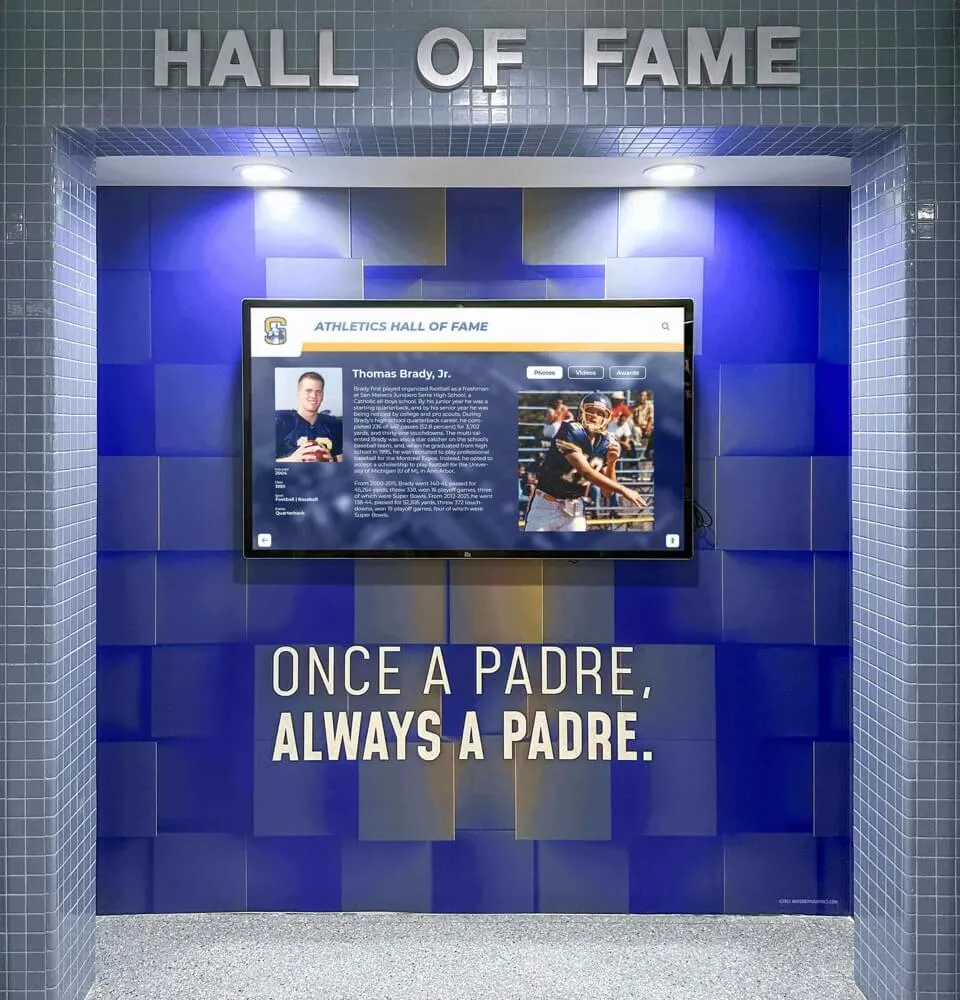
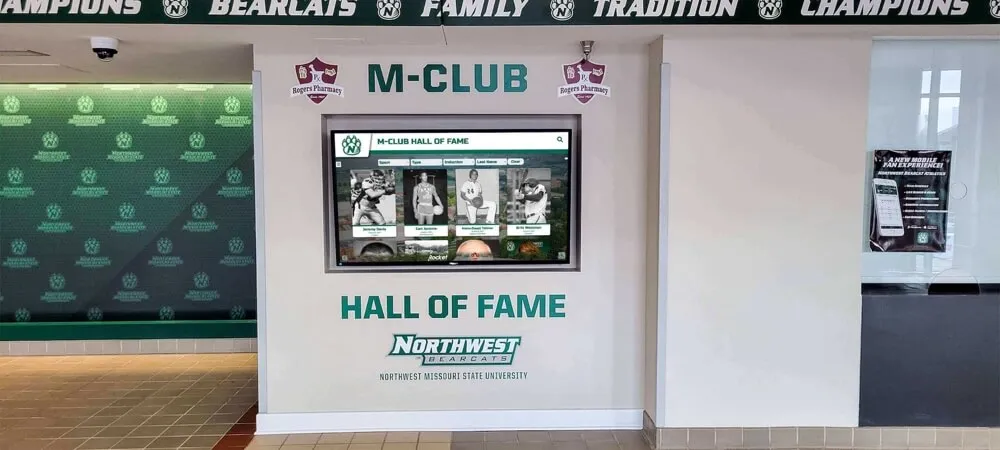
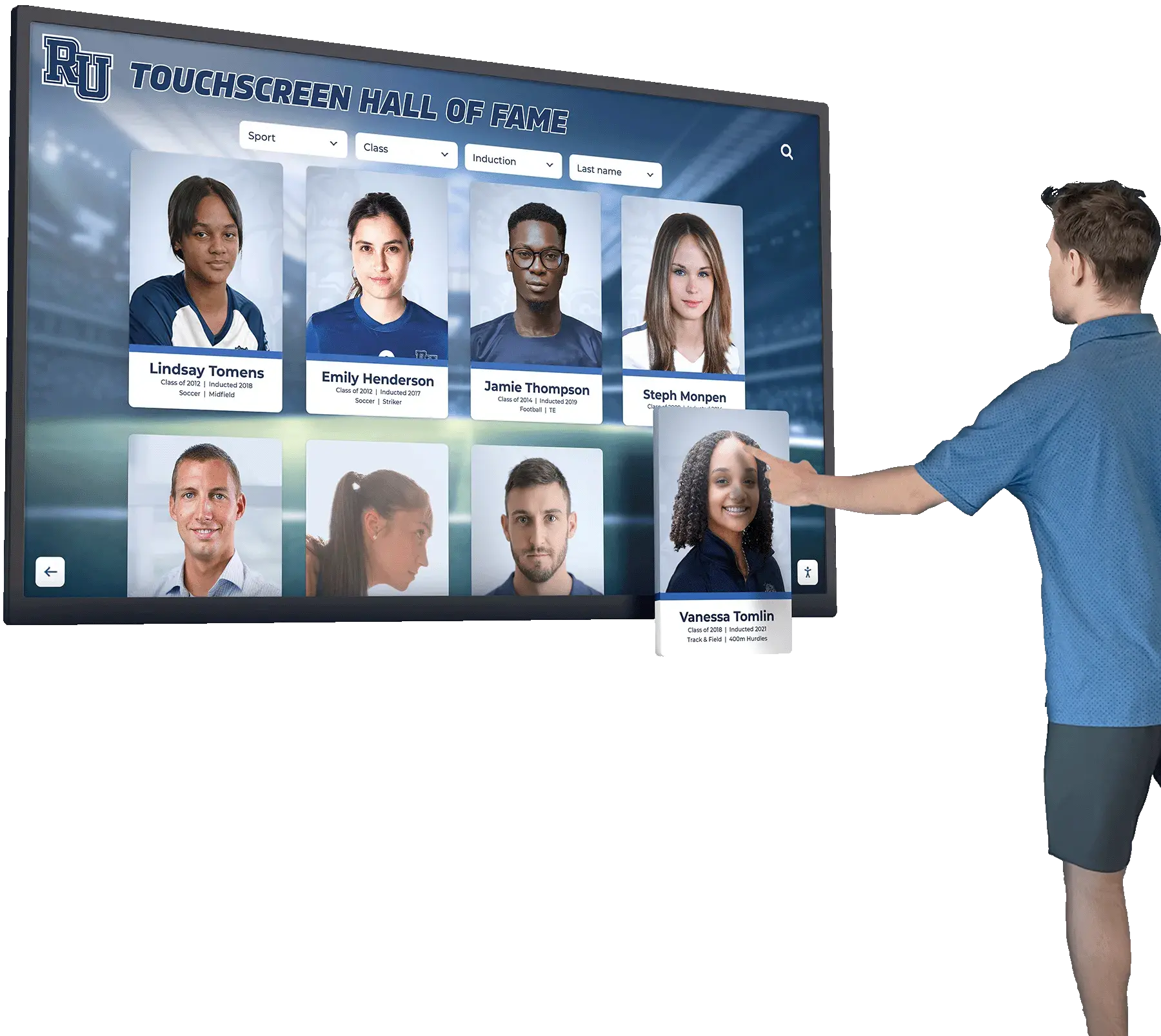
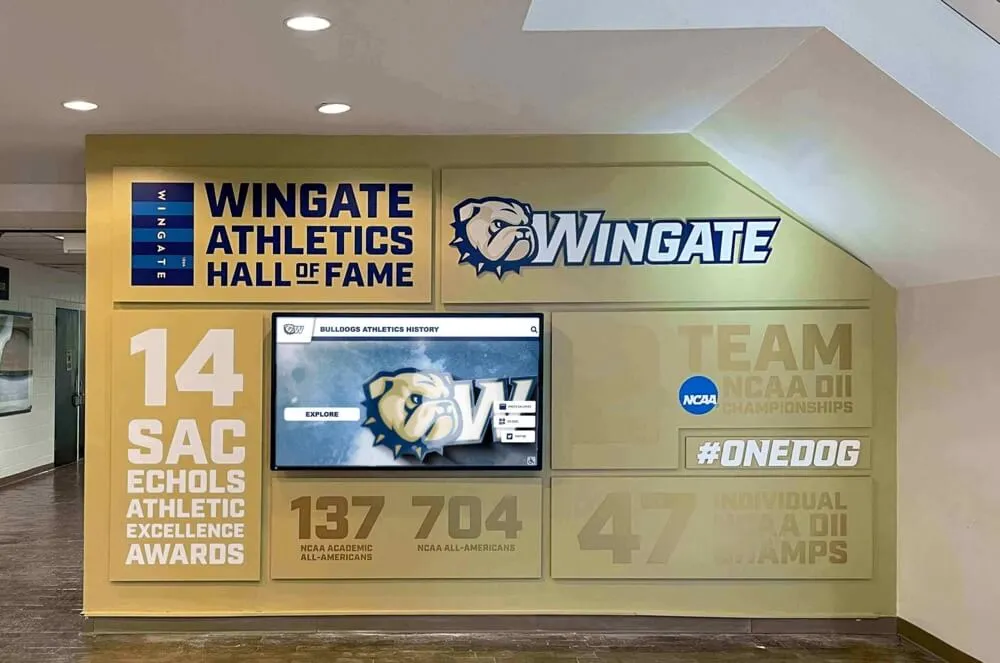
Fundraising proceeds often fund visible improvements like athletic recognition displays celebrating program achievements and community investment
Restaurant Partnership Fundraisers
Modern restaurant partnerships provide high-impact fundraising with minimal organizational burden—leveraging existing commercial operations to benefit school programs while driving customer traffic for participating businesses.
Restaurant Percentage Night Events
How Percentage Nights Work
Schools partner with restaurants agreeing to donate a percentage (typically 10-20%) of sales during designated timeframes when customers mention the school fundraiser.
Maximizing Restaurant Night Success
Restaurant Selection Criteria
- Family-friendly establishments appealing to broad audiences
- Locations convenient to school community
- Restaurants with existing fundraiser programs and systems
- Businesses with sufficient capacity for increased volume
- Partners offering attractive donation percentages (15-20% ideal)
Promotion Strategies
Effective marketing determines restaurant night success:
- Advance notice (2-3 weeks) allowing families to plan attendance
- Multiple communication channels (email, social media, flyers, announcements)
- Student ambassadors promoting within peer networks
- Incentives for student participation (extra credit, recognition, prizes)
- Day-of reminders capturing last-minute participants
- Visual presence at restaurant showing community support
Event Execution
- Designating volunteers as greeters wearing school colors
- Creating festive atmosphere with signs, balloons, or spirit items
- Taking group photos for social media and future promotion
- Thanking restaurant staff and management publicly
- Following up with participation metrics and gratitude
Well-promoted restaurant nights typically generate $300-1,500 depending on restaurant size, school community engagement, and donation percentage—with virtually zero cost beyond promotional effort.
Discover broader fundraising strategies in booster club fundraiser ideas supporting athletic programs.
Food Truck Events and Festivals
Bringing Excitement to School Fundraising
Food truck events transform typical fundraisers into community festivals—offering diverse cuisine options, social atmosphere, and revenue through vendor fees plus percentage agreements.
Organizing Food Truck Fundraisers
Event Planning Essentials
- Securing school or nearby location with adequate parking and space
- Recruiting diverse food truck vendors (4-8 trucks ideal)
- Negotiating vendor participation fees ($50-200) plus percentage of sales (10-15%)
- Obtaining necessary permits and insurance requirements
- Coordinating utilities (electricity, water access if needed)
Enhanced Revenue Opportunities
Beyond vendor payments, maximize revenue through:
- Beverage sales (lemonade, iced tea, water bottles) as school exclusive
- Dessert tables featuring baked goods alongside food truck options
- Entertainment (student bands, DJ, games) increasing dwell time and spending
- Raffle or silent auction components adding fundraising layers
- School merchandise and spirit wear sales capitalizing on attendance
Marketing and Atmosphere
Creating festival environment increases attendance:
- Family-friendly positioning attracting broad demographics
- Convenient timing (Friday evenings, Saturday lunch/dinner)
- Live entertainment and activities keeping families engaged
- Seating areas encouraging socializing and extended stays
- Promotion emphasizing community gathering beyond just food purchase
Food truck events can generate $2,000-8,000 depending on vendor count, attendance, and revenue structure—while creating memorable community experiences that strengthen school connections and build anticipation for future events.
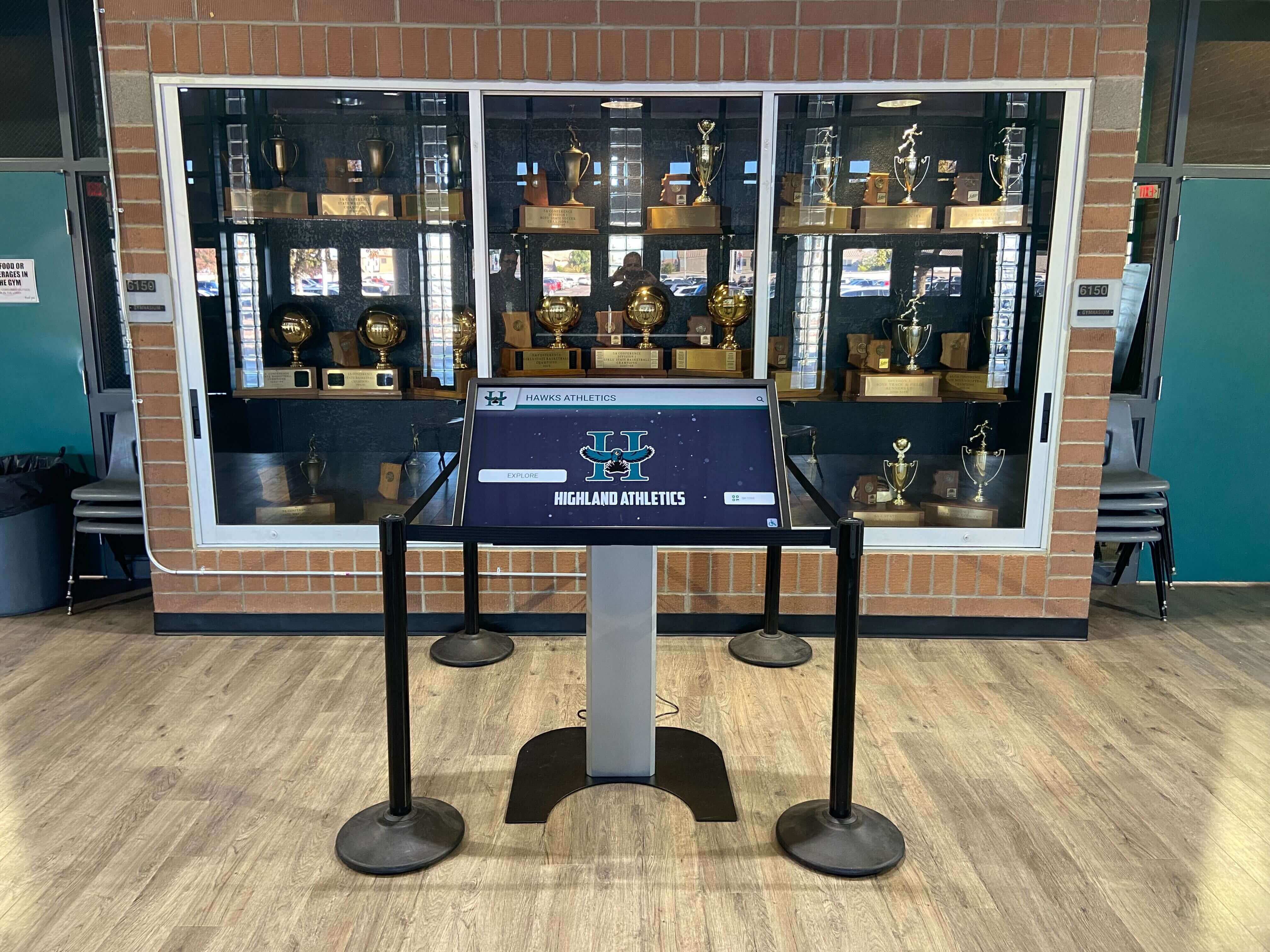
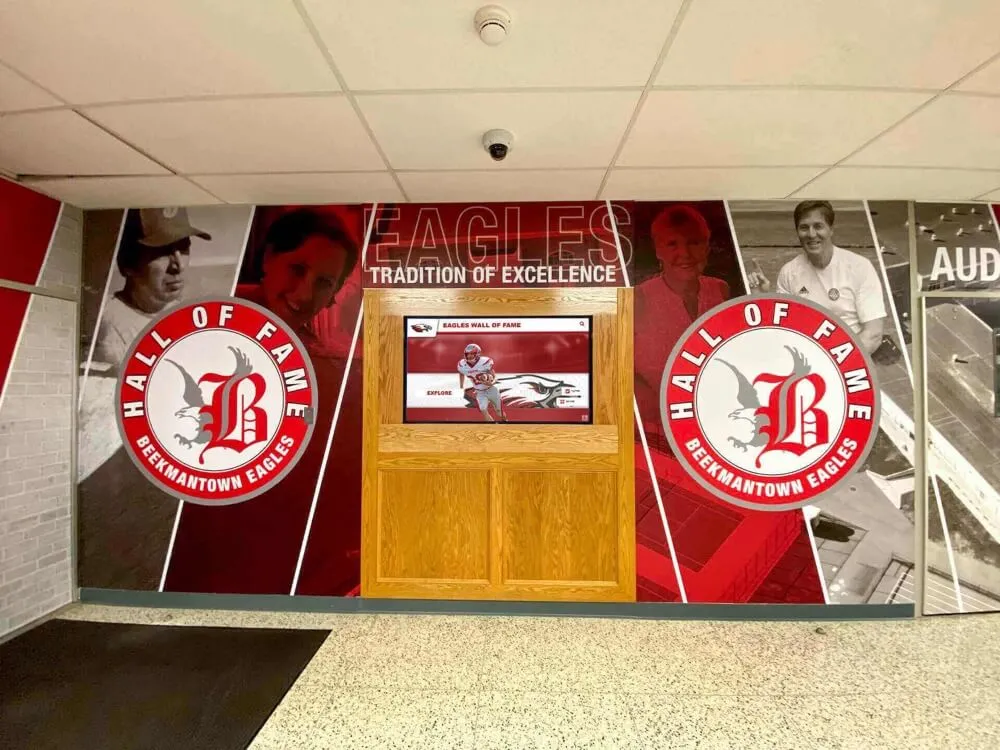
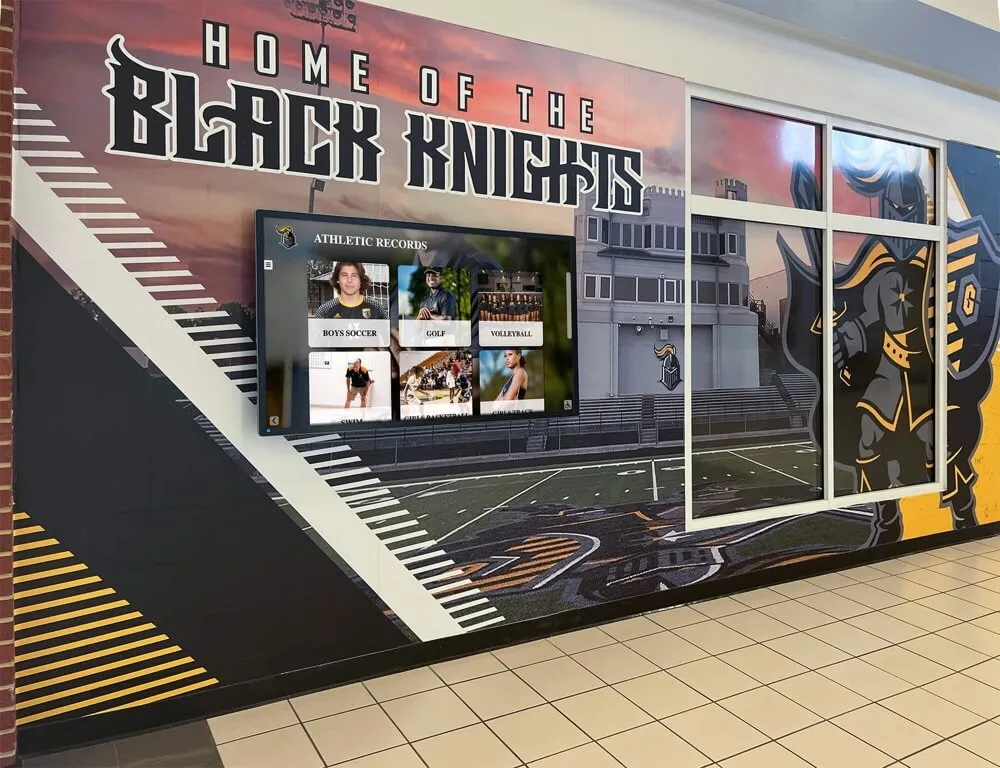
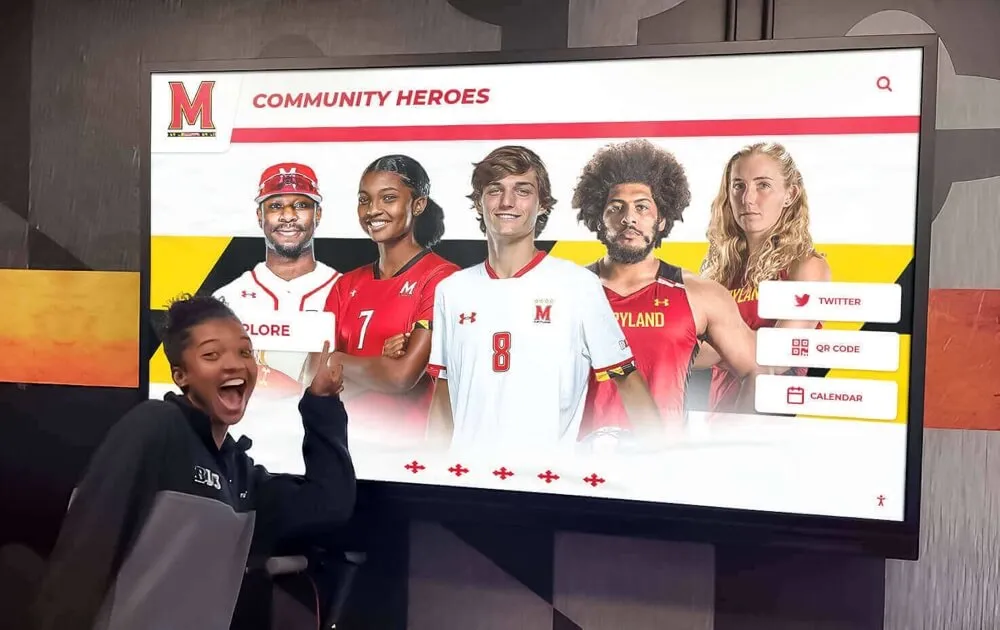
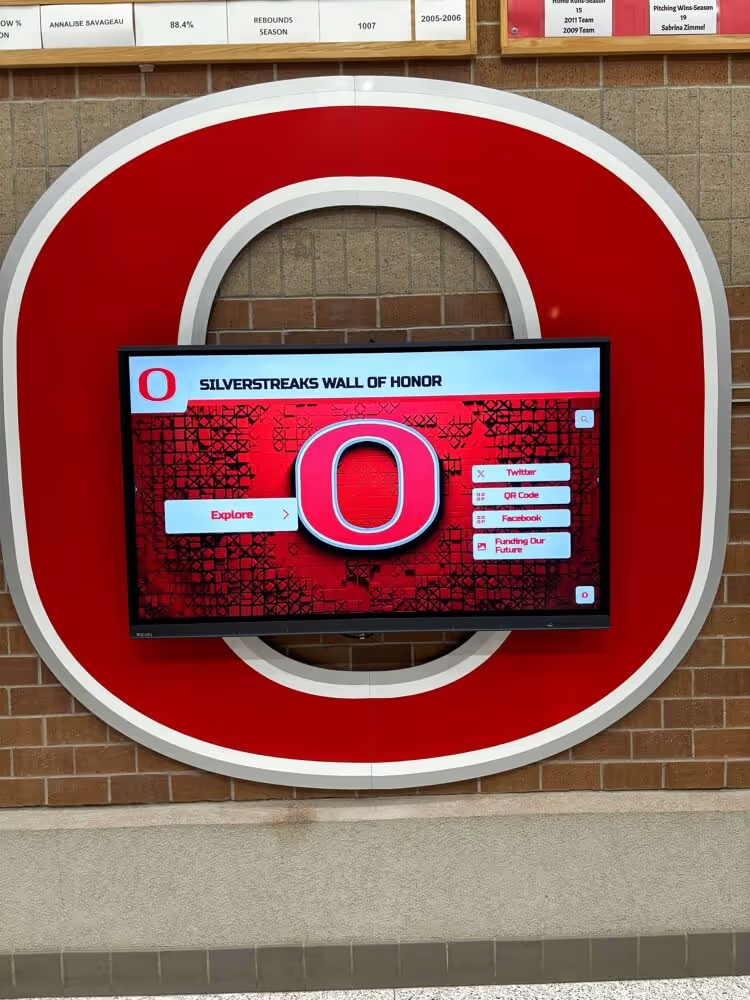
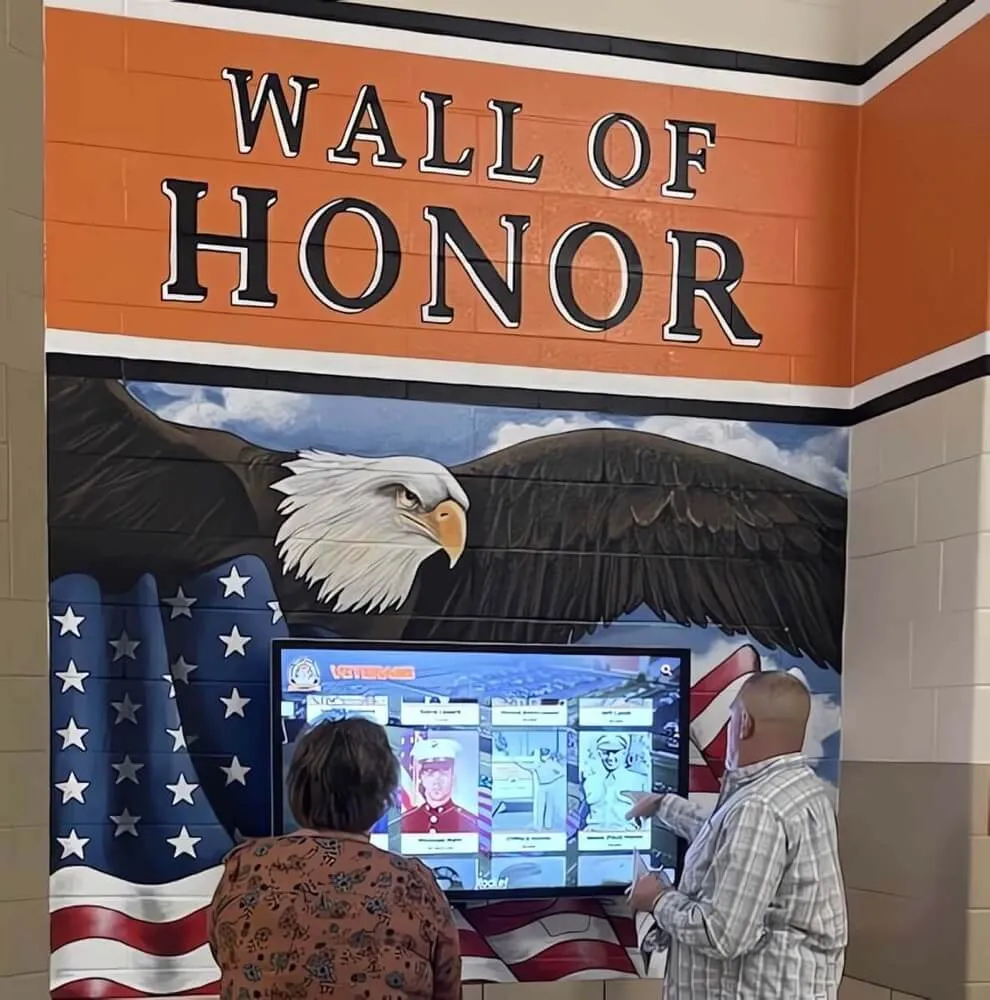
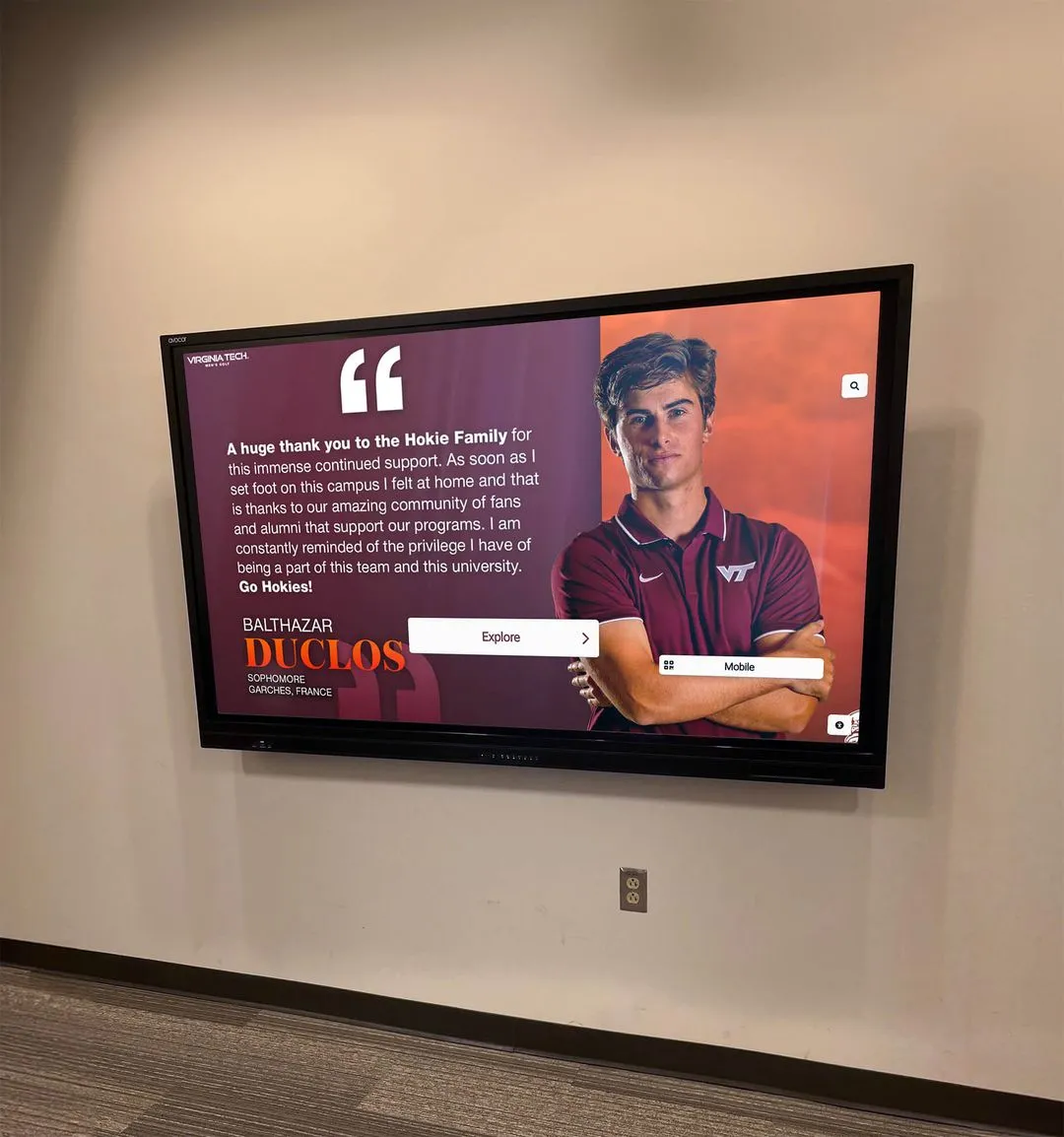
Successful fundraising enables permanent recognition installations celebrating both achievements and the community supporters who made them possible
Student-Made Food Product Sales
Student involvement in creating fundraising products builds ownership, develops skills, and often delivers better margins than purchasing from commercial fundraising companies.
Cookie Dough and Baked Goods Sales
Pre-Order Sales Programs
Advance ordering eliminates inventory risk while guaranteeing sales:
- Students take orders from family, friends, and neighbors (2-3 week selling period)
- Payment collected with orders preventing accounts receivable challenges
- Bulk production after order finalization preventing waste
- Organized pickup or delivery system completing transactions
Product Options
- Cookie dough tubs (frozen, ready-to-bake convenience)
- Brownies and bar mixes
- Specialty breads or dinner rolls
- Holiday-themed items (Christmas cookies, Valentine’s treats)
- Premium options at higher price points
Profit Potential
Student-made products typically deliver 50-70% profit margins:
- Ingredients purchased wholesale reducing costs
- Student and parent volunteer labor eliminating personnel expenses
- Pricing at 2-3x ingredient costs while remaining competitive
- Orders ranging from $300-2,000 per student depending on network size
Successful cookie dough sales can generate $5,000-20,000+ depending on participation rates and student seller count—making them worthwhile despite production coordination required.
Homemade Meal Delivery Services
Restaurant-Quality Fundraising
Some high school culinary programs or ambitious groups create complete meal sales:
- Lasagna dinners, casseroles, or complete family meals
- Holiday-themed offerings (Thanksgiving pies, Christmas cookies)
- Ethnic or specialty cuisine leveraging unique cooking expertise
- Family-size portions priced at $25-50 per meal
Operational Considerations
- Kitchen facility access and food safety compliance
- Proper food handling training for student and adult volunteers
- Delivery logistics and timing coordination
- Order minimums ensuring production efficiency
- Recipe scaling and ingredient sourcing
While more complex than simple baked goods, meal programs can generate impressive margins (60-75%) on higher-priced items, potentially producing $3,000-10,000 per campaign depending on order volume and meal complexity.
Explore recognition for student achievement in academic recognition programs celebrating excellence beyond athletics.
Snack Stand Operations
Ongoing Revenue Through Regular Sales
Daily or weekly snack sales provide consistent small-scale fundraising:
- Before school, lunch period, or after school sales
- Candy, chips, drinks, and grab-and-go items
- Student-managed with adult supervision
- Minimal inventory investment with quick turnover
- 30-50% profit margins on consistent volume
Best Practices
- Rotating inventory based on popularity
- Competitive pricing versus vending machines
- Reliable schedule building customer habits
- Efficient transaction processes preventing long lines
- Compliance with school wellness policies
Regular snack stands can contribute $100-500 monthly to program budgets through modest but consistent effort—totaling $1,000-5,000 annually with minimal time investment once systems establish.
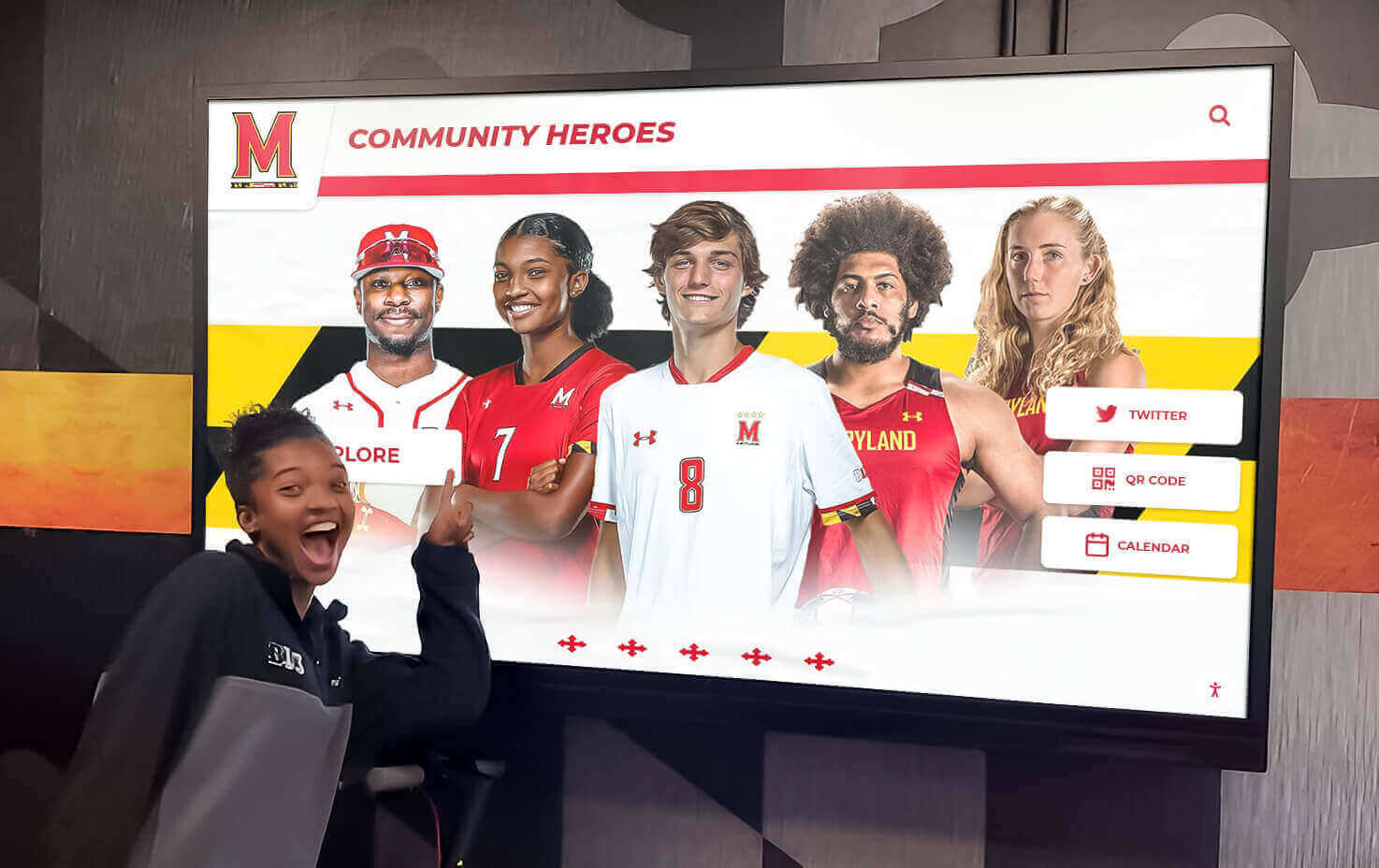
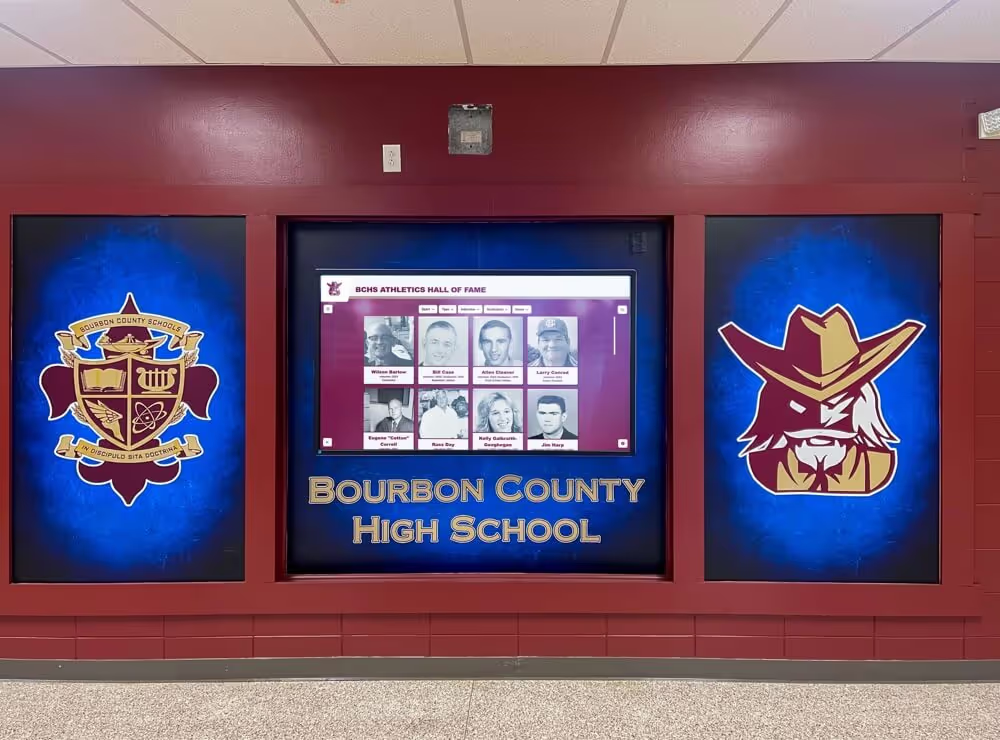
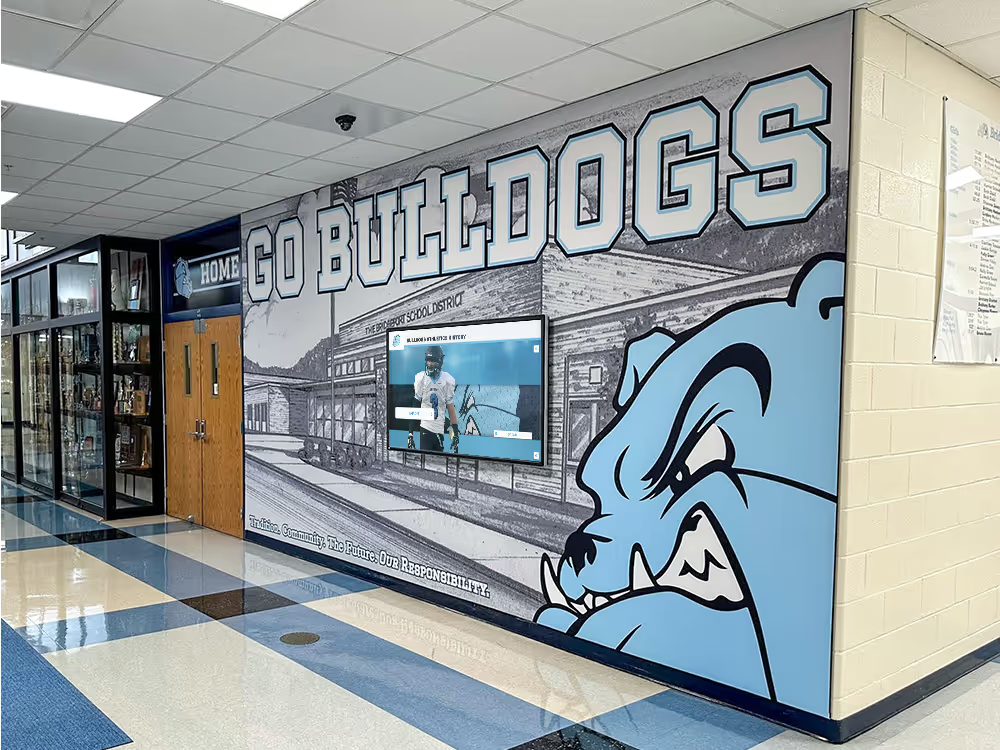
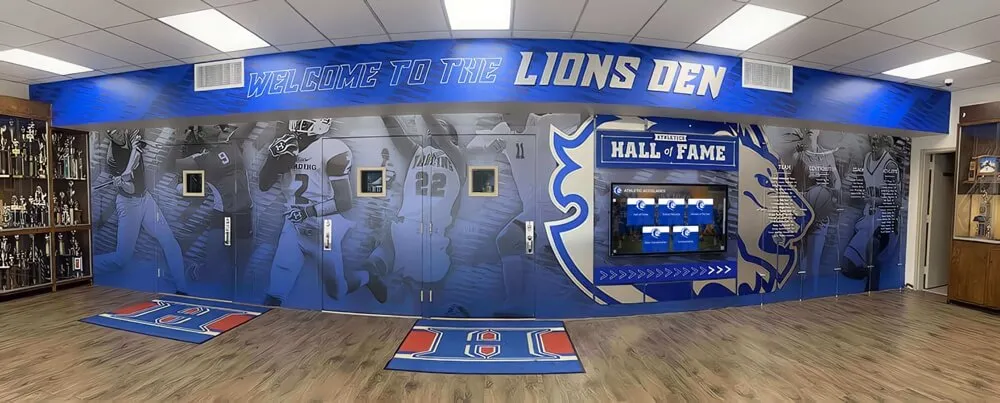
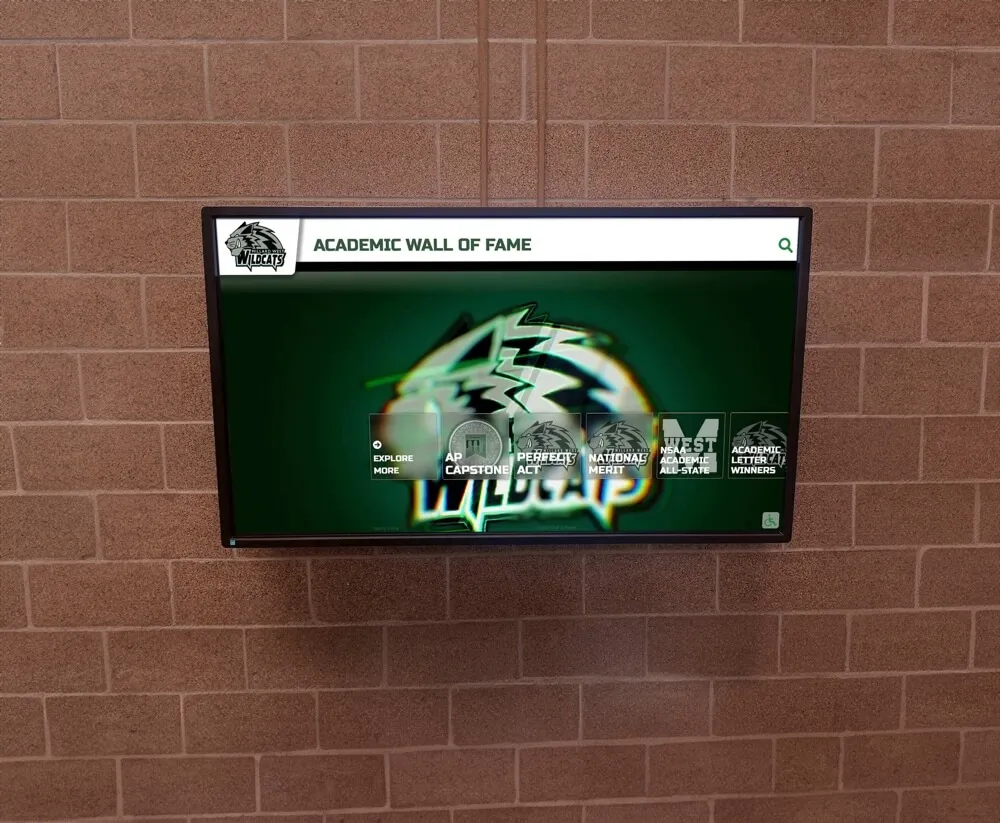
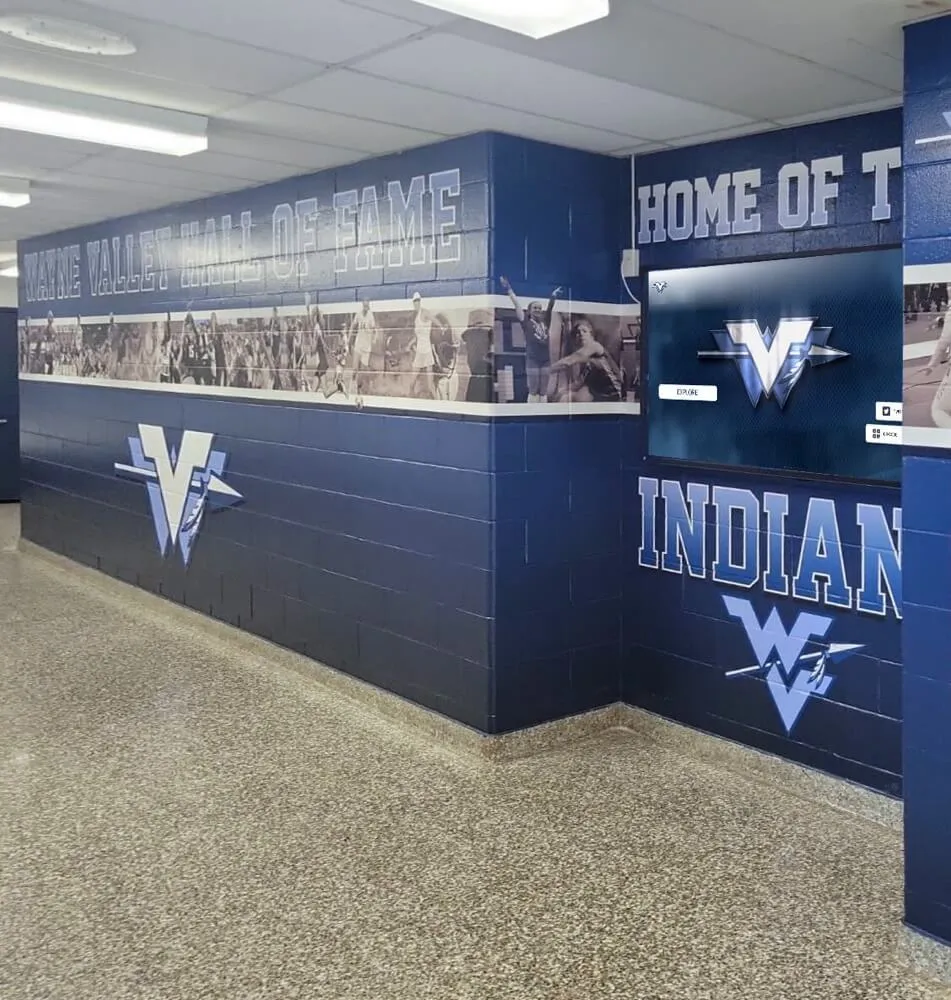
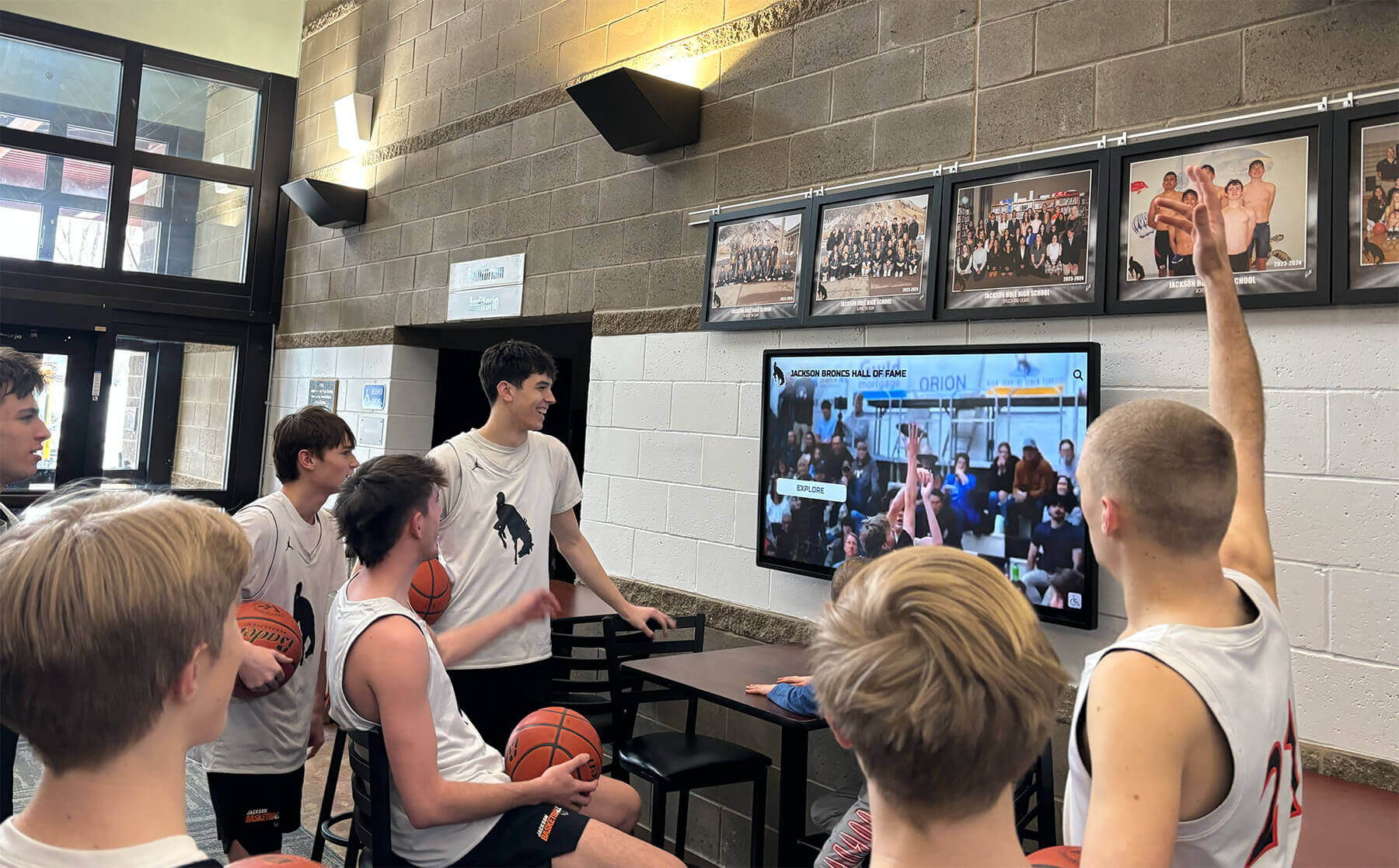
Recognition displays funded by successful fundraising inspire current students by celebrating past achievements and community partnerships
Seasonal and Holiday Food Fundraisers
Timing fundraisers around holidays and seasons creates natural buying motivation when people already purchase special foods and gifts.
Holiday-Themed Fundraising Events
Capitalizing on Seasonal Demand
Holiday periods provide built-in markets for themed food products:
Fall Fundraising Ideas
- Halloween candy grams delivered to students
- Thanksgiving pie sales (pumpkin, pecan, apple)
- Apple cider and donuts at fall events
- Chili cook-off competitions with tasting fees
- Harvest festival food booths
Winter Holiday Opportunities
- Christmas cookie assortments and gift boxes
- Hot chocolate bars at winter athletic events
- Holiday baking mixes as gift items
- Gingerbread house kits
- New Year’s dessert deliveries
Spring Celebrations
- Valentine’s Day candy and treat deliveries
- Easter egg hunt admissions with snack sales
- Mother’s Day brunch or tea events
- End-of-year celebration foods
Summer Options
- Pre-summer ice cream socials
- Popsicle and frozen treat sales during summer programs
- BBQ fundraiser dinners
- Concessions at summer camps or athletic camps
Holiday timing provides natural urgency and gift-giving motivation, often generating 25-50% higher revenue than identical items sold during regular periods due to seasonal demand and celebratory spending mindsets.
Valentine’s Day Candy Grams
Simple, High-Margin Fundraising
Candy gram sales combine holiday appeal with peer social dynamics creating strong participation:
Program Structure
- Students purchase candy grams ($1-3 each) for friends, crushes, or appreciation
- Includes candy plus personal message card
- Orders taken 1-2 weeks before Valentine’s Day
- Delivery during school day creates visibility and excitement
- Recipients often purchase return grams creating additional sales
Success Factors
- Heavy promotion building awareness and participation
- Multiple price points (single candy, premium treats, flower additions)
- Anonymous option encouraging crush-related purchases
- Teacher and staff inclusion expanding market
- Delivery process creating festive atmosphere
Valentine’s candy grams consistently generate $500-3,000 in single-day fundraising with margins exceeding 70%—making them among the most profitable events relative to effort required.
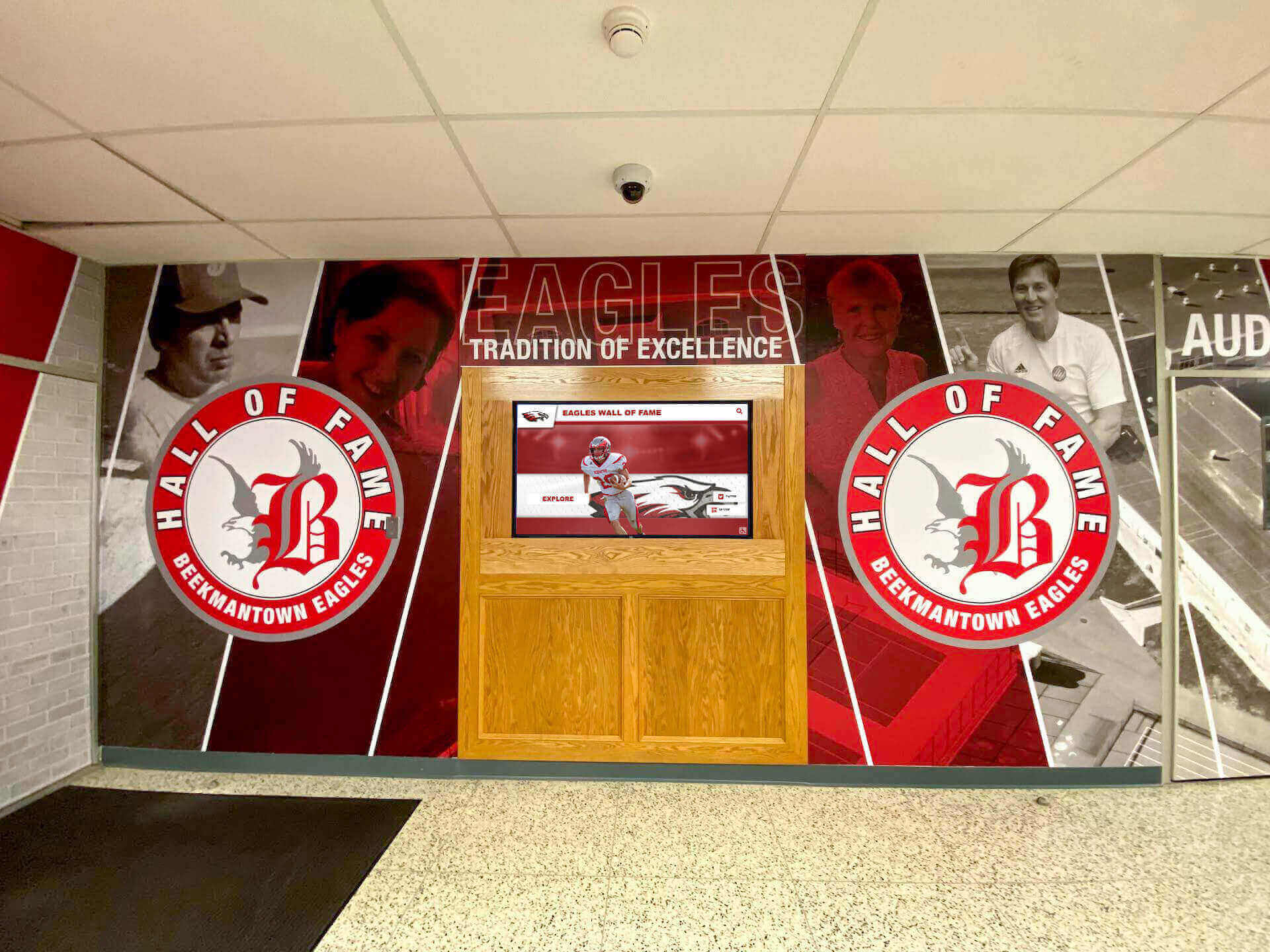
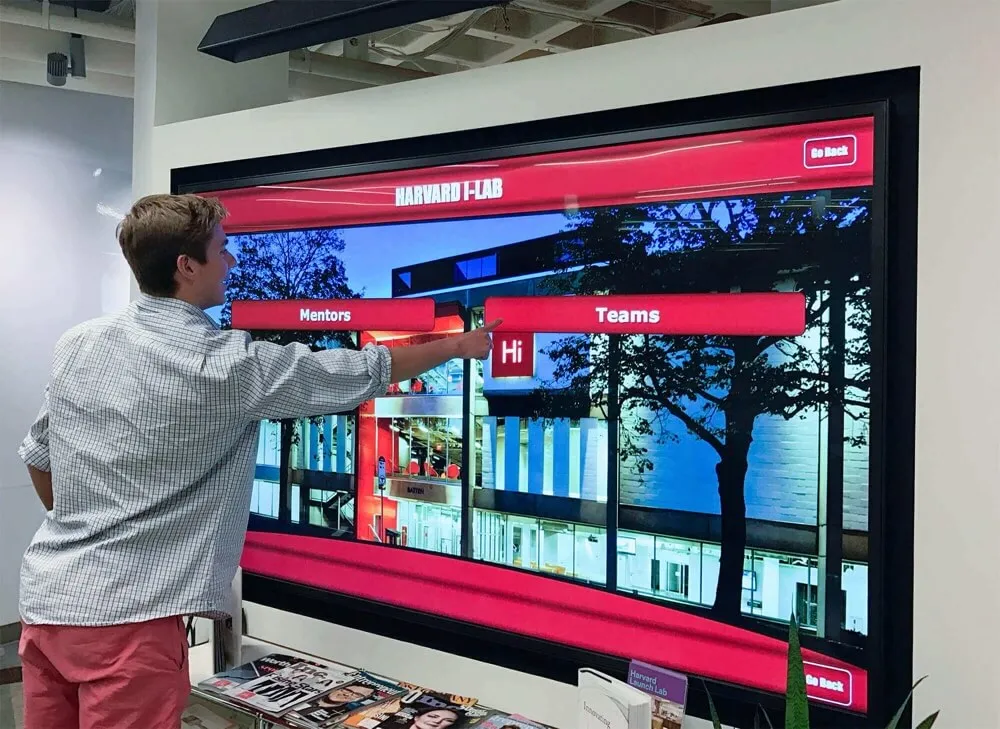
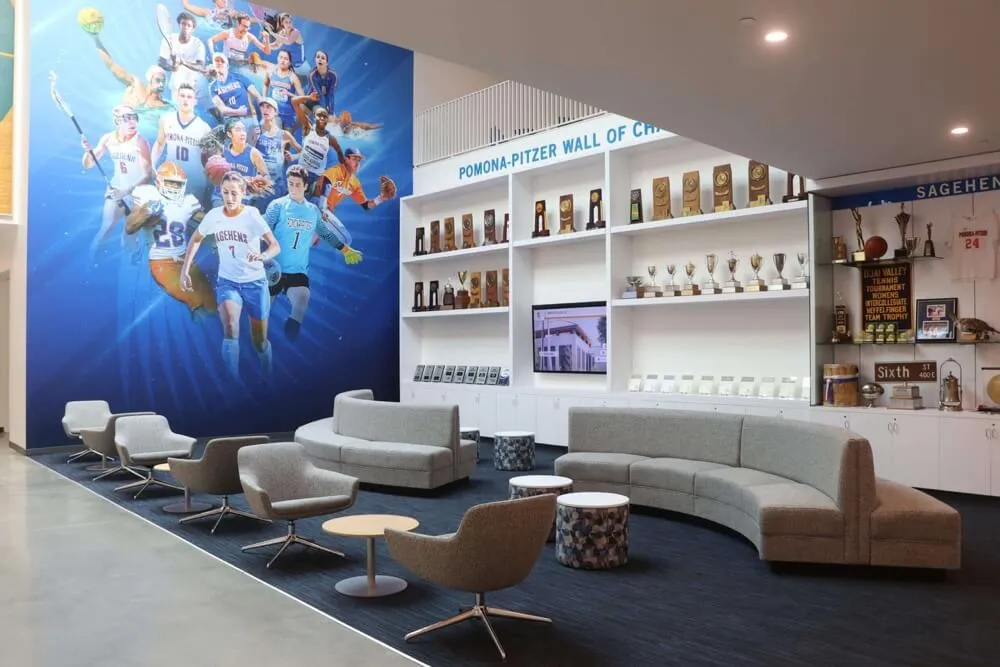
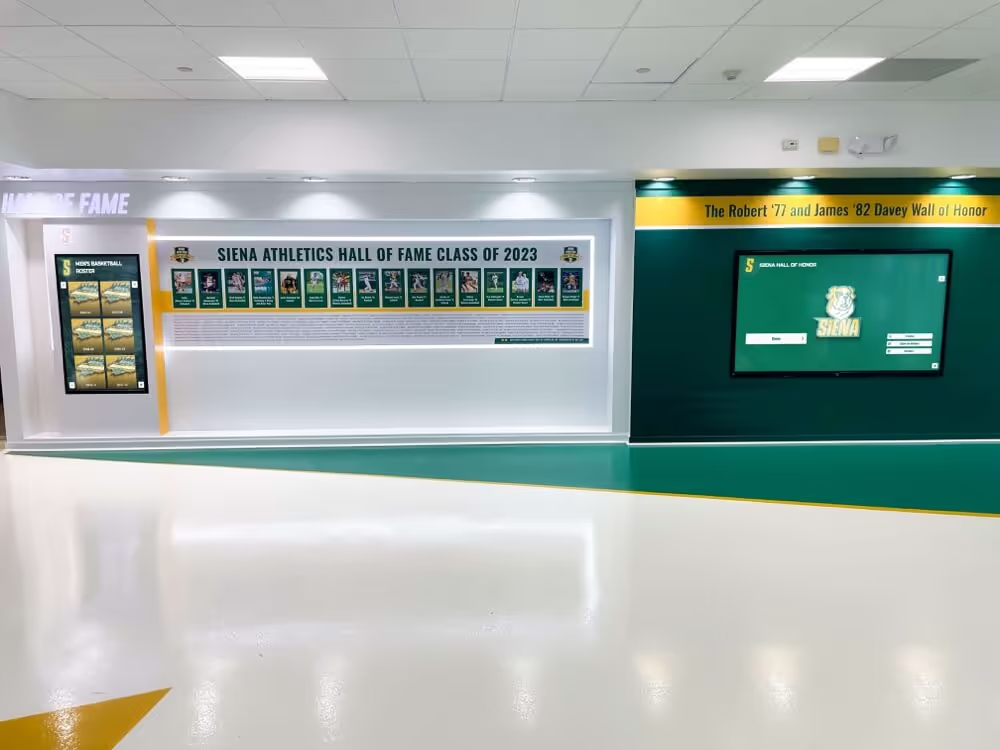
Prominent lobby recognition installations demonstrate how fundraising investments create lasting impacts celebrating community support and student achievement
Large-Scale Food Fundraising Events
When groups need substantial revenue, elaborate food events can generate thousands of dollars while creating memorable community experiences.
Pancake Breakfast or Dinner Events
Community Gathering Fundraisers
All-you-can-eat breakfast or dinner events provide family-friendly fundraising combining food with fellowship:
Event Planning Basics
- Saturday morning breakfast or Friday evening dinner timing
- School cafeteria or gymnasium venue
- Simple menu (pancakes, sausage, eggs, drinks for breakfast; spaghetti, salad, bread for dinner)
- Fixed price admission ($5-12 adults, $3-8 children, family packages)
- Volunteer cooking and serving teams
Revenue Optimization
- Advance ticket sales ensuring attendance commitments
- Door sales capturing walk-ins
- Donation jars for additional contributions
- Raffle or silent auction integration
- Bake sale or craft fair combination
Cost Control
- Wholesale ingredient purchasing
- Simplified menu minimizing preparation complexity
- Volunteer labor eliminating staffing costs
- Borrowed or school-owned equipment avoiding rentals
- Corporate sponsorships offsetting costs entirely
Pancake breakfasts typically generate $1,500-5,000 depending on community size and promotion, with food costs representing only 20-30% of revenue when properly sourced.
Chili Cook-Off or BBQ Competitions
Competitive Cooking Fundraising
Cook-off events combine food sales with entertainment value of friendly competition:
Competition Structure
- Entry fees for competitors ($15-50 per team)
- Spectator admission ($5-15) includes tasting and voting
- Prize categories (best overall, people’s choice, most creative, spiciest)
- Vendor booths and concessions providing additional revenue
- Live entertainment and activities creating festival atmosphere
Revenue Streams
- Competitor entry fees
- Spectator admission
- Additional food and beverage sales
- Vendor booth fees if space available
- Sponsorship opportunities
- Photography or video booth fees
Marketing Appeal
- Competition format creating excitement and promotion
- Tastings providing value justifying admission
- Community rivalry and bragging rights driving participation
- Family-friendly environment attracting broad demographics
- Social media shareability generating organic promotion
Cook-off events can produce $3,000-10,000+ depending on scale, with relatively manageable planning once organizing committee forms and venue secures.
Discover event planning strategies in school event ideas creating memorable experiences for student communities.
Dinner Theater or Themed Dining Events
Premium Experience Fundraising
Combining food with entertainment creates premium fundraising events justifying higher ticket prices:
Event Concepts
- Dinner theater featuring student drama performances
- Decades-themed dinners (1950s sock hop, 1980s nostalgia)
- International cuisine nights (Italian feast, Mexican fiesta)
- Murder mystery dinners with interactive entertainment
- Formal banquets with guest speakers or comedy shows
Ticket Pricing Strategy
- Premium pricing ($25-75 per person) reflecting full experience
- Early bird discounts encouraging advance sales
- Table sponsorships providing premium recognition
- VIP packages with preferred seating or extras
- Student and senior citizen discounts broadening access
Success Requirements
- Significant planning and coordination (3-6 months advance)
- Strong volunteer committees managing components
- Quality food preparation or catering partnerships
- Professional entertainment or well-rehearsed student performances
- Effective marketing building attendance
Themed dinner events can generate $5,000-20,000+ depending on ticket sales, but require substantial planning making them better suited for annual signature events rather than frequent fundraisers.

Comprehensive recognition environments celebrate accomplishments while acknowledging community supporters whose fundraising made achievements possible
Commercial Partnership Food Fundraisers
Leveraging existing commercial food products and services provides turnkey fundraising solutions with established systems and support.
Discount Card Sales
Year-Long Value Proposition
Restaurant and business discount cards provide ongoing value justifying purchase:
Program Structure
- Cards sold for $10-25 featuring discounts at 15-30 local businesses
- Participating restaurants and retailers contribute discount offers
- Buyers save money with first few uses while supporting school
- Multi-year usability extending value proposition
- Digital and physical card options
Revenue Model
- Schools keep 50-100% of card sale price depending on program
- Businesses gain customer traffic and community goodwill
- Students sell to family, friends, neighbors, and coworkers
- Typical student sales: 5-20 cards generating $50-500 per seller
Discount card programs can produce $3,000-15,000 depending on participation rates and school community size, with minimal coordination once business partnerships establish.
Pizza and Sub Kit Sales
Convenient Take-Home Fundraisers
Pre-made pizza or sub ingredient kits offer convenience justifying premium pricing:
Product Options
- Frozen pizza kits ready to bake
- Sub sandwich ingredient packs
- Taco or fajita kits with fixings
- Pasta dinner kits with sauce and ingredients
- Family-size portions priced $15-30
Sales Process
- Students take orders via catalogs or online systems
- Payment collected with orders
- Bulk delivery to school for distribution
- Frozen products ensuring quality and storage
- Profit margins typically 40-50%
Kit programs require minimal effort compared to from-scratch cooking while still delivering reasonable margins, generating $5,000-20,000 depending on seller participation and average order values.
Coffee and Beverage Subscriptions
Modern Fundraising Products
Subscription-based food products create ongoing fundraising:
- Specialty coffee subscriptions with monthly deliveries
- Tea or hot chocolate subscription services
- Snack box monthly deliveries
- Artisan food product subscriptions
Schools earn percentages of subscription values, creating recurring revenue streams from single sales efforts as customers continue subscriptions beyond initial fundraising campaign.
Learn about ongoing supporter recognition in digital donor wall solutions celebrating continued community investment.
Planning and Executing Successful Food Fundraisers
Regardless of specific food fundraising approach chosen, certain planning principles determine success across all formats.
Pre-Event Planning Essentials
Organizational Foundation
Successful fundraisers begin with thorough preparation:
Committee Formation
- Designate overall event chair with final decision authority
- Establish sub-committees for specific responsibilities (promotion, volunteer coordination, finances, logistics)
- Schedule regular planning meetings with clear agendas
- Document decisions and responsibilities preventing confusion
- Build adequate planning timeline (minimum 6-8 weeks for major events)
Budget Development
- Estimate all costs including ingredients, supplies, permits, promotion
- Establish revenue goals and participation targets
- Calculate required pricing achieving target margins
- Identify potential sponsors offsetting costs
- Create contingency reserves for unexpected expenses
Permits and Compliance
- Food handler certifications if required
- Health department permits for commercial food service
- School approval and calendar reservation
- Insurance coverage verification
- Compliance with school wellness policies regarding food sales
Volunteer Recruitment
- Early communication securing participation commitments
- Specific role descriptions clarifying expectations
- Sign-up systems tracking commitments
- Training sessions for volunteers needing preparation
- Recognition plans appreciating volunteer contributions
Marketing and Promotion Strategies
Building Awareness and Participation
Effective promotion determines fundraiser success:
Multi-Channel Communication
- School announcements and daily bulletins
- Email newsletters to families
- Social media promotion (school accounts and personal sharing)
- Posters and flyers in high-visibility areas
- Student ambassador word-of-mouth campaigns
- Local media coverage for major events
Creating Urgency and Excitement
- Countdown campaigns building anticipation
- Early-bird incentives rewarding advance commitments
- Participation contests and rewards
- Progress tracking toward goals
- Social proof showing community involvement
- Limited availability messaging when appropriate
Visual Marketing Materials
- Professional-looking promotional graphics
- Clear event details (date, time, location, pricing)
- Compelling photos of food products or past events
- Testimonials from previous participants
- Easy purchase or attendance instructions
Day-of Execution Tips
Smooth Operations
Event day coordination ensures positive experiences:
Setup and Logistics
- Arrive early allowing adequate preparation time
- Clear volunteer role assignments and schedules
- Designated check-in and greeting positions
- Efficient payment processing systems
- Clear signage and traffic flow planning
Customer Experience
- Friendly, enthusiastic volunteer attitudes
- Efficient service preventing long waits
- Clean, attractive presentation
- Problem-solving protocols for issues
- Social atmosphere encouraging lingering and conversation
Financial Management
- Secure cash handling procedures
- Regular cash collection and storage
- Sales tracking documenting revenue
- Change fund adequacy
- Receipt provisions for tax purposes
Post-Event Follow-Through
Proper conclusion maintains support for future fundraisers:
- Prompt cleanup and facility restoration
- Financial accounting and reconciliation
- Thank you communications to volunteers, sponsors, participants
- Impact reporting showing funds raised and intended usage
- Debrief meeting documenting successes and improvement opportunities
- Recognition of key contributors and supporters
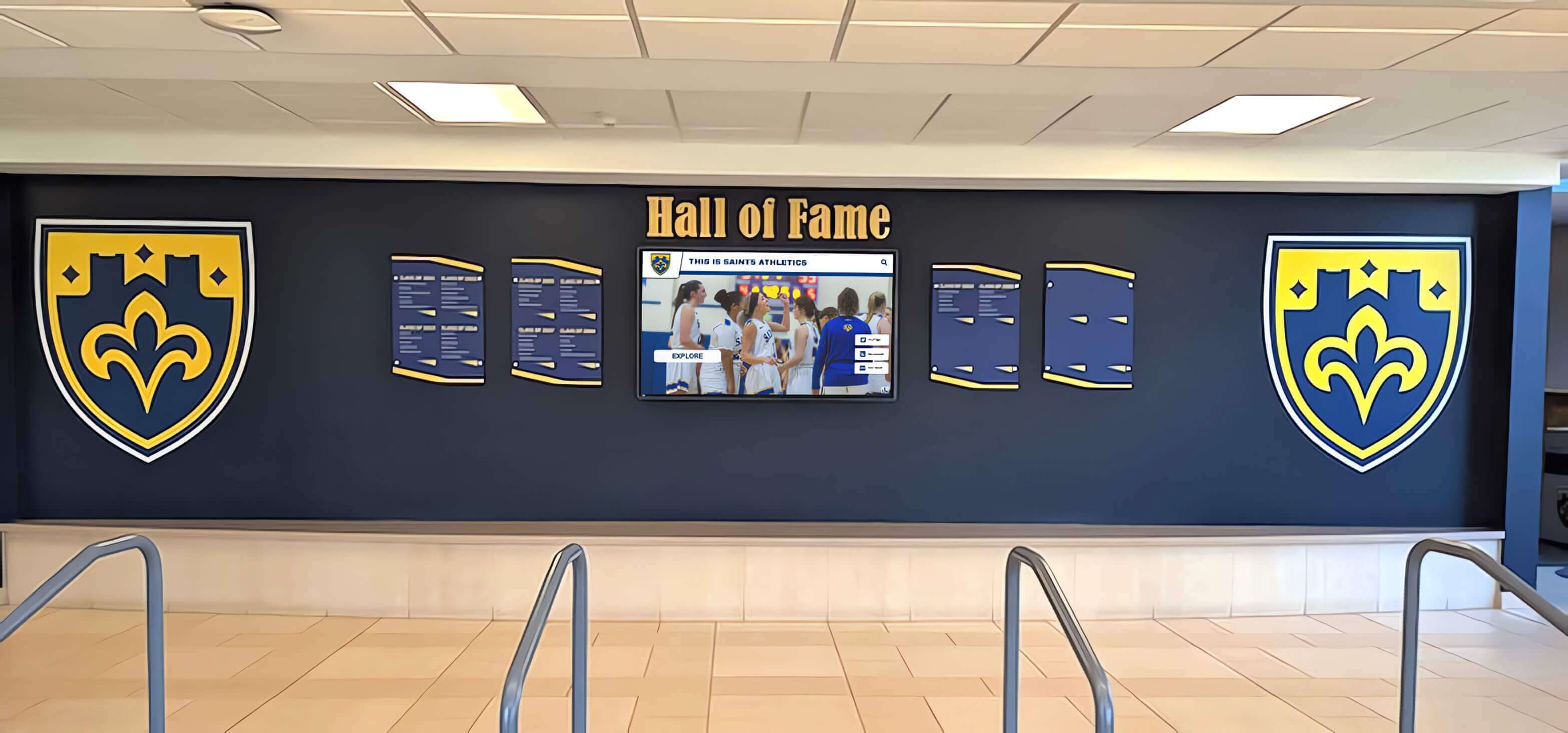
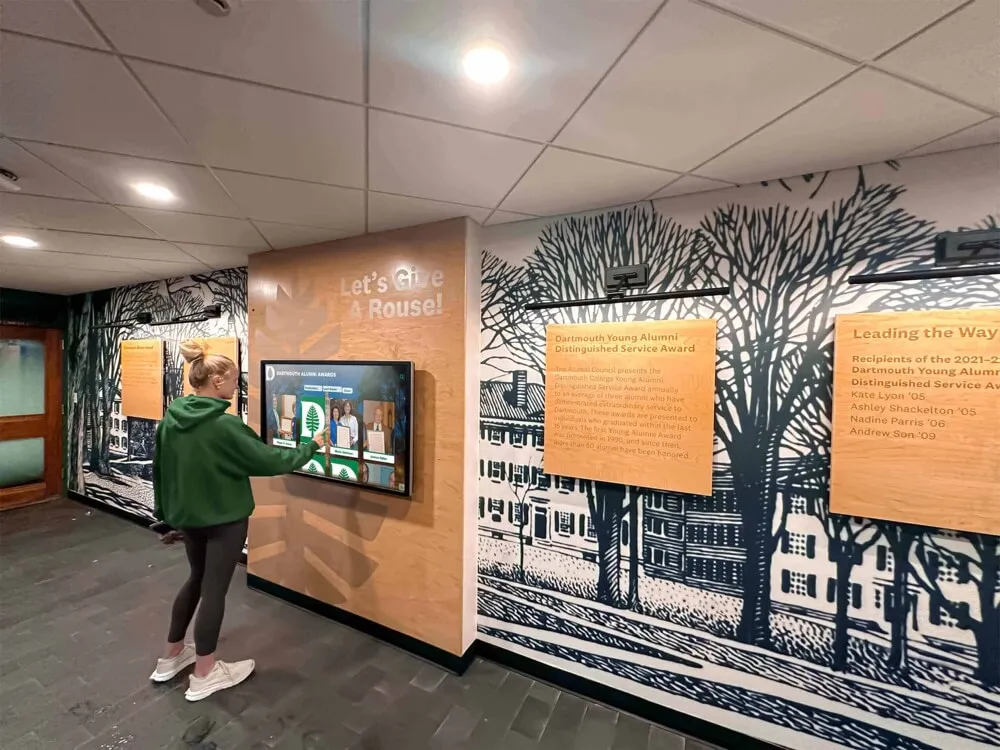
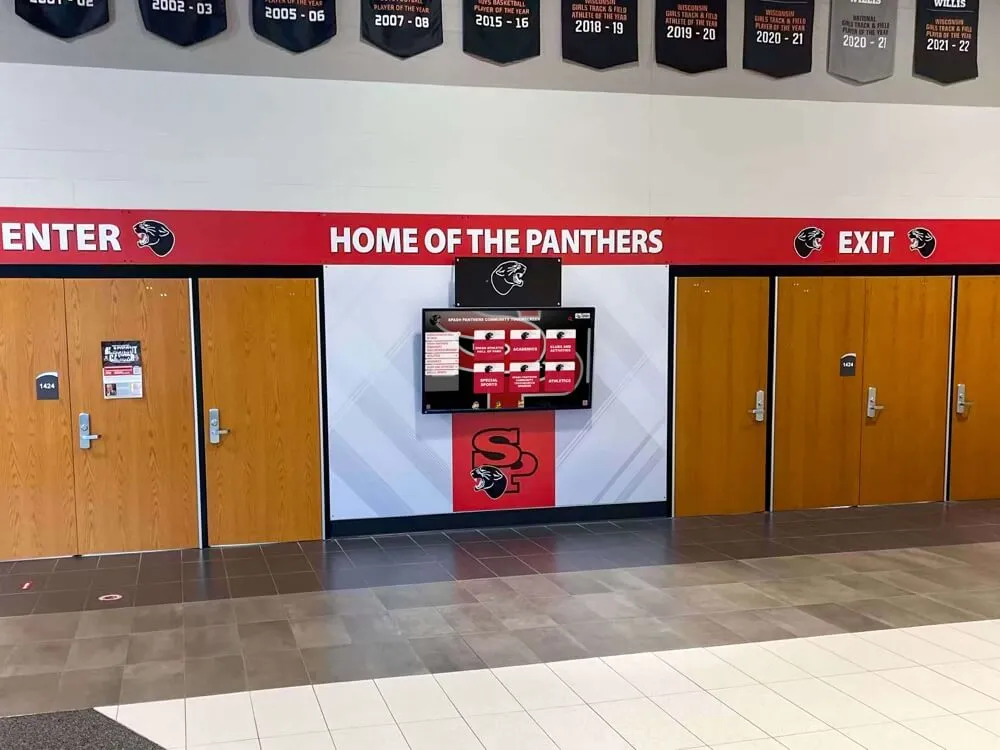
Professional recognition installations demonstrate organizational credibility while showing community members how fundraising support creates lasting impacts
Demonstrating Impact: Honoring Fundraising Contributors
Successful fundraising programs don’t end when events conclude—thoughtful recognition of supporters builds relationships ensuring continued participation in future campaigns.
Creating Recognition Programs for Donors
Acknowledging Community Investment
Systematic recognition transforms one-time participants into committed supporters:
Recognition Tier Systems
- Named giving levels at different contribution thresholds
- Benefits varying by support level
- Public acknowledgment through multiple channels
- Permanent recognition for significant contributions
- Inclusive baseline ensuring all supporters receive thanks
Recognition Methods
Multiple acknowledgment approaches reach diverse supporters:
- Personal thank-you notes for significant contributions
- Public recognition at school events
- Inclusion in programs and publications
- Website and social media features
- Email newsletters highlighting supporters
- Permanent displays in school facilities
Digital Recognition Solutions
Modern Recognition Technology
Solutions like Rocket Alumni Solutions transform donor recognition through interactive digital displays showcasing supporters:
Recognition Benefits
- Unlimited capacity accommodating all contributor levels
- Multimedia profiles explaining supporter motivation
- Flexible updates adding recognition as campaigns progress
- Web accessibility extending recognition beyond physical location
- Integration with school communication systems
Digital recognition creates visible demonstration of community support while inspiring additional giving—supporters see tangible results of fundraising investments through lobby displays, gymnasium installations, and online platforms celebrating contributions that enable program improvements.
When schools successfully fund initiatives through food fundraisers and other campaigns, digital recognition displays provide perfect venues celebrating both achievements funded and community supporters who made them possible—creating virtuous cycles where recognition inspires continued support enabling further program enhancements.
Explore comprehensive recognition approaches in digital trophy display solutions celebrating accomplishments and community partnerships.

Integrated recognition displays demonstrate how fundraising enables visible improvements while celebrating the community support making them possible
Building Sustainable Fundraising Programs
One-time successful fundraisers help, but sustainable programs develop systems generating consistent revenue year after year while preventing volunteer burnout.
Creating Annual Fundraising Calendars
Strategic Event Scheduling
Thoughtful planning maximizes participation while preventing saturation:
Balanced Calendar Development
- Spacing major fundraisers 6-8 weeks apart
- Coordinating across school groups preventing competing events
- Aligning events with natural school rhythms and traffic
- Establishing signature annual events building tradition
- Incorporating smaller ongoing fundraisers between major campaigns
Seasonal Alignment
- Fall: Back-to-school enthusiasm and athletic event traffic
- Winter: Holiday-themed events and indoor activities
- Spring: End-of-year energy and outdoor event opportunities
- Summer: Reduced competition but smaller available market
Multi-Year Planning
Building institutional knowledge through consistency:
- Same events at predictable times annually
- Refined processes improving efficiency
- Community anticipation and planning
- Volunteer role familiarity
- Marketing simplified through established recognition
Engaging Student Leadership
Developing Student Ownership
Student-led fundraising builds engagement and life skills:
Leadership Development
- Student committees planning and executing events
- Adults serving as advisors rather than primary planners
- Responsibility distribution developing multiple leaders
- Reflection and evaluation building analytical skills
- Succession planning ensuring continuity
Skill Building Through Fundraising
- Financial literacy through budget management
- Marketing skills developing promotion campaigns
- Communication abilities coordinating volunteers
- Problem-solving navigating challenges
- Teamwork collaborating across diverse groups
Motivation and Connection
Student investment increases when they:
- Understand specifically what funds support
- Participate in deciding fund allocation
- See tangible results of fundraising success
- Receive recognition for contributions
- Experience pride in accomplishments
Diversifying Revenue Streams
Reducing Single-Event Dependence
Balanced fundraising portfolios provide stability:
- Multiple event types throughout year
- Mix of large events and small ongoing sales
- Combination of food, product, service, and donation fundraisers
- Various price points serving different supporter capacities
- Both student-led and adult-coordinated approaches
This diversification protects programs from single-event failure while spreading volunteer burden across more participants and preventing over-reliance on limited core volunteers carrying disproportionate responsibility.
Learn about comprehensive school improvement planning in athletic banquet ideas celebrating achievements and recognizing community support.
Conclusion: Building Community Through Food Fundraising
Food fundraisers succeed because they transform giving into genuine value exchange—supporters receive something they enjoy while funding programs enriching student experiences. Unlike pure donation appeals that can feel obligatory, well-executed food fundraising creates positive associations where community members eagerly participate because events and products deliver real value beyond just supporting worthy causes.
The most successful high school food fundraising programs balance proven classics like bake sales and concession stands with innovative approaches like food truck events and restaurant partnerships, creating diverse revenue portfolios generating consistent income throughout school years. They leverage student energy and creativity while providing adult guidance and organizational structure, building leadership skills alongside financial resources. They recognize contributors appropriately, creating visible evidence of community support that inspires continued participation and builds school pride.
Celebrate Fundraising Success Through Visible Recognition
Discover how schools use fundraising proceeds to create impressive recognition displays that honor both student achievements and community supporters—demonstrating tangible impact of contributions while inspiring continued investment in school programs through interactive digital platforms.
Explore Recognition SolutionsWhether your student council needs funds for school improvements, athletic booster club requires equipment resources, band program seeks competition travel funding, or academic department wants to expand opportunities, proven food fundraising strategies provide accessible paths generating substantial revenue through community participation. Start with approaches matching your organizational capacity and volunteer base—simple bake sales and restaurant nights require minimal coordination while building fundraising muscles enabling more ambitious future efforts.
The key lies not in finding perfect single fundraiser generating unlimited revenue, but rather developing sustainable systems combining multiple approaches, building community relationships, recognizing supporters appropriately, and demonstrating clear connections between fundraising success and program improvements benefiting students. When communities see tangible results—whether enhanced facilities, expanded opportunities, or permanent recognition displays celebrating achievements—they invest willingly in continued support understanding their contributions create lasting impacts.
Food fundraising remains among the most approachable, enjoyable, and effective strategies available to high schools precisely because eating brings people together, celebrates community, and creates positive shared experiences while advancing important causes. Your school’s fundraising success begins with committed students and adults willing to organize, promote, and execute events delivering genuine value to supporters while generating resources enabling programs enriching countless students’ educational journeys.
Ready to showcase how fundraising success creates lasting impacts? Explore how Rocket Alumni Solutions helps schools create comprehensive recognition displays celebrating both student achievements and the community fundraising support making excellence possible—demonstrating clear connections between community investment and visible improvements inspiring continued participation.