



Florida high school football playoffs represent the culmination of one of the nation’s most competitive prep football landscapes, where teams across eight classifications battle through intense postseason tournaments for FHSAA state championship glory. Each fall, the Florida High School Athletic Association organizes comprehensive playoff brackets showcasing elite athletic talent, legendary coaching, and some of the most passionate fan support in high school sports.
For schools throughout the Sunshine State, playoff runs create defining moments that establish athletic legacies and forge memories lasting far beyond Friday nights. Championship trophies sit in display cases, banners hang in gymnasiums, and communities celebrate breakthrough tournament appearances for generations. Yet many schools struggle to preserve these achievements in ways that truly capture the drama, intensity, and historic significance of Florida playoff football.
This comprehensive guide explores Florida’s high school football playoff system, tournament structure across all classifications, qualification criteria, championship venues, memorable playoff moments, and effective strategies for celebrating and preserving playoff achievements that inspire future generations while strengthening school pride and athletic tradition.
Florida high school football playoffs combine elite competition, championship pressure, and community passion into postseason tournaments that define seasons and create lifelong memories. Understanding how the FHSAA playoff system works and how to celebrate playoff success effectively helps schools honor achievement while building lasting athletic traditions.

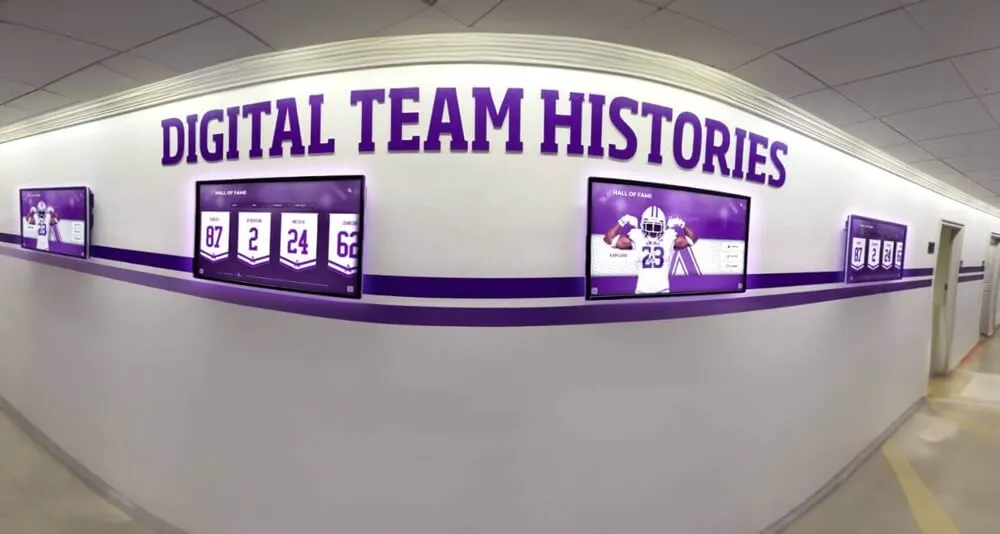
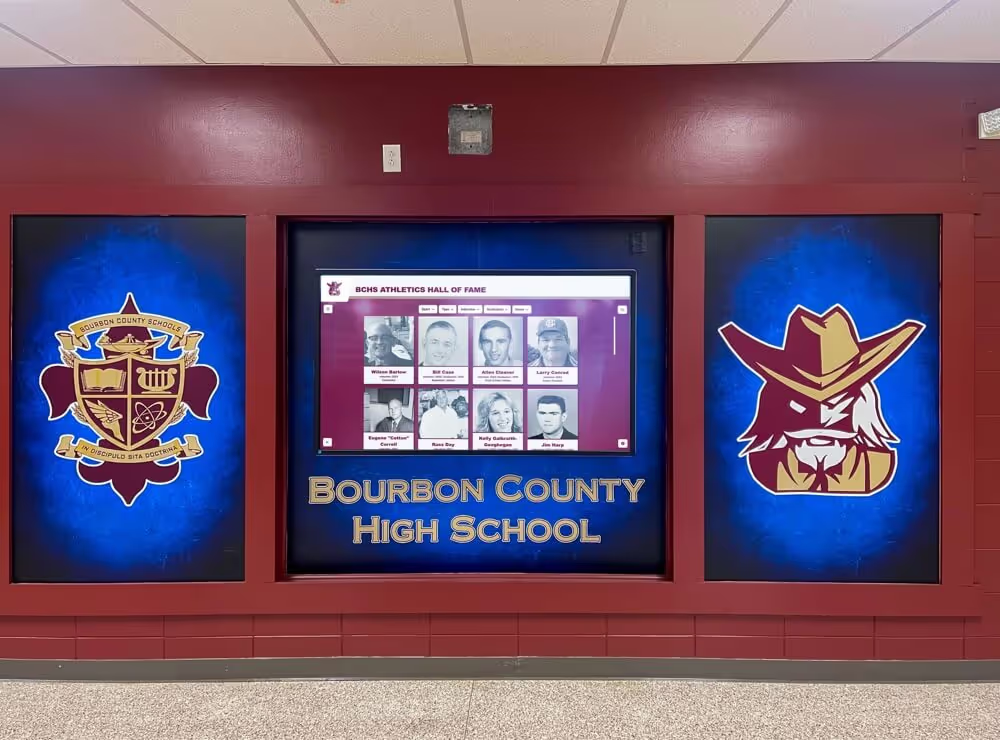
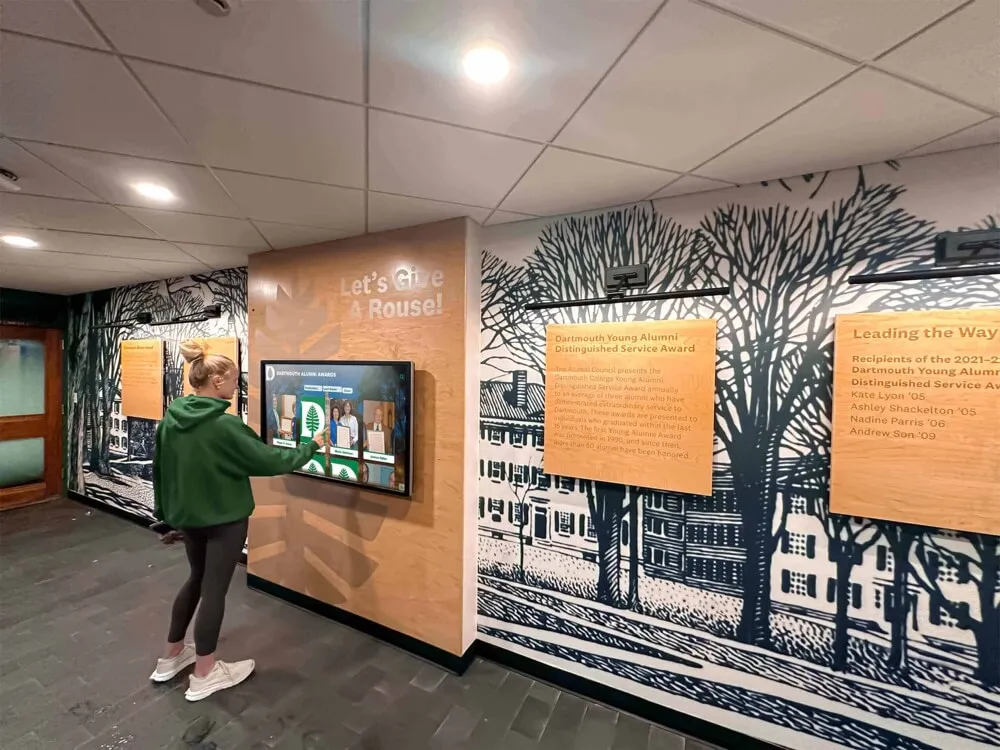
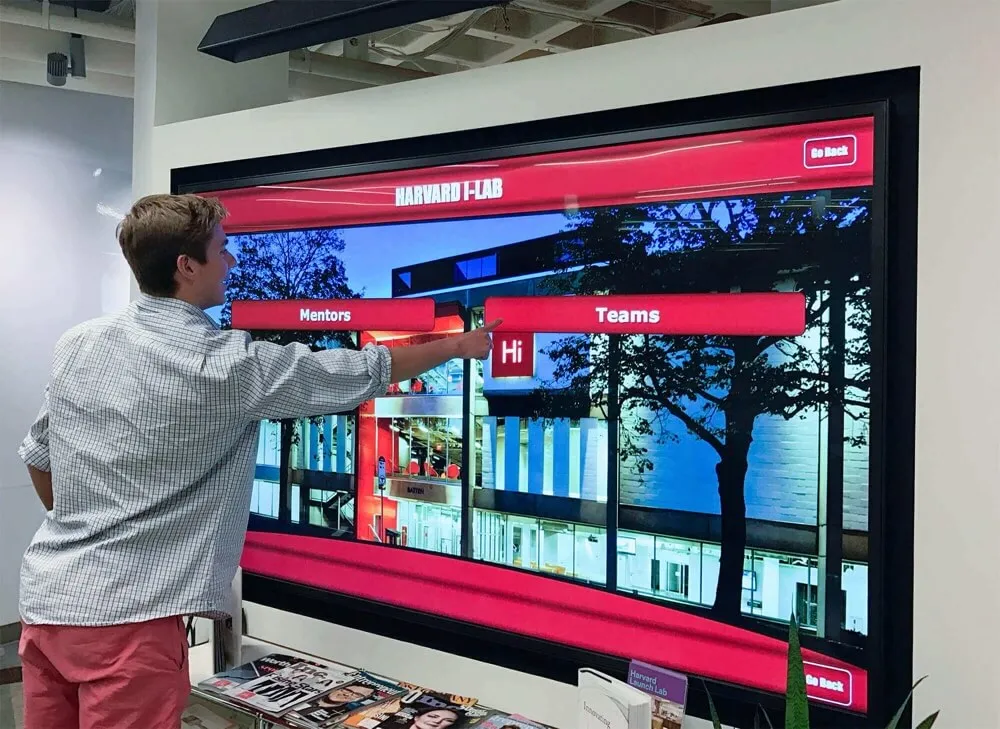
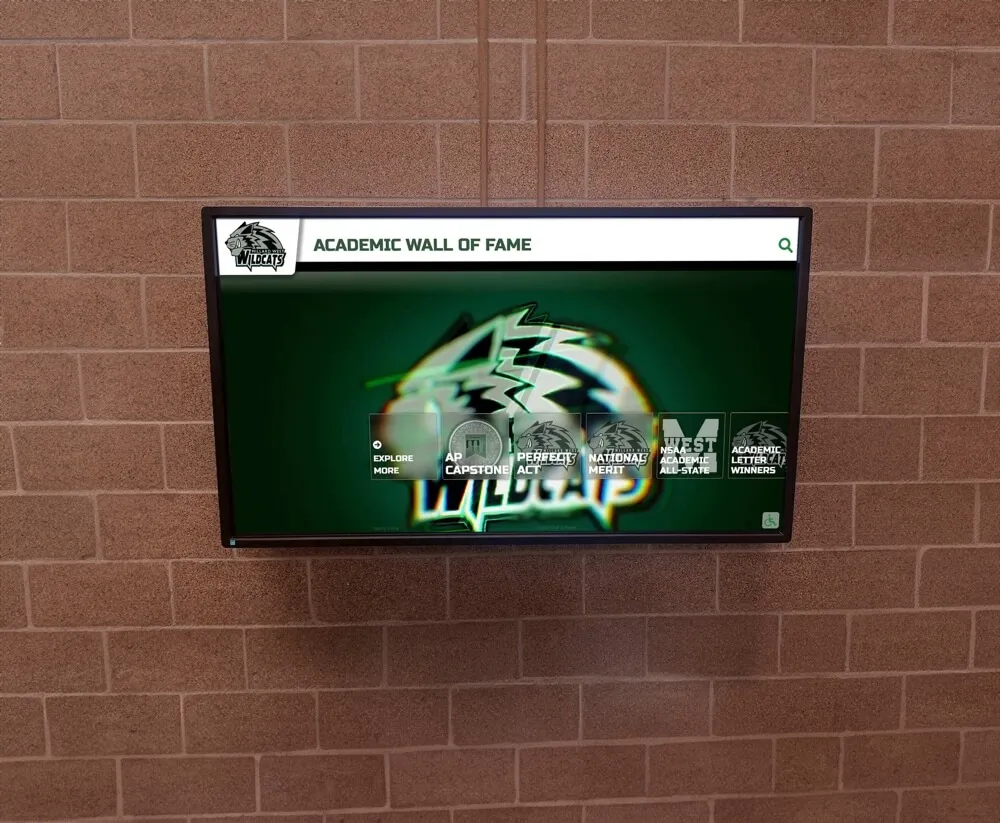
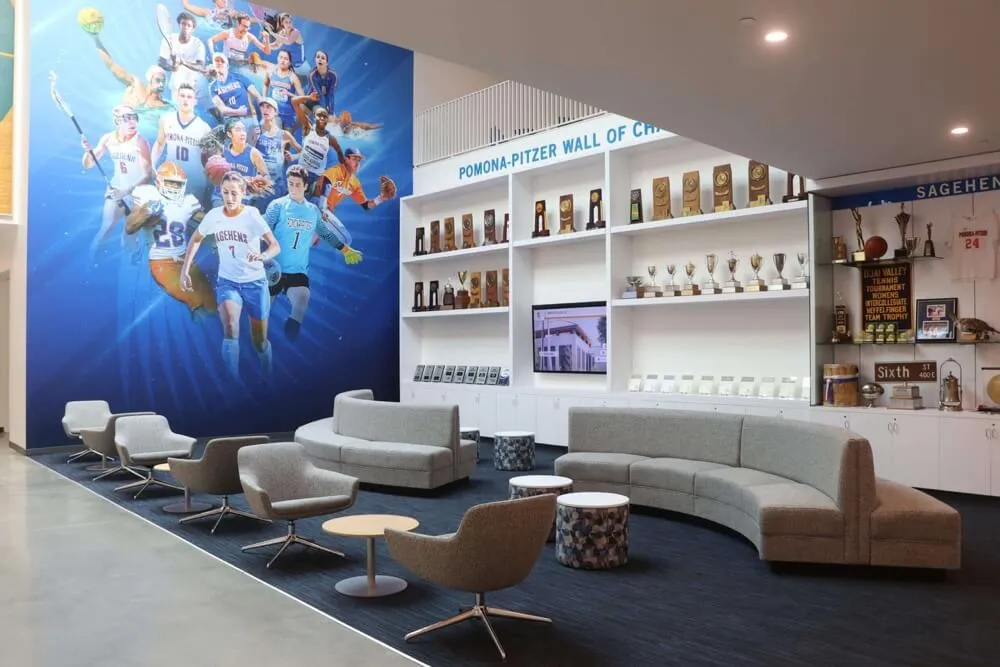
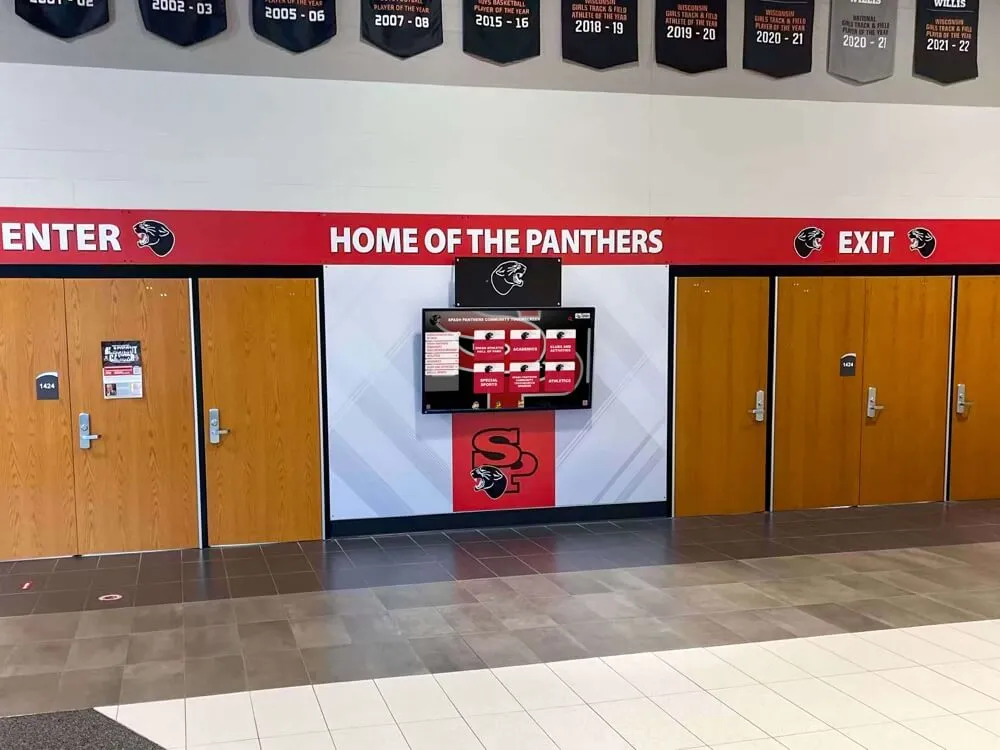
Modern recognition displays preserve playoff moments and championship achievements, creating engaging experiences that connect current students to athletic legacy
Understanding Florida’s FHSAA Playoff Structure
The Florida High School Athletic Association (FHSAA) governs high school athletics throughout Florida, organizing one of the nation’s most comprehensive playoff systems providing championship opportunities for schools across all enrollment sizes and competitive levels.
FHSAA Classification System
Florida’s football classifications are determined primarily by school enrollment, ensuring competitive balance while providing appropriate championship pathways for different school sizes.
Eight-Classification Structure
Florida organizes high school football into eight distinct classifications—more than most states—reflecting the state’s large population and diverse school landscape:
- Class 4M: Metro classification for largest urban schools (2,150+ students)
- Class 4S: Suburban classification for large suburban schools (2,150+ students)
- Class 3M: Metro mid-large schools (1,450-2,149 students)
- Class 3S: Suburban mid-large schools (1,450-2,149 students)
- Class 2M: Metro mid-size schools (850-1,449 students)
- Class 2S: Suburban mid-size schools (850-1,449 students)
- Class 1M: Metro smaller schools (under 850 students)
- Class 1S: Suburban smaller schools (under 850 students)
This unique Metro/Suburban split within enrollment classifications acknowledges that schools serving urban core populations face different competitive dynamics than suburban counterparts with similar enrollment numbers. The system ensures championship opportunities reflecting Florida’s geographic and demographic diversity.
Playoff Qualification Process
Florida’s playoff system has evolved significantly in recent years, moving toward more inclusive postseason participation while maintaining competitive standards.
District-Based Qualification
Florida’s qualification system operates through district tournaments:
- Teams organized into geographic districts within each classification
- Districts typically contain 6-8 schools
- Regular season emphasizes district competition
- District tournament determines playoff qualifiers
- District champions and runners-up advance to regional playoffs
- Some classifications extend qualification to additional district finishers
- Power rankings may break ties for final playoff spots
This district-based structure creates immediate playoff intensity during regular season district games while ensuring geographic balance in postseason qualification.
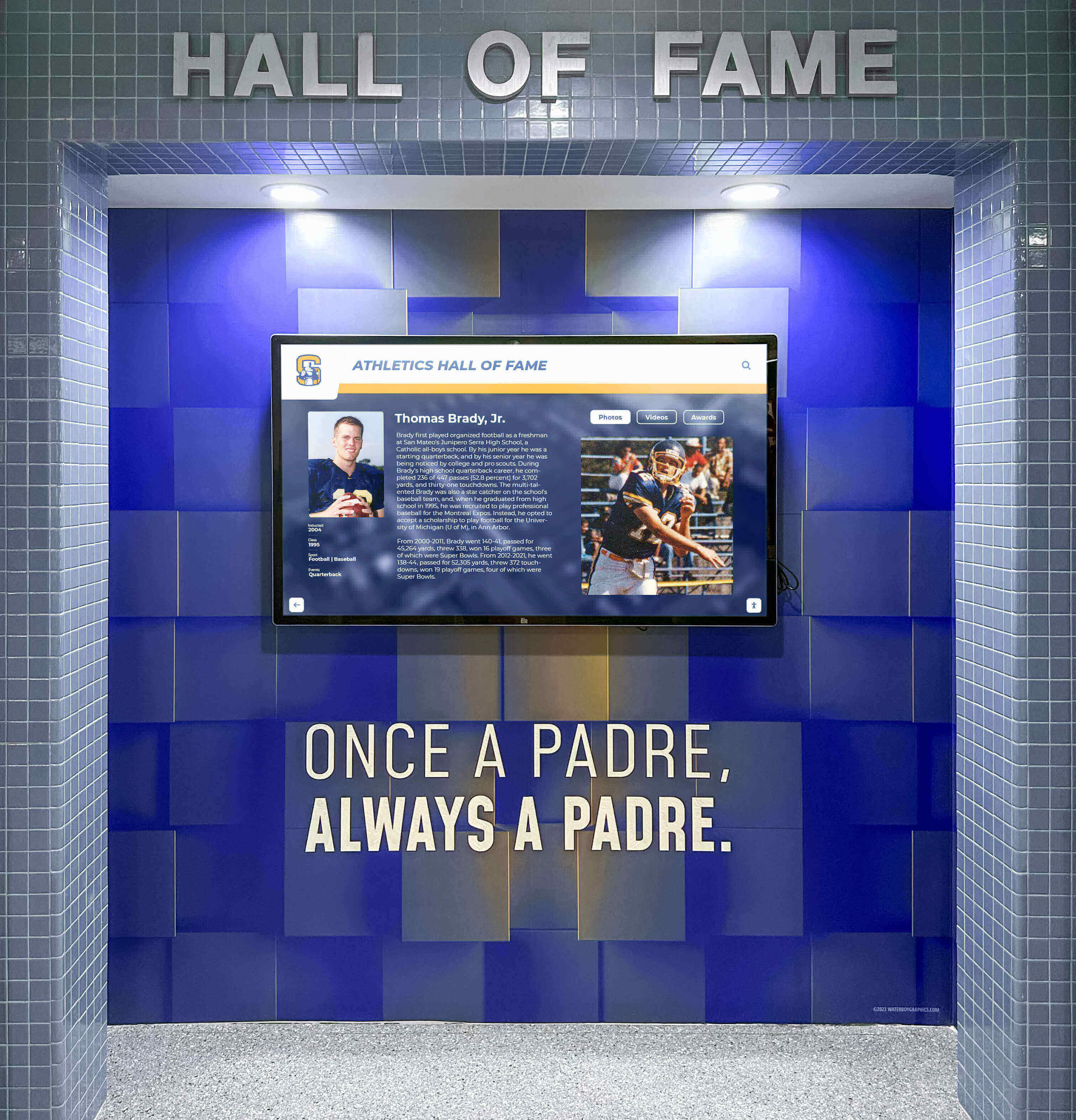
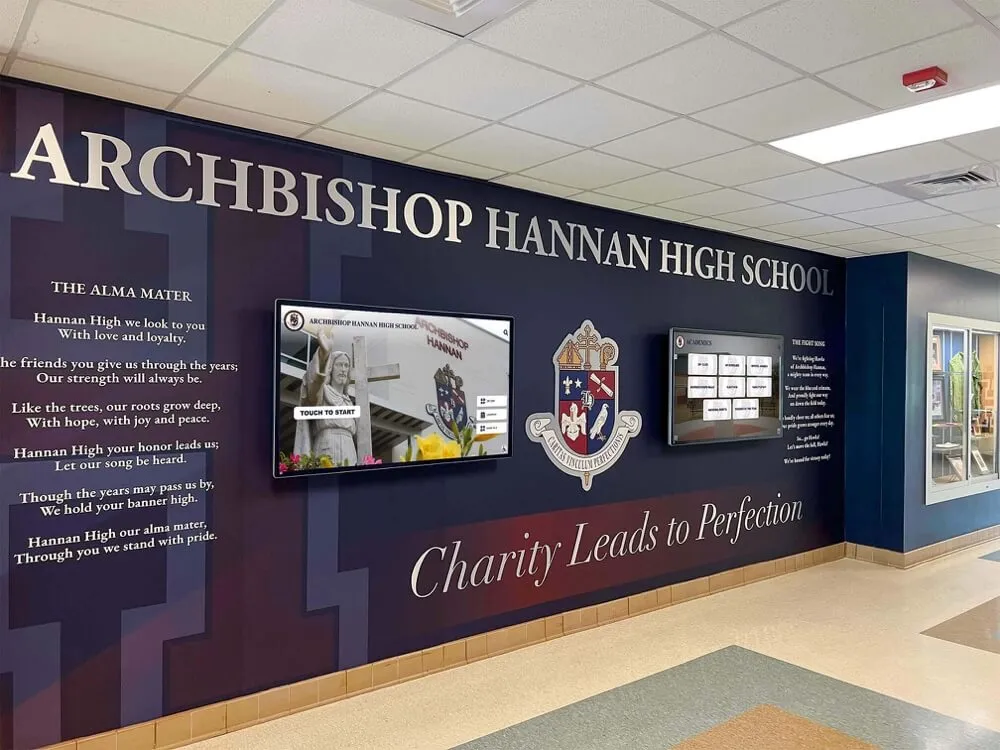
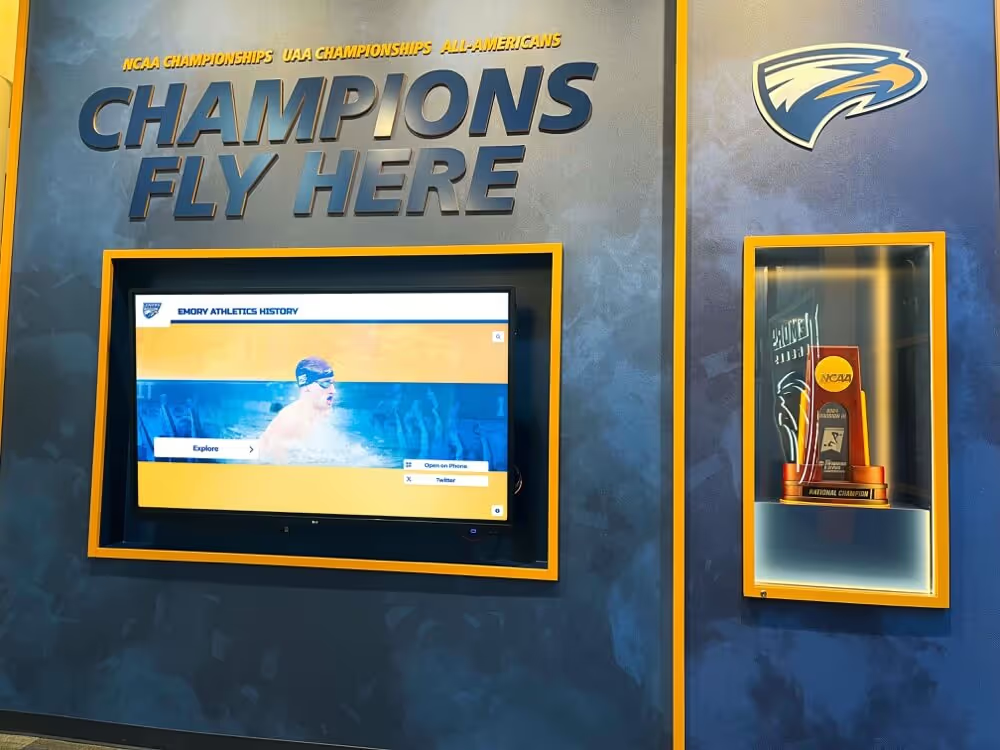
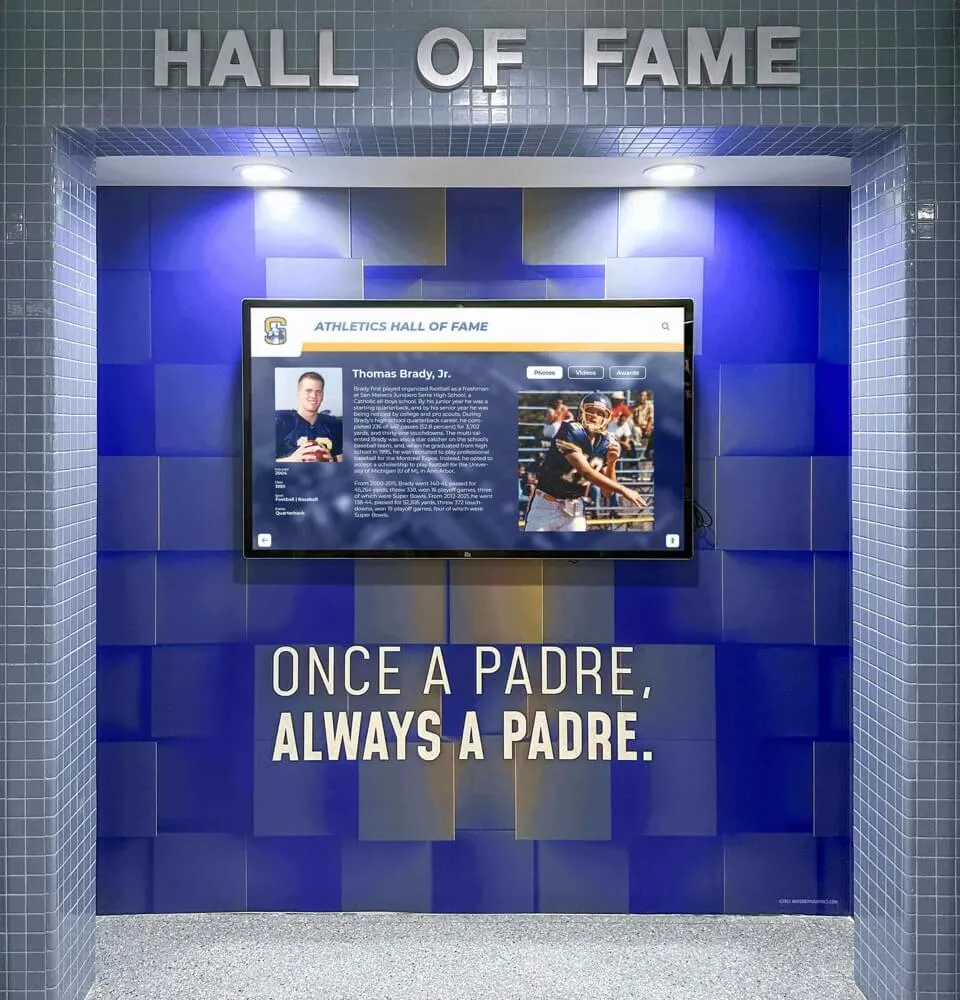
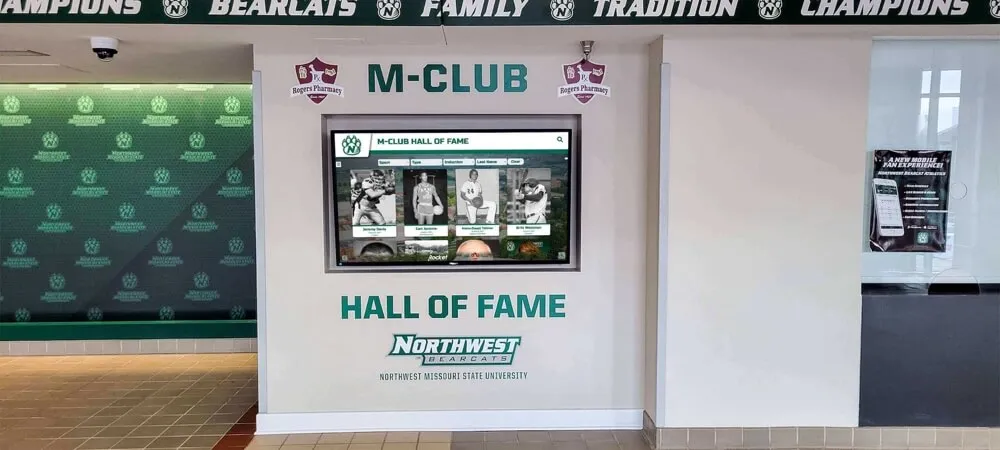
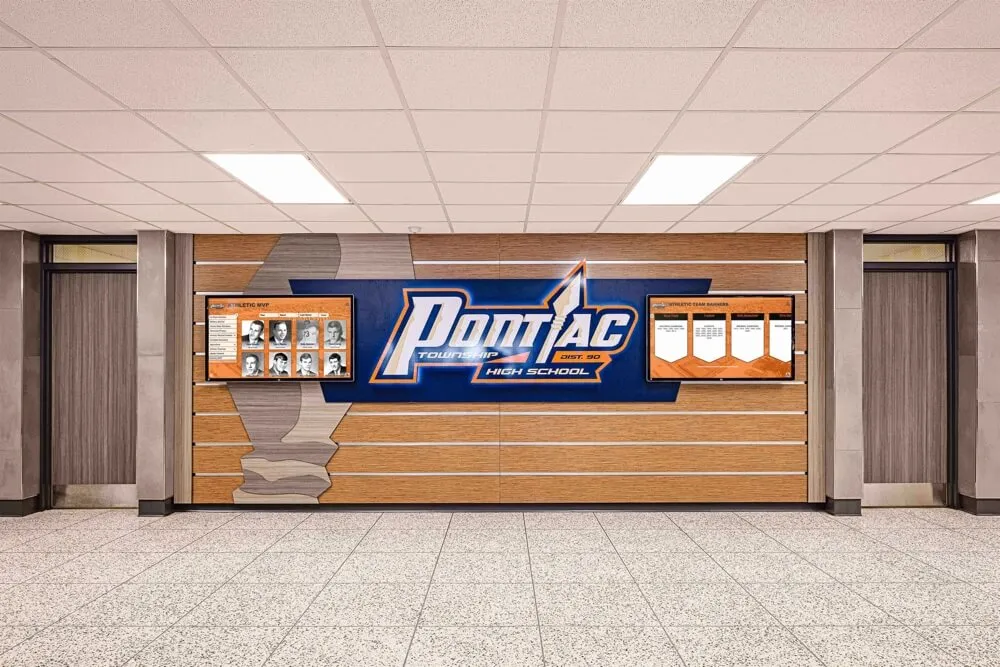
Digital recognition displays effectively showcase playoff brackets, championship progress, and tournament achievements throughout facilities
Regional Playoff Structure
After district play, qualified teams enter regional tournaments:
- Regional semifinal round featuring district qualifiers
- Regional finals determine state semifinalist qualifiers
- Geographic regions ensure manageable travel during postseason
- Higher seeds typically receive home field advantage
- Regional champions advance to state semifinal round
- Single-elimination format creates high-stakes competition
This regional structure reduces travel demands while building tournament intensity as teams advance toward state championships.
Learn about playoff recognition strategies through building school pride programs that celebrate athletic achievement.
Florida Football Playoff Tournament Progression
Florida’s playoff tournaments progress through multiple elimination rounds across several weeks, each creating heightened intensity as teams advance toward state championship games held at premier venues throughout Florida.
Tournament Round Structure
District Semifinals and Finals
The postseason begins with district tournaments:
- District semifinal matchups typically mid-to-late October
- District championship games determine first playoff qualifiers
- Home sites based on regular season district records
- District titles provide seeding advantages for regional play
- First opportunity for championship hardware each season
Regional Semifinals
Regional play intensifies competition:
- District qualifiers meet opponents from other districts
- Geographic proximity determines regional groupings
- Home field advantage for higher-seeded teams
- Single-elimination pressure raises stakes dramatically
- State semifinal berths on the line
Regional Finals
Elite eight competition in each classification:
- Only eight teams remain per classification
- Regional championships carry significant prestige
- Winners advance to state semifinal round
- Often features traditional powerhouse programs
- May move to neutral sites or larger stadiums
State Semifinals
Final four competition determines championship game participants:
- Held at designated neutral sites throughout Florida
- Championship weekend appearances on the line
- Often scheduled at college stadiums or premier facilities
- Creates pinnacle moments in high school football careers
- Statewide recognition for semifinalist teams
State Championship Games
Championship weekend represents Florida high school football’s ultimate destination:
- Eight championship games across all classifications
- Held at premier college or professional stadiums
- Championship Friday and Saturday featuring multiple finals
- Statewide media coverage and recognition
- Permanent place in Florida high school football history

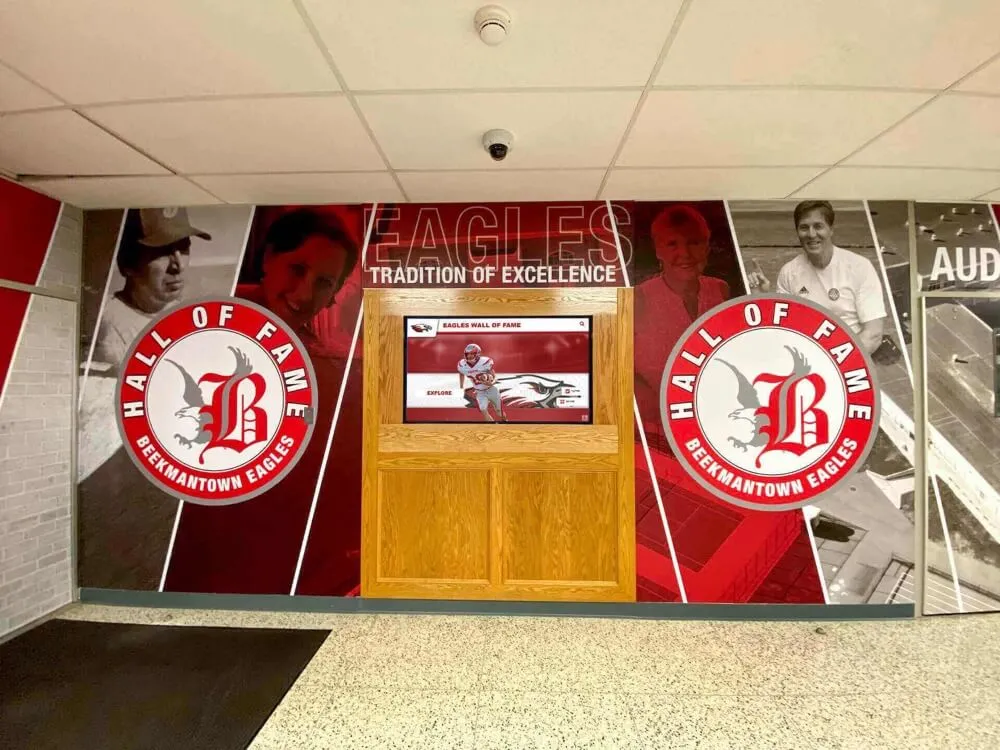
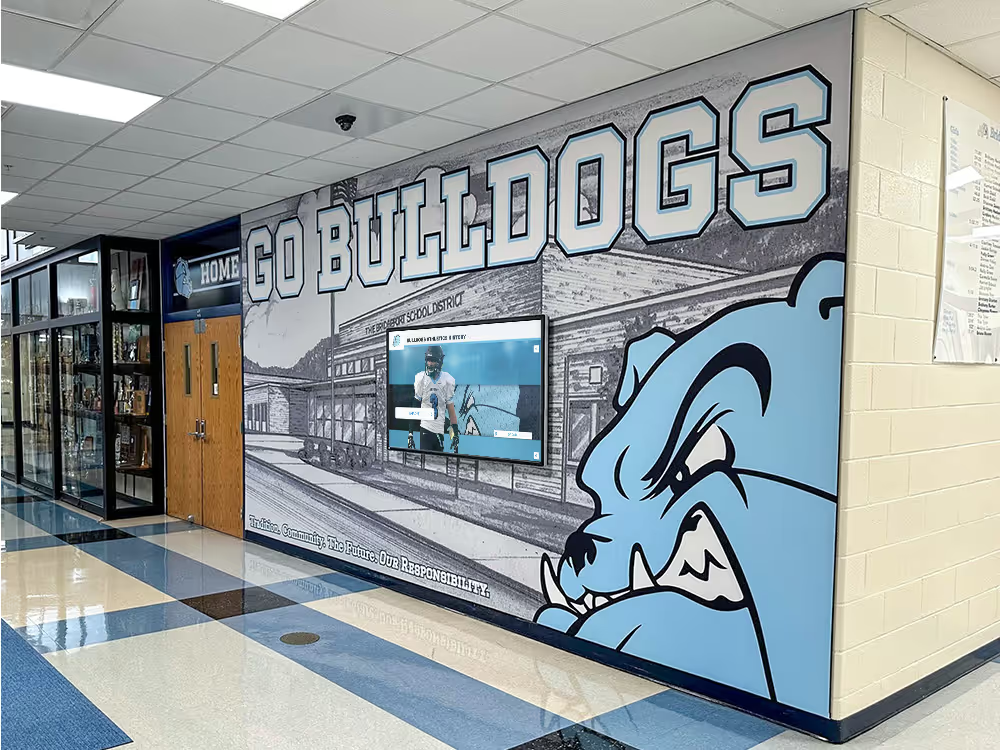
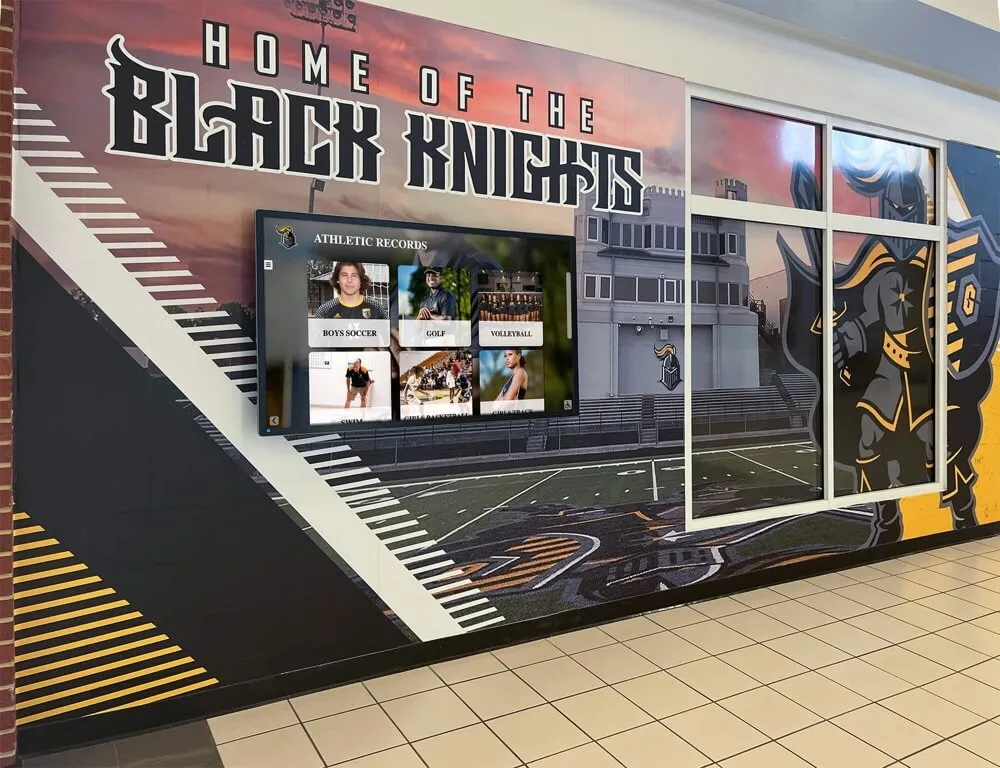
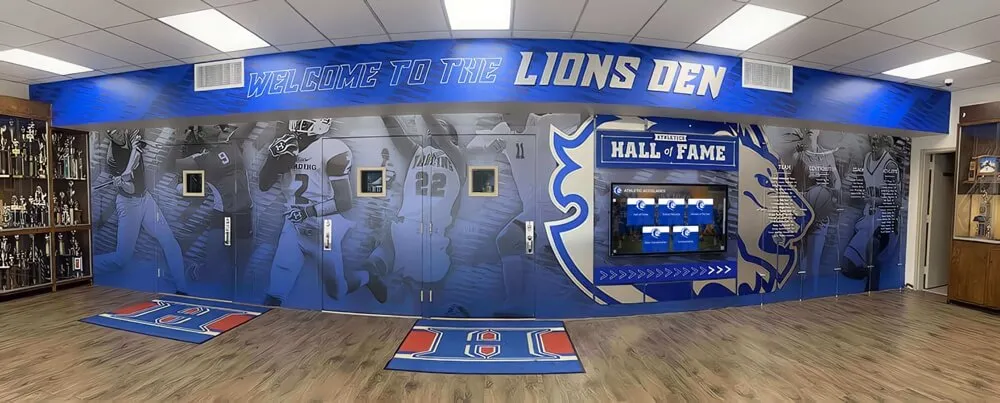
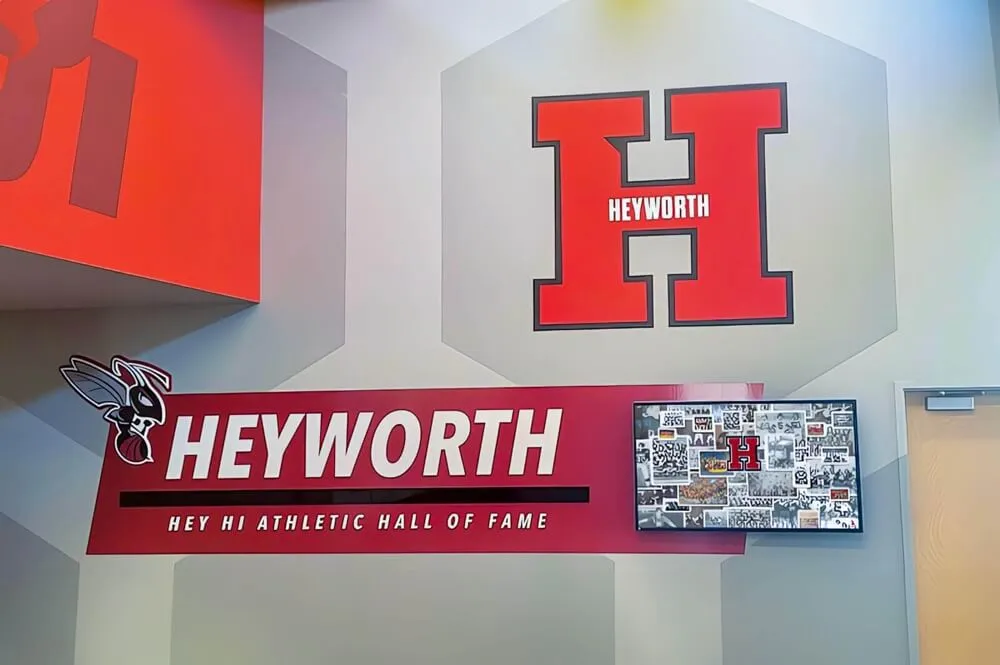
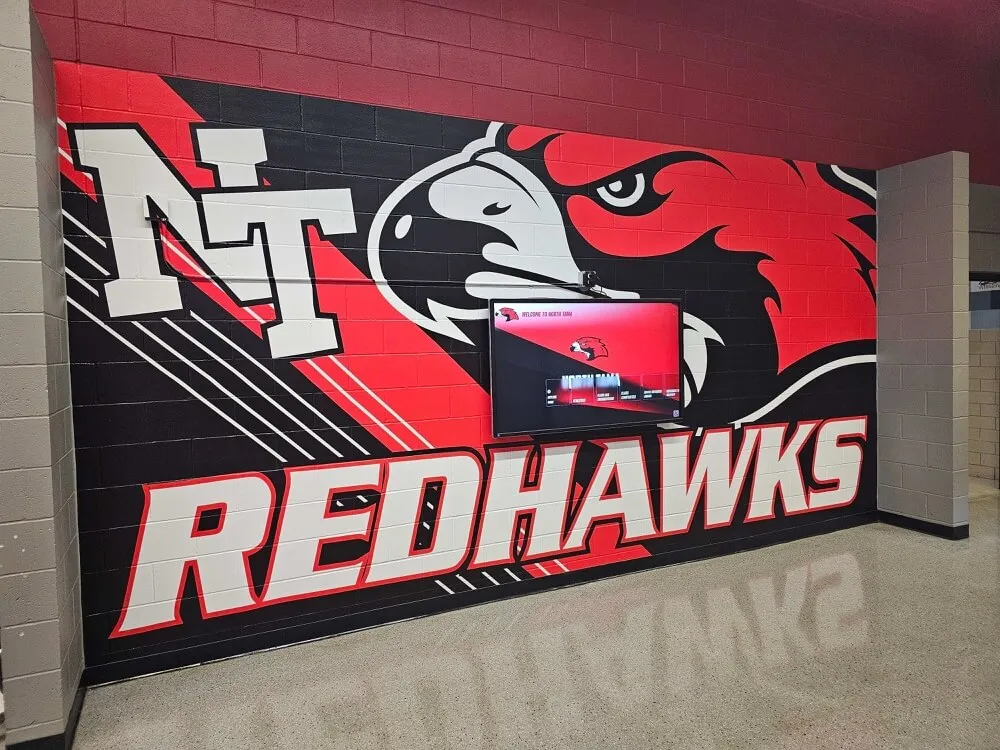
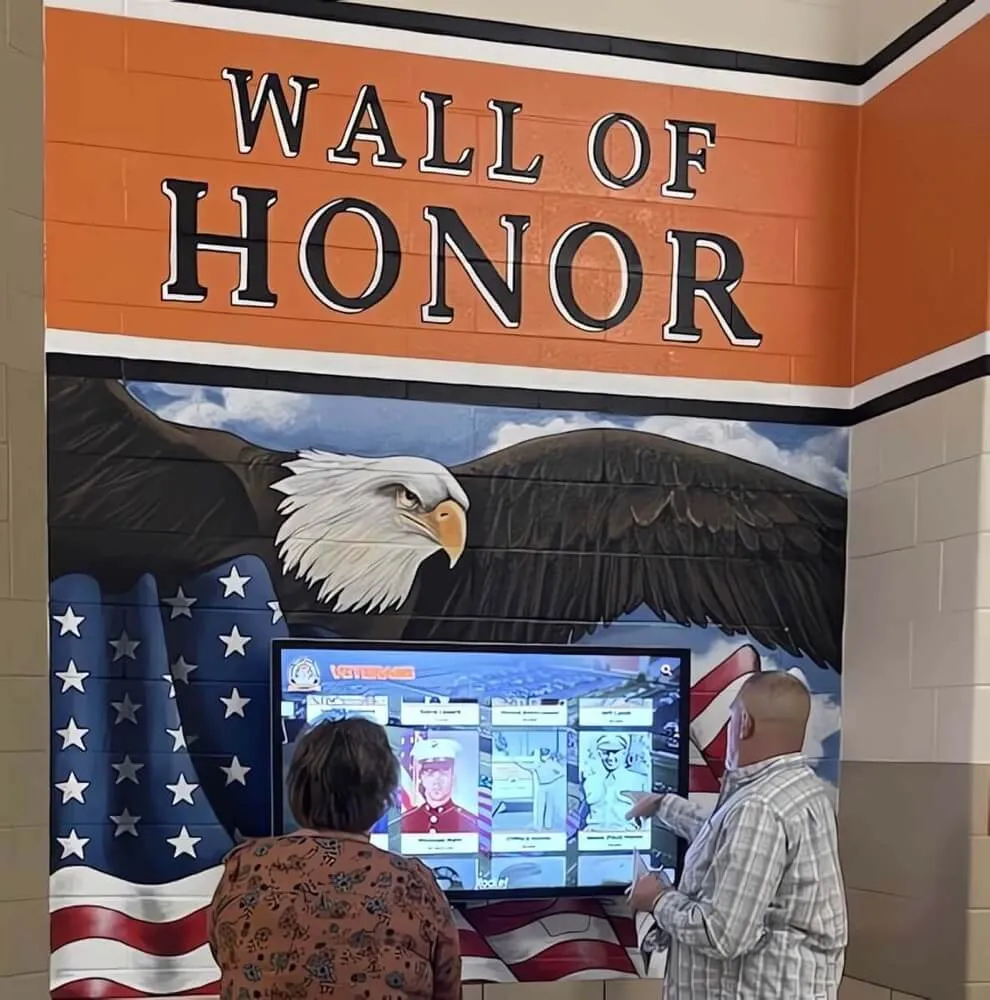
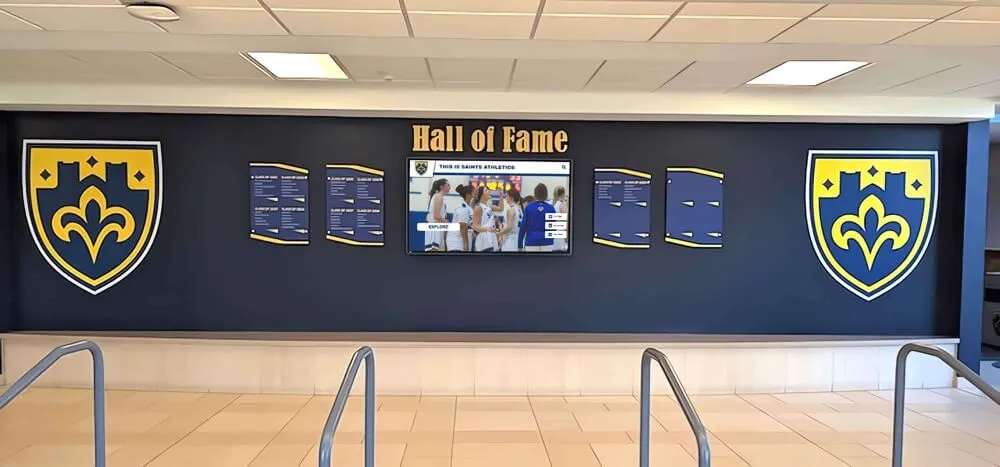
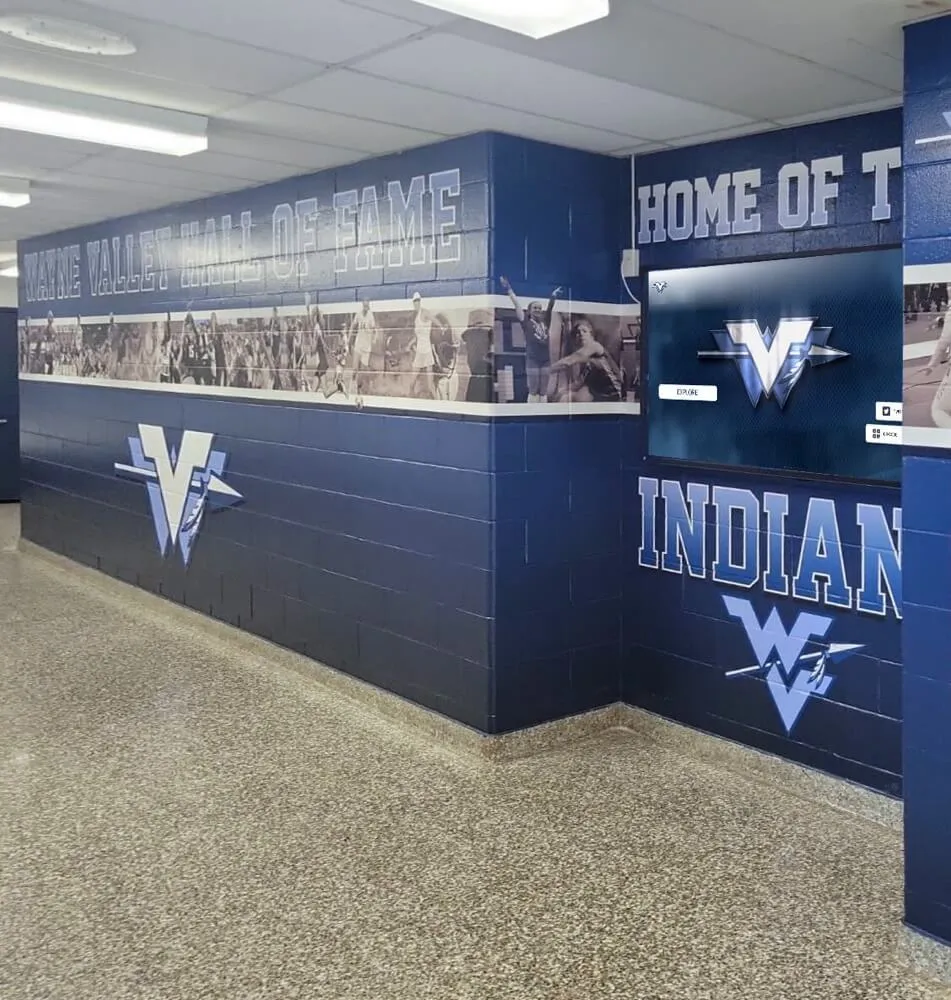
Comprehensive athletic recognition spaces combine traditional murals with digital displays celebrating playoff achievements and championship moments
Championship Game Venues
Florida hosts state championship games at premier facilities providing appropriate stages for concluding playoff tournaments.
Historic Championship Venues
Championship games rotate among Florida’s best football facilities:
- DRV PNK Stadium (Fort Lauderdale): Professional soccer venue hosting multiple championship games
- Camping World Stadium (Orlando): Major bowl game venue occasionally hosting championships
- Doak Campbell Stadium (Tallahassee): Florida State University’s home creating unique championship atmosphere
- Ben Hill Griffin Stadium (Gainesville): University of Florida venue with championship tradition
- Raymond James Stadium (Tampa): NFL stadium providing ultimate championship experience
These championship venues create memorable experiences for players, coaches, families, and communities while providing appropriate recognition for teams reaching pinnacle moments of high school football competition.
Championship Weekend Format
Florida typically schedules championship games across two days:
- Championship Friday featuring several classification finals
- Championship Saturday concluding tournament with remaining finals
- Staggered start times allowing fans to attend multiple games
- Festival atmosphere celebrating high school football excellence
- Media coverage broadcasting games statewide
This championship weekend format creates shared celebration across Florida’s high school football community while providing appropriate recognition for teams achieving championship game appearances.
Discover championship celebration strategies through state championship trophy case displays honoring achievement appropriately.
Playoff Scheduling Timeline
Tournament Calendar
Florida football playoffs follow compressed schedule completing seasons before winter holidays:
- District Semifinals: Mid-to-late October
- District Finals: Late October/early November
- Regional Semifinals: Early-to-mid November
- Regional Finals: Mid-November
- State Semifinals: Late November/early December
- State Championship Games: Early-to-mid December
This timeline creates continuous playoff intensity while ensuring season completion allows student-athletes to focus on academics, holidays, and other commitments following championship weekend.
Notable Florida High School Football Programs and Playoff Traditions
Florida’s high school football playoffs have produced legendary programs, championship dynasties, and memorable moments defining the state’s rich prep football tradition.
Championship Dynasty Programs
Several Florida programs have established sustained playoff excellence and multiple championship victories creating statewide recognition.
Historic Powerhouse Programs
Programs recognized for playoff excellence include:
- IMG Academy (Bradenton): National powerhouse with elite talent and championship success
- St. Thomas Aquinas (Fort Lauderdale): Multiple state championships and consistent playoff contender
- Miami Northwestern: Inner-city program with championship tradition and NFL pipeline
- Armwood (Seffner): Suburban Tampa powerhouse with multiple state titles
- Lakeland: Historic program with sustained championship success across generations
- Miami Central: Powerful urban program producing elite college and professional talent
- Cocoa: Small-school dynasty dominating lower classifications
- American Heritage (Plantation/Delray): Multi-campus powerhouse with national recognition
These programs demonstrate that sustained playoff success requires comprehensive athletic cultures combining elite talent development, quality coaching, community support, and recognition systems motivating continued excellence across generations.
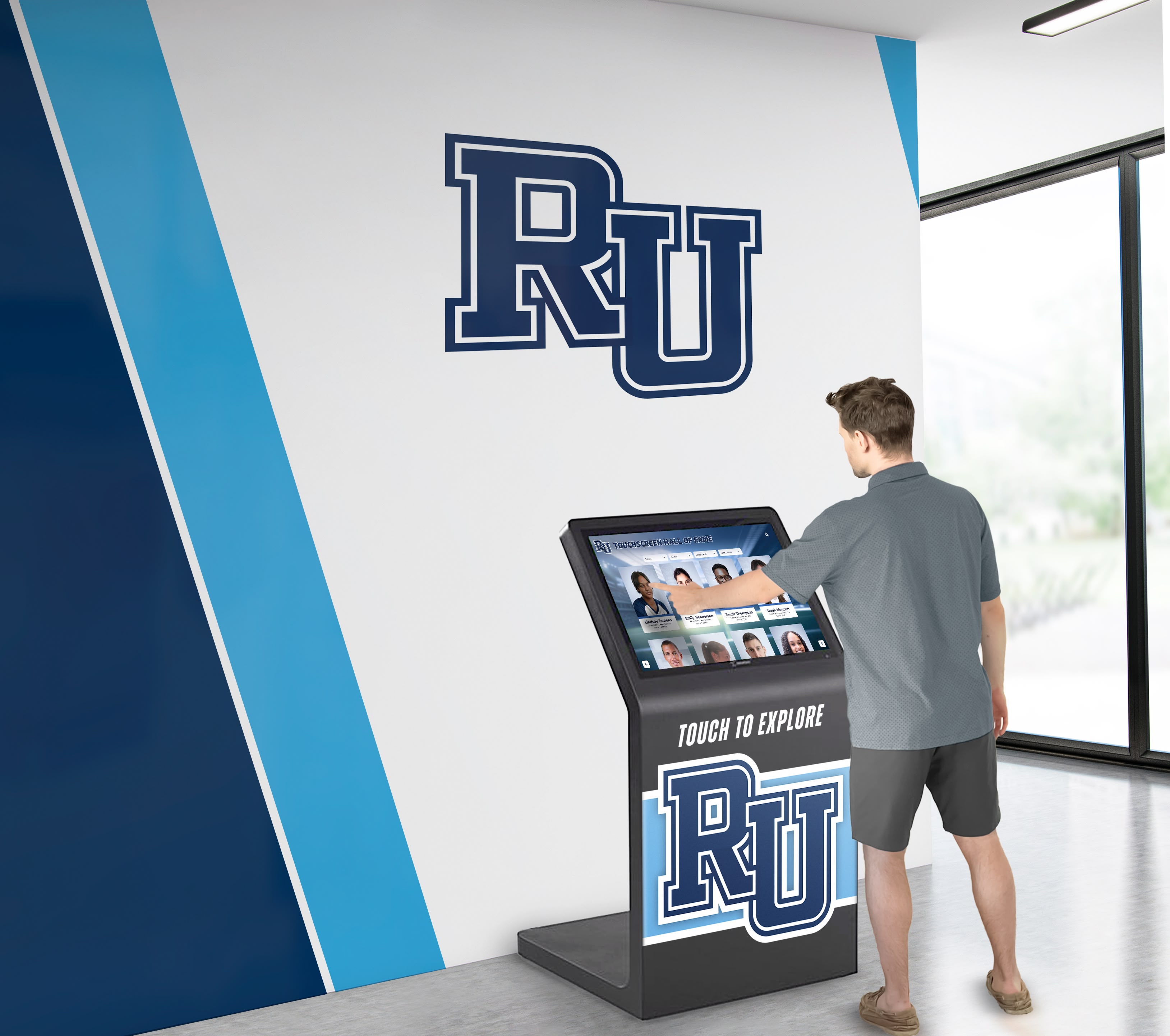
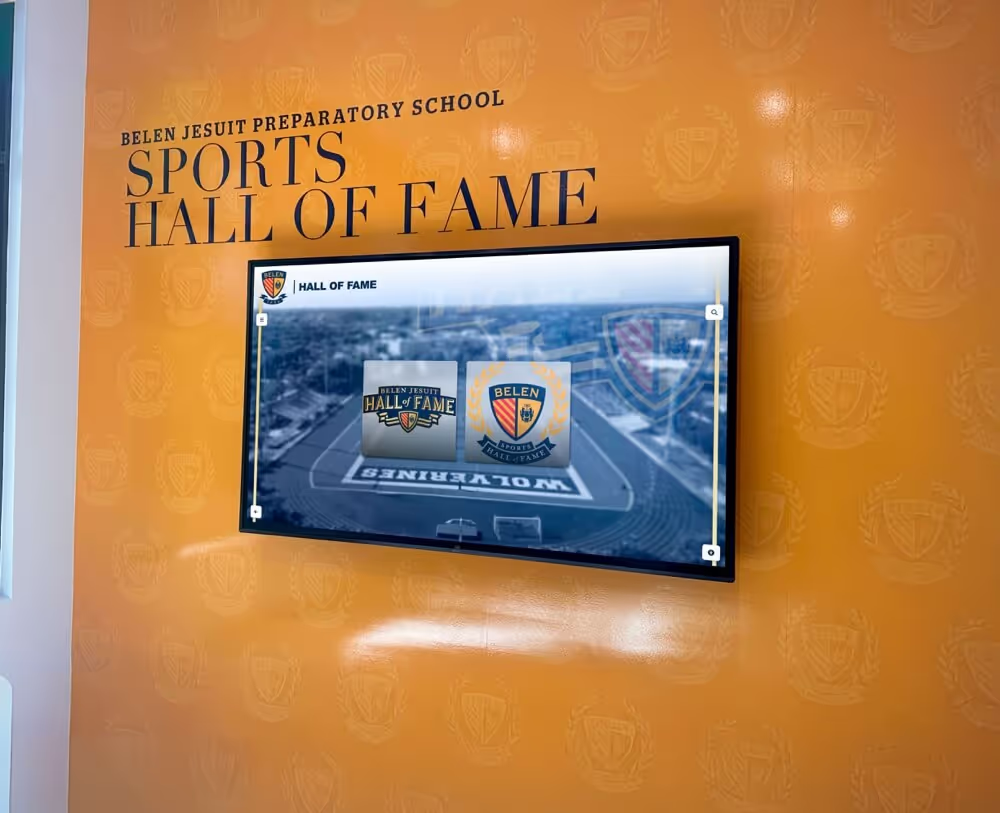
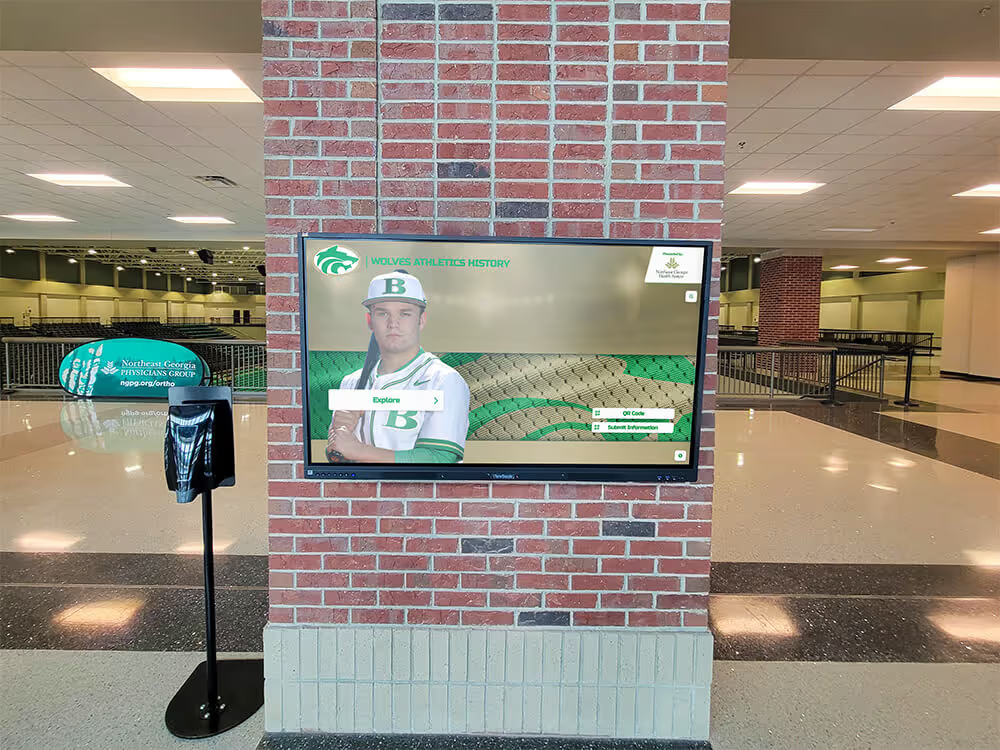
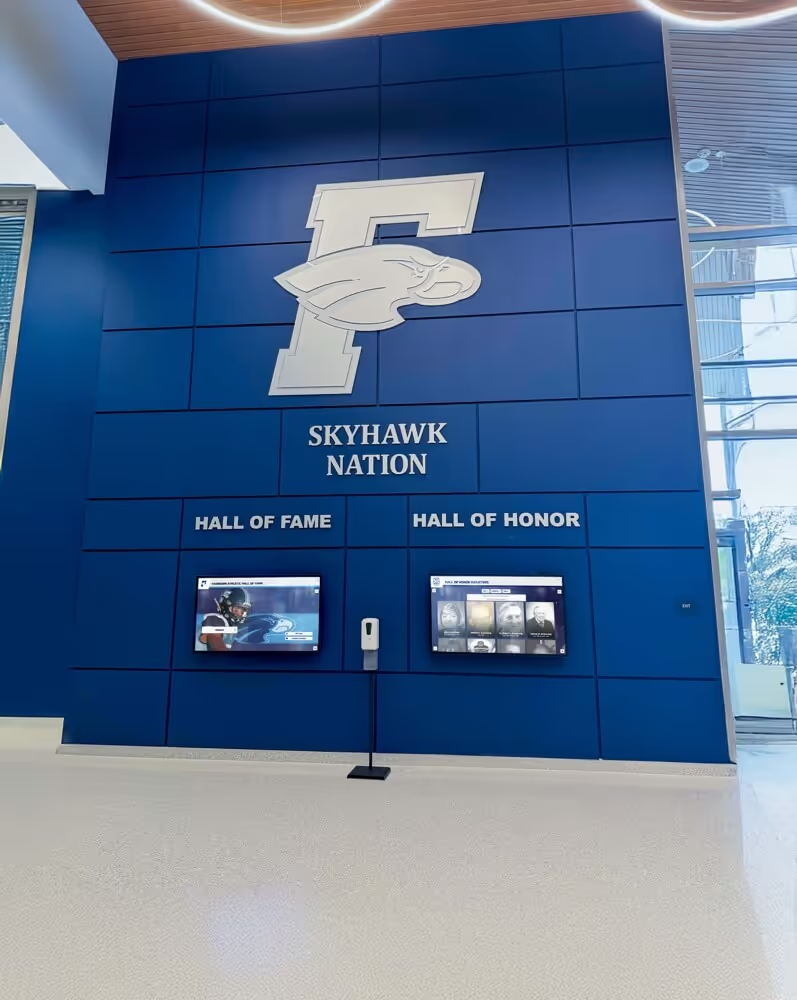
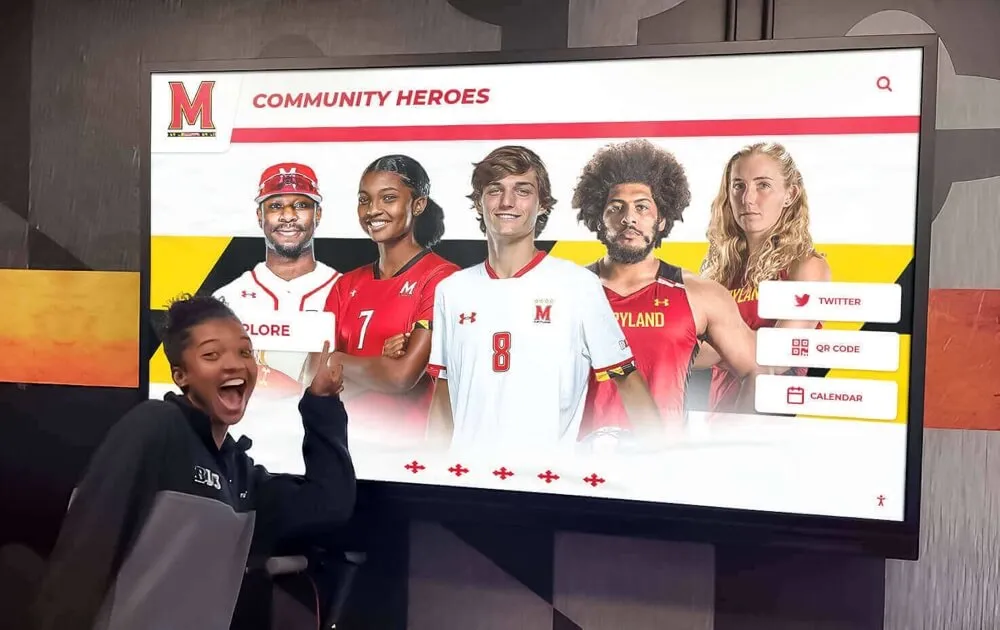
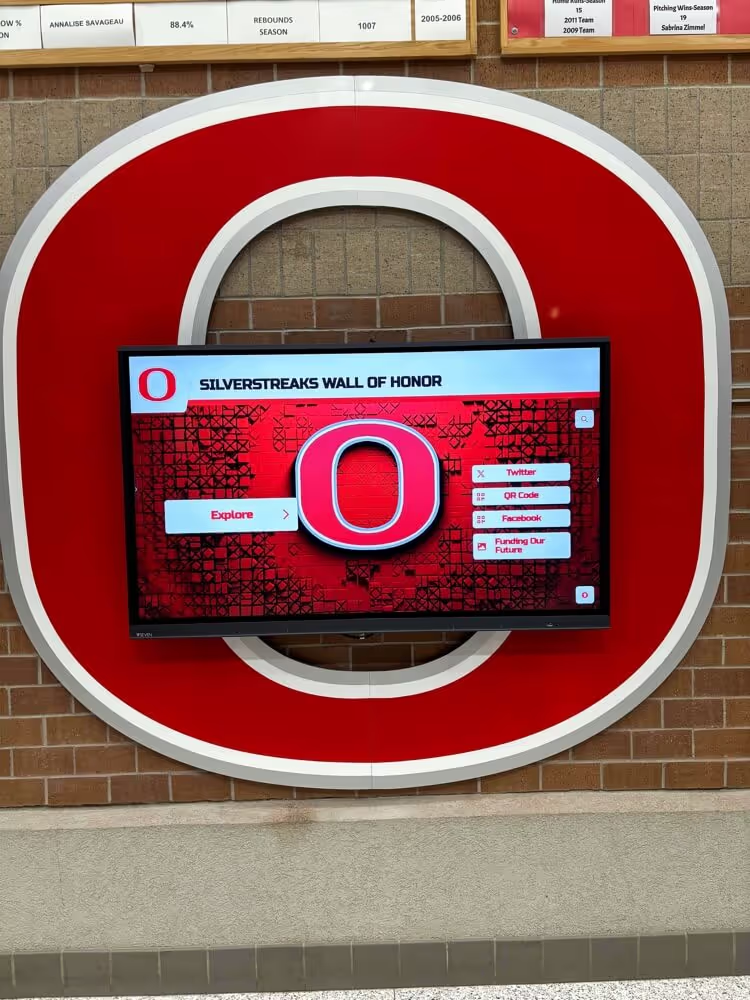
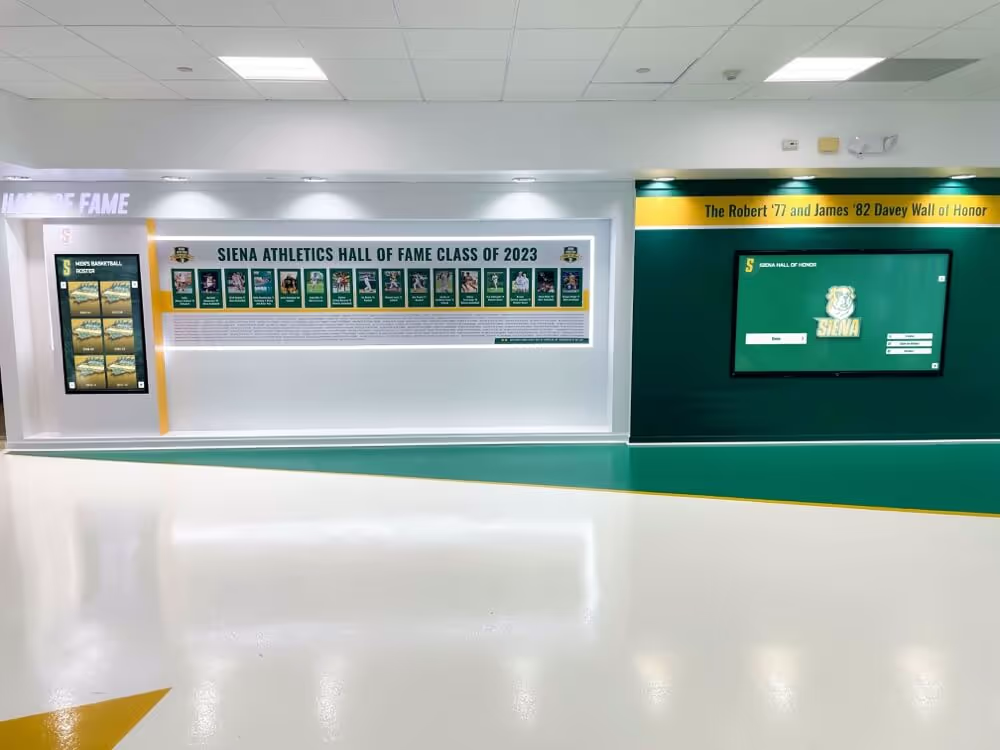
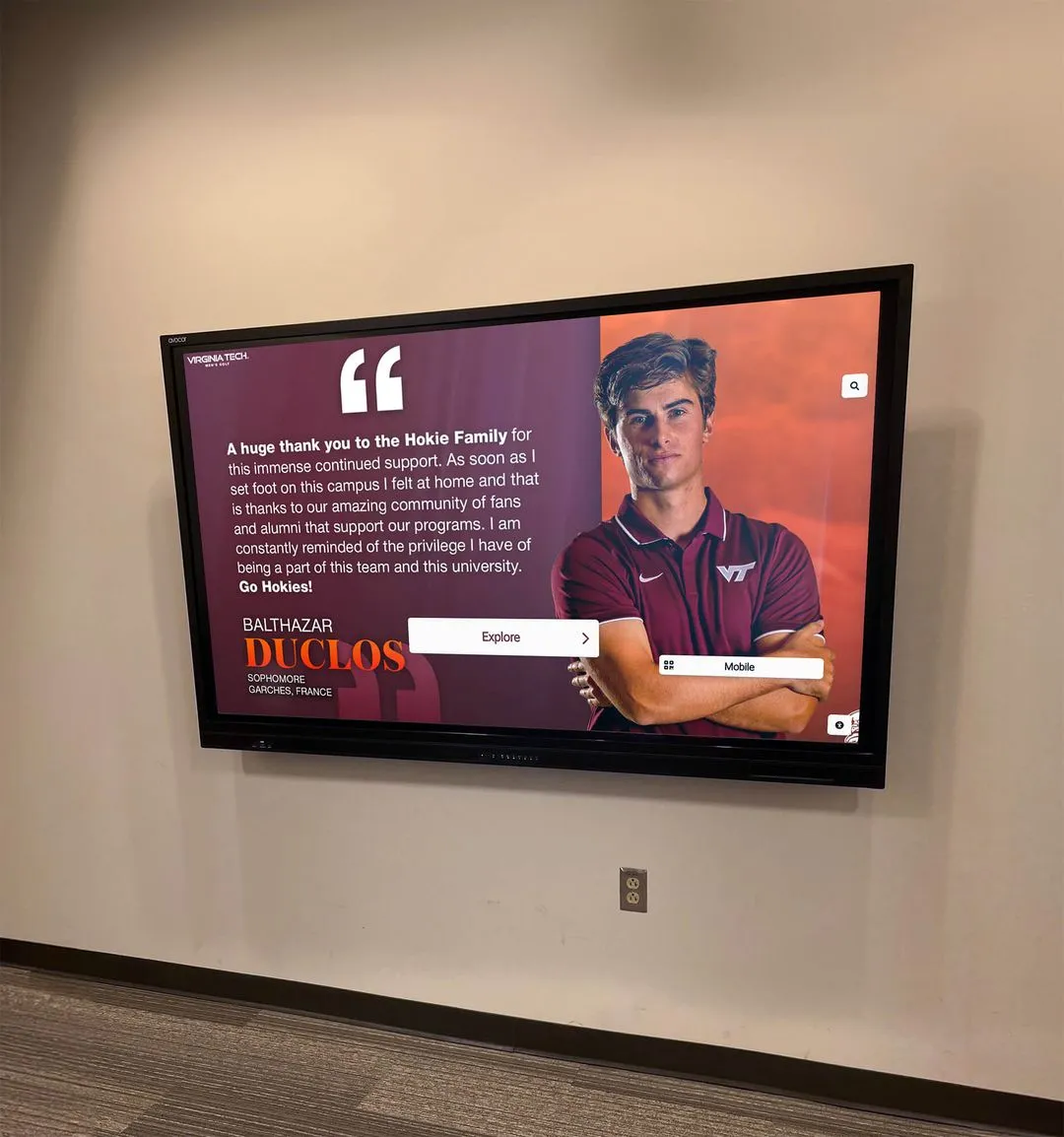
Interactive recognition displays enable exploration of championship teams, playoff performances, and athletic legacy throughout facilities
Florida’s Unique Playoff Characteristics
Several elements distinguish Florida high school football playoff experiences from other states.
Distinctive Florida Elements
- Elite talent concentration: Florida produces more Division I and NFL players per capita than most states
- Year-round football culture: Climate enables continuous training and development
- Metro/Suburban classification split: Unique system addressing competitive balance concerns
- Geographic diversity: Playoffs feature teams from Panhandle to Keys spanning 500+ miles
- Private school prominence: Strong private school programs compete alongside public schools
- Coaching excellence: Florida coaches recognized nationally for innovation and success
- Championship venue quality: Access to professional and major college stadiums for finals
- Media coverage intensity: Statewide recognition and recruiting attention
These characteristics create playoff experiences reflecting Florida’s position as one of the nation’s premier high school football states and a primary talent source for college and professional football.
Explore multi-sport recognition through athletic director career paths managing comprehensive athletic programs.
Recognizing and Celebrating Florida Playoff Achievement
Playoff participation, regional championships, and state titles deserve recognition appropriately honoring accomplishment while inspiring future teams to pursue postseason excellence.
Creating Comprehensive Playoff Recognition
Schools that excel at celebrating playoff achievement implement systematic approaches ensuring teams and individual contributors receive appropriate visibility connecting current students to athletic legacy.
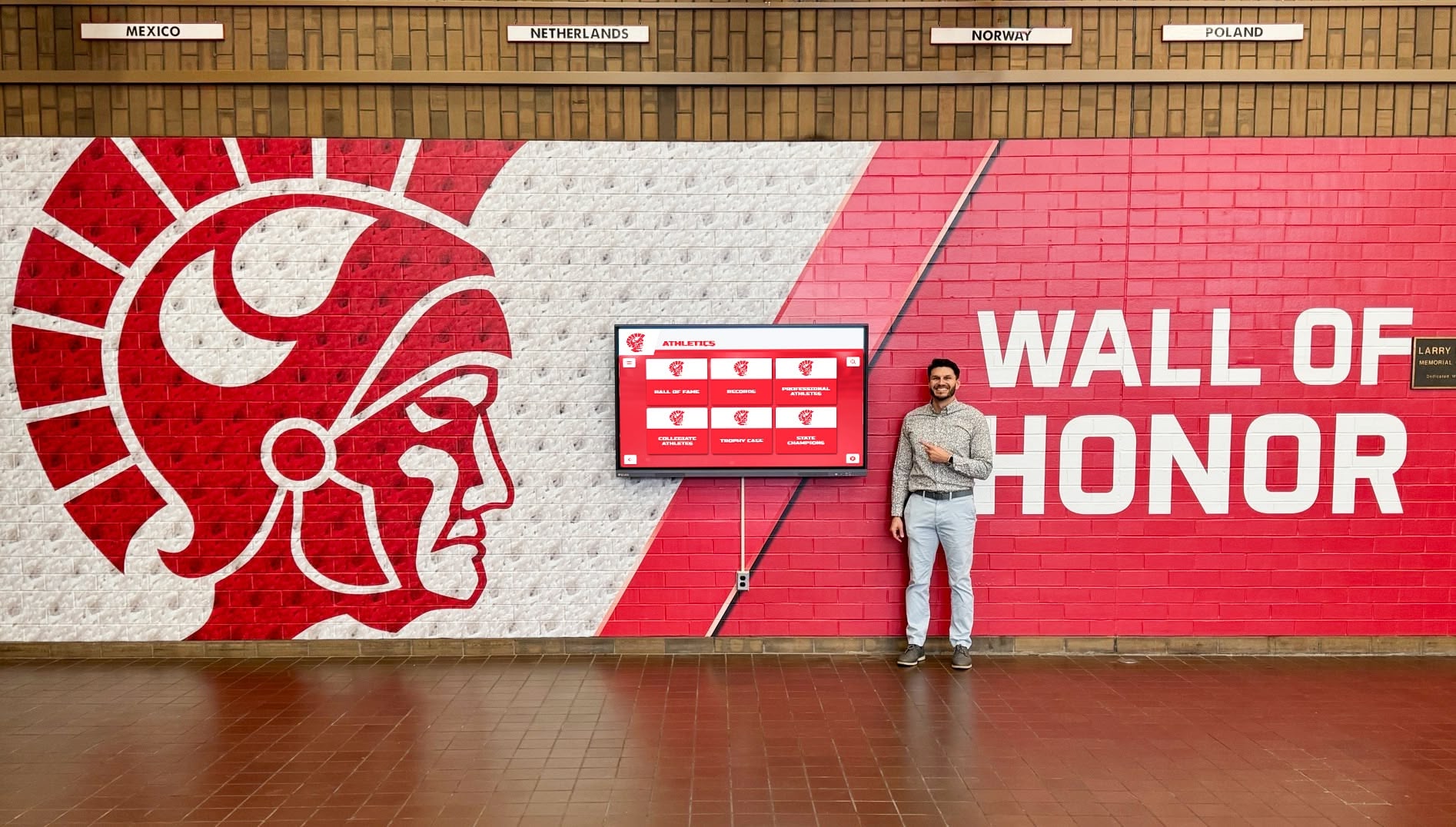
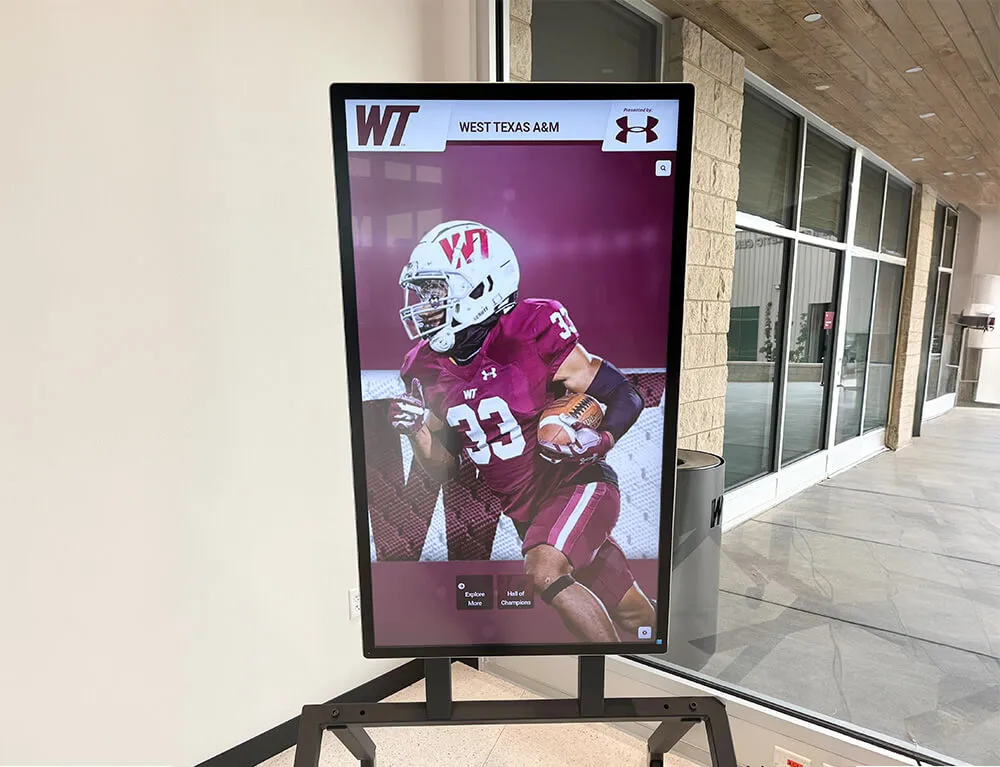
Wall-mounted recognition displays provide flexible platforms for celebrating playoff teams, championship rosters, and tournament achievements
Comprehensive Team Recognition Components
Effective playoff recognition includes:
- Complete team rosters: Preserve entire team compositions including players, coaches, trainers, and support staff
- Season narratives: Document regular season records, district championships, and playoff progression
- Playoff bracket visualization: Show tournament paths with opponent information and scores
- Championship game highlights: Capture pivotal playoff moments and defining performances
- Individual player recognition: Honor all-tournament teams and exceptional playoff performers
- Coaching achievement: Recognize leadership guiding playoff runs and championship victories
- Statistical documentation: Preserve playoff statistics and performance records
- Multimedia celebration: Include photos, videos, and newspaper coverage documenting achievement
Solutions like Rocket Alumni Solutions provide platforms for organizing this comprehensive recognition, enabling schools to preserve playoff achievements while making them accessible to current students, alumni, and community members through interactive touchscreen displays and web-based platforms.
Individual Playoff Excellence Recognition
All-state teams, playoff statistical leaders, and individual excellence deserve specific acknowledgment:
- All-playoff team selections recognizing top performers
- Playoff statistical leaders by classification
- Championship game MVP and offensive/defensive player awards
- Single-game exceptional performances during playoff runs
- Career playoff achievement milestones and records
- College recruitment successes following playoff exposure
- Post-high school athletic achievement at college and professional levels
This individual recognition within team context appropriately balances collective achievement with personal excellence, motivating players while reinforcing team-first values essential to playoff success.
Digital Recognition for Florida Playoff Achievement
Modern recognition technology transforms how schools preserve and celebrate playoff success compared to traditional static displays with limited capacity and engagement.
Advantages of Digital Playoff Recognition Systems
Unlimited Recognition Capacity
Digital platforms eliminate physical space constraints:
- Recognize every playoff team across all years without removal decisions
- Showcase complete playoff brackets and tournament progressions
- Include extensive multimedia documenting championship runs
- Preserve detailed statistics and game information indefinitely
- Feature video highlights of playoff performances and championship moments
- Display comprehensive player and coach profiles with career summaries
- Update content remotely from any internet-connected device
This unlimited capacity ensures no playoff achievement is forgotten or removed when space limitations require prioritization with traditional trophy cases or plaque walls.

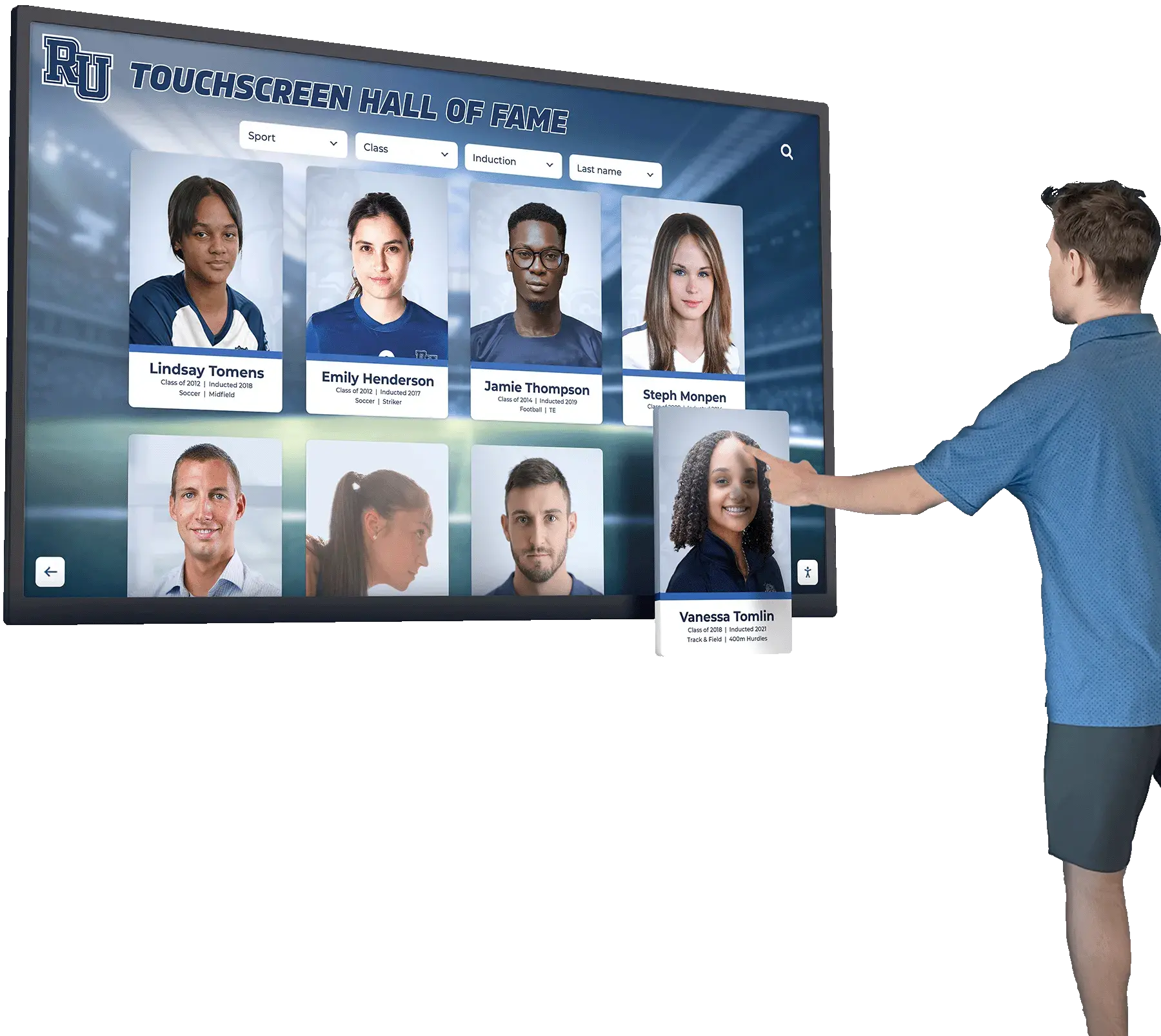
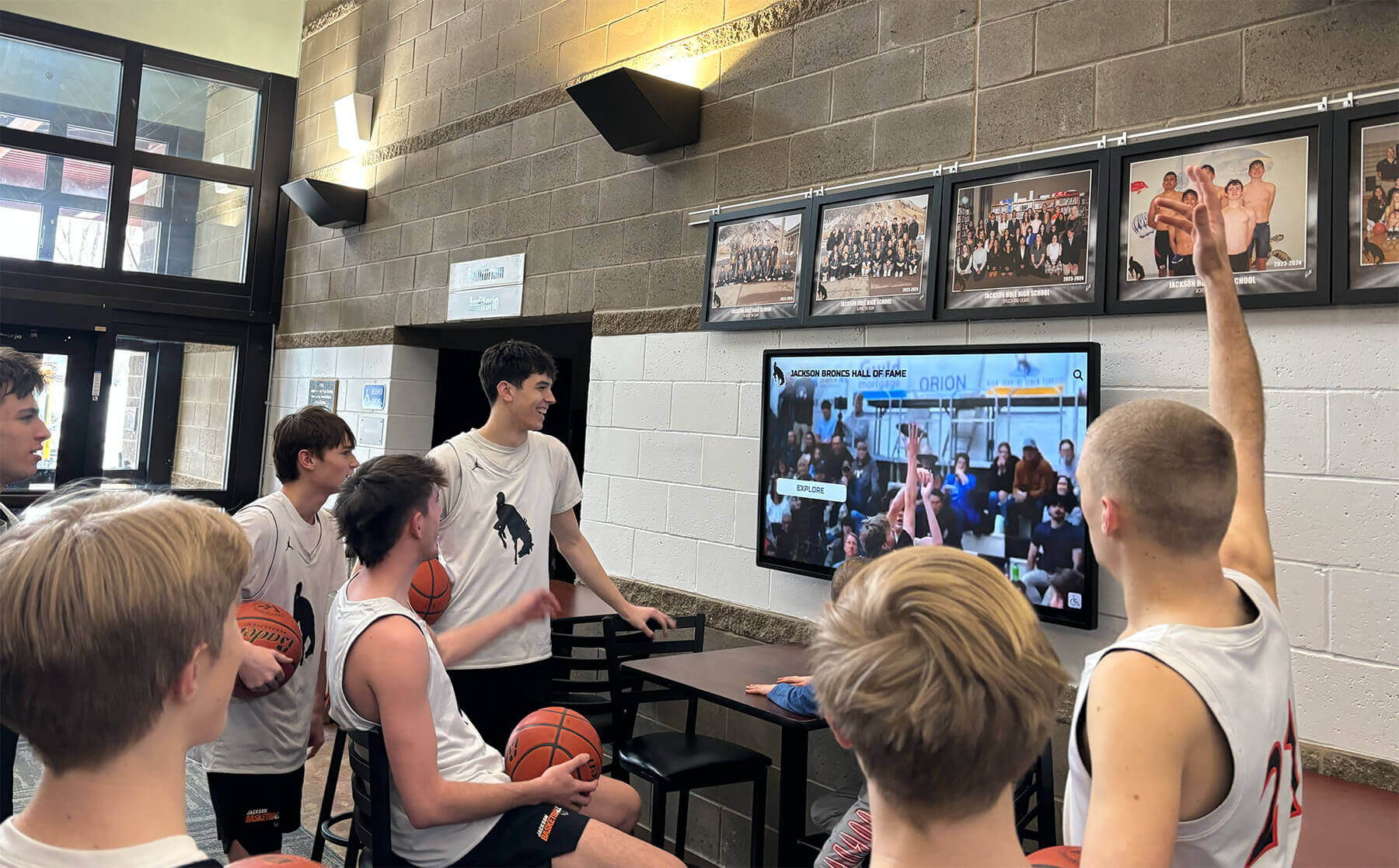
Interactive touchscreens enable exploration of individual player profiles, playoff statistics, and championship contributions
Engaging Multimedia Storytelling
Digital recognition enables rich content impossible with traditional plaques:
- Video highlights from playoff games and championship moments
- Photo galleries capturing season progressions and trophy presentations
- Audio clips from championship broadcasts or celebration moments
- Interactive playoff brackets showing complete tournament paths
- Statistical visualizations comparing teams and players across eras
- Timeline presentations placing achievements in program historical context
- Newspaper articles and media coverage preserved digitally
This multimedia approach creates engaging experiences that honor achievements appropriately while encouraging exploration and connection to athletic tradition that static displays cannot match.
Remote Management Capabilities
Cloud-based recognition platforms provide operational advantages:
- Add playoff teams immediately following championship games
- Update brackets and results in real-time as tournaments progress
- Correct errors or enhance content without facility access requirements
- Manage recognition across multiple display locations simultaneously
- Schedule featured content highlighting specific championship moments
- Analyze engagement metrics revealing which content resonates most
- Reduce administrative burden compared to physical display maintenance
These management capabilities dramatically improve efficiency while ensuring recognition stays consistently current and relevant throughout playoff seasons and beyond.
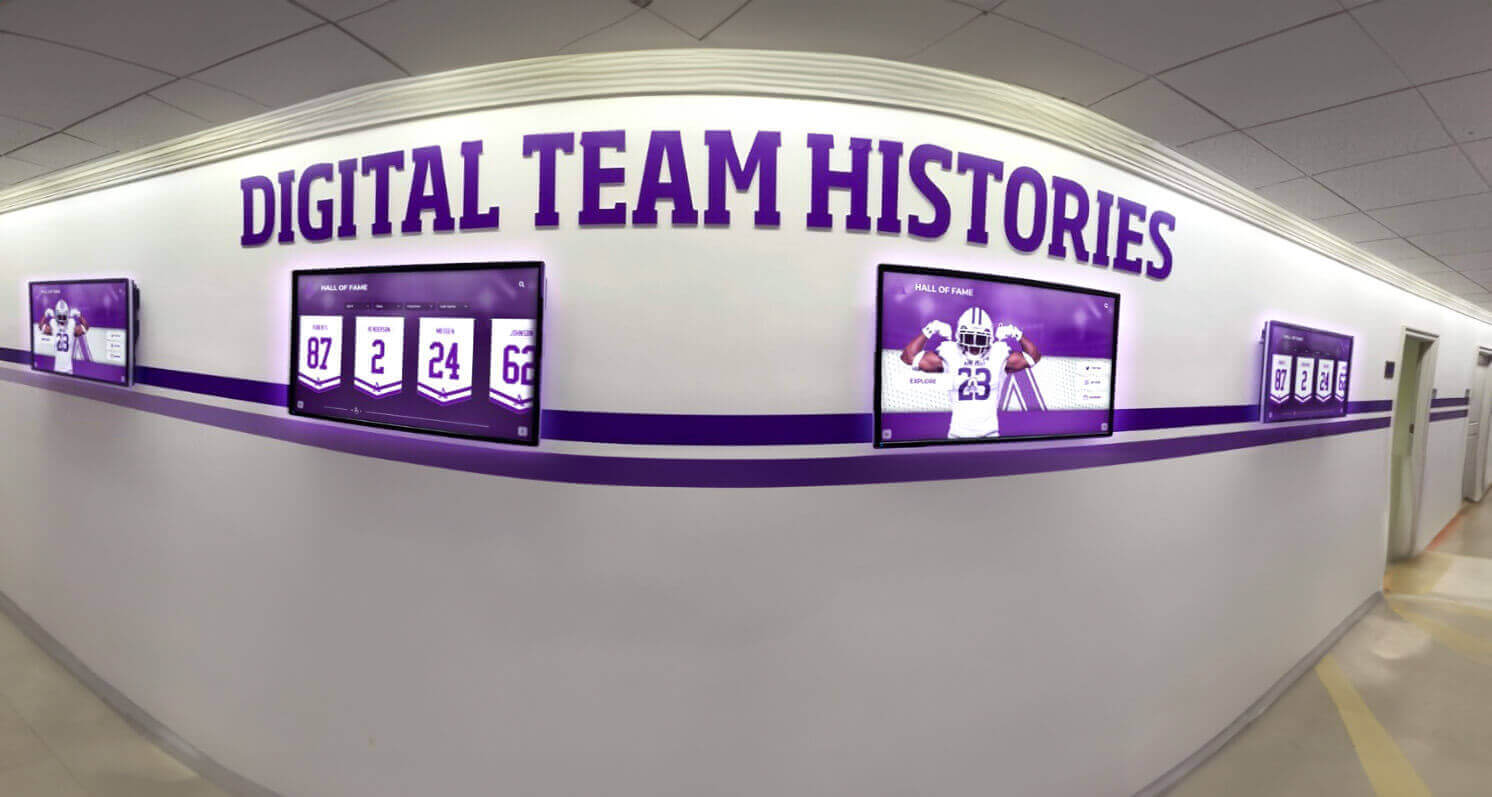
Multiple coordinated displays throughout facilities ensure playoff achievements receive visibility reaching all students, visitors, and community members
Explore comprehensive recognition approaches through digital athletic hall of fame systems designed for educational institutions.
Building Championship Football Culture Through Playoff Recognition
Effective recognition does more than acknowledge past achievement—it shapes program culture, motivates current athletes, establishes championship expectations, and strengthens community connection to athletic excellence.
Creating Championship Expectations
Prominent playoff recognition communicates that postseason success represents realistic goals rather than distant aspirations, fundamentally shifting how current athletes perceive program potential.
Cultural Benefits of Comprehensive Playoff Recognition
Well-implemented recognition delivers multiple cultural advantages:
- Establishes achievement standards: Visible playoff success and championship trophies define program expectations for current teams
- Provides authentic motivation: Current players aspire to join recognized predecessors in permanent celebration
- Creates positive accountability: Public recognition makes excellence non-negotiable and performance expectations clear
- Builds program continuity: Recognition connects current teams to decades of athletic legacy and tradition
- Strengthens community pride: Visible success generates community support, attendance, and booster engagement
- Attracts athletic talent: Prospective athletes recognize programs that celebrate achievement appropriately
- Supports fundraising efforts: Demonstrated success facilitates booster club and donor engagement
Schools demonstrating institutional commitment to recognition signal that achievement matters and deserves permanent celebration, creating cultural environments where championship expectations become standard rather than exceptional.
Connecting Past Championship Success to Current Teams
Recognition systems should create bridges between historic achievement and current teams, fostering understanding that today’s athletes continue traditions established by predecessors rather than starting from scratch each season.

Recognition displays feature current playoff teams during tournament runs while connecting them to championship legacy
Integration Strategies Connecting Generations
- Feature historic championship teams during current playoff campaigns
- Invite championship alumni to address current teams before district and regional playoffs
- Compare current playoff brackets to historic tournament progressions and championship paths
- Celebrate playoff anniversaries of historic championship teams during current seasons
- Display progression from past championships to current championship aspirations
- Create mentor relationships between championship alumni and current players
- Include championship alumni in senior night celebrations connecting past and present
These connections reinforce that playoff success results from sustained commitment to excellence across generations rather than isolated individual or team achievement, building championship cultures that transcend coaching changes and player turnover.
Supporting Current Teams During Active Playoff Runs
Recognition strategies can support current playoff teams while competitions progress, creating momentum and community engagement enhancing postseason experiences in real-time.
Real-Time Playoff Recognition During Tournament Play
Schools can celebrate playoff qualification and tournament progression immediately rather than waiting for seasons to conclude, building excitement throughout playoff runs.
In-Season Recognition Strategies
- Announce playoff qualification through multiple communication channels immediately
- Display current playoff brackets showing team positioning and upcoming opponents
- Feature player profiles and team information during tournament weeks on digital displays
- Share playoff game information including dates, times, locations, and ticket details
- Celebrate victories and recognize individual performances after each playoff game
- Create countdown graphics for upcoming district finals, regional championships, and state games
- Highlight statistical leaders and key contributors throughout playoff progression
- Document championship journey through photos, videos, and social media coverage
This real-time recognition builds excitement, increases attendance at playoff games, and demonstrates institutional support for competing teams while creating momentum toward championship goals.
Community Engagement During Florida Playoff Runs
Playoff runs create opportunities for enhanced community connection and support that strengthen school-community relationships while providing tangible support enhancing student-athlete experiences.
Community Engagement Approaches During Playoffs
Schools can leverage playoffs for broader community engagement:
- Championship send-offs: Organize community celebrations before playoff road games
- Watch parties: Coordinate community viewing for away playoff games when travel is difficult
- Social media campaigns: Share playoff content, player features, and game updates across platforms
- Local media coordination: Work with newspapers, radio, and TV for enhanced coverage
- Alumni engagement: Invite championship alumni to playoff games connecting past and present
- Business partnerships: Encourage local businesses to display playoff support signage
- Fundraising opportunities: Leverage playoff excitement for booster club championship initiatives
These engagement strategies strengthen community connection to athletic programs while providing tangible support that enhances playoff experiences for student-athletes competing under championship pressure.
Discover community engagement through booster club fundraising ideas supporting athletic programs.
Planning Playoff Recognition Implementation
Schools considering enhanced playoff recognition benefit from systematic planning ensuring implementations deliver maximum value while remaining manageable within available resources and staff capacity.
Defining Recognition Objectives
Clear objectives guide recognition program design and resource allocation, preventing technology implementation without clear purpose.
Essential Recognition Goal Questions
Consider what playoff recognition should accomplish:
- Which playoff achievements currently lack adequate recognition in our facilities?
- How might enhanced recognition support football program goals and recruiting?
- What role should playoff recognition play in building overall school pride?
- How can recognition motivate current and future athletes toward championship goals?
- What engagement outcomes would demonstrate recognition program success?
- How should playoff recognition integrate with existing athletic displays and trophy cases?
- What administrative resources are available for ongoing content management?
These fundamental questions ensure recognition programs address actual needs rather than implementing technology without strategic alignment to program goals.
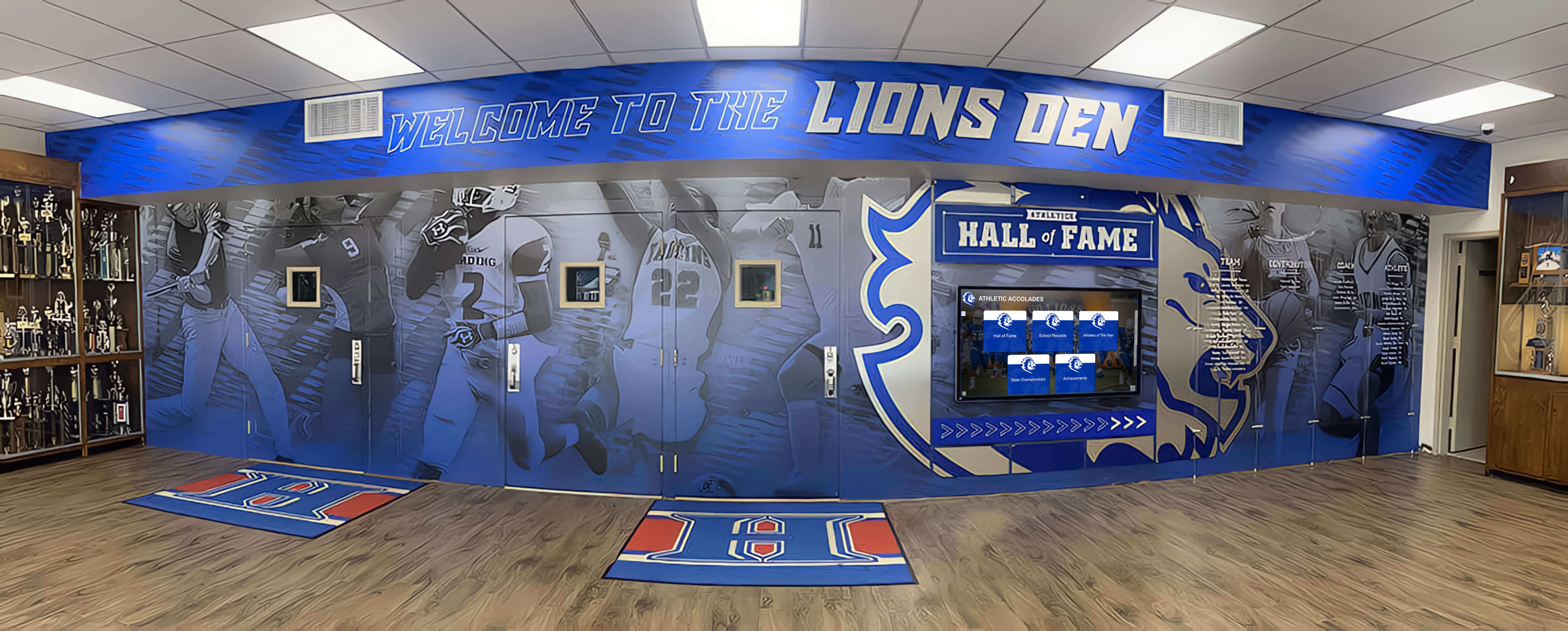
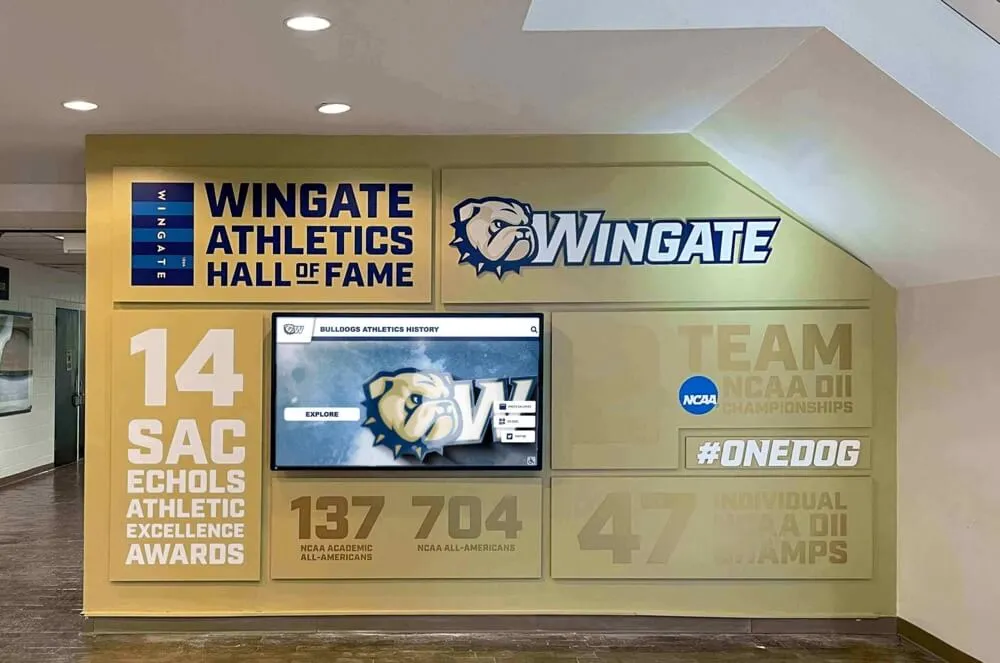
Integrated recognition environments combine traditional trophy displays with digital interactive systems celebrating playoff achievements comprehensively
Technology Platform Selection for Athletic Recognition
Choosing appropriate recognition platforms significantly impacts user experience, administrative efficiency, and long-term satisfaction with playoff celebration systems.
Platform Evaluation Criteria for Schools
Essential capabilities for athletic playoff recognition platforms:
- Intuitive content management requiring no technical expertise or specialized training
- Unlimited content storage supporting extensive historical archives without arbitrary limits
- Sport-specific templates optimized for football recognition and playoff brackets
- Flexible display options matching different screen sizes, orientations, and locations
- Robust search and filtering enabling content discovery in large playoff archives
- Mobile-responsive web access extending recognition beyond physical displays to alumni worldwide
- Analytics and usage tracking revealing engagement patterns and popular content
- Reliable vendor support understanding educational institutional contexts and needs
- Proven implementation track record with schools similar to yours
Solutions like Rocket Alumni Solutions provide purpose-built recognition platforms designed specifically for athletic achievement in educational settings, delivering functionality schools need without requiring custom development, ongoing technical resources, or specialized IT expertise.
Avoiding Common Platform Mistakes
Common technology selection mistakes to avoid:
- Generic digital signage systems lacking interactive features and deep content organization needed for meaningful engagement
- Consumer-grade technology inappropriate for institutional longevity requirements and daily usage
- Custom development projects requiring ongoing technical resources and maintenance budgets
- Platforms locked to specific hardware preventing future flexibility as technology evolves
- Systems without perpetual content archives requiring periodic content recreation
- Solutions lacking mobile web access limiting recognition reach to physical display locations only
Learn about platform evaluation through digital recognition platform comparisons examining different solution approaches.
Content Development Planning for Playoff Recognition
Systematic content development ensures recognition launches with sufficient historical depth while establishing sustainable ongoing management that doesn’t overwhelm staff.
Initial Historical Content Development
Launching with comprehensive historical content creates immediate impact and community engagement:
- Historical research: Gather playoff team information from archives, yearbooks, and athletic records
- Photo collection: Source images from yearbooks, athletic departments, media coverage, and community contributions
- Video compilation: Locate game footage and championship moments from archives, media, and family collections
- Data organization: Compile playoff results, brackets, statistics, and tournament progressions
- Content authoring: Write compelling team profiles, season narratives, and player biographies
- Media preparation: Optimize photos and videos for display performance and mobile viewing
- Content upload: Populate recognition platform systematically by championship year or classification
- Quality review: Verify accuracy, completeness, and presentation quality before public launch
Schools should allocate 60-100 hours for comprehensive initial playoff recognition content depending on history scope and available source materials—a foundational investment ensuring quality and community engagement from launch.
Ongoing Content Management Strategies
Systematic approaches keep recognition current with minimal ongoing burden:
- Immediate addition of playoff teams following seasons using documented processes
- Quarterly content reviews verifying accuracy and identifying enhancement opportunities
- Annual archive expansion adding historical content systematically filling gaps
- Featured content rotation ensuring visibility for all playoff teams and championships
- Analytics review informing content strategy optimization based on actual usage patterns
- Scheduled updates highlighting playoff anniversaries and championship milestones
Cloud-based platforms enable updates from any internet-connected device, dramatically reducing administrative burden compared to physical displays requiring on-site facility access for all modifications.
Measuring Playoff Recognition Impact and Engagement
Assessment demonstrates recognition value to administrators and stakeholders while identifying improvement opportunities ensuring displays achieve intended objectives.
Quantitative Engagement Metrics
Modern recognition platforms provide concrete usage data revealing how communities interact with playoff content and championship celebrations.
Display Interaction Analytics
- Touchscreen interaction frequency showing daily usage patterns and peak engagement times
- Average session duration revealing engagement depth and content interest
- Most-viewed playoff teams, championship seasons, and individual athlete profiles
- Search query analysis showing how users discover and explore recognition content
- Navigation paths revealing how users explore recognition and what content they view
- Content performance comparisons identifying most engaging playoff moments and championships
Web Platform Analytics Beyond Physical Displays
- Unique visitor counts showing online recognition reach to alumni and broader community
- Geographic distribution revealing how far recognition extends beyond immediate community
- Social sharing frequency demonstrating organic promotion and community pride
- Return visitor rates indicating sustained engagement rather than single visits
- Device types showing mobile versus desktop access patterns
- Referral sources revealing how users discover playoff recognition online
These metrics reveal whether recognition generates intended engagement or requires strategy adjustments to better serve community interests and maximize impact.
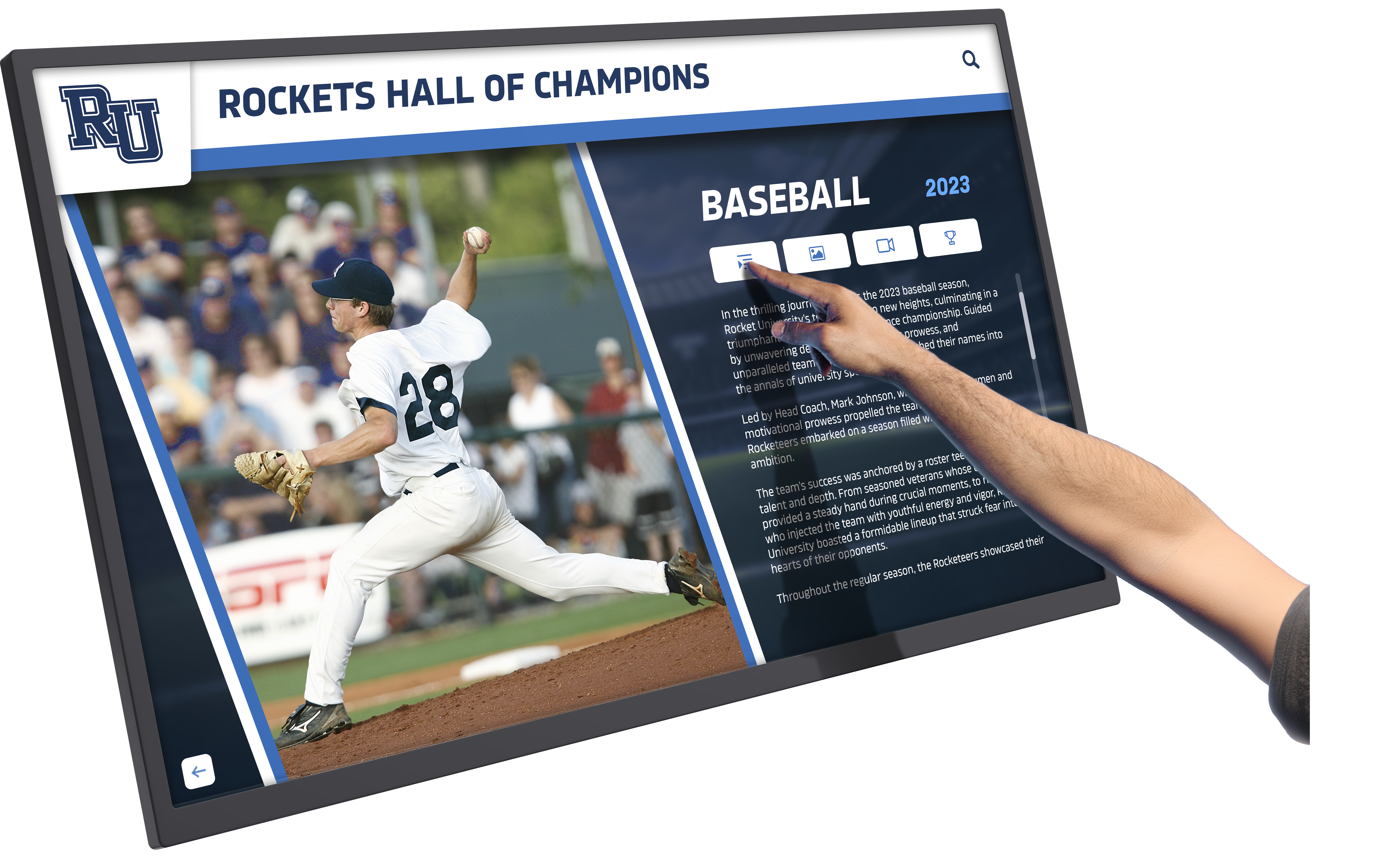
Interactive engagement creates deeper connection to playoff achievements compared to passive viewing of traditional displays
Qualitative Impact Assessment
Stakeholder feedback provides insights beyond quantitative metrics revealing cultural impact and community perception.
Stakeholder Feedback Collection Methods
- Student-athlete surveys assessing recognition awareness, motivation impact, and championship inspiration
- Alumni feedback on enhanced connection and pride in playoff legacy
- Parent responses during playoff seasons and championship celebrations
- Community reactions at games, events, and through social media engagement
- Coach observations about impact on program culture and recruiting effectiveness
- Prospective family responses during recruitment visits and campus tours
- Administrative assessment of sustainability and resource requirements
Regular assessment enables continuous refinement ensuring recognition achieves goals while identifying enhancement opportunities that strengthen impact and community engagement.
Explore comprehensive assessment through academic recognition programs with evaluation frameworks applicable to athletic recognition.
Beyond Football: Expanding Playoff Recognition Across Athletics
Schools implementing football playoff recognition often discover opportunities to extend approaches across all athletic programs competing in postseason tournaments throughout the year.
Multi-Sport Playoff Recognition Systems
Comprehensive recognition celebrates playoff achievement across entire athletic programs rather than privileging specific high-profile sports.
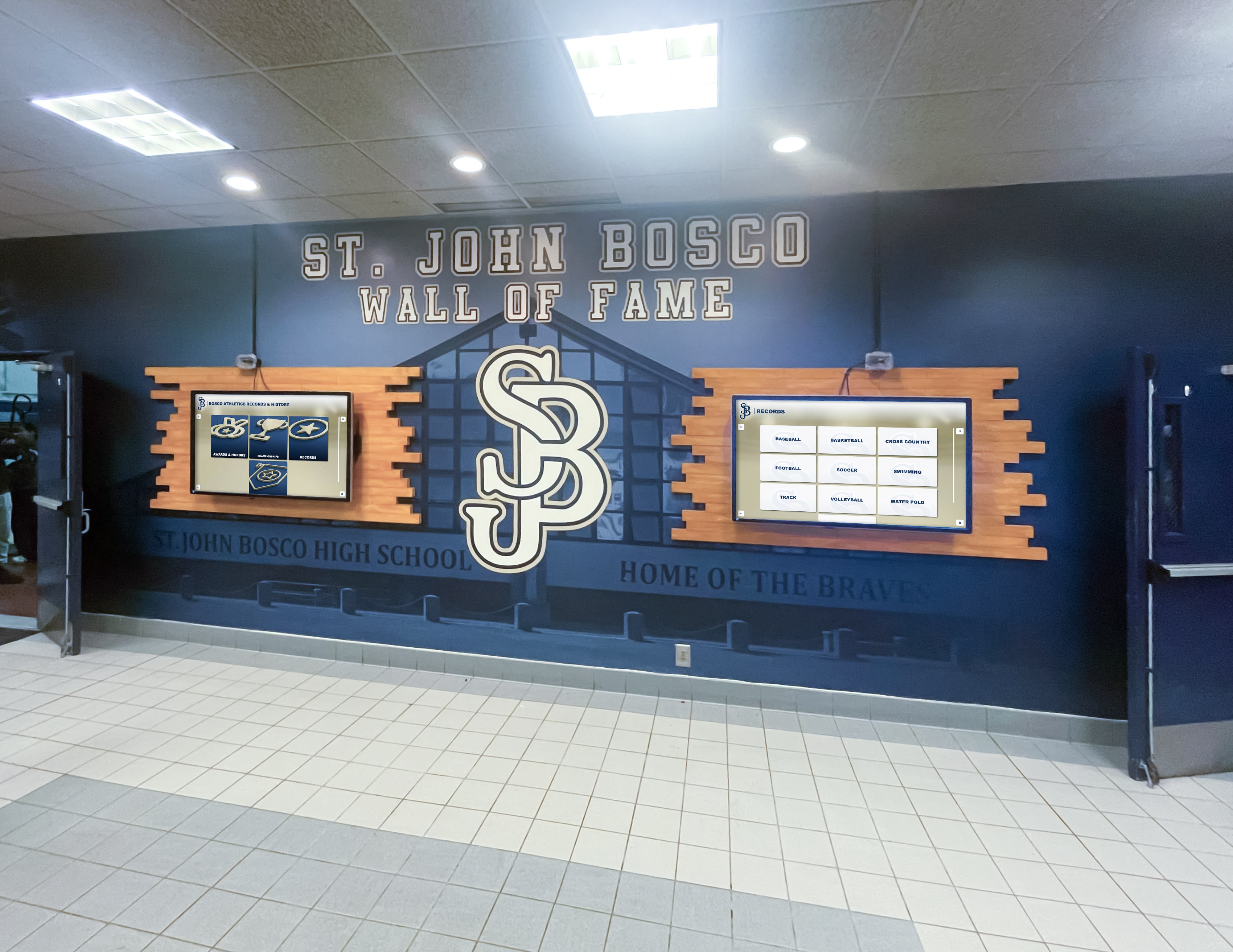
Multiple coordinated displays enable comprehensive recognition across all athletic programs and playoff achievements
All-Sport Playoff Recognition Components
Systematic recognition should include:
- Basketball playoff teams and district/regional tournament brackets for boys and girls programs
- Baseball and softball postseason achievements and regional tournament appearances
- Soccer playoff runs and district championship celebrations
- Volleyball tournament success and regional qualifier recognition
- Wrestling district qualifiers, regional placers, and state championship performances
- Track and field state meet participants and championship performances
- Swimming and diving championship qualifiers and medal winners
- All other sports with playoff structures or championship opportunities
This comprehensive approach demonstrates that all playoff achievement deserves recognition regardless of sport, creating equitable visibility that strengthens entire athletic cultures rather than privileging high-profile revenue sports exclusively.
Academic and Activities Competition Recognition
Recognition principles extend beyond athletics to celebrate all forms of competitive excellence in academic competitions, performing arts, and other activities.
Comprehensive Excellence Recognition Beyond Athletics
Schools can apply playoff recognition approaches to:
- Academic competition teams and tournament success (debate, academic bowl, science olympiad)
- Performing arts competition achievements (band, chorus, theater competitions)
- STEM competition participation and victories (robotics, engineering challenges)
- Debate and forensics tournament results and state qualifier recognition
- All competitive activities with district, regional, or state championship structures
This comprehensive perspective ensures schools celebrate all forms of student excellence rather than limiting recognition to athletic achievement alone, supporting well-rounded institutional missions.
Discover multi-faceted recognition through student recognition programs celebrating diverse achievements.
Conclusion: Preserving Florida Football Playoff Legacy
Florida high school football playoffs create defining moments in student-athlete experiences, forge lasting community memories, and establish competitive traditions that shape institutional athletic identities for generations. These postseason tournaments showcase the dedication, sacrifice, and excellence characterizing the best of Florida high school athletics while providing platforms for personal growth, leadership development, and life lessons extending far beyond football fields.
Schools that excel at recognizing playoff achievement understand that effective recognition does more than acknowledge past success—it shapes program culture, motivates current athletes, inspires future generations, and strengthens community connections to athletic traditions that define institutional identity. When implemented thoughtfully, recognition systems transform simple acknowledgment into dynamic celebration woven throughout institutional culture and community pride.
Celebrate Your Florida Football Playoff Achievements
Discover how digital recognition solutions like Rocket Alumni Solutions help Florida schools preserve playoff memories, celebrate championship moments, and build athletic traditions that inspire excellence for generations. Transform how your community experiences and connects with football playoff legacy.
Explore Recognition SolutionsModern recognition technology eliminates the physical constraints that historically limited playoff celebration to brief announcements, generic plaques purchased years later, or overcrowded trophy cases with limited visibility. Digital platforms provide unlimited capacity for preserving complete playoff histories, engaging multimedia showcasing championship moments, and interactive experiences that make athletic legacy accessible and compelling for current students, alumni, and community members throughout Florida and beyond.
For Florida schools committed to celebrating football playoff achievement appropriately, the strategies, considerations, and best practices explored in this guide provide frameworks for implementation delivering lasting value to programs, communities, and student-athletes. From understanding FHSAA playoff structures and qualification criteria to implementing comprehensive digital recognition and measuring community engagement, these approaches transform how schools honor the playoff achievements that define football program excellence and community pride.
Your playoff teams, championship moments, and competitive traditions deserve recognition systems that celebrate dedication and achievement while inspiring future generations to pursue their own postseason excellence and championship aspirations. With systematic planning, appropriate technology platforms, and sustained institutional commitment, you can create recognition programs that become cherished traditions preserving Florida football playoff legacy permanently while building athletic cultures where championship aspirations become realistic expectations.
Ready to enhance your football program recognition? Explore how schools celebrate athletic achievement through youth athlete recognition programs or learn about football banquet planning that celebrates championship seasons throughout your community.