



The first day of school sets the tone for the entire academic year. Students arrive with a mix of excitement and nervousness, parents hope their children will thrive, and educators know this crucial moment can either spark engagement or create disconnection that lingers for months.
Research demonstrates that strong starts significantly impact student outcomes. Schools implementing intentional first-day programming report 34% higher student engagement scores, 28% improved peer relationships, and 41% stronger school belonging compared to institutions treating opening day as purely administrative.
Yet many schools struggle to move beyond basic logistics—distributing schedules, reviewing rules, and jumping immediately into content—missing the critical opportunity to build community, establish culture, and create excitement that carries students through challenging moments ahead.
This comprehensive guide explores 50+ first day of school activities designed to welcome students authentically, build connections across grade levels, establish positive classroom cultures, and create memorable experiences that strengthen school spirit from the very first moment students walk through your doors.

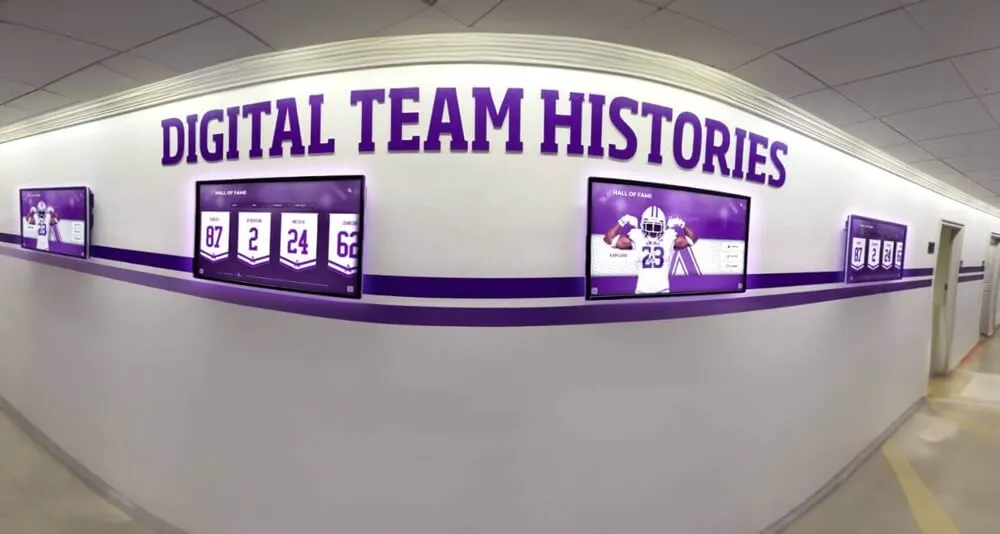
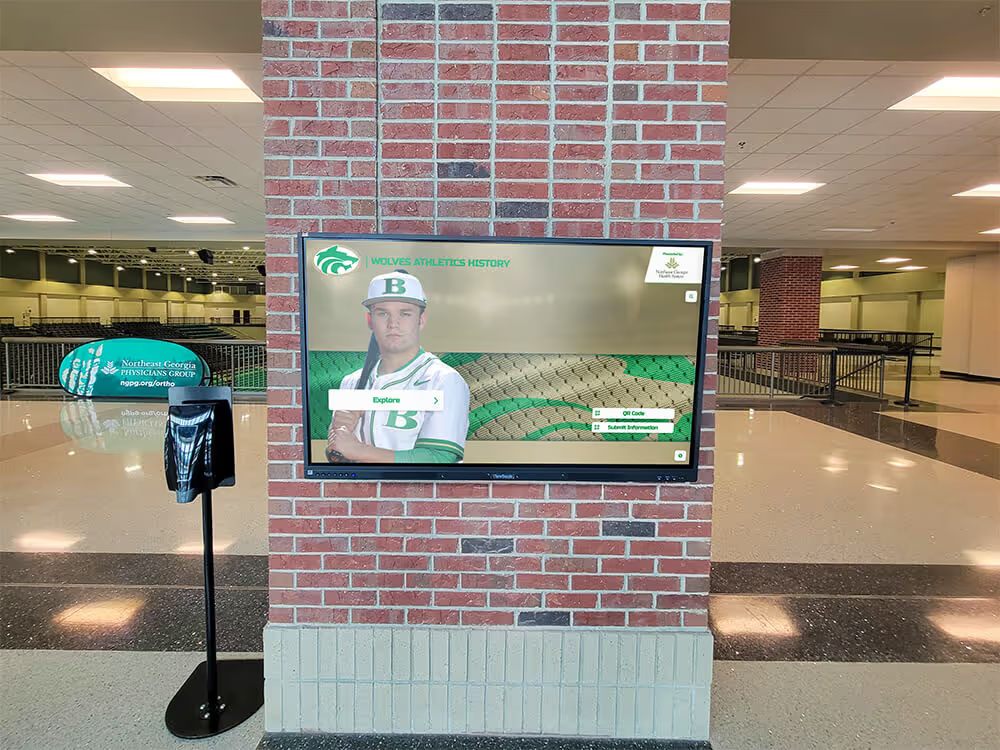
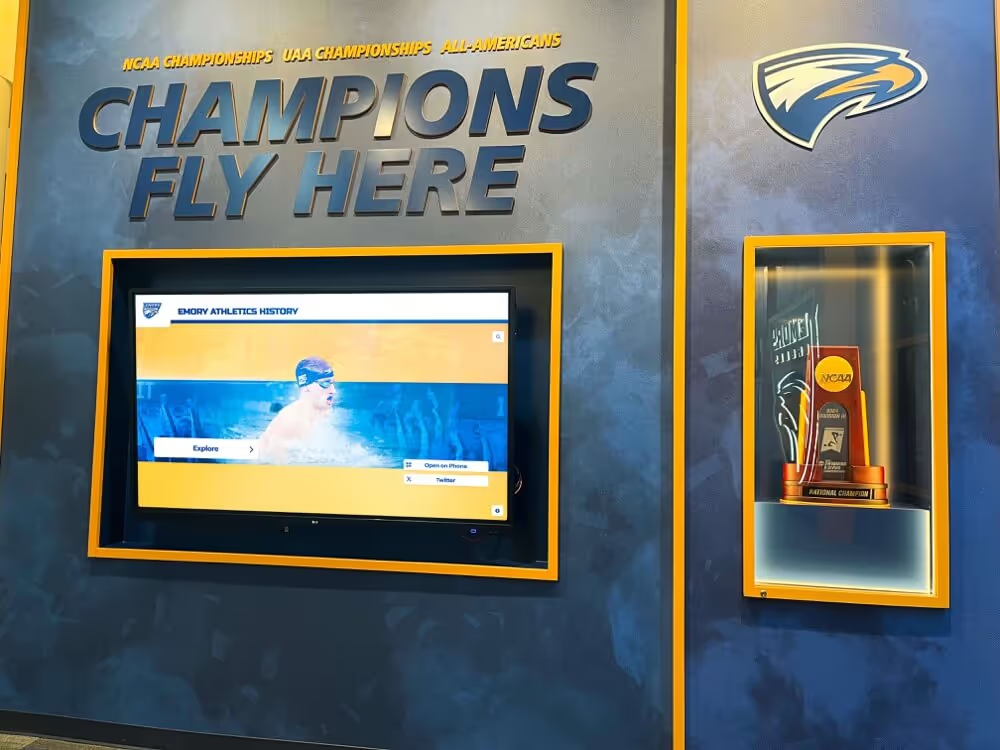
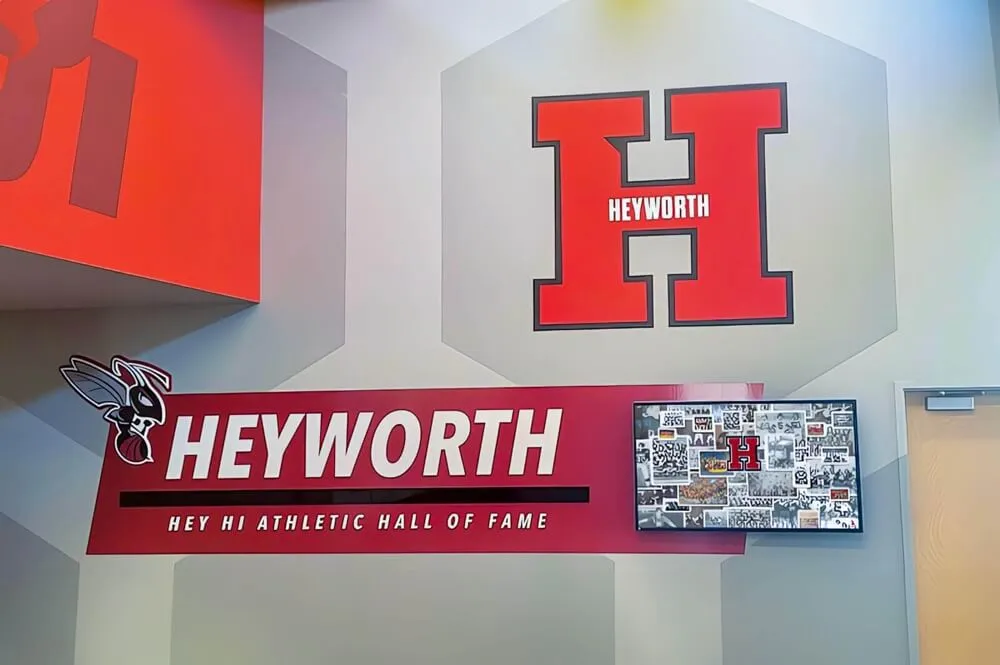
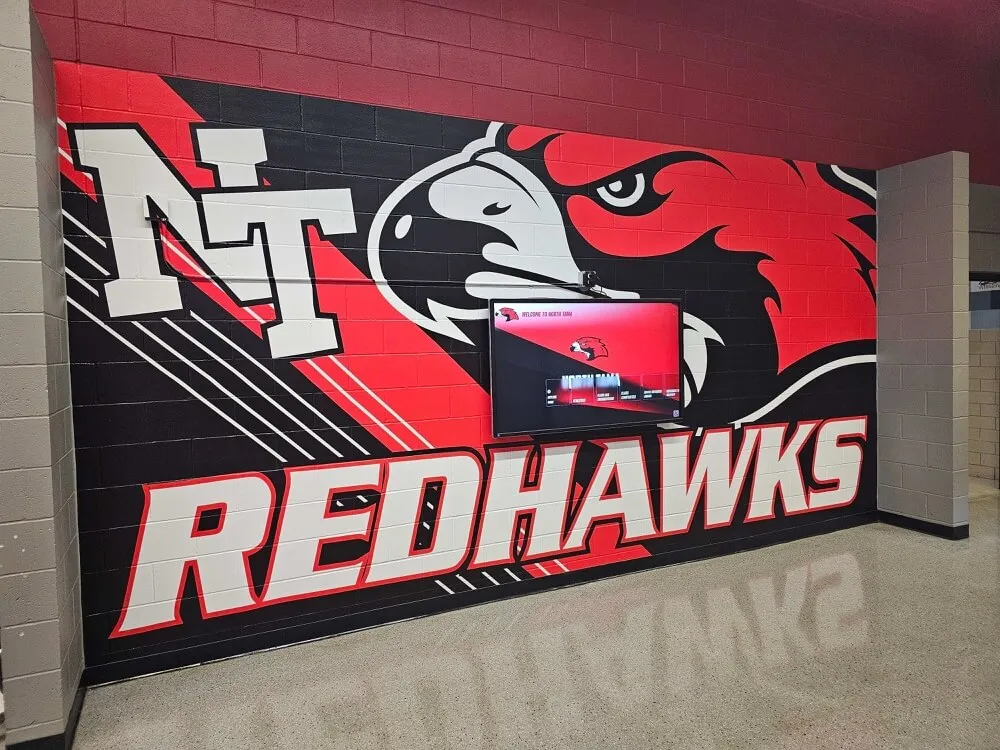
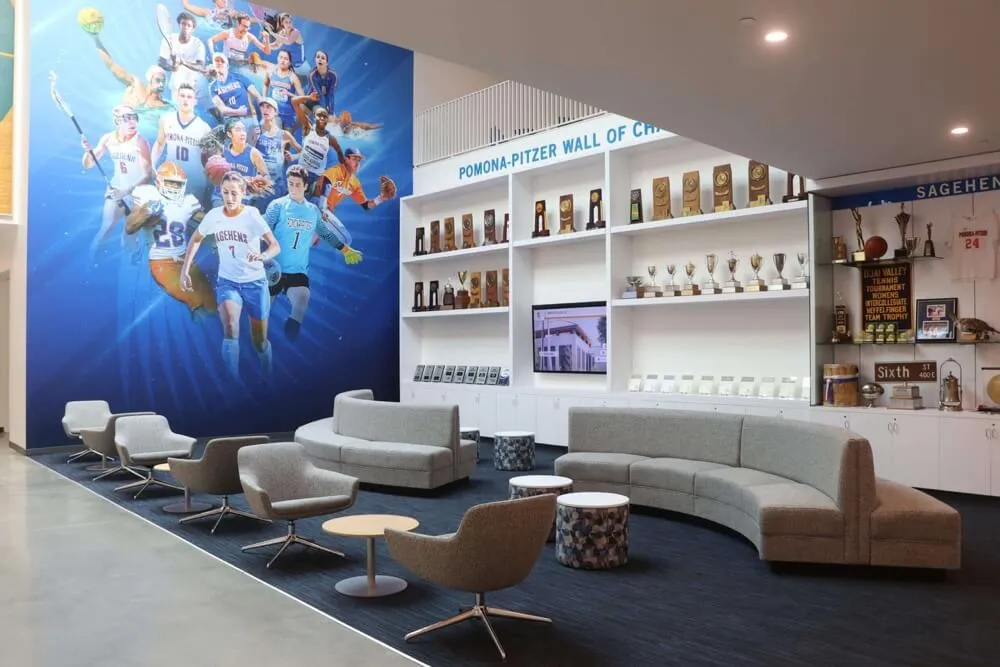
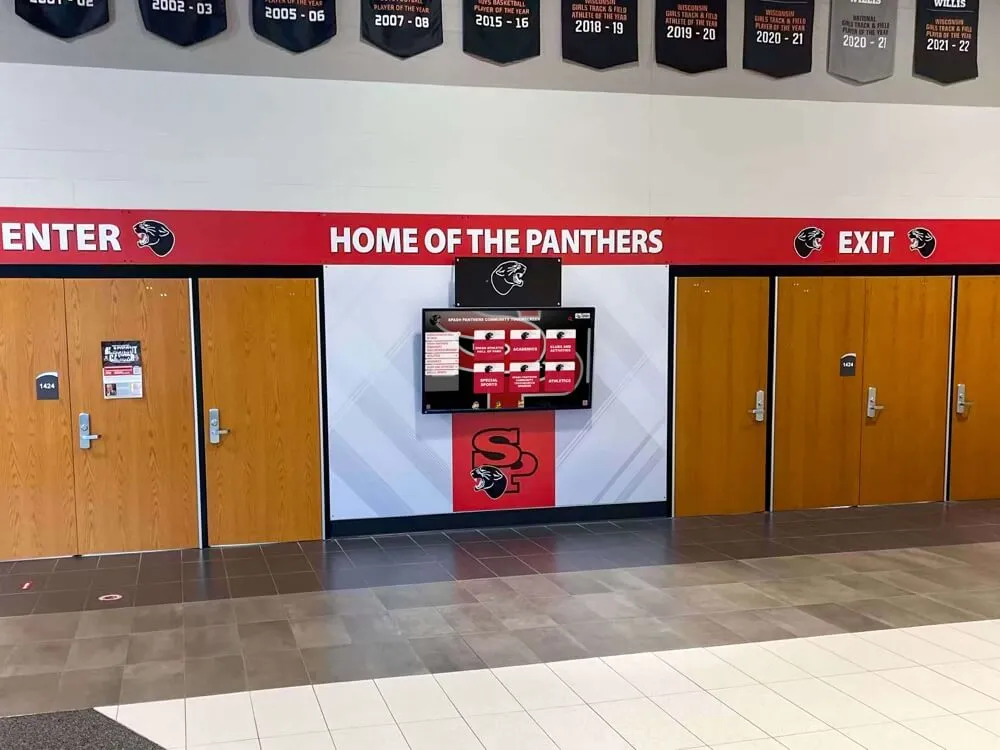
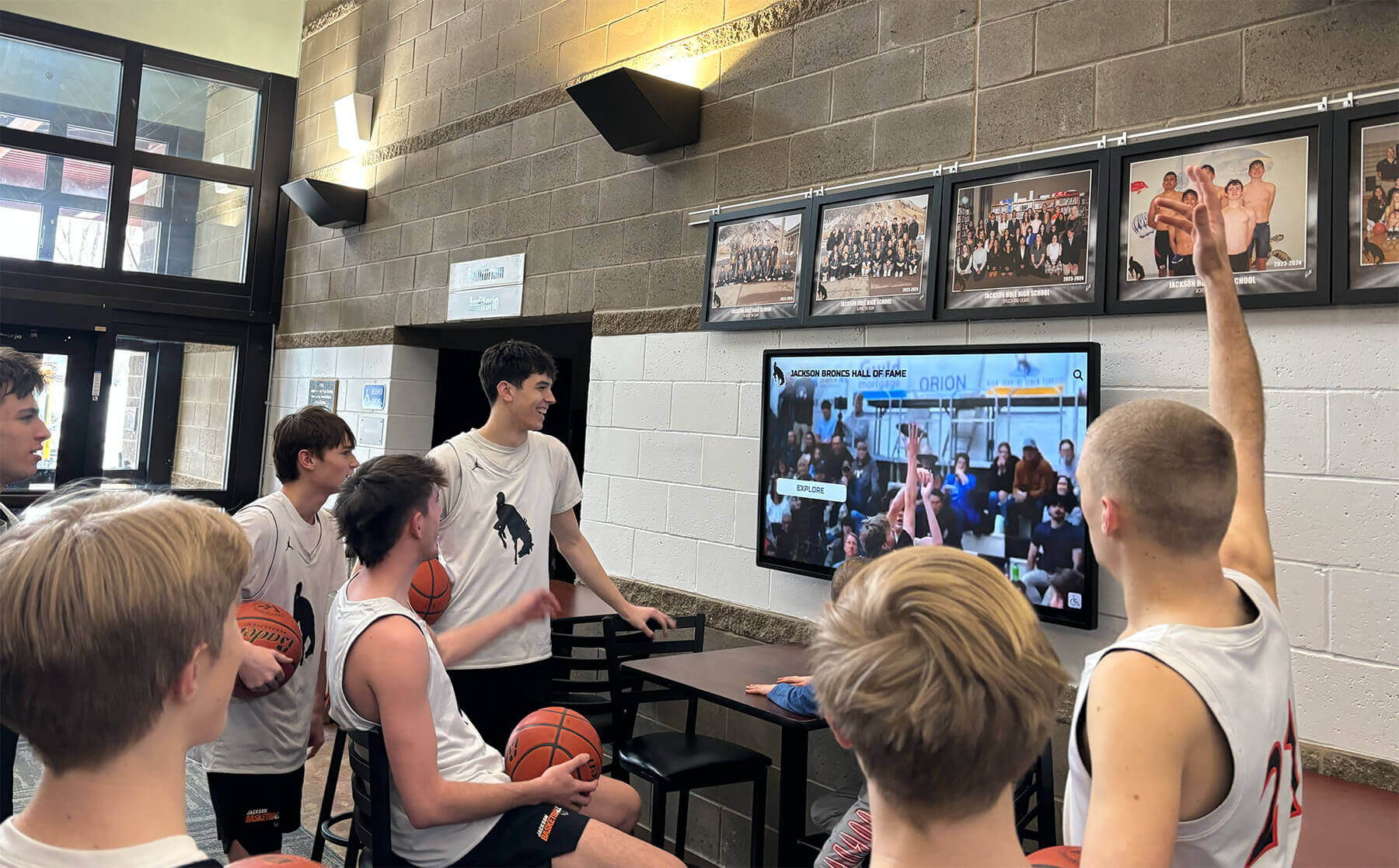
Welcoming environments with engaging displays help students feel connected from day one
Why First Day Activities Matter More Than You Think
Before diving into specific activities, understanding the psychological and social dynamics of school openings helps administrators and teachers design more effective experiences.
The Critical Window for Connection
Students form lasting impressions about school climate, peer dynamics, and their own belonging within the first few hours of the school year. Neuroscience research shows that emotional experiences during high-stakes transitions create stronger neural pathways than routine daily experiences—making first-day feelings particularly influential.
When students experience genuine welcome, authentic connection with peers, positive interactions with teachers, clear understanding of expectations, and early success through accessible activities, they develop psychological safety enabling risk-taking, help-seeking, and full participation throughout the year.
Conversely, first days characterized by confusion, isolation, anxiety without support, or immediate academic pressure create defensive postures where students prioritize self-protection over engagement—patterns remarkably difficult to reverse once established.
Building Inclusive Communities From Day One
Thoughtful first day programming communicates institutional values more powerfully than any mission statement. Activities emphasizing collaboration signal that cooperation matters, diversity celebration demonstrates that differences strengthen communities, student voice opportunities show that opinions count, and recognition systems indicate that achievement receives acknowledgment.
Schools incorporating inclusive first-day activities report significant benefits including faster peer relationship formation, reduced disciplinary incidents in opening weeks, stronger parent-school partnerships, and more positive school climate survey results.
Learn about comprehensive approaches to building positive environments in this school culture guide demonstrating systematic strategies.
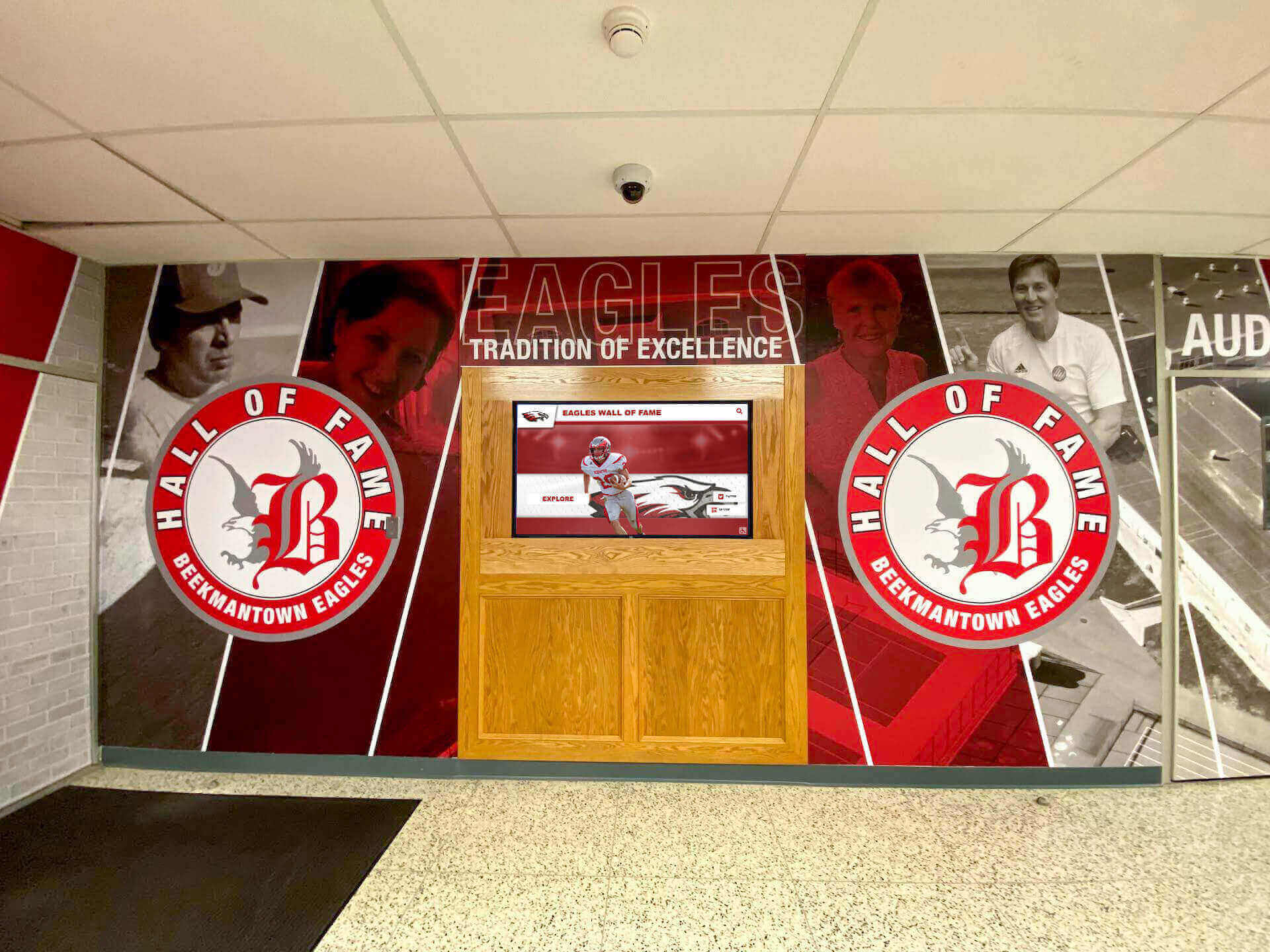
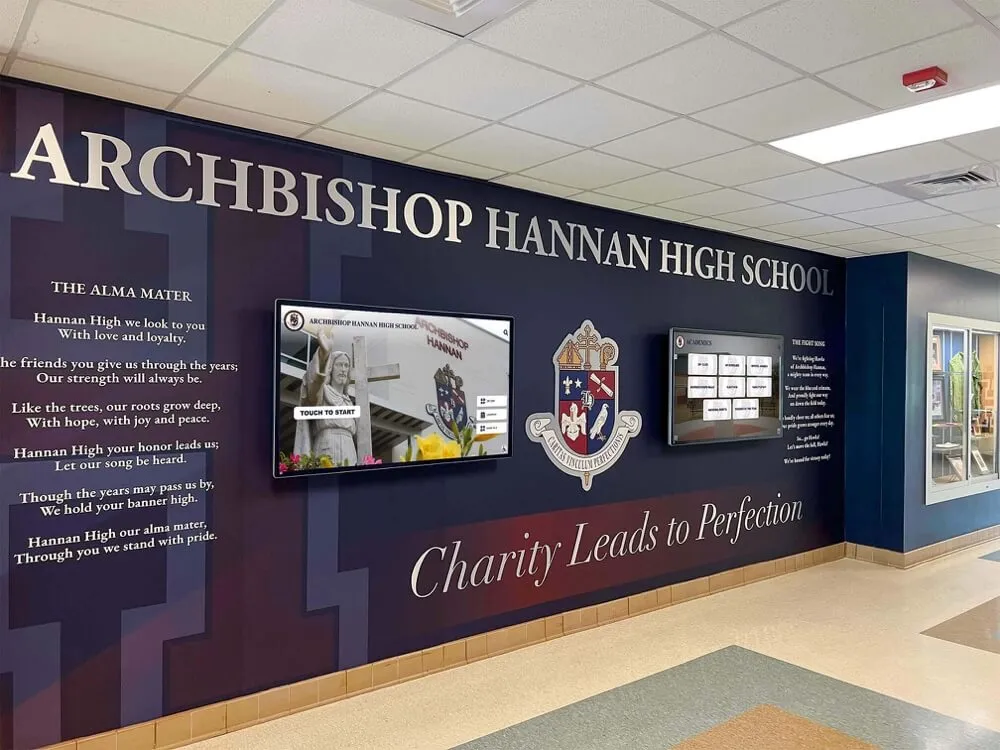
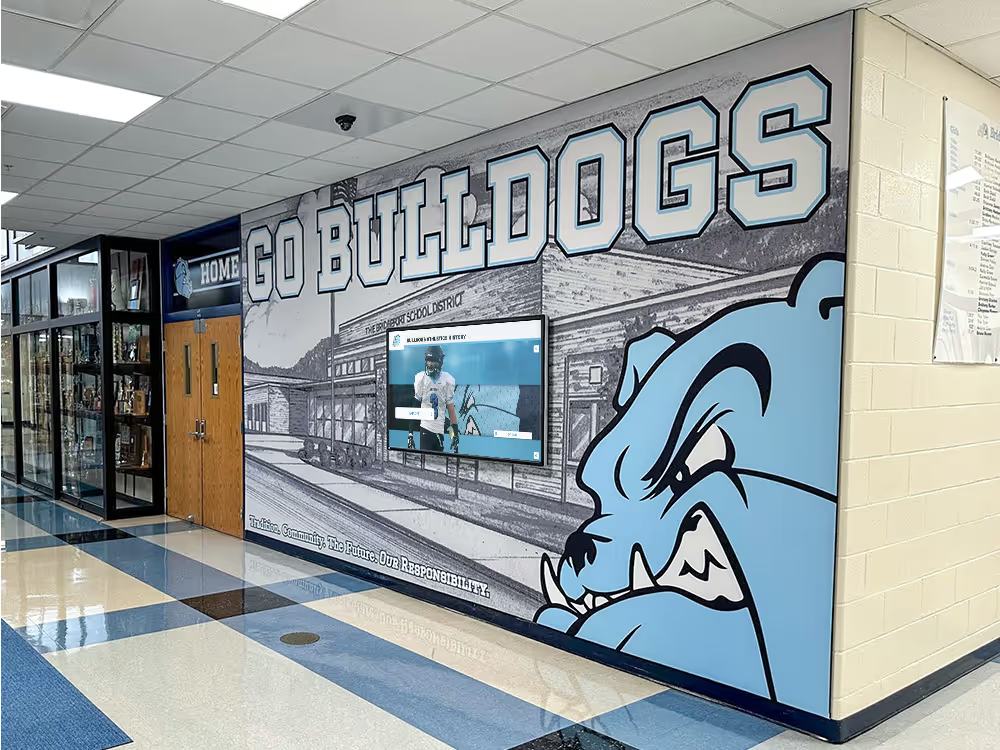
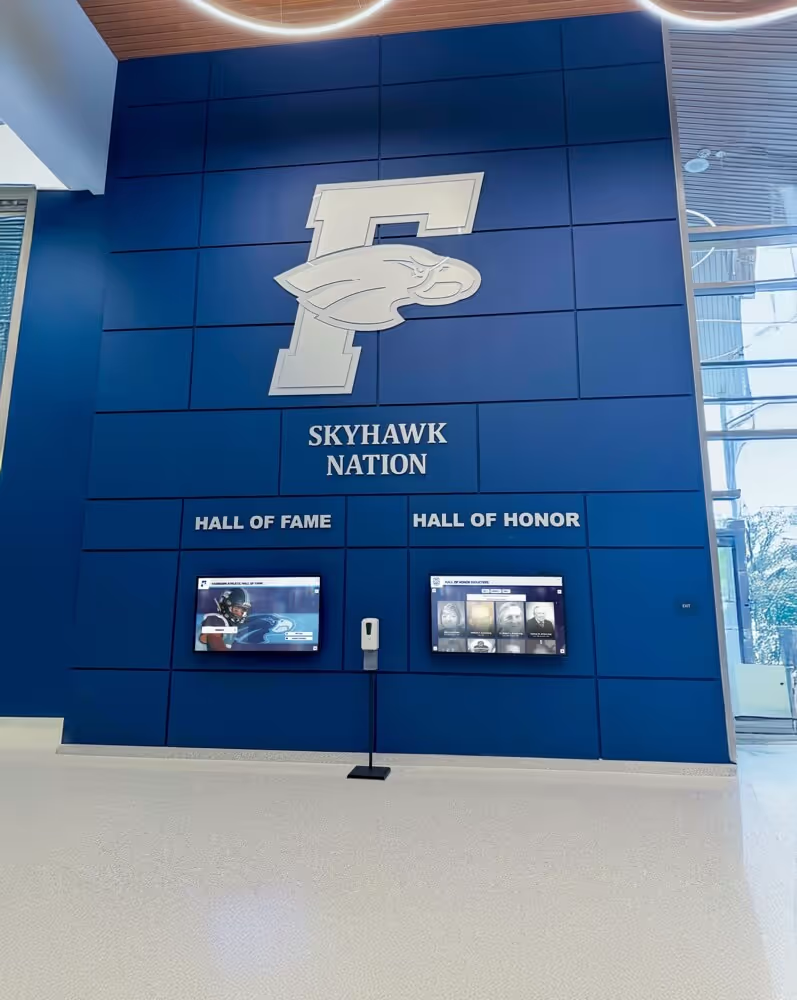
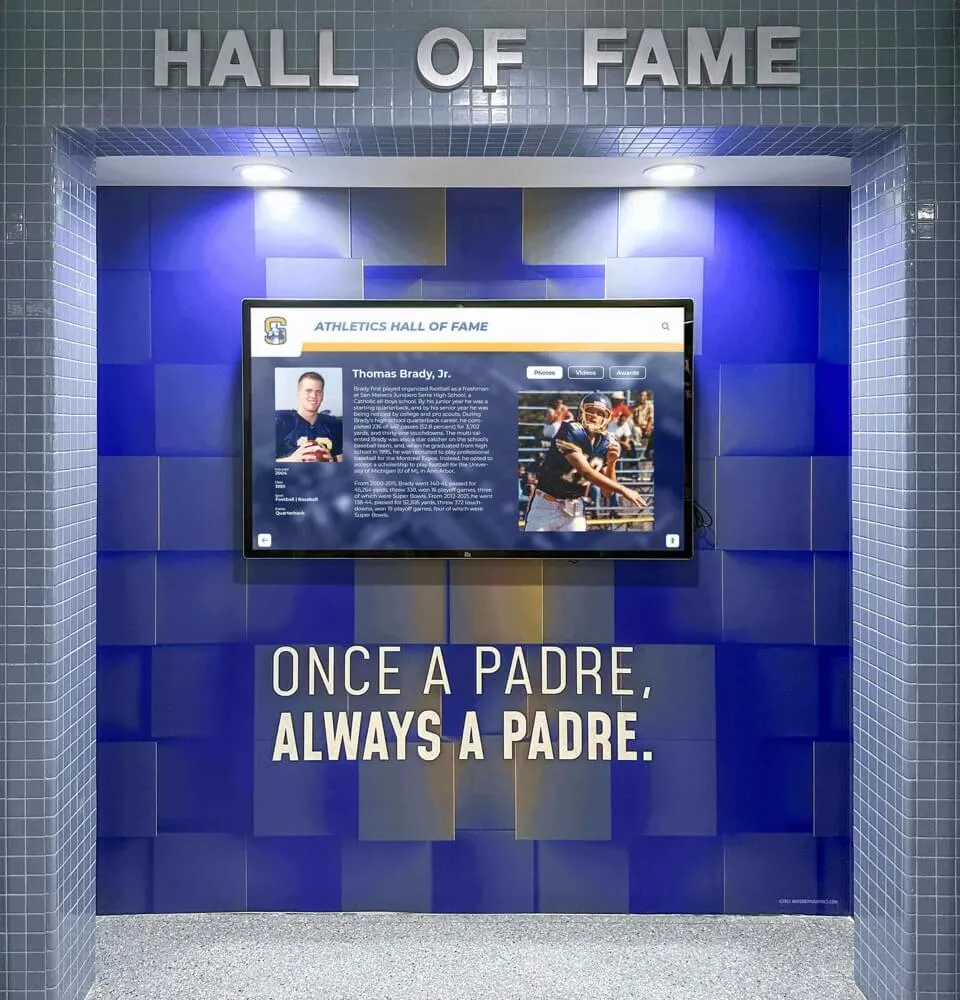
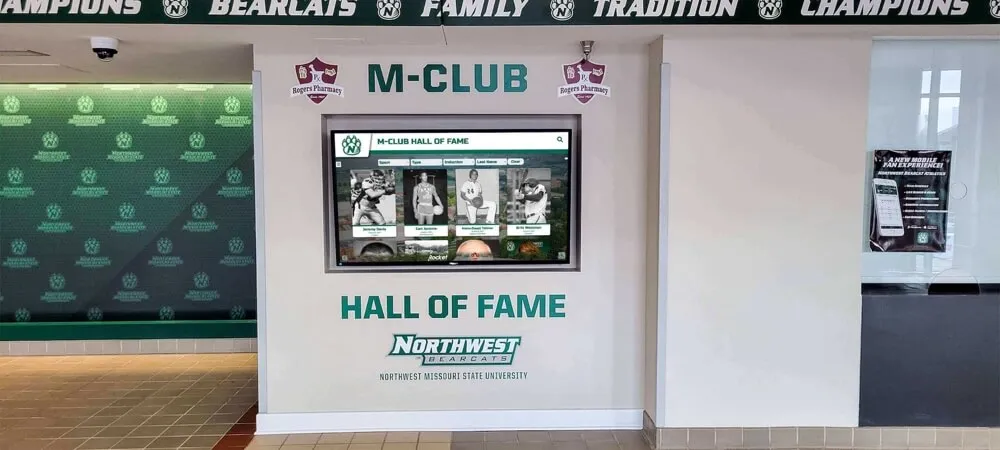
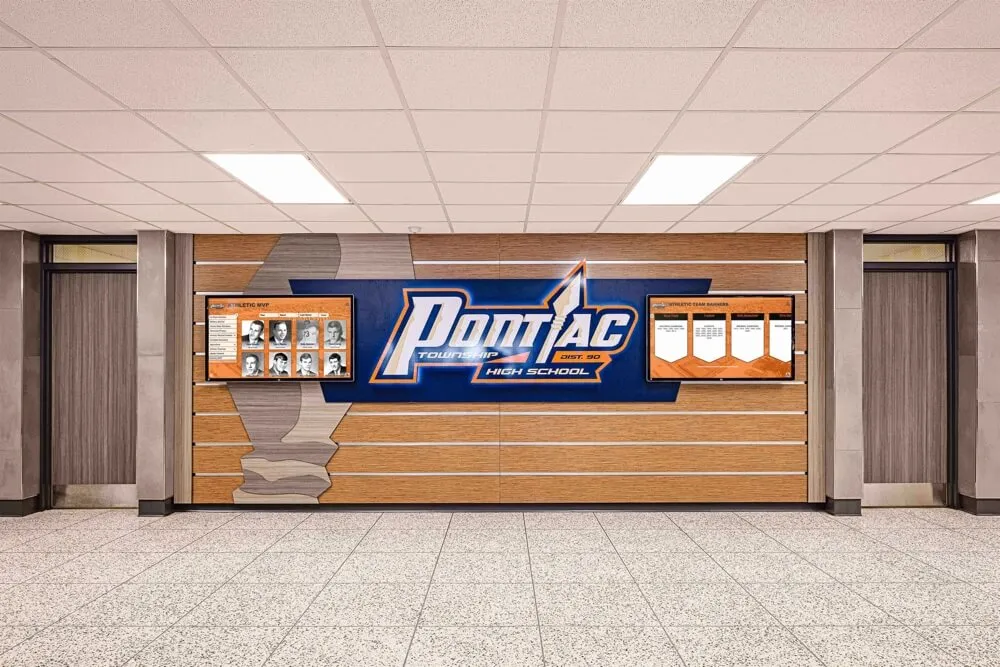
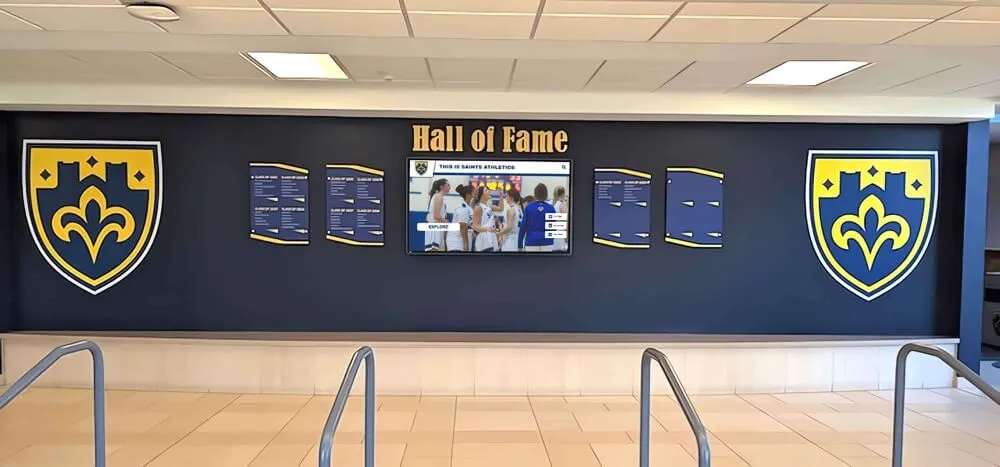
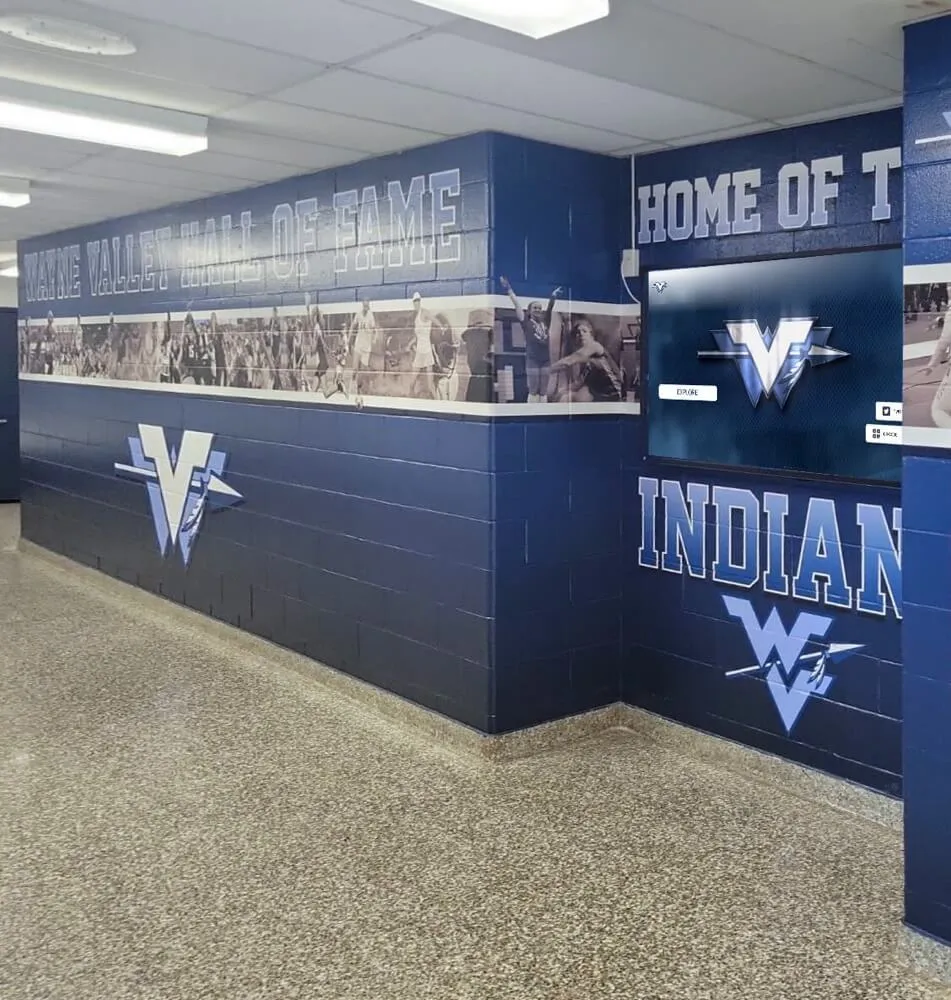
Visual displays showcasing school pride create welcoming first impressions for new and returning students
Schoolwide First Day Activities for All Students
These activities work across entire student populations, creating shared experiences that build collective identity:
1. All-School Welcome Assembly
Gather the entire school community for a high-energy kickoff featuring student performances, administrative welcome messages, school traditions introduction, and special guest speakers. Keep presentations dynamic and student-focused rather than lecturing about rules.
Implementation tip: Include video montages from previous year highlights, student leadership team introductions, and interactive elements like call-and-response cheers that get everyone participating immediately.
2. School Spirit Scavenger Hunt
Design campus-wide scavenger hunts requiring students to find specific locations, meet key staff members, discover school history facts, and complete mini-challenges. Use digital platforms or paper checklists depending on your technology access.
This activity familiarizes students with campus geography while creating natural interaction opportunities across grade levels and friend groups.
3. Digital Welcome Wall
Create interactive digital displays showcasing welcome messages from administrators and teachers, returning student testimonials about what they love about school, new student introductions with photos and fun facts, upcoming events and opportunities, and school history and traditions.
Modern solutions like Rocket Alumni Solutions enable schools to update content instantly throughout the opening weeks, keeping information current as students discover new interests and connections. These digital recognition displays transform static bulletin boards into dynamic community hubs.
4. Class vs. Class Competitions
Organize friendly grade-level competitions building instant class identity through spirit day challenges, charity fundraising contests, sports tournaments, or trivia competitions. Track results publicly to maintain enthusiasm throughout opening weeks.
Competition formats should emphasize broad participation rather than elite performance, ensuring all students can contribute regardless of athletic or academic ability.
5. Community Service Kickoff
Launch the school year with service projects connecting students to broader communities. Partner with local organizations for activities like park cleanups, food bank support, senior center visits, or literacy programs at elementary schools.
Service experiences create shared purpose while demonstrating that education extends beyond classroom walls into meaningful community impact.
6. Student Organization Fair
Host an activities fair where clubs, sports teams, and organizations showcase opportunities. Include interactive demonstrations, signup opportunities, and current member testimonials. Schedule during extended lunch periods or after school for maximum participation.
Ensure diverse representation across academic, athletic, artistic, service, and social organizations so all students see potential engagement pathways.
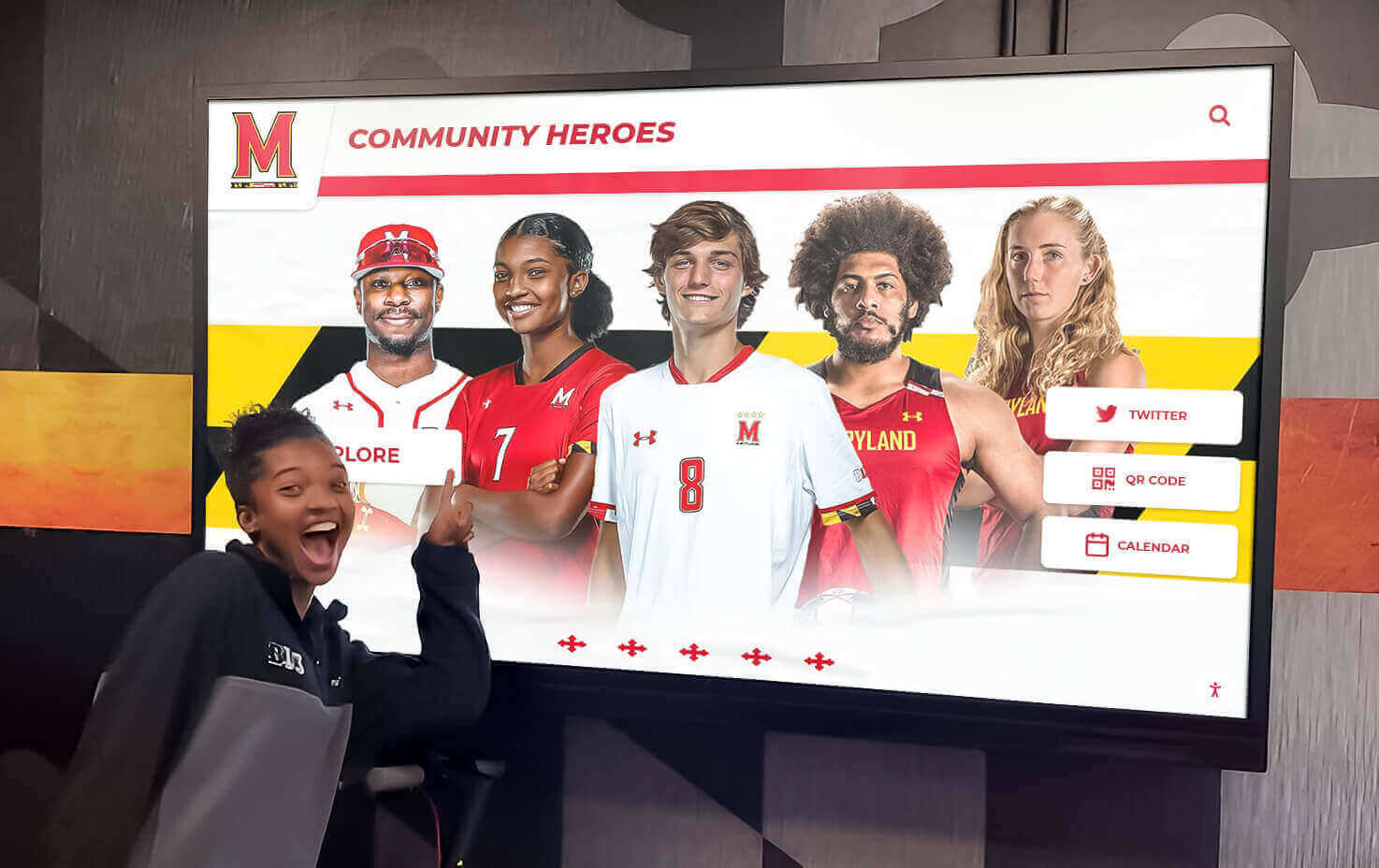
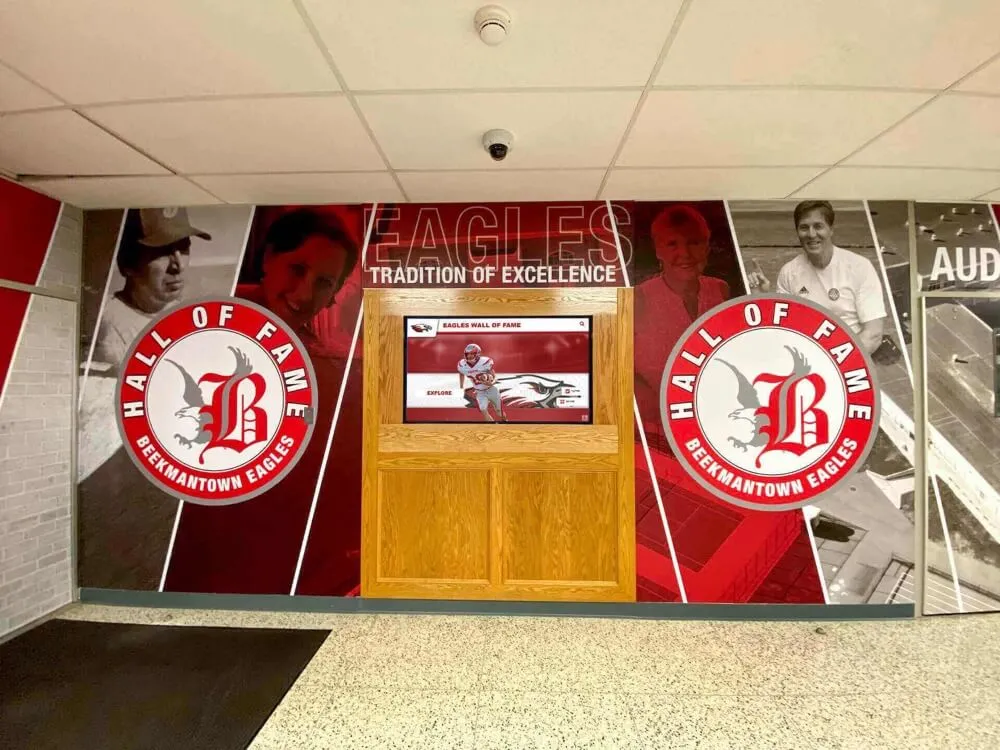
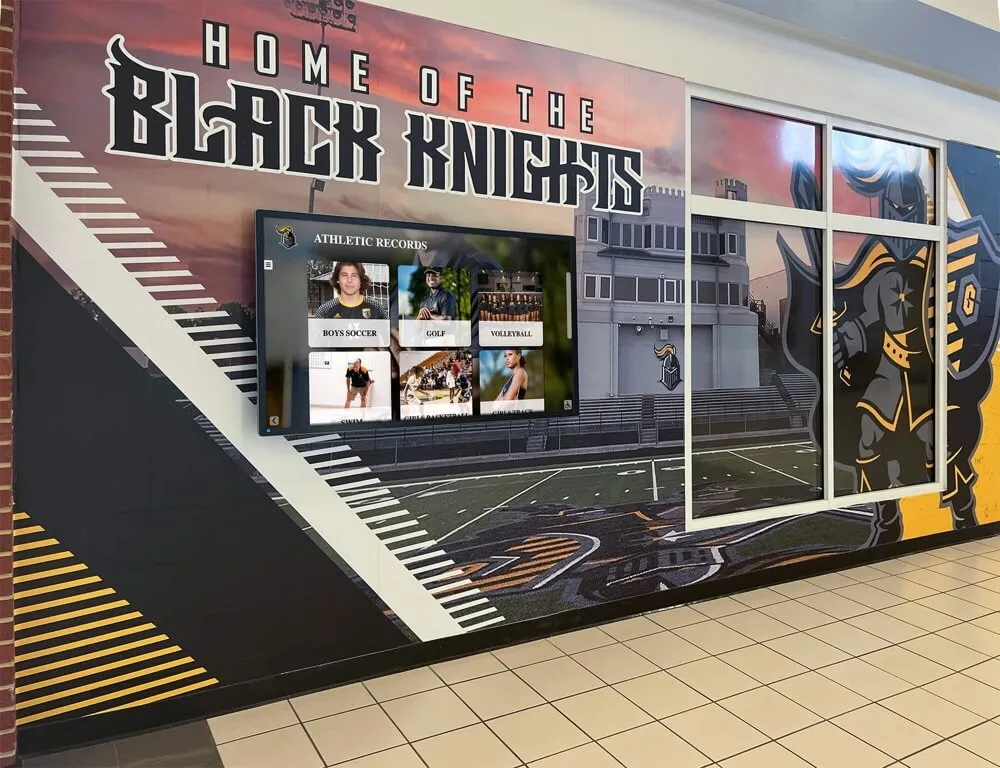
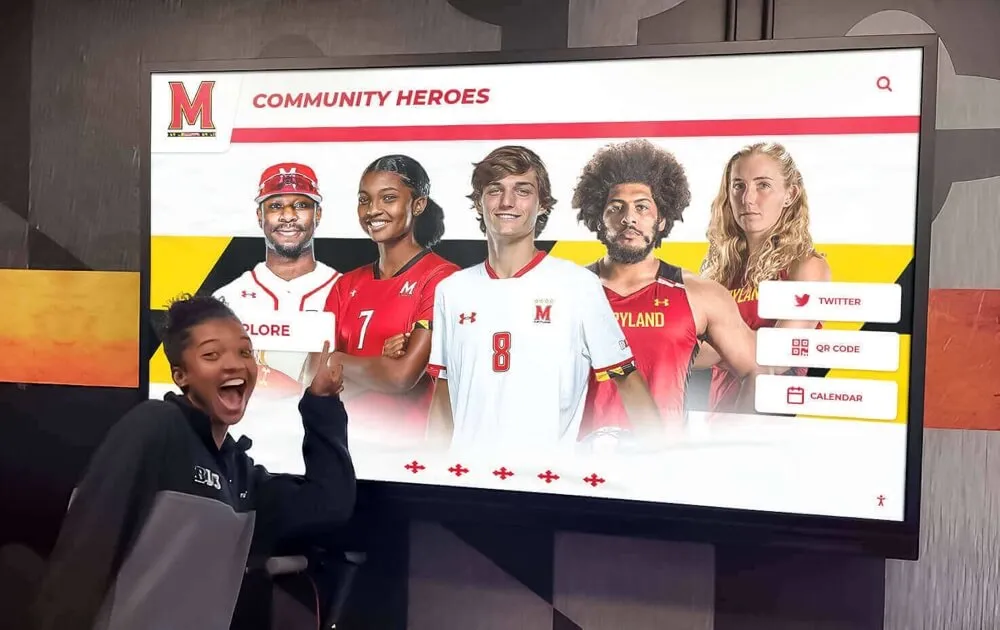
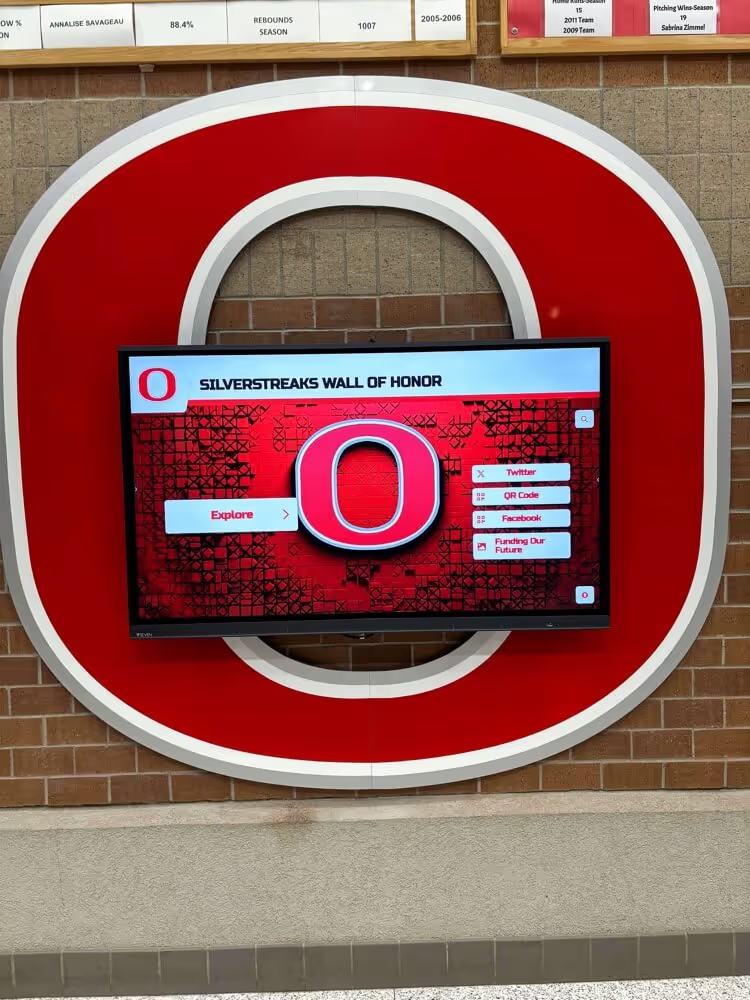
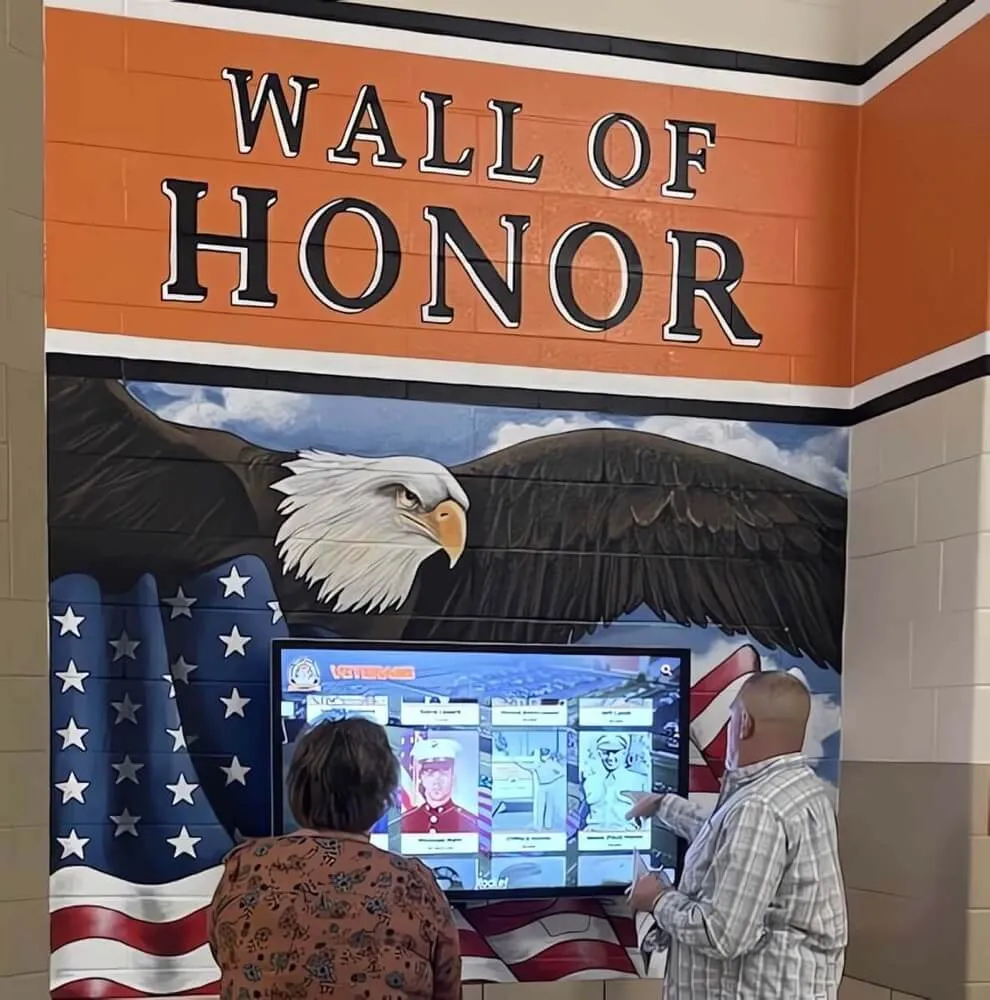
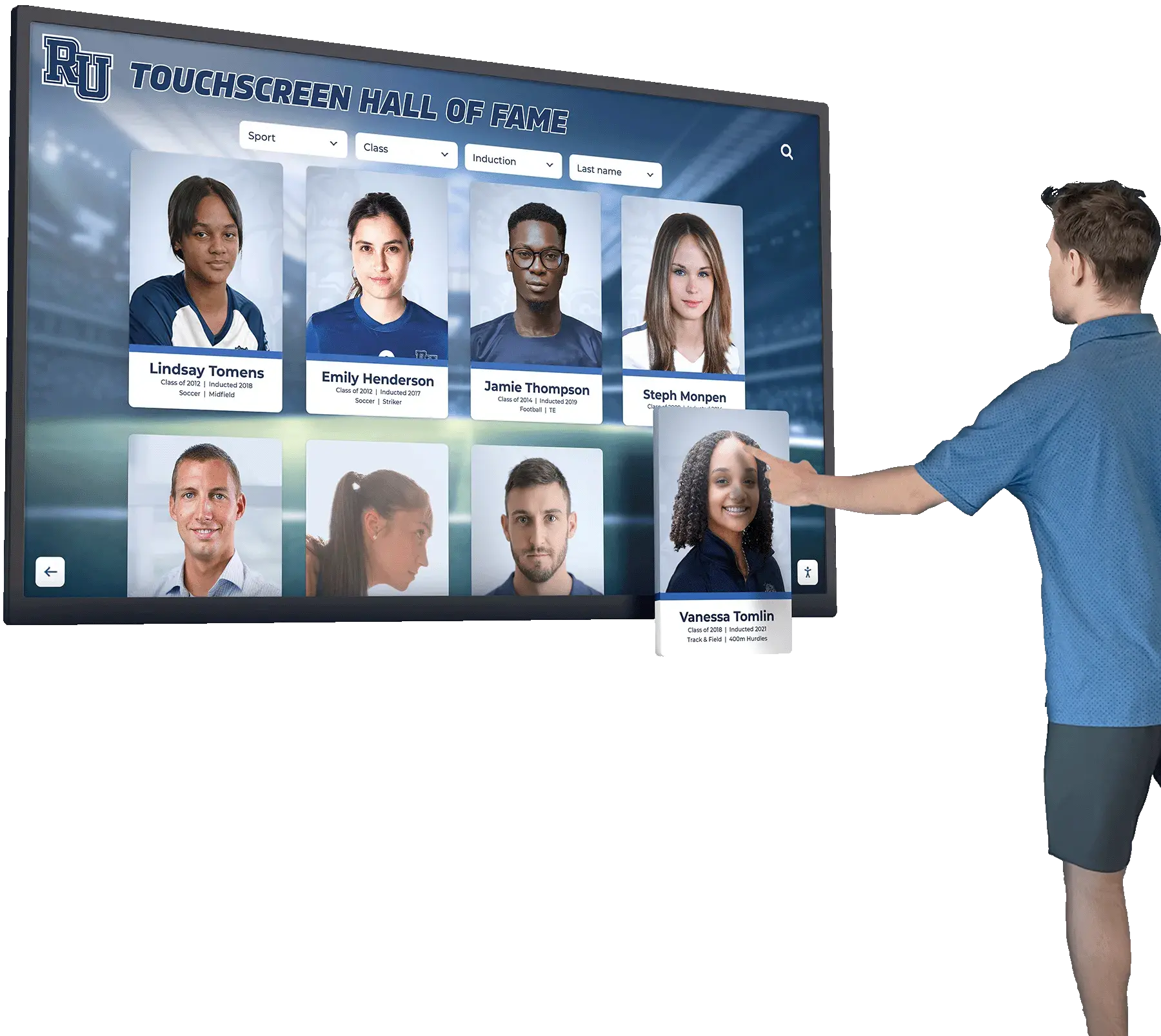
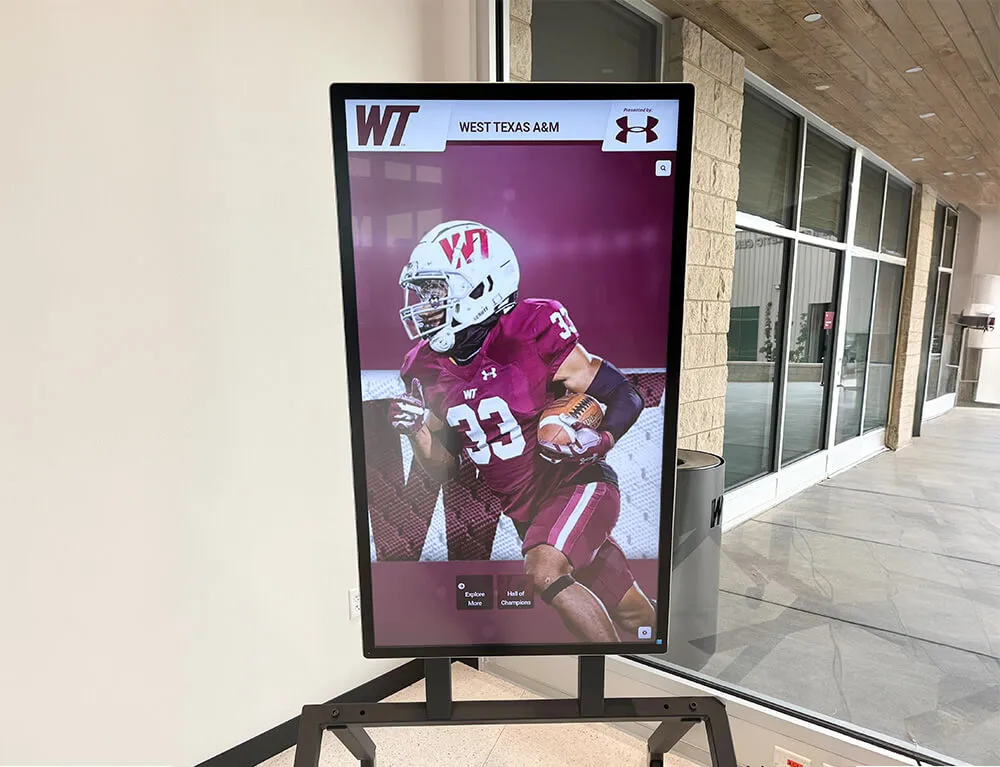
Interactive displays celebrating student achievements inspire newcomers while honoring returning students
Classroom-Based First Day Activities
These activities work within individual classrooms to build specific class cultures:
7. Two Truths and a Lie
Classic icebreaker where students share three statements about themselves—two true, one false—while classmates guess the lie. This works across all age groups with appropriate scaffolding.
Variation for older students: Include one truth about summer experiences, one about future goals, and the lie can be either category.
8. Classmate Bingo
Create bingo cards with characteristics like “Has traveled outside the country,” “Plays a musical instrument,” “Has a pet reptile,” or “Speaks multiple languages.” Students mingle to find classmates matching each square.
This activity encourages interaction beyond existing friend groups while celebrating diversity within the classroom community.
9. Goal-Setting Activities
Guide students through structured reflection about academic goals, personal growth objectives, skill development targets, and contribution aspirations for the school year. Use graphic organizers, vision boards, or digital tools depending on age and preference.
Revisit these goals at regular intervals throughout the year to maintain focus and celebrate progress.
10. Classroom Social Contract
Collaboratively develop classroom expectations through student input rather than teacher-imposed rules. Facilitate discussions about what students need to feel safe, how classmates should treat each other, and how to handle conflicts or mistakes.
Document agreed-upon expectations prominently and reference throughout the year when addressing behavior issues.
11. Learning Style Inventories
Help students identify their learning preferences through age-appropriate assessments or discussions. Share results to build understanding of classroom diversity while teaching students to advocate for their needs.
Application: Use learning style data to design lessons incorporating varied instructional approaches.
12. Hopes and Fears Activity
Invite students to anonymously share hopes for the school year and fears they’re experiencing. Compile responses to reveal common themes, address concerns directly, and demonstrate that anxieties are universal.
This vulnerable sharing builds empathy while reducing isolation students may feel about their worries.
13. Time Capsule Creation
Have students document current selves through letters to future selves, photos or self-portraits, lists of current favorites, predictions about the year ahead, and personal artifacts. Seal and commit to opening on the last day of school.
This creates bookend experiences marking growth and change throughout the year.
14. Collaborative Class Mural
Design a large-scale artwork where each student contributes one element—a handprint, drawing, word, or symbol representing themselves. Display prominently as a visual reminder of collective community.
Theme ideas: “What makes our class special,” “Our dreams for this year,” or representations of identity and diversity.
15. Student Interview Pairs
Pair students to interview each other using structured question prompts, then introduce partners to the class. This format reduces anxiety compared to self-introduction while ensuring all students are seen and heard.
Provide questions ranging from simple (favorite food) to meaningful (what you’re proud of) depending on age and comfort level.
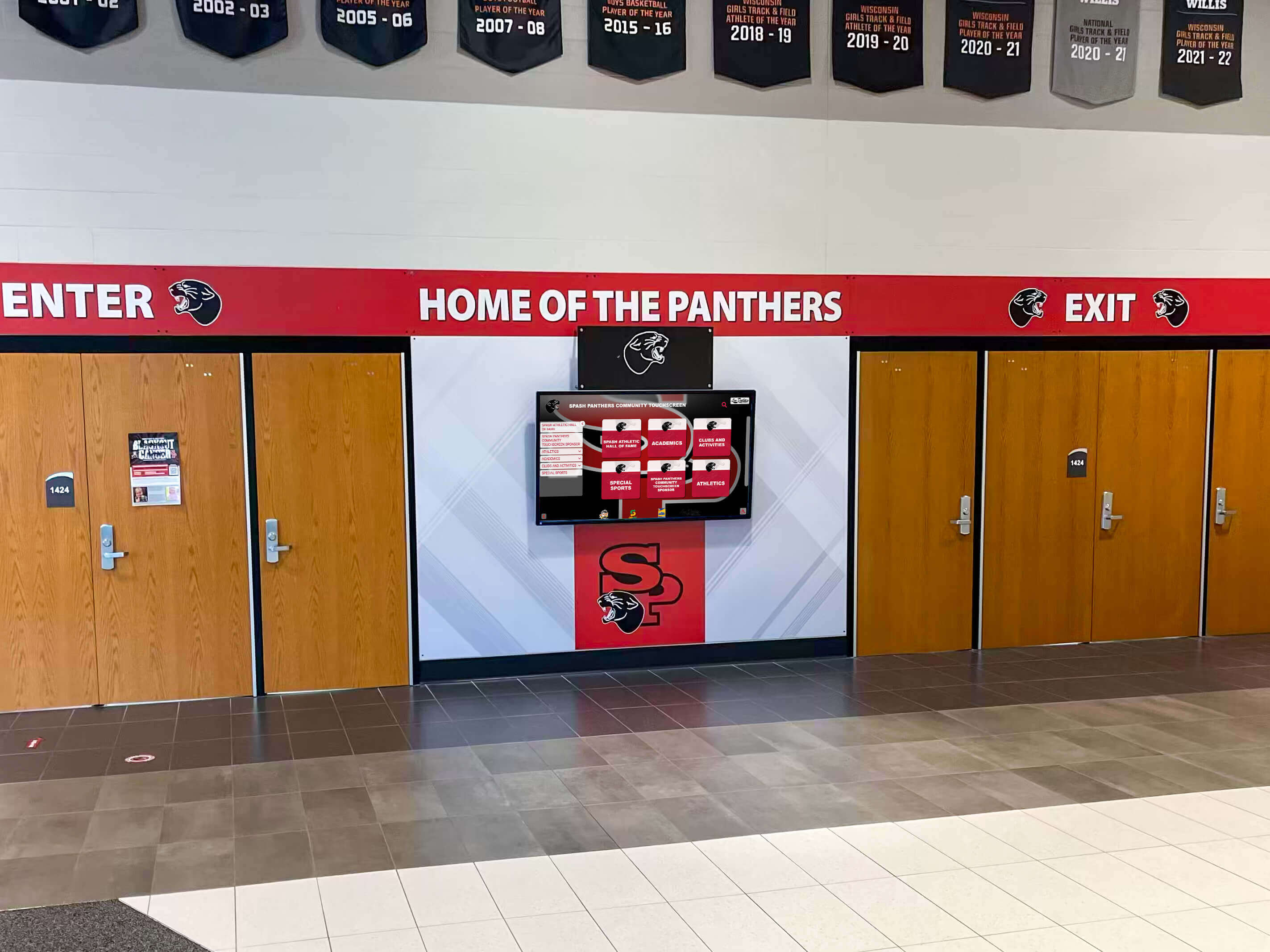
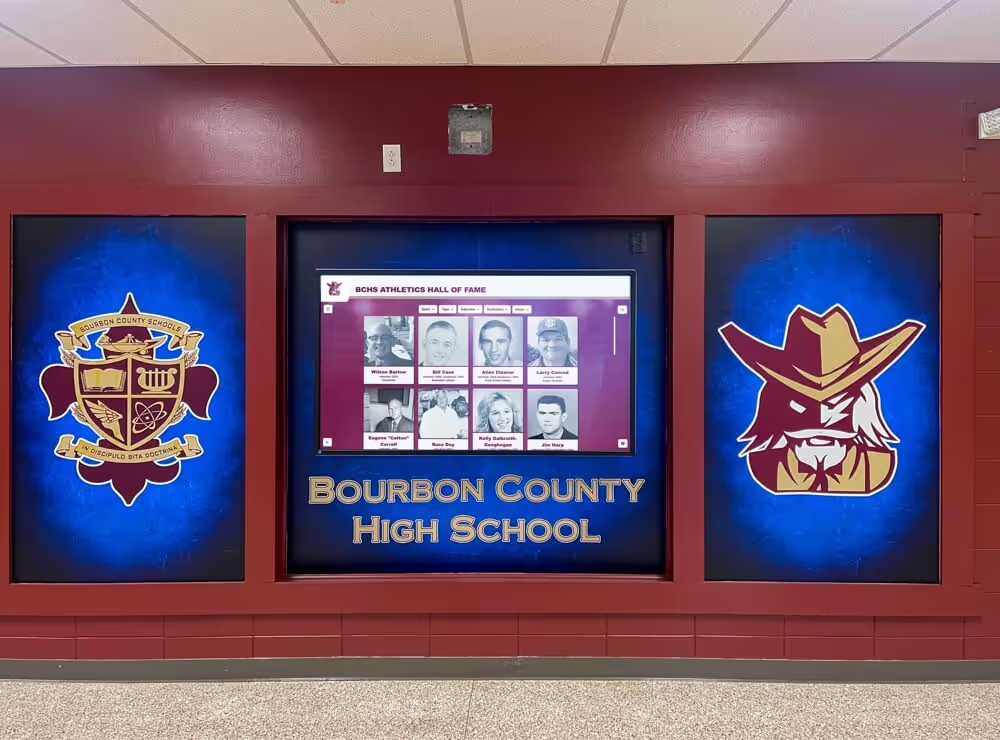
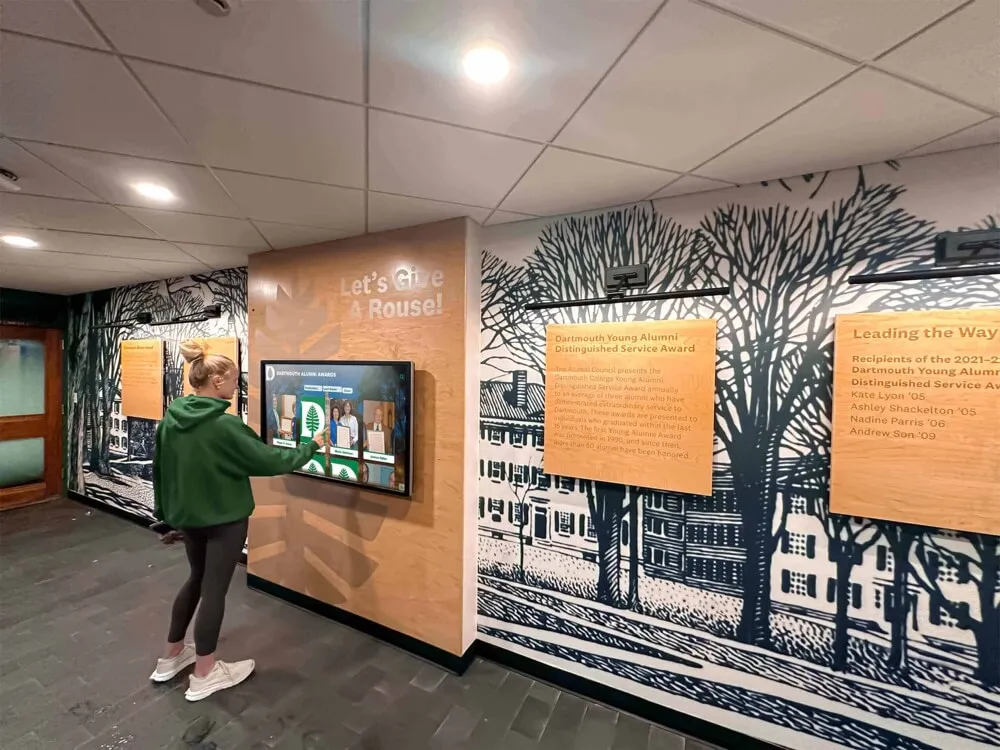
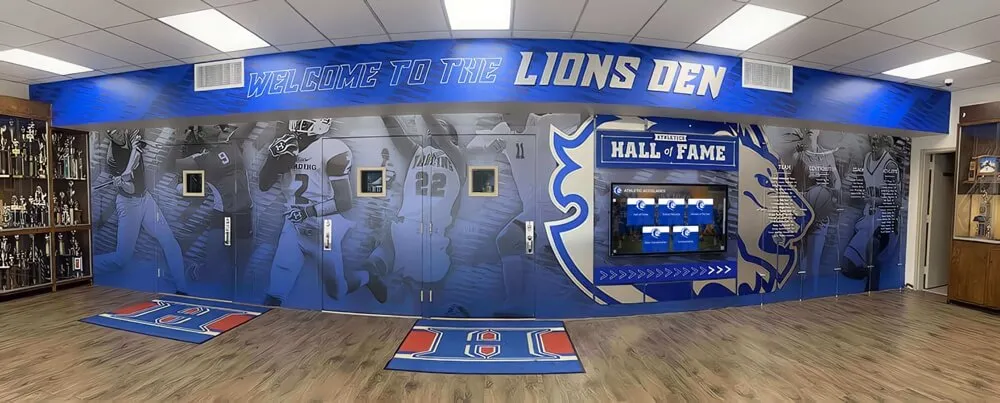
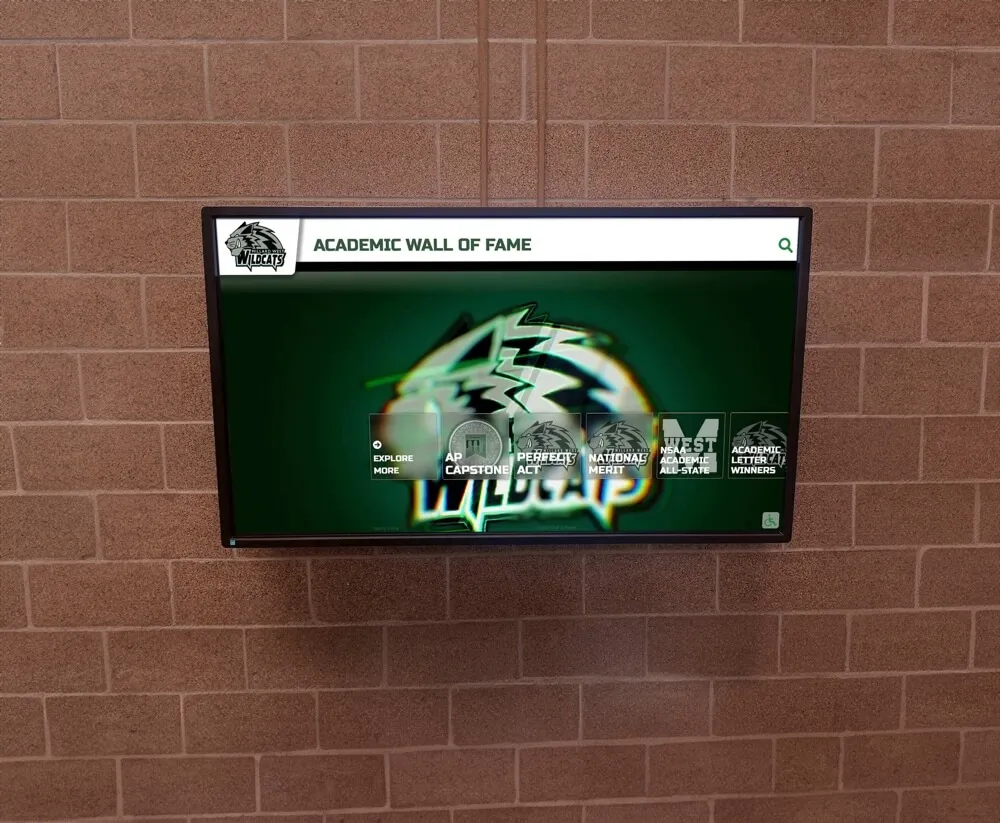
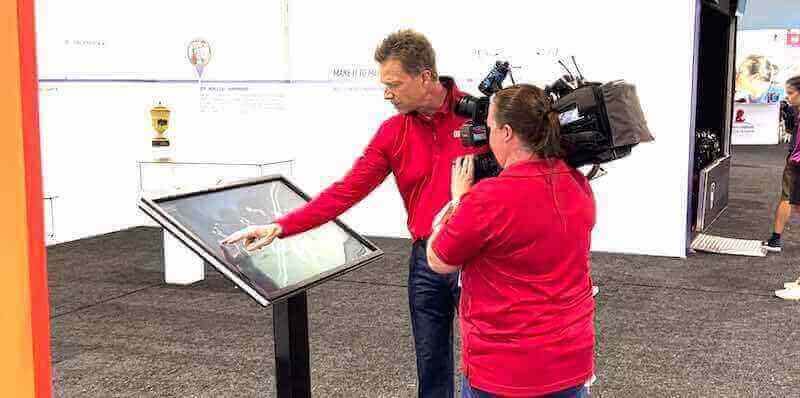
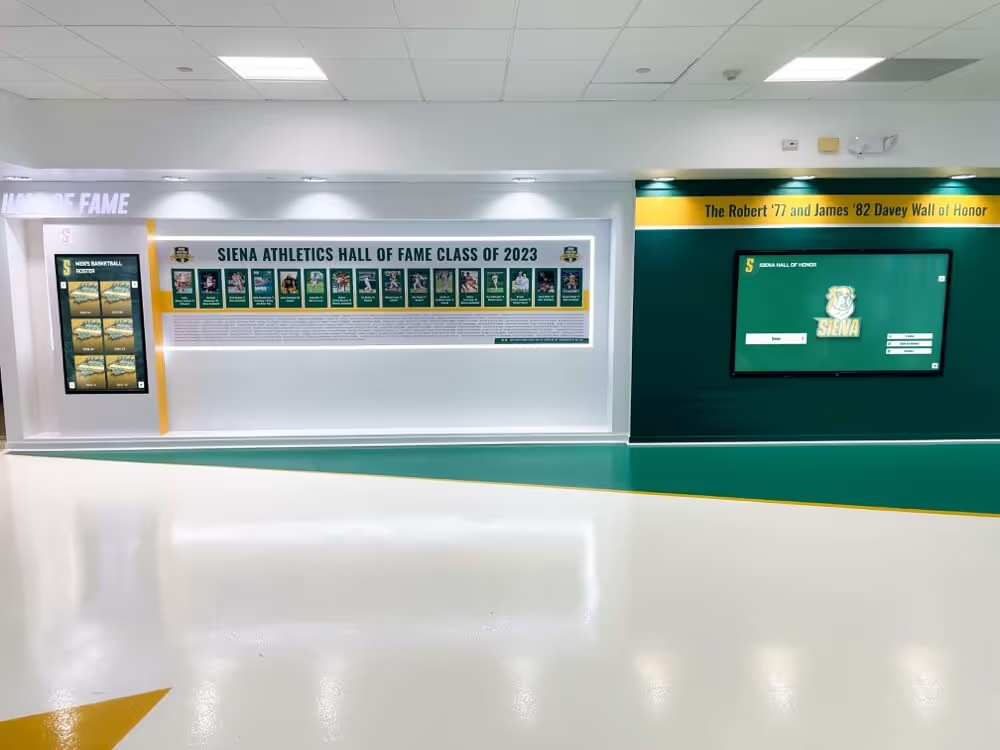
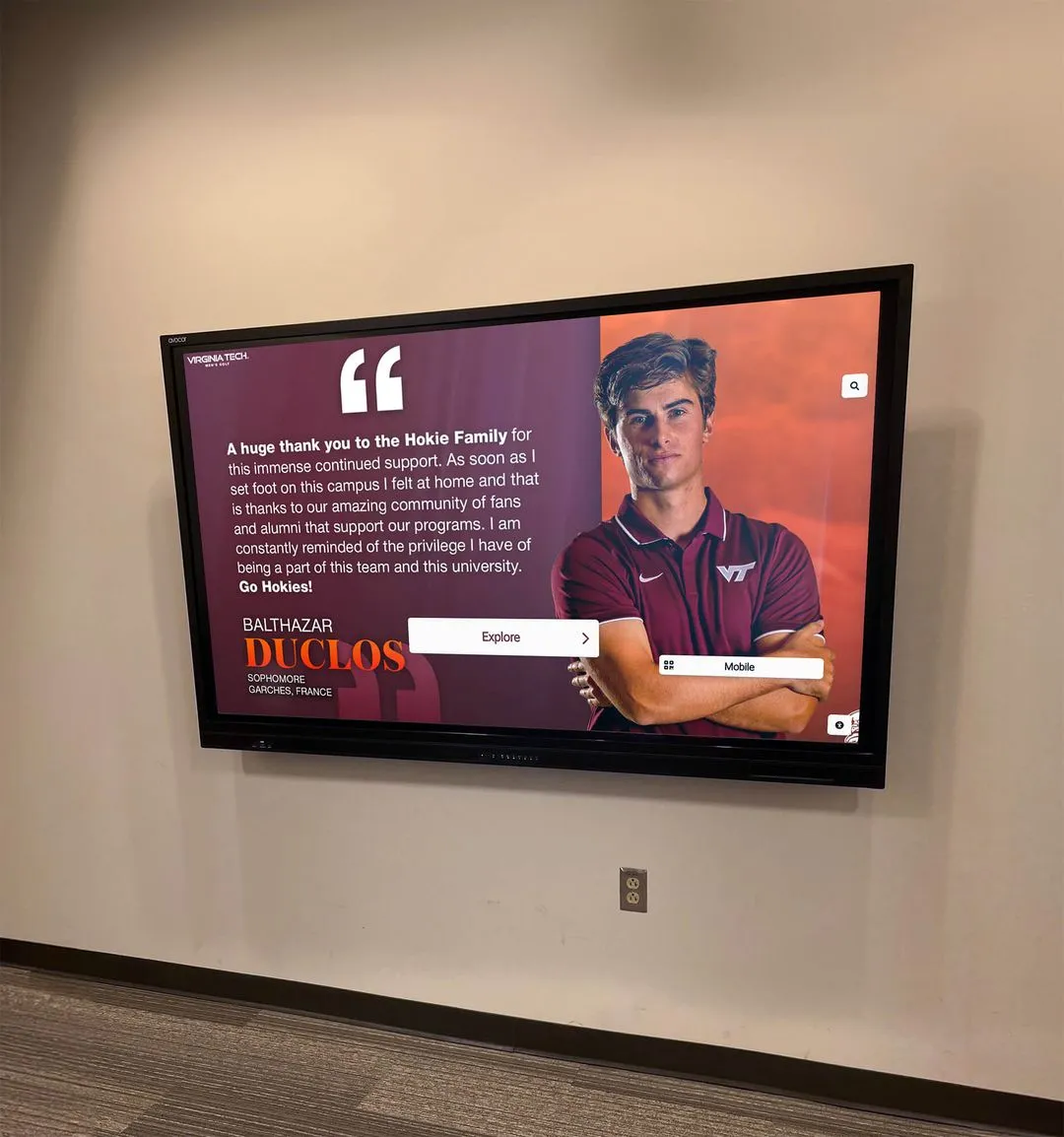
Strategic display placement ensures students encounter welcoming messages throughout campus
16. Strengths Spotlights
Guide students through identifying personal strengths using frameworks like VIA Character Strengths, Multiple Intelligences, or simple self-reflection. Create visual representations celebrating diverse capabilities within the classroom.
Emphasize that all strengths have value and different situations require different capabilities.
17. Expert Identity Boards
Have students identify topics where they have expertise or strong interest—anything from video games to cooking to sports to academic subjects. Create a classroom “expert directory” students can reference when seeking help or collaboration.
This positions students as resources for each other while building appreciation for diverse knowledge.
18. Letter to Your Future Self
Students write letters to themselves to be delivered at year’s end, including current feelings, goals, predictions, and advice they want to remember. Teachers collect and return during final weeks.
Enhancement: Include teacher responses affirming students’ goals and adding encouragement.
19. Collaborative Storytelling
Begin a story and have each student add one sentence, building a collective narrative. The absurdity and creativity required breaks down social barriers while encouraging risk-taking.
Variation: Use story cubes, random word generators, or prompt cards to introduce unexpected elements.
20. Desk Name Tents with Interest Tags
Create decorative name tents students keep on desks featuring their names, preferred pronouns if desired, and visual representations of interests or identities. These conversation starters help teachers and peers learn about each other.
Grade-Level Specific Activities
Different developmental stages require tailored approaches:
Elementary School Activities (K-5)
21. New Friend Treasure Hunt: Pair students to find items around the classroom while getting to know each other through structured conversation prompts.
22. All About Me Bags: Students bring bags containing 3-5 items representing their interests, family, or summer experiences to share.
23. Birthday Line-Up: Without talking, students organize themselves by birthday month, requiring creative communication and problem-solving.
24. Classroom Mascot Creation: Collectively design a class mascot through democratic voting on animals, names, and characteristics.
25. Feelings Check-In Chart: Create visual systems where young students identify how they’re feeling using colors, emojis, or pictures, normalizing emotional awareness.
26. Story Time with Class Books: Read picture books about starting school, making friends, or celebrating differences, followed by discussion.
27. Playground Buddy System: Assign “playground buddies” ensuring no one plays alone during first recess periods.

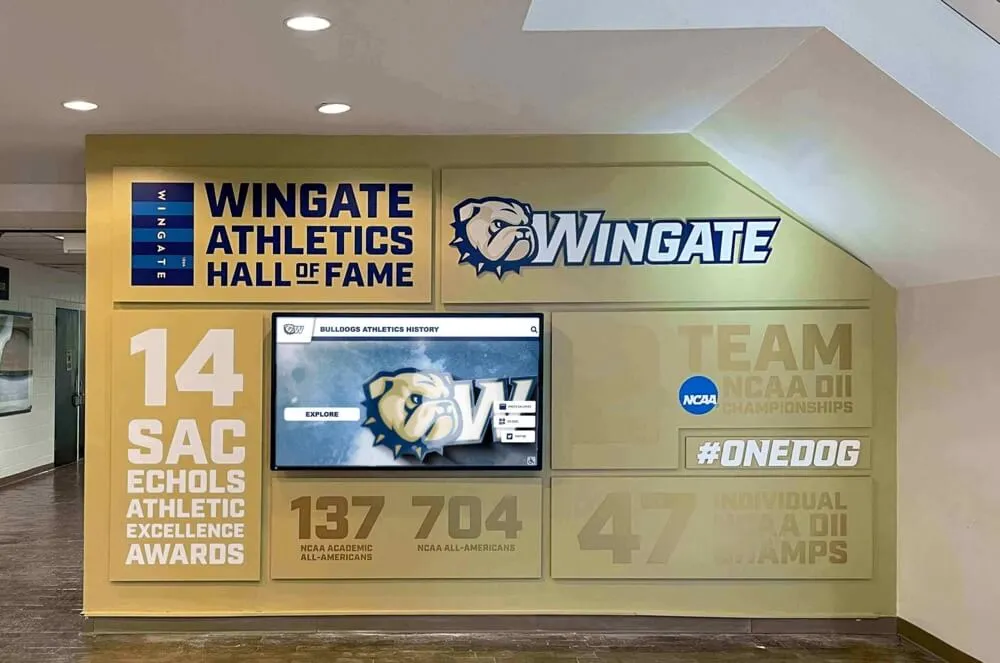
Recognition displays celebrating diverse achievements help all students see possibilities for their own success
Middle School Activities (6-8)
28. Identity Shields: Students create personal shields divided into quadrants representing family, interests, accomplishments, and goals.
29. Collaboration Challenges: Engineering tasks like building tallest structures from limited materials requiring teamwork and communication.
30. Locker Decorating Contest: Friendly competition encouraging personal expression and school spirit through creative locker decoration.
31. Lunch Table Rotation: Assign rotating lunch seating ensuring students interact beyond established friend groups during opening weeks.
32. Advisory Olympics: If using advisory systems, create inter-advisory competitions building loyalty and connection within advisory groups.
33. Digital Citizenship Kickoff: Engage students in discussions about online behavior, social media use, and digital footprints through scenarios and role-play.
34. Study Skills Bootcamp: Provide practical training on organization, time management, note-taking, and test preparation—skills middle schoolers increasingly need.
High School Activities (9-12)
35. Senior Mentorship Programs: Pair upperclassmen with incoming freshmen for guidance, campus tours, and ongoing support throughout transition periods.
36. College and Career Exploration Fair: Showcase post-graduation pathways through alumni presentations, college representatives, and career professionals.
37. Student Voice Surveys: Gather input on school improvement priorities, demonstrating that student opinions influence decisions.
38. Club Rush Events: Extended activities fairs with demonstrations, performances, and recruitment for extracurricular organizations.
39. Academic Planning Workshops: Help students understand graduation requirements, GPA calculations, course sequences, and long-term academic planning.
40. Senior Legacy Projects: Have graduating classes identify lasting contributions they want to make, building immediate investment in school community.
Schools implementing comprehensive recognition systems find that celebrating academic achievements alongside athletics creates more inclusive cultures. Explore academic recognition programs that honor diverse student accomplishments.
Activities Showcasing School Pride and Traditions
These activities connect students to institutional identity and heritage:
41. School History Presentations
Share school founding stories, notable alumni, championship achievements, and evolution through multimedia presentations featuring archival photos, video, and student testimonials.
Digital display systems enable schools to showcase comprehensive histories that traditional trophy cases cannot accommodate. Interactive touchscreen displays let students explore decades of achievements, understanding the legacy they’re joining.
42. Tradition Tutorials
Teach incoming students about school-specific traditions like fight songs, rivalry histories, spirit week customs, homecoming activities, and ceremonial events. Upperclassmen demonstrations make learning engaging.
These traditions become more meaningful when students understand their origins and significance. Learn about homecoming traditions and how schools build spirit through annual events.
43. Alumni Video Messages
Compile video messages from recent and distinguished graduates sharing favorite memories, advice for success, and reflections on how school experiences shaped their lives.
Impact: Current students see themselves in alumni stories, understanding that their experiences are part of ongoing institutional narratives.
44. Virtual Campus Tours
Create student-led video tours highlighting important locations, sharing insider tips, and building campus familiarity—particularly valuable for new students or large campuses.
45. School Pride Dress-Up Days
Designate first-week days for wearing school colors, favorite team jerseys, decade themes, or other spirit-building attire that creates visual unity.
Coordinate with spirit week planning to establish patterns that continue throughout the year.
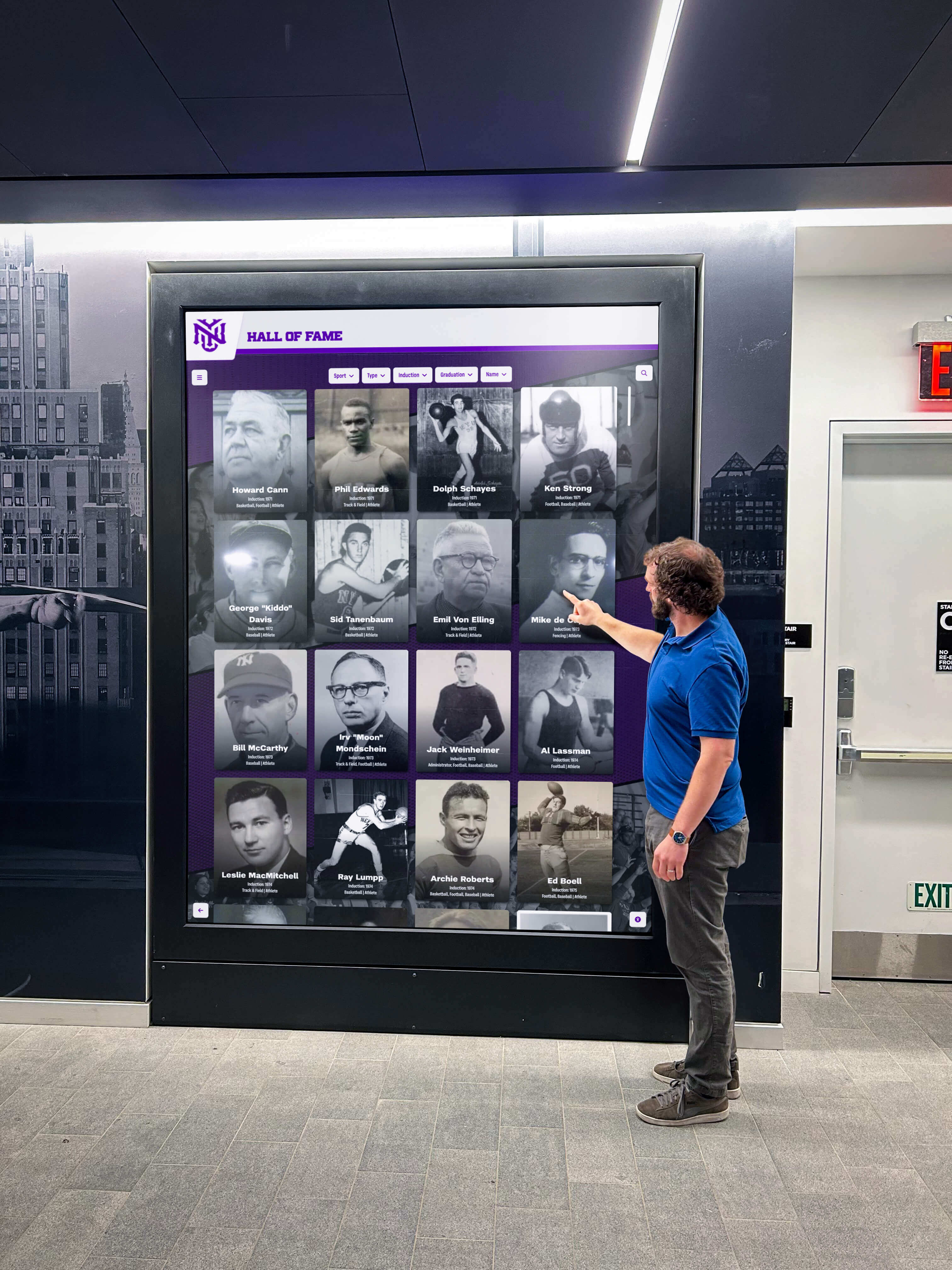
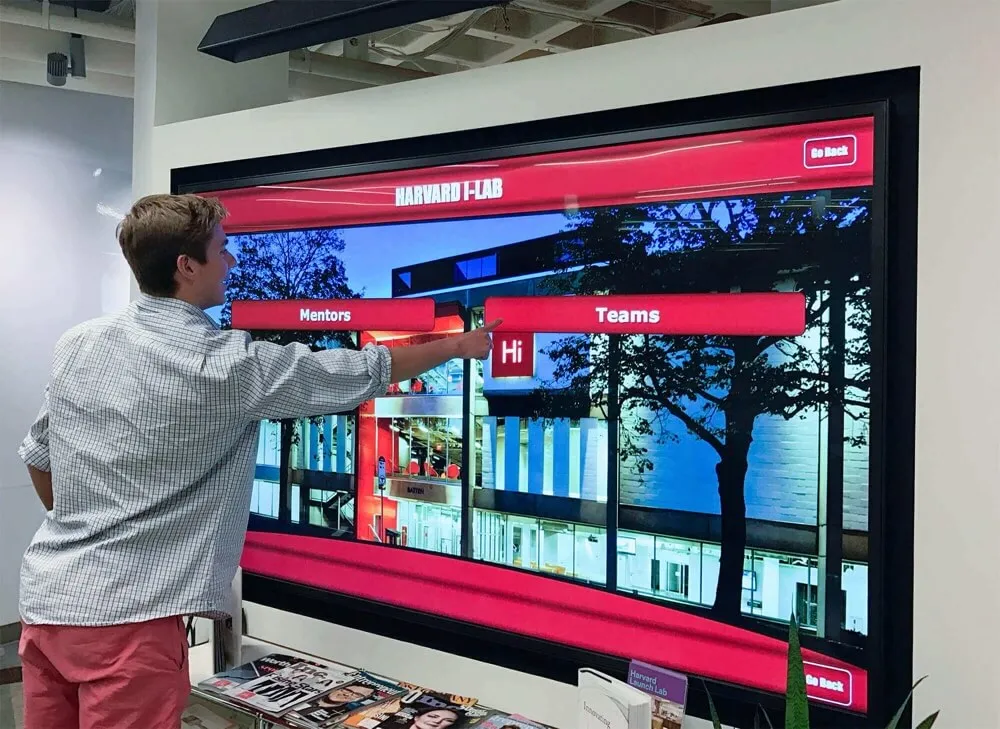
Engaging displays in high-traffic areas invite exploration and build pride in school achievements
Technology-Enhanced First Day Activities
Leverage digital tools to create engaging modern experiences:
46. Digital Photo Booth
Set up photo stations where students take first-day photos with props, school-spirit backgrounds, or augmented reality filters. Share on school social media or digital displays with appropriate permissions.
47. QR Code Campus Quest
Place QR codes around campus that students scan to reveal information, complete challenges, or collect digital badges. Use free QR generators and simple web pages or Google Forms.
48. Social Media Hashtag Campaign
Create school-specific hashtags students use to share first-day excitement, connecting physical and digital school communities while generating authentic marketing content.
Privacy note: Ensure clear social media policies and parent permissions before student participation.
49. Interactive Welcome Displays
Modern digital recognition systems transform static bulletin boards into dynamic community hubs. Schools can showcase new student welcomes with photos and introductions, returning student spotlights celebrating growth, upcoming events and opportunities, school achievement highlights, and rotating content keeping displays perpetually fresh.
Solutions like Rocket Alumni Solutions enable administrators to update content remotely from any device, ensuring displays remain current without requiring physical access or maintenance. These systems integrate seamlessly with existing school communication strategies while creating impressive visual focal points in lobbies, cafeterias, and main hallways.
50. Virtual Reality Experiences
If technology access permits, offer virtual reality experiences related to curriculum, college campuses, career fields, or historical events, creating memorable first-day moments associated with learning.
Parent and Family Engagement Activities
Successful first days extend beyond students to families:
51. Parent Welcome Coffees
Host informal morning gatherings where parents meet administrators, teachers, and each other, building community among adult stakeholders.
52. Family Orientation Sessions
Provide comprehensive overviews of academic programs, school policies, communication systems, and involvement opportunities. Record sessions for families unable to attend in person.
53. Back-to-School Nights
Schedule evening events where families visit classrooms, meet teachers, understand curriculum, and ask questions in low-pressure settings.
54. Digital Communication Platform Tutorials
Train parents on using school apps, learning management systems, and communication platforms, ensuring all families can access important information.
55. Volunteer Opportunity Fair
Showcase ways parents can contribute time and talent, from classroom support to event coordination to specialized skill sharing.
Building on First Day Momentum
The energy created on opening day requires intentional nurturing:
Sustaining Connection Through Recognition
Schools that maintain engagement throughout the year implement systematic recognition celebrating diverse achievements. This includes academic excellence across all subjects, athletic accomplishments at all competitive levels, artistic and creative achievements, service and leadership contributions, character and citizenship demonstrations, and improvement and growth regardless of absolute performance.
Modern digital platforms enable sustainable recognition that traditional approaches cannot match. Rather than limiting celebration to students earning space on physical trophy cases or bulletin boards, comprehensive systems honor unlimited students through searchable databases, multimedia profiles, and accessible web platforms extending recognition beyond campus.
Creating Traditions Worth Continuing
Evaluate first-day activities for long-term sustainability. The most effective programs become anticipated traditions that returning students look forward to and incoming students hear about before arrival—creating institutional culture stronger than any single class or staff cohort.
Document what works through photos, videos, student feedback, and staff reflections. Create implementation guides ensuring activities survive staff transitions and maintain quality across years.
Explore systematic approaches to building school pride that extend beyond opening weeks into sustained cultural priorities.
Measuring First Day Success
Assessment demonstrates value while guiding improvement:
Quantitative indicators include attendance rates during opening weeks, discipline referrals compared to previous years, participation in optional activities, and parent engagement metrics.
Qualitative measures include student feedback through surveys or focus groups, teacher observations of classroom climate, parent testimonials, and longitudinal tracking of school belonging.
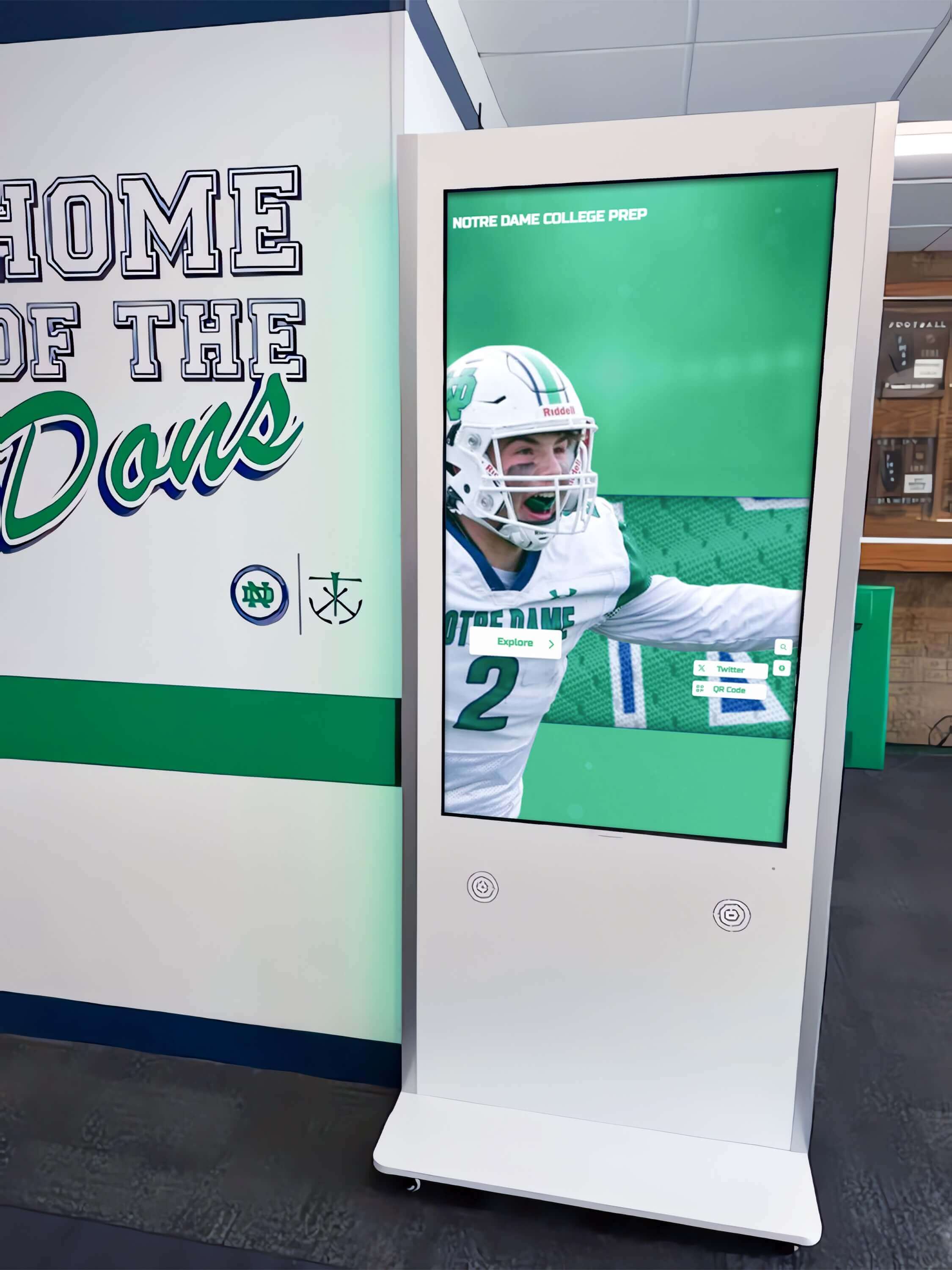
Permanent installations celebrating school achievements provide year-round inspiration and pride
Common First Day Challenges and Solutions
Even well-planned first days encounter obstacles:
“We Don’t Have Time for Activities With Academic Demands”
Reframe: First-day investment in relationships and culture saves time throughout the year through reduced conflicts, improved engagement, and stronger classroom management. Research shows schools prioritizing community-building in opening weeks experience fewer disruptions requiring class time later.
Solution: Design activities integrating academic content—literacy through collaborative storytelling, math through data collection about classmates, science through observation challenges, or social studies through school history exploration.
“Our Students Are Too Cool for Icebreakers”
Reality: Adolescents want connection as much as younger students but require activities matching their developmental stage. Avoid treating high schoolers like elementary students while providing sophisticated engagement opportunities.
Solution: Use choice-based activities, small group formats, and low-risk options where students control participation levels. Frame activities around authentic purposes rather than forced fun.
“Our Building Makes Whole-School Activities Impossible”
Adaptation: Large or multi-building campuses present logistics challenges but creative scheduling enables shared experiences through staggered assemblies, grade-level gatherings, virtual connections via video, classroom-based activities with common themes, or extended events across multiple days.
“We Have Extremely Diverse Student Populations”
Strength: Diversity strengthens communities when schools actively celebrate differences rather than ignoring them. Design activities explicitly honoring varied backgrounds, languages, abilities, and experiences.
Approach: Use multilingual materials, provide multiple participation formats accommodating different comfort levels, celebrate cultural traditions students bring, and model inclusive language and behavior.
Creating Welcoming Physical Environments
Physical spaces communicate values powerfully:
Strategic Display Placement
Position welcome displays, achievement showcases, and information boards in high-traffic areas where students naturally gather—main entrances, cafeterias, lobbies, and hallway intersections.
Modern digital displays offer significant advantages over static signage through instant updates without physical access, unlimited content capacity, multimedia storytelling with video and photos, interactive touchscreen engagement, and scheduled content rotation maintaining freshness.
Student Work Celebration
Dedicate prominent spaces to displaying student work from day one. Even placeholder displays with “Your Work Here Soon!” messages communicate that student creation matters and will be honored.
Multilingual Signage
Ensure wayfinding, welcome messages, and important information appear in languages students and families speak, demonstrating genuine commitment to inclusion.
Accessibility Considerations
Evaluate whether all students can fully participate in physical spaces through mobility accommodations, sensory-friendly environments, visual accessibility, and quiet spaces for students needing breaks from stimulation.
Transform Your School's Welcome Experience
Discover how modern digital recognition displays can help your school create dynamic first-day experiences that welcome students, celebrate achievements, and build lasting school spirit through interactive technology that evolves with your community.
Explore Digital Display SolutionsPlanning Your First Day: Implementation Timeline
Successful first days require months of preparation:
Three Months Before School Starts
- Form planning committee including administrators, teachers, students, and parents
- Review previous years’ feedback and data
- Identify priorities and measurable goals
- Budget for materials, technology, and refreshments
- Select and adapt activities from this guide
Two Months Before School Starts
- Finalize activity schedule and logistics
- Assign staff responsibilities clearly
- Order materials and supplies
- Design and print necessary materials
- Recruit student leadership volunteers
- Communicate initial plans to staff
One Month Before School Starts
- Train staff on activities and expectations
- Prepare physical spaces and test technology
- Finalize and distribute detailed schedules
- Communicate plans to families
- Conduct run-throughs identifying potential issues
- Prepare contingency plans for common problems
Week Before School Starts
- Conduct final staff orientation
- Set up physical spaces completely
- Test all technology systems thoroughly
- Prepare welcome materials for distribution
- Brief student leaders on their roles
- Confirm vendor deliveries and external partner participation
First Day
- Arrive early for final checks
- Position staff strategically to assist students
- Monitor activities and adjust as needed
- Document through photos and notes
- Gather immediate feedback from students and staff
Week After School Starts
- Debrief with planning team
- Compile formal feedback from students, staff, and families
- Document successes and challenges
- Identify improvements for next year
- Celebrate team contributions
- Begin planning sustained engagement activities
Professional Development for Staff
Teachers require support to implement effective first-day activities:
Pre-Service Training Topics
- Research on school belonging and student engagement
- Activity facilitation techniques
- Trauma-informed approaches for anxious students
- Cultural responsiveness and inclusion strategies
- Technology tools and platform training
- Classroom management during unstructured activities
Collaborative Planning Time
Provide structured time for grade-level or department teams to plan together, ensuring coherence across classrooms while allowing for teacher creativity and student population customization.
Resource Libraries
Compile activity instructions, material lists, printable resources, and video demonstrations in accessible shared drives. Curate options at various complexity levels enabling teachers to select appropriate activities for their contexts.
Schools investing in teacher preparation report significantly stronger implementation and more positive outcomes compared to institutions providing activity lists without support.
For additional staff appreciation and support strategies that build culture year-round, explore this teacher appreciation guide.
Conclusion: The First Day That Launches Success
The first day of school represents far more than administrative necessity or schedule distribution. This critical moment establishes whether students feel genuinely welcomed or merely processed, whether they see school as a community they belong to or an institution they attend, and whether they approach the year with excitement or resignation.
The 50+ activities explored in this guide provide comprehensive frameworks for creating first-day experiences that honor students as complete individuals, build authentic connections across differences, establish positive classroom and school cultures, and inspire engagement that carries through challenging moments ahead.
From whole-school assemblies to intimate classroom circles, from digital welcome displays to hands-on collaborative projects, from family engagement events to student leadership opportunities—these evidence-based approaches transform opening day from logistical hurdle to launching pad for year-long success.
The most effective first-day programs share common characteristics: intentional planning months in advance, clear alignment between activities and school values, active student voice in design and implementation, sustained commitment beyond opening weeks, and continuous improvement based on feedback and outcomes.
Your students deserve first days that communicate they matter, their contributions are valued, their differences strengthen your community, and their success is your institution’s priority. Strategic investment in thoughtful, comprehensive opening experiences creates psychological safety, social connection, and institutional belonging that enables students to take the academic and social risks required for genuine learning and growth.
Ready to begin? Explore how Rocket Alumni Solutions can help your school create dynamic digital displays that welcome students on day one and celebrate their achievements throughout the year—building sustainable school spirit and community pride that transforms institutional culture for generations.