FFA awards and recognition represent the culmination of agricultural education excellence—moments when students’ dedication to supervised agricultural experiences (SAEs), mastery of career and leadership development events (CDEs and LDEs), and commitment to agricultural advocacy receive the celebration they deserve. These achievements shape future agricultural leaders, strengthen chapter identity, and create lasting legacies connecting generations of agricultural students. Yet after convention celebrations conclude and award plaques are presented, many agricultural education programs struggle to appropriately showcase these extraordinary accomplishments through displays that match their significance.
Traditional trophy cases quickly become overcrowded as FFA chapters accumulate decades of competitive success across numerous events and recognition categories. Static plaques mounted on agricultural education classroom walls provide minimal context about award recipients, the projects behind proficiency awards, or the journeys leading to state and national recognition. Meanwhile, incredible stories of agricultural entrepreneurship, scientific research, and community service—the foundations of FFA’s most prestigious awards—remain undocumented beyond brief mentions in chapter scrapbooks.
This comprehensive guide explores evidence-based strategies for creating FFA awards digital displays that properly celebrate agricultural education excellence, preserve chapter legacy, and inspire current and future agricultural students through modern recognition solutions combining traditional elements with innovative digital technologies that transform how agricultural education programs honor their greatest achievements.
Effective FFA recognition extends far beyond simply displaying trophies and degree plaques—it creates comprehensive systems documenting complete award stories, celebrating individual and team contributions, and building agricultural education traditions that strengthen chapter culture while demonstrating program commitment to developing agricultural leaders. Agricultural education programs that excel at FFA recognition create environments where agricultural achievement receives the prominence and permanence these accomplishments deserve.

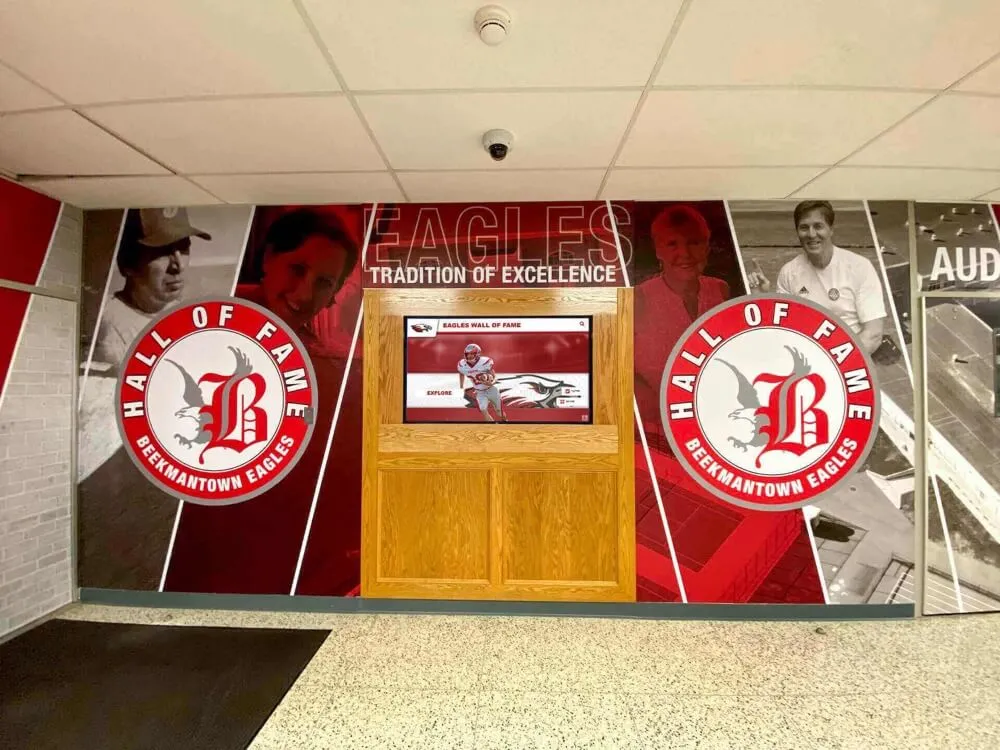
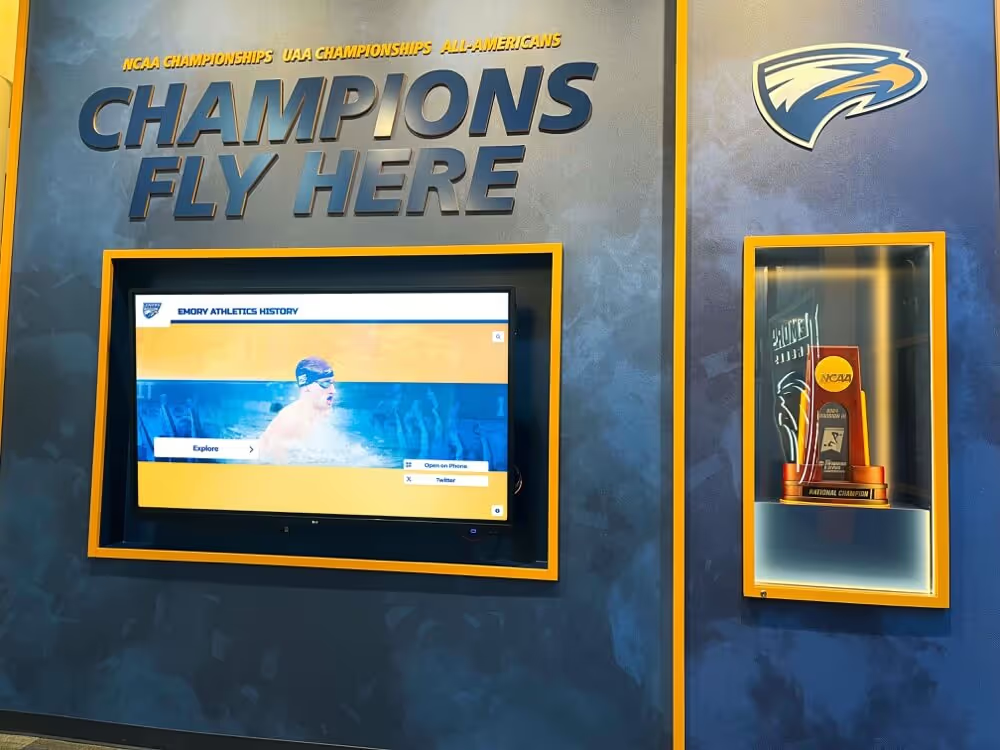
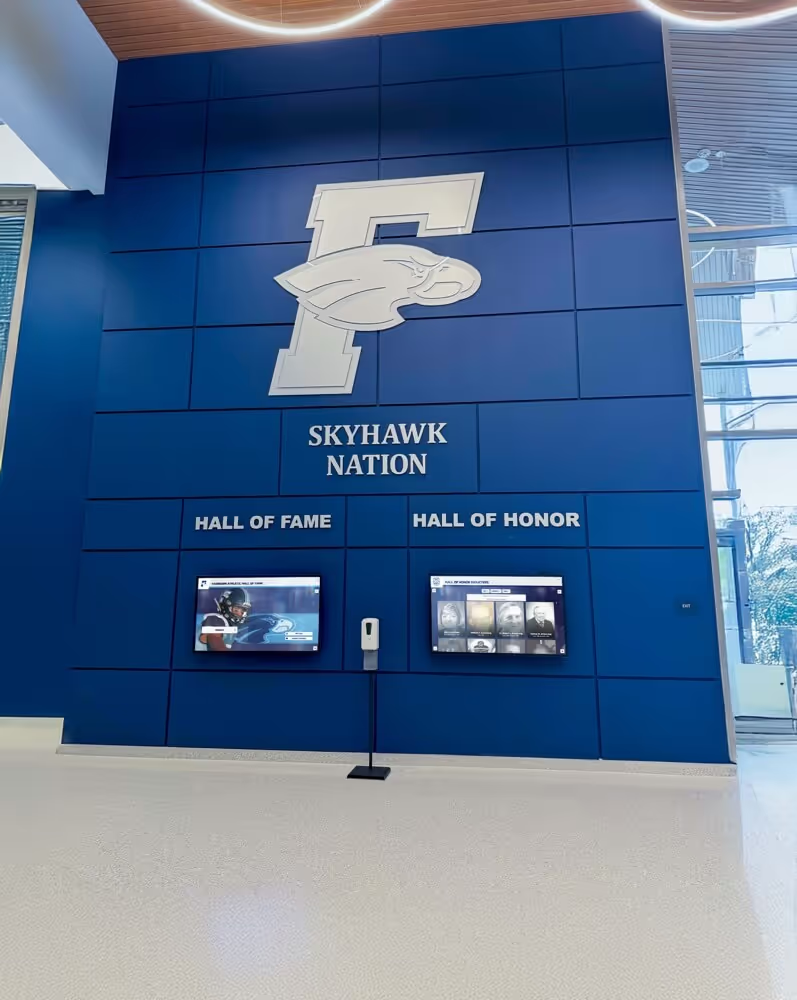
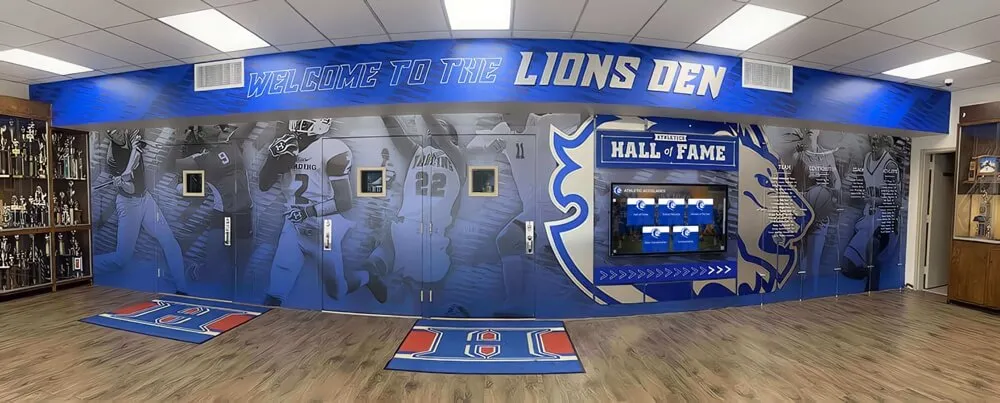
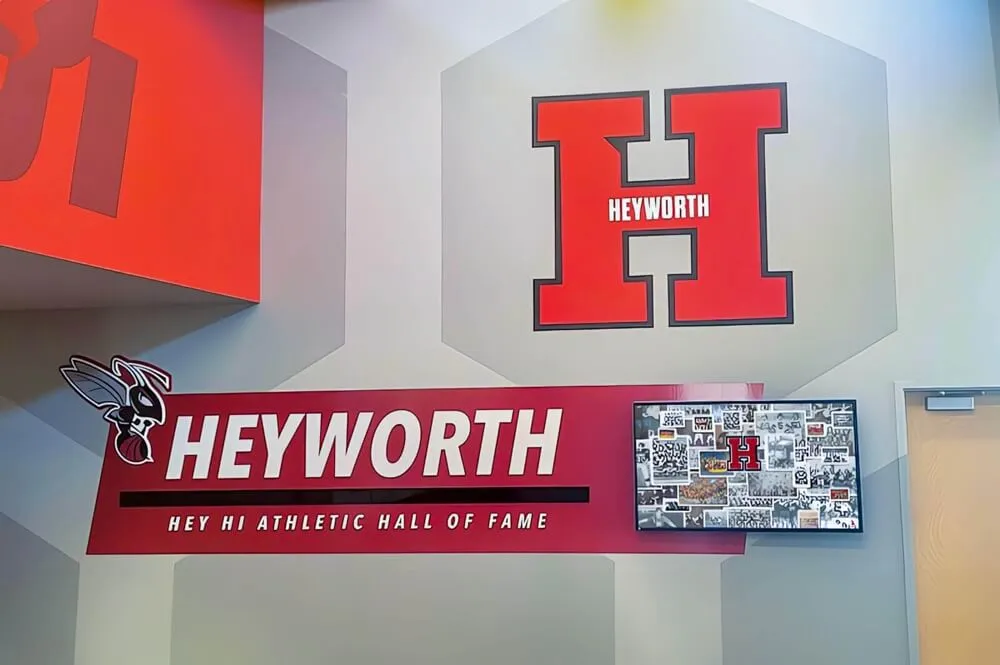
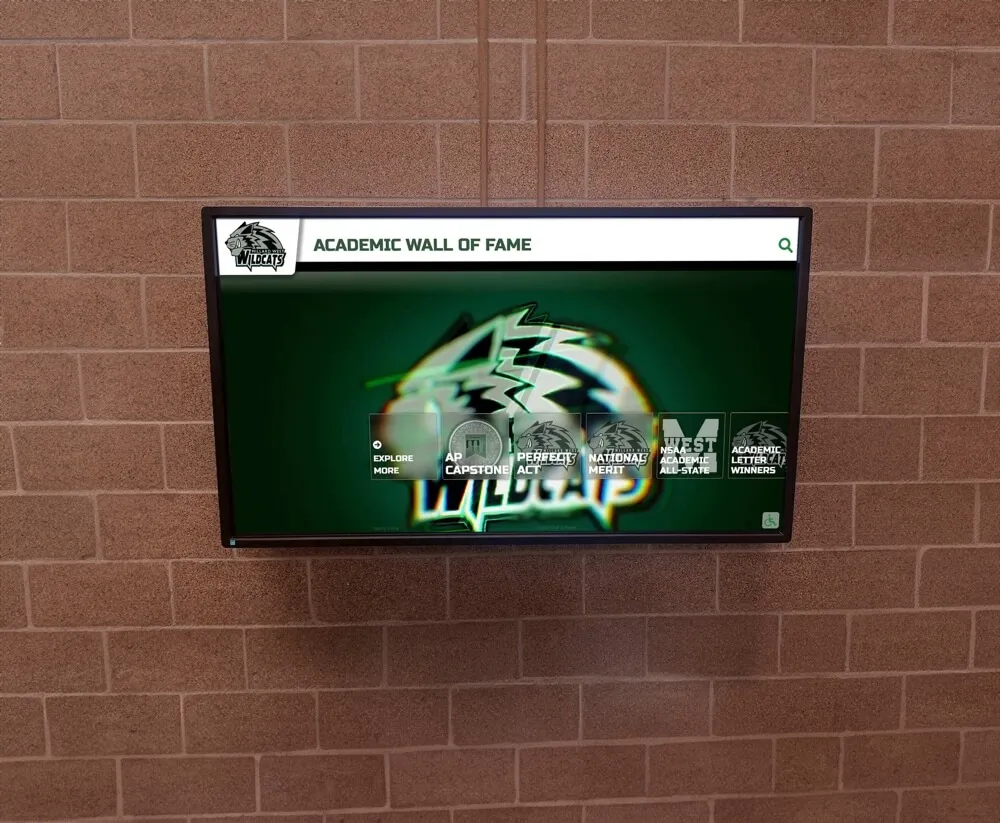
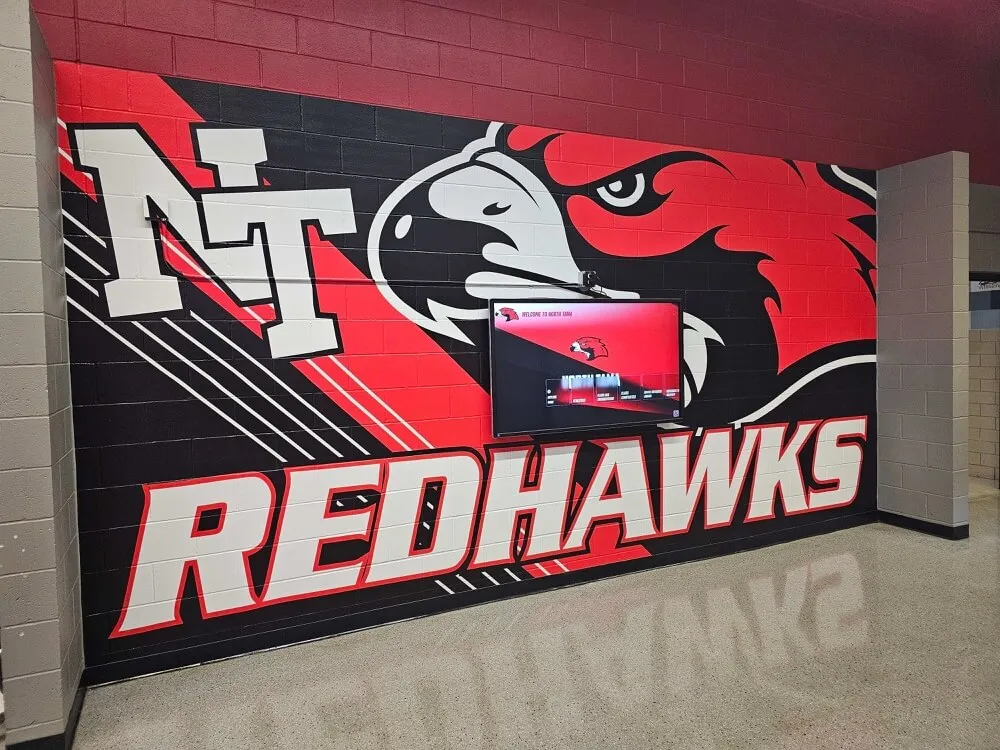
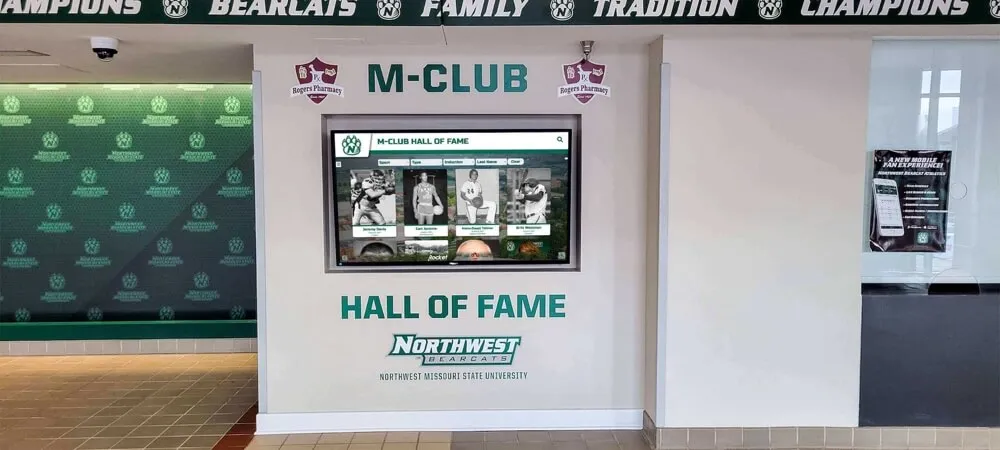
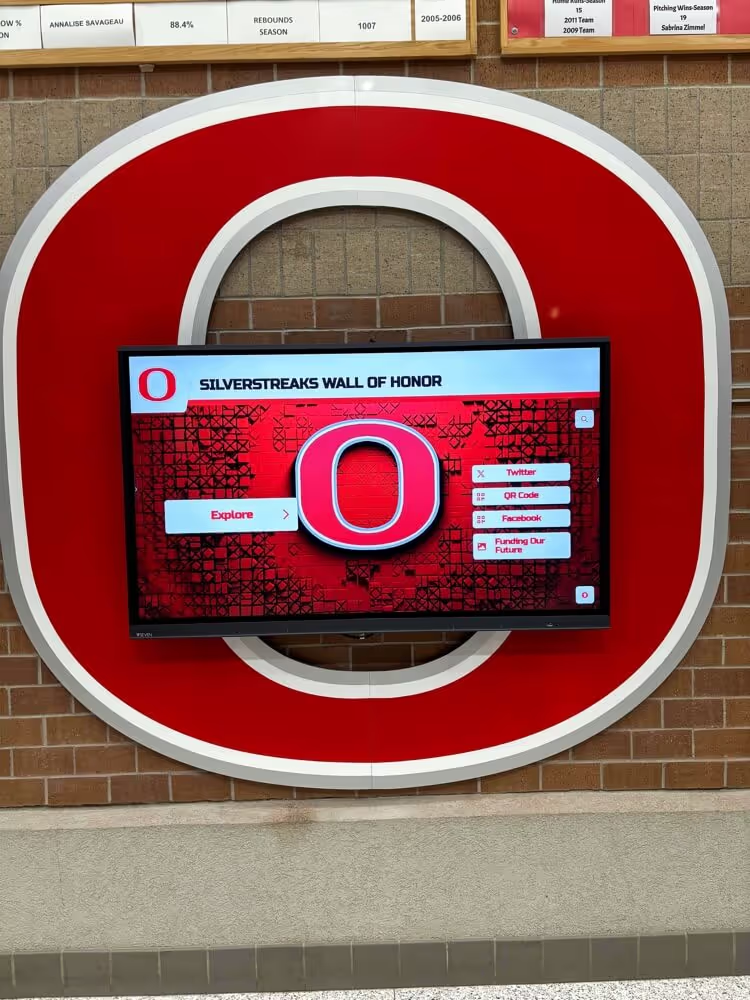
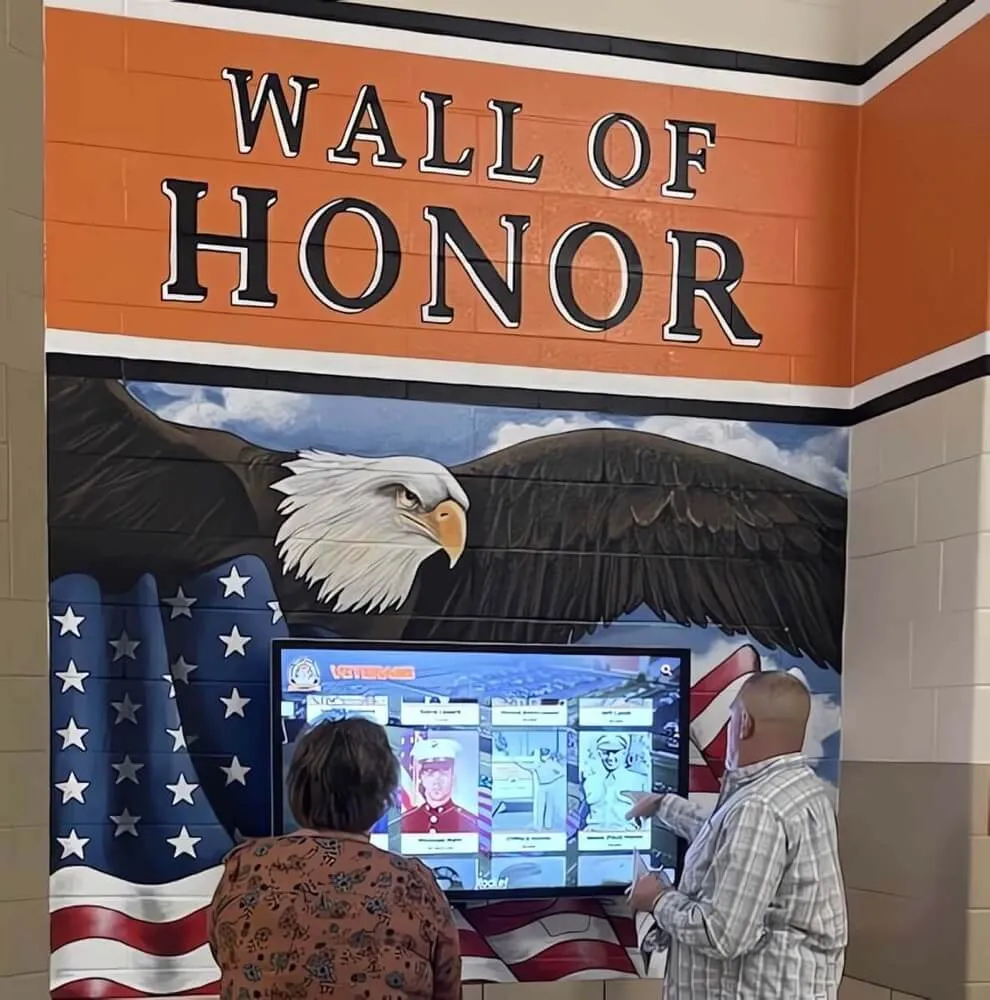
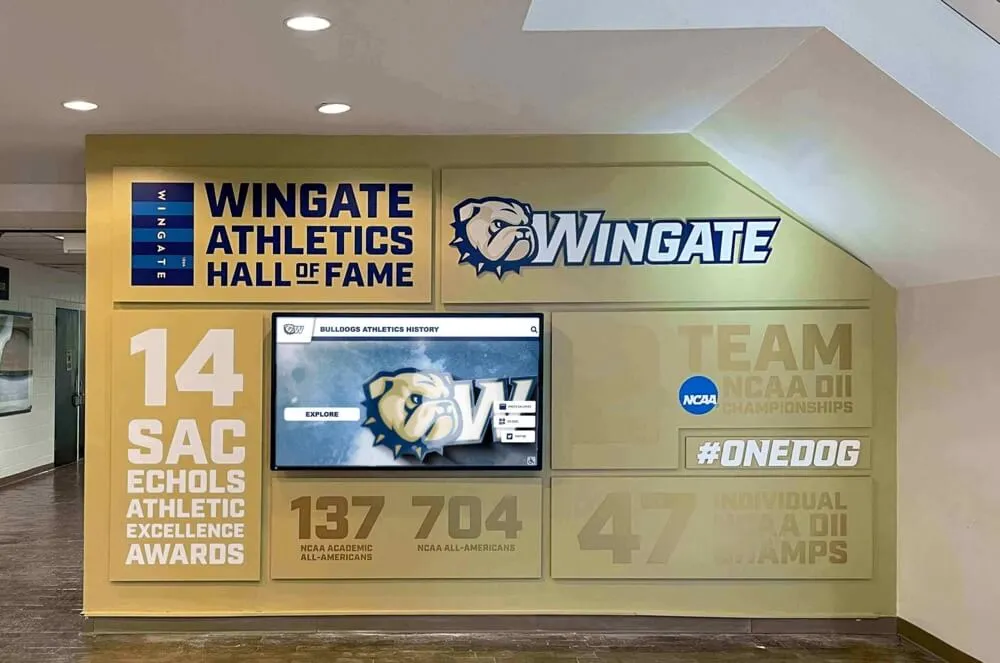
Modern FFA awards displays integrate digital recognition systems into agricultural education facilities, celebrating student excellence
Understanding the FFA Awards and Recognition System
Comprehensive FFA recognition requires understanding the breadth and depth of award opportunities available to agricultural education students.
The FFA Degree System
The FFA degree program provides structured recognition as students progress through increasingly challenging agricultural education experiences.
Degree Progression and Requirements
FFA members can earn four degrees demonstrating their growing commitment to agricultural education. The Discovery FFA Degree recognizes middle school students beginning agricultural education, while the Greenhand FFA Degree acknowledges first-year high school members. The Chapter FFA Degree honors sophomore members who have demonstrated leadership and SAE growth, and the State FFA Degree recognizes juniors and seniors with extensive agricultural achievement, according to National FFA degree requirements.
The pinnacle American FFA Degree honors fewer than one percent of all FFA members, representing the highest recognition the organization bestows on members for agricultural achievement, leadership development, and community service. Recipients must have earned at least $10,000 through their supervised agricultural experience programs and demonstrated exceptional agricultural leadership.
Degree Recognition Display Strategies
Agricultural education programs should create systematic recognition for degree earners:
- Dedicated display sections for each degree level showing progression pathways
- American FFA Degree recipient special recognition with detailed achievement documentation
- Historical degree recipient archives preserving chapter legacy
- Year-by-year degree statistics demonstrating chapter strength
- Individual student profiles showcasing degree journey progression
This structured recognition demonstrates the significance of degree advancement while providing clear examples of achievement pathways for younger chapter members.
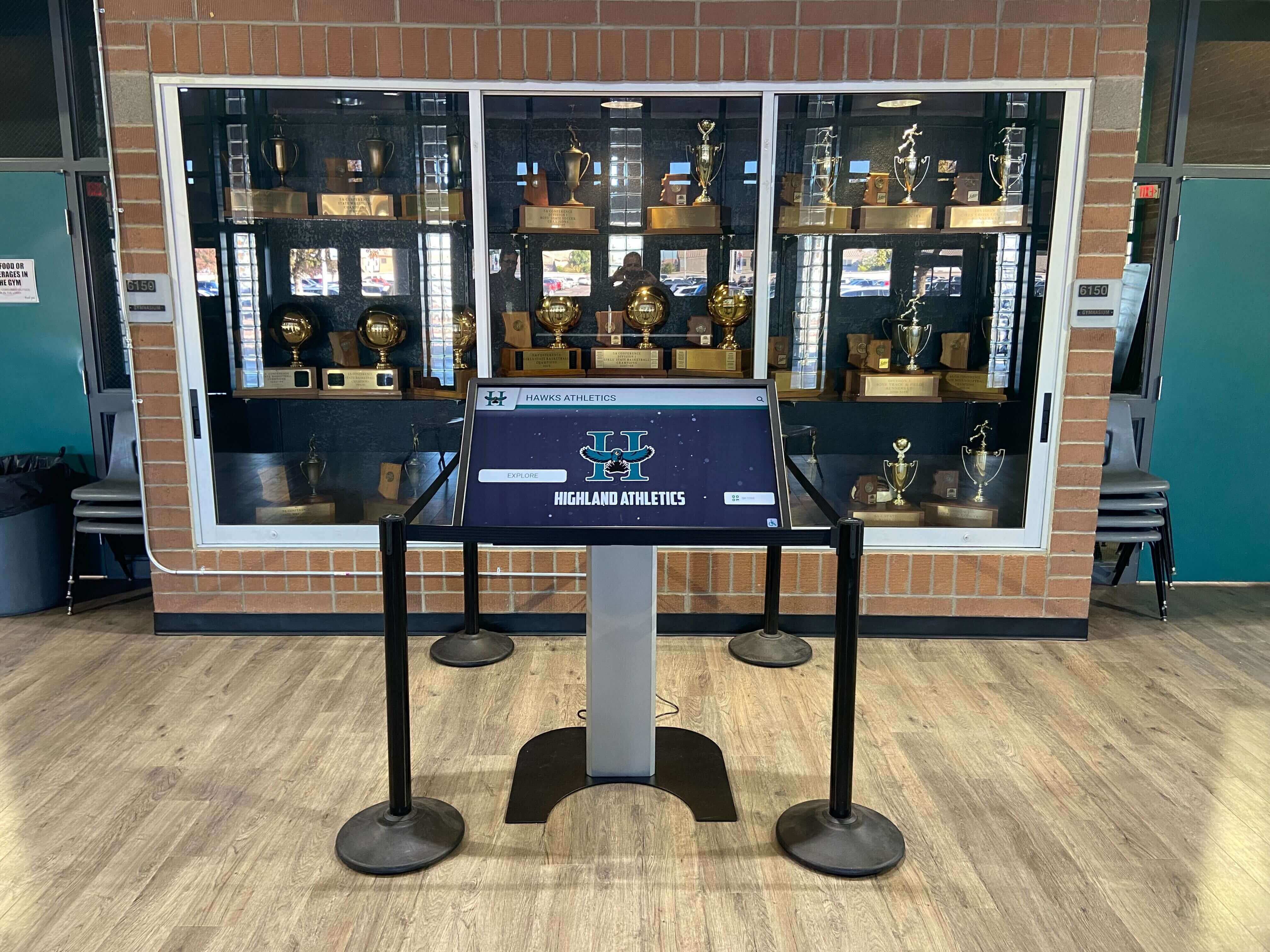
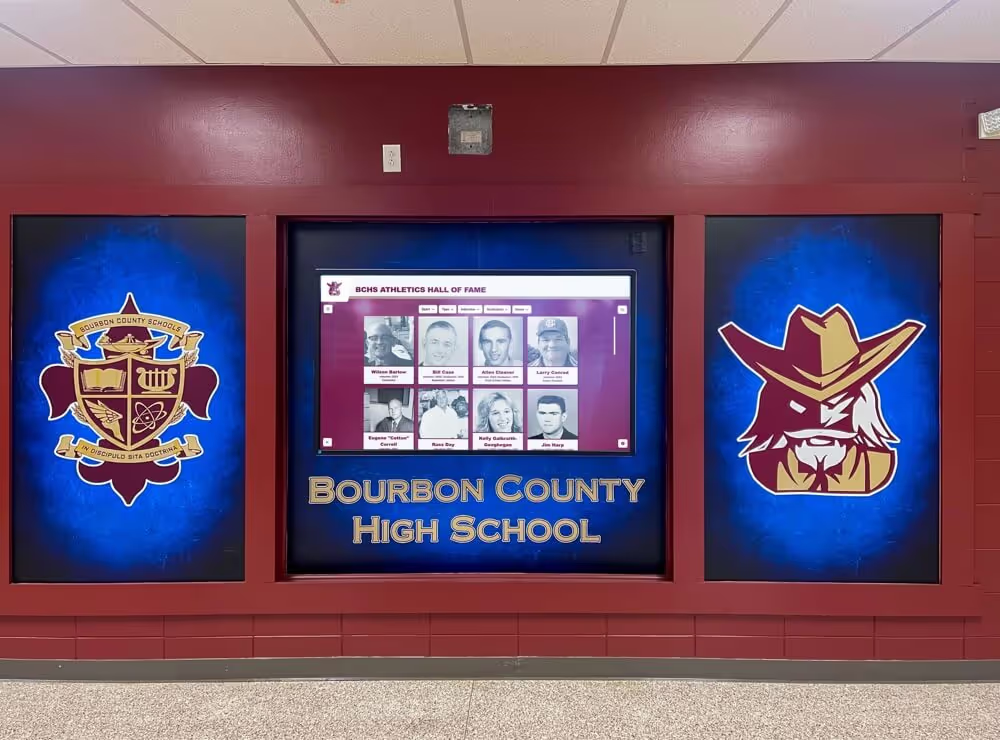
Interactive digital displays enable comprehensive FFA recognition beyond traditional trophy case capacity
Career Development Events (CDEs) Recognition
Career Development Events challenge students to develop career-ready skills in specific agricultural disciplines through competitive experiences.
CDE Categories and Competition Structure
According to the National FFA CDE program, Career Development Events cover diverse agricultural fields including agricultural communications, agricultural mechanics, agricultural sales, agronomy, animal science, dairy cattle evaluation, environmental and natural resources, floriculture, food science and technology, forestry, horse evaluation, livestock evaluation, meats evaluation, nursery and landscape, poultry evaluation, and veterinary science, among others.
Competitions begin at local and chapter levels, progress through state competitions, and culminate in national championships during the National FFA Convention & Expo. Teams typically consist of three to four members demonstrating both individual and collaborative agricultural knowledge.

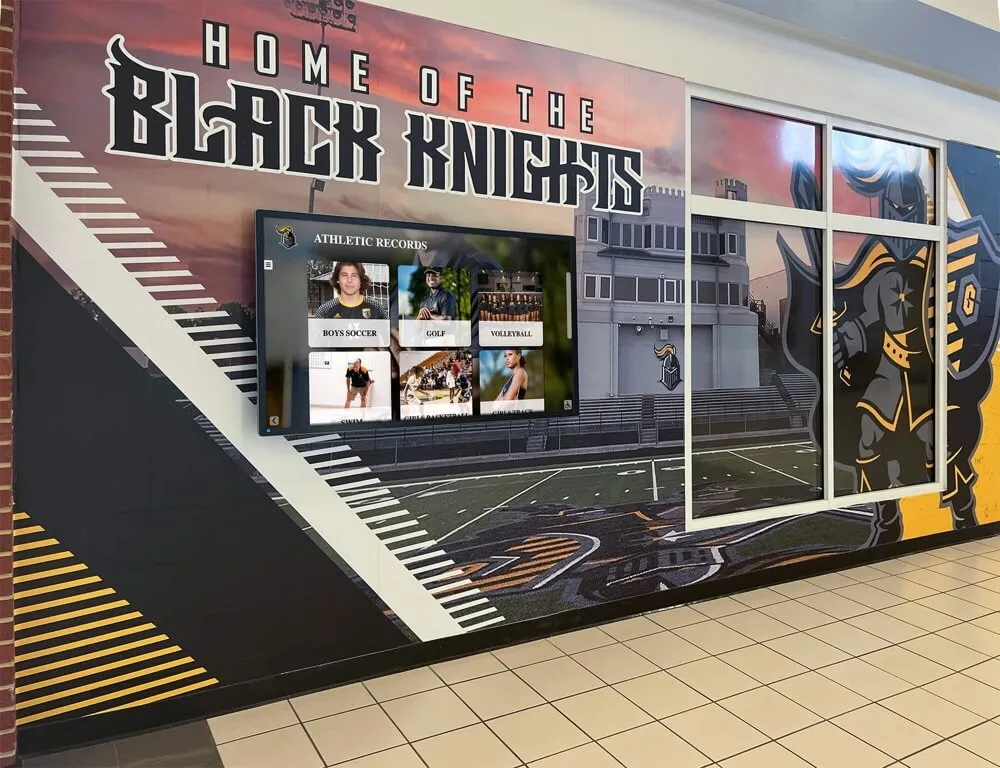
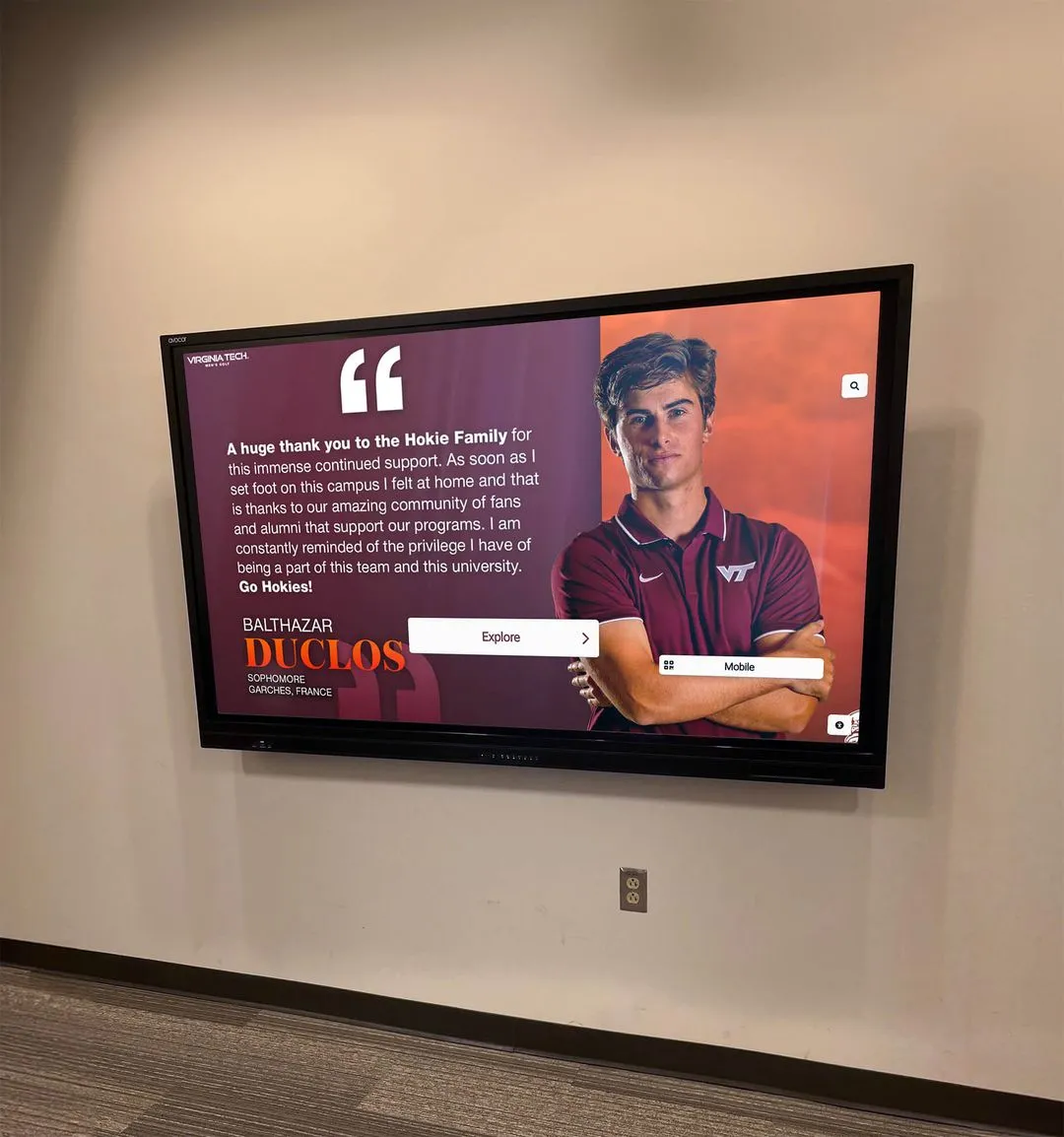
Individual recognition profiles celebrate specific CDE and LDE achievements and agricultural journeys
CDE Achievement Display Elements
Comprehensive CDE recognition should include:
- Competition year, event name, and placement achieved
- Complete team rosters with individual member identification
- Individual skill demonstration scores when available
- Progression through local, state, and national competition levels
- Photos from competition events and award ceremonies
- Connection to career pathways and agricultural industry relevance
- Alumni outcomes showing how CDE participation influenced career directions
Digital recognition platforms like Rocket Alumni Solutions enable detailed CDE documentation impossible with traditional static displays, creating searchable archives allowing students and community members to explore decades of competitive excellence across all agricultural disciplines.
Leadership Development Events (LDEs) Recognition
Leadership Development Events complement technical agricultural skills with essential leadership, communication, and interpersonal competencies.
LDE Categories and Format
Leadership Development Events include activities like creed speaking, extemporaneous public speaking, prepared public speaking, parliamentary procedure, agricultural issues, discussion meet, employment skills, and marketing plan presentations. These events develop transferable skills applicable across all career paths while reinforcing agricultural knowledge.
LDEs typically involve individual presentations, team demonstrations, or problem-solving scenarios judged by agricultural industry professionals, educators, and community leaders using standardized rubrics evaluating content knowledge, presentation delivery, and critical thinking.
Leadership Recognition Best Practices
Effective LDE recognition strategies include:
- Video recordings of winning presentations and demonstrations
- Judge commentary and scoring rubrics demonstrating excellence criteria
- Multiple-year participation tracking showing leadership development growth
- Connection between LDE skills and real-world agricultural applications
- Alumni testimonials about leadership development impact on careers
- Chapter-level participation statistics encouraging broad involvement
Learn about comprehensive student achievement recognition in CTE program digital displays that integrate career and technical education recognition including agricultural education.
Agricultural Proficiency Awards Recognition
Proficiency awards represent FFA’s most comprehensive recognition of individual agricultural achievement through supervised agricultural experience programs.
Understanding SAE-Based Proficiency Awards
Students compete for proficiency awards in nearly 50 areas ranging from agricultural communications to wildlife management, with awards recognizing members at placement, entrepreneurship, and integrated levels.
Proficiency Award Categories
The breadth of proficiency categories reflects modern agriculture’s diversity. Students can earn recognition in traditional production agriculture areas like beef production, dairy production, forage production, and grain production, as well as emerging agricultural fields including agricultural technology and mechanical systems, aquaculture, specialty animal production, and turf grass management.
Agricultural business categories include agribusiness, agricultural education, agricultural processing, agricultural sales, agricultural services, and diversified agricultural production. Specialized categories recognize excellence in agricultural communications, environmental science and natural resources management, food science and technology, and wildlife management.
Proficiency Award Recognition Elements
Comprehensive proficiency recognition should document:
- Complete SAE description including scope, investment, and outcomes
- Financial records demonstrating project profitability or value
- Skills developed through supervised agricultural experience
- Connection to career interests and post-secondary plans
- Progression from local to state to national recognition levels
- Project photos documenting agricultural enterprise or placement experience
- Community impact and agricultural industry contribution
- Mentor and advisor acknowledgment

Detailed student profiles enable comprehensive storytelling about agricultural proficiency achievements
American Star Awards
The American Star Awards represent FFA’s highest competitive honors in agricultural achievement categories.
Star Award Structure
Four American Star Awards recognize excellence in agricultural production, agricultural placement, agribusiness, and agriscience research. Winners represent the pinnacle of achievement in each category among all American FFA Degree recipients nationally.
These prestigious awards require extensive documentation of supervised agricultural experiences demonstrating exceptional agricultural knowledge, outstanding financial success or educational value, and remarkable dedication to agricultural career development over multiple years.
Star Recognition Display Strategies
Programs fortunate to have American Star Award winners should provide exceptional recognition:
- Permanent prominent display locations ensuring maximum visibility
- Comprehensive project documentation including financial records and outcomes
- Video interviews with award recipients discussing their agricultural journeys
- Connection to current chapter programs encouraging similar excellence pursuit
- Alumni follow-up showing career paths following star recognition
- Community celebration documentation preserving local pride in national achievement
Explore approaches to highlighting exceptional achievers in academic recognition programs with strategies applicable to FFA’s highest honors.
National Chapter Award Recognition
FFA chapter excellence receives recognition through the National Chapter Award program honoring comprehensive chapter operations.
National Chapter Award Program Structure
The National Chapter Award recognizes chapters actively implementing FFA’s mission through the three divisions of growing leaders, building communities, and strengthening agriculture.
Award Levels and Requirements
According to the National Chapter Award program, every chapter meeting minimum quality chapter standards qualifies as a Model Chapter. Chapters completing comprehensive applications compete for Bronze, Silver, and Gold awards based on activities in each division. The top three chapters in each division nationally receive Three-Star Chapter recognition as National FFA Premier Chapters. Ten chapters receive the highest Model of Excellence designation, demonstrating exceptional quality across all three divisions.
Chapter Award Display Approaches
National Chapter Award recognition demonstrates program quality to stakeholders:
- Year-by-year award level achievement showing chapter trajectory
- Specific activities and accomplishments earning recognition
- Student leadership team members responsible for award-winning programs
- Community impact documentation from building communities division
- Agricultural advocacy initiatives from strengthening agriculture division
- Leadership development programs from growing leaders division
- Comparative context showing competitiveness of national recognition
This comprehensive chapter recognition complements individual student awards, demonstrating that agricultural education program excellence results from systematic chapter operations, not just individual exceptional students.
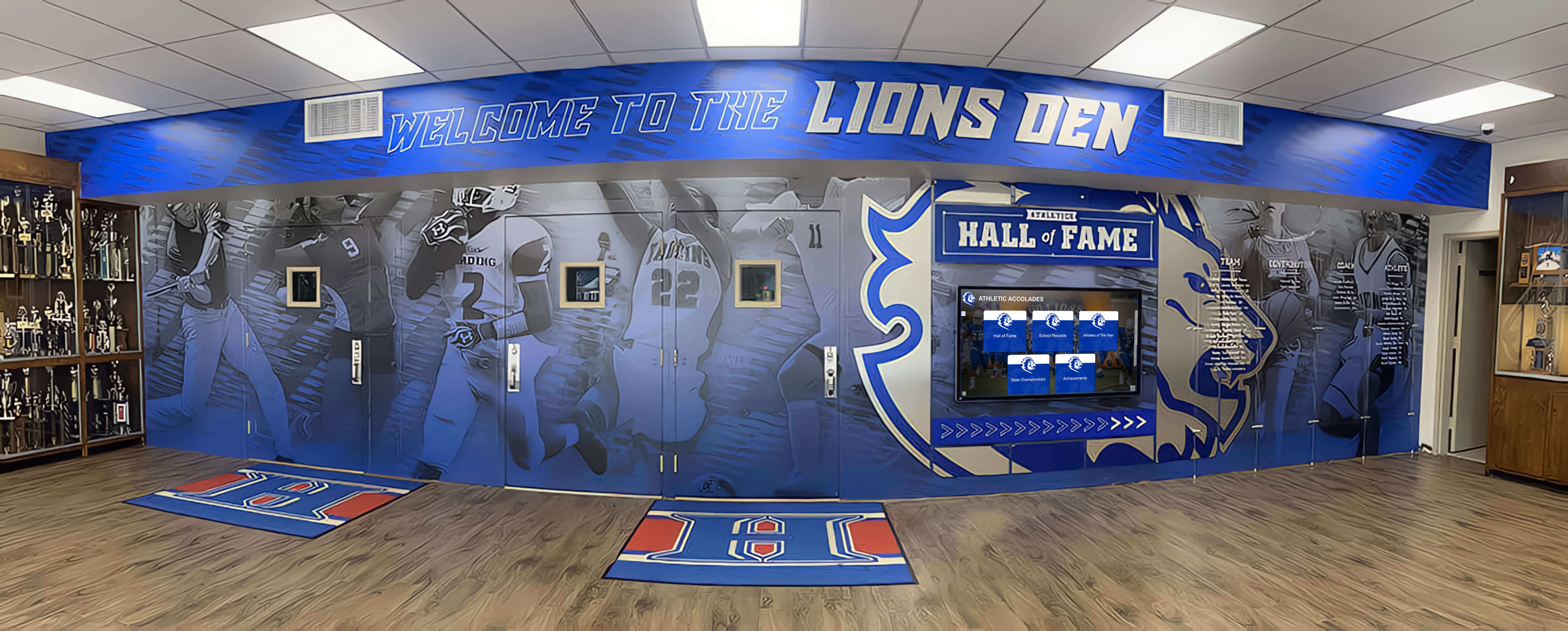
Integrated recognition systems celebrate both individual achievements and chapter excellence
Agriscience Fair Recognition
The Agriscience Fair provides opportunities for students to conduct original agricultural research and compete for national recognition.
Agriscience Competition Structure
Students develop original research projects investigating agricultural topics using scientific methodology. Projects can focus on animal systems, environmental systems and natural resources, food products and processing systems, plant systems, power, structural and technical systems, or social systems.
Research Project Categories
Agriscience projects involve identifying agricultural problems, conducting literature reviews, developing hypotheses, designing experiments, collecting and analyzing data, and drawing conclusions about agricultural research questions. Students present research findings through written reports, visual displays, and oral presentations evaluated by agricultural scientists and researchers.
Agriscience Recognition Display Elements
Research recognition displays should include:
- Research question and hypothesis clearly stated
- Experimental methodology and scientific approach
- Data collection and statistical analysis results
- Research conclusions and agricultural implications
- Competition placement and judge recognition
- Photos from research process and project displays
- Connection to broader agricultural scientific knowledge
- Post-competition outcomes including publication or implementation
Digital displays enable presenting complex research in accessible formats, using graphics, data visualizations, and video explanations making agricultural science comprehensible to broader audiences beyond agricultural education specialists.

Interactive displays encourage student engagement with agricultural education achievements and research projects
Learn about showcasing student projects in highlighting student STEM projects with approaches applicable to agriscience research recognition.
Implementing Modern FFA Recognition Systems
Traditional approaches to FFA recognition—trophy cases crowded with aging hardware and walls covered with static plaques—struggle to adequately celebrate the breadth and depth of agricultural education achievement in modern chapters.
Digital Recognition Display Solutions
Solutions like Rocket Alumni Solutions transform FFA recognition through interactive displays eliminating traditional limitations while enhancing accessibility and engagement.
Unlimited Recognition Capacity
Digital recognition systems solve the fundamental space constraints that force agricultural education programs to choose which achievements receive display:
- Single display showcases unlimited awards across all FFA categories and decades
- No need to remove historical recognition to accommodate current achievements
- Equal display capacity for CDEs, LDEs, proficiency awards, degrees, and chapter honors
- Comprehensive archives preserving complete chapter history accessible to future members
- All agricultural disciplines receive equivalent recognition regardless of trophy size
This unlimited capacity ensures every FFA achievement receives appropriate permanent recognition rather than forcing difficult decisions about which awards deserve limited display space.
Interactive Multimedia Storytelling
Digital platforms enable rich multimedia documentation impossible with physical trophies and plaques:
- Award ceremony video footage capturing recognition moments
- Student interviews discussing agricultural projects and competition experiences
- Photo galleries documenting supervised agricultural experiences
- Project documentation including financial records and enterprise descriptions
- Competition footage showing CDEs and LDEs in action
- Alumni updates connecting FFA achievements to agricultural career success
- Historical archives showing chapter evolution across decades
These multimedia elements transform simple award acknowledgment into comprehensive agricultural education celebration enabling younger chapter members to understand not just what achievements occurred but how students earned recognition and what made their agricultural work exceptional.

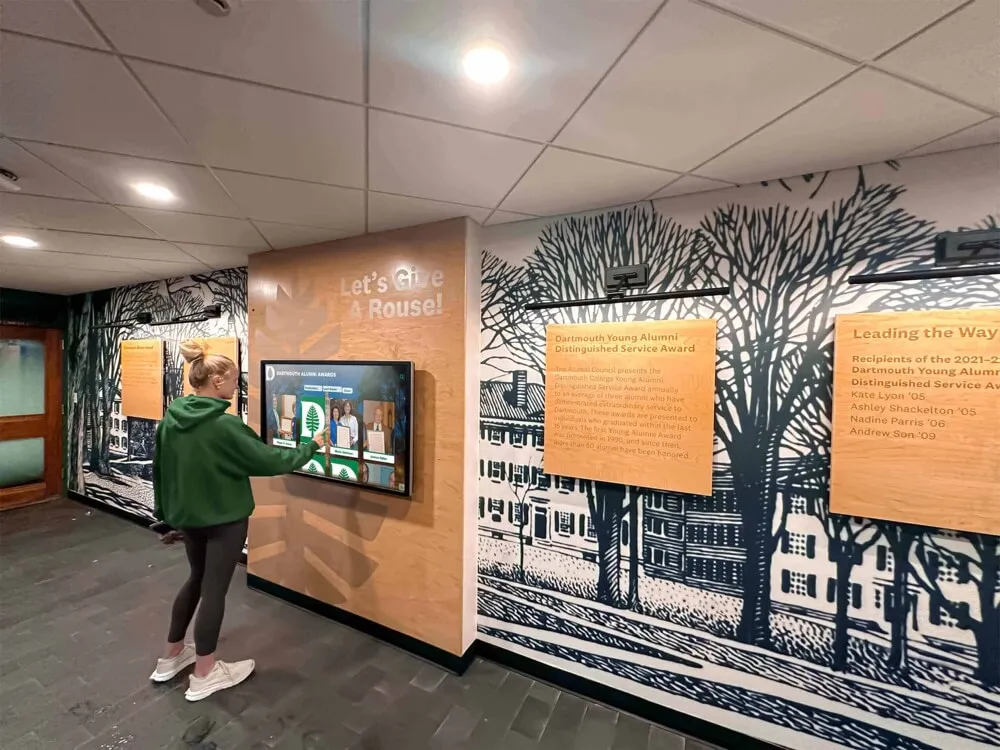
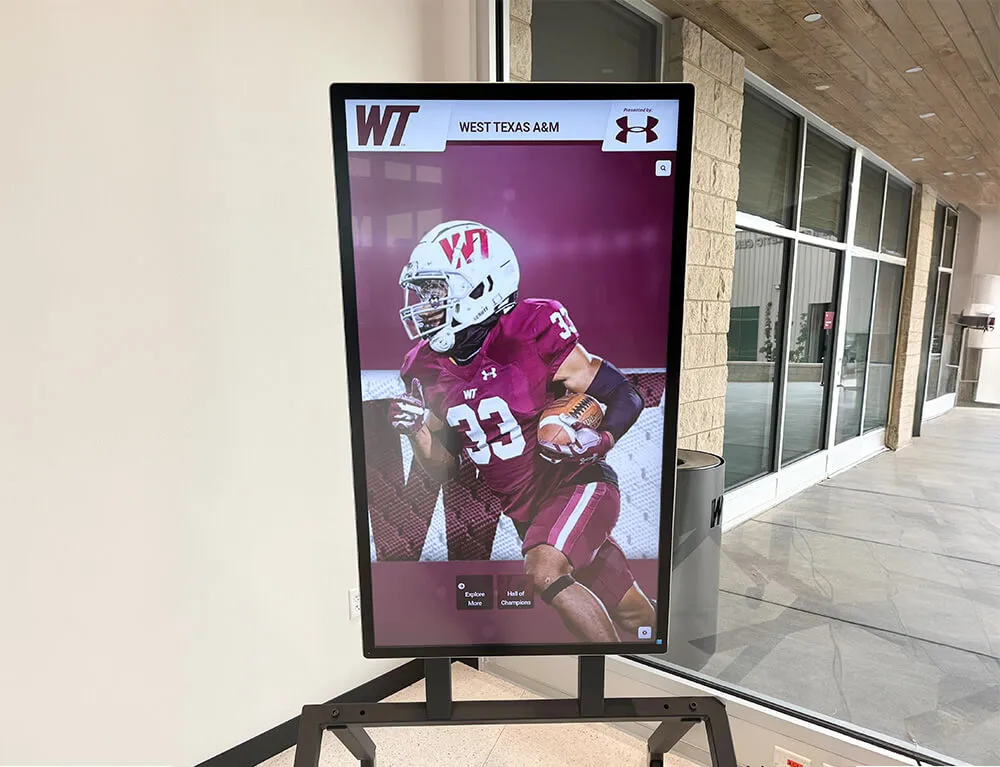
Touchscreen interfaces create engaging exploration of FFA achievements and agricultural education excellence
Simple Cloud-Based Management
Modern recognition systems eliminate administrative burden through intuitive management platforms:
- Remote content updates from any internet-connected device
- Bulk import capabilities for historical award data
- Template systems for standardized award documentation
- Role-based access enabling appropriate agricultural education staff and student officer control
- Scheduled publishing aligning recognition with awards ceremonies and conventions
- Mobile-optimized interfaces enabling smartphones and tablet management
Agricultural education programs report significant time savings after implementing digital recognition systems, with award updates taking minutes rather than hours required for physical display maintenance.
Web-Based Recognition Extensions
FFA recognition should extend beyond school campuses to engage families, community supporters, and agricultural industry partners.
Online Recognition Platforms
Web-accessible recognition amplifies award impact:
- Parents and extended family can view FFA achievements from anywhere
- Agricultural industry partners can explore chapter accomplishments
- Alumni can maintain connections through accessible chapter history
- Community supporters can understand agricultural education program quality
- College admissions officers and scholarship committees can verify student claims
- Social sharing capabilities enable students to celebrate FFA achievements broadly
Explore approaches in online digital archives showing how digital recognition extends beyond physical locations.
Strategic Recognition Placement
Display location significantly impacts FFA recognition effectiveness and community awareness.
Optimal Display Locations
Consider multiple strategic placement opportunities:
- Agricultural education classroom entrances ensuring all students see recognition daily
- School main lobbies demonstrating agricultural education program quality school-wide
- Career and technical education wings connecting agricultural programs to broader CTE
- Common areas and cafeterias where non-agricultural students encounter FFA excellence
- Community agricultural events and fairs showcasing chapter achievements
- Advisory committee meeting spaces demonstrating accountability to agricultural industry

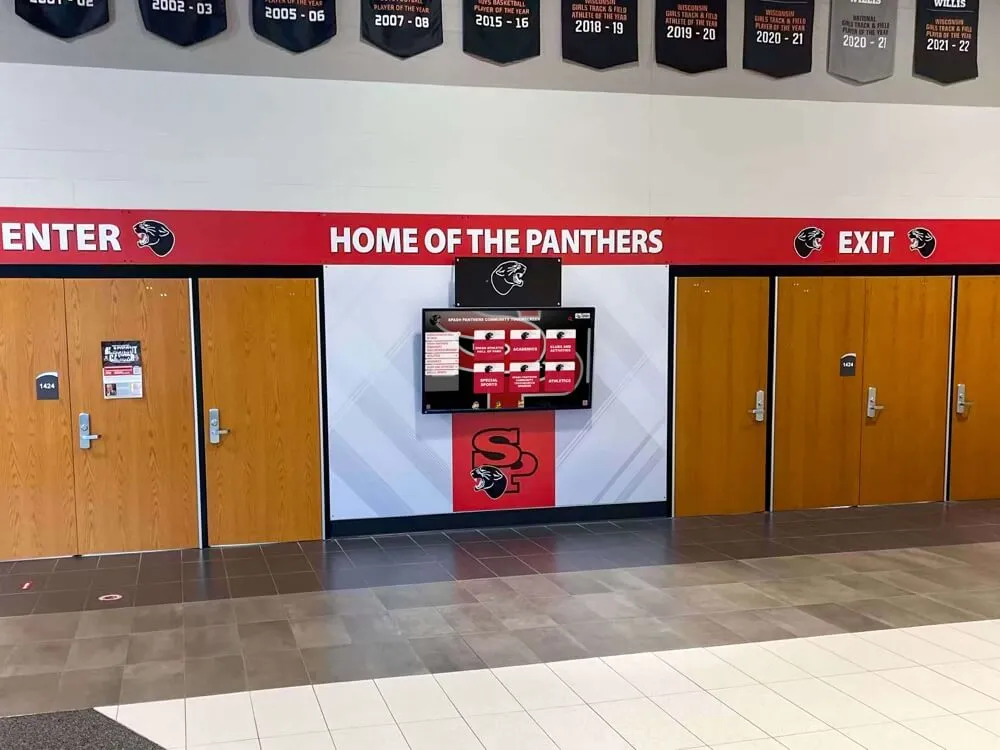
Strategic lobby placement demonstrates agricultural education program value to entire school community
Multiple display locations ensure FFA recognition reaches diverse audiences including school administrators, non-agricultural students, community visitors, and industry partners—expanding awareness of agricultural education excellence beyond traditional agricultural education supporters.
Learn about strategic display placement in interactive announcements feed systems that integrate recognition with daily school communications.
Creating Comprehensive FFA Documentation
Effective displays require complete accurate award information often requiring systematic organization and historical research.
Systematic Award Documentation Processes
Agricultural education programs should establish consistent documentation procedures capturing award information immediately following recognition.
Essential Documentation Fields
Standardized information ensures comprehensive recognition:
- Award category and specific event or proficiency area
- Competition year and recognition level (chapter, state, national)
- Student names and graduation years
- Detailed project or competition descriptions
- Financial outcomes for proficiency awards
- Individual and team scores when available
- Judge feedback and evaluation criteria
- Award ceremony photos and video footage
- Agricultural education instructor acknowledgment
- Advisory committee and community partner recognition
- Post-award outcomes and career pathway connections
This standardization creates searchable organized databases supporting multiple display formats while preserving institutional knowledge as agricultural education instructors, student officers, and chapter membership change over time.
Historical FFA Recognition Research
Many agricultural education programs lack complete organized records of FFA achievement history requiring dedicated documentation efforts.
Research Sources and Strategies
Reconstruct historical FFA recognition through multiple sources:
- FFA chapter scrapbooks maintained by student historians
- Agricultural education program records from instructor files
- State FFA association award archives and results publications
- National FFA Convention results published annually
- Local newspaper coverage of FFA award recipients
- School yearbook documentation of agricultural education programs
- Alumni memories and personal award collections
- Advisory committee institutional knowledge
This research often reveals significant achievements undocumented in official records, enabling comprehensive recognition of agricultural education program legacy that strengthens current chapter identity and pride.
Learn about comprehensive historical documentation in school historical timeline displays with strategies applicable to FFA chapter history preservation.

Systematic historical research enables complete FFA recognition documentation across decades of agricultural education excellence
Special FFA Recognition Considerations
Different agricultural education program contexts require adapted recognition approaches maximizing impact within specific situations.
Small Chapter Recognition Strategies
Agricultural education programs with smaller enrollment and limited competitive success face different display challenges than large programs with extensive award histories.
Making Limited Recognition Impactful
Smaller chapters should maximize recognition of every achievement:
- Celebrate all competition participation, not just top placements
- Document individual student growth across multiple years
- Recognize improvement and persistence alongside ultimate achievement
- Include chapter activities and community service beyond competitive awards
- Highlight connections between FFA participation and student career success
- Feature agricultural education course accomplishments complementing FFA competition
These approaches ensure meaningful recognition even when award frequency doesn’t match larger programs with extensive competitive resources and long-established agricultural education traditions.
Explore strategies for maximizing impact in school achievement recognition programs that celebrate excellence at all levels.
Building Competitive Culture
For chapters seeking first major awards or experiencing achievement gaps, recognition displays serve aspirational functions:
- Historical greatest achievements showing chapter competitive potential
- Individual student leadership and skill development documentation
- Connection to agricultural industry partners supporting chapter growth
- Instructor expertise and professional development investment
- Facility and equipment improvements enabling enhanced agricultural education
- Advisory committee agricultural expertise and community support
This aspirational recognition creates cultures expecting competitive excellence rather than accepting limited achievement as permanent program ceiling.
Large Chapter Multi-Award Recognition
Agricultural education programs with extensive competitive success and numerous award categories face different challenges managing comprehensive recognition.
Managing Extensive Award Histories
Organizational strategies for programs with numerous awards:
- Digital platforms providing unlimited capacity essential for comprehensive recognition
- Systematic categorization enabling intuitive navigation through extensive archives
- Featured award rotation highlighting different achievements periodically
- Decade-based organization helping users explore specific time periods
- Award category sections providing focused navigation paths
- Search functionality essential for finding specific awards in large databases
- Filtering capabilities by award type, student name, year, or agricultural discipline
These approaches make extensive award traditions navigable assets rather than overwhelming collections discouraging exploration.

Integrated recognition combines traditional design elements with modern digital capabilities for comprehensive award celebration
Integration with Career and Technical Education Recognition
FFA recognition achieves maximum impact when integrated into broader career and technical education (CTE) celebration systems.
Connecting FFA to CTE Pathway Recognition
Agricultural education represents one pathway within comprehensive CTE programs deserving coordinated recognition approaches.
Unified CTE Recognition Systems
Integrated recognition demonstrates CTE program breadth:
- Parallel recognition structure across all CTE pathways creating consistency
- Shared digital platforms enabling efficient multi-program management
- Cross-program recognition for students participating in multiple pathways
- Comparative displays showing agricultural education excellence alongside other CTE areas
- Unified messaging about CTE’s role preparing career-ready graduates
- Combined ceremonies and events celebrating achievement across all career pathways
This integration positions agricultural education as valued component of comprehensive career preparation rather than isolated niche program, building broader community understanding and support.
See comprehensive career and technical education recognition in best school history software that documents program evolution and student achievement.
Explore comprehensive approaches in CTE program digital touchscreen displays showing multi-pathway recognition strategies.
Agricultural Industry Partner Recognition
FFA achievement results from community partnership deserving acknowledgment alongside student recognition.
Partner Recognition Elements
Comprehensive displays should acknowledge:
- Advisory committee members providing agricultural expertise and guidance
- Local agricultural businesses offering SAE opportunities and placement experiences
- Industry professionals judging competitions and evaluating projects
- Scholarship sponsors supporting agricultural education students financially
- Equipment and facility donors enabling hands-on agricultural instruction
- Agricultural organizations providing leadership and competitive opportunities
- Alumni agricultural professionals mentoring current chapter members
This partner recognition demonstrates community investment in agricultural education while building relationships essential for sustained program quality and student opportunity.
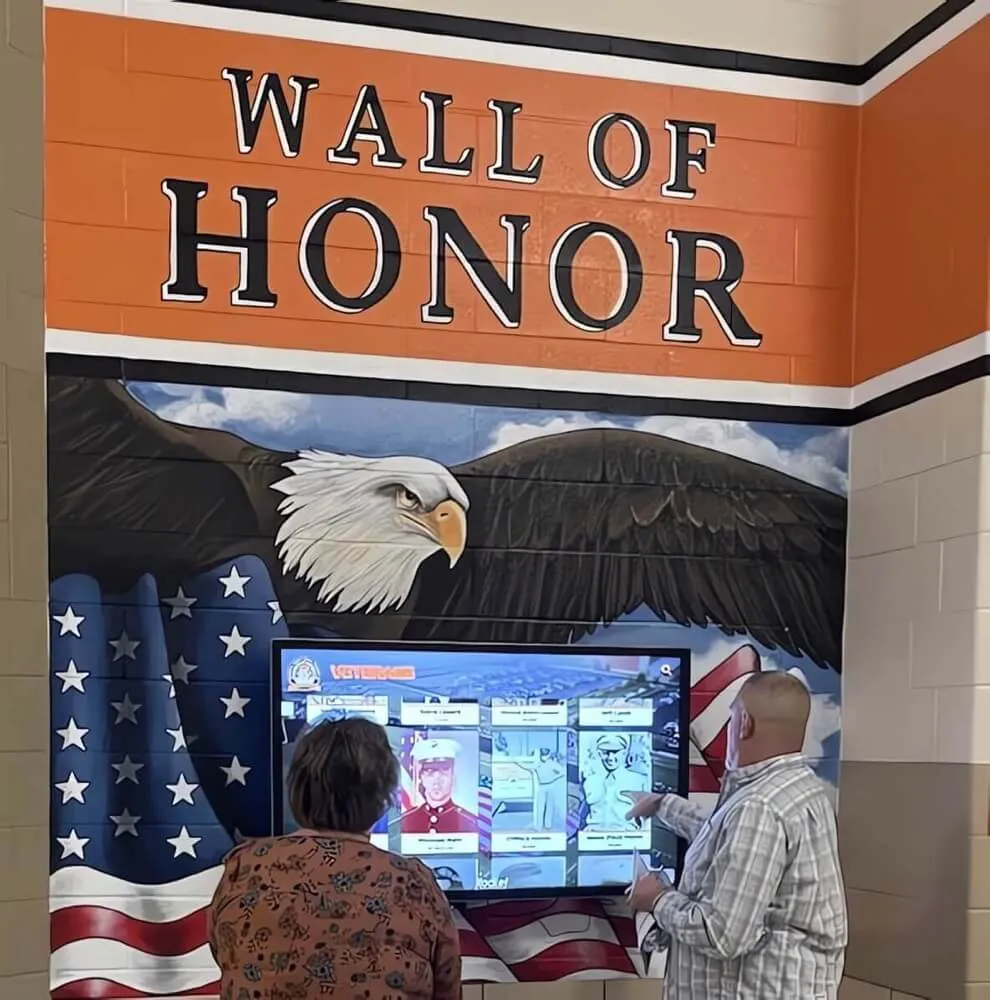
Community-accessible displays strengthen agricultural industry partnerships and demonstrate program value
Measuring FFA Recognition Impact
Assessment demonstrates recognition value while guiding continuous improvement ensuring displays achieve intended objectives.
Quantitative Engagement Metrics
Modern digital recognition systems provide concrete engagement data unavailable from traditional trophy cases.
Measurable Indicators
Track recognition system effectiveness through:
- Display interaction frequency and average session duration
- Most-accessed awards revealing community interests
- Search patterns showing how users navigate FFA recognition content
- Peak usage times informing content scheduling strategies
- Geographic access patterns revealing alumni engagement
- Social sharing frequency demonstrating organic recognition amplification
- Web platform traffic sources showing recognition discovery paths
These metrics reveal whether FFA recognition generates intended engagement or requires strategy adjustments increasing effectiveness and community awareness.
Program Impact Indicators
Agricultural education programs can track metrics potentially influenced by enhanced recognition:
- FFA chapter membership numbers and retention rates
- Competition participation levels across CDE, LDE, and proficiency categories
- Quality and quantity of supervised agricultural experience programs
- Student recruitment into advanced agricultural education courses
- Agricultural industry placement and internship opportunities
- Post-secondary agricultural education enrollment
- Alumni engagement and chapter financial support
Positive trends following recognition implementation suggest displays contribute to program growth and enhanced agricultural education quality.
Qualitative Assessment Approaches
Regular stakeholder feedback provides improvement insights beyond quantitative metrics.
Feedback Collection Strategies
Gather input from multiple perspectives:
- FFA members assessing whether recognition appropriately honors achievements
- Agricultural education instructors evaluating program culture impact
- Parents and families reflecting on student pride and motivation
- Agricultural industry partners noting program quality perception changes
- School administrators observing agricultural education visibility improvements
- Alumni discussing how recognition strengthens connections to current programs
- Community members providing external perspective on agricultural education awareness
This qualitative feedback reveals whether recognition achieves intended cultural and reputational impacts beyond simple engagement metrics.
Discover additional assessment approaches in digital donor recognition displays showing methods applicable to agricultural education partner acknowledgment.

Effective recognition creates destinations where community members explore agricultural education excellence
Technology Platform and Hardware Considerations
Agricultural education programs implementing digital FFA recognition face technology decisions affecting long-term satisfaction and effectiveness.
Evaluating Recognition Platform Features
Purpose-built recognition platforms offer significant advantages over generic digital signage solutions.
Essential Platform Capabilities
Critical technical requirements include:
- Cloud-based content management enabling remote updates without physical display access
- Intuitive interfaces requiring no technical expertise beyond basic computer skills
- Unlimited storage supporting decades of FFA award documentation
- Video hosting capabilities for competition footage and student interviews
- Mobile-responsive designs ensuring access across all devices
- Robust search and filtering enabling content discovery in large award archives
- Customization options matching chapter colors and agricultural education program branding
- Social sharing integration facilitating organic recognition promotion
- Analytics revealing engagement patterns informing content development strategy
General digital signage platforms may meet basic display needs but typically lack FFA-specific features and intuitive content organization that purpose-built recognition systems provide.
Rocket Alumni Solutions Advantages
Platforms designed for educational recognition deliver capabilities addressing unique school needs:
- Pre-built templates for award documentation reducing setup effort
- Educational privacy controls appropriate for student information
- Integration with other recognition types creating unified institutional platforms
- White-glove implementation support ensuring successful launches
- Ongoing technical assistance preventing technology frustrations
- Proven track record across hundreds of educational installations
These specialized capabilities justify investment in dedicated recognition platforms over attempting to adapt generic systems for FFA display purposes.
Hardware Selection Guidance
Display hardware significantly impacts user experience and long-term maintenance requirements.
Hardware Specifications
Consider these technical factors:
- Screen size appropriate for viewing distance and location (typically 43"-65" for most school applications)
- Commercial-grade displays rated for extended daily operation
- Touchscreen capabilities if interactive functionality desired
- Brightness levels suitable for ambient lighting conditions in agricultural education facilities
- Mounting options including wall-mounted, freestanding kiosk, or tabletop configurations
- Connectivity supporting cloud-based content delivery
- Warranty coverage appropriate for educational installations in potentially dusty agricultural environments
Agricultural education programs should budget $2,000-$6,000 per display unit for commercial-grade hardware appropriate for FFA recognition applications depending on size, features, and environmental protection requirements.
Professional Installation Services
Proper installation ensures optimal performance and longevity:
- Secure mounting meeting safety standards for school environments
- Professional cable management maintaining clean aesthetic appearance
- Appropriate placement height for accessibility and viewing comfort
- Electrical work meeting building code requirements
- Network connectivity enabling reliable content updates
- Environmental protection in agricultural education facilities with dust exposure
Professional installation typically costs $500-$1,500 per display depending on mounting complexity and facility conditions—worthwhile investment preventing future problems from inadequate installations.

Commercial-grade installations ensure reliable long-term performance in educational environments
Explore hardware considerations in types of screens for digital signage with guidance applicable to agricultural education recognition displays.
Budget Development and Funding Strategies
FFA recognition displays represent investments delivering value for decades but requiring careful financial planning.
Cost Components and Budget Planning
Comprehensive FFA recognition systems involve multiple expense categories.
Implementation Investment
Initial costs typically include:
- Commercial-grade display hardware ($2,000-$6,000 per display)
- Cloud-based recognition platform setup fees ($0-$1,500)
- Professional installation services ($500-$1,500 per display)
- Historical content development and data entry ($500-$2,000)
- Custom design and branding integration ($0-$1,000)
Total initial investments typically range from $3,000-$12,000 for comprehensive systems combining hardware, software, and implementation services.
Ongoing Operational Costs
Annual expenses include:
- Recognition platform subscription fees ($500-$1,500 annually)
- Content management time from agricultural education staff
- Periodic hardware maintenance and technical support
- Electricity costs for continuous display operation
These ongoing costs remain modest compared to initial investment, particularly considering traditional trophy case and plaque expenses accumulated over comparable timeframes.
Recognition Funding Strategies
Agricultural education programs successfully fund FFA recognition displays through multiple sources:
Funding Approaches
Common successful strategies include:
- FFA chapter fundraising campaigns dedicated to recognition projects
- Alumni solicitation targeting former members wanting to preserve chapter legacy
- Agricultural industry partner sponsorships demonstrating community investment
- Perkins Career and Technical Education grant funds supporting agricultural education facilities
- Advisory committee financial support from agricultural business community
- Memorial gifts honoring deceased members, instructors, or agricultural community leaders
- School building improvement funds during facility renovations
- Education foundation grants supporting innovative agricultural education programs
The tangible, visible nature of recognition displays makes them attractive to agricultural community donors seeking concrete impact from contributions—many programs report fundraising exceeds initial targets when agricultural industry partners and FFA alumni understand projects.
Consider recognition as part of broader facility improvements, as discussed in touch wall high schools guide showing integrated approaches to modern educational spaces.
Explore funding approaches in K-12 fundraising ideas and strategies with tactics applicable to agricultural education program recognition projects.
Conclusion: Building Agricultural Education Legacy Through FFA Recognition
FFA awards digital displays represent strategic investments in agricultural education culture, student motivation, and agricultural career pathway development. When agricultural education programs systematically celebrate FFA achievements through comprehensive recognition combining traditional physical awards with innovative digital platforms—they transform temporary celebration into permanent legacies inspiring current students, honoring past members, and demonstrating that agricultural excellence receives the prominence these extraordinary achievements deserve.
The strategies explored in this guide provide comprehensive frameworks for creating FFA recognition displays that honor agricultural achievement while remaining sustainable, engaging, and aligned with agricultural education goals. From digital recognition platforms like Rocket Alumni Solutions that eliminate space constraints to systematic documentation approaches preserving complete award stories, these strategies overcome traditional limitations while creating recognition experiences impossible with simple trophy cases alone.
Transform Your FFA Recognition Program
Discover how modern digital recognition solutions can help you celebrate every FFA achievement, honor all agricultural education students, and build lasting chapter traditions that inspire agricultural excellence for generations.
Explore Recognition SolutionsBuilding effective FFA recognition requires moving beyond limiting assumptions that trophy cases and wall plaques adequately celebrate diverse agricultural achievements. Digital platforms make comprehensive recognition achievable documenting complete award stories rather than just displaying hardware, while systematic approaches ensure consistent implementation reaching all deserving agricultural education students regardless of competition category or achievement level.
Start where you are with recognition improvements you can implement immediately—whether better organizing existing FFA awards or exploring comprehensive digital recognition systems—then systematically expand to create displays your chapter deserves. Every student who receives meaningful recognition for their FFA accomplishments develops stronger connections to agricultural education and greater motivation to pursue agricultural careers.
Your FFA chapter achievements deserve celebration systems that honor the dedication, agricultural knowledge, and leadership excellence required for success in career development events, proficiency competitions, and degree advancement. With thoughtful planning, appropriate technology investments, and consistent implementation, you can create recognition becoming treasured chapter traditions preserving agricultural education legacy while inspiring next generations of agricultural leaders.
Ready to begin? Explore how Rocket Alumni Solutions can help you create comprehensive FFA awards digital displays that preserve agricultural education excellence while supporting the chapter growth and student development goals essential to sustained agricultural education program success.