



FBLA awards and recognition represent the culmination of business education excellence—moments when students’ dedication to competitive events, mastery of business concepts, and commitment to leadership development receive the celebration they deserve. These achievements shape future business leaders, strengthen chapter identity, and create lasting legacies connecting generations of business students. Yet after state and national conferences conclude and award plaques are presented, many business education programs struggle to appropriately showcase these extraordinary accomplishments through displays that match their significance.
Walk into most high schools and you’ll immediately encounter championship banners celebrating athletic victories, glass cases filled with sports trophies, and walls dedicated to recognizing individual athletic achievement. Yet the FBLA chapter that placed at the National Leadership Conference, the student who earned all four Business Achievement Awards, or the team that consistently wins state competitive events often receives only a brief mention in morning announcements or a small plaque tucked away in a business classroom where few students or families ever see it.
This comprehensive guide explores evidence-based strategies for creating FBLA awards recognition displays that properly celebrate business education excellence, preserve chapter legacy, and inspire current and future business students through modern recognition solutions combining traditional elements with innovative digital technologies that transform how business education programs honor their greatest achievements.
Effective FBLA recognition extends far beyond simply displaying trophies and plaques—it creates comprehensive systems documenting complete achievement stories, celebrating individual and team contributions, and building business education traditions that strengthen chapter culture while demonstrating program commitment to developing future business leaders. Business education programs that excel at FBLA recognition create environments where business achievement receives the prominence and permanence these accomplishments deserve.

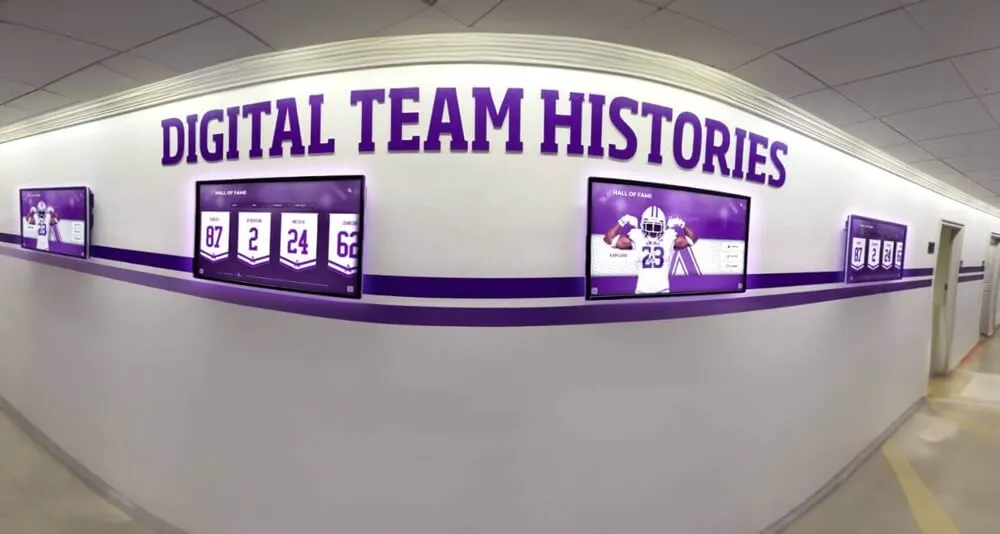
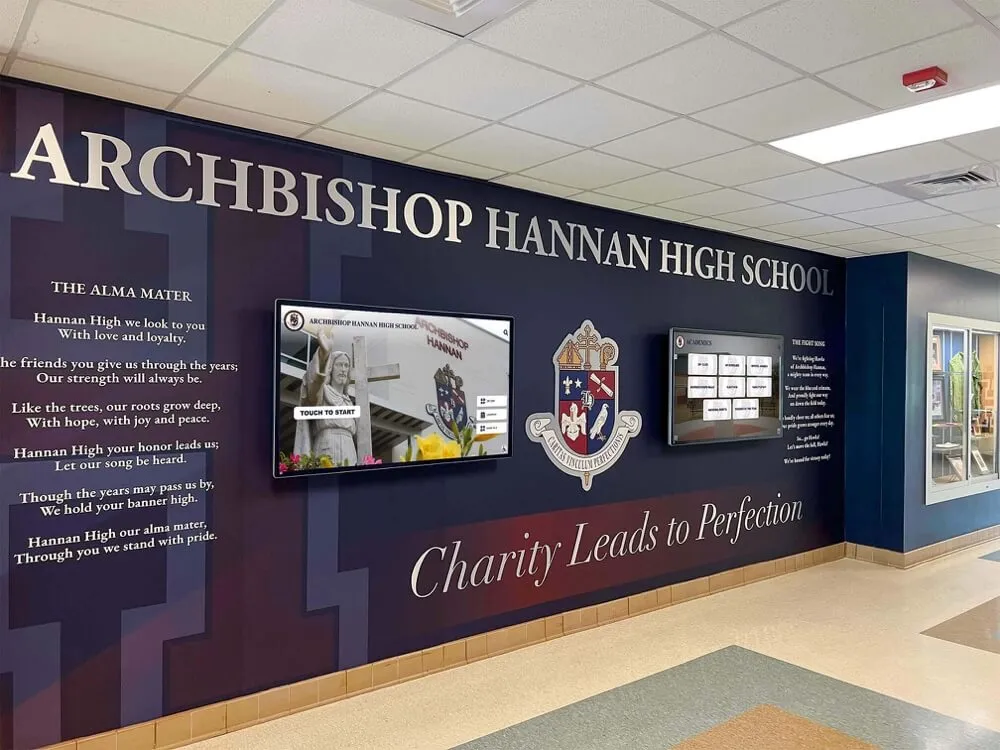
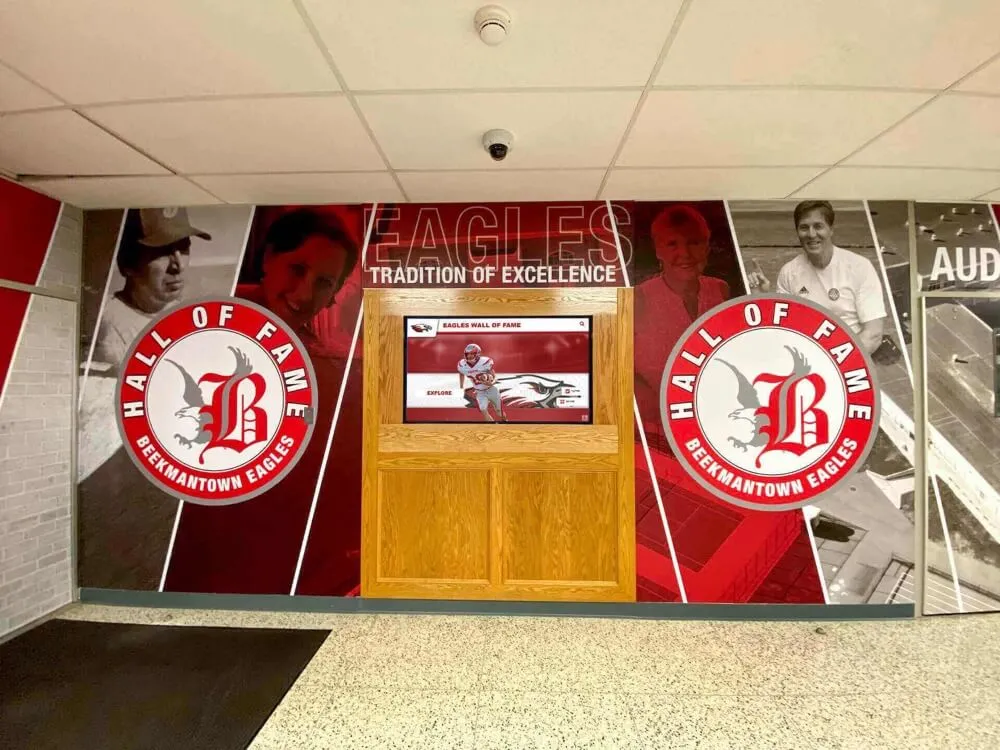
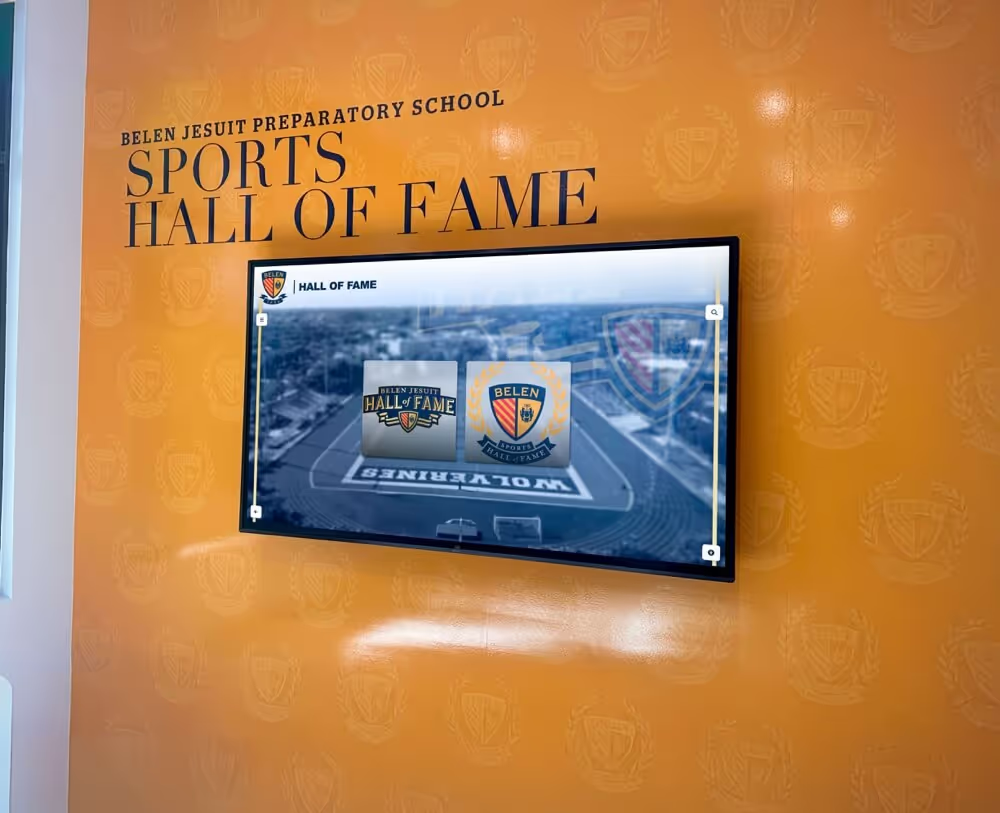
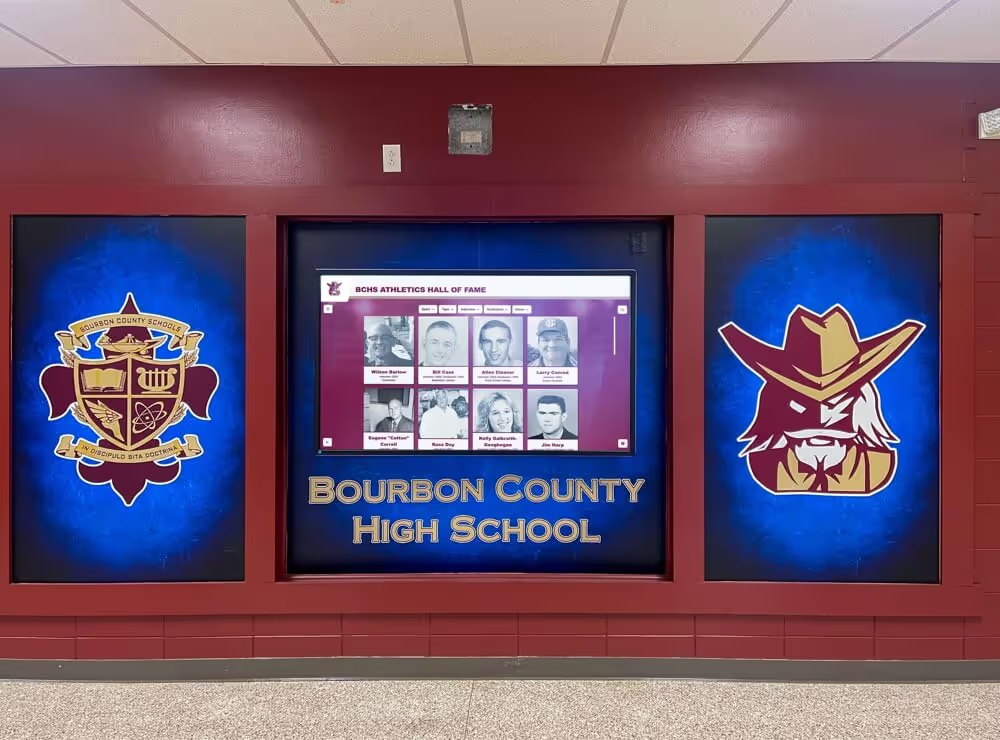
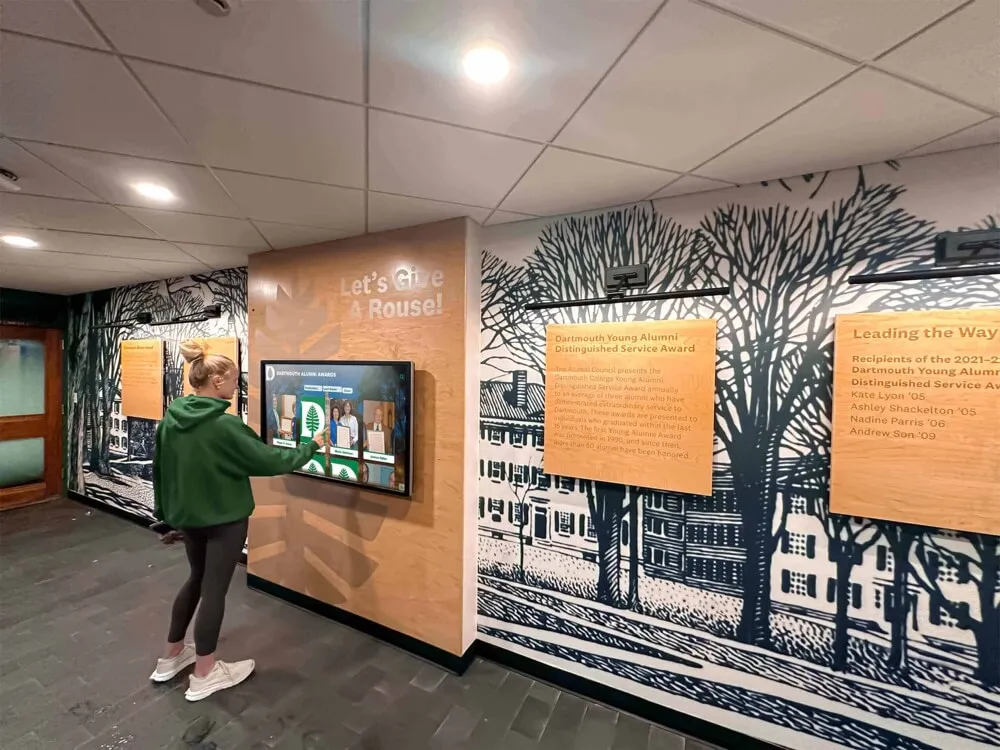
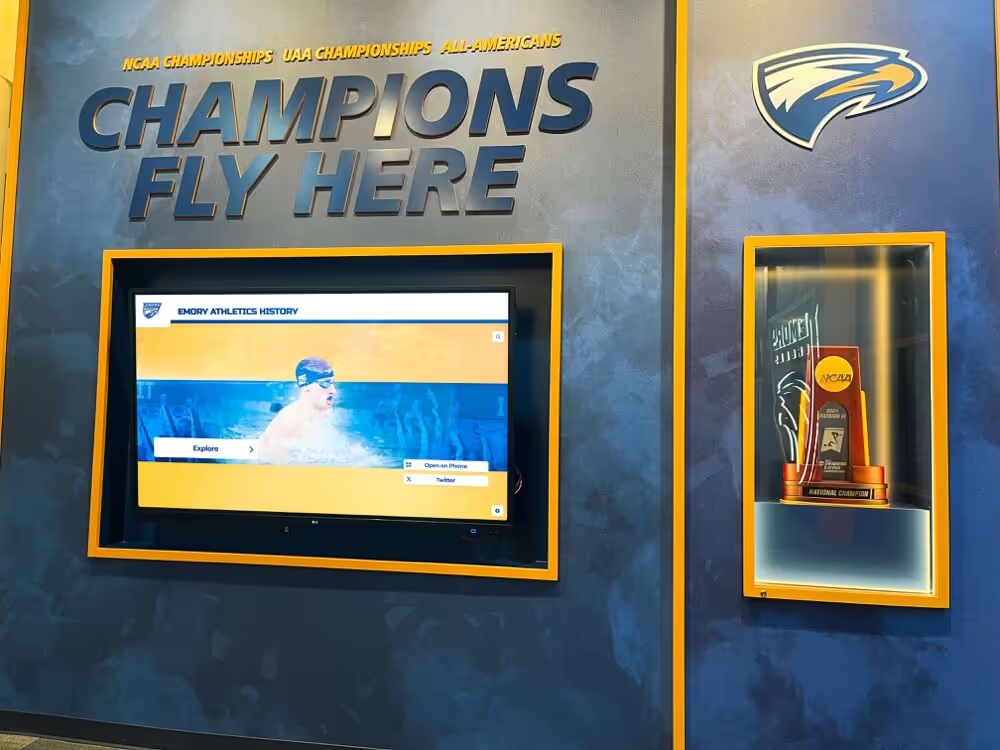
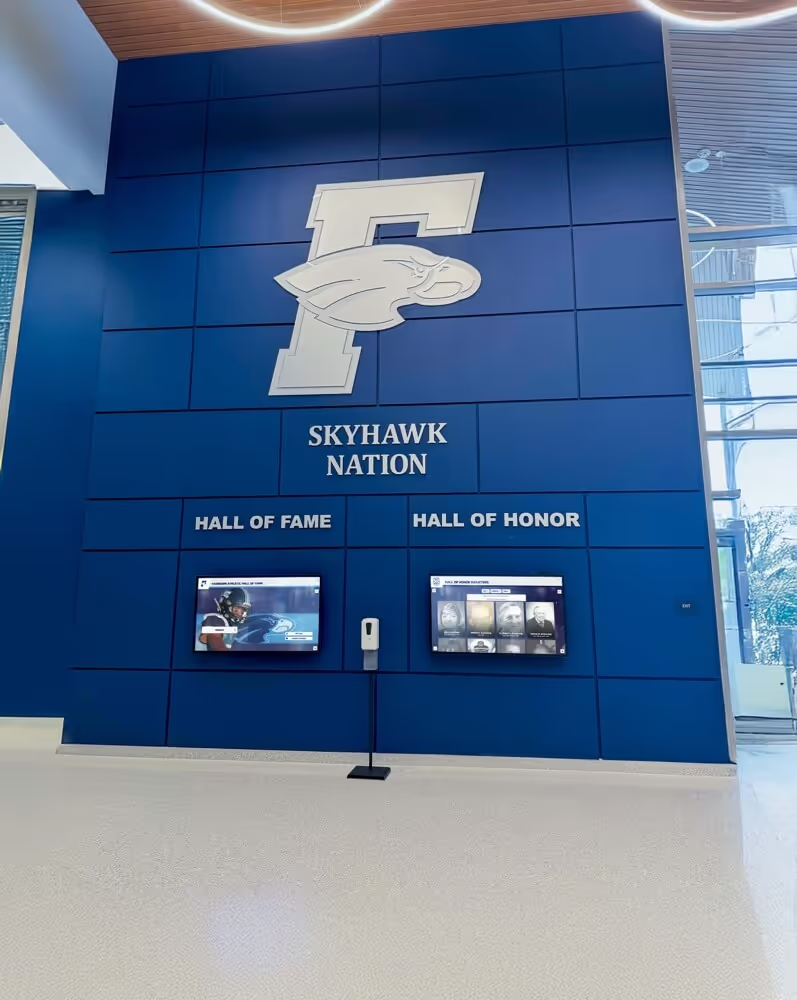
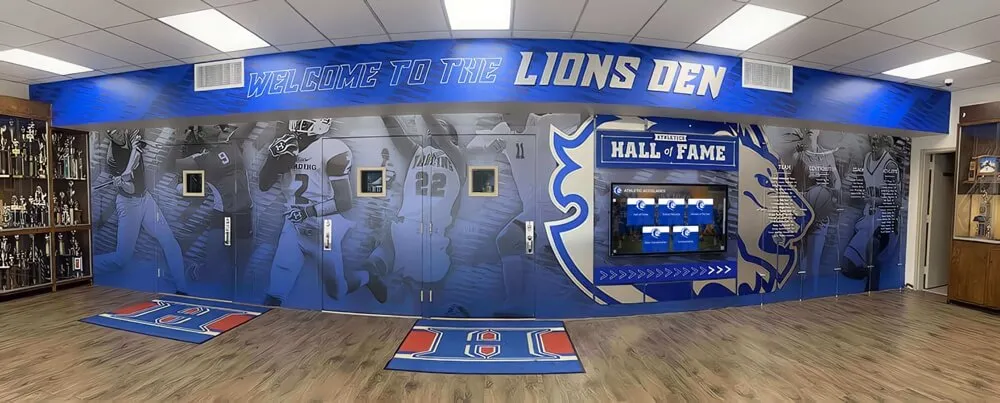
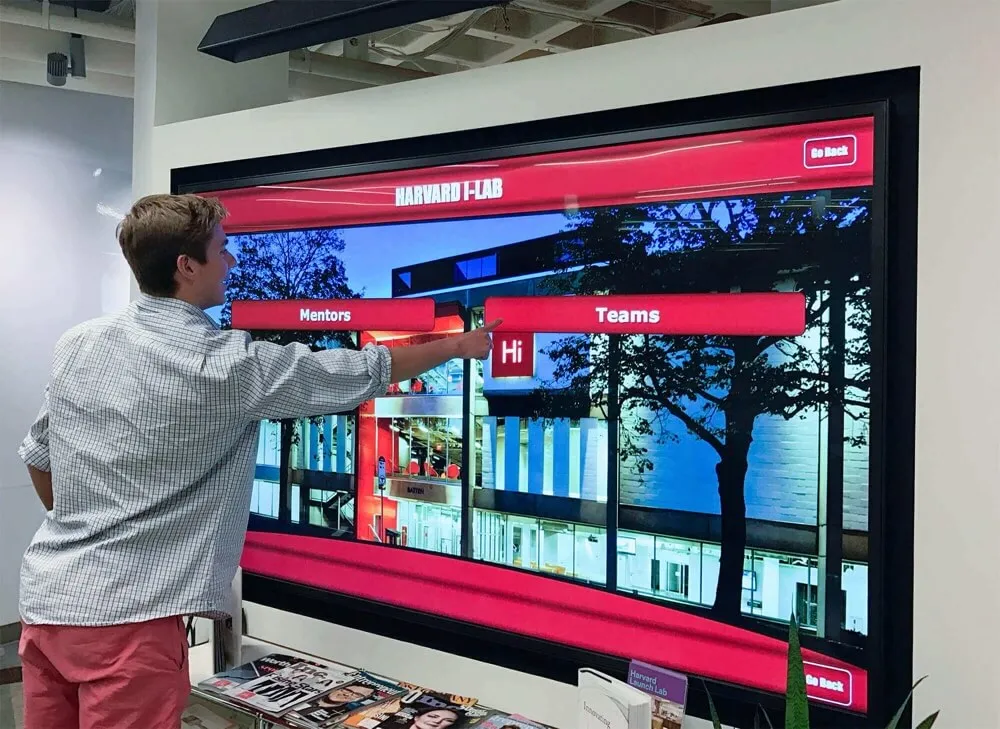
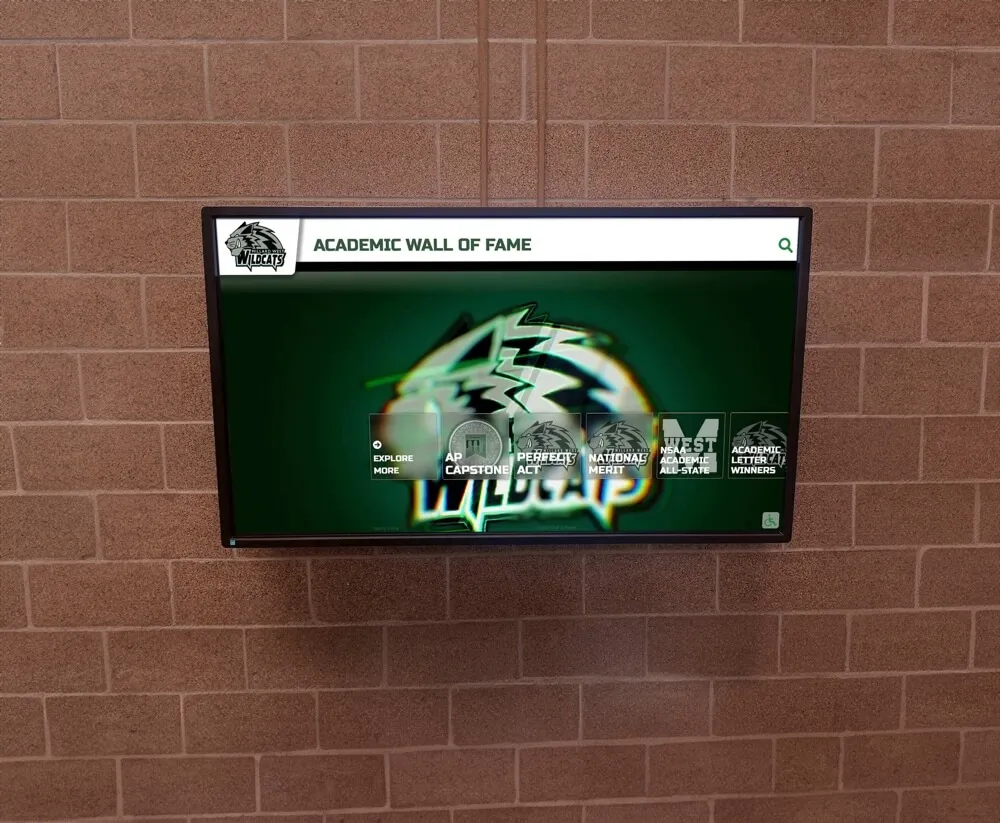
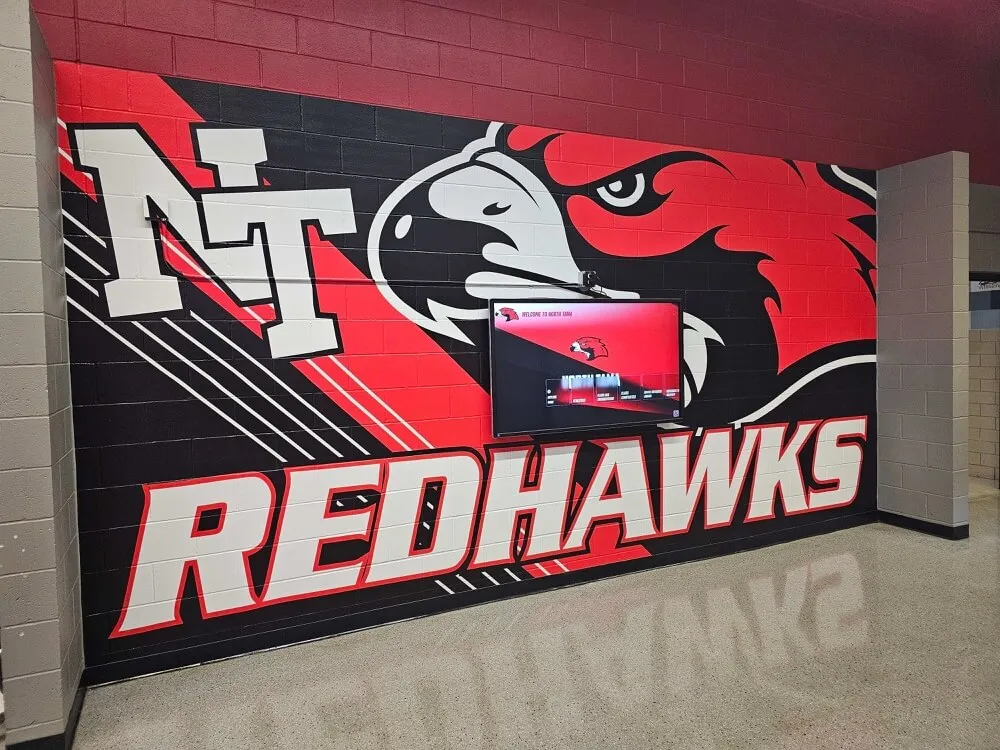
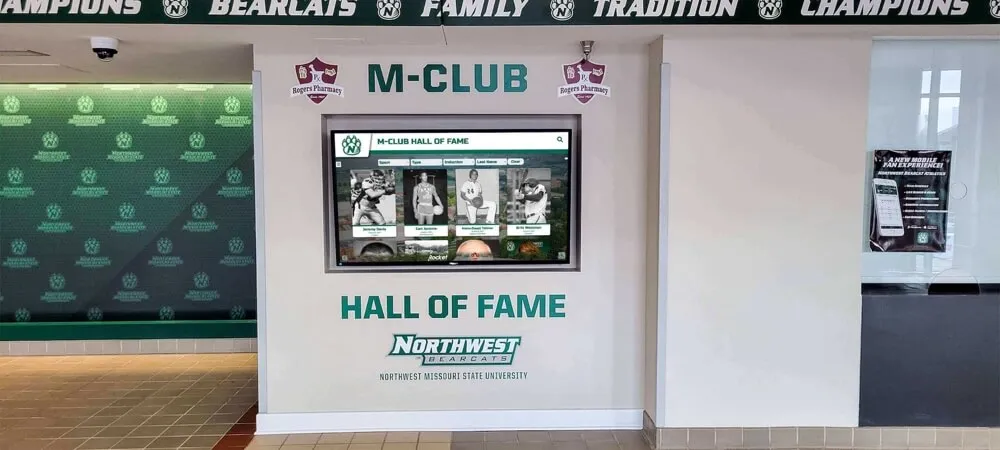
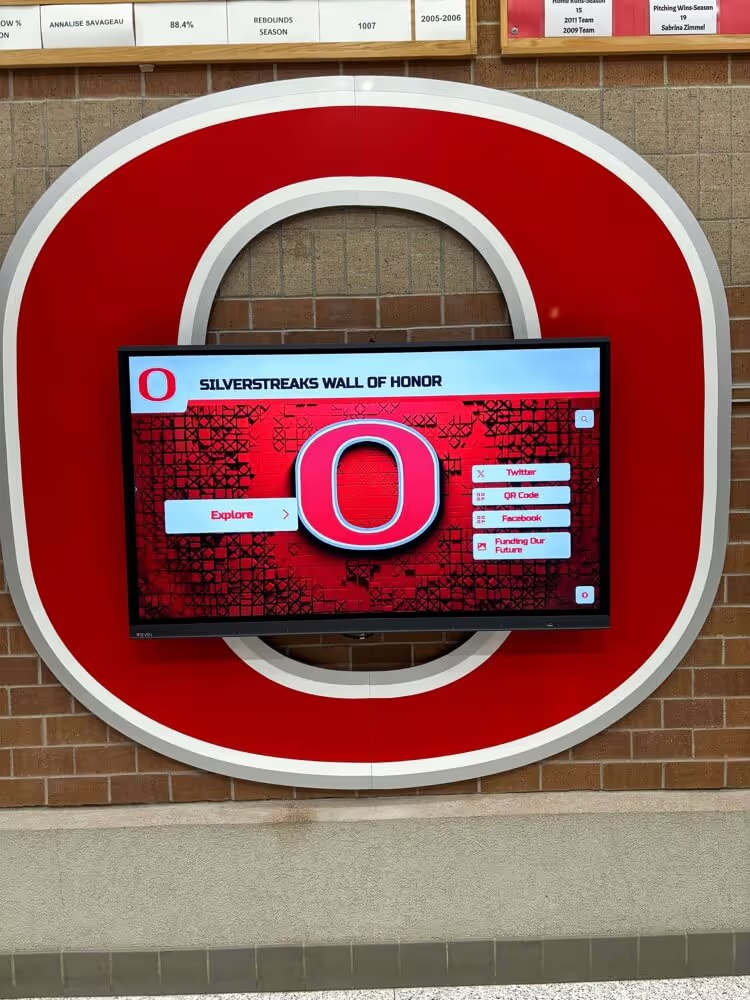
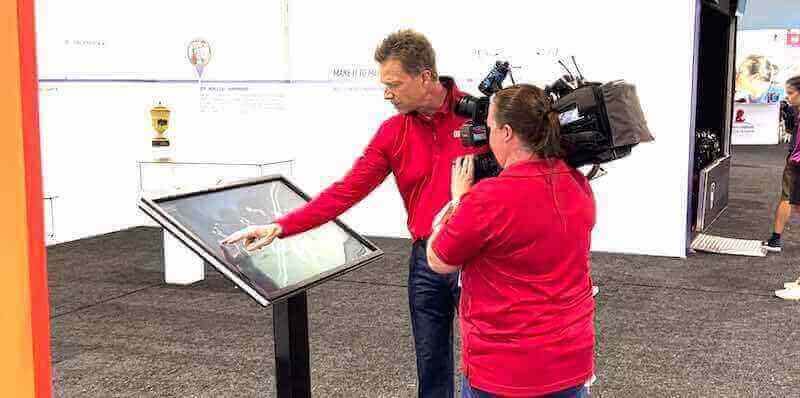
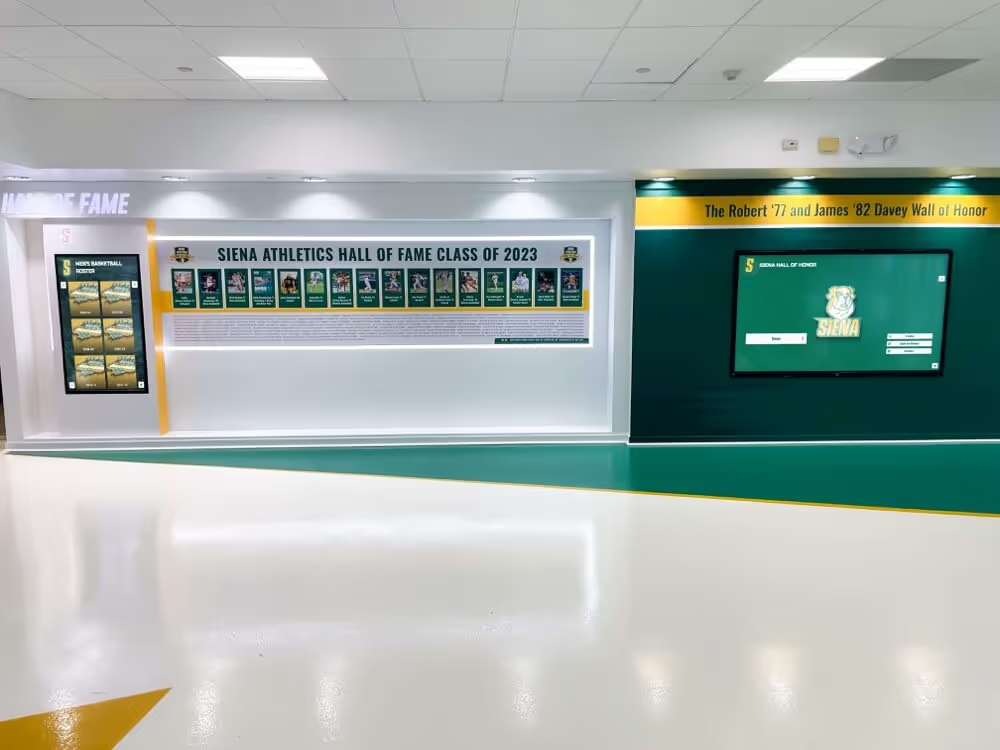
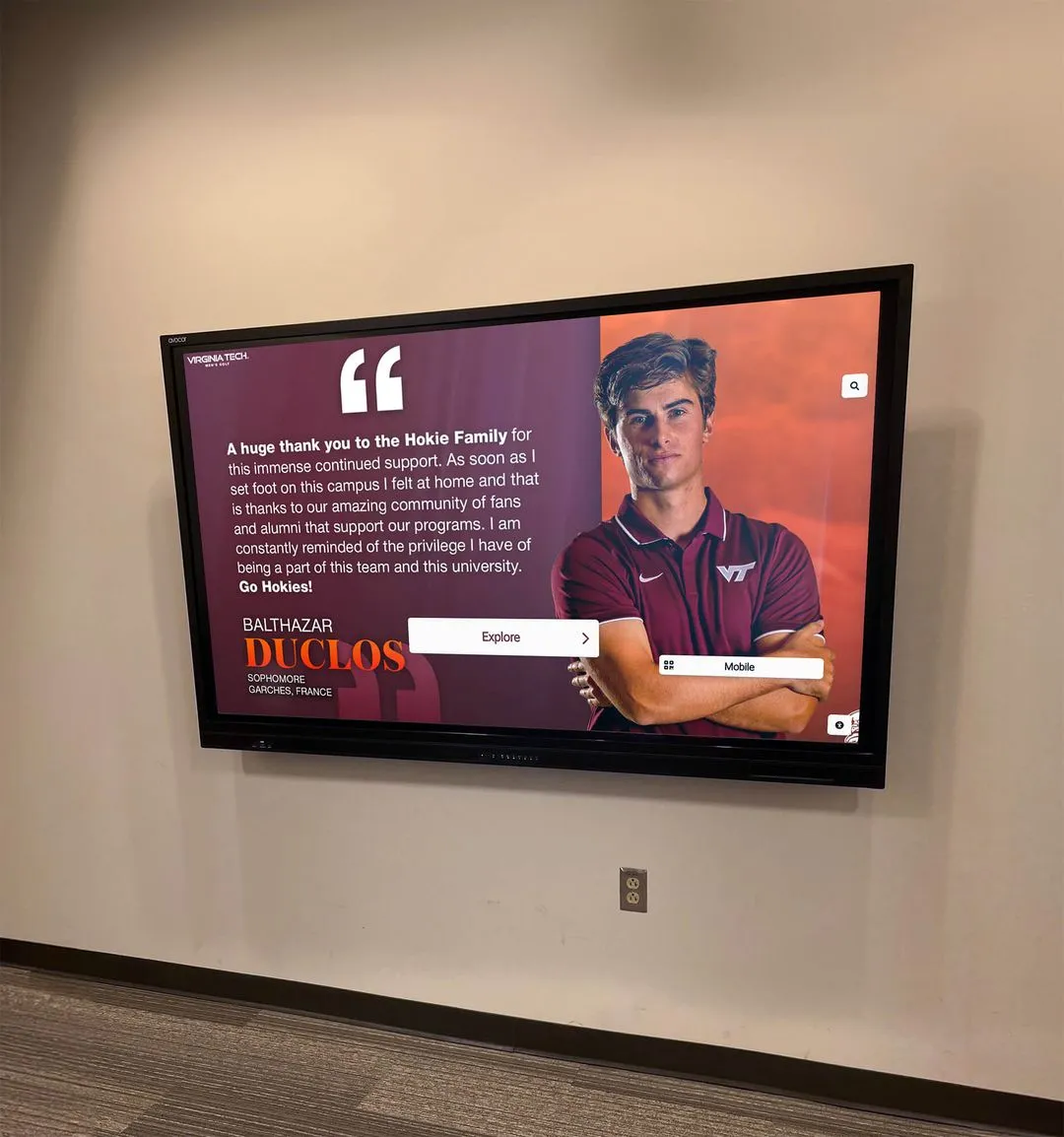
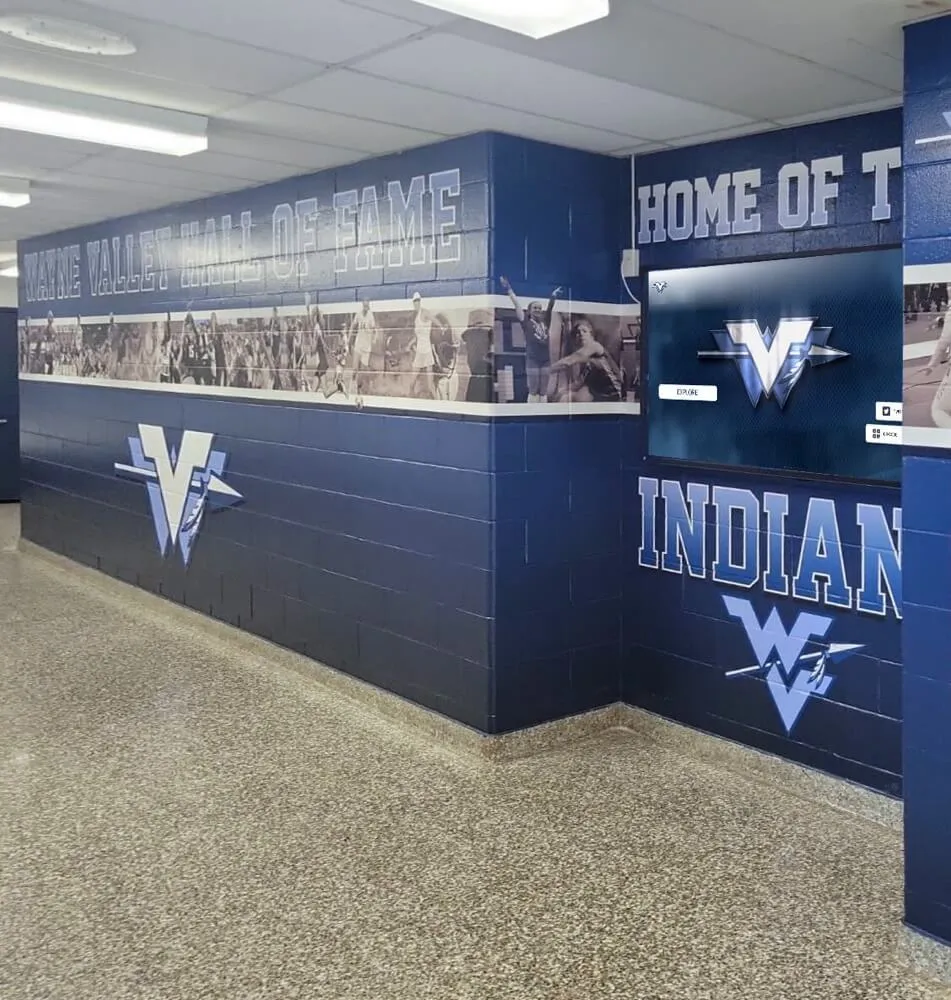
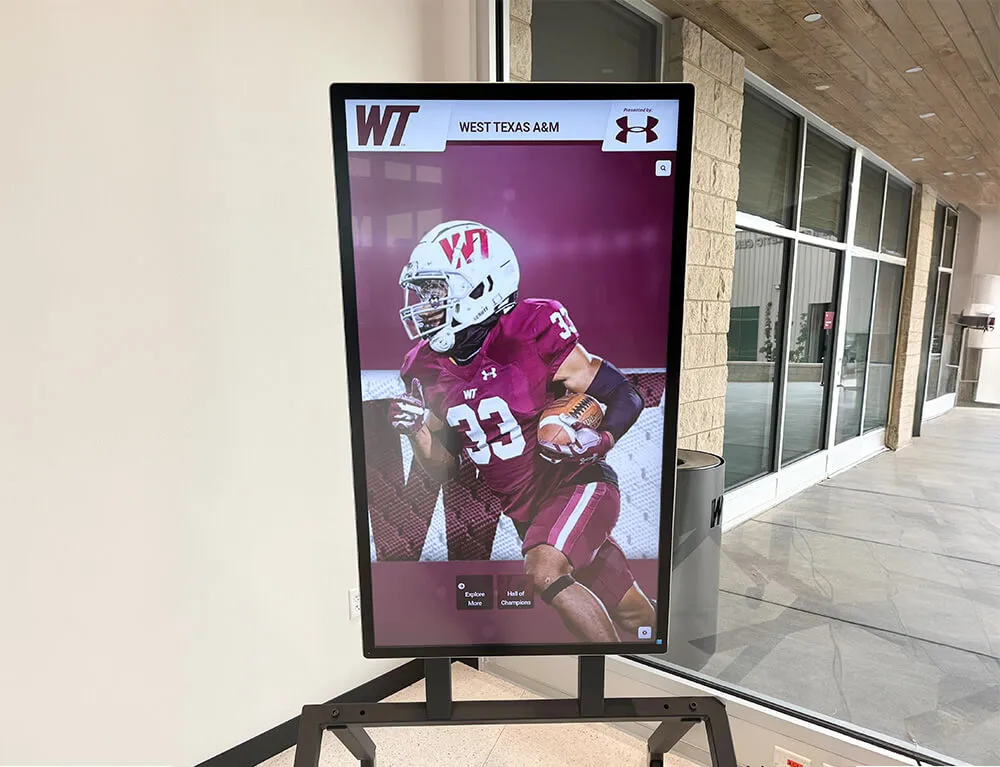
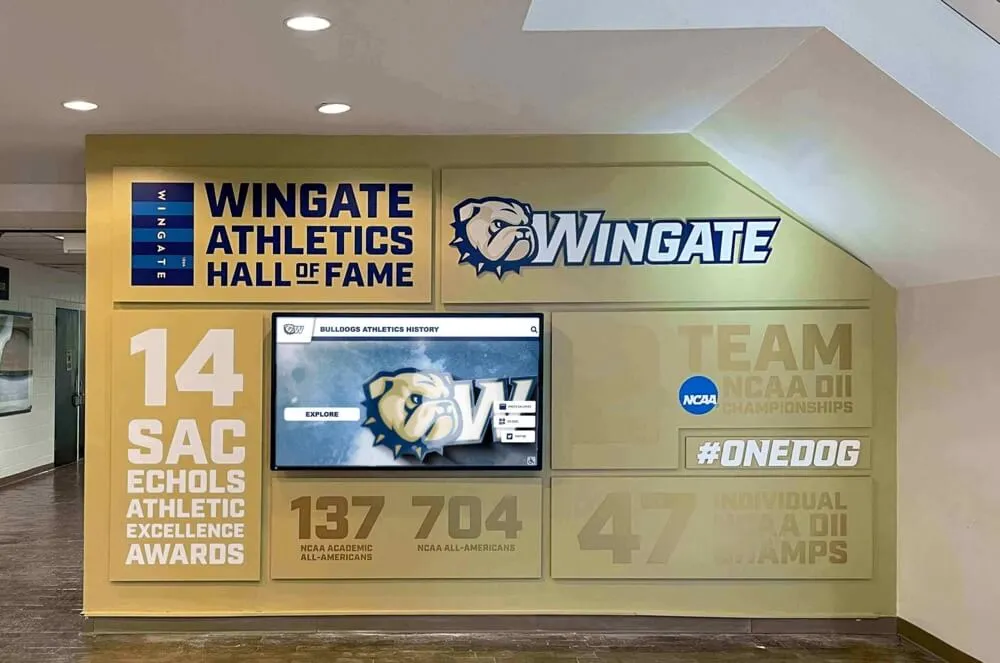
Modern FBLA awards displays integrate digital recognition systems into business education facilities, celebrating student excellence
Understanding the FBLA Awards and Recognition System
Comprehensive FBLA recognition requires understanding the breadth and depth of award opportunities available to business education students.
FBLA Competitive Events Structure
The National Awards Program, also known as competitive events, recognizes and rewards excellence in a broad range of business and career-related areas. According to the FBLA High School Competitive Events program, these events provide members an opportunity to experience career, academic, and leadership development while preparing students for successful careers in business by providing opportunities to apply classroom concepts in a workforce-simulated competitive environment.
Event Categories and Format
High School competitive events fall into three main categories: individual, team, and chapter. Individual and team events focus on skills useful in leadership and career development, while chapter events recognize overall achievement and performance in chapter management and growth.
Competitive events cover diverse business disciplines including:
- Accounting and Finance: Accounting I & II, Banking & Financial Systems, Securities & Investments, Personal Finance, Economics
- Business Management: Business Management, Entrepreneurship, Management Decision Making, Business Plan, Management Information Systems
- Marketing and Sales: Marketing, Advertising, Sales Presentation, Sports & Entertainment Management, Hospitality & Event Management
- Technology: Cybersecurity, Computer Applications, Computer Game & Simulation Programming, Mobile Application Development, Network Design, Web Design
- Communication: Business Communication, Business Presentation, Broadcast Journalism, Digital Video Production, Public Speaking
- Professional Development: Job Interview, Parliamentary Procedure, Business Ethics, Global Business, Introduction to Business
This diversity ensures recognition opportunities exist for students with varied business interests and strengths, from analytical accounting skills to creative marketing presentations to technical programming abilities.

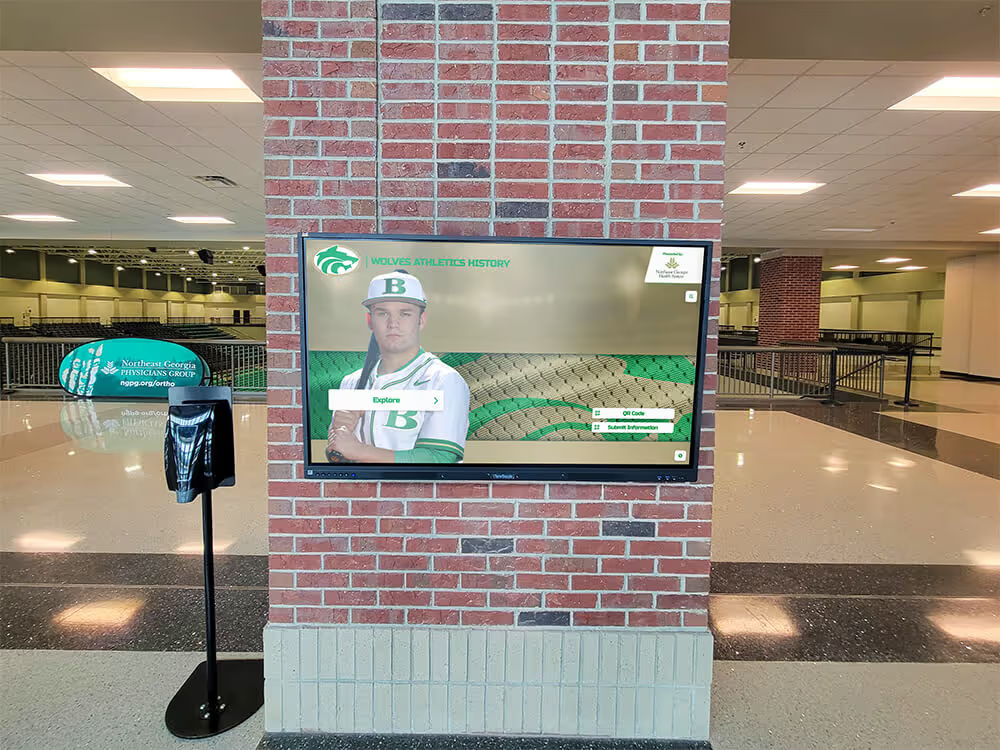
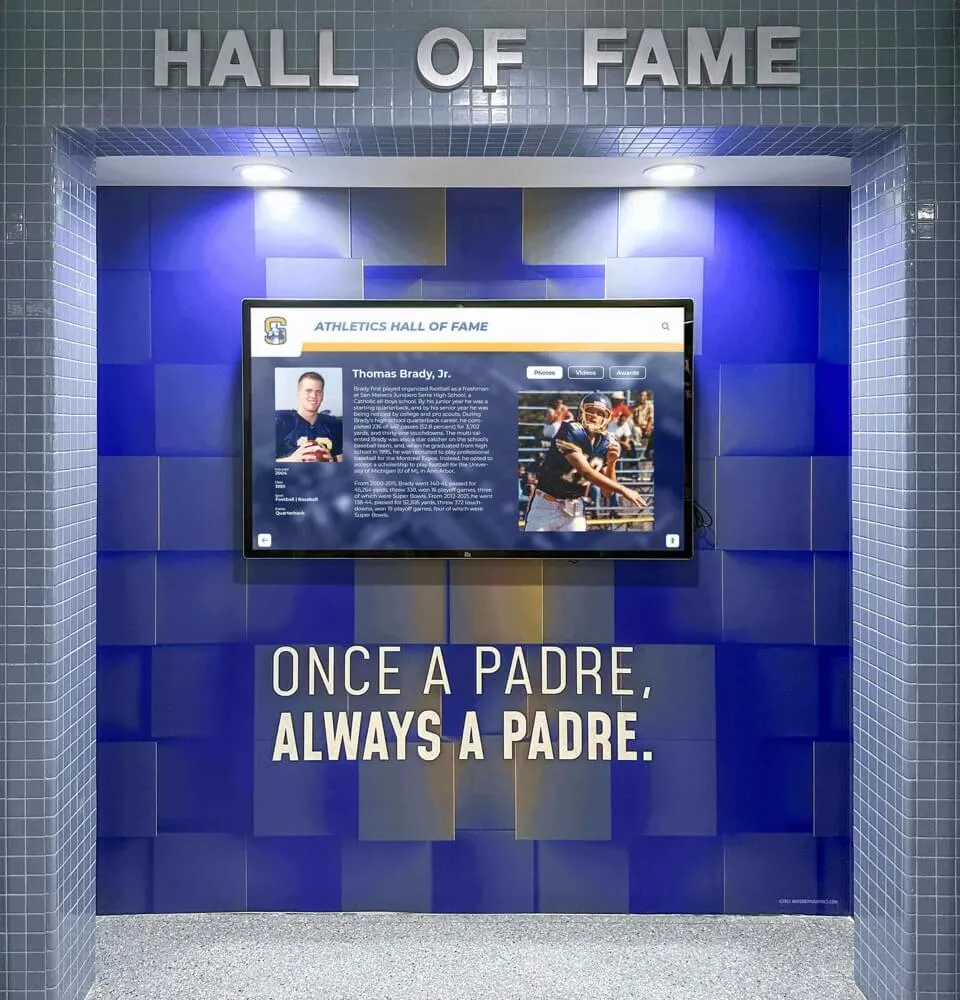
Individual recognition profiles celebrate specific competitive event achievements and business education journeys
Competition Progression Pathway
According to North Carolina FBLA conference structure, many states organize competitions through multiple levels. Students begin at regional leadership conferences, where top finalists advance to compete at the State Leadership Conference. Competitors who meet minimum scores and place in the top four at state level are then eligible to compete for national awards at the National Leadership Conference each summer.
The 2025 National Leadership Conference was held in Anaheim, California from June 29-July 2, 2025, where the nation’s top business students competed for national recognition. According to FBLA competitive event prize money structure, $500 is awarded to each first place individual or team, $400 to second place, and $300 to third place.
Business Achievement Awards (BAA) Recognition
Beyond competitive events, the Business Achievement Awards program provides an individual achievement recognition system for FBLA High School members. Participating students have the opportunity to enhance their leadership skills, expand their business knowledge, contribute to their local communities, and earn recognition by immersing themselves in their school and communities.
Four Levels of Achievement
According to the BAA program overview, students progress through four increasingly challenging award levels:
Contributor Award (Level One): Members are introduced to the foundations of FBLA and learn how to best take advantage of the opportunities available to members.
Leader Award (Level Two): Members learn the fundamentals of leadership and explore their personal leadership style.
Advocate Award (Level Three): Members have the opportunity to select a business skill or content area that they would like to further develop.
Capstone Award (Level Four): Once completed, members have the choice of continuing on to the Capstone Project or selecting a new business skill or concept to earn an additional Advocate Award.
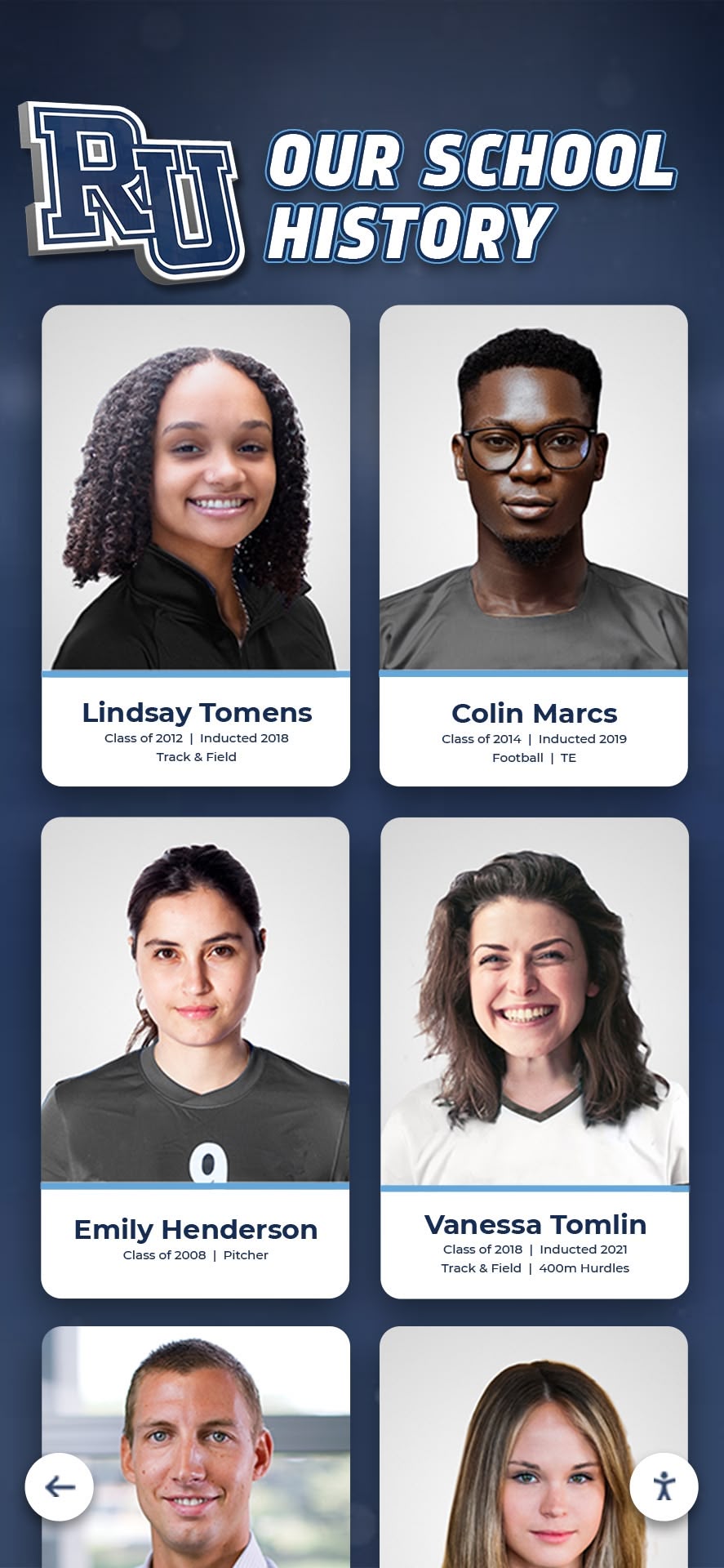
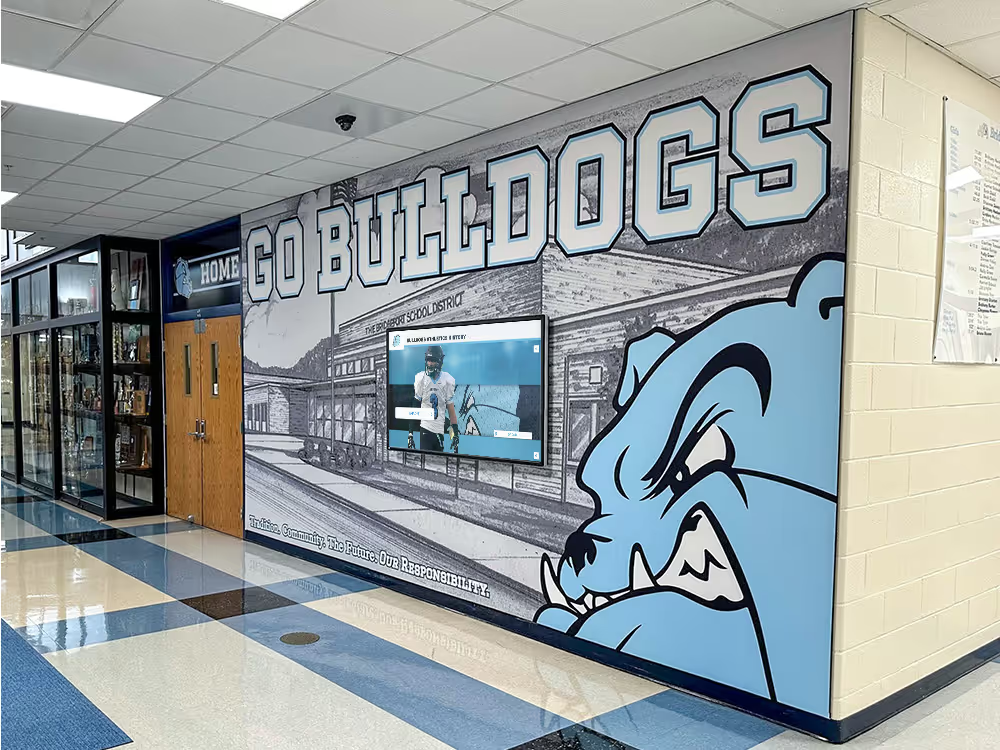
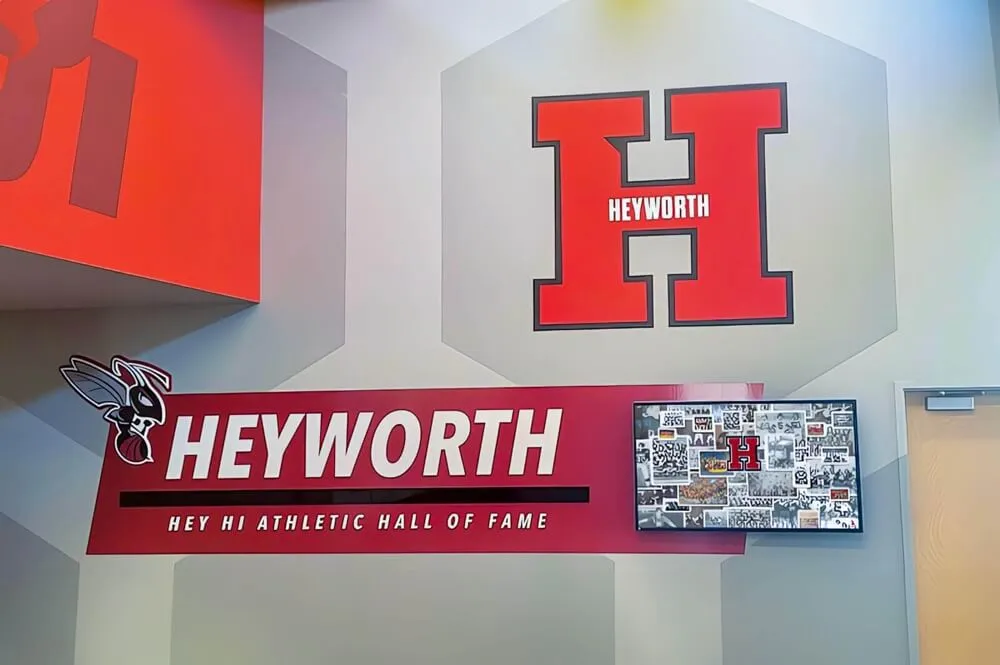
Multi-year recognition displays show student progression through Business Achievement Award levels
BAA Display Elements
Comprehensive Business Achievement Award recognition should document:
- Award level achieved and completion date
- Specific activities and projects completed for each level
- Business skills developed through BAA participation
- Community service contributions and impact
- Leadership development progression across levels
- Connection to future career interests and post-secondary plans
- Photos from BAA activities and award ceremonies
- Cumulative achievement showing multiple award earners
These individual achievement awards complement competitive event recognition, celebrating sustained commitment to business education beyond single competition performances.
Learn about comprehensive academic celebration in academic recognition programs guide with equitable recognition strategies applicable to business education.
Chapter Awards and Program Recognition
FBLA chapter-level awards recognize comprehensive program excellence beyond individual student achievements.
Chapter of the Year Programs
Many state FBLA associations implement Chapter of the Year (COTY) programs designed to encourage and recognize chapters that participate at local, state, and national level activities. According to Missouri FBLA awards and recognition programs, these programs evaluate chapters across multiple dimensions of excellence.
Chapter Recognition Criteria
Successful chapters typically demonstrate:
- High participation rates in competitive events at all conference levels
- Active Business Achievement Award completion by members
- Strong community service engagement and impact
- Effective chapter management and growth strategies
- Quality chapter meetings and educational programs
- Successful recruitment and retention of members
- Outstanding chapter officer leadership and development
- Active participation in state and national initiatives
- Professional chapter communications and publications
Chapter Award Display Strategies
Recognition displays should celebrate chapter-level achievements through:
- Year-by-year chapter award history showing program trajectory
- Specific initiatives and activities earning chapter recognition
- Student leadership teams responsible for award-winning programs
- Membership growth statistics and retention trends
- Community service impact documentation with photos and outcomes
- Conference participation data showing chapter engagement
- Comparative context showing selectivity of chapter honors
- Alumni testimonials connecting chapter culture to career success
This comprehensive chapter recognition complements individual achievements, demonstrating that business education excellence results from systematic chapter operations and collective commitment, not just individual exceptional students.
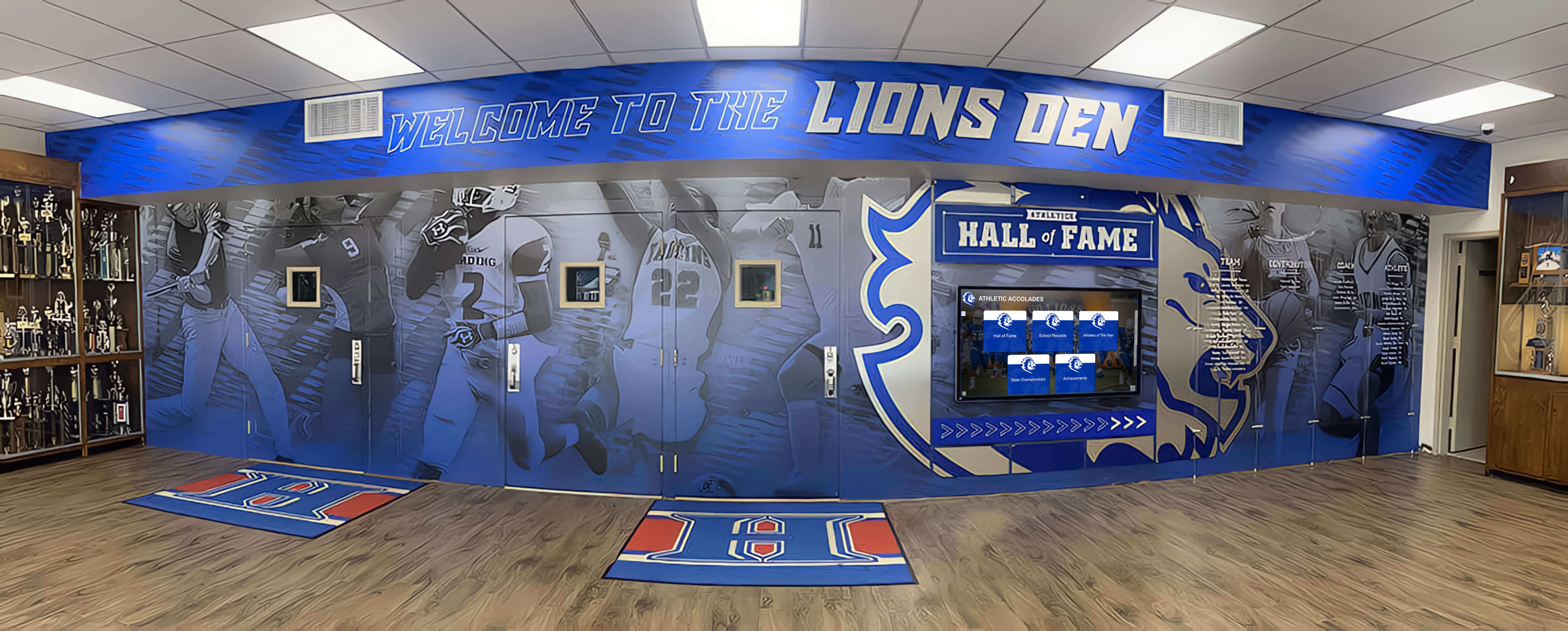
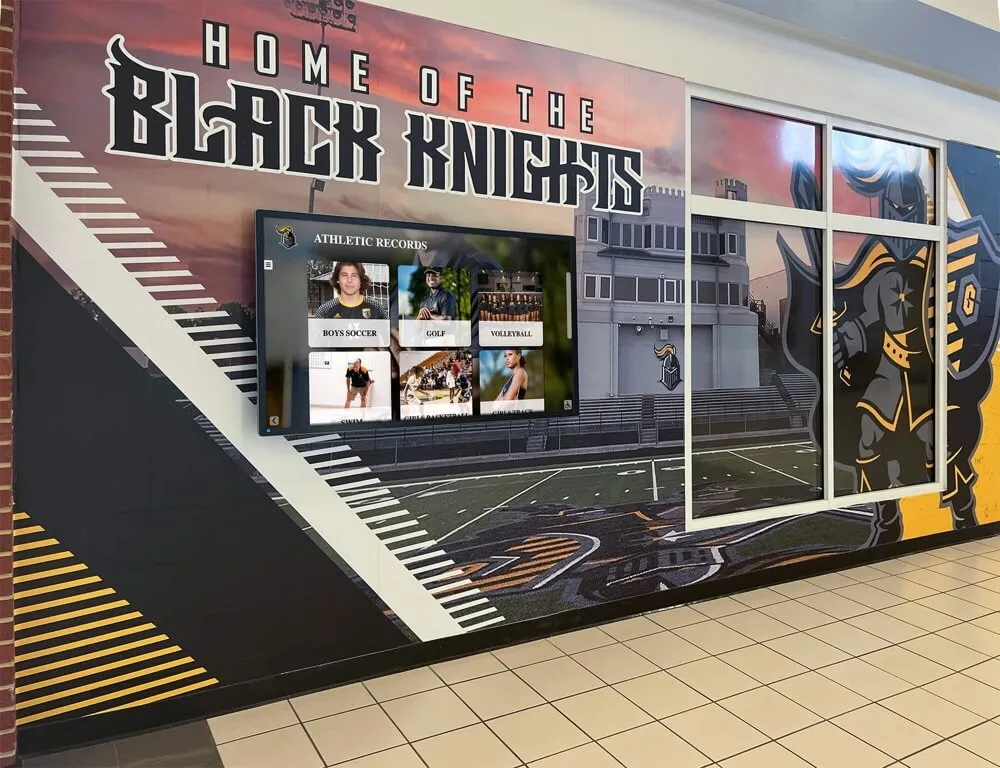
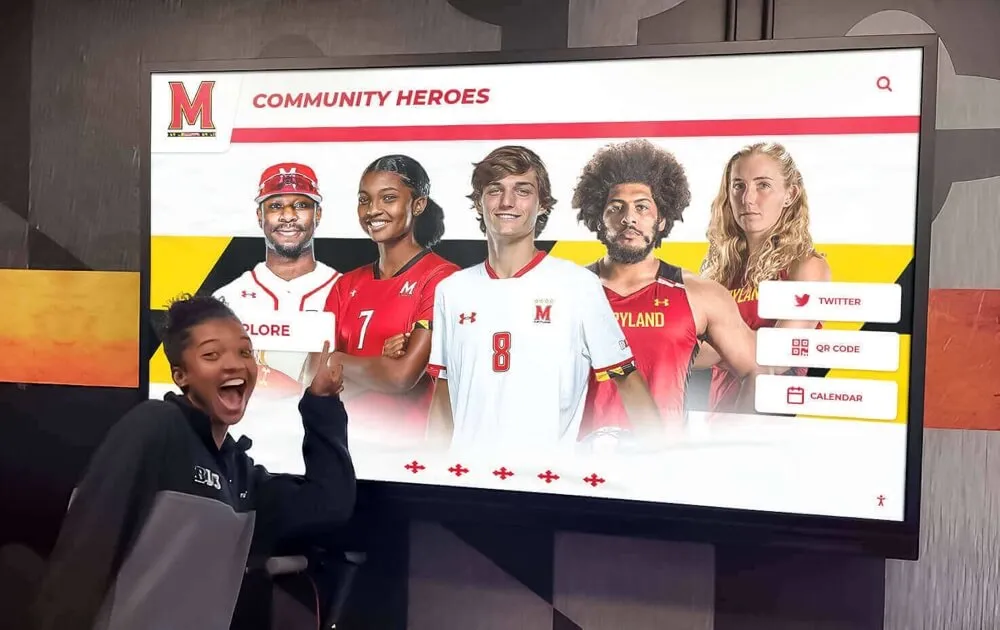
Integrated recognition systems celebrate both individual achievements and chapter excellence
Special Recognition Programs
Beyond standard awards, FBLA offers numerous special recognition opportunities worth celebrating prominently:
National Technical Honor Society Partnership
The National Technical Honor Society (NTHS) partners with FBLA to promote their mission, providing scholarships to active FBLA members who are also current NTHS members in good standing. According to the Business Achievement Awards learning center, this partnership provides funding for FBLA National Conference events.
Outstanding Adviser Recognition
Business education teachers who demonstrate exceptional dedication to FBLA deserve special recognition through displays acknowledging:
- Years of FBLA chapter adviser service
- State and national adviser awards received
- Professional development and training completed
- Student testimonials about adviser impact
- Chapter growth and success during tenure
- Innovation in business education programming
- Industry partnerships and connections developed
Gold Seal Chapter Recognition
Many state associations offer Gold Seal Chapter or similar premier chapter designations recognizing sustained excellence across multiple program dimensions. These distinguished recognitions deserve prominent display positions given their selective nature and comprehensive evaluation criteria.
Explore approaches to highlighting exceptional programs in CTE program digital touchscreen display guide addressing career and technical education recognition including business programs.
Core Components of Effective FBLA Recognition Displays
Successful FBLA recognition requires systematic attention to what you celebrate, how you present information, and where recognition appears within your institution.
Essential Content Elements
Comprehensive achievement boards should include multiple recognition categories ensuring diverse accomplishments receive appropriate visibility:
Competitive Event Achievement Recognition
Competition success forms the foundation of most FBLA recognition:
- National Leadership Conference results: Recognition for placing in top positions at the highest level of FBLA competition
- State Leadership Conference placements: Celebrating qualification and success at state-level competition
- Regional Leadership Conference achievements: Acknowledging strong performance at regional events
- First-time qualifiers: Special recognition for students advancing to state or national competition for the first time
- Consistent performers: Recognizing students who regularly place in competitive events across multiple years
- Event-specific excellence: Celebrating students who dominate particular business disciplines
- Team collaboration highlights: Acknowledging successful team event partnerships
Individual Growth and Skill Development
Beyond competition placements, recognize the diverse skills business education develops:
- Business Achievement Award progression: Documentation of advancement through BAA levels
- Leadership role contributions: Recognition for chapter officers and committee members
- Project-based learning outcomes: Celebrating entrepreneurship projects and business plans
- Industry certification attainment: Acknowledging professional certifications earned
- Community service impact: Recognizing business-related community engagement
- Mentorship and peer support: Celebrating students who help develop younger members
- Professional development participation: Acknowledging workshop and training engagement
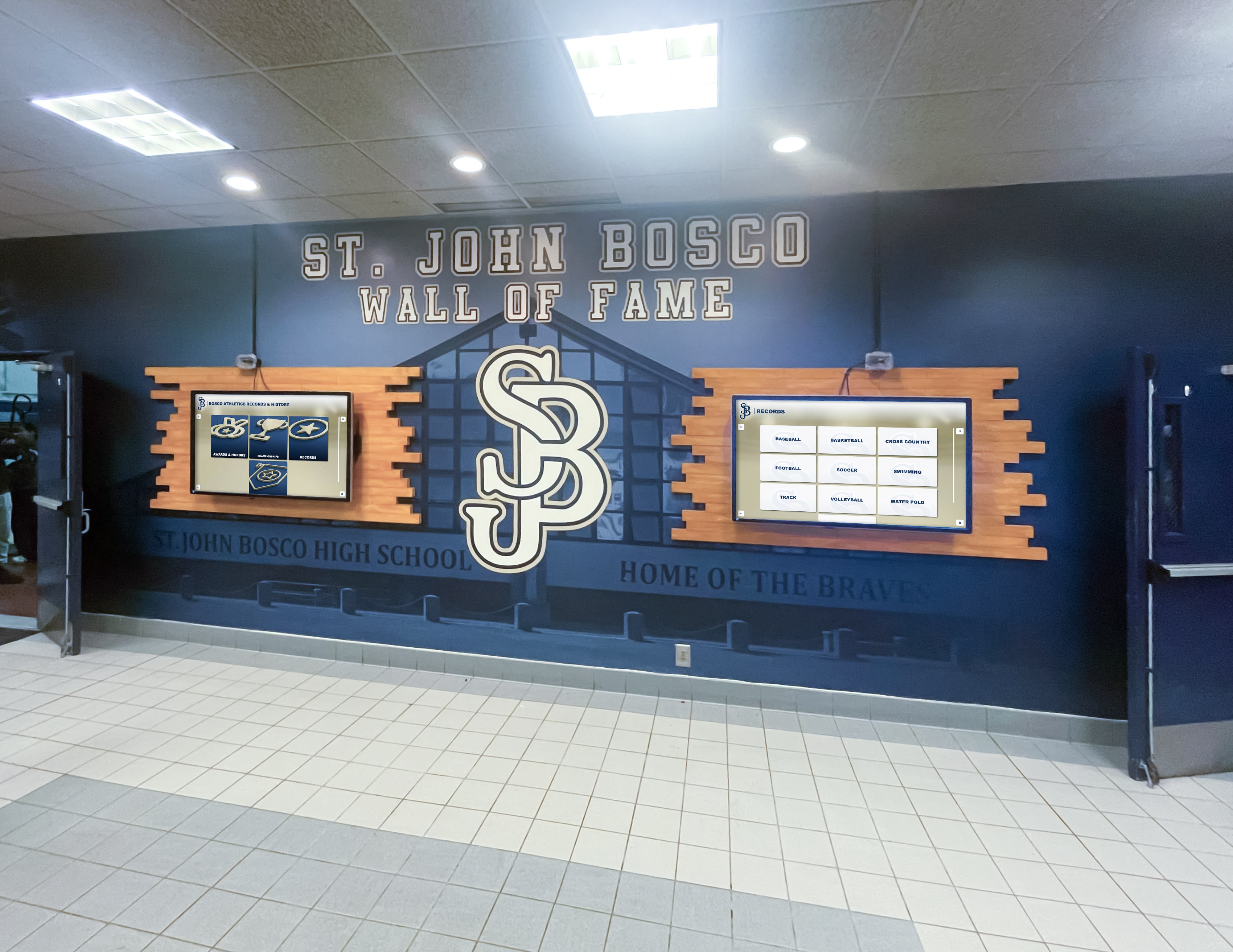
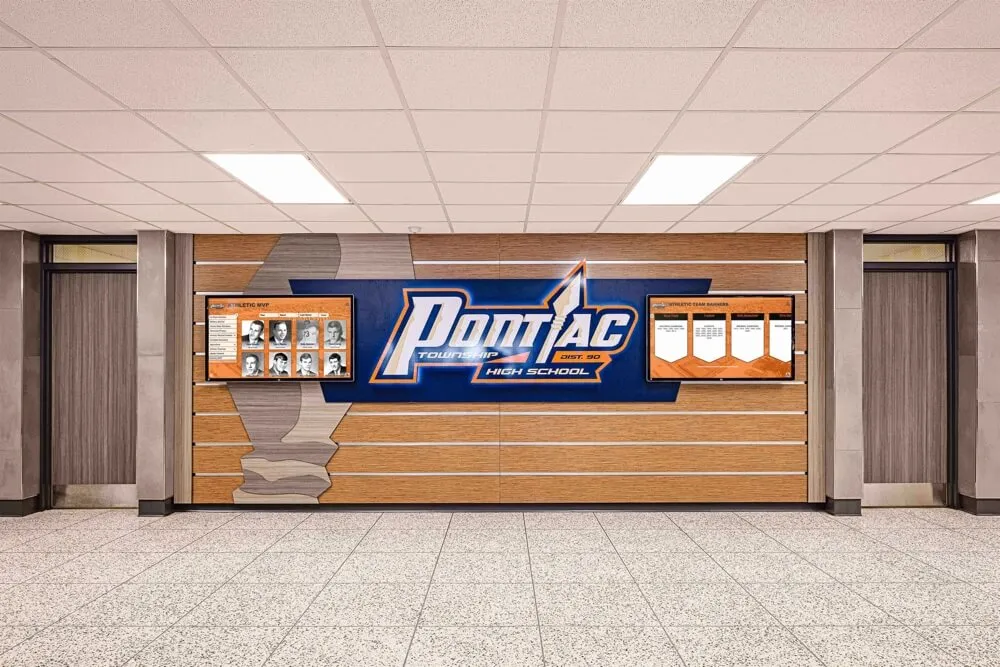
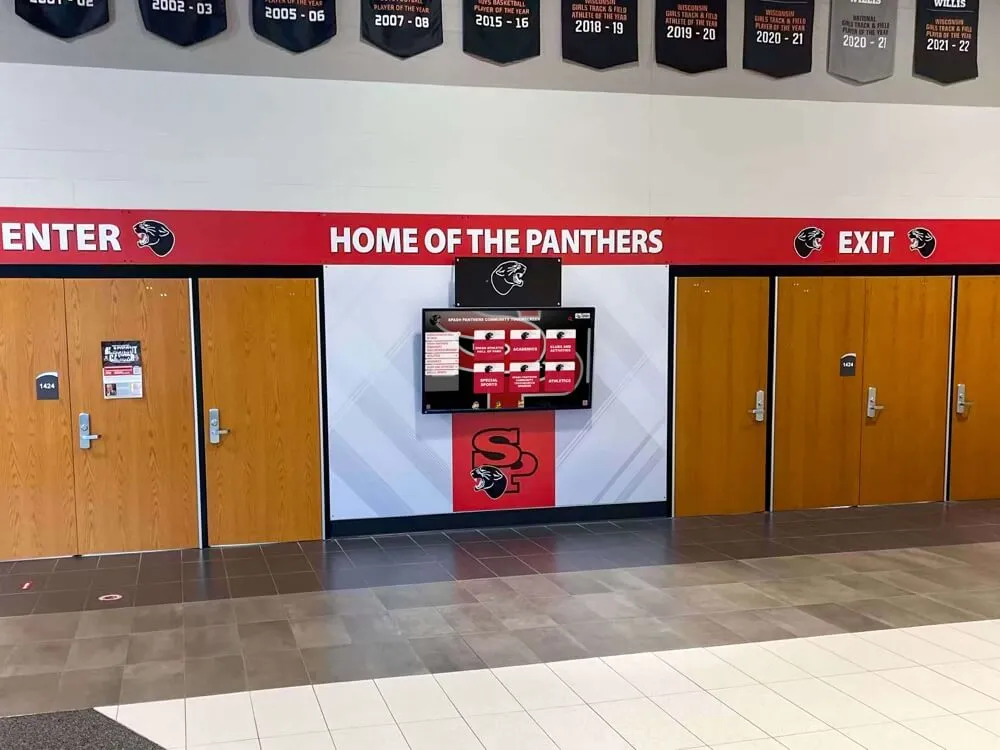
Multiple coordinated displays throughout facilities provide comprehensive coverage of diverse achievements
Chapter Culture and Special Awards
Consider recognition categories unique to your program:
- Chapter-specific awards: Recognition categories created for your unique program traditions
- Industry partner awards: Special recognition from business community partners
- Historical milestones: Commemorating program achievements like anniversary celebrations
- Alumni connections: Highlighting when current students follow paths of distinguished graduates
- Innovation recognition: Celebrating creative business education initiatives
- Scholarship recipients: Acknowledging FBLA-related scholarship awards
Recognition Timing and Update Frequency
Unlike athletic seasons with clear championship culminations, FBLA recognition occurs throughout the academic year with regional, state, and national conferences spanning fall through summer. This extended timeline requires different update approaches:
Real-Time Recognition for Major Achievements
The most motivating recognition occurs immediately when achievements happen. Digital recognition systems enable same-day or next-day celebration when students:
- Place at National Leadership Conference
- Qualify for state or national competition
- Complete Business Achievement Award levels
- Earn chapter leadership positions
- Receive special recognition awards
- Achieve first-time competitive milestones
Seasonal Recognition Updates
Systematic recognition cycles maintain program visibility:
- Post-conference updates: Adding results immediately following regional, state, and national conferences
- BAA milestone recognition: Celebrating award completions as they occur throughout the year
- End-of-year comprehensive recognition: Full chapter celebration including cumulative records and year-end awards
- Historical archives: Preserving past years ensuring long-term program history remains accessible
- Pre-recruitment displays: Updated content welcoming prospective members during recruitment periods
Learn about comprehensive student achievement recognition in student recognition increases future success exploring recognition’s motivational impact.
Physical vs Digital FBLA Recognition Solutions
Understanding the advantages and limitations of different display formats helps programs select approaches matching their resources, space constraints, and recognition goals.
Traditional Physical Achievement Boards
Physical recognition maintains appeal for its tangibility and perceived permanence:
Wall-Mounted Recognition Boards
Traditional bulletin boards, framed displays, or dedicated wall sections provide basic recognition:
Advantages:
- Low initial cost ($150-800 for quality materials and mounting)
- No technical infrastructure requirements
- Tangible presence students can physically interact with
- Straightforward updates requiring only printing and posting
- Permanent recognition unless deliberately removed
Limitations:
- Strict space constraints limiting how many achievements display simultaneously
- Difficult to maintain professional appearance as years accumulate
- Static presentation offering no detail beyond what fits on printed materials
- Time-consuming updates requiring physical access and manual posting
- Deterioration over time as materials fade or become damaged
Trophy Cases and Award Displays
Glass-front cabinets showcasing physical trophies, plaques, and awards:
Appropriate Uses:
- Displaying major team trophies from national or state championships
- Preserving historical program artifacts like original charter documents
- Showcasing special recognition items like adviser awards
- Creating focal points in business education hallways or CTE wings
Budget Considerations: Physical displays require $400-3,000 for quality cases plus ongoing trophy and plaque costs ($50-200 each) that accumulate significantly as programs mature and achievement volume increases.
When Physical Recognition Works Best
Physical displays remain viable for smaller chapters (10-30 students) with limited budgets, schools with available dedicated wall space in high-visibility locations, programs emphasizing tangible awards aligned with student preferences, and complementary recognition alongside primary digital systems for selective major achievements.
Digital Recognition Display Solutions
Digital platforms address physical recognition limitations while enabling recognition impossible with traditional approaches:
Digital Signage Systems
Commercial displays (43-65 inches) showing recognition content via cloud-based management:
Core Capabilities:
- Unlimited recognition capacity accommodating entire program history without space constraints
- Remote content updates from any internet-connected device without physical display access
- Rich multimedia integration including photos, competition videos, presentation recordings, and detailed achievement narratives
- Rotating content displays ensuring all students receive visibility over time
- Scheduled publishing automating content changes by season, month, or conference
- Multi-location synchronization for schools with multiple buildings or campuses
Solutions like Rocket Alumni Solutions provide purpose-built recognition platforms designed specifically for celebrating student achievement through intuitive cloud management, professional presentation templates, and engaging interfaces that honor accomplishments appropriately while requiring no technical expertise.
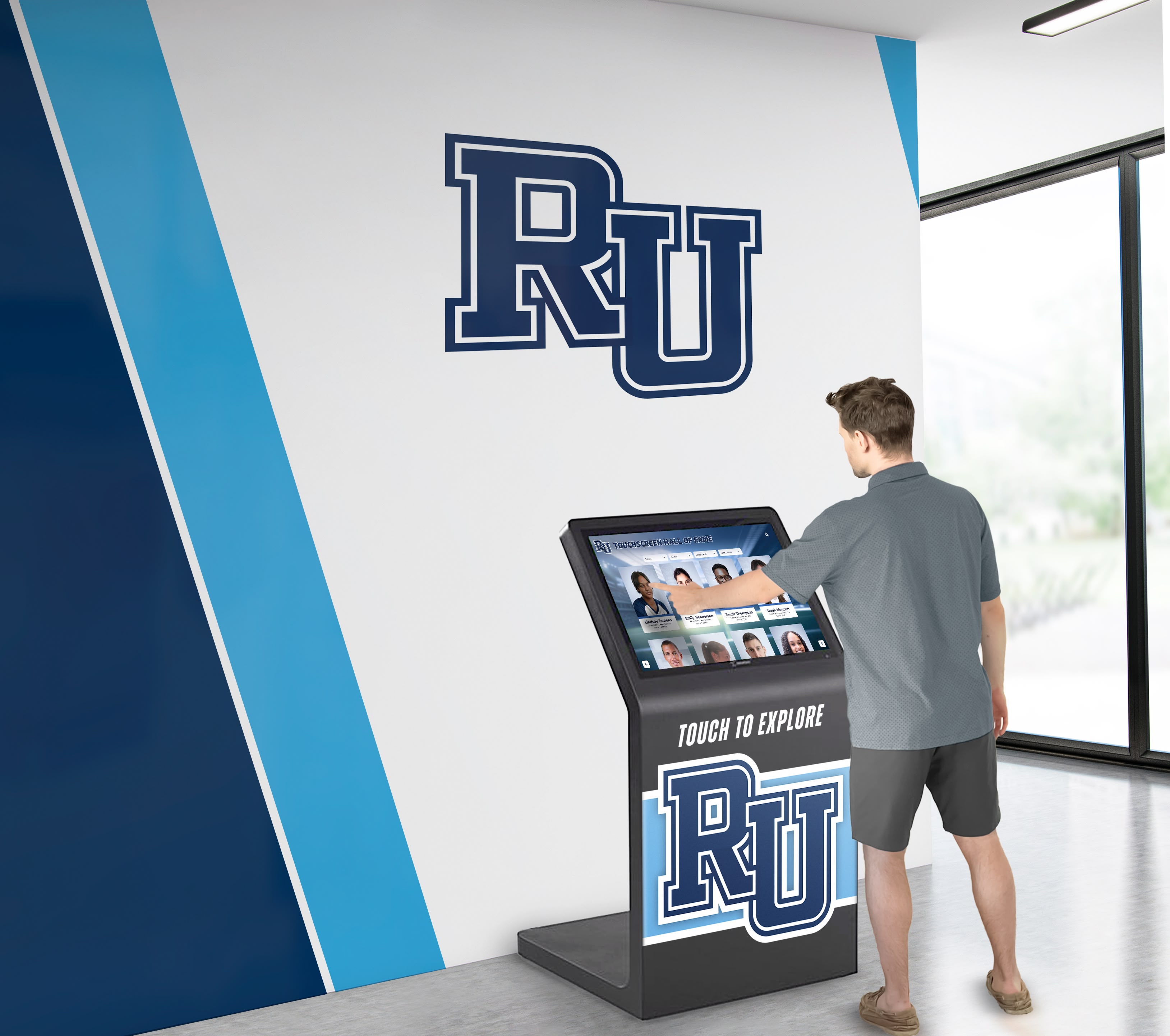
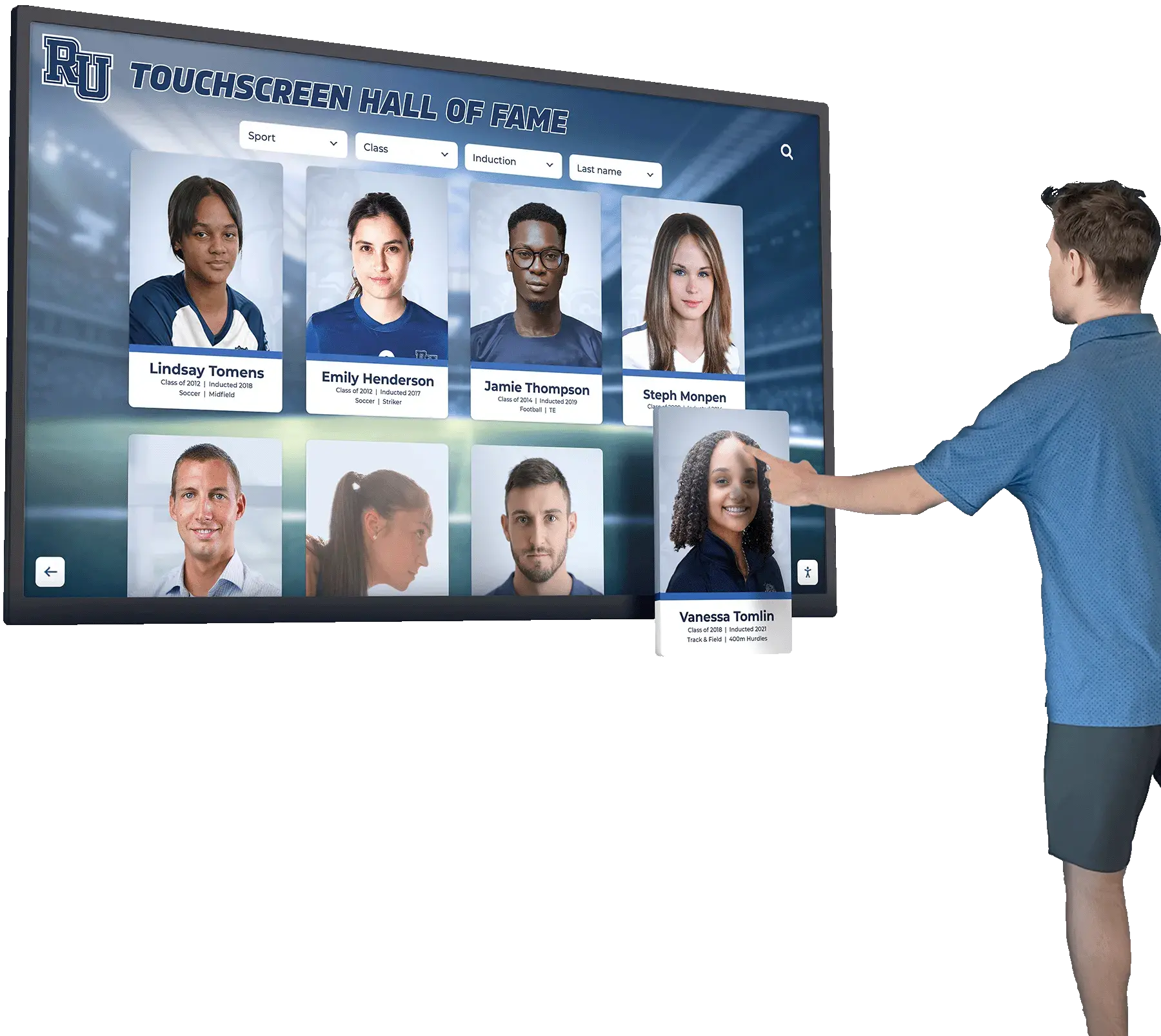
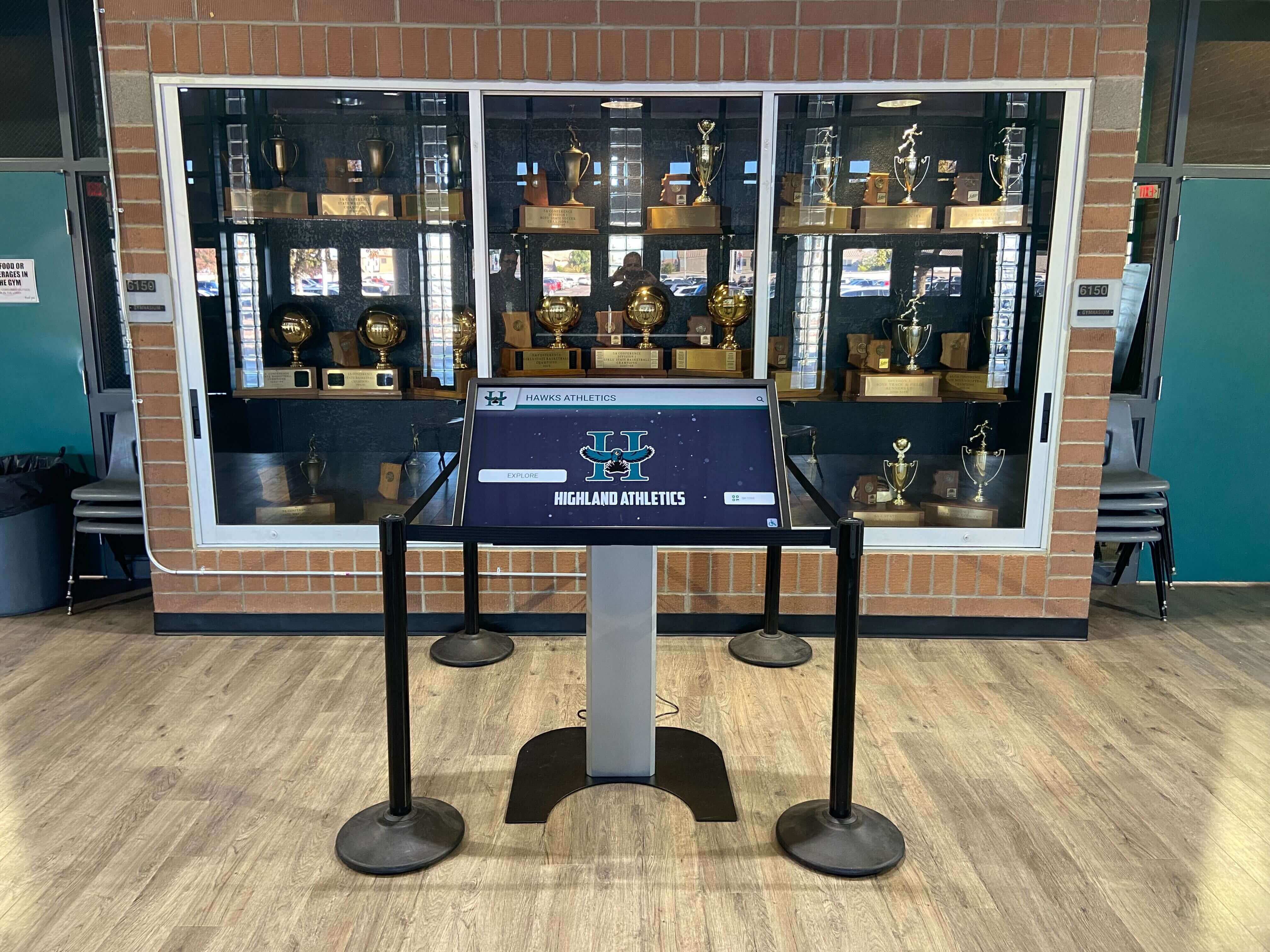
Freestanding touchscreen kiosks create dedicated recognition destinations in high-traffic areas ensuring maximum engagement
Interactive Touchscreen Recognition
Advanced systems using commercial-grade touchscreen technology enable active exploration:
Enhanced Features:
- Search functionality enabling instant access to specific students, events, or time periods
- Detailed profile pages telling comprehensive achievement stories beyond surface-level recognition
- Video content showcasing actual competitive event presentations and conference highlights
- Historical archives preserving decades of program tradition and past chapter members
- Filtering by event category, achievement type, graduation year, or award level
- Social sharing capabilities extending recognition visibility beyond campus boundaries
Interactive touchscreens work exceptionally well for established programs with extensive history, schools seeking signature recognition installations in main entrances or lobbies, and institutions wanting to leverage business education recognition during campus tours, prospective student visits, or business community events.
Learn about interactive capabilities in interactive touchscreen software guide exploring platform features and implementation strategies.
Web-Based Recognition Extensions
FBLA recognition shouldn’t be limited to on-campus displays:
Online Recognition Benefits:
- Alumni and families worldwide can view current achievements regardless of location
- Prospective students researching your program discover competitive success before visiting
- Social media integration enabling students to share individual accomplishments
- Mobile-responsive access ensuring perfect display on phones, tablets, and computers
- Search engine visibility helping your program appear in searches for local business education
- Permanent archives preserving program history accessible long after students graduate
Web-based recognition proves essential for programs with strong alumni networks, schools seeking to attract prospective students through competitive reputation, and institutions where business education alumni remain engaged with current program activities.
Explore online approaches in digital art gallery schools guide showing how digital displays extend recognition beyond physical locations.
Hybrid Recognition Strategies
The most sophisticated programs combine physical and digital recognition strategically:
Physical Awards for Championship Achievements + Digital Displays for Comprehensive Recognition
Reserve trophy case space for exceptional achievements like national placements, state championships, or chapter of the year awards while using digital displays to celebrate every competitive event placement, BAA milestone, and individual achievement. This approach balances the prestige associated with physical trophies against the scalability and comprehensiveness digital platforms enable.
Traditional Program Displays Enhanced with Digital Components
Integrate digital screens within existing business education recognition areas featuring chapter photos, historical program information, and traditional awards. These hybrid environments honor program heritage while leveraging technology for current and future recognition needs that physical displays alone cannot accommodate.
Physical Recognition Supplemented by Mobile and Web Access
Maintain trophy cases for on-campus recognition while extending visibility through web platforms, mobile apps, and social media ensuring remote students, distant families, and prospective chapter members can access comprehensive achievement information.
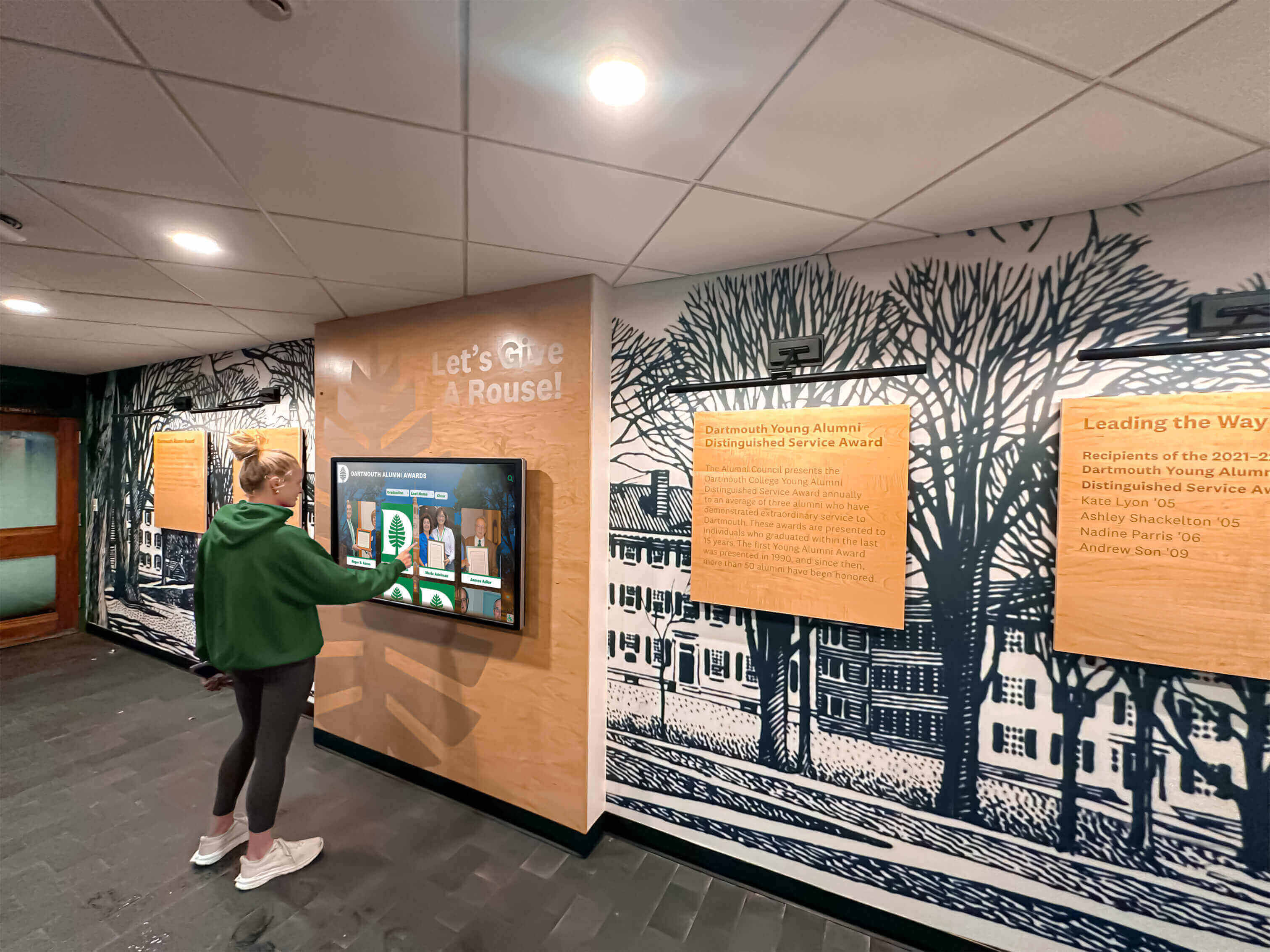
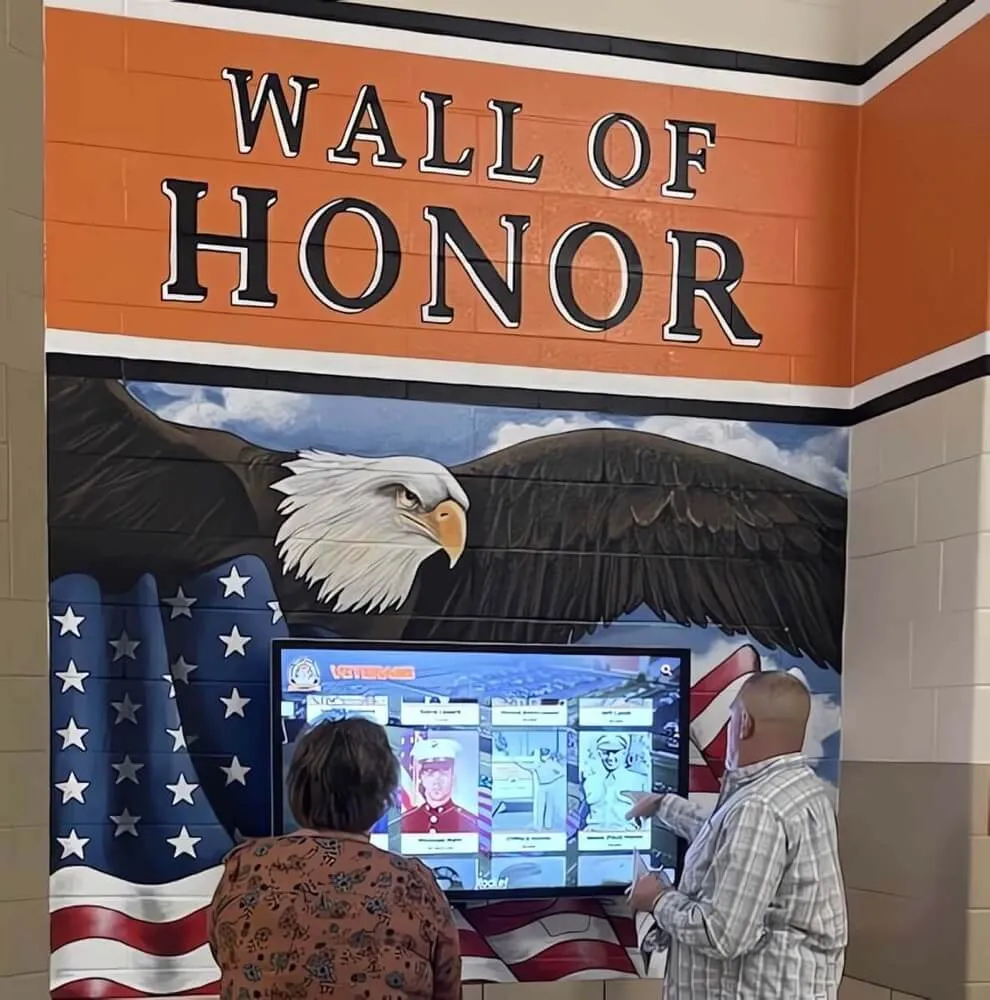
Interactive displays enable students to explore detailed achievement stories beyond simple name lists
Implementation Guide: Creating Your FBLA Recognition Display
Systematic planning ensures recognition displays deliver maximum impact while remaining sustainable throughout years and adviser transitions.
Step 1: Assessment and Planning
Evaluate Current Recognition Practices
Begin by honestly assessing existing FBLA recognition:
- What achievements currently receive recognition and how prominently?
- Where does business education recognition appear physically within your institution?
- How does FBLA recognition compare in visibility and quality to athletic recognition?
- What feedback have students, families, and alumni provided about current recognition?
- What resources and budget exist for recognition improvements?
This assessment reveals gaps requiring attention and opportunities for enhancement.
Define Recognition Objectives
Clarify what you hope achievement boards will accomplish:
- Increase business education program visibility throughout the school community?
- Improve student motivation and competitive commitment?
- Strengthen recruitment by showcasing program success?
- Create equity with athletic and other program recognition?
- Preserve program history and chapter traditions?
- Support alumni engagement and connection?
Clear objectives guide design decisions when tradeoffs become necessary.
Step 2: Technology and Format Selection
Choose recognition approaches matching your objectives, resources, and constraints:
Budget-Based Options
Consider realistic budget ranges:
- Under $500: Physical bulletin boards, printed materials, and basic trophy displays
- $500-2,500: Quality physical recognition walls with professional mounting and materials
- $2,500-8,000: Basic digital signage systems with commercial displays and simple content management
- $8,000-20,000: Sophisticated interactive touchscreen systems with cloud platforms and comprehensive management
- $20,000+: Multiple coordinated displays or premium installations with architectural integration
Remember to consider 3-5 year total ownership costs including ongoing content updates, subscription fees, and eventual hardware replacement when comparing options.
Space and Location Considerations
Identify optimal placement locations:
- Business education classroom entrances ensuring all students see recognition daily
- Main entrance lobbies demonstrating business education program quality school-wide
- Career and technical education wings connecting business programs to broader CTE
- Common areas and cafeterias where non-business students encounter FBLA excellence
- Library or media center spaces frequented by college-bound students
- Near administrative offices signaling institutional commitment to business education recognition
Cultural and Preference Alignment
Consider student, family, and alumni preferences:
- Does your program culture emphasize traditional approaches or embrace modern technology?
- Do students prefer physical trophies they can hold or digital recognition with broader visibility?
- Will alumni connect better with approaches matching their era or appreciate modern innovation?
- Does your school administration support technological solutions or prefer traditional recognition?
These cultural factors significantly impact whether recognition resonates with your specific community.
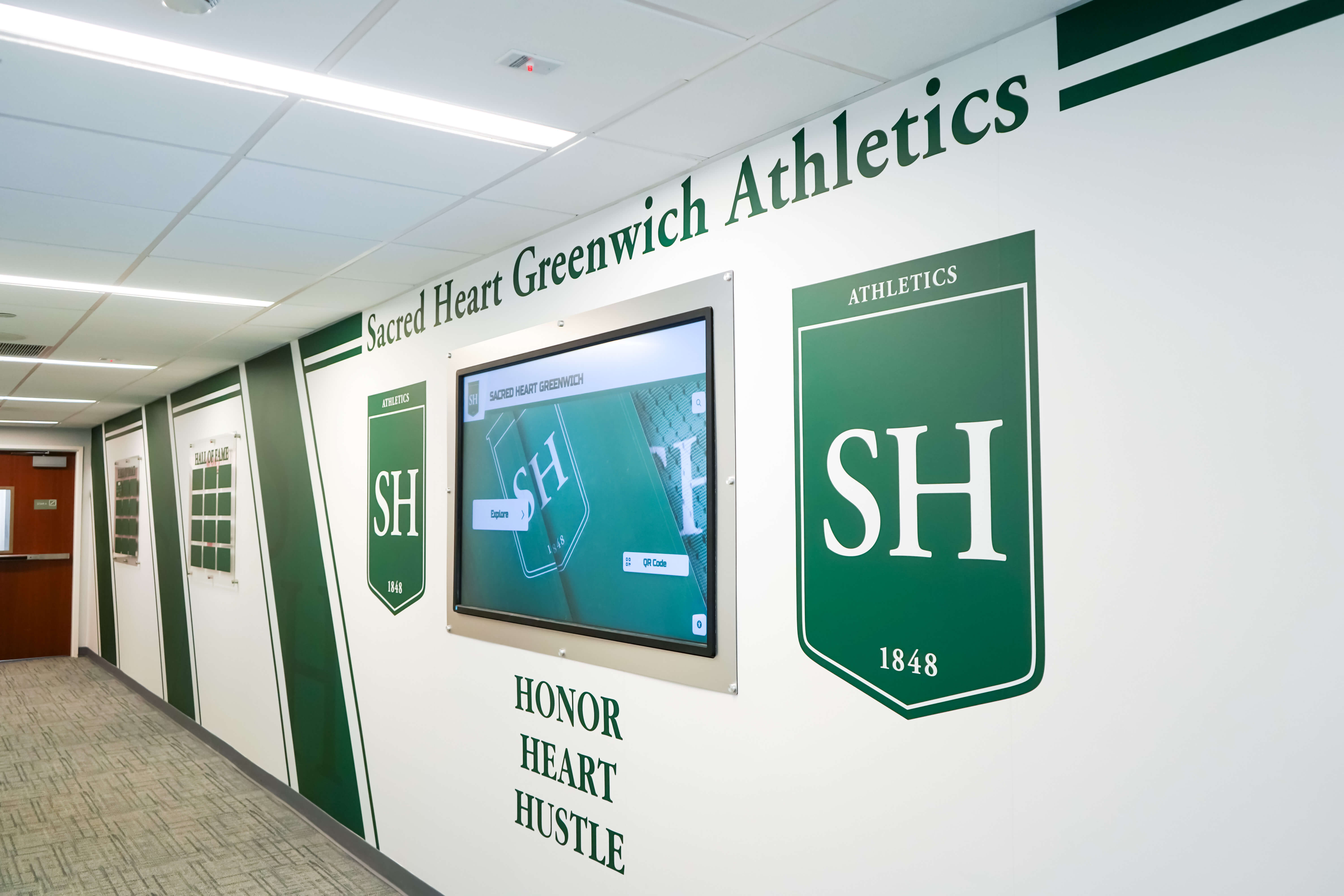
Professional installations integrate seamlessly with existing facilities while creating dedicated business education recognition presence
Step 3: Content Development Process
Quality recognition requires systematic content gathering and management:
Information Sources
Establish reliable achievement data sources:
- Conference results from state association websites and communications
- FBLA National Center records and national conference results
- Chapter adviser records and competition notes
- Business Achievement Award documentation from national tracking system
- Student self-reporting for achievements advisers might miss
- Historical archives from yearbooks, newspapers, and chapter scrapbooks
- Alumni contributions sharing memories and historical context
Content Creation Standards
Maintain consistent quality through professional standards:
- High-quality photographs showing students in professional attire or competition settings
- Accurate achievement descriptions using proper business terminology
- Context explaining significance of achievements for non-business audiences
- Comprehensive statistics and records when available
- Engaging narratives celebrating achievements beyond simple facts
Update Workflows
Define clear processes ensuring recognition stays current:
- Immediate updates within days of major achievements like national placements or chapter awards
- Post-conference updates following regional, state, and national events adding recent results
- Monthly updates during active school year celebrating ongoing achievements
- End-of-year comprehensive updates celebrating cumulative accomplishments
- Annual archiving preserving each year’s recognition while refreshing displays for new academic year
Digital recognition platforms dramatically simplify these workflows through cloud-based management enabling updates from any internet-connected device without requiring physical display access or technical expertise.
Explore content management approaches in best school history software guide addressing systematic achievement documentation.
Step 4: Installation and Launch
Professional implementation maximizes recognition impact:
Physical Installation
Whether physical boards or digital displays, professional installation matters:
- Secure mounting appropriate for display weight and wall type
- Appropriate viewing heights ensuring accessibility for all students
- Professional appearance with clean cable management and proper alignment
- Adequate lighting highlighting recognition without glare
- Protective measures for high-traffic areas
Budget $300-1,500 for professional installation depending on complexity, wall type, and location accessibility.
Content Population
Launch with substantial content creating immediate impact:
- Current year achievements providing relevance and timeliness
- Historical highlights connecting current students to program tradition
- Diverse achievement categories demonstrating recognition comprehensiveness
- Multiple students featured ensuring broad chapter representation
- Professional presentation honoring achievements appropriately
Launch Communication Strategy
Generate awareness through systematic promotion:
- All-school announcements introducing new recognition system
- Chapter meeting explanations showing students how to explore displays
- Family communications highlighting recognition improvements
- Social media posts extending recognition visibility beyond campus
- Administrative tours demonstrating recognition to leadership and visitors
Successful launches transform recognition from background fixture to celebrated program element generating pride and engagement.
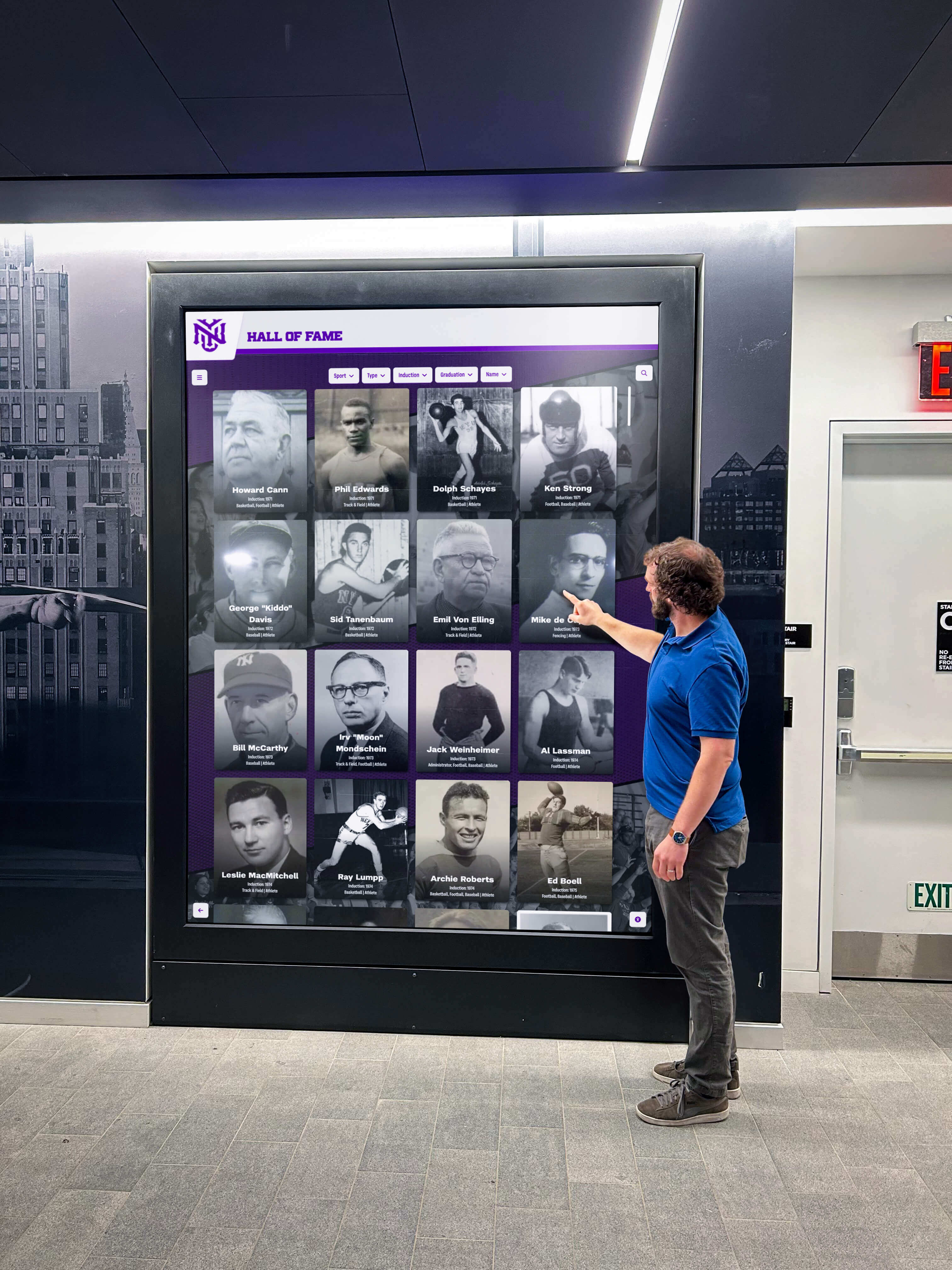
Engaging displays attract natural exploration from students, families, and community members encountering business achievements
Step 5: Ongoing Management and Sustainability
Long-term success requires sustainable management:
Assign Clear Responsibilities
Recognition fails when accountability remains unclear:
- Primary coordinator overseeing content updates and display maintenance
- Backup administrator preventing single point of failure during adviser transitions
- Student officers supporting data entry and content development
- Chapter historians facilitating achievement documentation and photo collection
Establish Update Schedules
Consistent timing maintains recognition currency:
- Conference season updates following regional, state, and national competitions
- BAA milestone celebrations when students complete award levels
- Quarterly comprehensive reviews ensuring accuracy and completeness
- Annual archiving and refresh preparing displays for new academic years
Plan for Long-Term Sustainability
Recognize that advisers and coordinators change:
- Document all processes enabling smooth transitions
- Store historical content in cloud systems surviving local hardware
- Budget for eventual hardware replacement or refreshment
- Train multiple people ensuring recognition continues during absences
- Integrate recognition into program culture rather than depending on individuals
Programs viewing recognition as ongoing institutional commitments rather than temporary projects achieve superior long-term outcomes.
Maximizing Recognition Impact
Strategic approaches amplify how recognition affects motivation, recruitment, and program culture.
Creating Recognition Destinations
The most effective achievement boards exist within comprehensive recognition environments:
Integrated Recognition Spaces
Transform areas into business education celebration destinations through coordinated elements:
- Digital or physical achievement displays as focal points
- Chapter photos from current and historical years showing program continuity
- Conference photos capturing competition atmosphere and chapter culture
- Program history timelines connecting current students to institutional legacy
- Business education course information demonstrating curriculum pathways
- Industry partner recognition acknowledging business community support
- Comfortable seating encouraging extended viewing and discussion
These integrated spaces signal institutional commitment to business education recognition while creating visually impressive environments that strengthen program pride and community awareness.
Strategic Placement for Maximum Visibility
Location determines recognition impact:
- Multiple locations throughout campus reaching diverse audiences
- High-traffic areas ensuring frequent encounters with achievement displays
- Areas prospective students and families visit during campus tours
- Locations easily accessible for quick updates without special access requirements
- Positions visible from multiple angles and distances
Integration with Other Academic Recognition
Position FBLA recognition alongside other academic achievement displays:
- Near honor roll displays emphasizing academic excellence connection
- Alongside other CTE program recognition from different career pathways
- Within academic hallways rather than isolated in administrative areas
- Creating comprehensive career readiness zones celebrating workforce preparation broadly
This placement emphasizes that business education achievement represents one dimension of broader academic excellence your institution values and celebrates systematically.
Explore integrated recognition approaches in elementary school recognition board guide addressing comprehensive institutional celebration across all levels.

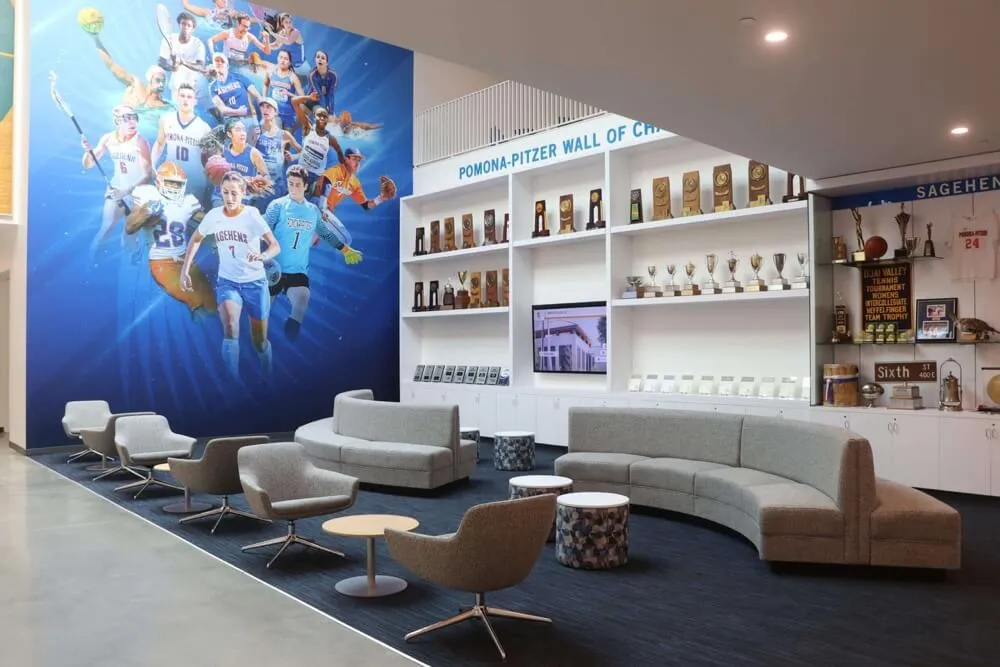
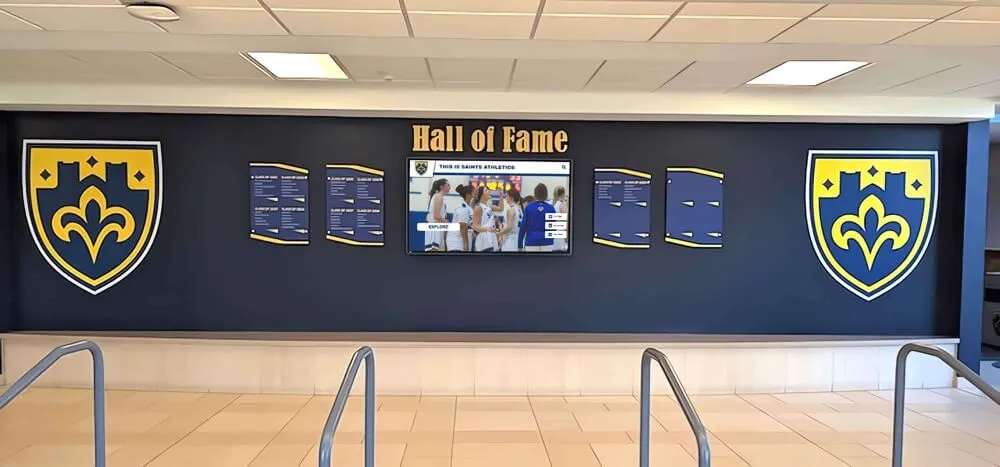
Integrated recognition combines traditional design elements with modern digital capabilities for comprehensive celebration
Leveraging Recognition for Recruitment
Achievement displays serve powerful recruitment purposes:
Prospective Student Engagement
Recognition boards communicate program strength:
- Competitive event success demonstrates excellence opportunity
- Diverse achievement categories show multiple paths to recognition
- Historical depth proves program sustainability and tradition
- Student profiles and testimonials humanize business education experience
- Alumni success stories illustrate long-term career benefits
Family Confidence Building
Parents considering whether business education represents worthwhile investment evaluate program quality through visible recognition demonstrating that student time and family resources will support meaningful achievement and growth.
Campus Tour Integration
Train admissions staff to incorporate business education recognition into standard campus tours, ensuring prospective students considering career pathways see FBLA success alongside athletic facilities and artistic spaces as evidence of comprehensive excellence opportunities.
Celebrating Recognition Publicly
Extend achievement board impact through multi-channel communication:
Social Media Amplification
Share recognition updates across platforms:
- Achievement announcements when students reach milestones
- Display photos showing recognition installations and featured students
- Historical throwback content highlighting program tradition
- Conference success celebrations with display screenshots
- Student spotlights drawing attention to detailed profiles
School Communication Integration
Ensure business education achievements appear in institutional communications:
- Morning announcements referencing updated achievement displays
- Newsletter features highlighting recent recognition additions
- All-school assemblies celebrating major achievements like national placements
- Website integration linking to online recognition platforms
- Email communications to families announcing new recognition
Business Community Engagement
Extend recognition visibility to industry partners:
- Chamber of commerce presentations showcasing student achievement
- Advisory committee meetings featuring recognition displays
- Local business visits highlighting program success
- Industry partner newsletters acknowledging student accomplishments
- Career fair displays demonstrating business education excellence
This multi-channel approach transforms recognition from passive displays into active program promotion that builds community awareness, support, and pride in business education achievement.
Learn about comprehensive recognition approaches in senior class awards display guide exploring celebration strategies for graduating students.
Common Challenges and Solutions
Programs frequently encounter specific obstacles requiring thoughtful responses:
“We Don’t Have Budget for Recognition Upgrades”
Start Small and Scale Gradually
Recognition doesn’t require substantial investment initially:
- Begin with quality bulletin boards and printed materials ($100-300)
- Create digital slideshows on existing school monitors ($0)
- Develop web-based recognition using free platforms ($0-50 annually)
- Photograph and display competitive event success using basic materials
- Demonstrate value justifying future investment in enhanced systems
These entry-level approaches deliver meaningful recognition while building evidence supporting enhanced investment as programs demonstrate impact.
“Our Trophy Case is Full and We Can’t Expand”
Embrace Digital Solutions Eliminating Space Constraints
Physical space limitations represent the primary reason programs adopt digital recognition:
- Single digital display accommodates unlimited students and achievements
- No removal decisions forcing choices about whose recognition disappears
- Comprehensive archives preserving complete program history permanently
- Multiple display locations possible without proportional cost increases
- Remote access ensuring alumni and distant families can view achievements
Solutions like Rocket Alumni Solutions specifically address space constraints that make comprehensive physical recognition impossible.
“Competitive Events Are Too Complex for General Audiences”
Provide Context Making Achievements Accessible
Add explanatory content helping non-business audiences understand significance:
- Glossary sections defining terms like specific event types and award levels
- Context notes explaining competition structure and selectivity
- Statistics showing achievement relative to state and national competitor pools
- Student quotes describing what achievements required and meant personally
- Historical context comparing current achievements to program milestones
This contextualization ensures recognition resonates with entire school community rather than only FBLA participants.
“We Have Limited Historical Records”
Build Archives Systematically Over Time
Missing historical information shouldn’t prevent starting recognition:
- Begin with recent years where complete records exist
- Launch alumni contribution campaigns gathering memories and photos
- Research yearbooks and school archives for historical information
- Digitize existing physical trophies and awards preserving their information
- Commit to comprehensive documentation going forward
Historical archives grow systematically when recognition becomes ongoing priority rather than one-time project.
Explore historical preservation in how to digitize old yearbooks guide addressing systematic documentation approaches.
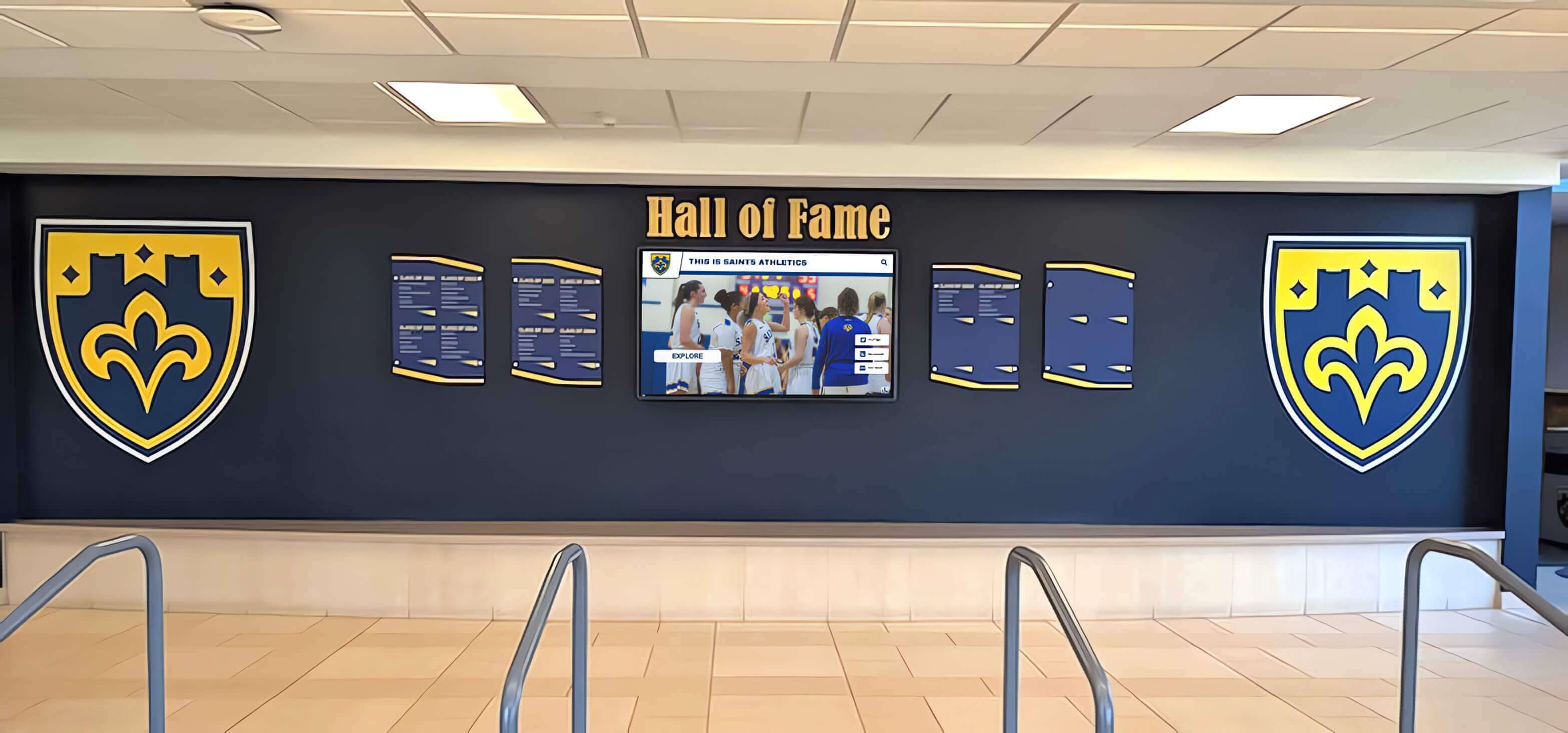
Integrated recognition environments combine traditional visual elements with modern displays creating impressive business education celebration spaces
Conclusion: Elevating FBLA Recognition to Match Achievement
FBLA awards recognition displays represent essential investments in chapter culture, student motivation, and institutional commitment to celebrating business education excellence with the visibility and prominence these accomplishments deserve. When schools implement business education recognition thoughtfully—with comprehensive content celebrating diverse achievements, professional presentation honoring student dedication appropriately, strategic placement ensuring maximum visibility, and systematic management maintaining currency across years—they create powerful recognition systems that validate the hundreds of hours students invest in competitive preparation, business skill development, and leadership growth while demonstrating to entire communities that career readiness and business excellence matter as much as any other form of student achievement.
The most successful FBLA recognition implementations share common characteristics: they celebrate the full spectrum of business education achievement from competitive event placement to Business Achievement Award progression to chapter leadership contributions, provide sufficient detail enabling non-business audiences to understand achievement significance, maintain professional presentation quality comparable to recognition in other domains, integrate strategically within high-visibility campus locations, and evolve continuously based on student feedback, program growth, and emerging achievements that deserve celebration.
Transform Your FBLA Recognition Program
Discover how modern recognition display solutions like Rocket Alumni Solutions can help your business education program celebrate unlimited achievements through engaging digital platforms that honor leadership excellence while maintaining comprehensive archives preserving your chapter's proud tradition for decades to come.
Explore Business Education Recognition SolutionsWhether your chapter currently has minimal recognition or established displays needing enhancement, remember that authentic appreciation for student achievement matters more than expensive installations or sophisticated technology. Start by clearly understanding what business education accomplishments your students value most, develop recognition approaches celebrating achievements aligned with chapter values and student investment, create accessible systems that non-business audiences can appreciate and understand, invest in content quality that honors achievements appropriately rather than treating recognition as administrative checklist item, and commit to sustainable management ensuring recognition continues consistently across adviser transitions and administrative changes.
Your FBLA chapter members dedicate countless hours to competitive preparation, business skill mastery, leadership development, and career readiness activities that serve them throughout education and careers—they deserve recognition that celebrates those investments and accomplishments as prominently as any other student achievement. Strategic implementation of comprehensive achievement boards creates visible validation that business education excellence matters, career readiness accomplishment receives institutional appreciation, and FBLA programs occupy positions of pride within school communities alongside every other activity your institution celebrates and supports.
Ready to begin? Explore how Rocket Alumni Solutions can help your program create meaningful achievement displays that motivate students, preserve chapter traditions, and ensure business education excellence receives the visibility it deserves throughout your institution and community.