Fantasy Football Championship Banners: How to Design and Display Your League Trophy
- Home /
- Blog Posts /
- Fantasy Football Championship Banners: How to Design and Display Your League Trophy
The Easiest Touchscreen Solution




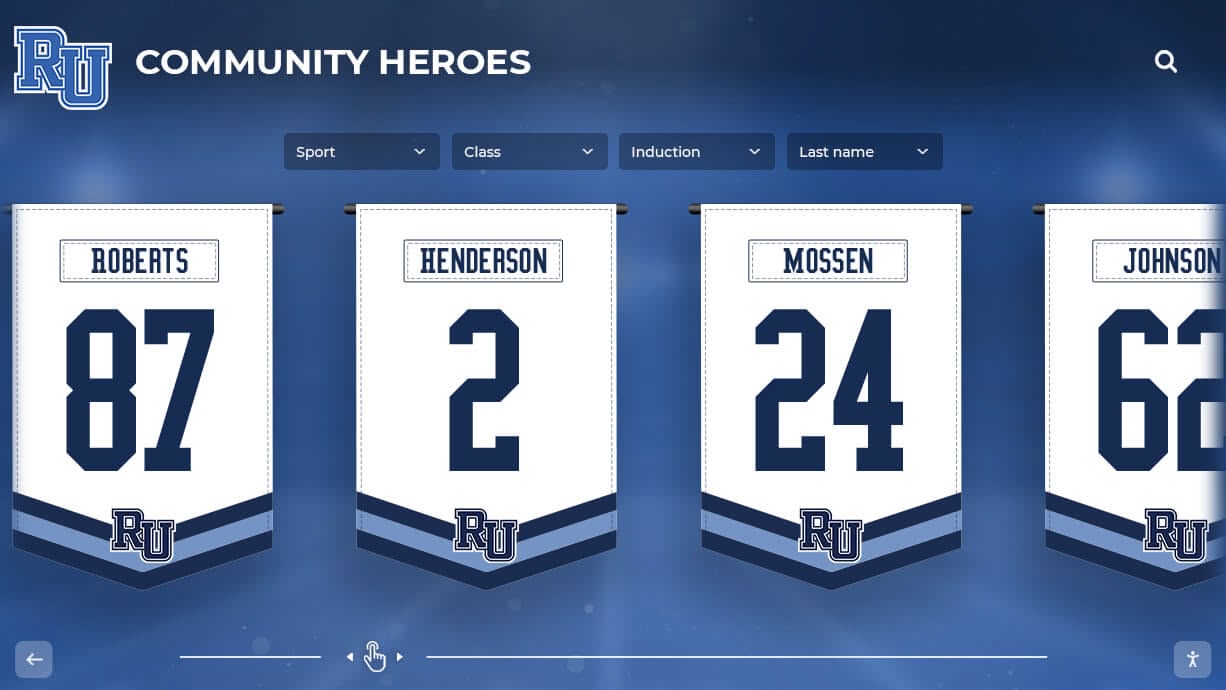
Live Example: Rocket Alumni Solutions Touchscreen Display
Interact with a live example (16:9 scaled 1920x1080 display). All content is automatically responsive to all screen sizes and orientations.
Fantasy football has evolved from casual office entertainment into a serious competitive pursuit where league championships carry genuine prestige among participants. Winning your fantasy football league represents months of strategic roster management, waiver wire victories, and calculated lineup decisions—achievements worthy of recognition beyond temporary bragging rights. Creating a fantasy football championship banner transforms your league from a casual gathering into an established tradition with visible history celebrating past winners and motivating future champions.
While professional sports teams hang championship banners from arena rafters, fantasy football commissioners face the challenge of creating league recognition that feels appropriately prestigious without requiring massive budgets or permanent venue modifications. Whether your league meets at a rotating host’s home, gathers at a sports bar for draft day, or exists primarily through digital interaction, establishing a tangible championship banner tradition adds gravitas to competition and creates lasting records of league history.
This comprehensive guide explores how to design fantasy football championship banners that capture your league’s unique personality, examines material and sizing considerations for different display contexts, provides practical display solutions for various environments, and demonstrates how modern digital recognition platforms can elevate league traditions while accommodating growth, updates, and permanent visibility.
The most successful fantasy football championship banners balance three objectives: clearly communicating champion and season information, reflecting league personality and traditions, and functioning practically within display constraints most leagues face. Unlike professional team banners designed for massive arenas, fantasy league banners must work in residential spaces, commercial venues, or even digital environments while maintaining that authentic championship feel.

Championship banner displays create visual records of achievement that build tradition and competitive pride across seasons
Essential Elements of Fantasy Football Championship Banners
Before selecting materials or design software, understanding what information belongs on championship banners ensures they serve both recognition and historical reference purposes.
Core Championship Information
Every fantasy football championship banner should prominently feature these fundamental elements:
Season Year
The most critical piece of information—clearly identifying which season the championship represents. Use four-digit years (2025 rather than ‘25) for long-term clarity as your league accumulates decades of history. Position the year prominently, typically at the top or as the largest text element, since viewers scanning multiple banners primarily want to quickly identify specific seasons.
Champion’s Name
The league winner’s name deserves prominent placement and legible sizing. Consider whether you’ll use real names, team names, or both. Many leagues display the champion’s team name as the primary identifier with their real name in smaller text beneath, preserving the fantasy football persona while maintaining clarity about who actually won.
League Name or Logo
Your league identity should appear on each banner, creating visual consistency across multiple championship banners displayed together. This element doesn’t need to dominate the design but should be clearly recognizable, reinforcing that these banners represent a continuous tradition rather than isolated awards. Established leagues often develop custom logos that appear identically on every banner regardless of individual champion.
Optional but Valuable Information
Beyond essential elements, consider including additional details that enhance each banner’s story:
Championship Record
The winning team’s final regular season or playoff record provides context for the championship, distinguishing dominant seasons from underdog victories. This information takes minimal space while adding narrative value—“12-2” tells a different story than “8-6” for a league champion.
League Motto or Tagline
If your league has developed signature phrases, inside jokes, or memorable quotes, banners offer perfect real estate for preserving these traditions. Rotate locations where these appear to avoid visual monotony across multiple banners.
Notable Achievement Badges
Some leagues add small icons or badges recognizing specific accomplishments—“Perfect Season,” “Defeated Previous Champion,” “Highest Points Scored,” or custom achievements relevant to your league’s scoring system and traditions.
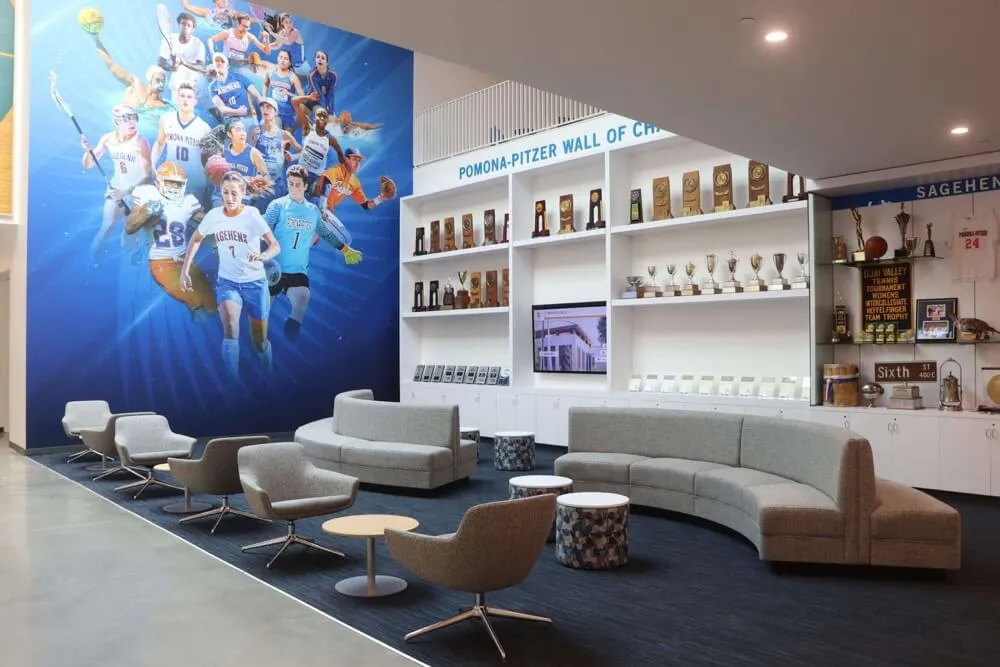
Dedicated display spaces elevate championship recognition beyond temporary storage, creating environments celebrating competitive achievement
Visual Design Considerations
Championship banners require visual hierarchy ensuring information reads clearly from viewing distances typical in your display environment.
Text Sizing Hierarchy
Establish clear size relationships among information elements. The champion’s name or team name should be immediately legible, followed by season year, with supplementary information sized appropriately smaller. Test legibility from the actual distance viewers will typically stand when seeing displayed banners—what reads perfectly on a computer screen may disappear from 10 feet away.
Color Schemes
Most successful fantasy football championship banners use one of three color approaches:
Consistent League Colors: Every banner uses identical colors regardless of champion, creating visual unity across seasons and emphasizing the league tradition over individual winners.
Winner’s Team Colors: Each banner reflects the champion’s team colors that season, creating visual variety while personalizing each banner to its specific winner.
Year-Themed Colors: Rotating color schemes by year or using colors that became culturally significant during specific seasons (championship game team colors, for example).
The consistent league color approach typically works best for long-term display coherence, though winner’s team colors add personalization many leagues prefer.
Similar recognition principles appear in student athlete recognition programs where consistent visual identity strengthens tradition while celebrating individual achievement.
Banner Materials and Construction Options
Material selection significantly impacts banner durability, display flexibility, cost, and overall presentation quality.
Fabric Banners
Polyester Fabric
The most common material for championship banners combines durability with professional appearance:
- Advantages: Lightweight, flexible, accepts vibrant dye-sublimation printing, resists fading, can be folded for storage without permanent creasing, typically lasts 3-5 years with indoor display
- Disadvantages: Requires hemming and grommets or pole pockets for hanging, more expensive than paper but less costly than rigid materials, may wrinkle if stored improperly
- Best Applications: Leagues planning permanent displays in controlled environments, commissioners wanting authentic sports venue aesthetics, situations requiring occasional banner removal and reinstallation
Standard polyester banner fabric typically comes in weights between 5-9 ounces per square yard. Lighter weights work fine for indoor display, while heavier fabrics provide better drape and more premium feel.
Vinyl Banners
Heavier than fabric with more weather resistance:
- Advantages: Extremely durable, suitable for outdoor display, prints with rich color saturation, easy to clean, long lifespan (5-7 years outdoors, longer indoors)
- Disadvantages: Heavier and less flexible than fabric, tends to curl at edges without proper tensioning, may develop creases that become permanent, typically more expensive than polyester fabric
- Best Applications: Outdoor display contexts, sports bars or commercial venues, situations where banners face environmental exposure or potential contact/wear
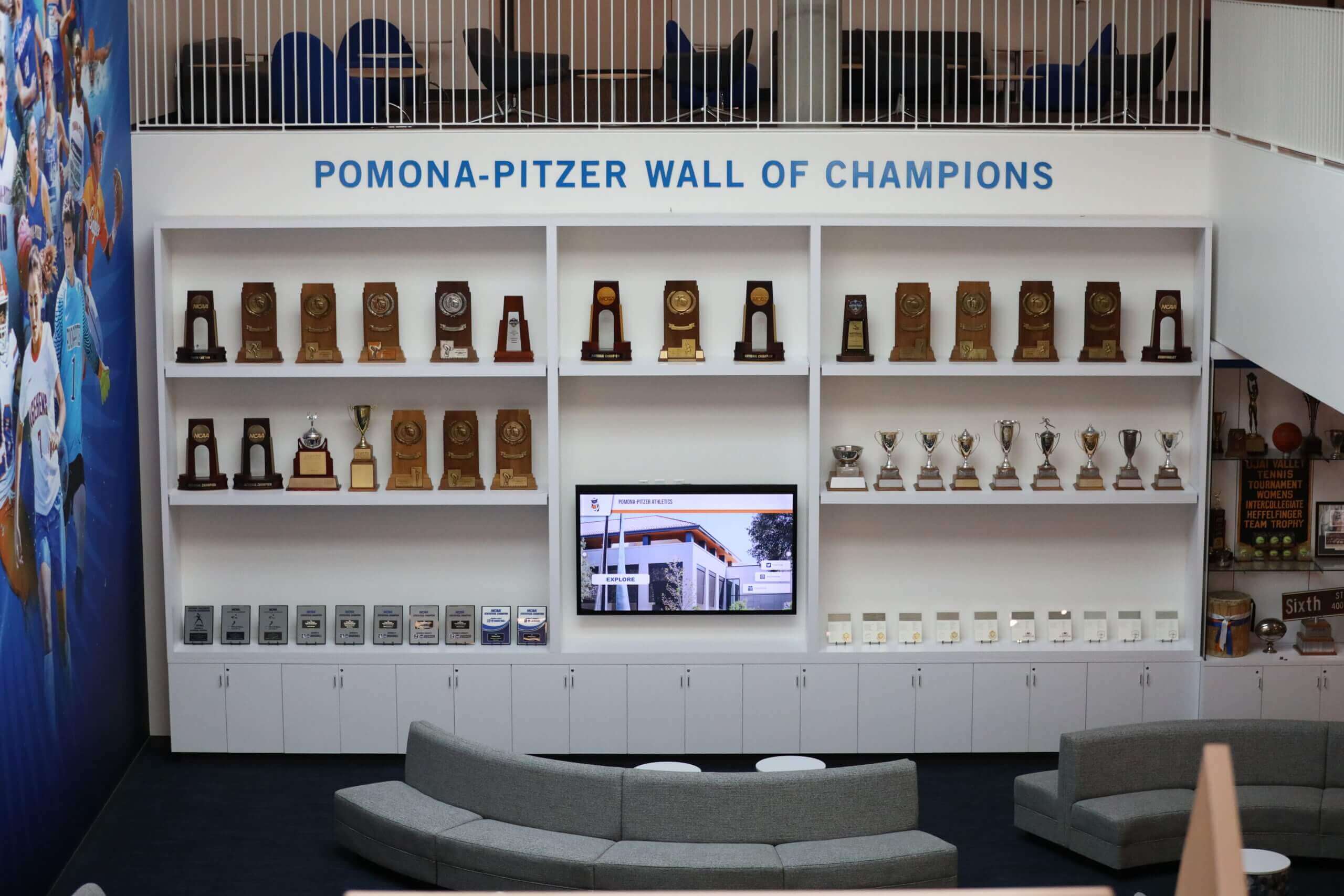
Professional display environments create dedicated spaces where championship recognition receives the prominence it deserves
Paper and Poster Materials
Premium Card Stock
Budget-friendly option suitable for leagues just establishing banner traditions:
- Advantages: Inexpensive to produce (often $10-30 per banner), easily designed and printed at home or local print shops, simple to replace or update, no specialized hanging hardware required
- Disadvantages: Limited lifespan (1-2 years with careful handling), susceptible to fading and damage, less impressive appearance than fabric, may curl or warp in humidity
- Best Applications: New leagues testing banner traditions before investing in premium materials, temporary displays, leagues meeting in frequently changing venues
Laminated Posters
Step up from basic card stock with better durability:
- Advantages: Protected surface resists moisture and handling damage, more rigid than unlaminated paper prevents curling, still significantly less expensive than fabric, can be designed using standard home printer then professionally laminated
- Disadvantages: Reflects light creating viewing challenges from certain angles, cannot be folded without cracking, limited to letter/tabloid sizes without professional printing, lacks the fabric aesthetic of traditional banners
- Best Applications: Home displays where size constraints exist, leagues wanting improved durability over card stock without fabric costs, situations where flat rigid materials mount more easily than hanging fabric
Rigid Materials
Wood or Acrylic Plaques
Permanent recognition platforms with premium appearance:
- Advantages: Most durable option with decades-long lifespan, premium appearance elevating league prestige, can incorporate three-dimensional elements like mounted nameplates, no concerns about fabric damage or fading
- Disadvantages: Most expensive per-banner option, requires wall mounting rather than hanging, difficult to transport if league changes venues, limited flexibility for design updates
- Best Applications: Established leagues with permanent venue relationships, commissioners willing to invest significantly in recognition quality, sports bars or establishments hosting league events
Similar permanent recognition approaches appear in hall of fame displays where long-term durability justifies premium material investment.
Sizing Your Championship Banners
Banner dimensions significantly impact both visual presence and practical display feasibility in typical fantasy football league contexts.
Standard Banner Sizes
Small Format (18" x 24" to 24" x 36")
Appropriate for home display, office environments, or situations with limited wall space:
- Easily fits above home office desks, in game rooms without dominating entire walls
- Manageable to transport if league changes venues
- Lower material costs making banner tradition more financially accessible
- Works well when displaying multiple championship banners in limited space
- Text must be carefully sized to remain legible—avoid including too much information
Medium Format (36" x 60" to 48" x 72")
The sweet spot for most fantasy football leagues balancing presence with practicality:
- Clearly visible from normal viewing distances without requiring dedicated wall space
- Sufficient size to include all desired information with appropriate text hierarchy
- Authentic sports banner aesthetic without overwhelming residential spaces
- Can be displayed rolled when transporting to different venues
- Standard size offered by most banner printing services
Large Format (60" x 96" or larger)
Reserved for leagues with permanent venues or commissioners committed to making serious statements:
- Creates authentic professional sports arena experience
- Requires substantial wall space limiting display location options
- Higher material and printing costs
- Transportation challenges if venue changes
- Impressive visual impact worthy of significant league history
Most fantasy football leagues find 24" x 48" or 36" x 60" dimensions optimal—large enough for meaningful presence and clear information display while remaining practical for typical home or commercial venue display contexts.
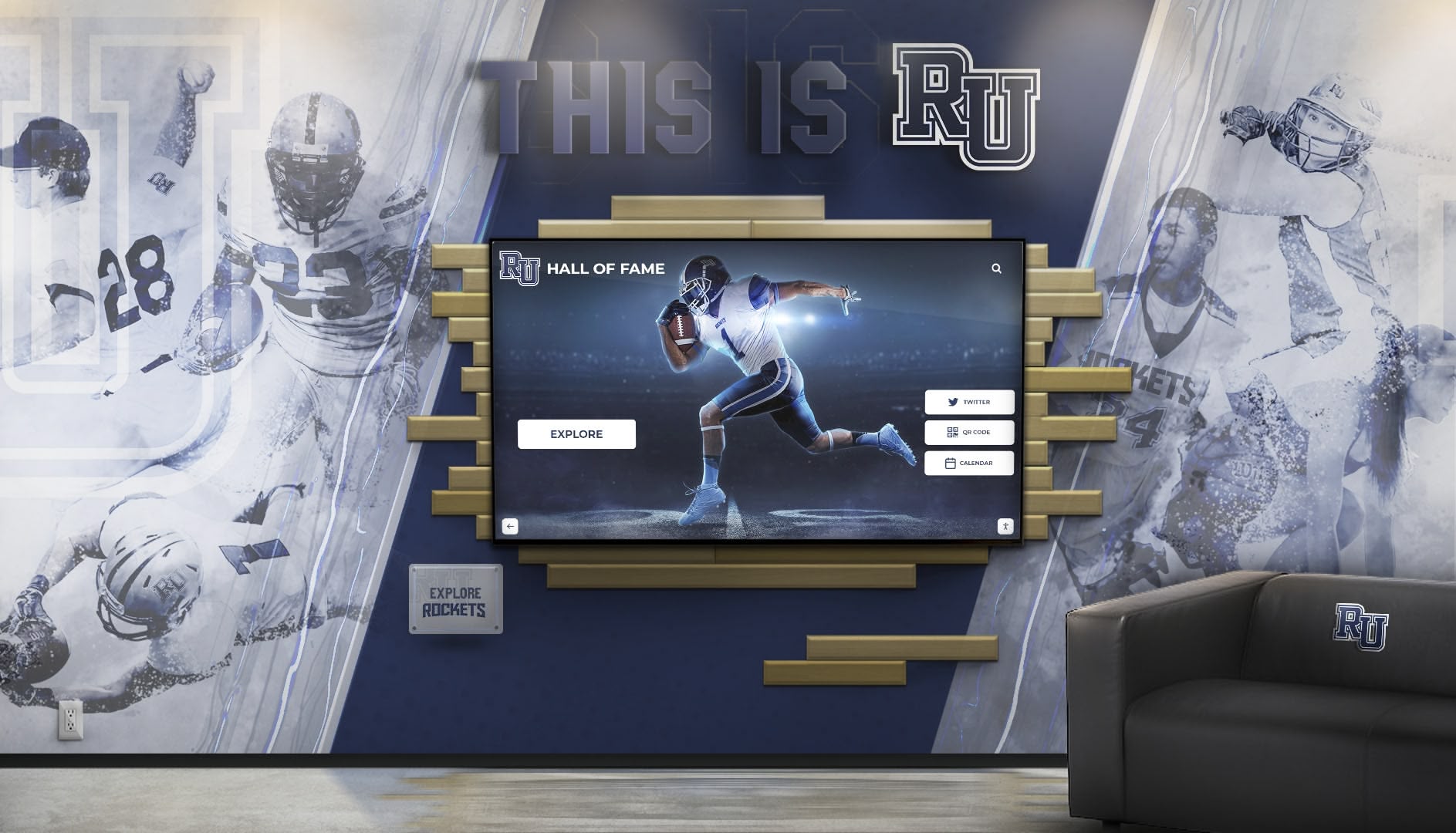
Modern digital displays accommodate unlimited championship recognition without physical space constraints that limit traditional banner displays
Aspect Ratio Considerations
Beyond absolute size, banner proportions affect both design and display:
Vertical Orientation (Portrait)
Traditional championship banner format mimicking professional sports:
- Authentic appearance matching arena championship banners
- Requires less horizontal wall space, fitting better in most residential contexts
- Text naturally stacks vertically creating clear information hierarchy
- Hanging display requires less specialized hardware than horizontal mounting
Horizontal Orientation (Landscape)
Alternative format offering different design opportunities:
- Fits well above doorways, mantels, or behind bars in commercial venues
- Allows side-by-side information layout rather than stacked elements
- May accommodate wide league logos or graphic elements better than vertical format
- Displays multiple championships more efficiently in limited vertical space
Most leagues default to vertical orientation because it aligns with championship banner expectations established by professional sports, though horizontal formats work perfectly well when space constraints or aesthetic preferences dictate that approach.
DIY Banner Design Tools and Techniques
Creating fantasy football championship banners doesn’t require professional design skills—several accessible tools enable commissioners to produce quality results.
Design Software Options
Canva
The most accessible option for non-designers:
- Free tier sufficient for banner design with thousands of templates
- Intuitive drag-and-drop interface requires minimal learning curve
- Banner-specific templates in custom dimensions
- Extensive font library includes sports-appropriate typography
- Export high-resolution files suitable for professional printing
- Collaboration features if multiple league members contribute to design
Adobe Creative Suite (Photoshop, Illustrator)
Professional tools offering maximum design control:
- Industry-standard software used by professional designers
- Unlimited design flexibility for custom graphics and effects
- Precise control over color management ensuring print accuracy
- Steeper learning curve requiring time investment
- Subscription costs ($55/month for full Creative Cloud access)
- Overkill for basic banner needs but ideal if design skills already exist
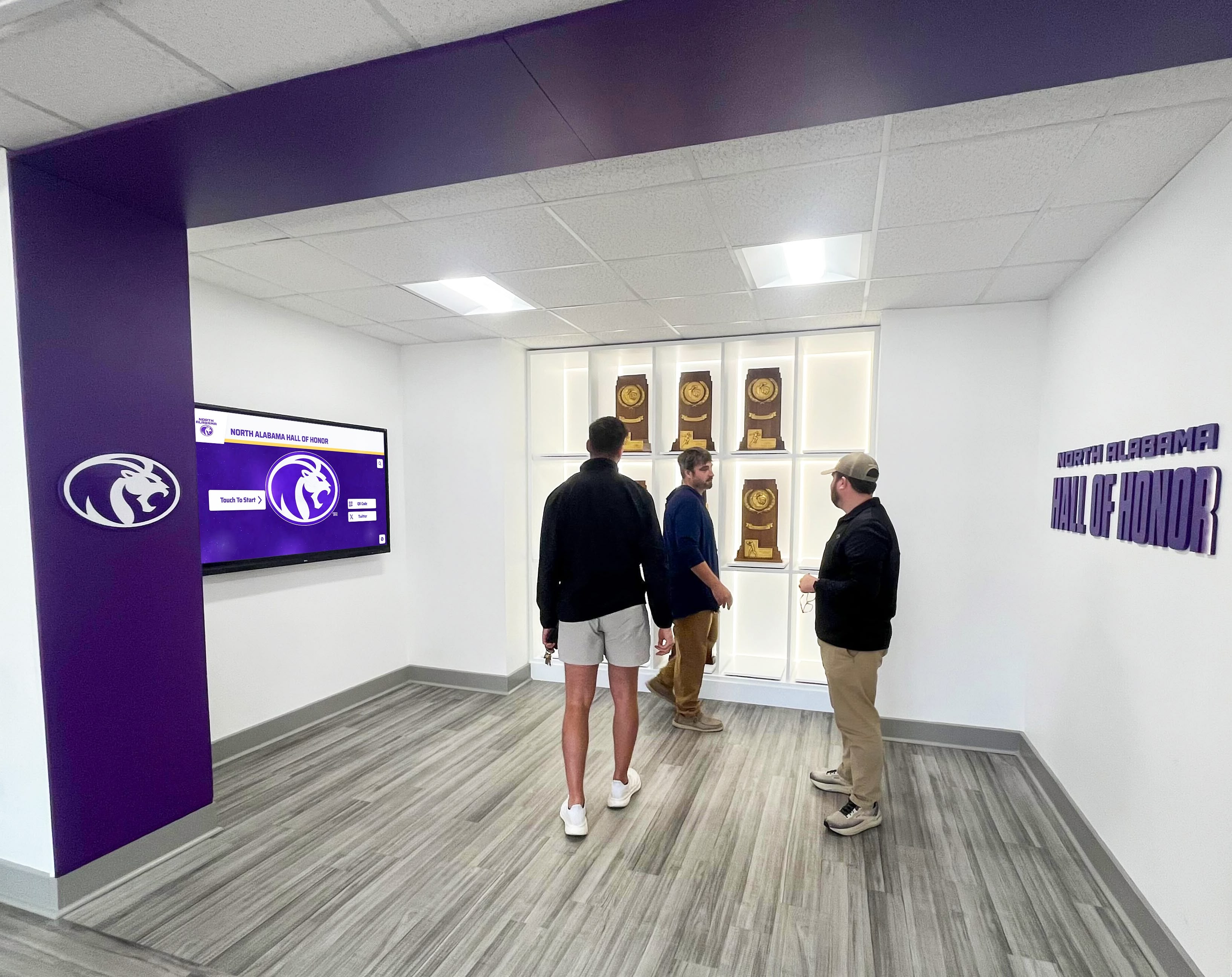
Championship displays become gathering points where league members connect with tradition and celebrate competitive achievements
Microsoft PowerPoint or Google Slides
Surprisingly effective for straightforward banner designs:
- Software most commissioners already know with no additional learning required
- Set custom slide dimensions matching desired banner size
- Basic text and shape tools sufficient for clean banner designs
- Free (Google Slides) or likely already licensed (PowerPoint)
- Export to PDF maintains quality for professional printing
- Limited graphic capabilities compared to dedicated design software
For most fantasy football leagues, Canva provides the optimal balance of capability, ease of use, and cost—enough professional features to create polished results without the complexity of professional design software.
Design Best Practices
Choose Legible Fonts
Championship banners prioritize information communication over decorative typography:
- Use bold, condensed sans-serif fonts for maximum legibility (Impact, Bebas Neue, Oswald, League Gothic)
- Avoid script or decorative fonts except for accent elements—they become illegible from distance
- Limit designs to 2-3 font families maximum to maintain visual cohesion
- Ensure sufficient font weight (bold or heavy) so text doesn’t disappear against background colors
- Test legibility by viewing design at 25% zoom to approximate actual viewing distance
Establish Visual Contrast
Text must clearly separate from background:
- Use light text on dark backgrounds or dark text on light backgrounds—avoid mid-tone combinations
- Add stroke/outline to text if placing over complex background images
- Consider drop shadows or glows to lift text visually from background elements
- Test designs in grayscale to verify contrast doesn’t rely entirely on color differences
- Remember that printing sometimes reduces contrast from what appears on screens
Incorporate League Identity
Championship banners should feel connected to your specific league:
- Develop or commission a league logo that appears consistently across all banners
- Use signature league colors if tradition has established them
- Include inside jokes, catchphrases, or references that league members recognize
- Consider subtle background elements referencing league history or memorable moments
- Balance personalization with clean design—avoid cluttering banners with too many references
The relationship between individual achievement and institutional tradition mirrors approaches in team awards recognition where category design celebrates diverse contributions within cohesive programs.
Display Options for Championship Banners
Where and how you display fantasy football championship banners significantly impacts their recognition value and practical feasibility.
Home Display Solutions
Dedicated Game Room or Office
Ideal environment for permanent banner displays:
- Install curtain rods, banner poles, or cable hanging systems across walls
- Arrange banners chronologically to visualize league history progression
- Combine with other league memorabilia (trophy, draft boards, team photos)
- Consider lighting to highlight banner display area
- Room usage reinforces fantasy football’s importance in your social life
Living Room or Den
Mainstream display in primary entertainment spaces:
- Requires aesthetic integration with existing décor
- Consider framing banners rather than hanging them traditionally for more polished appearance
- Seasonal display rotation—hang banners during football season, store during off-season
- Position near television where football viewing naturally occurs
- Balance banner presence with non-sports-fan household members’ preferences
Garage or Basement
Alternative spaces when indoor display isn’t possible:
- Less climate-controlled environments require more durable materials (vinyl over fabric)
- Often more wall space available allowing larger format banners
- Natural gathering locations for league draft parties or viewing events
- Fewer décor constraints enabling bolder banner displays
- Consider protective measures against moisture, temperature fluctuations
Commercial Venue Display
Sports Bars and Restaurants
Many fantasy leagues establish relationships with establishments hosting league events:
- Propose permanent banner display in exchange for guaranteed league business (draft party, weekly viewing)
- Venue gains free décor and demonstrates community connection
- Provides neutral location accessible to all league members
- Professional environment elevates league prestige
- Require venue agreement about long-term display commitment and banner care
Office Spaces
Workplace leagues often display championships in common areas:
- Check company policies about personal decorations in shared spaces
- Consider subtle, professional presentation formats (framed banners rather than hanging)
- Cube or office displays work for individual winners but don’t show league history
- Break room or recreation area displays reach more league members
- Maintain appropriate tone balancing league pride with workplace professionalism
Display considerations parallel those in digital signage placement where location, visibility, and audience context determine recognition effectiveness.
Hanging Methods and Hardware
Grommets and Hooks
Traditional banner hanging approach:
- Metal grommets installed at banner corners (typically four corners, though six-point or eight-point placement possible)
- Wall hooks, nails, or command strips secure banner to wall
- Provides taut, professional appearance when properly tensioned
- Allows easy removal and reinstallation as needed
- Grommets can damage or create stress points in fabric over time if not properly installed
Banner Poles or Dowels
Creates traditional hanging banner appearance:
- Pole pocket sewn along banner top edge
- Wooden or metal dowel inserted through pocket
- String or chain hung from dowel ends
- Creates authentic sports arena aesthetic with banner hanging freely
- Requires sufficient ceiling height for full banner drop
- Banner may twist or move without proper weighting at bottom
Frames
Alternative approach for cleaner presentation:
- Fabric banners mounted in poster frames or custom-built wooden frames
- Completely changes aesthetic from hanging banner to framed artwork
- Protects banner from handling damage
- Easier to hang using standard picture hanging hardware
- More expensive than direct hanging methods
- Limited size by available frame options unless custom-building
Cable or Rod Systems
Professional display approach for multiple banners:
- Tension cable or decorative rod installed along wall
- Banners hang from clips, rings, or cafe curtain attachments
- Easily add new banners to system as league continues
- Clean, organized appearance with consistent banner spacing
- Requires one-time installation investment but subsequent banners add easily
- Works well for chronological display of entire league history
Digital Display Solutions for Fantasy Football Championships
Modern technology offers compelling alternatives to physical banners, particularly for leagues struggling with display space limitations or seeking more dynamic recognition options.

Digital recognition systems enable unlimited championship history display while offering interactive features and regular content updates physical banners cannot provide
Advantages of Digital Championship Recognition
Unlimited Space
Physical wall space constraints disappear with digital displays:
- Display decades of championship history without requiring massive wall installations
- Include far more information per champion than space-limited physical banners
- Show supplementary content like season statistics, memorable moments, playoff brackets
- Accommodate league growth without display space concerns
- Update or correct information without reprinting physical materials
Dynamic Content
Digital platforms enable recognition approaches impossible with static banners:
- Rotate through championship displays automatically, giving equal visibility to all seasons
- Display different content formats—championship banners, individual player cards, season statistics
- Include video highlights or draft footage archived from past seasons
- Update content remotely without physical access to display location
- Schedule content variations—show current season standings during active season, historical championships during off-season
Interactive Capabilities
Engagement possibilities beyond passive viewing:
- Touch-enabled displays let viewers explore detailed statistics, full rosters, season narratives
- Search functionality to quickly locate specific seasons or champions
- Compare champions across multiple seasons side-by-side
- Include league rules, scoring systems, historical context in accessible formats
- Link to full season archives, draft results, weekly matchup histories
Professional Presentation
Digital solutions often deliver more polished results than DIY physical banners:
- Professionally designed templates maintain visual consistency
- High-resolution displays show designs with perfect color accuracy
- Consistent presentation regardless of physical space limitations
- Eliminates concerns about material deterioration, fading, or damage
- Easy to maintain pristine appearance compared to physical banner care
Implementation Approaches
Digital Photo Frames
Entry-level digital display option:
- Consumer digital photo frames ($50-200) display images in rotation
- Design championship “banners” as digital images
- Load to frame via USB or cloud connection
- Works in home settings where dedicated display makes sense
- Limited by small screen sizes (typically 10-15 inches maximum)
Tablet or Monitor Displays
Mid-range option offering more capability:
- Retired tablets, old monitors, or inexpensive small screens mounted in appropriate locations
- Software like Raspberry Pi-based digital signage systems display custom content
- More screen size options than digital photo frames
- Requires technical setup but extremely flexible once configured
- Can include interactive elements if using touchscreen tablets
Professional Digital Recognition Systems
Premium solution for established leagues:
- Dedicated digital display platforms designed specifically for recognition applications
- Includes content management systems for easy updates and additions
- Professional mounting and integration into display environments
- Scales from single displays to multi-screen installations
- Appropriate for leagues with commercial venue partnerships or significant recognition budgets
Organizations like Rocket Alumni Solutions provide digital recognition platforms that translate perfectly from their primary athletic and academic contexts to competitive league applications, offering the same professional presentation and management capabilities that schools use for athletic achievements adapted for fantasy football championship recognition.
Maintaining and Expanding Banner Traditions
Creating the first championship banner starts a tradition requiring consistent execution to maintain its meaning and impact.
Establishing Design Consistency
Template Development
Create reusable templates ensuring visual continuity across seasons:
- Design first banner with placeholder text for champion-specific information
- Save master template file allowing quick updates for each new season
- Maintain identical layout, sizing, color schemes across all banners
- Document fonts, colors, sizing specifications so any league member can create new banners following standards
- Consider designing templates for special achievements beyond standard championships (highest points, most trades, etc.)
Production Workflows
Systematize banner creation to avoid rush jobs or forgotten seasons:
- Set annual reminder to design and order new championship banner immediately after season ends
- Assign specific league officer responsibility for banner production
- Establish budget allocation covering banner costs annually
- Maintain supplier relationships for consistent production quality
- Keep design files organized and accessible if commissioner changes
Growing Recognition Systems
Commemorating League Milestones
Beyond individual championships, recognize significant league achievements:
- 10th, 25th, 50th season anniversary banners
- Perfect season recognition for undefeated champions
- Playoff bracket displays showing championship paths
- “Ring of Honor” for consistent high performers across multiple seasons
- Retiring significant league member “numbers” or team names when appropriate
Archived Content Integration
Make historical championships accessible beyond physical displays:
- Maintain digital archive of all championship banner designs
- Create league website or social media showcasing full championship history
- Include championship history in annual draft packages or league communications
- Share throwback content celebrating historical champions during current seasons
- Interview past champions about memorable moments from their championship runs
Similar tradition-building approaches appear in senior award programs where consistent recognition creates anticipated ceremonies reinforcing institutional values year after year.
Budget Considerations and Cost Management
Championship banner traditions don’t require unlimited budgets—strategic choices keep costs manageable while maintaining quality recognition.
Cost Breakdown by Approach
DIY Printed Banners
Most economical option for budget-conscious leagues:
- Design: $0 (using free Canva account or PowerPoint)
- Printing: $15-40 per banner depending on size and material
- Hanging hardware: $5-15 for grommets or frame
- Total per banner: $20-55
Professional Printed Fabric Banners
Mid-range option balancing quality and cost:
- Design: $0-100 if hiring designer rather than DIY
- Printing: $50-150 for quality fabric banner with grommets
- Hanging hardware: $10-30 for rod, cable, or quality hooks
- Total per banner: $60-280
Custom Plaques or Rigid Awards
Premium recognition option:
- Design: Often included in production cost
- Production: $100-300 for quality wood or acrylic pieces
- Mounting: $20-50 for wall mounting hardware
- Total per banner: $120-350
Digital Display Systems
Upfront investment enabling long-term efficiency:
- Hardware: $50-200 for DIY (digital frame/tablet), $1,000-5,000+ for professional systems
- Content creation: $0-50 per season for design updates
- Maintenance: Minimal after initial setup
- Total initial investment: $50-5,000+ depending on approach
- Per-season costs: $0-50 for content updates
Funding Strategies
League Dues Allocation
Most sustainable approach builds banner costs into standard league operation:
- Include banner/recognition line item in annual dues structure
- Typical allocation: $5-10 per member annually covers quality banner production
- Provides guaranteed funding without requiring separate champion payments
- Demonstrates league commitment to recognition as valued tradition
Champion-Funded Banners
Alternative where league winners cover their own recognition:
- Championship includes responsibility to commission banner meeting league standards
- Provides champions control over their recognition design within established templates
- Reduces burden on general league funds
- May create inconsistency if champions differ in commitment or financial capacity
Sponsor Support
For larger leagues or commercial venue partnerships:
- Local sports bars, breweries, or sports retailers sponsor banner costs in exchange for logo placement
- Fantasy sports websites or platform providers may fund recognition in exchange for promotion
- Sponsor relationships work best for leagues with significant membership or public visibility
- Maintains banner costs while potentially subsidizing other league expenses
The investment in quality recognition systems parallels approaches in employee recognition programs where upfront system costs deliver long-term value through sustained engagement and tradition building.
Fantasy Football Banner Design Ideas
Inspiration from successful league banner designs helps commissioners visualize possibilities and adapt concepts to their specific contexts.
Traditional Sports Aesthetic
Championship banners modeled directly on professional sports team designs:
- Vertical format with team/league name at top
- Dominant championship year in center
- Winner’s name below year
- League logo or crest at bottom
- Team colors or consistent league colors throughout
- Minimal decoration beyond text and logos
- Gold, navy, burgundy, or forest green as traditional championship colors
Modern Minimalist Design
Clean, contemporary approach with maximum legibility:
- Large year as dominant element (50-60% of banner height)
- Champion name in modern sans-serif font
- Simple geometric accent elements (lines, shapes) for visual interest
- High contrast color schemes (black/white, navy/gold)
- League logo as small subtle element rather than dominant feature
- Lots of negative space creating sophisticated, uncluttered appearance
Themed Fantasy Concepts
Embraces the fantastical nature of fantasy football:
- Medieval/fantasy gaming aesthetic (Game of Thrones style)
- Incorporate medieval shields, crests, or heraldic elements
- “Throne” or “Crown” metaphors for championship
- Dragon, sword, or fantasy imagery as background elements
- Ornate fonts with fantasy styling (while maintaining legibility)
- Works particularly well if league embraces fantasy theme in team names, trophies
Statistical Display Focus
Data-driven designs highlighting championship metrics:
- Prominent display of win-loss record, points scored, playoff path
- Include statistical comparisons (most points scored in season, margin of victory)
- Chart or graph elements visualizing season performance
- Week-by-week record display
- Best suited for leagues of statistics enthusiasts who value data as much as narrative
Humorous or Inside-Joke Designs
Personality-forward banners reflecting league culture:
- Incorporate memorable moments, embarrassing trades, or legendary blunders from championship season
- Include photos of champion (potentially unflattering for comedic effect)
- Reference inside jokes only league members understand
- Balance humor with recognition—banner should still feel like genuine honor rather than pure mockery
- Works best in established leagues with strong culture and mutual appreciation for roasting
Different recognition approaches suit different organizational cultures, similar to how student award categories vary based on institutional values and community priorities.
Legal and Copyright Considerations
Before producing fantasy football championship banners, understanding relevant legal issues prevents problems.
NFL Logos and Trademarks
What You Cannot Use
NFL team logos, names, and related trademarks receive extensive legal protection:
- Official team logos cannot be used on custom banners without licensing (expensive and impractical for fantasy leagues)
- Team names, helmet designs, uniform representations all receive trademark protection
- NFL shield logo absolutely prohibited for unauthorized use
- Even close approximations or parody versions risk trademark infringement
Acceptable Alternatives
Design fantasy football banners without infringing protected content:
- Create original league logos not based on or derivative of NFL marks
- Reference teams through city names without logos (the “Dallas champion” not “Cowboys champion”)
- Use generic football imagery (helmets, footballs, field elements) not representing specific teams
- Design player silhouettes or generic athlete representations
- Focus on fantasy league identity rather than NFL team branding
Player Names and Likenesses
Privacy and Publicity Rights
Using actual NFL player names or images introduces additional considerations:
- Player names typically acceptable for factual reference in private league contexts
- Player photographs require licensing and should not be used without permission
- Fantasy team names referencing players generally acceptable for private use
- Problems arise primarily with commercial use or public distribution
- Keep banners within private league contexts rather than public display in commercial venues without verification
Most fantasy football leagues create championship banners purely for private display among league members, situations where legal risk remains extremely low. Issues emerge primarily with commercial use, public promotion, or attempts to profit from recognition using protected intellectual property.
Starting Your Banner Tradition
For commissioners considering implementing championship banner traditions, practical first steps make execution manageable.
Year One Implementation
Decision Points
Establish core parameters before designing first banner:
- Physical versus digital approach based on display environment and budget
- Banner size appropriate for display location and league scale
- Material selection balancing quality, durability, and cost
- Design responsibility (commissioner handles, rotates among members, commission professional)
- Funding source (league dues, champion-funded, sponsor-supported)
Pilot Approach
Start conservatively, allowing tradition to evolve:
- Create single banner for current season championship
- Evaluate display options in practice before committing to multiple banners
- Gather league member feedback about design, size, presentation
- Determine whether maintaining tradition seems realistic before expanding
- Consider creating banners for 2-3 most recent seasons rather than entire league history initially
Common Mistakes to Avoid
Overdesigning Initial Banners
Complex designs create problems for future consistency:
- Intricate designs become difficult to replicate with different champion information
- Excessive detail reduces legibility from typical viewing distances
- Complicated elements increase production costs for subsequent banners
- Start simple—you can always redesign after several seasons if desired
Inconsistent Standards
Failing to establish clear specifications causes coherence problems:
- Document exact dimensions, fonts, colors, and layouts used for first banner
- Create reusable template files rather than designing from scratch annually
- Establish production workflows ensuring new banners match existing ones
- Inconsistency makes display look haphazard rather than representing intentional tradition
Underestimating Display Challenges
Physical limitations affect banner value:
- Verify adequate display space before ordering large banners
- Confirm venue permissions if displaying in commercial or shared spaces
- Plan hanging methods before receiving banners to avoid installation problems
- Consider long-term space needs—will you have room for 10+ banners eventually?
Similar implementation principles appear in homecoming tradition planning where successful annual events begin with manageable scope and evolve through iterative improvement.
Elevate Your League Recognition with Professional Digital Solutions
While traditional physical banners create meaningful championship recognition, modern digital display systems offer fantasy football leagues the same professional-grade recognition technology that schools and organizations use for athletic and academic achievement. Digital platforms eliminate space constraints, enable unlimited championship history display, support interactive exploration of league statistics and milestones, and provide remote content management allowing seamless updates as your league continues building tradition.
Whether your league gathers at someone’s home, meets at a sports bar, or exists primarily through digital interaction, Rocket Alumni Solutions offers scalable digital recognition platforms that transform championship celebration from static banners into dynamic, engaging displays celebrating your league’s complete competitive history with the polish and permanence your champions deserve.
Frequently Asked Questions
What size should fantasy football championship banners be?
Most leagues find 24" x 48" or 36" x 60" dimensions optimal, balancing visibility with practical display constraints in home or commercial venue settings. Smaller formats (18" x 24") work for limited space, while larger sizes (48" x 72" or more) suit dedicated game rooms or permanent venue displays. Choose dimensions based on viewing distance and available wall space.
How much do custom championship banners cost?
DIY printed banners cost $20-55 depending on materials and size. Professional fabric banners range from $60-280 based on design complexity and quality. Custom plaques or rigid materials cost $120-350. Digital display options require higher initial investment ($50-5,000+) but minimal per-season costs thereafter. Most leagues budget $50-100 per banner for quality results.
What material works best for football league banners?
Polyester fabric provides the best balance of durability, appearance, and cost for most leagues, lasting 3-5 years with indoor display. Vinyl offers greater durability and weather resistance for outdoor or commercial venue displays. Premium card stock or laminated posters serve budget-conscious leagues willing to accept shorter lifespan. Choose materials based on display environment and budget.
Can I use NFL team logos on custom banners?
No. NFL team logos, names, and trademarks are legally protected and cannot be used on custom banners without licensing agreements (impractical for private leagues). Instead, create original league logos, use generic football imagery, or reference teams by city name without official marks. Keep designs based on fantasy league identity rather than NFL branding.
How do you hang championship banners at home?
Install grommets at banner corners and hang from wall hooks or command strips for professional appearance. Use banner poles with hanging cords for authentic arena aesthetic. Frame banners for cleaner presentation using standard picture hanging methods. Install cable or rod systems across walls for displaying multiple banners with consistent spacing. Choose methods based on banner material and display permanence.
Should every fantasy league have championship banners?
Championship banners benefit established leagues committed to long-term tradition and having appropriate display environments. New leagues may prefer waiting until certain the group will continue before investing in permanent recognition. Leagues without stable display locations or those prioritizing other investments over recognition may find alternative championship rewards more appropriate. Assess based on league culture and practical feasibility.
How do digital displays compare to traditional banners?
Digital displays eliminate physical space constraints, enable unlimited content and interactive features, support remote updates, and maintain pristine appearance without material deterioration. Traditional banners cost less initially, require no technical knowledge, provide tangible physical presence, and work anywhere without power requirements. Choose based on display environment, technical comfort, budget allocation between upfront and ongoing costs, and desired feature set.
What information belongs on championship banners?
Essential elements include season year, champion’s name (team name and/or real name), and league name or logo. Optional additions include win-loss record, playoff path, notable achievements, league mottos, and specific accomplishments that season. Prioritize information hierarchy ensuring critical elements remain legible from typical viewing distances. Balance comprehensive information with clean, uncluttered design.
Fantasy football championship banners transform casual competition into genuine tradition, creating visible records of achievement that celebrate past champions while motivating future competitors to earn their own permanent recognition in league history.
Live Example: Rocket Alumni Solutions Touchscreen Display
Interact with a live example (16:9 scaled 1920x1080 display). All content is automatically responsive to all screen sizes and orientations.