



Employee recognition programs represent one of the most powerful yet underutilized tools organizations have to boost morale, improve retention, and build thriving workplace cultures. When schools, businesses, and nonprofits systematically celebrate staff milestones, years of service, and achievements, they create environments where employees feel valued, motivated, and deeply connected to organizational missions—transforming good workplaces into exceptional ones where people genuinely want to remain and contribute their best work.
Yet despite overwhelming research demonstrating that recognition significantly impacts employee satisfaction and retention, countless organizations struggle to create appreciation systems that truly resonate. Recognition often defaults to perfunctory anniversary emails that feel impersonal, outdated plaques in forgotten hallways, or annual awards ceremonies that highlight only a few individuals while most staff contributions go unnoticed. Meanwhile, employees achieving significant milestones, demonstrating exceptional dedication, or quietly making substantial daily impacts receive little or no acknowledgment for their invaluable service.
This comprehensive guide explores evidence-based strategies for designing and implementing employee recognition programs that genuinely celebrate accomplishments, strengthen organizational culture, boost staff morale, improve retention rates, and create lasting positive impact throughout schools, businesses, and organizations of all types.
Organizations that excel at employee recognition don’t rely on occasional gestures or perfunctory acknowledgments—they create comprehensive systems ensuring every team member feels valued for their unique contributions. Effective recognition goes far beyond plaques and anniversary pins, encompassing systematic approaches that acknowledge diverse achievements while making appreciation visible, meaningful, and woven into the fabric of daily organizational life.

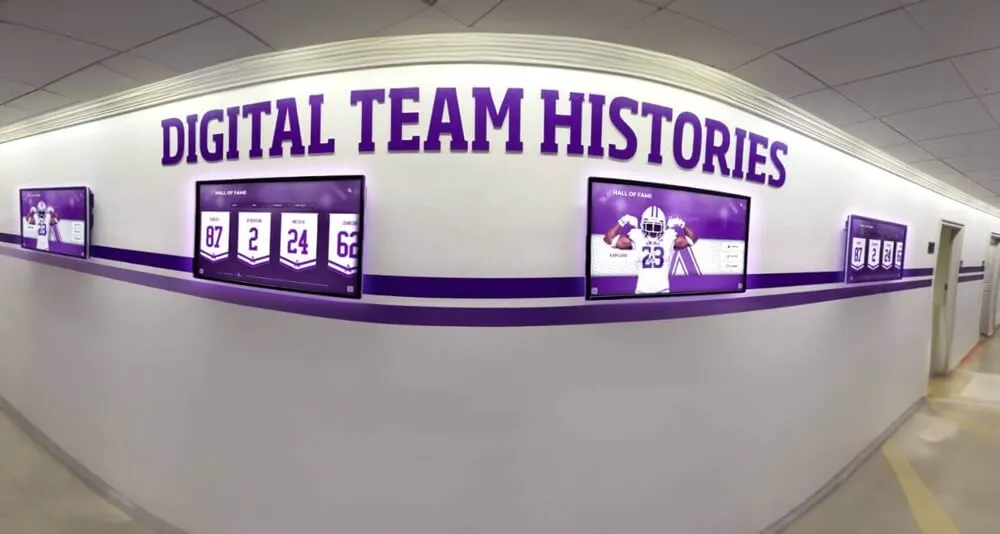
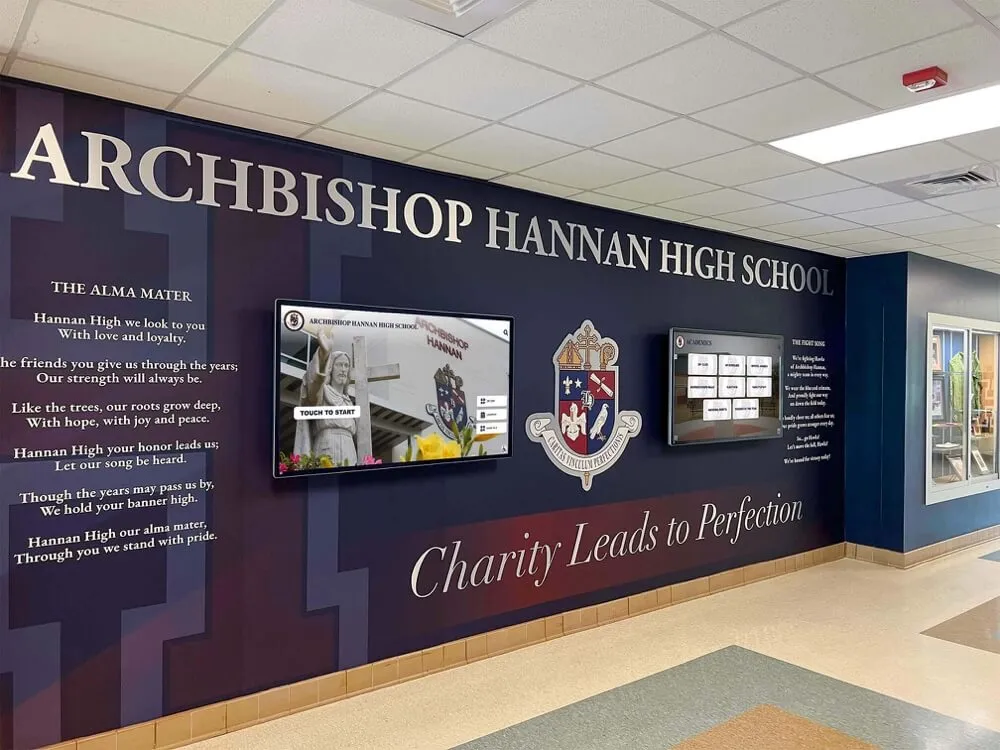
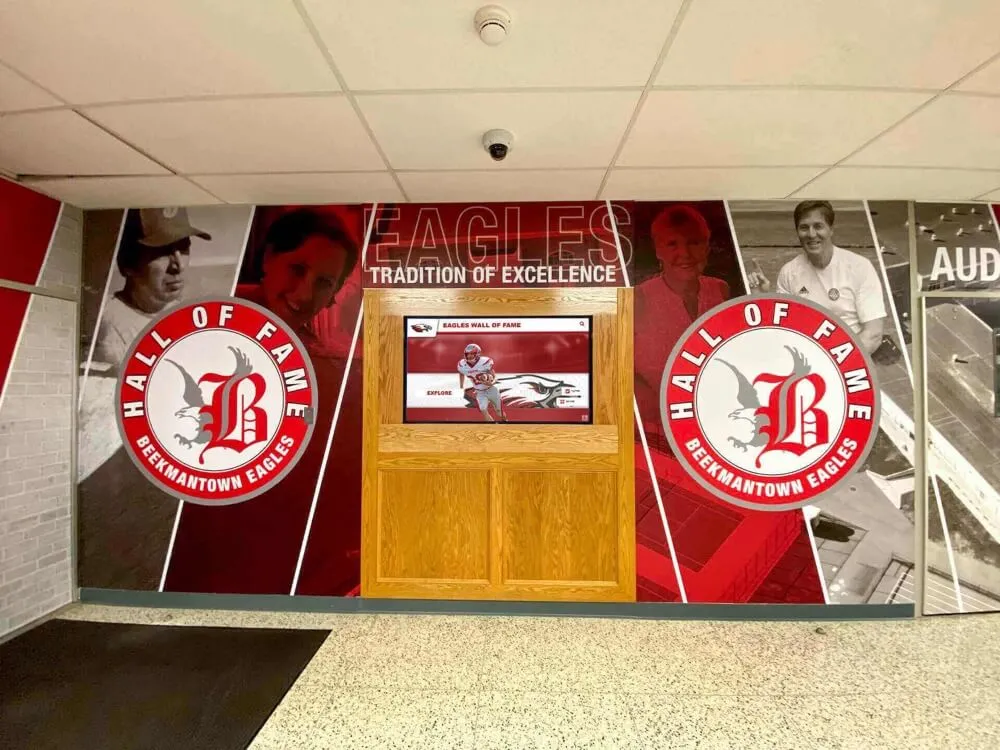
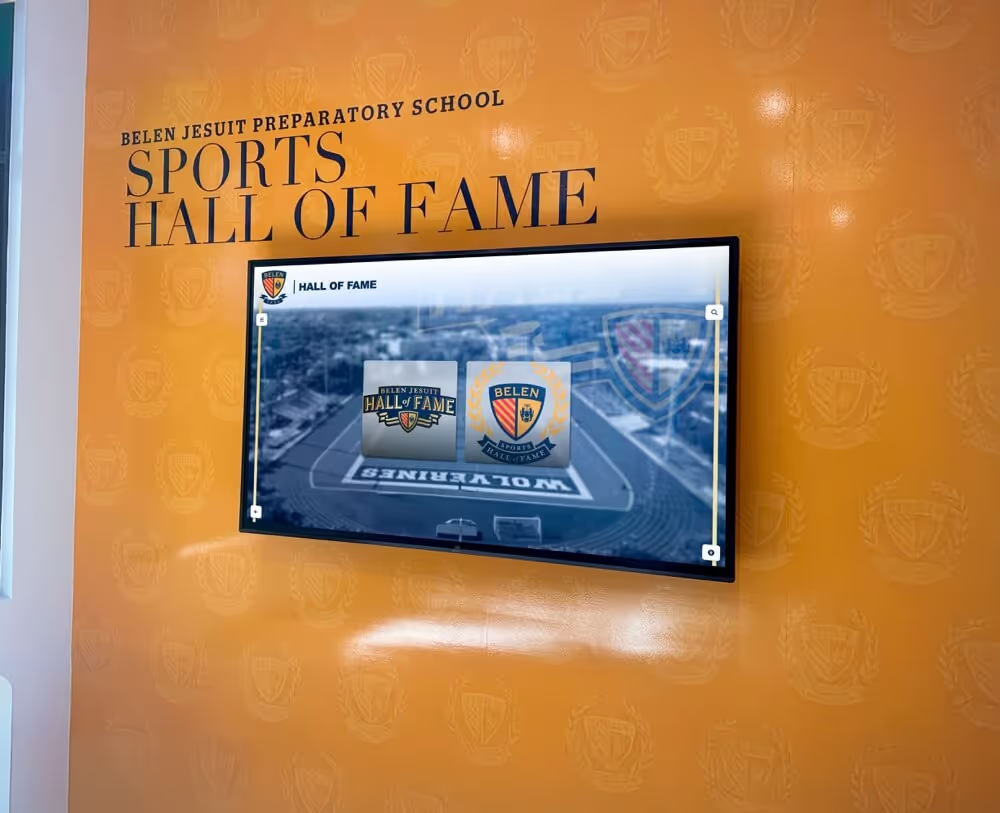
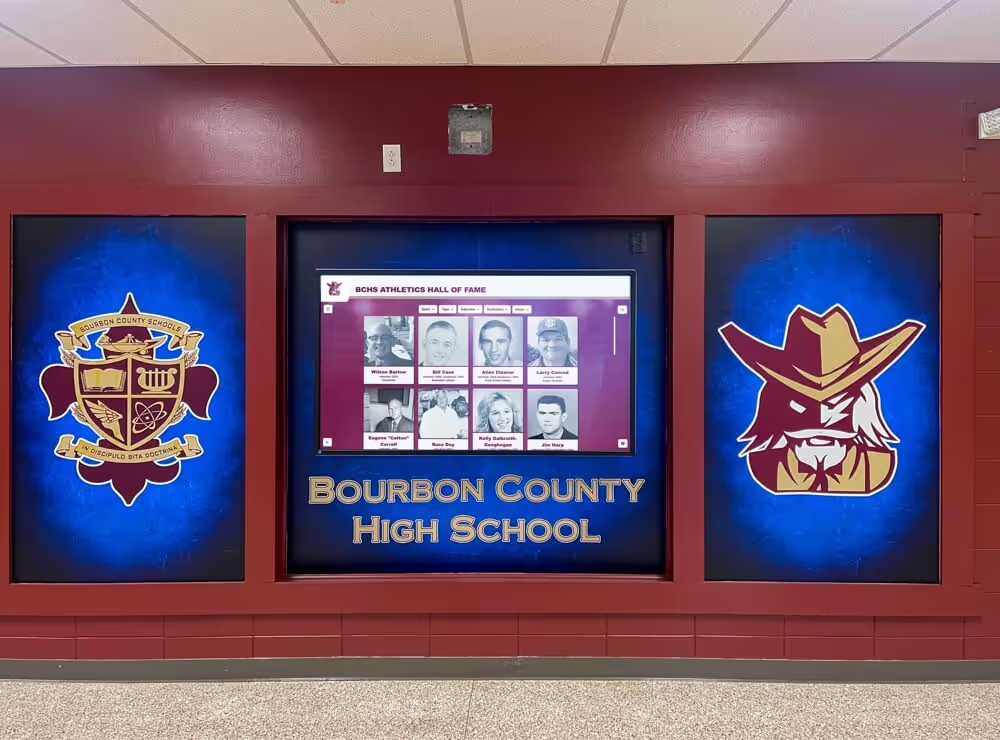
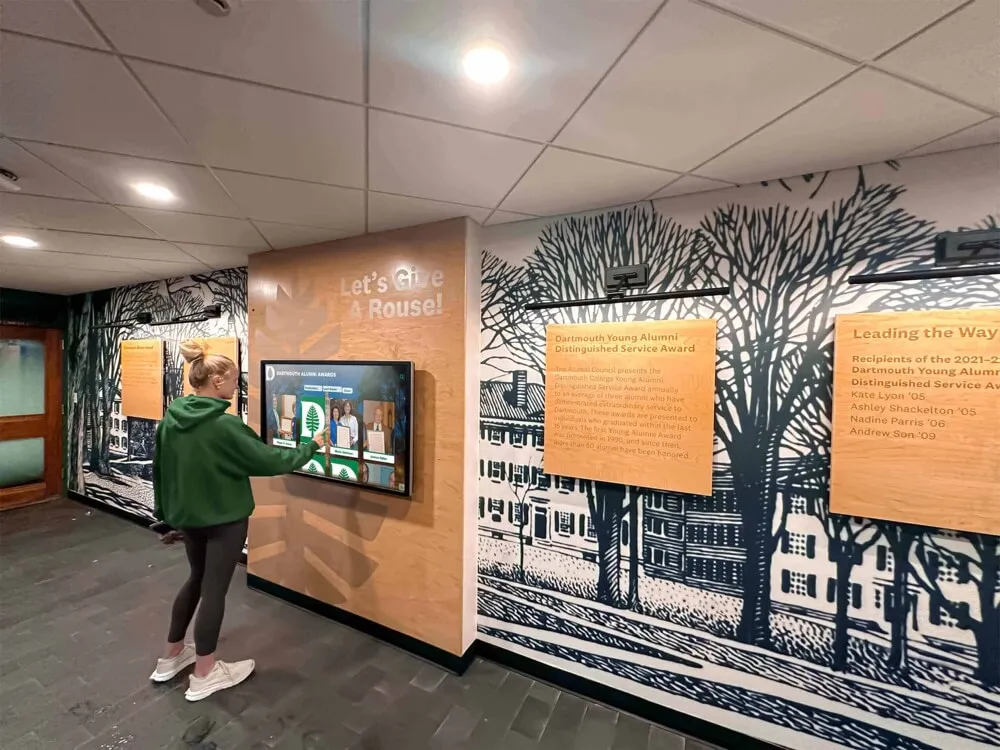
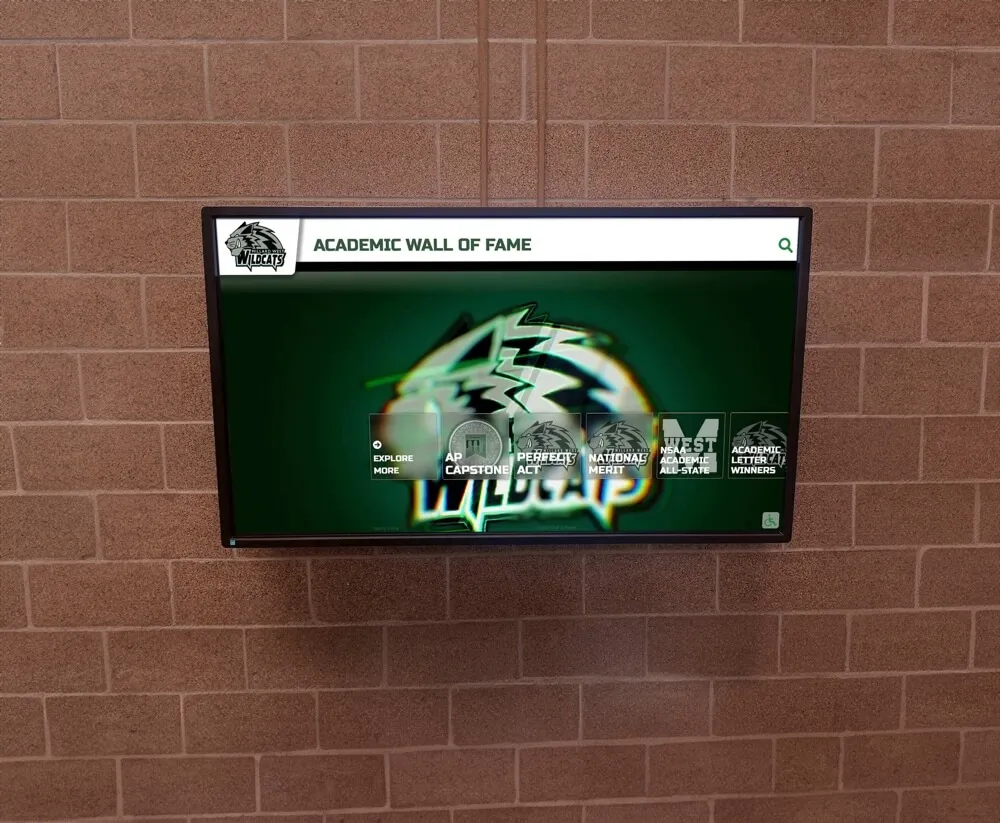
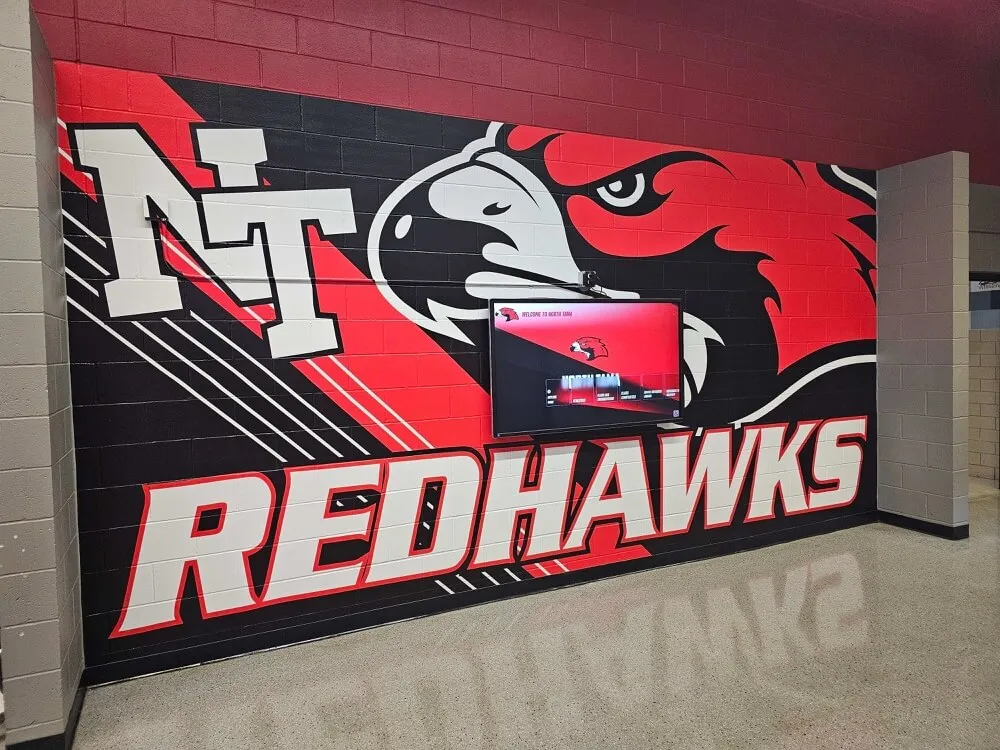
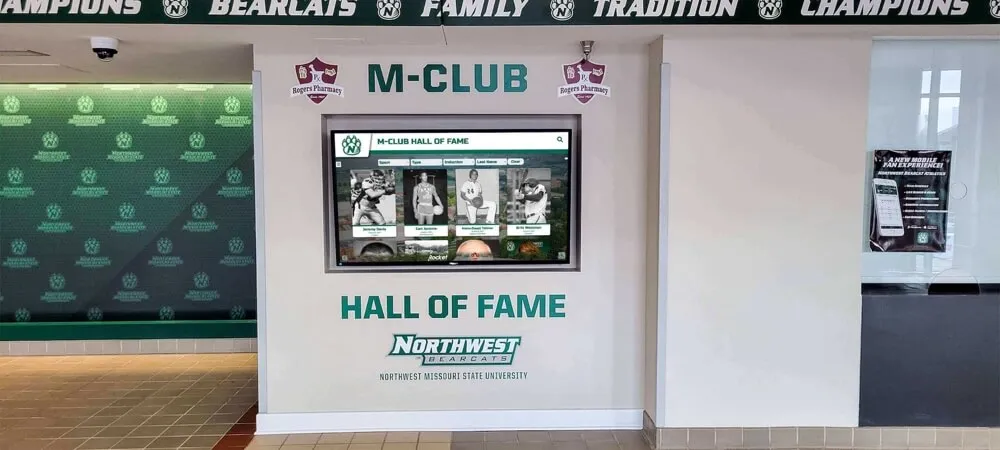
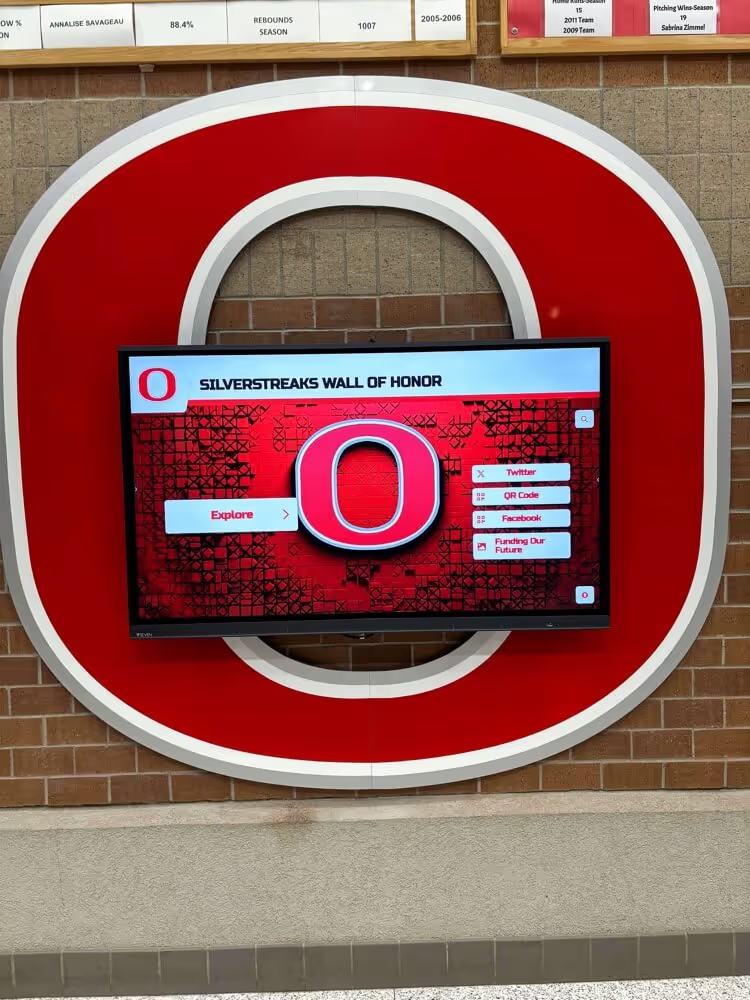
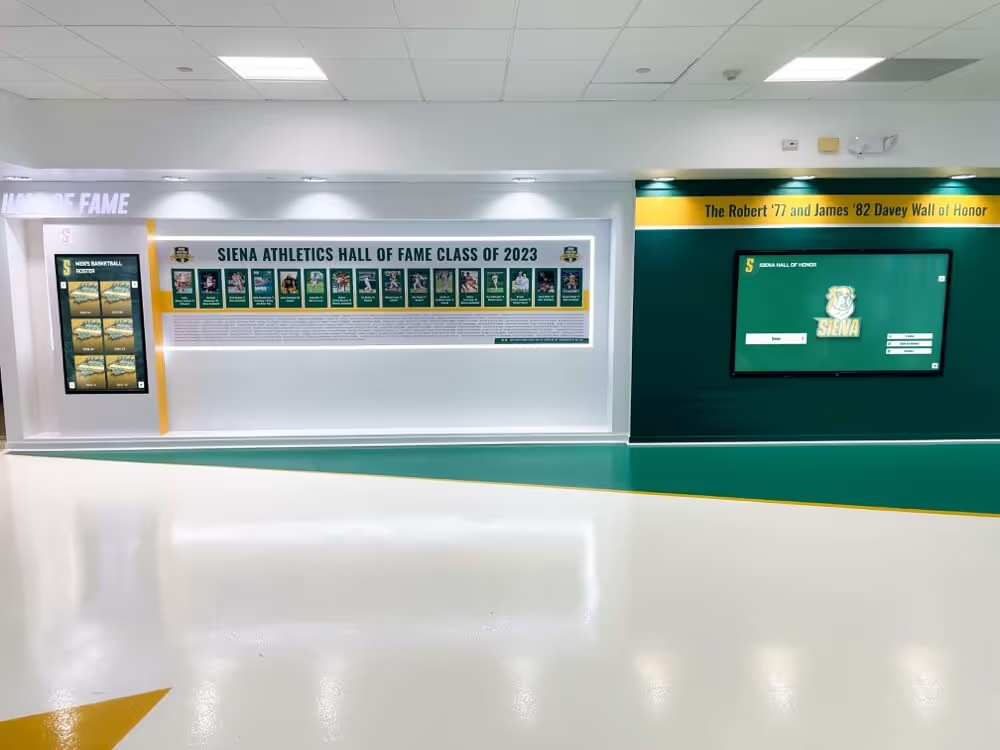
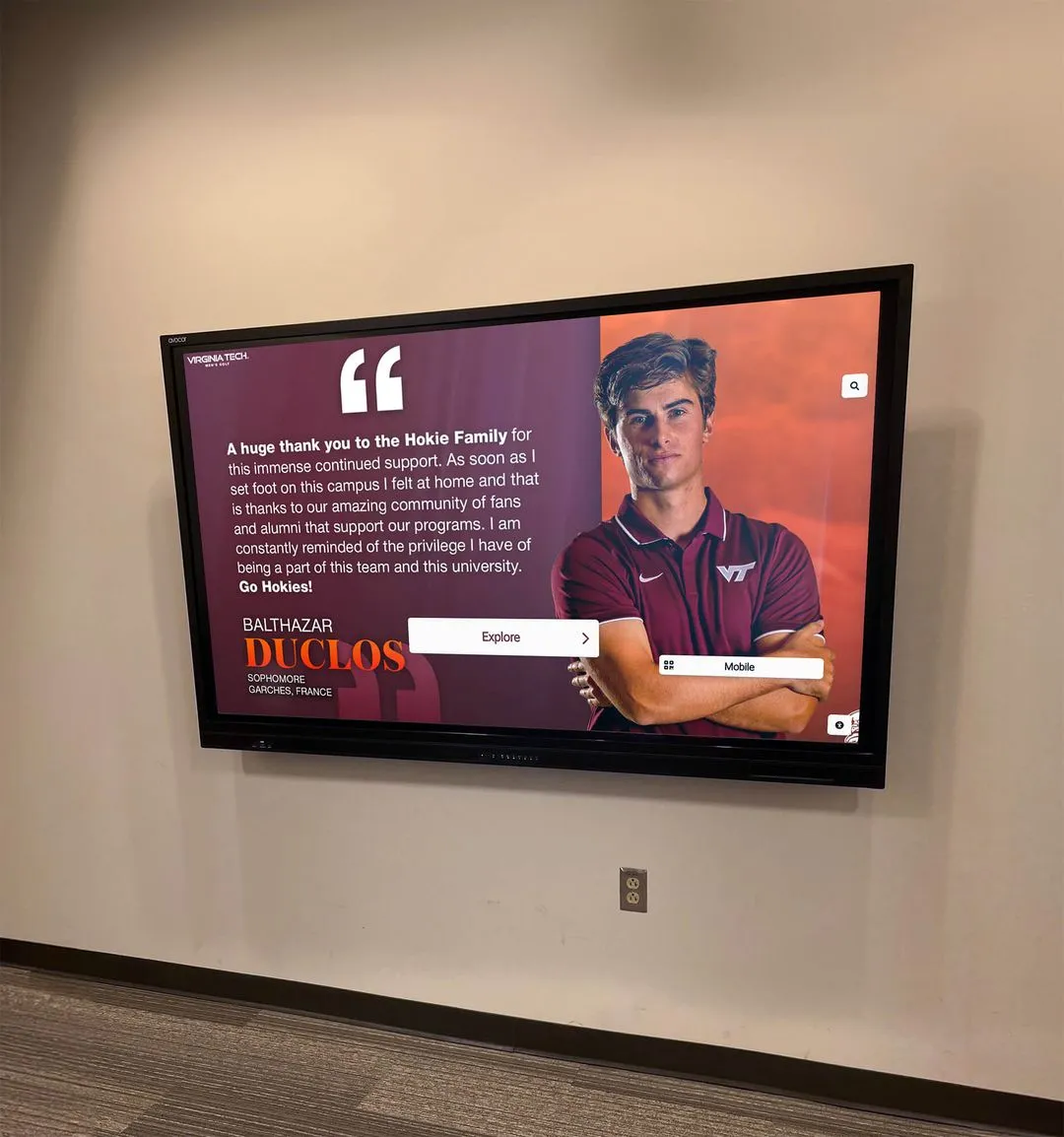
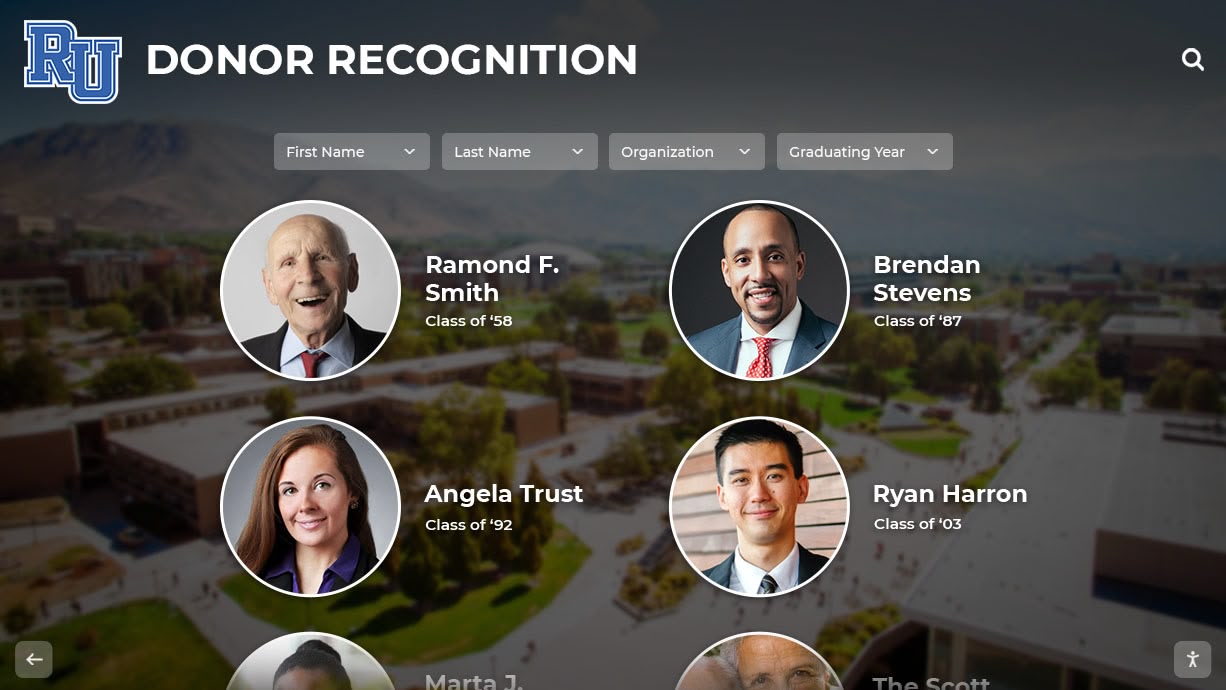
Modern recognition displays make employee accomplishments visible and celebrated throughout the organization, creating cultures of appreciation
Why Employee Recognition Programs Matter: Research and Impact
Understanding the profound effects of systematic recognition provides motivation for strategic investment in comprehensive appreciation programs.
The Recognition Crisis in Modern Workplaces
Employee engagement and retention challenges plague organizations across all sectors:
Concerning Workplace Statistics
- According to Gallup research, only about 33% of U.S. employees feel engaged at work
- Studies consistently show lack of recognition ranks among the top reasons employees leave organizations
- The Society for Human Resource Management reports that employee turnover costs organizations 6-9 months’ salary per departing employee
- Research reveals 79% of employees who quit their jobs cite “lack of appreciation” as a key reason for leaving
- Organizations with recognition programs have 31% lower voluntary turnover rates compared to those without
These statistics reveal that most organizations fail to make employees feel genuinely valued—creating devastating cycles where talented staff become disengaged, underperform, and ultimately leave for competitors who demonstrate greater appreciation.
The Powerful Benefits of Effective Recognition
Comprehensive research demonstrates systematic employee recognition delivers measurable organizational benefits:
Employee Engagement and Satisfaction Recognized employees demonstrate significantly higher job satisfaction scores, show increased commitment to organizational missions and values, maintain more positive attitudes toward work and colleagues, experience reduced burnout and stress levels, and demonstrate greater discretionary effort beyond minimum job requirements.
According to research published by the Association for Talent Development, employees who receive regular recognition are five times more likely to feel valued at work and seven times more likely to stay with their organizations long-term.
Organizational Performance Improvements
Recognition programs generate concrete business outcomes:
- Productivity increases of 15-20% among recognized employees
- Quality improvements through enhanced attention to detail
- Customer satisfaction gains from more engaged staff
- Innovation increases as employees feel safe taking initiative
- Stronger organizational cultures with positive peer relationships
Retention and Recruitment Advantages
Organizations known for strong recognition cultures gain competitive advantages:
- Reduced turnover saving substantial replacement costs
- Enhanced employer brand attracting top talent
- Improved employee referral rates
- Stronger alumni networks maintaining positive connections
- Better organizational reputation in communities
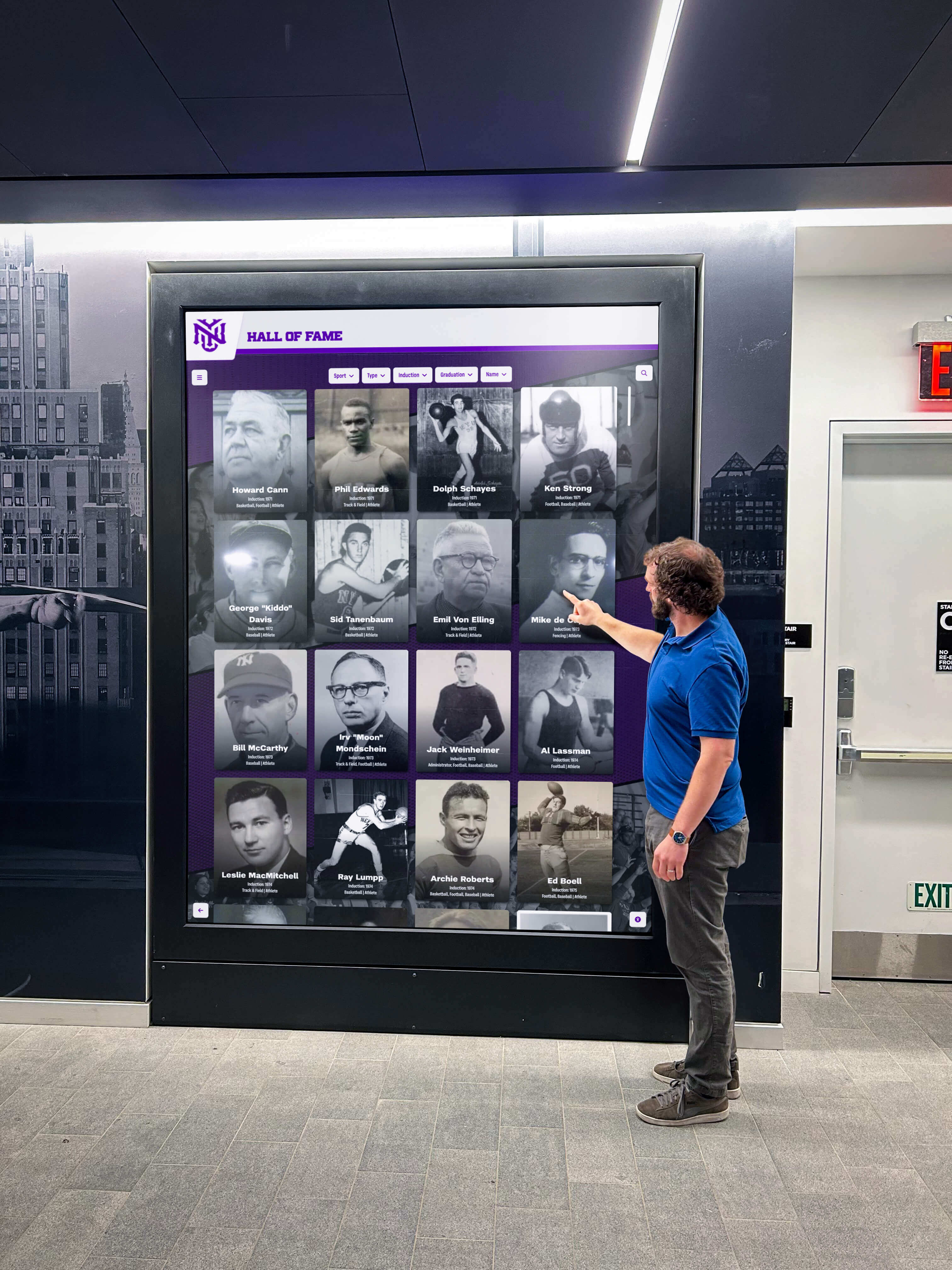
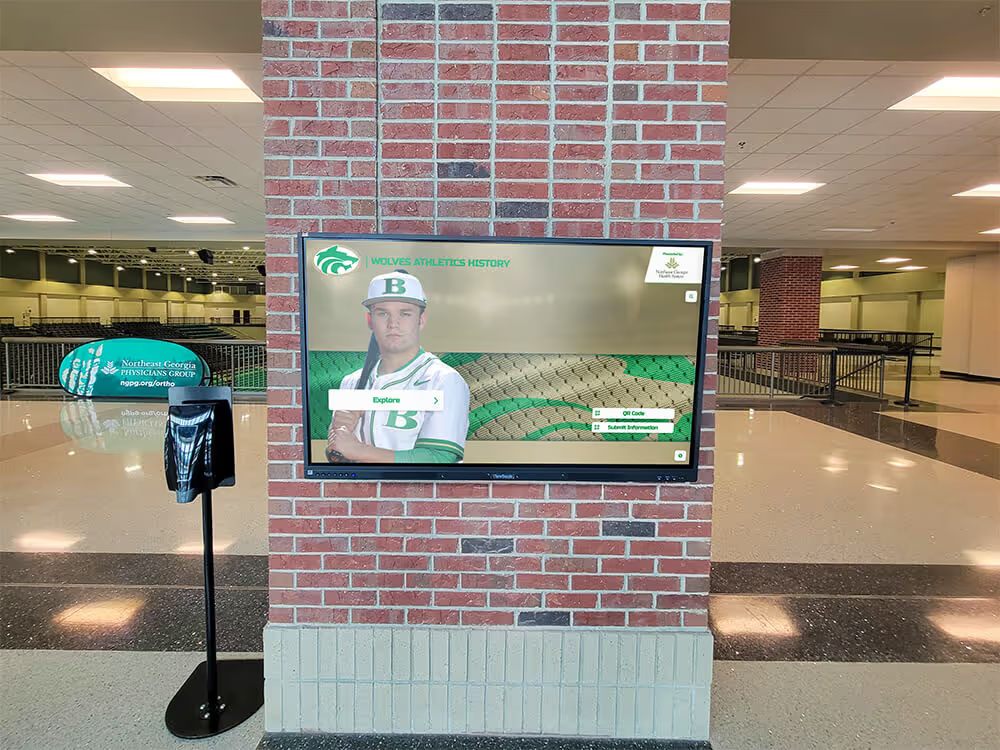
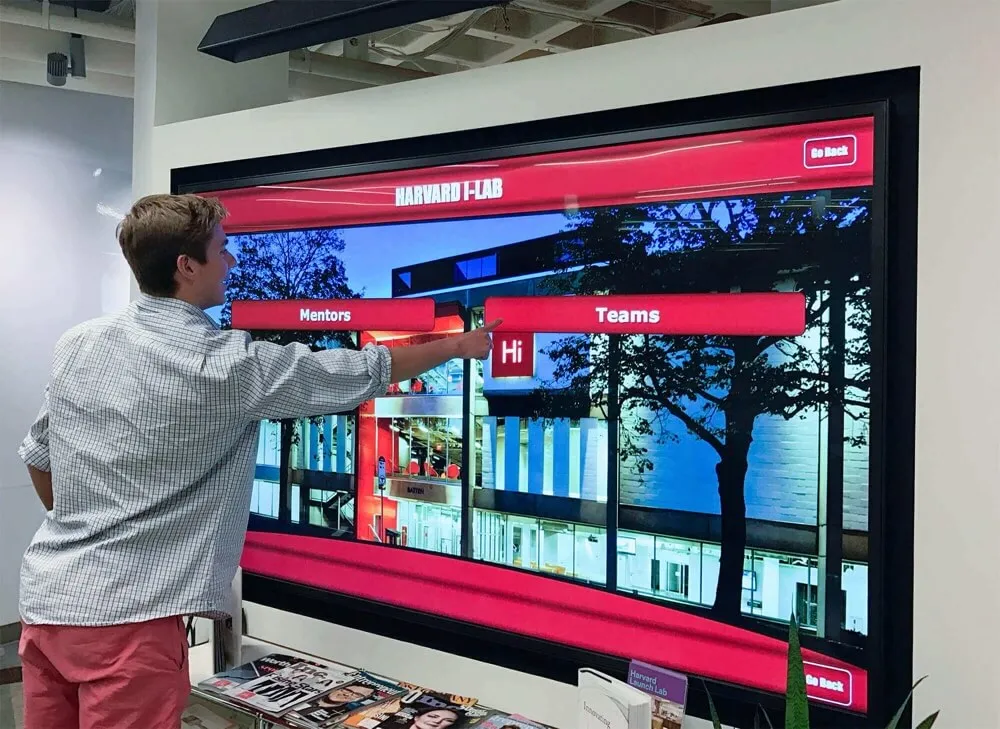
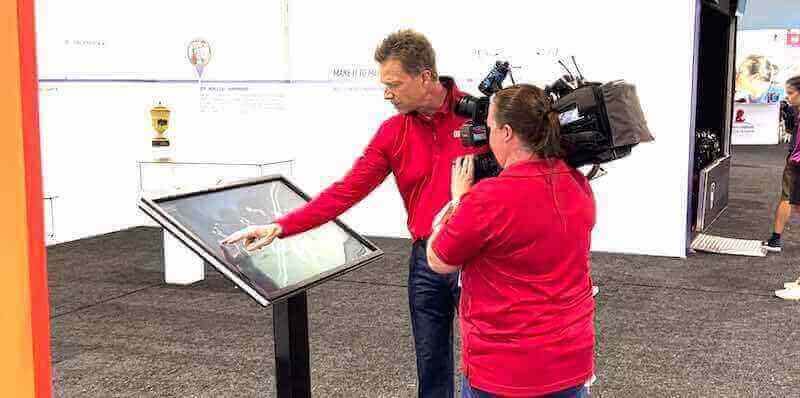
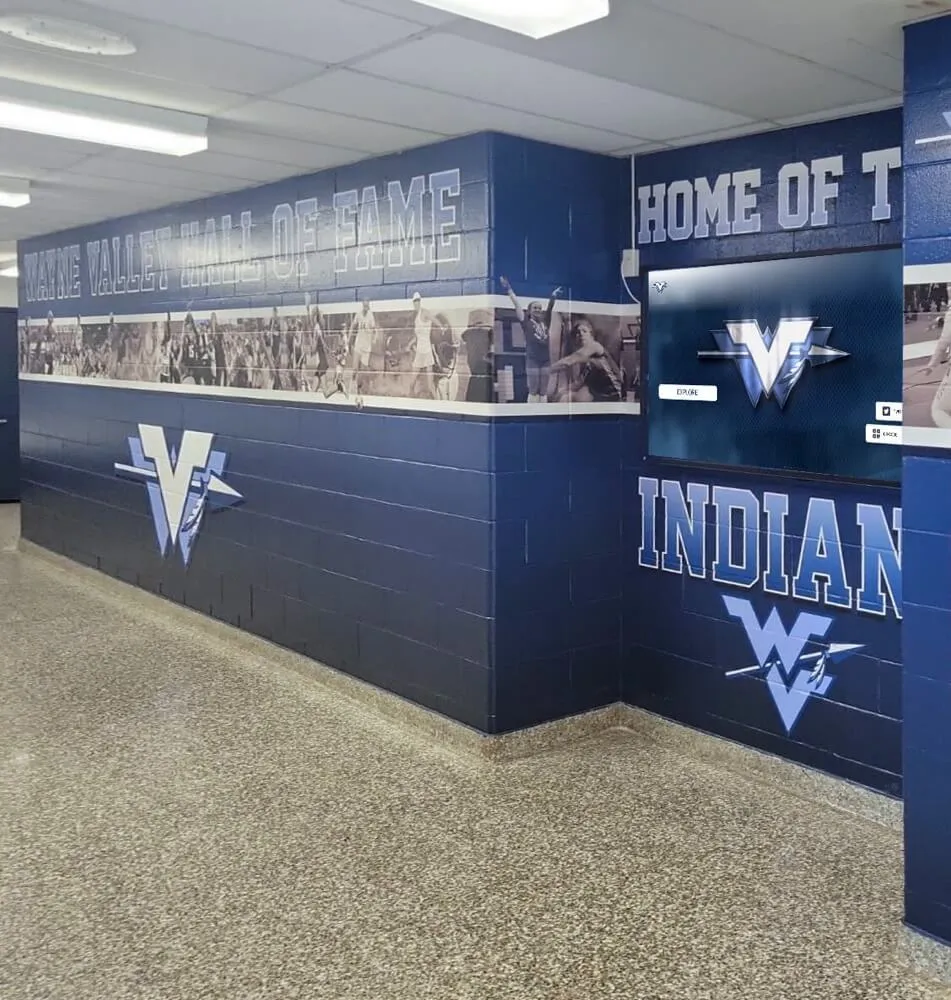
Interactive displays create opportunities for employees to explore colleague achievements and connect with organizational culture
Research from the Incentive Research Foundation shows that non-cash recognition can be 24% more effective at improving performance than cash bonuses alone—particularly when recognition is meaningful, specific, and delivered in ways that make employees feel genuinely valued as individuals rather than interchangeable resources.
Learn about comprehensive recognition approaches in teacher recognition programs demonstrating best practices for educational settings.
Core Components of Effective Employee Recognition Programs
Successful recognition programs share essential characteristics that maximize impact, sustainability, and genuine appreciation.
Multi-Dimensional Recognition Criteria
Moving beyond service anniversaries alone ensures comprehensive celebration of diverse contributions:
Years of Service Recognition Traditional milestone acknowledgment remains valuable:
- 5, 10, 15, 20, 25, 30+ year anniversaries
- First-year completion for new employees
- Decade milestones warranting special celebration
- Retirement recognition honoring complete careers
- Legacy employee families spanning multiple generations
Performance Excellence Recognition Celebrating exceptional work quality and outcomes:
- Outstanding performance evaluations
- Successful completion of major projects
- Innovation and process improvement contributions
- Customer service excellence and satisfaction
- Goal achievement and metric performance
Leadership and Mentorship Acknowledging those who develop others:
- Formal mentorship program participation
- Training and professional development leadership
- Peer coaching and support
- Committee and task force leadership
- Cross-departmental collaboration facilitation
Cultural and Values Alignment Recognizing embodiment of organizational principles:
- Exemplifying core values in daily work
- Going above and beyond job descriptions
- Positive attitude and team support
- Adaptability during organizational change
- Community involvement and representation

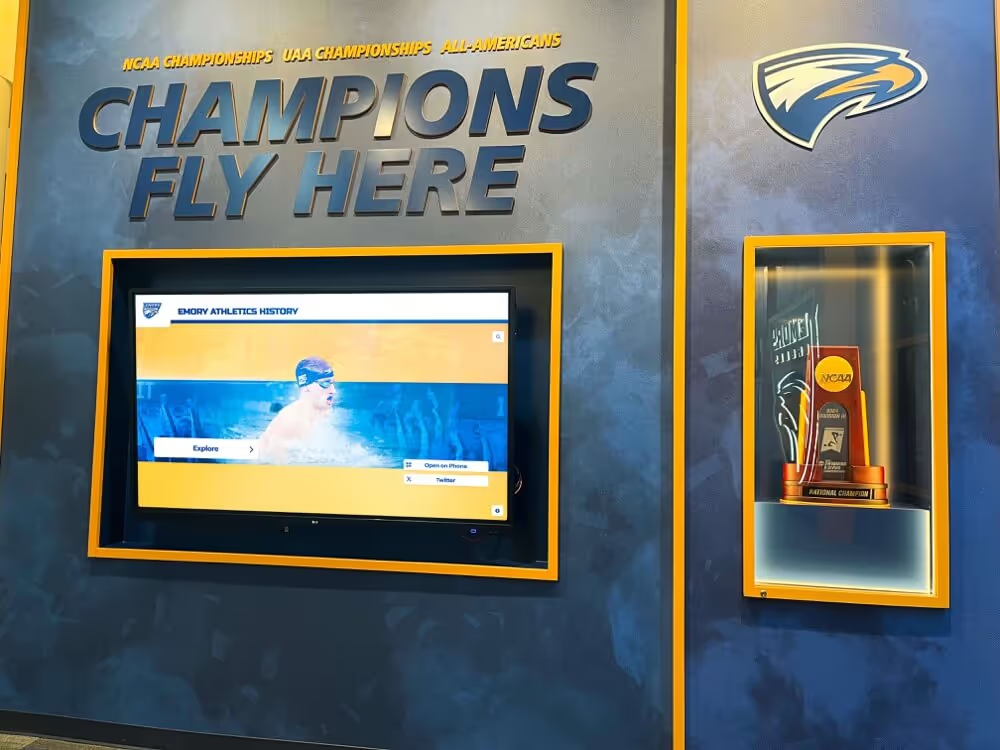
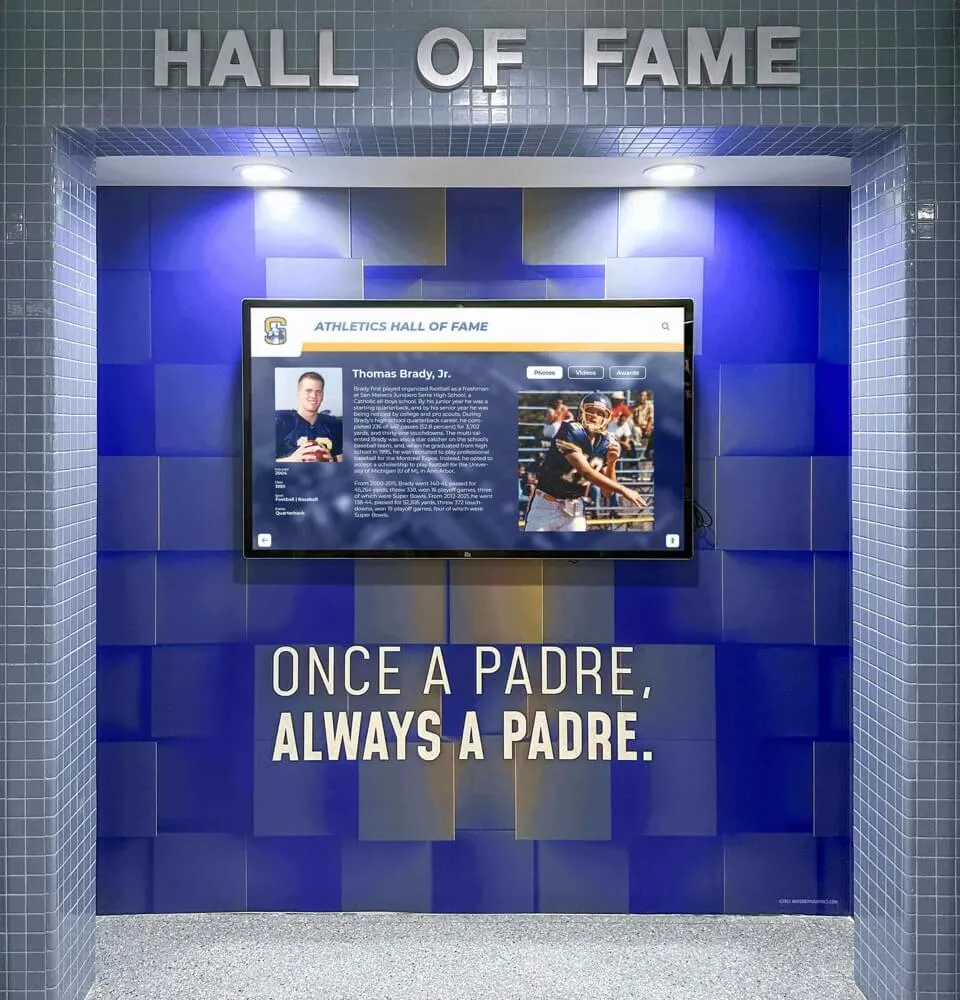
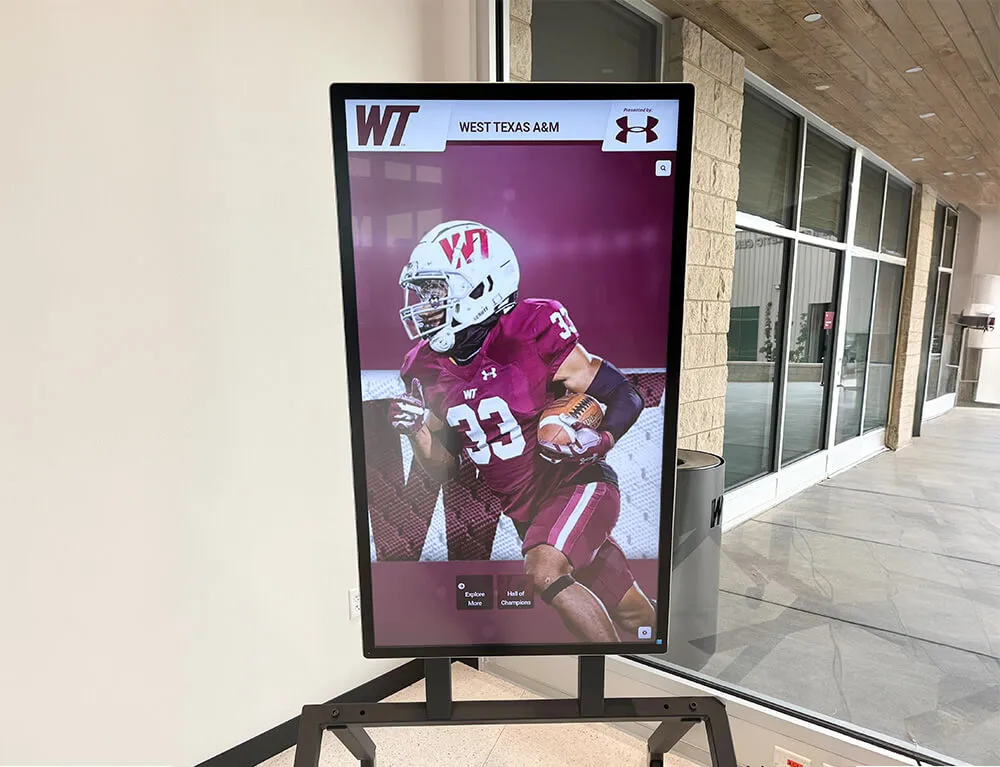
Individual recognition profiles celebrate specific achievements and service milestones with personalized detail
Recognition Timing and Frequency
Strategic timing maximizes recognition impact and effectiveness:
Immediate Recognition Real-time acknowledgment for specific accomplishments:
- Same-day verbal appreciation for exceptional efforts
- Quick email or message recognition following notable achievements
- Spontaneous public acknowledgment in team meetings
- Instant digital recognition through organizational platforms
- Peer-to-peer appreciation systems enabling colleague recognition
Regular Scheduled Recognition Systematic programs ensuring consistent acknowledgment:
- Monthly employee spotlight features
- Quarterly recognition ceremonies or events
- Annual awards programs celebrating yearly achievements
- Anniversary recognition on actual service milestones
- Birthday acknowledgments showing personal care
Explore systematic recognition in students of the month recognition programs applicable to employee contexts.
Project Completion Recognition Acknowledging specific achievement cycles:
- Recognition immediately following major project completion
- Milestone celebration during multi-phase initiatives
- Team recognition for collaborative achievements
- Department-wide acknowledgment for collective goals
- Cross-functional collaboration celebration
Research demonstrates that frequent, smaller recognition moments create greater sustained engagement than rare, large recognition events—suggesting organizations should prioritize regularity over grandeur while maintaining special celebration for truly exceptional achievements.
Employee Recognition Program Types and Formats
Organizations should employ diverse recognition approaches addressing different needs and preferences.
Formal Recognition Programs
Structured programs providing predictable, systematic acknowledgment:
Service Anniversary Programs Celebrating tenure milestones comprehensively:
- Progressive recognition increasing with service length
- Physical awards (plaques, crystals, custom items) for major milestones
- Monetary bonuses or additional time off for significant anniversaries
- Public ceremony recognition with leadership attendance
- Personalized messaging highlighting specific contributions
- Digital recognition displays documenting service history permanently
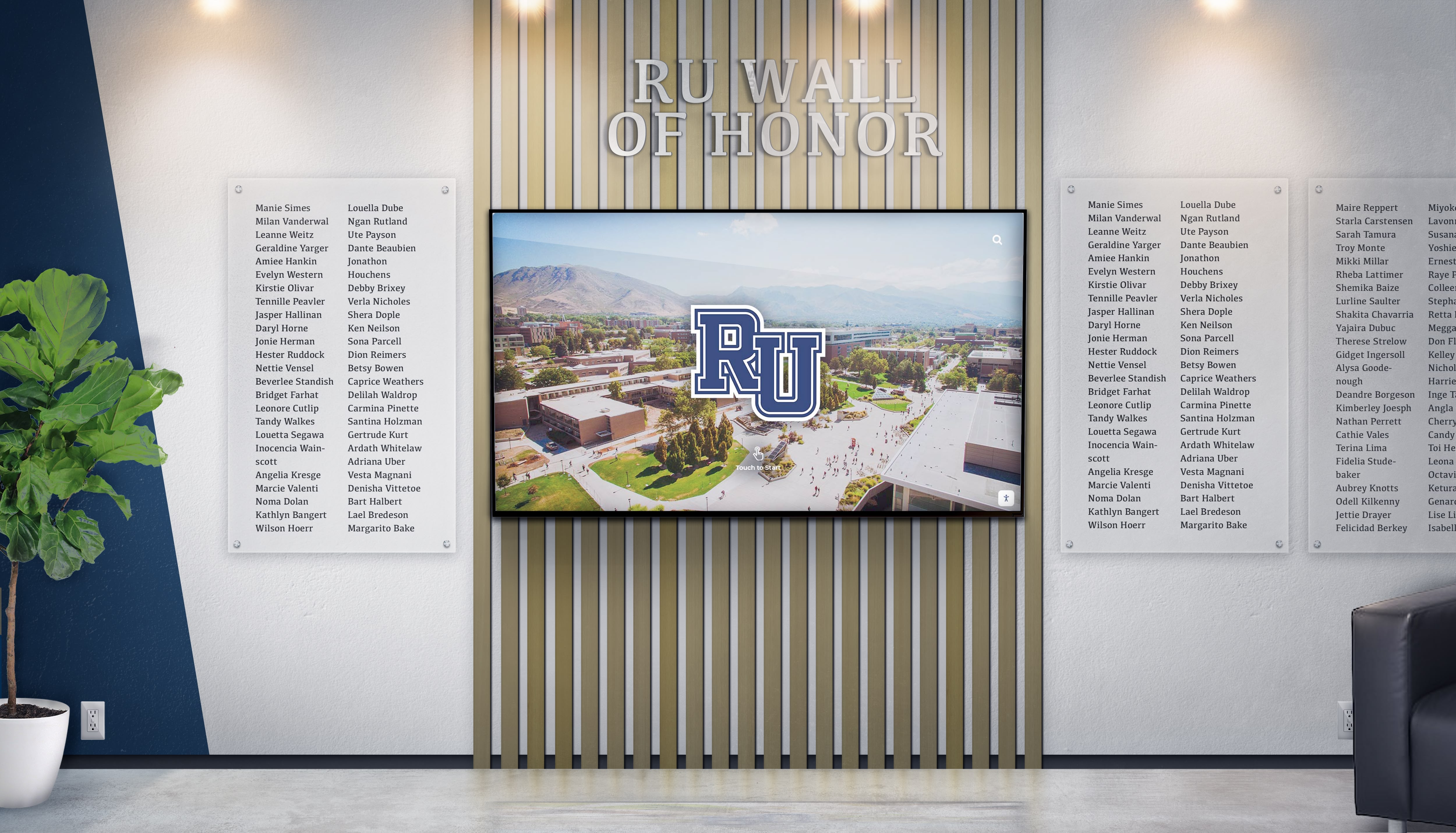
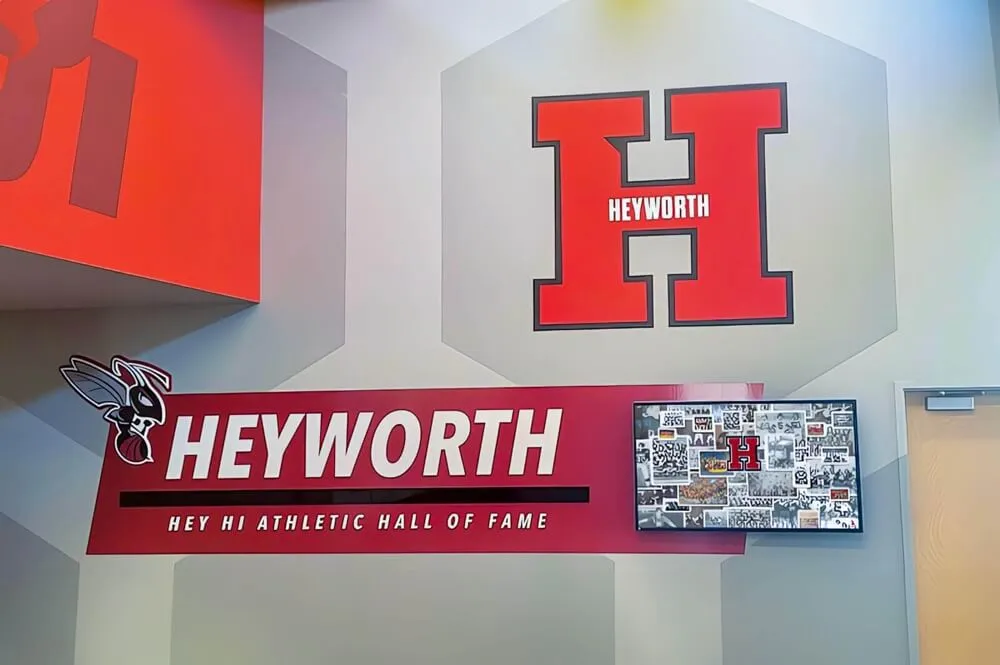
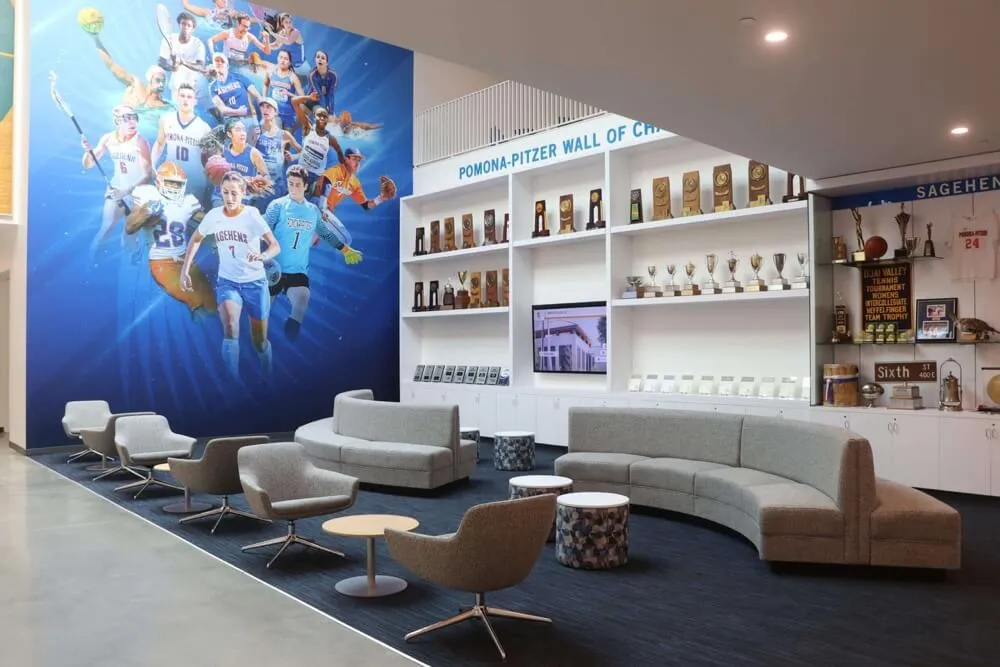
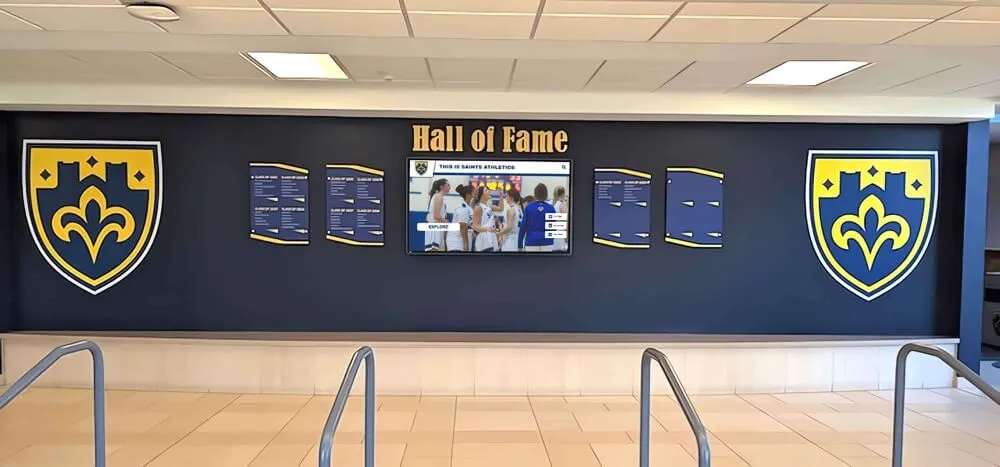
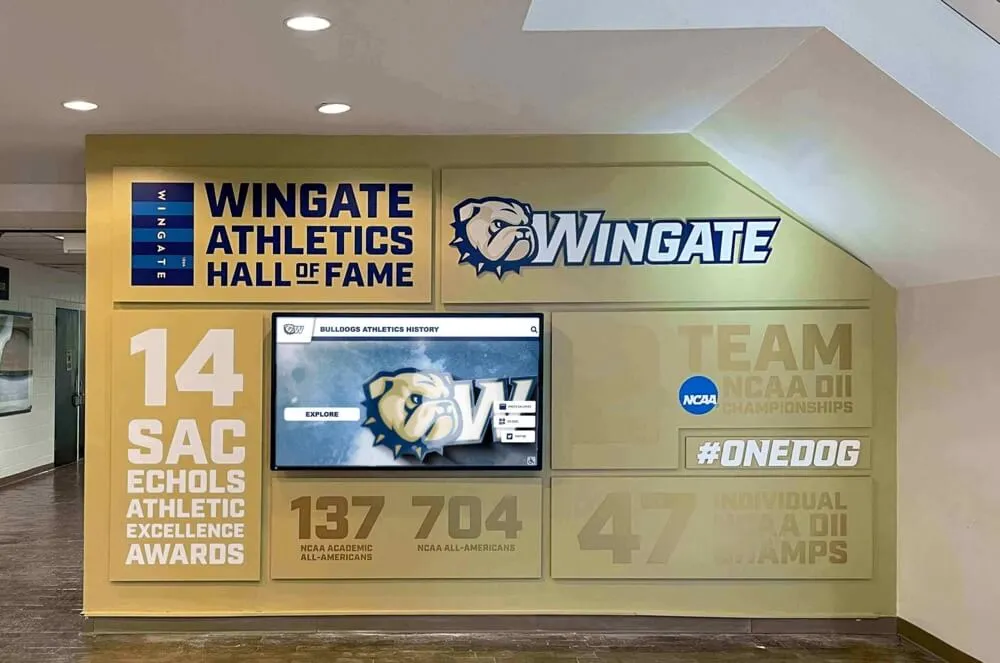
Integrated recognition systems combine digital displays with traditional elements creating comprehensive celebration spaces
Annual Employee Awards Formal programs recognizing exceptional contributions:
- Employee of the Year designations
- Department-specific excellence awards
- Innovation and creativity recognition
- Customer service outstanding achievement
- Leadership excellence acknowledgment
- Team collaboration awards
- Values champion recognition
Retirement Recognition Programs Honoring complete career contributions appropriately:
- Formal retirement ceremonies with organizational leadership
- Career retrospective presentations highlighting achievements
- Personalized gifts reflecting individual interests and contributions
- Permanent recognition in organizational halls of honor
- Alumni network inclusion maintaining ongoing connection
- Contribution documentation for organizational archives
Informal Recognition Approaches
Spontaneous appreciation complementing formal programs:
Verbal Recognition and Praise Simple yet powerful acknowledgment:
- Genuine thank-you expressions for specific contributions
- Public praise in meetings highlighting excellent work
- One-on-one appreciation conversations
- Written notes from supervisors showing personal care
- Peer recognition opportunities during team gatherings
Digital Recognition Platforms Technology-enabled appreciation systems:
- Internal social media recognition feeds
- Digital badges and achievement acknowledgments
- Peer-to-peer recognition applications
- Leadership shout-outs through organizational communication channels
- Recognition analytics tracking appreciation distribution
Experiential Recognition
Meaningful experiences creating lasting memories:
- Lunch or coffee with organizational leadership
- Special parking spaces for recognition periods
- Professional development opportunities
- Conference attendance or training programs
- Flexible work arrangements as appreciation
- Team celebrations honoring collective achievements

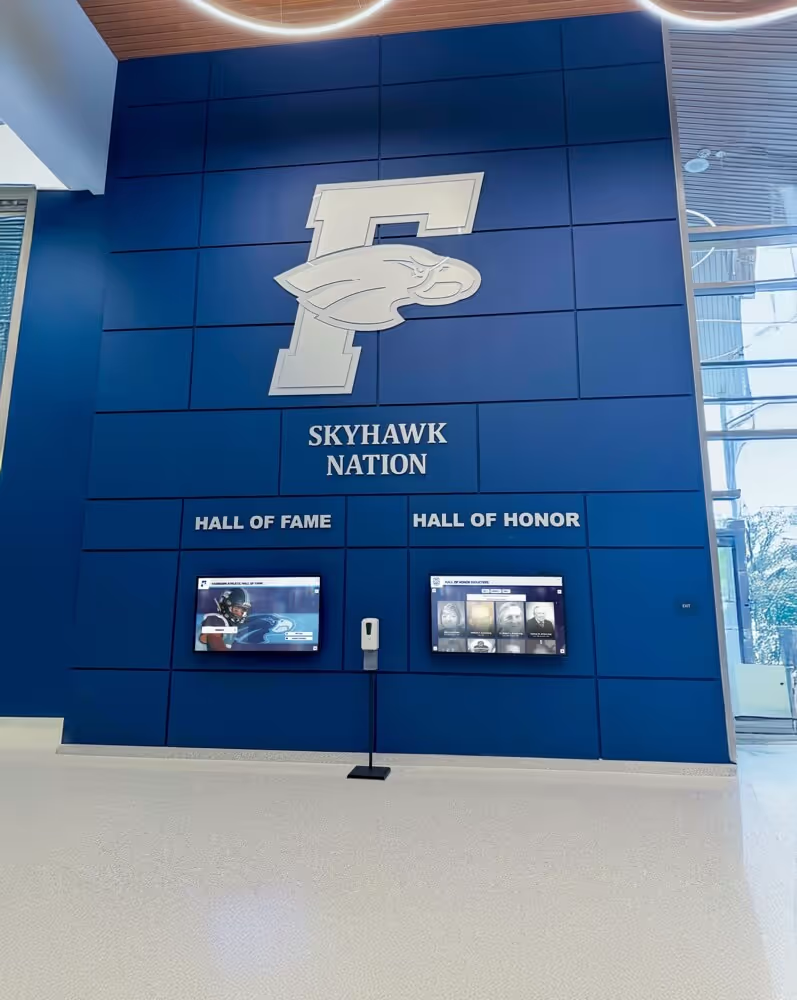
Interactive displays transform passive name lists into engaging exploration experiences where staff discover colleague stories and contributions
Learn about integrated recognition in sports banquet ideas applicable to employee appreciation events.
Best Practices for School Employee Recognition Programs
Educational institutions face unique recognition challenges and opportunities requiring specialized approaches.
Recognizing Teachers and Faculty
Educators deserve systematic recognition acknowledging their profound impact:
Teaching Excellence Recognition Celebrating instructional quality and student impact:
- Teacher of the Year awards with transparent criteria
- Department-specific teaching excellence recognition
- Student learning outcome achievement acknowledgment
- Innovative pedagogy and curriculum development
- Classroom management and student engagement excellence
- Professional learning community leadership
Student Impact Celebration Highlighting transformational influence on learners:
- Student testimonials and appreciation sharing
- Alumni recognition of influential educators
- Parent feedback and community acknowledgment
- Mentorship and student support recognition
- Extracurricular advising and coaching appreciation
Professional Growth Recognition Acknowledging continuous improvement commitment:
- Advanced degree completion celebration
- Professional certification achievement
- Conference presentations and thought leadership
- Action research and educational innovation
- Professional development participation and leadership
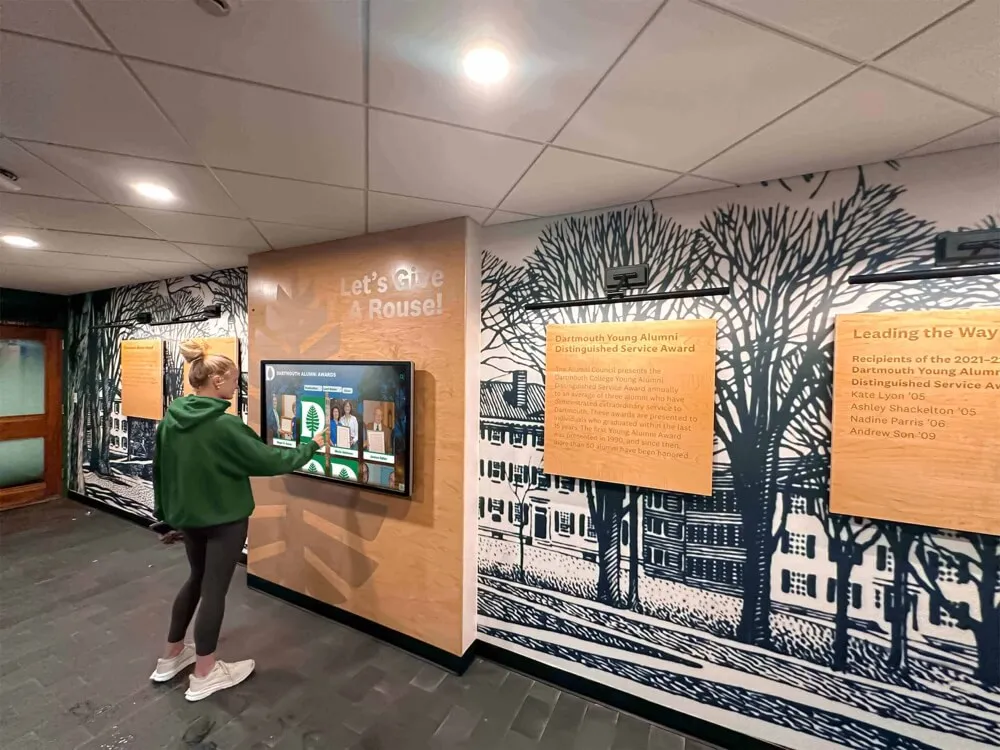
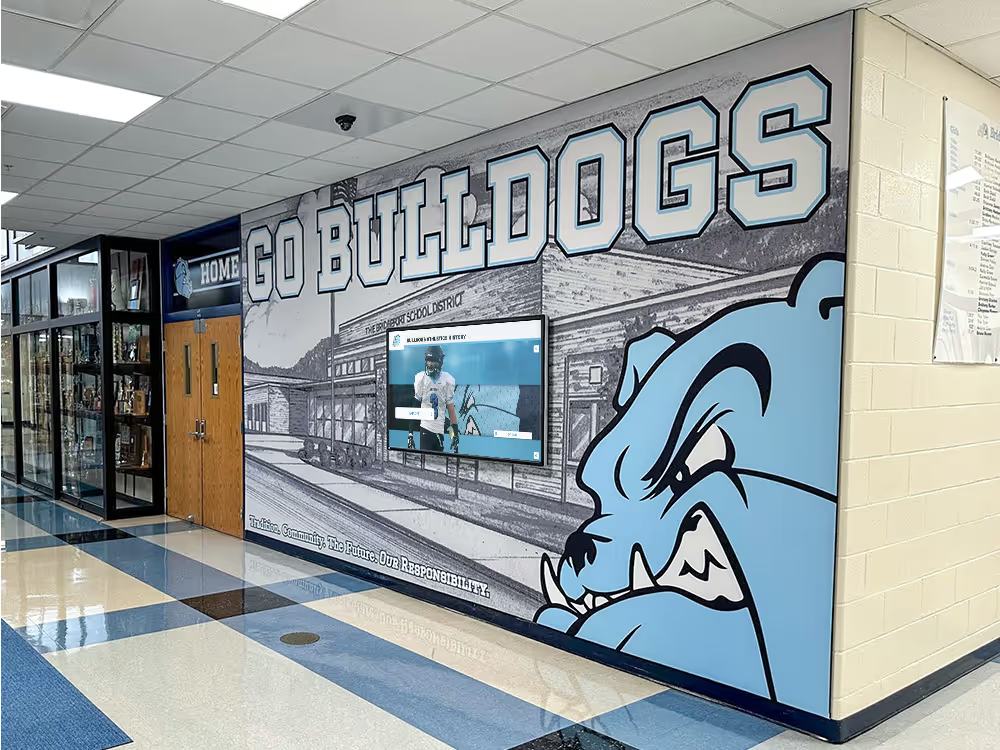
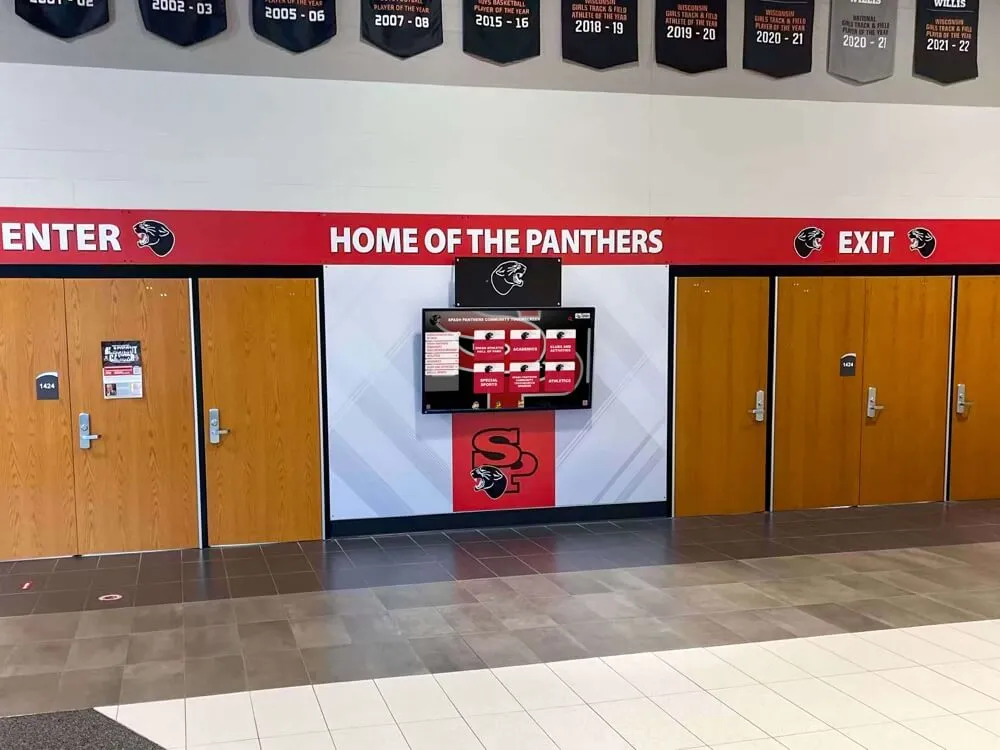
Strategic placement of recognition displays in high-traffic areas maximizes visibility and engagement throughout educational facilities
Support Staff and Administrative Recognition
Non-teaching employees require equal systematic appreciation:
Essential Services Recognition Celebrating critical operational roles:
- Custodial and facilities staff appreciation
- Food service employee recognition
- Transportation staff acknowledgment
- Administrative and clerical support
- Technology and IT staff contributions
- Security and safety personnel
- Maintenance and grounds keeping
Behind-the-Scenes Impact Highlighting often-invisible contributions:
- Problem-solving and crisis management
- Reliability and consistent excellence
- Positive attitude and team support
- Process improvement initiatives
- Cross-functional collaboration
- Student and community relationship building
Explore comprehensive staff recognition in coach appreciation gift ideas applicable to all school staff categories.
School-Specific Recognition Timing
Educational calendars create unique recognition opportunities:
Back-to-School Recognition Celebrating preparation and school year launch:
- Summer work and preparation acknowledgment
- Classroom setup and planning appreciation
- New staff welcoming and orientation recognition
- Professional development participation before school starts
Mid-Year Appreciation Maintaining morale during challenging winter months:
- January recognition boosting energy after winter break
- Stress management and wellness appreciation
- Semester completion acknowledgment
- Testing and assessment support recognition
End-of-Year Celebration Honoring complete school year contributions:
- Year-end recognition ceremonies
- Summer farewell appreciation
- Retirement and departure acknowledgment
- Milestone anniversary celebration
- Transition support and appreciation
Learn about educational recognition in high school end of year awards adaptable to staff recognition.
Modern Employee Recognition Display Solutions
Traditional approaches struggle to create visibility and engagement modern employees need.
Digital Recognition Display Advantages
Solutions like Rocket Alumni Solutions transform employee recognition through interactive displays eliminating traditional limitations:
Unlimited Recognition Capacity Digital systems overcome physical space constraints forcing difficult choices:
- Single display showcases unlimited employees across all recognition categories
- No need to remove historical recognition to accommodate current honorees
- Comprehensive archives preserve institutional history and tradition
- All departments and position types receive equal display capacity
Interactive Exploration Features Modern touchscreen systems create engagement impossible with static displays:
- Search functionality enabling employees to find themselves and colleagues
- Filtering by recognition type, department, year, and other criteria
- Detailed profile pages telling complete service stories
- Photo galleries and achievement documentation
- Progress tracking across multiple years
- Service timeline visualization
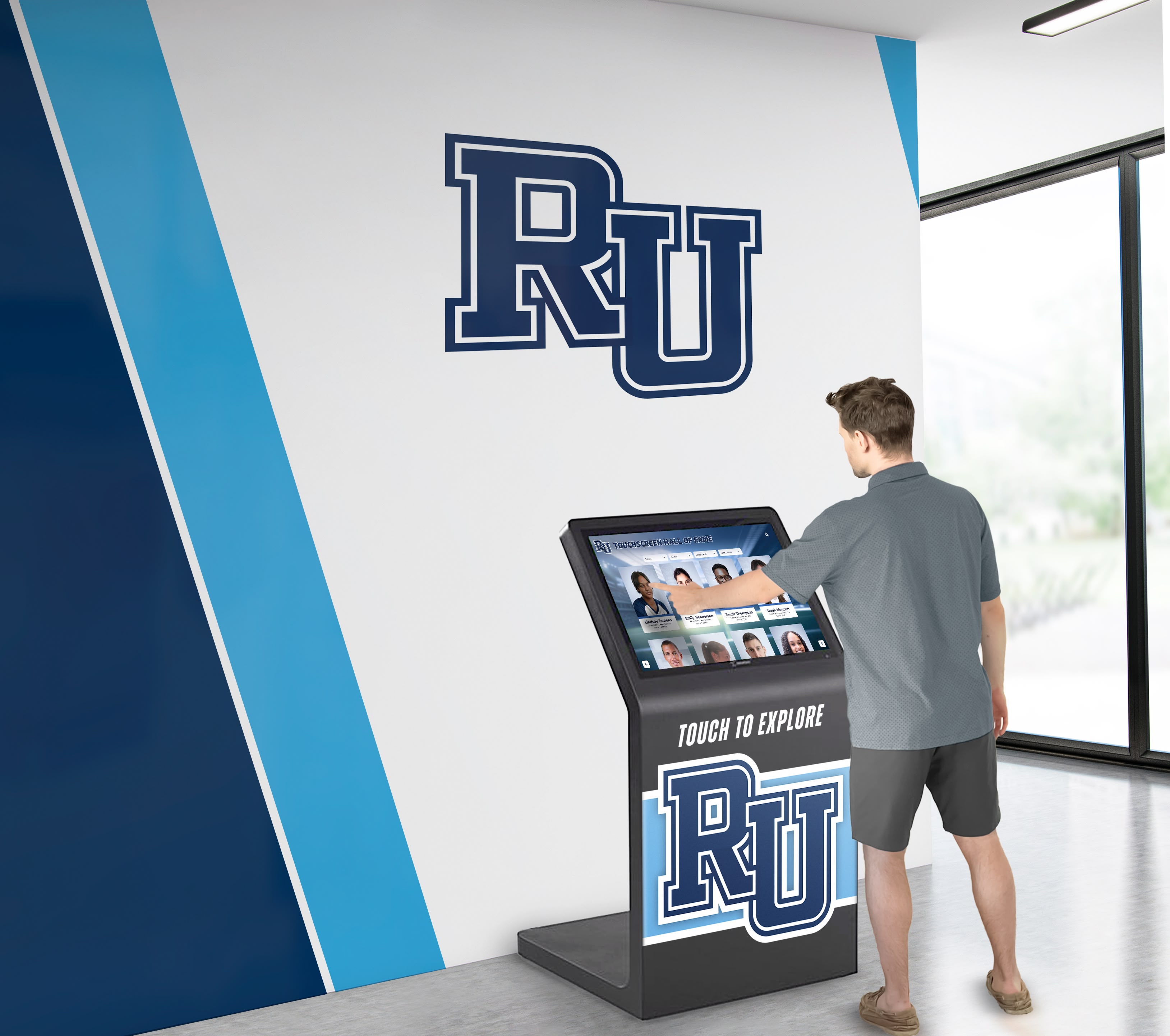
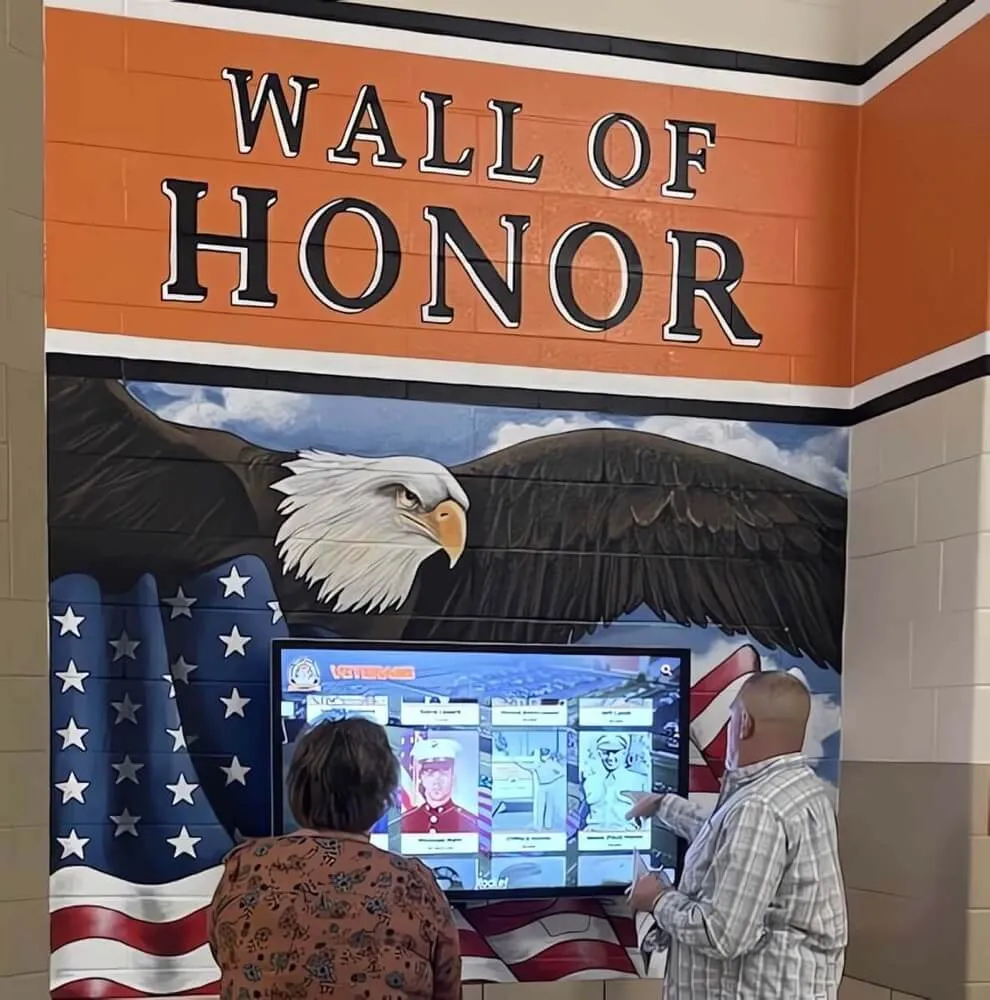
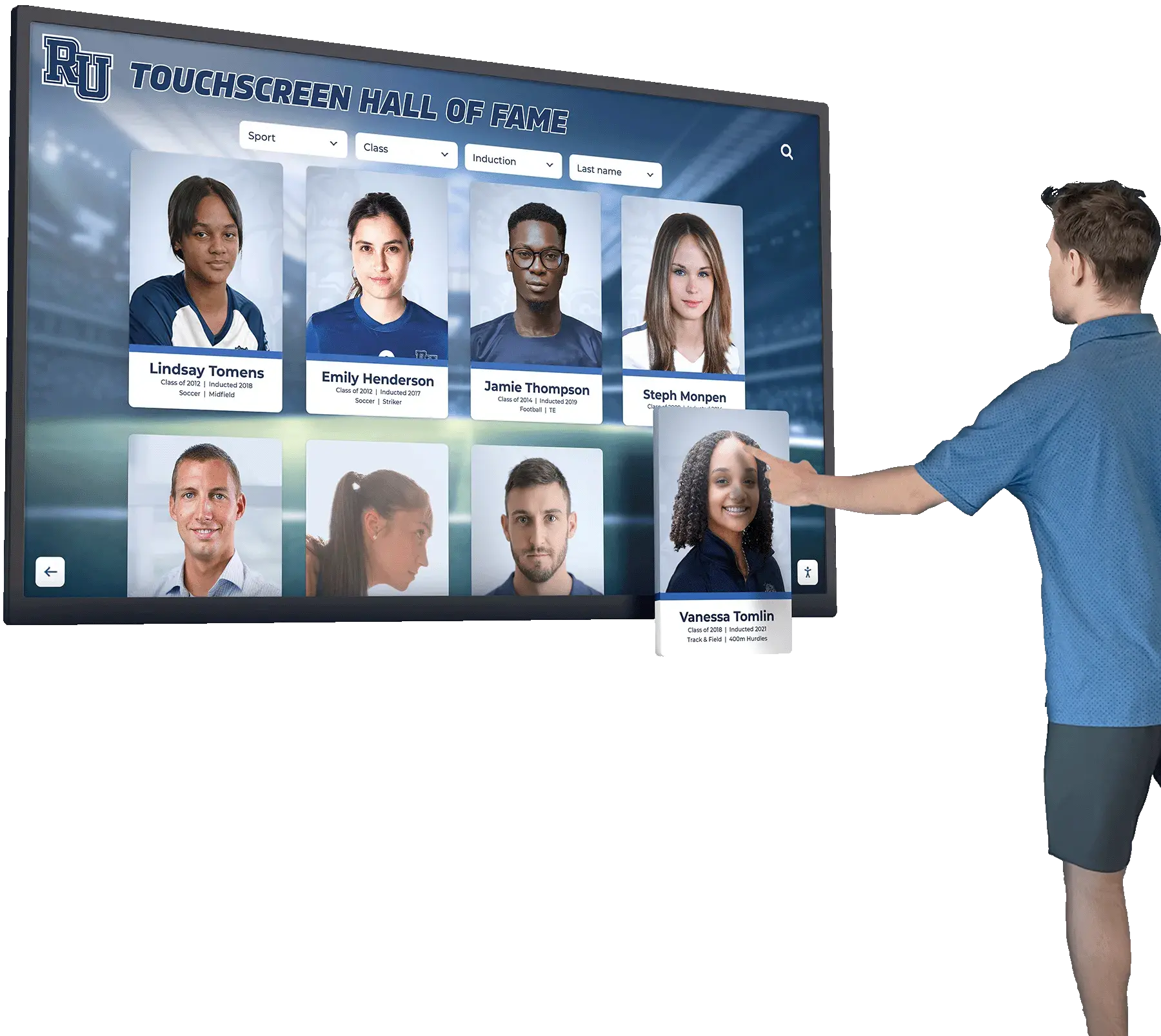
Touchscreen interfaces make exploring employee achievements engaging and intuitive for all organizational members
Simple Content Management Cloud-based management systems eliminate administrative burden:
- Remote updates from any internet-connected device
- Bulk import tools for historical employee data
- Scheduled publishing automation for anniversary recognition
- Role-based permissions enabling appropriate staff access
- Drag-and-drop interfaces requiring no technical expertise
- Immediate updates without physical installation needs
Organizations report 80-90% reduction in administrative time spent maintaining employee recognition after implementing digital systems compared to traditional physical plaque management.
Strategic Display Placement
Location dramatically affects recognition visibility and impact:
High-Traffic Area Installation Maximize exposure through thoughtful positioning:
- Main entrance lobbies where all staff and visitors pass
- Break rooms and common areas with daily employee traffic
- Meeting room hallways ensuring frequent viewing
- Cafeteria and dining areas during meal times
- Reception areas showcasing organizational culture to visitors
Department-Specific Recognition Localized displays celebrating unit achievements:
- Department lobbies highlighting team members
- Office suites recognizing group contributions
- Specialized facilities acknowledging specific roles
- Multiple displays throughout larger organizations
Virtual Recognition Extensions Digital platforms extend recognition beyond physical spaces:
- Web-accessible recognition accessible from anywhere
- Mobile-optimized displays for remote employees
- Social sharing capabilities amplifying appreciation
- Integration with organizational intranets and communication platforms
Explore implementation approaches in interactive kiosk solutions for schools applicable to all organizations.
Implementing Effective Recognition Programs: Step-by-Step
Successful recognition requires systematic planning addressing multiple interconnected considerations.
Phase 1: Assessment and Planning
Needs Assessment Understand current recognition gaps:
- Survey employees about recognition preferences and desires
- Analyze current recognition programs and effectiveness
- Identify employee satisfaction and retention challenges
- Review available budget and resources
- Assess organizational culture and values alignment
- Benchmark against similar organizations
Program Design Develop comprehensive recognition framework:
- Define recognition categories and criteria
- Establish frequency and timing protocols
- Create nomination and selection processes
- Develop communication strategies
- Plan implementation timeline and phases
- Assign responsibilities and accountability
Stakeholder Engagement Build support ensuring program success:
- Leadership buy-in and active participation
- Manager and supervisor training on recognition
- Employee input on program design
- HR and communications partnership
- Budget allocation and resource commitment
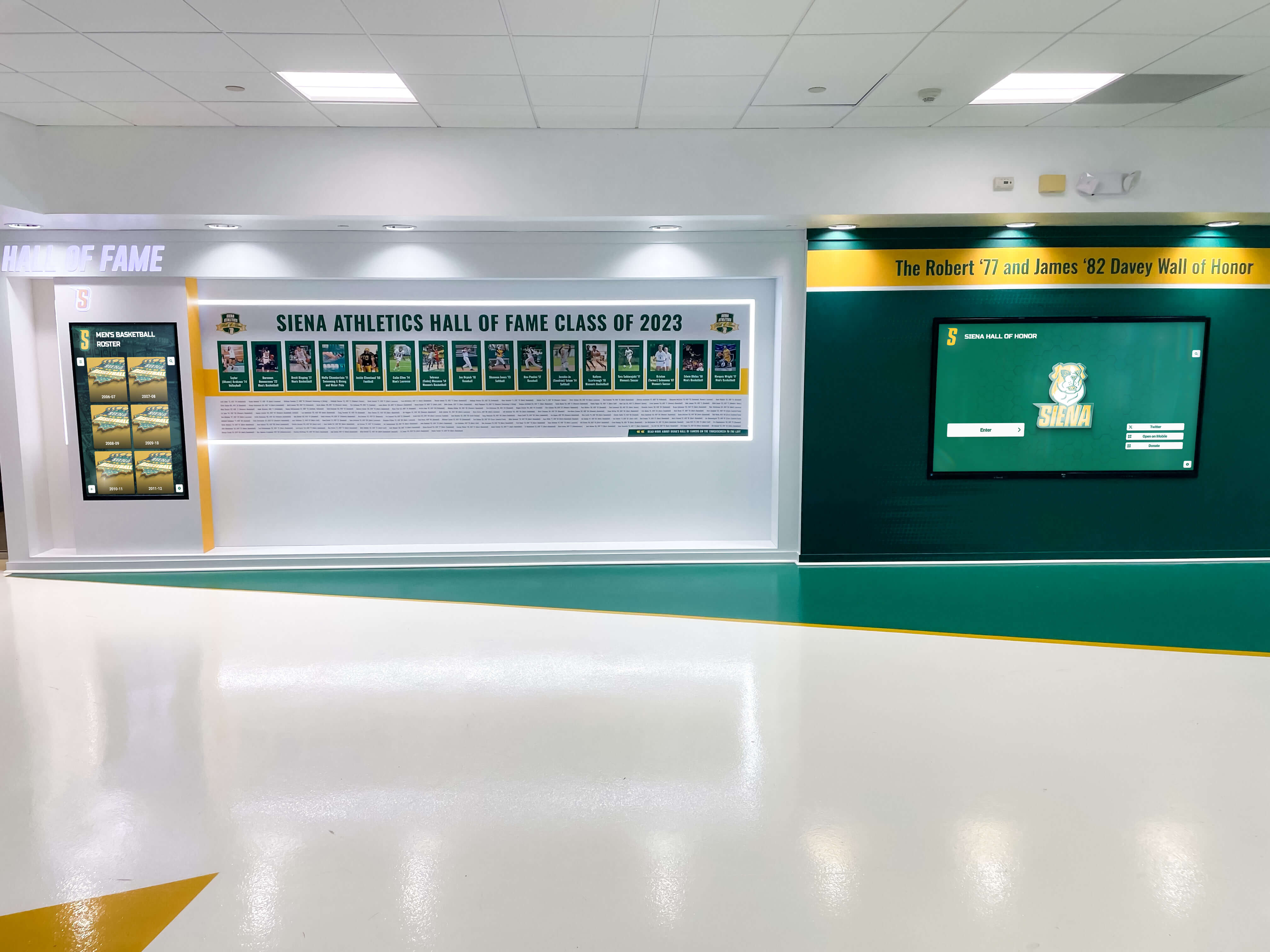
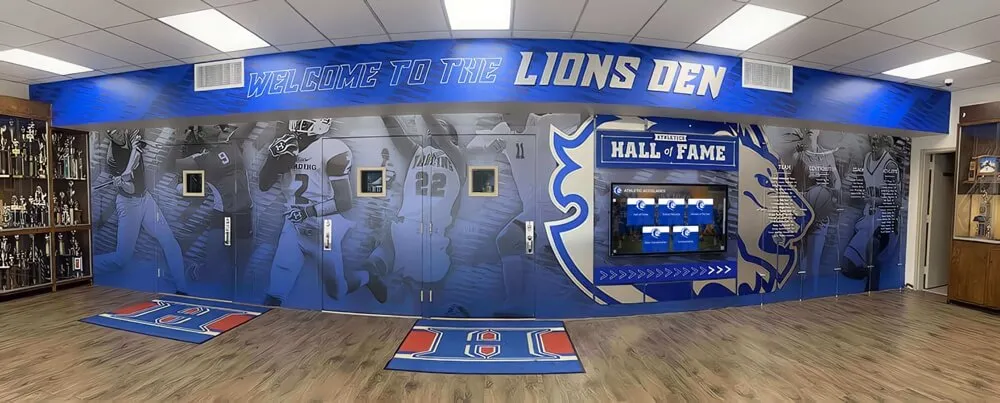
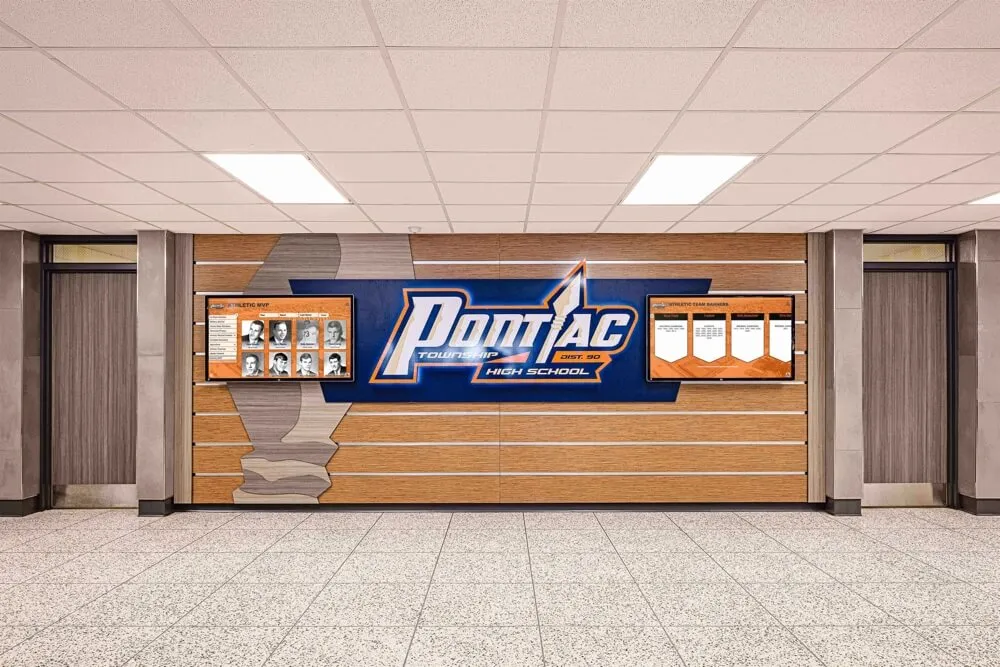
Comprehensive recognition installations become organizational landmarks celebrating employee contributions and inspiring continued excellence
Phase 2: Program Launch
Communication Strategy Ensure awareness and understanding:
- Formal program announcement to all employees
- Clear criteria and process documentation
- Regular reminders and promotion
- Success stories and examples
- FAQs addressing common questions
- Ongoing visibility and reinforcement
Technology Implementation Deploy recognition platforms effectively:
- Select appropriate hardware based on placement and budget
- Choose content management platforms matching staff capabilities
- Plan for web integration extending recognition reach
- Consider solutions like Rocket Alumni Solutions offering comprehensive recognition systems
- Train multiple staff members ensuring management sustainability
- Establish content workflows and responsibilities
Initial Recognition Wave Build momentum through strong start:
- Recognize accumulated milestones for existing employees
- Celebrate program launch with special event
- Feature diverse employee stories showcasing program breadth
- Generate excitement and visibility
- Address questions and concerns proactively
Phase 3: Sustainability and Evolution
Ongoing Management Maintain program excellence:
- Regular update schedules ensuring currency
- Consistent criteria application ensuring fairness
- Timely recognition avoiding appreciation delays
- Content quality maintenance
- Technical system monitoring
- Budget management and resource allocation
Continuous Improvement Evolve programs based on feedback and outcomes:
- Regular employee satisfaction surveys
- Recognition distribution analysis ensuring equity
- Engagement metrics and display usage
- Retention data correlation
- Program adjustment based on assessment
- Best practice adoption from other organizations
Learn about continuous program evolution in donor recognition programs with applicable principles.
Common Recognition Program Challenges and Solutions
Organizations frequently encounter specific obstacles requiring thoughtful responses.
“We Don’t Have Budget for Recognition Programs”
Addressing Resource Constraints
Recognition need not require substantial budgets:
Low-Cost Recognition Strategies
- Verbal appreciation and written thank-you notes (zero cost)
- Public acknowledgment in meetings and communications
- Peer-to-peer recognition programs
- Flexible work arrangements as rewards
- Professional development opportunities
- Leadership face time and mentorship
- Social media and internal communication features
ROI Demonstration Calculate recognition program returns:
- Retention cost savings from reduced turnover
- Productivity gains from increased engagement
- Recruitment cost reductions from employer brand enhancement
- Morale and culture benefits reducing management challenges
Many organizations discover recognition investment pays for itself within 12-24 months through reduced turnover alone—making strategic allocation profitable rather than discretionary spending.
“Recognition Feels Forced and Inauthentic”
Creating Genuine Appreciation Culture
Authenticity requires intentional approach:
Ensuring Meaningful Recognition
- Specific acknowledgment citing actual contributions
- Personalized messages reflecting individual impact
- Leadership participation demonstrating genuine care
- Peer involvement adding colleague perspective
- Timing connecting recognition to achievements
- Variety avoiding rote repetition
- Sincerity training for managers and leadership
Authentic recognition comes from truly noticing and valuing employee contributions rather than checking administrative boxes—requiring organizational commitment to appreciation as core value rather than superficial program.
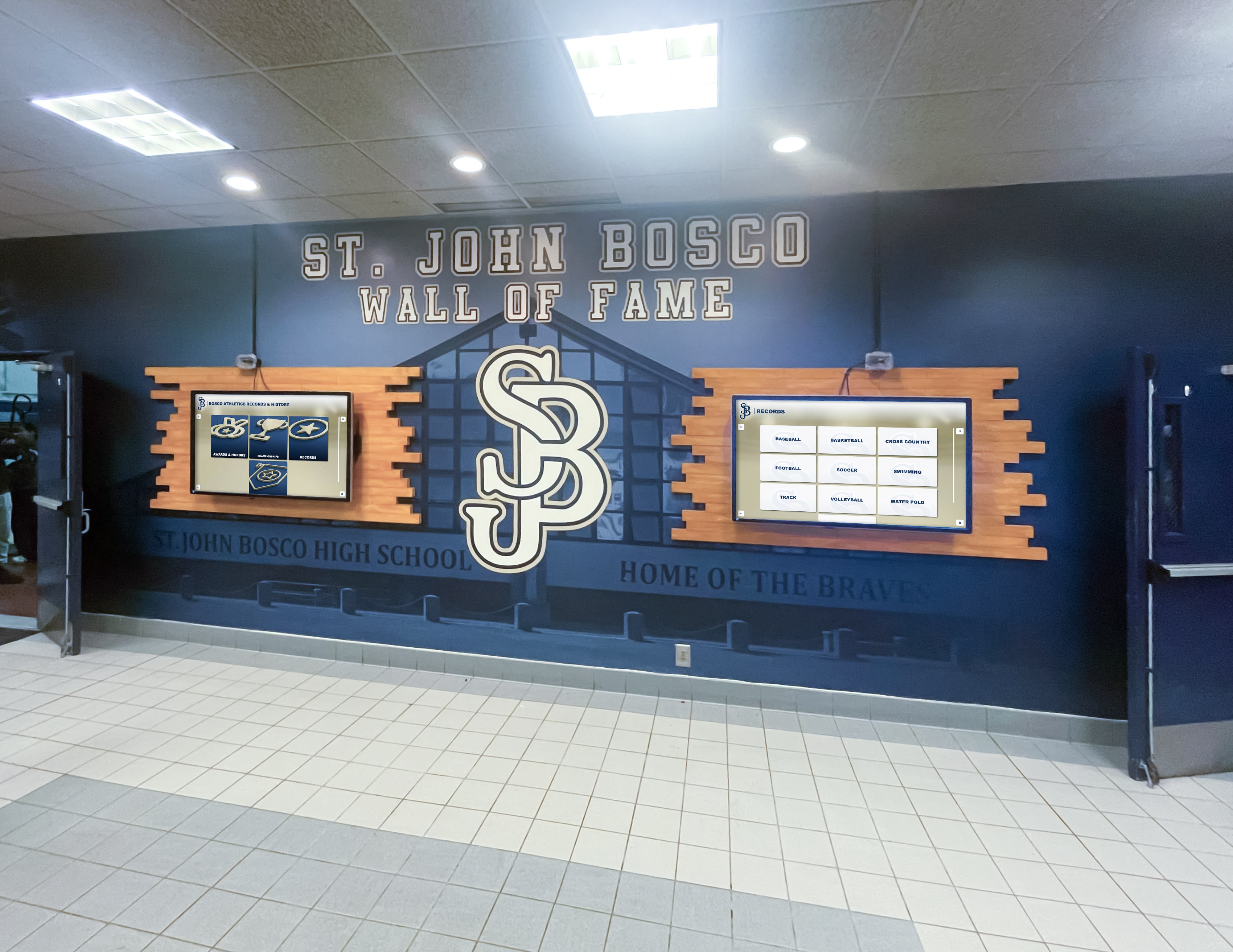
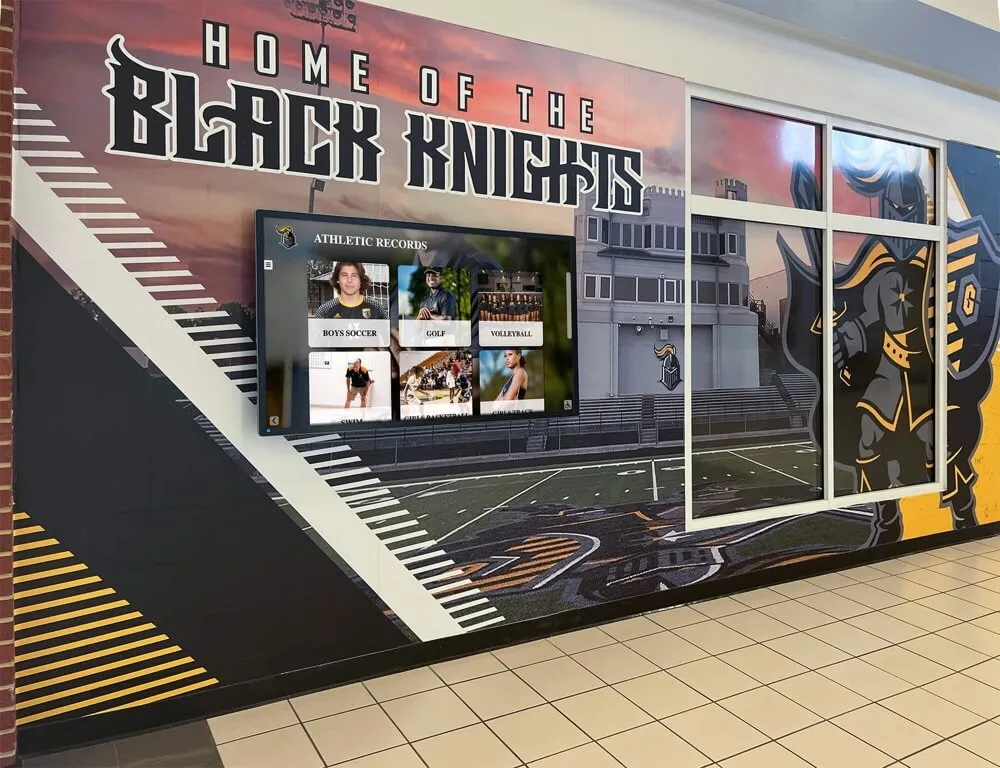
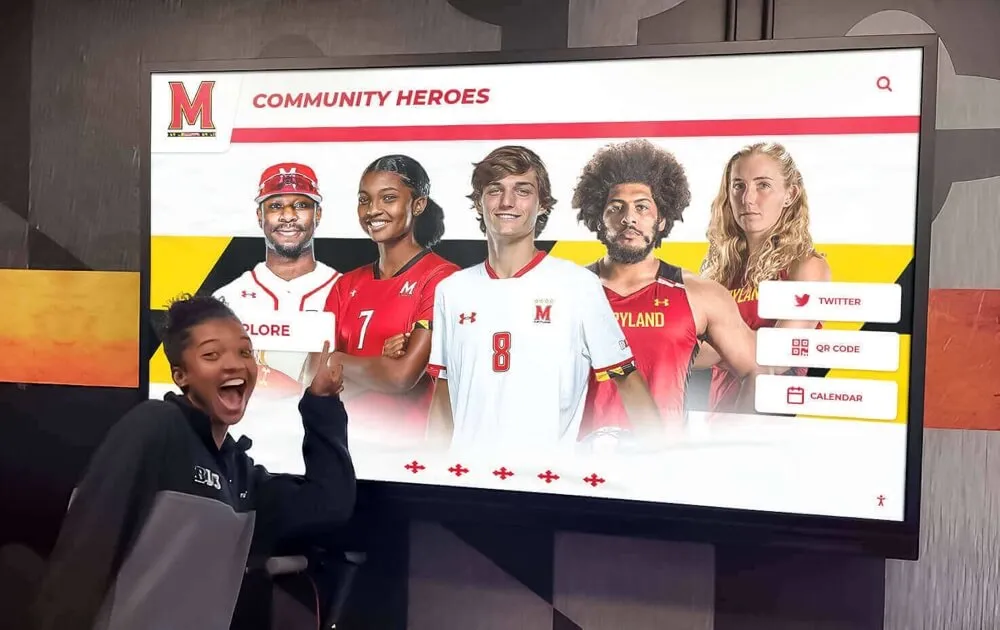
Multiple display installations provide recognition visibility throughout facilities while accommodating different employee categories
“Only the Same People Get Recognized”
Ensuring Inclusive Recognition
Equitable programs require intentional design:
Broadening Recognition Reach
- Multiple recognition categories beyond single criteria
- Department-specific awards ensuring representation
- Peer nomination enabling grassroots identification
- Rotating recognition across diverse roles
- Data tracking ensuring distribution equity
- Proactive identification of overlooked contributors
- Criteria encompassing diverse contribution types
Regular analysis of recognition distribution helps identify patterns where certain departments, roles, or demographic groups receive disproportionate acknowledgment—enabling corrective action ensuring all employees have genuine recognition opportunities.
Measuring Recognition Program Success
Assessment demonstrates value while identifying improvement opportunities.
Quantitative Metrics
Program Participation Data Track recognition activity and reach:
- Number of employees recognized annually
- Recognition frequency per employee
- Distribution across departments and roles
- Recognition category utilization
- Manager participation in recognition
- Peer-to-peer recognition volume
- Year-over-year participation trends
Organizational Outcome Indicators Monitor broader impacts:
- Employee retention rates and turnover reduction
- Employee engagement survey scores
- Job satisfaction metrics
- Productivity measurements
- Quality and customer service indicators
- Absenteeism and tardiness rates
- Internal promotion and development rates
Digital Platform Analytics When using interactive displays:
- Display interaction frequency and patterns
- Average session duration and engagement depth
- Most-viewed employee profiles
- Search and filter usage patterns
- Geographic access for web platforms
- Return visitor rates
- Social sharing metrics
Qualitative Assessment
Employee Feedback Gather stakeholder perspectives:
- Recognition program satisfaction surveys
- Focus groups exploring appreciation experiences
- Exit interviews discussing recognition role
- Stay interviews highlighting appreciation impact
- Suggestion collection for program improvement
- Testimonials about meaningful recognition moments
Cultural Indicators Observe broader organizational changes:
- Increased positive workplace conversations
- Enhanced employee referral and recruitment
- Improved cross-departmental relationships
- Stronger organizational pride
- Reduced workplace conflict
- Enhanced innovation and risk-taking
- Better customer and stakeholder feedback
Regular assessment enables continuous improvement ensuring recognition programs remain effective, equitable, and aligned with organizational objectives while delivering measurable returns justifying investment.
Conclusion: Building Thriving Cultures Through Meaningful Recognition
Employee recognition programs represent strategic investments in organizational culture, employee satisfaction, and long-term success. When schools, businesses, and nonprofits systematically celebrate staff contributions, acknowledge service milestones, and genuinely appreciate the people who make their missions possible, they create environments where employees feel valued, motivated, and deeply connected to organizational purposes—transforming good workplaces into exceptional ones where talented people want to remain and contribute their best work.
The most successful recognition programs share common characteristics: they acknowledge diverse contributions beyond simple tenure, communicate appreciation regularly rather than occasionally, respect individual preferences about recognition format, integrate seamlessly with organizational culture and values, leverage modern technology solving traditional recognition limitations, and evolve continuously based on employee feedback and demonstrated outcomes.
Transform Your Employee Recognition Program
Discover how modern digital recognition solutions can help your organization celebrate every employee's contributions, build a thriving culture of appreciation, and improve retention while demonstrating genuine care for the people who make your mission possible.
Explore Recognition SolutionsWhether your organization is building its first formal recognition program or enhancing established employee appreciation systems, remember that authenticity and consistency matter more than expensive technology or elaborate installations. Start with clear understanding of employee preferences and what makes them feel valued, implement recognition approaches that are specific and meaningful rather than generic, create inclusive programs honoring all contribution types and roles appropriately, and commit to ongoing evolution based on employee feedback and measured retention outcomes.
Your employees have chosen to dedicate their careers and talents to your mission among countless employment options available to them—they deserve recognition that honors their contributions appropriately while demonstrating that your organization genuinely values them as individuals. Strategic investment in thoughtful, comprehensive employee recognition creates sustainable success where staff feel genuinely appreciated, remain committed to organizational missions, perform at their highest levels, and build the positive cultures where everyone thrives.
Ready to begin? Explore how digital recognition solutions can help your organization create meaningful employee appreciation programs that honor contributions appropriately, demonstrate measurable impact, and build sustainable cultures generating the engaged, committed workforces that enable mission achievement for generations.