



Elementary school recognition boards represent powerful tools for celebrating young learners, building student confidence, and creating positive school cultures where every achievement—from reading milestones to acts of kindness—receives appropriate acknowledgment. When elementary schools create comprehensive recognition systems that showcase diverse student accomplishments, they send clear messages that effort matters, growth deserves celebration, and every child has unique strengths worthy of visibility.
Yet many elementary schools struggle with recognition systems that truly resonate with young students and their families. Recognition often defaults to paper certificates sent home in backpacks, bulletin boards that quickly become outdated, honor roll lists that recognize only the highest achievers, or limited wall space forcing difficult decisions about which accomplishments receive visibility. Meanwhile, students demonstrating significant growth from different starting points, showing exceptional character, or excelling in non-academic areas may go unrecognized while their contributions remain invisible to the broader school community.
This comprehensive guide explores evidence-based strategies for designing and implementing elementary school recognition boards that celebrate diverse achievements meaningfully, create lasting impact throughout your school community, and leverage modern technology to overcome traditional recognition limitations while inspiring young learners to reach their full potential.
Effective elementary school recognition extends beyond identifying top performers—it creates systematic approaches acknowledging excellence across multiple dimensions while ensuring recognition opportunities exist for students at all achievement levels. Elementary schools excelling at student recognition create environments where accomplishment receives visibility and celebration, where achievement stories inspire peers to pursue their potential, and where recognition becomes woven throughout school culture and daily experience.

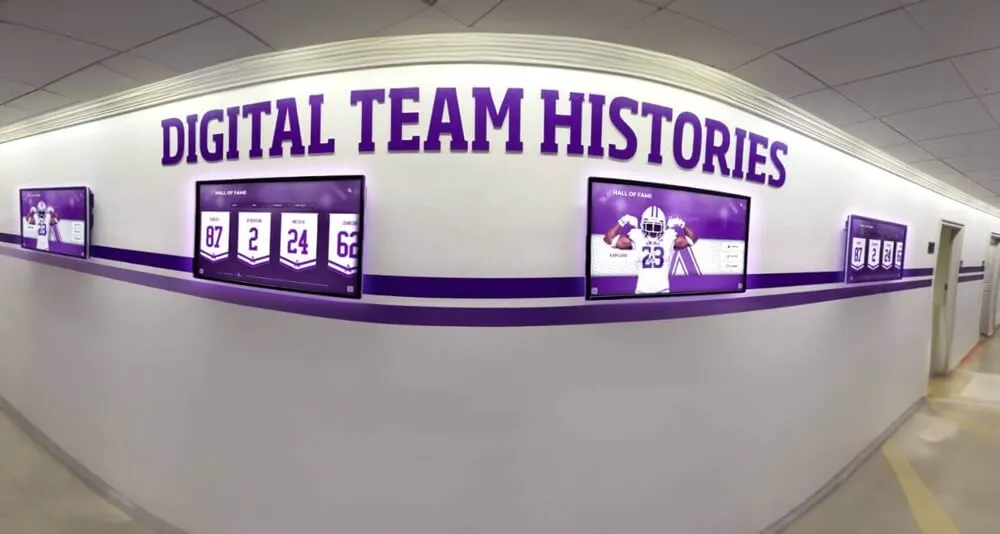
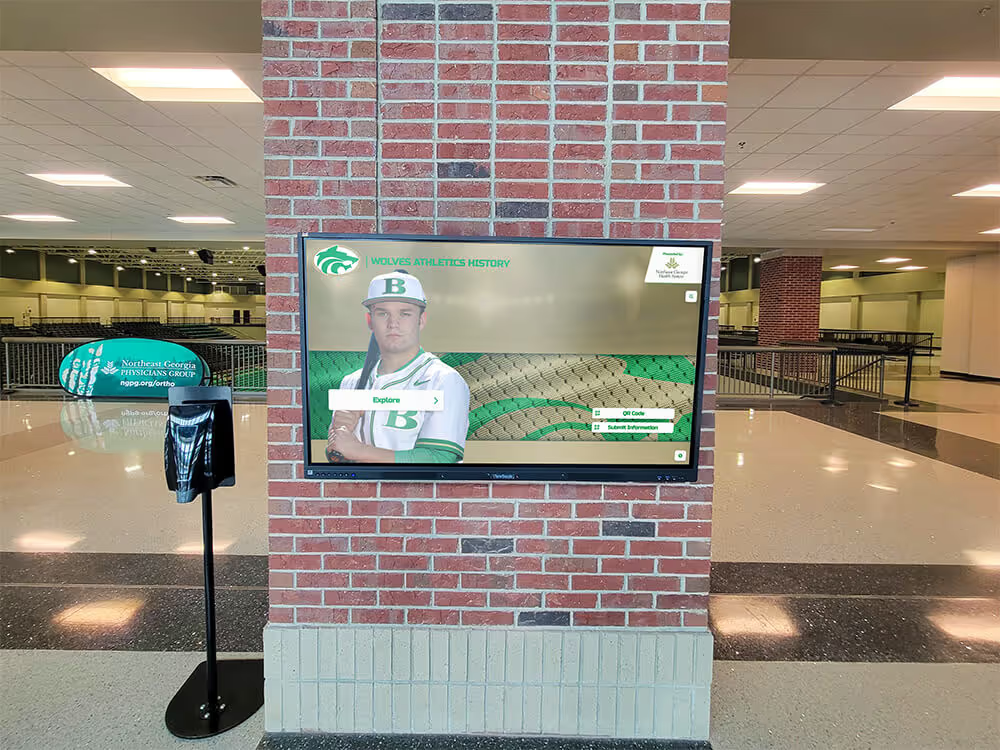
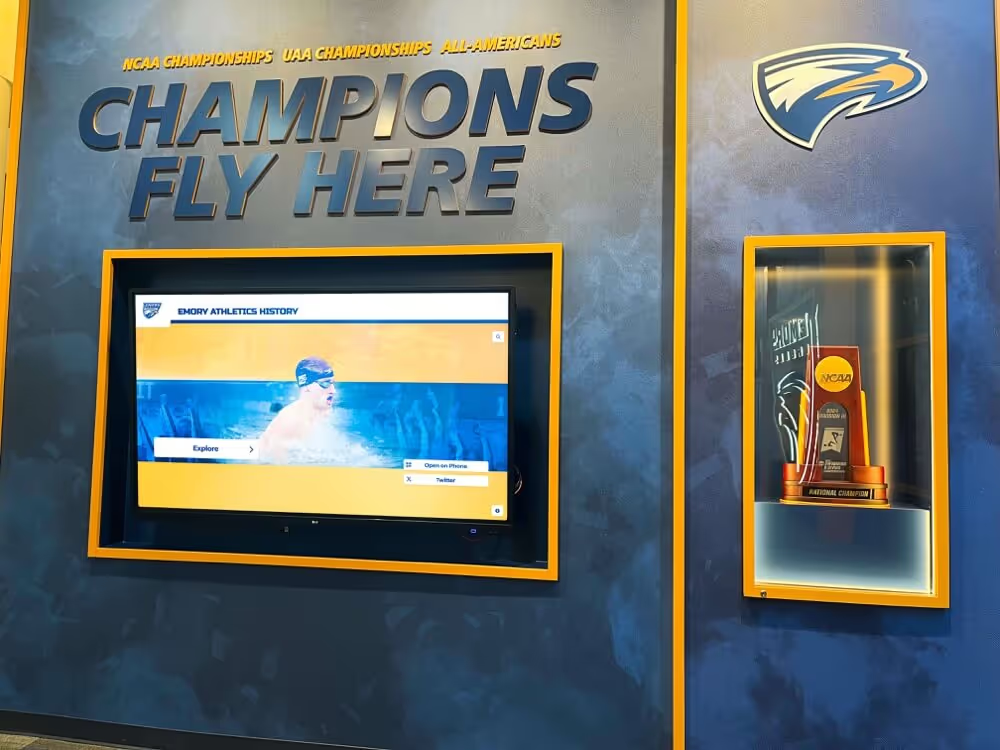
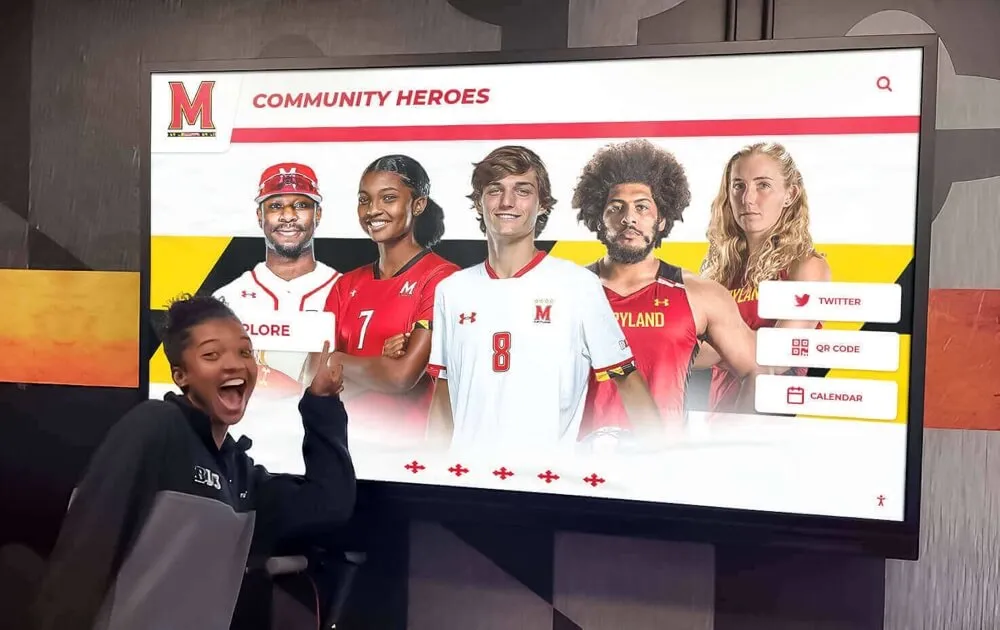
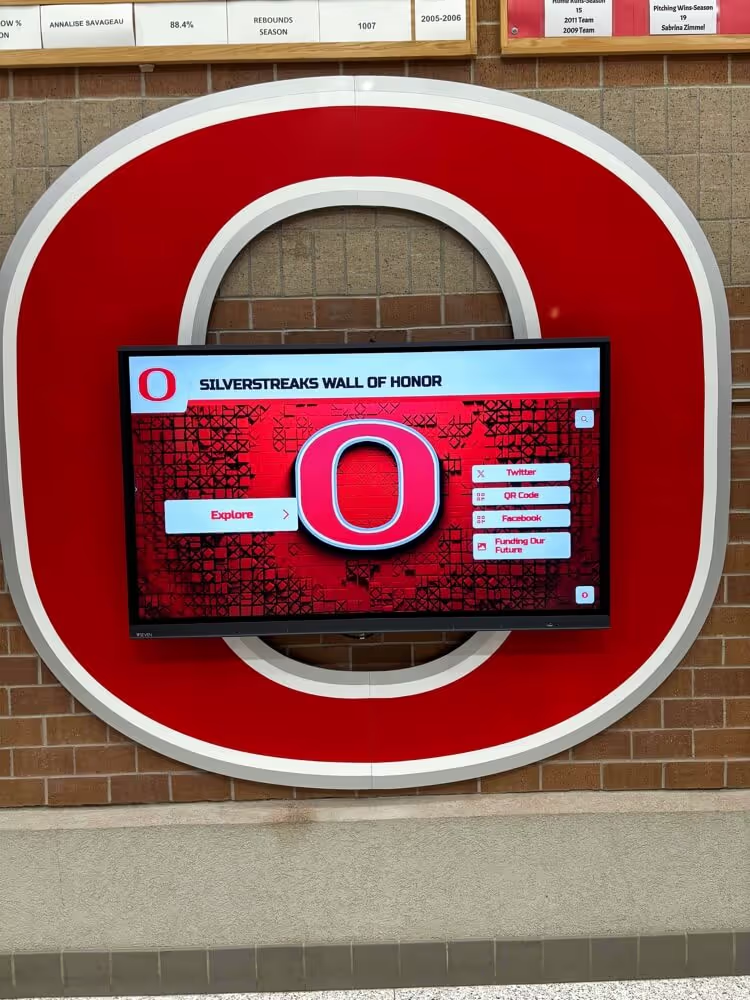
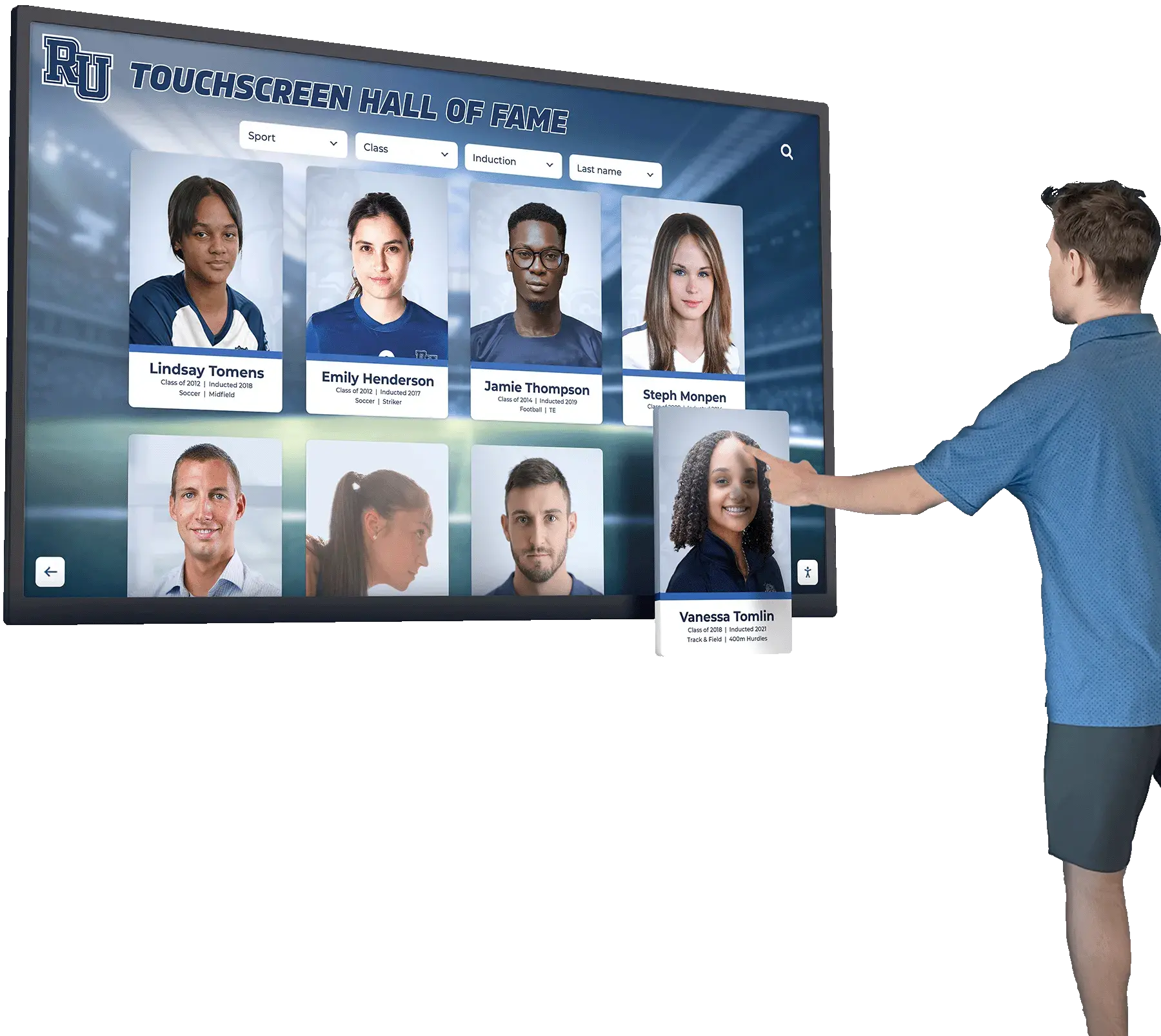
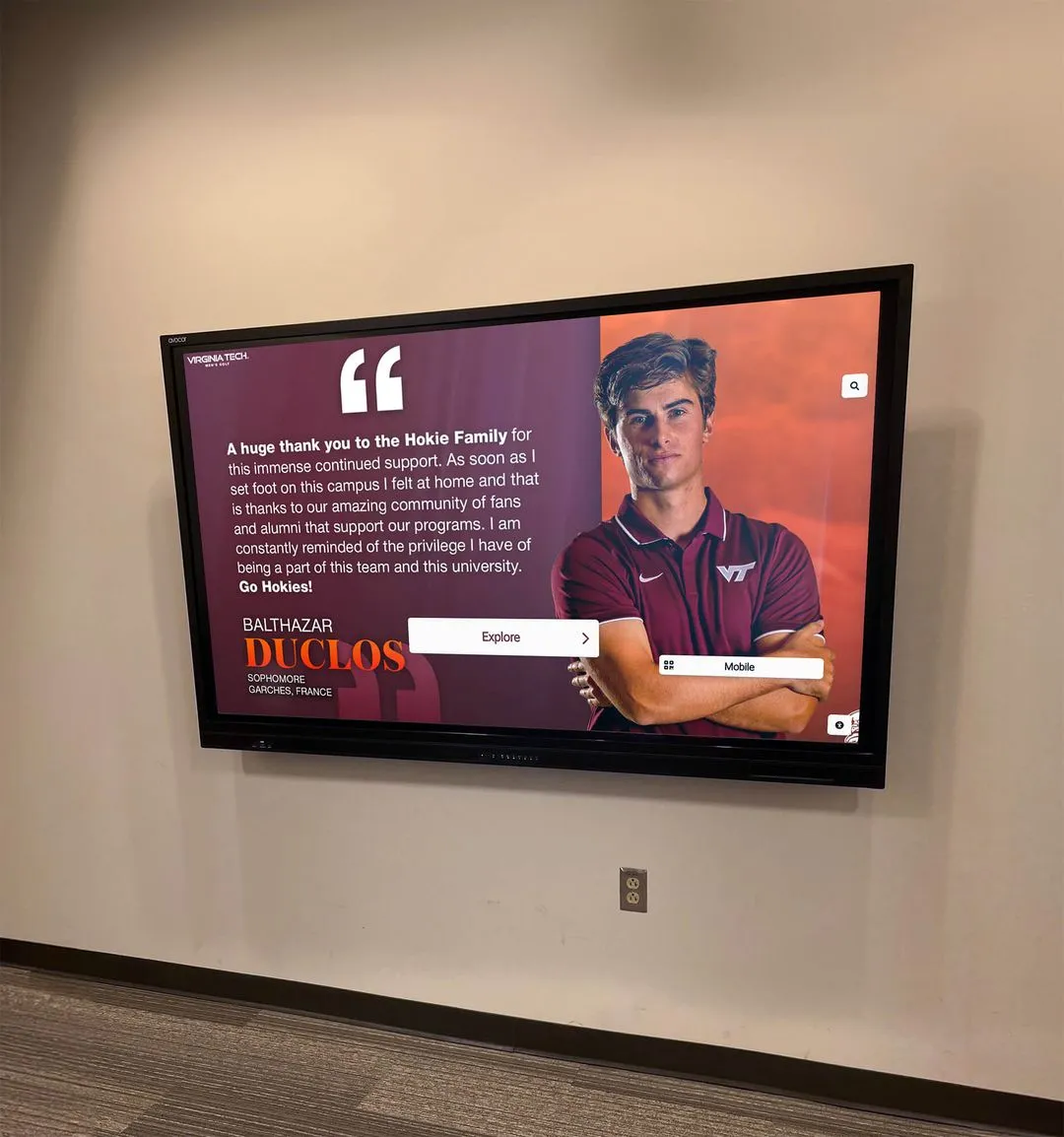
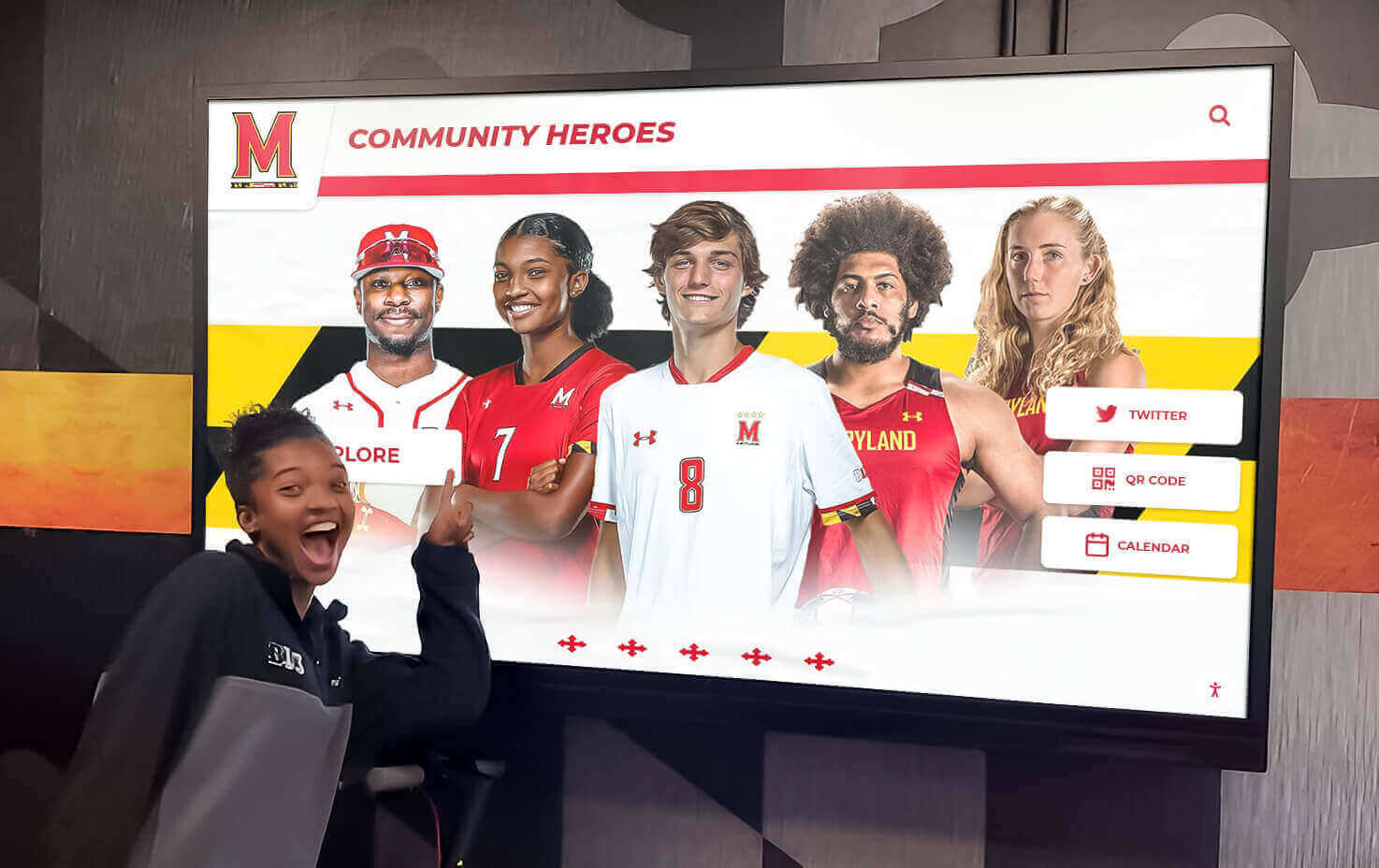
Modern recognition displays create engaging experiences where young students explore achievements and feel inspired by peer accomplishments
Understanding Elementary School Recognition Needs
Before implementing comprehensive recognition programs, understanding what motivates young learners and how recognition systems impact elementary-aged children helps schools design meaningful celebration approaches.
Developmental Considerations for Elementary Recognition
Young learners have unique developmental characteristics requiring recognition approaches adapted to their needs:
Age-Appropriate Recognition Design
- Immediate feedback and acknowledgment for younger elementary students
- Visual recognition systems young children can understand without extensive reading
- Positive, growth-oriented language emphasizing improvement possibilities
- Concrete recognition tied to specific behaviors and achievements
- Frequent recognition cycles providing multiple opportunities throughout the year
- Celebration formats appropriate for elementary developmental stages
Elementary students respond particularly well to recognition they can see, understand, and share with families. Abstract or delayed recognition proves less effective than immediate, visible acknowledgment young children can comprehend and celebrate.
Elementary Achievement Categories
Recognition should span multiple achievement dimensions ensuring diverse recognition opportunities:
- Reading achievement milestones and literacy growth
- Mathematics mastery and problem-solving excellence
- Character demonstrations including kindness, respect, and responsibility
- Attendance achievements and engagement consistency
- Creative expression in arts, music, and performance
- Physical education participation and sportsmanship
- Academic improvement showing significant growth trajectories
- Leadership in classroom and school contexts
- Service and helping behaviors supporting peers and community
This multi-dimensional approach ensures recognition opportunities for students with different talents, learning profiles, and starting points rather than privileging single achievement types.
Learn about comprehensive approaches in academic recognition programs adaptable to elementary contexts.
The Impact of Recognition on Young Learners
Research consistently demonstrates that appropriate recognition significantly influences elementary student development:
Academic Motivation and Achievement
Students receiving regular recognition for academic effort and growth demonstrate higher sustained achievement over time. Young learners observing peers receiving recognition develop clearer understanding of what excellence looks like in concrete, achievable terms. Recognition visibility creates positive peer influence encouraging academic engagement rather than discouraging intellectual effort.
Elementary schools implementing systematic recognition report increased student participation in reading programs, improved homework completion rates, and greater willingness to attempt challenging tasks. Students who previously viewed certain achievements as unattainable gain confidence that excellence remains possible through dedication and effort.
Self-Efficacy and Confidence Development
Self-efficacy—a student’s belief in their ability to succeed—represents one of the strongest predictors of academic achievement. When elementary schools actively recognize student accomplishments, they send clear messages: “You are capable, valued, and we see your potential.”
Recognition boards showcasing diverse achievements help young students understand that intelligence and ability grow through effort rather than remaining fixed traits. This growth mindset foundation established in elementary years influences how students approach challenges throughout their educational careers.
School Connectedness and Belonging
Recognized students demonstrate significantly higher school connectedness scores and stronger sense of belonging. For young learners establishing their relationship with formal education, feeling seen, valued, and celebrated by their school profoundly impacts their educational trajectory.
Recognition systems ensuring all students receive acknowledgment at some point throughout the year create inclusive environments where every child understands they matter to their school community and possess unique strengths worthy of celebration.
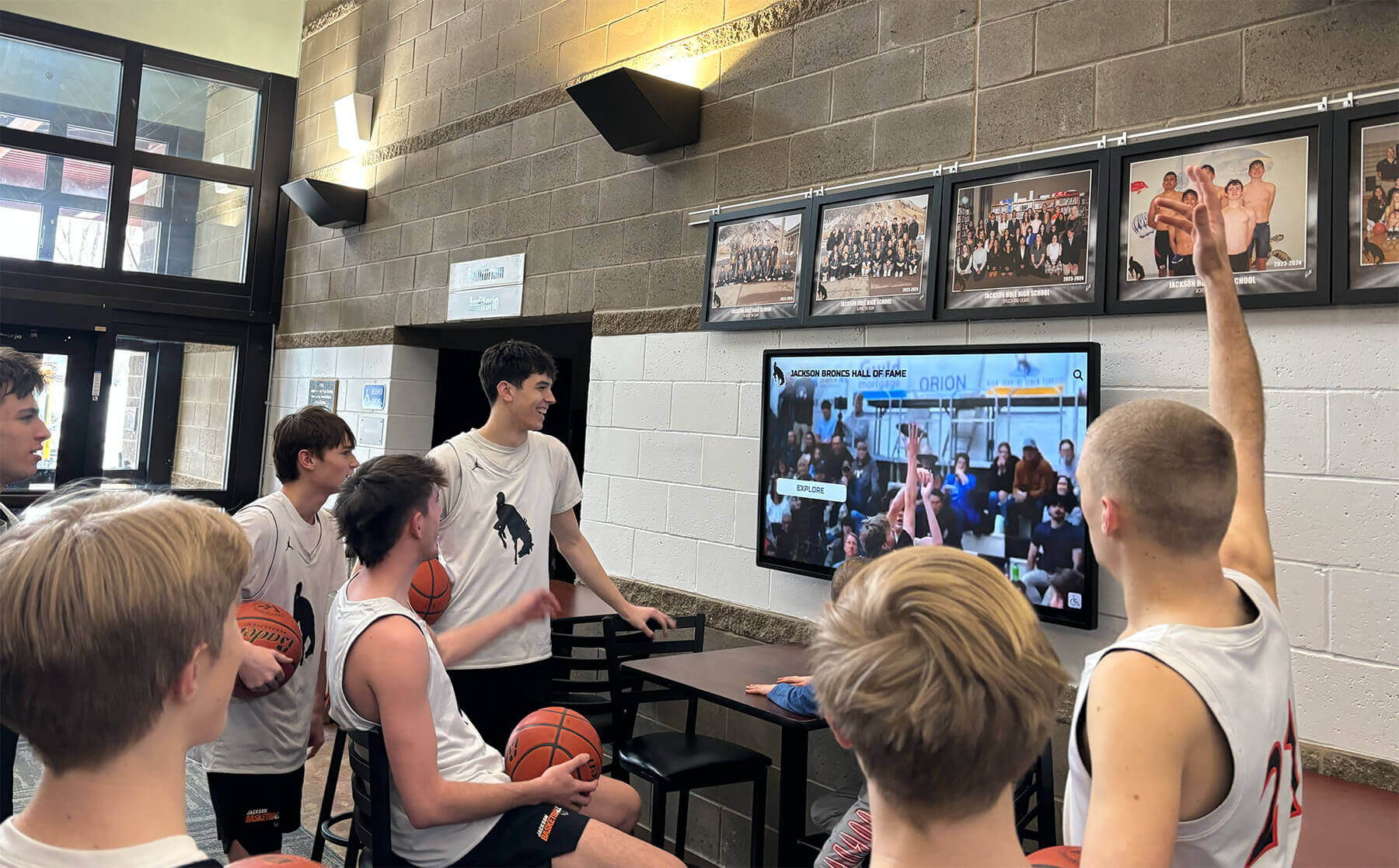
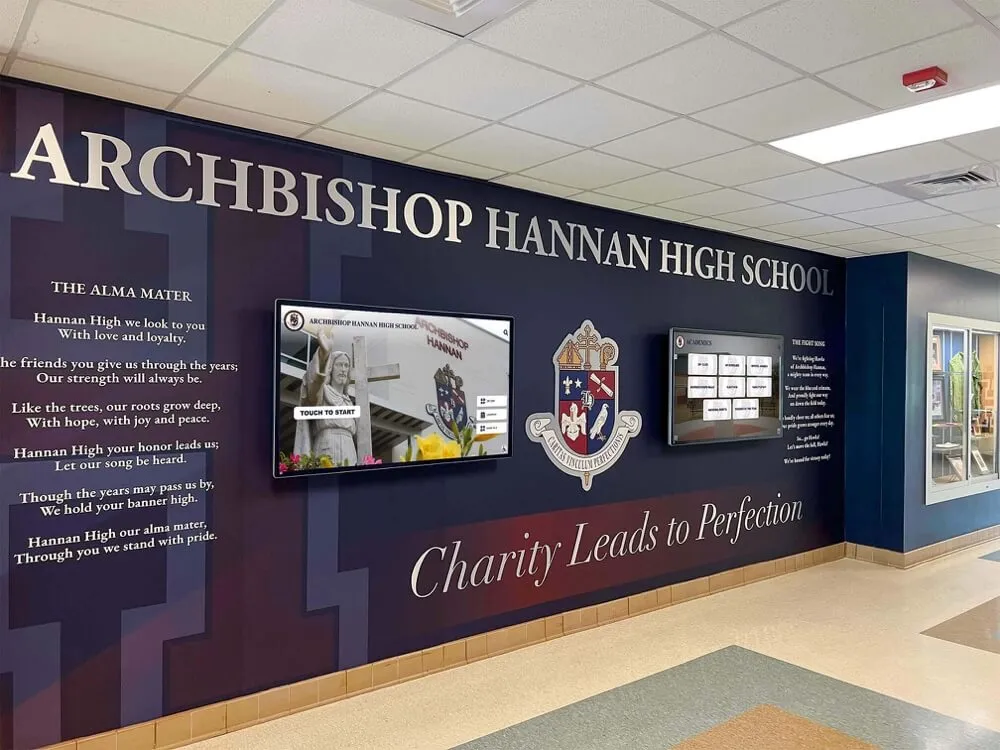
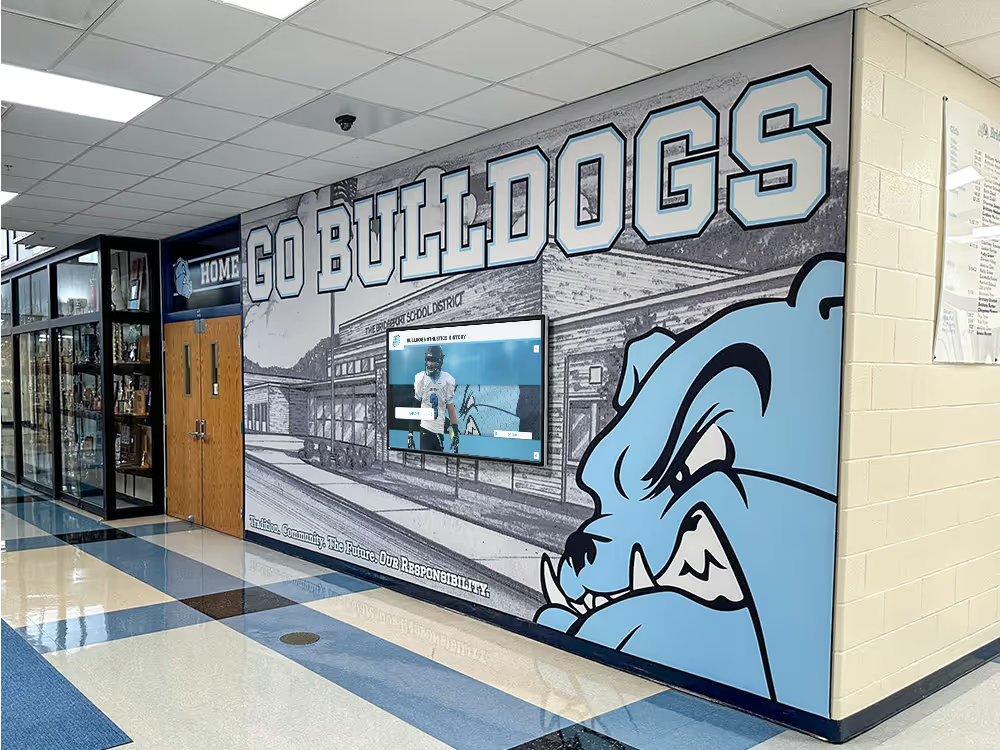
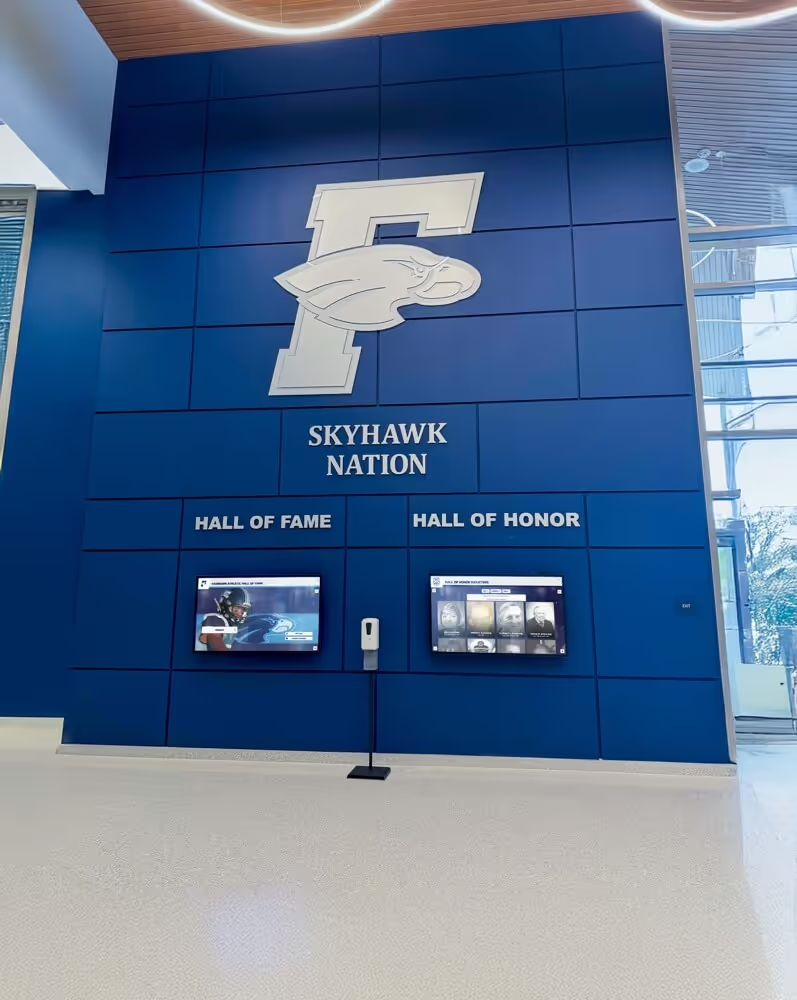
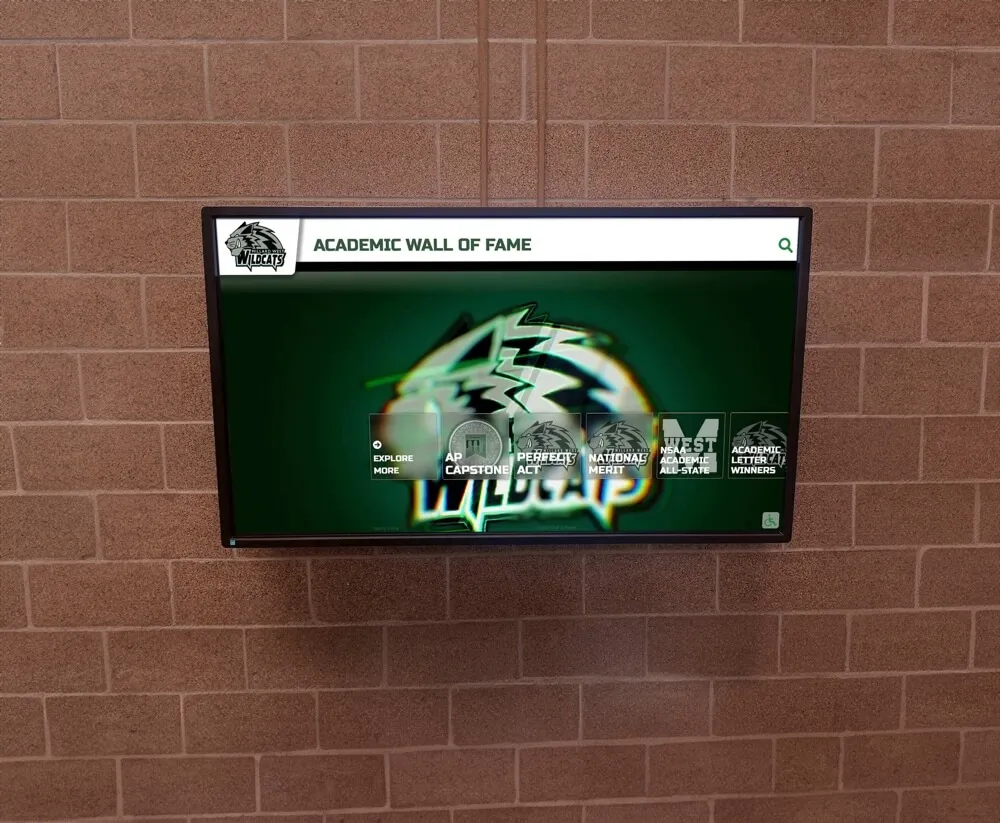
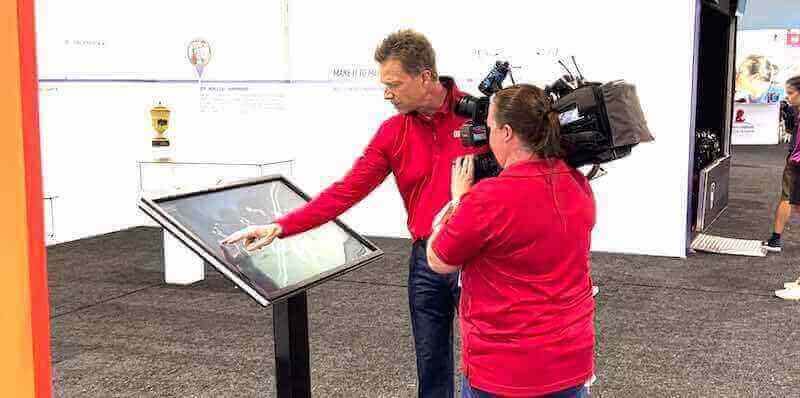
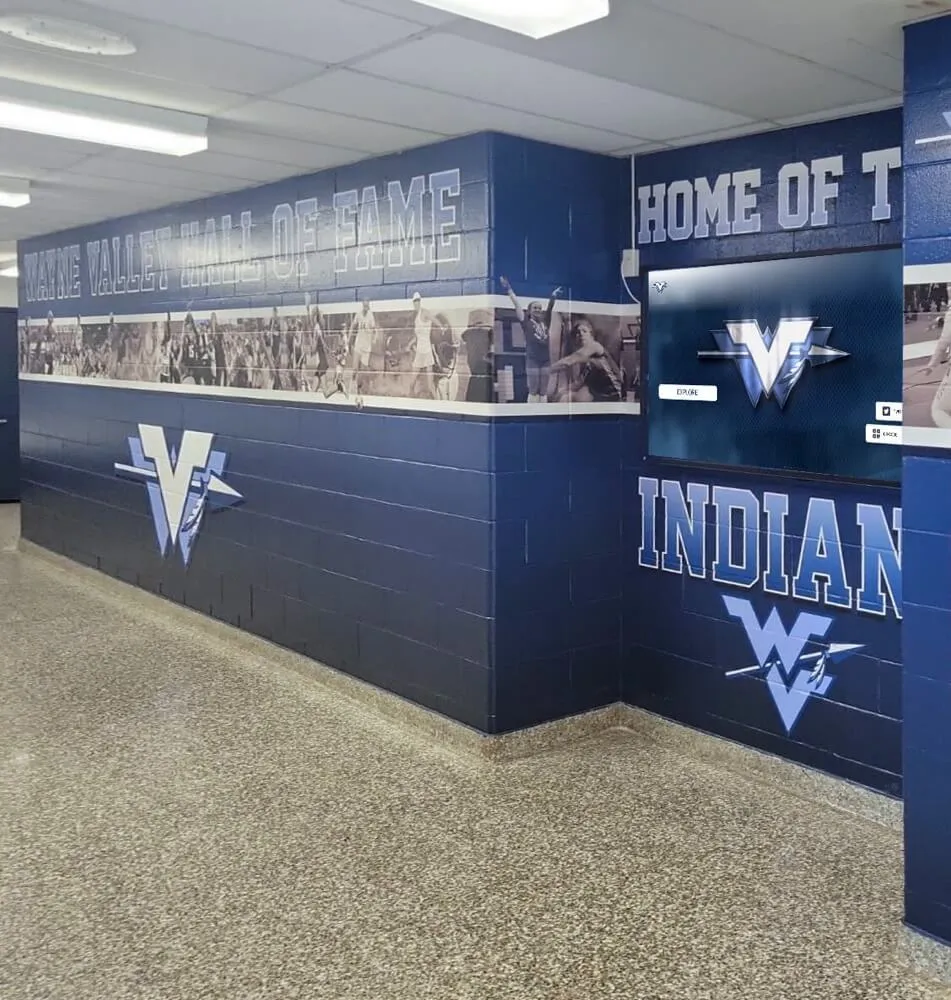
Interactive displays create natural gathering opportunities where students explore achievements together
Traditional Elementary Recognition Limitations
Understanding constraints of conventional recognition approaches helps schools appreciate opportunities modern solutions provide while recognizing needs new systems must address.
Physical Space and Display Constraints
Traditional elementary school recognition faces significant capacity limitations:
Limited Recognition Capacity
- Bulletin boards accommodate only finite students before reaching capacity
- Wall space in hallways and classrooms remains scarce and highly contested
- Trophy cases prioritize athletic achievements leaving limited academic recognition space
- Monthly recognition requiring removal of previous displays to accommodate new honorees
- Competing demands for limited display areas from multiple teachers, grade levels, and programs
Maintenance and Update Challenges
- Creating and updating physical displays requires substantial teacher and staff time
- Printed materials and laminated certificates need regular replacement
- Mounting and arranging physical displays demands manual effort during busy instructional time
- Correcting errors in names or information necessitates reprinting and remounting
- Coordinating information collection from multiple classrooms proves time-consuming
These physical constraints force schools to make difficult decisions about which students and which achievements receive visibility—often resulting in limited students receiving recognition while many worthy accomplishments go uncelebrated.
Engagement and Visibility Limitations
Static physical displays struggle to create lasting engagement with young students and their families:
Limited Information Presentation
- Physical space constraints limit recognition to names and perhaps small photos
- Achievement details, growth stories, and contextual information remain absent
- No mechanism exists for viewers to explore additional information about recognized students
- Supporting documentation like achievement descriptions or project examples cannot accompany recognition
- Personal statements from students about their accomplishments and efforts remain impossible
Temporary Recognition Challenges
- Recognition appears briefly then disappears as new displays replace previous content
- Students receive acknowledgment that vanishes within weeks creating minimal lasting impact
- Families visiting school may miss recognition occurring during different weeks or months
- No mechanism exists for revisiting or celebrating cumulative achievement over time
- Recognition feels disposable rather than permanent and meaningful
Accessibility and Reach Problems
- Physical displays reach only people physically present in buildings
- Families unable to visit campus during school hours miss recognition entirely
- Remote students or those with limited campus access receive less visible acknowledgment
- Alumni and extended family cannot access or celebrate achievements
- Social sharing or digital extension of recognition proves impossible
Learn about comprehensive student recognition in outstanding students honor wall strategies applicable across grade levels.
Modern Digital Recognition Board Solutions
Solutions like Rocket Alumni Solutions fundamentally transform elementary school recognition through interactive displays and cloud-based platforms eliminating traditional limitations while creating powerful new recognition capabilities.
Digital Display Technology for Elementary Schools
Unlimited Recognition Capacity
Digital recognition displays overcome space constraints that force difficult choices about whose achievements receive visibility:
- Single touchscreen display showcases unlimited students across all achievement categories and grade levels
- No need to remove historical recognition to accommodate current honorees
- Comprehensive archives preserve complete school recognition history
- All achievement types receive equal display capacity and visibility
- Growth trajectories become visible as students earn recognition across elementary years
- Future expansion never requires additional wall space or physical construction
This unlimited capacity ensures every deserving elementary student receives appropriate recognition rather than acknowledgment limited by physical space availability.
Age-Appropriate Interactive Features
Modern touchscreen systems create engagement specifically suited to young learners:
- Intuitive touch interfaces young children can navigate independently
- Visual search enabling students to find themselves and friends easily
- Photo galleries showcasing student achievement moments
- Simple filtering by grade level, achievement type, or time period
- Colorful, engaging designs appealing to elementary aesthetics
- Audio elements providing additional accessibility for emerging readers
These interactive features significantly increase engagement compared to static displays while creating recognition experiences that feel exciting and meaningful to young students.
Rich Multimedia Documentation
Digital platforms enable comprehensive achievement storytelling impossible with traditional bulletin boards:
- Student photos showcasing children at their recognition moments
- Detailed achievement descriptions explaining specific accomplishments
- Video content featuring student reflections or achievement demonstrations
- Artwork displays for creative achievement recognition
- Project documentation showing student work products
- Timeline views showing improvement and growth across school years
This depth transforms recognition from name lists to compelling narratives celebrating how individual students achieved distinction in their unique ways.

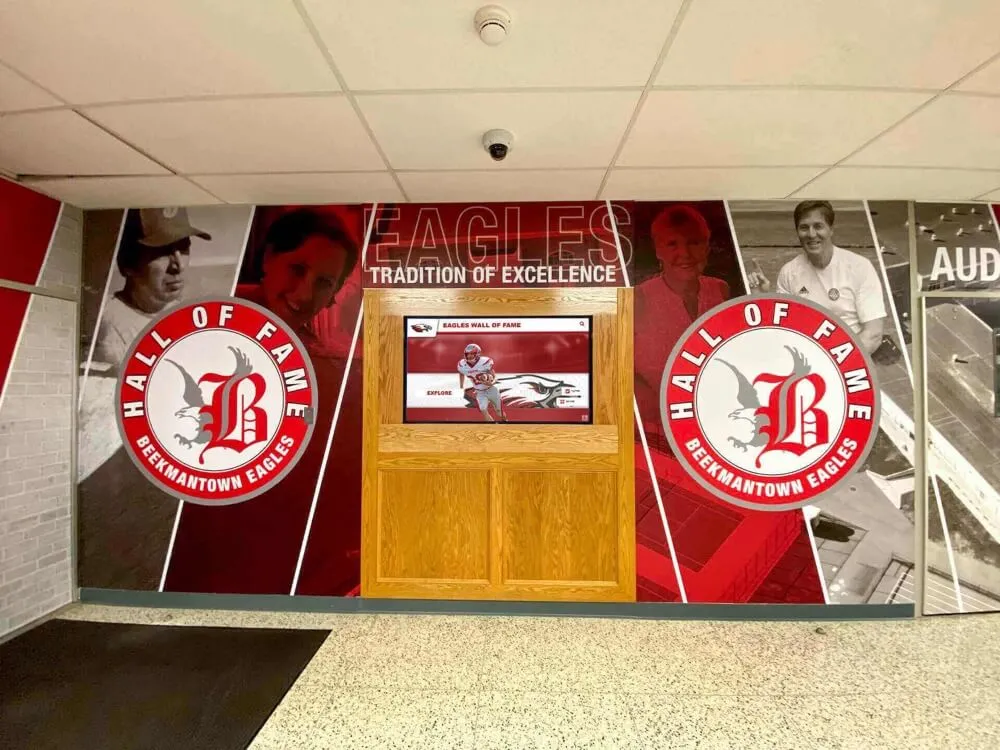
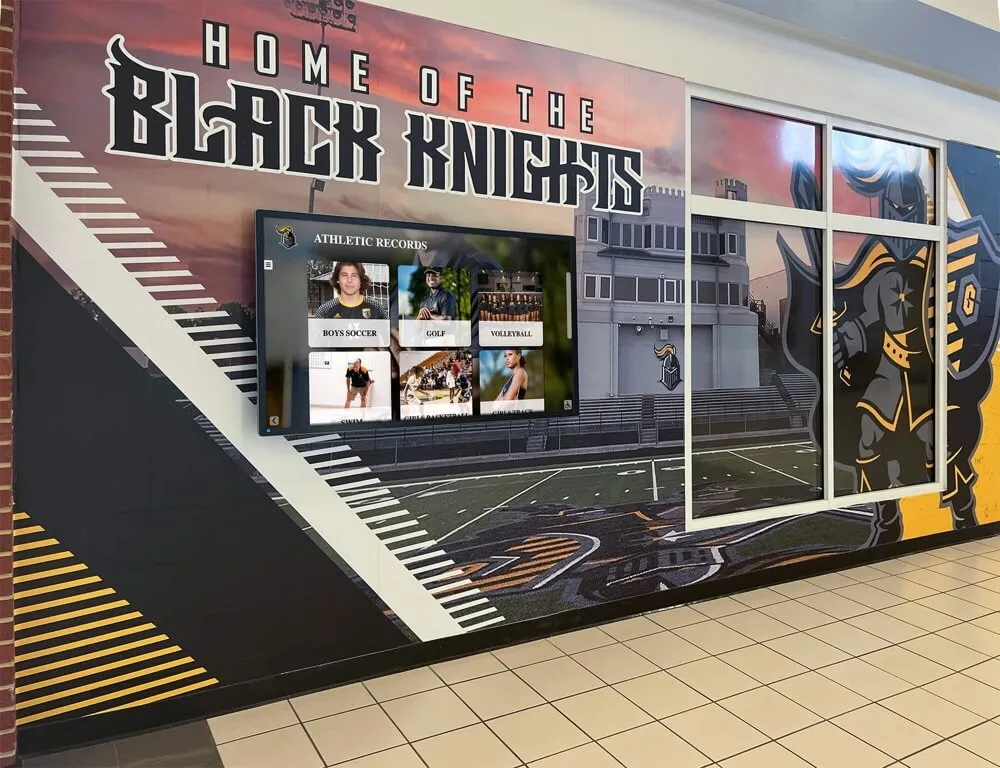
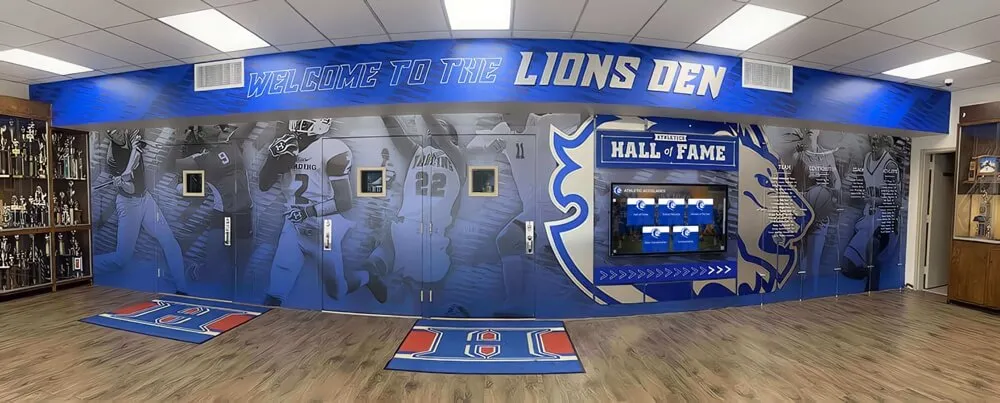
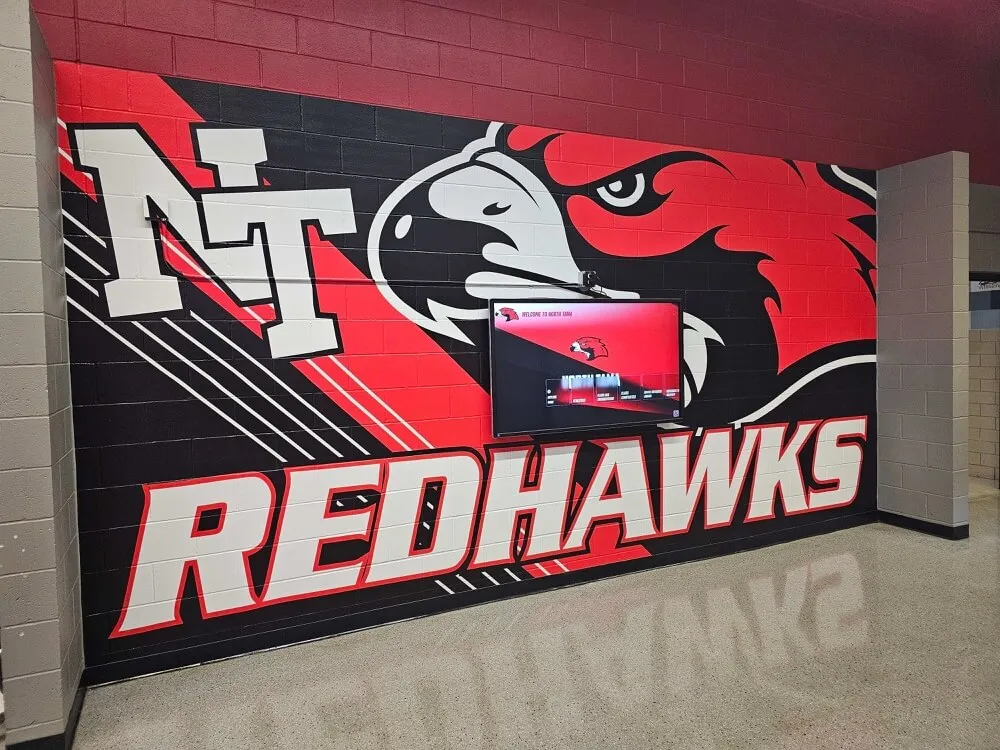
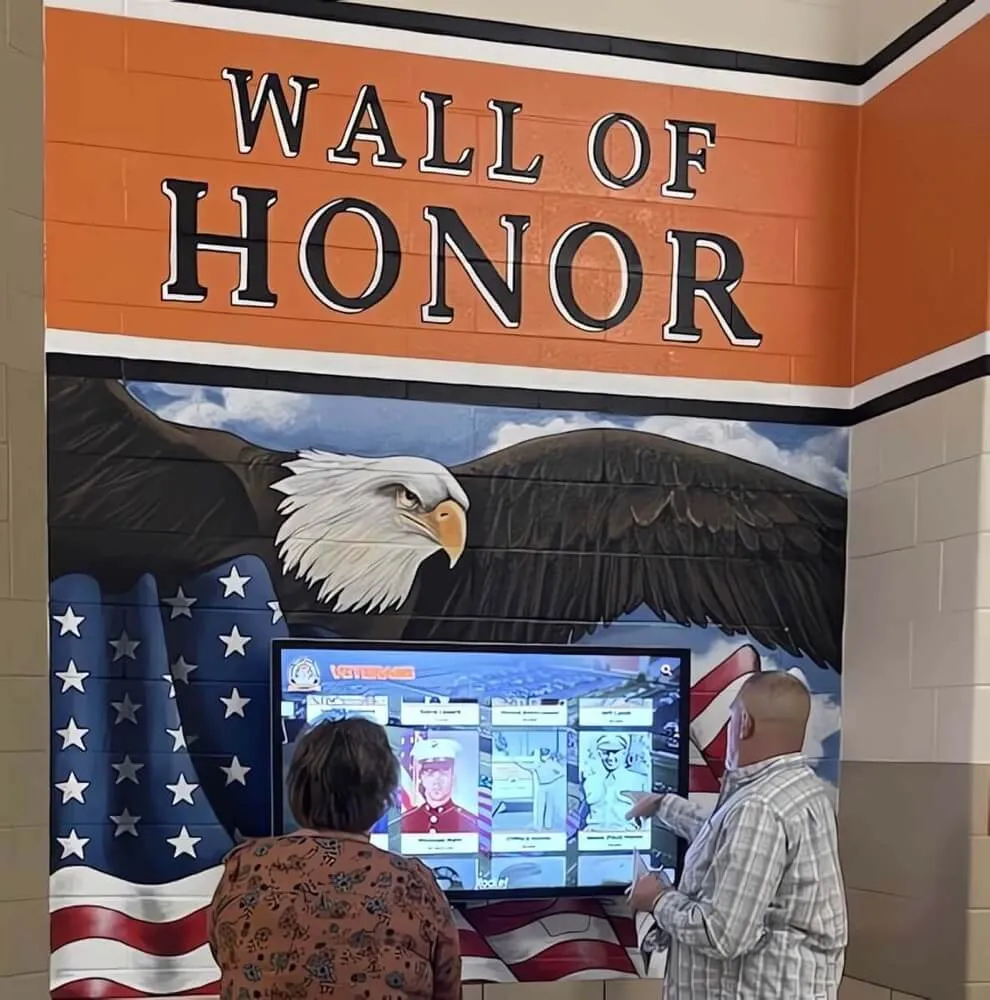
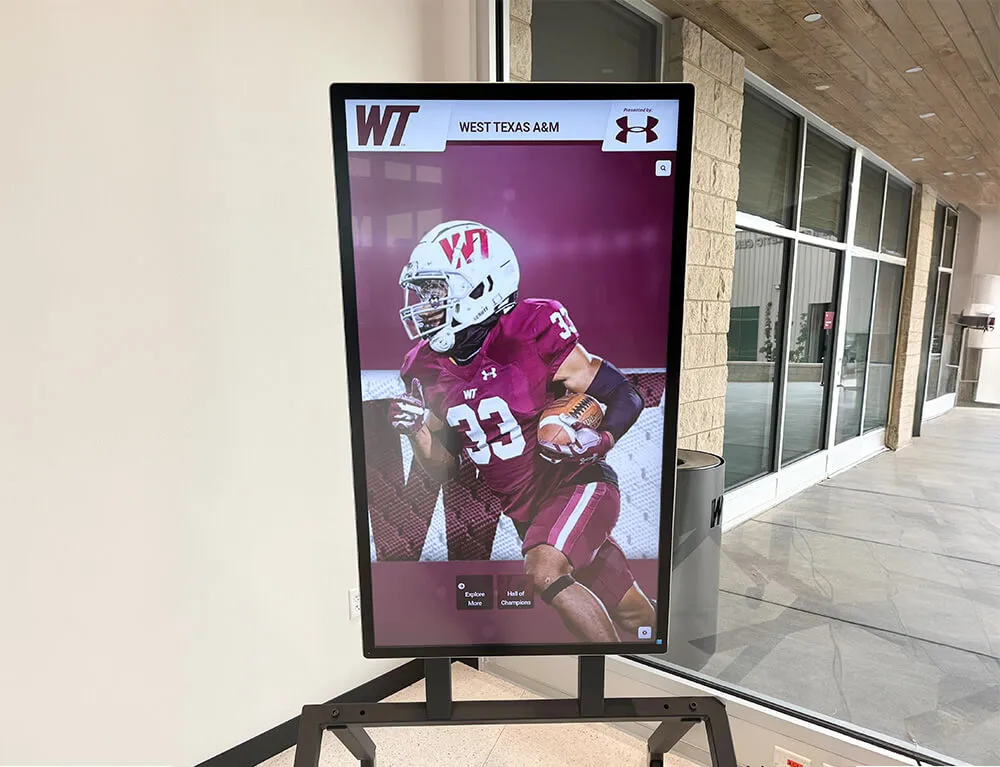
Modern kiosk systems provide intuitive interfaces perfect for elementary students to explore independently
Cloud-Based Content Management Benefits
Simple Remote Administration
Cloud-based platforms eliminate administrative burdens associated with traditional recognition:
- Updates from any internet-connected device without requiring campus presence
- Bulk import tools for adding multiple students simultaneously
- Scheduled publishing automation aligning with recognition ceremony dates
- Role-based permissions enabling appropriate teacher and staff access
- Drag-and-drop interfaces requiring no technical expertise
- Mobile-responsive management allowing updates from smartphones
- Version control enabling reverting to previous content if needed
Elementary school administrators report significant time savings in maintaining recognition displays compared to creating and updating physical bulletin boards each month.
Collaboration and Workflow Features
Multiple teachers and staff can contribute efficiently:
- Classroom teachers nominate students through defined submission workflows
- Grade level teams review nominations collaboratively
- Administrators approve final recognition before publication ensuring accuracy
- Students can submit personal statements or select photos with teacher guidance
- Multiple staff members manage different recognition aspects simultaneously without conflicts
- Documentation of all changes maintains accountability and tracking
Family Engagement Extensions
Recognition should reach families wherever they access information:
- Email notifications when students receive recognition
- Mobile-optimized viewing enabling family smartphone access
- Social media integration for appropriate sharing with privacy controls
- Website embedding displaying recognition on school sites
- 24/7 accessibility regardless of campus visit schedules
- Translation options for multilingual family access
This multi-channel accessibility ensures families stay connected to student achievements even when work schedules prevent frequent campus visits.
Explore comprehensive digital solutions in digital hall of fame touchscreen displays for elementary applications.
Designing Elementary School Recognition Programs
Successful recognition implementation requires systematic planning addressing selection criteria, recognition categories, and sustainable management ensuring programs remain meaningful over time.
Recognition Categories for Elementary Students
Academic Achievement Recognition
Elementary academic recognition should celebrate multiple achievement dimensions:
Reading and Literacy Excellence
- Reading level advancement and benchmark achievements
- Reading challenge completion and book milestones
- Comprehension growth and literacy skill development
- Vocabulary expansion and word study mastery
- Reading engagement and independent reading commitment
Mathematics and STEM Recognition
- Math fact fluency achievements and computational skill mastery
- Problem-solving excellence and mathematical reasoning
- STEM project participation and science learning demonstrations
- Technology skill development and digital literacy
- Curiosity and question-asking in science and discovery
Academic Improvement Awards
- Grade improvement in core subject areas
- Learning goal achievement tracking individual progress
- Growth mindset demonstrations showing persistence through challenges
- Study skill development and organizational improvement
- Homework completion consistency and responsibility growth
Learn about multilevel recognition approaches in honor roll touchscreen displays adaptable to elementary contexts.
Character and Social-Emotional Recognition
Elementary recognition should prominently feature character development:
Core Character Traits
- Kindness demonstrations and peer support behaviors
- Respect shown to classmates, teachers, and school community
- Responsibility in classroom jobs and personal accountability
- Perseverance through challenges and difficult tasks
- Honesty and integrity in daily interactions
- Cooperation and teamwork in group activities
Social-Emotional Learning Recognition
- Conflict resolution and problem-solving skills
- Emotion management and self-regulation
- Empathy demonstrations and compassionate actions
- Friendship skills and inclusive behavior
- Growth in social skills and peer relationships
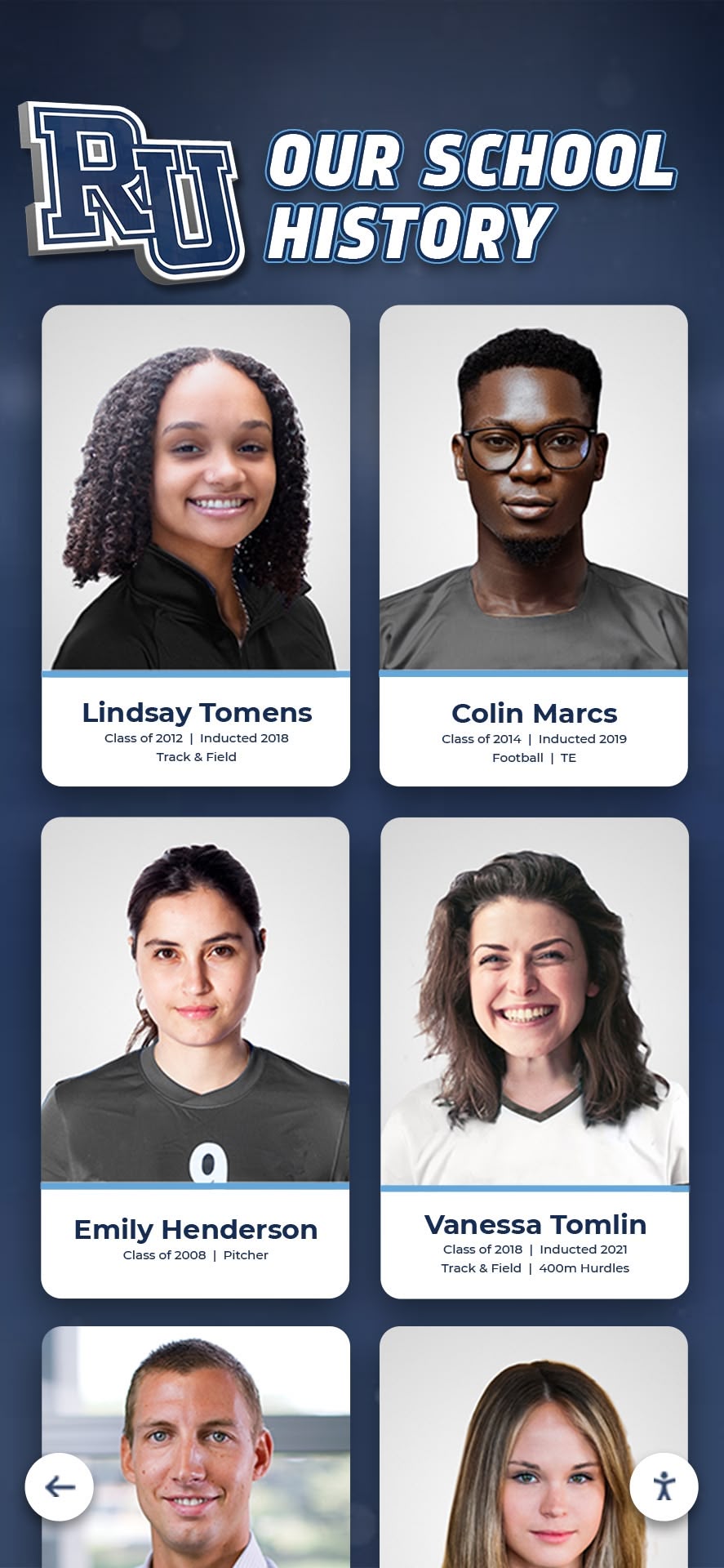
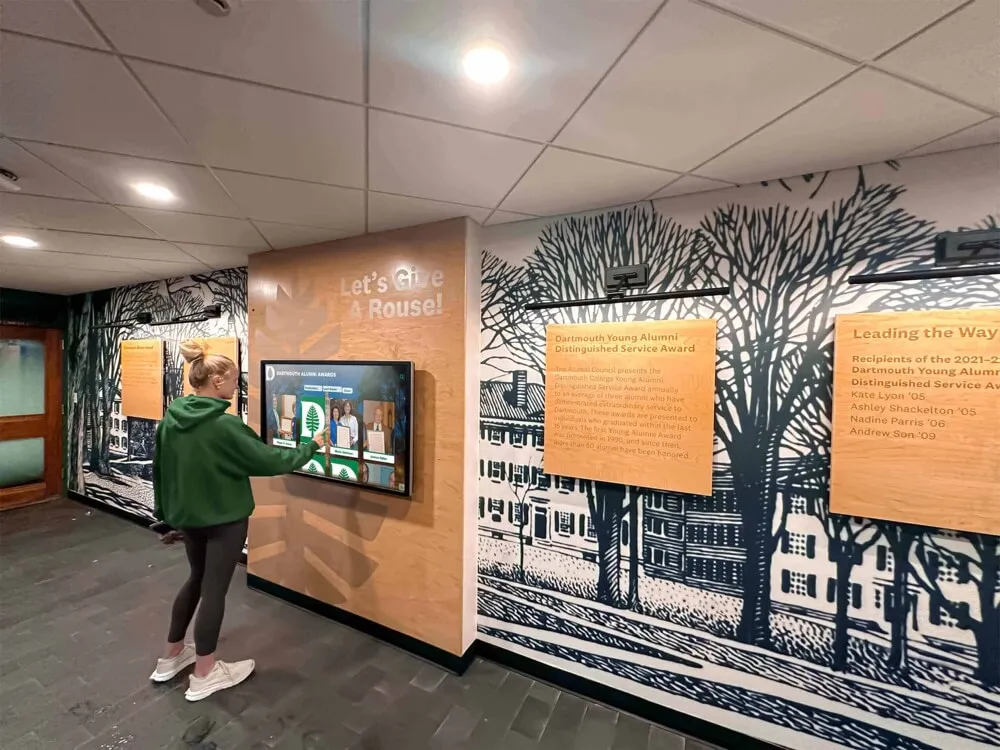
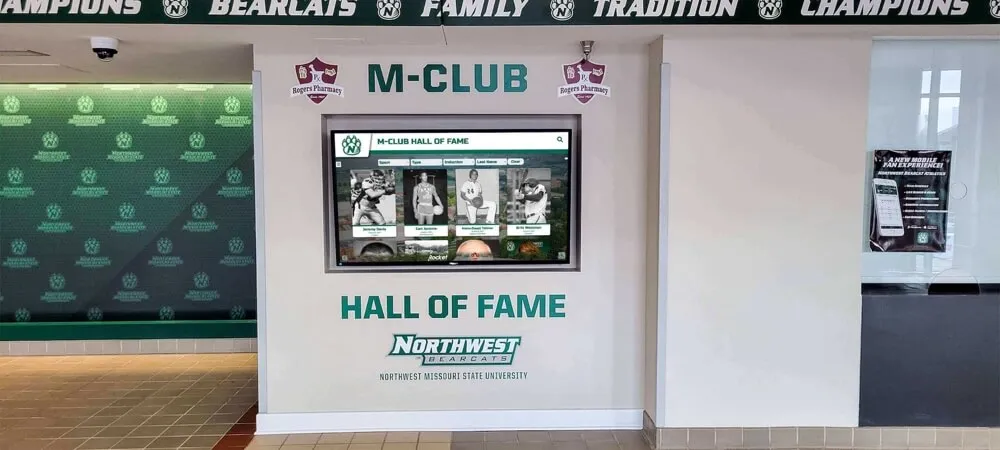
Detailed profiles celebrate individual student journeys and specific accomplishment stories
Specialized Achievement Recognition
Elementary schools should recognize diverse talents:
Creative and Artistic Excellence
- Visual arts achievement and creative expression
- Music participation and performance accomplishments
- Theater and drama involvement
- Creative writing and storytelling achievements
- Dance and movement excellence
Physical Education and Wellness
- Sportsmanship demonstrations and fair play
- Physical skill development and improvement
- Fitness goal achievement and health awareness
- Teamwork and cooperation in physical activities
- Safety awareness and responsible behavior
Service and Leadership Recognition
- Peer helper and buddy program participation
- Classroom leadership and responsibility
- School service projects and community contribution
- Environmental stewardship and school care
- New student welcome and inclusion efforts
This comprehensive recognition framework ensures opportunities for all elementary students to receive acknowledgment for their unique strengths and contributions.
Selection Criteria and Nomination Processes
Inclusive Nomination Systems
Effective processes ensure all deserving students receive consideration:
Multiple Nomination Pathways
- Teacher nominations from classroom instructors
- Staff nominations from specialists, support staff, and administrators
- Peer nominations allowing students to recognize classmates
- Self-nominations with teacher endorsement for older elementary students
- Parent nominations for achievements outside classroom visibility
- Automatic inclusion for students meeting specific achievement thresholds
Equitable Selection Considerations
- Rotating recognition ensuring all students receive acknowledgment throughout year
- Consideration of different starting points and growth trajectories
- Multiple monthly honorees rather than single “student of the month”
- Grade-specific recognition ensuring younger students receive proportional acknowledgment
- Balanced recognition across achievement categories preventing academic-only focus
- Transparent criteria families and students can understand
Recognition Frequency and Rotation
Elementary recognition should occur frequently enough that young students maintain engagement:
- Weekly classroom recognition highlighting different students regularly
- Monthly school-wide recognition featuring multiple students per grade
- Quarterly comprehensive recognition celebrating diverse achievement categories
- End-of-year cumulative recognition acknowledging sustained excellence
- Real-time recognition for spontaneous extraordinary demonstrations
Frequent recognition cycles ensure young students don’t wait extended periods for acknowledgment while maintaining visibility and motivation throughout the school year.
Learn about comprehensive selection approaches in perfect attendance display programs demonstrating systematic recognition.
Implementing Digital Recognition Boards in Elementary Schools
Moving from planning to implementation requires addressing technology selection, content development, and launch strategies ensuring successful program debuts.
Technology Platform Selection
Hardware Considerations for Elementary Environments
When selecting physical display equipment for elementary schools:
Display Specifications
- Screen size appropriate for young student viewing heights (typically 43-55 inches)
- Lower mounting positions accessible to shorter elementary students
- Touchscreen functionality enabling interactive exploration by young children
- Durable commercial-grade construction for high-touch environments
- Protective screens resistant to enthusiastic young user interaction
- Vandalism-resistant design appropriate for unsupervised student access
- Bright, colorful display capabilities appealing to young learners
Elementary-Appropriate Placement
- Main lobby areas where students and families enter daily
- Cafeteria and common spaces where students gather naturally
- Media center or library locations encouraging exploration
- Hallway locations outside main offices ensuring visibility
- Multiple displays distributed across buildings ensuring all grade levels access recognition
- Accessibility considerations ensuring inclusive physical access
Software Platform Requirements
Content management systems should match elementary school needs:
Essential Features for Elementary Recognition
- Intuitive administrative interfaces matching staff technical capabilities
- Unlimited student capacity accommodating all elementary learners
- Simple categorization by grade level, achievement type, and time period
- Photo and video support for visual recognition storytelling
- Parent-friendly viewing interfaces for family engagement
- Privacy controls appropriate for young student information
- Backup and archive capabilities preserving recognition history
Consider solutions like Rocket Alumni Solutions offering comprehensive recognition systems specifically designed for educational environments with turnkey hardware and software integration suitable for elementary schools.
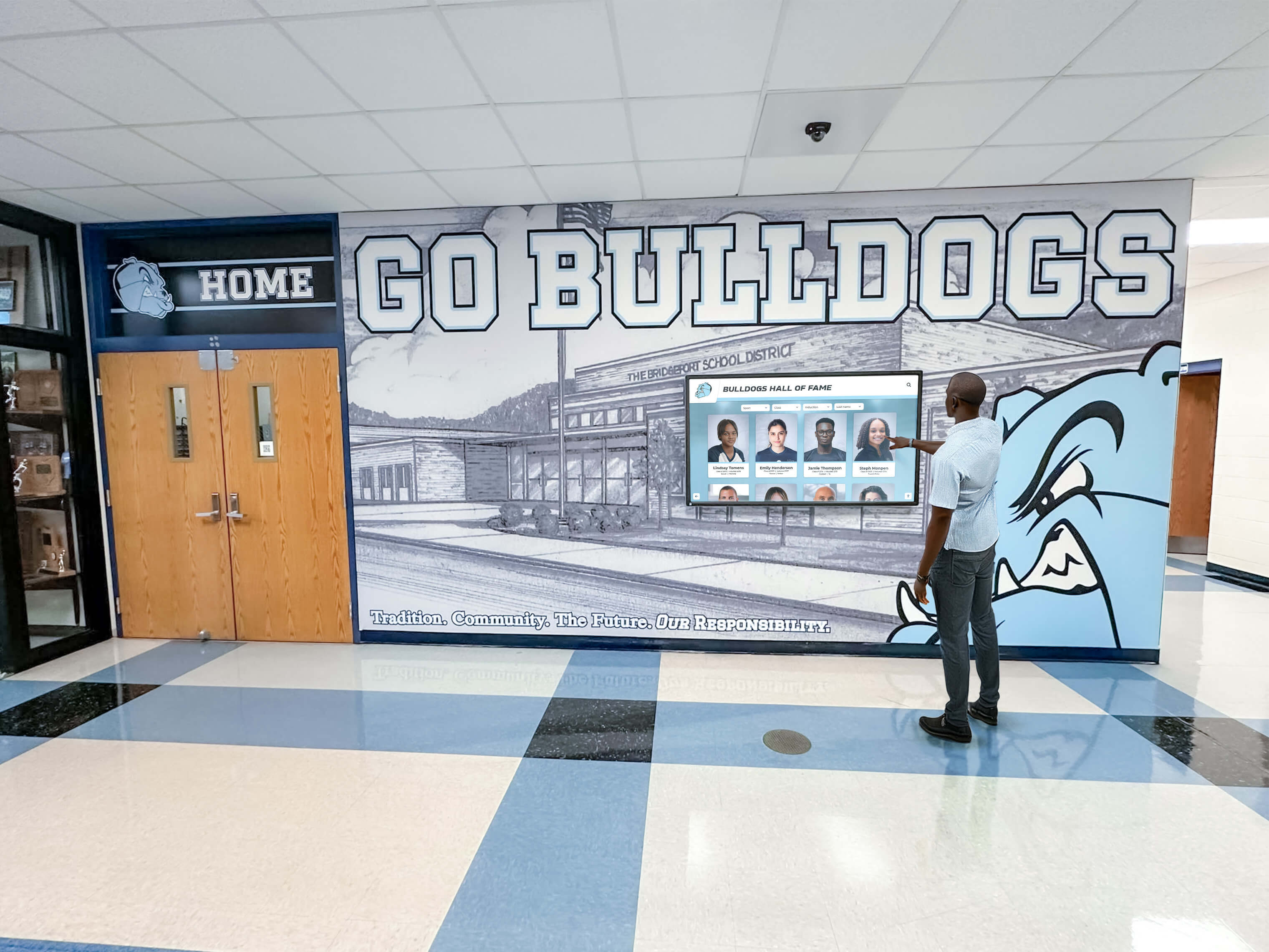
User-friendly interfaces enable staff to easily update recognition content keeping displays current and engaging
Content Development Strategies
Essential Recognition Content for Young Students
Elementary recognition profiles should be age-appropriate and engaging:
Core Student Information
- Student name and grade level
- Recent photo showing student at recognition moment
- Specific achievement or behavior being recognized
- Date of recognition and achievement category
- Teacher or staff member providing recognition
Achievement Narrative Elements
- Brief description of specific accomplishment in student-friendly language
- Context explaining why achievement matters and deserves recognition
- Student quote about their achievement or experience (for older elementary)
- Teacher statement about student growth or accomplishment
- Photos of student work products, projects, or achievement demonstrations
Growth Story Documentation
- Before and after comparisons showing improvement trajectories
- Milestone achievements marking progress toward goals
- Series of recognitions showing sustained excellence over time
- Connection between current recognition and previous achievements
- Future goals or aspirations students identify
This content approach tells complete achievement stories while remaining appropriate for young learners and their developmental understanding.
Launch and Promotion Strategies
Strategic Unveiling Approaches
Recognition board launches create important cultural moments:
Inaugural Launch Events
- All-school assembly unveiling recognition display
- Student demonstrations showing how to explore recognition
- Initial recognition ceremony adding first honorees
- Family open house enabling community interaction
- Media coverage highlighting school commitment to student recognition
- Student excitement building through preview announcements
Ongoing Promotion and Visibility
- Morning announcements directing students to view latest recognition
- Newsletter features explaining recognition program
- Social media campaigns celebrating recognized students
- Classroom lessons teaching students how to navigate displays
- Parent communication about how to access recognition remotely
- Student orientation ensuring all learners know how to explore displays
Community Engagement Extensions
- Parent volunteer opportunities supporting recognition programs
- Local business partnerships sponsoring recognition initiatives
- Community presentations showcasing student achievements
- Alumni connections highlighting recognition tradition history
- School tour integration ensuring prospective families see recognition
Systematic promotion ensures recognition programs achieve maximum visibility and impact rather than remaining known only to directly involved students and families.
Discover engagement strategies in semester recognition highlights for comprehensive celebration approaches.
Best Practices for Elementary School Recognition
Schools with highly effective elementary recognition programs share common approaches maximizing impact while maintaining equity, sustainability, and alignment with developmental needs.
Creating Inclusive and Developmentally Appropriate Recognition
Equity Considerations
Recognition should provide genuine opportunities across all student populations:
Multiple Achievement Pathways
- Recognition categories valuing different talents beyond traditional academics
- Improvement-based criteria alongside absolute achievement standards
- Effort and persistence recognition regardless of outcome levels
- Character-based recognition accessible to all students
- Consideration of starting points and obstacles overcome
- Special acknowledgment for students demonstrating exceptional growth
Addressing Recognition Barriers
- Transparent criteria young students and families can understand
- Frequent recognition cycles preventing long waits between acknowledgment
- No costs or fees associated with recognition or celebrations
- Language accessibility in all recognition materials and communications
- Cultural sensitivity in achievement documentation and celebration approaches
- Rotating focus ensuring all classrooms and grade levels receive visibility
Representation Monitoring
- Regular analysis of recognition distribution across student demographics
- Investigation when patterns show certain populations receiving less recognition
- Criteria adjustment if systematic disadvantages appear
- Community conversations about equity in recognition programs
- Transparent communication about recognition philosophy and approaches
Learn about inclusive approaches in teacher of the year recognition adaptable to student recognition contexts.
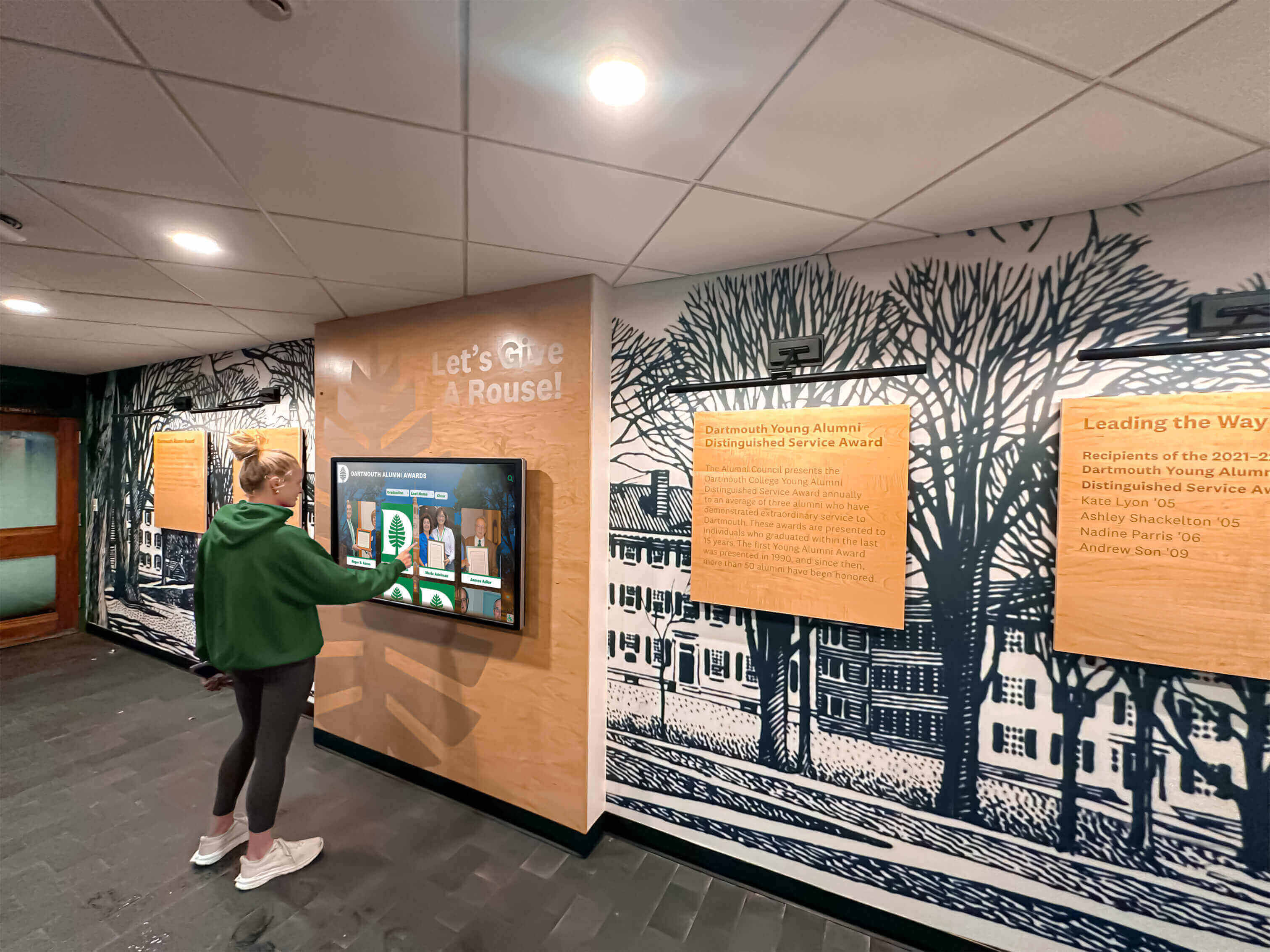
Intuitive interfaces enable young students to independently explore recognition and understand achievement opportunities
Balancing Recognition Frequency and Significance
Maintaining Recognition Meaning
Effective programs preserve significance while creating opportunity:
Clear Recognition Standards
- Specific criteria distinguishing different recognition levels
- Balance between accessibility and maintaining recognition value
- Multiple recognition tiers providing different achievement levels
- Special recognition for truly exceptional accomplishments
- Regular recognition for consistent effort and expected behaviors
Avoiding Recognition Inflation
- Not every action requires formal recognition on main displays
- Classroom-level recognition for daily expected behaviors
- School-wide displays for notable achievements exceeding expectations
- Clear communication about recognition level meanings
- Regular evaluation ensuring criteria remain appropriately challenging
Complementary Recognition Programs
- Daily classroom recognition through verbal praise and acknowledgment
- Weekly classroom displays highlighting different students regularly
- Monthly school-wide recognition on permanent displays
- Quarterly comprehensive recognition for sustained excellence
- Annual celebrations honoring cumulative achievement
This tiered ecosystem ensures major recognition maintains significance while students receive frequent enough acknowledgment to maintain motivation and engagement.
Sustainable Program Management
Ongoing Administrative Responsibilities
Long-term success requires clear role assignment and manageable workload:
Content Management Roles
- Designated recognition coordinator responsible for overall program
- Classroom teacher responsibilities for student nominations
- Grade level team coordination for selection and review
- Administrative approval before publication ensuring accuracy
- Technology support for display hardware and software maintenance
Efficient Update Processes
- Monthly recognition submission deadlines aligned with academic calendar
- Streamlined nomination forms requiring minimal teacher time
- Batch processing adding multiple students simultaneously
- Template-based content creation reducing design workload
- Pre-scheduled publication dates automating display updates
Budget and Resource Allocation
- Display hardware maintenance reserves and eventual replacement
- Software platform subscription or licensing costs
- Recognition ceremony materials and supplies
- Photography and documentation tools
- Staff time allocation for program coordination
Schools successfully maintaining recognition programs integrate these responsibilities into normal workflows rather than treating them as additional burdens requiring extraordinary effort.
Family Engagement Through Recognition Boards
Elementary recognition boards create powerful family connection opportunities extending student acknowledgment beyond school walls.
Parent Communication and Involvement
Recognition Notification Systems
Families should learn promptly when students receive recognition:
- Automated email notifications when student appears on recognition board
- Text message alerts for immediate family notification
- Weekly recognition digests summarizing all new honorees
- Social media posts celebrating recognized students with appropriate permissions
- Newsletter features highlighting recognition recipients
- Individual certificates sent home documenting recognition
Remote Access for Families
Modern recognition systems enable family engagement regardless of campus visit ability:
- Mobile-optimized web access to recognition displays
- Dedicated family viewing portals with enhanced privacy controls
- Social sharing capabilities enabling extended family celebration
- Photo download options allowing families to preserve recognition images
- Video content families can view showing student achievement demonstrations
- Translation options supporting multilingual family access
Family Partnership Opportunities
Recognition programs create natural family involvement pathways:
- Parent volunteers supporting recognition ceremony logistics
- Family attendance at recognition celebrations and assemblies
- Parent communication about student achievements supporting nominations
- Family testimony about growth and accomplishments observed at home
- Volunteer opportunities documenting achievements through photography
- Family feedback informing recognition program improvements
This comprehensive family engagement transforms recognition from school-only celebration to community-wide acknowledgment strengthening home-school partnerships.
Learn about parent engagement through alumni of the month programs adaptable to current student recognition.
Measuring Elementary Recognition Program Impact
Regular assessment demonstrates recognition value while identifying improvement opportunities ensuring programs achieve intended goals.
Quantitative Success Indicators
Participation and Coverage Metrics
- Percentage of students receiving at least one recognition annually
- Average number of recognitions per student across school year
- Distribution of recognition across grade levels ensuring equity
- Recognition category utilization showing balanced achievement celebration
- Recognition frequency by month identifying participation patterns
Engagement and Visibility Data
- Touchscreen display interaction frequency and duration
- Web-based recognition portal traffic and usage patterns
- Social media engagement with recognition content
- Recognition ceremony attendance rates
- Family viewing patterns and remote access frequency
Academic and Behavioral Outcome Correlations
- Achievement trends among recognized versus non-recognized students
- Attendance patterns for students receiving recognition
- Behavioral referral rates related to recognition participation
- Reading level advancement correlation with literacy recognition
- Parent satisfaction survey results about recognition programs
Qualitative Assessment Approaches
Stakeholder Feedback Collection
- Student surveys about recognition program awareness and fairness
- Teacher assessment of recognition program workload and effectiveness
- Family perception of recognition program value and communication
- Administrator observations about cultural impact and student motivation
- Community stakeholder feedback about school achievement visibility
Cultural Indicators
- Observed changes in student pride and school connection
- Peer celebration and support of recognized students
- Student motivation and willingness to attempt challenges
- School climate survey results showing belonging and positivity
- Anecdotal evidence from teachers about student engagement shifts
Regular assessment enables continuous improvement ensuring recognition programs remain meaningful, equitable, and aligned with elementary developmental needs and school culture goals.
Special Elementary Recognition Applications
Beyond general student recognition, specific elementary contexts benefit from adapted approaches addressing unique needs and opportunities.
Grade-Level Specific Recognition
Primary Grades Recognition (K-2)
Youngest elementary students require specially adapted approaches:
Developmentally Appropriate Primary Recognition
- Very frequent recognition cycles providing weekly acknowledgment
- Visual recognition with limited text appropriate for emerging readers
- Concrete achievement criteria young children understand clearly
- Immediate recognition closely following behaviors and accomplishments
- Fun, celebratory tone appealing to young children
- Simple navigation enabling independent display exploration
Primary Achievement Categories
- Letter and number recognition mastery
- Reading readiness skills and beginning reader milestones
- Classroom cooperation and following directions
- Kindness to peers and inclusive behavior
- Fine motor skill development through art and writing
- Listening skills and attention development
Intermediate Elementary Recognition (3-5)
Upper elementary students benefit from more sophisticated approaches:
Intermediate Recognition Characteristics
- Less frequent but more substantial recognition cycles
- Detailed achievement documentation students can read independently
- Recognition connected to future middle school opportunities
- Student voice in recognition criteria and program design
- Peer nomination processes involving student participation
- Leadership recognition as students mentor younger peers
Intermediate Achievement Focus
- Research and project-based learning excellence
- Critical thinking and problem-solving demonstrations
- Leadership in school activities and organizations
- Academic competition participation and achievement
- Community service and social responsibility
- Technology skill development and digital citizenship
Specialized Program Recognition
English Language Learner Recognition
ELL students deserve specialized acknowledgment:
- Language acquisition milestone celebrations
- Bilingual skill recognition honoring multilingual abilities
- Cultural contribution acknowledgment and sharing
- Academic achievement in native language and English
- Courage and persistence in language learning journey
- Translation of recognition content supporting family engagement
Special Education Recognition
Students with IEPs and 504 plans require appropriate recognition:
- IEP goal achievement celebrations
- Adaptive skill development recognition
- Inclusive behavior and peer support acknowledgment
- Effort and persistence emphasis appropriate to individual abilities
- Strength-based recognition highlighting unique talents
- Collaboration with special education staff ensuring appropriate criteria
These specialized approaches ensure recognition systems serve all elementary students appropriately regardless of language background, learning differences, or unique needs.
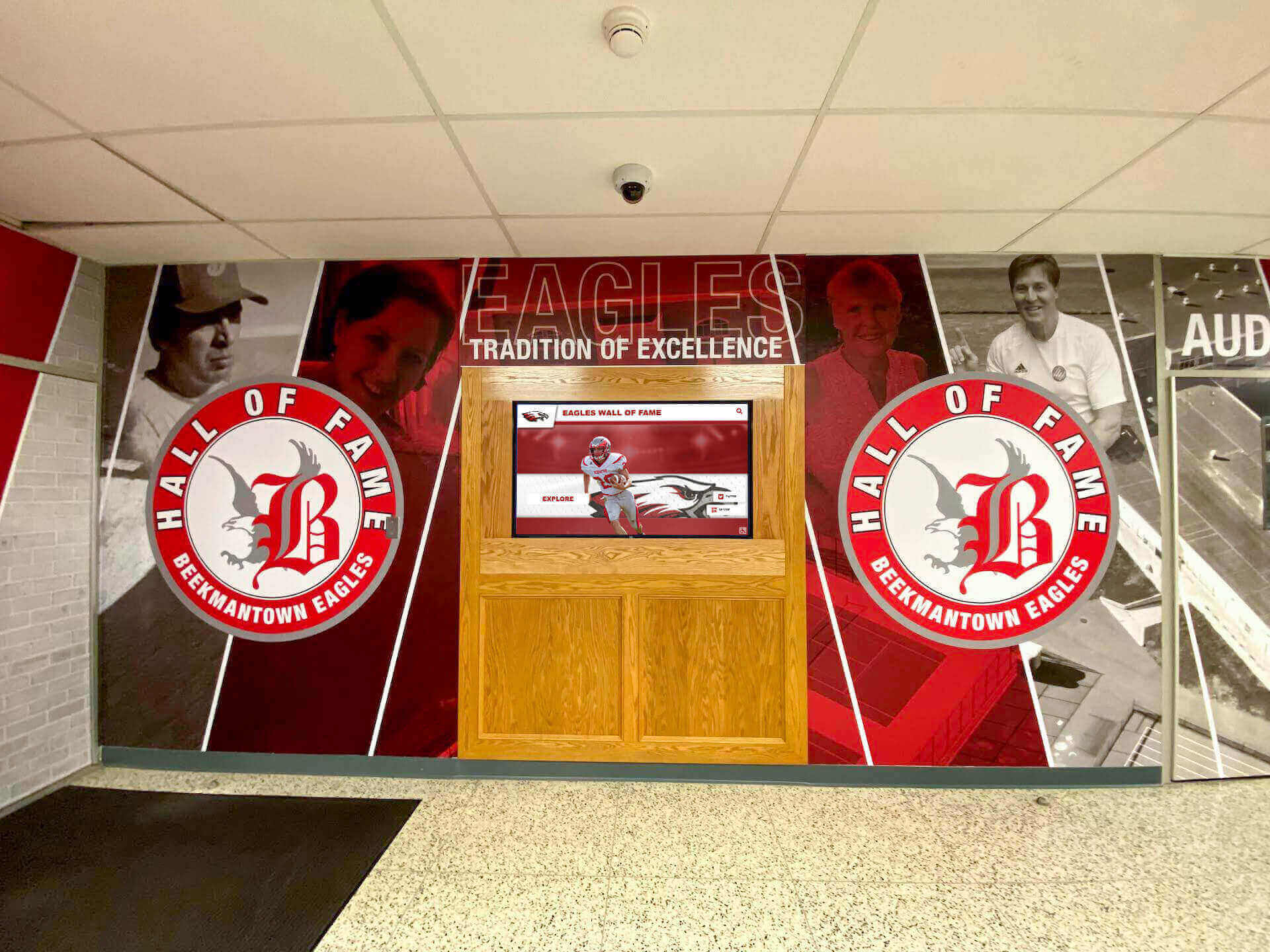
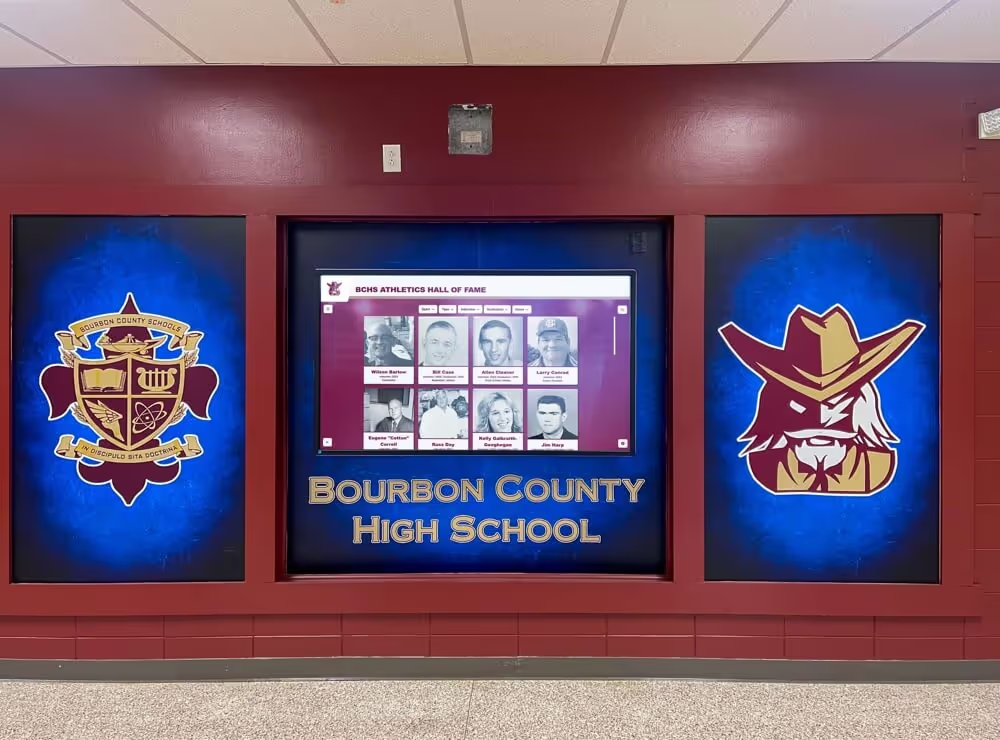
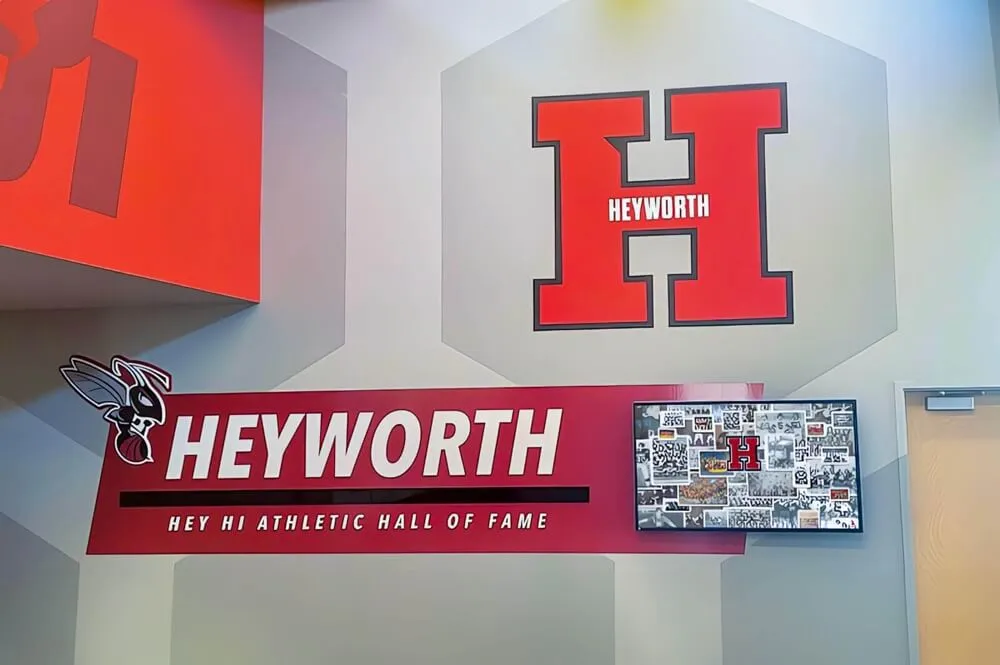
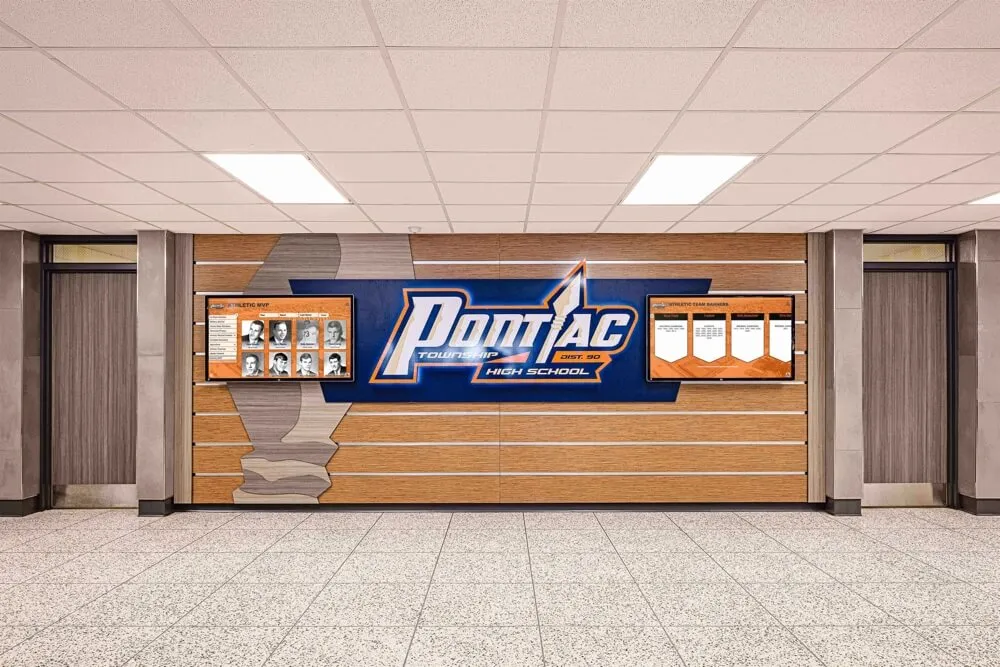
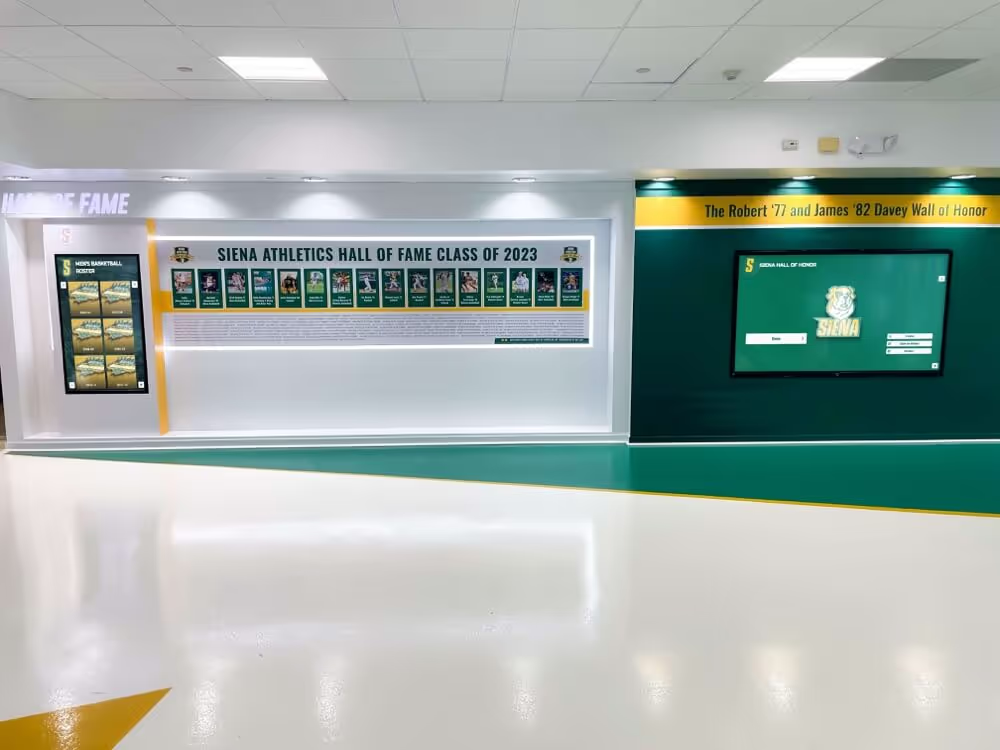
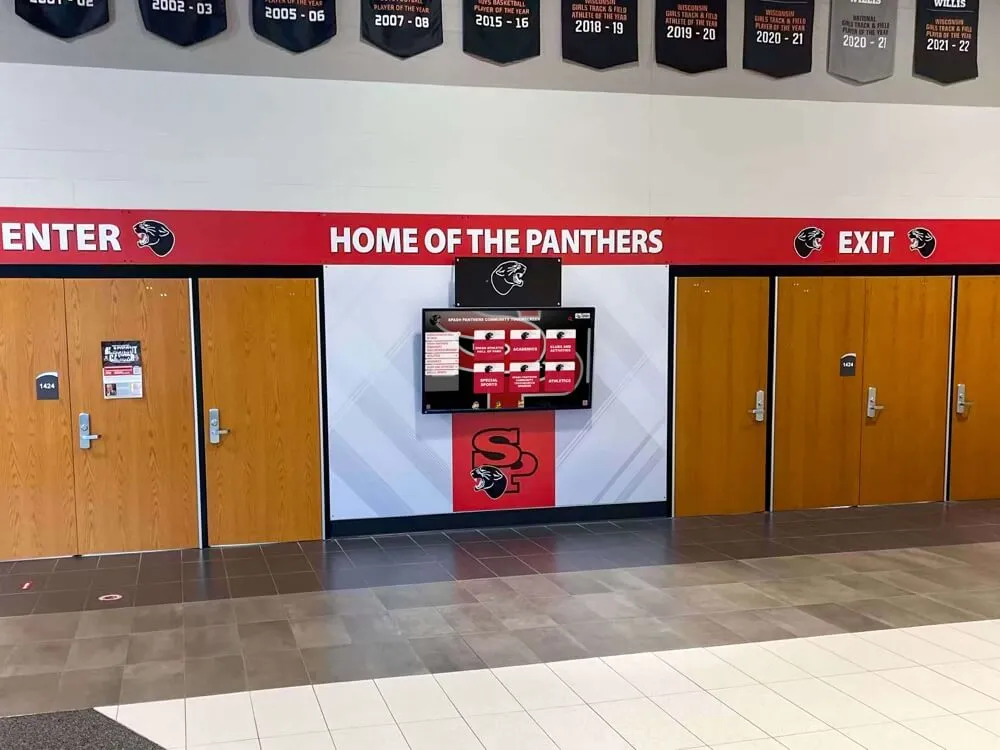
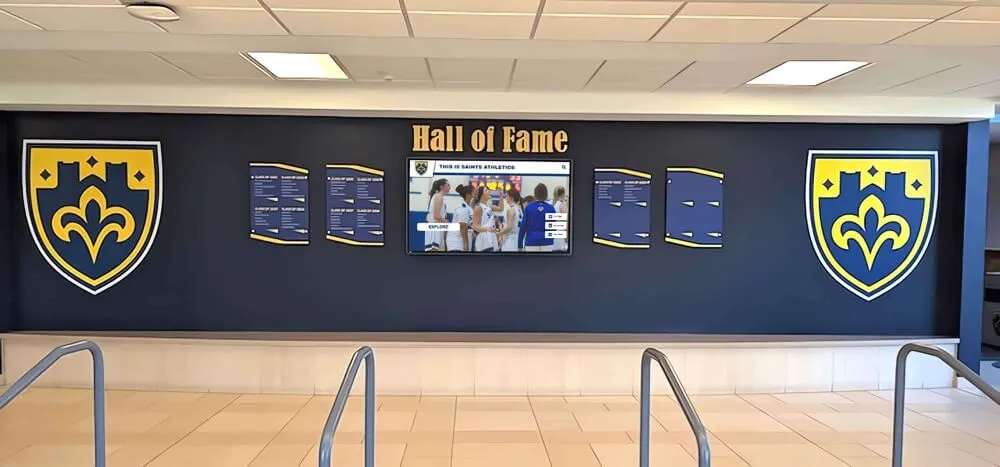
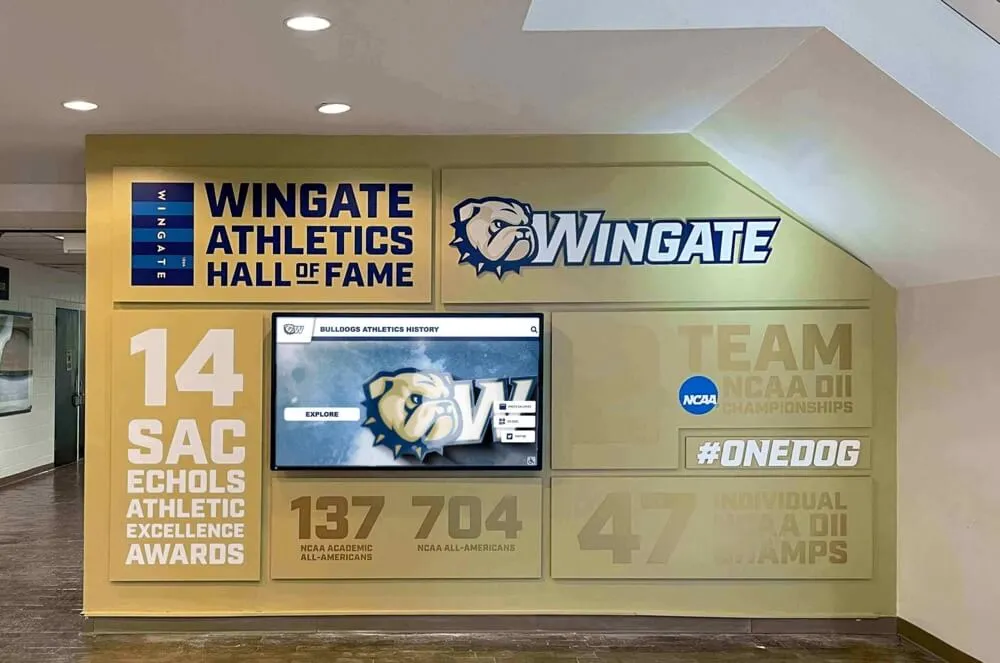
Strategic lobby placement ensures recognition becomes central to school identity and culture visible to all visitors
Conclusion: Building Elementary Excellence Culture Through Recognition
Elementary school recognition boards represent strategic investments in student development, school culture, and educational mission fulfillment. When elementary schools create comprehensive recognition systems celebrating young learners across multiple dimensions—from academic growth to character development to creative expression—they establish visible demonstrations that effort matters, that diverse achievements deserve celebration, and that every child possesses unique strengths worthy of acknowledgment and visibility.
The strategies explored in this guide provide comprehensive frameworks for building recognition programs that celebrate diverse achievements meaningfully while remaining sustainable, equitable, and developmentally appropriate for young learners. From digital recognition displays eliminating space constraints while enabling unlimited student recognition to systematic nomination processes ensuring consistent acknowledgment reaching all deserving students, modern approaches transform elementary recognition from temporary bulletin boards to dynamic celebration systems inspiring current and future elementary learners.
Transform Your Elementary School Recognition
Discover how modern digital recognition solutions can help you celebrate every young learner's achievements while building a thriving culture of excellence that inspires students to reach their fullest potential throughout elementary years.
Explore Recognition SolutionsBuilding effective elementary recognition requires moving beyond limiting assumptions about physical display constraints and narrow achievement definitions. Digital platforms like those offered by Rocket Alumni Solutions make comprehensive recognition achievable across unlimited students and achievement categories, while inclusive selection processes ensure recognition opportunities exist for students with diverse talents, learning profiles, and starting points rather than privileging single achievement dimensions or traditional academic metrics alone.
Start wherever your current context allows—whether enhancing existing bulletin boards with better organization and visibility, implementing systematic nomination processes ensuring fairness and consistency, or exploring comprehensive digital platforms fundamentally transforming recognition capabilities and family engagement. Each improvement honors student achievement more effectively while demonstrating institutional commitment to celebrating excellence across its diverse manifestations throughout the elementary years.
Your elementary students deserve recognition systems matching their extraordinary efforts and accomplishments. Young learners who demonstrate academic growth, exhibit exceptional character, contribute creatively, show leadership among peers, or persist through challenges should receive celebration and acknowledgment inspiring them and their classmates to pursue continued development. With thoughtful planning, appropriate technology investment through solutions like Rocket Alumni Solutions, attention to developmental appropriateness and equity, and systematic implementation, you can create recognition systems ensuring every elementary student receives appropriate celebration while building positive, motivating cultures where young learners thrive.
Ready to transform your elementary school recognition from temporary paper certificates to dynamic recognition system? Explore how digital recognition solutions provide platforms specifically designed for elementary schools—enabling you to celebrate young learners with the visibility, engagement, and permanence they deserve while creating inspiring experiences that strengthen school culture, motivate continued excellence, and support the developmental needs of elementary-aged children building foundations for lifelong learning success.